5 min. reading

Yulii Cherevko
CEO paintit.ai

Setting up a home office isn't just about sticking a desk in a corner. It’s about building a space that truly works for you – somewhere you can focus, feel comfortable, and get into your personal flow. The tricky part is taking those big ideas about how you *want* to work and making them real with furniture and lighting that actually fit your space. This is where you can ditch the guesswork. Instead of just picturing it in your head, you can use a tool like Paintit.ai to visualize different layouts, colors, and furniture directly in a photo of your own room. This way, every choice supports your natural rhythm *before* you spend any money.
A truly productive home office setup isn't just about how it looks. It's about crafting a space that *intuitively* supports how you get things done. The aim is for focus to feel *seamless*, where distractions simply disappear. This means carefully blending layout, lighting, and organization in a way that truly understands how you work. People are serious about this: Americans spend over $600 billion on home improvements each year, according to the Joint Center for Housing Studies of Harvard University, so building a functional workspace has become a real priority.
The secret to a productive office boils down to simple "design physics":
To make this happen, every single item needs a purpose. Before you buy anything, ask yourself how each piece helps or hinders these core ideas.
| Element | What to Choose | Why It Works | Common Mistake | Quick Fix |
|---|---|---|---|---|
| Desk | Choose one with the correct height, enough depth, and a non-glare surface (like matte laminate or natural wood). | It supports good posture, gives you plenty of room to work, and cuts down on reflections that tire your eyes. | It’s too small, or the surface is too shiny. | Add a monitor stand to free up vertical space; grab a matte desk pad. |
| Chair | Select one with adjustable height, lumbar support, and armrests at elbow height. | This encourages proper posture, reducing back pain and fatigue over long periods. | You picked an aesthetic dining chair that isn't ergonomic. | Add a high-quality lumbar pillow and a footrest to improve your posture. |
| Lighting | Use layers: natural light, ambient light, and task lighting. | This provides even illumination, reduces screen glare and eye fatigue, and adapts to different times of day. | Relying on just one single, harsh overhead light. | Add a directional desk lamp with adjustable brightness and color temperature. |
| Storage | Go for closed storage (cabinets, drawers) for most items, with minimal open shelving. | It keeps clutter out of sight, creating a visually calm and focused environment. | Overusing open shelves that quickly become messy. | Use decorative boxes or bins on open shelves to group and hide small items. |
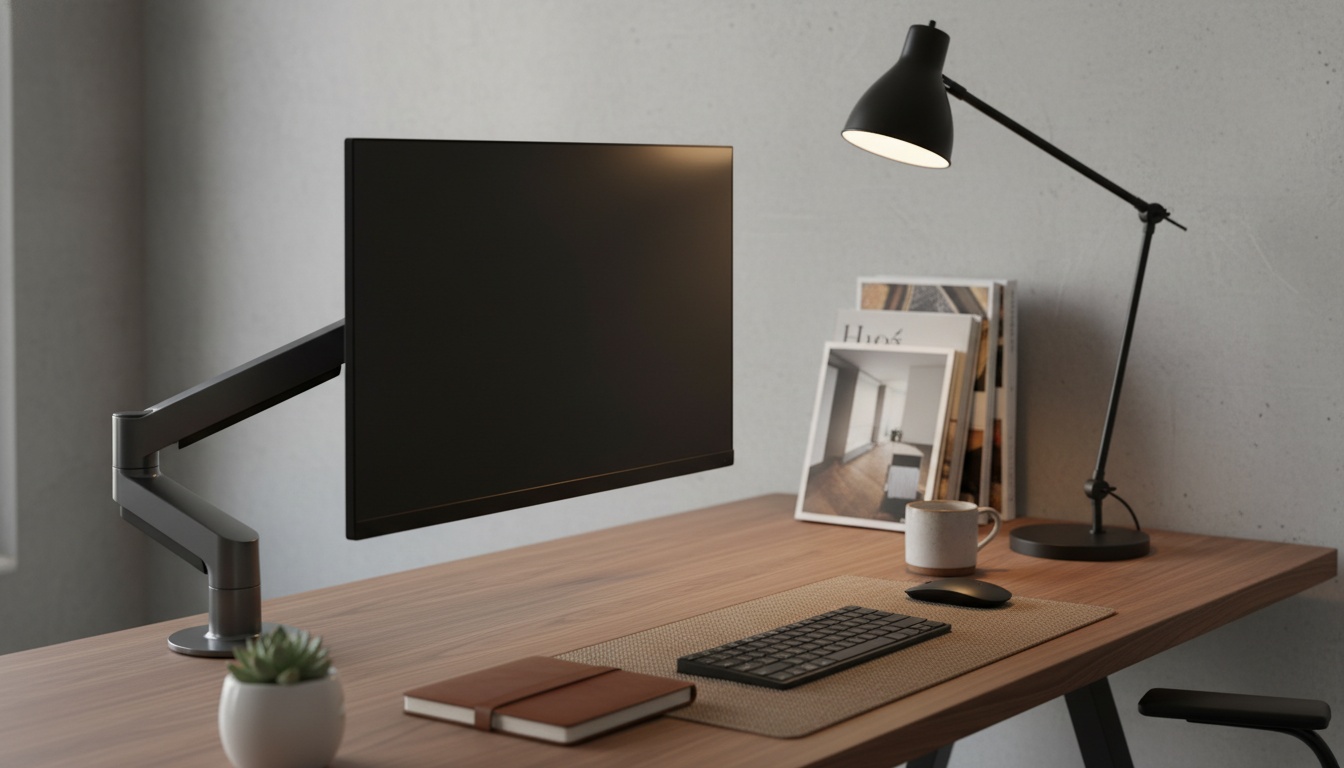
How you arrange your furniture directly affects your mental state. A cramped or illogical layout feels frustrating, but a well-planned one brings a sense of ease and control. When creating a home office, always start with your desk. It's the central anchor of the entire space.
The colors and textures in your office aren't just for show; they're powerful tools that can really impact your mood and productivity. Aim for a palette that's visually calming, but definitely not sterile.
Color Psychology for Focus:
Materials and Finishes:
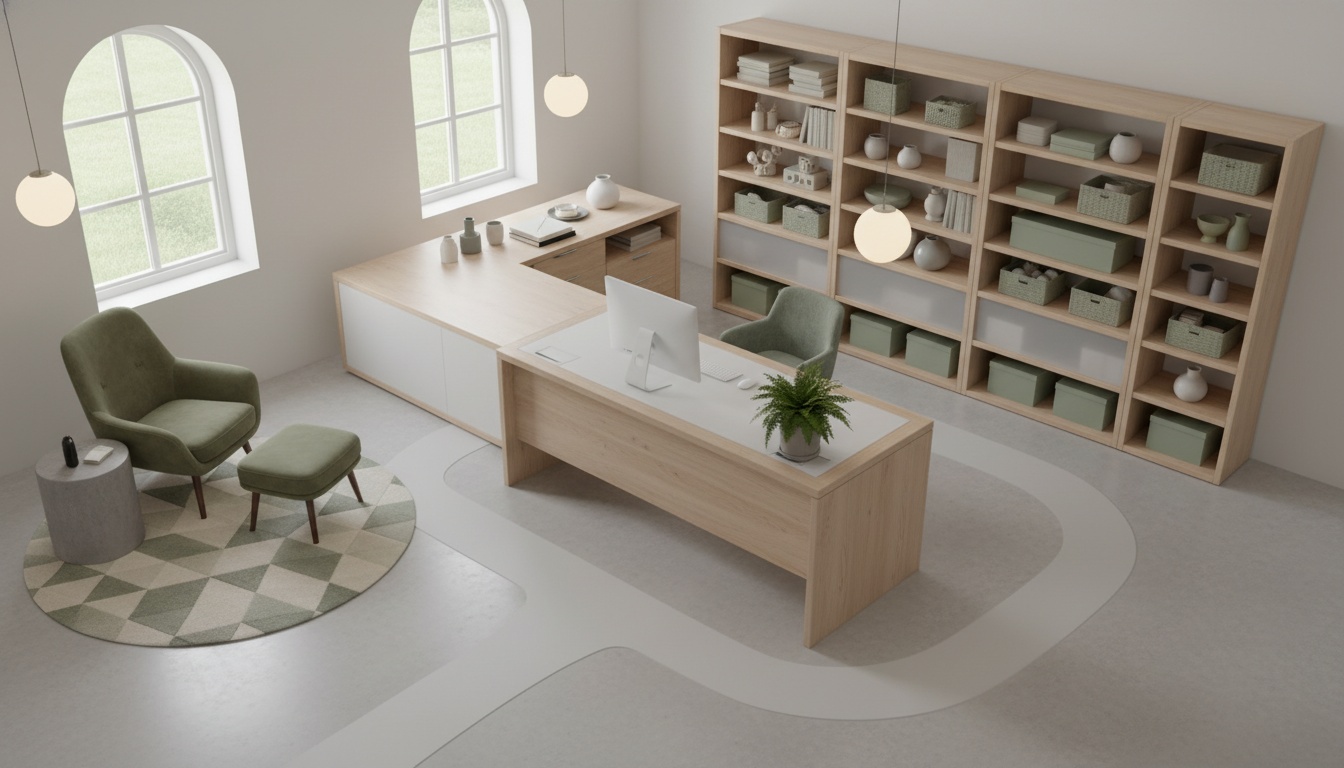
Every home and every job is unique, so your ideal office is deeply *personal*. Think of these concepts as starting points, not strict rules. Before you do anything, I recommend you explore how to furnish an empty room virtually with AI to test these ideas in your actual space.
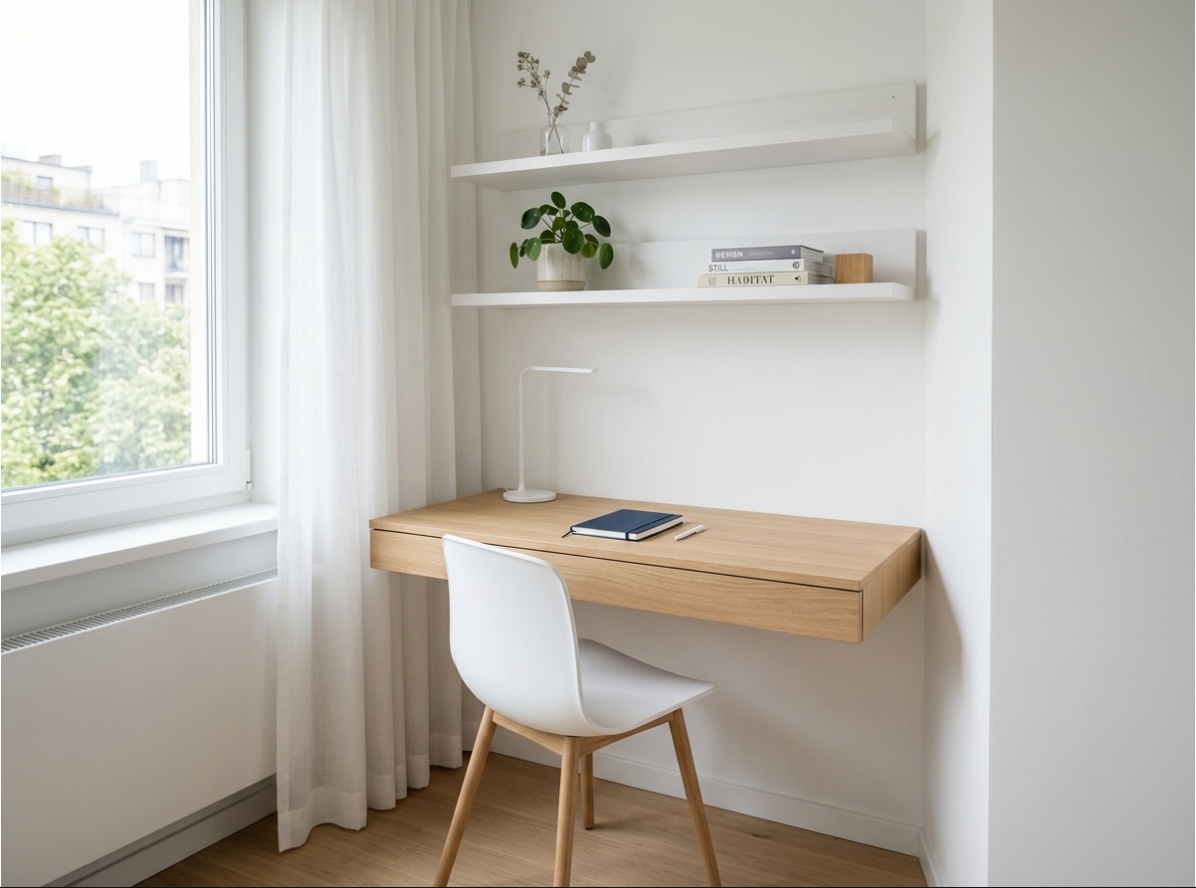
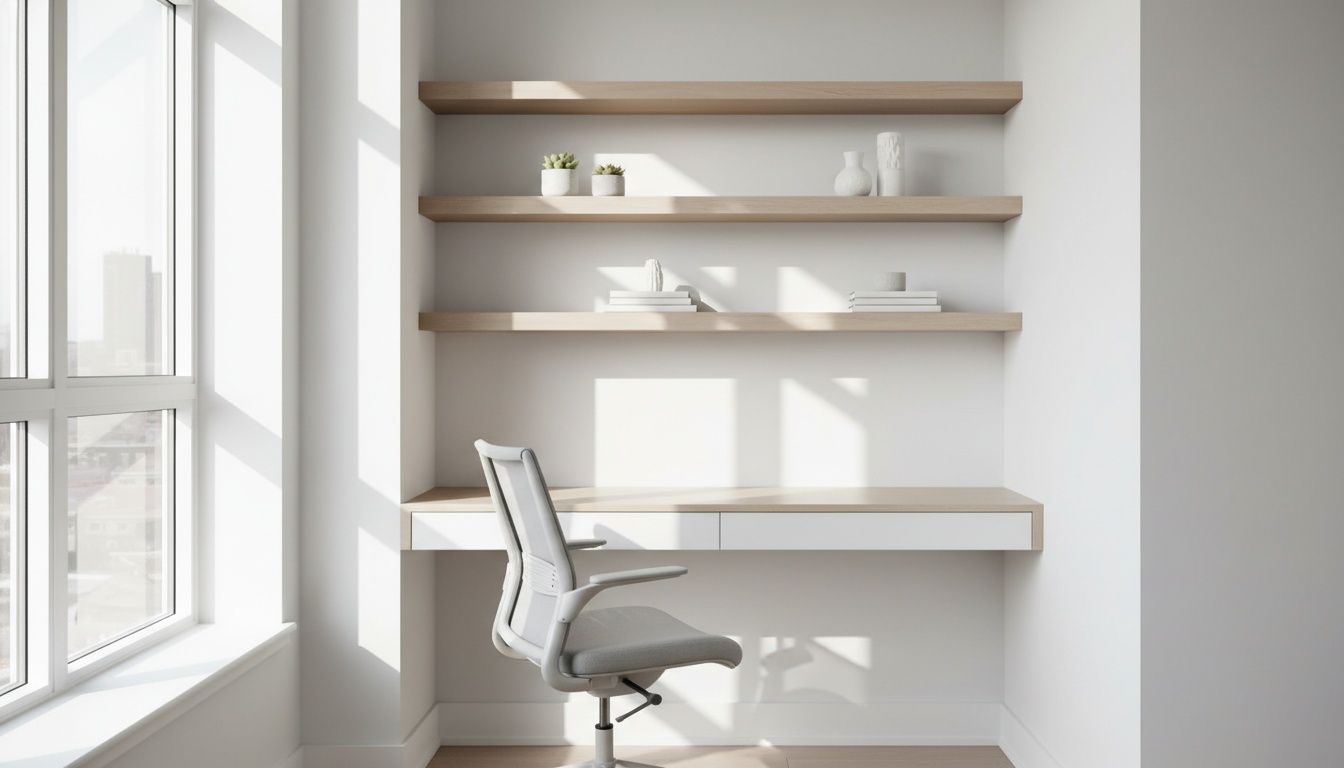
This is a perfect solution for smaller apartments. It cleverly uses vertical space and smart furniture to build a functional workstation without taking over the whole room.
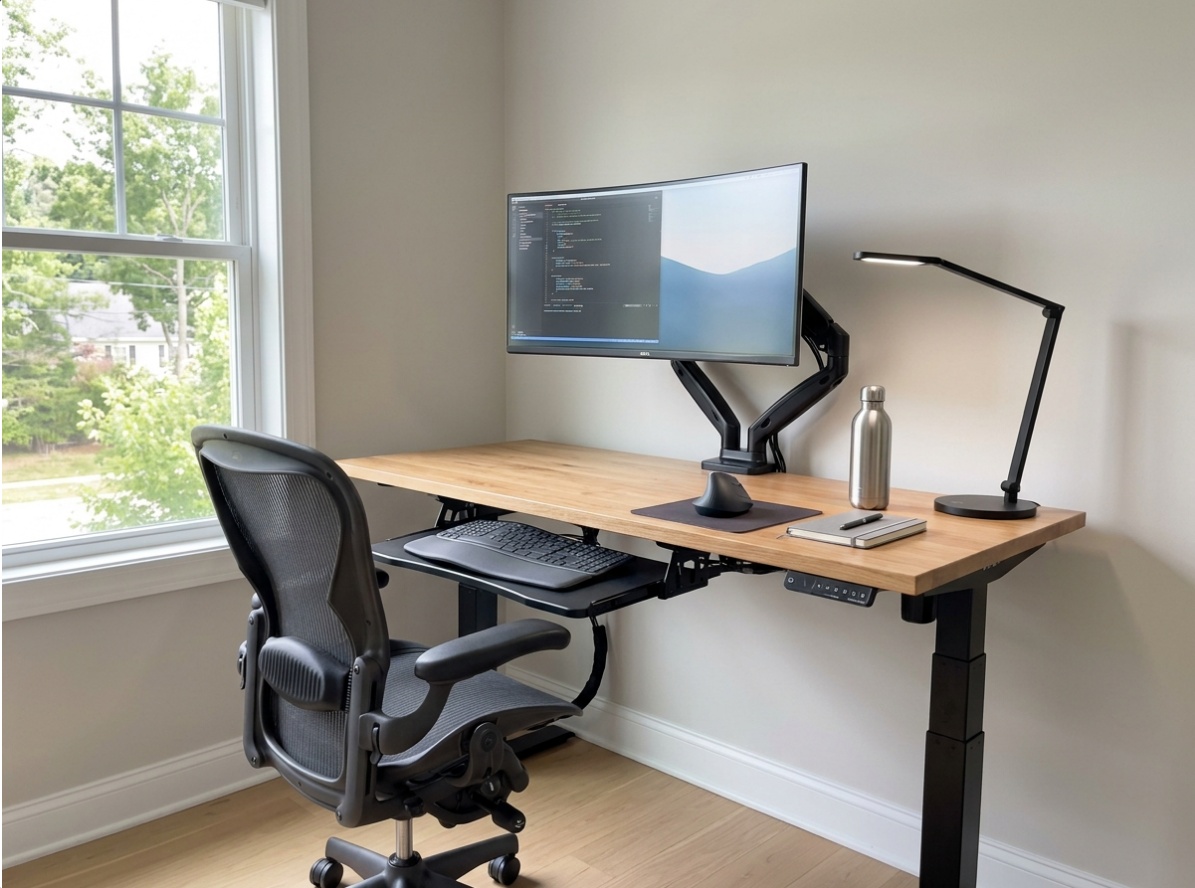
If you spend long hours at your computer, this setup puts your health and comfort first.
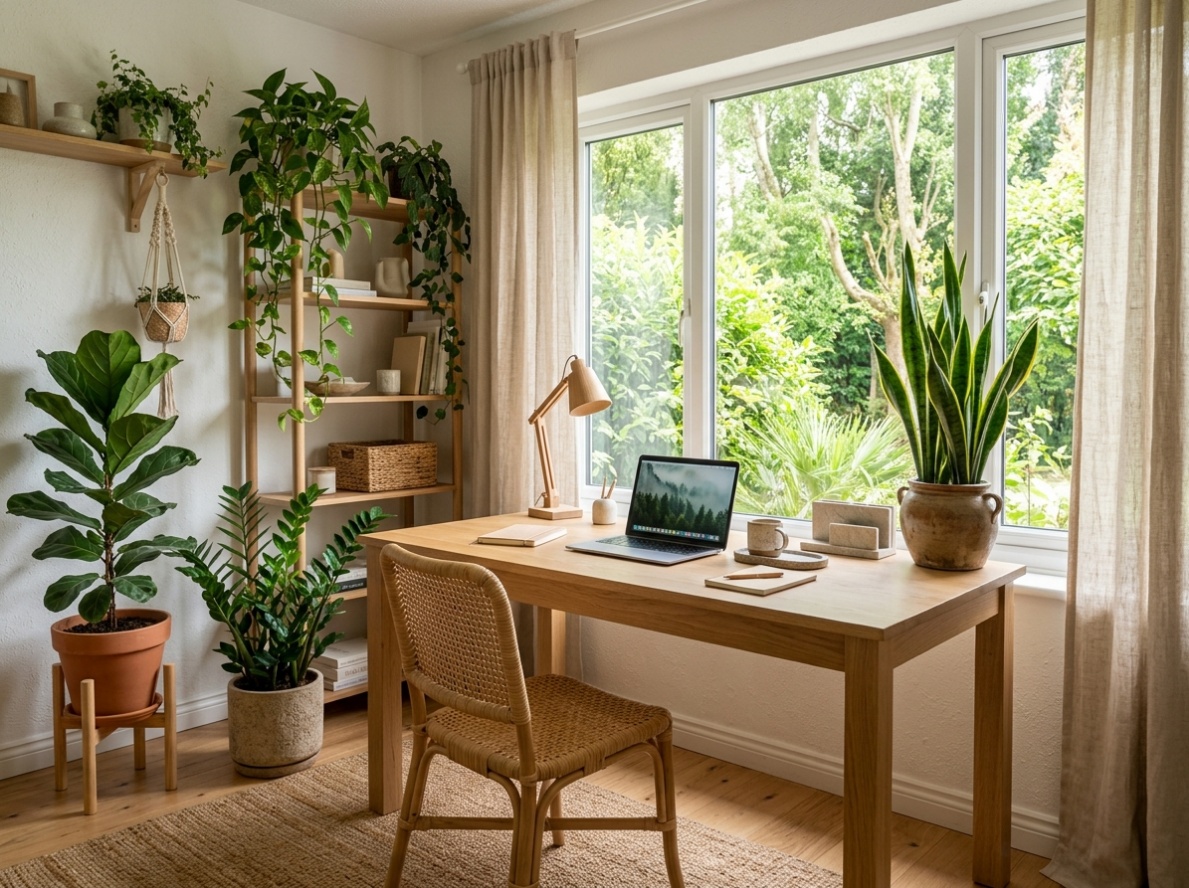
This design brings natural elements indoors to create a calming, restorative environment that really helps reduce stress. It's one of the best home office productivity tips for your well-being.
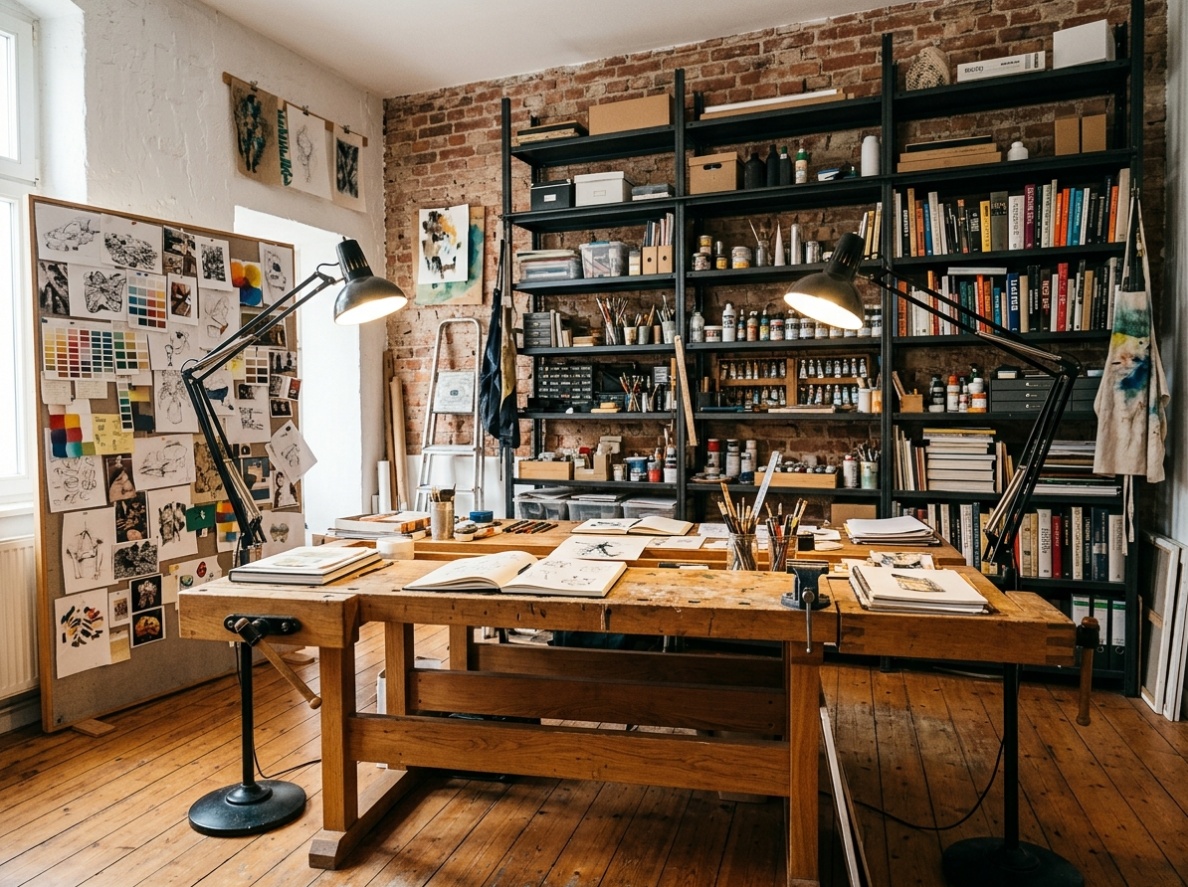
Perfect for artists, writers, and makers, this space prioritizes inspiration and flexible storage for all your materials.
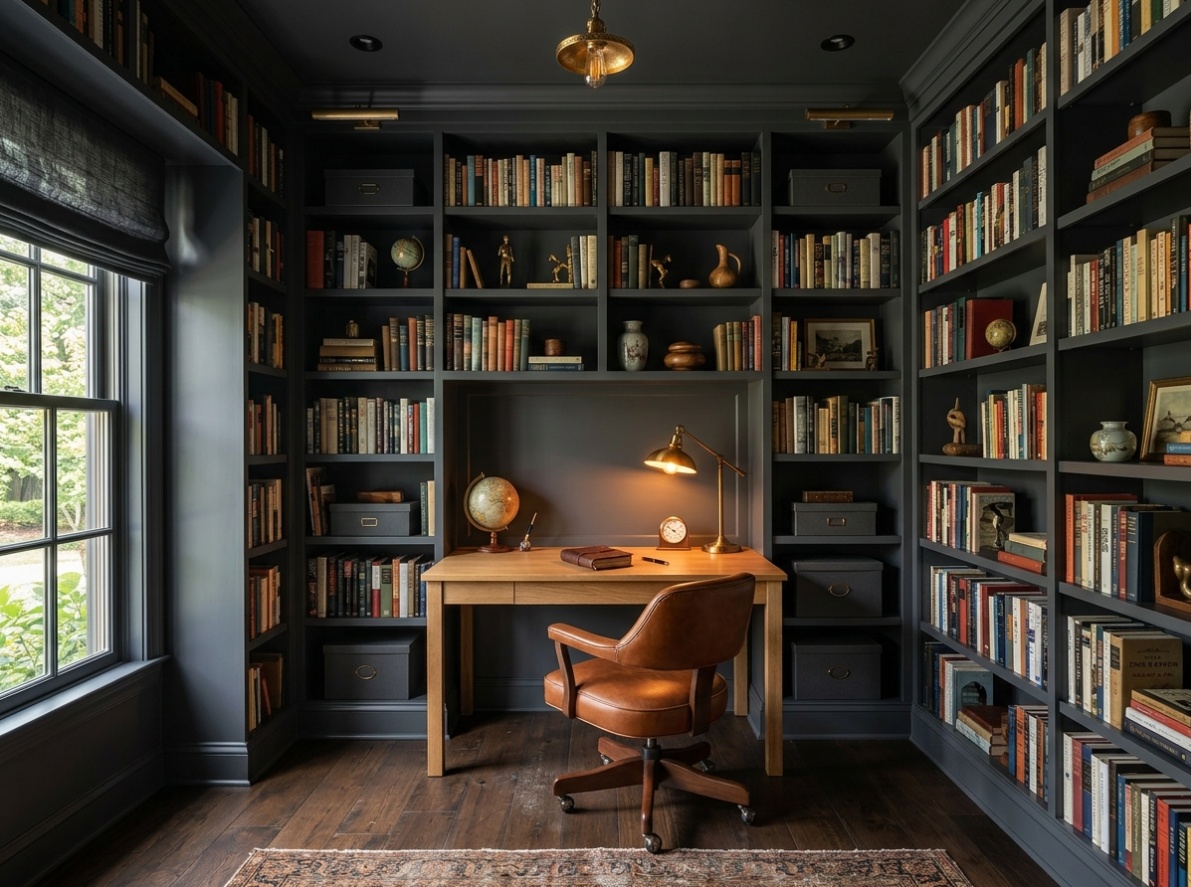
This classic approach *seamlessly* integrates your office into a living room or study using custom or off-the-shelf built-in shelving.
Even with the best intentions, small missteps can really mess up how functional your workspace is. Here’s how to figure out what’s wrong and fix it. Picking the right pieces is crucial, and our guide on AI furniture design can help you find and test items *before* you buy.
| Problem | Likely Cause | Fast Fix | Paintit.ai Try-On Test |
|---|---|---|---|
| Feeling tired and strained | Likely poor ergonomics or harsh lighting. | Adjust your chair height so your feet are flat on the floor; add a warm-toned task lamp. | "Render my office with warm, diffused afternoon light." |
| Space feels cramped | Bulky furniture or a poor layout. | Swap a heavy desk for one with leaner legs; mount your monitor to free up desk space. | "Show me this room with a minimalist desk and a slim chair." |
| Constant distraction | Visual clutter and a lack of separation. | Use decorative storage boxes to hide clutter; add a rug to visually define the workspace. | "Declutter the desk surface and add a large area rug under the desk and chair." |
| Uninspiring or sterile vibe | A lack of personal touches or texture. | Add one or two plants, a personal photo, and a textured cushion to your chair. | "Add personal decor elements like picture frames and a small plant to the desk." |
Pinterest boards are fantastic for inspiration, no doubt. But they simply can't show you how a dark green accent wall or a bigger desk will *actually* look and feel in *your* specific room, with *your* lighting and proportions. This is exactly where costly mistakes tend to happen.
Based on Paintit.ai user data, we've observed that the most successful designs emerge from an iterative process. Users often begin with a basic concept, then fine-tune it with prompts like "make the desk a lighter wood" or "change the wall color." This natural, conversational *flow* is precisely how to create a productive work environment at home that feels truly *personal*. Paintit.ai supports this *rhythm* perfectly.
Here’s how to build your productive home office setup with confidence:
While Paintit.ai renders give you a powerful preview, always remember to test real paint swatches and material samples in your actual space. The way things look can really change under your home's unique lighting conditions.
Focus on multi-functional furniture and clearly defining your zone. You could use a "secretary" desk that folds away, or place a slim desk right behind your sofa. A rug can visually separate your office area from the rest of the living space. Don't forget vertical storage, like floating shelves – they’re essential!
An ergonomic chair, hands down. You can be flexible with your desk or storage, but a chair that properly supports your posture is a non-negotiable investment in your long-term health and daily comfort. It’s the cornerstone of any productive office.
Create both a visual and a ritualistic boundary. Use a decorative folding screen to hide your desk once work hours are over. And whatever you do, avoid working from your bed! At the end of the day, tidy your desk and shut down your computer to signal to your brain that the workday is officially done.
Absolutely you can. Start by looking for secondhand furniture on platforms like Facebook Marketplace. An old, sturdy dining table can make a fantastic, spacious desk. Prioritize your budget for a good chair and decent lighting. A fresh coat of paint is also an incredibly inexpensive way to completely change how a space feels.
Mimic natural light with smart lighting choices. Use several light sources to eliminate shadows. A main ambient light should provide general illumination. For your desk, choose a high-quality LED task lamp with adjustable color temperature, setting it to a cooler "daylight" temperature (around 5000K) for optimal focus during work hours.
Focus on non-permanent solutions. Think freestanding bookshelves instead of built-ins, and use peel-and-stick wallpaper for an accent wall. Command strips are brilliant for hanging art and organizers without damaging walls. Always choose versatile furniture that can easily move with you.
The journey of figuring out how to make a home office is really an act of *empathy* for your future self. It’s about crafting a space that doesn't just hold your work, but actively makes it better. By skipping the generic advice and honing in on your *personal* workflow, you can design a space that feels less like a compromise and more like a sanctuary for deep focus. This is a key part of how to create a productive workspace at home.
Good layout, layered lighting, and thoughtful color choices are your foundation. But the real magic begins when you actually bring those ideas to life. Instead of just crossing your fingers and hoping for the best, you can *instantly* test every decision visually. Whether you're starting completely fresh and need to experiment with virtual staging to furnish an empty room, or you're just tweaking your current setup, this approach takes away all the guesswork. It gives you a clear, confident path from an idea to a truly productive office.