7 min. reading

Yulii Cherevko
CEO paintit.ai
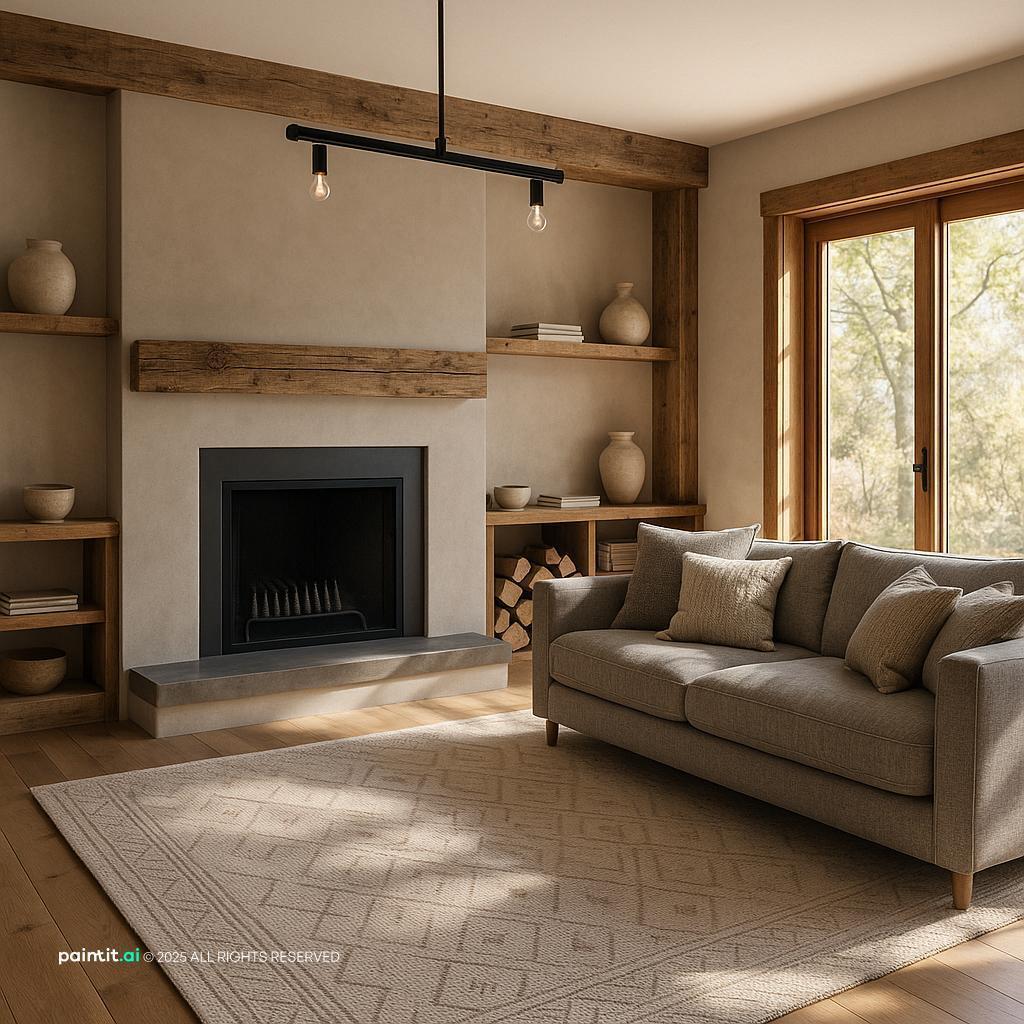
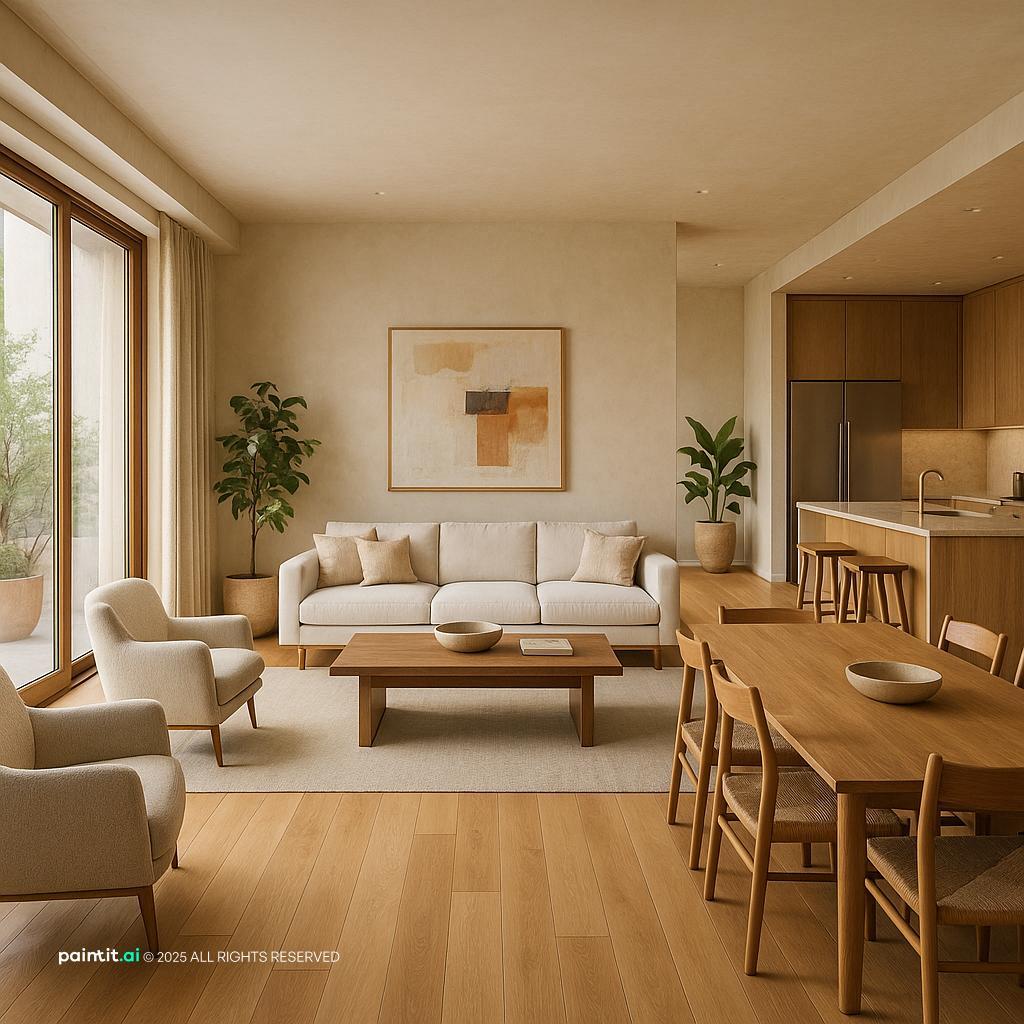
Harmony in interior design means that the colors, materials, forms, scale, and layout work comfortably together. Unity means the room reads as one composition rather than a collection of unrelated purchases. Designers often discuss the two principles together because both help create a cohesive interior, but they are not strict formulas and the terms sometimes overlap.
Key takeaways
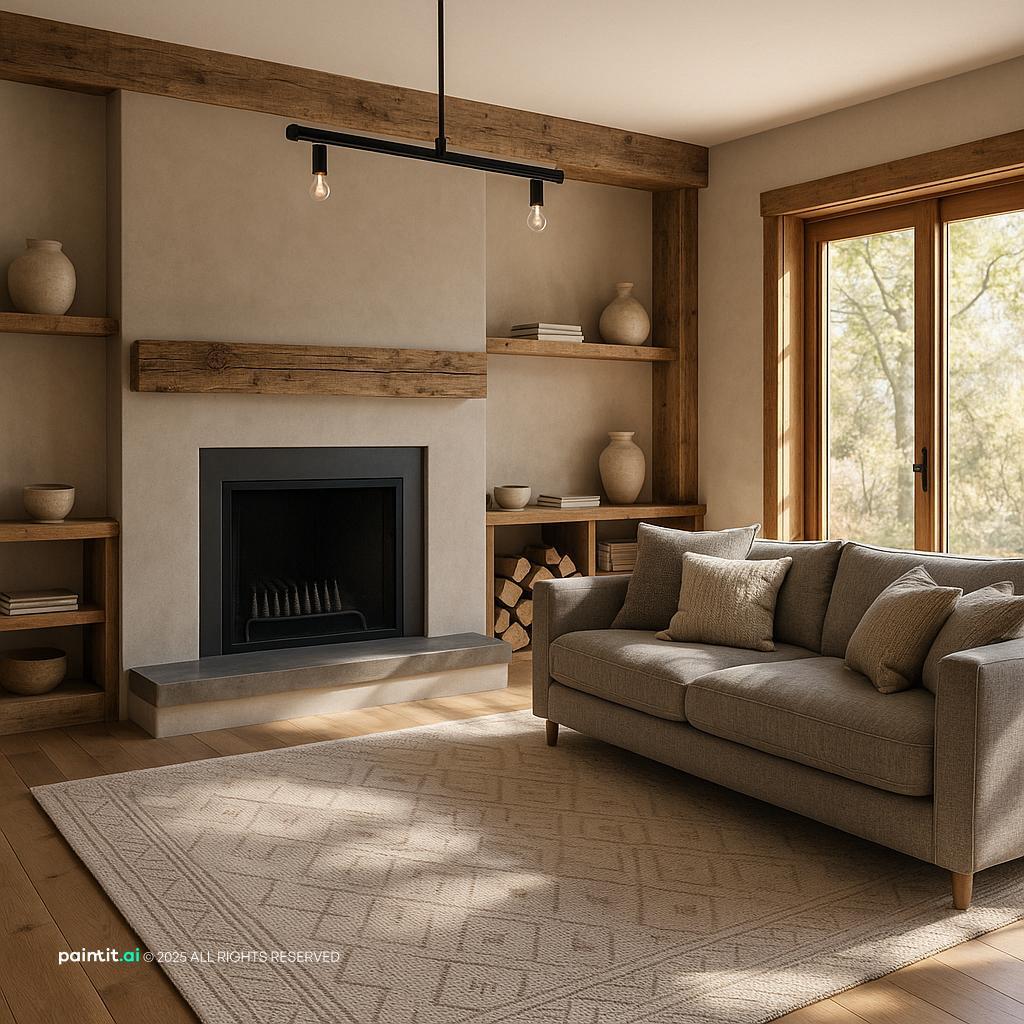
Harmony is the pleasing relationship between design elements. The furniture does not need to match, but its proportions, colors, materials, and shapes should avoid accidental conflict. A walnut table, cream upholstery, black metal lamp, and patterned rug can be harmonious when their tones repeat and no single piece overwhelms the room.
Harmony does not always mean calm, neutral, or minimal. A colorful room can be harmonious when its hues share a clear relationship and repeat in controlled amounts. A dark, dramatic room can also work when the lighting, scale, and materials support the intended effect.
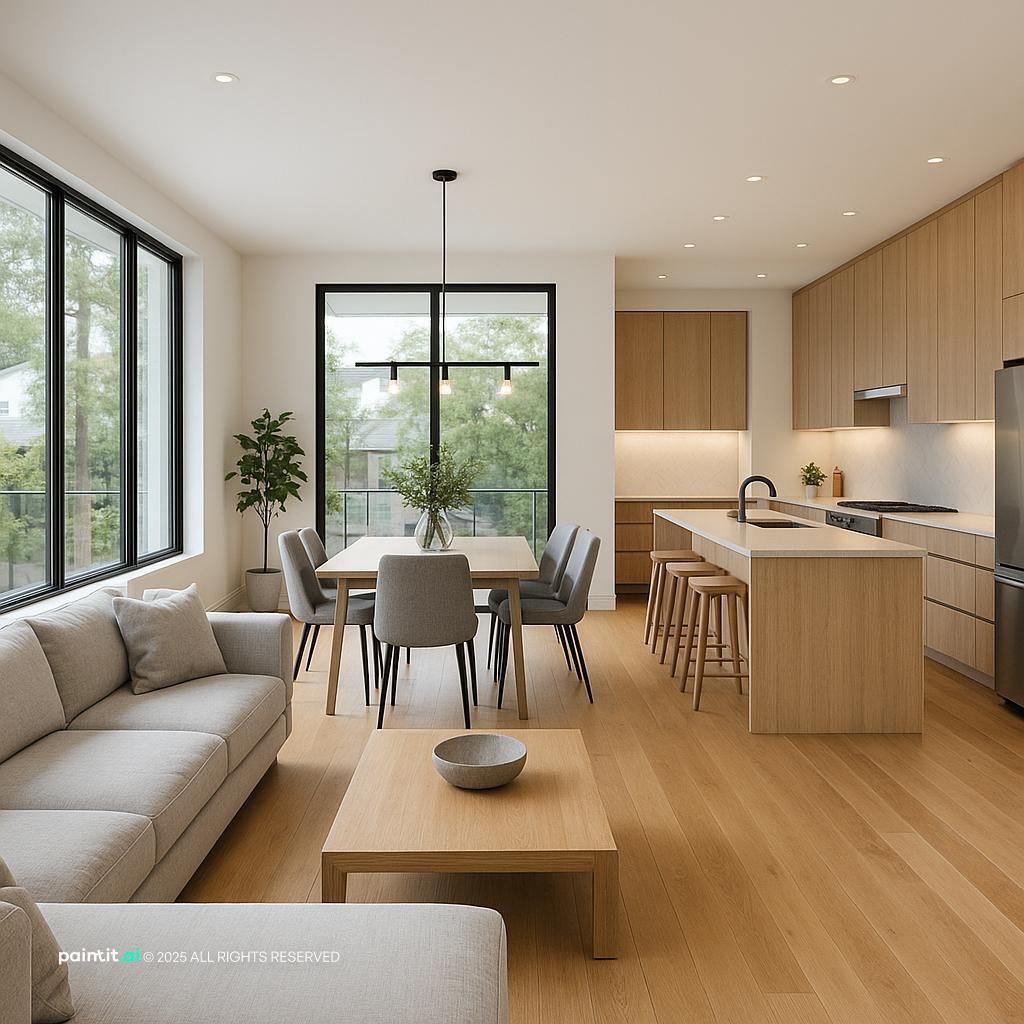
Unity in interior design is the sense that every major element belongs to the same composition. Repeating an oak finish, curved silhouette, black accent, or muted green across a room creates visual links. Consistent spacing and alignment can provide unity even when the furniture comes from different periods or brands.
Design terminology is not completely standardized. Iowa State University Extension's home-improvement design guide treats harmony as an umbrella principle and explains unity through the combination of color, texture, line, form, and space. This is why some sources use harmony and unity almost interchangeably.
| Question | Harmony | Unity |
|---|---|---|
| What does it assess? | Whether individual elements relate comfortably | Whether the whole room reads as one composition |
| How is it created? | Compatible color, scale, texture, light, and function | Repetition, alignment, proximity, and a consistent direction |
| What does failure look like? | Colors, proportions, or materials feel awkward together | Each piece may look good alone, but the room feels disconnected |
| Can it include contrast? | Yes, when contrast is deliberate and balanced | Yes, when contrasting pieces share another visual connection |
A room normally needs both. Unity gives it a recognizable direction; harmony helps the pieces coexist within that direction. The distinction is useful for diagnosing a room, but it should not become a debate over labels.
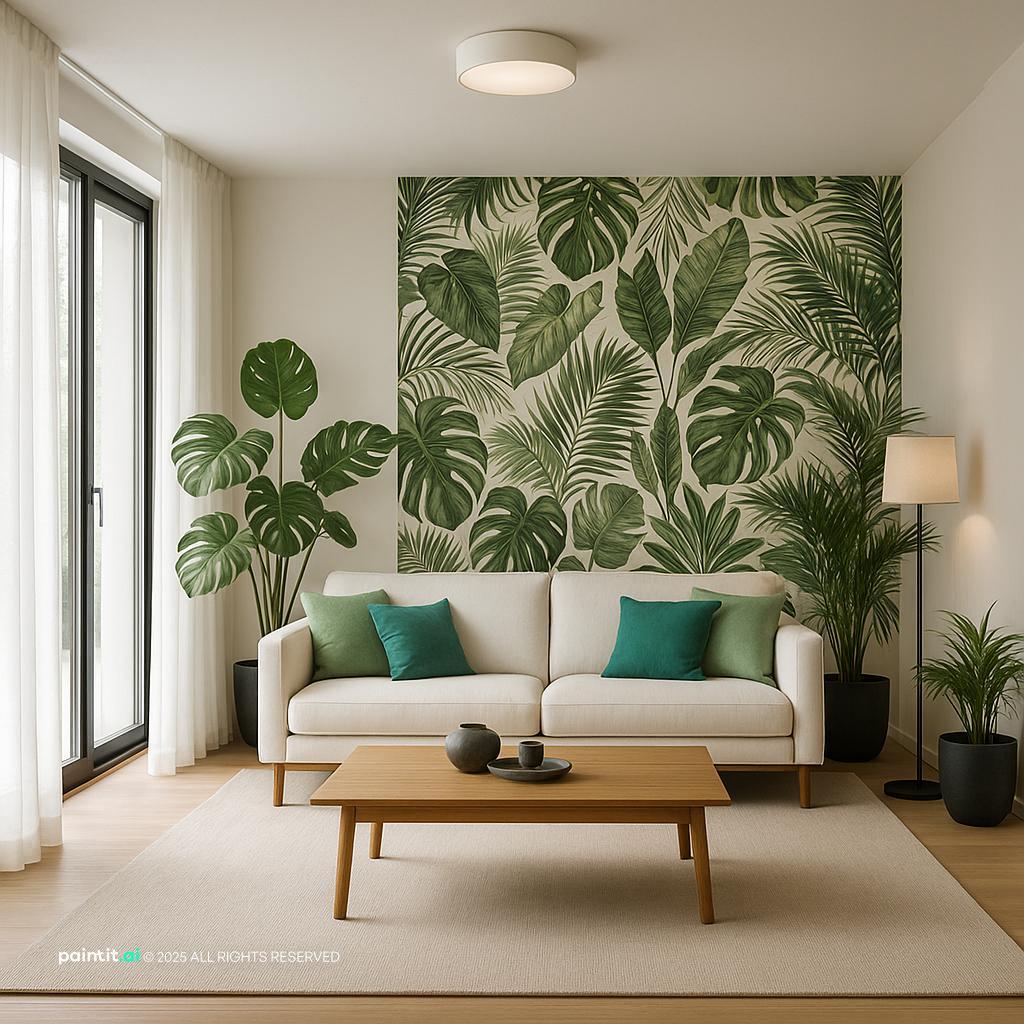
Choose an accent from the rug or artwork and repeat it in two or three smaller places. A muted blue might appear in a large rug, one cushion, and a ceramic vase. The repeats connect the room without making every object blue.
Furniture does not need one identical wood finish. Warm oak, walnut, and stained rattan can work together because they share warm undertones. A very cool gray wood may look disconnected unless that cooler tone appears elsewhere.
A round coffee table can relate to an arched mirror, curved chair back, or circular lamp shade. The shapes should not be exact copies. Repeating a form at different scales is enough to create a visual thread.
A sofa, chairs, coffee table, and rug should read as one conversation area. Pulling every seat against a different wall breaks the relationship. A rug that touches at least the front legs of the main seats can connect the group.
Alignment can quietly organize a room. The top of a bookcase may line up with a window frame, while artwork follows the width of a console below. Avoid forcing every edge into a grid; one or two clear alignments are usually enough.
In an open plan, repeat a floor finish, metal, wall color, or wood tone across the connected areas. The living and dining zones can use different furniture while still belonging to the same home.
List the floor, wall color, cabinetry, fireplace, and any furniture that must stay. These are the room's strongest constraints. A palette built around them is more useful than one copied from an inspiration image with different light and materials.
Describe the room in plain language, such as "warm modern living room with oak, soft green, and black details." Use the sentence to judge new purchases. If an item introduces a new style, color, and material at once, it will need a strong reason to stay.
Pick two or three materials to carry most of the room, then add smaller contrasting details. Oak, linen, and painted metal can form the base; glass or stone can appear once. This creates consistency without flattening the room.
A small rug under a large sectional or tiny artwork above a long sofa can make an otherwise coordinated room feel wrong. Measure the wall and floor area, mark proposed dimensions with painter's tape, and check the view from the doorway.
Harmony does not require matching objects on both sides of a room. One large chair can balance a smaller chair and floor lamp when their combined visual weight is similar. Our guide to asymmetrical balance in interior design explains how color, size, texture, and position affect that weight.
Photograph the space and compare a few controlled variations rather than changing everything at once. AI Room Design can help preview a palette or style direction, but verify furniture dimensions and real paint samples separately because an image preview is not a measured floor plan or an exact color standard.
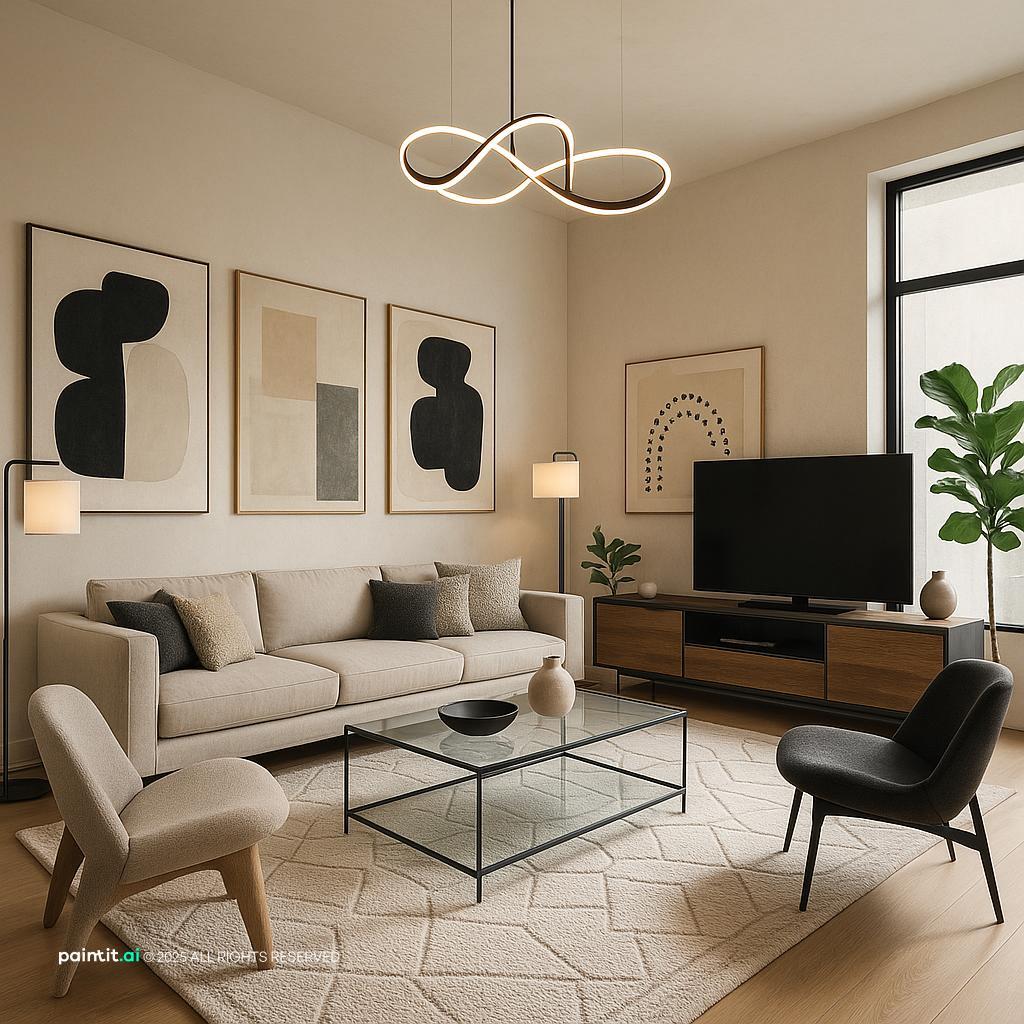
Too much repetition can make a room feel like a furniture showroom. Variety introduces a controlled difference: one vintage chair in a modern room, a rough ceramic lamp beside smooth cabinetry, or a saturated artwork within a muted palette.
The contrasting item should share at least one feature with the rest of the room. A red chair may repeat the warm undertone of the wood. A traditional rug may share colors with contemporary artwork. That connection allows the difference to look intentional.
Understanding the difference between harmony and unity is a true "level-up" moment in design.
Remember it this way:
By mastering how these three principles work together, you can move beyond just "decorating" a room and start truly designing it. And if you need help visualizing that final, harmonious space, our AI rendering tools are built to turn your blueprint into a beautiful reality.
Harmony in interior design is the compatible relationship between a room's colors, materials, forms, scale, lighting, and layout. The elements do not need to match. They need enough shared qualities and balanced contrast to feel comfortable together.
Unity is the sense that a room or home reads as one composition. Designers create it through repeated colors and materials, related shapes, consistent spacing, alignment, and clear furniture groupings.
Harmony focuses on how individual elements relate, while unity describes the cohesion of the whole room. The concepts overlap, and some design guides group them together. The distinction is most useful when diagnosing why a room feels awkward or disconnected.
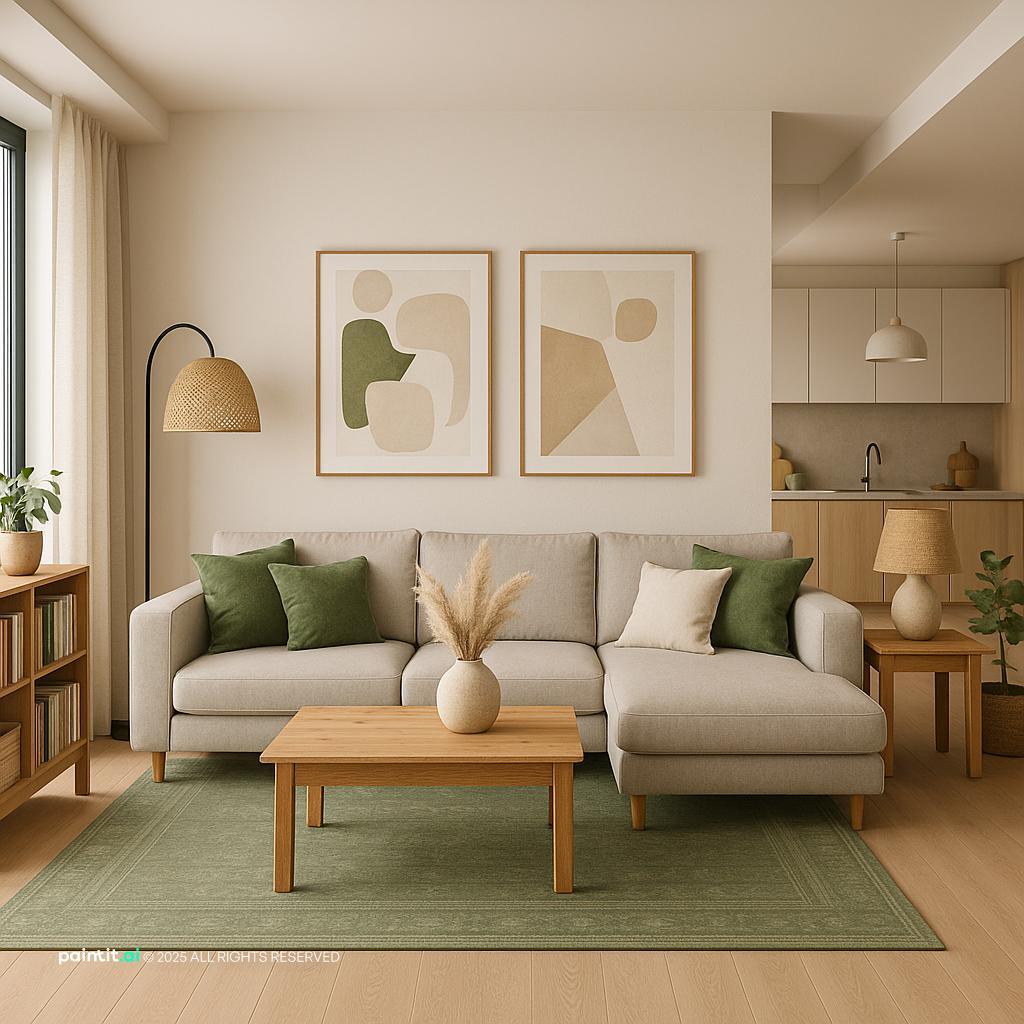
A living room with warm oak furniture, cream upholstery, a green rug, black lighting, and artwork that repeats those tones is one example. The pieces differ, but their undertones, proportions, and repeated colors connect them.
Yes. A modern sofa, vintage side table, and traditional rug can work together when they share a color, material, line, or proportion. Keep the larger surfaces consistent and let one style act as the accent rather than giving every piece equal visual emphasis.