
10 min. reading
Mastering Asymmetrical Balance in Interior Design: The Guide to "Active Equilibrium"

Yulii Cherevko
CEO paintit.ai
Page Contents:
- 1. What is Asymmetrical Balance in Interior Design
- 2. The Physics of Visual Perception: The Mechanics of Weight
- 3. Why Asymmetry Feels "Alive": The Psychology
- 4. Practical Guide: Designing an Asymmetrical Living Room
- 5. Asymmetry in the Sanctuary: The Bedroom
- 6. The Art of Curation: Wall Decor and Vertical Planes
- 7. Diagnostics: How to Fix an "Unbalanced" Room
- 8. Conclusion: The Future of Equilibrium
Key Takeaways
- The Concept: Asymmetry isn't chaos; it’s "active equilibrium." It balances dissimilar objects (e.g., a sofa vs. two chairs) using visual weight rather than mirroring.
- Visual Weight: Dark colors, complex textures, and large shapes carry more "gravity." Balance a heavy architectural feature with a cluster of smaller, lighter objects.
- The "Squint Test": The easiest way to check balance is to squint at your room. If one side feels like a sinking ship, add visual "ballast" (plants, art, floor lamps) to the lighter side.
- Psychology: Unlike symmetry, which the brain processes instantly (and sometimes finds boring), asymmetry engages the mind, creating a dynamic, "lived-in" feel.
In the discipline of interior architecture and environmental design, the concept of balance acts as the psychological anchor that transforms a constructed volume into a habitable space. For centuries, classical architecture-from the Parthenon to Palladio-privileged bilateral symmetry as the ultimate expression of order. However, modern living has shifted towards a more complex, fluid modality: asymmetrical balance in interior design.
At Paintit.ai, we often describe this as "active equilibrium." It represents a paradigm shift from the static predictability of mirroring to the dynamic interplay of visual forces. Unlike the "showroom" feel of perfect symmetry, asymmetry in interior design fosters a sense of motion, spontaneity, and informality that aligns perfectly with contemporary lifestyles.
In this comprehensive guide, we will dissect the mechanics of visual weight, the psychology of perception, and the practical strategies for mastering asymmetrical balance in a room.
What is Asymmetrical Balance in Interior Design
Asymmetrical balance in interior design is the strategic arrangement of dissimilar elements that carry equal visual weight to create a stable yet dynamic composition. Unlike symmetrical balance, which relies on mirroring identical objects, asymmetry achieves harmony by balancing factors like color, scale, texture, and form around an invisible central axis.
To understand what is asymmetrical balance in interior design, we must first distinguish it from its counterpart. Symmetrical balance offers a 50/50 distribution of identical elements along a central axis-mirroring the biological imperative found in the human face. It is predictable, formal, and safe.
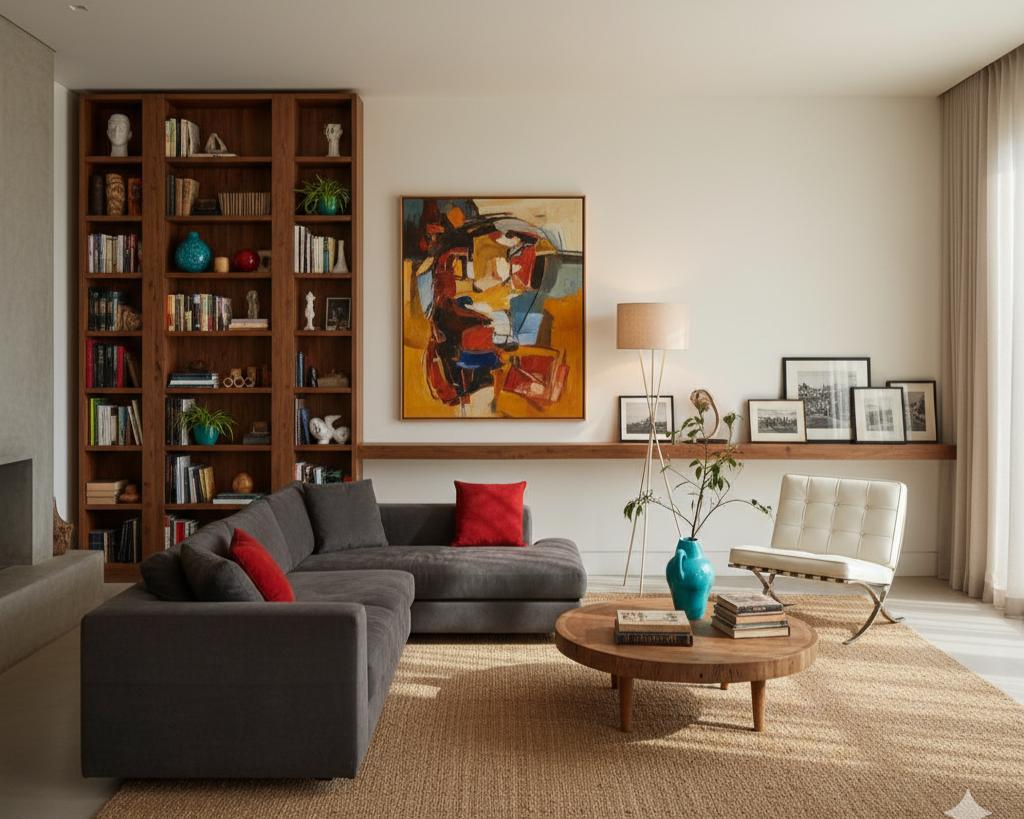
Asymmetrical interior design, by contrast, functions like a lever scale. On this scale, a large, monolithic architectural feature on one side (like a fireplace) may be counterbalanced not by a duplicate fireplace, but by a constellation of smaller, texturally complex objects on the other. The equilibrium achieved is perceptual, not geometric.
To understand the difference, consider this comparison:
| Feature | Symmetrical Balance | Asymmetrical Balance |
| The Setup | Identical objects on both sides (Mirror image). | Dissimilar objects with equal visual weight. |
| The Vibe | Formal, traditional, predictable, calm. | Casual, modern, dynamic, "collected." |
| Cognitive Load | Low (Easy for the brain to process). | High (Engages curiosity and interest). |
| Best For | Dining rooms, entryways, formal bedrooms. | Living rooms, open-plan spaces, creative zones. |
The Paradigm of Dynamic Equilibrium
This approach is often described in design theory as "occult balance." It relies on the equalization of visual weight rather than identical form. Where symmetry resolves tension immediately through repetition, asymmetric design sustains a controlled tension that keeps the viewer cognitively engaged.
Designers utilizing this modality reject "literal, mirror-image equilibrium" in favor of abstract balance. This allows for the integration of eclectic elements-family heirlooms, modern art, and functional furniture-into a cohesive whole. It is the difference between a space that feels staged and a home that feels organically lived-in.
The Physics of Visual Perception: The Mechanics of Weight
The engine of asymmetrical balance in interior design is visual weight. This concept describes the degree to which an element attracts and holds the viewer's attention. Visual weight is not intrinsic to the physical mass of an object; a pound of lead and a pound of feathers may weigh the same physically, but visually, they behave very differently.
Mastery of asymmetric design is, fundamentally, the manipulation of specific variables to ensure that the sum of visual weights on one side of an axis equilibrates with the sum on the opposing side.
1. Chromatic Weight: Hue and Value
Color is perhaps the most potent tool for manipulating visual weight. The psychological response to color is immediate, and understanding its "gravity" is essential for rooms with asymmetrical balance.
-
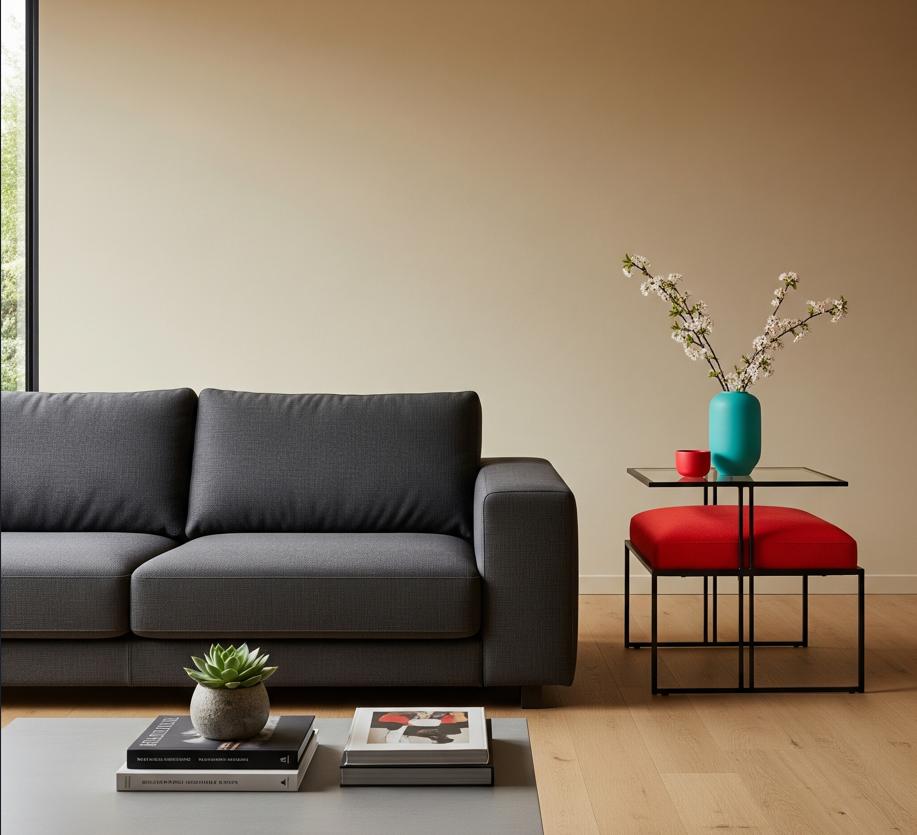
Value Contrast: Dark elements generally carry more visual weight than light elements. A charcoal gray sofa anchors a asymmetrical living room significantly more than a cream sofa of identical dimensions. This is often attributed to the "grounding" effect of darkness, reminiscent of earth or shadow.
-
Thermal Dynamics: Warm colors (reds, oranges, yellow) "advance" toward the viewer, while cool colors (blues, greens) recede. This advancing quality creates perceived heaviness. A small red cushion may visually counterbalance a large beige wall expanse because the red occupies more cognitive bandwidth.
-
Saturation: Highly saturated colors demand more attention than muted tones. A single bright turquoise vase can balance a large stack of leather-bound books in muted browns.
2. Textural and Material Physics
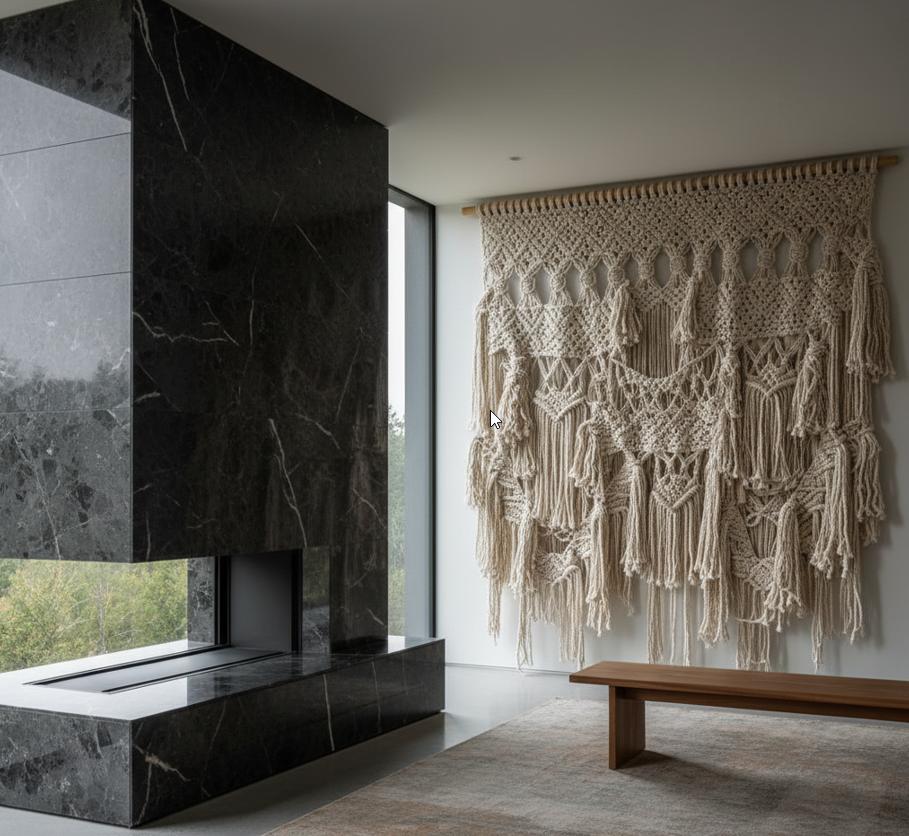
Texture introduces complexity, and complexity increases visual weight. A smooth, glass surface is visually "light" because the eye slides over it without resistance. Conversely, a coarse boucle fabric, a rough-hewn stone surface, or a reclaimed wood wall traps the eye.
This "tactile invitation" creates a physicality that purely visual elements lack. In asymmetrical interior design, a designer might balance a sleek, architectural fireplace (smooth, cold) with a chunky wool wall hanging (rough, warm). The volume of the fireplace is balanced by the textural density of the wool.
3. Scale, Proportion, and The Cluster Strategy
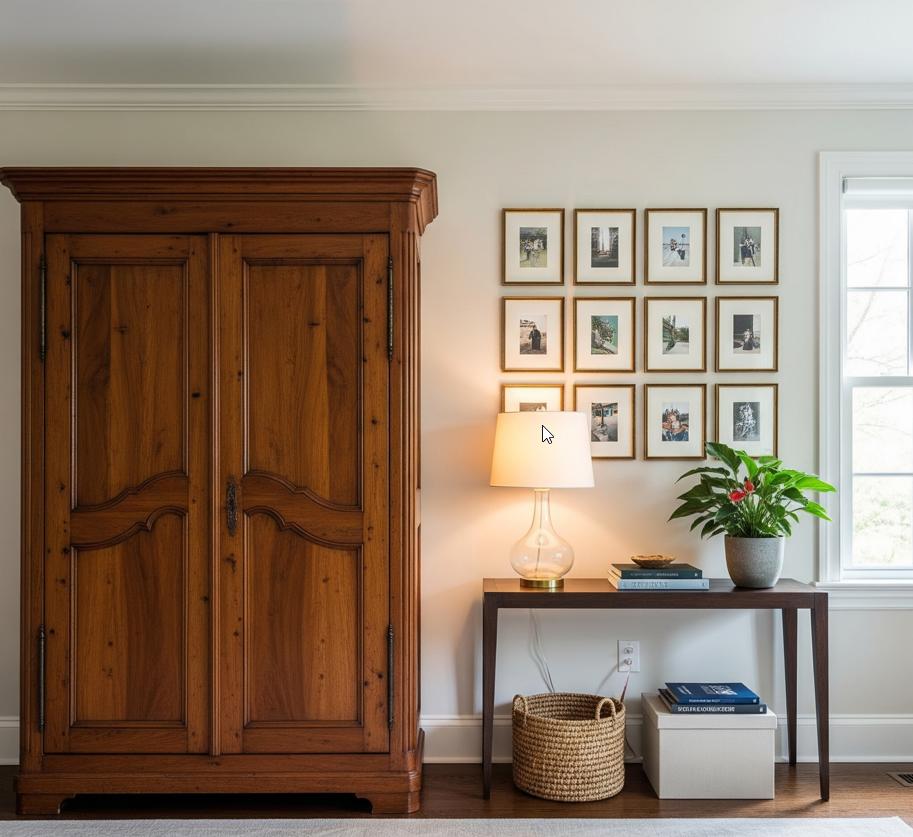
While physical size is the most obvious determinant of weight, in asymmetry, scale is relative. A large object can be balanced by a grouping of smaller objects. We call this the Cluster Strategy.
For examples of asymmetrical balance in interior design, consider a massive armoire on the left wall. It does not need another armoire on the right. It can be balanced by a gallery wall of twelve small frames, or a console table paired with a lamp and a plant. The aggregate visual weight of the cluster equals the singular visual weight of the armoire.
Note: Vertical lines (columns, floor lamps) generally carry more weight than horizontal lines because they oppose gravity. A successful room often balances a strong vertical element with a broad horizontal one.
4. The Influence of Orientation
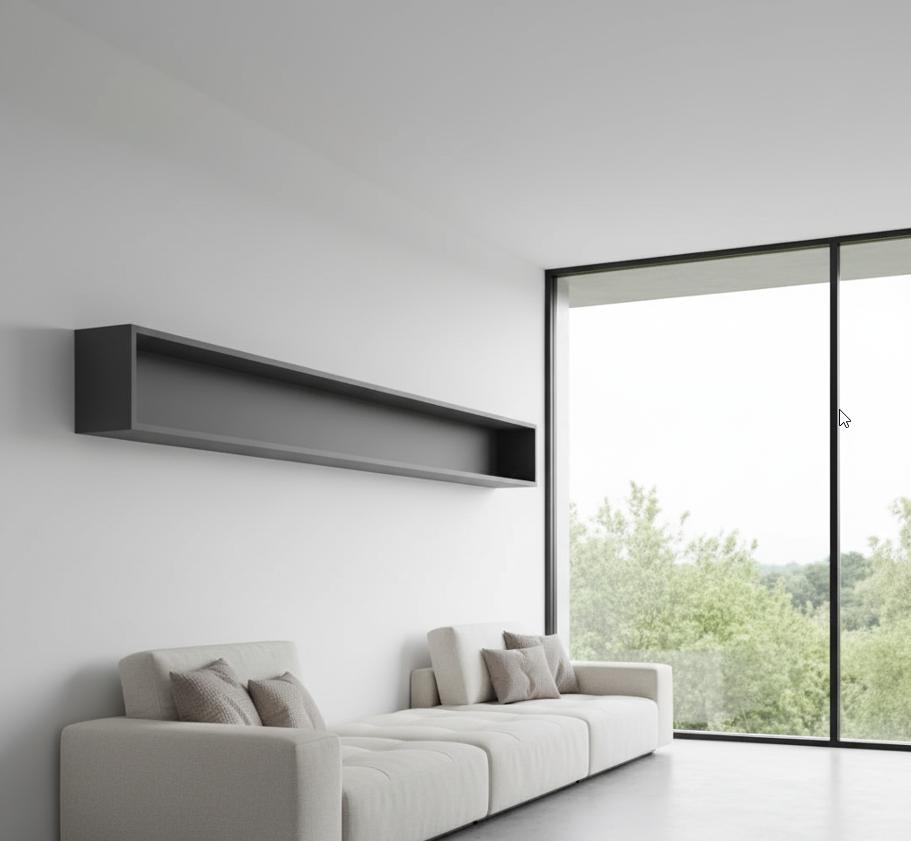
Where an object is placed dramatically alters its weight. Elements located higher in the composition (e.g., high-hung art, upper cabinets) are perceived to weigh more due to the potential energy implied by height. A high shelf requires significant visual anchoring below it to prevent the room from feeling "top-heavy."
Additionally, isolation creates weight. An object isolated in negative space carries more weight than an object crowded among others. A single chair in an empty corner becomes a sculpture; a chair in a group is just seating.
Why Asymmetry Feels "Alive": The Psychology
The success of asymmetrical balance in interior design examples is not merely aesthetic; it is rooted in the neurobiology of perception. The human brain is wired to seek patterns, a phenomenon central to Gestalt psychology.
Gestalt Theory and Pattern Seeking
When presented with a symmetrical room, the brain instantly recognizes the pattern (mirroring). The processing load is low, resulting in a feeling of calm. However, asymmetrical balance in a room presents a puzzle. The pattern is not immediately obvious. The brain must scan the environment to understand the relationship between disparate elements.
This active scanning creates a state of "cognitive engagement." The viewer is not a passive recipient of the design but an active participant in resolving the visual equilibrium. This is why asymmetrical interior design feels dynamic and memorable.
Neuroaesthetics and the "Goldilocks" Zone
There is a "Goldilocks" zone of complexity in design. Too much symmetry is boring (under-stimulating); too much asymmetry is chaotic (over-stimulating). The most successful interiors inhabit the middle ground. This state provides enough novelty to trigger dopamine release (rewarding curiosity) without triggering cortisol release (stress from chaos).
Eastern Influence: Wabi-Sabi and Ma
While Western tradition has often favored hierarchy and order, Eastern traditions have long embraced asymmetry.
-
Fukinsei: One of the principles of Zen aesthetics, referring specifically to the beauty of irregularity.
-
Ma (Negative Space): In asymmetrical interior design, empty space is not a void to be filled; it is an active object. The distance between a chair and a window is as designed as the chair itself.
-
Wabi-Sabi: This philosophy accepts transience and imperfection, rejecting "showroom" perfection in favor of authenticity-a chipped ceramic bowl placed off-center is the epitome of this style.
Practical Guide: Designing an Asymmetrical Living Room
The living zone is the primary theater for asymmetrical design because it typically contains the most disparate elements-sofas, TV screens, rugs, and fireplaces.
1. Breaking the Furniture Mirror
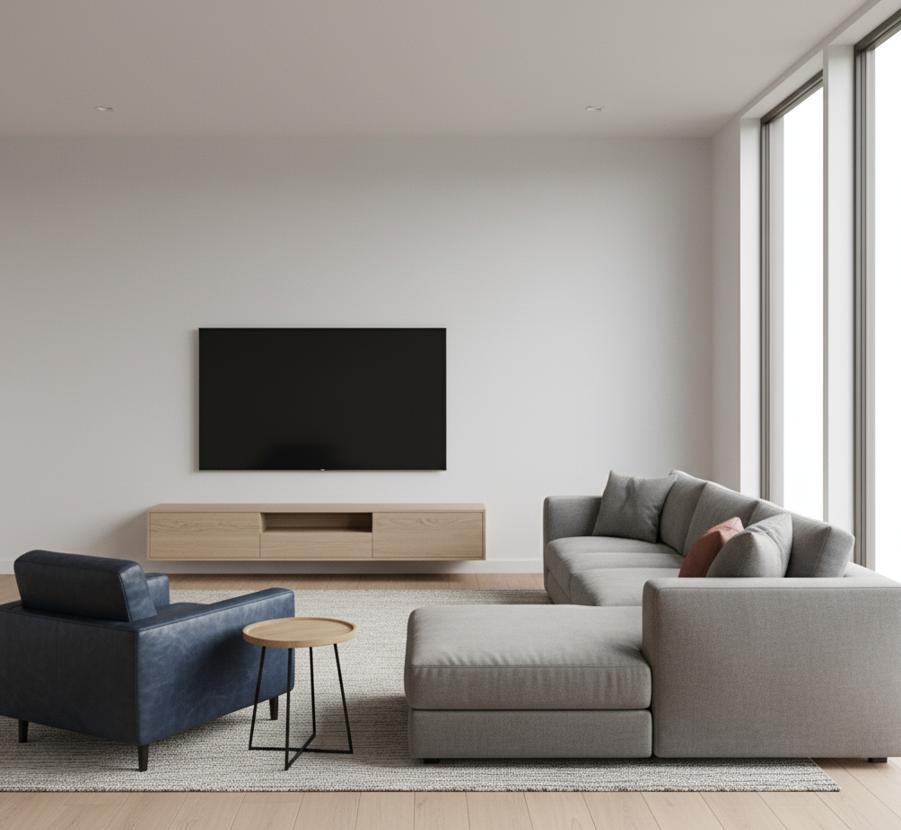
Most standard layouts involve a sofa facing two identical chairs. This is upset by asymmetrical living room layouts.
-
The L-Shape Variance: A sectional sofa is naturally asymmetric. As a rule, we put a large lounge chair on the open side to offset an L-shaped sectional. The visual weight of the chair (maybe in a bold leather) must account for the space against the sectional mass. When the chair is too small, the room seems to be tipping.
-
Mismatched Seating: Rather than two armchairs lining up, asymmetry might recommend one large wingback chair paired with a lighter, sculptural side chair or a pouf. Unity is achieved by sharing color palettes or a material language (e.g., both have walnut legs).
If you are struggling to visualize how different furniture pieces interact, our AI Room Design tool can help you test different layouts before you buy.
2. The Fireplace Dilemma
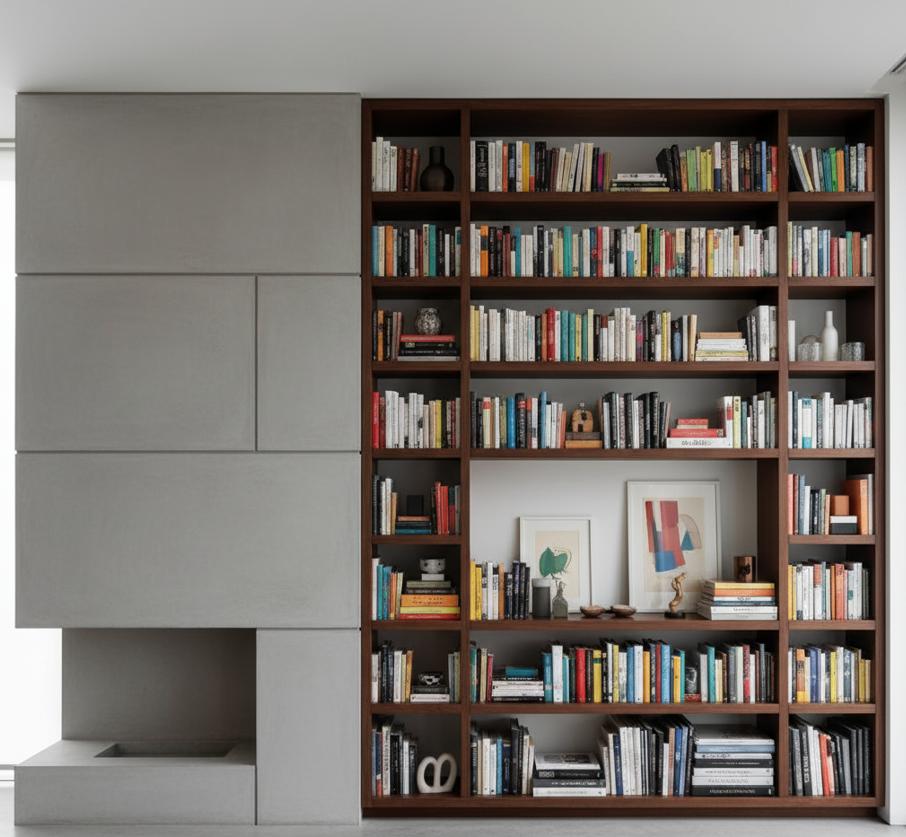
A typical architectural problem is that we place a fireplace near a smaller corner of the room. An attempt to do something quite symmetrical with an asymmetrical fireplace draws attention to the flaw.
-
The Extended Mantel: If you have a fireplace at the left, then you might want to create a floating hearth or mantel which extends very far to the right to span the gap.
-
The Counter-Weight: Put a bookshelf or a heavy credenza next to the fireplace in the larger void. This allows for an even height of the wall, with the fireplace being the heavy left anchor and the bookshelf the heavy right anchor.
3. Rugs as Dynamic Zones
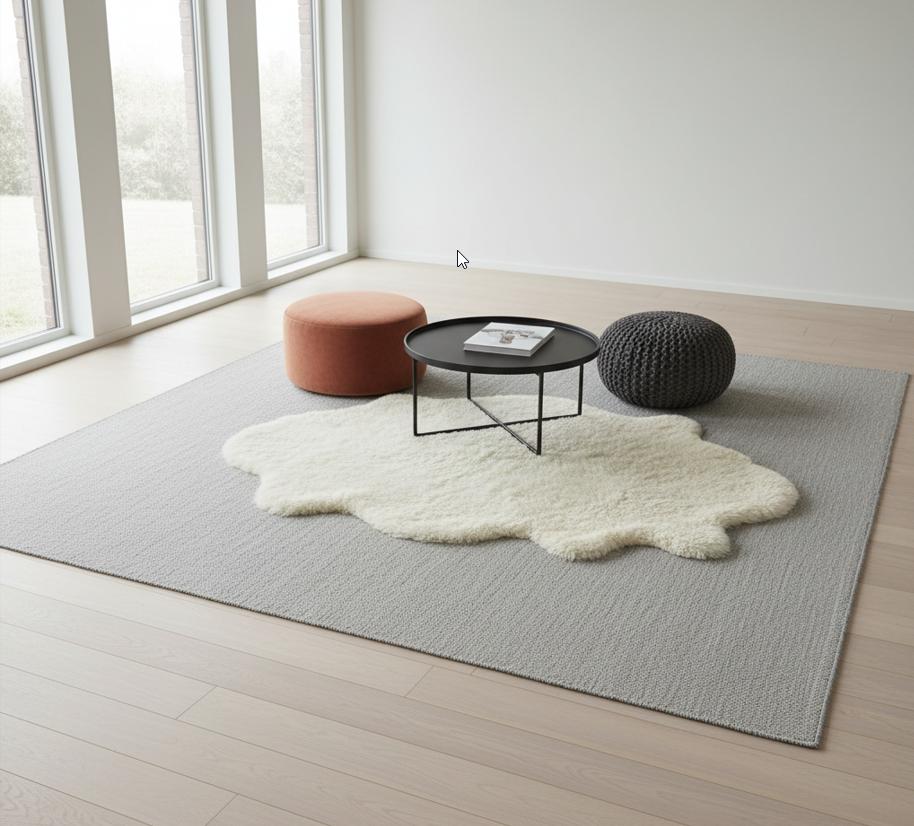
Rugs have historically been a definition of a center. But today’s asymmetrical internal design uses rugs to map out zones in open plans.
-
Layering: A hide or irregular, organic-shaped rug on top of a standard rectangular rug-usually off-center or at an angle-breaks the grid and adds motion.
-
The “Island” Approach: For open layouts, a rug could sit next to a floating furniture cluster to ground the space in a grouping. This results in an “island” of balance within a more extensive asymmetrical void.
Asymmetry in the Sanctuary: The Bedroom
The bedroom has always been the bastion of symmetry to encourage rest. However, the asymmetrical bedroom is emerging as a trend that caters to personal style and awkwardly uncomfortable situations.
1. The Mismatched Nightstand
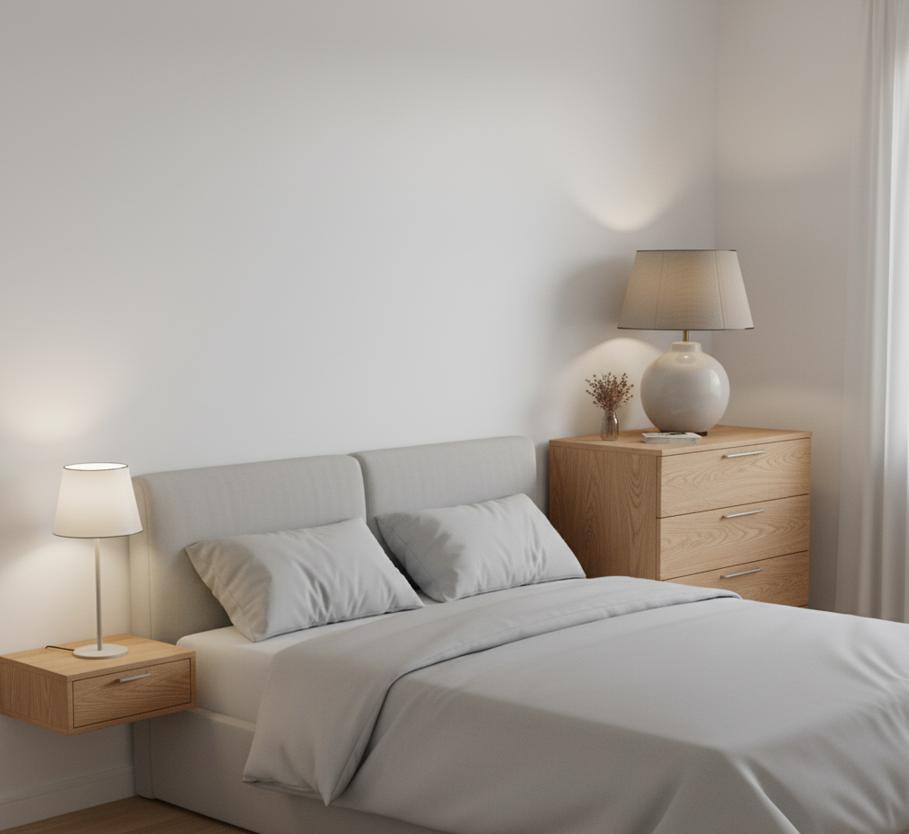
For a bed that cannot be centered, this high-impact choice is very useful.
-
Execution: On the “tight” side of the bed, place a small floating shelf or pedestal table. On the “big” side, pile in a chest of drawers or a writing desk.
-
Cohesion: Keeping a visual thread between the items helps keep this from looking unintentional-use the same wood surface or hardware.
2. Lighting Asymmetry
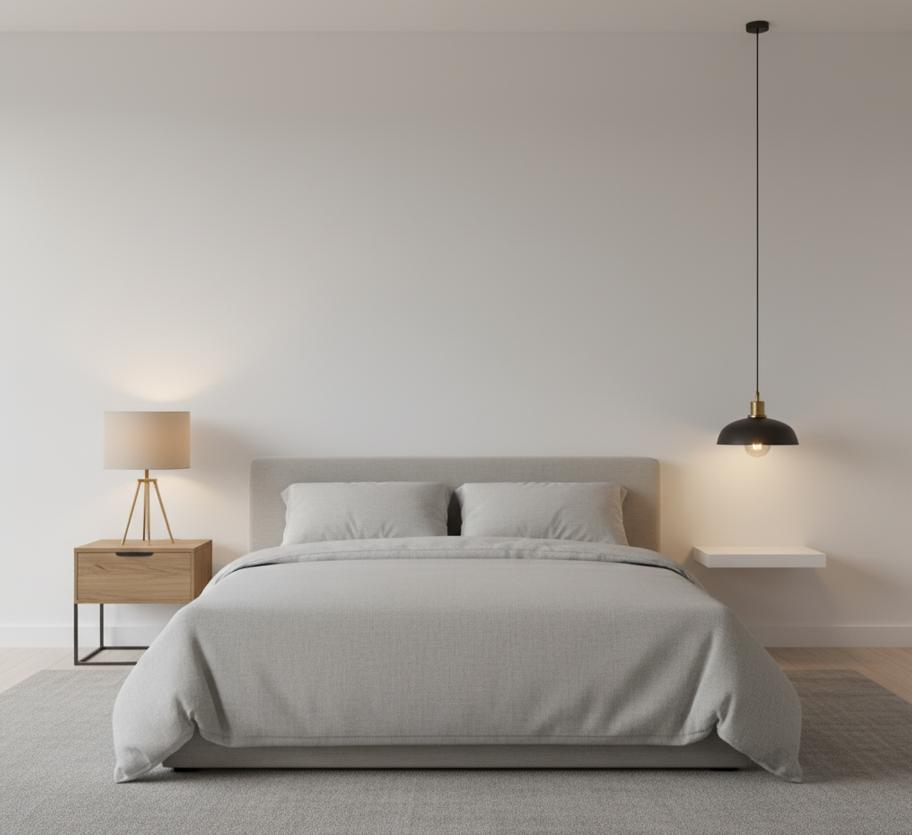
Instead of matching table lamps, use a table lamp on one side and a low-hanging pendant light on the other.
-
Visual Mechanics: The lamp light from the pendant brings a clear vertical line from the ceiling, and the table lamp adds a volume on the surface. The visual weight of the pendant (often lighter/airier) must serve to counterbalance the visual weight of the table lamp and the nightstand below.
3. The Asymmetrical Headboard
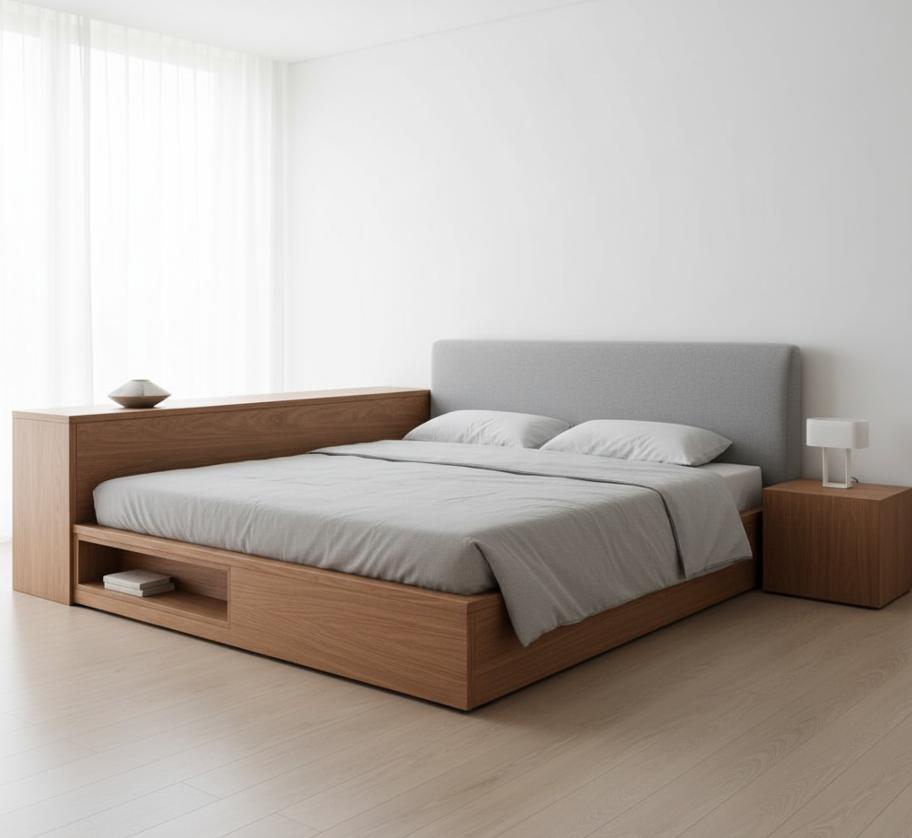
A fairly recent trend is headboards that extend horizontally beyond the bed on one side, often incorporating a nightstand or shelving unit. This views the bed and storage as one integrated landscape, great for those rooms that have asymmetrical balance.
The Art of Curation: Wall Decor and Vertical Planes
Vertical surfaces provide the strongest experimentation opportunities, especially with art and shelving.
The Organic Gallery Wall
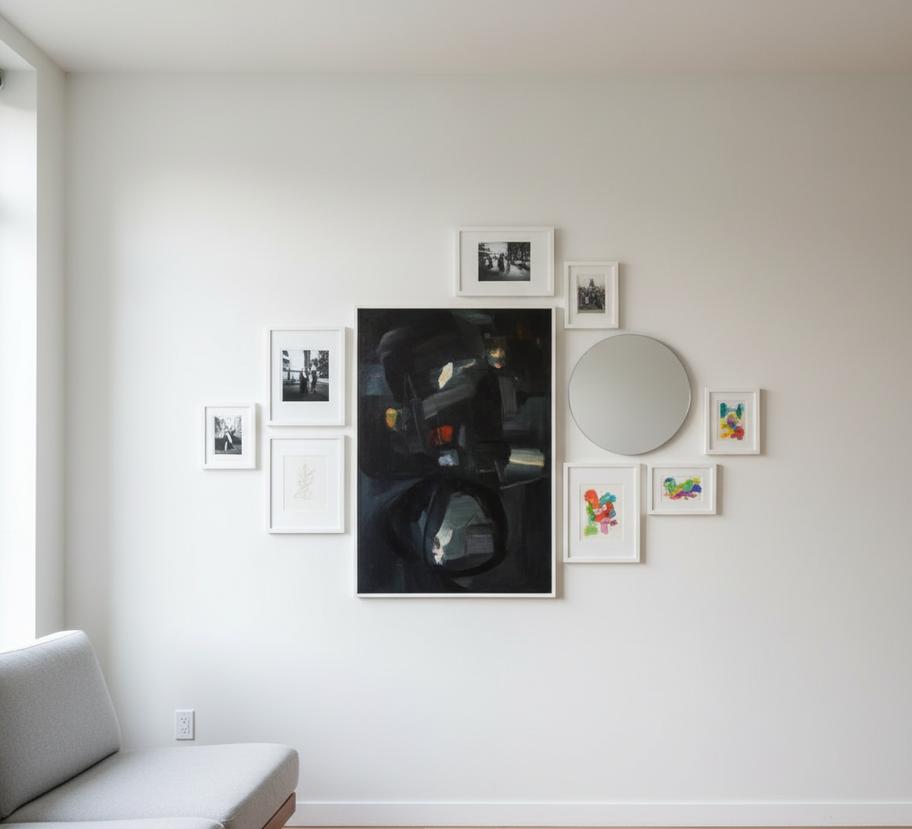
A "Salon Style" gallery wall is the epitome of asymmetrical balance in interior design examples. Unlike a grid, it feels collected over time.
-
The Anchor: A big piece that lies slightly off-center.
-
The Cloud Formation: Smaller fragments radiate outward. Maintain an even distribution of visual weight—a large dark oil painting to the left could be balanced out by a cluster of four smaller sketches, but with wide white mats to the right. The white mats increase negative space (air) to offset the density of the oil painting.
Shelving: The Zig-Zag Rule
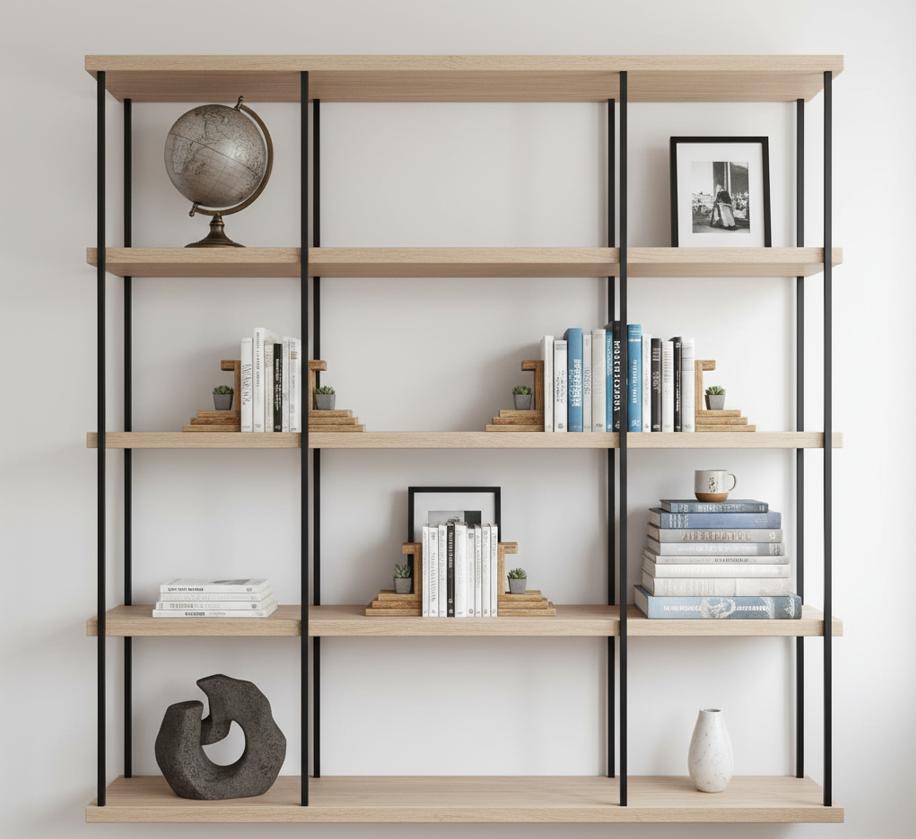
A bookshelf is an exercise in visual weighing. Heavy objects should have the zig-zag pattern to balance a shelf unit.
-
Top Shelf: Heavy object (e.g., a globe) on the Left.
-
Middle Shelf: Heavy object (a stack of books) on the Right.
-
Bottom Shelf: Heavy object on the Left again. This rhythmically moves the eye down the unit.
Diagnostics: How to Fix an "Unbalanced" Room
The major risk of asymmetric design is chaos. The line between "artfully unmatched" and "messy" is drawn by how rigorously the underlying balance is held.
1. The "Listing Ship" Phenomenon
Overloading one side of a room without giving you a counterweight makes it feel like a sinking ship; it is the most common error. This causes real physical discomfort.
-
Diagnosis: Photograph the room. Taking a photo in the 2-D format flattens the space and will immediately bring weight imbalances to light.
-
Correction: Add “ballast” to the light side. This could be a floor plant (texture/volume), a standing lamp (vertical line), or a darker paint color on that wall.
2. The Squint Test
Artists use this technique to see masses of light and dark without detail.
-
Procedure: Stand at the entrance of the room and squint until details disappear.
-
Analysis: Take a look at the “blobs” of darkness. Are they evenly distributed? Is a giant dark blob on one side and nothing on the other?
-
Correction: Move the blobs. If a dark sofa is to the left, maybe the dark TV console has to be on the right.
3. The Unifying Layer
Don't take the asymmetry as clutter; add a unifying layer.
-
Color Repetition: Repeat a familiar accent color (e.g., ochre) on the sofa cushion (left), the rug detail (center), and the vase on the shelf (right). That takes the eye around and through the path.
-
Shape Echoing: If the coffee table is round, a round mirror and round pillow should serve to echo the form.
Conclusion: The Future of Equilibrium
The direction of interior design seems to indicate increasing importance of asymmetrical equilibrium in design theory. As urban development gets richer and sizes become smaller, the ease of an asymmetric design offers pragmatism. It allows for multiple-use zoning and is responsive to the nature of accumulation of belongings.
Moreover, biophilic design is more and more appreciated because of the increased appreciation toward asymmetry. Nature is rarely perfectly symmetrical; trees and mountains are balanced but asymmetric. When imitating these natural geometries, asymmetrical balance in a room alleviates physiological stress as well as enhances well-being.
Asymmetrical interior design is the true discipline of the designer. It does more than simple matching and steps into the shoes of the artist. It demands an intuitive understanding of visual physics—the color’s heaviness, the feel of a texture, the gravity of a void.
If you’re eager to try these things out yourself but want to plan on a digital canvas first, check out our AI Interior Design tools. See how dynamic equilibrium can remodel your space before you lift a single piece of furniture.
FAQ
Can small rooms be asymmetrical?
Absolutely. In fact, asymmetry is often better for small spaces because it allows for flexible furniture arrangements that maximize flow, whereas symmetry requires rigid spacing that small rooms often lack.
What is the easiest way to start with asymmetry?
Start with art. Instead of centering one picture over the sofa, hang a large piece off-center and balance it with a floor lamp on the other side.
Does asymmetry mean "random"?
No. Asymmetry requires more planning than symmetry. It connects elements through color, repetition, and implied lines rather than mirror images.
Trending
Neo Deco Paint Techniques: Creating Glamorous Geometric Walls
Is There an App to Remodel My Bathroom with Just a Photo?
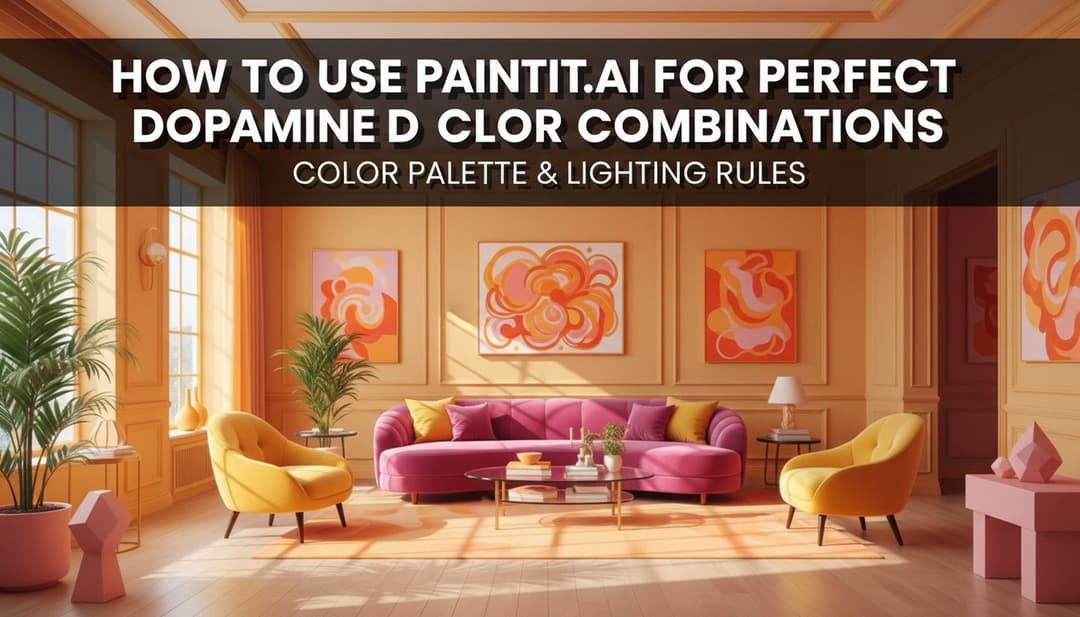
How to Use Paintit.ai for Perfect Dopamine Decor Color Combinations
Virtual Staging AI: Top Alternatives & Competitors in 2026
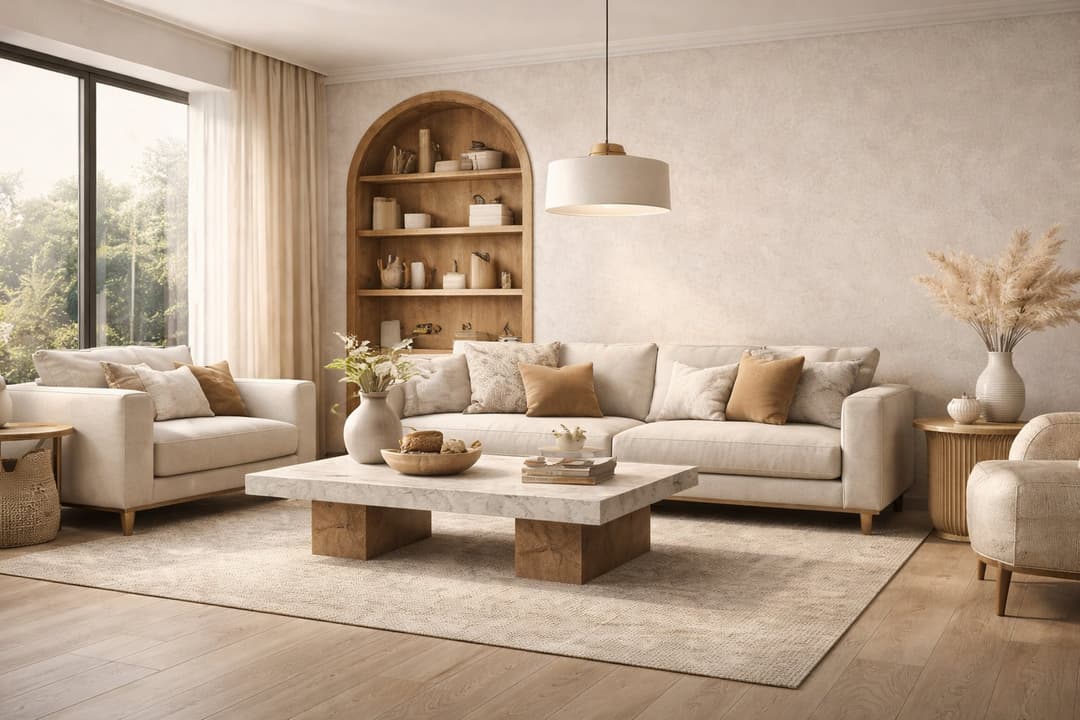
How to Redesign a Living Room with Paintit.ai
Related articles
9 min read
How to Design a Bedroom with Paintit.ai
Learn how to design a bedroom with Paintit.ai using better bed placement logic, calmer palettes, stronger prompts, realistic furniture scale, and more controlled bedroom concepts
Yulii Cherevko
CEO paintit.ai
7 min read
Neo Deco Paint Techniques: Creating Glamorous Geometric Walls
Learn Neo Deco paint techniques for glamorous geometric walls. Explore palettes, finishes, and room-by-room tips — then visualize it all with Paintit.ai.
Yulii Cherevko
CEO paintit.ai
6 min read
Is There an App to Remodel My Bathroom with Just a Photo?
Upload a photo of your bathroom and see it redesigned instantly. Discover how AI bathroom remodel apps work and explore styles with Paintit.ai.
Yulii Cherevko
CEO paintit.ai
7 min read
How to Use Paintit.ai for Perfect Dopamine Decor Color Combinations
Discover dopamine decor color combinations that boost your mood. Explore 4 curated palettes and visualize bold designs in your own room with Paintit.ai.
Yulii Cherevko
CEO paintit.ai
8 min read
Virtual Staging AI: Top Alternatives & Competitors in 2026
Compare top Virtual Staging AI alternatives in 2026: Paintit.ai, Collov.ai, ReimagineHome and more. Find the right tool for your budget and workflow.
Yulii Cherevko
CEO paintit.ai
9 min read
How to Redesign a Living Room with Paintit.ai
Learn how to redesign a living room with Paintit.ai using better layout logic, stronger focal points, realistic furniture scale, cleaner prompts, and more professional comparison workflows
Yulii Cherevko
CEO paintit.ai