6 min. reading

Yulii Cherevko
CEO paintit.ai

The world of interior design is changing fast. It's bringing together technology and classic design ideas to create spaces that are smarter, healthier, and way more personal than anything we've seen before. As we look ahead to 2026 and beyond, AI isn't here to take over human creativity. Instead, it's a powerful partner, allowing for levels of customization and efficiency we simply couldn't achieve before. This guide will walk you through the big trends shaping interior design, from smart homes that just *work* to natural, biophilic spaces, and from super-personalized rooms to layouts that can shift with your needs. You'll also see how easy it is to try out these exciting possibilities with tools like Paintit.AI, making the future of interior design accessible right now.
Interior design has always mirrored how society changes, what technology can do, and what people need. That evolution is only speeding up now. We're well past the days of stiff, one-size-fits-all rooms. Instead, we're moving into an era where spaces respond to us, adapt, and feel deeply connected to our well-being and how productive we are. A few big things are driving this shift: better AI, a growing focus on the environment, and a real desire for homes that actually fit our lives. So, when people ask, "is interior design in demand?", it's not just about pretty pictures anymore. It's about solving complex problems and crafting spaces that are super functional, flexible, and truly human-centered.
The fundamental rules of interior design are getting a serious upgrade. We're now considering new tech and ethical ways of thinking. These key ideas are what will define how we imagine, build, and experience our indoor spaces in the years to come.
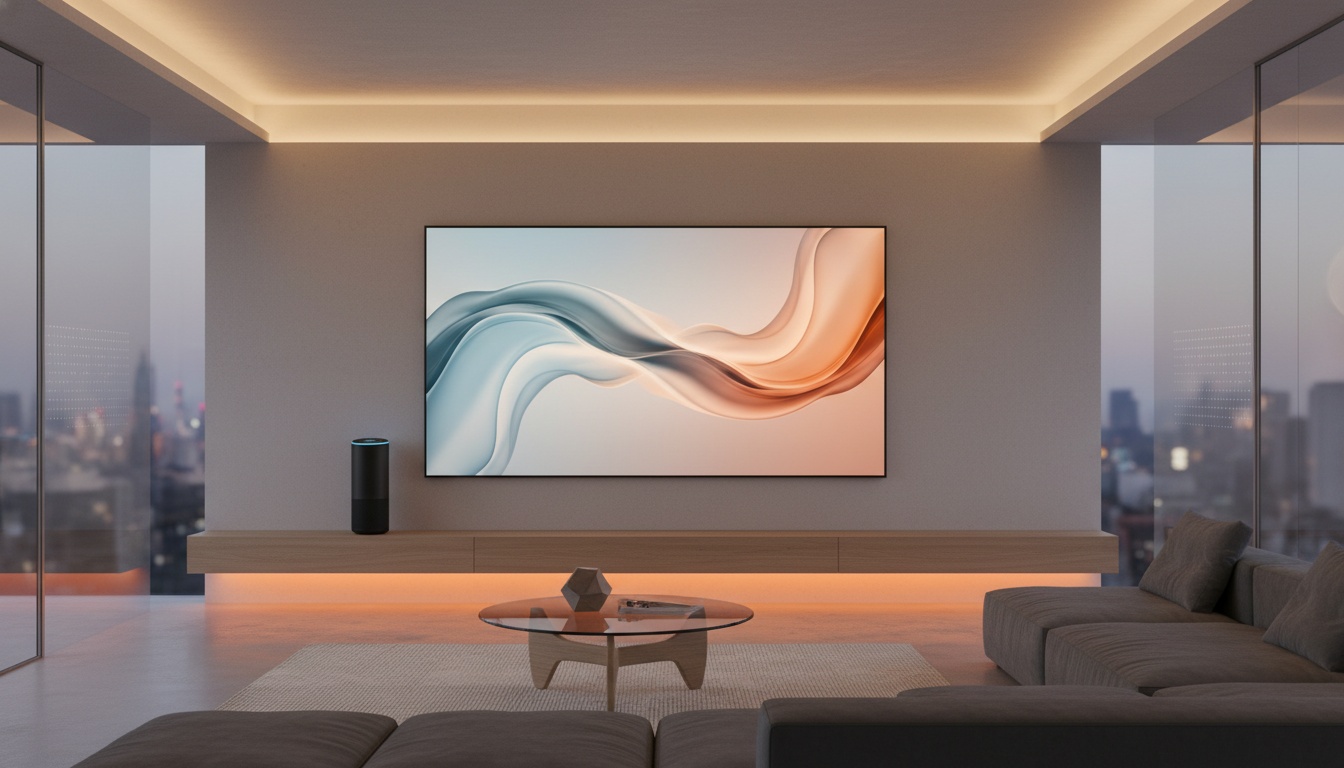
Future homes will feel effortless. Technology will fade into the background, boosting your comfort and convenience without any visual fuss. Think about automated lighting that shifts color and brightness all day long, helping your body's natural rhythms. Integrated climate control will learn your preferences, always keeping the perfect temperature and humidity. Voice assistants will smoothly handle your entertainment and mood. Expect to see subtly integrated charging spots and smart window treatments that manage both natural light and privacy as standard.
Colors will lean towards cool, refined neutrals like dove gray and crisp white. These will be balanced with warm, grounding tones such as soft beige or walnut brown to keep things from feeling sterile. Dynamic accent colors, which you can change with smart lighting, offer total flexibility. For materials, expect sleek, low-sheen surfaces: matte acrylics, brushed metals, and high-performance laminates. Many will even have self-healing or antimicrobial finishes for better hygiene. When you're looking at smart home technology, always check for compatibility. The Matter standard from the Connectivity Standards Alliance offers a unified way for smart home devices to work together, promising smoother experiences.
A common slip-up is installing systems that don't play well together, or simply forgetting about user privacy. Truly good smart home design prioritizes smooth operation and a great user experience, not just a bunch of fancy gadgets. You can upload a photo of your living room and use the AI Room Design tool on Paintit.AI. This lets you play around with different smart lighting scenes, seeing how warm evening light or bright daylight simulation changes your room's vibe.
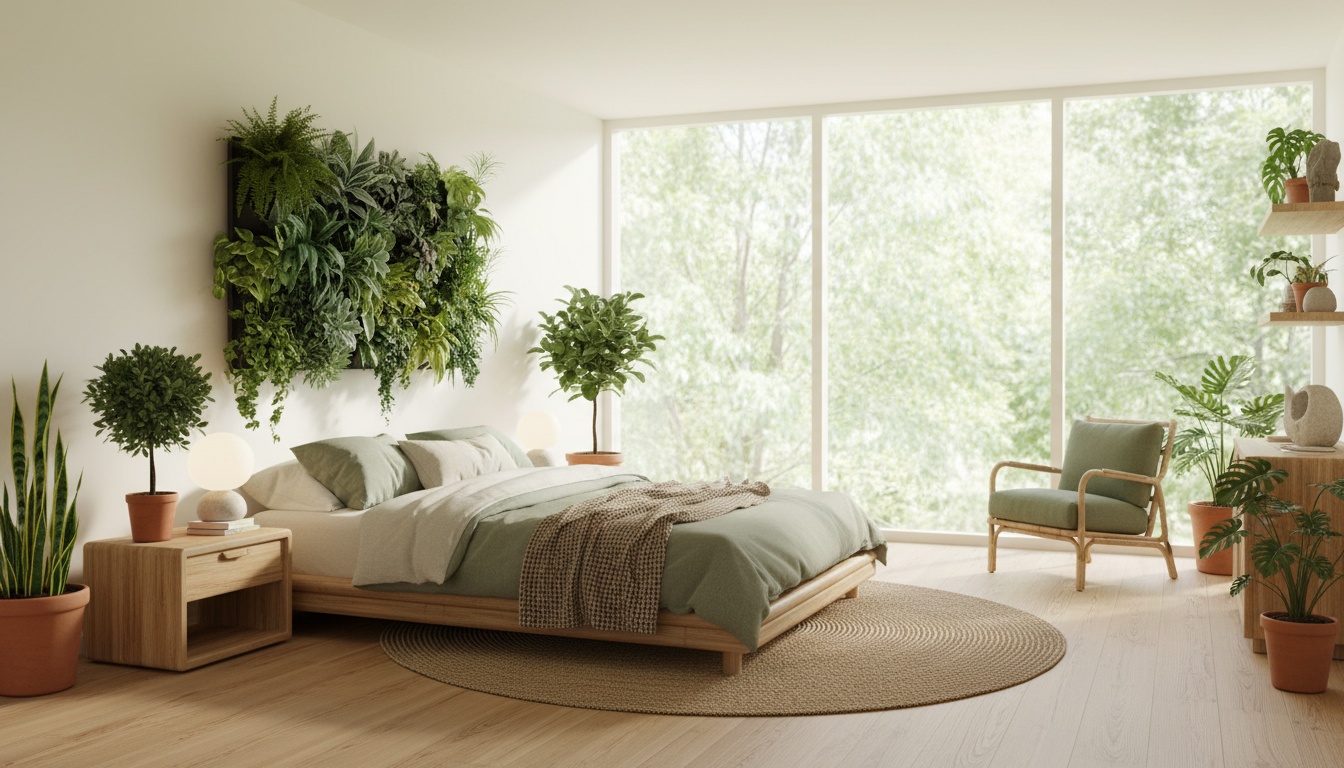
Homes in the future will be calm havens. They'll boost your well-being through a deep connection with nature, making you feel more relaxed and less stressed. This means making the most of natural light through smart window placement and light-colored interiors. Expect to see built-in plant features, like vertical gardens or indoor trees, everywhere. Designers will prioritize natural, renewable, or recycled materials, alongside textures and patterns that echo organic forms, creating a real sense of being connected to the outdoors.
Your color palette will mostly feature greens (think sage, moss), earthy browns (like terracotta, sand), and calming blues (sky, water). Soft white or cream accents will brighten things up. Materials will include reclaimed or sustainably sourced wood (bamboo, cork), natural stone, recycled glass or metal, untreated natural fibers (linen, organic cotton), and breathable natural plasters. Lighting will focus on natural light first, then add warm, full-spectrum lighting (2700K-3000K) that mimics sunlight, with dimmable options to adjust the mood. Getting LEED certification for your project often means being very picky about materials. You can learn more about these LEED standards from the U.S. Green Building Council.
A common mistake? Just adding a few plants without truly weaving nature into the design, or using materials with hidden toxic chemicals. Real biophilic design needs good airflow and a clear understanding of what living elements actually need to thrive. To visualize this for yourself, upload a photo of your bedroom and use our AI Concept Generator. You can see how a small indoor water feature or a textured natural wall could be integrated to make the space feel more connected to nature.
Future spaces will truly reflect the people living in them. They'll embody your personality, lifestyle, and unique tastes, offering comfort and function custom-made for you. This means furniture specifically designed for your space and needs, maybe even 3D-printed. Flexible layouts using modular systems, unique patterns or artwork generated by AI, and color schemes picked precisely for their psychological effect will become common. Designs will increasingly weave your personal collections or hobbies directly into the overall look.
Color palettes will be entirely up to the user. You might see specific mood-boosting combinations for different areas of a home. Materials will offer customizable textures, smart fabrics that can change color or pattern, and finishes created with advanced manufacturing. Lighting will be super adaptable, letting you create personalized atmospheres for working, relaxing, or entertaining using smart bulbs and fixtures.
The risk here is falling for novelty over practicality, or ignoring basic ergonomic needs. Honestly, the demand for interior designers who can expertly balance personal taste with smart, functional solutions will be significant. Upload a photo of your home office and use our room design tool to play with custom color palettes. You can also visualize how different modular furniture arrangements could perfectly fit your specific workflow and personal style.
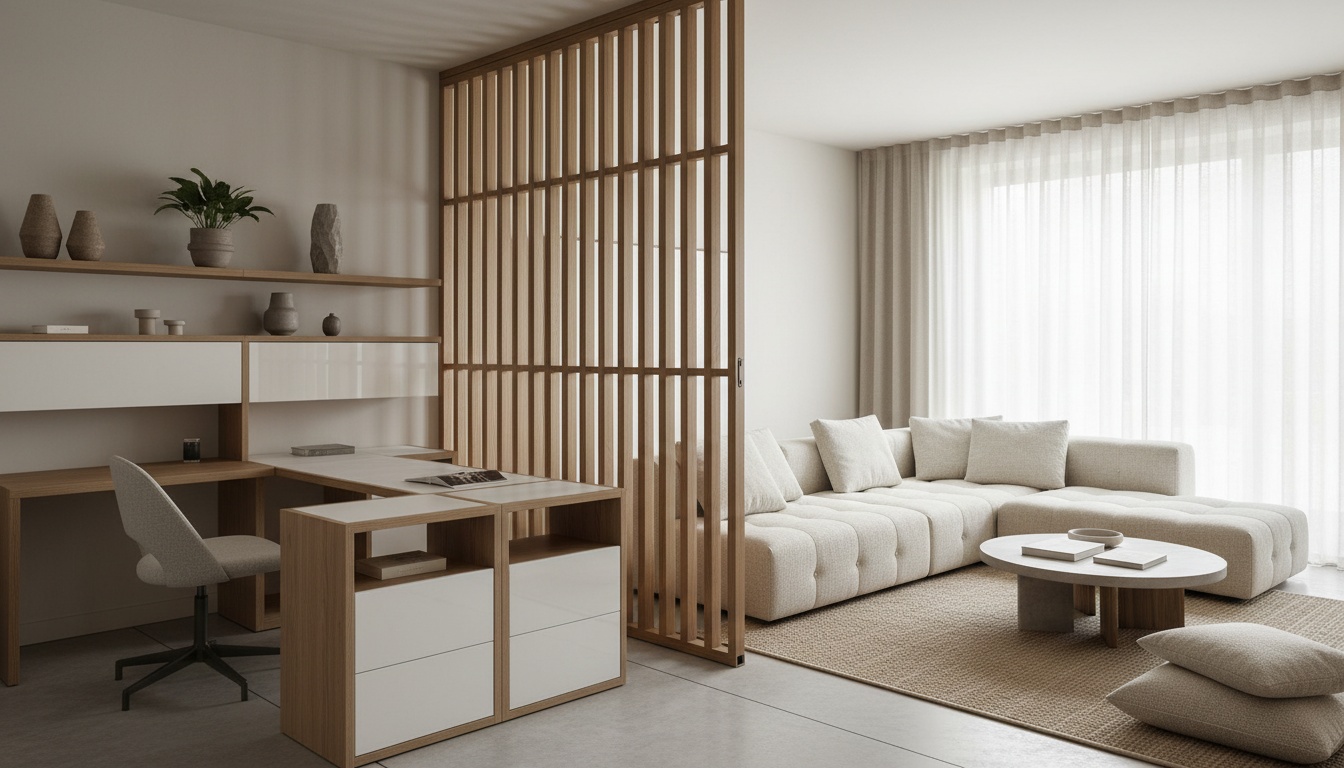
Future interiors will feature dynamic, adaptable rooms that serve many purposes efficiently, making the most of every square foot. This translates to multi-functional furniture, like sofa beds and tables that extend, along with movable partitions or screens, and built-in storage solutions. Expect to see designated zones within open-plan areas, and spaces designed for both work and play becoming the standard.
Color palettes will generally be neutral and versatile, such as soft grays or warm off-whites. This makes it easy to update the feel with accessories to suit different functions. Materials will be tough and easy to clean – think high-quality laminates, resilient flooring, sturdy metals, and fabrics that can handle frequent use. Layered lighting is essential: adjustable task lighting for work, soft ambient lighting for relaxing, and accent lighting to define different zones, all controlled via smart systems.
Common missteps include poor acoustics in open areas, not enough storage, or layouts that look great but don't actually work. Good design, often helped by AI, can prevent these headaches. To get a feel for flexible layouts, upload a photo of a spare room and use AI Virtual Staging. It lets you see how the space can switch between different uses, like transforming a home office into a cozy guest bedroom setup in seconds.
When people wonder, "will interior design be in demand in the future?" as AI becomes more prevalent, the answer is a resounding yes. The role isn't disappearing, it's just changing. AI is a powerful co-pilot, not a replacement.
AI tools enhance human creativity, they don't replace it. They take on the heavy lifting of generating ideas and visuals, freeing designers to really focus on their clients, develop unique styles, and solve complex problems. An AI concept generator can take a few words or an uploaded image and spit out dozens of design ideas in various styles, all in a matter of seconds. This means designers can brainstorm initial concepts and aesthetics much, much faster. For a deeper dive into how AI is transforming the industry, check out what we've written on the AI Interior Design Revolution.
One of AI's biggest impacts is its ability to create super realistic interior images from simple descriptions or photos you already have. This makes the visualization process incredibly efficient. Clients can see their rooms brought to life *before* anything physically changes, which cuts down on uncertainty and speeds up decisions. AI room design tools can render endless options for materials, colors, and furniture instantly, allowing for quick changes and refinements.
AI also helps optimize layouts and presentations. Our tools for AI virtual staging allow designers and real estate pros to highlight a room's full potential, crafting inviting virtual environments that speak directly to specific audiences. For those crucial initial space plans and structural ideas, an AI Architecture Generator can help develop early layouts that stick to good design principles and make the most of your space. These capabilities ensure that interior designers remain in demand by giving them powerful tools that used to take ages and cost a fortune.
Bringing these future design ideas into your own home takes some smart planning and a clear understanding of what you need.
This approach ensures that the question "are interior designers in high demand" remains a definite 'yes' for professionals who can skillfully combine all these elements into cohesive, functional, and beautiful spaces.
AI will likely become a powerful assistant for designers. It can automate repetitive tasks like rendering and provide data-driven insights. Human designers will still be essential for creativity, truly understanding clients, and solving complex problems.
Focus on maximizing the light you do have by using mirrors and light colors. You can also add full-spectrum, tunable LED lighting that mimics natural daylight cycles. Prioritize natural materials and patterns to bring the essence of nature indoors.
Initial setup can vary in complexity depending on the system you choose. However, many modern smart home ecosystems are designed with user-friendly interfaces and app controls, making them more and more accessible for homeowners.
Hyper-personalization creates spaces that significantly enhance well-being, boost productivity, and foster a stronger sense of identity and comfort. It ensures the design truly reflects the inhabitant's unique needs and aesthetic preferences.
Sustainable design often means using non-toxic materials, improving air quality through natural ventilation and plant integration, and reducing your exposure to harmful chemicals. All of these contribute to a much healthier living environment.
The future of interior design is exciting, technologically advanced, and deeply focused on people. From the subtle integration of smart home systems and the strong connection created by biophilic principles, to the custom spaces made possible by AI-driven personalization, design is evolving to meet increasingly complex demands. Tools like Paintit.AI are leading the way, making advanced visualization and concept generation accessible to everyone, from professionals to design enthusiasts. Leaning into these changes means creating spaces that aren't just beautiful, but also smart, sustainable, and truly meaningful to those who live in them.