5 min. reading

Yulii Cherevko
CEO paintit.ai

Planning a retaining wall on a budget? Figuring out the cheapest retaining wall solution is totally doable if you pick the right materials and think smart about it. This guide will walk you through budget-friendly options like concrete blocks, pressure-treated lumber, and gabions, plus some key DIY tips to keep your spending in check. We'll show you how to get a retaining wall that works great and looks good, all without emptying your wallet. Want to see what your options actually look like? Paintit.ai lets you preview different styles and materials right in your own yard before you spend a dime.
A retaining wall is basically a barrier that holds back soil and rock on a slope. It stops erosion, helps manage water, and creates flat, usable areas in sloped yards. For homeowners, these walls are super handy for outlining garden beds, making hillsides stable, and giving you more usable space outdoors. They can turn a tricky, sloped area into a functional and good-looking part of your home.
The total cost of a retaining wall isn't just about what you build it with; it's a mix of a few things. Material is a big part, sure, but so is labor, how tall and long the wall needs to be, how easy it is to get to the site, and any tricky drainage needs. While you're trying to find the absolute cheapest retaining wall, you really need to balance those initial savings with how long it'll last and if it'll be safe. Spending a little more upfront on the right techniques and materials can save you a ton of expensive headaches later on.
| Element | What to Choose (Budget) | Why it Works (Budget) | Easy Mistake (Costly) | Quick Fix (Budget) |
|---|---|---|---|---|
| Material | Concrete blocks, PT lumber | Widely available, DIY-friendly, lower unit cost | Untreated wood, flimsy blocks | Select interlocking blocks; verify lumber treatment |
| Foundation | Compacted gravel trench | Provides stable, level base; crucial for longevity | Uneven or inadequate base | Use a tamper; ensure deep, level gravel |
| Drainage | Gravel backfill, perforated pipe | Prevents hydrostatic pressure, extends wall life | No drainage or clogged system | Wrap pipe in landscape fabric; maintain gravel layer |
| Labor | DIY or partial DIY | Eliminates contractor fees, saves significant money | Overestimating DIY skill/time | Start with smaller projects; consult guides; get quotes |
| Height/Size | Shorter, simpler walls | Fewer materials, less labor, often no permit needed | Building too tall/complex for DIY | Limit height to under 3-4 feet for DIY; build in steps |
| Finish | Natural, simple capstone | Avoids expensive veneers or elaborate capping | Over-specifying fancy decorative finishes | Use standard cap blocks or simple timber caps |
When you're trying to figure out how to build a cheap retaining wall, picking the right material is super important. Here are a few options that give you good bang for your buck, balancing low cost with being practical and looking good.
These plain, workhorse blocks are a go-to for retaining walls. They're strong, easy to find, and fairly simple to put in. Basic cinder blocks or the interlocking ones made for retaining walls give you a solid, versatile option. Their natural gray color gives a clean, industrial vibe. You can leave them as is, paint them, or stucco them for a different look. If you're using CMUs, make sure to reinforce taller walls with rebar and use plenty of gravel behind them for drainage. A common screw-up is not having a good enough foundation or drainage, which means your wall could shift. To try out different block styles and colors, upload a photo of your yard to our virtual design tool and visualize how various blocks and capping options would look.
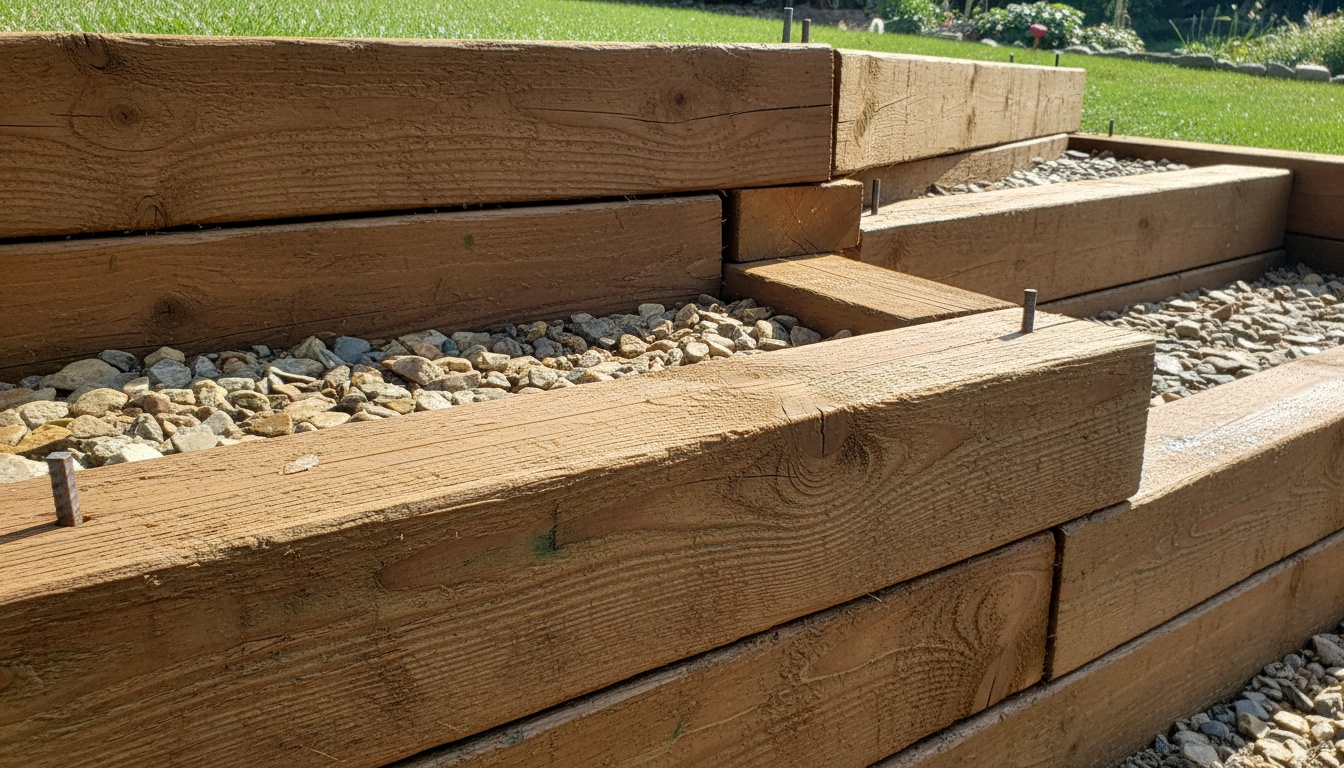
If you're after a more natural wood look, pressure-treated lumber is a fantastic budget pick. You can use 4x4s, 6x6s, or landscape timbers, and these walls are usually pretty easy for DIYers to put up. The wood usually comes in natural brown or green-tinted shades, which you can stain or seal to match your existing outdoor colors. Make sure you have strong stakes for bracing and plenty of gravel fill for drainage. A common mistake is using wood that isn't treated – it'll rot fast – or not bracing walls well enough if they're over two or three feet tall. Want to see how pressure-treated lumber walls might look in your yard? Upload a photo to our visualization platform and test out different heights or stain finishes.
If you're after that rustic, organic, timeless look, natural stone can actually be surprisingly cheap, especially if you can find it locally. Fieldstone (those irregularly shaped rocks) or flagstone (flat, thin slabs) can be stacked without mortar or with it. Their natural earth tones – think grays, browns, tans, ochres – blend right into a natural landscape. The secret to a natural stone wall that lasts? A super stable base and carefully fitting the stones so there aren't big gaps. Poor drainage behind the wall can cause water pressure to build up, leading to the wall failing. You can use our design AI to see different arrangements and sizes of fieldstone or flagstone in your yard. Check how they look with your existing landscaping before you commit.
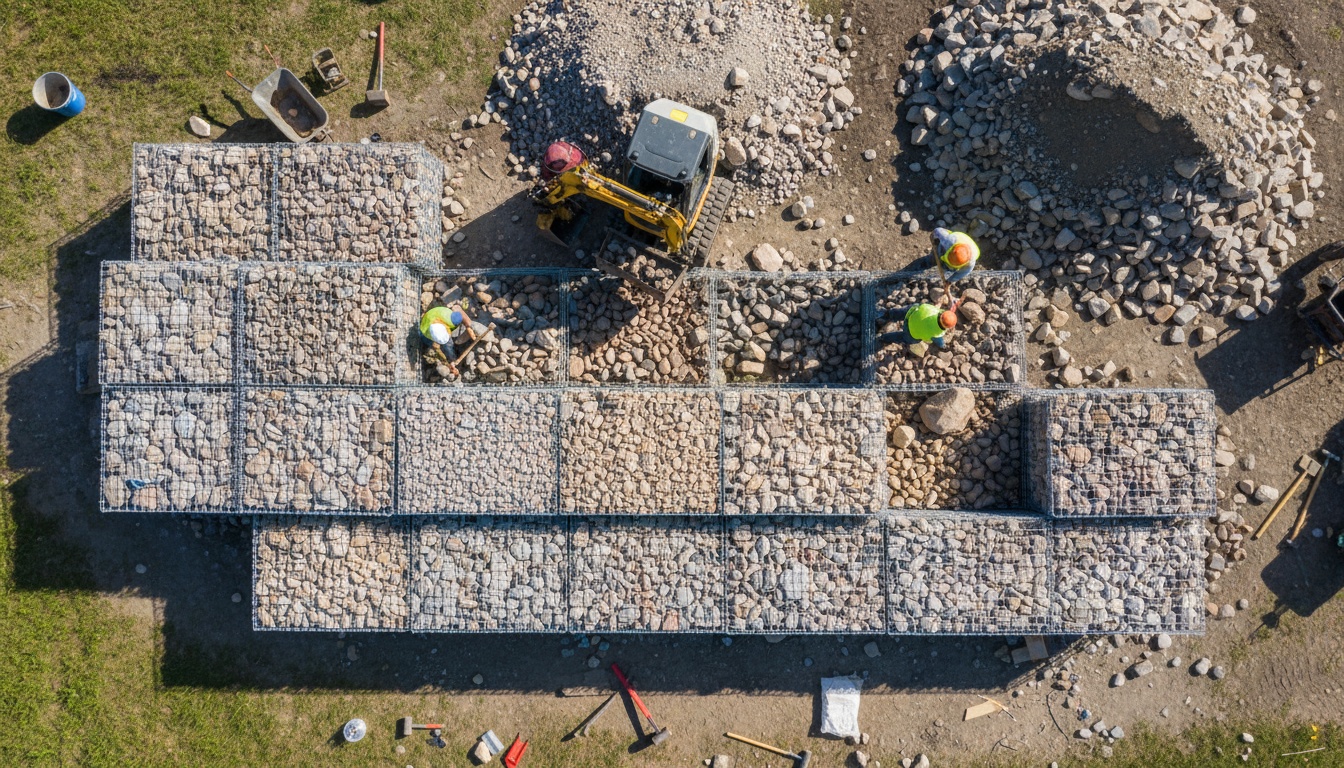
Gabions are a unique, modern, and really tough option. They're basically welded wire mesh cages that you fill with different kinds of rocks, like river rock or crushed stone. The wire cages usually give a gray, industrial frame, and the rocks you fill them with decide the overall color. Gabions let water through, so they drain really well, and they're flexible enough for uneven ground. Just make sure you use the right kind of rock fill (not too small or dusty) and secure the cages properly. With Paintit.ai's tools, you can preview gabion walls with different rock fill types and colors, even integrating them with other hardscaping elements in your design.
For something eco-friendly and possibly super cheap, recycled materials are an option. This could mean used railway ties (but seriously, check for creosote and local rules!), concrete rubble, or salvaged bricks. The look? It varies wildly, totally depending on where you get the stuff. Big warning though: you need to think about structural strength, environmental worries (like chemicals leaching out), and local building codes. This can be the cheapest retaining wall material if you can find free, suitable items. But be extremely careful and double-check everything. For this kind of project, Paintit.ai can help you get a feel for the overall space where such a wall might go, making it easier to plan everything around it.
Picking the right materials is just the first step in your reno journey. For more help on how homeowners can test out their renovation ideas, check out our detailed guides.
Deciding whether to DIY or hire a pro pretty much determines how much your retaining wall will cost. Doing it yourself can slash costs big time by cutting out labor fees, which often eat up half or more of a project's budget. For smaller projects (under 3 feet), this is often the cheapest way to build a retaining wall. But going DIY means you'll need a serious time commitment, a good amount of physical effort, and you'll have to buy or rent tools. Plus, there's the risk of making mistakes if you don't follow the right steps for the foundation, drainage, and handling materials.
For taller walls (over 3-4 feet), tricky sites with bad soil, or places with strict code rules, hiring a pro is almost always the smart move. An experienced contractor will make sure the wall is structurally sound, meets local permit rules, and is built to last. That saves you potential headaches and expensive repairs down the road.
| Problem | Likely Cause | Fast Fix (Budget) | Paintit.ai Try-On Test |
|---|---|---|---|
| Wall leaning or bowing | Inadequate foundation or insufficient backfill | Add more compacted gravel; reinforce bracing | Test different wall heights and foundation depths digitally |
| Water pooling behind wall | Poor drainage system or clogged pipe | Clear drainage pipe; add more gravel backfill | Visualize drainage pipe placement and gravel layers |
| Erosion at wall base | Insufficient base protection | Add a layer of large gravel or small river stones | Preview different base landscaping elements |
| Rotting wood (for timber walls) | Untreated wood or constant moisture | Replace affected sections with pressure-treated wood | Test various lumber types and finishes for long-term durability |
| Gaps between natural stones | Poor fitting or settling | Fill with smaller stones, sand, or mortar | Experiment with mortared vs. dry-stacked stone aesthetics |
| Unsightly color/texture | Material choice clashes with landscape | Paint blocks; add climbing plants; cap with nicer material | Visualize painted blocks or textured finishes; add greenery |
No matter what materials you pick or who builds it, a few things are absolutely non-negotiable for a successful retaining wall.
Good drainage is absolutely crucial if you want your retaining wall to last. Without it, water pressure can build up behind the wall, pushing it out and eventually causing it to collapse. Budget-friendly drainage means a thick layer of gravel right behind the wall, plus a perforated drainage pipe laid at the bottom to send water away from the structure. Always wrap those drainage pipes in landscape fabric to keep them from getting clogged. Our AI landscape design tool can help you visualize how these hidden elements fit into your overall plan.
A solid, well-prepared foundation is the absolute backbone of any retaining wall. This usually means digging a trench below the frost line (if you have one), filling it with compacted gravel, and making sure it's perfectly level. This base spreads the wall's weight evenly and stops it from settling or shifting later on. Skipping this step, or doing it wrong, is one of the main reasons retaining walls fail.
Before you even pick up a shovel, always check your local building codes and permit requirements. Lots of cities and towns need permits for retaining walls above a certain height (usually 3-4 feet), or if they're close to property lines or public areas. Ignoring those permits can land you with fines or the expensive demand to tear down and rebuild your whole structure. These rules exist to keep everyone safe and make sure your wall actually stands up.
Even with the best intentions, trying to build a budget-friendly retaining wall can easily run into common problems. One big mistake is not realizing how crucial a solid foundation and good drainage are. Those are non-negotiable, no matter what material you use. Another common slip-up is trying to build a wall that's too tall without enough reinforcement or engineering, especially if you're doing it yourself. Using wood that isn't pressure-treated for ground contact? That's a guaranteed path to rot and failure.
To fix these issues: always make a deep, compacted gravel base a priority, and install a perforated drain pipe with gravel backfill. For walls over 3 feet, think about getting a pro's advice, or even a partial DIY where you do the digging and material hauling, but let an expert handle the structural stuff. For timber walls, always use lumber that's specifically made for ground contact. Seeing potential issues and solutions with our home exterior design tool can really help you plan everything down to the last detail.
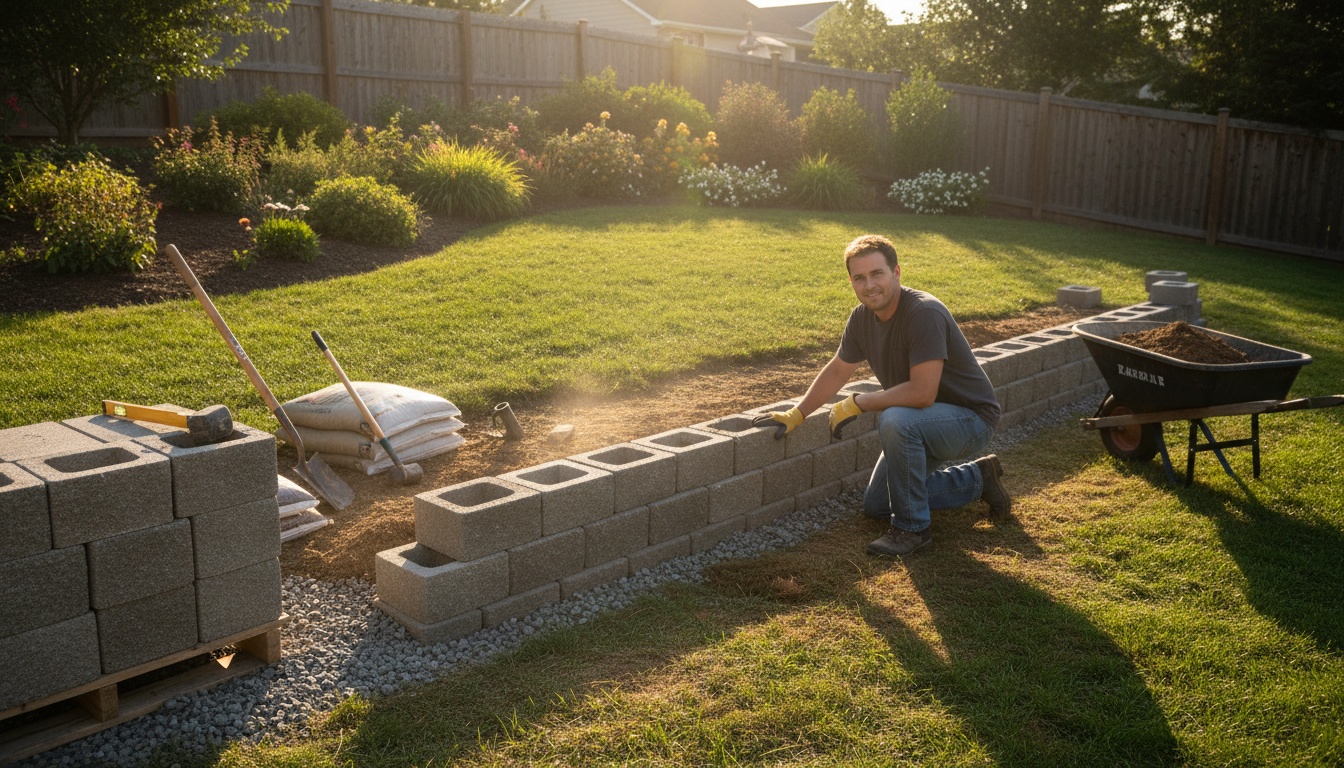
Picking the right materials and design for your affordable retaining wall can feel like a lot to handle. It's tough to picture how different concrete blocks, lumber, or stone types will actually look in your yard when all you have are tiny samples or Pinterest pics. That's exactly where AI visualization becomes a lifesaver.
Here’s how Paintit.ai helps you decide with confidence:
While AI previews are incredibly accurate, remember that real-world lighting and surrounding landscape elements can subtly change how colors appear. Always try to test small physical samples if you can.
Generally, standard concrete blocks (cinder blocks) or pressure-treated lumber often present the lowest initial material cost, especially for shorter, simpler walls. However, longevity and specific site needs can shift the overall value proposition.
Yes, DIY is a primary way to reduce costs, particularly for walls under 3 feet. Simple designs using concrete blocks or lumber are more DIY-friendly. Ensure you understand proper techniques for drainage and foundation to avoid future problems. This is an excellent way to get an inexpensive retaining wall.
Walls under 3 feet are often considered DIY-friendly and may not require permits in many areas. For walls 3-4 feet and above, costs increase significantly due to engineering, reinforcement, and often the need for professional installation and permits. This is a critical factor when determining how to build a cheap retaining wall.
Not necessarily, but budget choices require careful planning. Proper installation, especially regarding drainage and foundation, is crucial for the longevity of any retaining wall, regardless of material cost. A poorly installed cheap wall will fail faster than a well-installed slightly more expensive one.
Concrete blocks (CMUs) are often recommended for beginners due to their uniform size, ease of handling, and interlocking options available. Pressure-treated timbers are another accessible option for simpler, lower walls, offering easy retaining wall ideas.
Using salvaged materials can be extremely cost-effective, potentially offering the cheapest retaining wall material. However, it's crucial to ensure the materials are structurally sound, free from harmful chemicals (like creosote in old railway ties), and comply with local building codes. Always prioritize safety and environmental impact.
Building an affordable retaining wall doesn't mean you have to sacrifice how well it works or how good it looks. By carefully choosing budget-friendly materials—like concrete blocks, pressure-treated lumber, natural stone, or gabions—and really focusing on proper drainage and a solid foundation, homeowners can tackle slopes and boost their outdoor spaces. Getting your hands dirty with DIY can seriously cut down overall costs, especially for smaller projects.
Before you kick off any project, always double-check local building codes and visualize your options. Tools like Paintit.ai offer awesome insights, letting you preview different material options and designs right in your actual yard. This makes sure your budget-friendly retaining wall hits both your practical needs and aesthetic goals. Check out more AI landscape design solutions to completely transform your outdoor living space in 2026.