
7 min. reading
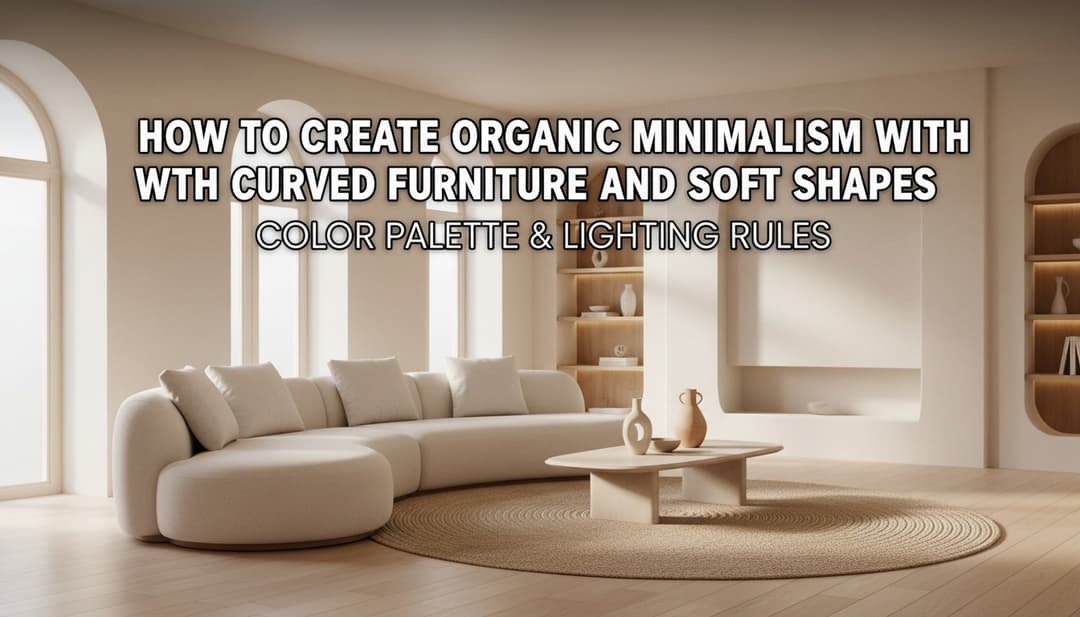
How to Create Organic Minimalism with Curved Furniture and Soft Shapes

Yulii Cherevko
CEO paintit.ai
Page Contents:
- 1. What is Organic Minimalism?
- 2. The Allure of Soft Shapes and Curves
- 3. Curated Color Palettes for Serenity
- 4. Natural Materials and Tactile Textures
- 5. Lighting: The Softening Effect
- 6. Key Furniture Pieces to Embrace Curves
- 7. Styling Your Organic Minimalist Haven
- 8. Common Pitfalls to Avoid
- 9. Stop Guessing, Start Visualizing
- 10. FAQ
- 11. Conclusion: Embracing Calm and Curvature
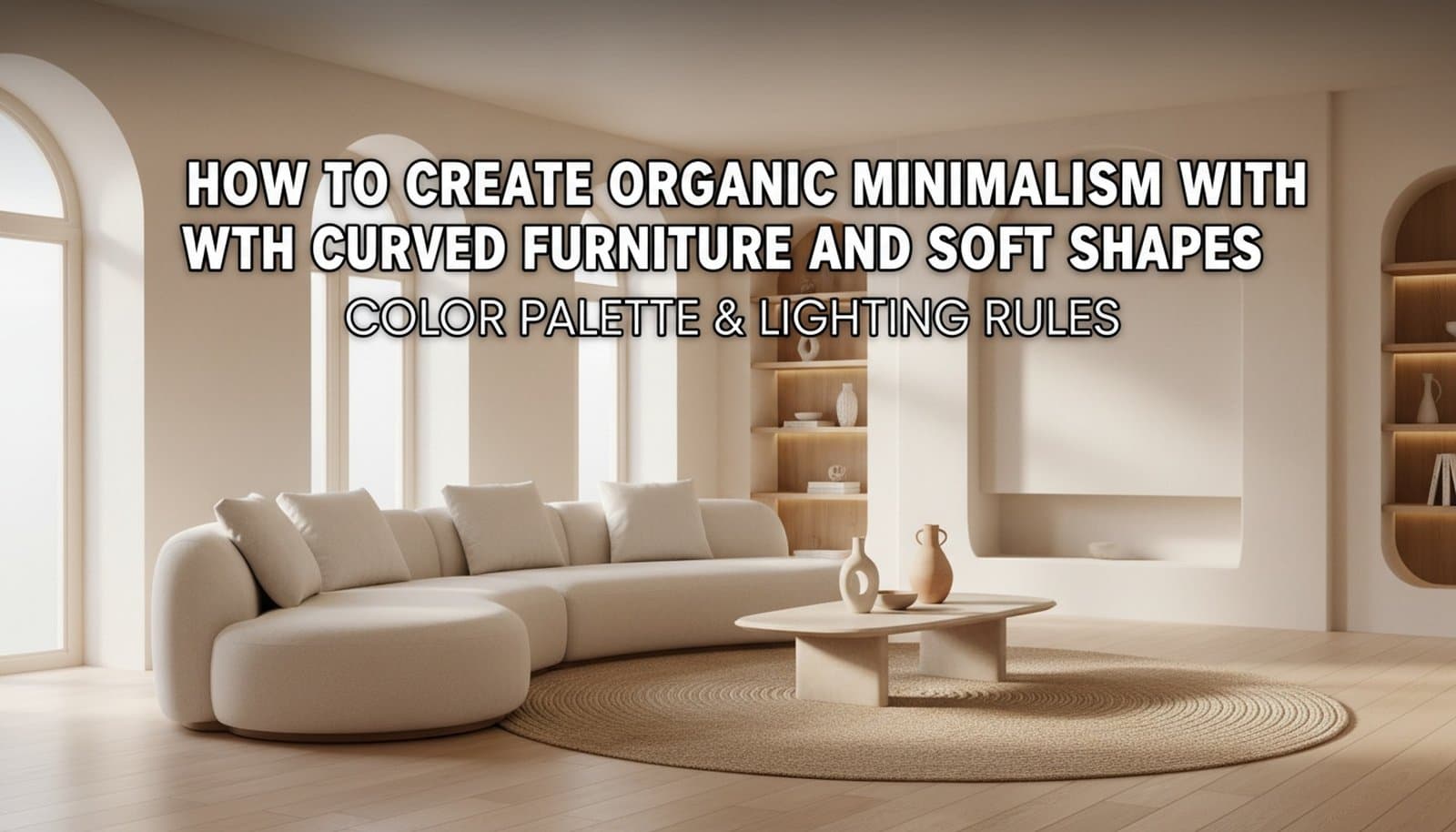
Achieving organic minimalism means creating a sanctuary that feels both uncluttered and deeply calming. This style blends the clean lines of minimalism with the warmth and gentle forms found in nature, focusing on soft shapes, curved furniture, and natural textures to foster a sense of peace. It's about creating a space that breathes, inviting tranquility and understated elegance. Ready to transform your home? Explore the possibilities with Paintit.ai and visualize your perfect organic minimalist retreat.
Key Takeaways
Definition: A serene, warm, and inviting aesthetic blending minimalist principles with natural elements, soft forms, and curved furniture.
Why it works: Creates a sense of calm and comfort, countering the potential starkness of traditional minimalism by embracing gentle lines and tactile surfaces.
Signature palette: Creamy whites, warm beiges, greige, soft taupe, complemented by earthy greens and muted terracotta tones.
Materials: Natural wood (light oak, walnut), rattan, cane, boucle, linen, wool, textured plaster, travertine, and ceramic.
Lighting rule: Soft, diffused, layered ambient light to enhance warmth, emphasize textures, and minimize harsh shadows.
Avoid: Sharp angles, high-contrast color schemes, overly ornate decor, cluttered surfaces, and cold, reflective finishes.
What is Organic Minimalism?
Organic minimalism is a design philosophy that champions simplicity, functionality, and a deep connection to nature, all while maintaining a warm and inviting atmosphere. Unlike its more austere counterpart, traditional minimalism, this style embraces imperfection, softness, and the inherent beauty of natural forms. It’s about curating a space that feels calm and restorative, free from visual noise, yet rich in subtle textures and gentle curves. Think of it as a quiet retreat where every element contributes to a sense of serenity, promoting well-being through thoughtful design and an understated elegance. It’s about creating comfort without clutter, and warmth without extravagance.
The Allure of Soft Shapes and Curves
The human eye is naturally drawn to soft shapes and curves, which psychologists often link to feelings of safety, comfort, and relaxation. In design, these organic forms contrast sharply with the rigid lines often associated with stark modernism, introducing a visual fluidity that softens a space. Curved furniture, from a plush sofa to a rounded coffee table, helps to break up rectangular rooms, guiding the eye smoothly around the space and fostering a more welcoming, less structured environment. Incorporating these soft silhouettes creates a gentle rhythm, making a room feel more approachable and less intimidating.
| Element | What to Choose | Why it Works | Easy Mistake | Quick Fix |
|---|---|---|---|---|
| Furniture | Curved sofas, rounded armchairs | Softens lines, invites relaxation | Too many sharp edges | Introduce an oval coffee table |
| Shapes | Arches, circles, flowing lines | Creates visual calm, natural flow | Overly geometric patterns | Add a round mirror or a curved console |
| Materials | Boucle, linen, natural wood | Adds tactile warmth, depth | Cold, shiny surfaces | Layer soft throws and textured cushions |
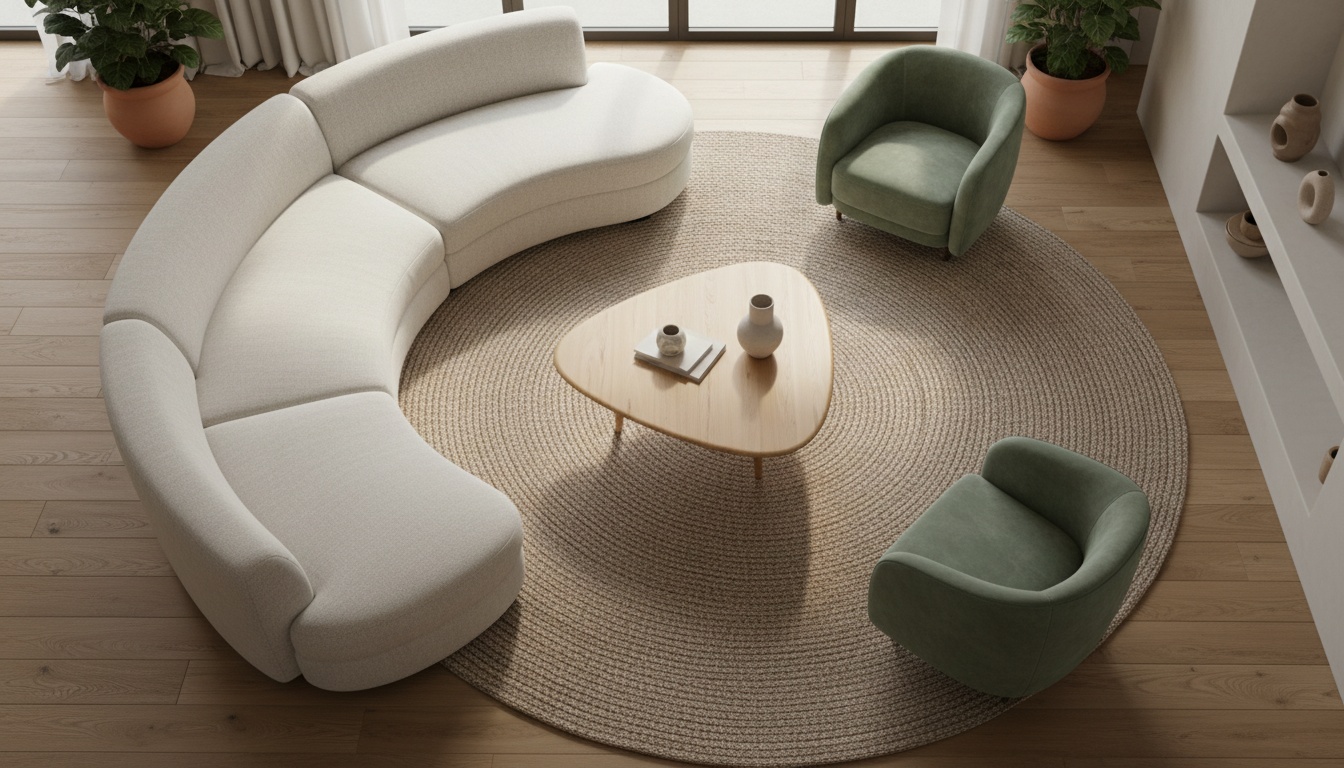
| Layout | Open, fluid arrangements | Promotes ease of movement, airiness | Rigid, symmetrical pairings | Angle a chair; use a round rug |
| Accessories | Sculptural vases, organic artwork | Subtle points of interest, connects to nature | Clutter, highly decorative items | Edit down to a few impactful, simple forms |
Curated Color Palettes for Serenity
The foundation of organic minimalism lies in its soothing color palette. This style leans heavily into warm neutrals: think creamy whites with a subtle yellow undertone, soft beiges that recall sand dunes, and tranquil greige that offers a hint of grounding gray. Earthy tones are crucial for depth and connection to nature, such as muted sage greens, dusty olive, and soft terracotta or clay hues. These colors are chosen for their desaturated quality, ensuring they blend harmoniously rather than competing for attention. The goal is an enveloping backdrop that allows textures and forms to shine, promoting a truly calm and serene atmosphere. When selecting paint, always test swatches in your room's natural and artificial lighting to understand their true undertone shifts throughout the day.
Natural Materials and Tactile Textures
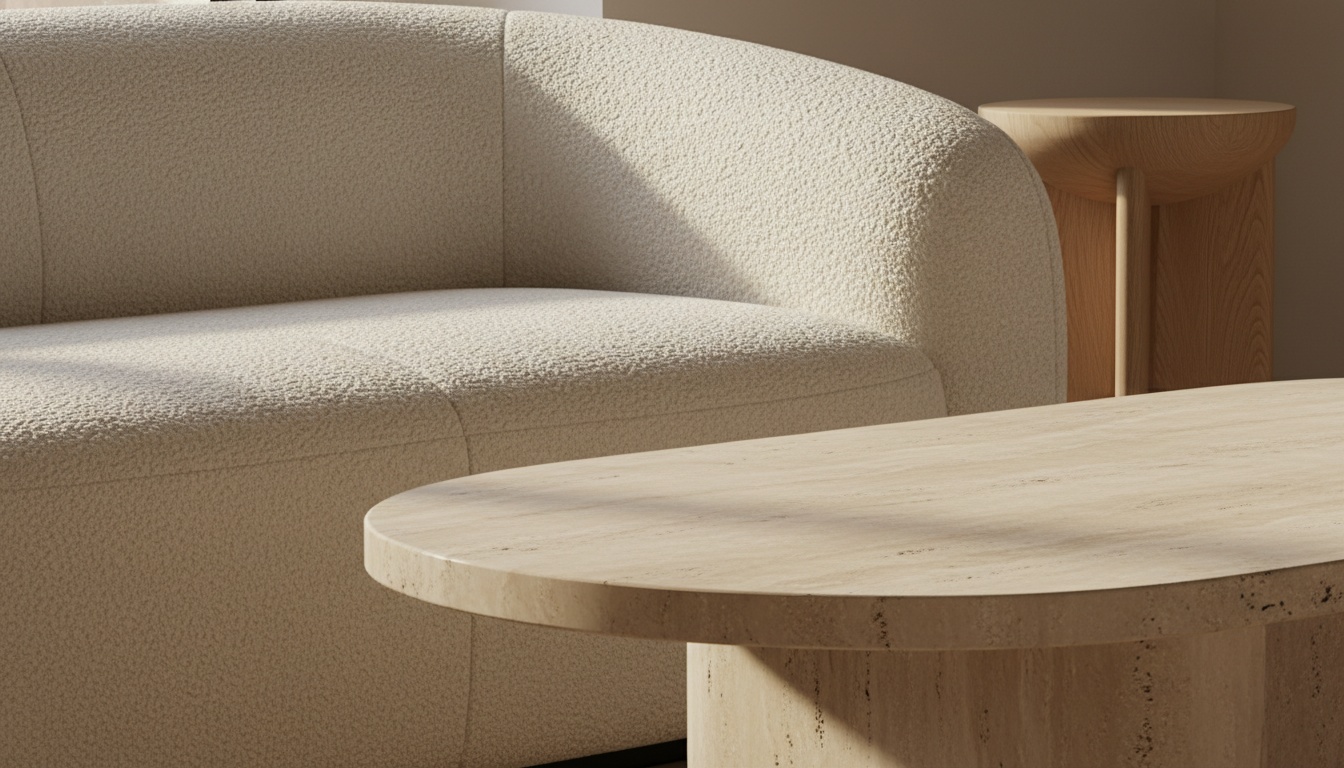
Materials in organic minimalism are chosen for their authenticity, warmth, and inviting tactile qualities. Solid wood, particularly light oak or warm walnut, features prominently in furniture, often with a matte, unpolished finish that highlights its natural grain. Upholstery is defined by soft, luxurious textures like nubby boucle, slubby linen, and plush wool, inviting touch and adding visual softness. Natural fibers like rattan and cane bring an airy, handcrafted feel, while stone elements such as travertine or matte concrete composite provide a grounding presence. Textured plaster walls can add an artisanal, organic layer, creating subtle shifts in light and shadow that make a room feel alive without being busy.
Lighting: The Softening Effect
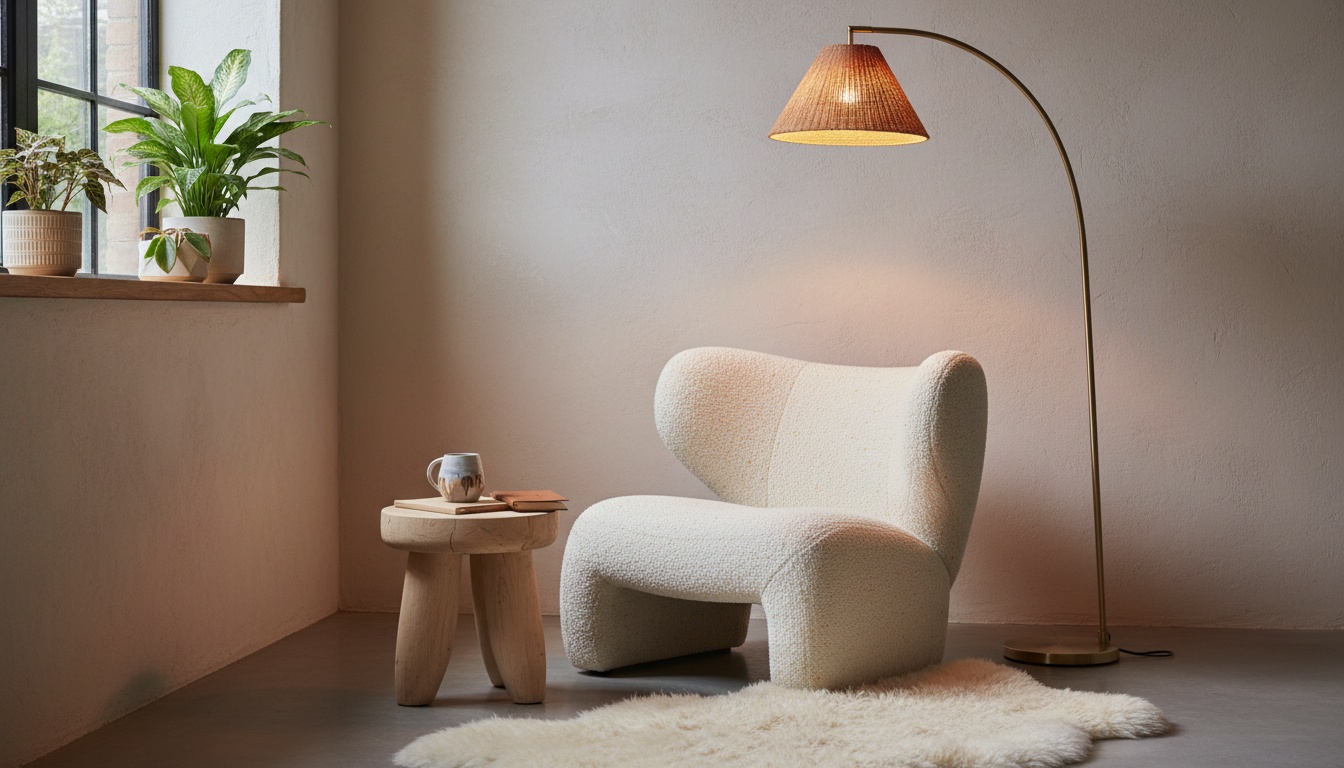
Lighting in an organic minimalist space is about creating atmosphere and enhancing the natural forms within the room. Harsh, direct light is avoided in favor of warm, diffused, and layered sources. Think ambient lighting from recessed fixtures with warm-toned bulbs, task lighting from floor lamps with fabric shades that cast a gentle glow, and accent lighting to highlight a textured wall or a sculptural vase. Arched floor lamps with rounded shades or table lamps with ceramic bases and linen shades are perfect examples of how light fixtures can also contribute to the soft, curved aesthetic. Consider modular lighting solutions or adaptive fixtures that can be adjusted to create different moods throughout the day, aligning with current lighting design trends towards flexibility and subtle illumination. Incorporating smart home lighting allows for easy control of dimming and color temperature, further personalizing the room's ambiance to foster tranquility.
Key Furniture Pieces to Embrace Curves
Integrating curved furniture is central to achieving organic minimalism. These pieces soften the visual landscape of a room, creating a gentle flow and inviting comfort. Whether it's a primary seating arrangement or a subtle accent, each curved form contributes to the overall serene aesthetic.
To truly visualize how these elements will transform your own space, consider uploading a photo of your living room to Paintit.ai's AI Living Room Design tool. You can then experiment with different furniture pieces, layouts, and materials before making any commitments.
1. The Cloud Sofa
This sofa is the epitome of comfort and enveloping softness. Its deep seating, generous rounded arms, and often a low profile create a plush, inviting presence that feels like sinking into a cloud. Upholstered typically in a textured boucle or soft performance velvet in creamy white or a muted greige, it commands attention without being ostentatious. It works by creating an immediate sense of ease and relaxation, defining the central seating area with a gentle, curvilinear form. To execute, ensure ample negative space around the sofa to let its voluminous form shine.
- Paintit try-on action: Upload a photo of your living room. Use the AI Room Design tool to preview your space with a plush, curved sofa in a boucle texture. Experiment with different neutral colors like "Oatmeal" and "Cloud White" to see which best enhances the room's natural light.
2. The Gentle Arc Armchair
A cozy, inviting personal haven, the gentle arc armchair boasts a modern, sculptural silhouette. Its curved back and sides, paired with a rounded seat cushion, offer supportive yet soft comfort. Often found with a subtle swivel base and visible, subtly curved wooden or black metal legs, it works as a beautiful accent in a reading nook or a fireside corner. The curved form embraces the sitter, creating a sense of enclosure and tranquility. To execute, choose one in a woven fabric or soft leather in an earthy tone like olive green or a dusty rose.
- Paintit try-on action: Upload a photo of a reading nook or corner. Use the AI Room Design tool to place a curved armchair. Test various upholstery options like "Textured Linen" in "Terracotta" and "Soft Leather" in "Cognac" to find the perfect fit for your desired warmth.
3. The Organic Oval Coffee Table
This piece serves as a natural, grounding centerpiece that beautifully softens any seating area. With its oval or rounded rectangular shape, it features a lower profile than traditional tables and smooth, flowing lines. Often crafted from natural materials like solid light oak, matte travertine, or a concrete composite, it introduces an organic touch while maintaining minimalism. It works by breaking up linear furniture arrangements and providing a subtle, artistic focal point. To execute, style it with a simple tray, a sculptural ceramic vase, and a few curated books.
- Paintit try-on action: Upload a photo of your living room with existing furniture. Use the AI Room Design tool to replace your current coffee table with an organic oval design. Compare a "Travertine Top" with a "Light Oak Base" against a "Matte White" finish to see which best harmonizes with your sofa and rug.
4. The Sculptural Floor Lamp
More than just a light source, the sculptural floor lamp is an elegant, artistic element that adds height and ambient glow. Characterized by a curved or arcing arm and a rounded fabric shade or diffuser, it offers soft, diffused light, preventing harsh shadows. Its stable, often weighted circular base and slender profile ensure it integrates seamlessly. It works by adding a dynamic vertical element and warm lighting that emphasizes the room's textures. To execute, position it behind a sofa or armchair to provide both reading light and overall ambiance.
- Paintit try-on action: Upload a photo of your living room. Use the AI Room Design tool to add a sculptural floor lamp with an arched arm and rounded shade. Experiment with finishes like "Brushed Brass" and "Matte Black" to see how they interact with your room's existing elements.
5. The Woven Rattan Accent Chair
Bringing an airy, textured touch and a hint of natural warmth, the woven rattan accent chair often features a rounded, cocoon-like shape. Its lightweight appearance and natural material make it a perfect companion for lighter, minimalist spaces. Paired with soft linen or cotton cushions, it provides additional comfort and texture. It works by introducing an organic, handcrafted element that prevents the space from feeling too pristine or sterile. To execute, place it in a sunny corner or beside a large potted plant, balancing its texture with smoother surrounding elements.
- Paintit try-on action: Upload a photo of a living area or bedroom. Use the AI Room Design tool to introduce a rattan accent chair. Preview it with a "Natural Rattan" finish and experiment with cushion colors like "Terracotta" and "Creamy Beige" to see how it complements your existing color scheme.
Styling Your Organic Minimalist Haven
Styling an organic minimalist space is about purposeful curation rather than accumulation. Start by decluttering thoroughly to create a clean canvas. Anchor your room with a large, inviting curved sofa, then introduce complementary rounded elements through armchairs, coffee tables, and accent pieces. Layer in tactile textures with natural fiber rugs, linen throws, and boucle cushions. Integrate soft, diffused lighting with sculptural lamps. Finally, bring the "organic" element to life with living plants in simple ceramic pots and a few carefully chosen artisanal decor items or abstract art with soft lines. The key is to create a sense of harmony and calm, allowing each piece to breathe and contribute to the overall serene atmosphere.
| Problem | Likely Cause | Fast Fix | Paintit Try-On Test |
|---|---|---|---|
| Room feels too stark/cold | Too many hard lines, cool colors | Add soft furnishings, warm-toned lighting | Upload photo, test warm white paint, add a boucle throw |
| Space feels cluttered | Too many small decor items, no negative space | Edit down decor, create clear surfaces | Use AI Room Design to remove excess items and compare layouts |
| Lacks warmth/invitation | Insufficient texture, artificial materials | Introduce natural woods, woven fabrics | Upload photo, apply wood floor texture, add a rattan chair or wool rug |
| Lighting is too harsh | Overhead spot lighting, cool bulbs | Add floor lamps with fabric shades, warmer bulbs | Use AI Room Design to test different lamp styles and light temperatures |
| Room feels unbalanced | One strong focal point, no flow | Distribute curves and textures evenly, use a round rug | Upload photo, reposition furniture, try an oval coffee table in the center |
Common Pitfalls to Avoid
While organic minimalism aims for simplicity, there are common missteps that can detract from its intended warmth and serenity. One frequent mistake is choosing furniture with overly sharp angles or geometric shapes, which can introduce a jarring contrast and undermine the soft aesthetic. Another pitfall is selecting a color palette that is too cool or high-contrast, stripping the space of its inviting warmth. Over-decorating, even with natural elements, can lead to clutter, defeating the minimalist principle. Similarly, relying on a single, bright overhead light source can create harsh shadows and flatten the room's textured beauty. Finally, neglecting tactile elements like textured rugs or throws can leave a space feeling visually appealing but physically uninviting. The solution always lies in prioritizing softness, naturalness, and intentional curation.
Stop Guessing, Start Visualizing
Trying to imagine how new furniture, paint colors, or textures will look in your actual room from tiny swatches or online photos can be incredibly challenging. The interplay of your room’s unique lighting, existing furniture, and spatial dimensions is impossible to truly gauge until it’s in place. This is where Paintit.ai's AI Room Design tool becomes indispensable.
Here's how to stop guessing and start visualizing:
- Upload Your Photo: Take a clear picture of your room.
- Define Your Style: Select "Organic Minimalism" or describe your desired aesthetic.
- Test Curved Furniture: Experiment with different curved sofas, round coffee tables, and arched lamps.
- Explore Materials & Colors: Apply various natural wood finishes, boucle textures, and warm neutral paint colors to your walls and furniture.
- Compare Variations: Generate multiple design options to see subtle differences in scale, proportion, and color harmony.
Remember that while AI previews are remarkably accurate, actual light and material finishes can cause slight variations in perceived color compared to digital renderings.
FAQ
What's the main difference between organic minimalism and regular minimalism?
Regular minimalism often focuses on stark lines, geometric shapes, and frequently cooler palettes, emphasizing function and the absence of ornamentation. Organic minimalism, however, incorporates softer, curved forms, natural materials, and warmer, earth-toned palettes to create a more inviting and tactile environment, drawing deeper inspiration from nature.
Can I achieve organic minimalism in a small apartment?
Absolutely. The key is careful curation and thoughtful scale. Focus on one or two key curved furniture pieces, declutter ruthlessly, use a light and neutral color palette to maximize perceived space, and maximize natural light. Consider multi-functional curved pieces to optimize space without sacrificing style.
What are the best wall colors for organic minimalism?
Warm neutrals are ideal. Think creamy whites with a subtle warm undertone, soft beiges that lean towards sand, greige (a warm gray-beige), muted taupes, and earthy tones like soft sage green or a gentle terracotta. The goal is a calming, enveloping backdrop that feels understated and natural.
Is curved furniture hard to style?
Not at all. The inherent softness of curved furniture naturally lends itself to a more relaxed and fluid arrangement. Pair curved pieces with other organic shapes or simple, clean-lined items to maintain balance. Avoid overly rigid or symmetrical layouts, letting the curves guide the eye gently through the space.
How do I incorporate plants into organic minimalism?
Plants are essential for the "organic" aspect. Choose species with soft, flowing leaf shapes such as Ficus lyrata or Monstera deliciosa, and place them in simple, matte ceramic or woven planters. Larger floor plants can help define spaces and add natural verticality, while smaller plants can introduce subtle texture to tabletops.
How can I balance curves with functional storage?
Opt for storage solutions that either feature subtle curves themselves (e.g., credenzas with rounded edges) or integrate seamlessly into the background. Built-in shelving in a matching matte finish can provide discrete storage, or choose closed cabinets with simple, handle-less doors to maintain an uncluttered visual.
Conclusion: Embracing Calm and Curvature
Organic minimalism offers a compelling alternative to traditional stark aesthetics, inviting warmth, serenity, and a connection to the natural world into our homes. By consciously incorporating curved furniture, soft shapes, and a palette of warm, earthy neutrals, you can craft a space that feels both modern and deeply comforting. This style encourages thoughtful curation, emphasizing tactile textures and diffused lighting to create a haven that nurtures the senses and promotes a tranquil state of mind. It’s about building a home where every line is gentle, every surface invites touch, and every element contributes to a sense of calm. Begin your journey to a more serene home by exploring more design possibilities and inspiration on the Paintit.ai Blog.
Trending
Best Qbiq Alternatives for Layout Optimization & High-End Visualization
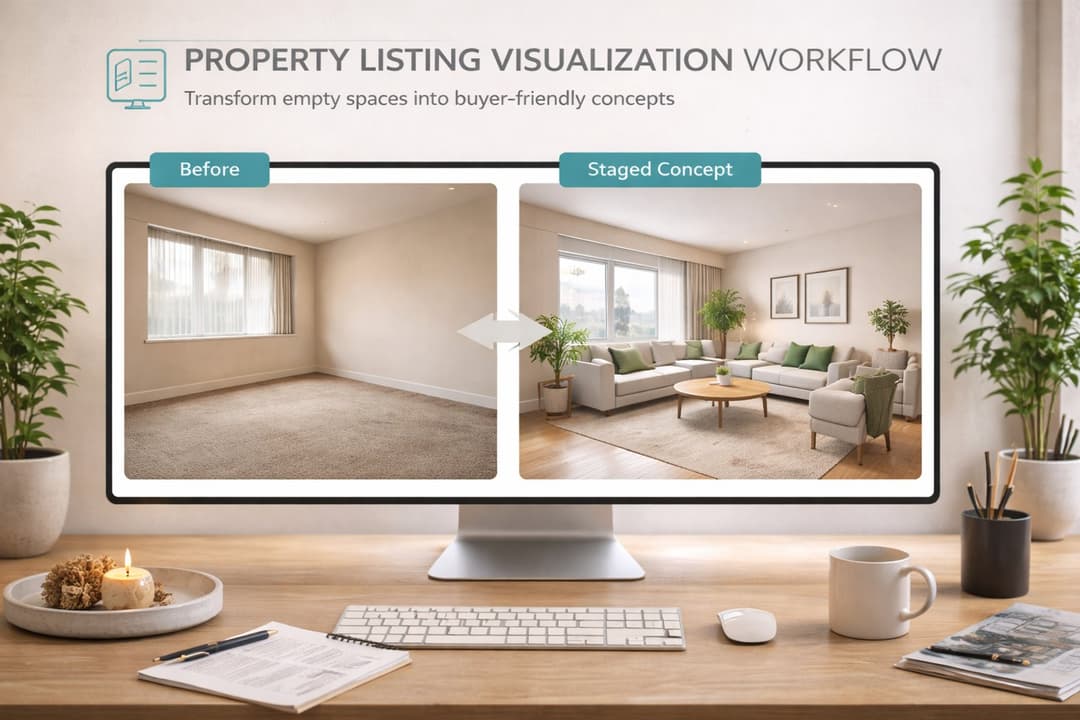
How Real Estate Agents and Stagers Can Use Paintit.ai
How Interior Designers Can Use Paintit.ai for Faster Client Concepts
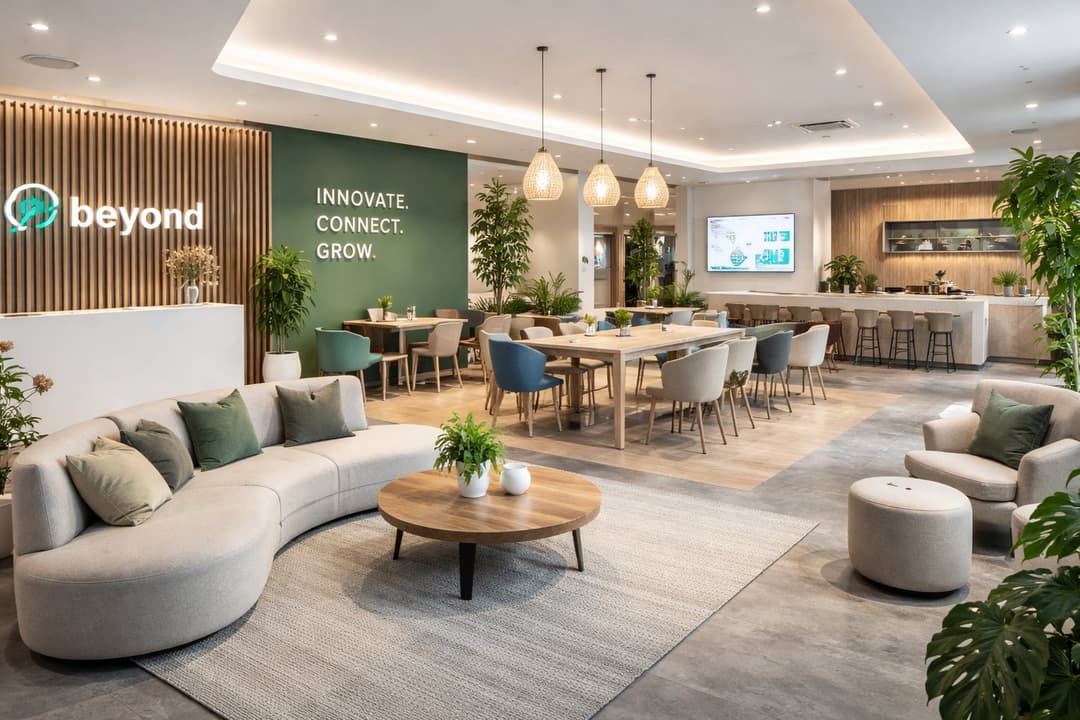
How to Visualize Commercial Spaces with Paintit.ai
How to Redesign a Home Exterior with Paintit.ai
Related articles
7 min read
How to Create Organic Minimalism with Curved Furniture and Soft Shapes
Learn how to create organic minimalism with curved furniture, soft shapes, and natural textures. Explore palettes, materials, and visualize it with Paintit.ai.
Yulii Cherevko
CEO paintit.ai
9 min read
Best Qbiq Alternatives for Layout Optimization & High-End Visualization
Compare the best Qbiq alternatives for AI space planning and interior visualization in 2026. Find the right tool for architects, designers, and agents.
Yulii Cherevko
CEO paintit.ai
9 min read
How Real Estate Agents and Stagers Can Use Paintit.ai
Learn how real estate agents and stagers can use Paintit.ai to stage empty rooms, refresh dated listings, clarify room purpose, and create more believable buyer-friendly visuals faster
Yulii Cherevko
CEO paintit.ai

9 min read
How Interior Designers Can Use Paintit.ai for Faster Client Concepts
Learn how interior designers can use Paintit.ai to build faster concept directions, compare options, improve client communication, and structure revisions without losing design control
Yulii Cherevko
CEO paintit.ai
9 min read
How to Visualize Commercial Spaces with Paintit.ai
Learn how to visualize commercial spaces with Paintit.ai using better zoning logic, stronger brand alignment, realistic seating and circulation, and more believable retail, office, cafe, and hospitality concepts
Yulii Cherevko
CEO paintit.ai
9 min read
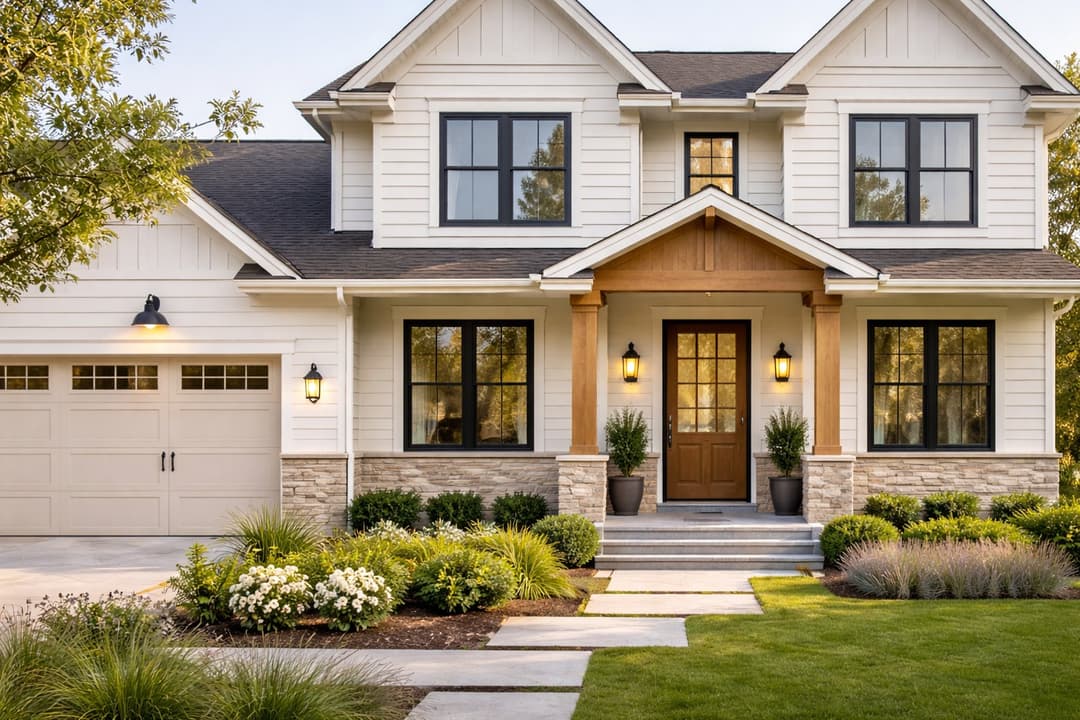
How to Redesign a Home Exterior with Paintit.ai
Learn how to redesign a home exterior with Paintit.ai using better facade logic, cleaner material systems, realistic curb-appeal upgrades, stronger prompt control, and more believable exterior concepts
Yulii Cherevko
CEO paintit.ai