5 min. reading

Yulii Cherevko
CEO paintit.ai

Planning a space is about more than just picking colors. It’s about anticipating how you’ll truly live in it. As we look toward the end of the decade, the conversation around future interior design is shifting. We're moving from purely aesthetic choices to creating environments that are adaptable, restorative, and deeply personal. This isn't about chasing fleeting fads. It’s about understanding the fundamental changes in our lifestyles and technology. The global interior design market is set to reach $175.74 billion by 2030, clearly signaling the growing investment we're placing in our homes (Grand View Research).
At Paintit.AI, we see the starting point of this journey every day. Our analysis of user prompts shows that roughly 70% of people begin with simple, keyword-style ideas like "modern living room." That's a natural way to start. But bringing a nuanced, forward-thinking vision to life requires a more detailed conversation. This guide explores the core future interior design trends 2030 will bring. It shows you how to move from a simple idea to a clear, actionable visual of your future home. It’s about creating a personal rhythm for your space before the first can of paint is even opened.
The home of 2030 is defined less by a single "look" and more by its performance. Three core principles are shaping this evolution: spaces that can change with our needs, environments that actively support our well-being, and technology that integrates seamlessly into our lives.
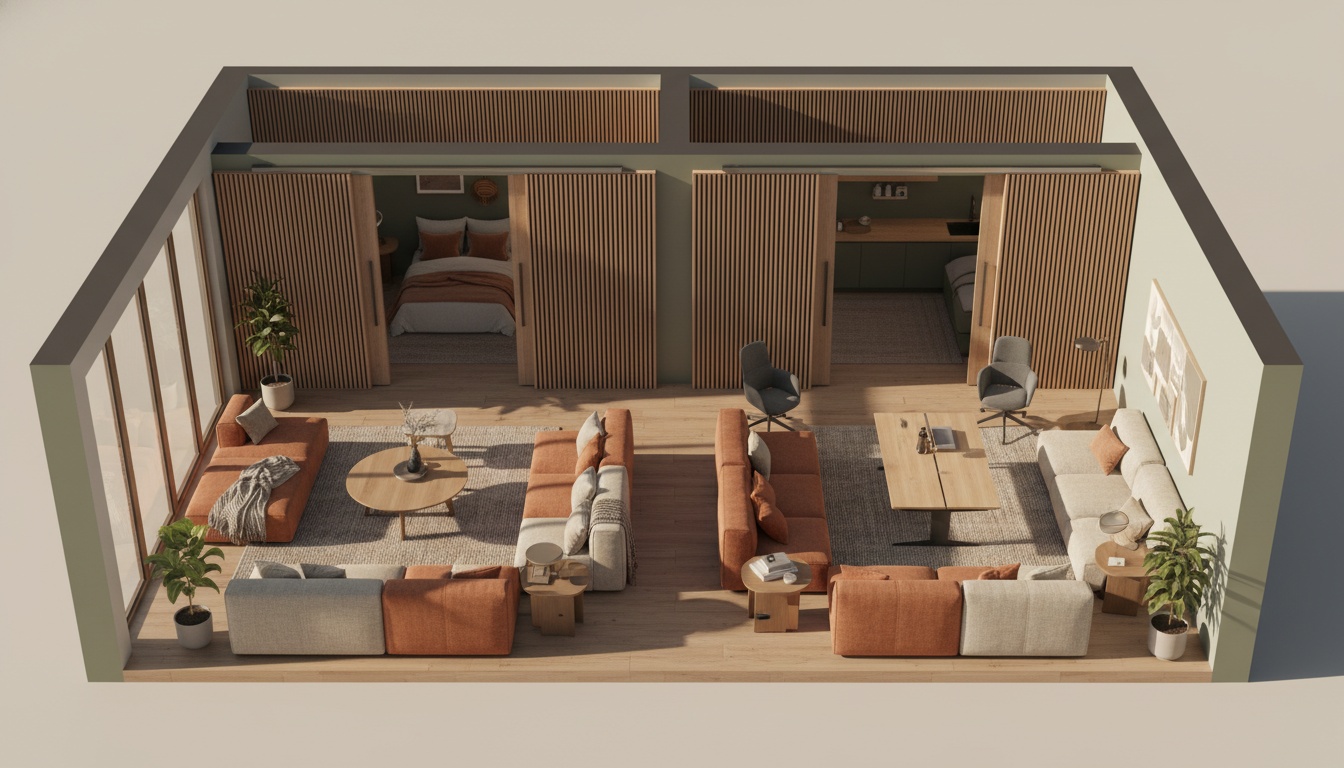
As living spaces trend smaller, every square foot counts. The coming years will see a focus on fluid layouts that serve multiple purposes. Think less "open-plan" and more "smart-plan." A dining area, for instance, might convert into a focused workspace with clever acoustic paneling and integrated lighting. A living room can transition into a guest suite with modular furniture and pocket doors that create instant privacy. The key is designing for flexibility from the start. You can generate initial room concepts to see how different layouts could work before making any structural changes.
The home is becoming a sanctuary. This goes beyond aesthetics and into sensory design. Biophilic design—the practice of connecting architecture with nature—will be standard. It incorporates natural light, indoor plants, and materials like wood and stone. We'll also see a greater emphasis on:
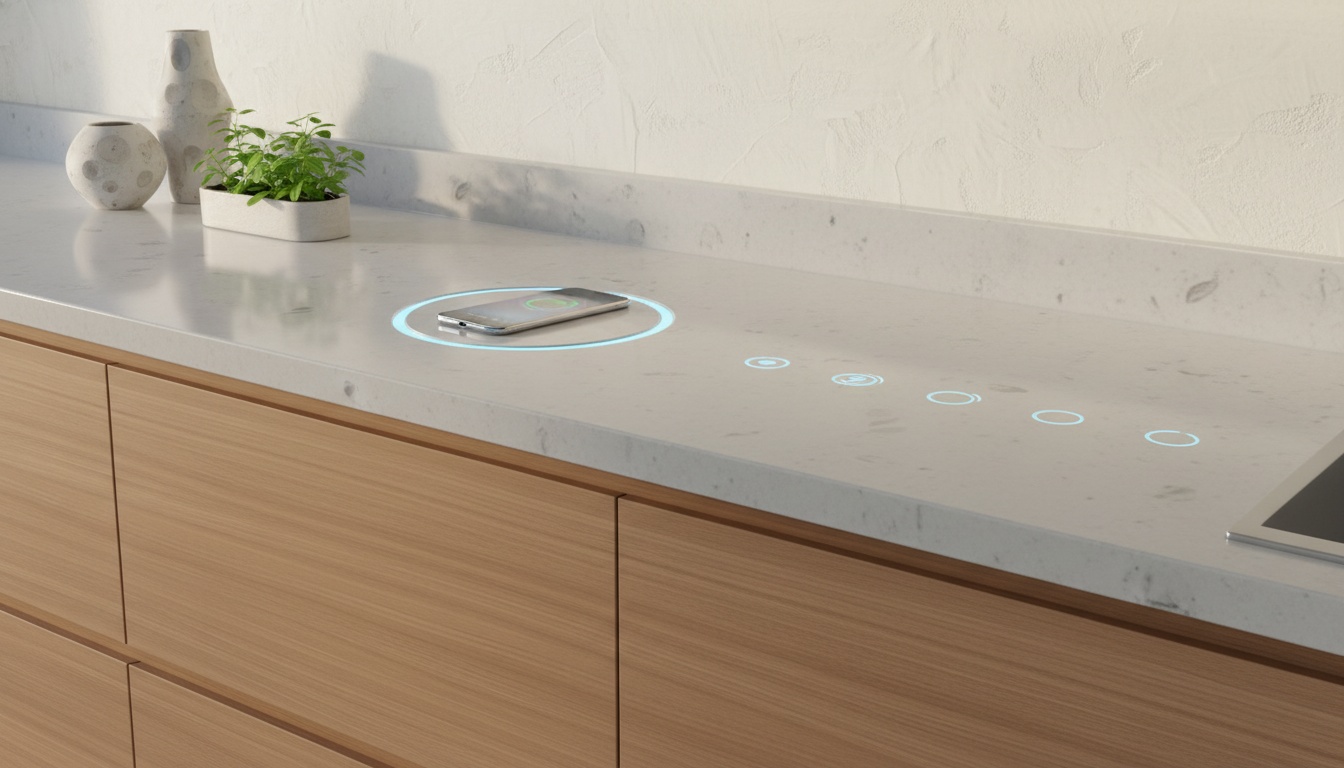
The "smart home" of the past was often clunky and conspicuous. The future is about quiet integration. Technology will be embedded into the architecture itself. Think voice-activated controls that are part of the wall finish, charging surfaces built into countertops, and home systems that learn your habits to optimize energy use. The goal isn't a home full of gadgets. It's a responsive environment that makes life more seamless.
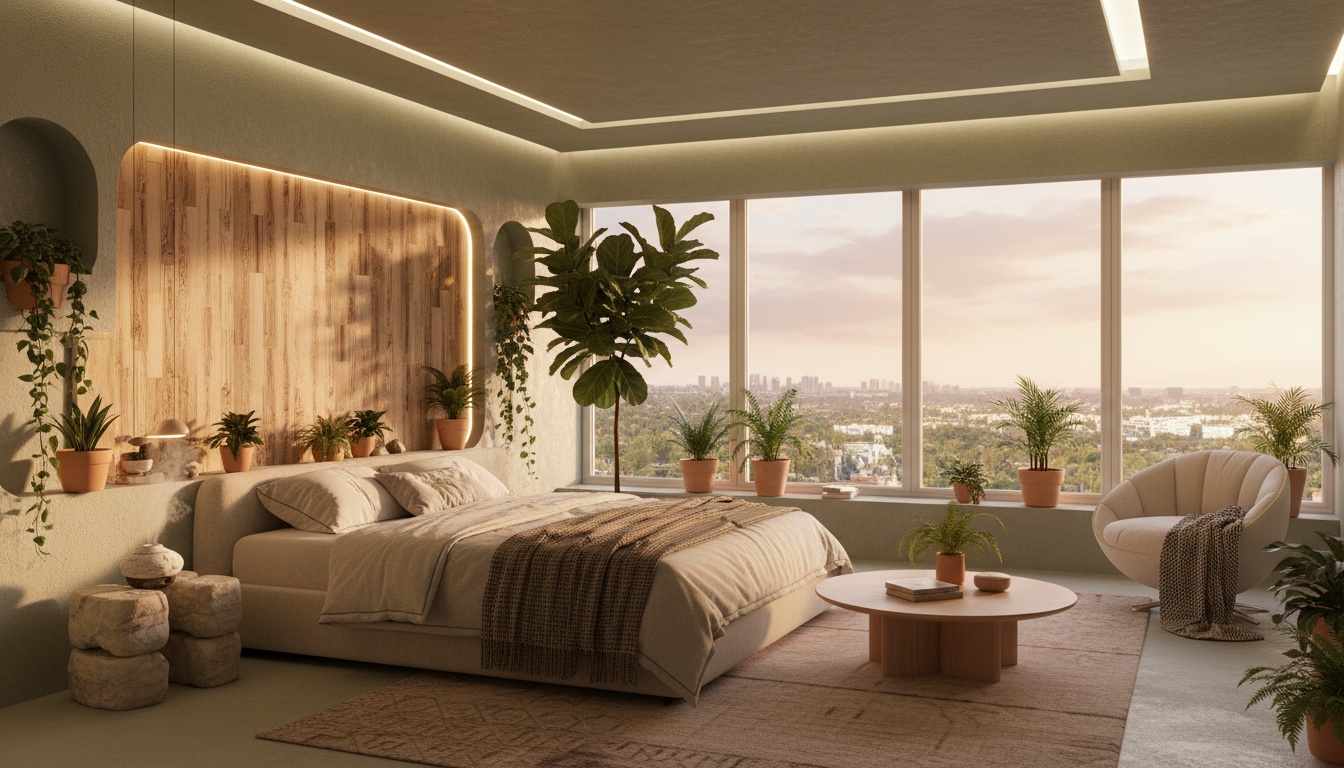
While function dictates form, the look and feel of our homes are also evolving. The sterile, all-white or gray interiors of the 2020s are giving way to spaces rich with personality, warmth, and timeless appeal.
Warmth is the defining characteristic. Expect to see a palette built on earthy neutrals, muted greens, terracotta, and deep browns. These colors provide a soothing backdrop for daily life. Texture will be just as important as color, with layered materials creating visual depth and interest. Plaster walls, bouclé fabrics, fluted wood paneling, and handmade tiles will be common features, inviting touch and adding character. To explore emerging interior design styles and see how these palettes come together, it helps to browse visual examples.
Rigid lines are softening. Arches, curved furniture, and rounded corners will create a more organic and gentle flow through a space. This shift away from hard geometry helps to make rooms feel more welcoming and less formal. We’ll see this in architectural details like arched doorways and windows, as well as in the silhouettes of sofas, chairs, and tables.
Sustainability and durability are the primary drivers of material choice. There's a strong preference for honest, long-lasting materials that age gracefully. This includes:
Understanding these trends is one thing; seeing how they fit into your own home is another. This is where the right process and tools can bridge the gap between an abstract idea and a tangible plan. In practical design workflows using Paintit.AI, users who move beyond basic descriptions to include specific details about materials and lighting achieve a much clearer representation of their vision.
Based on Paintit.AI data, we know that design is a conversation. Nearly 34% of all design chats on our platform involve five or more interactions. Users start with a broad prompt, see the result, and then refine it with shorter, more specific requests. This iterative flow is perfect for exploring future concepts. You might start with "biophilic living room with warm neutrals" and then refine it with "make the wall a textured plaster finish" or "add an arched doorway to the left." For those new to this process, a guide on refining your AI room designs can be incredibly helpful.
Our data shows a fascinating gap: users are comfortable specifying colors (27.6%) and styles (17.1%), but far fewer use technical modifiers for lighting (5.9%) or camera angles (1.9%). To truly visualize a 2030 interior, these details are crucial. Describing the lighting—"soft, indirect afternoon light from a large window"—instantly creates a more realistic and evocative image than simply naming a style. The same goes for materials. Instead of just "wood floor," try "wide-plank white oak flooring." This level of detail is what allows an intuitive AI room design tool to render a truly personal and accurate vision.
We’ve noticed that professional interior designers are over four times more likely to use structured prompts than homeowners (4.2% vs 0.9%). They break their vision down into clear components like MATERIALS:, LIGHTING:, and FURNITURE_STYLE:. This methodical approach removes ambiguity and produces highly accurate results. Homeowners can adopt this same technique to articulate their vision for a 2030 space, ensuring every element, from the curved sofa to the sustainable materials, is captured.
Getting your home ready for 2030 doesn't require a complete demolition. It's about making smart, incremental investments that align with the principles of adaptability and longevity. With homeowner remodeling spending projected to grow significantly, every choice matters. According to Grand View Research, the home remodeling market segment is set to grow at a rate of 5.3% annually through 2030, underscoring this trend.
Start by focusing on the "bones" of your house. This means investing in things that improve efficiency and flexibility. Think better insulation, high-performance windows, and an upgraded HVAC system. When it comes to layouts, consider pocket or swing doors that allow you to easily partition or open up spaces as needed. These foundational improvements provide lasting value. Understanding how AI is transforming interior design planning can help you make these larger decisions with more confidence.
For furnishings, prioritize classic, well-made pieces over trendy items. Look for furniture with clean lines and durable, natural materials that will stand the test of time. Modular sofas or shelving systems are excellent choices, as they can be reconfigured as your needs change. This approach not only prepares your home for the future but also promotes a more sustainable, less wasteful way of living. When you preview timeless pieces in your space, it becomes easier to commit to quality over quantity.
Trends that prioritize a specific, rigid aesthetic over function are likely to fade. This includes things like the "farmhouse" look with sliding barn doors and an overabundance of shiplap, as well as all-gray interiors that lack warmth. Oversized kitchen islands that impede flow may also be reconsidered in favor of more flexible layouts.
Yes, but they will look different than they do today. The focus will be on seamless integration rather than standalone gadgets. Expect features like smart lighting, climate control, and security to be built into the home's core infrastructure, controlled by ambient voice assistants and intuitive apps.
Focus on adaptability and wellness. Use modular furniture that can be moved or transformed, like a coffee table that rises to become a desk. Maximize natural light and incorporate plants to bring in biophilic elements. Use warm, light colors and mirrors to create a sense of space, and invest in good lighting to define different zones within the room.
No, it's a much broader concept. While plants are a key part of it, biophilic design also involves maximizing natural light, using natural materials like wood and stone, incorporating patterns from nature, and ensuring good ventilation. It's about creating a holistic connection to the natural world within your home. To really grasp the concepts, exploring the future of design thinking is key.