
8 min. reading
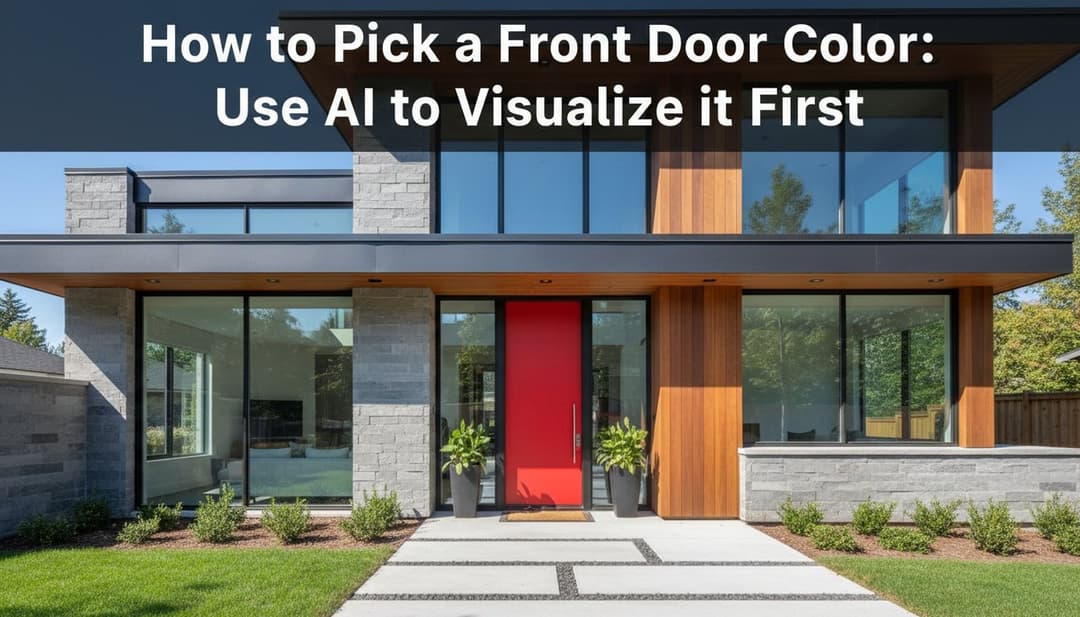
How to Pick a Front Door Color: Use AI to Visualize It First

Yulii Cherevko
CEO paintit.ai
Page Contents:
- 1. Why Your Front Door Color Matters Beyond Aesthetics
- 2. Decoding Front Door Color Psychology and Current Trends
- 3. Your Guide to Impactful Front Door Color Palettes
- 4. The Full Picture: Door Material, Finish, and Hardware
- 5. How to Visualize Your Choices with the Paintit.ai AI House Painter Tool
- 6. From Visualization to Reality: Practical Steps for a Stunning Entryway
- 7. Front Door Color FAQs: Addressing Common Questions
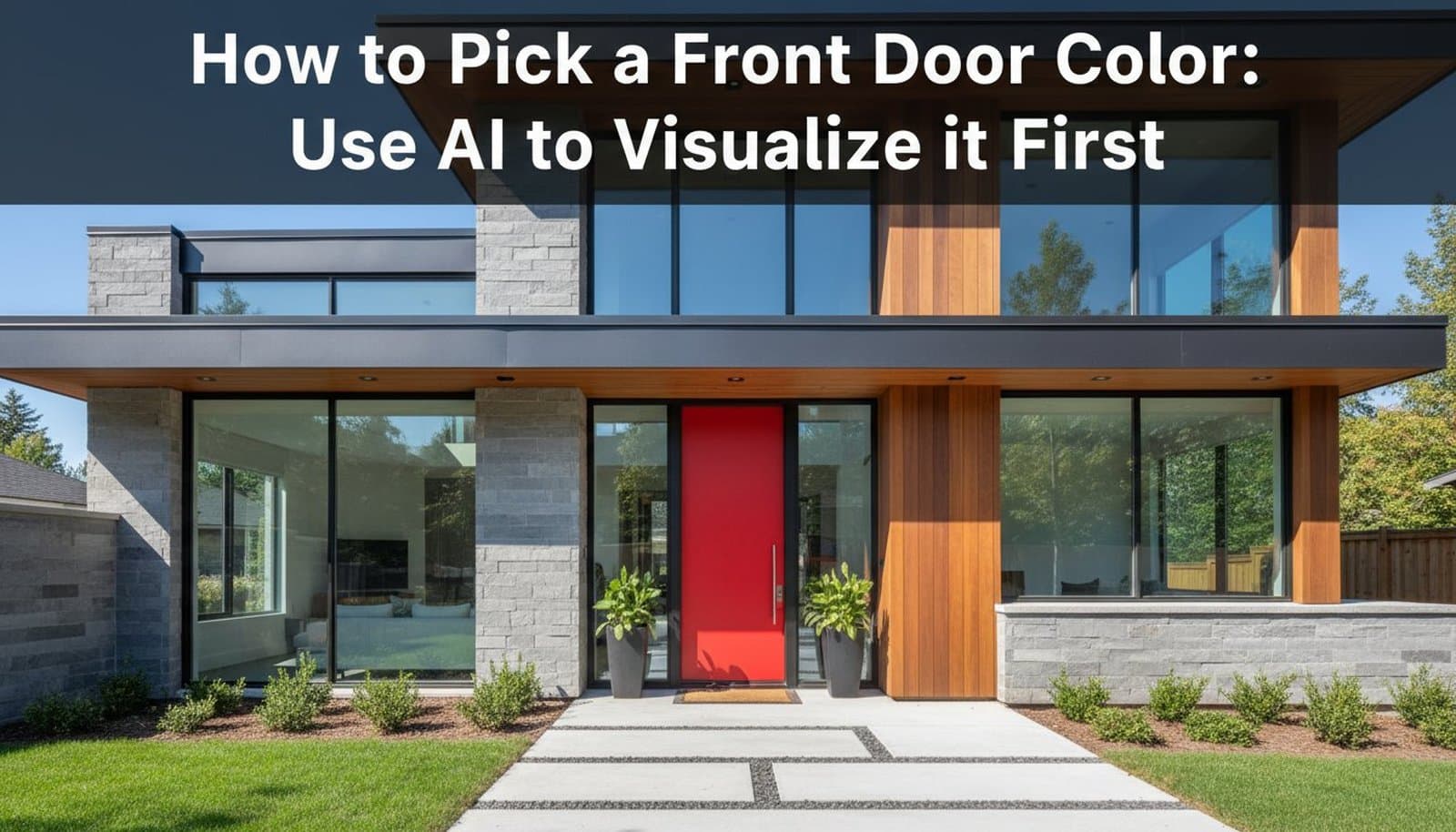
Your front door is more than just an entryway; it's the handshake of your home, offering the first glimpse of your personal style and setting the stage for curb appeal. Choosing the right front door color can dramatically impact your home's aesthetic, influencing everything from its perceived value to the welcoming atmosphere it projects. But with so many options, how do you find the perfect shade? Skip the guesswork and explore how AI visualization tools like Paintit.ai empower you to see precisely how different colors will look on your actual home before you even pick up a brush.
Why Your Front Door Color Matters Beyond Aesthetics
A well-chosen front door color transcends mere decoration. It's a strategic design element that contributes significantly to your home's exterior identity and value. A thoughtfully selected color can elevate your property's curb appeal, making it more inviting and memorable.
Consider the role of first impressions. When guests or potential buyers approach your home, the front door is a focal point. Its color contributes to the narrative of your home's personality, signaling warmth, modernity, tradition, or boldness. This visual statement can subtly influence perception, making a house feel more cohesive and cared for. Moreover, studies often indicate that a refreshed exterior, particularly a vibrant front door, can contribute to a home's market value, offering a compelling return on investment for a relatively small upgrade.
Decoding Front Door Color Psychology and Current Trends
Before settling on a specific hue, it helps to understand the emotional and psychological impact of different colors. This insight, combined with an awareness of current design directions, can help you choose a front door color that resonates.
- Red: Often associated with energy, passion, and a strong welcome. A red door signals confidence and can add a classic, inviting warmth.
- Blue: Evokes feelings of tranquility, stability, and trust. Darker blues suggest sophistication, while lighter shades convey serenity, ideal for a calm atmosphere.
- Green: Connects to nature, growth, and renewal. It implies harmony and a grounded sensibility, creating a refreshing and balanced entrance.
- Black/Gray: Conveys sophistication, drama, and formality. These shades offer a crisp, modern aesthetic and can create a striking contrast against lighter exteriors.
- Yellow/Orange: Radiates cheerfulness, optimism, and creativity. A bright yellow or warm orange door can make a playful and welcoming statement.
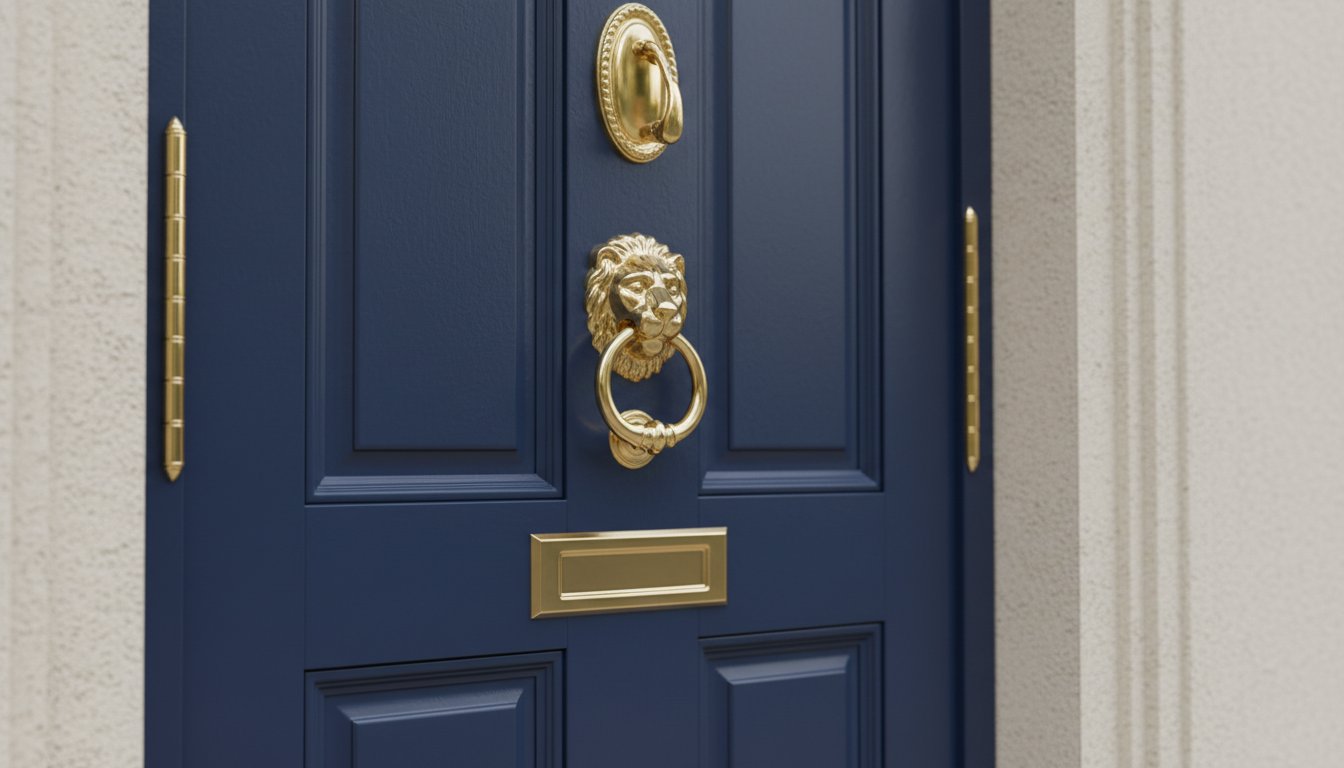
While "What is the most popular front door color in 2026?" might sound like a question for a crystal ball, trends generally gravitate towards rich, deep shades like navy blue, charcoal gray, and forest green, alongside perennial favorites like classic black and deep red. Earthy neutrals, including warm greiges and deep browns, also maintain a strong presence for their timeless elegance. The key is to select a color that feels right for your home and your style, rather than chasing fleeting fads.
Your Guide to Impactful Front Door Color Palettes
With an understanding of color psychology and current leanings, let's explore specific color families and their applications. This section offers concrete front door color ideas to inspire your choice.
Bold & Welcoming Reds and Burgundies
Reds bring an energetic, confident, and classically inviting presence. From deep cherry to fire-engine red, these hues draw the eye and convey warmth. They pair effectively with neutral siding like white, grey, or beige, as well as darker tones for striking contrast. High-gloss or satin finishes on painted wood or fiberglass doors enhance their vibrancy. For hardware, brass, black, or brushed nickel can provide an elegant counterpoint.
Sophisticated Blues and Greens
Blues and greens offer a spectrum from tranquil to dramatic. Deep navy, teal, or cobalt blues suggest stability and sophistication, while sage, forest, or olive greens evoke nature and serenity. These colors complement a wide range of exteriors, including brick, white, and various shades of grey. A satin or matte finish can deliver a contemporary feel, whereas a gloss finish adds a traditional pop. Consider planters with complementary greenery to complete the look.
Earthy Neutrals and Warm Tones
For a grounded, natural, and timeless aesthetic, earthy neutrals are ideal. This includes rich browns, warm tans, sophisticated greiges, and deep charcoals. They are exceptionally versatile, integrating seamlessly with almost any house color. These shades excel on Craftsman, Ranch, or traditional homes, and can also bring understated elegance to modern designs. Matte or satin finishes on stained wood or painted fiberglass doors enhance their organic warmth.
Modern and Dramatic Blacks and Grays
Black and deep grays offer chic sophistication and contemporary drama. A true black door creates a timeless, impactful statement, particularly against lighter facades. Charcoal and slate grays provide a sleek, modern alternative. These colors are favored in modern, minimalist, and industrial designs, but can also lend a bold, unexpected touch to traditional homes. High-gloss finishes maximize drama, while satin or matte options offer a softer, more contemporary appeal.
Unexpected & Vibrant Accents
For homeowners looking to infuse personality, unexpected and vibrant accents provide a distinctive touch. Think cheerful yellows, warm terracotta oranges, bold teals, or deep plums. These colors work best on simpler exteriors where the front door can truly shine as a focal point. A gloss or satin finish helps these colors pop. The key is careful consideration to ensure the chosen hue harmonizes with the home's overall scheme without overwhelming it.
The Full Picture: Door Material, Finish, and Hardware
The chosen color is a significant decision, but it’s just one component of a cohesive entryway design. The material of your door, its finish, and the accompanying hardware all play a critical role in the final aesthetic.
Door Material: Whether your door is wood, fiberglass, or steel impacts how paint adheres and appears. Wood offers a classic, textural base, while fiberglass and steel provide smooth surfaces suitable for crisp color application. For "how to choose a front door color for a brick house?", the material of the door is less critical than identifying the undertones in the brick and stone.
Paint Finish:
- Gloss: Offers maximum shine and durability, making the color vivid and easy to clean. It tends to highlight imperfections, so proper prep is crucial.
- Satin: Provides a subtle sheen and a good balance of durability and aesthetic appeal. It's forgiving and a popular choice for front doors.
- Matte: Creates a sophisticated, non-reflective, modern look. While stylish, matte finishes can be slightly less durable and harder to clean than gloss or satin.
Hardware: The knobs, knockers, hinges, and house numbers act as jewelry for your door. Their finish (brass, brushed nickel, oil-rubbed bronze, matte black) should complement the door color and overall home style. For example, warm brass can beautifully enhance a deep navy or emerald green, while matte black provides a sharp, modern contrast to a vibrant red.
How to Visualize Your Choices with the Paintit.ai AI House Painter Tool
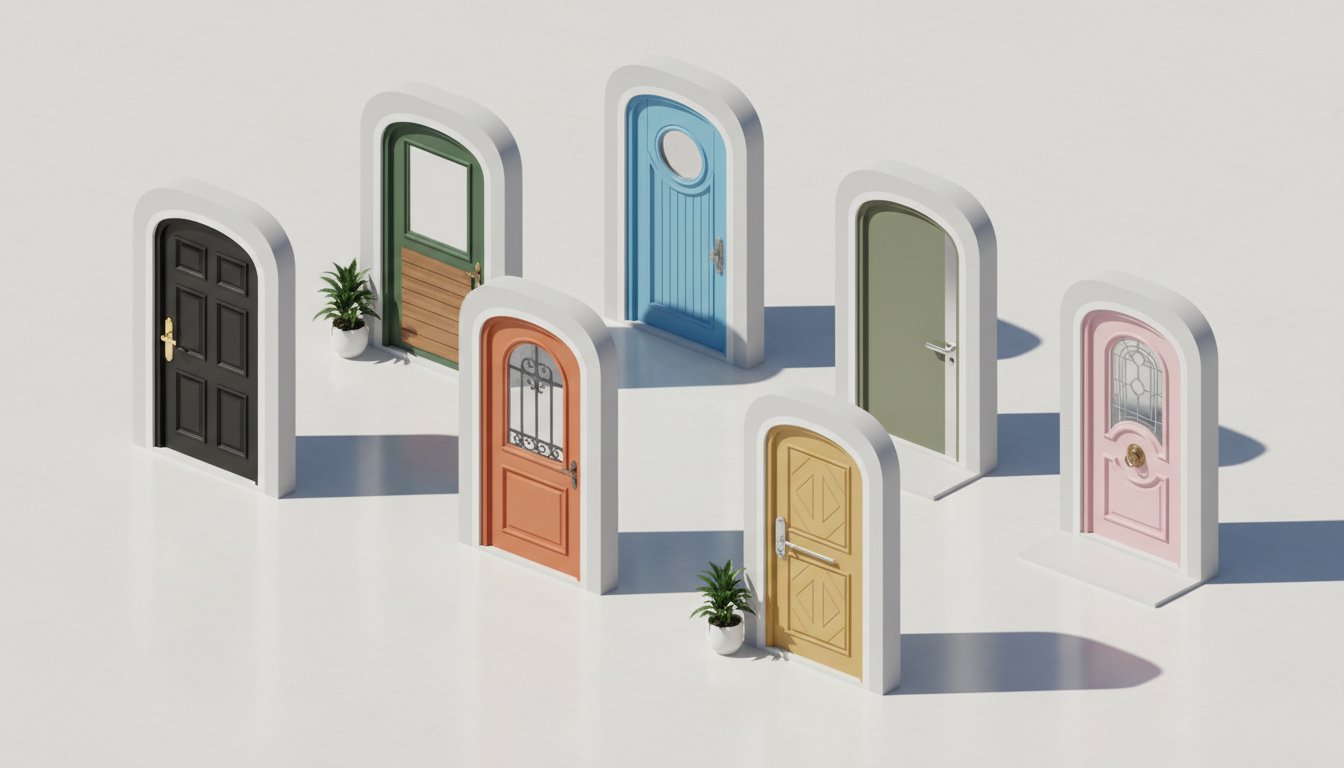
The biggest challenge in choosing a front door color is often the inability to truly visualize the outcome before committing. This is where AI tools like Paintit.ai prove invaluable. Forget swatches and guesswork; now you can see exactly "how to visualize front door colors on my house?" with precision.
The Paintit.ai AI house painter tool allows you to upload a photo of your actual home. Once uploaded, you can digitally "paint" your front door with an endless array of colors. This exterior door color visualizer empowers you to:
- Experiment Freely: Test bold reds, tranquil blues, earthy greens, or dramatic blacks without commitment.
- Compare Side-by-Side: Easily compare multiple color options on your home's facade to see which one creates the desired effect.
- Assess Harmony: See how potential front door colors interact with your siding, trim, roof, and landscaping.
- Refine Undertones: Adjust shades slightly to ensure they perfectly match or complement your existing exterior palette.
Using this tool minimizes the risk of buyer's remorse, allowing you to confidently answer "What color should I paint my front door?" based on visual evidence rather than imagination. It's a pragmatic step toward making an informed design decision.
From Visualization to Reality: Practical Steps for a Stunning Entryway
Once you've used an AI visualizer to finalize your ideal front door color, the next step is implementation. This process is straightforward but requires attention to detail for a durable and professional finish.
- Preparation is Key: Remove all hardware from the door. Clean the door thoroughly, removing dirt, grime, and mildew. Lightly sand the surface to create a smooth base for paint adhesion. Fill any imperfections with wood putty and sand again.
- Prime for Success: Apply a high-quality exterior primer. This step is essential for adhesion, especially on metal or previously unpainted surfaces. It also helps achieve a more vibrant and even final color.
- Choose Quality Paint: Select a premium exterior-grade paint that is specifically designed for doors and high-traffic areas. Acrylic latex paints are generally recommended for their durability and flexibility. Choose your preferred finish (satin, gloss, or matte).
- Apply Even Coats: Using a high-quality brush or roller, apply thin, even coats of paint. Allow ample drying time between coats, as specified by the paint manufacturer. Multiple thin coats are always better than one thick coat for durability and a smooth finish.
- Reinstall Hardware and Accents: Once the paint is fully cured, carefully reinstall your door hardware. Consider updating your doormat, adding planters with complementary greenery, or enhancing your exterior lighting to complete the refreshed entryway.
Front Door Color FAQs: Addressing Common Questions
Here, we tackle some frequent inquiries homeowners have when selecting their front door color, providing practical answers to guide your decision-making.
Q: Does front door color affect home value?
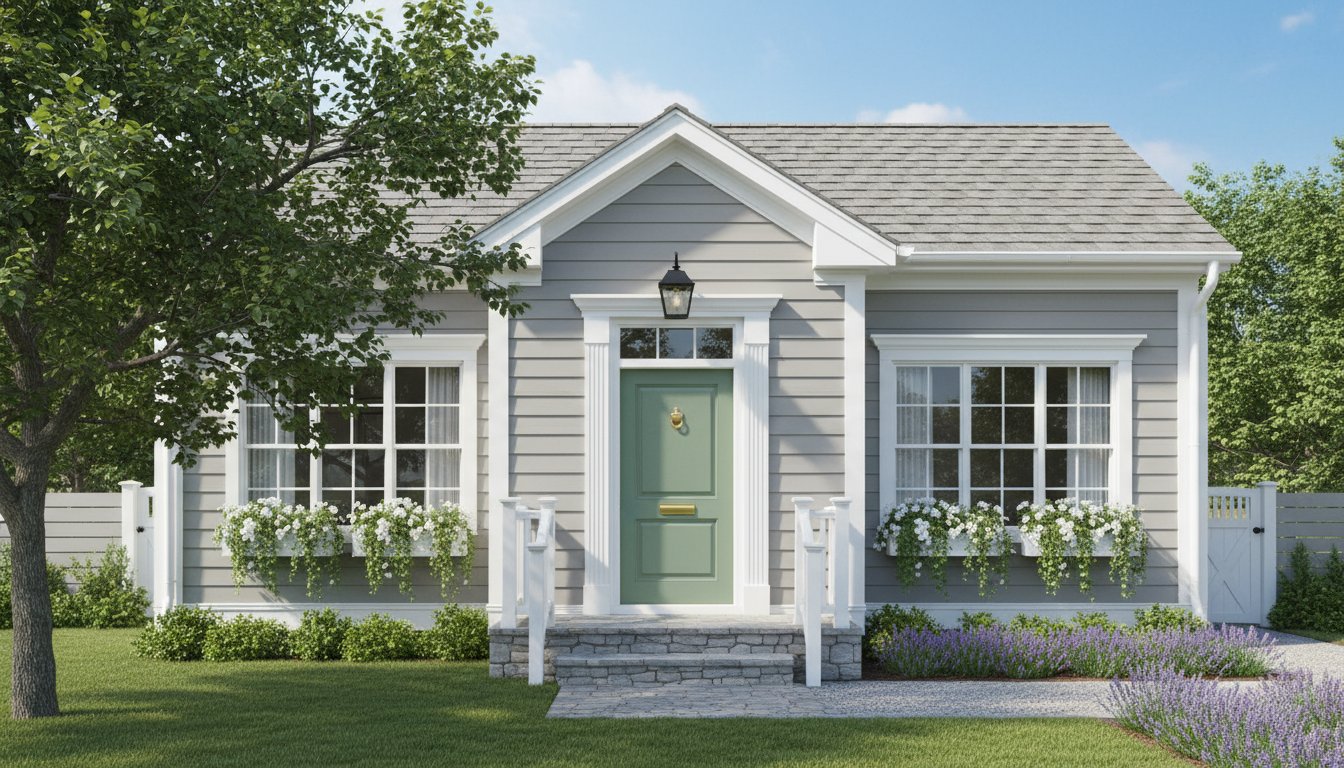
A: Yes, a well-chosen front door color can positively impact home value and curb appeal. A fresh, complementary, and attractive color makes a strong first impression, signaling a well-maintained home. Certain colors, like classic black or deep blues, are often associated with sophistication and can be perceived as premium.
Q: Should my front door color match my house color?
A: Not necessarily. The front door color should complement your house color, not always match it exactly. A contrasting color can create a compelling focal point and inject personality, while a coordinating shade can offer a more seamless, sophisticated look. The goal is harmony and visual interest.
Q: How do I choose a front door color for a brick house?
A: For brick or stone siding, identify the dominant undertones within the masonry (e.g., orange, red, brown, gray). Then, choose a door color that either harmonizes with these undertones (e.g., a deep green with earthy red brick) or provides a strong, clean contrast (e.g., a deep charcoal or navy against classic red brick). Avoid colors that clash with or disappear against the brick.
Q: What is the most popular front door color in 2026?
A: While specific "most popular" colors can shift annually, timeless choices consistently rank high. Deep blues (like navy), rich greens (forest or olive), classic black, and sophisticated grays continue to be strong contenders due to their versatility and ability to enhance various architectural styles. Ultimately, the best color is one that you love and that enhances your home's unique character.
Trending
How to Write Better Prompts for Paintit.ai
How to Pick a Front Door Color: Use AI to Visualize It First
How to Get the Best Results in Paintit.ai
7 Best Apply Design Alternatives in 2026: Full Review
Selling the Fully Furnished Dream: Automating Interior Outfitting with Agentic AI for Developers
Related articles
8 min read
How to Use Full Redesign in Paintit.ai
Learn how to use Full Redesign in Paintit.ai to transform interiors, exteriors, and empty spaces with clearer style direction, better control, and stronger visual results
Yulii Cherevko
CEO paintit.ai
8 min read
How to Write Better Prompts for Paintit.ai
How to Write Better Prompts for Paintit.ai: A Practical Prompting Guide Meta description: Learn how to write better prompts for Paintit.ai with a simple formula, clear prompting patterns, reference image tips, practical examples, and common mistakes to avoid.
Yulii Cherevko
CEO paintit.ai
8 min read
How to Pick a Front Door Color: Use AI to Visualize It First
Choosing a front door color is hard. Learn how to use AI and Paintit.ai to visualize colors on your actual home before painting. Tips on trends & psychology
Yulii Cherevko
CEO paintit.ai
4 min read
How to Get the Best Results in Paintit.ai
Learn how to get better results in Paintit.ai with the right photo, stronger prompts, better settings, and practical workflows for interiors, exteriors, real estate, rentals, and design professionals
Yulii Cherevko
CEO paintit.ai

9 min read
7 Best Apply Design Alternatives in 2026: Full Review
Explore the top Apply Design alternatives for 2026. Compare Paintit.ai, Homestyler, and more to find the best AI virtual staging and 3D home design software
Yulii Cherevko
CEO paintit.ai
6 min read
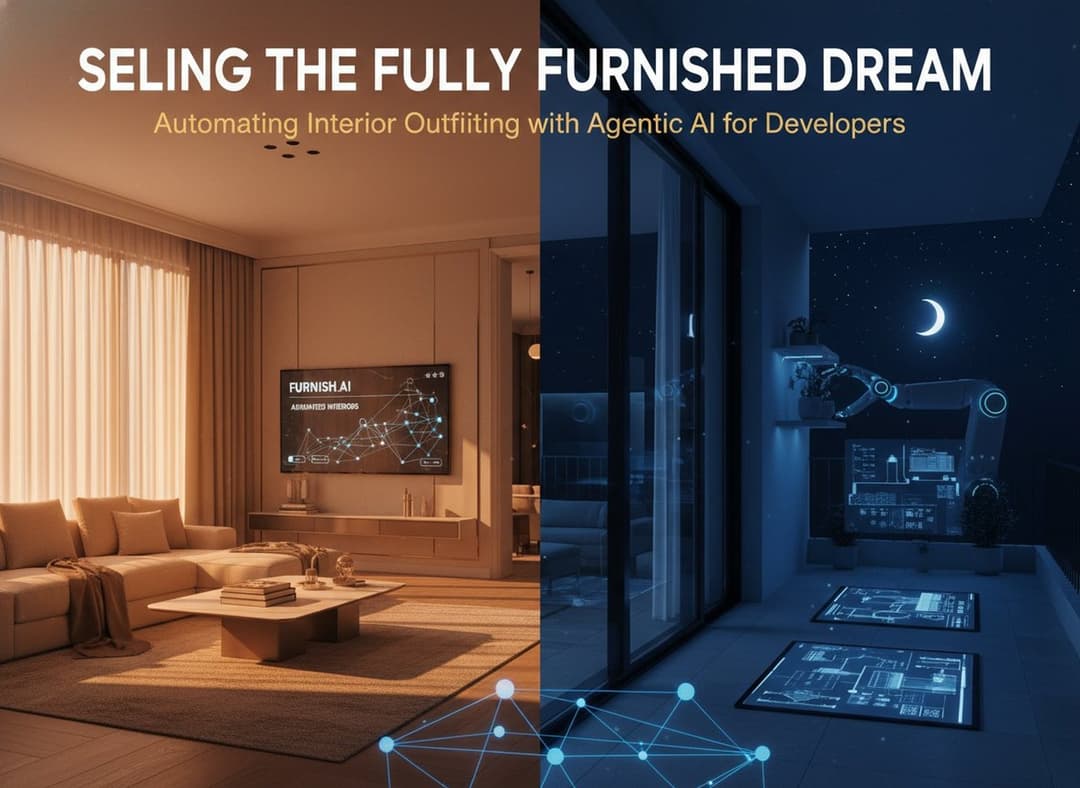
Selling the Fully Furnished Dream: Automating Interior Outfitting with Agentic AI for Developers
Learn how agentic AI and Paintit.ai automate interior design for developers. Scale outfitting, increase ROI, and reduce property time-on-market effectively
Yulii Cherevko
CEO paintit.ai