
4 min. reading
How to Get the Best Results in Paintit.ai

Yulii Cherevko
CEO paintit.ai
Page Contents:
- 1. Who Paintit.ai Is For
- 2. What Kind of Results You Can Get in Paintit.ai
- 3. Start With the Right Photo
- 4. Choose the Right Design Task
- 5. Use Settings the Smart Way
- 6. How to Write Prompts That Actually Work
- 7. Copy-and-Paste Prompts for Better Results
- 8. Common Mistakes to Avoid
- 9. Save and Improve Your Best Ideas
- 10. Final Thoughts
- 11. Frequently Asked Questions
- 12. Start Your First Design in Paintit.ai
Learn how to use Paintit.ai the right way: choose better photos, write stronger prompts, pick the right use case, and get cleaner, more realistic interior, exterior, and commercial design results faster.
Who Paintit.ai Is For
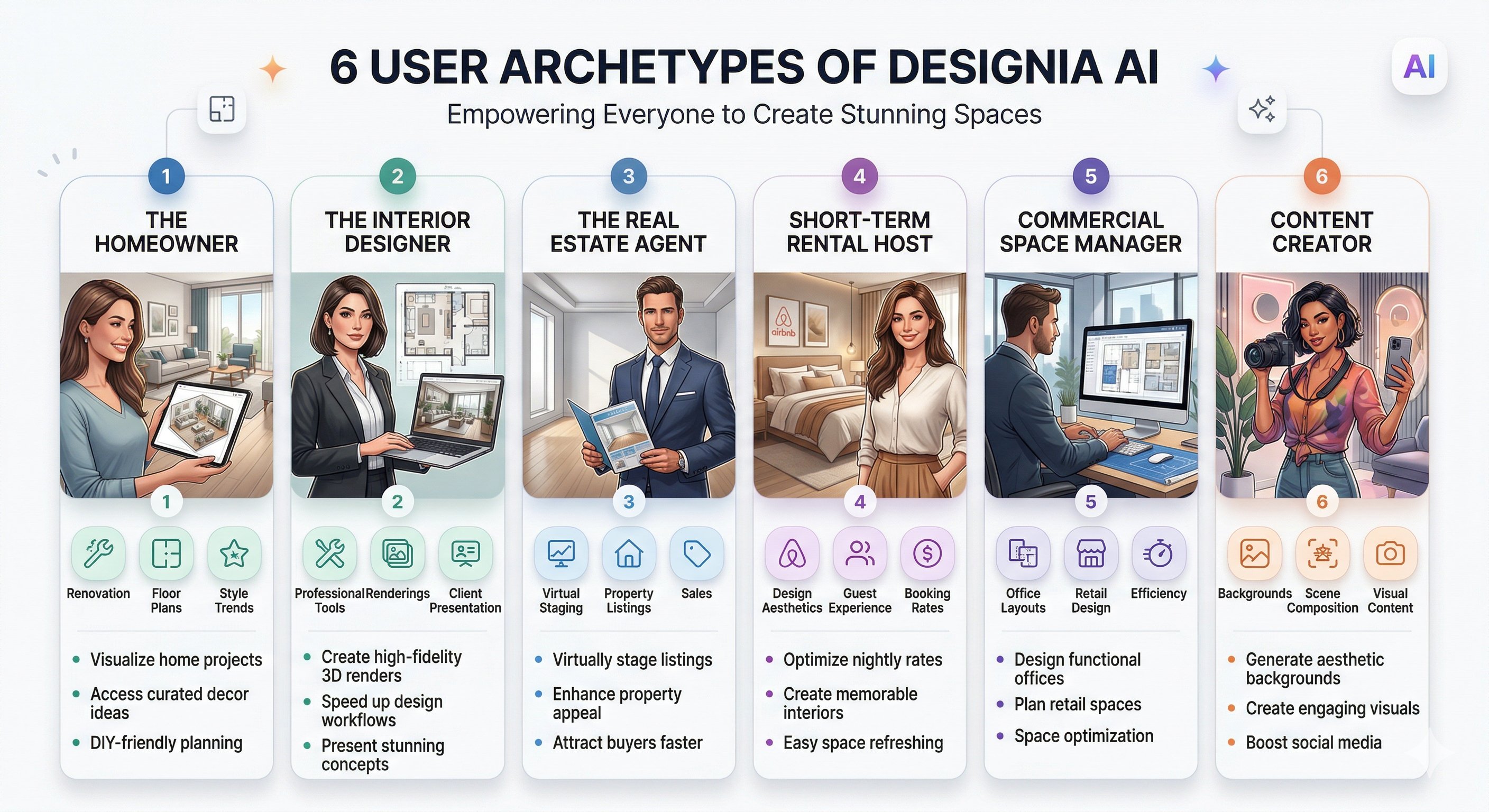
Paintit.ai is built for people who want to visualize spaces faster without complex design software. It works well for homeowners, renters, interior designers, real estate teams, short-term rental hosts, commercial space teams, and content creators.
If you are exploring a renovation, preparing a listing, refreshing a rental, pitching a client concept, or creating visual content for a brand, Paintit.ai helps you move from idea to direction much faster.
Homeowners and DIY renovators
Use Paintit.ai to test ideas before spending money. Compare different looks, colors, furniture directions, and renovation concepts before making a real-world decision.
Interior designers and studios
Generate client-ready concepts, test multiple directions quickly, and speed up early-stage presentations.
Real estate and staging teams
Create visuals that help buyers see potential. Show furnishing or finish directions without a full production workflow.
Short-term rental hosts
Refresh rooms visually, test decor ideas, and create a more coherent look for stronger listing photos.
Commercial spaces
Explore design updates for cafes, restaurants, offices, showrooms, hotels, and branded spaces.
Creators and marketers
Generate content-ready scenes and faster design variations for campaigns, storytelling, and social content.
What Kind of Results You Can Get in Paintit.ai
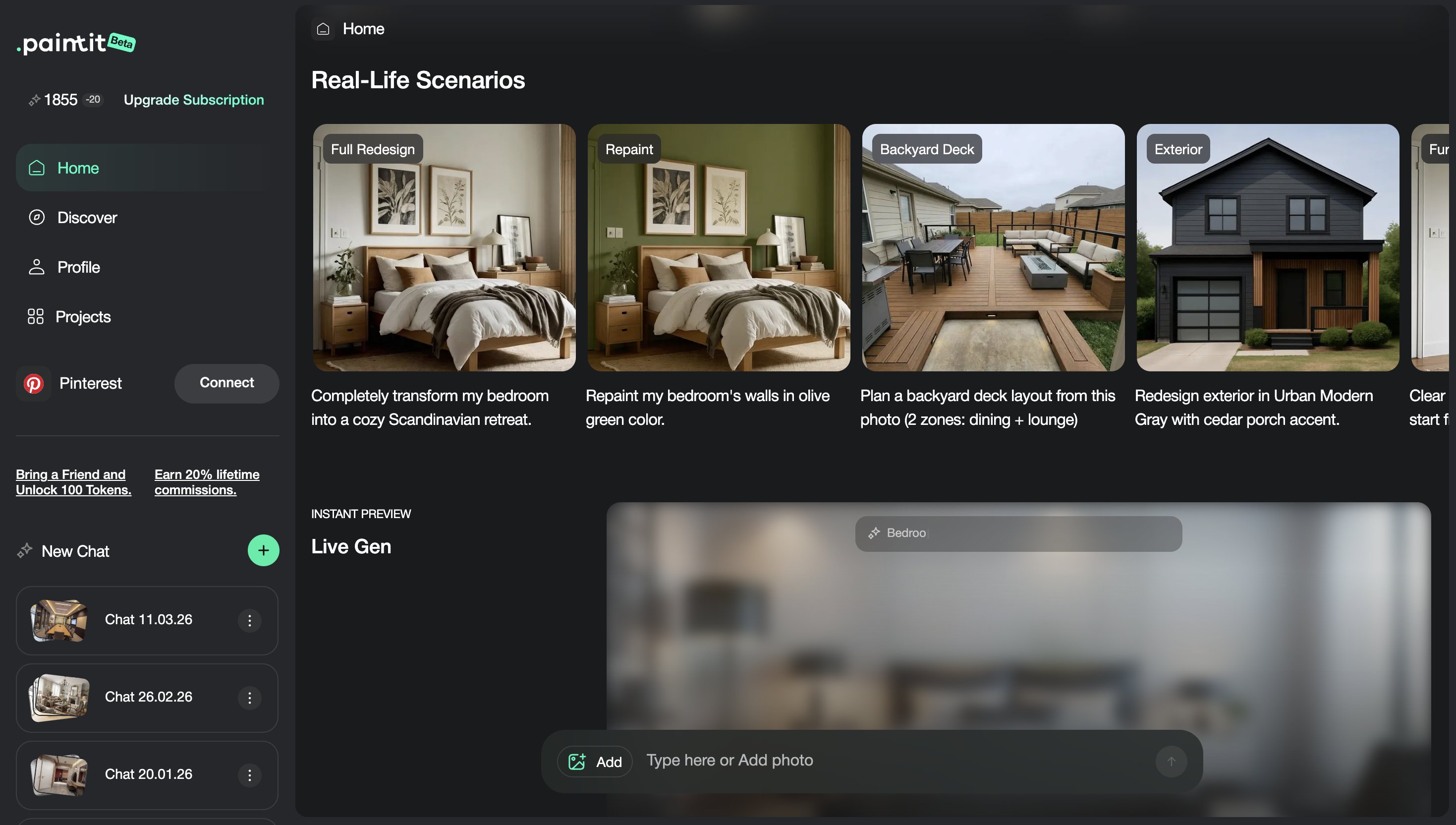
Paintit.ai can help with several common design tasks. The most useful starting points are full redesign, repaint, and empty room setup, but the platform also works well for exterior visualization and commercial concepting.
Full redesign
Use this when you want to transform the entire room or facade into a new design direction.
Repaint
Use this when you mainly want to change wall color, facade finish, or one visible surface without redesigning everything.
Empty room setup
Use this when you have an unfurnished space and want to visualize furniture, decor, and a finished atmosphere.
Exterior redesign
Use Paintit.ai to test materials, facade colors, landscaping mood, or curb-appeal directions.
Commercial concepting
Use it to generate fast visuals for offices, cafes, restaurants, hotels, and branded spaces.
Start With the Right Photo
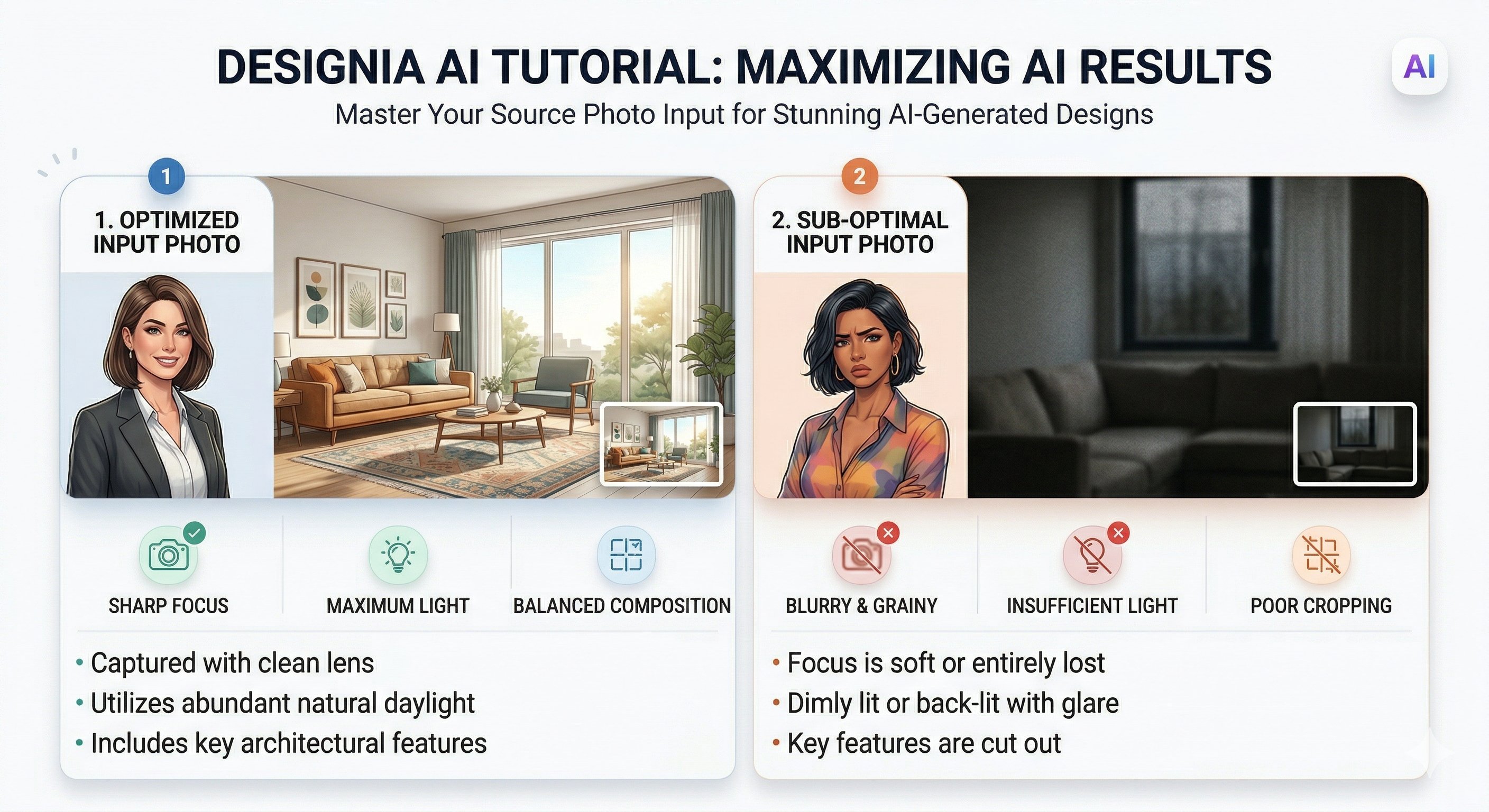
The quality of your source image affects everything. Strong AI design results start with a clear photo that shows enough of the room, facade, or space.
What works best
- Bright natural or evenly lit photos
- Straight, readable perspective
- Enough of the room visible
- Minimal blur
- Real photos with clear walls, furniture, floors, windows, and proportions
What hurts the result
- Dark photos
- Heavy blur
- Cropped corners
- Extreme angles
- Messy screenshots with too much interface clutter
- Overexposed or underexposed images
Best practice
Start with one clean image. Then test one idea at a time. This gives Paintit.ai a clearer visual base and usually leads to more realistic results.
Choose the Right Design Task
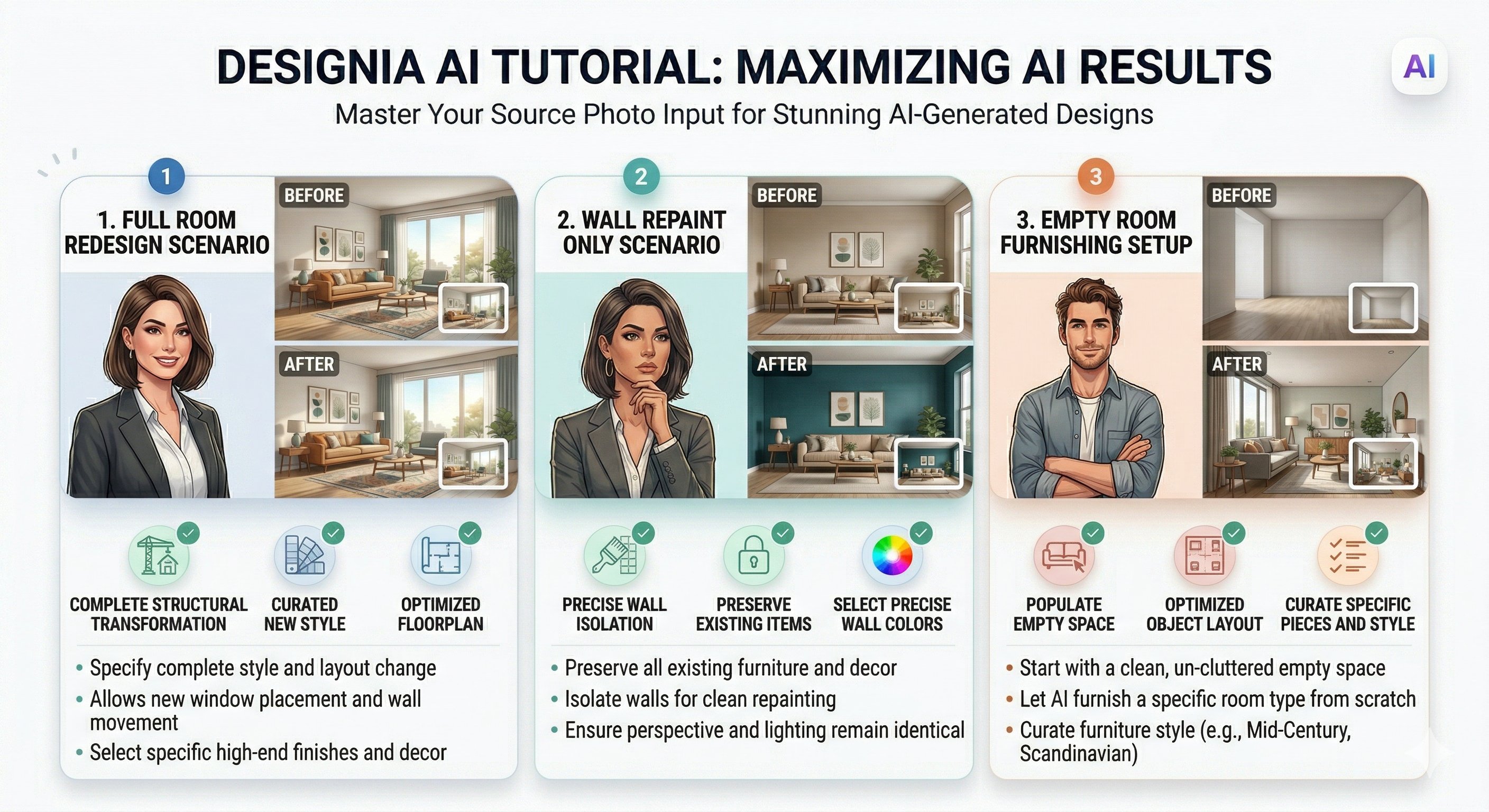
Many weak results happen because users ask for too many things at once. Instead, match your prompt to one clear task.
Use full redesign when
You want a new style direction for the whole room.
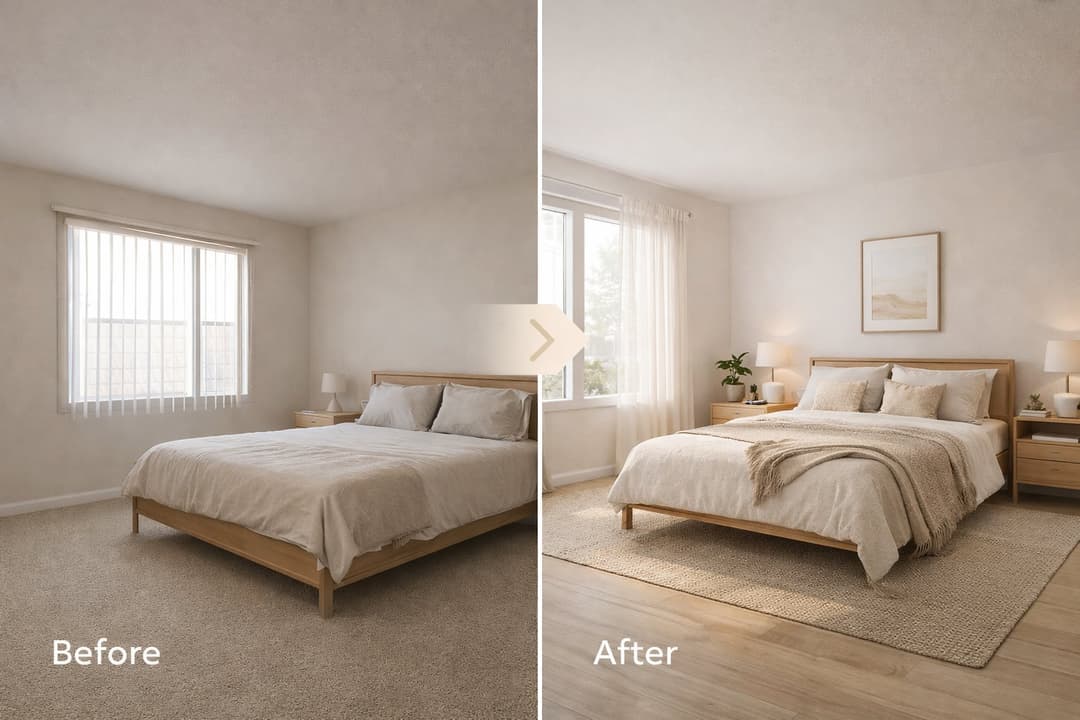
Transform this living room into a warm Scandinavian interior with light oak, soft beige textiles, natural daylight, simple decor, and a calm uncluttered look. Keep the room layout and window positions unchanged.
Use repaint when
You want to test only a color or finish change.
Repaint the walls in this bedroom in a muted olive green tone. Keep the furniture, layout, flooring, and lighting unchanged.
Use empty room setup when
You have an empty space and want a finished concept.
Furnish this empty room as a minimal modern bedroom with a queen bed, bedside tables, warm neutral textiles, and soft daylight. Keep the architecture unchanged.
Use Settings the Smart Way
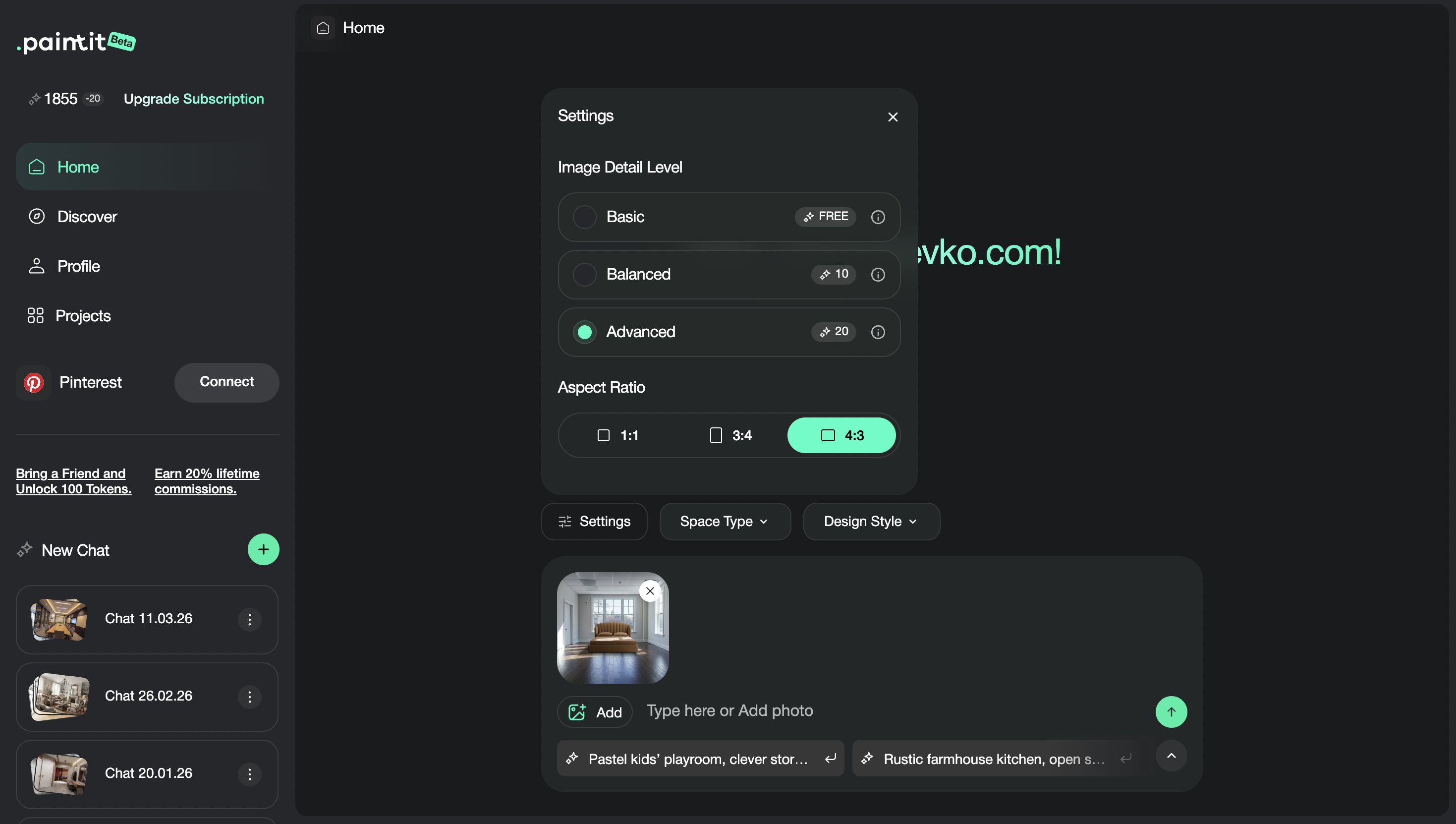
Paintit.ai gives you several useful controls, including image detail level, aspect ratio, space type, and design style. These settings help the output stay more focused and consistent.
Image Detail Level
Use a lower level for quick tests and a higher level for cleaner, more polished outputs.
Aspect Ratio
Pick the ratio based on your goal:
- 1:1 for square previews and social-style outputs
- 3:4 for more vertical room framing
- 4:3 for wider rooms and facade previews
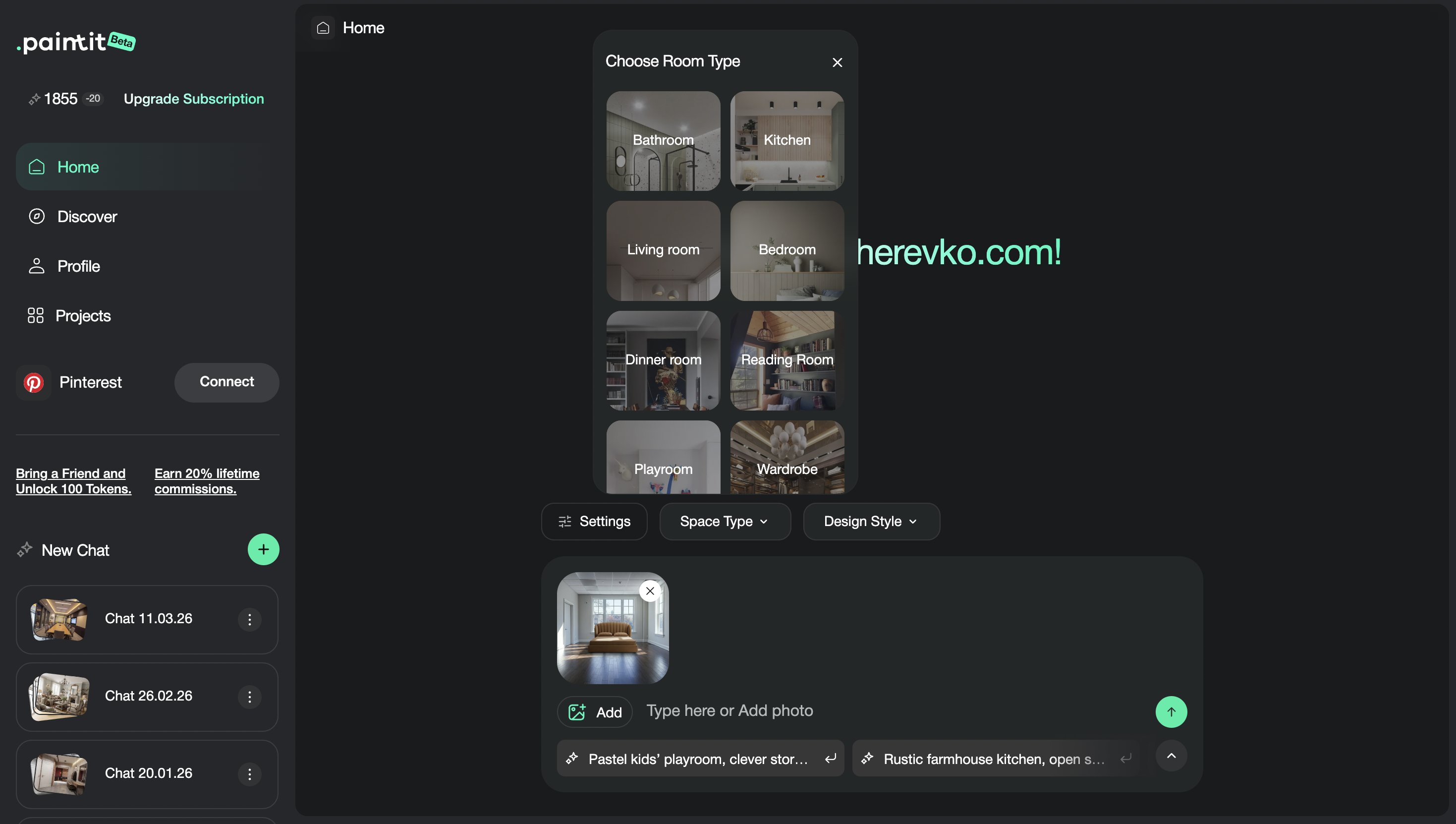
Space Type
Choose the room type when possible. This helps the model stay on-task and understand the design context.
Design Style
Use it when you already know the direction you want, such as Japandi, Scandinavian, Minimalist, Organic Modern, or Industrial Loft.
How to Write Prompts That Actually Work
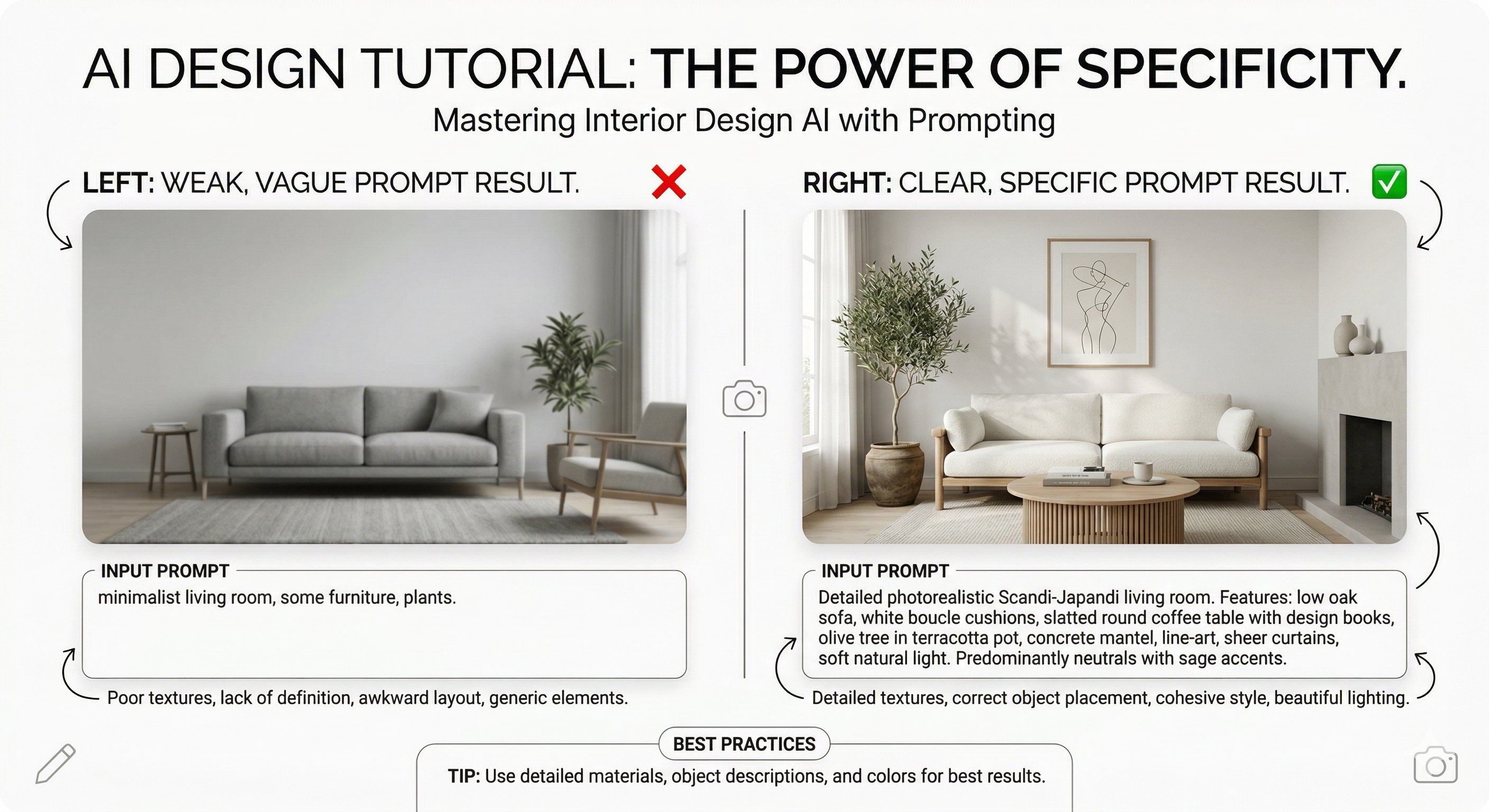
This is the biggest difference between average results and strong results. A good Paintit.ai prompt usually includes six parts.
Prompt formula
[Space] + [Style] + [Main changes] + [Materials/colors] + [Mood/lighting] + [What to keep unchanged]
Example structure
- Space: living room, bedroom, house exterior, office lobby
- Style: Japandi, Scandinavian, Industrial Loft, Organic Modern
- Main changes: replace furniture, repaint walls, add shelving, redesign facade
- Materials/colors: light oak, warm beige plaster, black metal, travertine
- Mood/lighting: soft daylight, warm evening glow, bright airy atmosphere
- Keep unchanged: keep layout, keep windows, keep architecture, keep proportions
Why this works
Specific prompts create stronger outputs because they tell the model what to change, what visual language to use, and what must stay intact.
Copy-and-Paste Prompts for Better Results
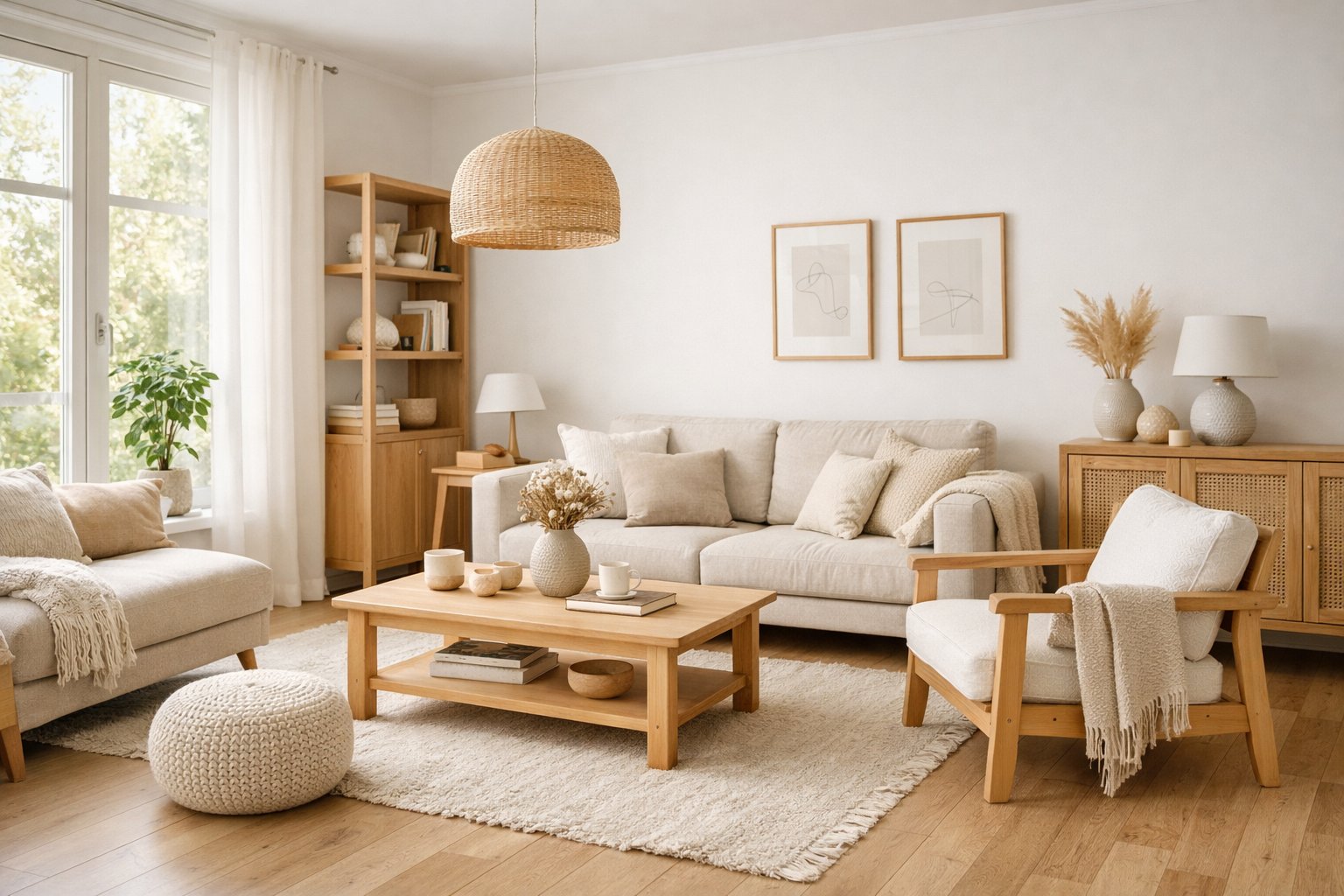
1. Cozy Scandinavian living room
Transform this living room into a cozy Scandinavian interior with light wood furniture, white walls, soft beige textiles, warm natural daylight, simple decor, and a calm airy atmosphere. Keep the room layout and window positions unchanged.
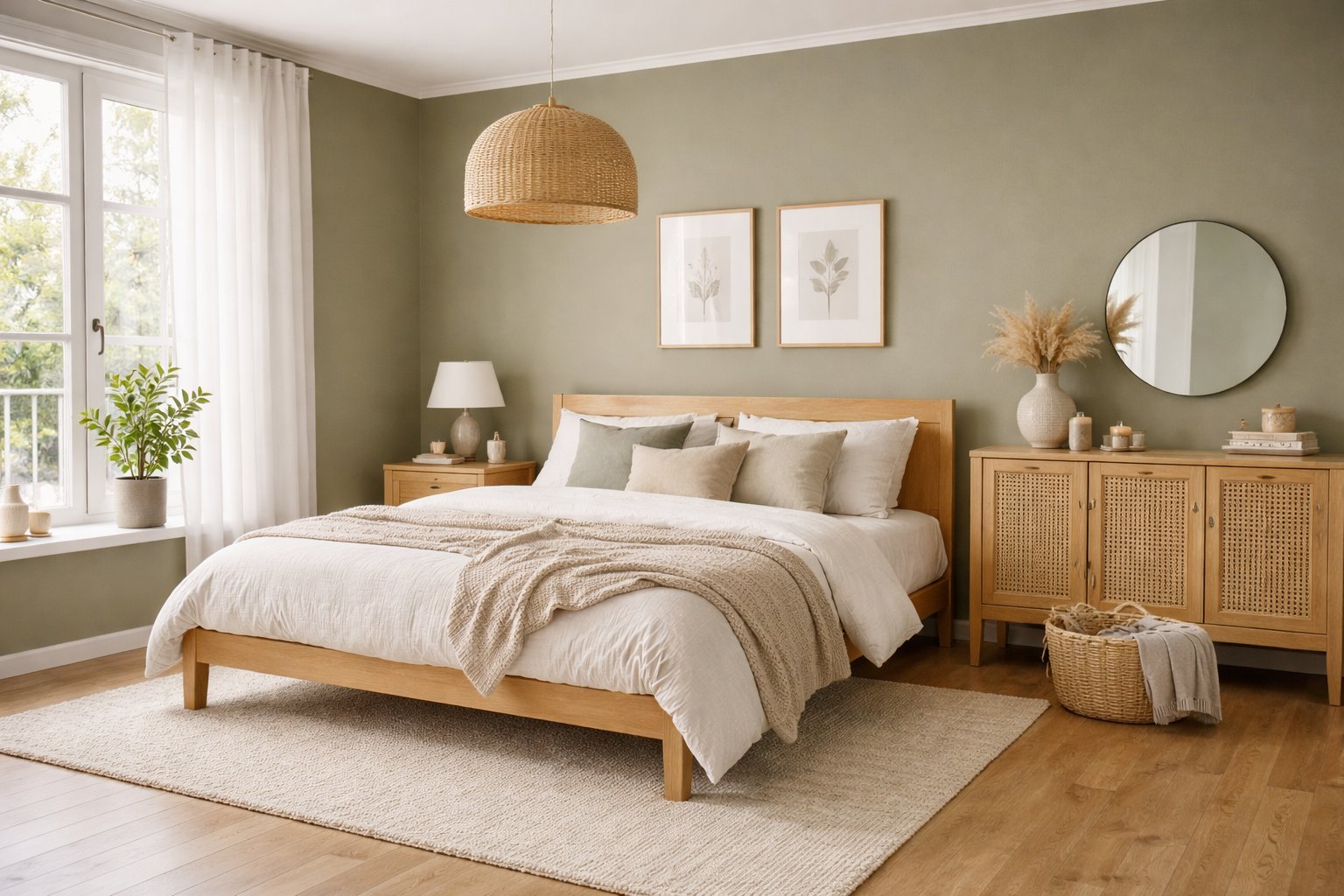
2. Olive green repaint
Repaint the walls in this bedroom in a muted olive green color. Keep the furniture, flooring, layout, and lighting unchanged.
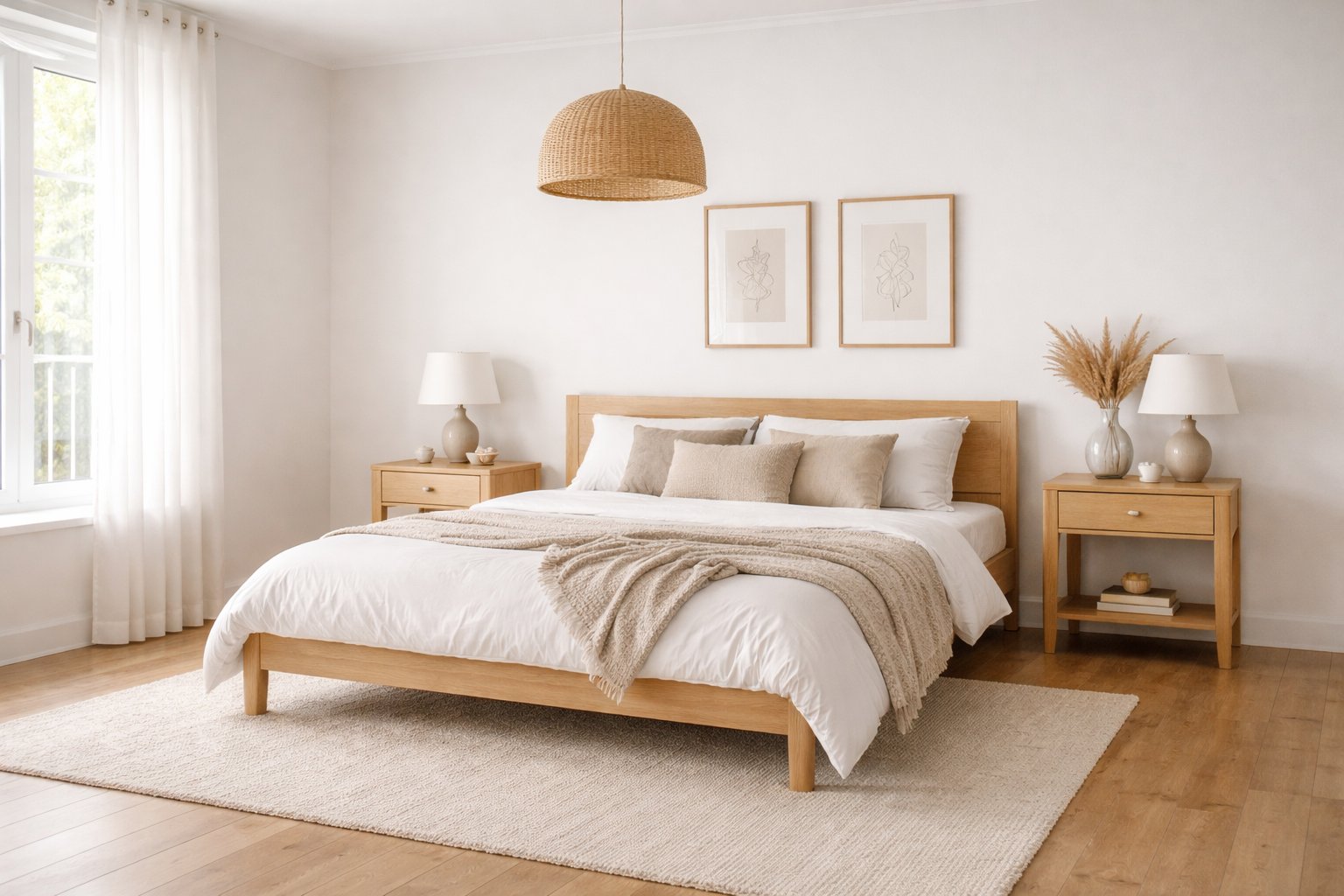
3. Minimal modern empty room setup
Furnish this empty room as a minimal modern bedroom with a queen bed, simple bedside tables, soft neutral bedding, a textured rug, warm wood accents, and soft daylight. Keep the architecture and room proportions unchanged.
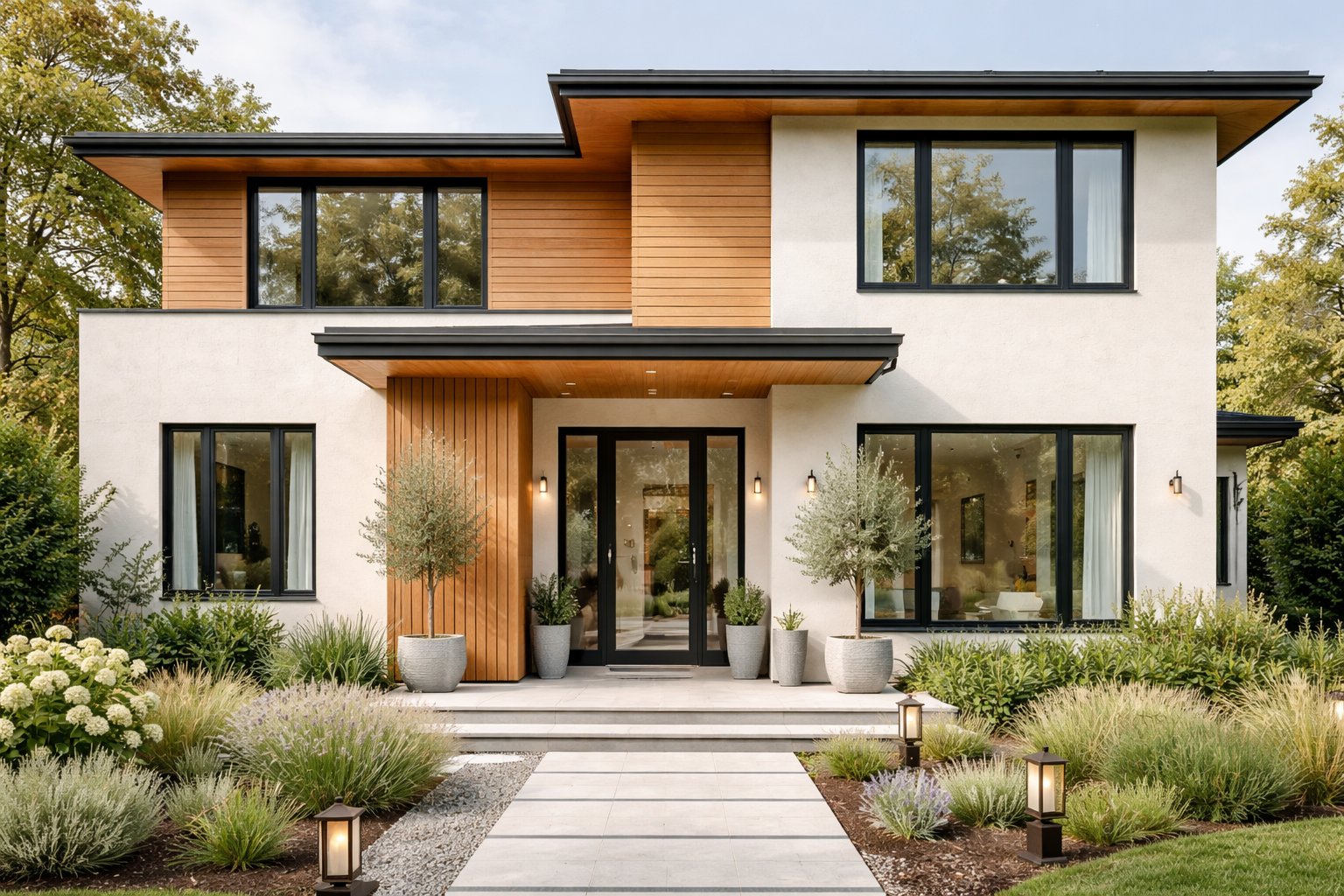
4. Modern organic exterior redesign
Redesign this house exterior in a modern organic style with warm wood cladding, off-white textured walls, dark slim window frames, soft landscaping, and a clean premium look. Keep the building shape and window placement unchanged.
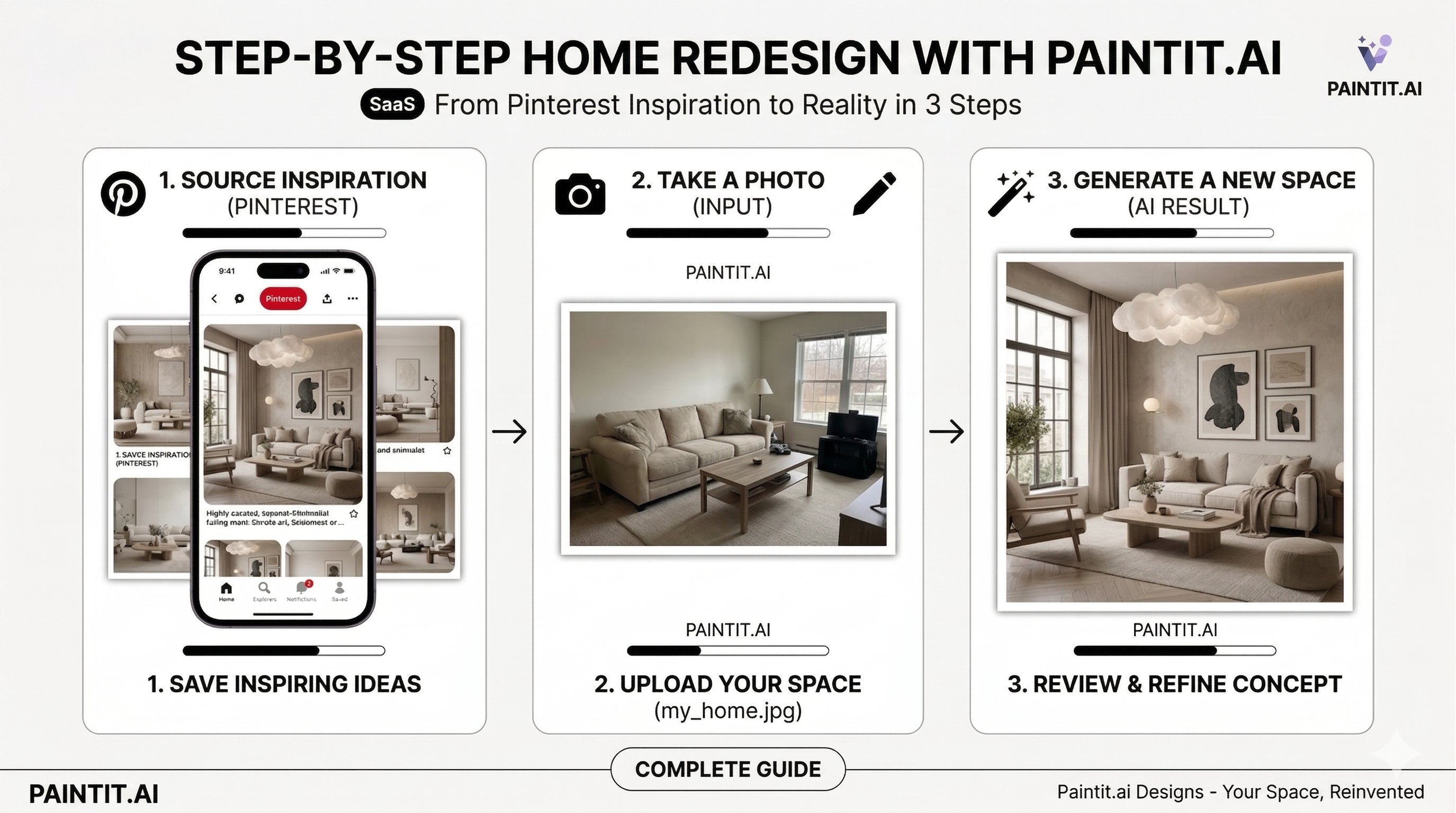
5. Pinterest-inspired redesign
Use this inspiration only for the color palette, materials, lighting mood, and furniture style. Redesign my living room in this direction, but do not copy the composition or recognizable objects. Keep my room layout unchanged.
Common Mistakes to Avoid
Mistake 1: Being too vague
Bad prompt: “Make it beautiful.”
Better prompt: “Transform this bathroom into a calm spa-style interior with light beige stone, a floating vanity, frameless glass shower, soft indirect lighting, and a premium minimal feel. Keep layout unchanged.”
Mistake 2: Asking for too much at once
Avoid mixing full redesign, repaint, landscaping, furniture replacement, lighting change, and architectural edits in one short prompt.
Mistake 3: Forgetting constraints
If you want the layout or windows unchanged, say it clearly.
Mistake 4: Mixing conflicting styles
Avoid prompts like: “Make it Japandi, industrial, maximalist, Mediterranean and futuristic.”
Mistake 5: Using weak source photos
A bad source image usually leads to a weaker output, no matter how good the prompt is.
Save and Improve Your Best Ideas
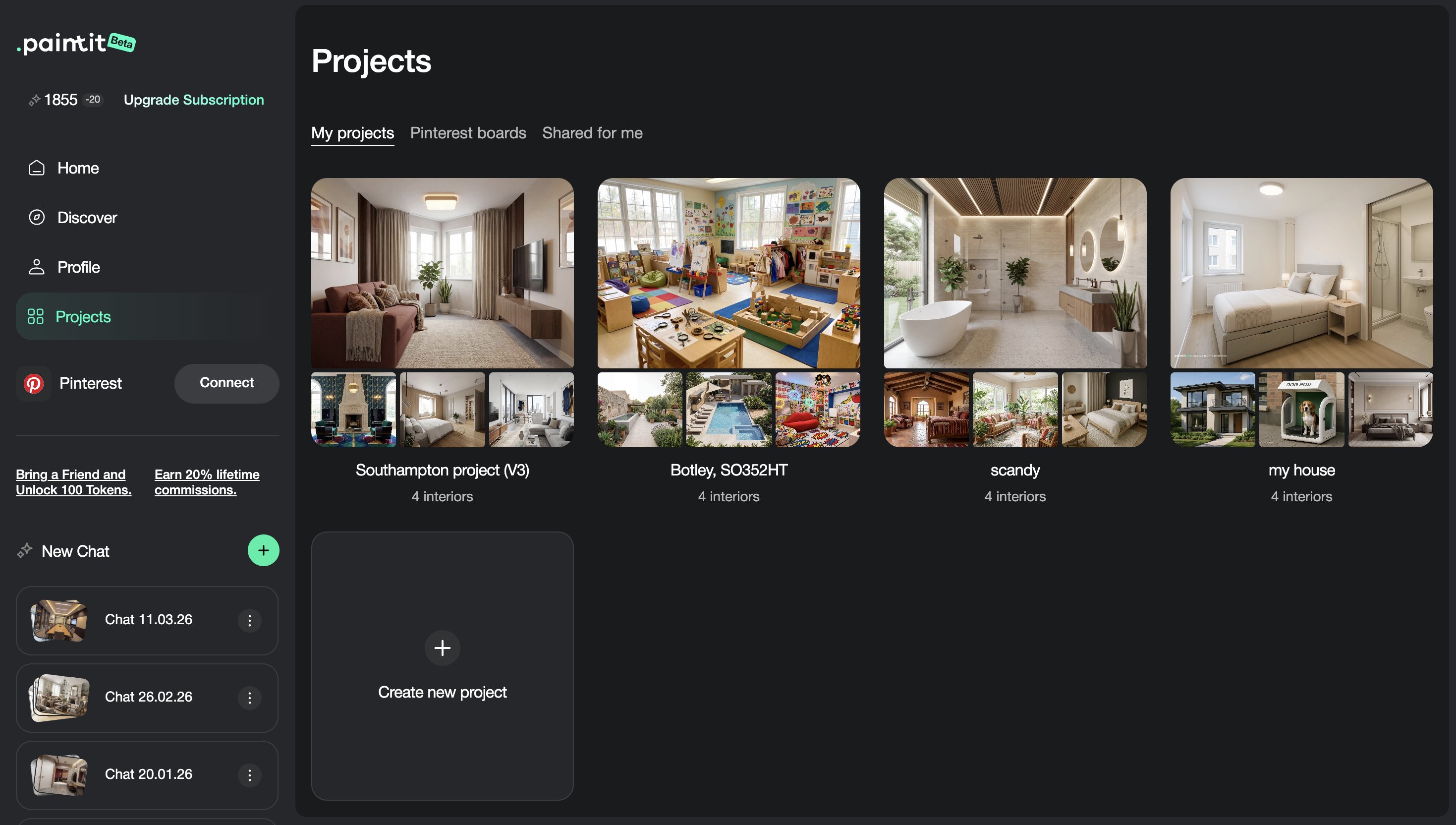
Do not stop after one generation. The best workflow is usually:
- Start with one clear photo
- Test one strong direction
- Generate multiple variations
- Save the strongest concepts
- Compare and refine
- Move your best ideas into a project
This approach helps you build better concepts over time instead of judging the platform from a single output.
Final Thoughts
Paintit.ai works best when you keep the workflow simple: start with a clean photo, choose one clear design goal, use the right settings, and write a prompt with style, materials, mood, and constraints.
You do not need to be a professional designer to get strong results. But better inputs produce better outputs.
If you want a stronger first result, do not just upload a room and type one vague sentence. Use one of the prompts from this guide and refine from there.
Frequently Asked Questions
What is the best way to start in Paintit.ai?
Start with one clear photo and one clear design task, such as full redesign, repaint, or empty room setup.
Do I need design experience to use Paintit.ai?
No. Paintit.ai is designed for both professionals and non-designers.
What kind of photo works best?
A bright, sharp, well-framed image with enough of the room or facade visible.
Should I use Space Type and Design Style together?
Yes. When you already know the room type and style direction, using both usually helps the result stay more consistent.
Why are my results weak?
Usually because of one of three reasons: poor source image, vague prompt, or too many conflicting instructions.
Can I keep the layout unchanged?
Yes. Add clear constraints like: “Keep the room layout and window positions unchanged.”
Can I use Pinterest references?
Yes. Use them for style inspiration, color palette, materials, and mood rather than asking the tool to copy the exact composition.
Can I use Paintit.ai for exteriors and commercial spaces too?
Yes. Paintit.ai can be used for interiors, exteriors, and commercial design concepts.
Start Your First Design in Paintit.ai
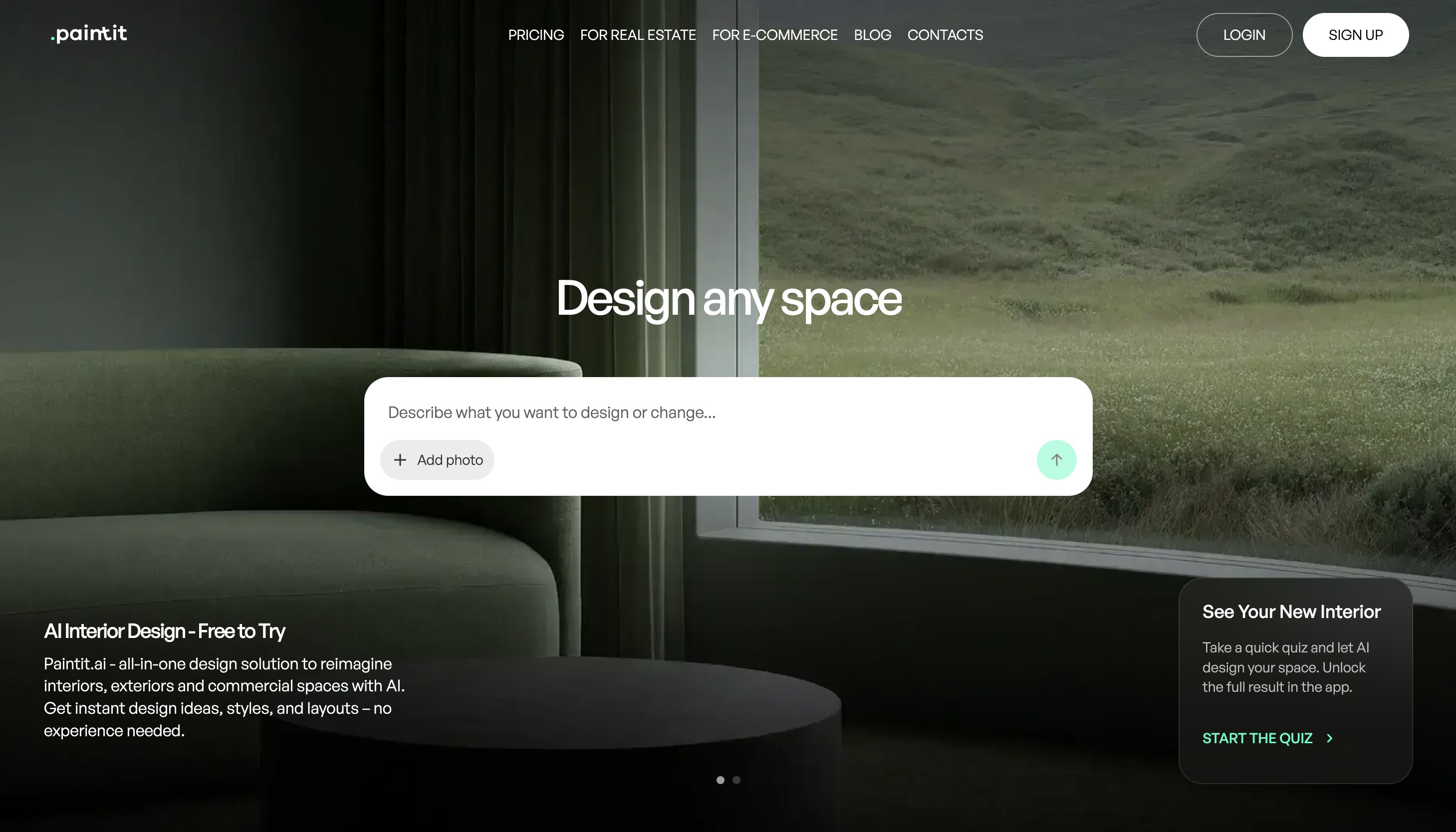
Upload a photo, use one of the prompts from this guide, and see how much better your result can look with the right workflow.
Trending
How to Write Better Prompts for Paintit.ai
How to Pick a Front Door Color: Use AI to Visualize It First
How to Get the Best Results in Paintit.ai
7 Best Apply Design Alternatives in 2026: Full Review
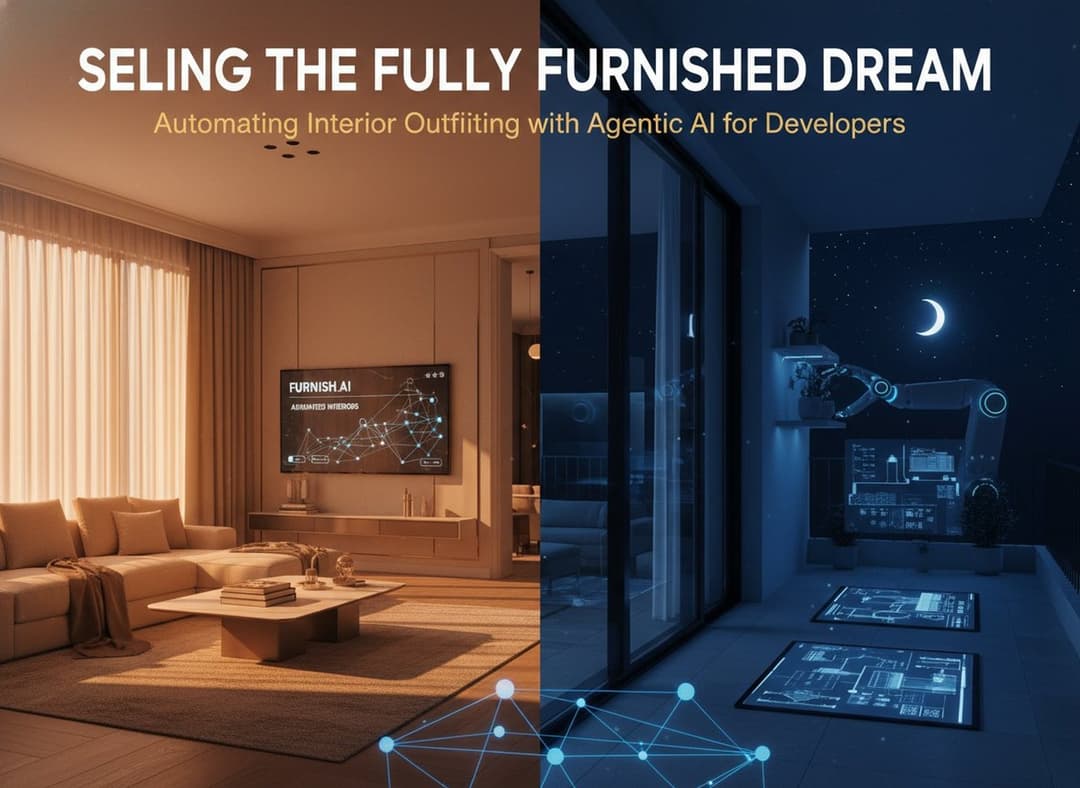
Selling the Fully Furnished Dream: Automating Interior Outfitting with Agentic AI for Developers
Related articles
8 min read
How to Use Full Redesign in Paintit.ai
Learn how to use Full Redesign in Paintit.ai to transform interiors, exteriors, and empty spaces with clearer style direction, better control, and stronger visual results
Yulii Cherevko
CEO paintit.ai
8 min read
How to Write Better Prompts for Paintit.ai
How to Write Better Prompts for Paintit.ai: A Practical Prompting Guide Meta description: Learn how to write better prompts for Paintit.ai with a simple formula, clear prompting patterns, reference image tips, practical examples, and common mistakes to avoid.
Yulii Cherevko
CEO paintit.ai
8 min read
How to Pick a Front Door Color: Use AI to Visualize It First
Choosing a front door color is hard. Learn how to use AI and Paintit.ai to visualize colors on your actual home before painting. Tips on trends & psychology
Yulii Cherevko
CEO paintit.ai
4 min read
How to Get the Best Results in Paintit.ai
Learn how to get better results in Paintit.ai with the right photo, stronger prompts, better settings, and practical workflows for interiors, exteriors, real estate, rentals, and design professionals
Yulii Cherevko
CEO paintit.ai
9 min read
7 Best Apply Design Alternatives in 2026: Full Review
Explore the top Apply Design alternatives for 2026. Compare Paintit.ai, Homestyler, and more to find the best AI virtual staging and 3D home design software
Yulii Cherevko
CEO paintit.ai
6 min read
Selling the Fully Furnished Dream: Automating Interior Outfitting with Agentic AI for Developers
Learn how agentic AI and Paintit.ai automate interior design for developers. Scale outfitting, increase ROI, and reduce property time-on-market effectively
Yulii Cherevko
CEO paintit.ai