
Designing a 1940s Living - Room: Classic Comfort and Style
Imagine stepping into a space where comfort meets understated elegance, a room that feels both lived-in and thoughtfully arranged. The charm of a 1940s living room often lies in its practical yet inviting atmosphere, a true reflection of post-war resilience and a focus on home life. How do you capture that unique blend of warmth and history in your own space?
Essential Tips for Reimagining Your 1940s Living Room
Stunning Examples of 12 Enduring Ideas for Your 1940s Living Room
-
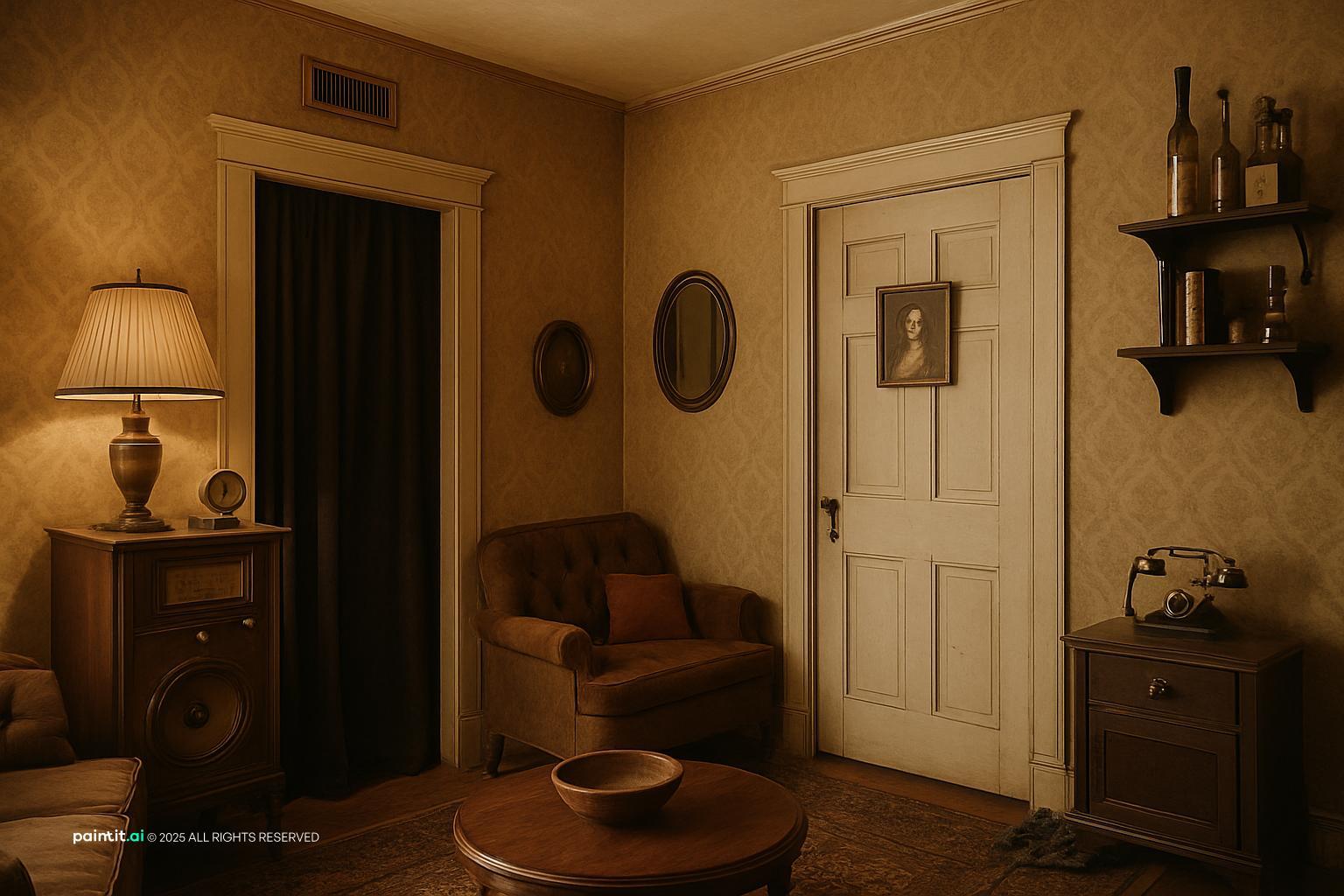
Crafting a space that truly feels like a 1940s living room means looking beyond mere aesthetics. It's about functionality, yes, but also about a certain quiet resilience, a comfort born from necessity and a deep appreciation for home. We've curated these ideas to help you strike that perfect balance, ensuring your room feels both authentic to the era and genuinely livable today.
-
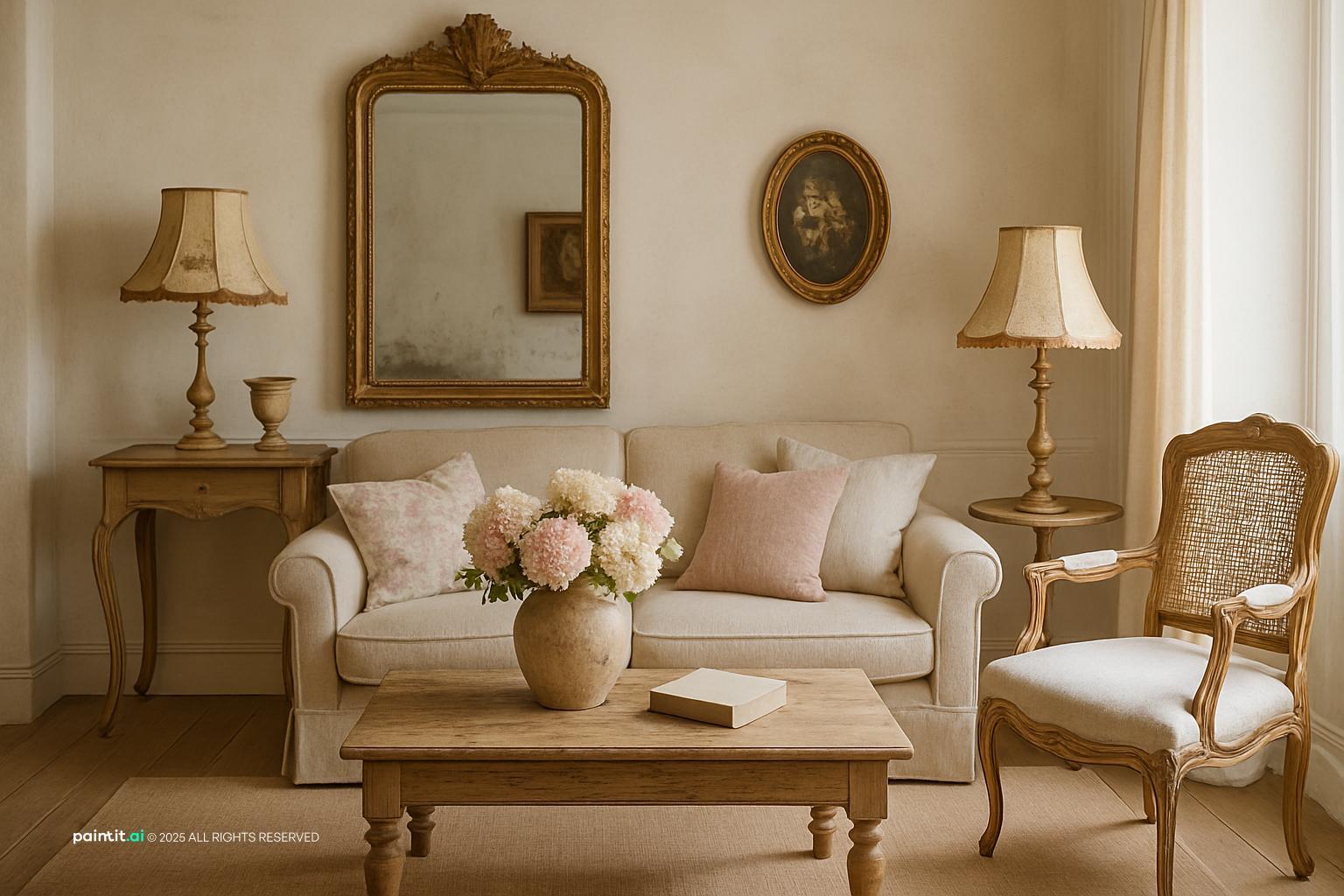
The 1940s saw a shift towards simpler forms, a response to wartime material restrictions and a move away from the more ornate styles of earlier decades. Think clean lines, gentle curves, and furniture that feels substantial without being overly bulky. It's about honest construction, not fussy ornamentation.
-
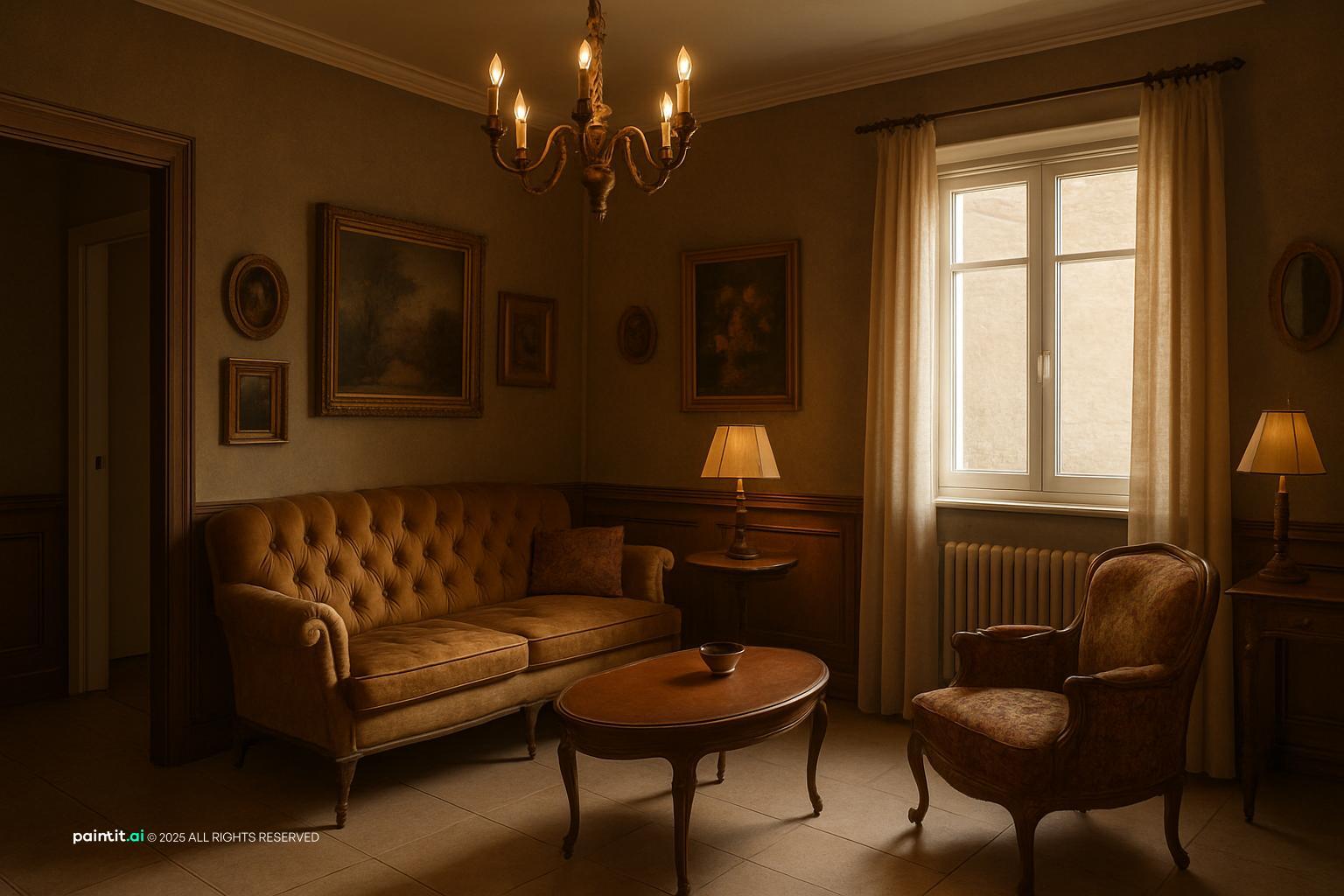
For implementation, look for sofas and armchairs with low backs and exposed wooden frames, often in maple or oak. Pieces with minimal carving or subtle reeding are perfect. We’ve found that a well-chosen console table, perhaps in a rich walnut, can anchor a wall beautifully.
-
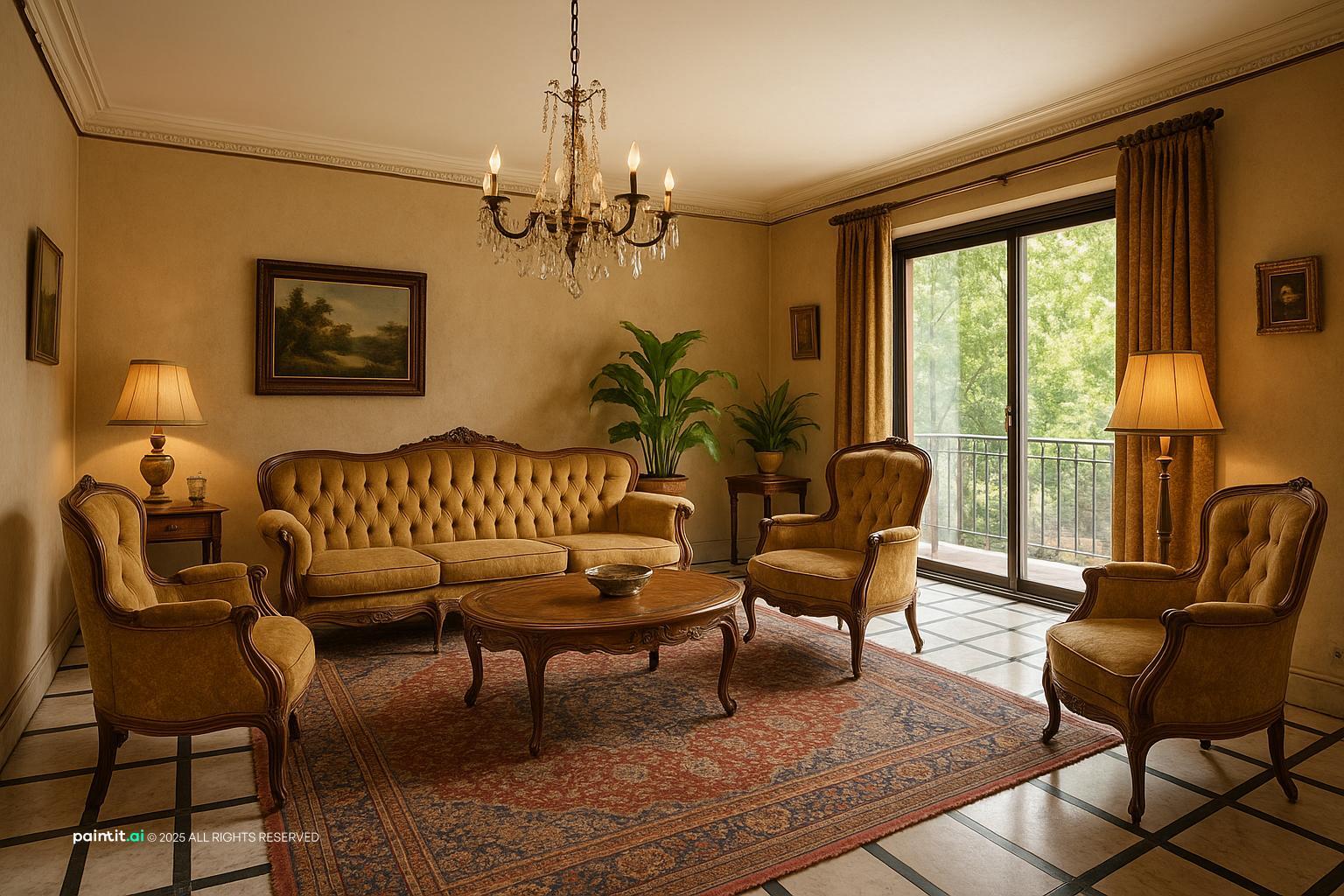
Pro Tip: To achieve this effect, try sourcing original utility furniture or reproductions that honor its straightforward design.
-
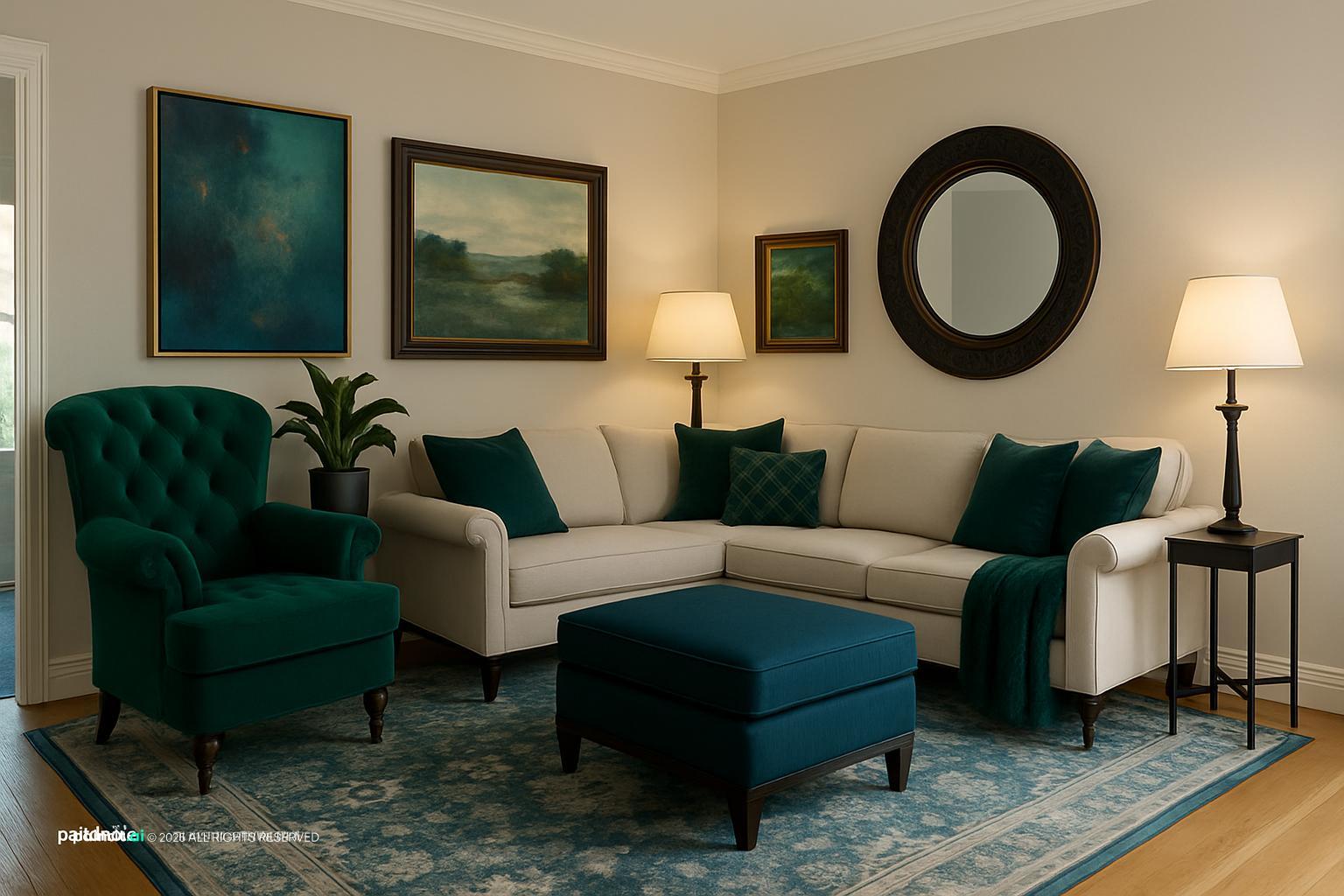
Wood was king in the 1940s, and not just any wood. We're talking about the comforting, familiar hues of maple, oak, and sometimes darker walnut. These weren't just materials; they were part of the home's very fabric, grounding the space with natural warmth.
-
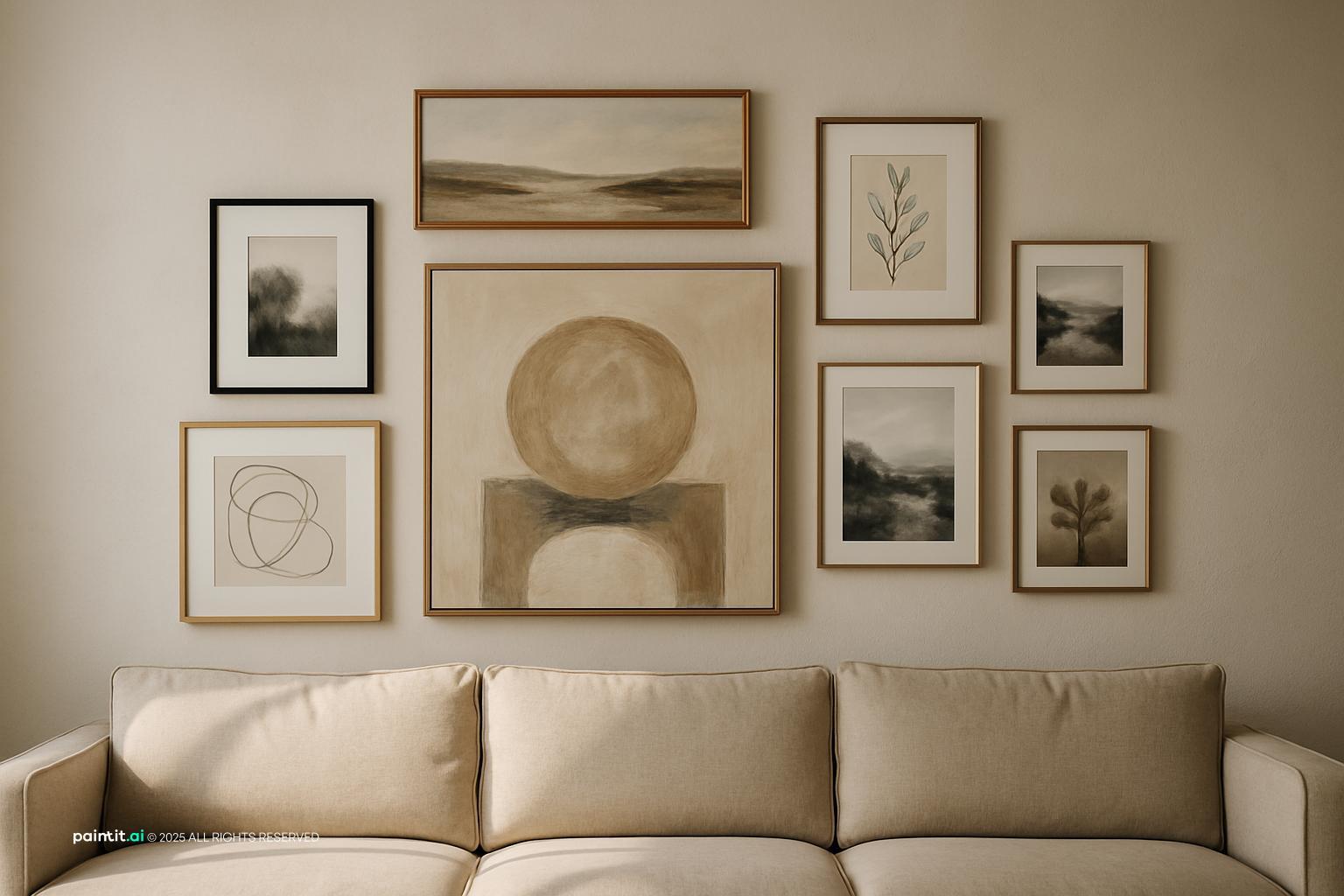
Consider a mix of finishes: a polished maple coffee table, an oak radio cabinet, or even built-in shelving in a slightly darker stain. The key is variety in tone, not necessarily in wood species. It creates depth. The truth is, a room without this natural element often feels cold, a common mistake.
-
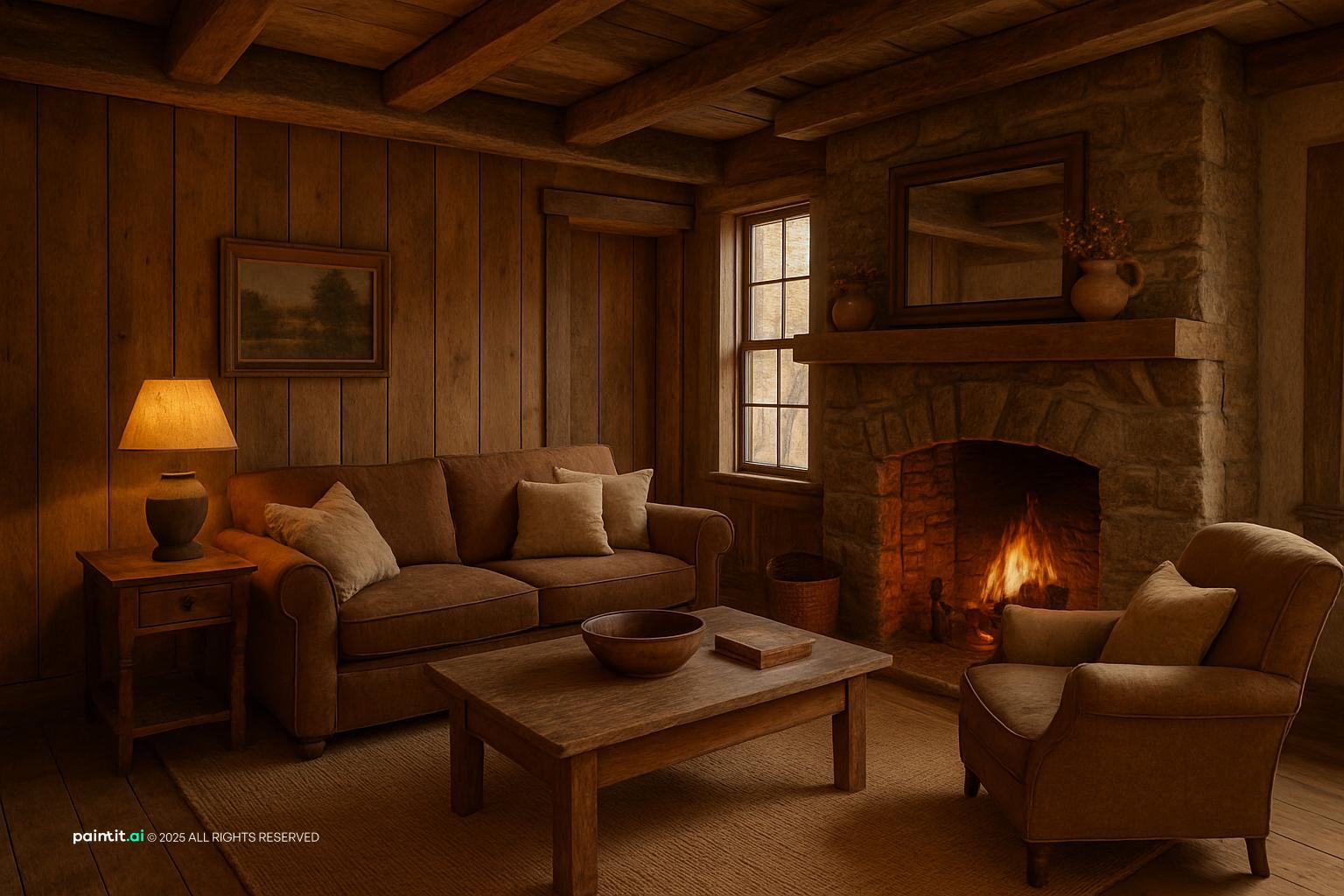
Pro Tip: To achieve this effect, try incorporating a vintage wooden chest or a set of nesting tables in a warm finish.
-
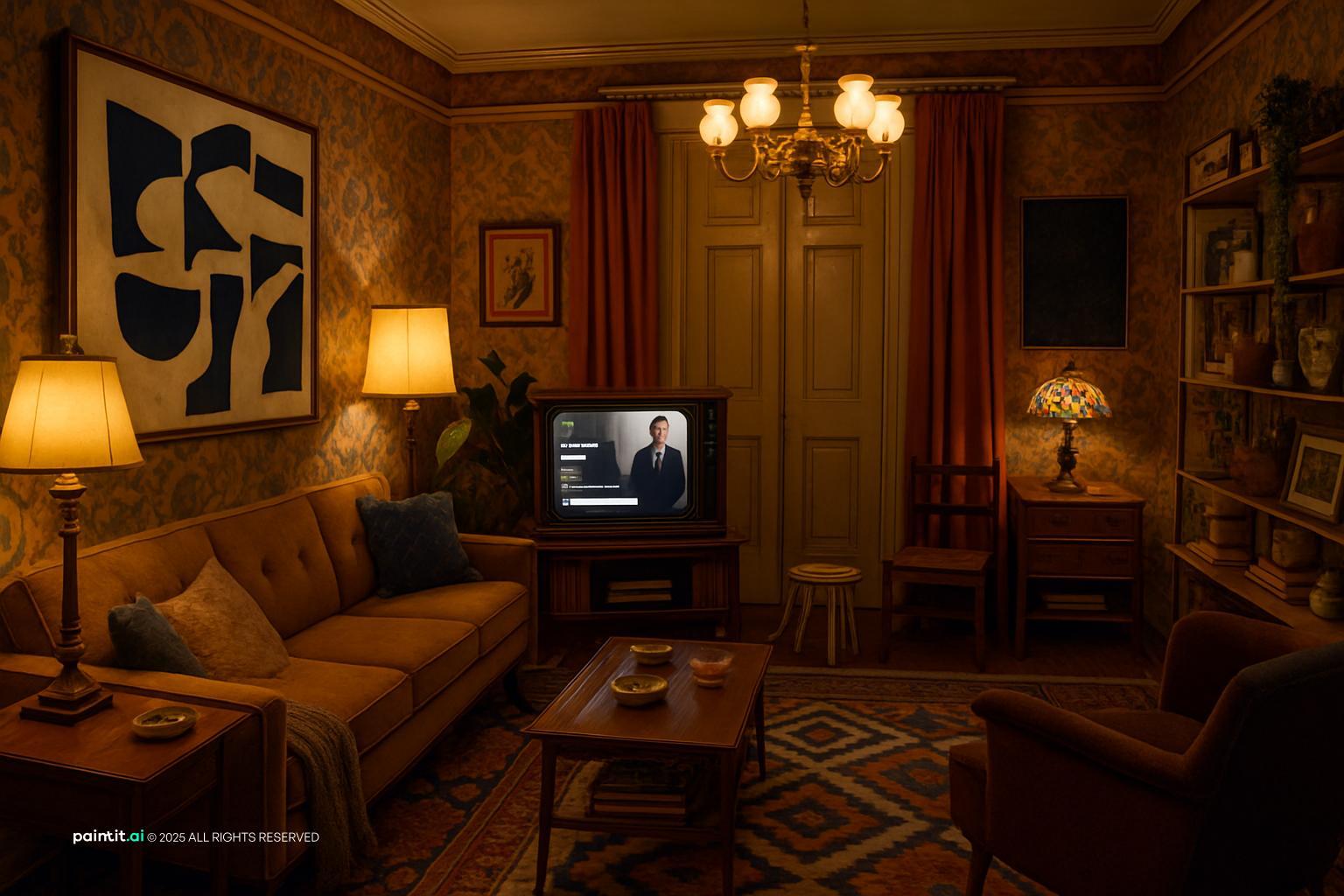
Despite wartime austerity, a touch of beauty was always welcome. Chintz, with its glazed finish and often floral patterns, brought a cheerful, homey feel. These weren't grand, sprawling designs, but rather smaller, more contained motifs that felt intimate.
-
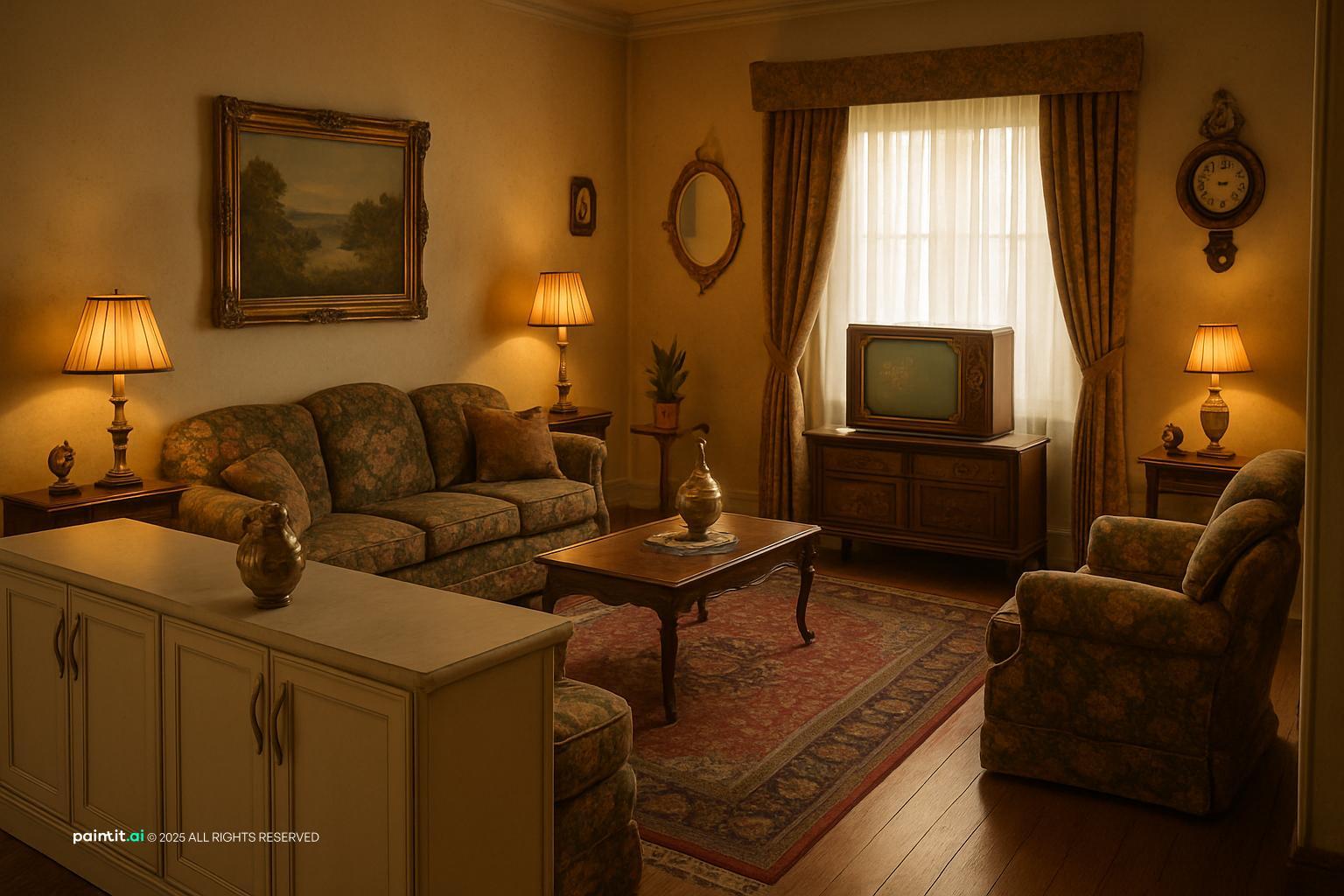
Use chintz for throw pillows, a slipcover on an armchair, or even as drapery. If chintz feels too specific, opt for muted floral patterns on cotton or linen. We’ve seen this work best when balanced with solid, textured fabrics like chenille or tweed on larger pieces. It prevents the room from feeling overwhelming.
-
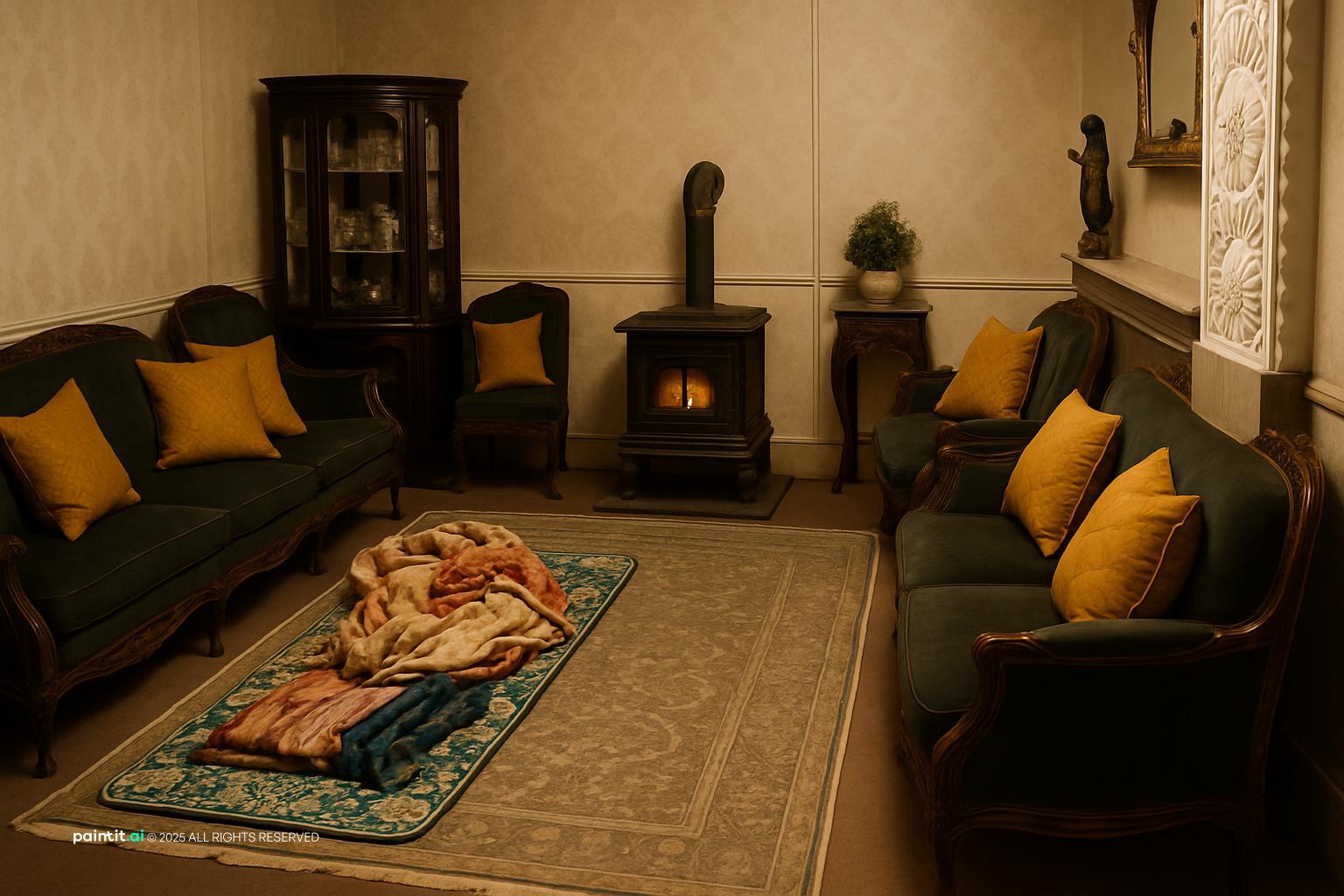
Pro Tip: To achieve this effect, try looking for patterns with a creamy background and soft, naturalistic colors.
-
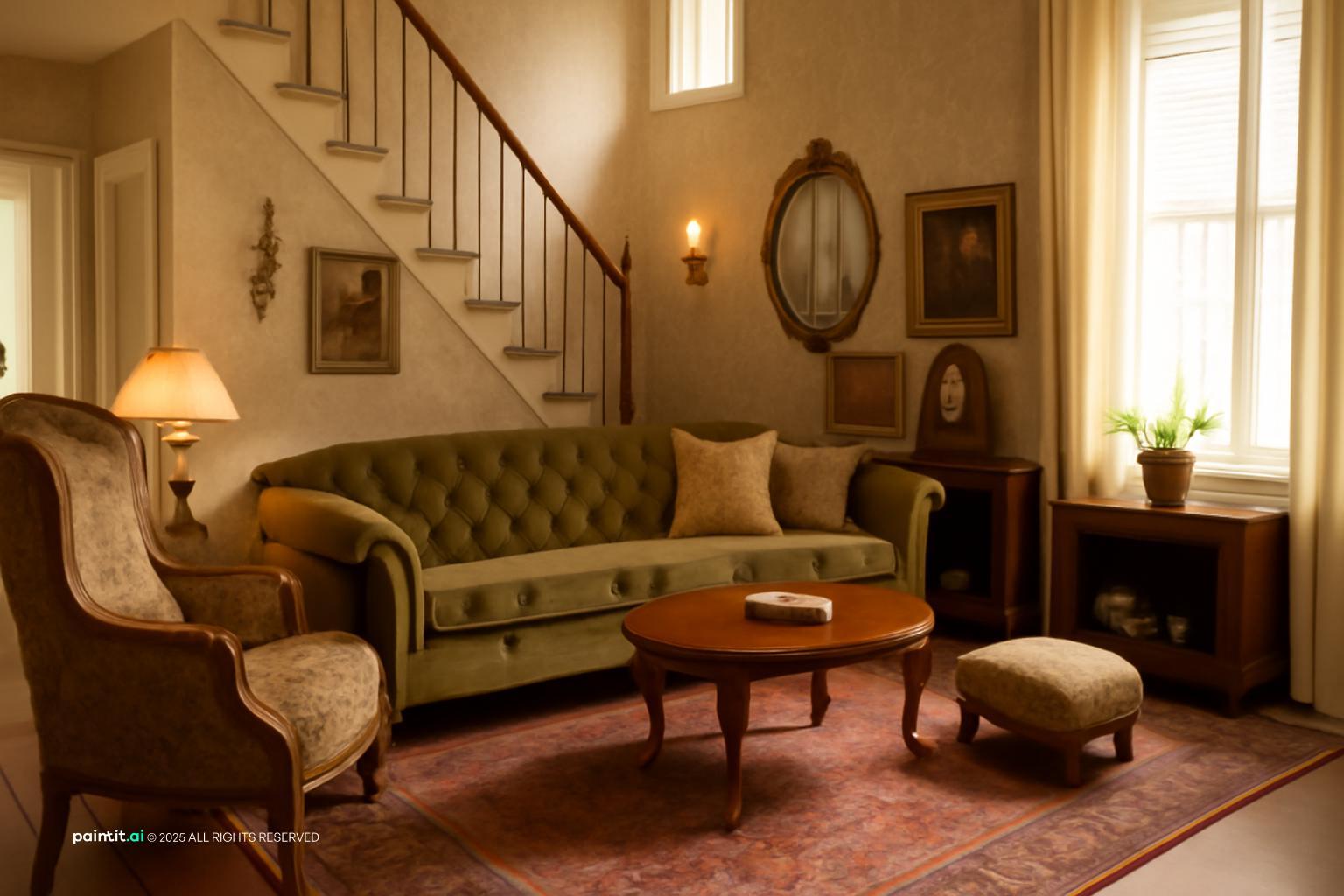
Before television, the radio was the heart of the living room, gathering families for news, music, and dramatic serials. A beautiful radio console wasn't just furniture; it was a portal to the world, a centerpiece of shared experience.
-
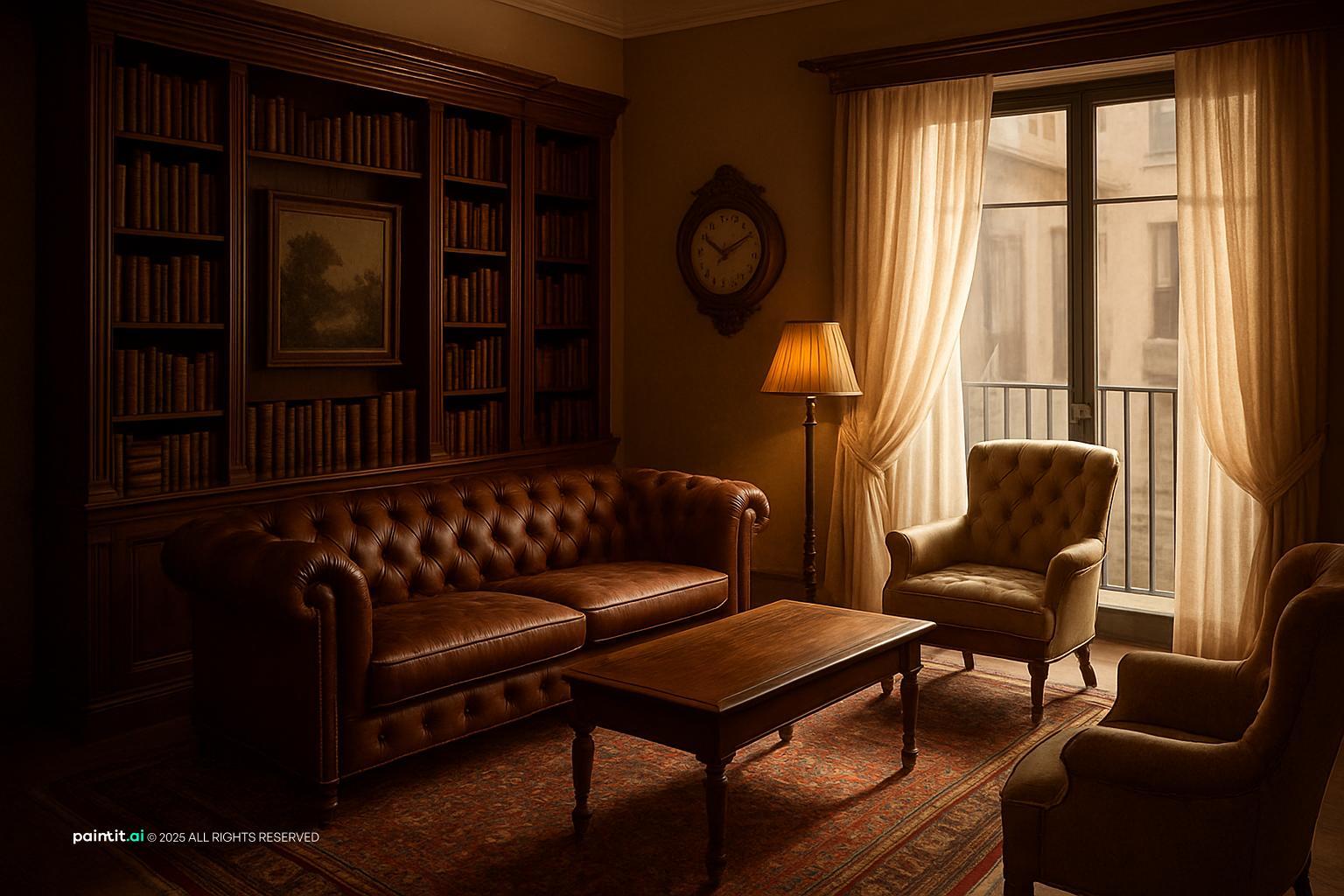
If you can find an original console, restore it. Place it prominently, perhaps on a wall where it can be admired. Even if it's not functional, its presence speaks volumes about the era's domestic life. Surround it with comfortable seating, ready for listening. It's about preservation over imposition.
-
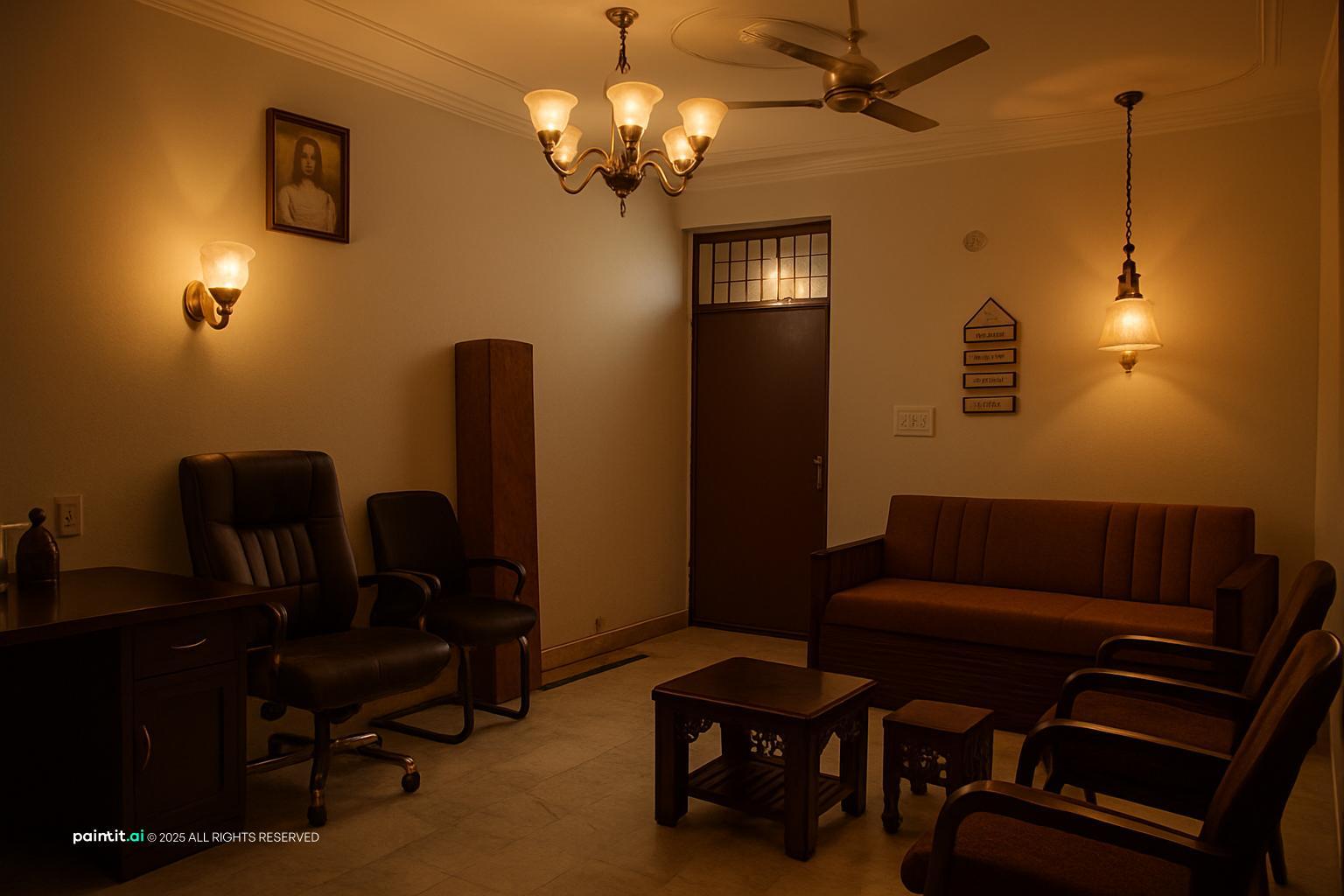
Pro Tip: To achieve this effect, try pairing a vintage radio with a simple, round accent table holding a small plant.
-
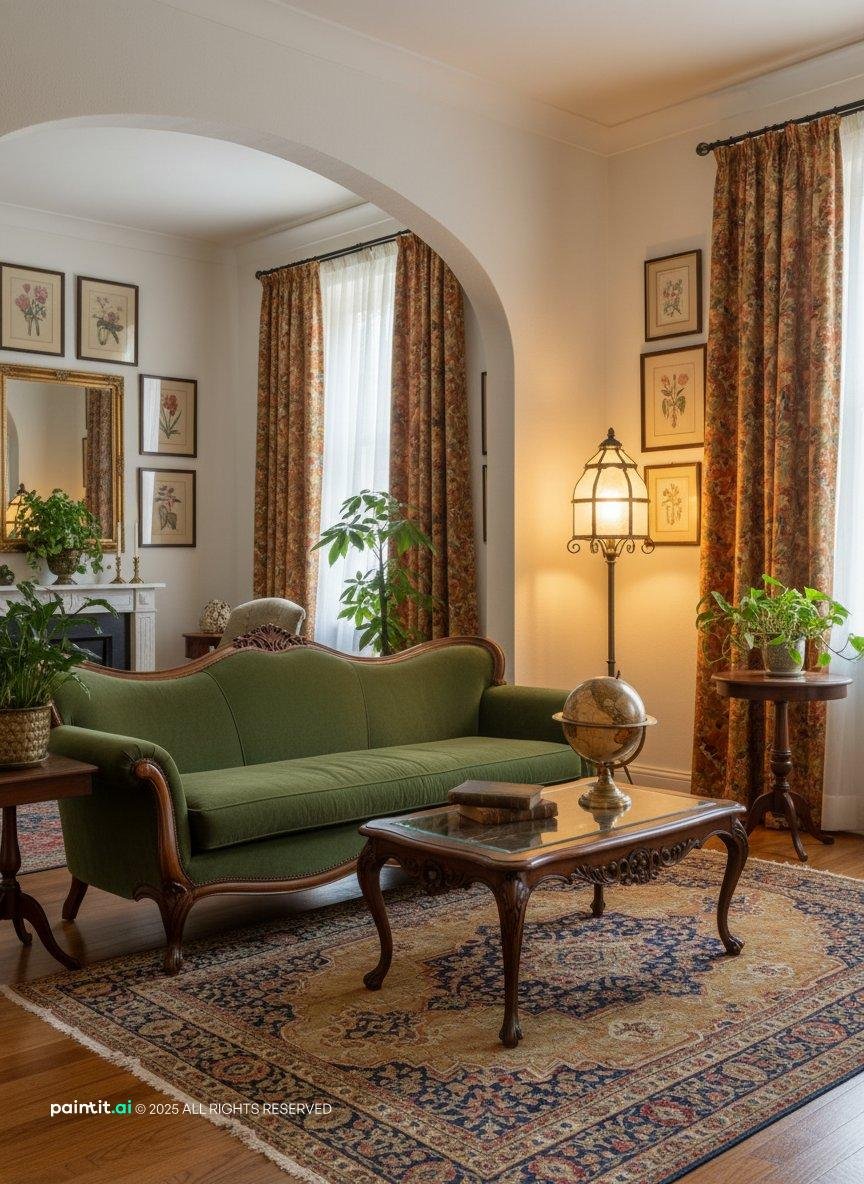
The 1940s valued efficiency and making the most of what you had. Built-in shelving and cabinets were common, offering discreet storage and a streamlined look. They kept clutter at bay, reflecting a practical approach to homekeeping.
-
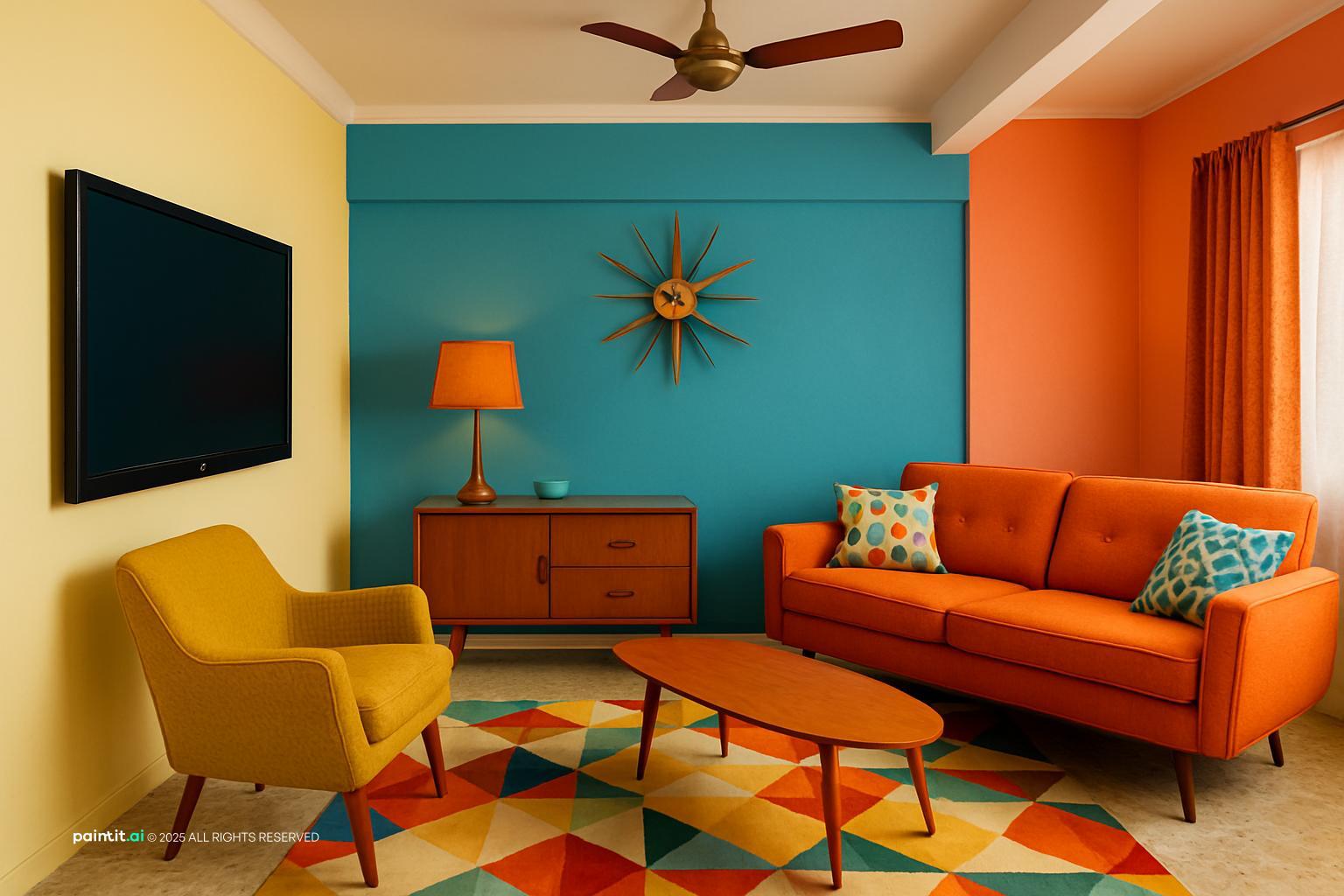
Consider adding simple, open shelving to an alcove or flanking a fireplace. Closed cabinets below can hide less attractive items. Paint them to match the wall color for a seamless effect, or use a contrasting wood tone for a subtle statement. It sounds simple, but most people forget the power of integrated storage.
-
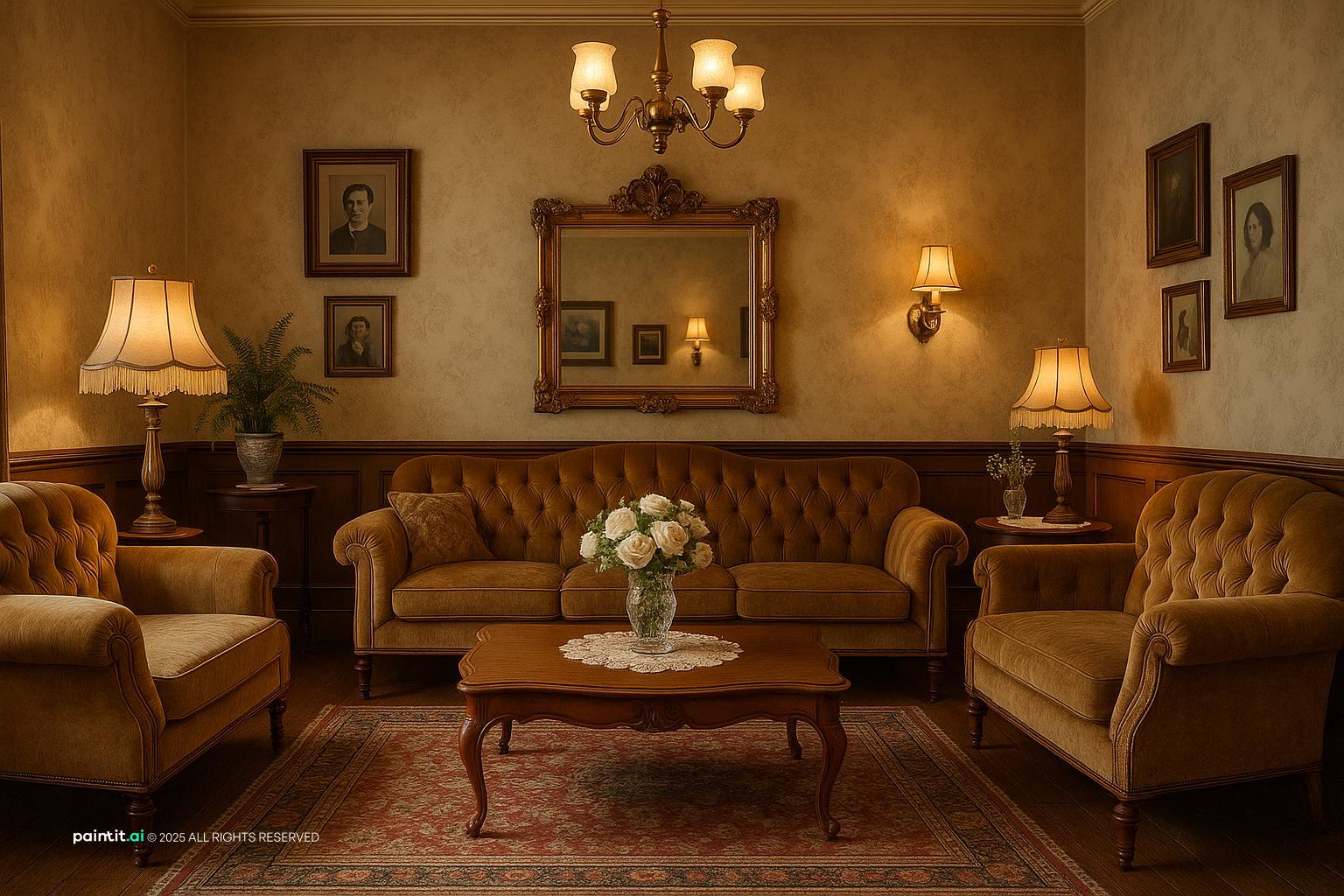
Pro Tip: To achieve this effect, try incorporating a small, recessed bookshelf for books and cherished objects.
-
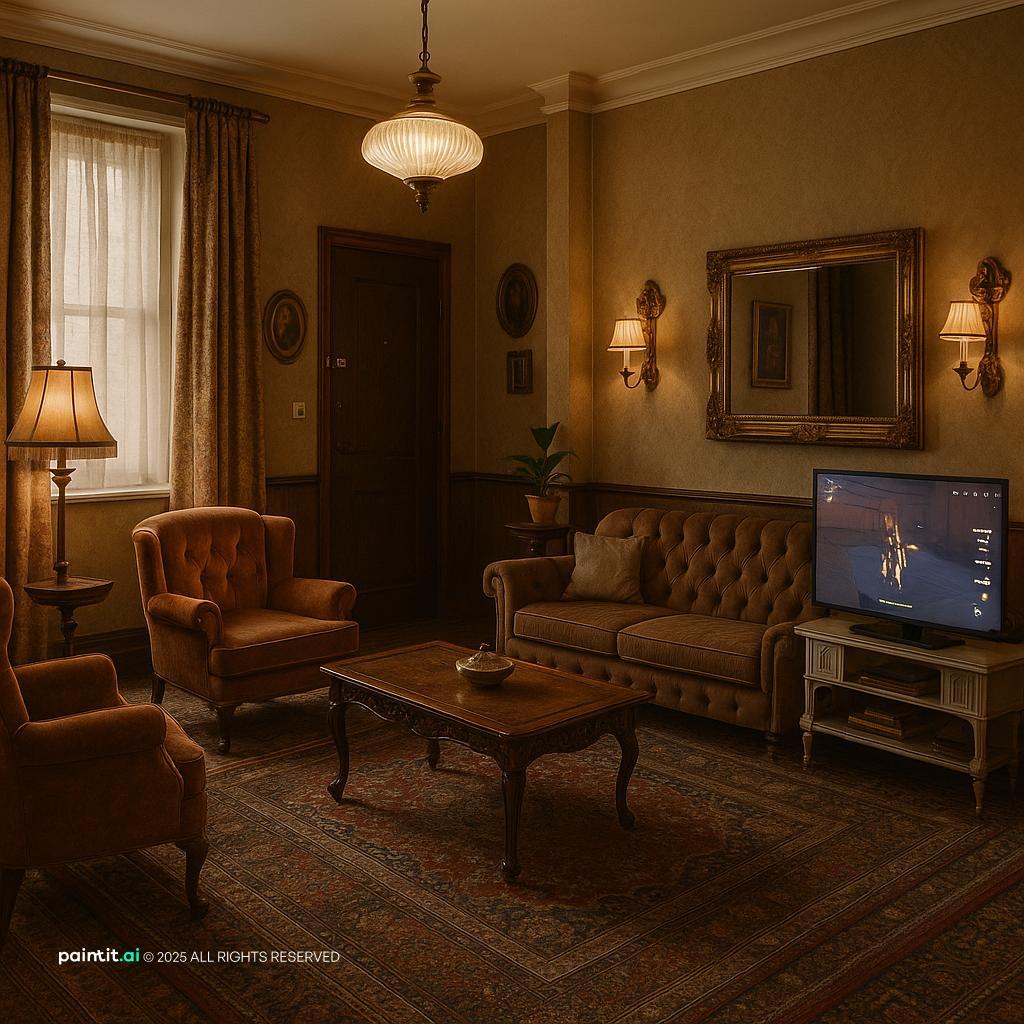
Harsh overhead lighting wasn't the norm. Instead, 1940s living rooms relied on a softer, more intimate glow from multiple sources. Floor lamps and table lamps created pools of light, perfect for reading or conversation.
-
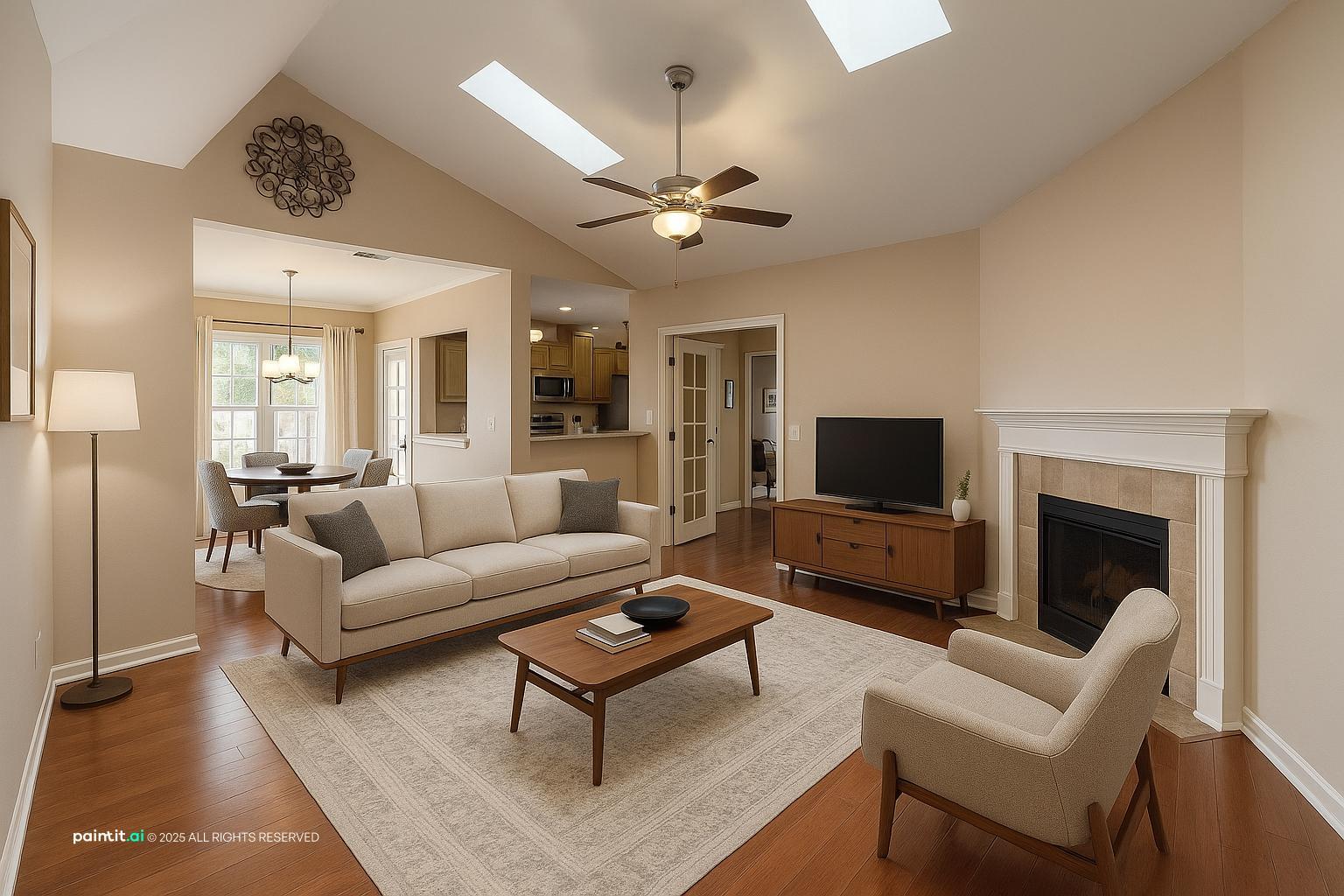
Look for floor lamps with fabric shades, often in a bell or drum shape. Table lamps with ceramic bases or simple metal designs, perhaps with a touch of Bakelite, are ideal. The aim is to create a warm, diffused light that feels welcoming. A single, central light fixture just won't cut it.
-
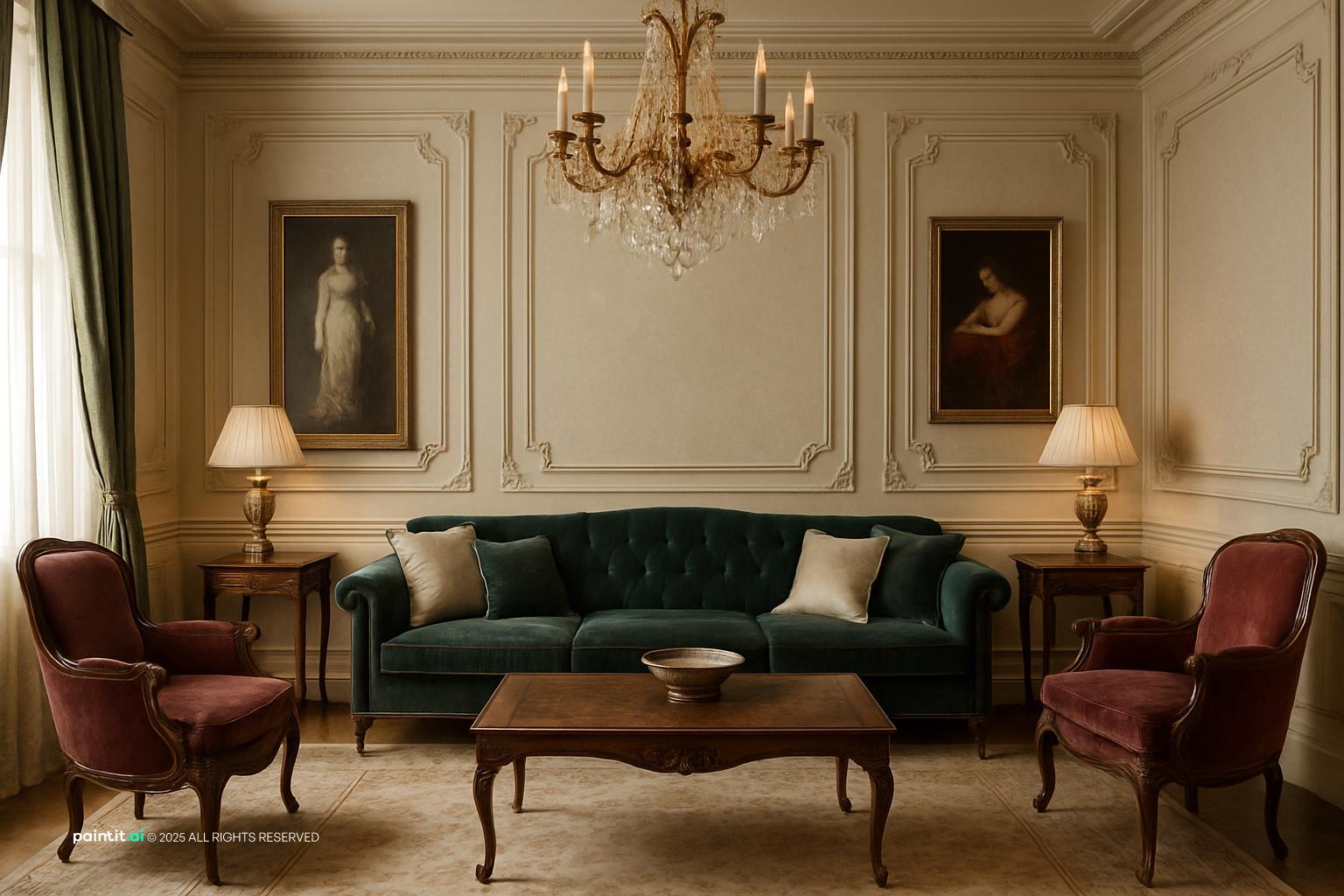
Pro Tip: To achieve this effect, try placing a slender brass floor lamp next to your favorite reading chair.
-
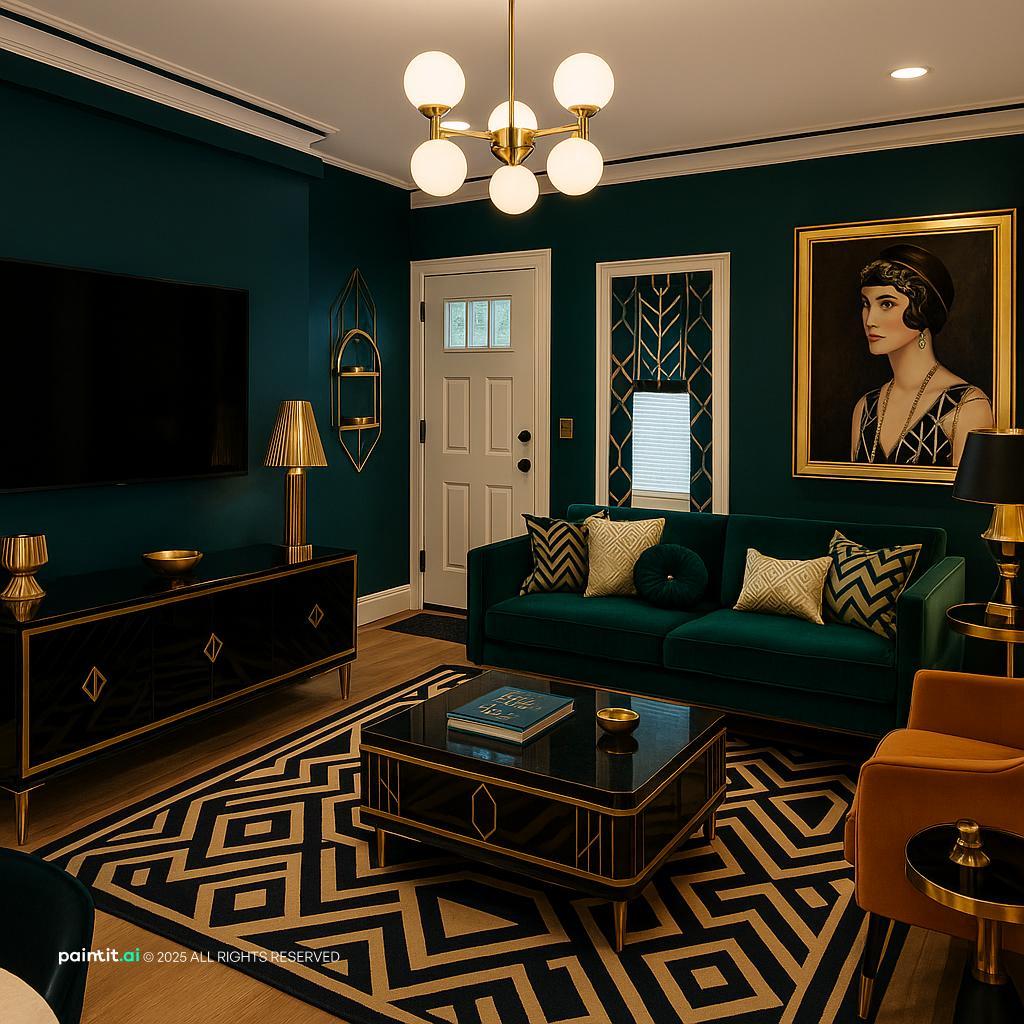
Fabrics in the 1940s were chosen for their resilience and comfort. Chenille, tweed, and sturdy cotton blends were popular, often in muted, earthy tones. These weren't delicate materials; they were meant to withstand daily life.
-
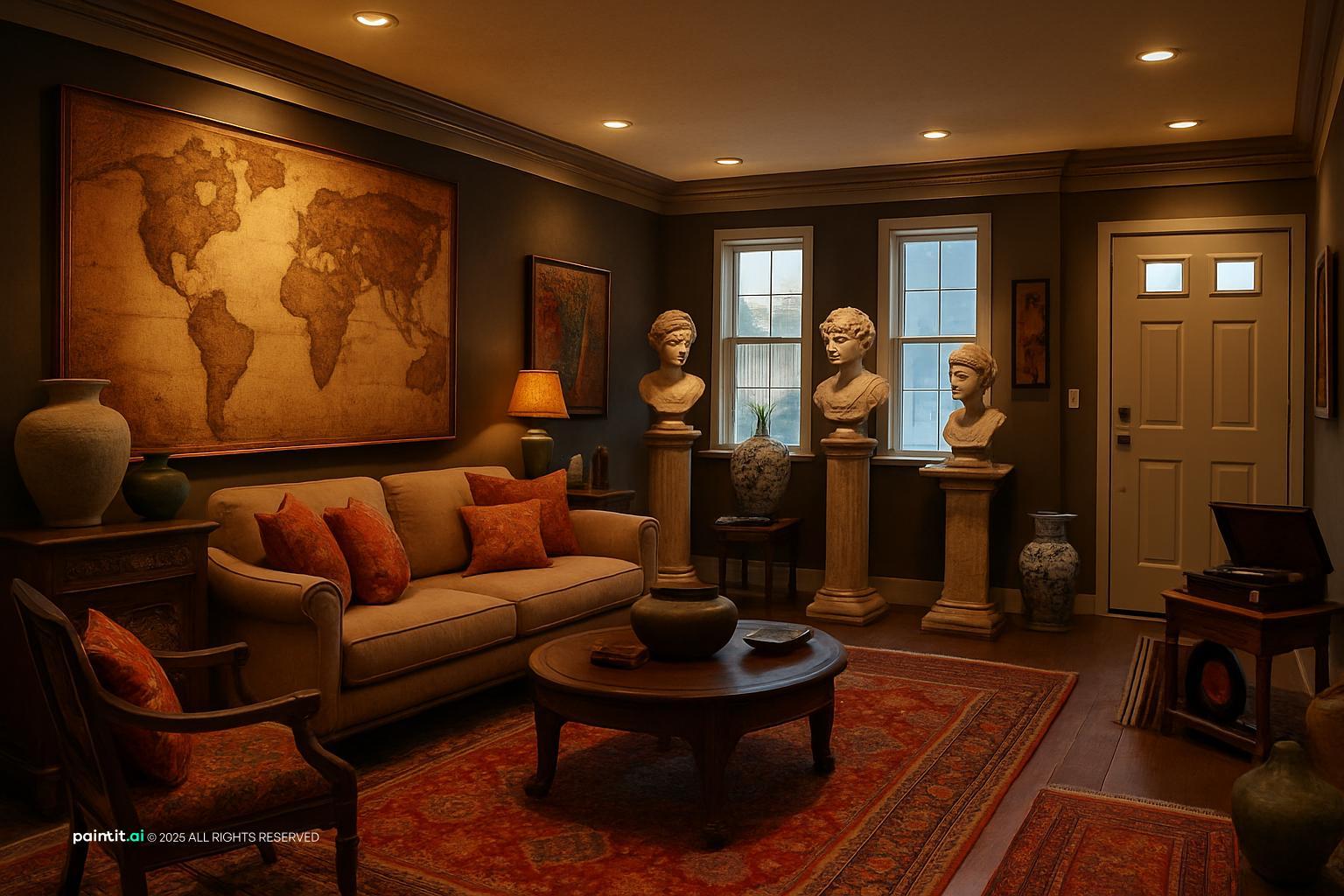
When selecting upholstery for your sofa or armchairs, prioritize texture and durability. A chenille sofa in a muted green or a tweed armchair in a warm brown would be spot on. Don't shy away from subtle patterns like herringbone or small checks. The choice was risky for some, but it paid off in longevity.
-
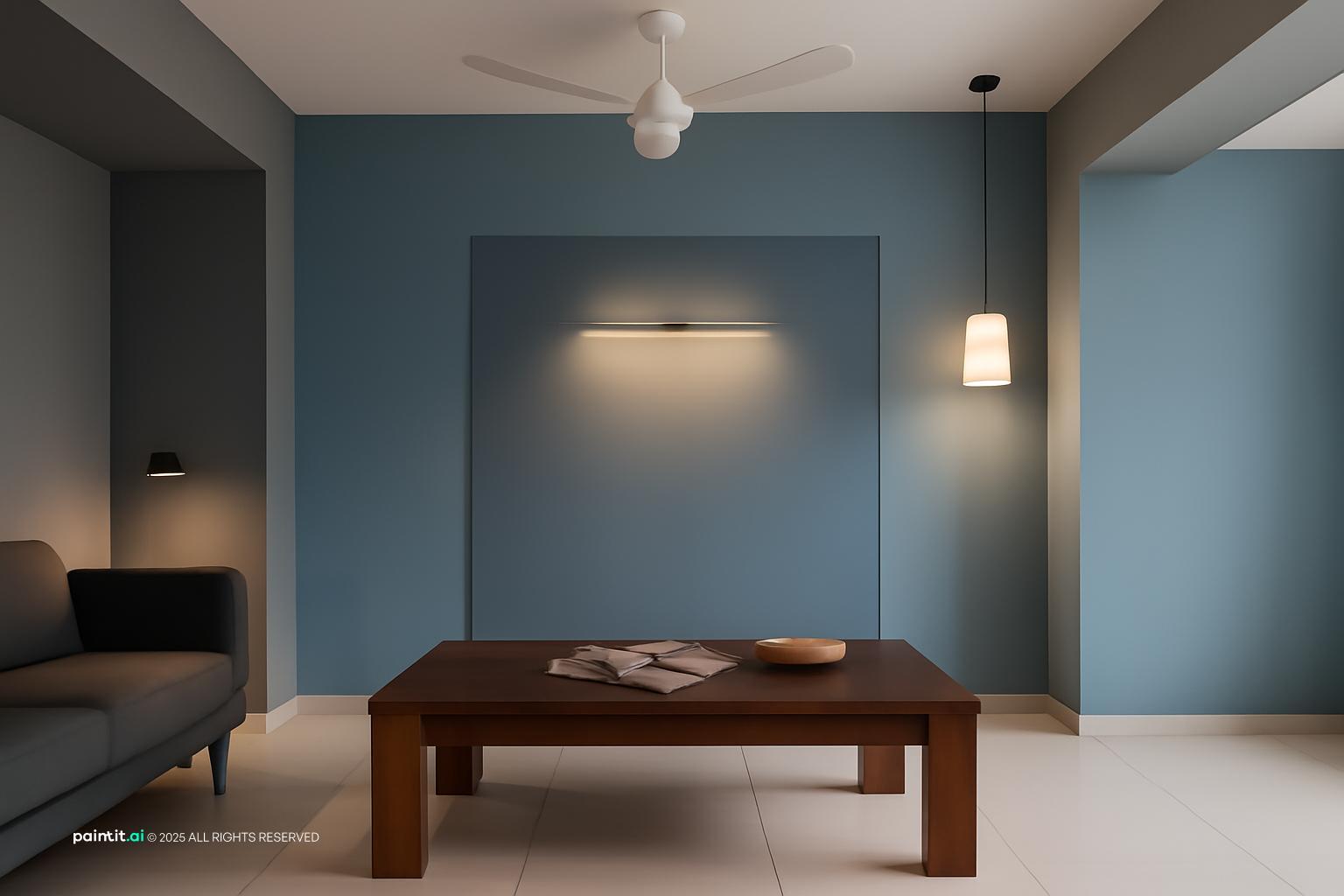
Pro Tip: To achieve this effect, try using a textured fabric like a small-scale plaid for an accent chair.
-
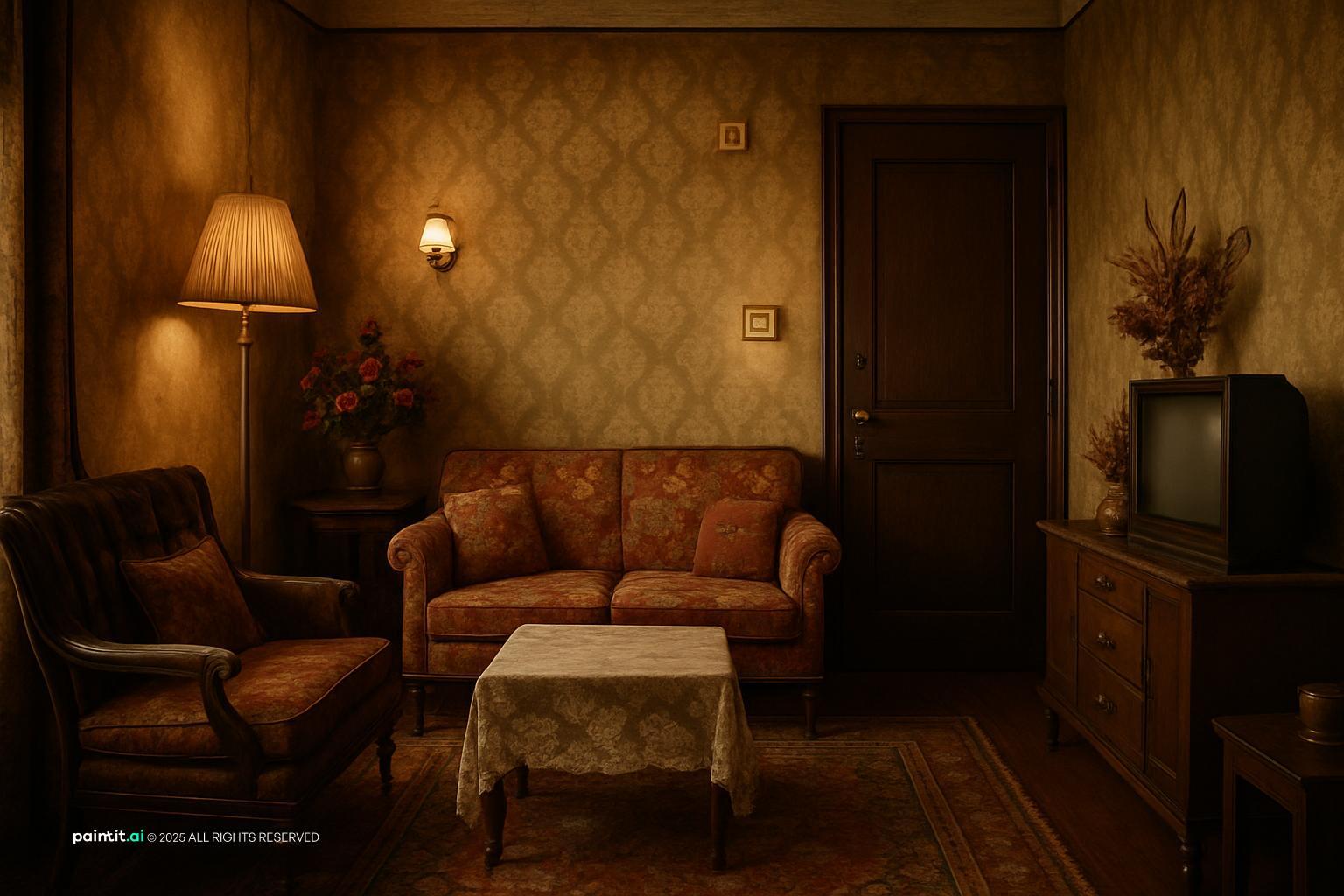
With the war as a backdrop, a quiet patriotism often found its way into home decor. This wasn't overt flag-waving, but rather subtle nods through color or motif. Think muted reds, soft blues, and creamy whites, woven into the overall scheme.
-
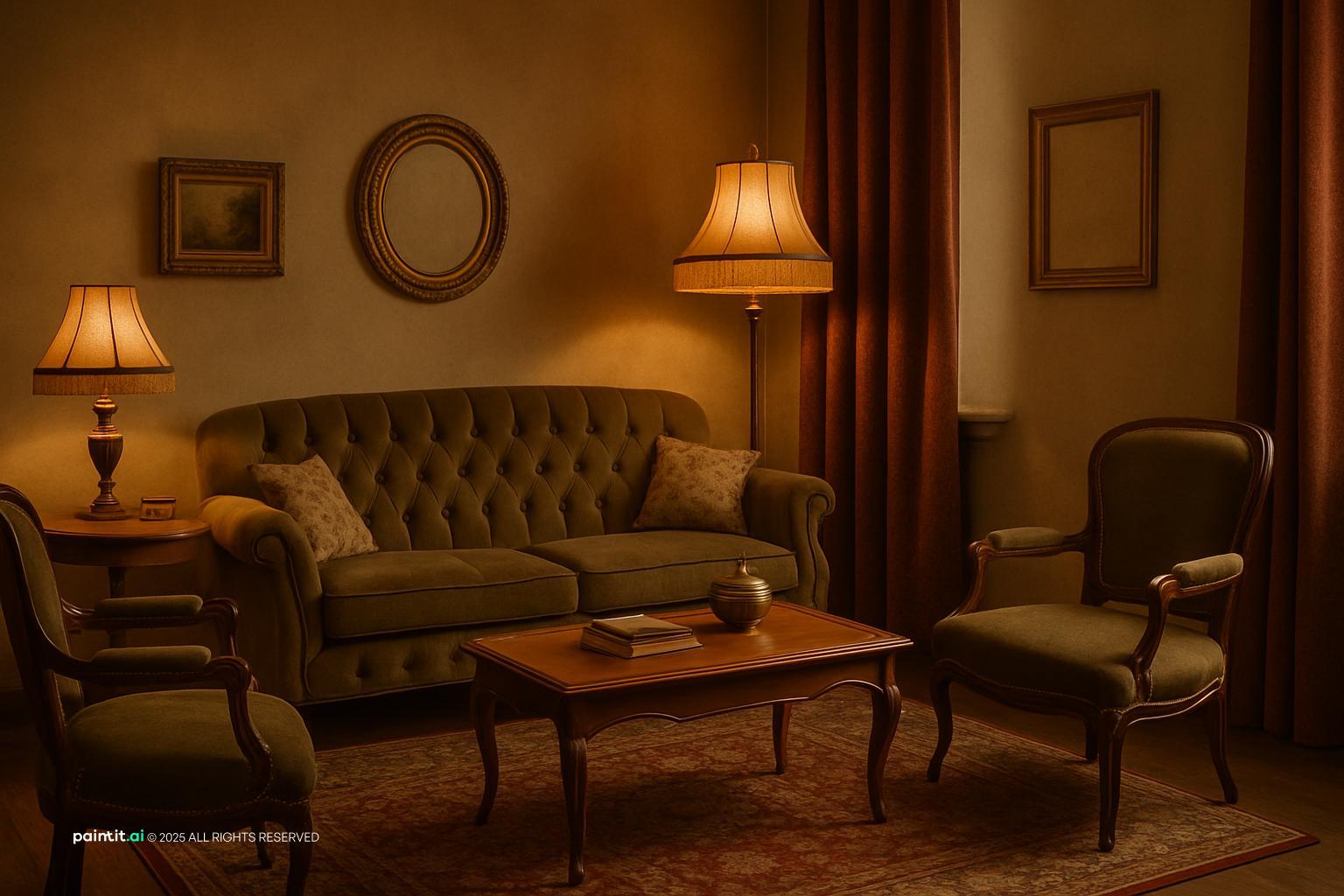
Incorporate these colors through throw pillows, a small ceramic vase, or a framed print. A simple striped blanket in these hues could work. The trick is to integrate them naturally, as part of the existing palette, rather than making them stand out too starkly. It reminds me of old-world American homes.
-
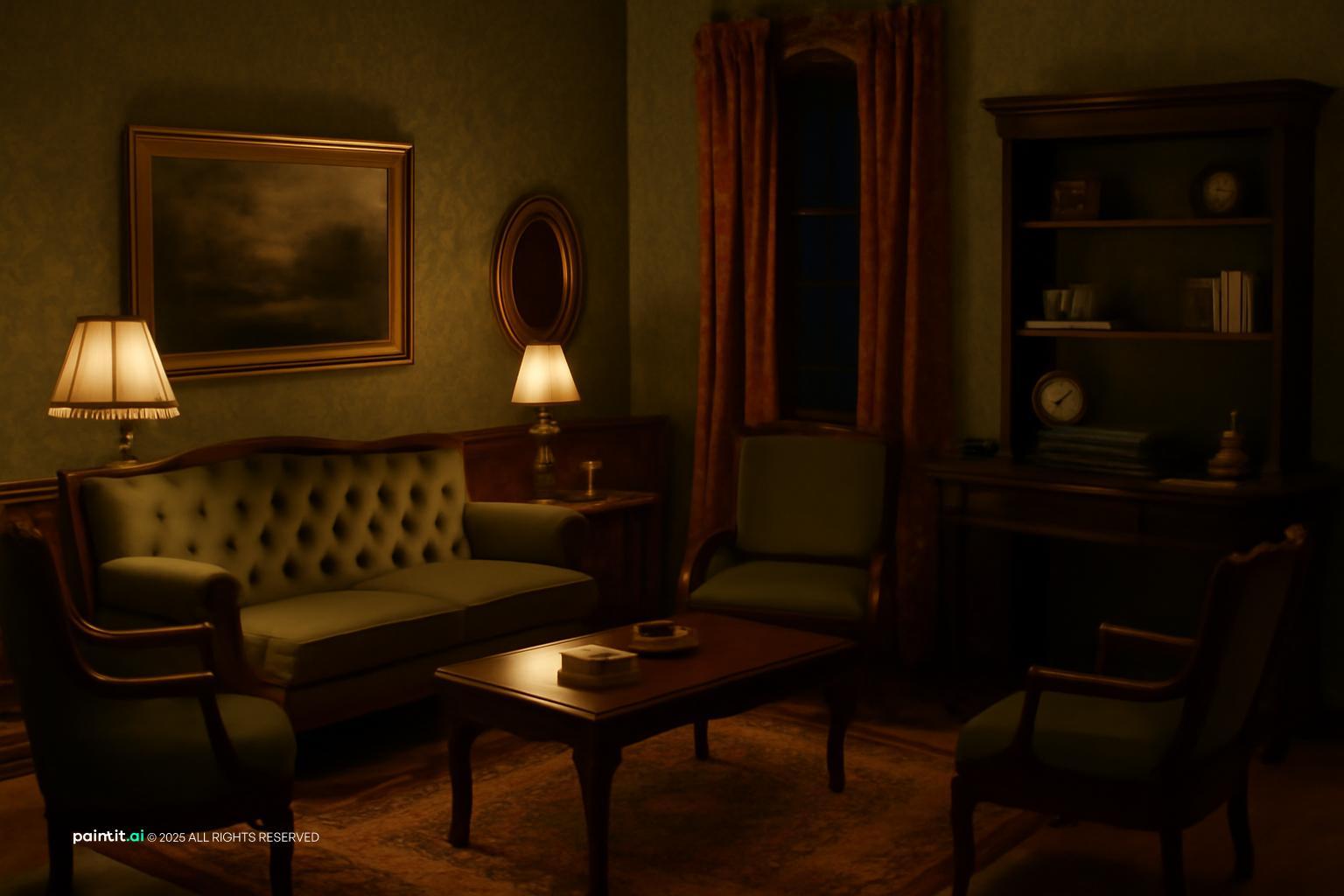
Pro Tip: To achieve this effect, try a small, framed print of a vintage travel poster with subtle red and blue tones.
-
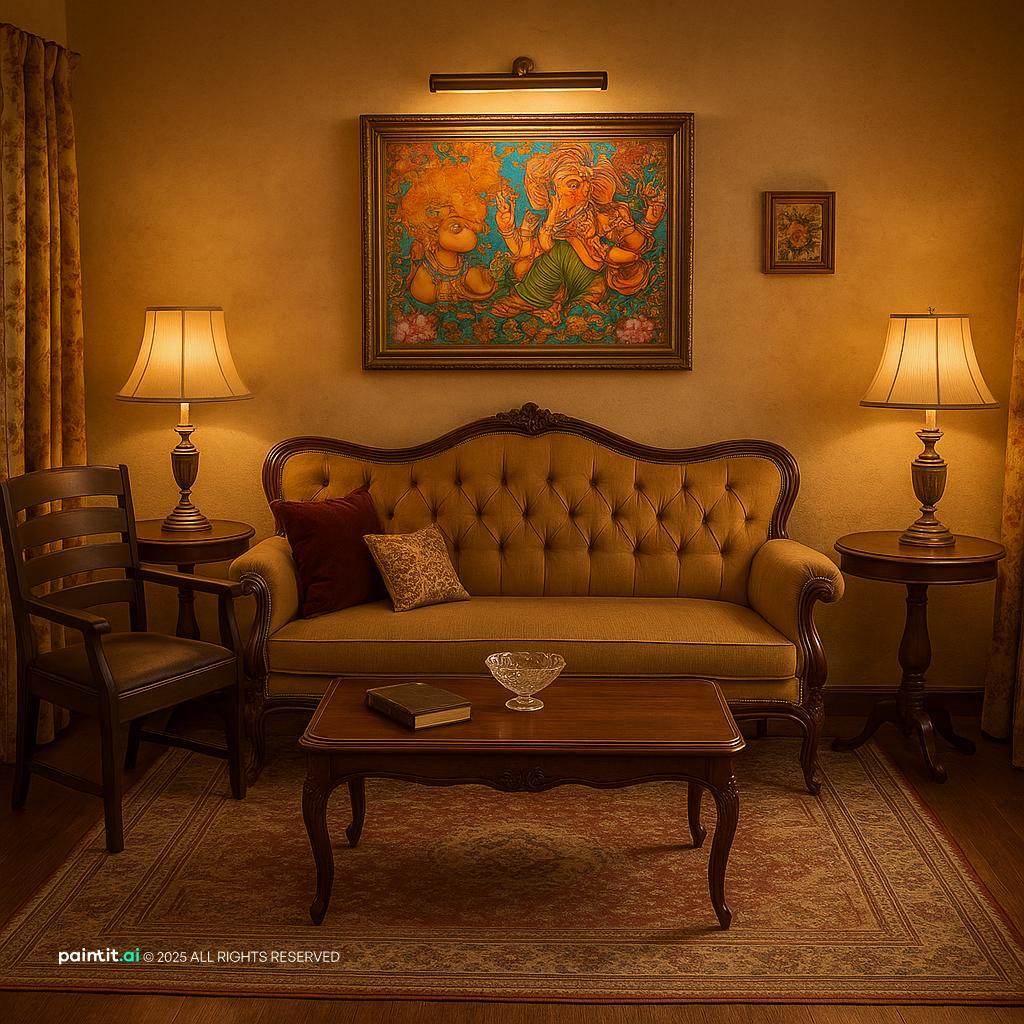
The Victory Garden movement brought a focus on growing your own food, and this connection to nature often extended indoors. Botanical prints, potted plants, and natural materials brought a sense of vitality and self-sufficiency.
-
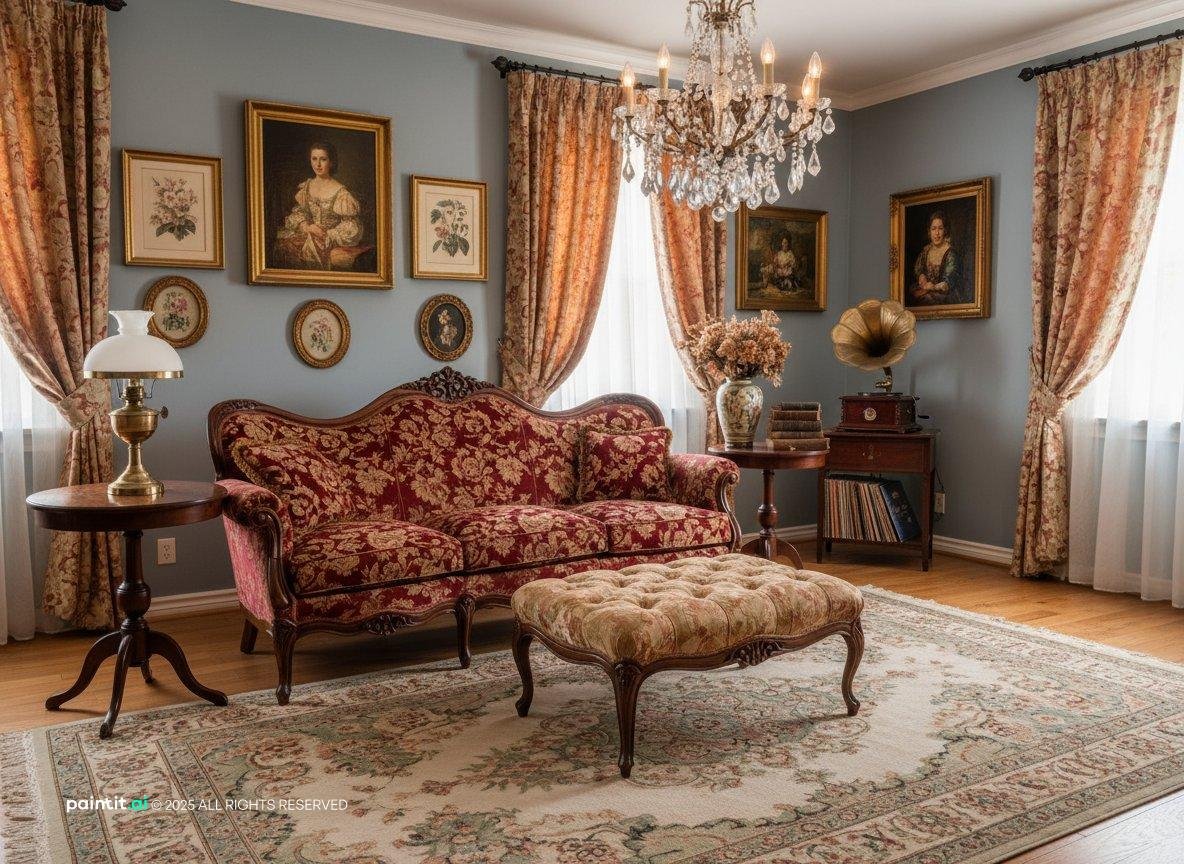
Introduce botanical illustrations in simple frames, or choose textiles with leaf or vine patterns. A few well-placed houseplants, perhaps in terracotta pots, will breathe life into the room. We’ve seen how a simple fern can completely change the feel of a corner. It’s about bringing the outside in, modestly.
-
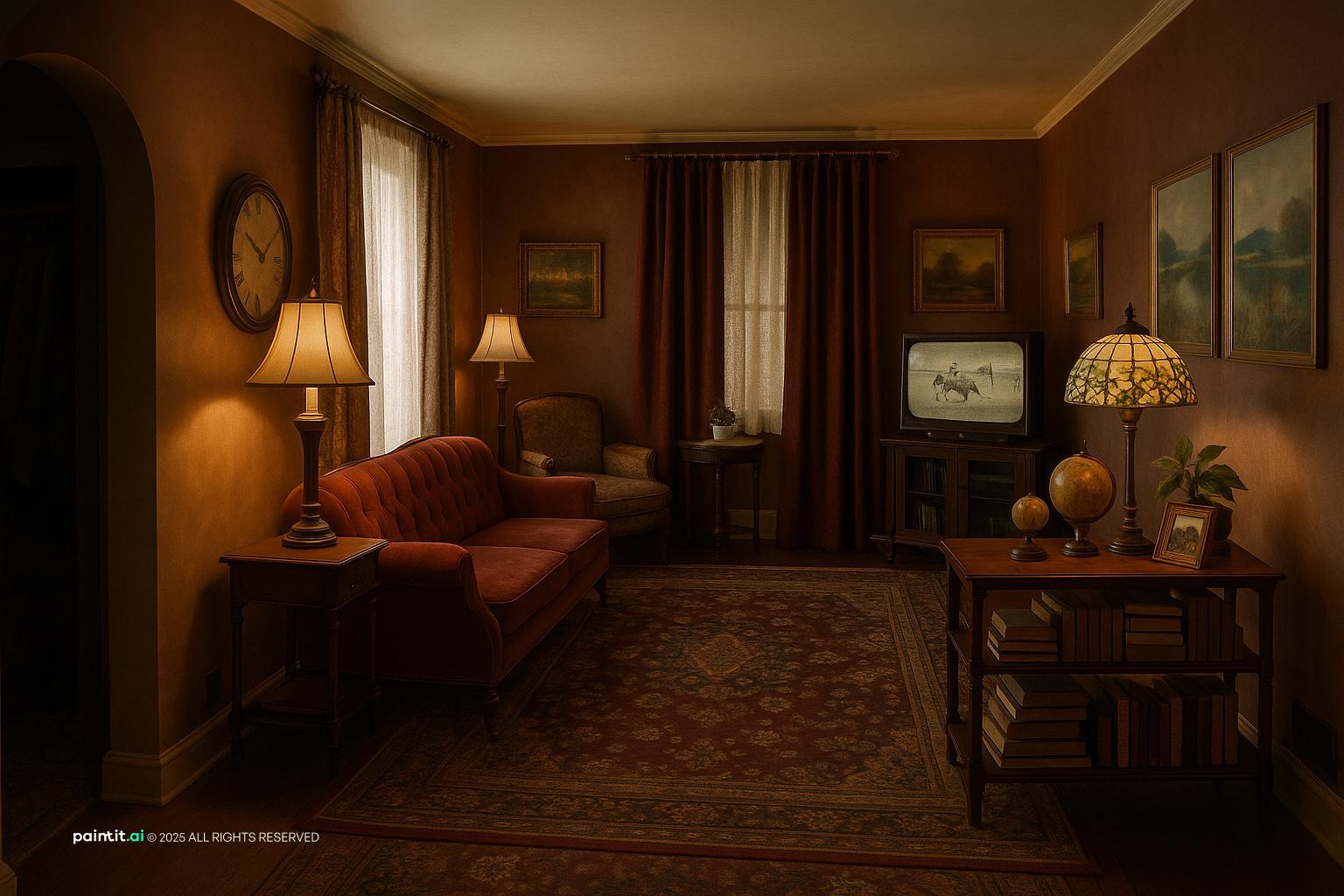
Pro Tip: To achieve this effect, try displaying a collection of pressed botanicals or a small herb garden on a windowsill.
-
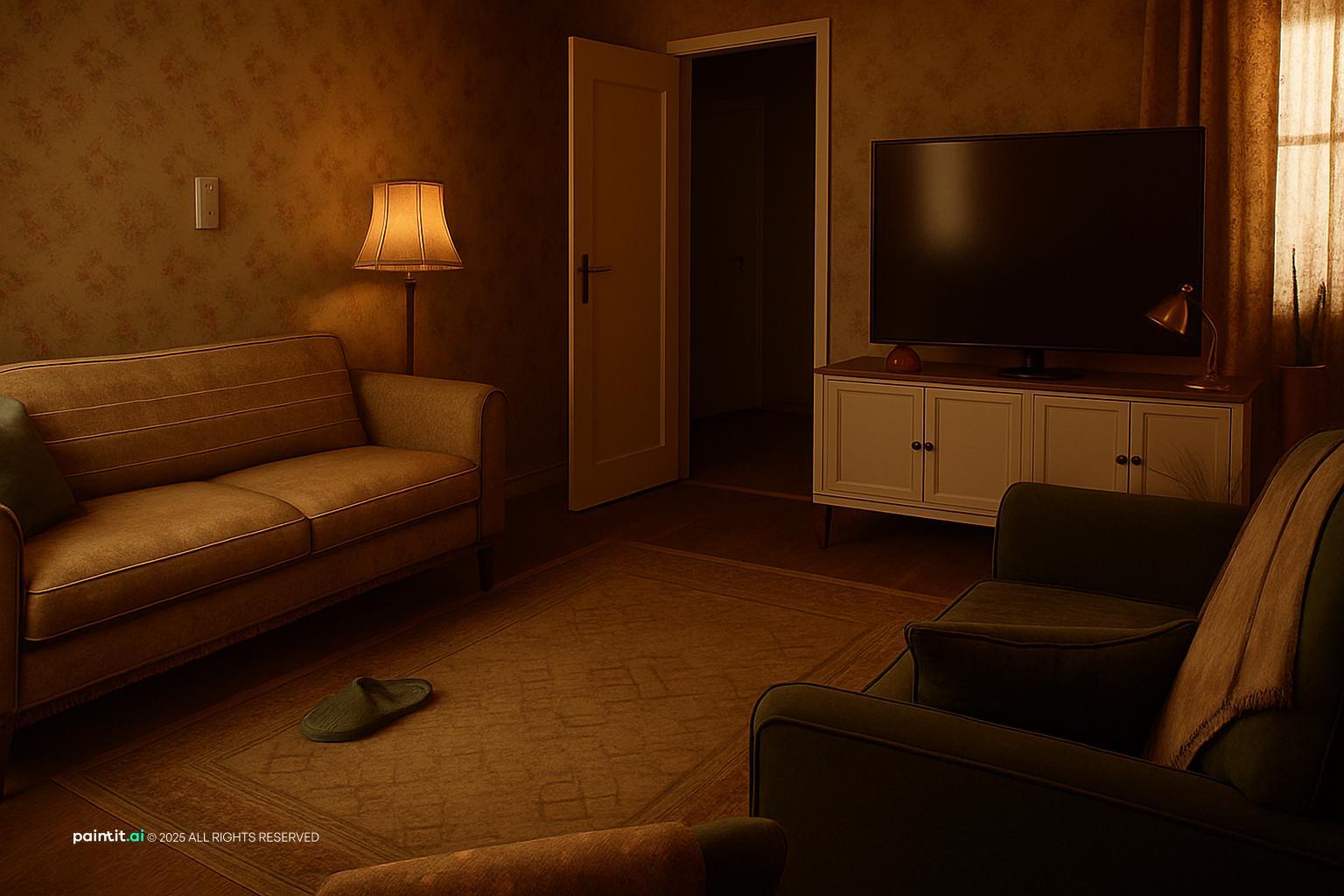
Flooring in the 1940s was often practical—hardwood or linoleum—but rugs added essential warmth, color, and texture. Hooked rugs, often handmade, and braided rugs were popular choices, bringing a touch of folk art and comfort.
-
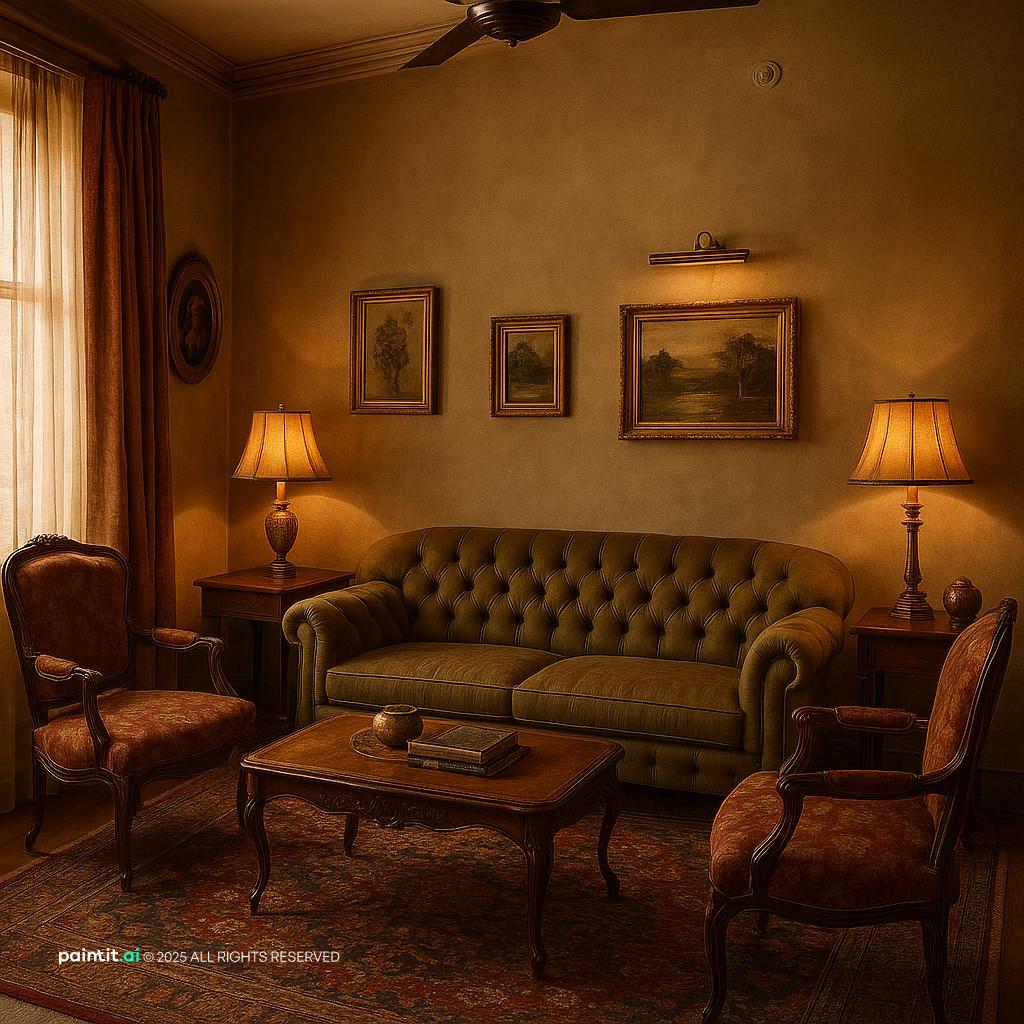
Select a rug that complements your color scheme without dominating it. A hooked rug with a simple geometric pattern or a braided rug in a blend of muted colors would be ideal. It defines seating areas and adds a crucial layer of softness underfoot. The thing is, a bare floor can feel unfinished.
-
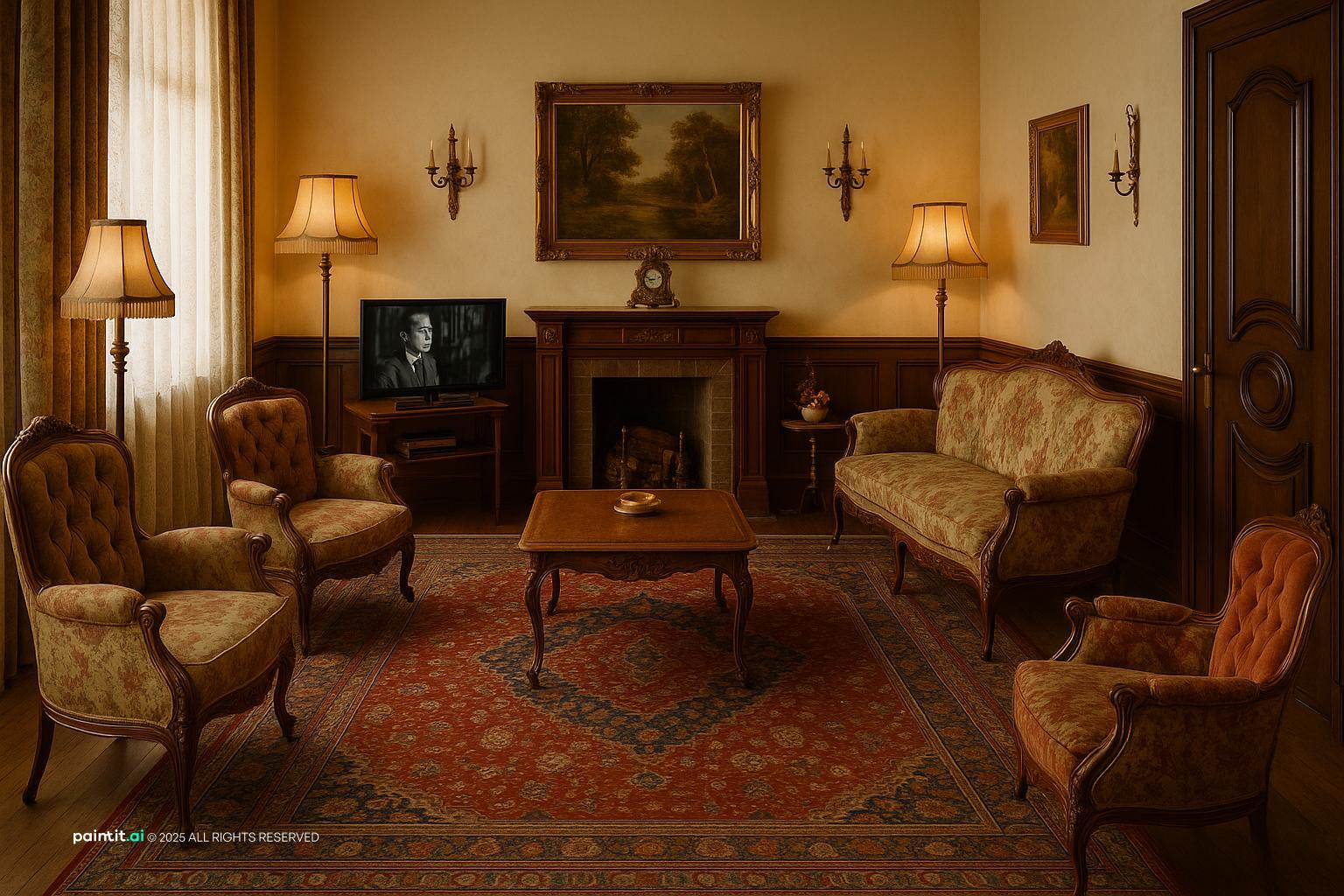
Pro Tip: To achieve this effect, try a small, round braided rug under a coffee table to delineate the space.
-
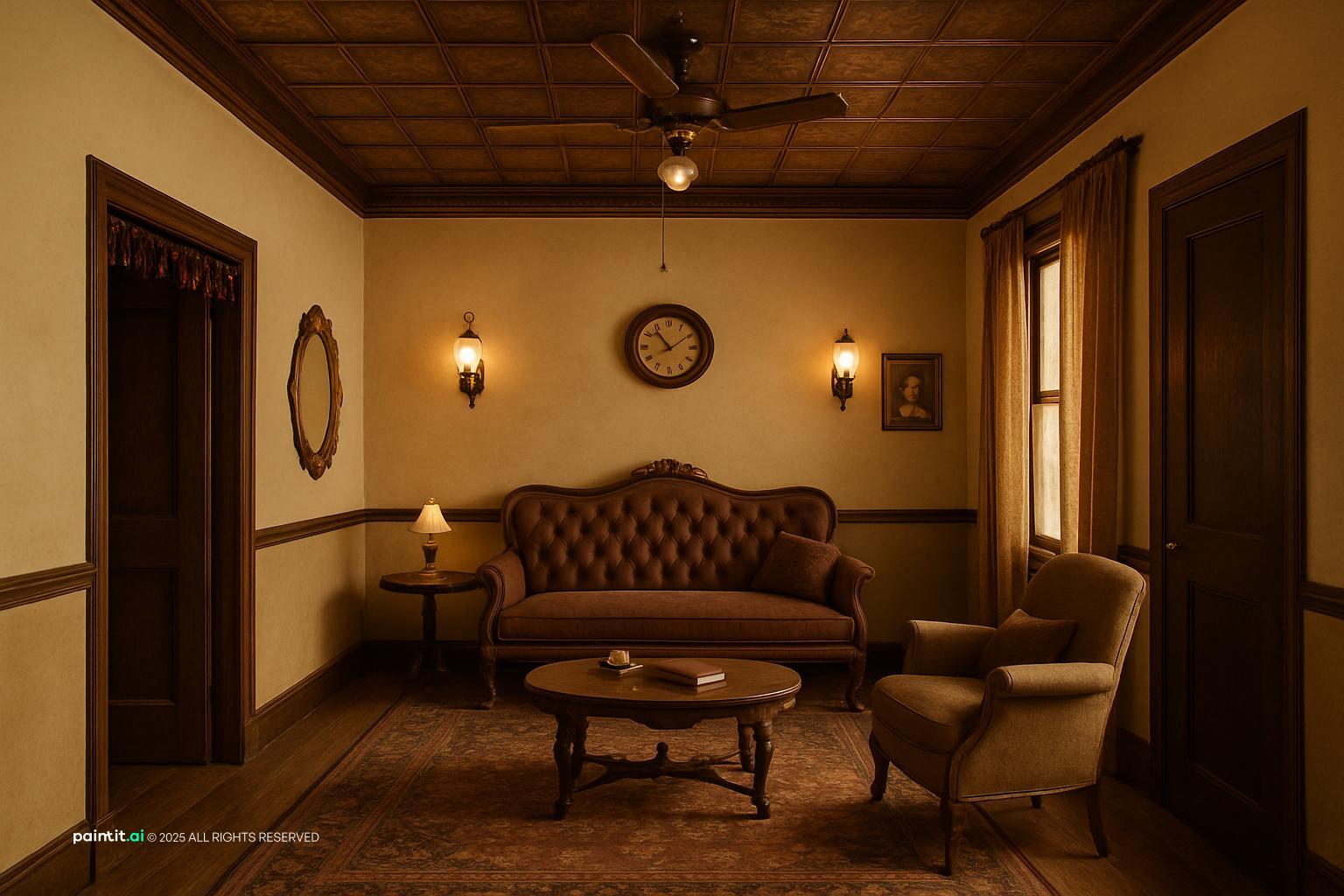
Functionality was paramount, and accent tables served a clear purpose: holding lamps, books, or a teacup. These weren't grand, statement pieces, but rather practical, often small, tables that blended seamlessly into the room.
-
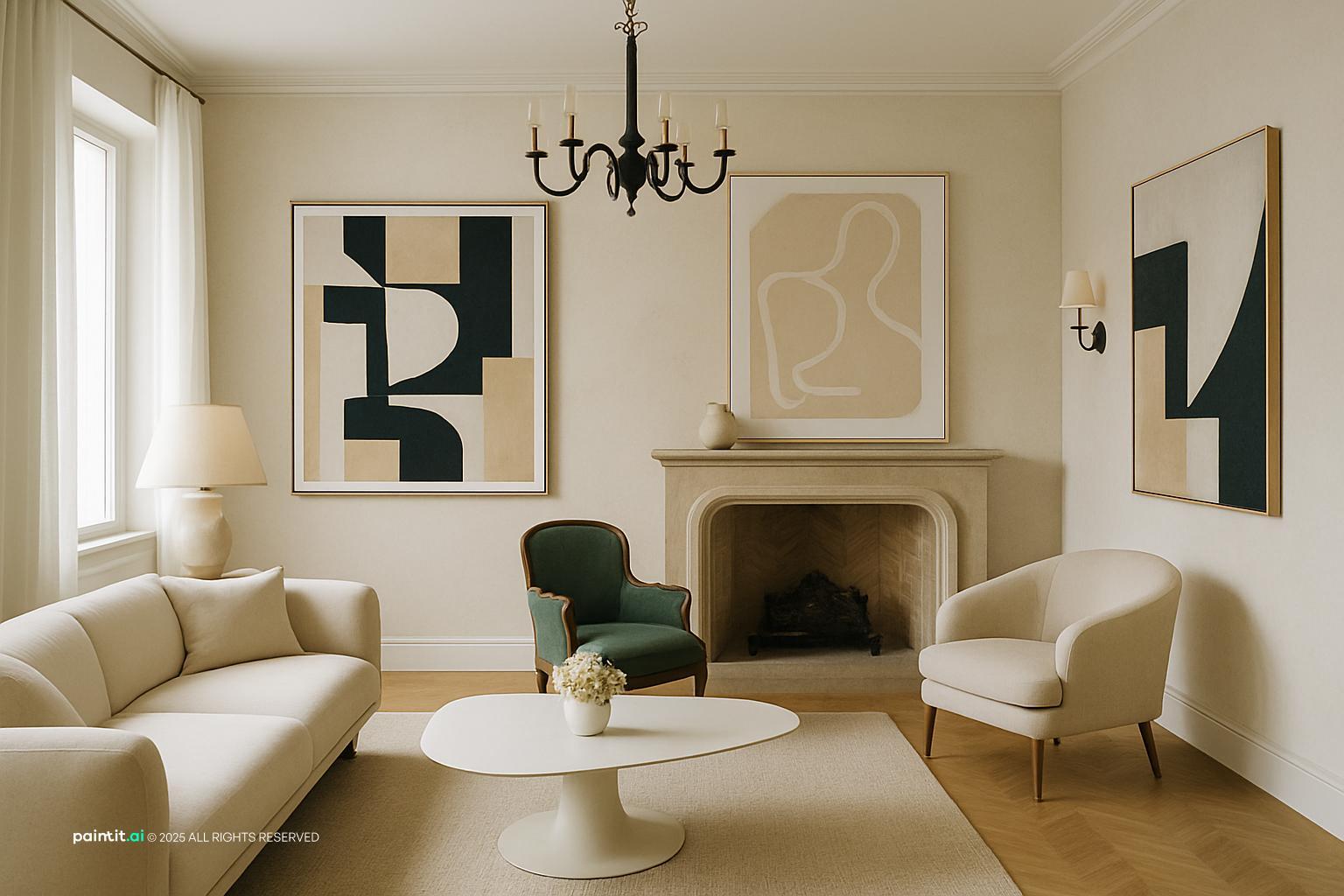
Look for small, round side tables in wood, or perhaps a simple rectangular coffee table. Glass tops were sometimes used, but often paired with a wooden base. The goal is utility and ease of movement. Avoid anything overly ornate or oversized; it just didn’t fit the era’s ethos.
-
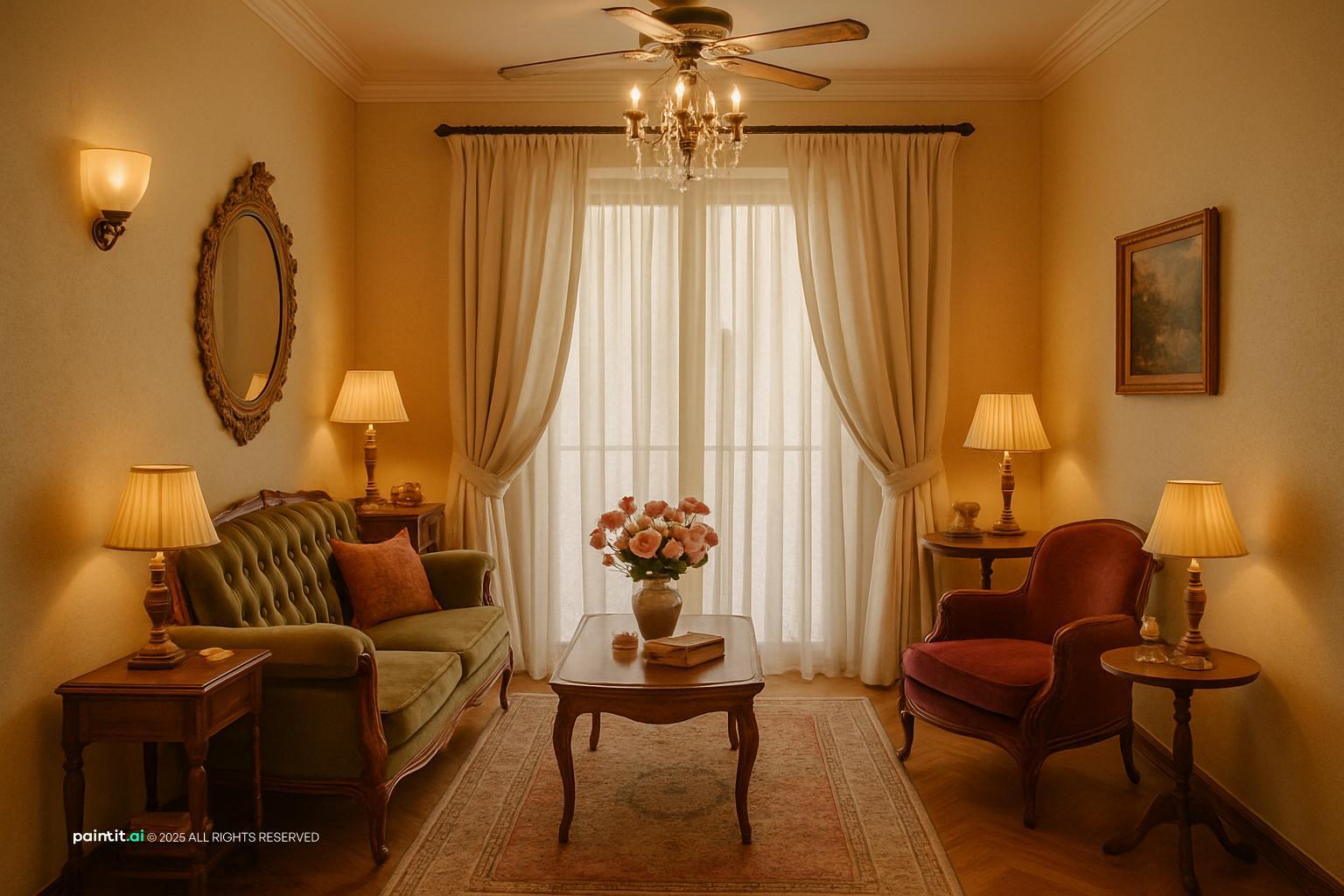
Pro Tip: To achieve this effect, try a small, tiered end table next to an armchair for holding essentials.
-
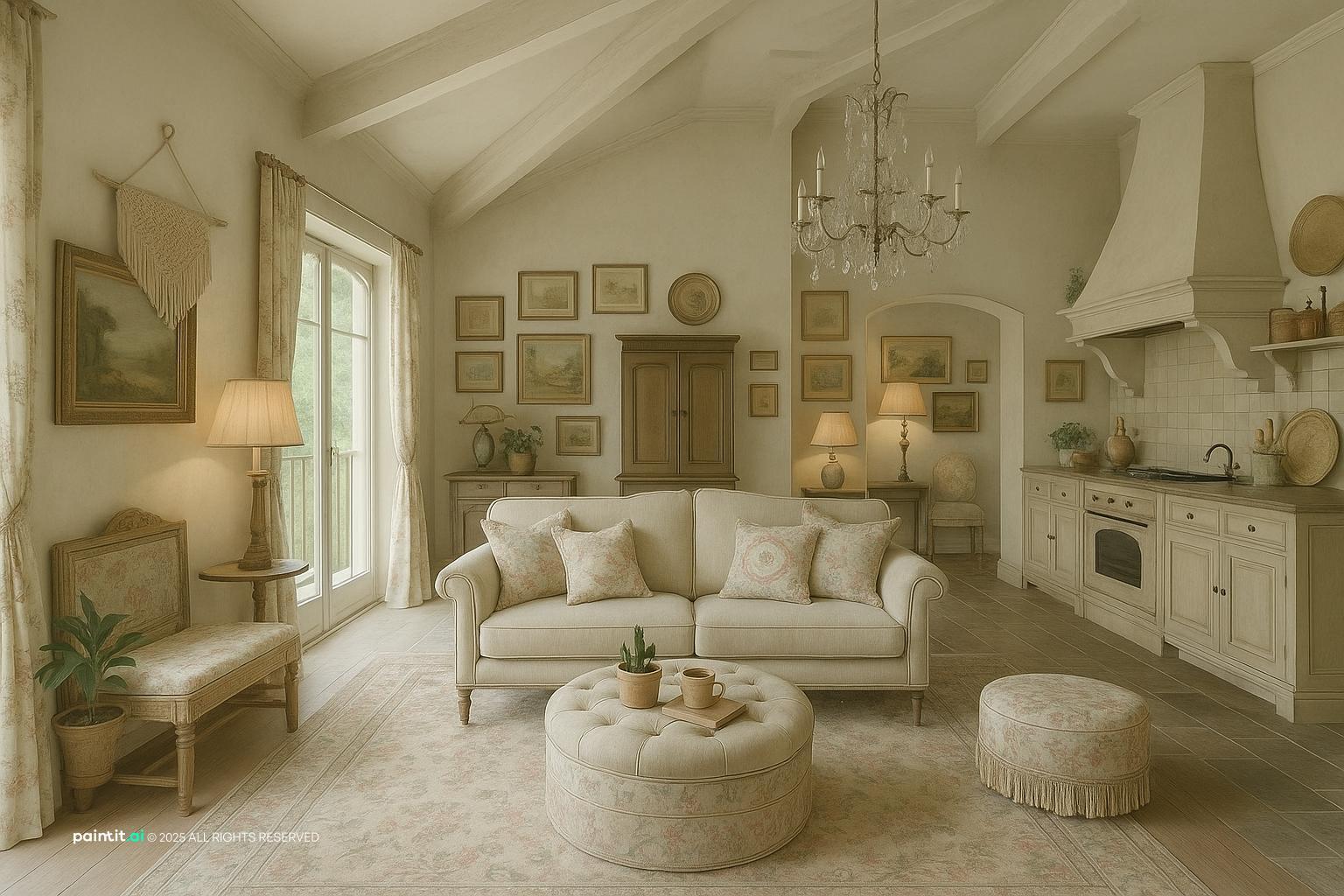
A 1940s living room felt lived-in, filled with personal items that told a story. This could be anything from family photographs to small ceramic figurines, Bakelite objects, or souvenirs from travels. It was about personal history, not mass-produced decor.
-
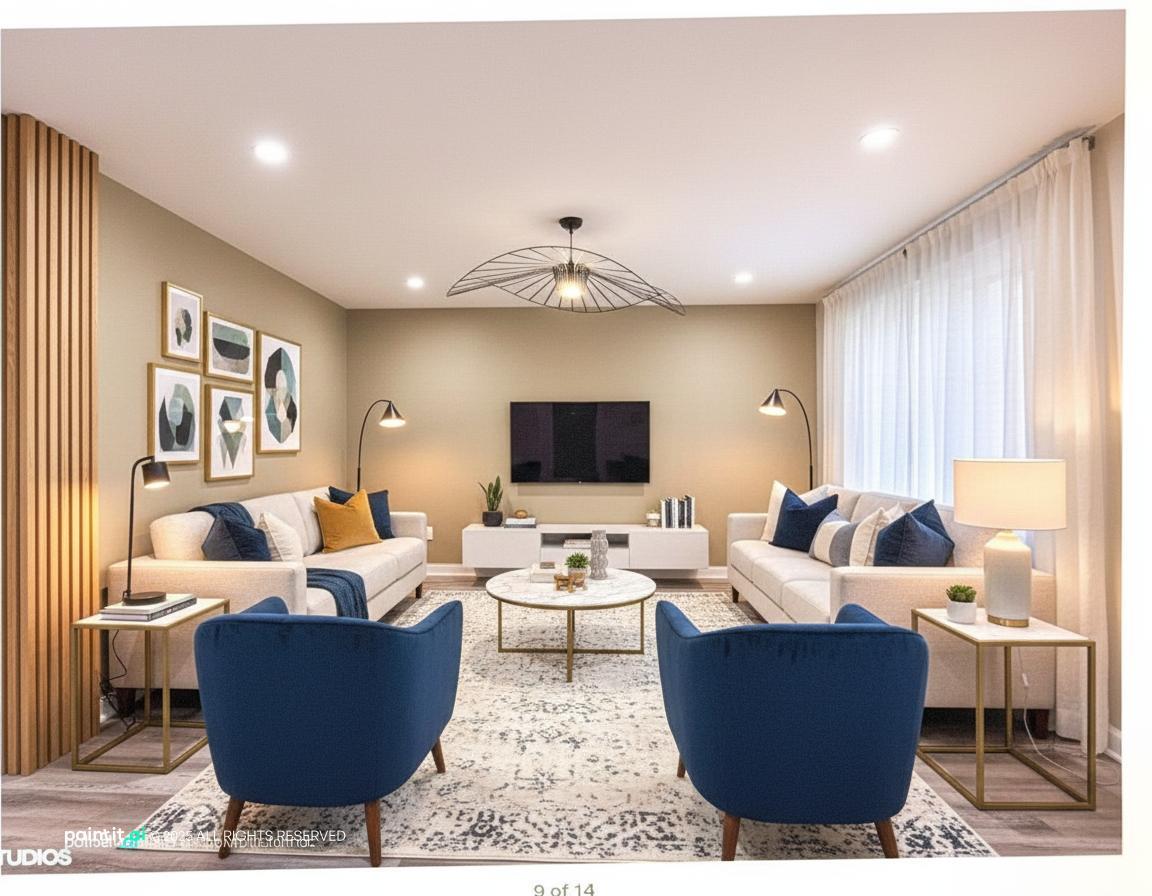
Display a small collection of vintage ceramics on a shelf, or arrange old family photos in simple wooden frames. A Bakelite clock or a small, decorative plate could add a distinctive touch. These items should feel collected over time, not bought all at once. Here’s the kicker: authenticity shines through personal curation.
-
Pro Tip: To achieve this effect, try grouping a few small, meaningful objects on a tray on your coffee table.
Crafting the Heart of a 1940s Home to Life with Paintit.ai
-
For a truly authentic 1940 living room feel, we often gravitate towards a gentle palette. Think creamy whites or soft taupes as your base, grounding the space. Introduce muted sage green or a dusty blue for a calming secondary layer. Then, a touch of brick red or warm honey can act as a subtle accent, preventing the room from feeling too flat. It’s about quiet harmony, not bold statements.
-
Wood, especially maple or oak, forms the backbone of any 1940's living room, bringing a natural, grounding warmth to the room. We see it in furniture frames and console tables, providing a sense of permanence. Sturdy textiles like chenille or tweed on upholstery invite comfort and resilience, while a touch of chintz or a simple cotton floral adds a cheerful, lived-in texture. The truth is, these materials were chosen for their practicality and longevity.
-
A low-backed sofa with clean lines and an exposed wooden frame is non-negotiable; it anchors the space with understated elegance. Pair it with a substantial, yet not bulky, armchair upholstered in a durable fabric. And for that quintessential touch in a 40s living room? A radio console, even if purely decorative, serves as a powerful focal point, inviting conversation and reflection. Proportions here are key, nothing too grand.
-
Forget harsh overhead lights; a 1940s living room thrives on layered illumination. We aim for a soft, ambient glow from a fabric-shaded floor lamp in one corner, perfect for general warmth. Task lighting comes from a ceramic-based table lamp beside an armchair, ideal for reading. Accent lighting might be a small Bakelite lamp on a console, highlighting a cherished object. It creates an intimate, inviting atmosphere.
-
Personal touches truly bring a 1940s living room to life. We’ve found that applying the 3-5-7 rule works wonders for display. Start with three larger items, like a framed botanical print, a substantial ceramic vase, and perhaps a vintage clock on a mantel. Then, add five medium-sized pieces: a stack of well-loved books, a small potted fern, a couple of framed family photos, and a decorative plate. Finally, seven smaller trinkets—think ceramic figurines, a collection of postcards, or even a small, polished stone—scattered thoughtfully. It’s about collected history, not clutter. This approach ensures visual balance and a narrative feel, making the space feel genuinely curated over time.
Paintit.ai: Seeing Your 1940s Living Room Come Alive Before the First Purchase Design Ideas
It's tricky to nail the authentic feel of a 1940s living room, isn't it? You want that cozy, resilient charm, but visualizing how a chintz armchair will truly blend with a streamlined maple console, or if that vintage radio will anchor the room just right, often leads to hesitation and costly guesswork when designing a 40s living room. The truth is, we've all been there, wondering if a particular shade of sage green will clash with the oak flooring in our potential 1940 living room. Paintit.ai lets you upload your own room photo and instantly swap out furniture, experiment with chintz patterns, or even test different wood finishes for your ideal 1940's living room, all in seconds. It’s about making confident design choices, avoiding those 'oops' moments; why not give it a try and see your vision for a perfect 1940s living room materialize?
FAQ
-
The 1940s living room was, above all, a space shaped by practicality and resilience. Think less about opulent flourishes and more about sturdy, functional pieces that could withstand the times. With wartime rationing and a focus on utility, homes became havens of comfort without excess. I’ve seen many examples where the emphasis was on creating a cozy, inviting atmosphere, often with furniture built to last, rather than to impress with fleeting trends. It was a time of making do, of repurposing, and of valuing the things you had.
-
Color choices in a 1940 living room often leaned towards muted, earthy tones—think sage greens, dusty blues, soft beiges, and creams. These were practical colors, less prone to showing wear, and they also reflected a certain wartime austerity. You'd also find patriotic accents, like pops of deeper reds or navy, used sparingly, perhaps in a throw pillow or a small ceramic vase. The truth is, bright, bold colors were less common; people were conserving resources, and vibrant dyes weren't always a priority. It's about creating a calm, grounded backdrop.
-
Furniture in a 40s living room was generally robust and unpretentious. Sofas and armchairs were often upholstered in durable fabrics like chintz, floral patterns, or even simple tweeds, featuring solid wood frames—oak or maple were common. Pieces tended to be a bit heavier, less streamlined than what came later, but still comfortable. You might see a lingering influence of Art Deco in some rounded edges or geometric details, but the overall vibe was more about comfort and longevity. It wasn't about fleeting design; it was about pieces that served a family well, day in and day out.
-
In a 1940's living room, decorative elements were thoughtful, often handmade, or inherited. We're talking about practical items that also offered a touch of warmth. Think knitted afghans draped over a sofa, framed family photographs, or a collection of ceramic figurines on a mantelpiece. Materials were natural and accessible: wood, often dark-stained, for side tables and bookshelves; simple cotton or linen for curtains; and perhaps a braided rug on the floor. Lighting was usually functional, with floor lamps providing ambient light and smaller table lamps for reading. It was less about curated displays and more about personal touches that made a house a home.
-
Bringing the charm of a 1940s living room into a contemporary space is all about selective curation. I've seen this work best by focusing on the core principles: comfort, durability, and a sense of history. Start with a few key pieces—maybe a sturdy, upholstered armchair with a classic silhouette, or a vintage wooden console table. Pair these with modern elements to keep things fresh. Use a muted color palette as your base, then introduce texture through natural fabrics like wool or linen. Avoid going overboard with period-specific accessories; instead, choose one or two meaningful items, like a vintage radio or a framed botanical print. The kicker? It’s about creating an inviting, lived-in feel, not a museum exhibit. It's about blending the past's warmth with today's clean lines.