9 min. reading
How to Redesign a Home Exterior with Paintit.ai

Yulii Cherevko
CEO paintit.ai
Page Contents:
- 1. Why Exterior Design Is Different
- 2. What Makes a Strong Exterior Result
- 3. Massing First, Materials Second
- 4. How to Build a Better Exterior Prompt
- 5. Exterior Prompt Cards
- 6. How to Compare Exterior Directions
- 7. Advanced Exterior Techniques
- 8. Frequently Asked Questions
- 9. Related articles
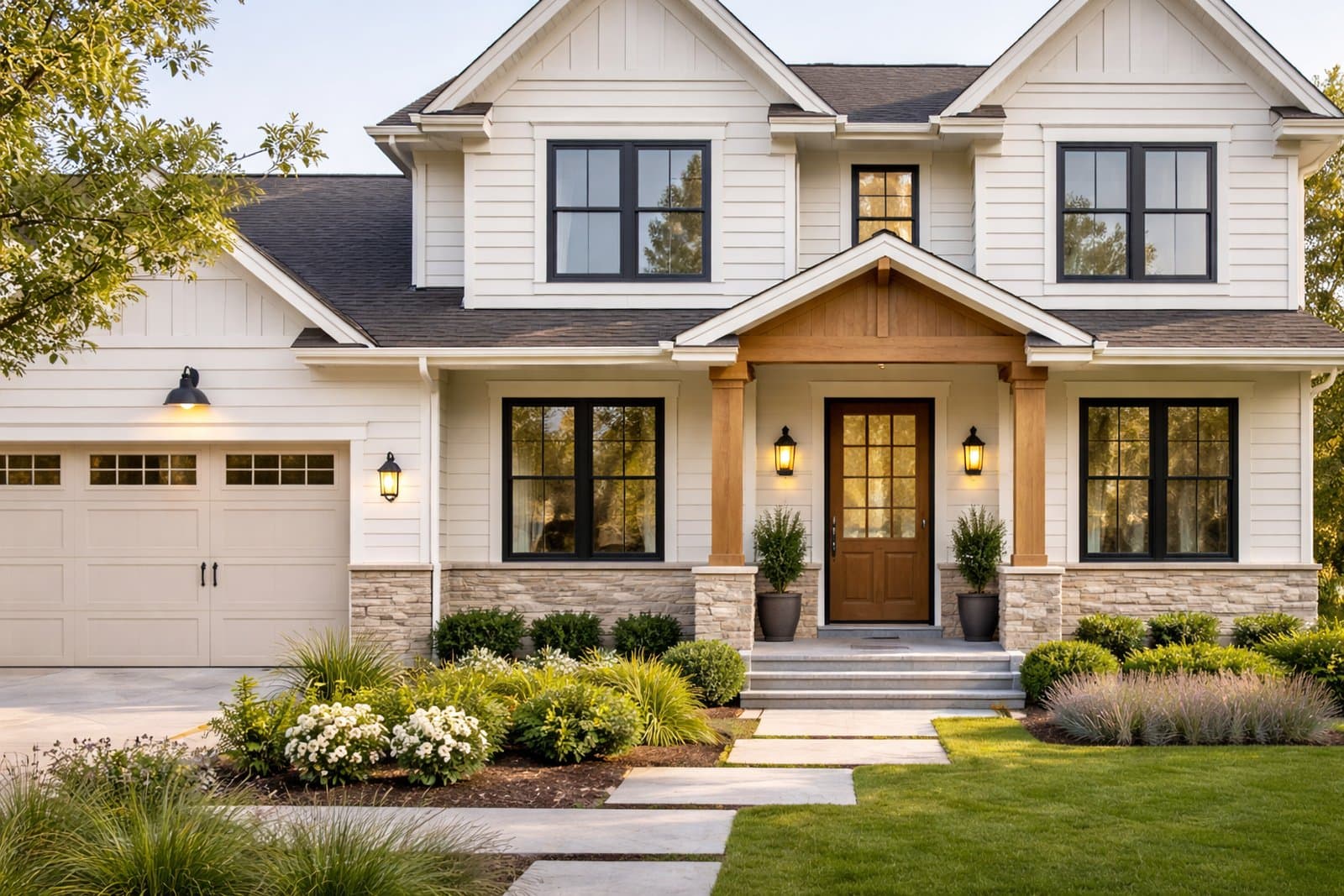
Exterior design works differently from interior design. The strongest results come from respecting the building shape, improving facade hierarchy, choosing cleaner material systems, and controlling landscaping mood without turning the house into something unrecognizable. This guide shows how to get more believable, premium exterior concepts in Paintit.ai.
Why Exterior Design Is Different
With exteriors, small facade decisions change the whole identity of the house.
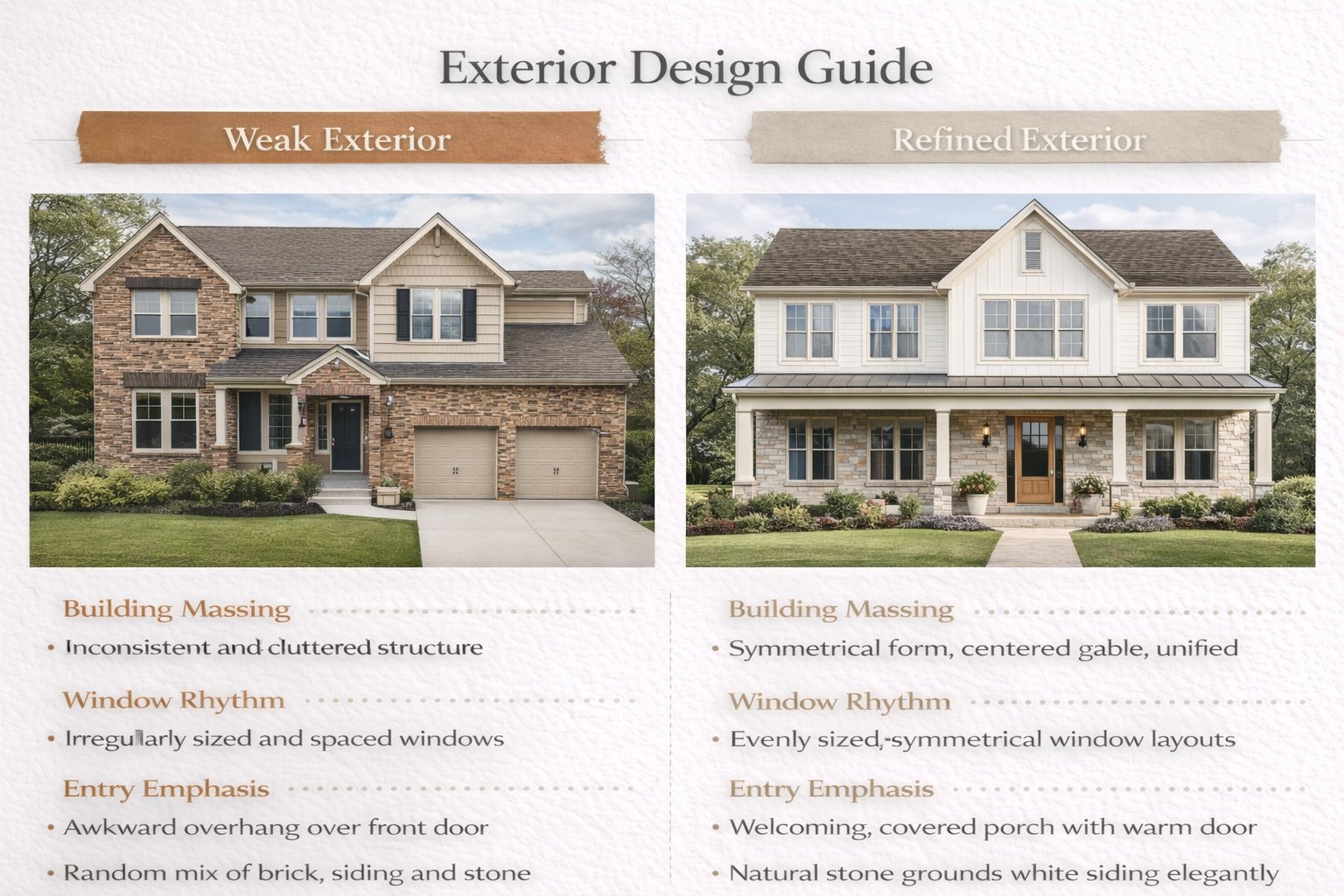
Exterior work is more sensitive to architectural proportion than many users expect. Window rhythm, roof line, facade breaks, entry emphasis, material contrast, and landscaping all influence curb appeal. If these elements feel disconnected, the result may look flashy but not believable.
What makes exterior design more technical
Building massing matters — the overall shape and volume of the house should still make sense.
Facade hierarchy matters — entry, main wall surfaces, windows, frames, and trim need a readable order.
Material transitions matter — wood, stone, plaster, metal, and paint should connect cleanly.
Landscaping mood matters — exterior realism often depends on how hardscape and planting support the house.
This is why strong exterior prompts usually need better control language than simple “make it modern” requests.
What Makes a Strong Exterior Result
The best exterior concepts feel upgraded, not artificially replaced.
A strong Paintit.ai exterior should improve the identity of the house while preserving the logic of the building. The facade should feel cleaner, more intentional, and more premium — but still plausible for the original architecture.
A strong exterior result usually gets these things right
Clear facade hierarchy — the main surfaces, secondary surfaces, entry zone, and trim feel organized.
Believable material family — cladding, plaster, stone, metal, and frames work as one system.
Controlled contrast — enough visual depth to feel premium, without making the facade chaotic.
Landscape support — the planting and ground plane reinforce the architecture instead of distracting from it.
Recognizable structure — the house still looks like the same house, only better resolved.
Exterior design becomes much stronger when improvement feels architectural rather than purely decorative.
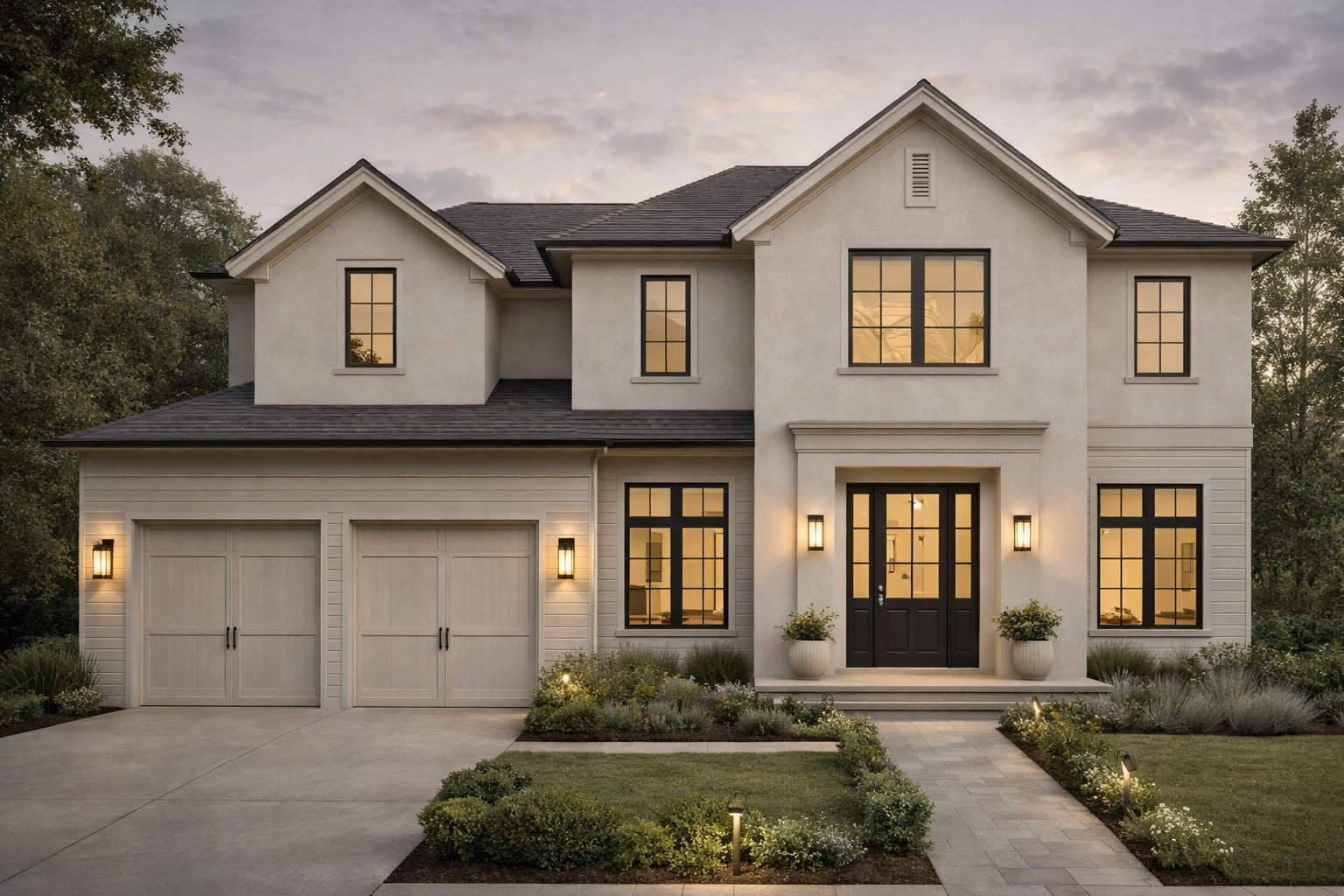
Massing First, Materials Second
The most common exterior mistake is changing the finish language without respecting the building form.
A house does not become better just because it gets trendy materials. Before choosing wood slats, dark frames, or textured plaster, make sure the facade reads clearly as a set of volumes, openings, and entry moments.
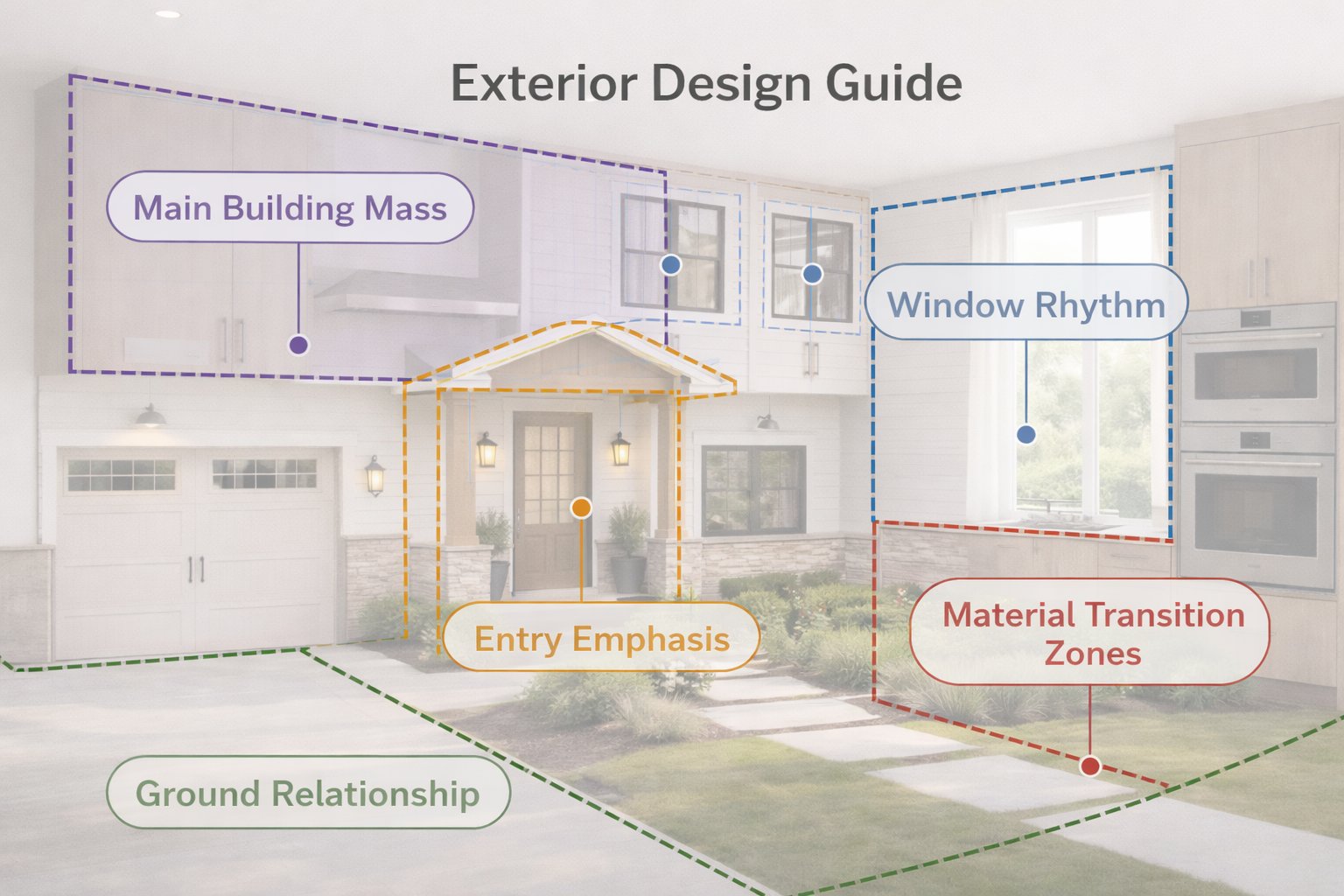
The 5 key exterior anchors
Main mass — the dominant body of the house.
Entry emphasis — what visually tells you where the entrance is.
Window rhythm — how frames and openings organize the facade.
Material transition zones — where one finish begins and ends.
Ground relationship — steps, paving, grass, gravel, and planting at the base of the house.
One of the best ways to improve exterior results is to preserve the building shape first and only then refine cladding, palette, frame color, and landscape mood.
Technical tip
If the house already has a workable form, keep the building shape and window placement unchanged in the first round. That usually produces much more believable curb-appeal upgrades.
How to Build a Better Exterior Prompt
The strongest exterior prompts define architectural character, facade system, and control logic clearly.
Weak exterior prompts usually ask for “modern house exterior” without explaining what should change, what should stay fixed, and what material family should dominate. Stronger prompts do all three.
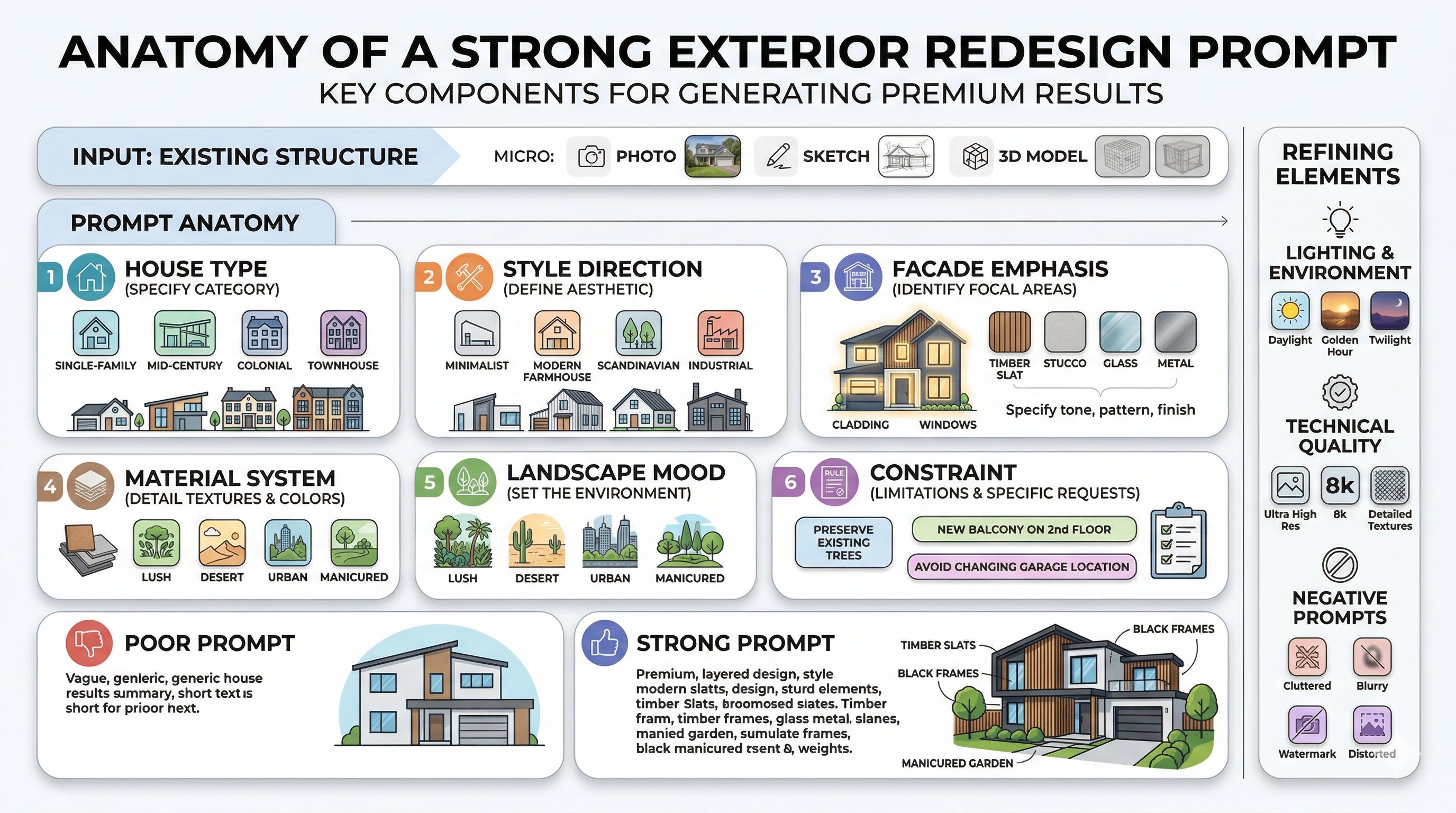
A practical exterior prompt structure
[House type] + [Style direction] + [Facade emphasis] + [Material system] + [Landscape mood] + [Constraint]
What to define more clearly
House type — suburban house, villa, compact modern home, traditional home, flat-roof home, pitched-roof home.
Style direction — organic modern, Scandinavian exterior, minimal contemporary, warm Mediterranean, refined dark modern.
Facade emphasis — entry, central volume, upper cladding, window frames, garage face, porch zone.
Material system — off-white plaster, warm wood cladding, light stone base, dark slim frames, black metal accents.
Landscape mood — clean gravel, soft greenery, minimal planting, lush modern landscaping, dry-climate restraint.
Constraint — keep the building shape, windows, and roofline unchanged when needed.
Example of a technically stronger exterior prompt:
Redesign this house exterior in an organic modern style with warm wood cladding, off-white textured walls, a subtle stone base, dark slim window frames, and restrained premium landscaping. Keep the building shape, roofline, and window placement unchanged.
This works better because it defines facade logic, materials, landscape tone, and control in one structured request.
Exterior Prompt Cards
Use these as copy-ready starting points for the most useful exterior directions.
Core exterior prompt cards
Organic modern exterior
Redesign this house exterior in an organic modern style with warm wood cladding, off-white textured walls, dark slim frames, restrained greenery, and a premium natural look. Keep the building shape and window placement unchanged.
Minimal contemporary exterior
Transform this exterior into a minimal contemporary facade with light neutral walls, clean dark accents, simple modern landscaping, and a sharper architectural appearance. Preserve the roofline, openings, and overall structure.
Warm modern family home
Redesign this house exterior as a warm modern family home with soft neutral facade tones, natural wood accents, welcoming entry emphasis, and balanced planting. Keep the building proportions and facade geometry unchanged.
Special-use exterior cards
Dark contrast modern exterior
Update this house exterior with darker window frames, charcoal accents, a cleaner entry zone, and a more architectural contemporary look while keeping the main facade balanced and believable. Preserve the building shape and openings.
Facade refresh only
Refresh this exterior by improving the facade palette, entry emphasis, and landscape mood without changing the house architecture. Keep the structure and window layout unchanged.
Best practice: decide the facade material family first, then the frame contrast, then the landscaping mood. That order usually produces stronger exterior outputs.
How to Compare Exterior Directions
Exterior comparison works best when the versions differ by facade system, not by random styling noise.
For exteriors, comparison should focus on material contrast, frame language, entry emphasis, and landscape mood. These are the factors that most strongly affect curb appeal.
A useful comparison framework
Version 1 — light and clean
Version 2 — warmer and more natural
Version 3 — darker premium contrast
Version 4 — balanced curb-appeal winner
This makes it easier to choose a direction that feels architecturally coherent, not just visually trendy.
Advanced Exterior Techniques
These small technical moves often make the difference between a nice exterior image and a convincing facade concept.
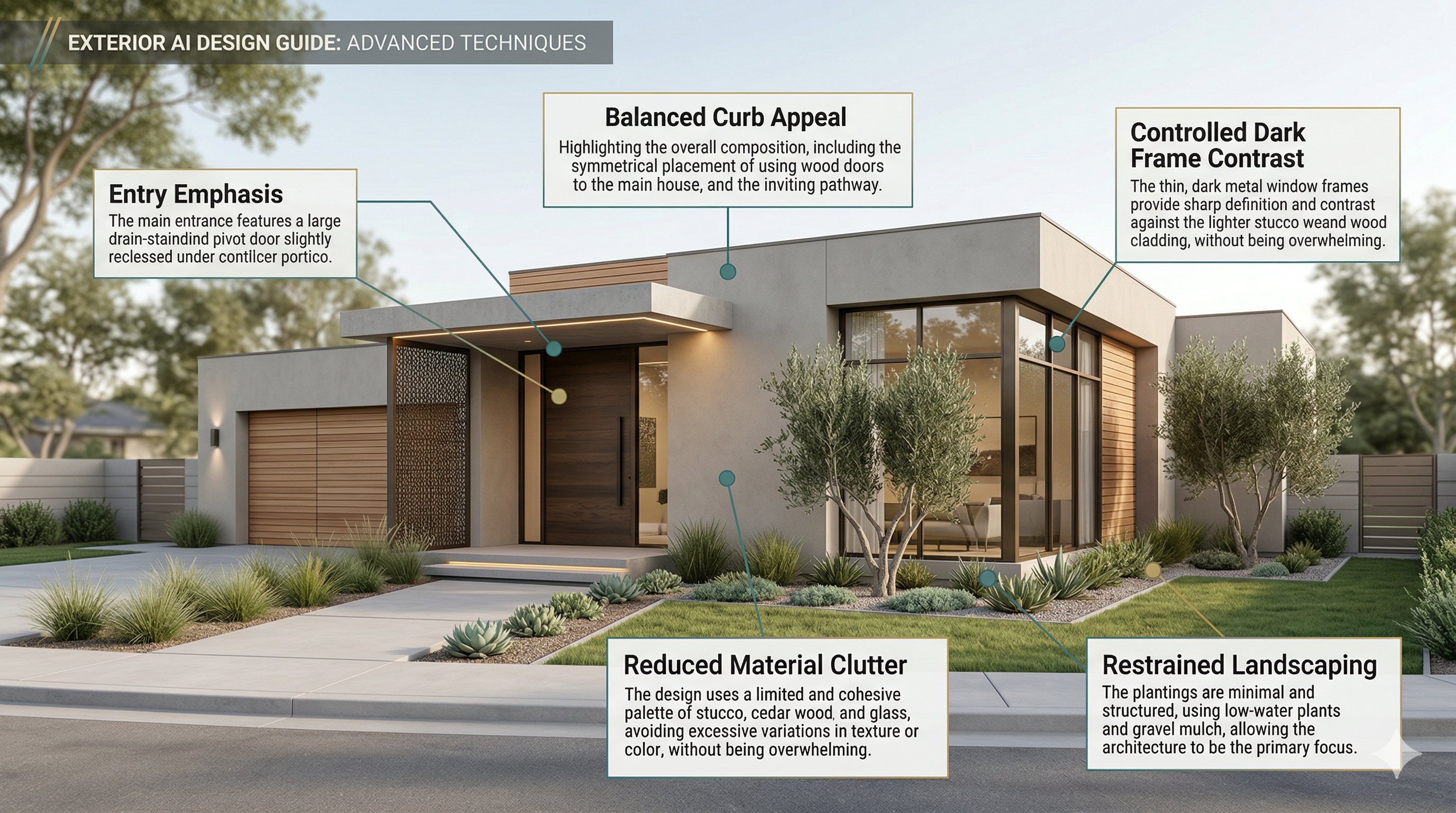
Technique 1 — Use fewer material families
Exteriors usually look more premium when two or three strong facade materials work together instead of many competing finishes.
Technique 2 — Emphasize the entry
A clearer entry zone often improves the whole facade, even if the rest of the building stays almost the same.
Technique 3 — Keep frame contrast intentional
Dark frames can sharpen the facade, but only if the surrounding material palette supports that contrast.
Technique 4 — Use landscaping as support, not noise
The best landscape prompts reinforce the building shape and mood instead of competing for attention.
Technique 5 — Match realism to architecture
A modest house usually looks stronger with a restrained premium upgrade than with an overly dramatic luxury transformation.
Exterior refinement usually comes from hierarchy, restraint, and better relationships — not from adding more visual effects.
Frequently Asked Questions
What is the most important part of an exterior redesign?
Usually facade hierarchy: building massing, window rhythm, entry emphasis, and material transitions need to work together.
How do I make a house exterior feel more premium?
Use fewer stronger materials, clearer frame logic, a better entry moment, and restrained landscaping that supports the facade.
Should I keep the building shape unchanged?
In most cases, yes at first. Preserving the roofline, windows, and building mass usually makes the redesign more believable and useful.
What is the biggest technical mistake in exterior prompts?
Asking for a modern or luxury exterior without defining facade material hierarchy, entry emphasis, or what should remain structurally fixed.
How do I reduce visual clutter in exterior results?
Simplify the material family, reduce random accents, keep landscape cleaner, and use contrast more intentionally.
How many exterior directions should I compare?
Usually three to four materially distinct facade directions are enough before refining one final curb-appeal route.
Redesign Your Exterior
Upload your house, define a stronger facade system, and turn it into a more believable, premium, and better-structured exterior concept with Paintit.ai.
Related articles
Trending
How to Design a Kitchen with Paintit.ai
How to Visualize a Bathroom with Paintit.ai
How to Design a Bedroom with Paintit.ai
Neo Deco Paint Techniques: Creating Glamorous Geometric Walls
Is There an App to Remodel My Bathroom with Just a Photo?
Related articles
9 min read
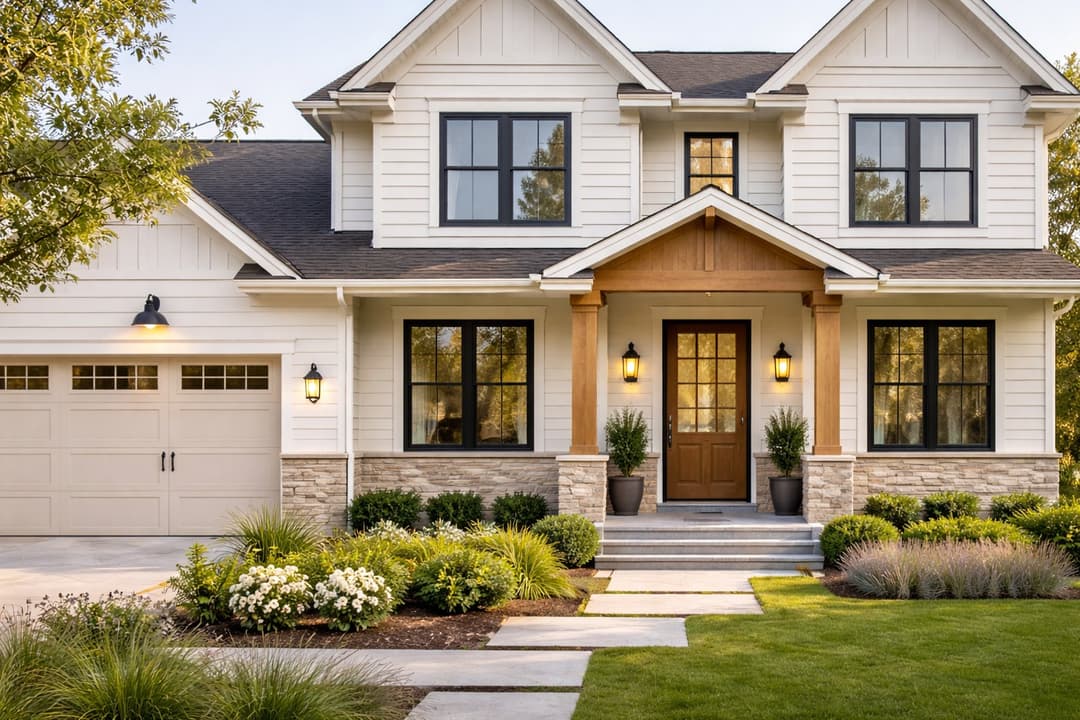
How to Redesign a Home Exterior with Paintit.ai
Learn how to redesign a home exterior with Paintit.ai using better facade logic, cleaner material systems, realistic curb-appeal upgrades, stronger prompt control, and more believable exterior concepts
Yulii Cherevko
CEO paintit.ai
9 min read
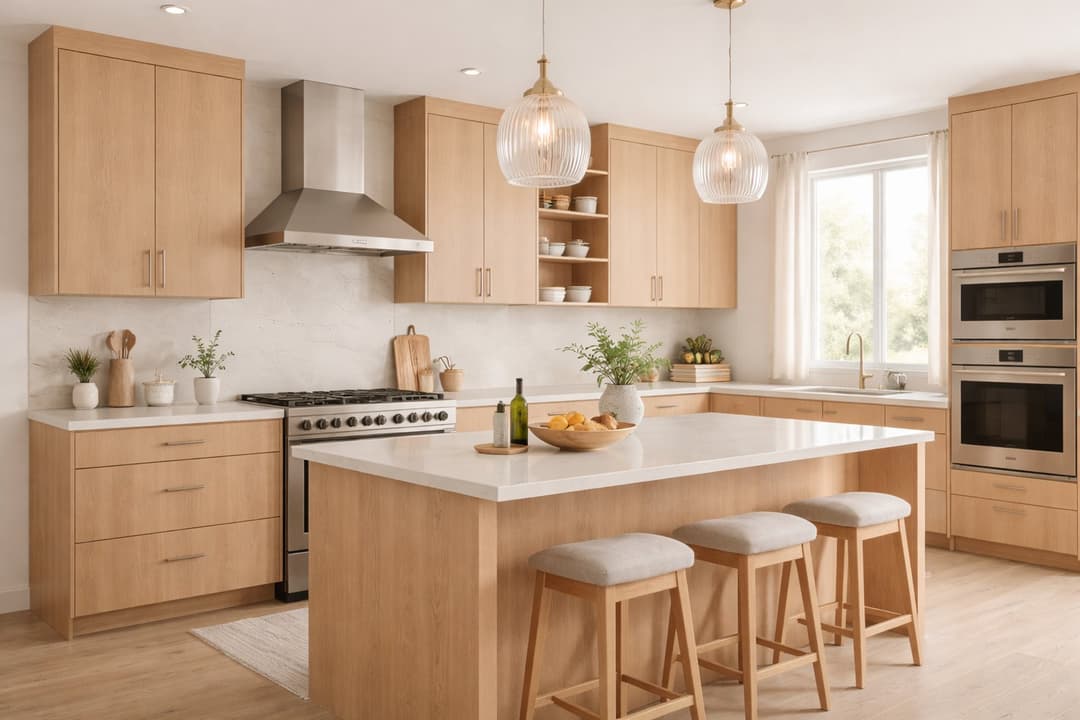
How to Design a Kitchen with Paintit.ai
Learn how to design a kitchen with Paintit.ai using stronger layout logic, better cabinet rhythm, cleaner material systems, realistic appliance placement, and more believable kitchen concepts
Yulii Cherevko
CEO paintit.ai
9 min read
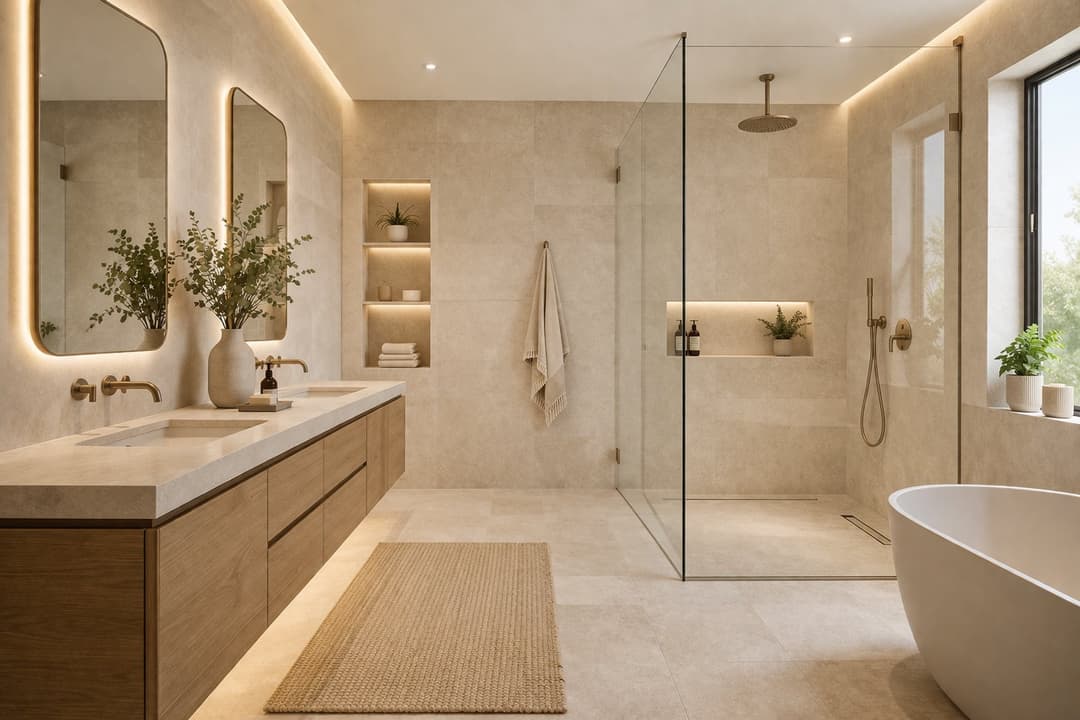
How to Visualize a Bathroom with Paintit.ai
Learn how to visualize a bathroom with Paintit.ai using better wet-zone logic, cleaner material prompts, realistic scale, stronger lighting control, and more believable bathroom concepts
Yulii Cherevko
CEO paintit.ai
9 min read
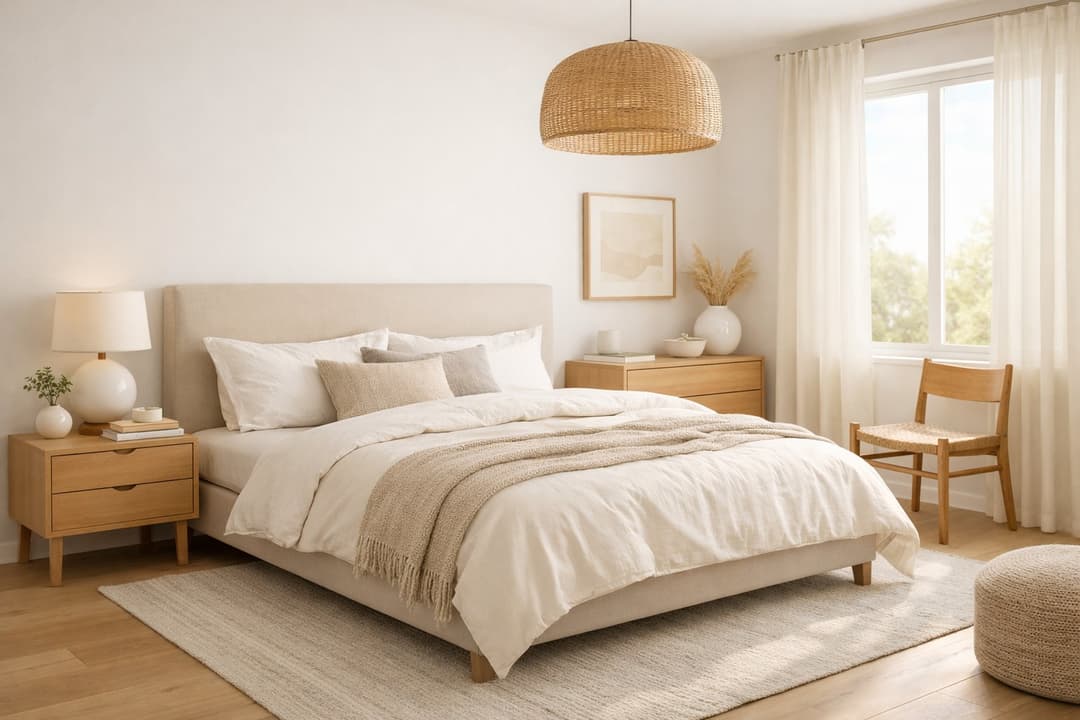
How to Design a Bedroom with Paintit.ai
Learn how to design a bedroom with Paintit.ai using better bed placement logic, calmer palettes, stronger prompts, realistic furniture scale, and more controlled bedroom concepts
Yulii Cherevko
CEO paintit.ai