9 min. reading
How to Design a Bedroom with Paintit.ai

Yulii Cherevko
CEO paintit.ai
Page Contents:
- 1. Why Bedroom Design Is Different
- 2. What Makes a Strong Bedroom Result
- 3. Bed First, Everything Else Second
- 4. How to Build a Better Bedroom Prompt
- 5. Bedroom Prompt Cards
- 6. How to Compare Bedroom Directions
- 7. Advanced Bedroom Techniques
- 8. Frequently Asked Questions
- 9. Related articles
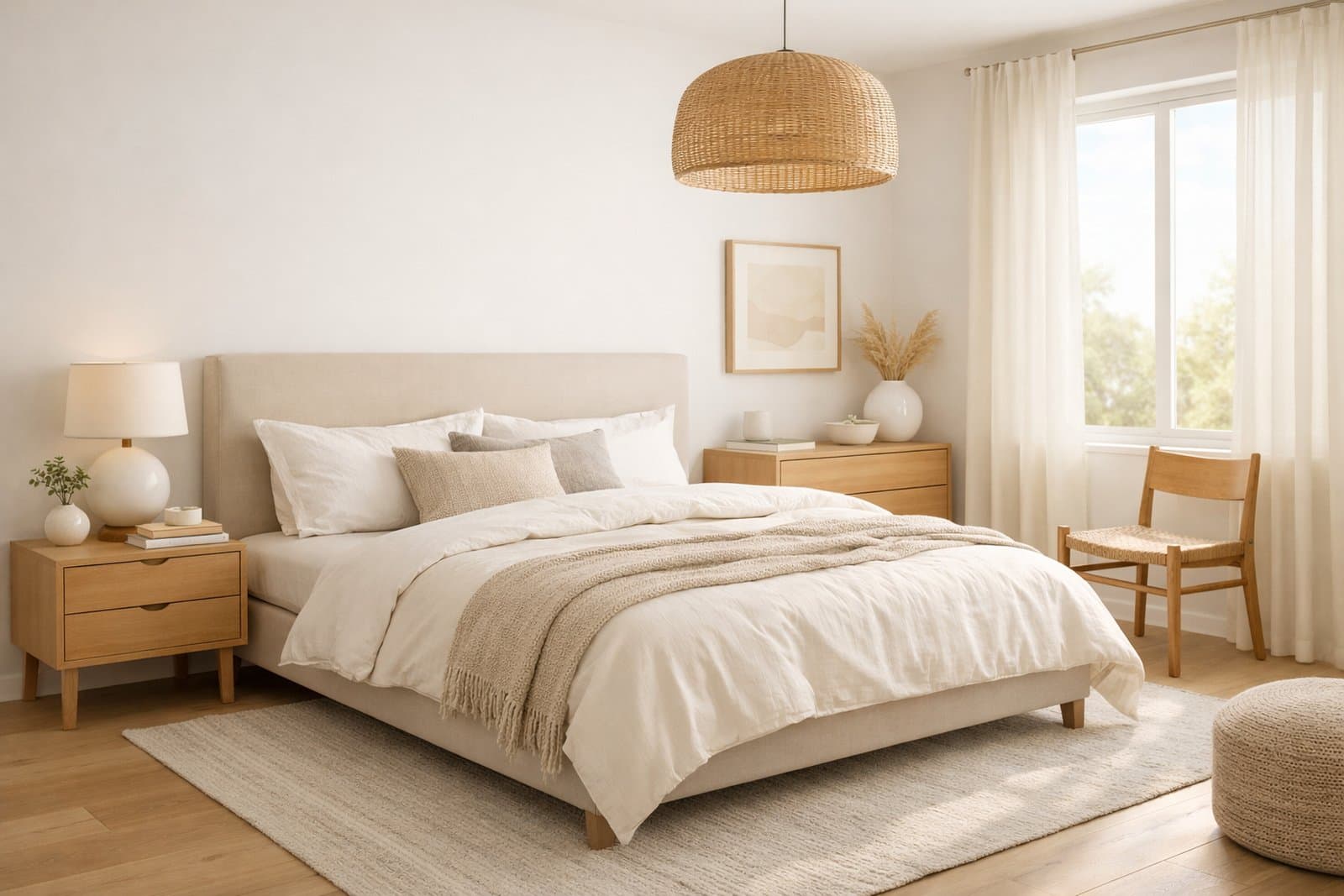
Bedrooms work differently from living rooms. The goal is usually not visual drama, but comfort, calm, softness, and better spatial balance. This guide shows how to get more believable bedroom concepts in Paintit.ai with stronger bed placement, better furniture scale, cleaner styling, and more controlled mood.
Why Bedroom Design Is Different
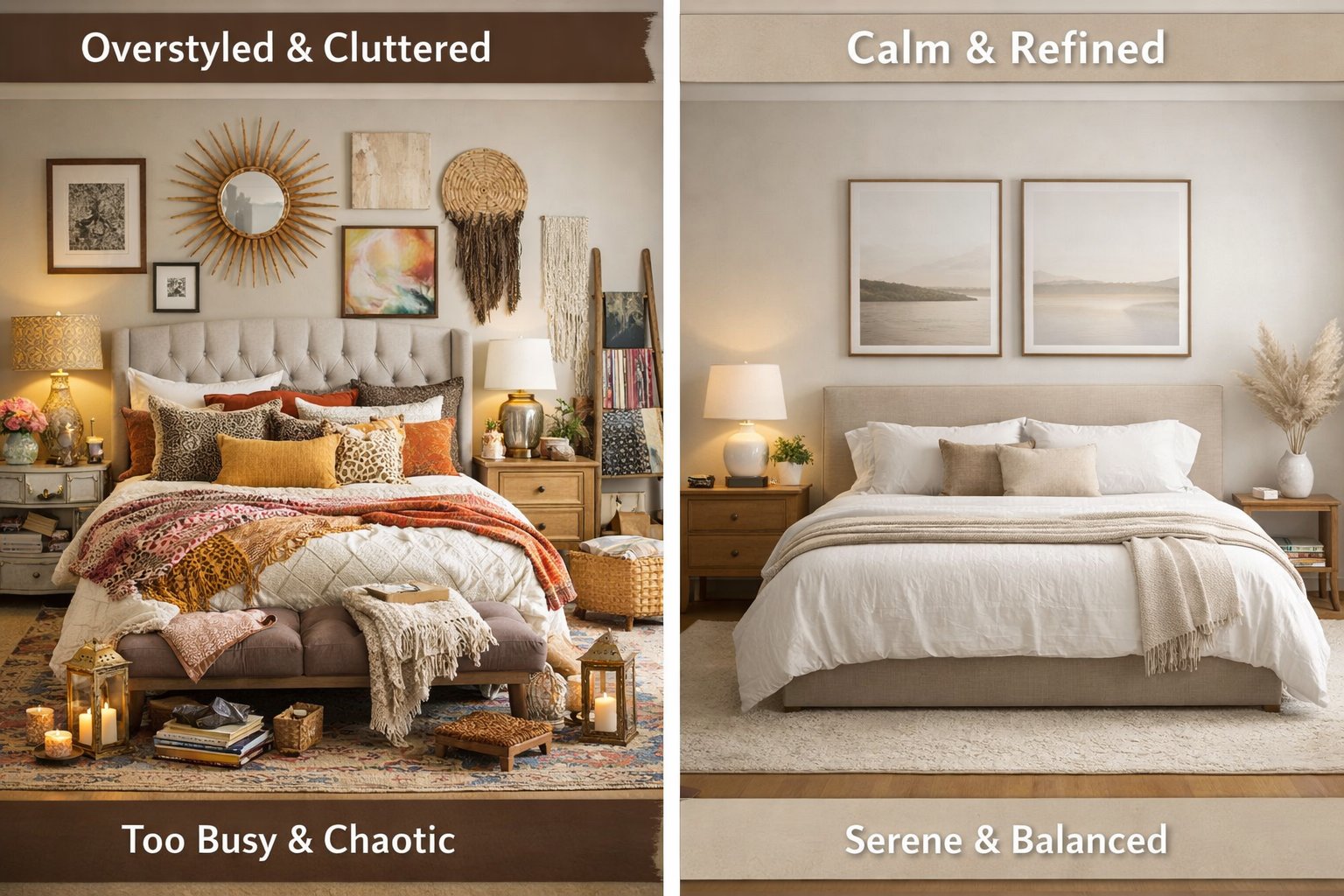
A bedroom should feel calmer, softer, and more controlled than most other rooms.
Bedrooms are less about display and more about recovery, privacy, comfort, and rhythm. That changes how Paintit.ai results should be evaluated. A bedroom can be visually beautiful and still feel wrong if the bed placement is awkward, the styling is too loud, or the atmosphere is too sharp.
What matters most in bedroom design
Bed placement — the bed is the primary anchor and usually defines the room logic.
Visual calm — bedrooms usually need lower visual noise than living rooms or social spaces.
Soft material language — textiles, wall tone, curtains, and lighting matter more than aggressive styling.
Emotional tone — the room should feel restful, intimate, and coherent.
This is why a strong bedroom result is usually about restraint, proportion, and atmosphere more than novelty.
What Makes a Strong Bedroom Result
The best bedroom concepts feel restful, believable, and spatially balanced.
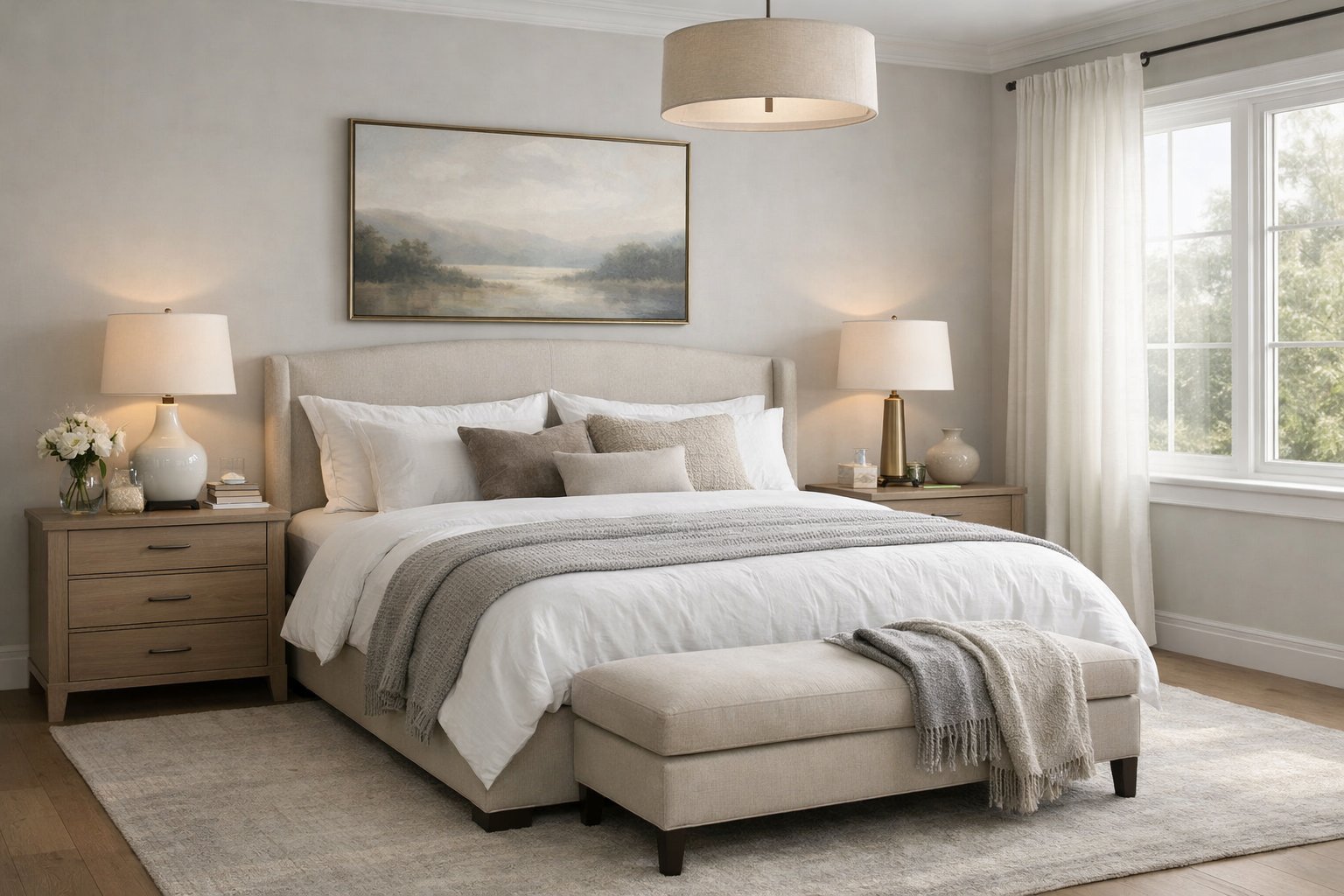
In Paintit.ai, a good bedroom concept is usually easy to read in one glance. The bed feels properly placed, the side furniture supports the room instead of fighting it, and the palette plus lighting create one clear mood.
A strong bedroom result usually gets these things right
Clear bed wall — the bed has a convincing anchor wall or placement logic.
Balanced bedside zone — tables, lamps, or lighting feel intentional, not random.
Soft hierarchy — the room has focus without feeling overdesigned.
Believable furniture scale — bed, rug, bench, dresser, and side furniture match the room size.
Controlled mood — daylight, palette, and materials support calm rather than visual clutter.
Bedrooms become much stronger when the room reads as one quiet composition instead of a collection of styled objects.
Bed First, Everything Else Second
If the bed placement feels wrong, the whole bedroom usually feels wrong.
The bed is the primary anchor of almost every bedroom. In practical terms, that means it should usually define the visual center, circulation logic, and symmetry or asymmetry of the room. Many weak bedroom results happen because the room is styled before the bed is logically placed.
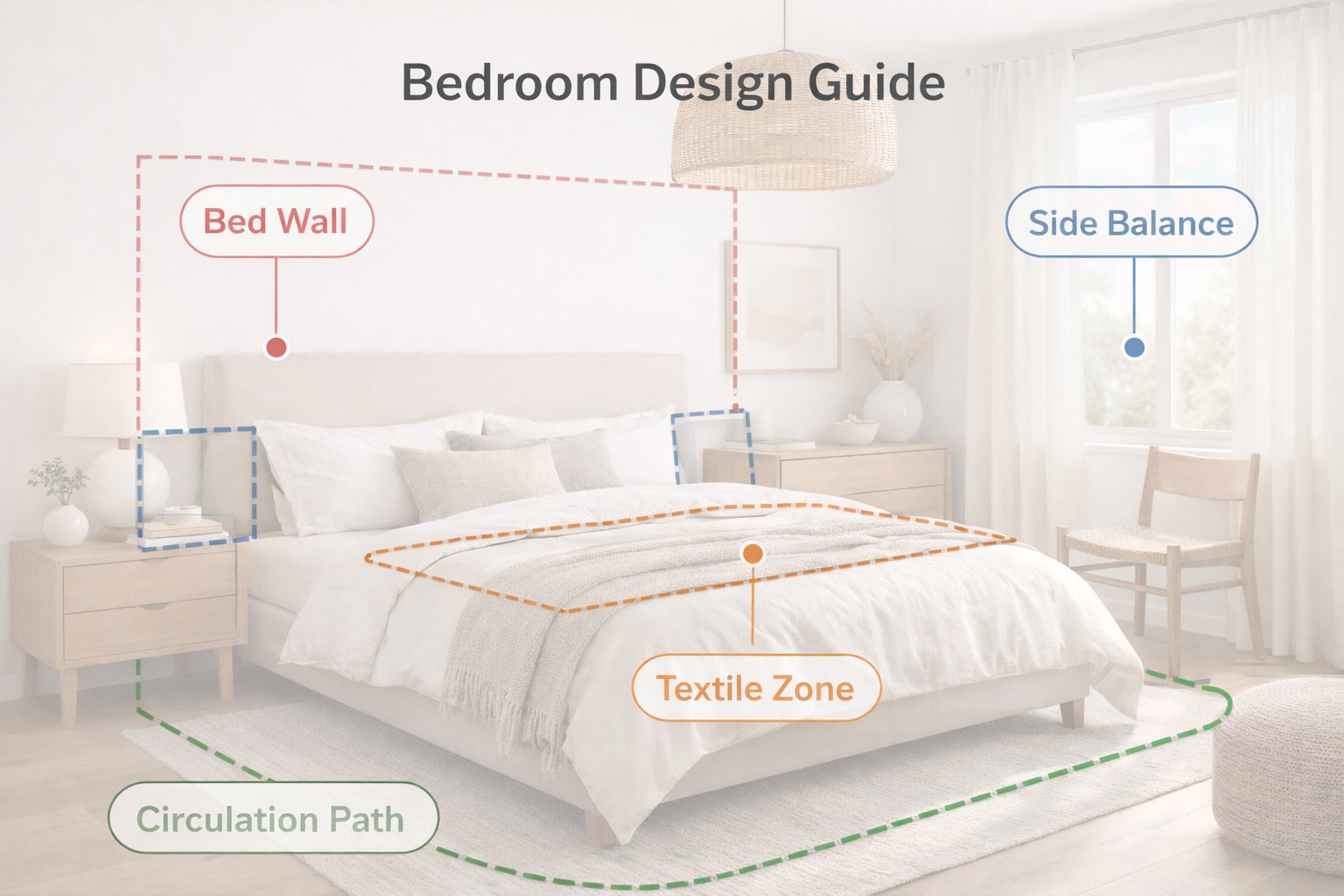
The 4 key bedroom anchors
Bed wall — which wall best supports the bed visually and functionally?
Side balance — are the bedside elements balanced, intentionally asymmetrical, or visually awkward?
Textile zone — does the rug, bedding, and curtain language support the bed as the main anchor?
Circulation — is there enough space to move around the bed naturally?
One of the most effective prompt improvements is to describe the bed as the anchor, then let other furniture support that logic instead of competing with it.
Technical tip
If the room is small or visually difficult, ask Paintit.ai for a clean bed-centered composition first. Then refine styling, benches, shelving, or accent details in later iterations.
How to Build a Better Bedroom Prompt
The strongest bedroom prompts combine room function, bed logic, softness, and controlled atmosphere.
A weak bedroom prompt often says only “make it cozy” or “make it luxury.” A stronger one defines what kind of bedroom it is, what the bed should anchor, what materials should support the mood, and what should stay unchanged.
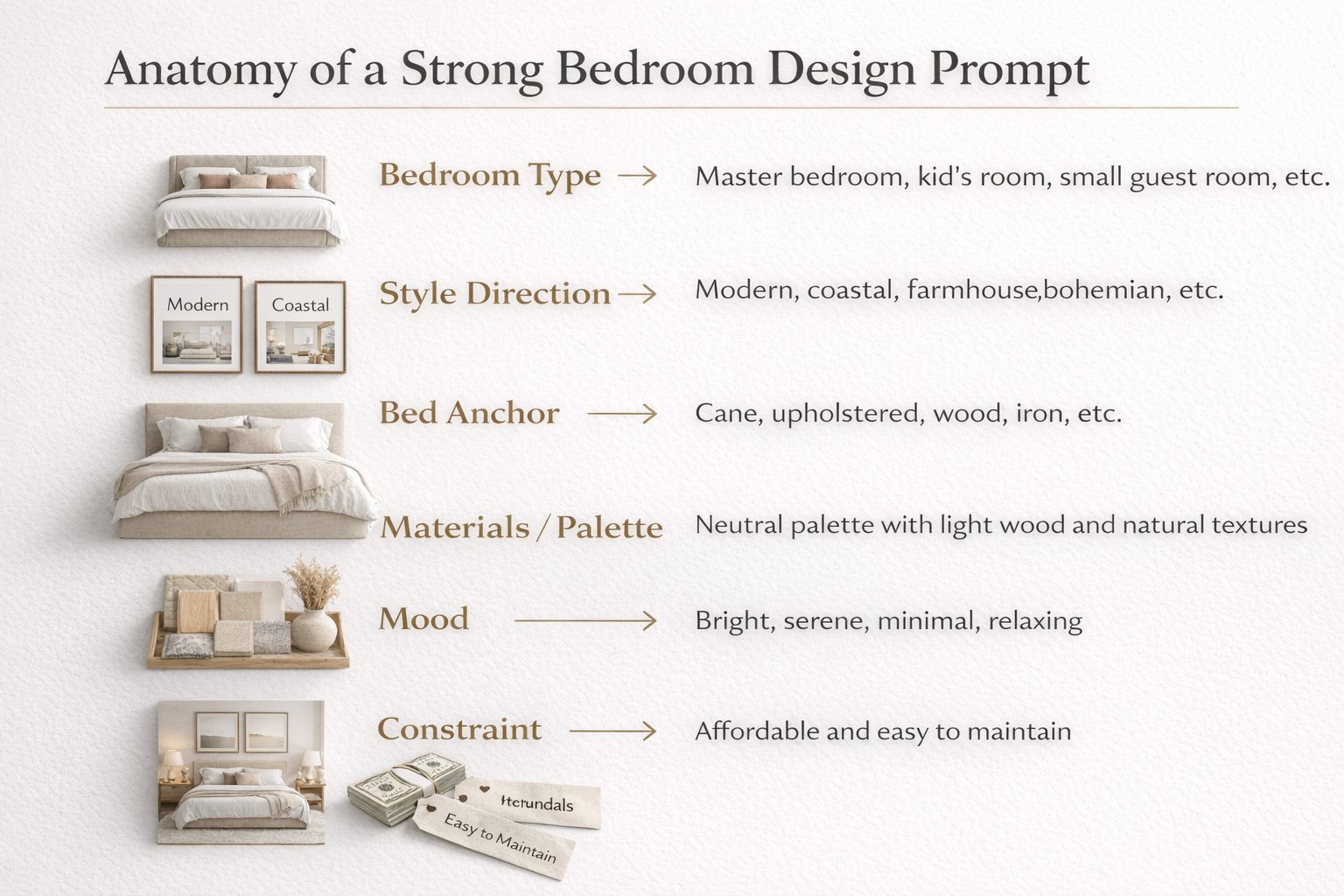
A practical bedroom prompt structure
[Bedroom type] + [Style direction] + [Bed anchor] + [Materials or palette] + [Mood] + [Constraint]
What to define more clearly
Bedroom type — master bedroom, guest room, compact city bedroom, boutique-style room, calm minimalist bedroom.
Bed anchor — upholstered bed, low-profile bed, bed centered on wall, bed with soft bedside lighting.
Palette — warm beige, soft off-white, muted taupe, natural oak, darker moody neutrals.
Mood — restful, airy, cocooning, premium, soft daylight, quiet evening tone.
Constraint — keep room proportions, architecture, windows, or layout unchanged if needed.
Example of a technically stronger bedroom prompt:
Transform this bedroom into a calm Japandi space with a low upholstered bed centered on the main wall, warm beige tones, light oak furniture, soft linen curtains, layered neutral textiles, and gentle natural daylight. Keep the room proportions and window positions unchanged.
This works better because it defines the bed, the materials, the mood, and the control logic in one clear structure.
Bedroom Prompt Cards
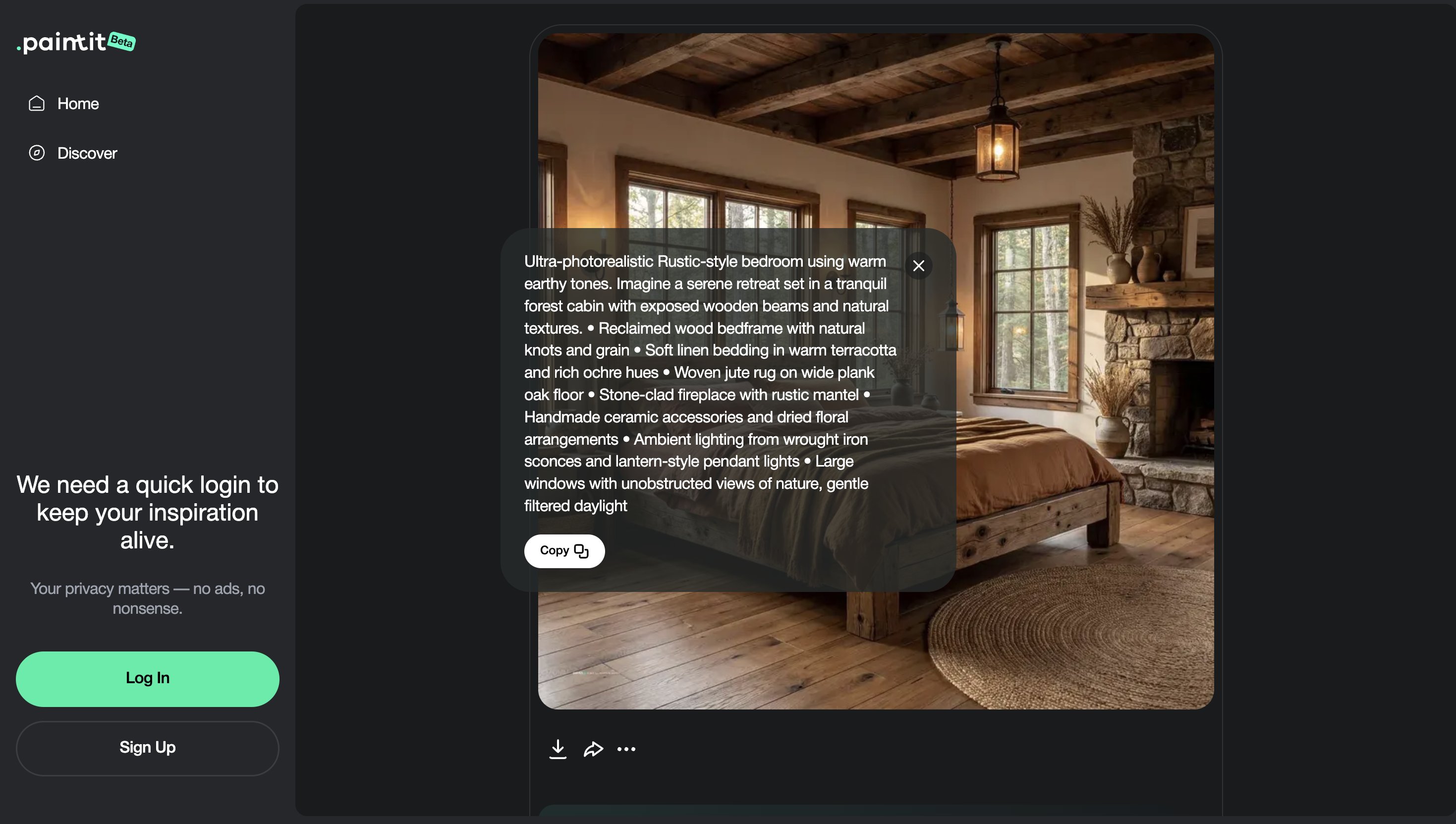
Use these as copy-ready starting points for the most useful bedroom directions.
Core bedroom prompt cards
Japandi bedroom
Transform this bedroom into a calm Japandi interior with a low bed centered on the wall, light oak furniture, soft beige walls, linen curtains, layered neutral bedding, and warm natural daylight. Keep the room layout and window positions unchanged.
Soft modern bedroom
Redesign this bedroom as a soft modern space with an upholstered bed, rounded bedside tables, warm off-white walls, textured neutral fabrics, subtle lighting, and a relaxed premium feel. Preserve the architecture and proportions.
Scandinavian bedroom
Transform this bedroom into a bright Scandinavian room with a simple bed frame, light wood furniture, soft white and beige tones, clean bedding, and an airy calm atmosphere. Keep the room structure unchanged.
Special-use bedroom cards
Guest bedroom
Redesign this room as a refined guest bedroom with a double bed, soft bedside lighting, calm neutral tones, simple wall art, and a boutique-hotel atmosphere. Keep the layout unchanged.
Small bedroom
Turn this small bedroom into a compact elegant space with a space-efficient bed setup, soft light palette, minimal furniture, clean circulation, and a calm uncluttered feel. Keep the architecture and openings unchanged.
Best practice: define the bed first, then the mood, then the supporting elements. That order usually produces more believable results than styling-first prompts.
How to Compare Bedroom Directions
Bedroom comparison works best when you compare mood systems, not random style shifts.
Bedrooms often respond more strongly to small changes in softness, palette, and material language than to dramatic stylistic differences. That means comparison should focus on emotional tone as much as visual taste.
A useful comparison framework
Version 1 — light and airy
Version 2 — warmer and cocooning
Version 3 — cleaner and more minimal
Version 4 — softer premium / boutique-hotel direction
This is often more useful than comparing four unrelated styles. In bedroom design, subtle emotional contrast is usually more valuable.
Advanced Bedroom Techniques
These small technical choices often make bedroom results feel much more professional.
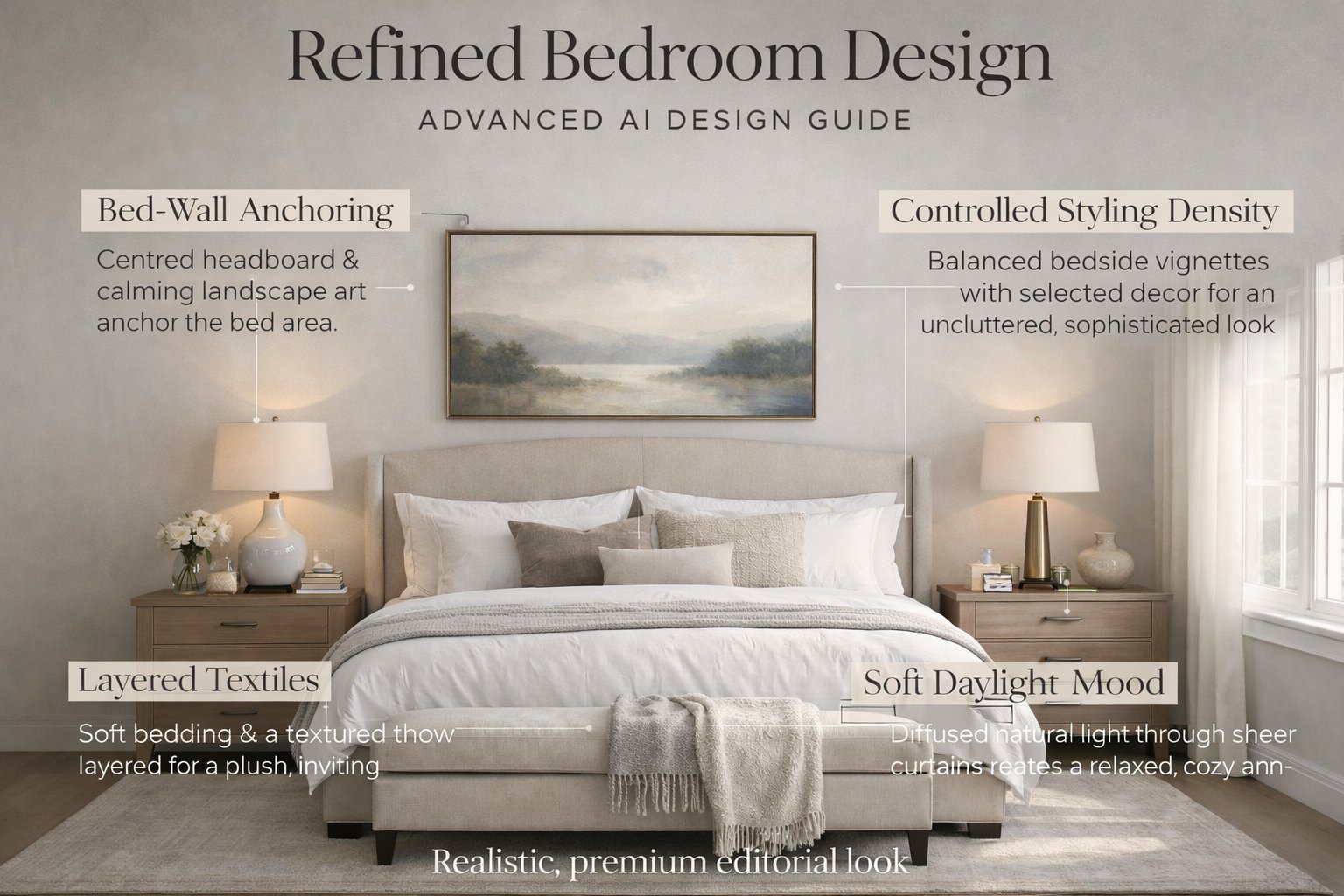
Technique 1 — Define the headboard wall
If the room feels weak, mention the bed being centered on a calm anchor wall. This often strengthens composition immediately.
Technique 2 — Control textile softness
Bedrooms respond strongly to bedding, curtains, rugs, and upholstery language. Mention layered textiles if the room feels too hard or sparse.
Technique 3 — Keep decor quieter than in living rooms
If the bedroom starts feeling busy, reduce decorative density and prioritize atmosphere instead.
Technique 4 — Use light language precisely
“Soft morning daylight,” “diffused natural light,” and “warm bedside glow” produce different bedroom moods.
Technique 5 — Protect restfulness
If you want a premium result, do not only add materials. Reduce noise, sharpen hierarchy, and keep the room emotionally quiet.
These techniques matter because bedroom quality is often judged less by novelty and more by emotional comfort and realism.
Frequently Asked Questions
What is the most important part of a bedroom redesign?
Usually the bed placement and the overall mood. If those are weak, the room will feel less restful and less convincing.
How do I make a bedroom feel calmer?
Use a quieter palette, softer textile language, lower styling density, and more controlled lighting cues in the prompt.
Should I keep the layout unchanged?
In most cases, yes. Preserving the room structure usually makes the result easier to trust and evaluate.
How do I improve a small bedroom result?
Ask for compact layout, clean circulation, lighter palette, restrained furniture, and a calm uncluttered atmosphere.
What is the biggest technical mistake in bedroom prompts?
Asking for a “beautiful” bedroom without defining bed anchor, textile softness, or emotional tone.
How many bedroom directions should I compare?
Usually three to four mood-based directions are enough before refining one final concept.
Design Your Bedroom
Upload your room, define a calmer direction, and turn it into a more believable, restful, and better-balanced bedroom concept with Paintit.ai.
Related articles
Trending
How to Design a Kitchen with Paintit.ai
How to Visualize a Bathroom with Paintit.ai
How to Design a Bedroom with Paintit.ai
Neo Deco Paint Techniques: Creating Glamorous Geometric Walls
Is There an App to Remodel My Bathroom with Just a Photo?
Related articles
9 min read
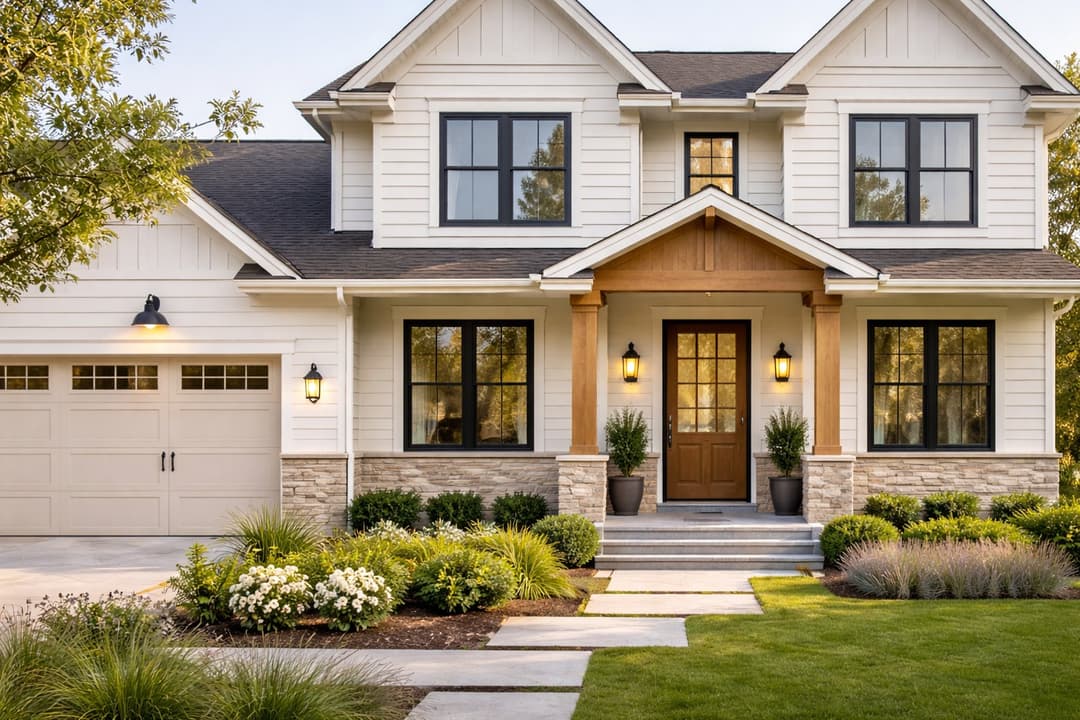
How to Redesign a Home Exterior with Paintit.ai
Learn how to redesign a home exterior with Paintit.ai using better facade logic, cleaner material systems, realistic curb-appeal upgrades, stronger prompt control, and more believable exterior concepts
Yulii Cherevko
CEO paintit.ai
9 min read
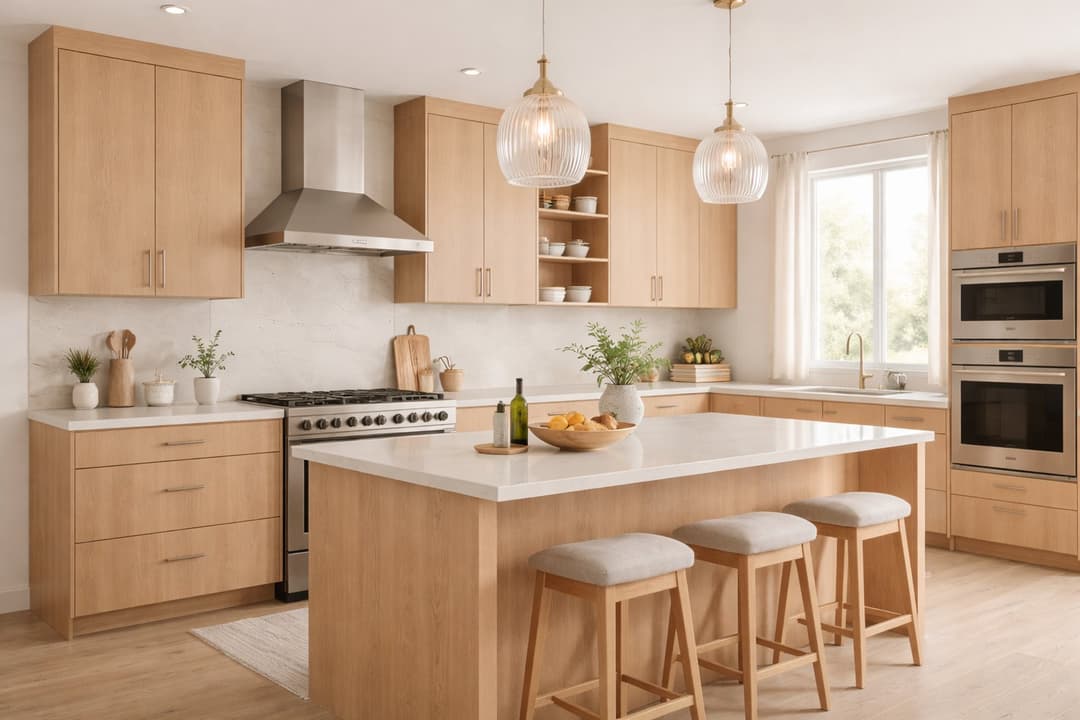
How to Design a Kitchen with Paintit.ai
Learn how to design a kitchen with Paintit.ai using stronger layout logic, better cabinet rhythm, cleaner material systems, realistic appliance placement, and more believable kitchen concepts
Yulii Cherevko
CEO paintit.ai
9 min read
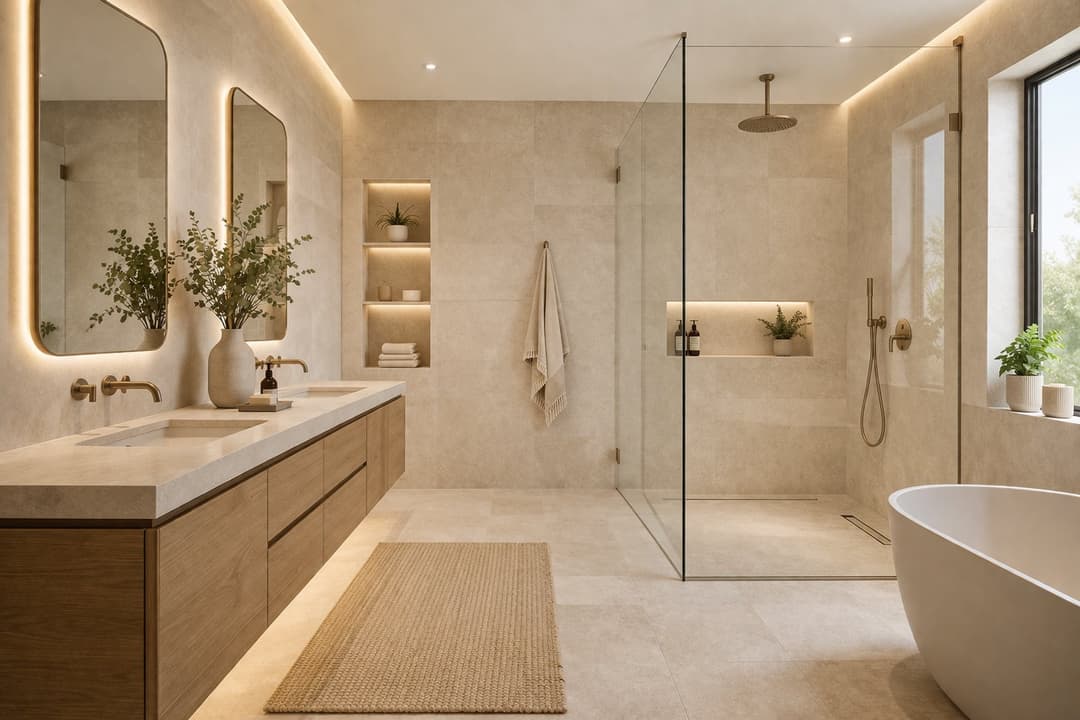
How to Visualize a Bathroom with Paintit.ai
Learn how to visualize a bathroom with Paintit.ai using better wet-zone logic, cleaner material prompts, realistic scale, stronger lighting control, and more believable bathroom concepts
Yulii Cherevko
CEO paintit.ai
9 min read
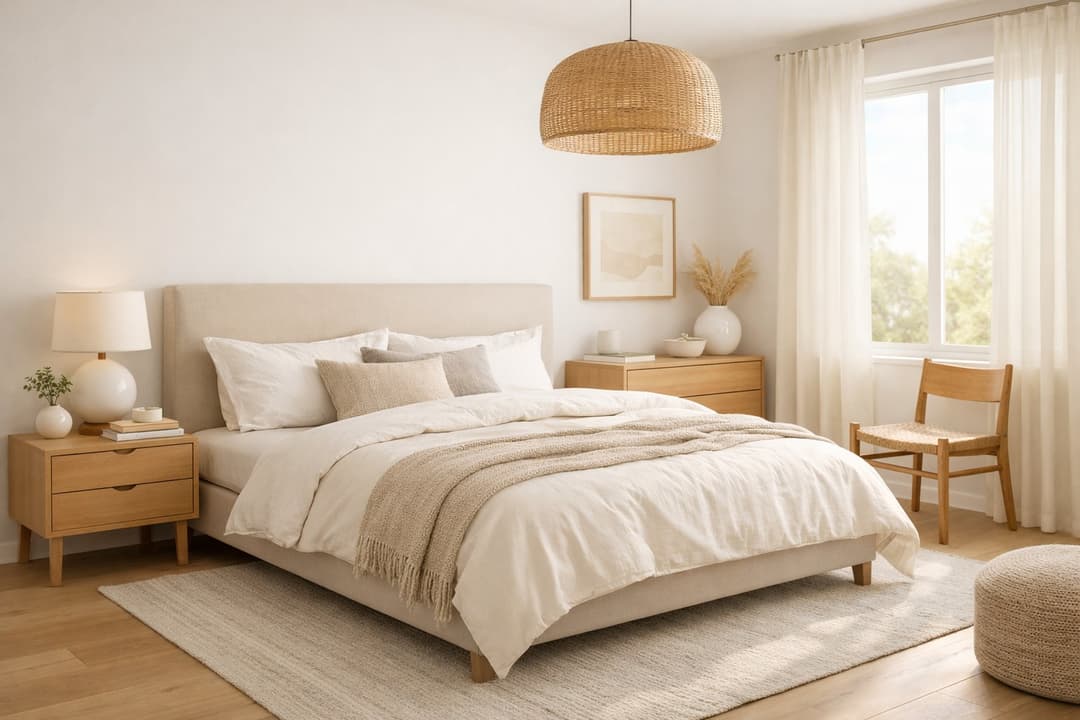
How to Design a Bedroom with Paintit.ai
Learn how to design a bedroom with Paintit.ai using better bed placement logic, calmer palettes, stronger prompts, realistic furniture scale, and more controlled bedroom concepts
Yulii Cherevko
CEO paintit.ai