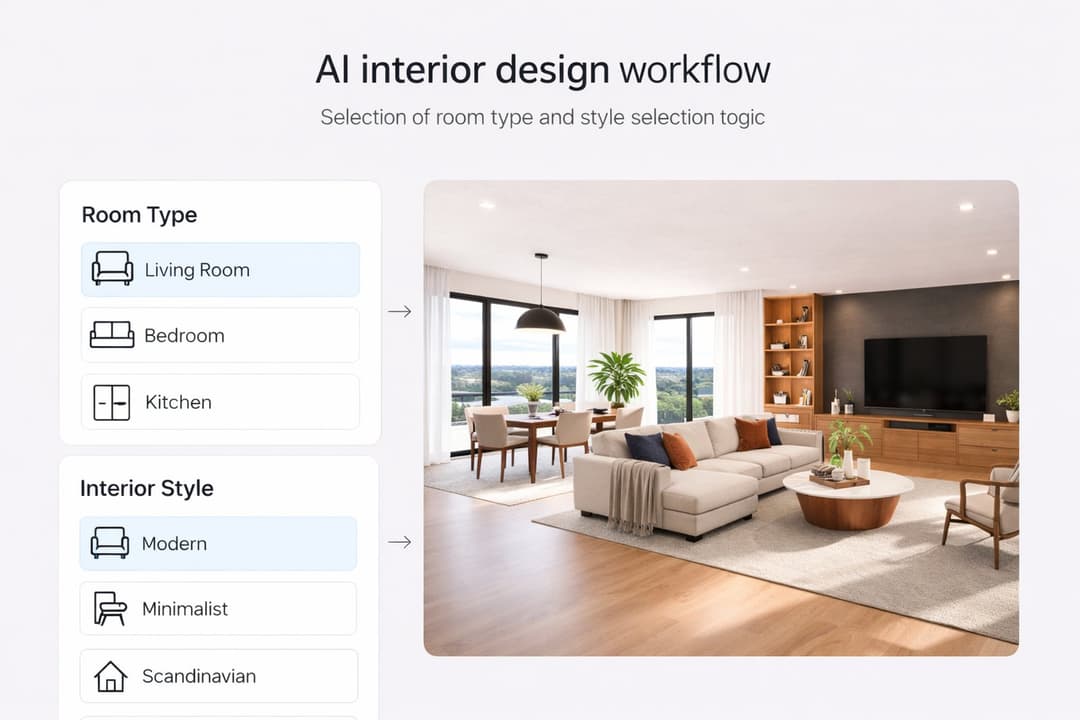
5 min. reading
From Visualization to Transaction: How Paintit.ai Powers Autonomous Purchases for Furniture Brands

Yulii Cherevko
CEO paintit.ai
Page Contents:
- 1. The AI Shift in Furniture E-commerce
- 2. Bridging the Gap: From Browsing to Buying with Visualization
- 3. Paintit.ai's Core Technology for Seamless Transactions
- 4. Enhancing the Customer Journey with Virtual Staging
- 5. Personalization at Scale: Tailoring the Experience
- 6. Reducing Returns & Boosting Confidence
- 7. The Future of Furniture Retail: AI-Driven Autonomous Purchases
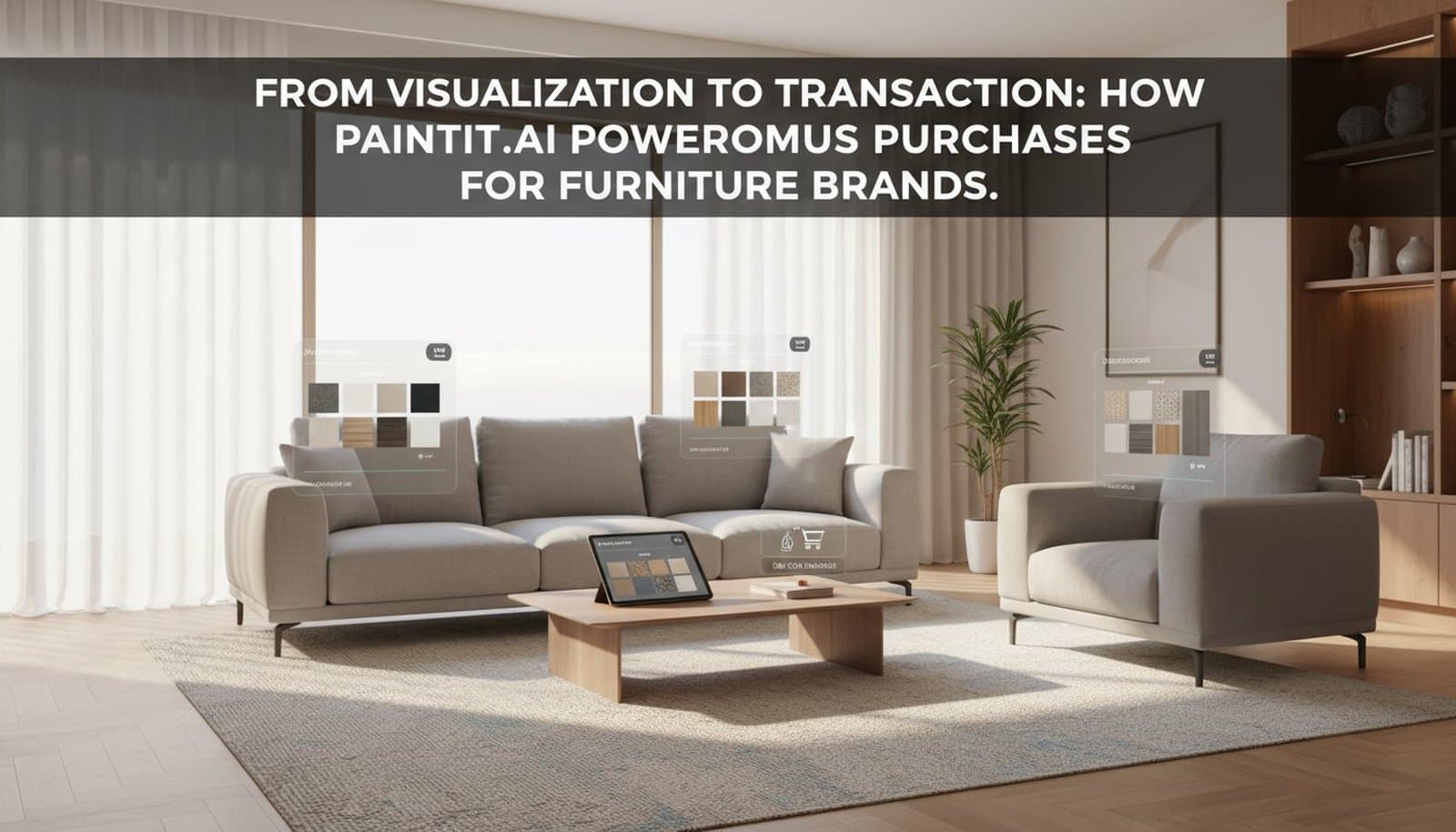
The furniture e-commerce landscape is rapidly evolving, with customers increasingly seeking digital solutions that mimic the in-store experience. The journey from initial inspiration to a confident purchase, however, remains a critical hurdle. This is where advanced Visual-to-transaction AI, powered by platforms like Paintit.ai, becomes indispensable. By offering hyper-realistic product previews, virtual staging capabilities, and intuitive customization tools, Paintit.ai empowers furniture brands to bridge the visualization-to-transaction gap, enabling customers to make informed decisions independently—a key step towards truly autonomous purchases.
The AI Shift in Furniture E-commerce
For decades, buying furniture online involved a leap of faith. Shoppers relied on static images, basic descriptions, and their own imagination to picture a sofa in their living room or a dining table in their kitchen. This process often led to hesitation, abandoned carts, and high return rates—products that looked different in person or simply didn't fit.
The shift towards digital-first retail, accelerated in recent years, demands a more robust approach. Consumers now expect immersive, personalized experiences that clarify high-consideration purchases. AI is fundamentally altering these expectations, pushing furniture e-commerce beyond simple online catalogs to interactive, intelligent storefronts. This is the new baseline for online sales, requiring brands to equip themselves with tools that remove friction and build immediate buyer confidence.
Bridging the Gap: From Browsing to Buying with Visualization
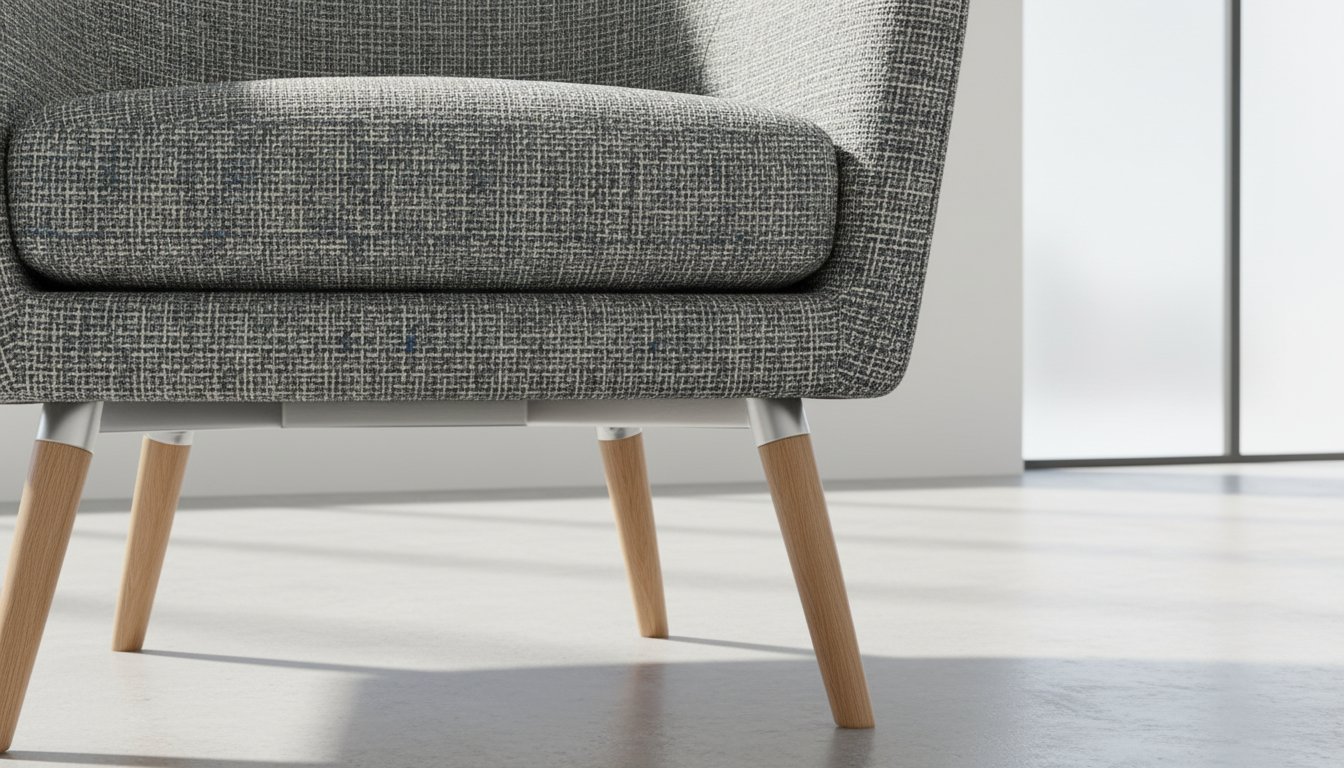
The core challenge in online furniture retail is the disconnect between a 2D screen image and the 3D reality of a physical object. Customers need to understand scale, material texture, color accuracy under varying light, and how a piece will integrate with their existing decor. Without this clarity, the journey from browsing to buying is fraught with uncertainty.
High-fidelity visualization directly addresses this. It transforms passive viewing into active engagement, allowing customers to "try before they buy" without physical limitations. When a customer can confidently visualize a product in their space, the mental hurdle to purchase shrinks significantly. This is about more than just aesthetics; it's about providing the data points—visual data—that drive an informed decision, paving the way for autonomous furniture purchasing.
Paintit.ai's Core Technology for Seamless Transactions
Paintit.ai provides the foundational technology for an efficient AI commerce pipeline. It starts with precise, photorealistic rendering. A standard 3D model of a new armchair can be processed by our AI to generate a series of renders showcasing it in diverse settings—a modern studio, a traditional den, a minimalist office. These renders account for specific lighting conditions, accurately depicting the sheen of brass legs, the grain of oak, or the subtle texture of a boucle fabric.
The system ensures accurate color representation, minimizing the common issue of products looking different online than in real life. By presenting exact scale and proportion within varied scenes, Paintit.ai removes guesswork. This level of visual fidelity builds immediate trust, allowing customers to make purchase decisions with clarity. It prepares your product catalog for a future where buyers, or even AI shopping agents, can assess and purchase with minimal human intervention.
Enhancing the Customer Journey with Virtual Staging
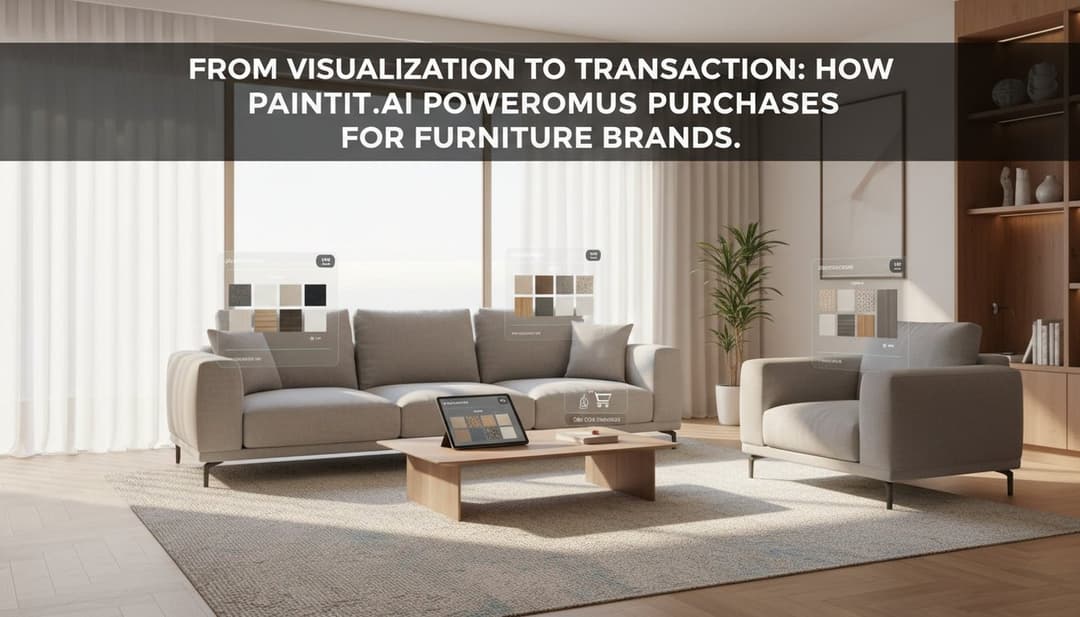
Beyond static renders, contextualization is critical. Virtual staging allows furniture brands to place products realistically within aspirational room settings or, more powerfully, within a customer's own uploaded photo. This capability transforms a product page into an interactive design studio.
For example, a customer can upload an image of their living room and use Paintit.ai's AI Room Design to virtually place a specific armchair and coffee table set. The AI intelligently matches perspective, lighting, and shadows, ensuring the furniture appears integrated, not merely pasted on. Customers can experiment with placement, previewing how a specific piece, like a contemporary sofa in a velvet fabric, would fit their existing layout and style. This hands-on visualization directly addresses the question of "will it fit?" and "will it look good?", solidifying the autonomous purchase decision process.
Personalization at Scale: Tailoring the Experience
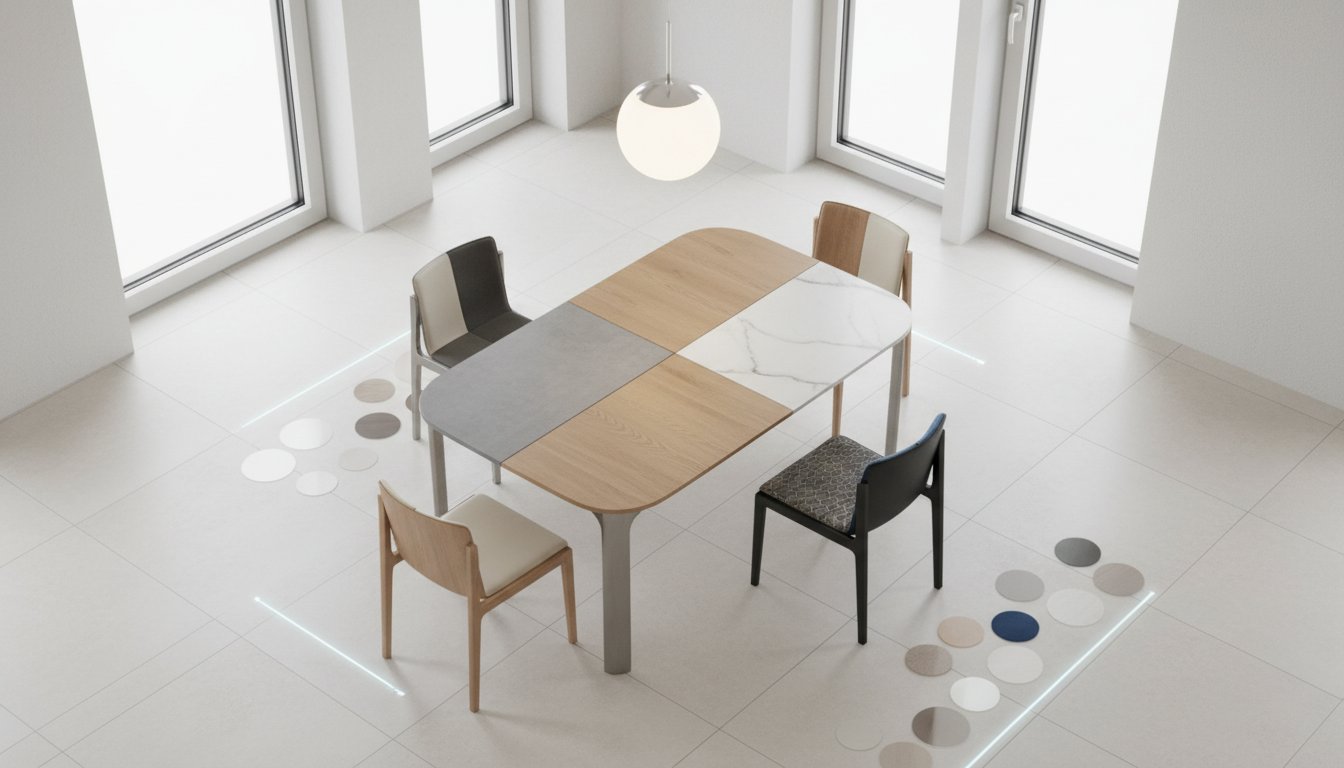
Modern furniture buyers expect customization. Paintit.ai's tools empower brands to offer extensive product configurations while instantly visualizing every change. Imagine a dining chair where a customer can select from five different wood finishes for the legs, ten fabric options for the seat, and three frame colors. The visualization updates in real-time, allowing them to explore endless combinations.
This level of detail prepares a furniture catalog for autonomous AI buyers. The ability to instantly see how a specific combination of oak, linen, and brushed brass looks in a high-fidelity render is a strong driver of purchase intent. It means that whether a customer is browsing options for a bespoke bed or an industrial-style shelving unit, they have the confidence that their chosen configuration will match their vision. This empowers customers to act as their own "design agent," making selections and purchases without needing to consult a sales associate.

Reducing Returns & Boosting Confidence
A significant challenge in furniture e-commerce is the cost and logistical complexity of returns. A primary reason for returns is unmet expectations—the item's color appeared different, its size was misjudged, or its style clashed with existing decor. Visual-to-transaction AI directly mitigates these issues.
When customers can virtually stage a customized sectional in their actual living space, confirm the exact shade of grey, and assess the texture of the performance fabric, their purchase decision is highly informed. Paintit.ai's accurate representation of color, texture, and scale helps prevent surprises upon delivery. This precision translates into fewer returns, lower operational costs, and, critically, higher customer satisfaction. Brands that effectively implement advanced visualization see a direct impact on their bottom line through reduced buyer's remorse and increased purchase confidence.
The Future of Furniture Retail: AI-Driven Autonomous Purchases
The trajectory of furniture e-commerce points towards an era of agent-ready retail. This means creating a digital environment where the friction between desire and acquisition is minimized to the point where purchase decisions are almost entirely autonomous. Customers, or even future AI shopping agents acting on their behalf, will be able to evaluate, customize, and buy furniture with unprecedented efficiency and confidence.
Paintit.ai positions furniture brands at the forefront of this evolution. By providing tools for photorealistic rendering, virtual staging, and dynamic product configuration, it cultivates an environment where the online shopping experience is intuitive, precise, and highly personalized. This isn't just about selling more furniture; it's about enabling a seamless, intelligent commerce pipeline that redefines how customers discover, evaluate, and ultimately acquire the pieces that complete their spaces. The brands that invest in sophisticated Visual-to-transaction AI today are those preparing their catalogs and their businesses for the independent, empowered buyers of tomorrow.
Trending
How to Save, Compare and Organize Designs in Paintit Projects
How to Use Pinterest Inspiration in Paintit.ai
From Visualization to Transaction: How Paintit.ai Powers Autonomous Purchases for Furniture Brands
Stager AI Alternatives & Competitors in 2026: Full Review
How to Use Space Type and Design Style in Paintit.ai
Related articles

9 min read
How to Redesign a Living Room with Paintit.ai
Learn how to redesign a living room with Paintit.ai using better layout logic, stronger focal points, realistic furniture scale, cleaner prompts, and more professional comparison workflows
Yulii Cherevko
CEO paintit.ai

8 min read
How to Save, Compare and Organize Designs in Paintit Projects
Learn how to save, compare, and organize designs in Paintit Projects to manage versions better, structure multi-room work, review alternatives faster, and make clearer design decisions
Yulii Cherevko
CEO paintit.ai

9 min read
How to Use Pinterest Inspiration in Paintit.ai
Learn how to use Pinterest inspiration in Paintit.ai with better reference selection, stronger prompt control, cleaner style transfer, and more realistic interior and exterior design results
Yulii Cherevko
CEO paintit.ai
5 min read
From Visualization to Transaction: How Paintit.ai Powers Autonomous Purchases for Furniture Brands
Bridge the gap between browsing and buying. Learn how Paintit.ai uses Visual-to-transaction AI and photorealistic rendering to power autonomous furniture sales
Yulii Cherevko
CEO paintit.ai