
Zen Living Room on a Budget - - How to Create a Serene Space
Imagine stepping into your living room after a long day, and instead of clutter or chaos, you find a quiet corner that instantly soothes your mind. Creating a zen living room on a budget might seem like a challenge, but it's truly about thoughtful choices and mindful design. It’s about finding peace in simplicity, making your space feel expansive and inviting without a hefty price tag. How can you bring that sense of calm and balance into your own home without overspending?
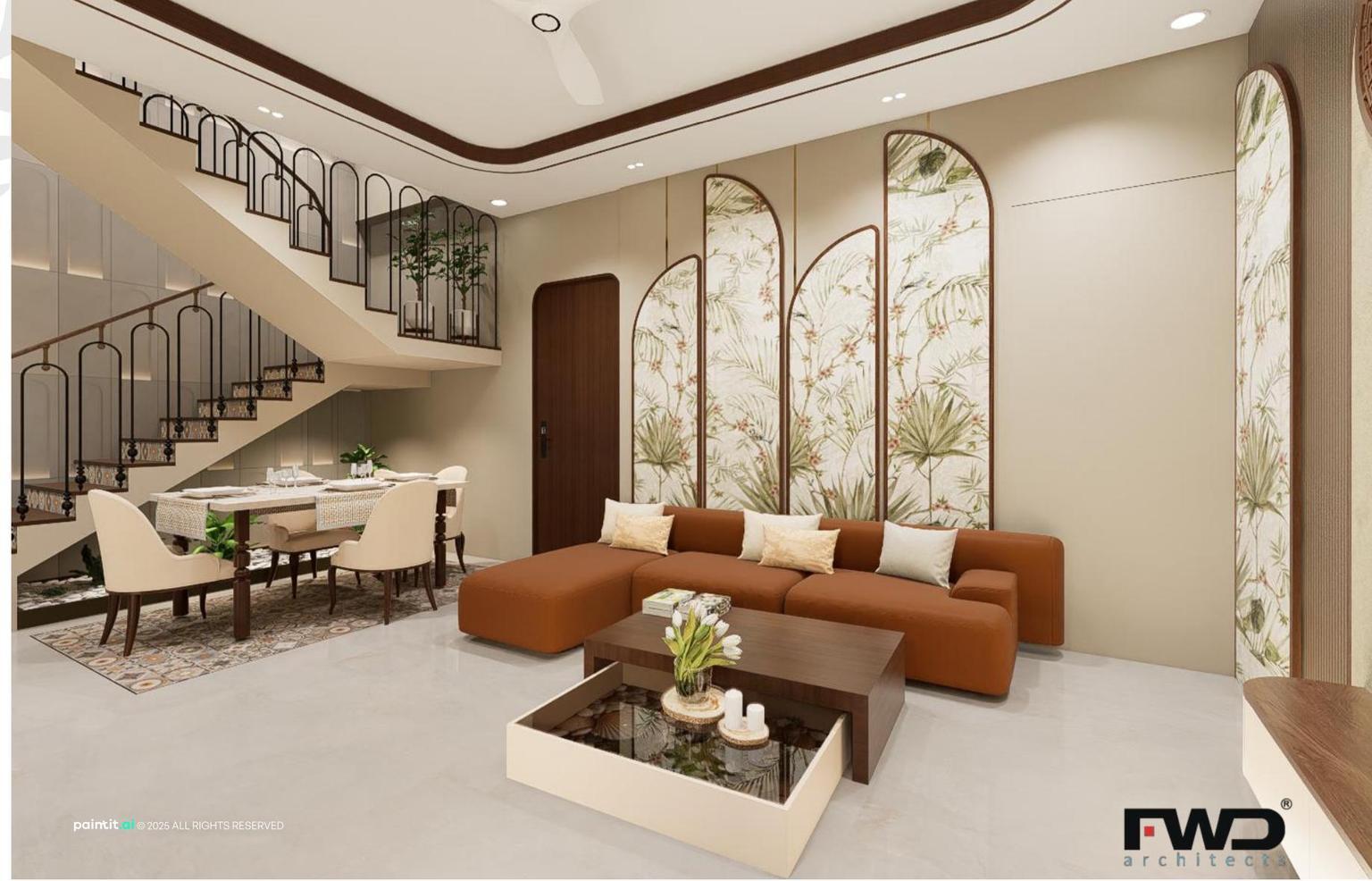
Essential Tips for Zen Living Room on a Budget – Creating Affordable Serenity
From my vantage point in design, the biggest misconception is that achieving true tranquility in a living space demands a significant investment. The truth is, cultivating a peaceful, minimalist decor doesn't require luxury; it’s about strategic choices. We can absolutely craft a serene, balanced environment without overspending, focusing on natural materials, thoughtful spatial arrangement, and clever DIY solutions.
-
Zen Living Room on a Budget – Creating Affordable Serenity
From my vantage point in design, the biggest misconception is that achieving true tranquility in a living space demands a significant investment. The truth is, cultivating a peaceful, minimalist decor doesn't require luxury; it’s about strategic choices. We can absolutely craft a serene, balanced environment without overspending, focusing on natural materials, thoughtful spatial arrangement, and clever DIY solutions.
Stunning Examples of 12 Budget-Friendly Zen Living Room Ideas for a Serene Space
-
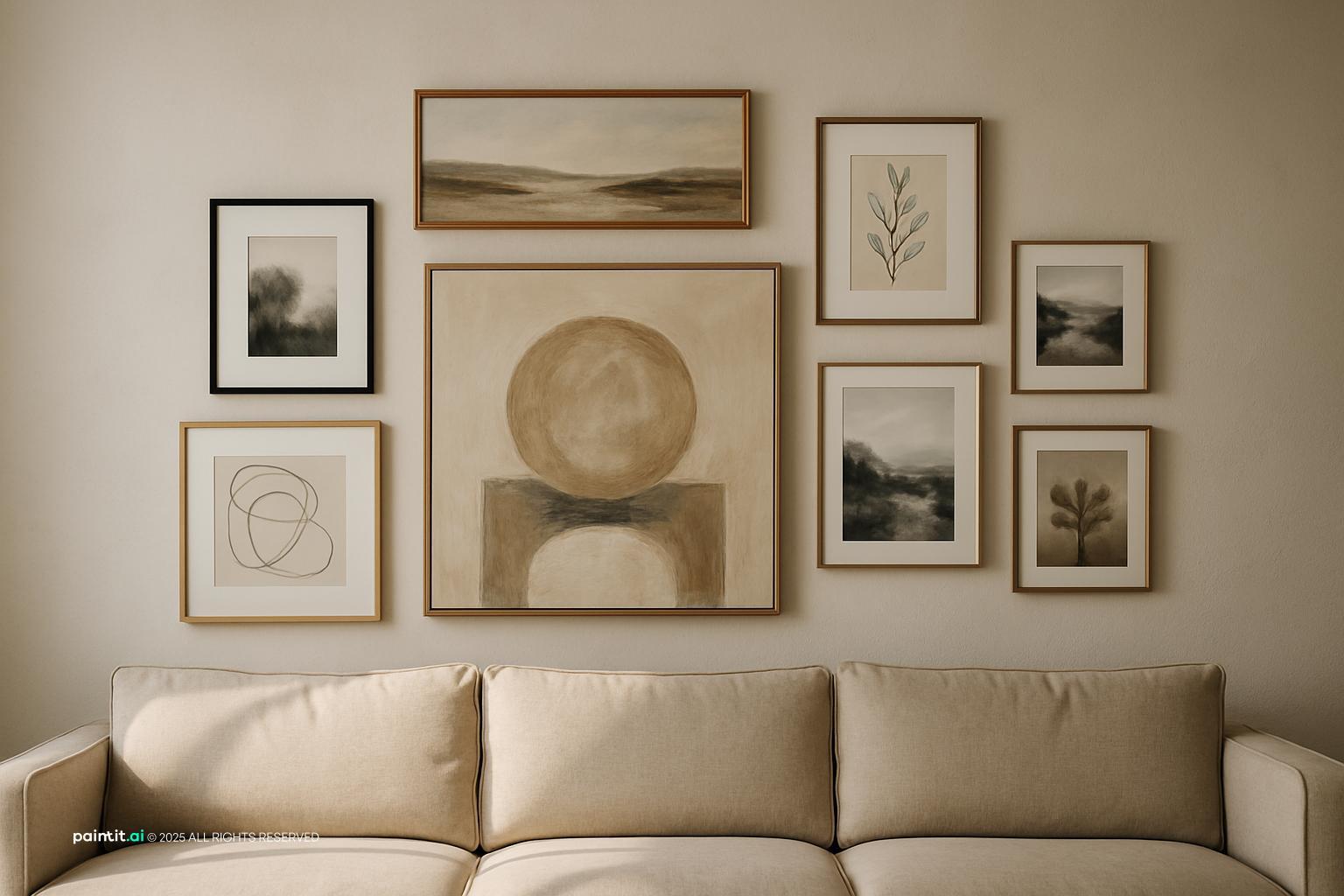
Creating a tranquil retreat doesn't require an endless budget. These curated ideas balance aesthetic appeal with practical functionality, proving that peace and calm are accessible to everyone. We’ve focused on smart choices that elevate your space without depleting your wallet.
-
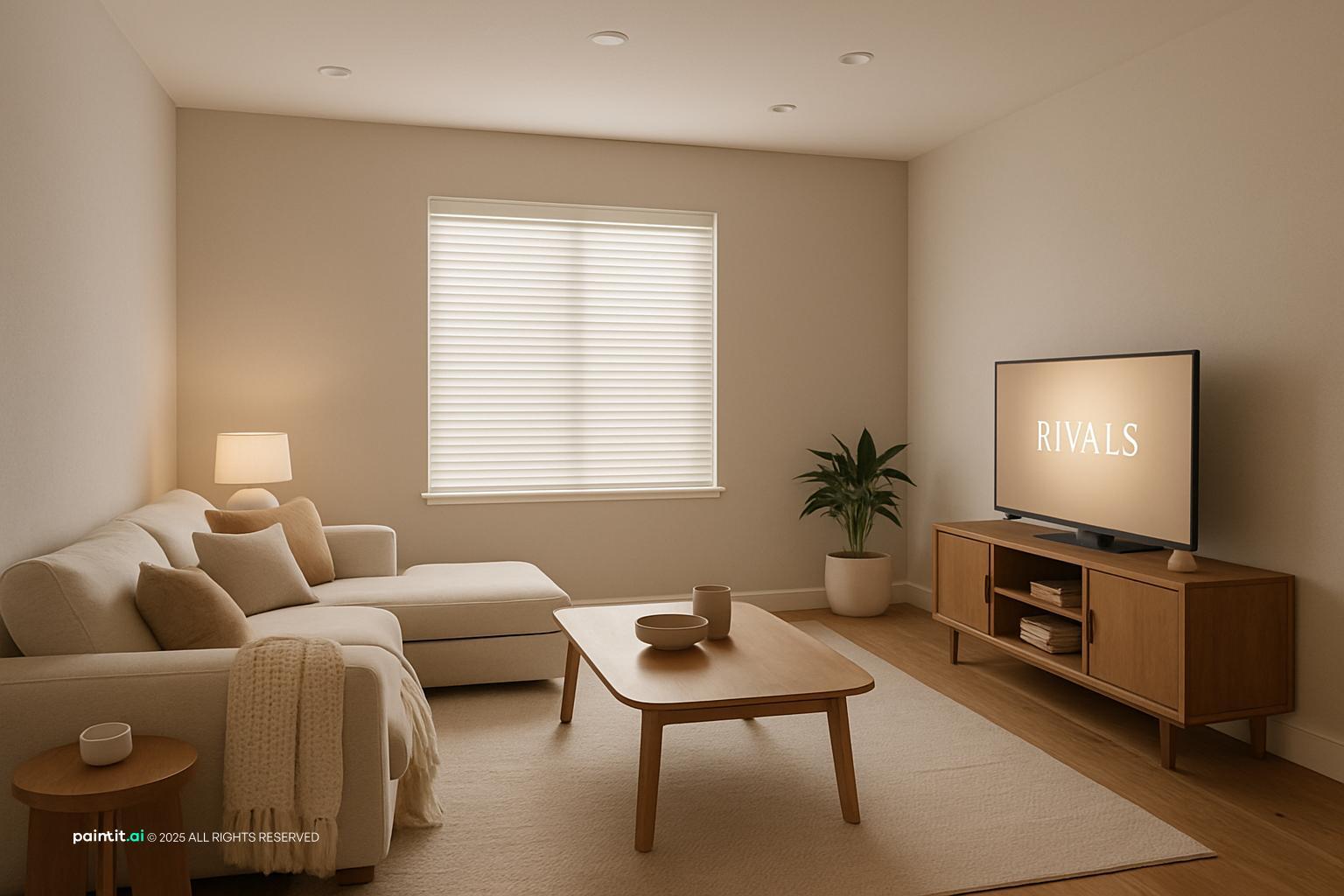
The truth is, less truly is more when aiming for a peaceful atmosphere. A decluttered room instantly feels more spacious and calming. It allows the eye to rest, reducing visual noise that can contribute to stress. I've seen this work best in smaller apartments where every inch counts.
-
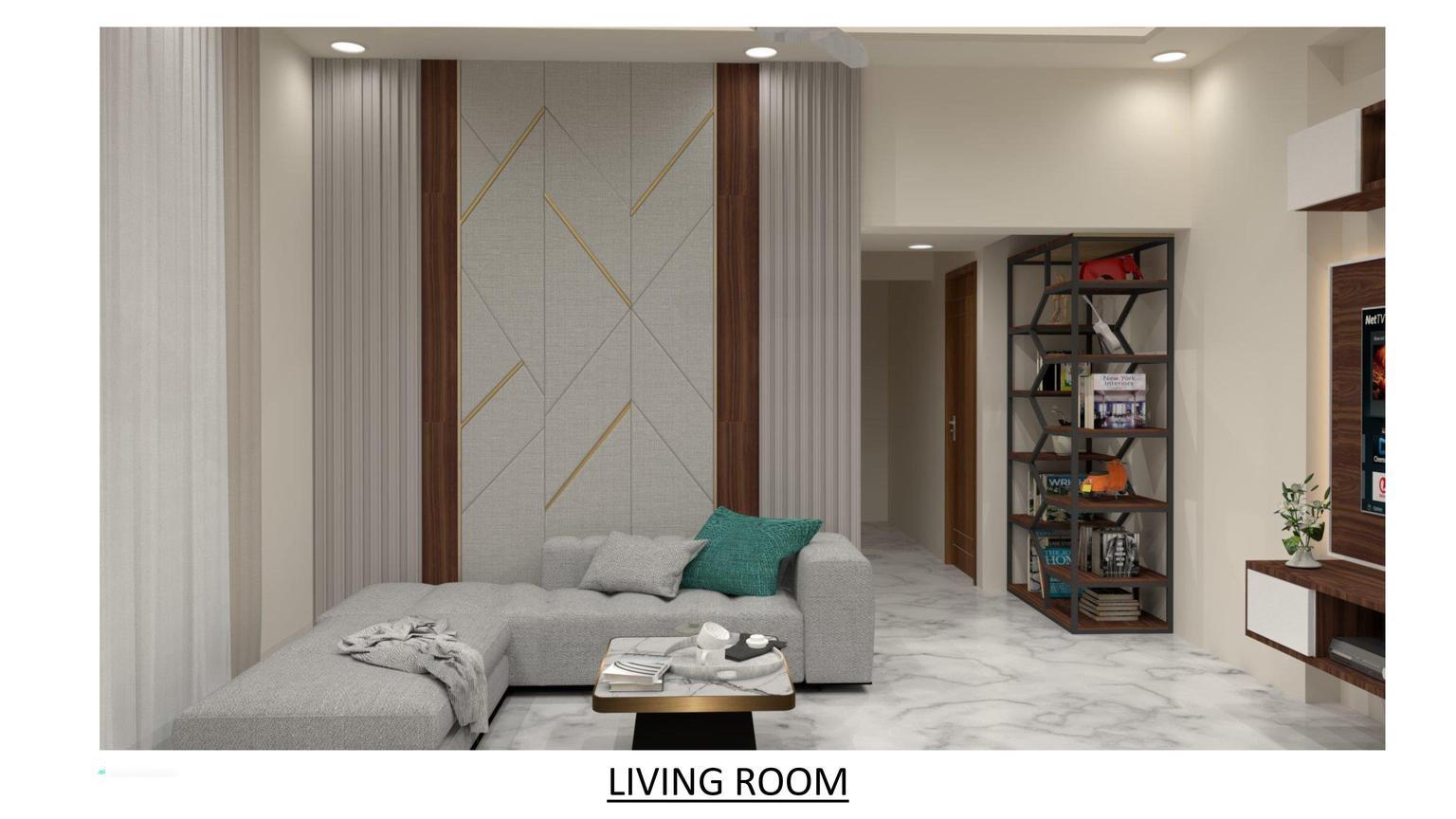
Start by removing anything that doesn't serve a purpose or bring you joy. Opt for essential furniture pieces only: a comfortable sofa, a small coffee table, and perhaps a single accent chair. Think about clean lines and simple forms.
-
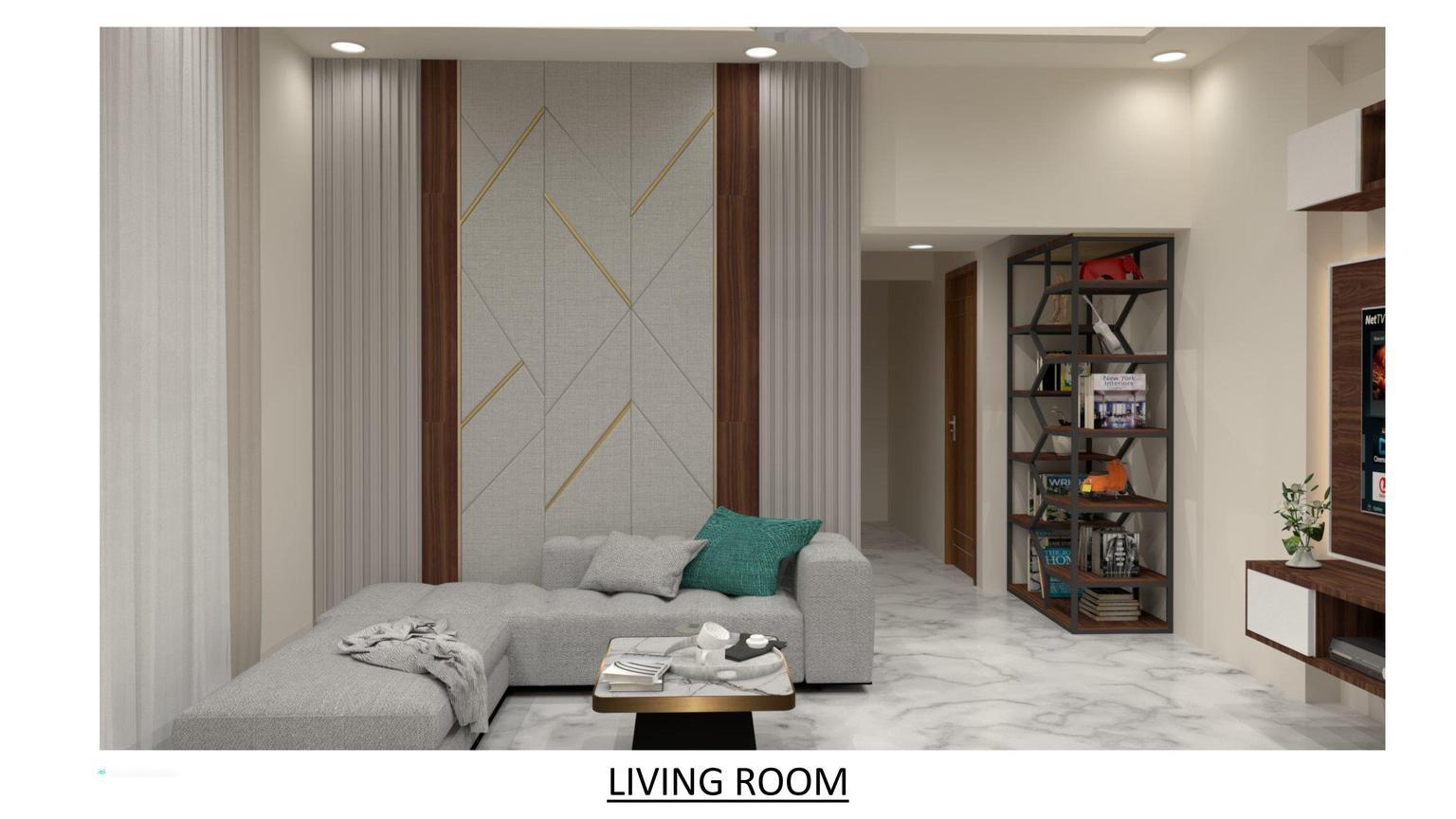
Pro Tip: To achieve this effect, try storing items out of sight in woven baskets or closed cabinets.
-
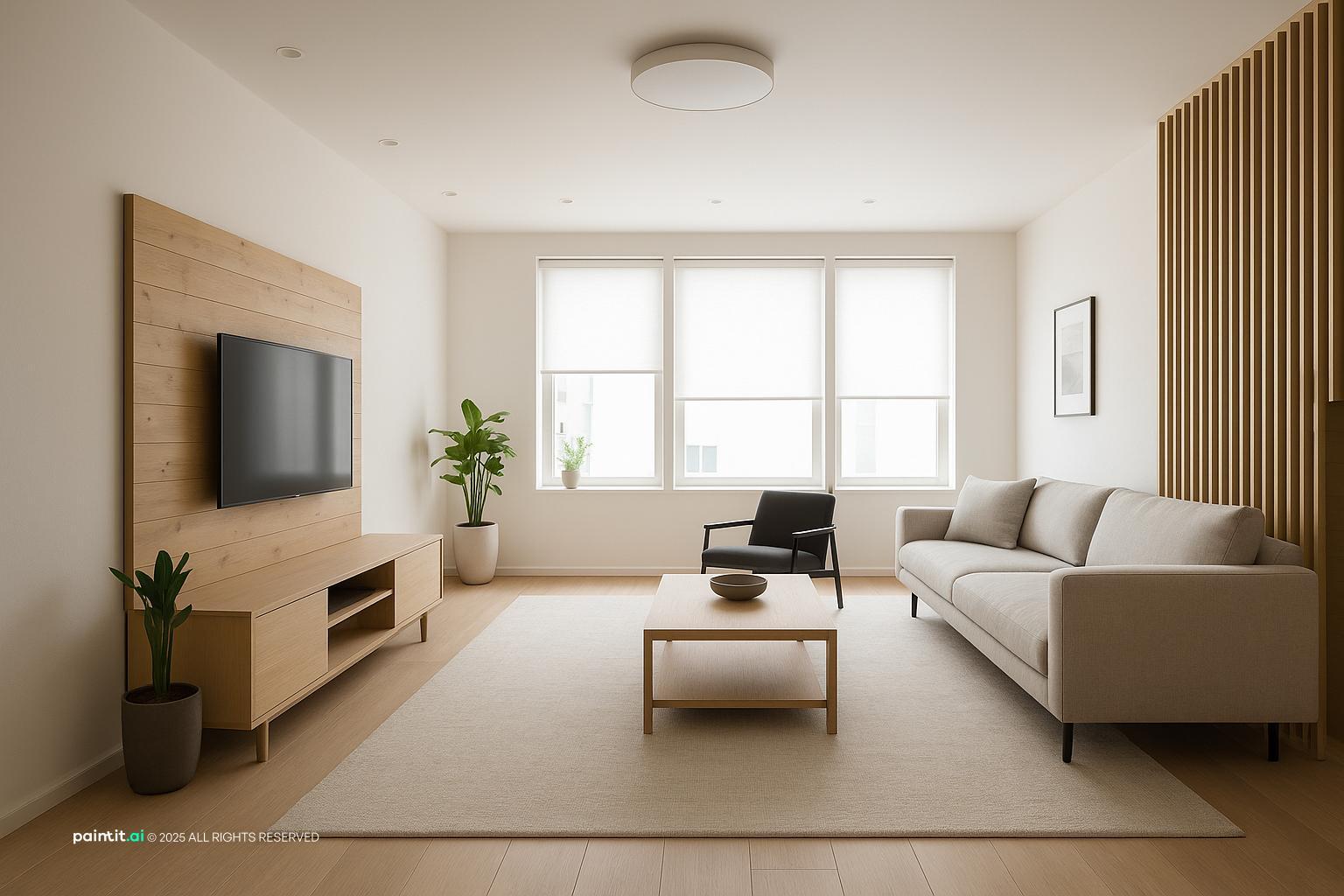
Natural light is a powerful mood enhancer and a cornerstone of any serene environment. It connects your indoor space with the outside world, making a room feel larger and more inviting. Most people forget that artificial light can never fully replicate its benefits.
-
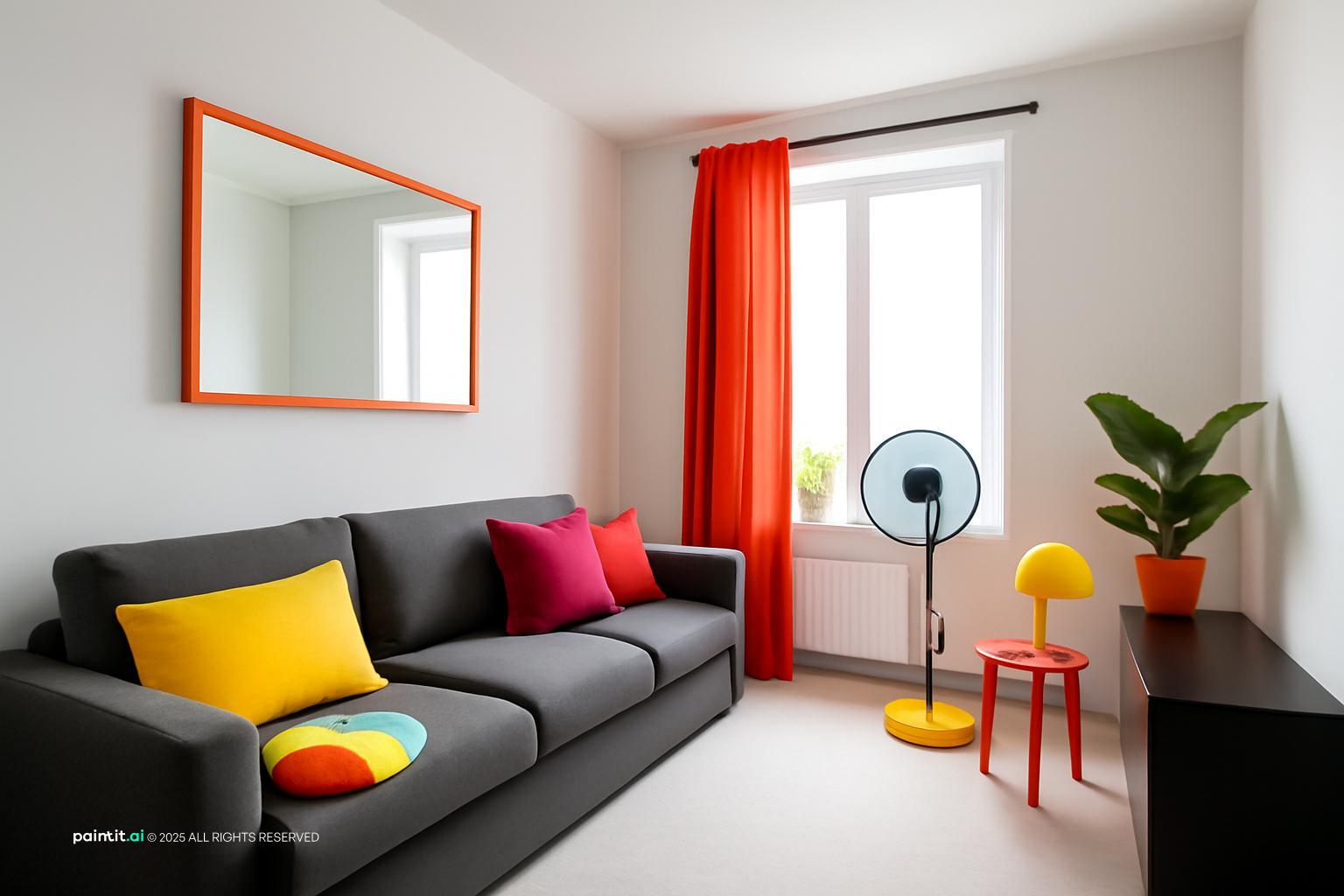
Keep windows unobstructed. Ditch heavy drapes for sheer curtains in light, airy fabrics like linen or cotton. Position mirrors strategically opposite windows to bounce light deeper into the room. Clean your windows regularly; it makes a surprising difference.
-
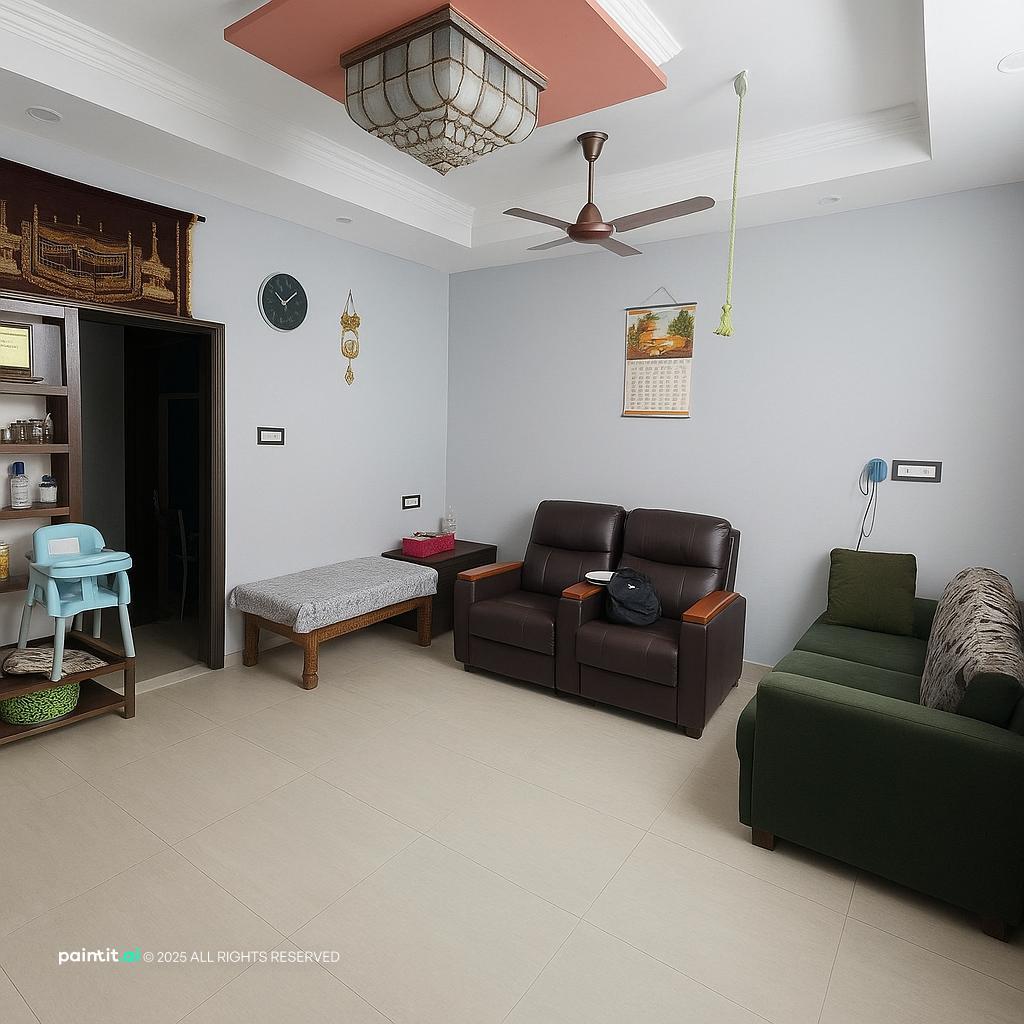
Pro Tip: To achieve this effect, try using light-colored window treatments that allow maximum light penetration.
-
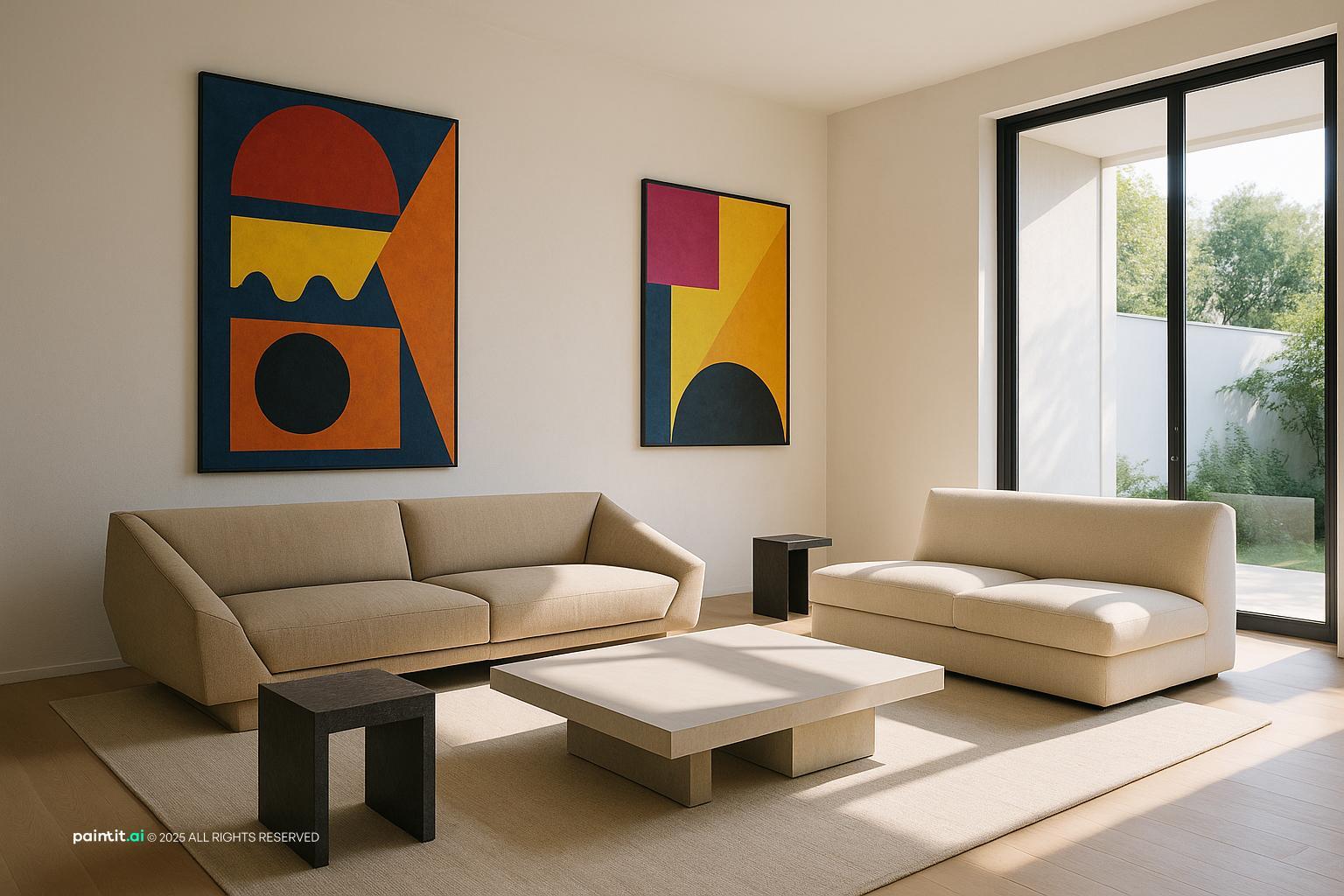
Colors have a profound impact on our mood. A palette inspired by nature brings a sense of groundedness and tranquility. These hues are inherently soothing and create a soft backdrop for relaxation. It sounds simple, but the right shade can transform everything.
-
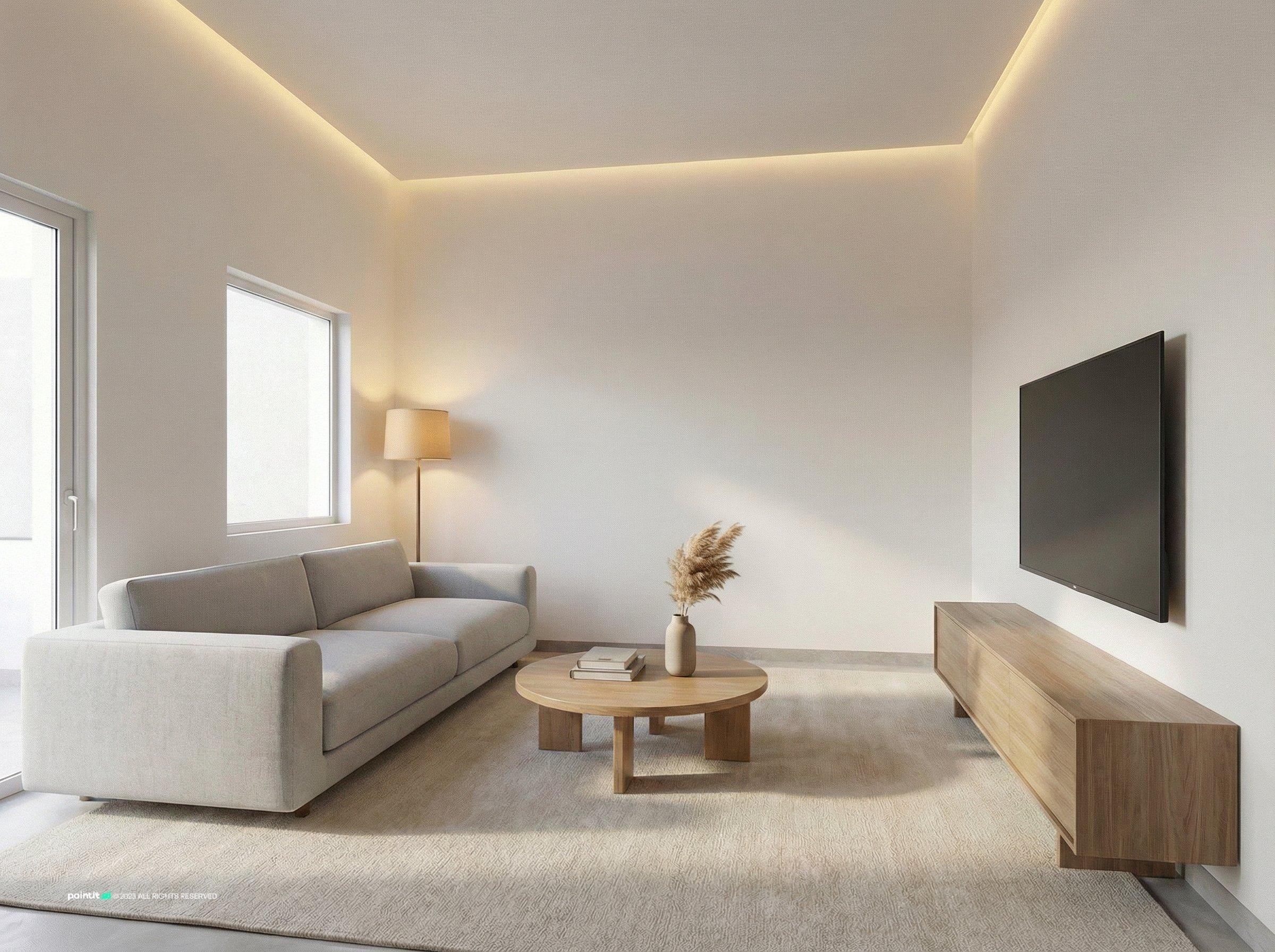
Focus on muted tones like soft greens, dusty blues, warm beiges, and gentle grays. Paint walls in one of these calming shades. Introduce complementary colors through textiles like throws, cushions, and small decorative items. Avoid stark contrasts.
-
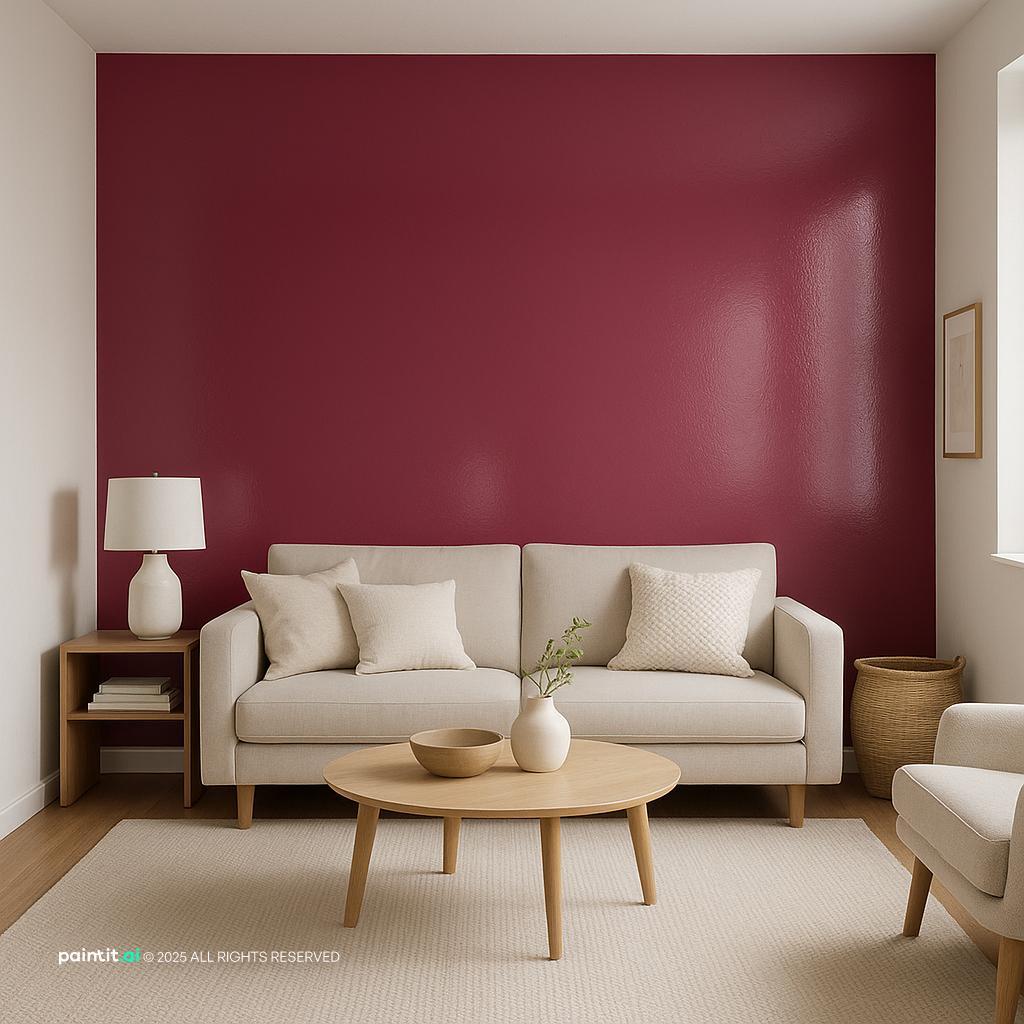
Pro Tip: To achieve this effect, try sampling several paint swatches on your wall before committing to a color.
-
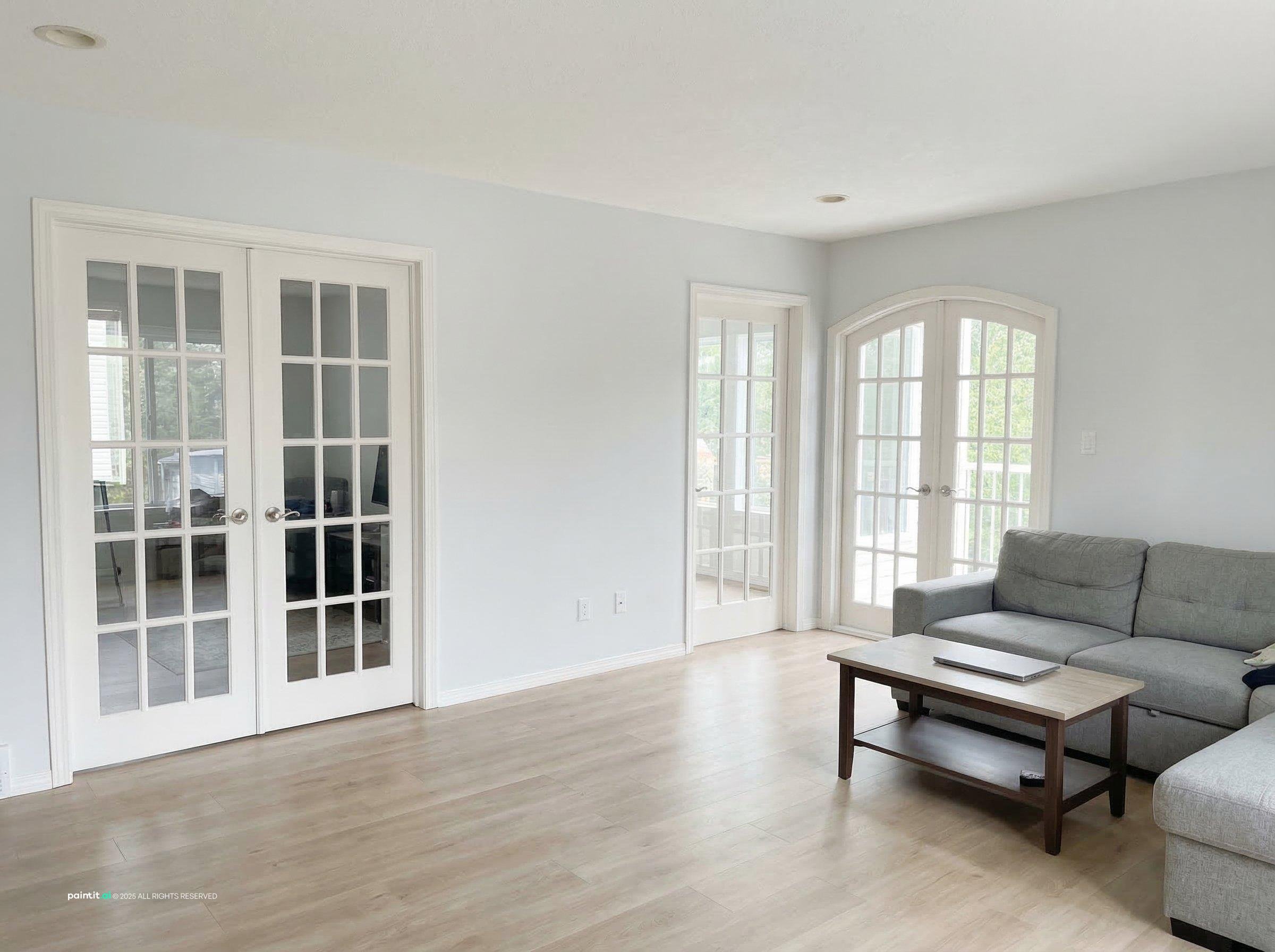
Bringing plants indoors instantly adds life, purifies the air, and introduces a natural element that promotes calm. Even a few well-placed plants can make a significant difference. They are an inexpensive way to add texture and color.
-
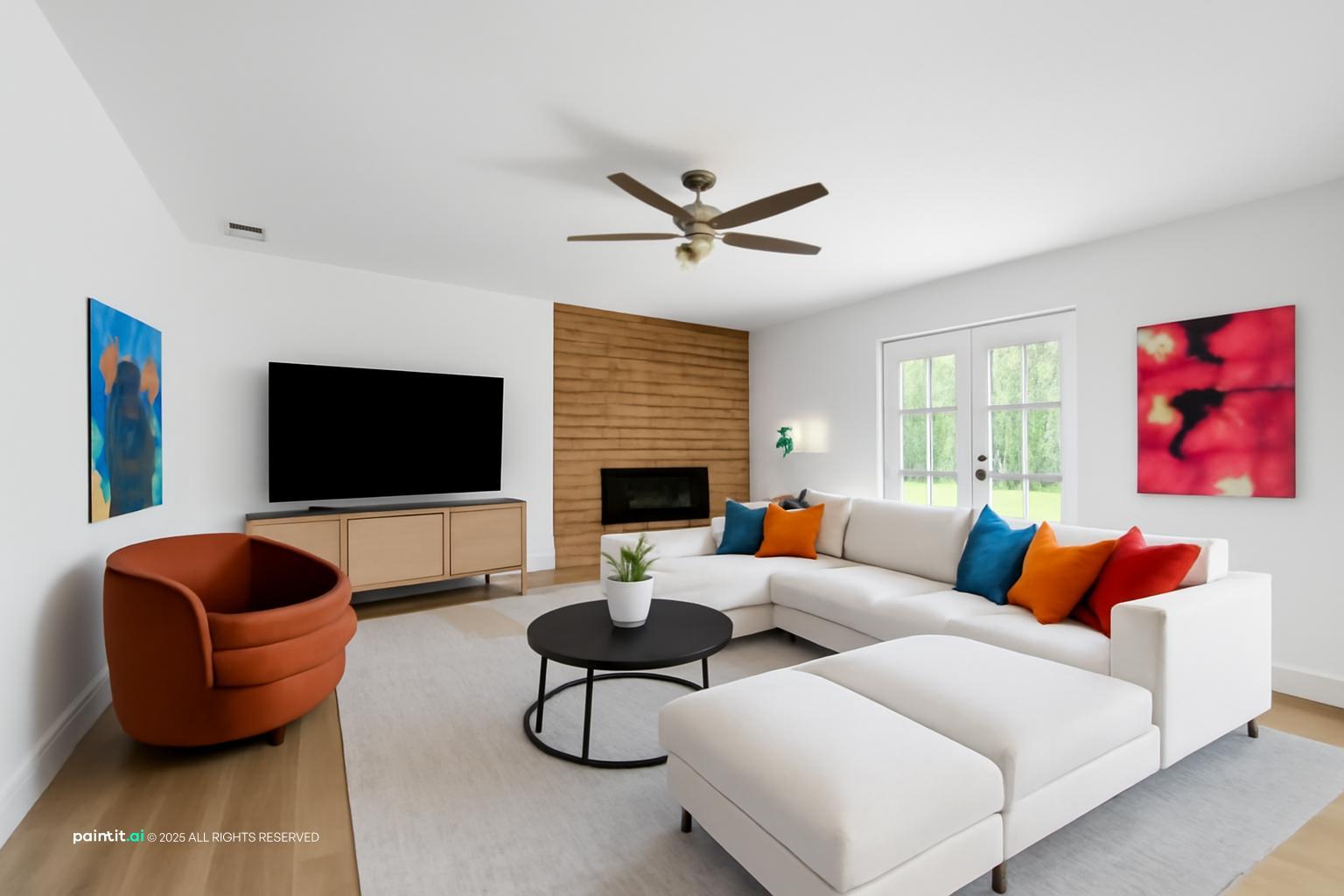
Choose low-maintenance plants like snake plants, ZZ plants, or Pothos. Place them in simple, unglazed ceramic pots or woven baskets. Grouping plants of varying heights can create an interesting visual display. Remember, a little greenery goes a long way.
-
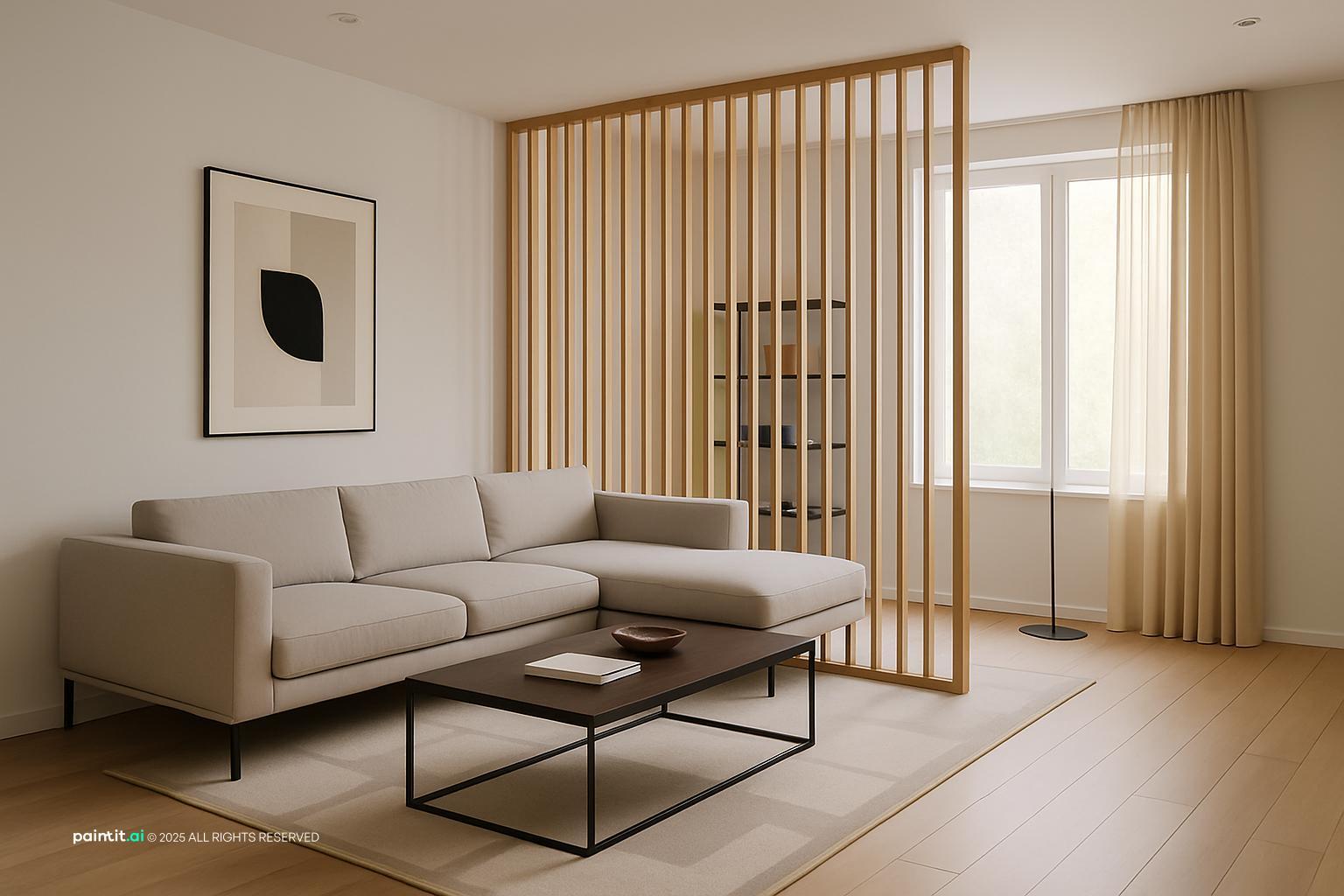
Pro Tip: To achieve this effect, try propagating cuttings from existing plants to expand your collection for free.
-
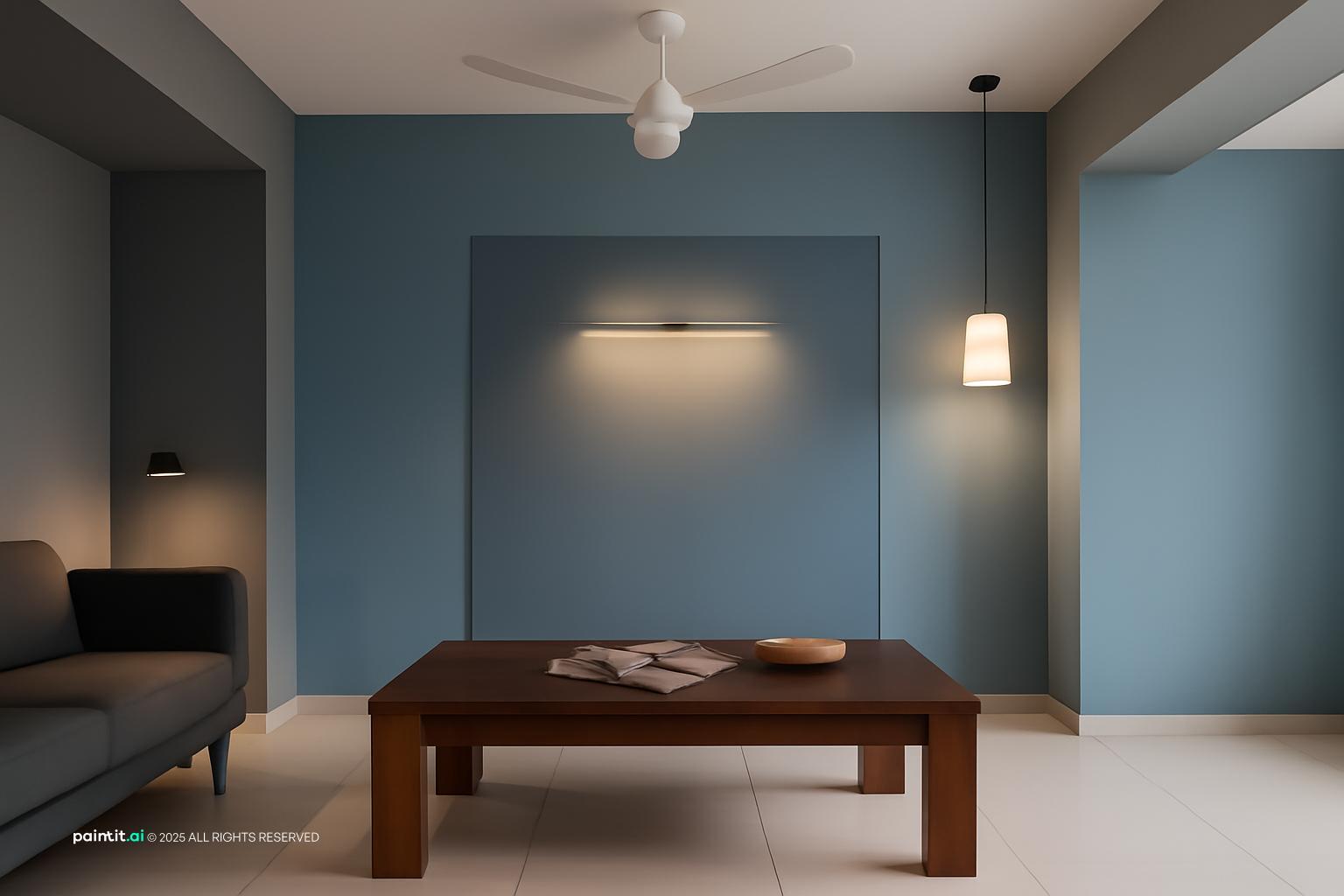
Furniture that sits closer to the ground creates an illusion of more space and openness. This design choice encourages a relaxed posture and a more grounded feeling, aligning perfectly with a peaceful aesthetic. It might seem odd at first, but the visual impact is undeniable.
-
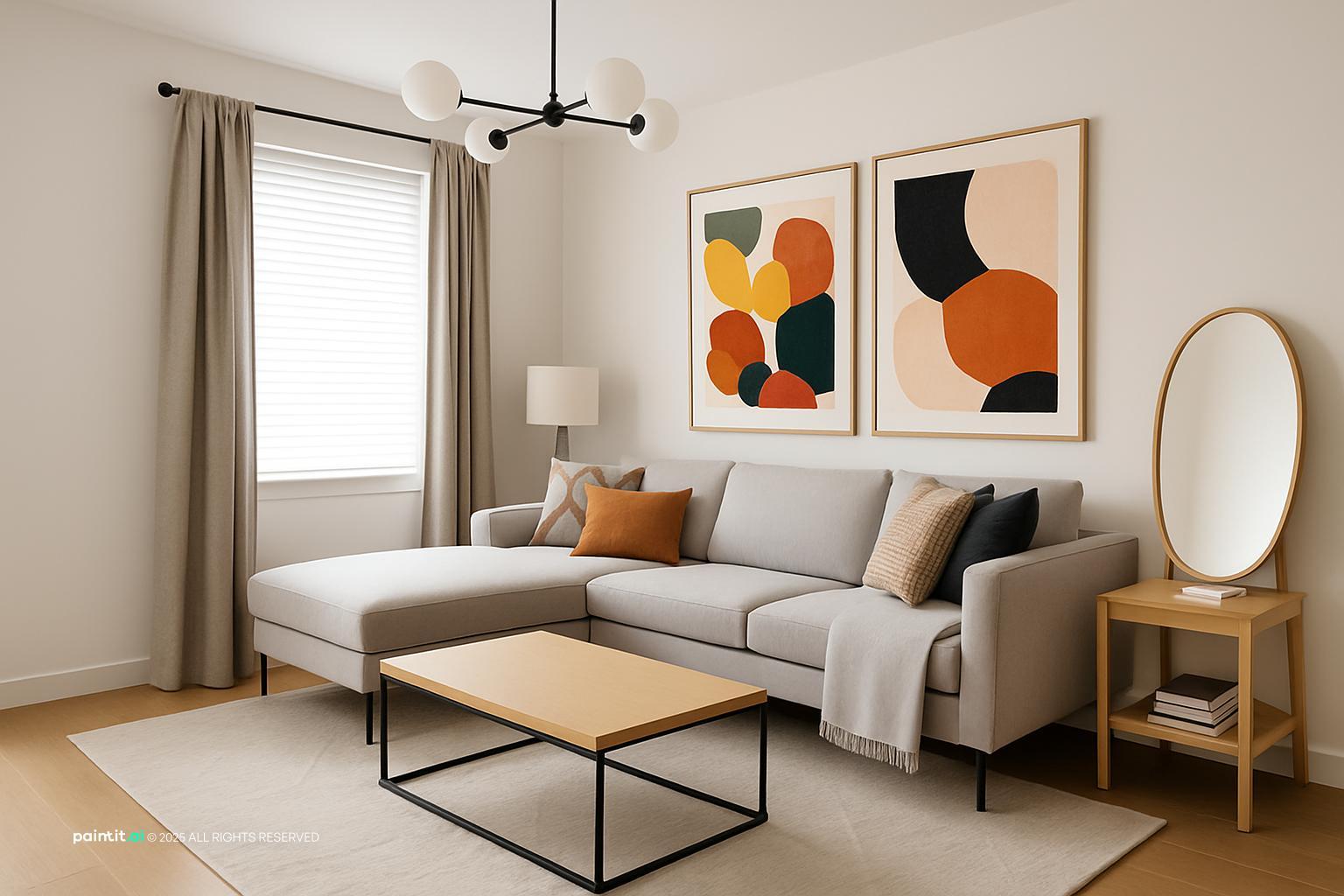
Look for sofas and chairs with low backs and slender legs. Consider floor cushions or a simple futon if space is extremely limited. Avoid bulky, oversized pieces that can make a room feel cramped. Keep surfaces clear.
-
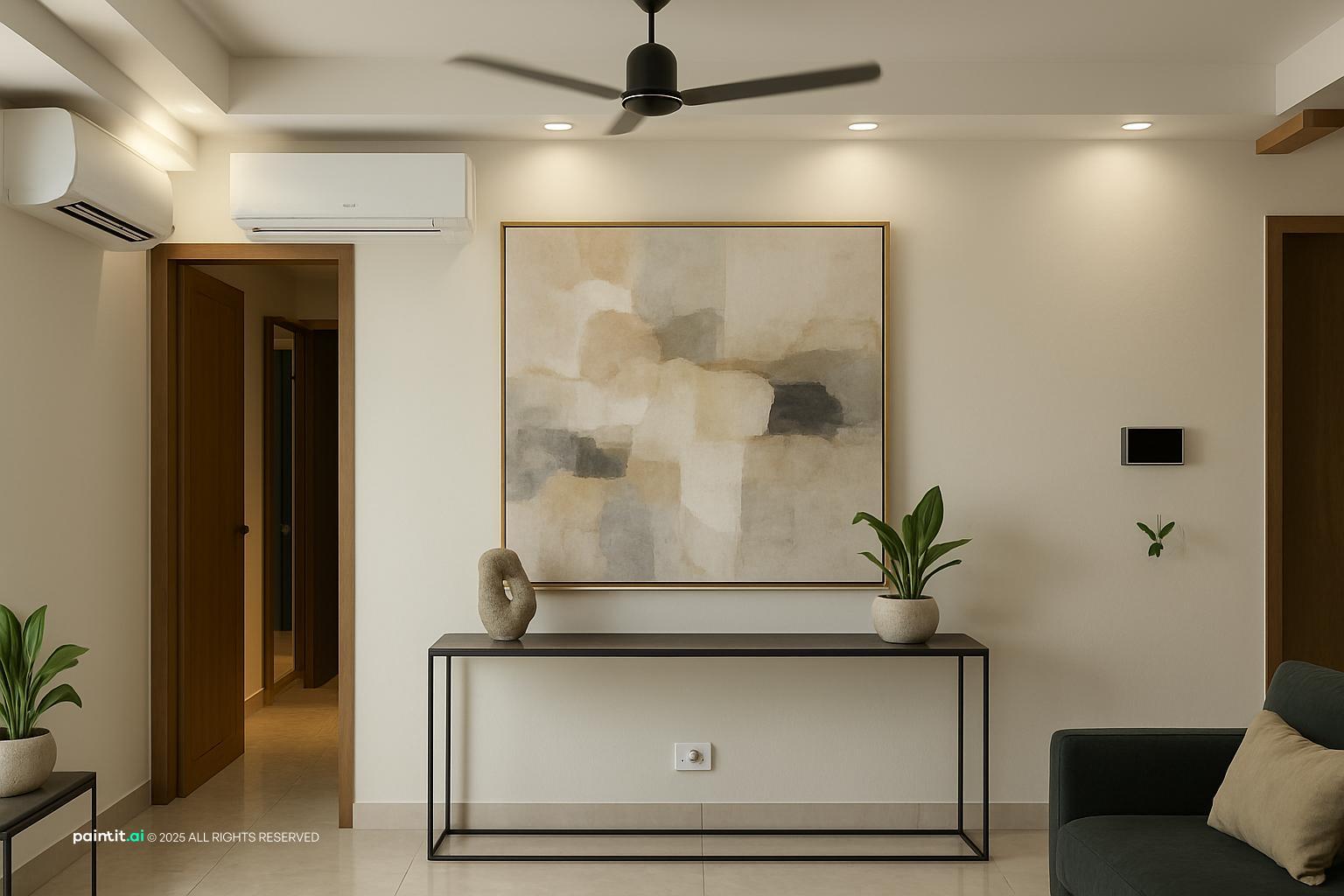
Pro Tip: To achieve this effect, try searching for second-hand pieces that can be reupholstered or painted for a fresh look.
-
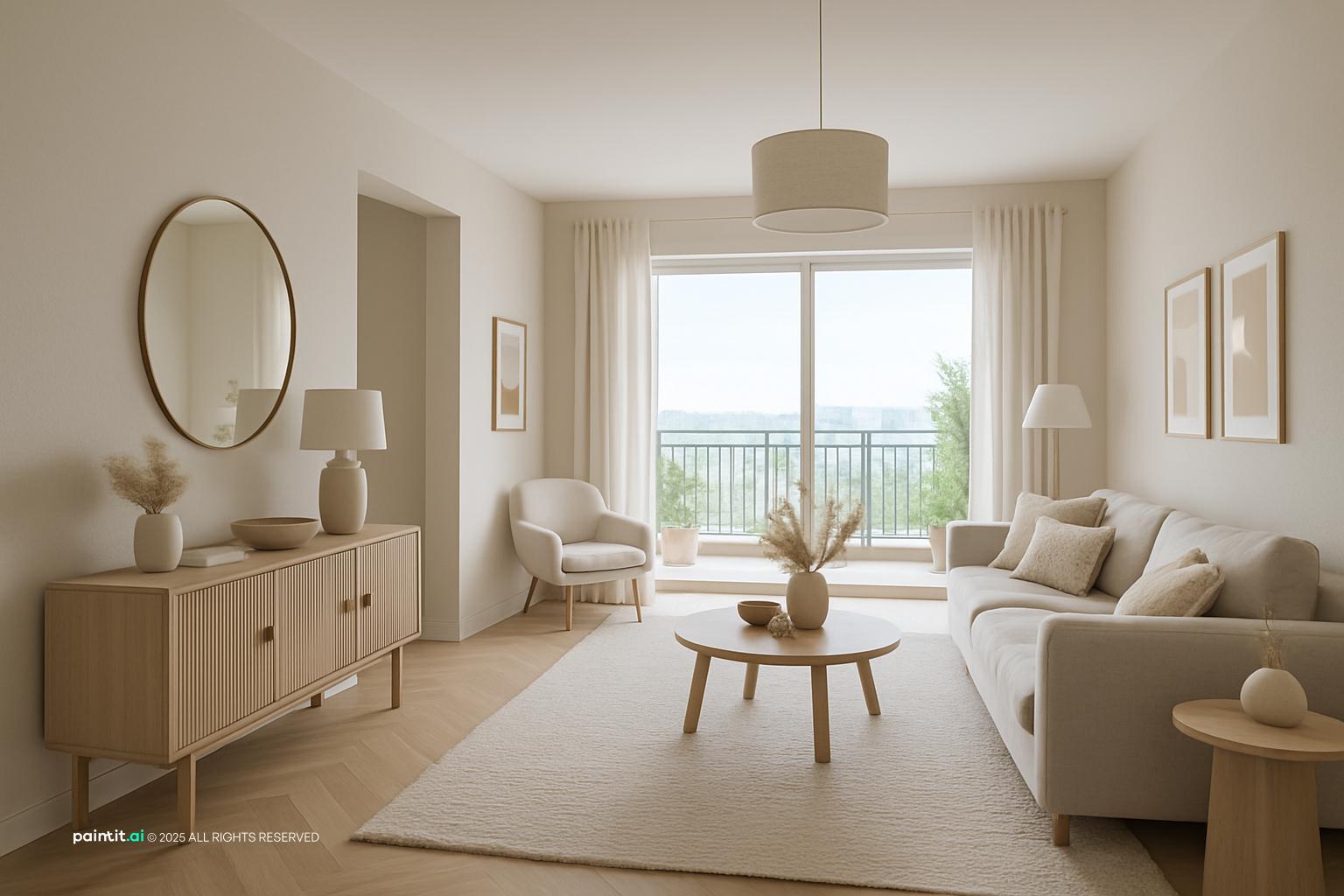
Tactile elements add depth and warmth without relying on bold colors or patterns. Natural textures like wood, linen, cotton, and jute engage the senses and contribute to a cozy, inviting atmosphere. They feel authentic and unpretentious.
-
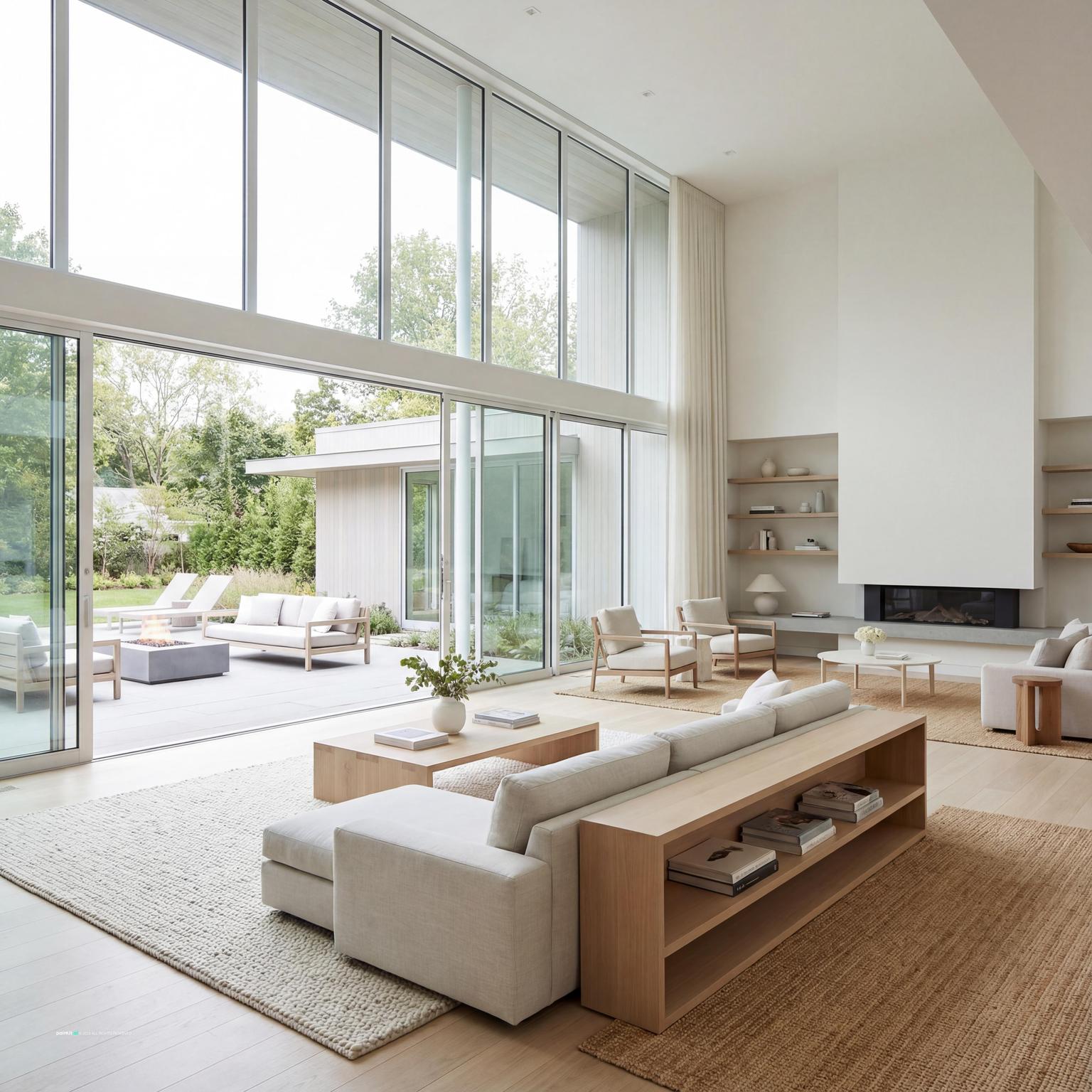
Introduce a jute rug, linen throw blankets, cotton cushion covers, or a small wooden stool. Look for items made from raw or unfinished materials. These elements add an organic feel that is both sophisticated and calming. Avoid anything overly shiny or synthetic.
-
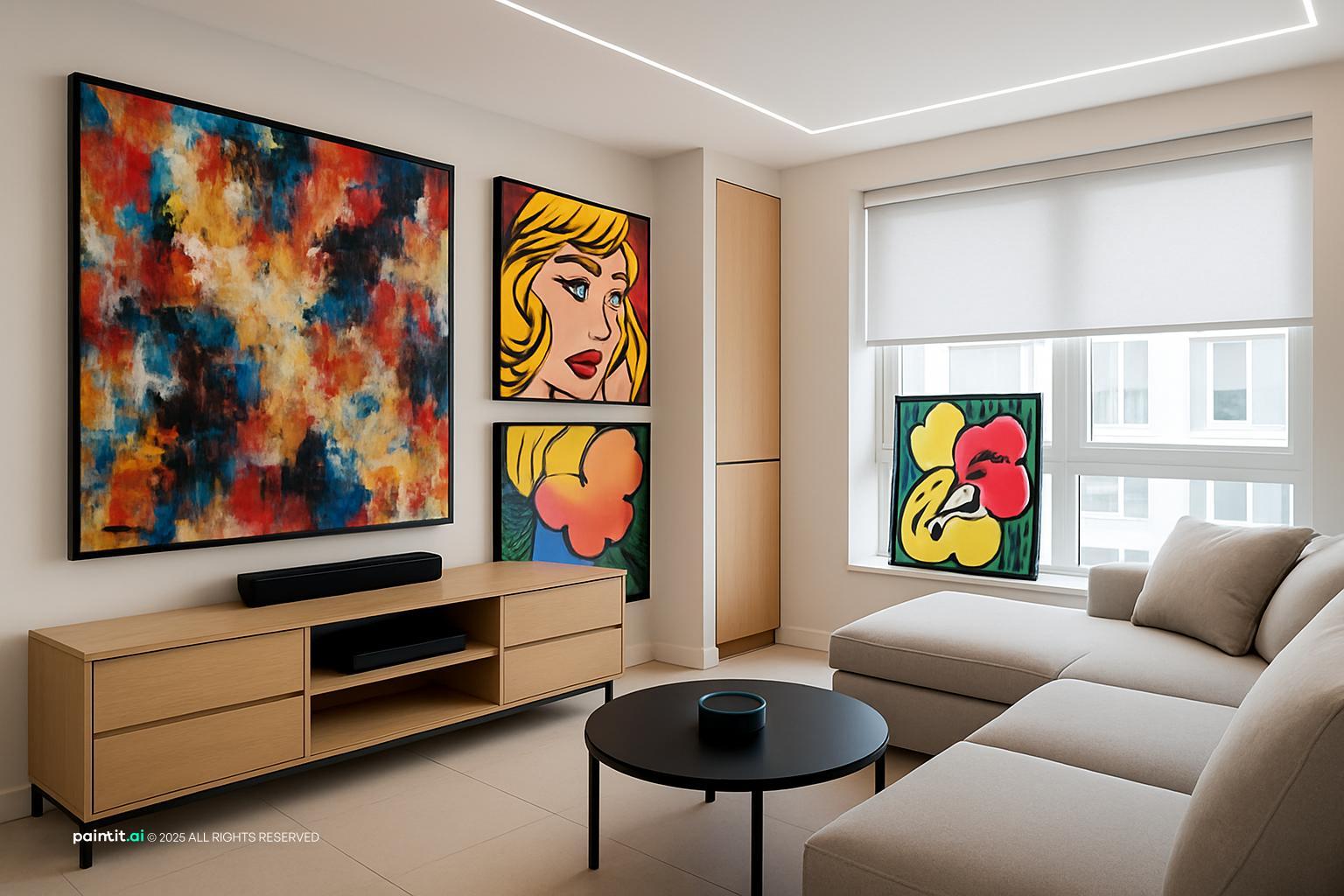
Pro Tip: To achieve this effect, try incorporating a large, natural fiber rug to anchor your seating area.
-
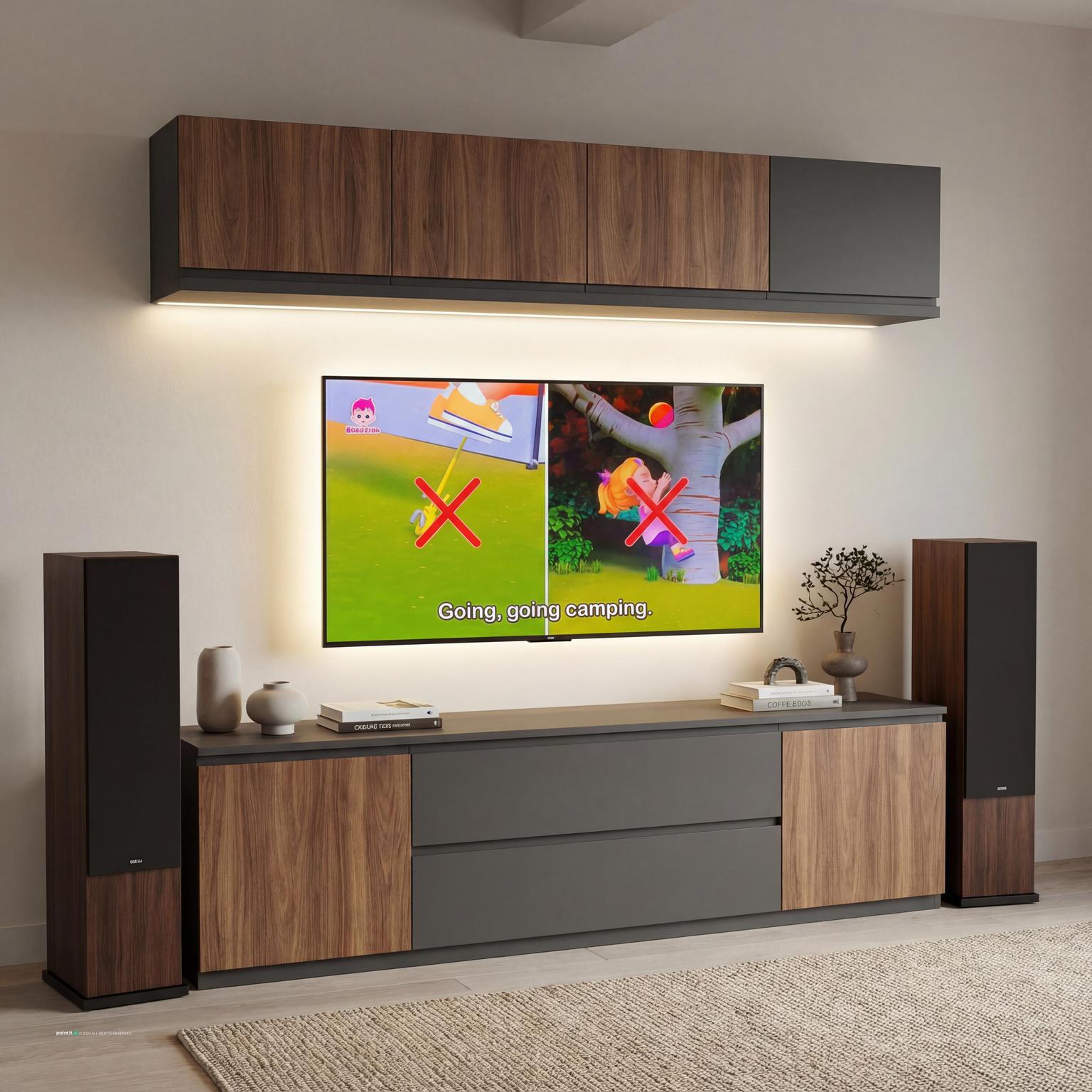
Harsh overhead lighting can feel jarring and uninviting. Soft, diffused light creates a gentle glow that promotes relaxation and intimacy. It’s about setting a mood, not just illuminating a space. Here is what matters: layers of light.
-
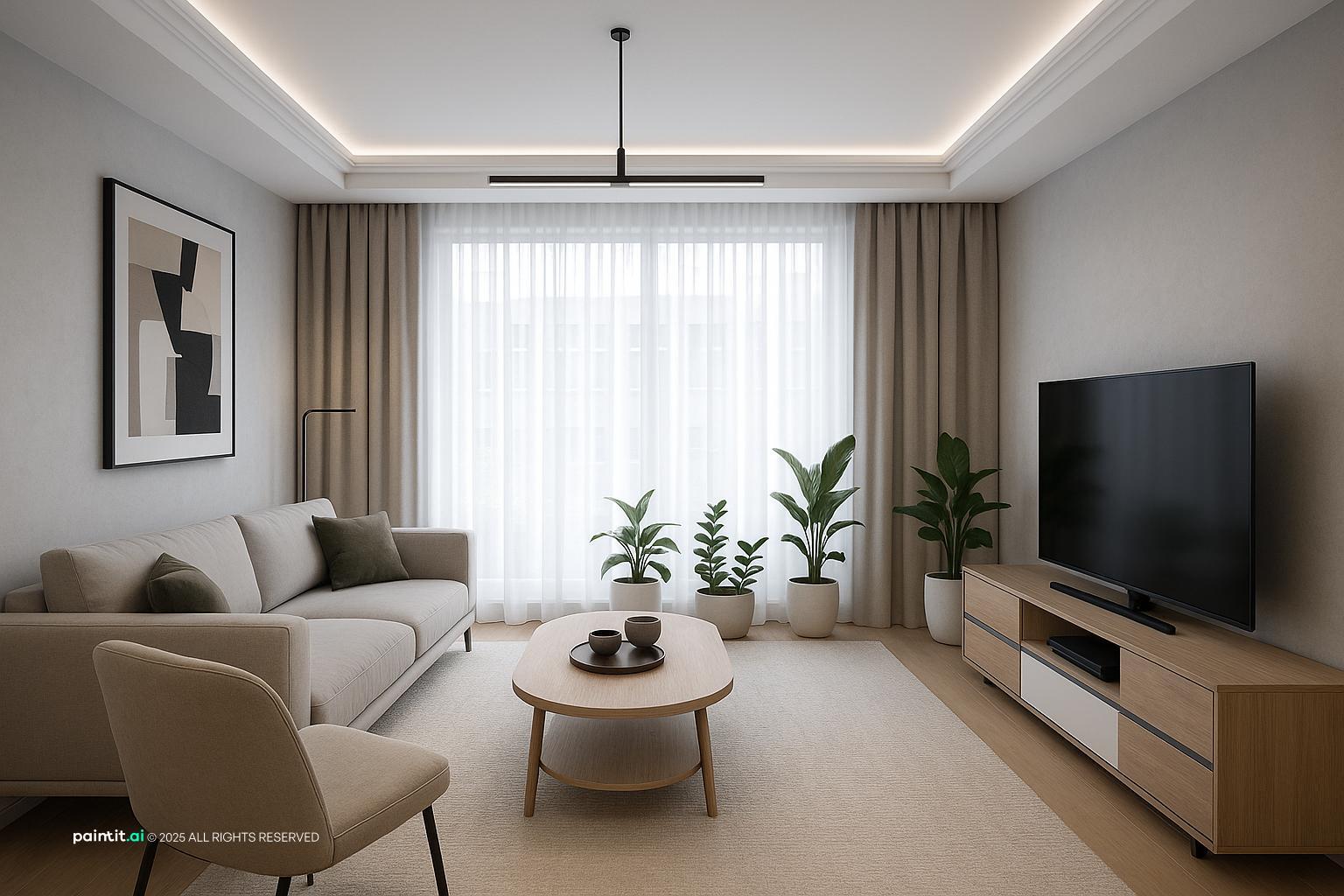
Use multiple light sources at different heights: a floor lamp, a table lamp, and perhaps some string lights. Opt for warm-toned bulbs (around 2700K). Dimmers are an excellent budget-friendly investment for controlling ambiance. Candles also work wonders for instant calm.
-
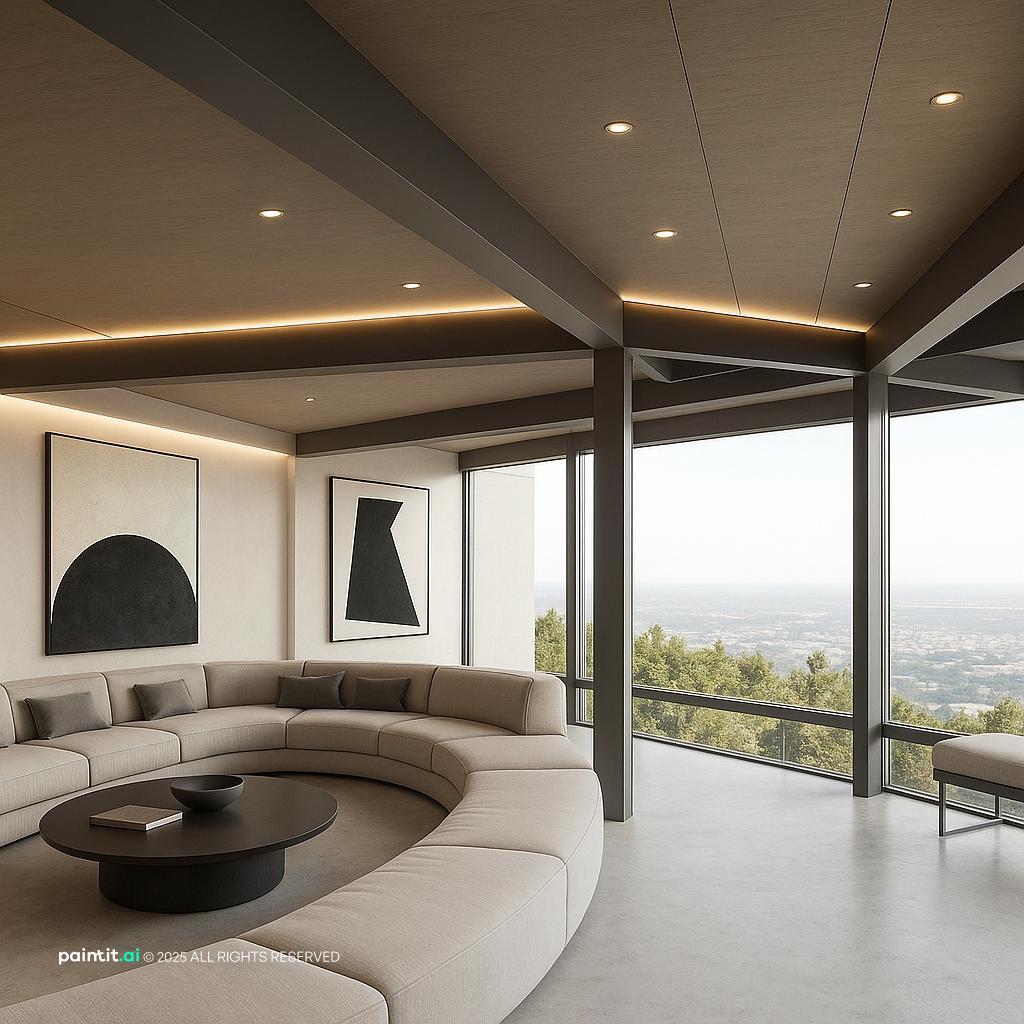
Pro Tip: To achieve this effect, try swapping out harsh LED bulbs for softer, warmer incandescent or smart bulbs with adjustable warmth.
-
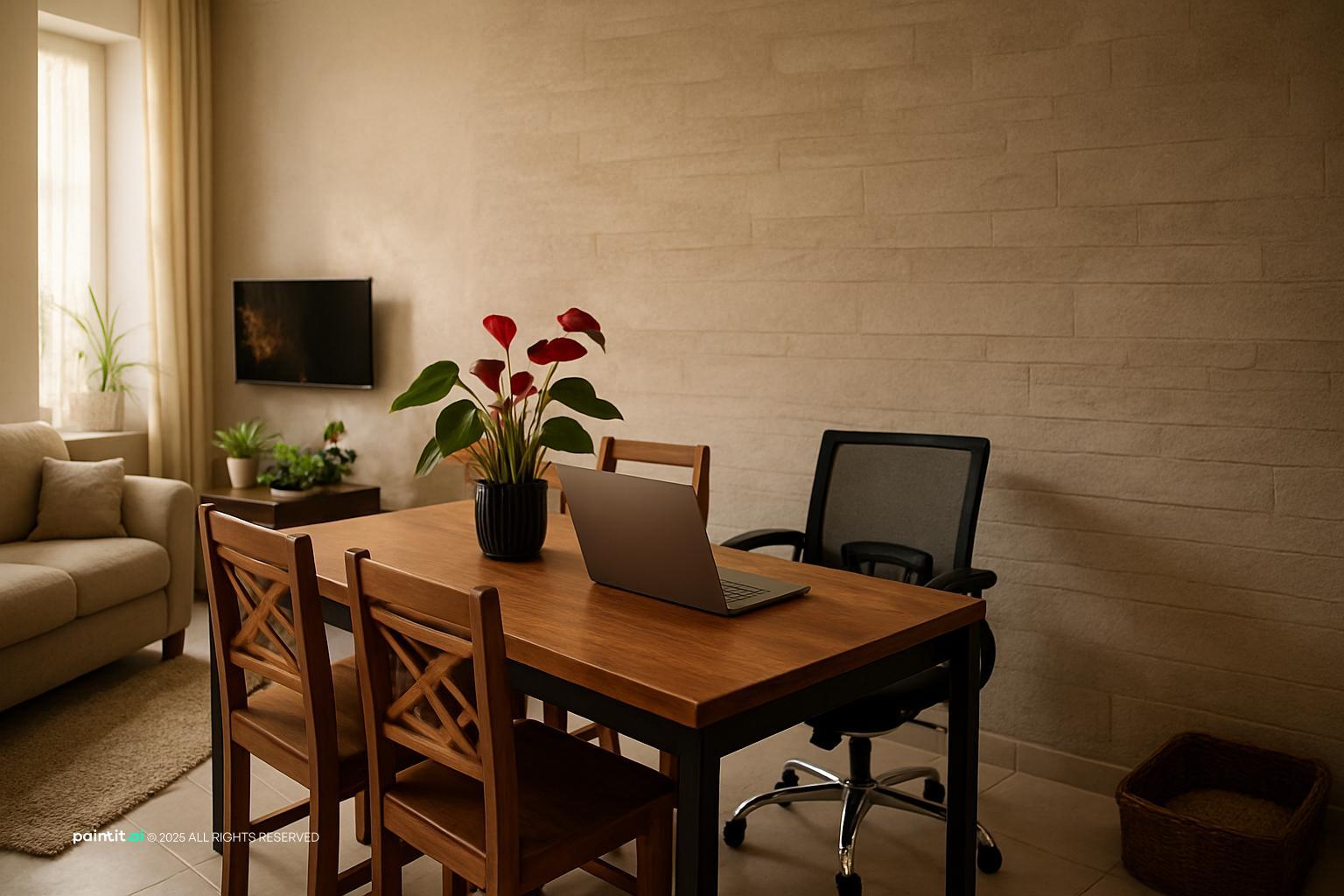
A truly peaceful space is free from visual chaos. Mindful organization isn't just about tidiness; it's about creating systems that support a calm environment. Every item should have a home. This is non-negotiable for a serene room.
-
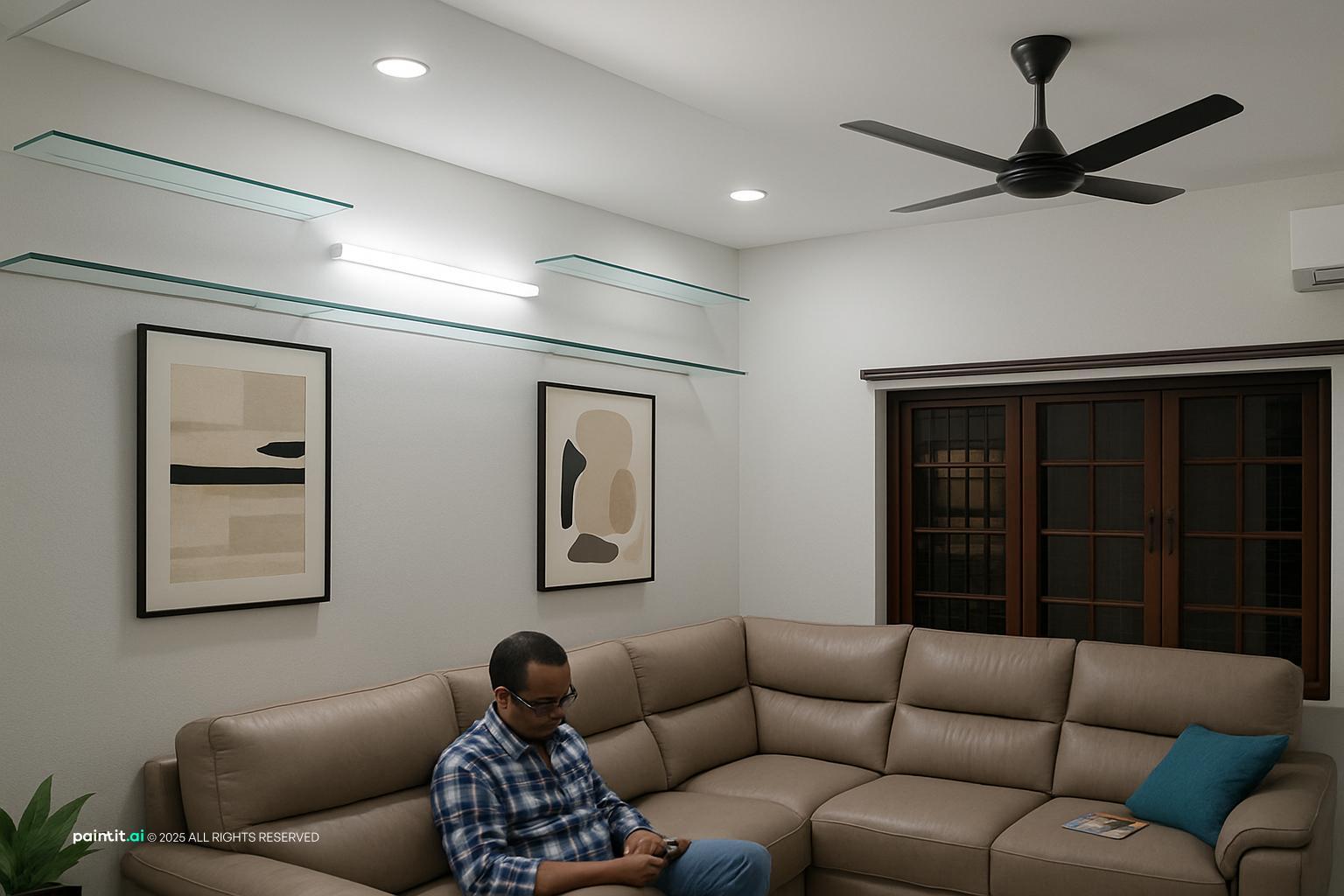
Invest in simple, closed storage solutions like baskets, bins, or a small cabinet. Regularly go through your belongings and donate or discard what you no longer need. Keep surfaces as clear as possible. A tidy space leads to a tidy mind.
-
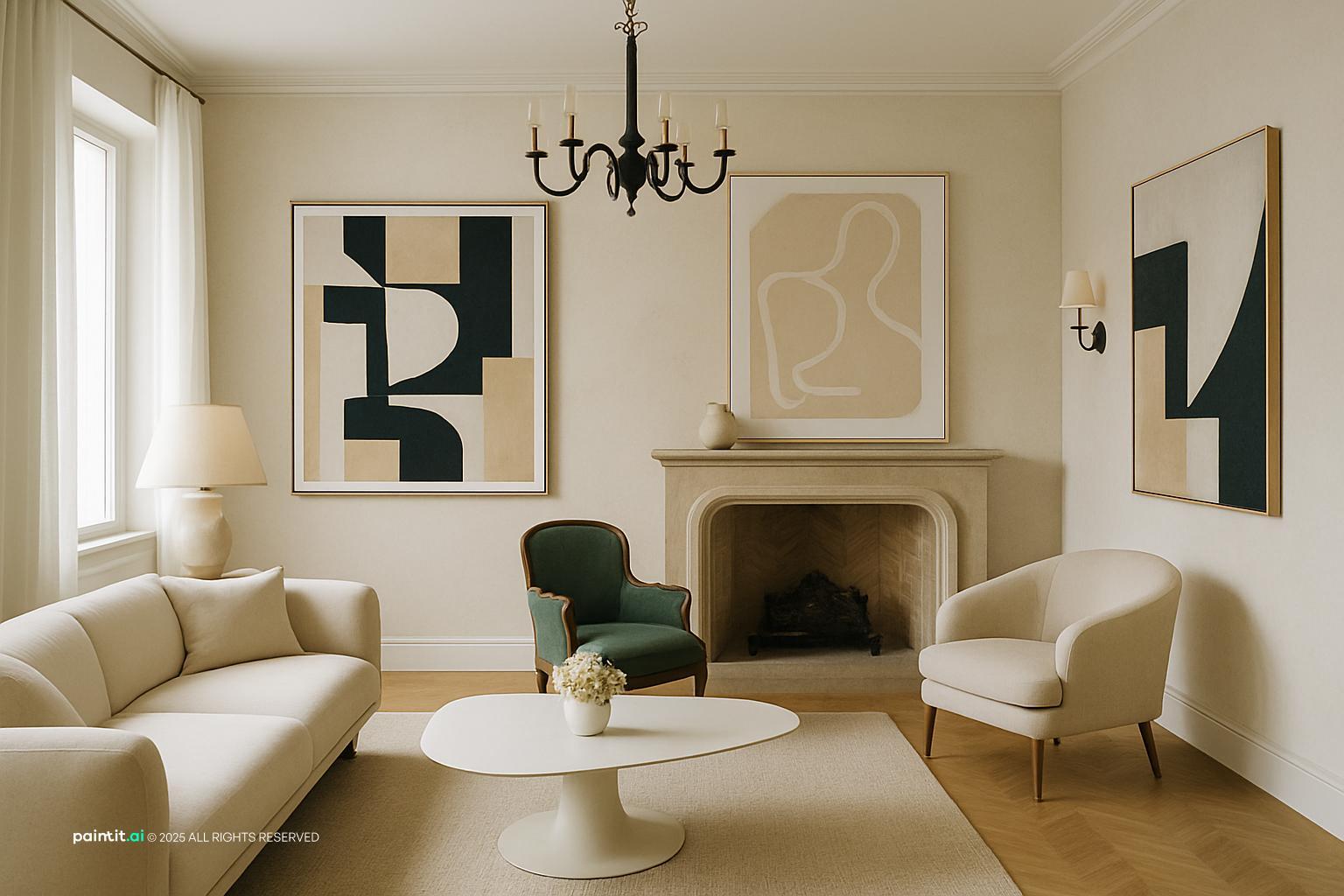
Pro Tip: To achieve this effect, try implementing a "one in, one out" rule for new purchases to prevent accumulation.
-
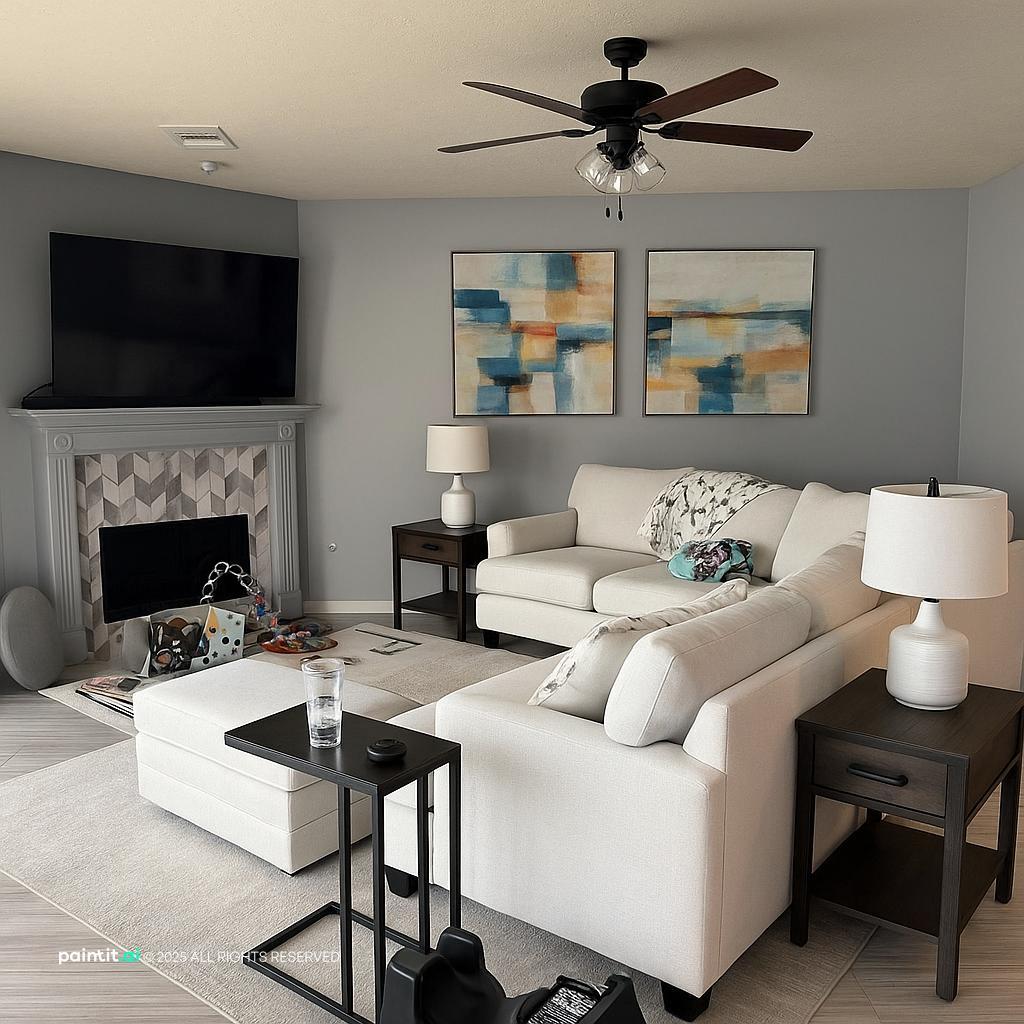
Art can elevate a room, but for a peaceful aesthetic, less is often more. Choose pieces that evoke calm, rather than stimulating the senses. Overly busy or brightly colored art can disrupt the tranquility you're trying to create.
-
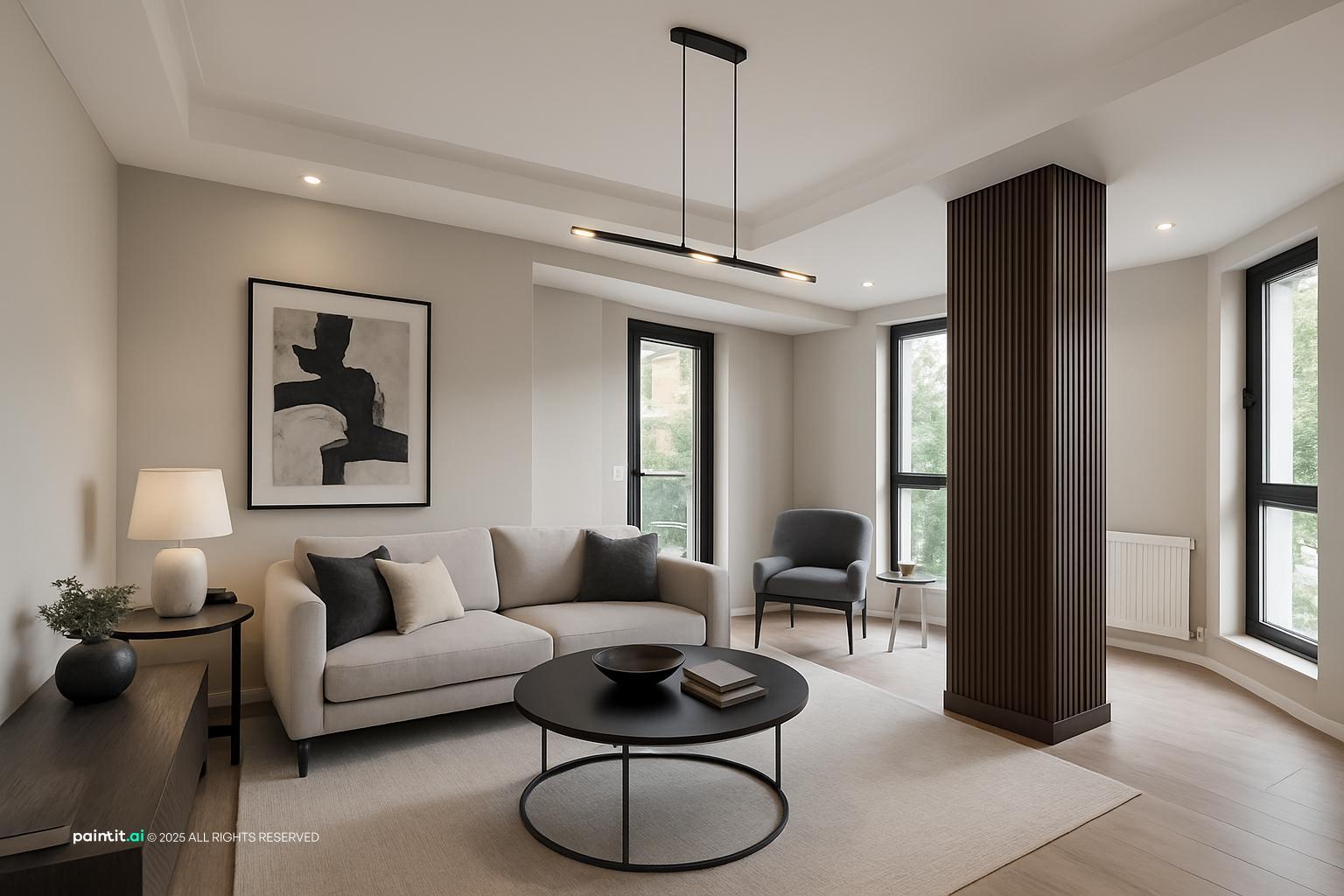
Opt for abstract pieces with muted colors, nature-inspired prints, or even simple line drawings. A single large piece can be more impactful than a gallery wall of many small items. Consider DIY options like pressed botanicals or simple framed fabric. I’ve seen this work best with black and white photography.
-
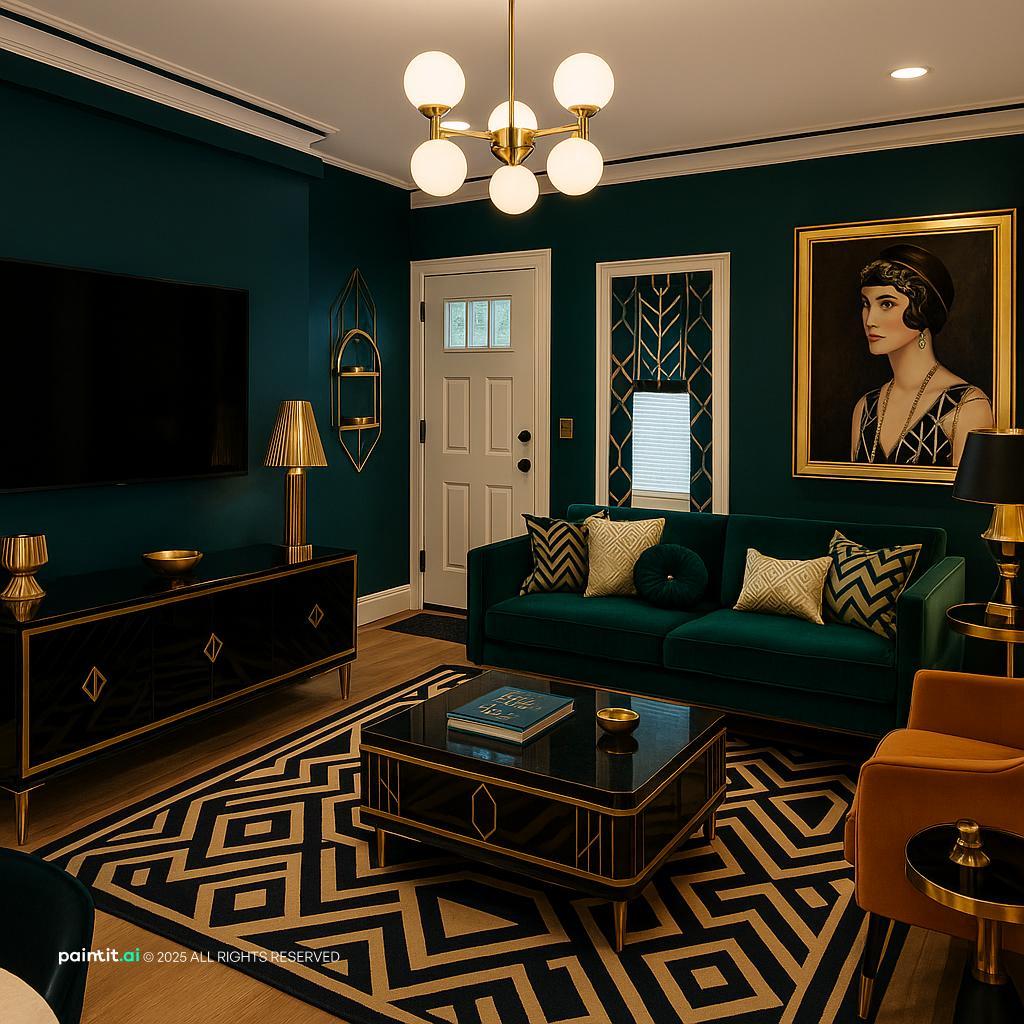
Pro Tip: To achieve this effect, try framing a beautiful piece of fabric or a page from an art book for unique, inexpensive wall art.
-
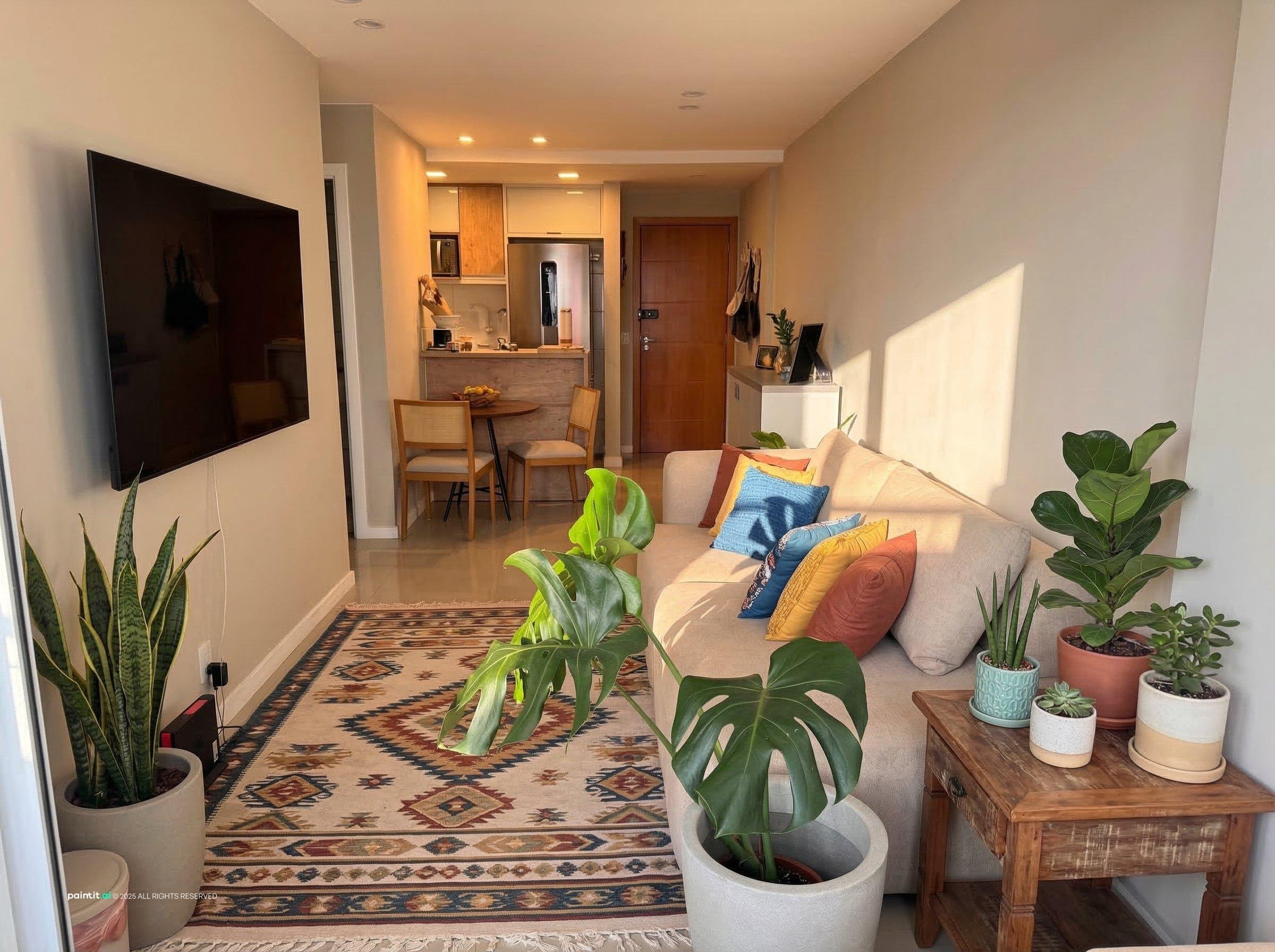
A truly immersive peaceful experience engages all the senses. Pleasant aromas and gentle sounds can significantly enhance the calming atmosphere of your living room. These subtle elements often go overlooked, but they are powerful.
-
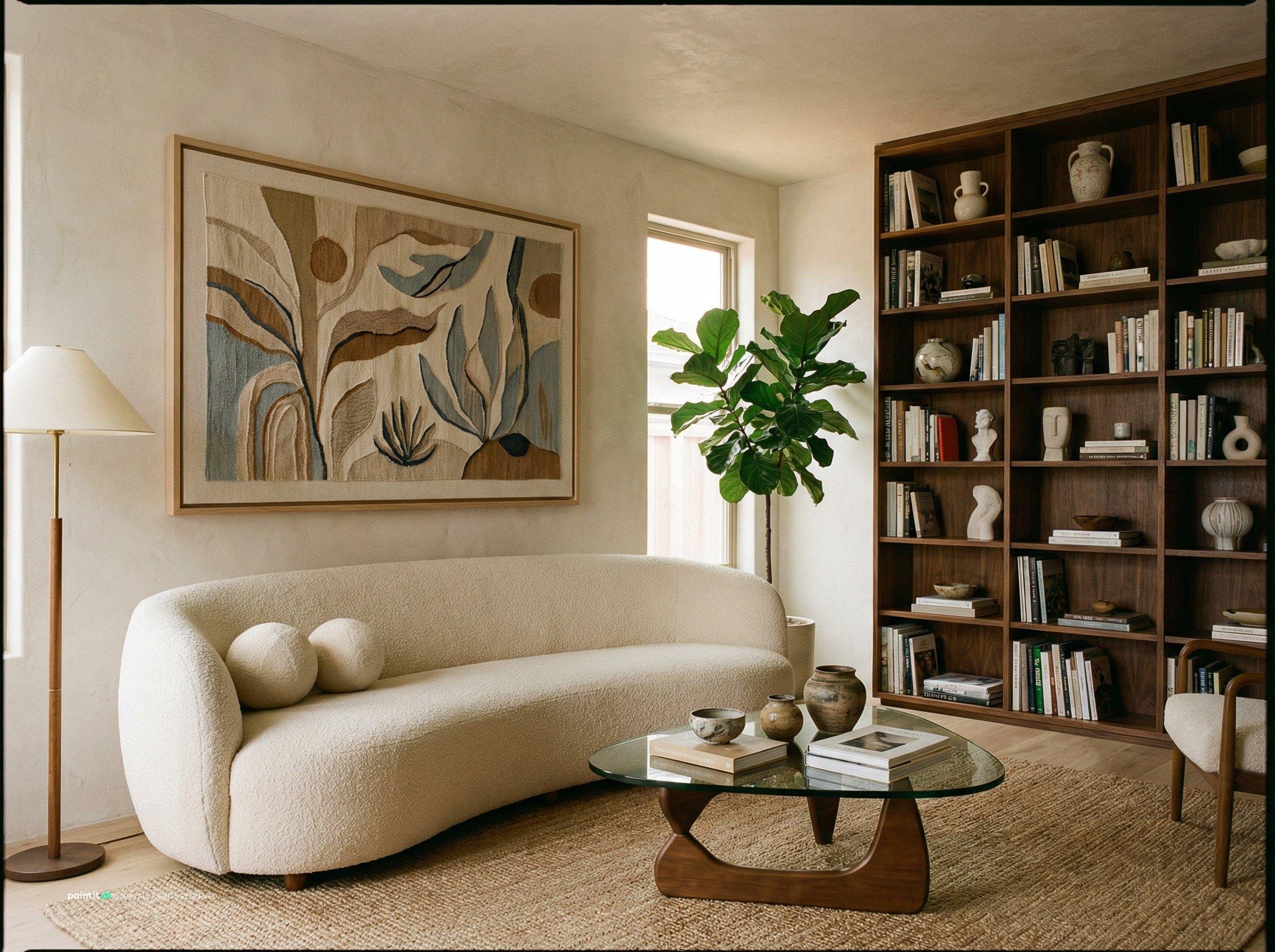
Use an essential oil diffuser with calming scents like lavender, sandalwood, or bergamot. Choose candles with natural waxes and subtle fragrances. For sound, consider a small tabletop water feature, a subtle wind chime near an open window, or play soft, ambient music. Avoid strong, artificial scents.
-
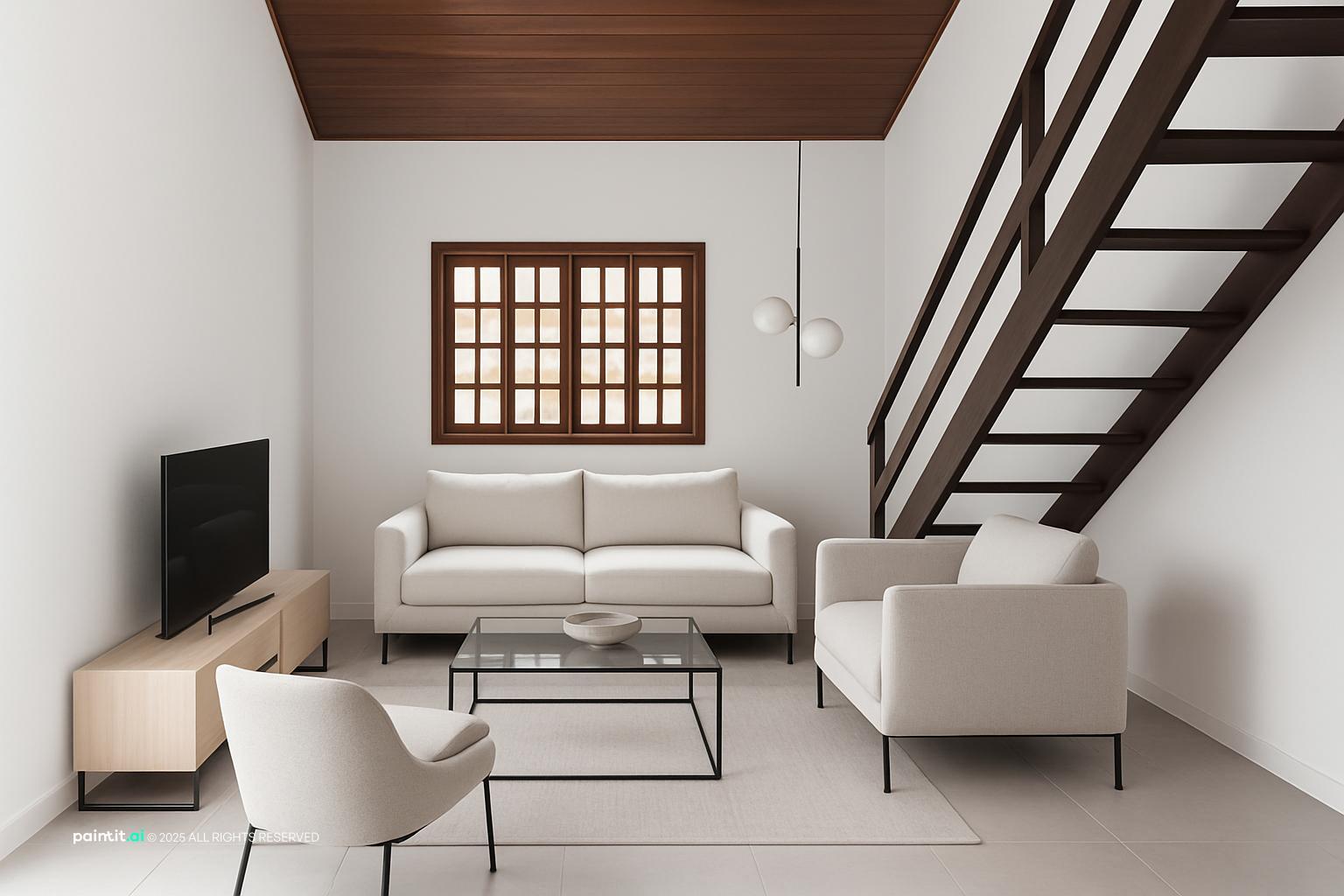
Pro Tip: To achieve this effect, try making your own potpourri with dried flowers and essential oils for a natural, customizable scent.
-
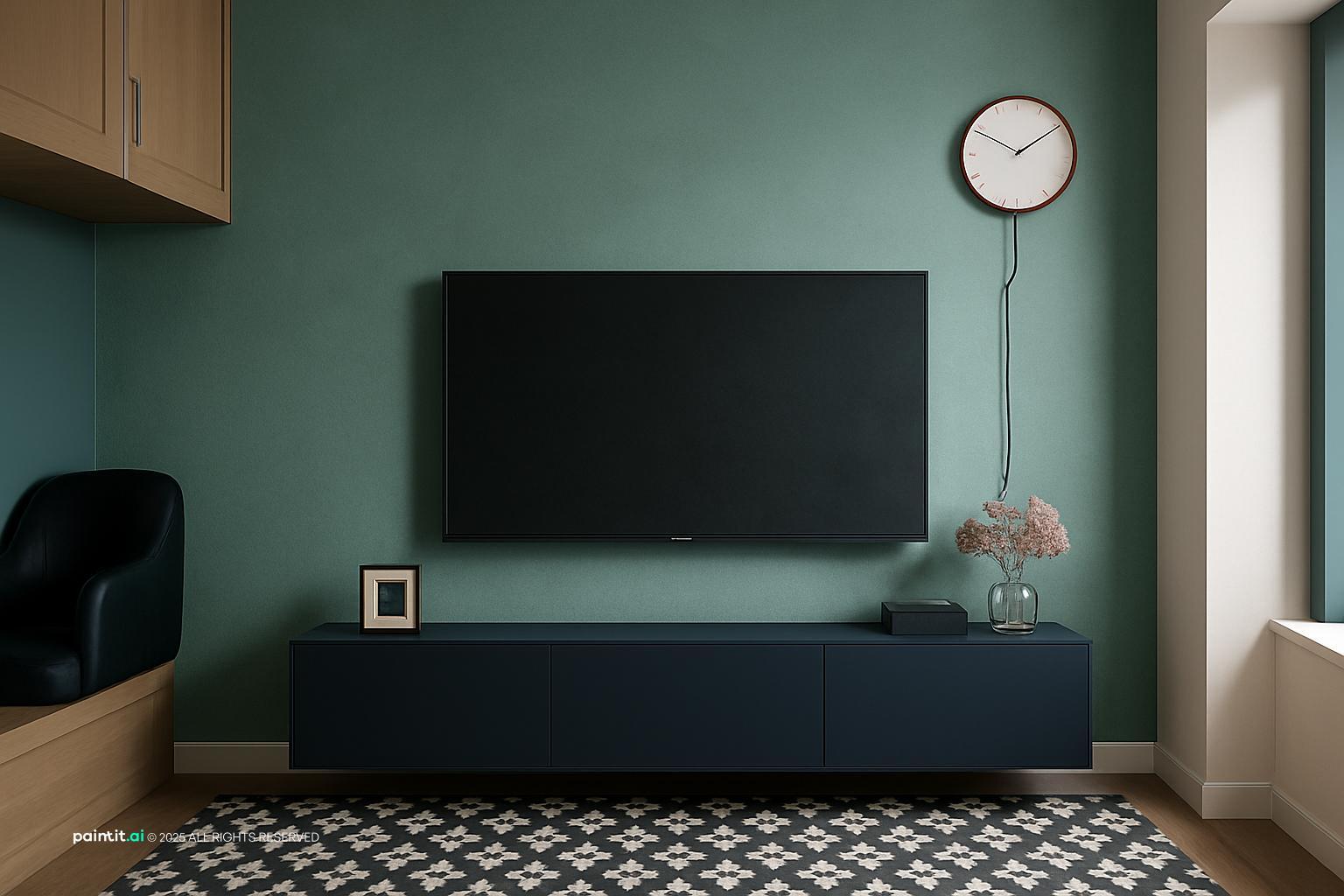
Even in a small living room, carving out a specific area for quiet reflection can significantly boost its peaceful appeal. This designated spot signals to your mind that it's a place for calm activities. It’s about intentional space usage.
-
Find a quiet corner. Place a comfortable floor cushion, a small rug, and perhaps a low side table for a cup of tea or a book. Add a soft throw blanket and a small plant. Keep this area free from clutter and distractions. This doesn't need to be large; just a few square feet can suffice.
-
Pro Tip: To achieve this effect, try using a room divider or a tall plant to visually separate your nook from the rest of the room.
-
Achieving a serene look on a budget often means getting creative with what you already have or finding inexpensive alternatives. Repurposing items not only saves money but also adds unique character to your space. Most people forget that a little effort can yield impressive results.
-
Transform an old wooden crate into a minimalist side table or a plant stand. Paint existing furniture in a calming, neutral shade. Use branches collected from outside as decorative elements. Look for second-hand finds that can be given a new life with a coat of paint or new hardware. Think about simple, clean transformations.
-
Pro Tip: To achieve this effect, try using natural elements like smooth river stones or dried seed pods as simple, free decor accents.
Crafting Tranquility: The Art of Budget Zen to Life with Paintit.ai
-
Achieving a zen living room starts with a calming color story. I’ve seen this work best by building from a foundation of soft, muted tones. Think of a base of warm off-white, like a creamy linen, or a gentle, almost ethereal light gray. These hues expand the space, making it feel open and airy. Introduce secondary tones with a dusty sage green or a pale, sandy beige; these connect the room to nature without overwhelming it. For a subtle grounding, a whisper of charcoal or a muted terracotta can be introduced through smaller elements, providing depth. The trick is balance, ensuring no single color shouts, but rather all harmonize in a quiet symphony.
-
The tactile experience is paramount in a zen space. Raw, natural materials are your allies here. Consider light-toned wood, perhaps a pale oak or bamboo, for furniture frames or shelving. It brings warmth and an organic feel, instantly calming. Linen and cotton are indispensable for textiles—think drapes, cushion covers, or throws. Their natural texture adds softness and breathability. Most people forget that ceramics, with their earthy, imperfect beauty, can introduce a grounding element. A simple, unglazed ceramic vase or a handmade bowl adds a touch of artisanal authenticity, creating a sense of quiet permanence.
-
For a zen living room, furniture isn't just functional; it defines the atmosphere. Opt for low-profile pieces with clean, uncluttered lines. A platform sofa, perhaps in a light neutral fabric, anchors the room without dominating it. Its close-to-the-ground presence encourages relaxation. A simple, minimalist coffee table, ideally in a natural wood, serves as a central point without adding visual weight. It sounds simple, but a few floor cushions or a large, soft pouf can transform the seating arrangement, inviting informal comfort. Choose pieces that feel substantial yet visually light, prioritizing comfort and simplicity over ornate design.
-
Lighting is the soul of a zen space. It’s not about brightness, but about creating a soft, layered glow. Start with ambient lighting from a warm-toned ceiling fixture, perhaps one with a diffused shade that casts no harsh shadows. Task lighting should be subtle; a simple floor lamp with a linen shade next to your reading nook provides focused light without intruding. Here is what matters: accent lighting. Small, strategically placed table lamps, or even a few well-chosen candles, can create pockets of warmth and intimacy. Natural light, of course, is invaluable; allow it to flood the room, using sheer curtains to soften its intensity.
-
Decorative accents in a zen living room are about intentionality, not accumulation. The truth is, less is often more. When styling, I always apply the "3-5-7 rule" to create visual harmony without clutter. This means grouping items in odd numbers. For example, on a coffee table, you might arrange three elements: a small ceramic bowl, a single potted succulent, and a smooth river stone. On a shelf, consider five items: two books, a small piece of abstract art, a delicate vase with a single branch, and a scented candle. For a larger wall, a collection of seven framed botanical prints in simple frames can create a serene gallery. Each item should have a purpose or evoke a sense of calm, whether it’s a piece of natural art, a simple plant, or a meaningful object. Avoid anything purely decorative that doesn't contribute to the overall feeling of peace.
Paintit.ai eliminates guesswork for your budget zen living room Design Ideas
Creating a truly zen living room on a budget often feels like walking a tightrope. Most people forget that the subtle nuances of color, texture, and minimalist arrangement are everything here, and getting them wrong can quickly make a space feel sparse rather than serene. The truth is, visualizing how a simple jute rug pairs with a muted wall color or how a specific secondhand piece fits the overall calm can be incredibly difficult before you buy. Paintit.ai instantly allows you to experiment with countless budget-friendly combinations—from soft, earthy paint shades to natural wood accents—right in your own room. See how these elements harmonize, ensuring every choice contributes to that peaceful, expansive feeling without any costly missteps. Try paintit.ai and design your tranquil retreat today.
FAQ
-
Avoid clutter at all costs. Overfilling the space negates tranquility. Most people forget that harsh overhead lighting kills the mood; skip it.
-
Forage for branches, smooth river stones. Small potted succulents or a single, large leafy plant like a snake plant are affordable. It might seem odd at first, but secondhand woven baskets are perfect.
-
The truth is, muted, earthy tones work wonders. Soft whites, warm greys, dusty terracotta, or sage green. These hues create a calming backdrop without needing expensive paint.
-
Absolutely. A low-profile futon or floor cushions are budget-friendly. I’ve seen this work best in spaces with a simple, natural wood coffee table or even a large, flat stone. Less is truly more here.
-
Ditch bright overheads. Here is what matters: use soft, diffused light from floor lamps with linen shades. String lights can add a gentle glow. Candles, of course, are always a win for ambiance.