Stylish Masculine Living Room Design
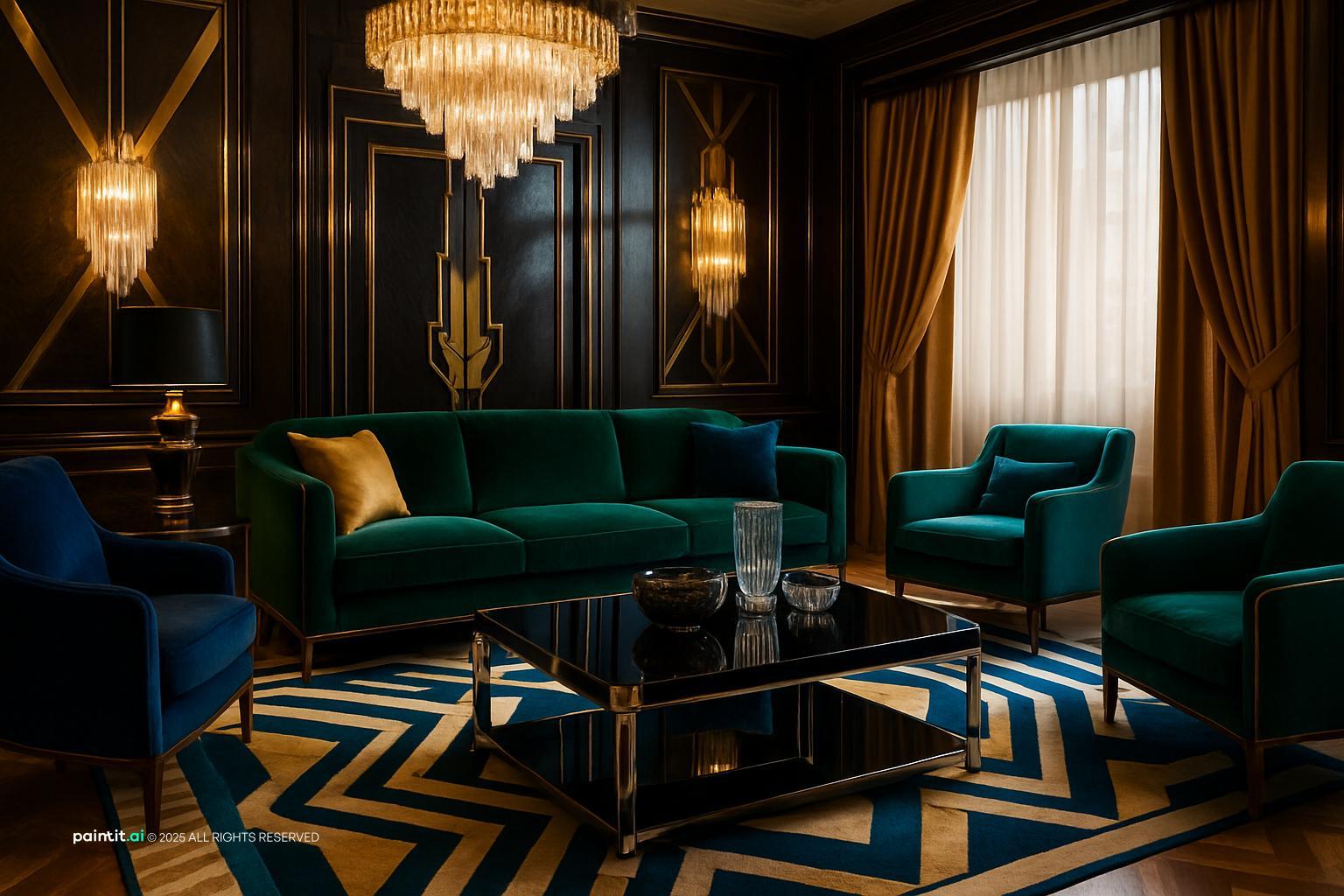
Elegant interior inspiration for 1920s living room It helps show how layout, materials, and light can shape a more grounded living room.
Imagine stepping into a space where every detail whispers tales of flapper dresses, speakeasies, and the vibrant energy of a bygone era. Crafting a truly authentic 1920s living room means balancing opulent Art Deco touches with cozy, inviting comfort. How do you bring that distinct historical charm into your modern home without it feeling like a museum?
Dreaming of a space that echoes the Roaring Twenties, but worried it’ll feel more costume party than cozy home? capturing that distinct Jazz Age decor—all those opulent textures and geometric patterns—can feel daunting. People often overdo the glitz.
Here, we’ll unpack how to infuse your home with genuine speakeasy style, from selecting the right vintage furnishings to perfecting your lighting. And for visualizing those polished chrome details or velvet upholstery before you commit? Paintit.ai makes it surprisingly simple.
Before changing furniture or finishes, you can preview the direction with an AI living room design tool.
This gallery turns the main idea into visible living room scenes with a stronger focus on material balance, furniture silhouettes, and overall mood.
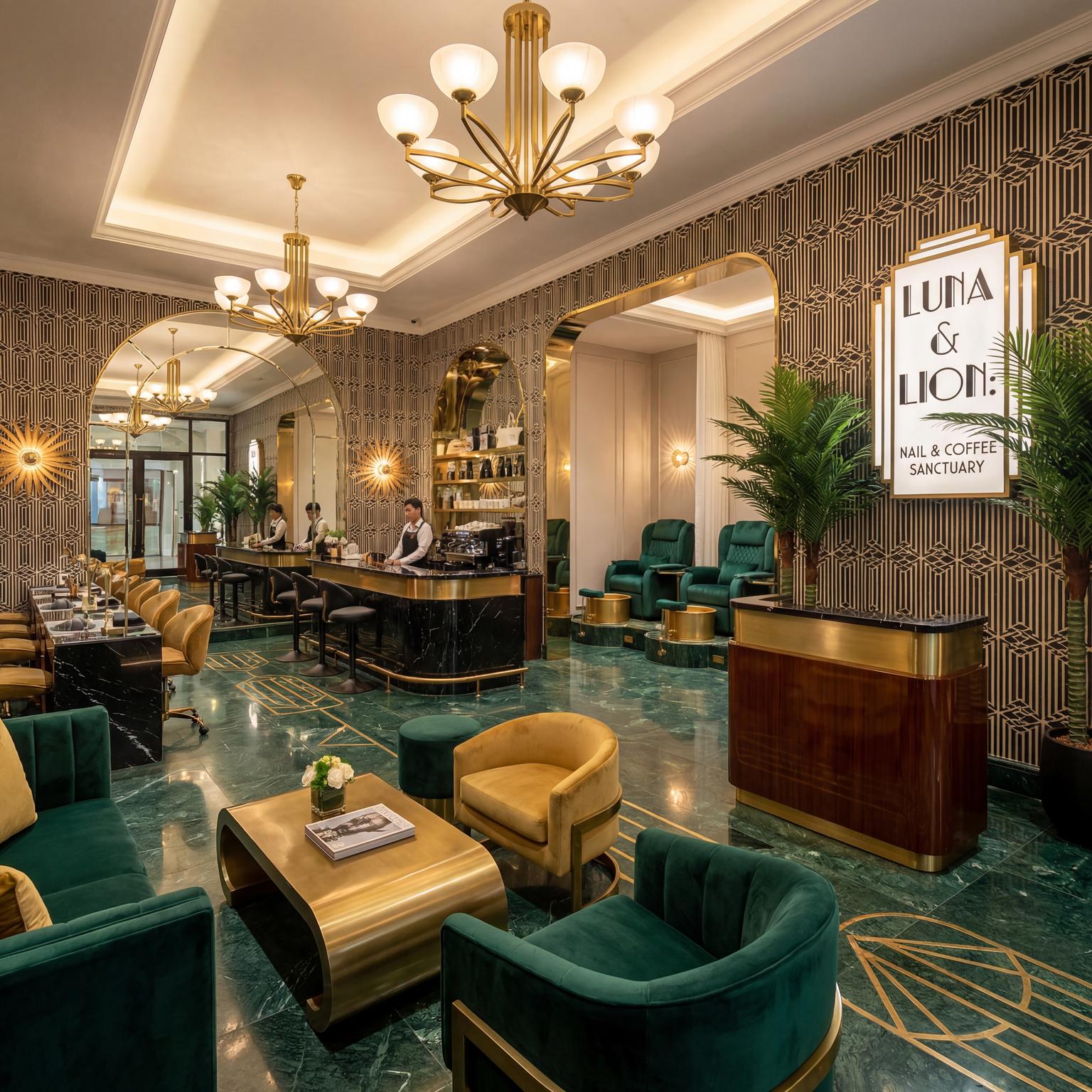
Elegant interior inspiration for 1920s living room It helps show how layout, materials, and light can shape a more grounded living room.
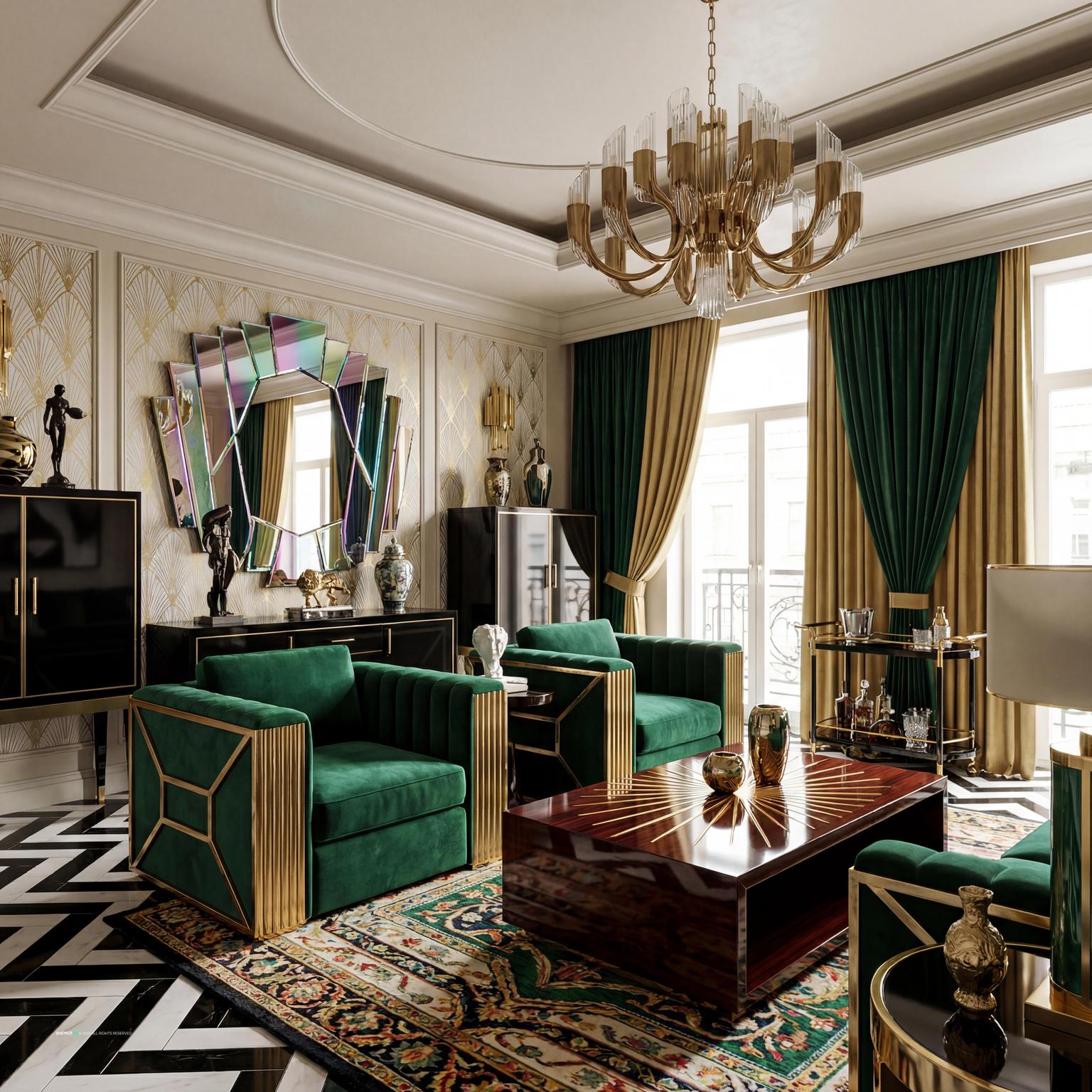
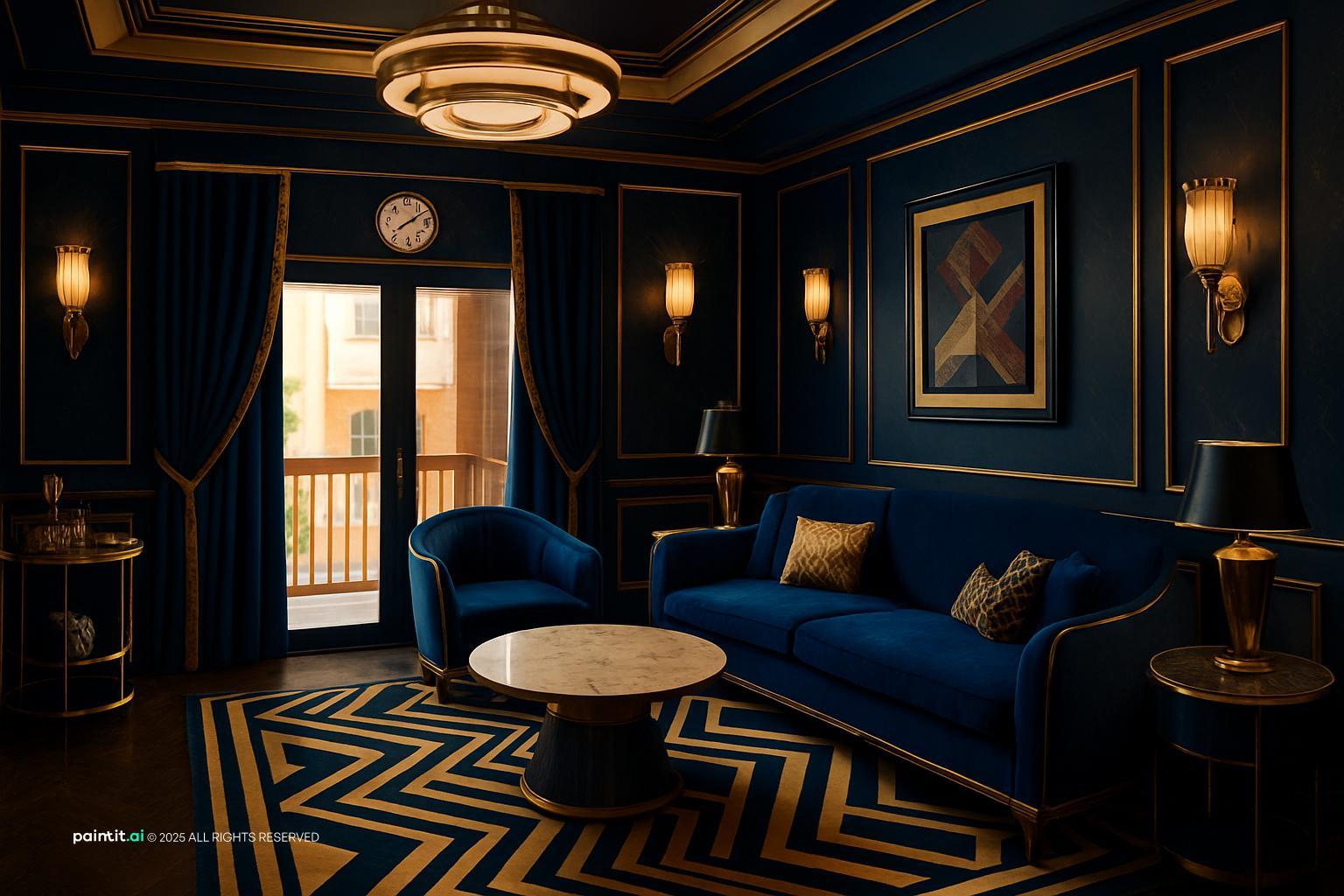
Luxurious Art Deco Living Room Design brings together wood, rug, and lighting for a more composed living room direction.
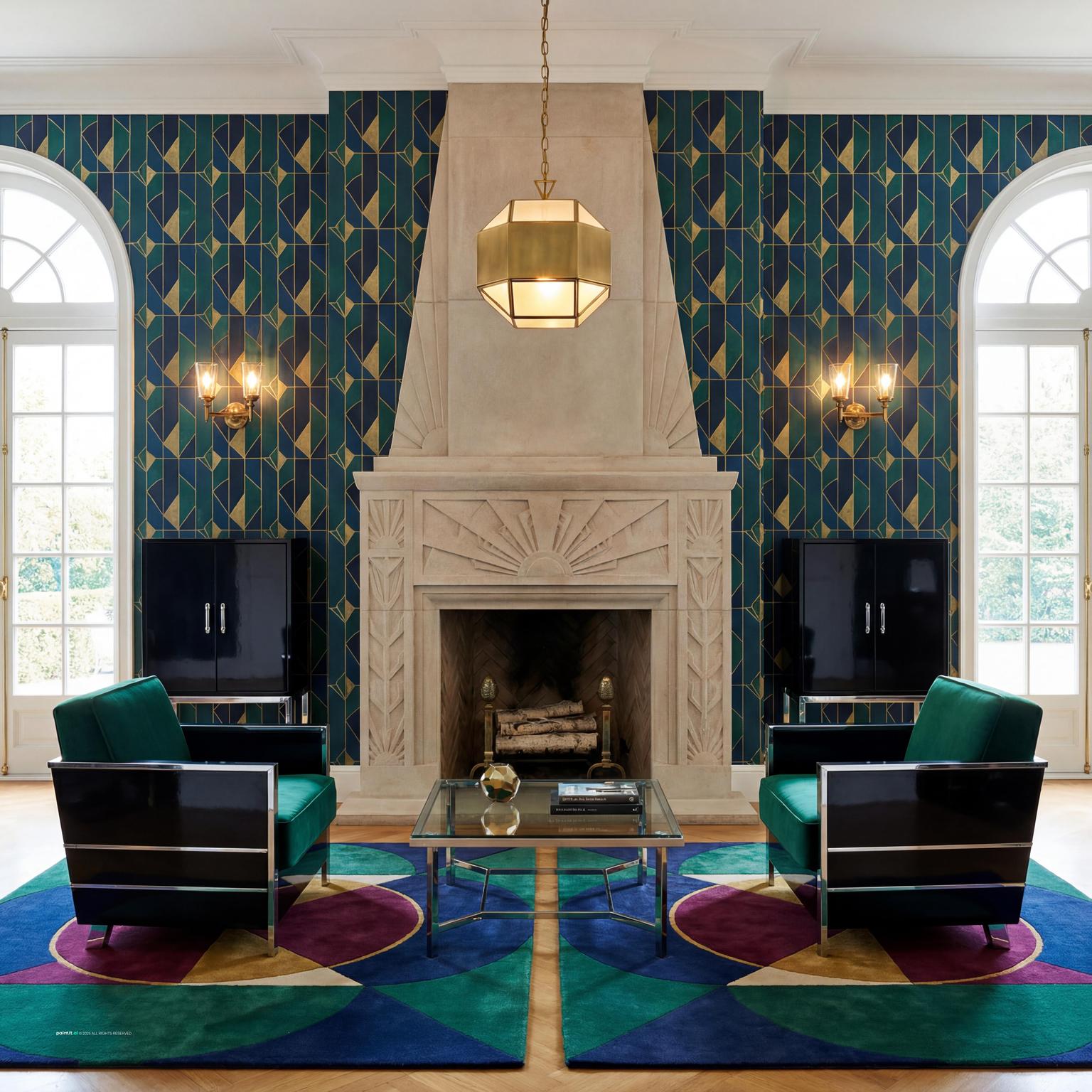
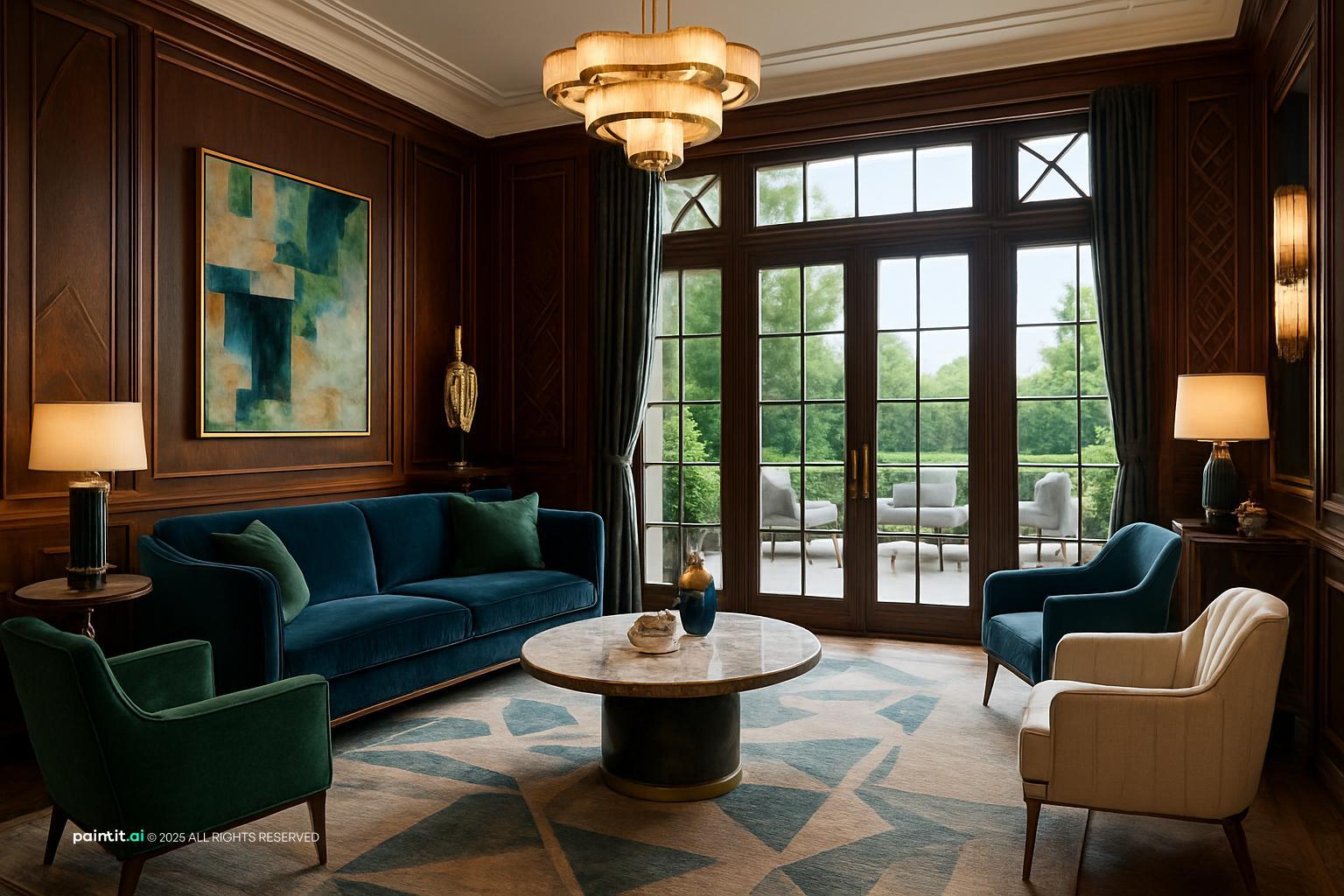
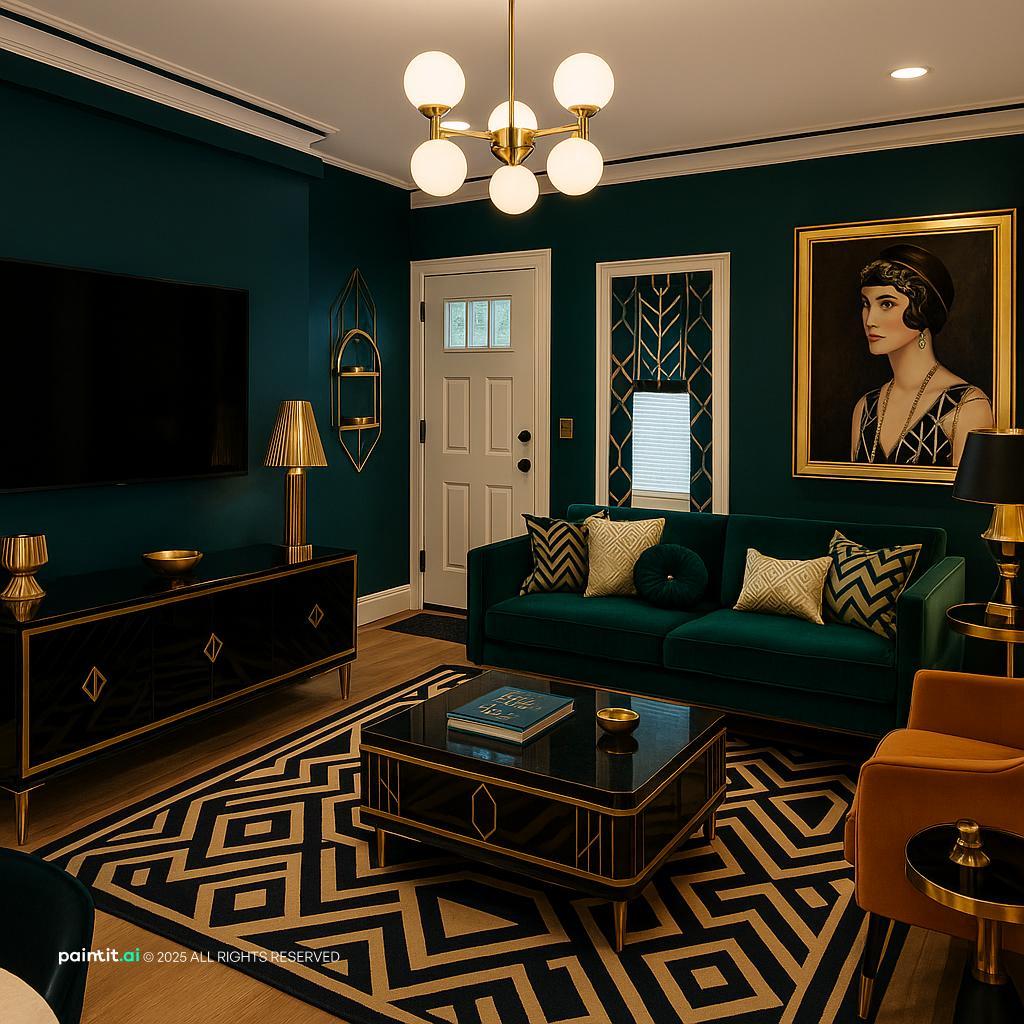
Elegant Art Deco Living Room Design brings together lighting and windows for a more composed living room direction.
The very soul of the Roaring Twenties often lives in its patterns. Think sharp angles, sunbursts, and stepped motifs—they just scream sophistication. This isn't about overwhelming the eye; it's about strategic placement, a visual rhythm that feels both dynamic and utterly polished.
Consider a feature wall with a metallic Art Deco wallpaper, perhaps in a subtle gold or silver against a deep charcoal. Or, introduce these patterns through textiles: silk cushions with embroidered fan designs, or a screen with a lacquered geometric inlay. The trick is to let the pattern speak without shouting.
For a related take on the same room, explore emerald green sofa living room ideas.
Nothing says Jazz Age opulence quite like velvet. It’s tactile, it catches the light, and it instantly elevates a room. We often gravitate towards it for its inherent luxury, but it also brings a softness, a quiet invitation to settle in.
Picture a deep emerald or sapphire velvet sofa, perhaps a chesterfield or a low-slung club chair. Pair it with throw pillows in contrasting textures—a silk brocade or a faux fur. For a less dominant statement, consider velvet drapes that pool slightly on the floor, adding a dramatic, theatrical flourish.
Mirrors were everywhere in the 1920s, not just for checking one’s reflection. They expanded spaces, bounced light, and added an undeniable sparkle. There's a certain magic to how they play with light, making a room feel larger and more alive.
Think beyond a simple wall mirror. A coffee table with an antiqued mirror top, or a bar cabinet with mirrored doors, can make a huge impact. Even a decorative screen with mirrored panels can transform a corner. The key is to use them to reflect other beautiful elements in the room, not just blank walls.
Lighting in a Jazz Age parlor wasn't just functional; it was part of the decor, often a focal point. Think grand chandeliers, elegant floor lamps, and atmospheric wall sconces. They cast a warm, inviting glow, perfect for intimate gatherings.
A tiered crystal chandelier or a geometric brass pendant can anchor the room. For ambient light, consider floor lamps with fringed silk shades or art glass. Wall sconces, especially those with frosted glass or a polished chrome finish, add a layer of sophistication. It’s about creating pools of light, not just flooding the space.
While Art Deco brought new materials, the grounding presence of dark, polished wood remained essential. It adds gravitas, a sense of history, and a beautiful contrast to lighter, more reflective elements. There's a warmth to it, a timeless quality.
Look for pieces in walnut, mahogany, or even ebonized wood. A substantial sideboard, a carved coffee table, or a set of side chairs with intricate detailing can anchor the room. The finish should be high-gloss or a deep, lustrous satin—something that feels cared for, almost heirloom-quality.
No 1920s-inspired lounge would be complete without a dedicated spot for cocktails. The bar cart became a symbol of sophisticated entertaining, a movable feast of spirits and sparkling glassware. It’s about hospitality, a nod to the era’s social exuberance.
Opt for a brass and glass cart, or one with a lacquered wood finish. Stock it with vintage decanters, cut crystal tumblers, and a classic cocktail shaker. Don't forget a few elegant accessories: a silver ice bucket, perhaps a small dish for lemon twists. It’s functional, yes, but also a beautiful display piece.
Rugs in the 1920s weren't just floor coverings; they were statements. Often featuring strong geometric patterns, they defined seating areas and added another layer of visual interest and warmth. A well-chosen rug can truly pull a room together.
Seek out rugs with Art Deco motifs like chevrons, Greek keys, or stylized sunbursts. A wool or silk blend will offer both durability and a luxurious feel underfoot. Consider a rug that incorporates the room’s accent colors, tying everything into a cohesive design story. It's a grounding element, a visual anchor.
Fringe, once a staple of Victorian design, found new life in the Jazz Age, adding a playful yet elegant touch to everything from lampshades to cushions. It’s a subtle detail, but one that adds movement and a certain soft glamour.
Look for lampshades with delicate silk fringe, or throw pillows edged with a short, luxurious trim. Even a velvet throw blanket with a fringed border can evoke that period charm. It softens hard lines and adds a tactile quality that invites touch. This isn't about heavy, theatrical fringe; it's about a refined whisper of it.
The 1920s was an era of global fascination, and influences from the Far East and ancient Egypt often found their way into interiors. These exotic touches added a layer of intrigue and worldliness to a sophisticated space. It’s about curated discovery.
Consider a lacquered chinoiserie screen, perhaps with hand-painted scenes, or a pair of decorative vases with an oriental motif. Small accent tables with mother-of-pearl inlay or Egyptian revival sculptures can also work beautifully. The key here is restraint; a few well-chosen pieces speak volumes.
A well-appointed 1920s living space often featured built-in shelving, not just for books but for displaying treasured objects. It speaks to a cultured homeowner, someone with stories to tell through their collections. There's a sense of permanence, of thoughtful curation.
Design custom built-in bookcases, ideally in a dark, polished wood, perhaps with glass fronts to protect delicate items. Fill them with leather-bound books, small sculptures, vintage globes, or even a collection of art glass. It’s about creating a personal gallery, a backdrop to conversation.
The Jazz Age, by its very name, was about music. A living room of this era often included a space for entertainment, whether it was a grand piano or a gramophone. It’s a nod to the era's vibrant social life, a place for performance and enjoyment.
If space allows, a baby grand piano is the ultimate statement. If not, a beautifully restored vintage gramophone or a high-quality record player on a stylish console can serve as a focal point. Surround it with a comfortable armchair and a small side table, creating an inviting corner for listening and contemplation.
A truly authentic 1920s interior wasn't flat; it was rich with tactile experiences. Layering different textures adds depth, warmth, and a sense of effortless luxury. It’s about creating an environment that feels both visually interesting and incredibly inviting.
Combine the smoothness of polished wood with the softness of velvet, the coolness of mirrored glass with the warmth of a wool rug. Introduce silk cushions, brocade drapes, and perhaps a faux fur throw. The interplay of these materials creates a sophisticated sensory experience, a quiet conversation between surfaces.
The second gallery leans into more specific directions through clean lines, helping compare different ways the same living room can feel at home.
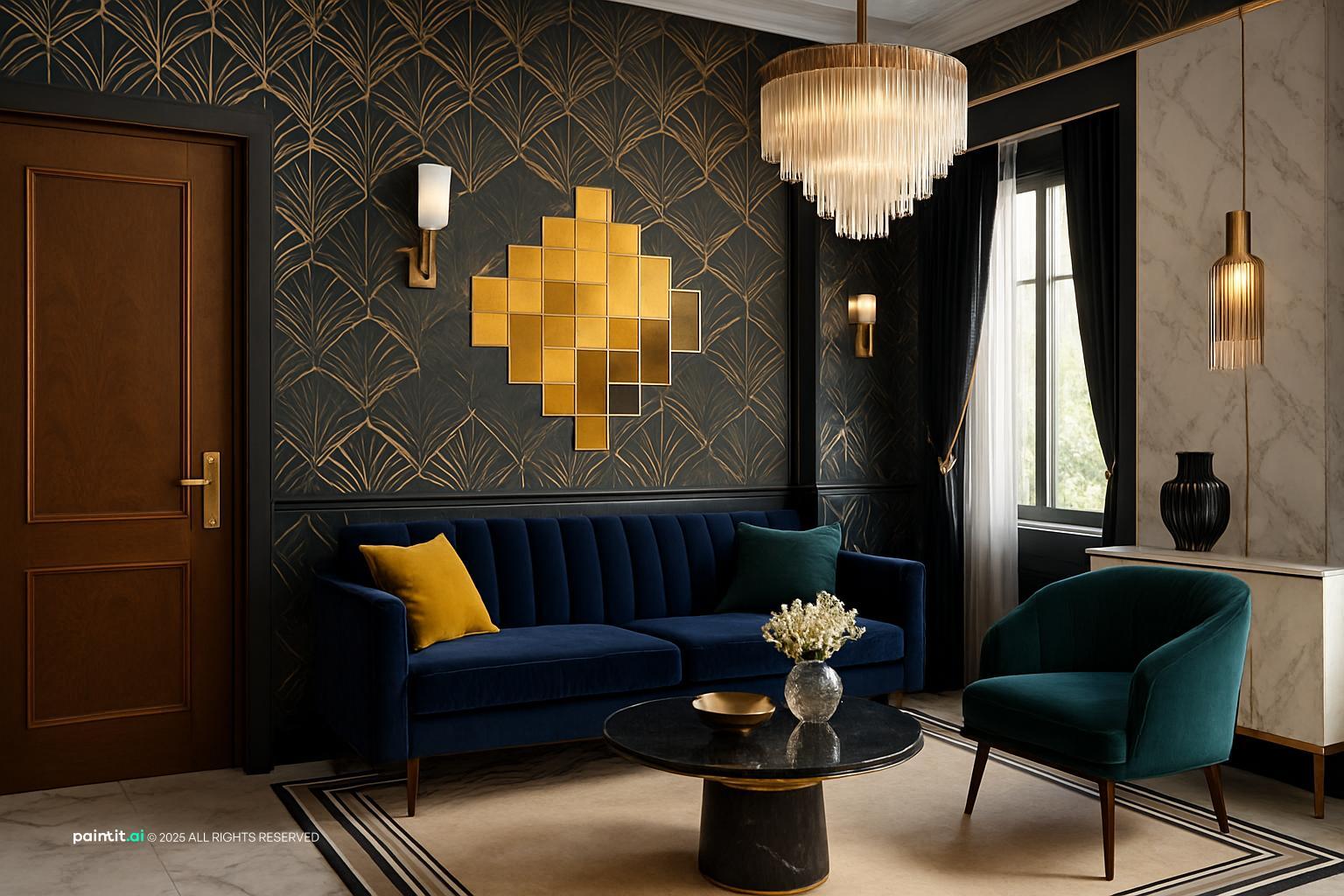
This elegant Art Deco living room design perfectly captures the sophisticated essence of a 1920s living room, blending luxury with comfort.
Experience the stunning luxury of a 1920s living room, where Art Deco design creates an opulent and unforgettable atmosphere.
Infuse your home with the opulent Art Deco style, reminiscent of a grand 1920s living room, creating a space of timeless glamour.
An elegant Neoclassical living room design offers a sophisticated nod to the early 1920s, combining classical grandeur with refined comfort.
This luxurious modern living room design captures the progressive elegance and upscale comfort characteristic of a 1920s living room.
An elegant living room design, filled with natural light, evokes the airy sophistication and understated charm of a classic 1920s living room.
This elegant redesign for a cozy second living room brings forth the intimate charm and refined comfort found in a 1920s living room.
Discover a stylish and ultra-photorealistic living room design that perfectly captures the luxurious and sophisticated spirit of the 1920s.
This stylish soft modern home design offers a comfortable yet refined aesthetic, perfectly capturing the evolving elegance of a 1920s living room.
Discover sleek modern interior design inspiration, embodying the forward-thinking sophistication and clean lines often found in a 1920s living room.
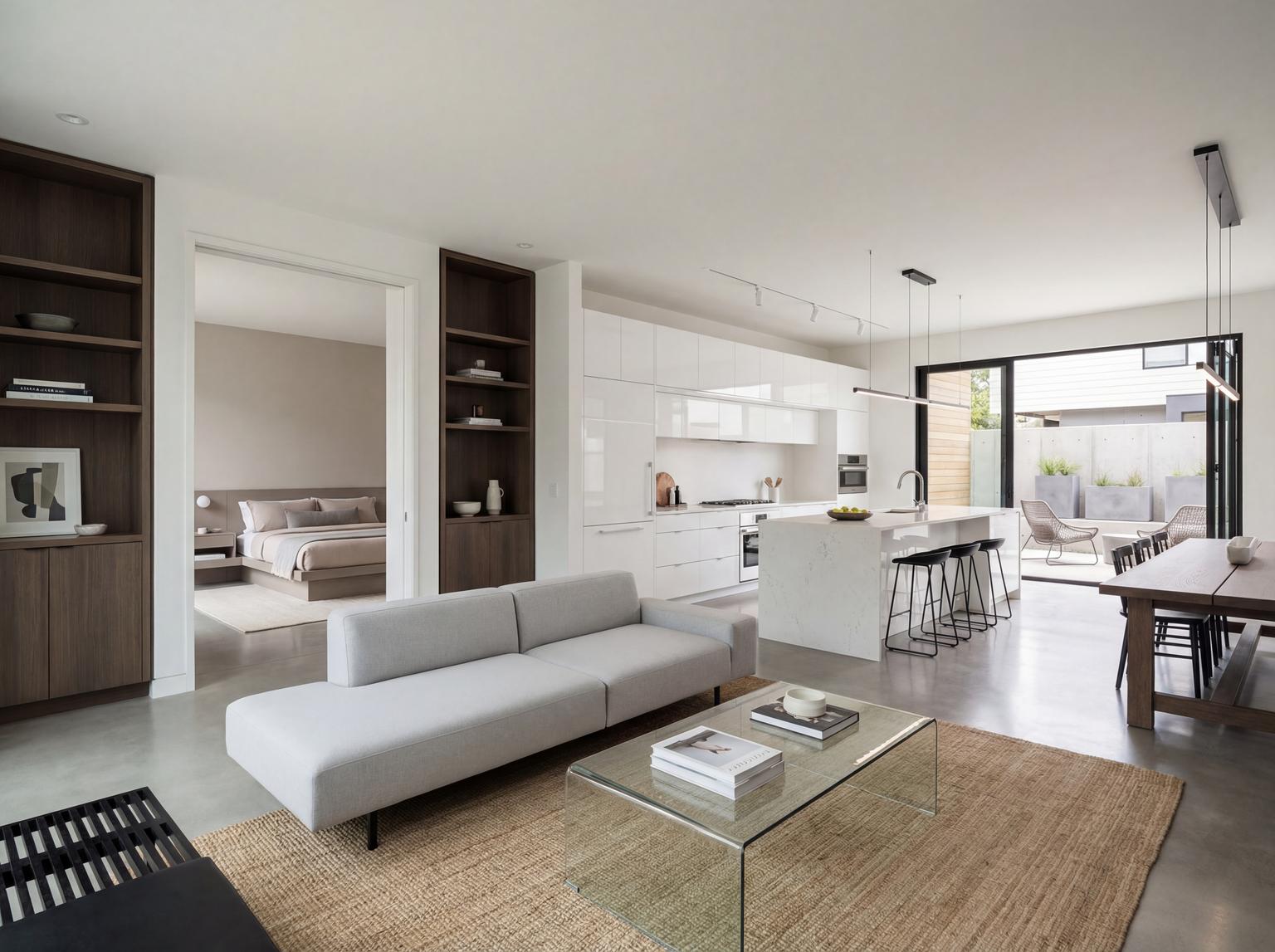
Modern Single-Floor House Design brings together windows and open for a more composed living room direction.
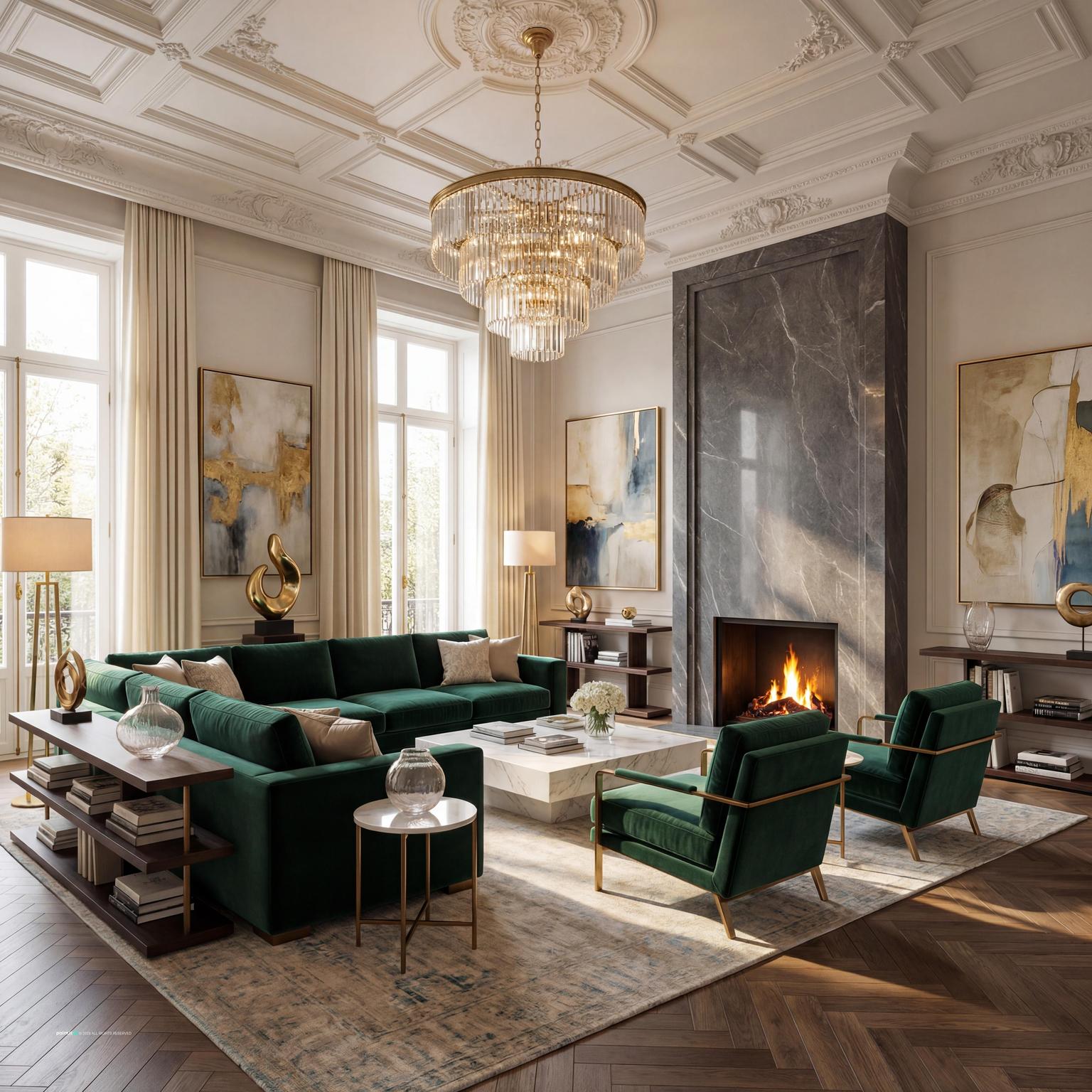
Elegant Traditional Living Room Design brings together cream, wood, and rug for a more composed living room direction.
For a truly authentic 1920s living room, we lean into a sophisticated palette. Think deep emeralds, sapphire blues, and rich ruby reds as your jewel-toned accents, perfectly offset by a base of creamy ivory or soft champagne. Black and polished charcoal provide that crucial grounding, a dramatic counterpoint that makes everything else pop.
For a related take on the same room, explore Living Room 1920s Art Deco Living Room.
The tactile experience of a 1920 living room is everything. Lush velvet, perhaps on a sofa or club chair, instantly conveys opulence and a quiet invitation to relax. Polished dark woods—walnut or mahogany—add gravitas and history, while gleaming brass or chrome provides that essential Art Deco sparkle. Mirrored surfaces, strategically placed, expand the space and dance with the light.
For a related take on the same room, explore living room wall color ideas.
Defining a 1920s living room means selecting pieces with presence. A low-slung, deep-seated sofa, perhaps a chesterfield, anchors the room with its inviting form. Complement it with a pair of elegant club chairs, their lines often a blend of comfort and geometric precision. A substantial, dark wood sideboard isn't just storage; it’s a statement, a place for display, often with intricate carvings or inlays that speak to the era’s craftsmanship. Getting the scale right here is crucial; you want grandeur, not clutter.
For a related take on the same room, explore living room ideas with indoor plants.
Lighting in a 1920s living room isn't just about brightness; it's about mood. We layer it, always. A grand, tiered chandelier provides ambient sparkle, a central jewel. Floor lamps with fringed silk shades or elegant art glass cast a warm, diffused glow, perfect for intimate conversations. Wall sconces, often in polished chrome or brass, add accent lighting, highlighting architectural details or artwork. Dimmers are your best friend here; they let you dial in that perfect, atmospheric glow.
This is where the personality of your 1920s living room truly shines. We often apply the 3-5-7 rule to create visually appealing vignettes. Group three vintage decanters on your bar cart, perhaps with a silver ice bucket and a small dish for lemon twists. On a mantelpiece, arrange five items: a central Art Deco clock flanked by two elegant vases, then two smaller, stylized sculptures at the ends. For a bookcase, seven items could be a mix of leather-bound books, a small globe, a framed photograph, and a few unique art glass pieces. that odd numbers just feel more natural, more curated. It’s about telling a story without overwhelming the eye, creating moments of discovery.
pulling off a cohesive 1920s living room can feel like a high-stakes gamble; how will that velvet sofa truly sit with your geometric rug? We’ve seen it. Paintit.ai lets you instantly visualize countless design iterations in your own space, ensuring every opulent detail harmonizes perfectly. See your vision, skip the costly surprises. Give it a try.
Before changing furniture or finishes, you can preview the direction with an interior design visualizer.
The 1920s living room, often synonymous with the Jazz Age, really embraced a shift from Victorian fussiness to a sleek, modern opulence. We see the rise of Art Deco here, which means geometric patterns, streamlined forms, and a definite sense of glamour. Think polished chrome, lacquered wood, and exotic veneers like Macassar ebony. It wasn't just about looking good; it was about reflecting a new, vibrant energy. people wanted spaces that felt sophisticated, a bit daring even, after the austerity of the war years.
For a truly authentic 1920 living room, you'd find substantial, yet elegant, pieces. Plush velvet or leather Chesterfield sofas were popular, often paired with deep club chairs. Cocktail tables, usually round or octagonal with glass tops and chrome bases, became central. We often see sideboards or display cabinets for showcasing decorative objects, too. Materials like dark, polished woods—walnut, mahogany—were common, sometimes inlaid with mother-of-pearl or brass detailing. It’s about comfort meeting undeniable style.
Lighting in a 1920s living room was crucial for setting that sophisticated mood. Grand chandeliers, often with tiered glass or crystal elements, would hang as a focal point. Wall sconces, usually in brushed brass or chrome with frosted glass shades, provided ambient light. Table lamps and floor lamps often featured silk or fringed shades, casting a warm, inviting glow. The key was layered lighting, creating pockets of intimacy and drama. It wasn't just about illumination; it was about atmosphere.
The color palette for a 1920s living room leaned towards rich, deep jewel tones—emerald green, sapphire blue, ruby red, and amethyst purple. These were often contrasted with neutrals like cream, beige, or black. Metallics, especially gold, silver, and bronze, were everywhere, adding sparkle and luxury. Patterns were distinctly Art Deco: bold geometrics, sunburst motifs, zigzags, and chevrons. Wallpaper often featured these intricate designs, creating a truly immersive experience. It’s a maximalist approach, but impeccably edited.
Recreating a 1920s living room can be tricky, and we've seen a few common missteps. One big one is overdoing it—too many Art Deco motifs can make a space feel like a themed restaurant rather than a home. Another is neglecting scale; those grand sofas need ample room. mixing eras incorrectly can also dilute the impact; a truly authentic 1920s feel requires a cohesive vision. We suggest focusing on a few key pieces and materials—perhaps a striking bar cart or a statement light fixture—rather than trying to replicate every single element. It’s about capturing the essence, not just copying a catalog.