
Embracing the Charm of White - Wood Paneling Living Room Designs
Imagine stepping into a living room bathed in soft, natural light, where the clean lines of white wood paneling living room walls create an immediate sense of calm and spaciousness. This classic design choice offers a versatile backdrop, but how do you ensure it feels fresh and inviting, rather than stark or dated?
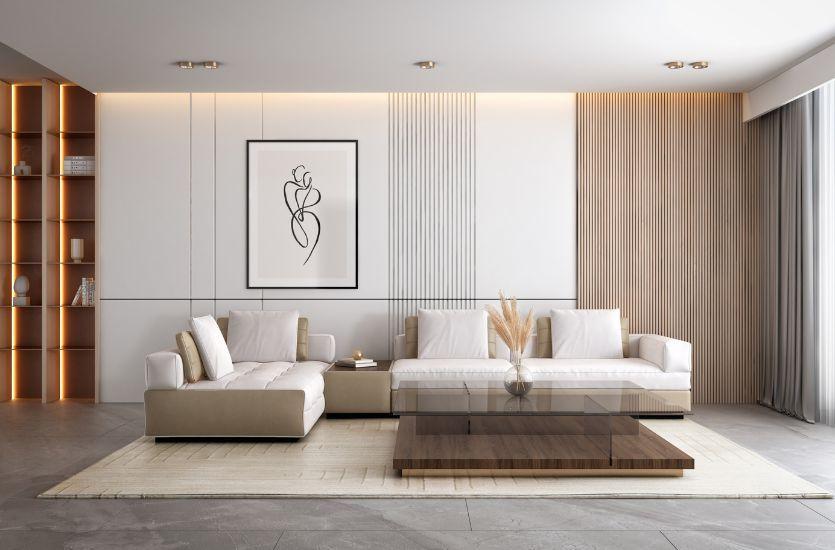
Essential Tips for Mastering the White Wood Paneling Living Room Aesthetic
As an editor, I’ve observed a consistent challenge: elevating classic elements without predictable patterns. Many assume a white wood paneling living room automatically guarantees a bright, spacious feel. The truth is, while this design choice offers a timeless foundation, its true potential lies in thoughtful execution. It's not merely about painting walls white. It's about leveraging the inherent texture and architectural detail—be it shiplap, beadboard, or elegant wainscoting—to create depth and character.
-
Mastering the White Wood Paneling Living Room Aesthetic
As an editor, I’ve observed a consistent challenge: elevating classic elements without predictable patterns. Many assume a white wood paneling living room automatically guarantees a bright, spacious feel. The truth is, while this design choice offers a timeless foundation, its true potential lies in thoughtful execution. It's not merely about painting walls white. It's about leveraging the inherent texture and architectural detail—be it shiplap, beadboard, or elegant wainscoting—to create depth and character.
Stunning Examples of 12 Inspiring White Wood Paneling Living Room Transformations
-
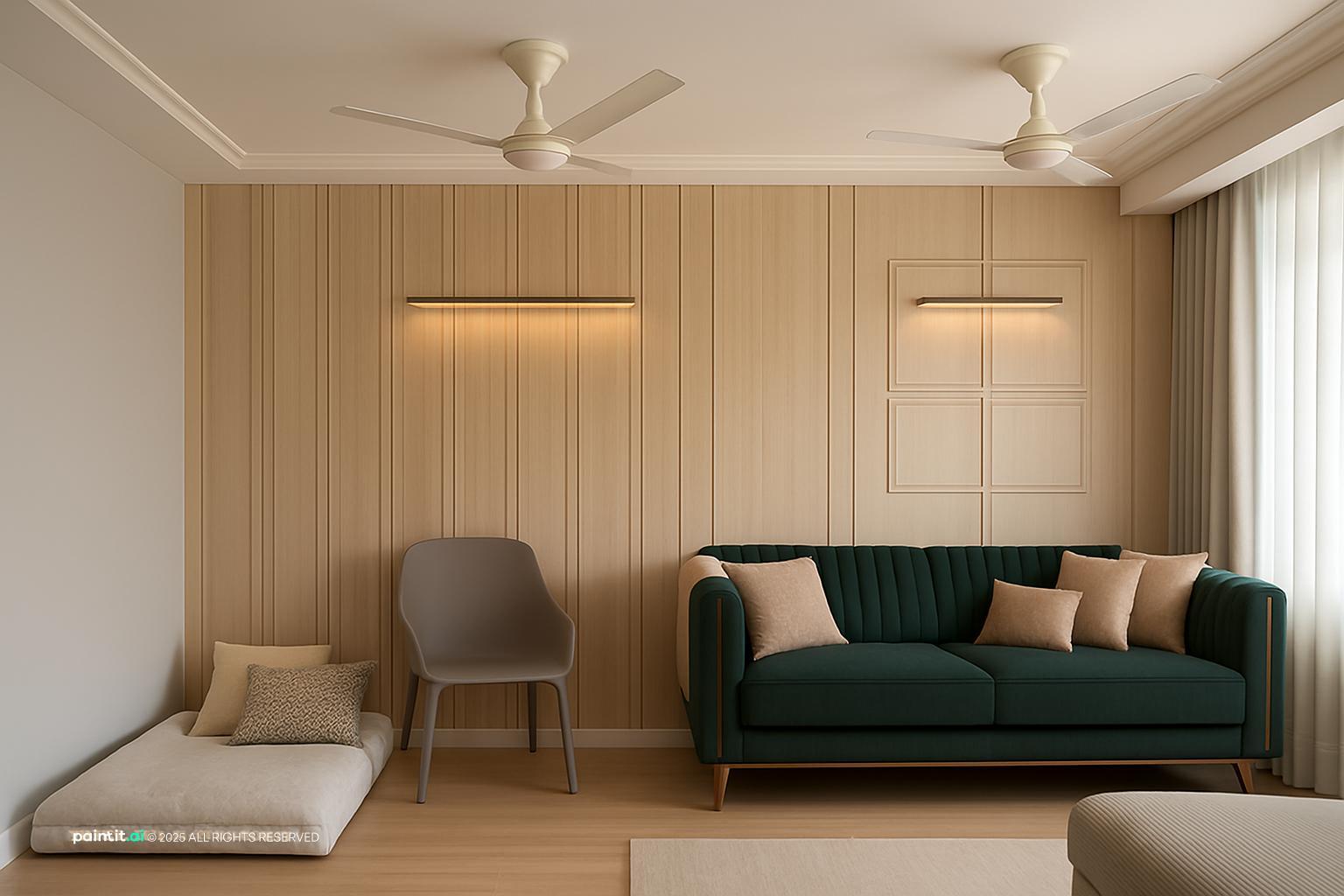
Curating a living space that feels both timeless and current is an art. We've meticulously gathered these design ideas to show how white wood paneling can be the cornerstone of a room that balances stunning aesthetics with everyday functionality. Each concept offers a unique perspective, ensuring your home reflects your personal style.
-
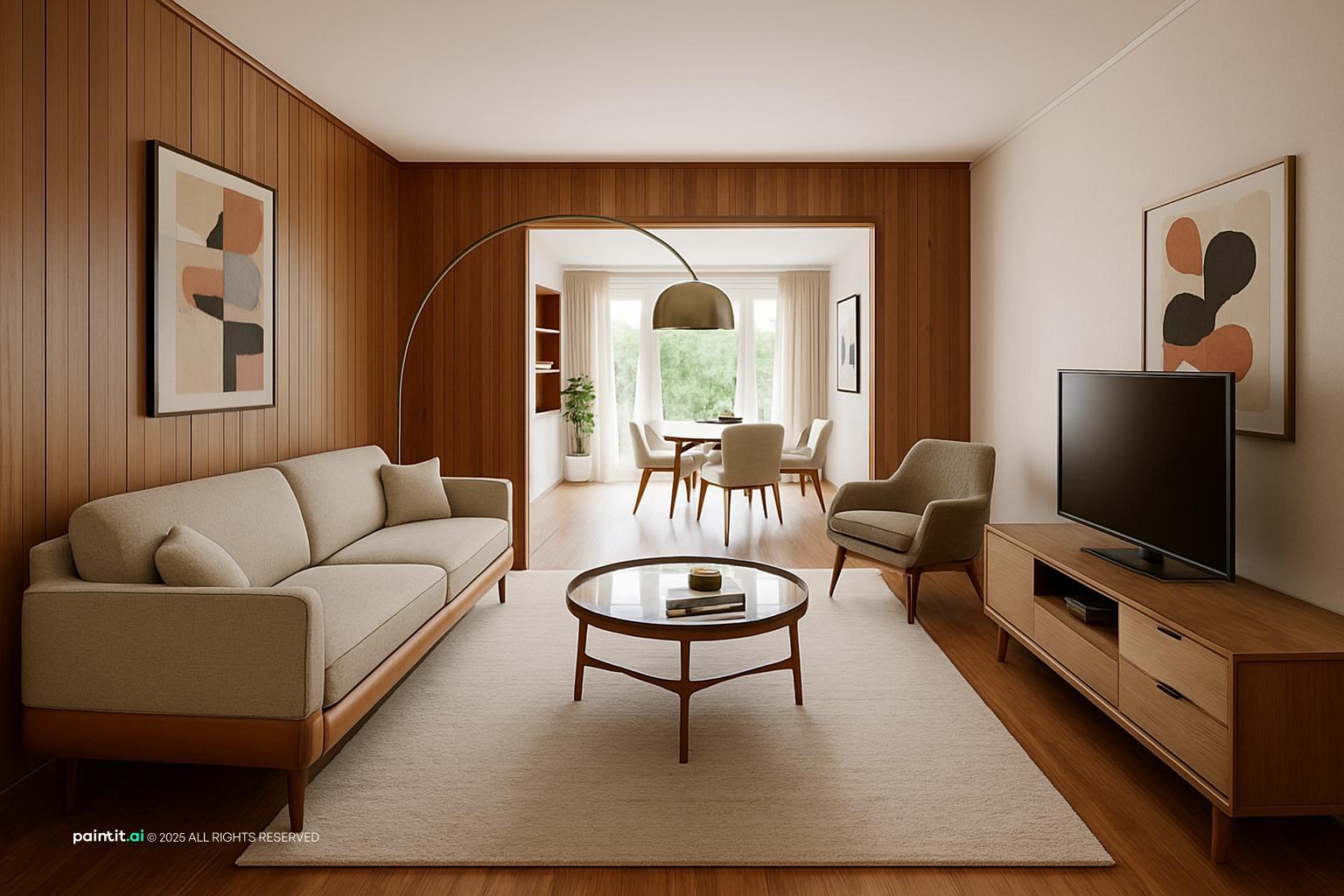
This approach instantly evokes the breezy charm of a seaside retreat. Horizontal shiplap creates a sense of width and calm, making smaller rooms feel more expansive. It’s a classic for a reason; the clean lines simply work. I’ve seen this work best in homes where natural light is abundant, allowing the white to truly glow.
-
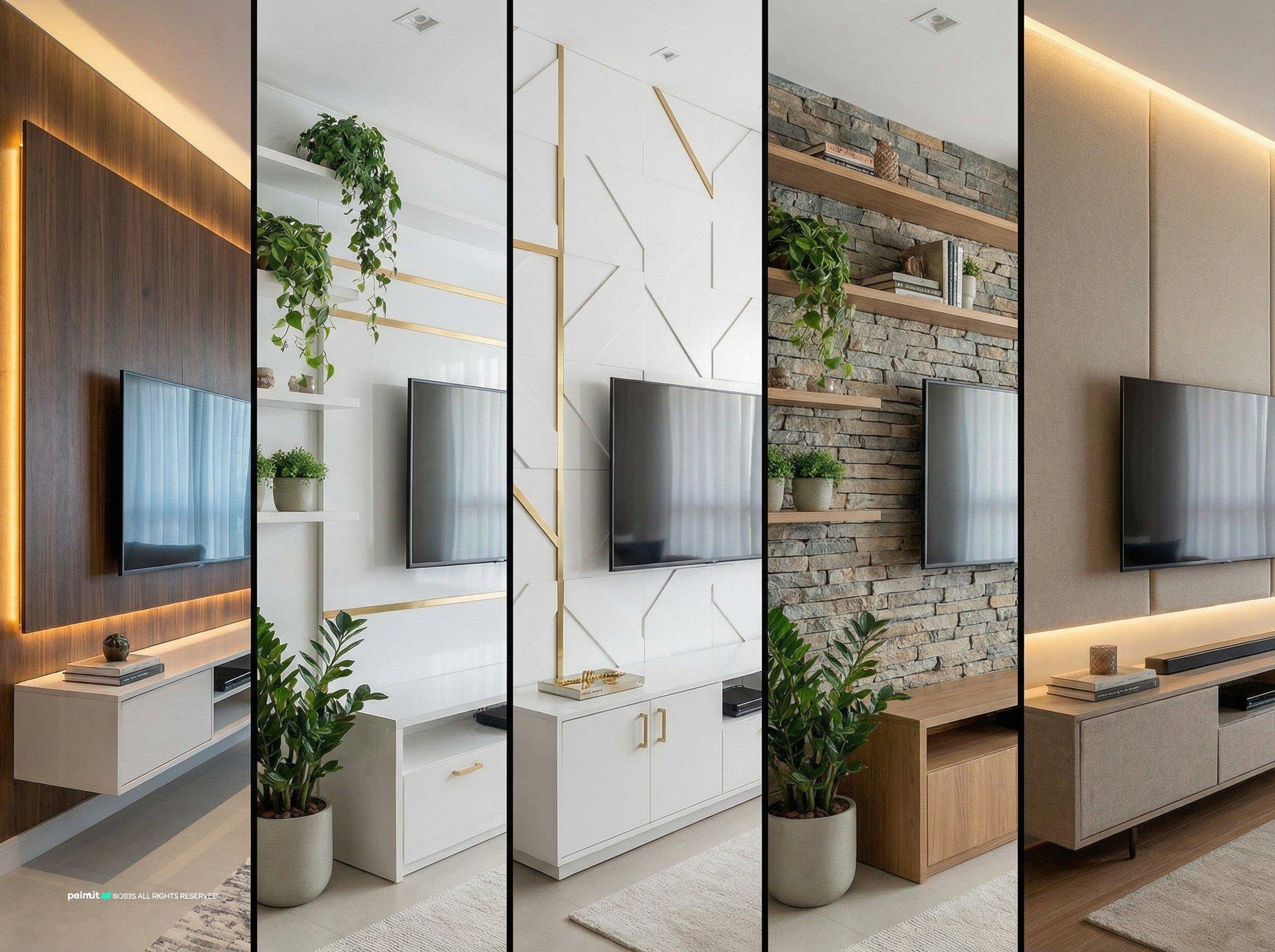
To implement, pair the paneling with soft, muted blues or sandy beige textiles. Introduce natural elements like jute rugs, woven baskets, and linen upholstery. Think light, airy furniture pieces that don't overpower the space.
-
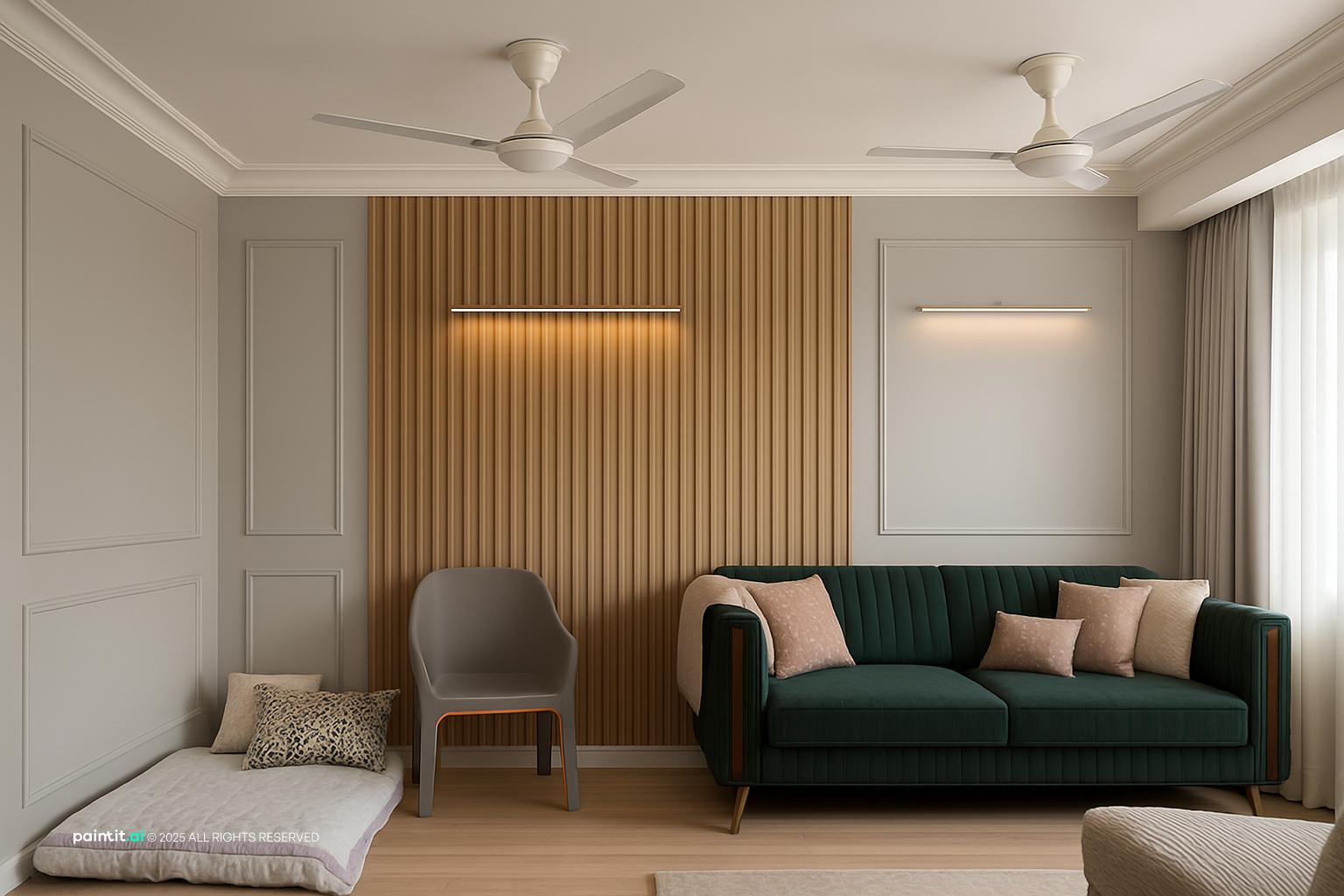
Pro Tip: To achieve this effect, try incorporating driftwood accents or shell decor subtly.
-
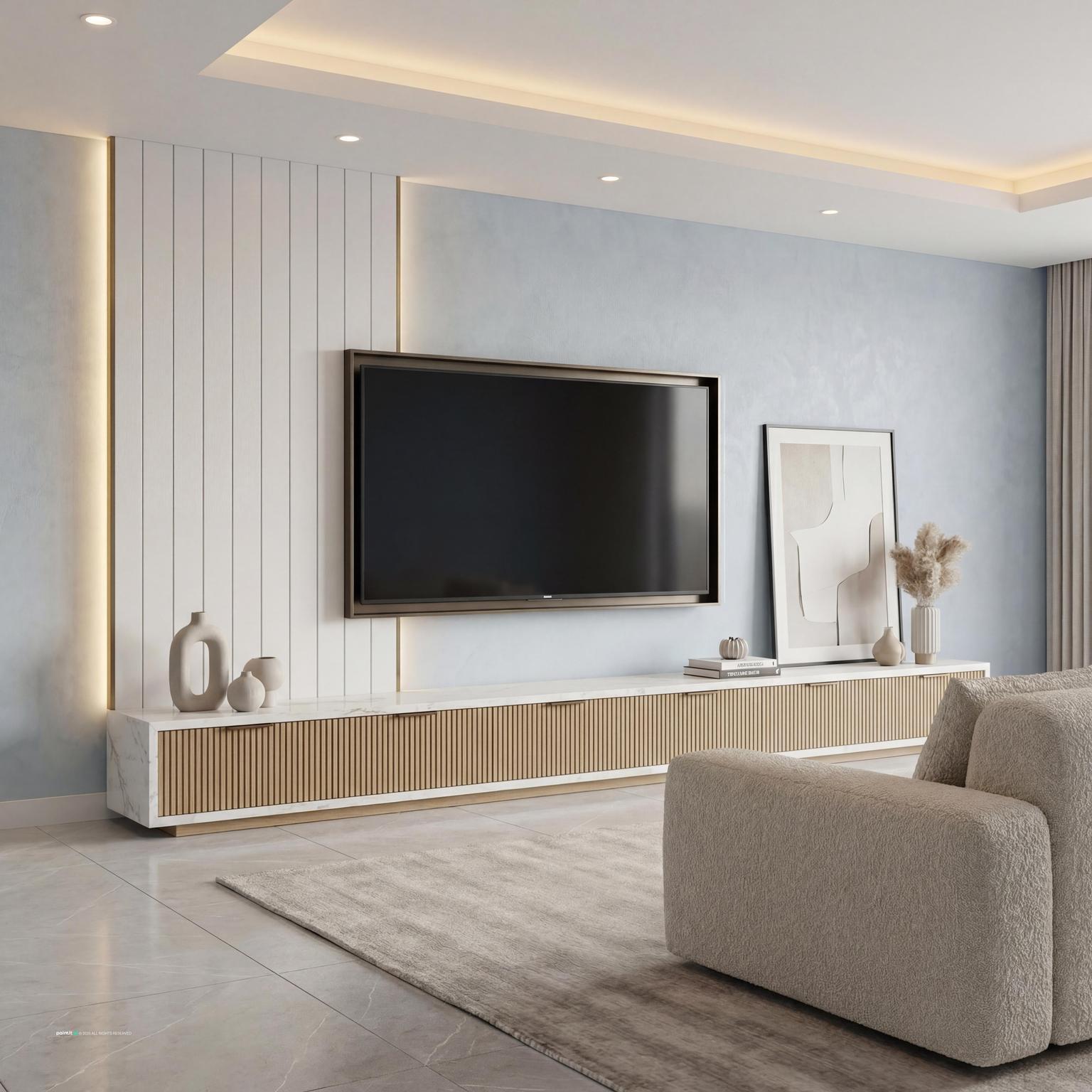
Embrace rustic elegance by opting for vertical shiplap or beadboard. This style adds height and a touch of country warmth without sacrificing contemporary appeal. It feels grounded, authentic. Most people forget that vertical lines can really draw the eye upward, making ceilings appear taller.
-
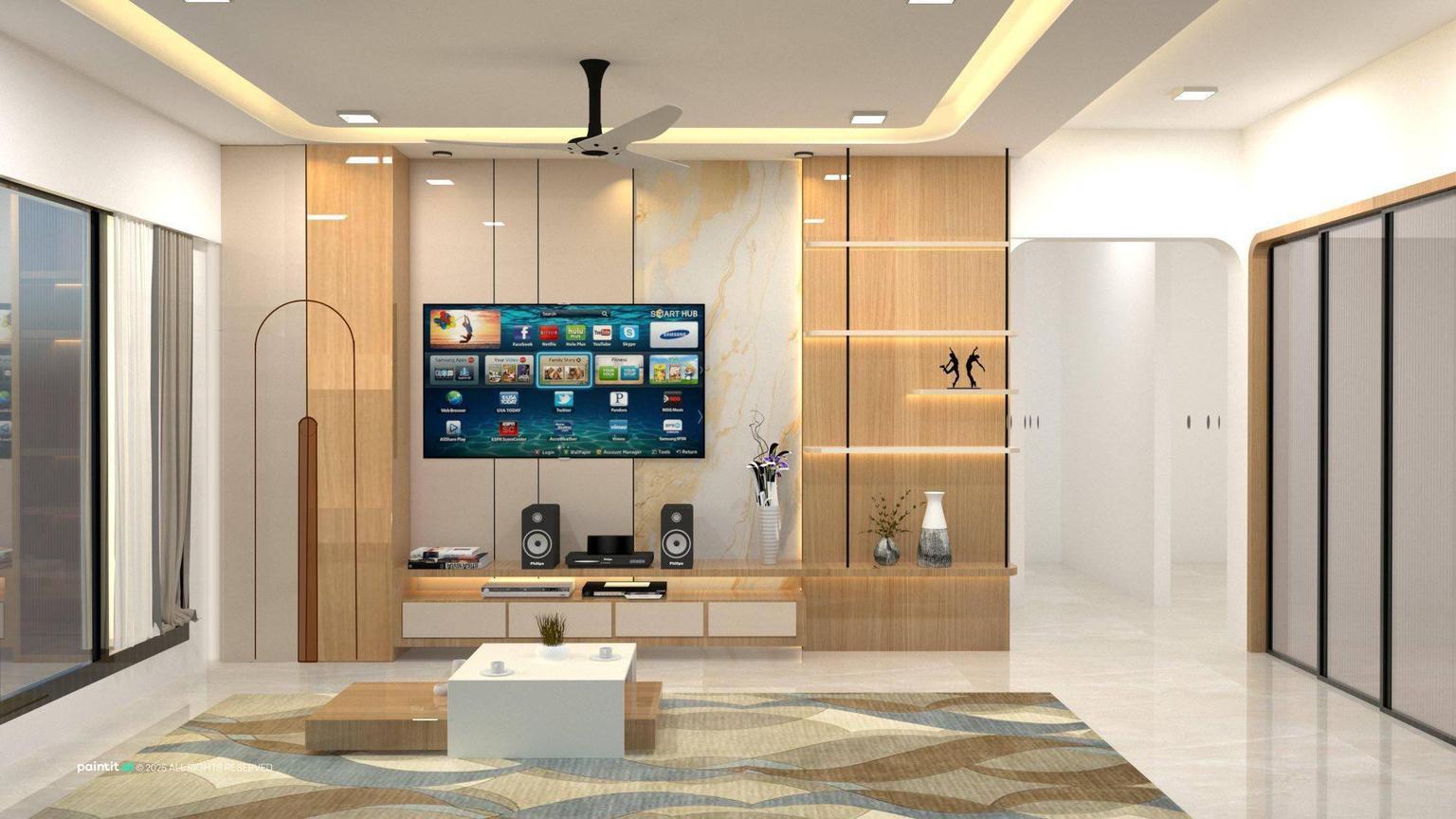
Combine the crisp white panels with distressed wood furniture, matte black metal accents, and cozy knit throws. A large, comfortable sofa in a neutral tone anchors the room. Consider a statement industrial-style light fixture.
-
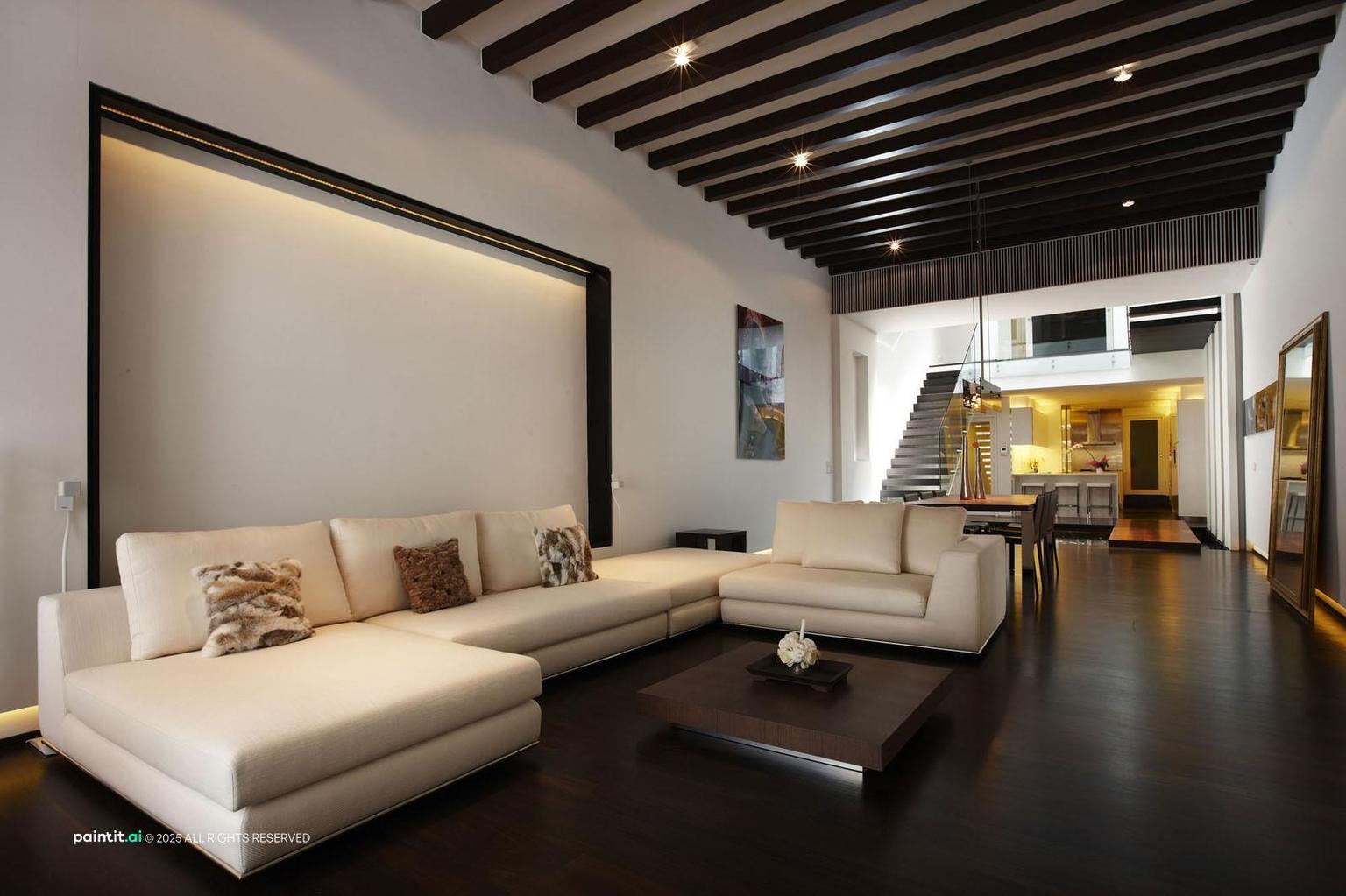
Pro Tip: To achieve this effect, try adding a reclaimed wood coffee table or a barn door for an authentic touch.
-
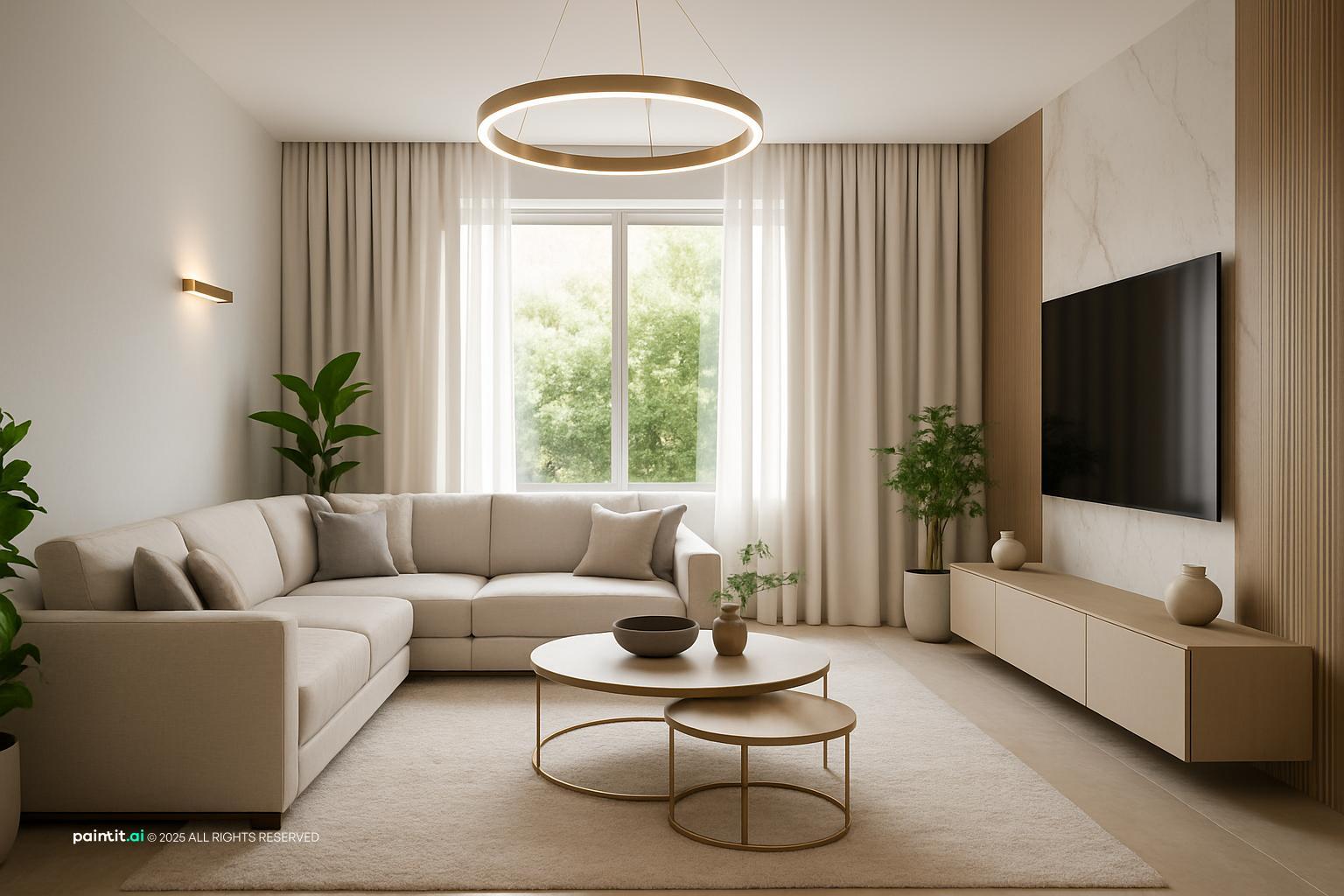
Clean, simple, and utterly serene. This design uses smooth, vertical wood panels painted white to create a backdrop of understated elegance. It’s about creating a calm, uncluttered environment where every piece has a purpose. The truth is, sometimes less truly is more, especially when the texture of the paneling provides subtle interest.
-
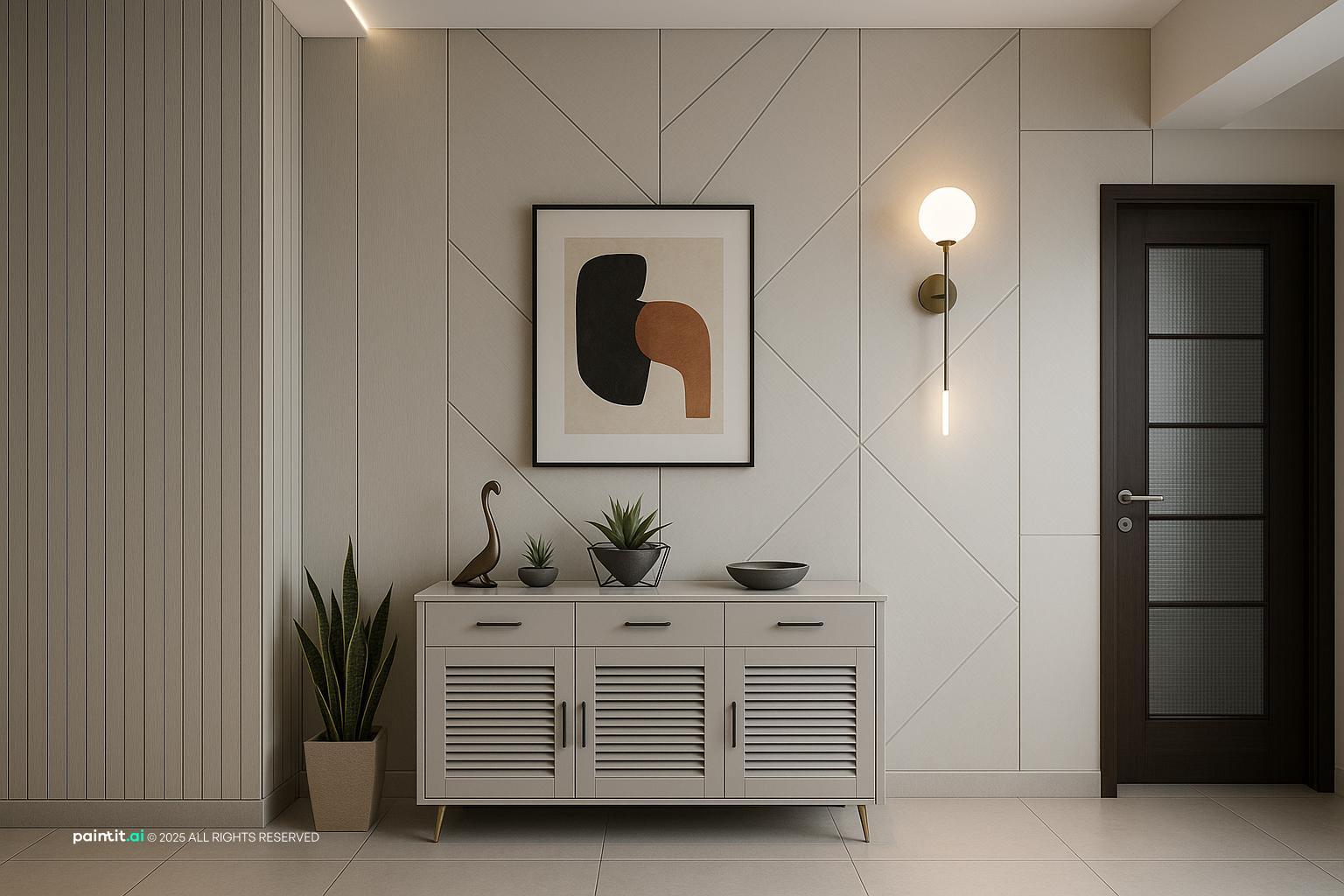
Furnish with light-toned wood furniture, such as birch or ash, and incorporate textiles in muted grays, creams, and soft pastels. Keep decor sparse but intentional, focusing on functional beauty. Think clean lines and simple forms.
-
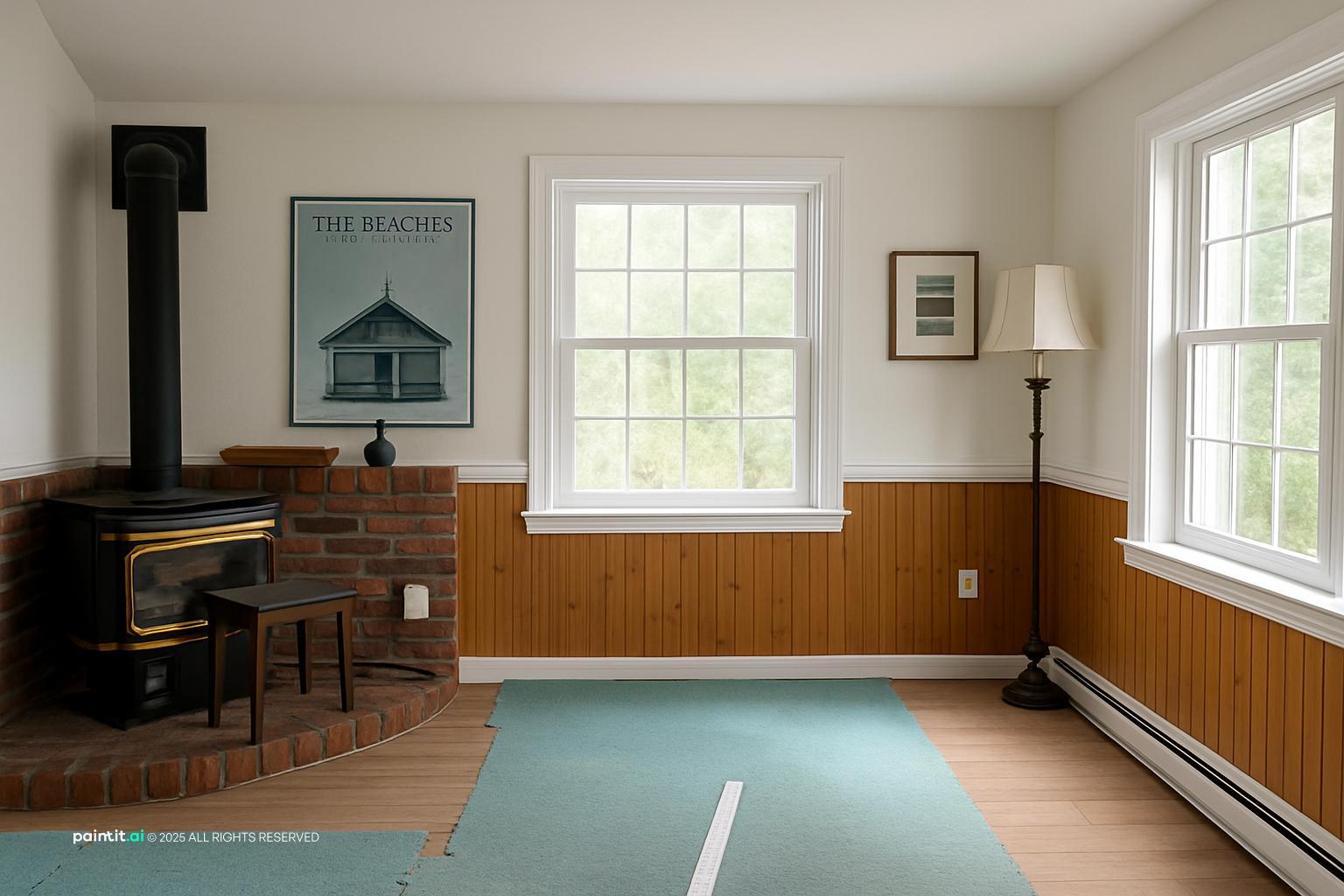
Pro Tip: To achieve this effect, try adding a few well-placed green plants for a touch of natural vibrancy.
-
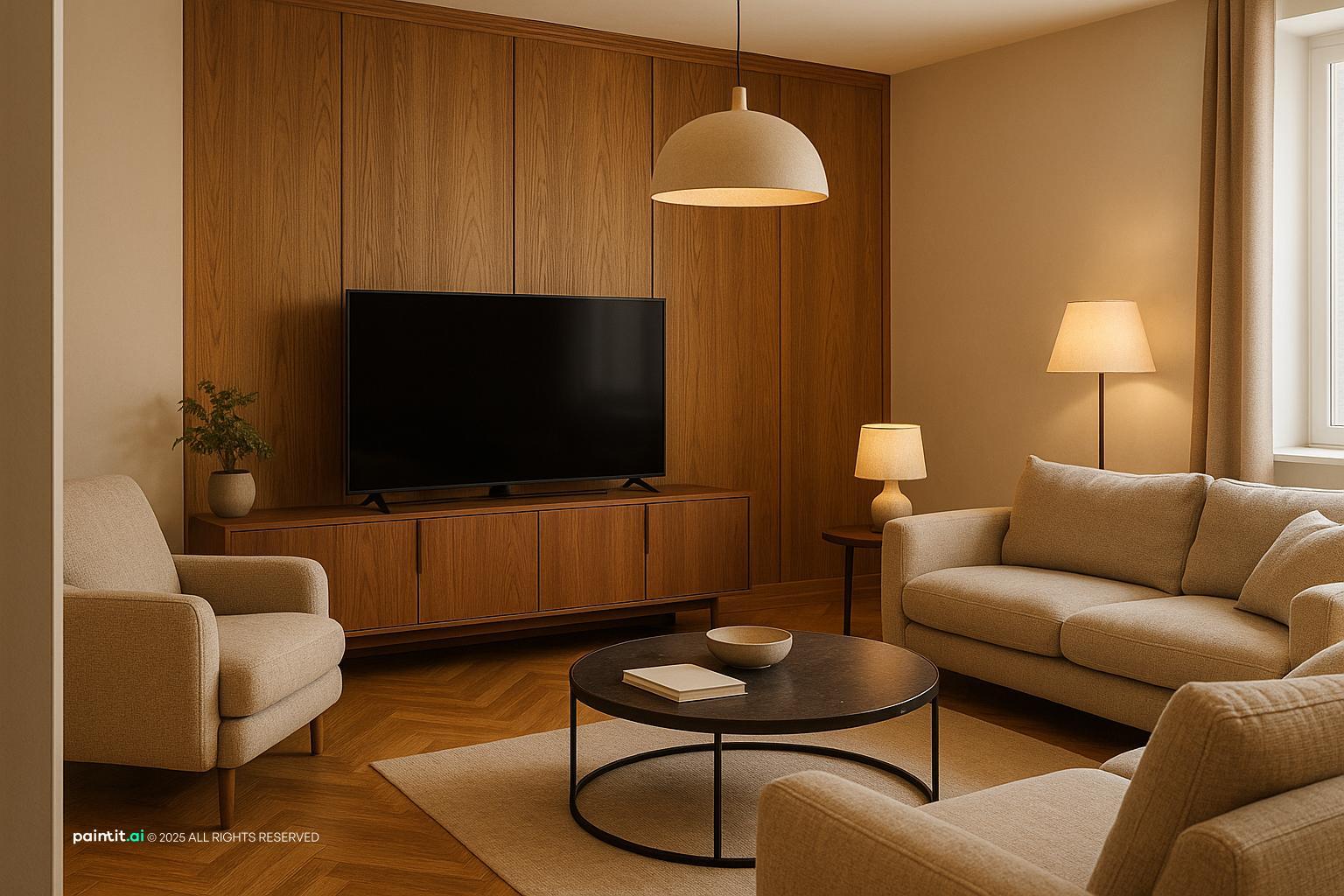
Traditional wainscoting, covering the lower third or half of the wall, offers a timeless appeal. But here’s the twist: instead of a neutral upper wall, opt for a rich, deep color. This creates a sophisticated contrast and grounds the room. It might seem odd at first, but the white paneling truly pops against a darker shade.
-
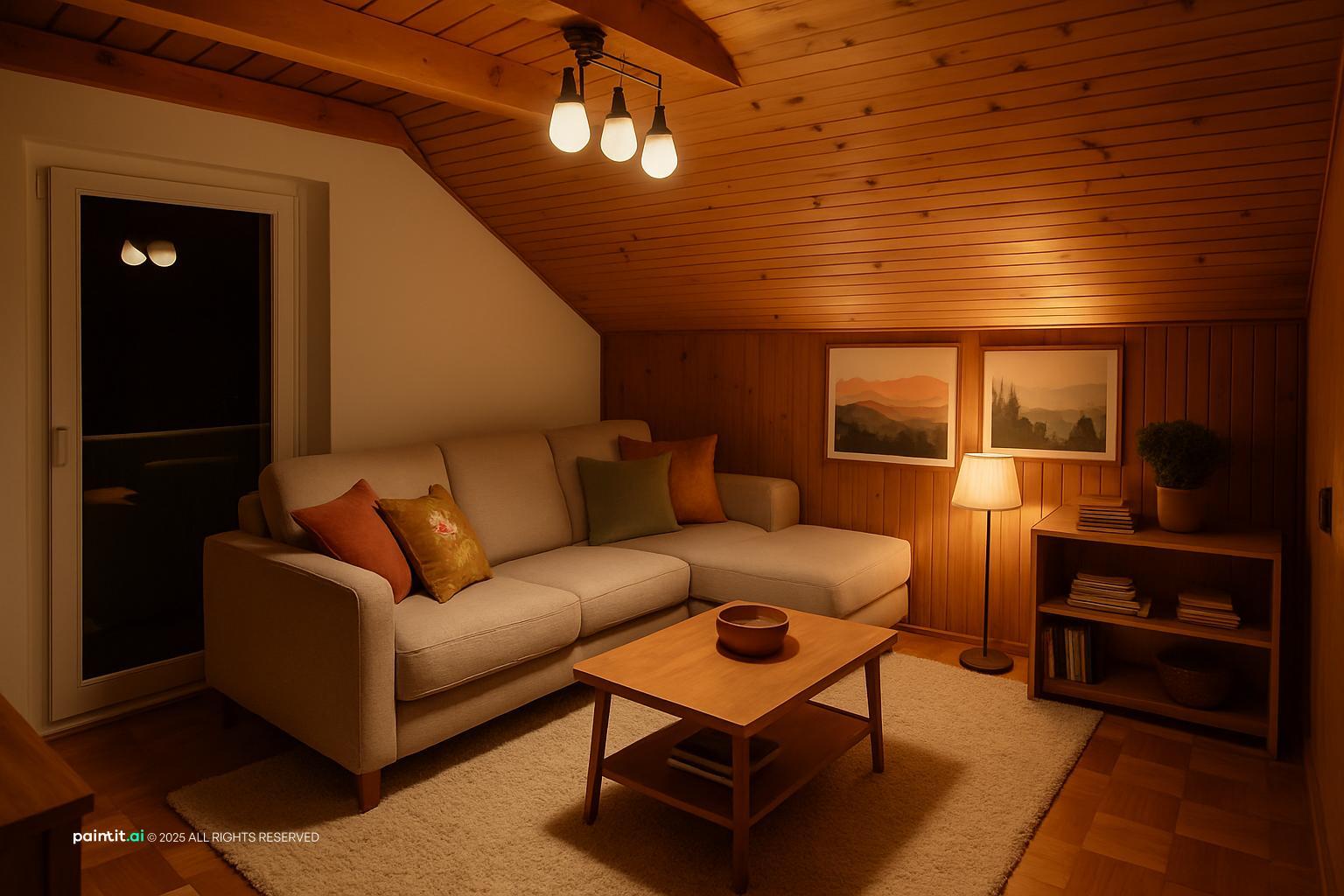
Choose a deep jewel tone like emerald green, navy blue, or even a dusty terracotta for the upper wall. Furnish with classic pieces, perhaps a Chesterfield sofa or a wingback chair. Brass or gold accents can elevate the look.
-
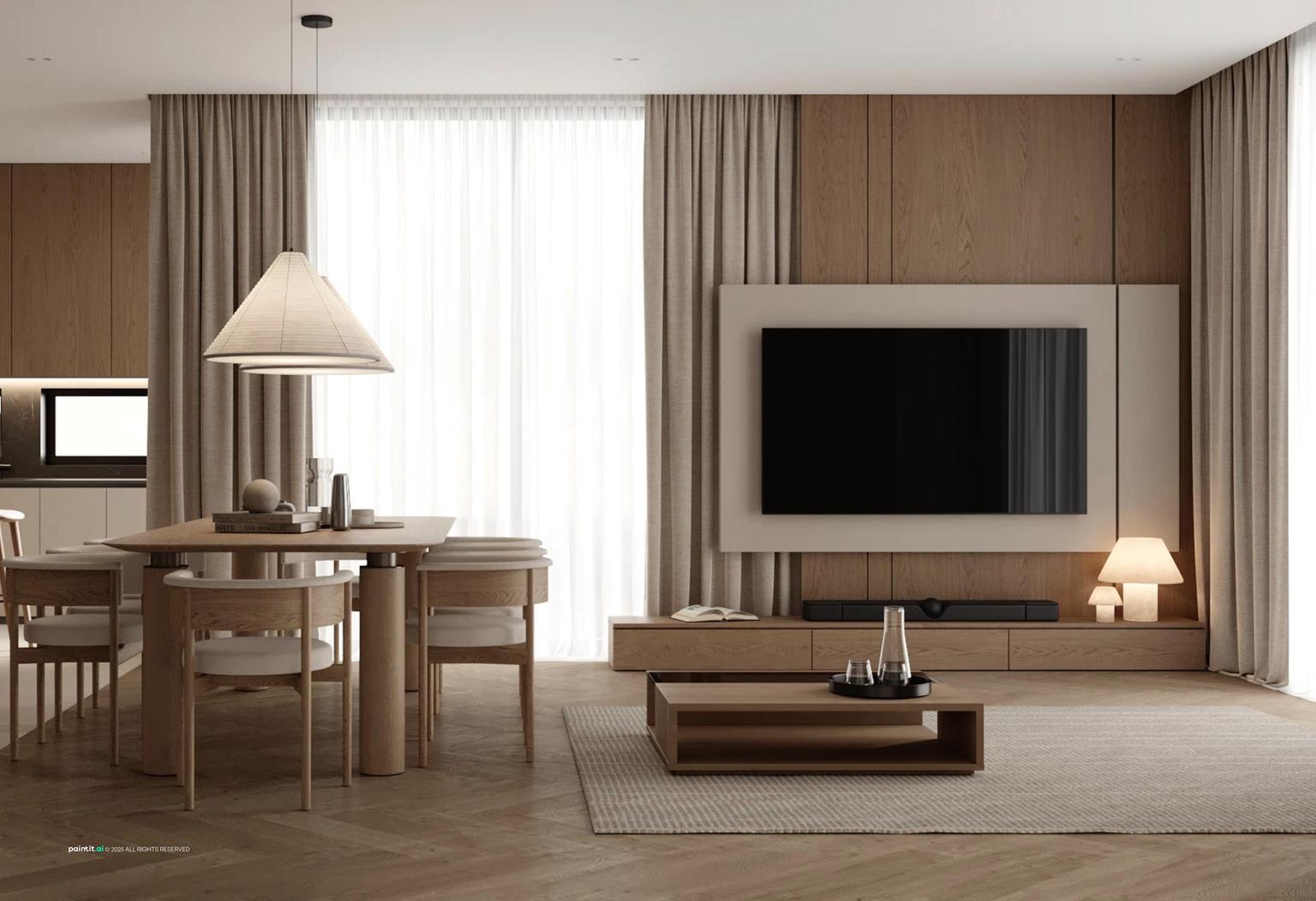
Pro Tip: To achieve this effect, try selecting a paint finish for the upper wall that has a slight sheen to reflect light.
-
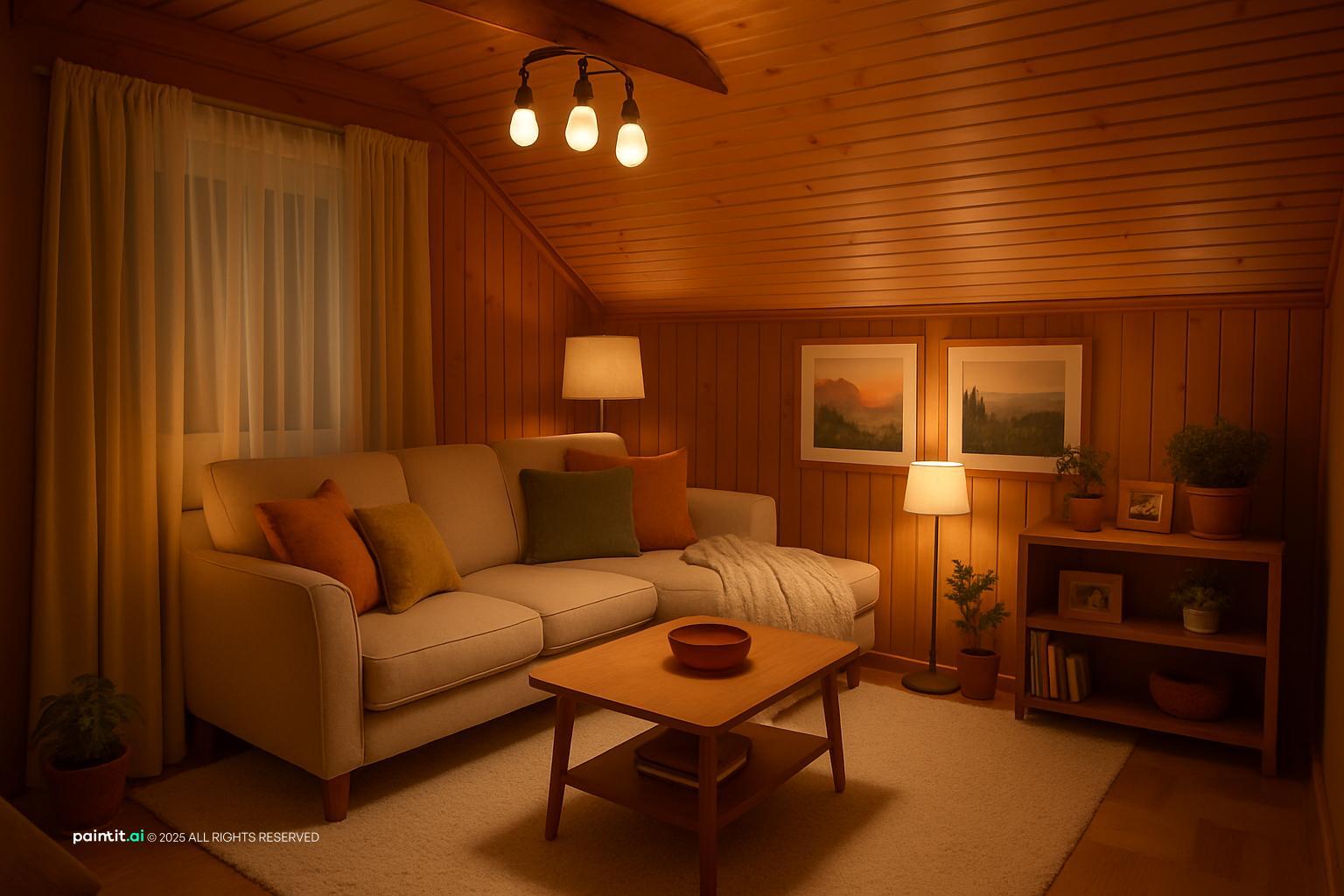
Taking white wood paneling from floor to ceiling creates an enveloping sense of luxury and cohesion. This isn't just a wall treatment; it's a statement. The uniform texture provides a sophisticated canvas, allowing other elements in the room to shine. I always find this adds an incredible sense of bespoke craftsmanship.
-
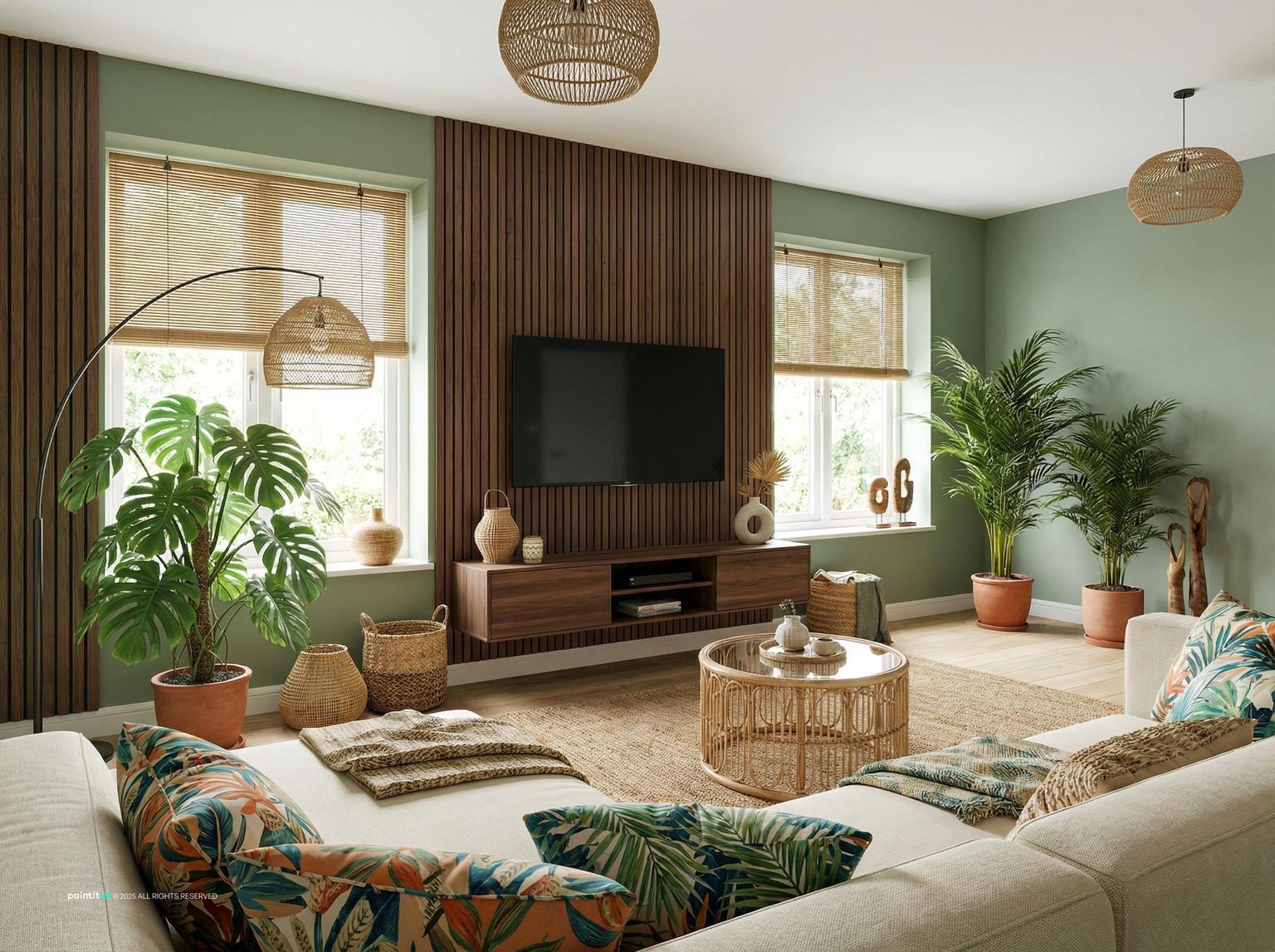
Pair with tailored, upholstered furniture in luxurious fabrics like velvet or linen. Large-scale artwork or a grand mirror can become focal points. Use recessed lighting to highlight the texture of the panels and create ambient glow.
-
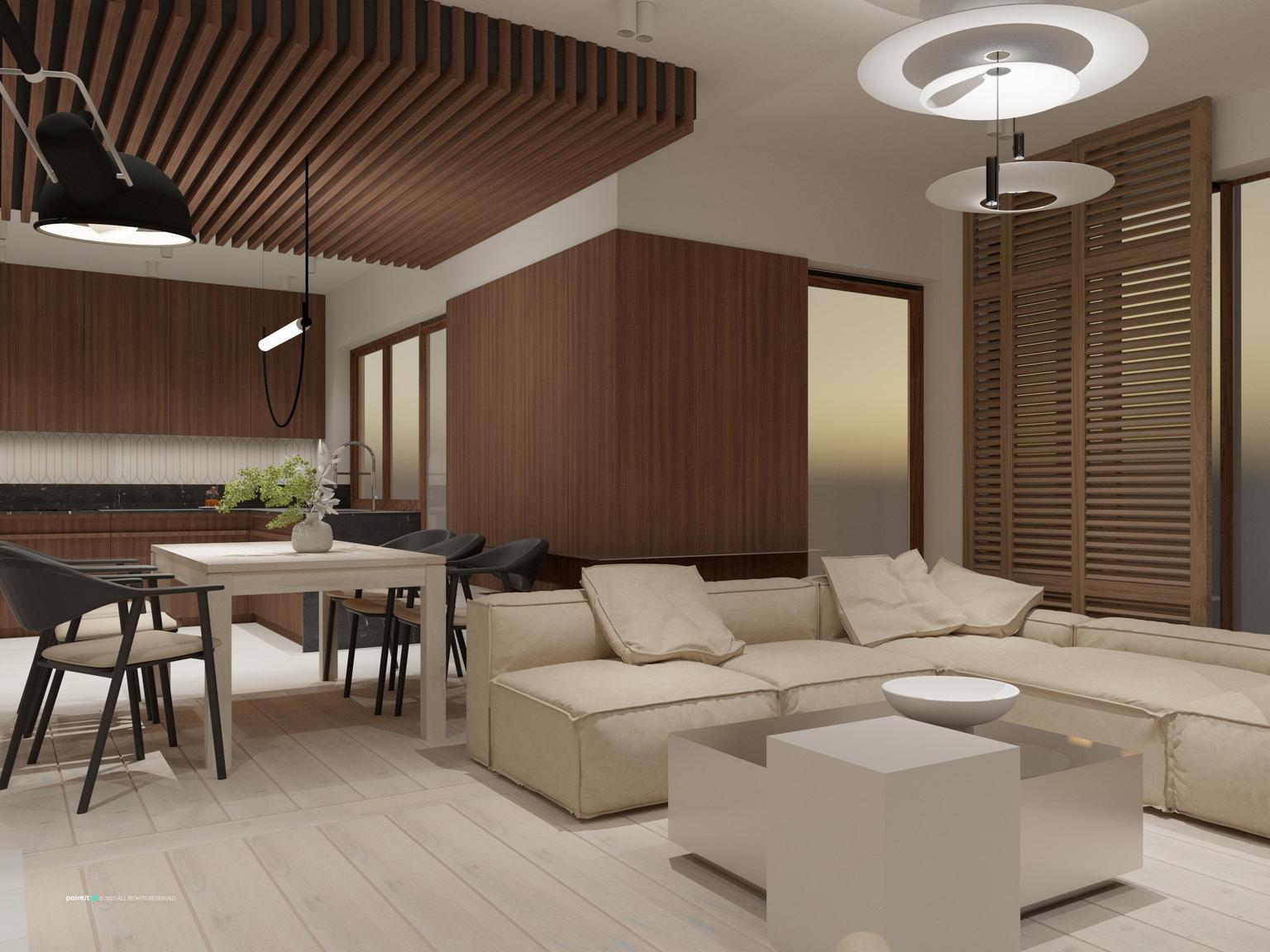
Pro Tip: To achieve this effect, try integrating hidden storage or built-in bookshelves seamlessly into the paneled wall.
-
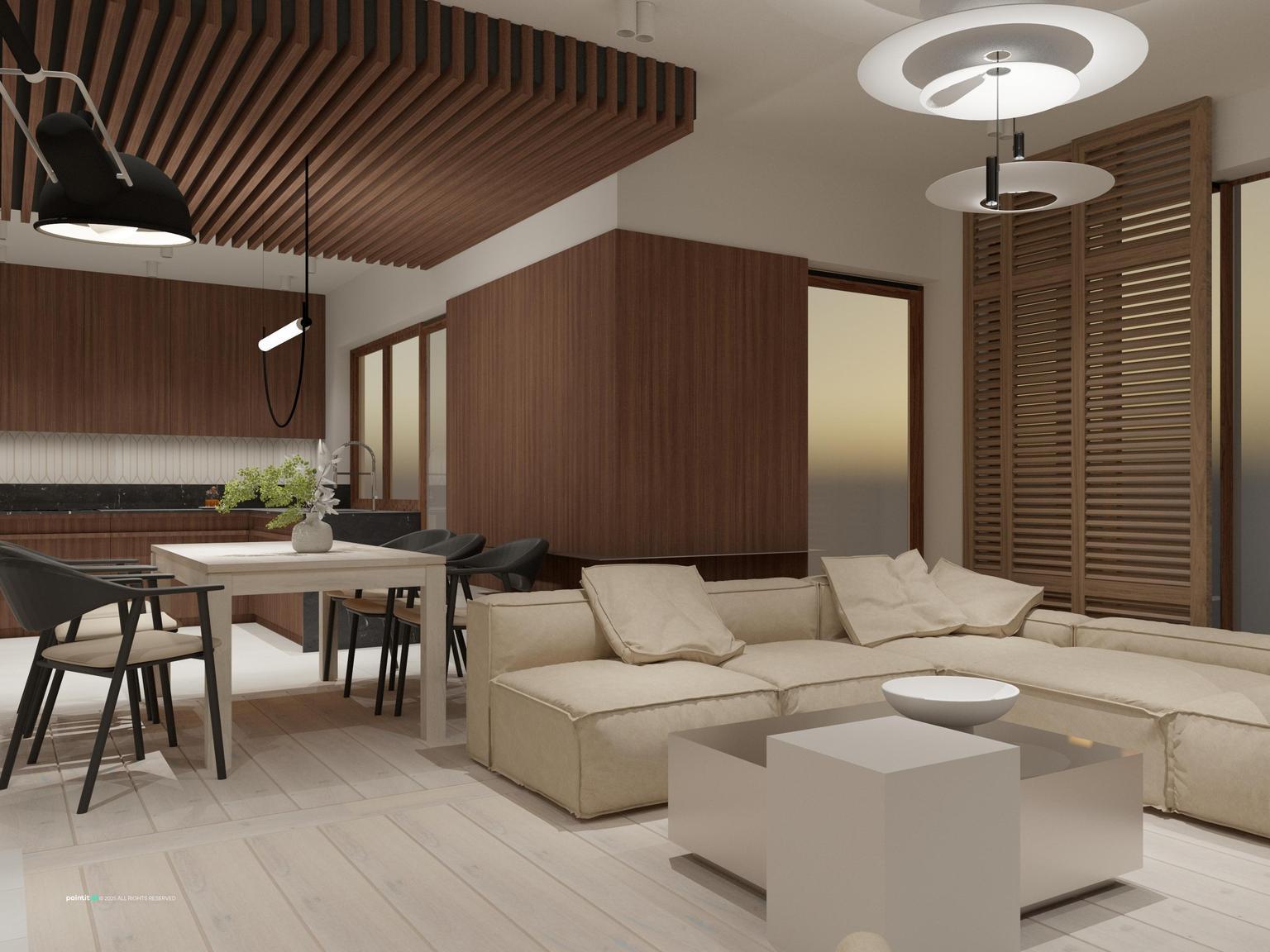
Use white wood paneling to create a stunning fireplace surround, contrasting it with the raw texture of brick or stone on an adjacent wall. This creates a dynamic focal point and adds layers of visual interest. It’s about celebrating different materials. Here is what matters: the juxtaposition is key.
-
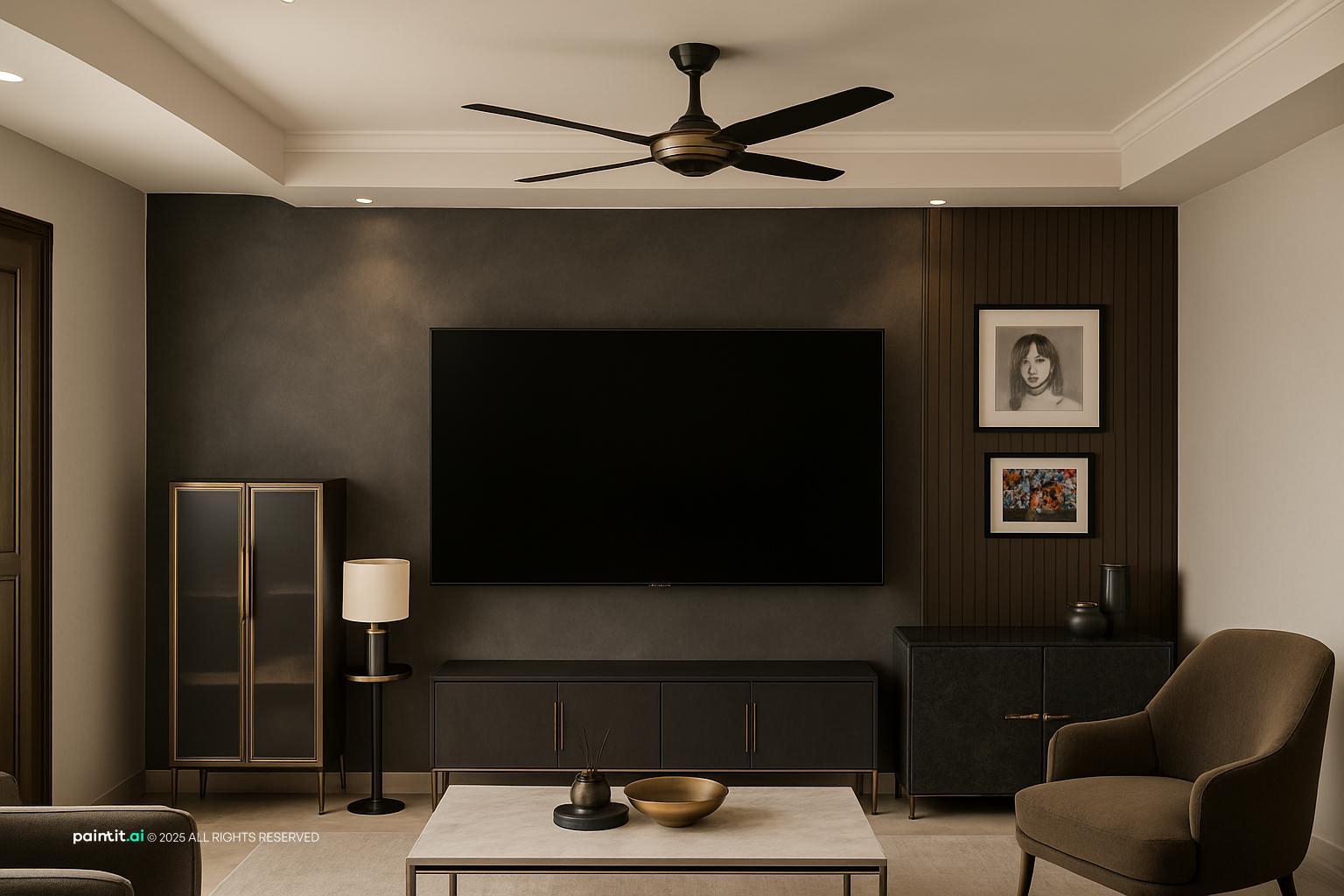
Maintain a neutral color palette for the rest of the room to let the textures speak. Introduce soft throws and pillows to balance the harder surfaces. A large, abstract piece of art above the mantel can complete the look.
-
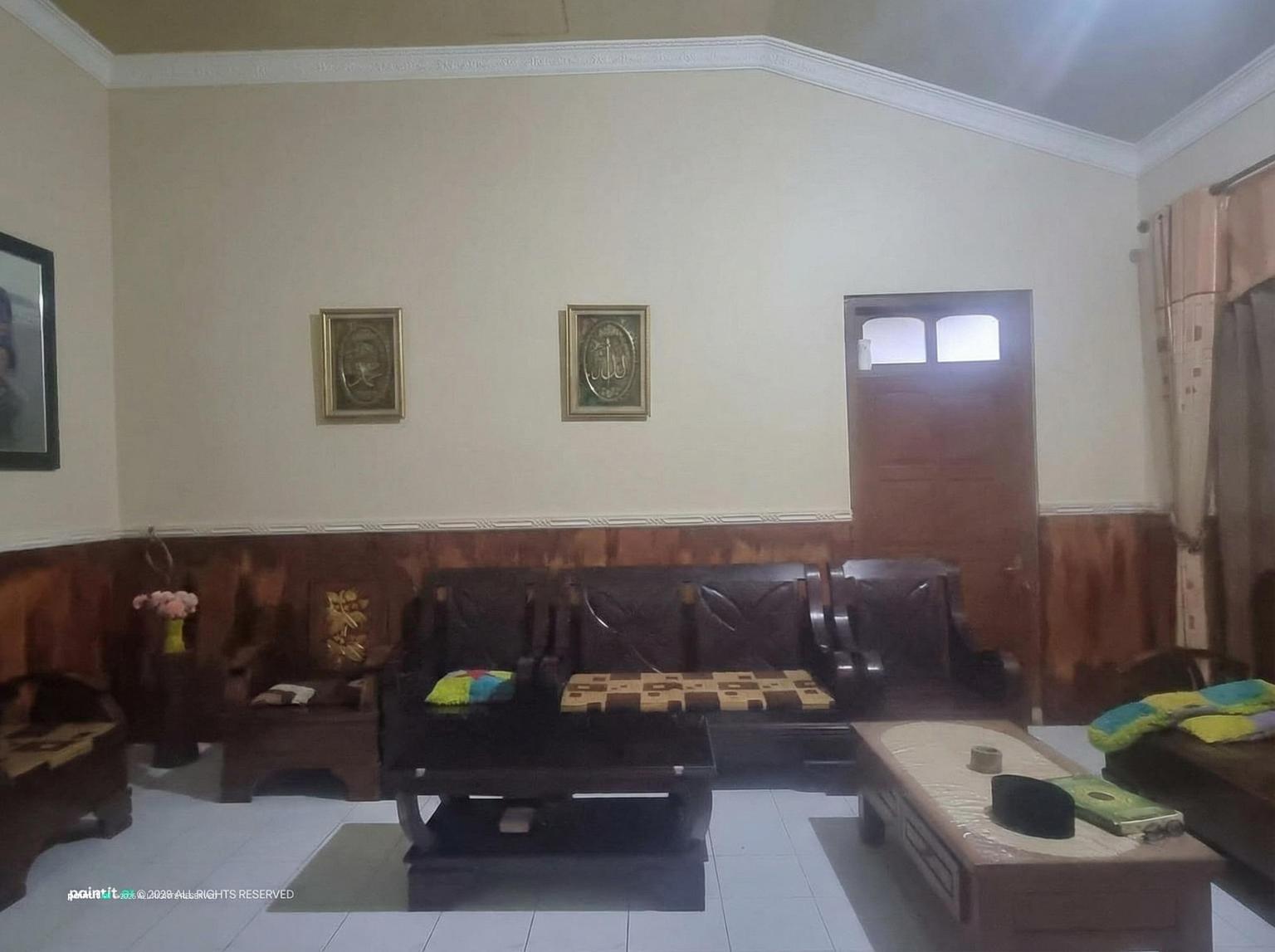
Pro Tip: To achieve this effect, try using a different paneling style for the fireplace surround than the rest of the room for subtle variation.
-
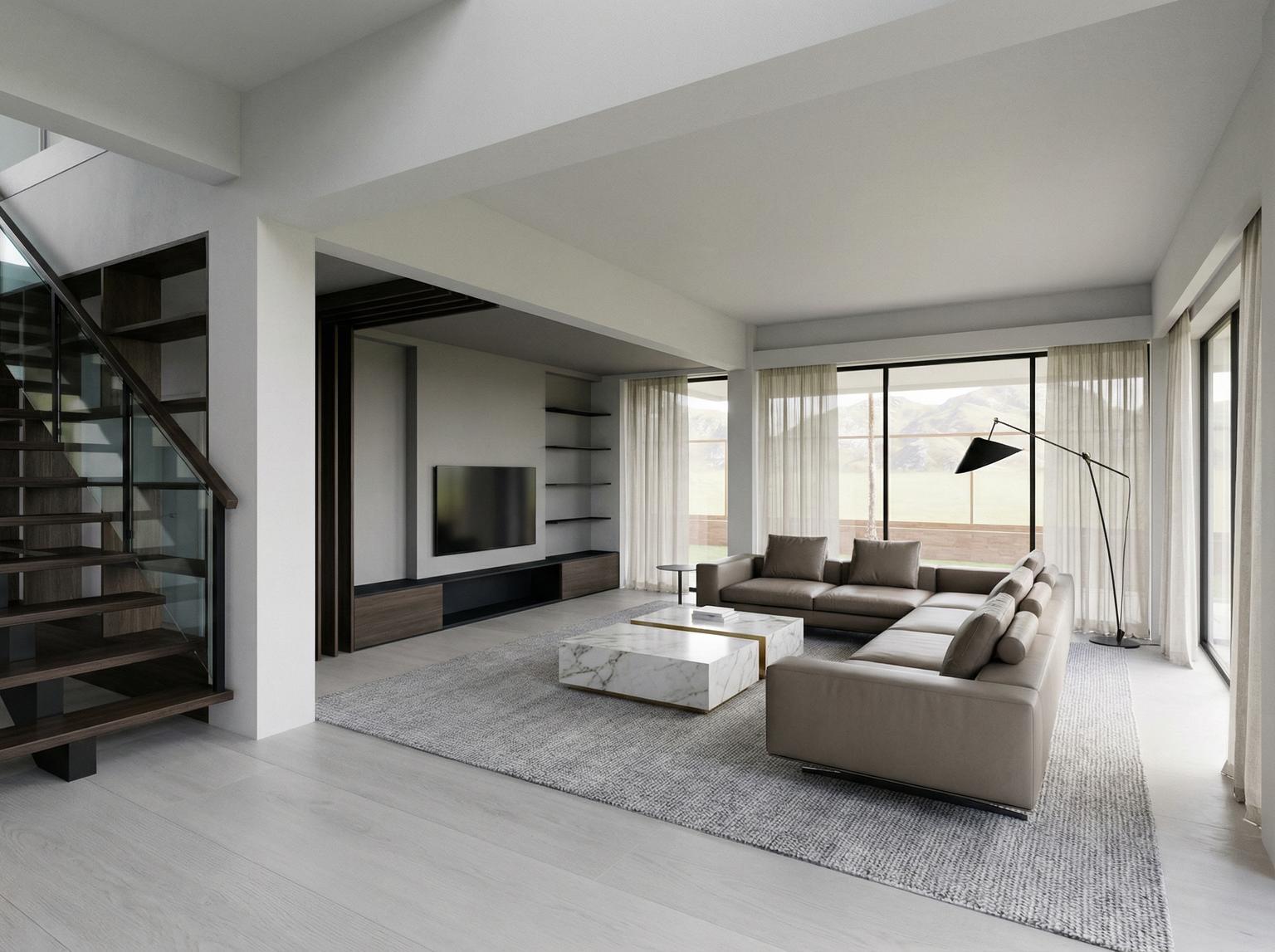
Maximize functionality and aesthetics by integrating custom built-in shelving, window seats, or media units directly into the white wood paneling. This creates a seamless, bespoke look that feels incredibly intentional. It’s smart design, plain and simple.
-
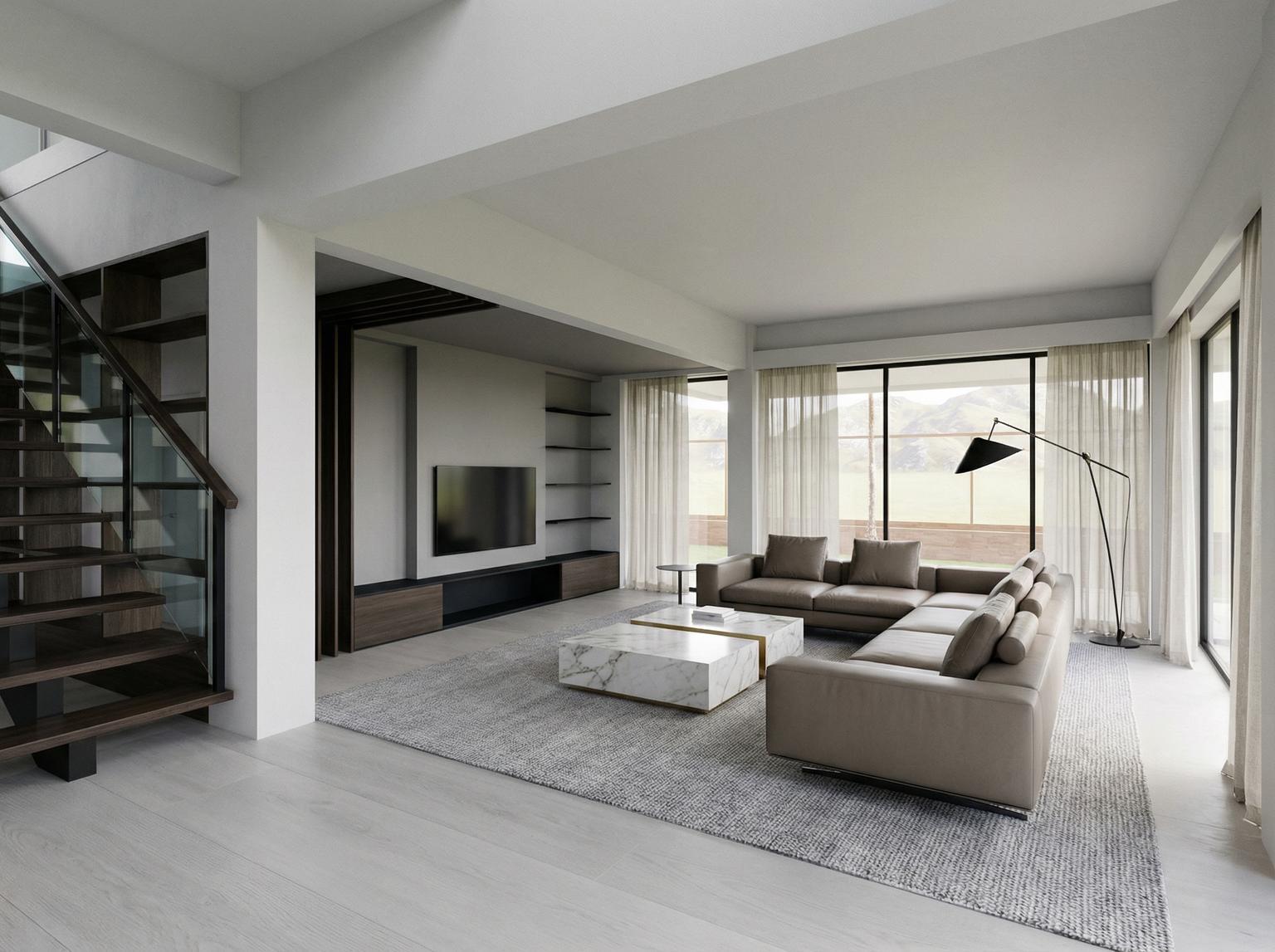
Paint the built-ins the same shade of white as the paneling for a unified appearance. Style shelves with a mix of books, decorative objects, and personal mementos. Add comfortable cushions to window seats for a cozy reading nook.
-
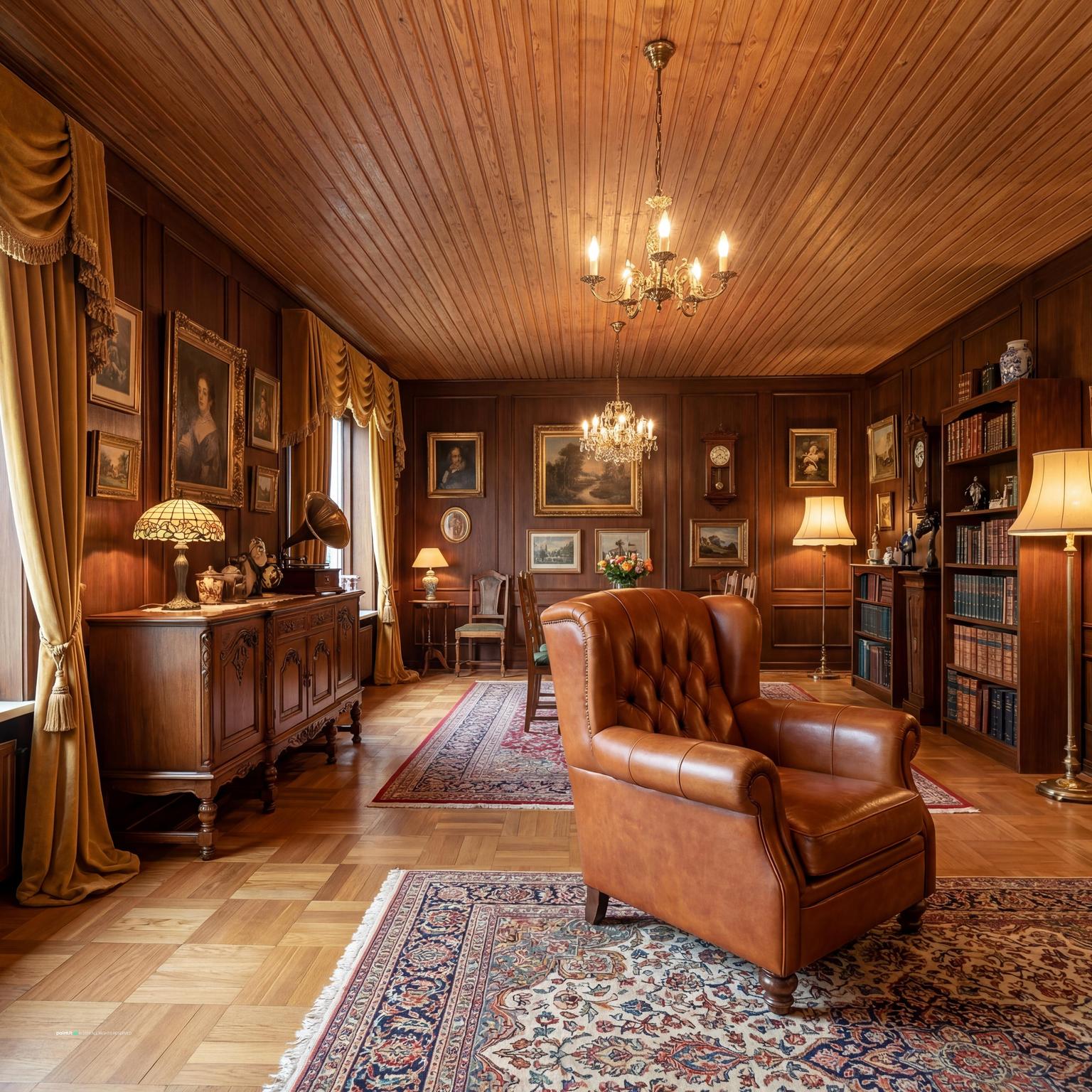
Pro Tip: To achieve this effect, try adding subtle LED strip lighting within the shelves to highlight your displayed items.
-
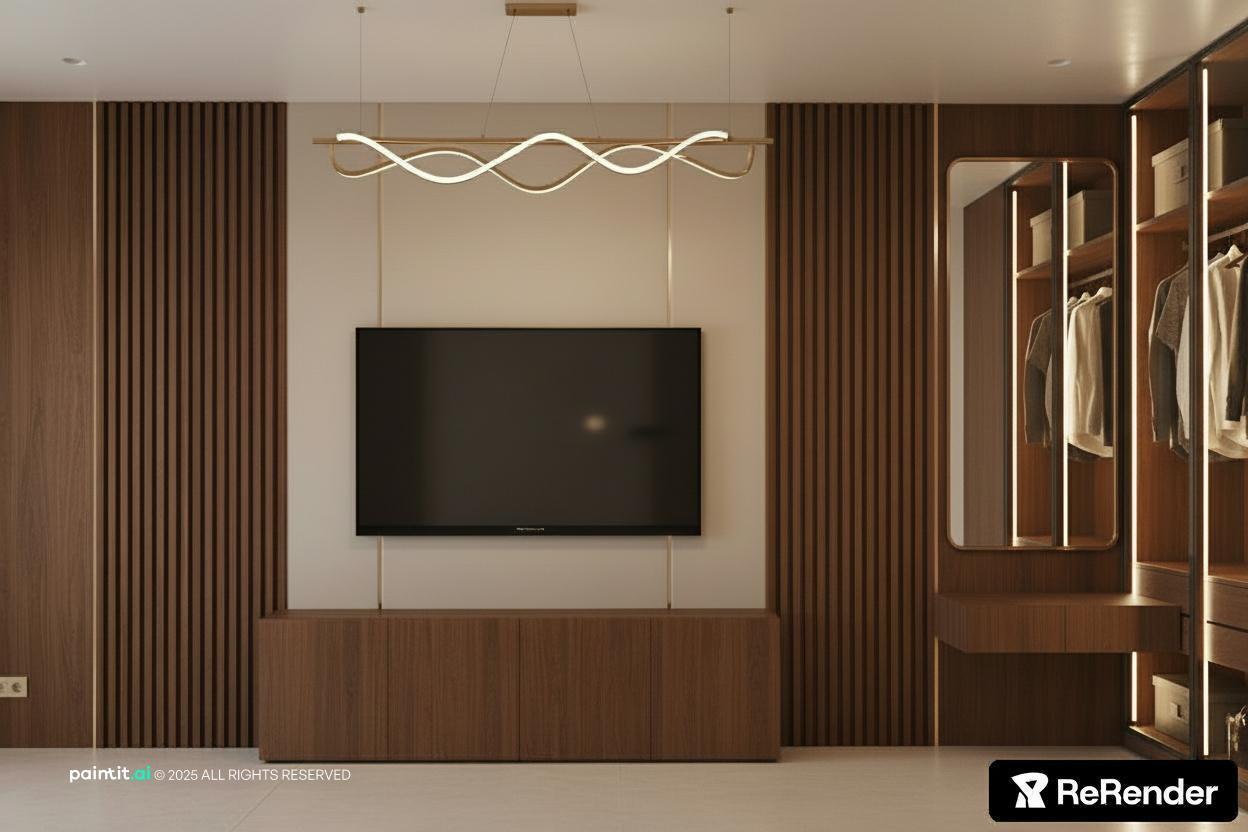
Sometimes, less is more impactful. Choose just one wall for white wood paneling, allowing it to become a dramatic accent. Paint the remaining walls a deep, saturated color to create a striking contrast. This approach adds depth and personality without overwhelming the space.
-
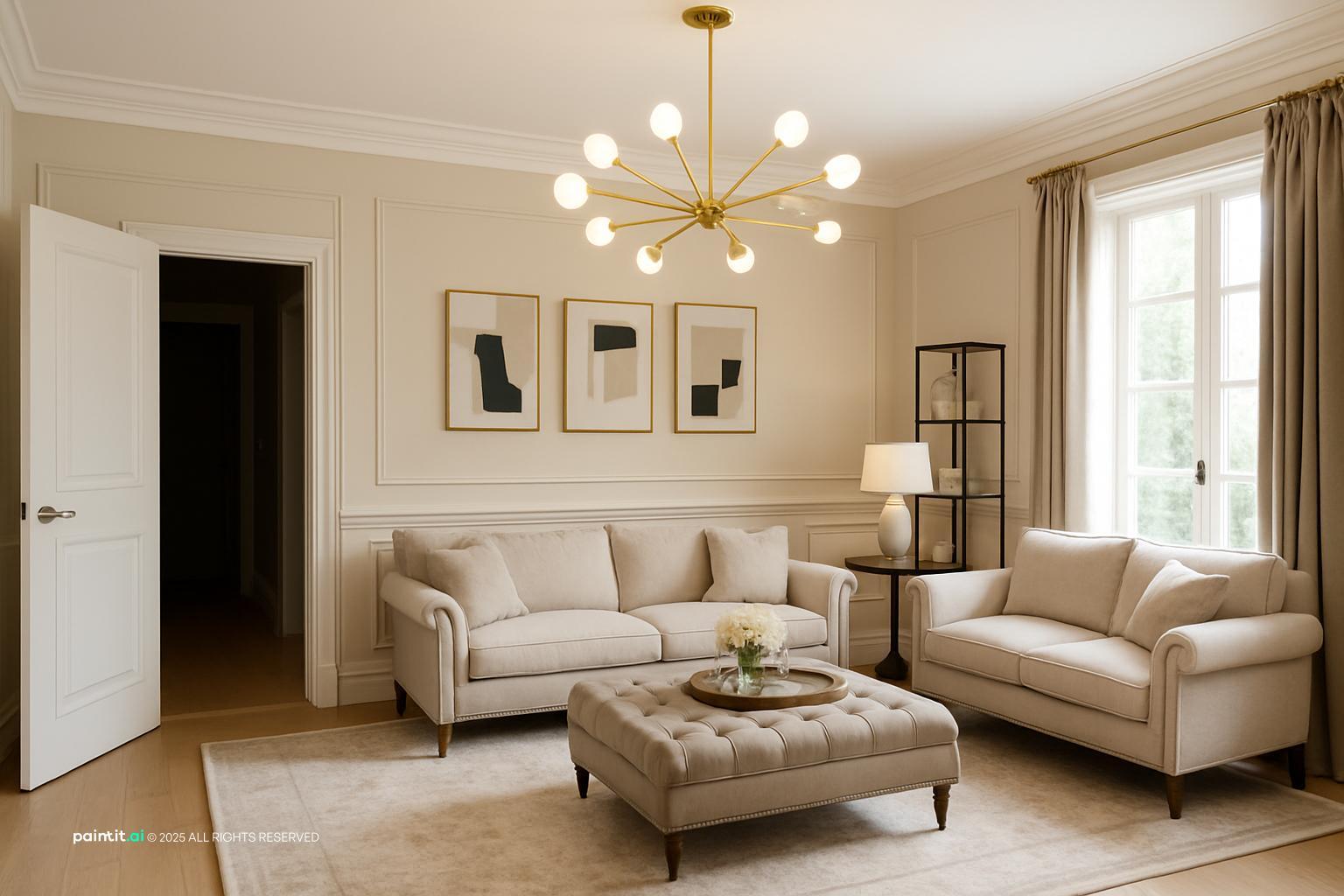
Select a bold color like deep forest green, moody plum, or even a rich black for the non-paneled walls. Furnish the room with pieces that complement both the white and the accent color. A large mirror or a gallery wall on the paneled section can draw the eye.
-
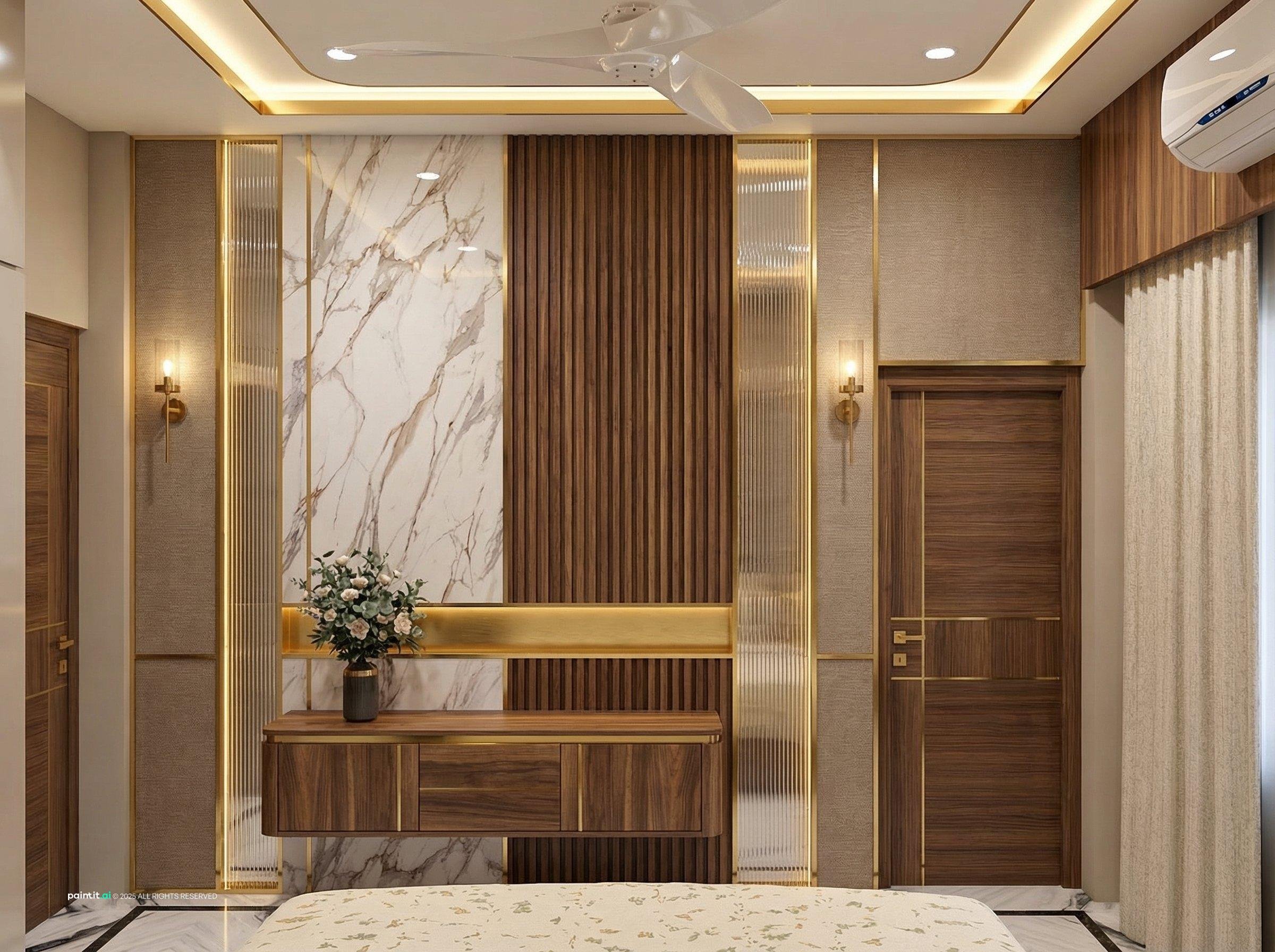
Pro Tip: To achieve this effect, try using the accent wall behind a key piece of furniture, like a sofa or console table.
-
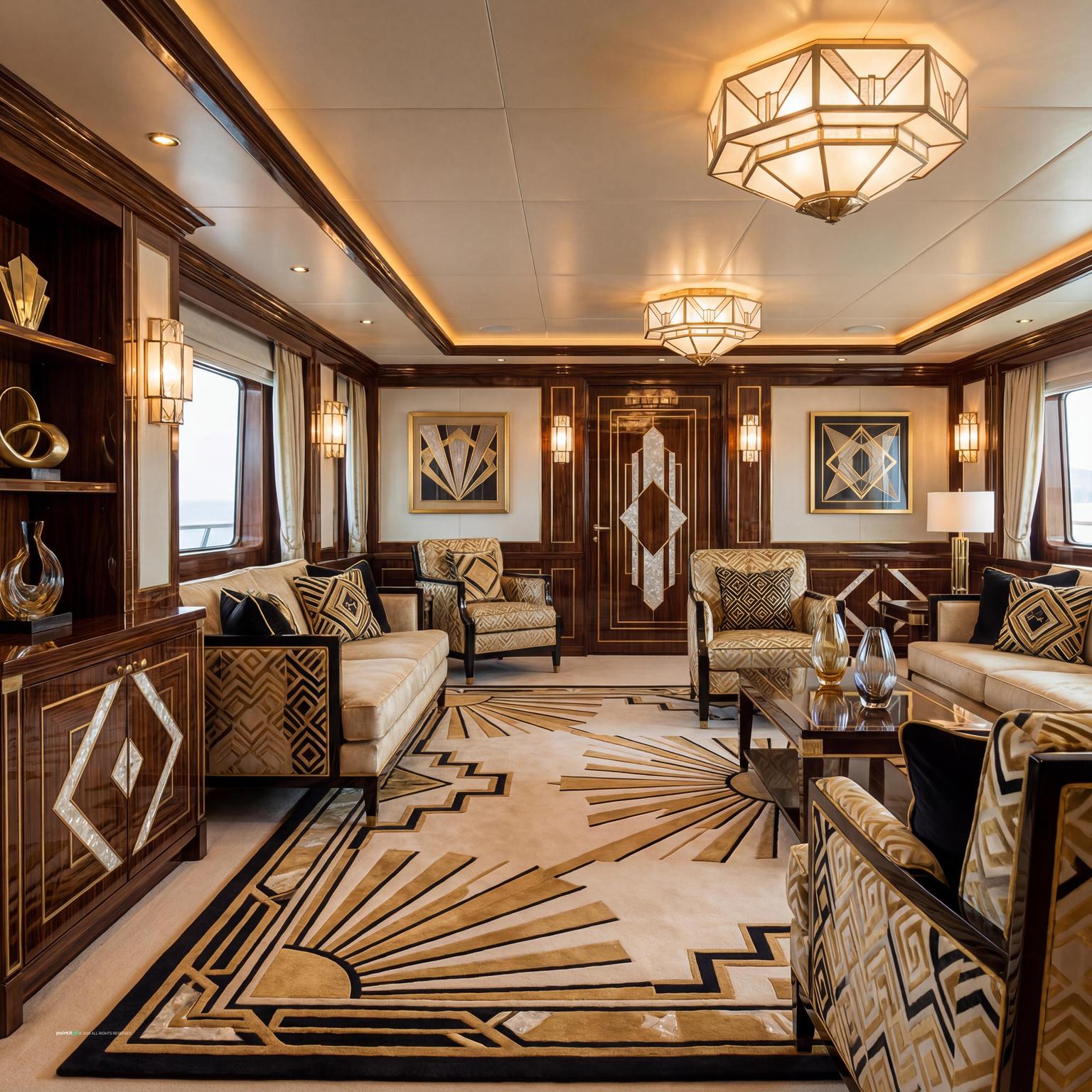
Extend the white wood paneling onto the ceiling for a truly immersive and cohesive design. This creates a sense of architectural interest and can make a room feel like a beautifully crafted box. It’s an unexpected element that adds immense character. I find this works wonders in rooms that might otherwise feel a bit bland.
-
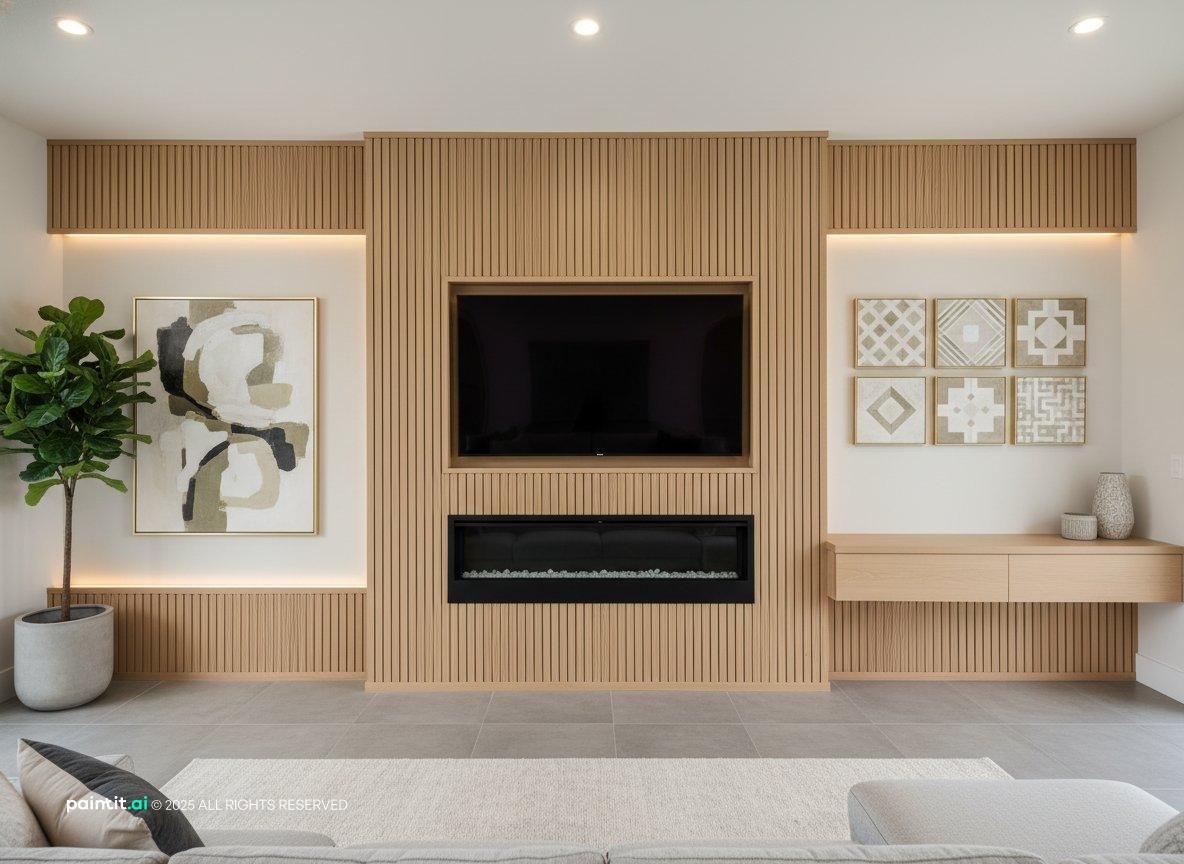
Keep wall treatments simple if the ceiling is paneled, perhaps a soft, solid color. Use recessed lighting or flush-mount fixtures to maintain the clean lines. Furniture should be comfortable and inviting, allowing the room's structure to be the star.
-
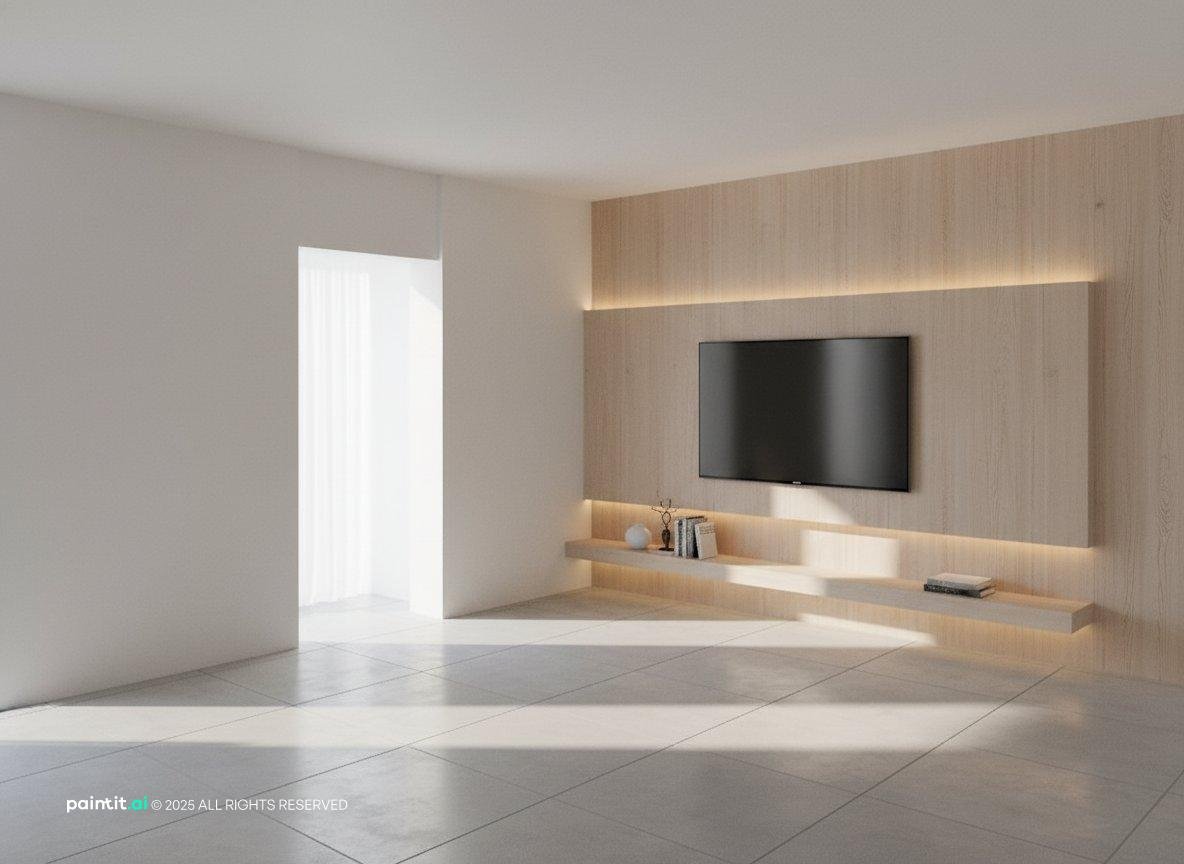
Pro Tip: To achieve this effect, try using a slightly different paneling style or direction on the ceiling for subtle differentiation.
-
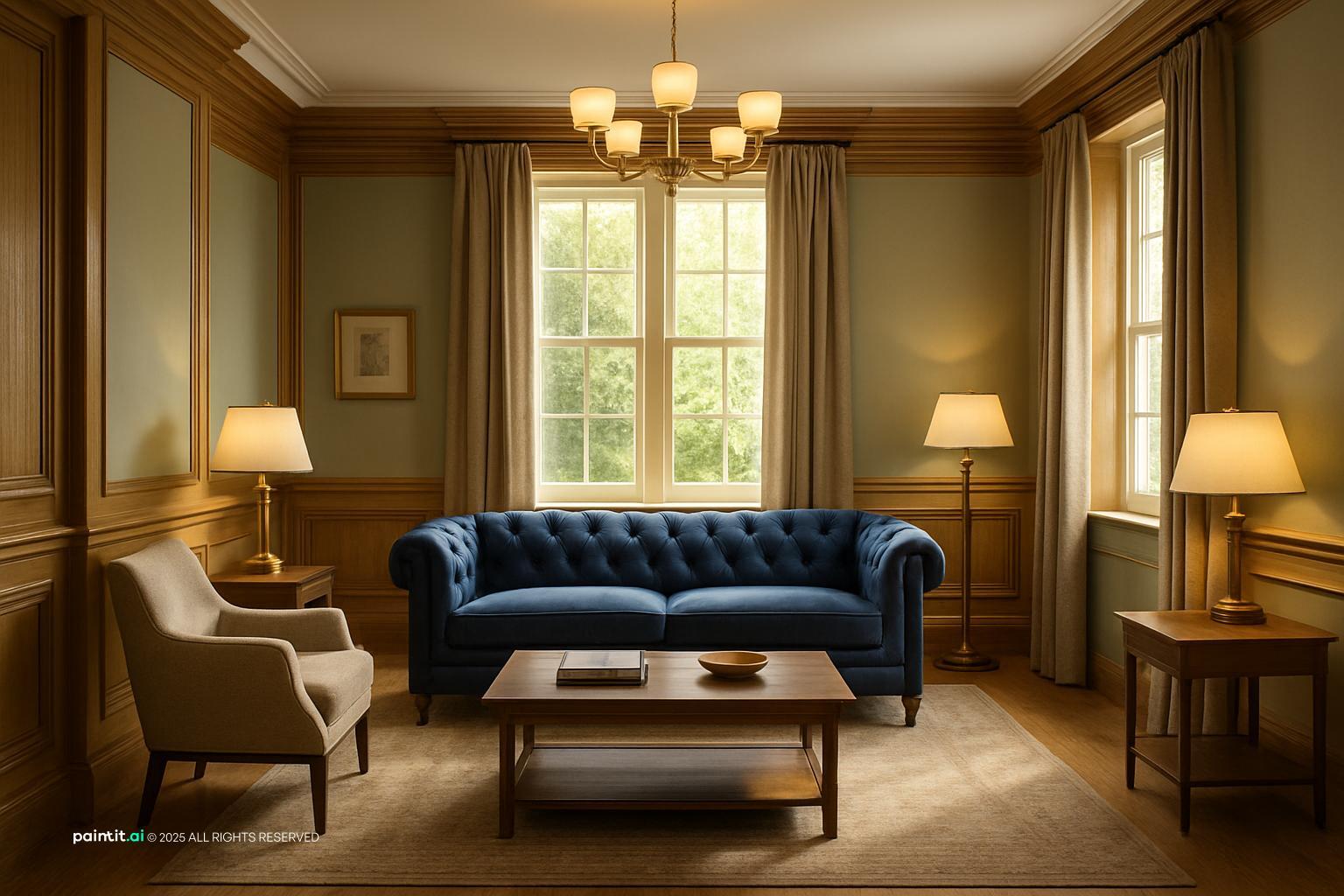
White wood paneling provides an impeccable, textured backdrop for showcasing artwork. The clean lines and neutral color allow paintings, prints, and sculptures to truly pop, creating a gallery-like atmosphere. It’s a sophisticated way to display your collection. Most people forget that the wall itself can be a work of art, even when serving as a canvas.
-
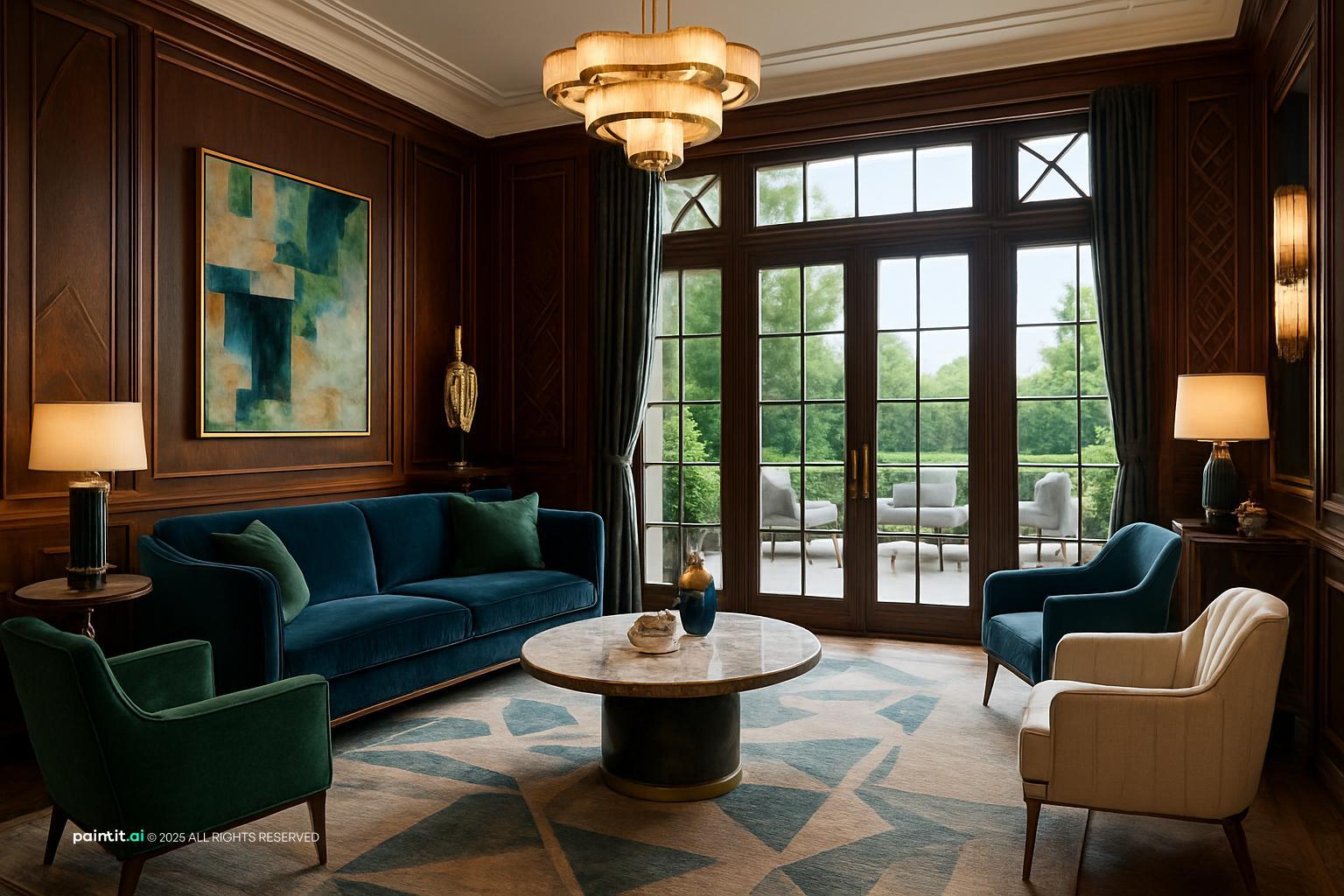
Hang a curated collection of art in varying sizes and styles. Use picture lights to illuminate individual pieces. Keep furniture understated, allowing the art to be the main focus. A minimalist sofa and a simple rug are perfect companions.
-
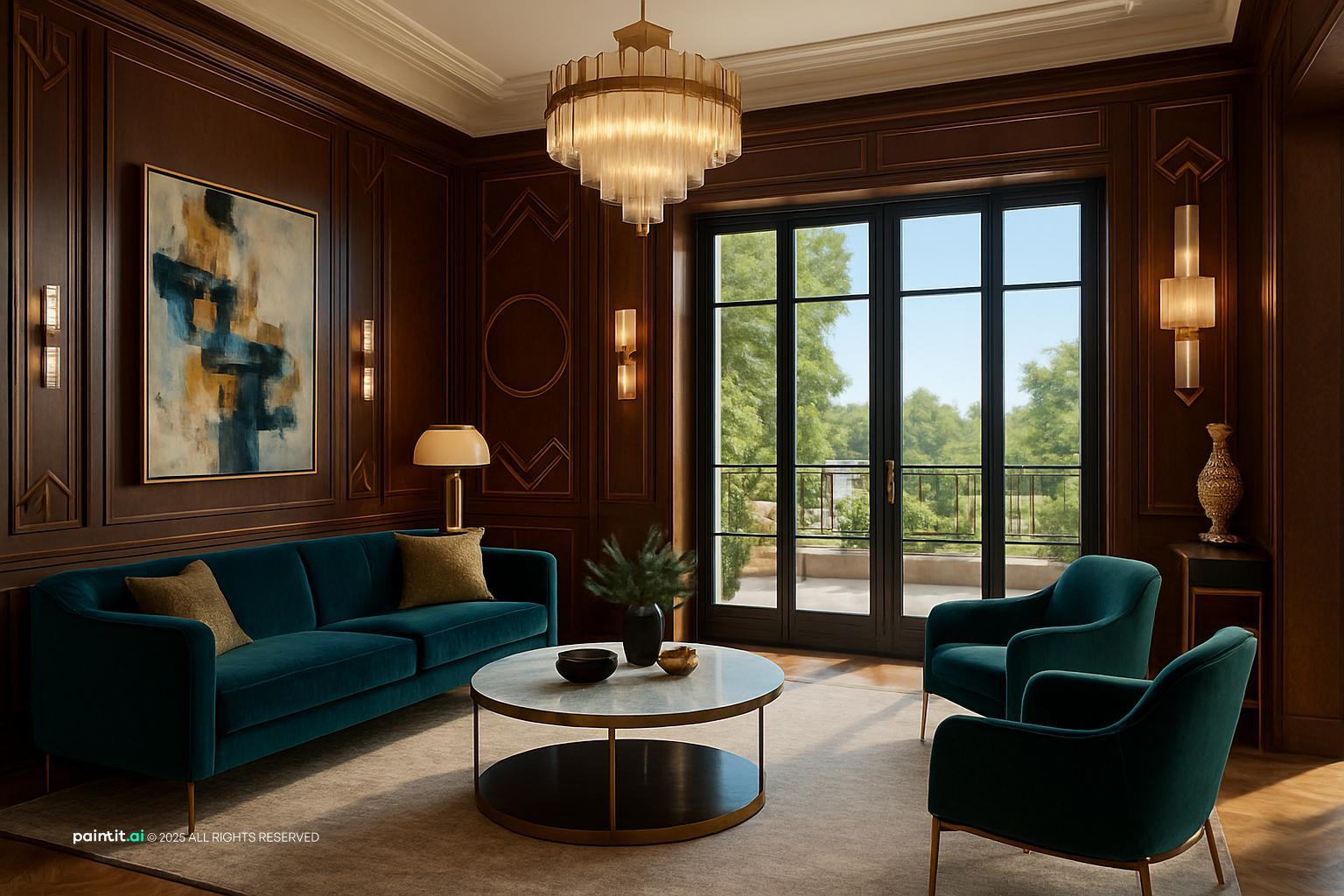
Pro Tip: To achieve this effect, try using a consistent frame color (e.g., black or natural wood) for your artwork to unify the display.
-
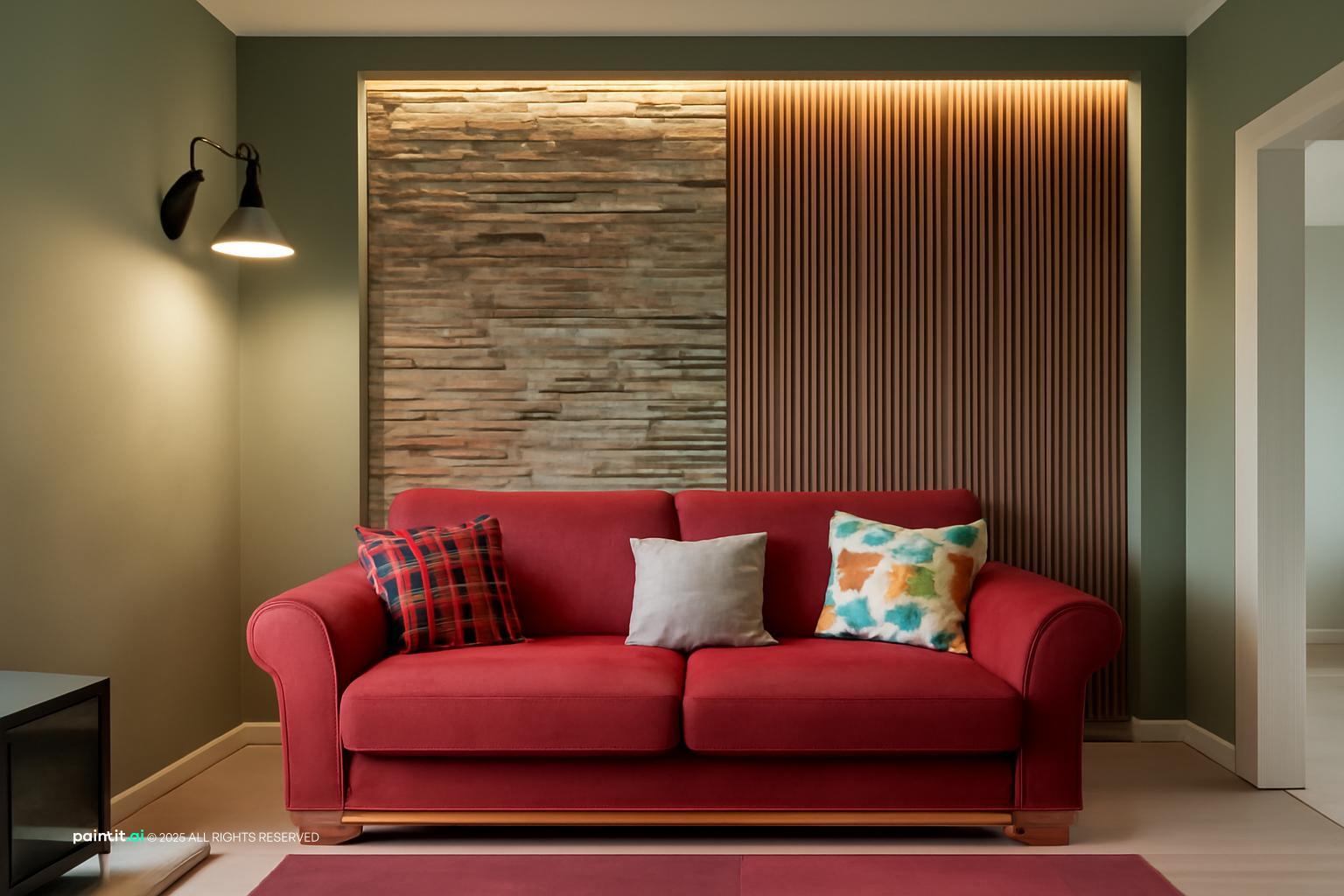
Marry the classic charm of white wood paneling with sleek, contemporary furniture for a sophisticated transitional look. This style bridges the gap between traditional and modern, creating a space that feels both current and timeless. It sounds simple, but the contrast is what makes it sing.
-
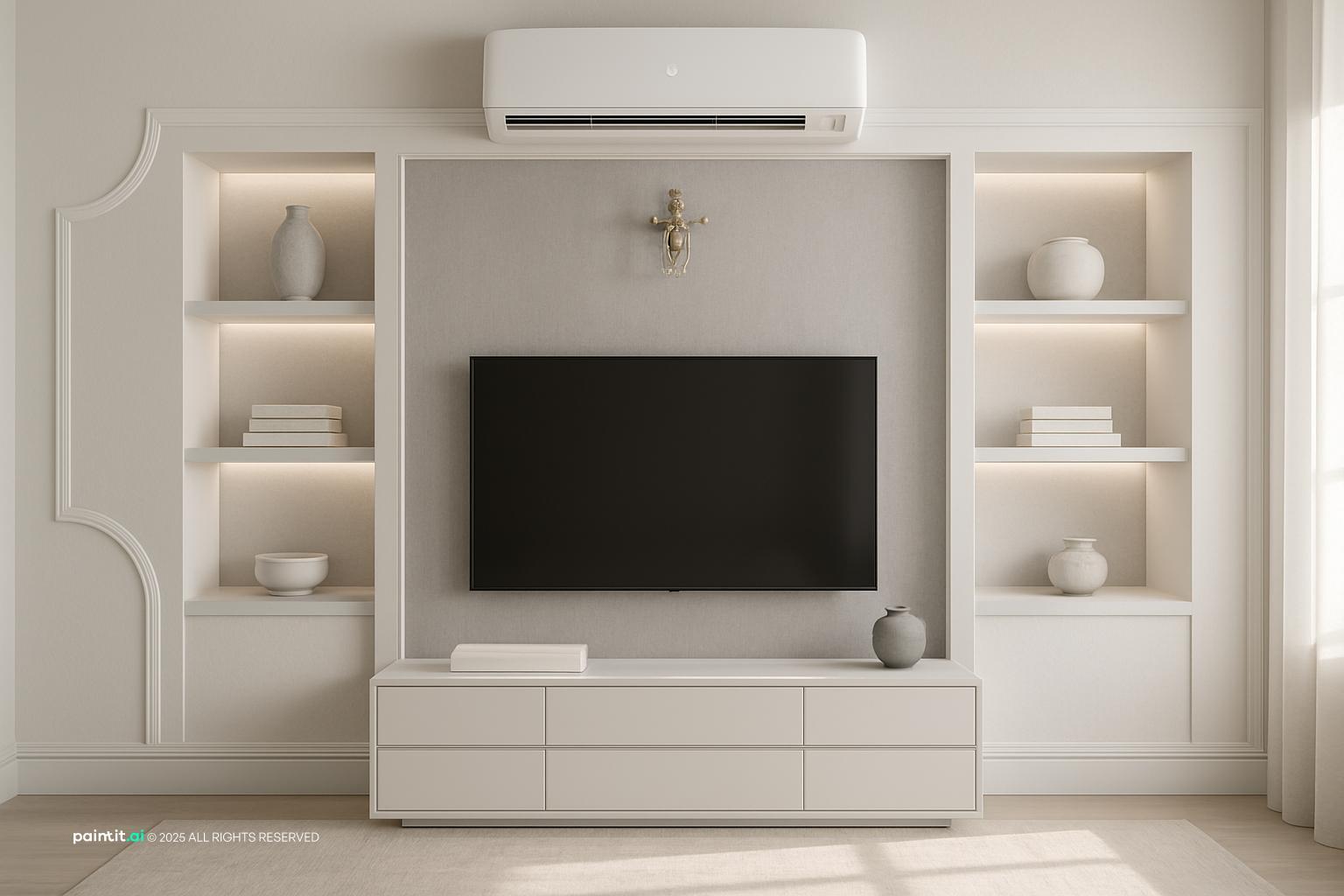
Choose a classic paneling style like beadboard or raised panels. Pair it with a clean-lined sofa, perhaps in a performance fabric, and modern accent chairs. Introduce metallic finishes like brushed nickel or polished chrome for a touch of contemporary flair.
-
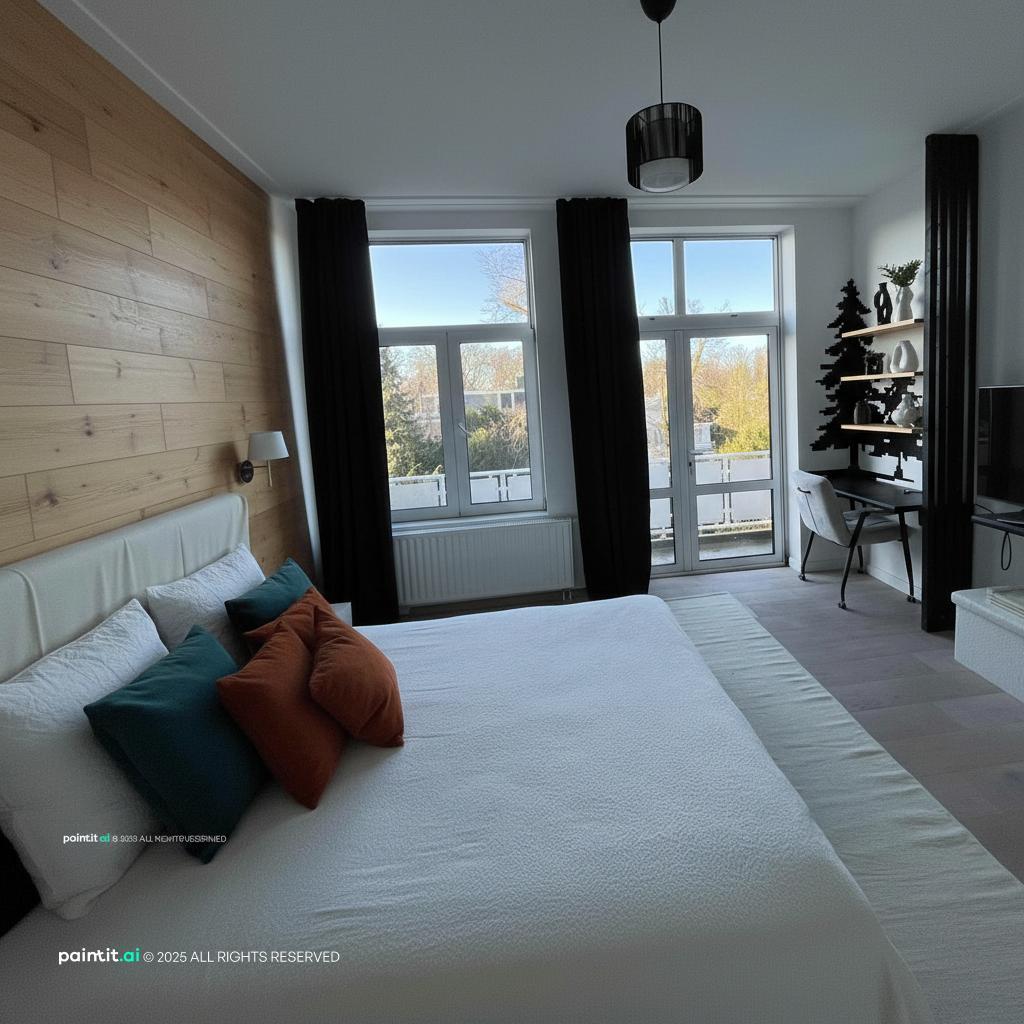
Pro Tip: To achieve this effect, try mixing furniture pieces from different eras to create a truly unique blend.
-
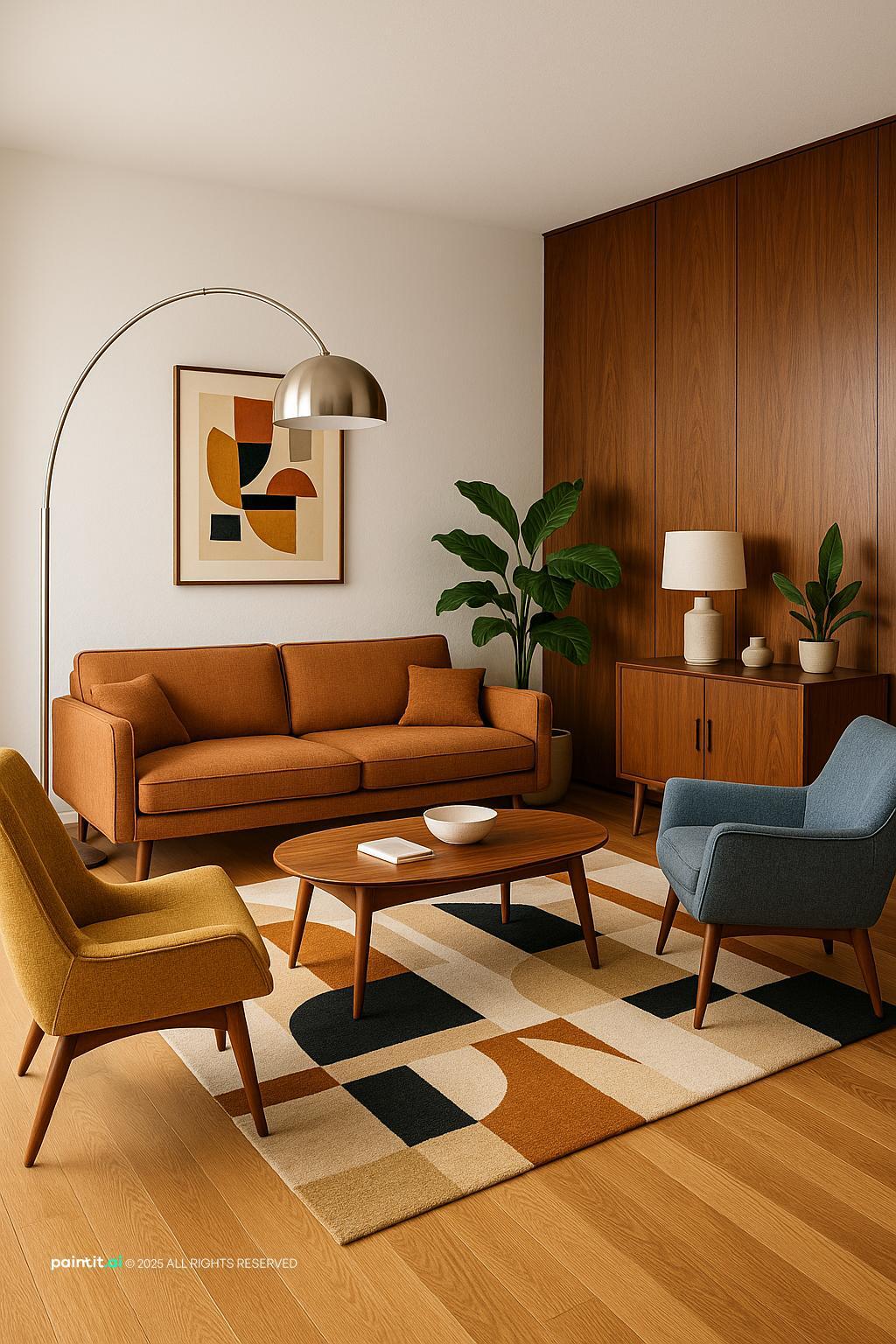
Embrace a purely monochromatic scheme by pairing white wood paneling with white furniture and accessories, relying on texture to create depth and interest. This creates an incredibly serene and sophisticated environment. It’s a bold choice that, when done right, feels incredibly luxurious. I love how this approach forces you to really think about material differences.
-
Layer different white textures: a chunky knit throw, a linen sofa, a sheepskin rug, and perhaps a ceramic vase. Use subtle variations in white tones (e.g., off-white, ivory, bright white) to add dimension. Natural light is crucial here to bring out the nuances.
-
Pro Tip: To achieve this effect, try incorporating mirrored surfaces or clear acrylic elements to add reflective qualities without introducing color.
Beyond the Blank Canvas: Mastering White Wood Paneling Living Rooms to Life with Paintit.ai
-
Beyond the Blank Canvas: Mastering White Wood Paneling Living Rooms 1. Color palette The foundation, naturally, is the crisp white of the paneling itself. This isn't just a blank slate; it's an opportunity. I’ve seen this work best when balanced with soft, muted secondary tones like a dove grey or a warm oat beige, which introduce subtle depth without competing. For accent colors, consider the tranquil whisper of sage green, a sophisticated deep navy, or even a dusty terracotta to inject personality. The truth is, these choices prevent the space from feeling sterile, allowing the white to truly shine as a backdrop for life. 2. Key materials & textures The white wood paneling provides a structured, rhythmic texture. To soften this, introduce natural wood elements—think a substantial oak coffee table or a walnut console. This grounds the room, adding an organic warmth that is simply irreplaceable. For textiles, linen and cotton are non-negotiable; their relaxed, breathable qualities bring an immediate sense of comfort and understated luxury to upholstery and drapes. A touch of matte black metal in a light fixture or a brass accent on a side table can provide a sophisticated contrast, adding a modern edge to the classic paneling. 3. Furniture essentials A well-proportioned sofa is your anchor. Most people forget that scale is everything here; a too-large piece can overwhelm the room, while a too-small one gets lost. Opt for clean lines, perhaps a modern sectional in a light, textured fabric or a classic Chesterfield in a soft linen. Pair this with a substantial, yet not bulky, coffee table—a round marble top or a rectangular reclaimed wood piece works beautifully. Finally, an accent chair, perhaps a sleek armchair with exposed wooden arms or a cozy upholstered slipper chair, introduces visual interest and another layer of comfort. 4. Lighting setup Achieving the perfect atmosphere relies on layered lighting. Ambient light, often from recessed ceiling fixtures or a statement chandelier, provides overall illumination. Task lighting is crucial for functionality; think elegant floor lamps beside reading nooks or table lamps on side tables, offering focused light. Accent lighting truly elevates the space. Picture lights highlighting artwork or small spotlights on a prized plant create depth and drama. A dimmer switch on all layers is not just a luxury; it’s a necessity for controlling the mood. 5. Decorative accents & the 3-5-7 rule This is where the room truly comes alive. Art, whether a large abstract piece or a curated gallery wall, adds character. Plants, like a towering fiddle leaf fig or a cluster of snake plants, inject vitality and organic forms. Now, for the "3-5-7 rule": it sounds simple, but grouping items in odd numbers creates a natural, visually pleasing balance. On a mantelpiece, arrange three varying height candles or vases. On a bookshelf, combine five elements—perhaps three books, a small sculpture, and a trailing plant. For a larger wall, consider seven framed prints, varying in size and orientation, to create an artful, asymmetrical display. This technique prevents clutter and ensures every accent feels intentionally placed.
How Paintit.ai Perfects Your White Wood Paneling Living Room Design Ideas
White wood paneling in a living room offers timeless elegance. The challenge? Ensuring it feels inviting, not stark. Most people forget that subtle shifts in texture, furniture placement, or even a single accent color can dramatically alter the mood. I’ve seen this work best when designers experiment freely. The truth is, visualizing these nuances traditionally means costly samples and endless deliberation. Paintit.ai changes everything. You can instantly preview countless variations of your white wood paneling living room, experimenting with different styles, lighting, and decor elements in seconds. Avoid expensive mistakes. Try paintit.ai and see your perfect vision come to life.
FAQ
-
Overlooking texture is a common error. Don't just paint smooth walls. Embrace the grain, the subtle imperfections. Also, ensure adequate lighting; dark corners kill the airy feel these pale surfaces create. It’s about balance.
-
Think contrast and comfort. I’ve seen this work best with natural materials like linen, wool, or leather. Earthy tones or soft pastels prevent the space from feeling stark. Mid-century modern or Scandinavian pieces often pair beautifully.
-
Layered lighting is key. Combine ambient light from recessed fixtures with task lighting, like floor lamps. Accent lighting, perhaps spotlights on art, adds depth. Most people forget that natural light is paramount; maximize it.
-
Absolutely, yes. The truth is, light-colored vertical planks can actually make a compact space feel taller and more expansive. Keep furniture scaled appropriately and avoid heavy drapes. Simplicity is your friend here.
-
Regular, gentle dusting is crucial. For marks, a damp cloth with mild soap usually suffices. Avoid abrasive cleaners; they can dull the finish. It might seem odd at first, but a yearly light polish can restore its subtle sheen.