
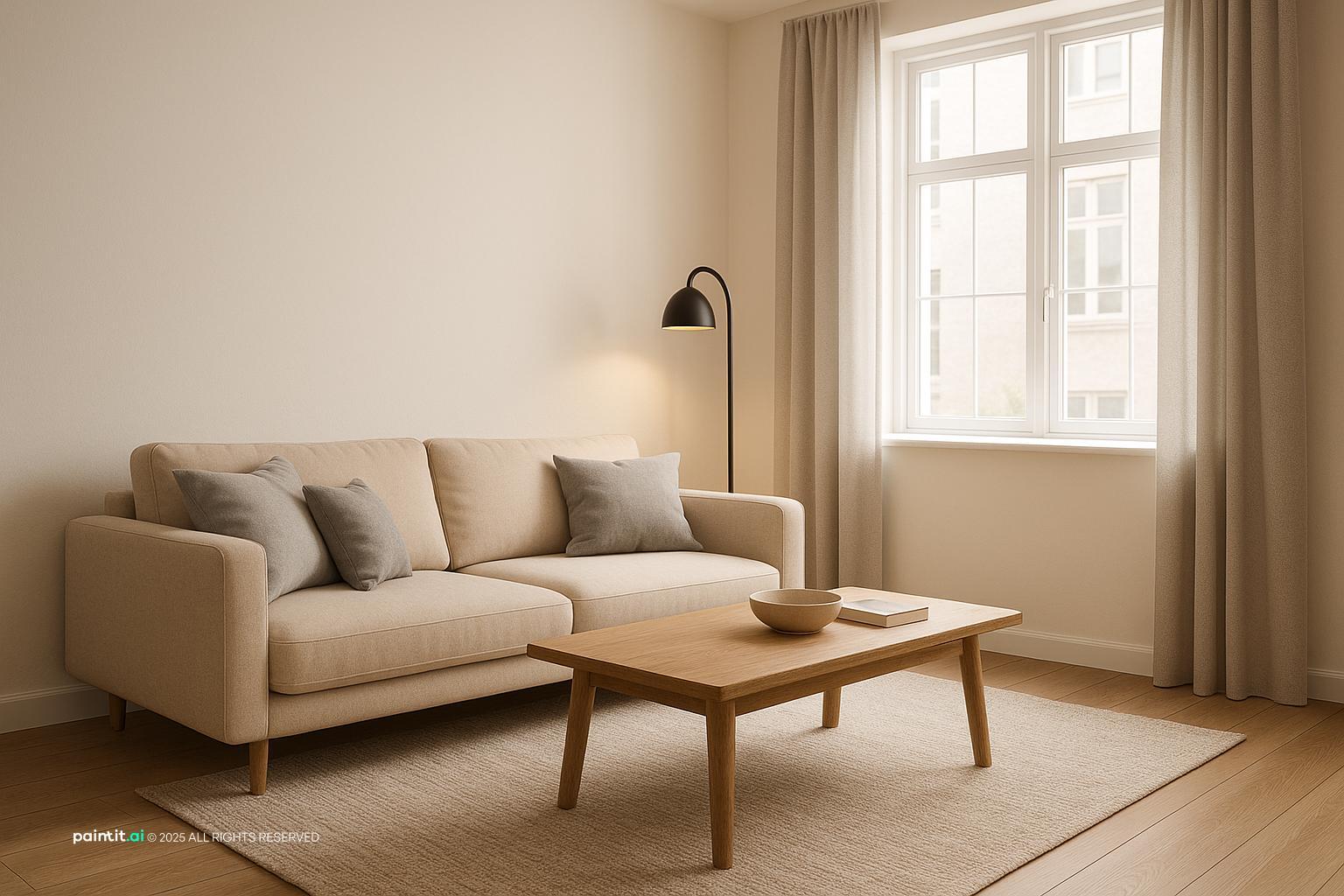
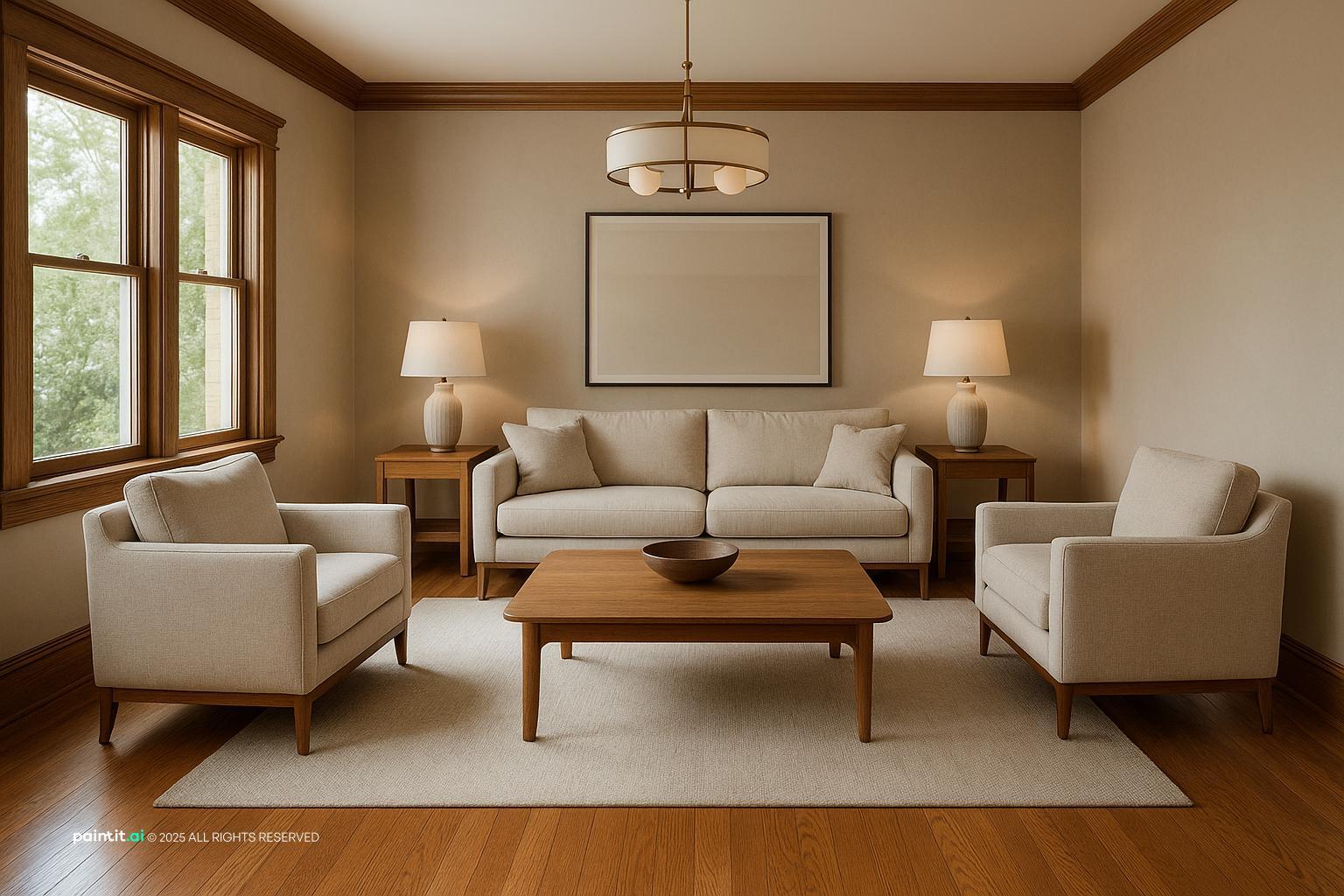
Soft daylight on beige
Compare this daylight view with the lamp-lit rooms above: the same beige reads cooler by day.
Stepping into your living room after a long day, you instantly feel the impact of its lighting. That subtle glow, whether warm and inviting or crisp and clear, sets the entire mood. When considering yellow or white light for living room comfort, it's not just about brightness; it's about the feeling you want to cultivate. How do you envision your ideal living space truly feeling?
As an editor deeply immersed in interior aesthetics, I’ve seen firsthand how the right illumination transforms a space. the choice between yellow (warm) and white (cool) light for your living room isn't about right or wrong; it's about defining the room's core function and emotional resonance. Most people forget that light isn't just for seeing; it’s a design element, a mood architect. We're talking about color temperature, measured in Kelvin (CCT), which dramatically impacts everything from the perceived warmth of your oak flooring to the vibrancy of your accent pillows.
Here is what matters: warm white light, typically below 3000K, fosters a cozy, inviting atmosphere, ideal for relaxation and intimate conversations. Cooler white light, above 4000K, promotes alertness and clarity, often preferred for task-oriented zones or modern, minimalist designs. We will explore how different LED bulb types interact with various textiles and finishes, dissecting the nuances of ambiance creation. We’ll guide you through common pitfalls and reveal expert styling tips, ensuring your living room's lighting truly reflects your vision. And remember, visualizing these changes with tools like Paintit.ai can transform guesswork into certainty, helping you perfect your space before making any commitments.
Before changing furniture or finishes, you can preview the direction with an AI living room design tool.
This gallery brings the abstract idea of yellow or white into something visible: compact, daylight, rug.
Compare this daylight view with the lamp-lit rooms above: the same beige reads cooler by day.
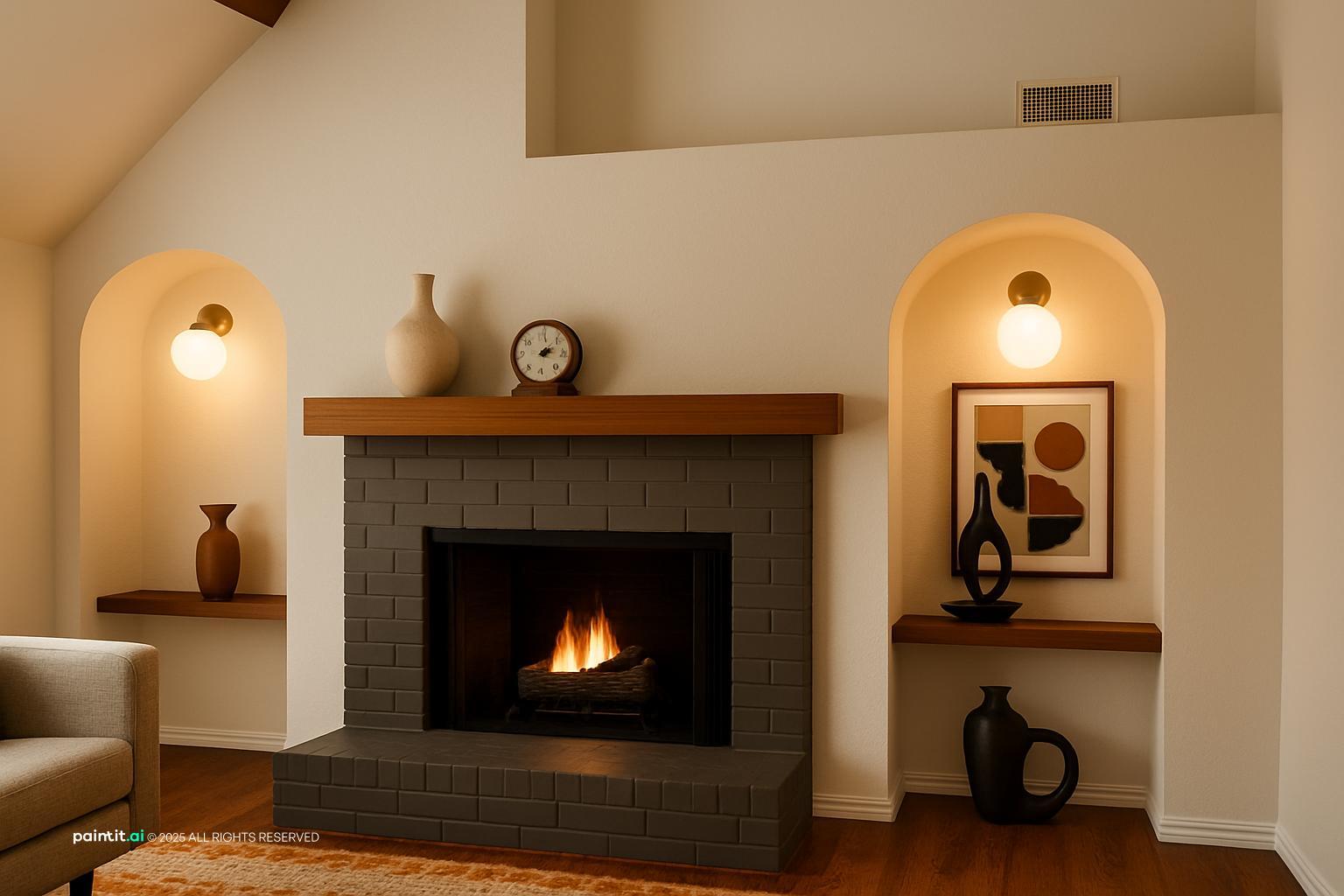
Warm niche lights echo the color of the fire, so the whole wall feels consistent.
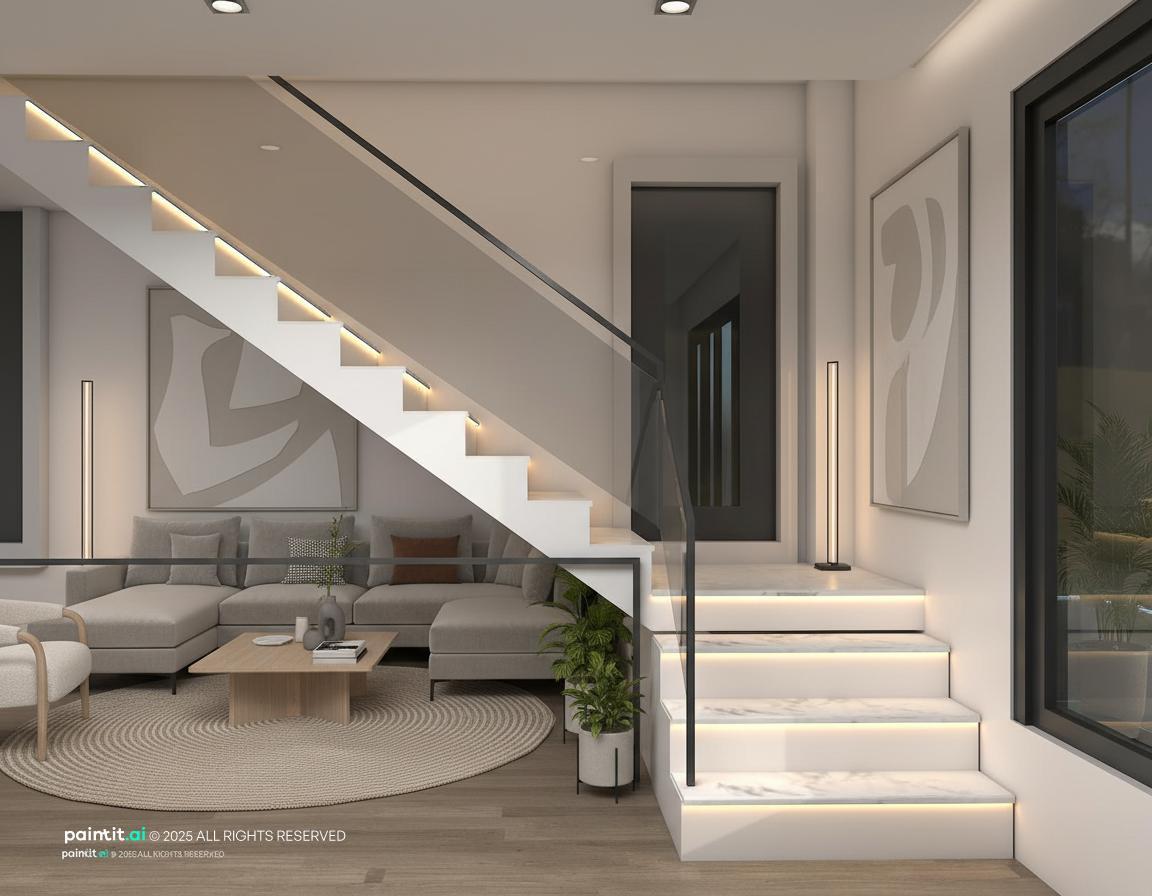
Even, neutral light keeps a white room with a staircase looking clean rather than yellowed.
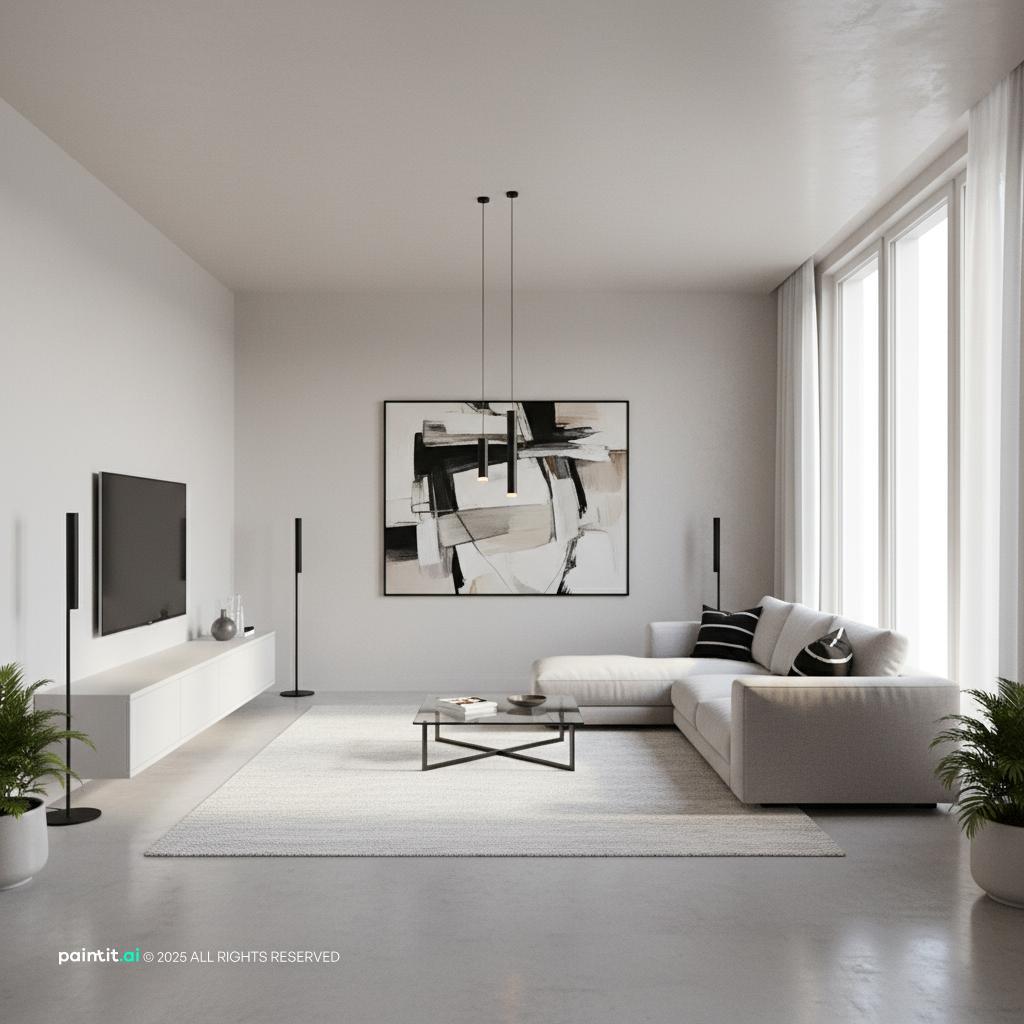
Cool white light keeps a white-and-gray room crisp and graphic.
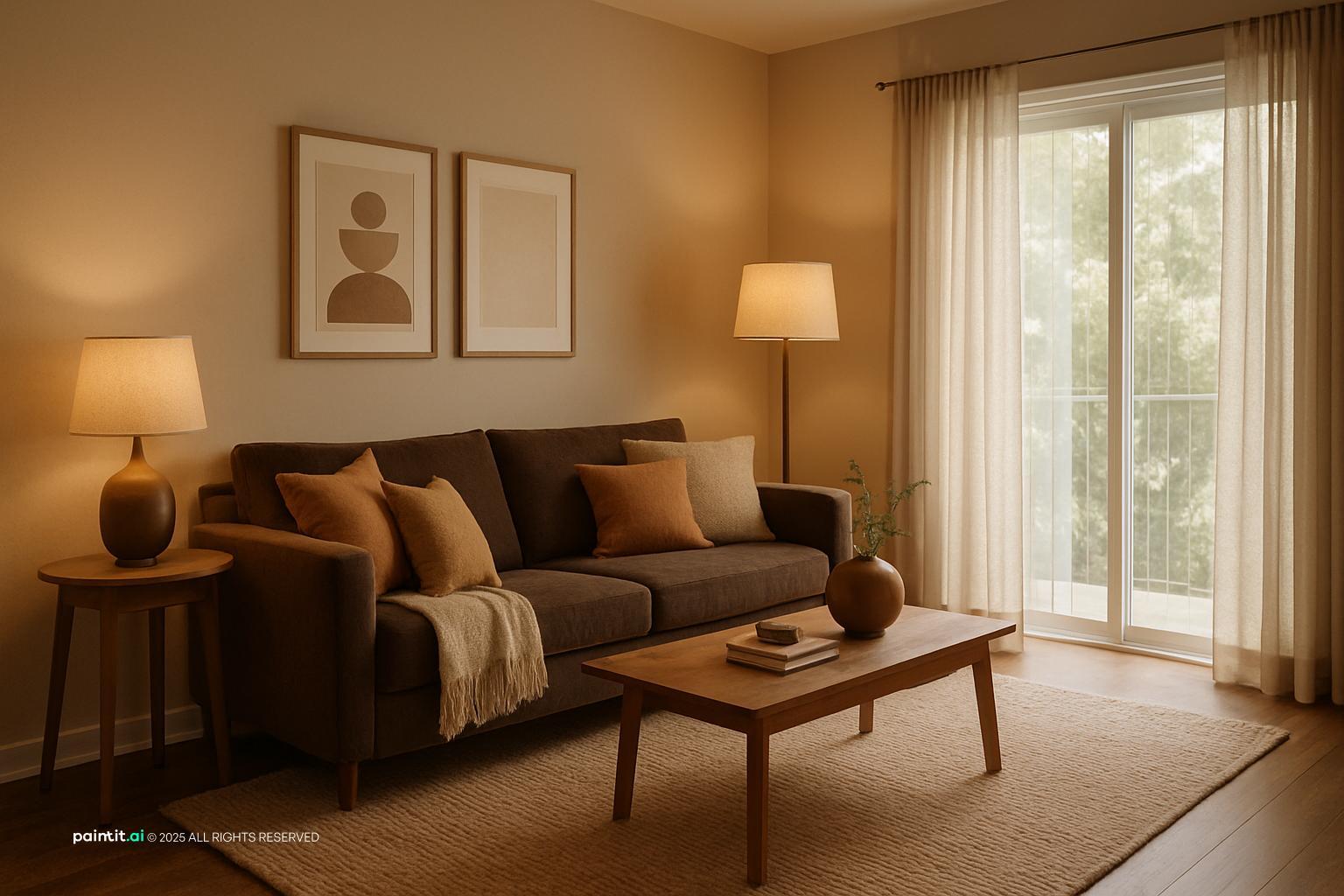
Two warm lamps at seat height give a softer evening mood than one bright ceiling light.
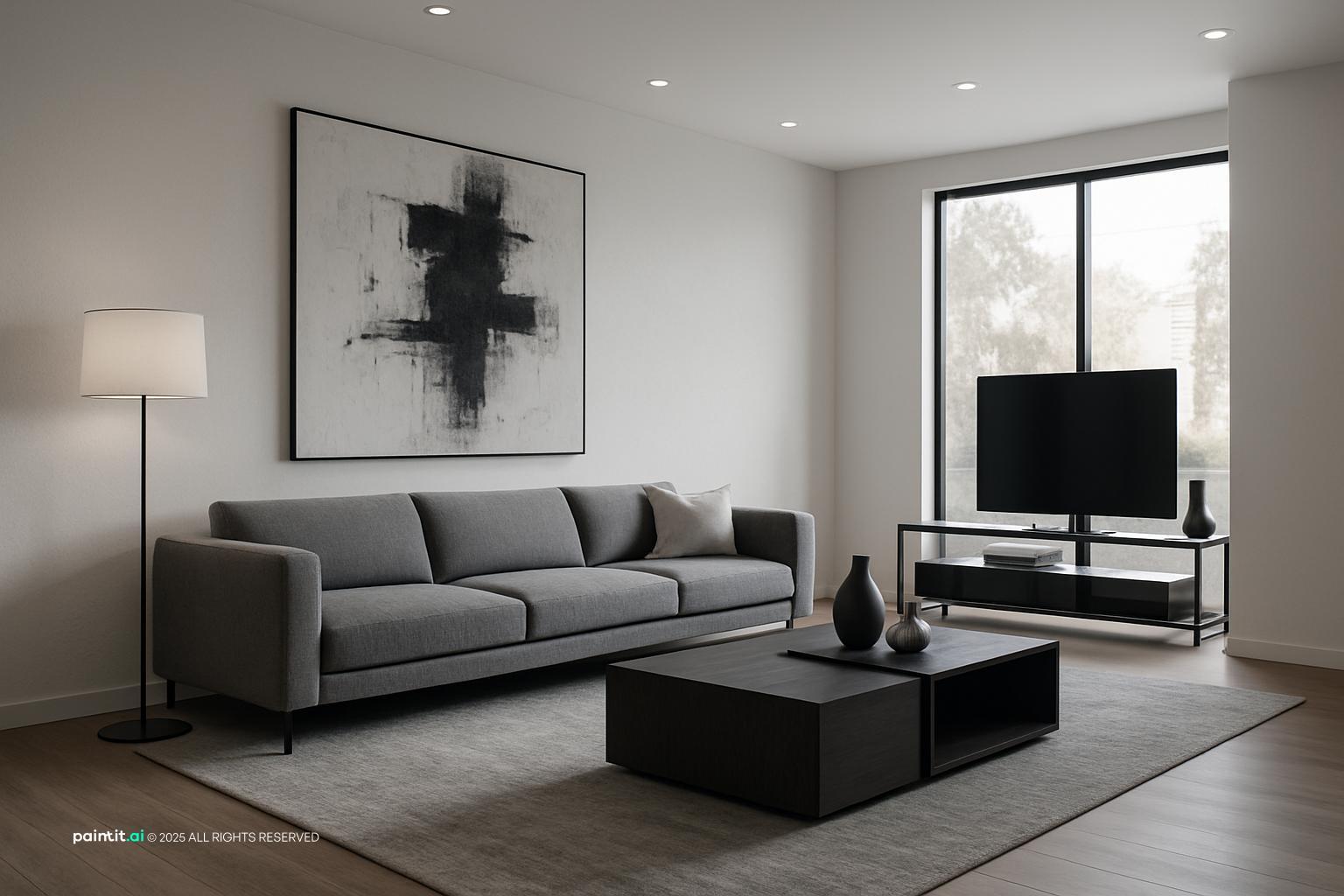
Cool white light suits gray and black furniture, which can look muddy under very warm bulbs.
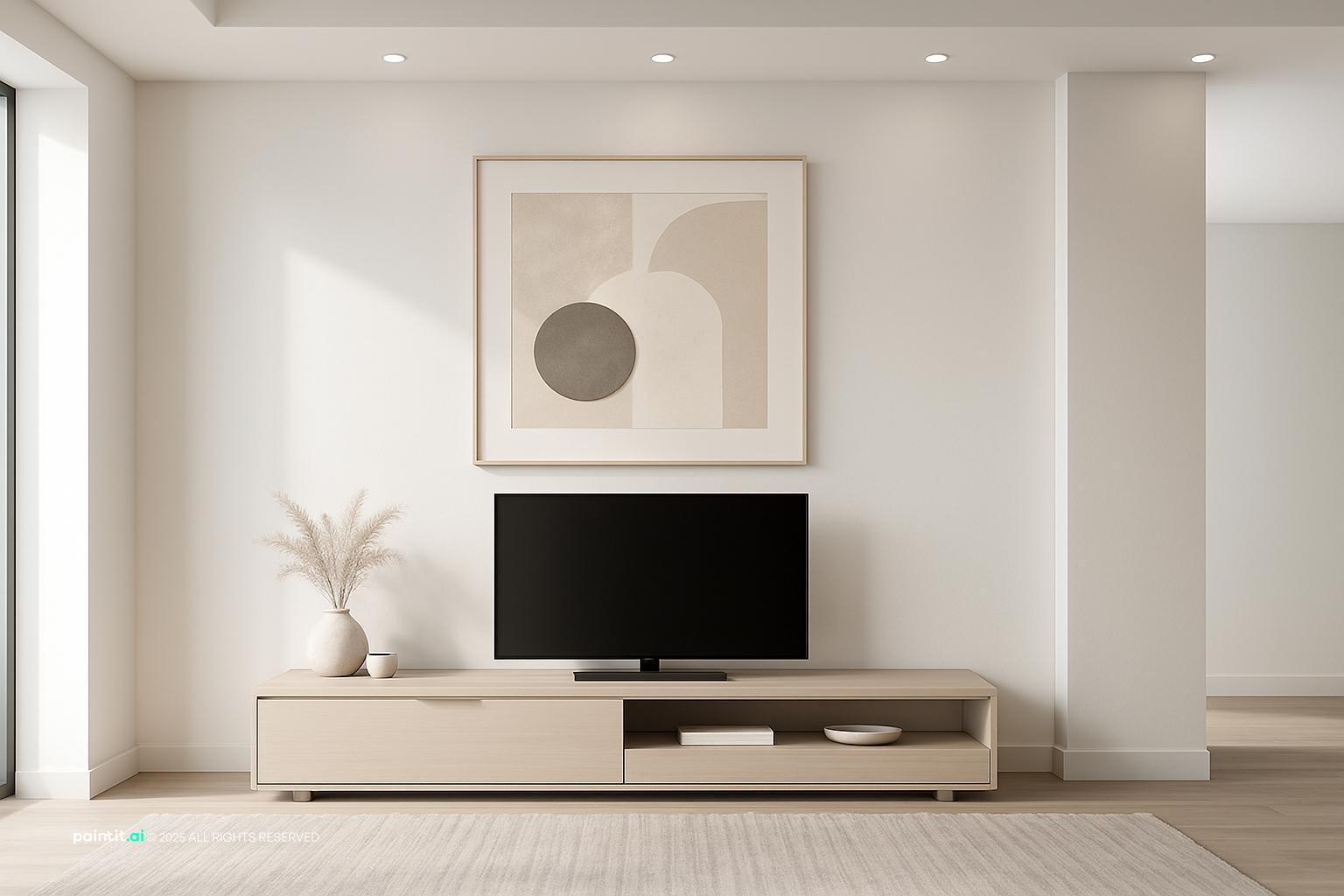
Neutral, daylight-like light shows colors accurately, useful if you work or read in the room.
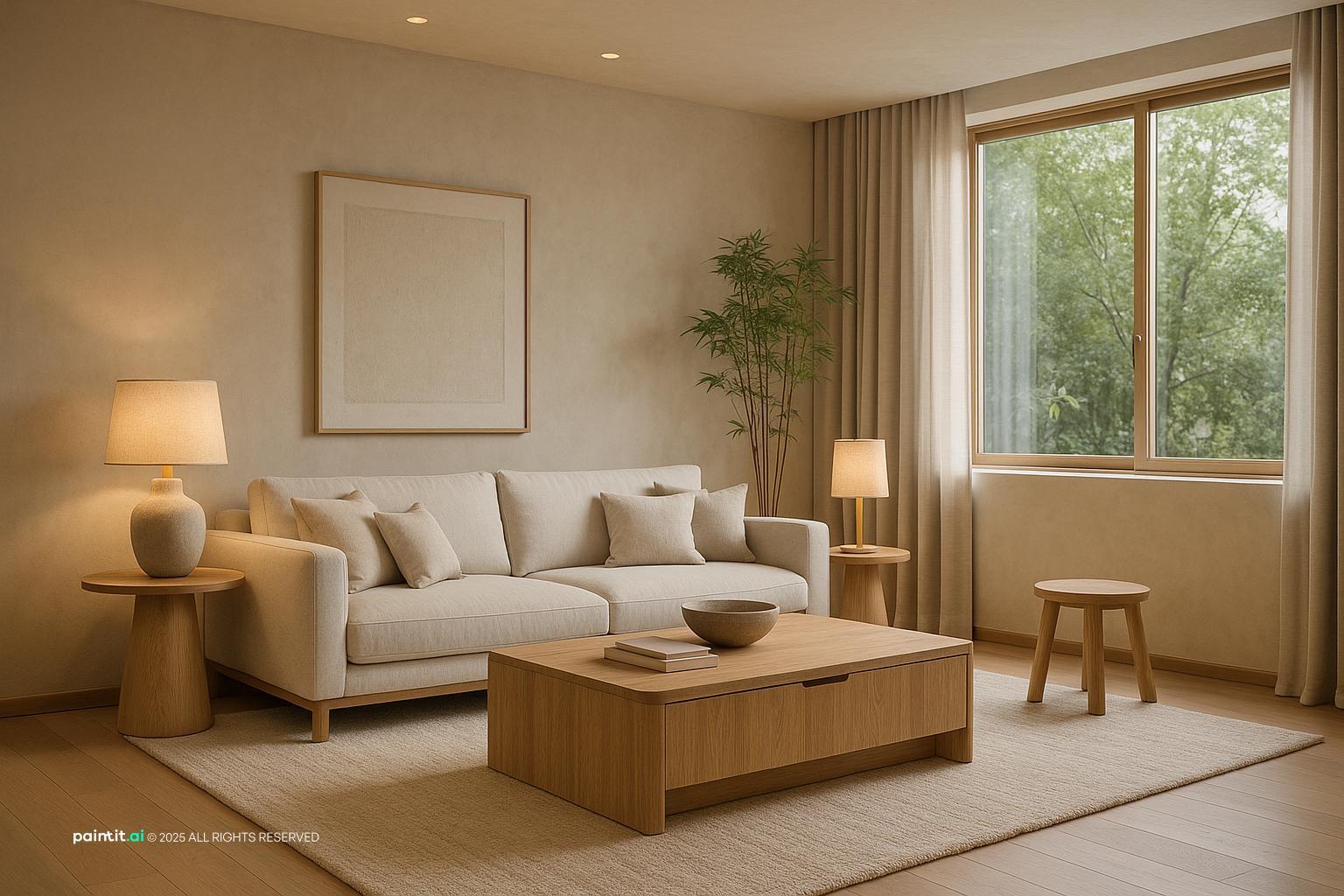
Warm, yellowish lamp light makes beige and wood look richer; ideal for evenings.
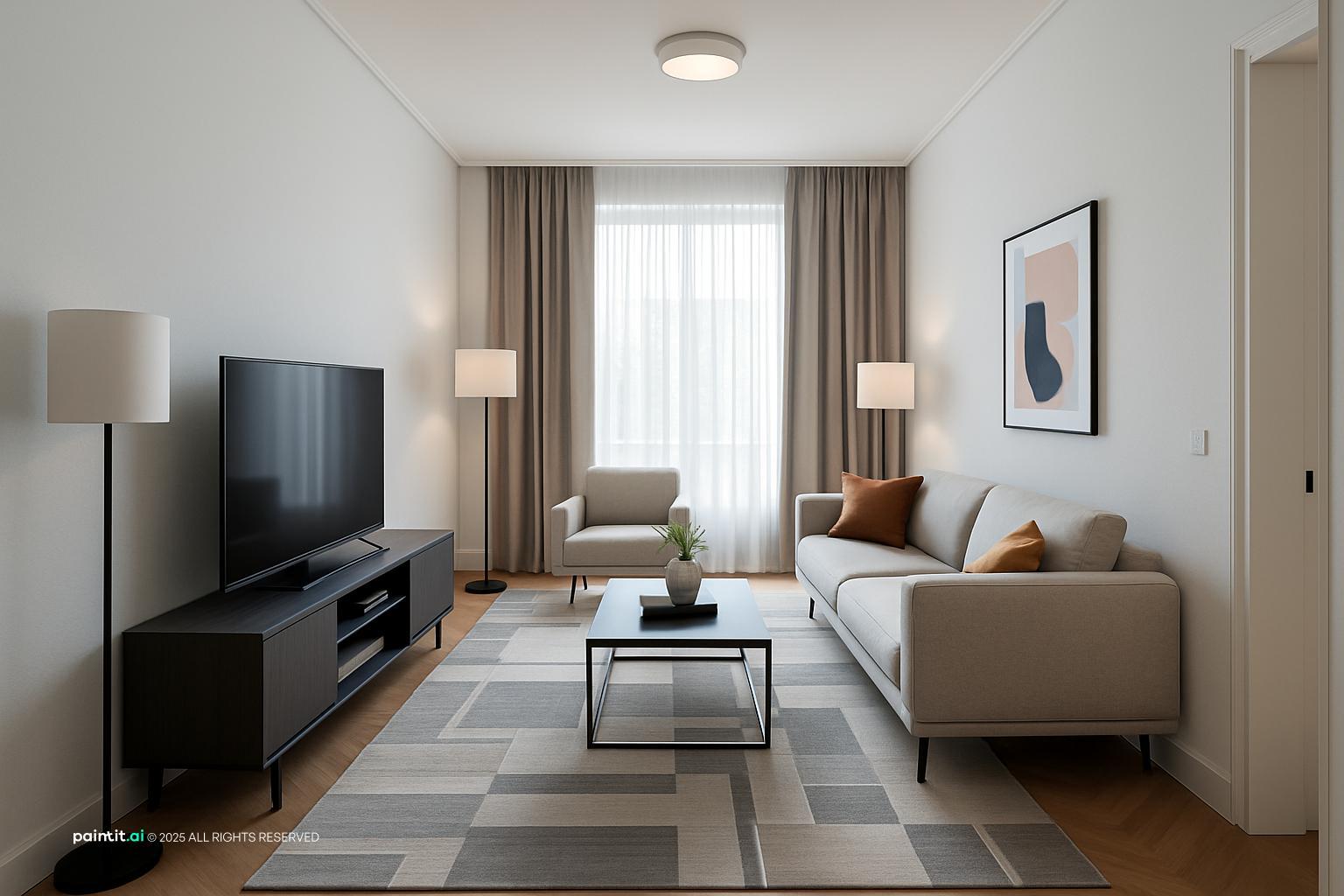
Bright neutral light suits a busy daytime family room; add warm lamps for evenings.
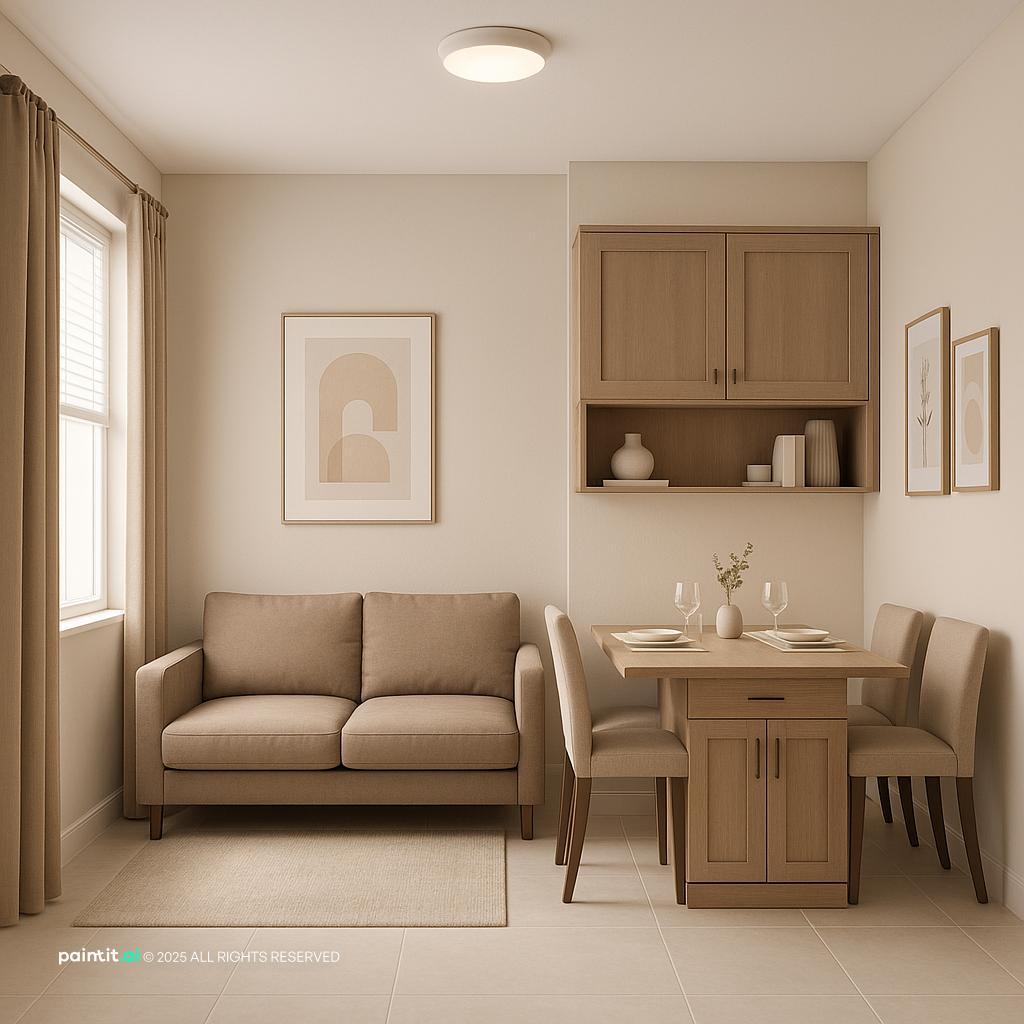
Neutral light keeps a small room feeling bigger and brighter during the day.
This is the classic choice for a reason. Warm white light, often described as having a subtle yellow tint, mimics the glow of incandescent bulbs or a sunset. It instantly creates a snug, inviting atmosphere, making a room feel smaller and more intimate. This works best in spaces where relaxation is paramount.
To implement this, focus on diffused light sources like floor lamps with fabric shades or wall sconces. Avoid harsh overhead lighting. Consider warmer wood tones and plush textiles to enhance the effect.
For a related take on the same room, explore living room wall color ideas.
Cool white light, which leans towards a bluer hue, offers a clean, contemporary aesthetic. It brightens a space significantly, making it feel more expansive and energetic. Most people forget that it also renders colors more accurately, which is crucial for art lovers.
Pair this lighting with minimalist decor, sleek lines, and reflective surfaces like glass or polished metal. Recessed lighting and track lighting are excellent choices here. Keep wall colors light and neutral to prevent a sterile feel.
For a related take on the same room, explore emerald green and gold living rooms.
Why choose one when you can have both? This approach uses different color temperatures in distinct layers of lighting. For instance, ambient lighting might be warm, while task lighting for reading is cooler. It sounds simple, but this strategy offers unparalleled flexibility.
Install dimmable fixtures for both warm and cool light sources. Use smart lighting systems that allow you to switch between or blend temperatures. Think about zones: a warm glow for the sofa area, a cooler spot for a desk or display cabinet.
Embrace the magic of very warm, almost amber light (below 2700K) to replicate the soft, flattering light of dusk. This creates a romantic, soothing environment - understated at first, but noticeable once the room is lived in.
Use low-wattage bulbs in decorative fixtures, perhaps with frosted glass or fabric shades. Strategically place uplights or hidden strip lighting to cast a gentle, indirect glow. Avoid anything too bright; the goal is subtle warmth.
For specific activities like reading, crafting, or working on a laptop, a focused beam of neutral to cool white light (3500K-4500K) is ideal. This reduces eye strain and improves concentration. a general warm glow isn't always practical.
Incorporate adjustable floor lamps or table lamps with opaque shades directly over reading chairs or work surfaces. Consider small, directional spotlights for specific tasks. Ensure the light is bright enough without creating harsh shadows.
This concept focuses on the general, diffused illumination of a room using a consistently warm, soft yellow light. It's about enveloping the entire space in comfort. Think of a gentle hug for your eyes.
Utilize multiple light sources at different heights, all emitting a consistent warm glow. Recessed lighting on a dimmer, combined with table lamps and a central pendant, can create this effect. Avoid any single, overpowering light source.
When your living room doubles as a display space for art, photographs, or collectibles, neutral white light (around 3500K) is your best friend. It provides true color rendition, allowing your pieces to shine without distortion. Most people forget how much color temperature impacts perception.
Install picture lights, track lighting, or recessed spotlights specifically aimed at your displayed items. Ensure the light source has a high Color Rendering Index (CRI) of 90 or above. Keep the ambient light slightly softer to make the illuminated art pop.
The ultimate solution for those who want it all. Smart lighting allows you to change the color temperature and brightness of your lights with a tap or a voice command. Go from bright, cool white for morning coffee to a warm, dim glow for evening cocktails instantly. Here is what matters: control.
Invest in smart bulbs or smart switches that are compatible with your preferred home automation system. Plan your lighting layout with multiple zones. Experiment with pre-set scenes for different activities or times of day.
Use warm light to highlight architectural features, textured walls, or plants. Uplighting casts dramatic shadows and adds depth, making a room feel more sophisticated. This works best in rooms with interesting ceiling details or exposed beams.
Place floor-standing uplights or hidden LED strips at the base of walls, columns, or large indoor plants. Choose a very warm color temperature (2200K-2700K) to create a soft, inviting glow that draws the eye upwards. Dimmers are essential here.
If your living room lacks natural light, or you simply crave an invigorating atmosphere, bright cool white light (5000K-6000K) can simulate daylight. This can boost mood and productivity, especially during darker months. It's about bringing the outside in.
Utilize full-spectrum LED bulbs in recessed fixtures or large, diffused ceiling lights. Keep window treatments minimal to maximize any natural light. Pair with light-colored walls and reflective surfaces to amplify the brightness.
For open-plan living rooms that flow into dining areas or kitchens, consider using different light temperatures to subtly define zones. A warm, inviting glow for the lounging area, transitioning to a slightly more neutral or brighter light for dining. This creates visual interest without physical barriers.
Carefully plan your lighting layout, ensuring each zone has its own dedicated light sources and controls. Use pendant lights over a dining table with a slightly cooler temperature than the floor lamps in the adjacent living area. The transition should be gradual, not abrupt.
The ability to dim warm white light is key to creating an atmosphere of refined elegance. It allows you to adjust the intensity, from a soft, barely-there glow to a brighter, yet still inviting, illumination. Most people forget the power of dimmers.
Install all warm white fixtures on dimmers. Choose fixtures with a sophisticated design, perhaps brass or matte black finishes. Use layered lighting, dimming each layer independently to fine-tune the mood. It's about control and nuance.
The second gallery leans into more specific directions through daylight, soft light, open, helping compare different ways the same living room can feel at home.
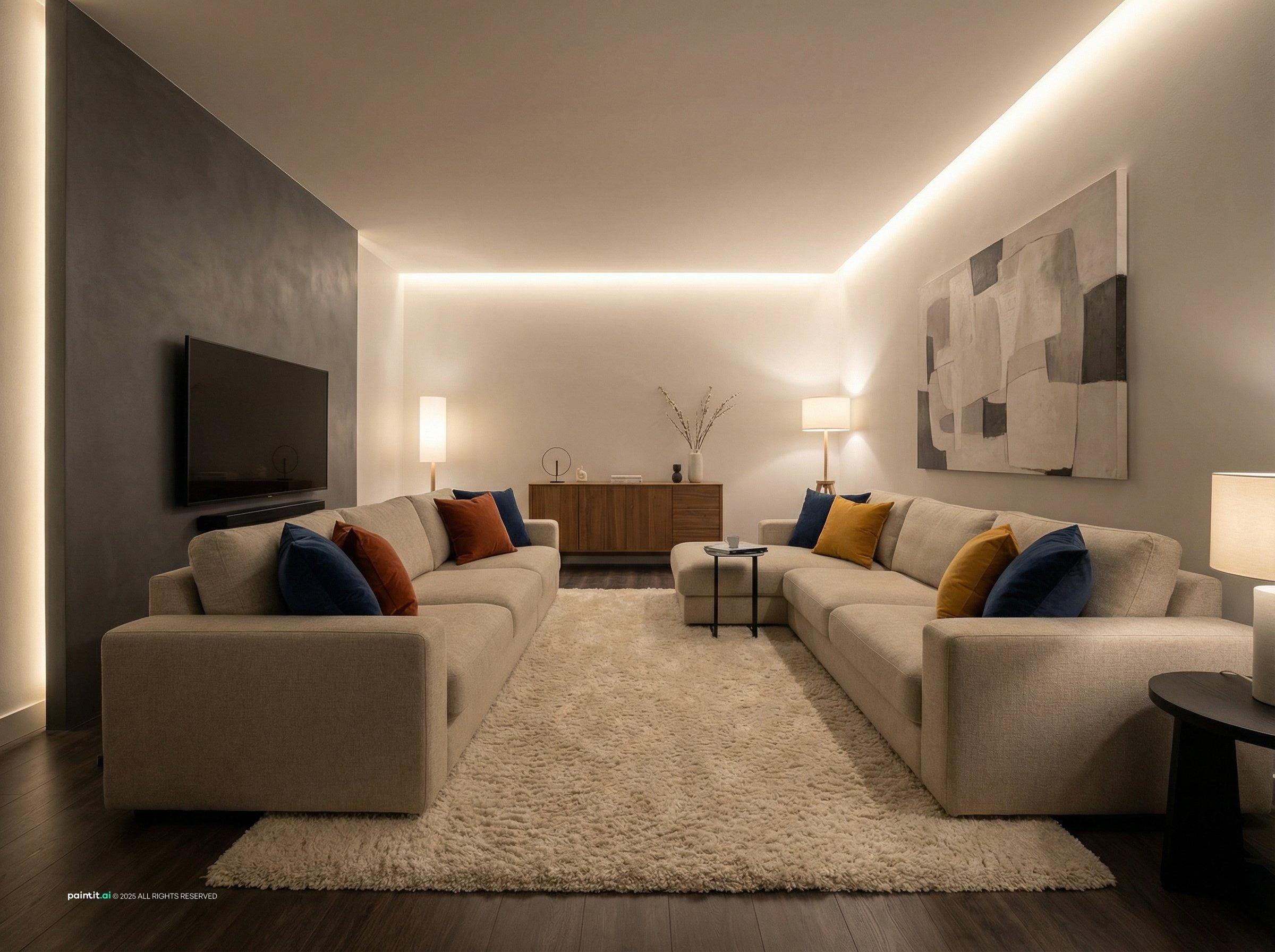
Warm cove lighting washes the ceiling with a soft glow and avoids glare on the TV.
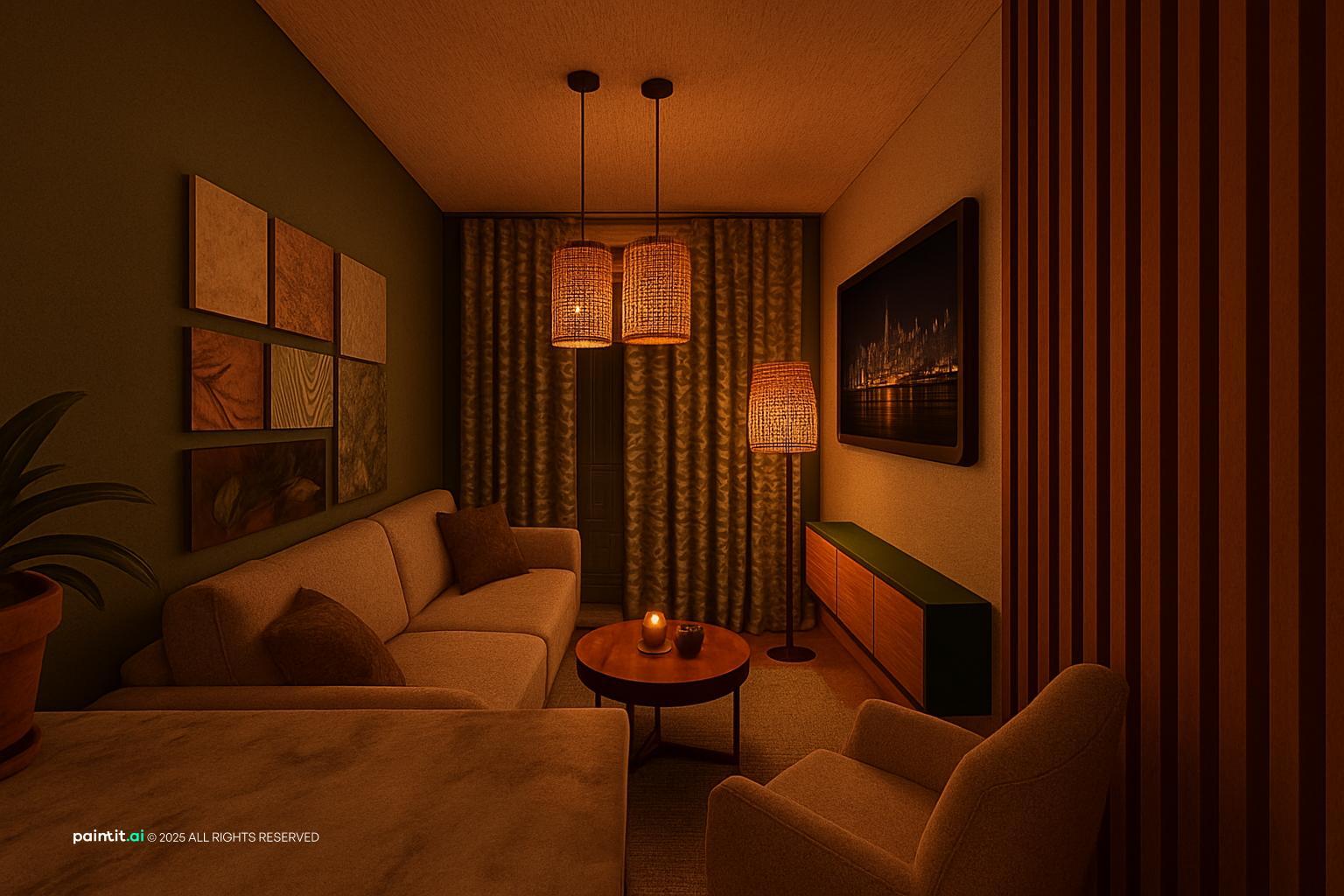
For a TV or movie room, low warm light is easier on the eyes than bright white light.
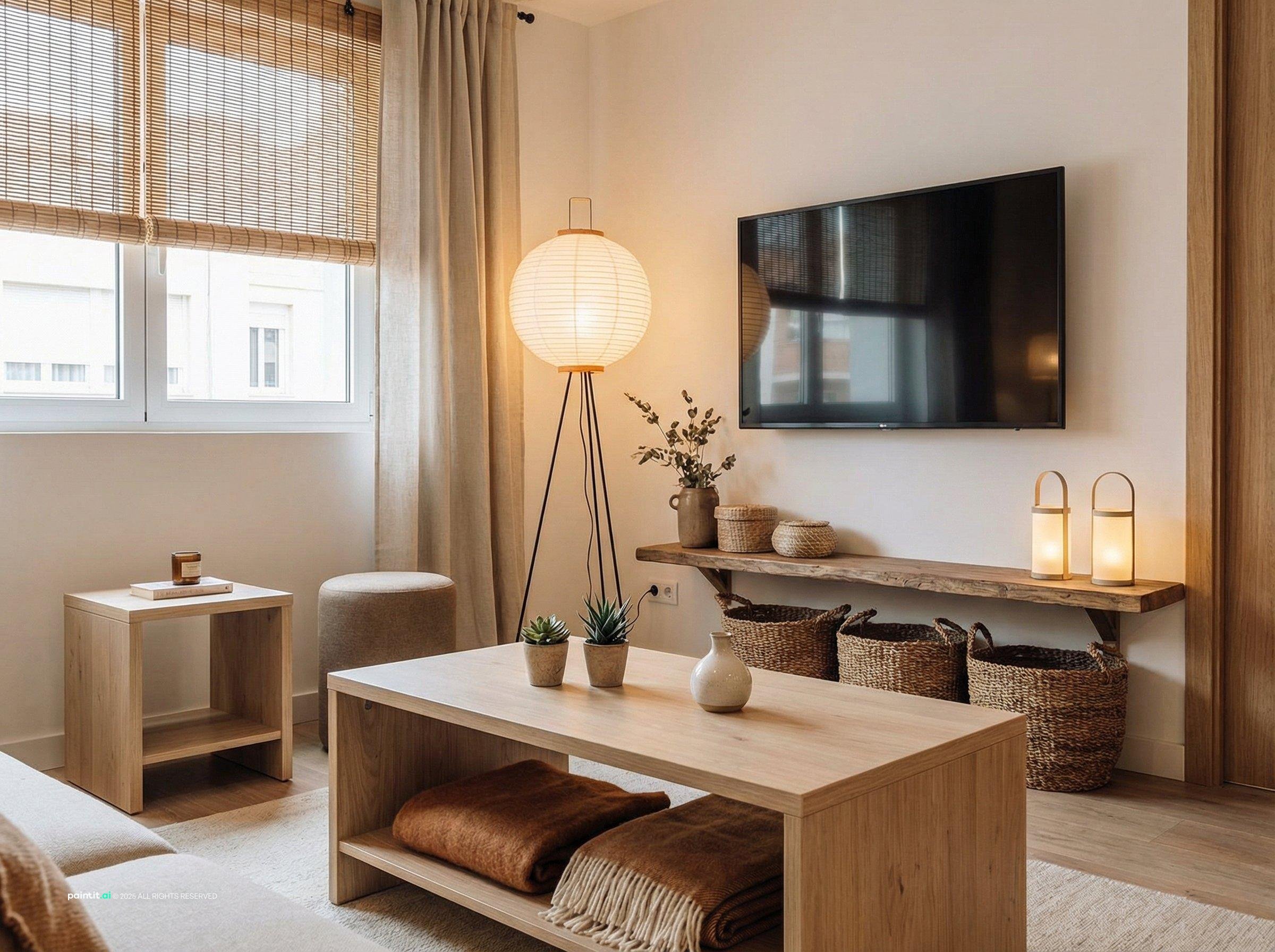
A paper shade diffuses warm light evenly, a good choice beside a TV.
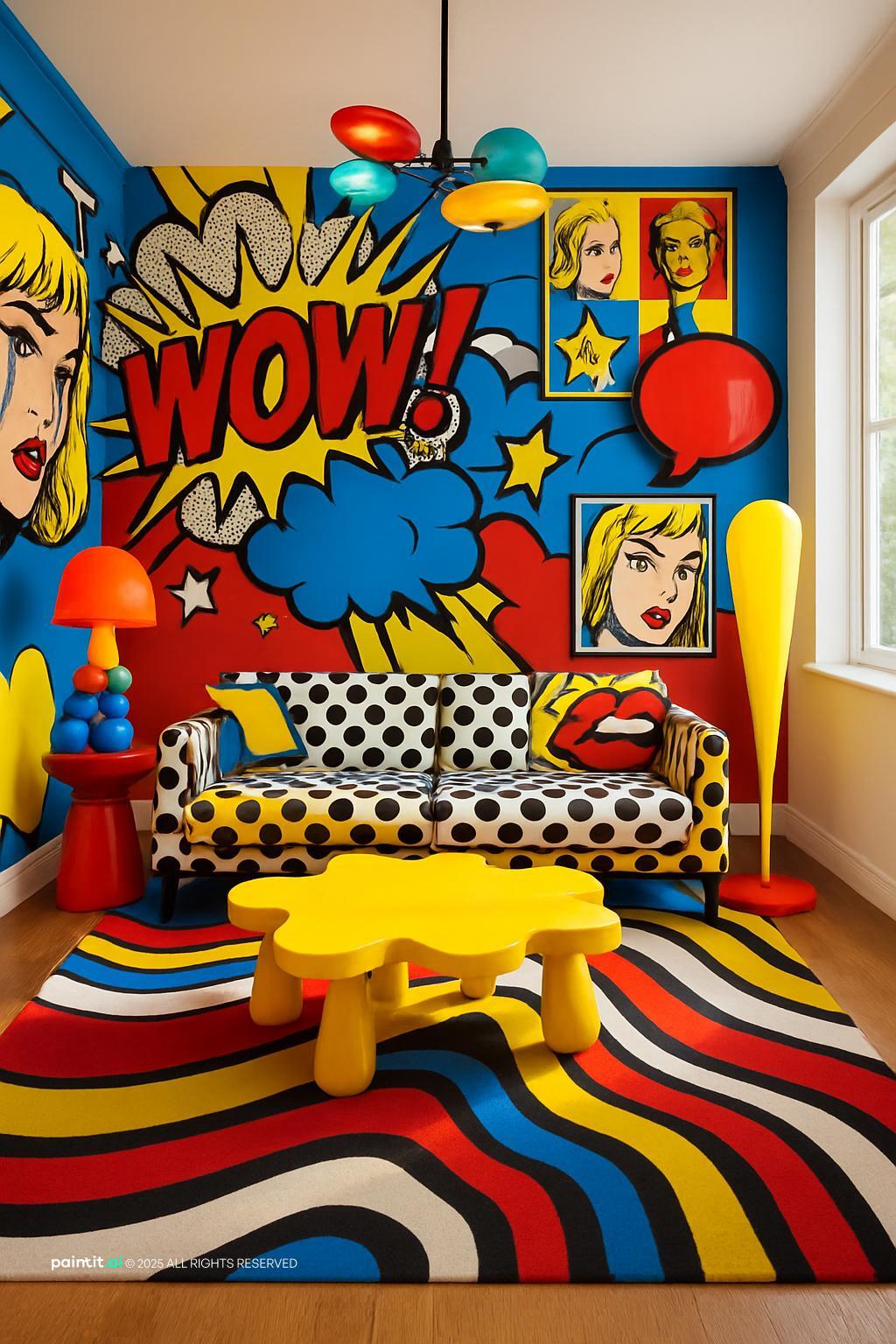
A Pop Art-inspired living room, vivid with bold colors and natural daylight, challenges us to decide if yellow or white light best complements its iconic aesthetic.
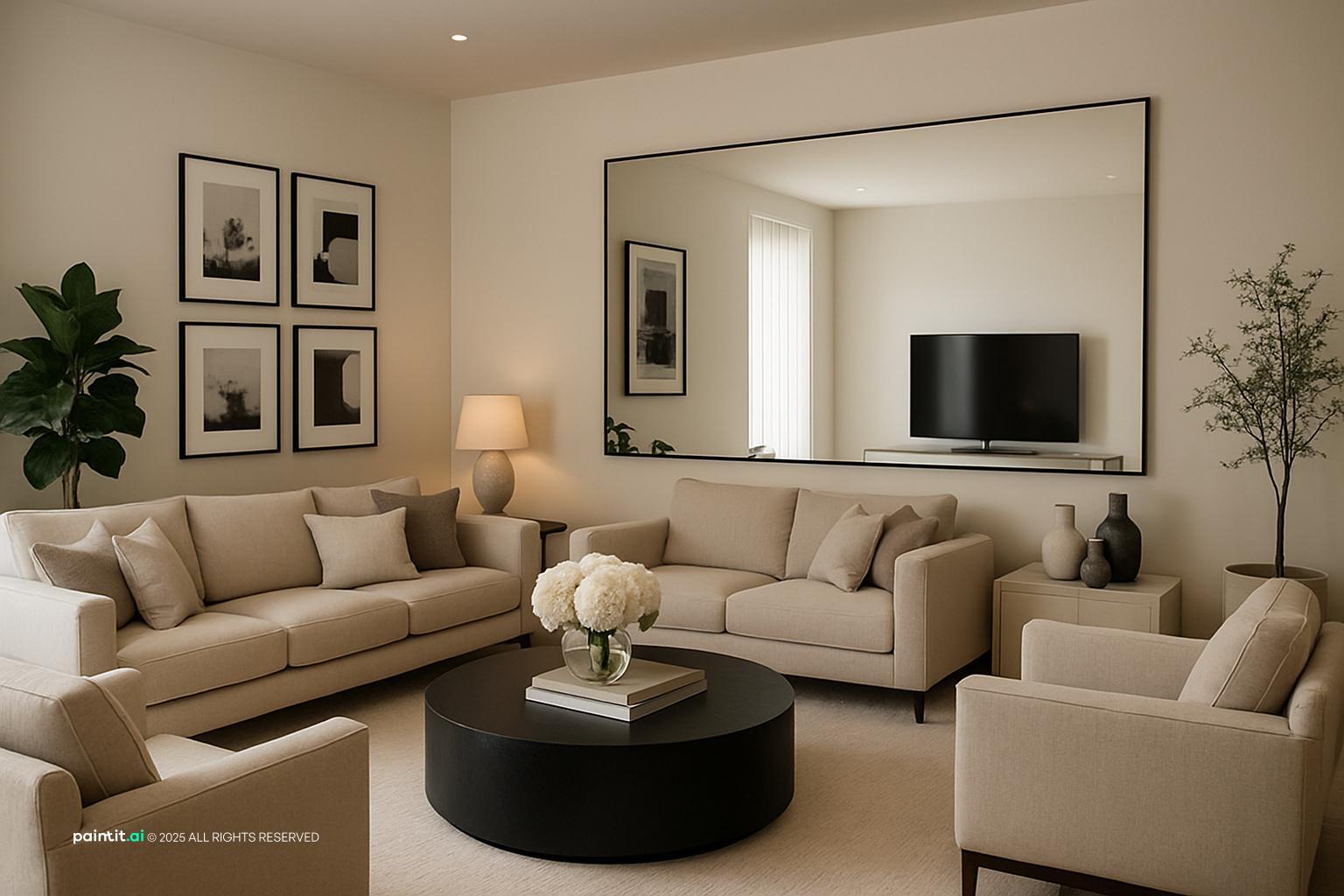
A large mirror spreads bright neutral light around the room.
A warm pendant over the coffee table pulls the seating together at night.
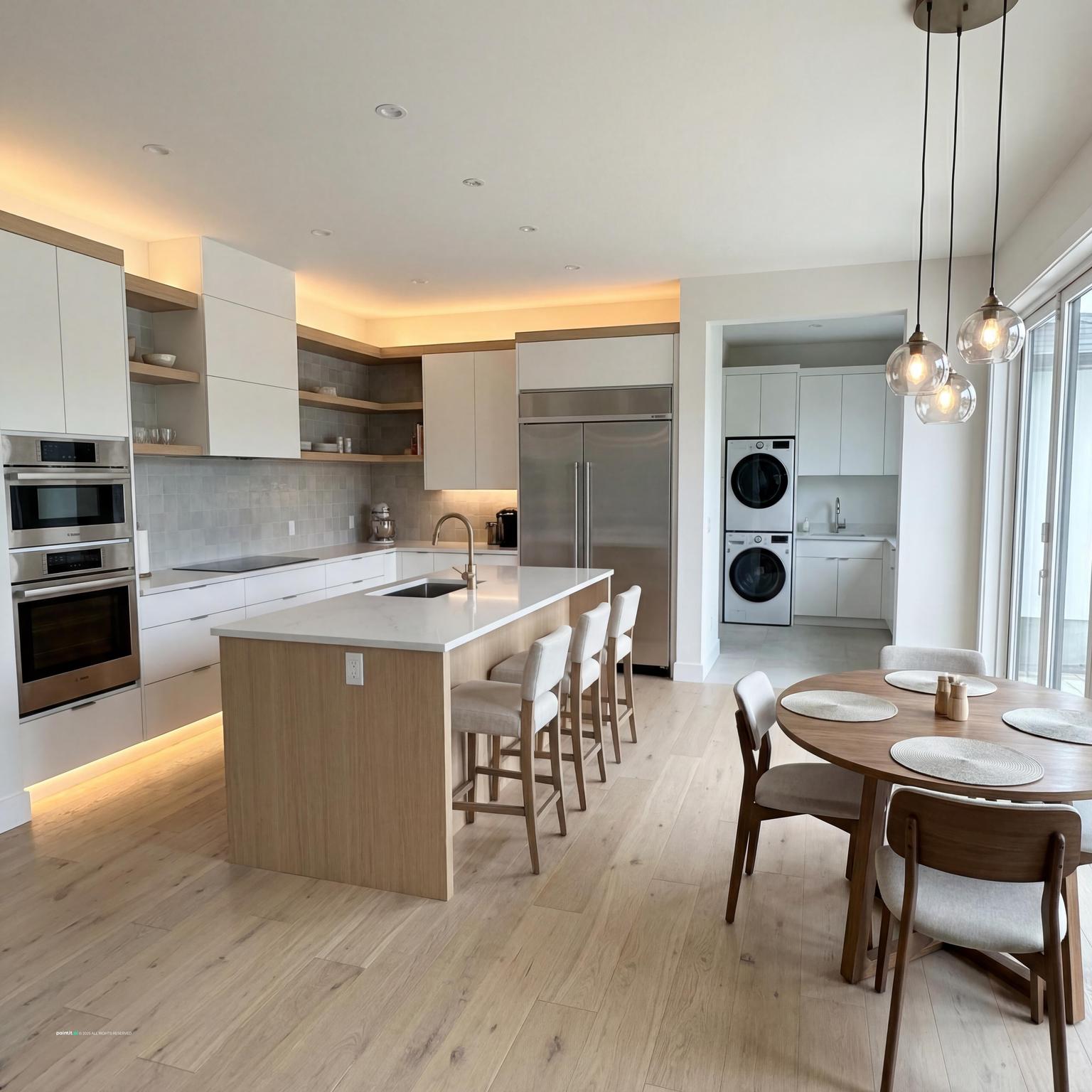
Pendants over the table and warm strips under the cabinets light each zone separately.
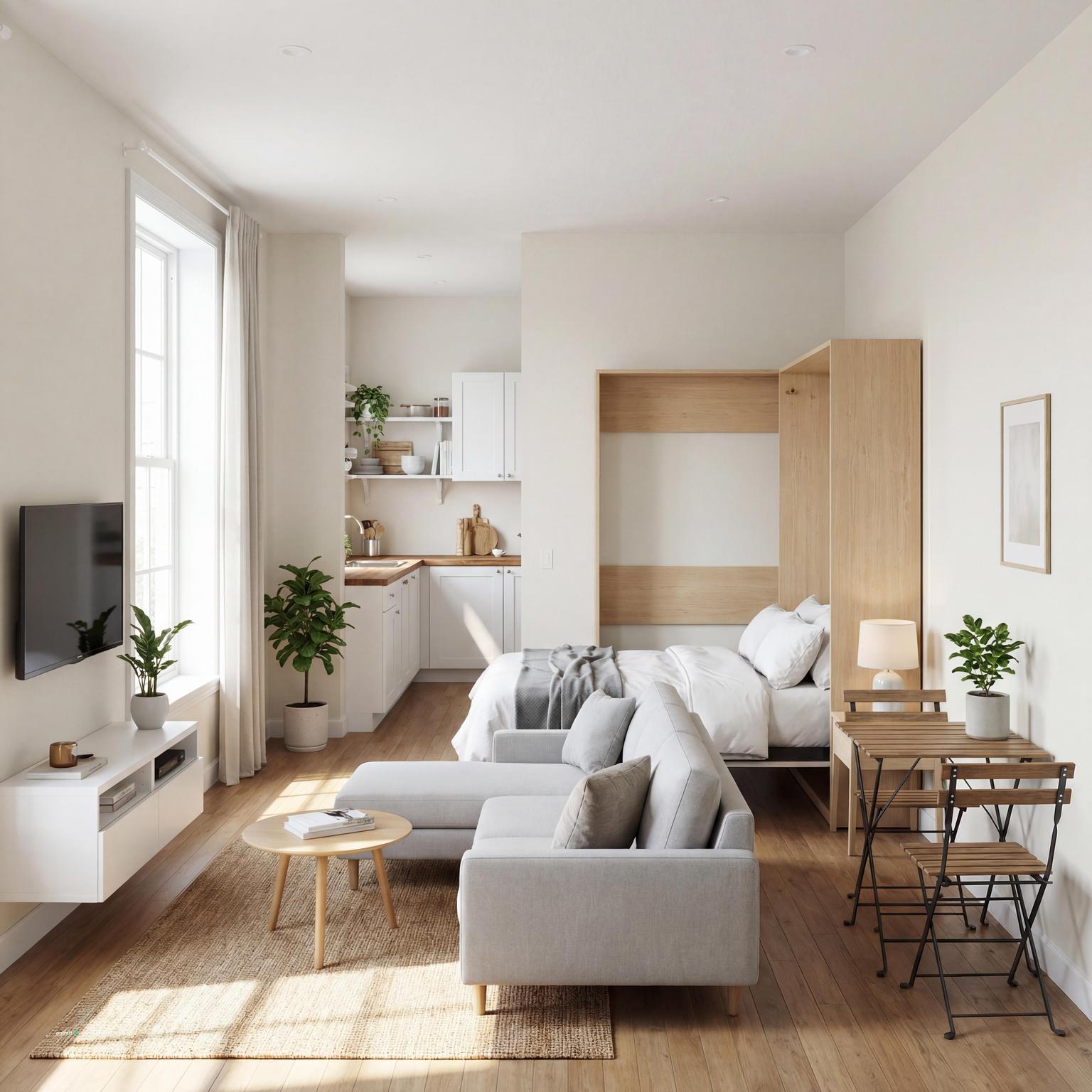
This budget-friendly small apartment design, maximizing natural light, carefully considers whether yellow or white light best enhances its compact, unified living room space.
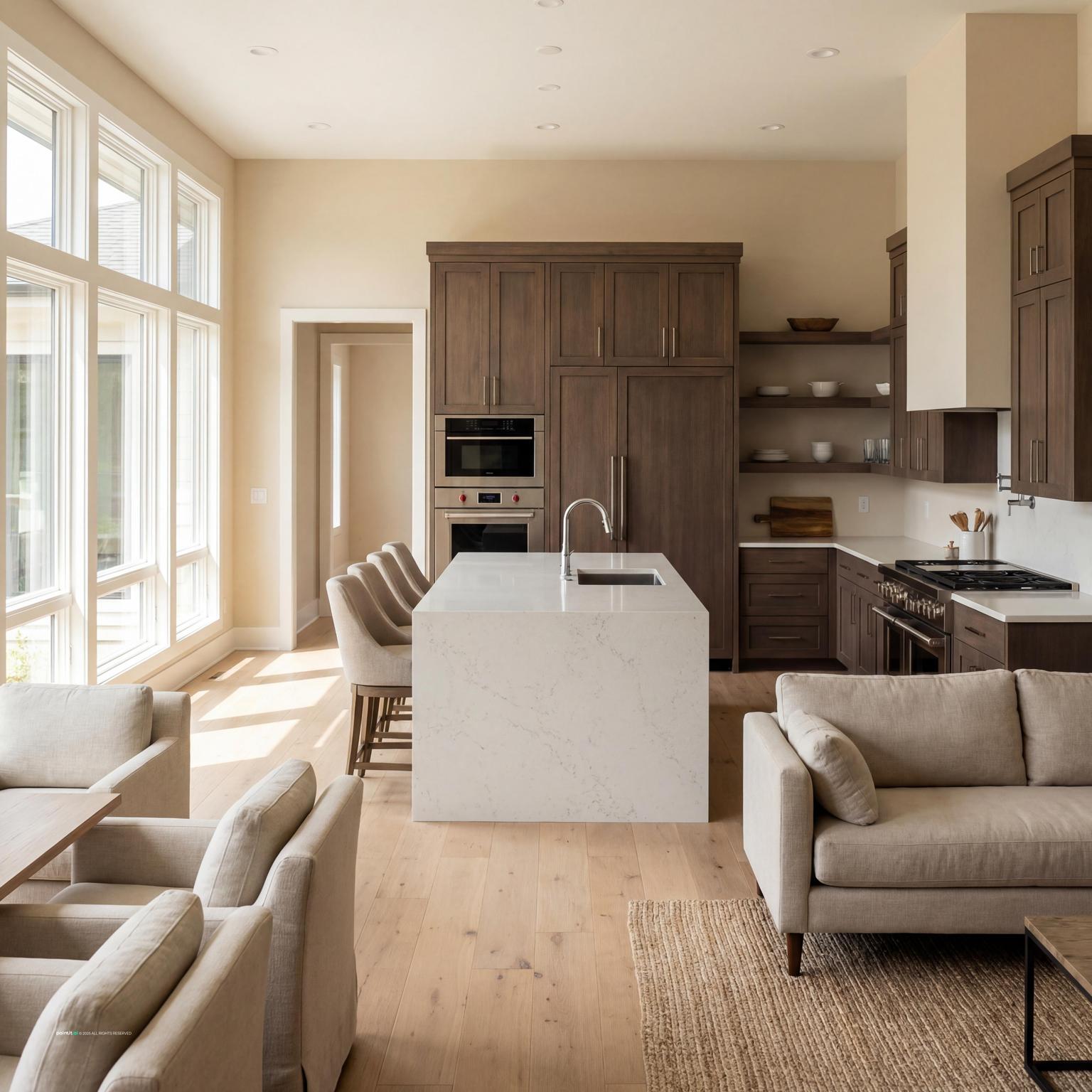
This ultra-realistic open-concept design, bathed in daylight, thoughtfully integrates the kitchen and living room, making the choice of yellow or white light essential for evening harmony.
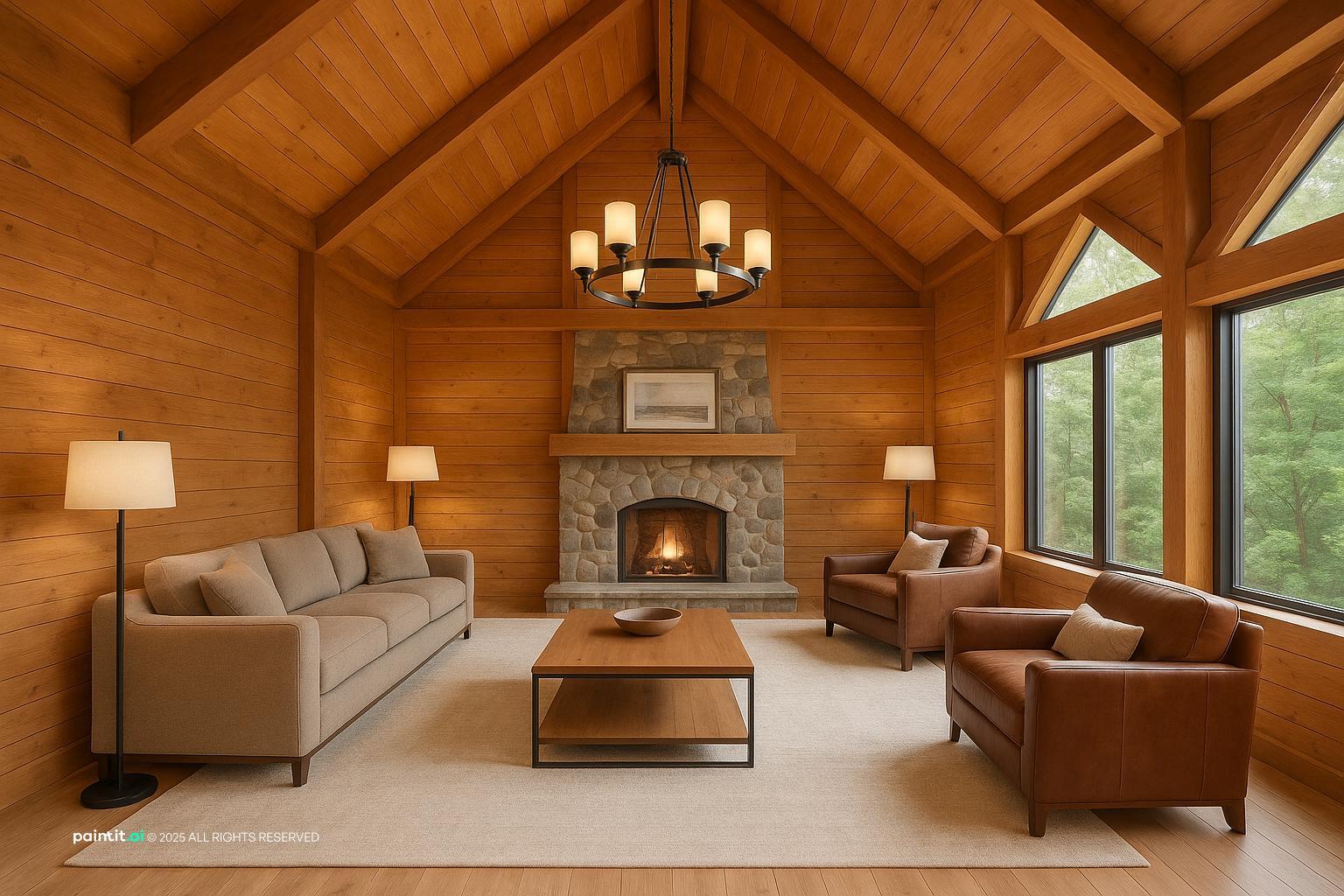
Warm light on a wood ceiling deepens its color; cool light would make it look gray.
Your lighting temperature profoundly impacts how colors manifest. Yellow light, typically around 2700K-3000K, infuses warmth, making creamy off-whites feel richer, transforming muted greens into deep forest hues, and enhancing the cozy glow of terracotta or burnt orange accents. It can, however, soften the crispness of true blues or cool grays. White light, often 4000K-5000K, offers a neutral canvas; it allows colors to appear as they truly are, making cool tones like slate grey, deep navy, or emerald green pop with vibrant clarity. This works best when balancing a base of pure white or light grey with secondary tones of cool blues and sharp black accents, creating a modern, gallery-like feel. Most people forget that the light itself is a color filter.
For a related take on the same room, explore calm living rooms with plants and natural materials.
Consider how materials interact with light. Under the embrace of yellow light, natural wood grains, especially oak or walnut, gain a profound depth, their inherent warmth amplified. Soft, tactile textiles like chunky knits, velvet, or boucle upholstery invite touch, appearing even more inviting. Aged brass or copper accents shimmer with a gentle, antique glow. Conversely, white light accentuates the sleekness of polished concrete, the sharp lines of chrome or stainless steel, and the crispness of linen or glass. It highlights the subtle variations in a raw concrete wall or the intricate weave of a minimalist rug, creating a sense of precision and clarity. light doesn't just illuminate; it sculpts.
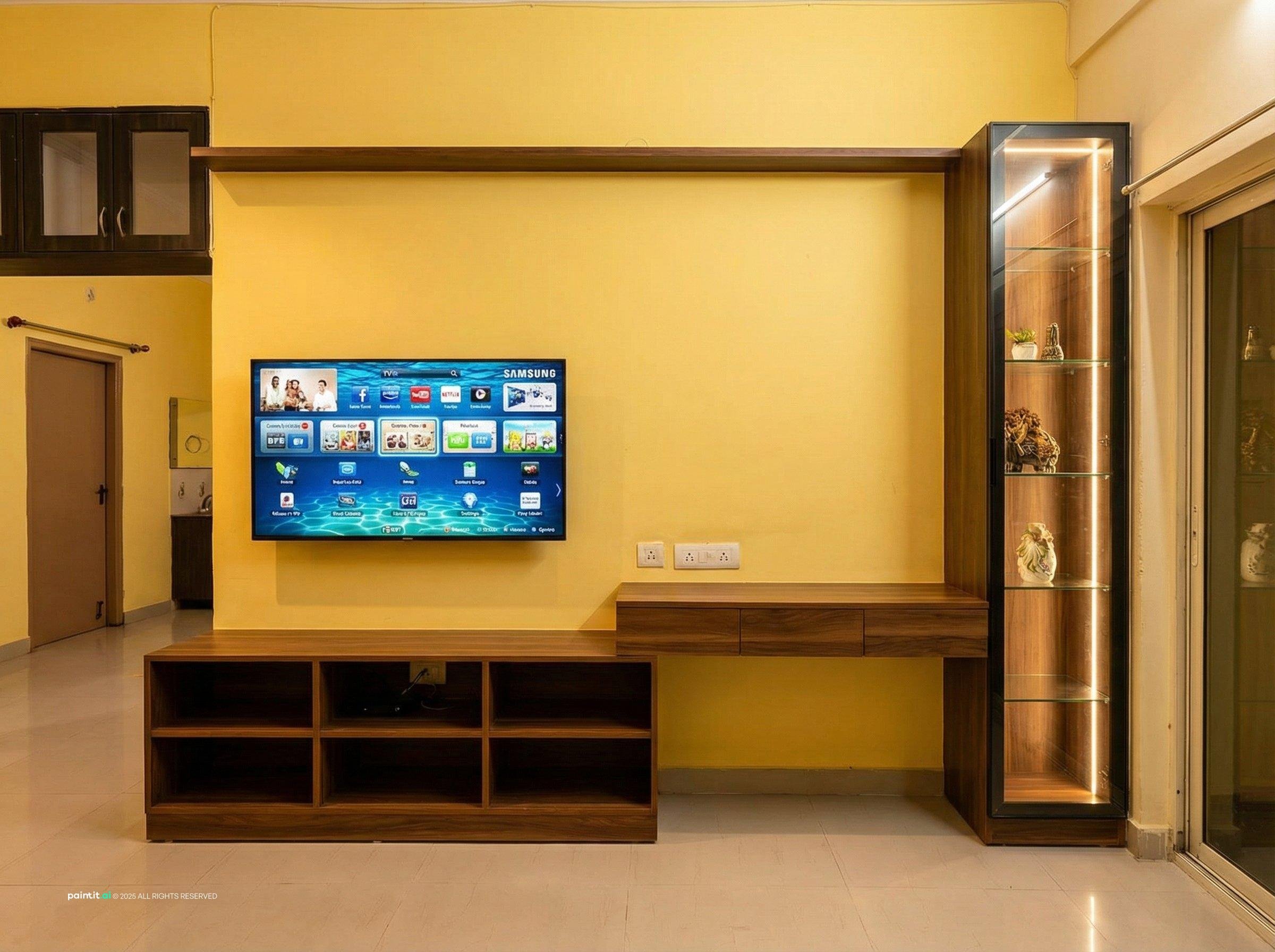
For a related take on the same room, explore TV unit ideas for small living rooms.
The furniture you select should resonate with your chosen light's mood. For a living room bathed in yellow light, think plush, inviting forms: a generously proportioned sectional sofa with soft, rounded edges, perhaps in a deep charcoal or warm beige. A solid wood coffee table with organic curves feels right. Upholstered armchairs with a slight recline encourage relaxation. Here is what matters: these pieces should feel substantial, grounded, and comfortable. With white light, the aesthetic shifts to clean lines and defined silhouettes. A minimalist sofa in a crisp white or cool grey, a glass-top coffee table with a metal base, or a sculptural accent chair in a bold, singular color will thrive. Proportions should lean towards balance and visual lightness, emphasizing form over overt plushness.
Achieving the perfect atmosphere hinges on layering. For yellow light, ambient illumination often comes from dimmable floor lamps with fabric shades or wall sconces casting an upward glow, creating a soft, enveloping warmth. Task lighting, perhaps a table lamp beside a reading chair, should also emit a warm, focused beam. Accent lighting, like small picture lights on artwork or uplights on a textured wall, uses warmer bulbs to highlight features without harshness. With white light, ambient layers might involve recessed ceiling lights or a striking modern pendant, offering broad, clear illumination. Task lighting from a sleek desk lamp or a focused reading light provides bright, true-color light. Accent lighting can be more dramatic, using crisp, narrow beams to emphasize architectural details or vibrant art, creating a sense of curated display. It sounds simple, but the right fixture with the right bulb makes all the difference.
When curating decorative accents, the 3-5-7 rule becomes invaluable. This principle suggests grouping items in odd numbers – typically three, five, or seven – to create visually appealing, dynamic arrangements that feel natural and balanced. Under the soft embrace of yellow light, a cluster of three artisanal ceramic vases, perhaps with five dried botanical stems, and a single, larger sculptural piece in wood or stone, feels cohesive and inviting on a console table. Conversely, with the crisp clarity of white light, three minimalist metal objects, five varying height succulents in geometric planters, and a striking piece of abstract art can achieve a sophisticated, clean aesthetic on a floating shelf. The rule isn't rigid; it’s a guide to creating visual harmony, allowing the chosen light to enhance each curated detail.
Choosing between the inviting warmth of yellow light and the crisp clarity of white light for your living room is more complex than it appears. Most people forget that a bulb's color temperature interacts uniquely with wall colors, furniture textures, and even natural light. It’s a common pitfall, leading to spaces that feel either too sterile or unexpectedly dim. Here is what matters: paintit.ai transforms this guesswork. Upload your room photo, and instantly visualize both yellow and white light scenarios. See the subtle shifts in ambiance, the way light plays off your existing decor, all before making a single purchase. It sounds simple, but this instant preview saves you from costly mistakes and ensures your living room truly glows as you intend. Try it.
Before changing furniture or finishes, you can preview the direction with an interior design visualizer.
For a truly inviting feel, a warmer glow, around 2700K-3000K, is often ideal. It creates a soft, relaxing atmosphere, perfect for unwinding after a long day. This works best in spaces meant for comfort.
Cooler tones, like 4000K-5000K, excel in modern, minimalist designs or areas needing task lighting. If your room doubles as a home office, a crisp, bright light enhances focus. It might seem odd at first, but it truly helps productivity.
Absolutely, layering is key. Use warmer ambient lighting for general comfort and cooler, focused task lighting where needed. This provides flexibility and depth, allowing you to adapt the mood. Most people forget that flexibility is power.
A single overhead fixture creating harsh shadows is a big no. Also, avoid mismatched color temperatures from different sources that clash. Poor planning leads to an uninviting space. Always consider dimmers for versatility.
Look at the color rendering index (cri) for accurate color depiction and lumens for brightness. led bulbs offer efficiency and various color temperatures. Choose smart bulbs for easy adjustments. It sounds simple, but cri makes a huge difference.