
Warm Beige Living Room Ideas: - Crafting a Serene and Inviting Space
Ever wondered how to make your living room feel like a soft, comforting embrace after a long day? The right warm beige living room ideas can transform a blank canvas into a sanctuary, offering a versatile backdrop that feels both sophisticated and utterly livable. How can you infuse a neutral palette with genuine character and a welcoming glow?
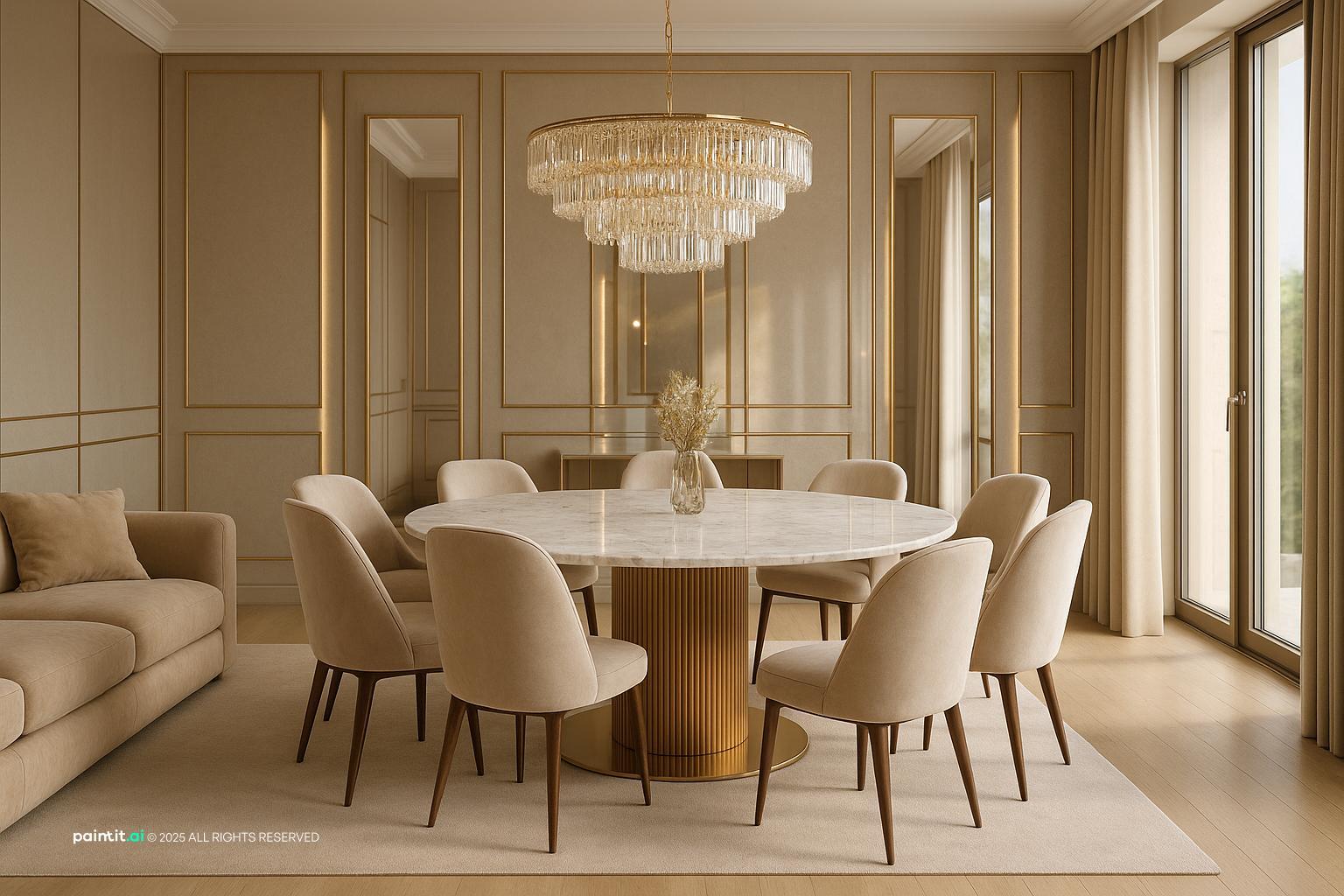
Essential Tips for So, What Makes for Truly Inviting Warm Beige Living Room Ideas?
Stunning Examples of 14 Thoughtful Warm Beige Living Room Ideas for a Truly Inviting Home
-
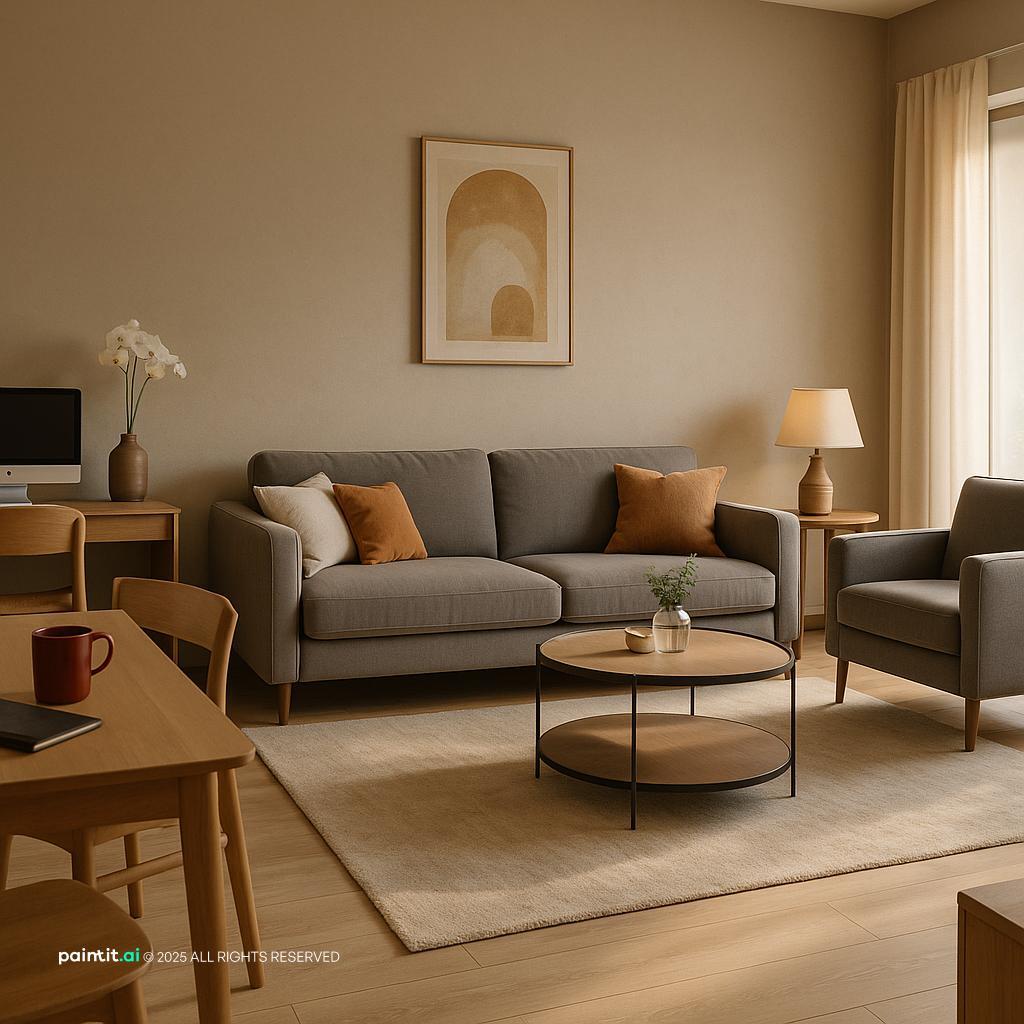
That feeling of wanting your living space to just *breathe*? To feel like a soft, welcoming hug without being bland? We get it. Crafting truly inviting warm beige living room ideas means balancing serene aesthetics with real-world comfort. We’ve pulled together a collection of approaches that marry beauty with everyday living, ensuring your space doesn't just look good, but feels utterly right.
-
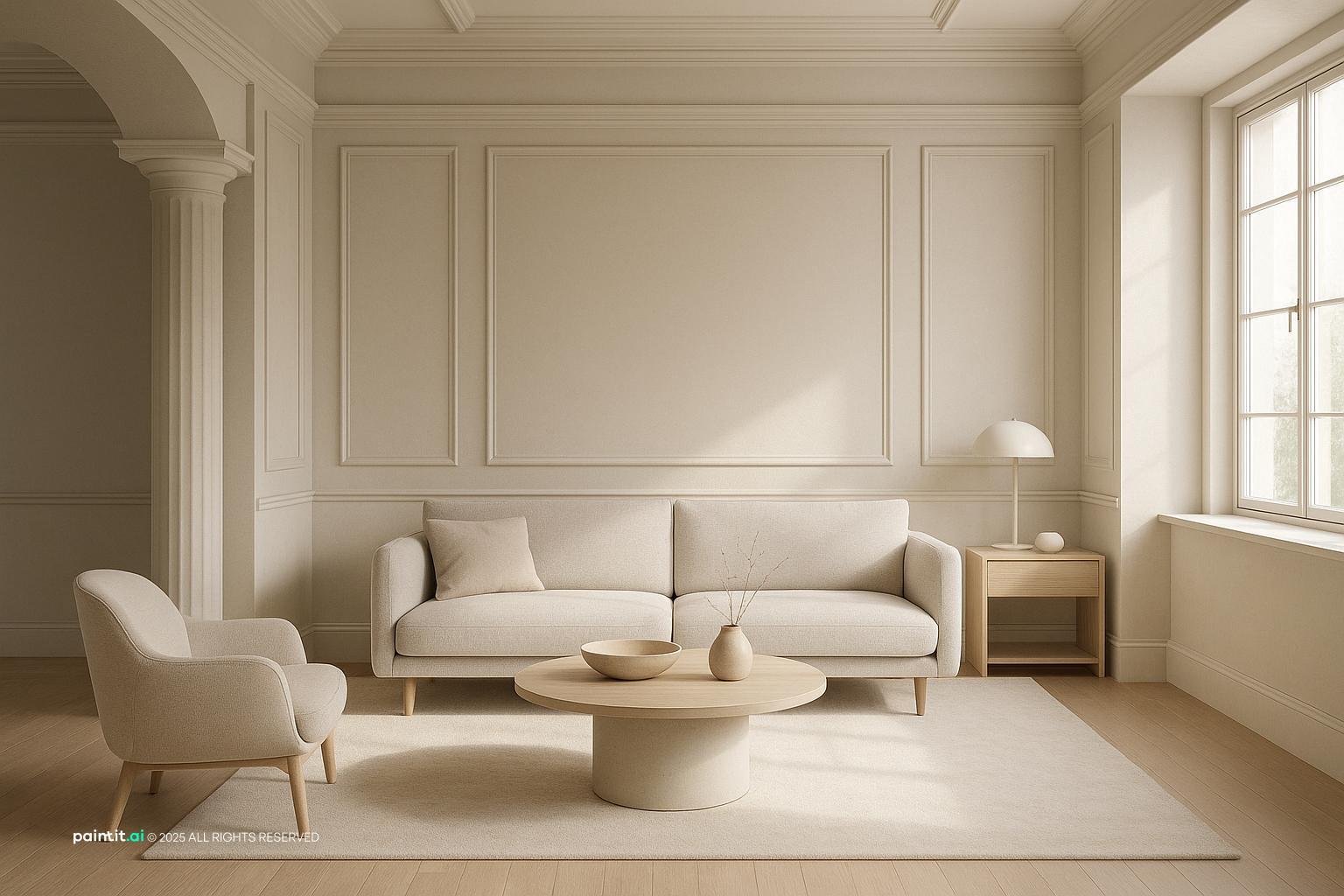
This is where a beige living room truly comes alive. It's not about color; it’s about touch, about how light plays across different surfaces. The truth is, a single shade of oat or sand can feel incredibly rich when you introduce varied tactile elements. We’ve seen this work best when you commit to a few key textures and let them do the heavy lifting.
-
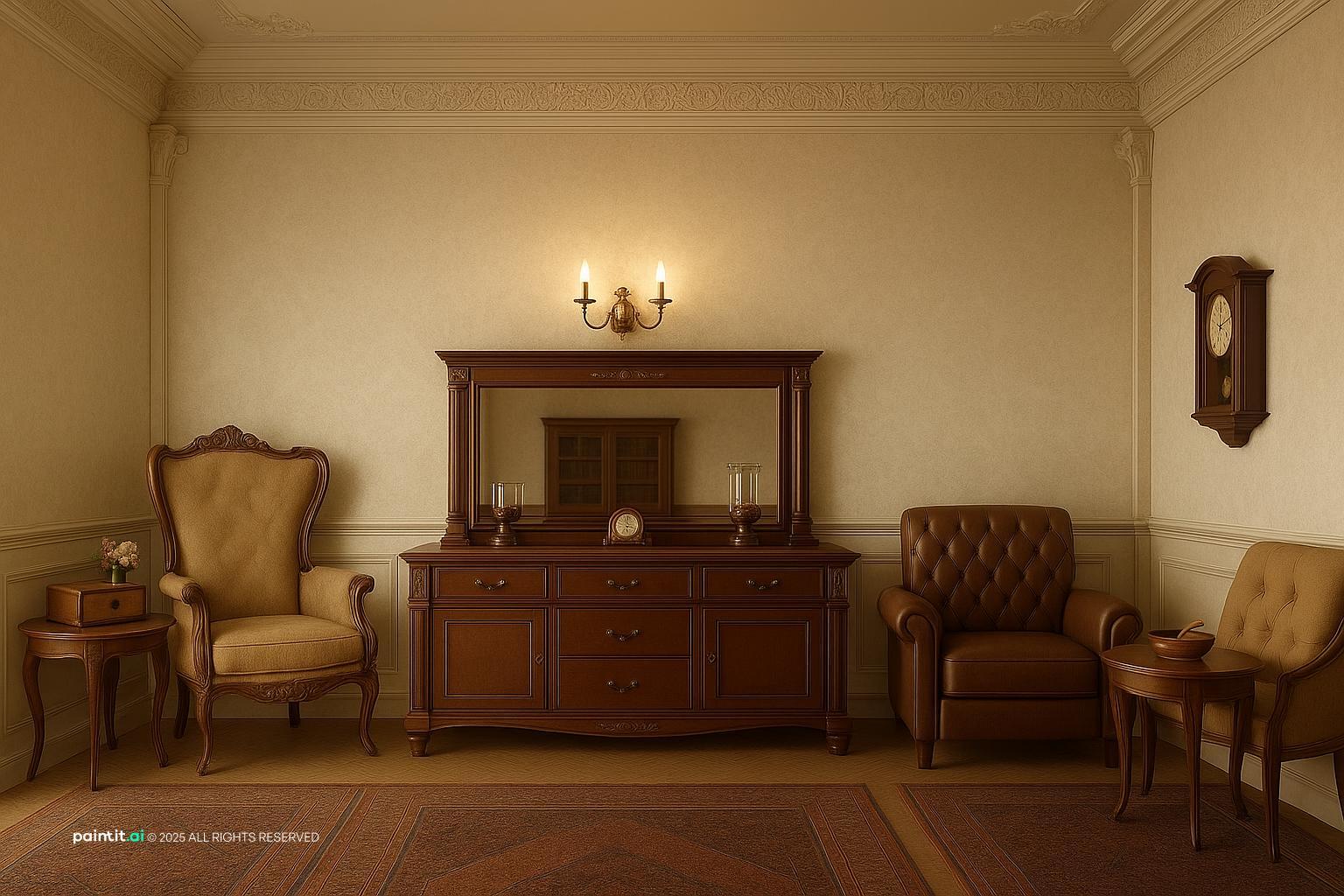
Start with a substantial bouclé sofa, perhaps in a creamy ecru. Drape a chunky knit throw, maybe a cashmere blend, over one arm. For the floor, consider a hand-knotted wool rug with a subtle, irregular weave. Think about linen curtains that pool slightly, catching the morning light. It’s all about building depth, piece by piece.
-
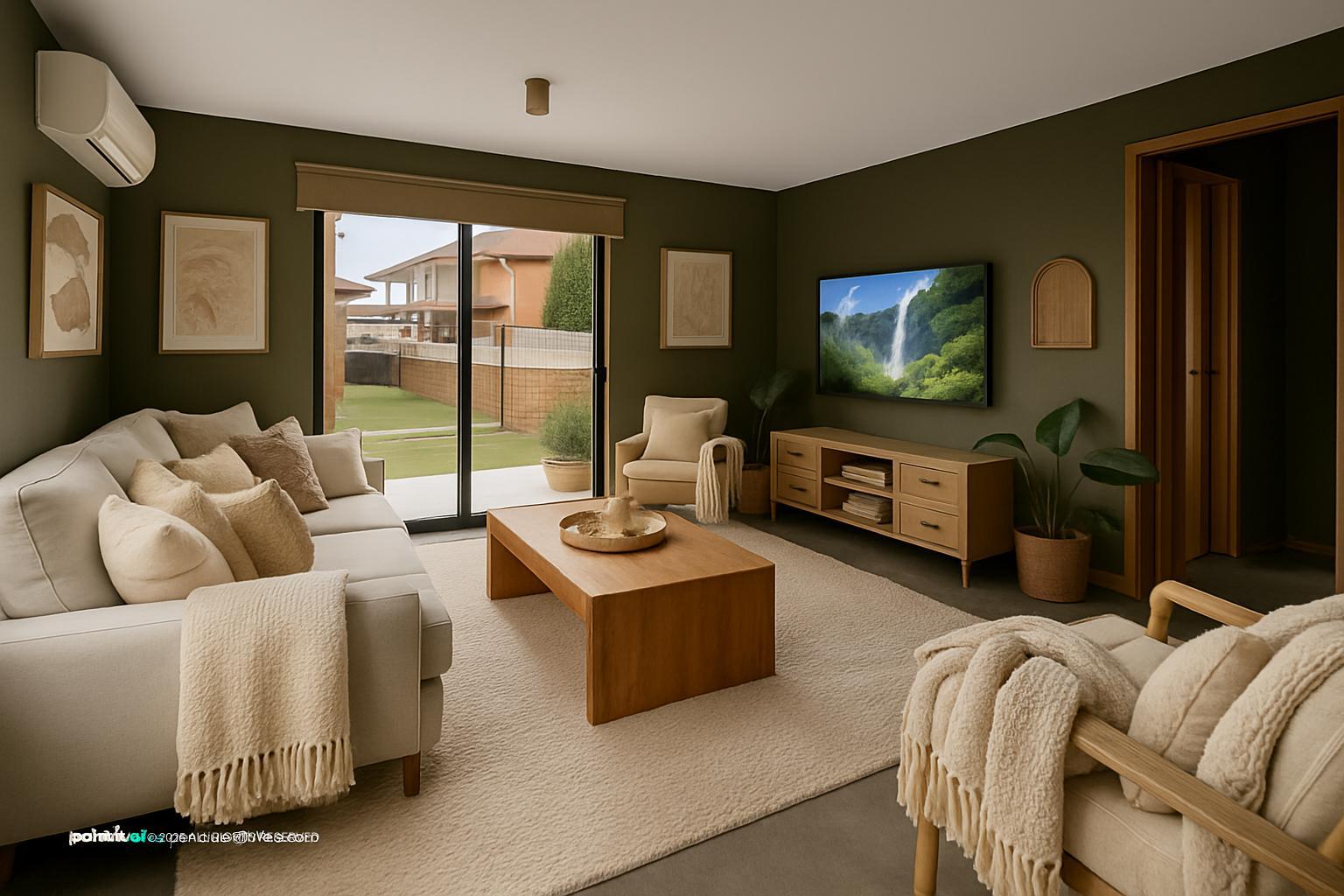
Pro Tip: To achieve this effect, try mixing at least three distinct textures within arm's reach.
-
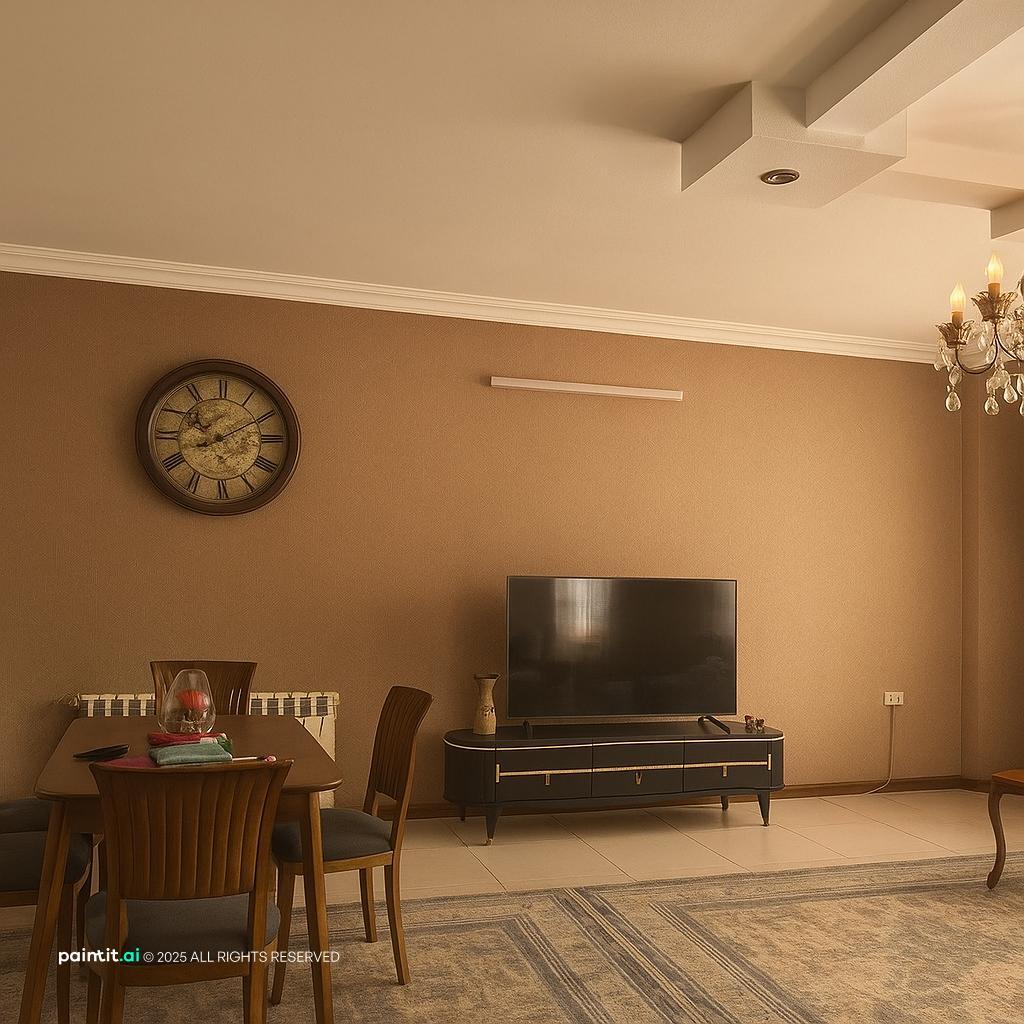
Many people think "monochromatic" means boring. Quite the opposite! It's about exploring the full spectrum within the beige family. We’re talking about those barely-there differences that create a sophisticated, almost painterly effect. It takes a careful eye, but the payoff is immense.
-
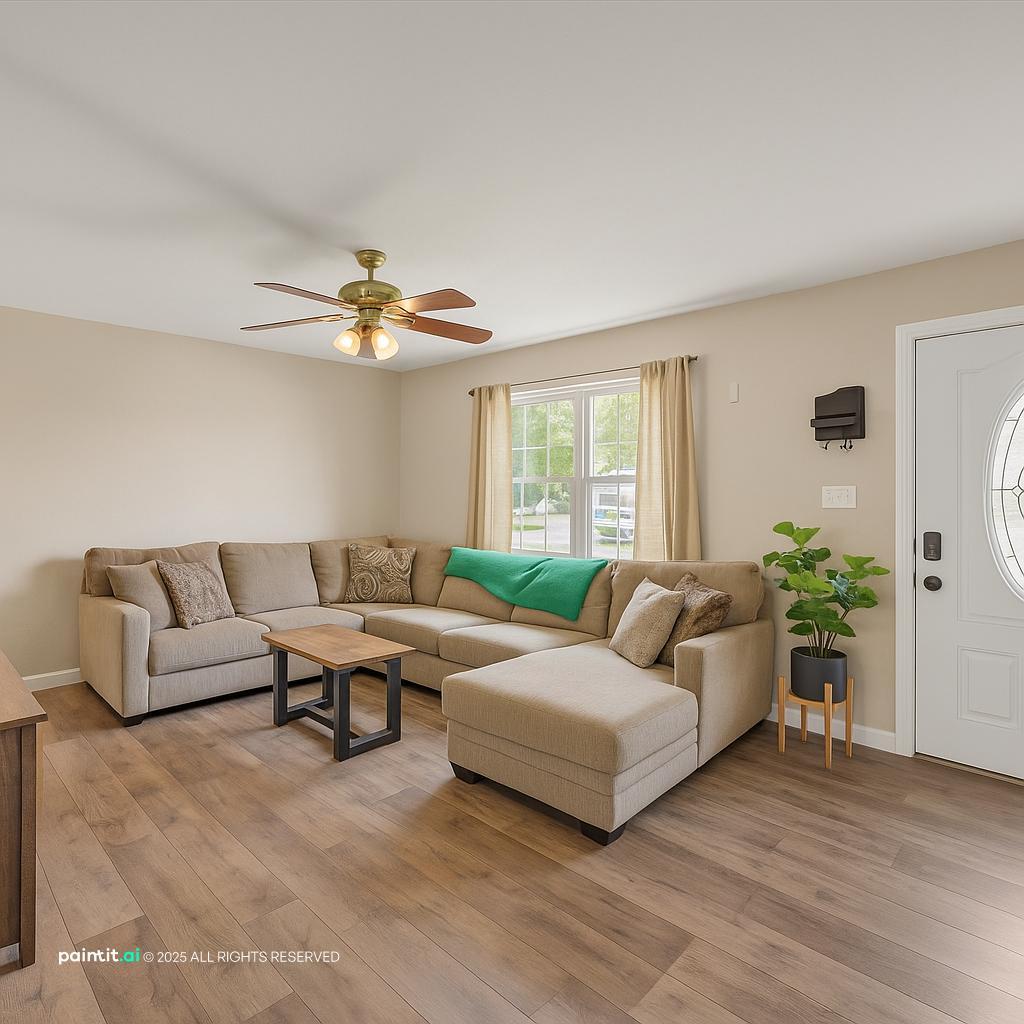
Imagine walls painted in a soft, limewash mushroom tone. Then, introduce a sofa in a slightly lighter, almost linen-colored beige. Pillows might lean into a deeper biscuit, while a ceramic vase on the coffee table echoes the wall's hue. The trick is to keep the undertones consistent – all warm, or all leaning slightly cool – to maintain harmony.
-
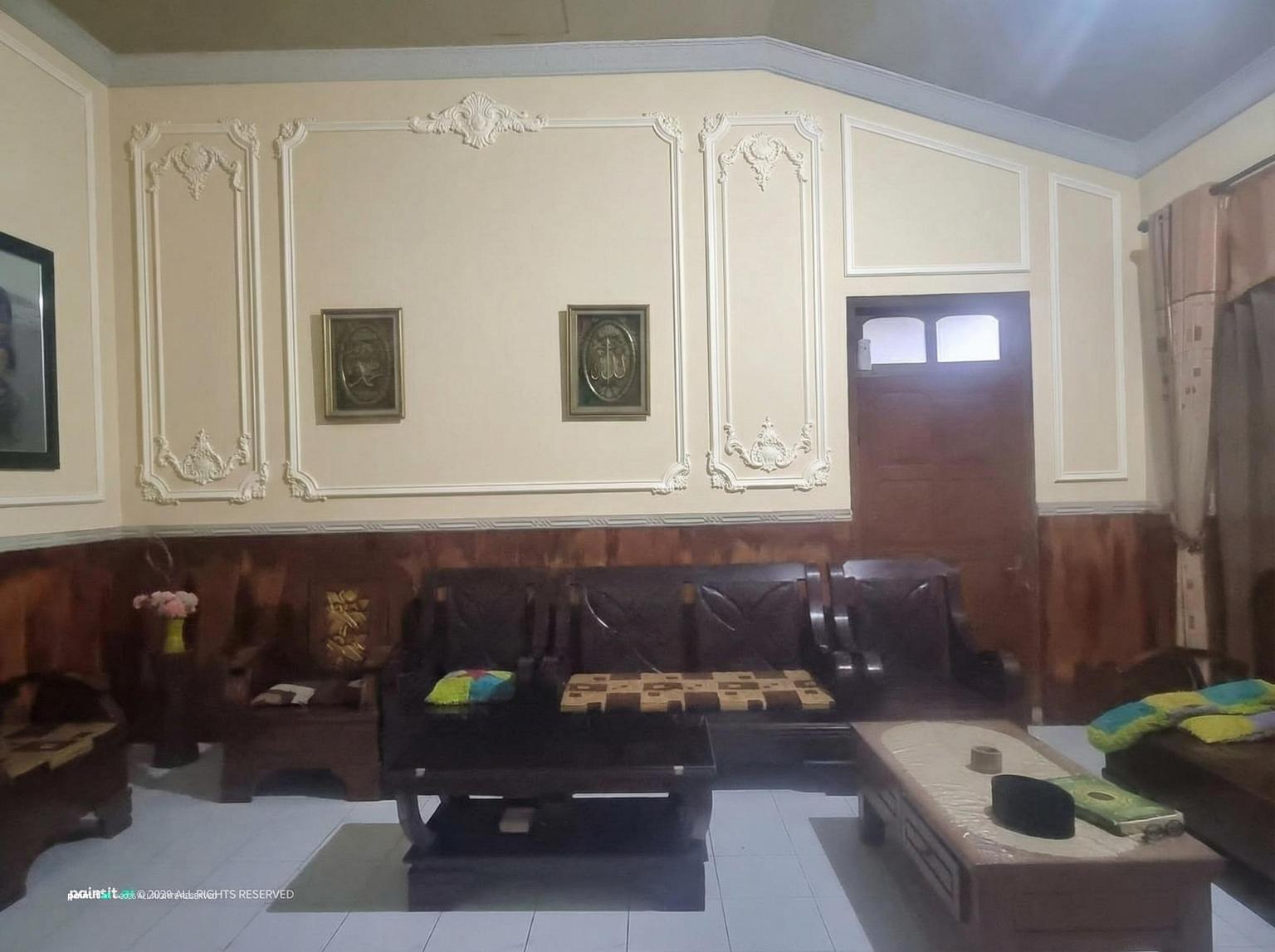
Pro Tip: To achieve this effect, select paint swatches and fabric samples under various lighting conditions.
-
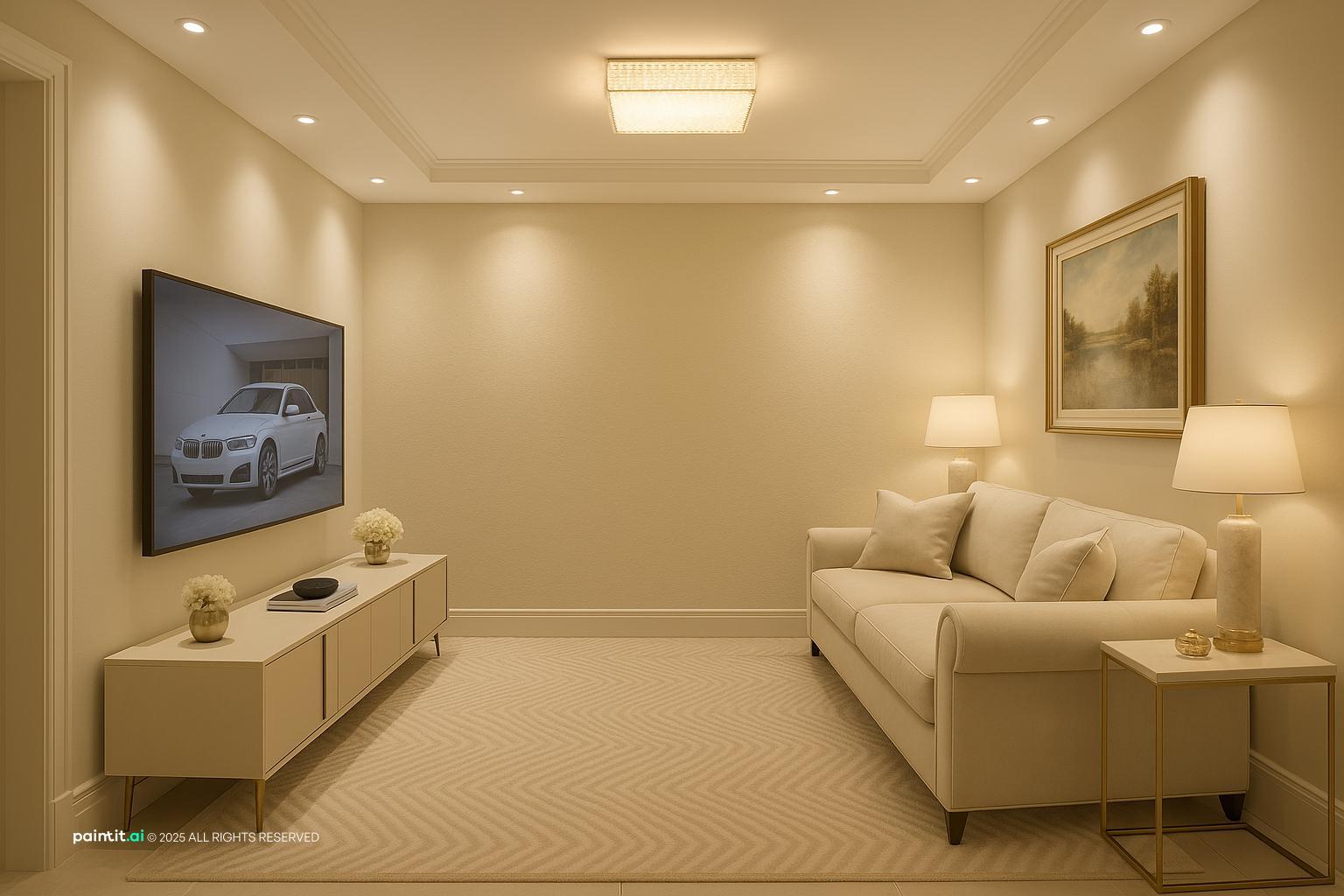
Wood brings an inherent warmth that no paint can replicate. It grounds a neutral palette, adding an organic, timeless quality. This is particularly effective in a warm beige living room, where the wood’s natural grain becomes a quiet focal point.
-
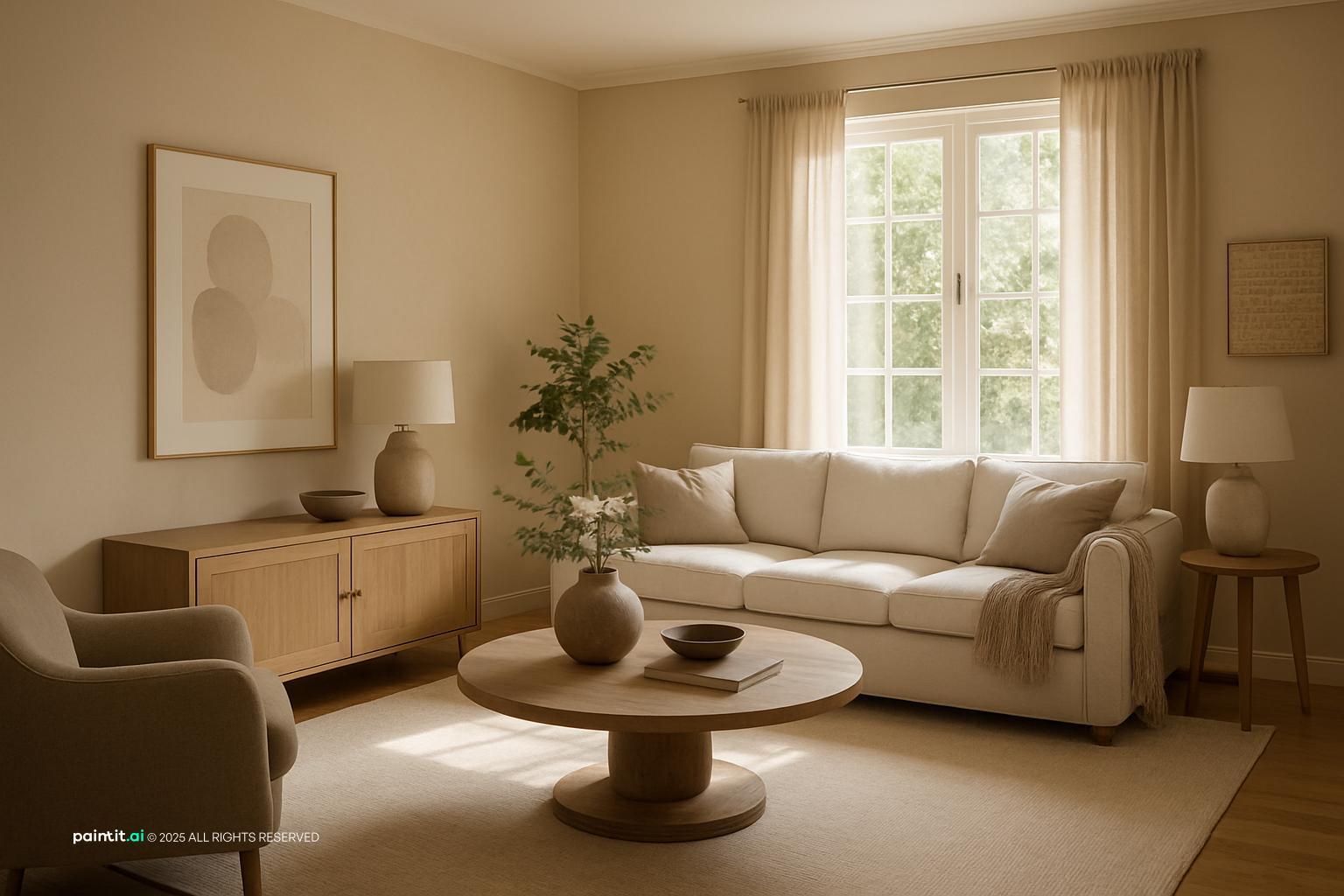
Consider a substantial coffee table crafted from brushed oak or a vintage walnut credenza. Open shelving in a light, natural maple can display curated objects without overwhelming the space. The key is to let the wood's character shine, perhaps with a matte finish that feels raw and authentic.
-
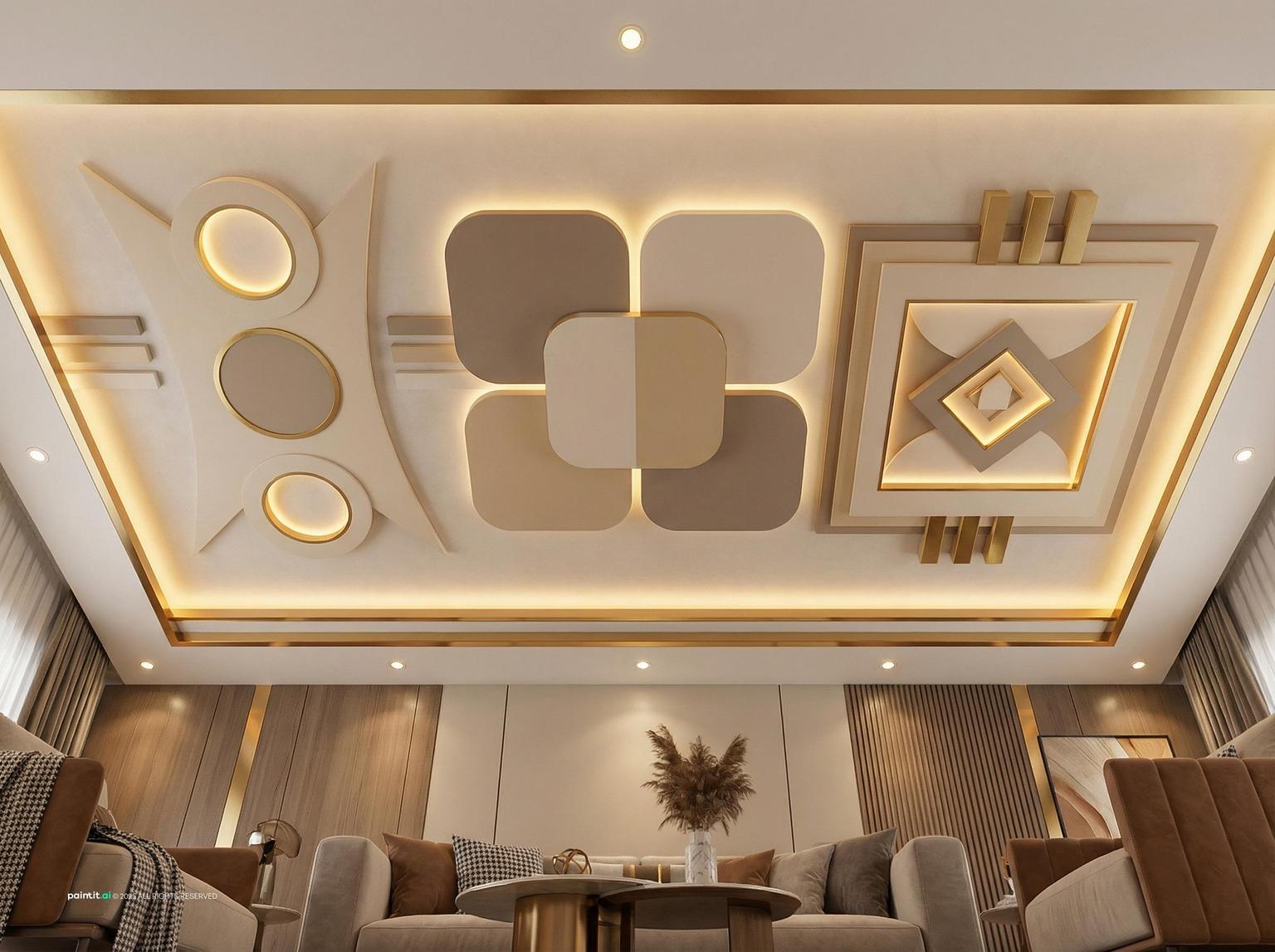
Pro Tip: To achieve this effect, mix different wood species for added visual interest, but keep their finishes consistent.
-
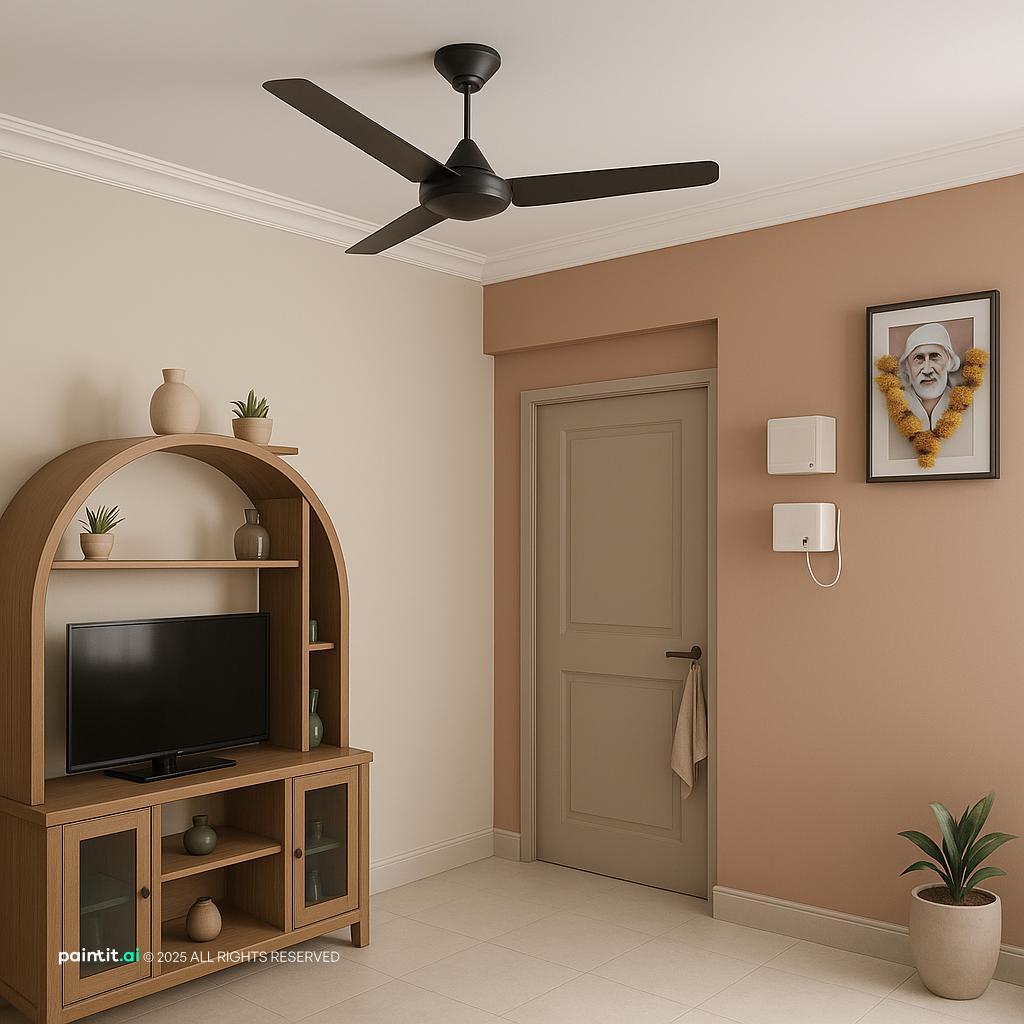
Light is everything in a beige space. It dictates mood, highlights textures, and literally warms up the room. Relying solely on overhead lighting just doesn't cut it. We need layers, just like with our textures.
-
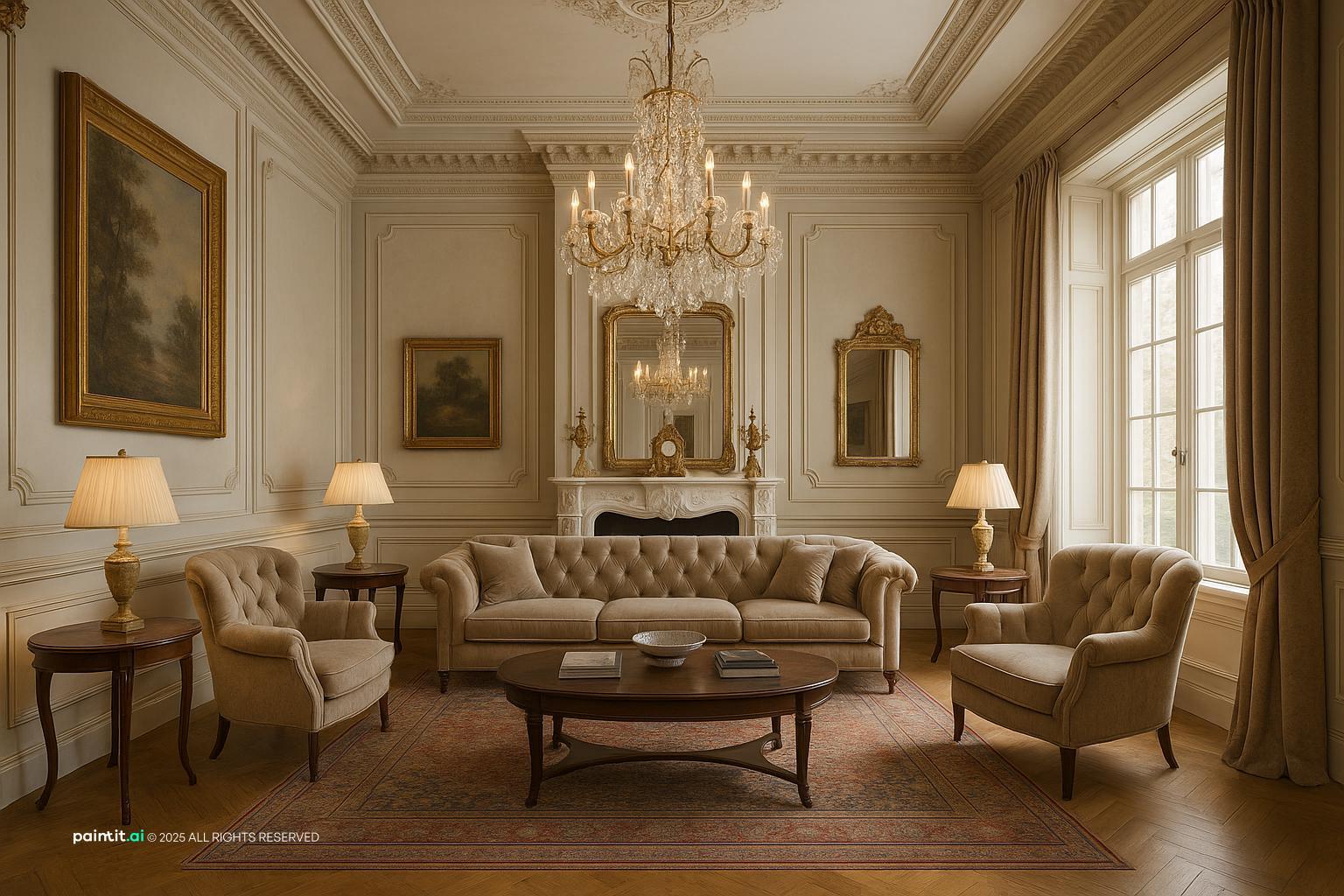
Think about incorporating several light sources: a tall, sculptural floor lamp with a linen shade for ambient glow, a pair of wall-mounted sconces to create soft pools of light, and a smaller table lamp for task lighting or a cozy corner. Dimmers are non-negotiable. They allow you to shift the room's entire atmosphere with a flick.
-
Pro Tip: To achieve this effect, aim for at least three distinct light sources in different heights and intensities.
-
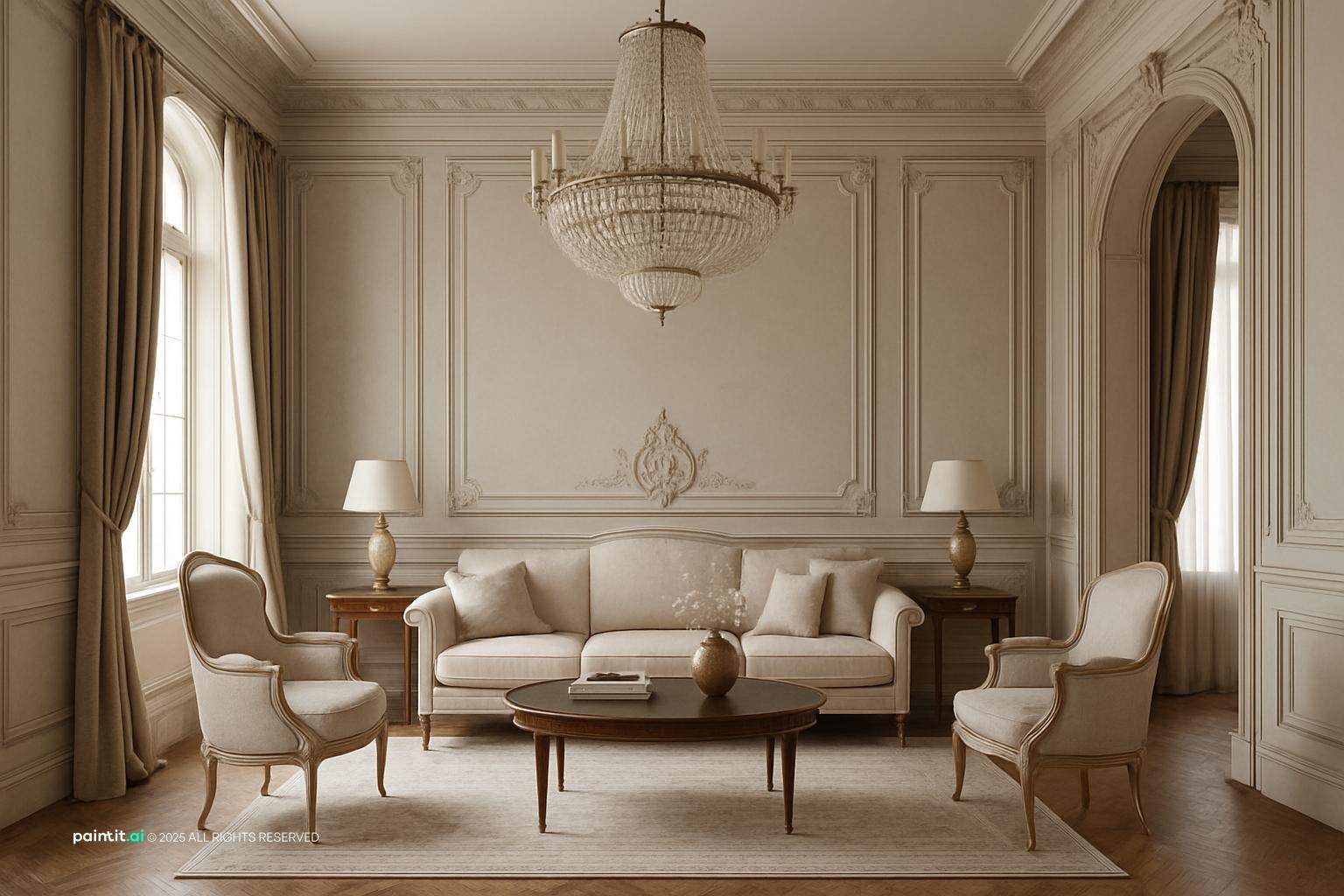
While we're talking warm beige living room ideas, it doesn't mean *only* beige. Introducing subtle, earthy accents prevents the space from feeling flat. These aren't bold pops of color, but rather whispers that complement the neutral base.
-
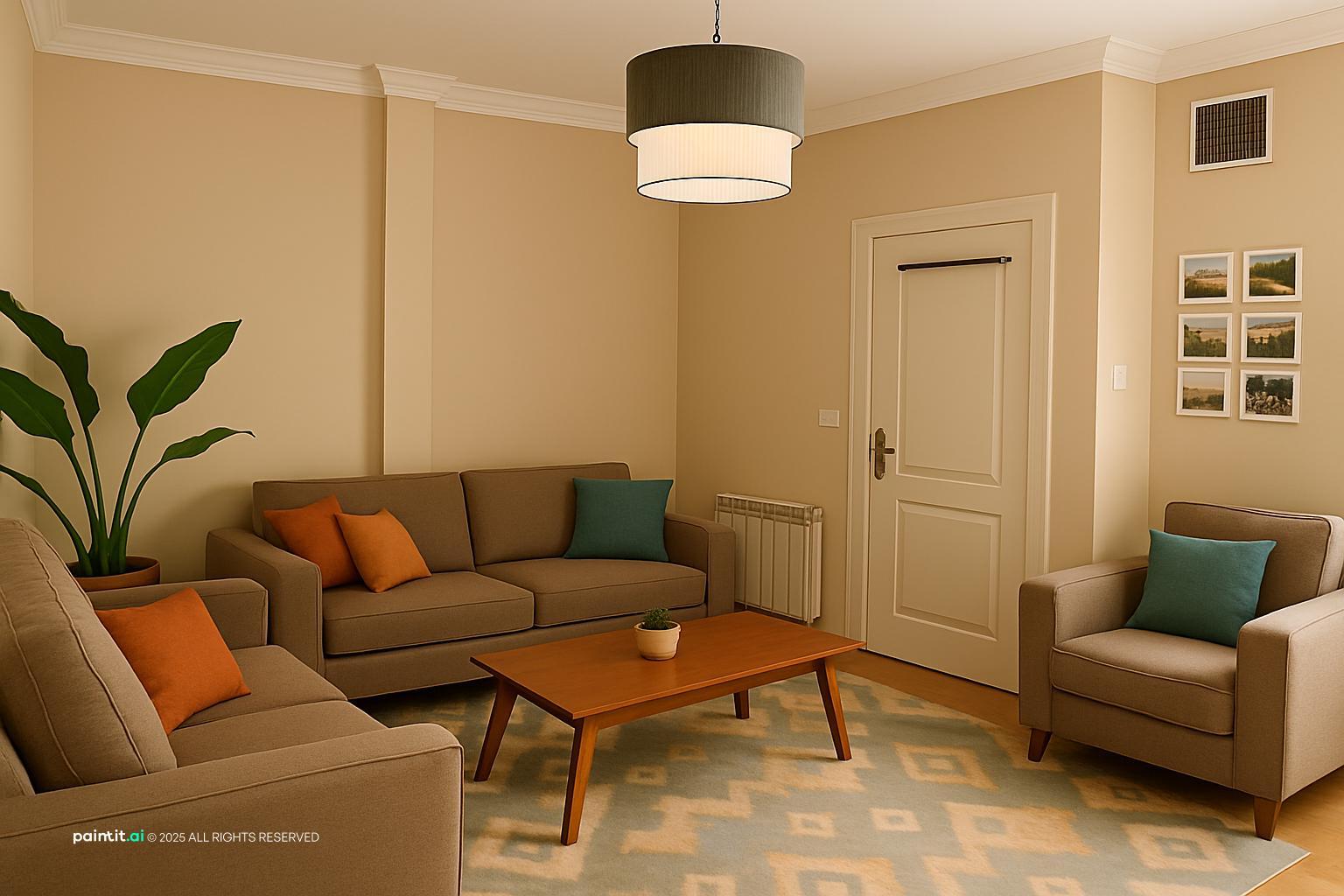
Imagine a few throw pillows in a muted terracotta or a deep olive green. A ceramic vase with a rust-colored glaze, or a piece of abstract art featuring soft, dusty rose and sage tones. These colors feel like they've been pulled directly from nature, harmonizing beautifully with the beige without competing.
-
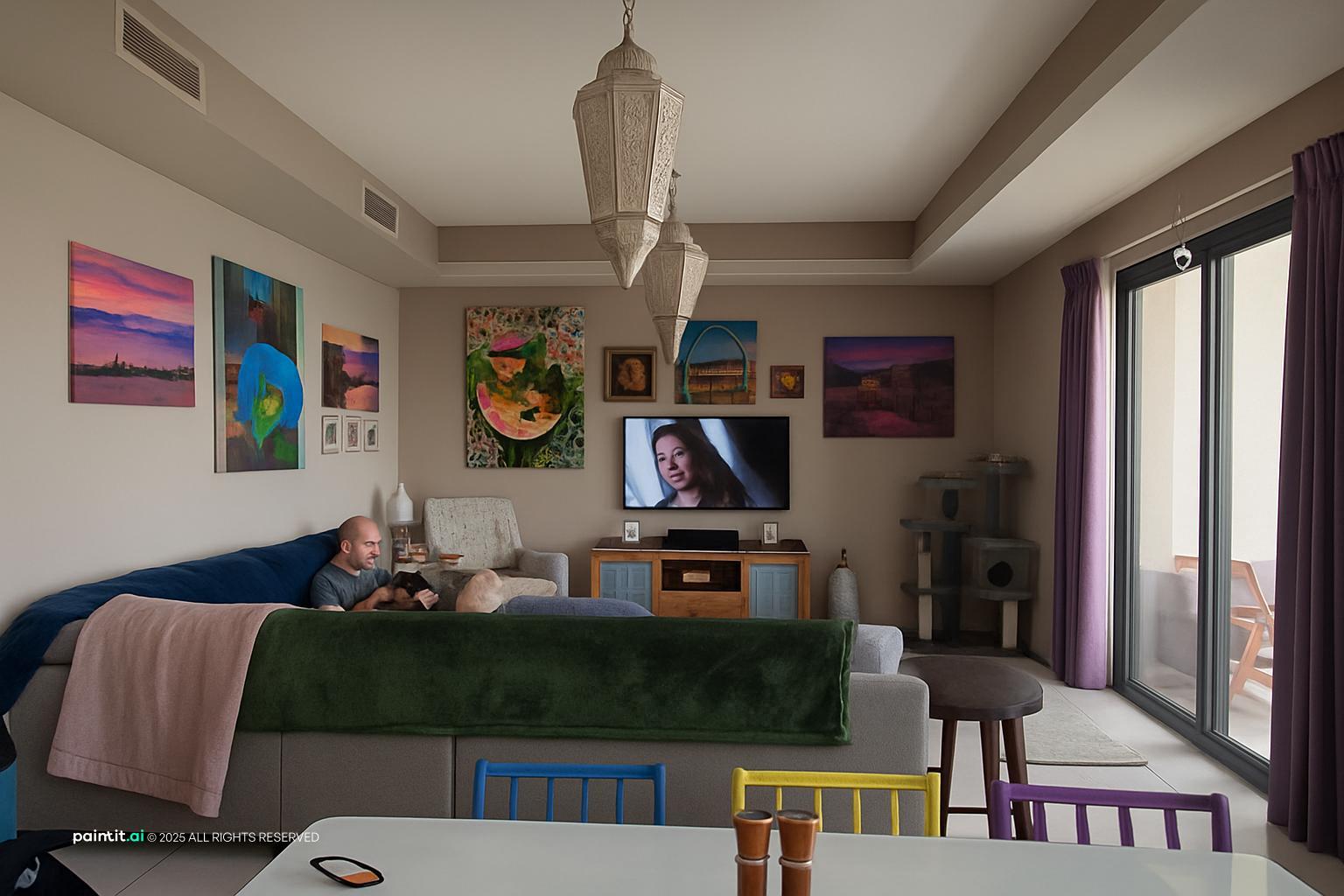
Pro Tip: To achieve this effect, choose accent colors that have a slightly desaturated, natural quality.
-
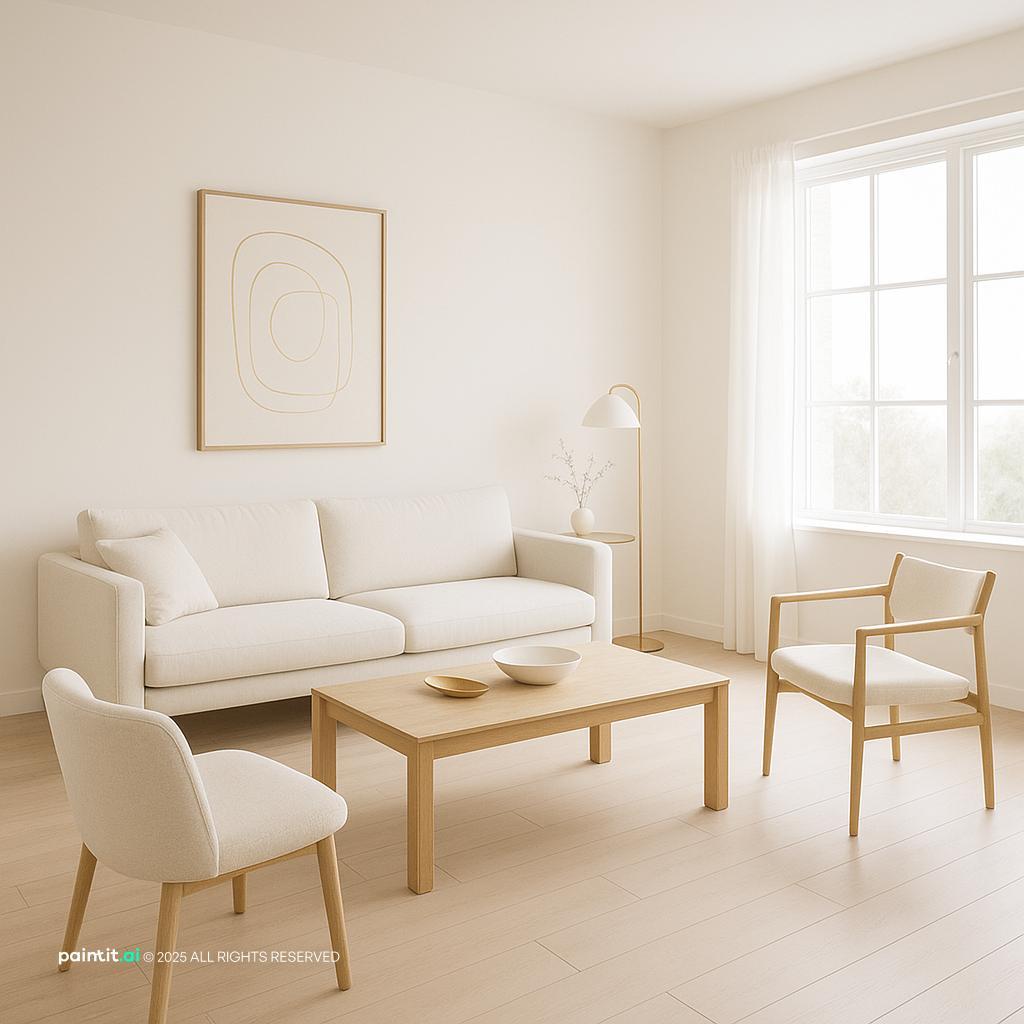
In a neutral room, form becomes paramount. Furniture and decor with soft curves, irregular edges, and sculptural presence add a quiet drama. It’s about creating visual interest through shape, not just color.
-
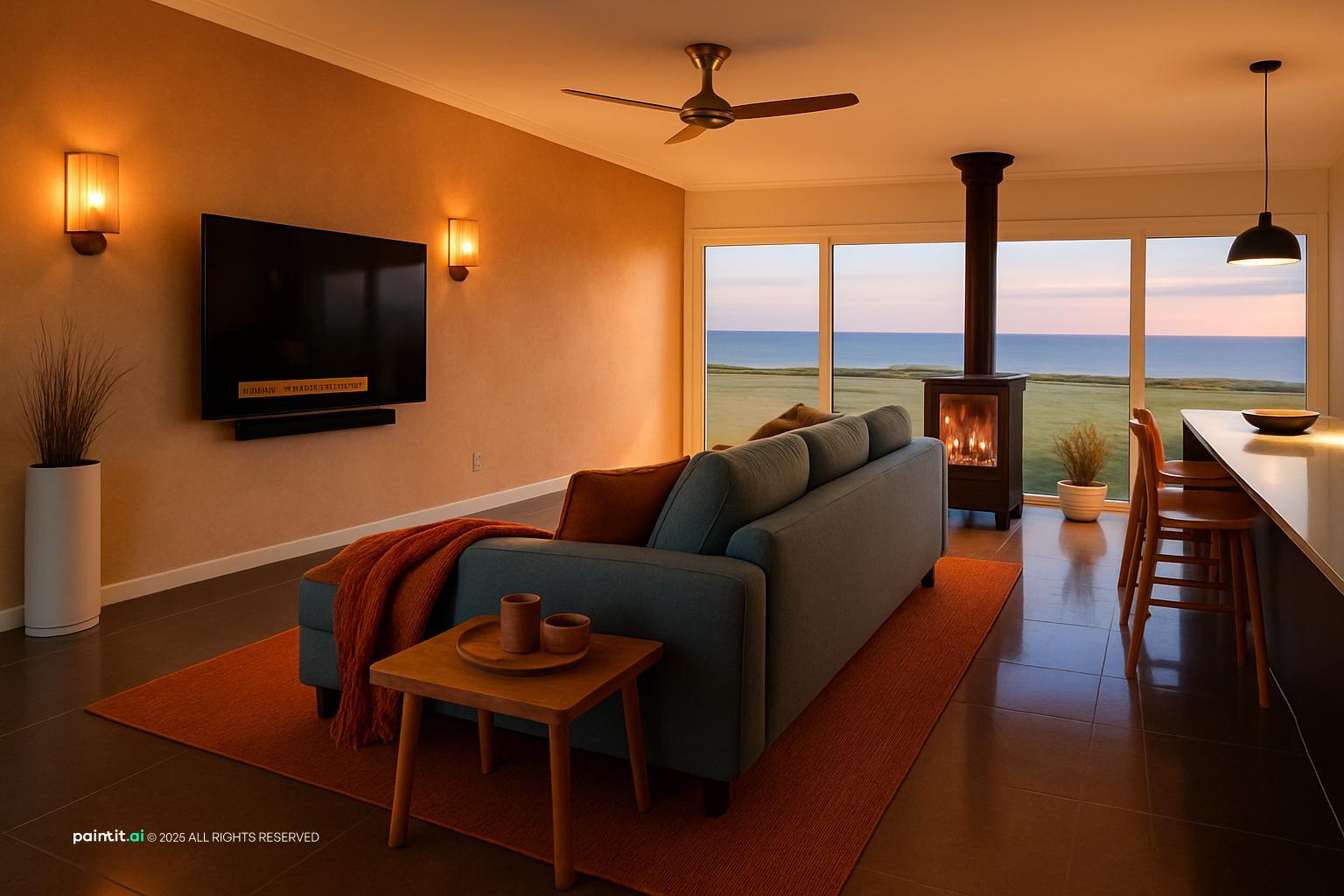
Consider a low-slung sofa with rounded arms, or a coffee table with an organic, free-form top. A large, hand-thrown ceramic vase or a unique, curved floor lamp can become a focal point. These pieces feel less rigid, more inviting, and inherently artistic. They break up the straight lines that often dominate modern interiors.
-
Pro Tip: To achieve this effect, look for pieces that feel handcrafted or have a distinct, non-linear silhouette.
-
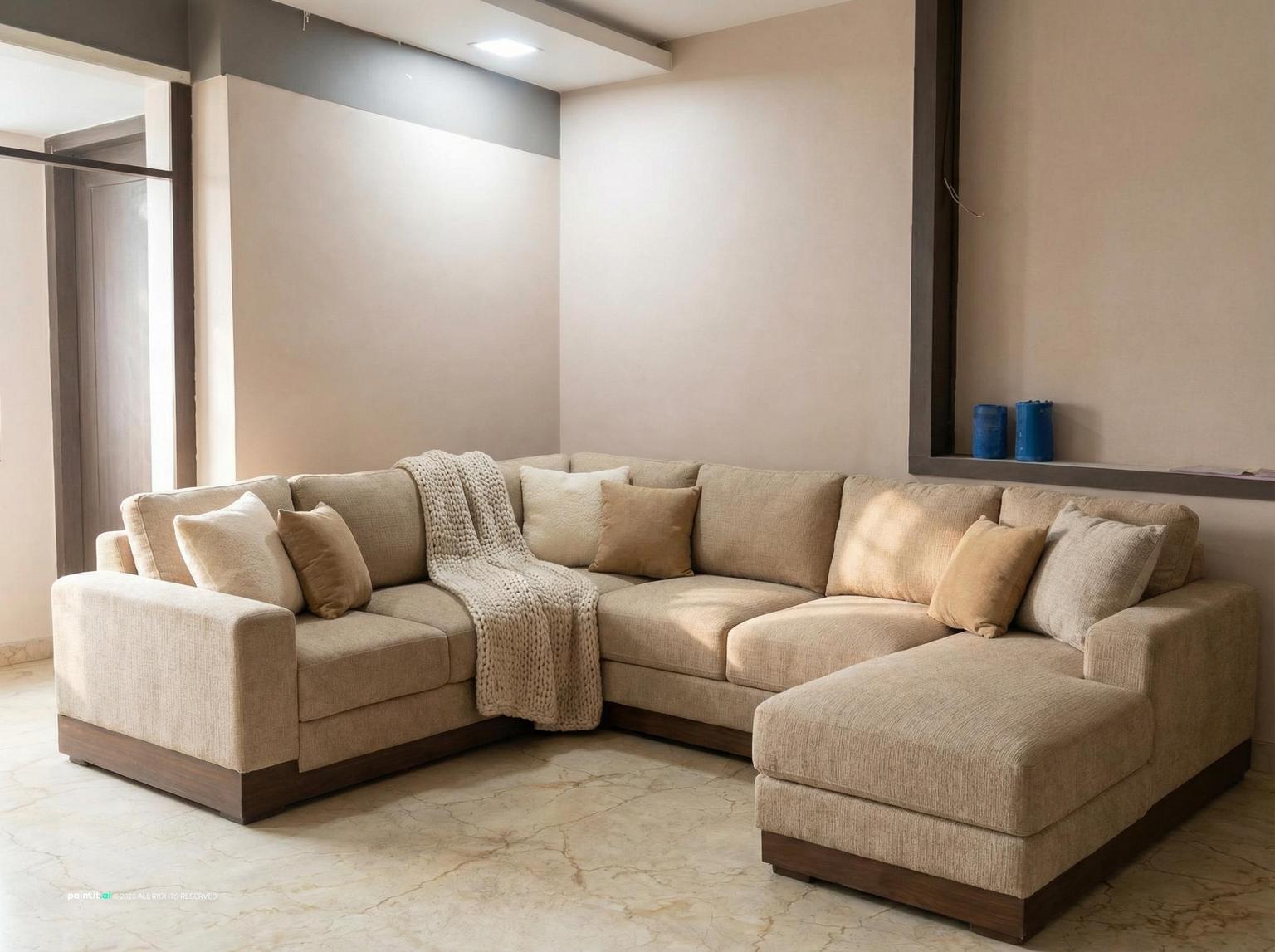
Paint isn't just color; it's texture. Limewash creates a beautiful, mottled finish that absorbs light differently than standard paint. It gives walls a soft, almost suede-like appearance, adding an incredible depth to any warm beige living room.
-
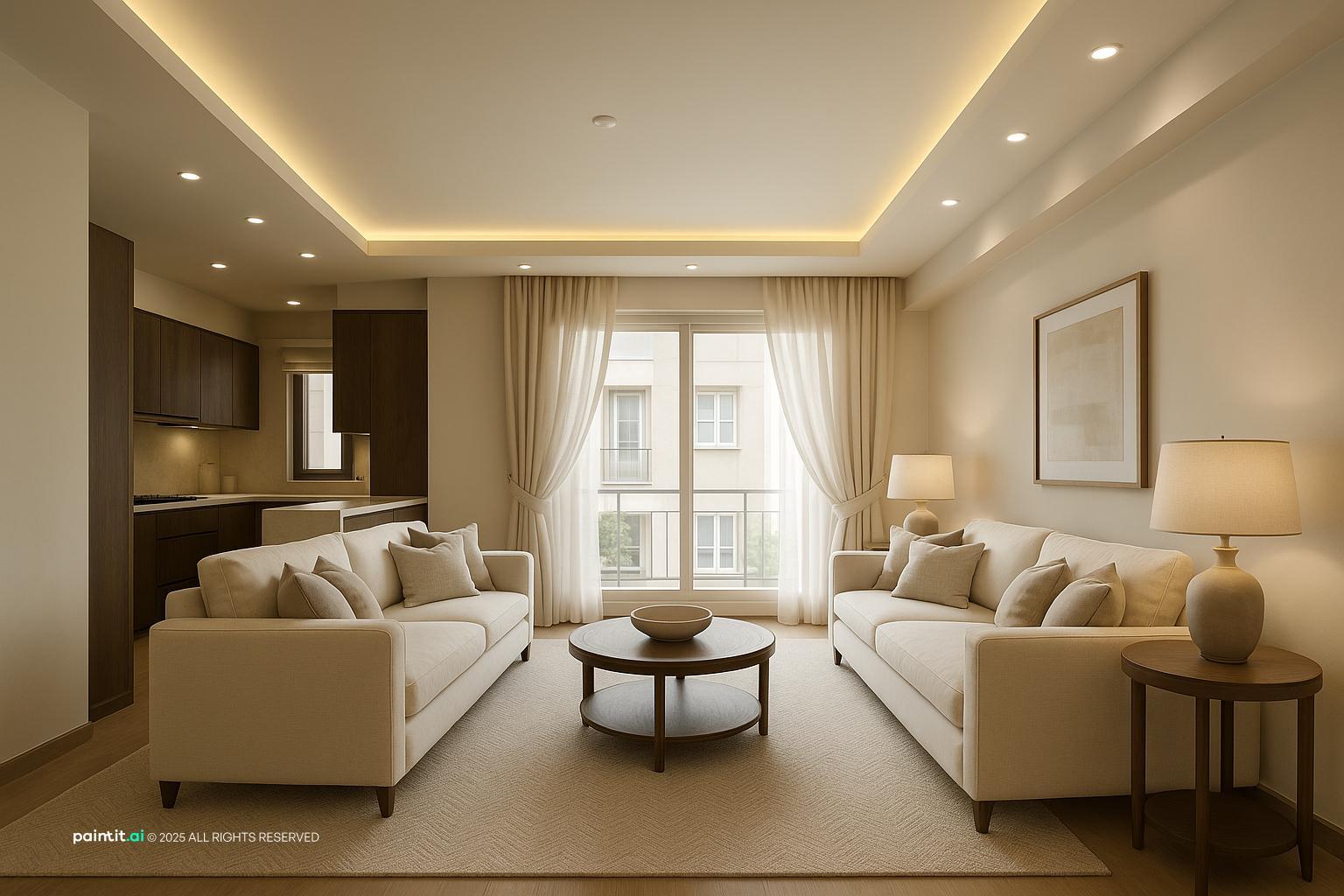
A limewash application in a light sand or oat color instantly elevates the space, making it feel ancient and modern all at once. It’s imperfect, which is its charm, adding a subtle, lived-in quality that feels incredibly luxurious. This isn't a crisp, clean line; it's a gentle, shifting surface.
-
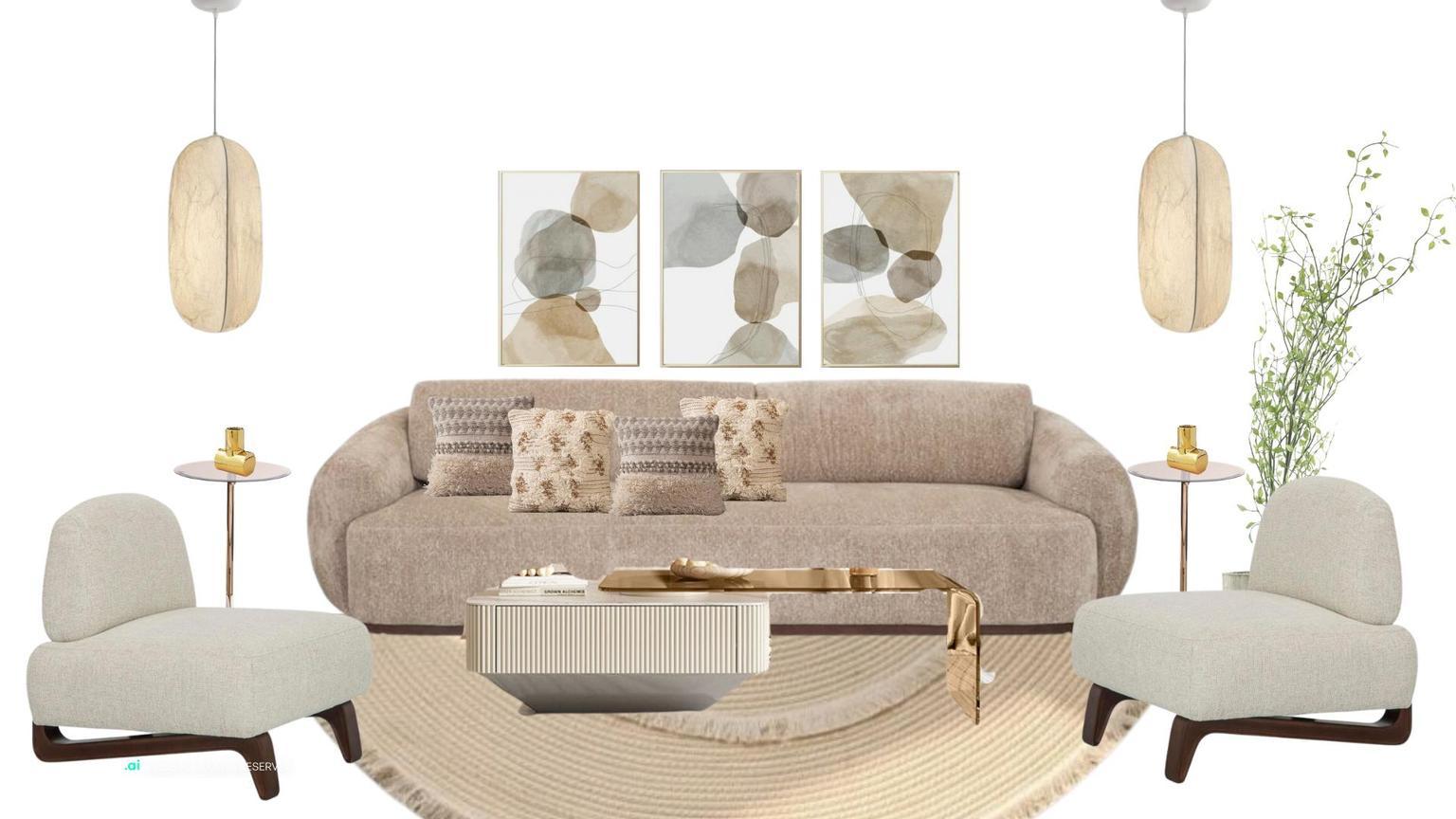
Pro Tip: To achieve this effect, hire a professional or practice extensively, as the application technique is key to the desired finish.
-
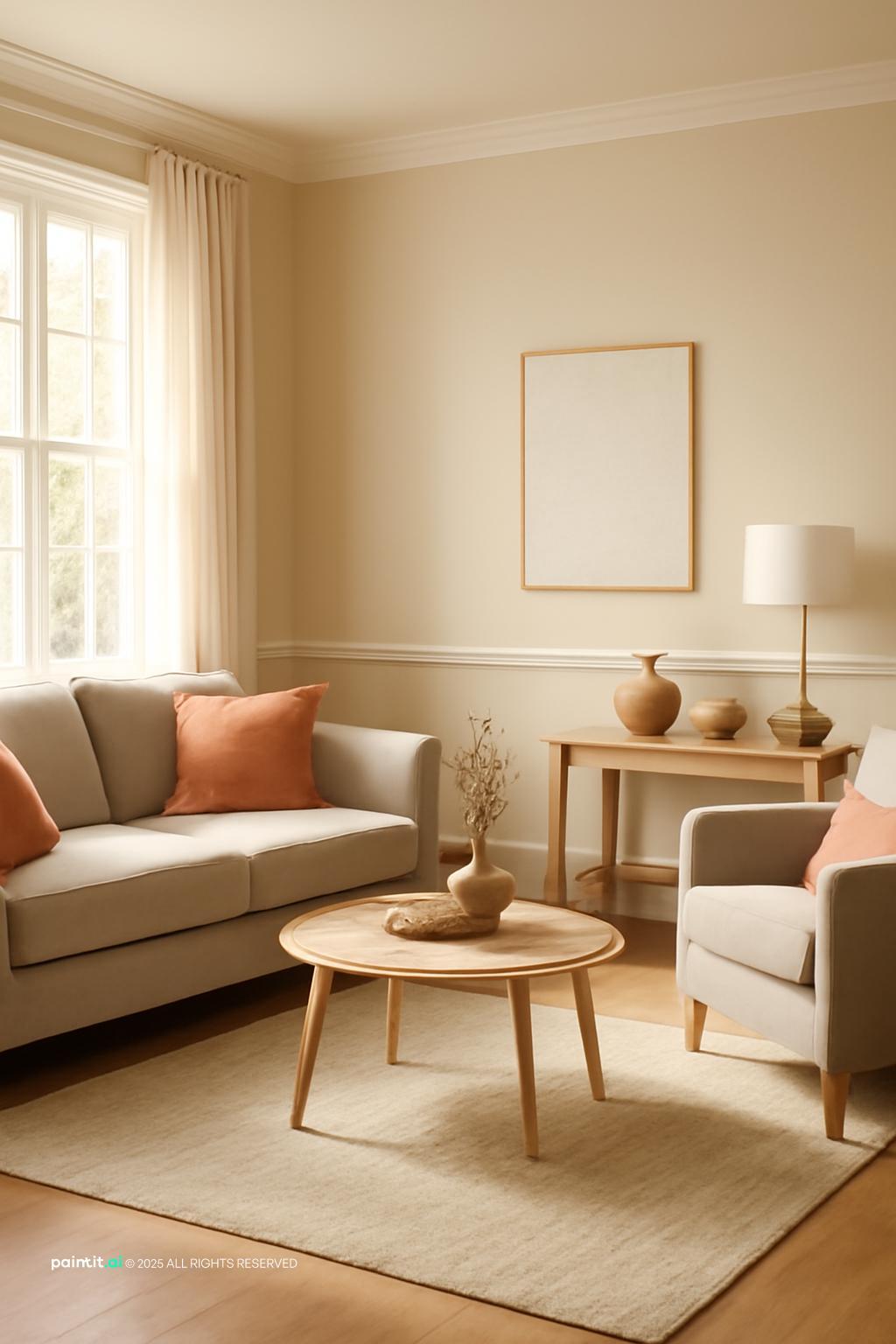
Nothing adds soul to a room quite like something with a story. Vintage pieces bring character, warmth, and a sense of history that new items simply can't replicate. They break up the monotony of a brand-new space, making it feel collected over time.
-
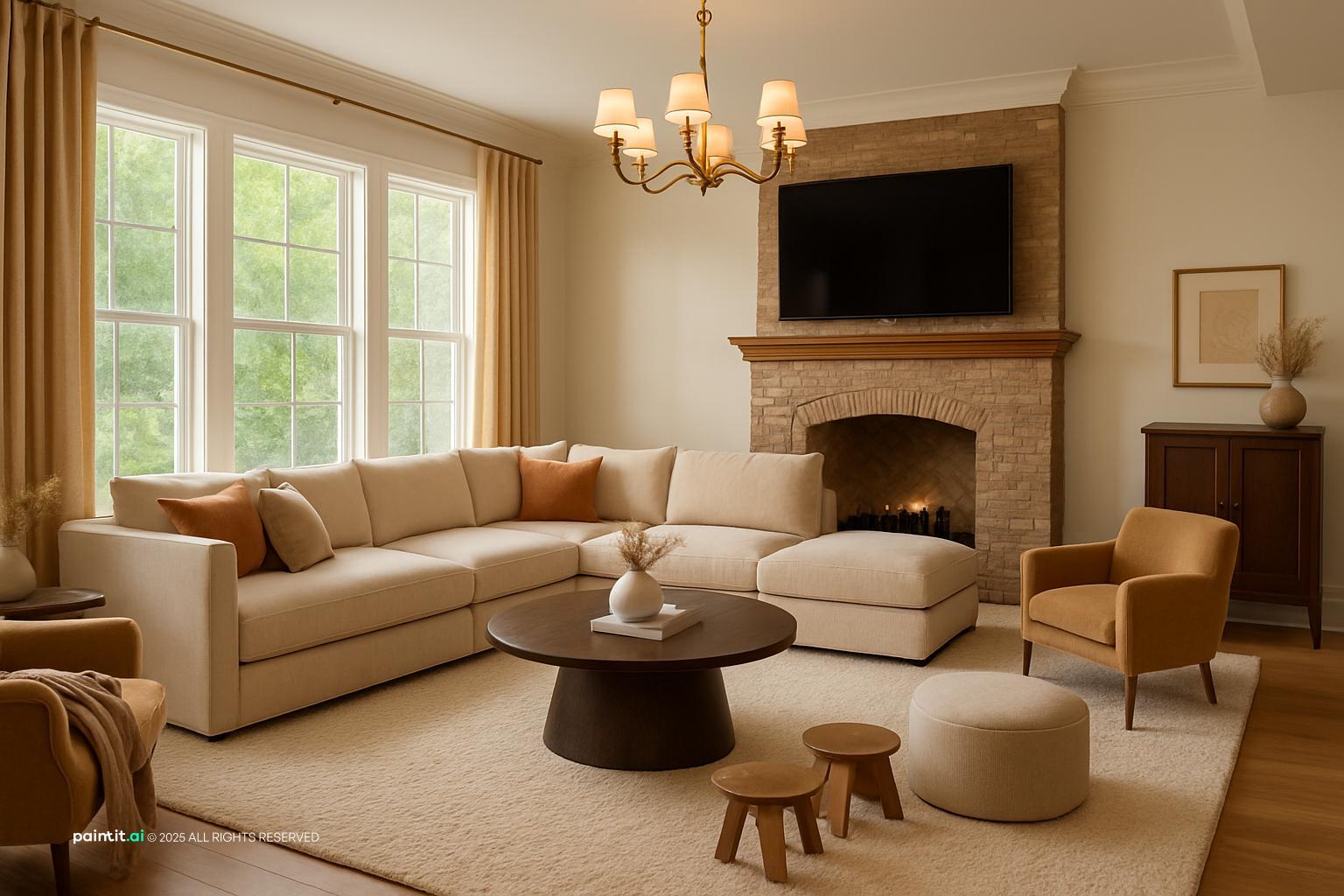
Hunt for a mid-century modern armchair upholstered in a textured fabric, a rustic wooden chest that can double as a coffee table, or an antique brass floor lamp. These pieces don't need to match perfectly; their slight imperfections and unique patinas only enhance the room's charm. It's about preservation over imposition.
-
Pro Tip: To achieve this effect, look for pieces with interesting lines or materials that complement your existing beige tones.
-
Bringing the outside in is a timeless design principle, and it's especially impactful in a warm beige living room. Plants add life, color, and a sense of calm, while dried botanicals offer texture and an earthy, sculptural element.
-
Place a large, leafy fiddle leaf fig or an olive tree in a terracotta pot in a corner. On a console table, arrange a collection of dried pampas grass or eucalyptus branches in a simple ceramic vase. The natural greens and muted tones of dried plants provide a beautiful, organic contrast to the beige palette.
-
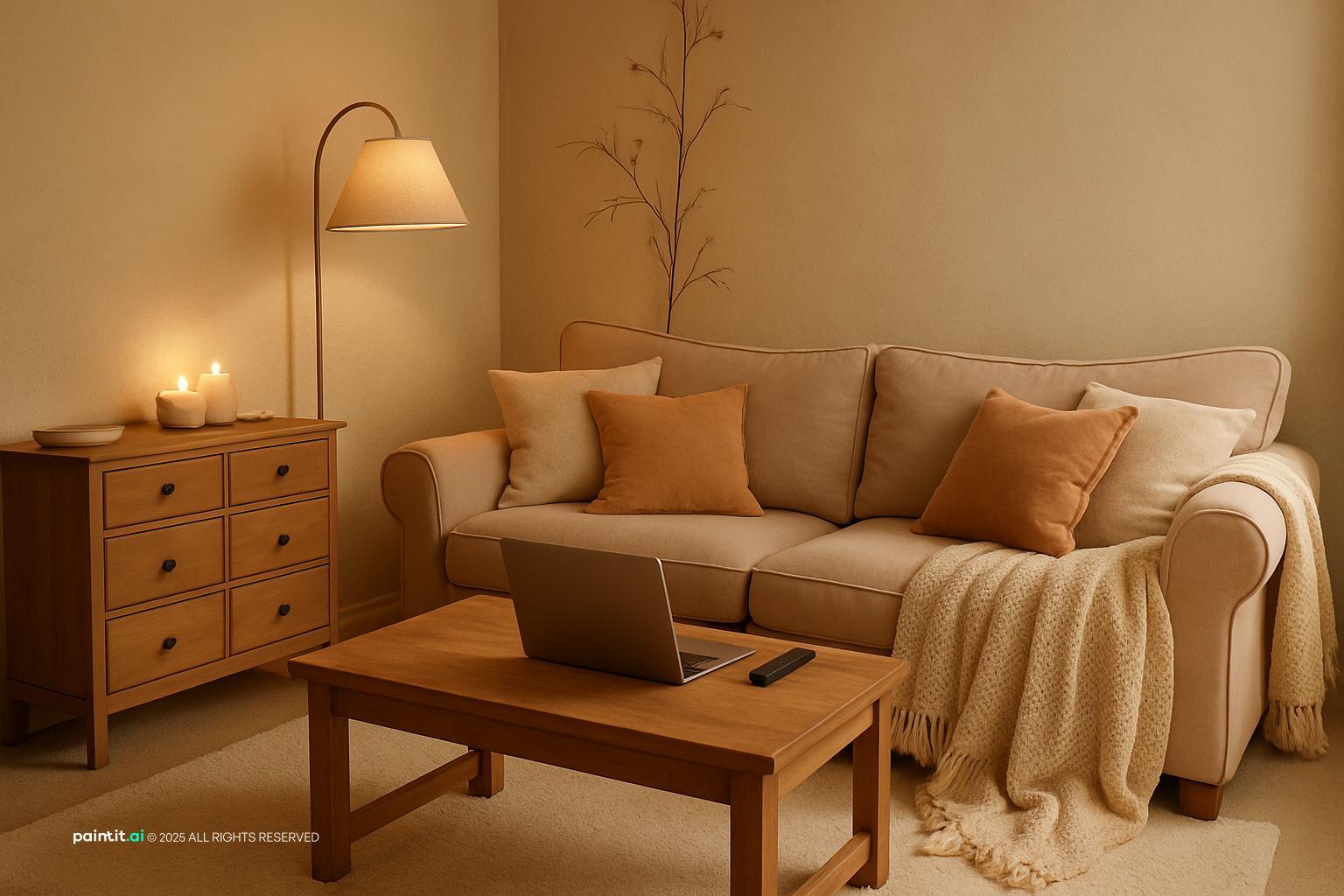
Pro Tip: To achieve this effect, choose plants with varying leaf shapes and sizes for visual interest.
-
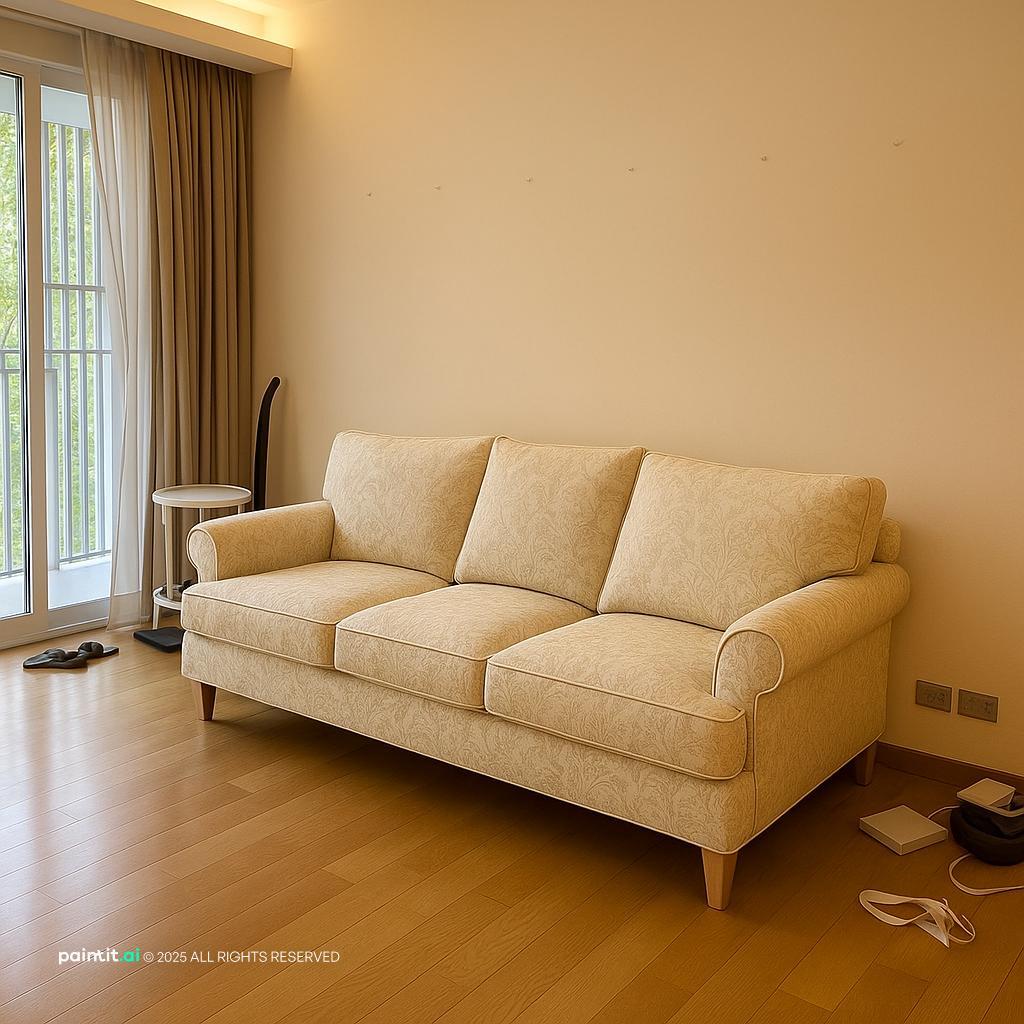
A touch of black can be incredibly grounding and sophisticated in a warm beige living room. It provides a crisp, modern contrast without feeling harsh, especially when it's a matte finish rather than glossy.
-
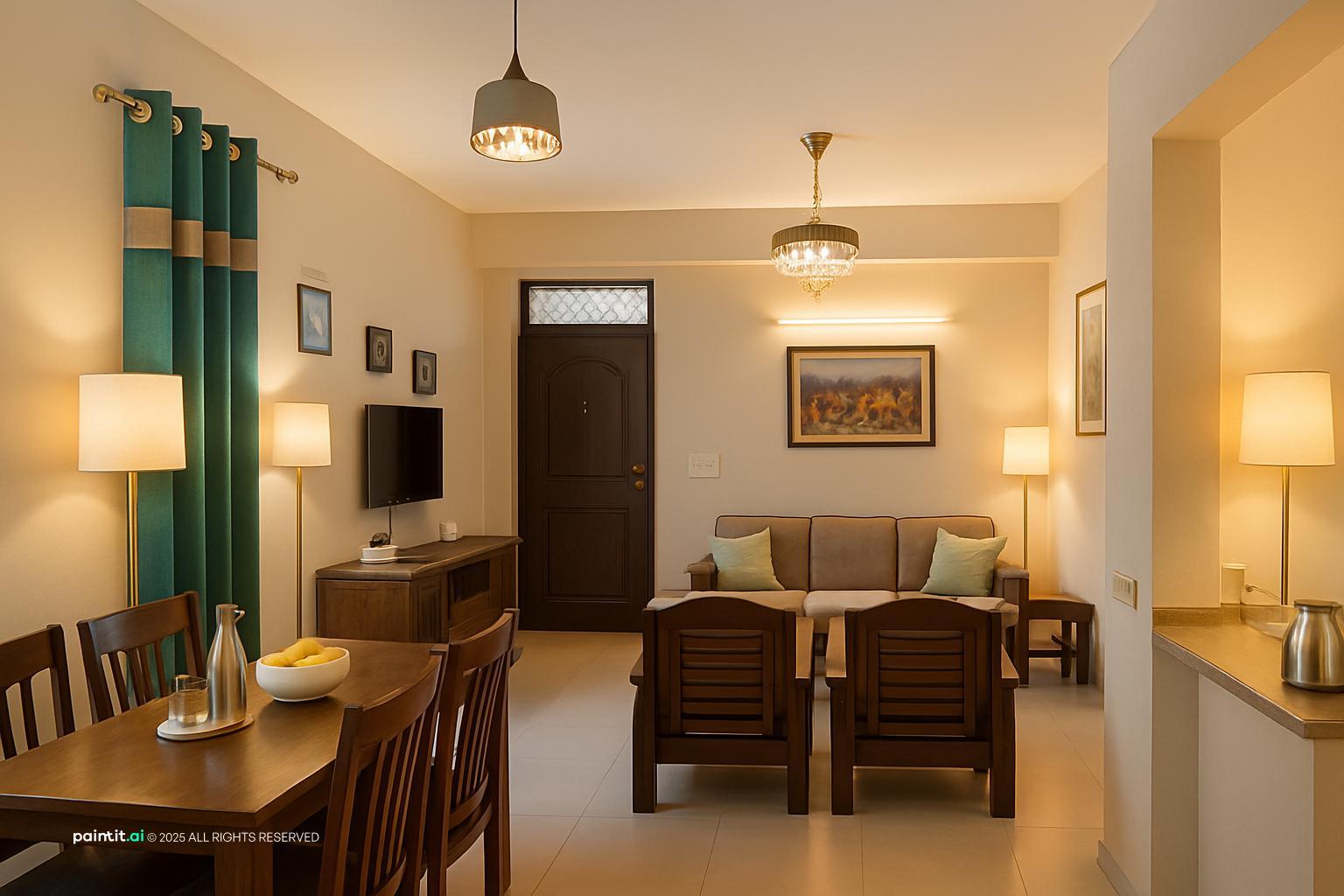
Think about a sleek, matte black picture frame on a gallery wall, a minimalist floor lamp with a black base, or even the subtle hardware on a cabinet. These small, deliberate touches create definition and a contemporary edge, preventing the beige from becoming too soft or washed out. It's a quiet punctuation mark.
-
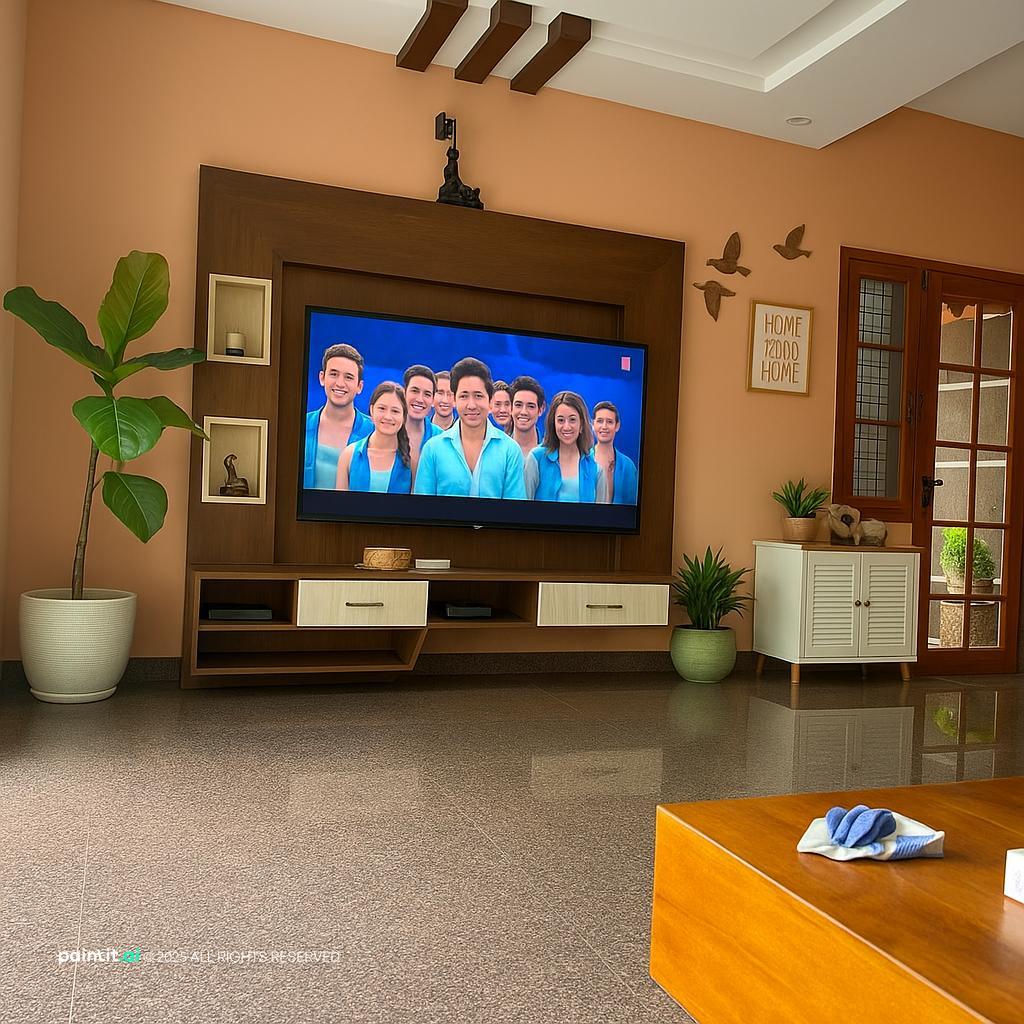
Pro Tip: To achieve this effect, use matte black sparingly, focusing on clean lines and functional pieces.
-
These subtle architectural details add texture and a touch of vintage elegance without introducing new colors. Ribbed glass diffuses light beautifully, creating a soft, ethereal glow, while fluted wood adds a refined, tactile quality.
-
Consider a cabinet with ribbed glass doors, allowing glimpses of curated items inside. A coffee table with a fluted base or a series of ribbed glass vases can catch the light in interesting ways. These elements feel sophisticated and add a layer of visual interest that’s both subtle and impactful.
-
Pro Tip: To achieve this effect, incorporate these details on furniture or decorative objects rather than large architectural features.
-
A truly serene space often feels uncluttered and intentional. Custom built-ins, painted in the same warm beige as the walls, can create a seamless, architectural look while providing essential storage. This isn't just about hiding things; it's about creating a sense of calm order.
-
Imagine a wall of floor-to-ceiling shelving, perfectly integrated, with a mix of open and closed compartments. A window seat with hidden storage underneath, complete with plush beige cushions, offers a cozy nook. These elements make the room feel bespoke and thoughtfully designed, maximizing functionality without sacrificing aesthetics.
-
Pro Tip: To achieve this effect, match the built-in color exactly to the wall color for a truly integrated look.
-
Art doesn't always mean vibrant colors. In a warm beige living room, textural, abstract, or minimalist art can be incredibly powerful. It adds personality and a focal point without disrupting the serene palette.
-
Look for large-scale abstract pieces with subtle color variations and rich textures, perhaps a piece with plaster elements or woven fibers. A collection of sculptural ceramic objects on a shelf or a unique, hand-carved wooden bowl on a console can draw the eye. These pieces are about form and feeling, not just representation.
-
Pro Tip: To achieve this effect, choose art that evokes emotion through texture and subtle color shifts rather than bold statements.
-
Stone, especially with a honed (matte) finish, brings an undeniable sense of luxury and permanence to a warm beige living room. It’s cool to the touch but visually warm, grounding the space with its natural beauty and subtle variations.
-
Consider a side table made from honed travertine or a coffee table with a substantial marble top. Even a simple stone plinth used to display a vase can elevate the room. The natural veining and subtle imperfections of the stone add character and a tactile quality that feels incredibly sophisticated. The truth is, the marble stained instantly if you weren't careful, but the beauty was worth it.
-
Pro Tip: To achieve this effect, opt for lighter-toned stones like travertine, light marble, or limestone with a matte finish.
Unpacking the Essence of a Warm Beige Living Room: A Deep Dive into Serene Design to Life with Paintit.ai
-
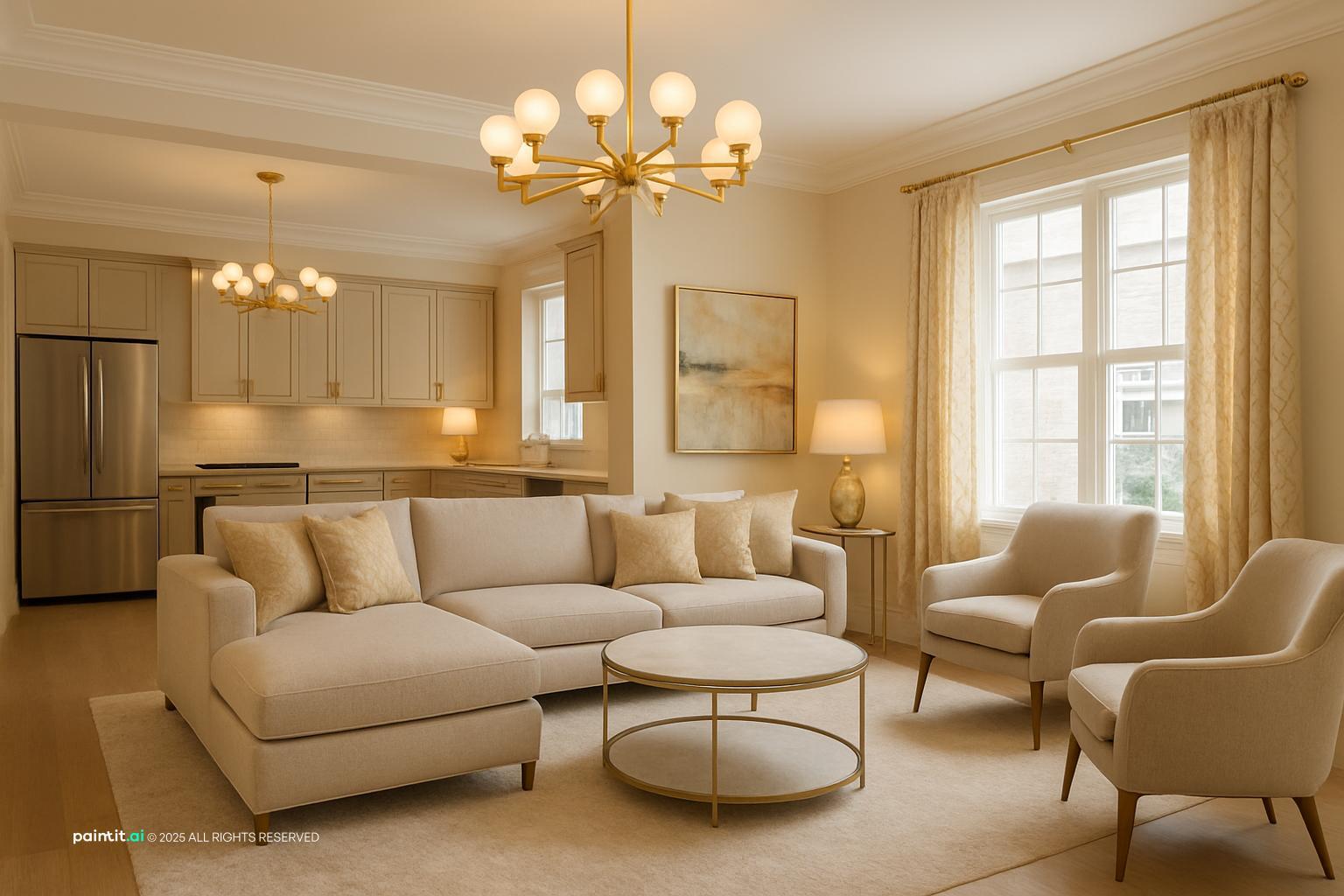
Creating a truly inviting warm beige living room isn't just about picking a paint chip; it's an art of subtle layering and thoughtful curation. We’ve found the magic happens when every element, from the largest sofa to the smallest ceramic, whispers comfort. It’s a design philosophy, not just a color scheme.
-
Start with a base of creamy ecru or soft oat for walls, then introduce a slightly deeper sand or biscuit in textiles. A touch of muted mushroom can add sophisticated depth, preventing the space from feeling flat. The secret is keeping those undertones consistently warm, like sunshine filtering through linen.
-
Bouclé fabric on a sofa invites touch, creating an immediate sense of plush comfort. Hand-knotted wool rugs ground the space, offering a soft landing for bare feet. Natural wood, perhaps a brushed oak coffee table, brings an organic warmth and timeless quality. These elements work together, building a rich, sensory experience without overwhelming the eye.
-
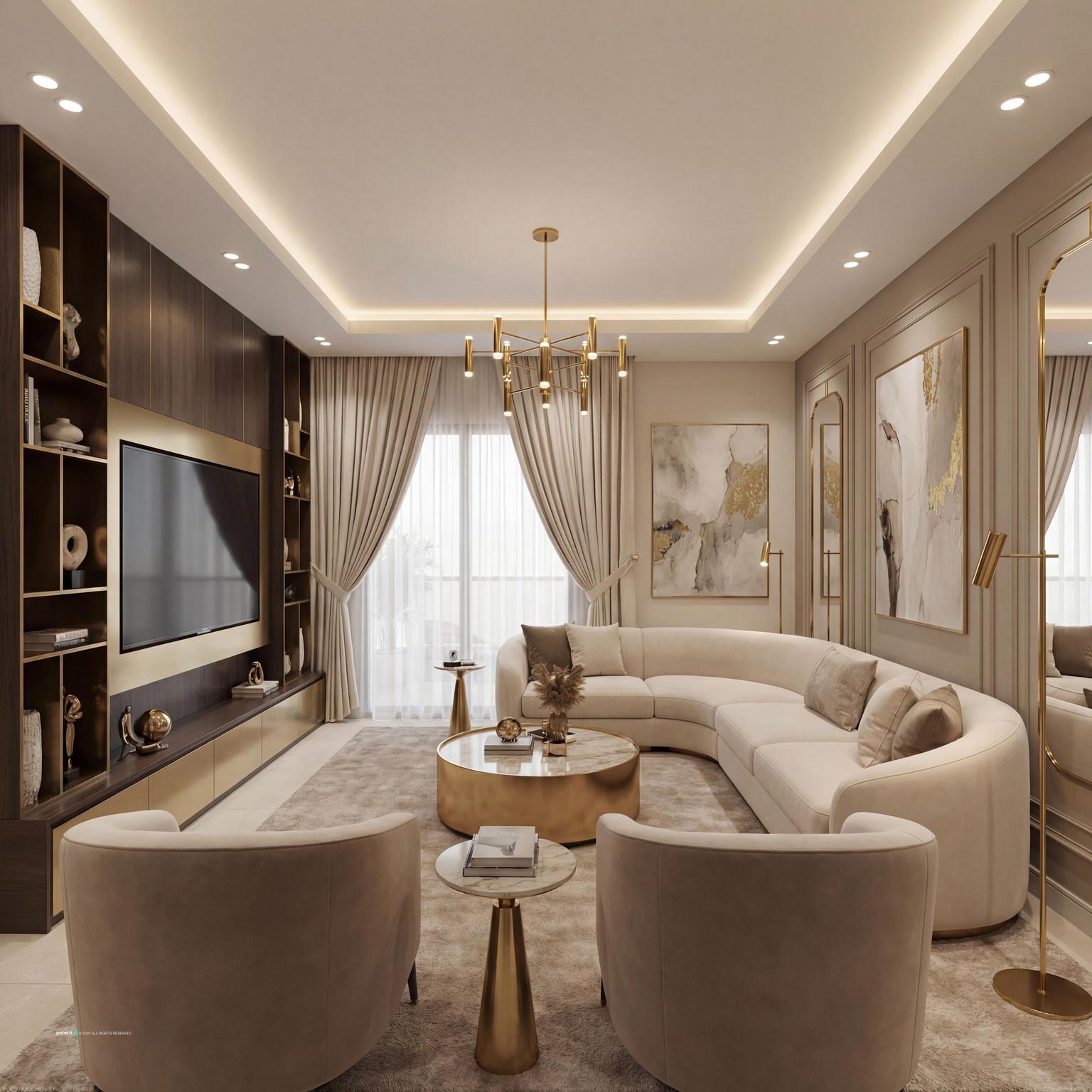
A low-slung, rounded sofa in a creamy tone anchors the room, offering an inviting silhouette that feels less rigid. Pair it with an organic, free-form coffee table, maybe one crafted from honed travertine, which adds a quiet luxury. A sculptural armchair, perhaps a vintage find with soft curves, completes the conversation area. Proportions are key; nothing should feel too bulky or too delicate.
-
Layered lighting is non-negotiable for a warm beige living room. Start with soft ambient light from a linen-shaded floor lamp, providing an overall gentle glow. Add task lighting with a smaller table lamp on a side table for reading. Finally, introduce accent lighting with wall-mounted sconces to highlight art or create cozy pools of light. Dimmers are your best friend here, allowing you to shift the mood effortlessly.
-
In a warm beige living room, decorative accents are about texture and form. We often apply the 3-5-7 rule for styling shelves or coffee tables: group items in odd numbers to create visual balance and interest. Think three ceramic vases of varying heights, five well-chosen books stacked with a small sculptural object on top, or seven dried botanical stems in a simple vessel. A large-scale abstract artwork with subtle, earthy tones can become a quiet focal point, adding personality without shouting. Lush greenery, like a tall olive tree, breathes life into the space, offering a natural contrast to the serene palette. It’s about creating moments, not just filling space.
Paintit.ai Transforms Your Approach to Warm Beige Living Room Design Design Ideas
The truth is, achieving that perfect, layered warmth in a beige living room often feels like a gamble; it’s easy for things to fall flat. Paintit.ai lets you instantly visualize countless warm beige living room ideas—from limewash walls to bouclé sofas—in your own space, ensuring every texture and tone sings together before you commit. Try it; see your vision come to life.
FAQ
-
Ah, the magic of a truly warm beige living room isn't just about picking a paint chip. It’s a symphony of undertones, really. Think less "builder's beige" and more "sun-drenched sand" or "oatmeal latte." We’re talking about those beiges with a subtle kiss of yellow, red, or even a whisper of peach in their base. The truth is, the warmth comes alive when you layer textures—imagine a chunky boucle sofa, perhaps a hand-knotted wool rug, or raw linen drapes that filter the light. These tactile elements prevent the space from feeling flat, giving it a lived-in, inviting quality. It’s about creating an embrace, not just a backdrop.
-
This is where many people stumble. A warm beige living room can absolutely sing, but it needs contrast. We always suggest introducing elements with distinct character. Consider a dark, rich walnut coffee table, or maybe a pair of vintage leather armchairs that have seen some life. Sculptural lighting fixtures in an aged brass finish can add a sophisticated glint. And don't forget art—a large, abstract piece with deep, earthy tones or even a moody landscape can anchor the room. The trick isn't to abandon beige, but to let it highlight these carefully chosen, more assertive pieces. It’s about creating depth, not just a single note.
-
While many gravitate towards white or grey, we find the most compelling warm beige living room ideas often involve a bit more daring. Think about deep, muted greens—like a sage or an olive—which echo nature and feel incredibly grounding. Terracotta, especially in a matte finish, brings an earthy, sun-baked quality that just feels right. Even a dusty rose or a soft, muted rust can introduce a beautiful, unexpected softness without overwhelming the calm. The key is to keep the accent colors slightly desaturated; nothing too bright or jarring. It’s like adding a quiet, thoughtful punctuation mark to a serene sentence.
-
Absolutely, and often, warm beige is a fantastic ally in smaller rooms. The trick isn't to shy away from it, but to use it strategically. We’ve seen this work best when you maintain a relatively consistent color palette across walls, larger furniture pieces, and even the flooring. This creates a seamless flow, making the room feel larger than it is. Instead of heavy, dark furniture, opt for pieces with slender legs or open bases—a mid-century modern credenza, for example. Incorporate reflective surfaces like a mirror or a glass-topped side table to bounce light around. The goal is an airy, expansive feeling, not a box. It’s all about visual continuity.
-
Lighting is everything, truly. For a warm beige living room, you want to layer your light sources. Forget harsh overhead lights; they flatten everything. Instead, think about a mix of ambient, task, and accent lighting. We recommend bulbs in the 2700K to 3000K range—that’s a soft, warm white, not a stark blue-white. Introduce floor lamps with fabric shades that diffuse light gently, table lamps that cast a cozy glow, and perhaps a picture light to highlight artwork. Dimmers are non-negotiable; they let you adjust the mood from bright and functional to intimate and relaxed. It’s about sculpting the light, making the beige truly glow.