
Bringing the Tuscan - Living Room Aesthetic Home
Imagine stepping into a space where sun-drenched walls meet rustic wood, and every detail whispers of ancient olive groves. The allure of a tuscan living room isn't just about decor - it's a feeling, a deep sense of comfort and timeless beauty. But how do you capture that authentic, lived-in warmth without feeling like a theme park?
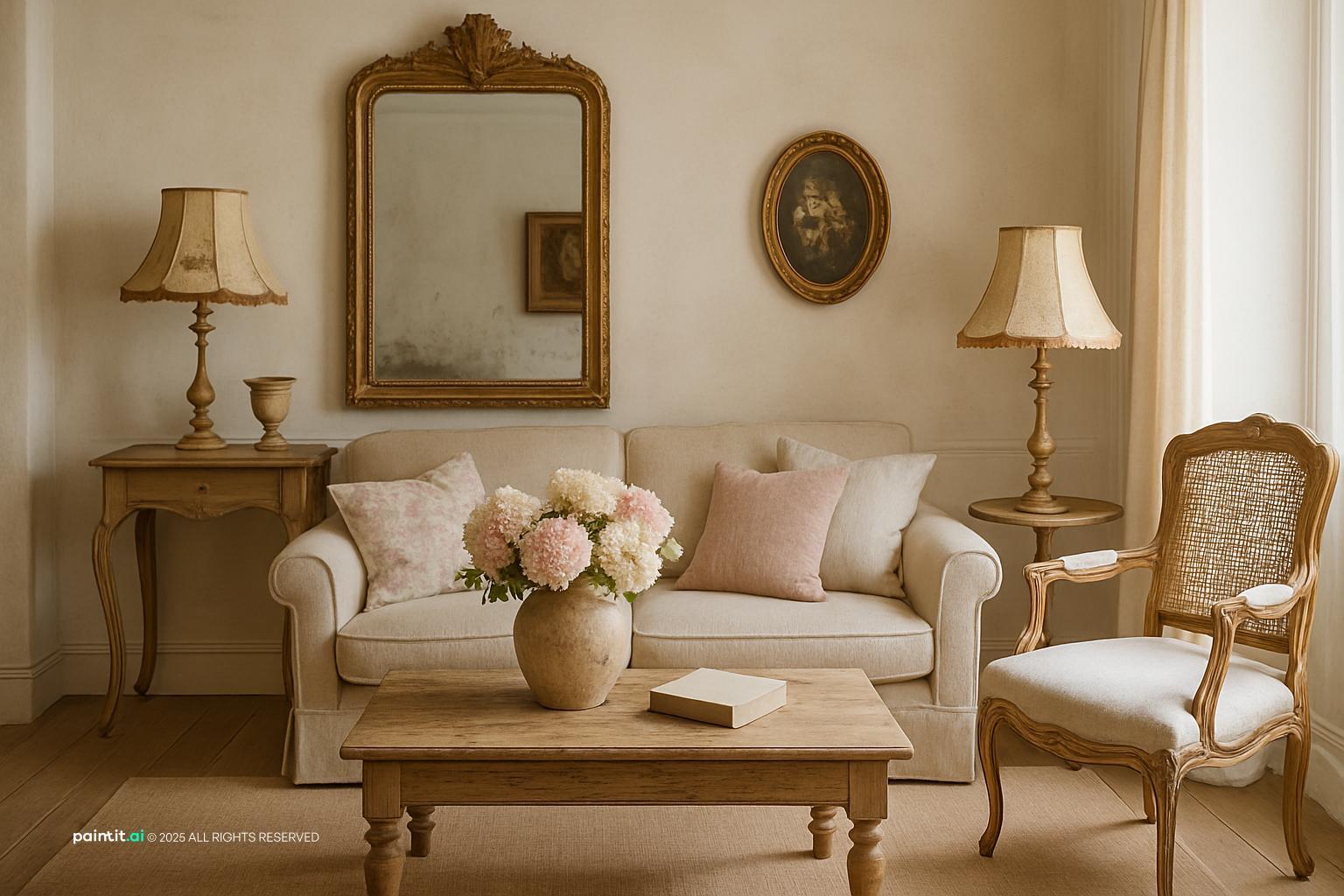
Essential Tips for Tuscan Living Room
Stunning Examples of 13 Ways to Cultivate an Authentic Tuscan Living Room Aesthetic
-
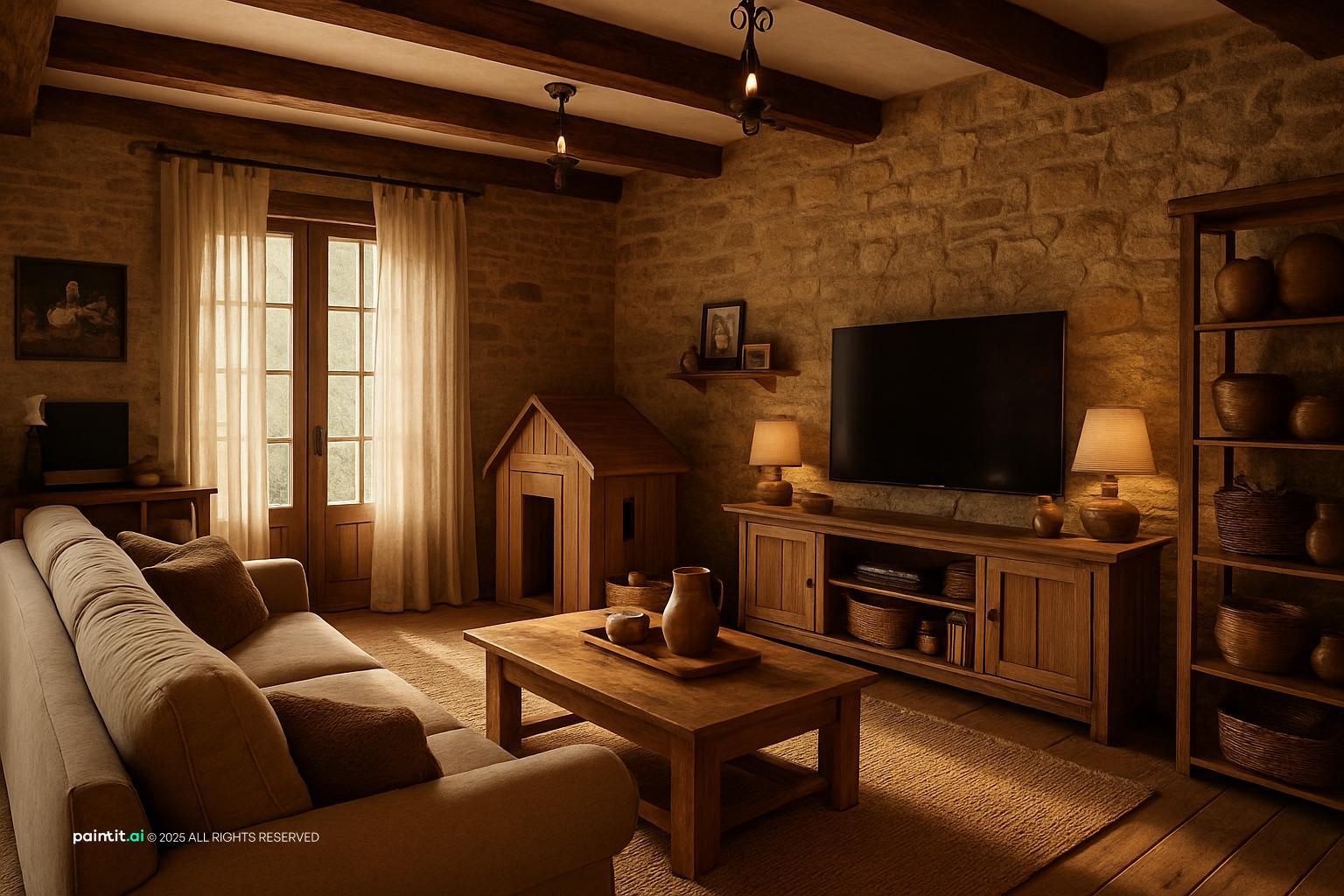
We’ve spent countless hours sifting through design concepts, trying to pinpoint what truly makes a space feel like it belongs in the sun-drenched hills of Italy. The truth is, it’s a delicate dance between aesthetics and functionality, a balance that feels both ancient and utterly livable. These ideas? They’re curated to help you strike that perfect chord, creating a space that breathes with genuine warmth.
-
The foundation of any truly authentic tuscan style living room begins with its walls. Forget stark white; we’re talking about a soft, almost powdery finish that feels like it’s been baking under the Mediterranean sun for centuries. It’s about creating depth, a subtle texture that catches the light just so. I’ve seen this work best in homes where the natural light pours in, highlighting every nuanced imperfection.
-
To get this look, consider a Venetian plaster or a limewash paint in a warm, earthy tone. Think of colors found in the landscape itself—a dusty ochre, a faded terra cotta, or a creamy, sun-bleached beige. It’s about layering, not just painting. The result? Impeccable.
-
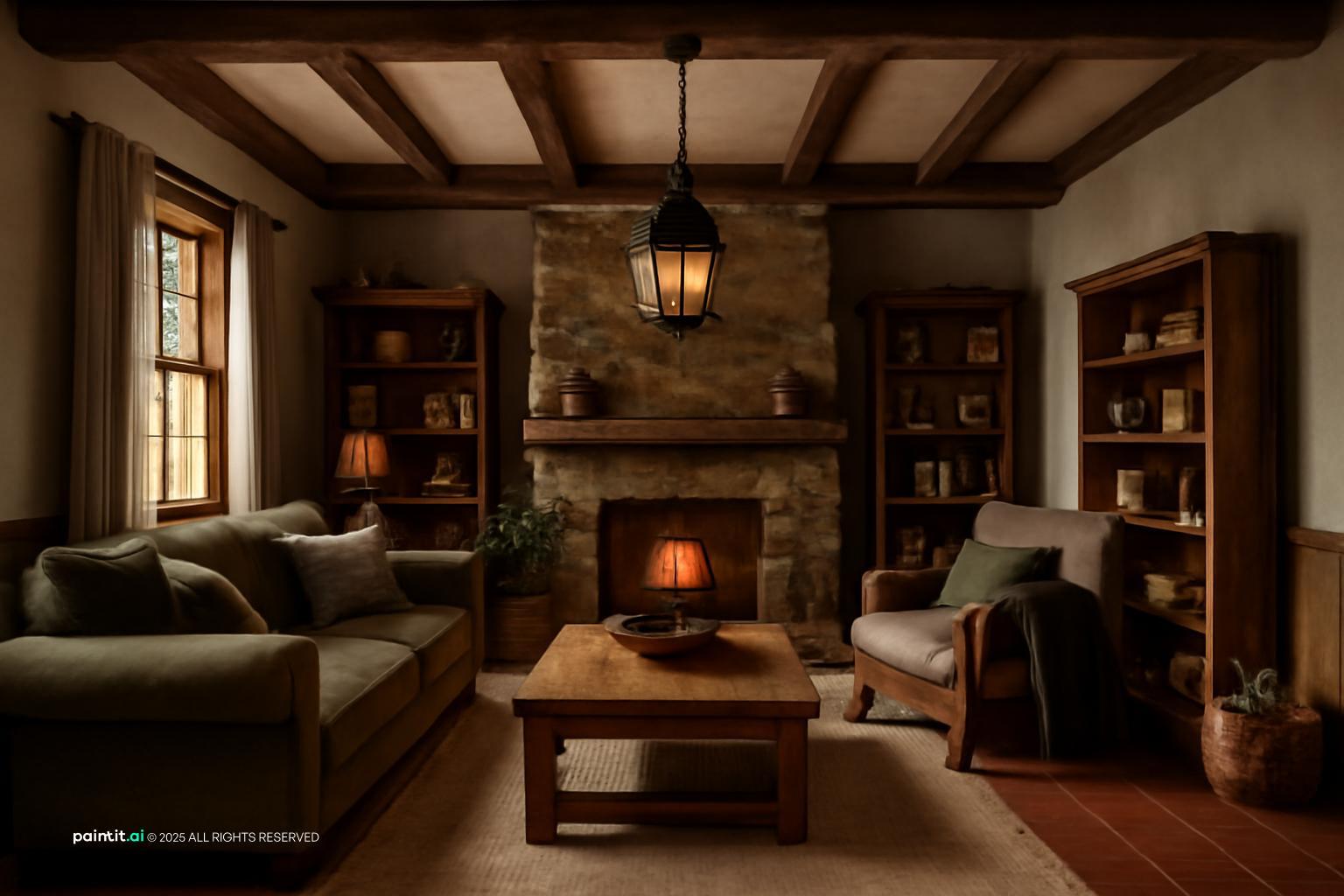
Pro Tip: To achieve this effect, try a multi-layered limewash application for organic depth.
-
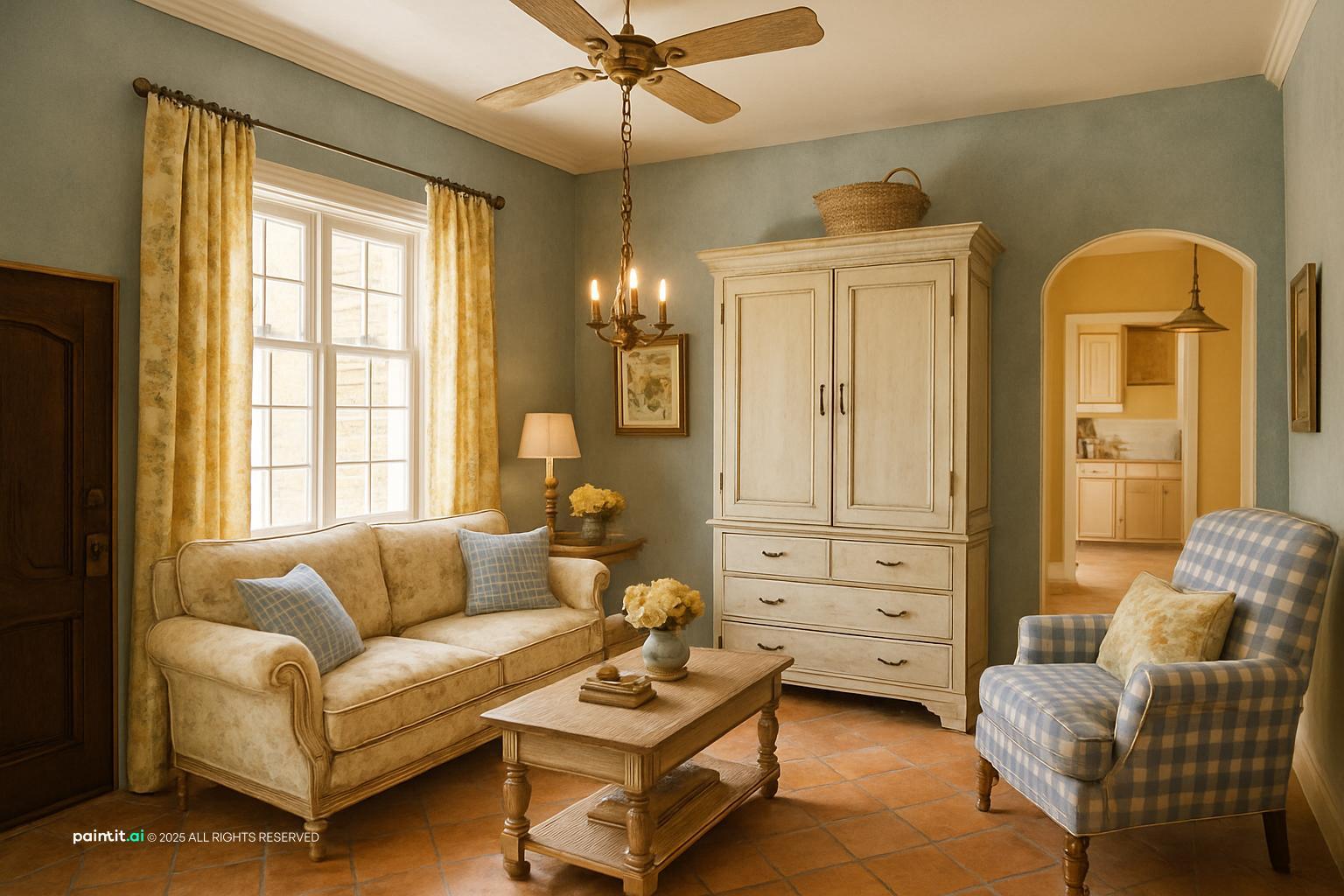
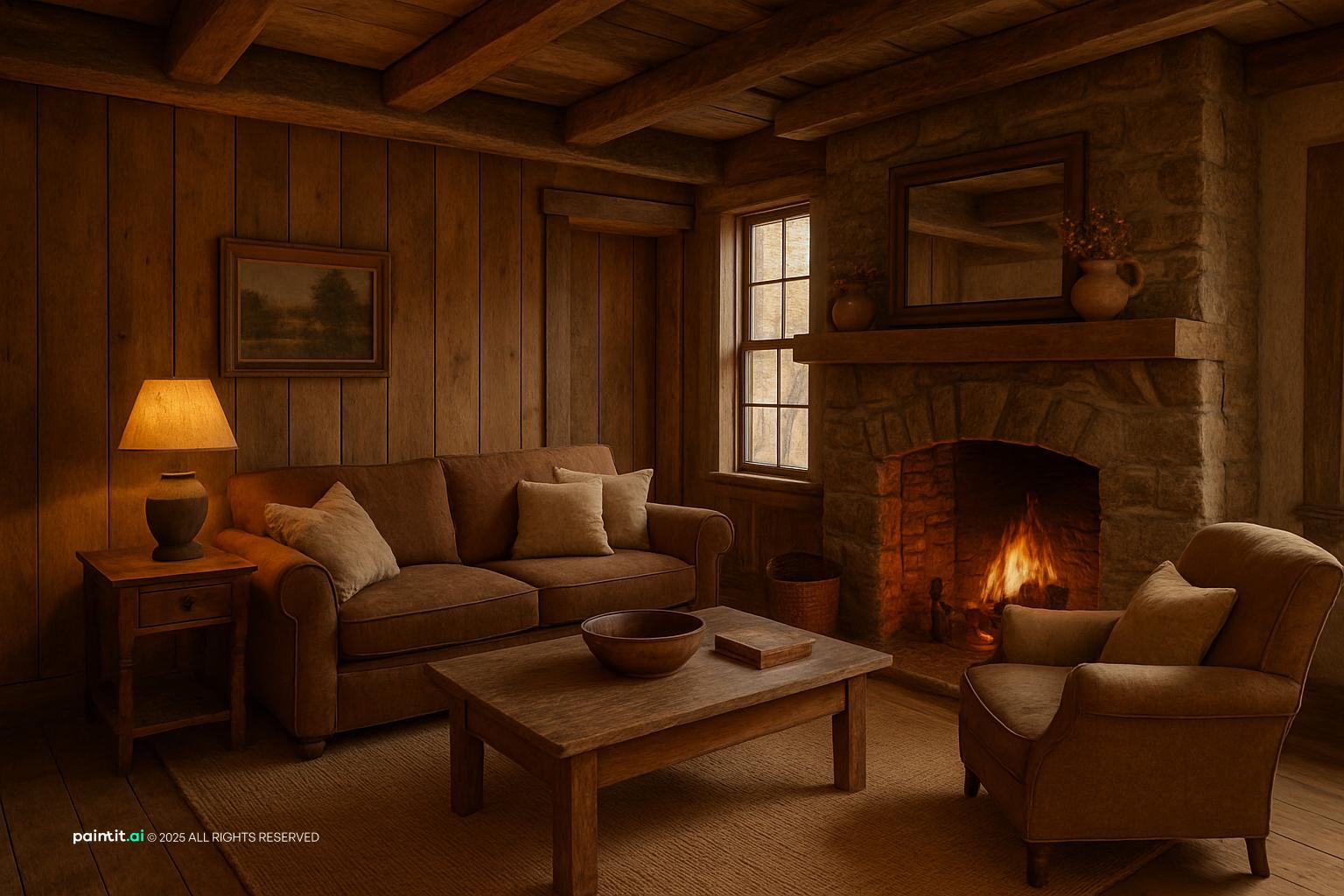
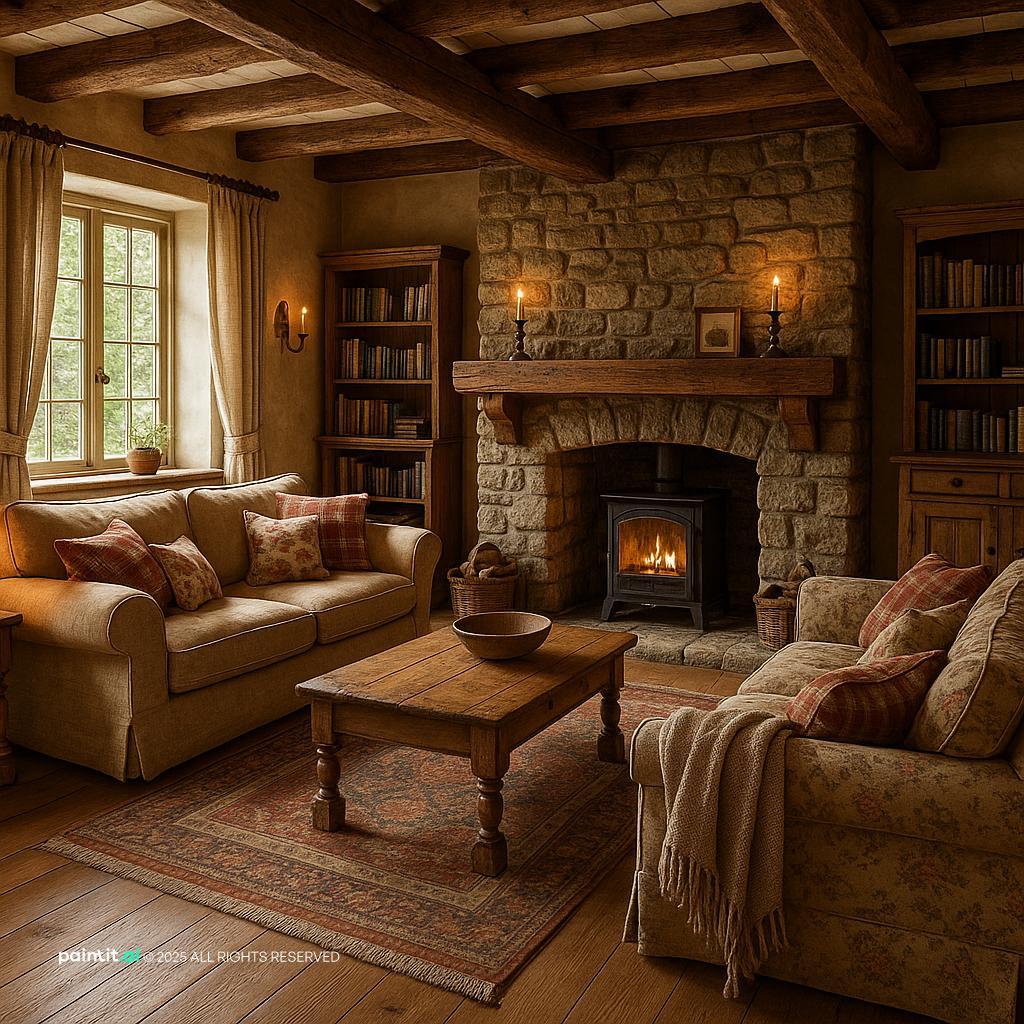
Nothing says tuscan house living room quite like the honest, weathered character of reclaimed wood. Exposed ceiling beams are the dream, of course, but if that’s not in the cards, don't despair. Think about incorporating it in other ways. A chunky mantelpiece, perhaps, or a substantial coffee table with a story to tell.
-
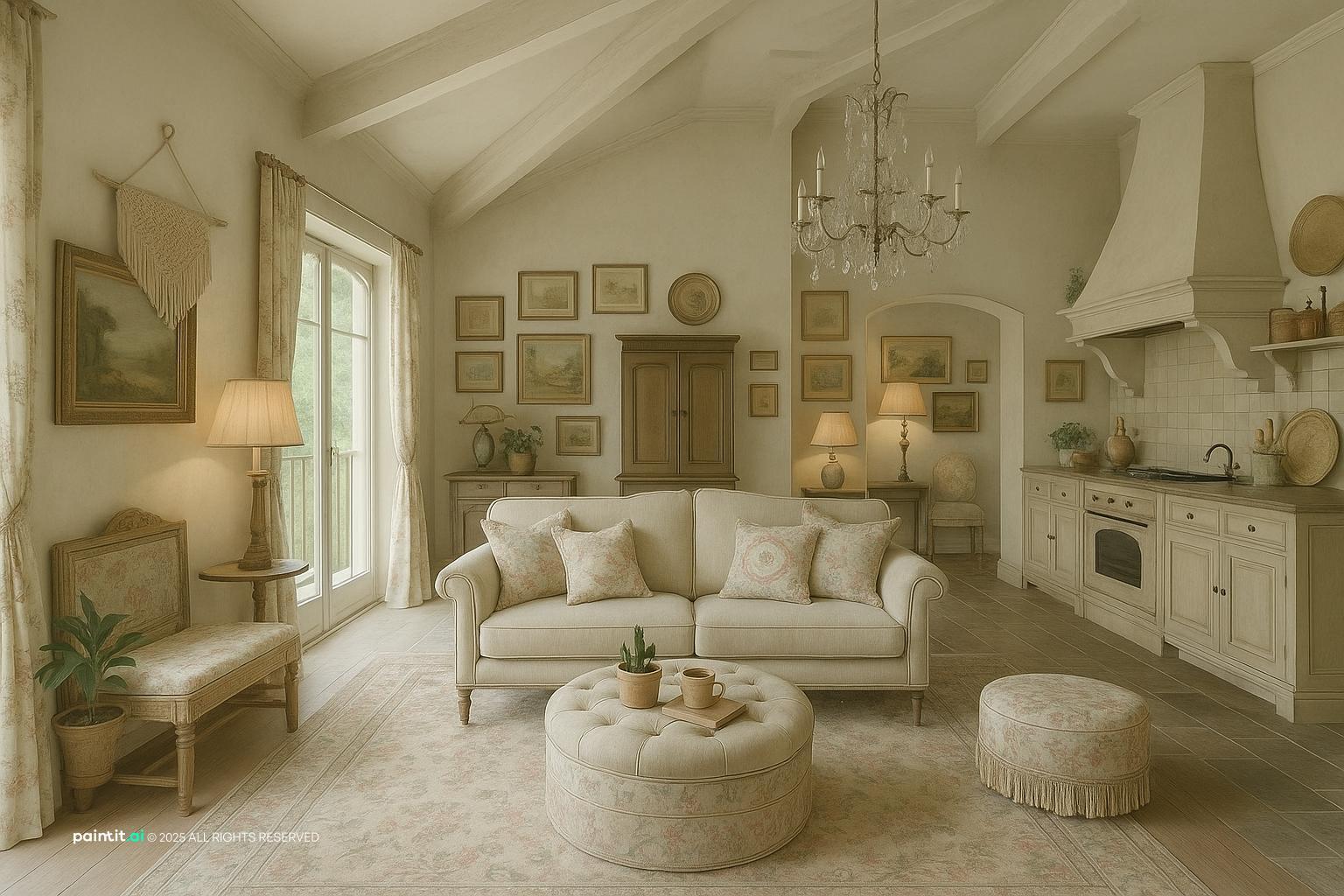
The beauty here lies in the imperfections—the knots, the grain, the subtle variations in color. We often forget that wood isn't just a material; it's a piece of history. Look for pieces with a rich patina, maybe even some original hardware. It adds soul.
-
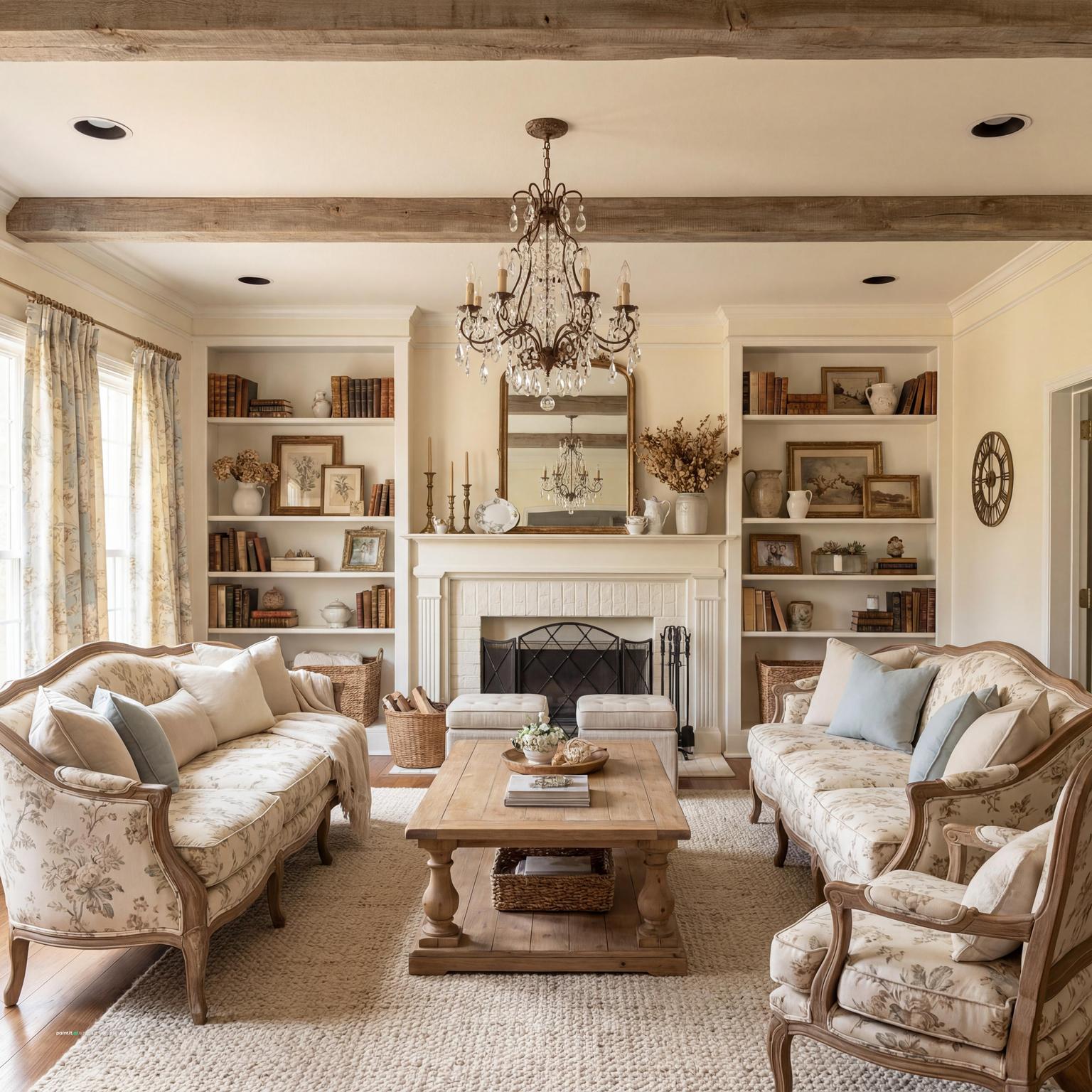
Pro Tip: To achieve this effect, source antique farm tables or old barn wood for custom pieces.
-
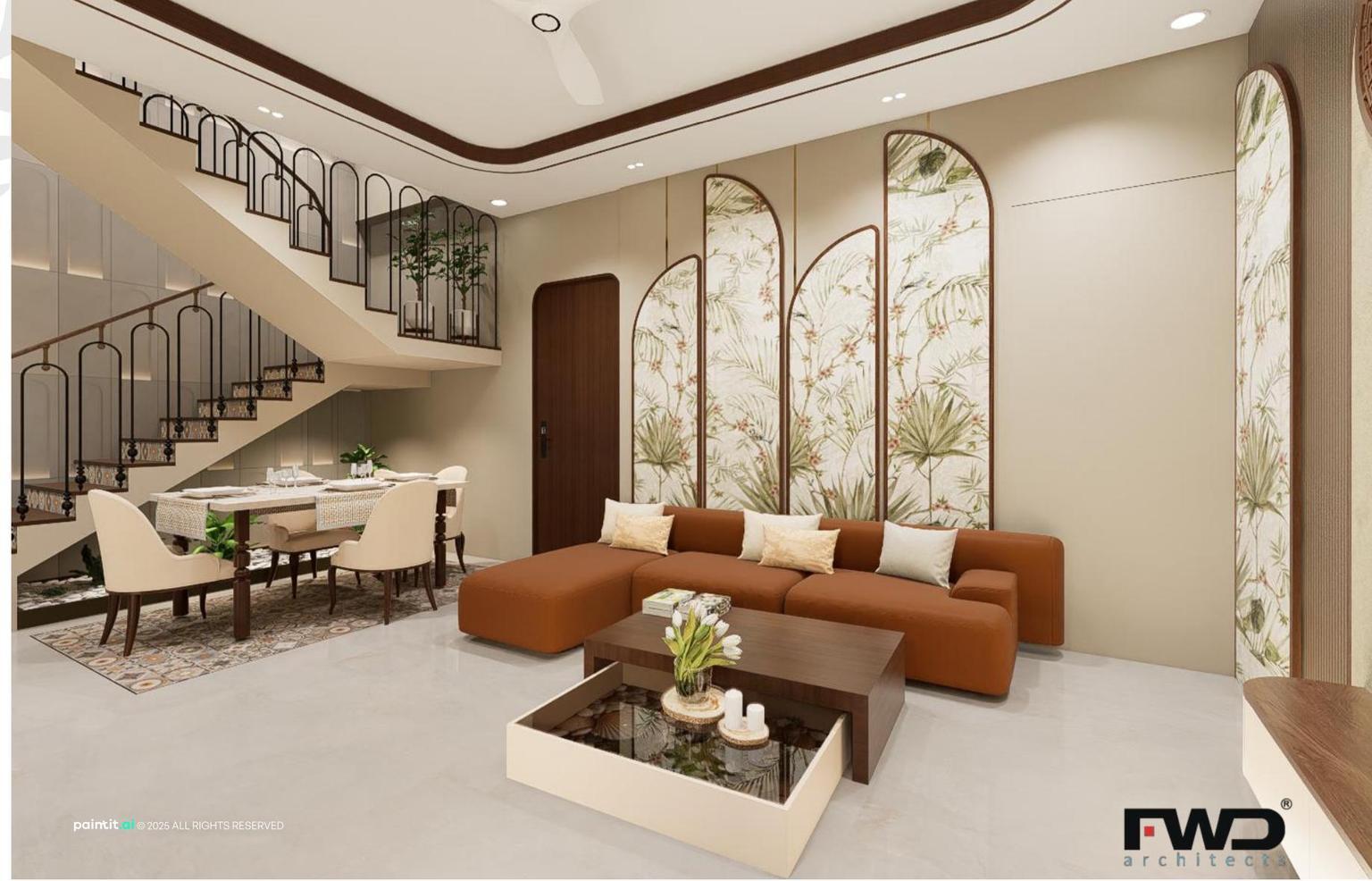
Wrought iron isn't just for gates anymore. In a tuscan home living room, it brings a touch of old-world elegance and a grounding, artisanal feel. But here’s the kicker: it’s about subtlety, not overkill. A delicate chandelier, a pair of wall sconces, or the legs of a console table can make a significant impact.
-
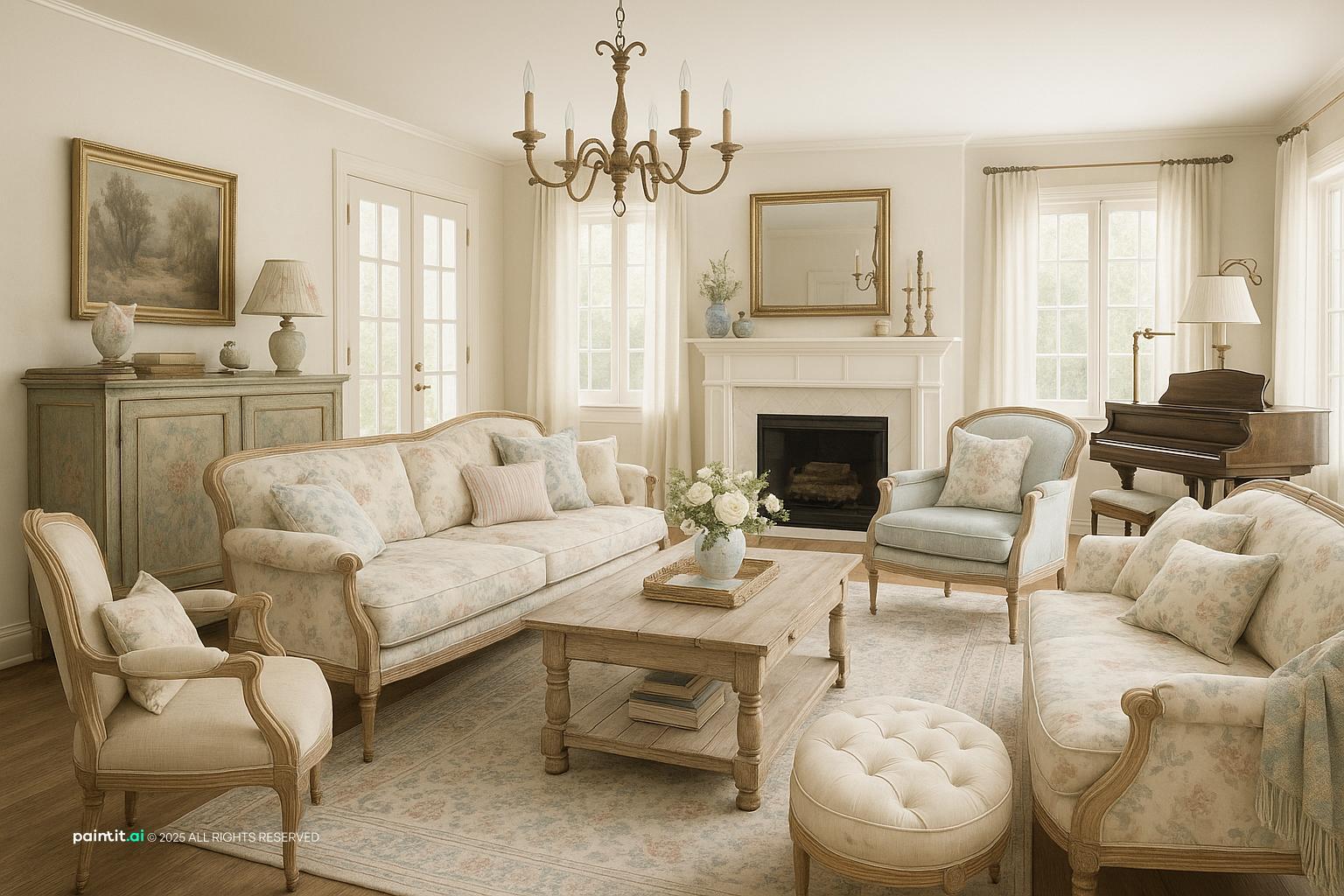
Avoid anything too ornate or mass-produced. Seek out pieces with hand-forged details, a matte black finish, or even a hint of aged bronze. It should feel like it was crafted by a local artisan, not pulled from a catalog. That's the difference.
-
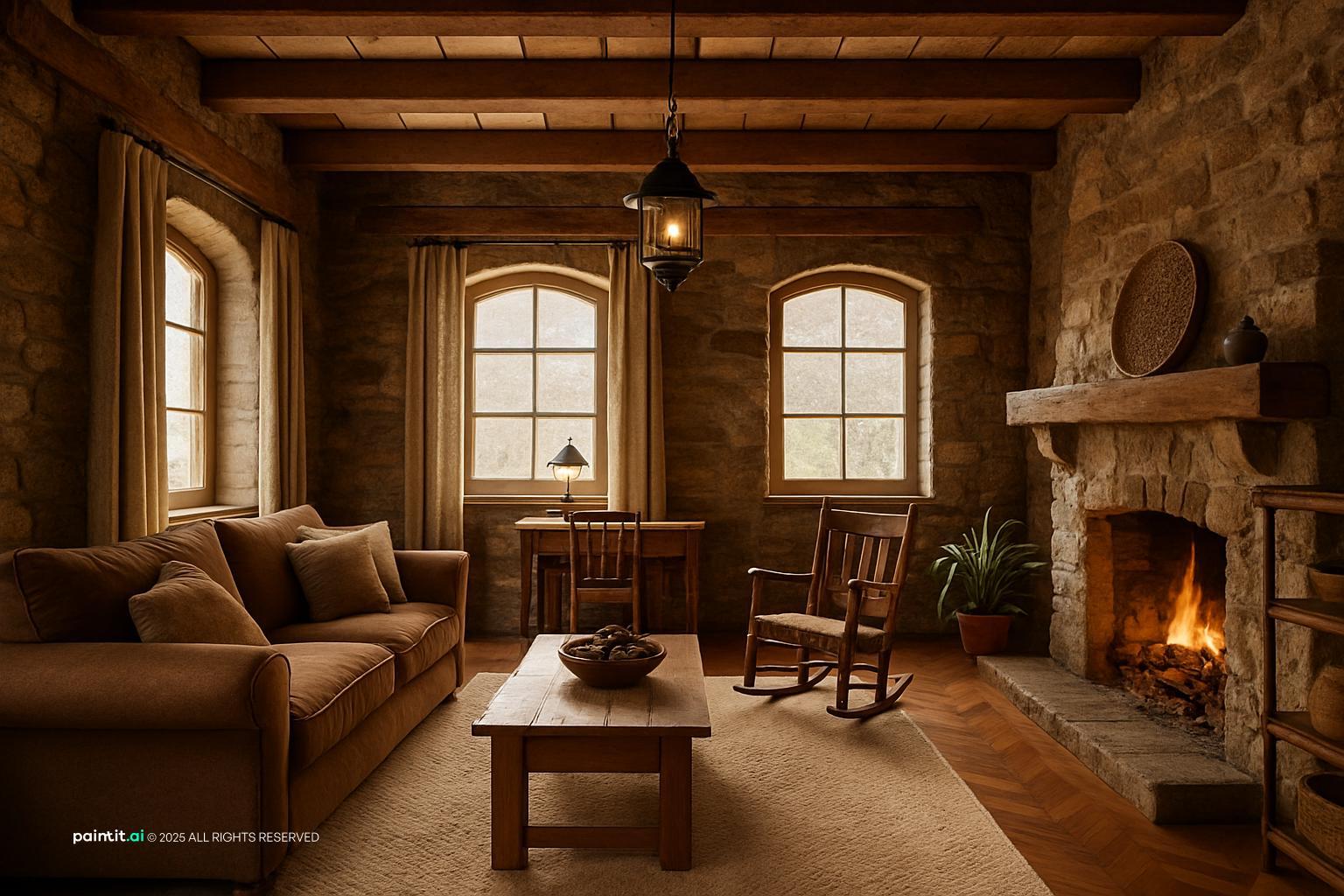
Pro Tip: To achieve this effect, look for hand-forged iron pieces with a simple, elegant design.
-
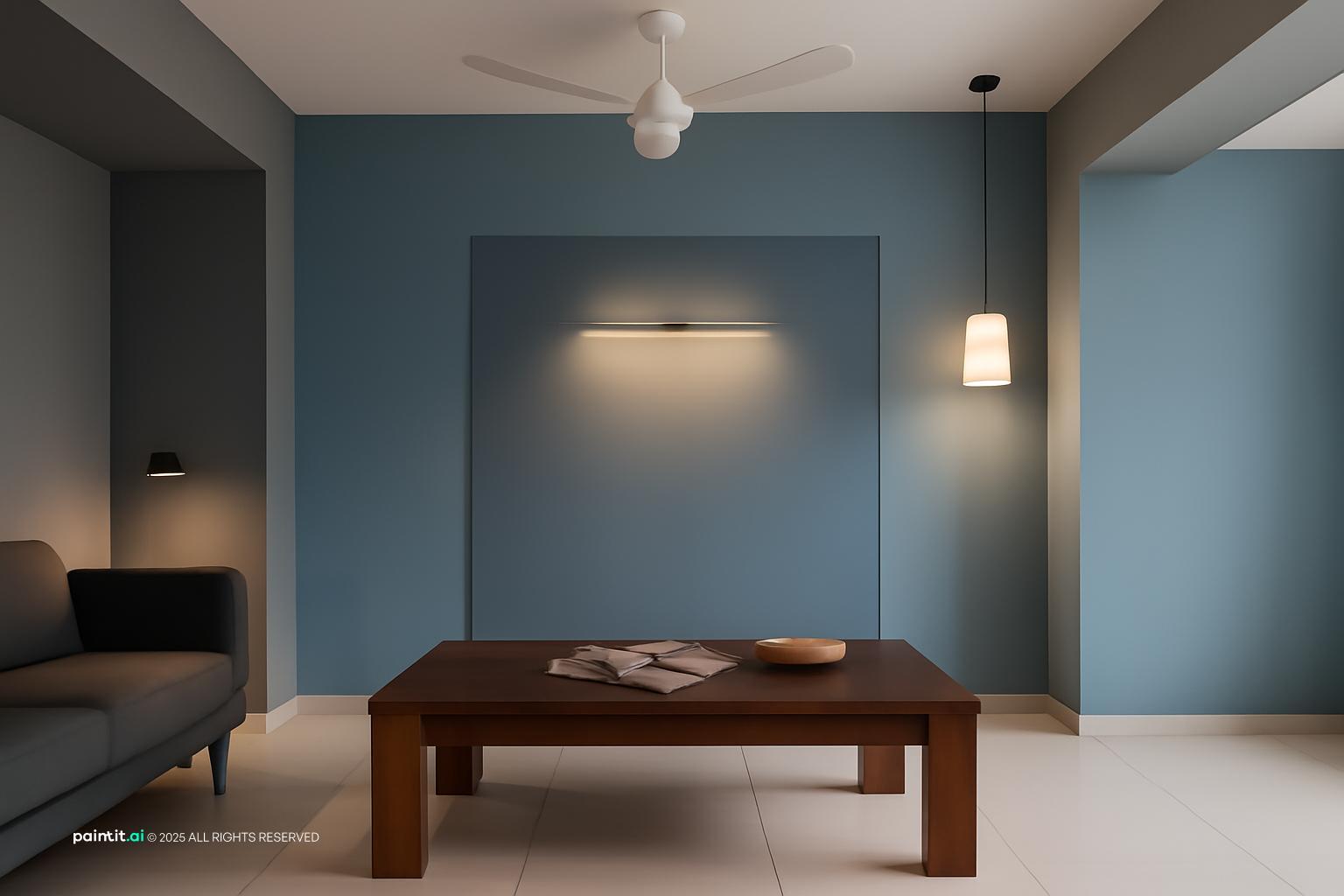
Underfoot, the true tuscan italian living room often features materials that connect directly to the earth. Terra cotta tiles, with their warm, reddish hues, are iconic. But don't overlook the understated elegance of honed travertine or a rustic flagstone. These materials aren't just durable; they tell a story.
-
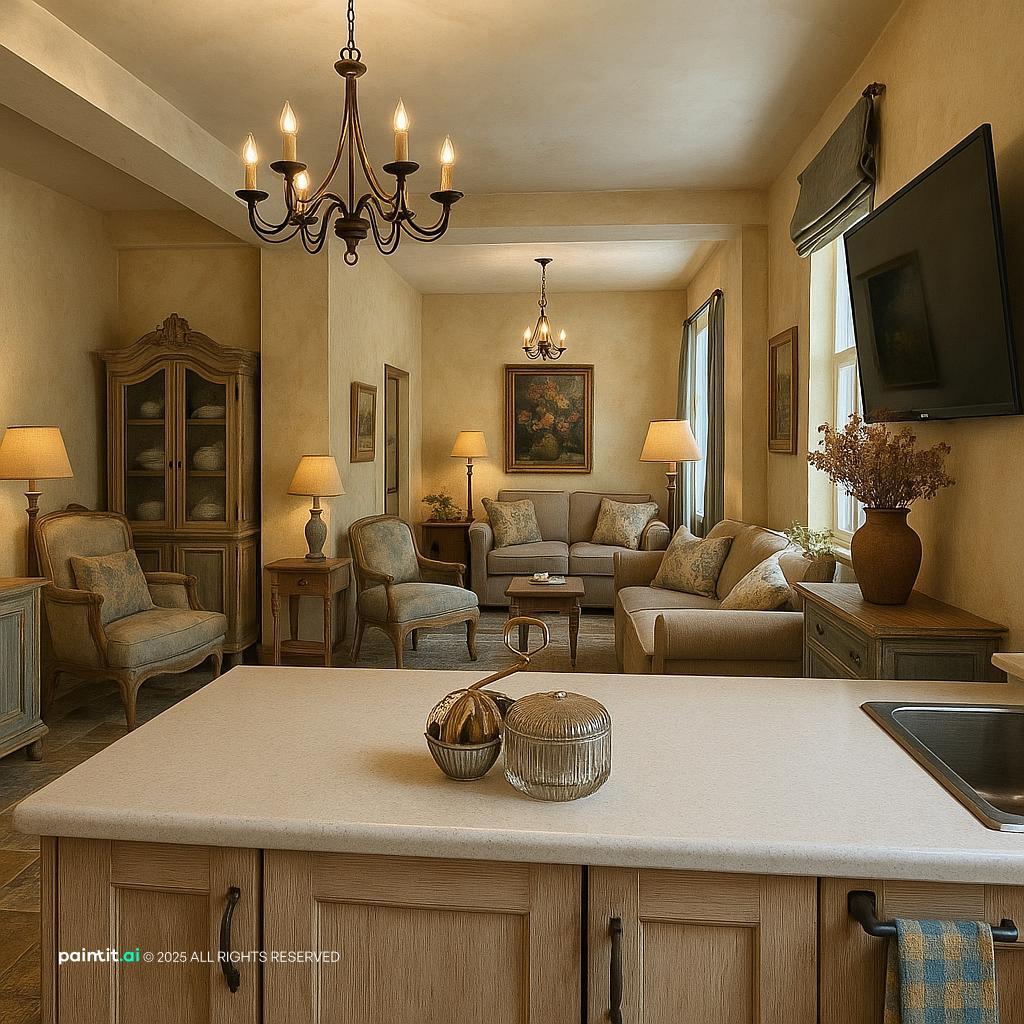
The key is to choose unglazed, natural finishes. Polished surfaces feel too modern, too cold. We want that soft, worn feel underfoot, something that feels like it’s been there forever. And yes, seeing how those terra-cotta tiles will look? Paintit.ai makes that vision effortlessly real.
-
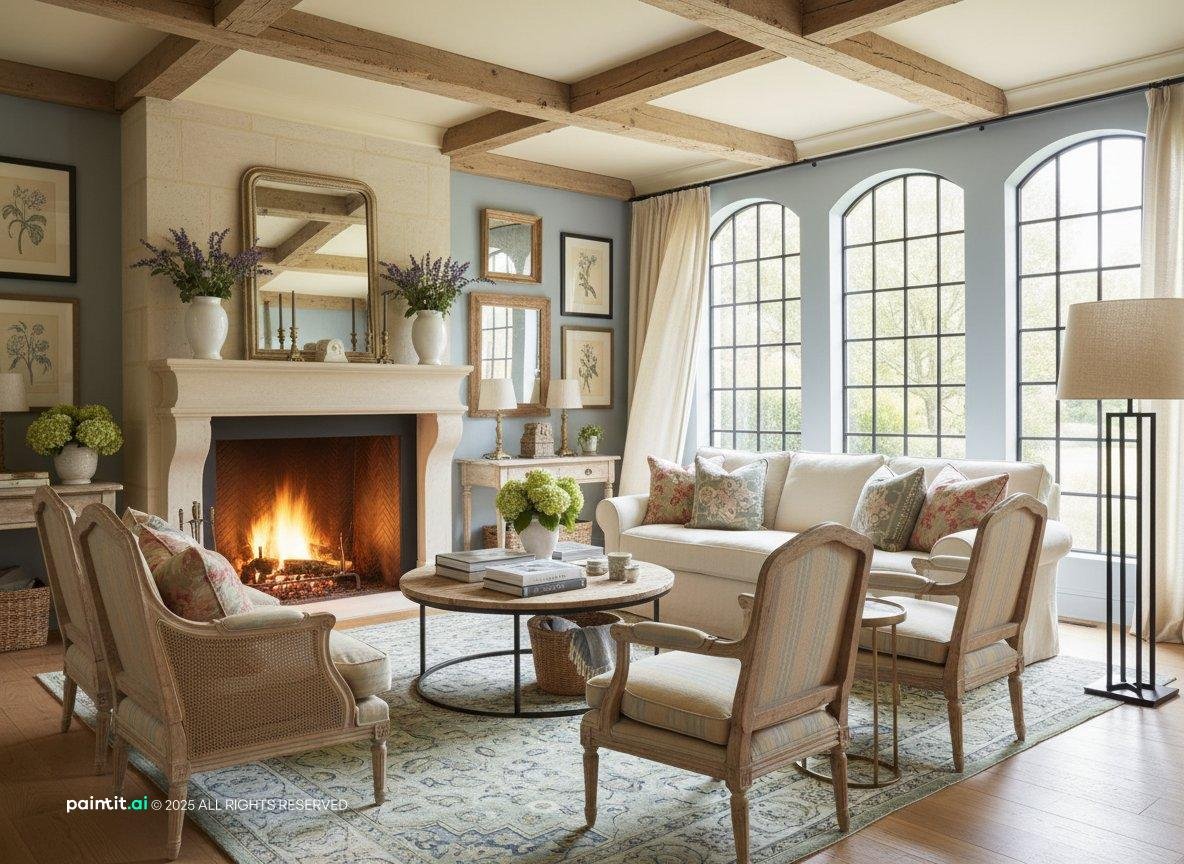
Pro Tip: To achieve this effect, opt for large format, unglazed terra cotta tiles with minimal grout lines.
-
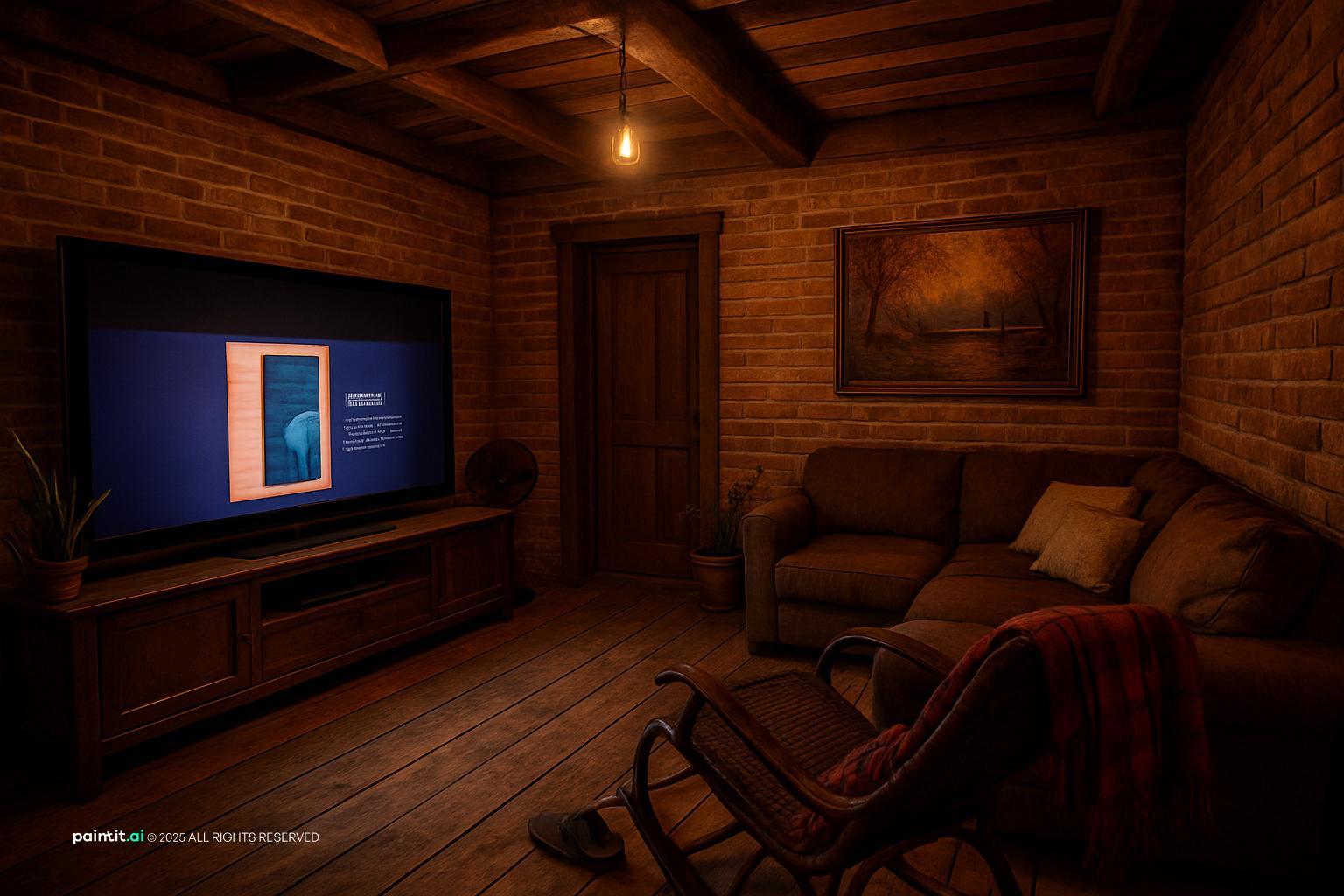
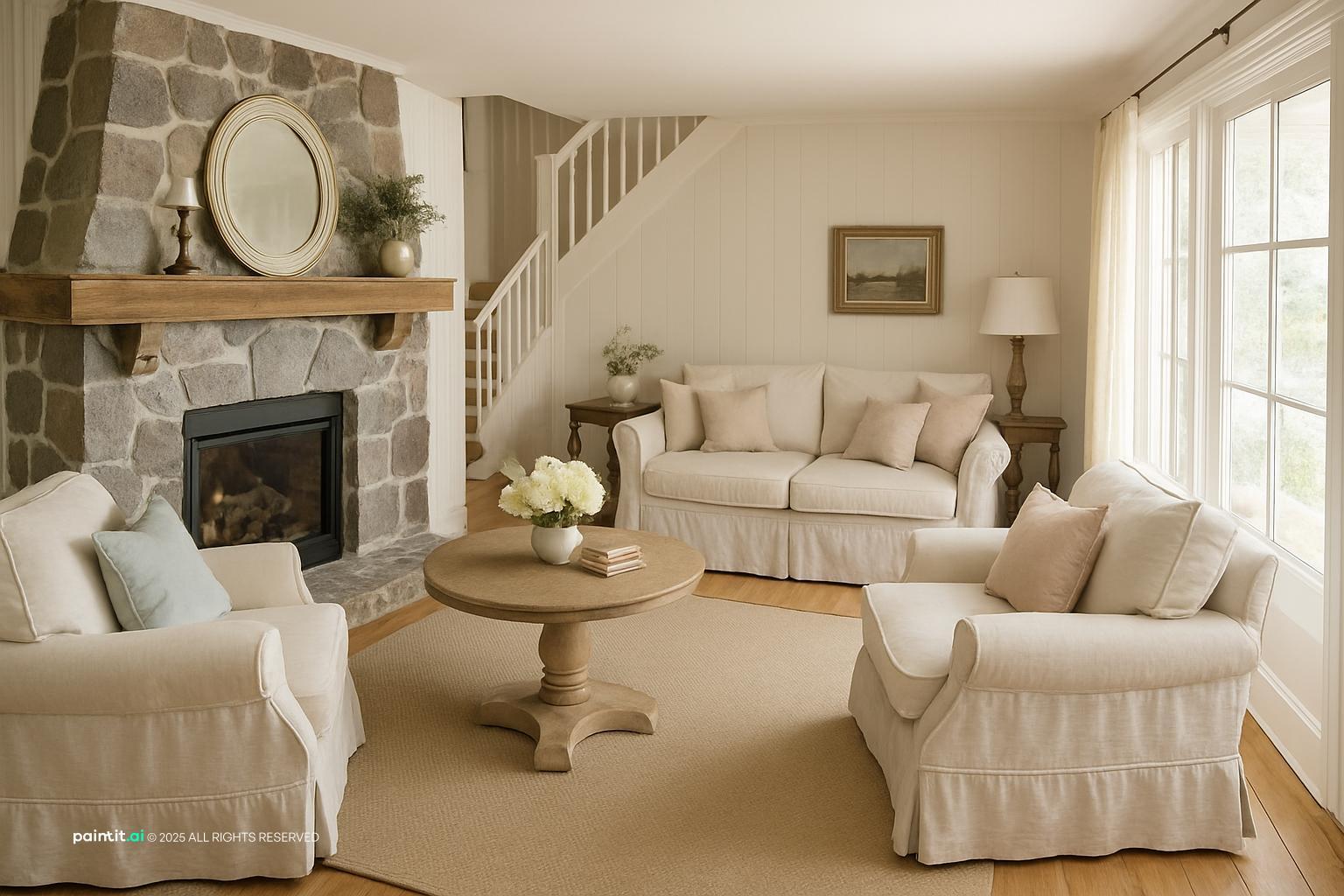
Every tuscan living room needs a focal point, and often, that’s a grand, stone fireplace. It’s not just for warmth; it’s a gathering place, a piece of architectural sculpture. Think substantial, with a rough-hewn stone surround or a plaster finish that matches the walls.
-
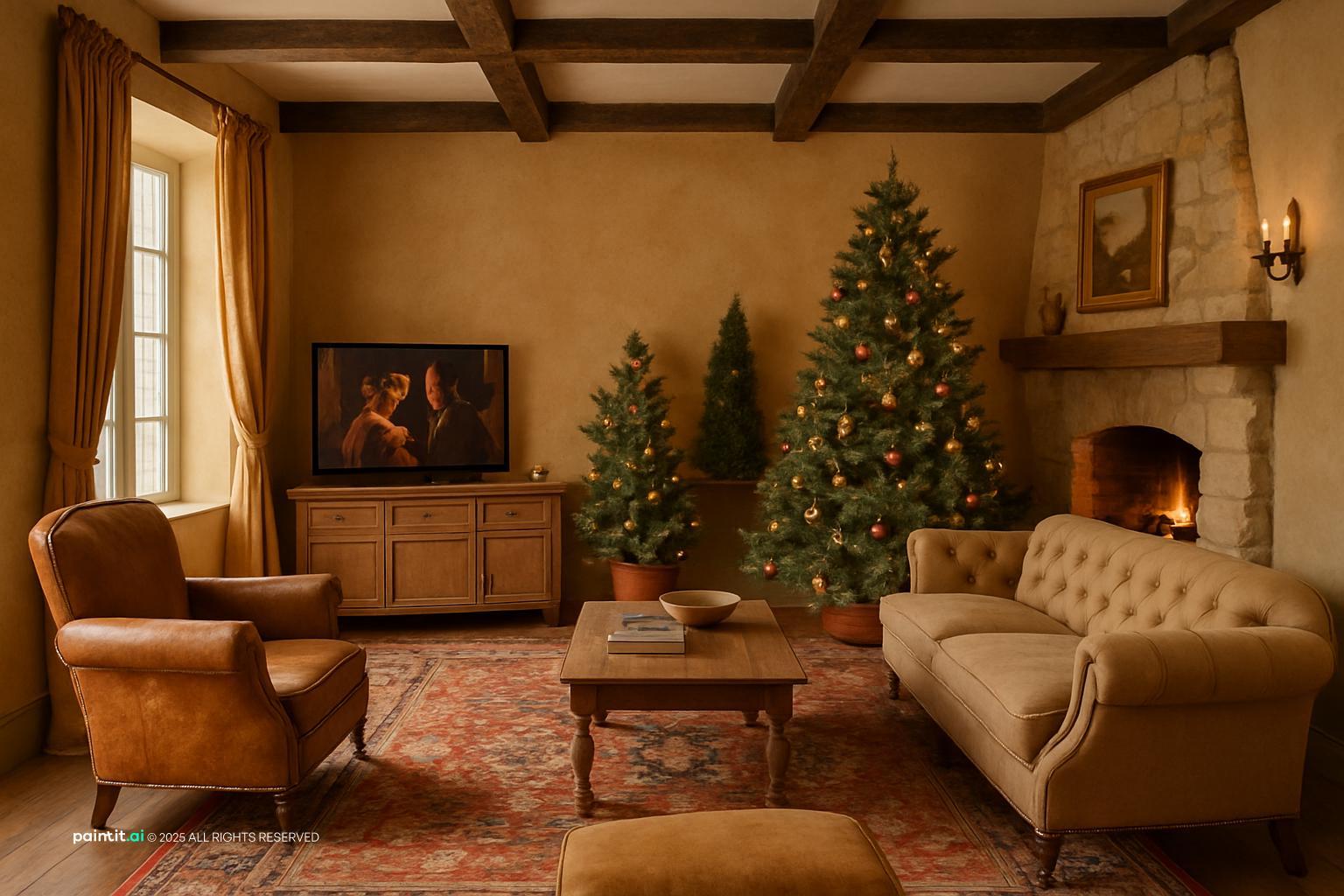
A reclaimed wood mantel adds another layer of texture. This isn’t about dainty; it’s about presence, about a hearth that feels like the very heart of the home. It reminds me of old-world Italian villas, where the fire was central to everything.
-
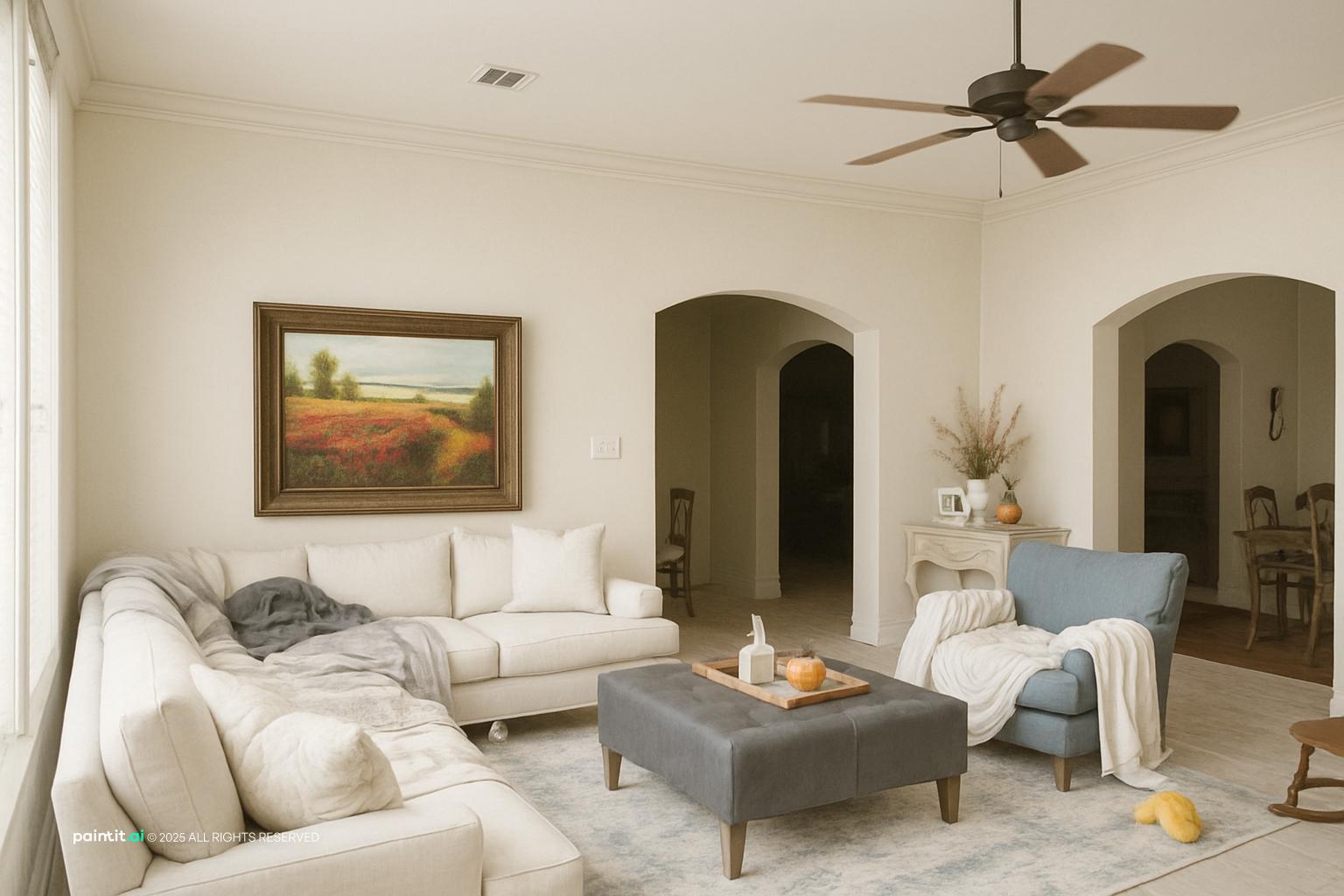
Pro Tip: To achieve this effect, consider a floor-to-ceiling stone or stucco fireplace surround.
-
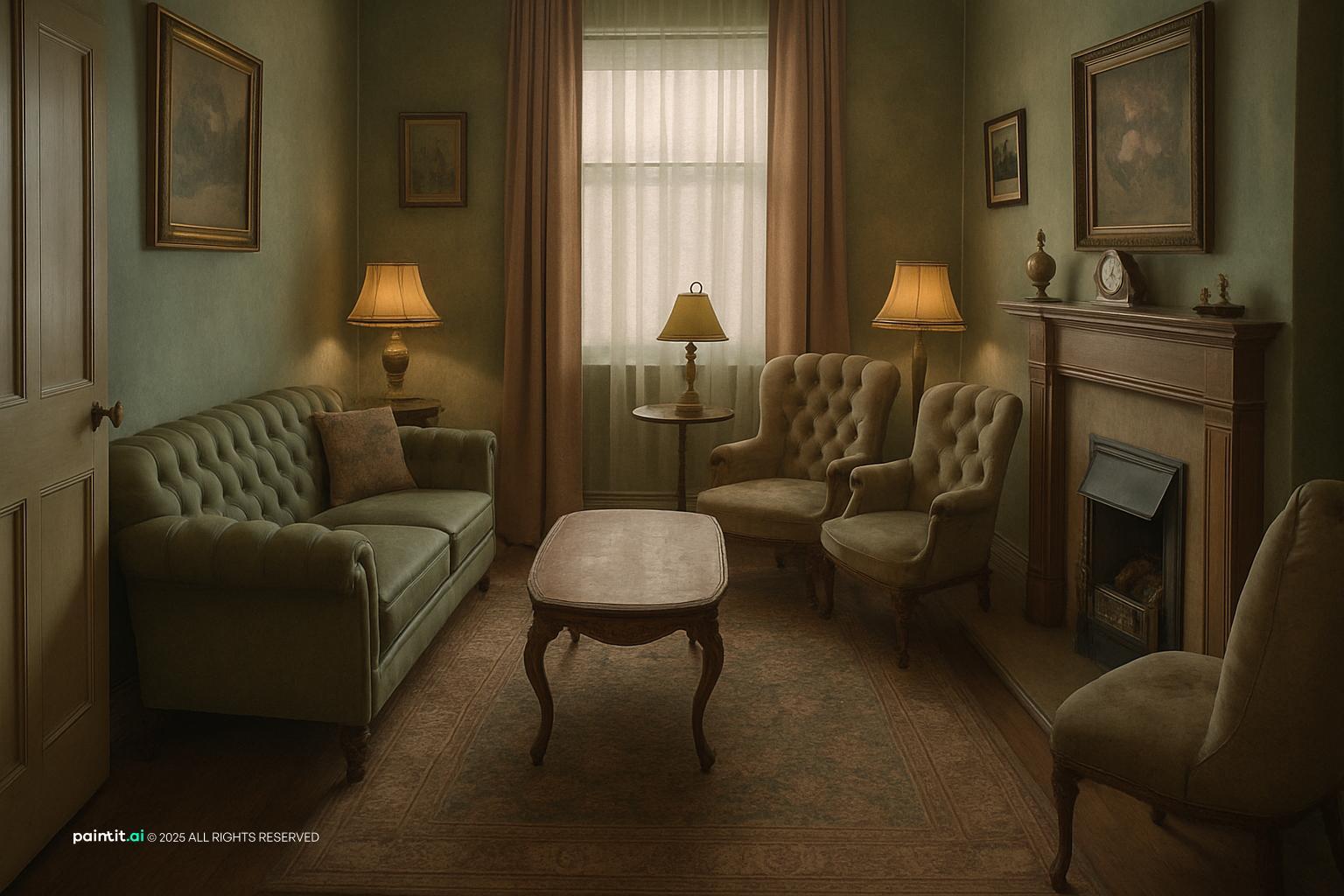
When it comes to upholstery in a tuscany living room, comfort is paramount, but so is texture. Think natural fibers that feel good to touch and age gracefully. Washed linen sofas, perhaps in a soft sage or a muted cream, offer an inviting, relaxed feel.
-
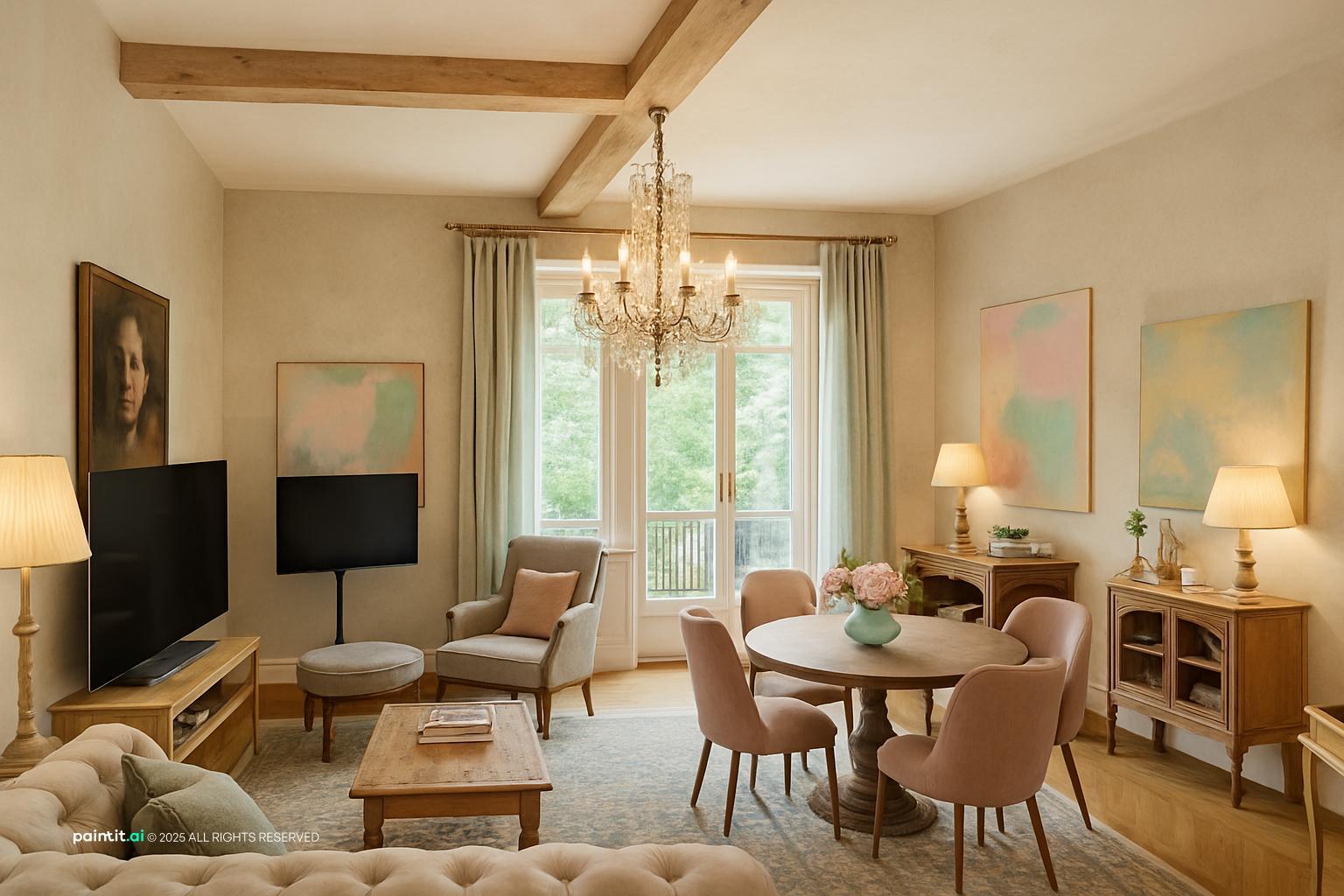
Pair these with a distressed leather armchair or ottoman. The worn look of the leather, with its subtle variations in tone, adds a layer of lived-in sophistication. It’s about preservation over imposition, choosing materials that get better with time.
-
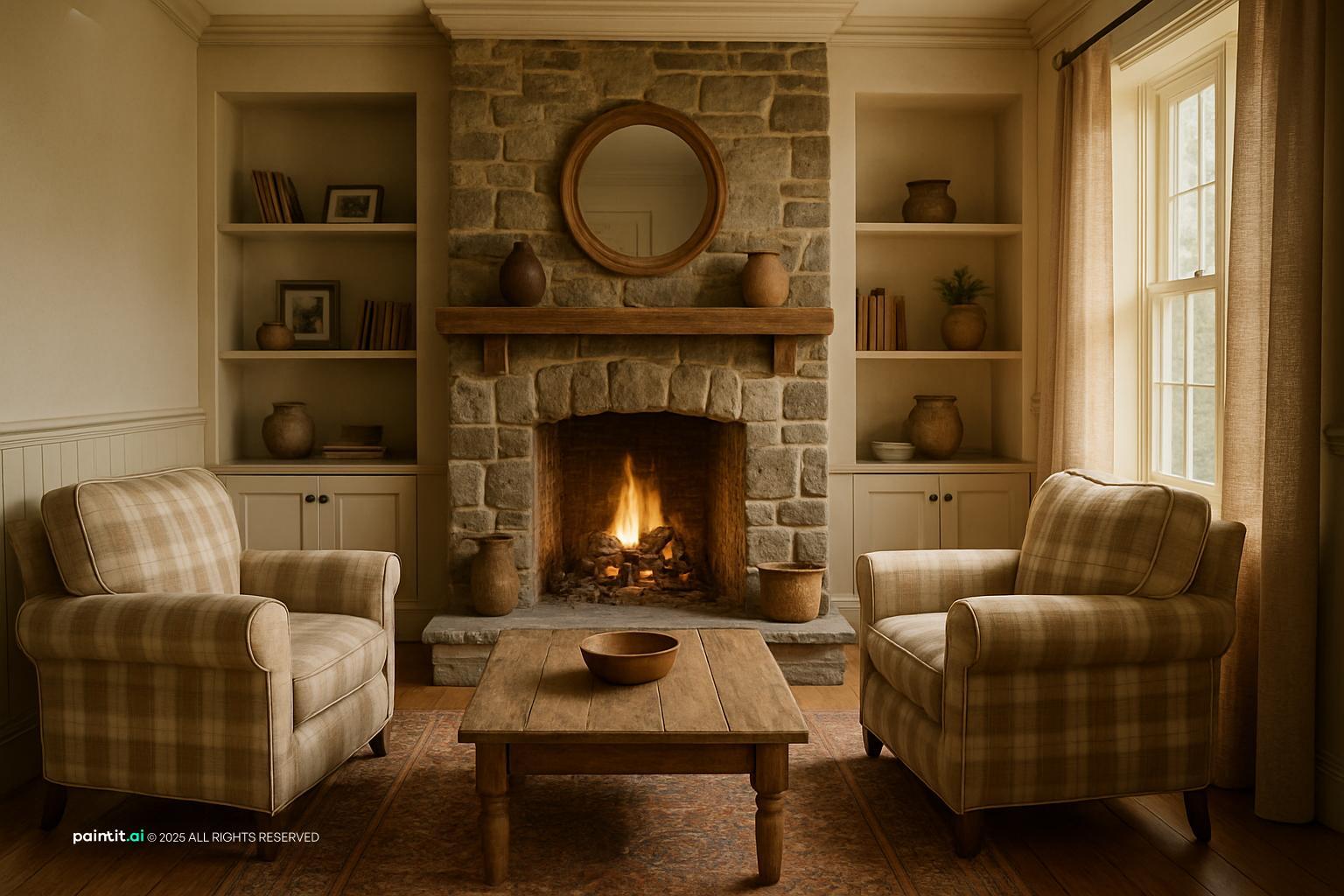
Pro Tip: To achieve this effect, select furniture with natural, breathable fabrics that have a slightly rumpled appearance.
-
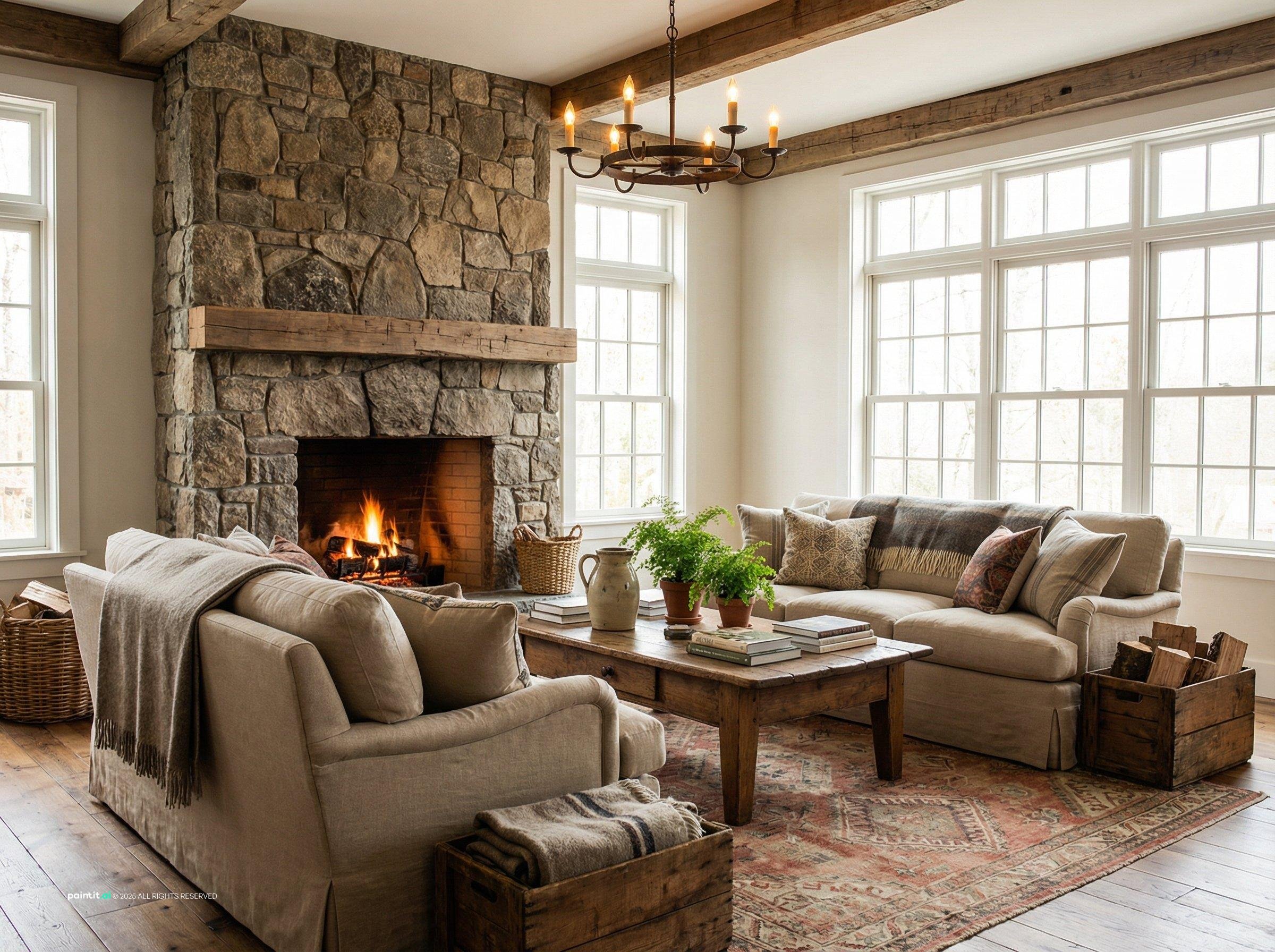
Decorating a tuscan living room isn't about filling every surface; it's about curating moments. Hand-thrown ceramic pottery, perhaps in deep greens or earthy browns, brings an authentic touch. Group them in odd numbers on a console table or a rustic shelf.
-
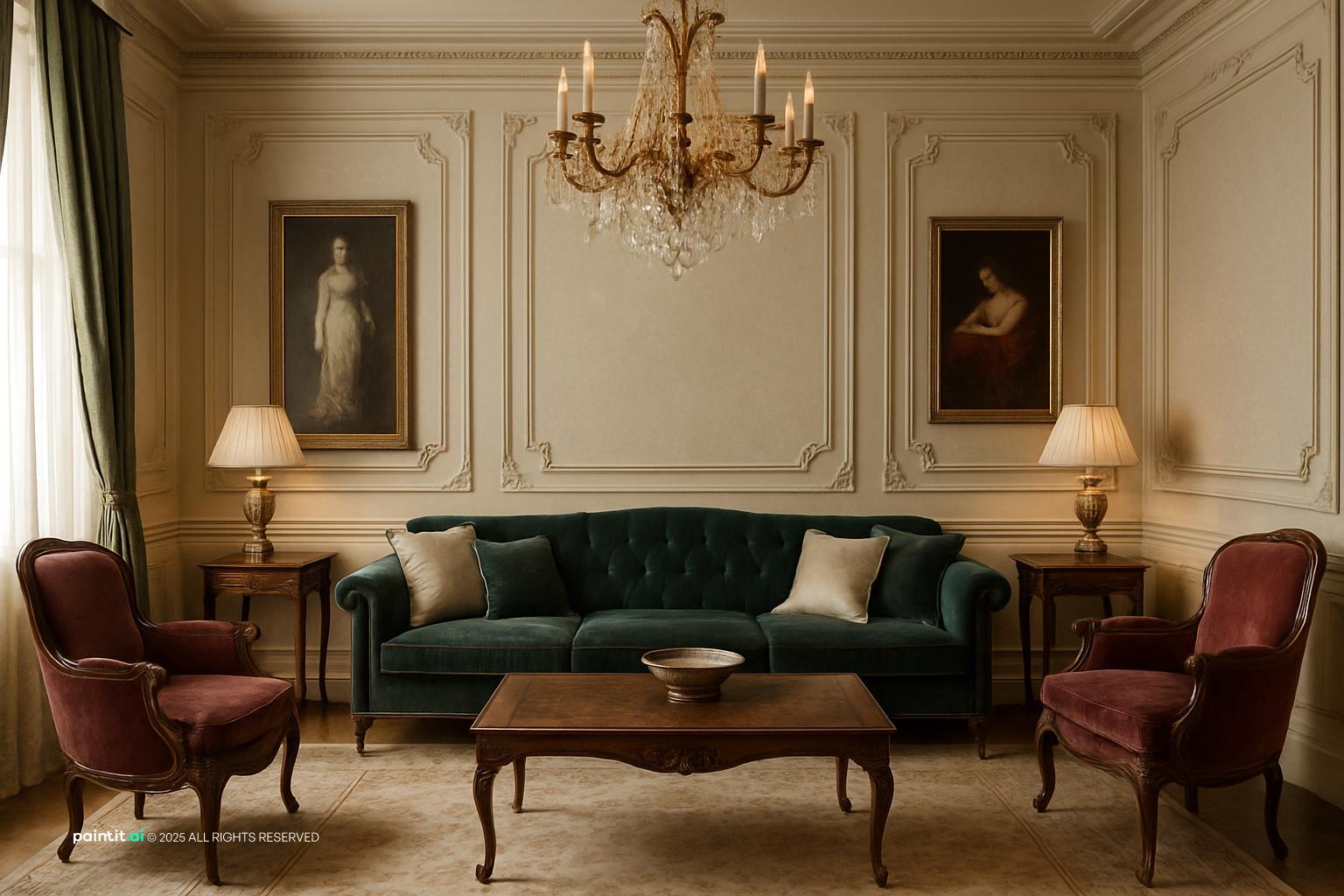
Add elements like woven baskets, antique books, or a simple branch of olive leaves in a terra cotta pot. These aren't just decorations; they're small stories, little glimpses into a life well-lived. It sounds simple, but most people forget the power of a well-composed vignette.
-
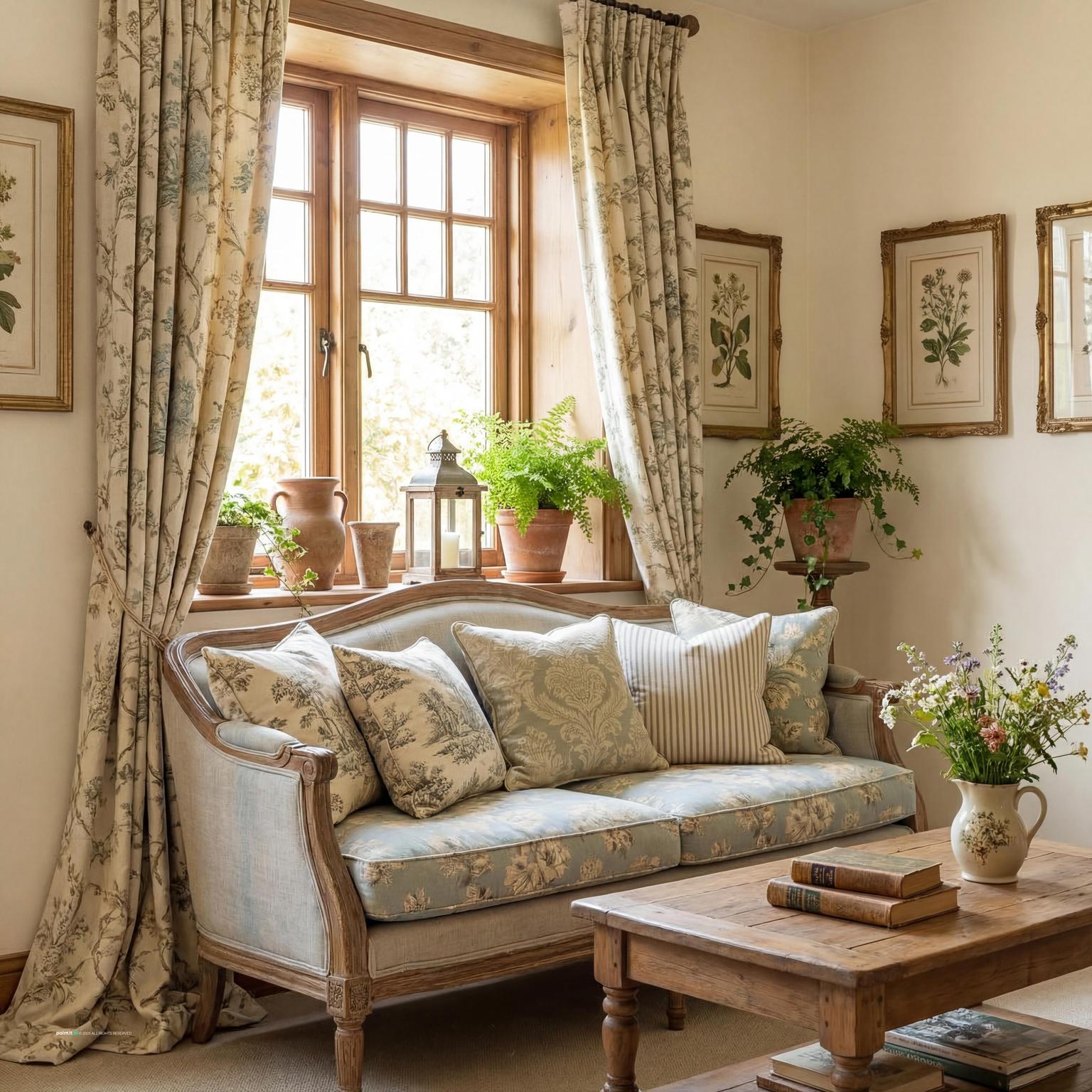
Pro Tip: To achieve this effect, collect unique, handmade ceramic pieces from local artisans or markets.
-
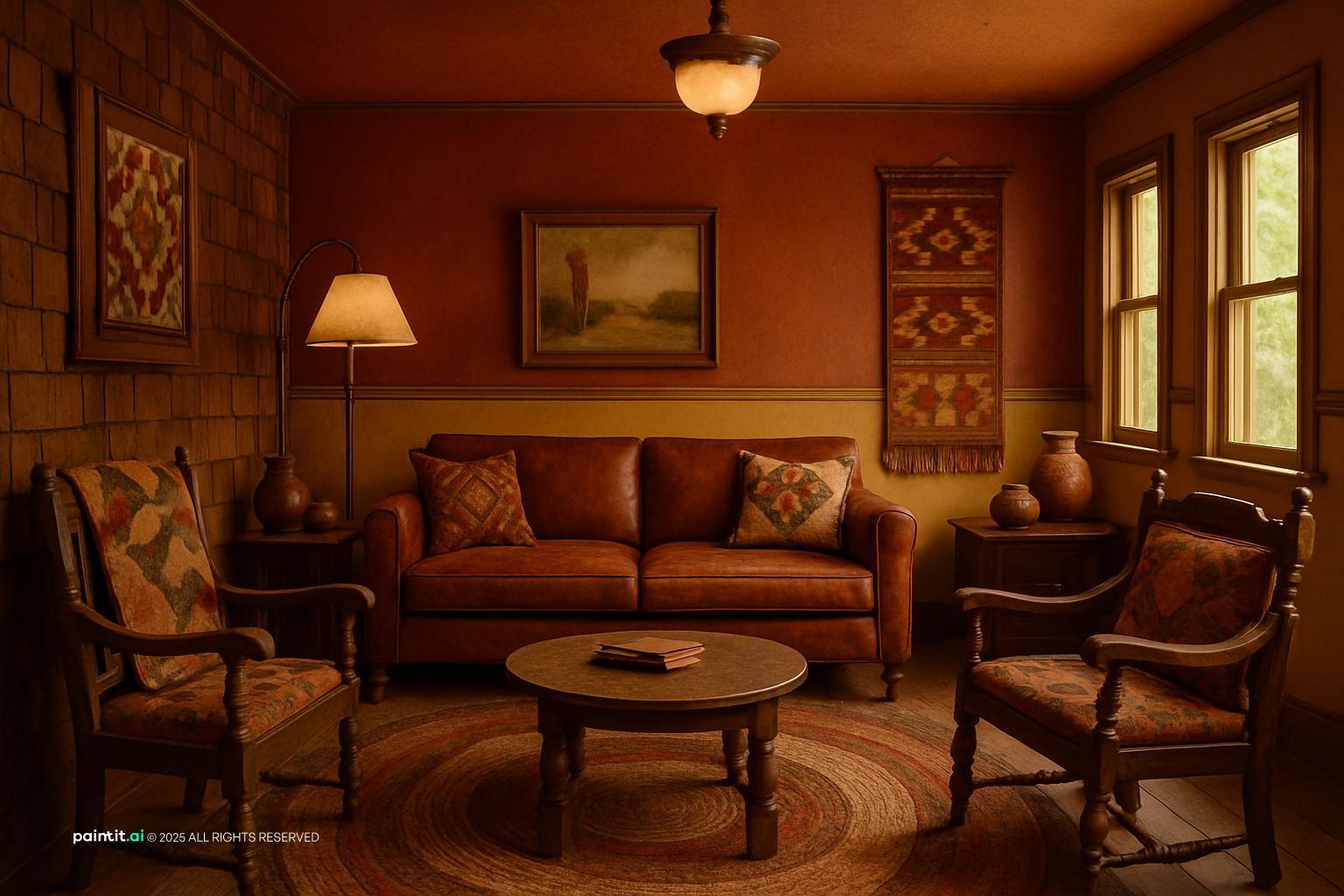
Who says a tuscan living room can't feel contemporary? A modern tuscan living room blends the rustic charm with clean lines and a more pared-back approach. Think sleek, low-slung sofas in a neutral linen, paired with a reclaimed wood coffee table and minimalist wrought iron accents.
-
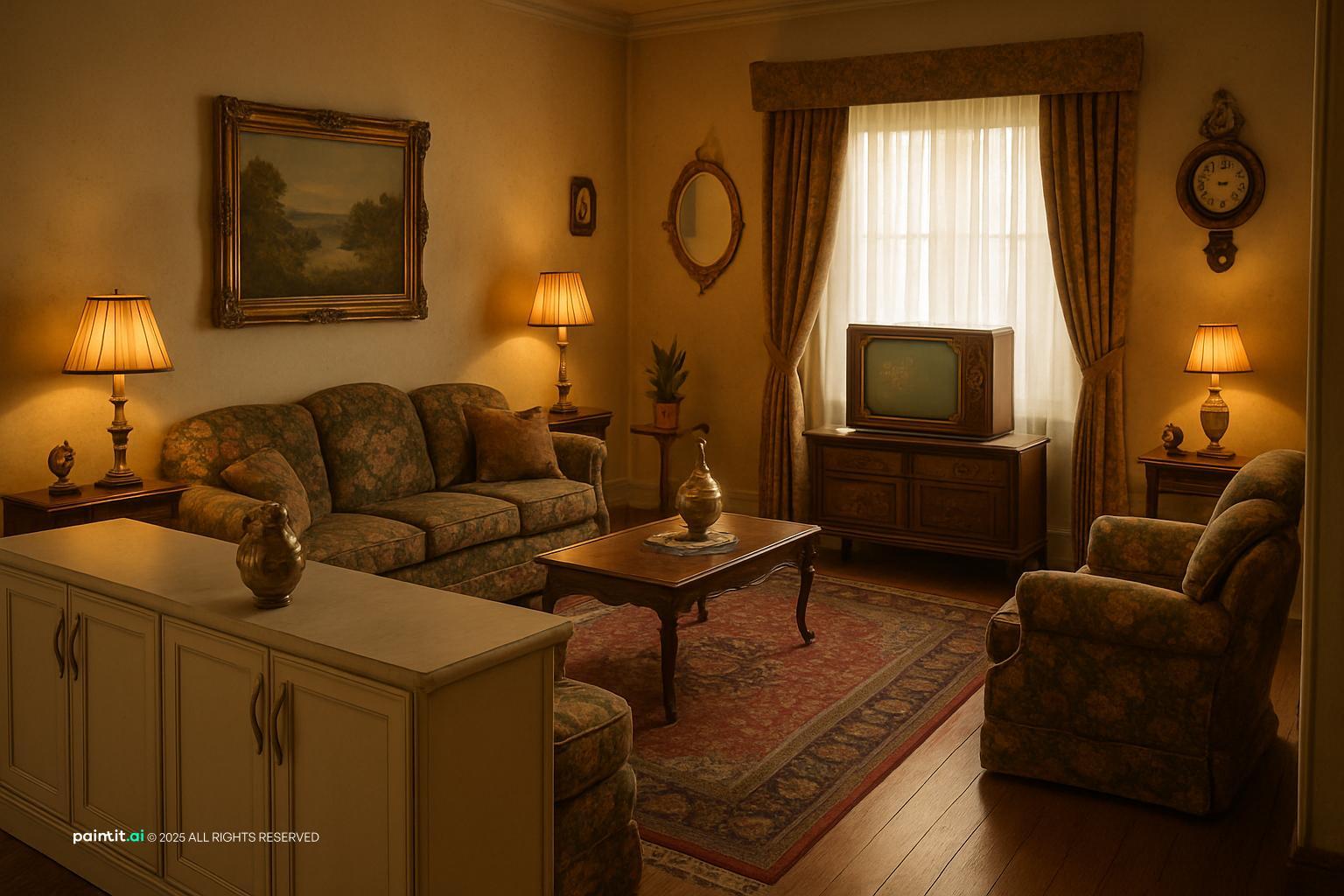
The trick is to maintain the earthy palette and natural textures but simplify the forms. Swap out ornate carvings for smooth, unadorned surfaces. It’s about creating a sense of calm, a quiet luxury that still feels deeply rooted in the Tuscan landscape. This is where a modern tuscan style living room truly shines.
-
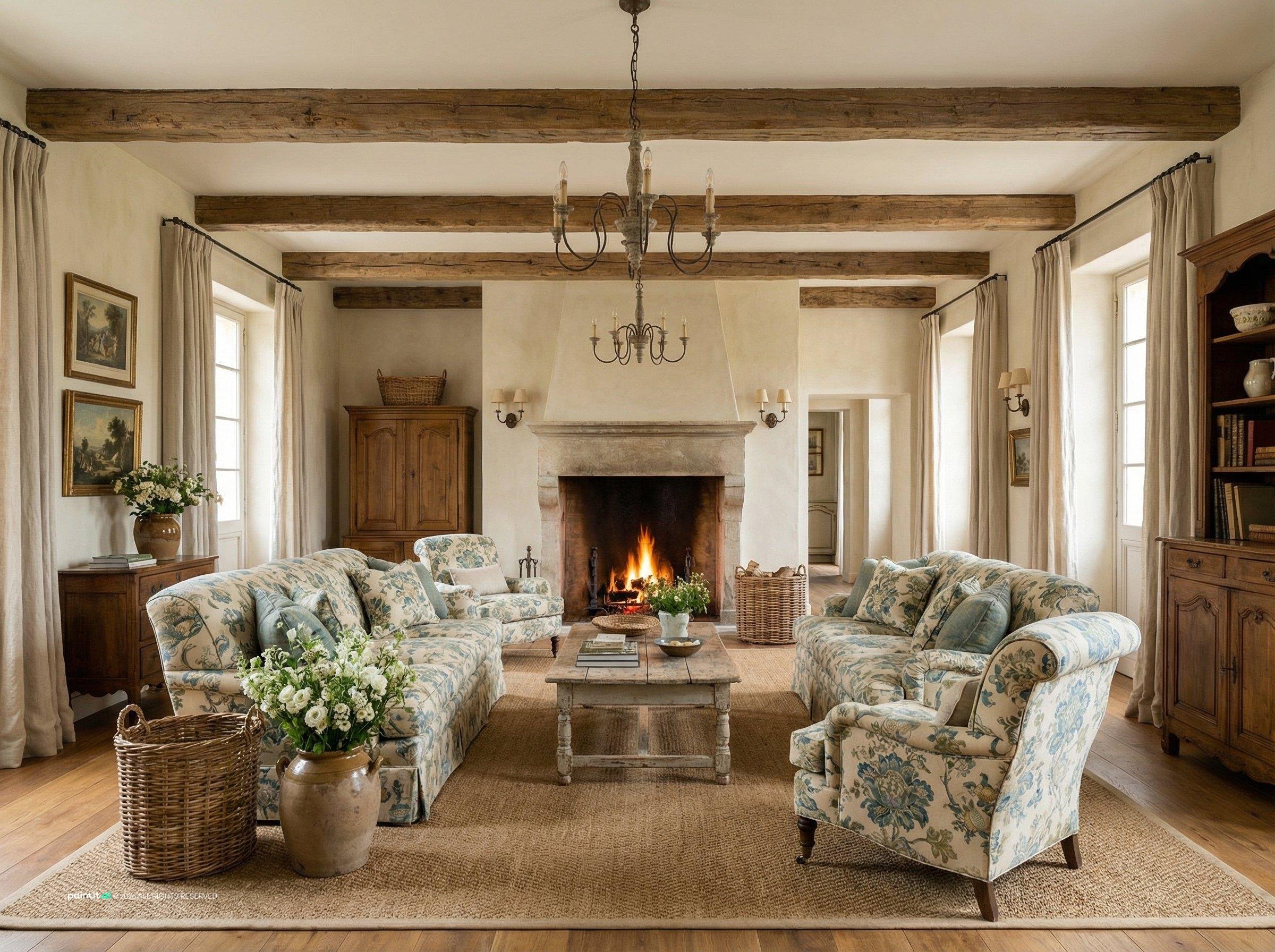
Pro Tip: To achieve this effect, combine one or two traditional Tuscan elements with contemporary furniture pieces.
-
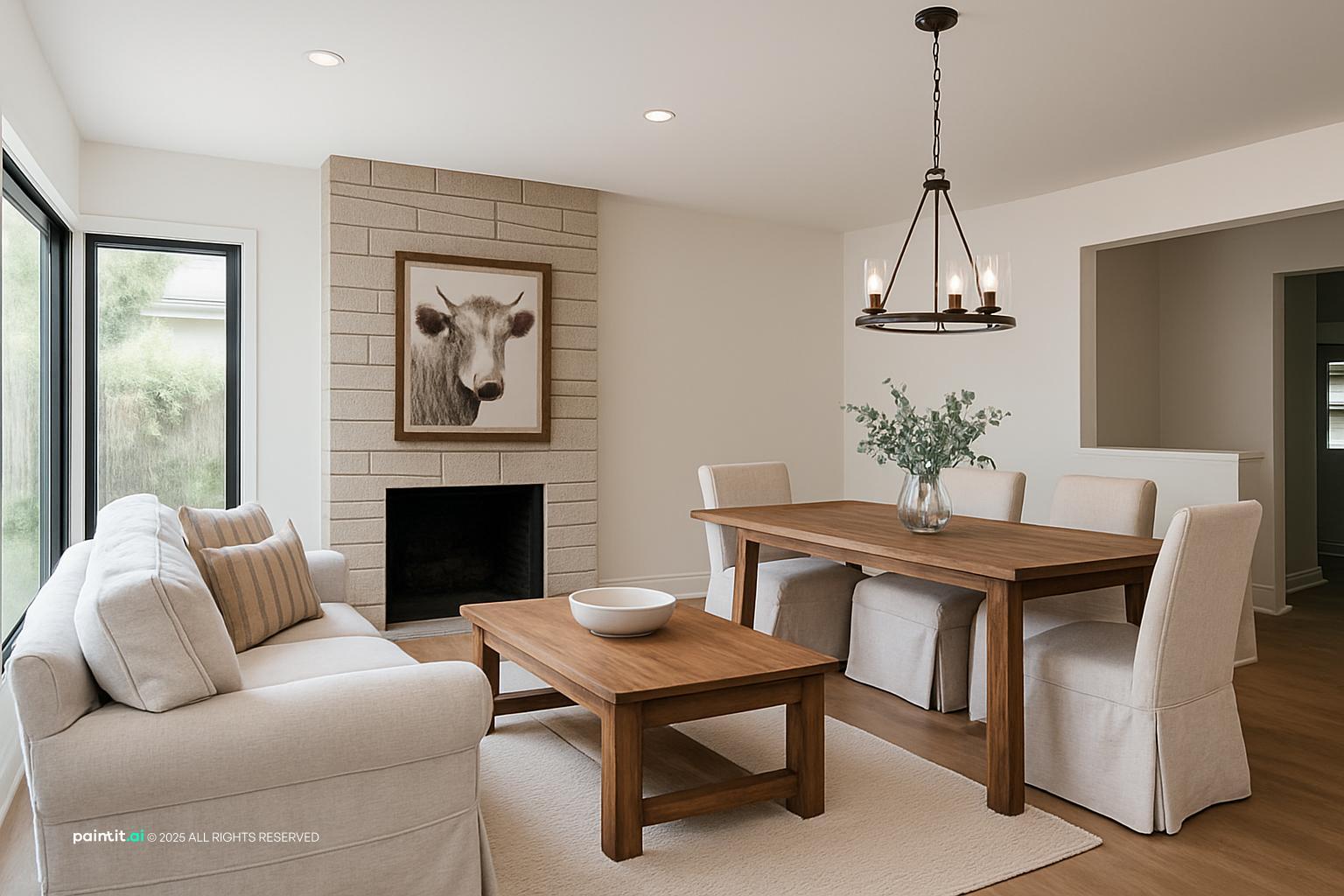
The Tuscan landscape is lush, vibrant. Why wouldn't your living space reflect that? Incorporate living plants—an olive tree in a large terra cotta pot, fragrant rosemary bushes, or even simple branches of eucalyptus. They bring life, freshness, and a connection to nature.
-
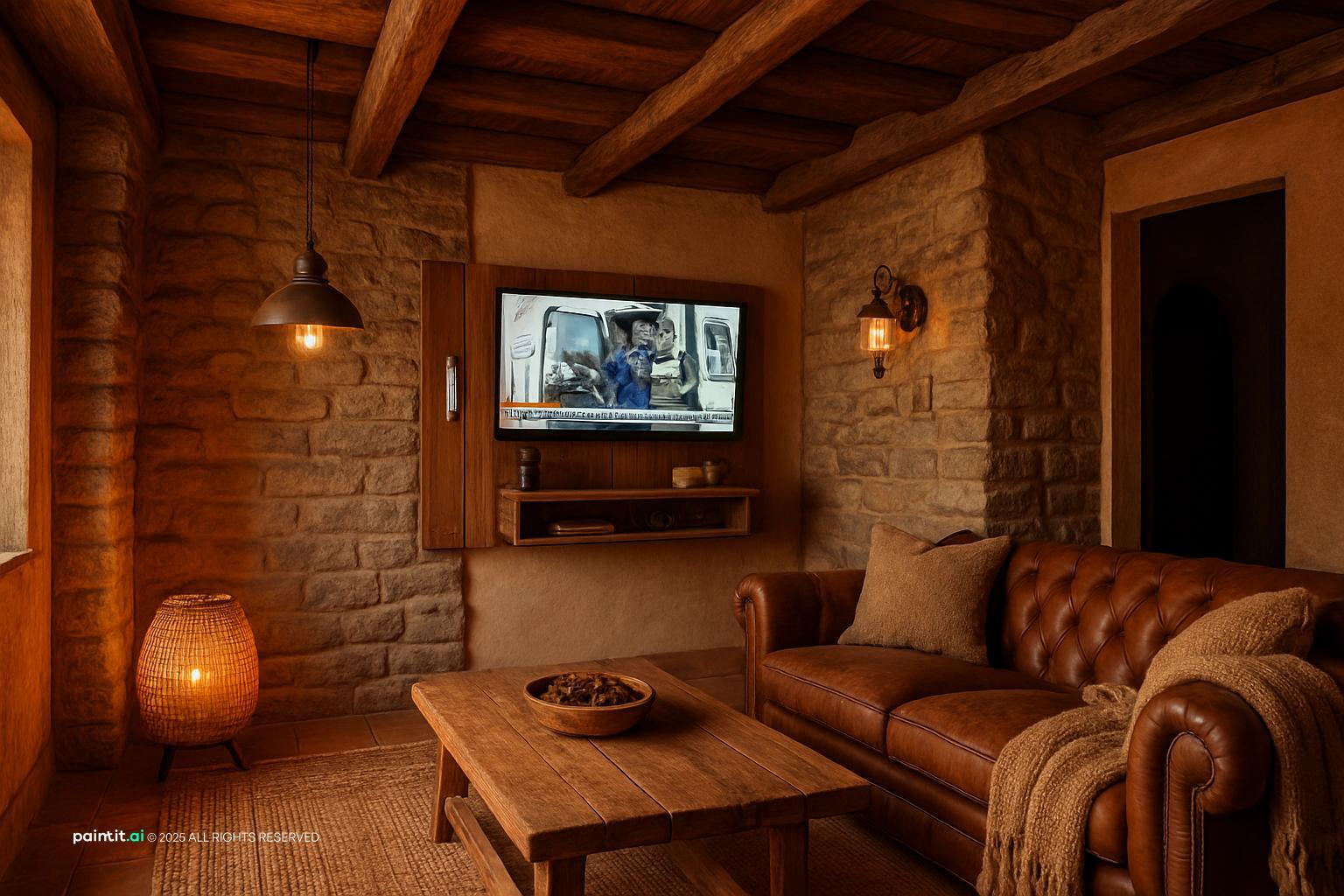
It’s about more than just a potted plant; it’s about creating a dialogue between your interior and the natural world. A large, sculptural plant can soften hard architectural lines and add a burst of organic color. The choice was risky, but it always pays off.
-
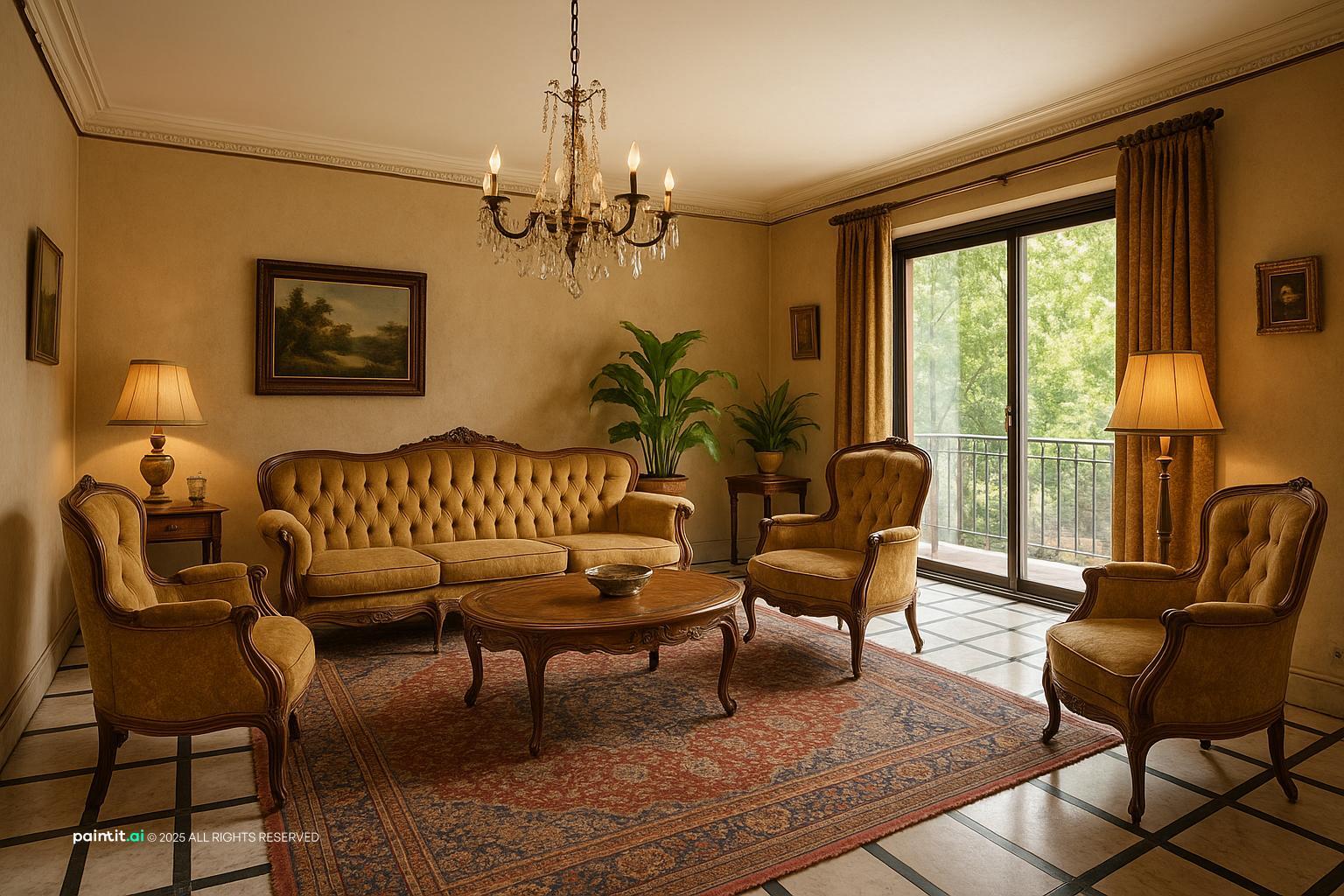
Pro Tip: To achieve this effect, place a tall, slender olive tree or a large fig tree in a prominent corner.
-
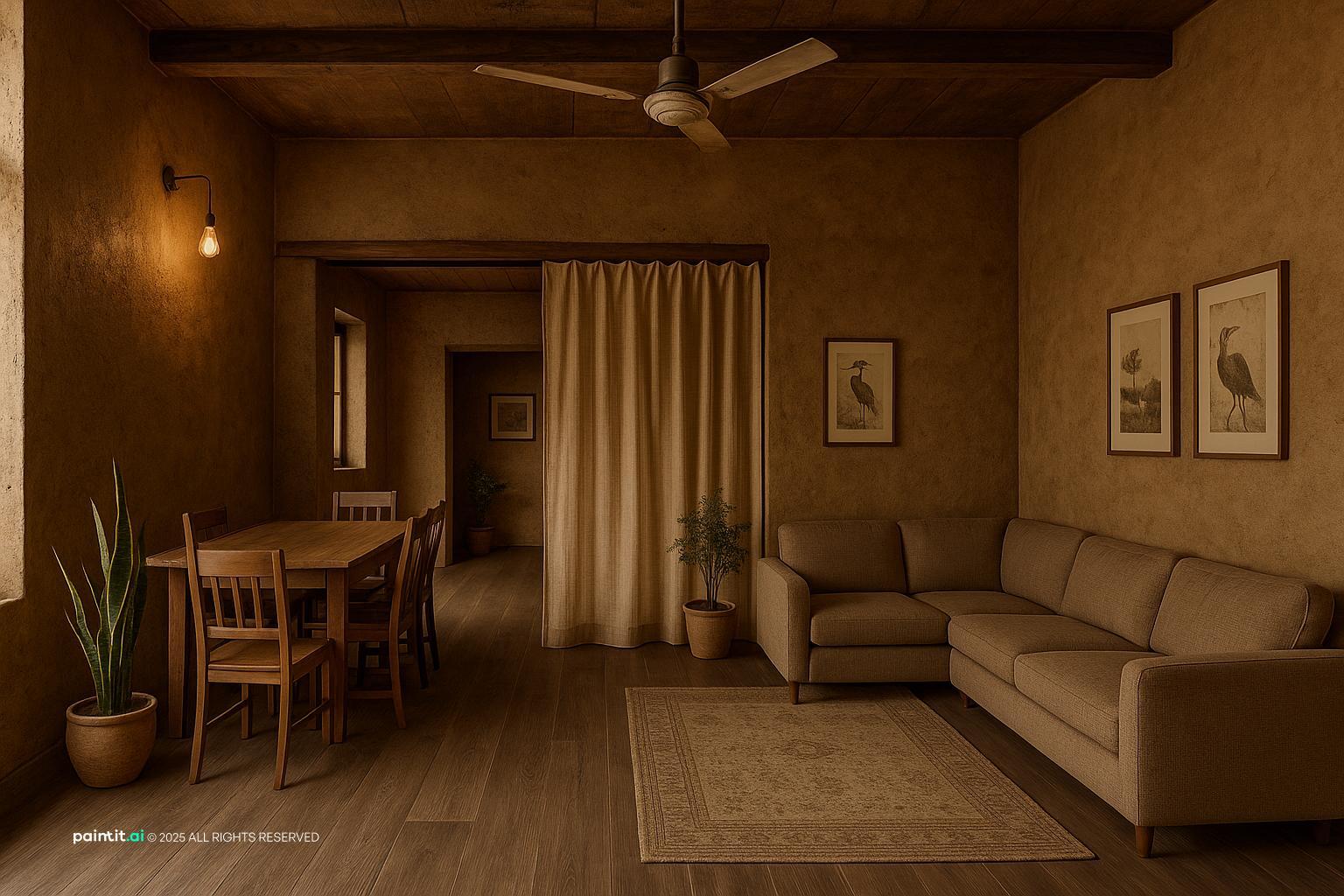
Harsh overhead lighting simply won't do in a traditional tuscan living room. We need warmth, depth, and a sense of intimacy. Think layered lighting: a central wrought iron chandelier for general illumination, complemented by wall sconces and floor lamps with linen or parchment shades.
-
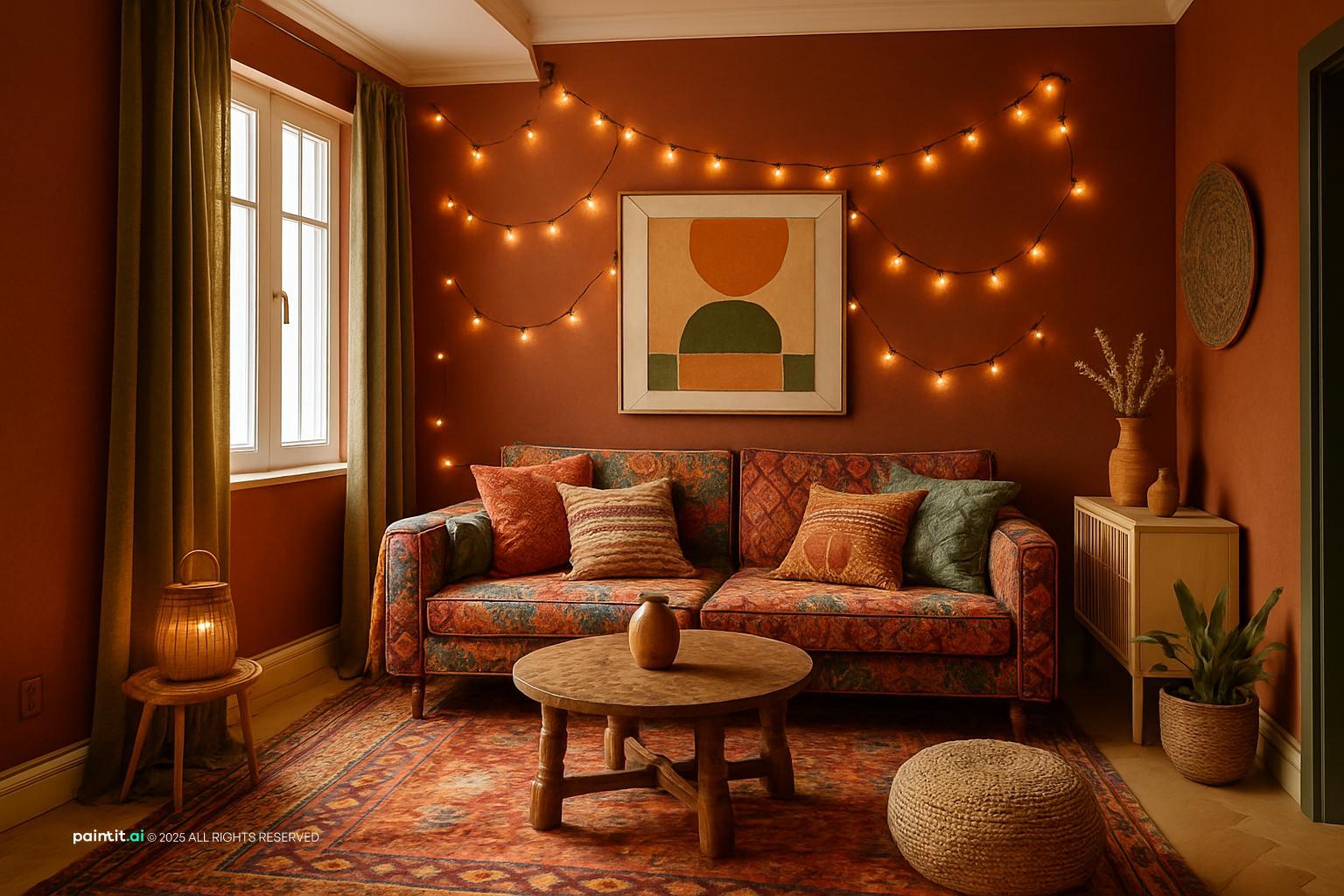
Dimmer switches are your best friend here. The goal is to create pools of light, soft glows that invite conversation and relaxation. It’s about evoking that golden hour light, even after the sun has set. That longing for a space that truly feels lived-in, warm, and utterly timeless? It's common.
-
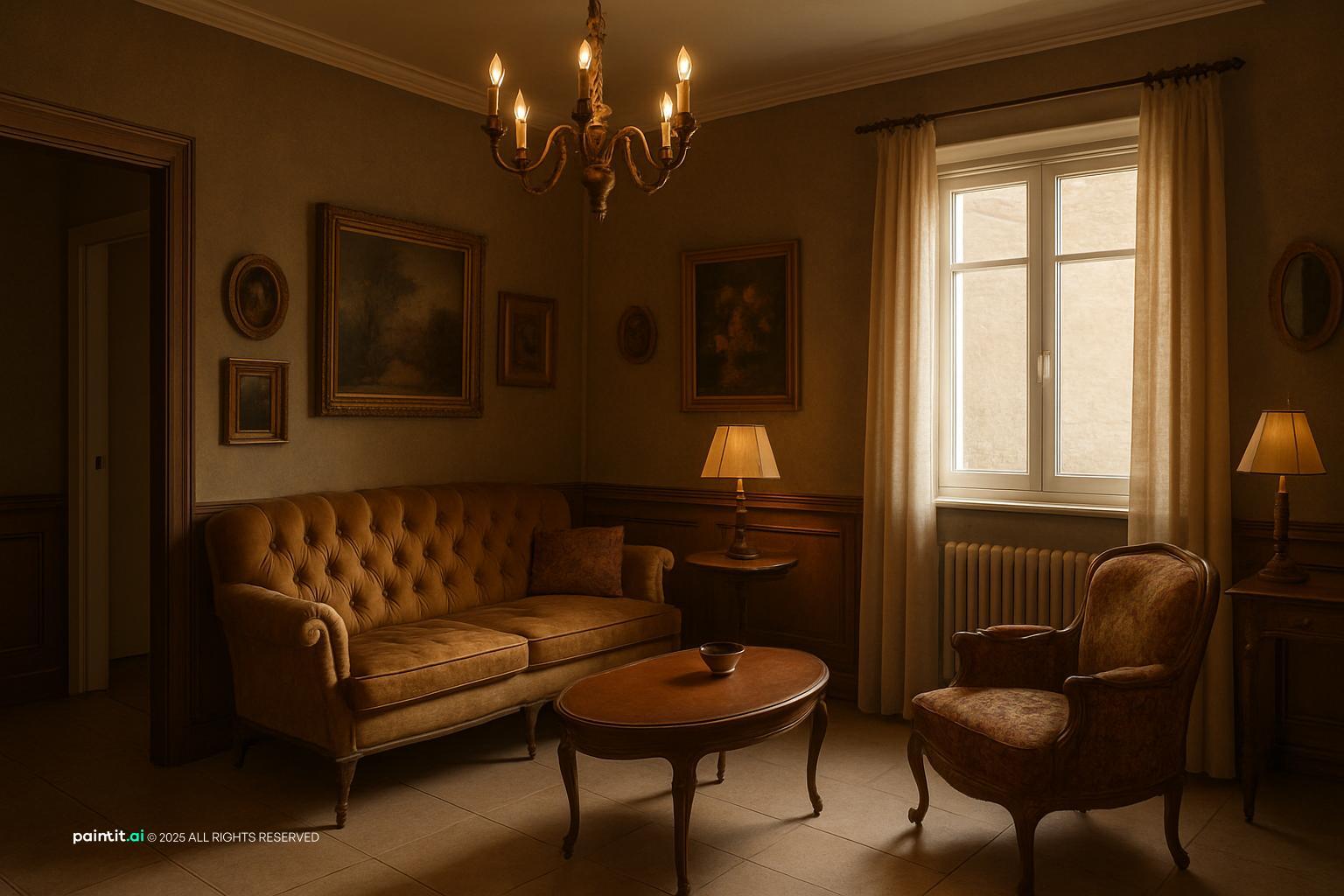
Pro Tip: To achieve this effect, use warm-toned LED bulbs (2700K) and incorporate multiple light sources at different heights.
-
If you're lucky enough to be building or renovating, consider incorporating arched doorways or windows. These architectural elements are hallmarks of tuscan design, creating a sense of fluidity and old-world charm. They soften transitions and add a sculptural quality to the space.
-
Even if structural changes aren't possible, you can mimic the effect with clever use of paint or by framing existing openings with rustic wood trim. It's about creating visual interest, a gentle curve that guides the eye through the room. It didn't fit through the front door, so we had to get creative.
-
Pro Tip: To achieve this effect, use plaster or stucco to create a soft, rounded edge on existing doorways.
-
Instead of built-in cabinetry, consider a substantial, antique armoire in your tuscan living room. It’s not just for storage; it’s a piece of furniture with presence, a focal point that speaks of history and craftsmanship. Look for pieces made from dark, distressed wood, perhaps with carved details or original hardware.
-
An armoire can house a television, books, or even serve as a mini-bar. It’s about choosing pieces that feel substantial, that anchor the room. This is a classic tuscan living room idea that offers both beauty and function.
-
Pro Tip: To achieve this effect, search for antique armoires with a rich patina and ample storage capacity.
-
Every great living space needs a spot for quiet contemplation. For a tuscan living room, imagine a small, sun-drenched nook by a window, perhaps with a view of your garden. A comfortable, upholstered armchair in a natural linen, a small rustic side table, and a simple wrought iron floor lamp.
-
Add a soft throw blanket and a few well-loved books. It’s about creating an inviting corner, a place to unwind and soak in the atmosphere. This isn't just about decor; it's a feeling, a deep sense of comfort and timeless beauty. And that's what a tuscan living room is all about.
-
Pro Tip: To achieve this effect, place a comfortable armchair near a window and add a small side table for a cup of coffee or a book.
Deconstructing the Authentic Tuscan Living Room to Life with Paintit.ai
-
Creating a truly authentic tuscan living room aesthetic goes beyond mere decor. It’s about understanding the interplay of light, texture, and history that makes these spaces feel utterly timeless. We’ve spent countless hours trying to pinpoint what truly makes a space feel like it belongs in the sun-drenched hills of Italy. It’s a delicate dance, a balance that feels both ancient and utterly livable.
-
Sun-baked ochre forms your foundational hue, a warm embrace for the walls. Layer in faded terra cotta for rustic charm, balanced by creamy beige. Deep olive green or rich umber in textiles grounds the space, echoing the Tuscan landscape itself. It’s about creating depth, not just painting.
-
Reclaimed wood, with its honest, weathered character, anchors the tuscan style living room, appearing in ceiling beams or a substantial coffee table. Unglazed terra cotta tiles offer an earthy connection underfoot. Subtle wrought iron accents, like a delicate chandelier, add old-world elegance. Natural linen upholstery on generous sofas invites lounging, creating preserved comfort.
-
A generous, low-slung sofa, perhaps in natural linen, forms the heart of any tuscan italian living room, inviting deep relaxation. Pair this with a substantial, distressed leather armchair, its worn patina telling a story. A rustic, often oversized, farm-style coffee table crafted from reclaimed wood provides a central gathering point. We often forget that furniture isn't just functional.
-
Forget harsh overhead lights; a tuscan home living room thrives on warmth. Ambient light from a hand-forged wrought iron chandelier sets the mood. Task lighting from floor lamps with natural parchment shades complements this. Wall sconces provide accent lighting, creating soft pools of light that evoke that golden hour glow. Dimmer switches are your best friend here.
-
Curate your tuscan living room ideas with intention. Group three hand-thrown ceramic pots of varying heights on a console table, perhaps with an olive branch. On a substantial mantelpiece, arrange five antique books alongside a small, framed landscape painting and a couple of aged brass candlesticks. For a larger display, like on an armoire, consider seven items: a woven basket, a stack of art books, a tall vase with dried botanicals, a small sculpture, and two smaller decorative objects. This "3-5-7 rule" creates visual interest and balance, making the space feel effortlessly composed, not cluttered. It sounds simple, but most people forget the power of a well-composed vignette.
Paintit.ai: Visualizing Your Tuscan Living Room's Authentic Soul Design Ideas
Achieving that authentic tuscan living room feel means balancing rustic textures and sun-drenched hues. It's tricky to imagine how reclaimed wood, terra cotta, and plaster walls truly blend. Paintit.ai instantly renders multiple design versions, showing you exactly how these elements harmonize. Avoid costly missteps; see your vision come alive.
FAQ
-
A Tuscan living room, at its heart, is about warmth, history, and a connection to the earth. We’re talking about spaces that feel lived-in, not just decorated. Think natural materials: reclaimed terra-cotta tiles underfoot, rough-hewn exposed wooden beams overhead, and walls with a plaster finish that feels almost ancient. The color palette leans into sun-baked hues—ochres, deep reds, olive greens, and earthy browns. Furniture tends to be sturdy, often made of dark, distressed wood, perhaps with some wrought iron accents. It’s an homage to the rustic elegance of a Tuscan villa, a place where you can truly unwind. The truth is, it’s less about perfect symmetry and more about comfortable, inviting textures.
-
That’s the sweet spot, isn't it? A modern Tuscan living room isn't about stripping away the character; it's about refining it. We often suggest integrating sleeker lines in furniture—maybe a contemporary sofa in a natural linen, paired with a vintage wooden coffee table. The key is balance. Keep those core Tuscan elements like stone fireplaces or exposed beams, but introduce lighter, more neutral wall colors than traditional Tuscan Italian living room schemes. We've seen this work best with brushed brass fixtures, perhaps some minimalist artwork, and a thoughtful edit of accessories. It's about creating a fresh feel while still honoring the soul of Tuscany living room design. Sometimes, less truly is more, especially when you’re trying to update a classic.
-
For a truly authentic Tuscan style living room, the palette is crucial. We gravitate towards colors found in the Tuscan landscape: the deep greens of cypress trees, the rich reds of poppies, the golden yellows of sunflowers, and the varied browns of the soil. Think muted, sun-faded tones rather than bright, saturated ones. Texture-wise, it’s all about layering. Imagine rough plaster walls, soft linen drapes, chunky knit throws, and perhaps a sisal rug. We also love the tactile feel of aged leather on an armchair or the cool touch of natural stone. It sounds simple, but most people forget that the interplay of textures is what gives a Tuscan home living room its depth and inviting character. It’s about creating a sensory experience.
-
Oh, absolutely. The biggest pitfall we see in a Tuscan house living room, especially if it’s not sprawling, is overdoing it. Those grand, heavy pieces that look amazing in a large villa can easily overwhelm a smaller space. The choice was risky for one client who insisted on a massive, dark armoire; it practically ate the room. Our advice? Scale down. Opt for lighter-weight versions of traditional Tuscan living room furniture, perhaps with open shelving instead of solid cabinets. Use mirrors to expand the perceived space, and be strategic with your lighting to avoid shadows that make a room feel smaller. It’s about preservation over imposition, really. You want the essence of Tuscany, not a cramped museum.
-
A traditional Tuscan living room often embraces heavier, more ornate furnishings, darker wood tones, and a richer, sometimes deeper, color scheme. Think grand fireplaces, intricate tapestries, and perhaps more formal arrangements. A modern Tuscan style living room, on the other hand, lightens the load. It simplifies lines, introduces more neutral backdrops, and focuses on natural light. Can you blend them? Absolutely, and that’s where some of the most interesting spaces emerge. We often suggest taking the robust, earthy foundation of a traditional space—say, those beautiful terra-cotta floors—and pairing them with a sleek, low-profile sofa and some contemporary art. Here’s the kicker: it’s about curating. Pick a few beloved traditional pieces, then let modern elements breathe around them. It creates a dynamic, layered look that feels both timeless and current.