
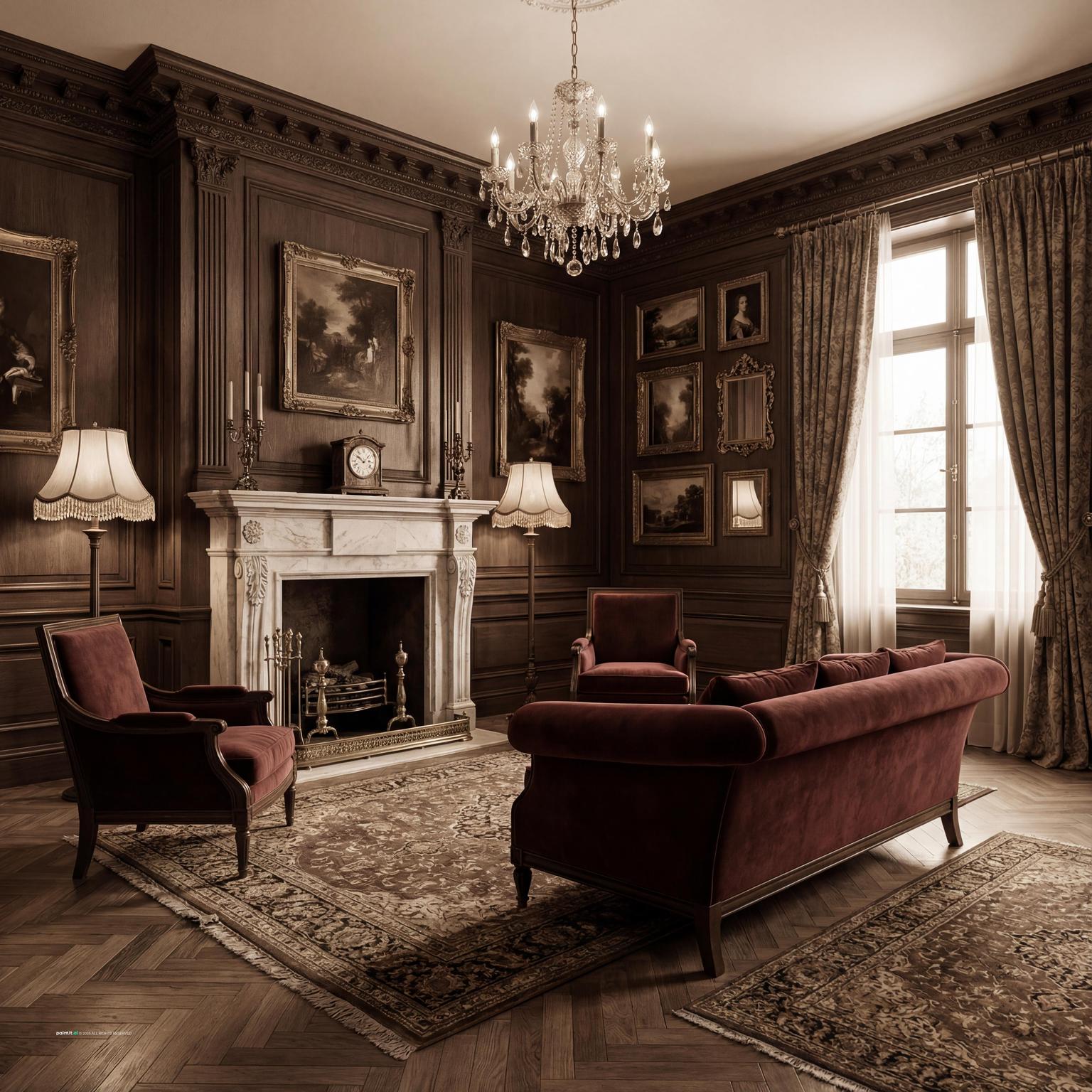
Elegant Vintage Living Room Design
This elegant vintage living room design perfectly embodies the modest charm and practical decor characteristic of a 1940s living room.
The 1940s living room is often misunderstood as merely "pre-midcentury" - a transitional period between Art Deco's glamour and MCM's clean lines. But it has its own clear character: practical, warm, slightly formal, and deeply material-focused. It's the decade of maple and walnut furniture, chintz textiles, radio cabinets as focal points, and rooms designed for real family life rather than showroom display.
Many people want a living space that feels genuinely cozy, not just 'decorated.' The 1940s aesthetic delivers that, modest elegance, natural materials, and furniture sized for actual human comfort rather than visual drama.
Before changing furniture or finishes, you can preview the direction with an AI living room design tool.
This gallery turns the main idea into visible living room scenes with a stronger focus on material balance, furniture silhouettes, and overall mood.
This elegant vintage living room design perfectly embodies the modest charm and practical decor characteristic of a 1940s living room.
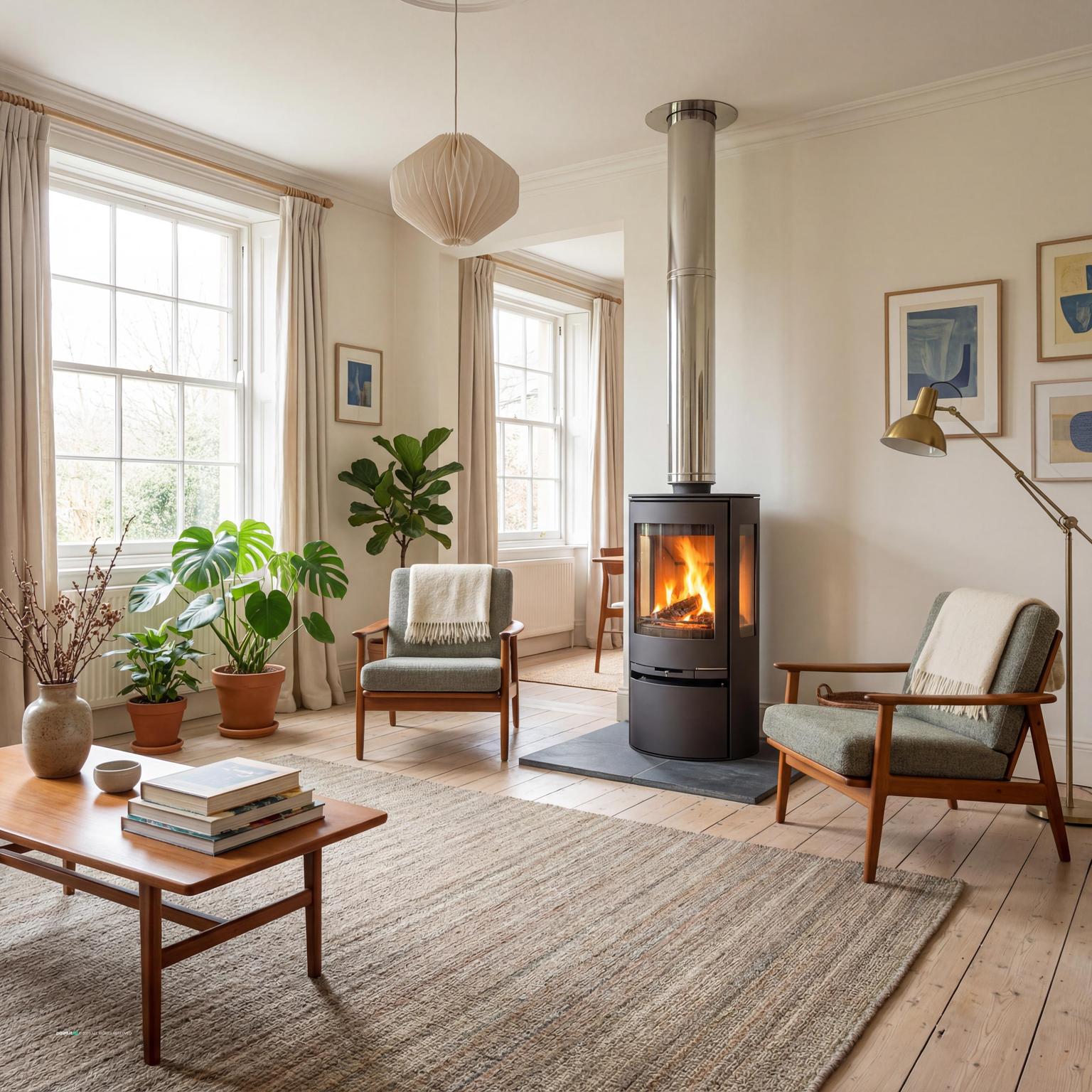
Experience the understated beauty of a vintage Scandinavian living room, reflecting the streamlined, practical elegance sought in 1940s living room decor.
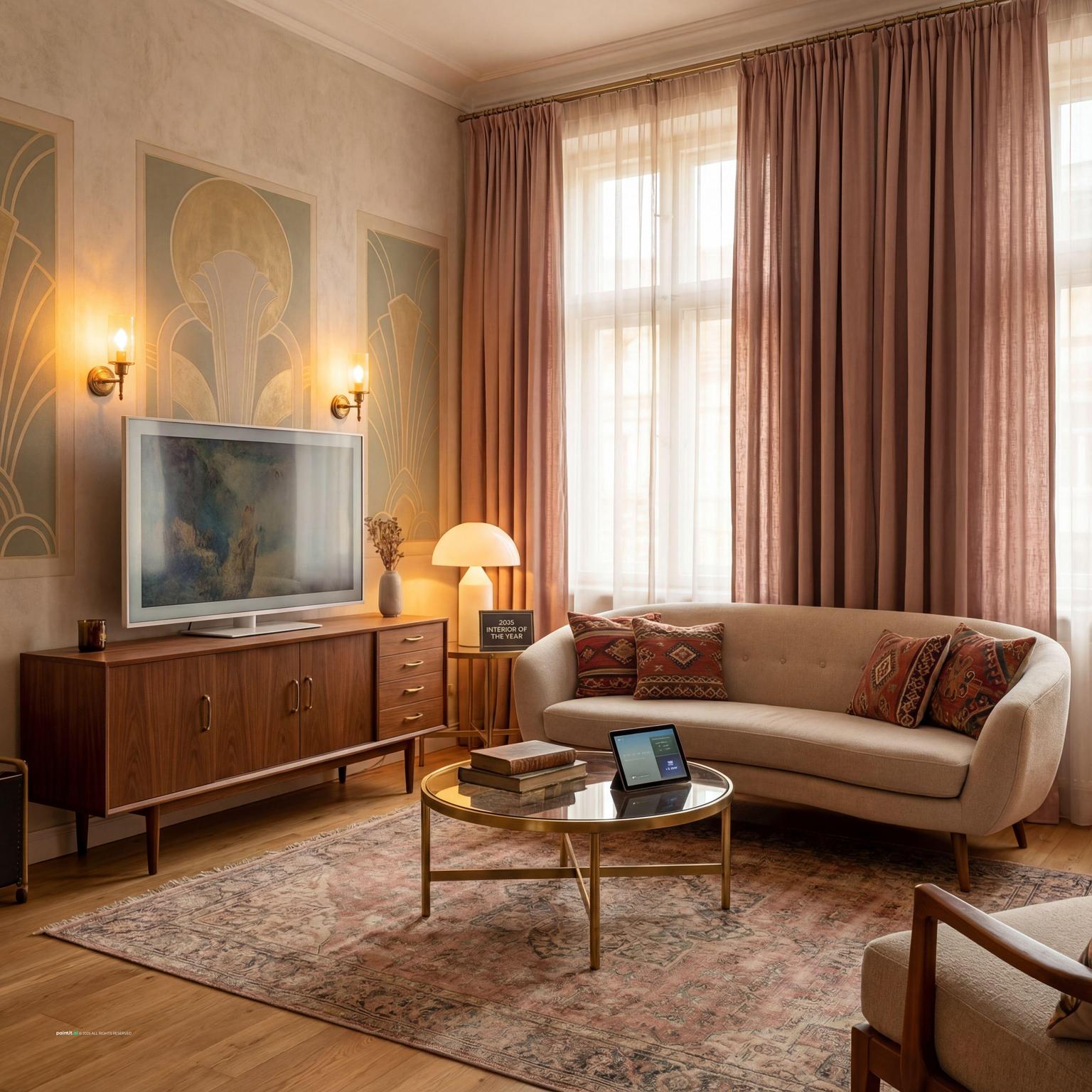
This inviting vintage-style living room design captures the genuine coziness and modest elegance that defined the ideal 1940s living room.
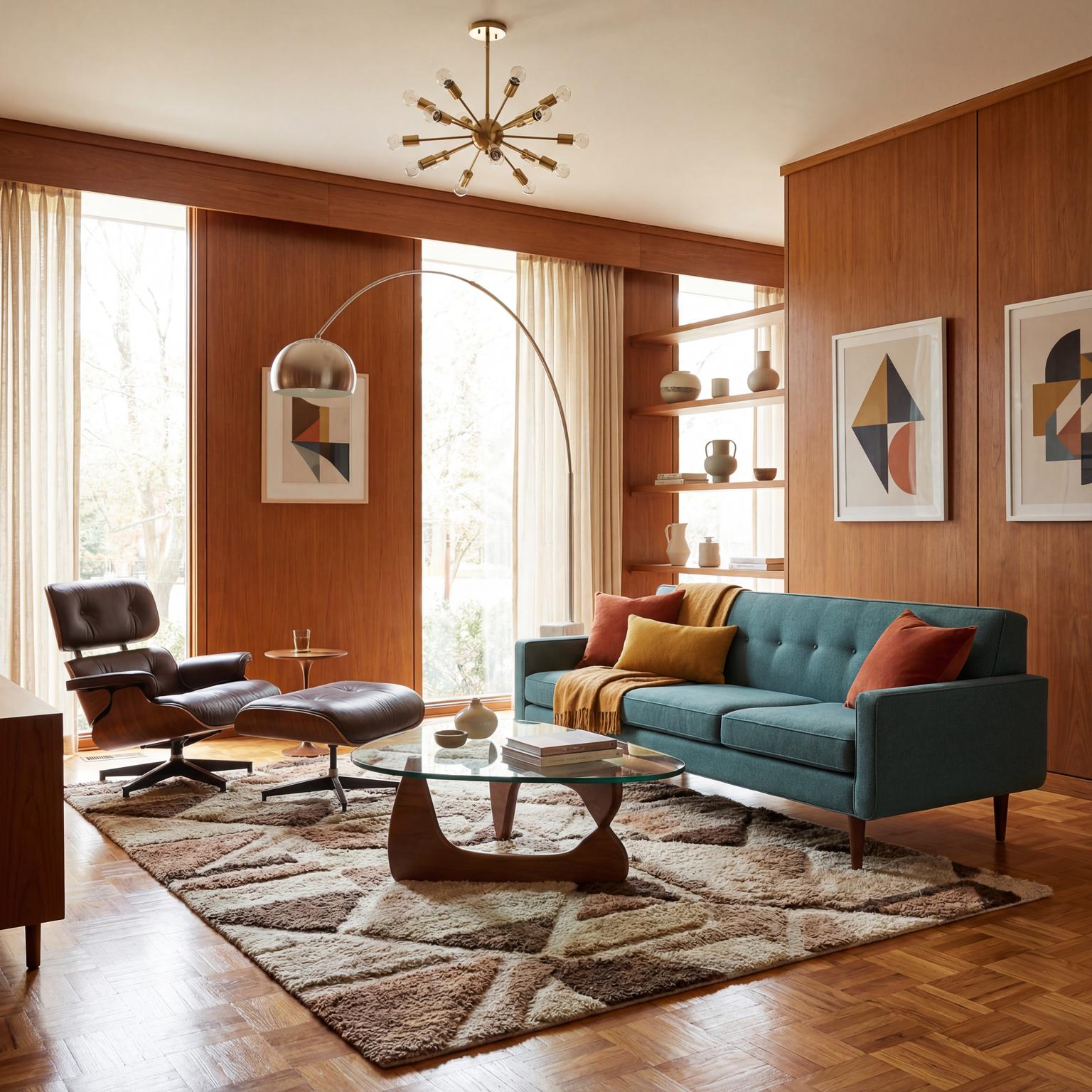
A thoughtfully designed midcentury modern living room, it beautifully represents the emerging streamlined aesthetic popular in the 1940s living room.
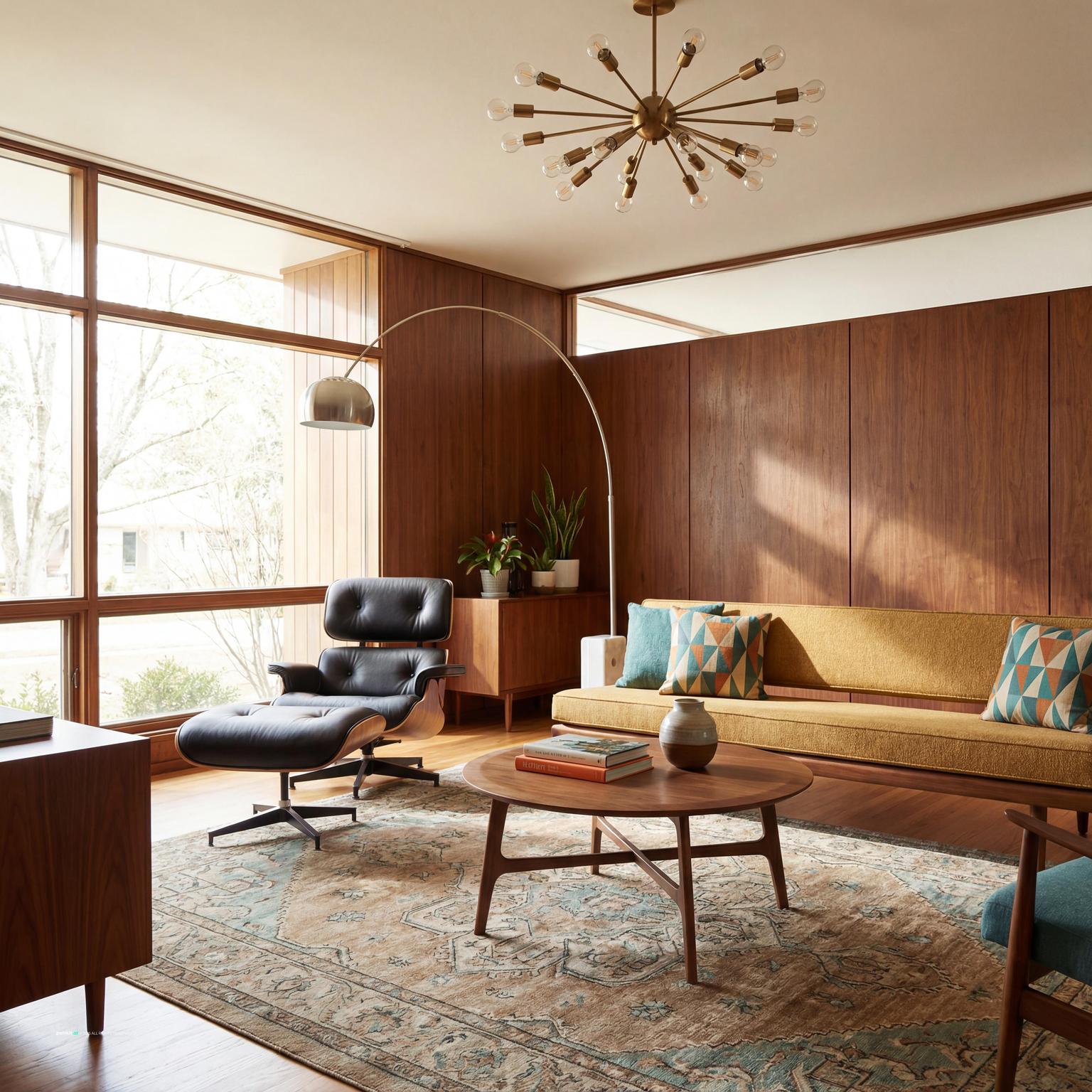
This stylish mid-century modern living room showcases the practical yet elegant designs that brought comfort and character to a 1940s living room.
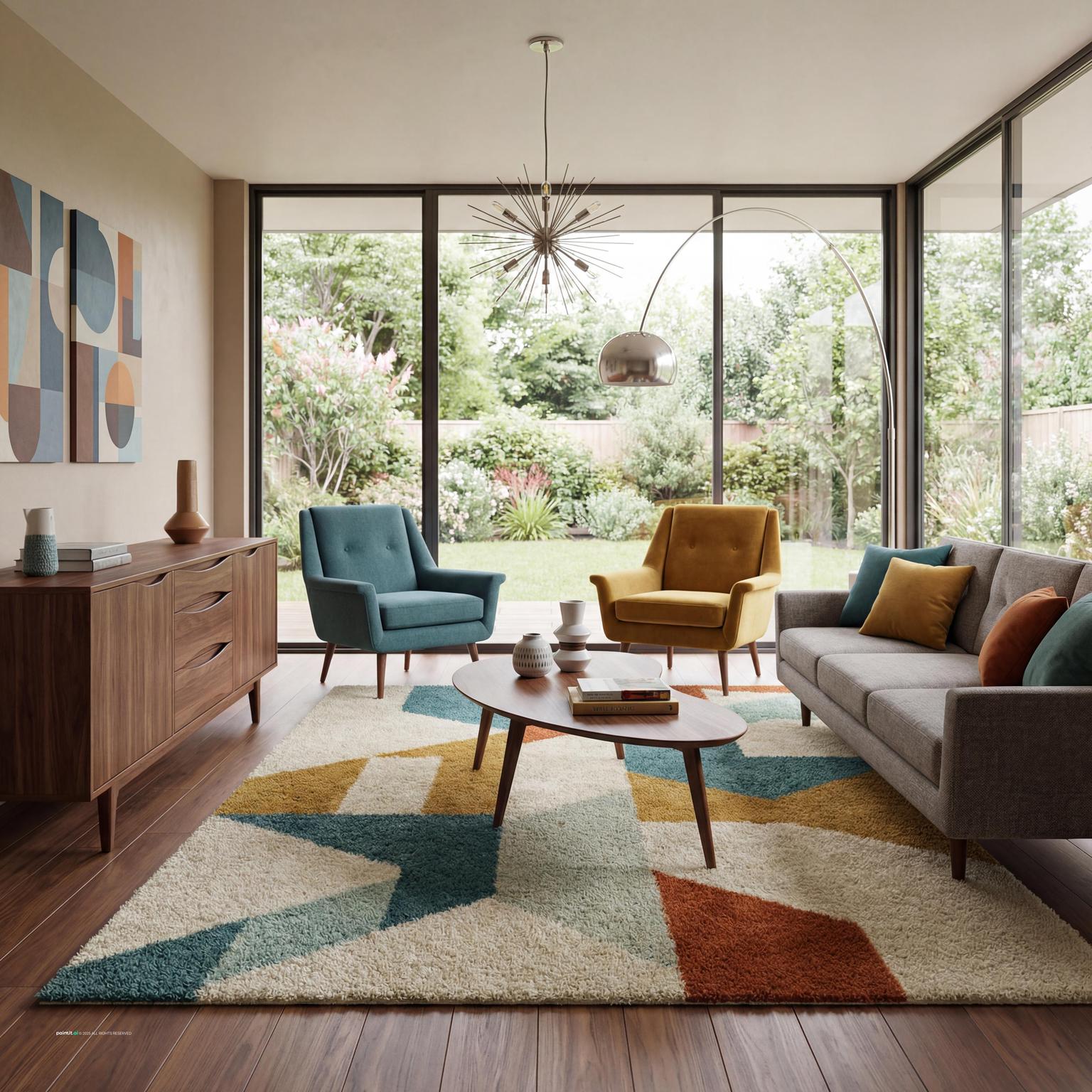
Discover the elegant appeal of this mid-century modern living room design, perfectly capturing the sophisticated yet practical essence of a 1940s living room.
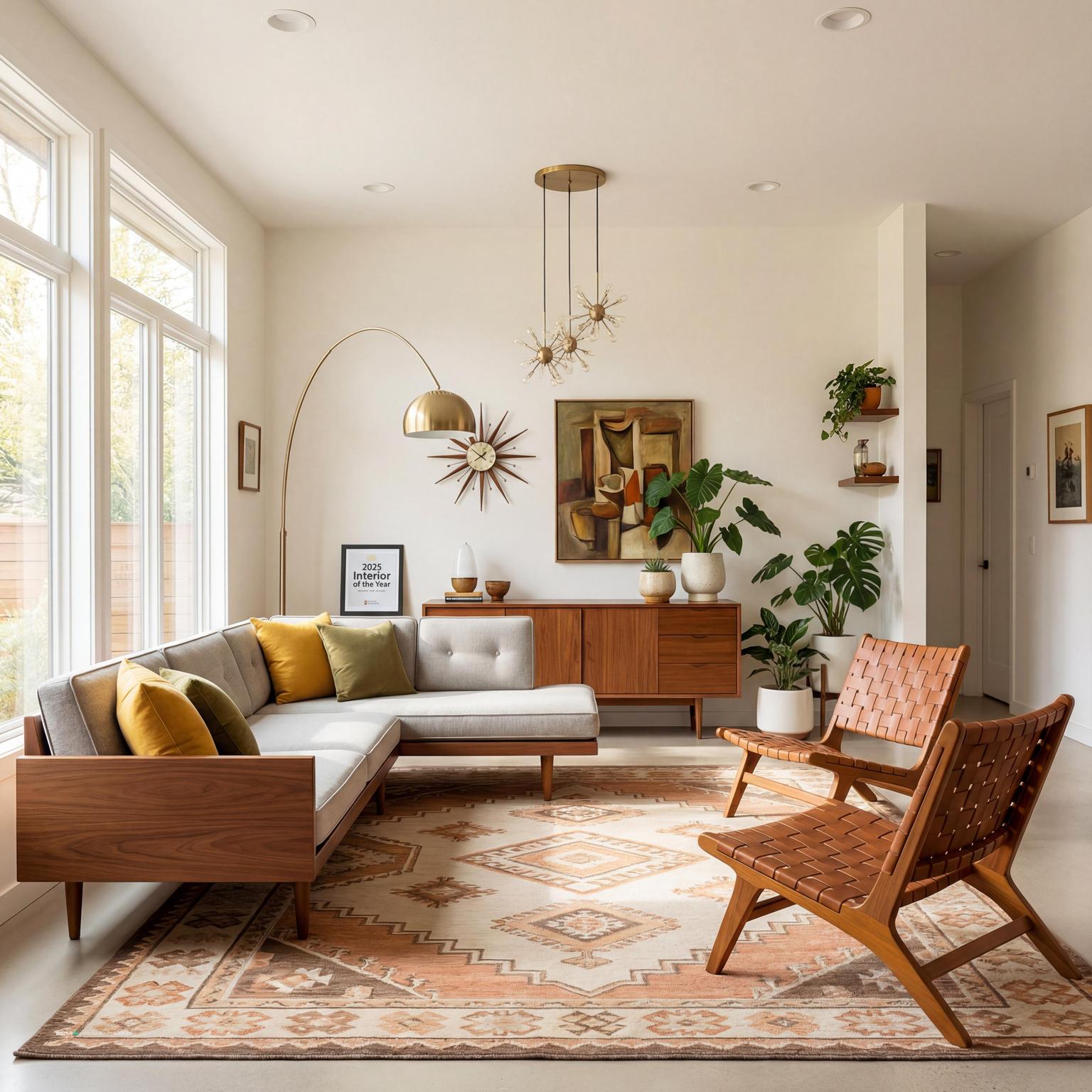
This midcentury modern hall room design offers a glimpse into the functional elegance often found within a 1940s living room space.
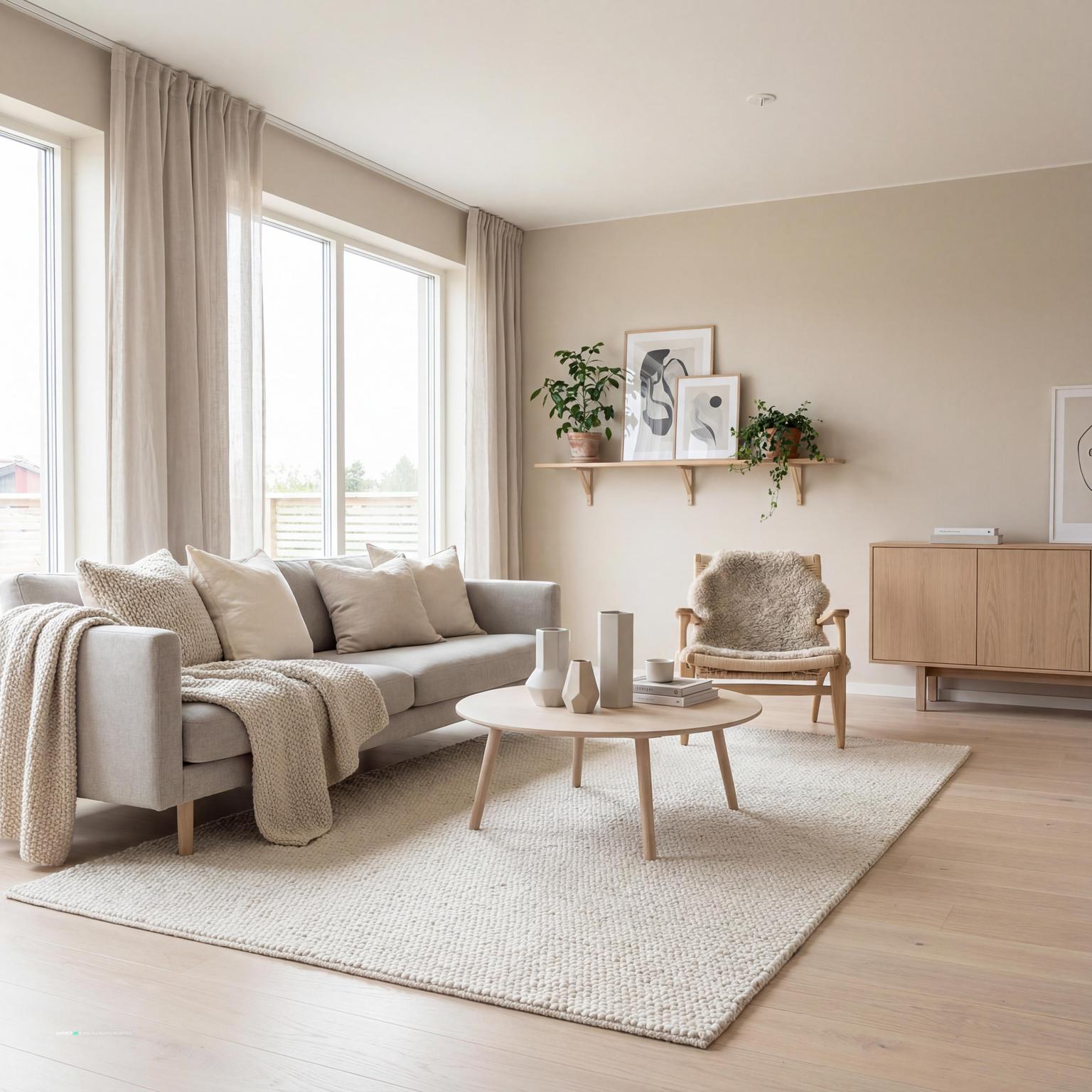
Embracing simplicity and natural materials, this Scandinavian-style living room design evokes the practical, cozy ambiance of a 1940s living room.
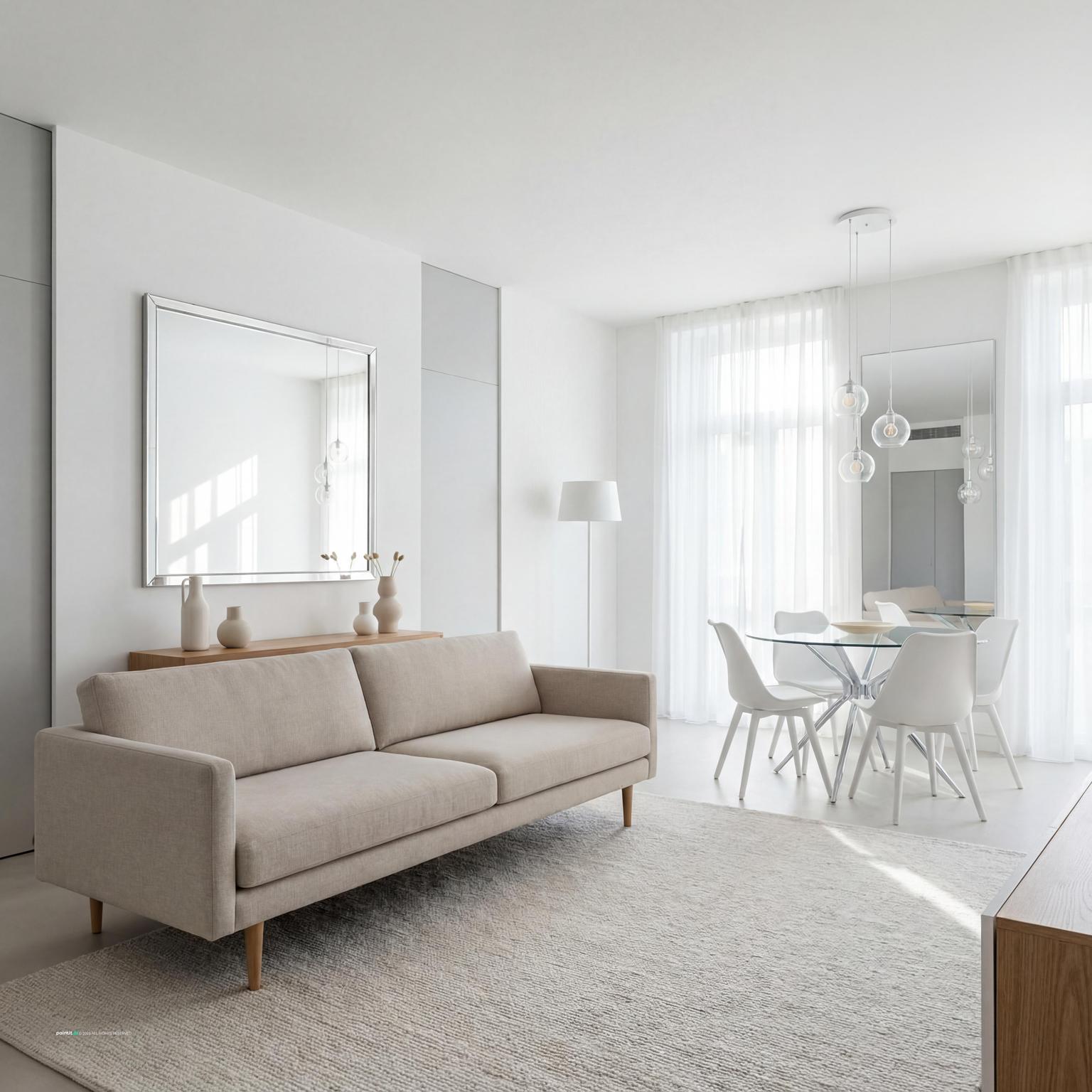
This Scandinavian living and dining design illustrates the adaptable, streamlined spaces common in a 1940s living room and home.
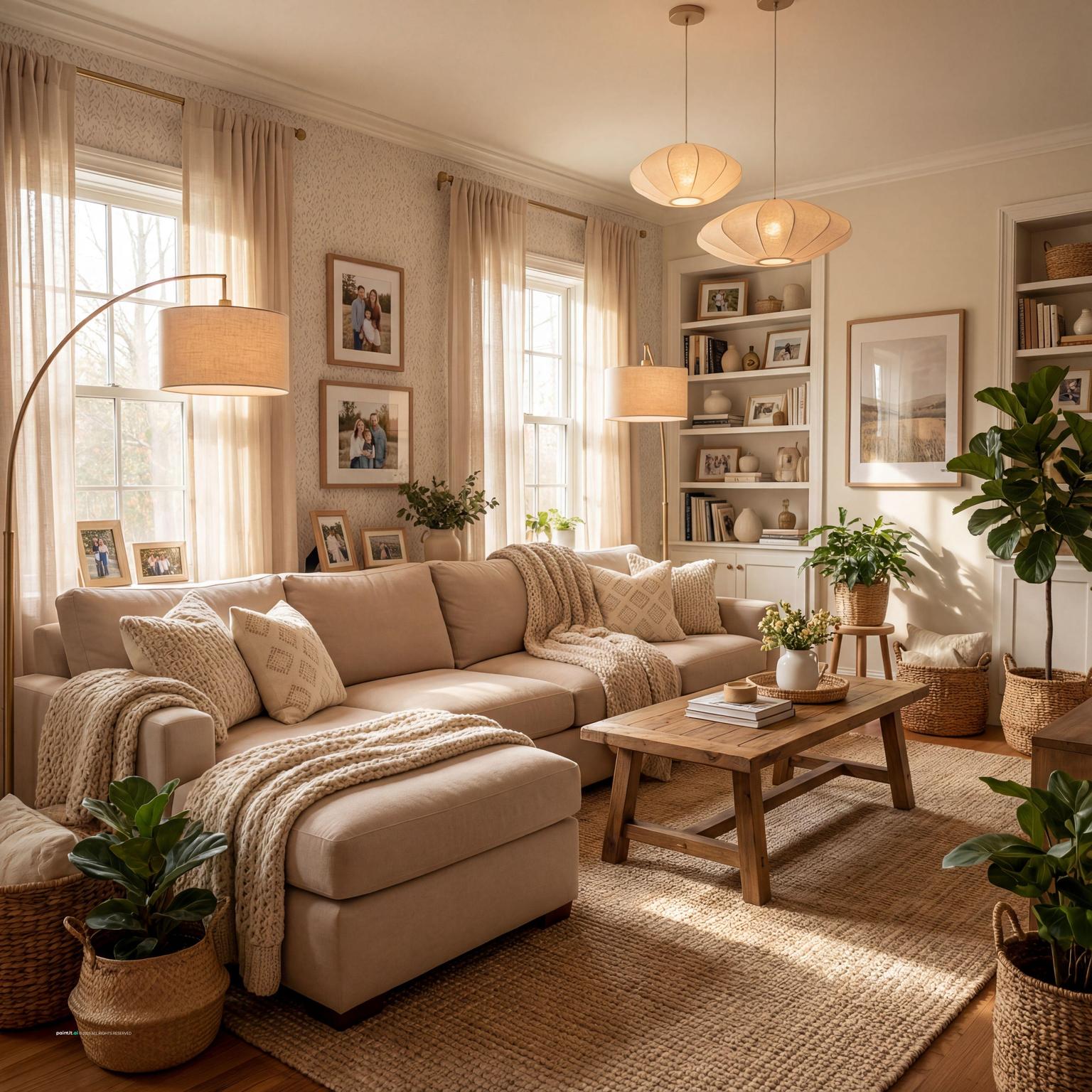
A truly cozy family living room design that embodies the warmth and practical comfort central to any beloved 1940s living room.
The 1940s saw a shift towards simpler forms, a response to wartime material restrictions and a move away from the more ornate styles of earlier decades. Think clean lines, gentle curves, and furniture that feels substantial without being overly bulky. It's about honest construction, not fussy ornamentation.
For implementation, look for sofas and armchairs with low backs and exposed wooden frames, often in maple or oak. Pieces with minimal carving or subtle reeding are perfect. We’ve found that a well-chosen console table, perhaps in a rich walnut, can anchor a wall beautifully.
For a related take on the same room, explore emerald green and gold living rooms.
Wood was king in the 1940s, and not just any wood. We're talking about the comforting, familiar hues of maple, oak, and sometimes darker walnut. These weren't just materials; they were part of the home's very fabric, grounding the space with natural warmth.
Consider a mix of finishes: a polished maple coffee table, an oak radio cabinet, or even built-in shelving in a slightly darker stain. The key is variety in tone, not necessarily in wood species. It creates depth, and a room without this natural element often feels cold.
Despite wartime austerity, a touch of beauty was always welcome. Chintz, with its glazed finish and often floral patterns, brought a cheerful, homey feel. These weren't grand, sprawling designs, but rather smaller, more contained motifs that felt intimate.
Use chintz for throw pillows, a slipcover on an armchair, or even as drapery. If chintz feels too specific, opt for muted floral patterns on cotton or linen. This works best when balanced with solid, textured fabrics like chenille or tweed on larger pieces. It prevents the room from feeling overwhelming.
Before television, the radio was the heart of the living room, gathering families for news, music, and dramatic serials. A beautiful radio console wasn't just furniture; it was a portal to the world, a centerpiece of shared experience.
If you can find an original console, restore it. Place it prominently, perhaps on a wall where it can be admired. Even if it's not functional, its presence speaks volumes about the era's domestic life. Surround it with comfortable seating, ready for listening. It's about preservation over imposition.
The 1940s valued efficiency and making the most of what you had. Built-in shelving and cabinets were common, offering discreet storage and a streamlined look. They kept clutter at bay, reflecting a practical approach to homekeeping.
Consider adding simple, open shelving to an alcove or flanking a fireplace. Closed cabinets below can hide less attractive items. Paint them to match the wall color for a clean, built-in look, or use a contrasting wood tone for a subtle statement.
Harsh overhead lighting wasn't the norm. Instead, 1940s living rooms relied on a softer, more intimate glow from multiple sources. Floor lamps and table lamps created pools of light, perfect for reading or conversation.
Look for floor lamps with fabric shades, often in a bell or drum shape. Table lamps with ceramic bases or simple metal designs, perhaps with a touch of Bakelite, are ideal. The aim is to create a warm, diffused light that feels welcoming. A single, central light fixture just won't cut it.
Fabrics in the 1940s were chosen for their resilience and comfort. Chenille, tweed, and sturdy cotton blends were popular, often in muted, earthy tones. These weren't delicate materials; they were meant to withstand daily life.
When selecting upholstery for your sofa or armchairs, prioritize texture and durability. A chenille sofa in a muted green or a tweed armchair in a warm brown would be spot on. Don't shy away from subtle patterns like herringbone or small checks, which hold up well over years of daily use.
With the war as a backdrop, a quiet patriotism often found its way into home decor. This wasn't overt flag-waving, but rather subtle nods through color or motif. Think muted reds, soft blues, and creamy whites, woven into the overall scheme.
Incorporate these colors through throw pillows, a small ceramic vase, or a framed print. A simple striped blanket in these hues could work. The trick is to integrate them naturally, as part of the existing palette, rather than making them stand out too starkly. It reminds me of old-world American homes.
The Victory Garden movement brought a focus on growing your own food, and this connection to nature often extended indoors. Botanical prints, potted plants, and natural materials brought a sense of vitality and self-sufficiency.
Introduce botanical illustrations in simple frames, or choose textiles with leaf or vine patterns. A few well-placed houseplants, perhaps in terracotta pots, will breathe life into the room. We’ve seen how a simple fern can completely change the feel of a corner. It’s about bringing the outside in, modestly.
Flooring in the 1940s was often practical, hardwood or linoleum, but rugs added essential warmth, color, and texture. Hooked rugs, often handmade, and braided rugs were popular choices, bringing a touch of folk art and comfort.
Select a rug that complements your color scheme without dominating it. A hooked rug with a simple geometric pattern or a braided rug in a blend of muted colors would be ideal. It defines seating areas and adds a crucial layer of softness underfoot. The thing is, a bare floor can feel unfinished.
Functionality was central, and accent tables served a clear purpose: holding lamps, books, or a teacup. These weren't grand, statement pieces, but rather practical, often small, tables that blended smoothly into the room.
Look for small, round side tables in wood, or perhaps a simple rectangular coffee table. Glass tops were sometimes used, but often paired with a wooden base. The goal is utility and ease of movement. Avoid anything overly ornate or oversized; it just didn’t fit the era’s ethos.
A 1940s living room felt lived-in, filled with personal items that told a story. This could be anything from family photographs to small ceramic figurines, Bakelite objects, or souvenirs from travels. It was about personal history, not mass-produced decor.
Display a small collection of vintage ceramics on a shelf, or arrange old family photos in simple wooden frames. A Bakelite clock or a small, decorative plate could add a distinctive touch. These items should feel collected over time, not bought all at once. Authenticity shines through personal curation.
Upload a photo of your living room to app.paintit.ai and see how 1940s-adjacent design directions, warm wood tones, soft earthy palettes, streamlined silhouettes, read in your actual space. The platform generates a redesign concept in 1–2 minutes. Free to start.
The second gallery explores more specific 1940s interpretations, helping compare different ways the same living room can feel at home.
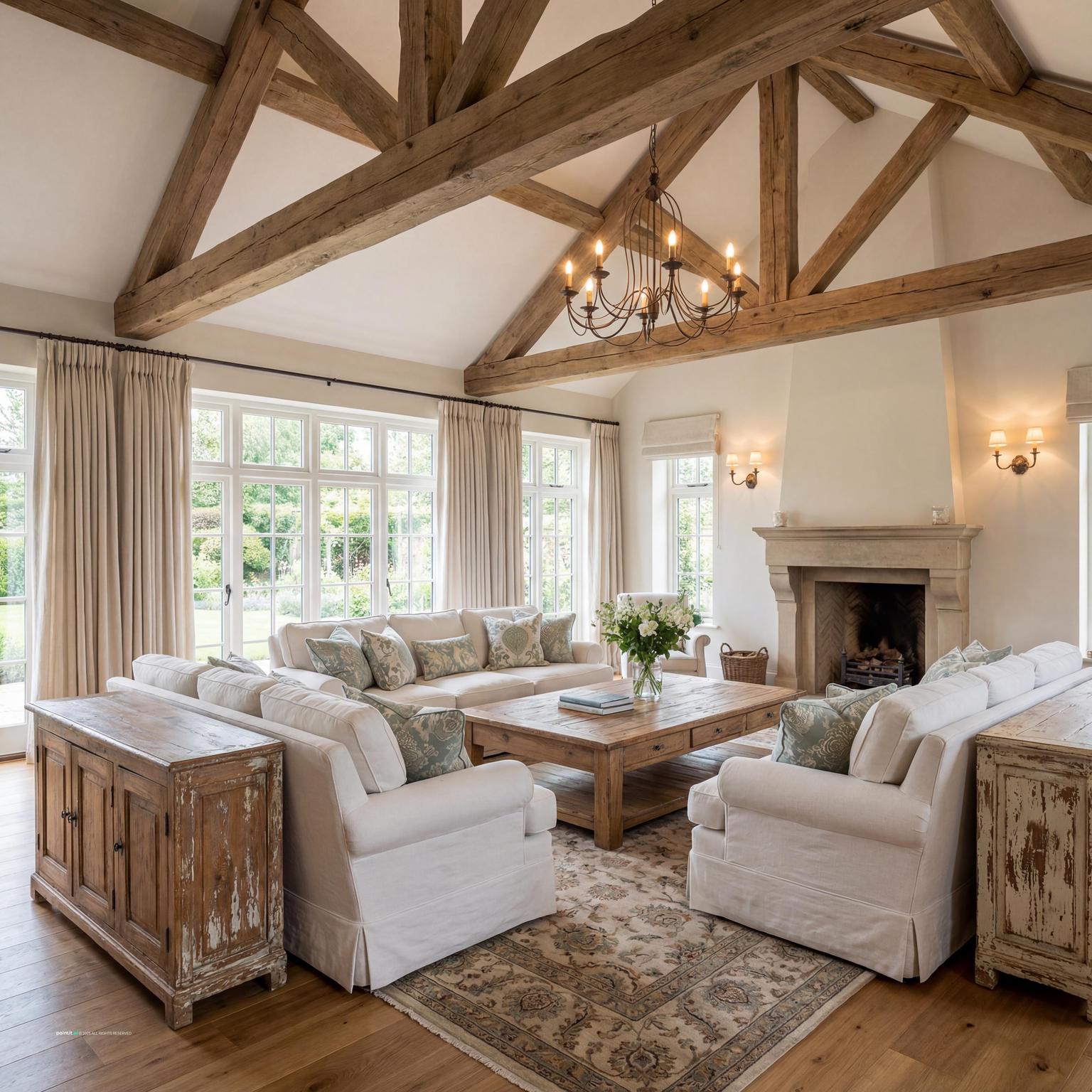
This elegant French Country living room design captures the warm, inviting essence and timeless comfort characteristic of a beautiful 1940s living room.
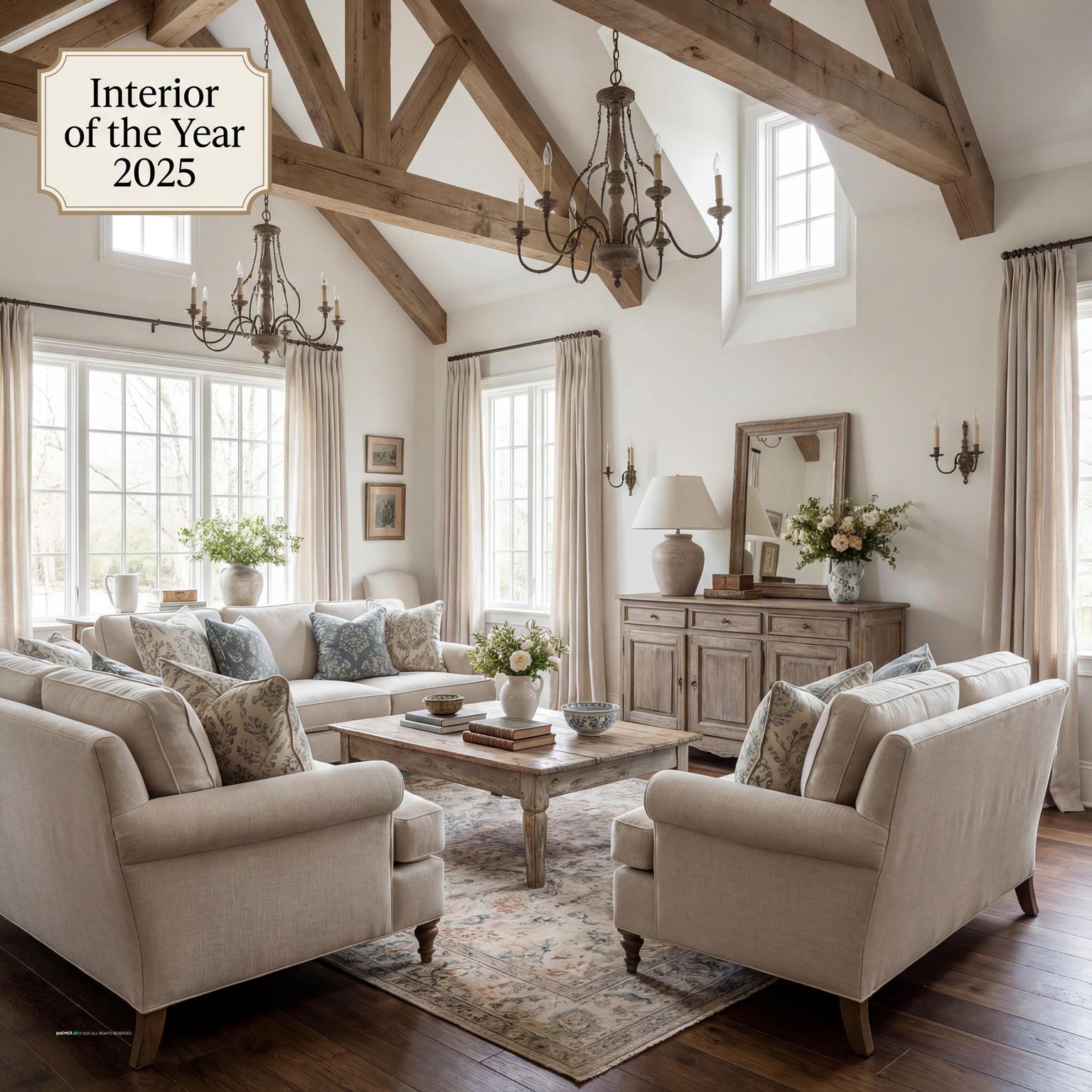
Evoking a charming 1940s living room feel, this elegant French Country design blends traditional comfort with understated, inviting style.
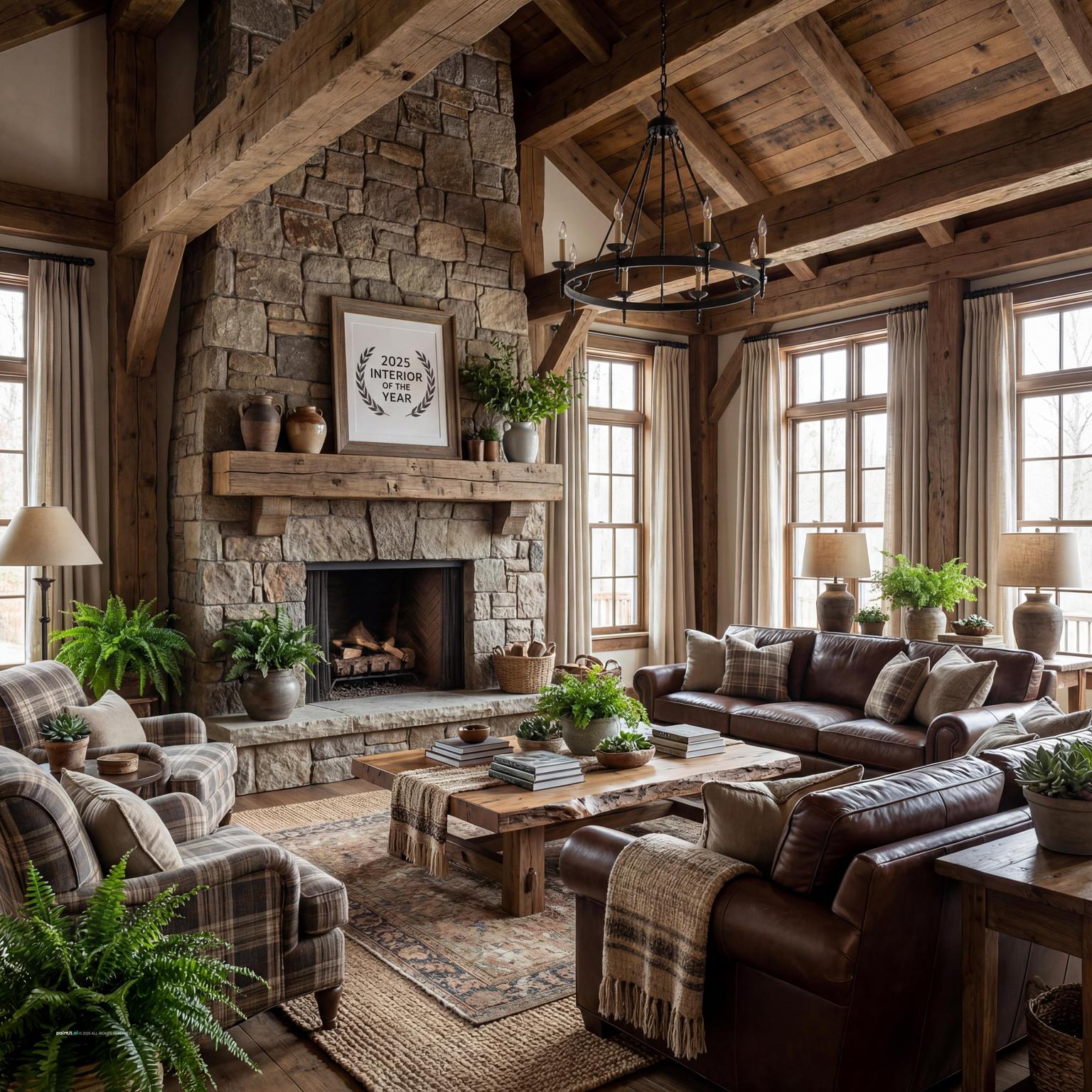
Discover the practical warmth of a cozy rustic living room, perfectly reflecting the unpretentious comfort and enduring style of a 1940s living room.
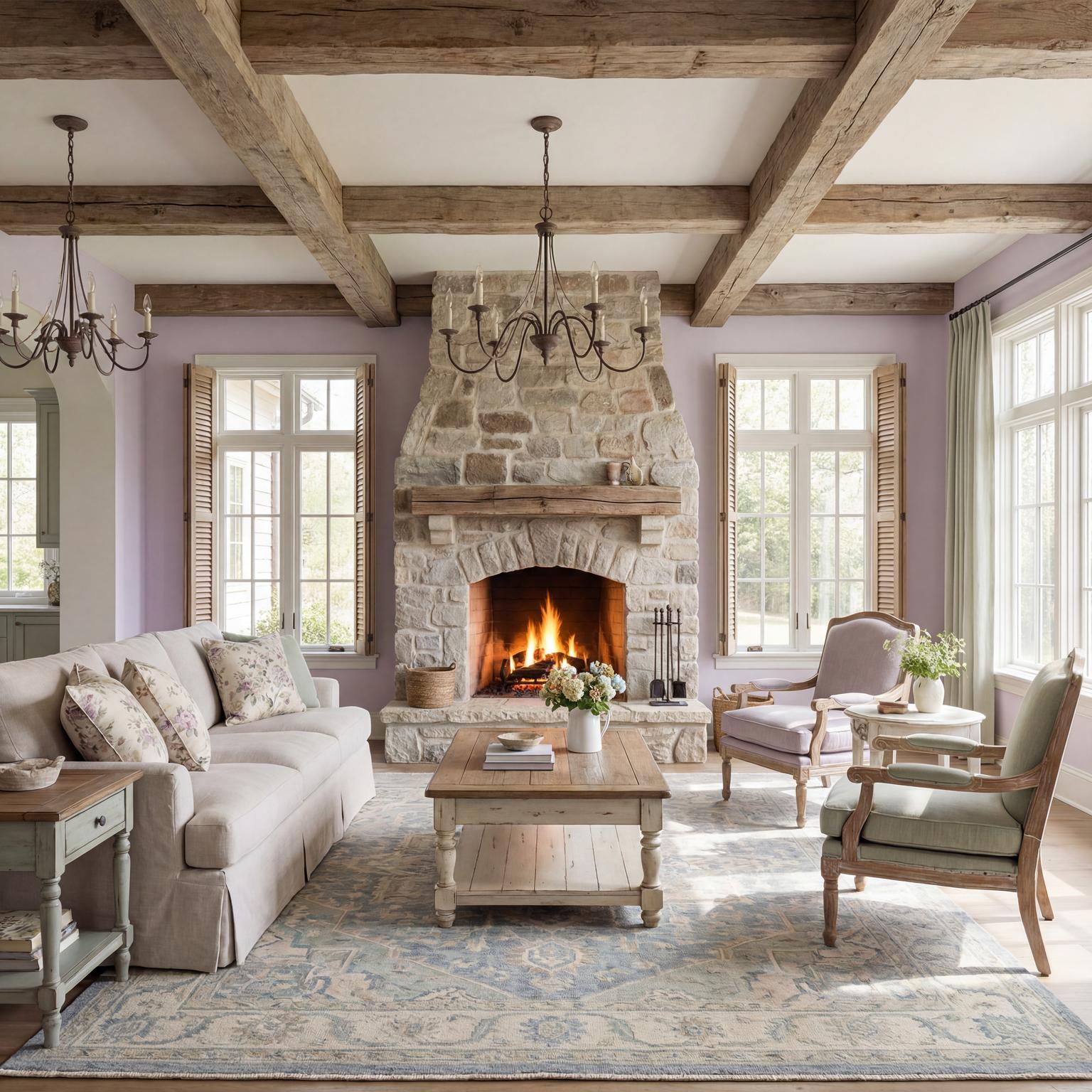
Infused with classic charm, this elegant French Country design offers a serene and comfortable retreat, reminiscent of a refined 1940s living room.
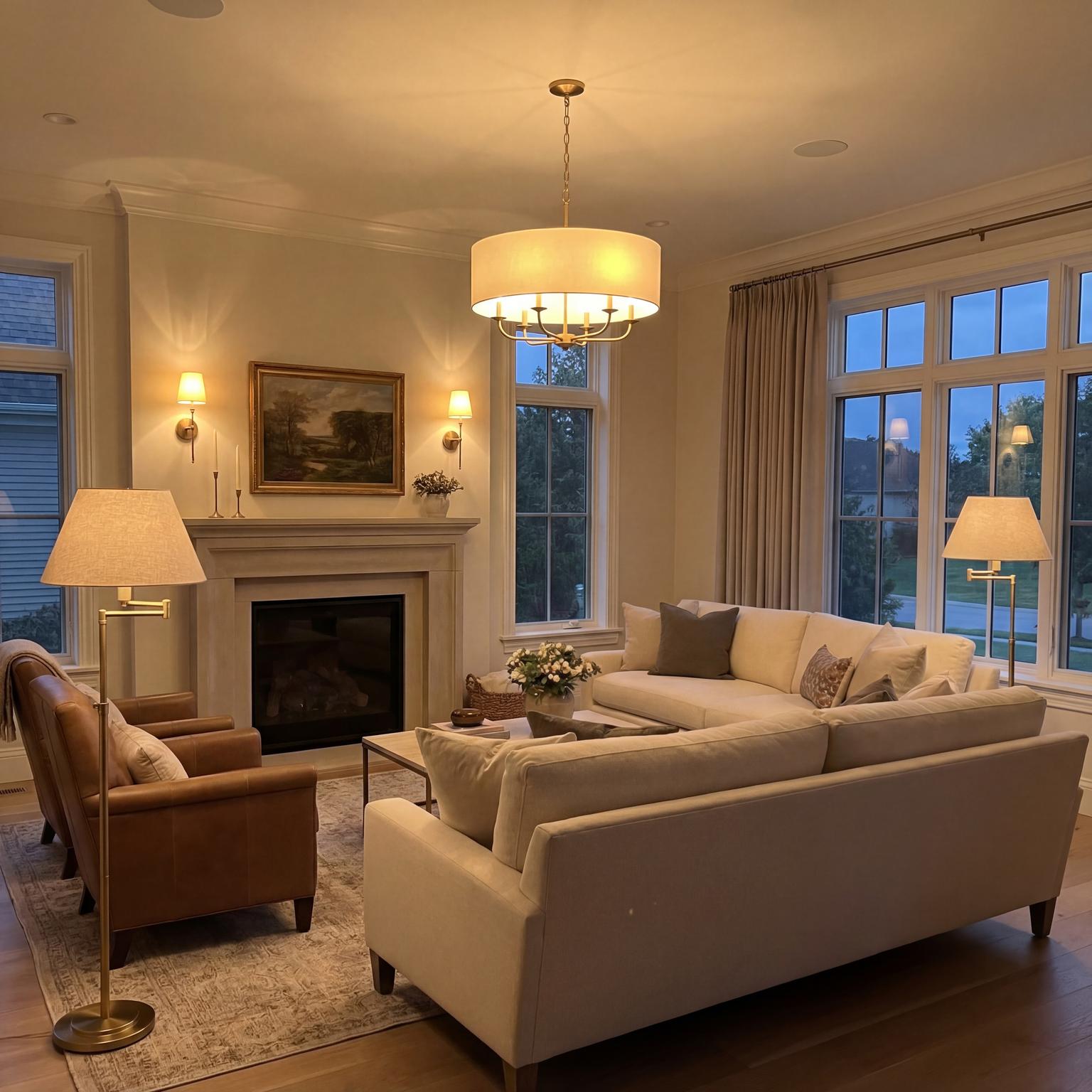
This cozy classic living room design beautifully marries enduring comfort with practical elegance, truly capturing the inviting spirit of a 1940s living room.
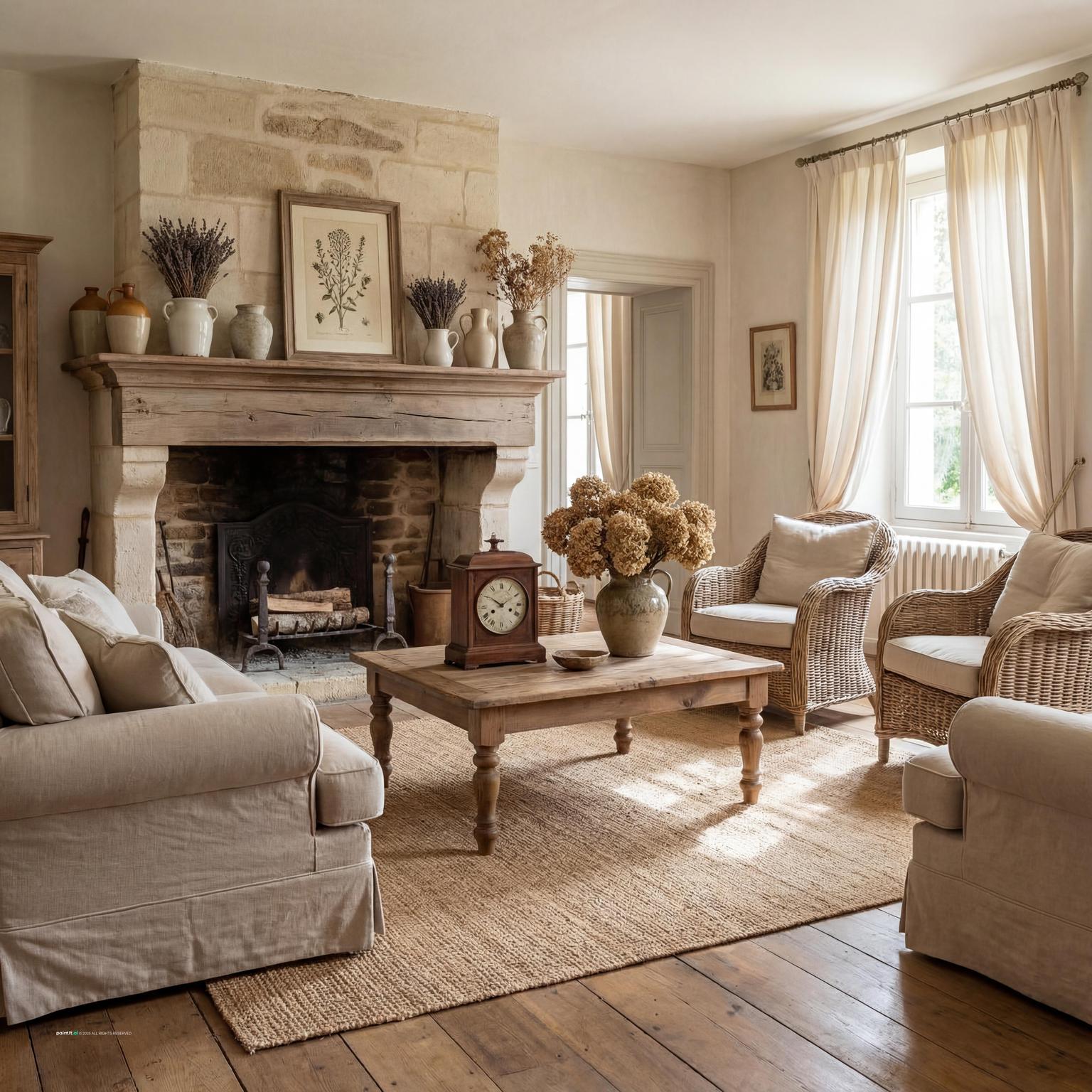
A charming French Country living room design, featuring a delightful blend of rustic elegance and homey comfort, perfectly suited for a 1940s living room aesthetic.
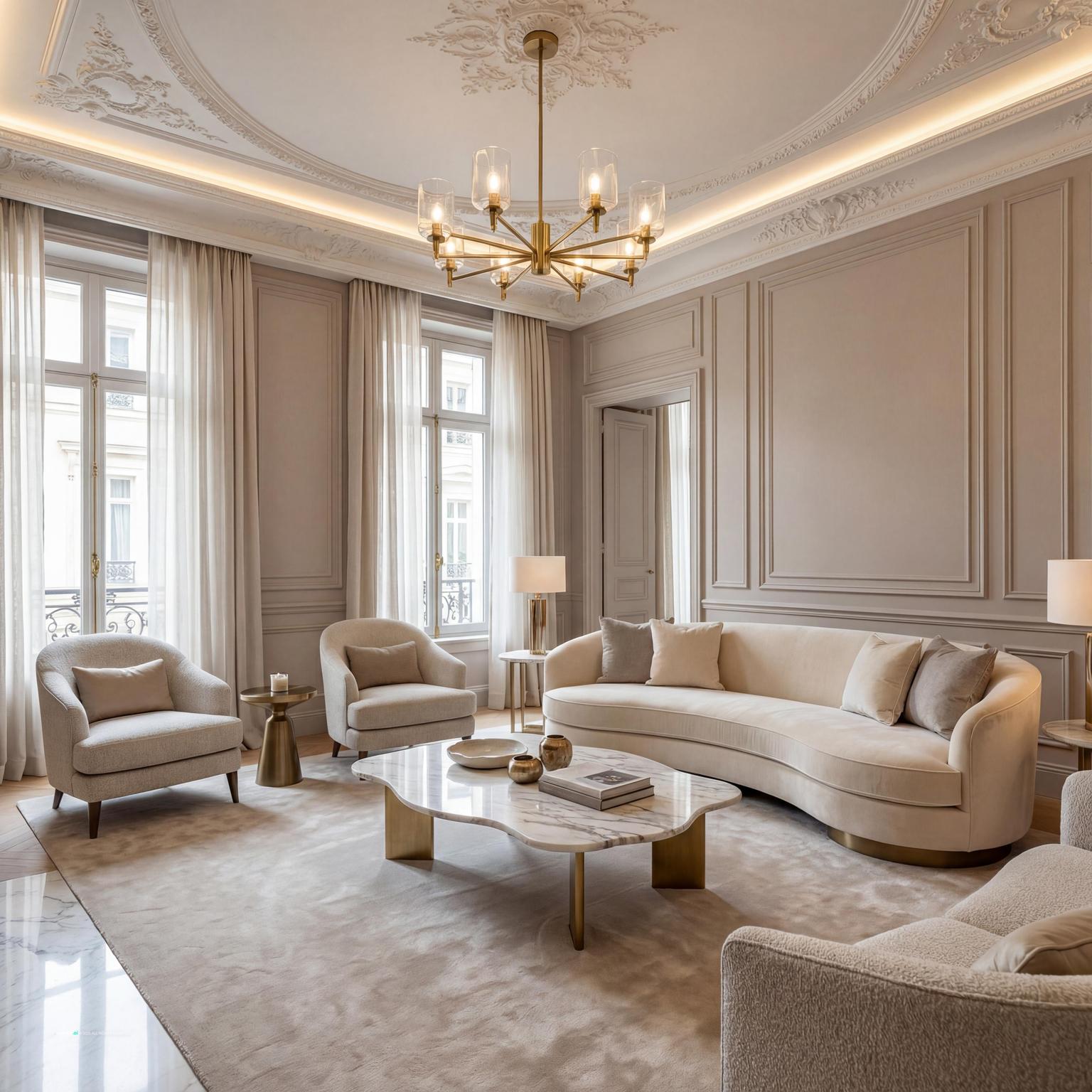
This elegant Neoclassic living room design offers a sophisticated yet understated ambiance, reflecting the refined taste often found in a grander 1940s living room.
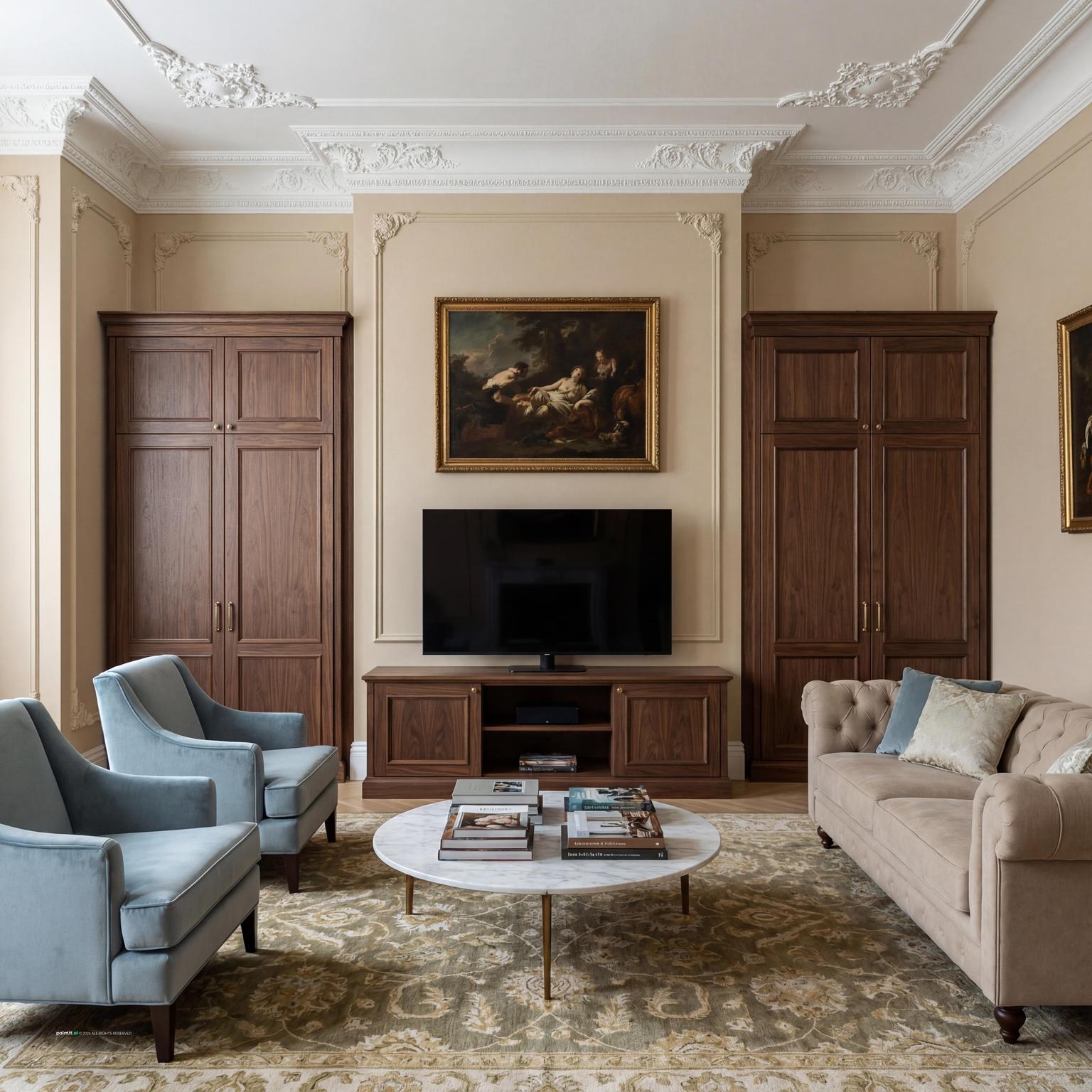
Experience the timeless appeal of this elegant Neoclassic living room, where balanced design and comfort create a sophisticated atmosphere akin to a 1940s living room.
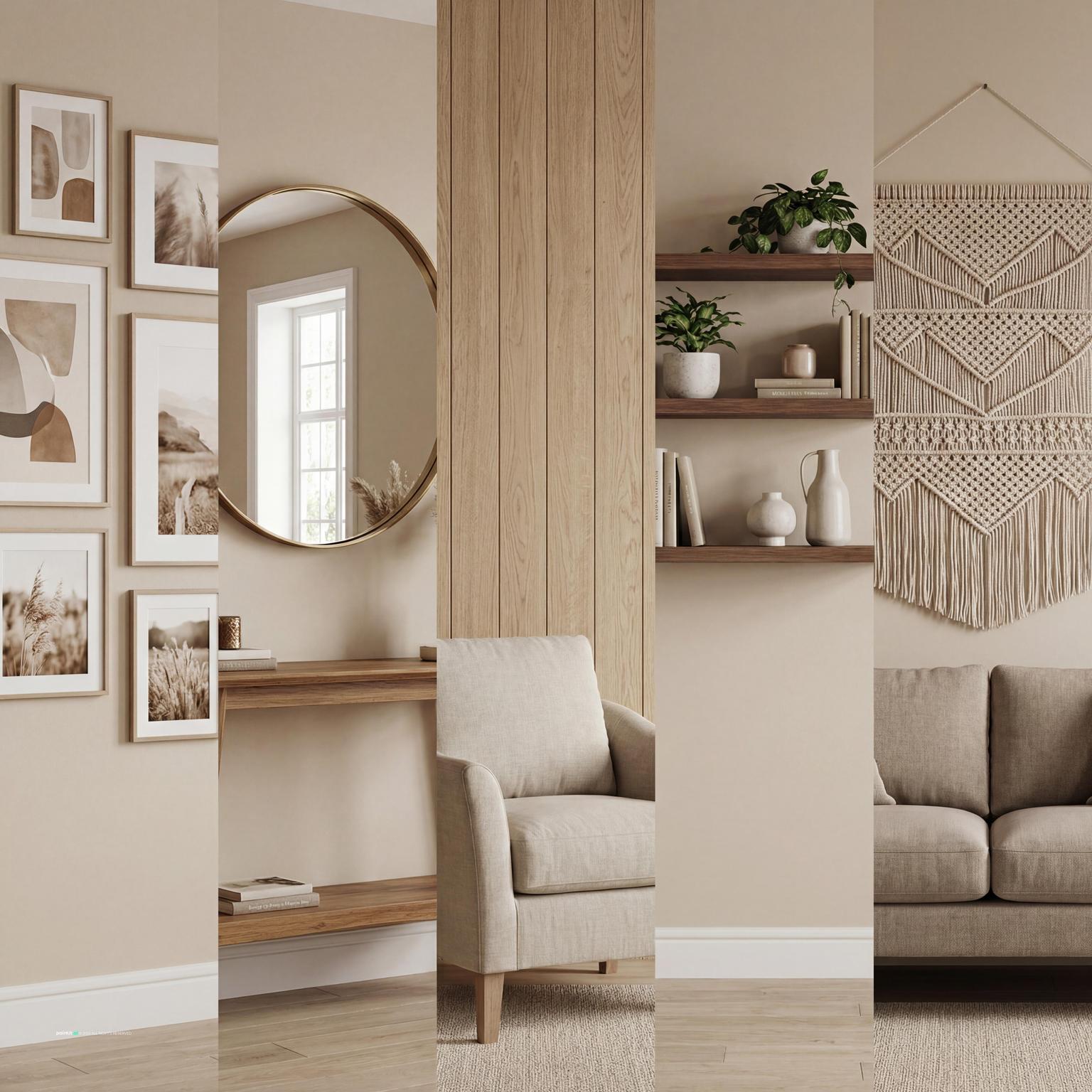
Explore cozy living room design ideas that prioritize comfort and warmth, creating an inviting atmosphere characteristic of a beloved 1940s living room.
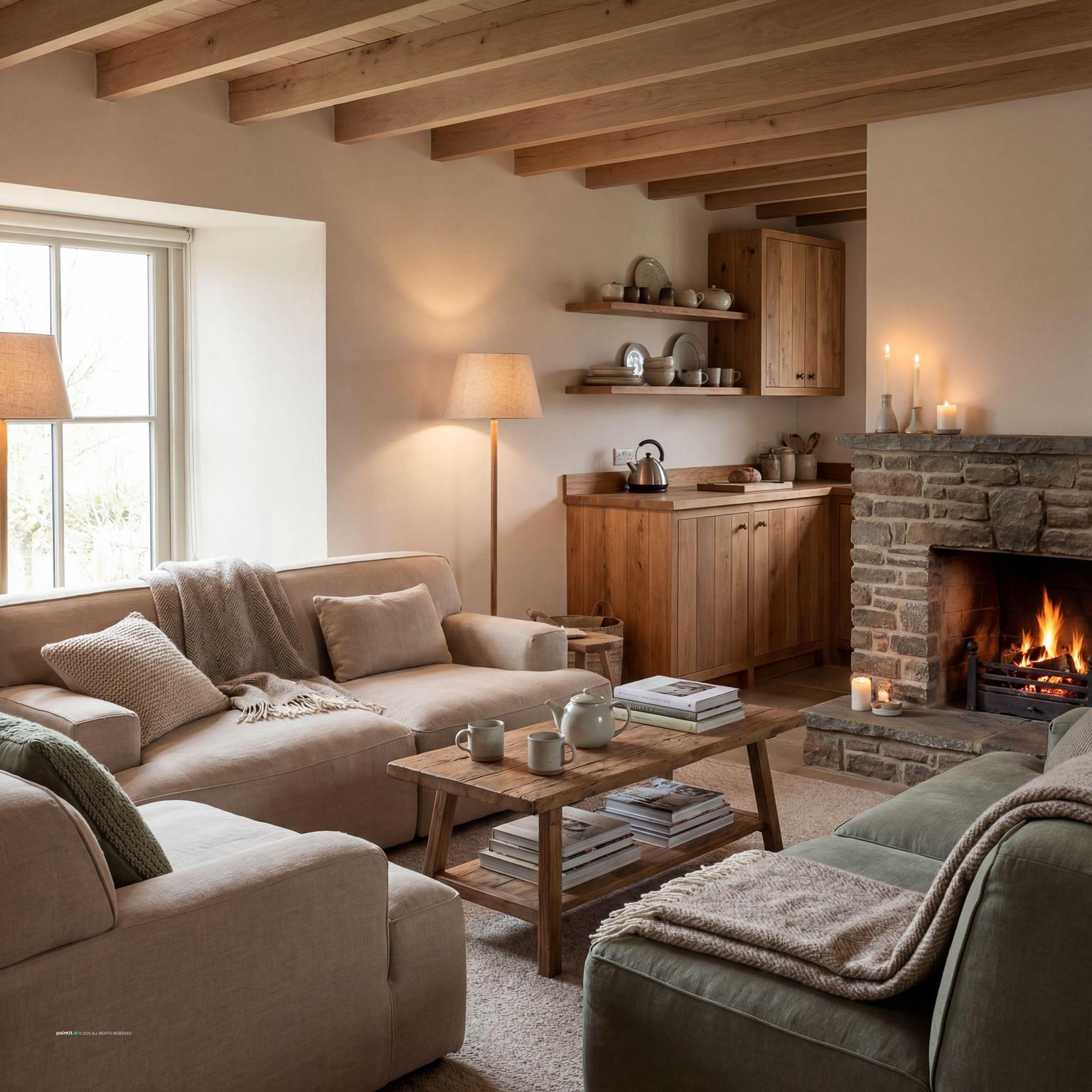
This cozy cottage living room design, emphasizing relaxation and classic charm, beautifully interprets the comfortable and inviting essence of a 1940s living room.
For a truly authentic 1940 living room feel, a gentle palette works best. Think creamy whites or soft taupes as your base, grounding the space. Introduce muted sage green or a dusty blue for a calming secondary layer. Then, a touch of brick red or warm honey can act as a subtle accent, preventing the room from feeling too flat. It’s about quiet harmony, not bold statements.
For a related take on the same room, explore calm living rooms with plants and natural materials.
Wood, especially maple or oak, forms the backbone of any 1940's living room, bringing a natural, grounding warmth to the room. We see it in furniture frames and console tables, providing a sense of permanence. Sturdy textiles like chenille or tweed on upholstery invite comfort and resilience, while a touch of chintz or a simple cotton floral adds a cheerful, lived-in texture. these materials were chosen for their practicality and longevity.
For a related take on the same room, explore TV unit ideas for small living rooms.
A low-backed sofa with clean lines and an exposed wooden frame is non-negotiable; it anchors the space with understated elegance. Pair it with a substantial, yet not bulky, armchair upholstered in a durable fabric. And for that quintessential touch in a 40s living room? A radio console, even if purely decorative, serves as a powerful focal point, inviting conversation and reflection. Proportions here are key, nothing too grand.
Forget harsh overhead lights; a 1940s living room thrives on layered illumination. We aim for a soft, ambient glow from a fabric-shaded floor lamp in one corner, perfect for general warmth. Task lighting comes from a ceramic-based table lamp beside an armchair, ideal for reading. Accent lighting might be a small Bakelite lamp on a console, highlighting a cherished object. It creates an intimate, inviting atmosphere.
Personal touches truly bring a 1940s living room to life. We’ve found that applying the 3-5-7 rule works wonders for display. Start with three larger items, like a framed botanical print, a substantial ceramic vase, and perhaps a vintage clock on a mantel. Then, add five medium-sized pieces: a stack of well-loved books, a small potted fern, a couple of framed family photos, and a decorative plate. Finally, seven smaller trinkets, think ceramic figurines, a collection of postcards, or even a small, polished stone, scattered thoughtfully. It’s about collected history, not clutter. This approach ensures visual balance and a narrative feel, making the space feel genuinely curated over time.
The 1940s living room is characterised by streamlined but substantial furniture, sofas and armchairs with low backs and exposed wooden frames (maple, oak, or walnut), minimal carving, and practical construction. Warm wood tones dominated: radio cabinets, console tables, built-in shelving. Textiles were central: chintz patterns, floral prints, and heavy drapes in dusty rose, sage green, or warm cream. The palette avoided both the drama of Art Deco and the bright primaries of later 1950s MCM, instead favouring muted, comfortable, light-absorbing tones. Rooms were arranged for practical family use around the fireplace and radio rather than the television.
The 1940s preceded MCM's defining features, the tapered leg, the organic shape, the radical material experiments of Eames and Saarinen. 1940s furniture is heavier and more upright; MCM furniture is lighter, lower, and more sculptural. The 1940s palette is warmer and more muted; MCM introduced brighter accent colours and bolder contrasts. The 1940s room references traditional construction; MCM deliberately breaks from it. A 1940s room feels like home; an MCM room feels like design.
Materials: maple, oak, and walnut for furniture; chintz, brocade, and tweed for upholstery; wool rugs with geometric or floral patterns. Colours: taupe, sage green, dusty rose, warm cream, and muted golds and ochres. Metallics appear selectively, brass handles, chrome lamp bases, rather than as dominant decorative elements. The overall effect is warm, slightly formal, and richly textured.