
Staging a Living Room: - Creating an Inviting Space
Thinking about staging a living room can feel like a big project, especially when you want your space to feel welcoming and open. Sometimes it's just a matter of rearranging what you already have, or perhaps adding a few thoughtful touches. How do you create that inviting atmosphere without overdoing it?
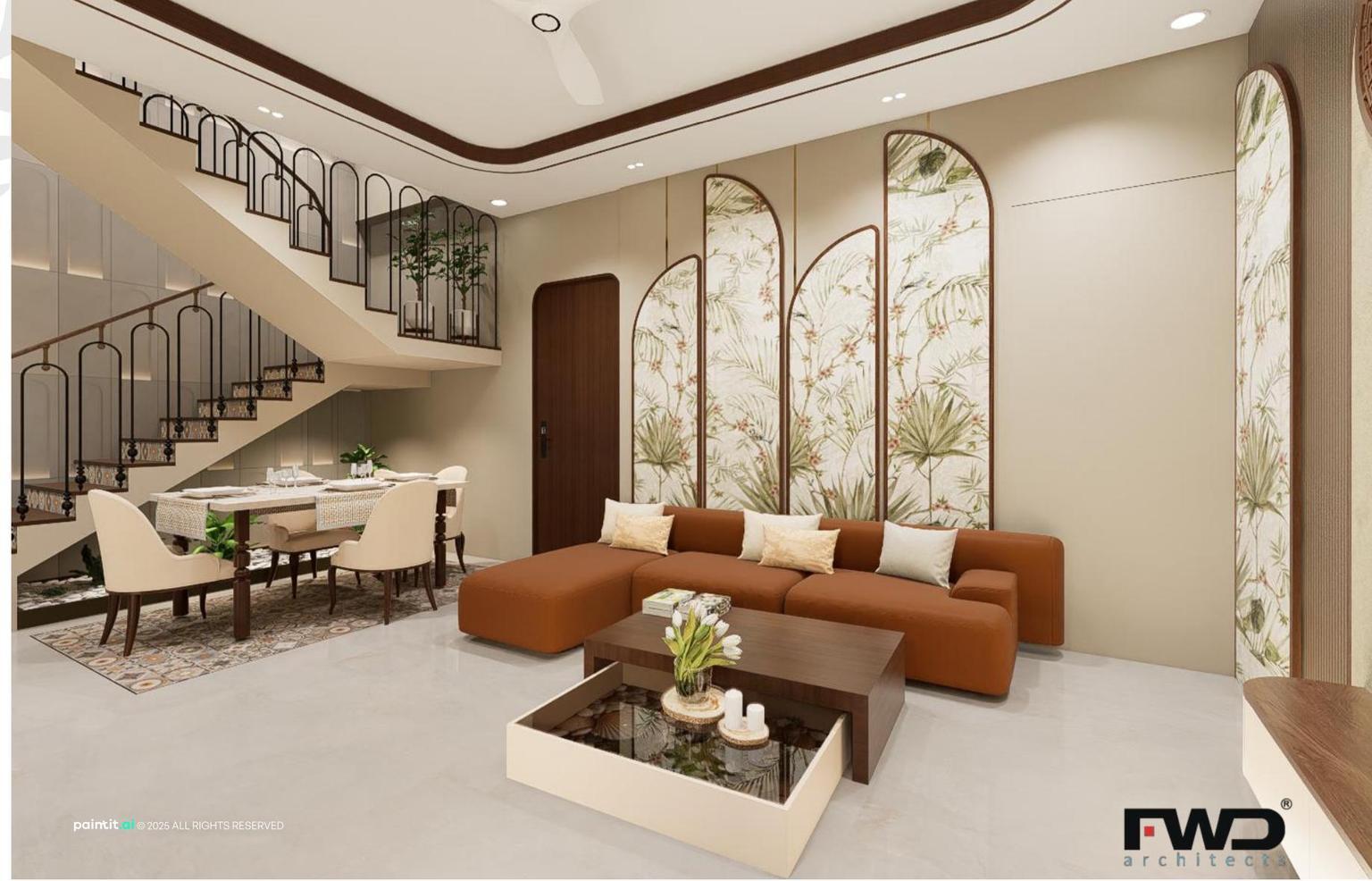
Essential Tips for The Art of Staging a Living Room
Stunning Examples of 12 Thoughtful Approaches to Staging a Living Room
-
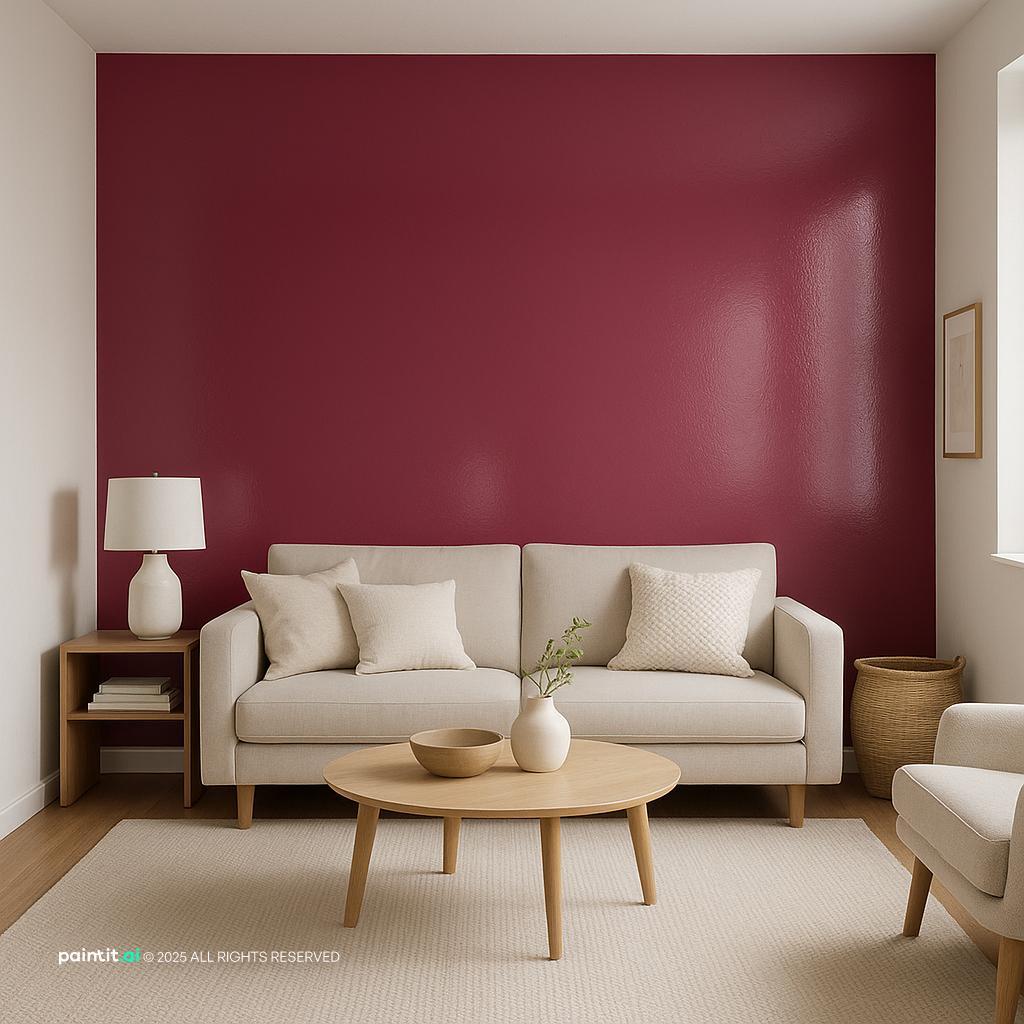
We’ve spent years observing what truly makes a space sing, what makes it feel both lived-in and aspirational. These ideas aren't just about making things pretty; they're about crafting a narrative, balancing aesthetics with genuine functionality, and making sure every corner feels intentional. It’s about creating that subtle 'wow' factor without ever feeling forced.
-
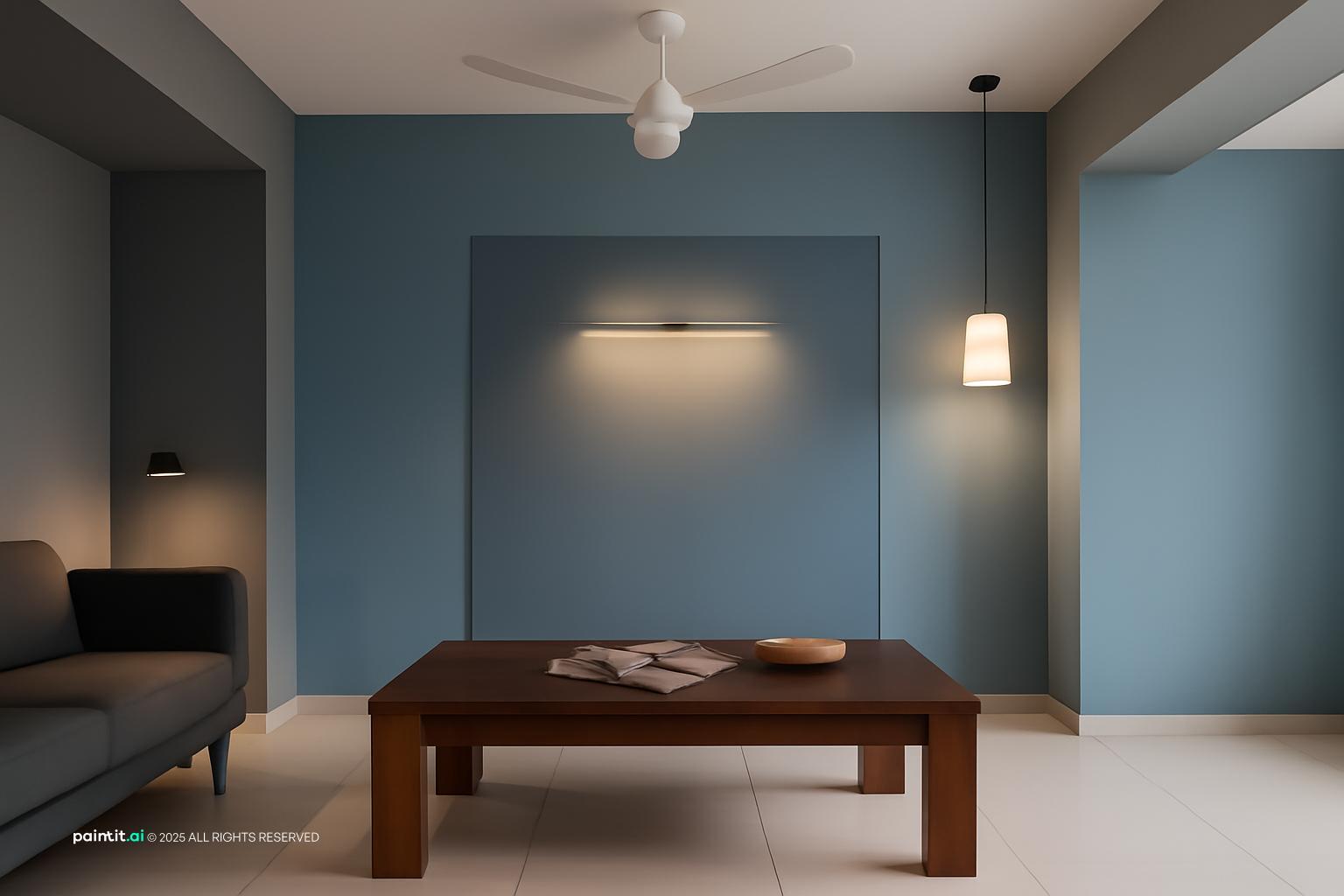
People often just push furniture against walls. But a truly inviting space pulls seating together, creating a natural hub for conversation. It’s about intimacy, even in a larger room.
-
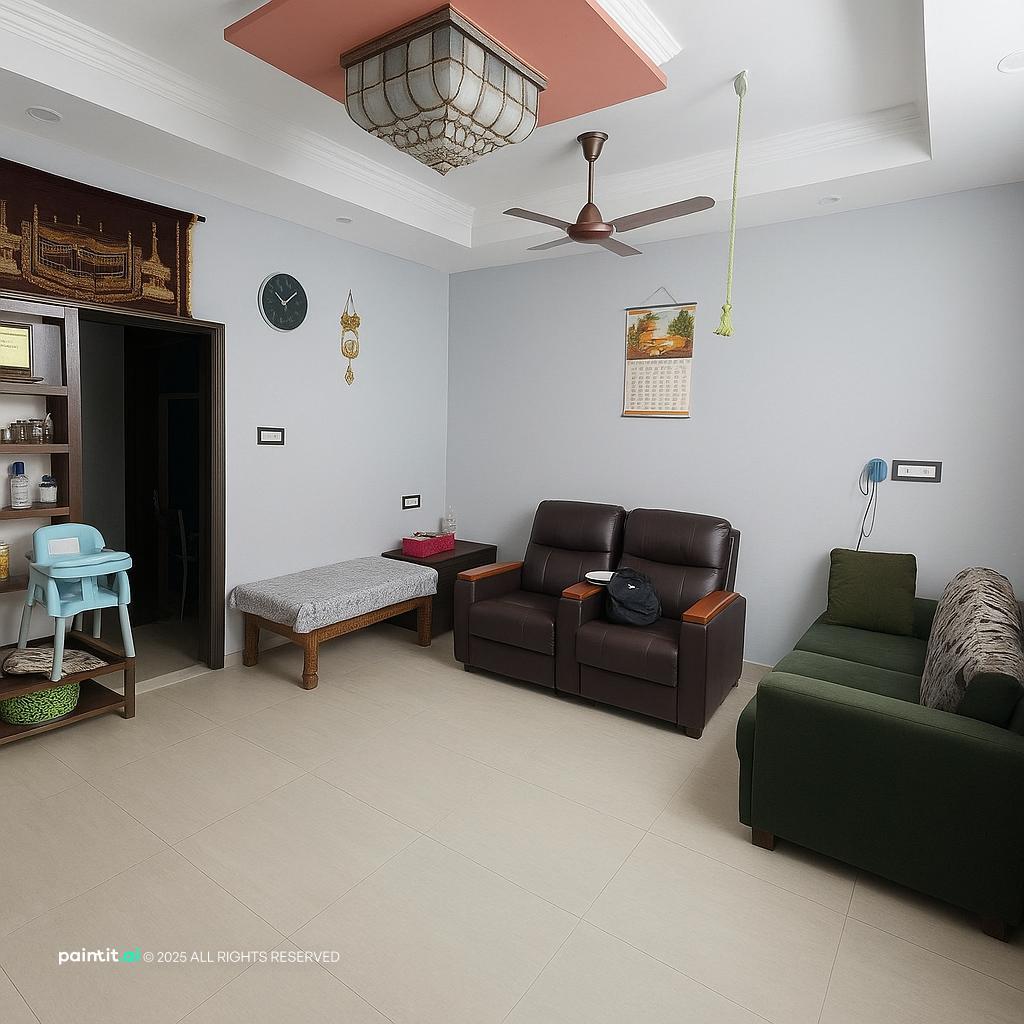
Anchor your primary sofa, then float armchairs or a loveseat to face it, leaving enough room for a coffee table. Think about a durable, low-pile area rug to ground the arrangement. We’ve seen this work beautifully with a sectional and two accent chairs, creating a cozy U-shape.
-
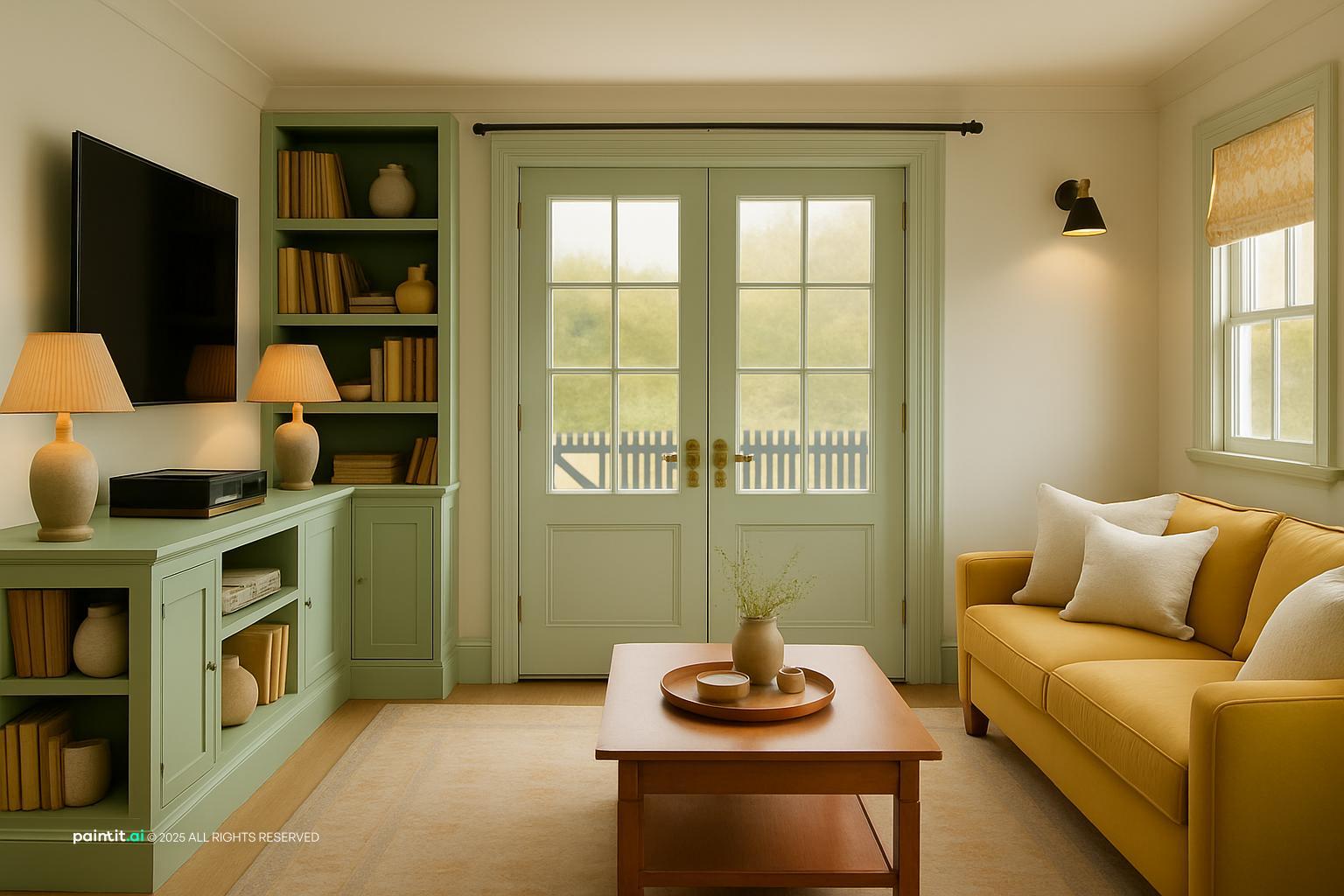
Pro Tip: To achieve this effect, try pulling your largest pieces away from the walls by at least six inches.
-
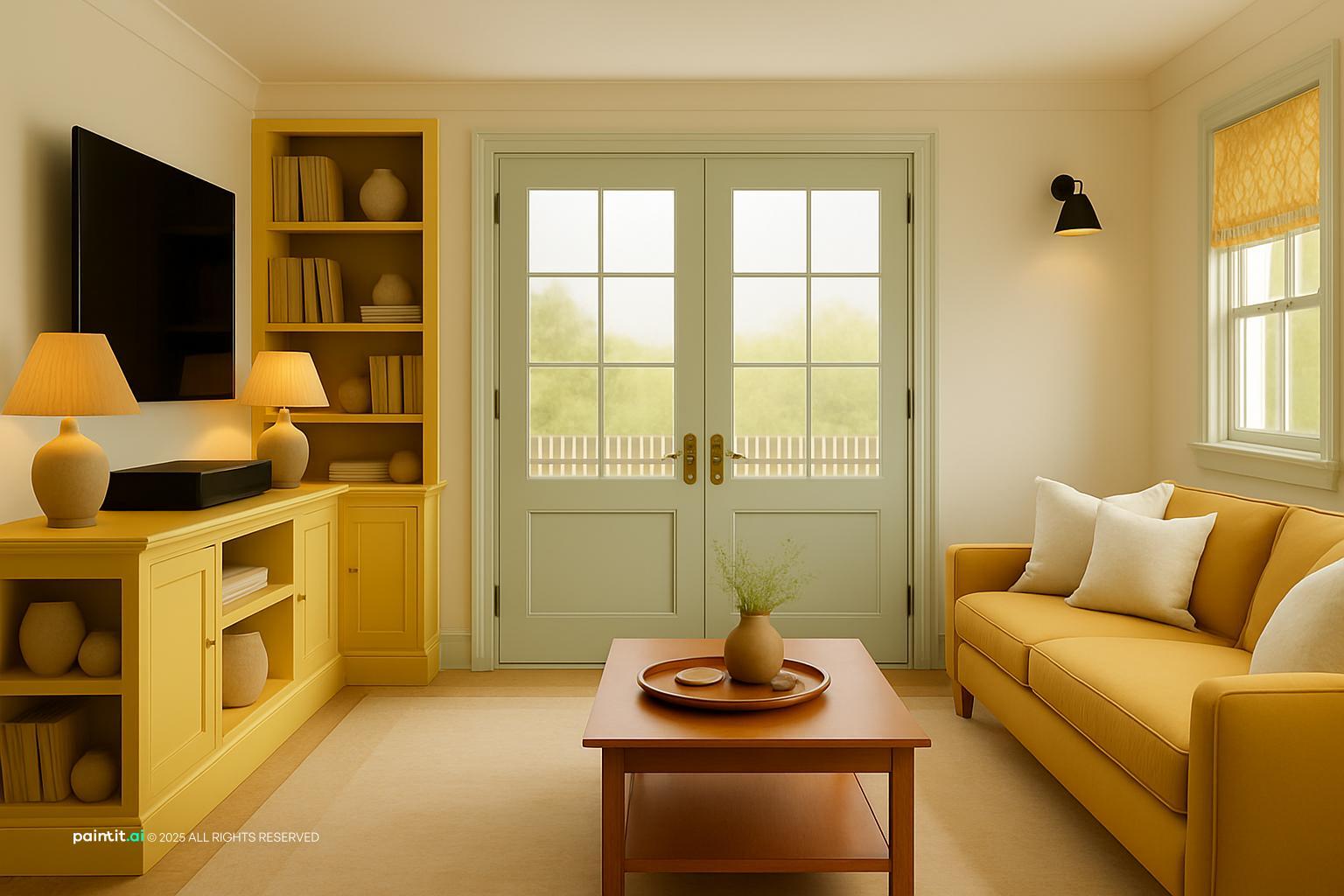
There’s nothing worse than bumping into furniture. A well-prepared room guides visitors effortlessly from one area to the next, creating visual pathways. It’s about respecting the natural movement through the space.
-
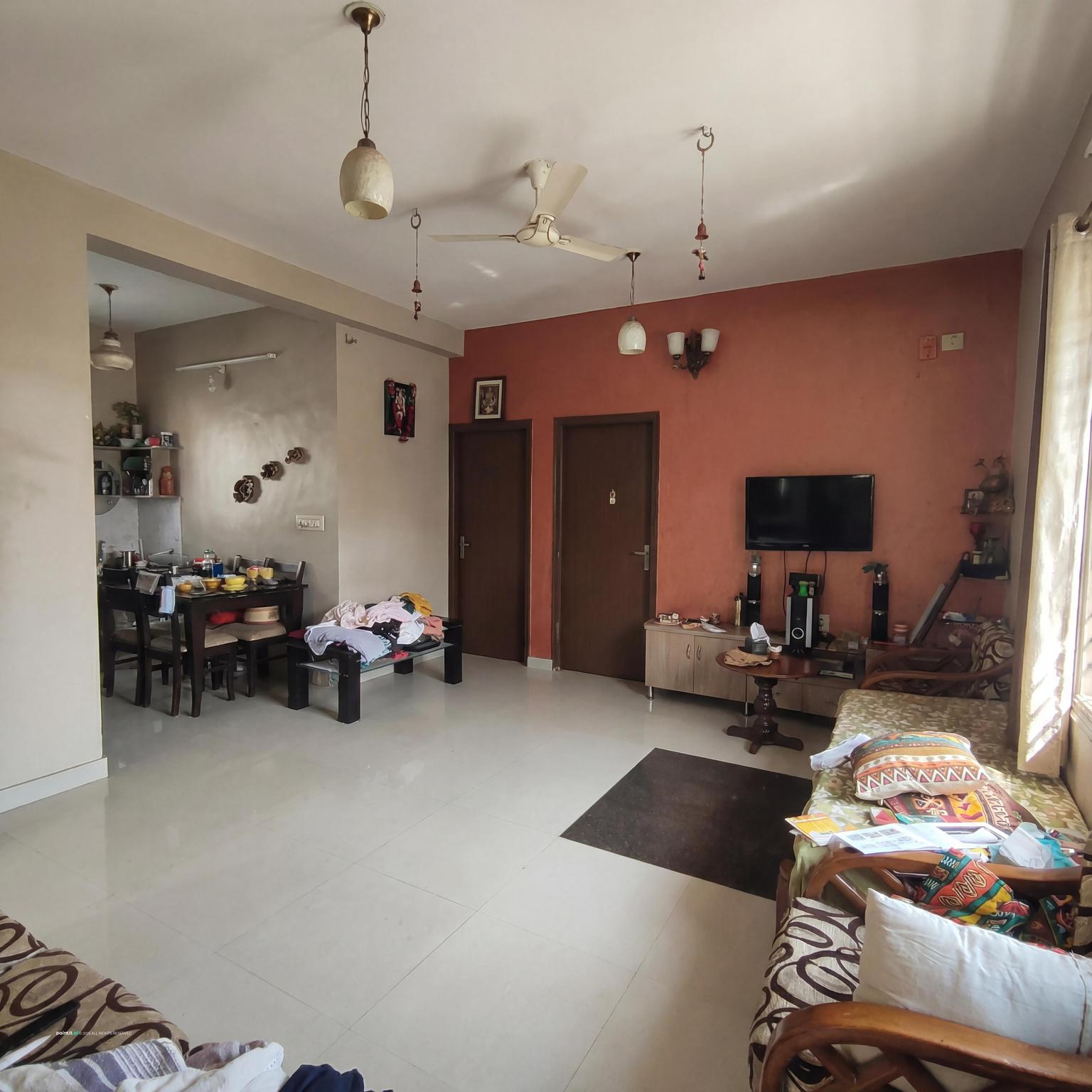
Ensure at least 30-36 inches of clear space for main pathways. For secondary paths, 24 inches can work. This might mean opting for a smaller coffee table or a console table behind a sofa, rather than a bulky side table.
-
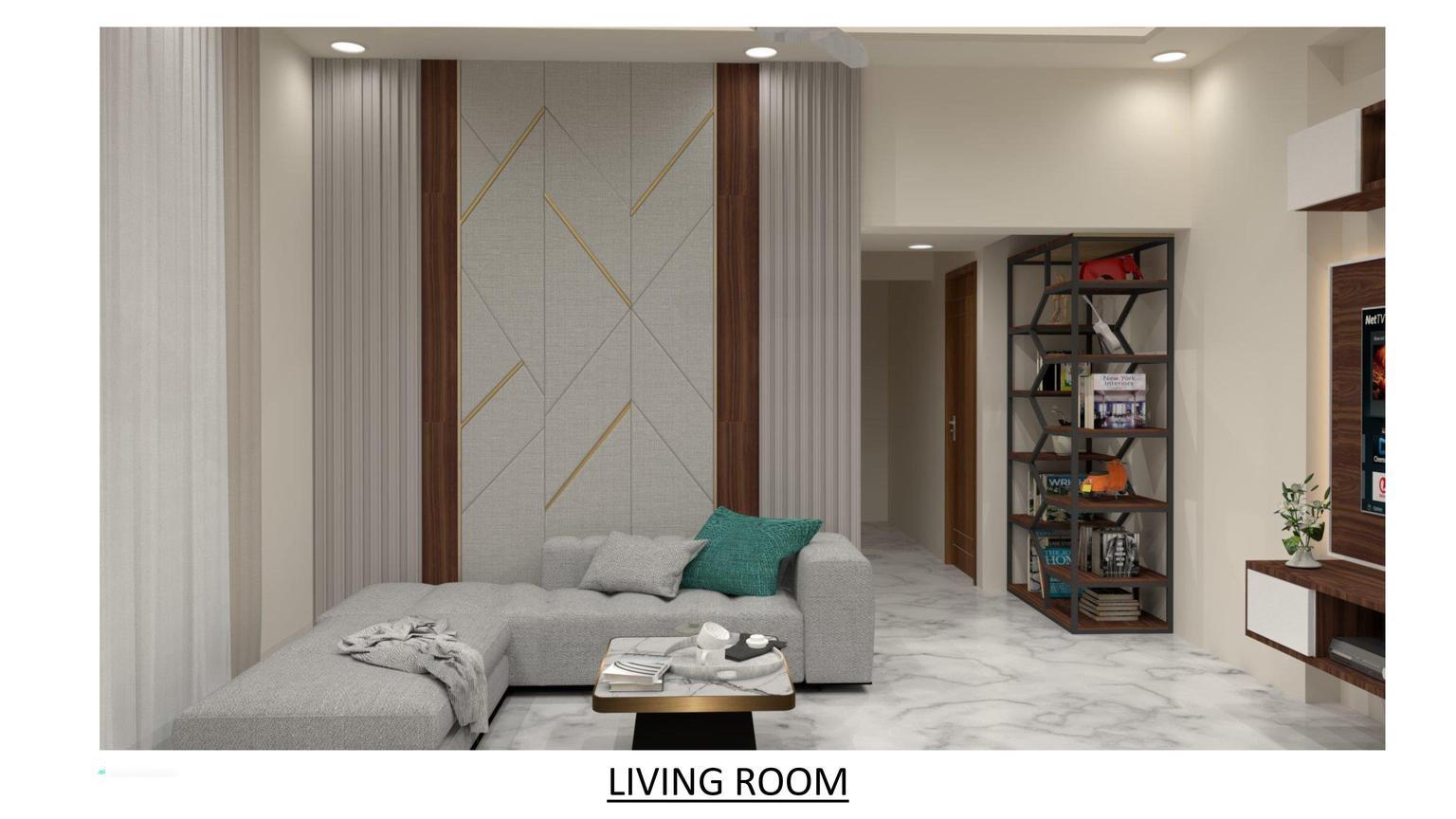
Pro Tip: To achieve this effect, try walking through the room yourself, noting any obstacles.
-
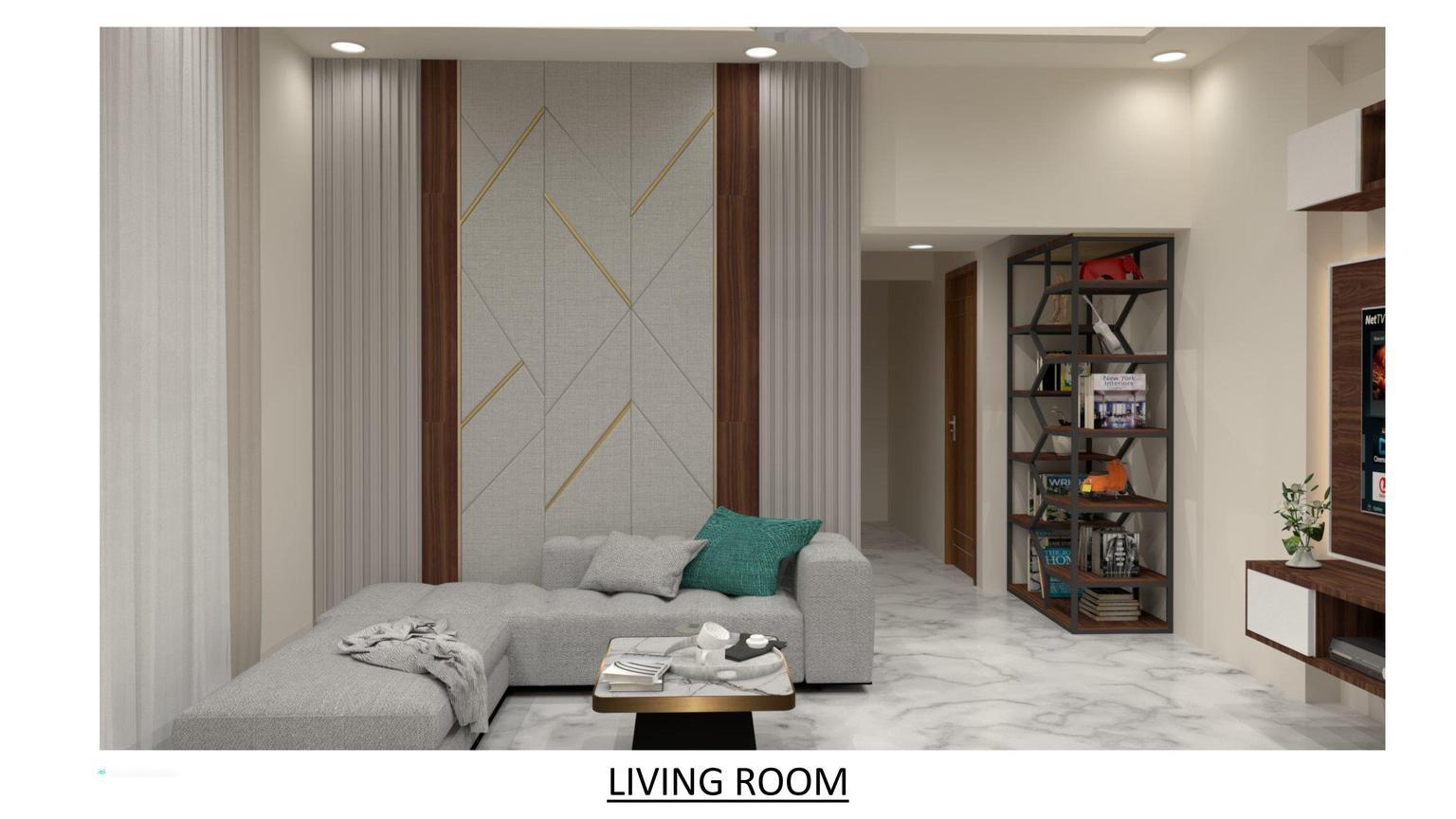
This isn't about emptying the room; it’s about editing. Remove anything overly personal—family photos, fridge magnets, excessive knick-knacks—that might distract a potential buyer. The goal is for them to envision their life there, not yours.
-
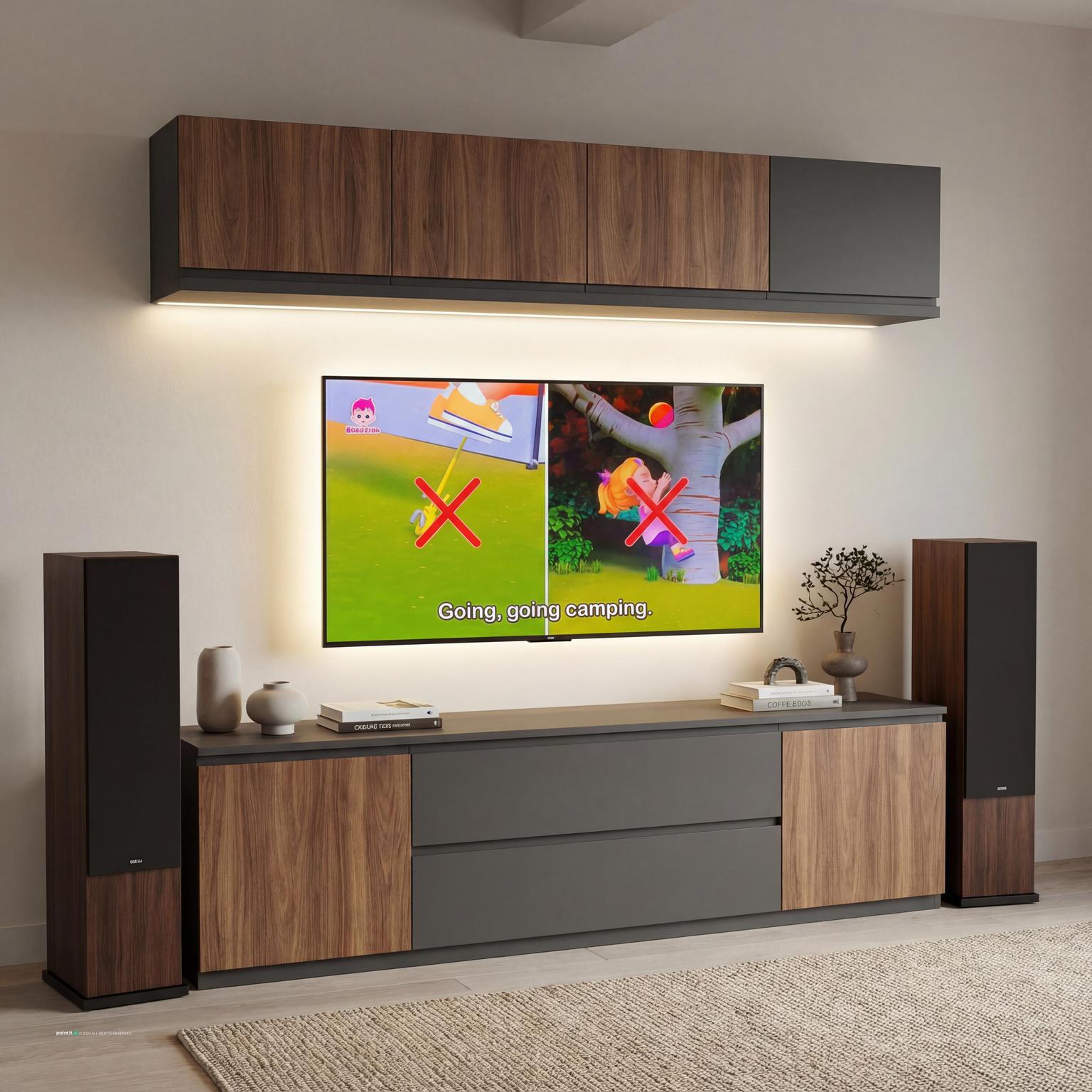
Store away about 50-70% of your personal items. Keep surfaces clear, perhaps one or two curated items on a coffee table or bookshelf. Think about sleek storage solutions, like a console with drawers, to hide everyday essentials.
-
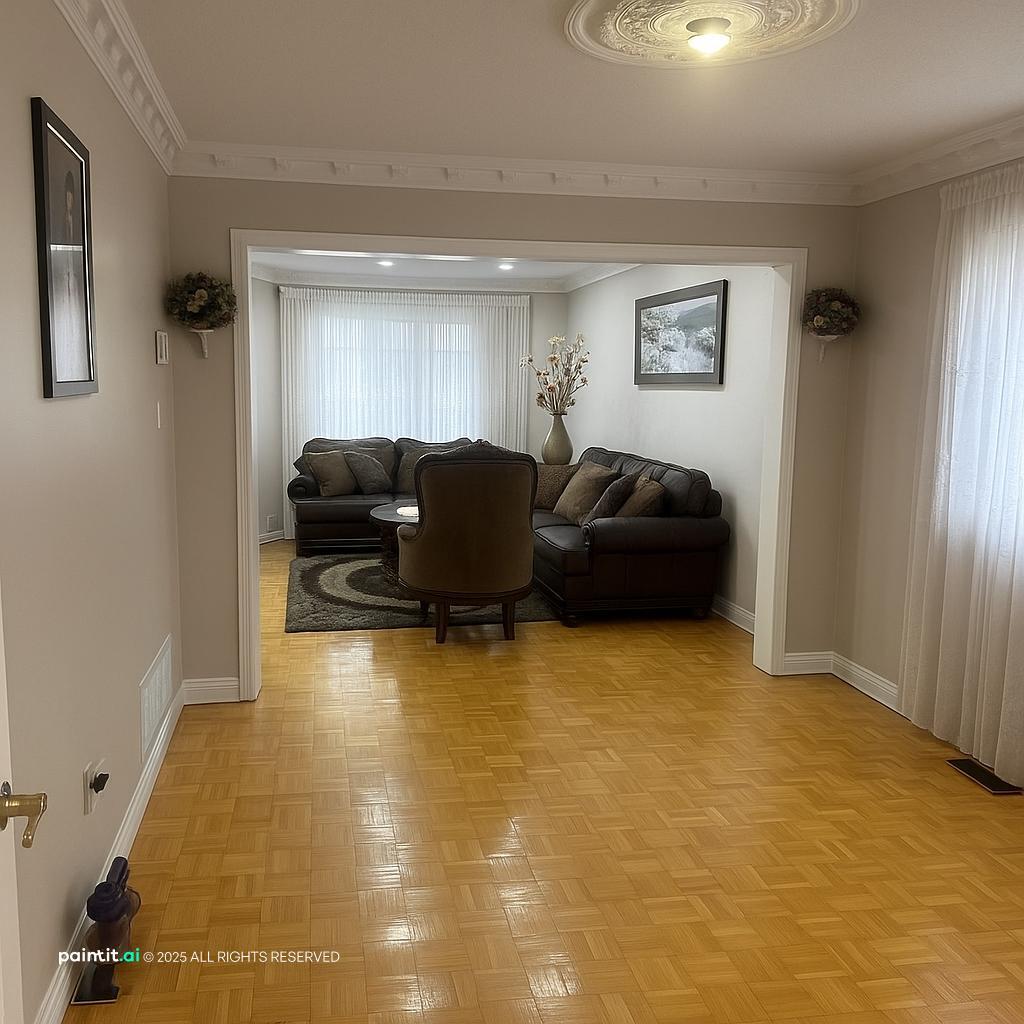
Pro Tip: To achieve this effect, try imagining you’re packing for a move; what can go into storage first?
-
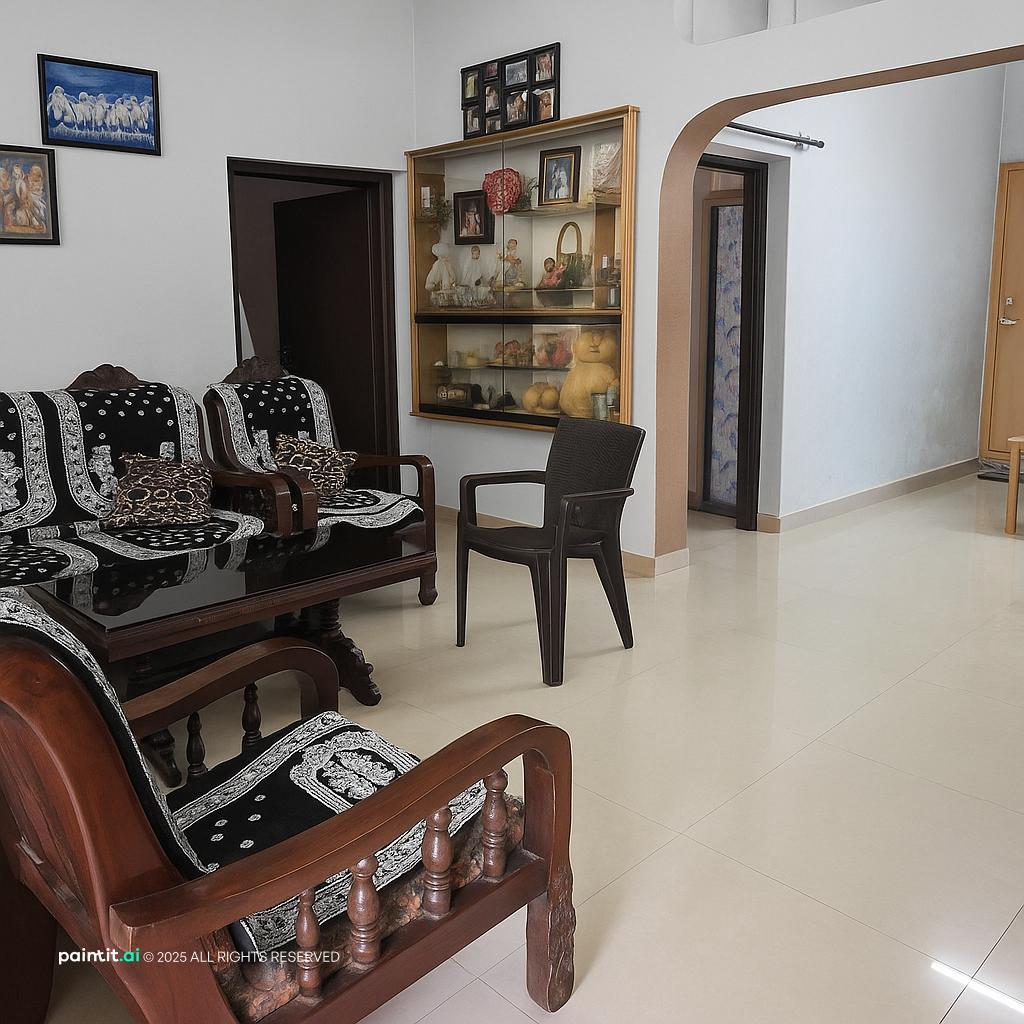
Every room needs a star. It could be a fireplace, a large window with a view, or a significant piece of art. Once you identify it, arrange furniture to highlight it, drawing the eye naturally.
-
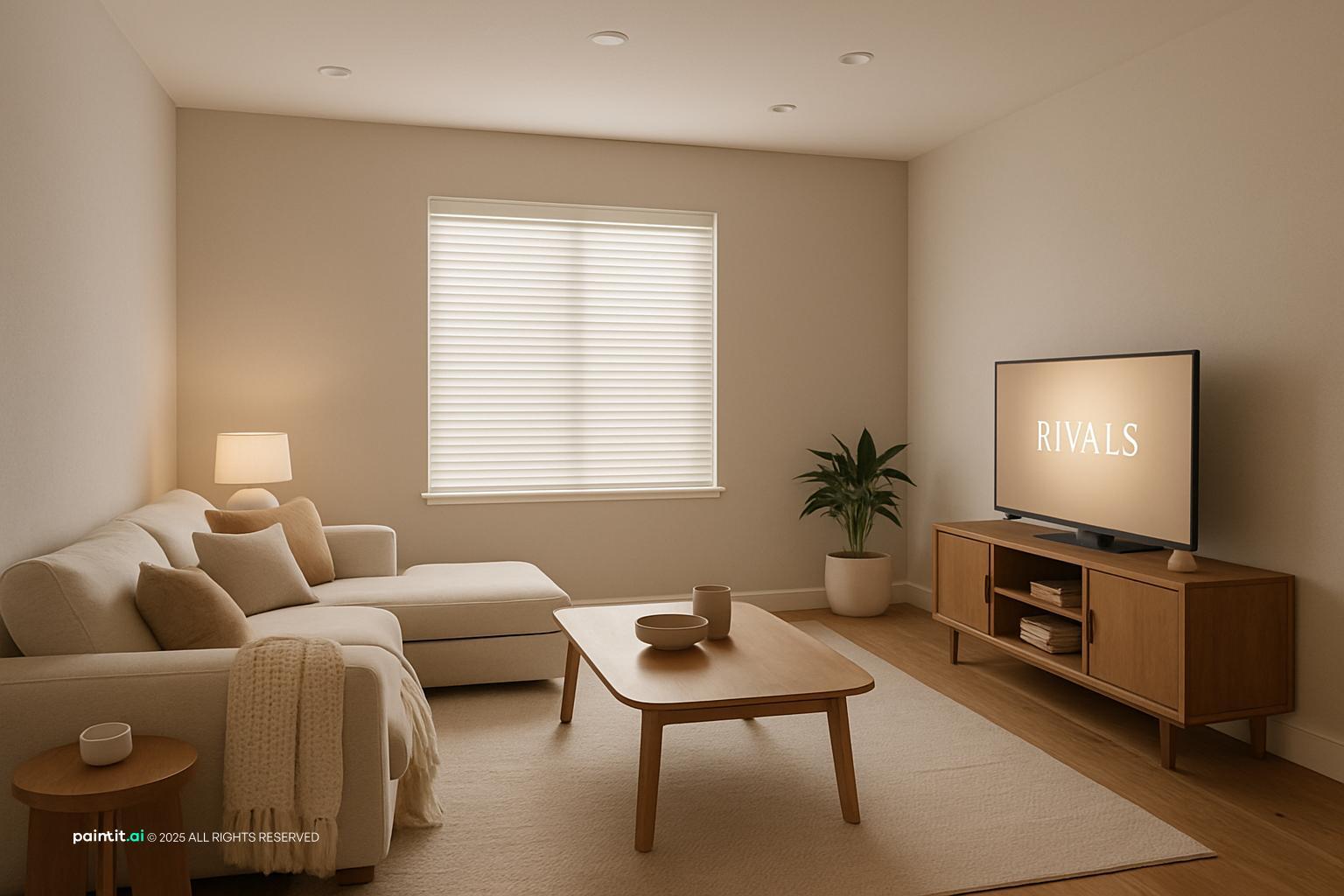
If you have a fireplace, arrange your main seating to face it. For a stunning view, angle chairs towards the window. If neither is present, a large-scale abstract painting or a striking console table with a mirror above it can serve as a powerful anchor.
-
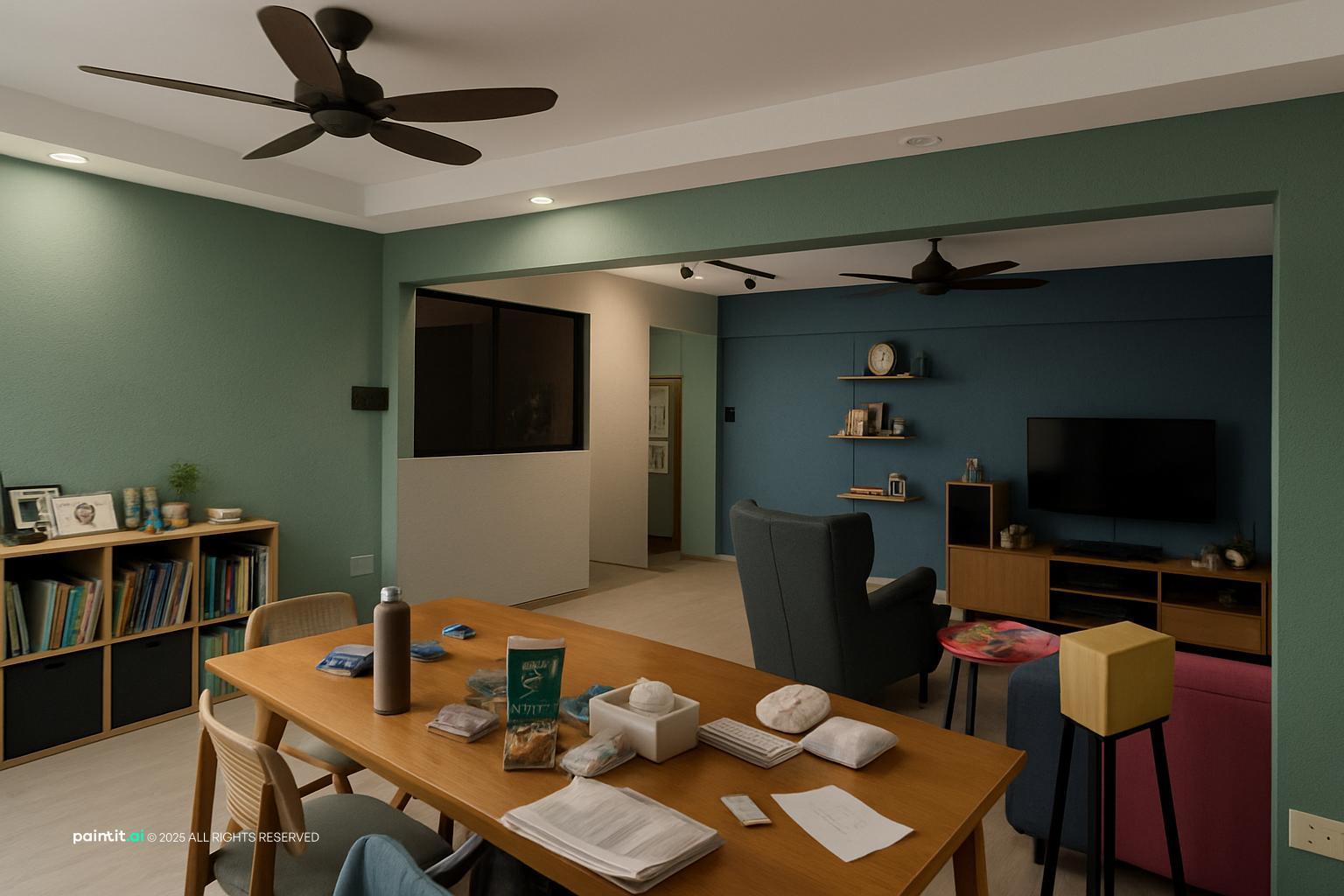
Pro Tip: To achieve this effect, try placing your most impactful piece of furniture or art directly opposite the room’s entrance.
-
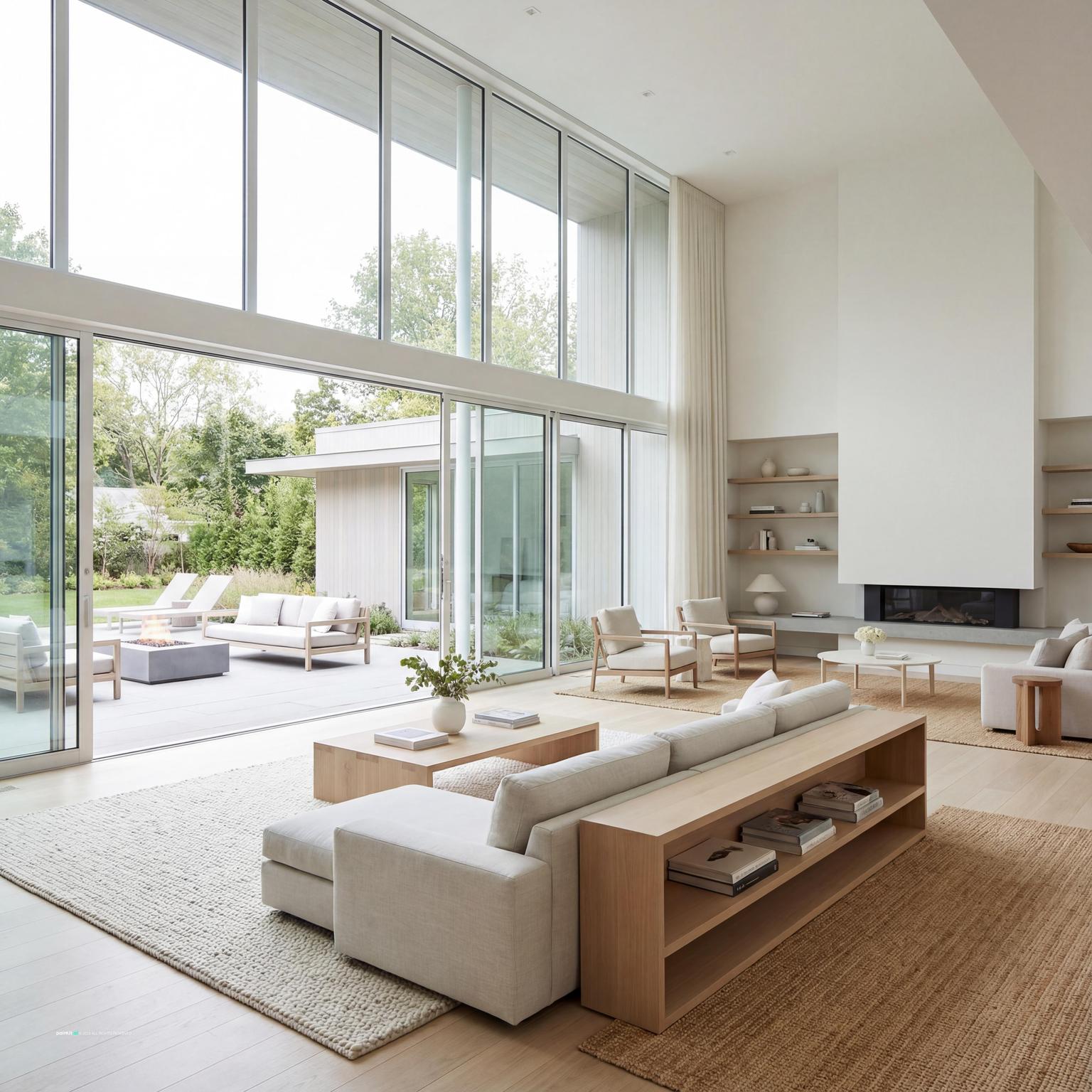
A single overhead light can feel harsh and unwelcoming. Layered lighting—ambient, task, and accent—creates warmth, depth, and allows for different moods. It’s about painting with light.
-
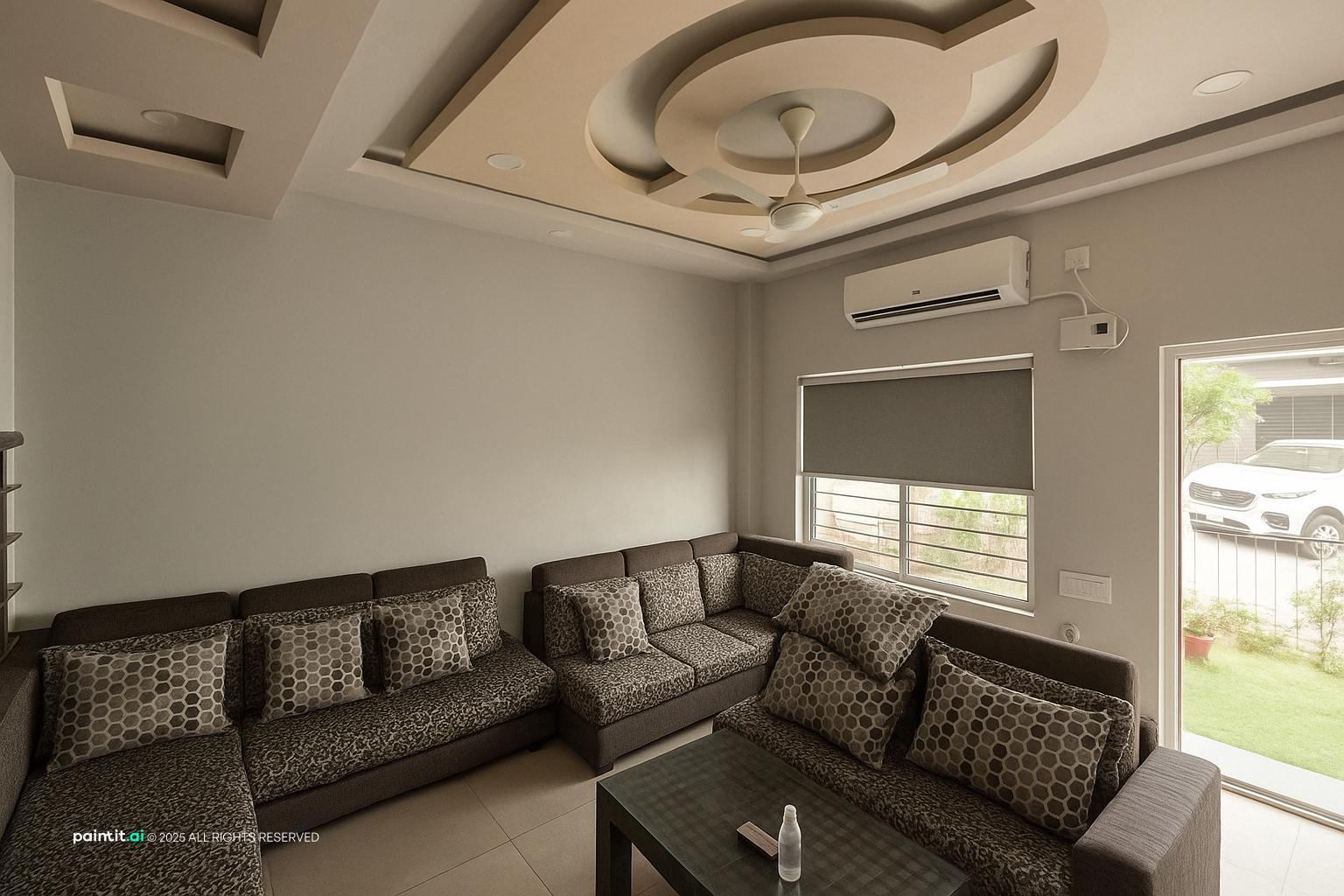
Start with ambient light (recessed lighting or a central fixture). Add task lighting with floor lamps next to reading chairs or table lamps on side tables. Finish with accent lighting, like a picture light over artwork or a small uplight behind a plant. Think about dimmer switches; they’re a game-changer.
-
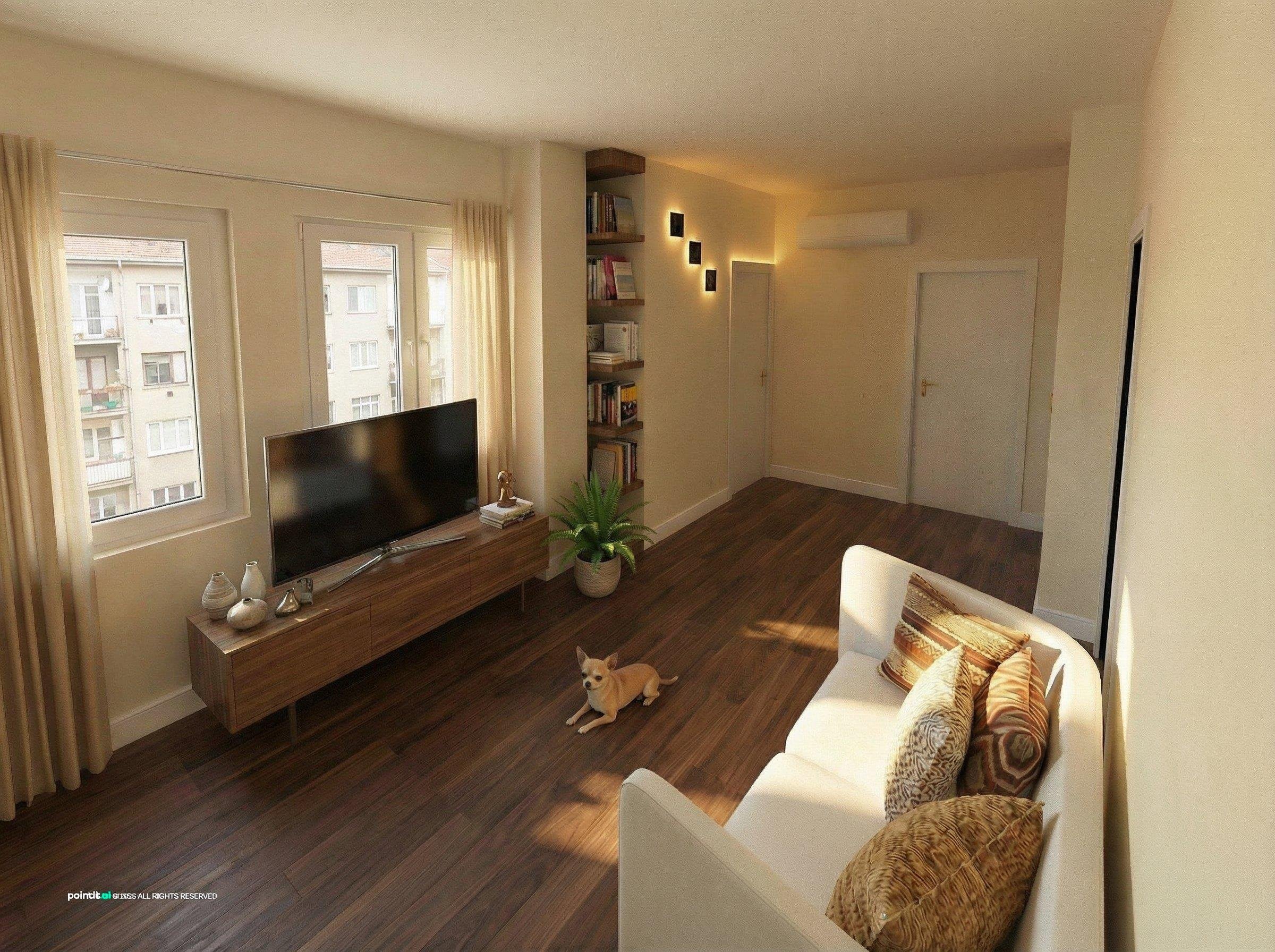
Pro Tip: To achieve this effect, try using bulbs with a warm color temperature (2700K-3000K) for an inviting glow.
-
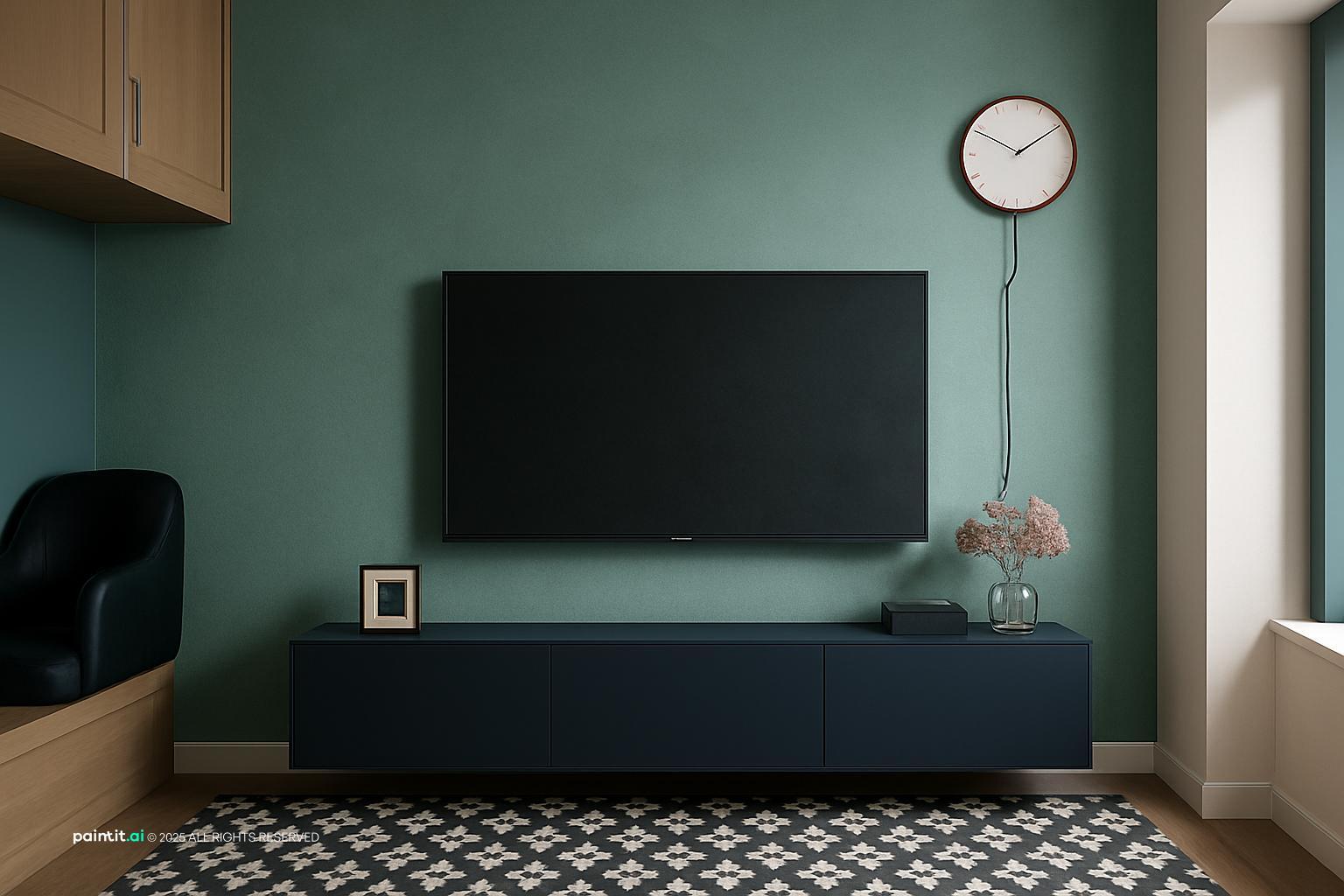
While personal color preferences vary, a neutral base appeals to the widest audience. The trick is to prevent it from feeling bland by introducing rich textures. This adds visual interest and depth without overwhelming the space.
-
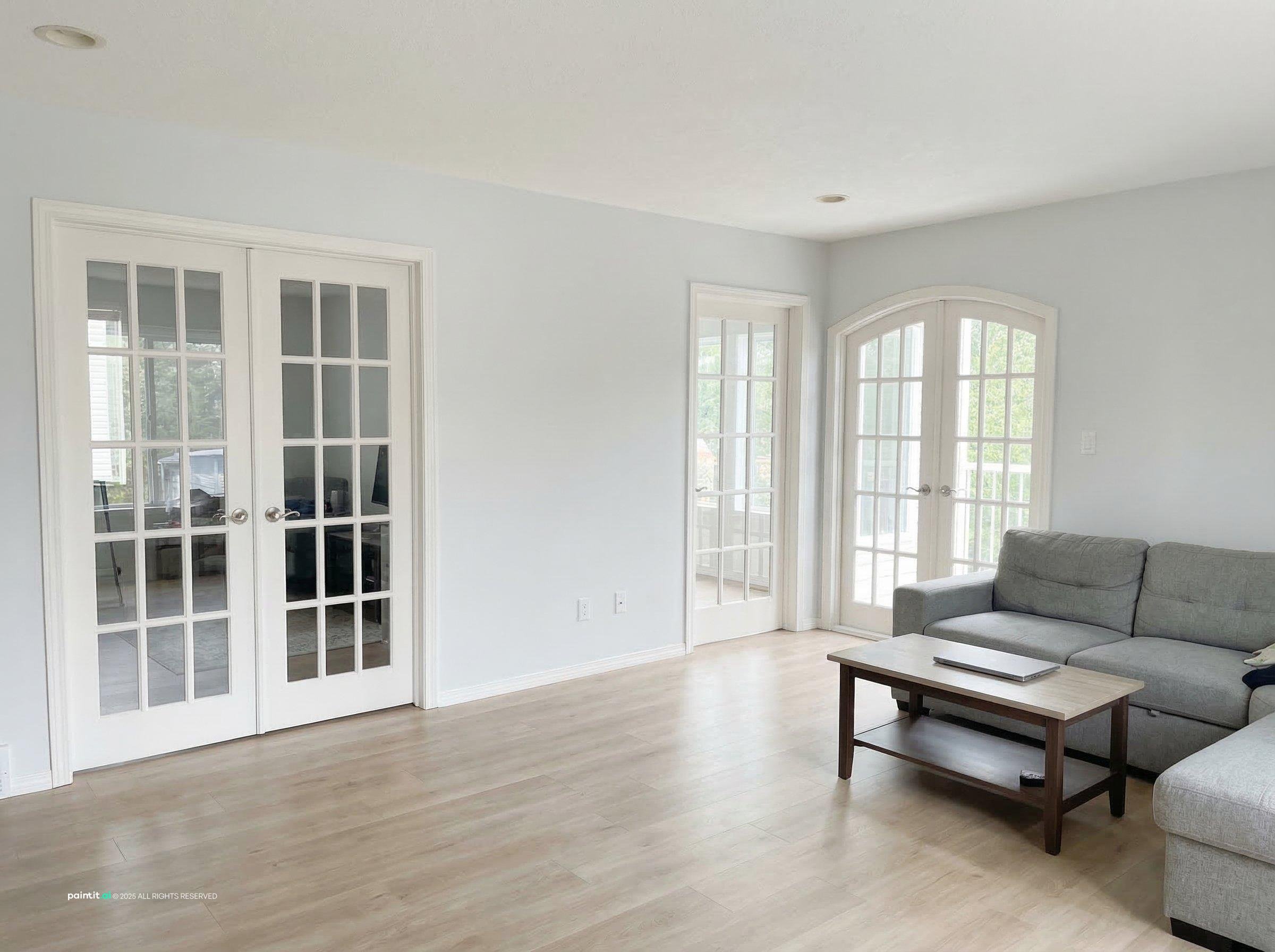
Think about a linen-blend sofa, a chunky knit throw, velvet cushions, a sisal rug, or a coffee table with a honed travertine top. These elements create a tactile experience, making the room feel luxurious and inviting.
-
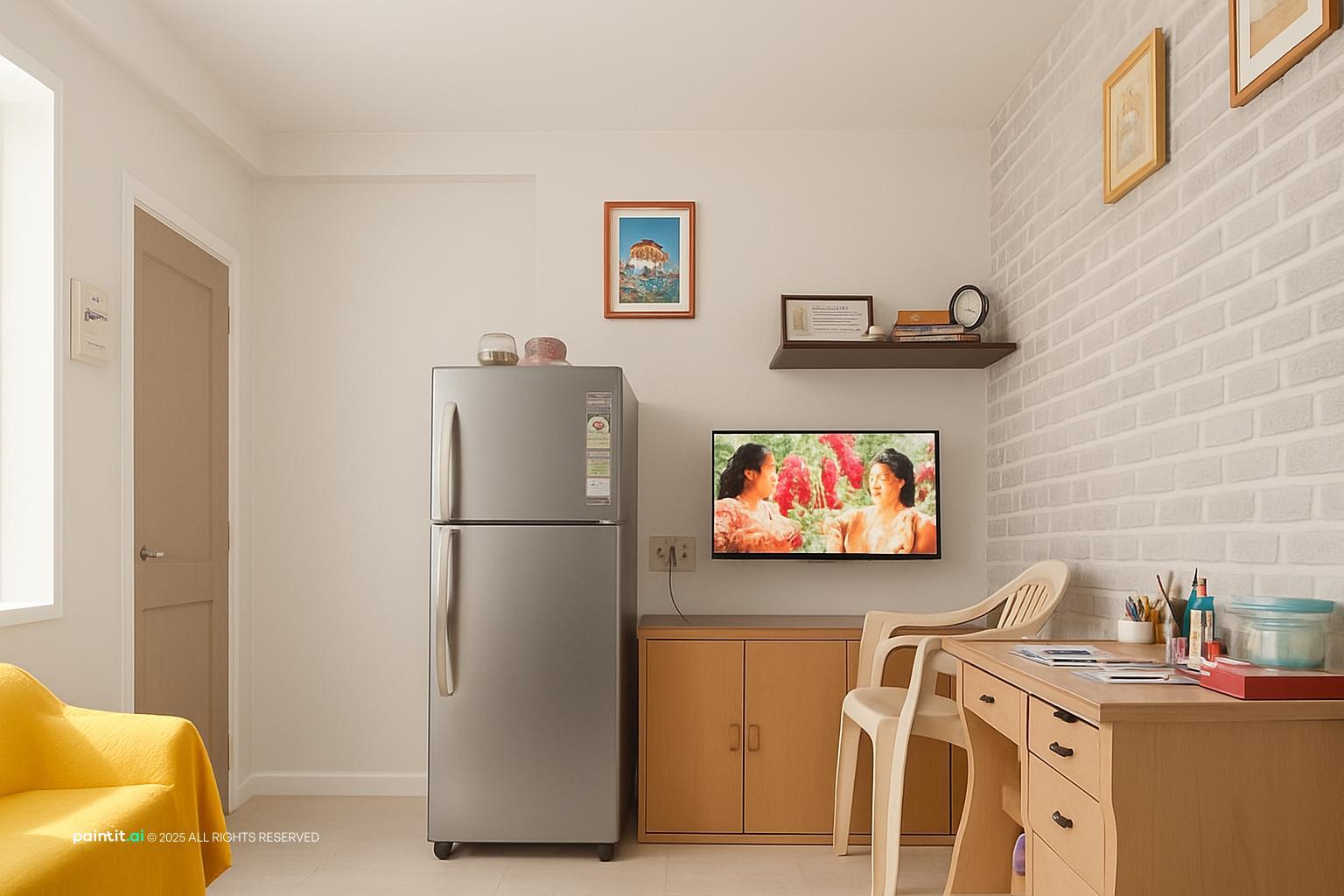
Pro Tip: To achieve this effect, try mixing at least three different textures within your neutral palette.
-
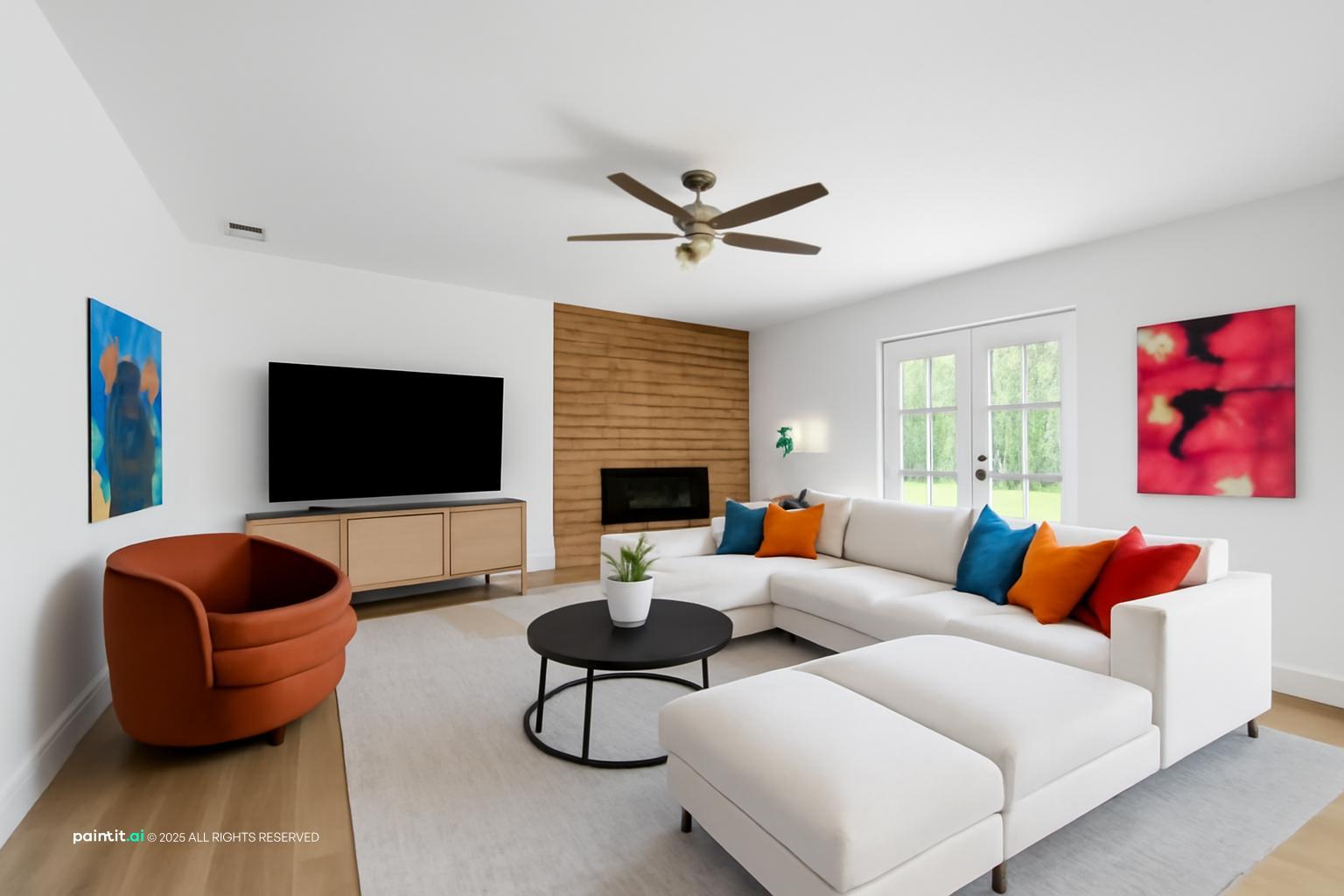
An area rug is more than just a floor covering; it’s a powerful tool for defining zones, adding warmth, and grounding your furniture arrangement. A rug that’s too small, though, can make a room feel disjointed.
-
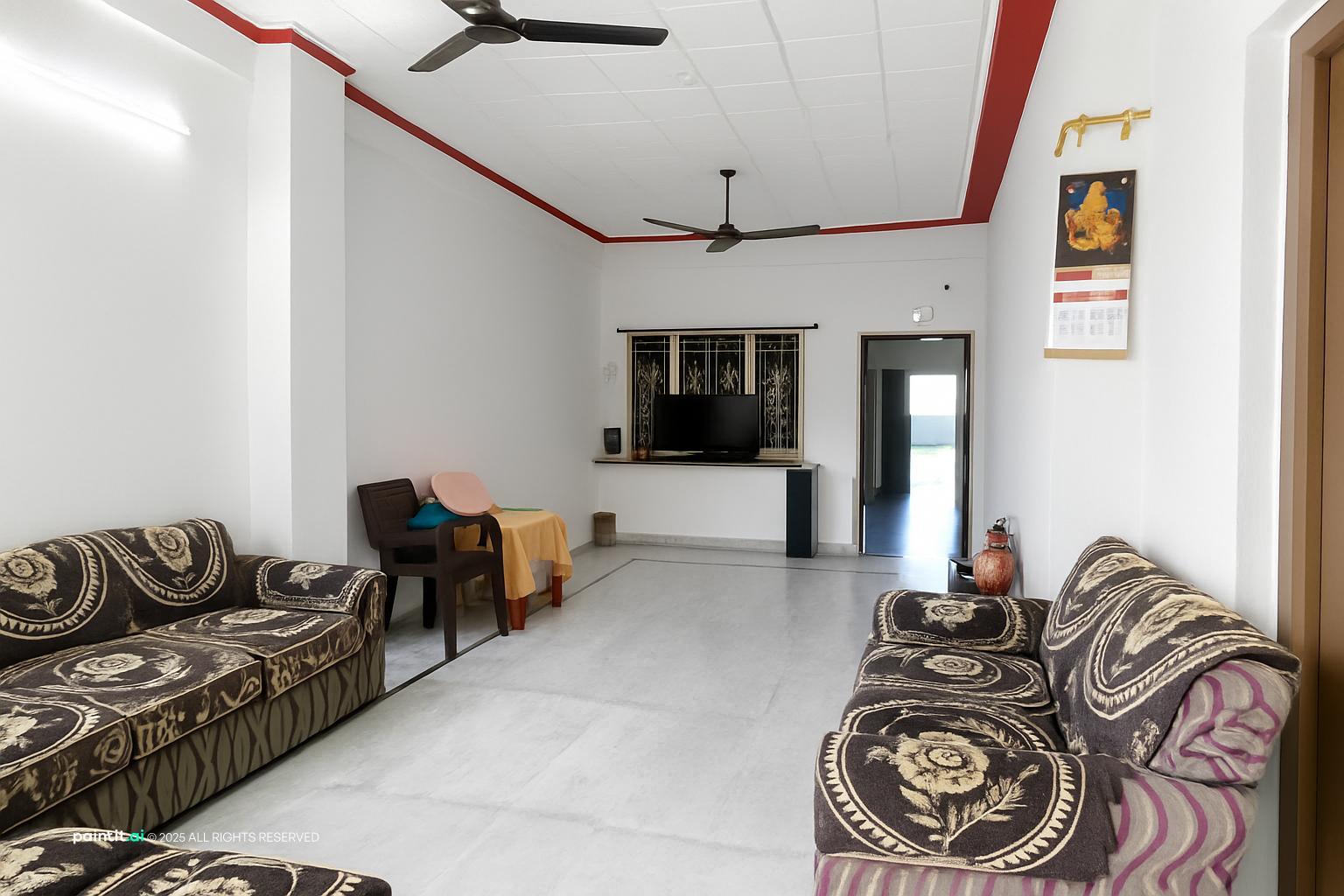
Ensure the front legs of all major furniture pieces (sofa, armchairs) sit on the rug. For a truly expansive feel, all legs should be on the rug. Consider a natural fiber rug like jute or sisal for texture, or a subtle patterned rug to add visual interest without being distracting.
-
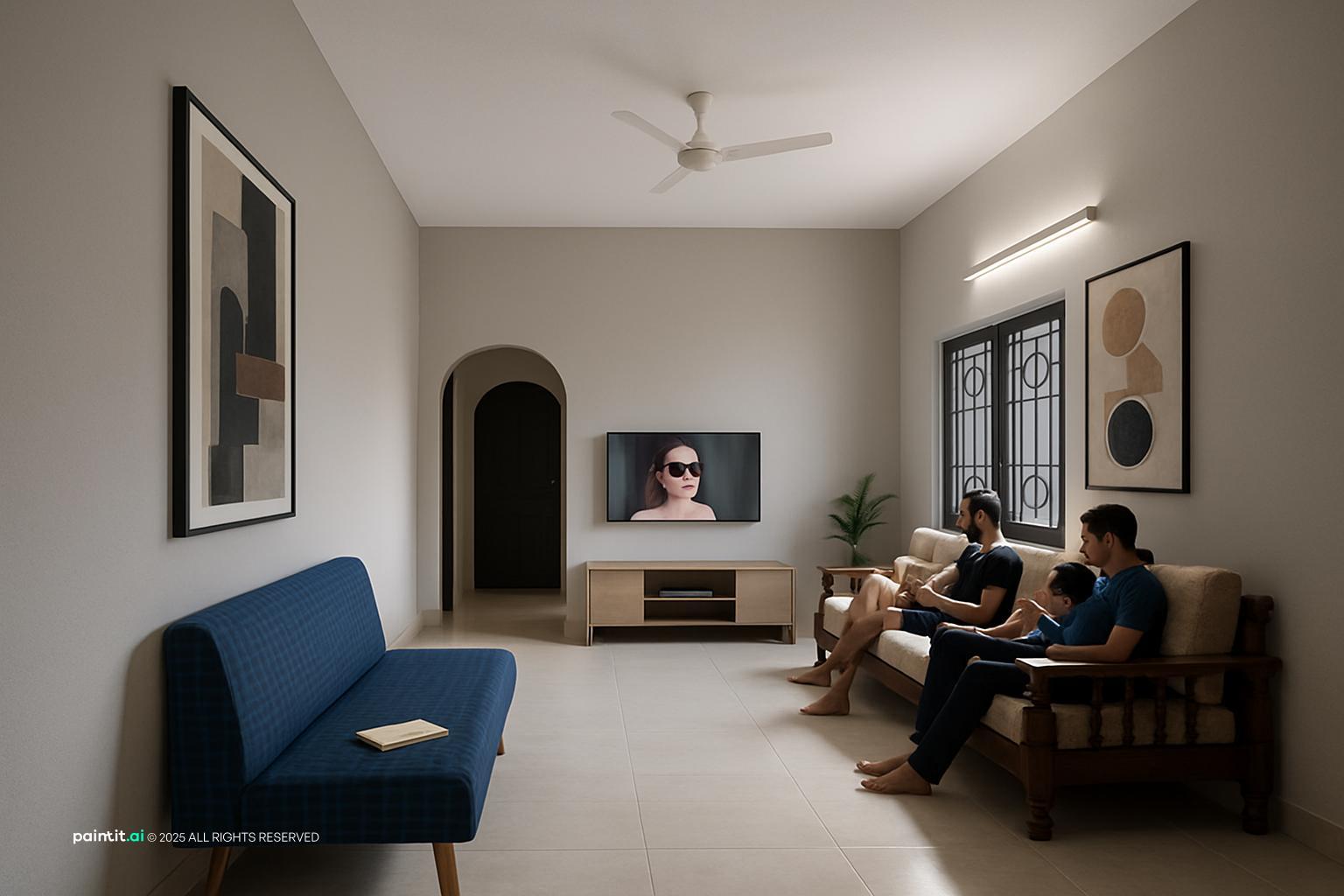
Pro Tip: To achieve this effect, try measuring your seating area carefully before selecting a rug size.
-
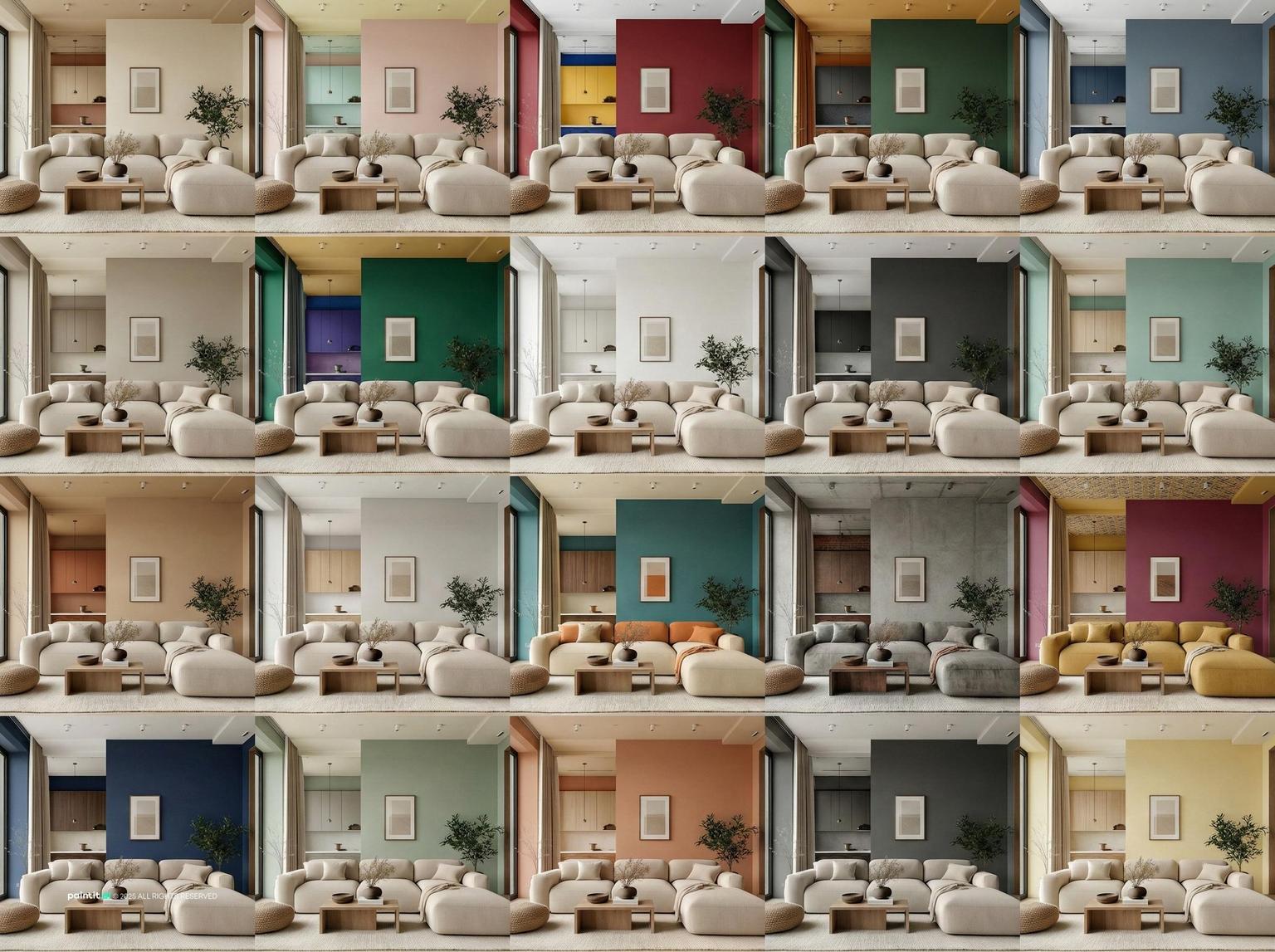
Accessories are the jewelry of a room, but too much jewelry can be overwhelming. Select a few impactful pieces that add personality without being overly specific. Think about scale and grouping.
-
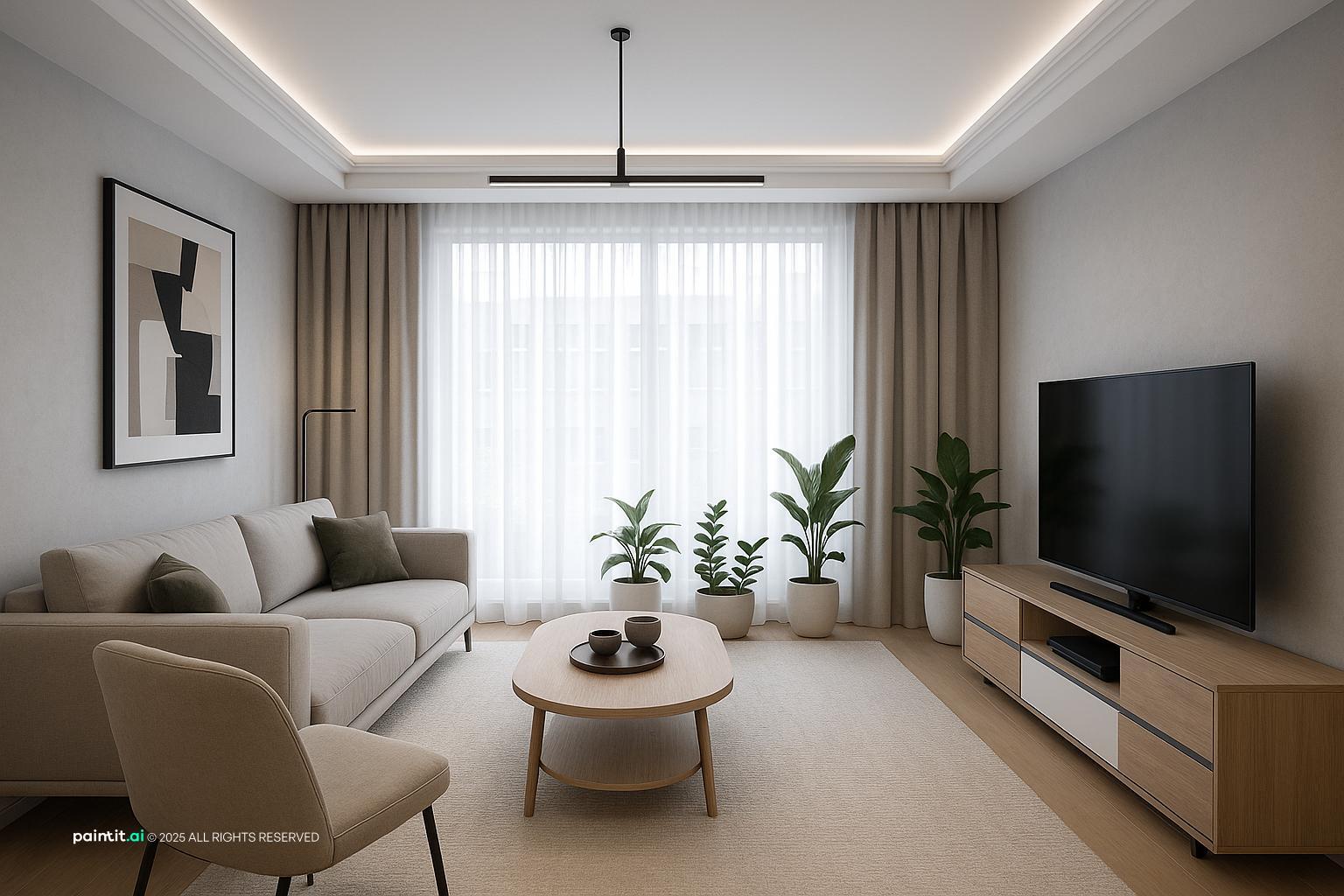
Group items in odd numbers (threes or fives) on coffee tables or shelves. A stack of interesting art books, a sculptural vase, or a simple ceramic bowl can add character. Avoid anything too kitschy or overtly personal.
-
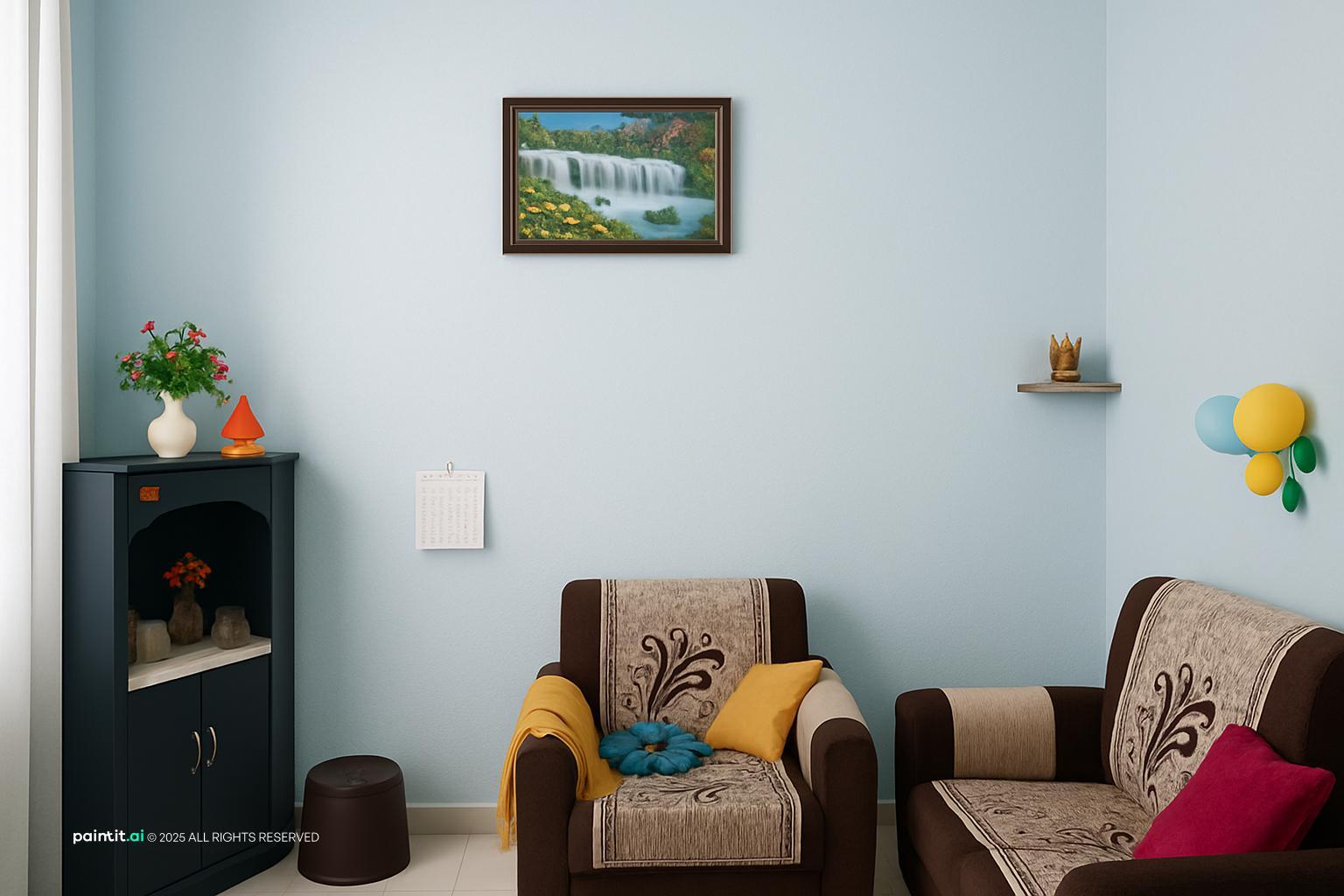
Pro Tip: To achieve this effect, try using a tray on your coffee table to corral smaller items into a cohesive display.
-
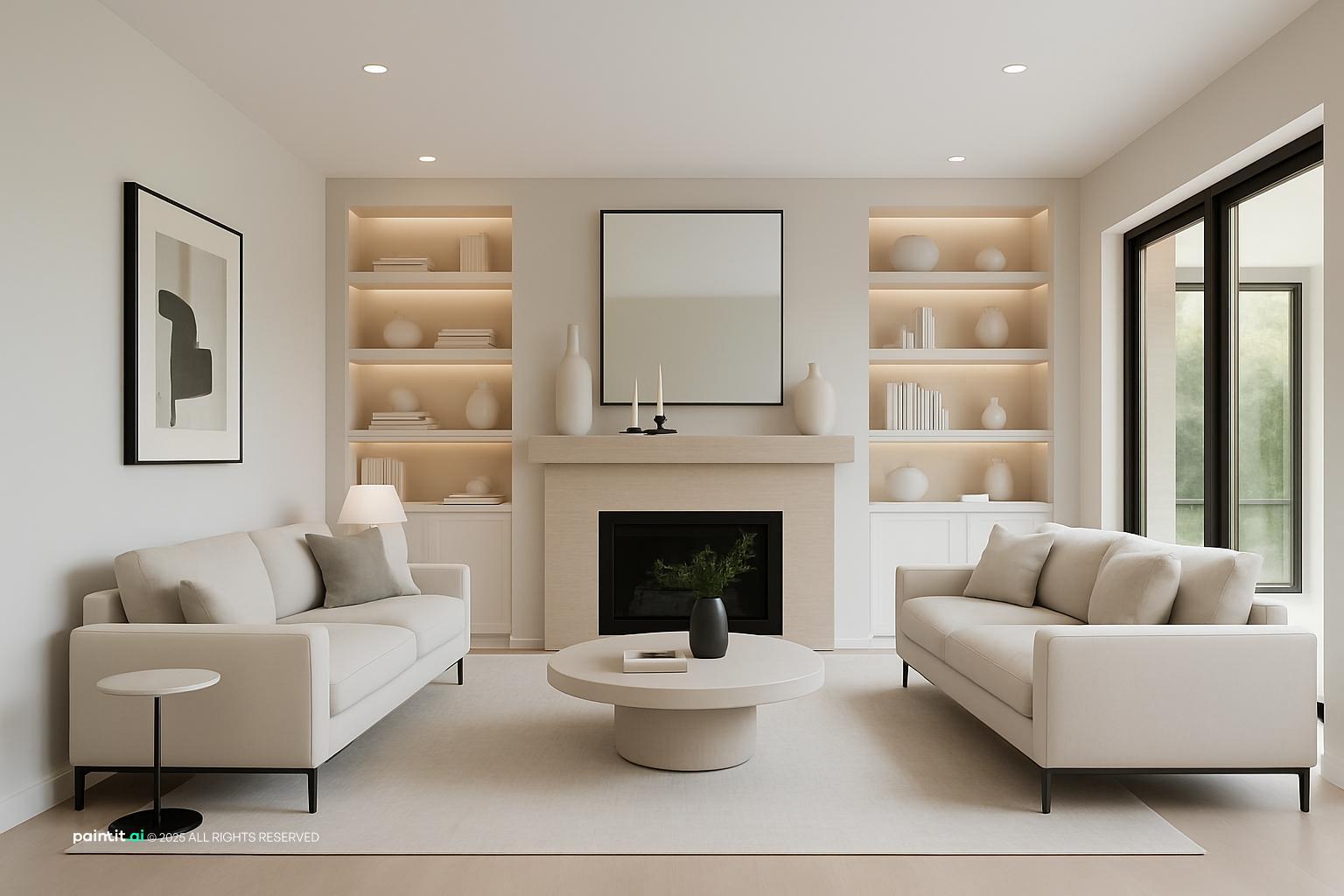
Plants bring life, freshness, and a touch of nature indoors. They soften hard lines, add color, and make a room feel more vibrant and welcoming. Even a well-chosen faux plant can make a difference.
-
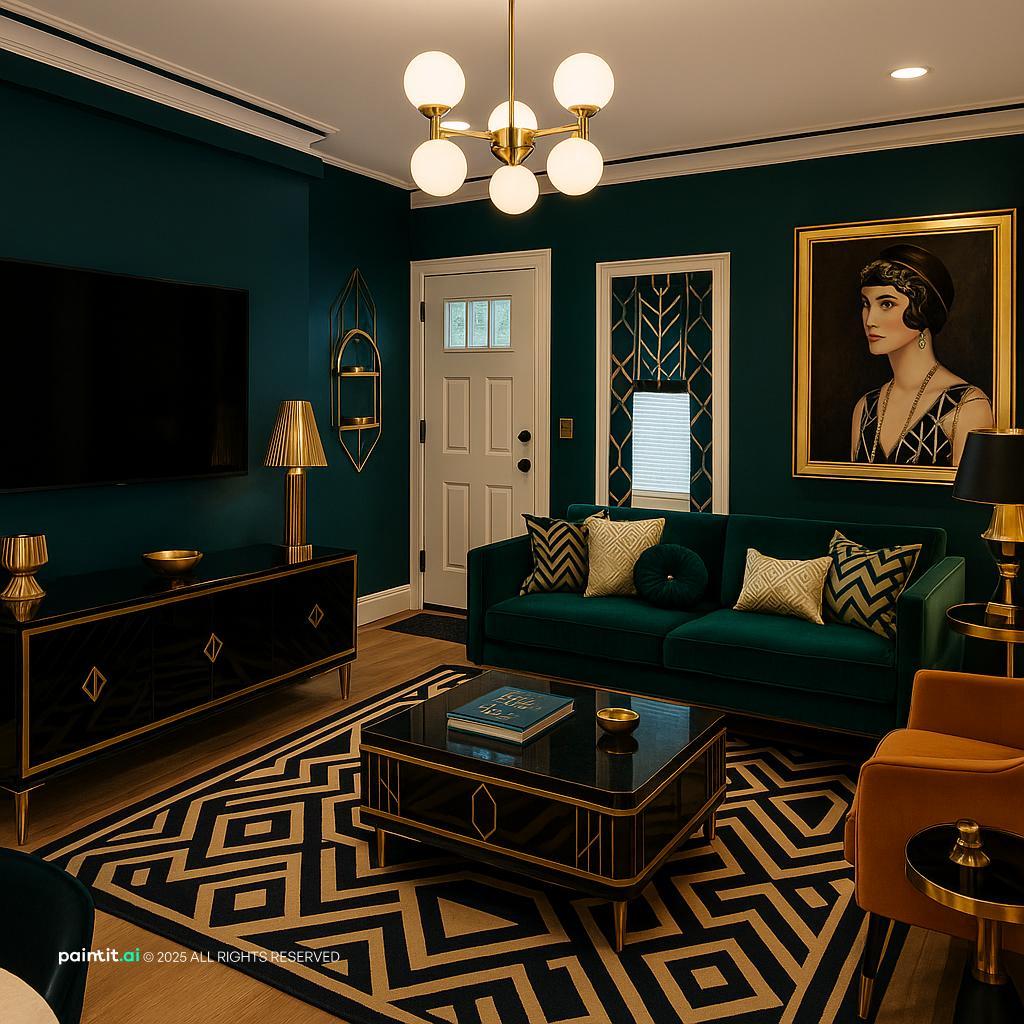
A large fiddle-leaf fig or a snake plant in a stylish planter can anchor a corner. Smaller plants can adorn shelves or coffee tables. Just ensure they’re healthy and well-maintained if real, or incredibly realistic if faux.
The Essence of a Staged Living Room: Crafting Universal Appeal to Life with Paintit.ai
-
When we talk about staging a living room, it’s not just about tidying up; it’s about curating an experience. The goal is to make anyone walking through the door feel an immediate sense of belonging, a quiet invitation to imagine their own life unfolding there. This isn't about imposing a specific taste; it’s about creating a universally appealing canvas. We’ve learned that the best home staging living room ideas hinge on subtle sophistication, a balance of warmth and understated elegance.
-
For how to stage a living room effectively, we lean into a palette of serene neutrals. Think warm greige as your base, perhaps a soft ivory on the trim, creating an immediate sense of calm. Introduce muted sage or a pale blue through textiles for a gentle secondary layer. A deep charcoal or a hint of brushed gold in an accent piece can ground the space, adding just enough visual weight without overwhelming it.
-
The truth is, a room feels richer when you engage more than just sight. We often incorporate natural fibers like a linen-blend sofa or a chunky wool throw, bringing softness and an organic touch. Light oak or walnut furniture pieces offer warmth and structural integrity, while subtle brushed brass or matte black accents in hardware or a lamp introduce a quiet sophistication. These elements create depth, making the space feel both luxurious and approachable.
-
The core of any staged living room ideas begins with well-chosen furniture. A comfortable, yet not overly bulky, three-seater sofa is usually our anchor. We then float two inviting accent chairs, perhaps in a complementary fabric, facing the sofa to define a clear conversation area. A round or oval coffee table often works best for maintaining clear traffic flow, preventing those awkward bumps. Proportions are everything; nothing should feel too large or too small for the space.
-
Layered lighting is absolutely crucial for home staging living room success. Start with soft ambient light from a central fixture or recessed cans, ensuring a warm glow. Add task lighting with a slender floor lamp beside an armchair, perfect for reading, and a pair of table lamps on side tables for balance. Accent lighting, like a picture light over a piece of art or a small uplight behind a plant, adds depth and drama. Dimmers are non-negotiable; they allow for instant mood adjustments.
-
When it comes to decorative accents, less is truly more when you stage a living room. We aim for curated pieces that add personality without personalizing too much. A large-scale abstract painting can serve as a powerful focal point, or a tall, healthy snake plant can bring life to a corner. For coffee table styling, the 3-5-7 rule is golden: group three items—a stack of interesting art books, a sculptural ceramic vase, and a simple candle—on a decorative tray. On a bookshelf, vary heights and textures, using five items per section. This approach creates visual interest, making the living room home staging feel effortlessly composed and inviting.
Paintit.ai: Visualize Your Perfect Staged Living Room Design Ideas
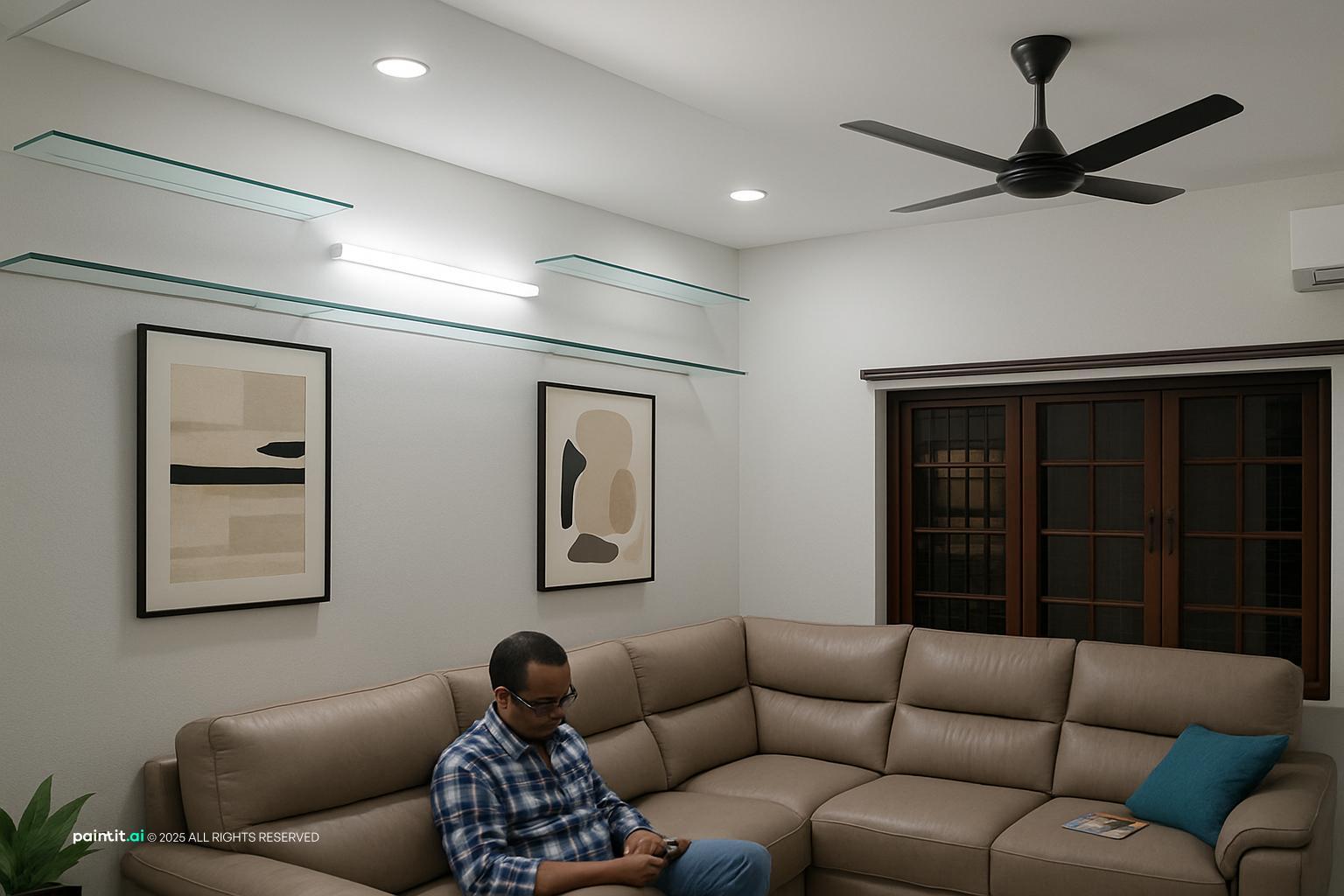
Trying to stage a living room often means guessing how new layouts or colors will truly feel. Costly mistakes happen. Paintit.ai lets you instantly visualize countless home staging living room ideas—testing furniture placement, lighting, and textures in your actual space—before you commit. See your ideal living room home staging come to life, effortlessly.
FAQ
-
The truth is, staging a living room isn't just about making a space look pretty; it's about crafting an immediate, emotional connection for potential buyers. We're aiming to help them envision their own life unfolding there, not yours. It’s about creating a neutral, inviting canvas that feels effortlessly composed, allowing them to project their future. A well-executed home staging living room can dramatically shift perception, turning a "nice" room into a "must-have" one. It’s the first impression, the heart of the home, and often the deciding factor.
-
First things first: declutter, depersonalize, and deep clean. Seriously, every single surface. We've found that starting with a blank slate, free of family photos, excessive knick-knacks, and personal memorabilia, is crucial. Then, consider the flow. How do people naturally move through the space? Arrange furniture to encourage conversation and highlight architectural features. For instance, a classic sofa paired with two accent chairs, perhaps in a muted linen or a rich velvet, facing each other over a reclaimed oak coffee table, creates an inviting, balanced zone. This initial step is fundamental to any successful living room home staging project.
-
Focus on creating zones and enhancing natural light. We often suggest a thoughtful arrangement of furniture that defines areas for conversation or relaxation, even in an open-plan layout. Think about texture: a chunky knit throw draped over a sofa, some woven jute poufs, or perhaps a vintage Persian rug to anchor the space. Lighting is key; we're talking about a mix of ambient, task, and accent lighting—maybe a striking mid-century modern floor lamp next to an armchair, or some subtle LED strips behind shelving. Adding a few well-chosen, large-scale art pieces, perhaps abstract with earthy tones, can elevate the entire room. I've seen this work best when the art complements the room’s palette without dominating it, making the staged living room feel sophisticated and current.
-
Absolutely. One big mistake is over-staging—cramming too much furniture or too many accessories into the space, which makes it feel smaller and cluttered. Another is neglecting scale; a tiny rug in a vast room or oversized furniture in a compact one throws everything off. We also see people forget about the "fifth wall"—the ceiling. A simple, modern light fixture can make a world of difference. And please, no strong, polarizing scents; a subtle, fresh aroma is always best. The goal of staging a living room is to make it feel spacious and welcoming, not like a showroom or a perfume counter.
-
A beautifully staged living room speaks volumes without saying a word. It helps buyers visualize themselves living there, making memories, hosting friends. When a space feels thoughtfully designed and cared for, it subtly communicates higher value and quality, even if the underlying structure is the same as the house next door. This emotional connection often translates into quicker offers and, quite often, better prices. It’s about selling a lifestyle, not just square footage. That’s the power of staging a living room; it transforms a house into a potential home, right before their eyes.