
Designing a Japanese Zen Living - Room: Principles for Serene Spaces
Imagine stepping into a space where every object feels intentionally placed, where calm washes over you the moment you enter. Creating a truly harmonious japanese zen living room often means finding that delicate balance between minimalist aesthetics and inviting comfort. How do you achieve a sense of tranquil simplicity without feeling sparse or unlived-in?
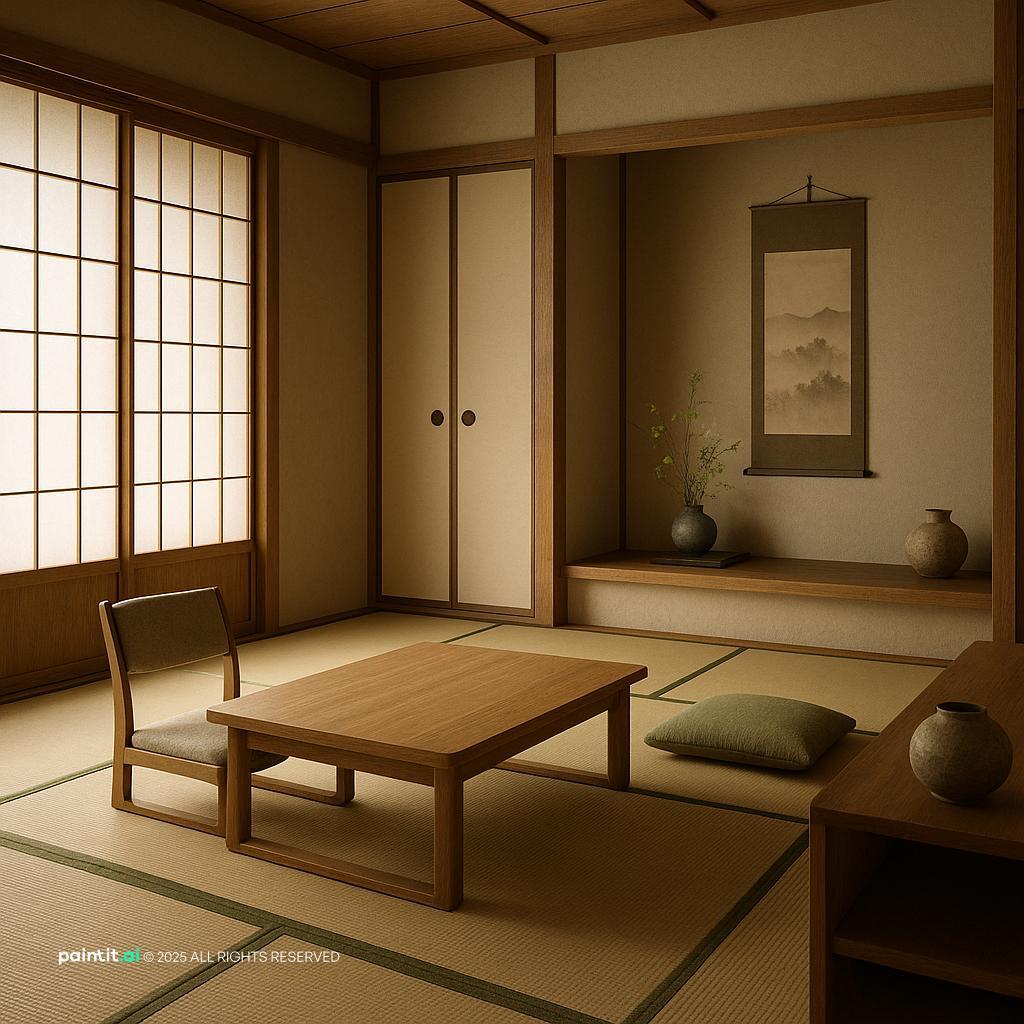
Essential Tips for Unlocking Serenity: The japanese zen living room
The most common pitfall I observe when clients aim for a Japanese Zen aesthetic is mistaking minimalism for emptiness. It’s a subtle art. Creating a truly serene japanese zen living room isn't about stripping everything away; it's about cultivating a space that breathes, using natural materials and thoughtful arrangements to foster calm. We seek a sanctuary, not a sterile environment.
-
Unlocking Serenity: The japanese zen living room
The most common pitfall I observe when clients aim for a Japanese Zen aesthetic is mistaking minimalism for emptiness. It’s a subtle art. Creating a truly serene japanese zen living room isn't about stripping everything away; it's about cultivating a space that breathes, using natural materials and thoughtful arrangements to foster calm. We seek a sanctuary, not a sterile environment.
Stunning Examples of 12 Serene Ideas for Your Japanese Zen Living Room
-
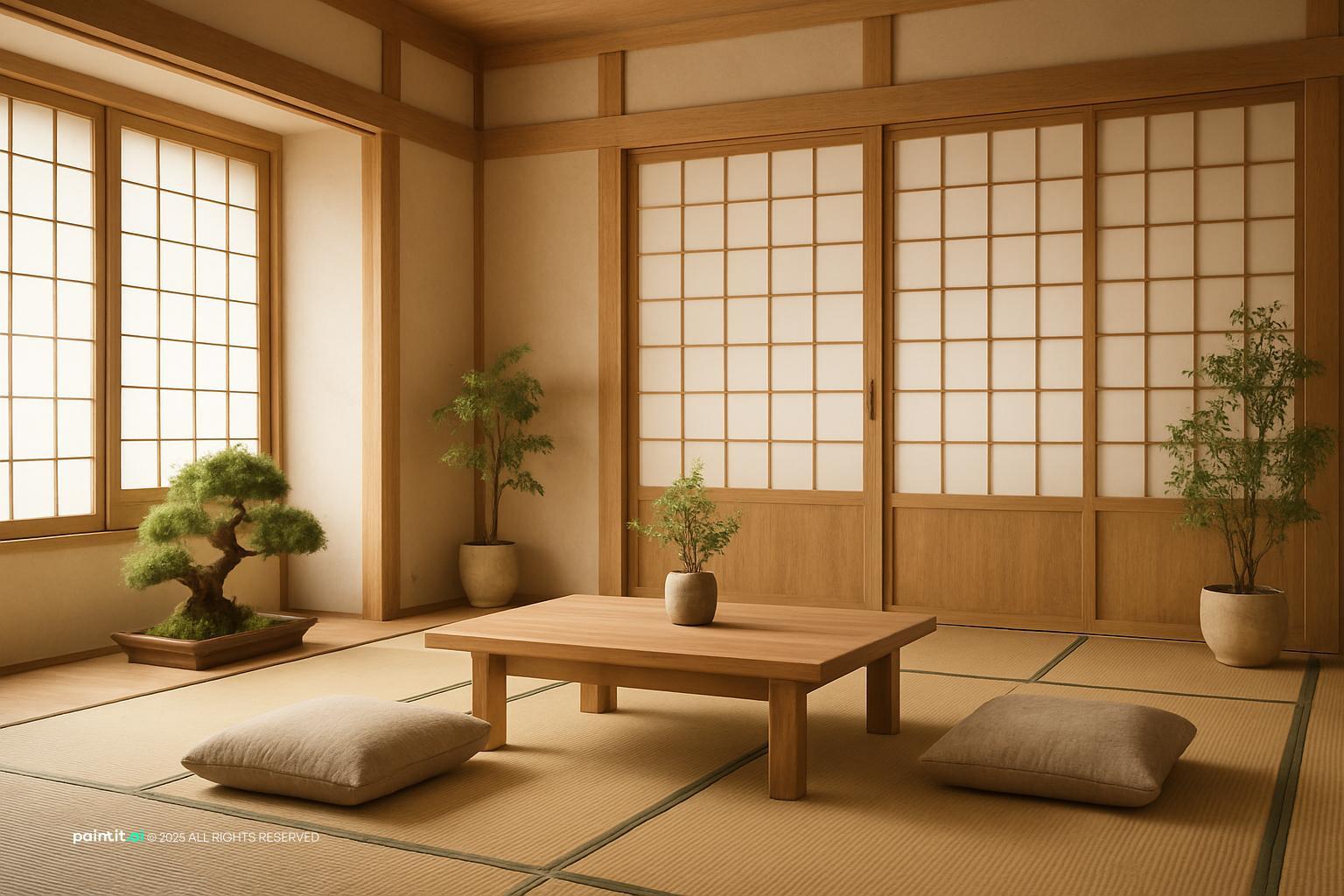
Curating a space that truly embodies the spirit of Japanese Zen requires a thoughtful approach, balancing visual tranquility with practical living. Our experts have meticulously selected these concepts to help you achieve a harmonious environment where every element contributes to a sense of peace and understated elegance.
-
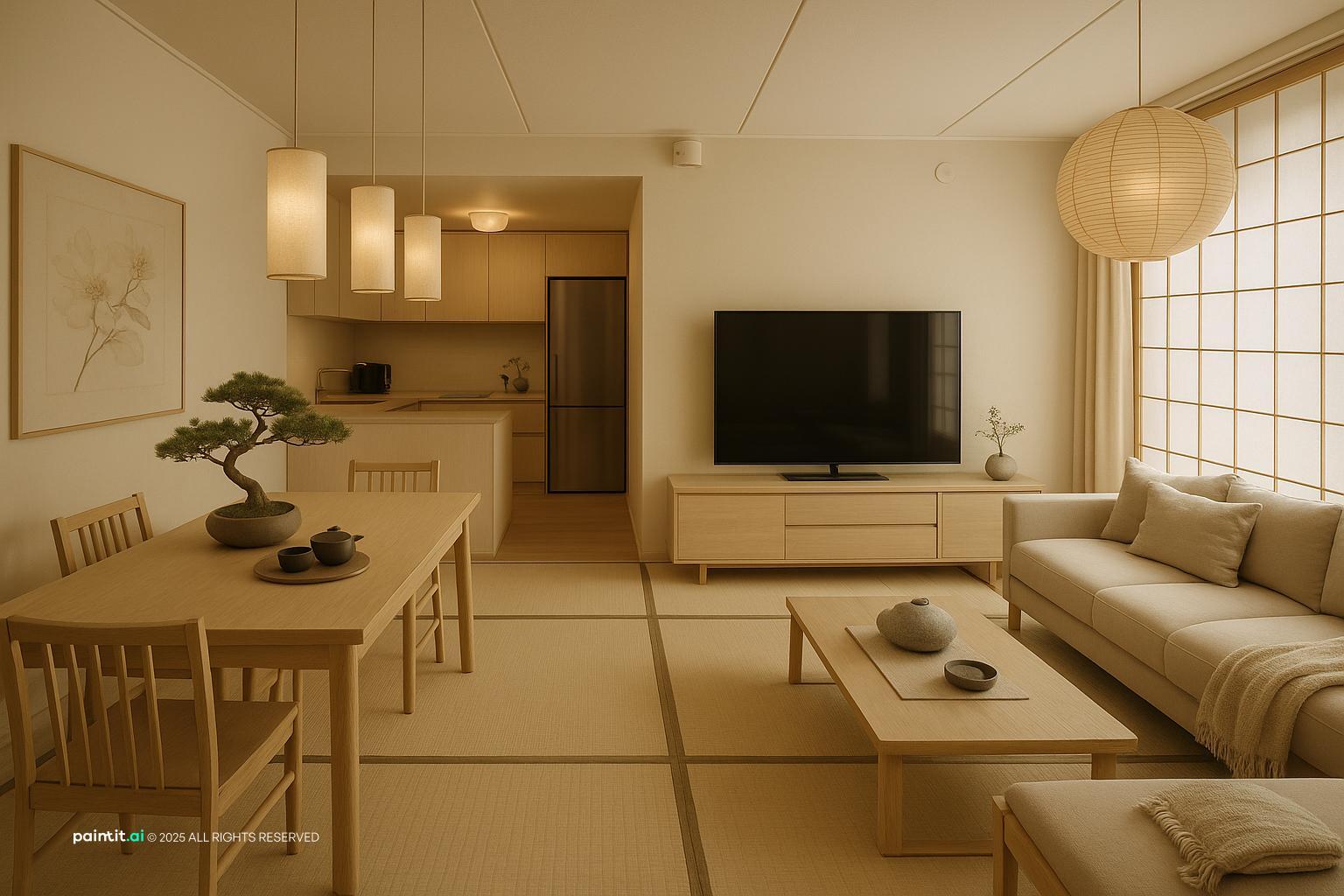
The truth is, a grounded aesthetic is fundamental to a Zen-inspired space. Low-slung furniture creates an immediate sense of spaciousness and encourages a more intimate connection with the floor, fostering a feeling of calm and stability. This design choice inherently promotes relaxation.
-
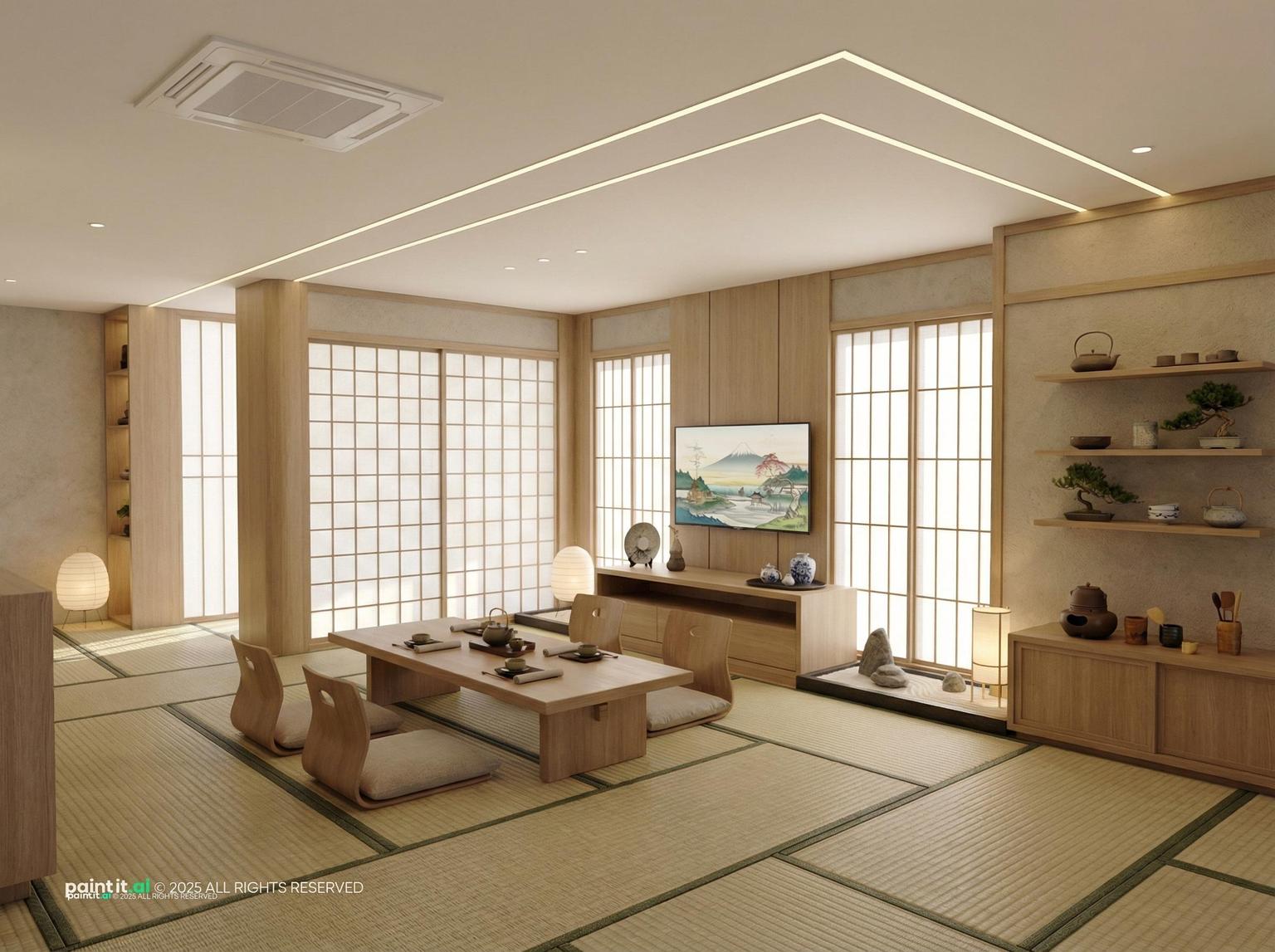
To implement this, seek out sofas and chairs with minimal legs or those designed to sit directly on the floor. Think futon-style seating, zaisu chairs, or a low coffee table made from natural wood. Keep upholstery simple and in muted tones.
-
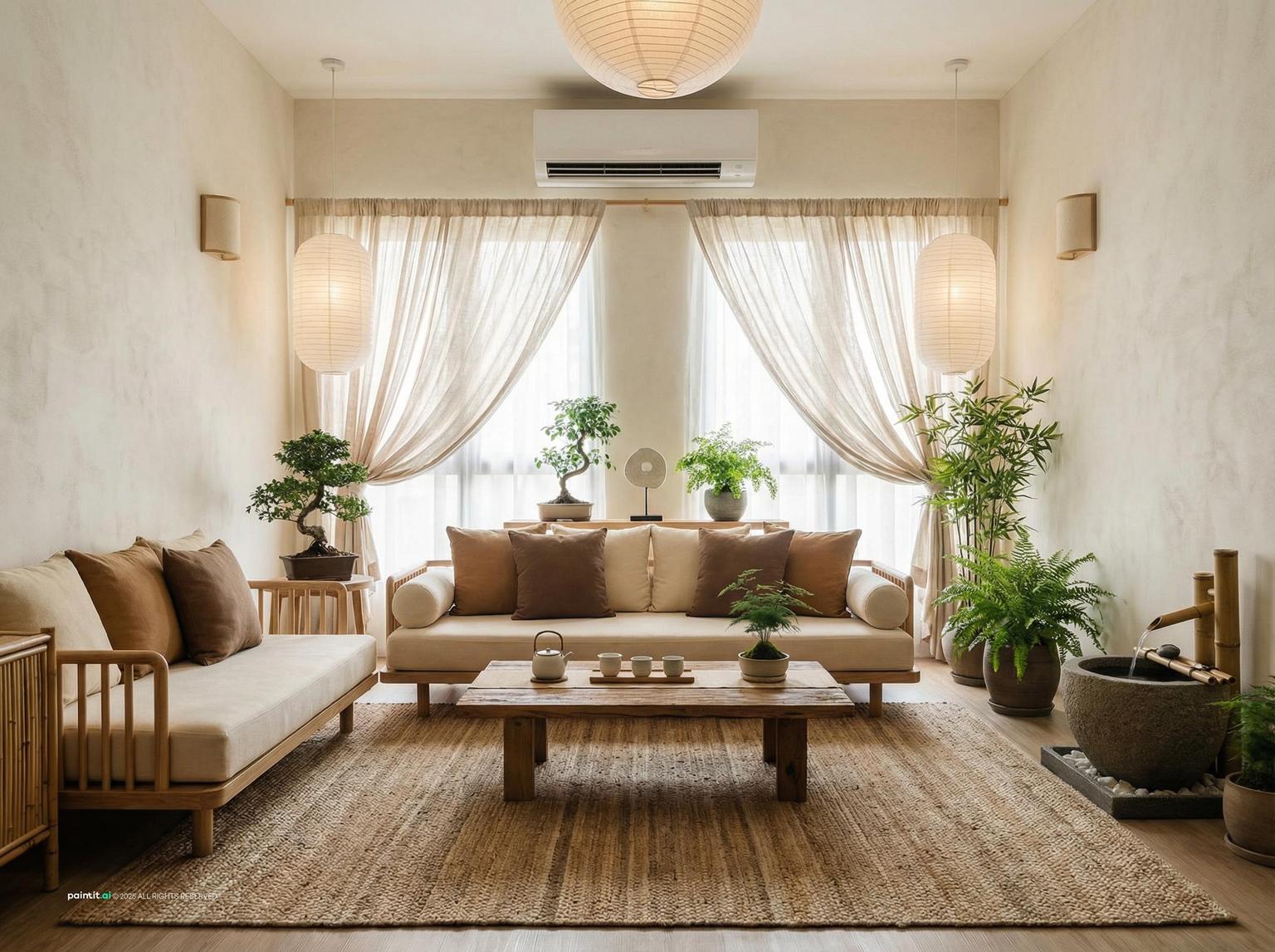
Pro Tip: To achieve this effect, try pairing a low sofa with floor cushions for versatile seating options.
-
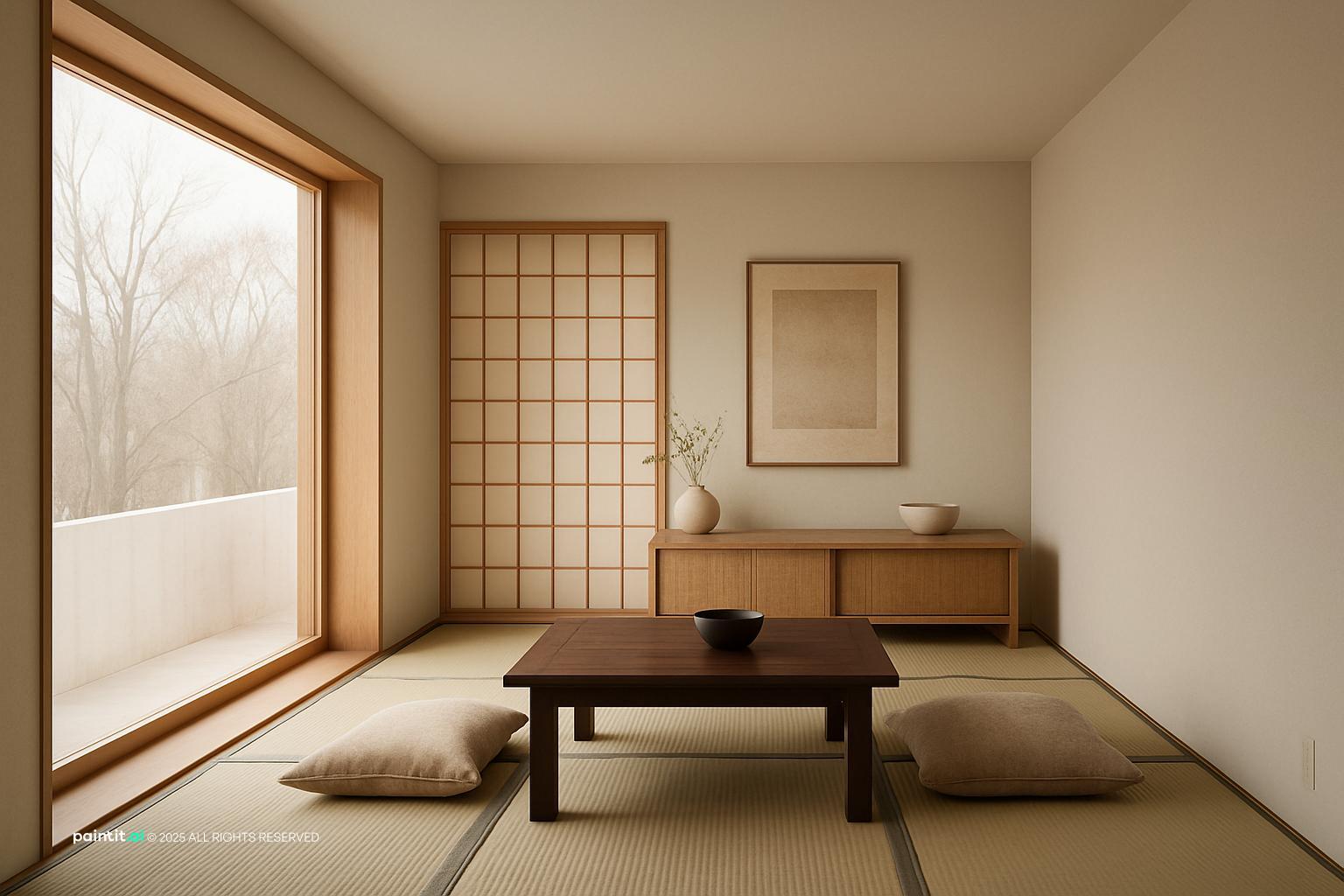
Most people forget that a direct connection to the outdoors is paramount in Japanese design. Maximizing natural light and framing views of nature instantly elevates the room's serenity. It's about bringing the outside in, blurring boundaries.
-
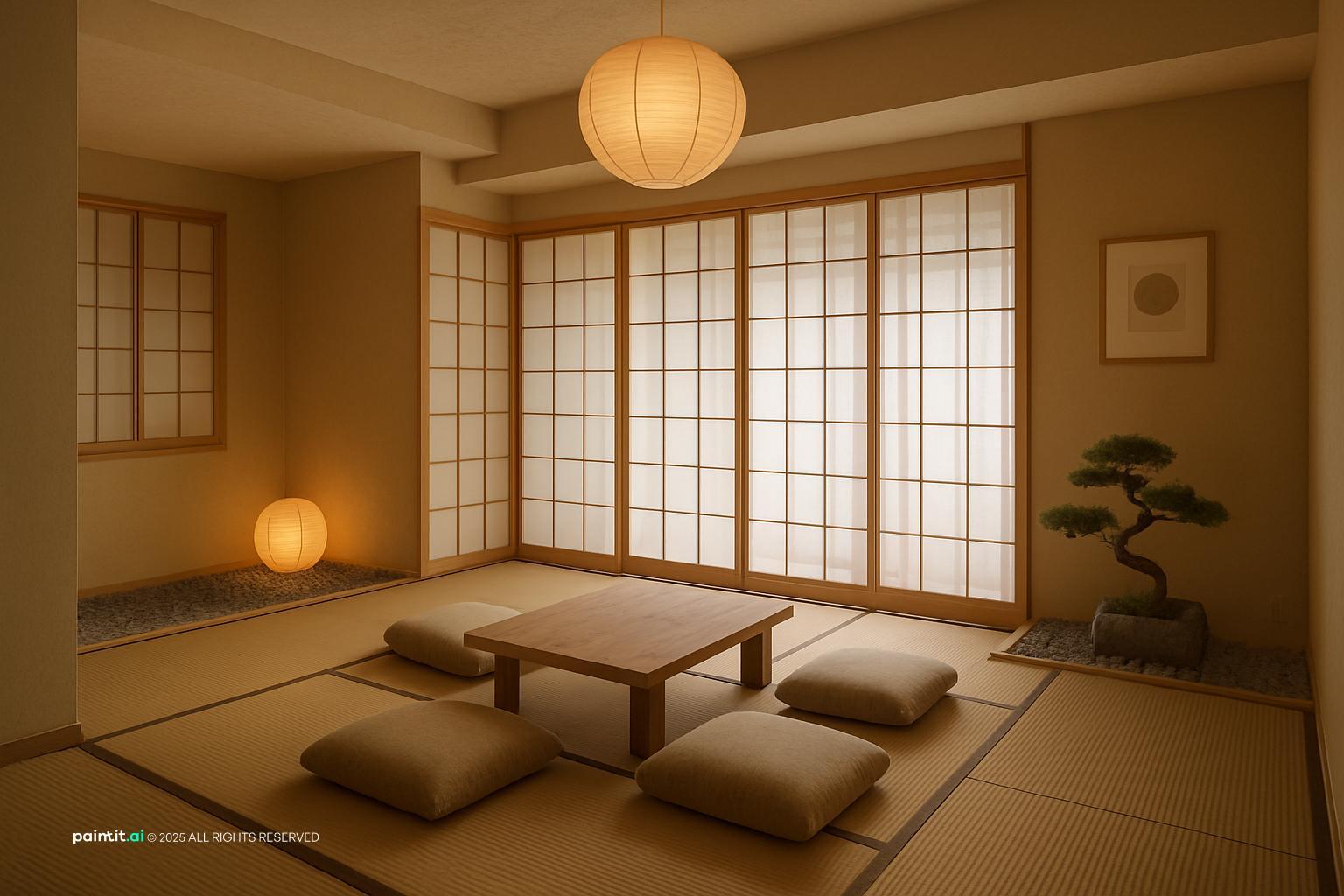
Consider sheer, lightweight curtains or blinds that diffuse light rather than block it. Position seating to face a window with a pleasant view, even if it's just a small potted plant. Keep window sills uncluttered to maintain visual flow.
-
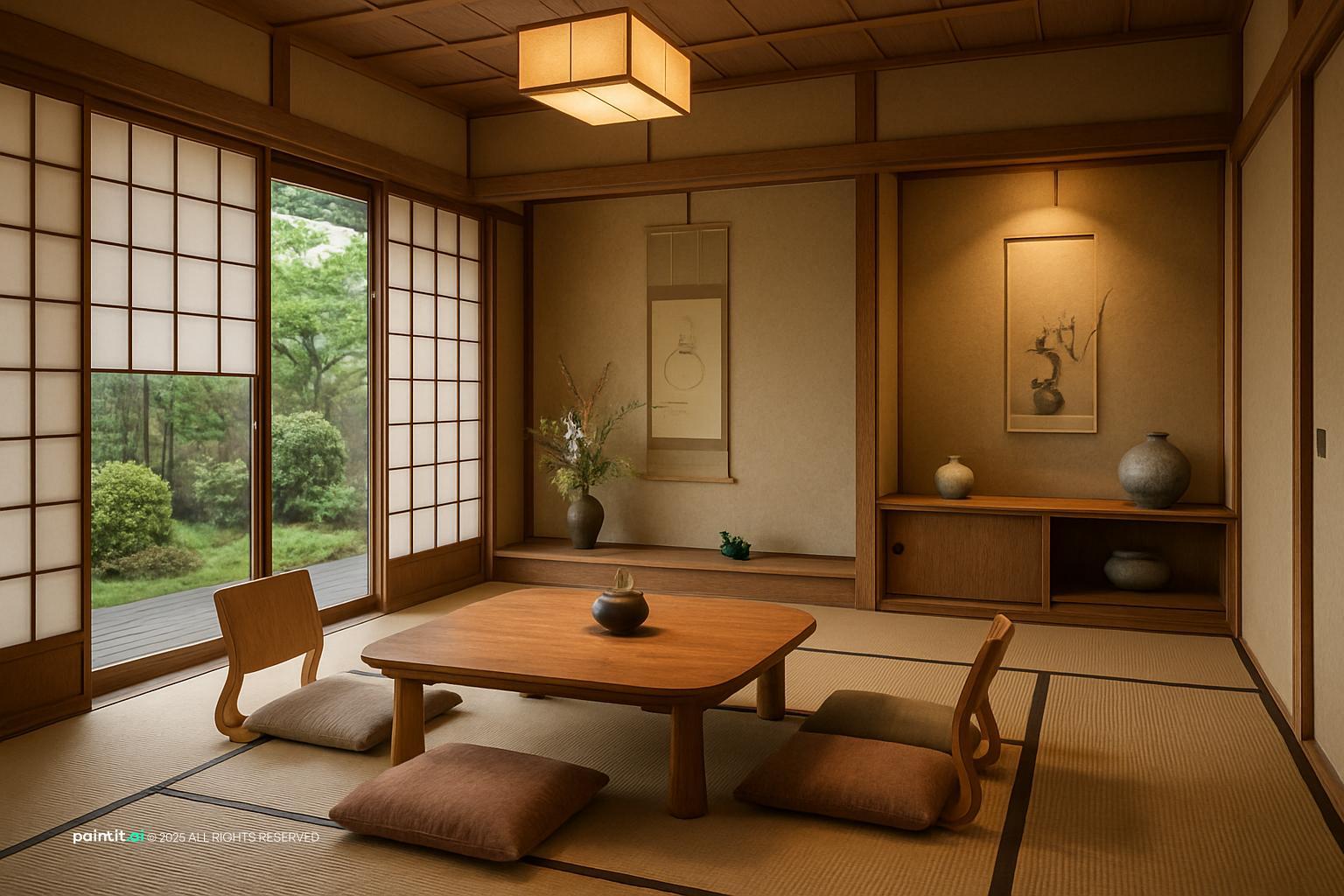
Pro Tip: To achieve this effect, try using shoji screens to filter harsh light and add a traditional touch.
-
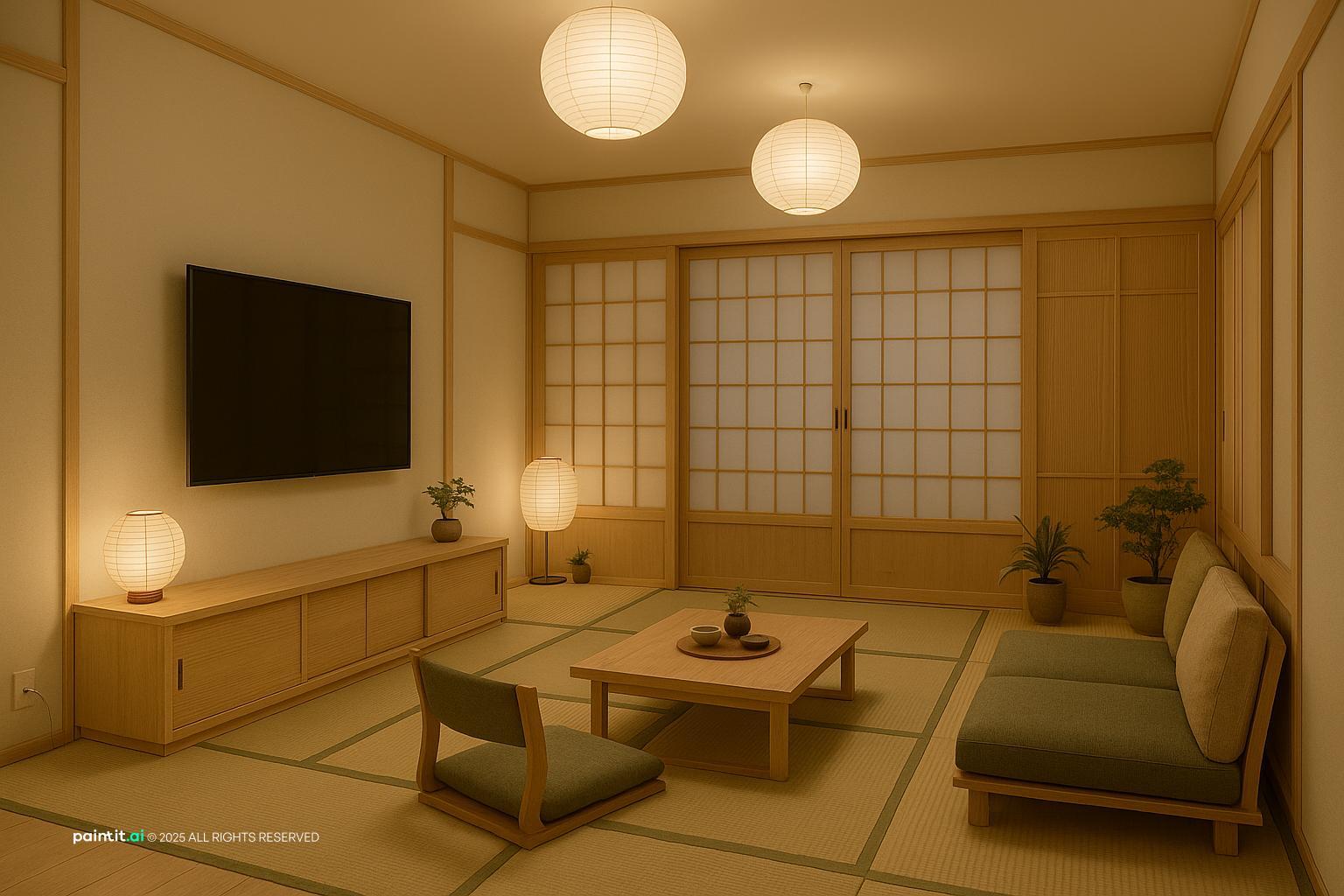
I've seen this work best in spaces where authenticity is valued. The tactile quality of natural materials grounds the room, adding warmth and texture without overwhelming the senses. It’s about celebrating the inherent beauty of wood, stone, and fiber.
-
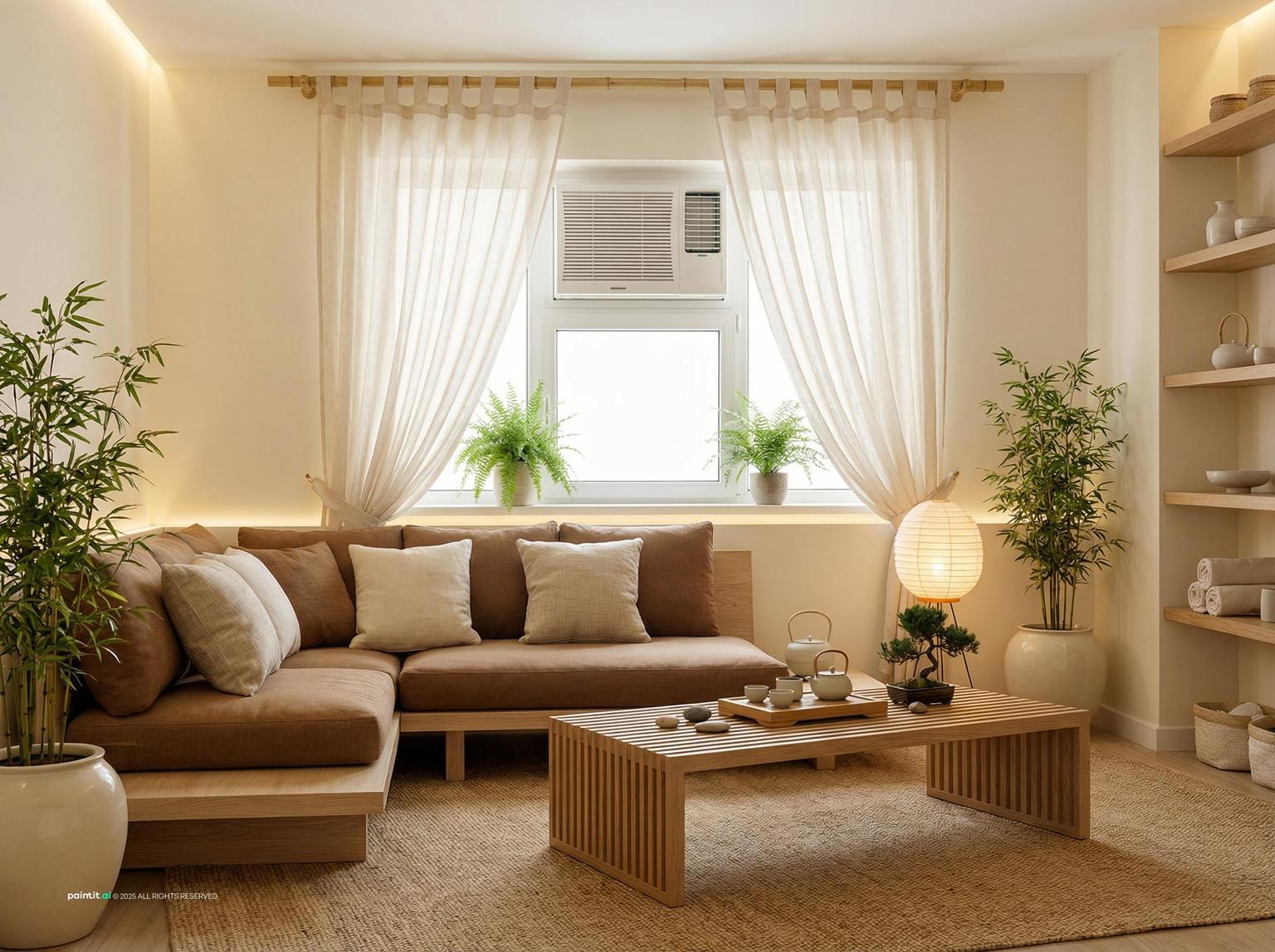
Incorporate elements like bamboo flooring, linen upholstery, raw concrete accents, or a stone water feature. Choose furniture crafted from light-colored woods such as maple or ash. Avoid synthetic materials that feel cold or artificial.
-
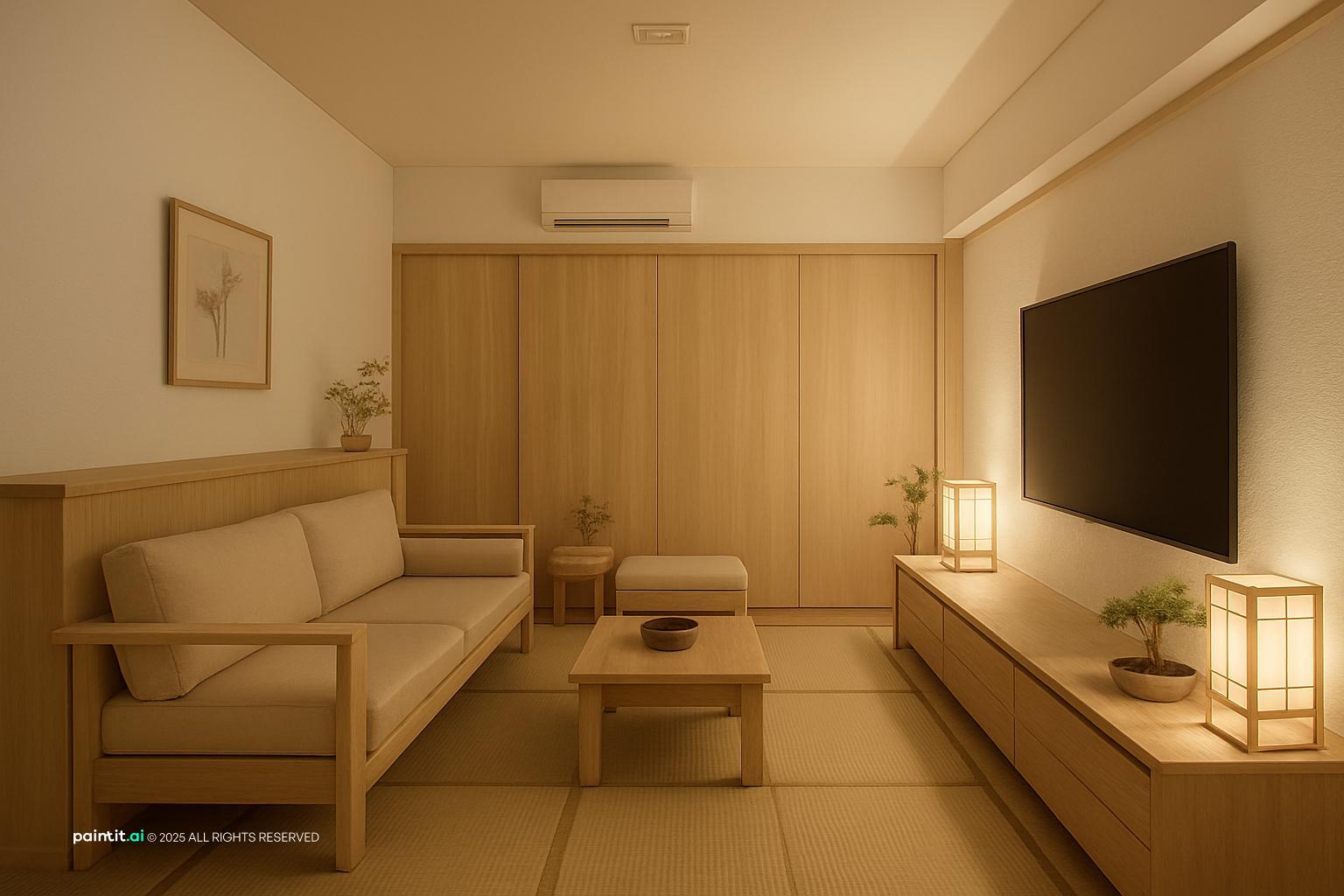
Pro Tip: To achieve this effect, try adding a large, smooth river stone as a decorative accent on a low table.
-
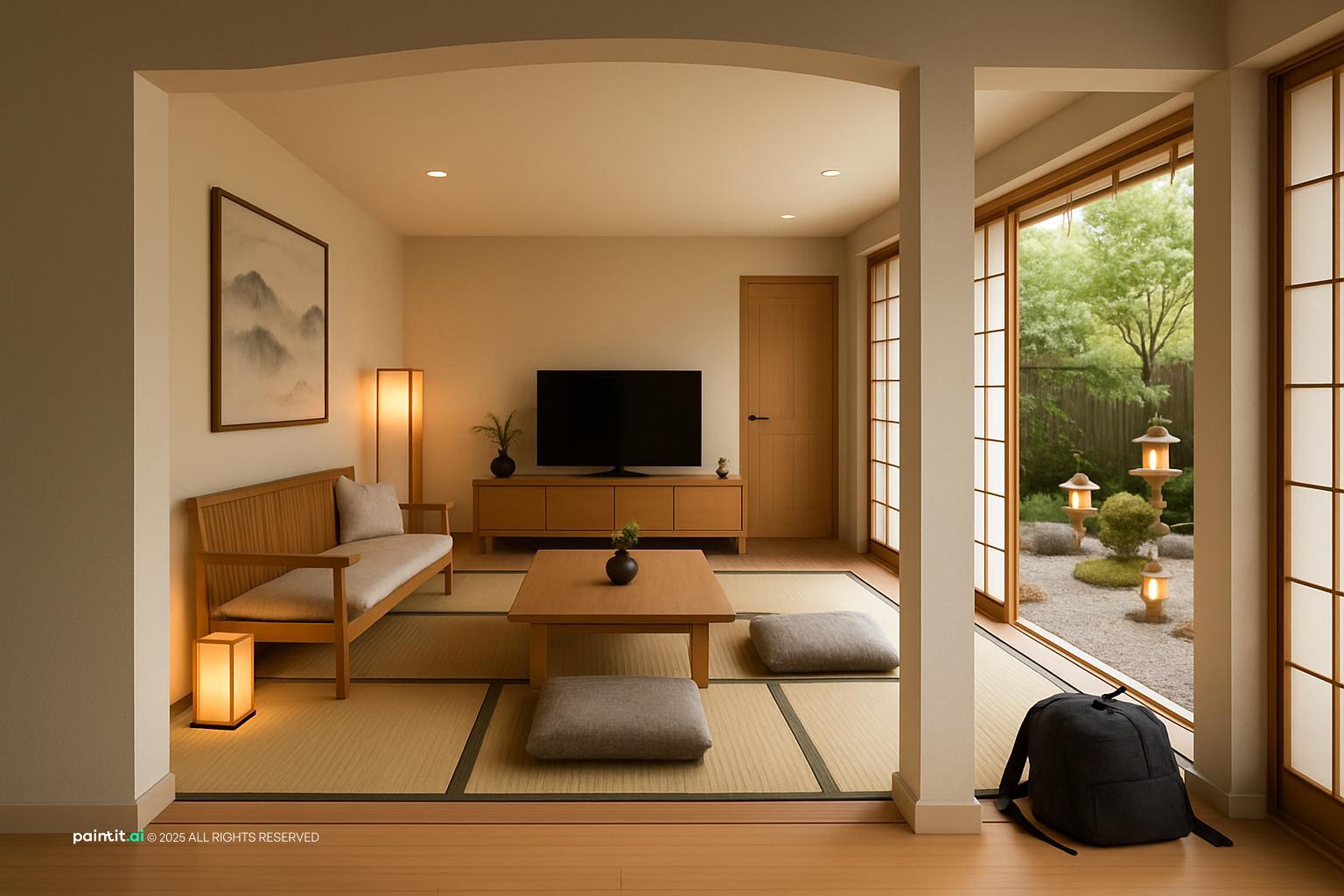
A calm foundation is non-negotiable. Soft, muted colors are crucial for creating a tranquil backdrop, allowing the mind to relax and find focus. Bright, bold hues can disrupt the peaceful atmosphere we're aiming for.
-
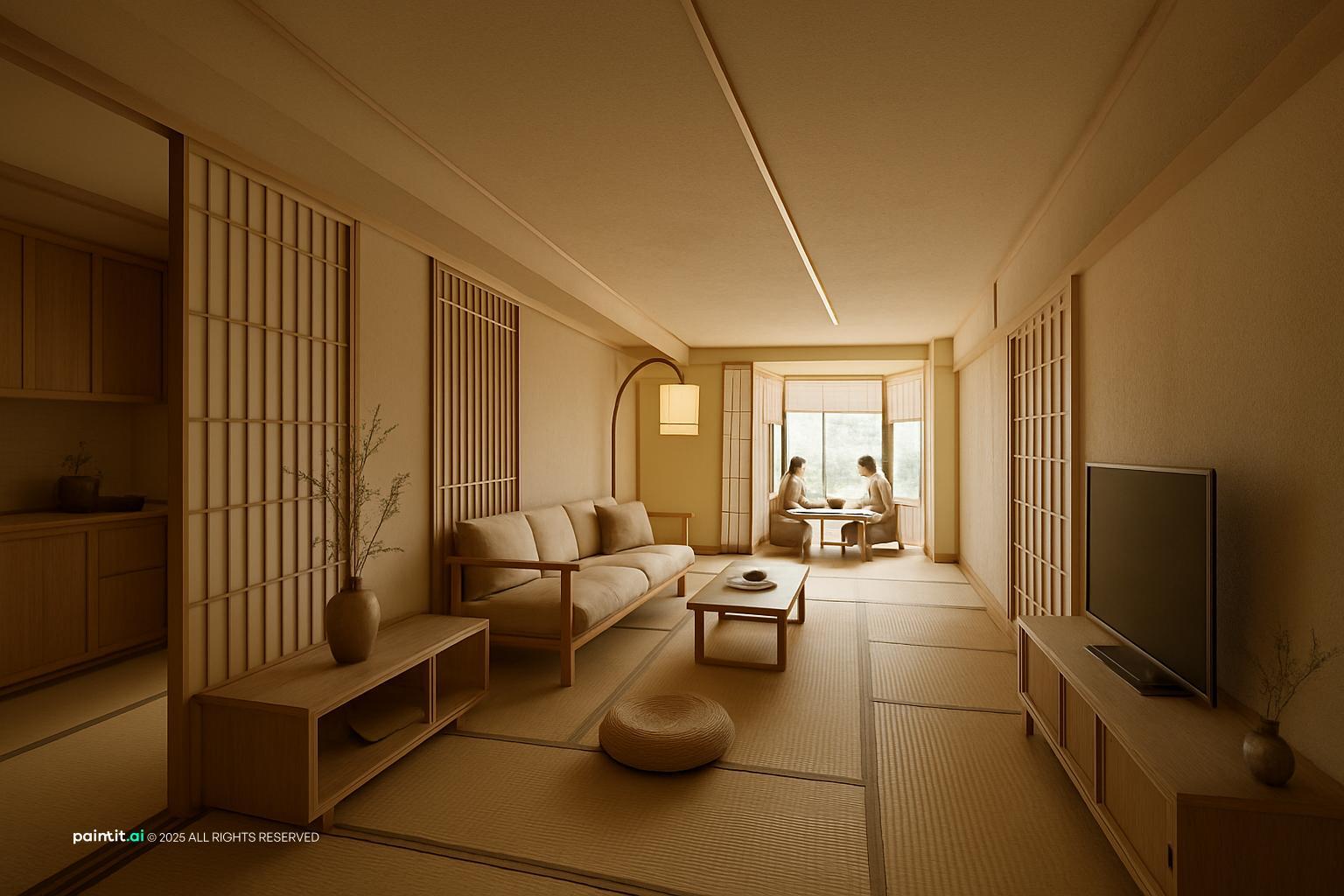
Stick to a palette of whites, creams, soft greys, and muted earth tones like beige or pale sage. Introduce subtle variations in texture rather than color to add depth. A touch of black can provide grounding contrast without being jarring.
-
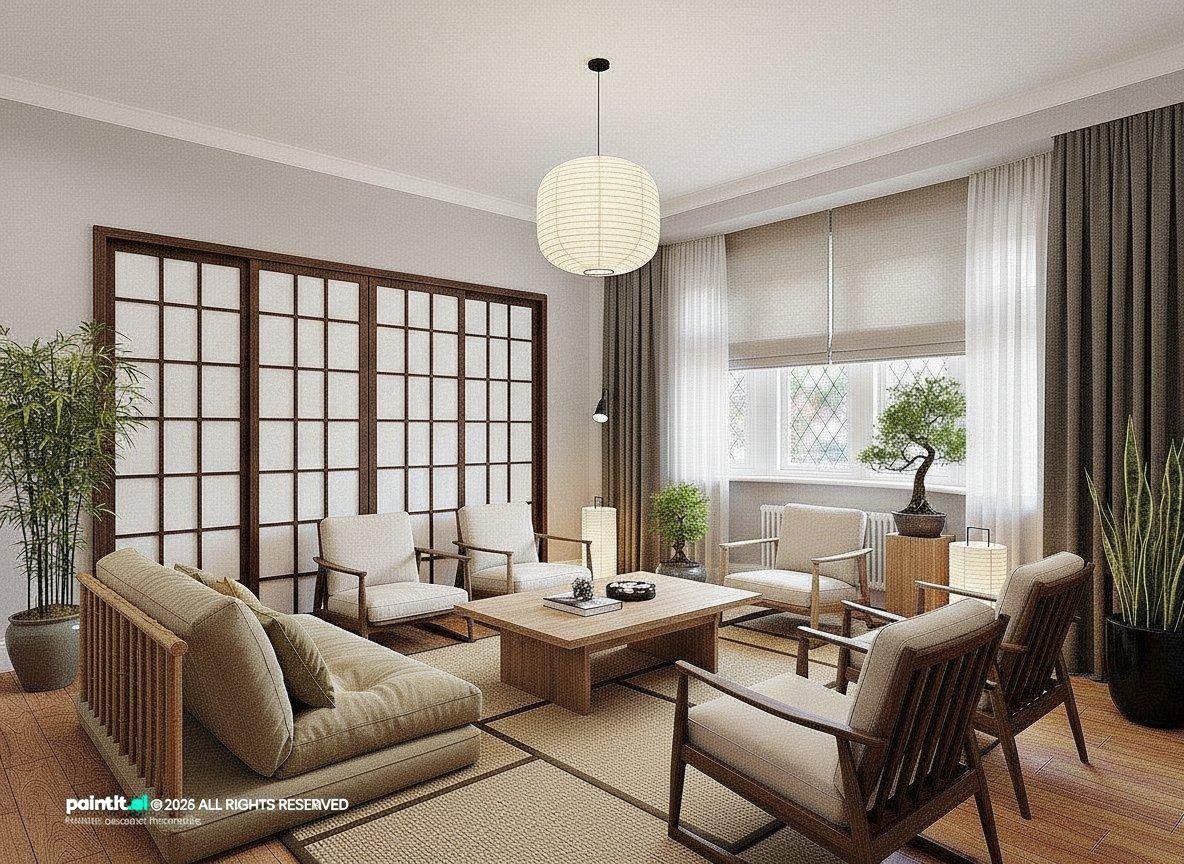
Pro Tip: To achieve this effect, try layering different shades of the same neutral color for a sophisticated, subtle depth.
-
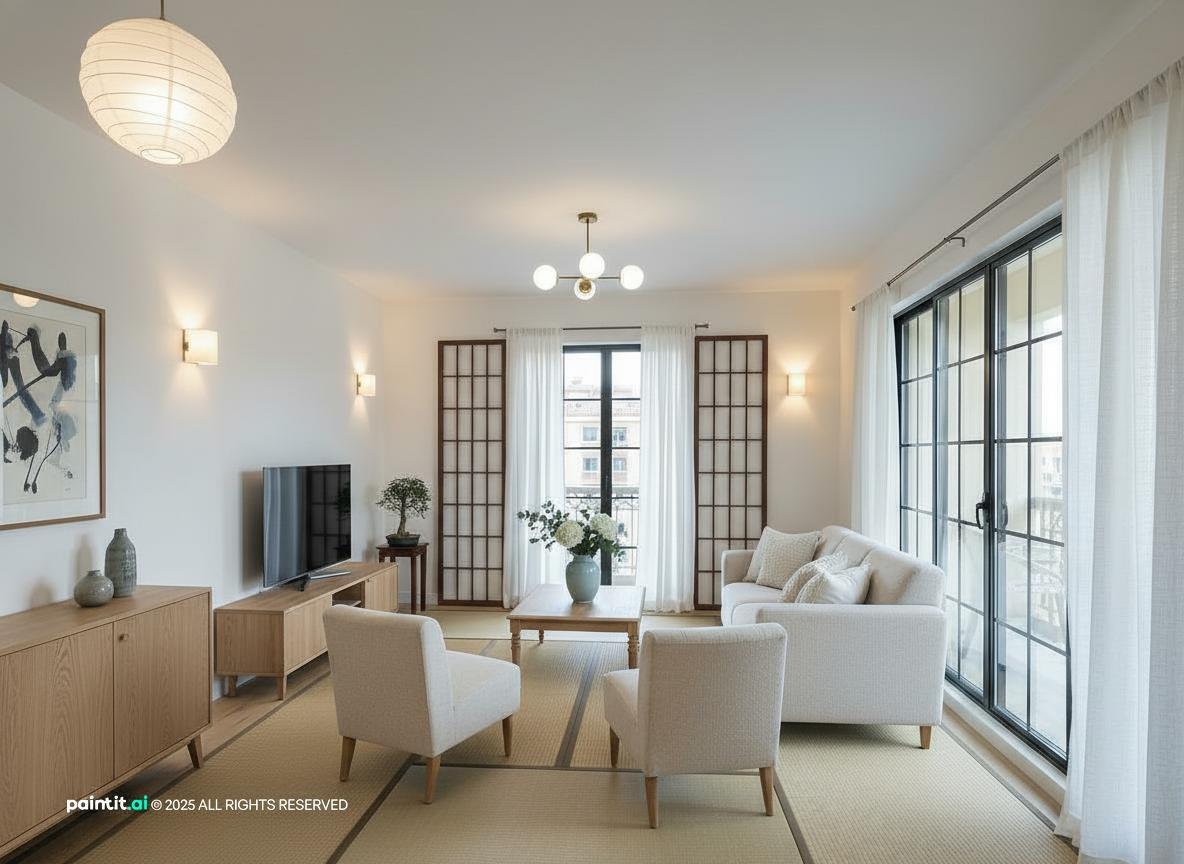
This sounds simple, but it’s the most impactful step. A Zen living room thrives on emptiness and clarity. Every item should have a purpose or bring joy; anything else is simply visual noise. Less truly is more here.
-
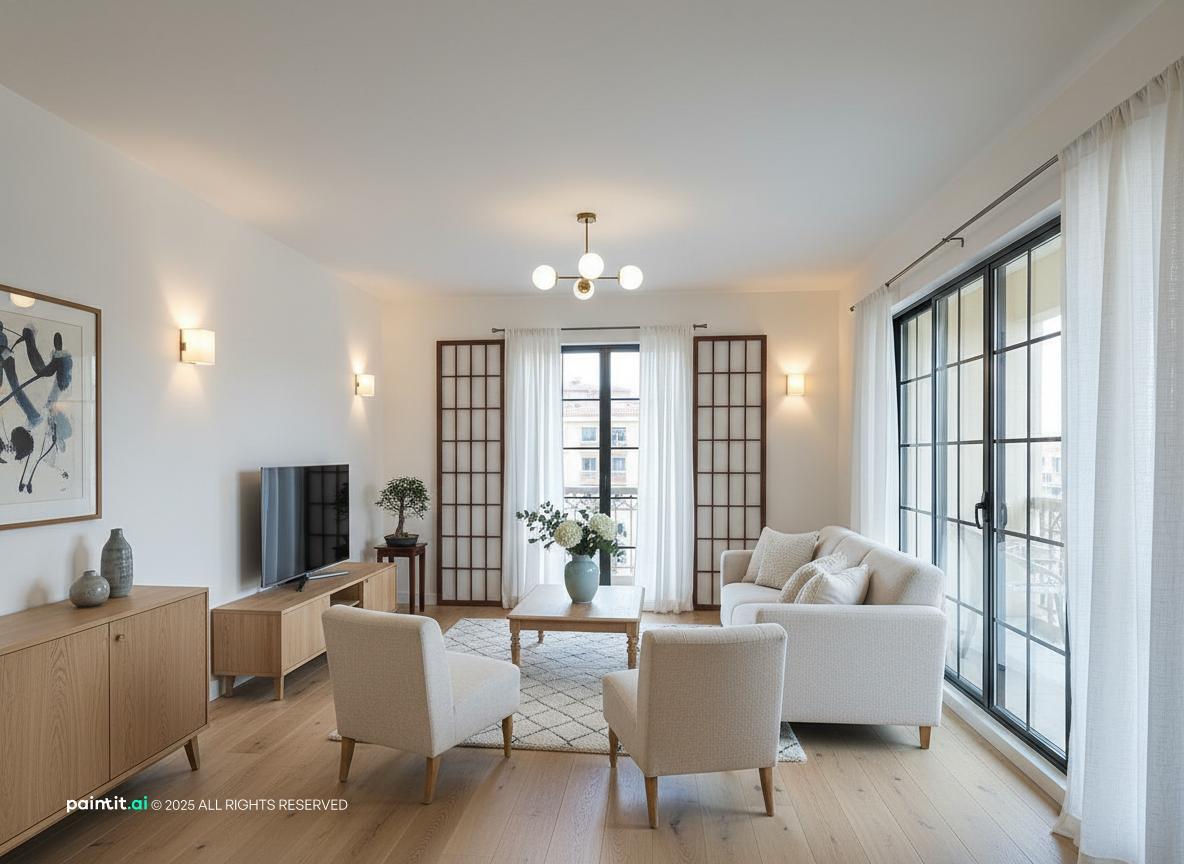
Invest in smart, hidden storage solutions to keep surfaces clear. Regularly review your possessions and remove anything that doesn't contribute to the room's serene aesthetic. Think about the 'Ma' concept – the importance of empty space.
-
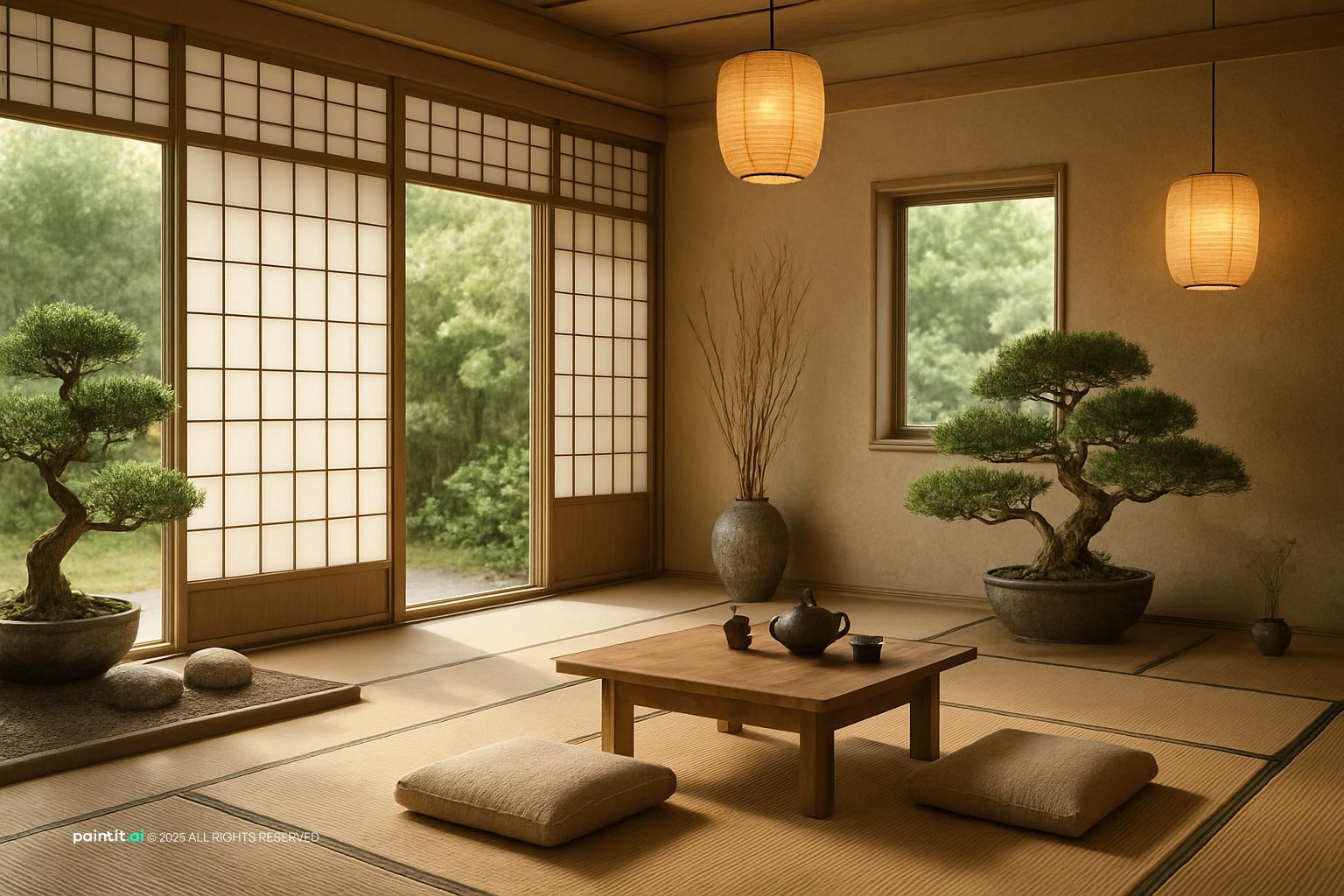
Pro Tip: To achieve this effect, try adopting a "one in, one out" rule for new purchases to maintain a minimalist environment.
-
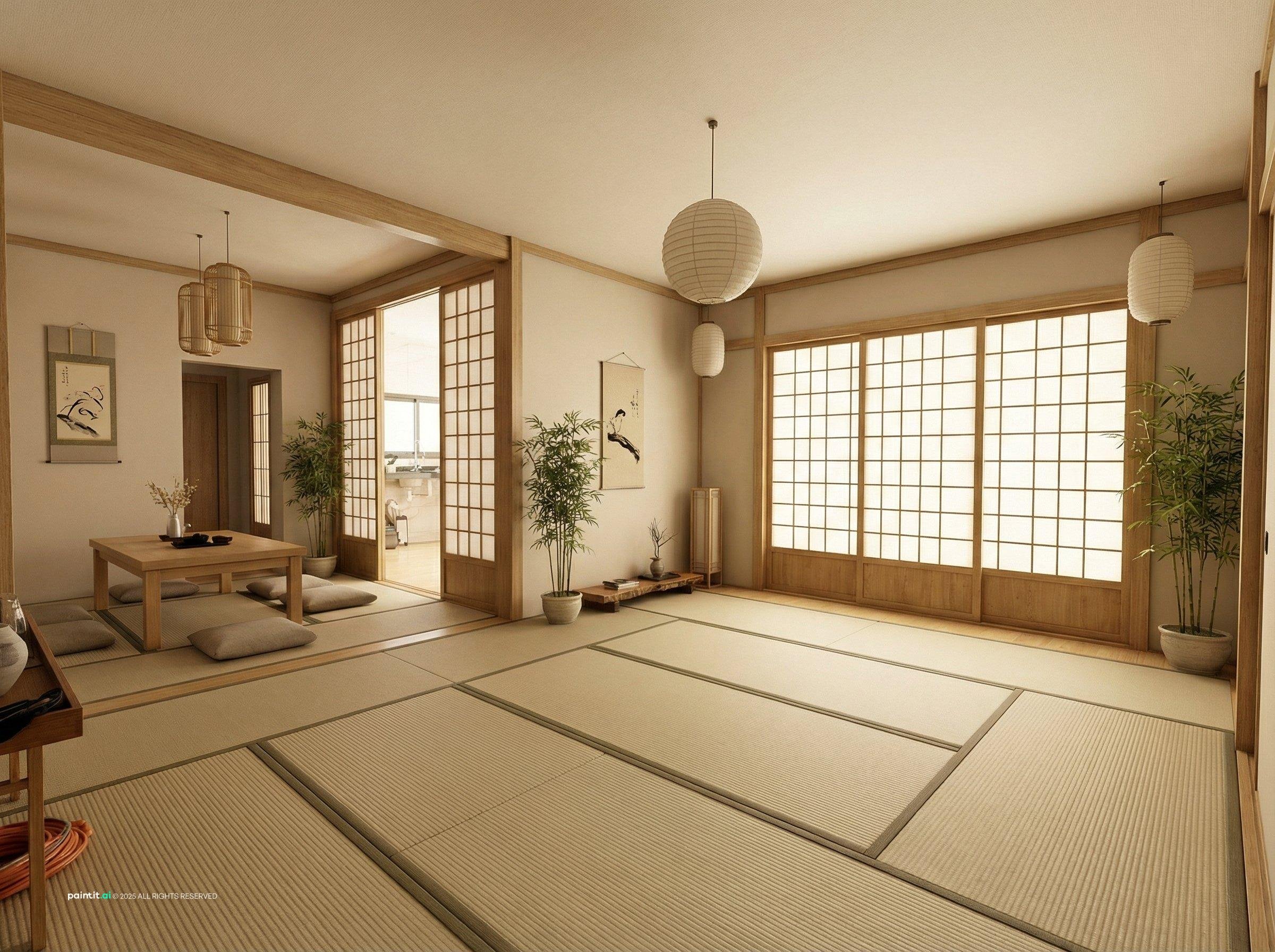
Bringing life into the room, albeit sparingly, enhances the connection to nature. A carefully chosen plant adds a touch of organic beauty without overwhelming the minimalist aesthetic. It's about quality over quantity.
-
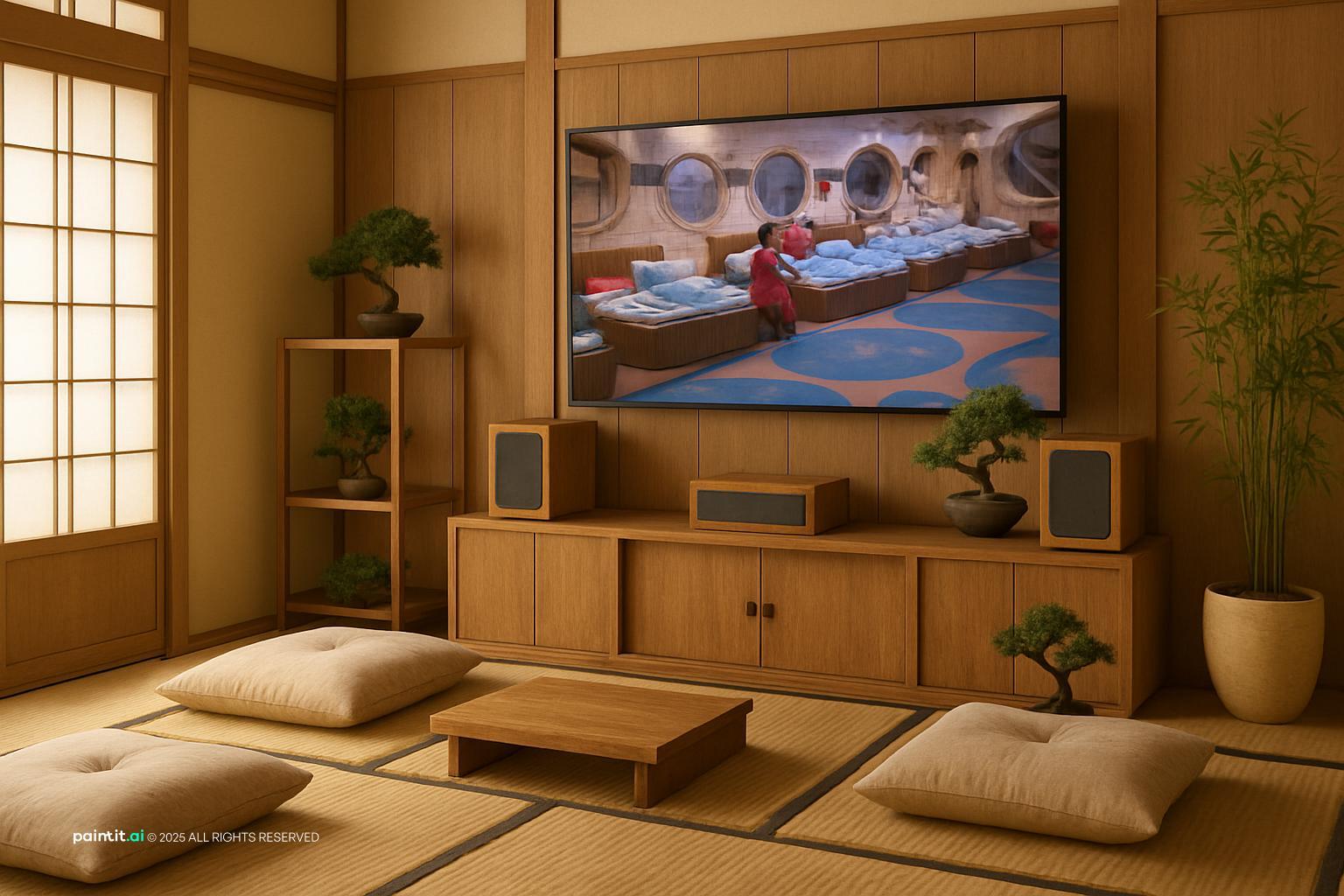
Opt for a single, elegant plant like a bonsai, a snake plant, or a bamboo stalk. Place it in a simple, unadorned pot made from ceramic or stone. Avoid overly lush or brightly flowering plants that might distract.
-
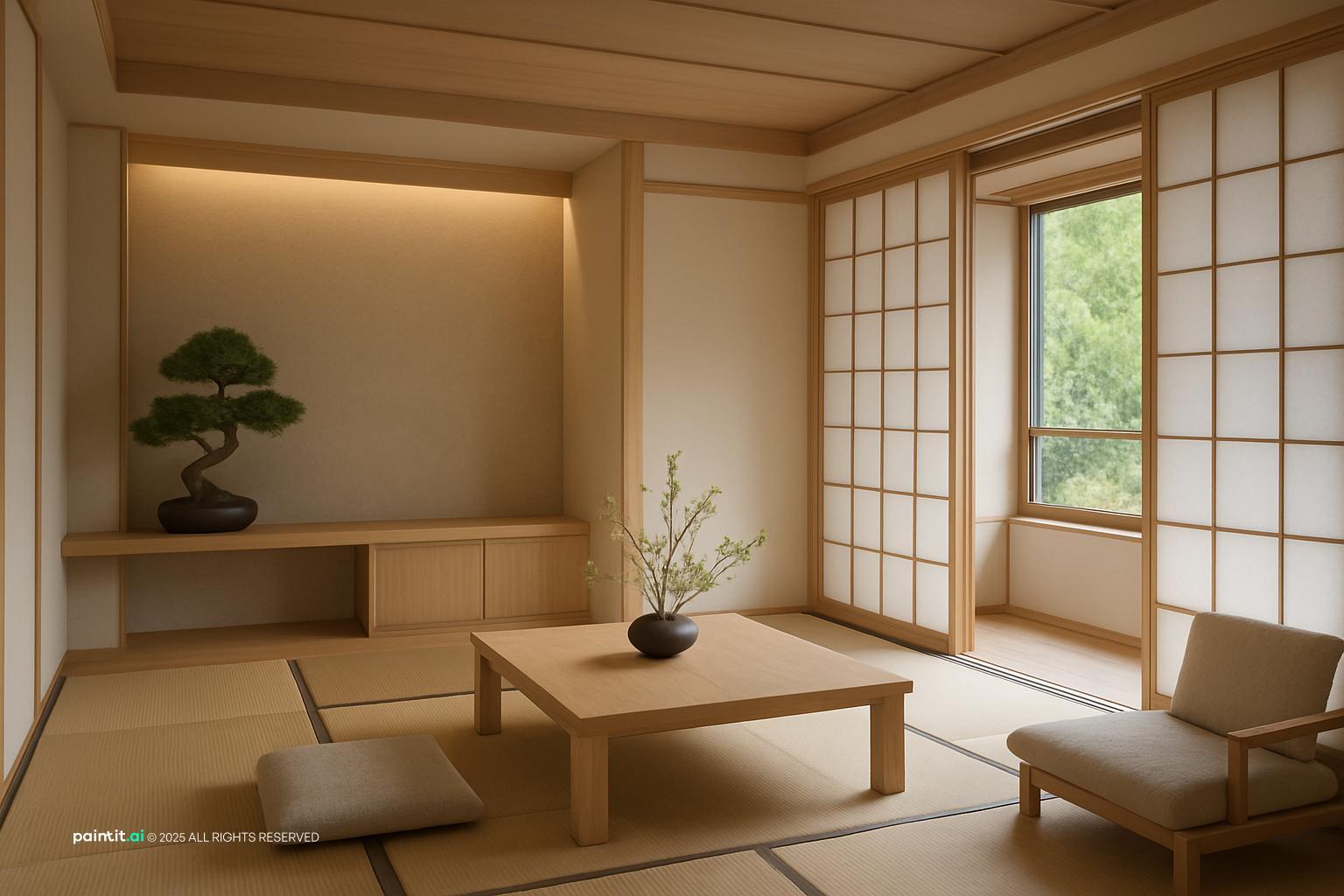
Pro Tip: To achieve this effect, try placing a single, well-maintained plant in a strategic corner to draw the eye.
-
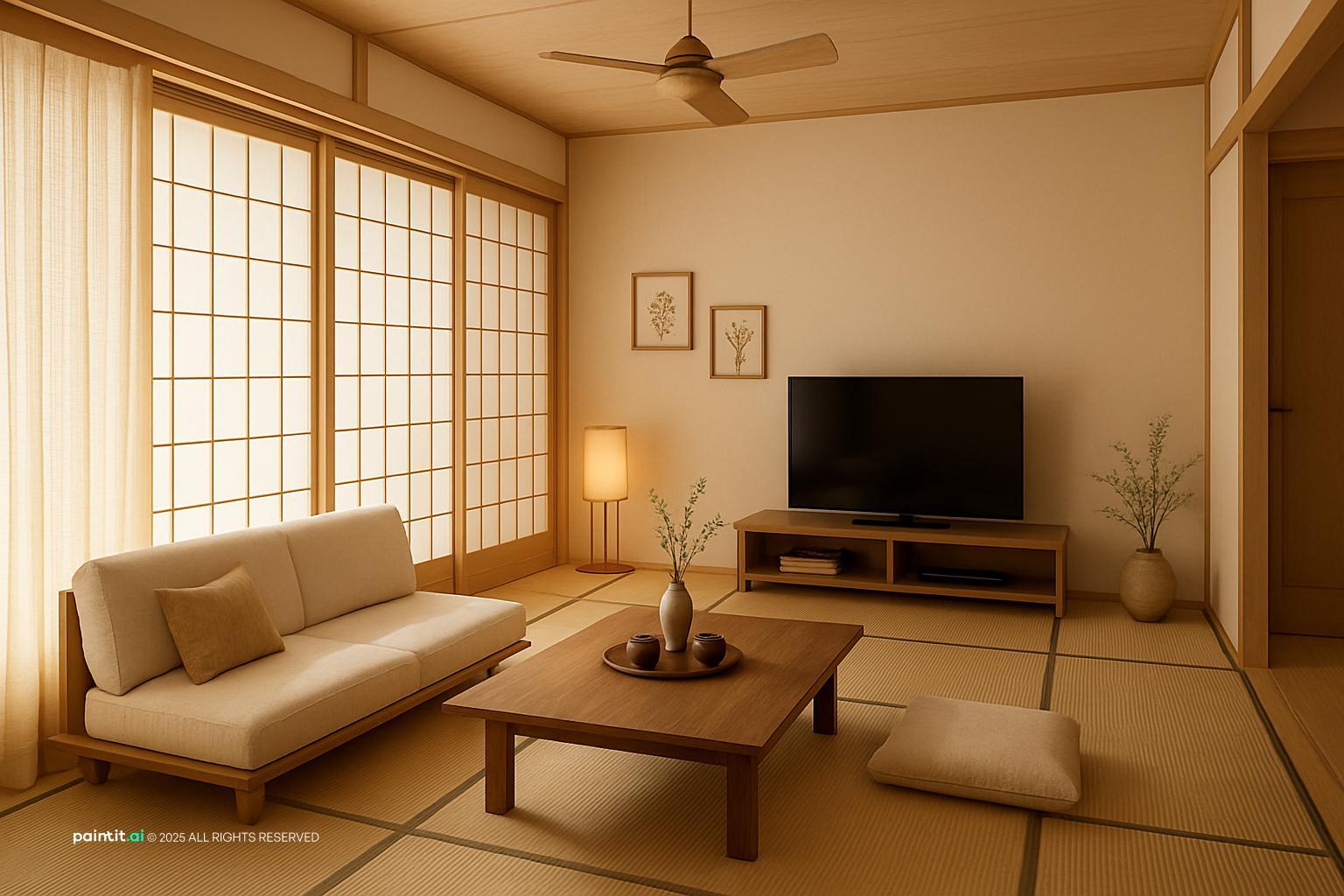
Harsh overhead lighting can destroy the peaceful atmosphere. Soft, diffused light sources are essential for cultivating a warm and inviting glow, especially in the evenings. It’s about creating mood and shadow play.
-
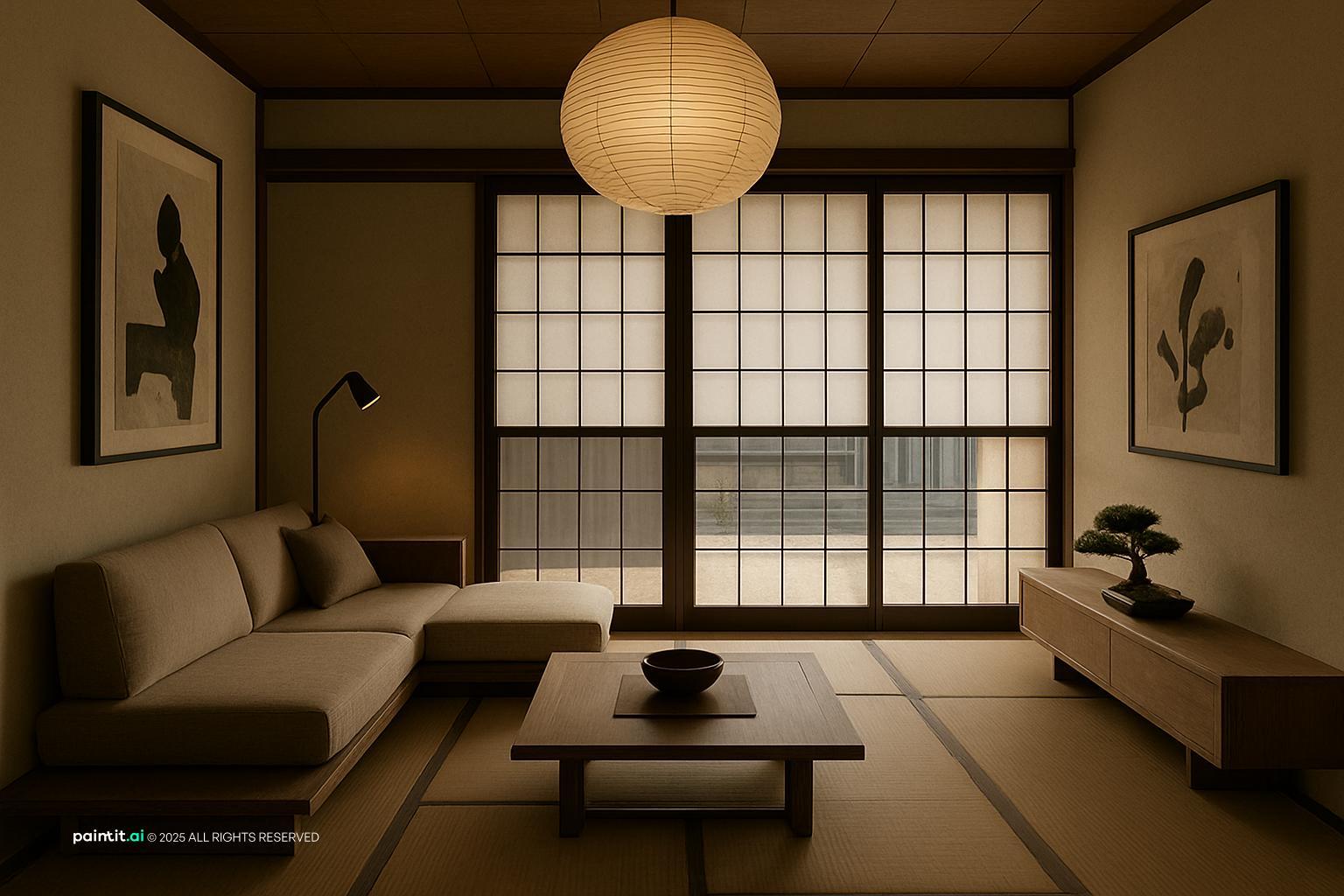
Use floor lamps with paper shades, indirect wall sconces, or traditional Japanese lanterns. Incorporate dimmers to control intensity. Avoid bright, direct spotlights. Warm white bulbs are always the best choice.
-
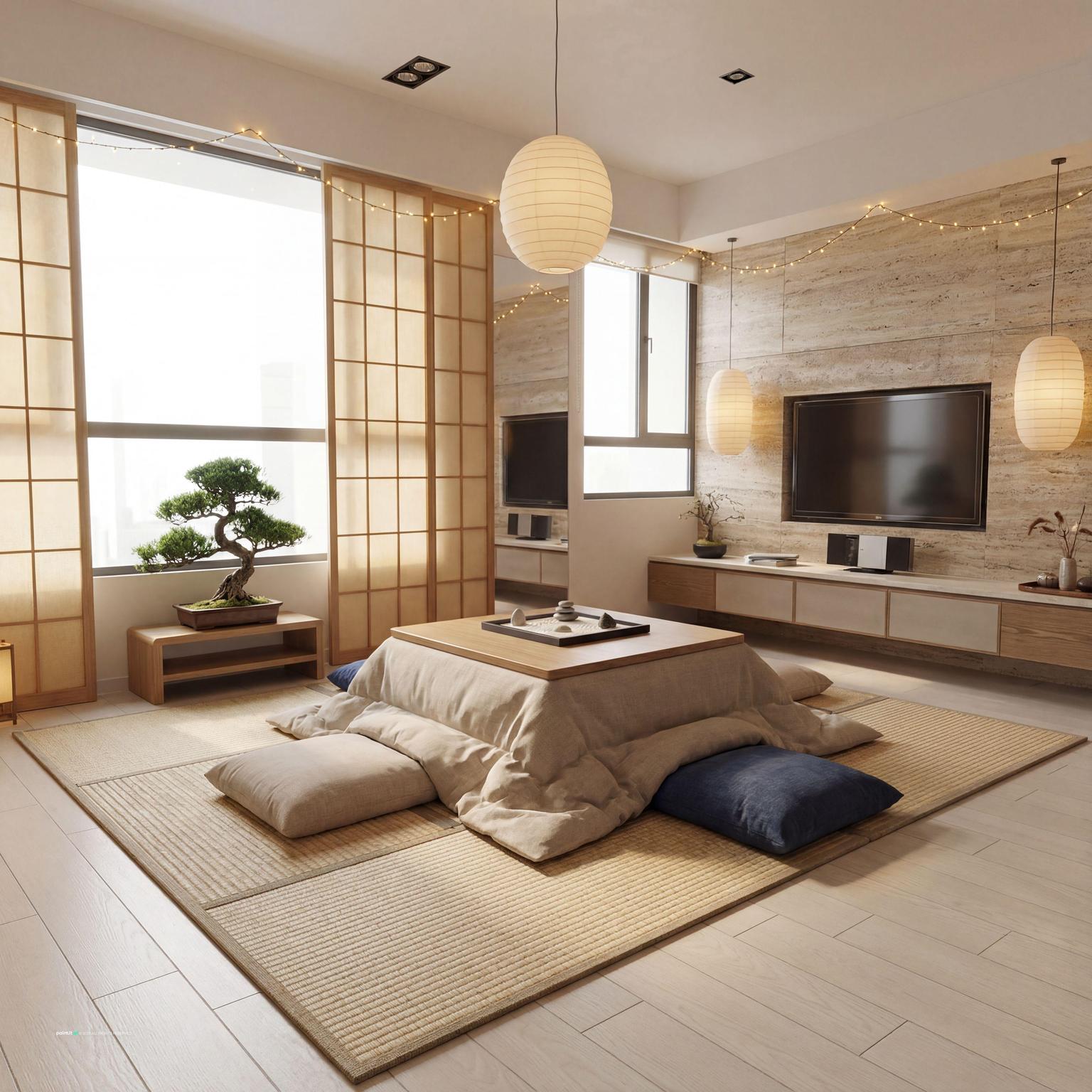
Pro Tip: To achieve this effect, try using multiple low-level light sources instead of one central overhead fixture.
-
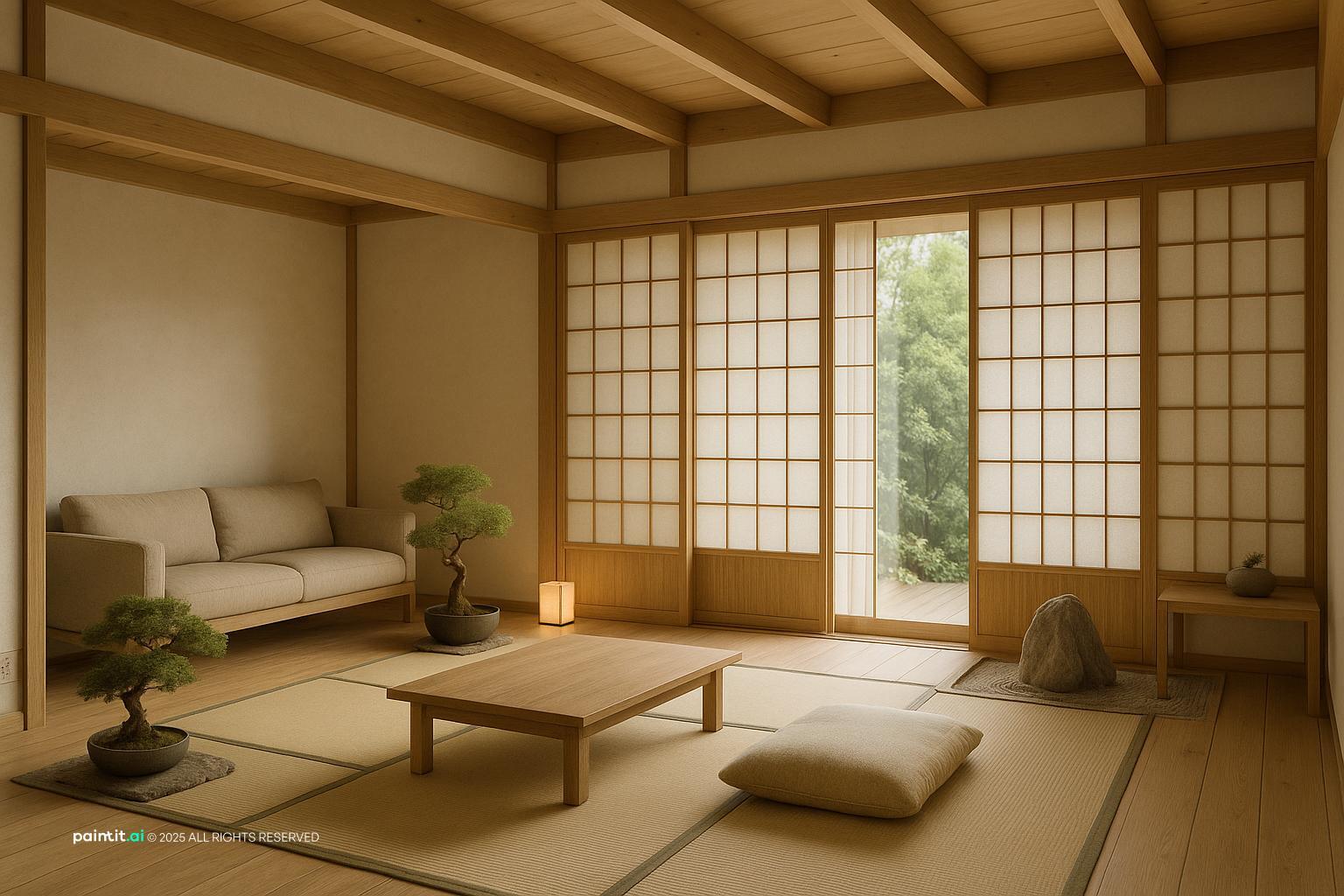
This is a classic element that instantly grounds a space in tradition. Tatami mats offer a unique texture and a natural, earthy scent, defining areas within an open-plan room and encouraging floor-level living. They are surprisingly comfortable.
-
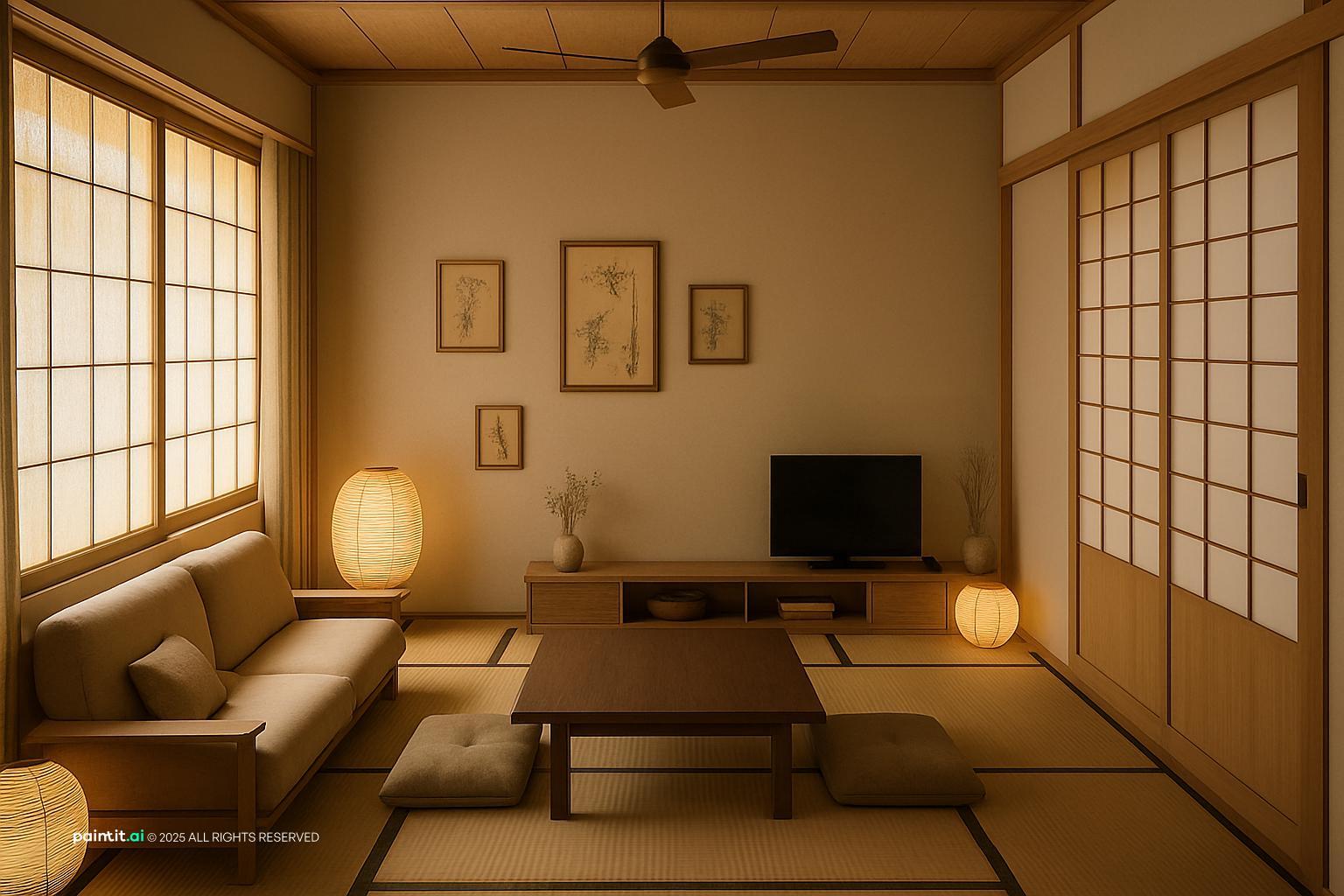
Use tatami mats to cover a significant portion of the floor or to delineate a specific seating area. Pair them with low tables and floor cushions. Ensure they are well-maintained to preserve their aesthetic and longevity.
-
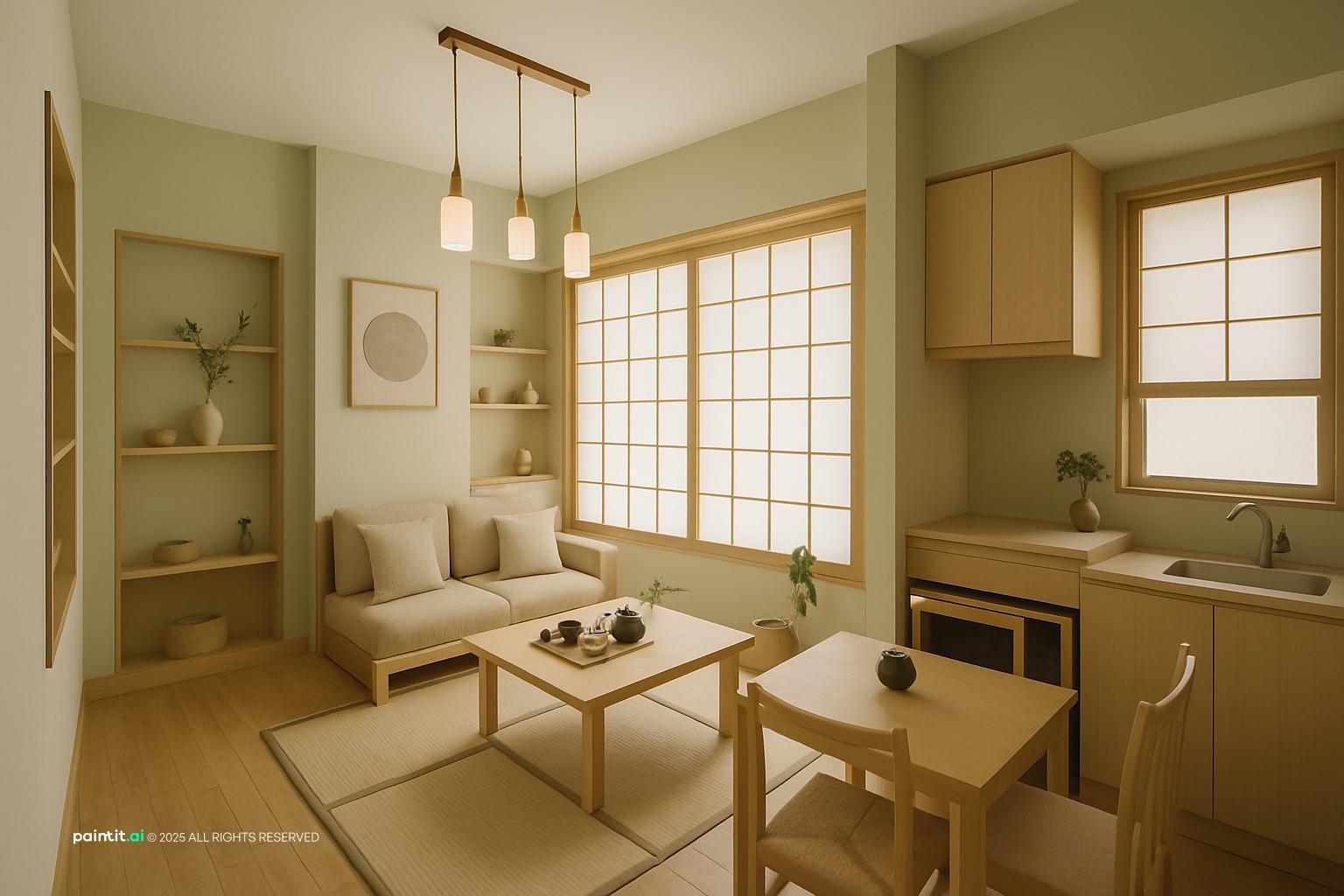
Pro Tip: To achieve this effect, try using a single large tatami mat as a rug under your low coffee table to define the central seating zone.
-
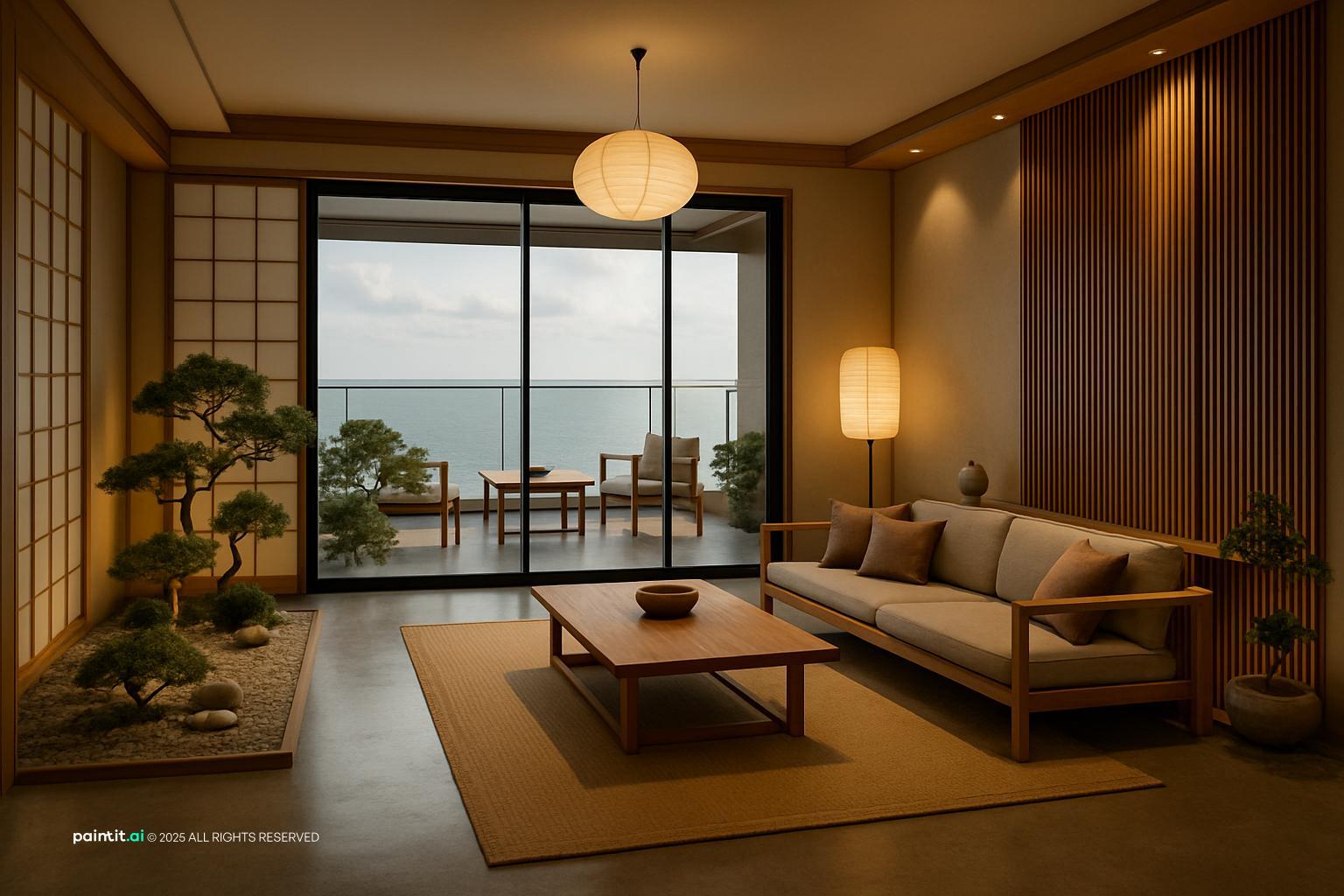
Art in a Zen space should inspire contemplation, not distraction. Choose pieces that are simple, serene, and evoke nature or abstract forms. Each piece should feel intentionally placed, not merely decorative.
-
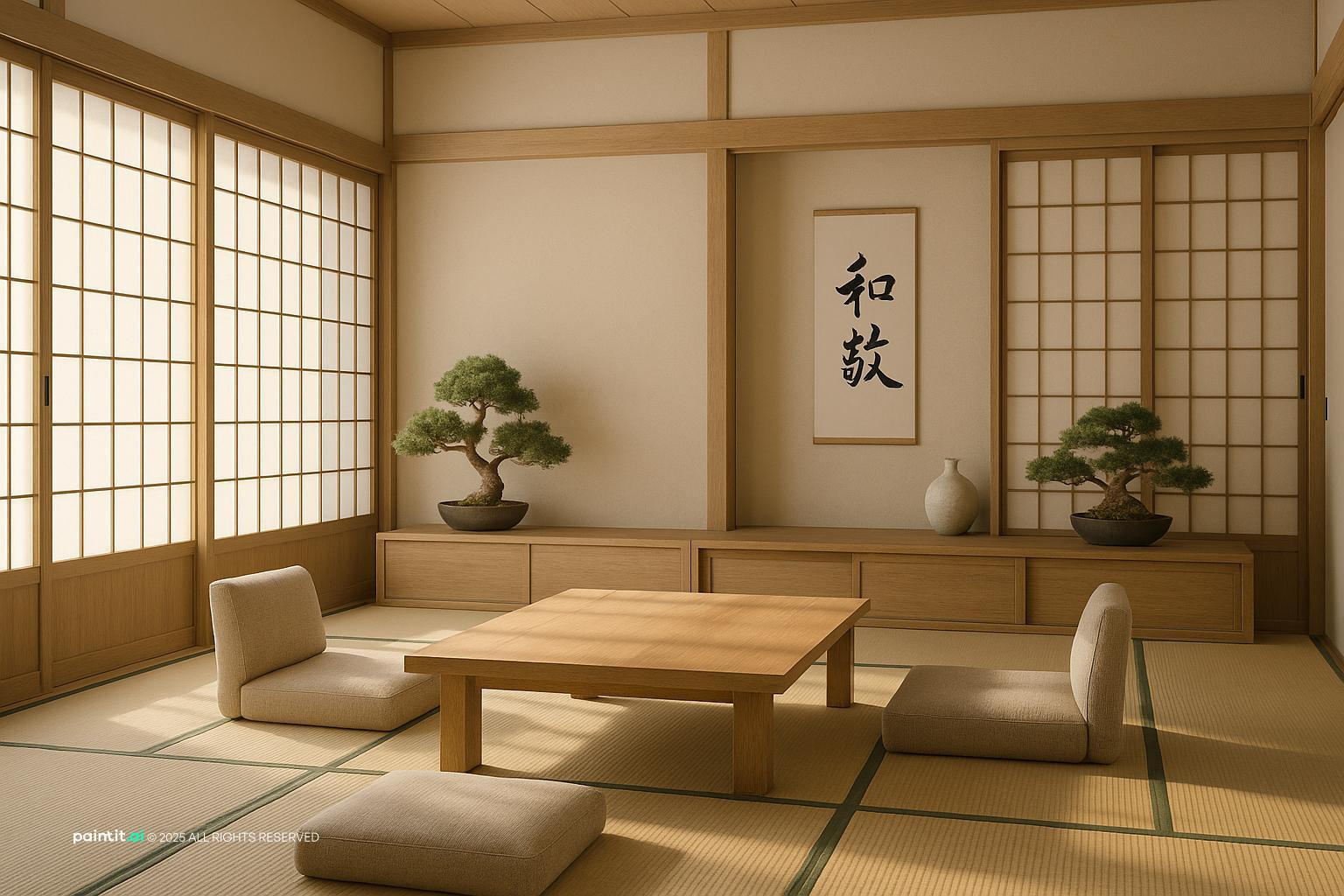
Opt for a single piece of calligraphy, a simple landscape painting, or a minimalist ceramic vase. Avoid busy patterns or vibrant colors. A small, well-chosen Ikebana arrangement can also serve as a focal point.
-
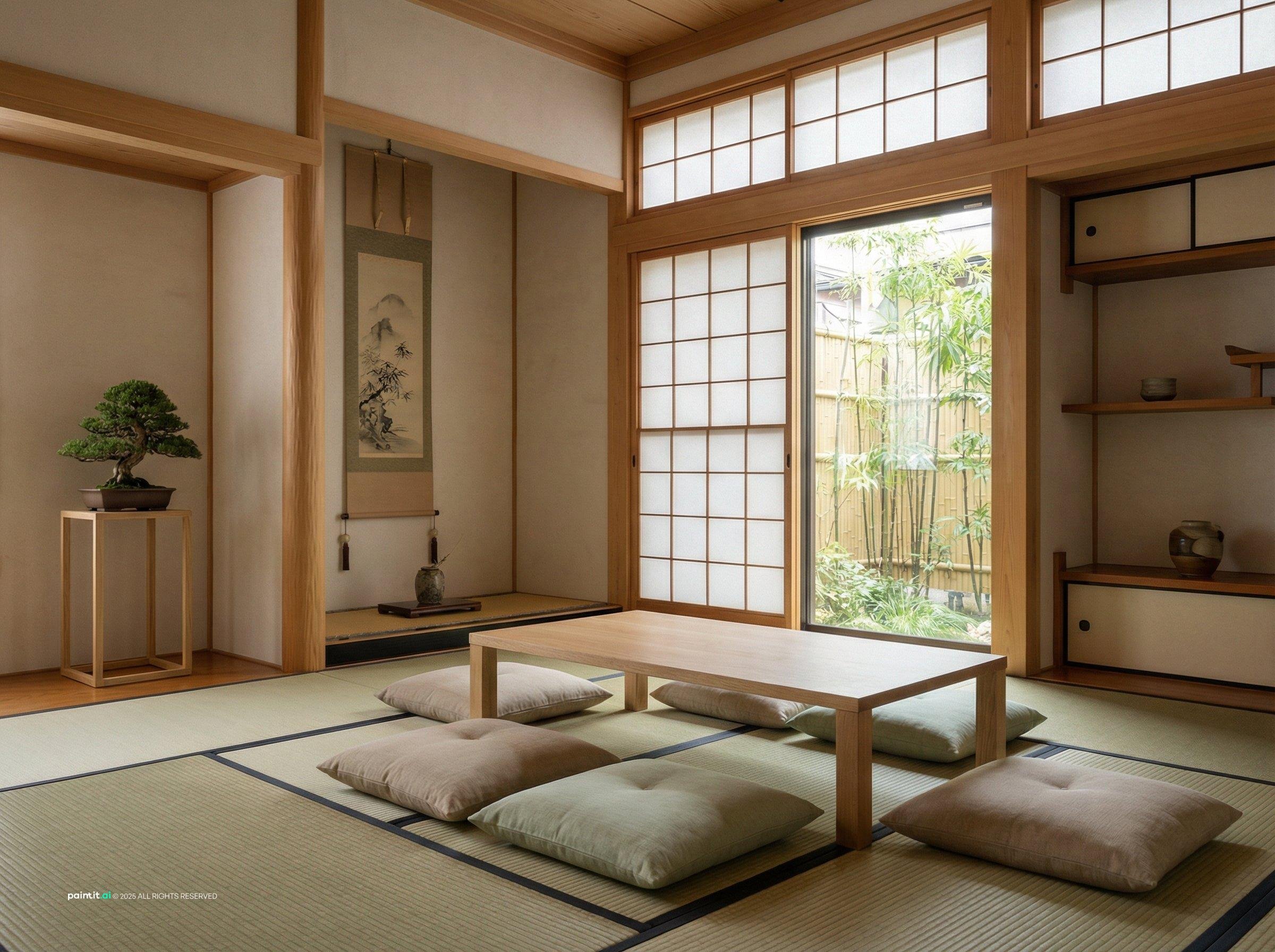
Pro Tip: To achieve this effect, try displaying only one or two carefully selected art pieces on a large, empty wall for maximum impact.
-
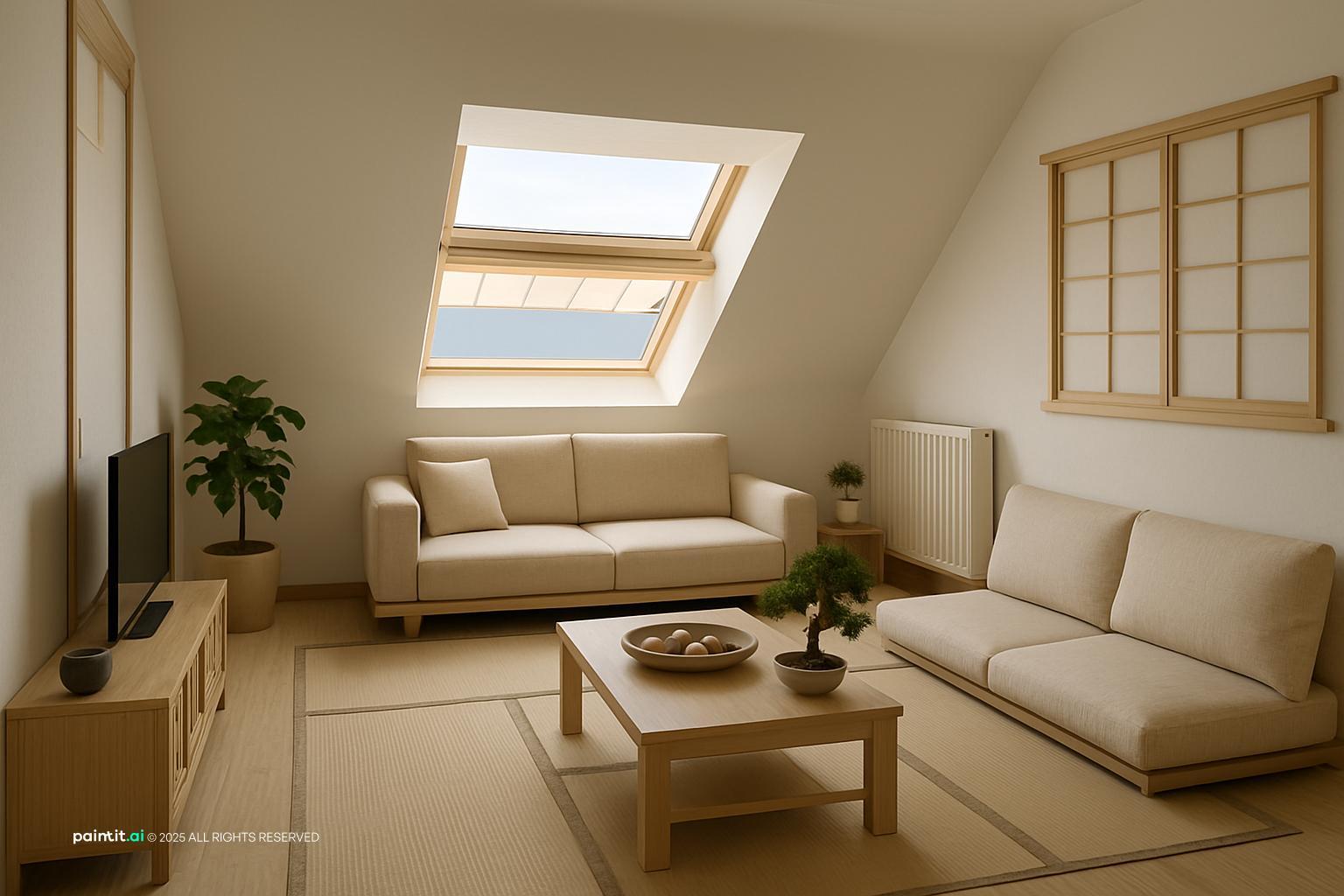
The concept of 'Ma' – the intentional use of empty space – is vital. It’s not just about what you put in a room, but what you leave out. This creates a sense of freedom and allows energy to move unhindered.
-
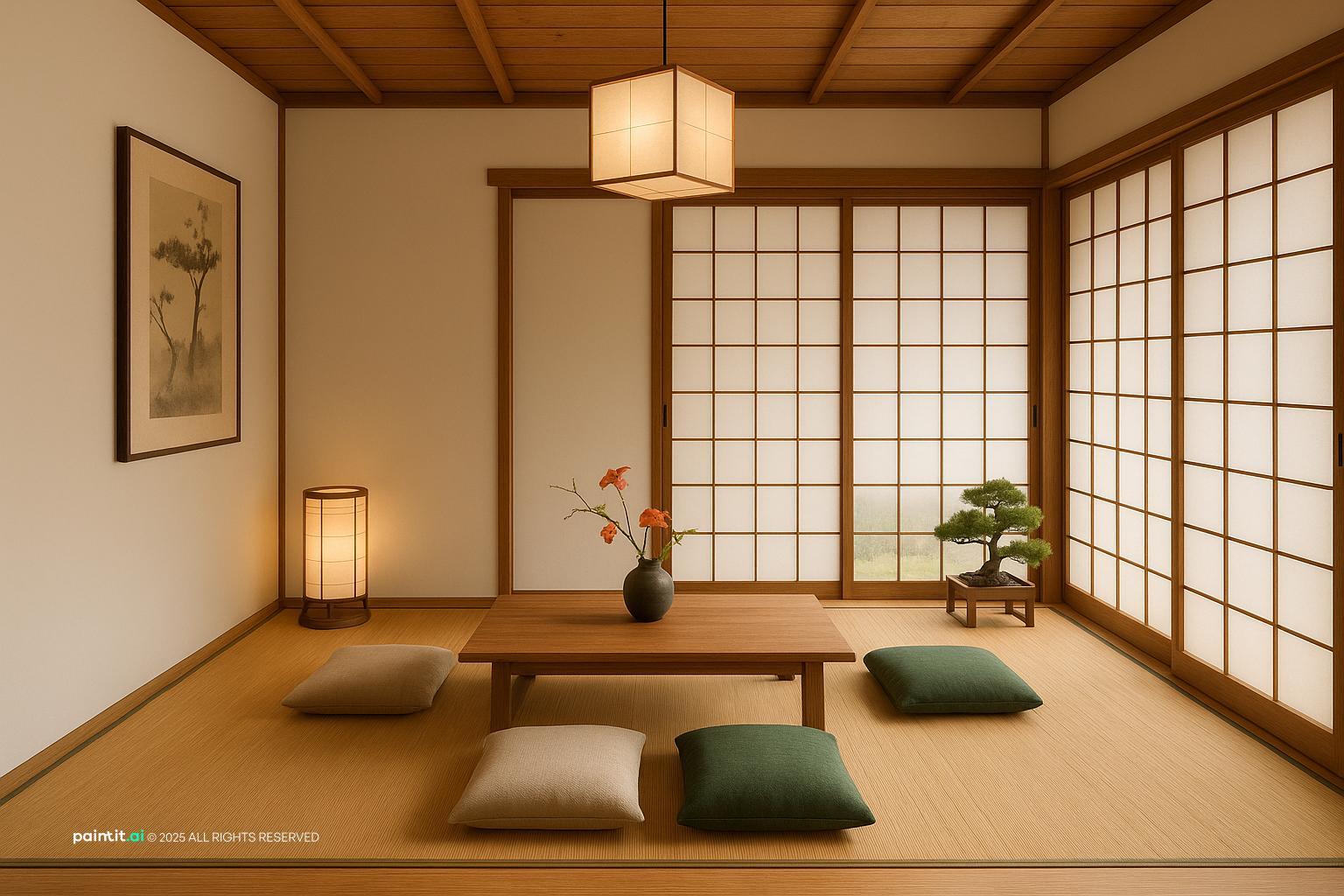
Arrange furniture to allow clear pathways and unobstructed views. Avoid overcrowding the room with too many pieces. Consider the negative space as much as the positive space. A room should feel breathable.
-
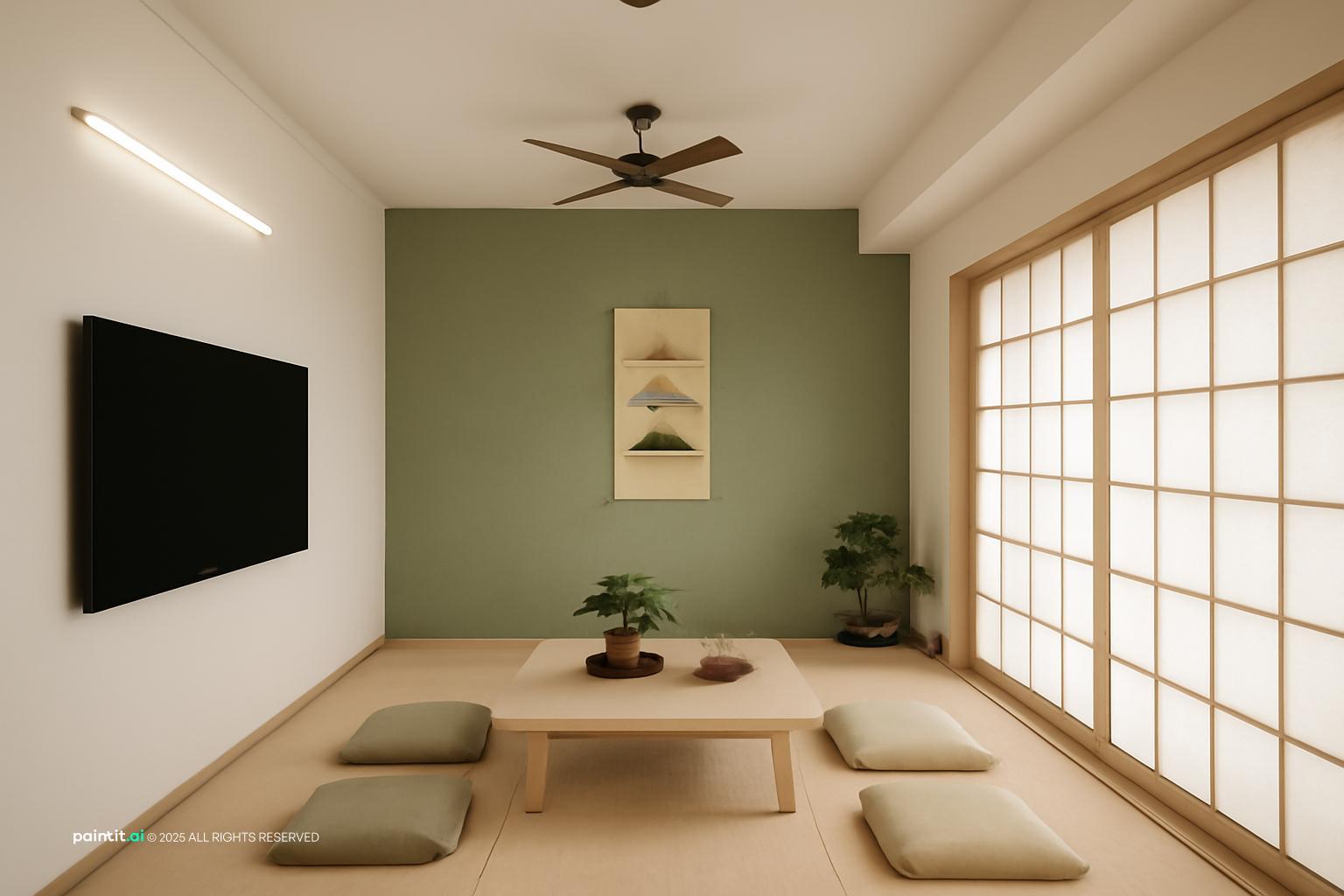
Pro Tip: To achieve this effect, try placing furniture away from walls to create a sense of floating and openness.
-
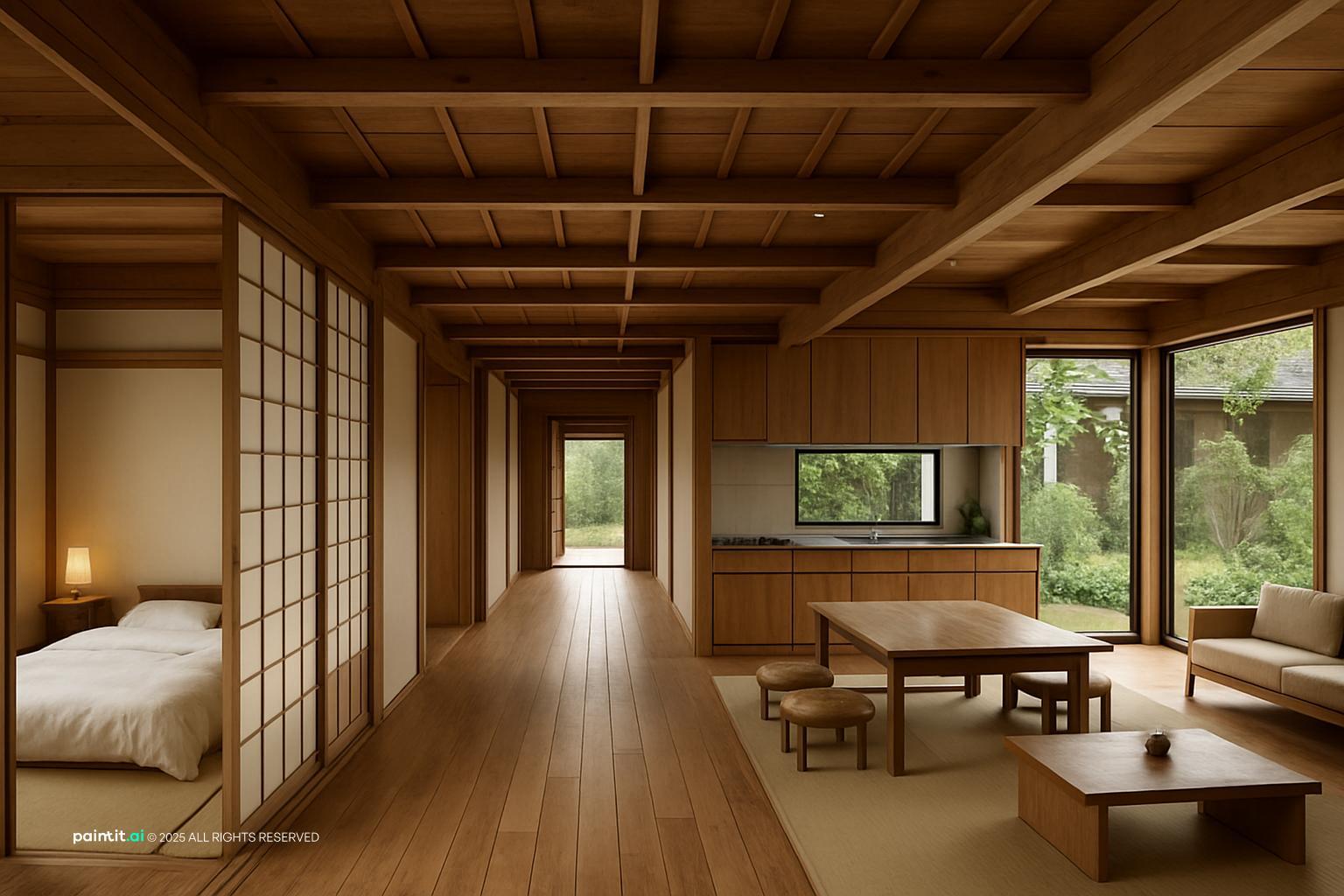
The gentle sound of flowing water is incredibly soothing and can significantly enhance the tranquil atmosphere of a living room. It connects the space to nature and provides a calming auditory experience. I find this element often overlooked.
-
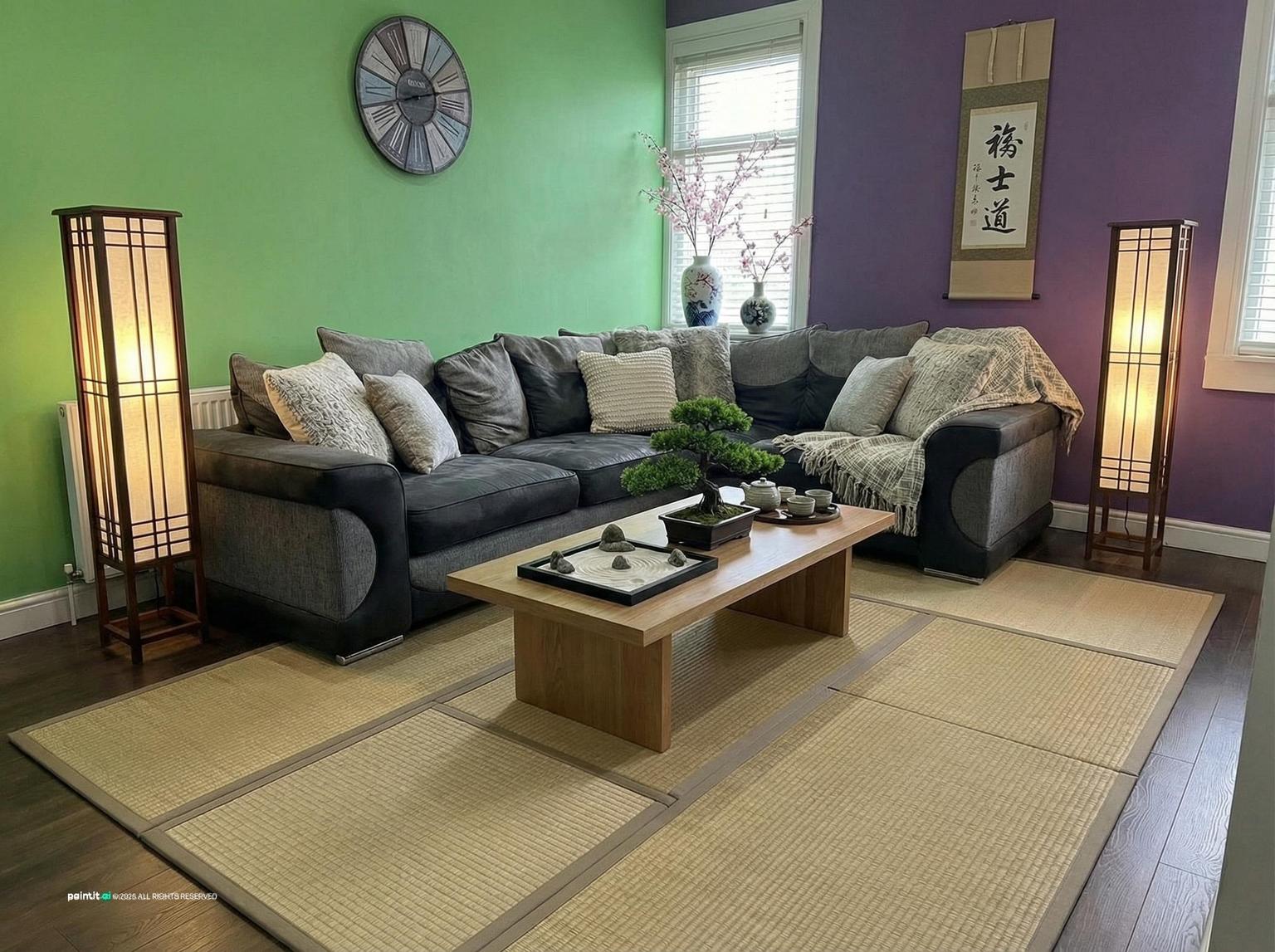
A small, indoor tabletop fountain or a minimalist water feature can be a powerful addition. Ensure the sound is a gentle trickle, not a gush. Place it where its sound can be appreciated without being intrusive.
-
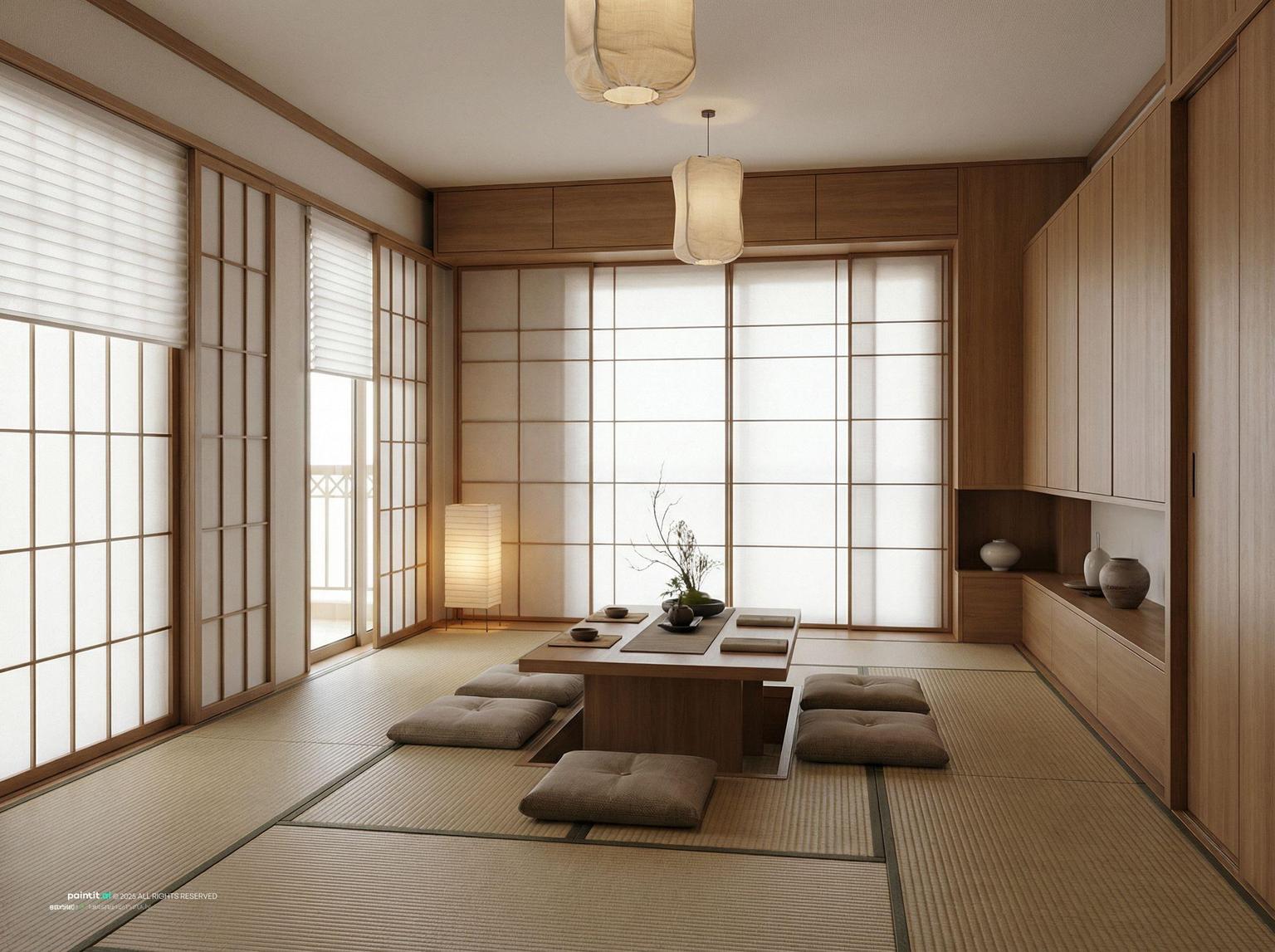
Pro Tip: To achieve this effect, try selecting a fountain made from natural stone or ceramic that blends seamlessly with your decor.
-
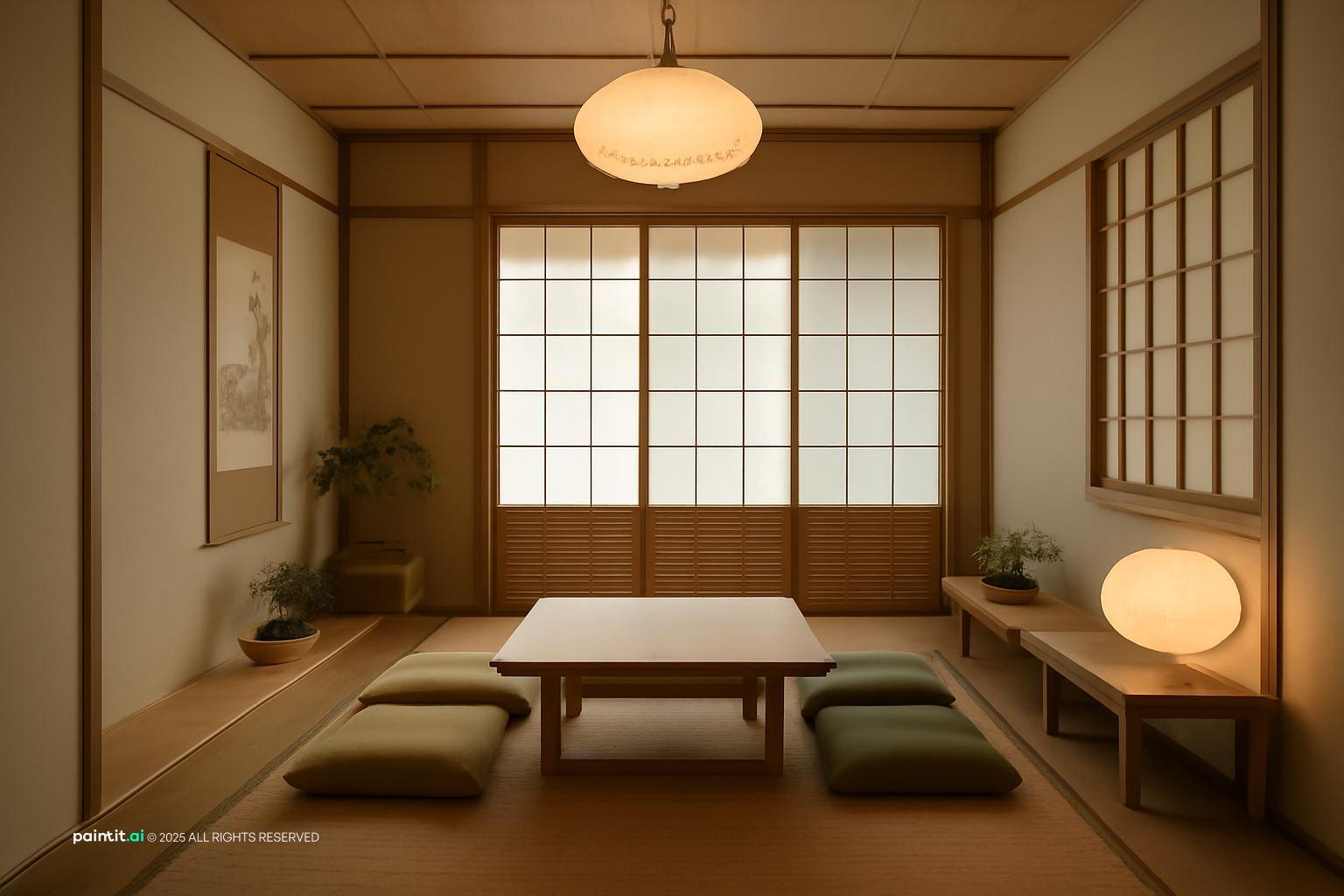
While minimalism is key, comfort should never be sacrificed. Achieve this through varied, natural textures that invite touch and add subtle richness to the space. It’s about creating an inviting atmosphere without visual clutter.
-
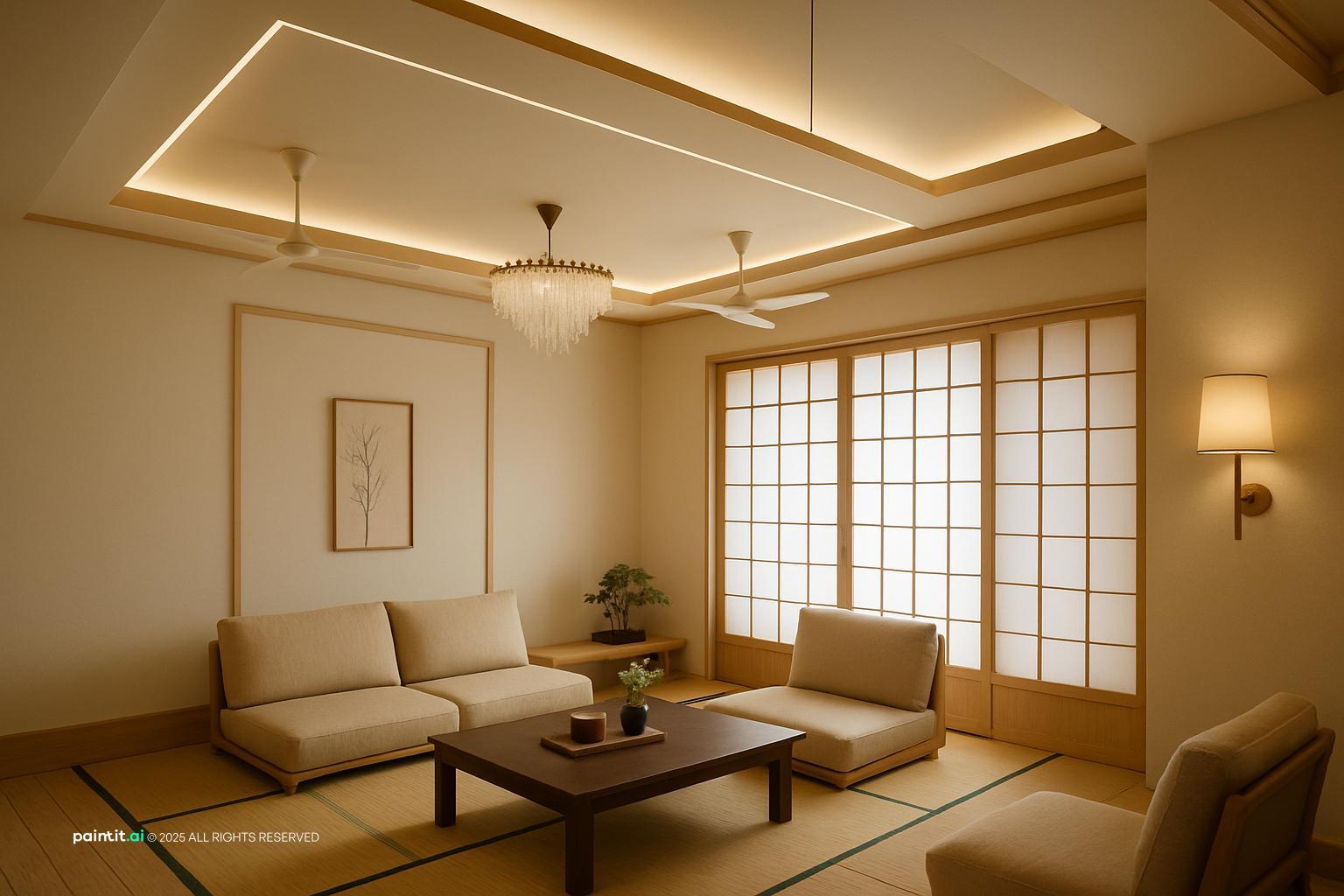
Layer soft linen throws, wool floor cushions, or a natural jute rug. Combine smooth wood surfaces with rougher stone elements. These tactile variations add interest and warmth, making the room feel lived-in and welcoming.
-
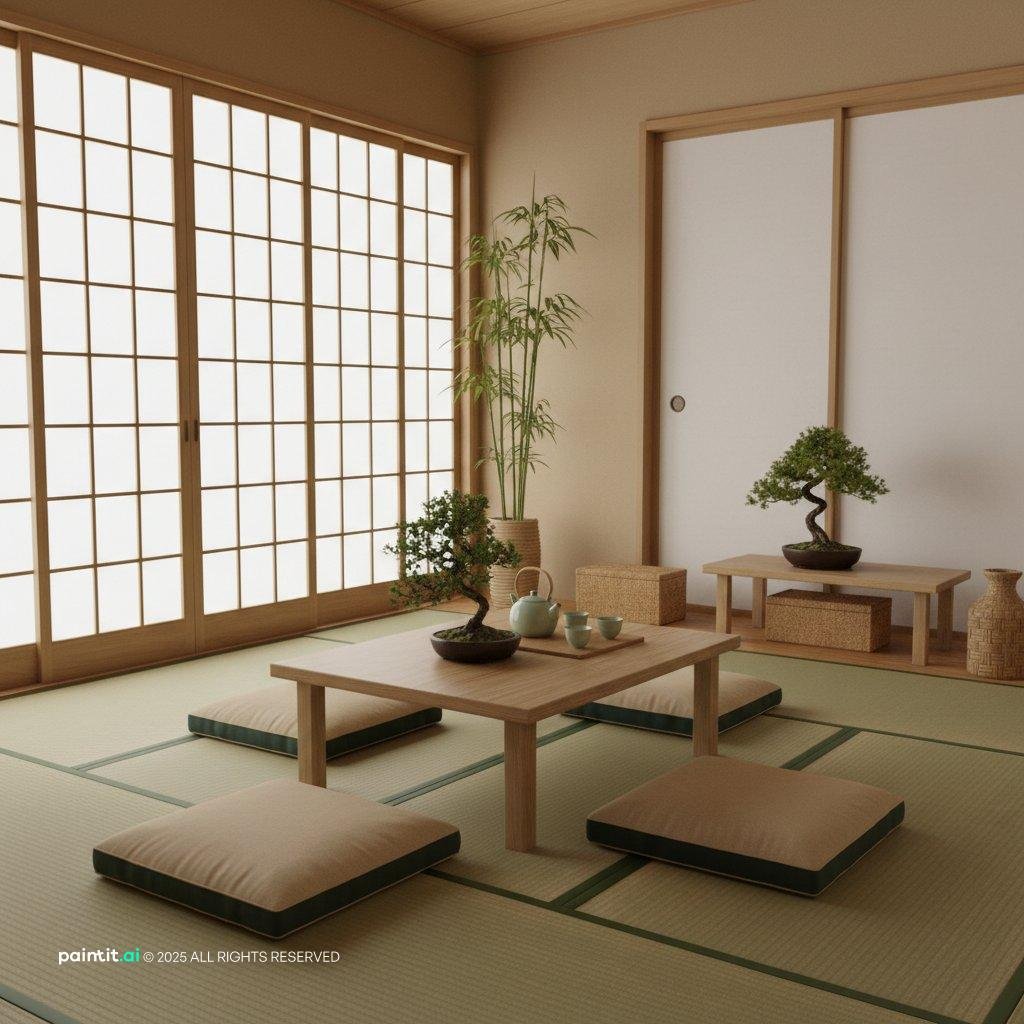
Pro Tip: To achieve this effect, try incorporating a chunky knit throw blanket in a neutral tone over your sofa for an inviting touch.
The Silent Language of Serenity: Decoding Japanese Zen Living Spaces to Life with Paintit.ai
-
Creating a Japanese Zen living room isn't just about placing specific items; it's about cultivating an atmosphere, a feeling. It's a design philosophy that speaks to the soul, inviting stillness and introspection. The truth is, many try to replicate the look without understanding its core principles. Here is what matters:
-
The foundation of a Zen space is built on a serene color palette. I’ve seen this work best with a base of soft, muted off-whites or a warm, natural linen beige that feels like a gentle embrace. These provide a calm backdrop. Secondary tones often include a deep, grounding charcoal or a subtle sage green, drawn directly from nature. For an accent, a whisper of muted indigo in a textile or a single, earthy terracotta ceramic piece can add depth without disrupting the tranquility. The balance is crucial; colors should flow seamlessly, never jarring the eye.
-
Materials are the tactile poetry of a Zen living room. Light, untreated woods like maple or birch are paramount, used for low tables, flooring, and structural beams, bringing an organic warmth. Bamboo and rice paper, often seen in shoji screens, diffuse light beautifully, creating an ethereal, soft glow and a sense of delicate privacy. Natural textiles such as raw linen, soft cotton, or a coarse wool throw provide essential comfort and a connection to the earth. These materials aren't just decorative; they evoke a psychological sense of peace and authenticity, grounding the space in natural simplicity.
-
Furniture in a Zen living room is about function and humility. A low-profile sofa or a collection of floor cushions, known as zabuton, encourages a grounded perspective, inviting you to sit closer to the earth. A chabudai, a minimalist low table, often serves as the room's quiet anchor, perfect for tea or contemplation. Most people forget that integrated, minimalist storage is vital; it keeps clutter hidden, maintaining visual calm. When choosing pieces, focus on clean lines and natural shapes. Proportions must be humble, never overwhelming the space, ensuring every piece contributes to the overall sense of openness.
-
Lighting is not merely illumination; it’s an art form in Zen design. Ambient light should be soft and diffused, often achieved through natural light filtered by shoji screens during the day. In the evening, Akari-style paper lanterns provide a warm, gentle glow, creating pools of inviting light rather than uniform brightness. Task lighting, if needed, should be subtle and focused, perhaps a small, unobtrusive floor lamp for reading. Accent lighting is minimal, perhaps highlighting a single plant or a piece of art, crafting a mood of quiet contemplation rather than a display. It sounds simple, but mastering this layering creates true atmosphere.
-
Decorative accents are chosen with profound intentionality. A single bonsai, a simple ikebana flower arrangement, or a scroll painting (kakemono) can speak volumes. Here is where the "3-5-7 rule" truly shines. This principle dictates grouping items in odd numbers to create visual harmony and balance without clutter. For instance, three smooth river stones on a low table, five varying heights of bamboo shoots in a simple ceramic vase, or seven carefully curated books on a minimalist shelf. It might seem odd at first, but this rule ensures each item has space to breathe, contributing to the overall serenity rather than overwhelming it. It's about quality, not quantity.
Paintit.ai transforms your approach to Japanese Zen living rooms Design Ideas
Achieving that perfect, uncluttered serenity in a japanese zen living room often feels like a delicate dance between minimalism and warmth. Most people forget that the subtle interplay of natural light, raw textures, and sparse furniture is paramount. The truth is, visualizing how a low-slung sofa or a single bonsai will truly impact the flow can be incredibly challenging before commitment. This is where paintit.ai shines. It allows you to instantly render countless variations of your ideal zen space, experimenting with tatami mats, shoji screens, or even the perfect shade of muted wall color. See your vision come alive, avoid costly mistakes, and design with absolute confidence. Try paintit.ai today.
FAQ
-
Most people forget that true serenity comes from restraint. Avoid clutter at all costs. Over-decorating, or using too many patterns, defeats the purpose. Keep lines clean, materials authentic. Less truly is more, I’ve seen this work best.
-
Embrace minimalism. It sounds simple, but it’s foundational. Use natural materials: raw wood, bamboo, stone. A muted color palette of earth tones is key. Introduce soft, indirect lighting. This creates a calming glow.
-
Tatami mats are a must. Shoji screens offer beautiful diffused light. Low-profile furniture grounds the space. A single bonsai or a simple ikebana arrangement brings life. Perhaps a subtle water feature. These elements connect you to nature.
-
Think muted. Greys, soft whites, beige, and natural wood tones are your base. A touch of deep green from a plant adds vibrancy. Avoid bright, jarring colors. Subtlety is paramount; it allows the mind to rest.
-
Low-slung sofas are ideal. Floor cushions invite relaxation. Simple, unadorned wooden tables maintain clean lines. Choose pieces that prioritize function and comfort. It might seem odd at first, but this simplicity elevates the space.