
Modern Single-Floor House Design
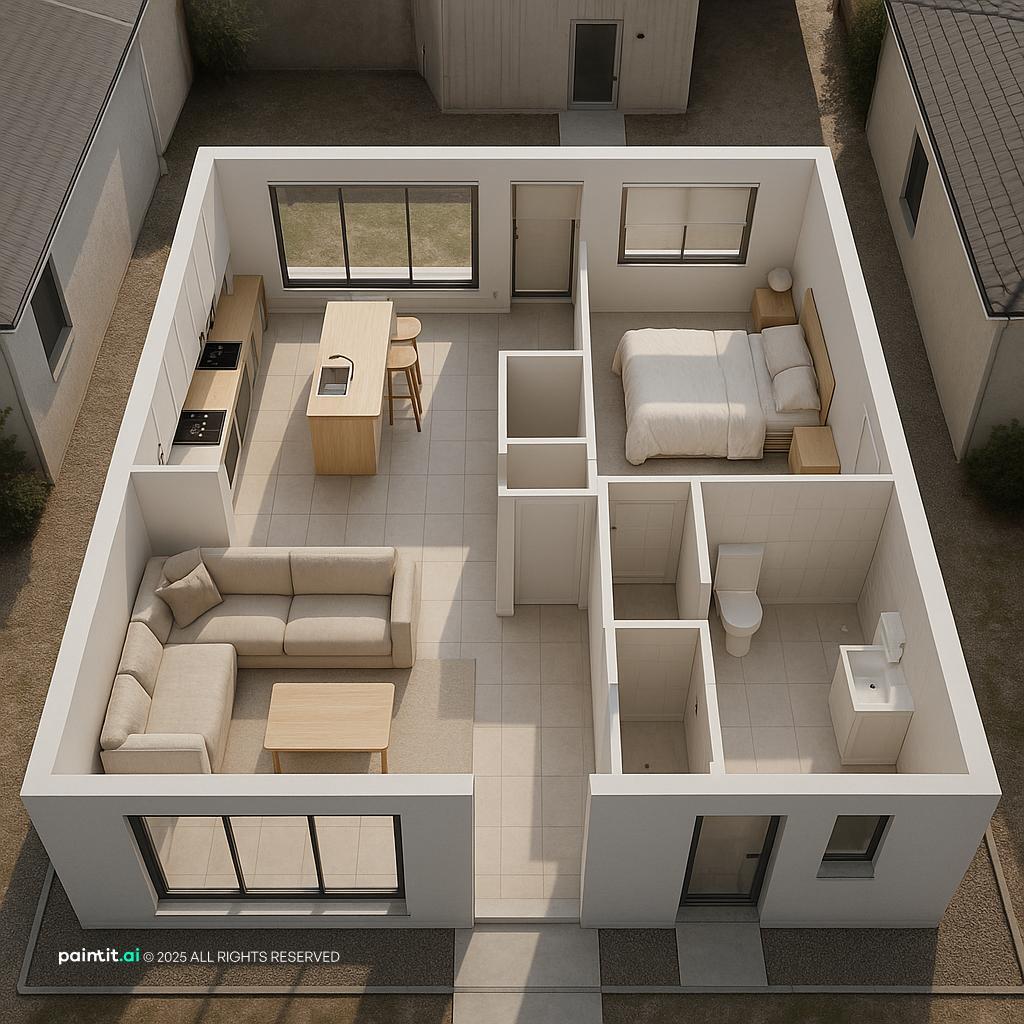
This modern single-floor house design features an open living room, perfect for a serene yoga practice, bathed in natural light.
Creating a dedicated yoga living room can feel like a dream - a quiet corner where calm isn't just an idea, but a tangible feeling. You envision soft light, natural textures, and a clutter-free zone that invites deep breaths and mindful movement. But how do you blend this tranquil vision with the everyday realities of your home without it feeling forced or out of place?
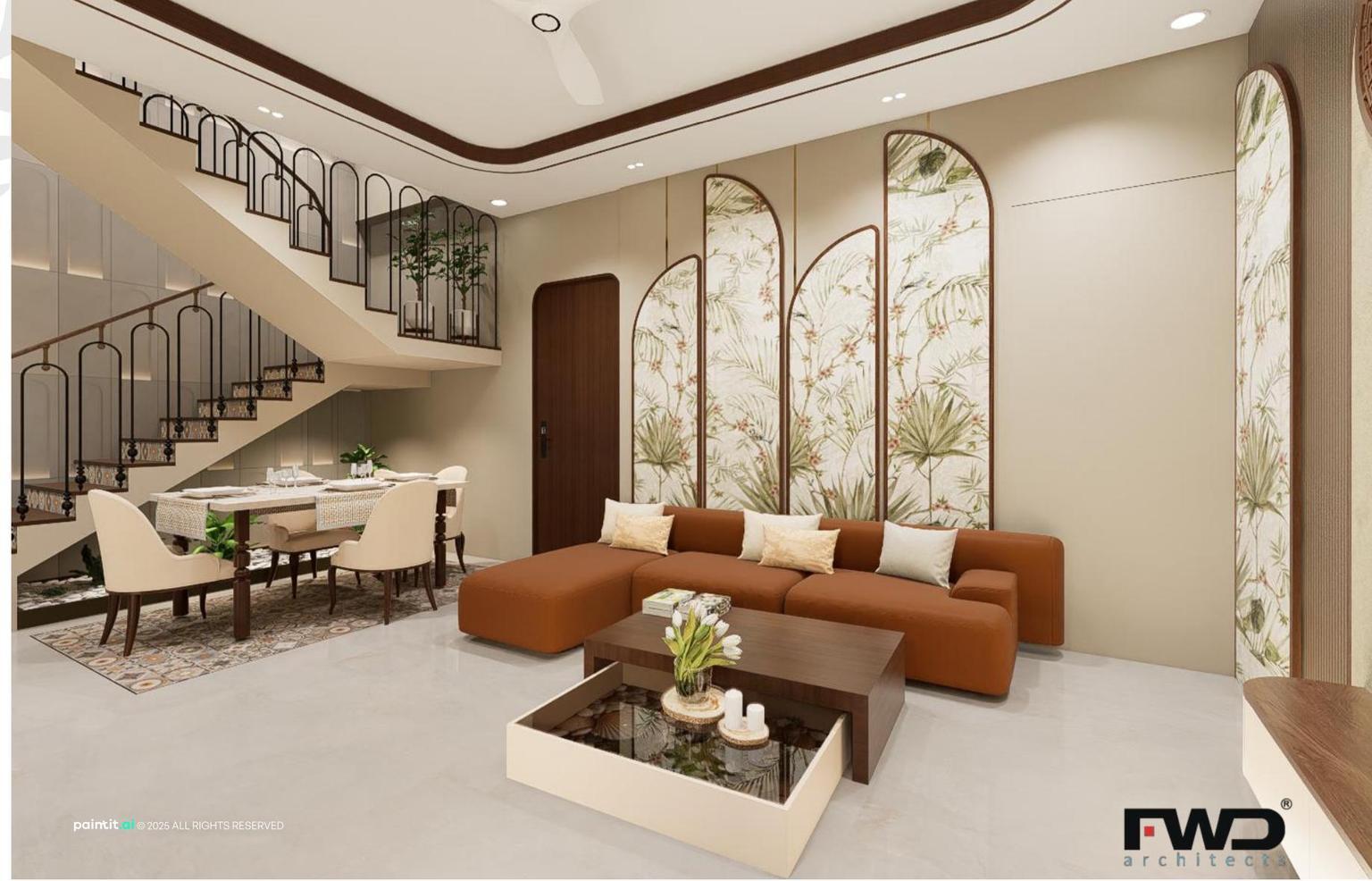
The biggest challenge we often see in modern homes isn't a lack of space, but a lack of intentionality. Many believe a dedicated meditation space or a tranquil wellness sanctuary is a luxury, not a necessity. transforming a corner of your active living area into a functional yoga living room is entirely achievable. It's about more than just rolling out a mat; it’s about curating an environment where mindful movement and deep relaxation feel natural, not forced.
We understand the desire for a serene retreat that still blends seamlessly with your home’s aesthetic. Most people forget that integrating elements like soft, diffused natural light, sustainable materials such as bamboo or organic cotton, and clever, minimalist storage for props can elevate the entire experience. In this guide, we will explore practical design principles, discuss how to choose the right textures and colors, and highlight common pitfalls to avoid. And remember, with Paintit.ai, visualizing these subtle shifts in your own space is just a click away.
Before changing furniture or finishes, you can preview the direction with an AI living room design tool.
This gallery brings the abstract idea of yoga into something visible: open, warm lighting, compact.
This modern single-floor house design features an open living room, perfect for a serene yoga practice, bathed in natural light.
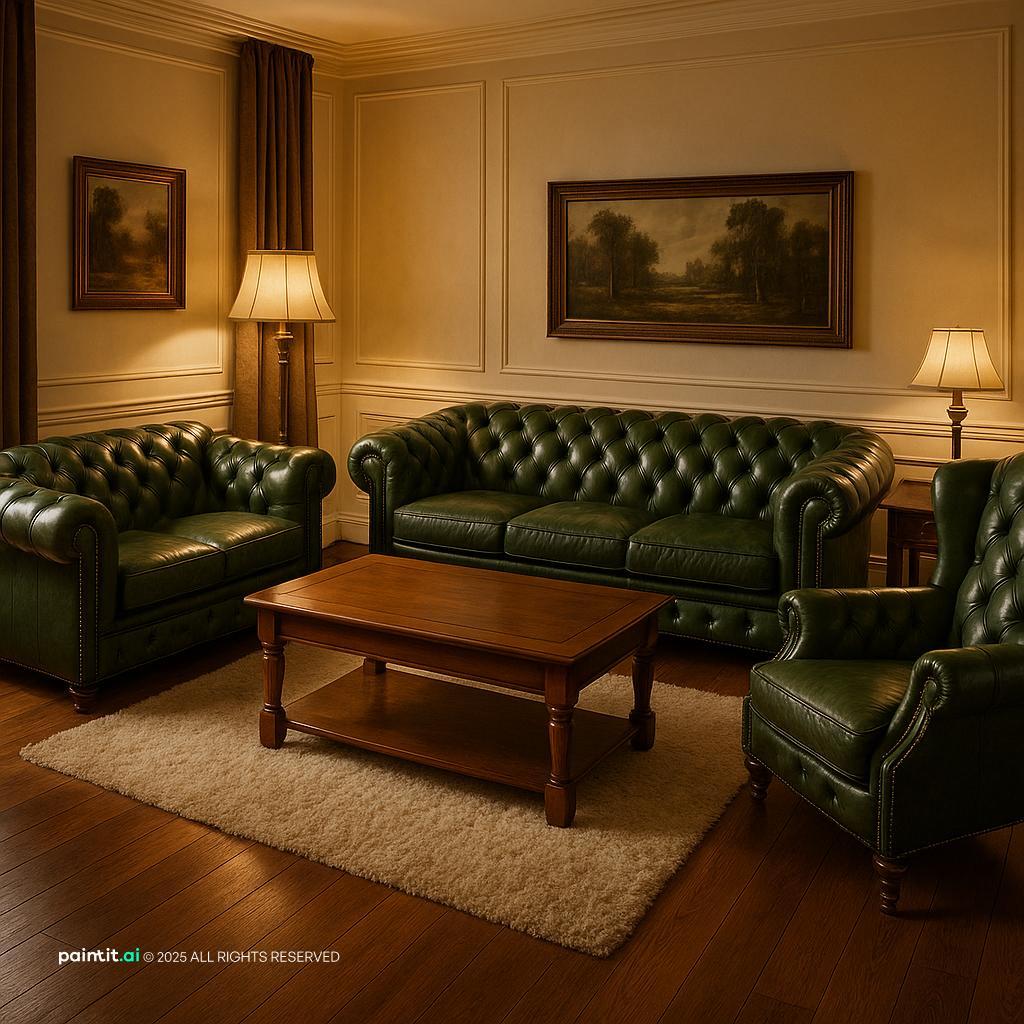
This elegant traditional living room, with rich textures and warm lighting, provides a sophisticated backdrop for a mindful yoga living room.
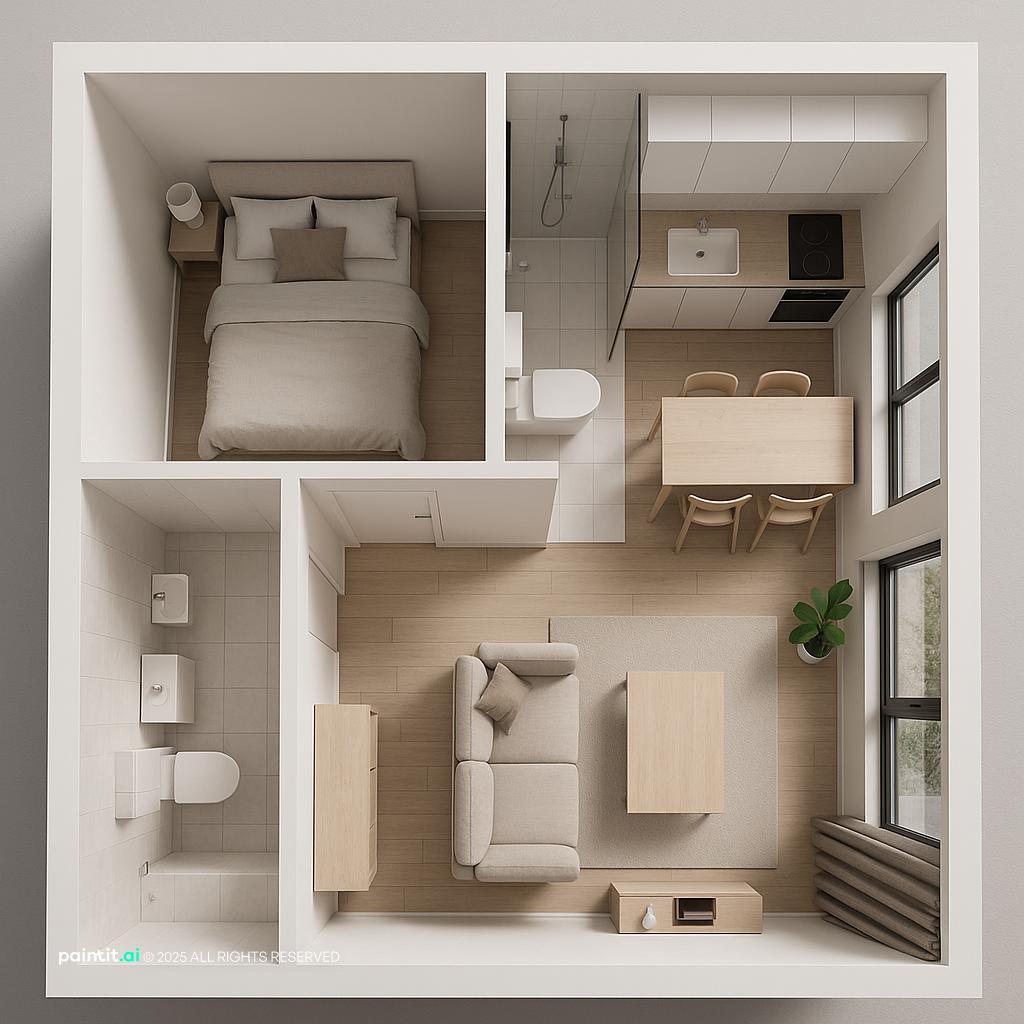
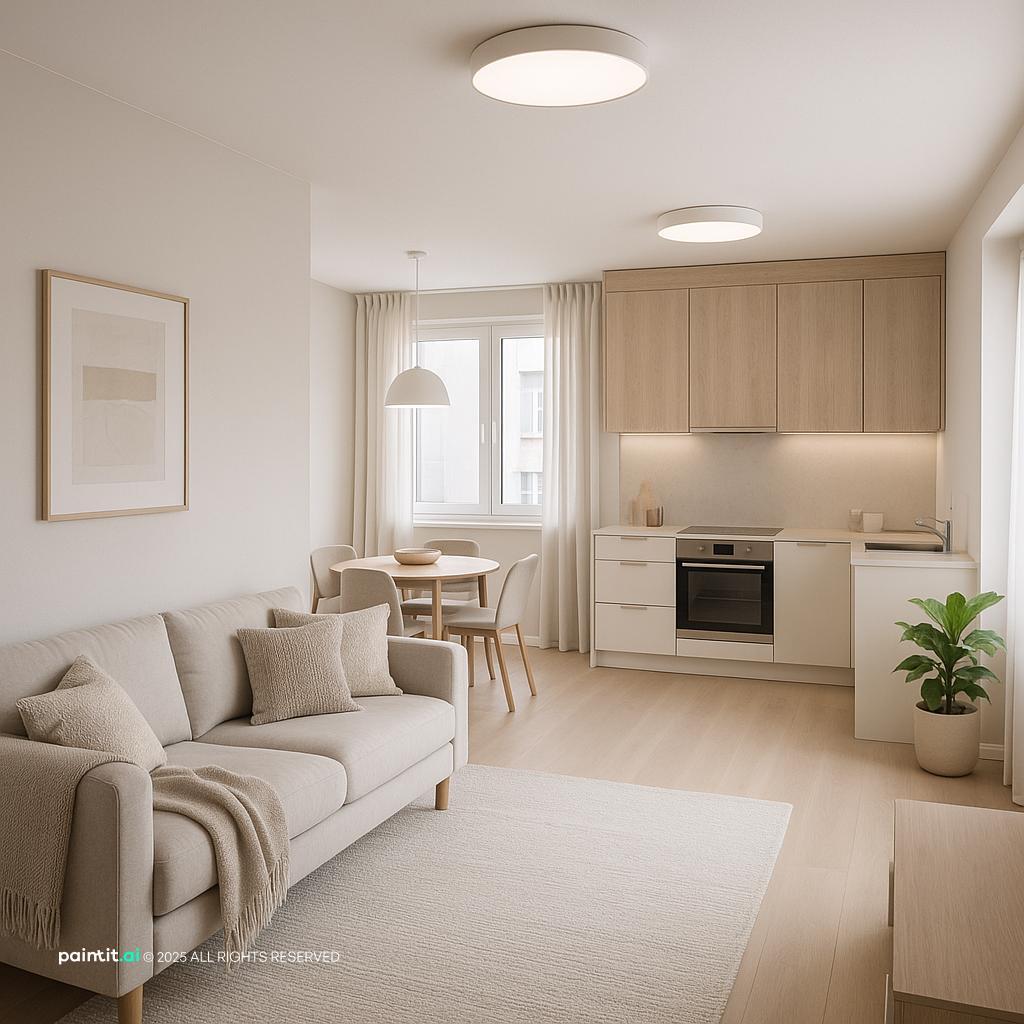
A stylish compact apartment design efficiently transforms its living room into a serene, functional space, perfect for a dedicated yoga living room.
A stylish, family-friendly living room, with its neutral palette and open layout, provides a versatile space for a calming yoga living room.
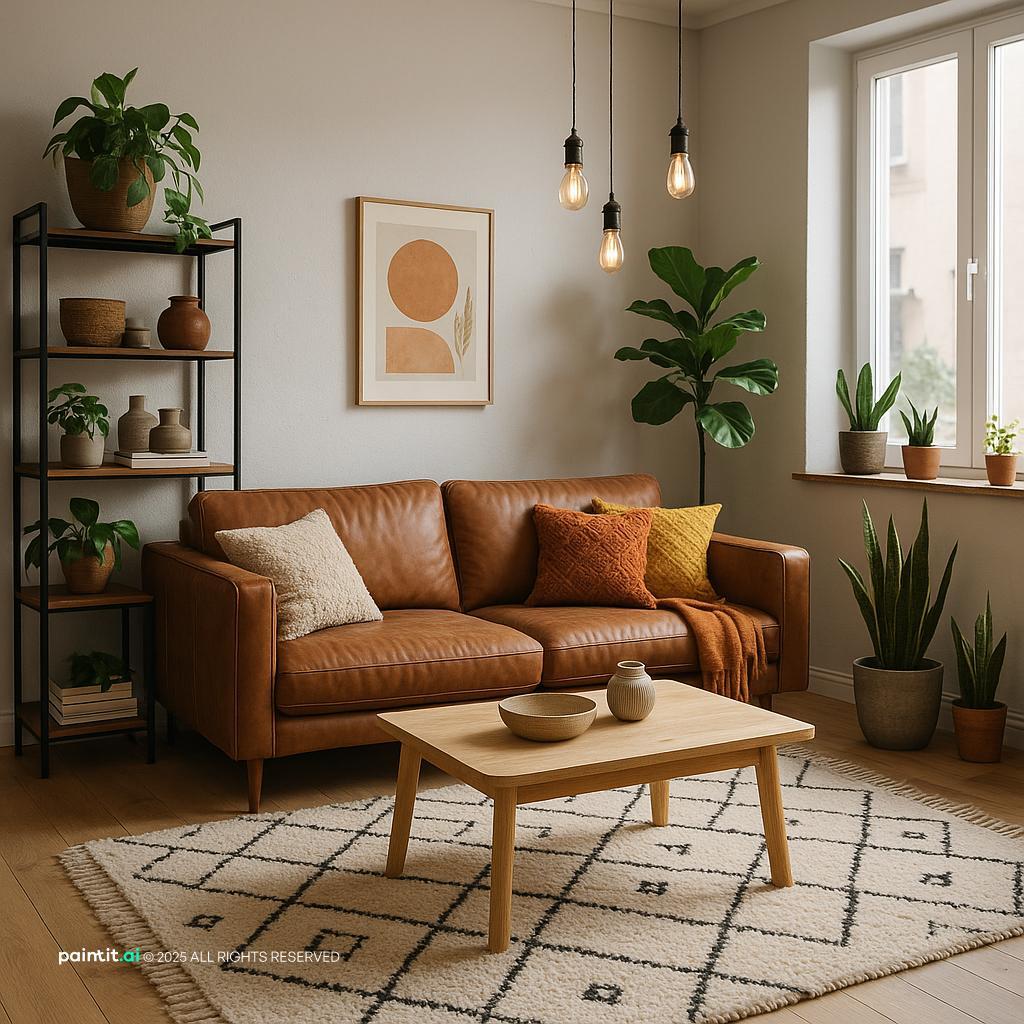
A cozy modern living room, blending Scandinavian and Boho styles, creates a serene and inspiring atmosphere for a dedicated yoga living room.
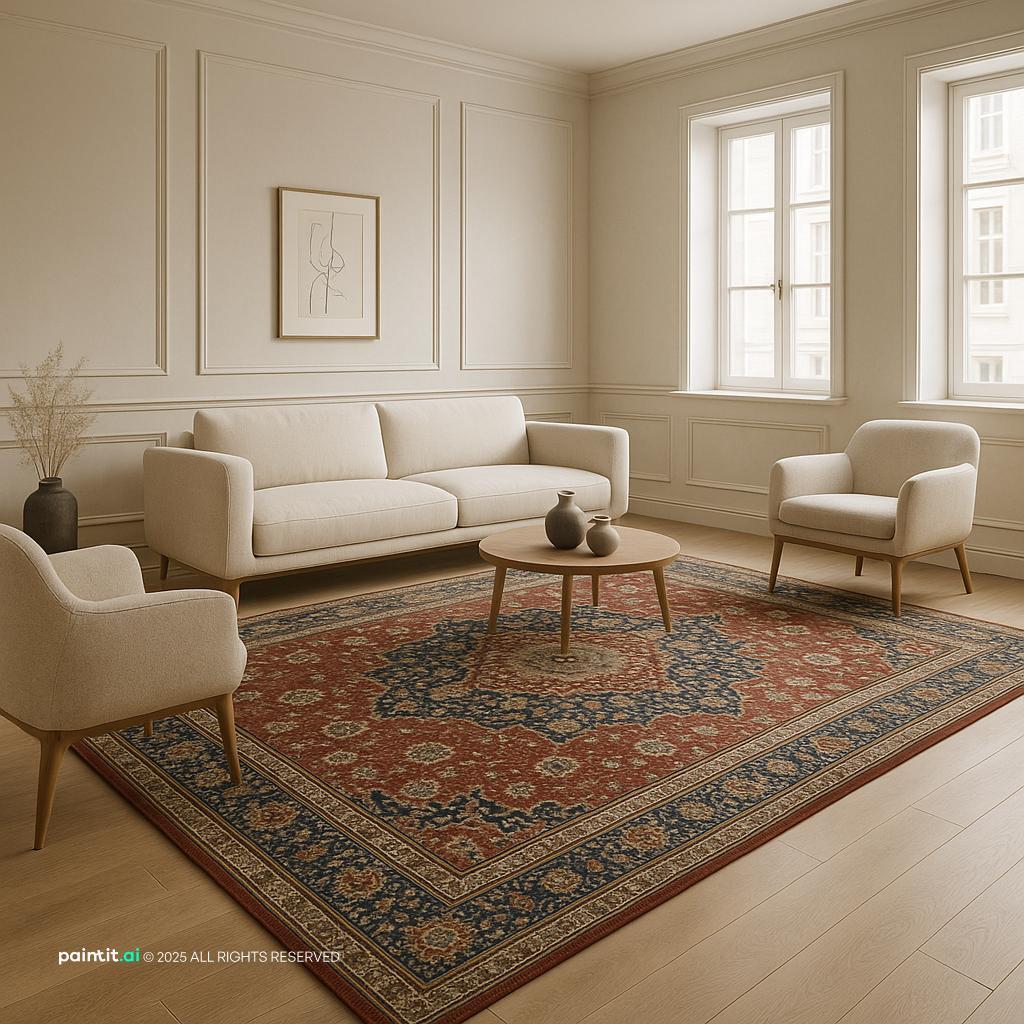
This stylish modern living room, with its focal rug and minimalist elegance, creates an inviting space for a peaceful yoga living room.
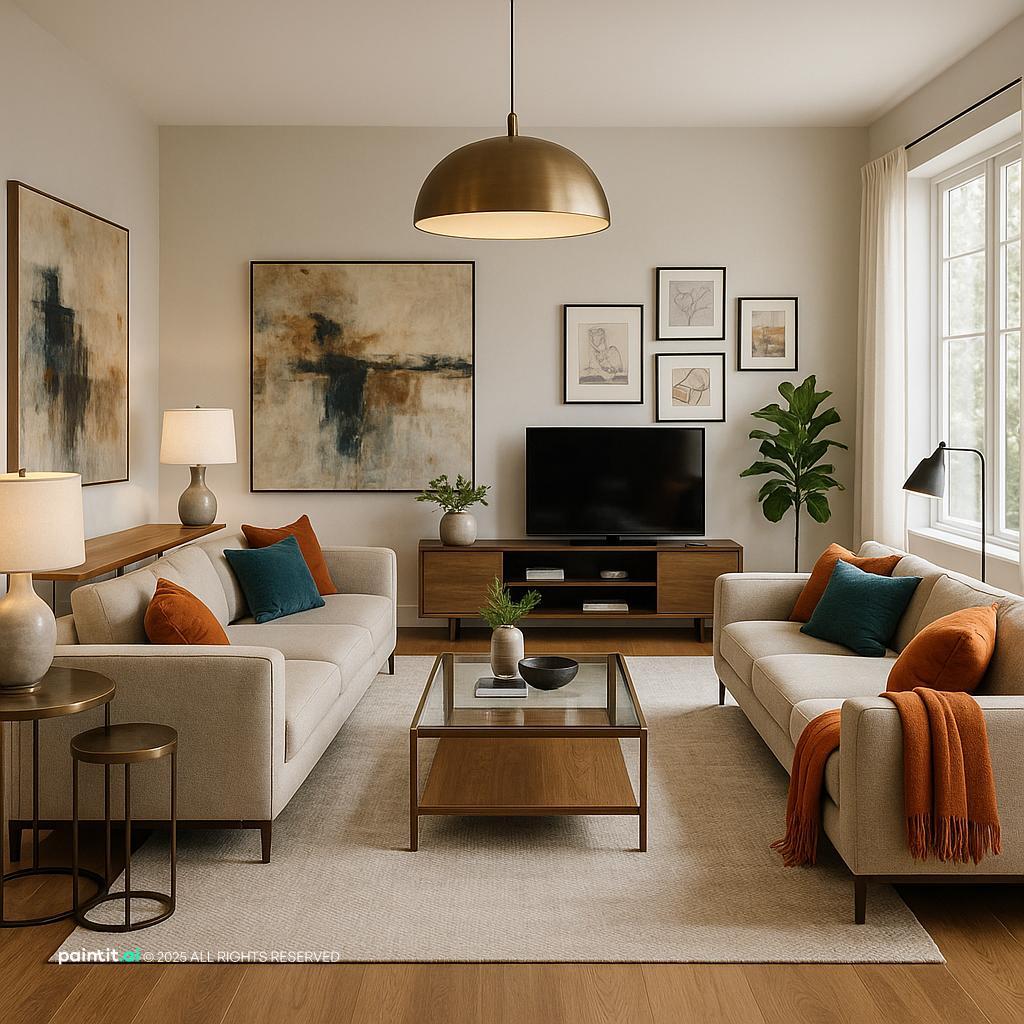
This modern living room design, with its neutral palette and natural light, offers inspiring ambiance for a calming yoga living room.
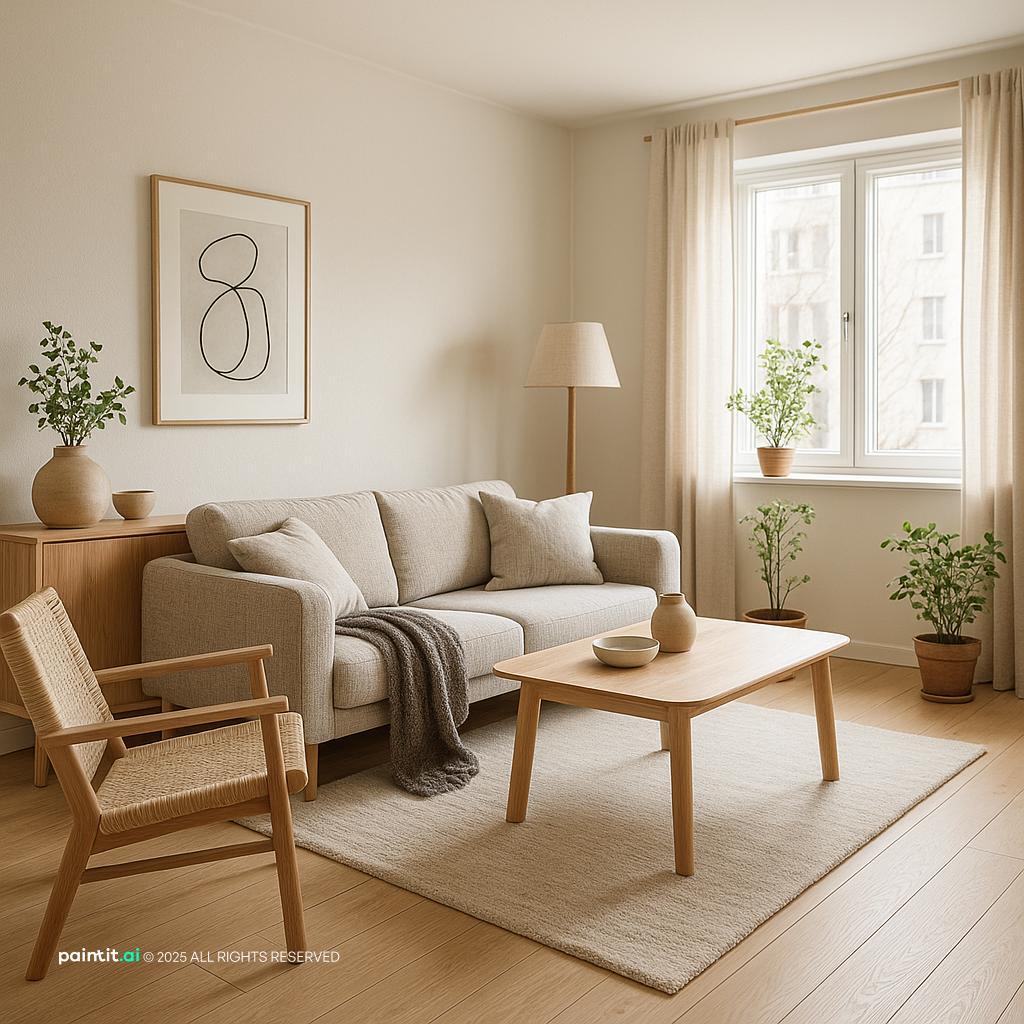
This Scandinavian living room, with natural wood and soft textiles, offers a warm, minimalist, and inviting setting for a peaceful yoga living room.
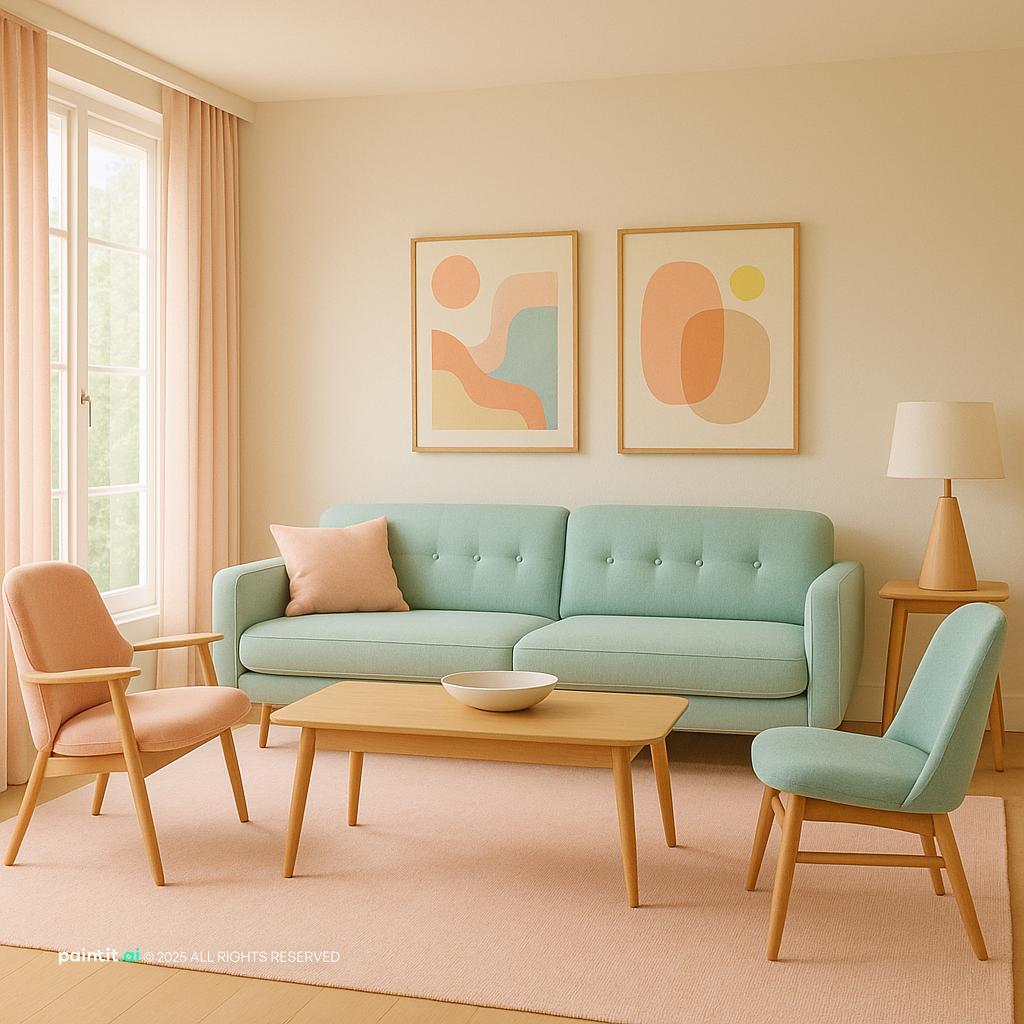
This chic Mid-Century Modern living room, with pastel hues and sleek furniture, offers an airy, inviting atmosphere for a vibrant yoga living room.
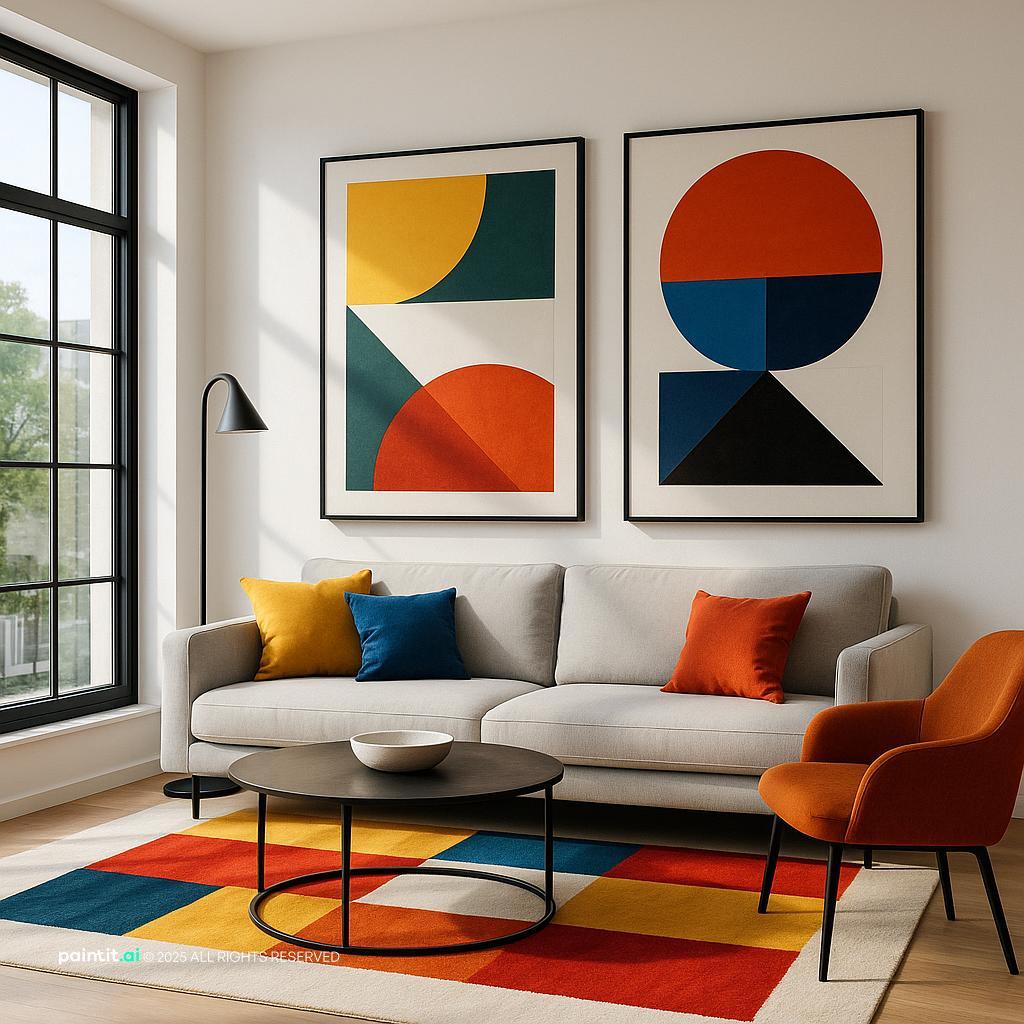
Bold modern living room design, with vibrant accents and geometric art, creates an energetic and inspiring space for a dynamic yoga living room.
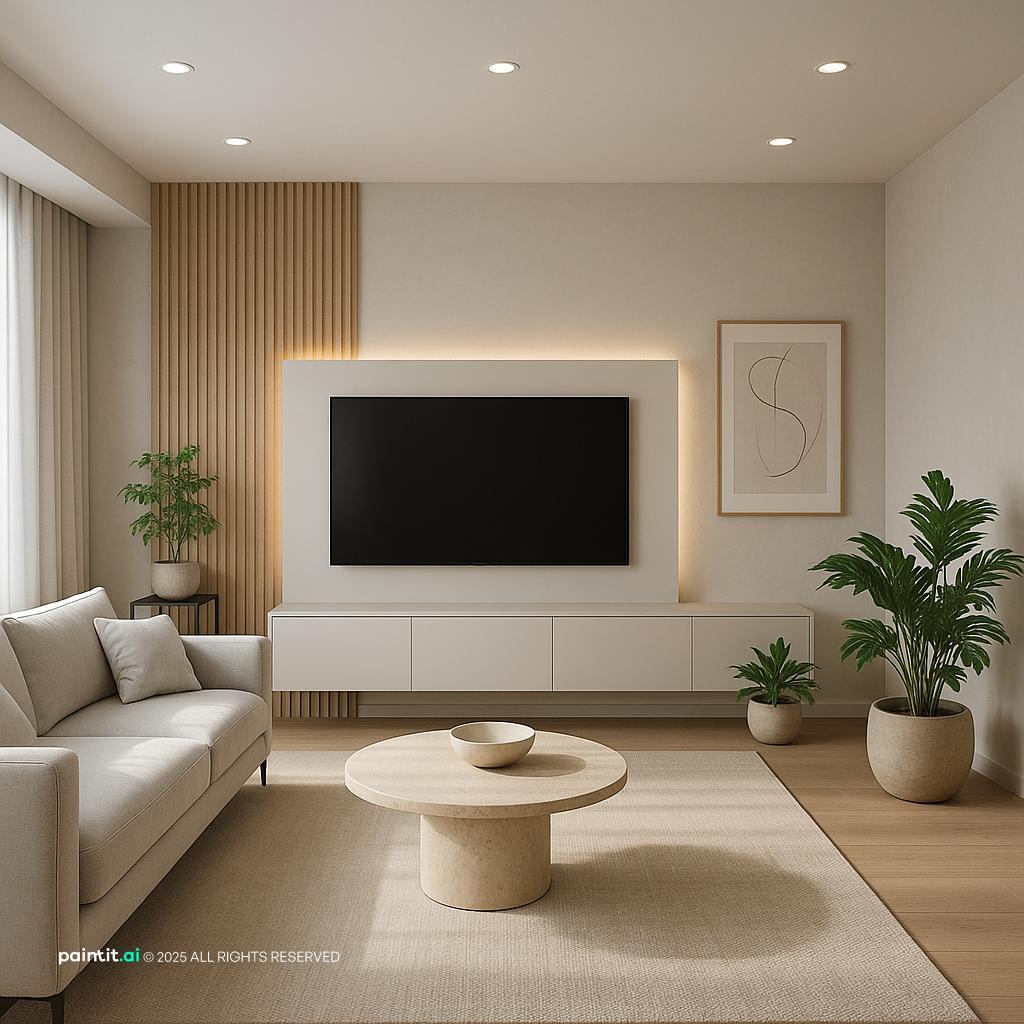
Elegant Modern Living Room Design brings together clean lines for a more composed living room direction.
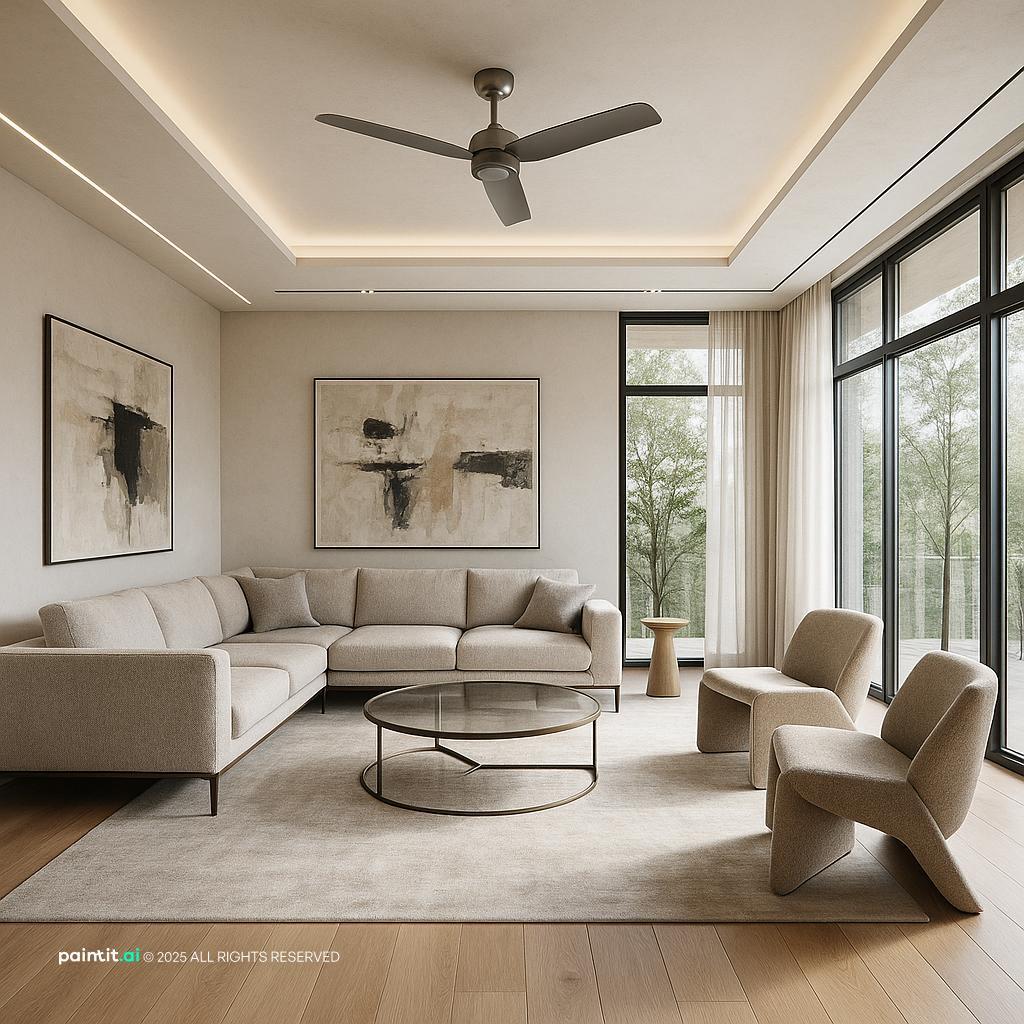
Contemporary Living Room Design of 2025 brings together natural wood, neutral palette, and open layout for a more composed living room direction.
This approach strips away the unnecessary, focusing on clean lines and open space. It cultivates a sense of calm and clarity, allowing your mind to quiet down without visual distractions. Most people forget that simplicity often holds the most profound power.
Opt for low-profile furniture, natural wood accents, and a muted color scheme. Think about a single, striking piece of art rather than a cluttered gallery wall.
For a related take on the same room, explore emerald green sofa living room ideas.
Embrace a free-spirited vibe with layers of texture and global influences. This style invites warmth and comfort, making your practice feel grounded and deeply personal. It might seem odd at first, but the eclectic mix truly works.
Incorporate plush rugs, floor cushions, macrame hangings, and an array of potted plants. Mix patterns and textiles for a rich, inviting atmosphere.
For a related take on the same room, explore living room wall color ideas.
Bring the outdoors in, creating a refreshing and revitalizing atmosphere. Natural elements connect us to the earth, fostering a sense of peace and grounding during practice. I’ve seen this work best in spaces with good natural light.
Use plenty of live plants, natural wood furniture, stone accents, and earthy tones. Consider a water feature for soothing sounds.
Even in a bustling urban environment, a tranquil spot is possible. This design blends raw industrial elements with soft, calming touches, creating a unique juxtaposition. Here is what matters: contrast can be incredibly effective.
Pair exposed brick or concrete walls with soft textiles, warm lighting, and minimalist yoga props. Use metal accents sparingly.
Light, functional, and inherently calming, Scandinavian design is perfect for a dedicated movement space. It emphasizes natural light and simple forms, promoting a clear and focused mind. It sounds simple, but the impact is profound.
Focus on light wood, white walls, and soft, textured fabrics like wool or linen. Keep decor minimal and functional.
Create a deeply comforting and stable environment using a palette inspired by the earth itself. These colors promote a sense of security and rootedness, ideal for restorative practices. Most people forget how much color influences mood.
Employ shades of terracotta, sand, olive green, and deep brown. Use natural materials like clay, jute, and unpolished wood.
For homes where a dedicated room isn't feasible, integrate your practice area seamlessly into your existing living space. The key is clever design that allows for easy transformation. I’ve seen this work best with thoughtful planning.
Use foldable screens, rolling carts for props, and furniture that can be easily moved or tucked away. A large, beautiful rug can define the area.
Design a space that enhances auditory experiences, perfect for meditation or sound healing. Focus on materials that absorb sound and create a quiet, enveloping atmosphere. This is about more than just visuals.
Incorporate heavy drapes, upholstered furniture, thick rugs, and perhaps acoustic panels disguised as art. Keep external noise to a minimum.
Engage the sense of smell to deepen your practice and enhance relaxation. This design integrates diffusers and natural scents into the overall aesthetic. It sounds simple, but the impact on mood is significant.
Choose natural wood or ceramic diffusers, incorporate fresh flowers or dried botanicals, and select non-toxic, natural materials for surfaces.
A living wall brings an unparalleled connection to nature and improves air quality. It transforms a simple wall into a vibrant, breathing piece of art, fostering a sense of calm and vitality. I’ve seen this work best in brighter rooms.
Install a vertical garden system on one wall, ensuring proper drainage and lighting. Complement with natural materials and soft lighting.
A truly serene space requires a place for everything, keeping props and accessories out of sight when not in use. This maintains visual calm and prevents the area from feeling like a gym. clutter kills calm.
Utilize ottomans with storage, built-in shelving with doors, or baskets that slide under furniture. Ensure easy access to mats and blocks.
The right lighting can dramatically alter the mood of a space, from energizing morning flows to calming evening meditations. Versatility is key for a truly functional practice area. Most people forget about this crucial element.
Install dimmable overhead lights, floor lamps with warm glow, and perhaps smart bulbs that change color temperature. Natural light should be maximized.
The second gallery explores more specific yoga interpretations, helping compare different ways the same living room can feel at home.
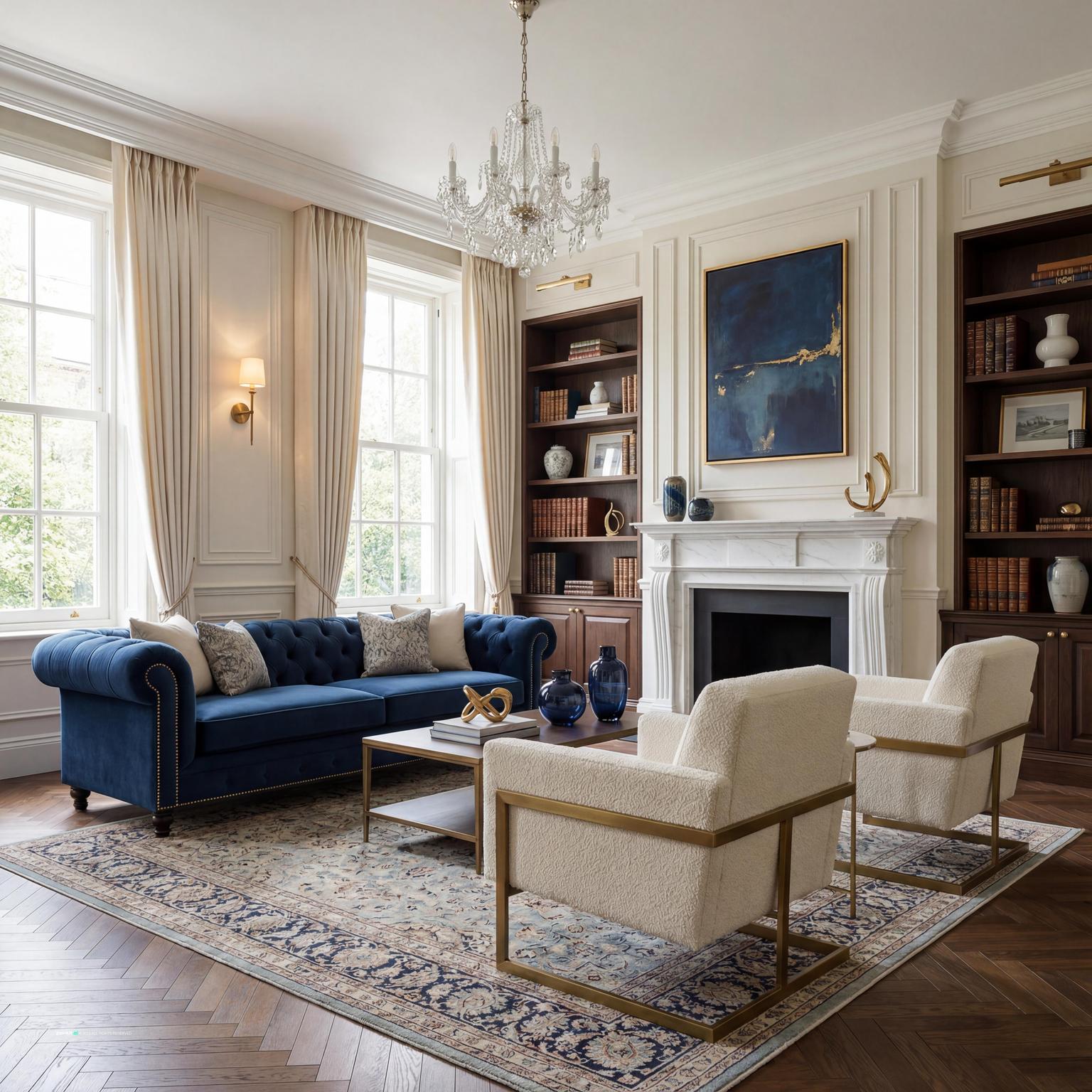
Elegant interior inspiration for yoga living room It helps show how layout, materials, and light can shape a more grounded living room.
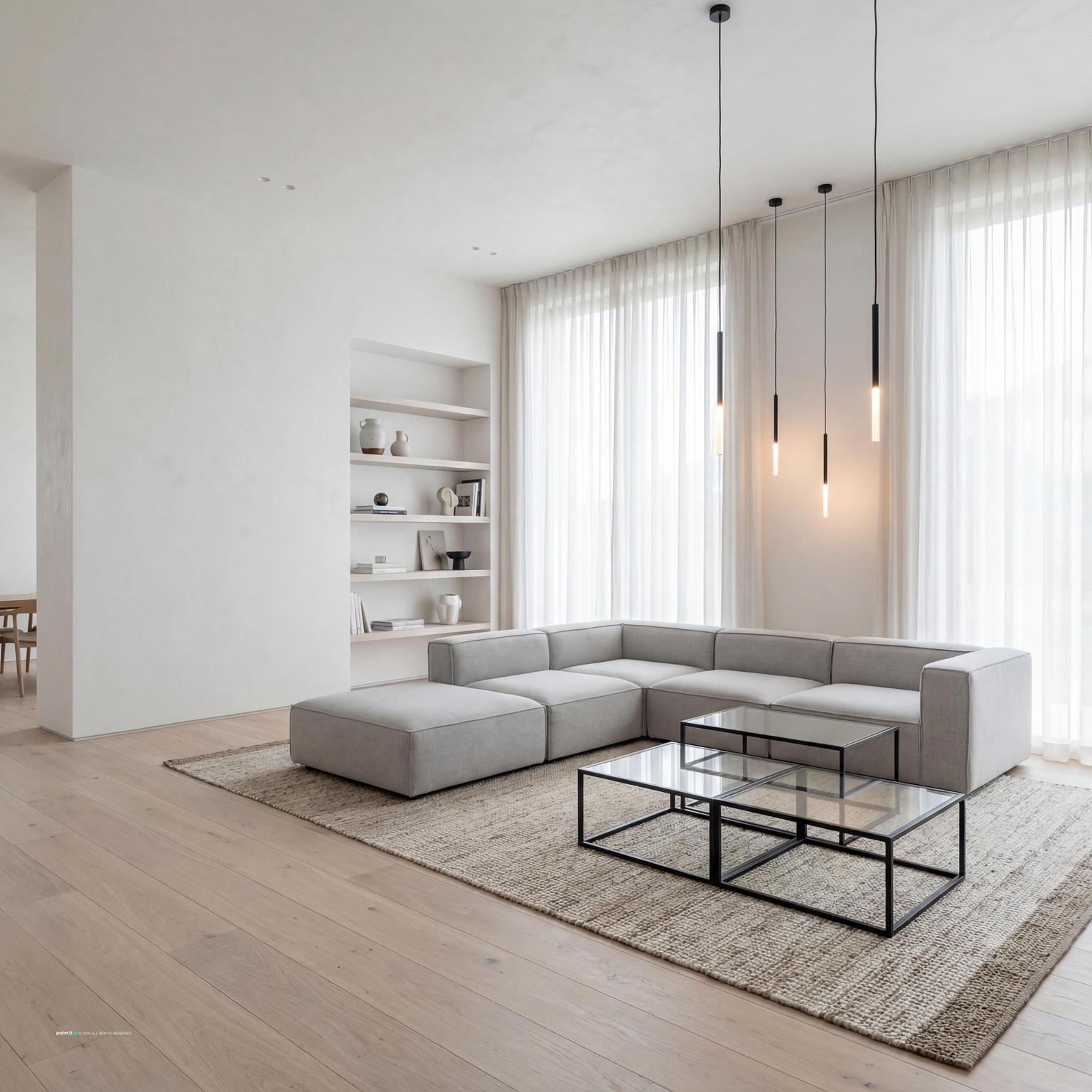
Elegant interior inspiration for yoga living room It helps show how layout, materials, and light can shape a more grounded living room.
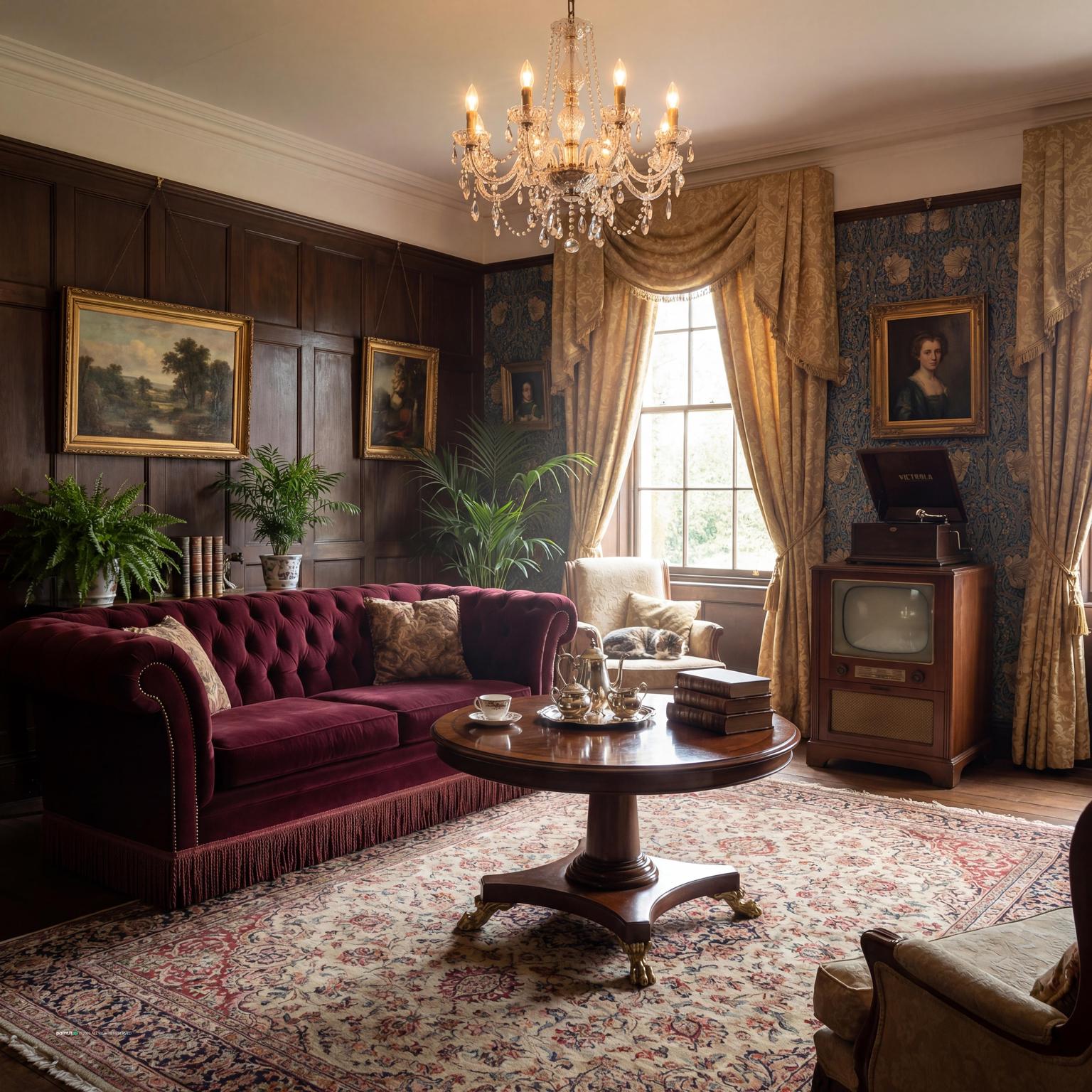
Elegant interior inspiration for yoga living room It helps show how layout, materials, and light can shape a more grounded living room.
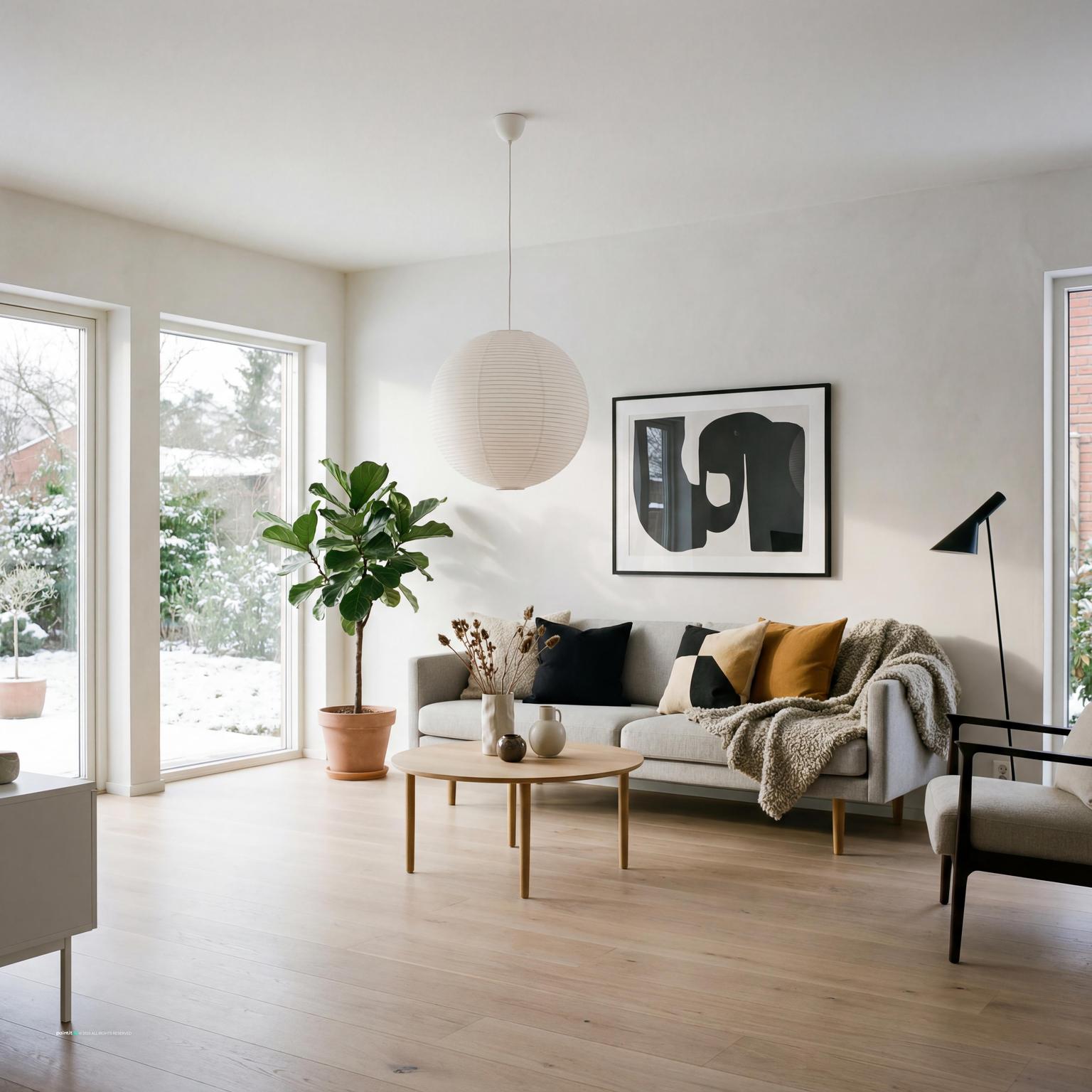
Elegant interior inspiration for yoga living room It helps show how layout, materials, and light can shape a more grounded living room.
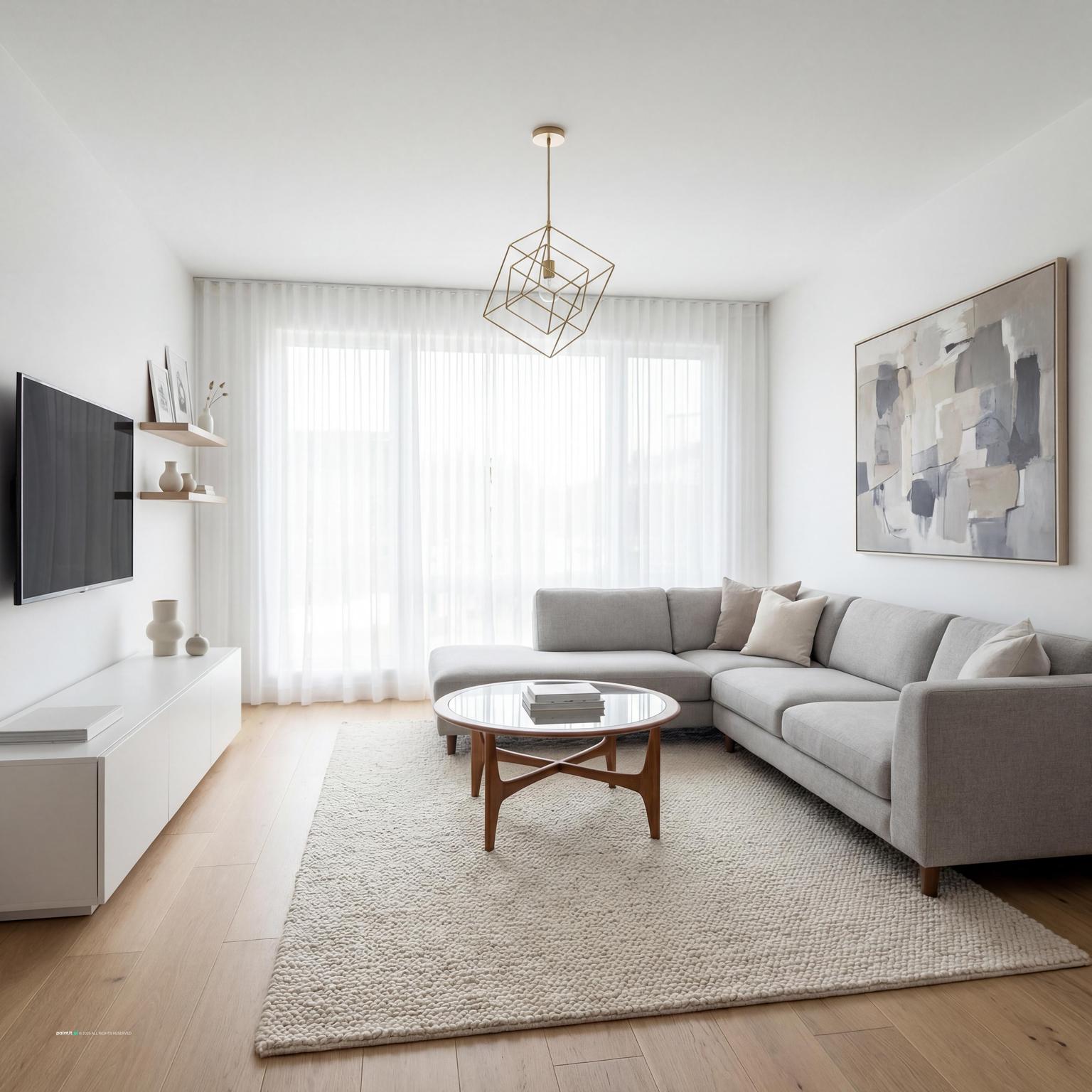
Elegant interior inspiration for yoga living room It helps show how layout, materials, and light can shape a more grounded living room.
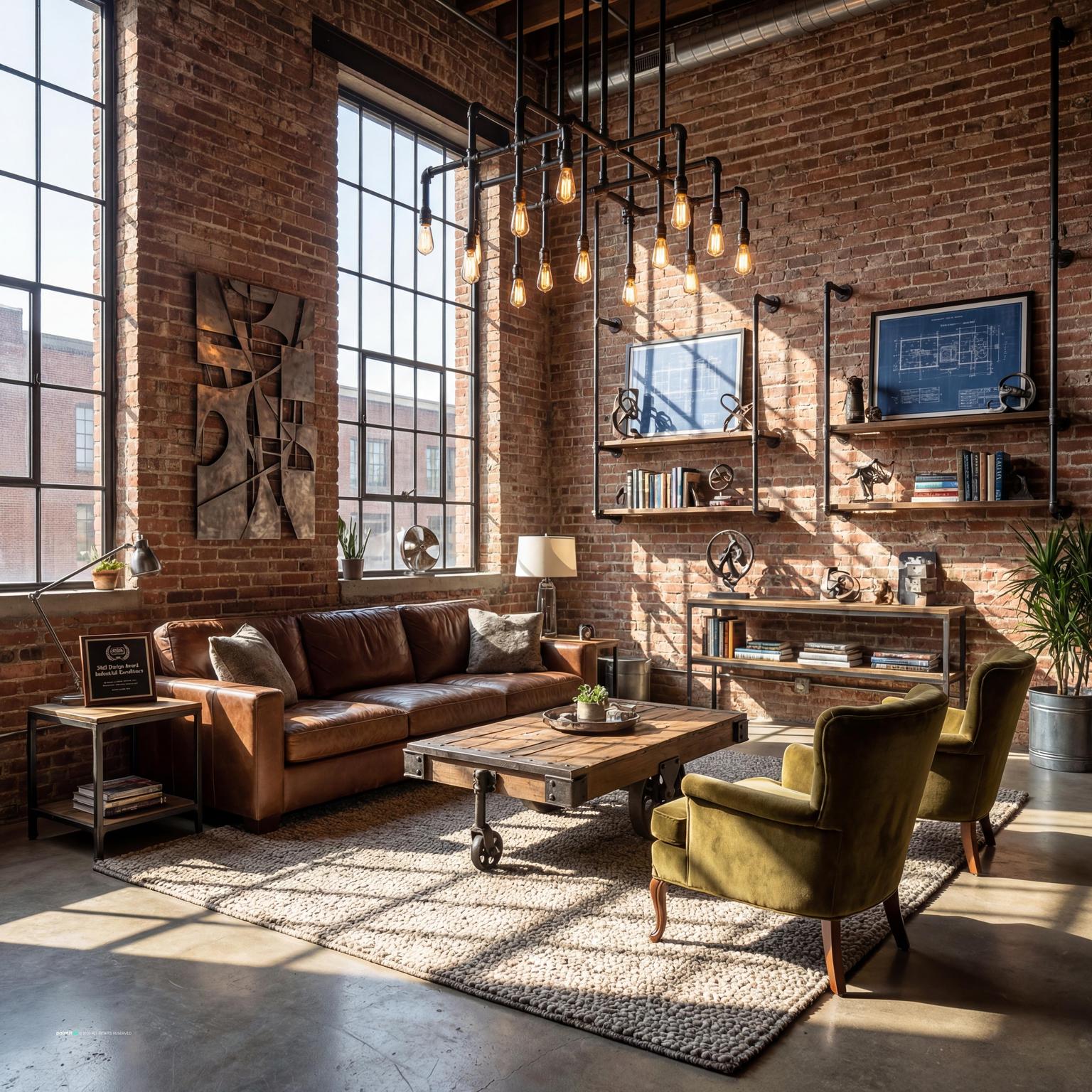
Elegant interior inspiration for yoga living room It helps show how layout, materials, and light can shape a more grounded living room.
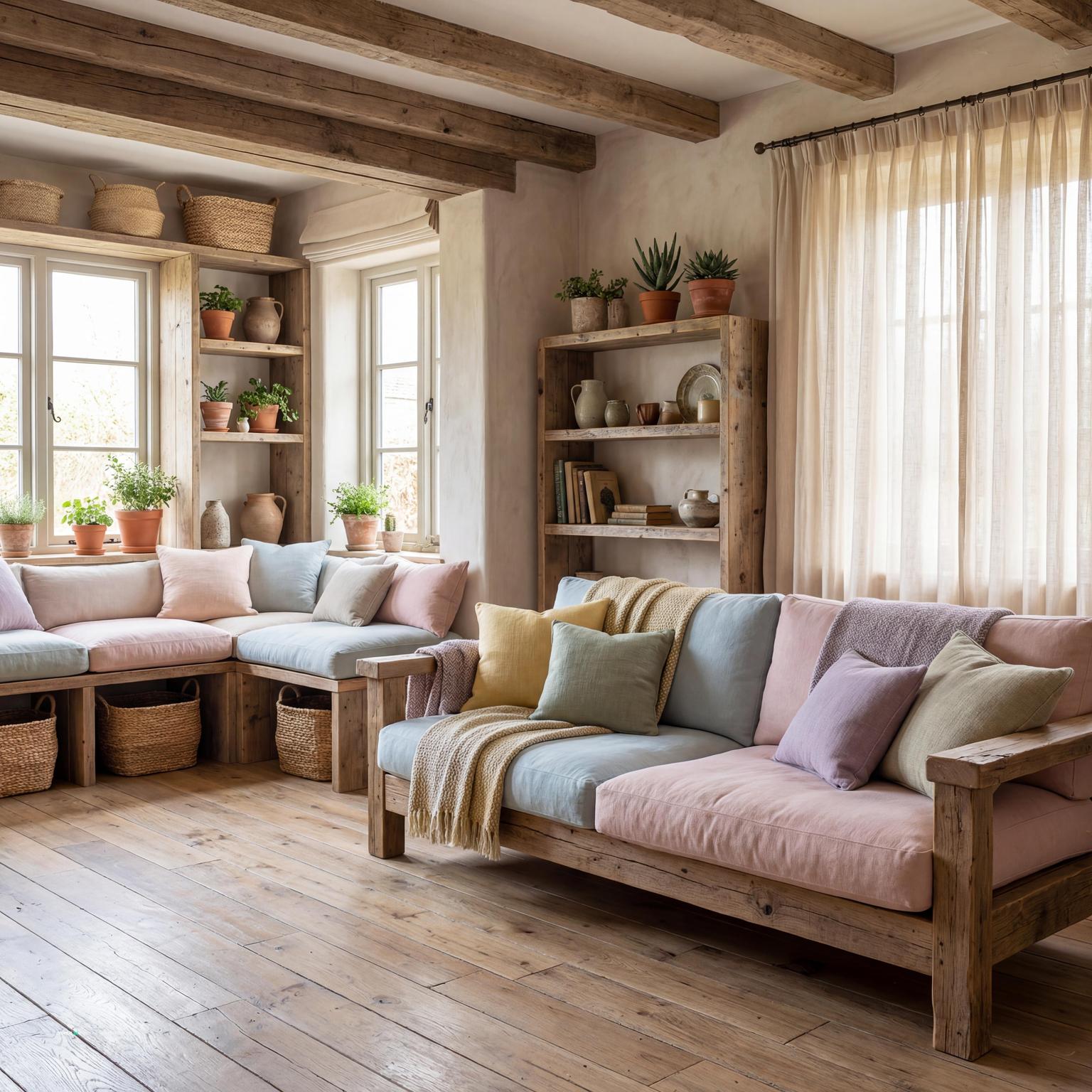
Elegant interior inspiration for yoga living room It helps show how layout, materials, and light can shape a more grounded living room.
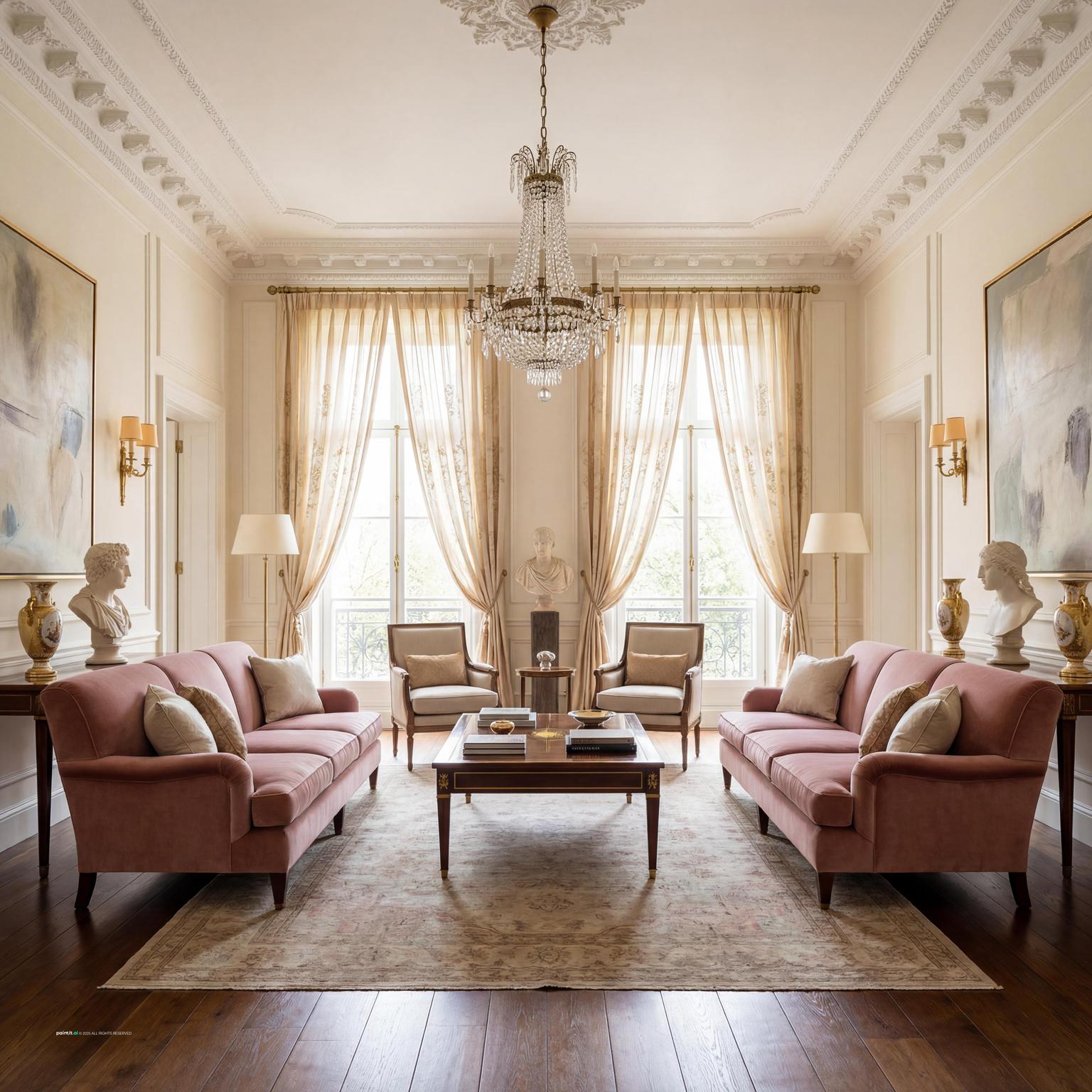
Elegant interior inspiration for yoga living room It helps show how layout, materials, and light can shape a more grounded living room.
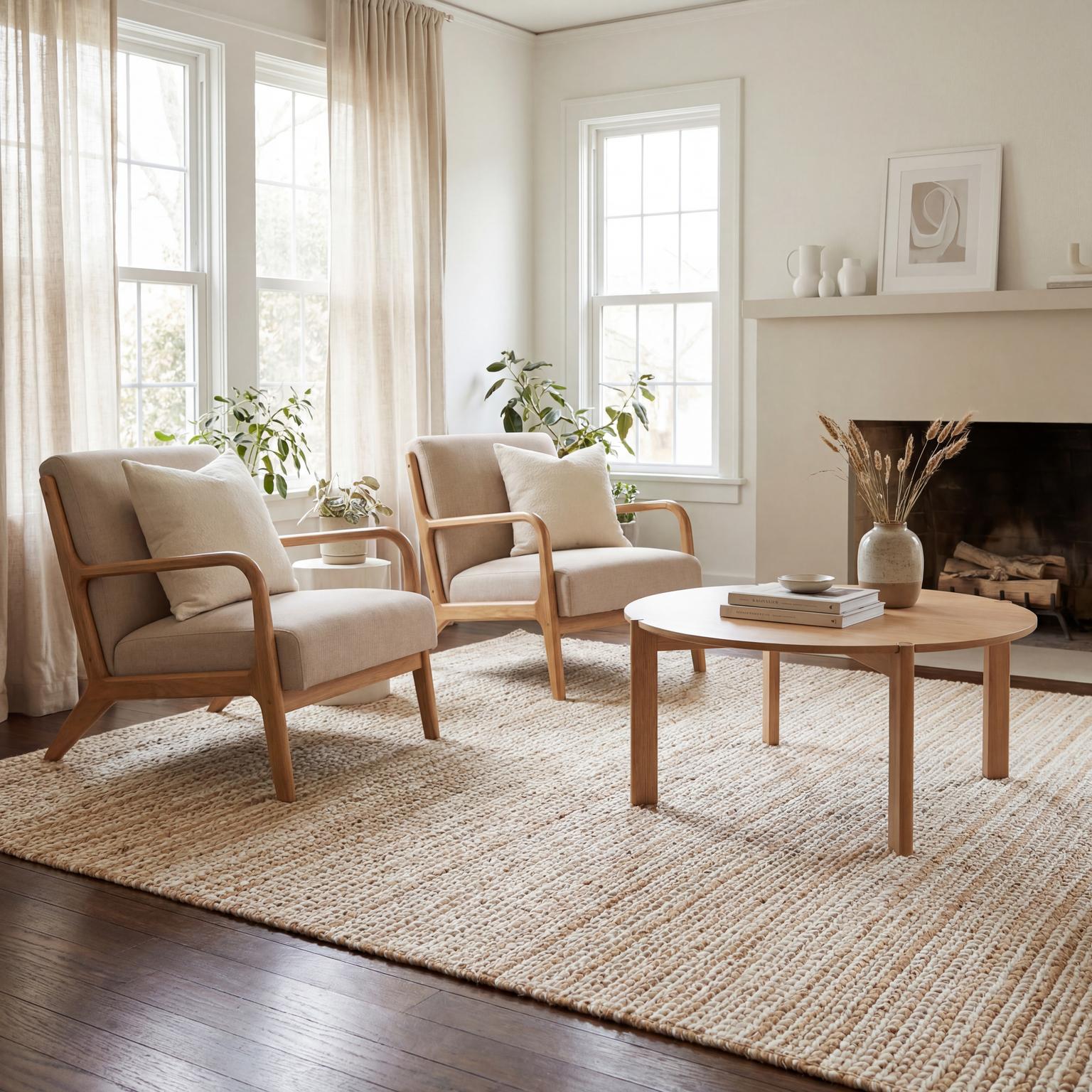
Elegant interior inspiration for yoga living room It helps show how layout, materials, and light can shape a more grounded living room.
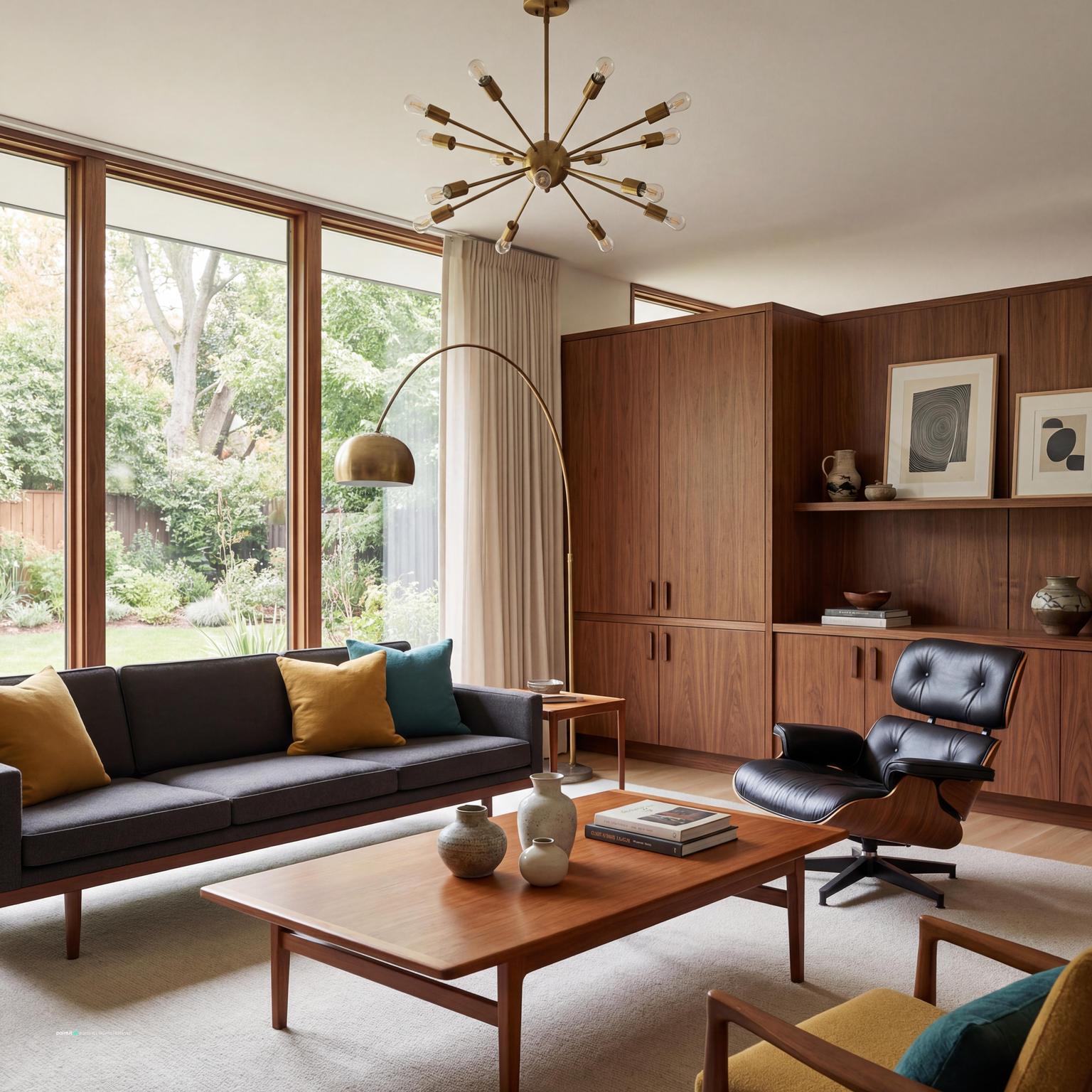
Elegant interior inspiration for yoga living room It helps show how layout, materials, and light can shape a more grounded living room.
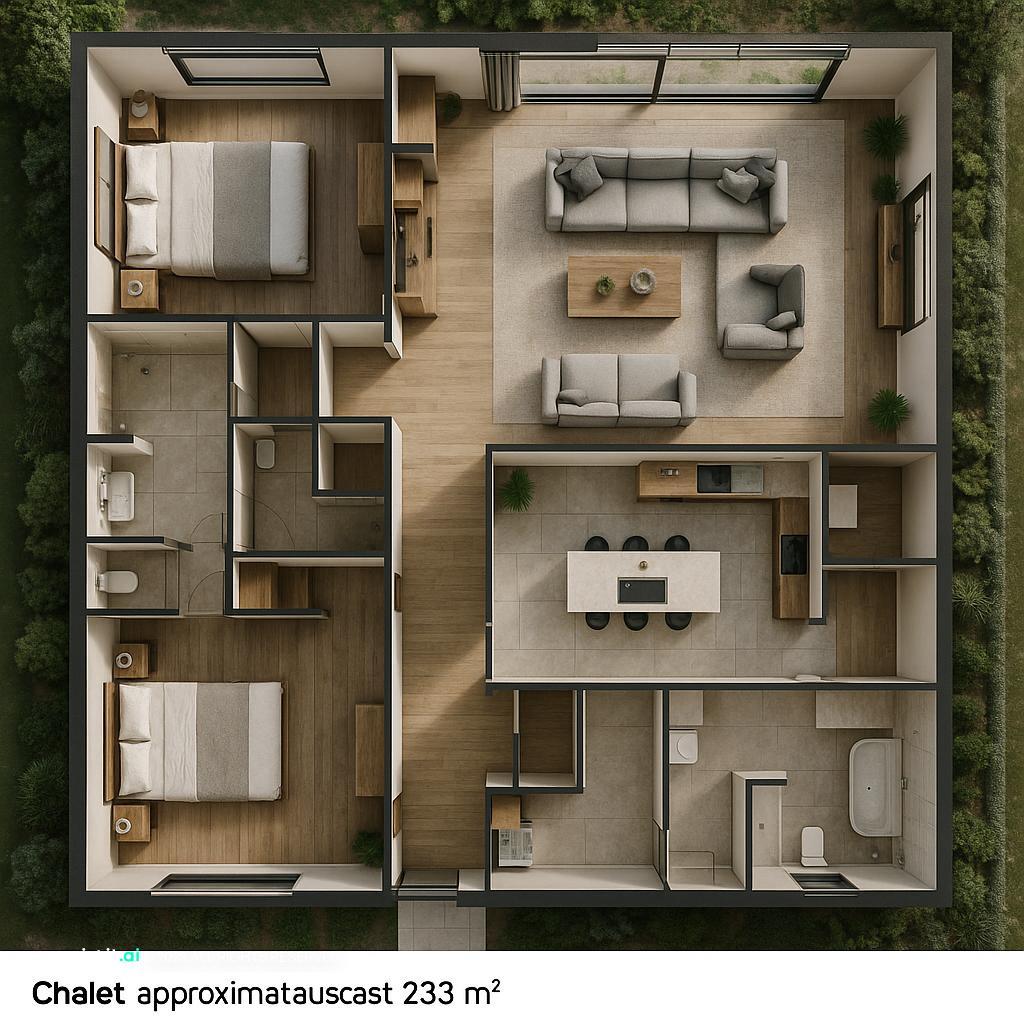
Stunning Single-Story Chalet Design brings together lighting and open for a more composed living room direction.
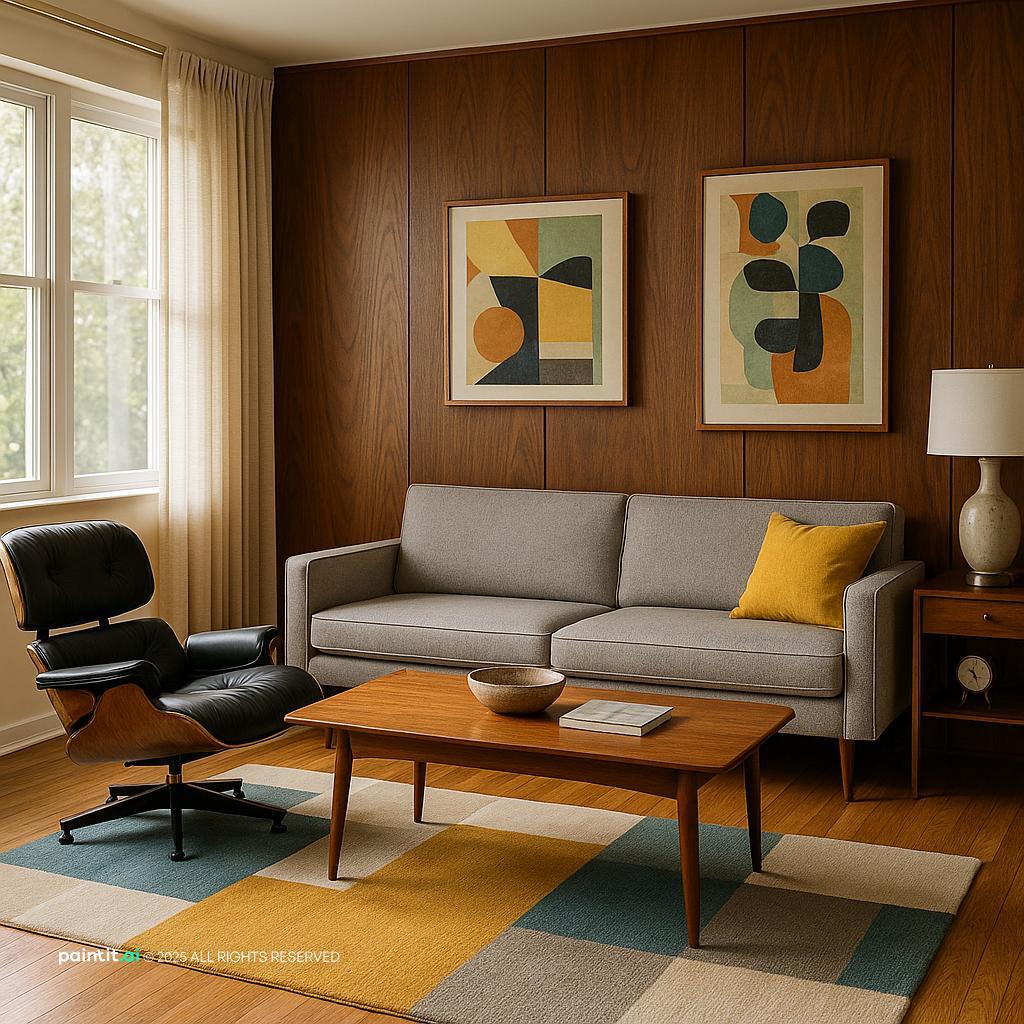
Mid-Century Modern Living Room Design brings together neutral palette for a more composed living room direction.
Crafting a truly harmonious yoga living room often means navigating tricky spatial challenges. How do you carve out that serene zone without disrupting the room's primary function? It’s a common dilemma. Most people forget that visualizing these complex arrangements beforehand is crucial. moving furniture around repeatedly is exhausting, and buying pieces that don't quite fit is a costly mistake. Paintit.ai changes everything. Our ai allows you to instantly experiment with countless configurations. See how a minimalist floor cushion setup looks next to your existing sofa. Visualize the impact of a woven room divider or a specific dusty terracotta wall accent. Avoid expensive missteps. Try paintit.ai and design your ideal yoga sanctuary today.
Before changing furniture or finishes, you can preview the direction with an interior design visualizer.
Overlooking storage is a big one. Clutter kills calm. Also, poor lighting disrupts focus. Natural light is king, but layered ambient and task lighting matters too. Don't forget acoustics; soft furnishings absorb sound beautifully.
A clear, uncluttered floor space is paramount. Think about a good mat, maybe some blocks or a bolster. Natural materials like bamboo or cork flooring add warmth. A small plant or a piece of calming art can anchor the space visually. Simplicity reigns.
I’ve seen this work best in muted, earthy tones. Think dusty terracotta, soft sage, or warm greys. Introduce tactile textures: a chunky knit throw, a woven jute rug, smooth river stones. These invite a sense of grounding and peace.
Absolutely. even a corner can be transformed. Use a room divider or a sheer curtain to delineate the zone. Vertical storage helps. A simple floor cushion and a small plant can define your mindful spot without overwhelming the room. It's about intention.
Establish a clear boundary. Put away props after each session. A small diffuser with lavender or sandalwood can signal the shift. Most people forget that a quick tidy-up before and after makes a huge difference. Consistency is key to preserving its purpose.