
Designing a Dark - Cottagecore Living Room
Dreaming of a cozy retreat that feels both grounded and a little mysterious? A dark cottagecore living room offers that unique blend of rustic charm and deep, comforting tones, perfect for unwinding. How do you balance the allure of shadow with an inviting warmth?
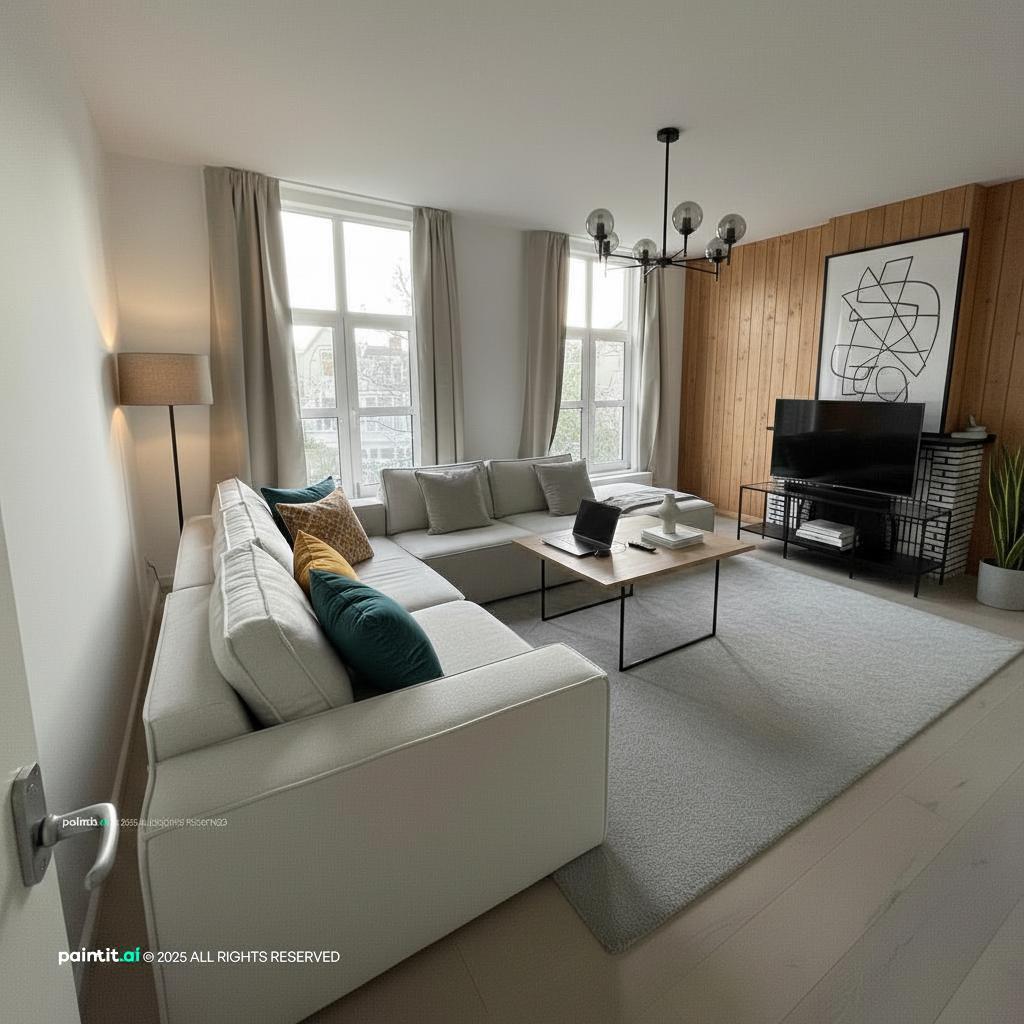
Essential Tips for Dark Cottagecore Living Room
Stunning Examples of 12 Enchanting Dark Cottagecore Living Room Ideas to Inspire Your Next Retreat
-
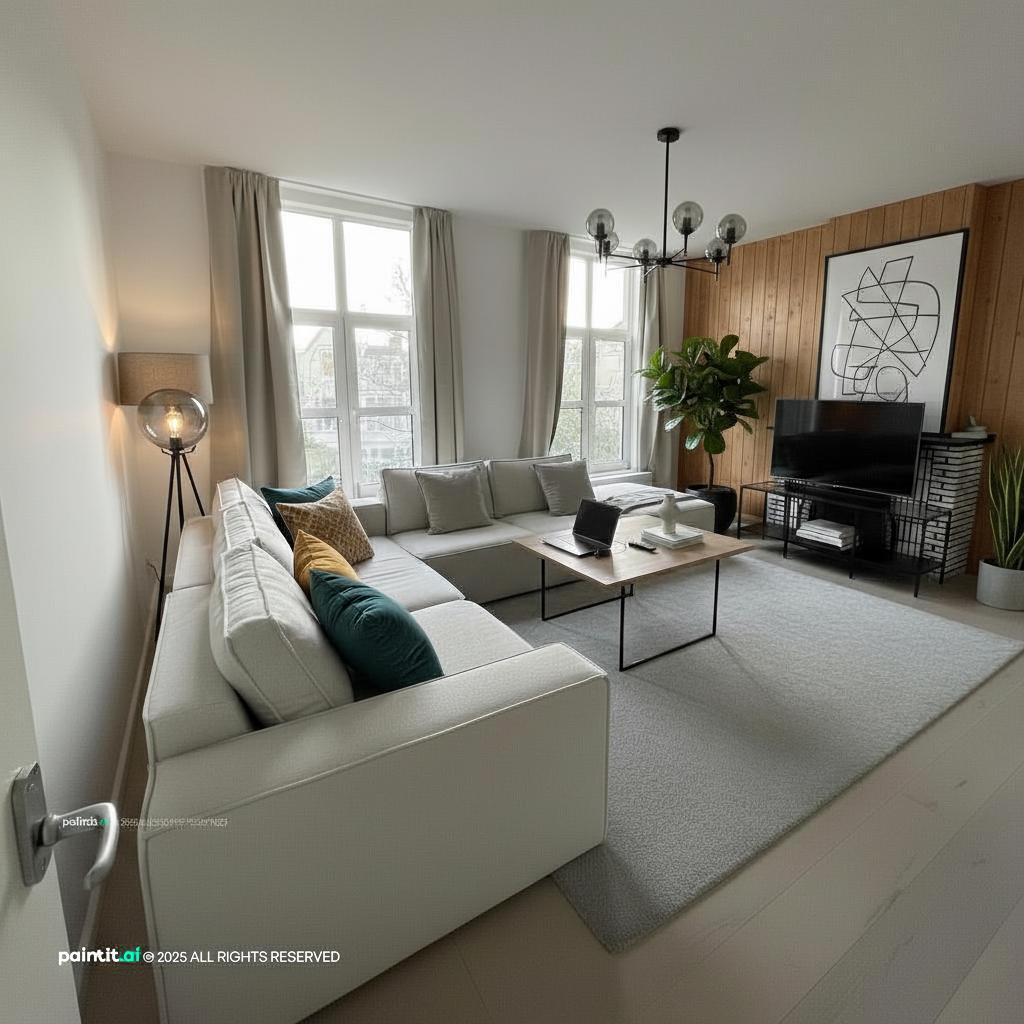
We've curated these concepts to show how deep tones and natural textures can create a space that feels both ancient and utterly current. It's about finding that sweet spot where comfort meets a touch of drama, without ever feeling heavy. These dark cottagecore living room ideas are about crafting a narrative, not just decorating a space.
-
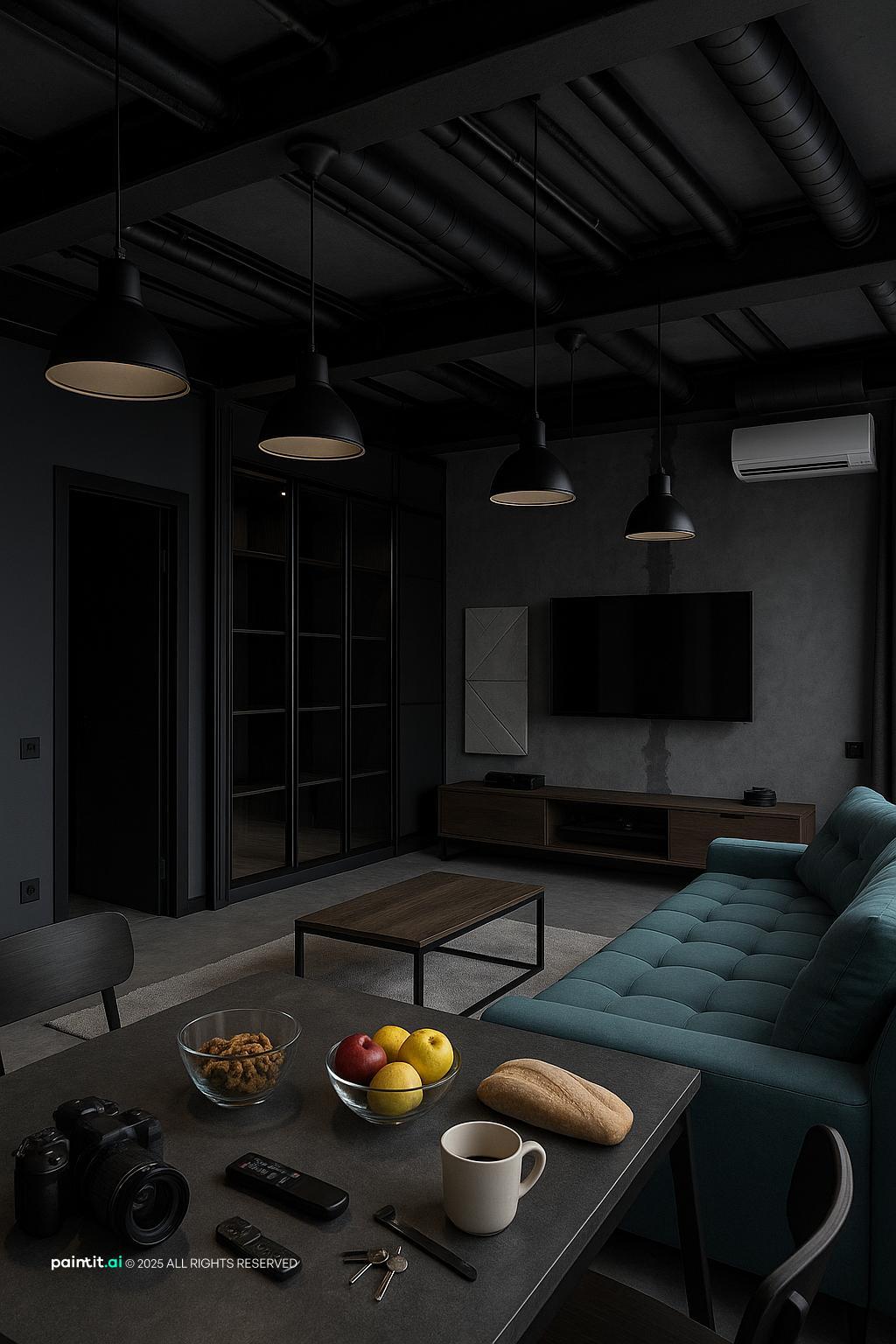
This idea centers on creating an immediate sense of luxury and grounding. We've seen this work best when you commit to rich, tactile materials that invite you to sink in. The truth is, a dark cottagecore living room thrives on layers, and velvet offers an unparalleled depth that absorbs light beautifully.
-
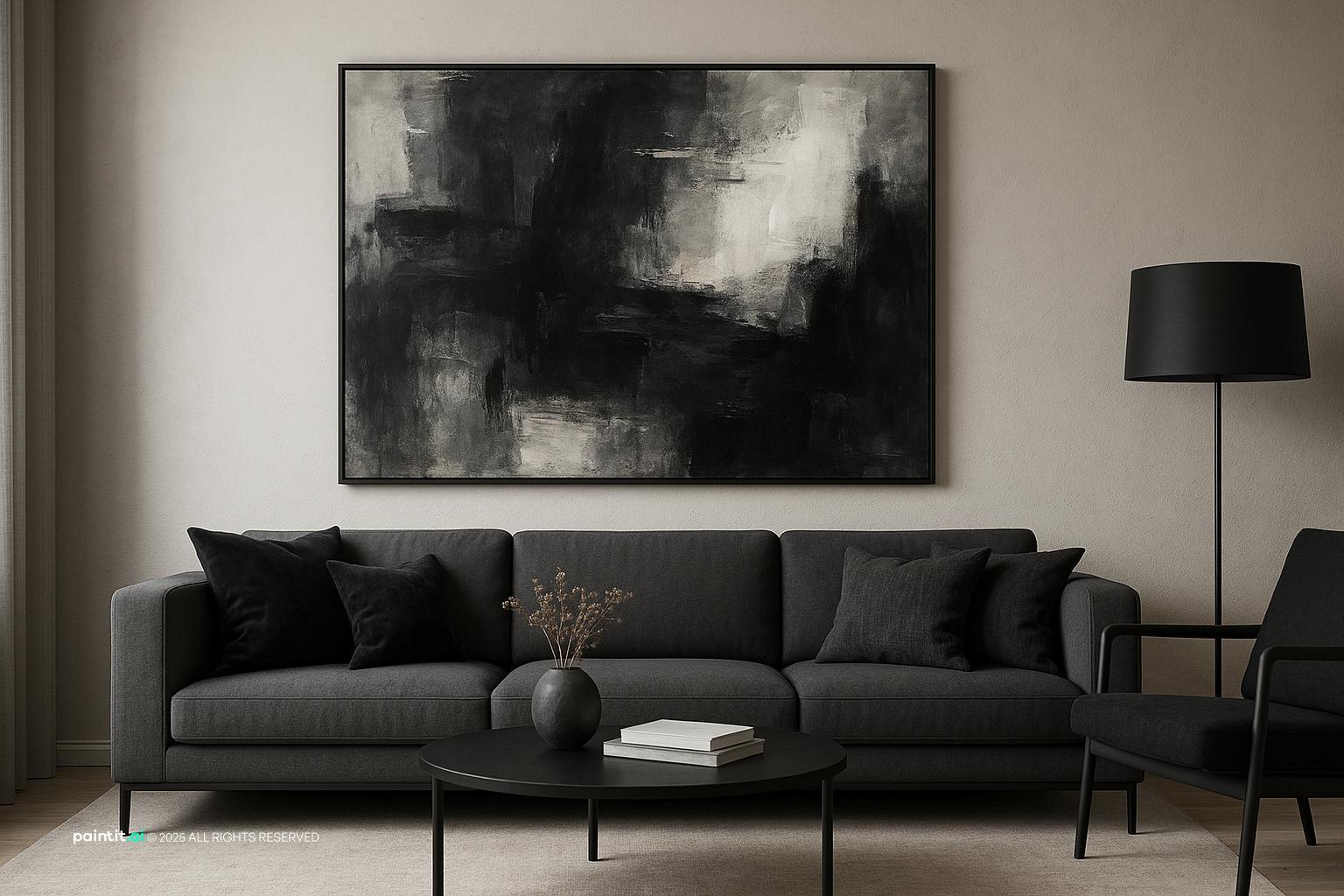
Implement this by choosing a deep emerald or sapphire velvet sofa, perhaps a classic Chesterfield, paired with antique mahogany or walnut furniture. Think a sturdy coffee table with a well-worn patina. It sounds simple, but most people forget to balance the dark with subtle gleam, so consider aged brass accents on lamps or cabinet pulls.
-
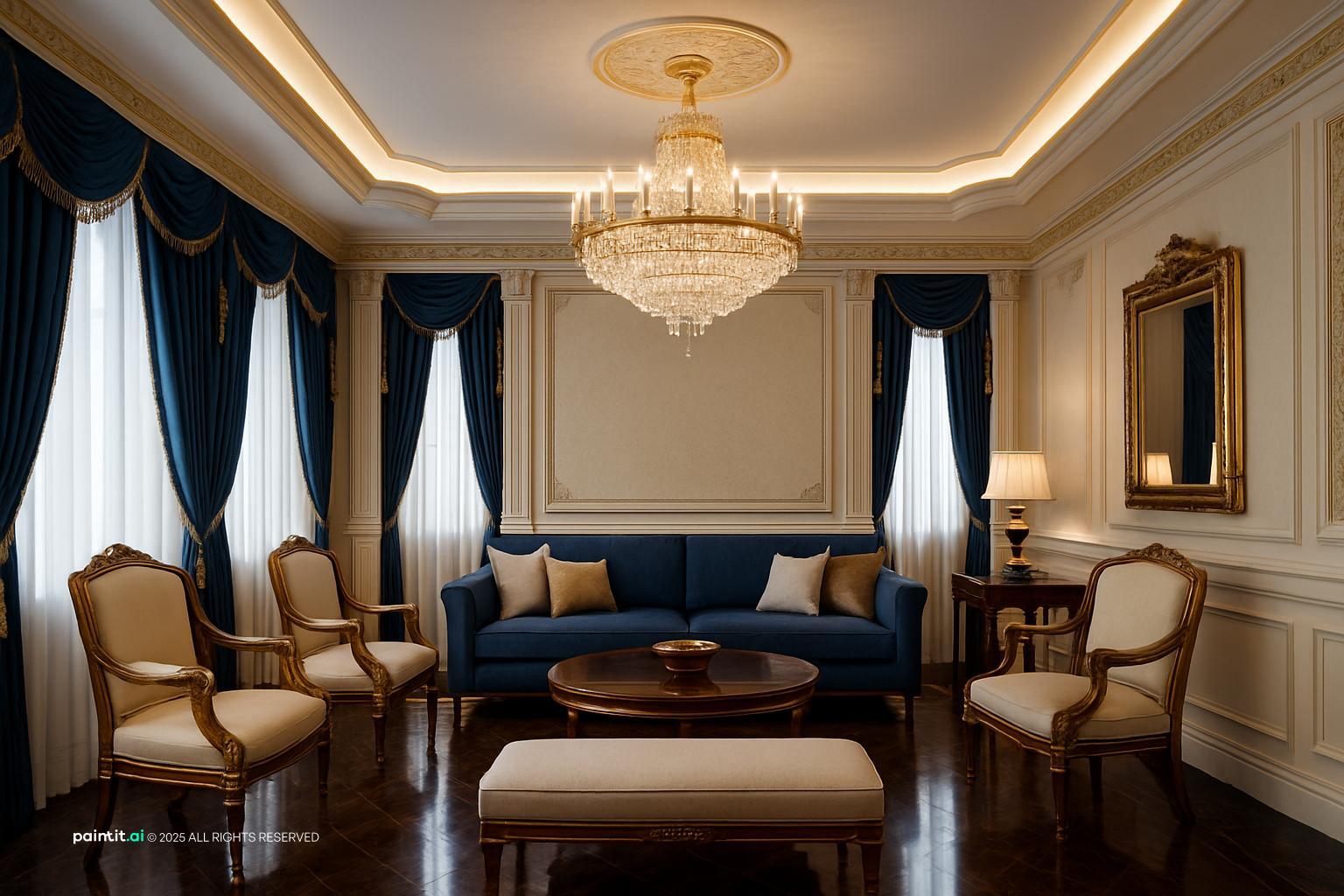
Pro Tip: To achieve this effect, try mixing different wood finishes for a collected, lived-in feel.
-
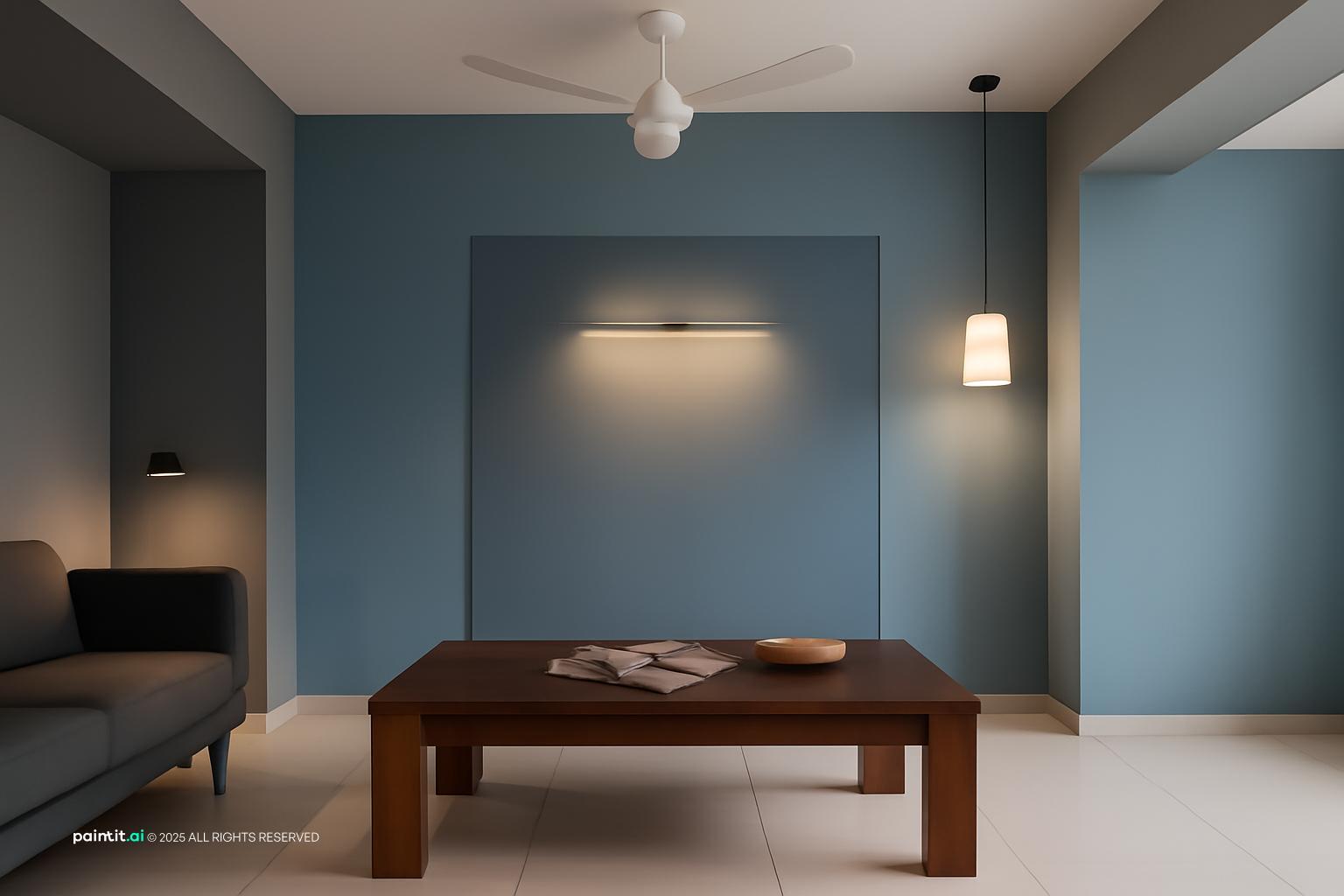
Imagine a forest at dusk, brought indoors. This concept uses botanical patterns, but with a moody twist, moving away from bright, airy florals. It’s about preservation over imposition, letting nature's darker side shine.
-
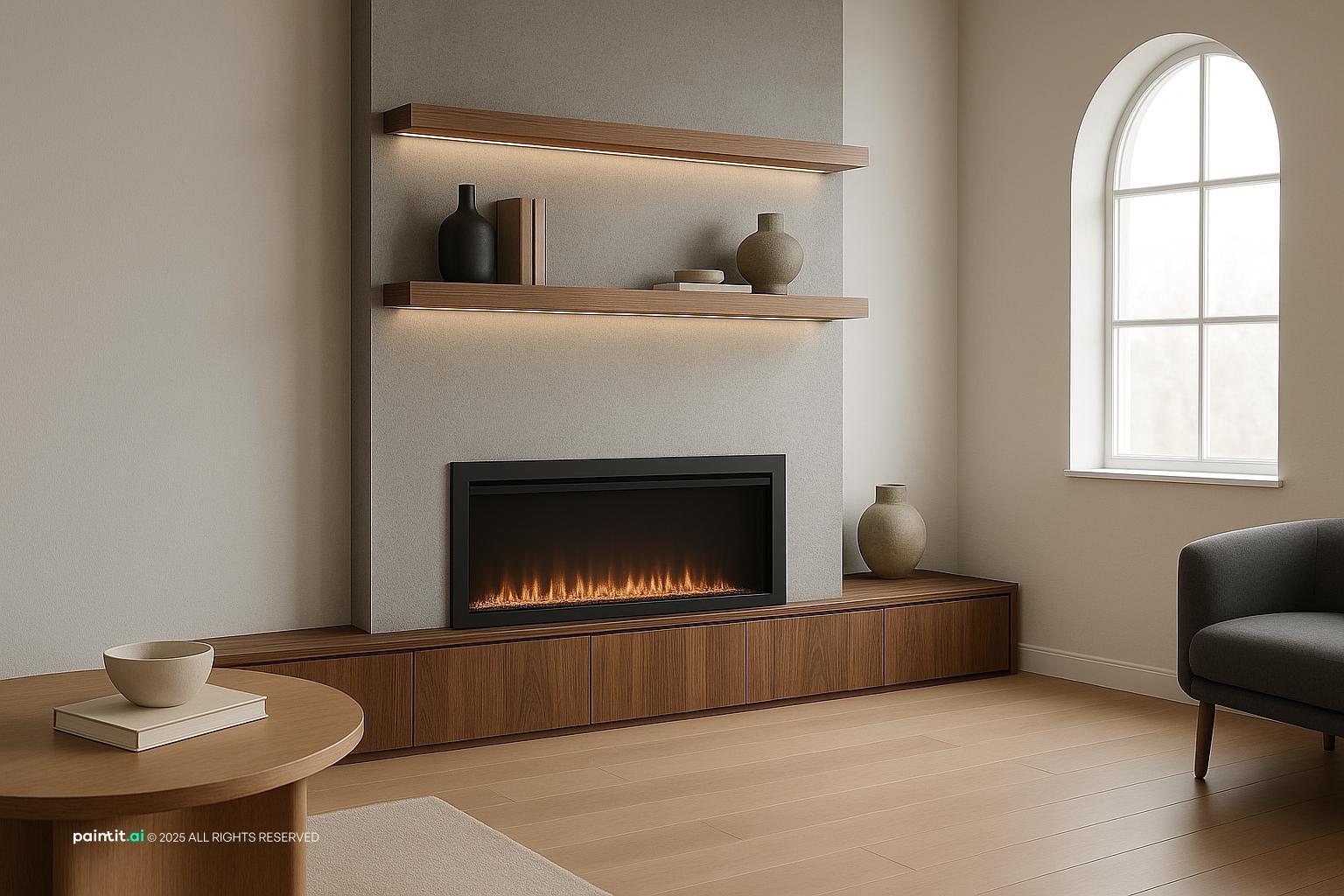
Practical advice? Opt for a wallpaper with a dark base—think charcoal or deep moss green—featuring sprawling, intricate floral or fern patterns. William Morris designs in muted tones are perfect. Complement this with pressed flower art in antique frames or dried arrangements in earthenware vases. Here’s the kicker: don't overdo it; one accent wall can be more impactful than four.
-
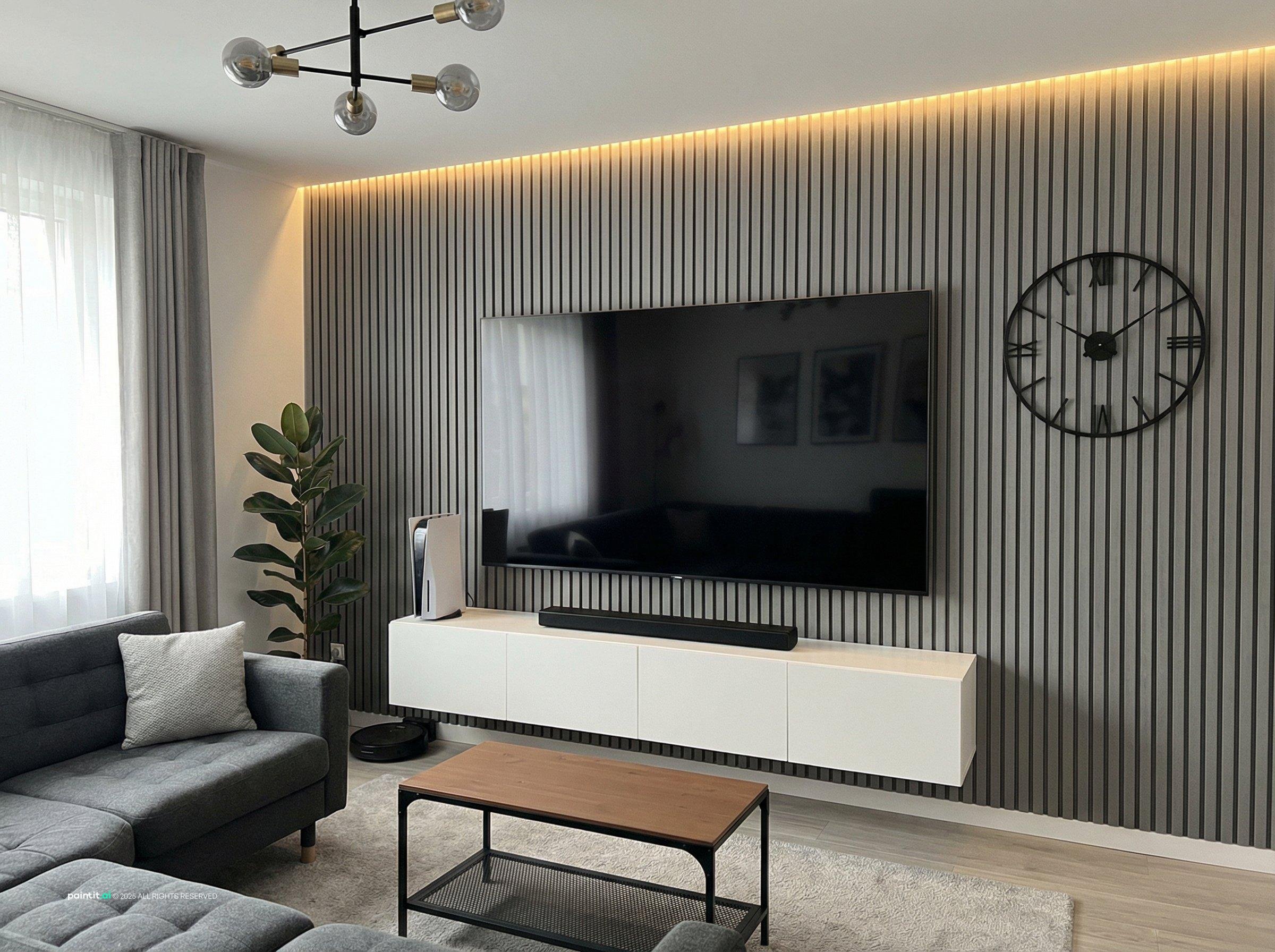
Pro Tip: To achieve this effect, try incorporating real, dried botanicals for an authentic, tactile layer.
-
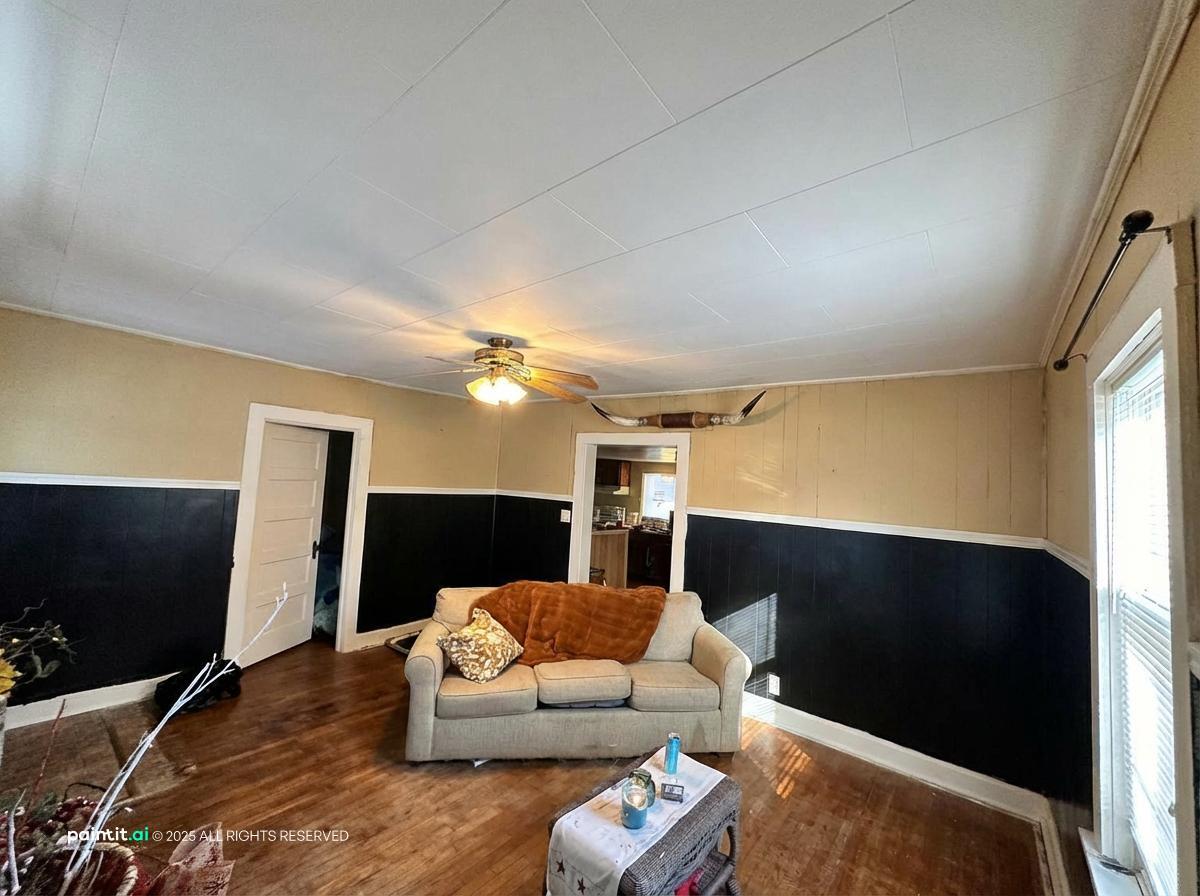
A fireplace is the heart of any cottagecore space, and in a dark cottagecore living room, it becomes a beacon. This isn't just about warmth; it's about the primal comfort of flickering light against deep shadows.
-
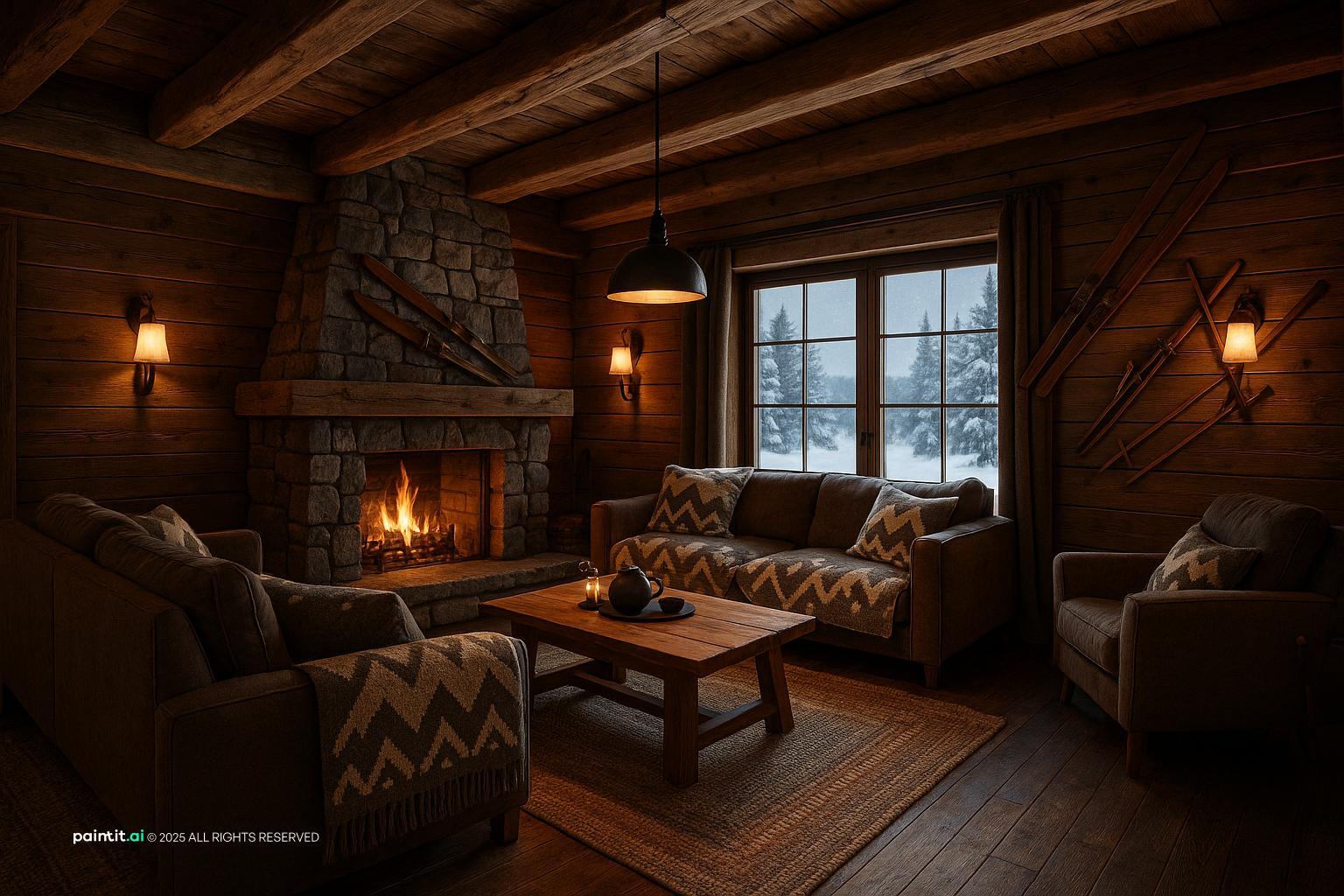
Consider a substantial stone fireplace, perhaps river stone or dark slate, with a reclaimed wood mantel. A cast-iron fire screen adds to the authentic, rustic feel. The choice was risky for some clients, but the natural stone texture provides a crucial contrast to softer furnishings. It grounds the entire room.
-
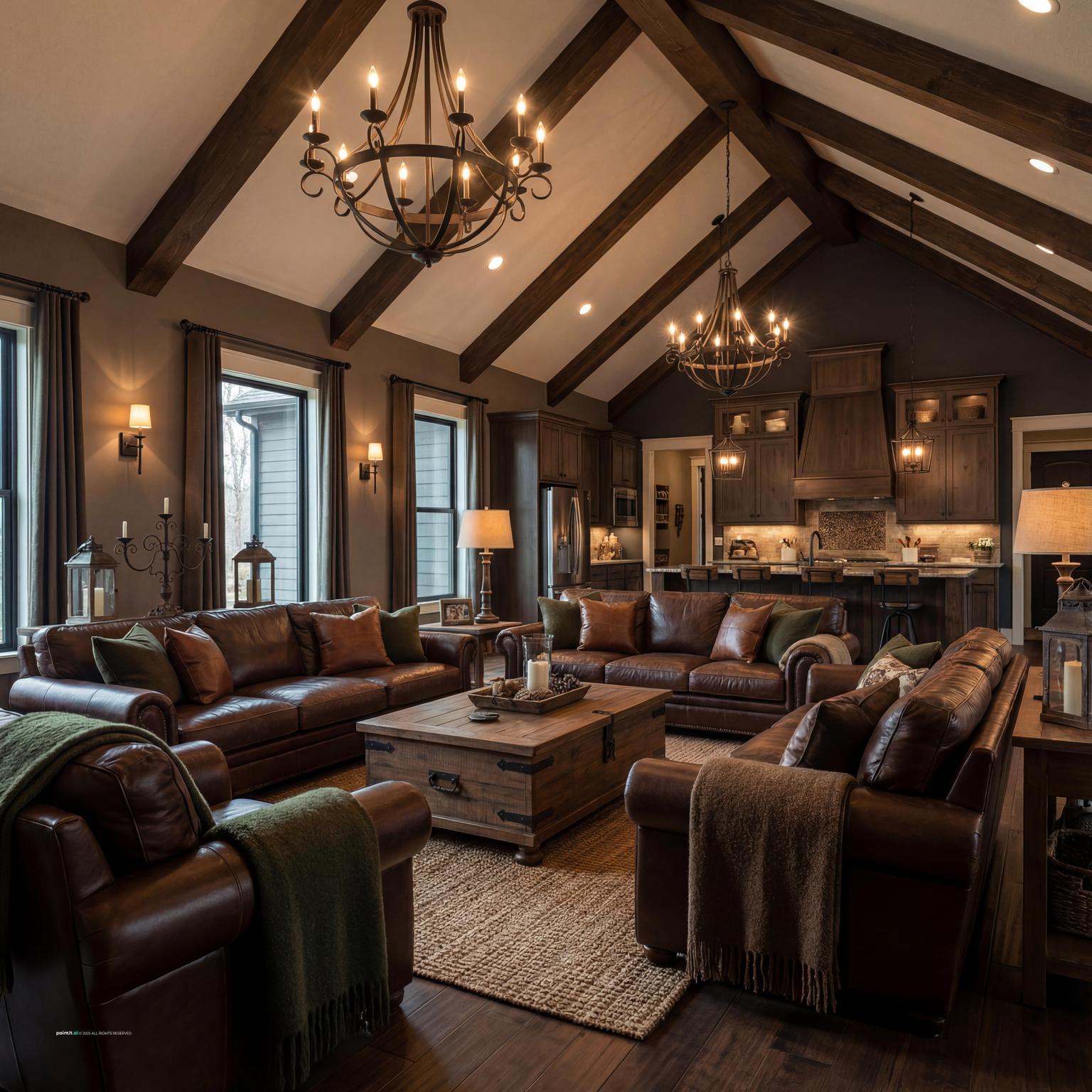
Pro Tip: To achieve this effect, try styling the mantel with antique candlesticks and a dark, framed landscape painting.
-
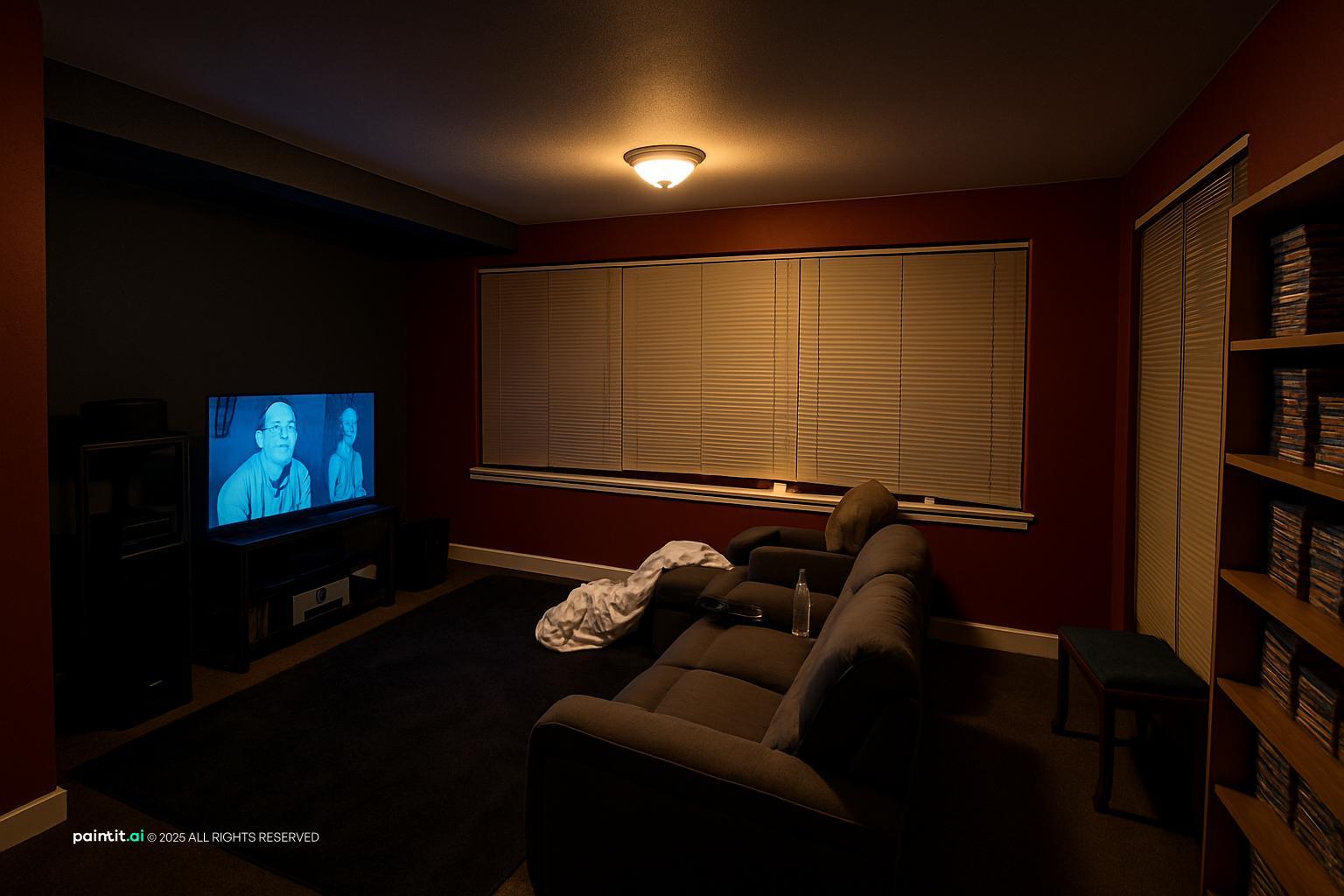
A dark cottage core living room should feel like a warm hug. This means layering textiles—and lots of them. It's about creating a sensory experience, where every surface invites touch.
-
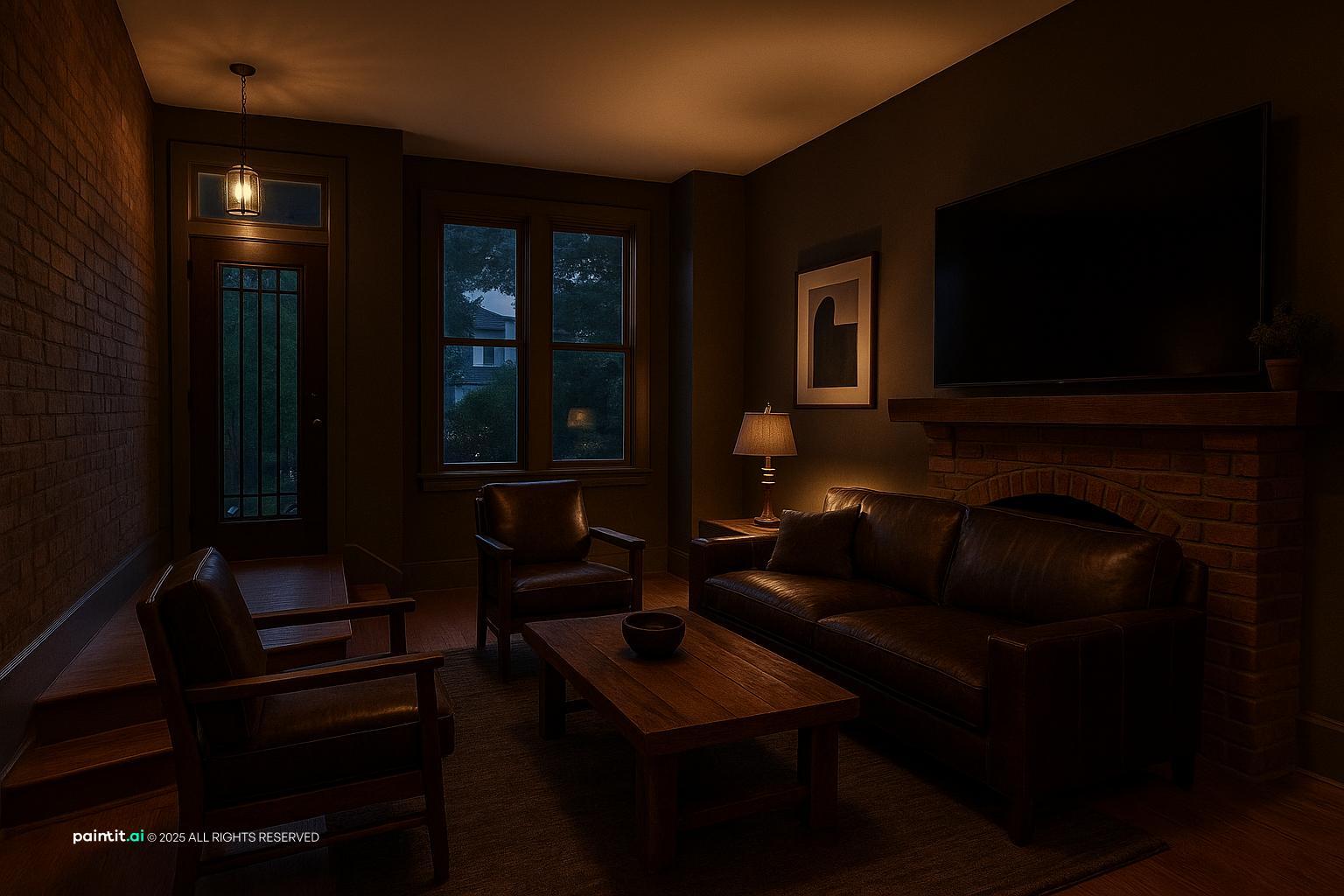
Think chunky knit throws in deep jewel tones, a heavy wool blanket draped over an armchair, and perhaps a faux fur rug underfoot. Linen throw pillows in muted, earthy shades add another layer of texture. The truth is, mixing patterns and materials, like a subtle tartan with a ribbed velvet, prevents the space from feeling flat.
-
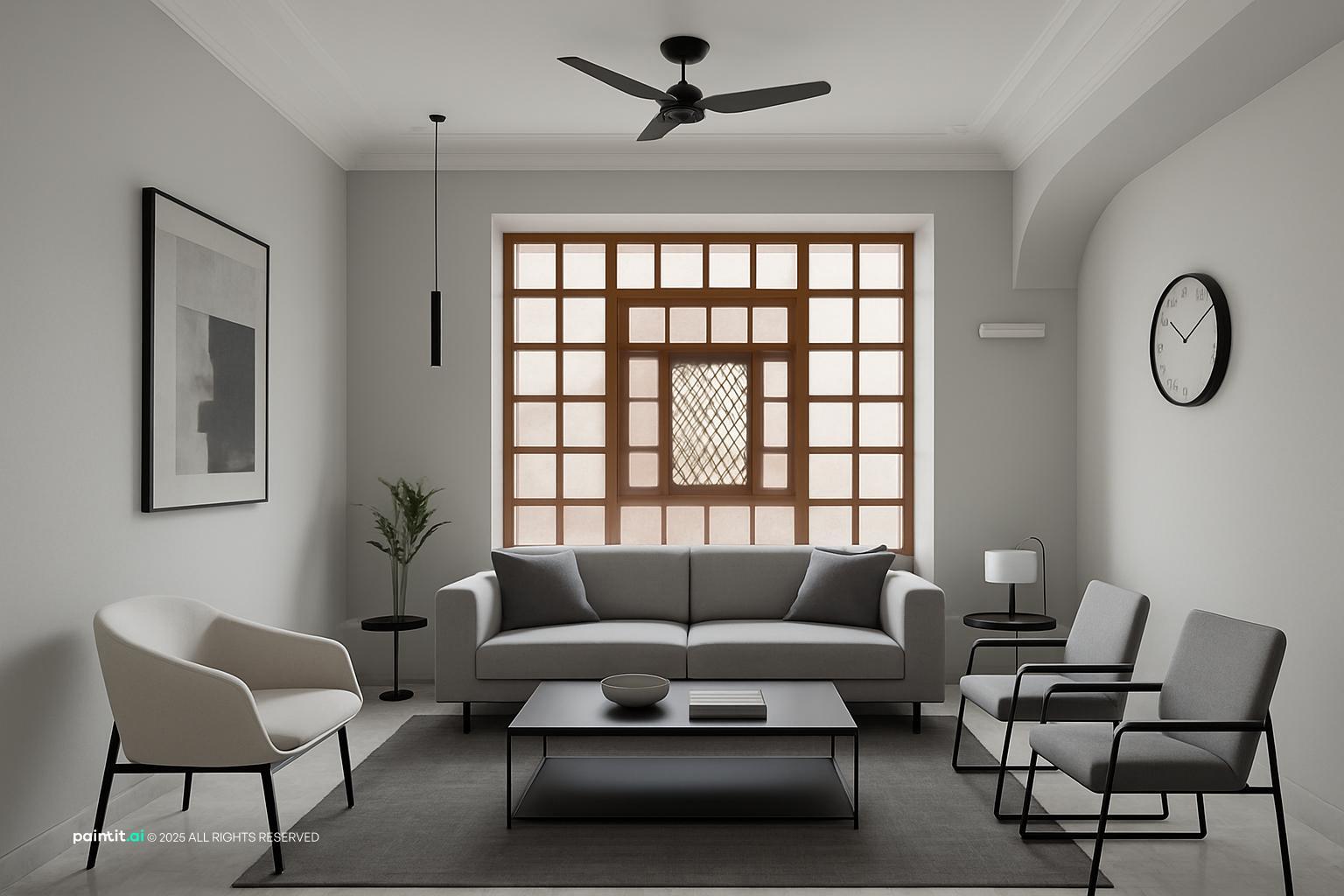
Pro Tip: To achieve this effect, try using textiles with varying pile heights and weaves for maximum depth.
-
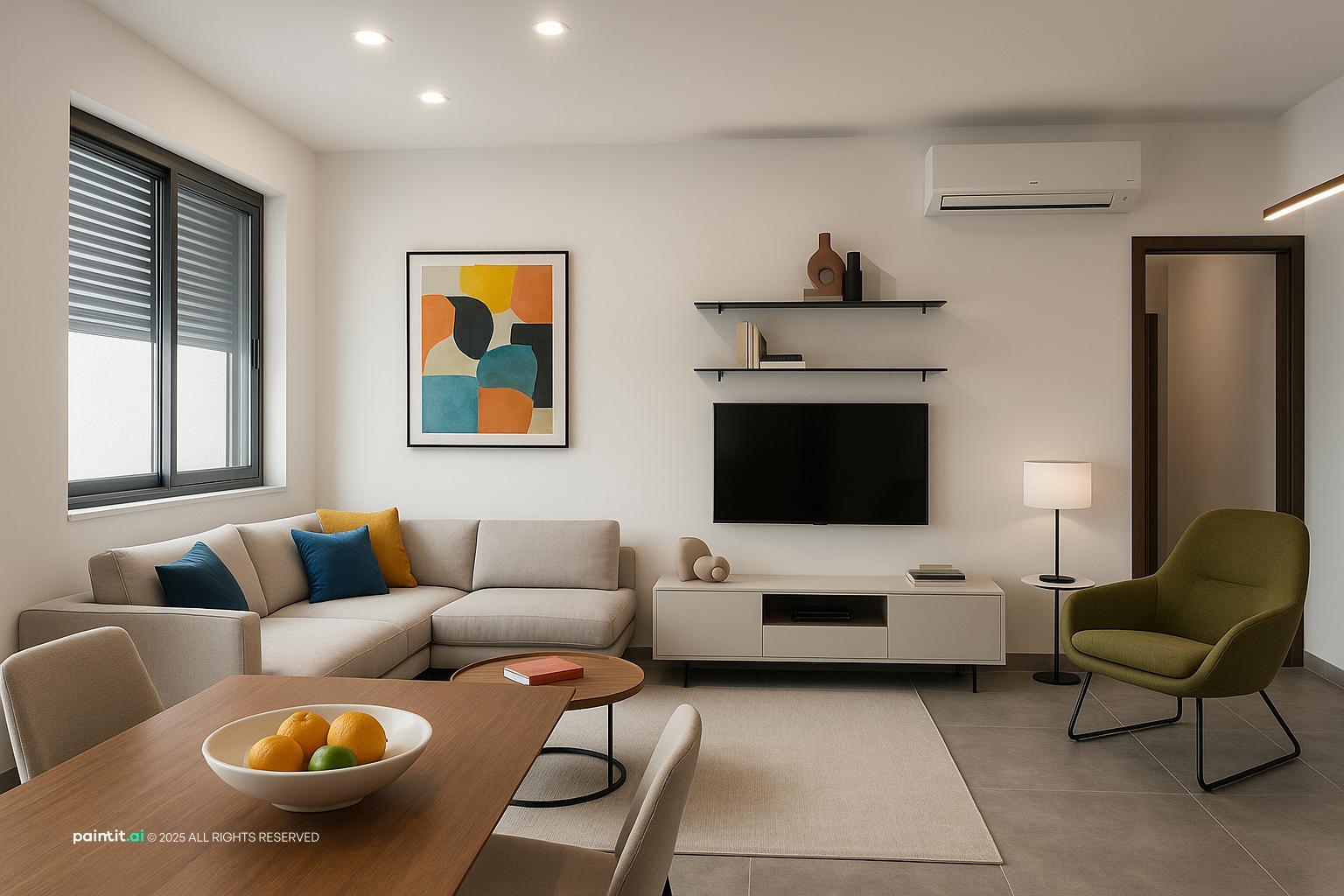
Lighting is paramount in a dark cottagecore living room. It’s not about brightness, but about creating pools of warm, inviting light that highlight textures and corners, leaving other areas in soft shadow.
-
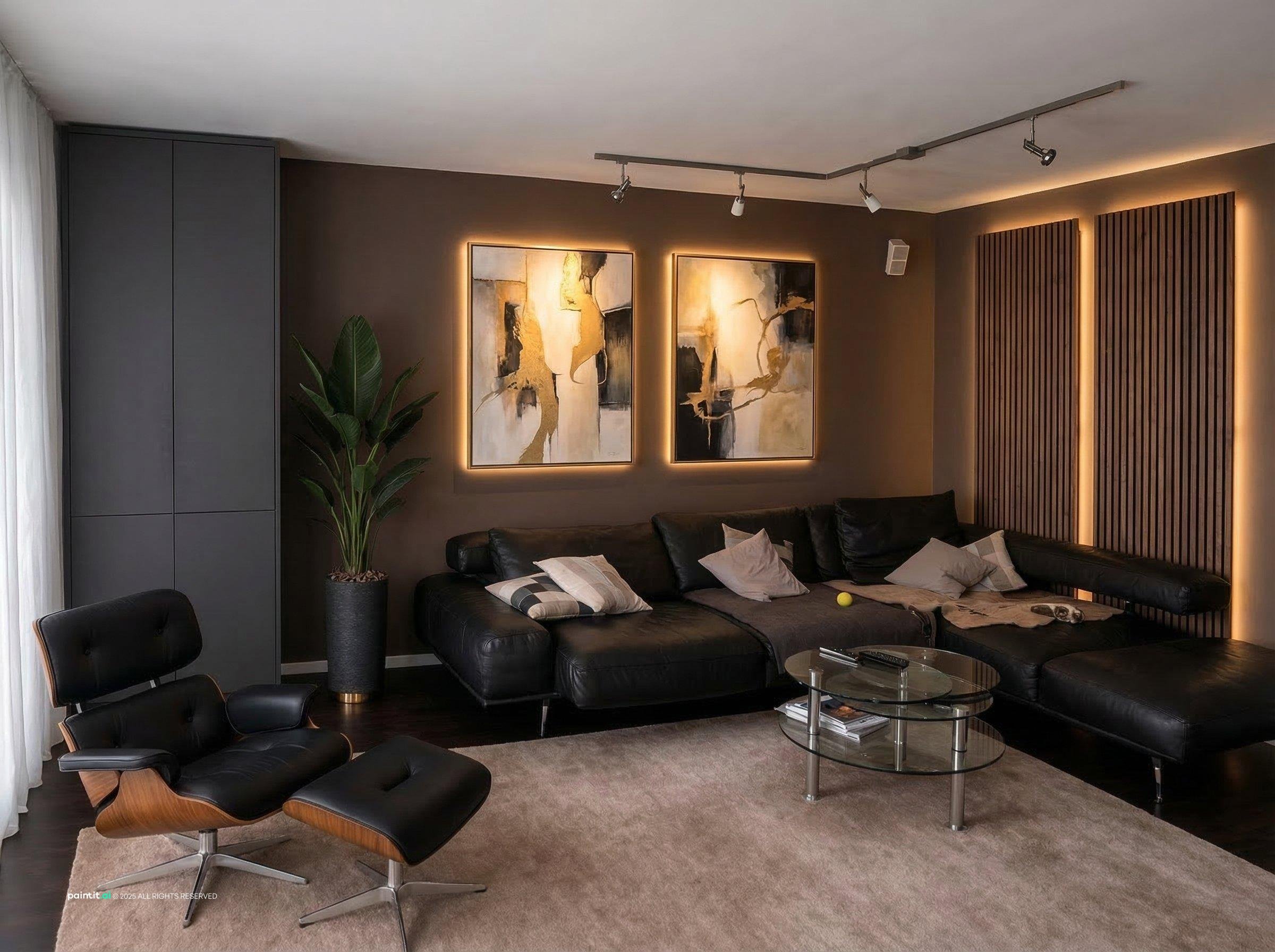
Implement this with a mix of antique-style lamps—perhaps with dark bronze bases and fabric shades—and wall sconces that cast a gentle glow. Edison bulbs can add a vintage touch. More importantly, incorporate candelabras and beeswax candles; their natural flicker is irreplaceable. Dimmers are your best friend here. It reminds me of old-world Italian villas, where light was a precious commodity.
-
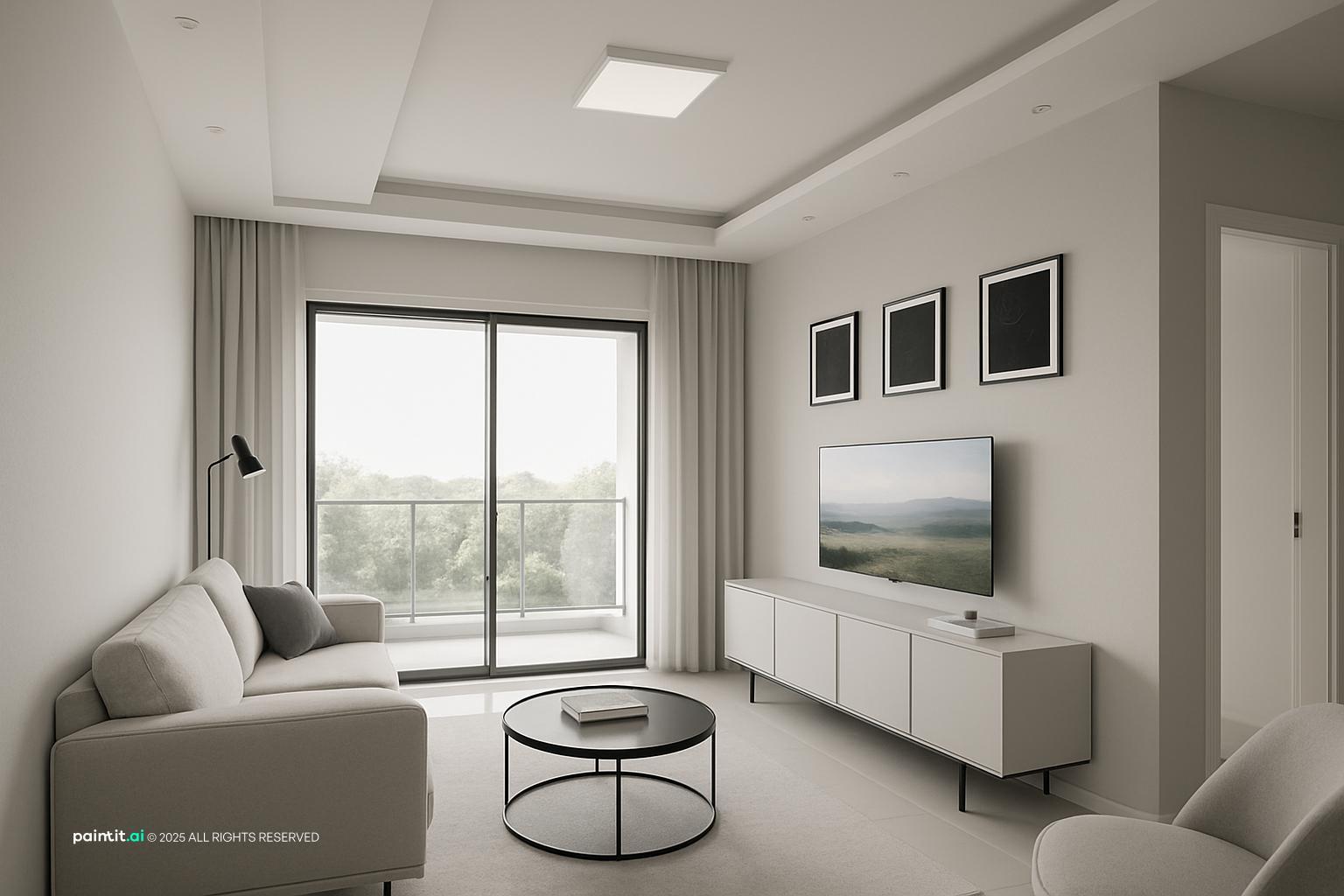
Pro Tip: To achieve this effect, try using low-wattage bulbs in warm white or amber tones.
-
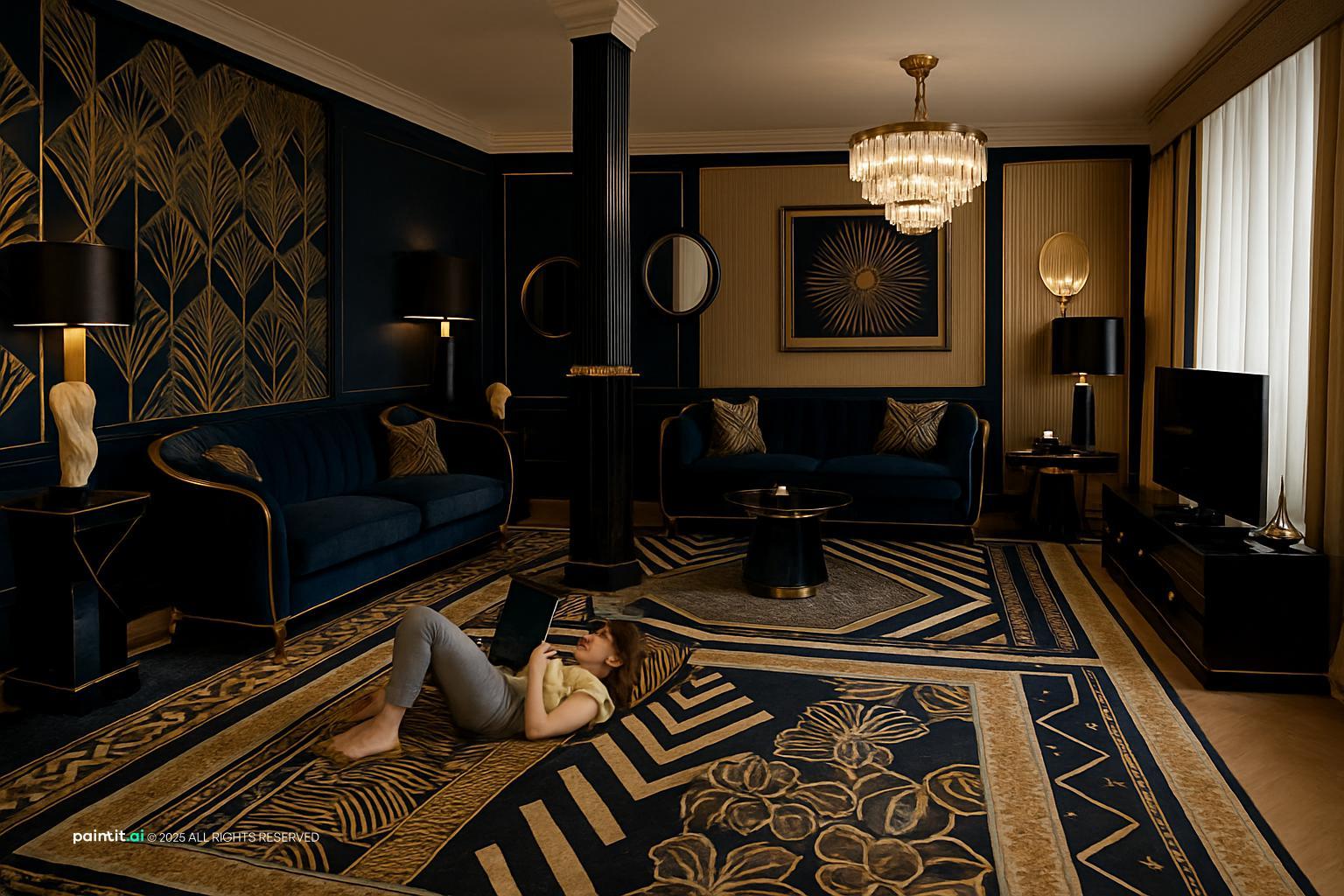
A dark cottagecore living room feels lived-in, accumulated, and deeply personal. This idea focuses on showcasing your passions and stories through carefully chosen objects.
-
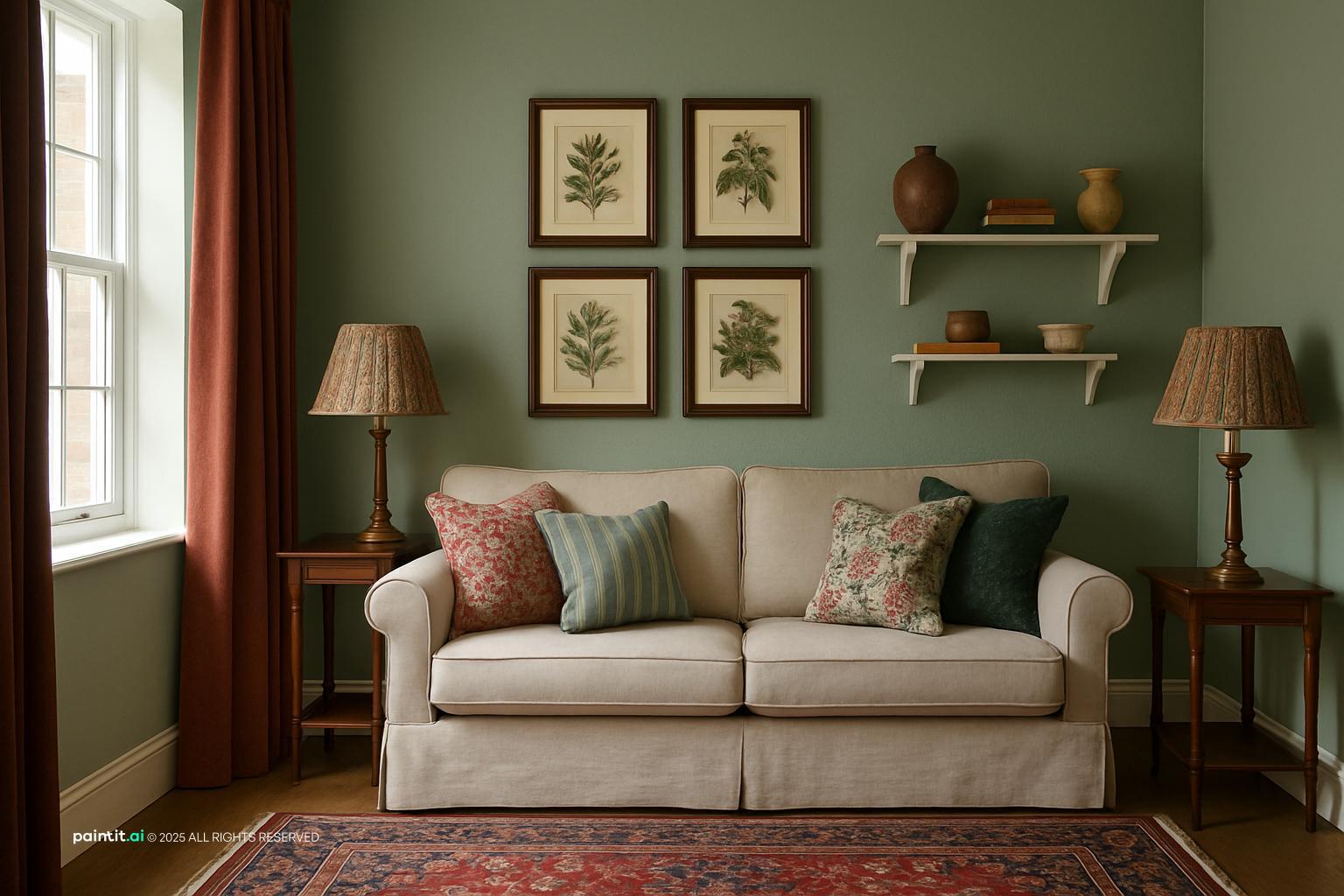
Install dark wood bookshelves, perhaps built-in, filled with leather-bound books, vintage curiosities, and botanical illustrations. Think about displaying a collection of antique ceramic pieces or unique found objects. The marble stained instantly for one client, so be mindful of surfaces. It’s about creating visual interest that draws the eye and sparks conversation.
-
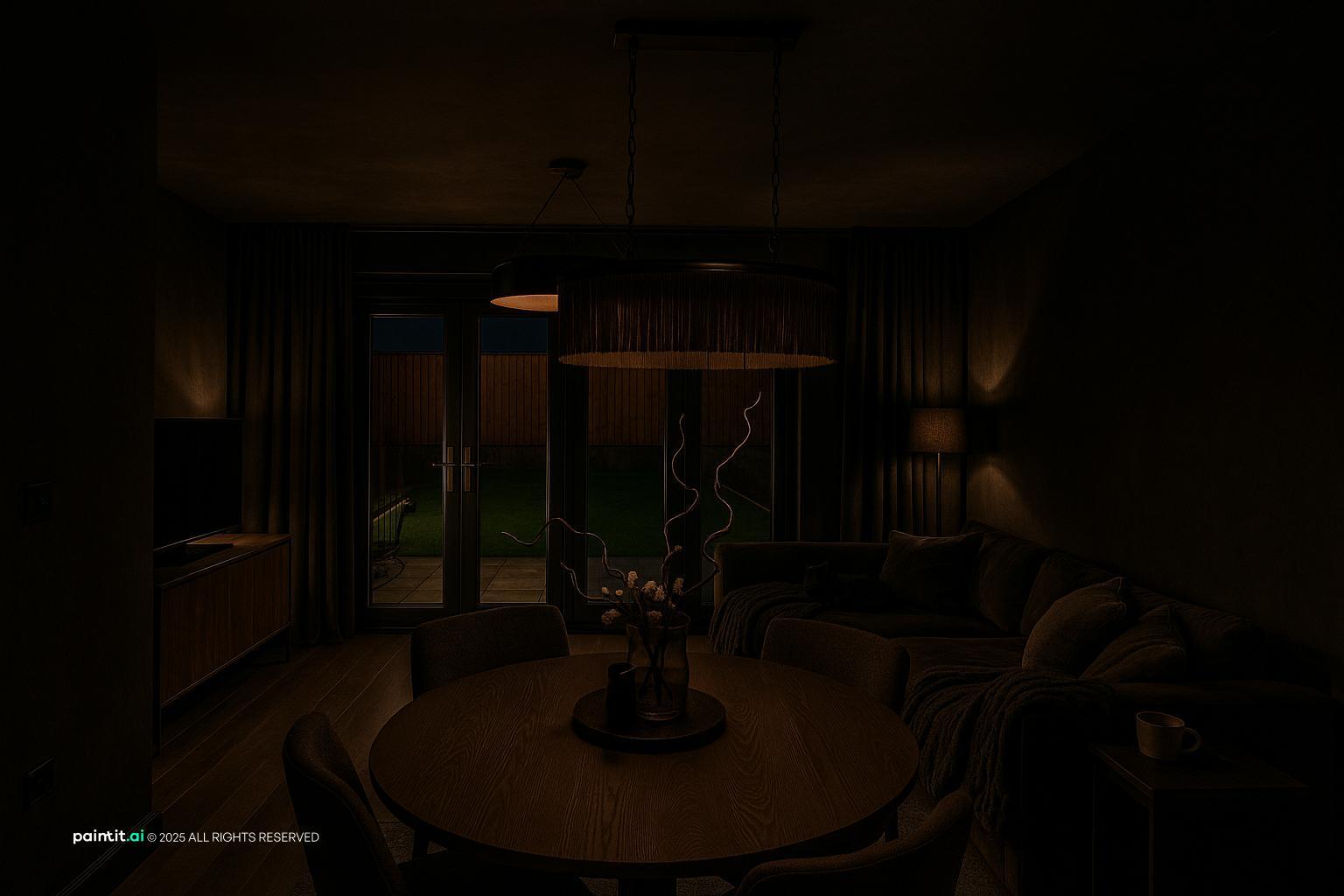
Pro Tip: To achieve this effect, try grouping objects by color or theme for a cohesive, yet eclectic, display.
-
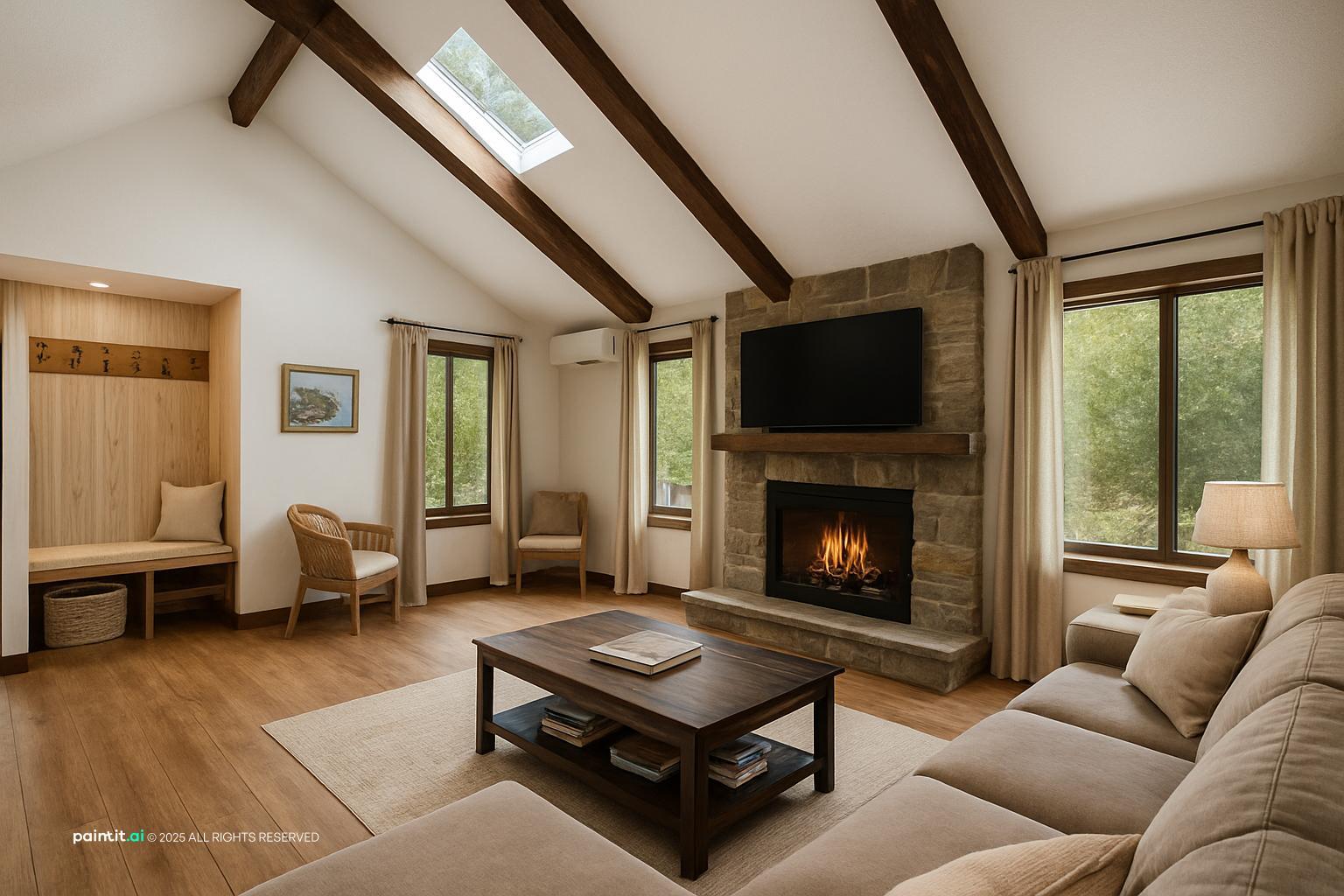
Sometimes, the simplest approach is the most effective. Painting walls in a deep, saturated color can instantly transform a room into a dark cottagecore retreat. It’s a bold move, but one that pays off.
-
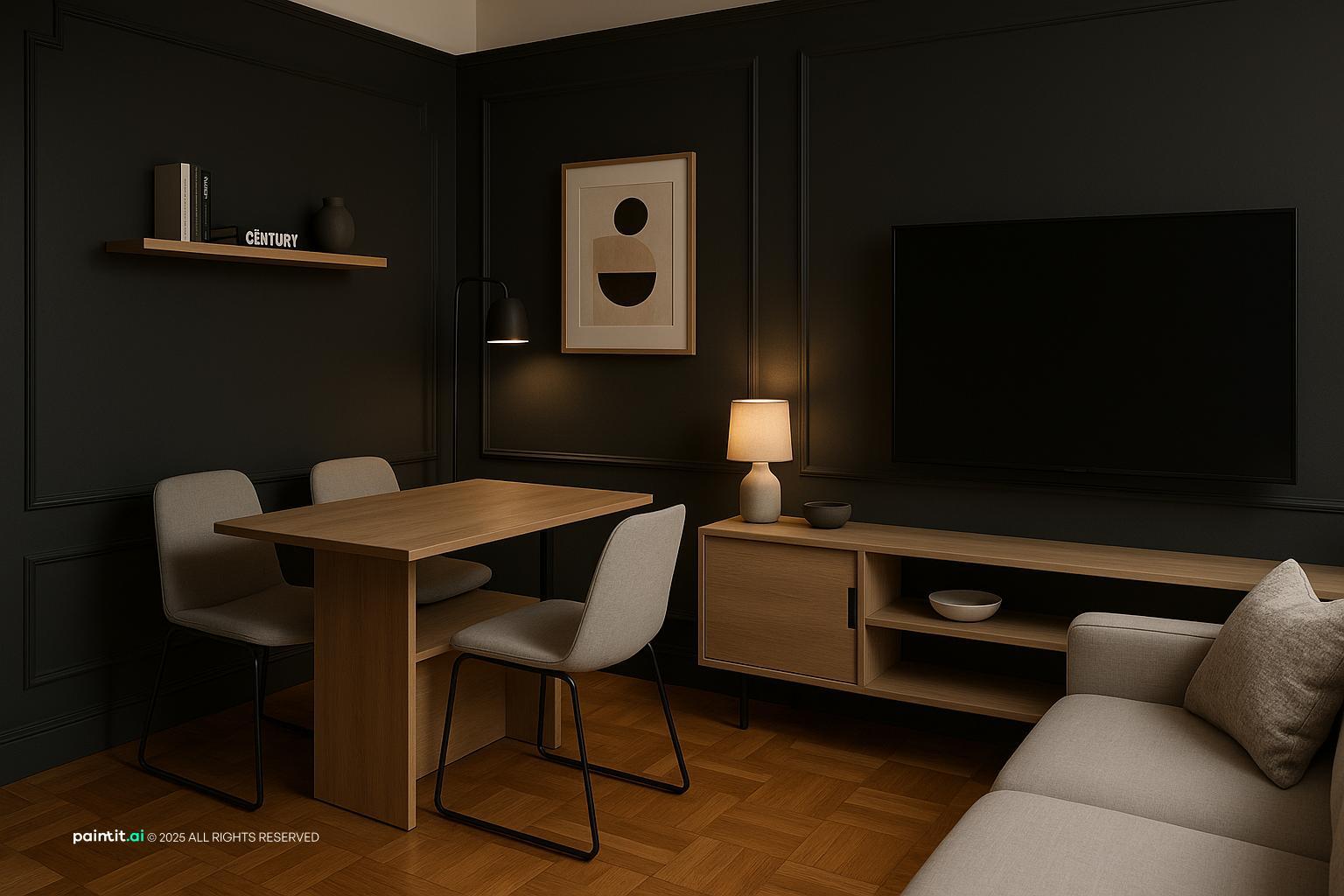
Consider a rich forest green, a deep teal, or even a sophisticated charcoal grey. These colors provide a grounding backdrop for natural wood tones and softer textiles. The key is to ensure the paint has a matte or eggshell finish to absorb light and create that desired velvety depth. It didn't fit through the front door for one project, so measure your furniture before committing to a layout.
-
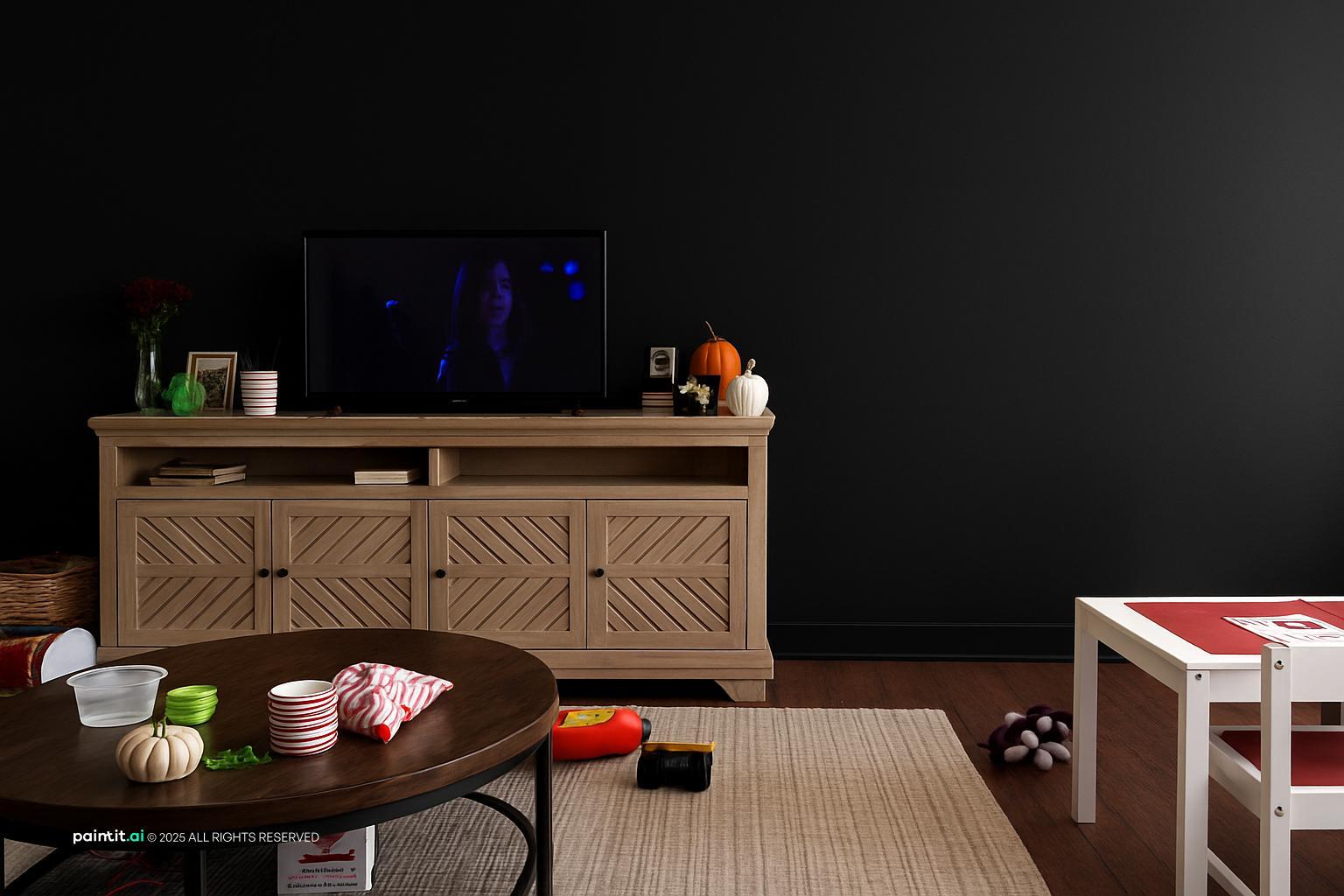
Pro Tip: To achieve this effect, try painting the ceiling a slightly lighter, complementary shade to prevent the room from feeling too enclosed.
-
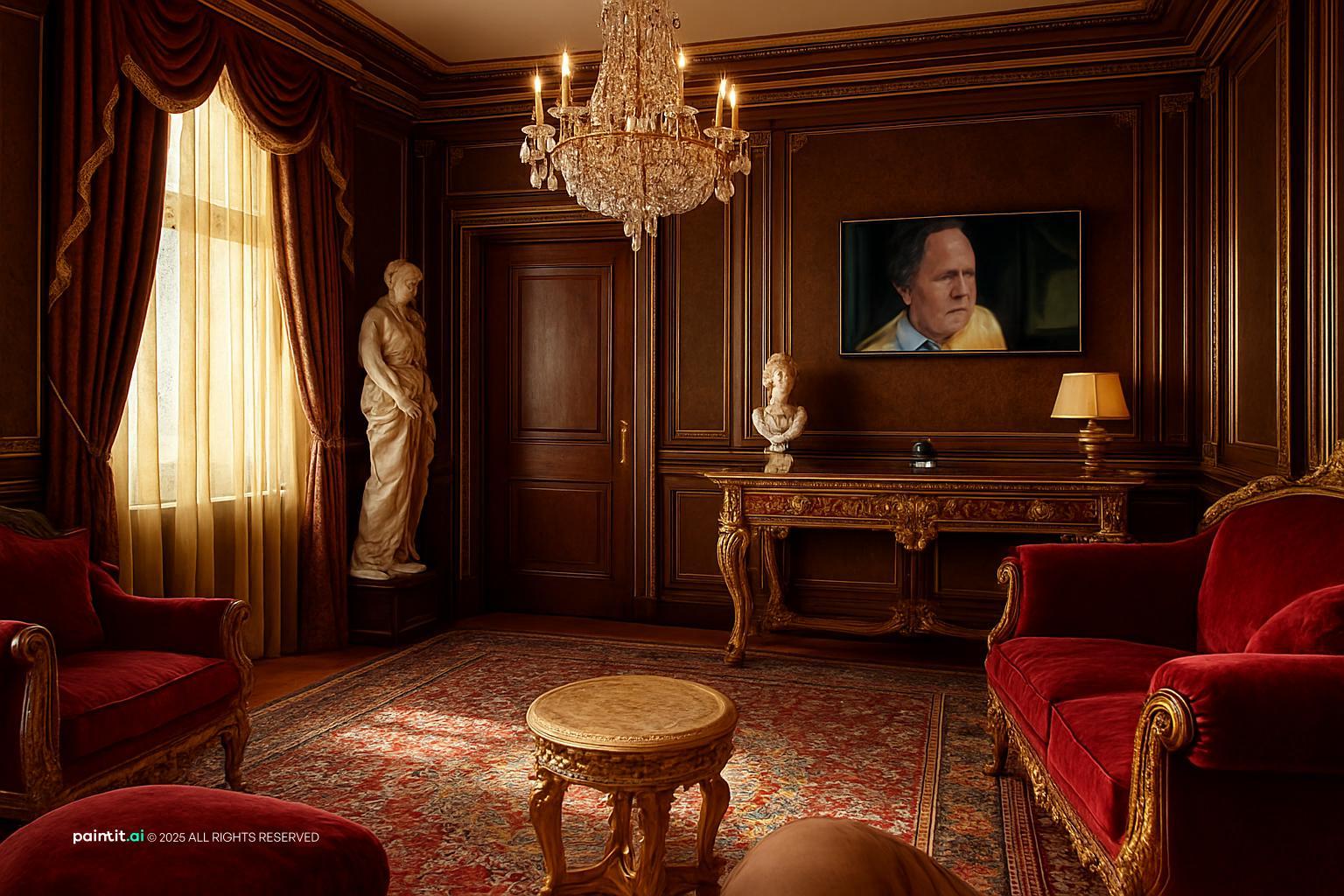
Nothing says timeless comfort quite like aged leather. This material brings a sense of history and durability that perfectly complements the dark cottagecore aesthetic.
-
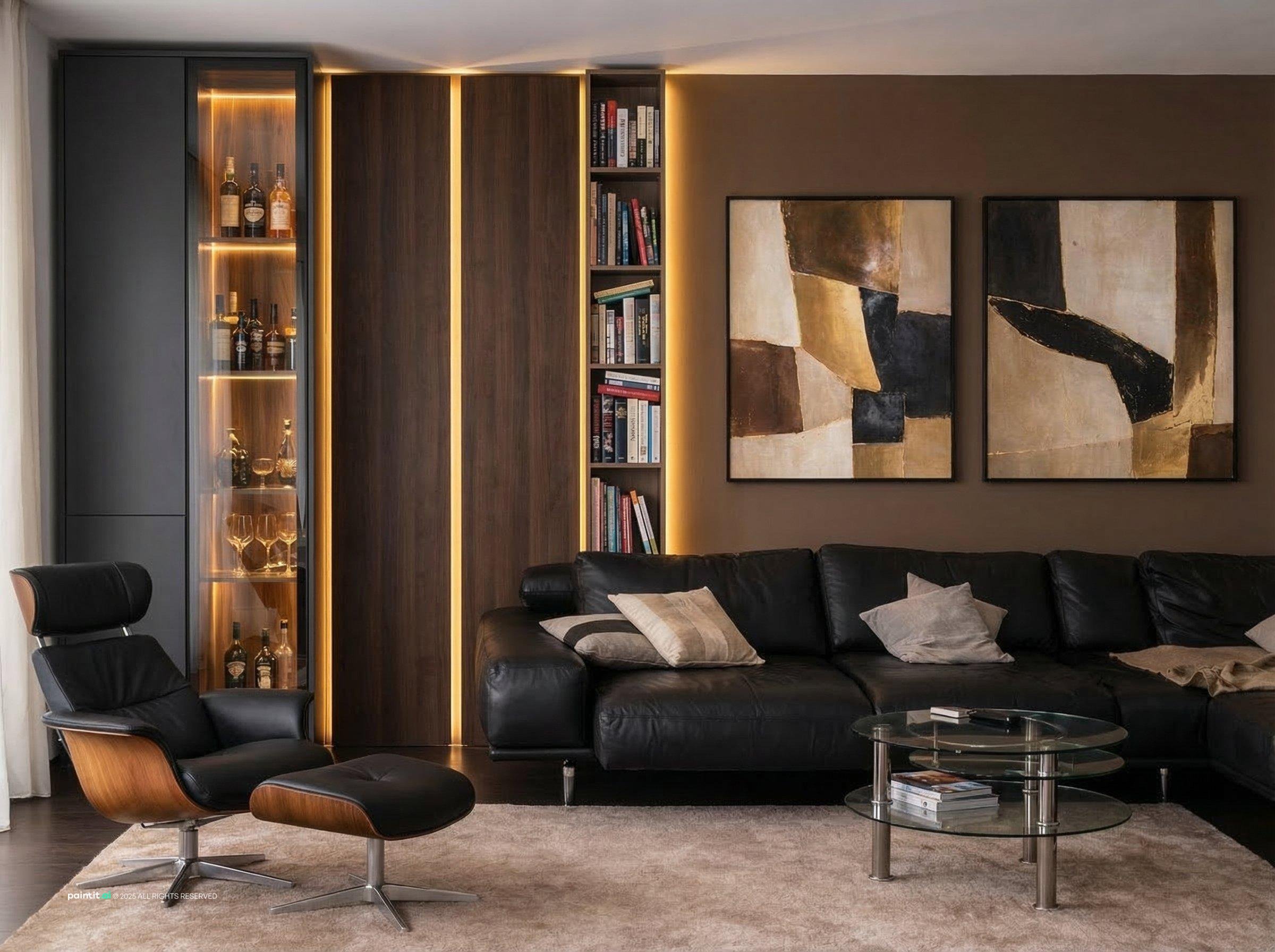
A distressed leather armchair or a classic Chesterfield sofa will develop a beautiful patina over time, telling its own story. Pair this with surfaces that also show their age—perhaps a vintage trunk as a coffee table or a side table with a naturally worn finish. Brushed brass in an aged finish for hardware or lighting fixtures will tie everything together, adding a subtle warmth.
-
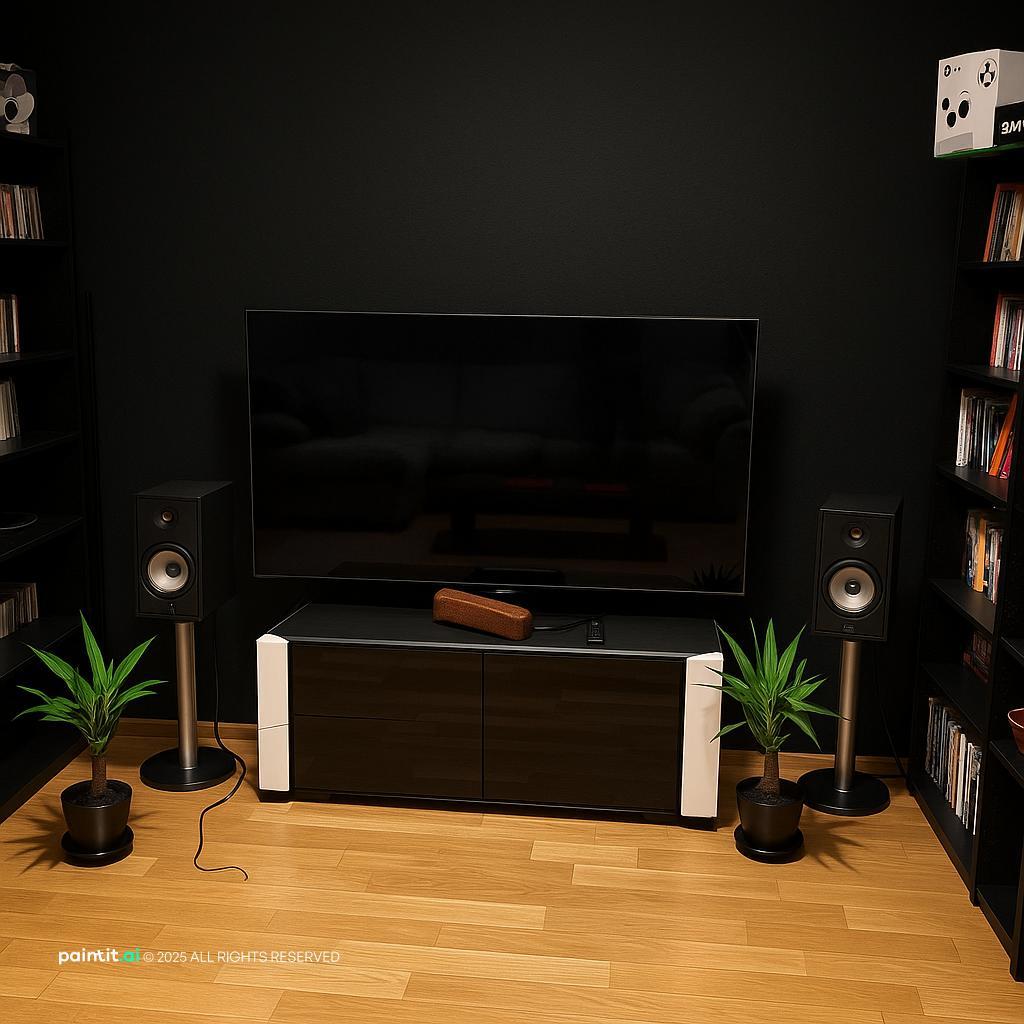
Pro Tip: To achieve this effect, try sourcing vintage leather pieces that already have character and history.
-
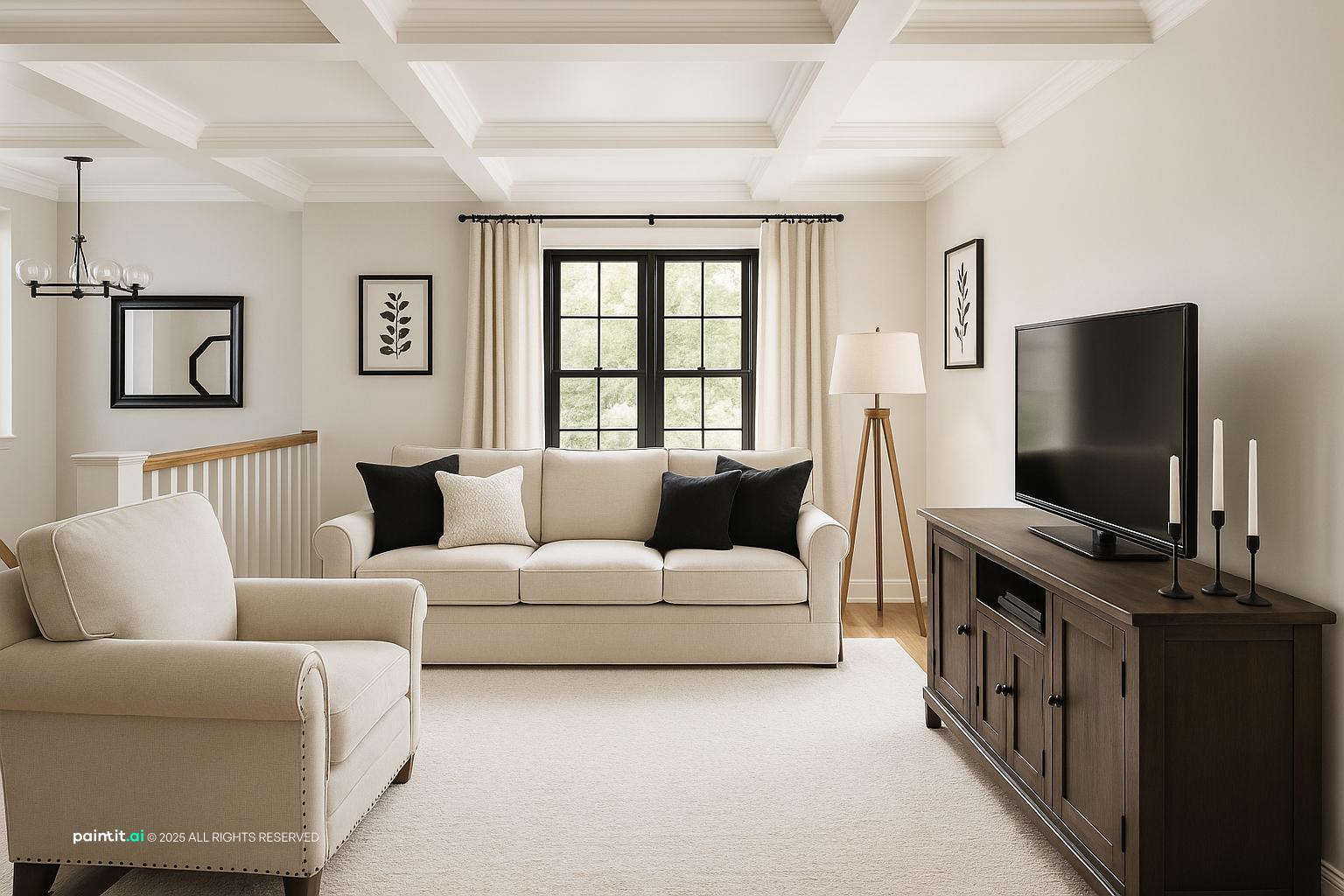
While not overtly gothic, a dark cottagecore living room can benefit from subtle architectural nods to older styles. It adds a layer of mystery and grandeur without feeling heavy-handed.
-
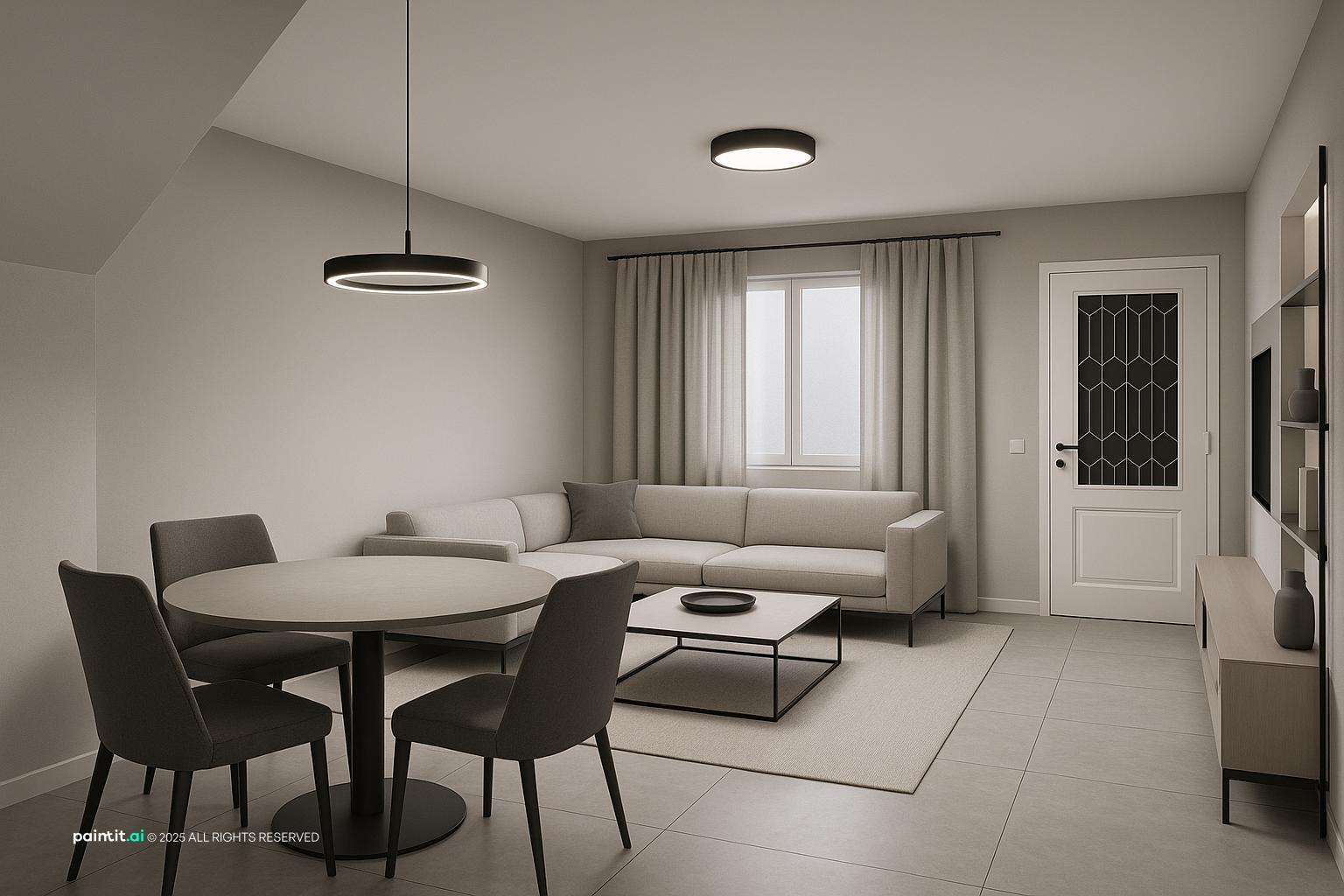
If possible, incorporate subtle archways or dark wood trim around doorways and windows. Wrought iron elements, such as a delicate chandelier or a decorative screen, can introduce an elegant, almost medieval touch. Leaded glass panels, even small ones, can filter light beautifully, creating interesting patterns on the floor. It’s about adding depth through architectural detail.
-
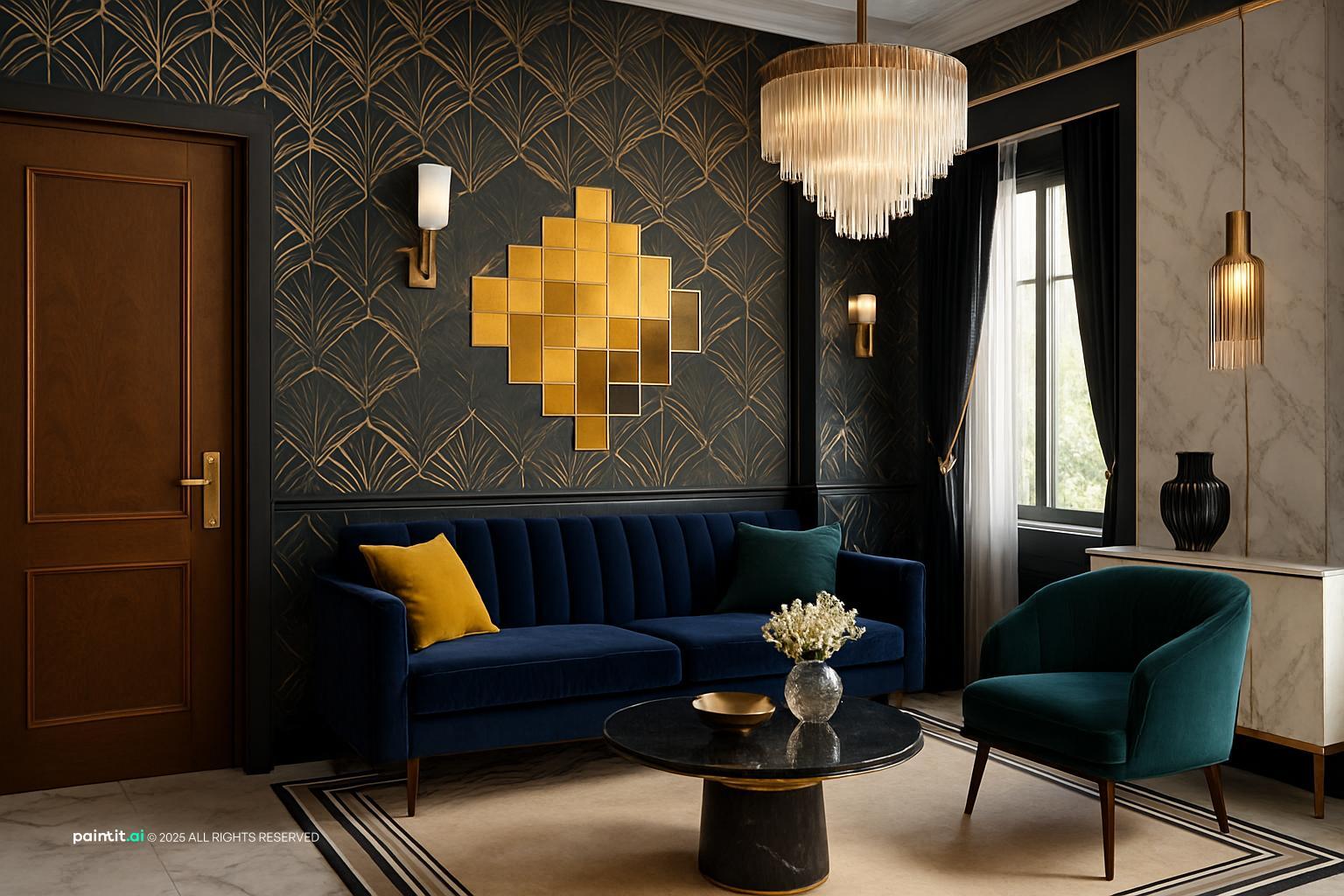
Pro Tip: To achieve this effect, try using dark-stained wood for trim and moldings to define architectural features.
-
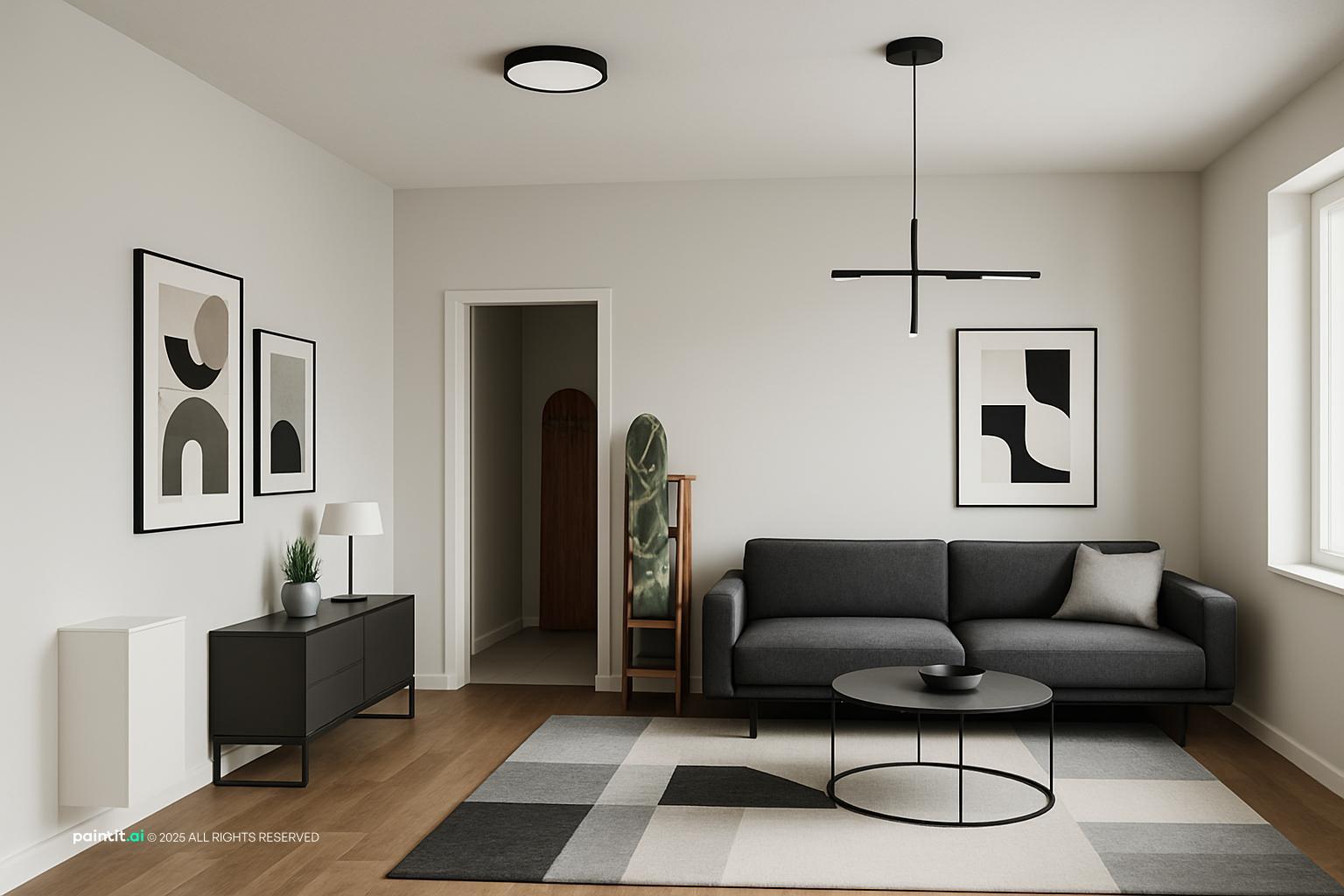
Windows in a dark cottagecore living room aren't just for light; they're an opportunity to add texture and control the mood. It's about filtering, not blocking, the outside world.
-
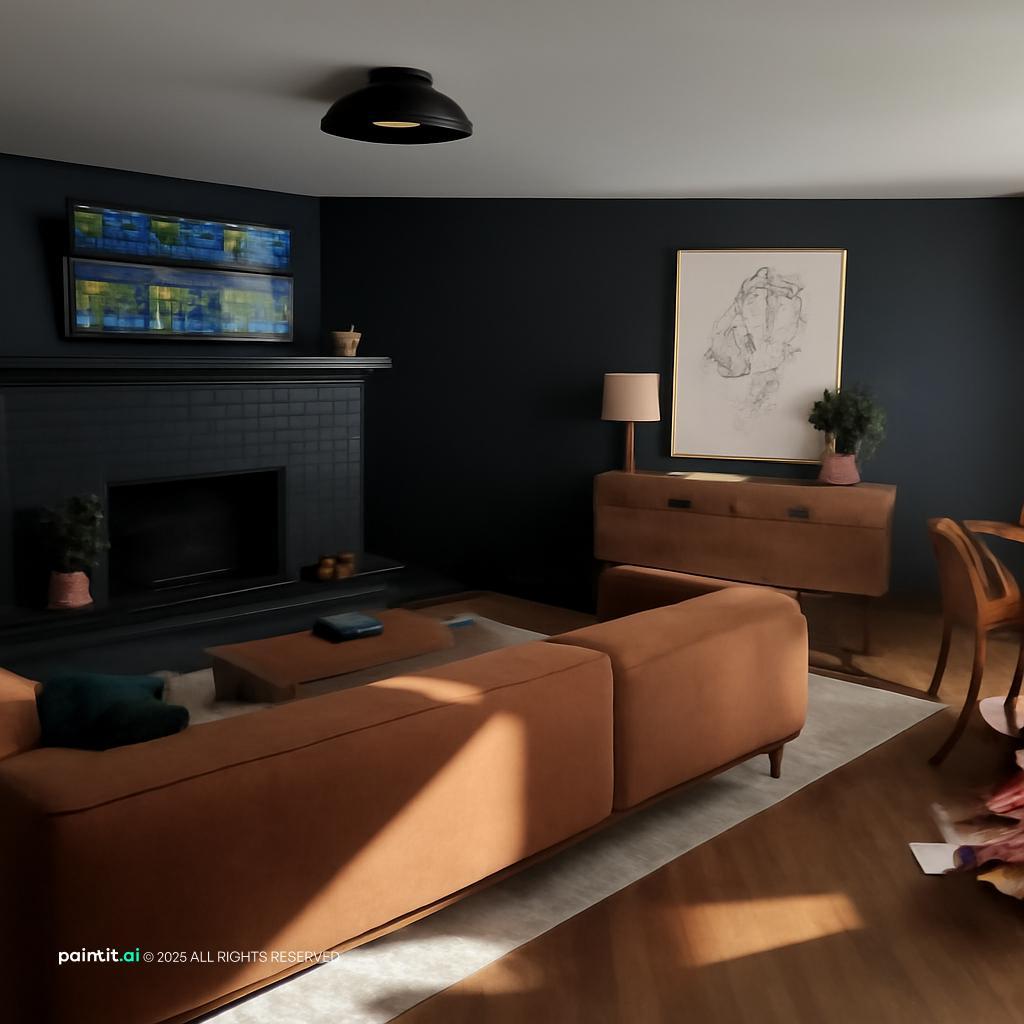
Hang heavy velvet drapes in a deep, rich color—think plum or forest green—that can be drawn for ultimate coziness. Underneath, layer sheer linen curtains to soften the light when the heavier drapes are open. The effect? Impeccable. Use tie-backs made from natural fibers or aged brass to keep them elegant. This dual approach gives you complete control over the room's atmosphere.
-
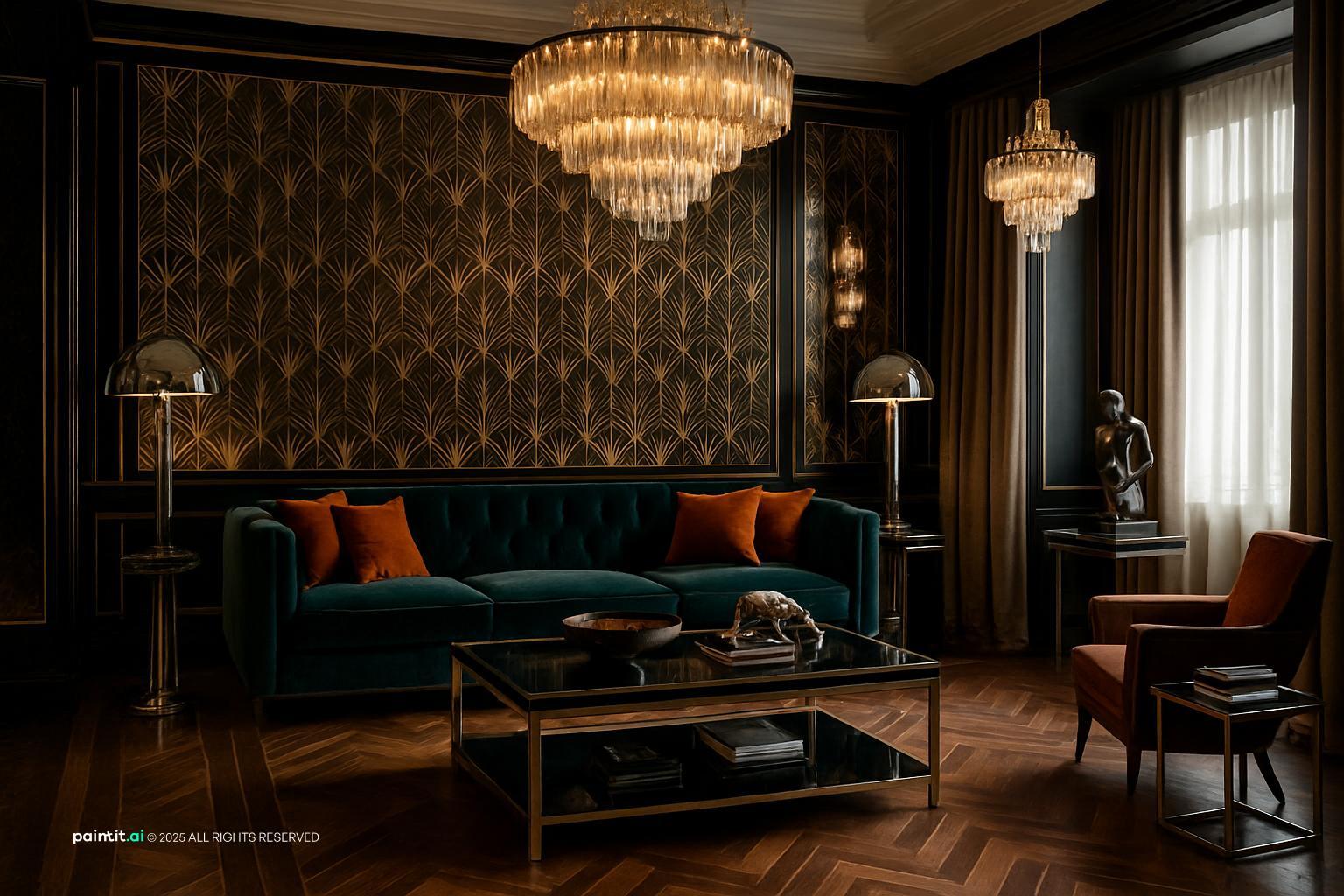
Pro Tip: To achieve this effect, try choosing drapes that puddle slightly on the floor for an extra touch of luxury.
-
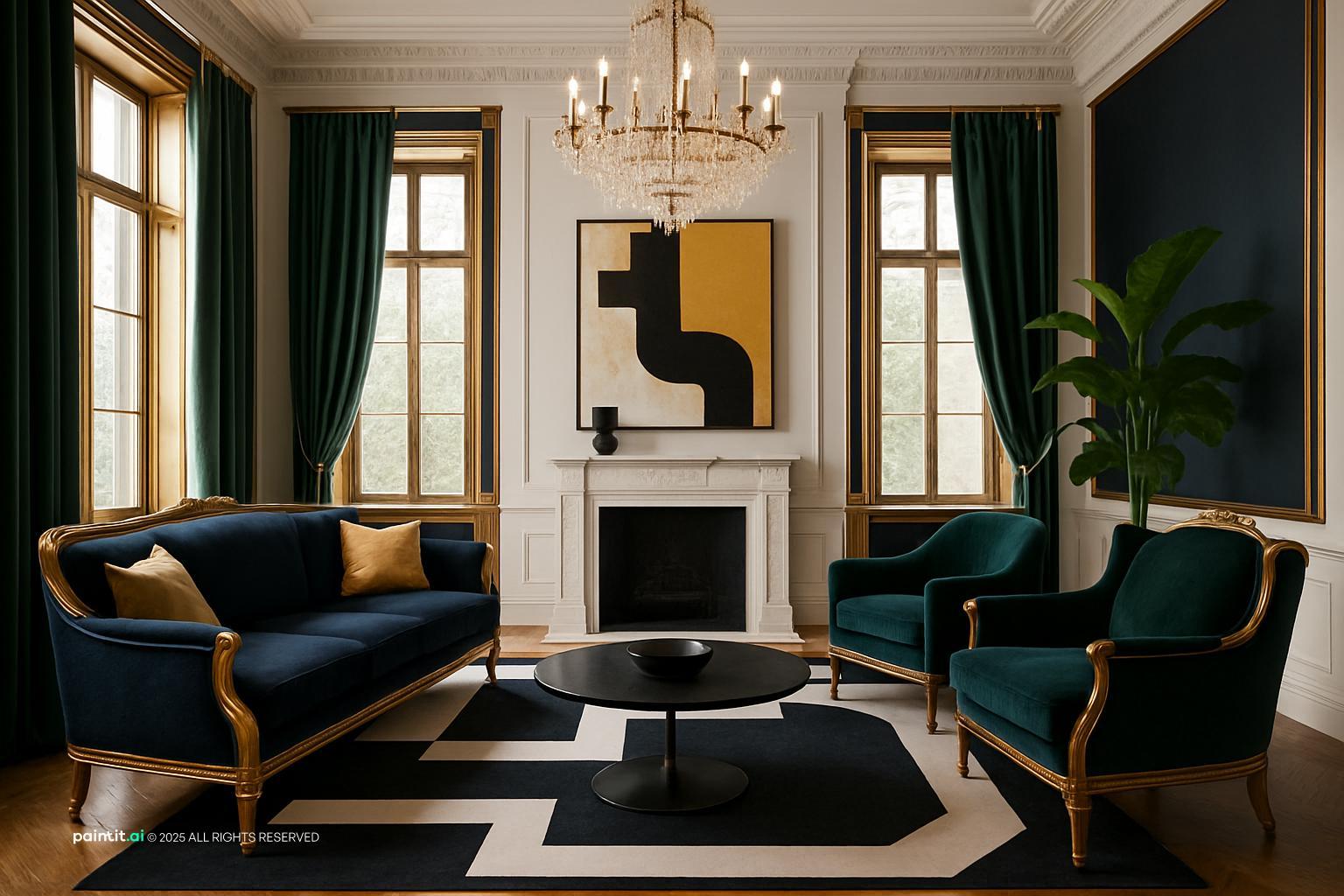
Art in a dark cottagecore living room should be evocative, perhaps a little melancholic, and always personal. It's about creating a visual narrative that complements the room's deep tones.
-
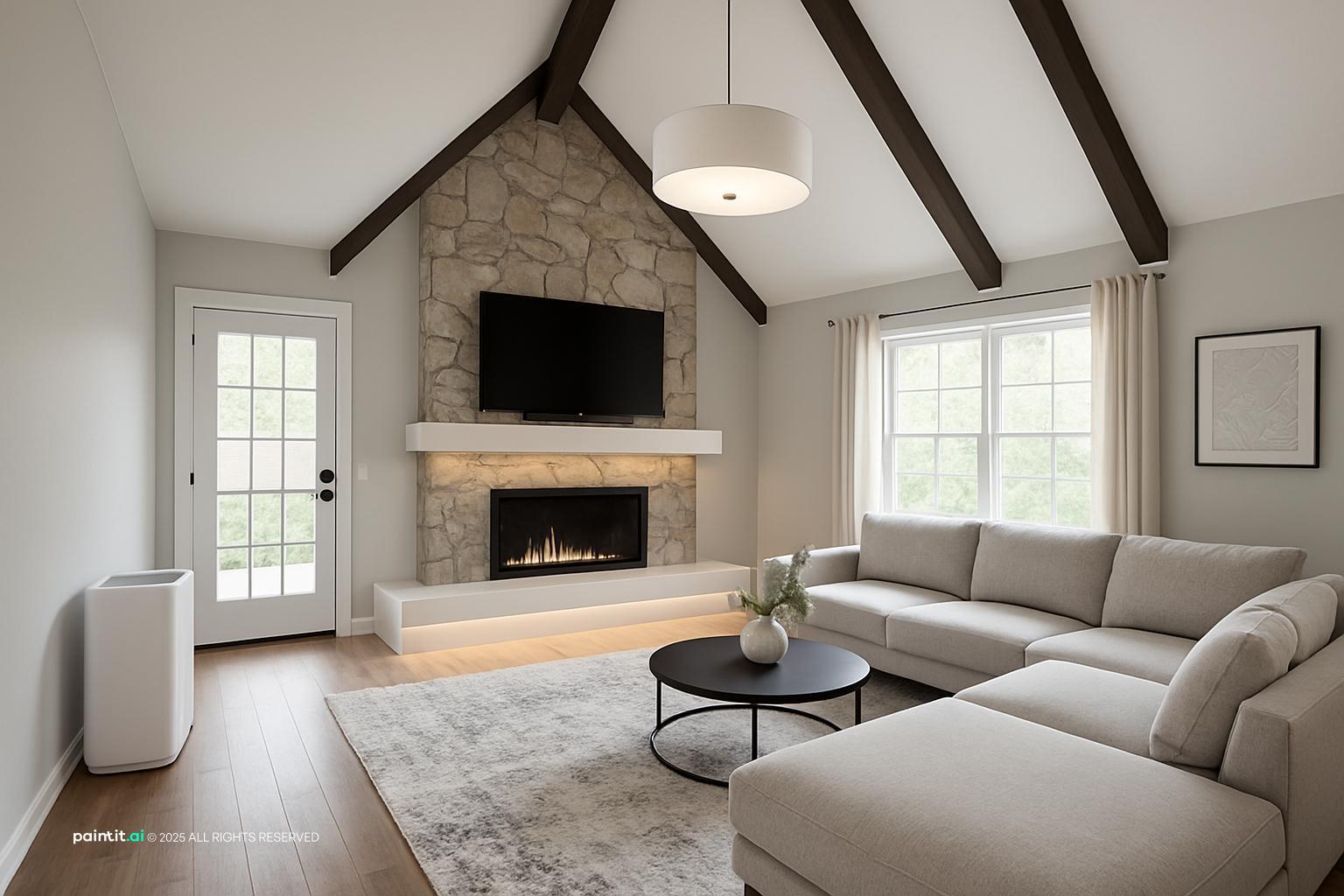
Curate a gallery wall with landscape paintings, still life compositions, or dark portraits in antique, ornate frames. Mix and match frame styles and sizes for an effortlessly composed look. Muted tones and subjects that hint at nature or history work best. Don't be afraid to include a quirky, unexpected piece that sparks joy. The thing is, art should reflect *you*.
-
Pro Tip: To achieve this effect, try incorporating a mix of oil paintings and framed botanical prints for varied texture.
-
The foundation of any dark cottagecore living room lies in its flooring. It needs to feel sturdy, natural, and contribute to the overall grounded aesthetic.
-
Consider dark wood planks, perhaps reclaimed, or even flagstone for a truly rustic feel. Over this, layer a substantial rug. A vintage Persian rug with faded, deep colors or a textured sisal rug can add warmth and define seating areas. Layering rugs, like a smaller sheepskin over a larger jute, adds incredible depth and comfort. It’s about creating a soft landing.
-
Pro Tip: To achieve this effect, try choosing rugs with subtle patterns that don't compete with other elements in the room.
The Art of Cultivating a Dark Cottagecore Sanctuary to Life with Paintit.ai
-
The Art of Cultivating a Dark Cottagecore Sanctuary 1. Color palette: We find the magic in deep, saturated hues. Imagine a base of rich forest green or sophisticated charcoal, grounding the space. Then, layer in secondary tones like deep sapphire or plum, adding a touch of quiet luxury. Finally, subtle accents of aged brass or warm amber—perhaps from flickering candlelight—bring a vital warmth, preventing the room from feeling too enclosed. It’s about creating depth, not just darkness. 2. Key materials & textures: Tactile richness is non-negotiable here. We lean into sumptuous velvet for upholstery, inviting you to sink in, while distressed leather offers a sense of history and enduring comfort. Reclaimed wood, with its inherent imperfections, grounds the space, often appearing in sturdy furniture or mantelpieces. And don't forget the subtle gleam of aged brass, a crucial element that catches the light and adds a touch of old-world charm. It’s a sensory experience. 3. Furniture essentials: A substantial Chesterfield sofa, perhaps in a deep emerald velvet, immediately sets the tone, offering both comfort and classic elegance. Pair this with an antique mahogany coffee table, its well-worn patina telling a story. A distressed leather armchair, placed by the fireplace, invites quiet contemplation. The truth is, choosing pieces with a sense of history and robust proportions makes all the difference; they feel lived-in, not merely placed. 4. Lighting setup: Lighting in a dark cottagecore living room isn't about brightness; it's about crafting an atmosphere. We layer ambient light from antique-style lamps with fabric shades, casting a soft, overall glow. Task lighting, perhaps a reading lamp by an armchair, focuses illumination where needed. Then, accent lighting—think candelabras with beeswax candles or subtle wall sconces—creates those essential pools of warm, inviting light, leaving other areas in soft, intriguing shadow. Dimmers are your secret weapon. 5. Decorative accents & the 3-5-7 rule: This style thrives on a curated, collected feel. We often apply the 3-5-7 rule to create visual harmony without feeling cluttered. Imagine three leather-bound books stacked on a side table, perhaps with five antique ceramic pieces arranged on a dark wood shelf, and then seven varied botanical prints adorning a gallery wall. This approach prevents a flat look, adding depth and personality. Incorporating dried botanicals in earthenware vases or a quirky, unexpected curio also adds to that lived-in, storytelling vibe. It’s about personal narrative, not just decoration.
Paintit.ai: Visualizing Your Dream Dark Cottagecore Living Room, Instantly Design Ideas
The truth is, crafting an inviting dark cottagecore living room without it feeling heavy can be tricky. We've seen clients struggle to balance deep tones with the right textures. Paintit.ai lets you instantly visualize endless dark cottagecore living room ideas, from rich wall colors to layered fabrics, ensuring that perfect, cozy atmosphere. See the magic unfold.
FAQ
-
A dark cottagecore living room takes the familiar, cozy charm of traditional cottagecore and dips it into a richer, moodier palette. Think deep forest greens, inky blues, charcoal grays, and earthy browns instead of pastels. It’s about embracing the rustic, the vintage, and the natural world, but with a sense of depth and perhaps a touch of romantic melancholy. We see it as a space that feels lived-in, storied, and incredibly inviting, like a hidden nook in an old, enchanted forest.
-
The trick to a successful dark cottagecore living room is layering. It’s not about painting every wall black. We often suggest starting with a deep, saturated color on one or two walls—a Farrow & Ball "Hague Blue" or a rich "Studio Green" works wonders. Then, introduce lighter, natural textures: a creamy linen sofa, a sheepskin rug, or light-colored, aged wooden furniture. Strategic lighting is paramount; think dimmable lamps with warm bulbs, candles, and perhaps a vintage chandelier. Natural light, even if it’s filtered through sheer, dark-patterned curtains, is essential. It’s about creating pockets of light and shadow, not a uniform dimness. I’ve seen this work best when there’s a balance, a push and pull between light and dark.
-
For a dark cottagecore living room, we lean into pieces with history and character. Imagine a sturdy, reclaimed oak coffee table, a plush velvet sofa in a jewel tone like emerald or sapphire, or a worn leather armchair that looks like it’s seen a hundred good books. Botanical prints with darker backgrounds, antique brass accents, and ceramic lamps with textured shades are perfect. We love finding unique, hand-carved wooden pieces or a vintage armoire that can serve as a display cabinet for curiosities. It’s about curating a collection, not just filling a space. The truth is, every item should tell a story.
-
Absolutely. One common pitfall is neglecting texture. Without varied textures—think rough-hewn wood, soft wool throws, smooth ceramics, and crinkled linen—a dark space can fall flat, feeling more like a cave than a cozy retreat. Another mistake is forgetting about the ceiling; a light ceiling can lift the entire room. And please, don't underestimate the power of natural elements. A dark cottagecore living room needs life. We’ve also seen people go too heavy on the "cottage" and lose the "dark" or vice versa, ending up with something that feels disjointed. It sounds simple, but most people forget the balance.
-
Bringing the outside in is fundamental to any dark cottagecore living room. We adore lush, dark-leafed plants like ferns, ivy, or even a dramatic fiddle-leaf fig in a terracotta pot. Dried floral arrangements, especially those with deeper hues or preserved botanicals, add a timeless touch. Think about materials: a chunky knit wool blanket, a stone fireplace, or a collection of smooth river stones on a shelf. Even a simple vase of wildflowers from the garden, placed against a dark wall, creates a striking contrast. It’s about preservation over imposition, letting nature feel like an organic part of the home.