
Designing a Built In Living - Room That Feels Just Right
A built in living room offers a unique opportunity to create a space that feels both organized and deeply personal, where everything has its place. How do you ensure these integrated elements truly complement your home's existing style and serve your daily needs?
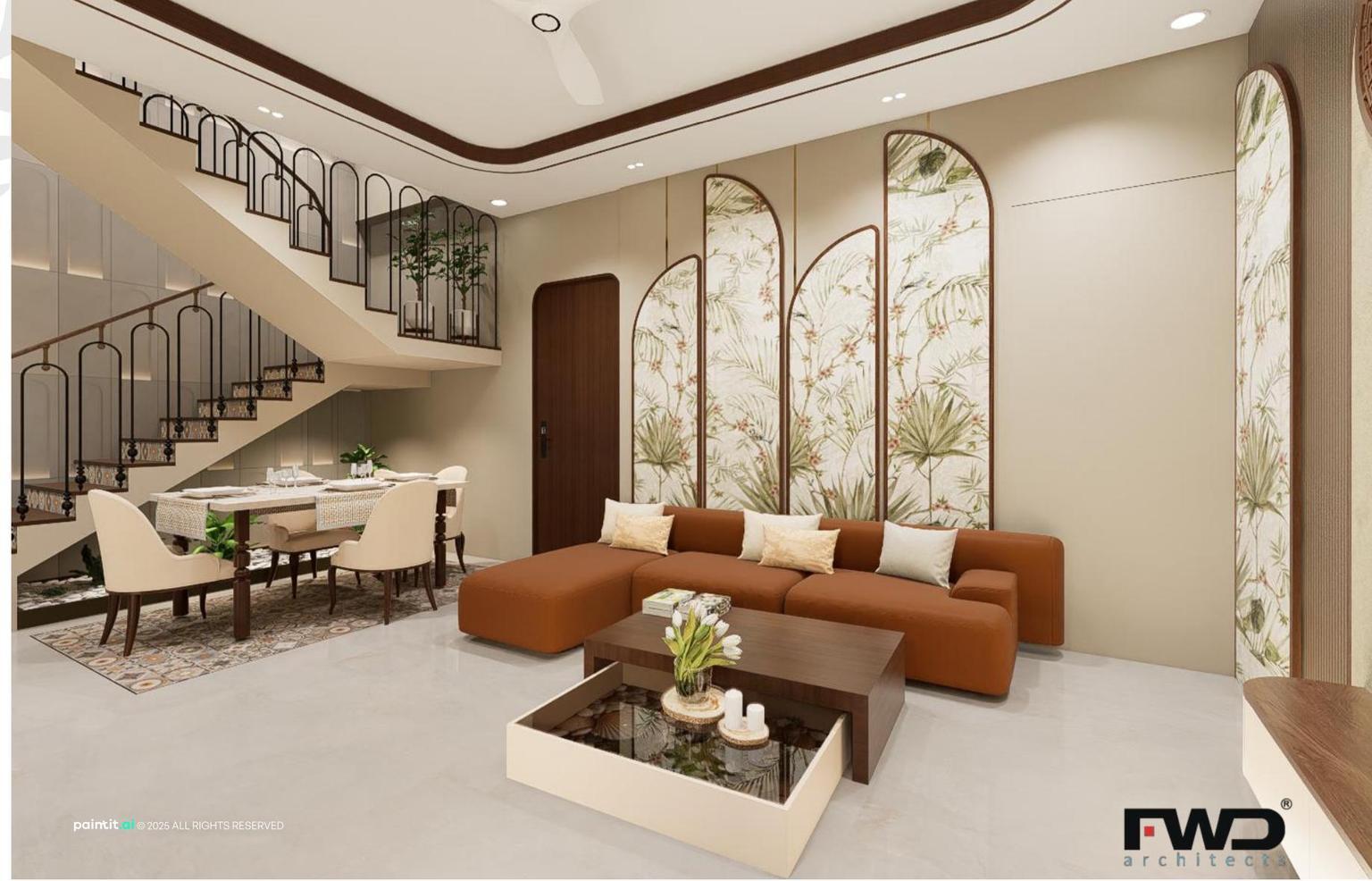
Essential Tips for The Magic of a Truly Seamless Built In Living Room
Stunning Examples of 12 Creative Ways to Design a Built In Living Room That Feels Like Home
-
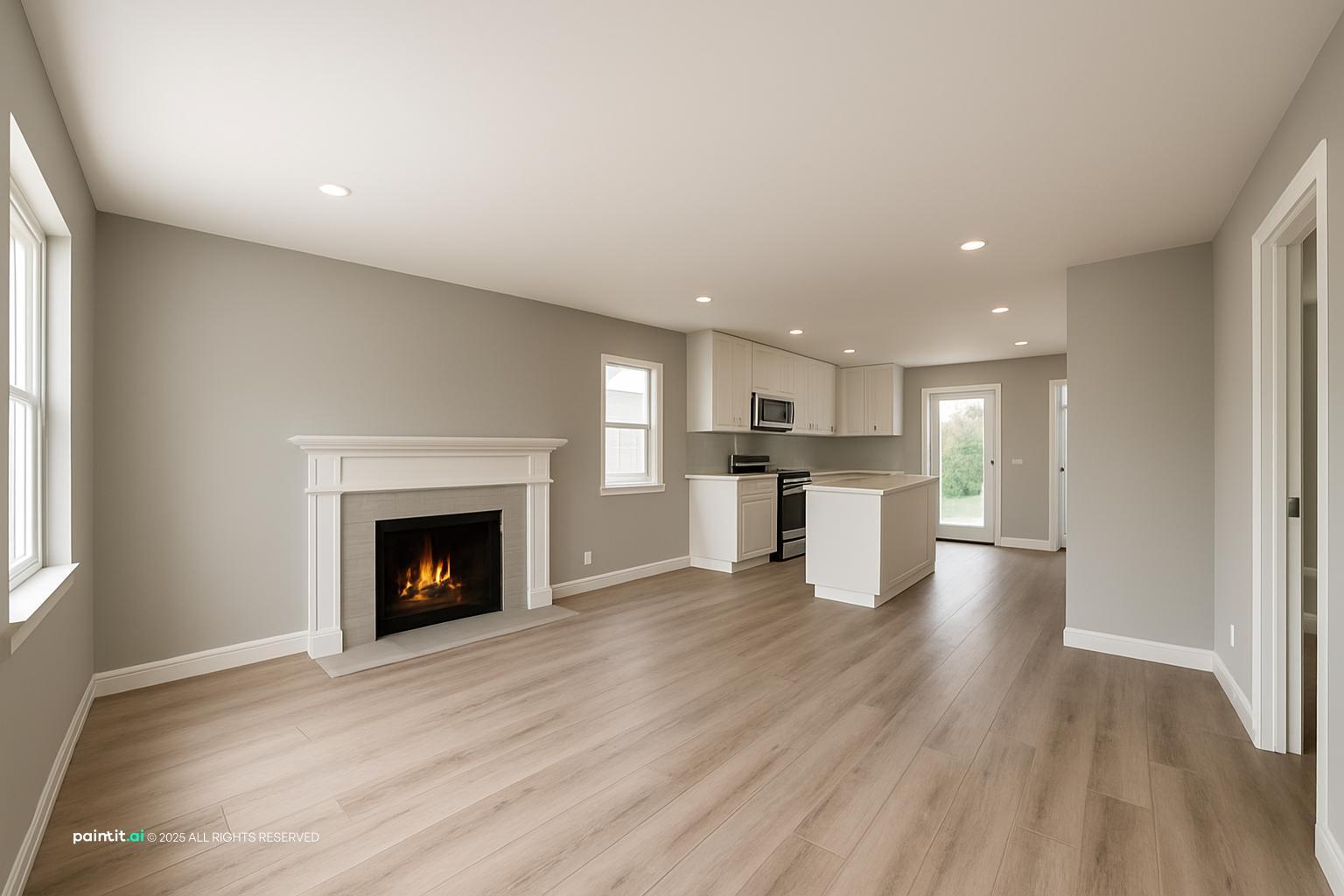
There’s something deeply satisfying about a living room where everything simply works, where storage isn't an afterthought but an integral part of the architecture. We've curated a collection of living room built in ideas that balance stunning aesthetics with genuine functionality. These aren't just about tidiness; they're about crafting spaces that truly resonate, making your built in living room feel effortlessly composed.
-
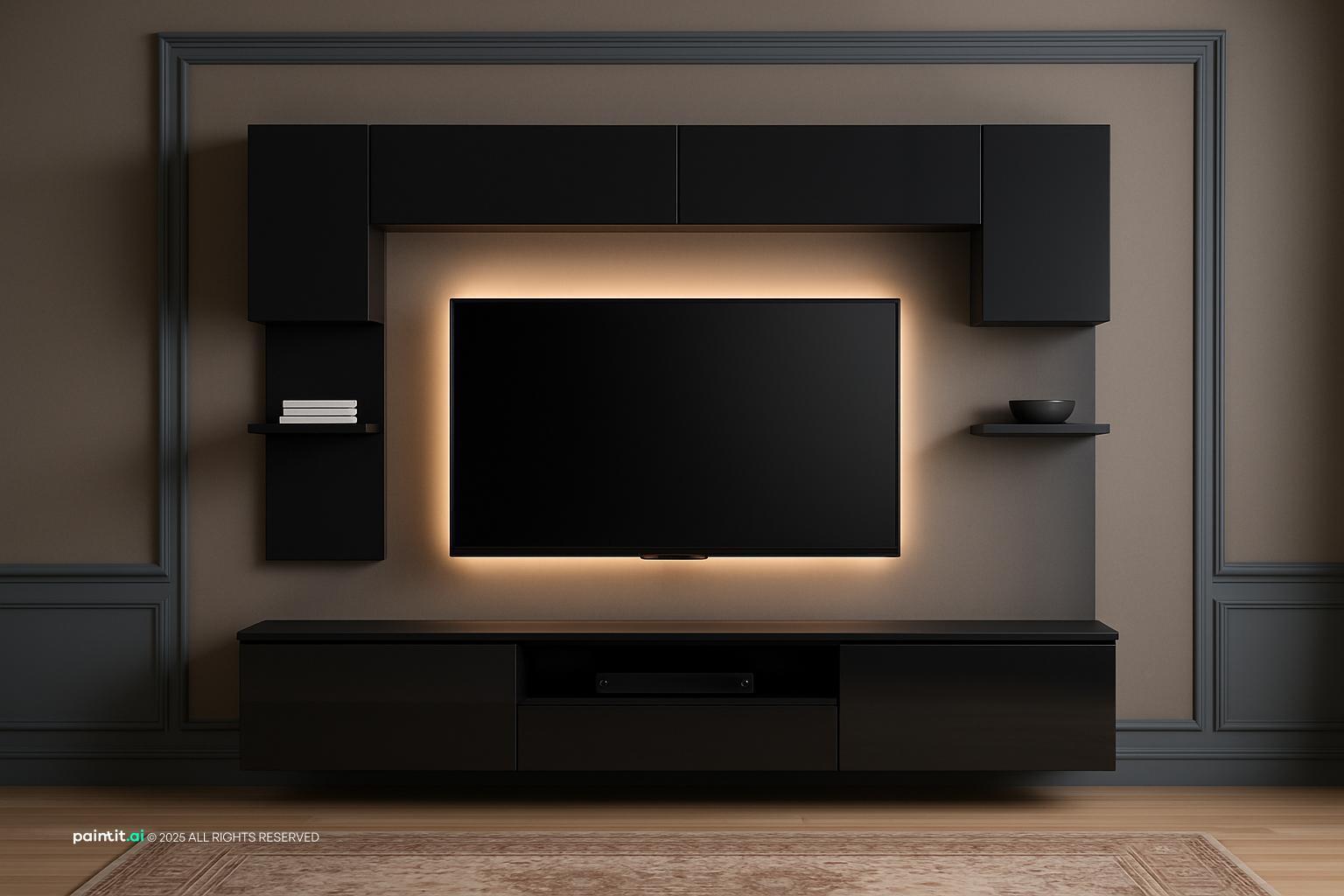
Imagine a floor-to-ceiling expanse of books, art, and cherished objects. This isn't just storage; it's a statement, a reflection of your intellectual curiosity and personal style. The truth is, a well-executed library built in living room creates an immediate sense of warmth and gravitas, anchoring the entire space. It just feels right.
-
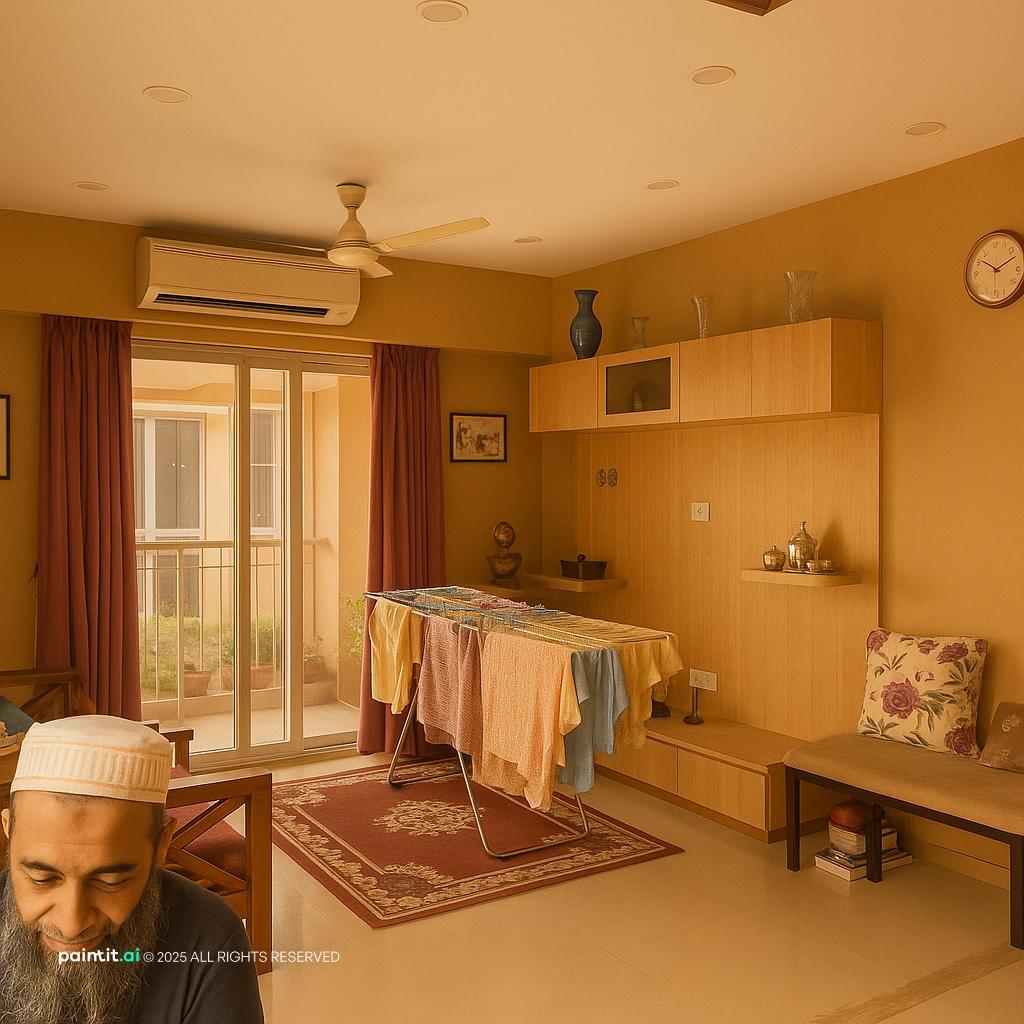
For implementation, consider rich, dark stained oak or a deep, moody painted finish like Farrow & Ball's "Hague Blue." Integrate a rolling library ladder with brushed brass hardware. Think about varying shelf depths to accommodate different book sizes and display pieces. A few closed cabinets at the bottom keep less attractive items out of sight.
-
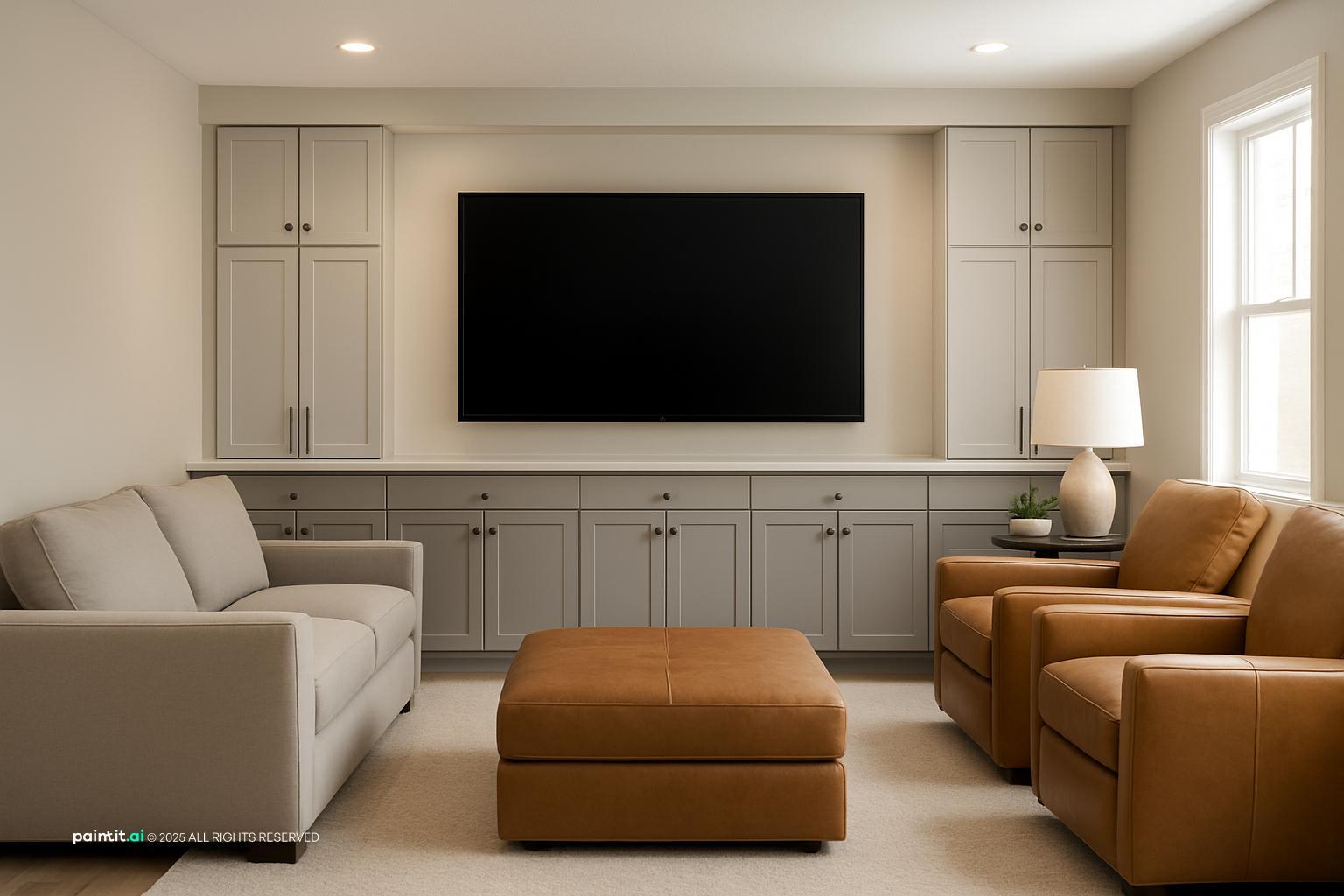
Pro Tip: To achieve this effect, try adding integrated picture lights above key display sections.
-
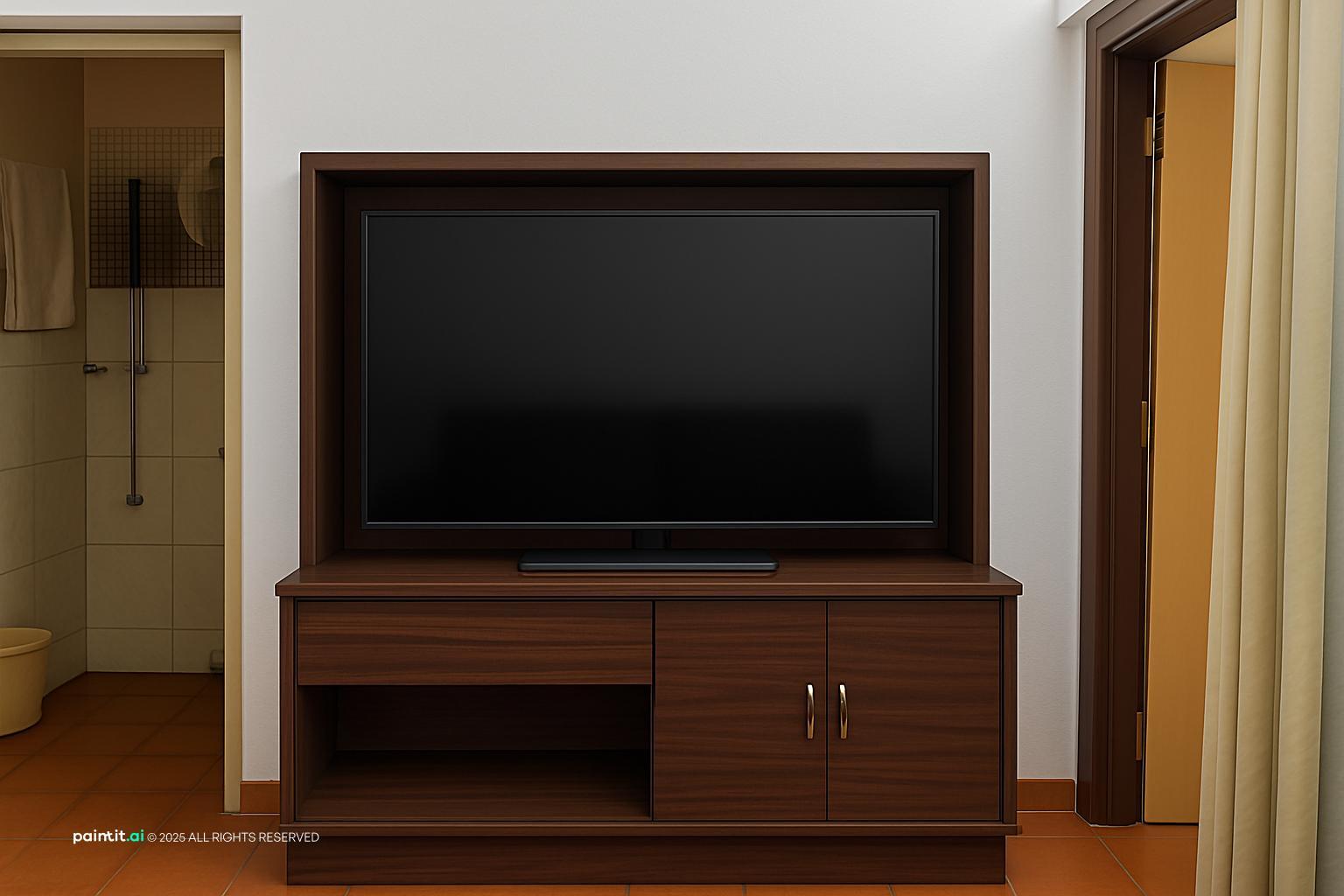
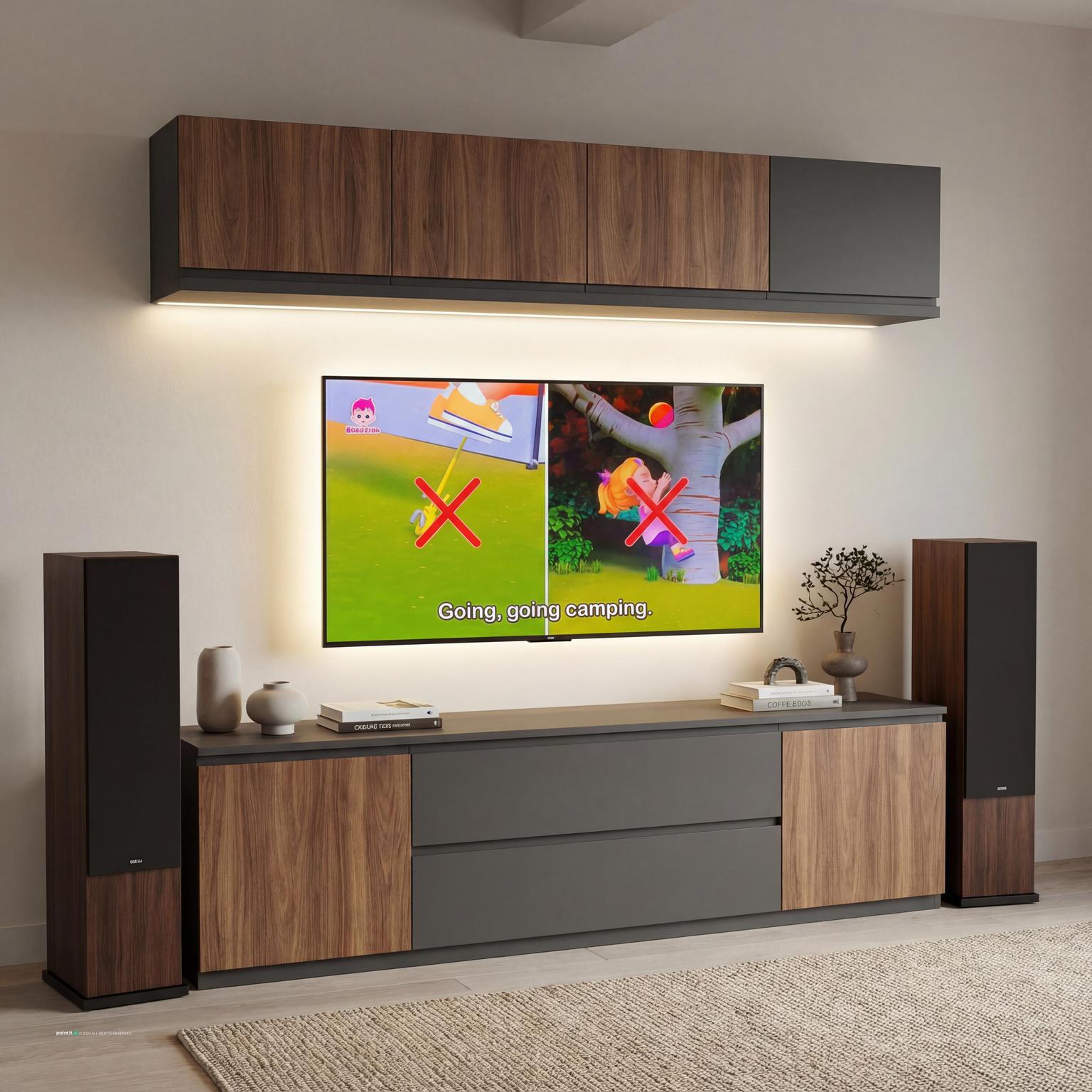
The modern living room often grapples with technology. A seamless media built in living room unit hides all the wires and devices, leaving a clean, uncluttered surface. It’s about creating visual calm, letting your art or furniture take center stage instead of a tangle of cables. This is where thoughtful design truly shines.
-
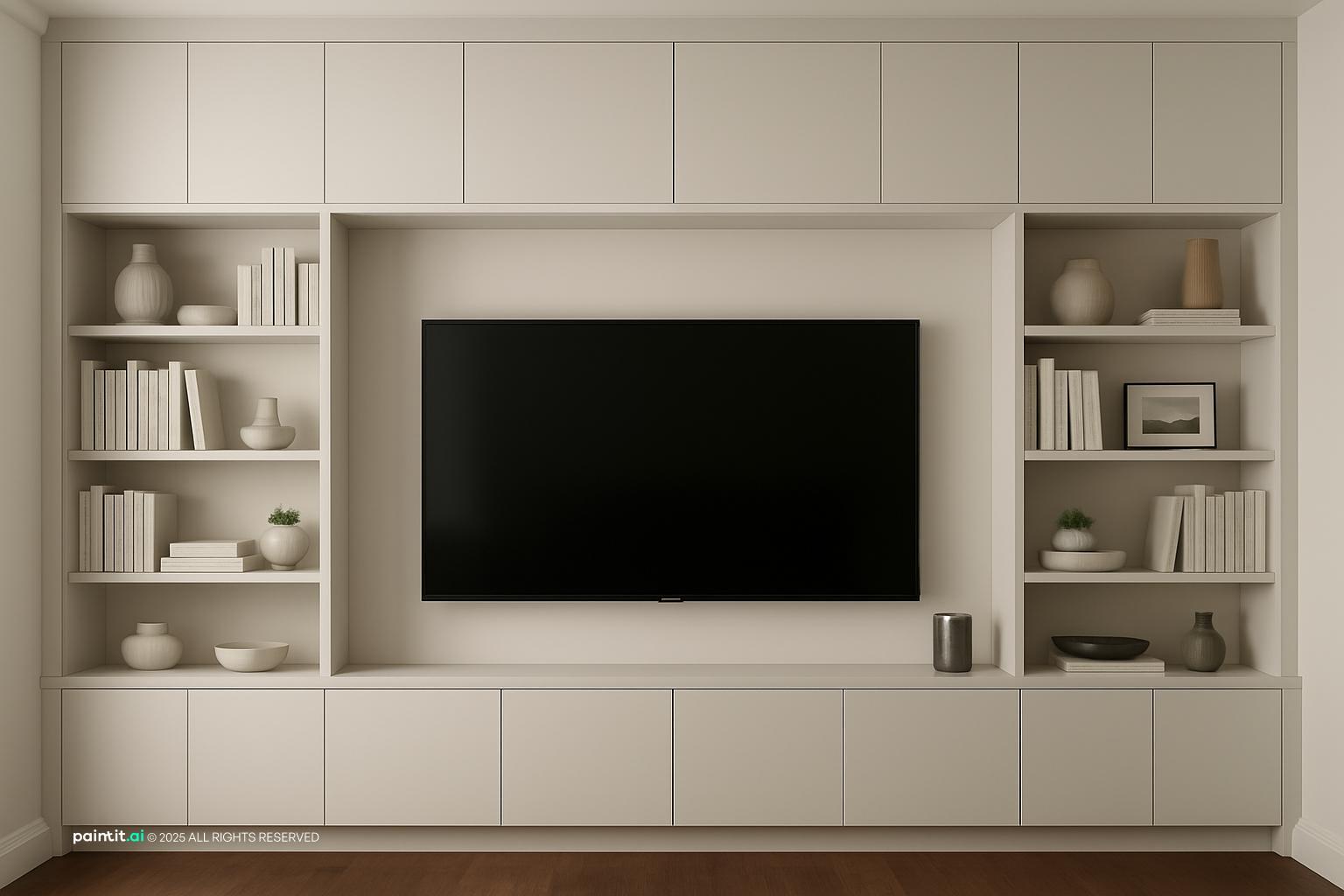
Opt for a low-slung unit in a matte lacquer finish or a natural walnut veneer. Push-to-open hardware keeps the facade sleek, no handles needed. Consider fluted panels for a subtle texture, concealing speakers or soundbars. A recessed area for the television itself makes it disappear when not in use.
-
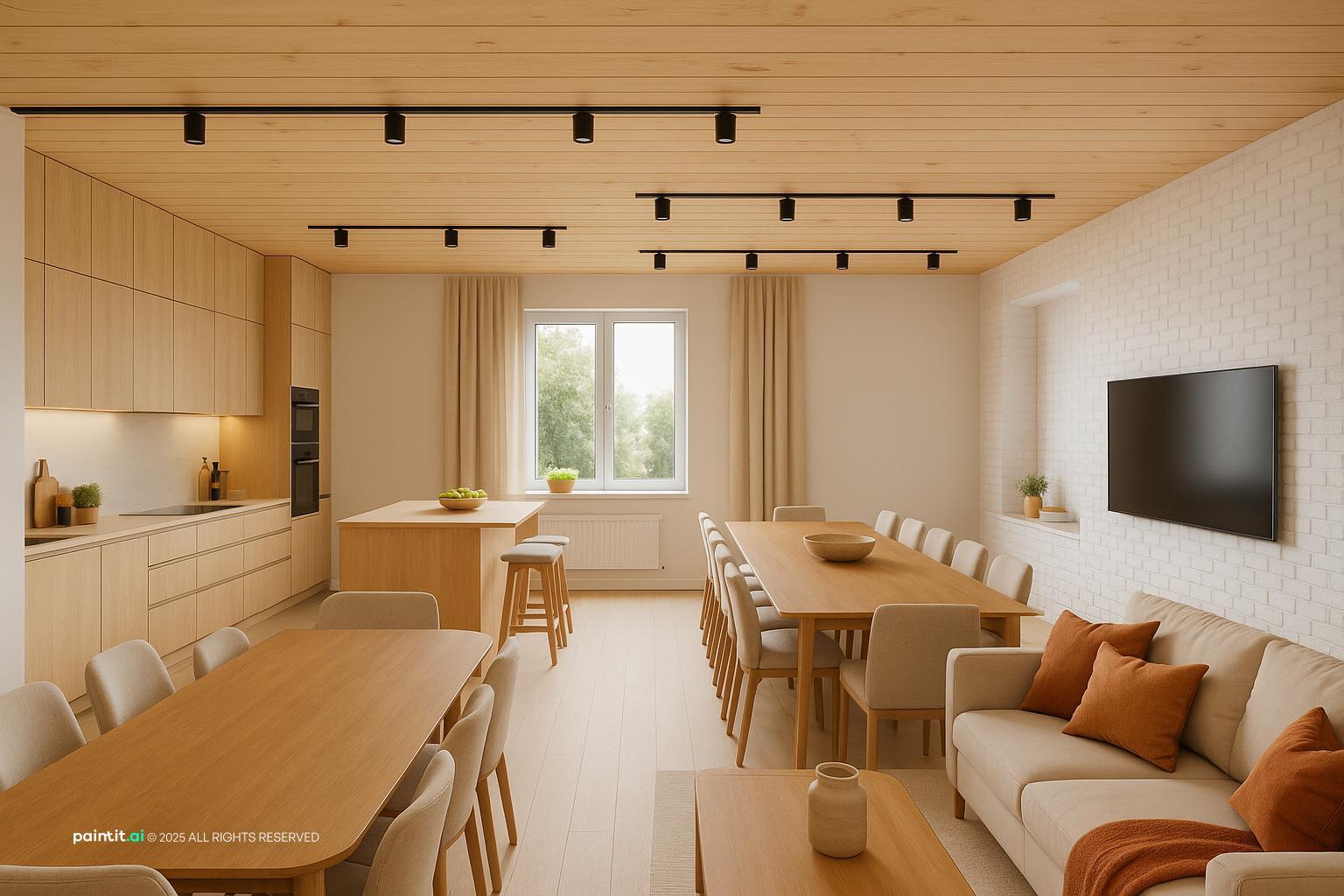
Pro Tip: To achieve this effect, try incorporating a ventilated back panel for electronics to prevent overheating.
-
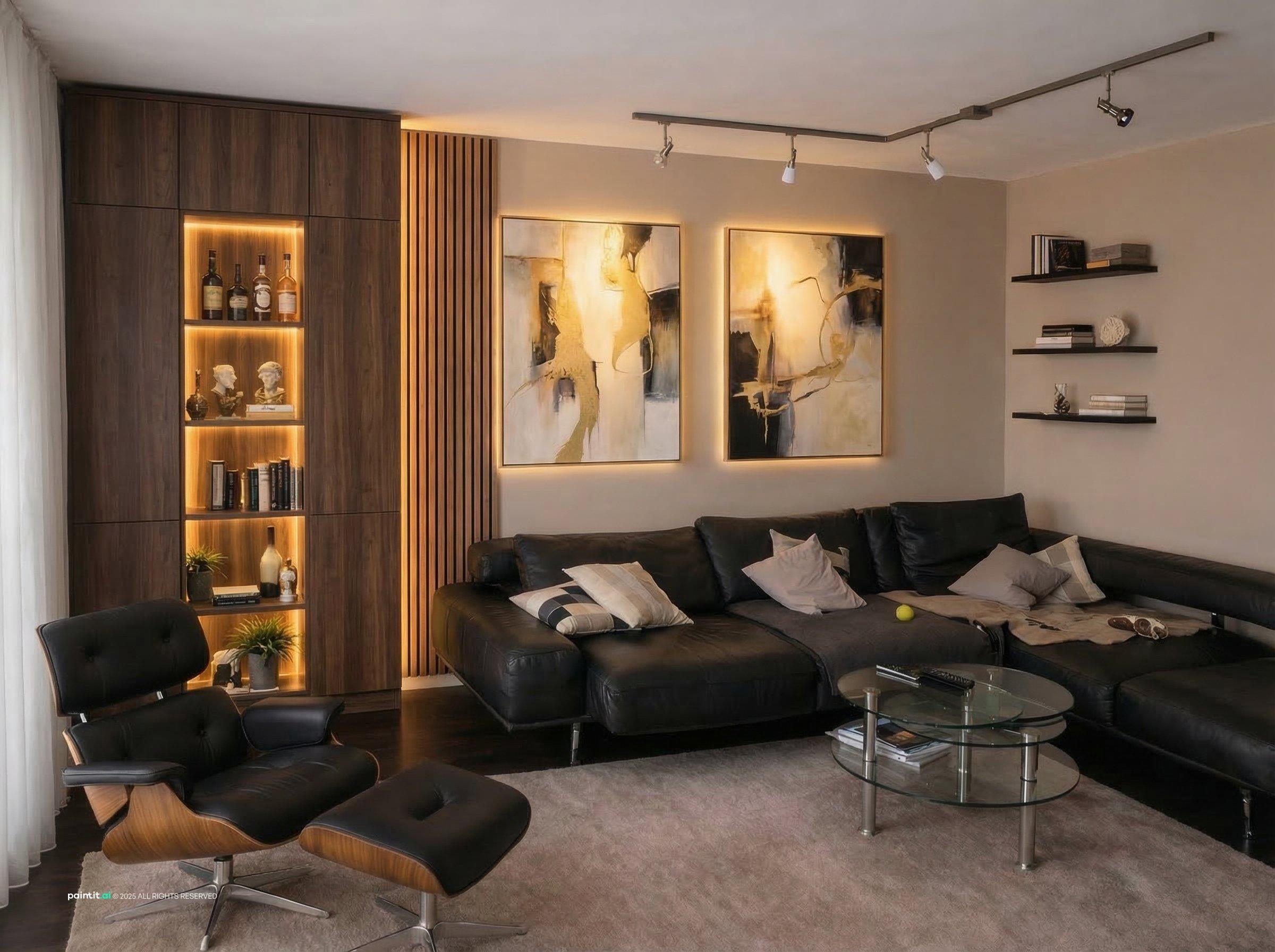
A window seat built into your living room transforms an often-overlooked area into a cherished nook. It’s an invitation to pause, to read, to simply watch the world go by. We’ve seen this work best in spaces where natural light is abundant, creating a bright, airy feel. It’s a small luxury, really.
-
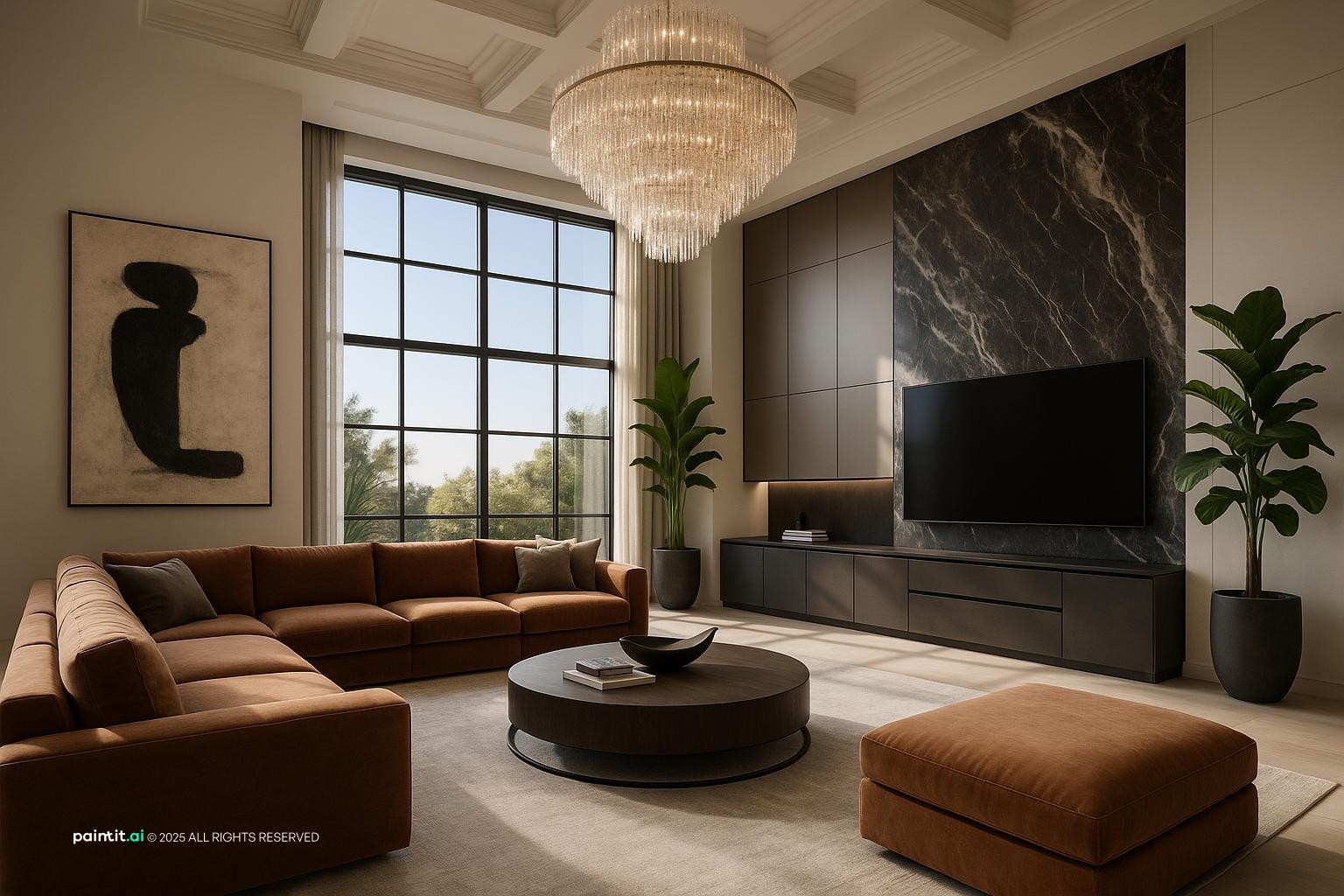
Build a sturdy bench with integrated drawers or lift-top storage underneath. Upholster it with durable, textured fabrics like a heavy linen or a performance velvet in a calming hue. Add a few plush throw pillows and perhaps a small, cantilevered side table for a cup of tea. The joinery should feel robust, like it’s always been there.
-
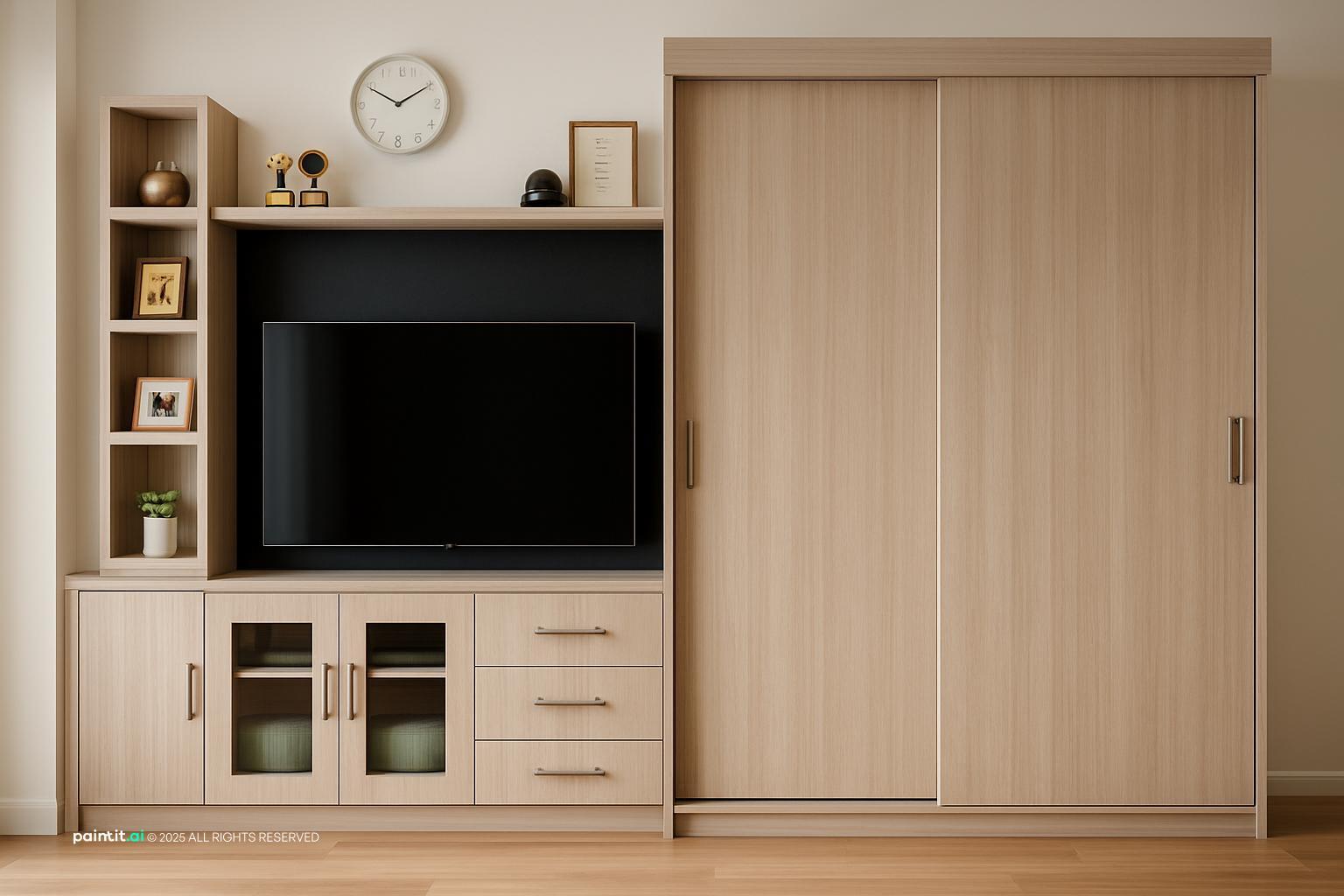
Pro Tip: To achieve this effect, try extending the built-in cabinetry on either side to create small bookshelves or display ledges.
-
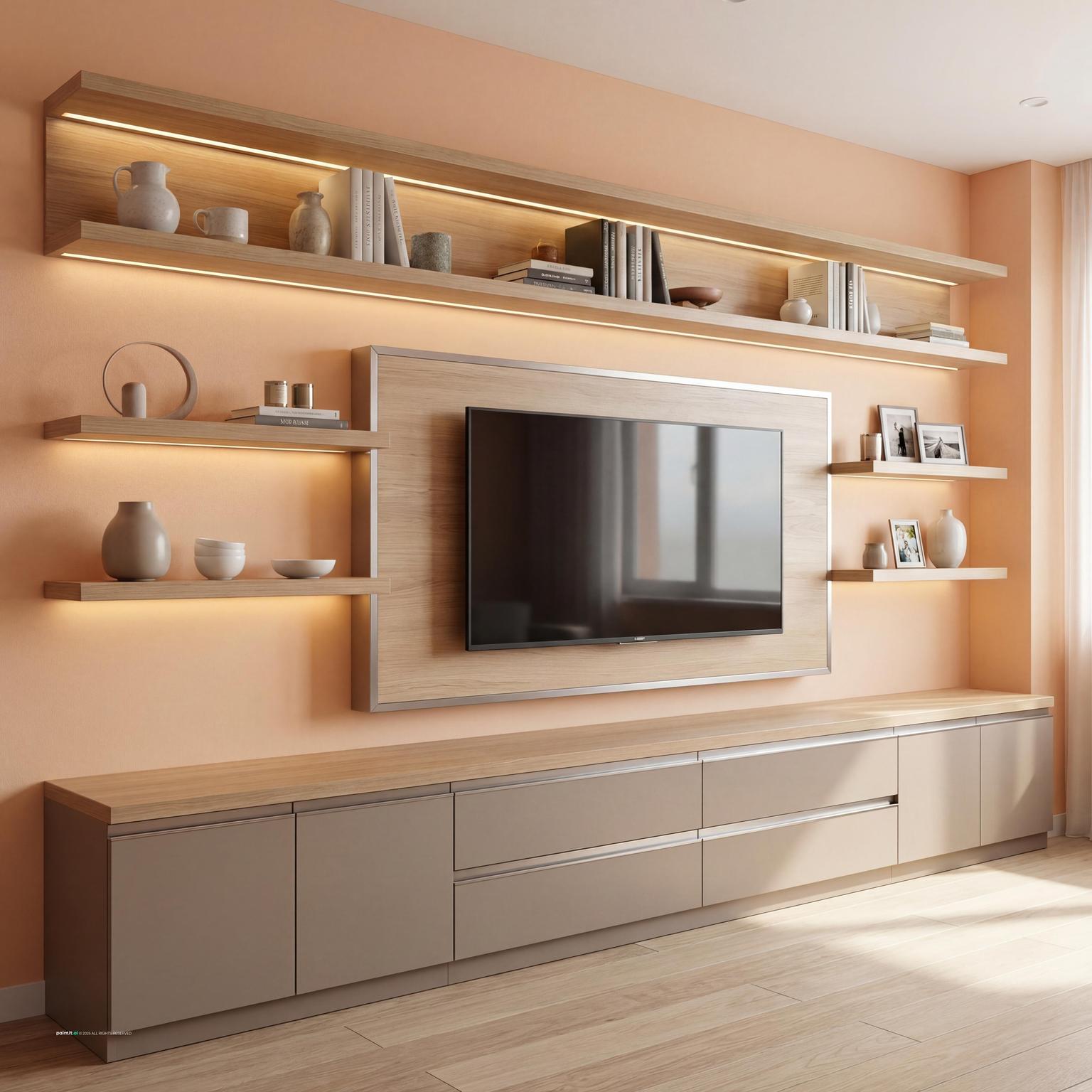
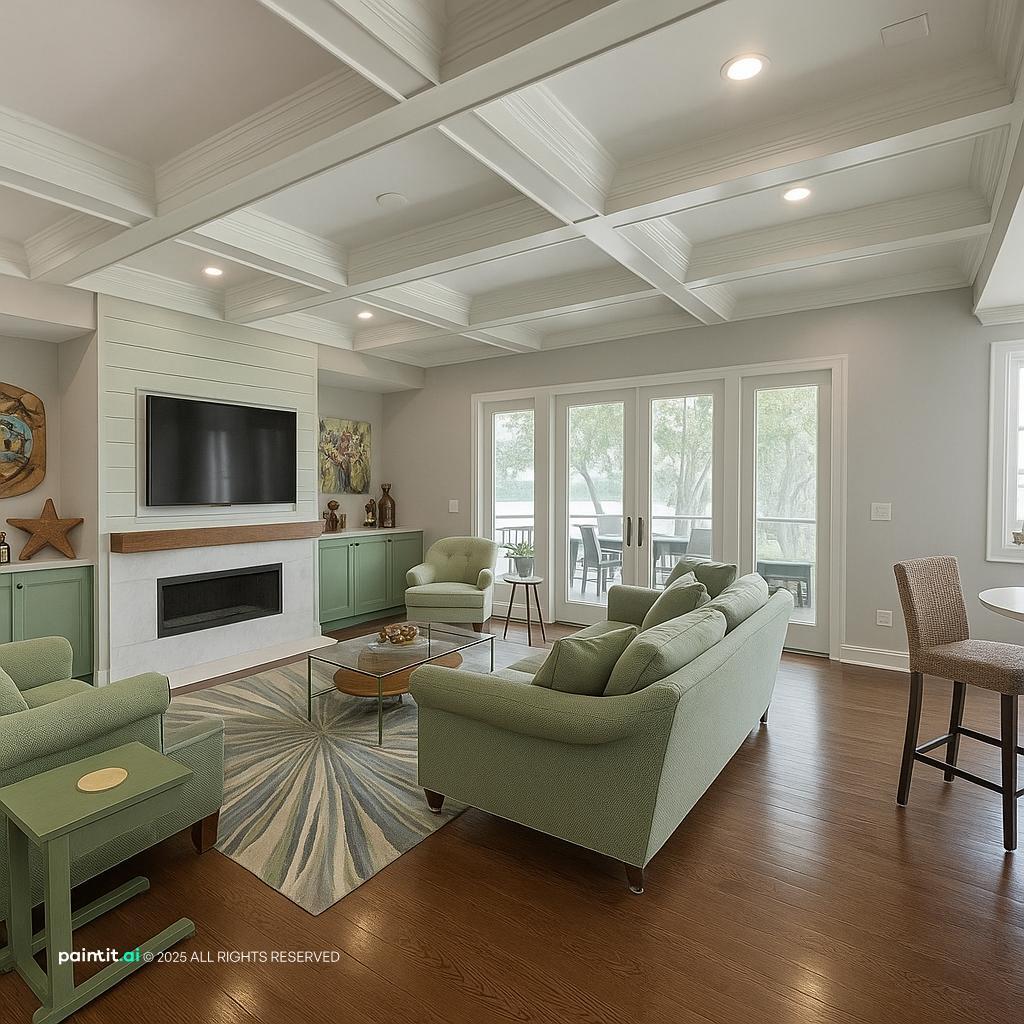
Flanking a fireplace with built ins in living room spaces creates a sense of balance and architectural grandeur. It frames the hearth, making it an even stronger focal point. This design trick has been around for ages, and for good reason—it just works, every single time.
-
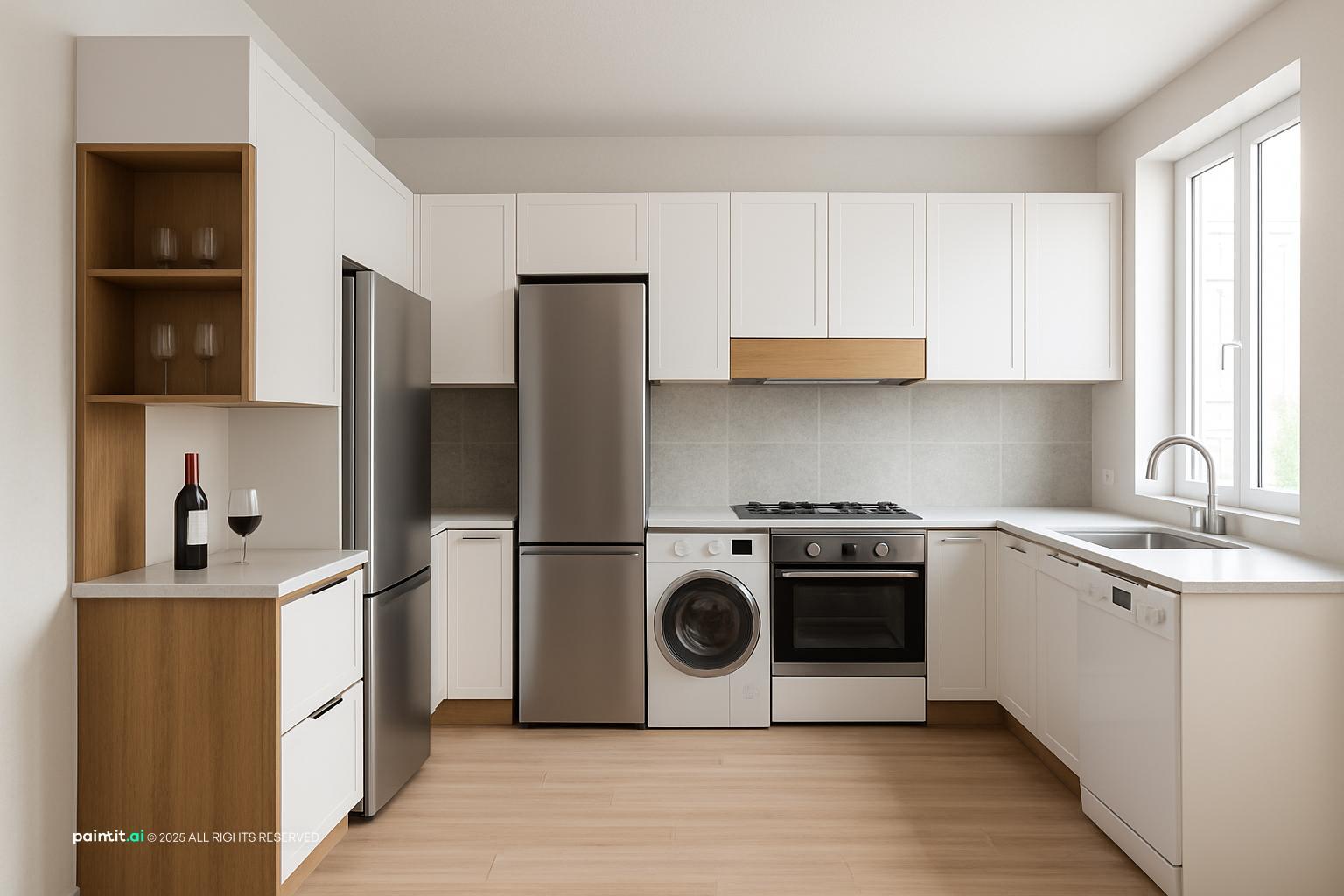
Design matching units with a mix of open shelving for books and closed cabinets below for less attractive items. Paint them the same color as your trim for a cohesive look, or a contrasting shade for drama. A honed marble countertop on the lower cabinets adds a touch of understated luxury. Keep the lines clean and classic.
-
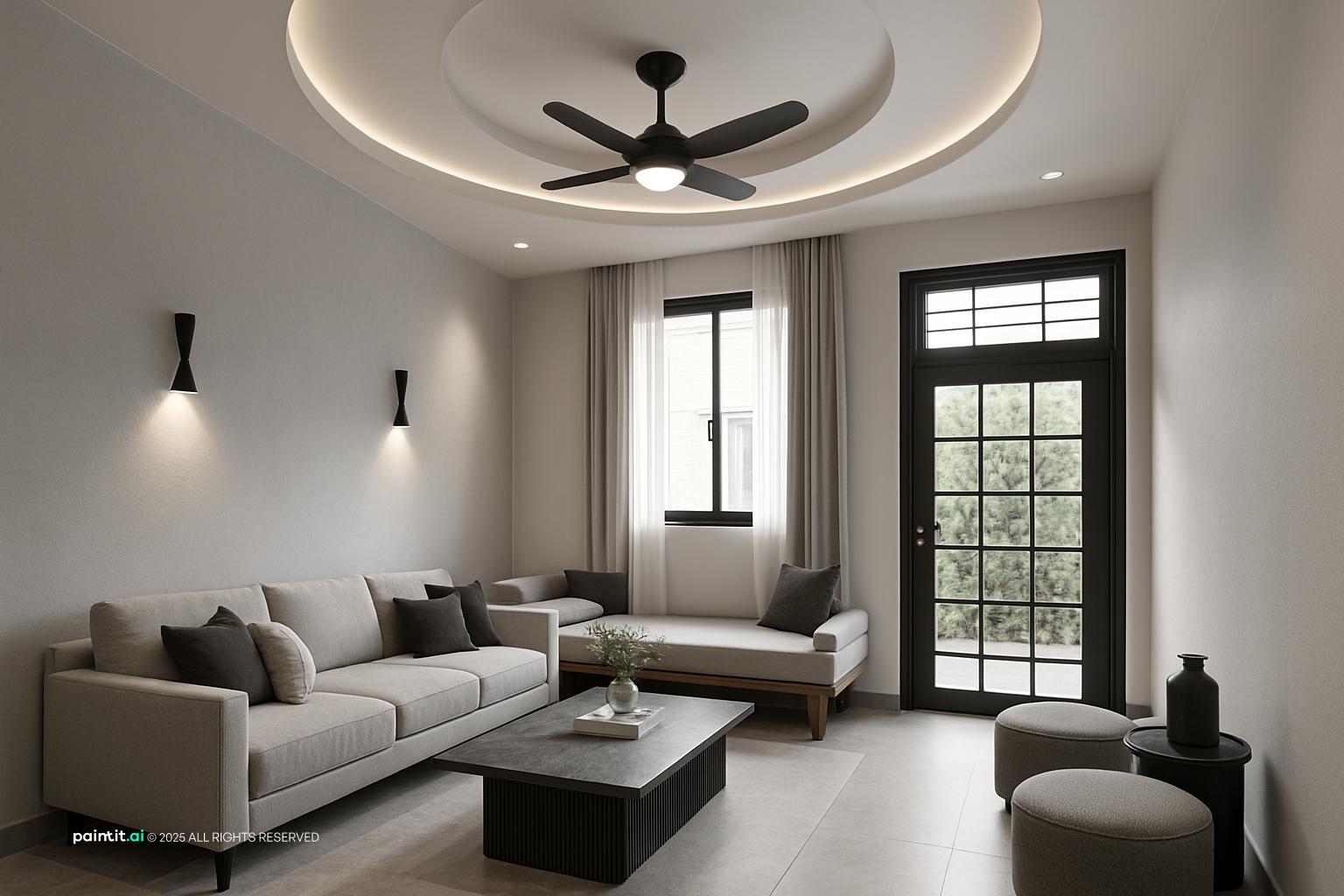
Pro Tip: To achieve this effect, try installing puck lights or LED strips within the open shelves for ambient glow.
-
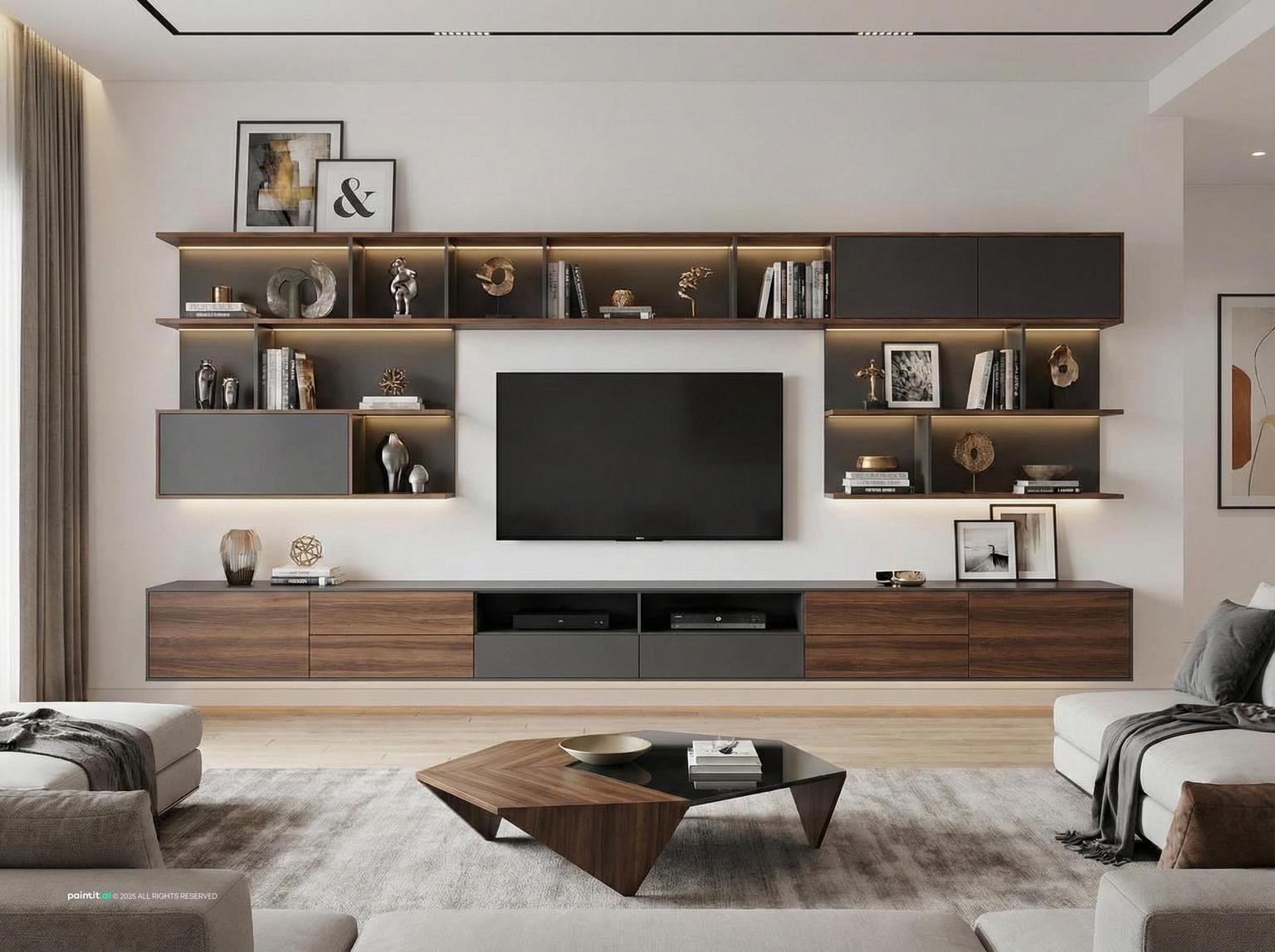
With more of us working from home, integrating a functional yet unobtrusive office space into the living room built ins ideas is a game-changer. It’s about having a dedicated spot without sacrificing the room's primary purpose. The trick is making it disappear when the workday is done.
-
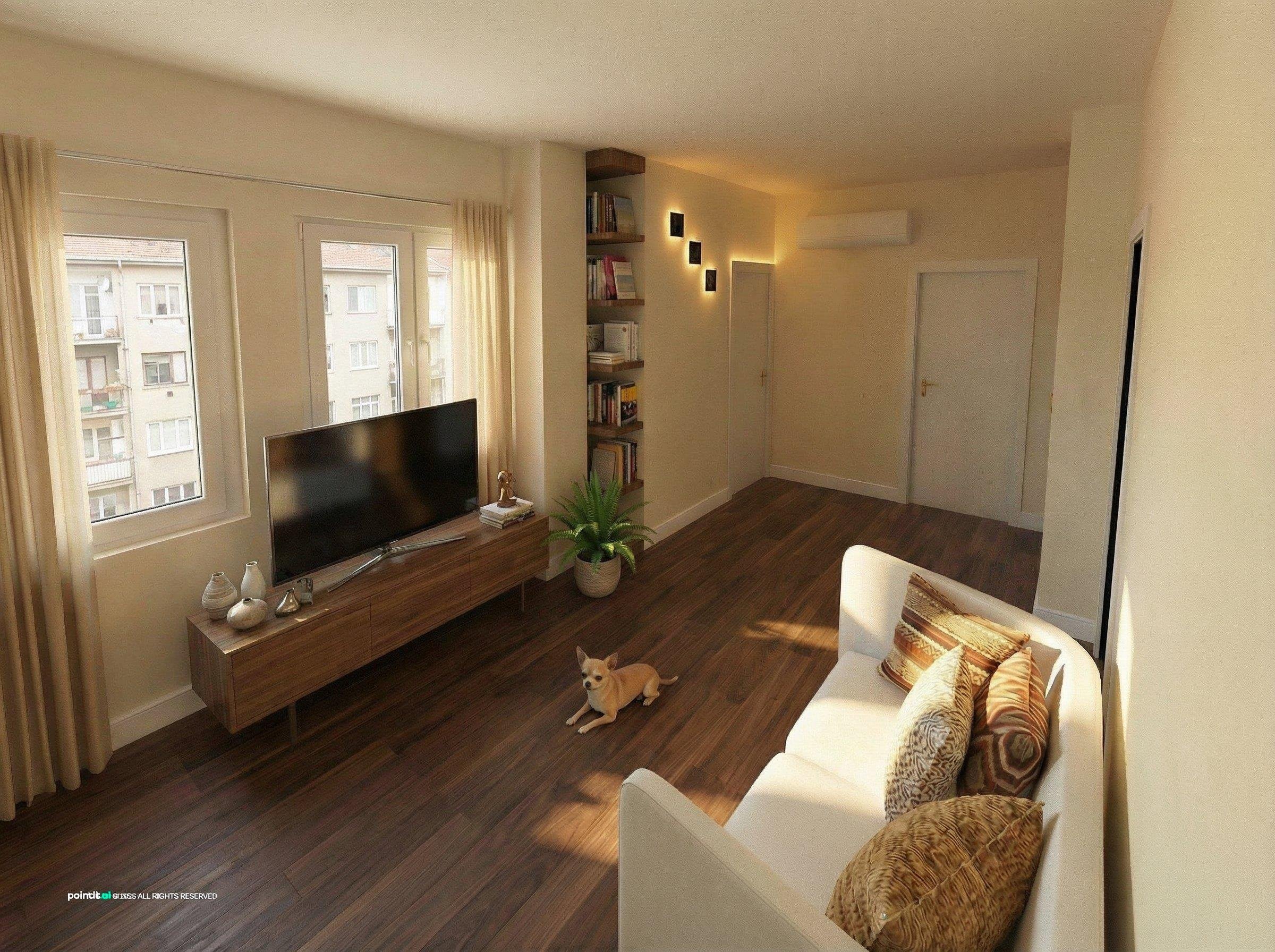
Design a pull-out desk surface or a fold-down desk within a larger cabinet. Ensure ample storage for files and office supplies, perhaps with internal drawers or vertical dividers. A task light can be integrated into the upper cabinet. When closed, it should look like any other piece of elegant cabinetry, blending seamlessly.
-
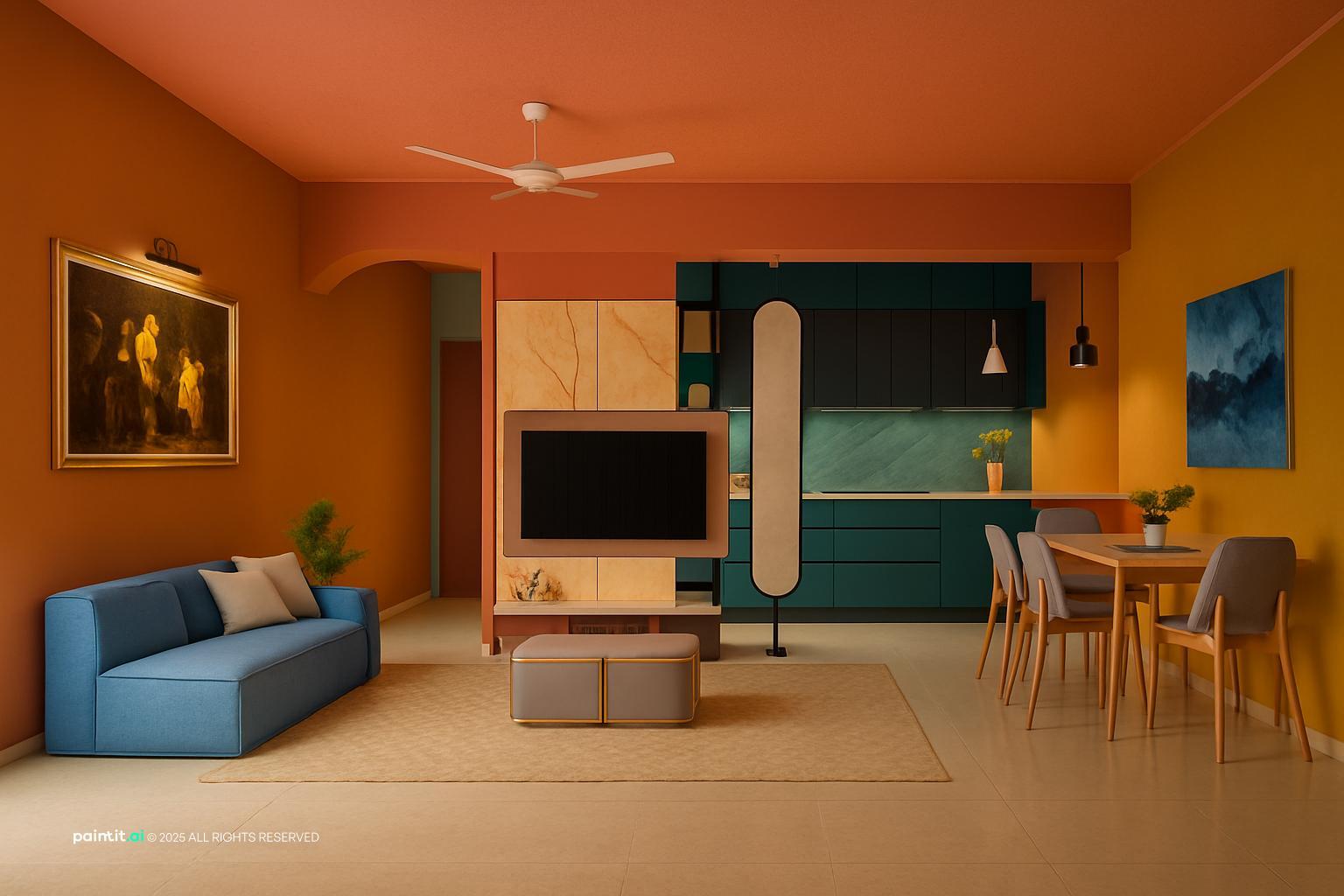
Pro Tip: To achieve this effect, try using a contrasting interior color for the desk area to make it feel like a distinct zone when open.
-
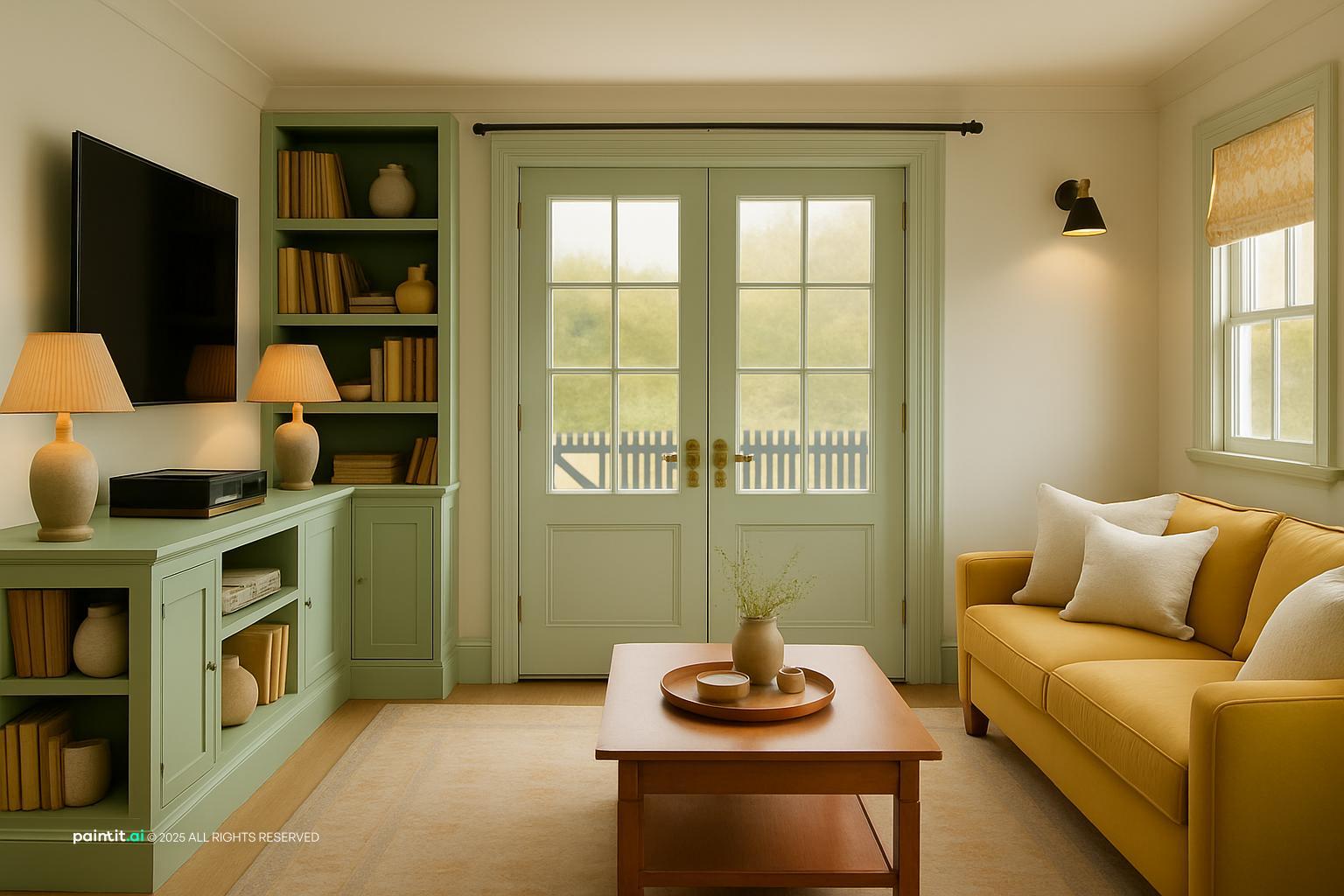
For those who love to collect or showcase art, built in living room display units are perfect. They protect your treasures while making them accessible to the eye. This isn't just about storage; it’s about storytelling, about sharing pieces that hold meaning for you.
-
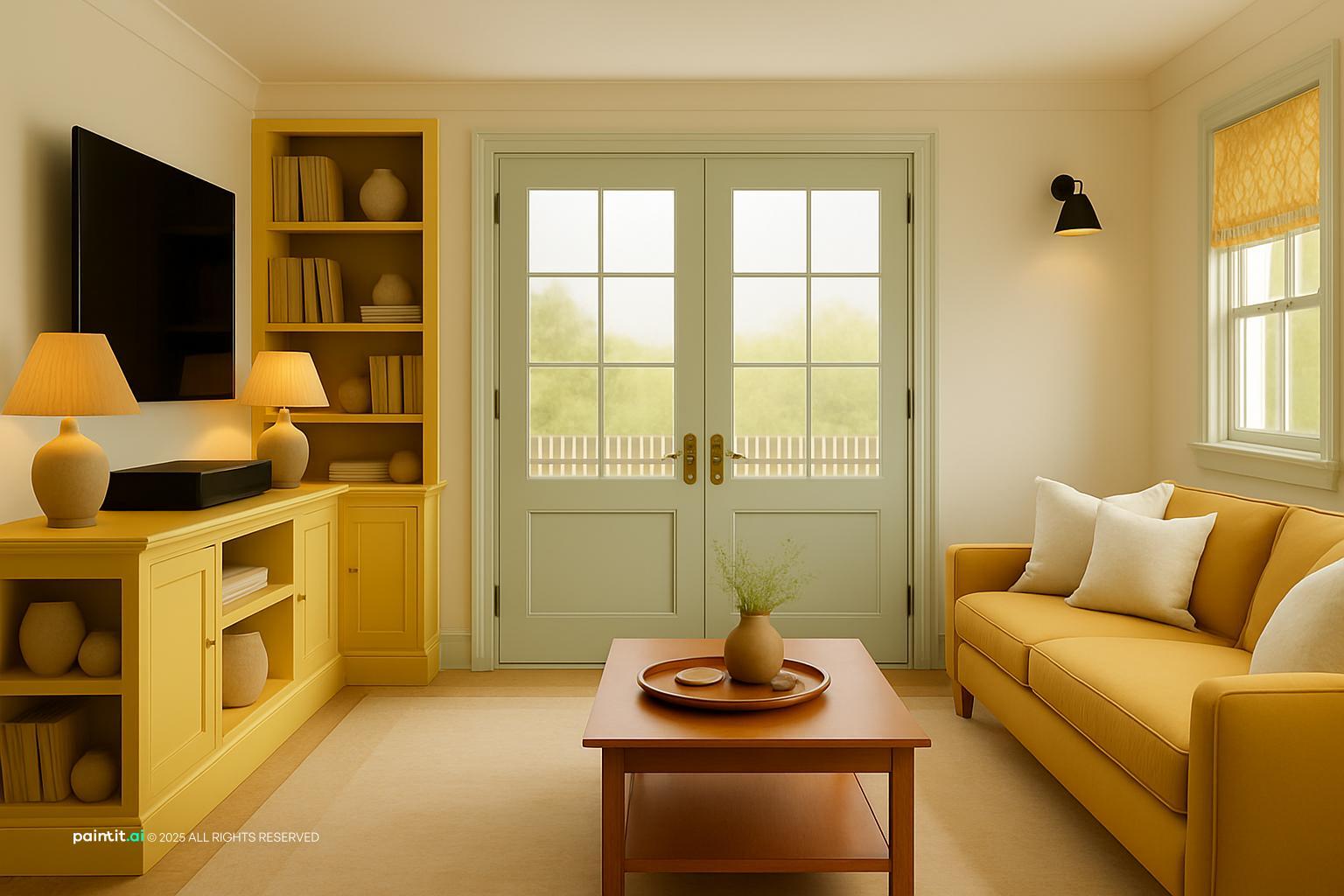
Consider glass-fronted cabinets with reeded or fluted glass for a touch of texture and diffused visibility. Back the units with a contrasting wallpaper or a mirrored panel to add depth and reflect light. Interior LED strip lighting highlights each piece. Think about adjustable shelving to accommodate varying heights.
-
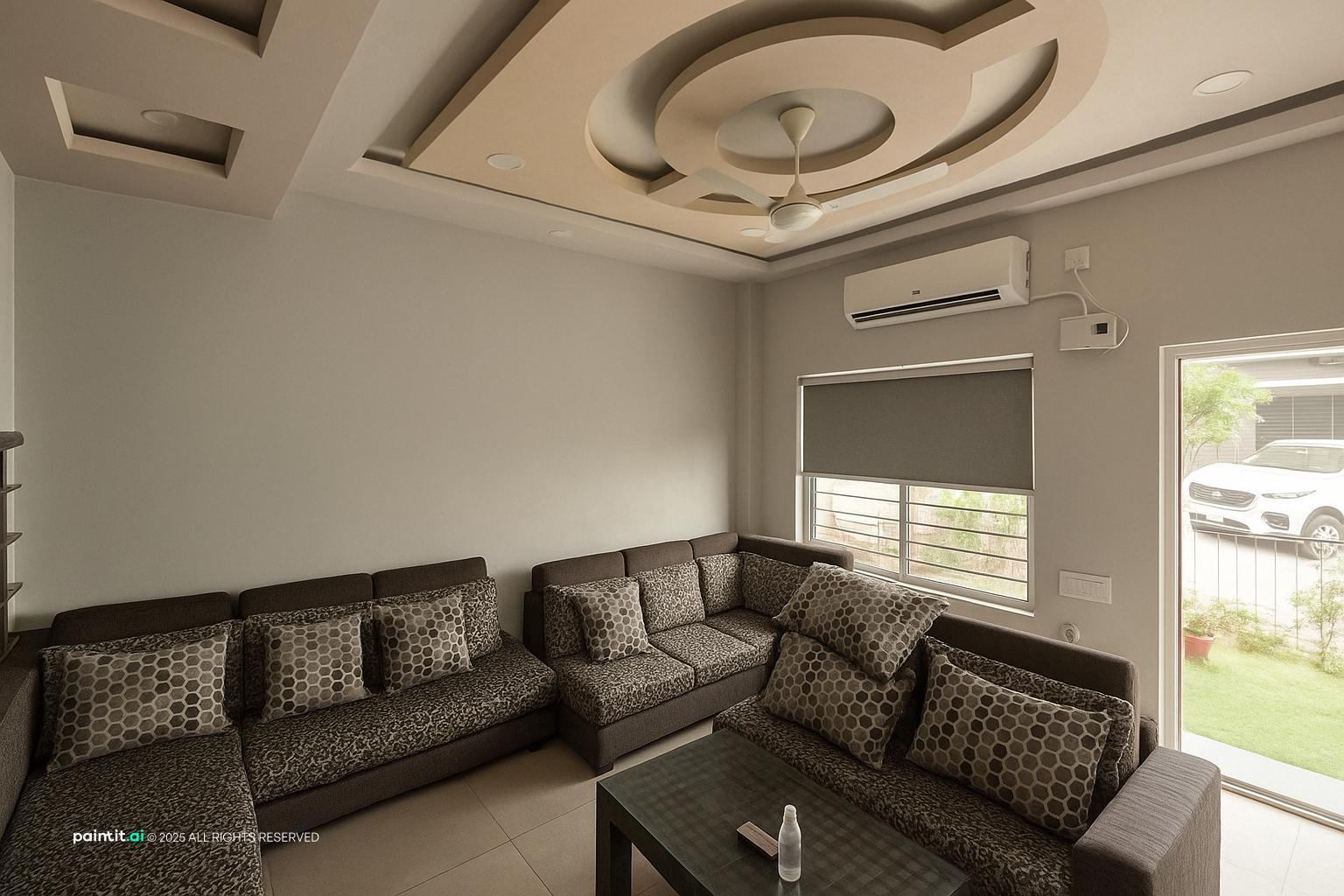
Pro Tip: To achieve this effect, try using a deep, moody paint color inside the cabinets to make your displayed items truly pop.
-
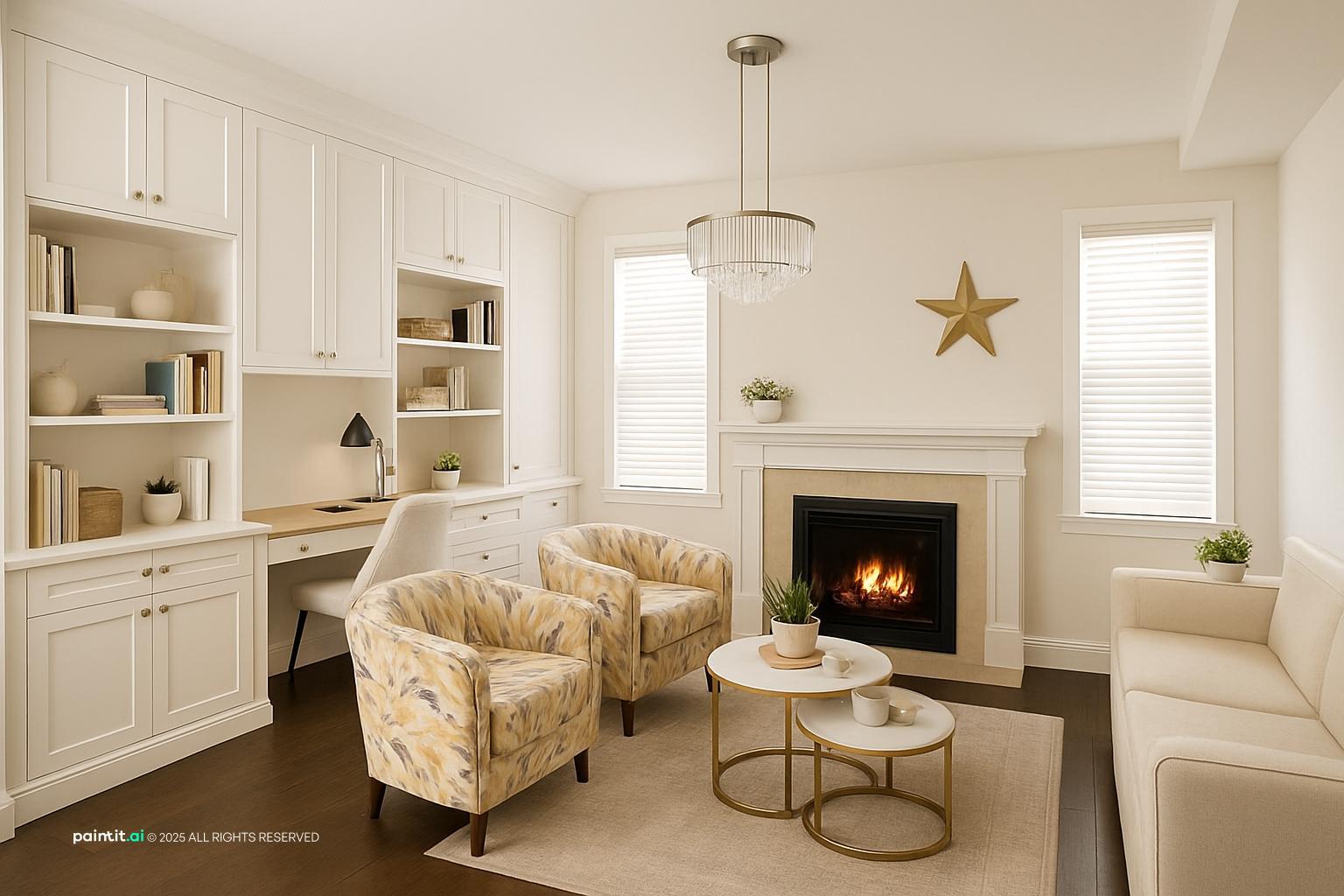
Entertaining often centers around the living room. A built-in wet bar, or even a dry bar, elevates the experience. It’s about hospitality, making guests feel welcome, and having everything you need for a good cocktail within reach. This feels very grown-up, very intentional.
-
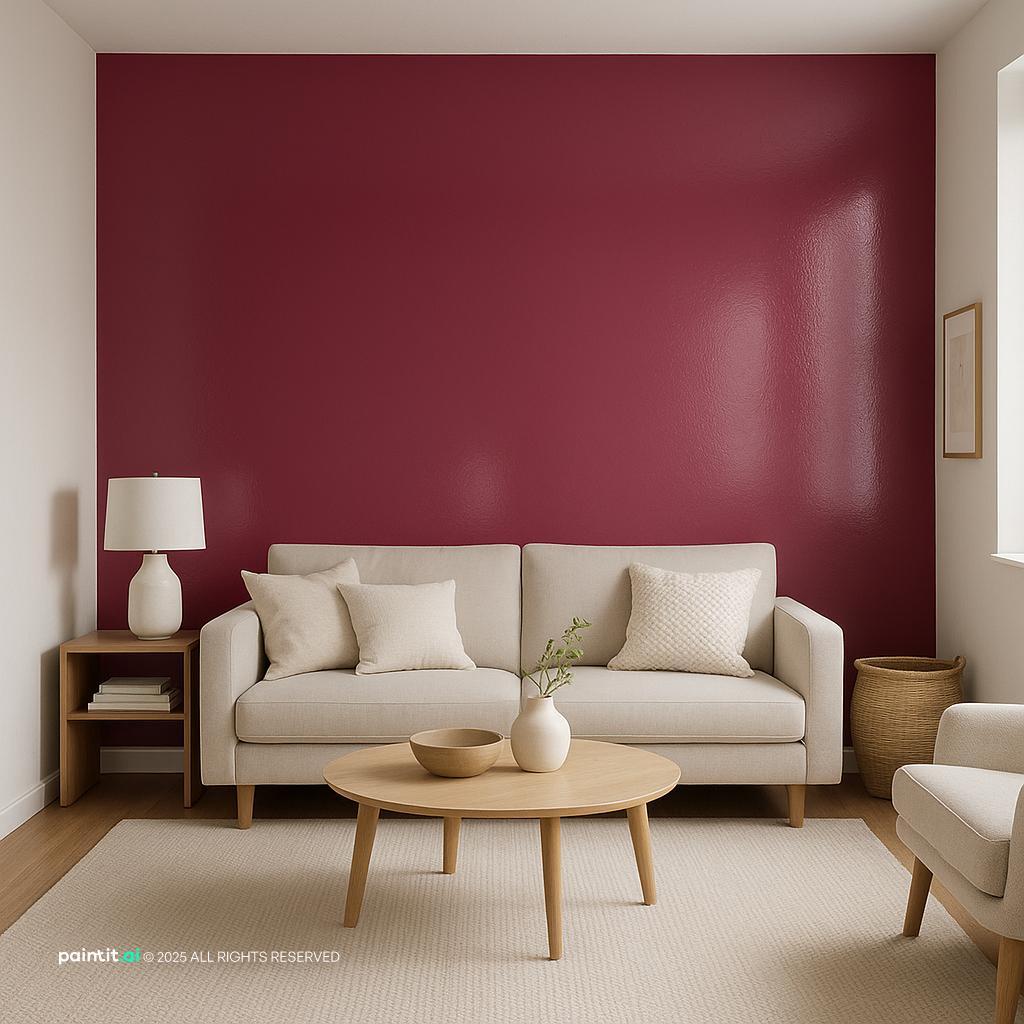
Design a compact unit with a small sink, a wine fridge, and shelving for glassware and bottles. A honed black granite or quartz countertop adds a touch of sophistication. Consider a mirrored backsplash to expand the space visually. Dark, rich cabinetry in a high-gloss finish can feel incredibly luxurious here.
-
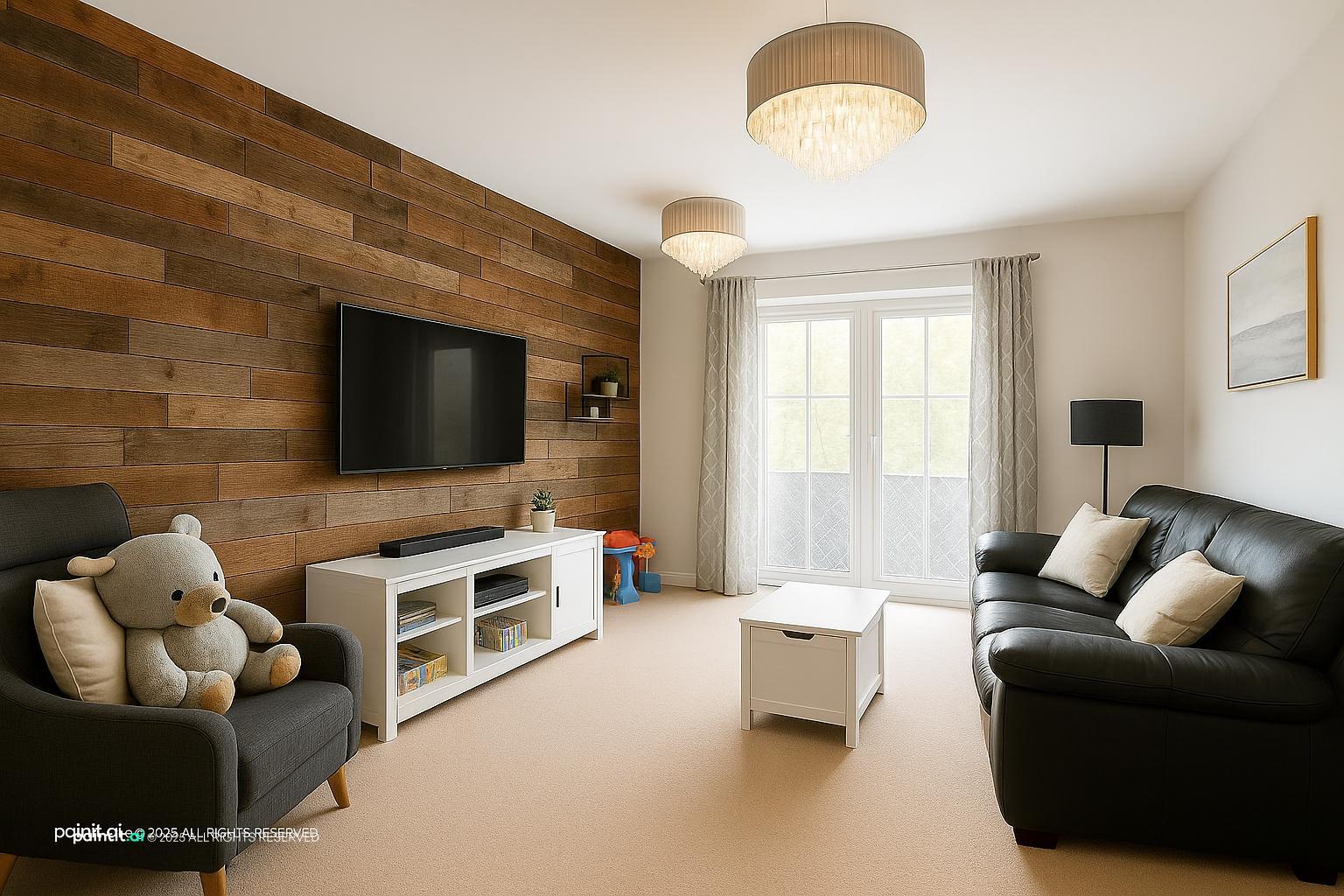
Pro Tip: To achieve this effect, try incorporating a pull-out cutting board for easy drink preparation.
-
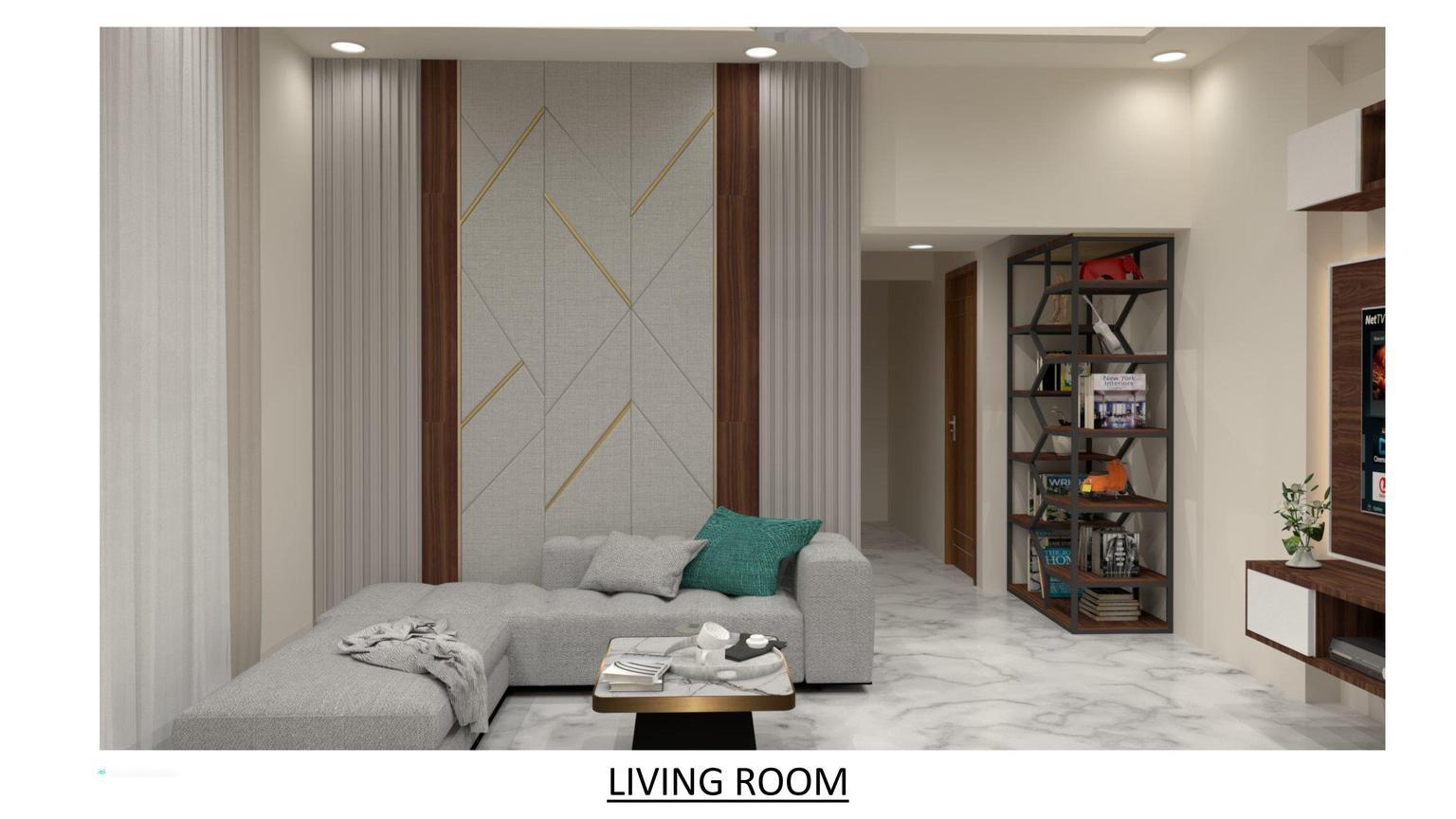
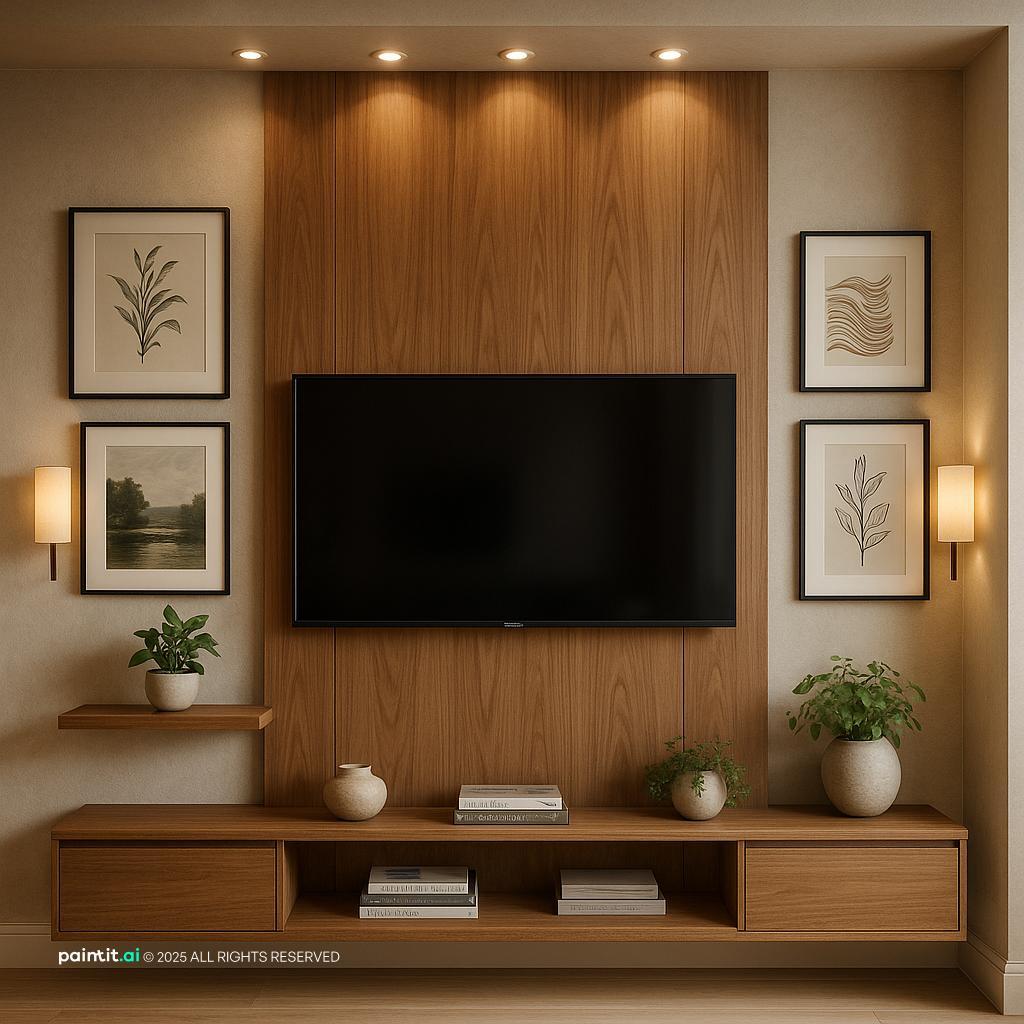
Sometimes, less is truly more. Floating shelves built into the living room wall offer a minimalist approach to display and storage. They feel light, airy, almost sculptural. The beauty here lies in their simplicity and the negative space they create.
-
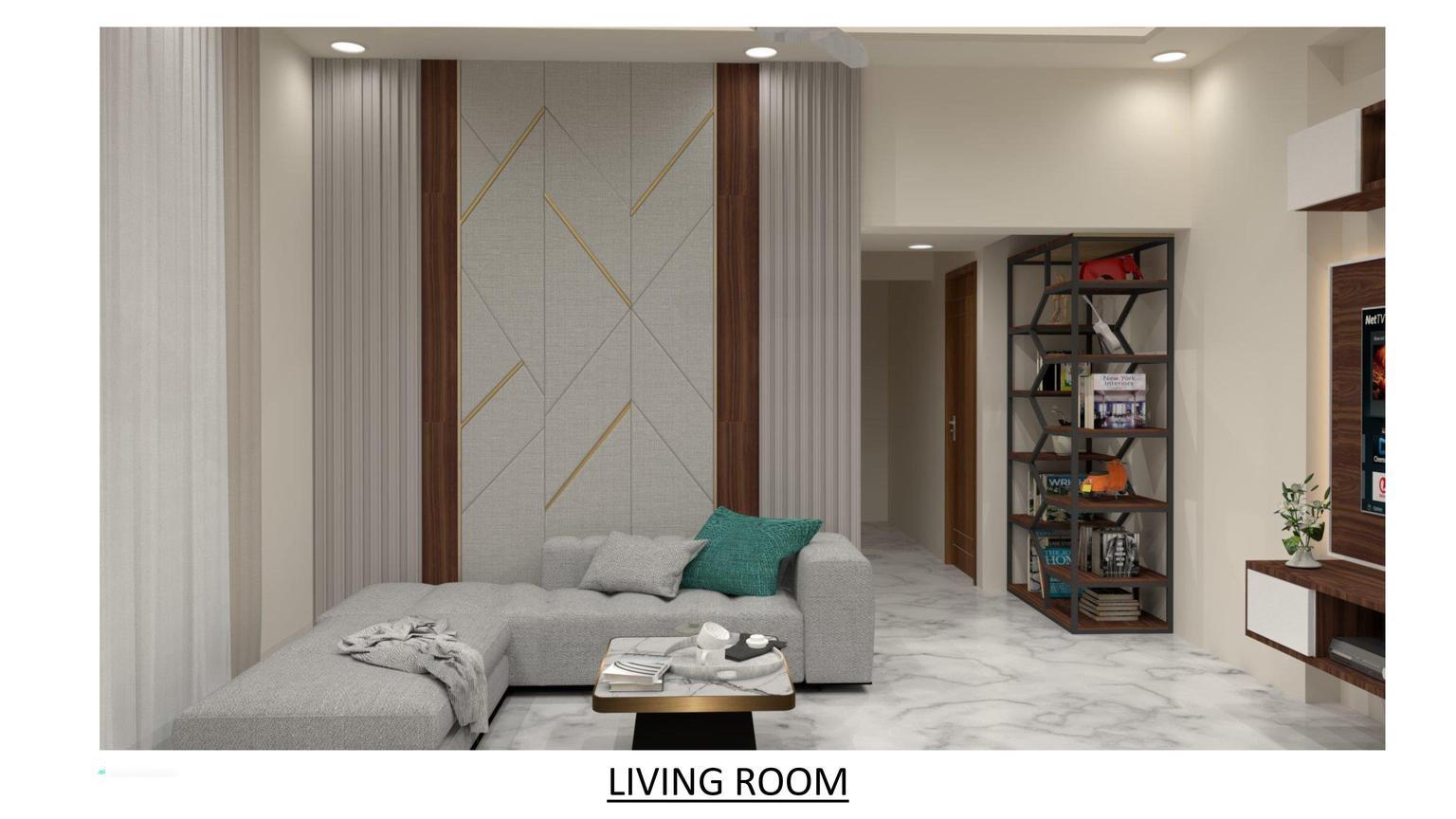
Install thick, solid wood shelves (like white oak or walnut) with concealed brackets for a truly floating effect. Integrate subtle LED strips underneath each shelf for a soft, ambient glow. These are perfect for a few carefully chosen books, small art pieces, or ceramics. The wall behind can be painted a contrasting color for added drama.
-
Pro Tip: To achieve this effect, try staggering the length or height of the shelves for a more dynamic, artistic arrangement.
-
Awkward corners are often wasted space. A built-in banquette turns them into a cozy, functional seating area, perfect for intimate conversations or casual dining if the living room flows into a kitchen. It’s about maximizing every square inch, smartly.
-
Design an L-shaped bench with lift-top storage underneath for blankets or games. Upholster it in a durable, stain-resistant fabric like a textured bouclé or a performance velvet. Add a round or square dining table that can be easily moved. The backrest can be integrated into the wall for a seamless look, perhaps with vertical reeding.
-
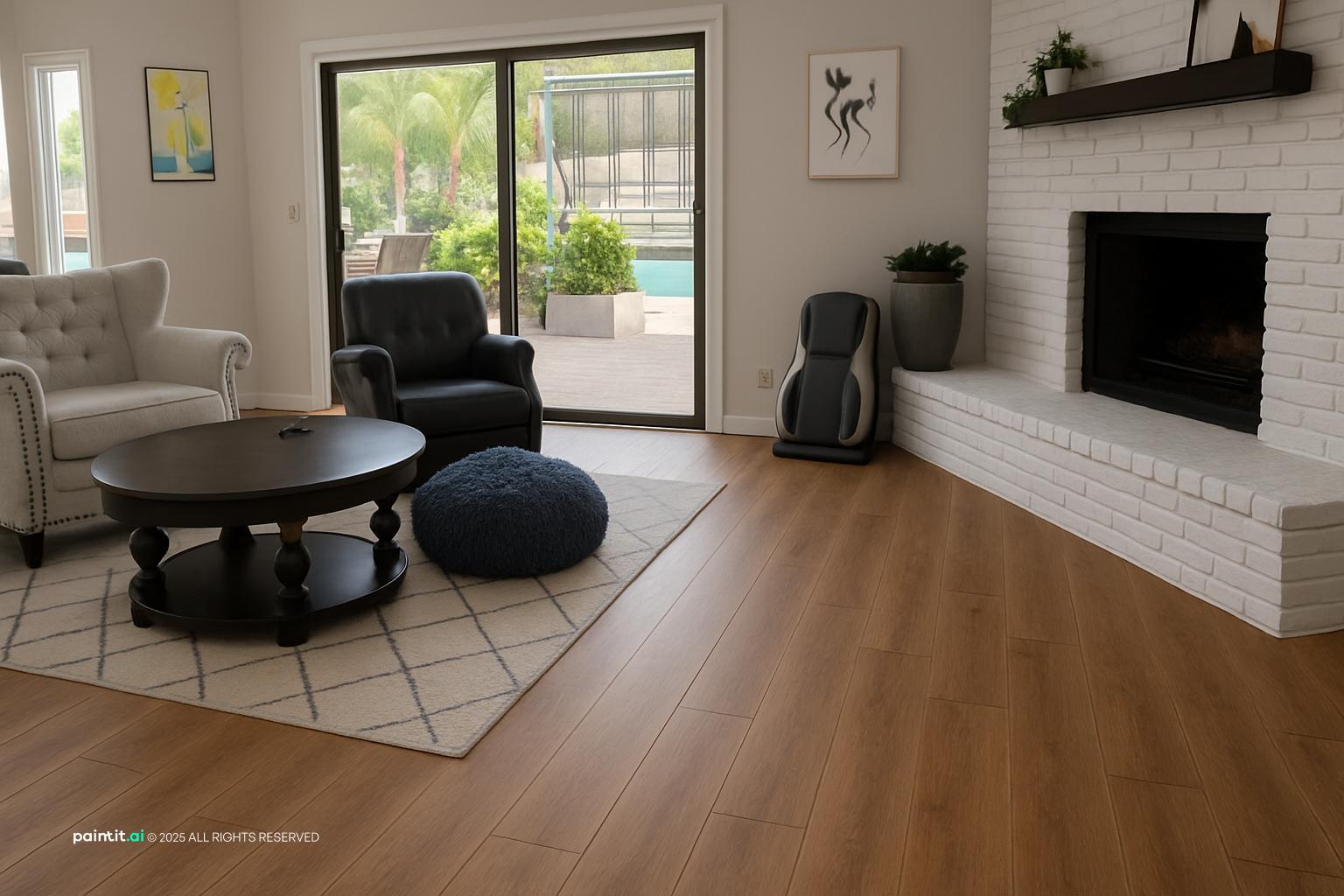
Pro Tip: To achieve this effect, try incorporating a small, integrated side table at the corner for drinks or a lamp.
-
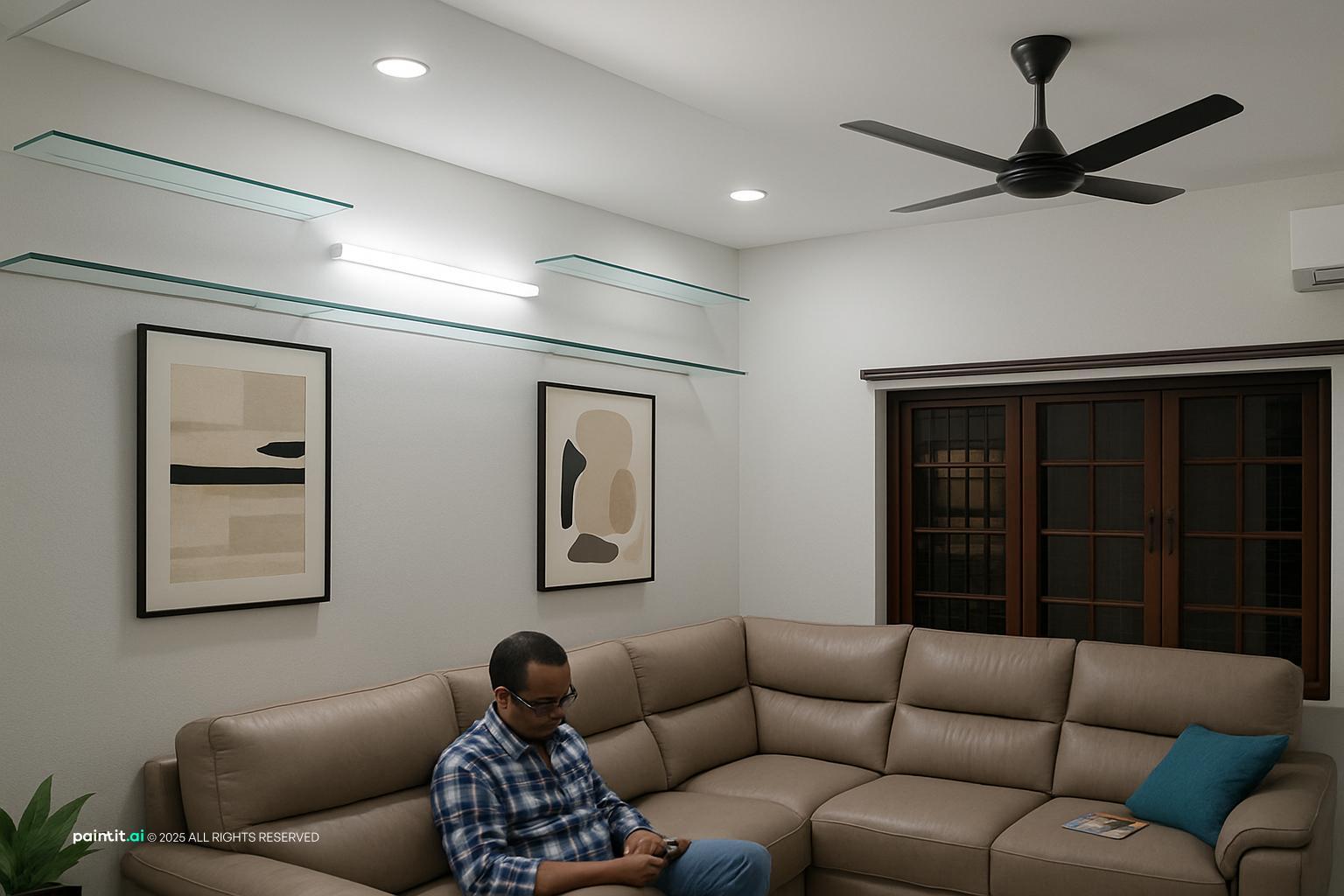
Every living room benefits from a focal point. A recessed niche, specifically designed for a piece of art or a sculpture, elevates it to museum-quality status. It’s a deliberate act of highlighting, giving a beloved object the attention it deserves. This is about creating moments of visual pause.
-
Build a simple, clean-lined recess into a wall, ensuring it's perfectly sized for your chosen piece. Paint the interior of the niche a contrasting color or line it with a subtle wallpaper to make the art stand out. Install a dedicated, recessed spotlight directly above to illuminate the piece beautifully. The surrounding wall should be kept minimal.
-
Pro Tip: To achieve this effect, try using a plaster finish inside the niche for a subtle, textural backdrop.
-
For a touch of whimsy and unexpected functionality, consider a built-in that conceals a hidden door to another room. It’s a delightful surprise, a nod to old-world charm, and a clever way to maintain visual continuity in your living room built ins ideas. It’s a risky choice, but when it works, it’s magic.
-
Design a bookshelf or a panel wall that pivots or slides open. The millwork must be impeccable, with invisible hinges and perfectly aligned trim. The "door" should blend seamlessly with the surrounding built-in, making it virtually undetectable. This requires precision and a skilled craftsman, no shortcuts here.
-
Pro Tip: To achieve this effect, try using a magnetic catch system for the door to ensure a smooth, handle-free exterior.
-
Sometimes, all you need is a little extra seating and some discreet storage. A long, low-profile built-in bench along a wall offers both without overwhelming the space. It keeps things grounded, uncluttered, and provides a useful surface. It’s a quiet workhorse in any living room.
-
Construct a simple, sturdy bench with deep drawers or lift-top access. Keep the height relatively low, perhaps matching the height of a nearby console table. Upholster it with firm cushions in a durable fabric. The top surface can be a solid slab of wood or a custom cushion. This is excellent for storing blankets, games, or seasonal decor.
-
Pro Tip: To achieve this effect, try adding a few decorative objects or a stack of coffee table books on one end to make it feel less like pure storage.
The Art of Seamless Integration: Crafting Your Built In Living Room's Core Identity to Life with Paintit.ai
-
We often find that a serene base of warm off-whites or soft greys allows built-ins to truly shine. Introduce a deeper secondary tone like an inky navy or a rich forest green for the cabinetry itself, creating depth and a focal point. Then, a subtle metallic accent—think aged brass or matte black—ties everything together with a quiet sophistication.
-
Tactile elements ground the built in living room. Natural wood, like warm walnut or light white oak, for shelving brings organic warmth. Honed marble or quartz adds understated luxury to countertops. Chunky linen or soft bouclé on seating introduces inviting comfort, balancing architectural lines.
Paintit.ai Reveals the Secret to Seamless Built In Living Room Designs Design Ideas
The truth is, designing a built in living room that truly feels right, without overwhelming the space, often requires a leap of faith. Paintit.ai removes that guesswork, letting you instantly visualize countless living room built in ideas—from subtle shelving to full media walls—in your own room. See how your built ins in living room will look before any commitment; try it.
FAQ
-
Built-ins are custom-designed units—think shelving, cabinetry, or seating—that are integrated directly into the architecture of a space. They aren't freestanding pieces; they become part of the wall, almost like they've always been there. For a built in living room, this means a seamless, polished look that maximizes every inch. We've seen them transform cluttered spaces into serene havens, offering tailored storage and display without the visual bulk of standalone furniture. The truth is, they make a room feel larger, more intentional.
-
Oh, the possibilities are endless, really. For living room built in ideas, we often lean into bespoke media centers that cleverly hide wires and equipment, or floor-to-ceiling bookshelves that frame a fireplace, creating a cozy, library-like feel. Window seats with integrated storage underneath are another favorite; they invite quiet moments and offer practical stashing spots. We've also designed display cabinets with subtle interior lighting for showcasing cherished collections. It's about crafting something specific to your life, your treasures.
-
This is where built ins in living room designs truly shine. Because they're integrated, they eliminate the awkward gaps and visual clutter that freestanding pieces often create. This makes a room feel more expansive, more "designed." They draw the eye along clean lines, guiding it through the space rather than interrupting it. Imagine a wall of perfectly flush cabinetry—it feels like an extension of the room itself, not an addition. It sounds simple, but most people forget how much visual noise a few inches of empty space can generate.
-
For built in living room units, material choice is everything. We often recommend solid hardwoods like white oak or walnut for a rich, timeless feel, especially if you're after a stained finish that highlights the grain. For painted built-ins, a high-quality MDF or birch plywood provides a smooth, durable surface that takes paint beautifully. The finish itself matters just as much: a matte lacquer can feel incredibly sophisticated, while a hand-painted finish adds warmth and character. I’ve seen this work best when the material complements the existing architectural elements—think brushed brass hardware on a deep navy cabinet, echoing a nearby fixture.
-
Absolutely. The biggest one? Thinking about future flexibility. While built-ins are permanent, consider adjustable shelving or modular components if your needs might change. Another common oversight is lighting; integrated LED strips can dramatically enhance display shelves, but they need to be planned early for wiring. And don't forget power outlets! Hiding them within or behind units is key for a truly clean look, especially for media centers. The choice was risky for one client who didn't account for a future larger TV, but we found a clever workaround. Always measure, then measure again. And then, call a professional.