Designing with White Oak Floors in Your Living Room

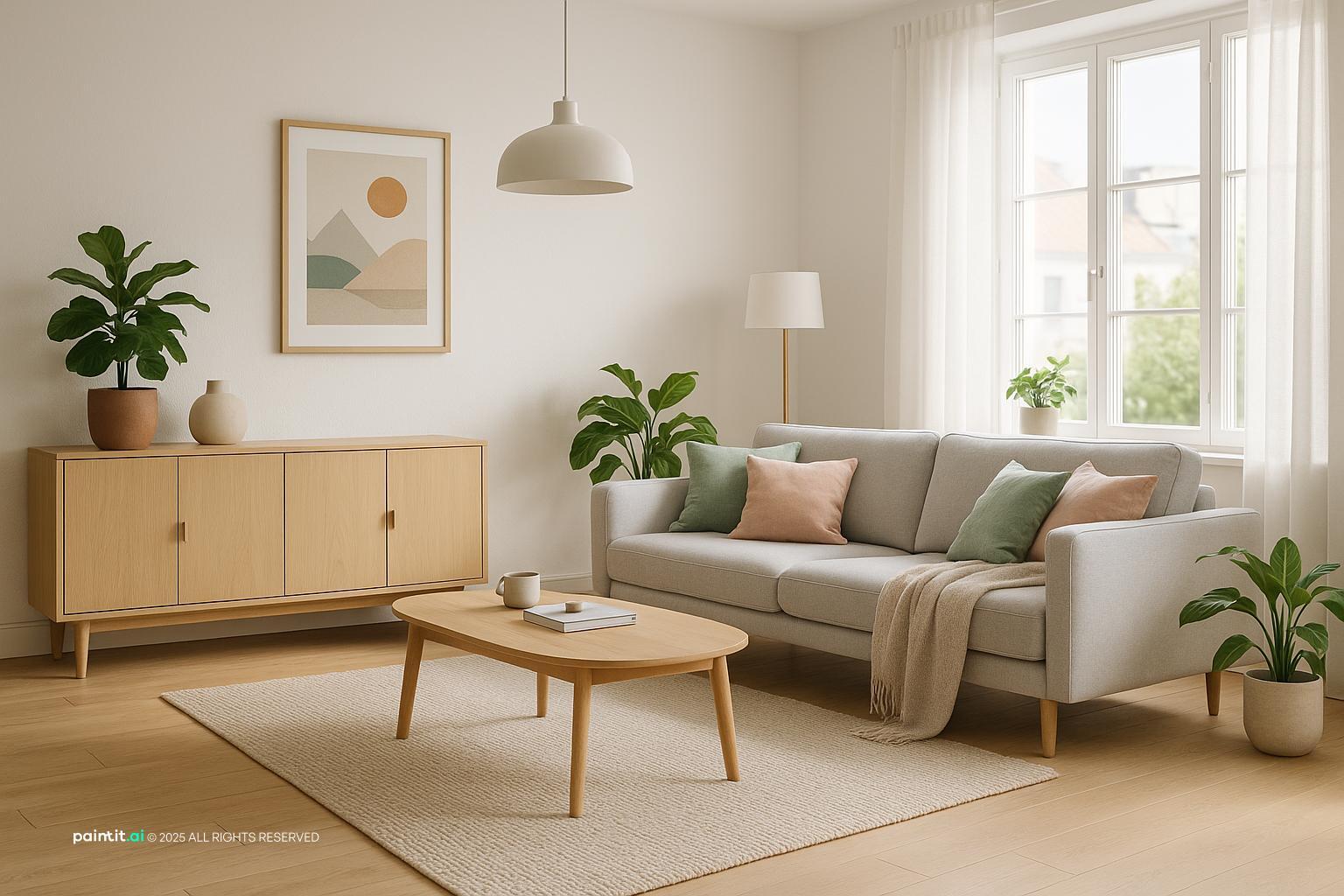
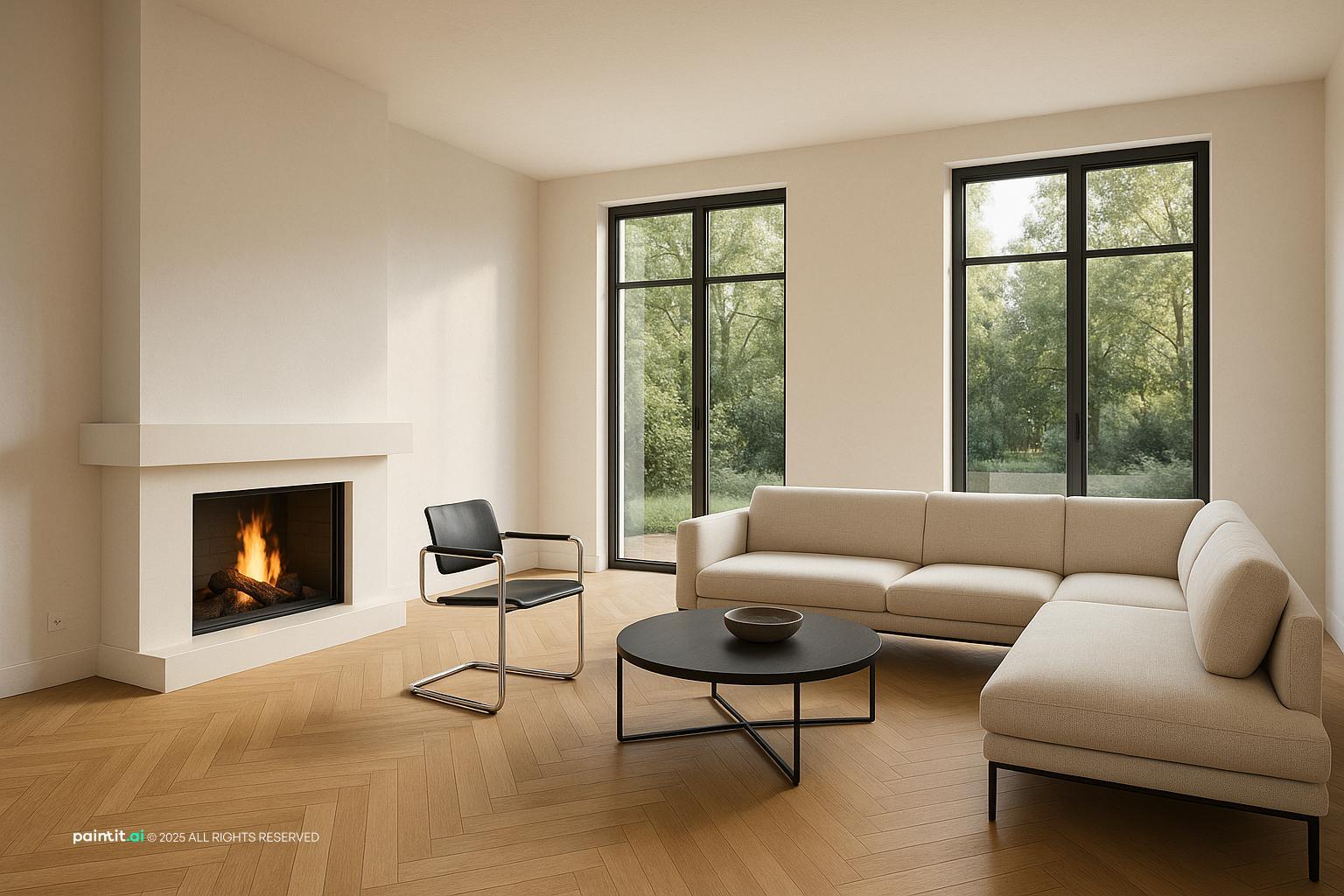
There's a quiet elegance that comes with a white oak floors living room, offering a bright, versatile foundation for any style. You might be drawn to its natural warmth and durability, imagining how it could transform your space into a serene retreat or a lively gathering spot. But how do you choose the right furniture, rugs, and wall colors to complement such a distinct base?

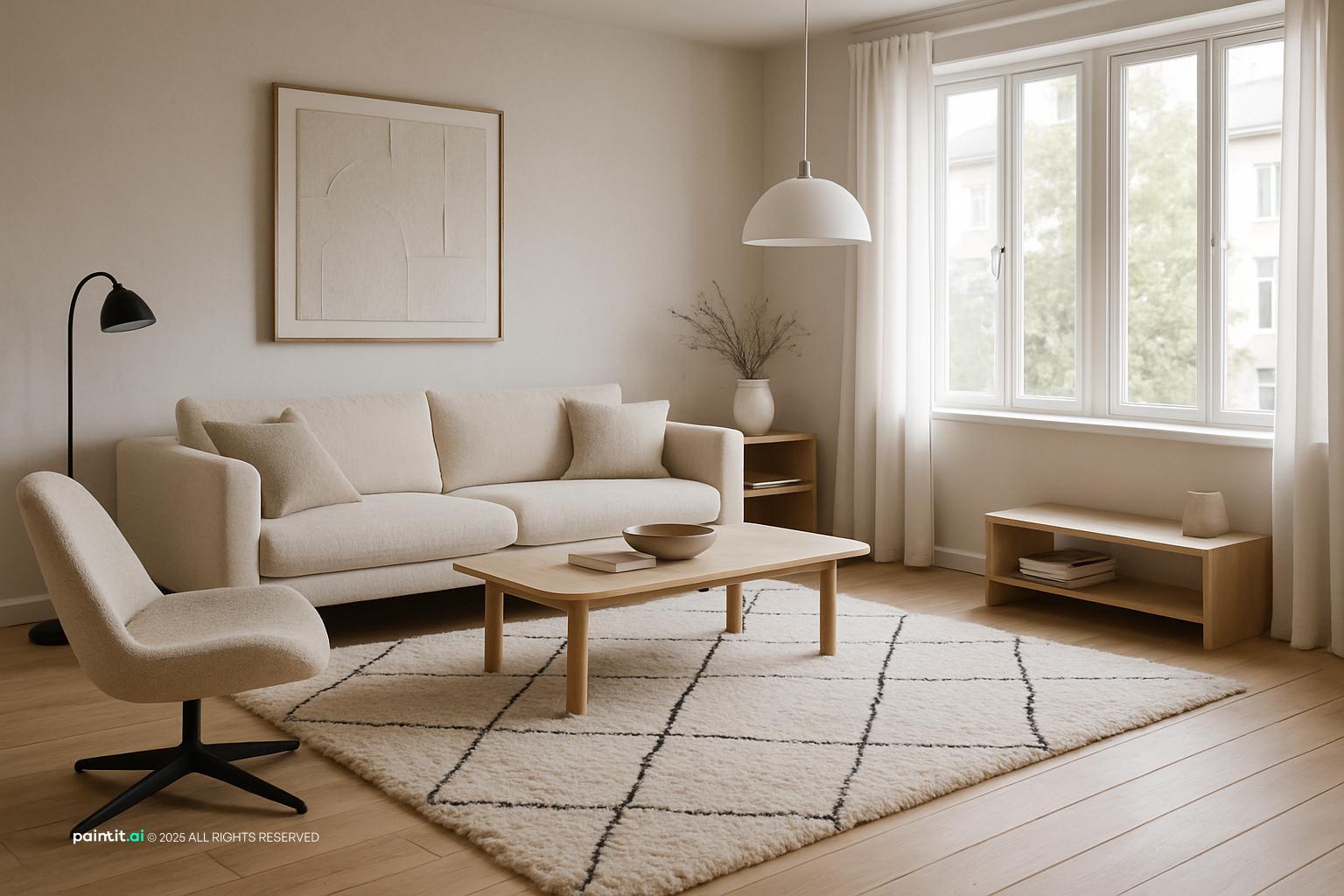
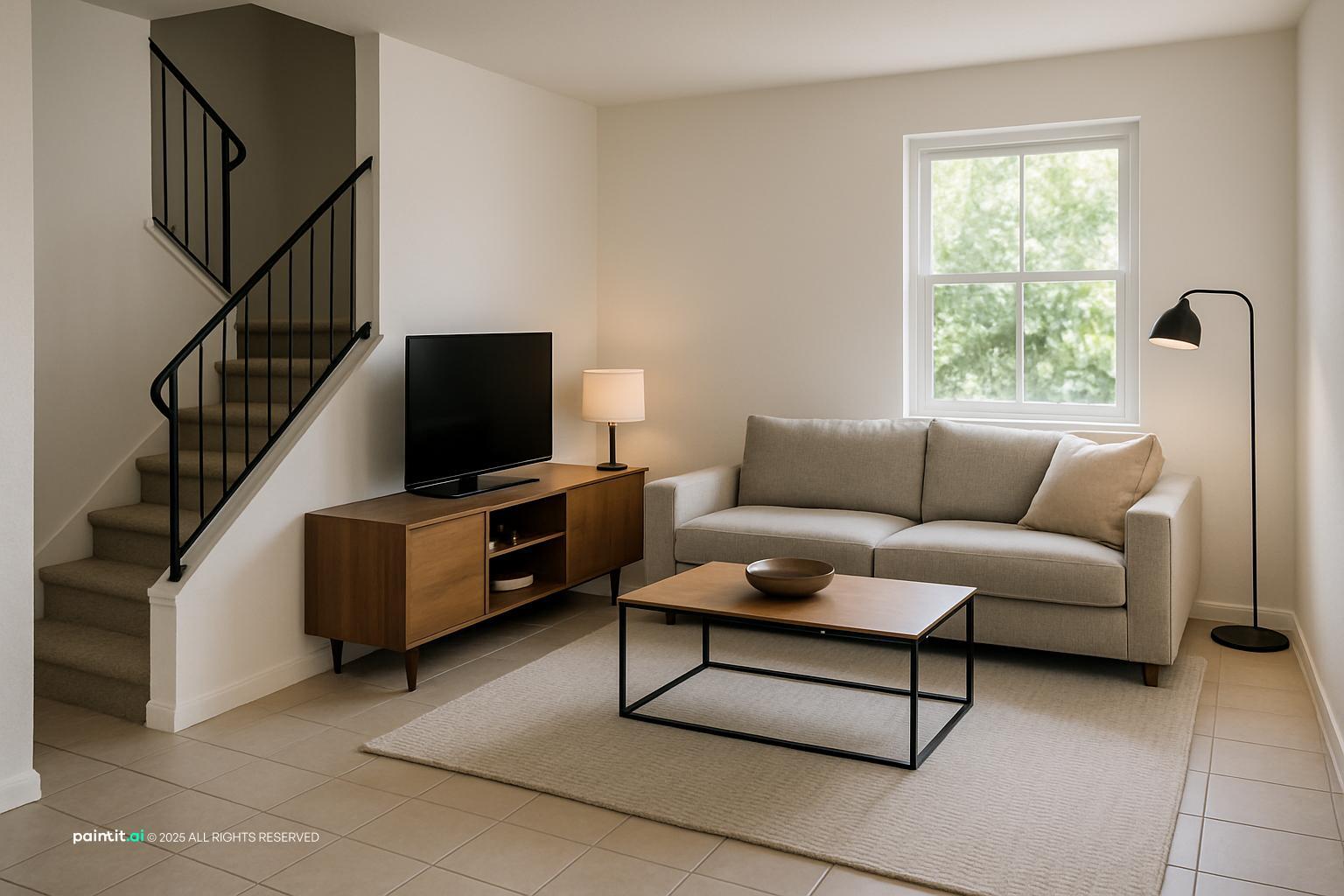
White Oak Floors Living Room with patterned rug and tile finishes

The Undeniable Versatility of a White Oak Floors Living Room

Many clients initially worry that light wood flooring, specifically white oak, might feel too stark or lack character. we consistently find that a white oak floors living room offers an unparalleled canvas for diverse aesthetics, providing a bright, airy foundation that adapts beautifully. Its subtle grain and warm undertones beautifully reflect natural light, making smaller spaces feel expansive. We've seen it anchor everything from minimalist Scandinavian designs to cozy modern farmhouse aesthetics, pairing effortlessly with textured rugs like jute or wool, and even raw concrete elements.

This introduction will dive into how to select furniture that complements this versatile foundation, choose wall colors that enhance its natural beauty, and avoid common missteps that can diminish its appeal. We believe understanding these nuances is key. Visualizing these combinations is simpler than ever with Paintit.ai, allowing you to perfect your vision before any commitment.

14 Inspiring White Oak Floors Living Room Design Ideas

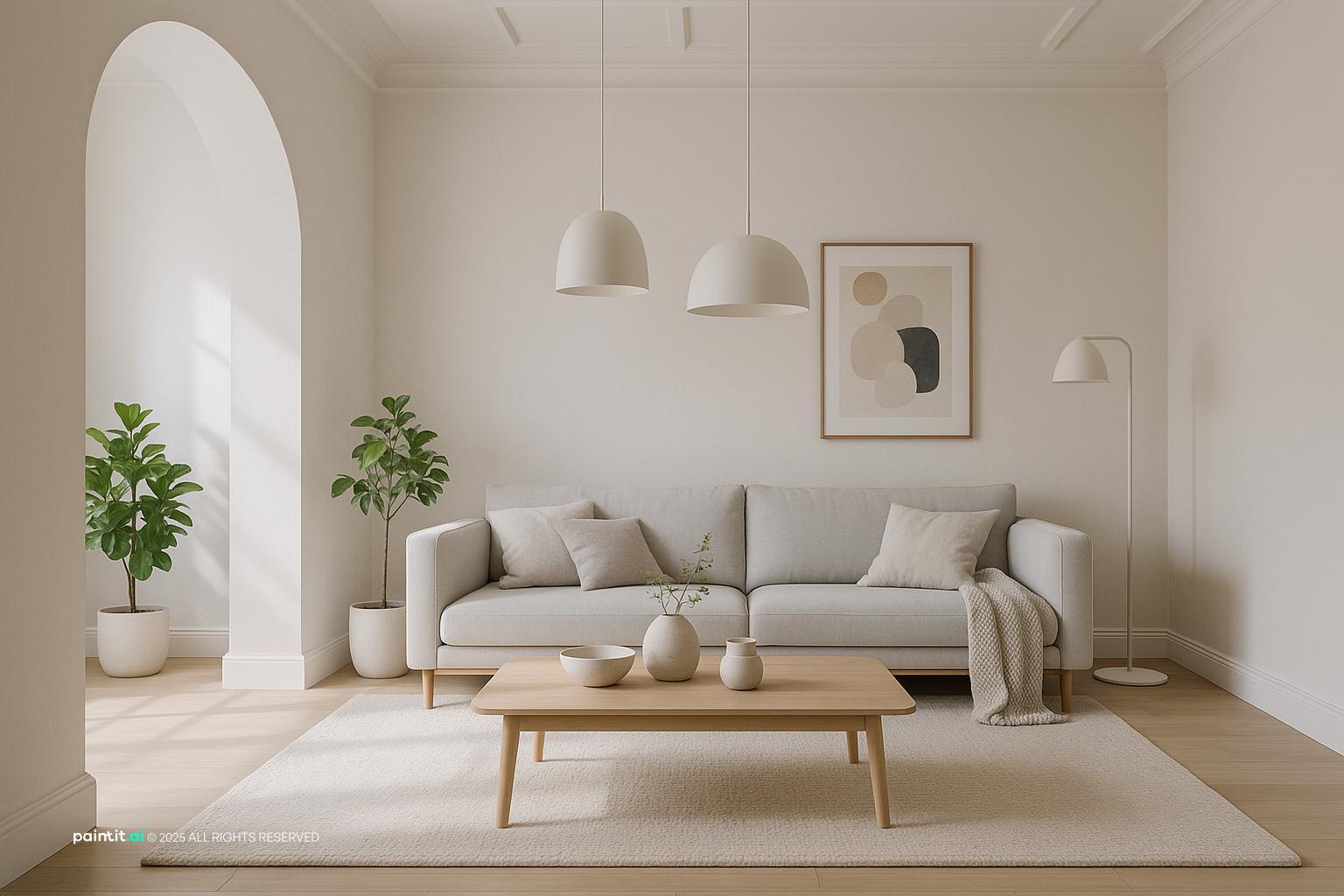
1. Scandinavian Serenity with Pale Oak

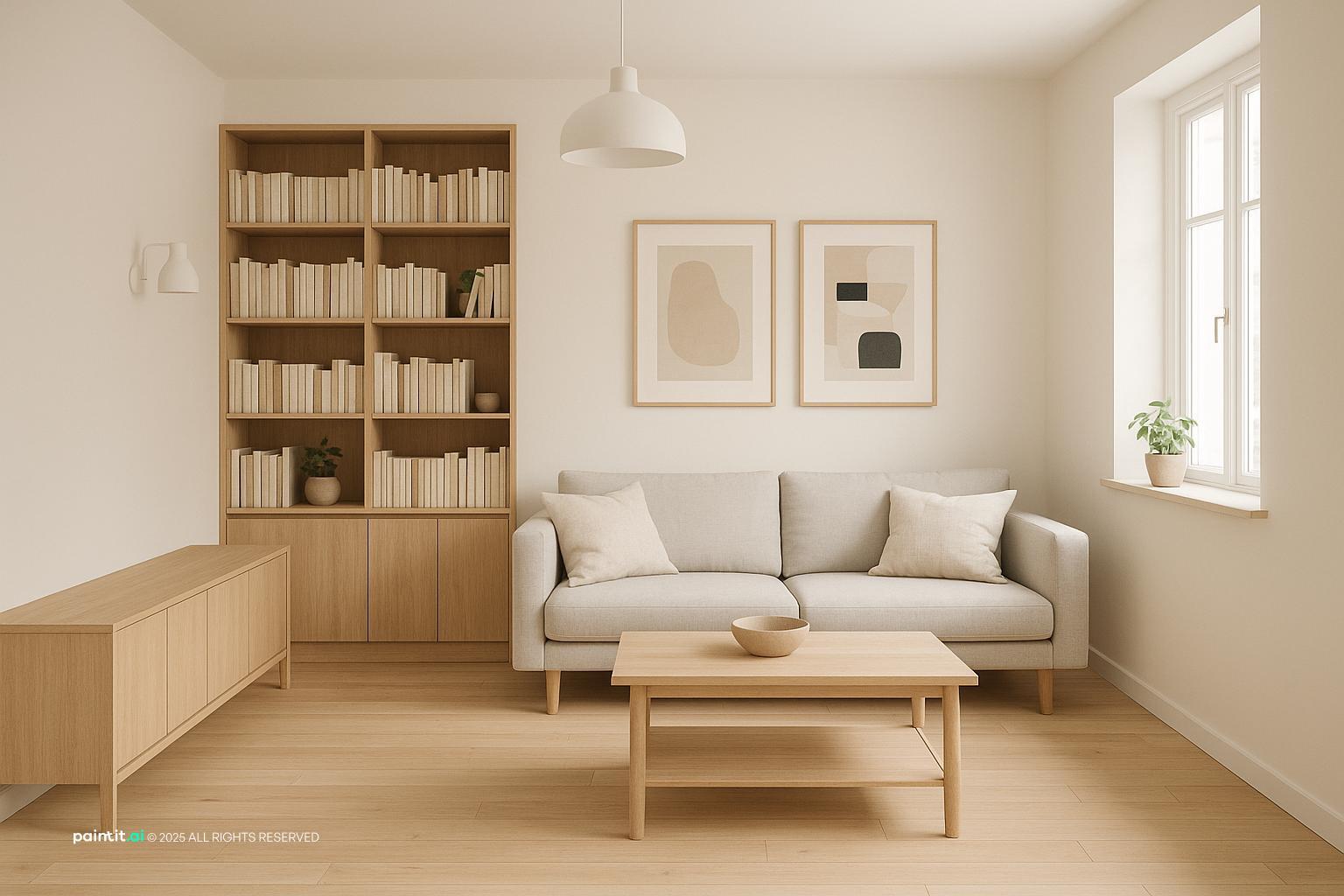
This approach embraces simplicity and light, making your white oak floors truly shine. It’s about creating an airy, uncluttered environment where natural light is paramount. Most people forget that the floor itself is a major design element; here, it sets the tone for a calm, restorative atmosphere.

To implement this, think about furniture with clean lines and minimal ornamentation. White or very light gray walls are a must. Introduce soft textures through chunky knit throws or linen curtains. Avoid heavy drapes. Keep accessories sparse but meaningful, focusing on craftsmanship.

  • Color palette: Crisp White, Pale Gray, Natural Beige
  • Style: Scandinavian Minimalist
  • Best for: Smaller living rooms, spaces lacking natural light

2. Modern Farmhouse Charm

White oak floors lend themselves beautifully to the modern farmhouse aesthetic, offering a refined counterpoint to rustic elements. this style thrives on contrast: the smooth, light wood against rougher textures. It’s a comfortable, welcoming look that feels both current and timeless.

Pair your light wood floors with shiplap accents on one wall or a reclaimed wood coffee table. Introduce upholstered seating in natural linen or cotton. Matte black hardware on built-ins or light fixtures can add a subtle industrial edge. A large, braided jute rug can anchor the seating area.

  • Color palette: Cream, Sage Green, Charcoal Gray
  • Style: Modern Farmhouse
  • Best for: Family-friendly spaces, open-concept homes

3. Coastal Calm and Breezy Oak

Imagine the gentle lapping of waves; that's the feeling this design evokes with your white oak flooring. It’s a relaxed, airy style that capitalizes on the floor's bright quality. I’ve seen this work best in homes where a sense of escape is desired.

Introduce shades of ocean blue and sandy beige. Wicker or rattan furniture pieces, perhaps a console table or accent chairs, fit perfectly. Sheer white curtains will allow maximum light to filter through. Incorporate natural elements like driftwood sculptures or glass vases filled with shells. A light-colored rug with a subtle pattern can define zones.

  • Color palette: Sky Blue, Sand, Crisp White
  • Style: Coastal Chic
  • Best for: Homes near water, bright and sunny rooms

4. Bohemian Rhapsody with Light Wood

White oak floors provide an excellent neutral base for the rich textures and global influences of a bohemian living room. It might seem odd at first, but the light floor prevents the space from feeling too heavy or cluttered, allowing the vibrant textiles to pop.

Layer patterned rugs over your oak floors. Think Moroccan kilims or Persian-inspired designs. Incorporate plush velvet pillows, macrame wall hangings, and an abundance of potted plants. Low-slung furniture, perhaps a leather pouf or a floor cushion, adds to the relaxed vibe. Mix metals like brass and copper for an eclectic touch.

  • Color palette: Terracotta, Olive Green, Mustard Yellow
  • Style: Bohemian Eclectic
  • Best for: Creative individuals, spaces with high ceilings

5. Industrial Edge on White Oak

The clean, light lines of white oak floors can beautifully offset the raw, utilitarian elements of industrial design. This contrast is what makes the style so compelling. It’s about balancing the rough with the refined, and the floor is your secret weapon.

Exposed brick walls or a concrete accent wall would be striking. Incorporate metal furniture, such as a steel-framed coffee table or shelving units. Leather sofas, particularly in a distressed finish, are ideal. Edison bulb lighting fixtures add an authentic touch. Keep the palette generally muted, allowing textures to speak.

  • Color palette: Charcoal, Concrete Gray, Rust
  • Style: Industrial Chic
  • Best for: Lofts, urban apartments, spaces with architectural features

6. Mid-Century Modern Revival

White oak floors are a natural partner for mid-century modern aesthetics, providing a bright backdrop that allows iconic furniture pieces to stand out. The clean lines of the floor complement the era's signature silhouettes perfectly. This is about celebrating design history.

Select furniture with tapered legs and organic shapes, often in walnut or teak. A classic Eames lounge chair or a Danish modern sofa would be ideal. Introduce pops of color through abstract art or accent pillows in avocado green, burnt orange, or teal. A starburst clock on the wall feels authentic. Geometric patterns in rugs or textiles are also welcome.

  • Color palette: Teal, Walnut Brown, Cream
  • Style: Mid-Century Modern
  • Best for: Design enthusiasts, spaces with ample natural light

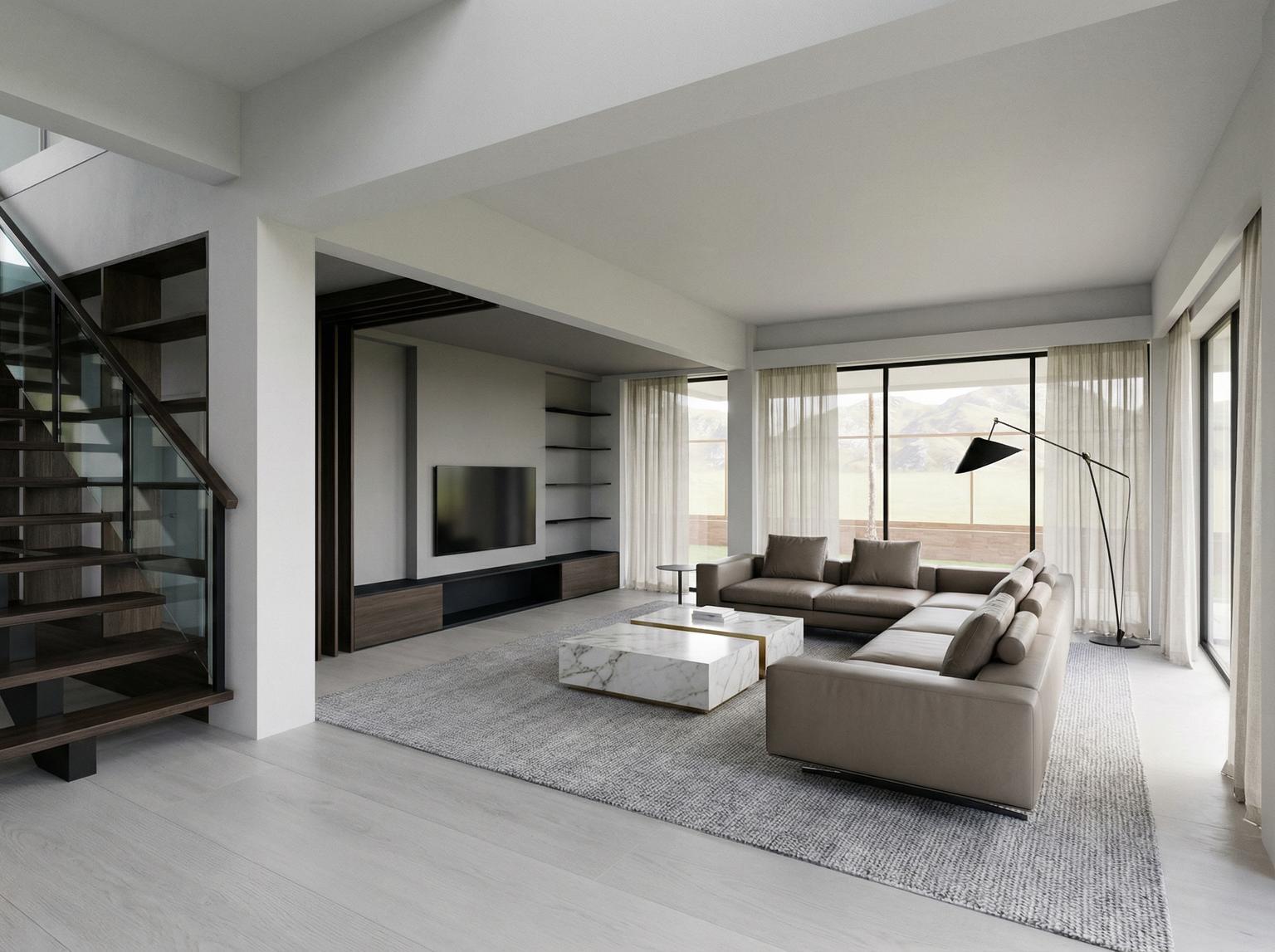
7. Contemporary Elegance with Light Wood

For a sophisticated, current look, white oak floors provide an understated luxury. This style focuses on sleek lines, high-quality materials, and a curated feel. It’s not about being flashy; it’s about subtle refinement and impeccable taste.

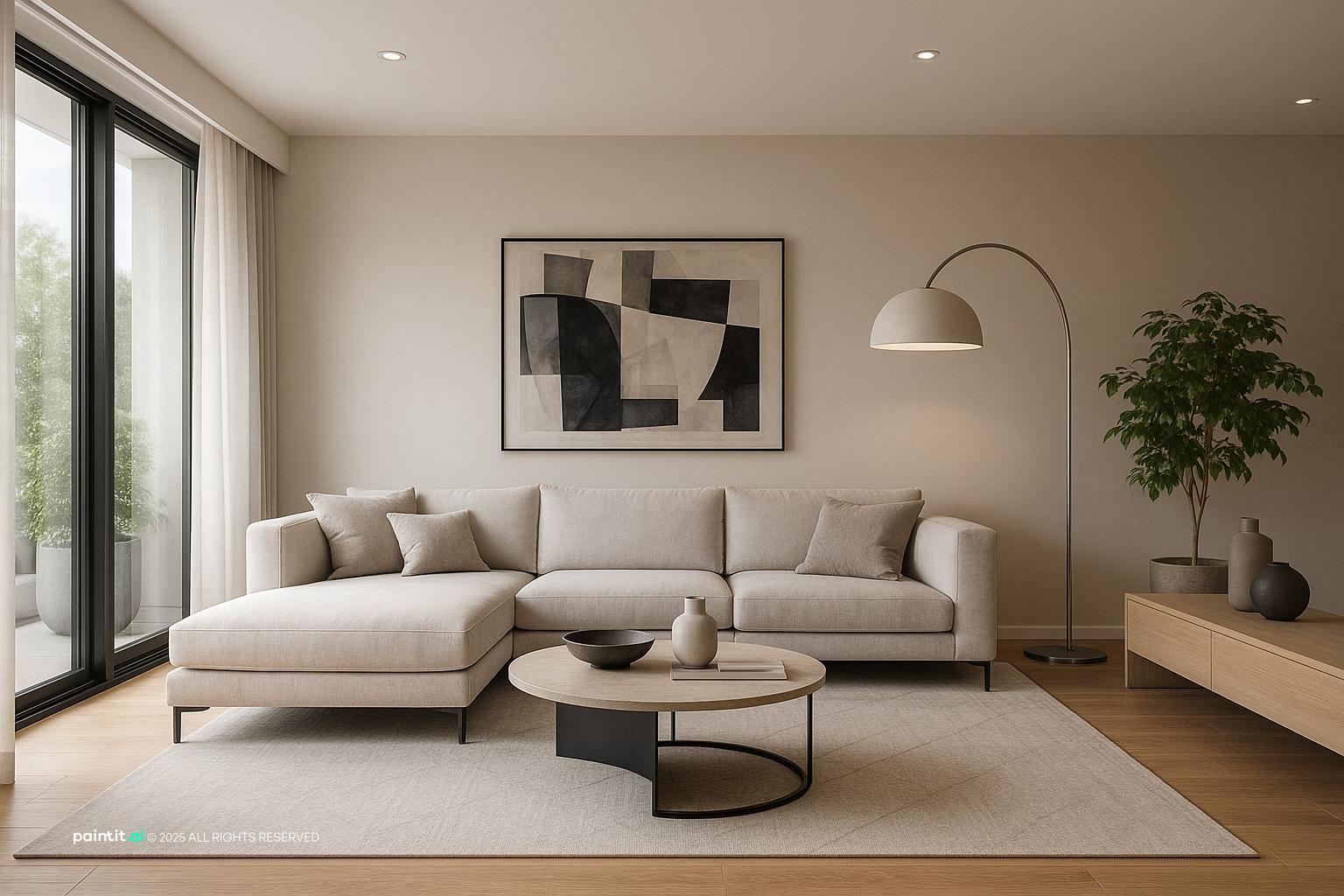
Choose sculptural furniture pieces in neutral tones like charcoal, taupe, or deep navy. Think clean upholstery and polished surfaces. Large-scale abstract art can serve as a focal point. Incorporate metallic accents in chrome or brushed brass. Keep clutter to an absolute minimum. A low-pile, monochromatic rug can add texture without distraction.

  • Color palette: Taupe, Deep Navy, Polished Chrome
  • Style: Contemporary Sophistication
  • Best for: Formal living rooms, minimalist preferences

8. Transitional Harmony with Oak

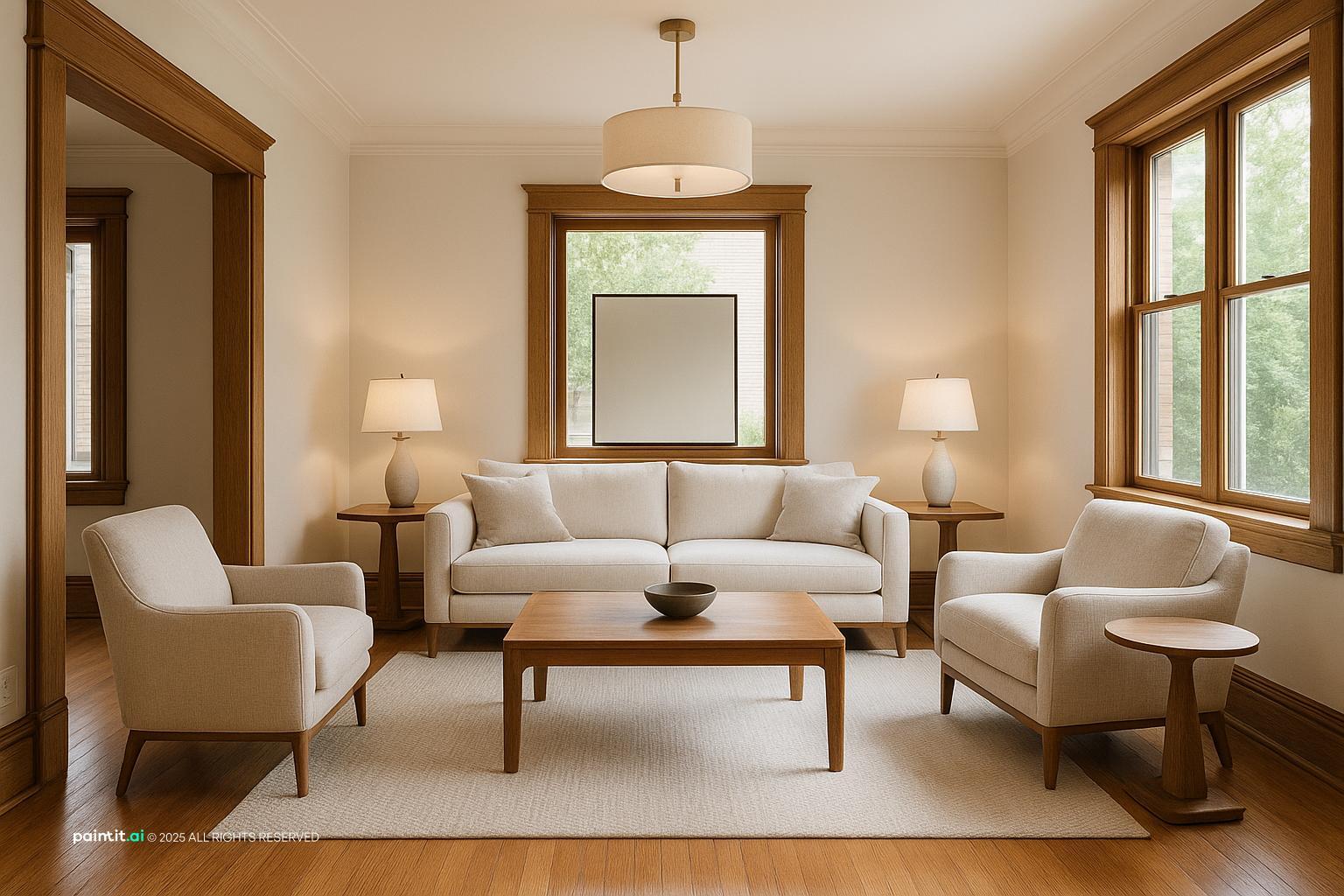
This approach masterfully blends traditional comfort with modern simplicity, and white oak floors are the perfect bridge. It’s about creating a balanced, approachable space that feels both classic and fresh. Most people appreciate this blend for its enduring appeal.

Combine a classic sofa silhouette with more contemporary accent chairs. Mix dark wood furniture pieces with lighter, upholstered items. A traditional area rug with a muted pattern can soften the floor. Introduce elements like wainscoting or crown molding, but keep wall colors light and neutral. Brushed nickel or bronze hardware works well here.

  • Color palette: Greige, Soft White, Espresso Brown
  • Style: Transitional
  • Best for: Versatile spaces, homeowners seeking a timeless look

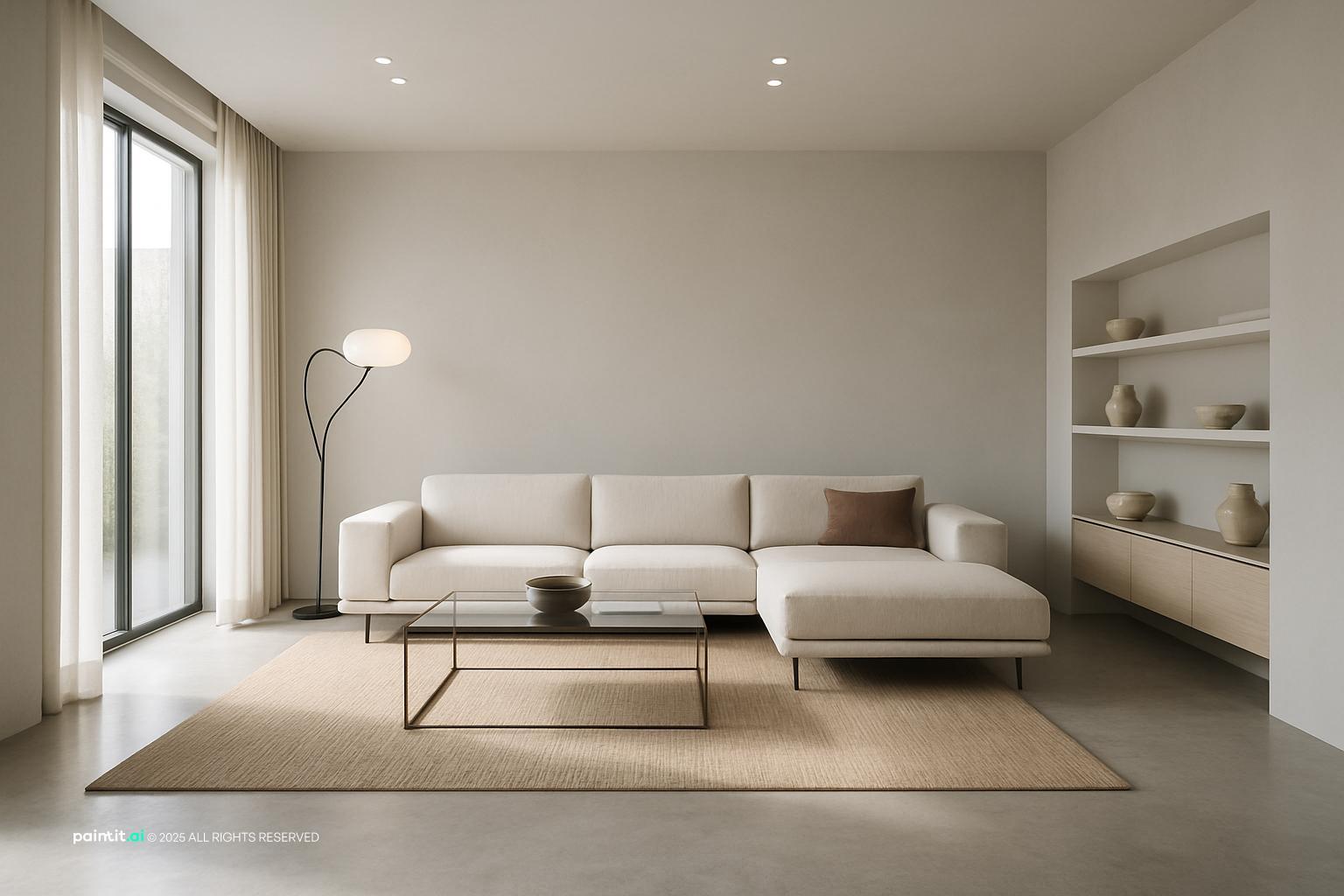
9. Minimalist Zen Retreat

White oak floors are inherently suited for a minimalist aesthetic, promoting a sense of calm and spaciousness. This style is about intentionality and clarity. It sounds simple, but achieving true minimalism requires careful thought about every single item.

Embrace a monochromatic or very limited color palette, often white, off-white, and natural wood tones. Furniture should be functional, simple, and low-profile. Focus on natural materials like linen, bamboo, and ceramic. Keep surfaces clear. One or two well-placed indoor plants can add a touch of life. The floor itself becomes a significant visual element.

  • Color palette: Off-White, Light Wood, Charcoal
  • Style: Japandi (Japanese + Scandinavian)
  • Best for: Small spaces, those seeking tranquility

10. Dark Academia Contrast

For a dramatic and intellectual atmosphere, pair your bright white oak floors with deep, moody tones. The light floor provides a striking contrast, preventing the darker elements from overwhelming the room. It’s a bold choice, but incredibly rewarding.

Paint walls in deep greens, navy blues, or even a rich burgundy. Incorporate dark wood bookshelves filled with antique books. Leather armchairs, perhaps in a rich oxblood, are essential. Brass accents in lighting or decorative objects add warmth. A Persian rug with deep jewel tones can tie the room together. Think vintage maps and globes.

  • Color palette: Forest Green, Burgundy, Aged Brass
  • Style: Dark Academia
  • Best for: Libraries, study-adjacent living rooms, dramatic interiors

11. Art Deco Glamour

White oak floors can serve as a sophisticated, clean base for the opulence and geometric flair of Art Deco. The light wood allows the luxurious materials and bold patterns of this era to truly stand out. This is about making a statement.

Introduce furniture with sleek, often curved lines, upholstered in velvet or silk. Gold or chrome accents are non-negotiable, appearing on mirror frames, light fixtures, or furniture legs. Geometric patterns, perhaps in a rug or on a decorative screen, are key. Think mirrored surfaces and lacquered finishes. A grand chandelier is often central to this look.

  • Color palette: Emerald Green, Gold, Black
  • Style: Art Deco
  • Best for: Formal entertaining spaces, those who love luxury

12. Nature-Inspired Retreat

Bring the calming essence of the outdoors into your living room, using white oak floors as your natural ground. This style emphasizes organic shapes, earthy tones, and biophilic design principles. It’s about creating a healthy, harmonious environment.

Fill the space with a variety of indoor plants. Choose furniture made from natural materials like rattan, bamboo, or live-edge wood. Upholstery in linen or cotton in shades of moss green, terracotta, or stone gray works beautifully. Soft, diffused lighting mimics natural light. Organic textures in rugs and throws are important. The light floor enhances the feeling of being connected to nature.

  • Color palette: Moss Green, Terracotta, Stone Gray
  • Style: Biophilic, Organic Modern
  • Best for: Stress-reducing environments, nature lovers

The Art of Understated Elegance: White Oak Floor Styling

1. Color palette

The foundation of a white oak living room begins with its inherent light, airy quality. I’ve seen this work best when you embrace a palette of soft, muted tones. Think of a creamy off-white, almost like fresh linen, for your walls—it provides a gentle backdrop without feeling stark. Layer in secondary tones of a warm, muted grey or a subtle sage green; these hues echo nature and bring a calming depth. For a touch of understated warmth, introduce a dusty terracotta in textiles or a piece of pottery. A deep charcoal or an olive green can serve as your anchor accent, grounding the space and preventing it from feeling too ethereal. It sounds simple, but balancing these soft shades ensures the white oak truly shines.

2. Key materials & textures

Beyond the beautiful grain of white oak itself, the tactile experience of a living room is paramount. I always recommend incorporating natural fibers like a chunky wool rug; its texture underfoot instantly adds warmth and a sense of grounding. Consider upholstery in a rich, textured linen or a soft boucle, inviting touch and creating an immediate feeling of comfort and relaxed sophistication. For metallic touches, brushed brass or a matte black finish on lighting fixtures or slender furniture legs provides a subtle contrast without overwhelming the natural aesthetic. Most people forget that a raw, unglazed ceramic vase or a smooth, cool piece of travertine on a side table introduces an organic, earthy element, connecting the room back to nature and offering a quiet visual interest.

3. Furniture essentials

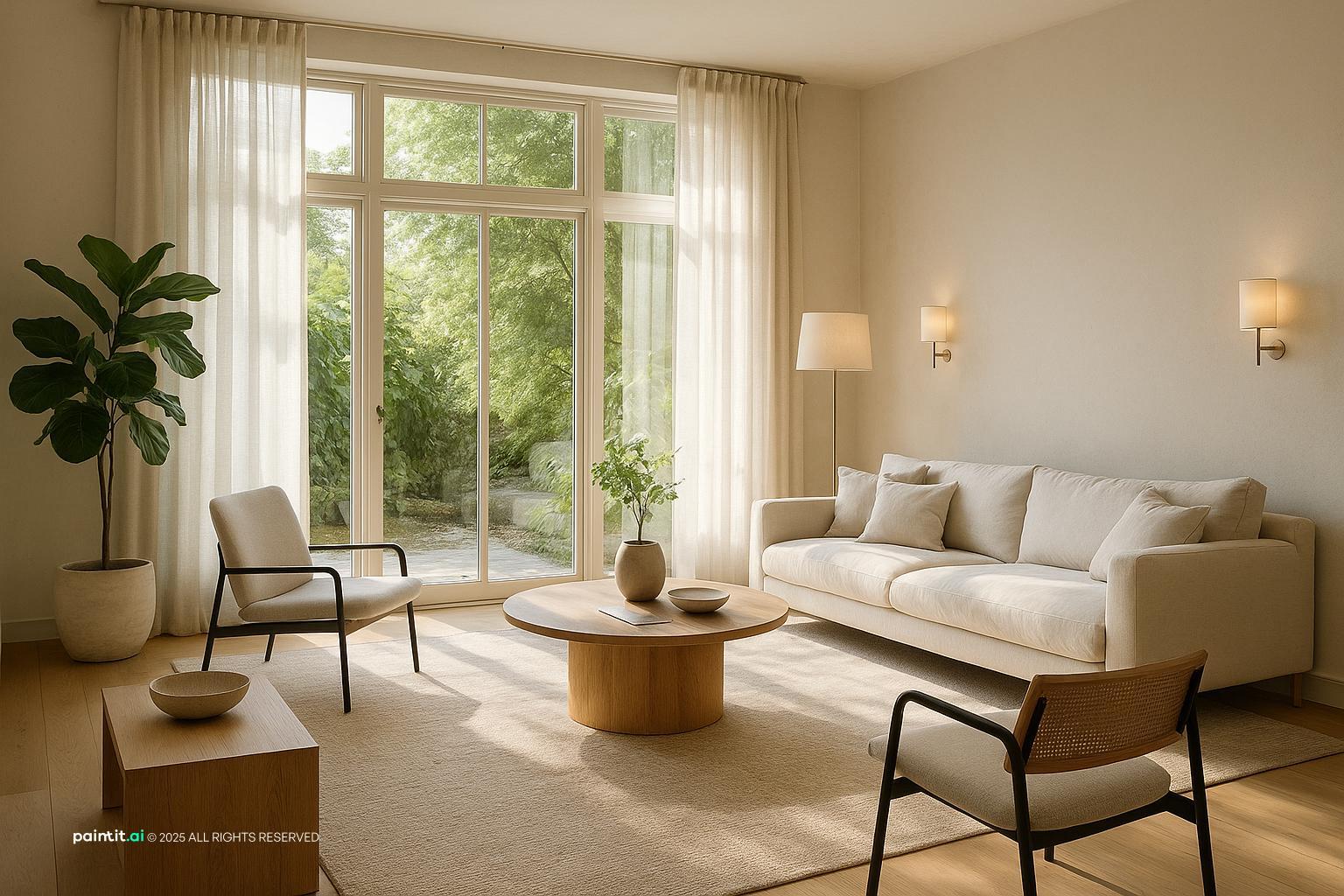
Defining the white oak living room means selecting pieces that speak to comfort and clean lines. A low-slung, generously proportioned sofa with soft, rounded edges is a must; it invites relaxation and complements the floor's natural flow, avoiding harsh angles. Look for one upholstered in a neutral, textured fabric. Next, a substantial, perhaps even sculptural, coffee table in a lighter wood or a stone like travertine anchors the seating area without feeling heavy. Its presence should be both functional and a quiet artistic statement. Finally, a pair of armchairs with exposed light wood frames and woven detailing adds an architectural element, providing additional seating while maintaining an open, airy feel. Proportions are key here; ensure pieces don't overpower the room, but rather create a harmonious conversation with the expansive floors.

4. Lighting setup

Achieving the perfect atmosphere in a white oak living room relies heavily on a thoughtful lighting setup. Ambient lighting is your foundation; recessed fixtures with dimmers allow you to control the overall brightness, creating a soft, even glow. For task lighting, a tall, elegant floor lamp beside your sofa or a pair of table lamps with linen shades on side tables provides focused illumination for reading or intimate conversations. These fixtures should cast a warm, inviting light. Accent lighting is where you truly elevate the space. I’ve seen this work best with subtle wall sconces flanking a piece of art or a picture light highlighting a curated shelf. The goal is to create pools of light that add depth and visual interest, making the room feel layered and welcoming, never flat.

5. Decorative accents & the 3-5-7 rule

Decorative accents are the final layer, bringing personality and life to your white oak living room. Think about large, leafy plants like an olive tree or a Fiddle Leaf Fig; their organic shapes and vibrant green provide a beautiful contrast to the muted palette. styling, the 3-5-7 rule is your secret weapon for creating balance and visual appeal. On a console table, group three items: perhaps a unique ceramic vase, a stack of art books, and a small, sculptural object. For a larger surface, like a coffee table, you might arrange five elements: a decorative tray, a scented candle, a small potted succulent, a set of coasters, and a beautiful art book. This rule ensures your arrangements feel intentional and curated, not cluttered. Even on a bookshelf, varying heights and textures within groups of three or five objects creates a dynamic, engaging display. It might seem odd at first, but odd numbers inherently feel more natural and less static.

Paintit.ai: Visualizing Harmony for Your White Oak Floors Living Room

Many homeowners underestimate the subtle nuances of white oak floors. even a slight variation in undertone—from cool, almost greyish, to warm, honeyed tones—can drastically alter how furniture and wall colors appear. It’s a common pitfall: selecting a rug that clashes, or a sofa that disappears against the floor. I’ve seen this happen too often. But what if you could eliminate that uncertainty? Paintit.ai instantly renders your living room with countless combinations. Imagine seeing that dusty terracotta rug or a raw concrete wall texture against your specific white oak, all before you buy a single item. This avoids costly mistakes. It sounds simple, but the visual clarity is immense. Try the tool and discover your perfect white oak floors living room today.

FAQ

  • Overlooking proper rug padding is a common error. It protects the finish and adds comfort. Also, neglecting natural light can make the space feel dim, even with pale timber. I’ve seen this happen often.

  • They instantly brighten and expand the perception of space. Their neutral tone provides a versatile foundation for various styles, from minimalist to bohemian. It’s truly a chameleon effect.

  • Regular sweeping and damp mopping are key. Use felt pads under furniture to prevent scratches. Spills need immediate attention. Most people forget that sunlight can alter the tone over time, so consider UV-blocking window treatments.

  • Warm neutrals like dusty terracotta or sage greens create a serene backdrop. For furniture, mid-century modern or Scandinavian pieces with clean lines and natural textures, like linen or wool, truly shine. It sounds simple, but it works.

  • A matte or satin finish often looks more contemporary and hides imperfections better than high gloss. For undertones, a slight grey wash can cool a space, while a natural, un-stained look offers timeless warmth. It might seem odd at first, but matte is usually superior.