
Exploring the Unique Style - of a 1980s Living Room
Remember the bold patterns and plush comfort that defined a 1980s living room? It's a style often misunderstood, yet full of personality and warmth, inviting us to rethink its place in modern homes. How can we bring that distinct vibe into our spaces today without feeling stuck in a time capsule?
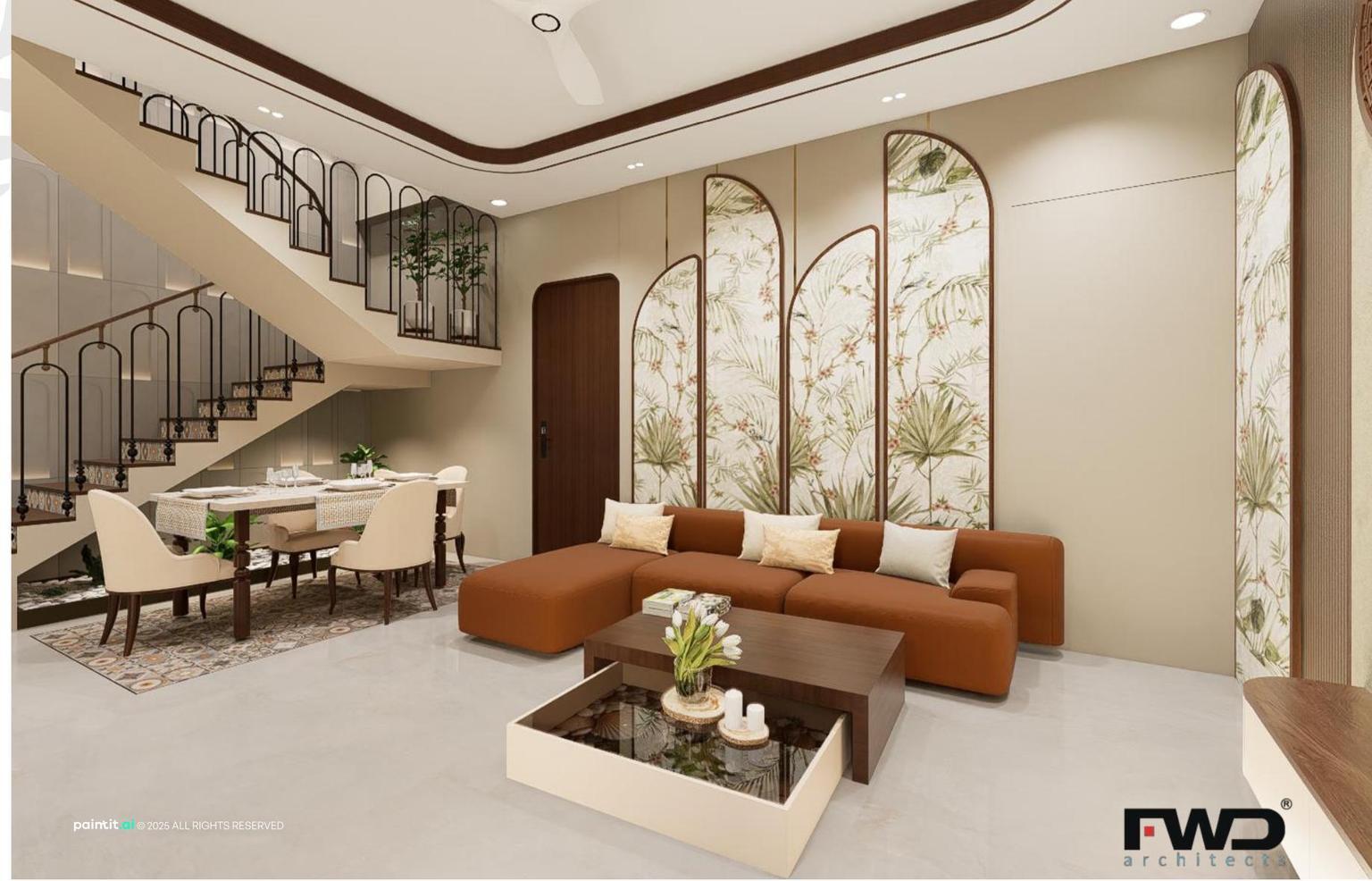
Essential Tips for Reimagining the 1980s living room
Bringing back a beloved era without it feeling like a museum piece—a real challenge. We notice a strong pull towards that decade’s distinct personality, a refreshing counterpoint to endless minimalism.
-
Reimagining the 1980s living room
Bringing back a beloved era without it feeling like a museum piece—a real challenge. We notice a strong pull towards that decade’s distinct personality, a refreshing counterpoint to endless minimalism.
Stunning Examples of 12 Ways to Bring the 1980s Living Room Vibe Home
-
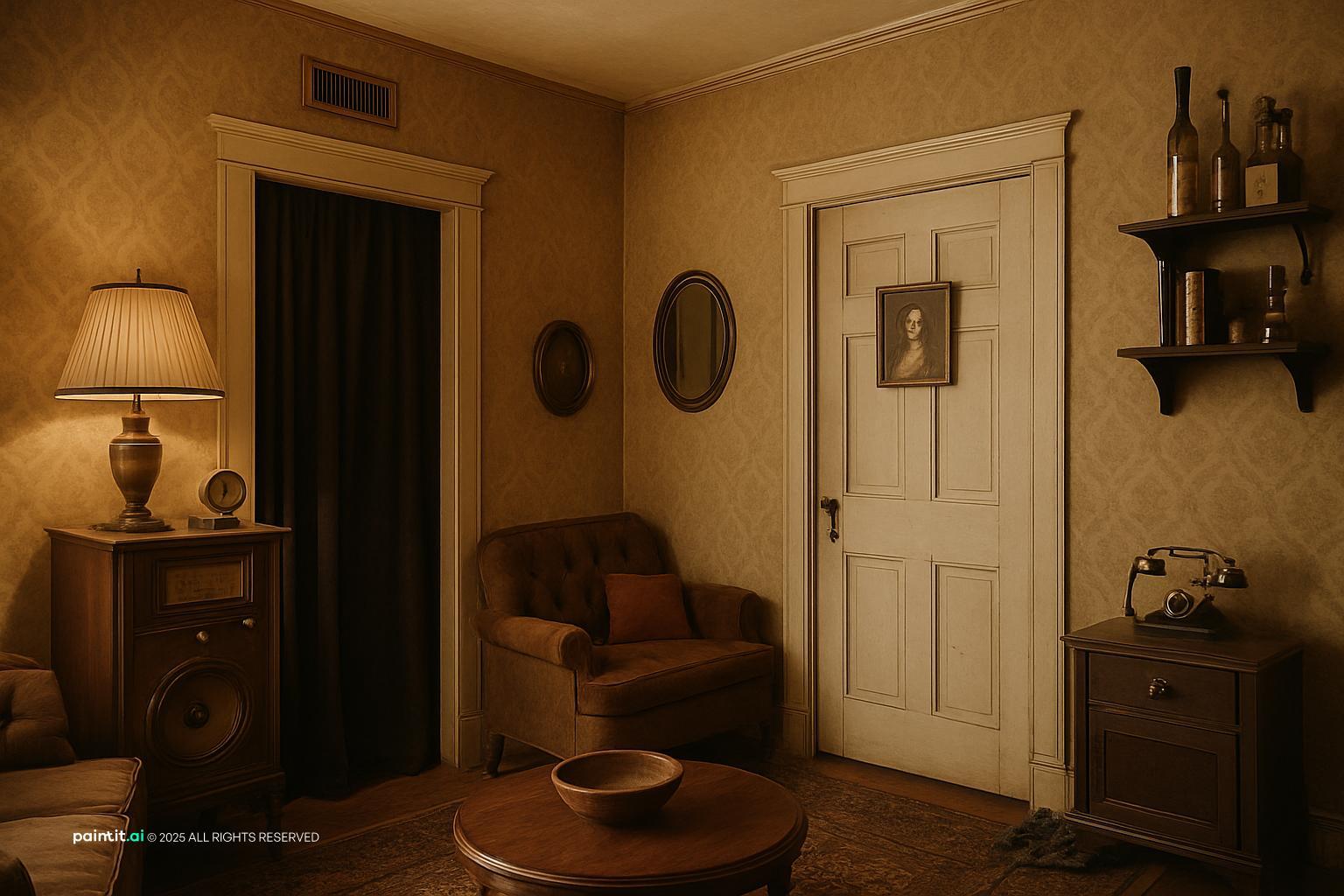
We’ve noticed a real craving for spaces that feel lived-in, full of personality—a welcome shift from the stark, often cold, aesthetics that have dominated for too long. The 1980s living room, with all its quirks and comforts, offers a treasure trove of inspiration. We’ve curated these ideas to help you strike that perfect balance between nostalgic charm and modern functionality, ensuring your space feels both authentic and utterly now.
-
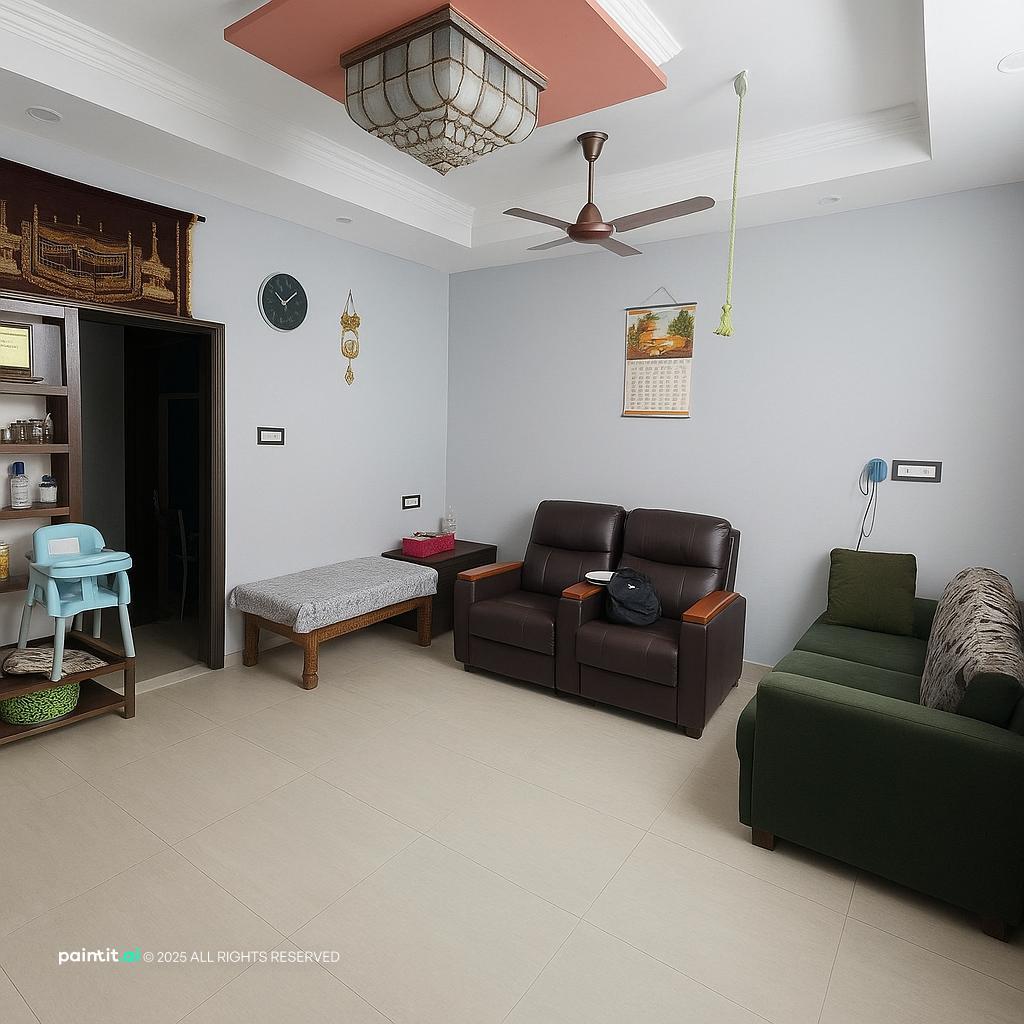
This isn't just a sofa; it's an invitation to sink in, to truly relax. The truth is, comfort was king in the eighties, and those generous proportions made a living room 80s feel incredibly welcoming. It’s about creating a soft landing, a place where everyone can gather without feeling cramped.
-
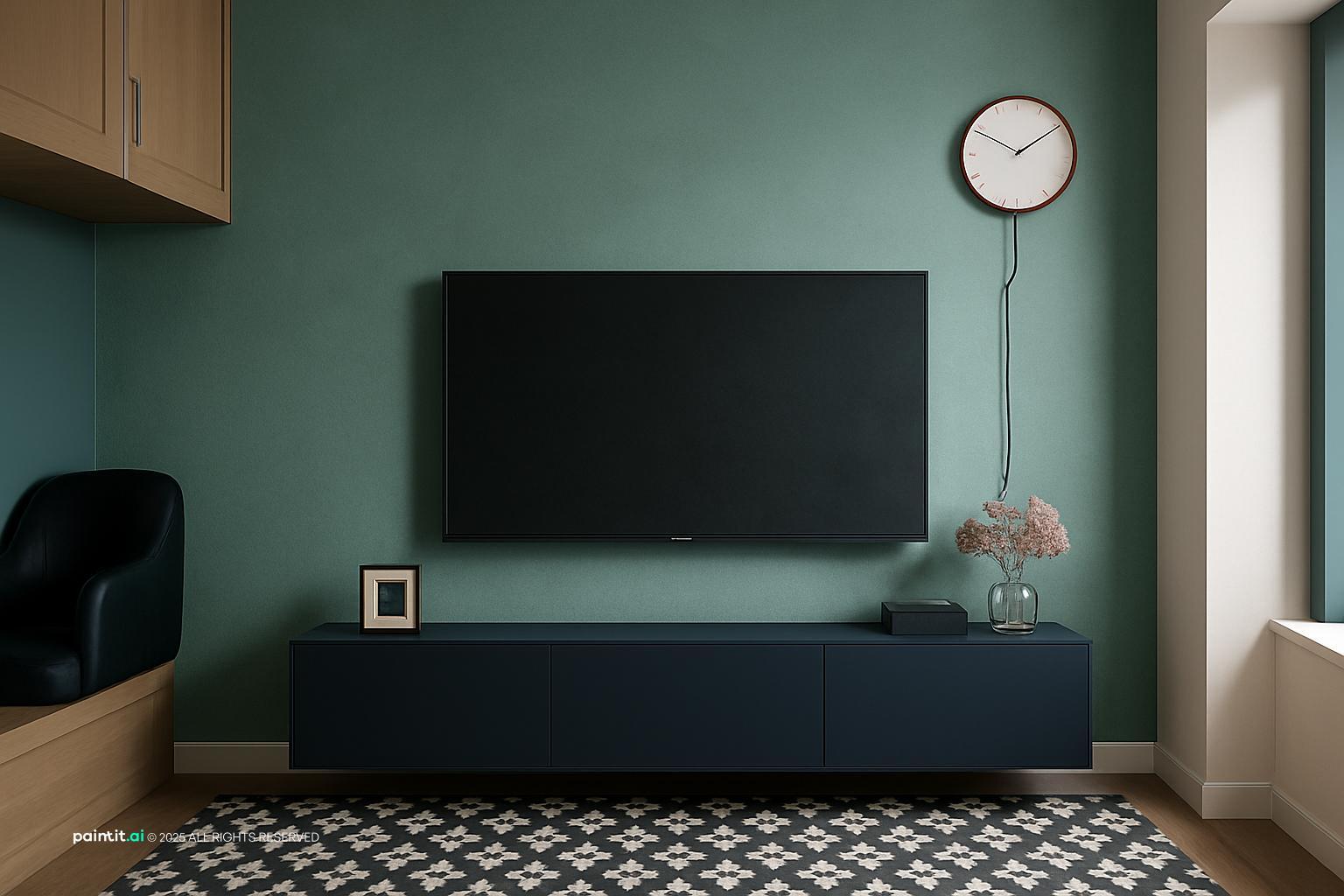
Look for a large sectional with deep seats and soft, rounded arms. Fabrics like chenille, velvet, or a rich corduroy in a muted pastel or earthy tone work beautifully. Think about a skirted base for that extra touch of vintage charm, or perhaps a modular design for flexibility.
-
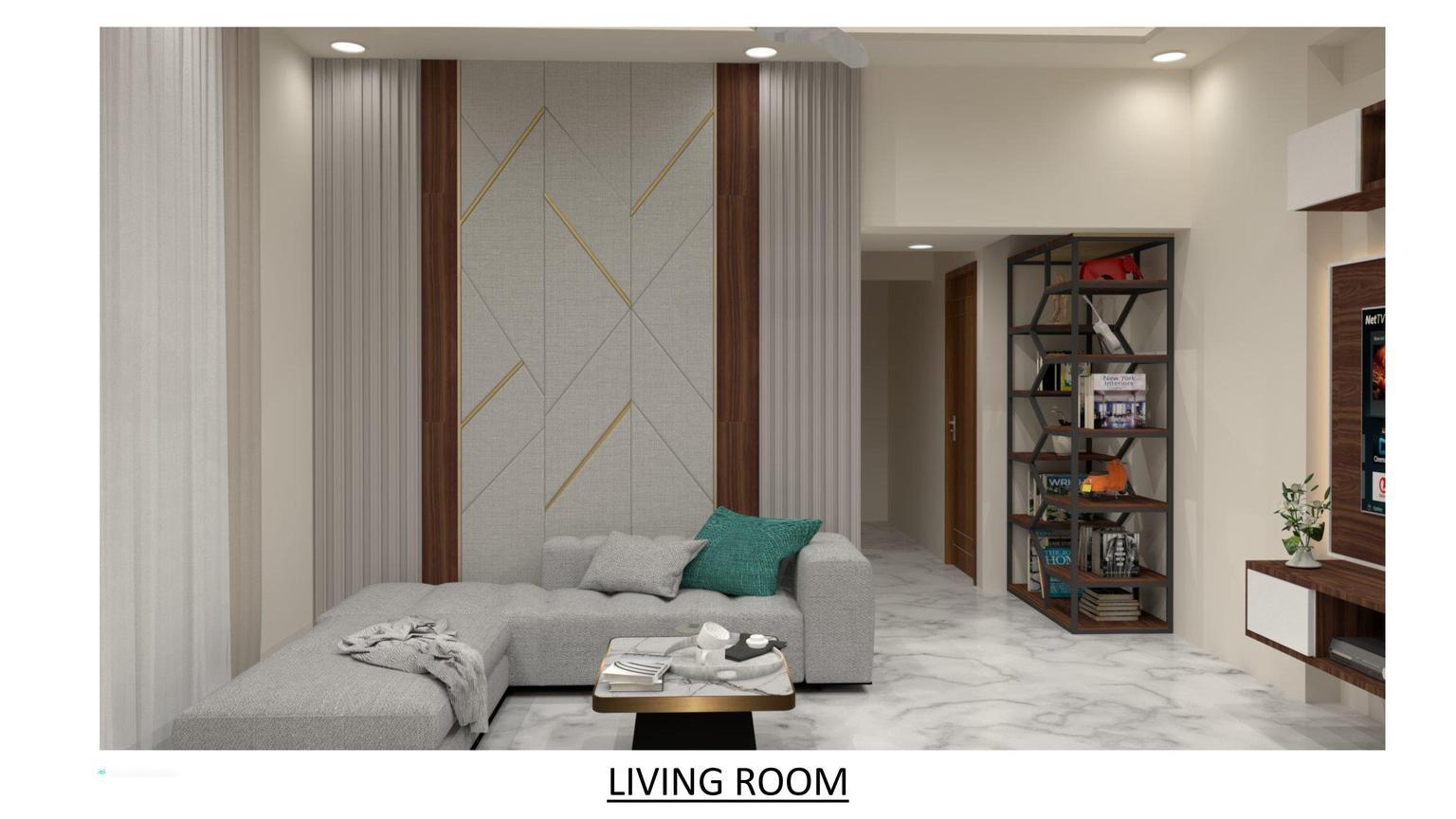
Pro Tip: To achieve this effect, try pairing a substantial sectional with a low-slung coffee table to maintain an open feel.
-
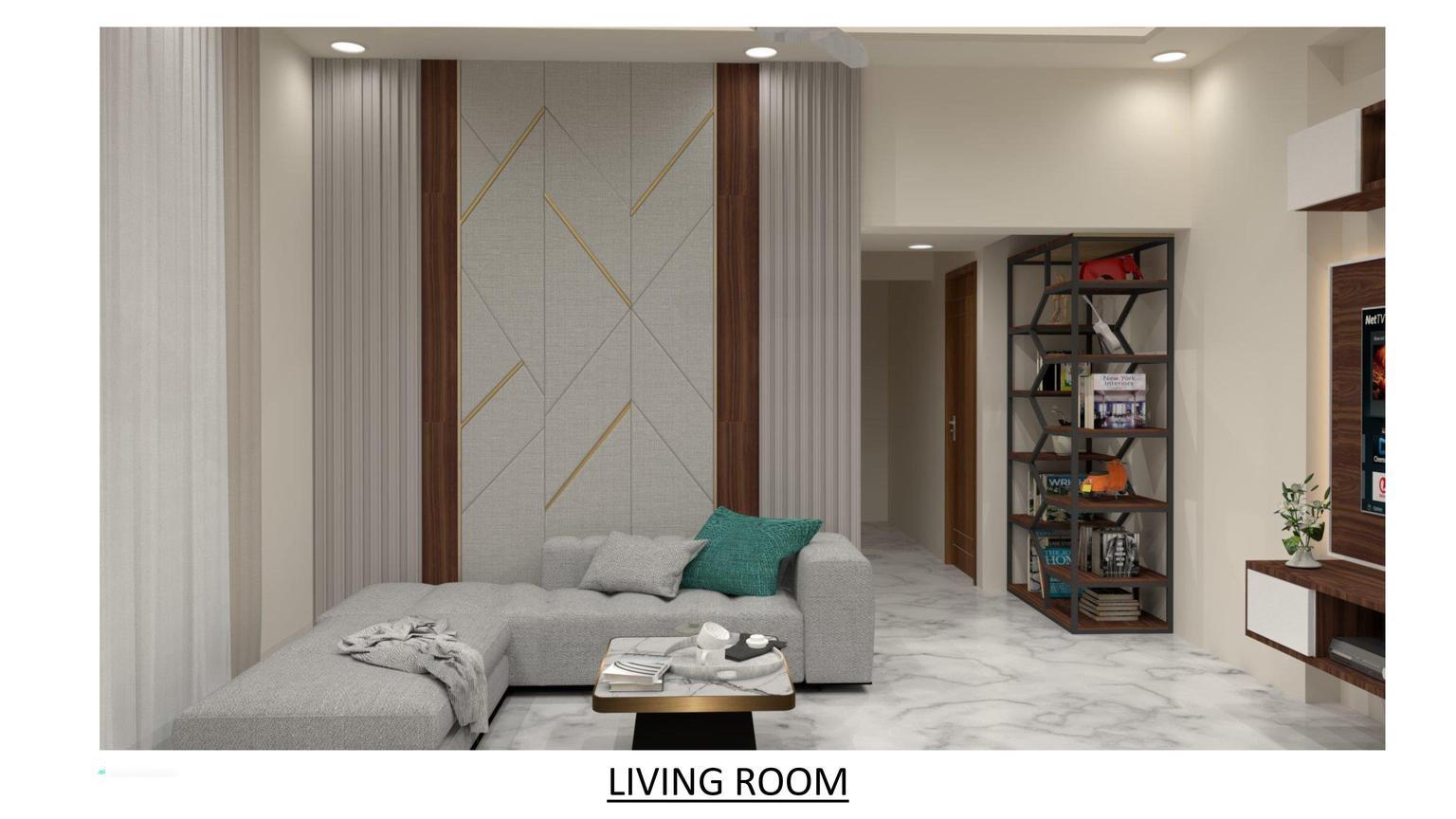
The Memphis Group really shook things up, injecting a playful, artistic energy into the typical 80s living room. It was bold, a little rebellious, and completely unforgettable. This isn't about recreating a museum piece; it's about borrowing that sense of fun and asymmetry.
-
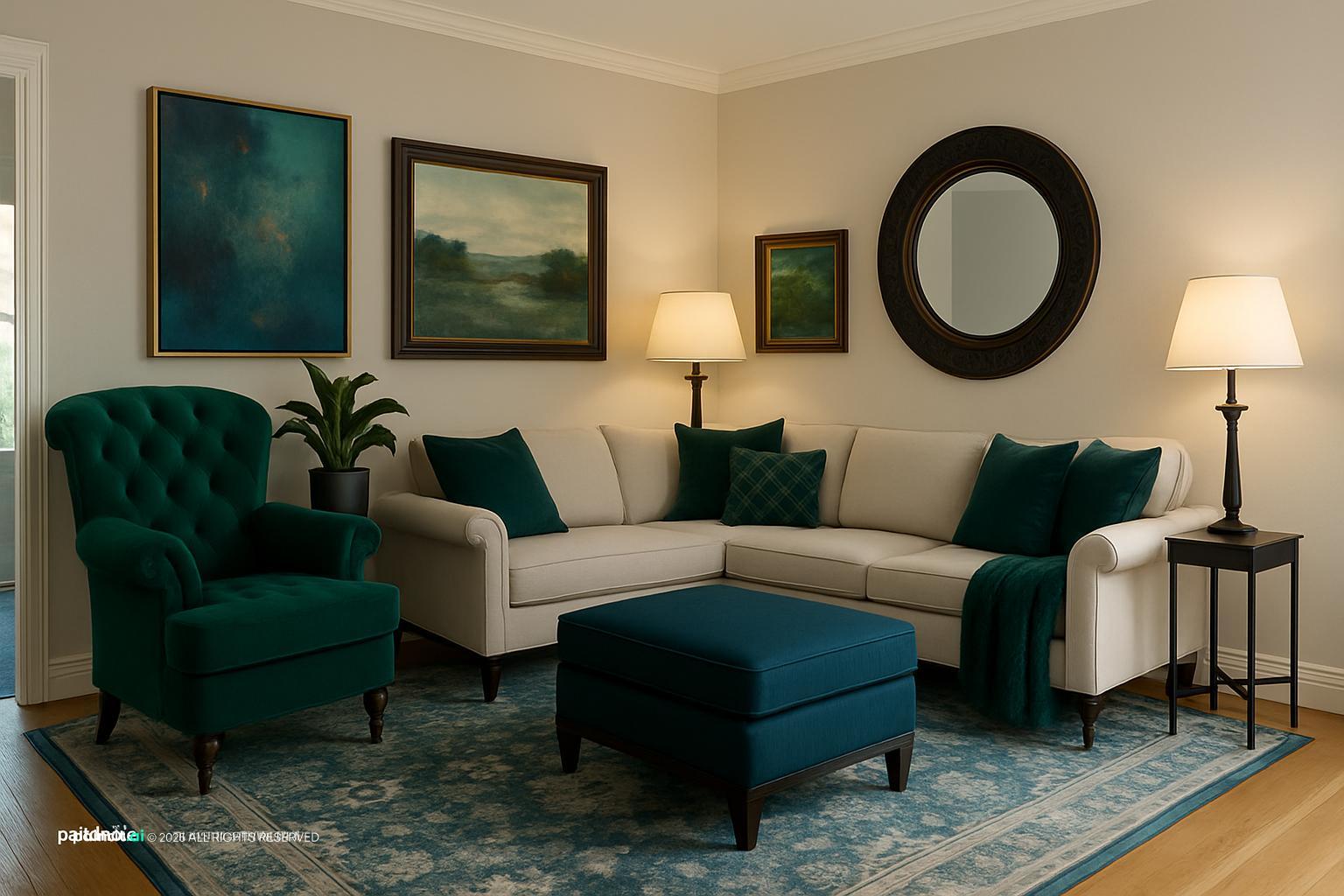
Integrate these patterns through accent pillows, a statement rug, or even a piece of art. Think squiggles, grids, and abstract shapes in unexpected color combinations—perhaps a vibrant teal paired with a soft peach, or a classic black and white with a pop of yellow. A lacquered console table with geometric legs could also do the trick.
-
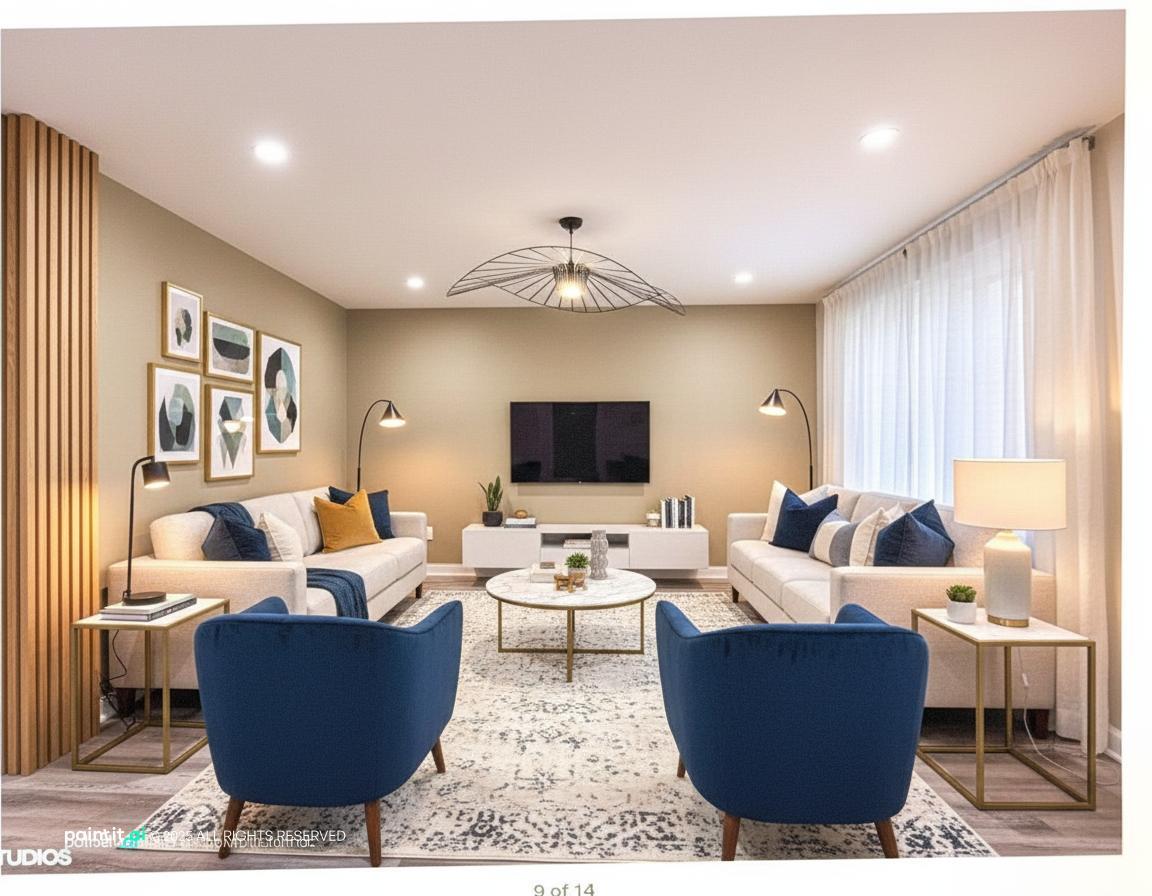
Pro Tip: To achieve this effect, try using one or two key pieces with strong geometric patterns rather than overwhelming the entire space.
-
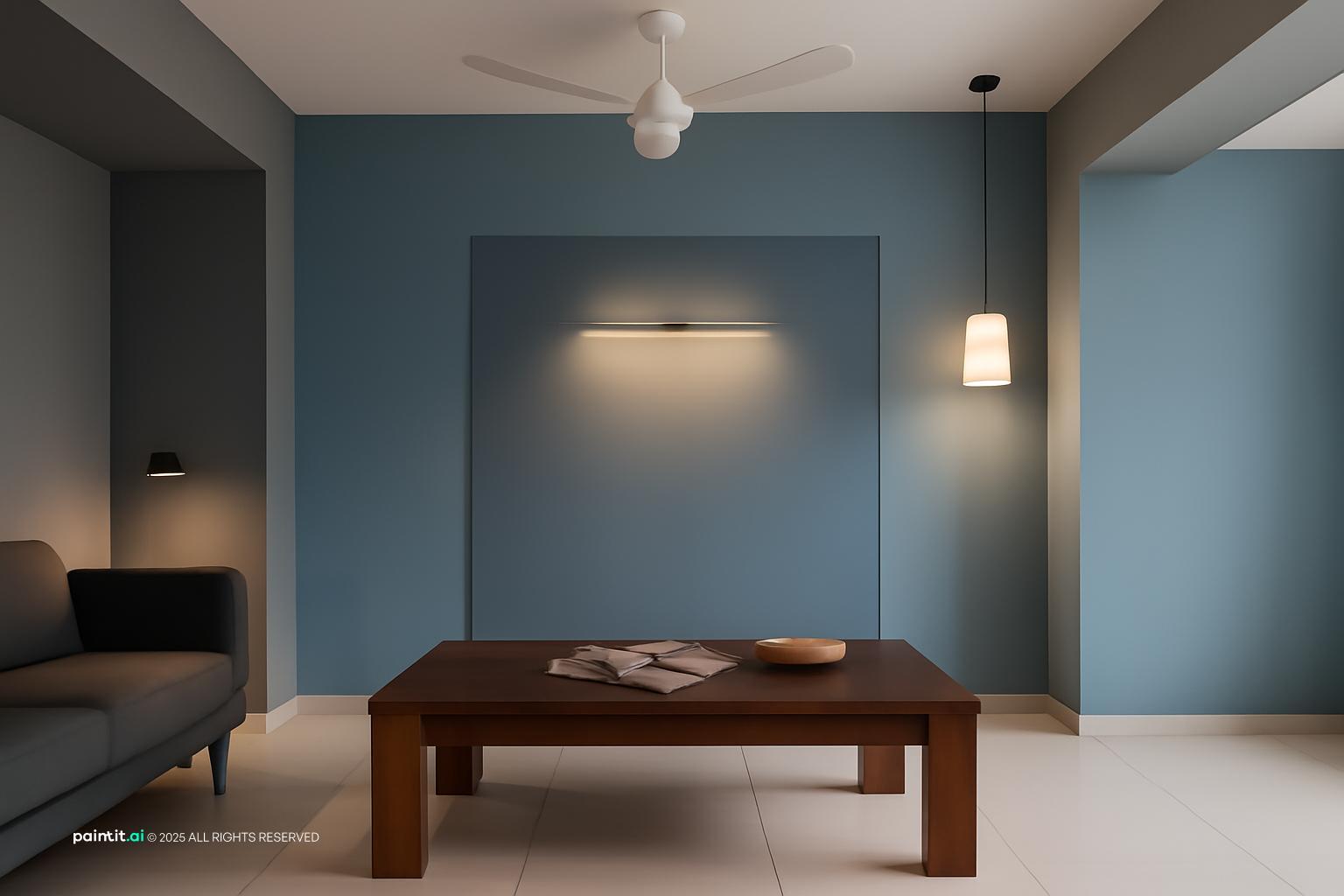
Brass wasn't just a material; it was a statement of understated luxury in the 1980s home decor. It added a warm glow, a touch of sophistication without feeling ostentatious. We’ve seen this work best when it’s used thoughtfully, not everywhere.
-
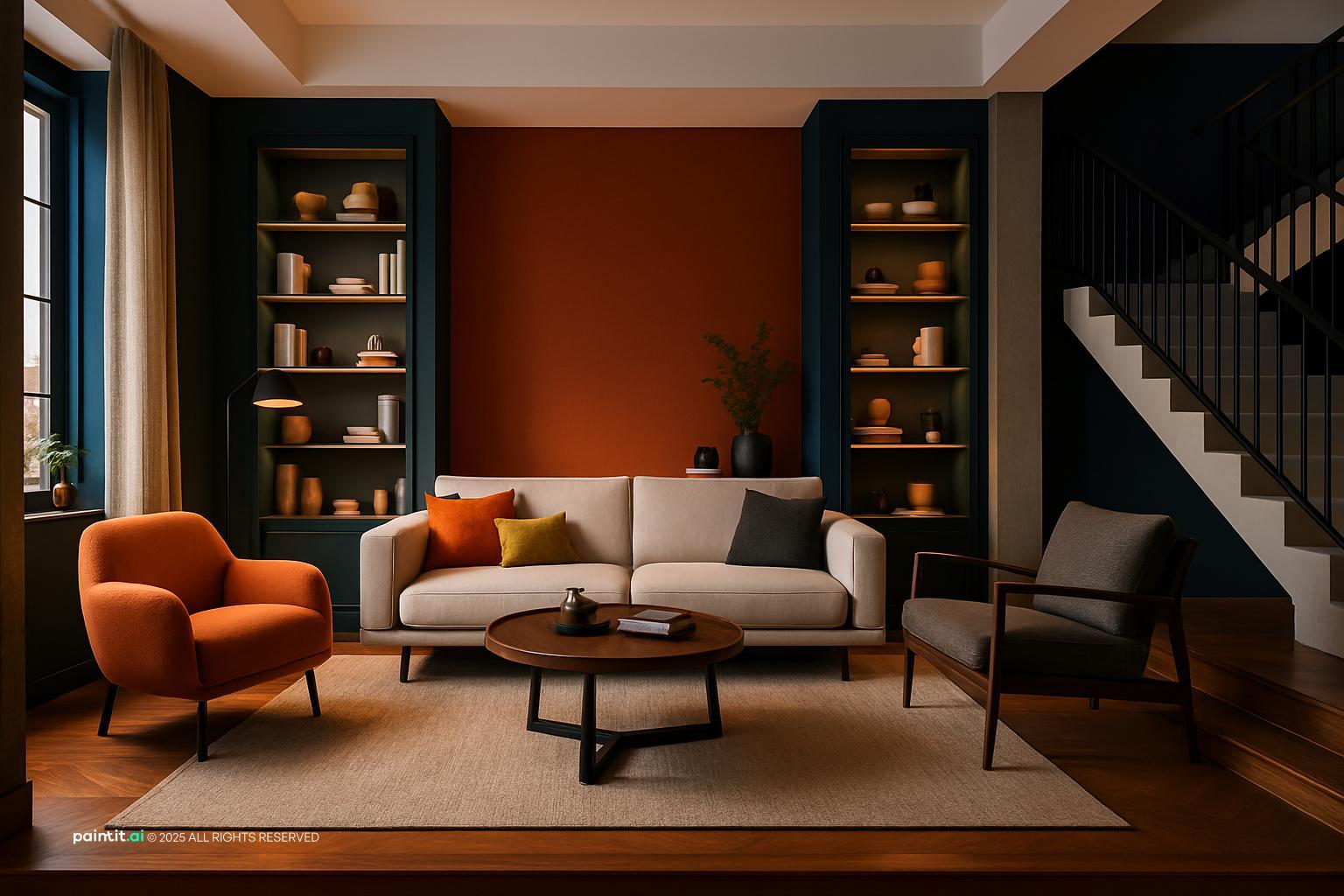
Incorporate brass through lighting fixtures—a floor lamp with a polished brass base, or a wall sconce. Consider a brass-framed mirror, a coffee table with a brass inlay, or decorative objects like a sleek étagère. The key is a polished finish, not the brushed or antiqued brass we see today.
-
Pro Tip: To achieve this effect, try mixing brass with glass or lacquered wood to enhance its reflective quality.
-
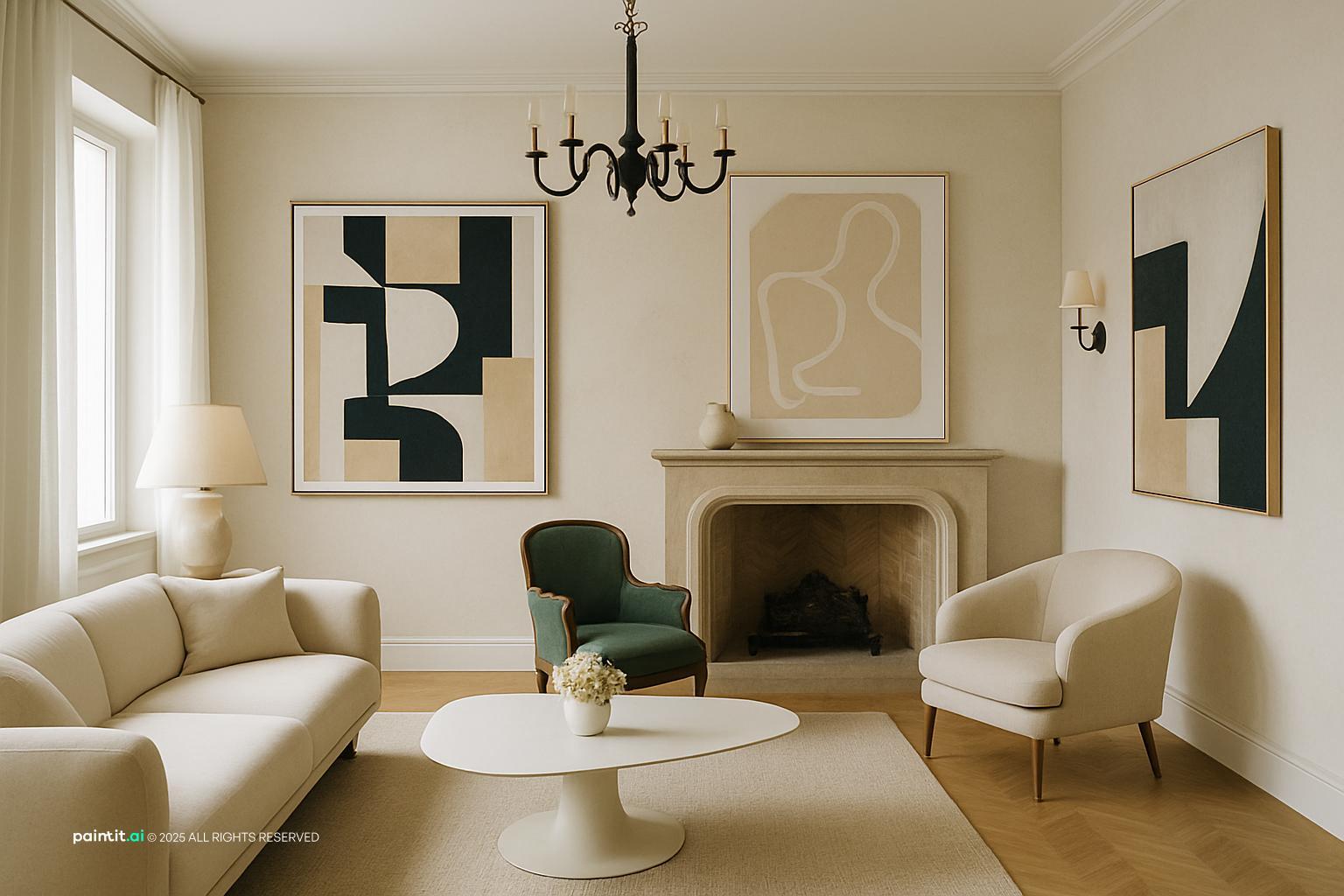
Glass blocks were everywhere, offering privacy while still letting light flood in. They had this futuristic yet practical appeal, a hallmark of 1980s living room design. It’s a subtle architectural detail that instantly signals the era.
-
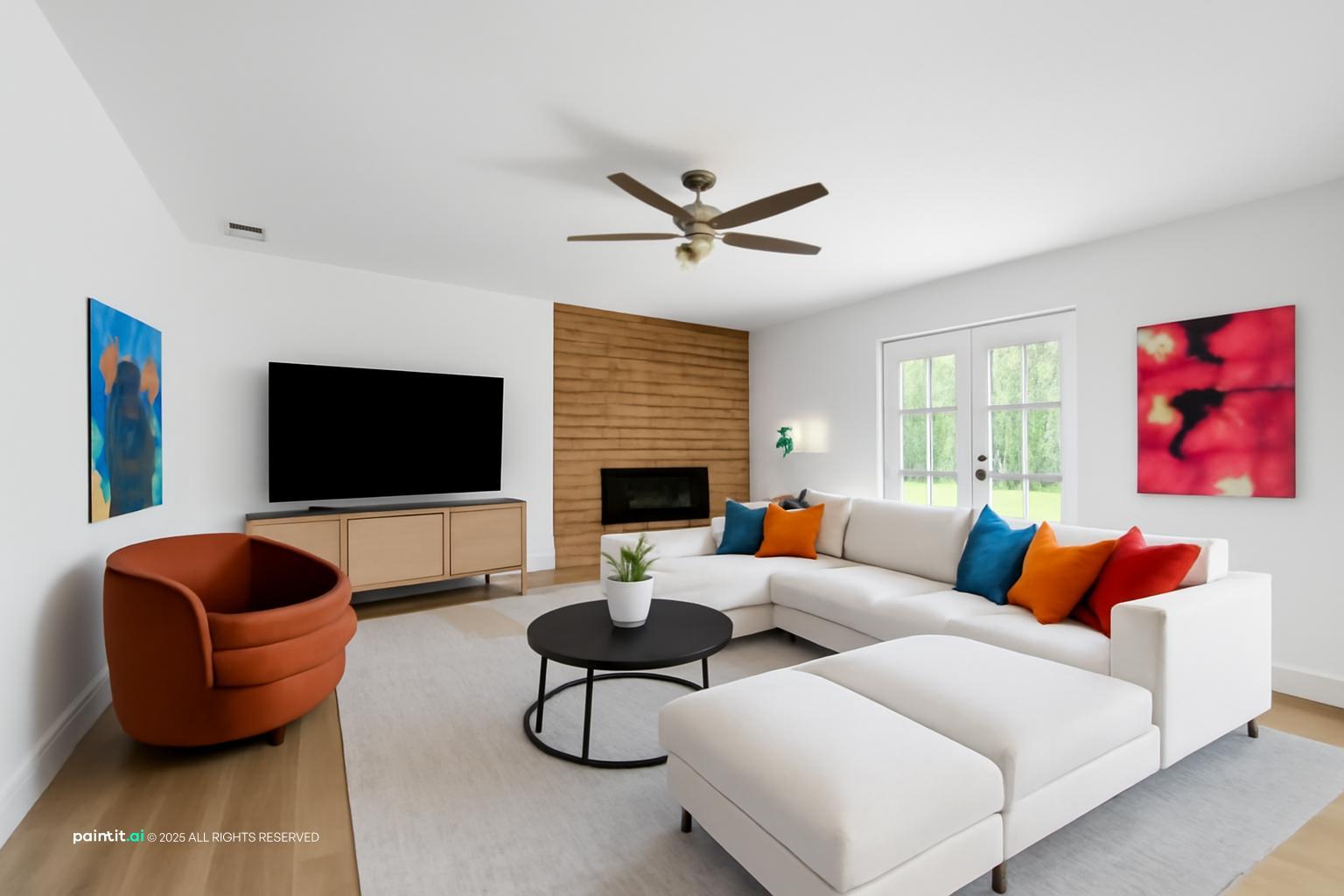
Consider a small section of a wall, perhaps separating a living area from an entryway, or even as a unique partition in a larger open space. The diffused light they create is truly special, giving a soft, ethereal glow. It’s a commitment, yes, but the payoff in unique texture and light is immense.
-
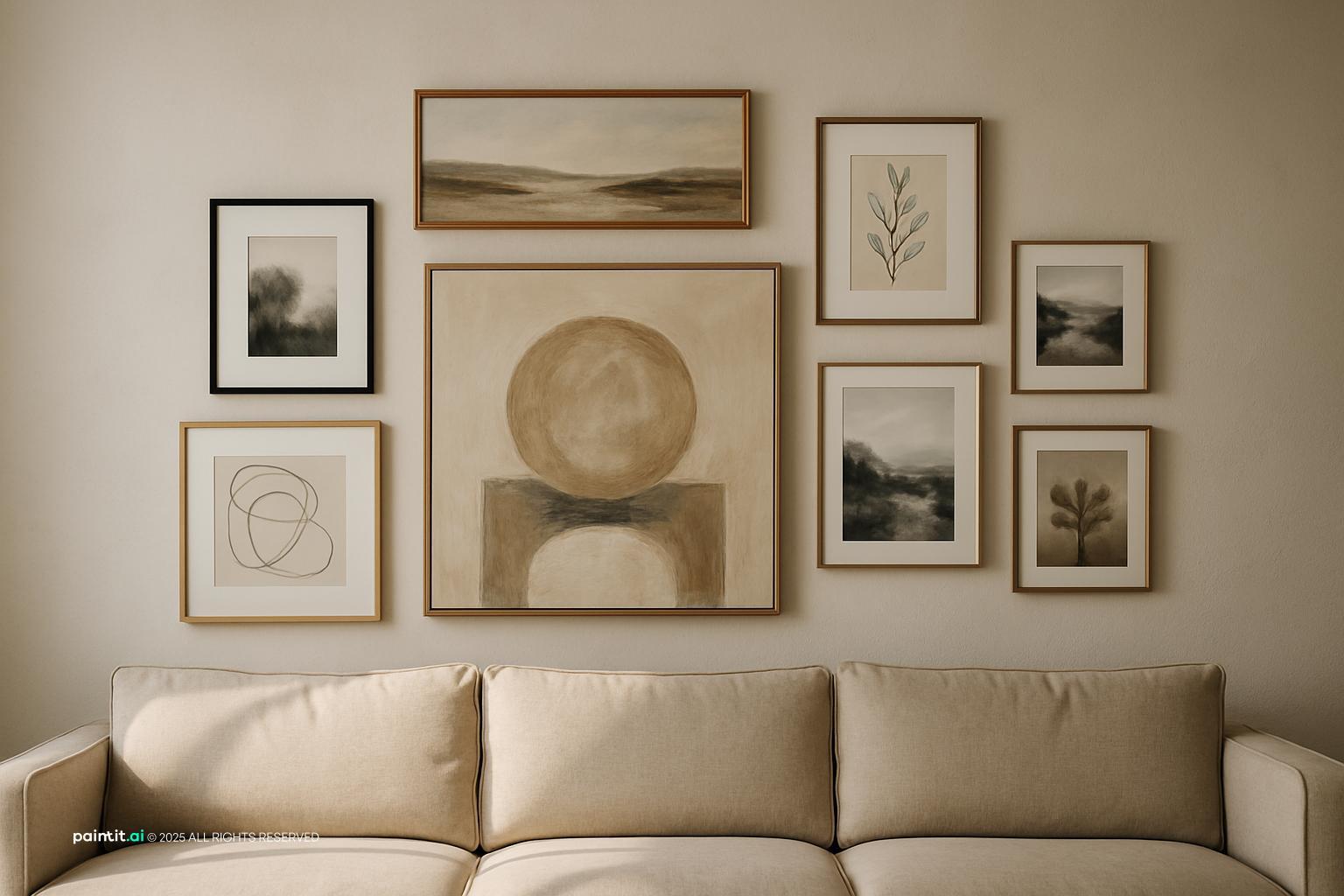
Pro Tip: To achieve this effect, try using clear glass blocks for maximum light, or frosted ones for more privacy and a softer look.
-
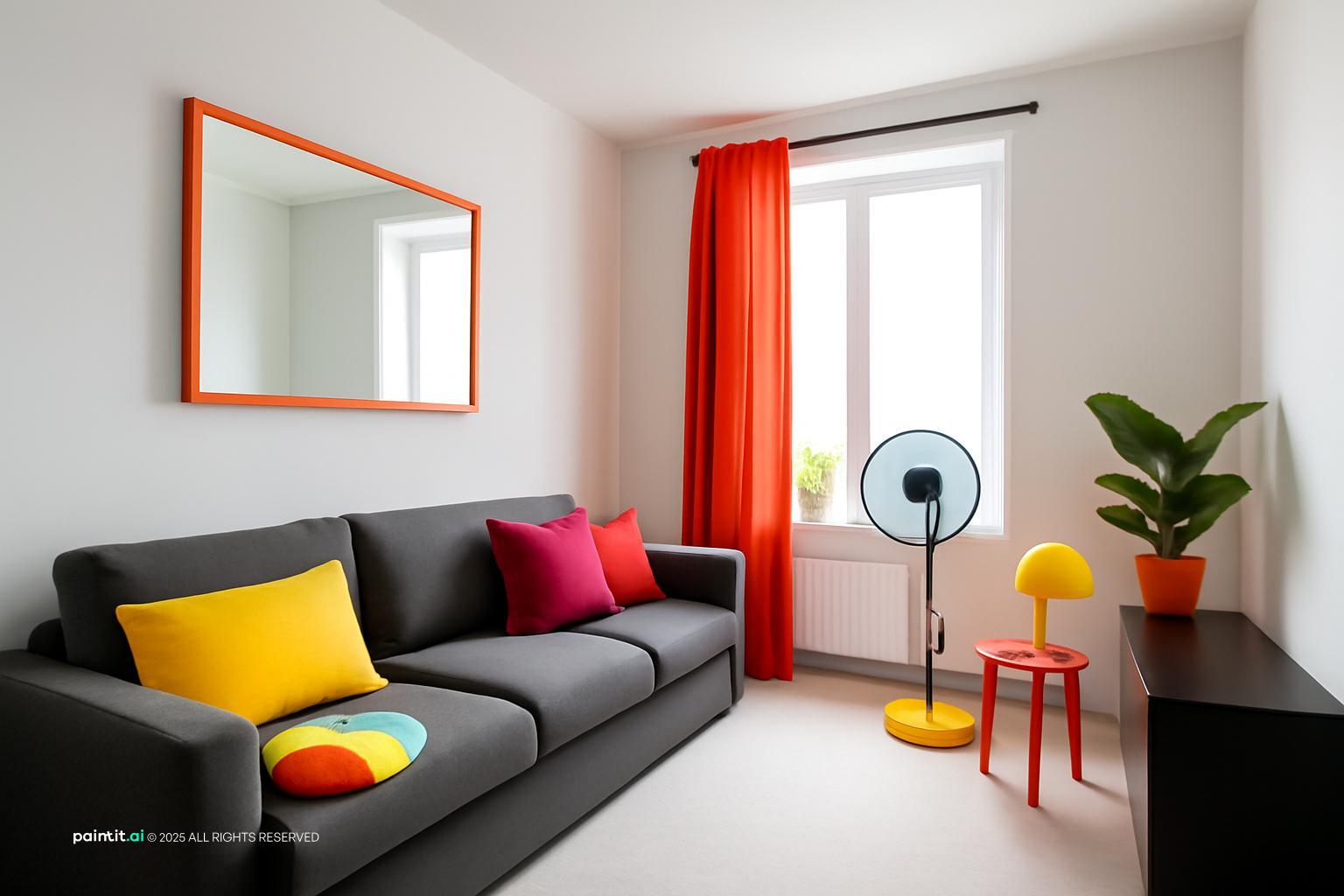
These weren't just colors; they were a mood, a softer side of the decade that felt fresh and optimistic. A real 80s living room often embraced these hues wholeheartedly, creating spaces that felt light and airy, yet distinctly stylish.
-
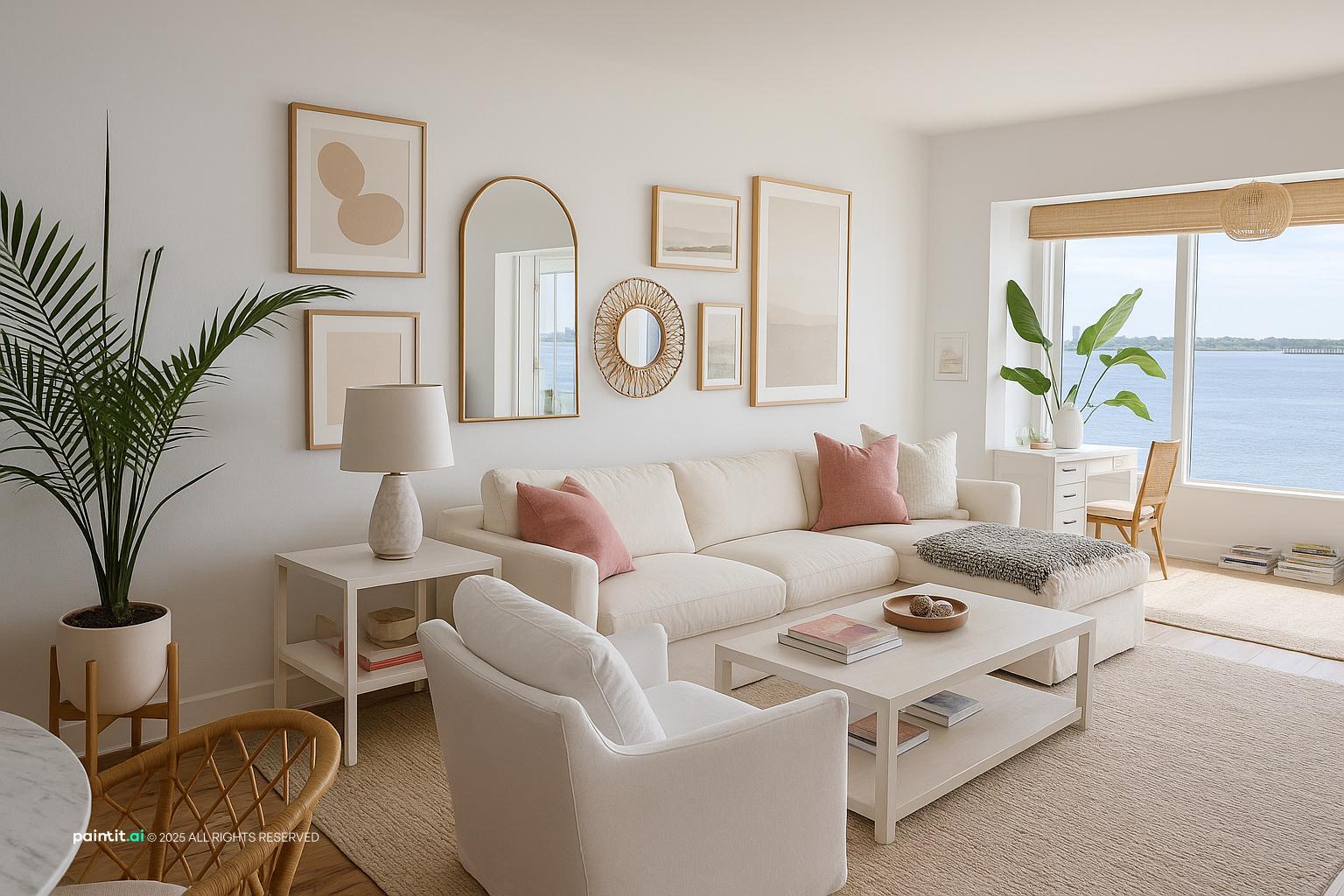
Think about painting an accent wall in a soft mauve or a muted mint green. Introduce these colors through upholstery, drapes in a chintz fabric, or a collection of ceramic vases. The trick is to keep them slightly desaturated, avoiding anything too saccharine. A peach-toned rug can anchor the whole scheme.
-
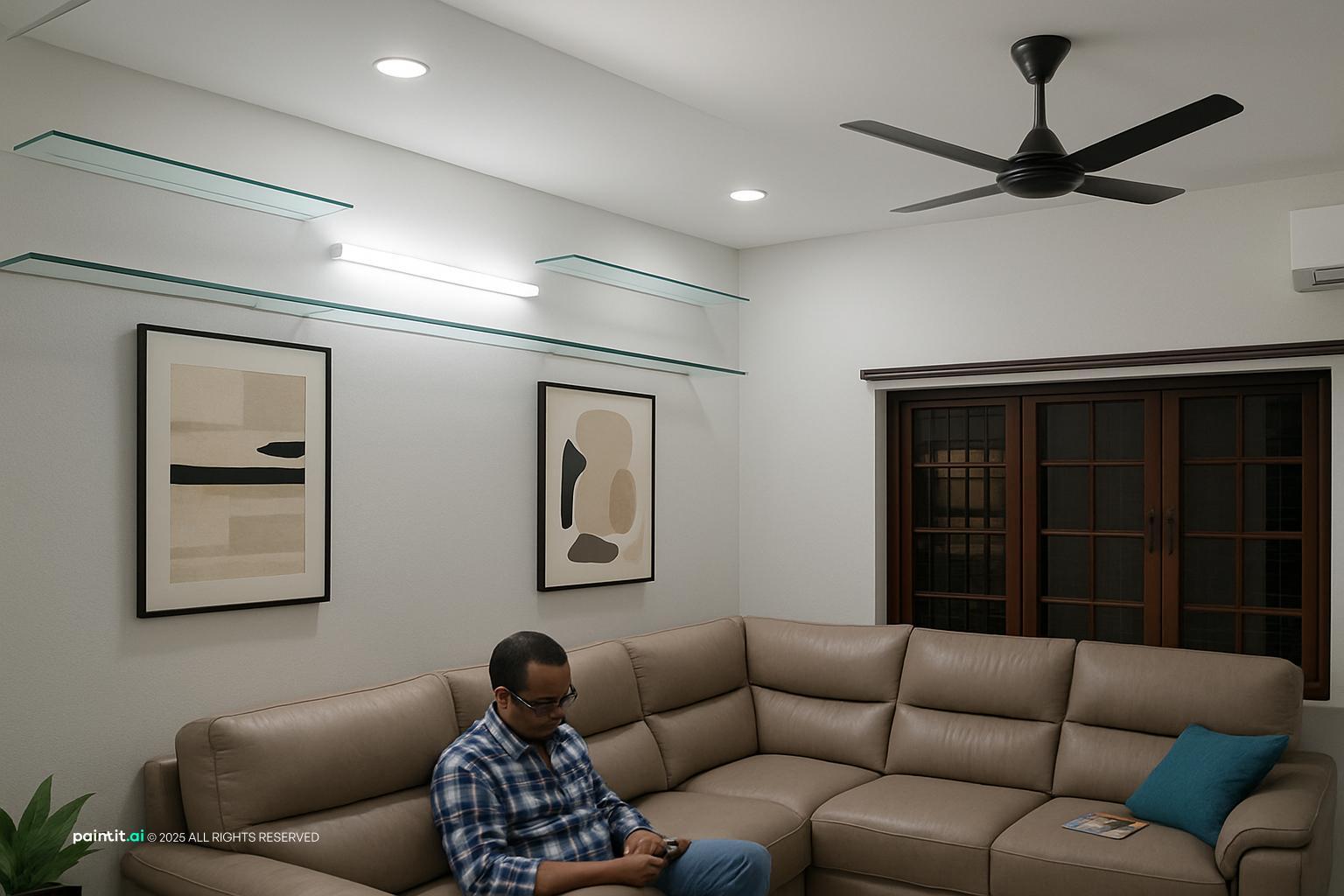
Pro Tip: To achieve this effect, try pairing pastels with crisp white or light grey to keep the palette feeling sophisticated, not childish.
-
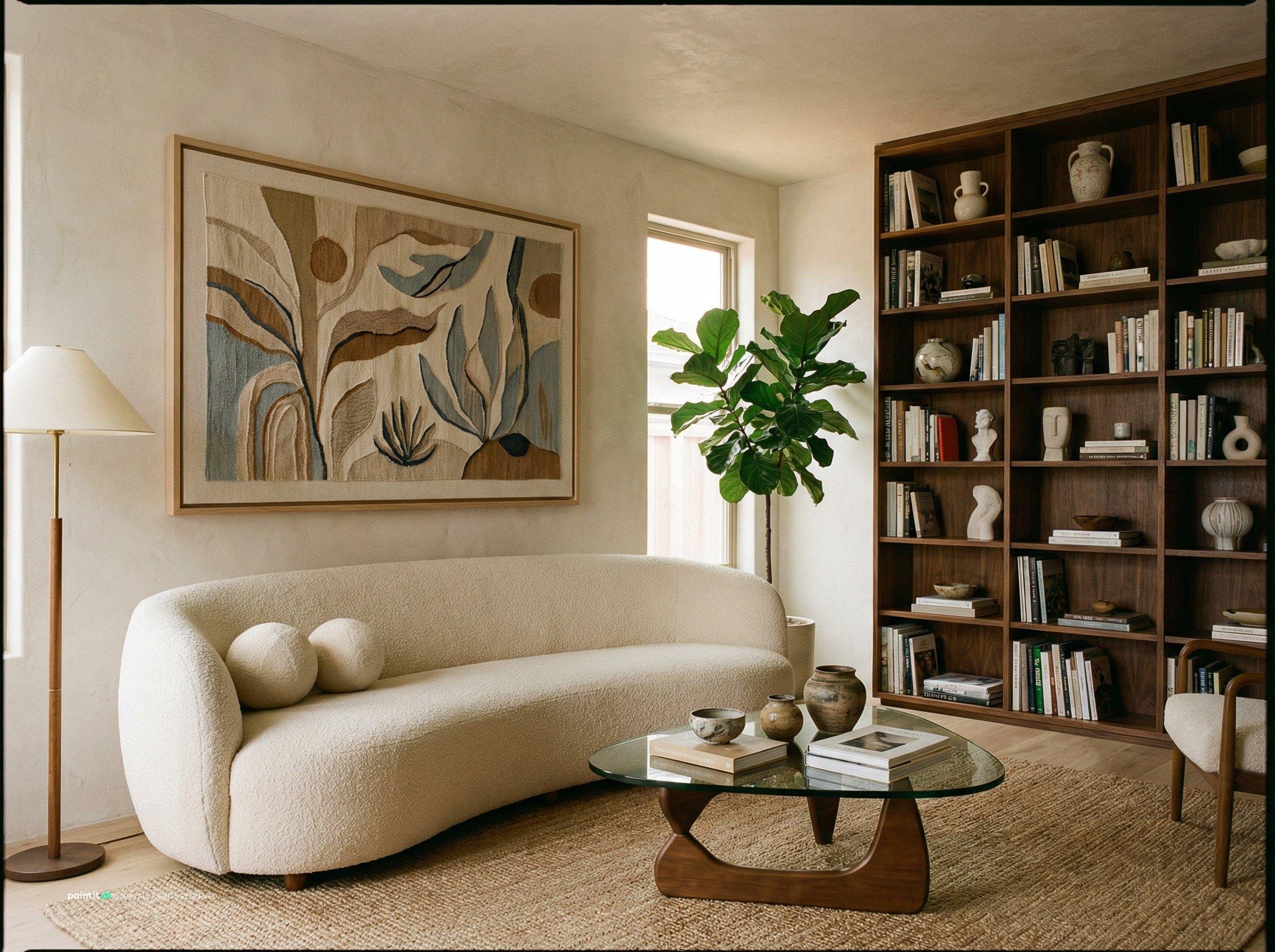
Reflective surfaces were a big deal, making rooms feel larger and adding a touch of drama. Smoked glass, in particular, brought a sophisticated edge to the 80s theme living room, a subtle departure from clear glass.
-
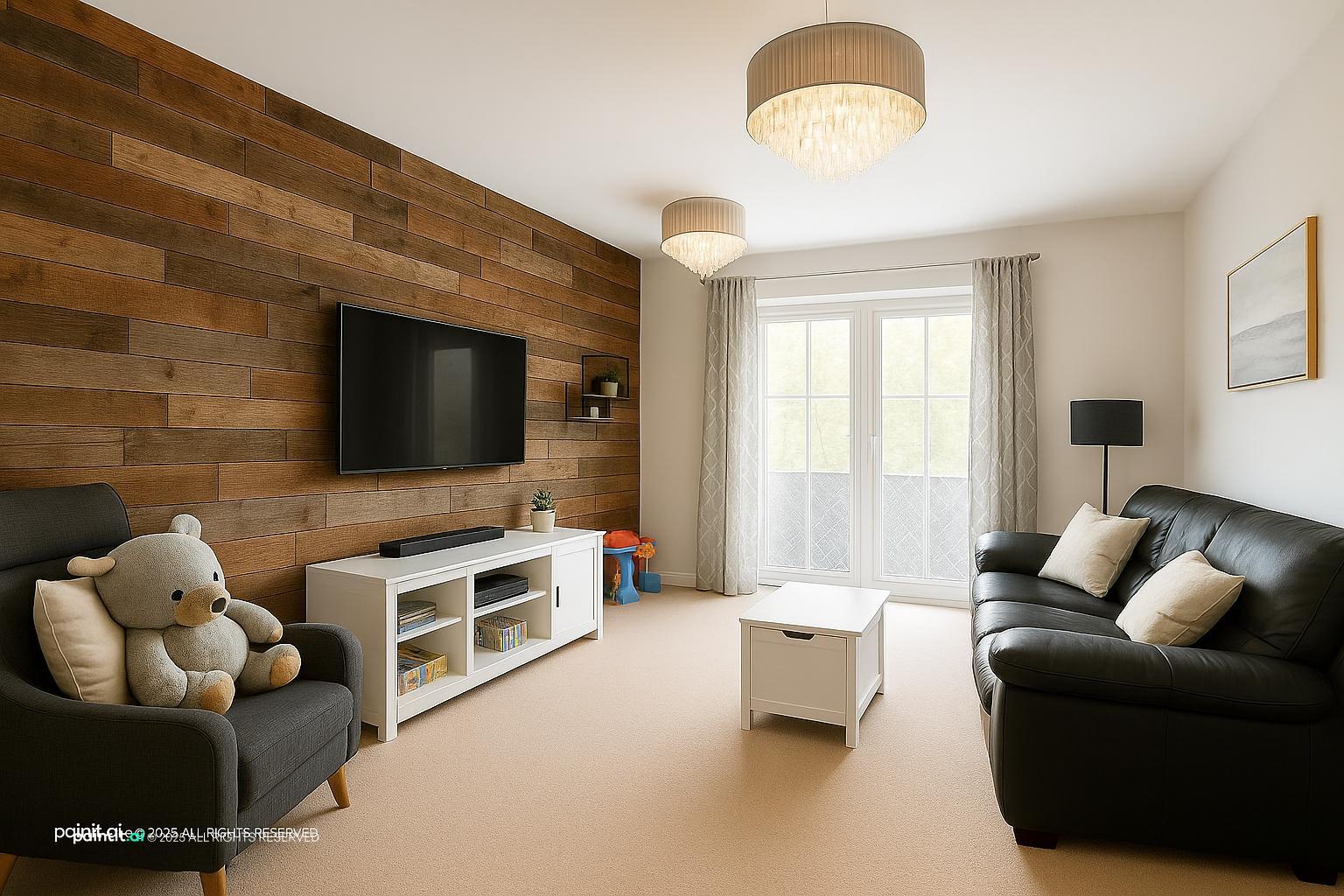
A smoked glass coffee table or end tables can instantly elevate a space. Consider a large wall mirror with a simple, clean frame to amplify light and space. Mirrored tiles on a fireplace surround, or even a mirrored bar cart, can also capture this vibe. It’s about creating visual interest through reflection.
-
Pro Tip: To achieve this effect, try placing a mirrored piece opposite a window to maximize light and expand the perception of space.
-
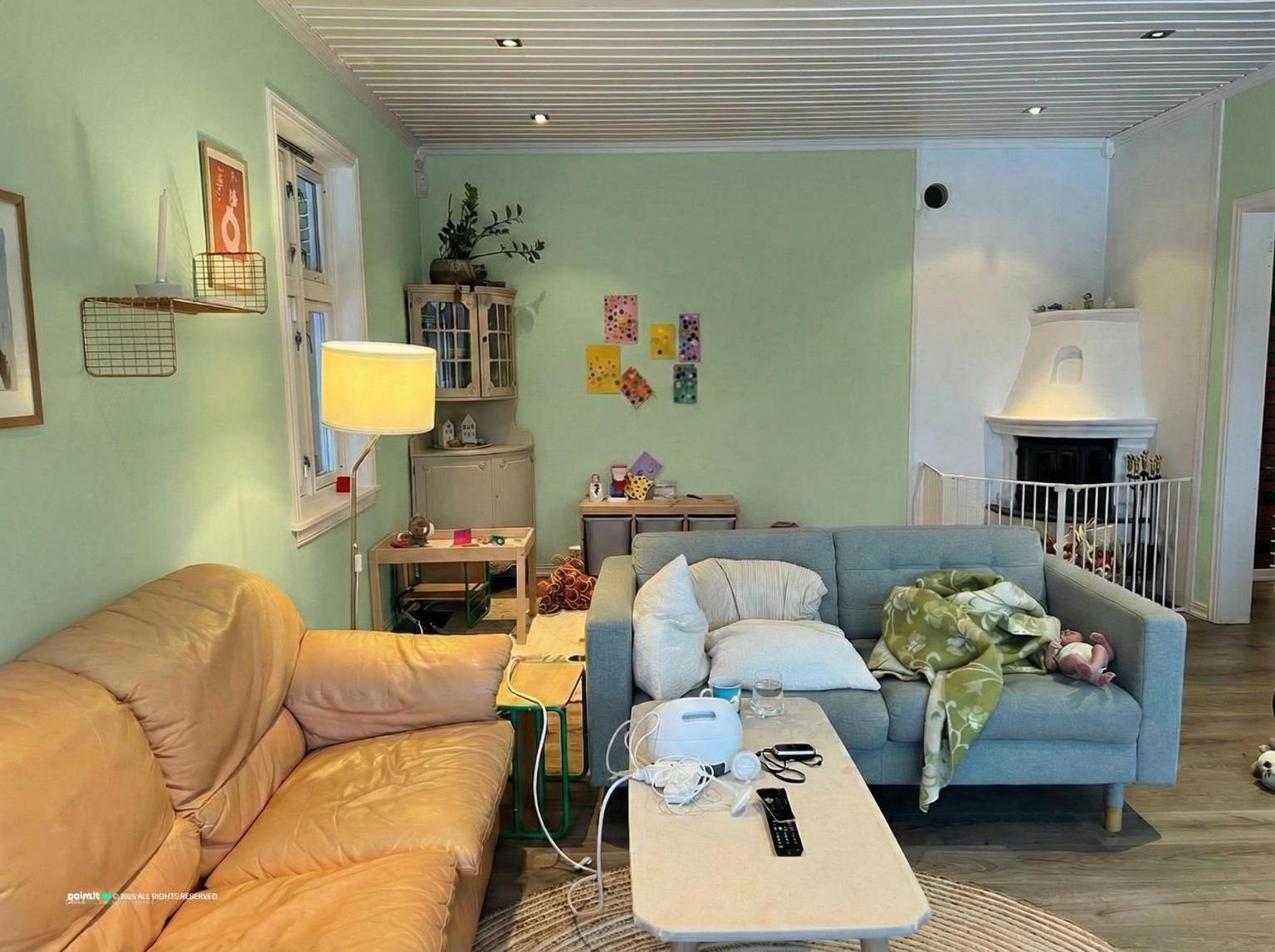
Glossy, smooth, and often in black or white, lacquered furniture was the epitome of chic for a living room 80s interior design scheme. It felt modern, a little edgy, and definitely luxurious. It’s about that high-shine, almost wet look.
-
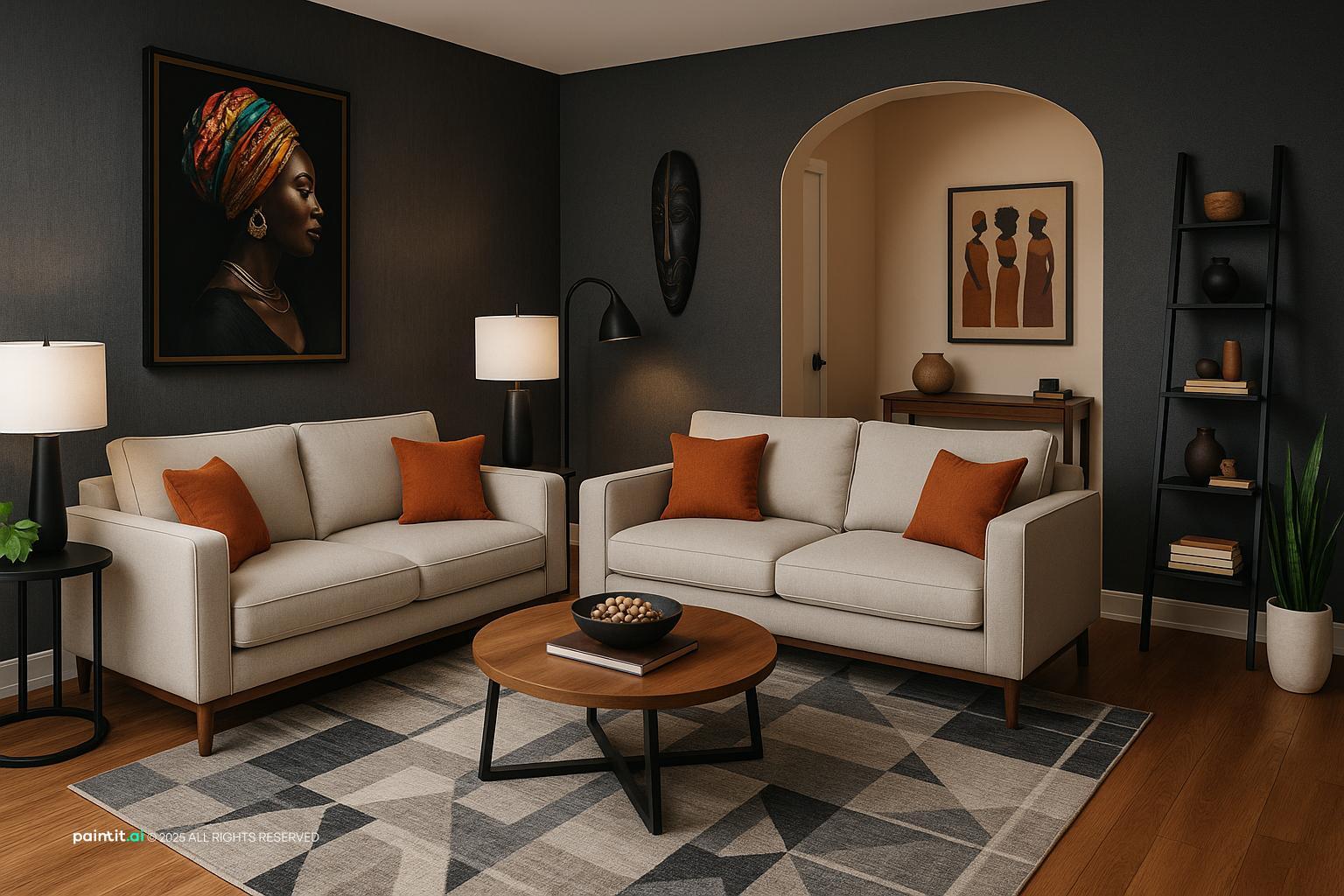
A lacquered console table, a coffee table, or even a set of nesting tables can bring this element in. Black lacquer often paired beautifully with brass or chrome, while white lacquer offered a crisp, clean aesthetic. It's a bold choice, but one that truly makes a statement.
-
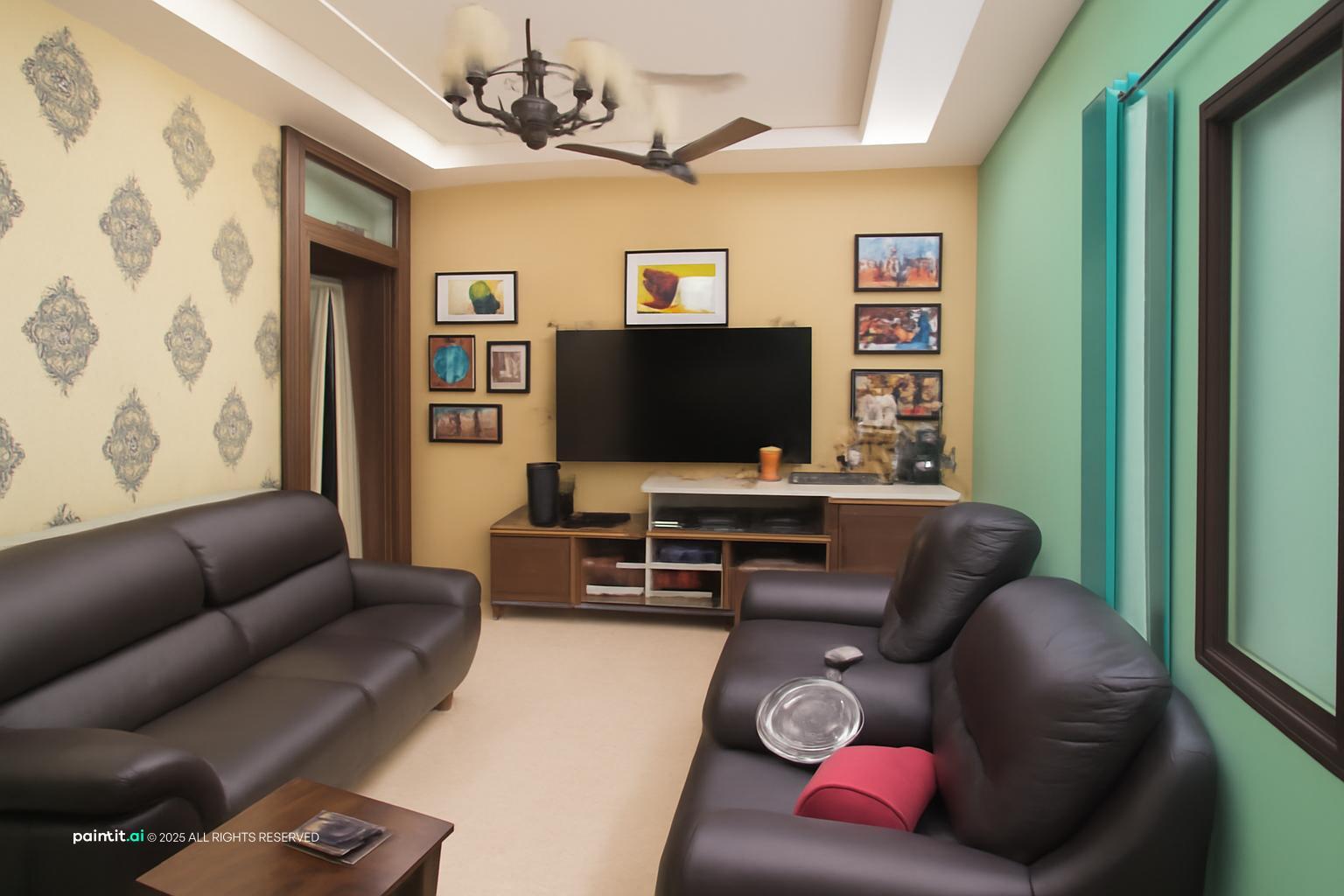
Pro Tip: To achieve this effect, try using a single lacquered piece as a focal point, allowing its sheen to catch the light.
-
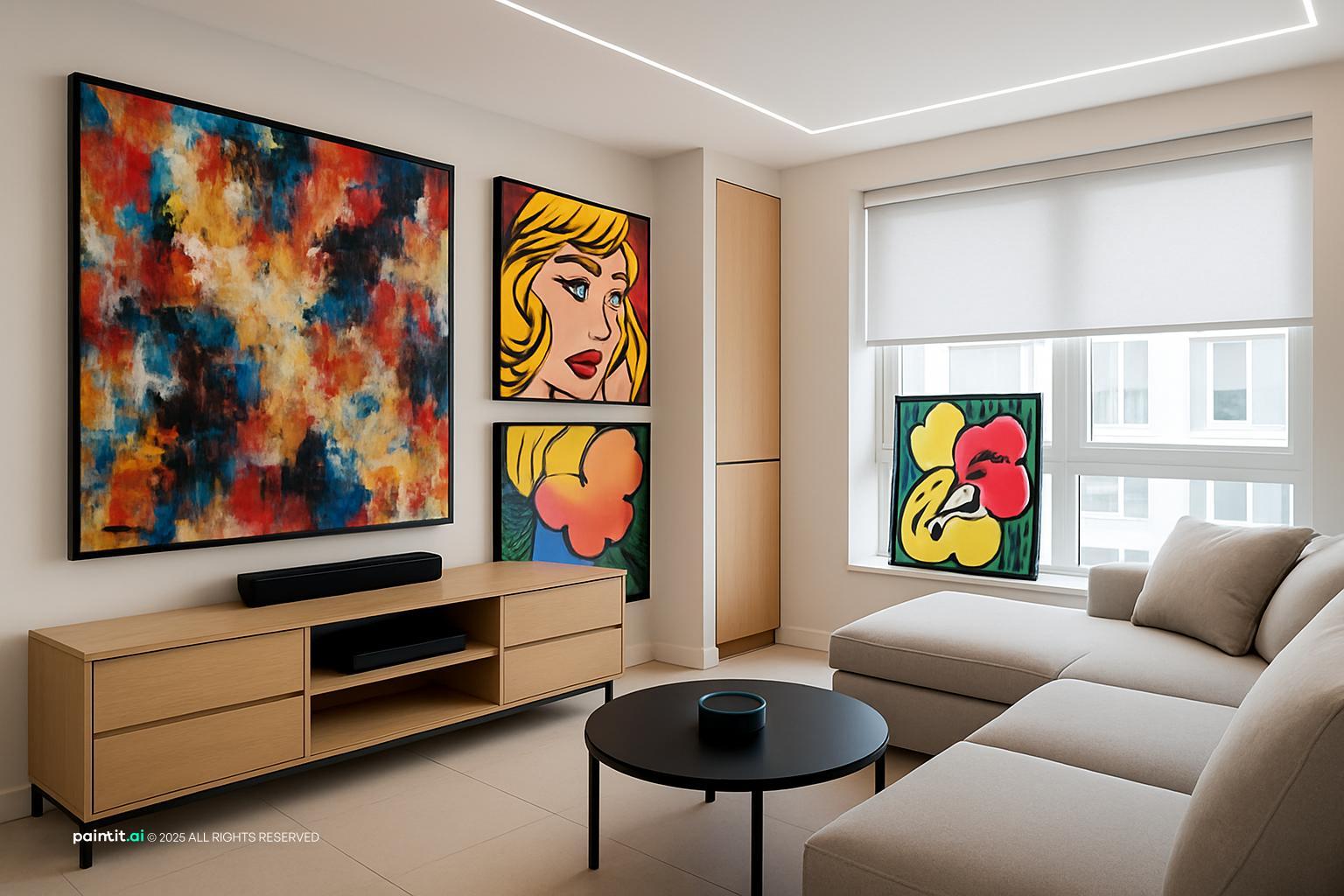
Okay, hear us out. Vertical blinds often get a bad rap, but they were a staple of the 80's living room for a reason: they were practical and offered excellent light control. We're not talking about the flimsy plastic ones here.
-
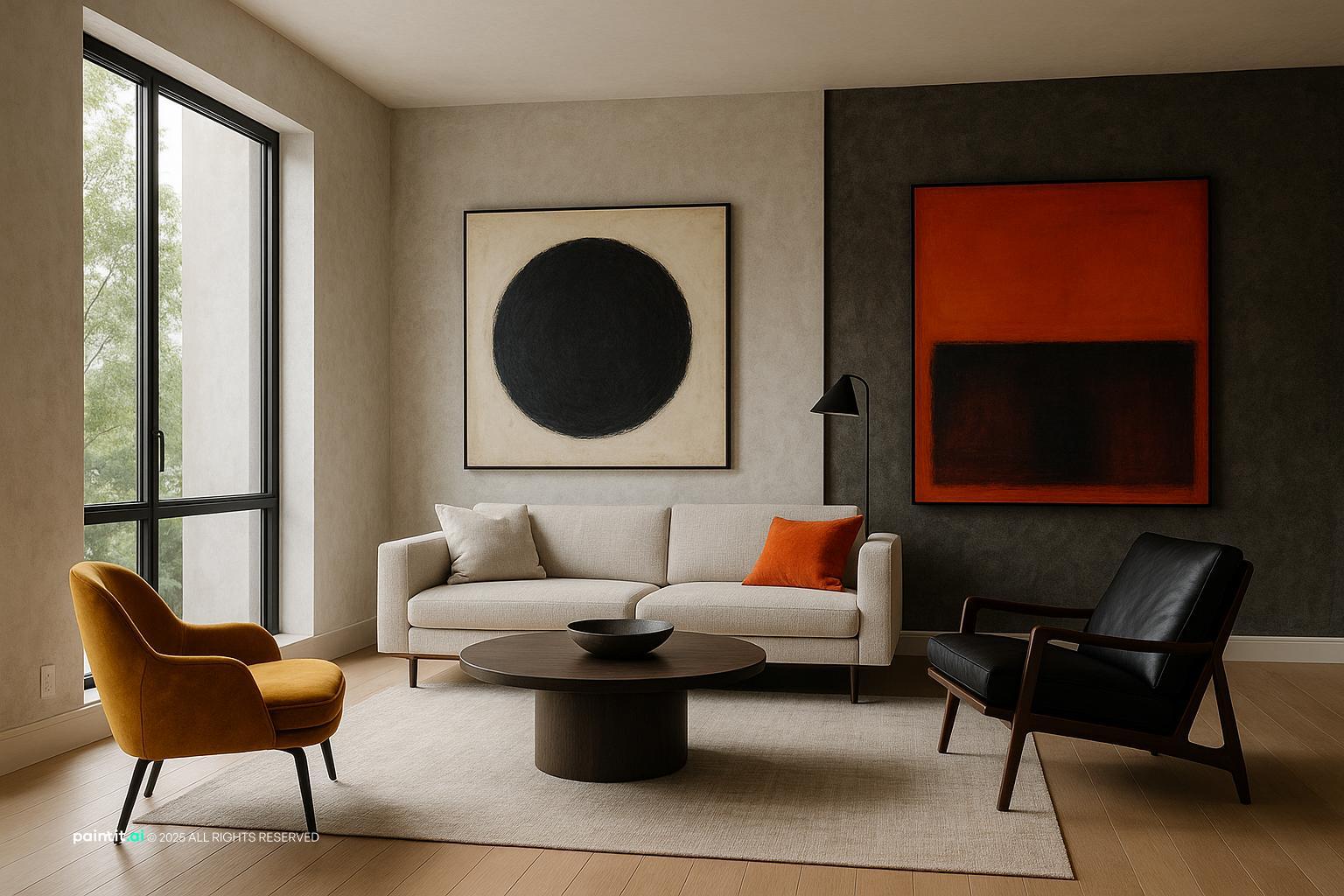
Think about modern vertical blinds in a textured fabric—perhaps a linen blend or a subtle woven material—in a neutral tone like cream or light grey. They offer a clean, streamlined look that can actually feel quite contemporary when chosen carefully. It's about embracing the form, but upgrading the function and material.
-
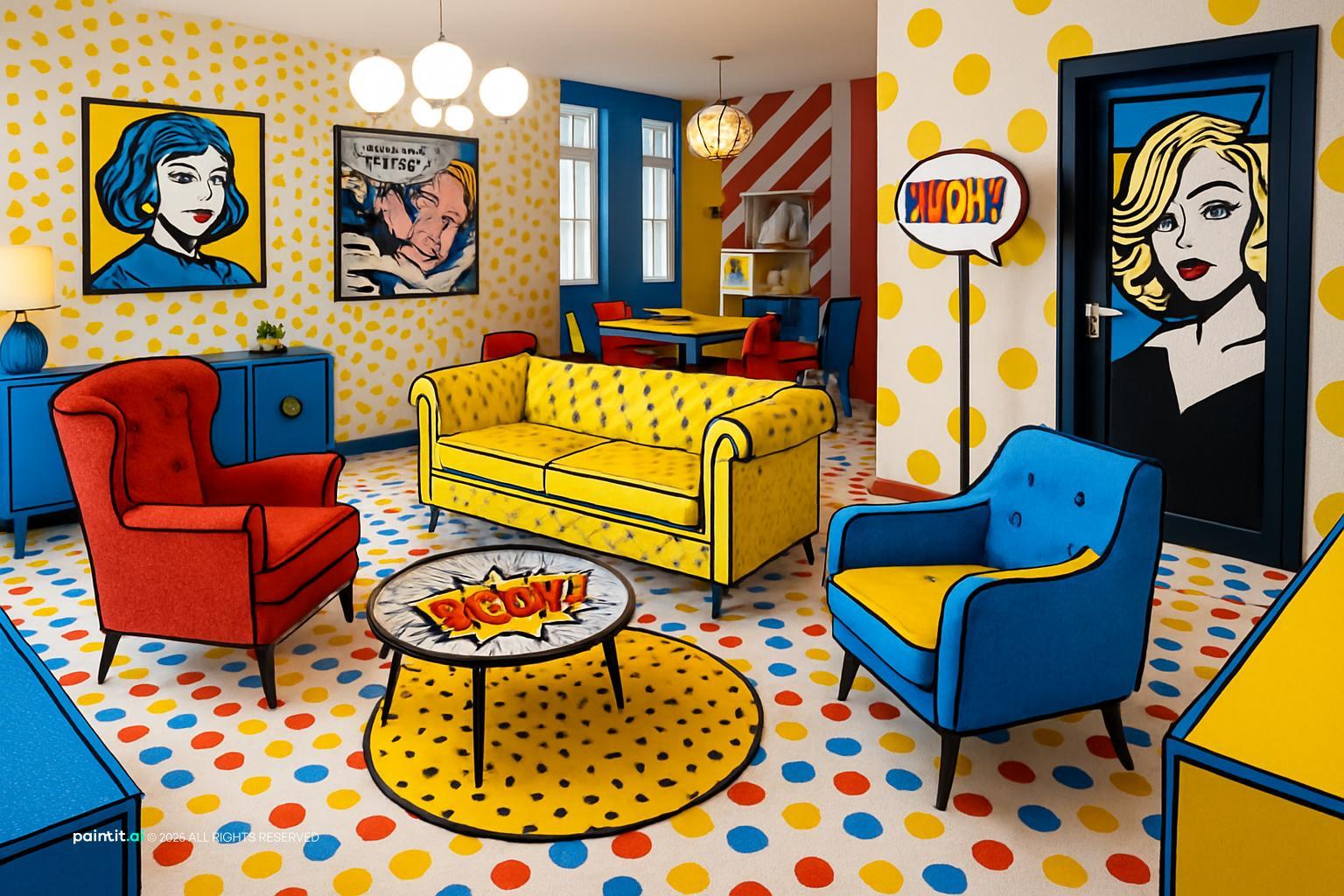
Pro Tip: To achieve this effect, try opting for wider slats and a high-quality fabric to give vertical blinds a sophisticated, updated feel.
-
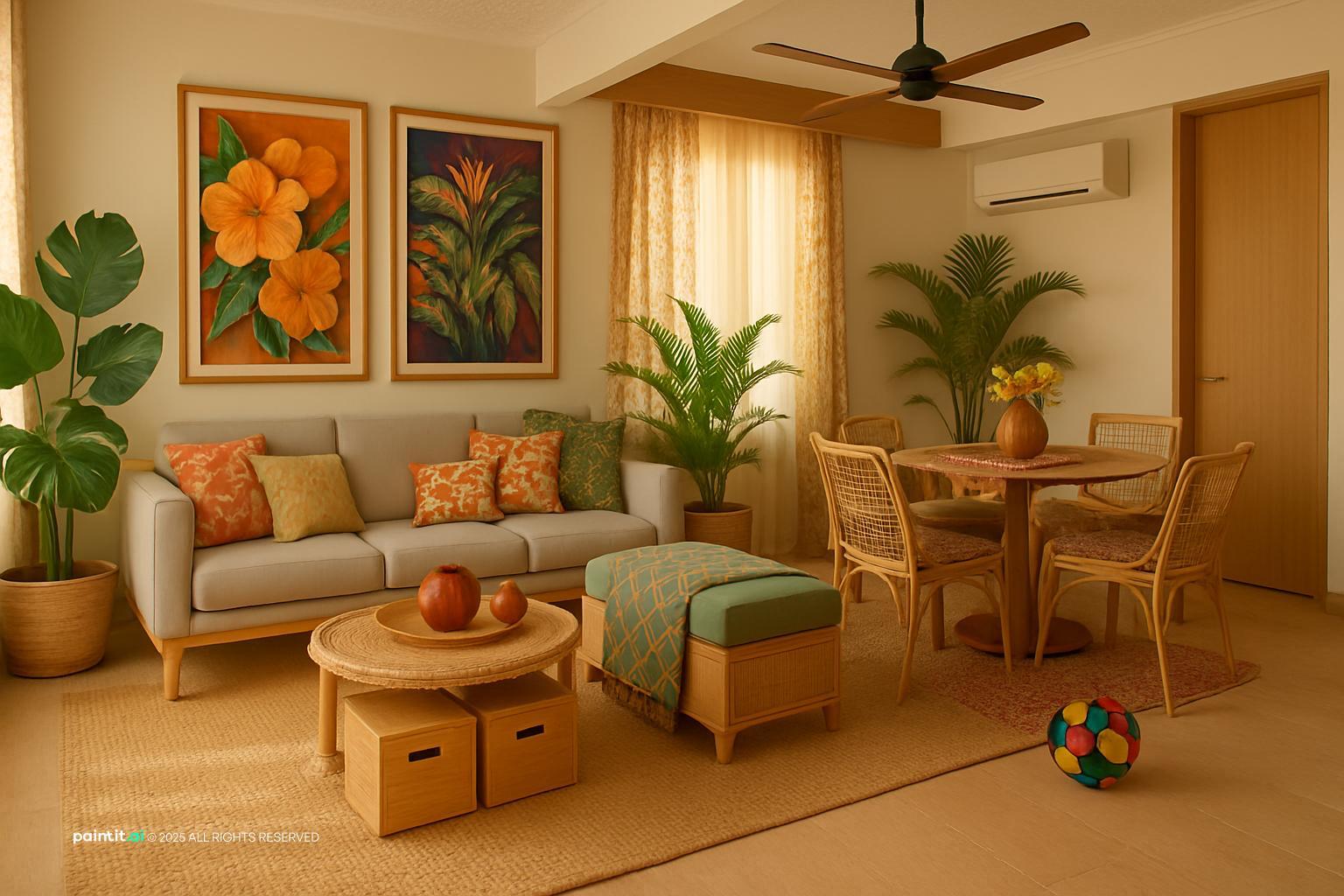
Before "grandmillennial" was even a twinkle in anyone's eye, the 80's retro living room was already embracing floral chintz. It was cozy, sometimes a bit much, but always full of character. It reminds me of visiting my aunt's house, all comfort and pattern.
-
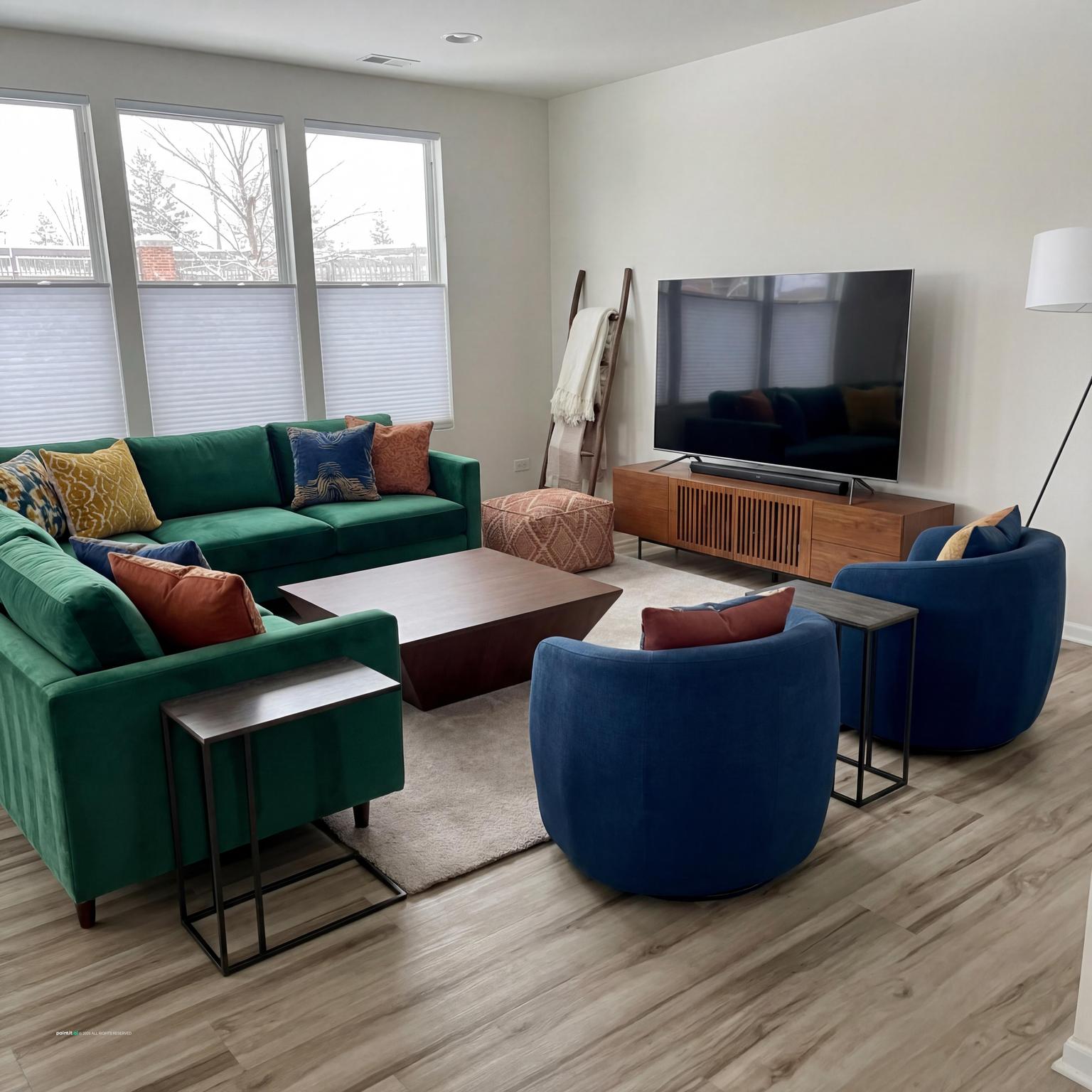
Don't go overboard, but a touch of chintz on an accent chair, throw pillows, or even a set of drapes can add that specific warmth. Look for patterns with a slightly muted background and classic floral motifs. Pair it with solid colors to prevent the space from feeling too busy. It’s about a controlled burst of pattern.
-
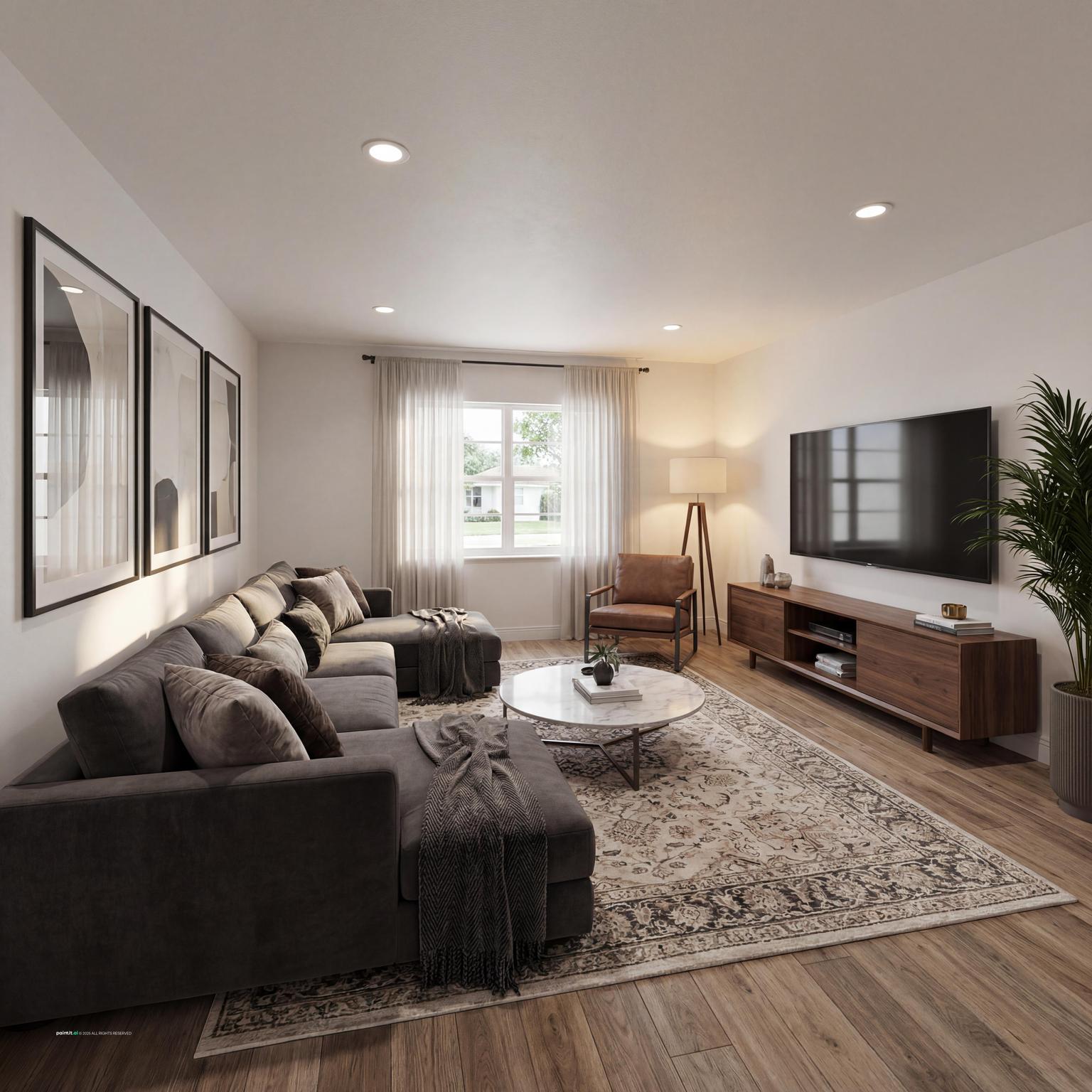
Pro Tip: To achieve this effect, try selecting a chintz fabric with a limited color palette to keep it from feeling overwhelming.
-
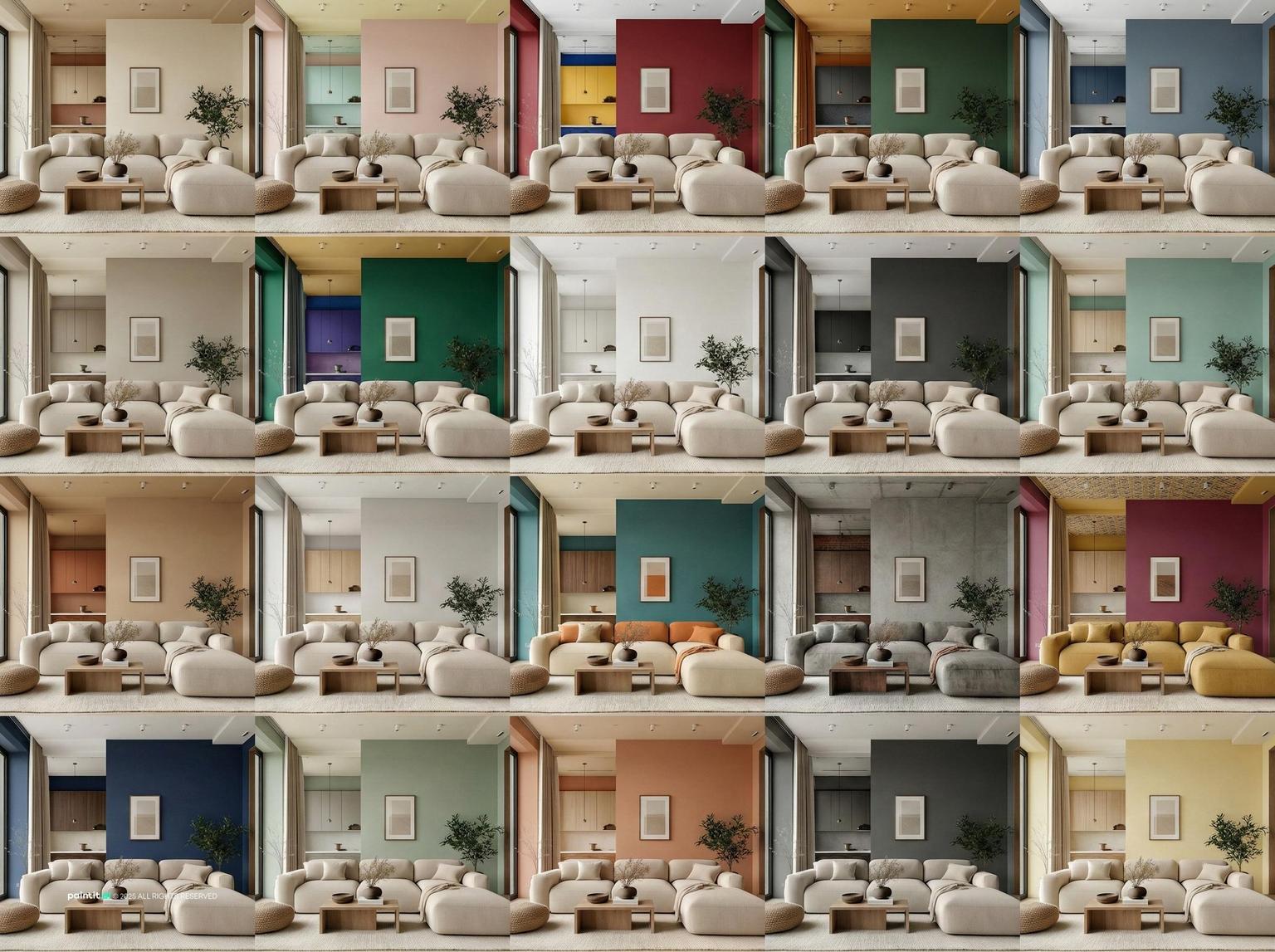
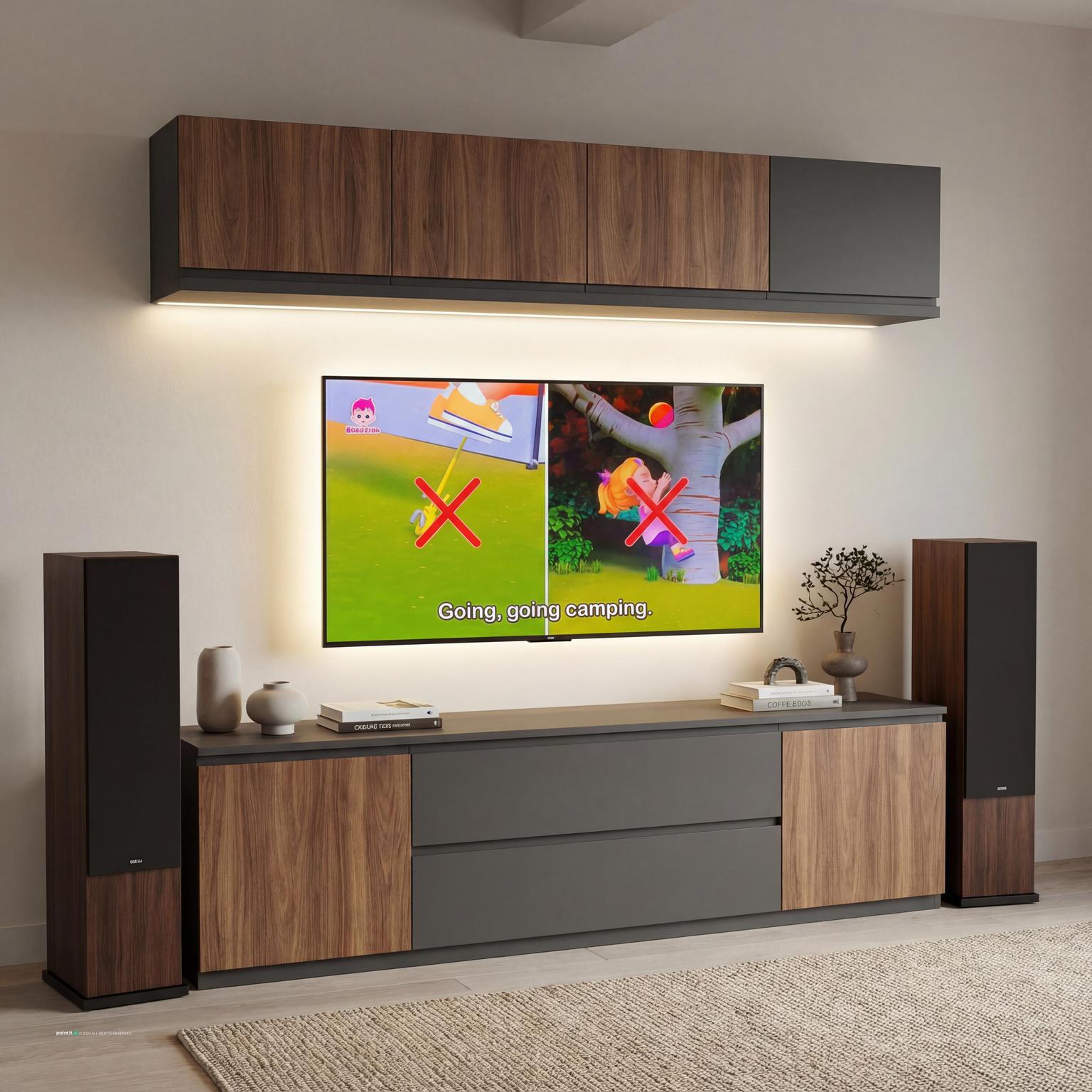
The heart of many a typical 80s living room was its entertainment hub. These weren't just shelves; they were often custom-built units designed to house the television, VCR, stereo system, and a burgeoning collection of VHS tapes. They were the ultimate media command center.
-
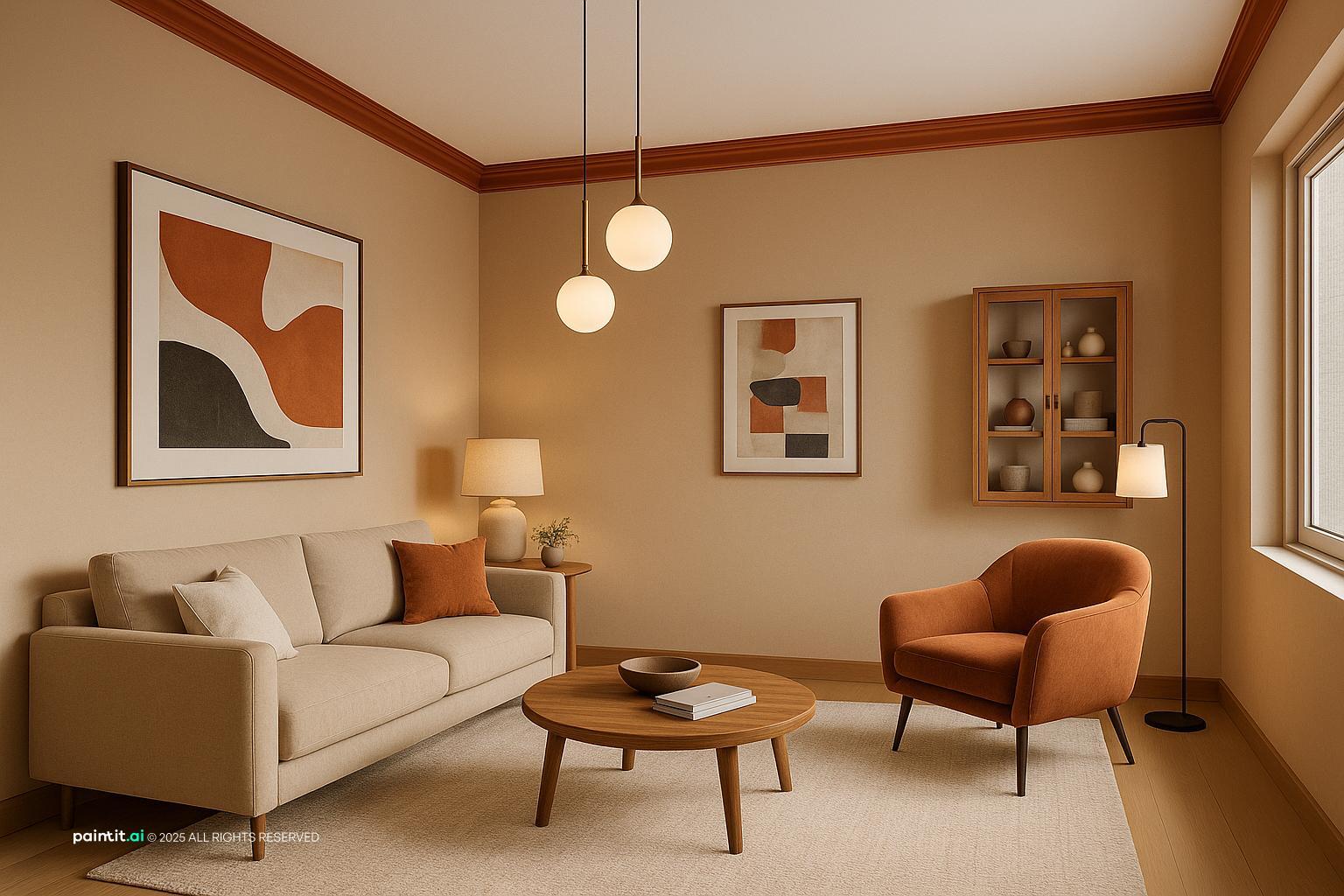
While our tech has shrunk, the concept of a dedicated, integrated media unit still holds appeal. Think about a sleek, custom-built console with closed storage for modern electronics, perhaps with open shelving for curated decor or a vintage record player. Materials like dark wood laminate or even a painted finish can evoke the era without feeling dated.
-
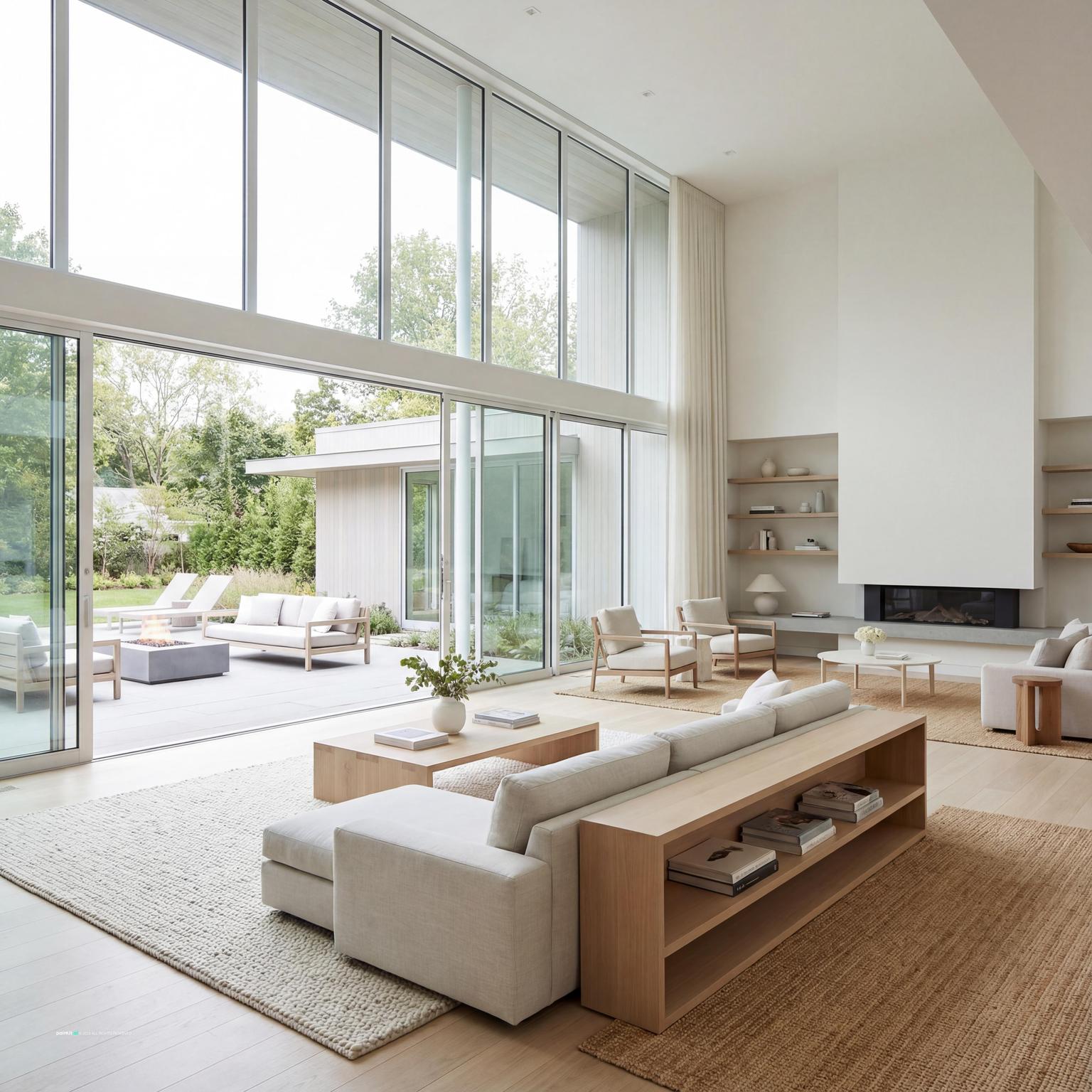
Pro Tip: To achieve this effect, try designing a unit that integrates seamlessly with your wall, offering both storage and a display area for cherished items.
-
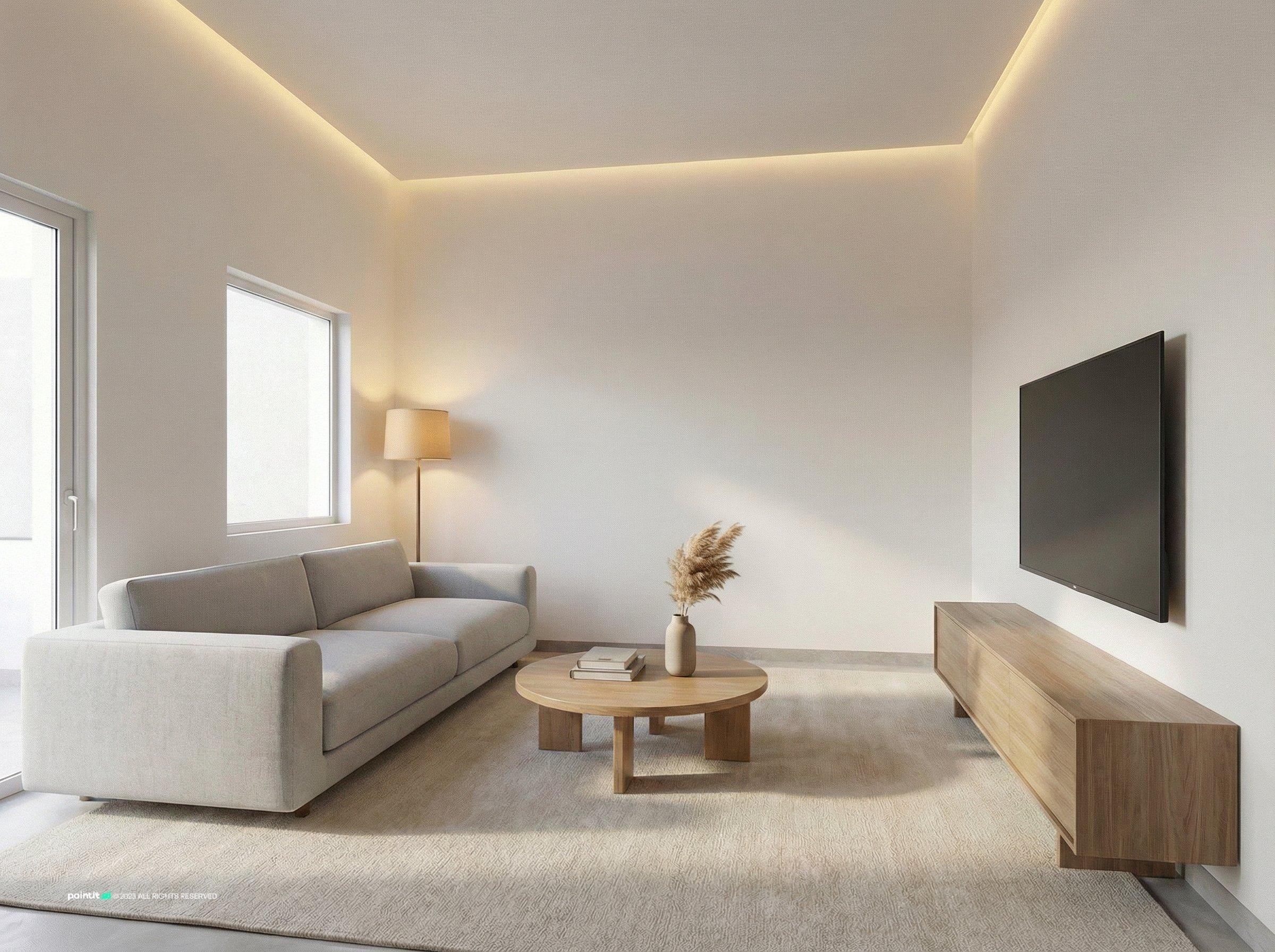
Often painted white or a soft pastel, wicker and rattan furniture made its way indoors, blurring the lines between indoor and outdoor living. It brought a relaxed, almost resort-like feel to the 1980s living room. It’s about lightness and natural texture.
-
An indoor wicker armchair with plush cushions, a rattan coffee table, or even a set of wicker plant stands can introduce this element. The key is to keep the finishes light—white, cream, or a natural blonde wood tone. It adds an unexpected, breezy texture that contrasts nicely with more polished elements.
-
Pro Tip: To achieve this effect, try pairing wicker or rattan with soft, pastel upholstery to enhance its relaxed, airy quality.
-
While not every 1980s living room was bathed in neon, subtle hints of it appeared in art and sometimes even in accent lighting. It was a nod to urban energy and pop culture, a vibrant contrast to the softer pastels. It’s a bold, playful touch.
-
Consider a framed piece of pop art with neon colors, or a small, custom neon sign with a word or simple shape. Even a table lamp with a brightly colored base—think fuchsia or electric blue—can give a subtle nod to this trend. The trick is to use it sparingly, as a deliberate accent, not an overhaul.
-
Pro Tip: To achieve this effect, try integrating one small, impactful neon-inspired element to create a surprising focal point.
The Art of the Eighties Living Room: Beyond the Stereotypes to Life with Paintit.ai
-
We often hear whispers about the 1980s living room, sometimes with a chuckle, sometimes with a genuine longing for its unique comfort. The truth is, there’s a sophisticated core to the 80s living room that many overlook, a blend of plush textures and bold statements. It’s about crafting a space that feels both nostalgic and utterly relevant, a real 80s living room that invites you to stay awhile.
-
The quintessential 1980s living room embraced a palette of dusty rose, muted mint green, and soft peach, often grounded by warm beige or crisp cream. These pastels offered a serene base, beautifully accented by pops of teal or even a deep navy, creating a balanced, inviting atmosphere that felt fresh and optimistic.
-
Lacquered finishes on furniture brought a sleek, modern edge to any living room 80s interior design, reflecting light and adding a touch of glamour. Polished brass accents, from lamps to étagères, infused warmth and a quiet luxury. Plush chenille or velvet upholstery provided undeniable comfort, while glass blocks introduced a subtle, futuristic texture, diffusing light beautifully.
-
An overstuffed sectional sofa, with its deep seats and generous proportions, was the undisputed king of the 80s living room, promising ultimate relaxation. We’ve seen this work best when paired with a low-slung, lacquered coffee table, its glossy surface a striking contrast. A brass-framed étagère completed the look, offering vertical interest and a place for curated treasures, defining a truly inviting eighties living room.
-
Achieving the perfect atmosphere in a 1980's living room meant layering light. Ambient light often came from recessed fixtures or wall sconces, providing a soft, overall glow. Task lighting, like a polished brass floor lamp, illuminated reading nooks. For accent, a small neon art piece or a strategically placed uplight behind a plant added that signature 80s theme living room drama, making the space feel dynamic and lived-in.
-
Decorative accents were key to personalizing a typical 80s living room. Think geometric throw pillows in vibrant teal and peach, or a collection of smoked glass vases on a console. For art, a bold abstract piece or a framed pop art print captured the era's playful spirit. We apply the 3-5-7 rule here: group three varied objects on a coffee table—perhaps a brass sculpture, a glass bowl, and a stack of books. On a shelf, five items might include a plant, two ceramic pieces, and two framed photos. For a larger wall, seven elements could be a mix of framed art, a mirror, and perhaps a small wall-mounted shelf with a few decorative objects, ensuring visual interest without overwhelming the 80's retro living room. It’s about creating vignettes that tell a story, making your 1980s home decor feel intentionally composed, not cluttered.
Paintit.ai: Crafting Your Ideal 1980s Living Room Without the Guesswork Design Ideas
Bringing that distinct 1980s living room vibe home often feels risky—will those bold pastels or lacquered pieces truly work in your space? We understand the hesitation. Paintit.ai lets you visualize countless 80s living room ideas, from plush sectionals to geometric patterns, right in your actual room. See your perfect 1980s living room design before you commit; try Paintit.ai today.
FAQ
-
A typical 80s living room was a vibrant, sometimes eclectic, blend of styles. We saw a bold embrace of color—think teal, fuchsia, electric blue, and pastel pinks—often paired with stark white or black. Geometric patterns were everywhere, from upholstery to wallpaper. Furniture often featured clean lines, but with a certain bulkiness, sometimes lacquered or adorned with chrome and brass accents. It wasn't uncommon to find a glass-top coffee table anchoring the space, reflecting the ambient light from track lighting or a statement floor lamp. The overall vibe for a real 80s living room often felt optimistic, a bit flashy, and certainly not shy.
-
The trick to integrating 1980s home decor without overdoing it lies in curation. We suggest picking one or two key elements rather than trying to recreate an entire 80s theme living room. Maybe it’s a single, iconic piece of art, like a neon sign or a graphic print. Or perhaps a specific material, such as a brushed brass floor lamp with an angular design, or a plush velvet sofa in a jewel tone. A subtle nod to the living room 80s interior design could be a pastel color palette for throw pillows, or even a vintage console table with a high-gloss finish. It’s about thoughtful selection, not wholesale replication.
-
In an 80's living room, modular sofas were incredibly popular, allowing for flexible arrangements that suited various social gatherings. We often saw them upholstered in soft, sometimes ribbed, fabrics or even a plush chenille. Glass and chrome were dominant materials, especially for coffee tables, side tables, and etageres. Lacquered finishes, particularly in black or white, gave pieces a sleek, contemporary edge. Brass made a significant comeback, used for lamp bases, decorative accents, and even trim on furniture. The eighties living room also loved its entertainment centers, often custom-built to house the burgeoning VCRs and stereo systems.
-
Absolutely. While we adore the spirit of the 1980s living room, some choices didn't age as gracefully. One common pitfall was the overuse of chintz or floral patterns, which could quickly make a space feel cluttered and dated. Another was the tendency to mix too many clashing bold colors and patterns without a unifying element, resulting in visual chaos. We also saw a lot of heavy, draped window treatments that blocked natural light, making rooms feel dim. For a modern take on 80s living room ideas, we’d advise against overwhelming a space with too many competing elements. Simplicity, even with bold choices, is key.
-
To craft an 80's retro living room that feels sophisticated, focus on quality and restraint. Instead of cheap plastics, opt for polished chrome, genuine brass, or high-quality lacquered wood. Choose a refined color palette—perhaps a deep teal with hints of blush and cream, rather than every bright color imaginable. A single, well-chosen piece of art or a sculptural lamp can speak volumes. Think about incorporating textures like velvet, suede, or even a subtle geometric pattern on a rug, rather than on every surface. It’s about curating a space that hints at the 1980s living room aesthetic, but with an elevated, intentional design that feels luxurious and timeless.