
Embracing Calm: Zen Living Room - Ideas for a Peaceful Home
Imagine stepping into a living room where every object feels intentionally placed, and the air itself seems to invite a deep breath. Achieving this tranquil balance is at the heart of zen living room ideas. It's about crafting a space that truly supports your well-being, moving beyond mere aesthetics to create an environment that calms the mind and soothes the spirit. How can we transform our most communal space into a personal sanctuary of peace?
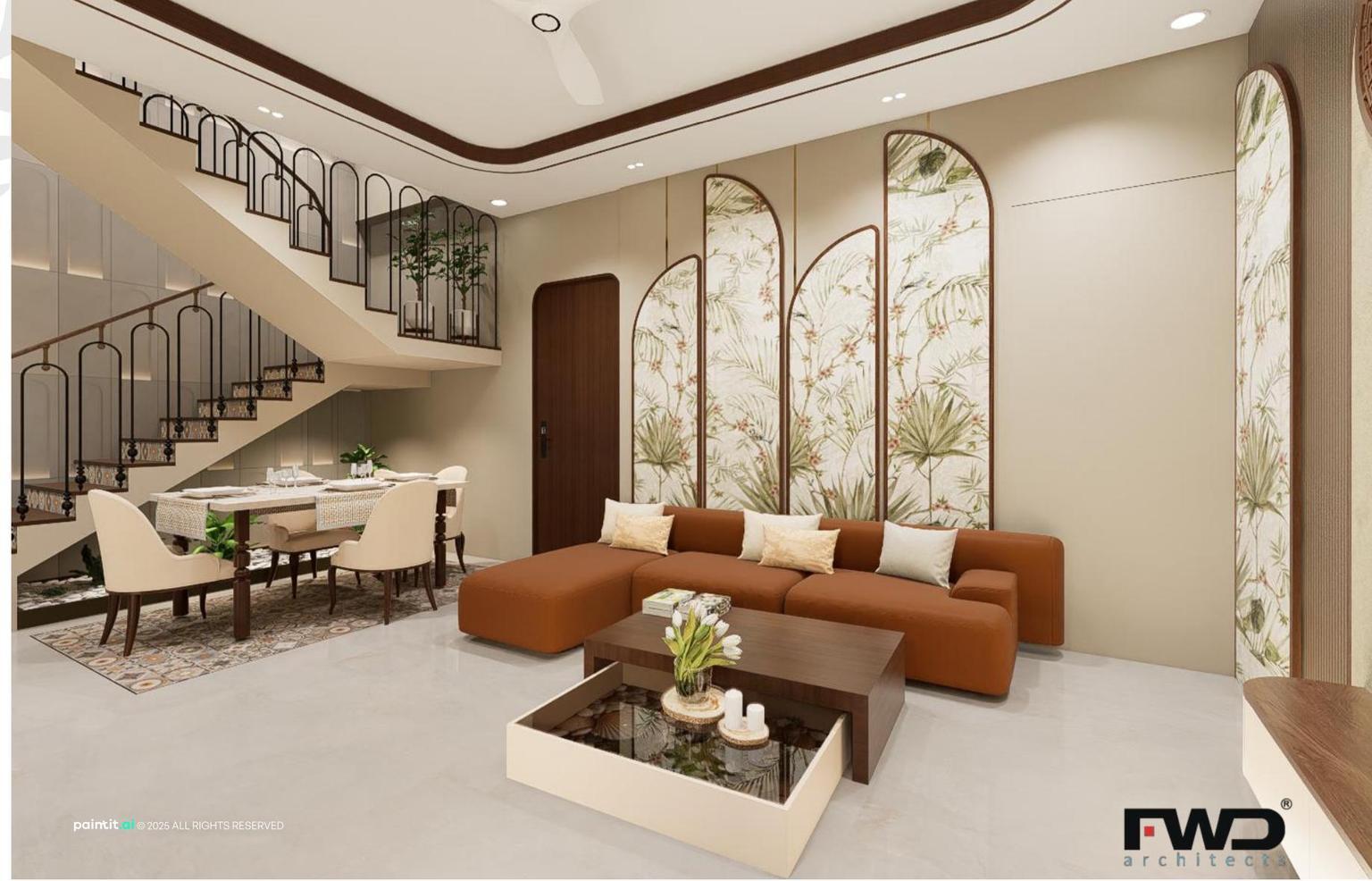
Essential Tips for Crafting Your Zen Living Room Ideas
Stunning Examples of 12 Thoughtful Approaches to Cultivating a Zen Living Room
-
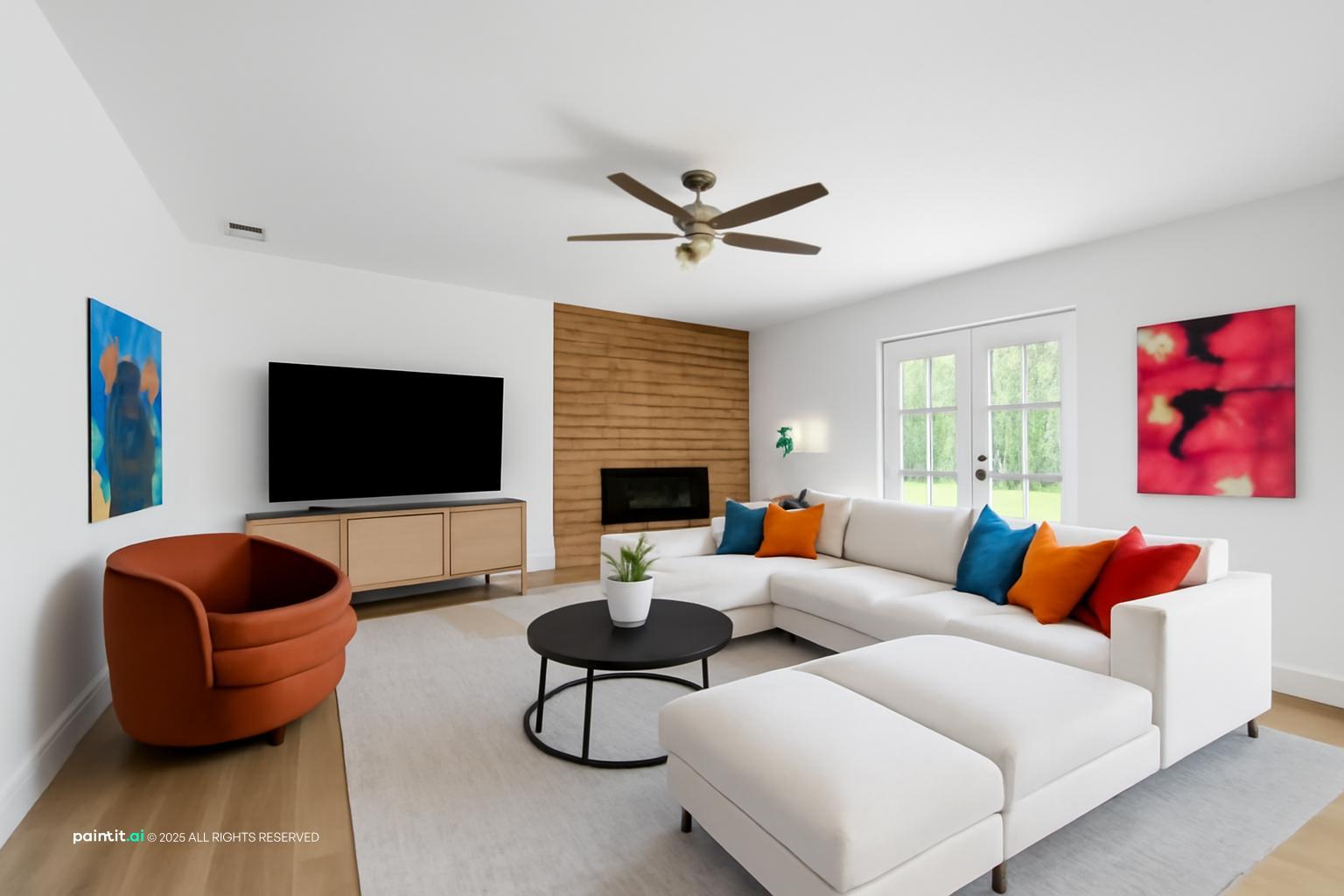
Crafting a truly serene living space isn't just about picking pretty things; it’s about intentional design, a careful balance of aesthetics and genuine functionality. We've curated these ideas to help you move beyond surface-level trends, guiding you toward a sanctuary that feels deeply personal and genuinely calming. Think of these as starting points, a gentle nudge toward creating a home that truly breathes with you.
-
The concept here is simple, yet profound: visual calm begets mental calm. A zen space isn't just tidy; it's edited. Every item has a purpose, a story, or a place. I’ve seen this work best when you approach decluttering not as a chore, but as a ritual, a way to honor the space and yourself. The truth is, an empty corner often speaks louder than a crowded shelf.
-
Start by removing anything that doesn't serve a clear function or bring you joy. Consider built-in cabinetry with seamless fronts or low-profile storage ottomans in a natural linen. Think about a single, sculptural ceramic vase rather than a collection of trinkets.
-
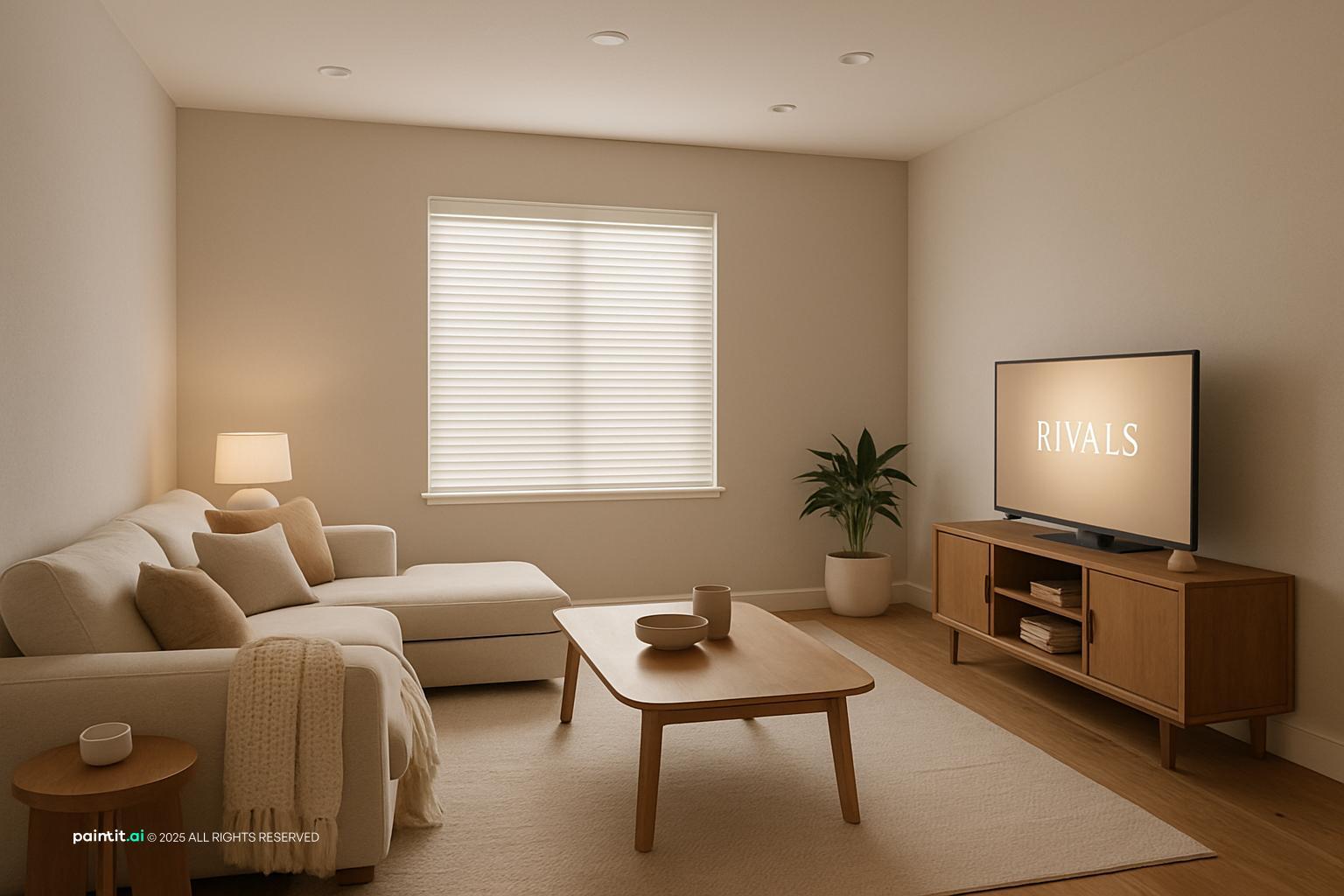
Pro Tip: To achieve this effect, try the "one in, one out" rule for new purchases.
-
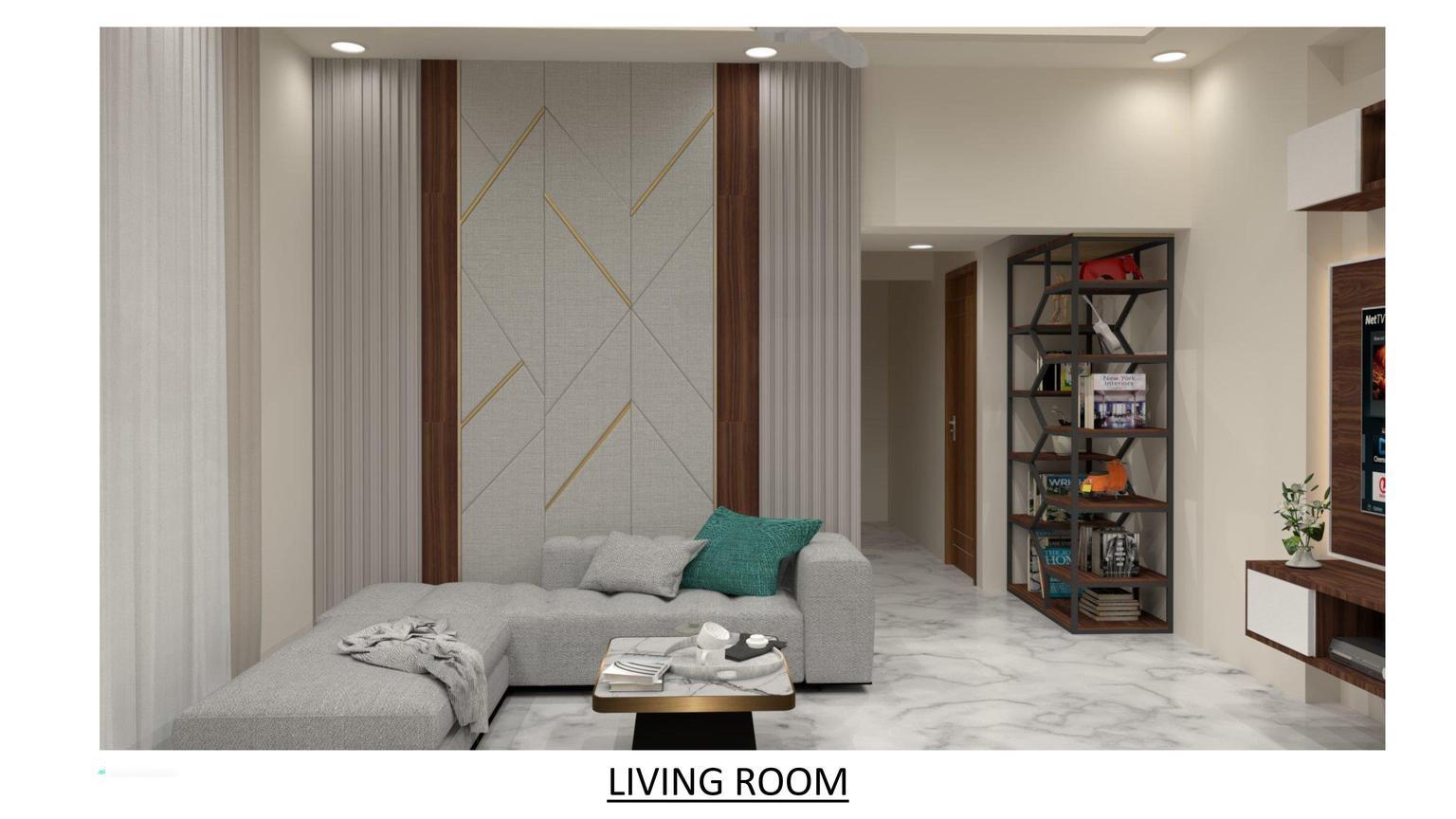
Color is powerful. For a zen aesthetic, we lean into nature's own palette: soft, muted tones that evoke a sense of grounding and tranquility. These aren't just "neutral" colors; they're colors with depth, reminiscent of stone, sand, and moss. It sounds simple, but most people forget the subtle impact of a truly cohesive, natural color scheme.
-
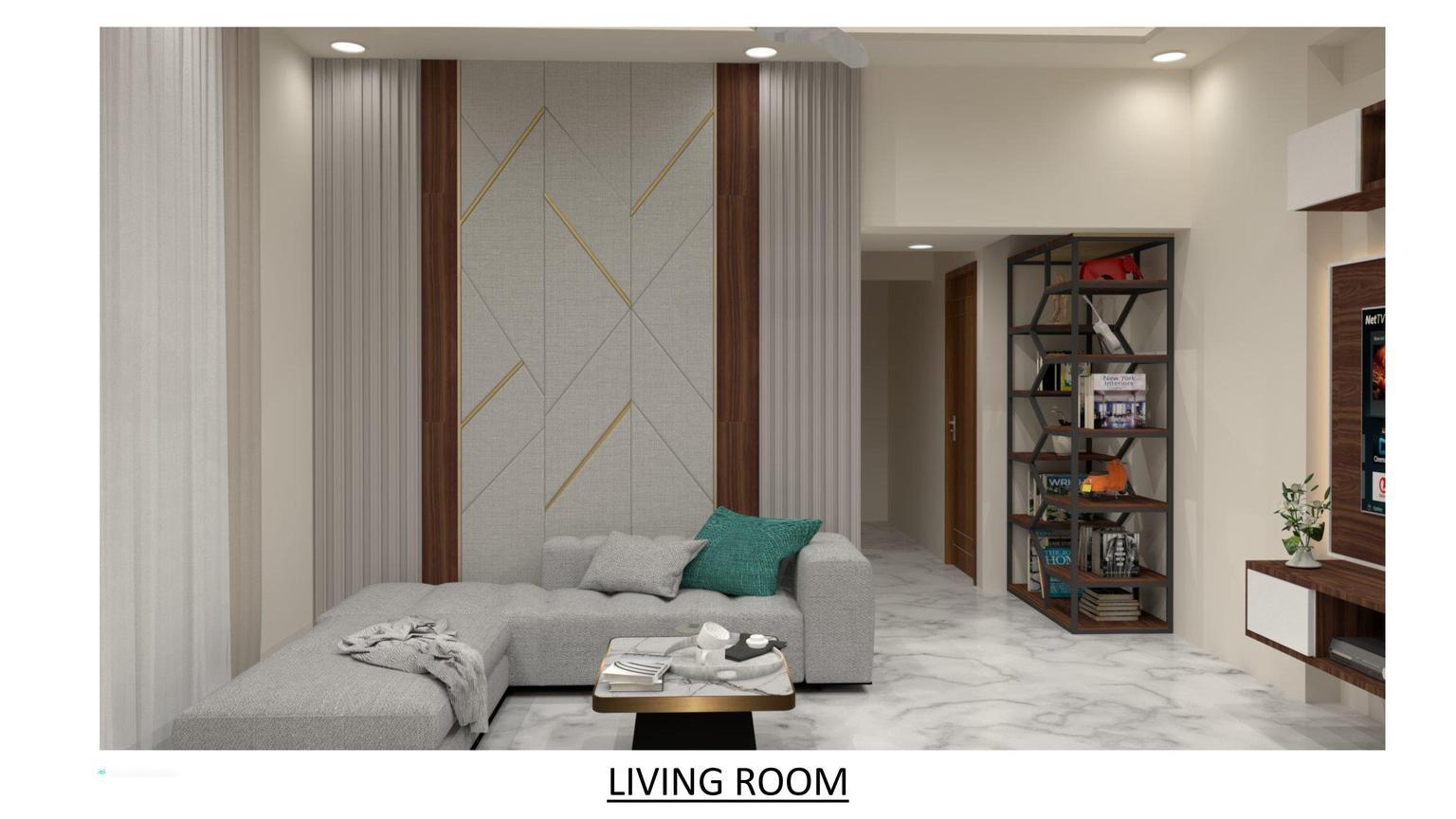
Opt for shades like warm beige, muted sage green, or a soft, dusty terracotta. Pair these with unbleached linen upholstery or walls painted in a limewash finish. Avoid stark whites; instead, choose an ivory or a very pale greige.
-
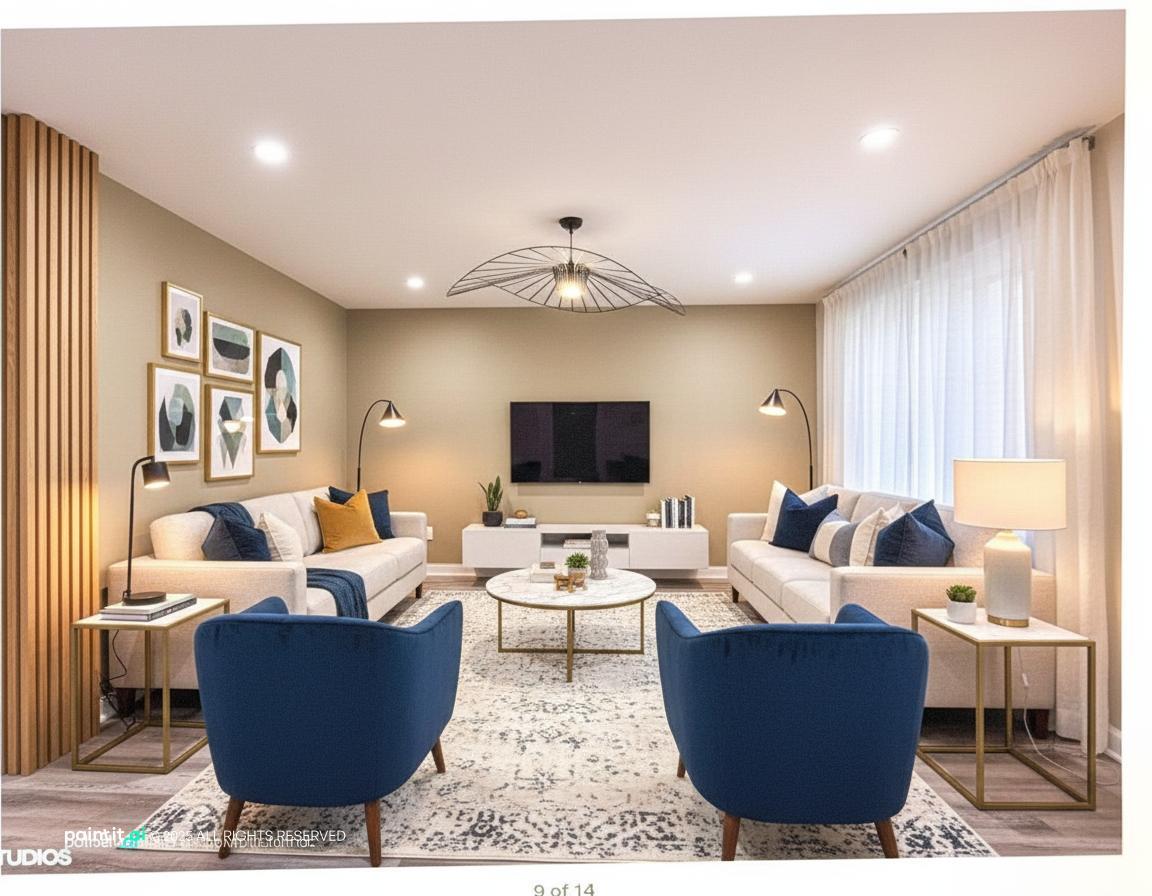
Pro Tip: To achieve this effect, look for paints with a matte or eggshell finish to absorb light softly.
-
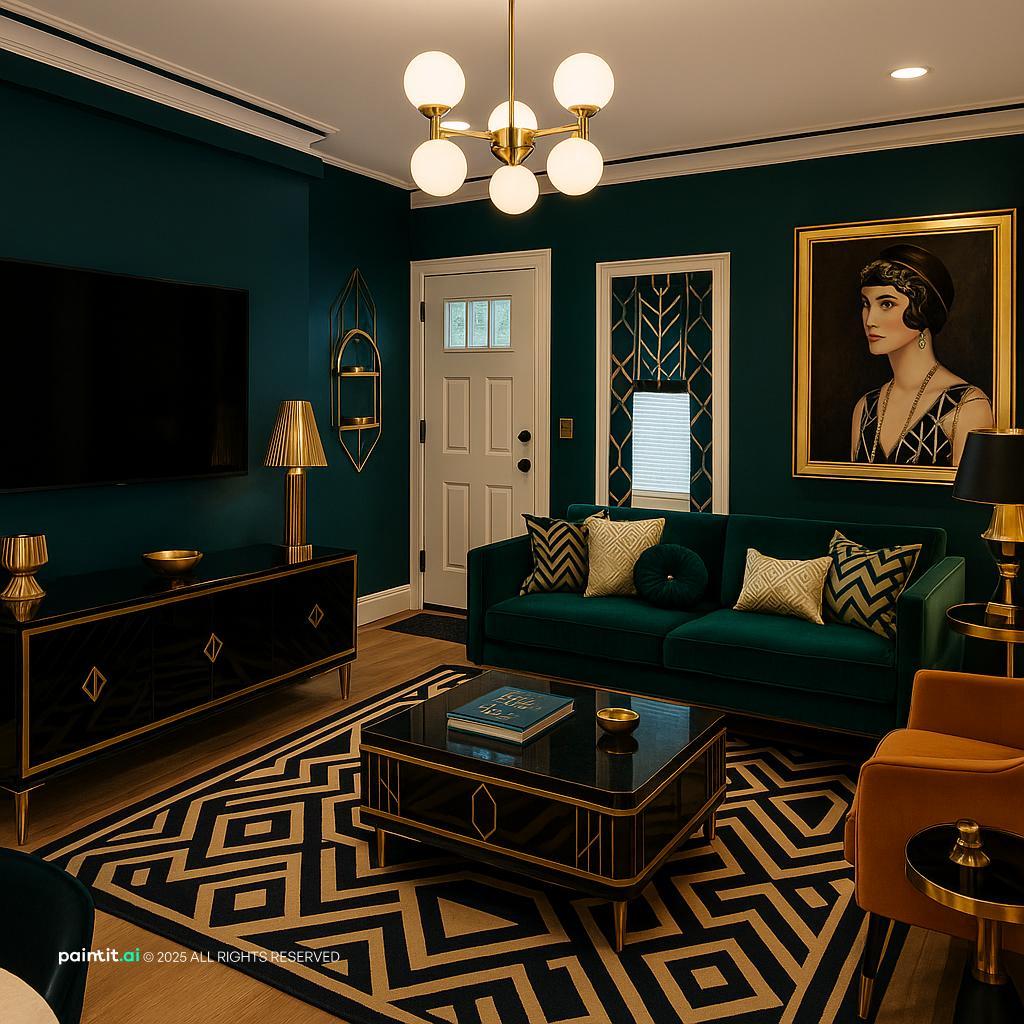
There’s nothing quite like natural light to uplift a space and connect us to the rhythm of the day. A zen living room embraces this, allowing sunlight to flood in, creating a sense of openness and vitality. The way light shifts throughout the day becomes part of the room's living art.
-
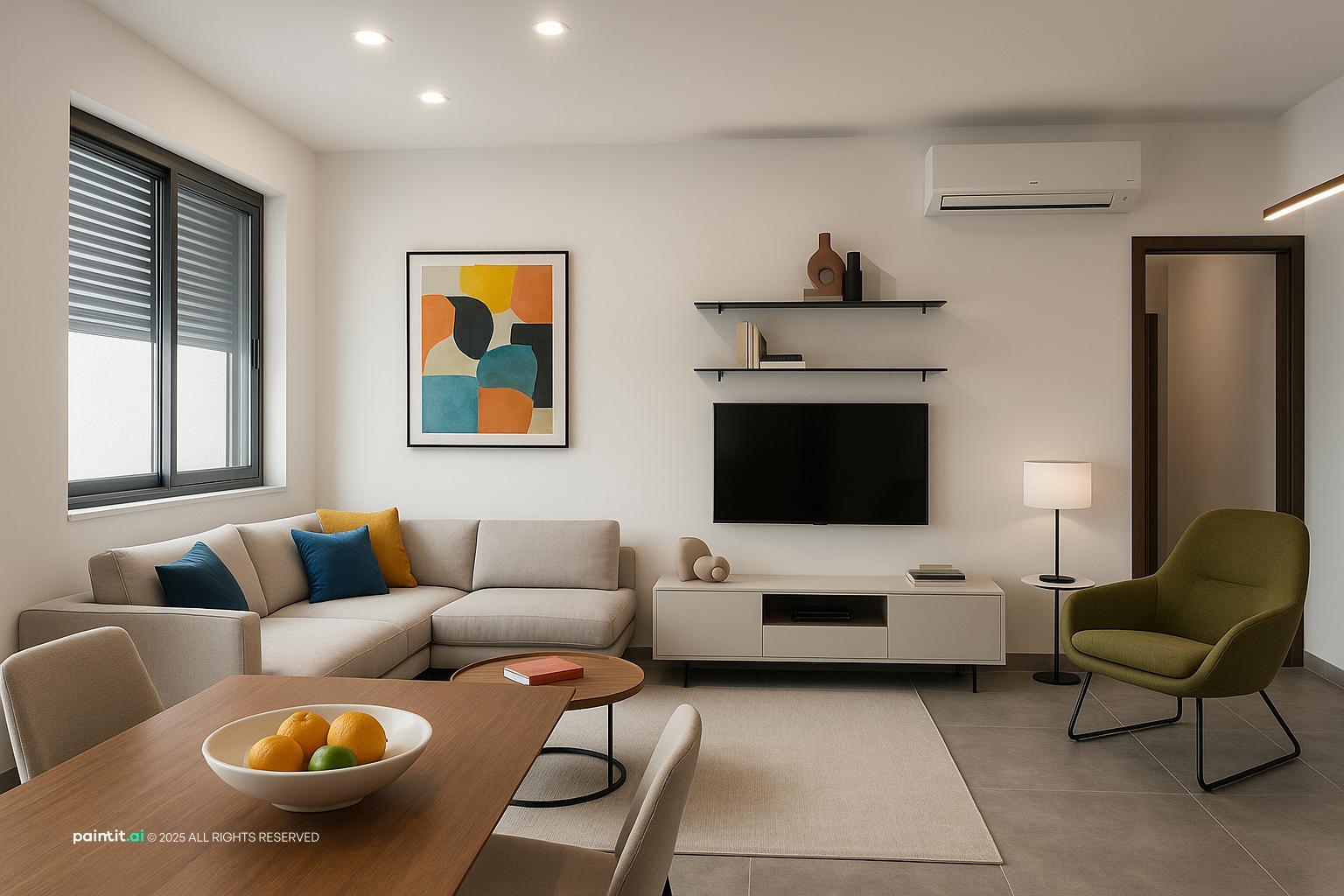
Use sheer, unlined linen drapes that filter rather than block light, or opt for simple roller blinds that disappear when not in use. Position mirrors strategically to bounce light deeper into the room. Keep windows unobstructed; sometimes, less truly is more.
-
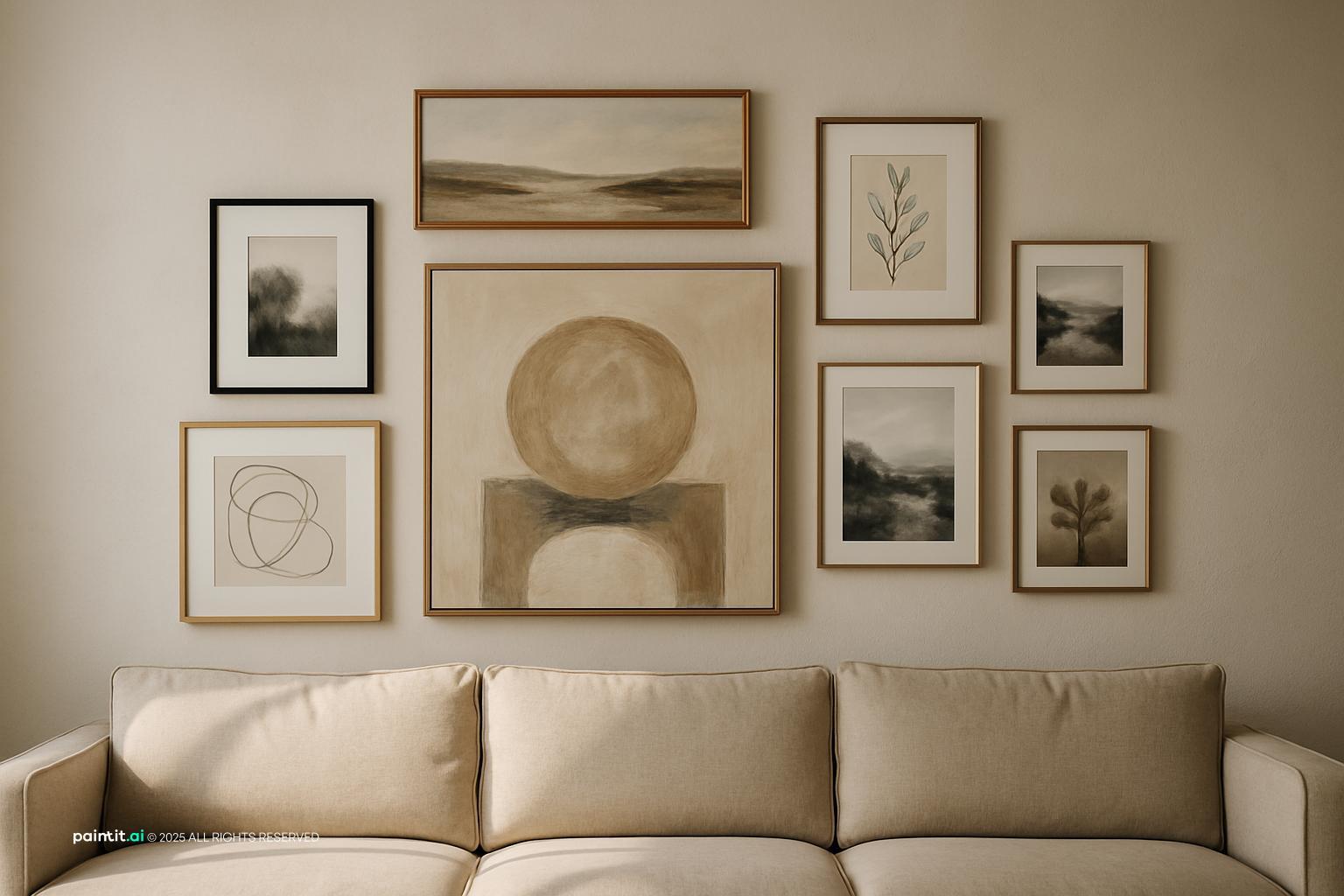
Pro Tip: To achieve this effect, consider removing heavy window treatments entirely if privacy isn't an issue.
-
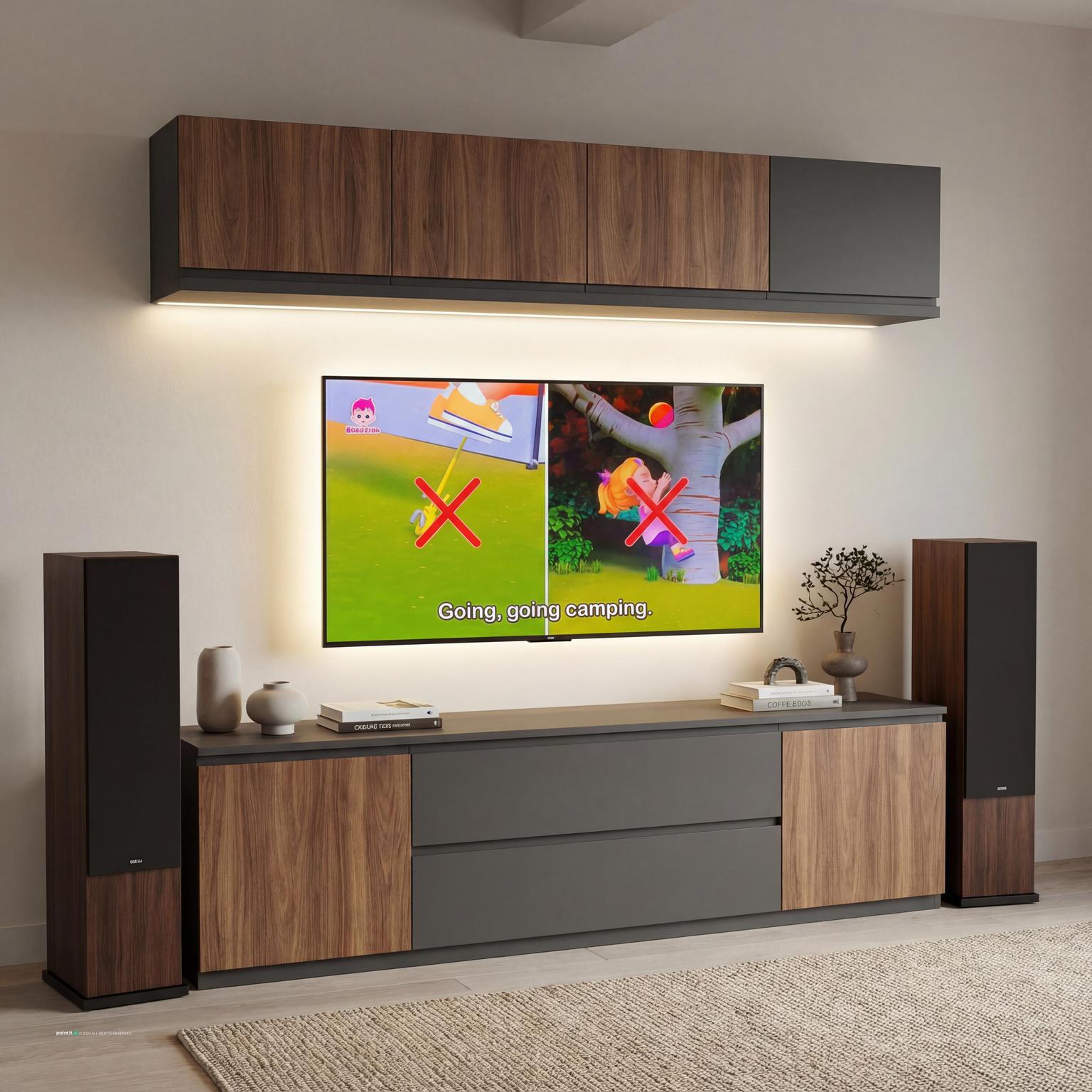
Bringing the outdoors in isn't just a trend; it's a fundamental aspect of creating a harmonious, zen environment. Plants purify the air, add organic texture, and connect us to nature's calming presence. I’ve found that even a single, well-placed plant can shift the entire mood of a room.
-
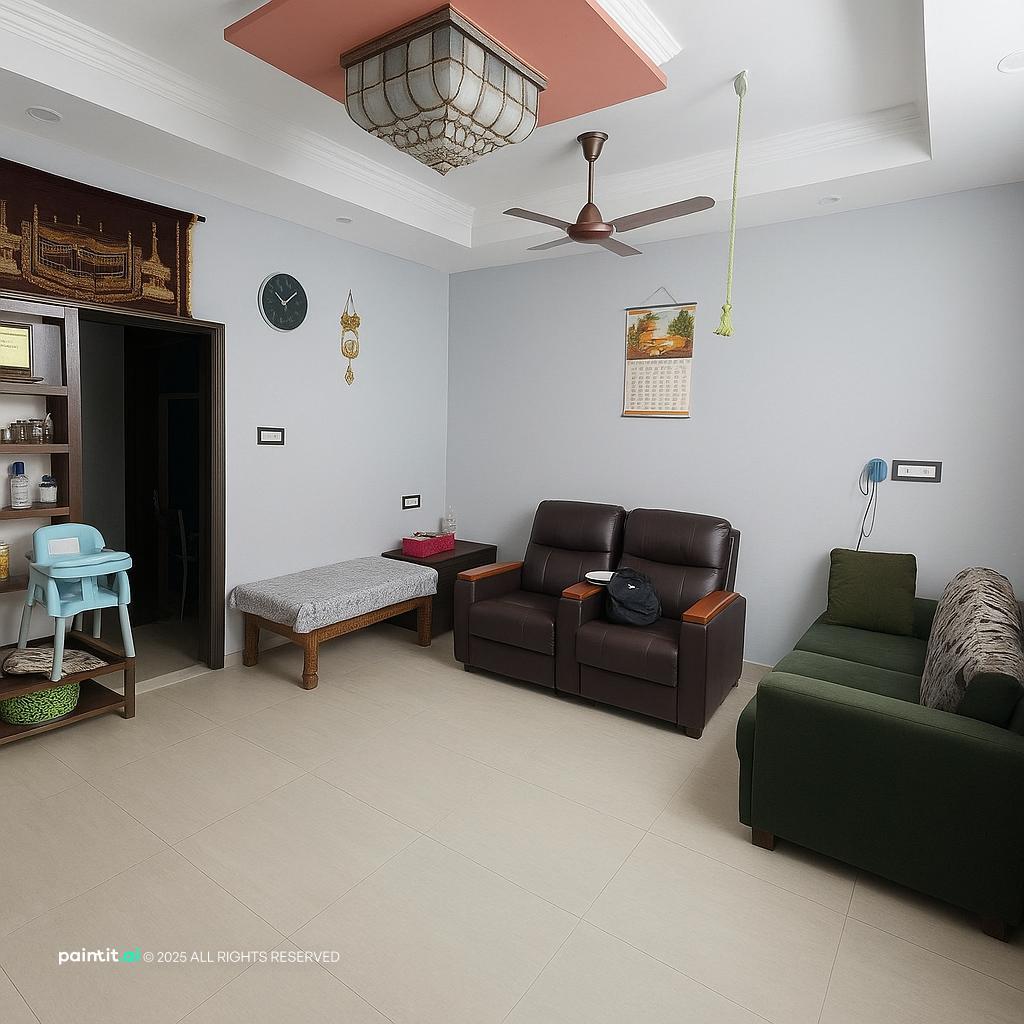
Choose low-maintenance plants like a Fiddle Leaf Fig, a Snake Plant, or a simple Pothos in a handcrafted ceramic planter. Consider a small, tabletop water feature for subtle, soothing sounds. Incorporate natural wood furniture or a river stone arrangement.
-
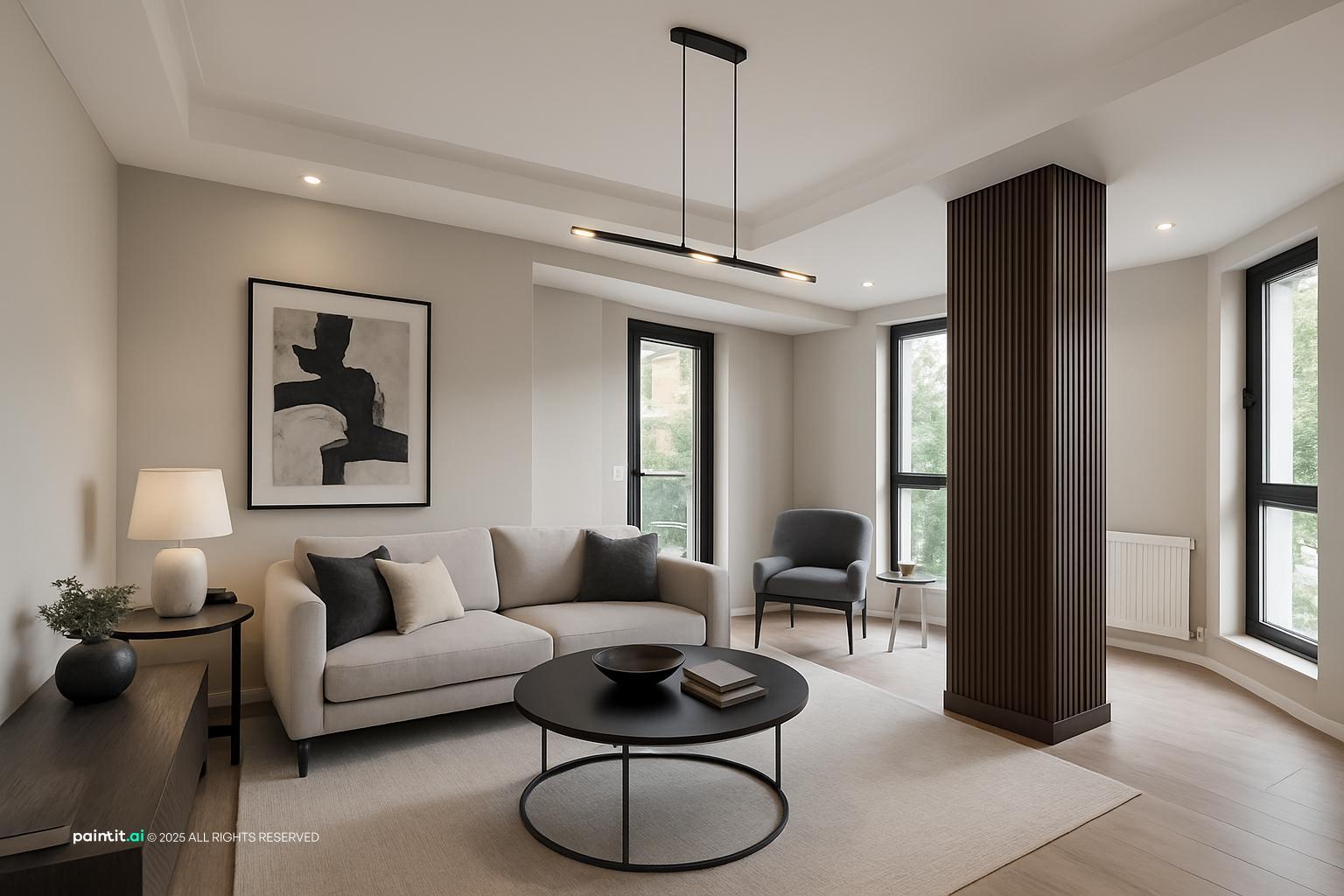
Pro Tip: To achieve this effect, group plants of varying heights and leaf textures for visual interest.
-
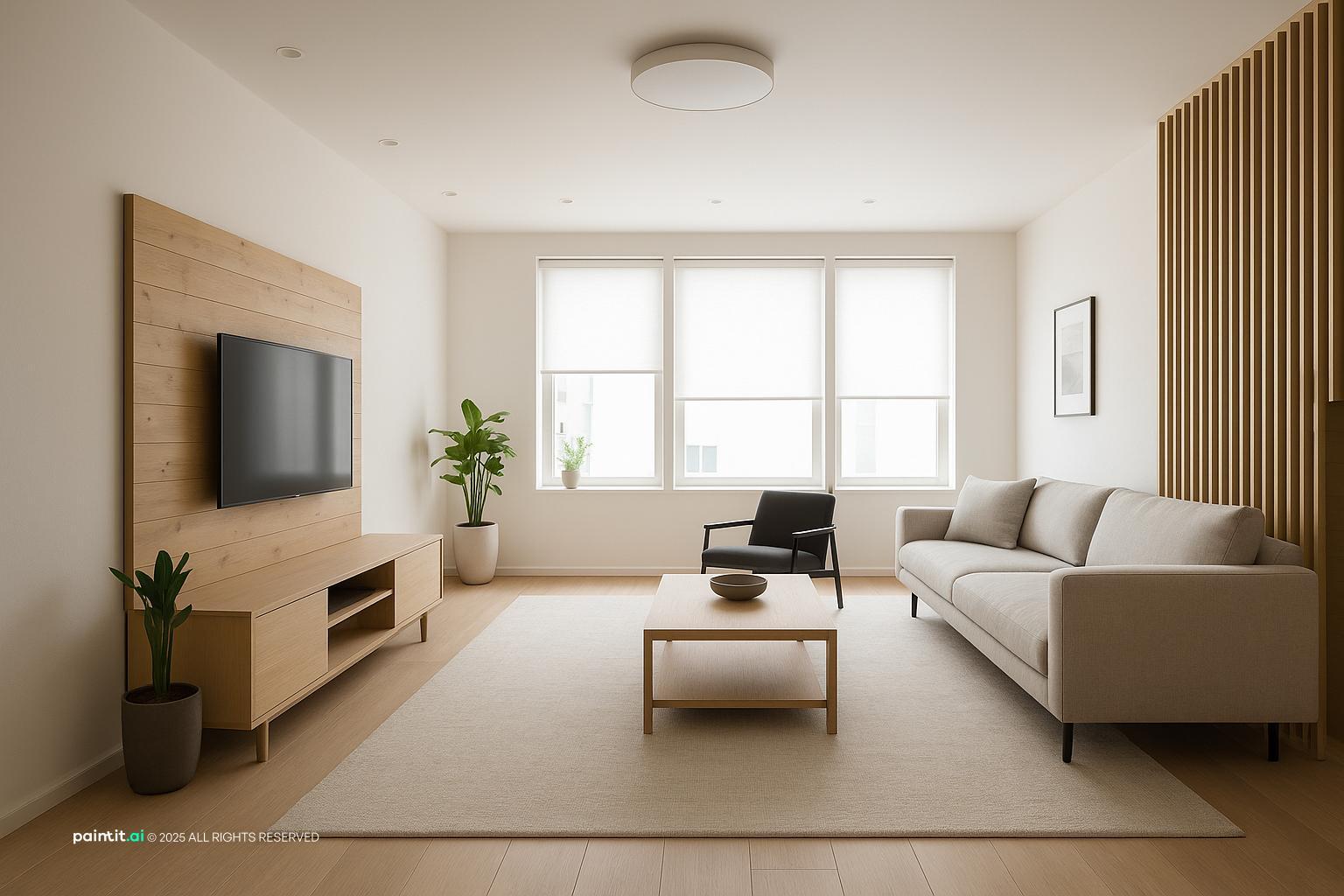
Furniture that sits closer to the ground inherently creates a feeling of openness and spaciousness, echoing traditional Japanese aesthetics. This design choice encourages a more relaxed posture, literally grounding you within the room. It’s about creating an inviting, unpretentious comfort.
-
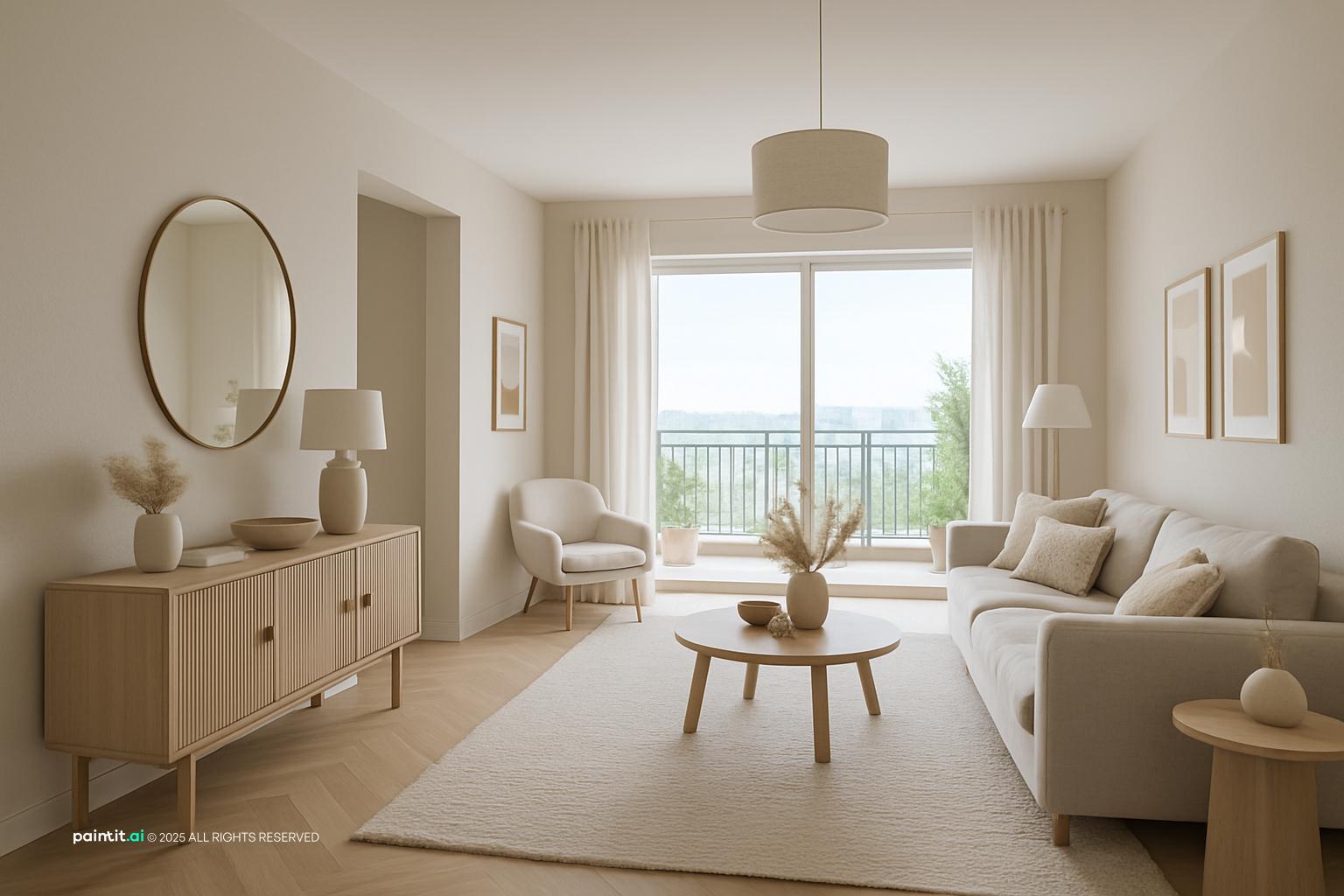
Look for sofas with low backs and deep seats, perhaps a platform bed if this were a bedroom, or floor cushions in durable, natural fabrics like hemp or organic cotton. A low-profile coffee table in solid oak or a simple tatami mat can complete the look.
-
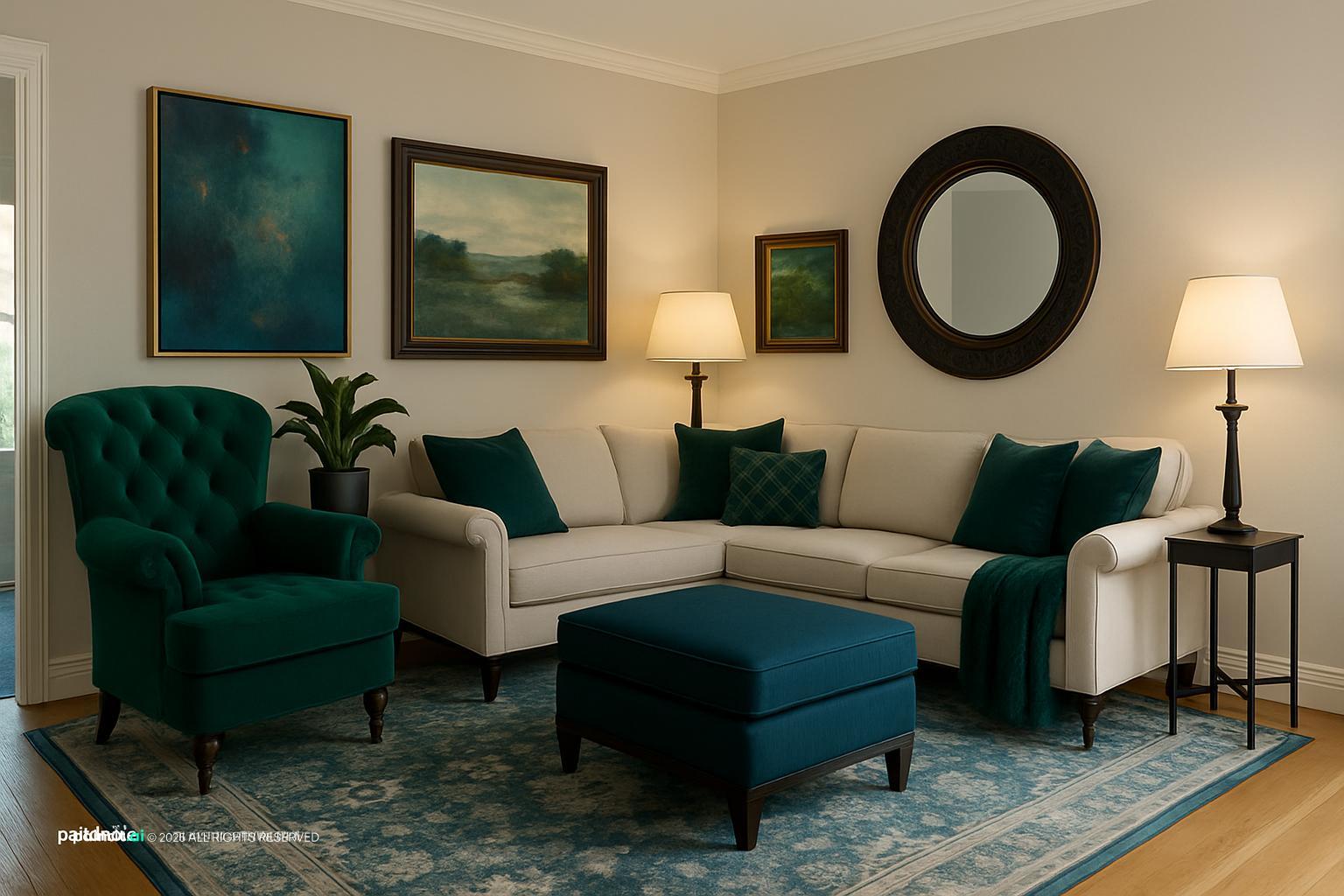
Pro Tip: To achieve this effect, ensure clear pathways around low furniture to maintain flow.
-
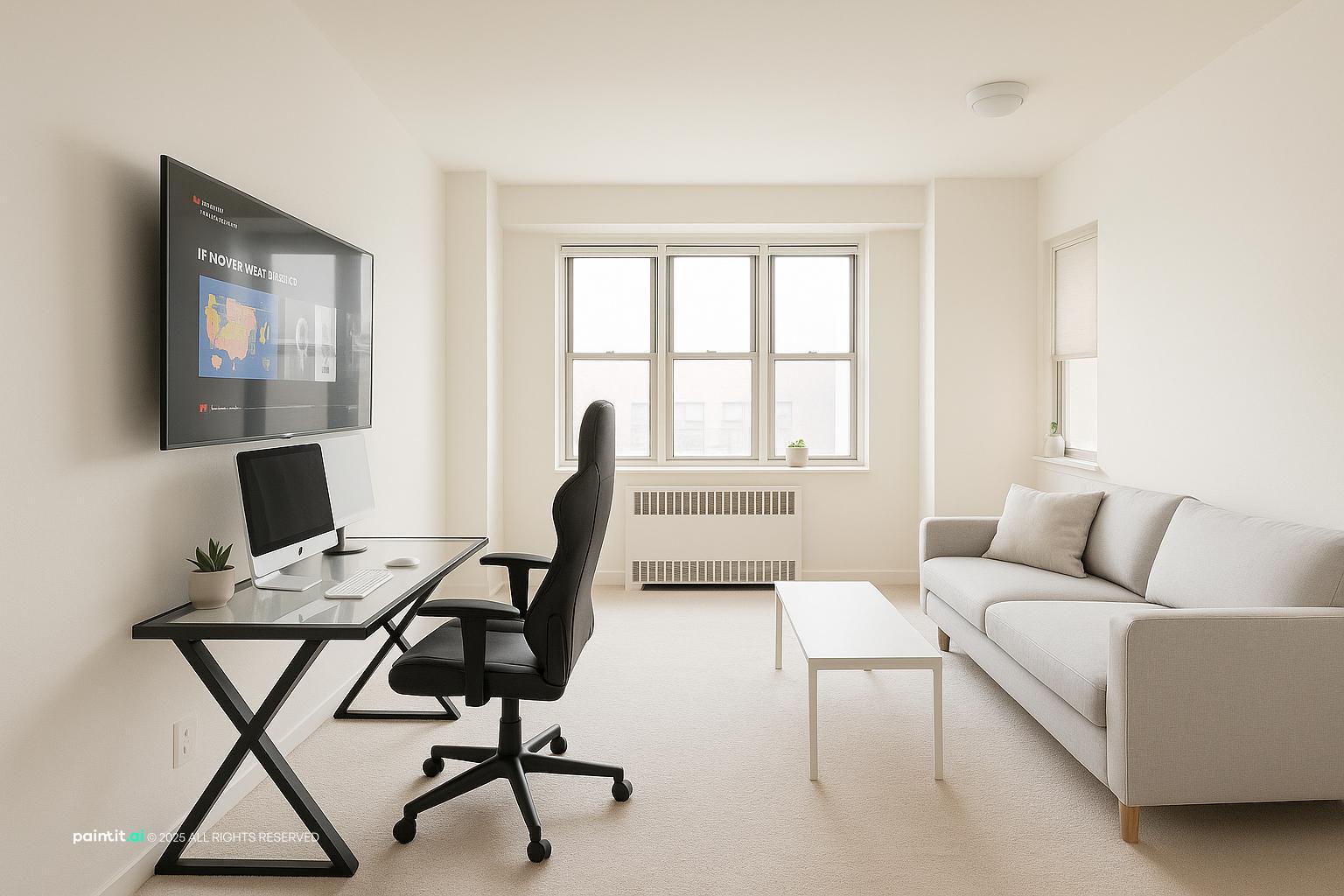
Tactile experience is crucial for a zen space. We want to engage the senses in a gentle, comforting way. Layering natural textures adds depth and warmth without introducing visual clutter, creating an inviting softness that begs to be touched. This is where the room truly starts to feel lived-in, not just looked-at.
-
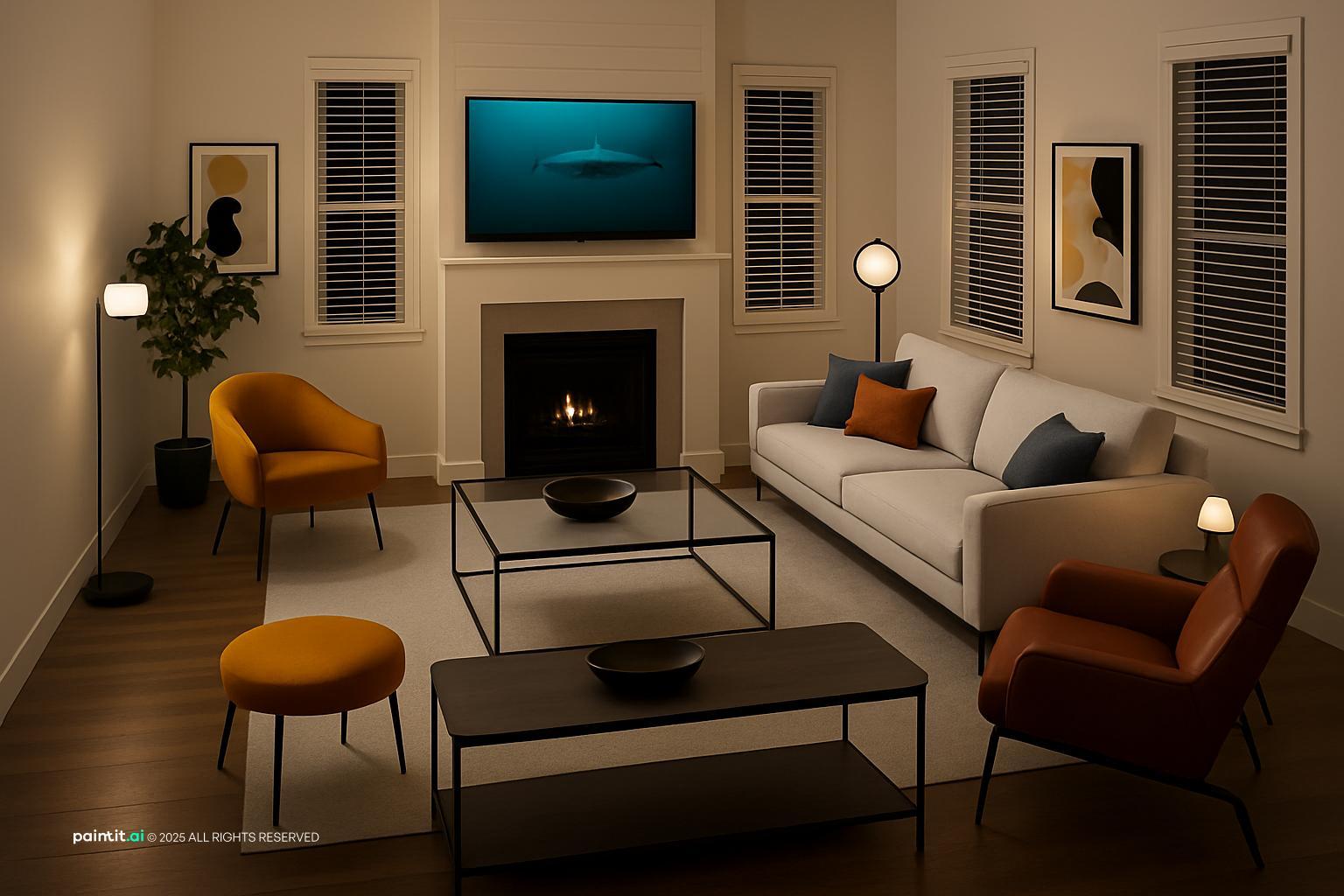
Combine a chunky wool rug with a linen sofa, add throw pillows in raw silk or a textured cotton. Consider a woven rattan side table or a ceramic lamp base with an unglazed finish. Think about the subtle variations in a honed travertine surface.
-
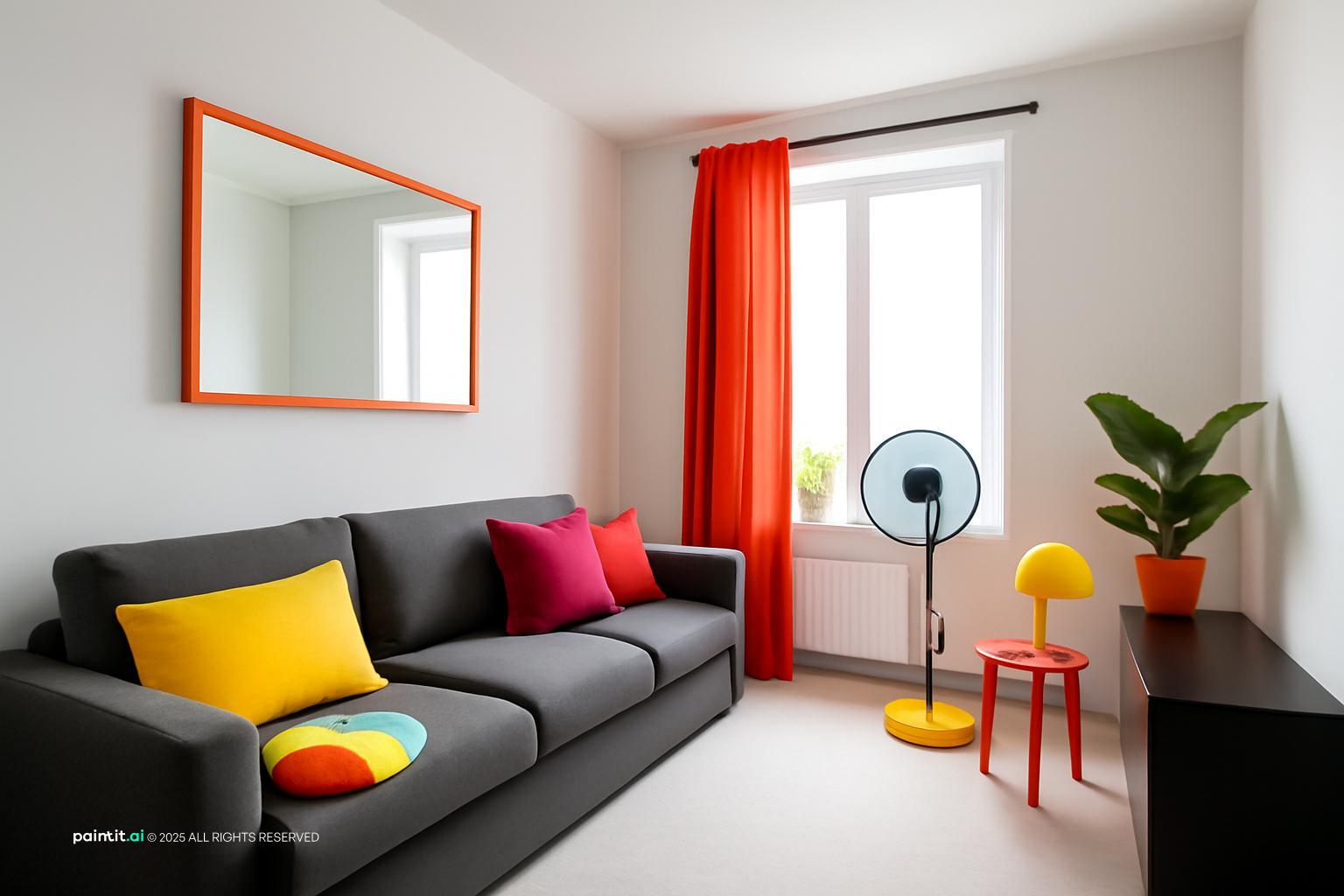
Pro Tip: To achieve this effect, stick to a monochromatic color scheme to let the textures speak for themselves.
-
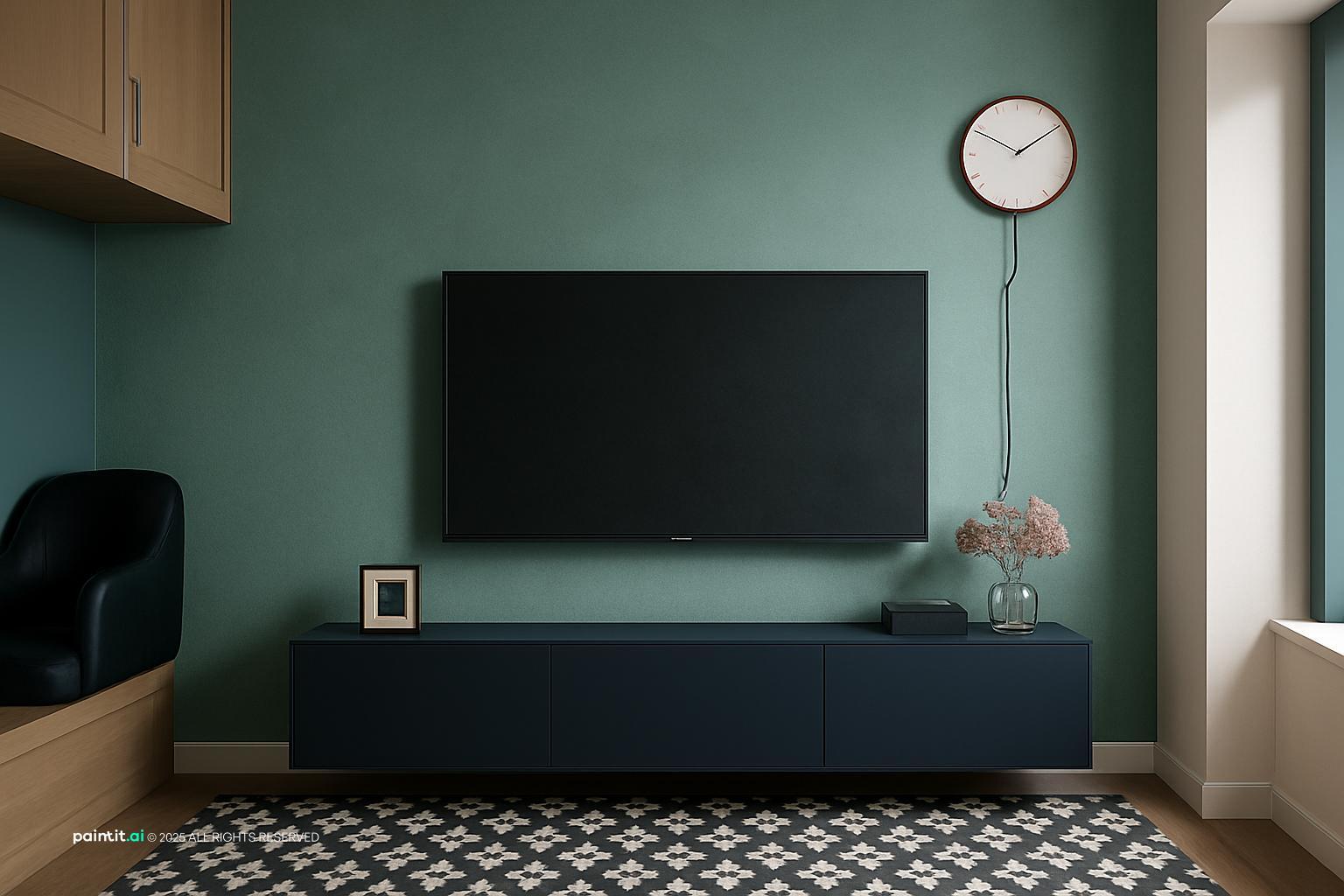
A zen living room isn't just a collection of objects; it's a carefully considered layout that promotes ease of movement and a sense of calm energy. Clear pathways, balanced furniture arrangement, and designated zones contribute to a feeling of harmony. Here’s the kicker: good flow often goes unnoticed, but bad flow is instantly jarring.
-
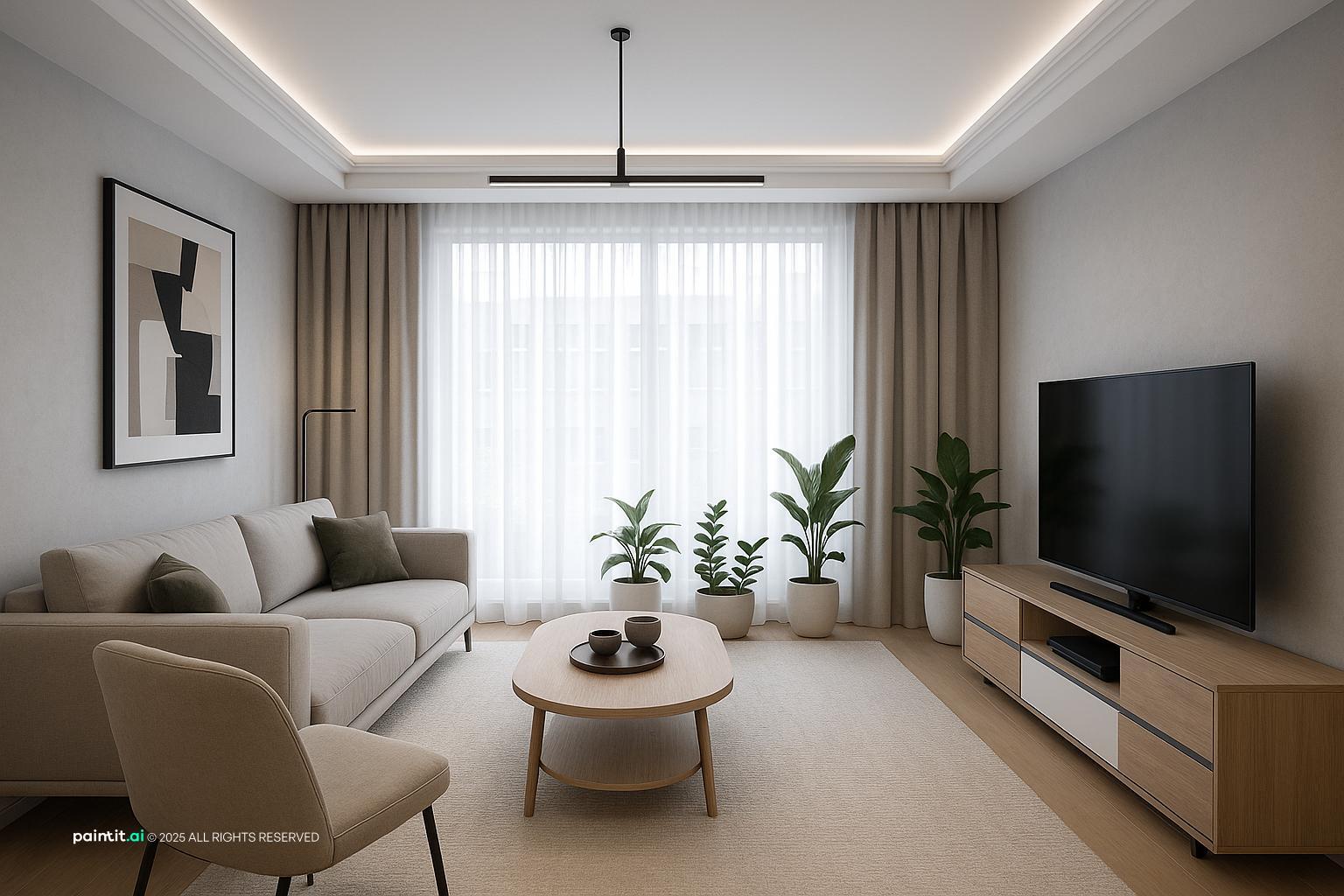
Arrange furniture to allow for unobstructed circulation. Create distinct "zones" for conversation, reading, or quiet contemplation using area rugs or subtle furniture groupings. Avoid placing large pieces directly in front of windows or doors.
-
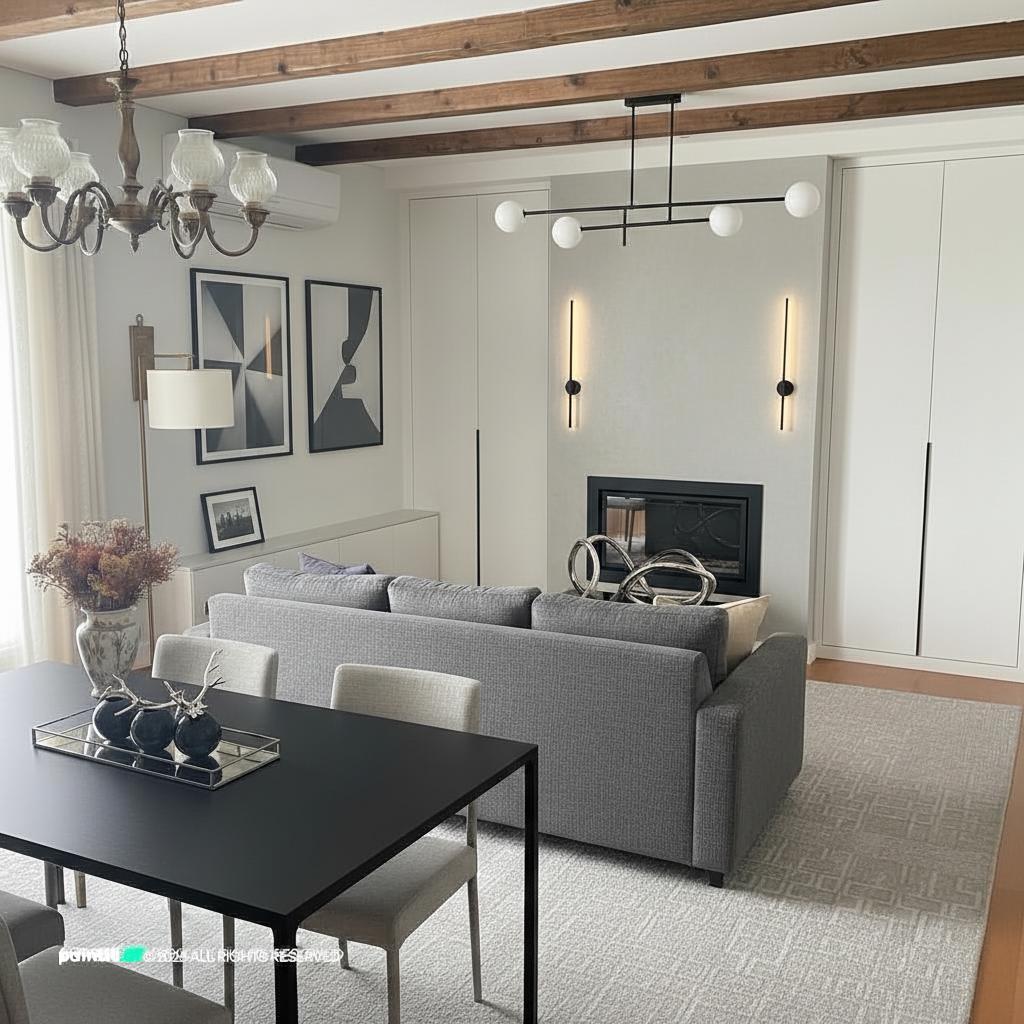
Pro Tip: To achieve this effect, leave ample space between furniture pieces; don't push everything against the walls.
-
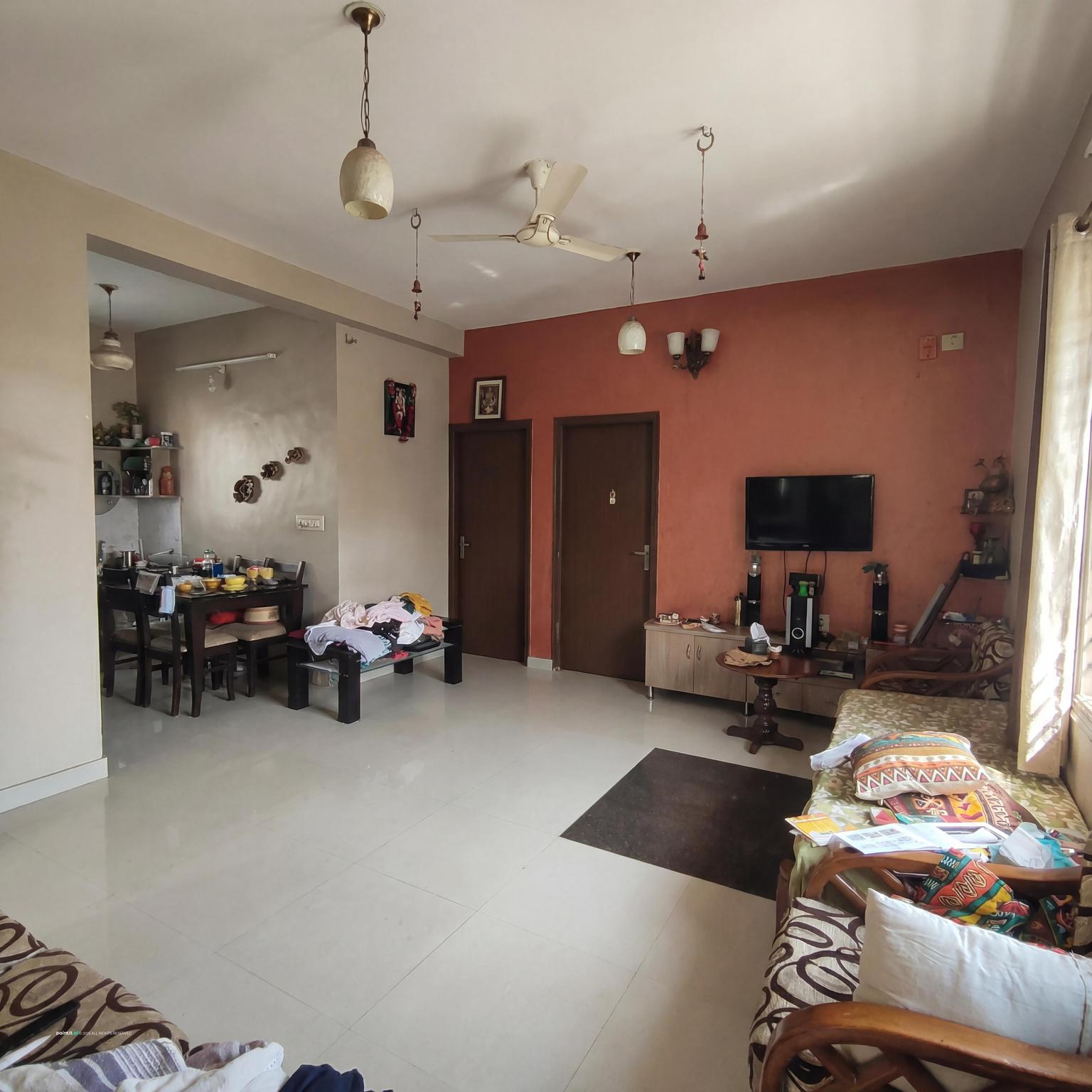
Beyond what we see, what we smell and hear profoundly impacts our state of mind. A zen living room engages these senses subtly, creating an immersive atmosphere of peace. It's about creating an environment that whispers calm, rather than shouting it.
-
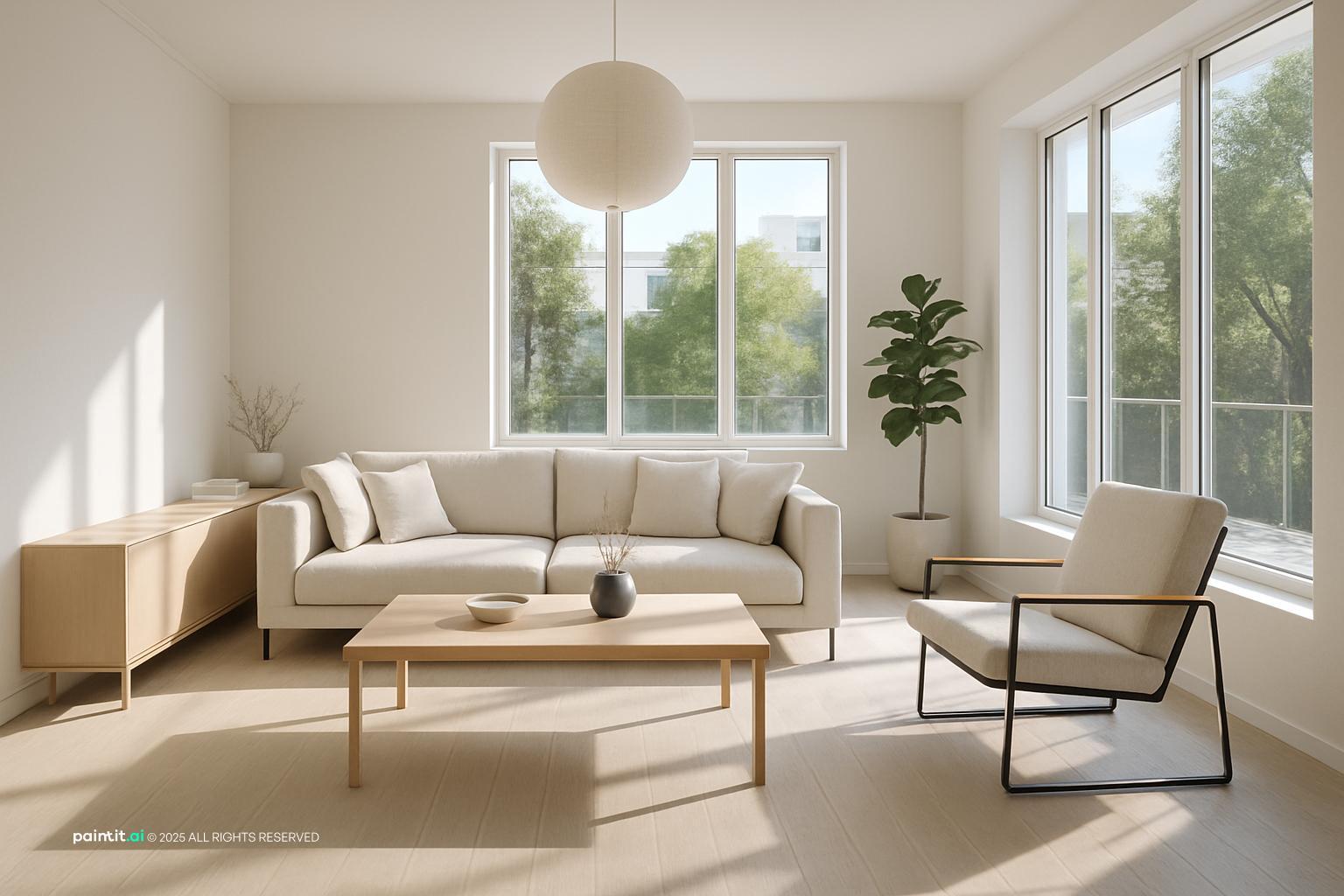
Use an essential oil diffuser with calming scents like sandalwood, lavender, or cedarwood. Avoid overpowering fragrances. Consider a small, wind chime placed near an open window or a high-quality speaker playing ambient nature sounds at a low volume. The goal is barely-there sensory input.
-
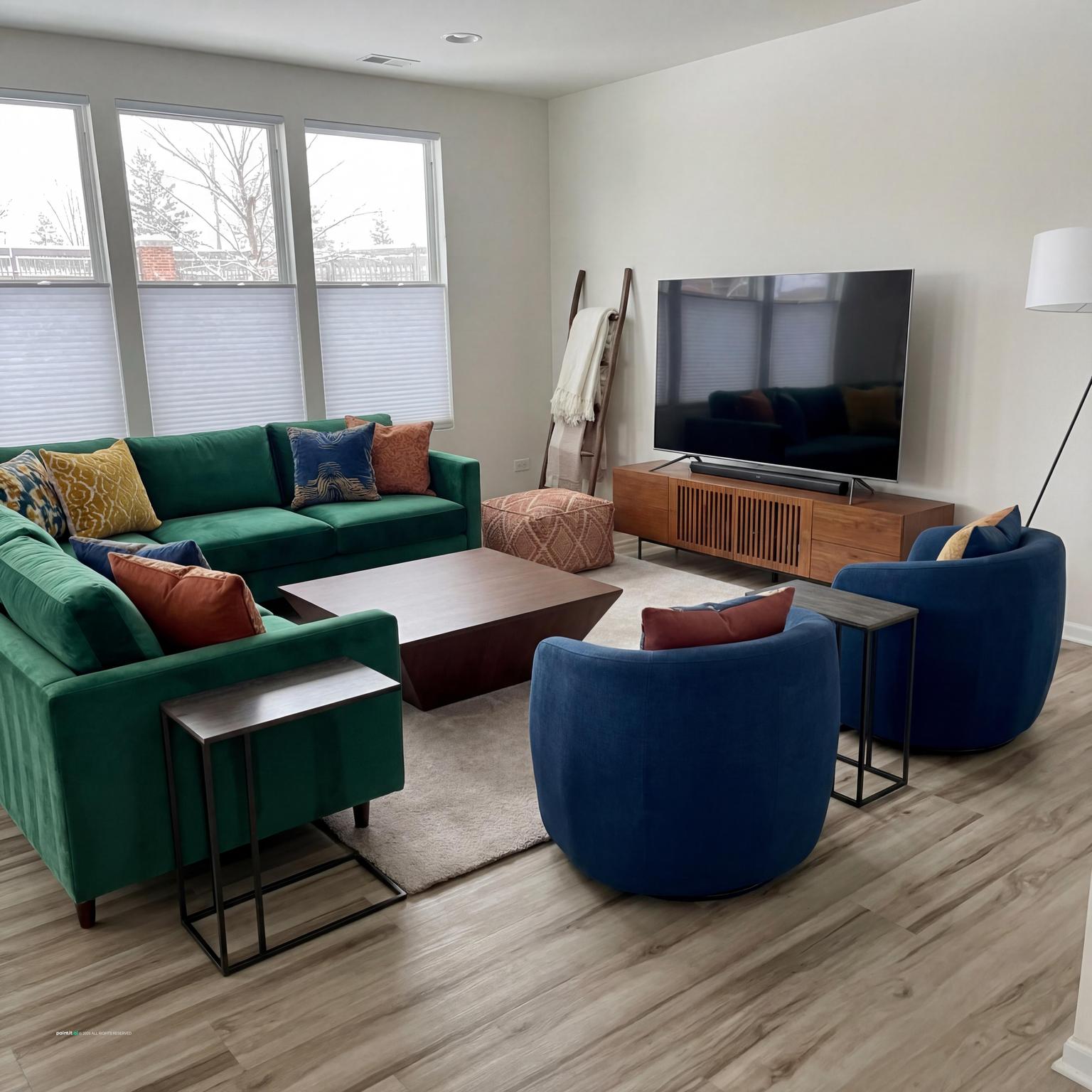
Pro Tip: To achieve this effect, choose diffusers made from natural materials like ceramic or wood.
-
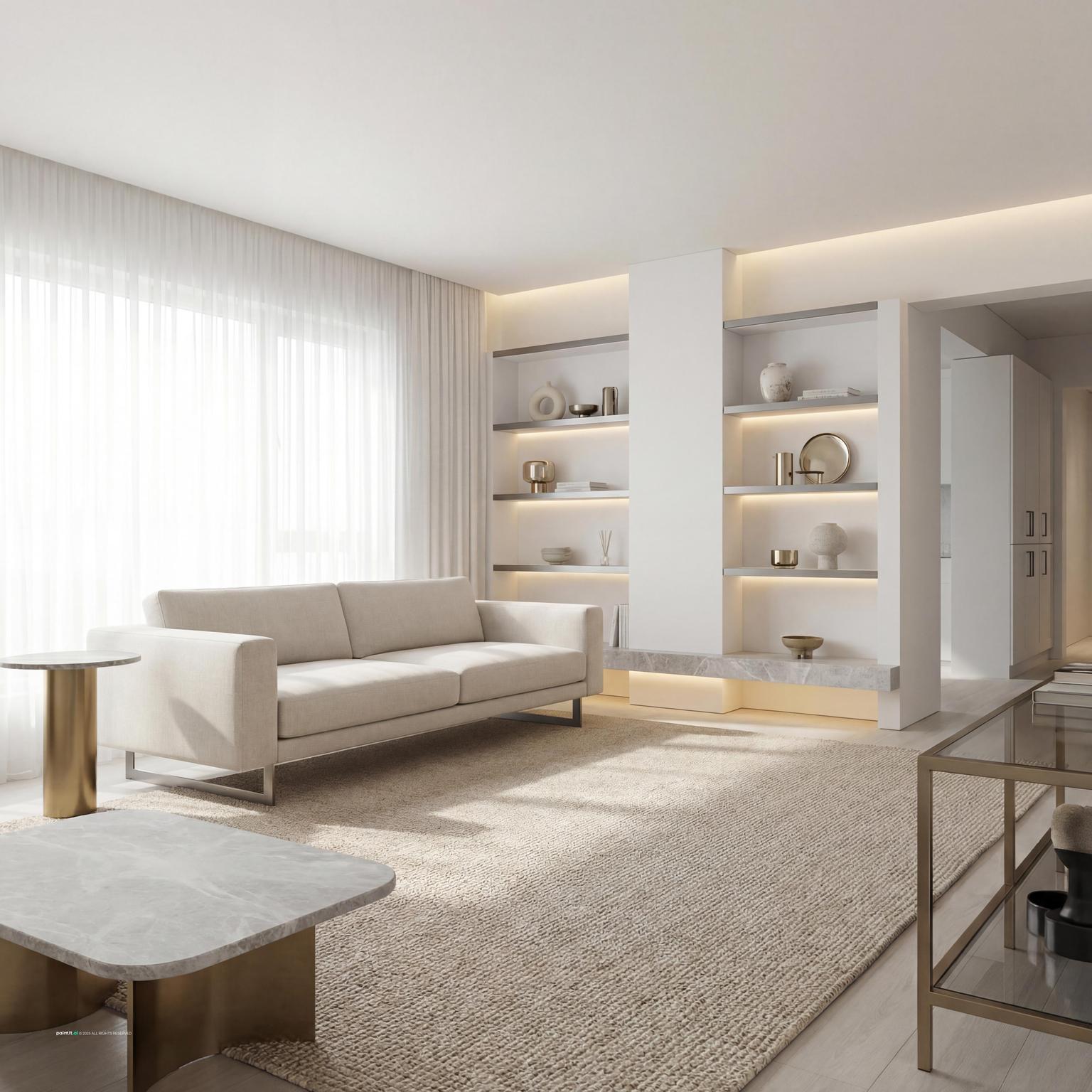
In a zen space, every object holds meaning. This isn't about filling walls or shelves; it's about selecting a few, cherished pieces that resonate with you. Think of art as a focal point for contemplation, not just decoration. The choice was risky for many, but a single, powerful piece can be far more impactful than a gallery wall.
-
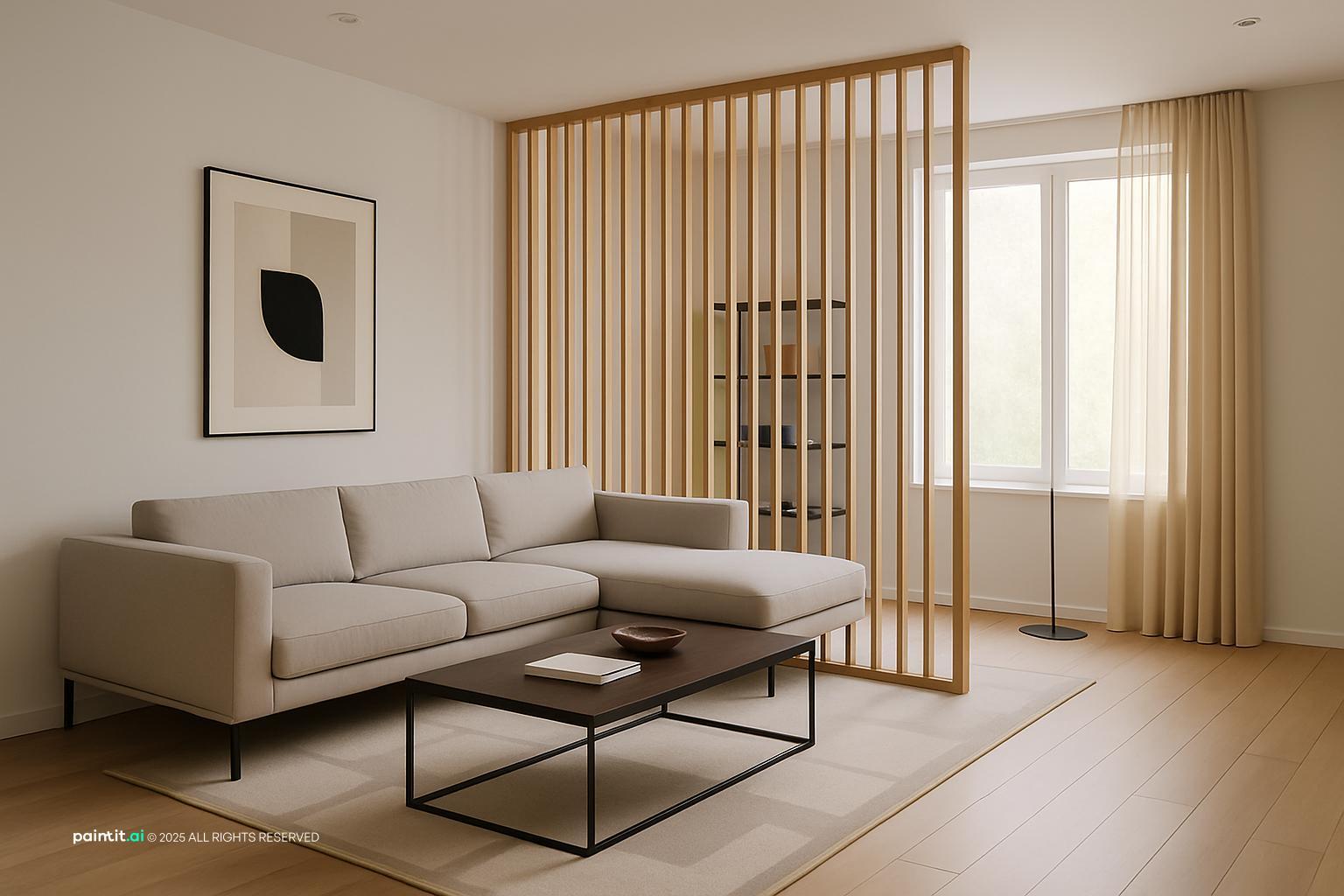
Display a single, large-scale abstract painting with a muted color palette, or a handcrafted ceramic sculpture. Choose objects made from natural materials like a smooth river stone or a piece of driftwood. Avoid mass-produced items; seek out artisanal pieces.
-
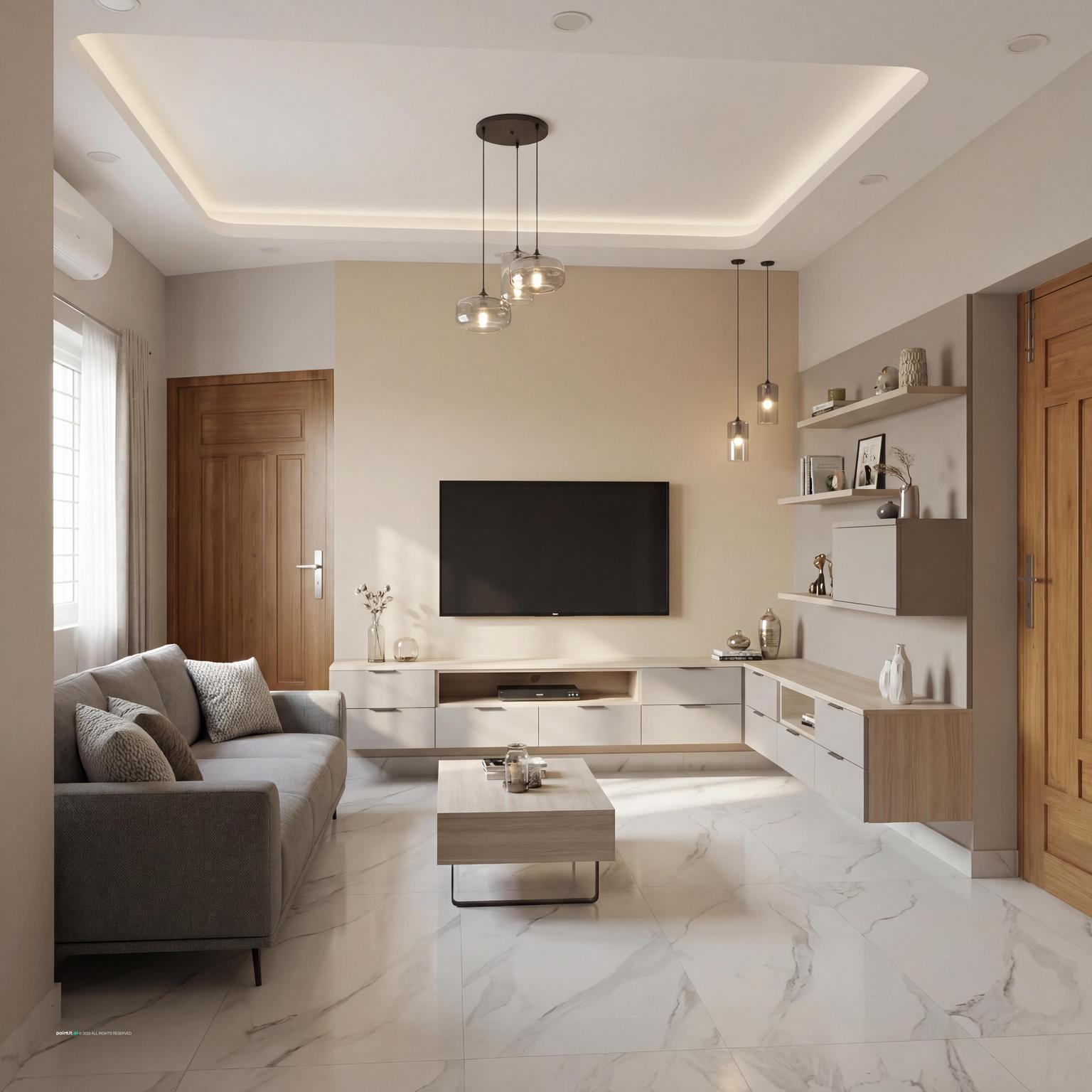
Pro Tip: To achieve this effect, rotate your art and objects periodically to keep the space feeling fresh and intentional.
-
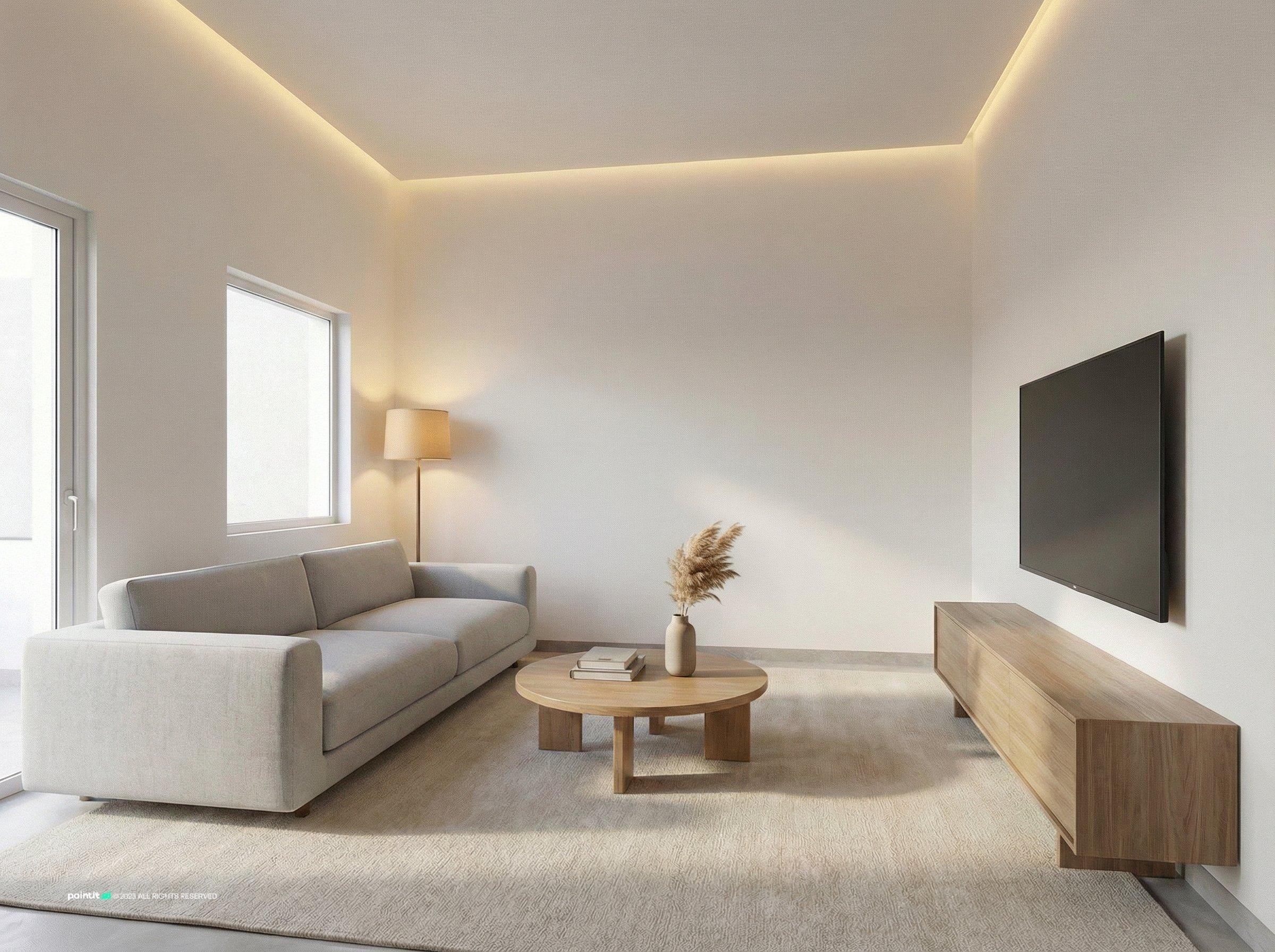
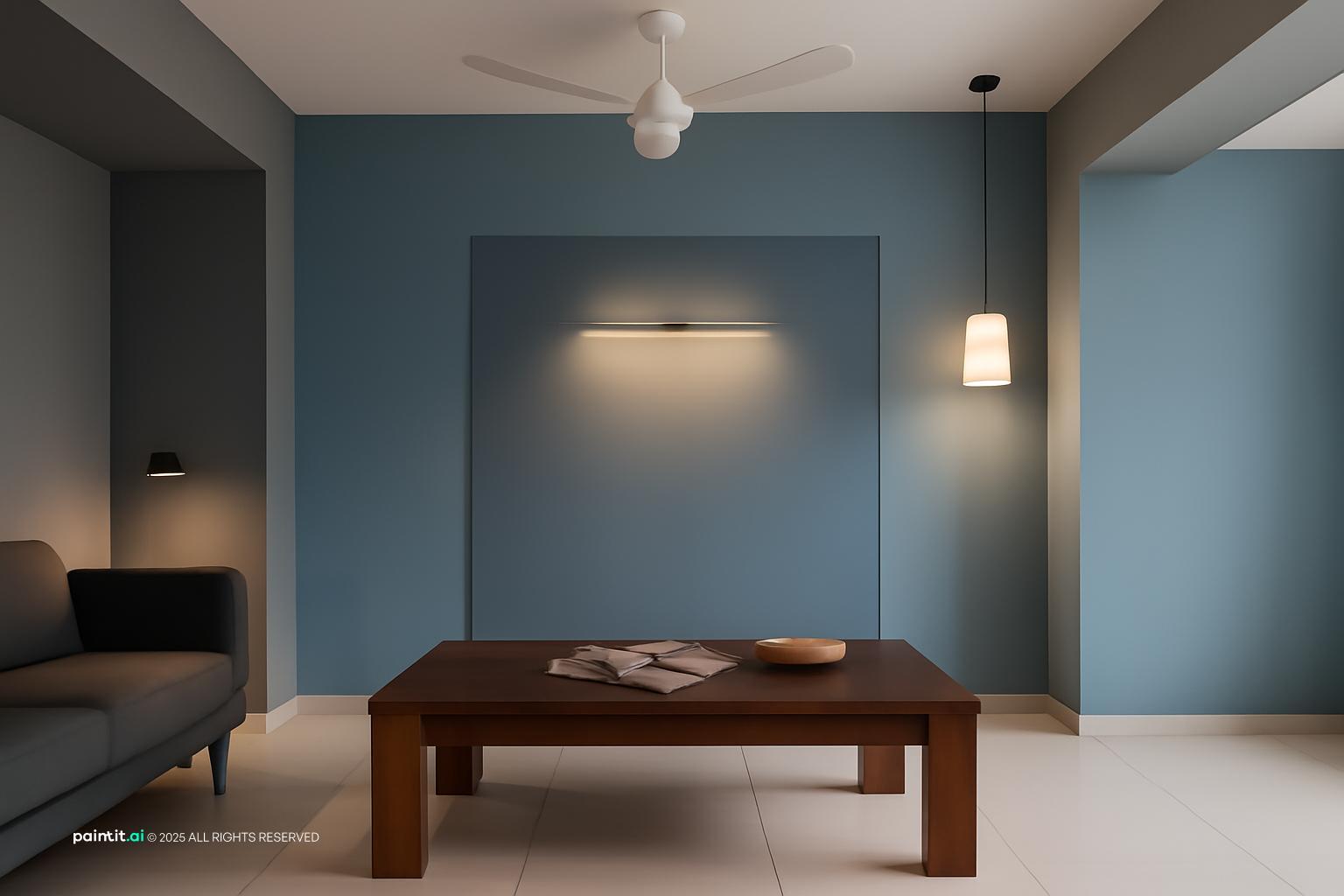
Harsh overhead lighting can instantly disrupt a peaceful atmosphere. A zen living room relies on multiple sources of soft, warm light to create inviting pools of illumination. It’s about setting a mood, not just lighting a room for task work. This reminds me of old-world Italian villas, where light was always an experience.
-
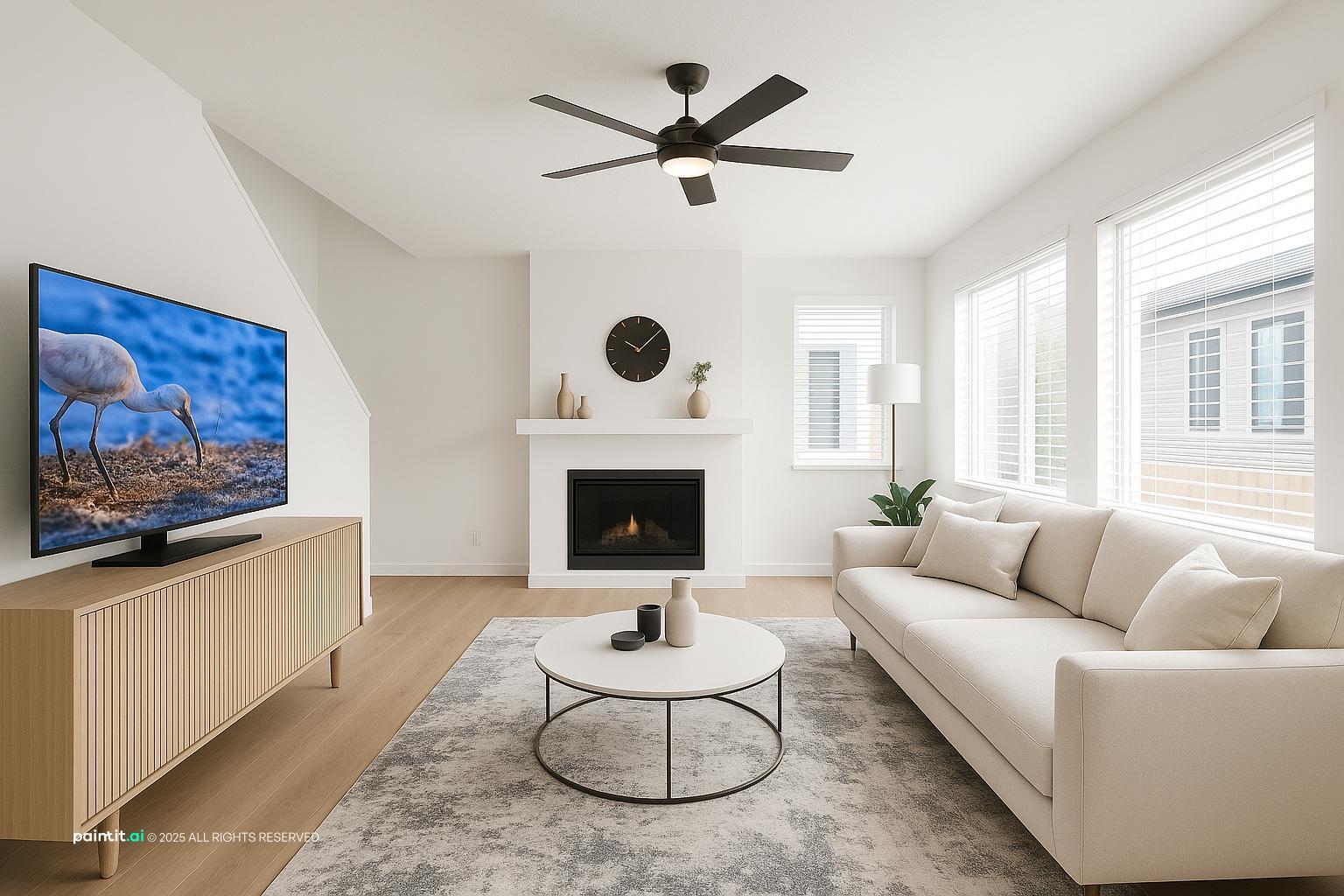
Install dimmers on all light fixtures. Use floor lamps with linen shades, table lamps with ceramic bases, and perhaps a few strategically placed LED strip lights for indirect glow. Opt for bulbs with a warm color temperature (2700K-3000K). Avoid bright, cool-toned lights.
-
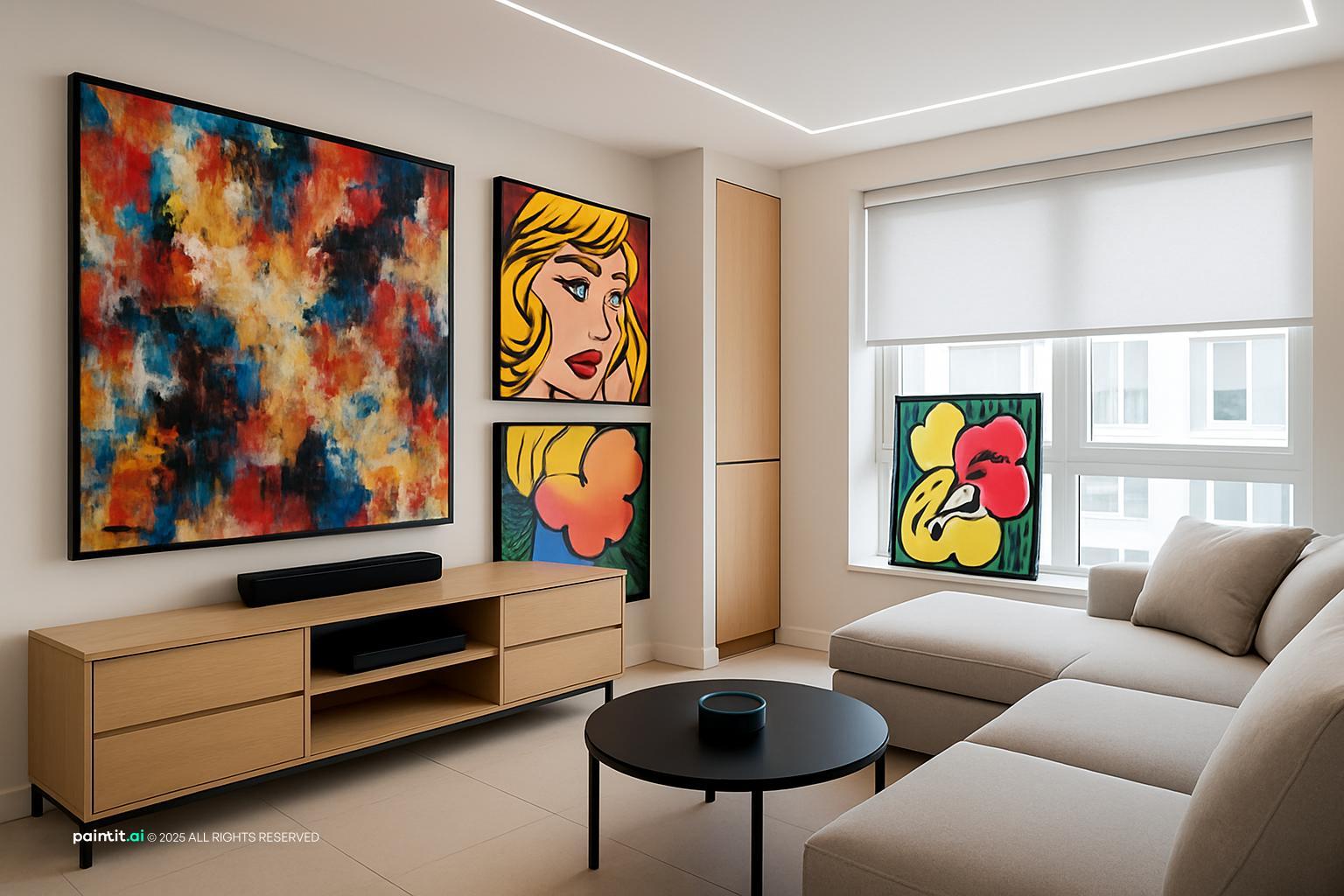
Pro Tip: To achieve this effect, layer different types of lighting: ambient, task, and accent, all on dimmers.
-
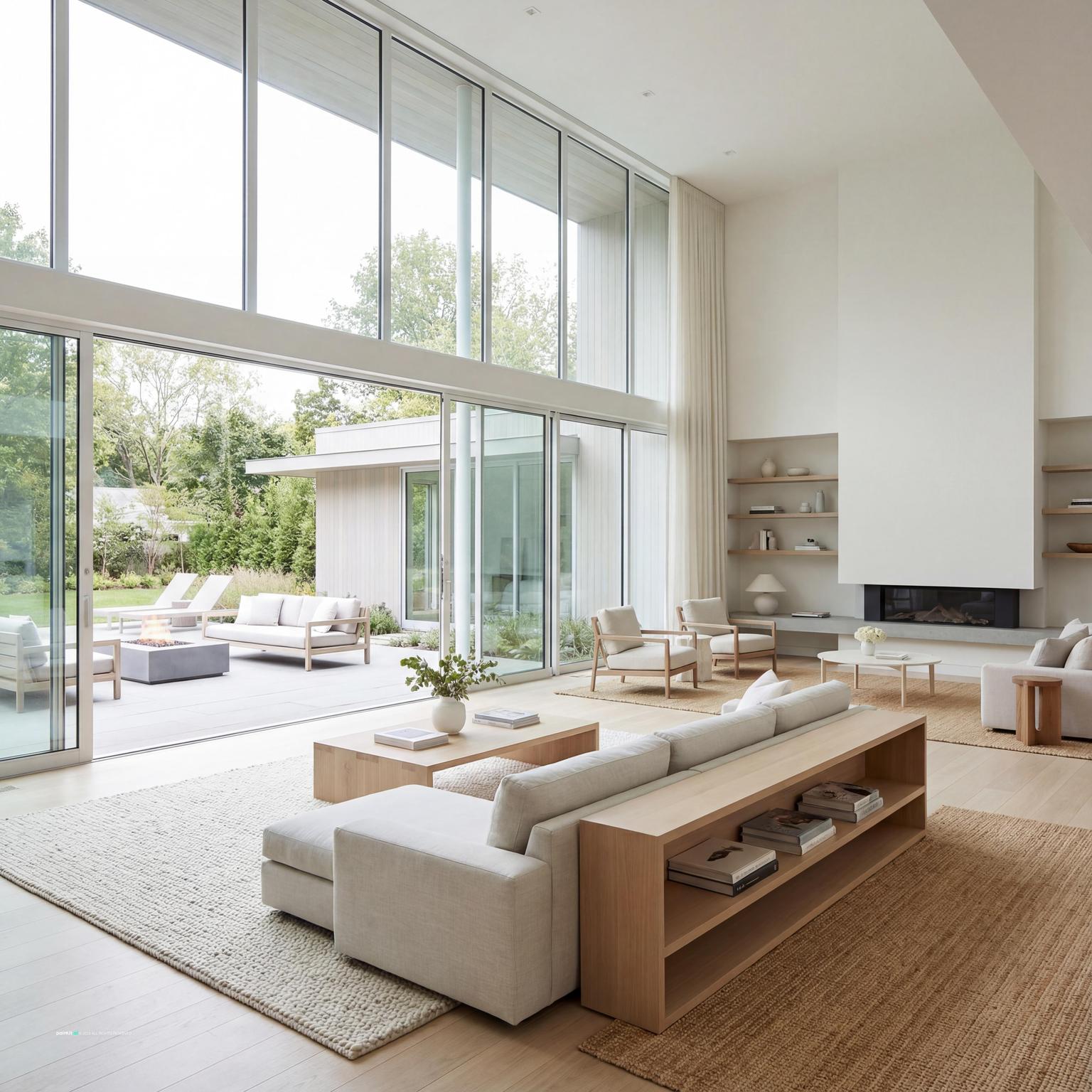
Blurring the lines between indoor and outdoor spaces enhances the feeling of expansiveness and connection to nature, a core tenet of zen design. When your living room feels like it extends into the garden, the sense of calm amplifies. It’s about preservation over imposition.
-
If possible, incorporate large sliding glass doors or expansive windows that offer clear views of a garden or natural landscape. Use materials inside that mirror those outside, like a bluestone tile floor extending onto a patio. Keep window sills clear to maximize the view.
-
Pro Tip: To achieve this effect, ensure your outdoor space is as thoughtfully designed and maintained as your indoor one.
-
A truly serene space is free from visual noise, and that means having a place for everything, even if that place is out of sight. Hidden storage is key to maintaining the uncluttered aesthetic without sacrificing functionality. The messy reality is, we all have stuff; the trick is making it disappear gracefully.
-
Consider custom built-in shelving units that blend seamlessly with the walls, or furniture pieces with integrated storage, like a coffee table with hidden compartments. Baskets woven from natural fibers can also offer discreet storage for blankets or magazines. Think about a media console that conceals electronics behind solid doors.
-
Pro Tip: To achieve this effect, plan your storage needs before selecting furniture to ensure everything has a home.
The Quiet Language of Zen: Deconstructing Its Living Room Essence to Life with Paintit.ai
-
The Quiet Language of Zen: Deconstructing Its Living Room Essence 1. Color palette We often start with a base of creamy ecru or a pale greige, then layer in sandy beige and a touch of charcoal for depth. The goal isn't starkness, but a gentle embrace. Think soft, muted tones—a whisper of sage green can even find its place. It’s about creating a visual quiet, not a shout, allowing the mind to settle. 2. Key materials & textures Natural materials are non-negotiable here. Reclaimed light oak or bamboo for flooring and low tables brings an organic warmth. We pair that with soft, breathable textiles like undyed linen for drapes and cushions, or a chunky wool throw. The subtle texture of a hand-thrown ceramic vase adds a grounding, tactile quality. These elements connect us to the earth, fostering a sense of stability and calm. 3. Furniture essentials The truth is, zen furniture isn't about grand statements; it's about simplicity and function. A low-slung, minimalist sofa with clean lines is paramount, inviting relaxation without visual bulk. Consider a simple, square coffee table, perhaps in a light wood, kept intentionally clear. Floor cushions or a single, comfortable armchair complete the picture, encouraging a grounded posture. I’ve seen this work best when pieces are chosen for their quiet presence, not their flash. 4. Lighting setup Achieving that perfect zen glow means layering. Ambient light should be soft and indirect, perhaps from a paper lantern or wall sconces with warm bulbs. Task lighting, if needed, remains discreet—a small, focused lamp for reading. The real magic comes from accent lighting: think flickering candlelight or a subtle LED strip tucked behind a shelf. It’s about creating pools of warmth, not bright illumination. 5. Decorative accents & the 3-5-7 rule This is where intentionality truly shines. We’re not filling space; we’re curating moments. A single, elegant bonsai tree or a simple ceramic bowl filled with polished river stones makes a statement. For art, consider abstract pieces with muted tones or natural landscapes. Here’s the kicker: the 3-5-7 rule works wonders. Group three varying-height candles on a tray, five smooth pebbles on a low shelf, or a collection of seven small, framed botanical prints. It adds visual interest without clutter, creating a sense of effortless composition. It sounds simple, doesn't it? Yet, most people forget that less, when done thoughtfully, is always more—a subtle art, really.
Paintit.ai: Visualizing Your Zen Living Room's Inner Calm Design Ideas
The subtle art of a zen living room hinges on the perfect interplay of light, texture, and sparse elements. Misjudging this balance often creates a sterile rather than serene space. Paintit.ai instantly visualizes countless material palettes and furniture arrangements, letting you see how each selection impacts the room's energy. Try it; find your perfect peace.
FAQ
-
The truth is, it’s less about a specific style and more about an intentional feeling—a deliberate cultivation of tranquility. We’re talking about creating a space that encourages mindfulness, where every element serves a purpose or evokes peace. Think natural light, uncluttered surfaces, and a palpable sense of balance. It's about stripping away the superfluous, allowing the inherent beauty of materials and the quietness of the space to speak.
-
For colors, we lean into a muted, earthy spectrum. Imagine soft whites, warm greys, sage greens, and sandy beiges. These aren't just pretty shades; they ground the room, echoing natural landscapes. When it comes to materials, think tactile and organic: untreated light woods like pale oak or birch, natural fibers such as linen, jute, and wool, and perhaps some hand-thrown ceramics. We’ve seen this work best when you mix textures subtly—a rough-hewn wooden console next to a smooth, matte ceramic vase. It adds depth without visual noise.
-
This is where many people stumble. The key isn't emptiness; it's *intentional* negative space. We select fewer pieces, but each one carries more weight. Opt for low-slung furniture with clean lines—a Japanese-inspired platform sofa, perhaps, or a simple, solid wood coffee table. Prioritize comfort and functionality. A mistake we often see? Overstuffing with too many small items. Instead, choose one or two substantial, well-crafted pieces. The result? Impeccable.
-
Less is always more here. We're not decorating; we're curating. Focus on elements that connect to nature and promote serenity. A single, perfectly placed bonsai tree, a few river stones in a shallow bowl, or a simple ceramic diffuser with essential oils like lavender or sandalwood. Avoid anything overly ornate or purely decorative. Every object should either be functional, beautiful in its simplicity, or evoke a sense of calm. Think about a single, large piece of abstract art with a muted palette—it can anchor a wall without overwhelming it.
-
Absolutely. The biggest one? Mistaking minimalism for coldness. A zen space should feel inviting, not sterile. Another common misstep is neglecting lighting; harsh overhead lights can instantly kill the mood. Instead, layer your lighting with soft, diffused sources like paper lanterns or floor lamps with warm bulbs. And here’s the kicker: don't forget the sensory experience. A zen room isn't just visual; it's how it sounds (or doesn't sound), how it smells, and how it feels underfoot. We once saw someone use a synthetic rug, and it just didn't feel right. Natural fibers, always.