
Creating a Serene - Zen Garden Living Room
Imagine stepping into your home after a long day, and instead of clutter, you're met with a profound sense of calm. The idea of a zen garden living room promises just that - a space where tranquility isn't just a concept, but a tangible feeling. How do you translate that peaceful vision into the reality of your own four walls?
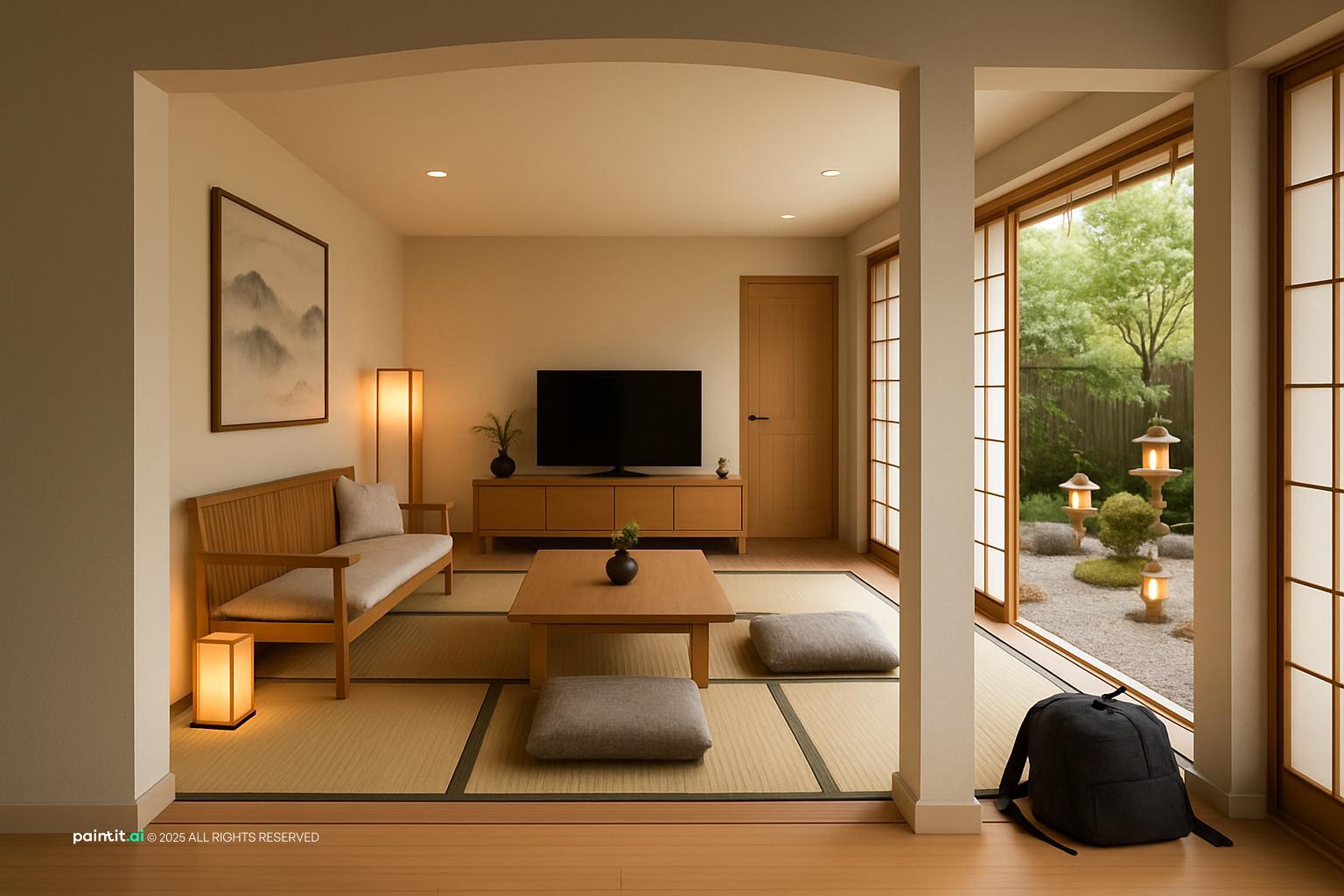
Essential Tips for Designing Your Zen Garden Living Room
From my perspective as an interior design editor, one of the most common challenges homeowners face is creating a truly tranquil indoor sanctuary. Many attempt to infuse calm, but often miss the subtle nuances that define genuine serenity. The truth is, transforming a conventional space into a zen garden living room isn't just about adding a few plants; it's about cultivating a minimalist environment that fosters peace and mindfulness through deliberate design choices.
-
Designing Your Zen Garden Living Room
From my perspective as an interior design editor, one of the most common challenges homeowners face is creating a truly tranquil indoor sanctuary. Many attempt to infuse calm, but often miss the subtle nuances that define genuine serenity. The truth is, transforming a conventional space into a zen garden living room isn't just about adding a few plants; it's about cultivating a minimalist environment that fosters peace and mindfulness through deliberate design choices.
Stunning Examples of 14 Ways to Cultivate a Zen Garden Living Room Sanctuary
-
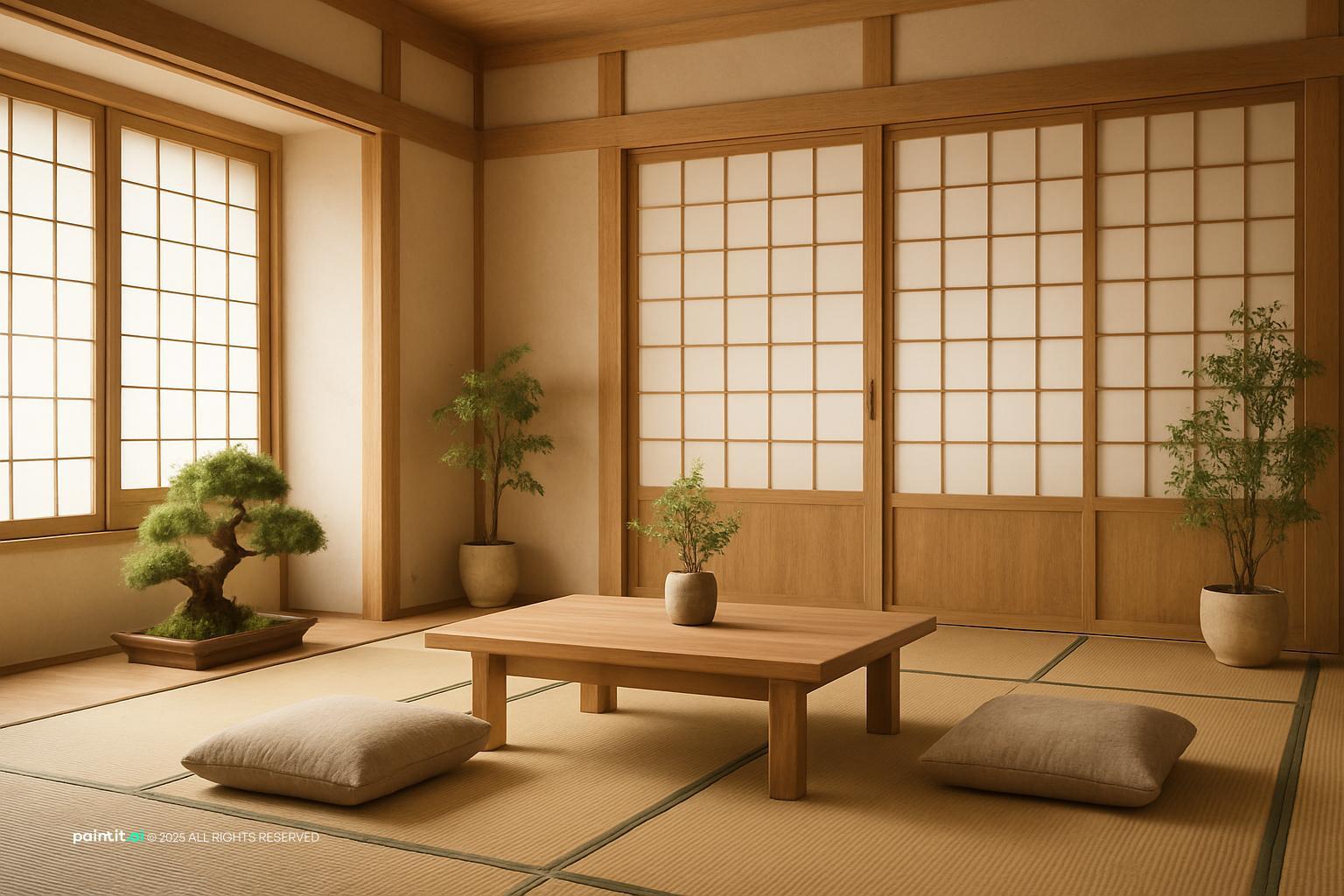
Crafting a truly serene living space requires more than just good intentions; it demands a thoughtful curation of elements that speak to both the eye and the soul. These ideas have been carefully selected to balance aesthetic appeal with practical functionality, ensuring your home becomes a genuine haven.
-
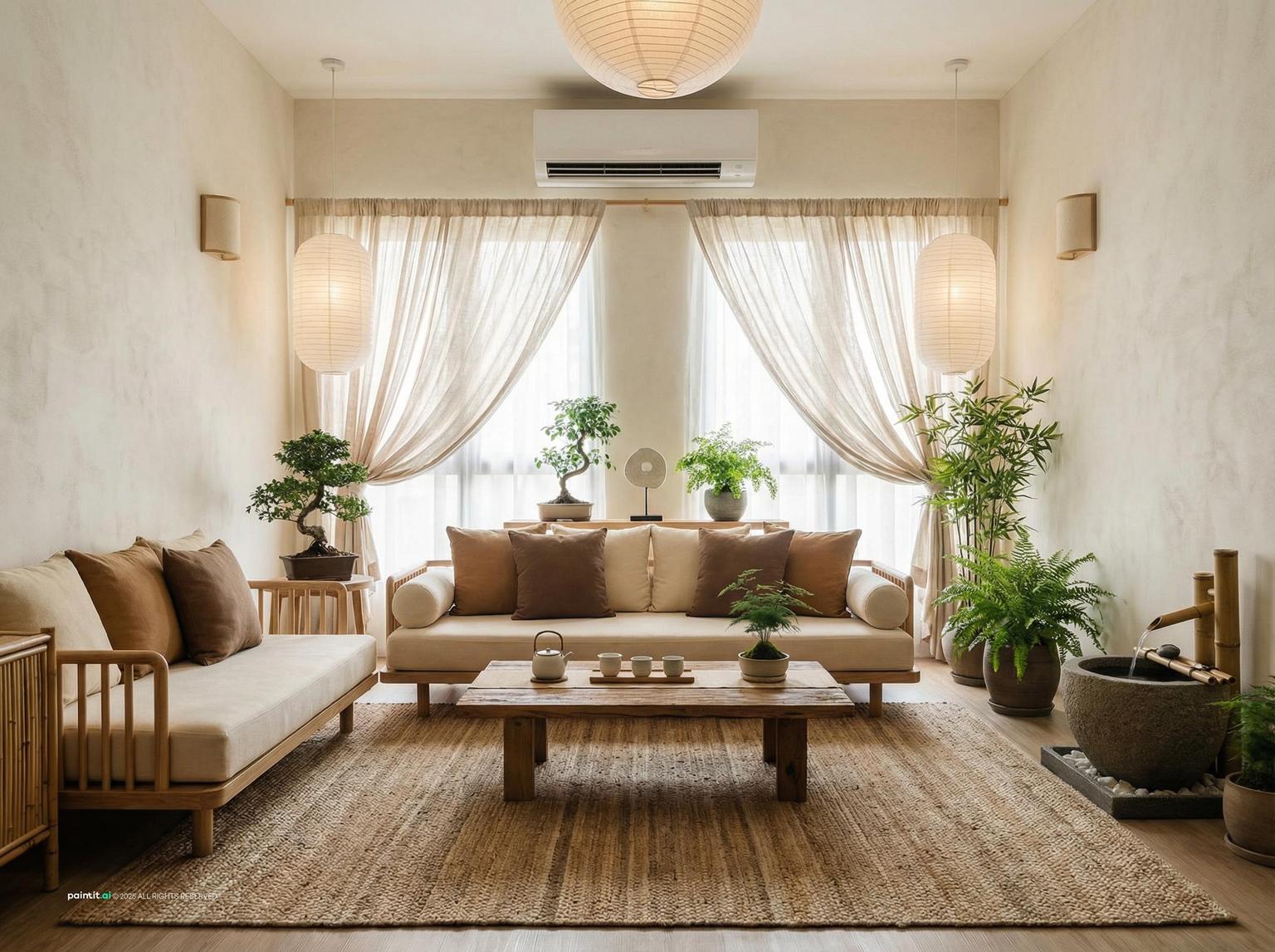
This is the quintessential symbol of a Zen garden, scaled down for indoor living. Its power lies in its simplicity, offering a focal point for contemplation. Most people forget that the act of raking the sand itself can be a meditative practice, bringing a sense of order to your day.
-
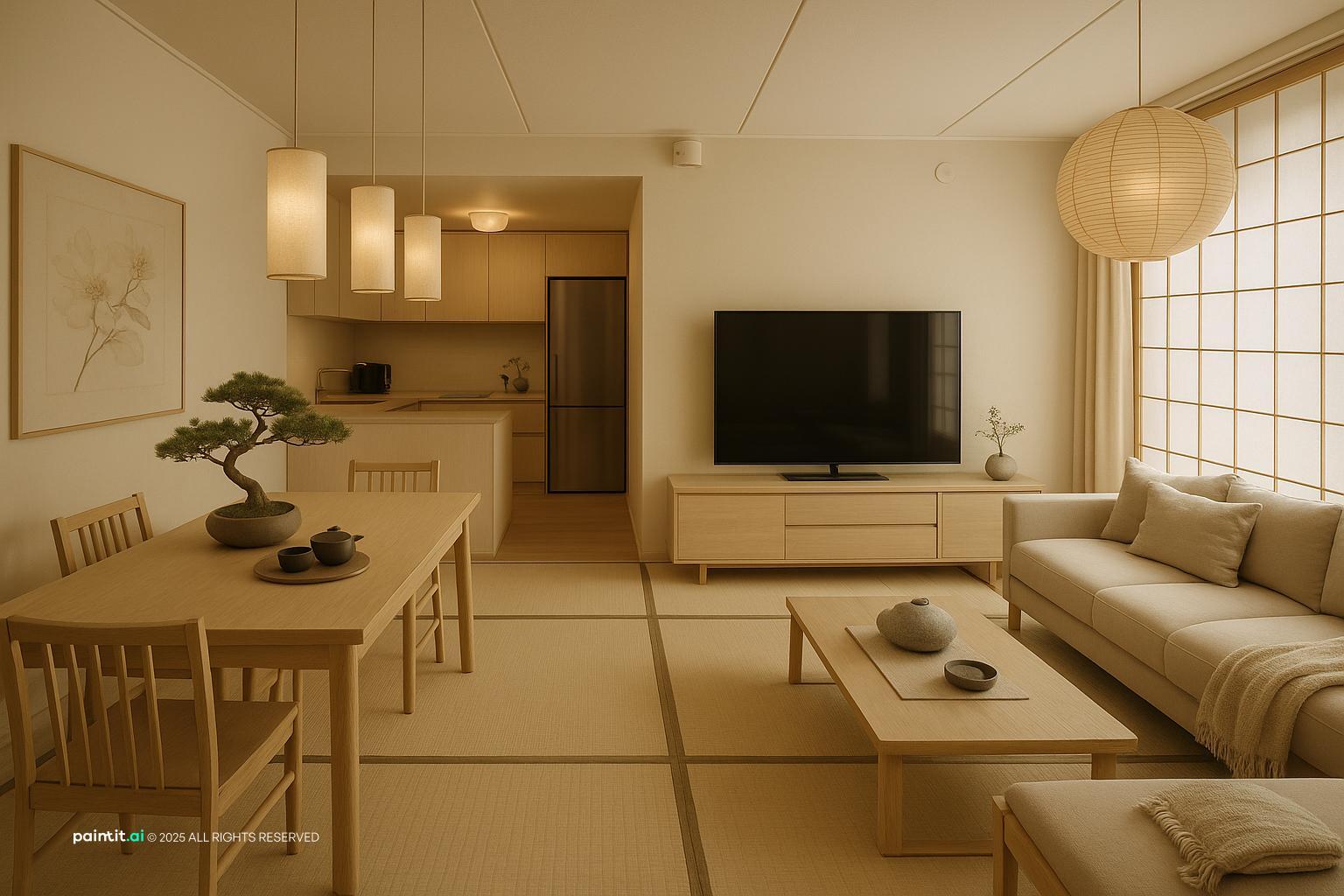
To implement, choose a shallow, wide tray made of natural wood or stone. Fill it with fine white sand and arrange a few smooth river stones. A small, delicate rake completes the scene. Place it on a low table or a dedicated pedestal.
-
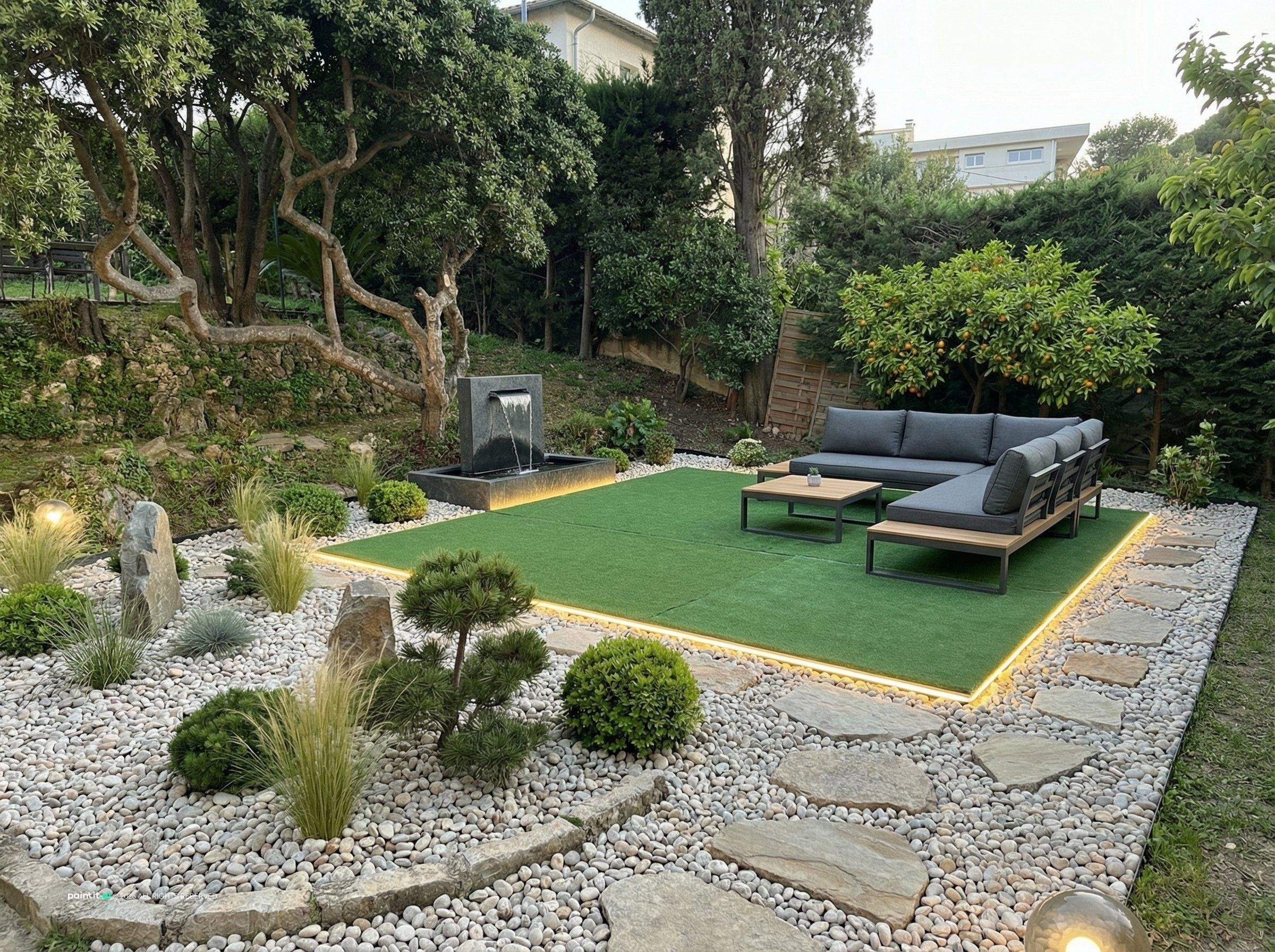
Pro Tip: To achieve this effect, try integrating a small, low-profile table specifically for your sand garden, making it an intentional centerpiece.
-
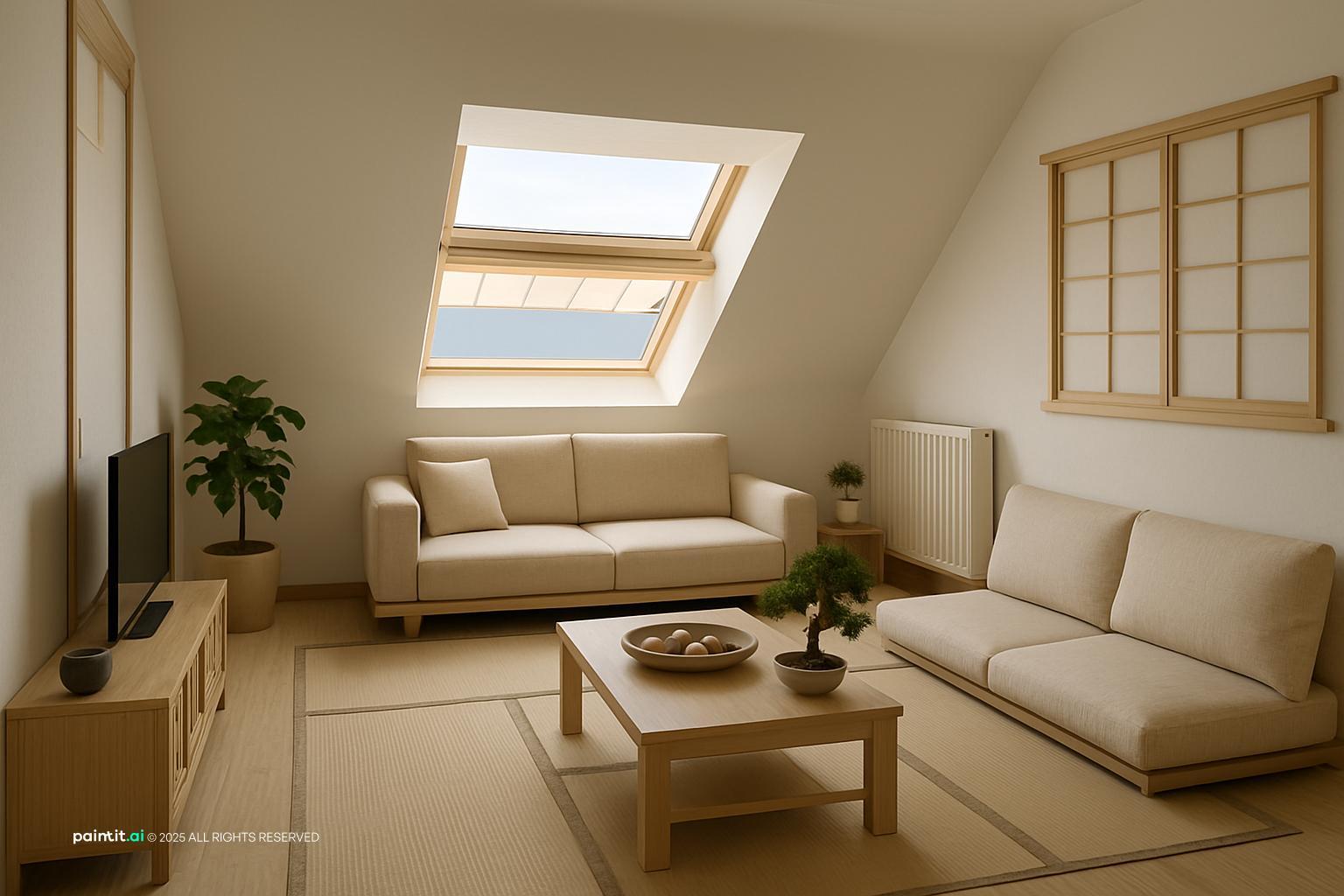
The gentle sound of trickling water is profoundly calming. It masks unwanted noises and introduces a natural, soothing rhythm to your environment. I’ve seen this work best in corners where the sound can subtly fill the room without overwhelming conversation.
-
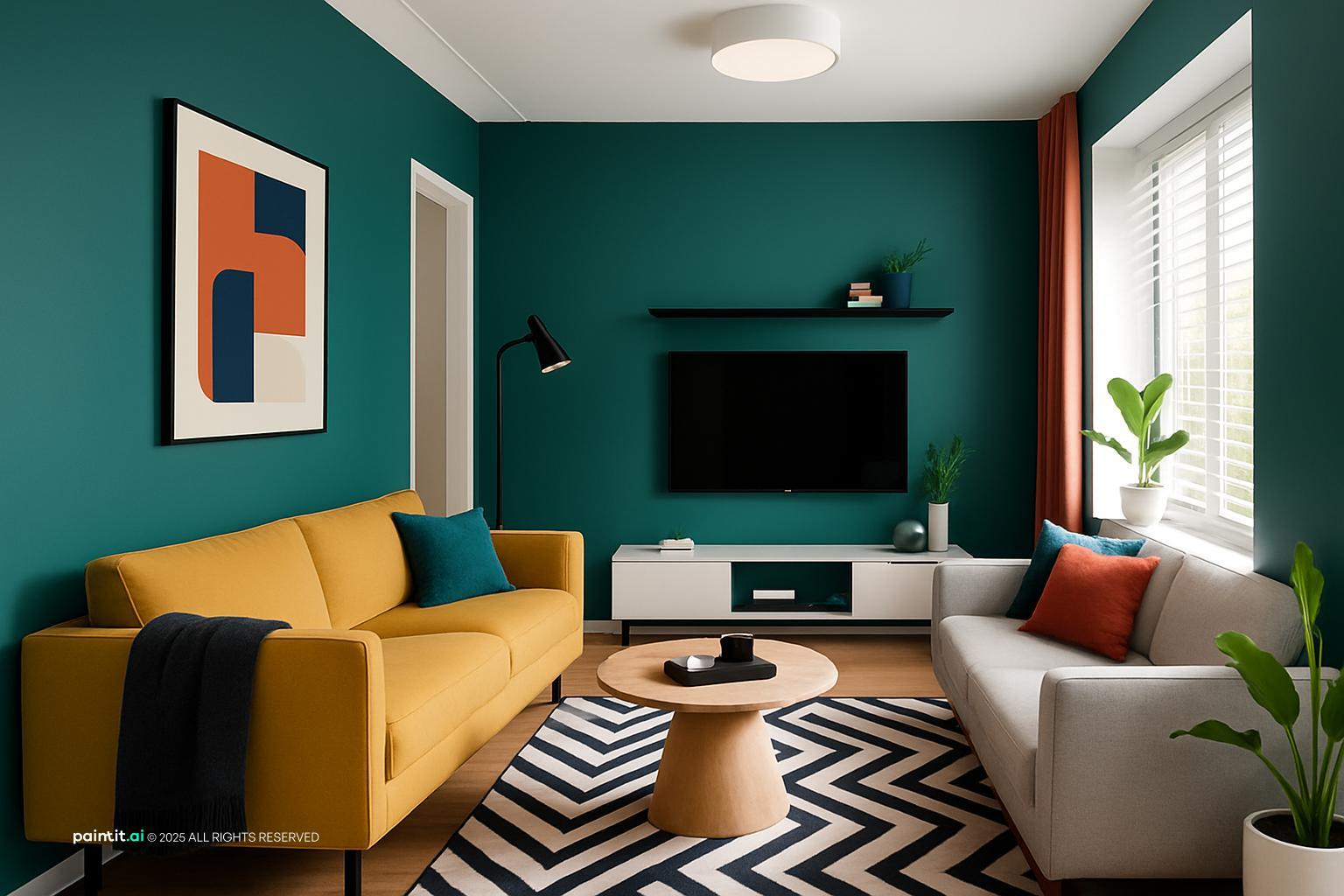
Select a small, self-contained tabletop fountain made from ceramic or natural stone. Ensure the pump is quiet. Surround it with smooth pebbles and perhaps a single, resilient plant like a peace lily or bamboo. The visual and auditory experience is immediate.
-
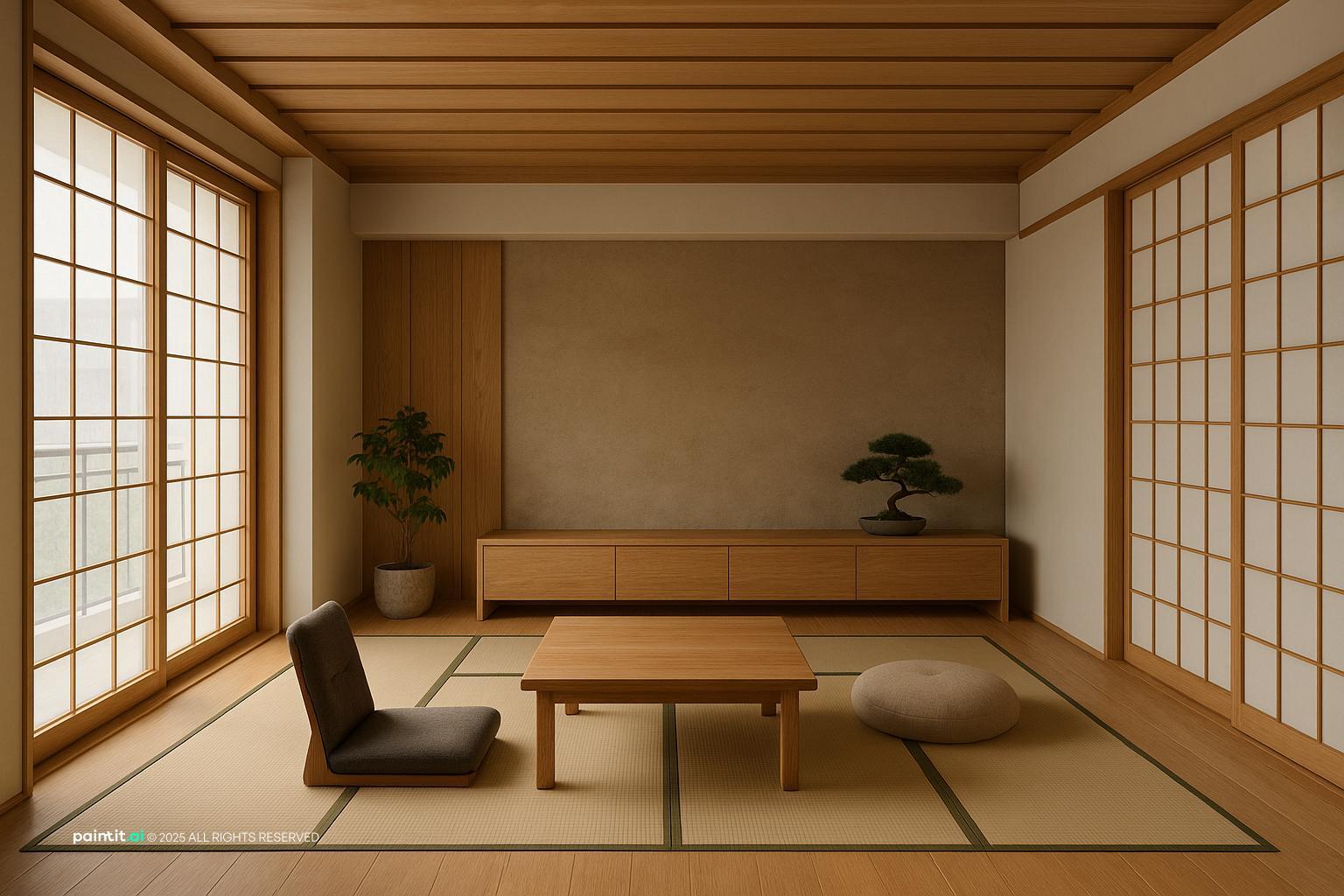
Pro Tip: To achieve this effect, try placing the water feature near a window to catch natural light, enhancing its reflective qualities.
-
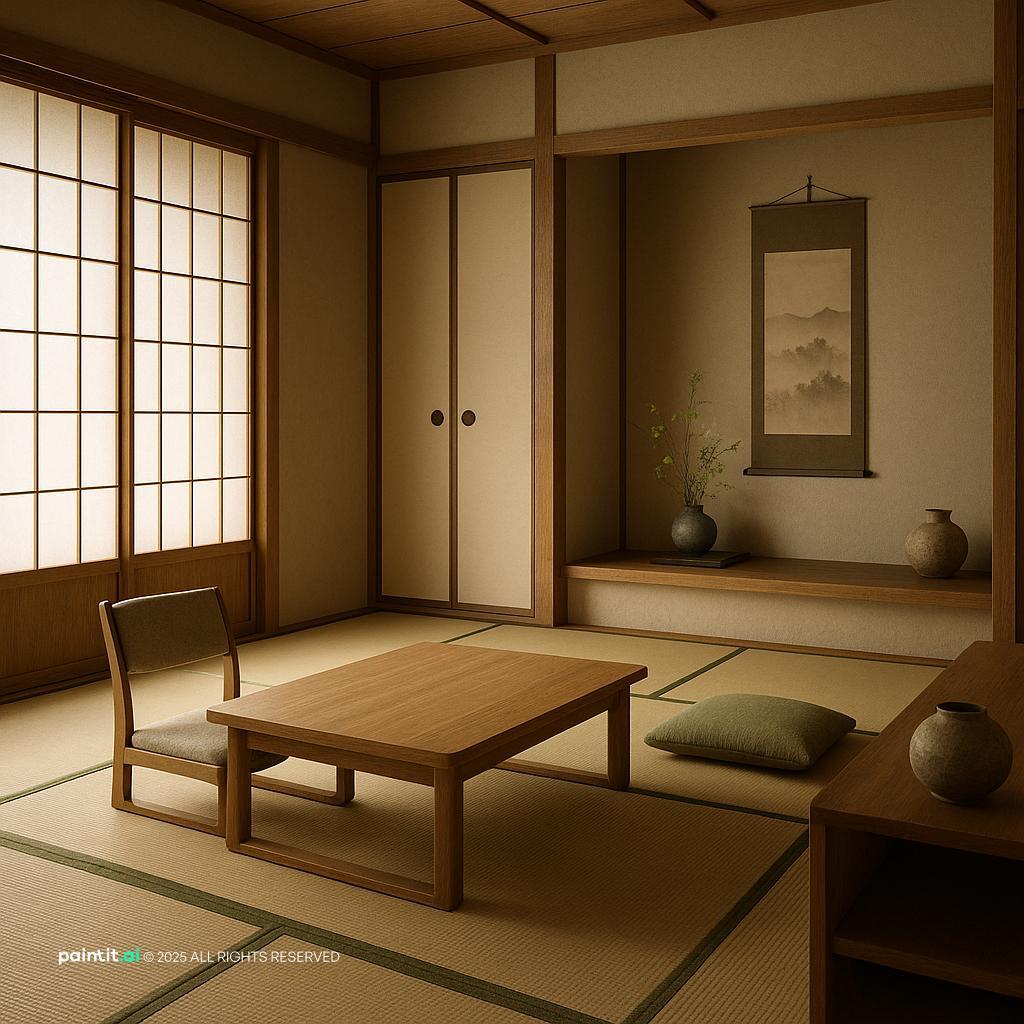
These living art forms embody patience, balance, and the beauty of nature in miniature. A well-placed bonsai or a carefully arranged ikebana display can ground a room, inviting a moment of quiet appreciation. It sounds simple, but the truth is, their presence elevates the entire aesthetic.
-
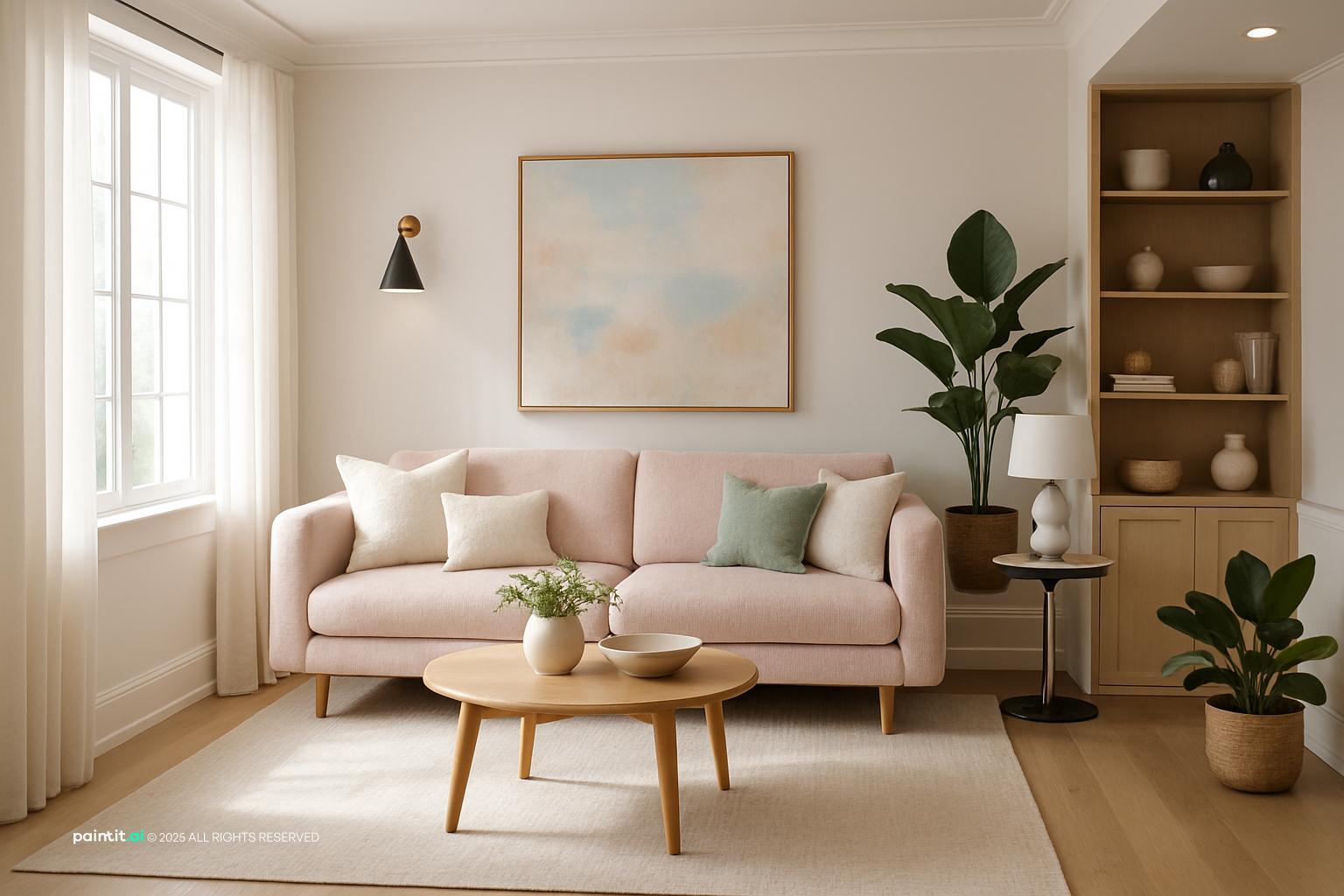
Choose a healthy bonsai tree with a simple, elegant pot. For ikebana, focus on asymmetrical arrangements using a few key elements: a branch, a flower, and a leaf. Place these on a dedicated stand or a low shelf, ensuring they have ample light.
-
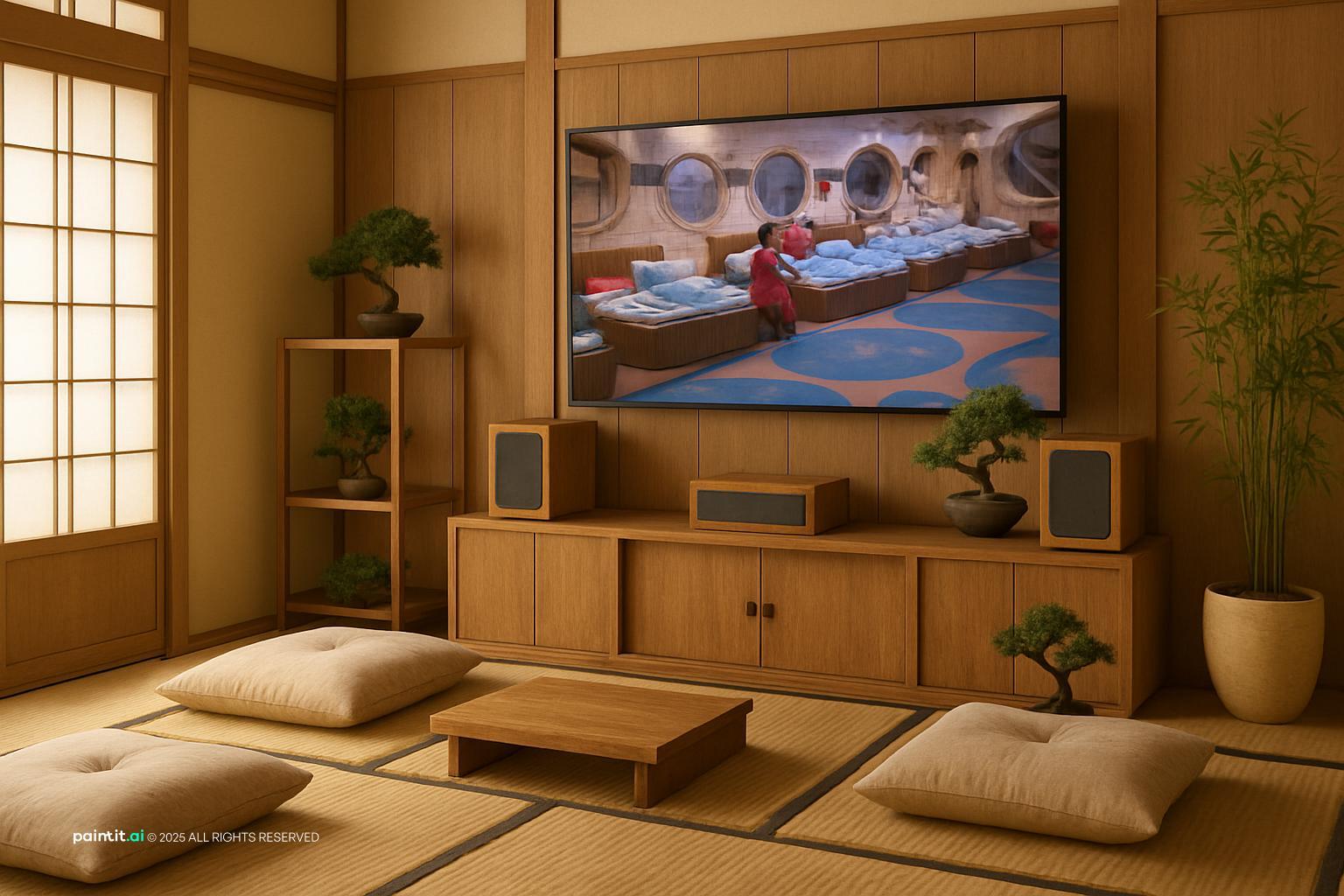
Pro Tip: To achieve this effect, try rotating your bonsai regularly to ensure even growth and light exposure, maintaining its sculptural form.
-
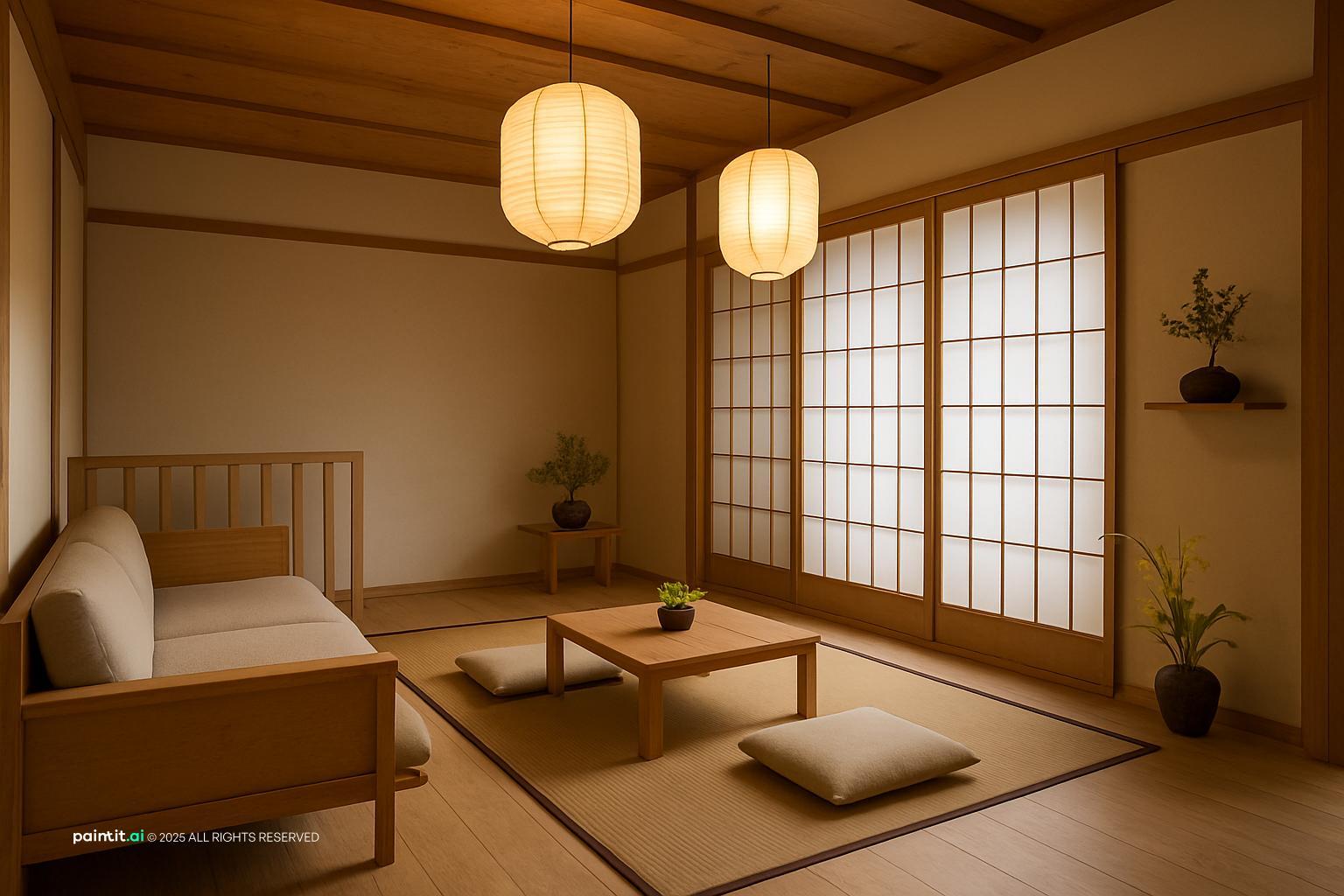
The warmth of natural wood and the soft texture of tatami mats create an inviting, grounded atmosphere. This combination encourages a connection to the earth and promotes a sense of barefoot comfort. Most people forget that flooring is a foundational element for setting the mood.
-
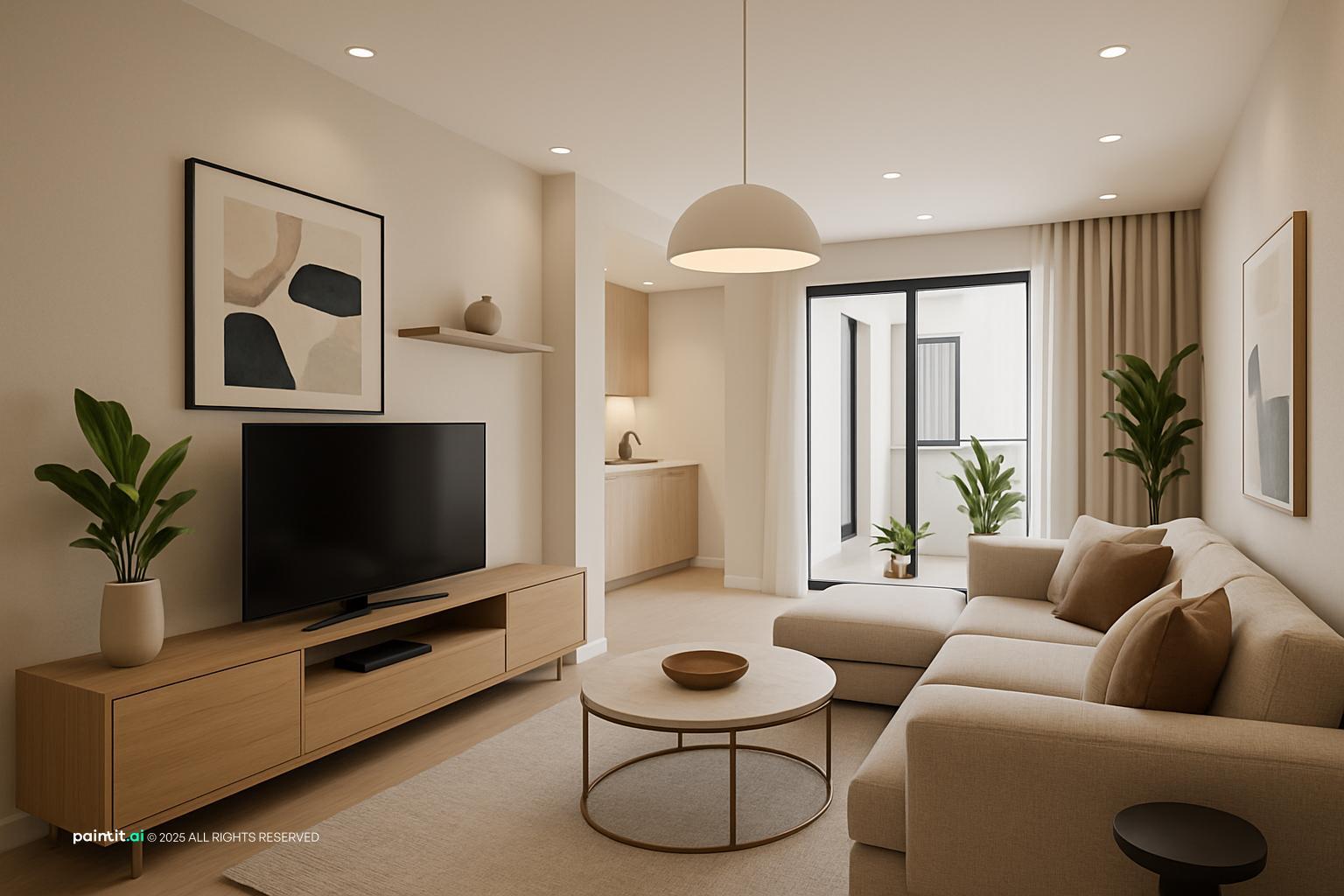
Opt for light-colored, unvarnished wood flooring or bamboo. Integrate genuine tatami mats in a designated seating area or meditation zone. Keep rugs to a minimum, choosing natural fibers like jute or sisal if needed.
-
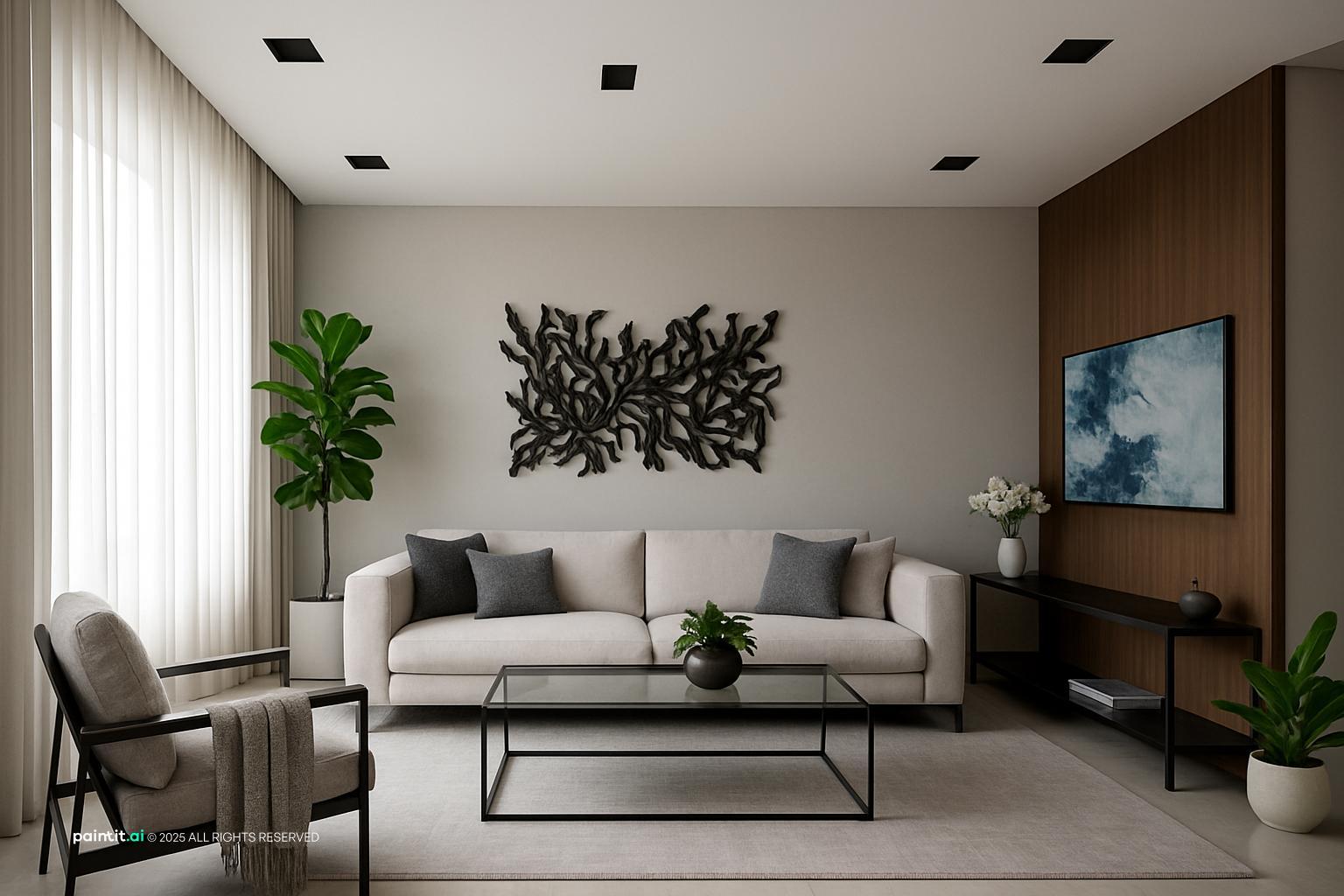
Pro Tip: To achieve this effect, try using tatami mats in a specific zone, perhaps under a low tea table, to define a distinct area within the larger room.
-
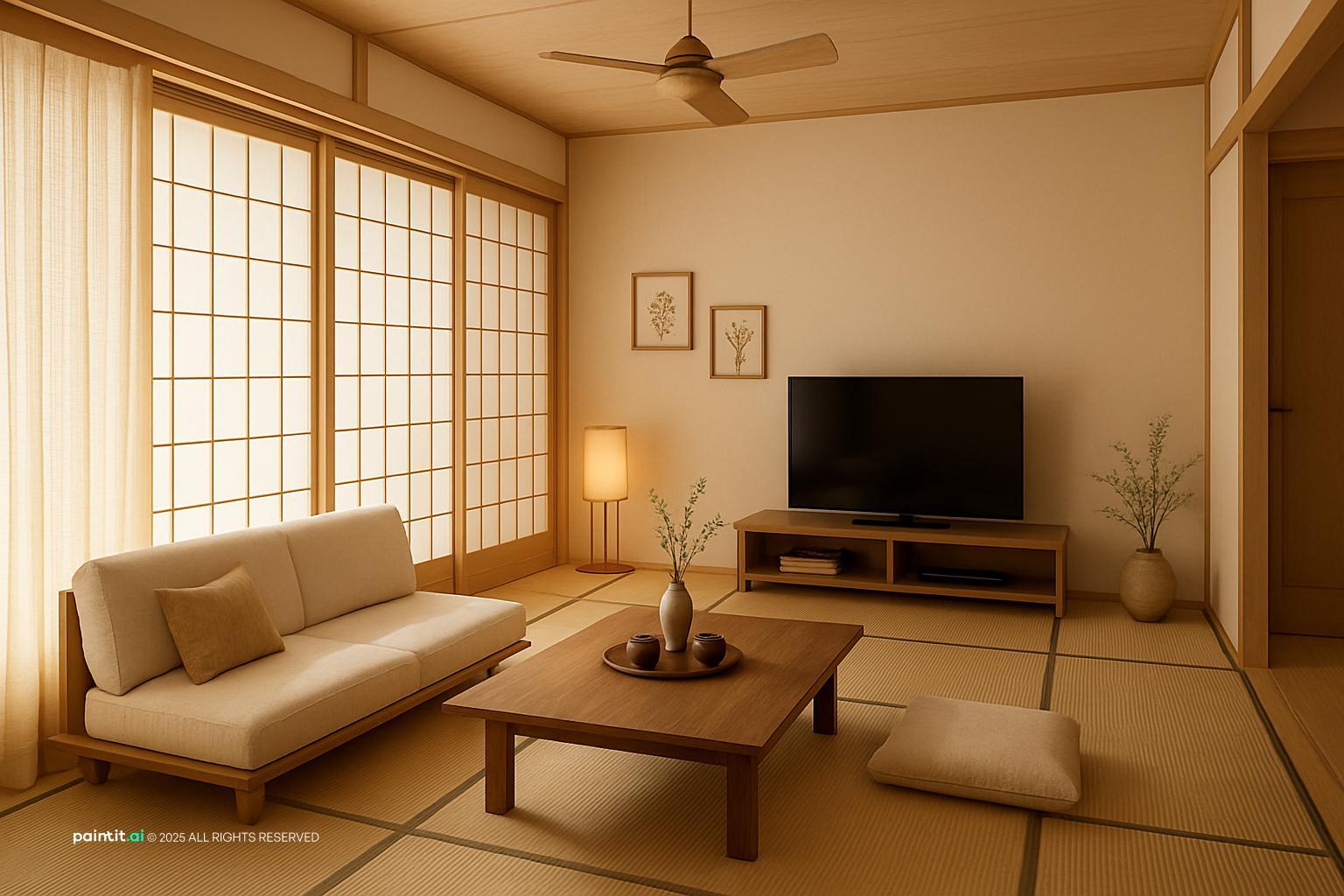
Harsh overhead lighting can disrupt tranquility. Diffused, warm light creates a gentle glow, mimicking natural twilight or moonlight. Shoji screens are perfect for this, offering privacy while allowing light to filter through beautifully. Here is what matters: the quality of light transforms a space.
-
Replace bright overhead fixtures with floor lamps and table lamps that cast a soft, ambient light. Use dimmers. Install shoji screens as room dividers, window coverings, or even as decorative wall panels. Their paper-like texture diffuses light, creating a serene atmosphere.
-
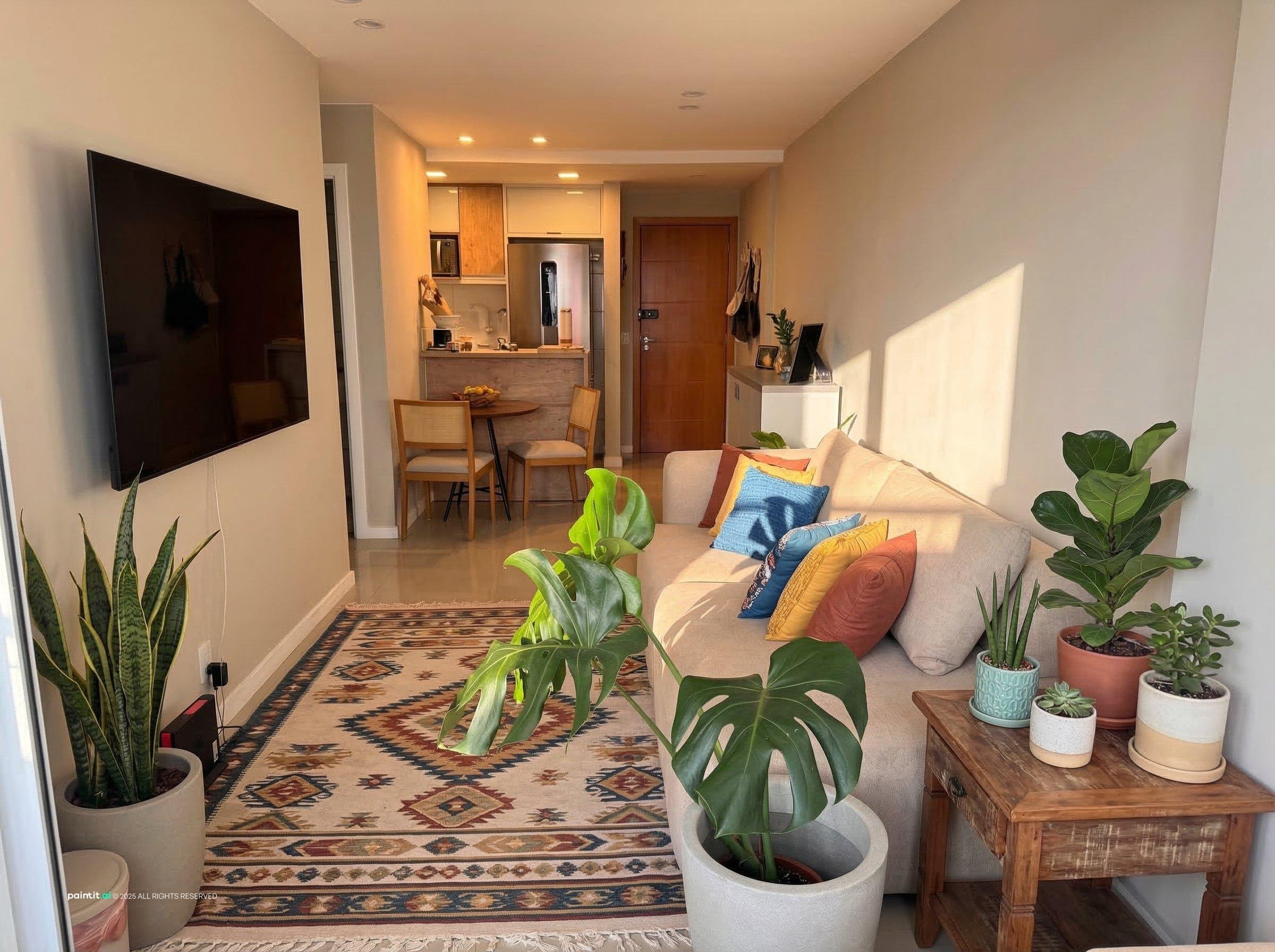
Pro Tip: To achieve this effect, try using smart bulbs that allow you to adjust color temperature, shifting from cool daylight to warm evening tones.
-
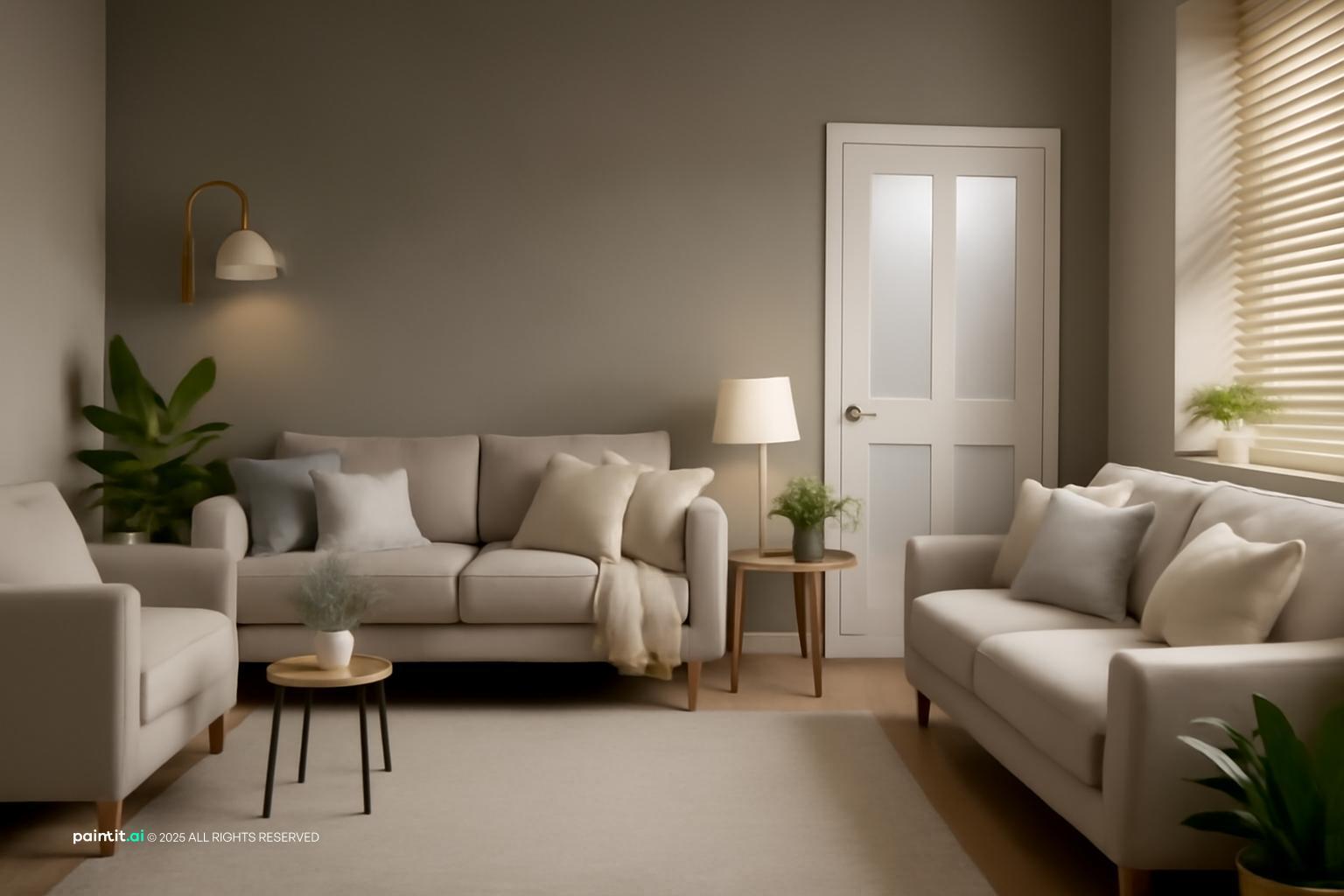
A palette drawn from nature—stones, soil, plants—instantly calms the mind. Pairing these colors with organic textures like linen, raw silk, and unpolished wood adds depth and sensory richness. It might seem odd at first, but tactile experiences are crucial for comfort.
-
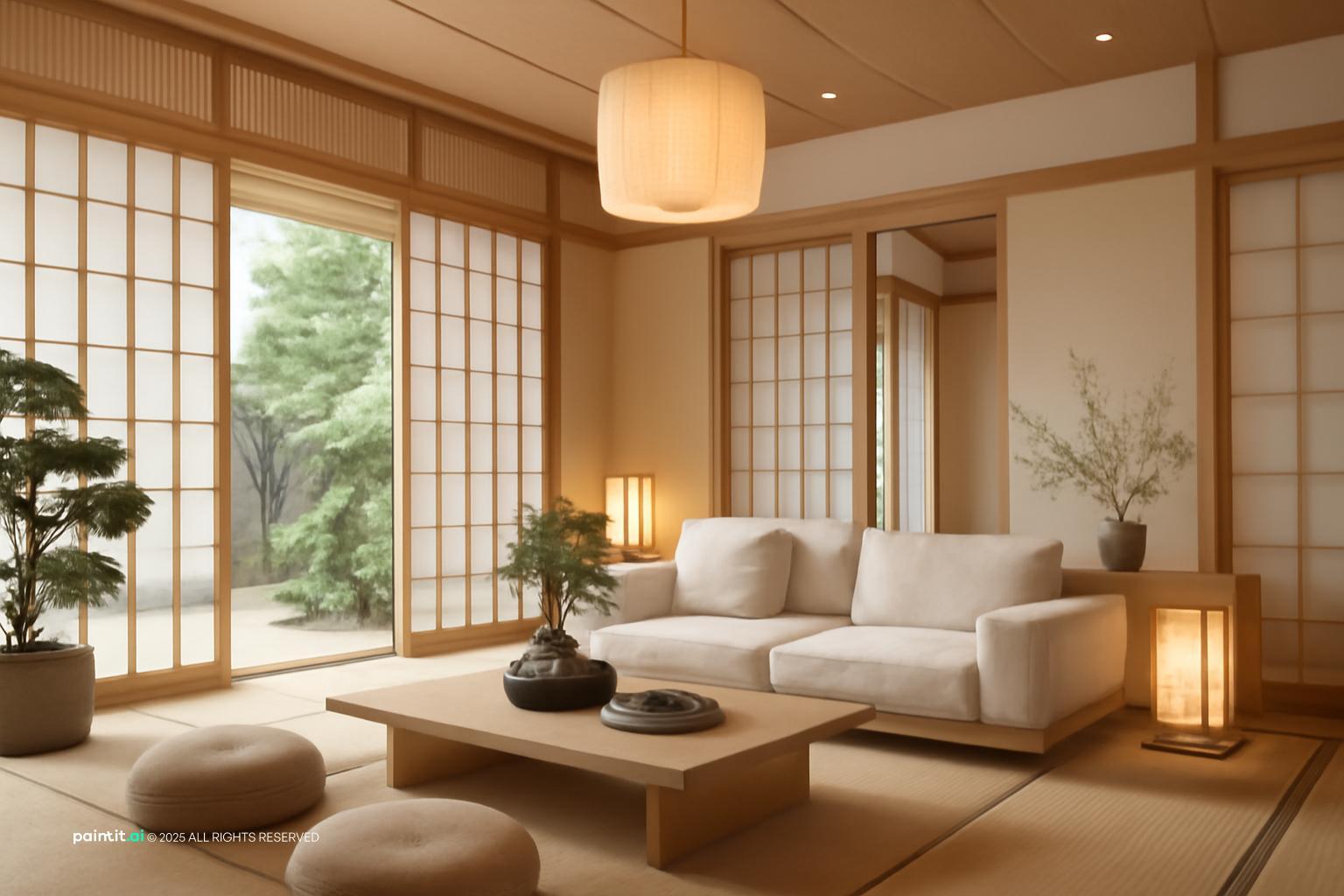
Focus on a base of muted greens, soft greys, dusty browns, and off-whites. Introduce textures through linen curtains, wool throws, ceramic pottery, and furniture with visible wood grain. Avoid anything overly shiny or synthetic.
-
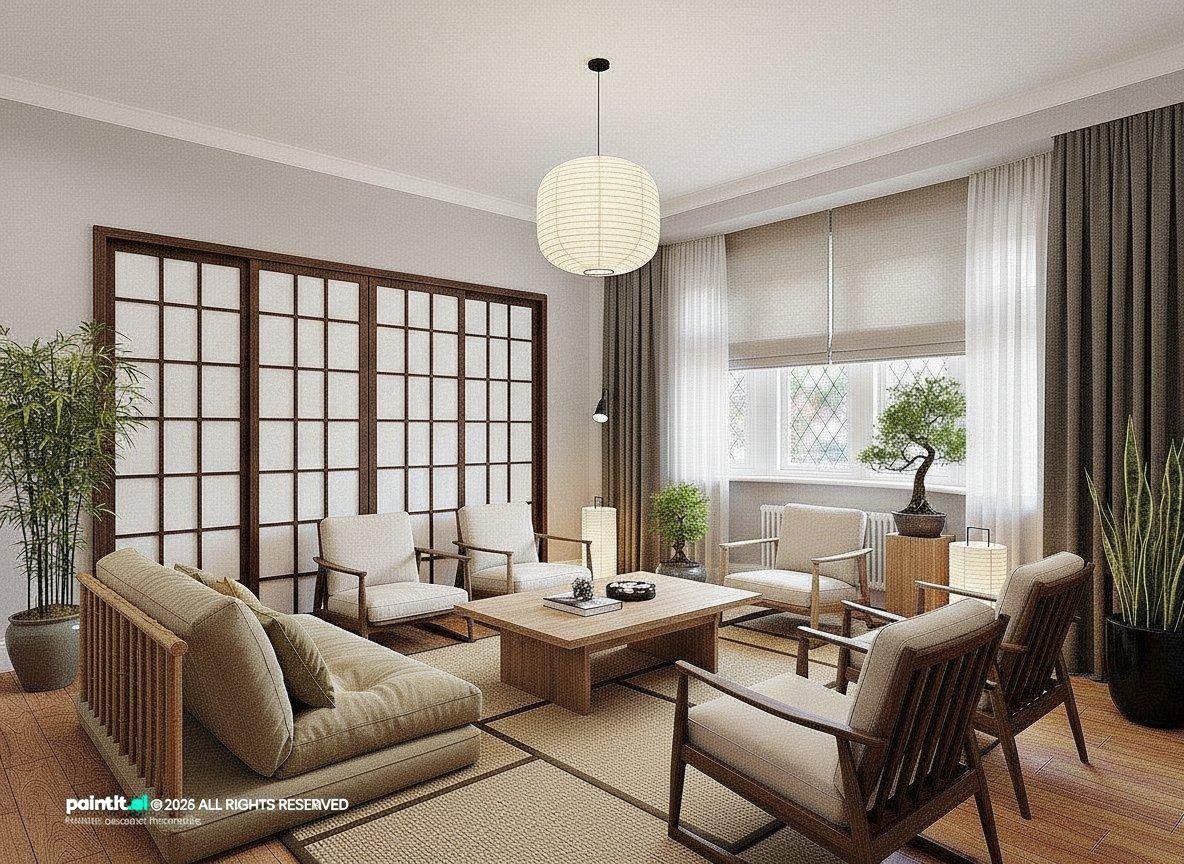
Pro Tip: To achieve this effect, try layering different natural textures in similar color families to create subtle visual interest without clutter.
-
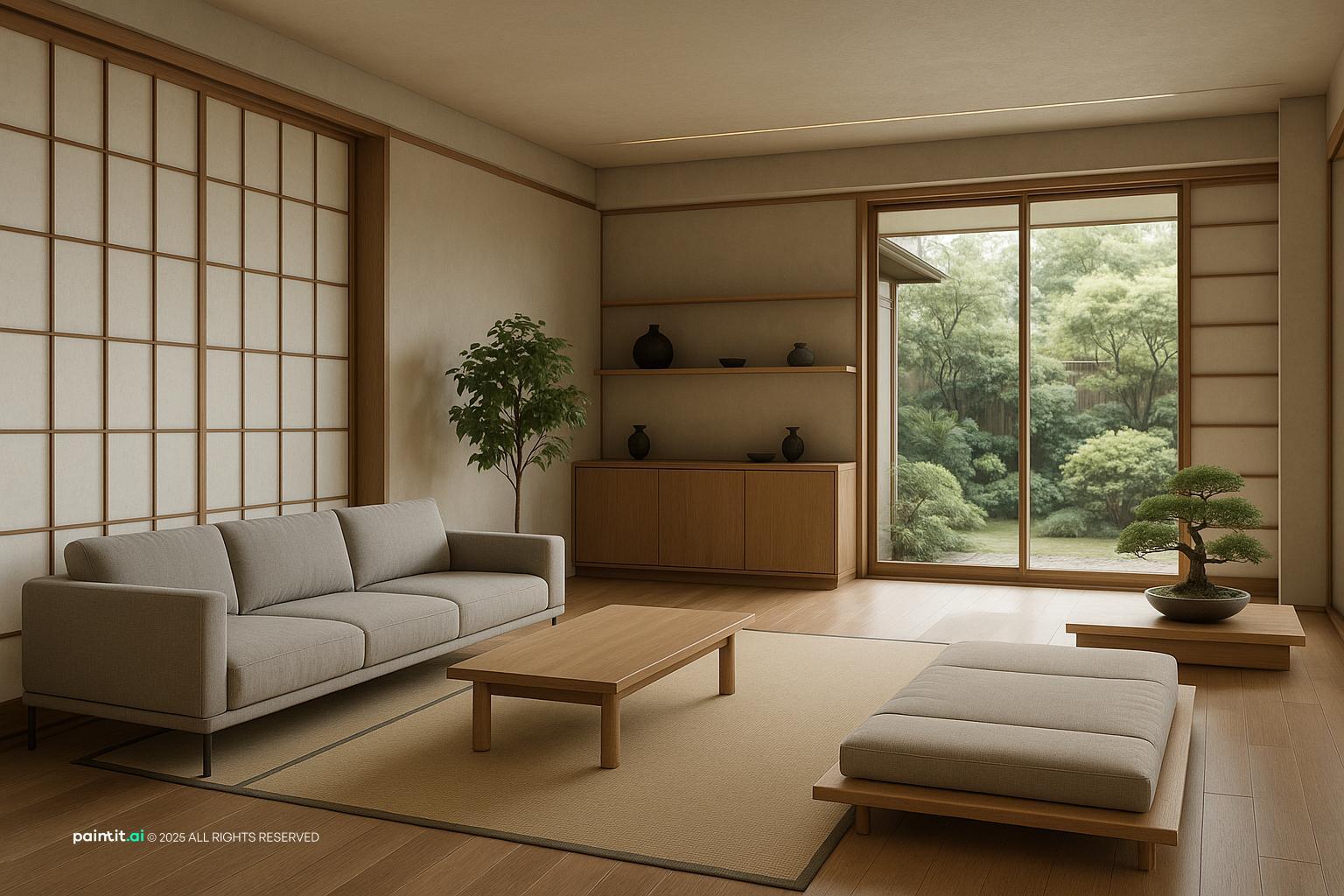
A specific spot for mindfulness reinforces the room's purpose as a sanctuary. This isn't just about aesthetics; it's about fostering a habit of peace. I’ve seen this work best when it’s slightly set apart, even if just by a change in flooring or a screen.
-
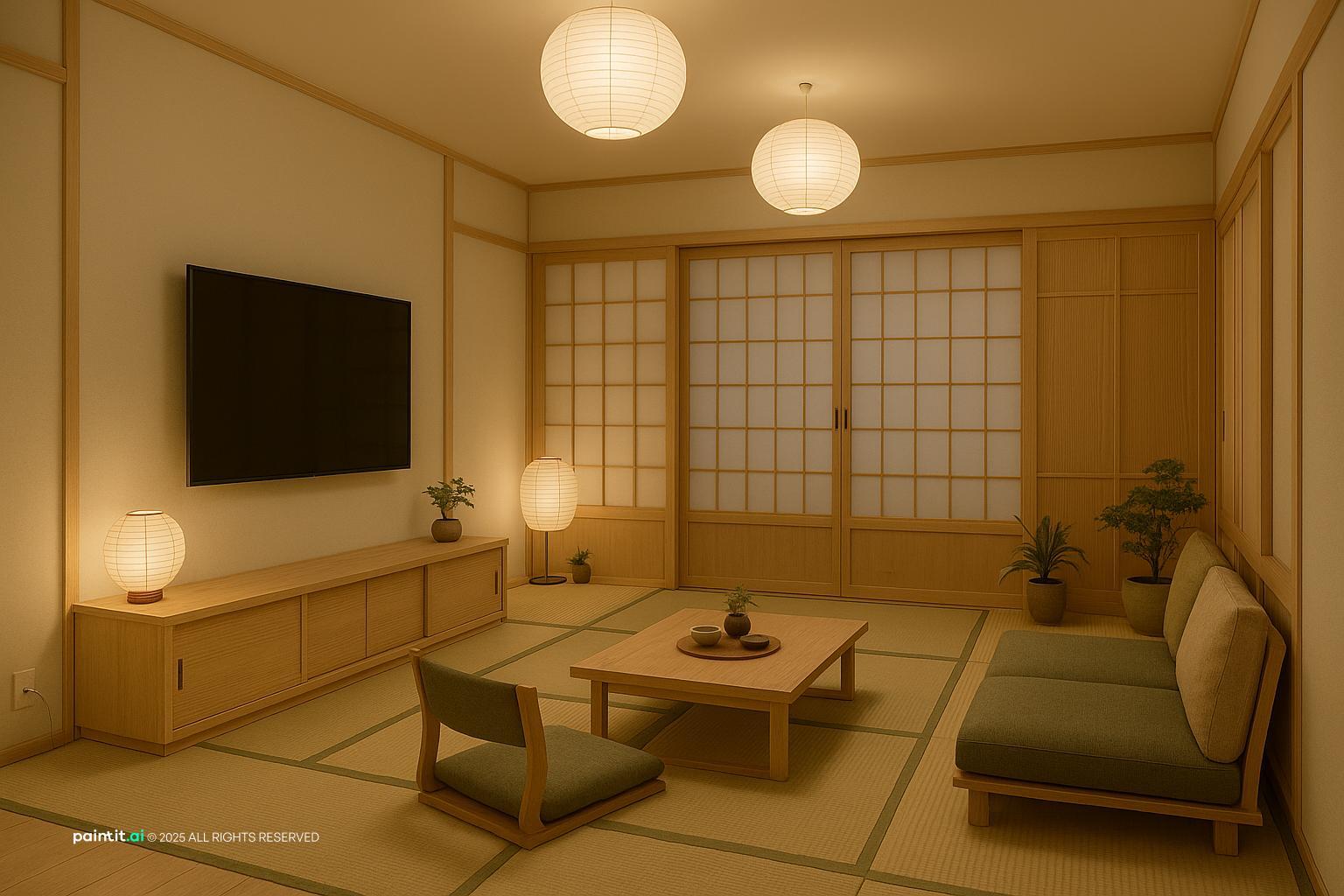
Designate a quiet corner. Place a comfortable zafu (meditation cushion) or a low bench. Keep decor minimal: perhaps a single plant, a small piece of art, or a simple candle. Ensure it's free from distractions and clutter.
-
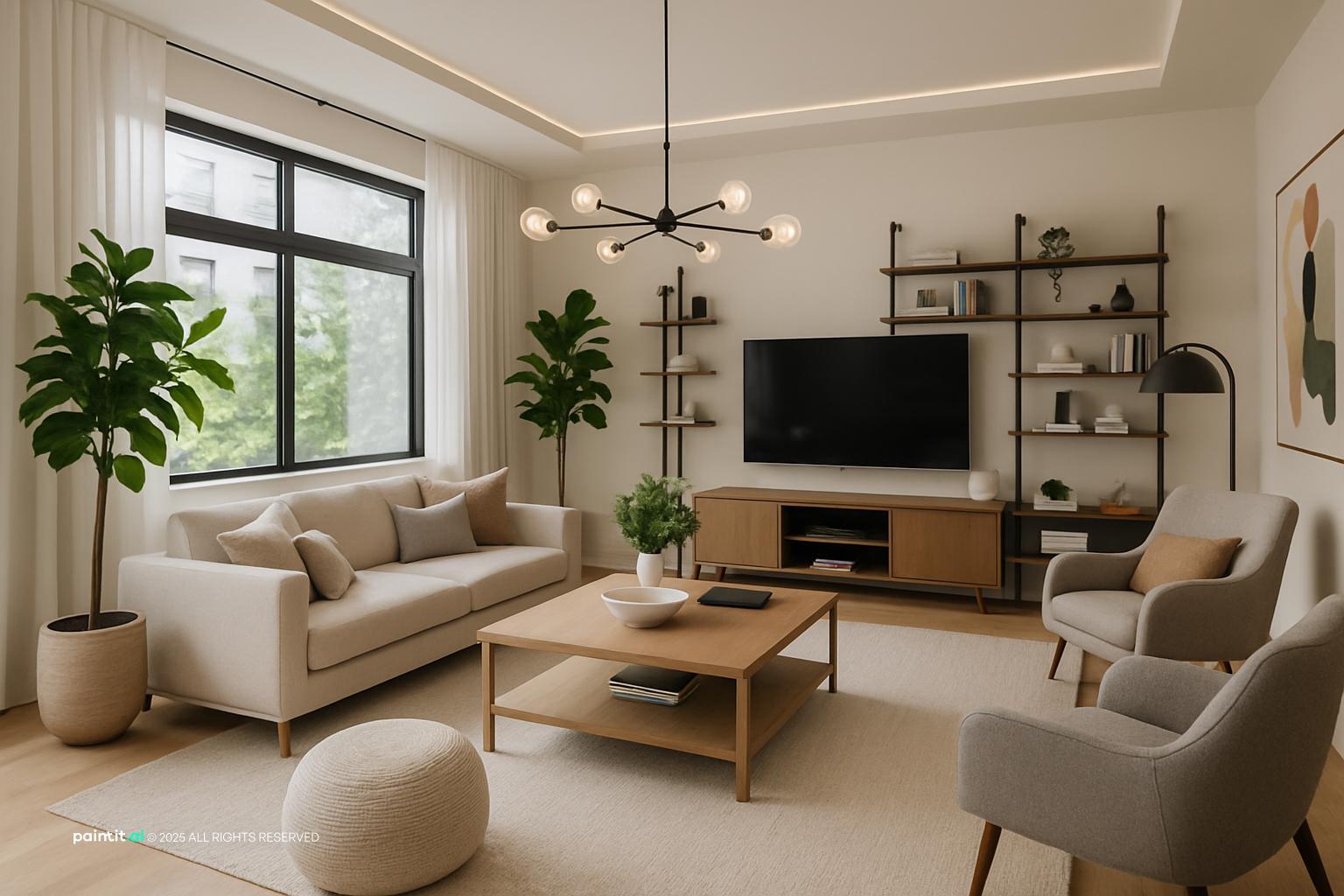
Pro Tip: To achieve this effect, try incorporating a small, wall-mounted shelf above the nook for a single, meaningful object or a tiny incense burner.
-
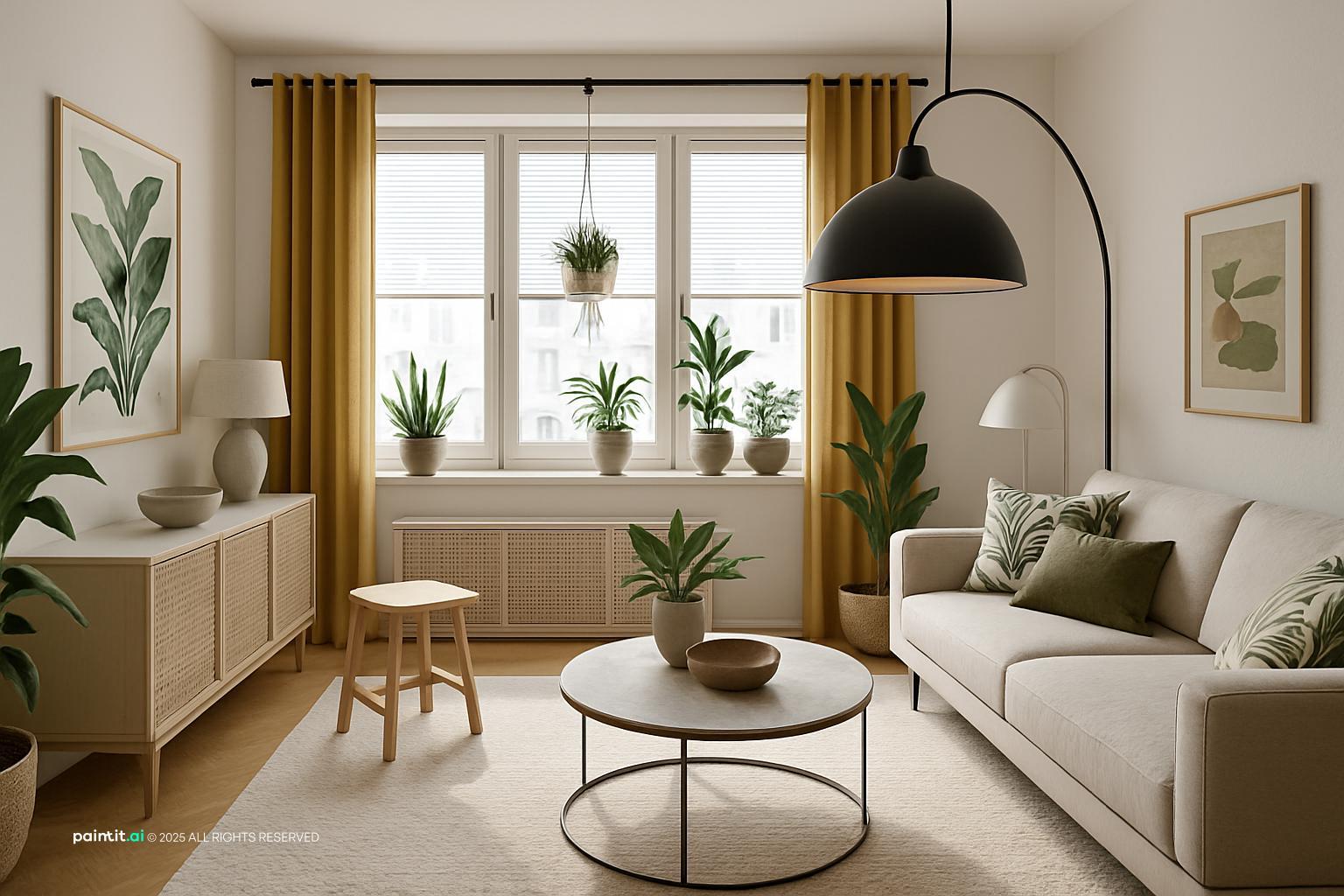
Bringing lush greenery indoors, especially vertically, connects the space to the vibrant energy of nature. It's a living piece of art that purifies the air and adds a dynamic visual element. The truth is, a touch of green always makes a room feel more alive.
-
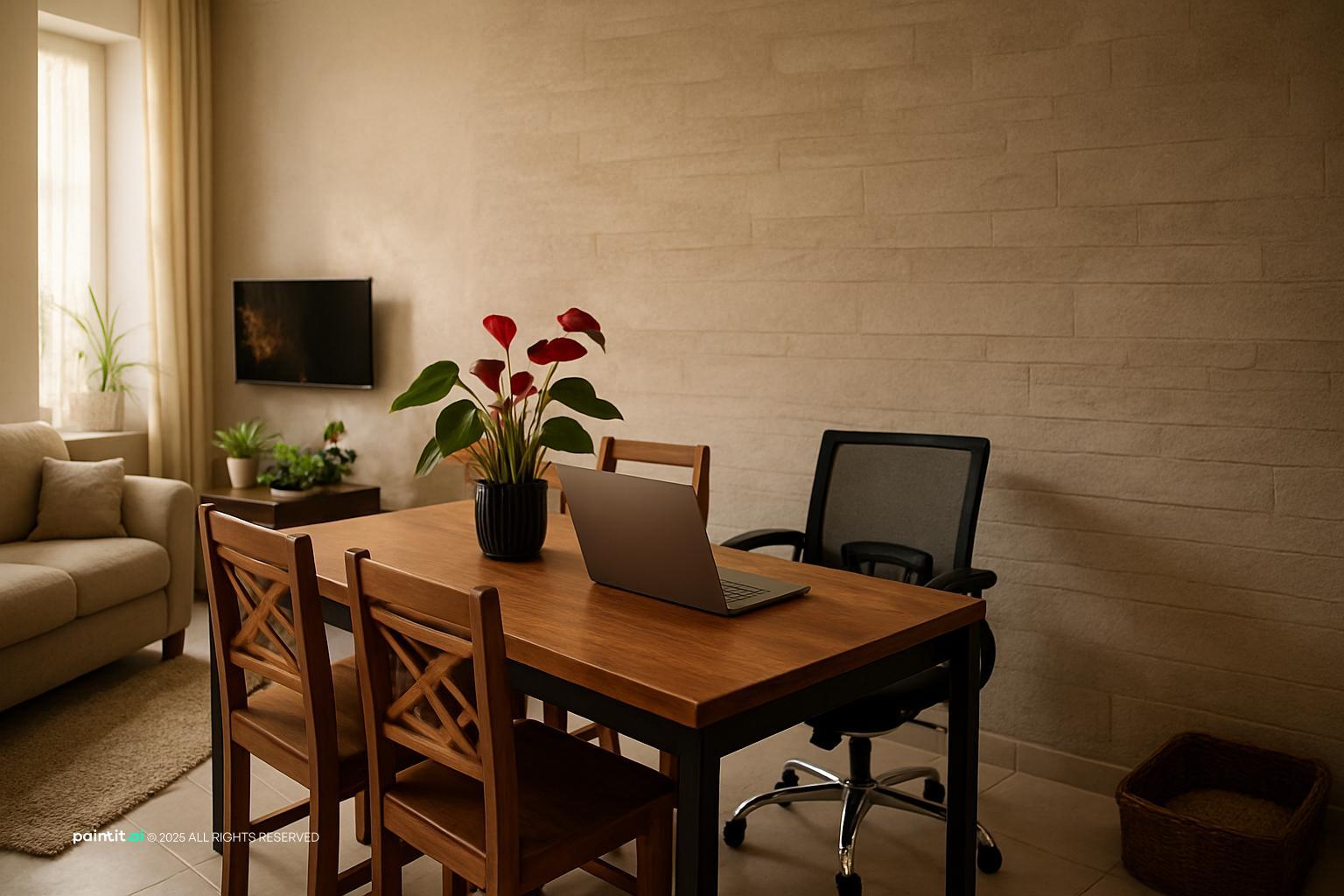
Install a small living wall system with easy-to-care-for plants like ferns, pothos, or moss. Alternatively, create a display of hanging plants at varying heights. Ensure proper drainage and light. This adds a refreshing burst of life.
-
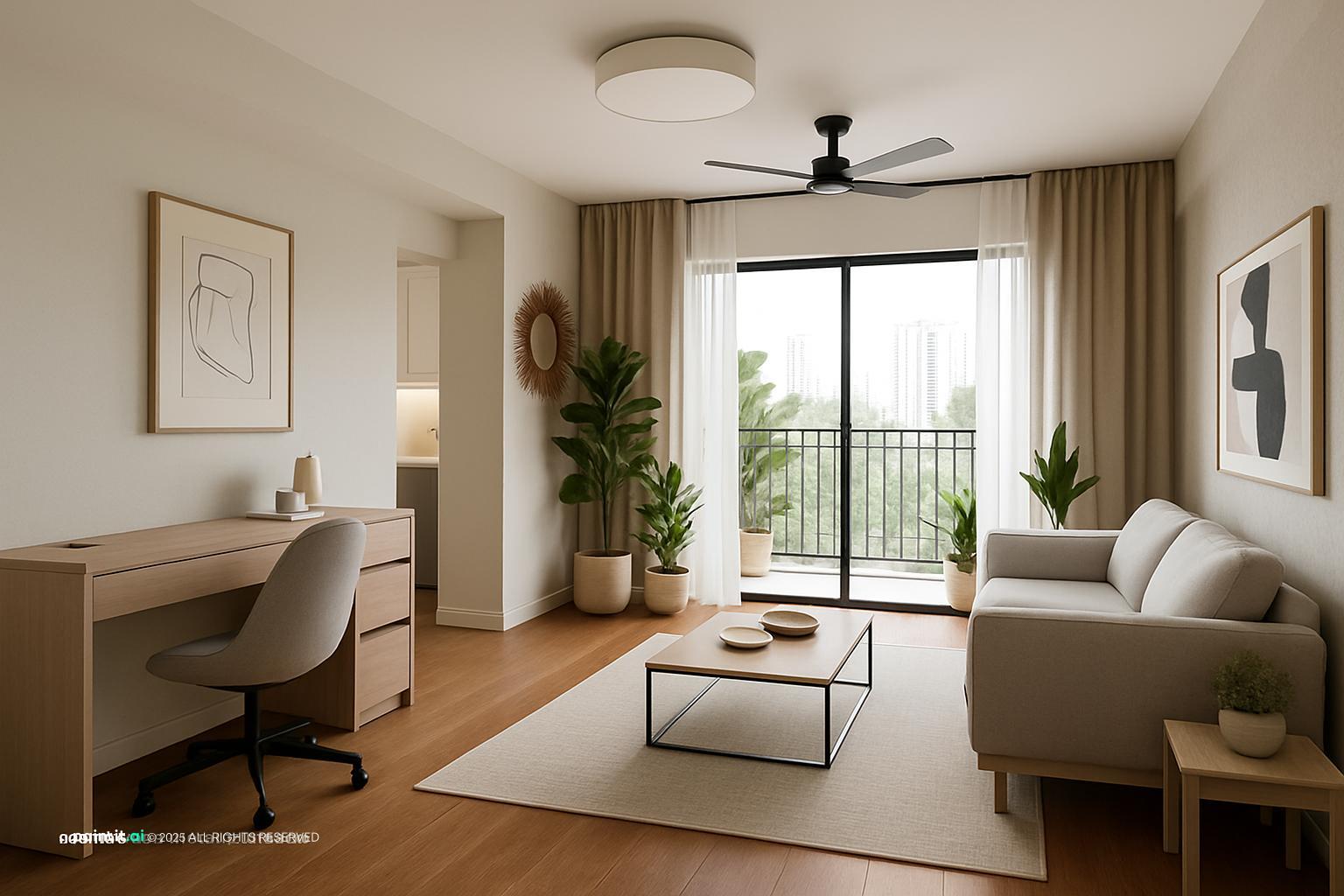
Pro Tip: To achieve this effect, try using a moss wall art piece for a low-maintenance, yet impactful, green statement.
-
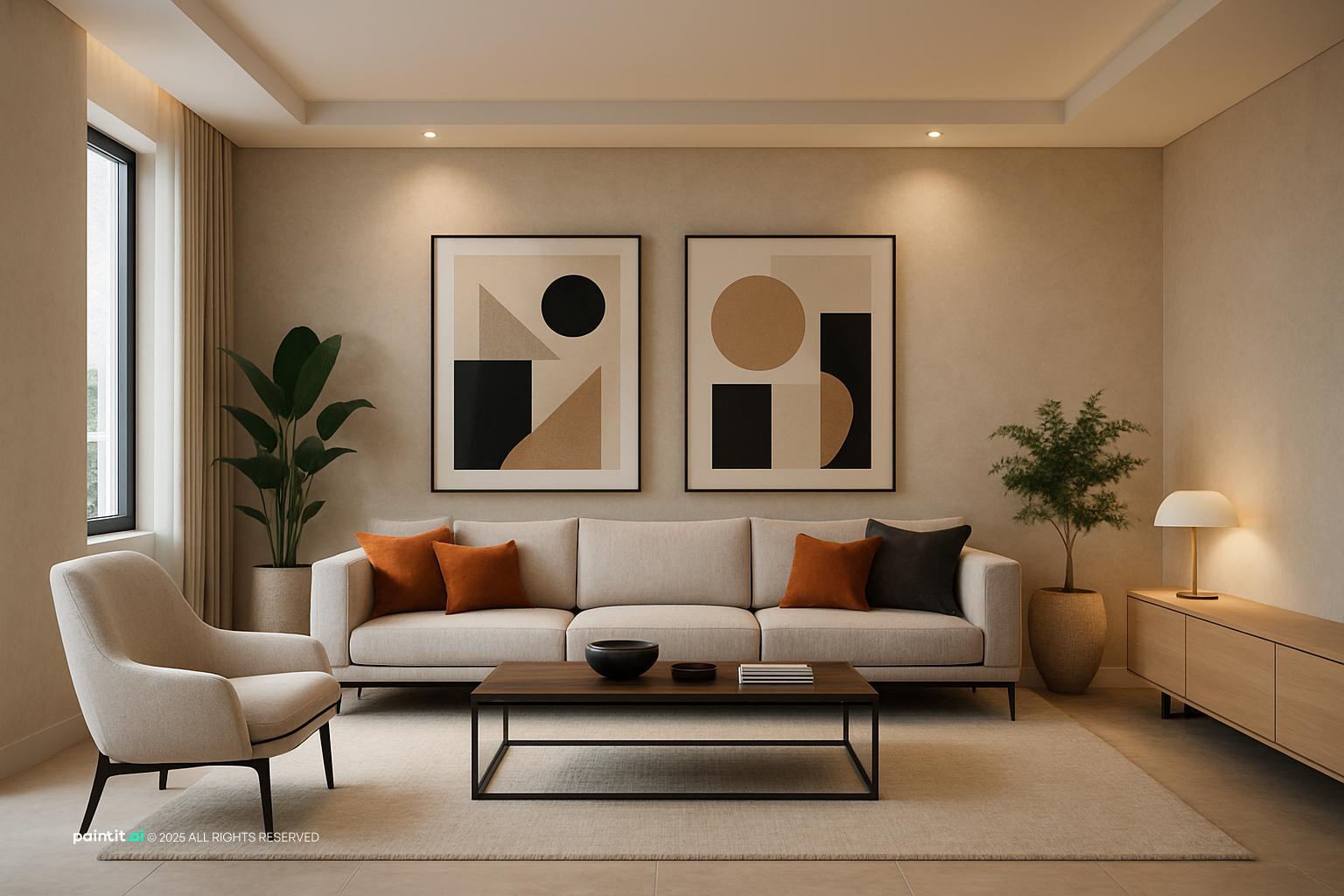
Wabi-sabi celebrates the beauty of imperfection, transience, and natural wear. It encourages appreciation for the authentic, the aged, and the asymmetrical. This approach frees you from the pressure of perfection, allowing for a more relaxed and genuine space.
-
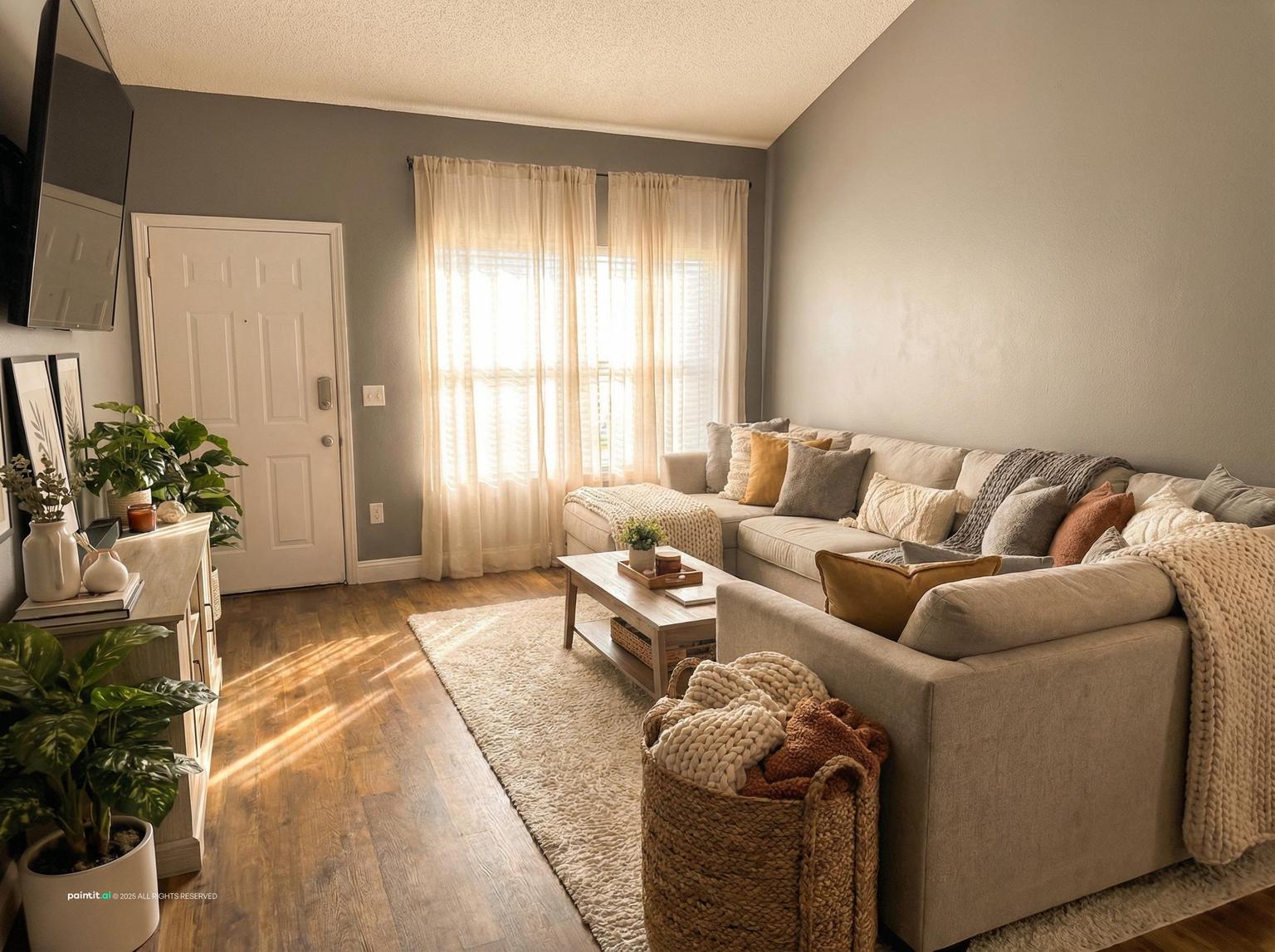
Choose handcrafted ceramics with slight irregularities, furniture made from reclaimed wood, or textiles with a slightly worn look. Embrace natural patinas and the unique character of each object. Avoid mass-produced, flawless items.
-
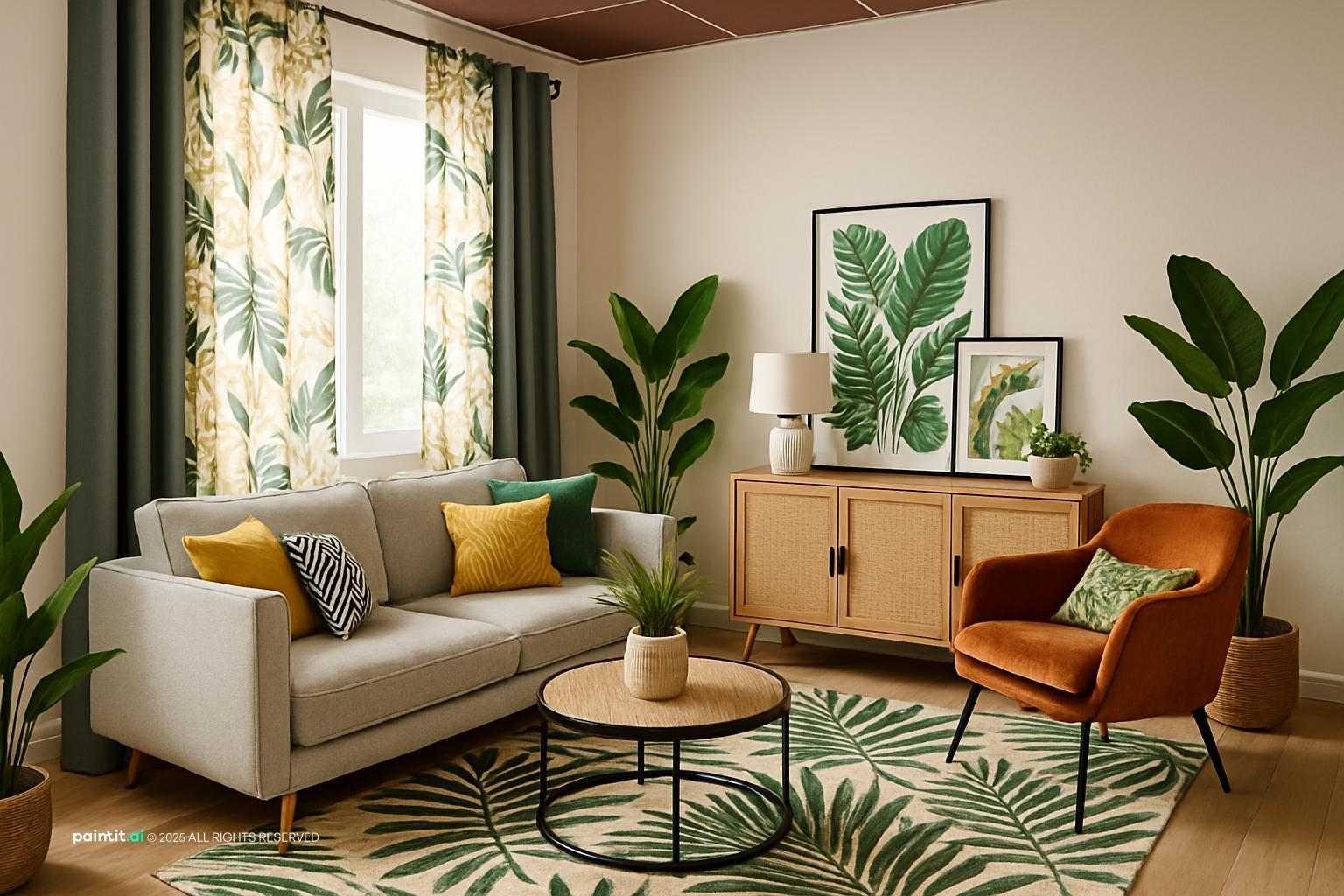
Pro Tip: To achieve this effect, try incorporating a single, beautifully aged wooden bowl or a hand-thrown ceramic vase with a visible crack as a statement piece.
-
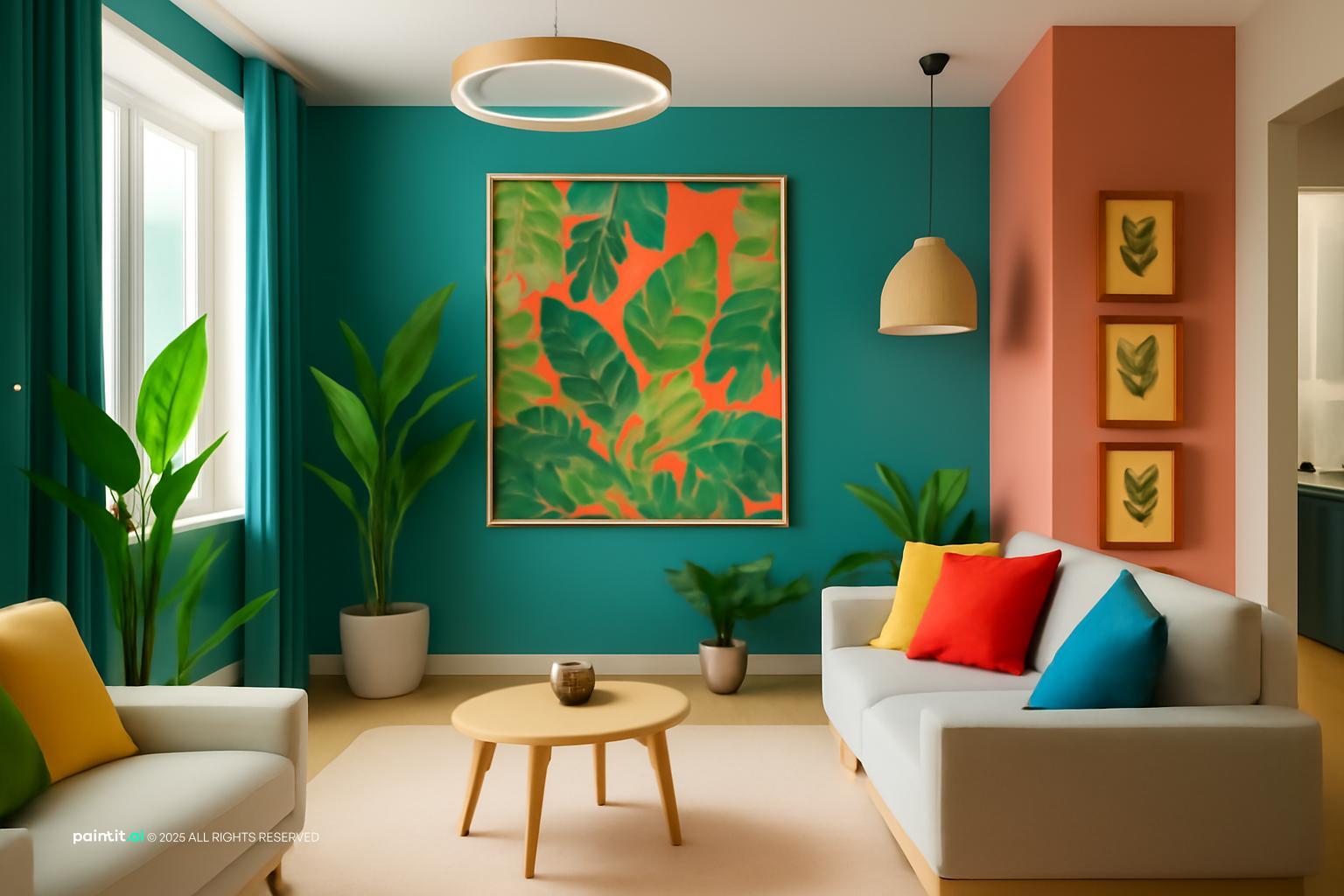
In Japanese aesthetics, "Ma" refers to the intentional empty space, the pause between elements. It's not about absence but about creating breathing room, allowing objects to stand out and thoughts to flow. This is what matters: space is as important as objects.
-
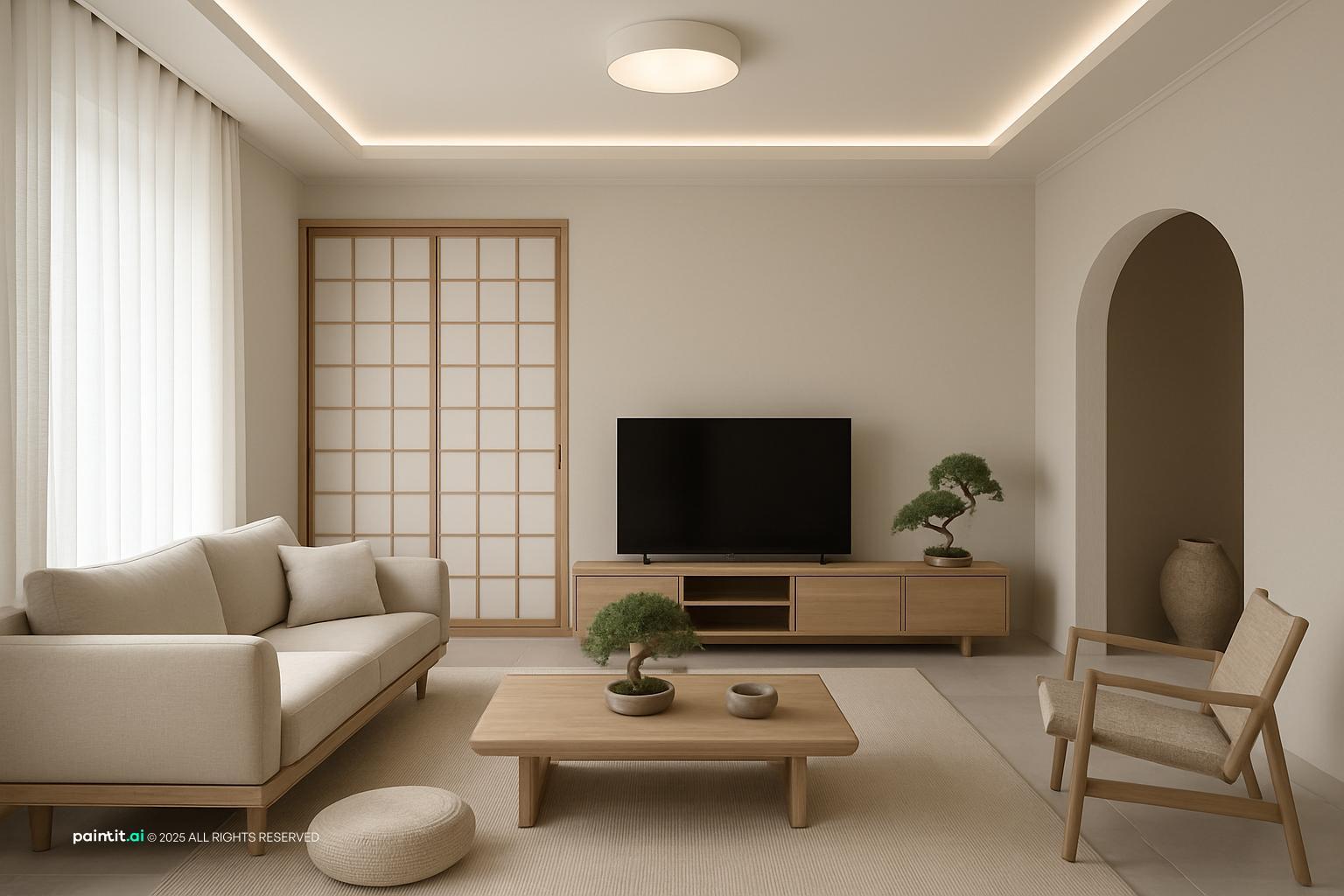
Declutter ruthlessly. Arrange furniture to allow for clear pathways and unobstructed views. Resist the urge to fill every corner. Let walls be bare in places. The goal is a sense of spaciousness and visual calm.
-
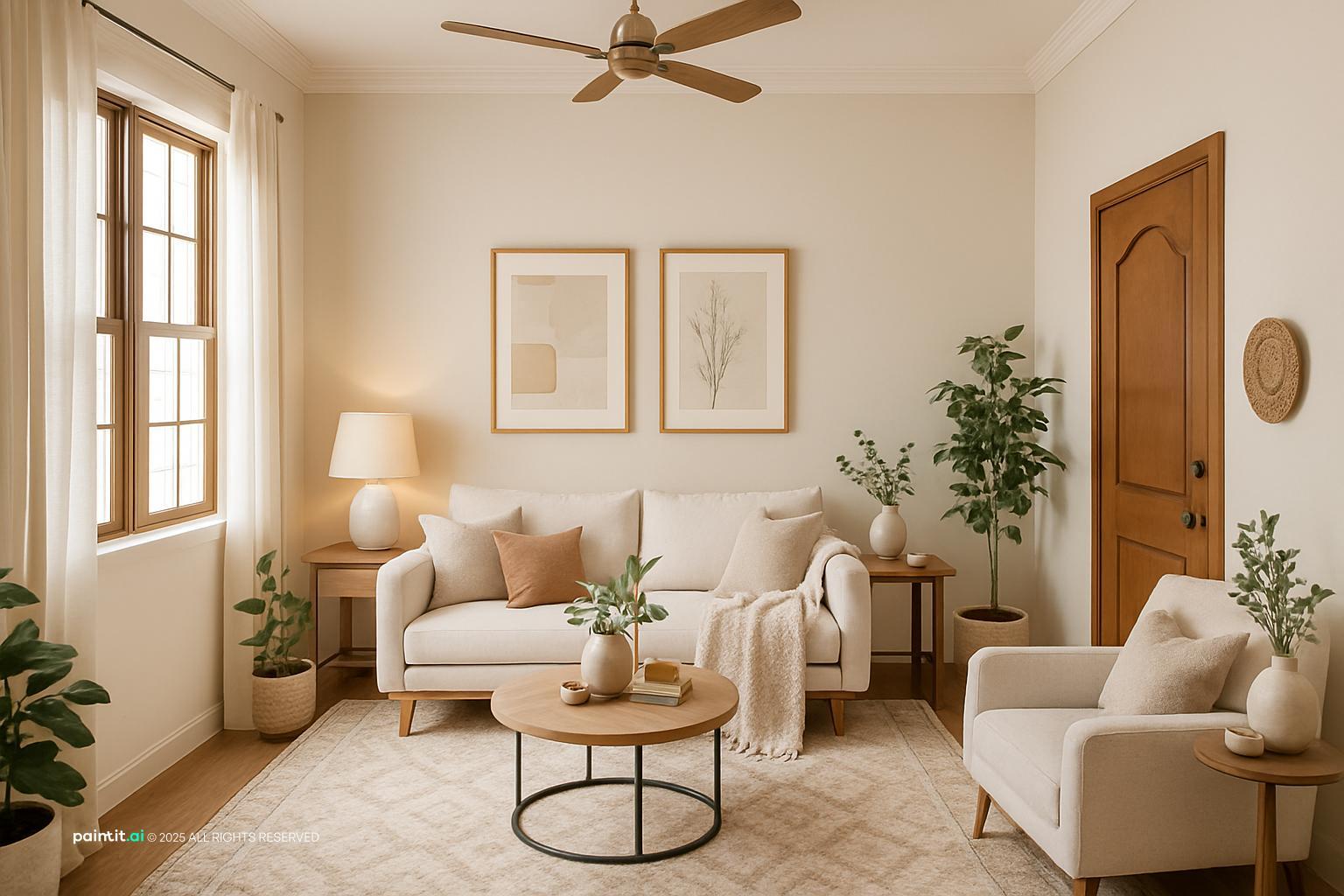
Pro Tip: To achieve this effect, try removing one piece of furniture or decor each week until the room feels perfectly balanced and uncluttered.
-
Engaging the senses beyond sight enhances the overall feeling of tranquility. A gentle scent or a soft, ambient sound can deepen the meditative quality of the space. I’ve seen this work best when it’s almost imperceptible, just a background presence.
-
Use an essential oil diffuser with calming scents like sandalwood, cedarwood, or lavender. Play very low, ambient nature sounds—rain, distant chimes, or gentle instrumental music. Avoid strong, artificial fragrances or loud, distracting sounds.
-
Pro Tip: To achieve this effect, try using a timer on your diffuser to release scent intermittently, preventing sensory fatigue.
-
While a full outdoor rock garden isn't feasible indoors, you can create a miniature version that suggests a journey or a natural landscape. This element brings the essence of a larger garden into a contained space. The truth is, even a small arrangement can evoke vastness.
-
In a long, shallow planter or a designated floor area, arrange smooth, varying-sized river stones and pebbles. You can create subtle "paths" or patterns with the stones. Add a small, hardy succulent or a piece of driftwood for visual interest.
-
Pro Tip: To achieve this effect, try using stones of different textures and colors to add depth and natural variation to your indoor rock arrangement.
-
Sitting closer to the ground fosters a sense of groundedness and connection to the earth. It encourages a more relaxed posture and a less formal atmosphere, aligning with the unpretentious nature of Zen design. Most people forget that seating height dramatically impacts perception of space.
-
Choose sofas and chairs with low backs and minimal legs. Incorporate large, comfortable floor cushions (zafus or zabutons) in natural fabrics like linen or cotton. This invites lounging and informal gatherings.
-
Pro Tip: To achieve this effect, try pairing a low-profile sofa with a few oversized floor cushions in complementary, muted tones for maximum comfort and style.
-
Bamboo and reeds are natural, sustainable materials that bring an organic texture and a subtle Asian-inspired touch. They can be used structurally or decoratively, adding warmth and a sense of natural enclosure. It sounds simple, but these elements add a lot of character.
-
Consider bamboo screens for privacy or as decorative wall panels. Use bamboo blinds for windows. Incorporate small bamboo plants in pots or decorative reed arrangements in tall vases. Their vertical lines add elegance.
-
Pro Tip: To achieve this effect, try using a bamboo room divider to subtly separate areas within an open-plan living room without blocking light.
Cultivating Inner Peace: The Zen Garden Aesthetic Unveiled to Life with Paintit.ai
-
Creating a zen garden living room begins with a deliberate color story. Think of a tranquil landscape. Your base should be a soft, almost ethereal off-white or a pale pebble gray, providing a canvas of serenity. Introduce secondary tones like a muted sage green or a warm, sandy beige to echo natural elements. For grounding, a deep charcoal or a rich, earthy umber works wonders, offering subtle contrast without jarring the eye. A whisper of dusty rose or a faint sky blue can serve as a delicate accent, used sparingly to prevent visual noise. The truth is, balance is everything here; no single color should dominate, but rather flow into the next.
-
The tactile experience is paramount in a zen space. Raw, light-toned wood, perhaps in the form of a low-slung coffee table or wall paneling, brings warmth and an organic feel, connecting the room to nature. Smooth, cool stone, like polished river rocks or a slate tile accent, introduces a grounding, meditative quality. I’ve seen this work best when integrated subtly, perhaps as a small water feature base or a decorative tray. For textiles, embrace the natural: unbleached linen for drapes, chunky knit wool throws, and woven jute rugs. These materials invite touch and create a sense of comfort and authenticity, calming the mind through their simplicity.
-
Furniture in a zen garden living room is about function and understated elegance. A low-profile sofa with clean, simple lines is non-negotiable, encouraging a relaxed, grounded posture. Think modular pieces that can be reconfigured. Most people forget that a floor cushion or two isn't just decorative; it invites a different way of sitting, fostering mindfulness. Lastly, a minimalist, open-shelving unit crafted from light wood provides a space for curated objects without adding visual weight. Choose pieces with gentle curves or straight, uncluttered silhouettes; nothing too ornate or bulky.
-
Achieving the perfect atmosphere relies heavily on layered lighting. Ambient light should be soft and diffused, perhaps from hidden LED strips or a large, paper lantern-style pendant that casts a warm, even glow. Task lighting, though minimal, is crucial for reading; a simple, adjustable floor lamp with a dimmer allows for focused illumination without disrupting the overall calm. For accent, consider small, strategically placed uplights highlighting a plant or a piece of art, or even a few flickering flameless candles. It sounds simple, but the goal is to mimic natural light cycles, creating a gentle transition from day to night.
-
This is where the "garden" truly comes alive, but with restraint. The 3-5-7 rule is your guiding principle for decorative accents. For instance, group three smooth river stones on a low tray, or place five varying-height bamboo stalks in a simple ceramic vase. You might arrange seven small, potted succulents on a minimalist shelf. A single, striking piece of abstract art with earthy tones can anchor a wall. Avoid clutter. Each item should feel intentional, contributing to the overall sense of peace. A small, carefully chosen bonsai or a simple water feature can introduce living elements and soothing sounds. Remember, less is truly more; every accent must earn its place.
Paintit.ai: Harmonizing Your Zen Garden Living Room Vision Design Ideas
Creating a true zen garden living room often feels like a delicate balancing act. Most people forget that the subtle interplay of natural light, the texture of raked sand, and the placement of a single bonsai can make or break the tranquility. It's easy to misjudge scale or material harmony, leading to a space that feels either sparse or cluttered. The truth is, visualizing these nuanced elements before committing is crucial. Paintit.ai allows you to instantly experiment with countless configurations – from smooth river stones to muted bamboo screens – directly within your own room's photo. See how different arrangements breathe calm into your space, avoiding costly redesigns. Try paintit.ai and perfect your sanctuary today.
FAQ
-
Over-cluttering is a big one. Resist the urge to fill every corner. Focus on negative space. Too many bold patterns disrupt the calm. Keep lines clean. I’ve seen this work best with minimal, intentional decor.
-
Natural materials are paramount: smooth river stones, raw wood, and subtle sand textures. Incorporate low-profile furniture. Water features, even small ones, add auditory peace. Think simplicity.
-
Earth tones reign supreme. Soft greys, muted greens, and warm beiges create a grounding effect. A touch of charcoal or deep indigo can add depth without overwhelming. It’s about quiet harmony.
-
Think beyond just plants. Consider a small indoor rock garden, perhaps a bonsai. Smooth pebbles in a shallow tray. Natural light is crucial; sheer linen drapes soften it. Most people forget the power of organic textures.
-
Opt for low-slung, minimalist pieces. Floor cushions, a simple platform sofa, or a tatami mat. Avoid bulky items. The layout should encourage flow and openness, not obstruction. It might seem odd at first, but less is truly more here.