
Designing a Yellow Farmhouse - Living Room: Warmth and Character
Imagine stepping into a space where sunshine seems to perpetually stream through the windows, even on a cloudy day. That's the inviting promise of a yellow farmhouse living room, a style that blends rustic charm with cheerful warmth. But how do you balance that bright energy with cozy comfort without overwhelming the senses?
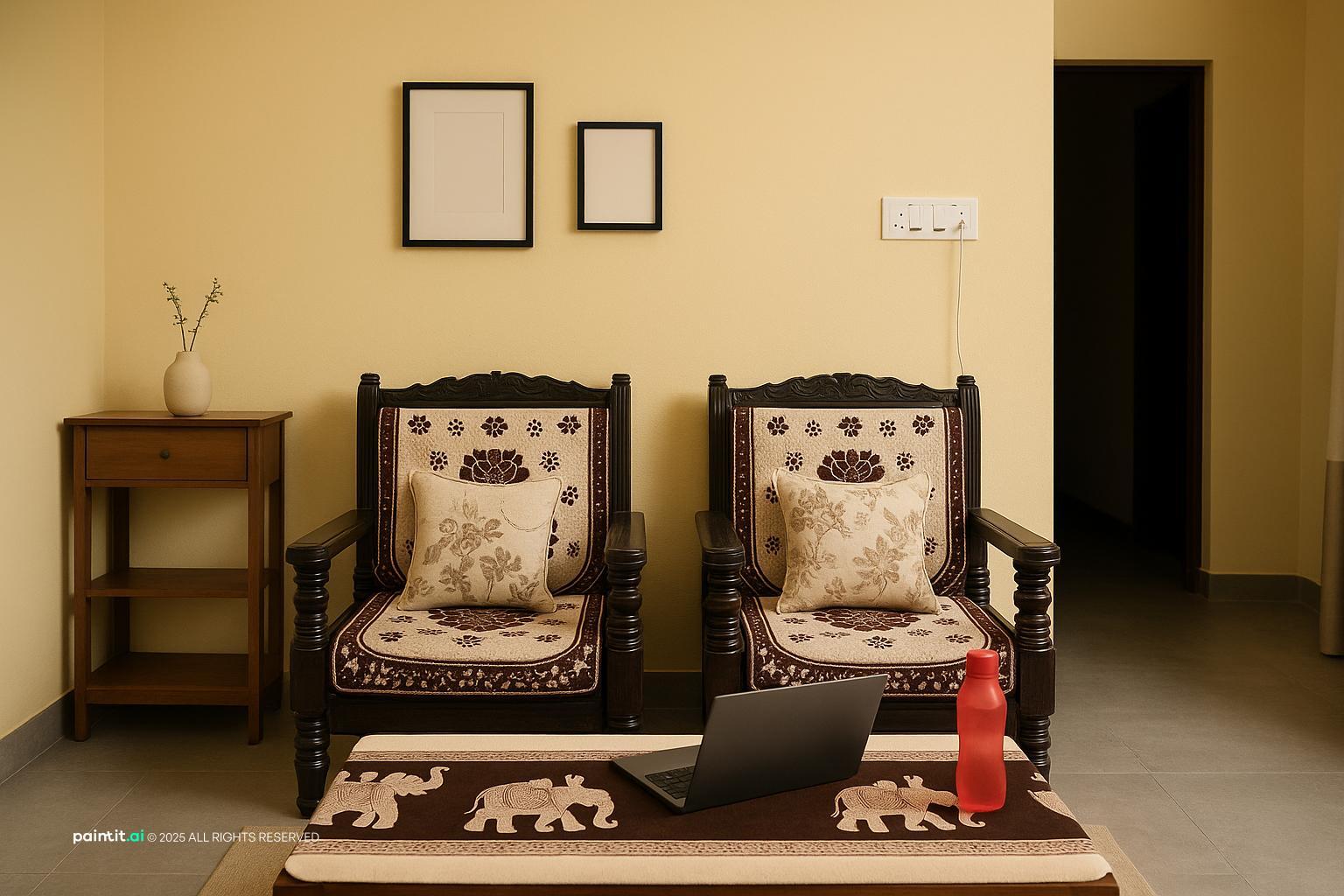
Essential Tips for The Art of Crafting a Yellow Farmhouse Living Room
From our extensive work at Paintit.ai, we've noticed a common challenge: how to infuse a space with vibrant energy without sacrificing its inherent coziness. The truth is, a truly successful yellow farmhouse living room isn't just about painting walls; it's about a delicate balance. We understand the allure of a sunny living space, a place where rustic yellow decor meets genuine comfort. This isn't merely a trend; it's a design philosophy that prioritizes warmth and authenticity.
-
The Art of Crafting a Yellow Farmhouse Living Room
From our extensive work at Paintit.ai, we've noticed a common challenge: how to infuse a space with vibrant energy without sacrificing its inherent coziness. The truth is, a truly successful yellow farmhouse living room isn't just about painting walls; it's about a delicate balance. We understand the allure of a sunny living space, a place where rustic yellow decor meets genuine comfort. This isn't merely a trend; it's a design philosophy that prioritizes warmth and authenticity.
Stunning Examples of 12 Radiant Ideas for Your Yellow Farmhouse Living Room
-
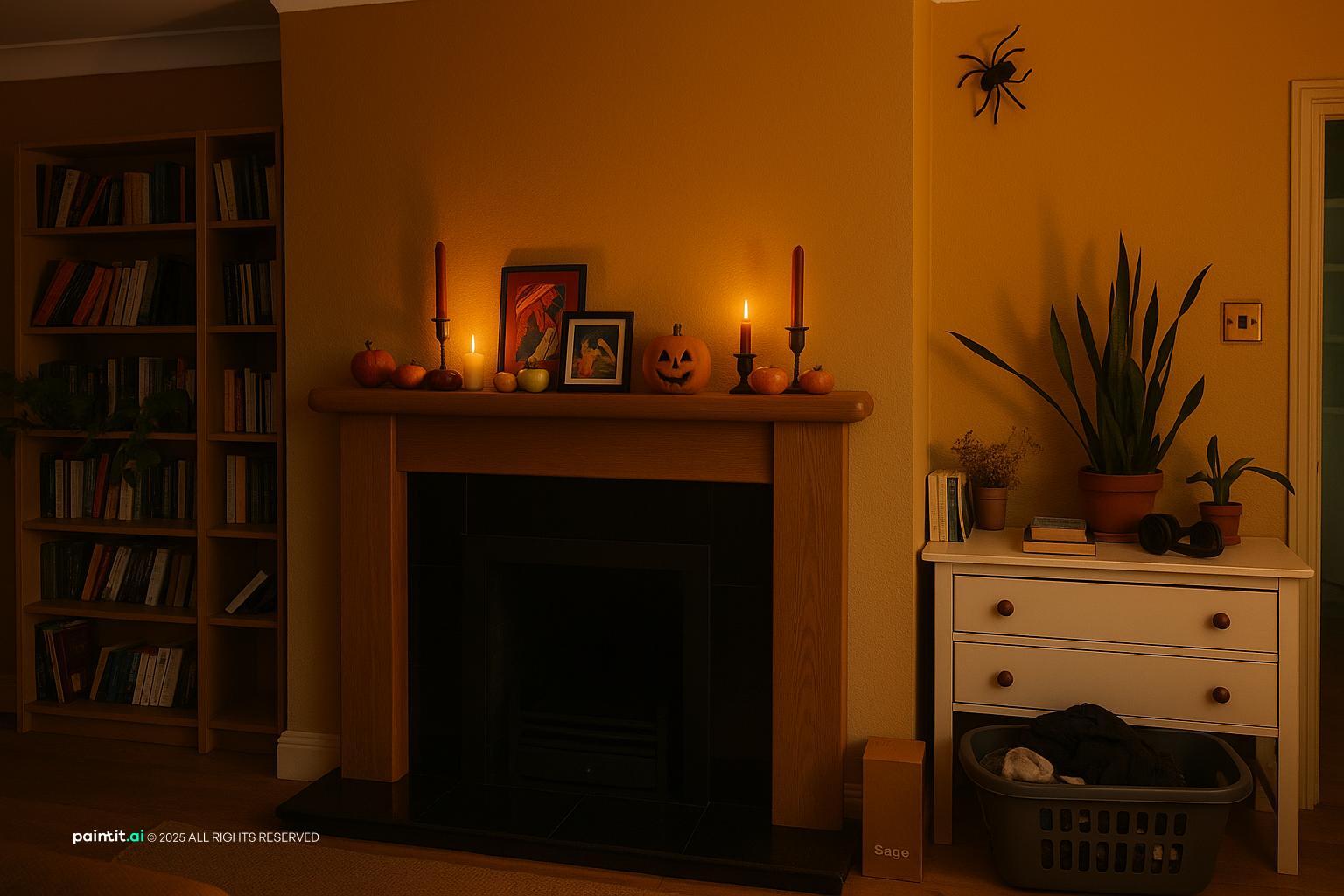
As an expert interior design editor for Paintit.ai, I've curated these design concepts to help you infuse your space with both aesthetic appeal and practical functionality. Each idea balances the cheerful energy of yellow with the grounded comfort of farmhouse style, ensuring a cohesive and inviting atmosphere. Here is what matters: these ideas were selected to inspire and guide, blending timeless charm with modern livability.
-
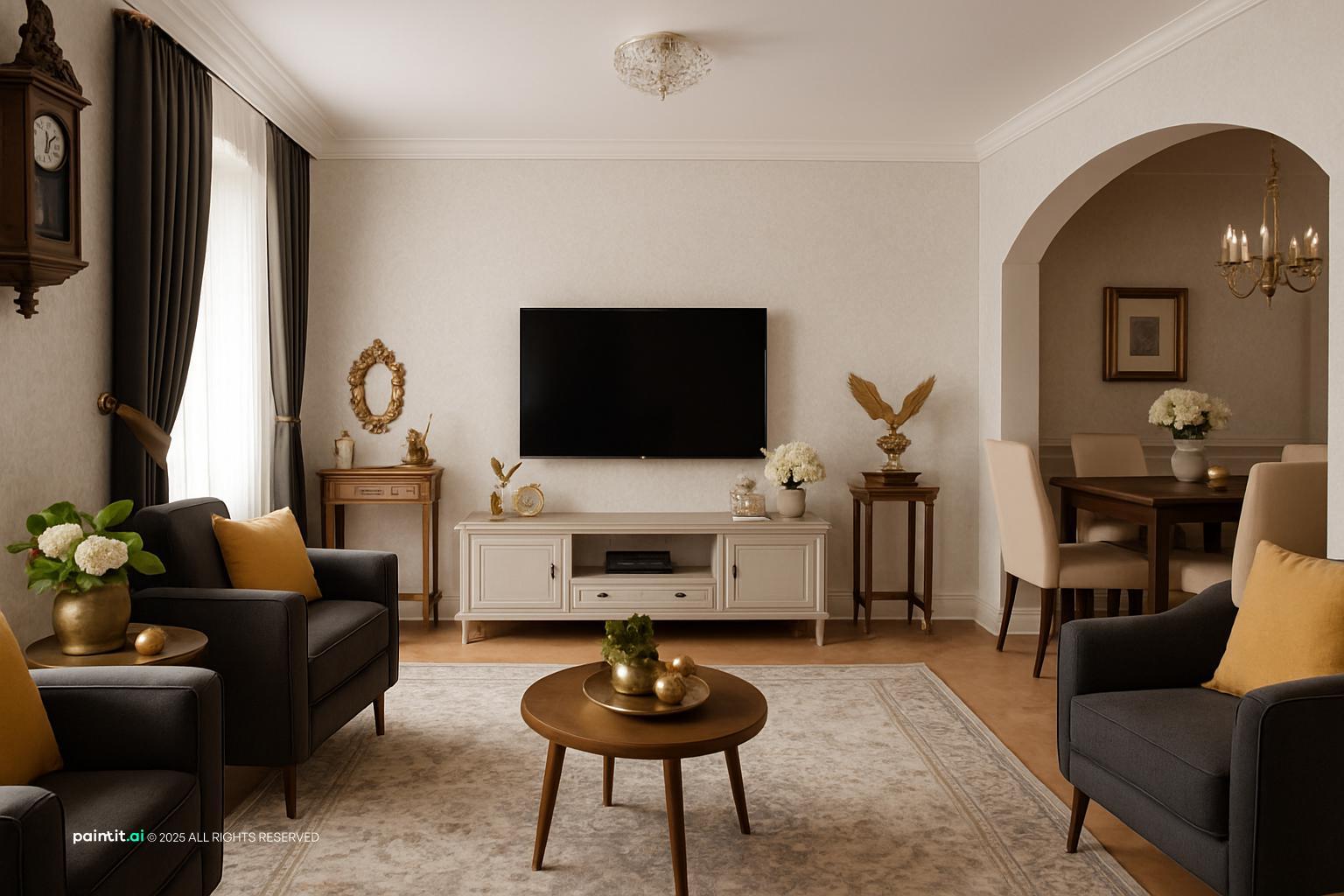
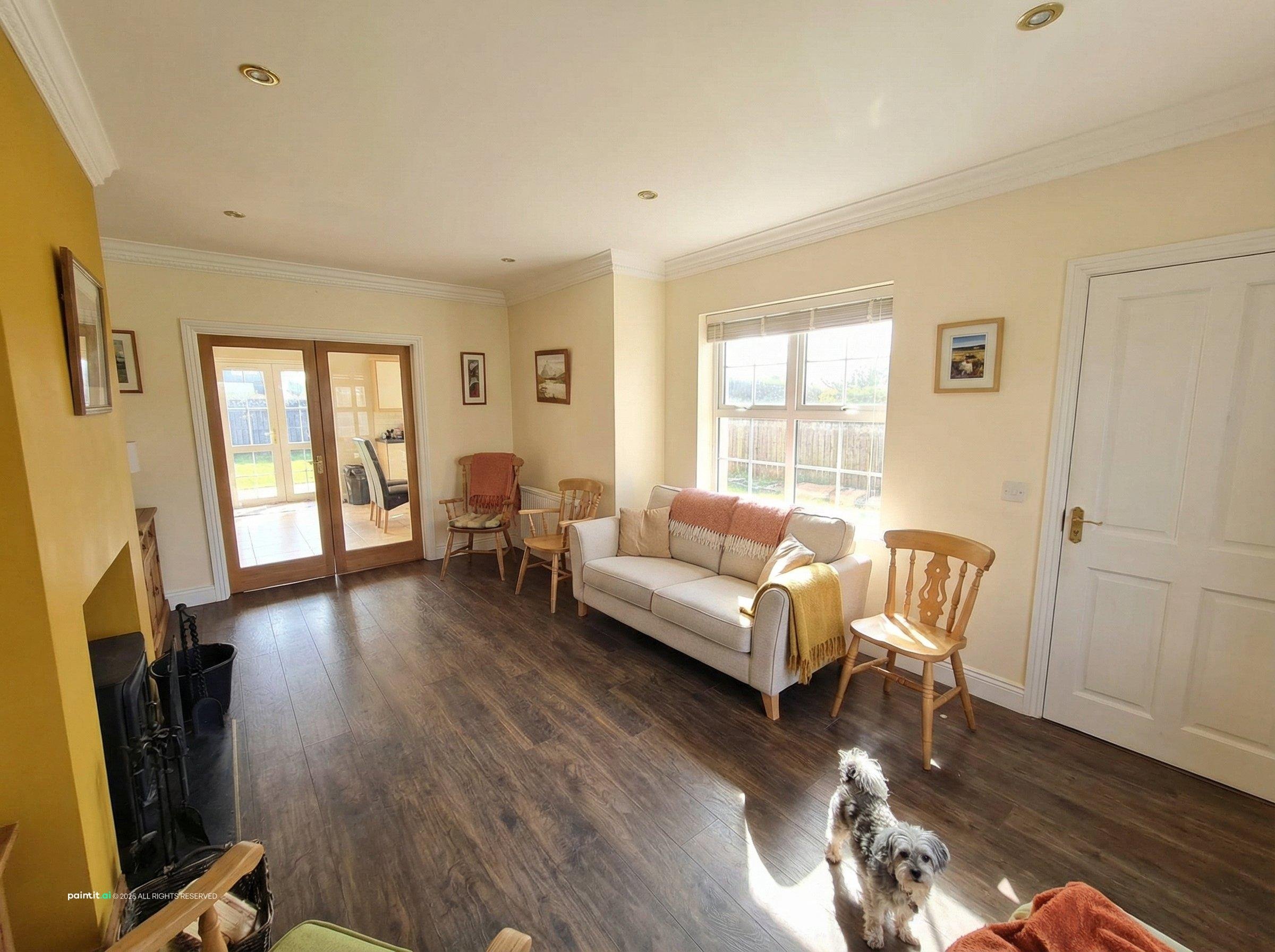
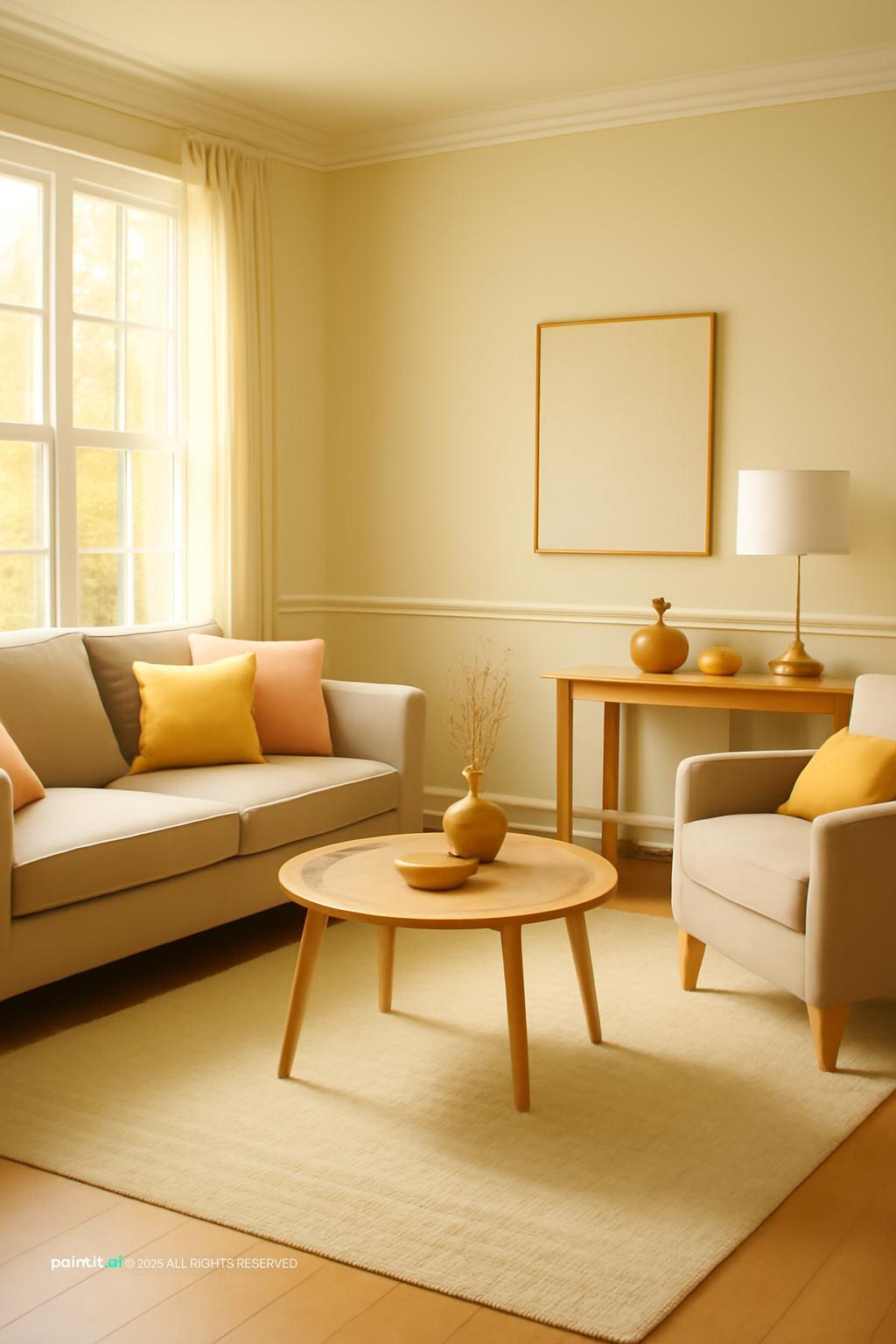
A soft, buttery yellow on the walls creates an immediate sense of warmth without overwhelming the eye. This particular shade acts like a neutral, allowing other farmhouse elements to truly shine. Most people forget that the right base color can make or break a room's entire personality; this gentle hue truly embraces the sun-drenched feel.
-
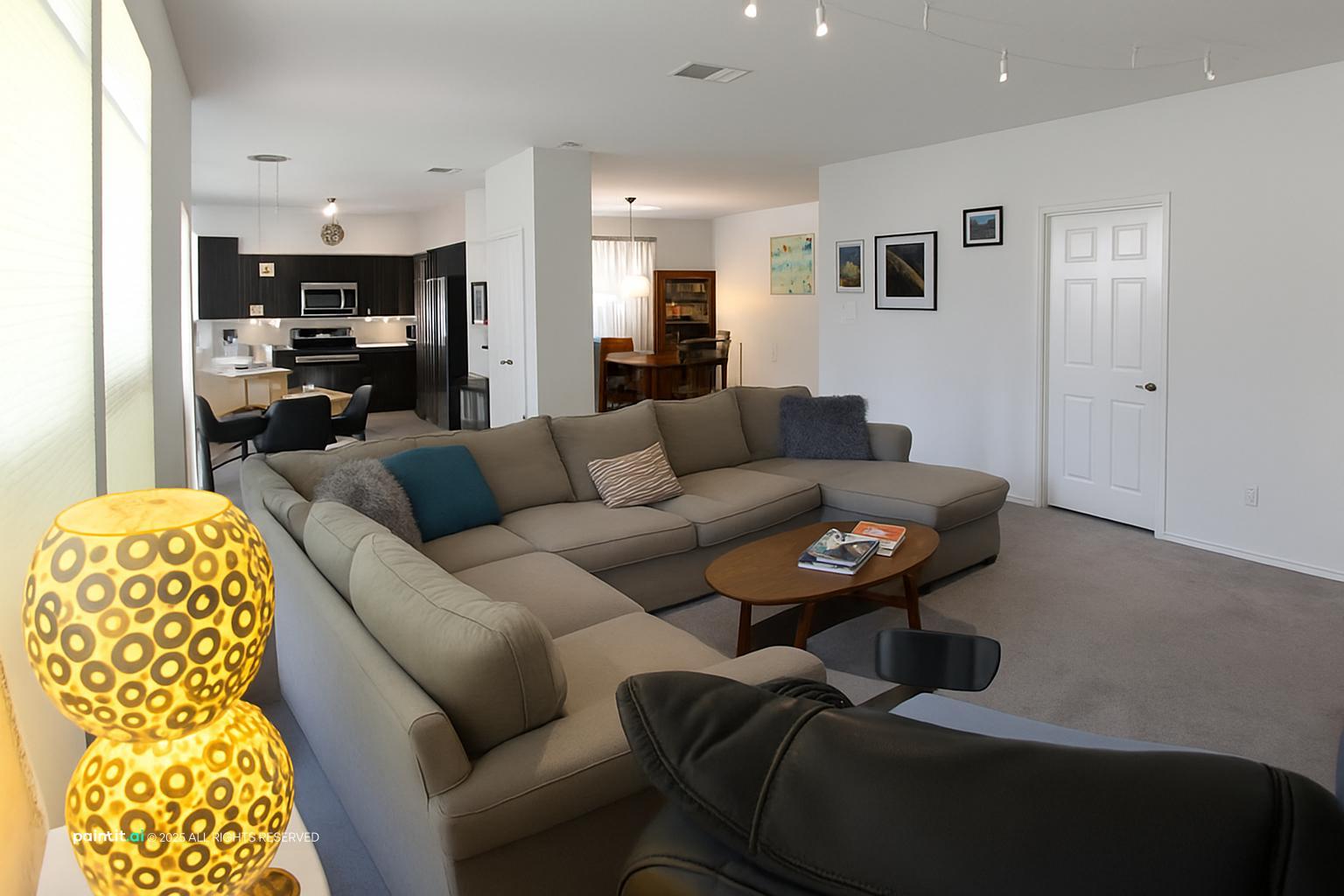
Pair this gentle hue with crisp white trim and natural wood accents. Consider a matte finish for a more authentic, aged feel. It sounds simple, but the right paint choice sets the entire mood for your entire yellow farmhouse living room.
-
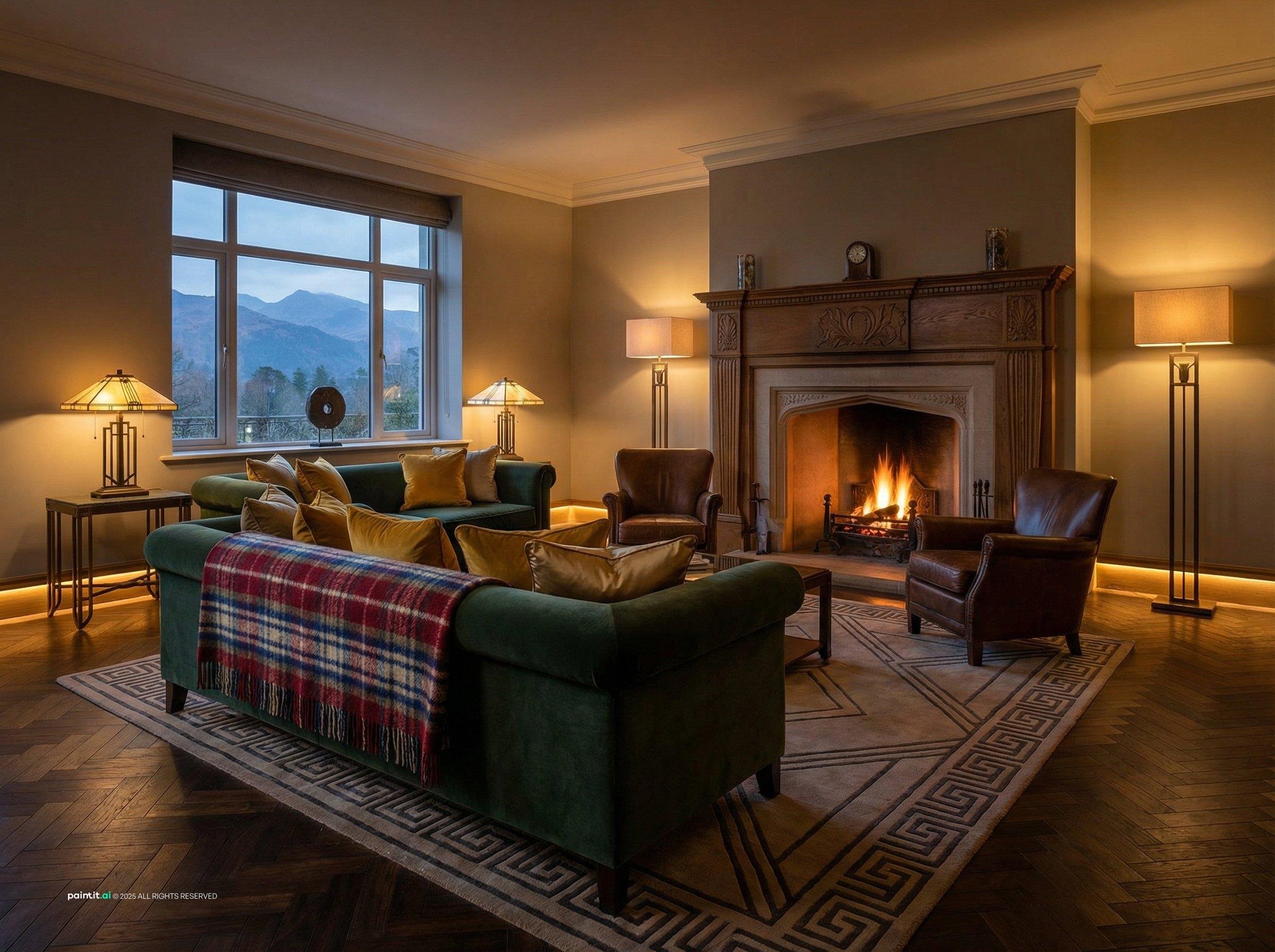
Pro Tip: To achieve this effect, try using a paint with a slight cream undertone to avoid anything too stark.
-
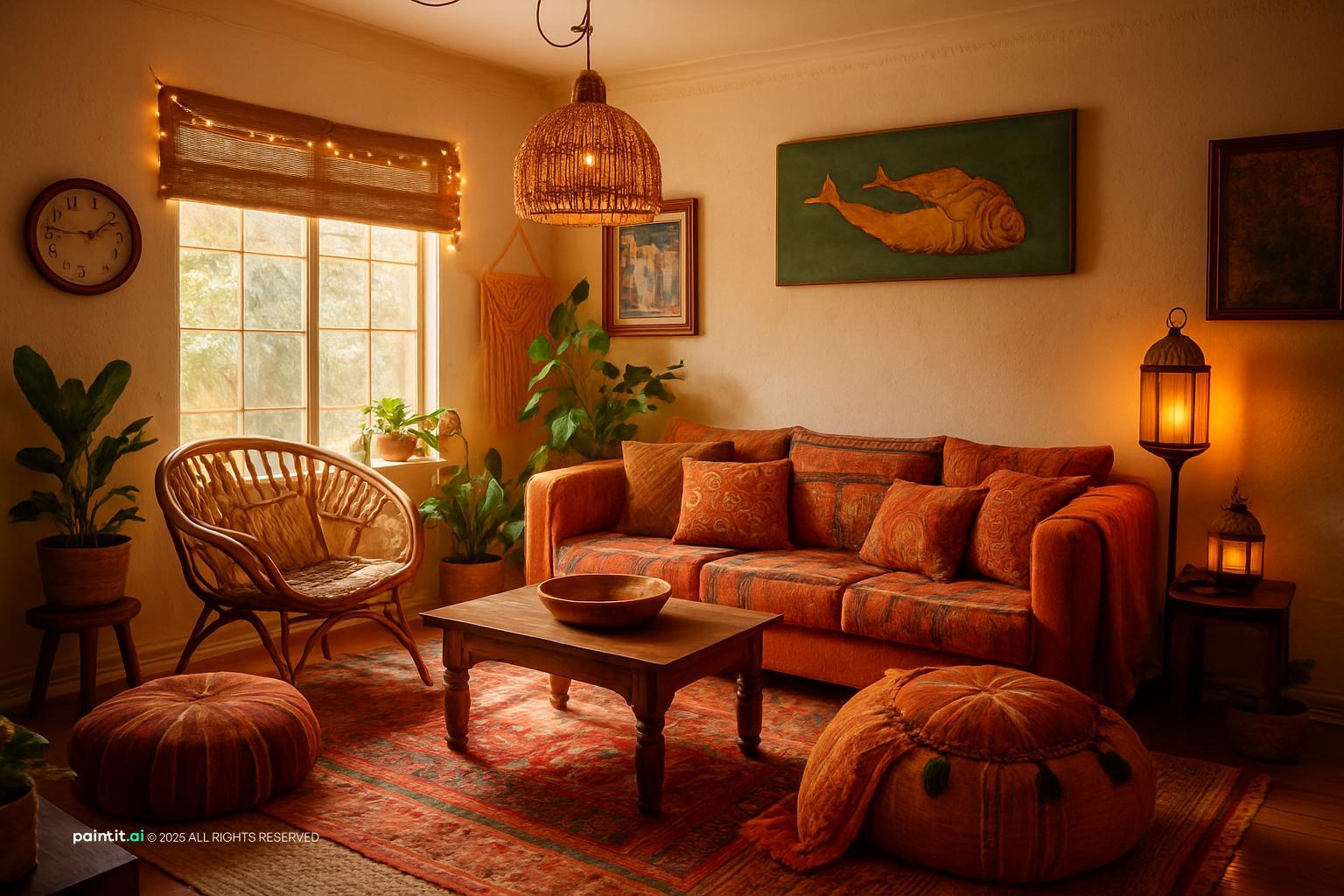
For those hesitant to commit to full yellow walls, introducing goldenrod through textiles and decor offers a vibrant pop. This approach maintains a serene backdrop while injecting cheerful energy. I've seen this work best in spaces where a subtle nod to color is preferred over a dominant statement.
-
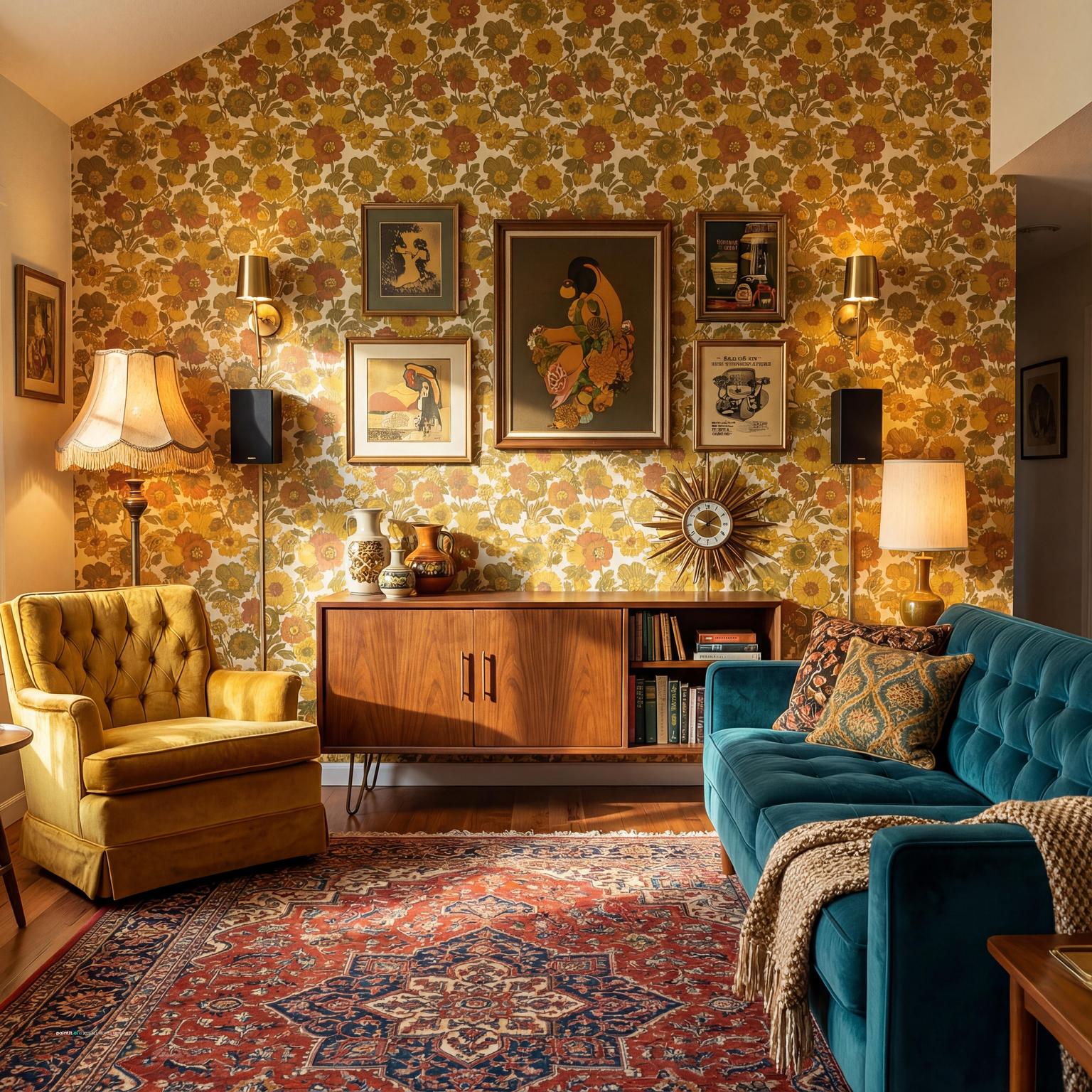
Think mustard throw pillows, a goldenrod armchair, or a vintage sunflower print. Combine these with linen sofas and reclaimed wood furniture. The truth is, sometimes less is more when it comes to bold colors.
-
Pro Tip: To achieve this effect, try layering different shades of yellow in your accessories for depth.
-
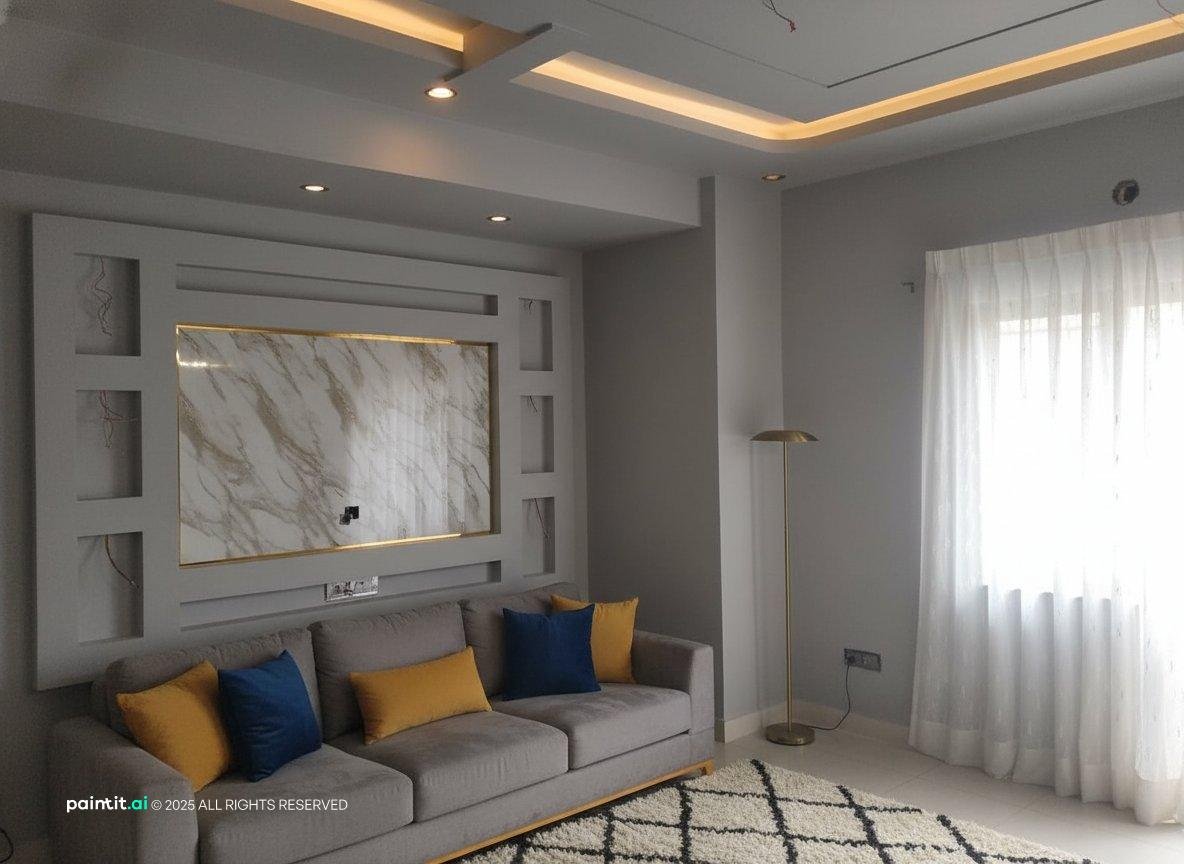
Embrace a more rustic, earthy side of yellow with muted ochre. This deeper, more subdued tone pairs beautifully with architectural elements like exposed wooden beams. It grounds the space, adding a sense of history and permanence. It might seem odd at first, but this color feels incredibly sophisticated.
-
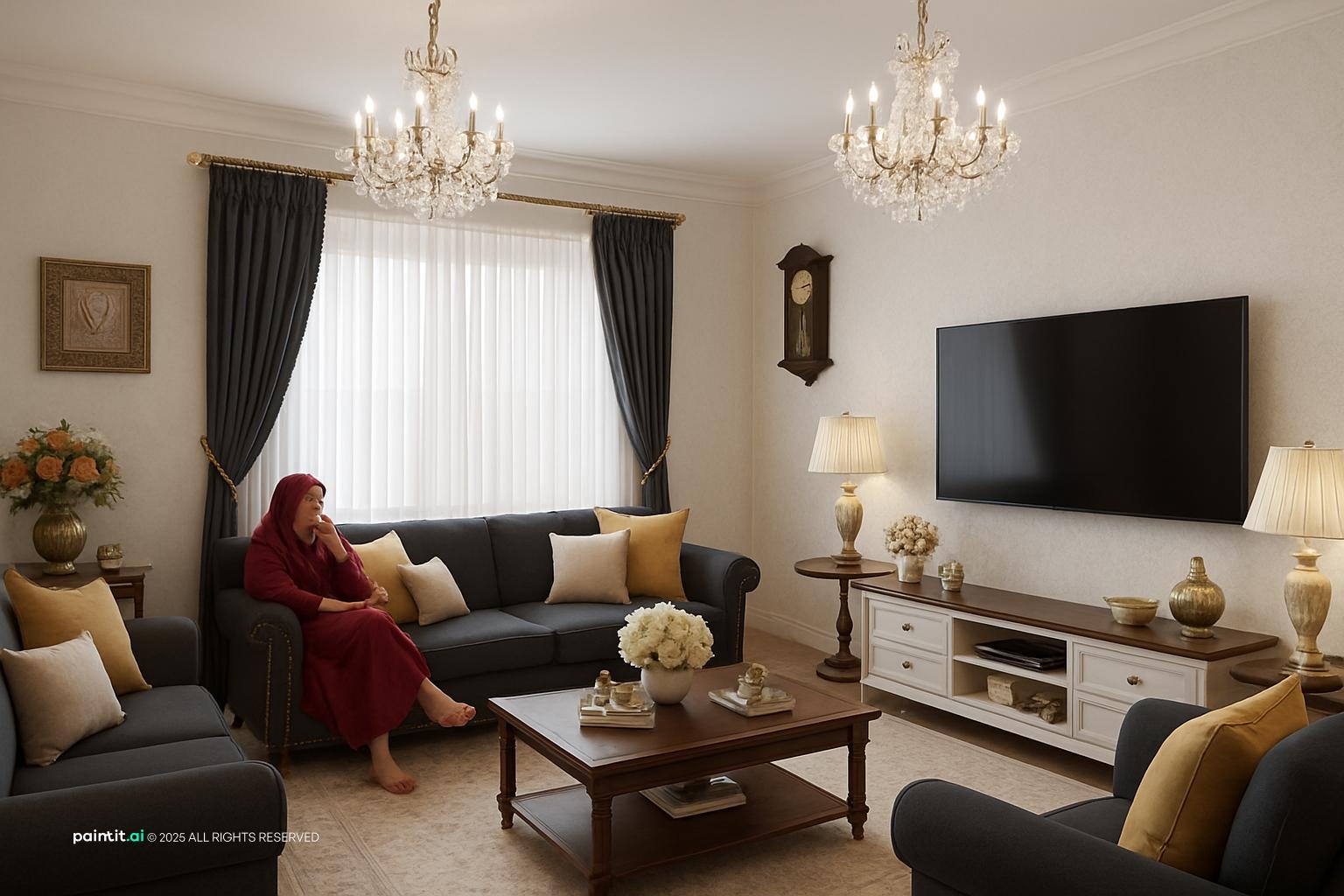
Integrate dark wood furniture, wrought iron lighting, and natural fiber rugs. The contrast between the warm ochre and the raw wood creates a rich, inviting atmosphere. This is about creating a truly authentic feel.
-
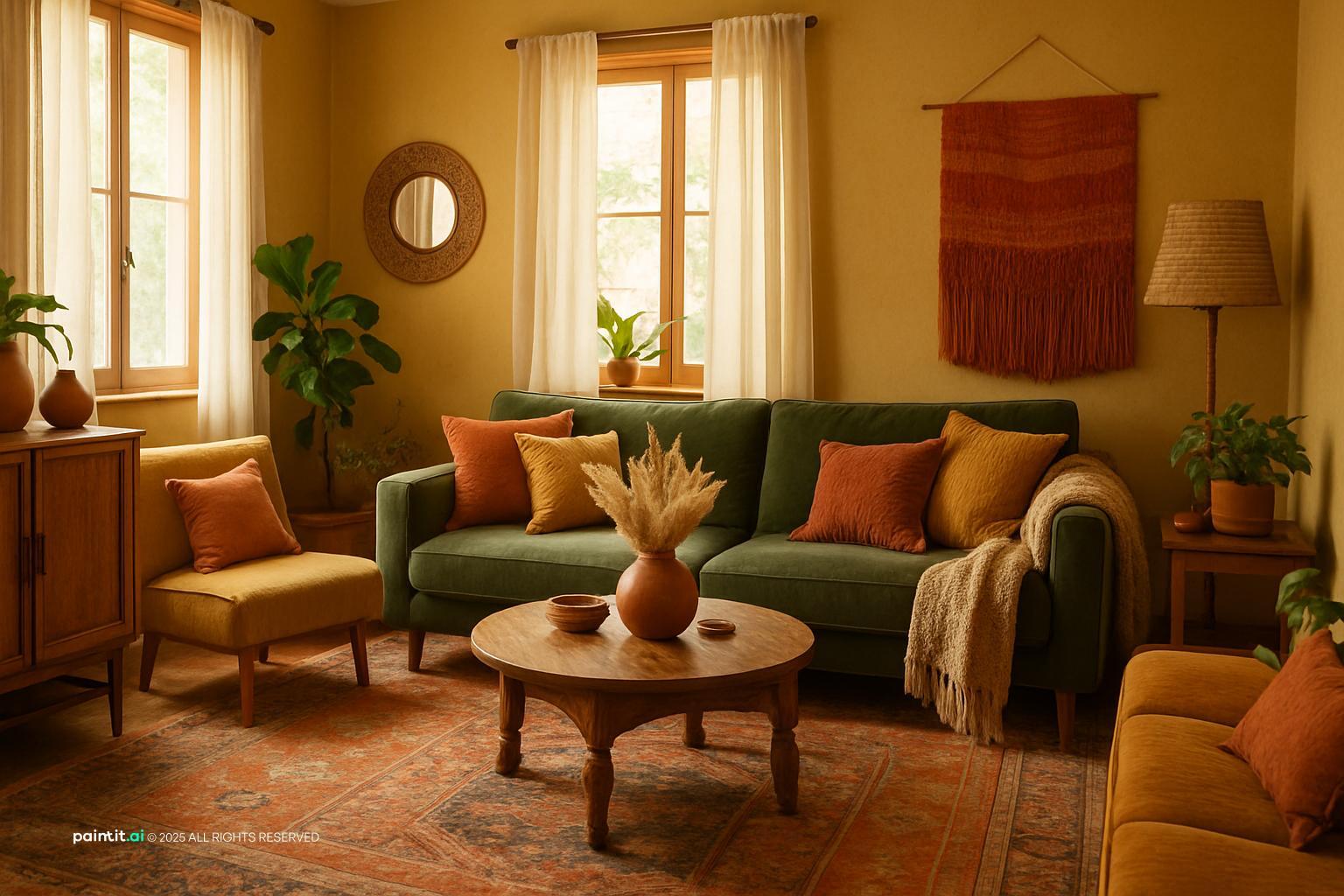
Pro Tip: To achieve this effect, try balancing the deep ochre with plenty of natural light to prevent the room from feeling too heavy.
-
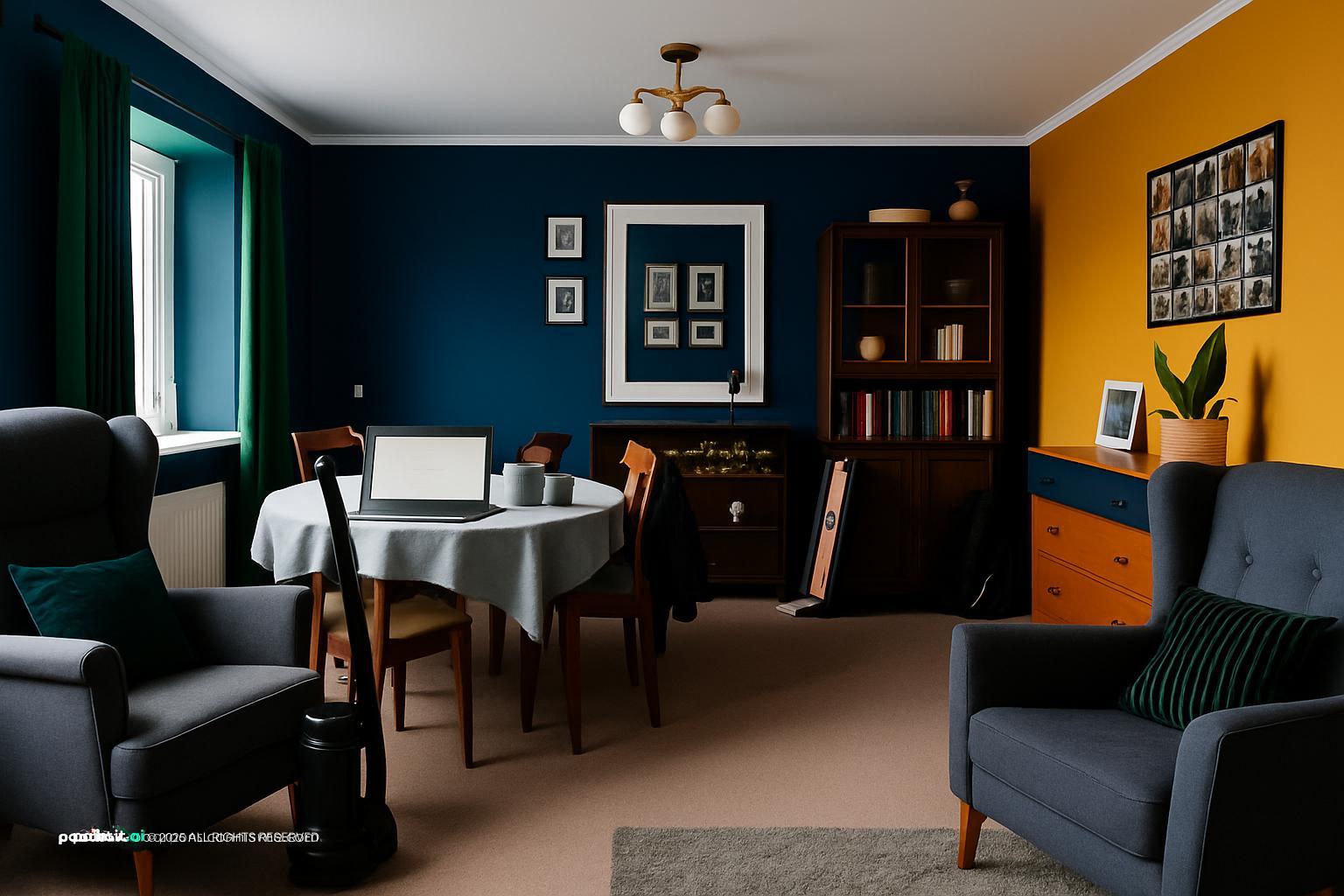
A bright, cheerful lemon yellow paired with crisp white shiplap walls evokes a fresh, airy farmhouse feel. This combination is particularly effective in brightening spaces that might lack abundant natural light. It's a classic for a reason.
-
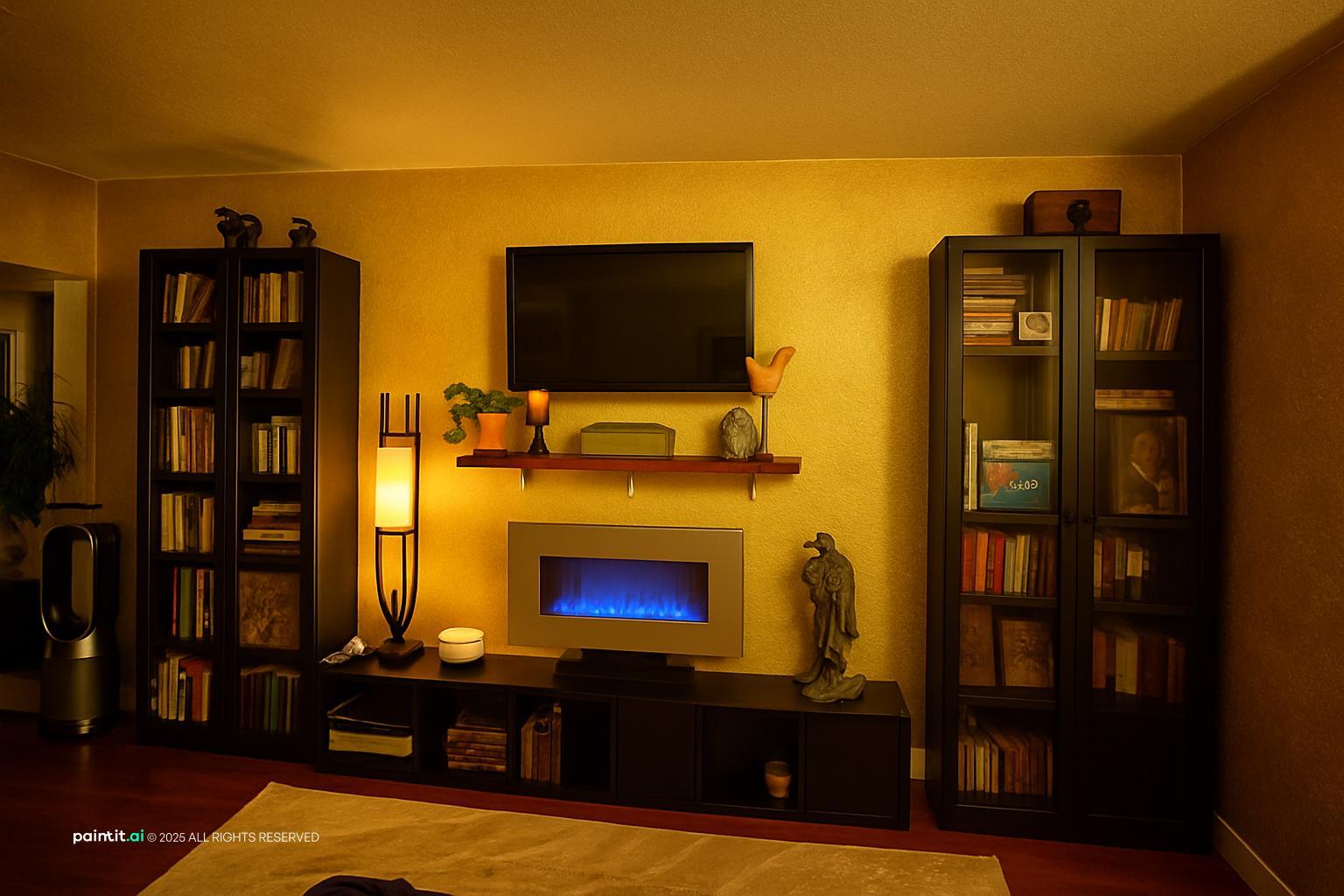
Use white as the dominant color on walls and ceilings, then introduce lemon yellow through a statement piece like a painted console table or vibrant floral arrangements. Add galvanized metal accents for a touch of industrial charm. This creates a very clean look.
-
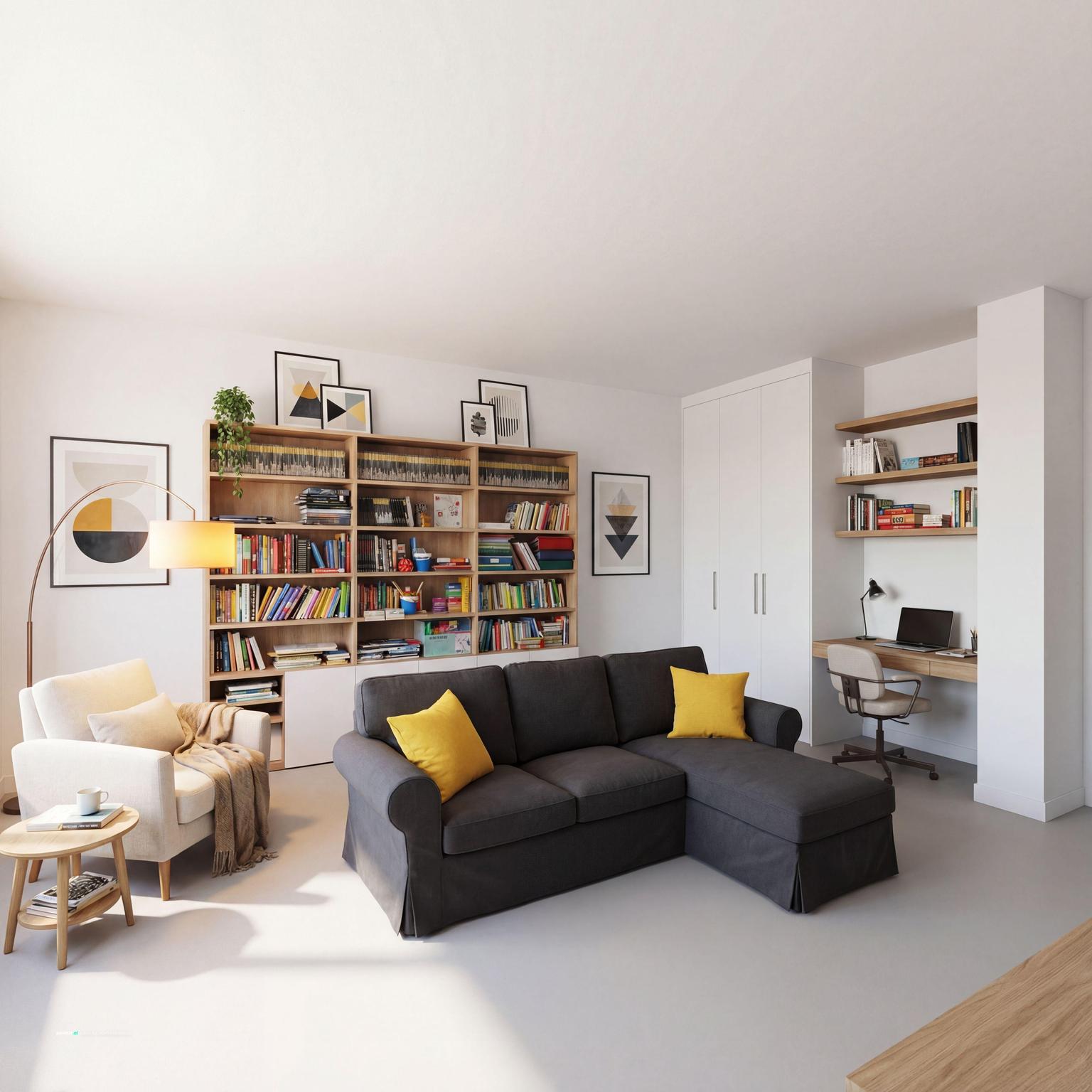
Pro Tip: To achieve this effect, try using a semi-gloss finish on shiplap for easy cleaning and a subtle sheen.
-
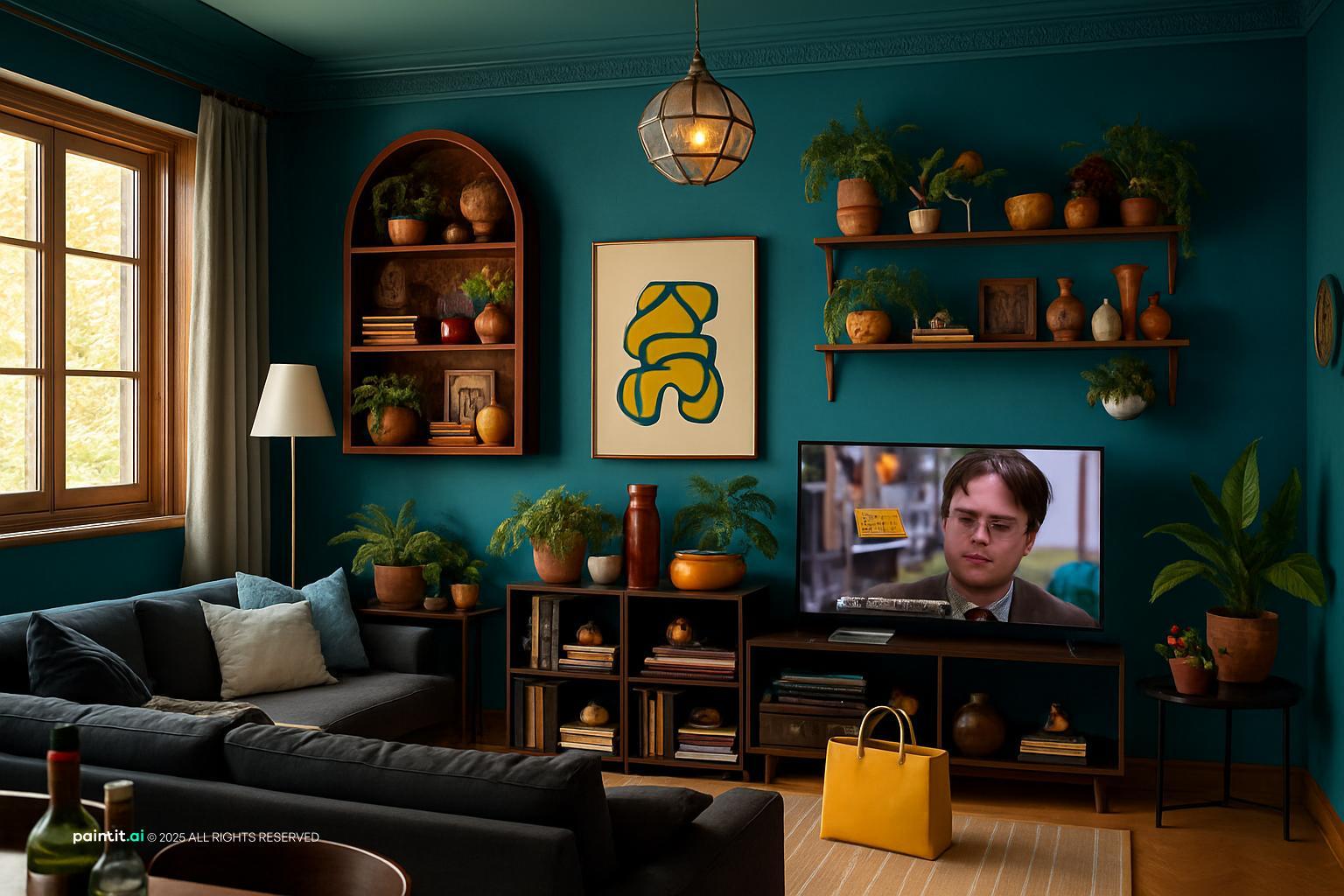
Let a single piece of furniture be the star of your yellow farmhouse living room. A sofa or an antique cabinet painted in a vibrant sunflower yellow can anchor the room with undeniable charm. This approach allows for flexibility; you can easily change the surrounding decor.
-
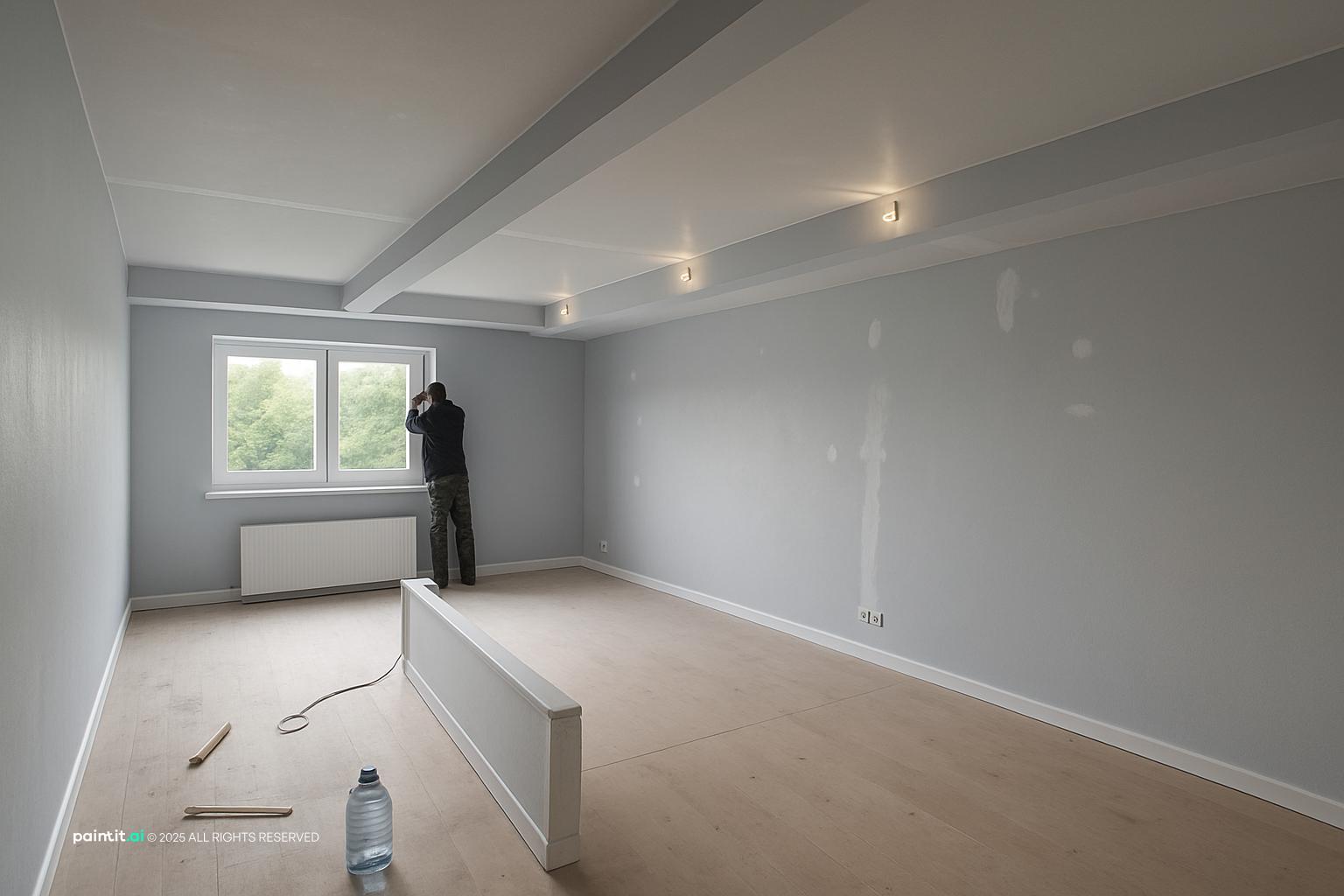
Surround your yellow centerpiece with neutral tones like beige, cream, and light wood. Add texture with chunky knit throws and jute rugs. This creates a focal point that truly pops.
-
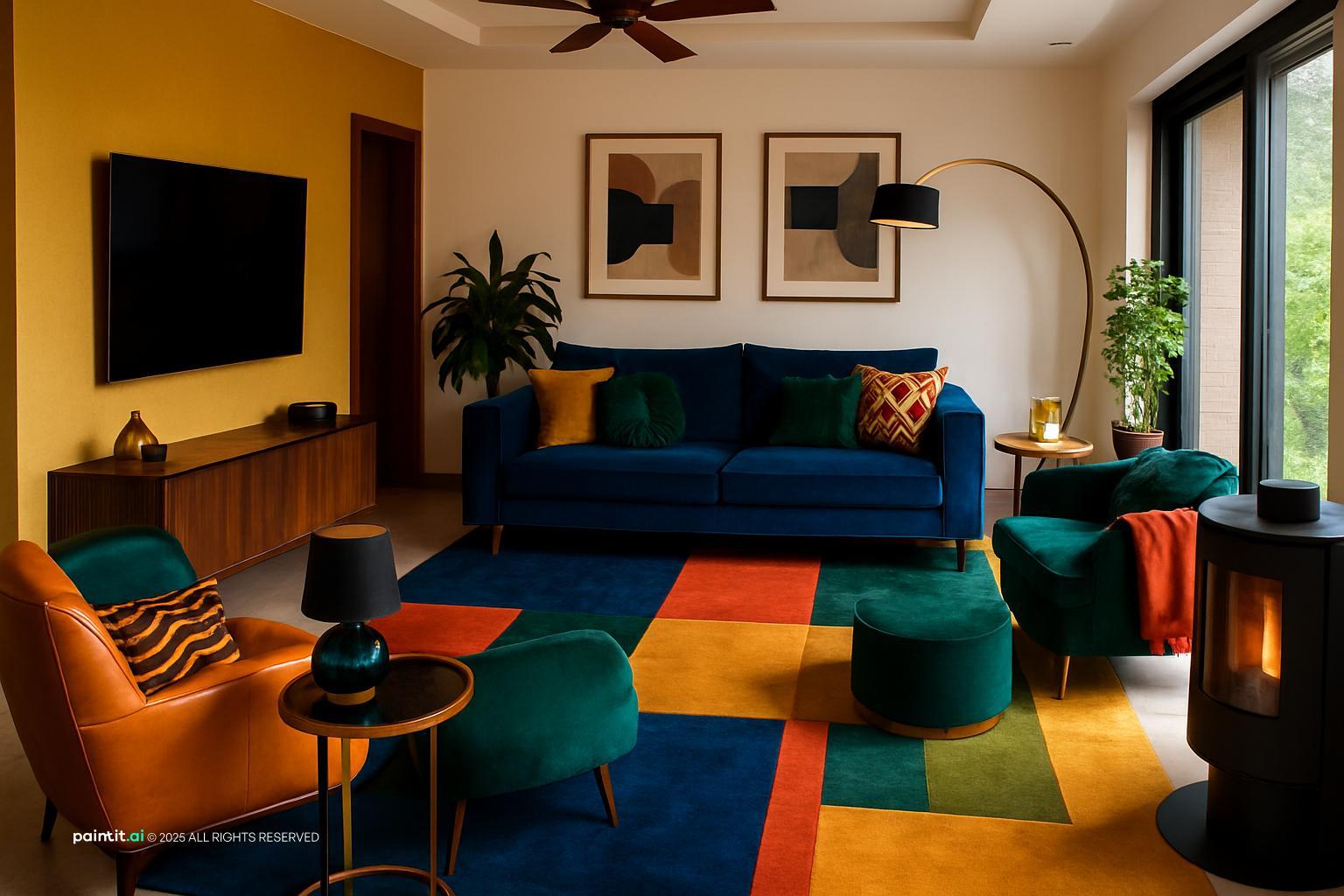
Pro Tip: To achieve this effect, try sourcing a vintage piece and giving it a fresh coat of sunflower yellow paint for unique character.
-
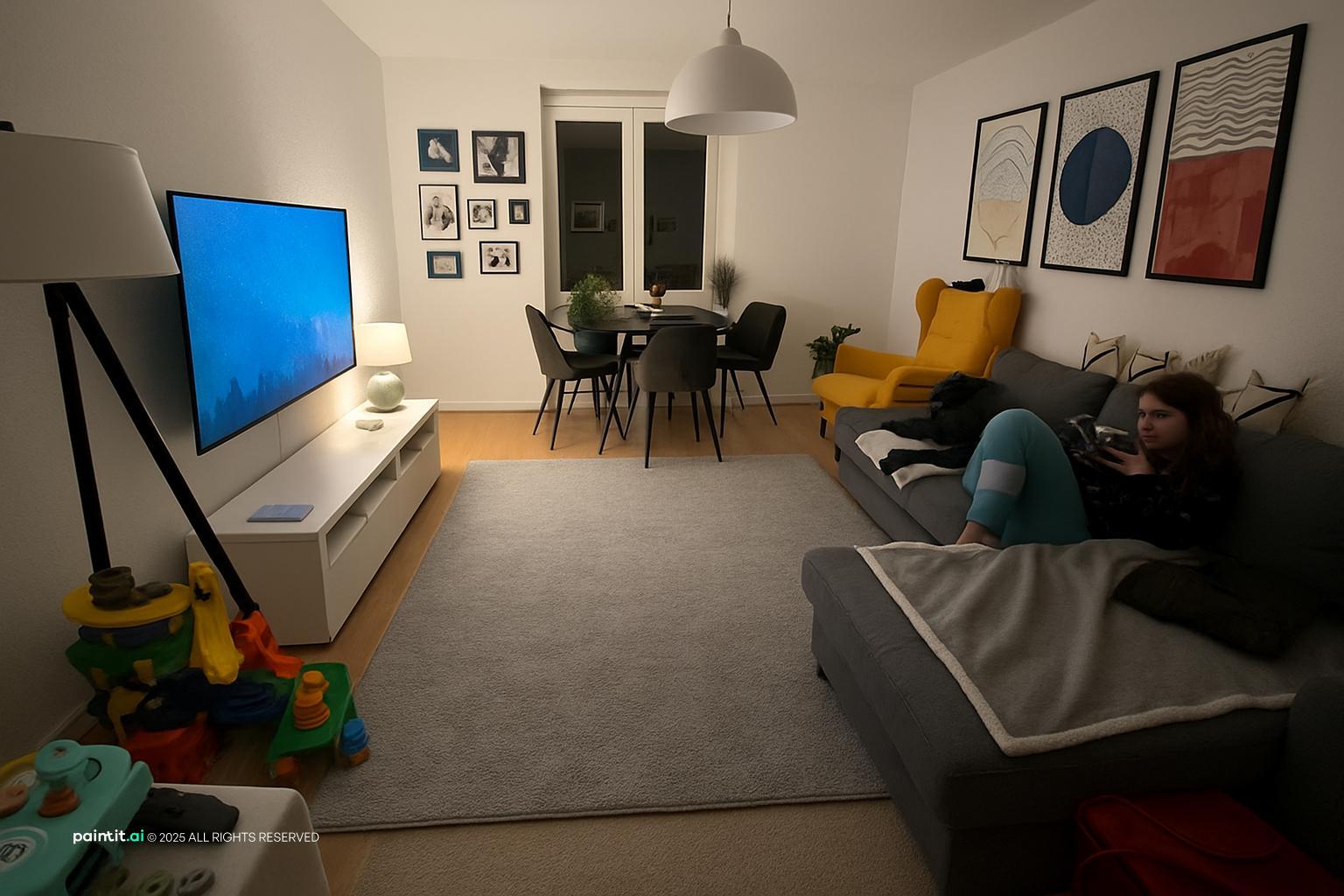
A very pale, almost pastel yellow wall color provides a delicate backdrop for a collection of antique and vintage farmhouse treasures. This creates a sense of history and curated elegance. It's about letting the stories of your pieces shine.
-
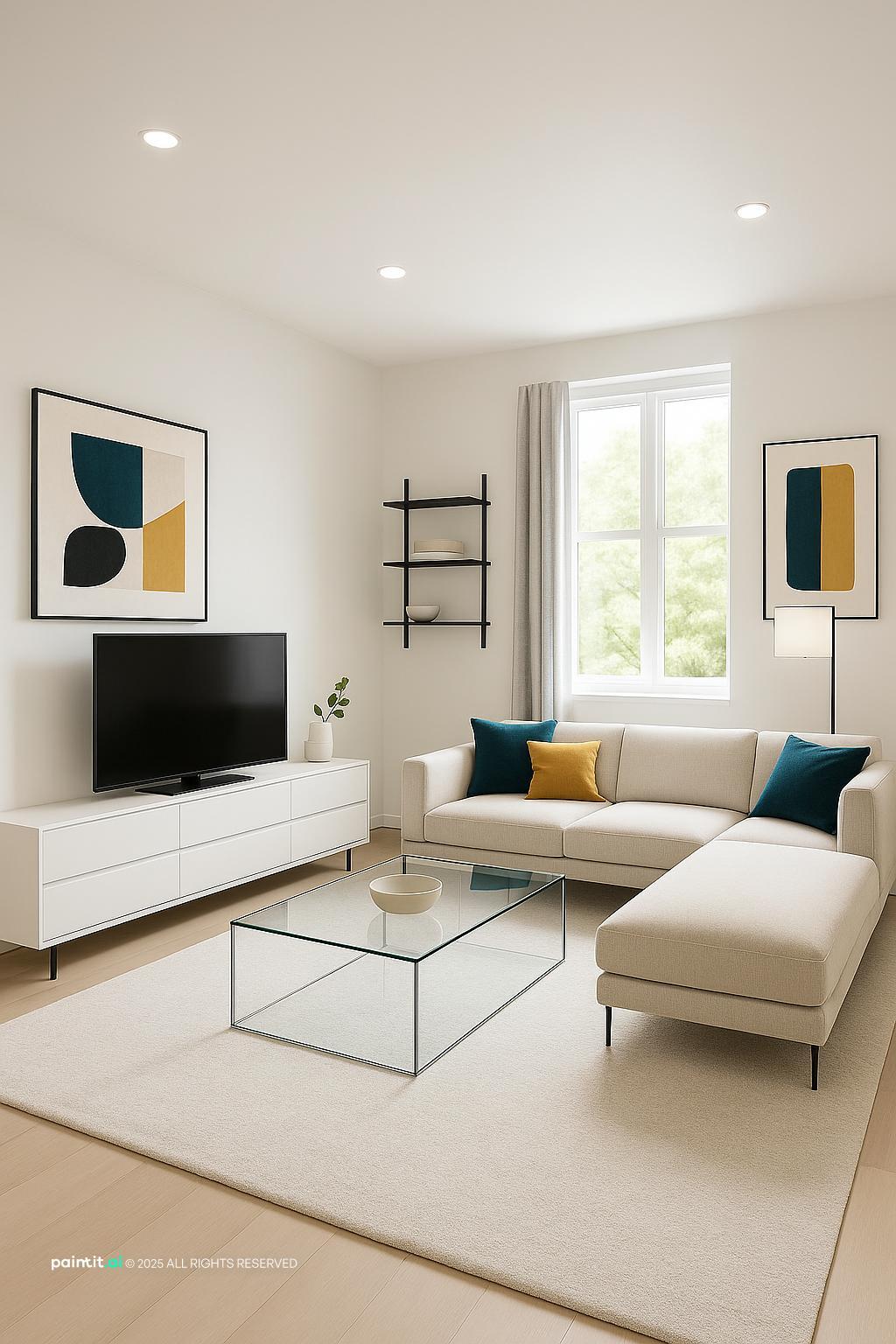
Fill the space with distressed wooden chests, heirloom quilts, and framed botanical prints. Incorporate brass or copper accents for a touch of aged metallic warmth. This is a truly timeless aesthetic.
-
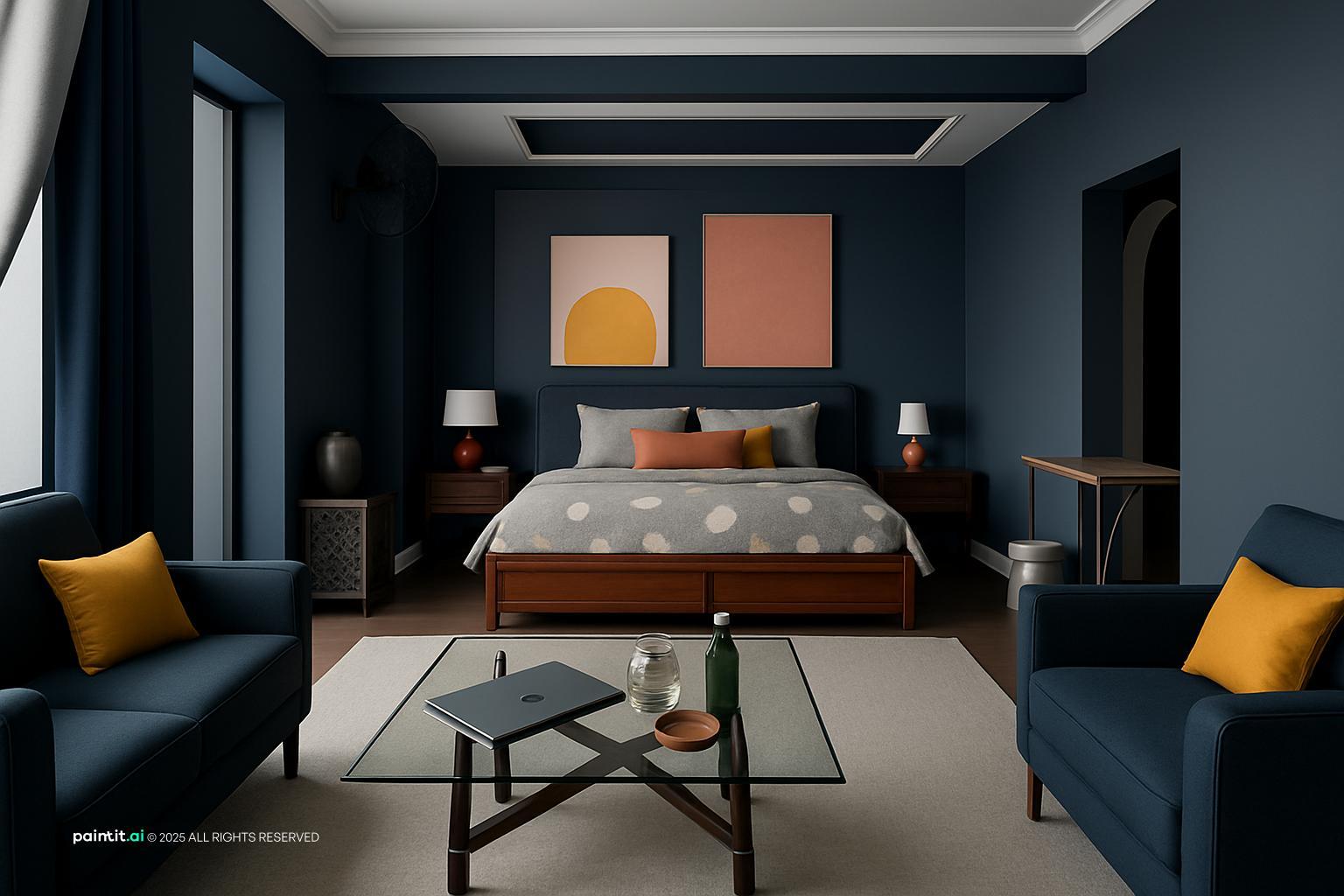
Pro Tip: To achieve this effect, try mixing different wood tones and finishes among your antique pieces for an authentic, collected look.
-
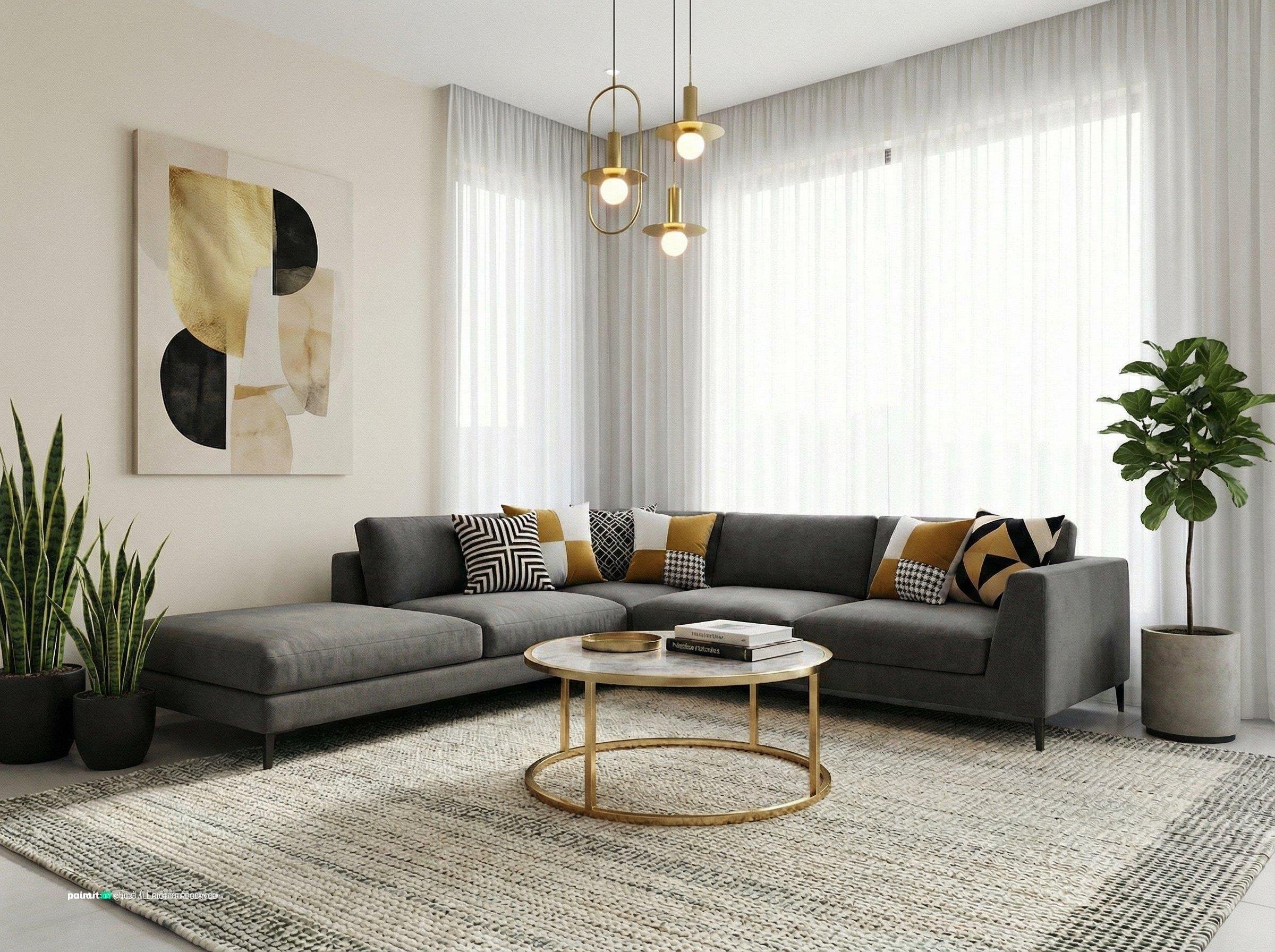
The classic combination of yellow and navy blue brings a sophisticated yet playful contrast to a farmhouse living room. The deep blue grounds the vibrant yellow, creating a balanced and visually interesting space. This pairing feels both traditional and fresh.
-
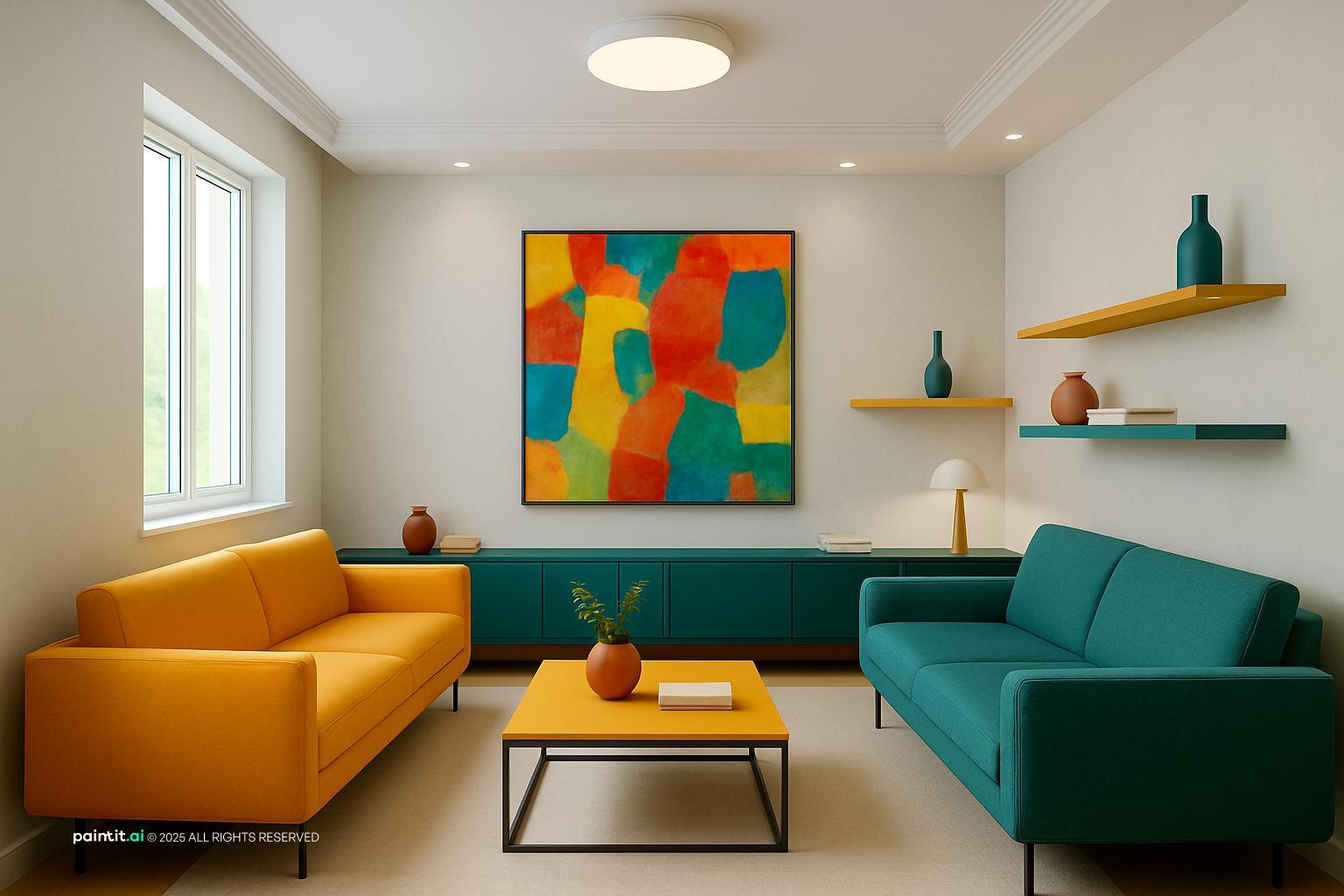
Consider navy blue upholstery for a sofa, then introduce yellow through throw pillows, a patterned rug, or a ceramic lamp. White shiplap walls would tie the look together beautifully. It's a bold choice that pays off.
-
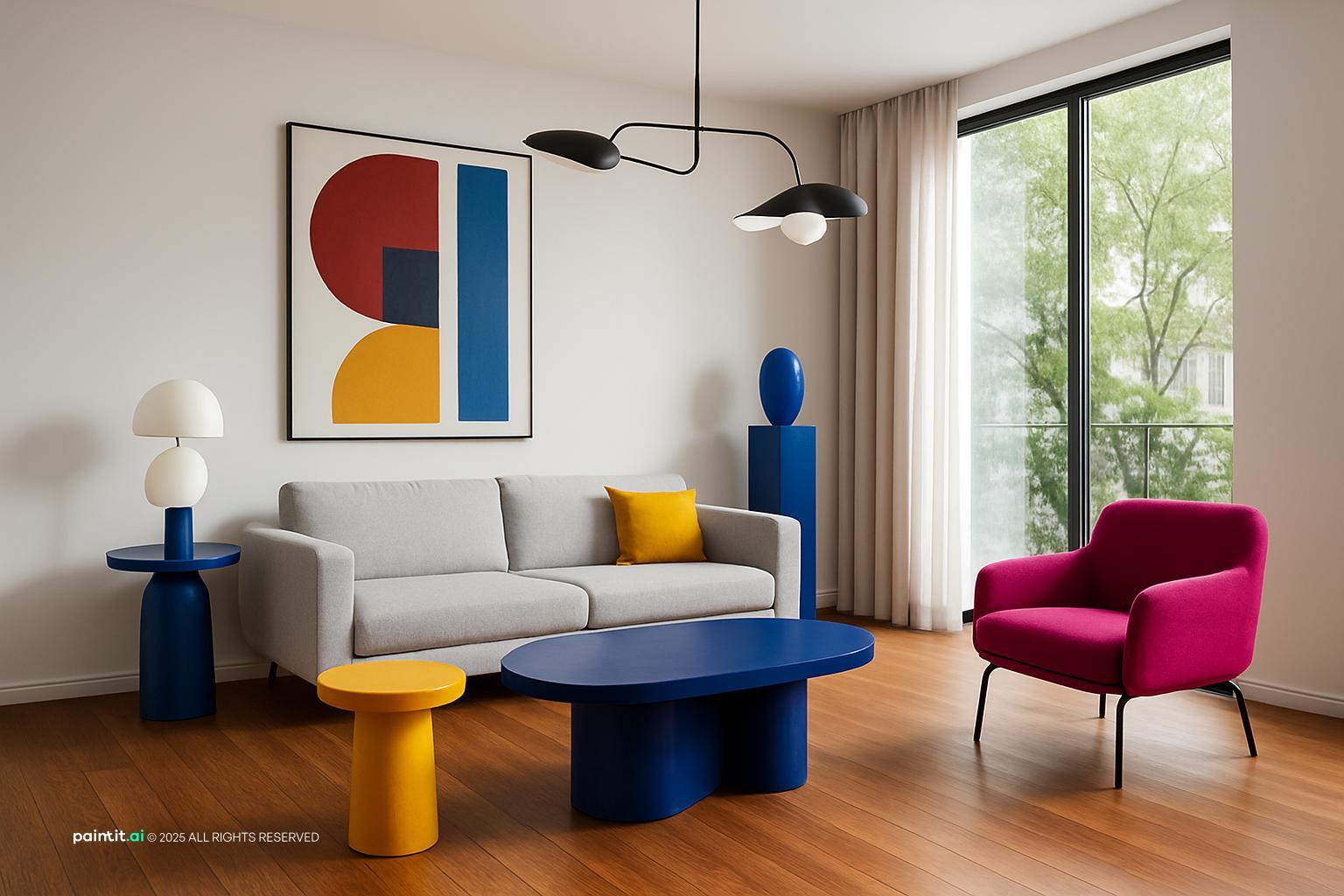
Pro Tip: To achieve this effect, try using a slightly muted yellow to ensure it harmonizes rather than clashes with the strong navy.
-
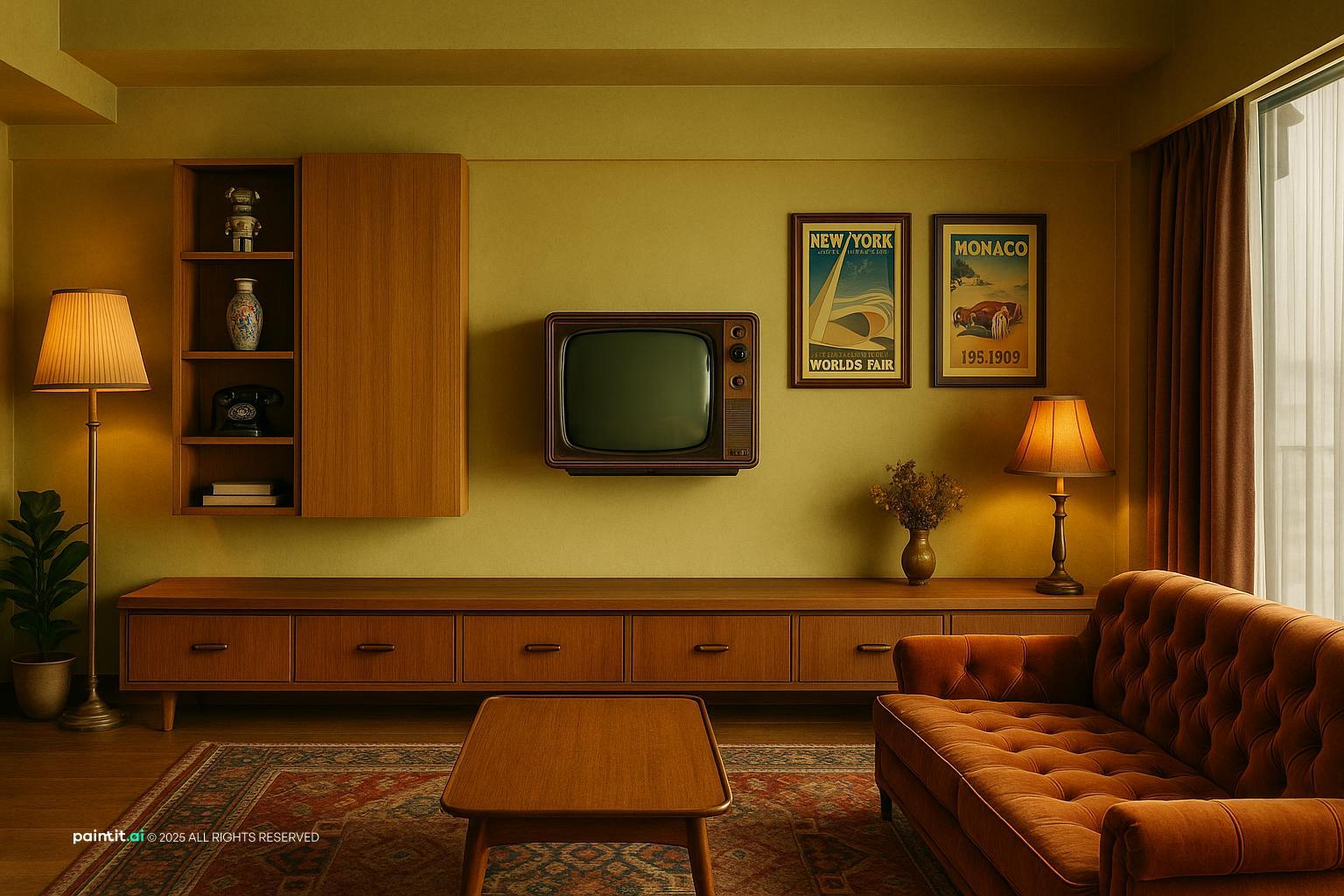
Maximize the feeling of a sun-drenched space by pairing a bright, clear yellow with an abundance of live greenery. This brings the outdoors in, creating a vibrant and refreshing atmosphere. Most people forget how much life plants can add.
-
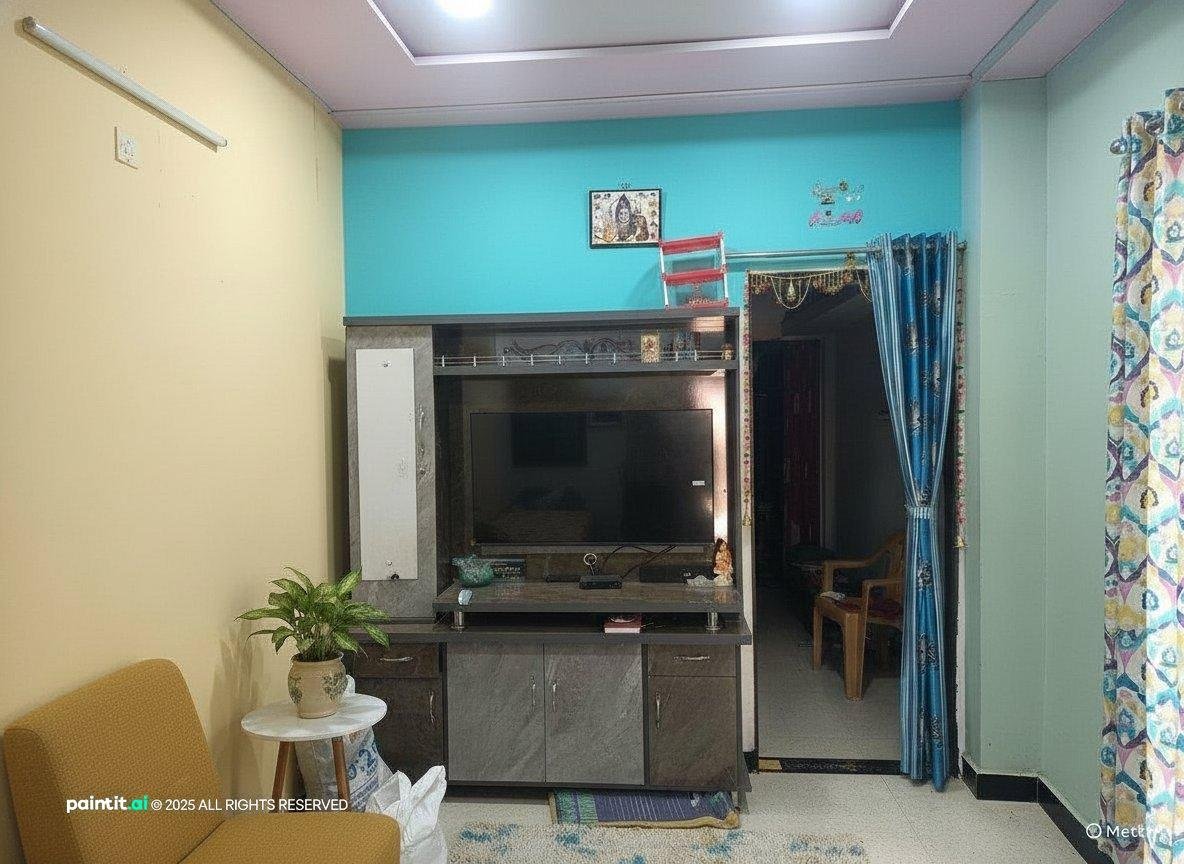
Choose a cheerful yellow for walls or a large rug, then scatter various potted plants, hanging baskets, and fresh floral arrangements throughout the room. Natural wood furniture and woven textures complete this organic look. This makes the room feel alive.
-
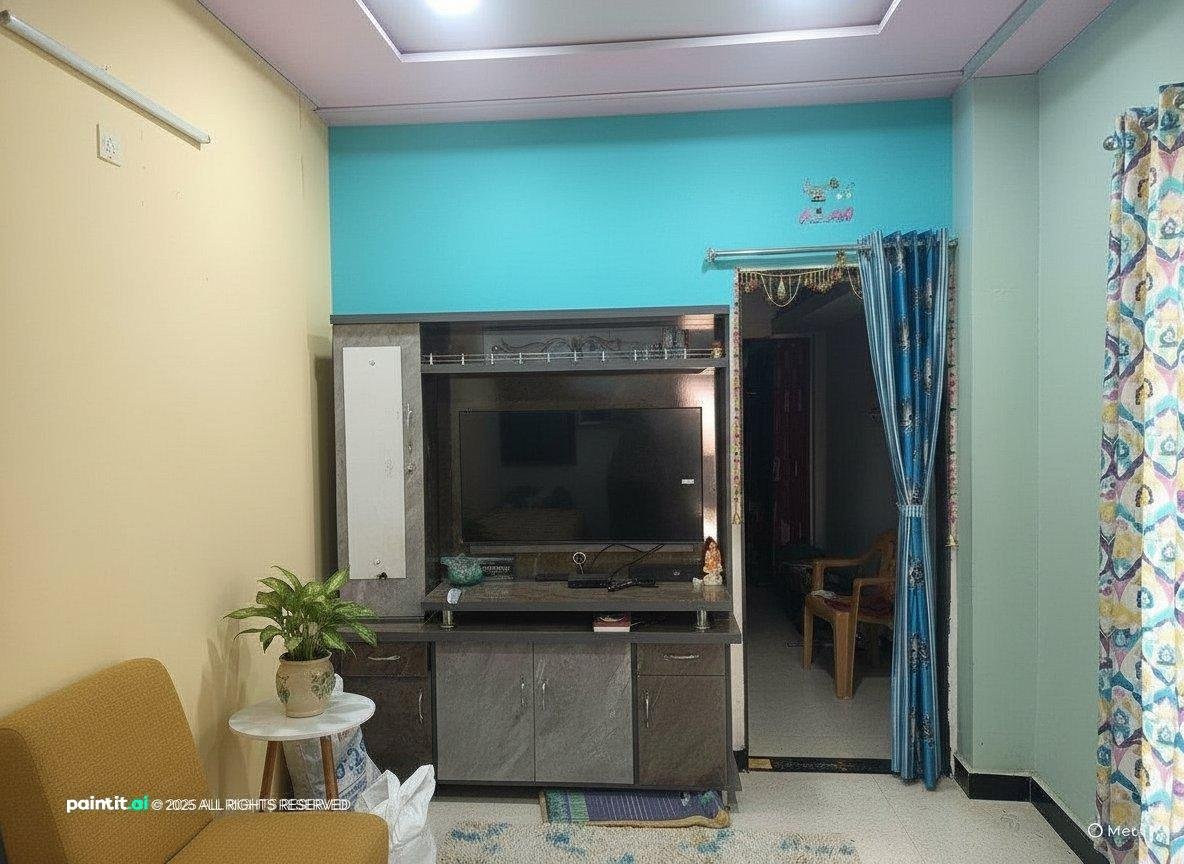
Pro Tip: To achieve this effect, try incorporating plants with different leaf shapes and sizes for visual interest and texture.
-
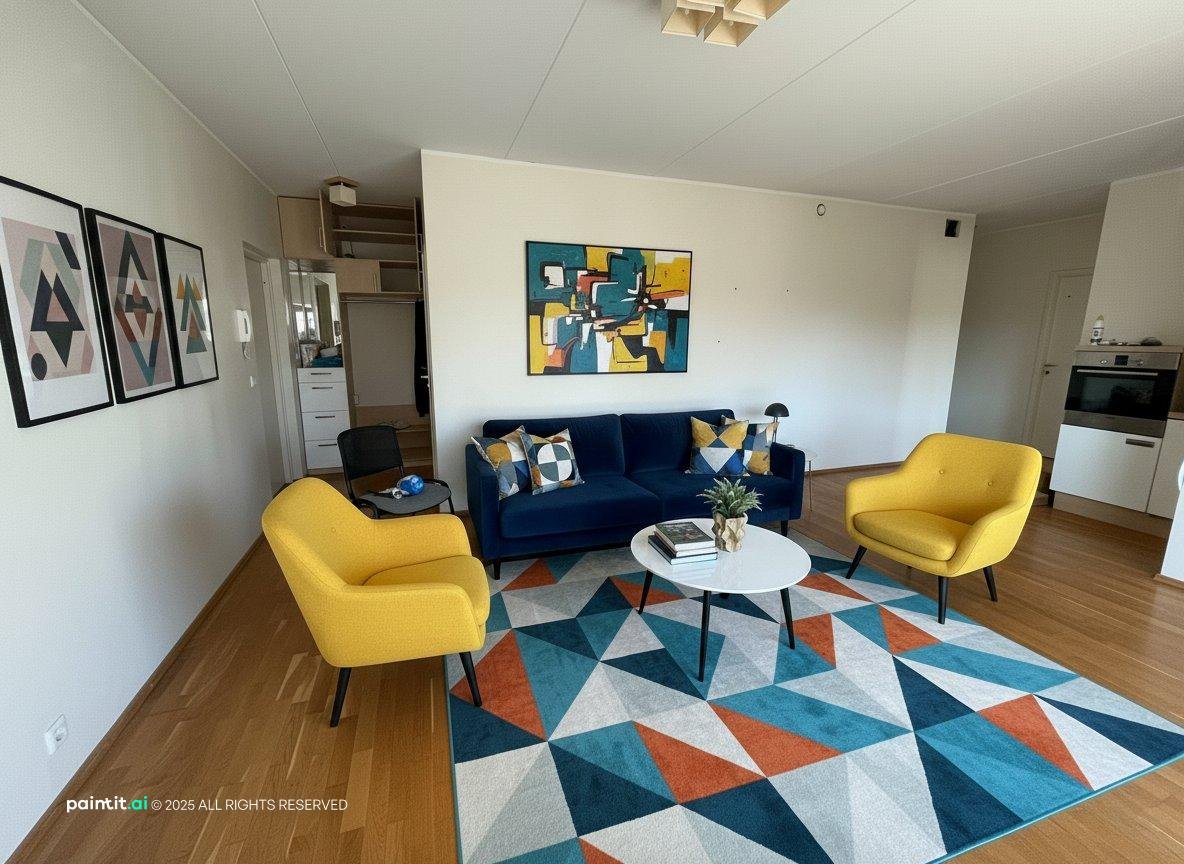
Blend the warmth of a soft yellow with the raw edge of industrial elements for a unique farmhouse aesthetic. This creates an interesting tension between cozy and utilitarian. It's a modern twist on a classic.
-
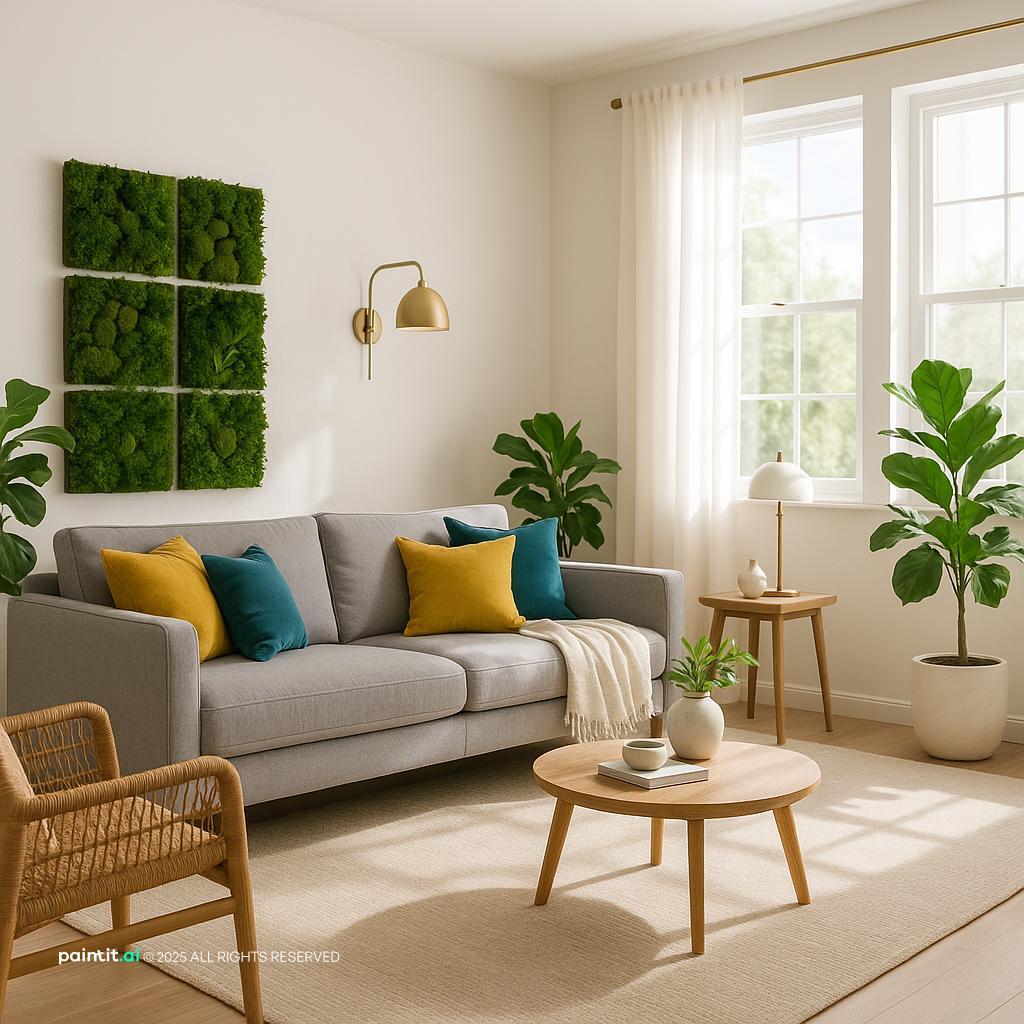
Paint walls a gentle lemon or cream-yellow, then introduce elements like exposed brick, black metal shelving, or a galvanized steel coffee table. Leather seating can add another layer of texture. This combination feels very intentional.
-
Pro Tip: To achieve this effect, try using matte black finishes on industrial elements to soften their impact against the yellow.
-
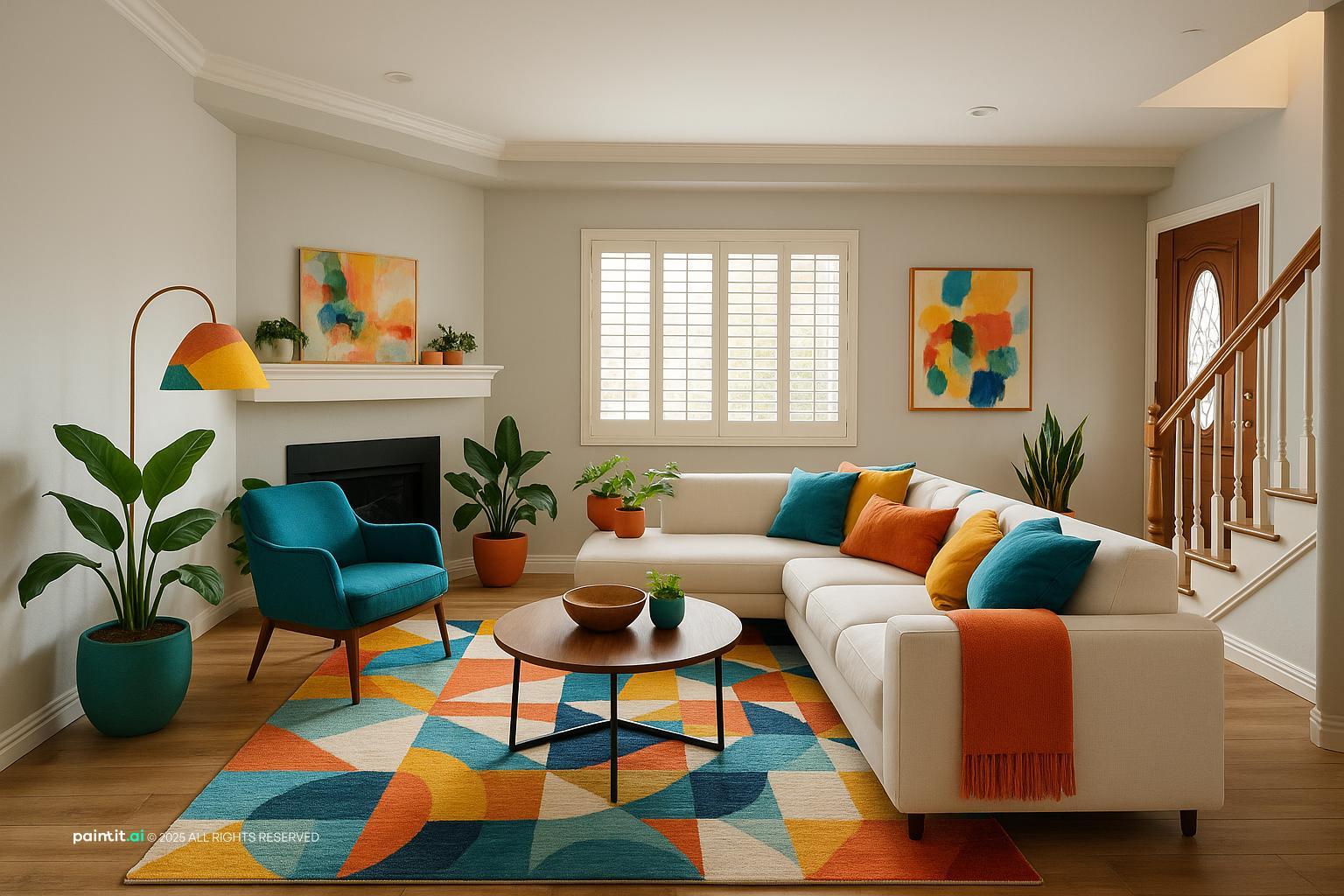
Embrace classic farmhouse patterns by incorporating yellow plaid or gingham into your living room decor. These patterns instantly evoke a sense of nostalgic comfort and charm. It's a simple way to add character.
-
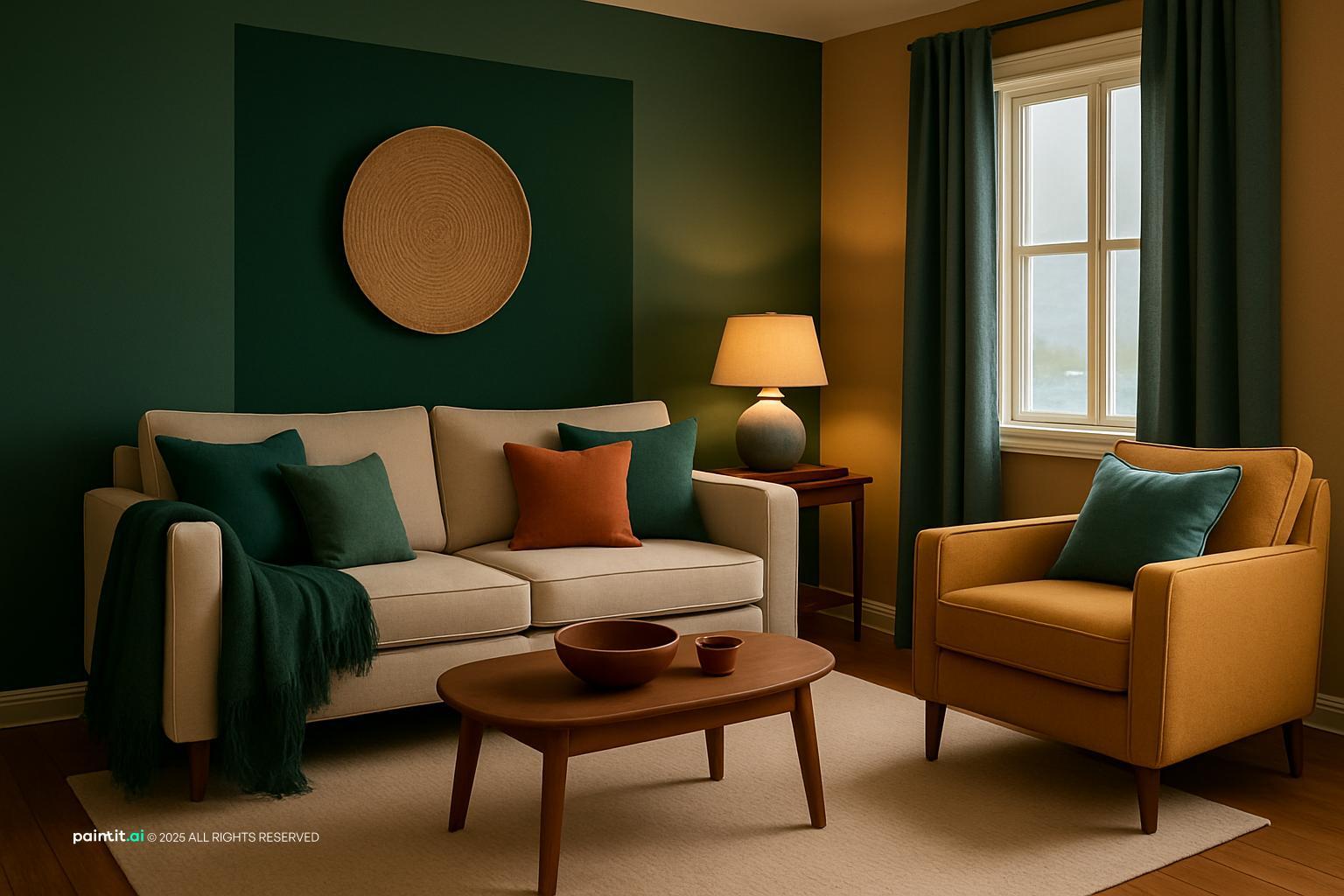
Use yellow and white gingham for throw pillows, curtains, or even an upholstered ottoman. A larger plaid blanket draped over a sofa can add warmth. Balance these patterns with solid colors elsewhere in the room. This creates a very cohesive look.
-
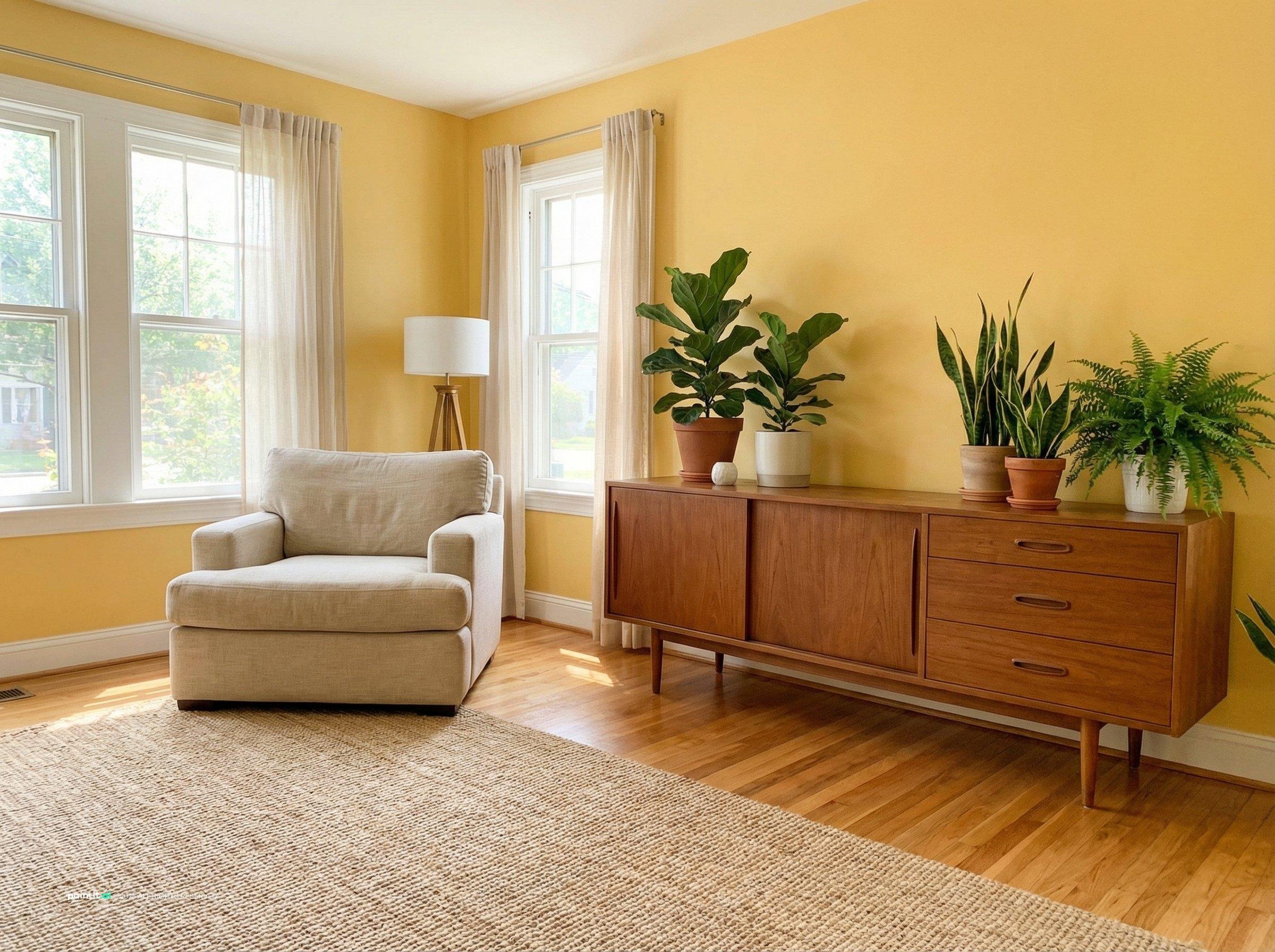
Pro Tip: To achieve this effect, try mixing different scales of yellow patterns – a large plaid with a smaller gingham – for visual interest.
-
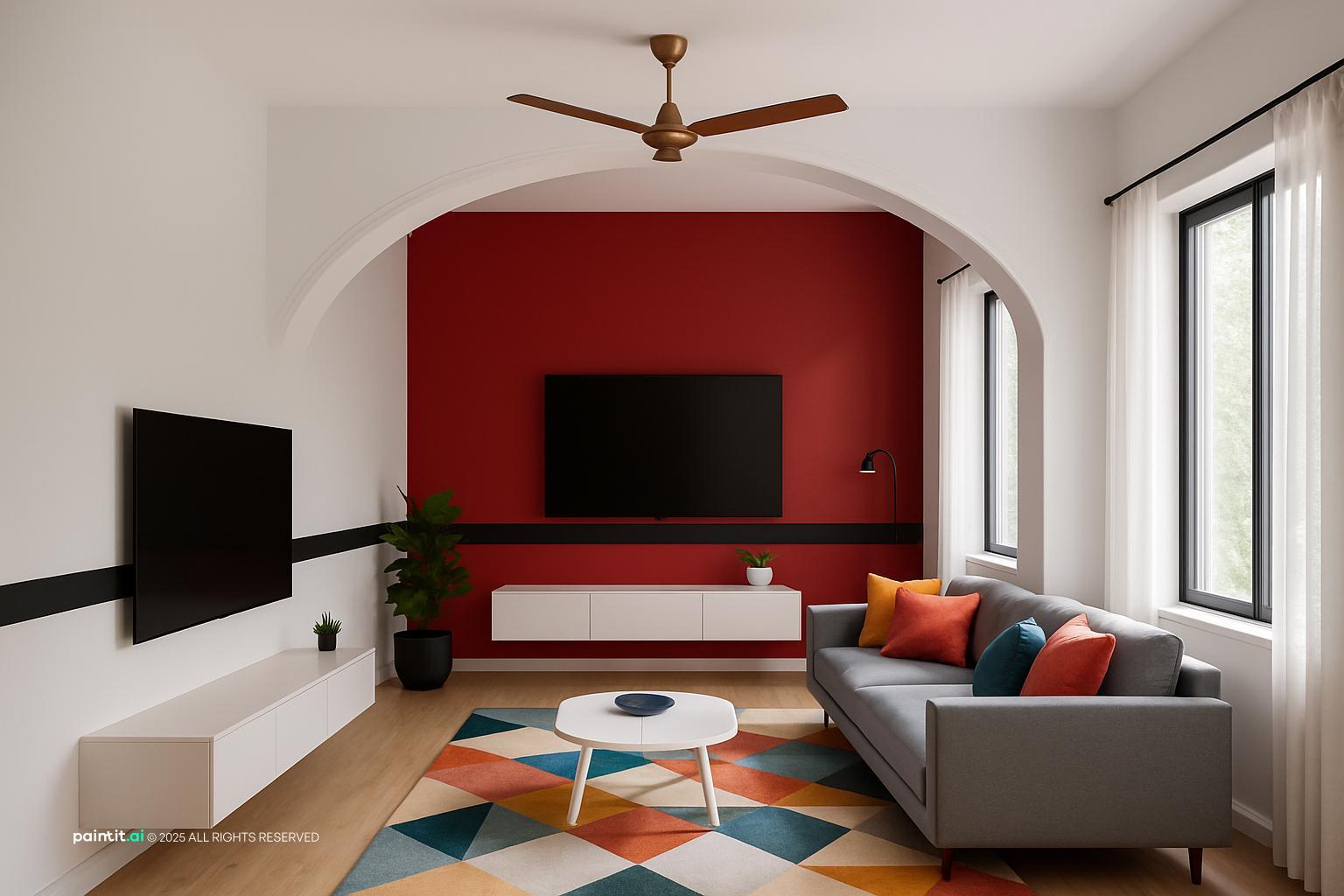
A rich mustard yellow provides a sophisticated and deep warmth, especially when paired with substantial dark wood furniture. This creates a more mature and grounded farmhouse look. It feels incredibly inviting and substantial.
-
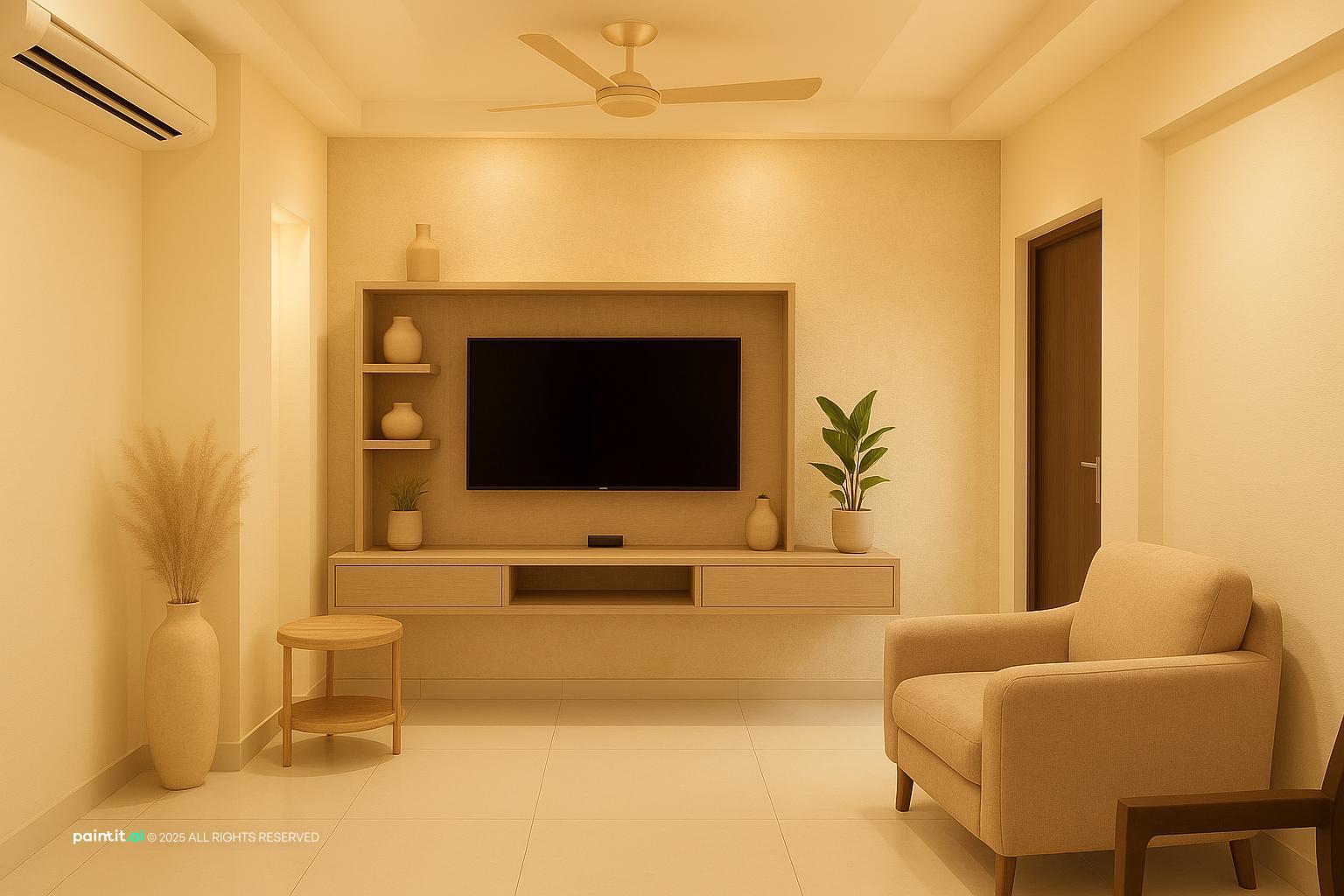
Consider a mustard accent wall or a large area rug in this hue. Complement it with a dark oak coffee table, a leather armchair, and perhaps a vintage wooden chest. The contrast is striking and elegant. This is about creating a sense of depth.
-
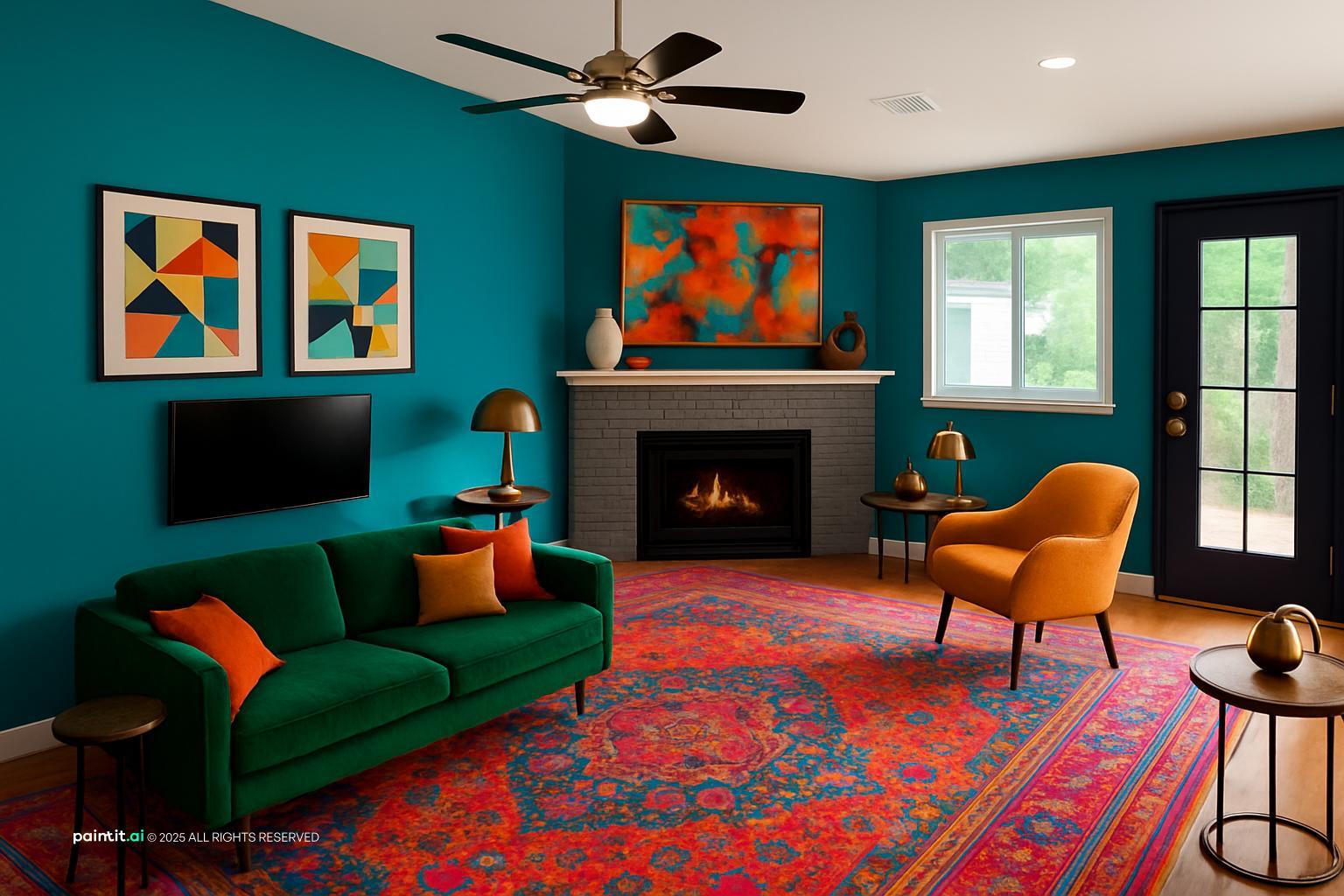
Pro Tip: To achieve this effect, try incorporating brass or gold accents to enhance the richness of the mustard and dark wood.
-
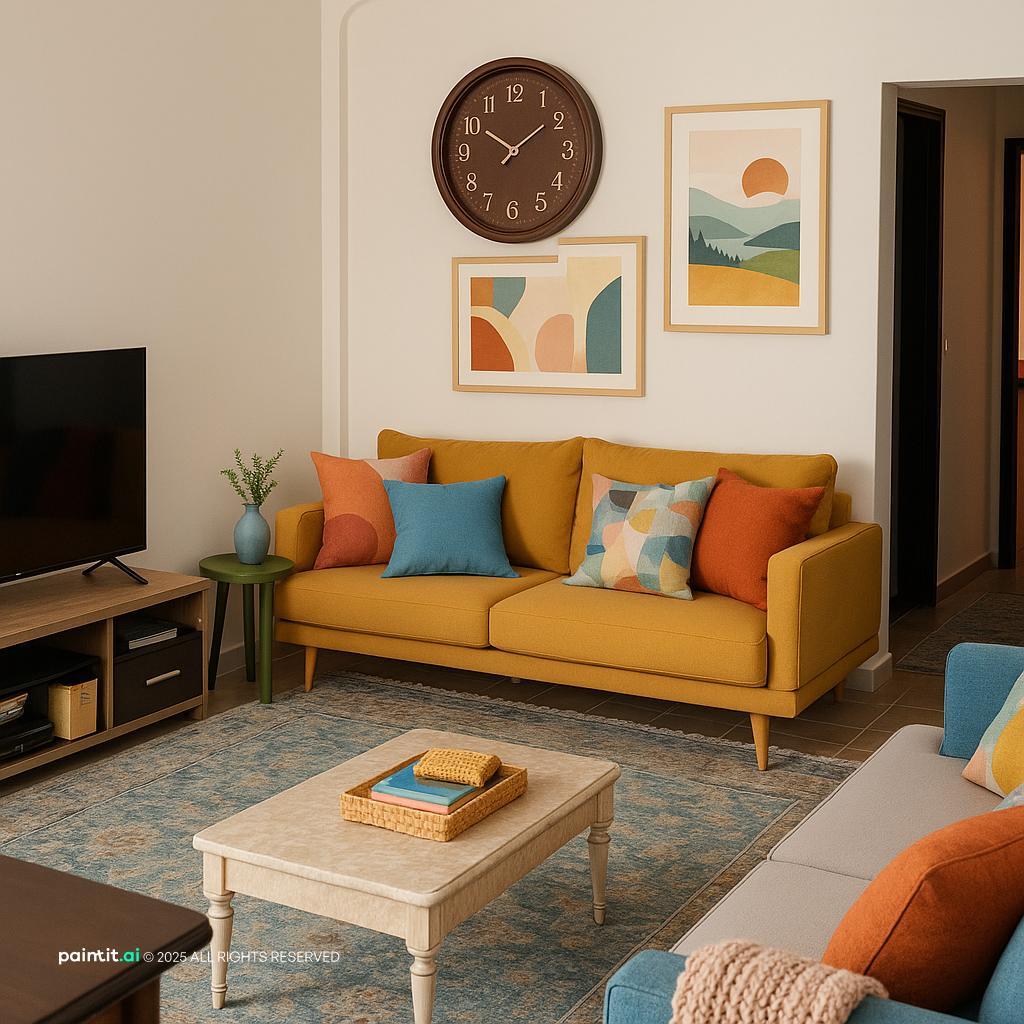
Combine the cheerfulness of a sunny yellow with the rustic texture of whitewashed brick for a bright and inviting farmhouse living room. The brick adds character, while the yellow keeps the space feeling light and airy. It's a beautiful blend of old and new.
-
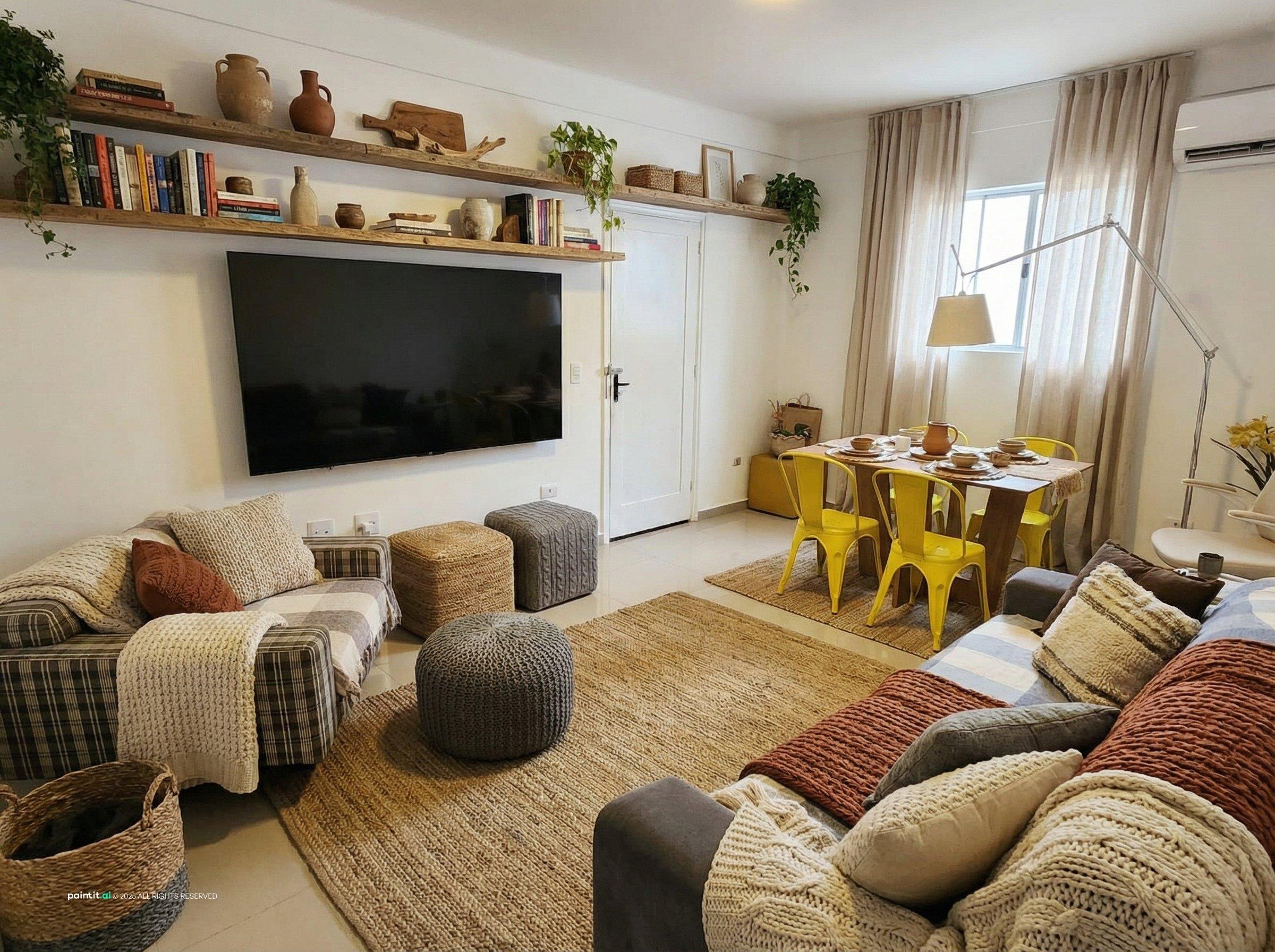
Paint adjacent walls a sunny yellow or use yellow accents against the whitewashed brick feature wall. Add natural wood shelves and comfortable, oversized seating. This creates a very welcoming atmosphere. The truth is, texture is everything.
-
Pro Tip: To achieve this effect, try using a slightly distressed whitewash technique on the brick to maintain its rustic appeal.
Crafting the Luminous Heart: Deconstructing Yellow Farmhouse Style to Life with Paintit.ai
-
The foundation of a yellow farmhouse living room begins with a sun-kissed palette. Start with a buttery, soft yellow as your primary wall color; it’s inviting, never jarring. Complement this with creamy off-whites or ecru for trim and larger textiles, providing a calming visual break. Introduce secondary tones like a muted sage green or a dusty robin's egg blue in throw pillows or small accent pieces. These colors echo nature, grounding the brighter yellow. For a touch of depth, consider a deep charcoal or a weathered terracotta in pottery or a subtle pattern. This layering prevents the space from feeling one-dimensional or overly saccharine.
-
Authenticity in a yellow farmhouse living room hinges on tactile materials. Reclaimed wood is non-negotiable, lending history and warmth whether in exposed beams, a sturdy coffee table, or a mantelpiece. Its natural imperfections tell a story. Pair this with the soft, inviting embrace of natural linen or cotton upholstery on sofas and armchairs; these fabrics feel lived-in and comfortable. Most people forget that galvanized metal, perhaps in a vintage bucket or a lamp base, offers a subtle industrial edge that prevents the look from becoming too rustic. These materials, when combined, create a sense of enduring comfort and genuine, unpretentious style.
-
Defining this look means selecting pieces that prioritize comfort and function. A generously proportioned, overstuffed sofa is paramount; think deep cushions and perhaps a slipcover in a natural fabric. It invites lounging. A sturdy, often distressed, wooden coffee table serves as the room's anchor, providing both a surface and a visual weight. I’ve seen this work best when it’s substantial, perhaps even a repurposed farm table. Finally, an antique-inspired armchair, maybe a Windsor chair or a comfortable wingback, offers a cozy nook. Choose pieces with gentle curves or classic, straightforward lines to maintain that welcoming, unpretentious farmhouse feel.
-
Achieving the perfect glow in a yellow farmhouse living room requires thoughtful layering. Ambient light should come from a central fixture, perhaps a wrought iron chandelier or a simple, oversized pendant with a warm, diffused light. For task lighting, place floor lamps beside reading chairs and table lamps on side tables; choose fixtures with fabric shades that soften the light. Most people forget that accent lighting, like wall sconces flanking a fireplace or picture lights over artwork, adds crucial depth and highlights architectural features. This combination ensures every corner feels inviting, never stark.
-
Styling accessories brings personality to your yellow farmhouse space. Think about vintage finds, ceramic pitchers, or simple botanical prints. The truth is, the "3-5-7 rule" is your secret weapon for creating visually appealing arrangements. This rule suggests grouping items in odd numbers for natural balance and interest. For example, on a mantelpiece, arrange three varying height candlesticks, or on a side table, group five items: a small stack of books, a ceramic vase with a sprig of greenery, a small framed photo, and a decorative box. For a larger display, perhaps on a console table, you might use seven items, varying their sizes and textures. This could include a larger piece of art, two smaller framed prints, a plant, a decorative bowl, and two vintage books. This intentional grouping prevents clutter while adding curated charm.
Paintit.ai Reveals the Secret to Harmonious Yellow Farmhouse Living Rooms Design Ideas
Achieving that ideal, sun-kissed glow in a yellow farmhouse living room is trickier than it seems. The wrong shade? It can quickly shift from cheerful to overwhelming, even sickly. Most people forget that existing lighting and textures dramatically alter how yellow appears. Here is what matters: paintit.ai becomes your indispensable design partner. Instantly visualize dozens of yellow hues on your actual walls. Experiment with everything from a buttery cream to a vibrant sunflower. See how different paint finishes interact with natural wood beams or distressed furniture. This instant visualization saves countless hours. Avoid expensive mistakes. Try paintit.ai; see your dream yellow farmhouse living room come alive before you lift a brush.
FAQ
-
Overdoing the yellow is a common misstep; it needs grounding. Also, neglecting texture makes a space feel flat. I’ve seen this work best with varied materials, from rough-hewn wood to soft linen. Balance is key.
-
Muted greens like sage or olive, soft blues, and warm neutrals such as cream or dusty terracotta work wonders. These shades provide a serene backdrop, letting the golden tones truly sing. It might seem odd at first, but contrast elevates the warmth.
-
Think comfort and utility. Reclaimed wood pieces, slipcovered sofas in natural fabrics, and vintage finds like an antique pie safe or a well-worn rocking chair are perfect. These elements add character and a sense of history. Practicality reigns supreme here.
-
Layering is crucial. Use natural fibers—linen, cotton, wool—for throws, rugs, and curtains. For lighting, blend natural light with warm, ambient fixtures. Think sconces, a central pendant, and task lamps. This creates depth and inviting glow. Most people forget that.
-
Focus on natural materials: exposed beams, stone, or brick accents. Incorporate vintage or handmade items. A large, functional fireplace, perhaps. It’s about creating a lived-in, comfortable atmosphere, not a showroom. Authenticity comes from thoughtful details.