
Designing a Seamless Workstation - in Living Room Spaces
That corner of your living room, currently home to a stack of books or a lonely plant, holds so much potential. You want to integrate a functional workstation in living room without it feeling like an office takeover, right? It's about finding that sweet spot where productivity meets relaxation, where your laptop doesn't clash with your sofa. How do you carve out a dedicated work zone that truly blends with your home's aesthetic and flow?
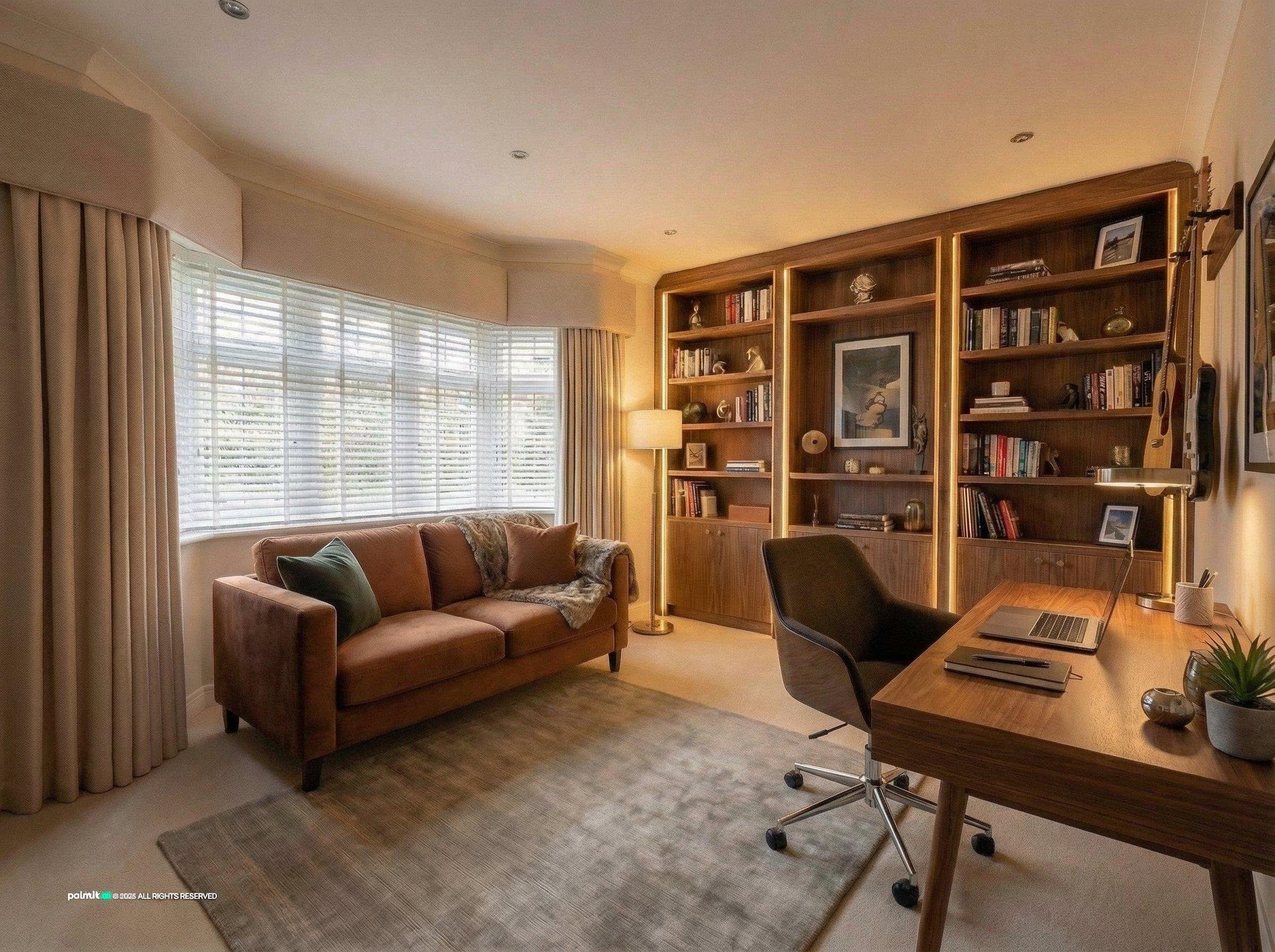
Essential Tips for Designing a Seamless Workstation in Living Room
As an editor deeply immersed in modern interior solutions, I often observe a common dilemma: how to integrate a productive workspace without sacrificing the living room's core purpose. The truth is, creating a functional workstation in living room spaces isn't about carving out a separate office; it's about intelligent integration. We aim for a flexible workspace that feels like an extension of your home, not an intrusion.
-
Designing a Seamless Workstation in Living Room
As an editor deeply immersed in modern interior solutions, I often observe a common dilemma: how to integrate a productive workspace without sacrificing the living room's core purpose. The truth is, creating a functional workstation in living room spaces isn't about carving out a separate office; it's about intelligent integration. We aim for a flexible workspace that feels like an extension of your home, not an intrusion.
Stunning Examples of 12 Clever Ways to Integrate a Workstation in Living Room Spaces
-
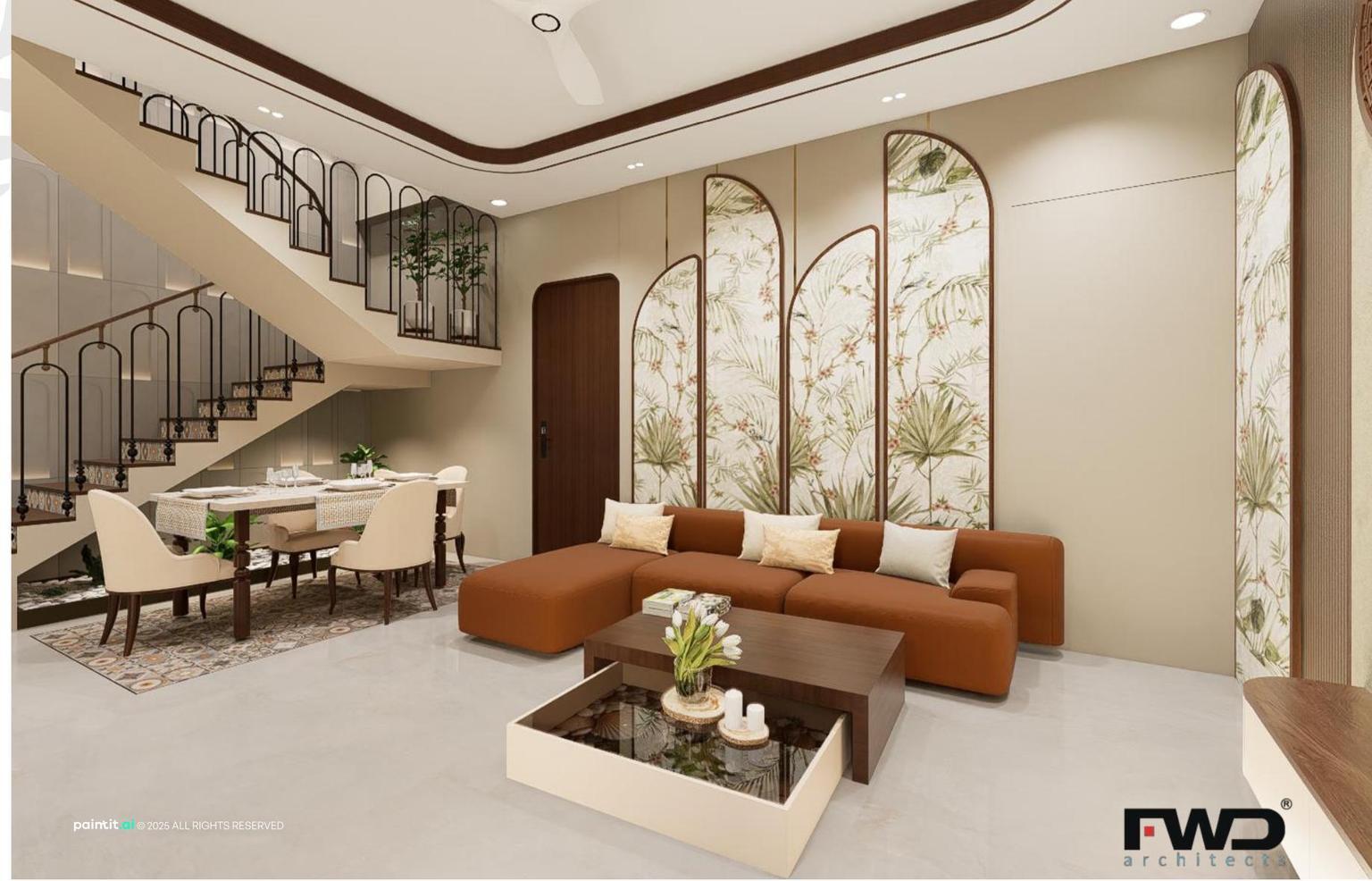
Crafting a dedicated work zone that truly complements your home's aesthetic and flow is an art. We've curated these design concepts to help you strike that perfect balance, ensuring your productivity doesn't compromise your living room's comfort or style. These ideas blend functionality with seamless integration, proving that a workspace can indeed enhance your home.
-
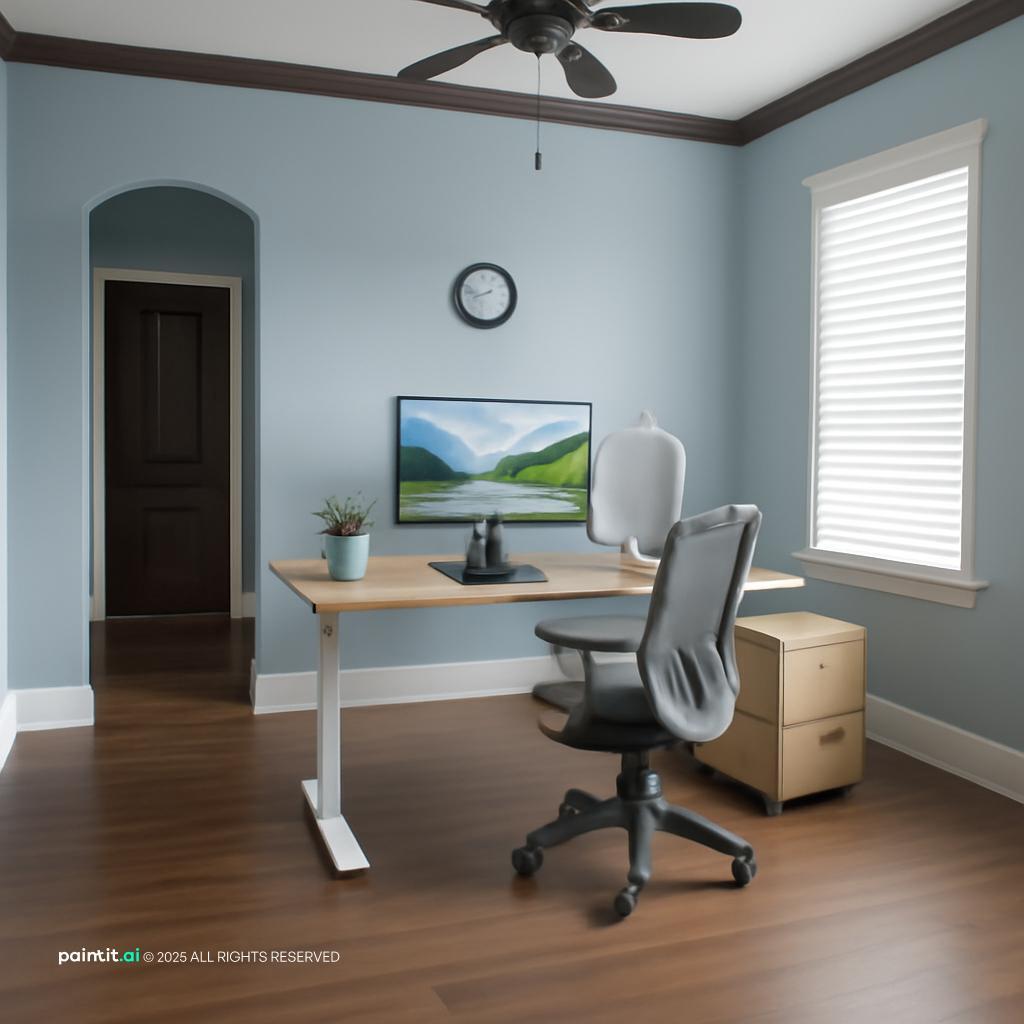
This approach hides your entire workspace behind elegant cabinet doors when not in use. It’s a brilliant solution for maintaining a clutter-free living area, making the work zone completely disappear. I’ve seen this work best in homes where visual continuity is paramount.
-
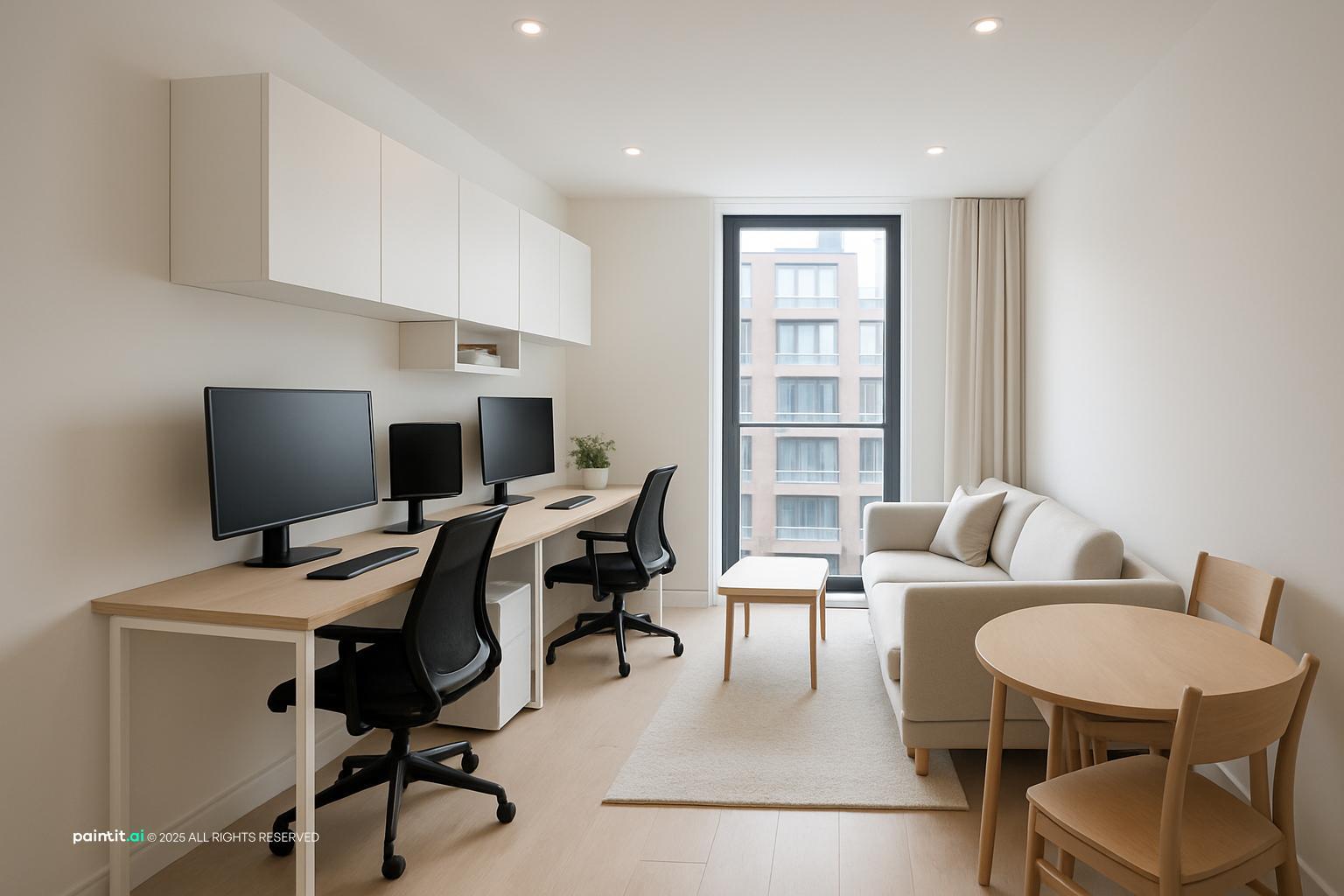
Opt for custom cabinetry that matches your existing living room furniture or wall paneling. Choose a pull-out desk surface and internal shelving for supplies.
-
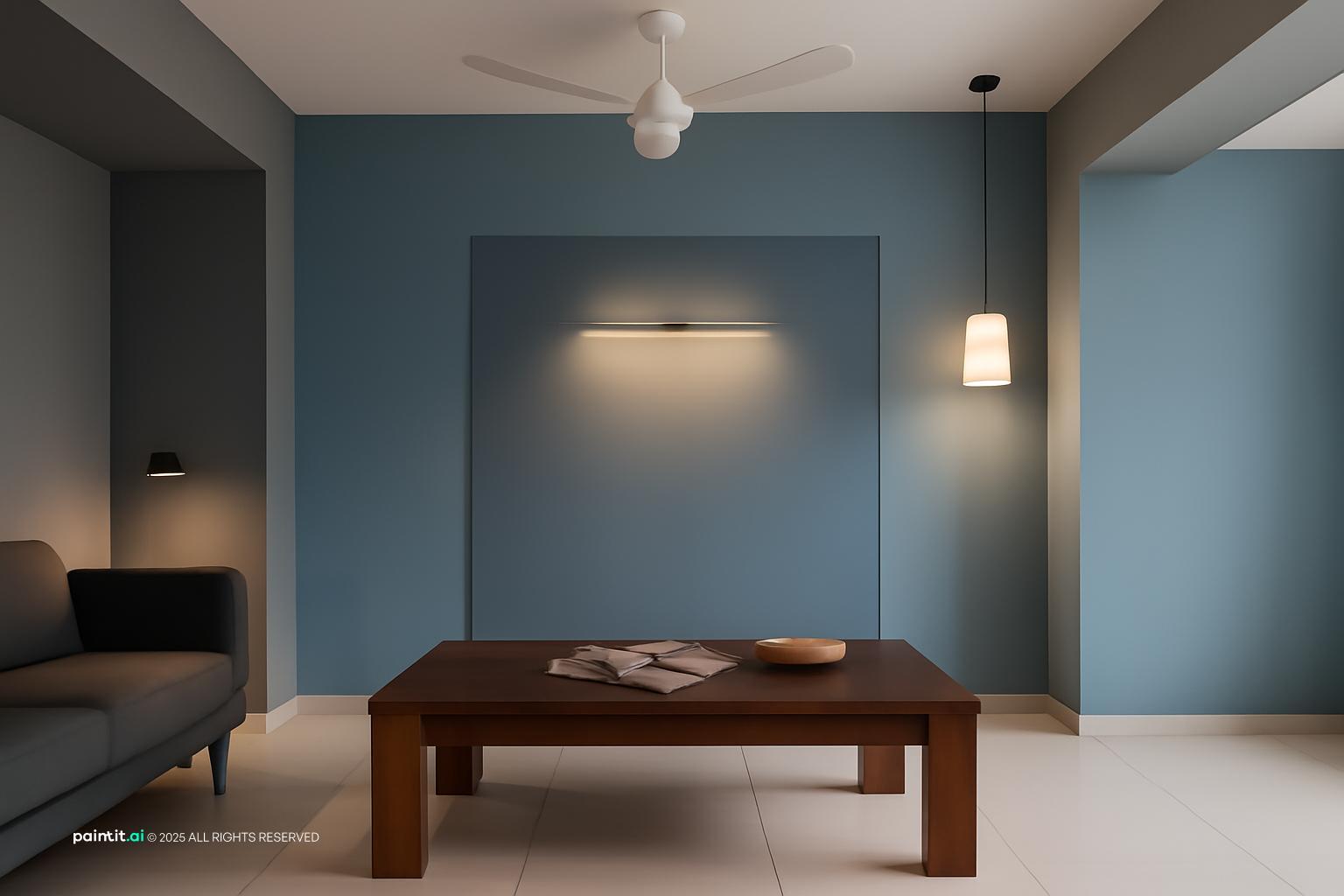
Pro Tip: To achieve this effect, try integrating LED strip lighting inside the cabinet for a well-lit workspace.
-
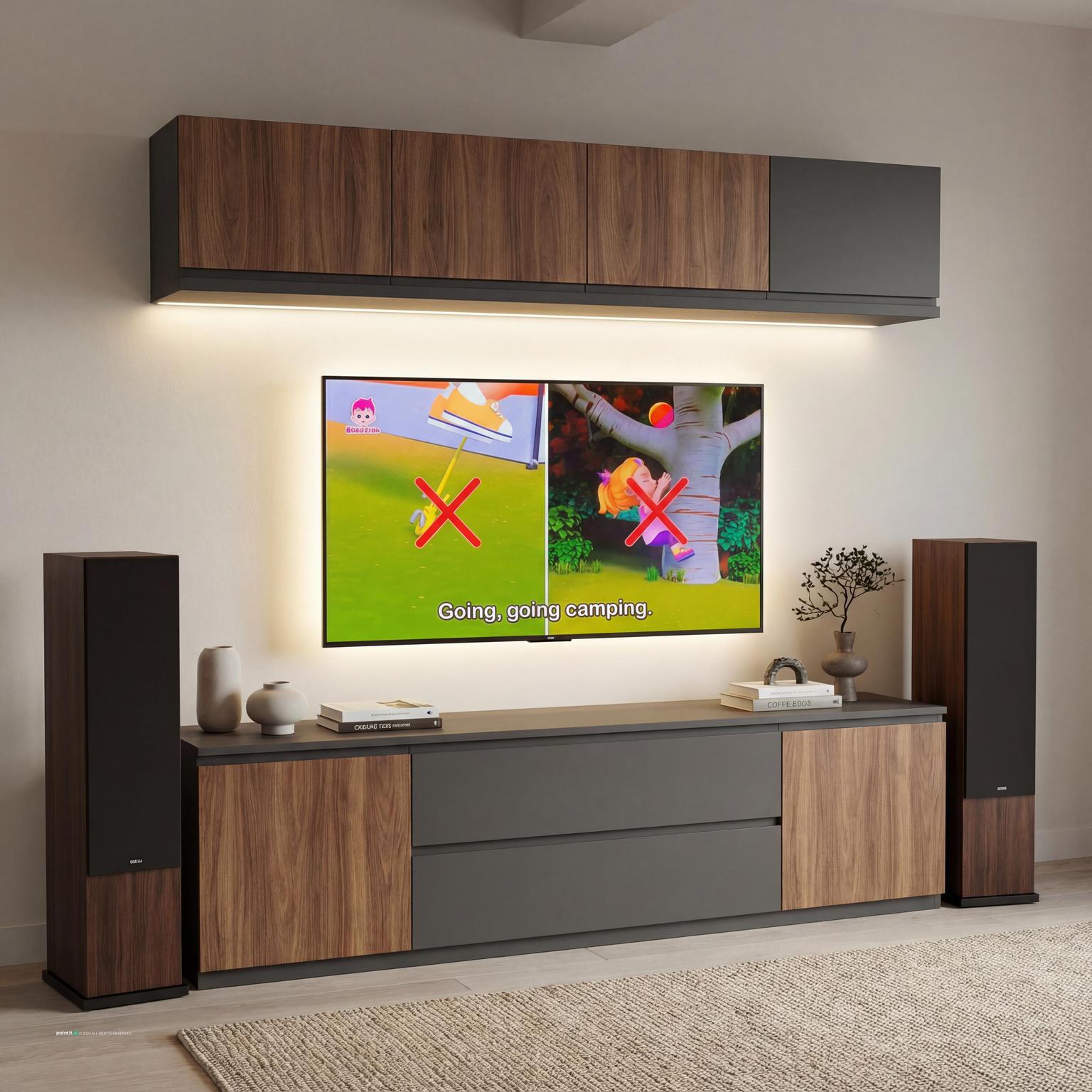
A minimalist floating shelf can double as a sleek desk, offering a light and airy feel. This design avoids bulky furniture, making the room feel more spacious and less like an office. It sounds simple, but the impact on visual space is significant.
-
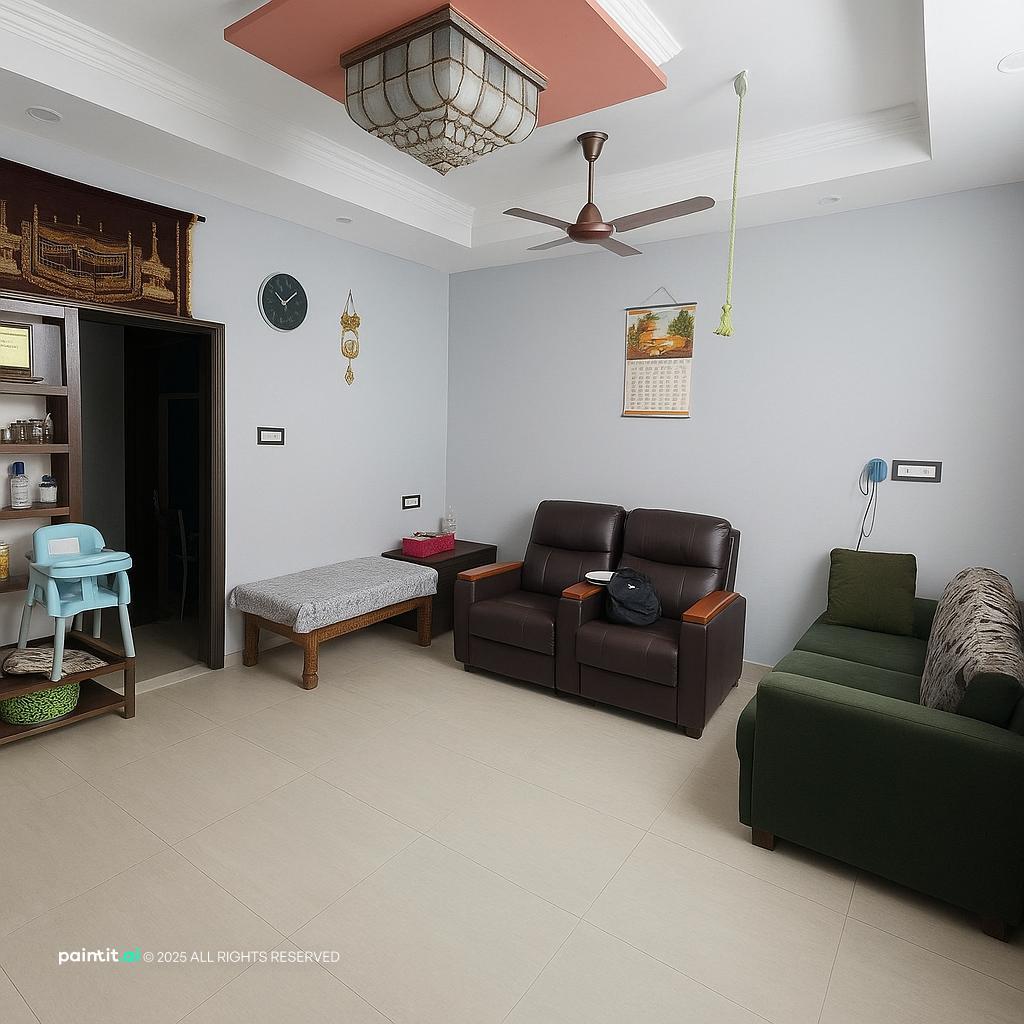
Select a sturdy, thick floating shelf in a material like solid oak or a high-gloss laminate. Mount it at desk height against an uncluttered wall. Pair with a lightweight, backless stool.
-
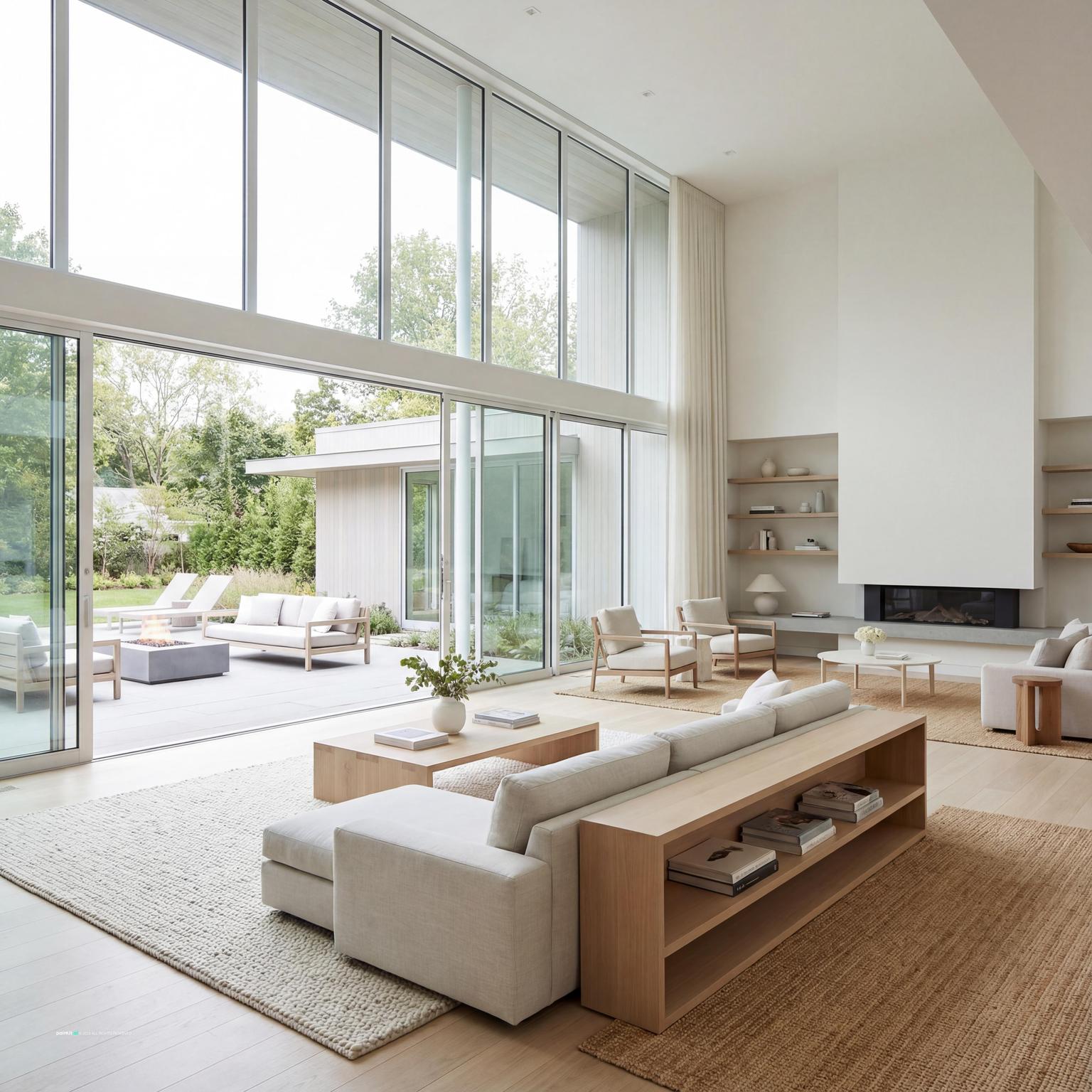
Pro Tip: To achieve this effect, try adding a small, discreet drawer unit underneath the shelf for essentials.
-
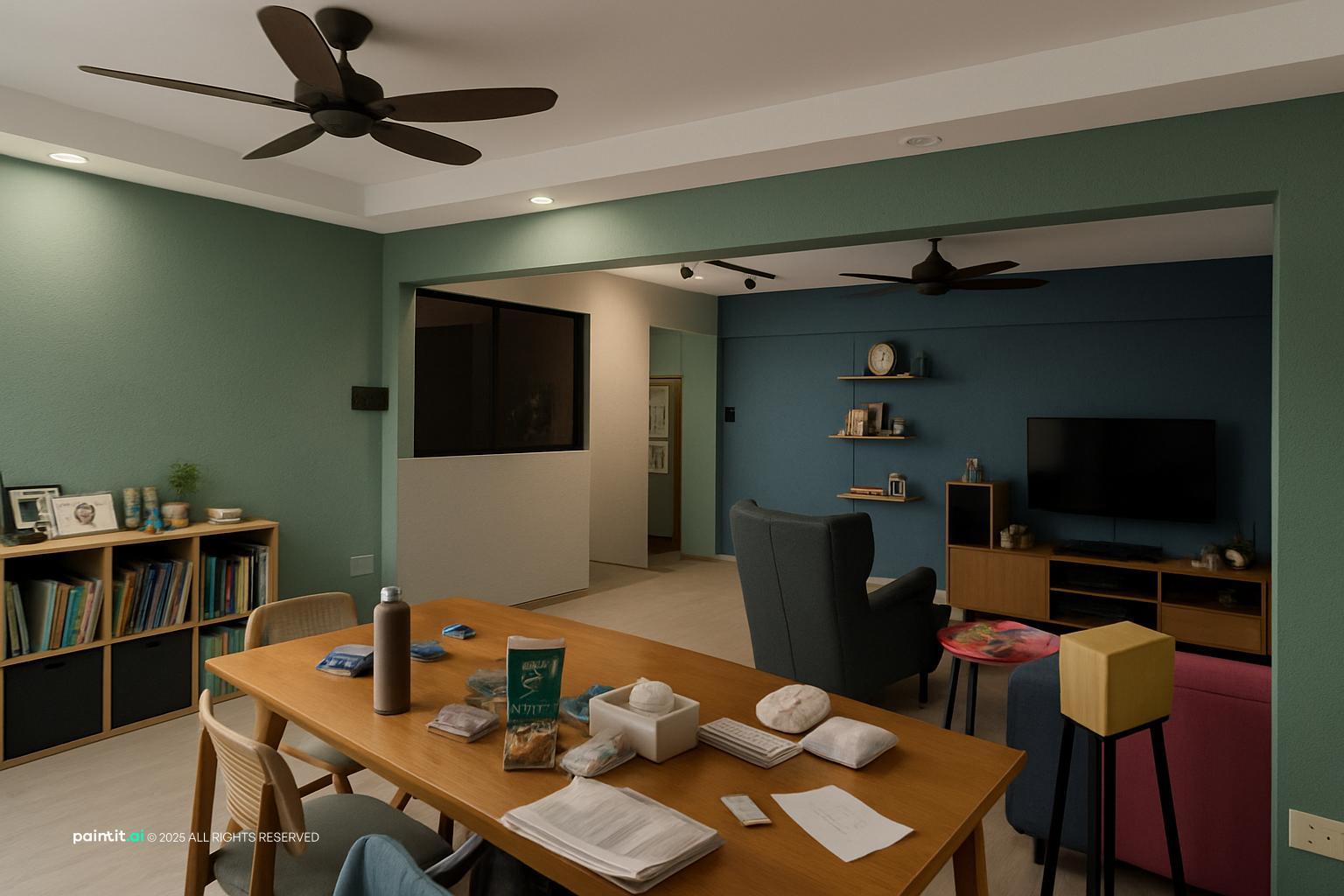
Transform an underutilized alcove or a recessed wall section into a cozy, built-in desk area. This maximizes awkward spaces, giving purpose to what might otherwise be dead space. Most people forget that these small pockets can be incredibly functional.
-
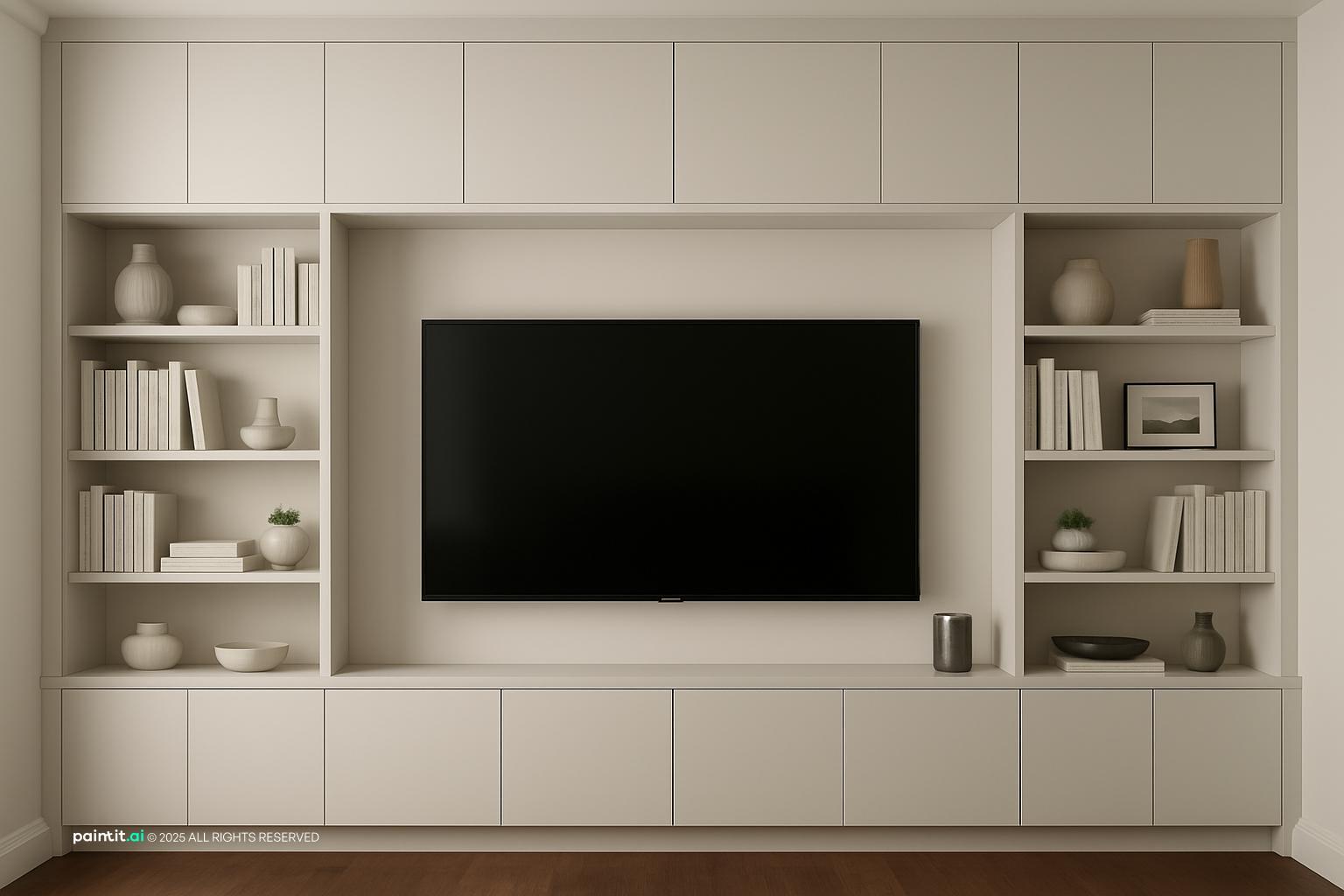
Install a custom-cut desk surface within the nook. Add built-in shelving above or to the sides for storage. Paint the interior of the nook a contrasting color for definition.
-
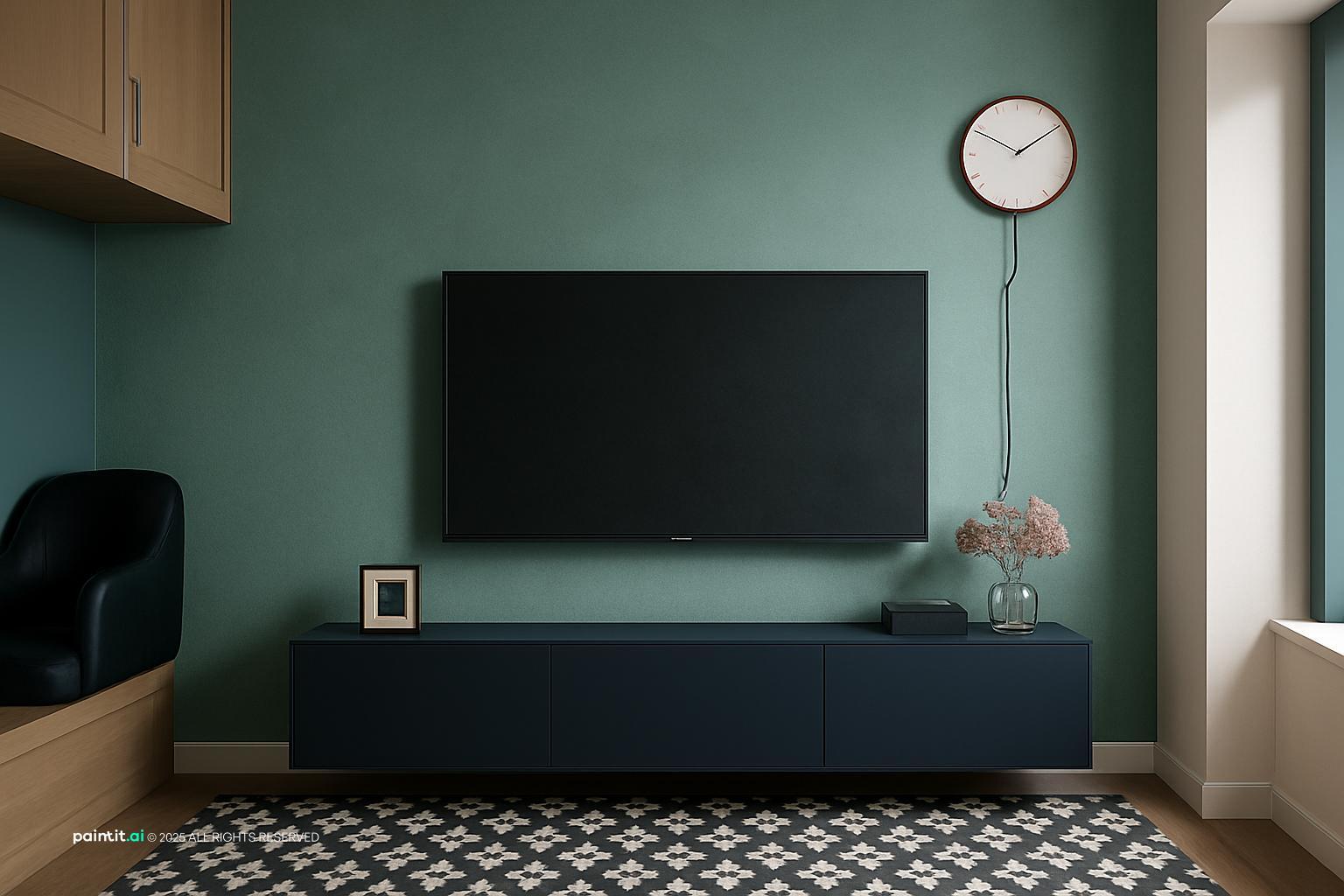
Pro Tip: To achieve this effect, try using a comfortable, upholstered chair that can be easily tucked away.
-
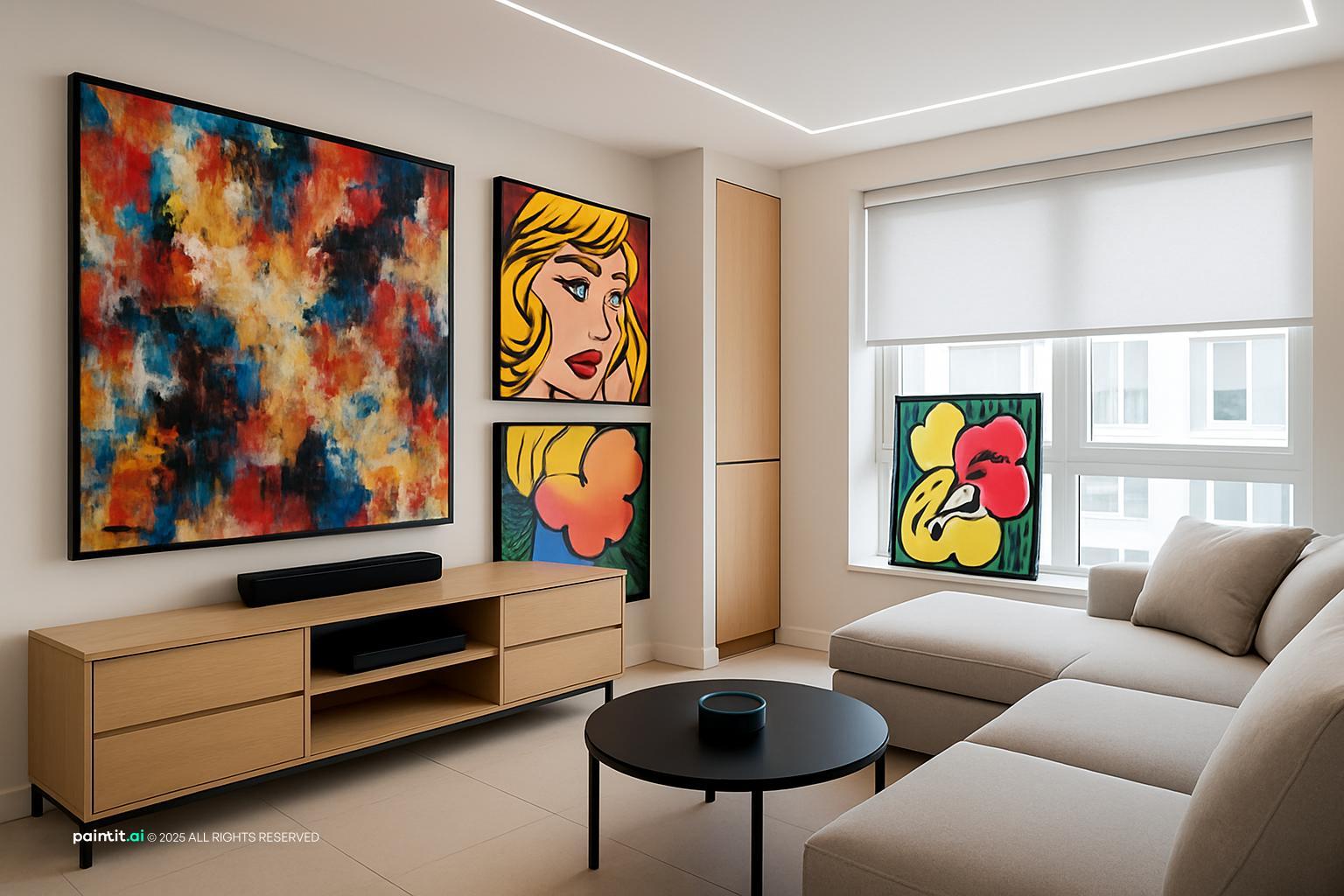
A slim console table placed behind a sofa or against a wall can serve as an impromptu workspace. Its dual function means it doesn't scream "office" when not in use, blending seamlessly into the living room decor. This is a clever trick for flexibility.
-
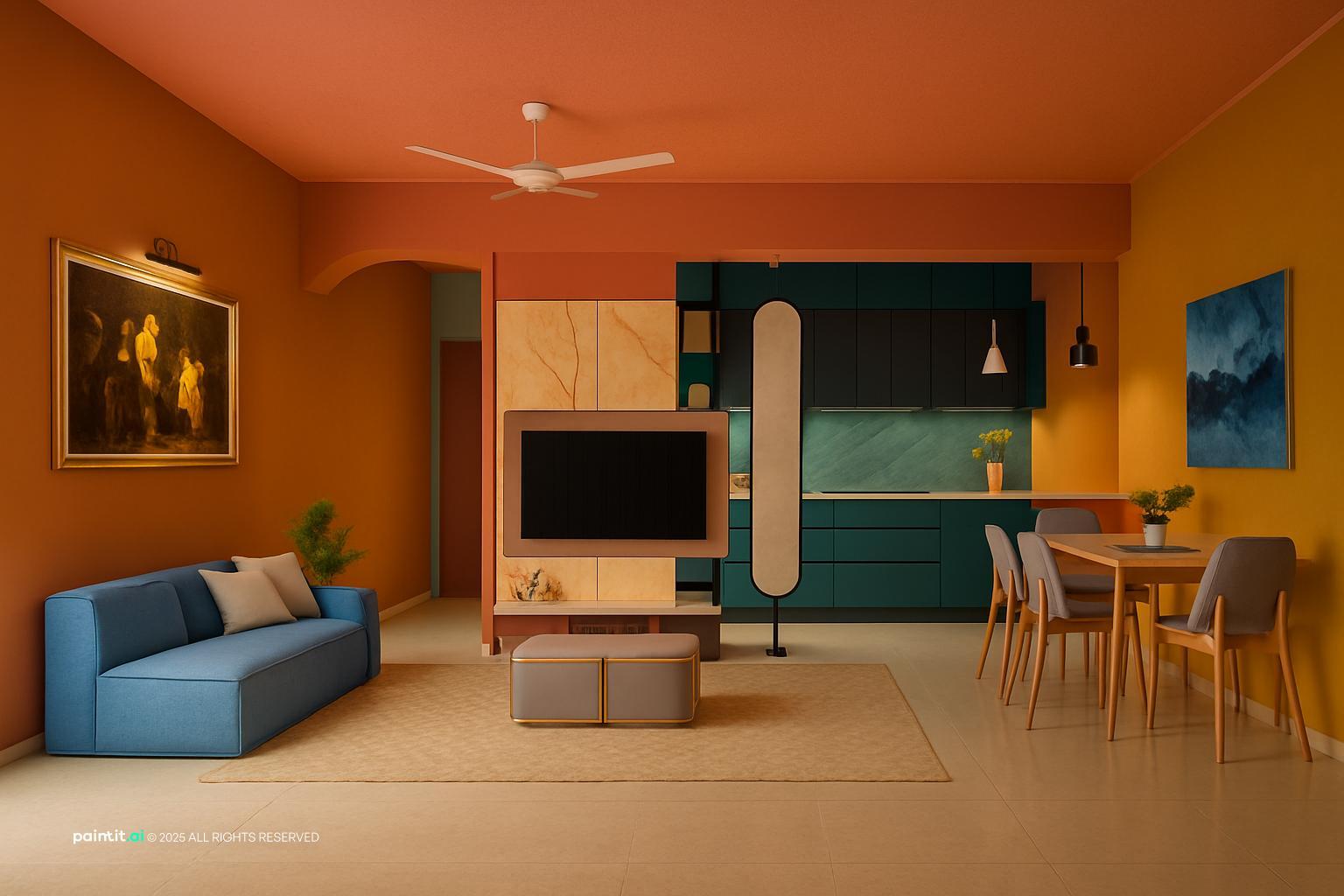
Choose a console table with a decent depth for a laptop and a comfortable height. Look for one with drawers for hidden storage. Pair it with a stylish dining chair that can be repurposed.
-
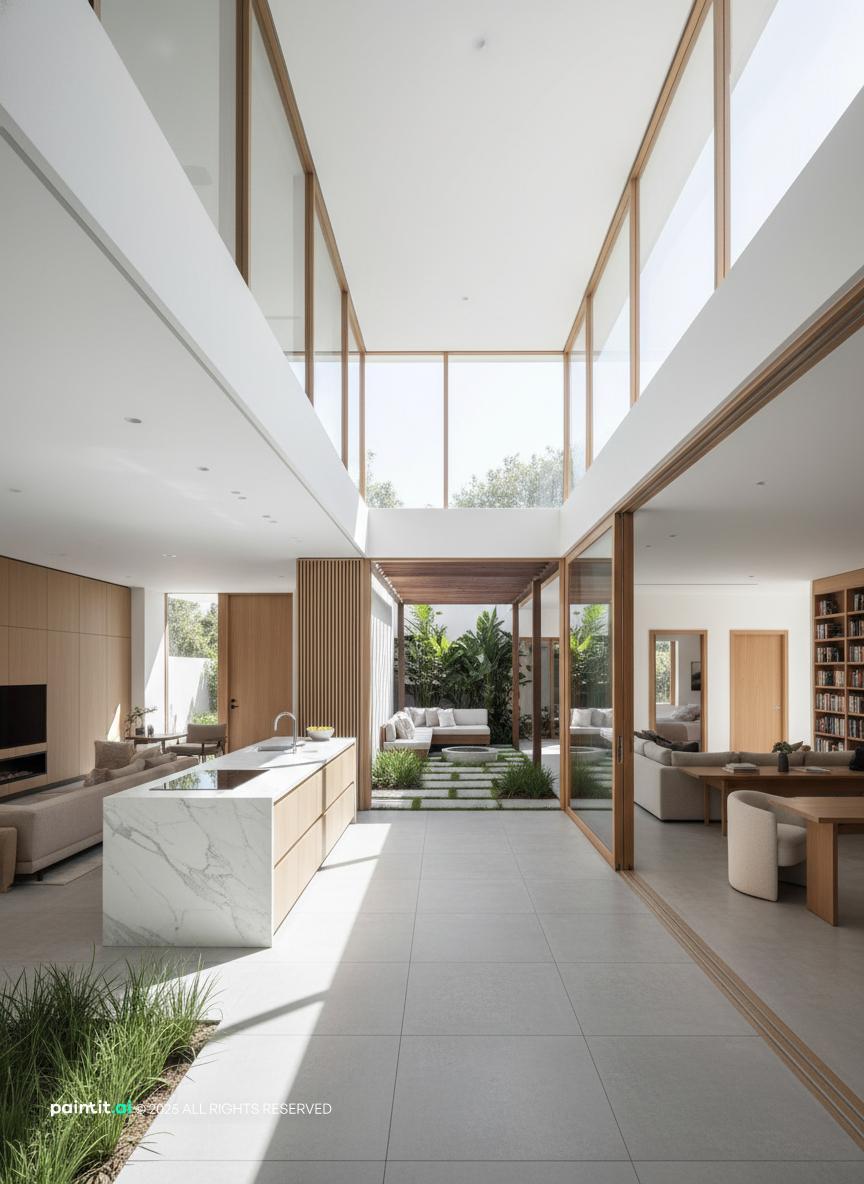
Pro Tip: To achieve this effect, try selecting a console with a unique texture or material, like marble or reclaimed wood.
-
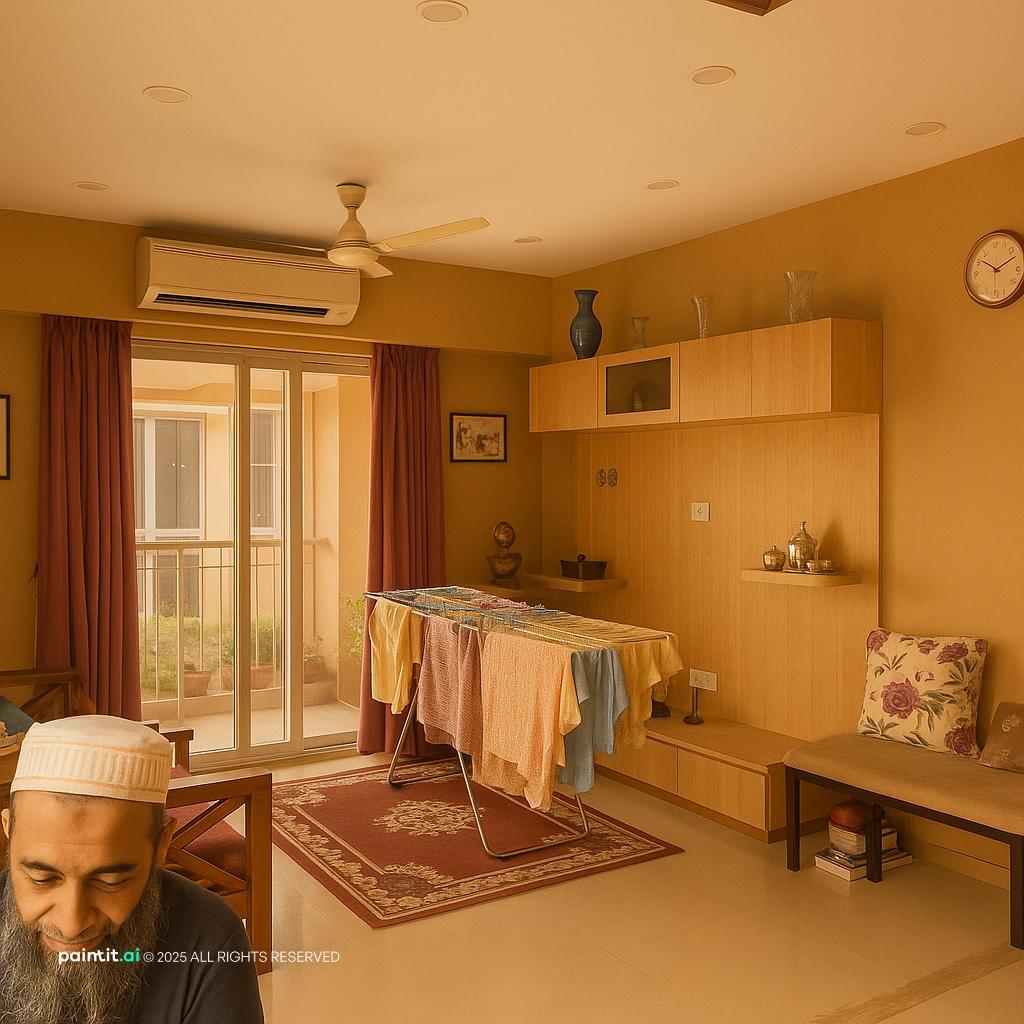
Design a custom media console that incorporates a pull-out or fold-down desk section. This creates a cohesive wall unit, where the workspace is just one element of a larger, integrated furniture piece. It might seem odd at first, but the visual harmony is undeniable.
-
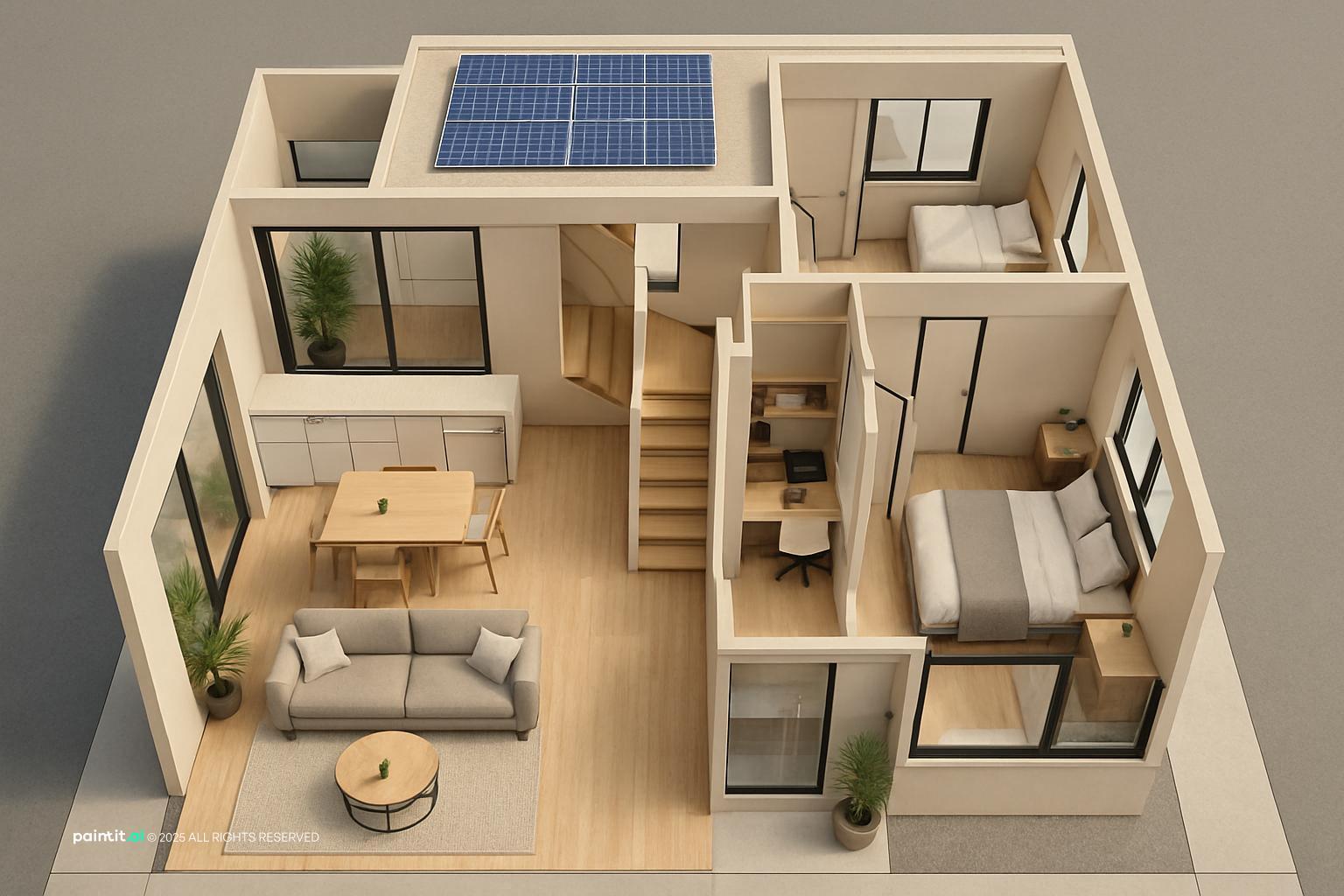
Work with a cabinet maker to design a unit that houses your TV, storage, and a discreet desk. Ensure wiring is hidden.
-
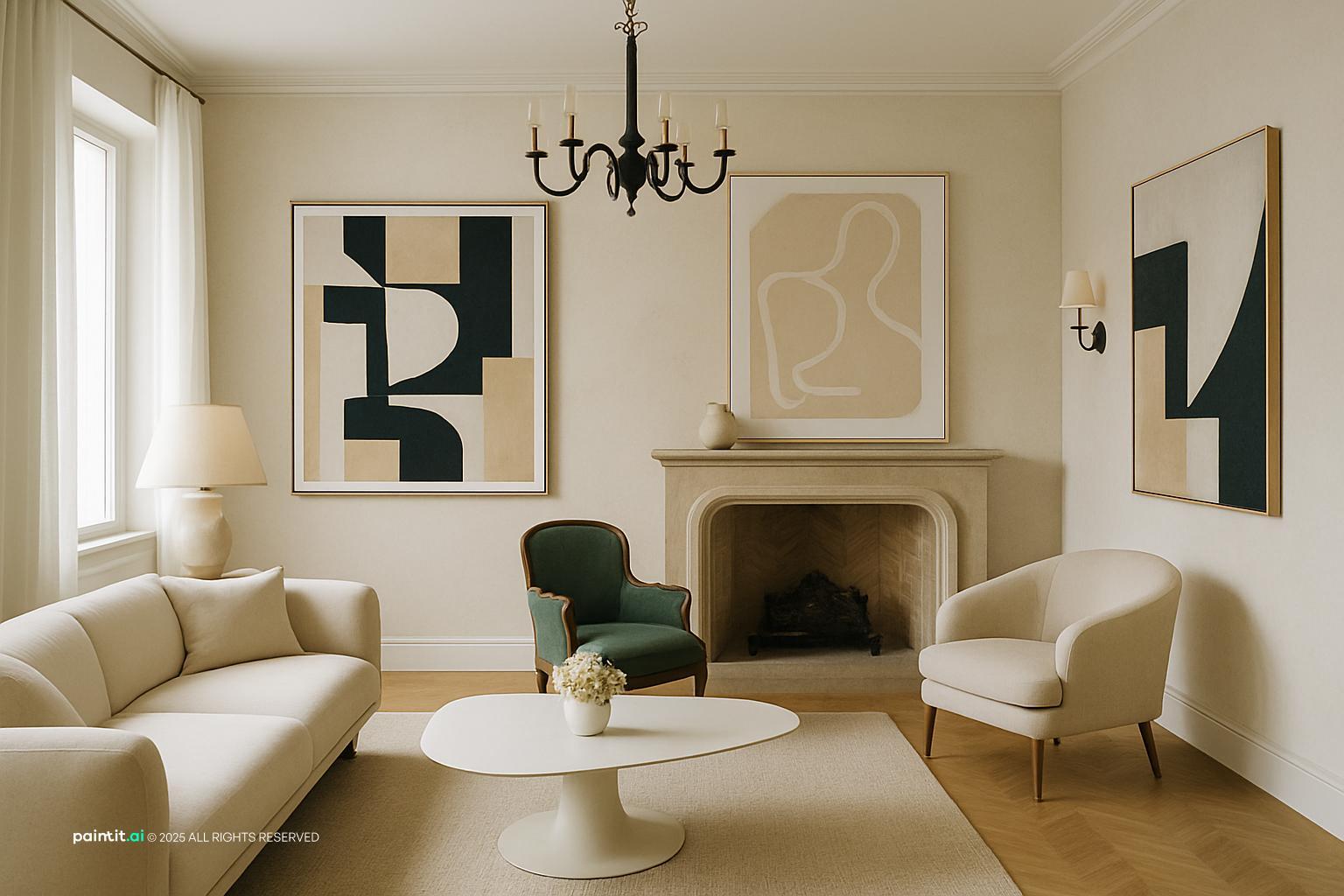
Pro Tip: To achieve this effect, try using push-to-open mechanisms for the desk panel to maintain a sleek, handle-free look.
-
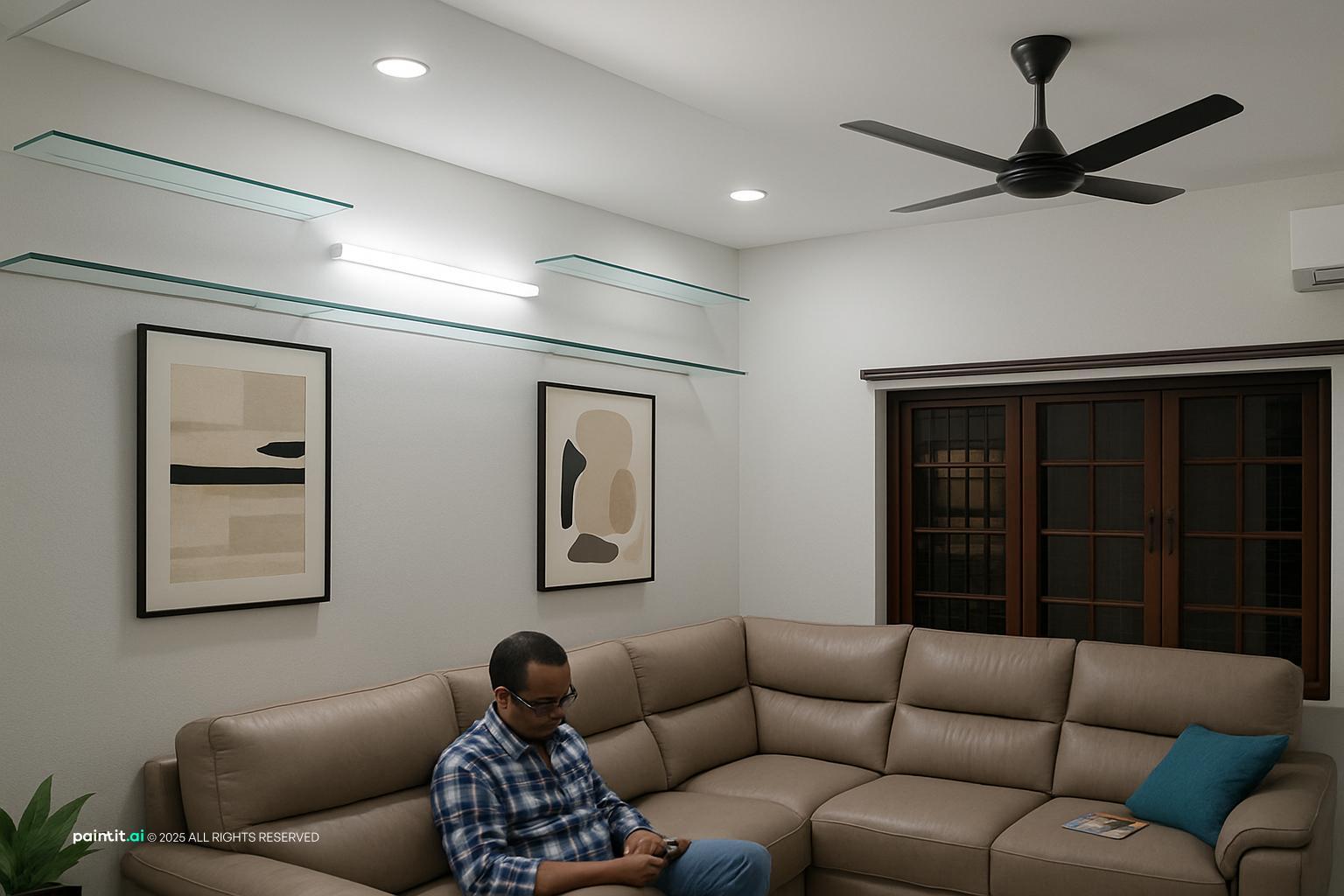
Utilize a freestanding bookshelf or a custom room divider that incorporates a desk surface. This not only provides a workspace but also helps define zones within an open-plan living room, offering a sense of separation without building walls. Here is what matters: defining space.
-
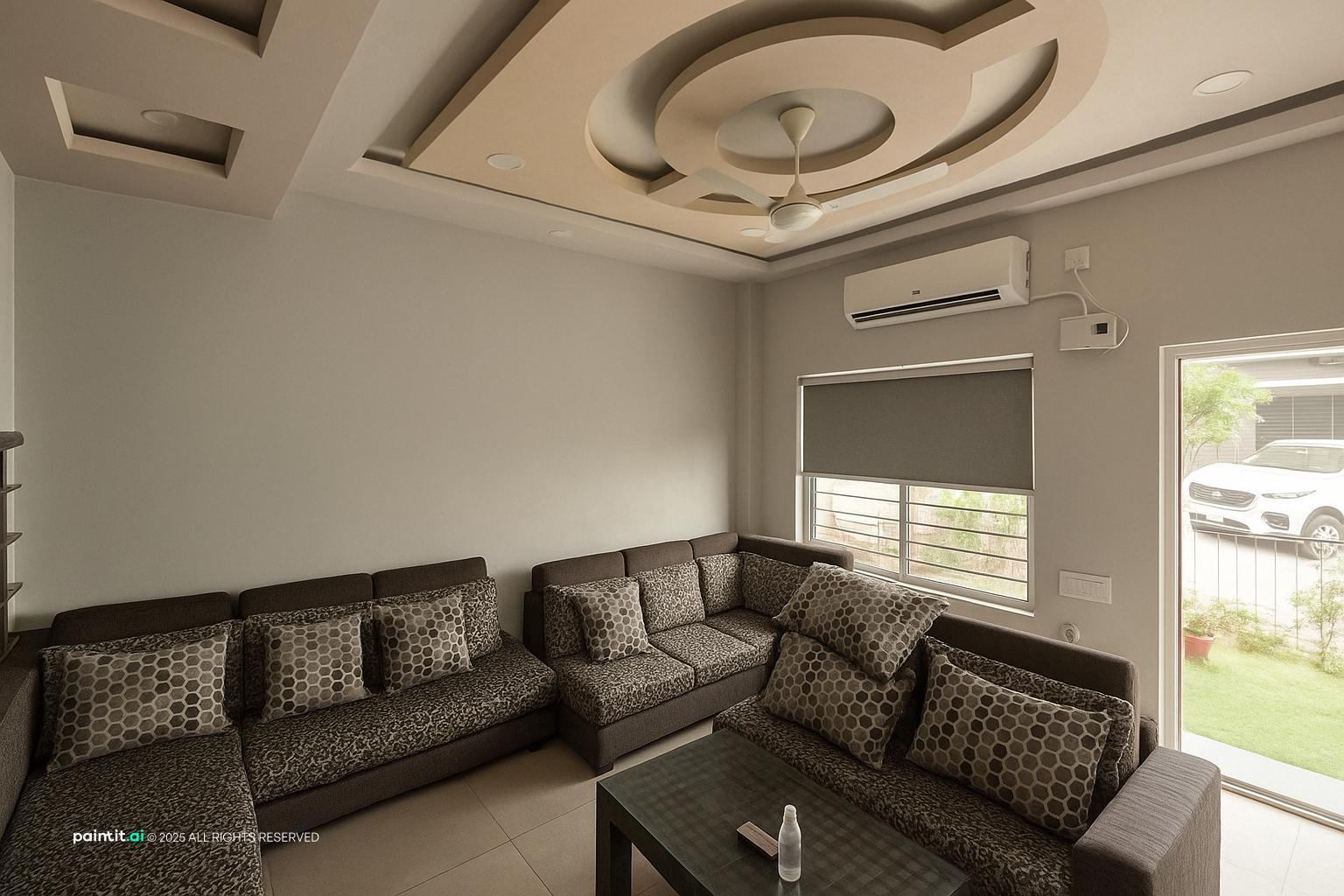
Select a sturdy, open-shelf unit that can house books and decorative items. Integrate a desk surface at a comfortable height on one side.
-
Pro Tip: To achieve this effect, try placing the desk on the side facing away from the main living area for more privacy.
-
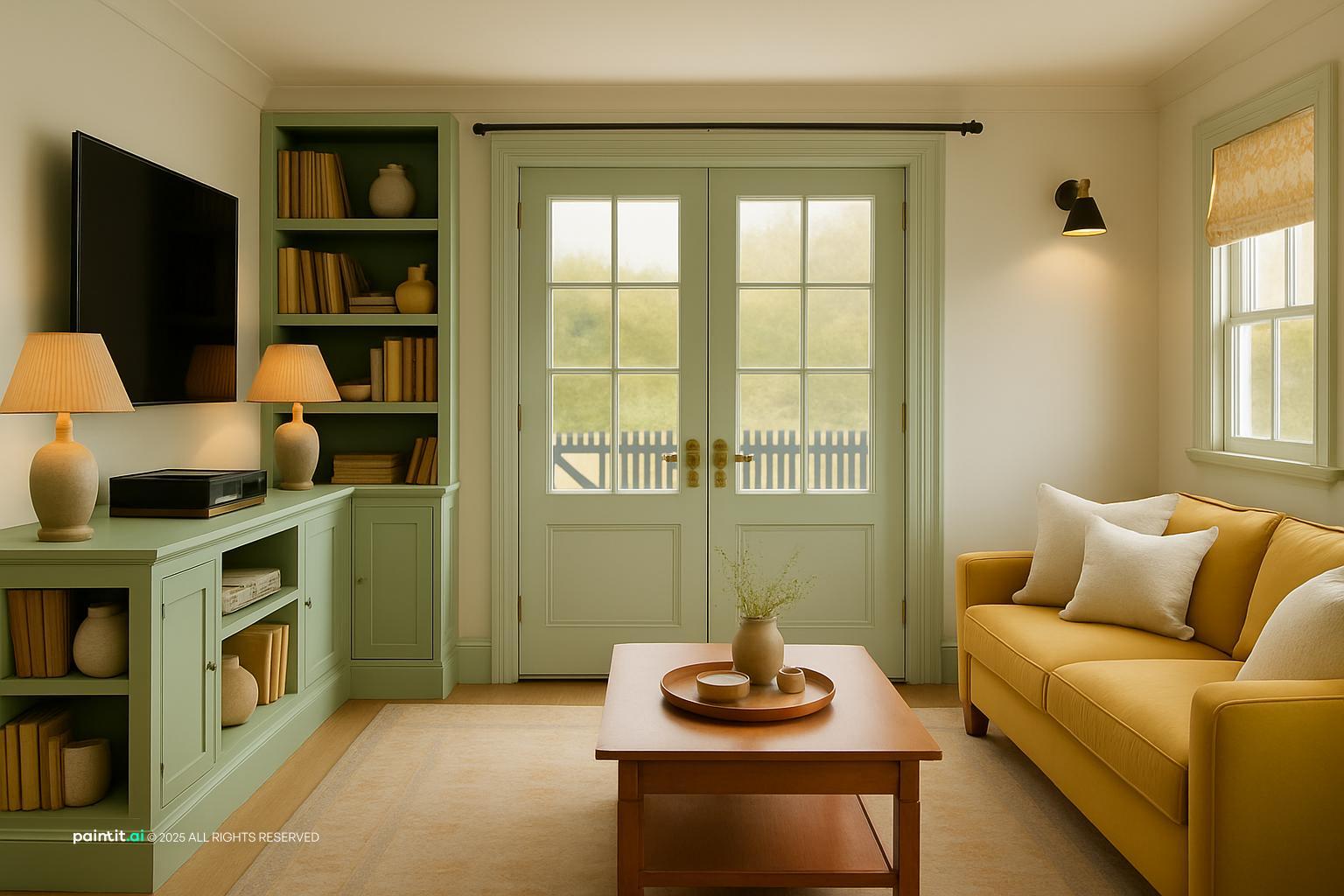
Convert an existing shallow closet or wardrobe into a compact, fully functional office. When the doors are closed, the workspace completely vanishes, leaving your living room undisturbed. The truth is, this is an incredibly efficient use of space.
-
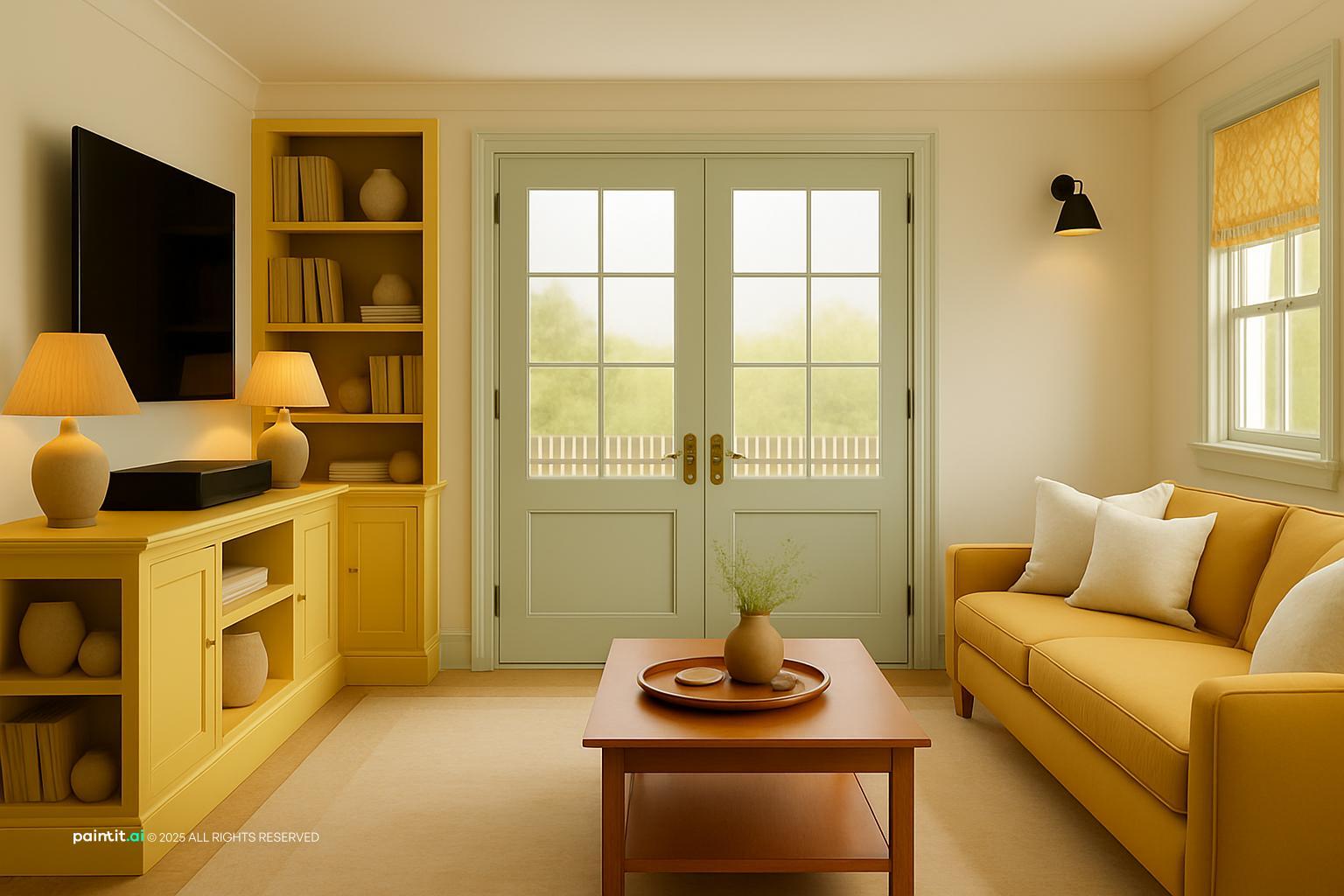
Remove closet doors and install a desk surface, shelving, and perhaps a small file cabinet. Consider adding task lighting inside.
-
Pro Tip: To achieve this effect, try painting the interior of the closet a bright, inspiring color to make it feel less confined.
-
Position your desk directly in front of or beneath a window to take advantage of natural light and inspiring views. This setup can boost productivity and mood, making work feel less like a chore. I’ve found that natural light is a game-changer.
-
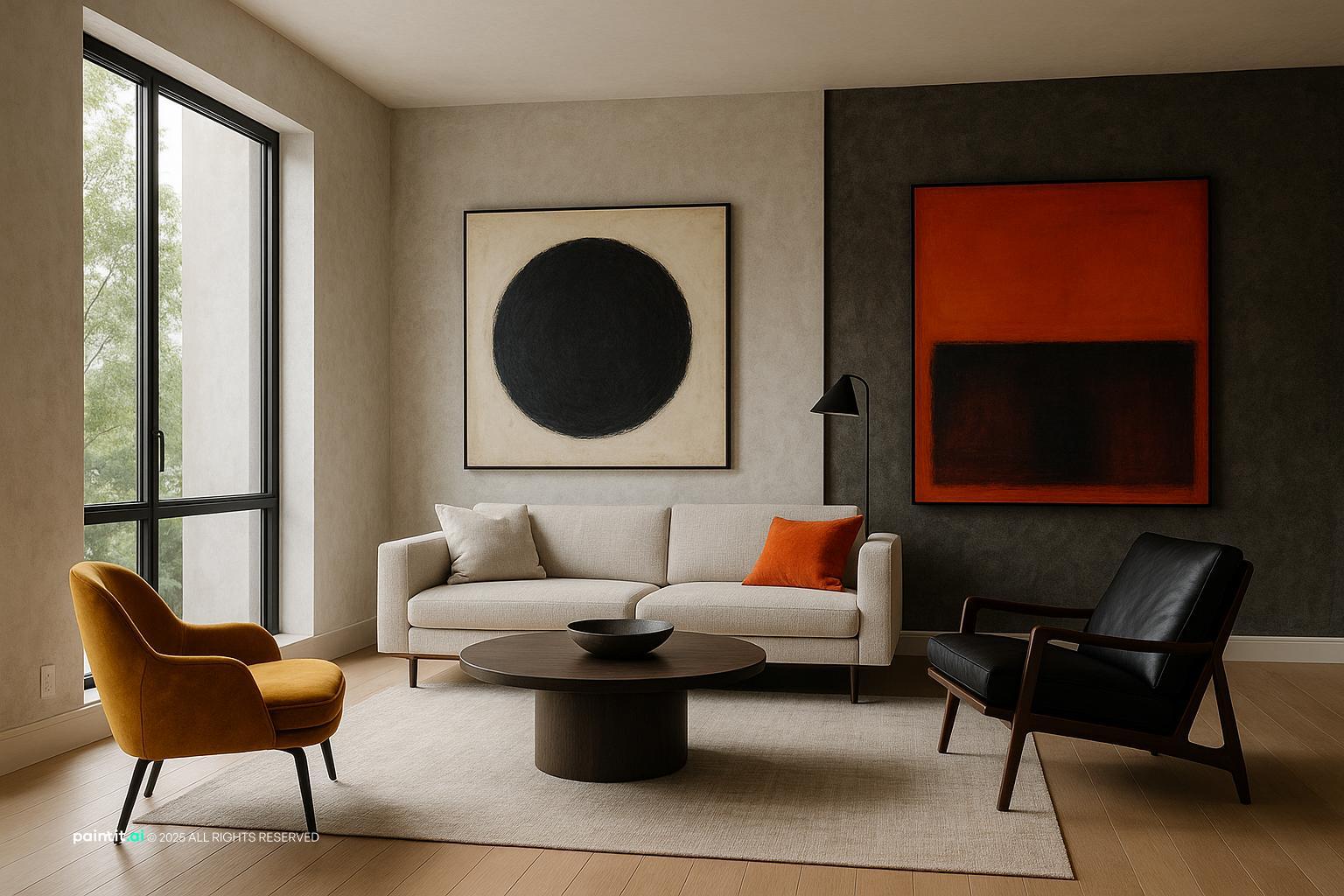
Choose a desk that doesn't obstruct the view. A simple, clean-lined table or a custom-built window bench with a desk extension works well.
-
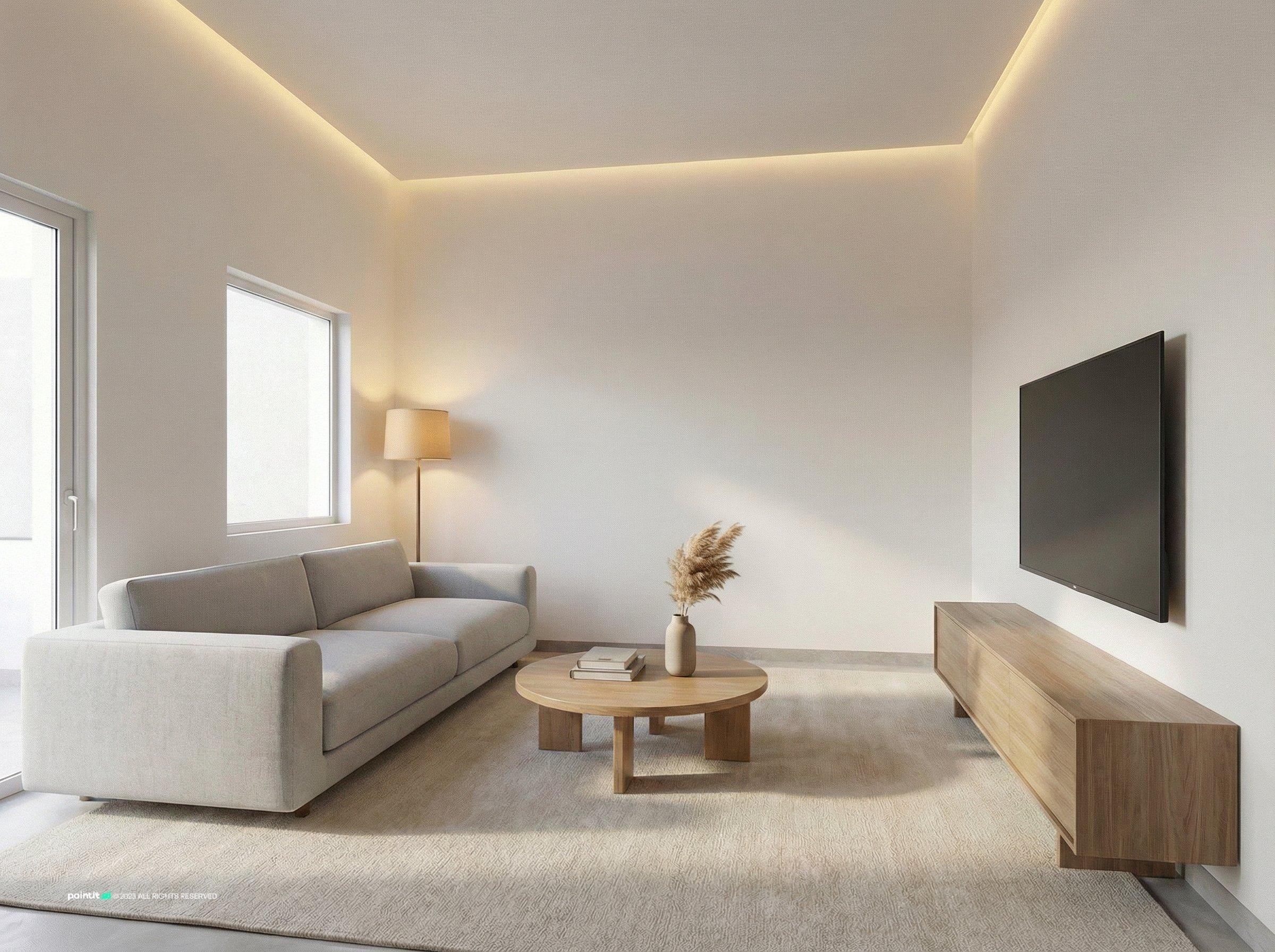
Pro Tip: To achieve this effect, try using sheer curtains or blinds that allow light in while minimizing glare on your screen.
-
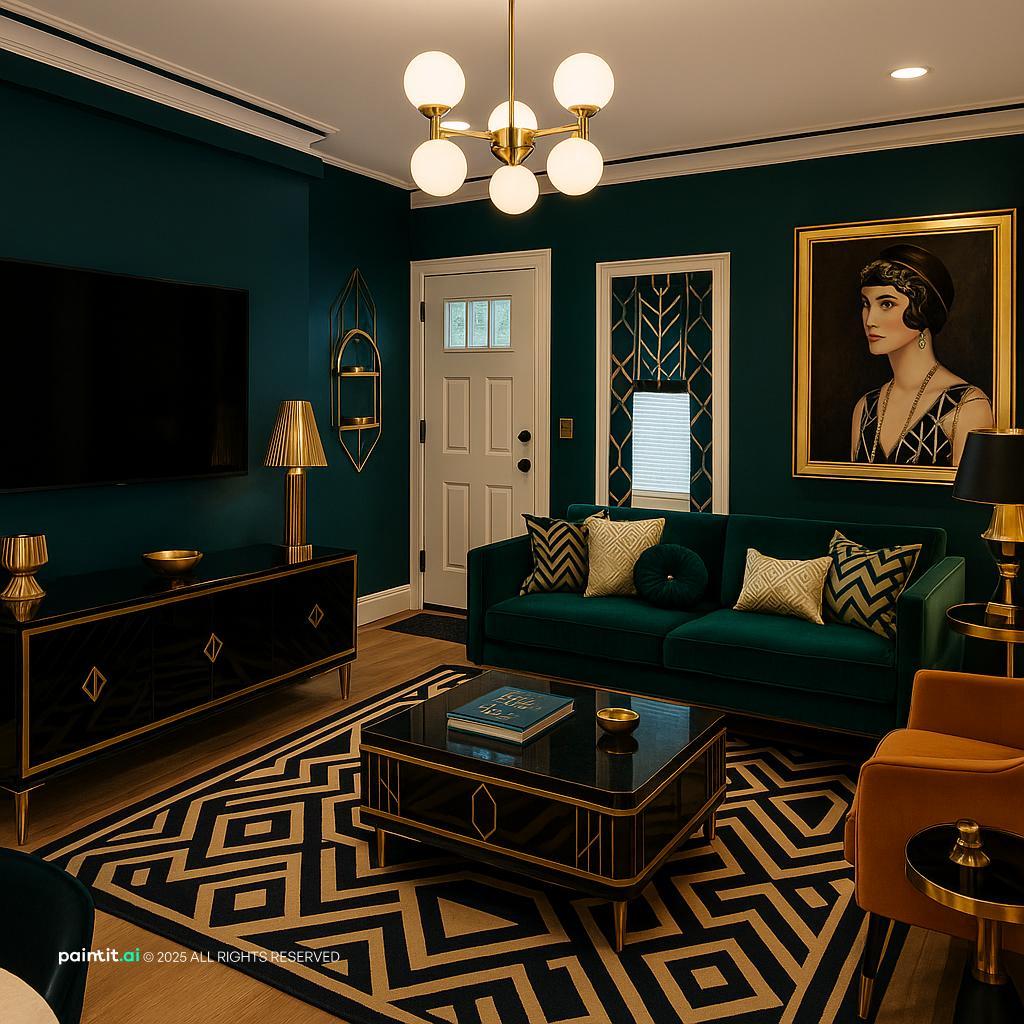
A stylish, wheeled utility cart or a small, mobile desk can be rolled out when needed and tucked away when not. This offers ultimate flexibility, allowing you to work from different spots in the living room or even move it to another room. It’s about adaptability.
-
Look for a cart with multiple shelves for storage and a sturdy top surface. Ensure it has locking wheels for stability.
-
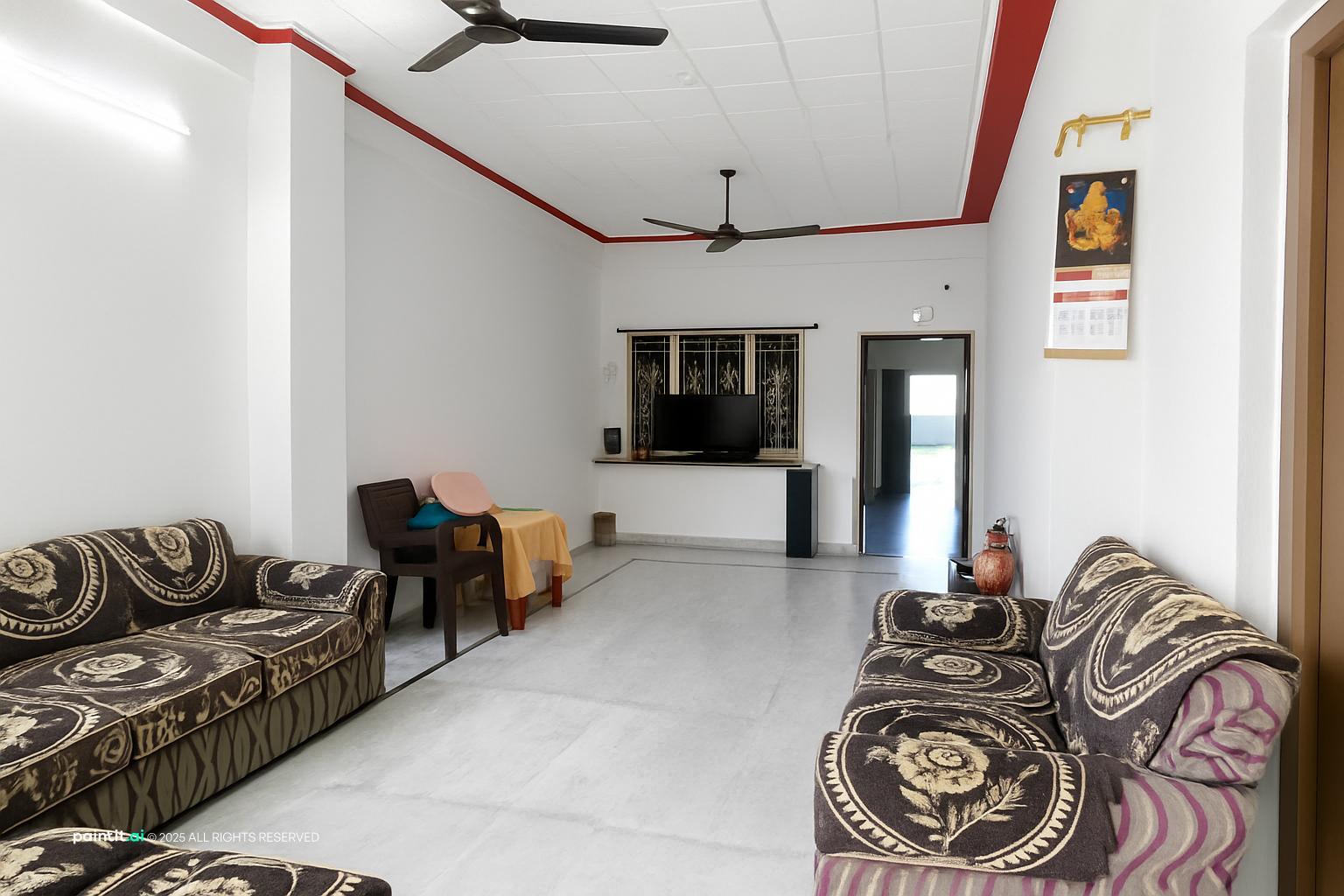
Pro Tip: To achieve this effect, try selecting a cart with a design that complements your living room's existing aesthetic, perhaps industrial or minimalist.
-
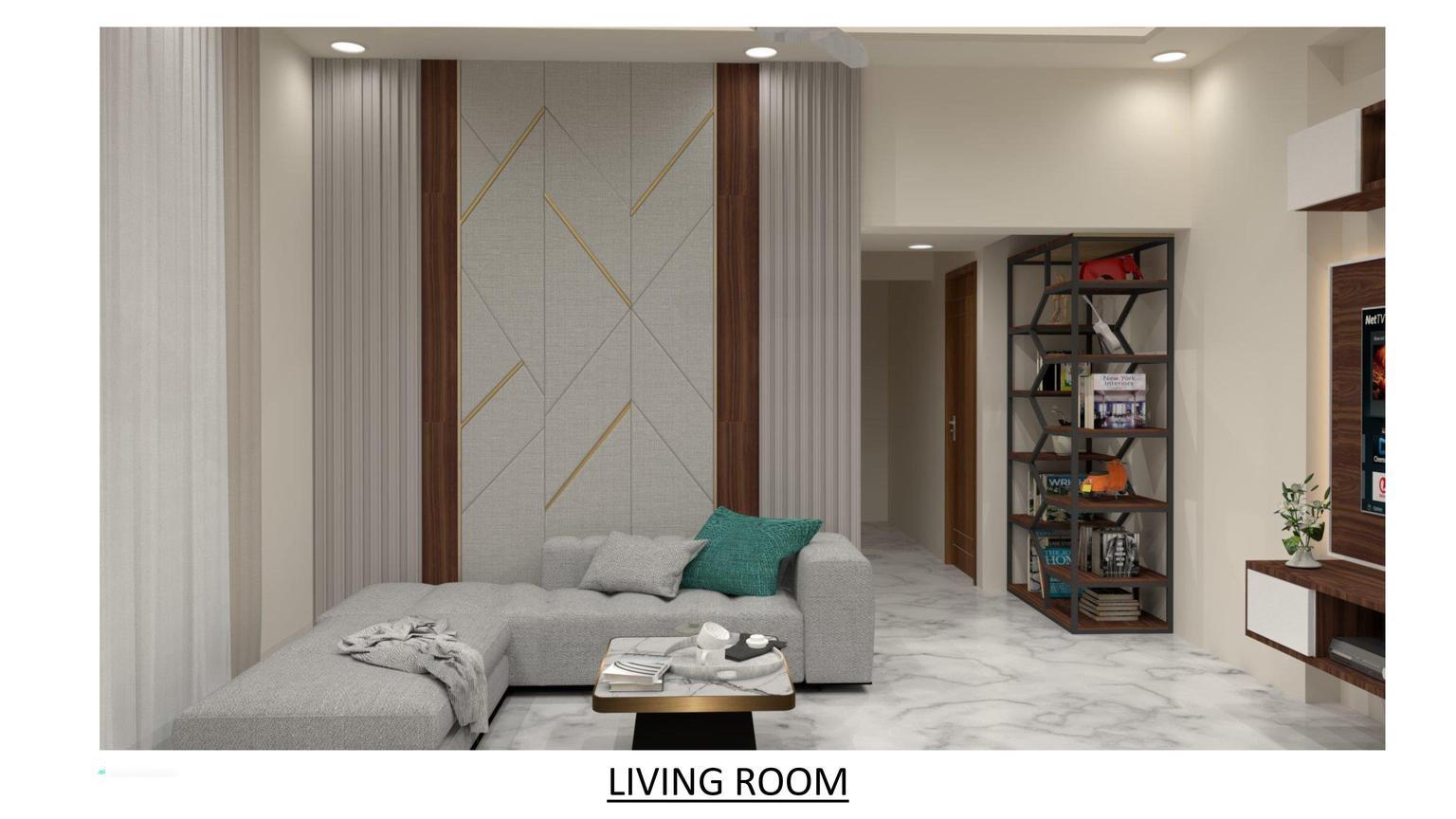
Incorporate a desk into a larger built-in bookshelf or library wall. This creates a sophisticated, intellectual ambiance where the workspace feels like a natural extension of a reading or study area. It’s a classic look that never goes out of style.
-
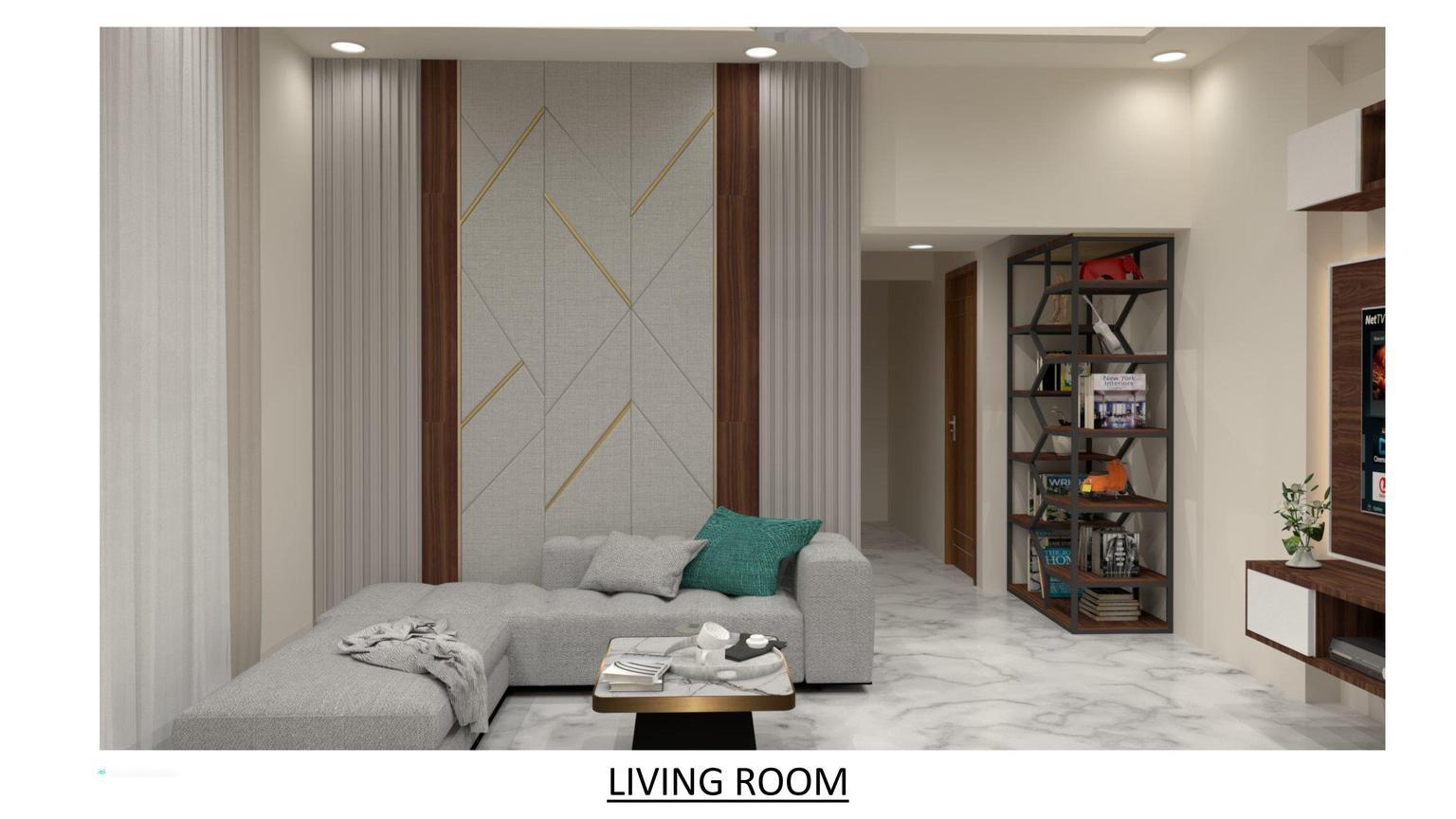
Design custom shelving that includes a dedicated desk section, perhaps with a pull-out keyboard tray. Use rich wood tones and classic hardware.
-
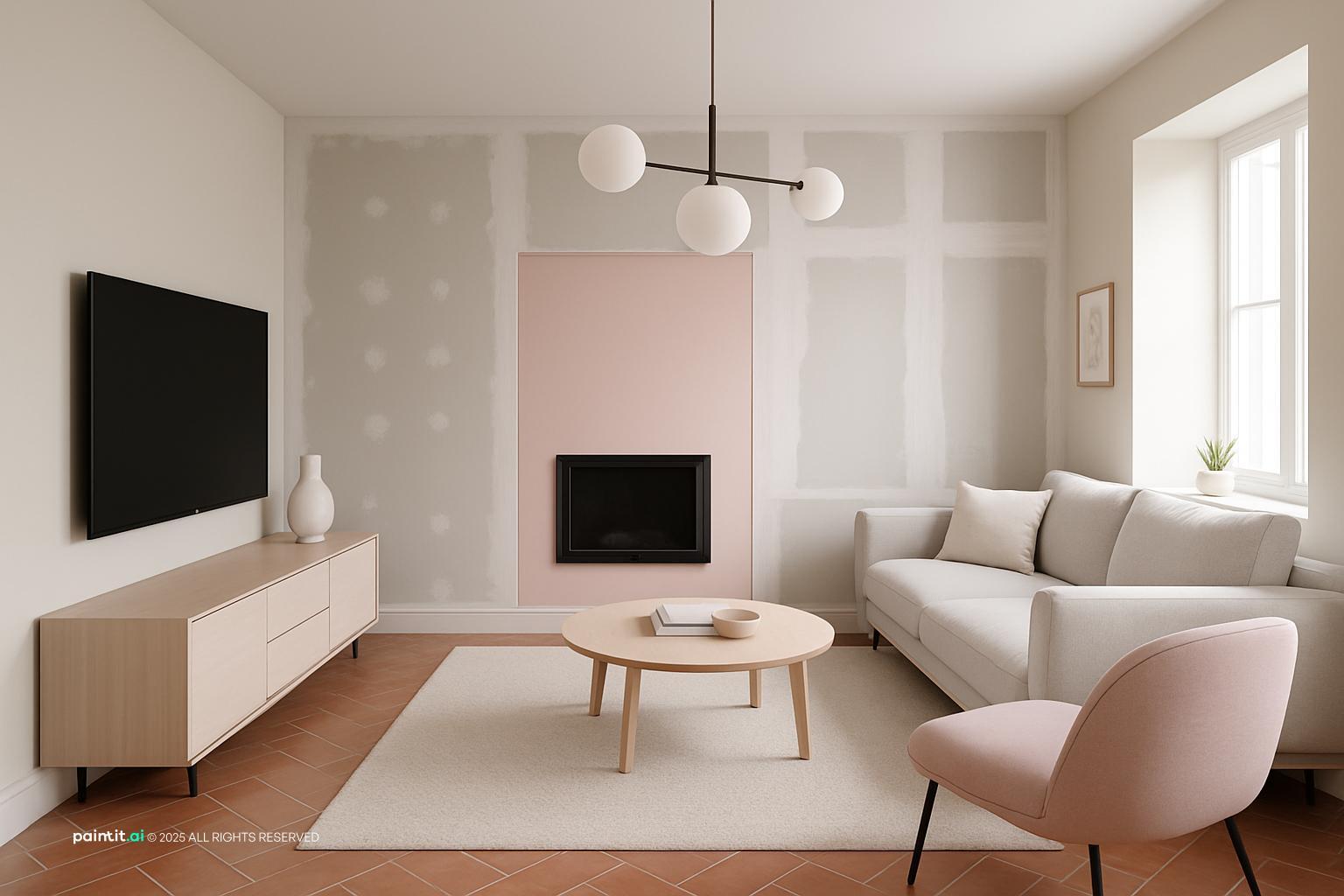
Pro Tip: To achieve this effect, try adding a comfortable leather armchair and a task lamp to complete the scholarly feel.
-
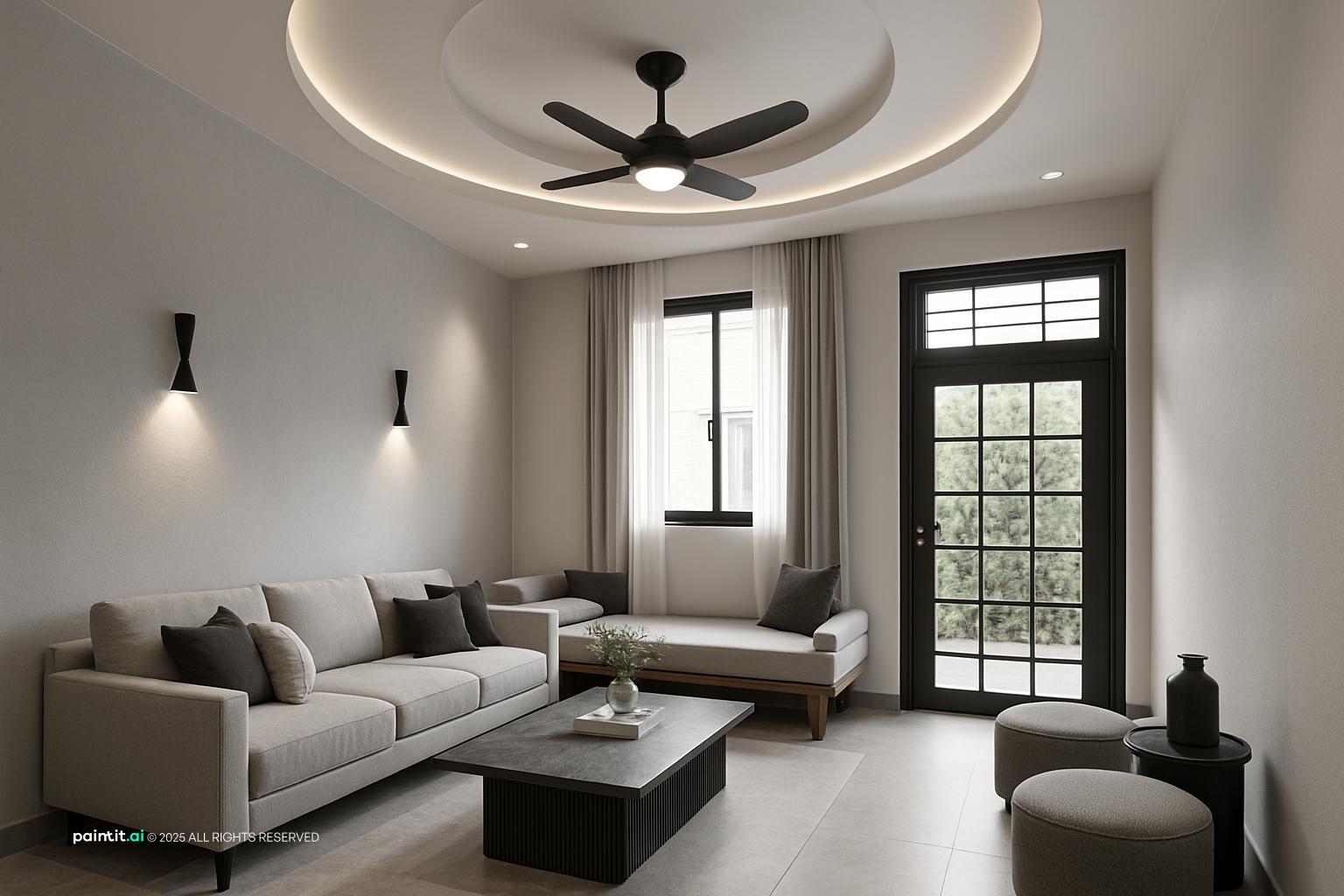
If your living room has an open staircase, the space underneath can be ingeniously converted into a compact, yet functional workstation. This transforms an often-overlooked area into a productive zone. Most people overlook this prime real estate.
-
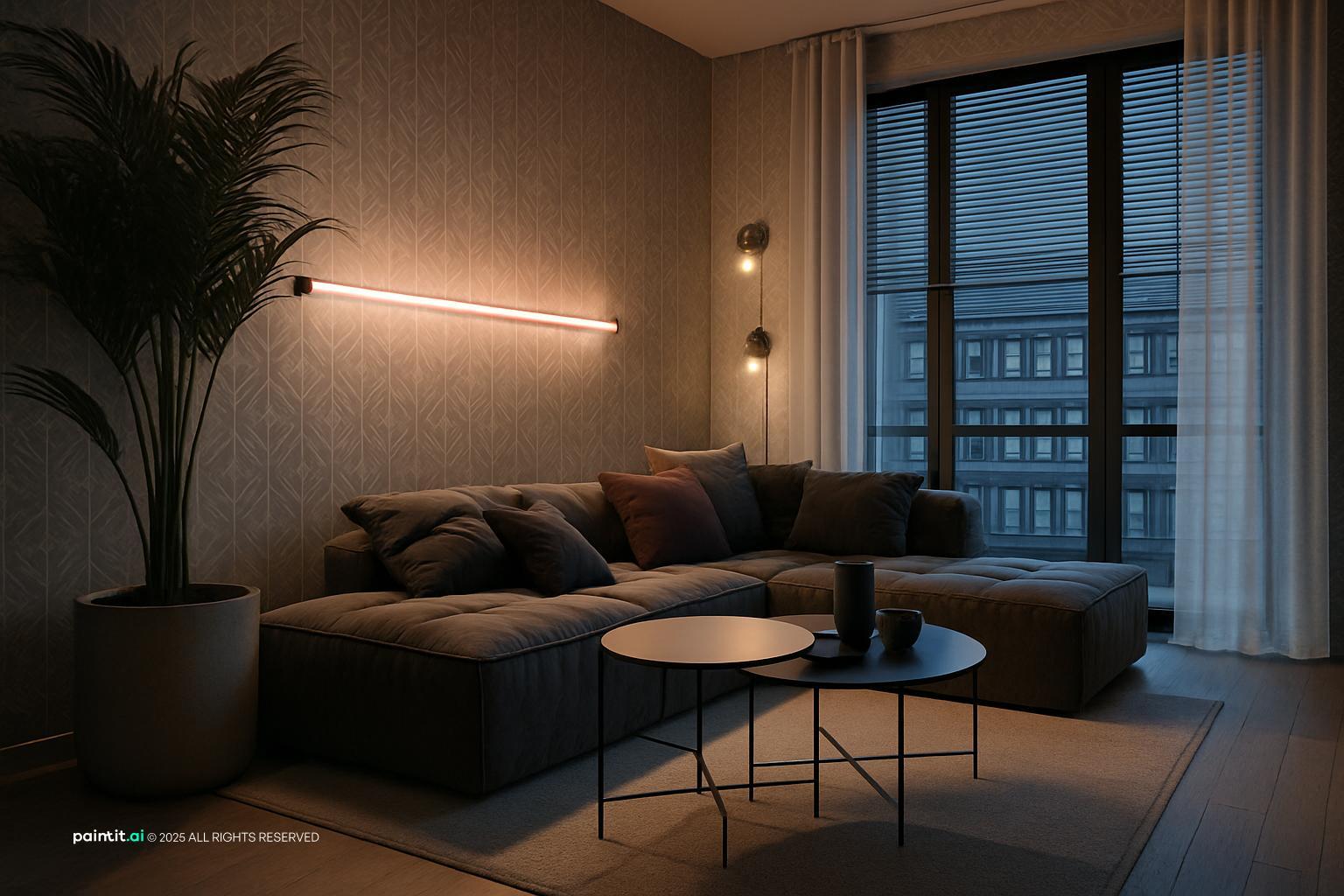
Install a custom-fitted desk surface and shelving that follows the angle of the stairs. Ensure adequate lighting with a wall-mounted lamp.
-
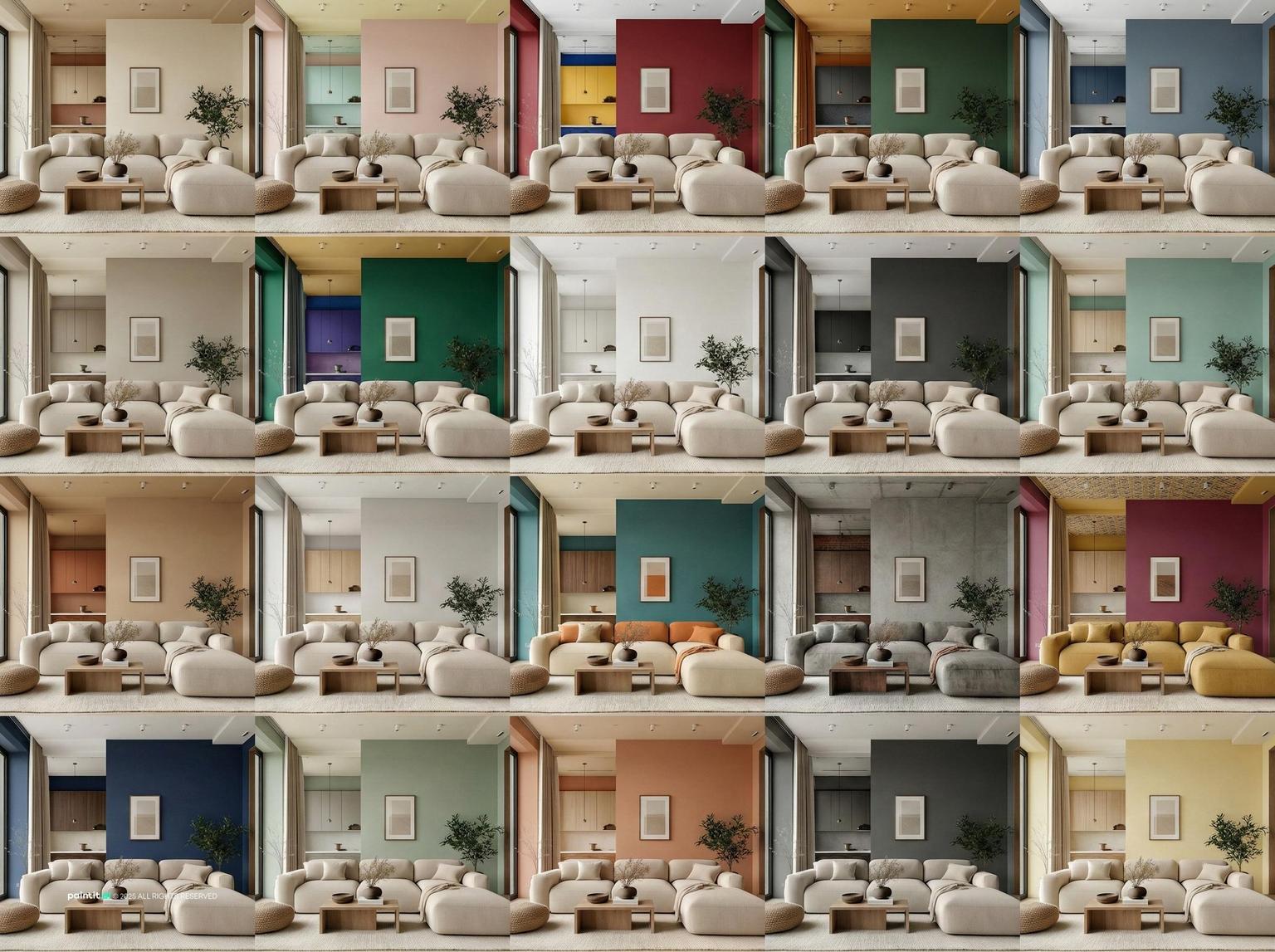
Pro Tip: To achieve this effect, try painting the under-stair area a contrasting color to visually define the workspace.
-
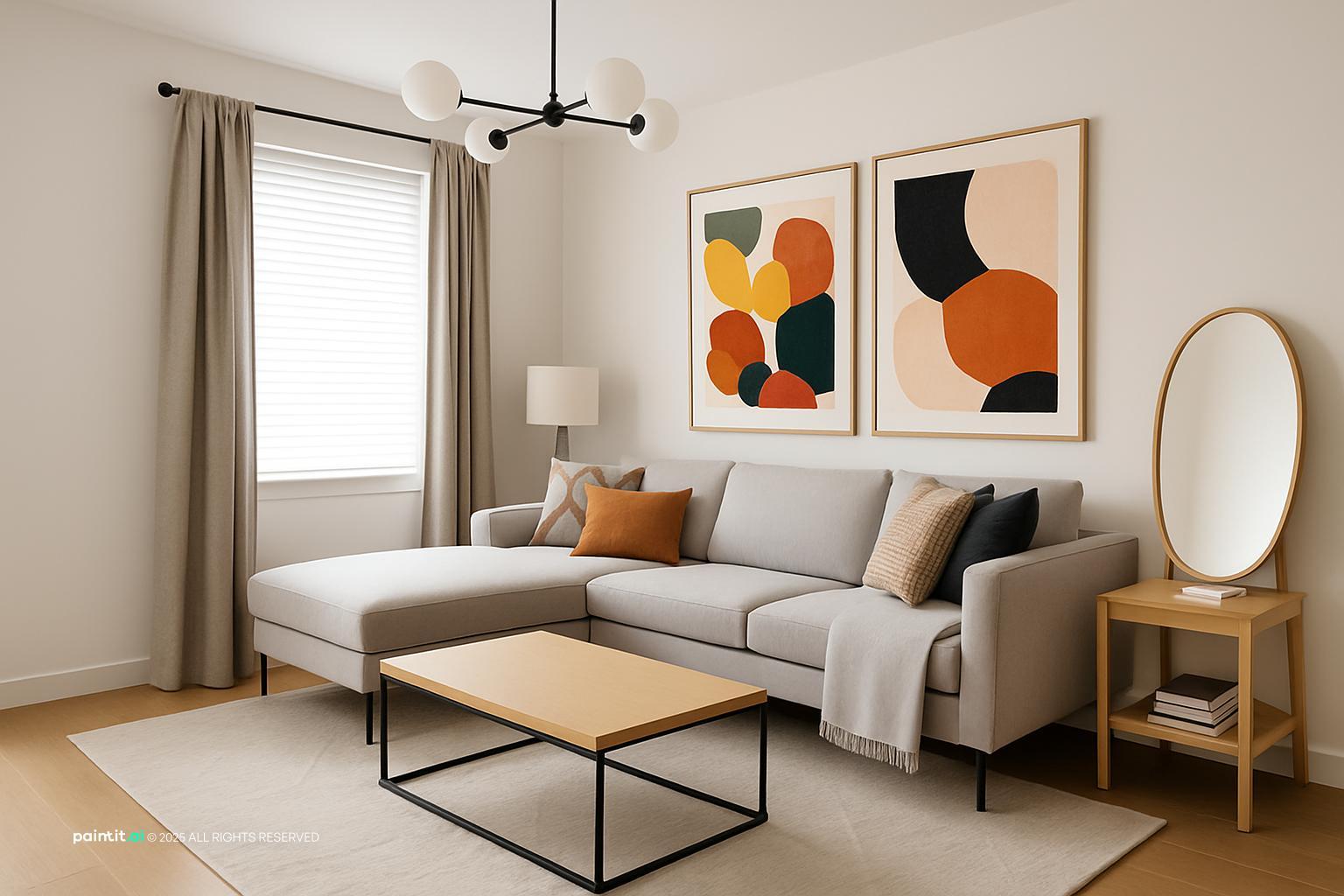
Place a desk in a corner, using a tall plant, a decorative screen, or a low bookcase as a subtle visual divider. This creates a psychological boundary for your workspace without physically enclosing it. It provides a sense of focus.
-
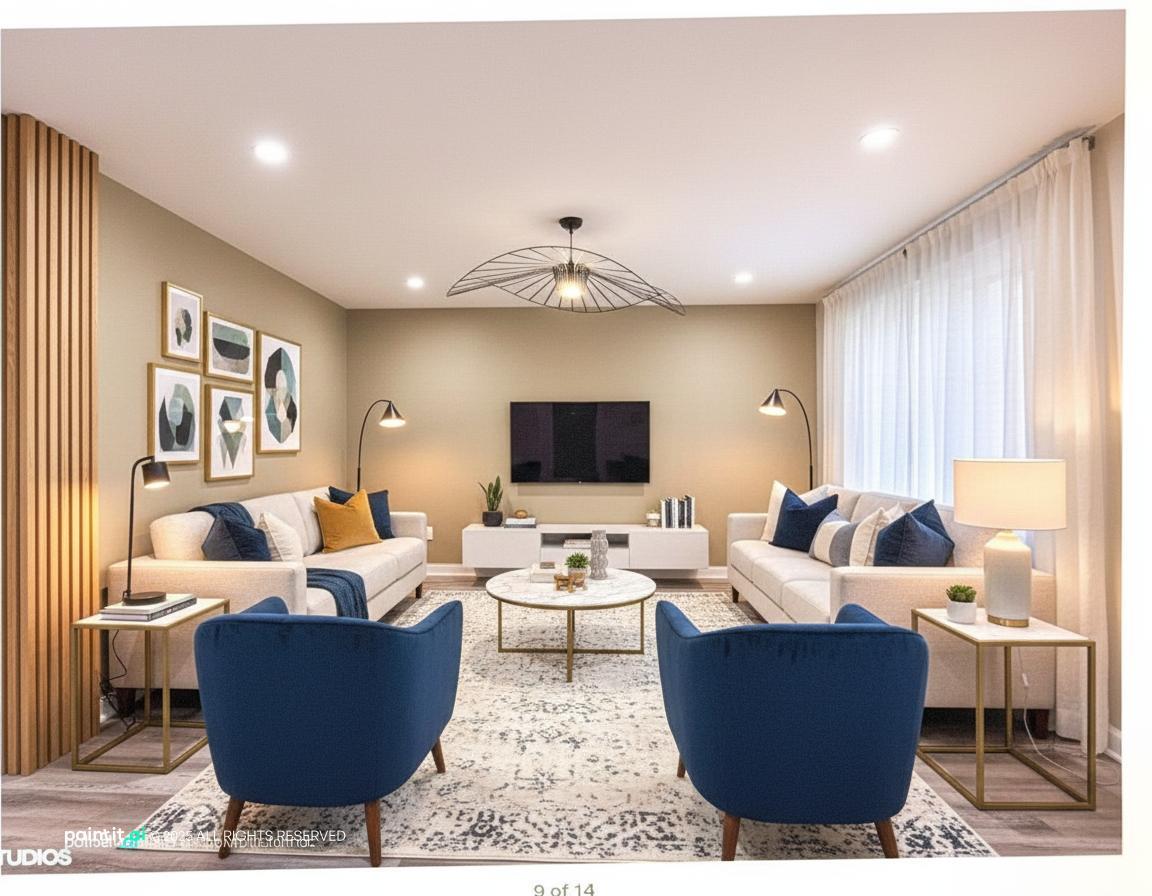
Choose a corner desk that fits snugly. Use a tall, leafy plant like a Fiddle Leaf Fig or a sleek room divider screen to delineate the area.
-
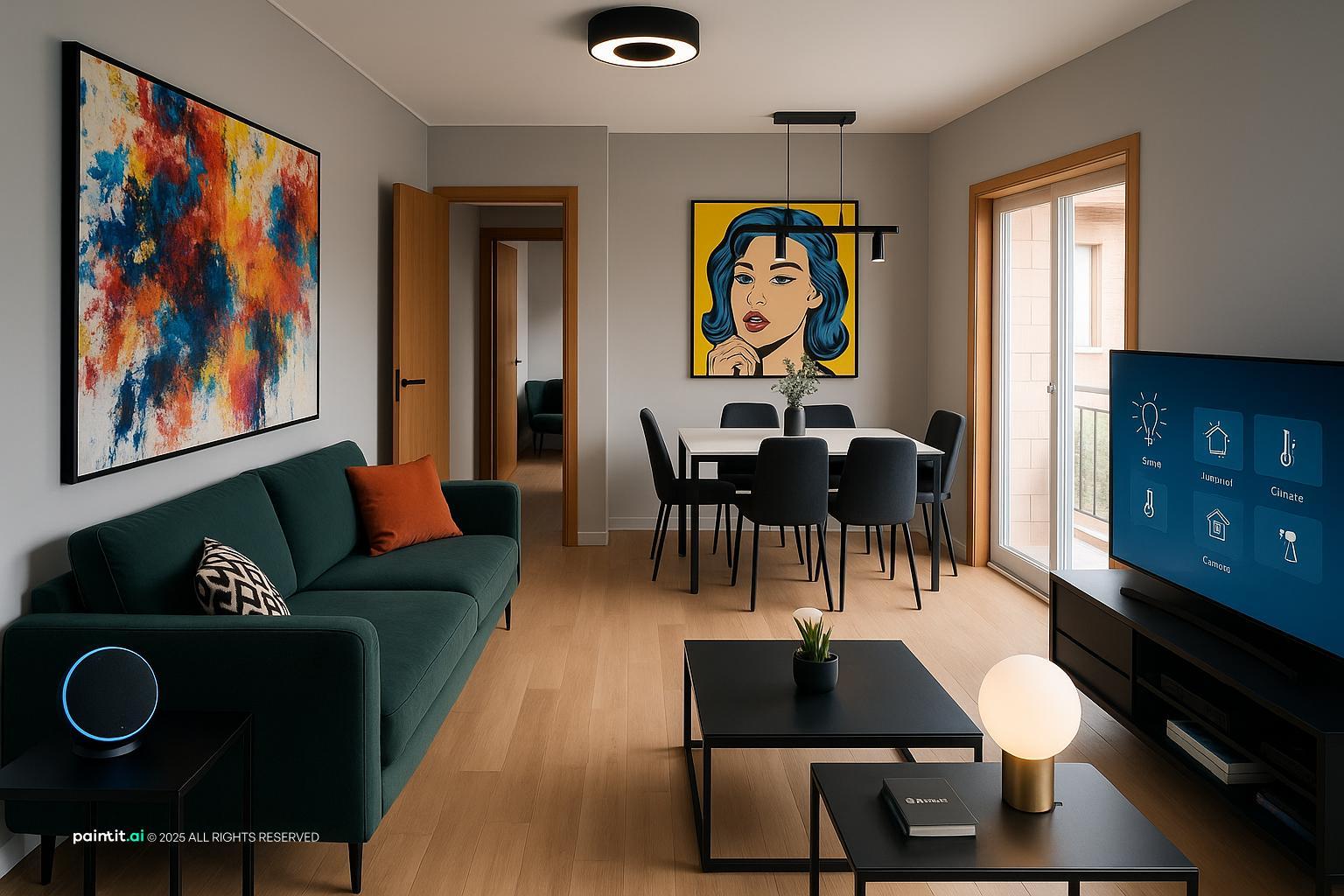
Pro Tip: To achieve this effect, try using a rug specifically for the desk area to further define the zone.
Integrating Productivity: Crafting a Harmonious Living Room Work Nook to Life with Paintit.ai
-
Integrating Productivity: Crafting a Harmonious Living Room Work Nook 1. Color palette The secret to a workstation that truly belongs in your living room lies in a sophisticated color story. Start with a calming base, perhaps a muted sage green or a warm off-white, to ensure the space feels expansive and serene. Introduce a secondary tone like a deep charcoal grey or a rich terracotta on a feature wall or through larger furniture pieces; this grounds the area without making it feel heavy. For accents, consider brushed brass hardware or a small ceramic piece in a dusty rose. These subtle pops add personality and visual interest, preventing the zone from becoming monotonous. The truth is, balance is everything here. 2. Key materials & textures Selecting the right materials is crucial for a seamless integration. I’ve seen this work best when you lean into natural textures that echo the comfort of a living space. Think about a desk crafted from a beautiful walnut or a light oak; its organic grain instantly adds warmth and a sense of permanence. Pair this with a chair upholstered in a soft linen or a textured wool, inviting touch and softening any hard lines. For subtle industrial chic, incorporate matte black metal in a lamp or shelving unit. These elements, when combined, create a tactile richness that feels both professional and profoundly homely. 3. Furniture essentials The right furniture defines this integrated look. Most people forget that a bulky office desk will immediately disrupt the flow. Instead, opt for a slim-profile writing desk, perhaps one that floats on the wall or a console table with hidden drawers. It sounds simple, but its minimal footprint is key. For seating, choose an ergonomic chair that doesn't scream "office"; a compact dining chair with a comfortable cushion or a stylish task chair in a complementary fabric works wonders. Finally, a discreet storage solution, like a narrow credenza or a set of floating shelves, keeps clutter at bay without dominating the room. Proportions matter immensely here; everything should feel scaled to the living space, not a corporate cubicle. 4. Lighting setup Achieving the perfect atmosphere demands a layered lighting approach. Ambient light, the general illumination from a ceiling fixture or floor lamp, should be soft and inviting, setting a relaxed mood for the entire living room. Here is what matters: task lighting is non-negotiable for productivity. A stylish desk lamp with an adjustable arm, perhaps in brushed brass or matte black, provides focused illumination exactly where you need it. Finally, accent lighting, like a small picture light above a piece of art or a subtle strip light under a shelf, adds depth and highlights decorative elements, making the workstation feel like an intentional, beautiful part of the room. 5. Decorative accents & the 3-5-7 rule Styling is where the workstation truly becomes part of the living room. It might seem odd at first, but applying the "3-5-7 rule" to your decorative accents creates visual harmony and prevents clutter. On your desk, group three small, related items: a sleek pen holder, a small succulent, and a personalized coaster. On a nearby shelf, arrange five items of varying heights and textures: a stack of curated books, a small ceramic vase with a single stem, a framed photograph, a decorative box, and a unique paperweight. For a larger display, perhaps on a credenza, aim for seven elements, incorporating a piece of art, a larger plant, and a sculptural object alongside smaller groupings. This intentional curation makes the workspace feel considered and aesthetically pleasing, not just functional.
Paintit.ai Reveals the Secret to a Seamless Living Room Workstation Design Ideas
Integrating a functional workstation into your living room without it feeling like a jarring office intrusion is a genuine design puzzle. Most people forget that the desk's scale and material must complement your existing decor. I’ve seen this work best when you can truly visualize the impact. The truth is, guessing how a compact secretary desk or a sleek wall-mounted unit will look beside your velvet sofa is a gamble. Paintit.ai eliminates that uncertainty. Upload your room photo. Instantly see how various desk finishes, chair fabrics, and storage options integrate. Visualize a minimalist oak desk or a dark metal frame. Avoid expensive missteps. Try paintit.ai to perfect your blended workspace.
FAQ
-
Overlooking proper lighting is a big one. Also, neglecting cable management creates visual clutter. Don't forget ergonomic seating; your back will thank you. I’ve seen this work best when these basics are nailed down first.
-
Choose furniture that complements the existing decor. A floating desk in a matching wood tone, or a chair upholstered in a similar fabric, works wonders. Think cohesive palettes. It sounds simple, but consistency is crucial.
-
Wall-mounted desks are brilliant. Consider a secretary desk that folds away. Vertical storage, like slim shelving or a pegboard, keeps things tidy without eating up floor space. Most people forget how much verticality offers.
-
A strategically placed rug can delineate the area. Use a tall plant or a slim console table as a subtle room divider. Different paint colors on one wall also create a visual separation. The truth is, visual cues are powerful.
-
Layered lighting is key. Combine task lighting, like a good desk lamp, with ambient light from a floor lamp. Avoid harsh overheads. Warm temperature bulbs foster a comfortable atmosphere. Here is what matters: balance.