
Designing a White Grey and Blue - Living Room - A Calming Palette
Imagine stepping into a space that feels both airy and deeply comforting, where every shade whispers tranquility. The allure of a white grey and blue living room lies in its ability to create this serene escape, a perfect balance of cool tones and inviting warmth. But how do you translate that peaceful vision from your mind's eye into the actual walls and furniture of your home?
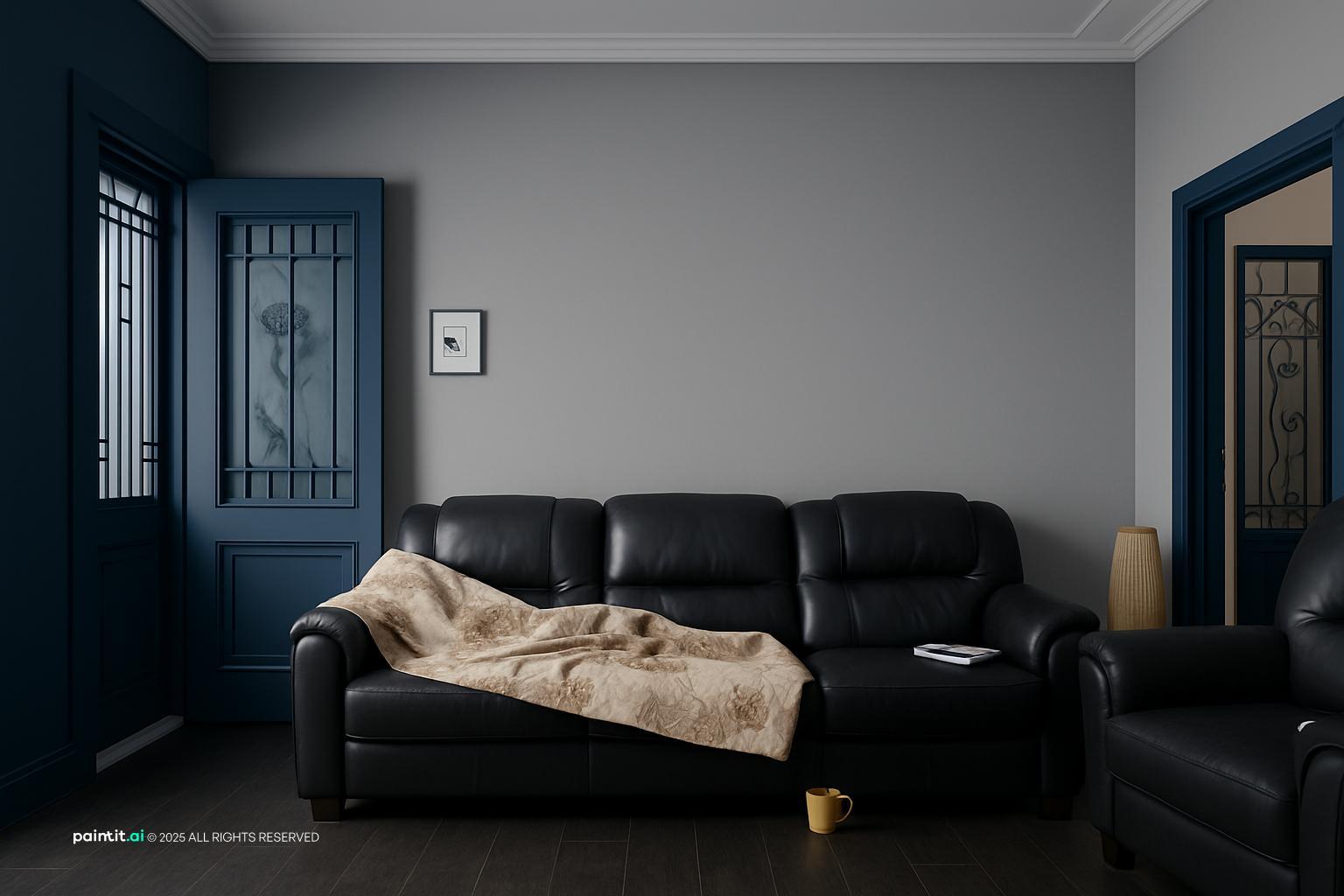
Essential Tips for Designing a White Grey and Blue Living Room: A Masterclass in Serenity
We've observed a common challenge: how to craft a truly cohesive, calming space that feels both sophisticated and deeply inviting, rather than cold or sterile. The truth is, mastering a white, grey, and blue living room palette offers an unparalleled foundation for tranquility and modern elegance. This isn't just about picking colors; it's about understanding their interplay with natural light, textured fabrics like linen or velvet, and even subtle metallic accents such as brushed brass or matte black.
-
Designing a White Grey and Blue Living Room: A Masterclass in Serenity
We've observed a common challenge: how to craft a truly cohesive, calming space that feels both sophisticated and deeply inviting, rather than cold or sterile. The truth is, mastering a white, grey, and blue living room palette offers an unparalleled foundation for tranquility and modern elegance. This isn't just about picking colors; it's about understanding their interplay with natural light, textured fabrics like linen or velvet, and even subtle metallic accents such as brushed brass or matte black.
Stunning Examples of 12 Creative Ways to Design a White Grey and Blue Living Room
-
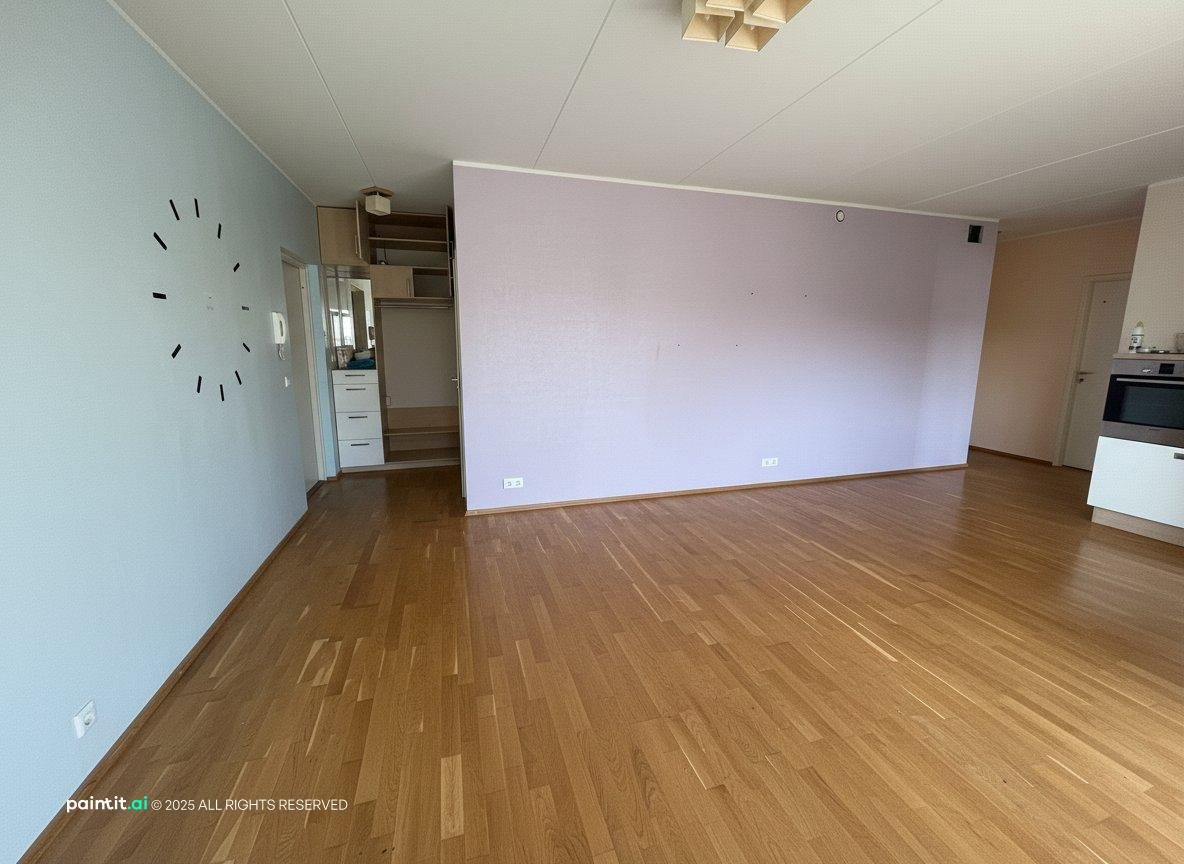
Curating a living space that feels both sophisticated and utterly inviting is an art. These design ideas for your serene white, grey, and blue sanctuary have been carefully selected to balance aesthetic appeal with practical functionality. We’ve seen these approaches transform ordinary rooms into extraordinary havens.
-
This concept brings the calming essence of the seaside indoors, without resorting to overt nautical clichés. It’s about evoking the feeling of a breezy beach house, a place where relaxation is paramount. The truth is, a subtle coastal vibe can make any room feel lighter and more open, perfect for unwinding after a long day.
-
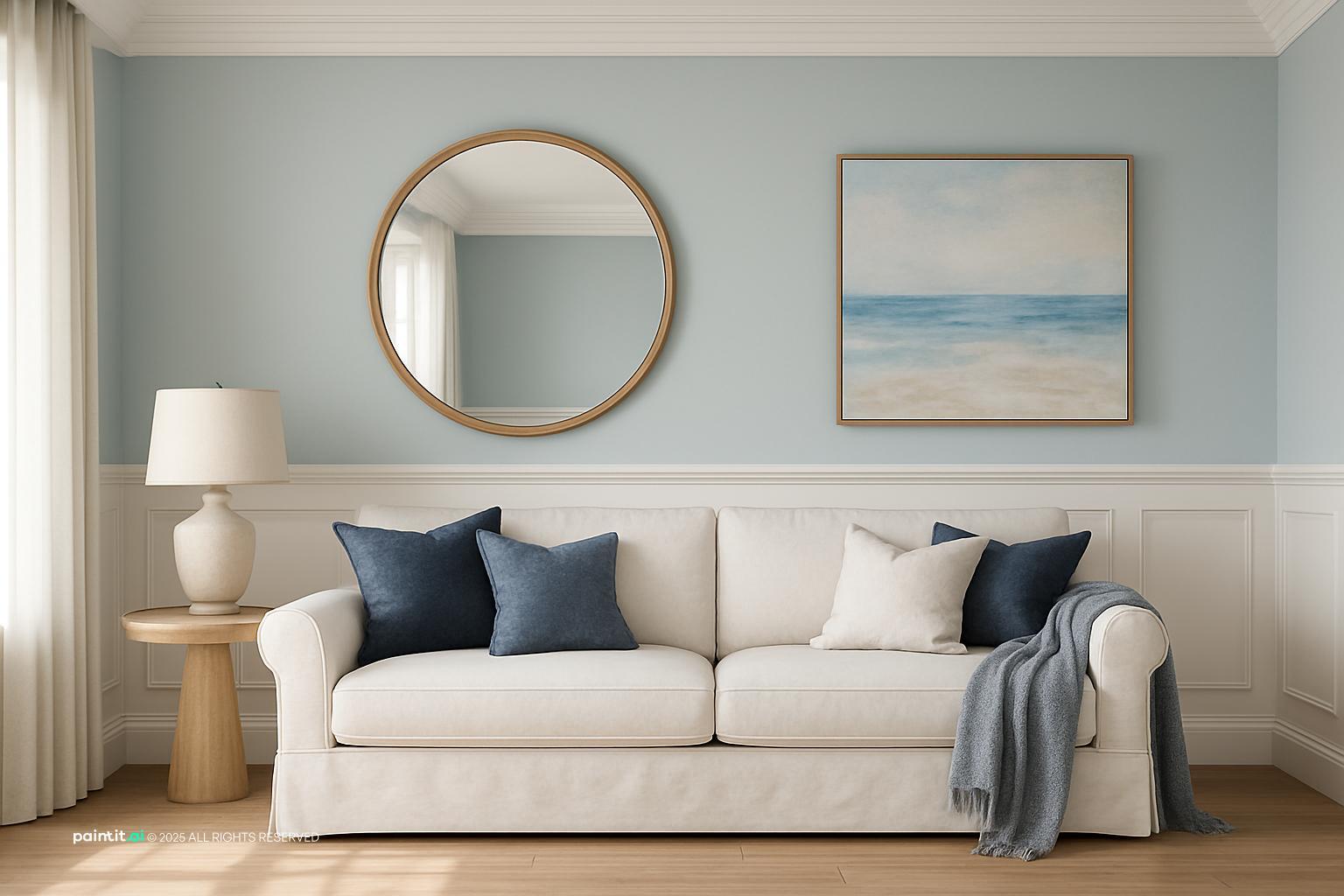
Implement this by using soft, muted blues reminiscent of distant ocean horizons, paired with sandy greys and crisp whites. Think linen slipcovers on sofas, weathered wood accents, and perhaps a large piece of abstract art featuring swirling blues and greys. Natural textures are key here.
-
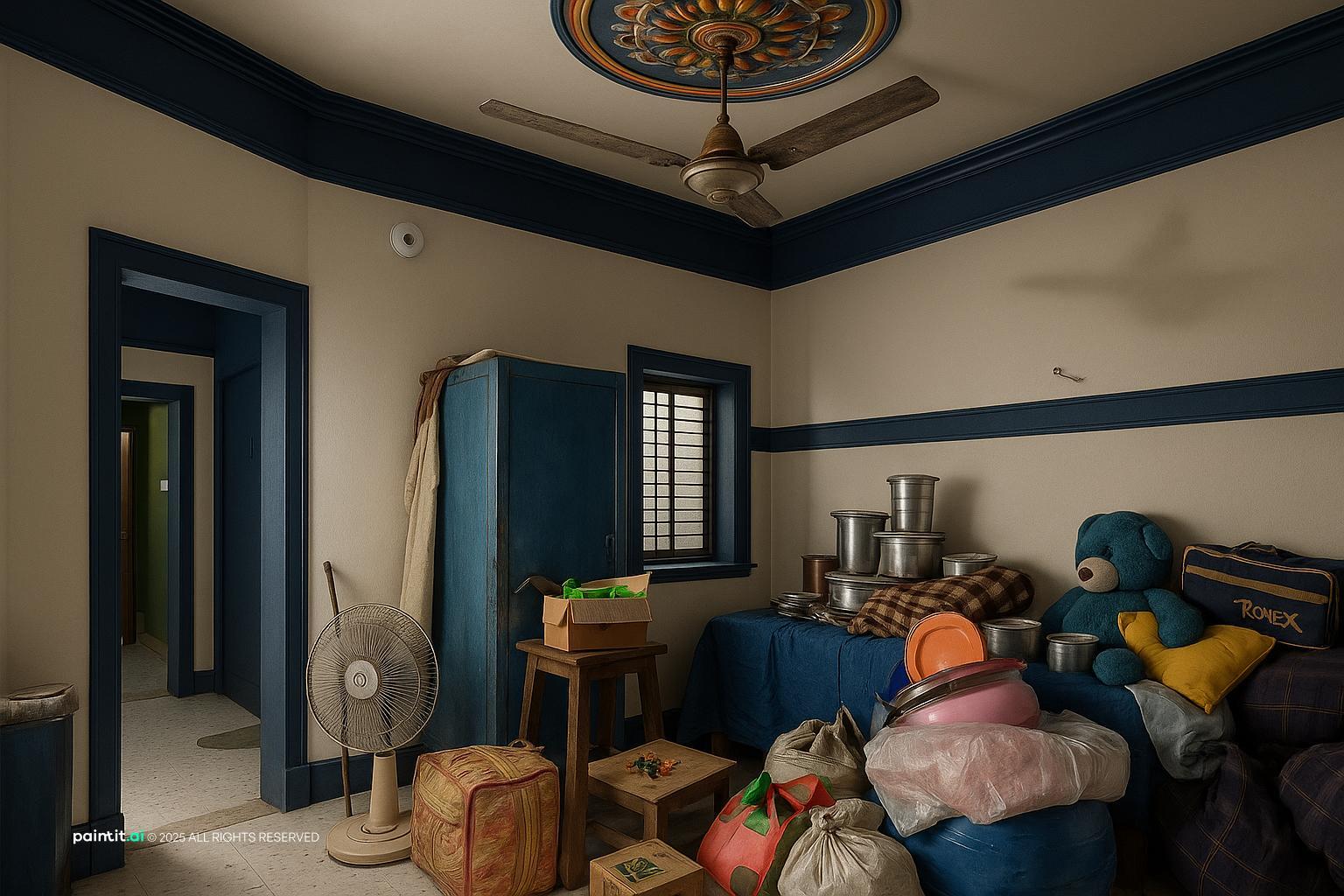
Embrace the raw beauty of industrial design softened by a refined color scheme. This look is about clean lines, functional pieces, and a touch of edgy elegance. It might seem odd at first, but the contrast between industrial elements and a soothing palette creates incredible depth.
-
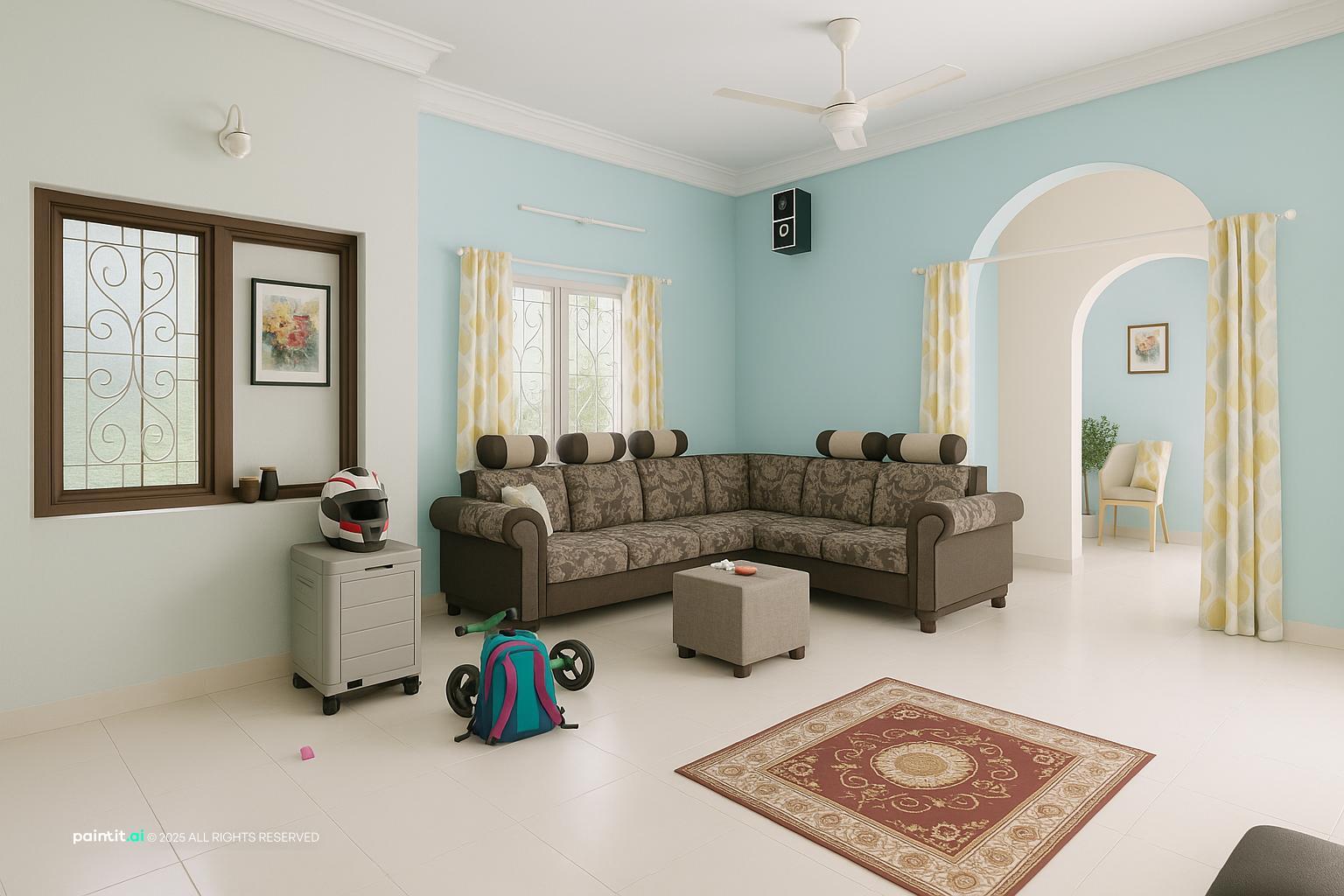
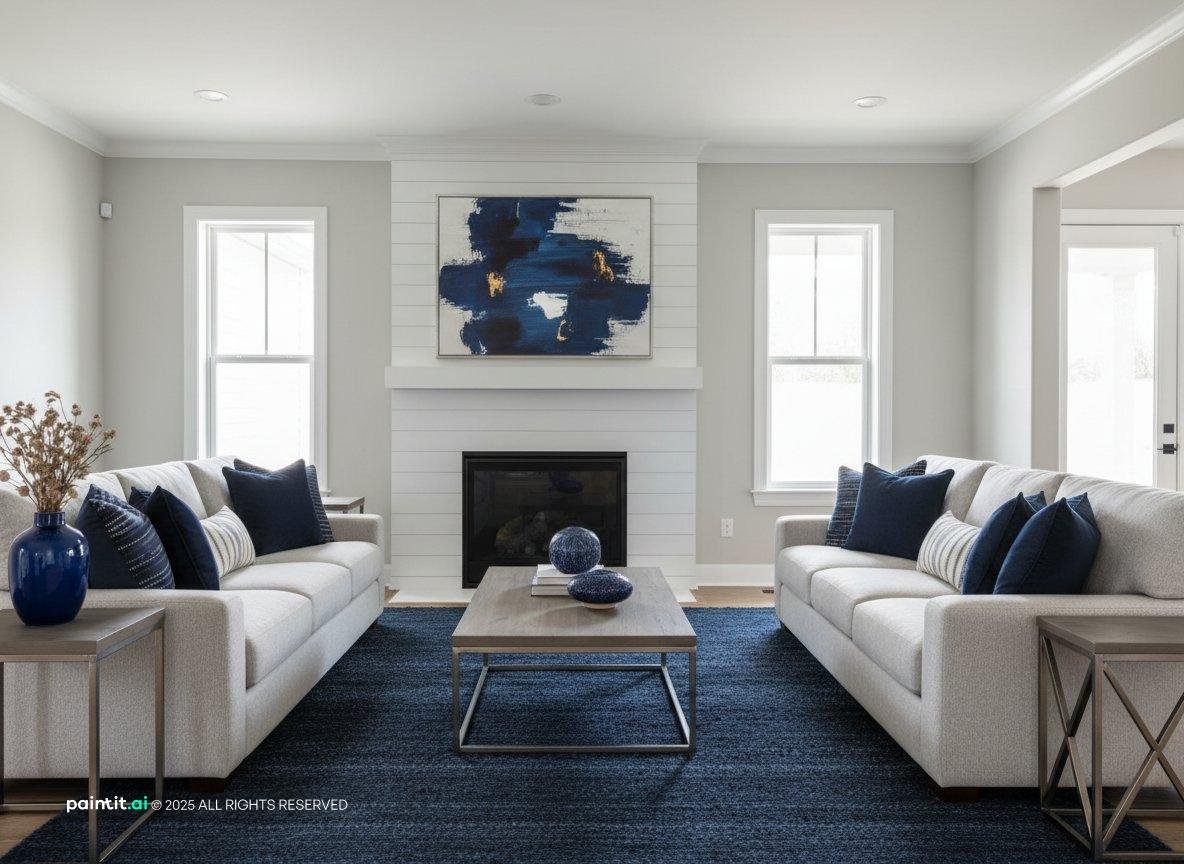
Start with a base of charcoal grey walls or a concrete-effect accent wall. Introduce deep navy or steel blue through a statement sofa or velvet armchairs. White can come in through minimalist shelving or large, abstract artwork. Metal accents, like black steel or brushed chrome, complete the look.
-
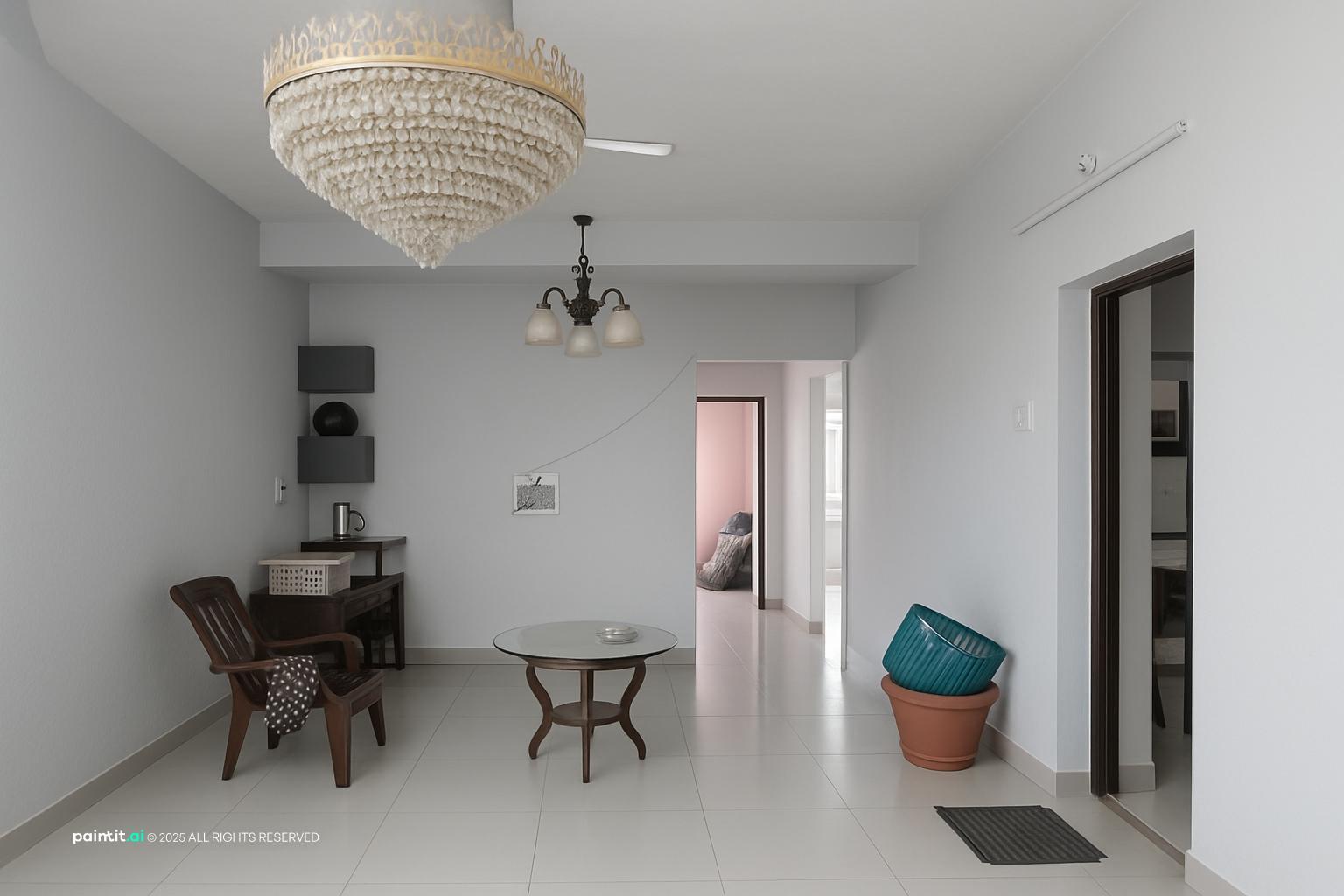
The essence of Nordic design lies in its simplicity, functionality, and connection to nature. This approach creates a peaceful, uncluttered environment where every item serves a purpose and contributes to a sense of calm. Most people forget that less truly is more when aiming for genuine tranquility.
-
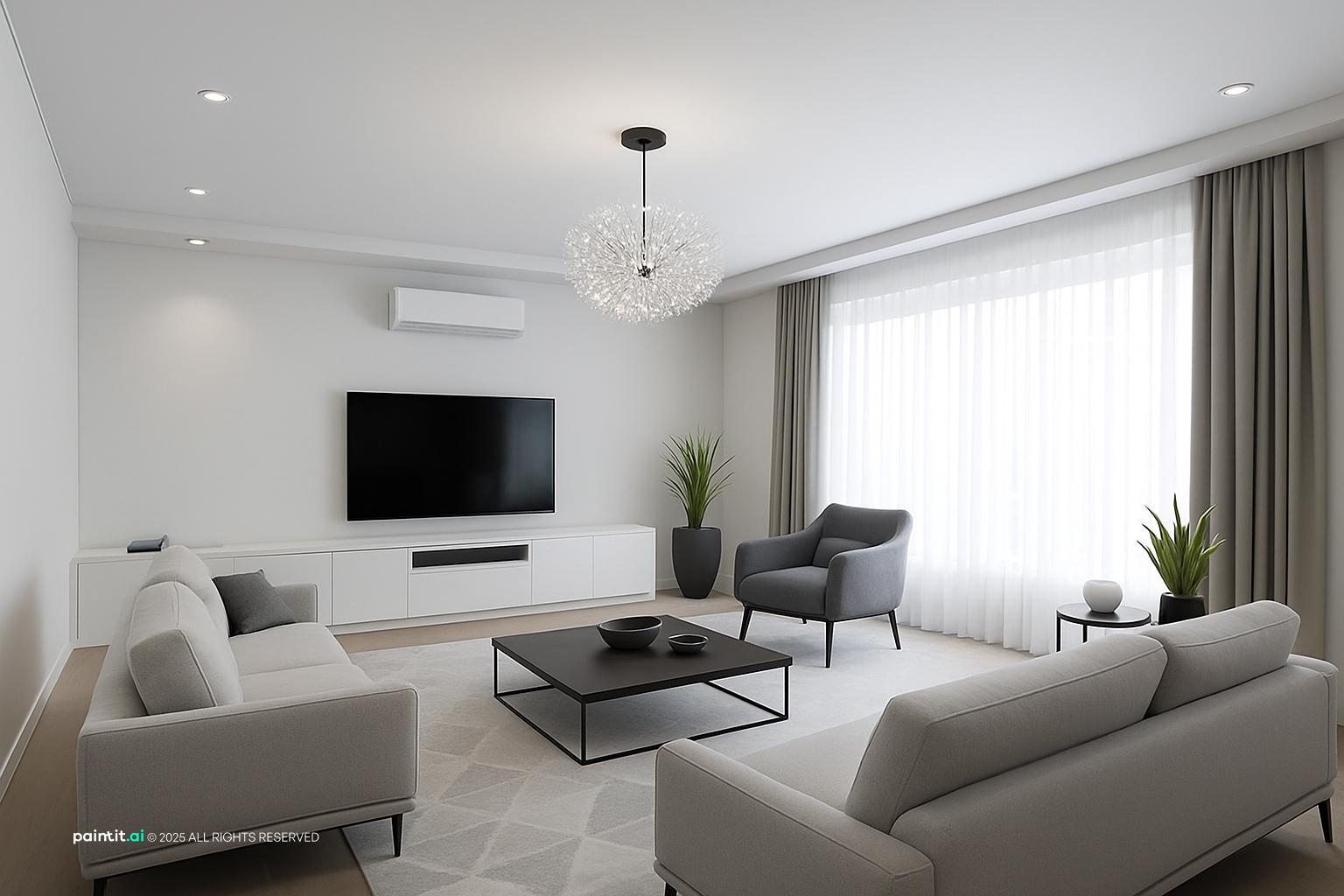
Utilize a dominant off-white or light grey on walls to maximize natural light. Introduce subtle hints of dusty blue through textiles like throws, cushions, or a ceramic vase. Furniture should be light-toned wood, with clean, unfussy silhouettes. Keep accessories minimal and thoughtfully chosen.
-
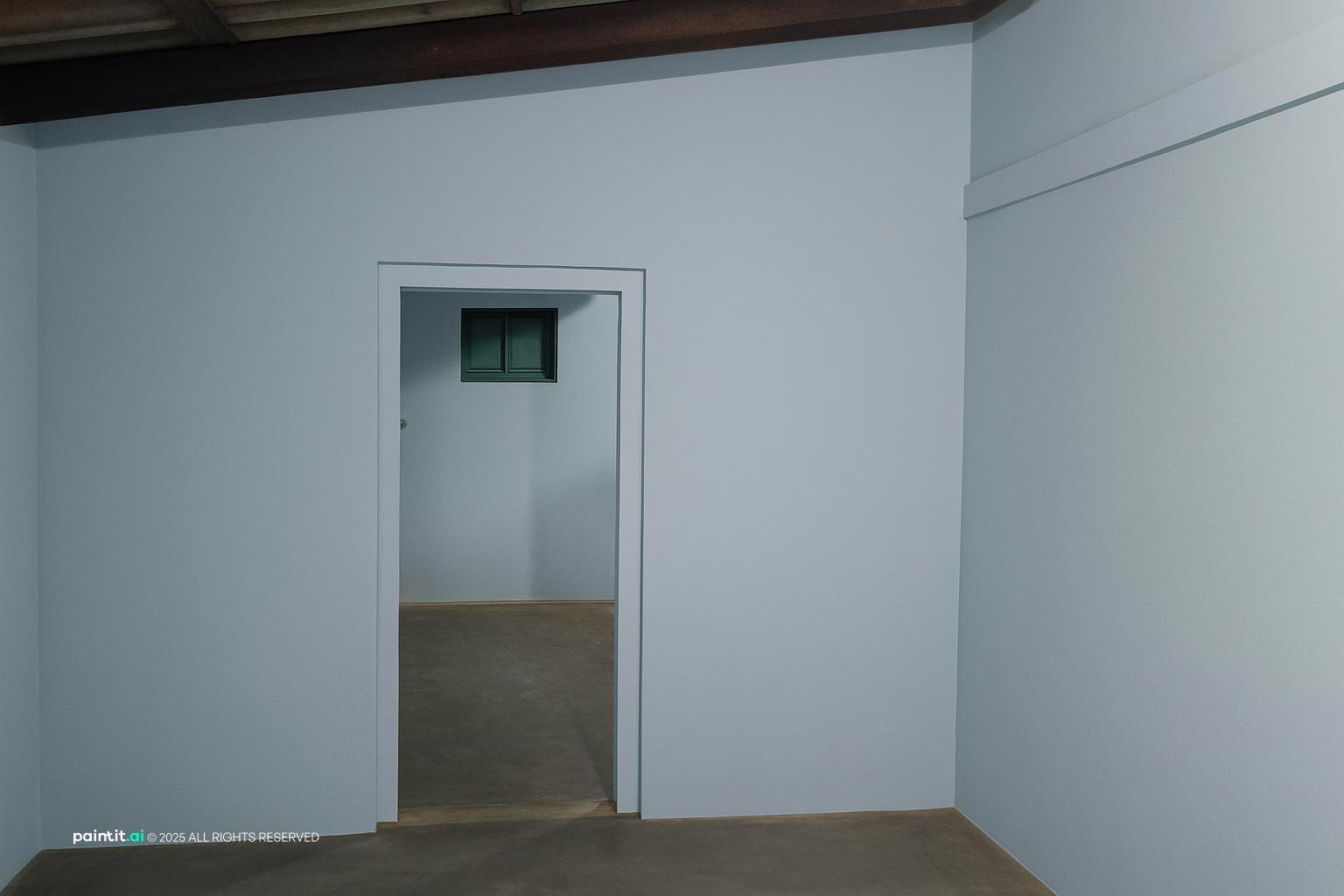
This design marries traditional forms with a fresh, contemporary color scheme. It’s about creating a timeless space that feels both grand and inviting, avoiding anything too stuffy. I’ve seen this work best in homes where architectural details are already present.
-
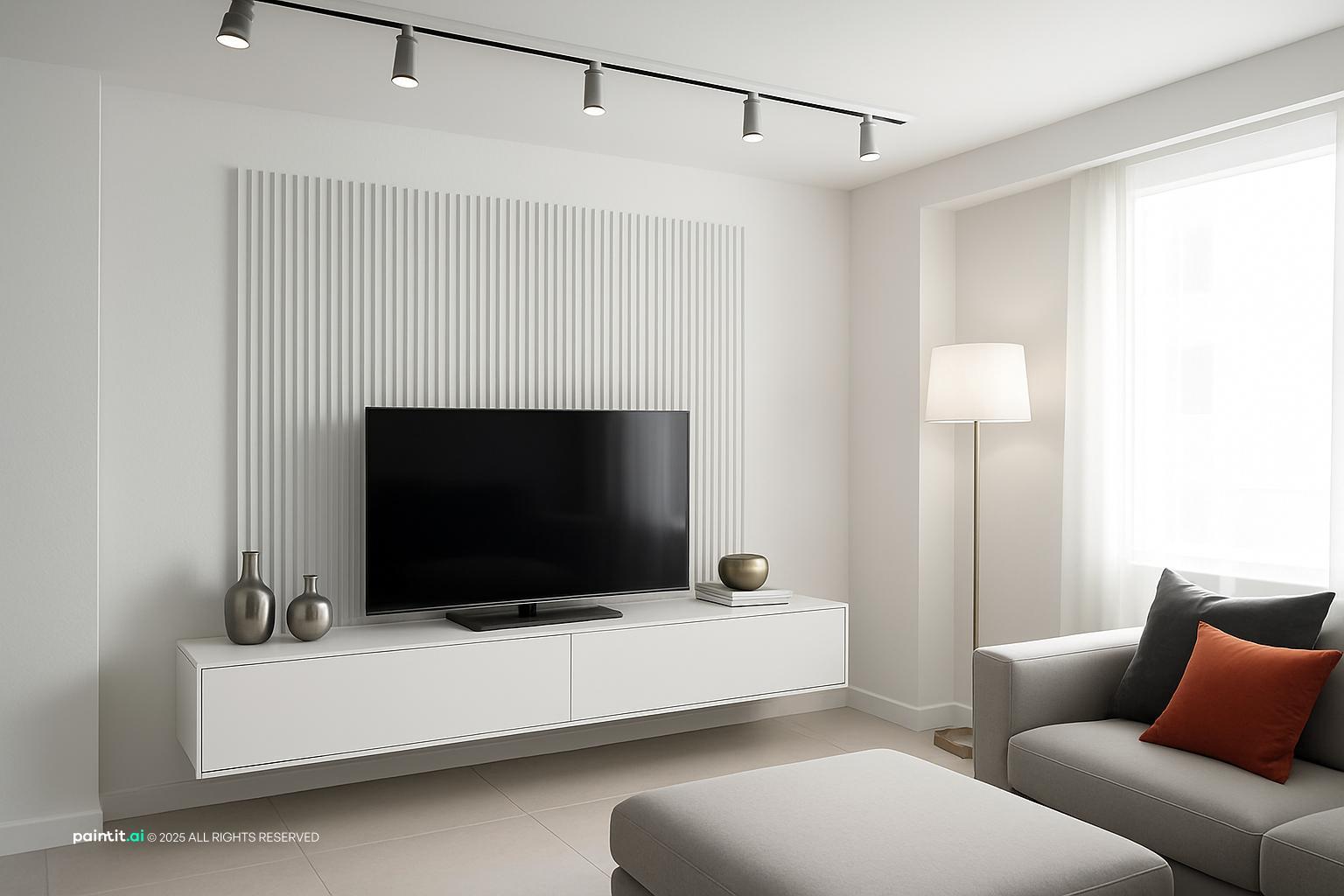
Opt for a soft dove grey on walls, providing a sophisticated backdrop. Introduce a rich sapphire blue through upholstered pieces like a chesterfield sofa or ornate curtains. White trim and ceiling keep it crisp. Add classic elements like a decorative mirror or a crystal chandelier, but keep the overall feel light.
-
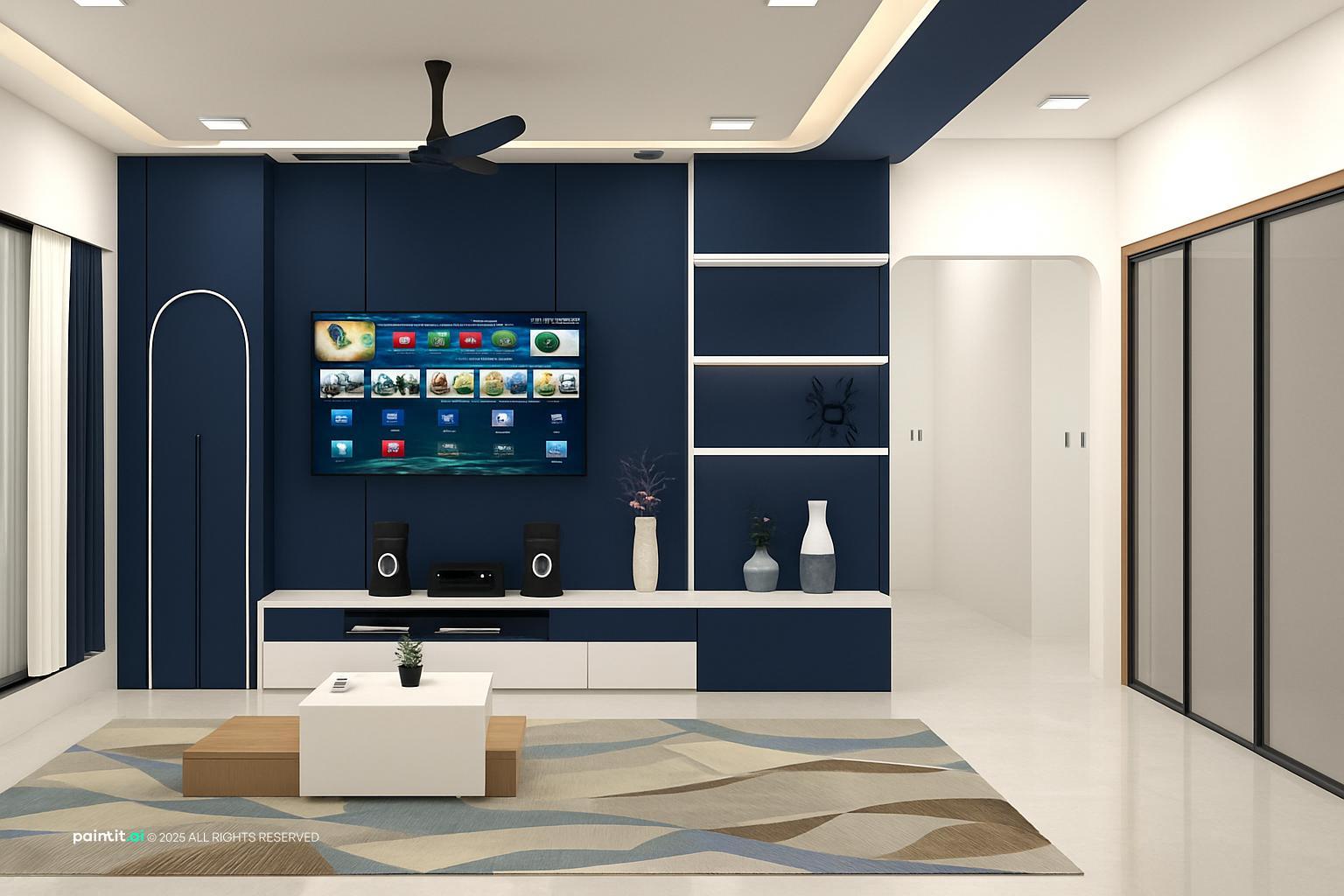
Stripped back to essentials, this style focuses on form, function, and negative space. It’s about creating a serene environment free from visual clutter, allowing the quality of materials and the interplay of light to shine. Here is what matters: every piece must earn its place.
-
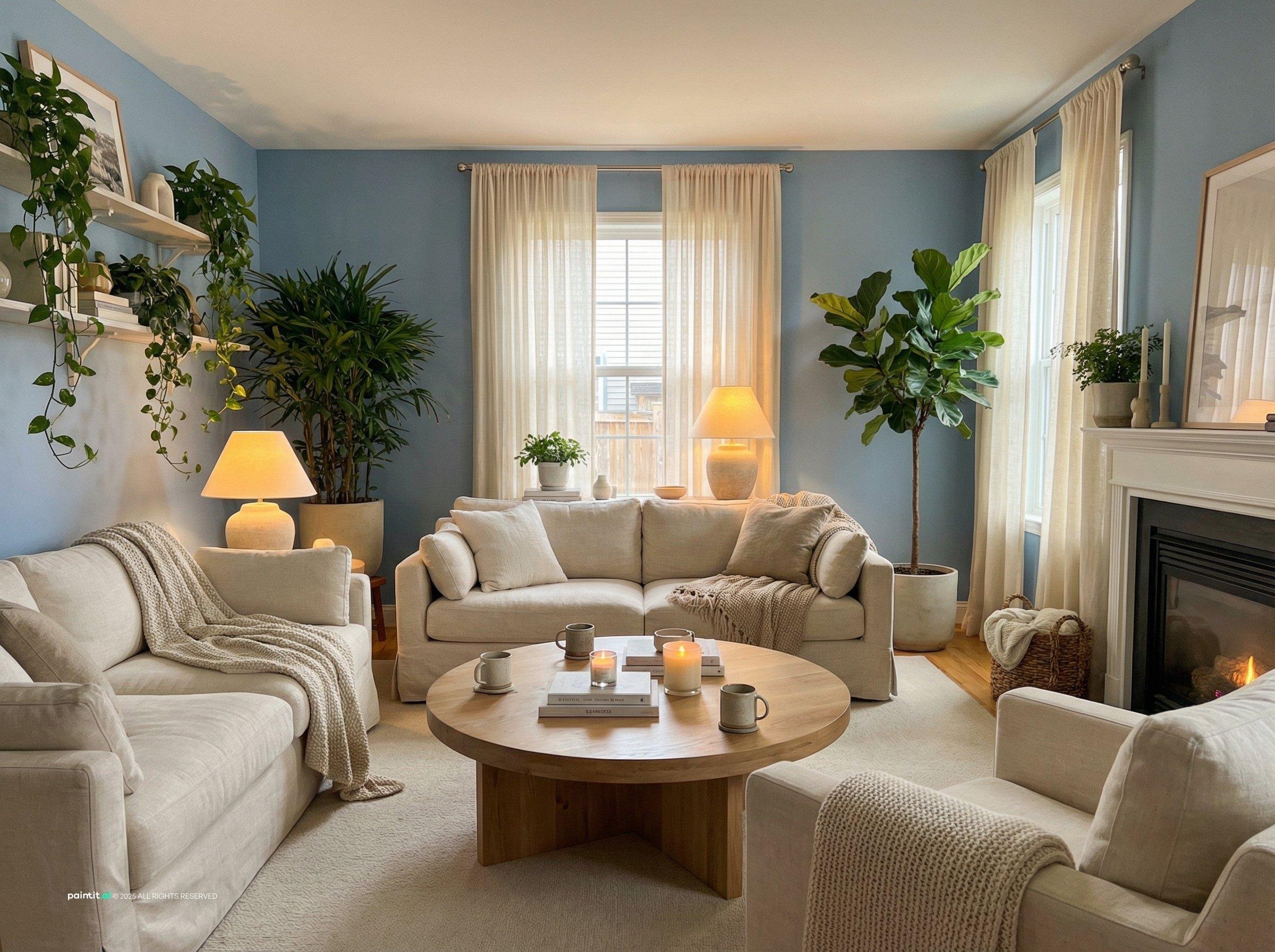
A pure white or very light grey dominates the walls and ceiling. A single, well-chosen piece of furniture in a deep, muted blue, perhaps a sleek sectional or an armchair, becomes the focal point. Keep surfaces clear. Integrated lighting and hidden storage are crucial for maintaining the clean aesthetic.
-
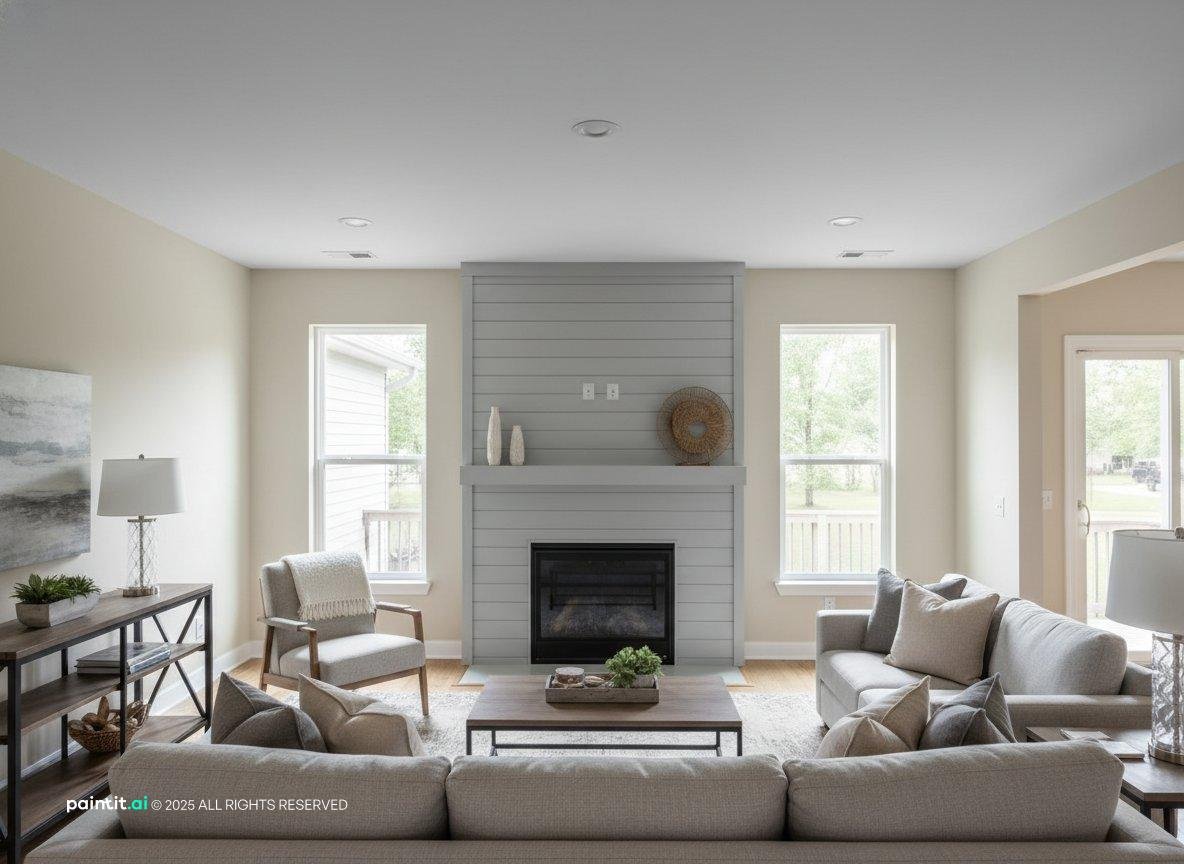
Depth and warmth in a cool palette come from a thoughtful layering of textures. This approach prevents the room from feeling flat or sterile, inviting touch and adding visual interest. It sounds simple, but varying textures is a powerful design tool.
-
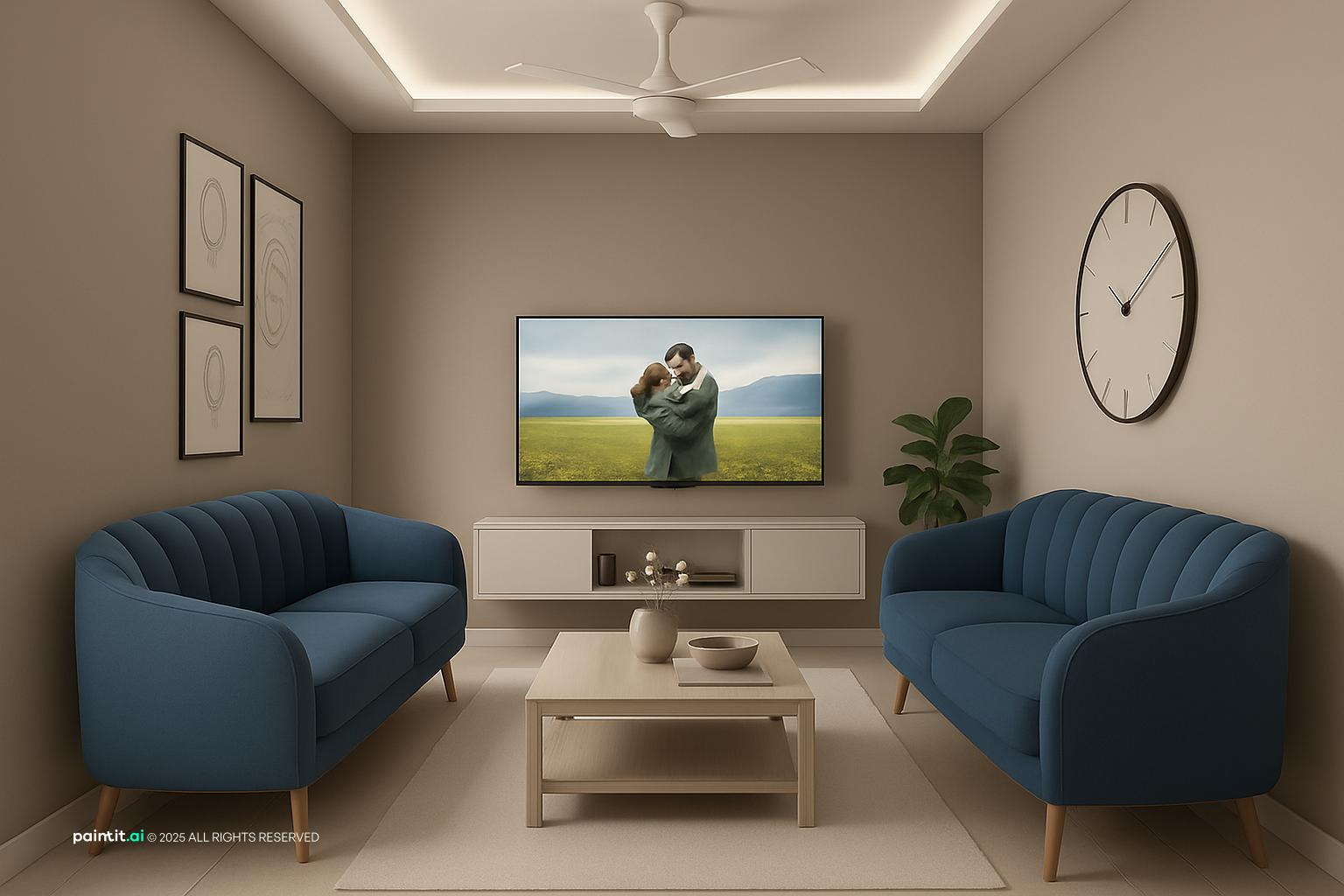
Use a mid-tone grey as your base, perhaps on a textured wallpaper or a wool rug. Introduce various shades of blue – from light powder blue in a throw to a deep indigo in cushions – all in different materials like knit, velvet, or linen. White can appear in sheer curtains or ceramic accessories. Think chunky knits, soft faux fur, and smooth polished surfaces.
-
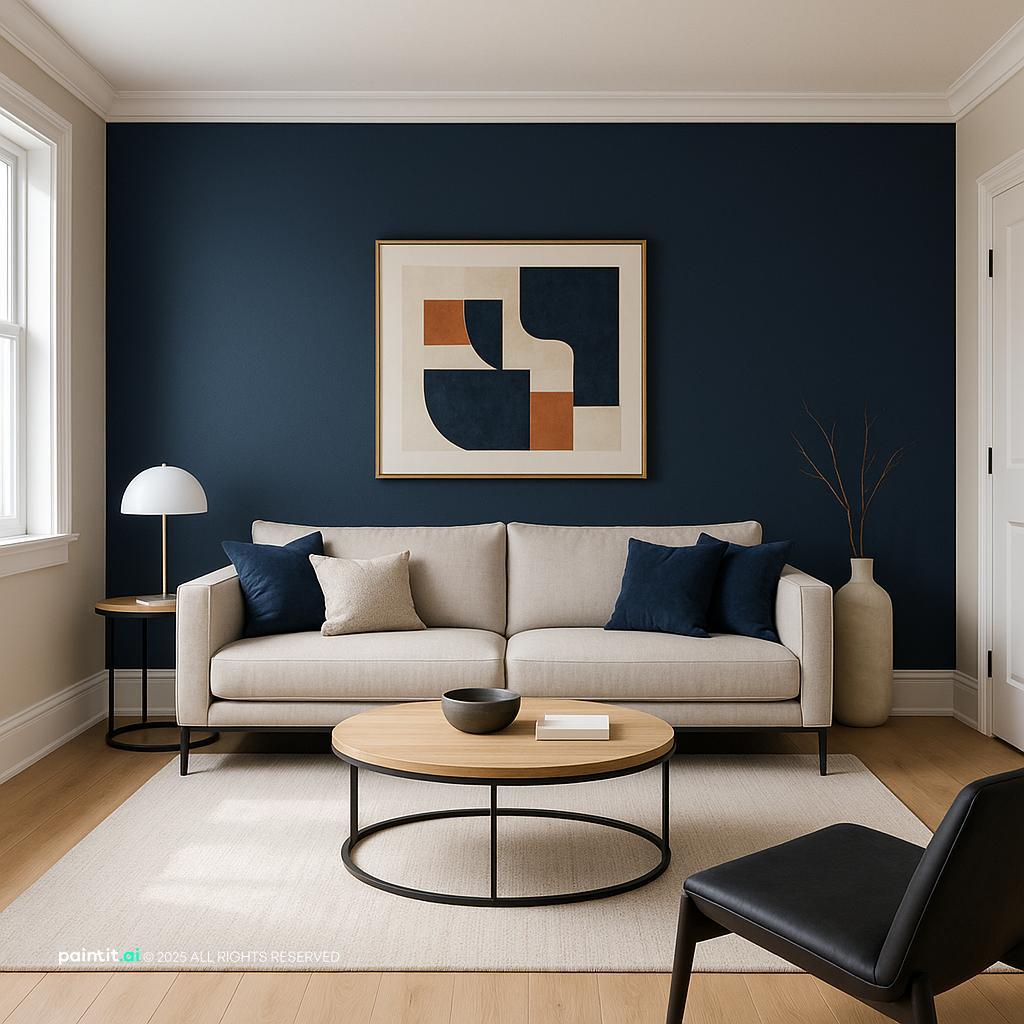
A softer, more refined take on bohemian style, this concept incorporates global influences and natural elements without overwhelming the space. It’s about creating a relaxed, lived-in feel that still feels cohesive and sophisticated. This isn't your typical vibrant boho; it's a calm interpretation.
-
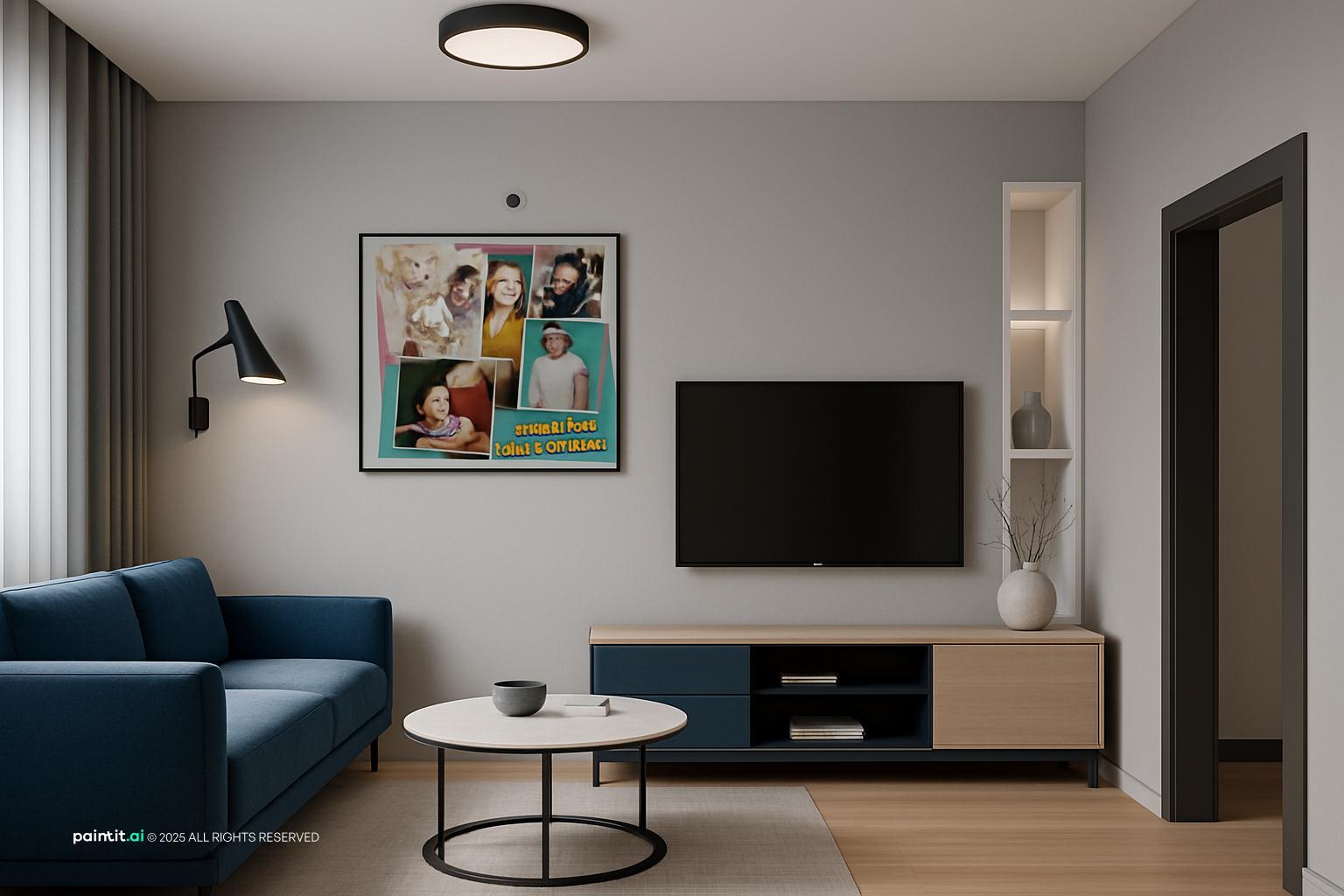
Start with warm off-white walls. Introduce muted, almost faded blues through patterned textiles – think Moroccan-inspired rugs or block-print cushions. Grey can come in through natural wood furniture or a textured pouf. Add plants, woven wall hangings, and artisanal pottery for character.
-
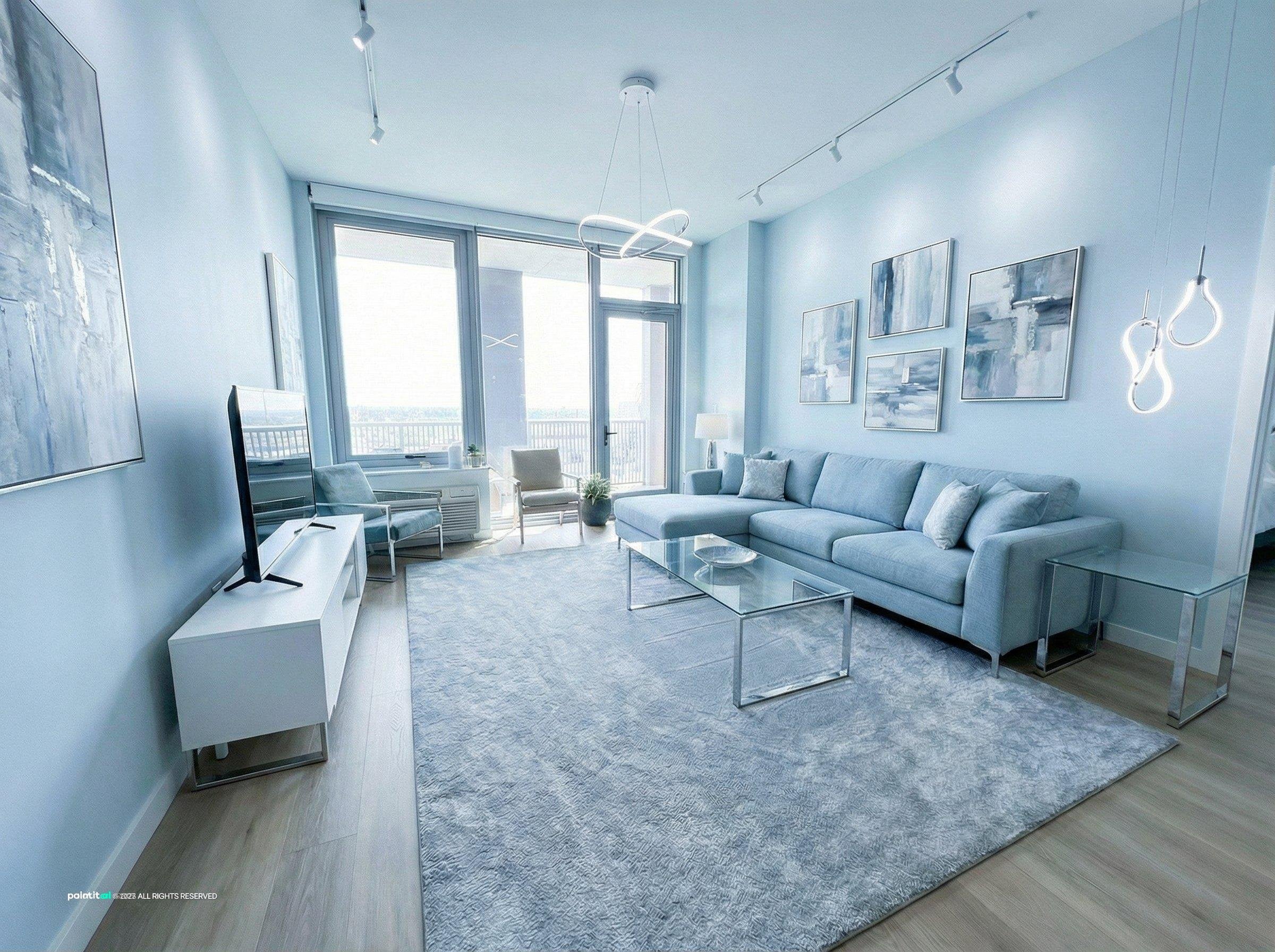
This style expertly blends traditional and contemporary elements, creating a balanced and enduring look. It’s about achieving a sense of timelessness and comfort that appeals to a wide range of tastes. It’s a safe bet that always looks good.
-
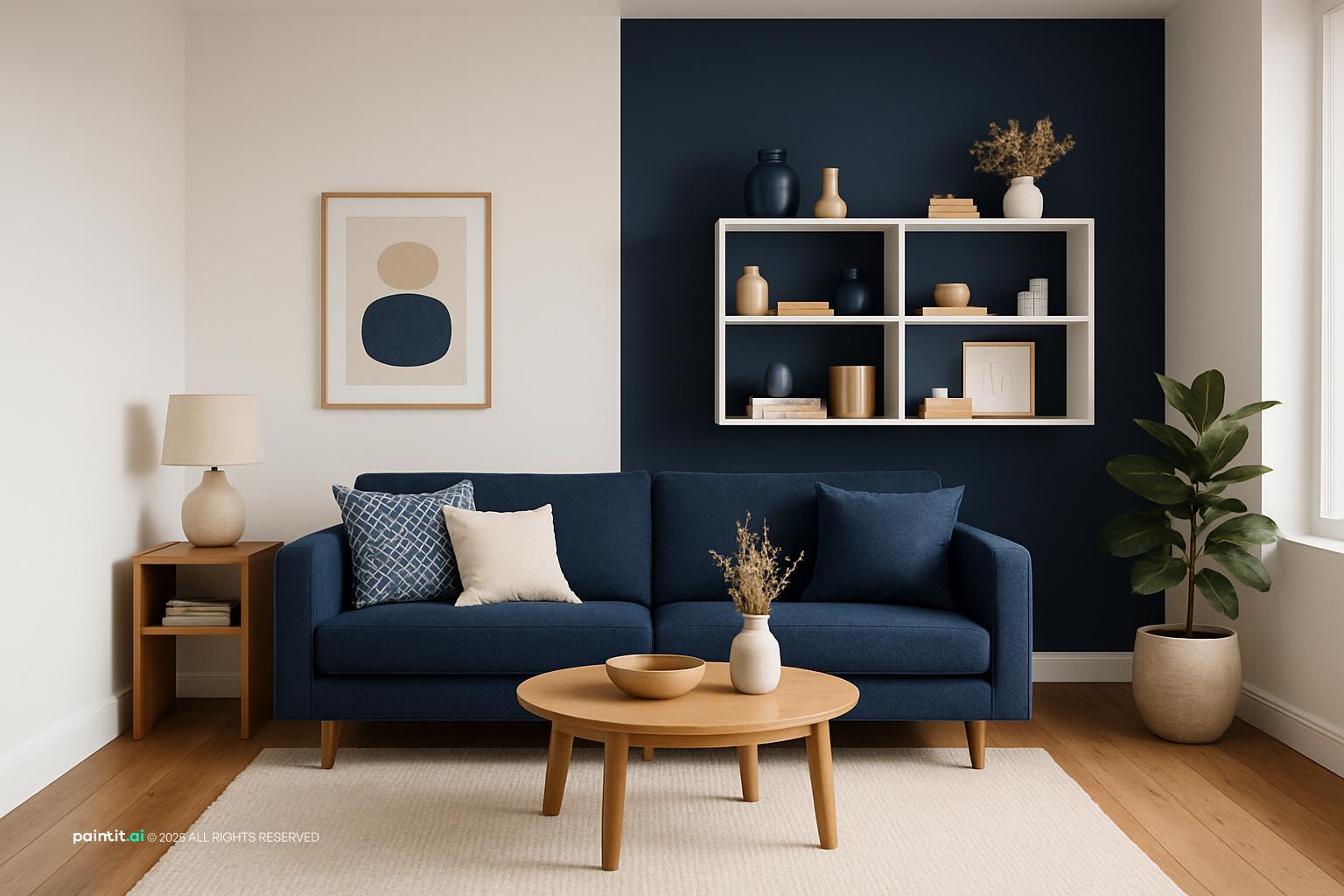
Choose a versatile greige (grey-beige) for the walls. A comfortable sofa in a medium blue anchors the room. White can be used for built-in shelving or a classic fireplace mantel. Mix furniture pieces – a modern coffee table with a more traditional armchair. Keep accessories understated but elegant.
-
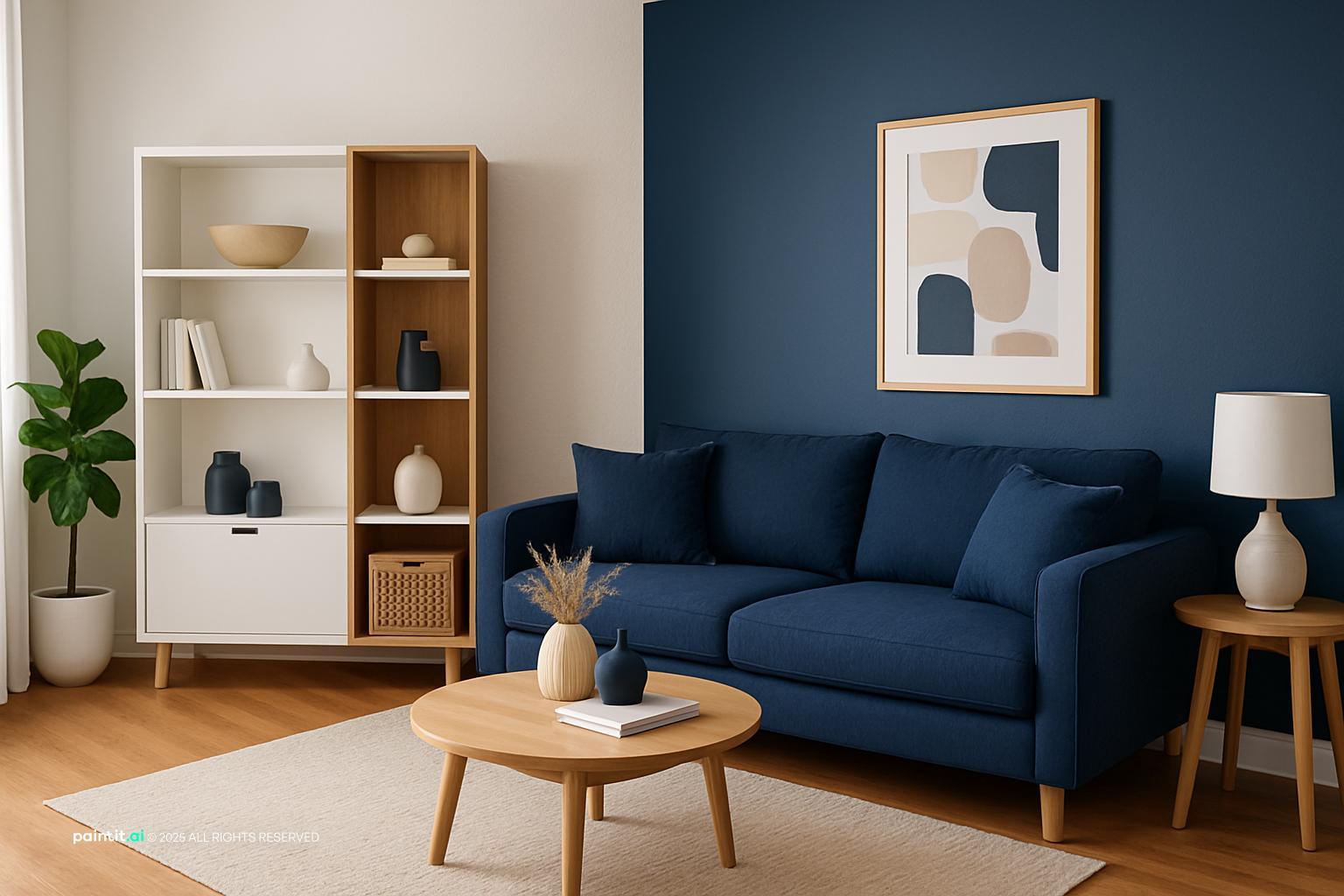
Move beyond anchors and stripes to a more sophisticated interpretation of maritime charm. This concept focuses on the inherent beauty of the sea and sky, using color and texture to evoke a sense of coastal grandeur. It’s less about a theme park and more about a luxury yacht.
-
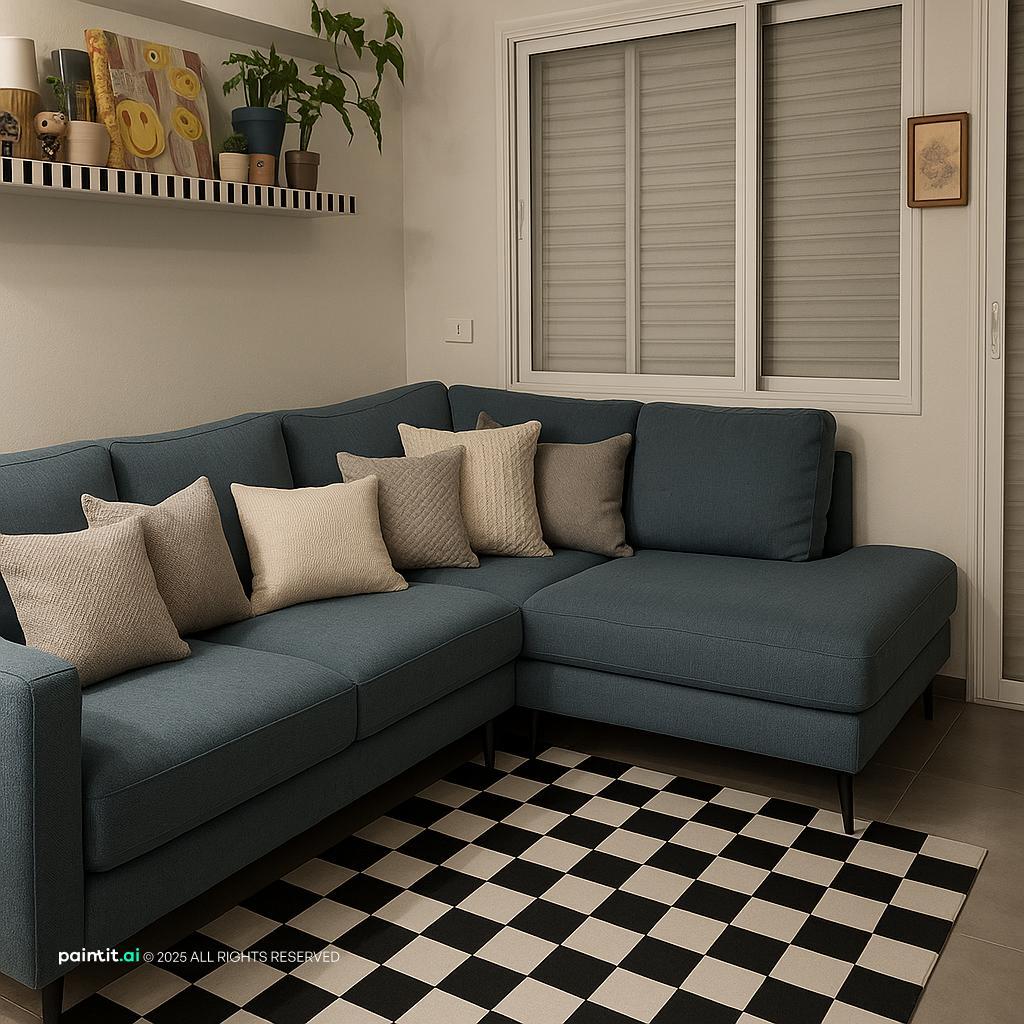
Deep ocean blues take center stage, perhaps on an accent wall or a large area rug. Pair this with crisp white wainscoting or trim. Greys can appear in polished chrome fixtures or a subtle pinstripe fabric. Incorporate natural light wood and perhaps a few carefully chosen brass accents.
-
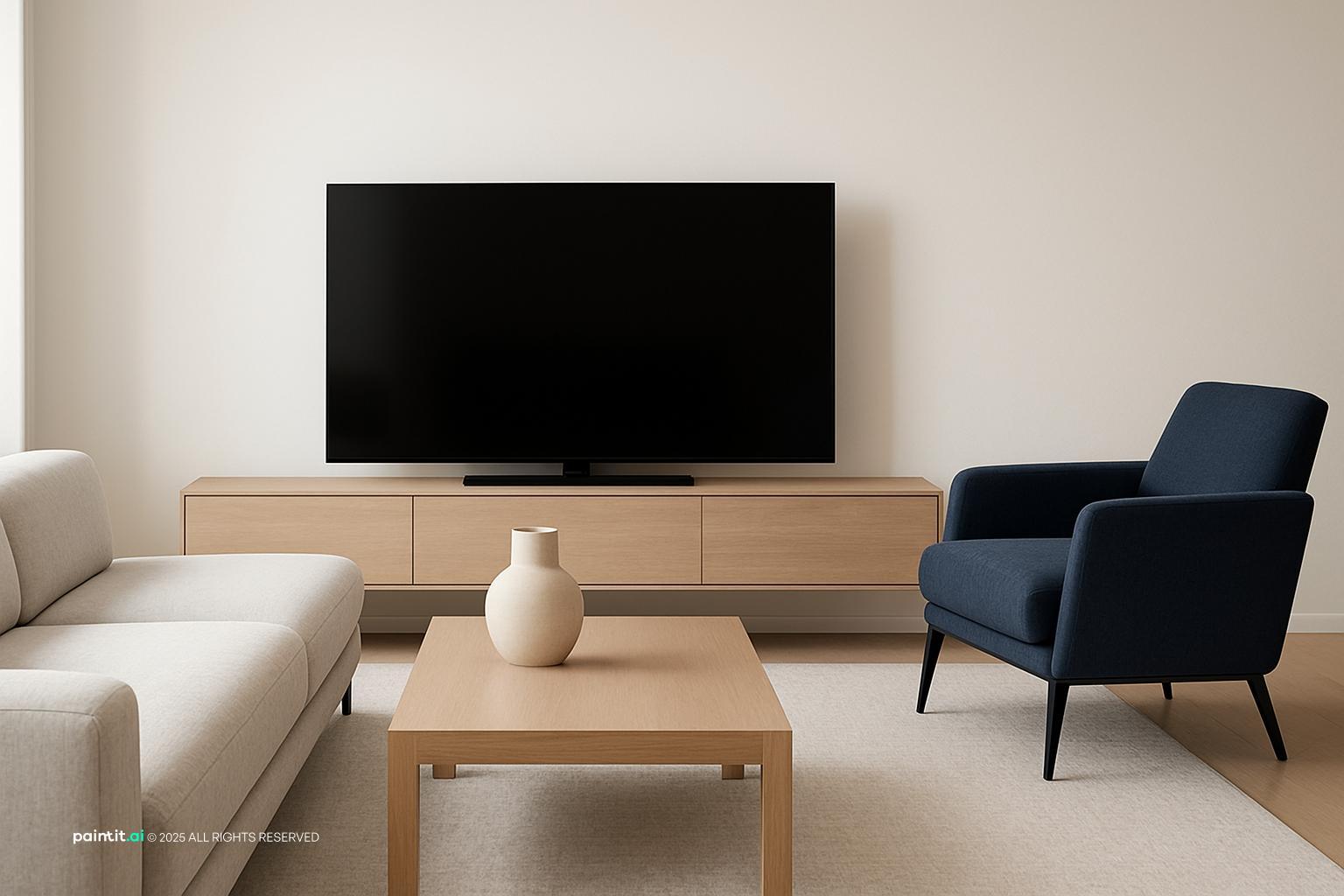
Infuse your living room with the glamour and geometric precision of the Art Deco era, but with a modern, understated touch. This isn't about recreating a museum; it's about borrowing the essence of luxury and structure. Most people forget that Art Deco can be subtle.
-
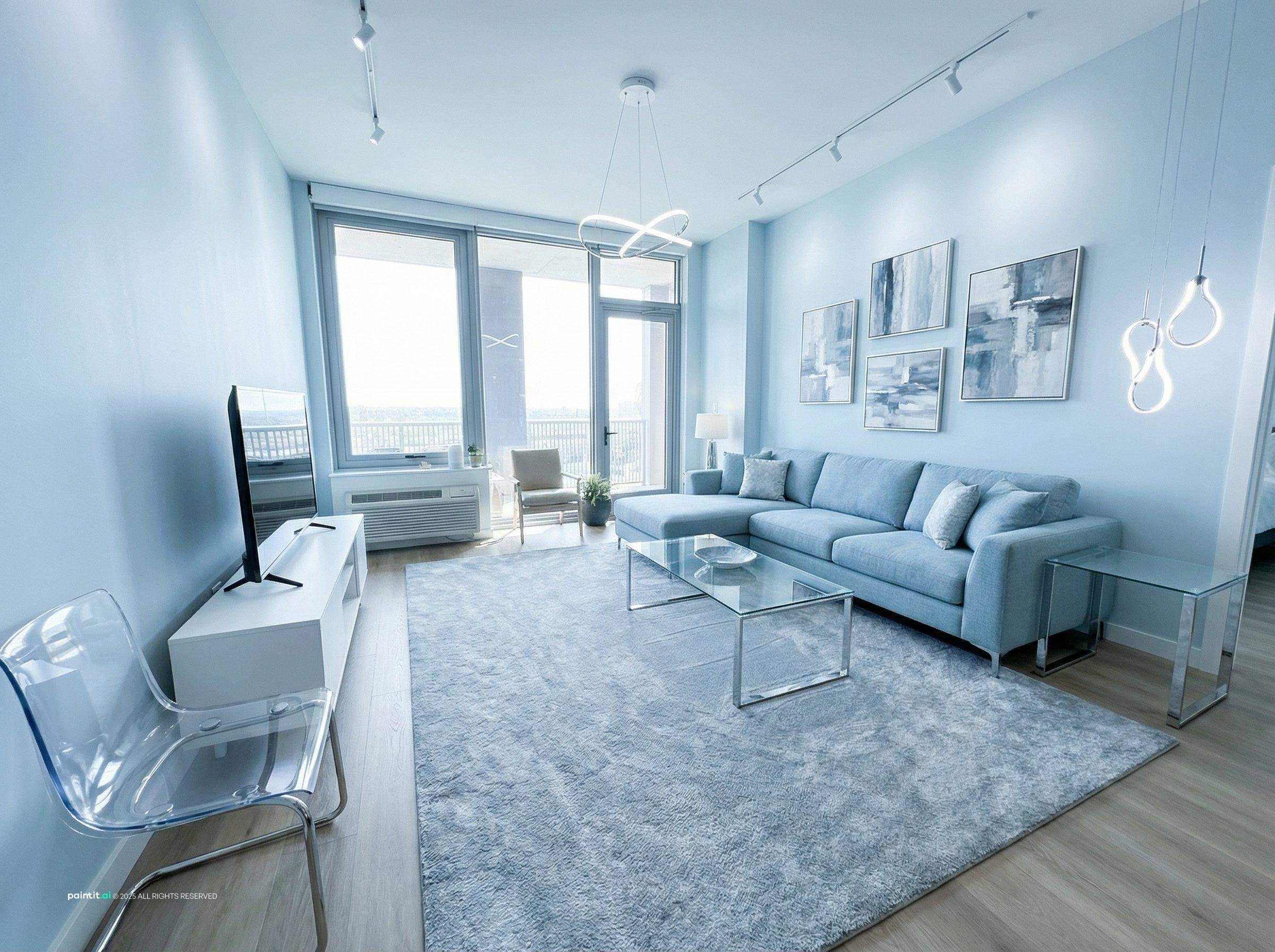
A deep, rich teal or peacock blue velvet sofa can be the star. Walls in a warm grey provide a sophisticated backdrop. White can be introduced through geometric patterns in artwork or a sleek, lacquered side table. Look for furniture with clean lines, metallic accents (gold or chrome), and perhaps a sunburst mirror.
-
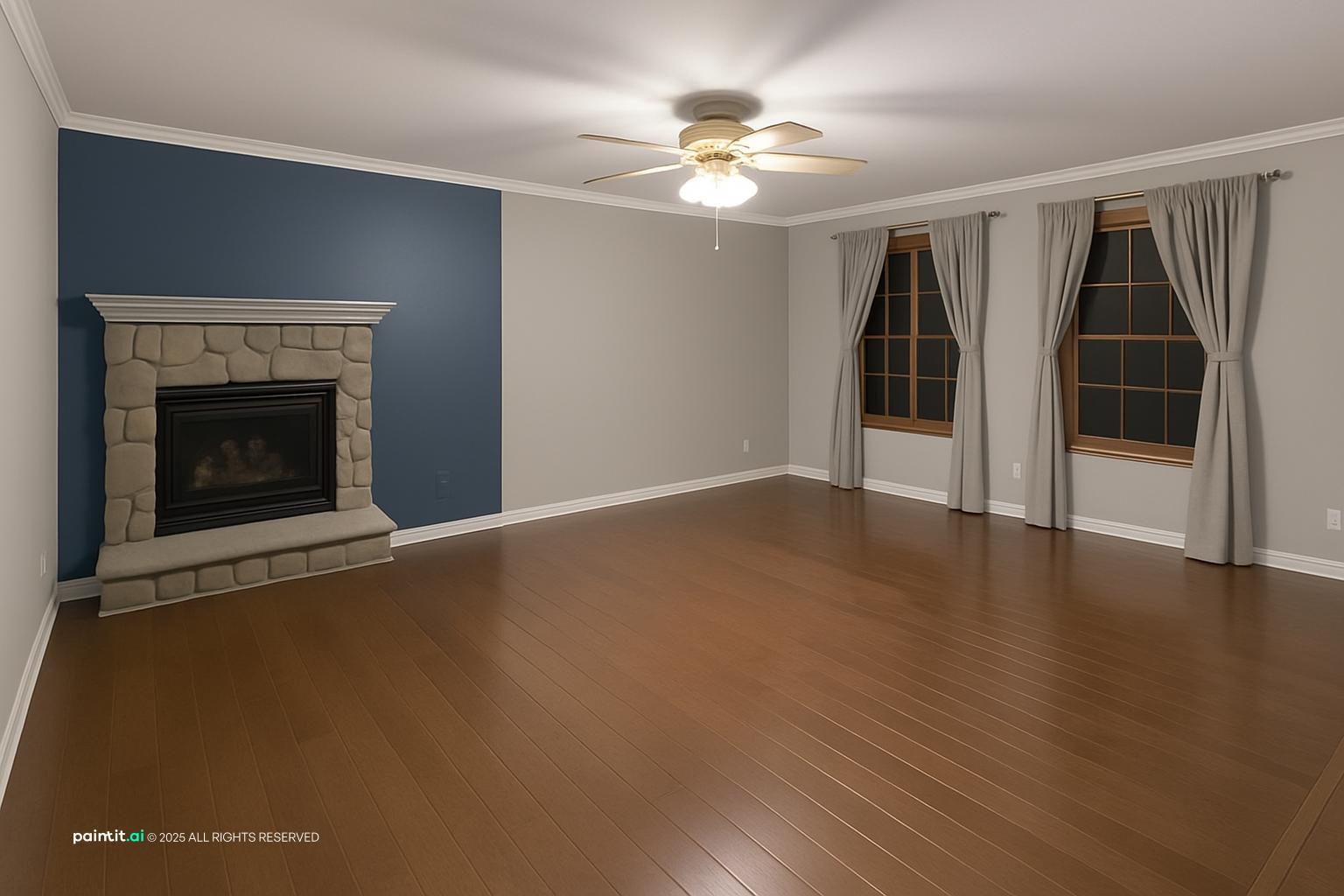
When dealing with an open-plan living area, maintaining visual continuity is paramount. This approach uses the white, grey, and blue palette to define zones while ensuring a harmonious flow throughout the entire space. It’s about cohesion without monotony.
-
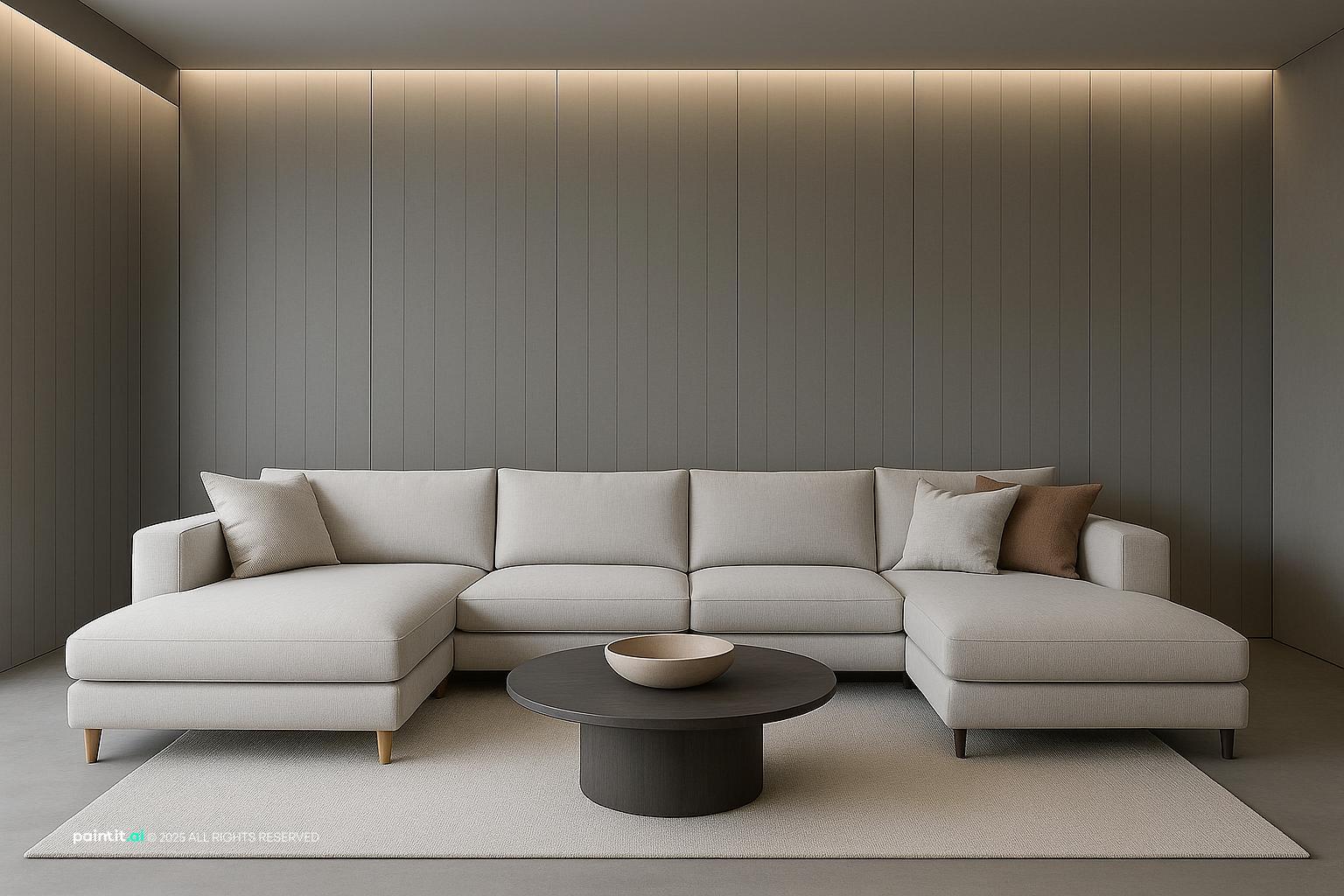
Use a consistent light grey on all walls to unify the area. Introduce white through kitchen cabinetry or dining chairs, maintaining brightness. Blues can then be used strategically to define the living zone – a large blue rug, a few blue cushions, or a piece of blue abstract art. This creates distinct areas without harsh breaks.
-
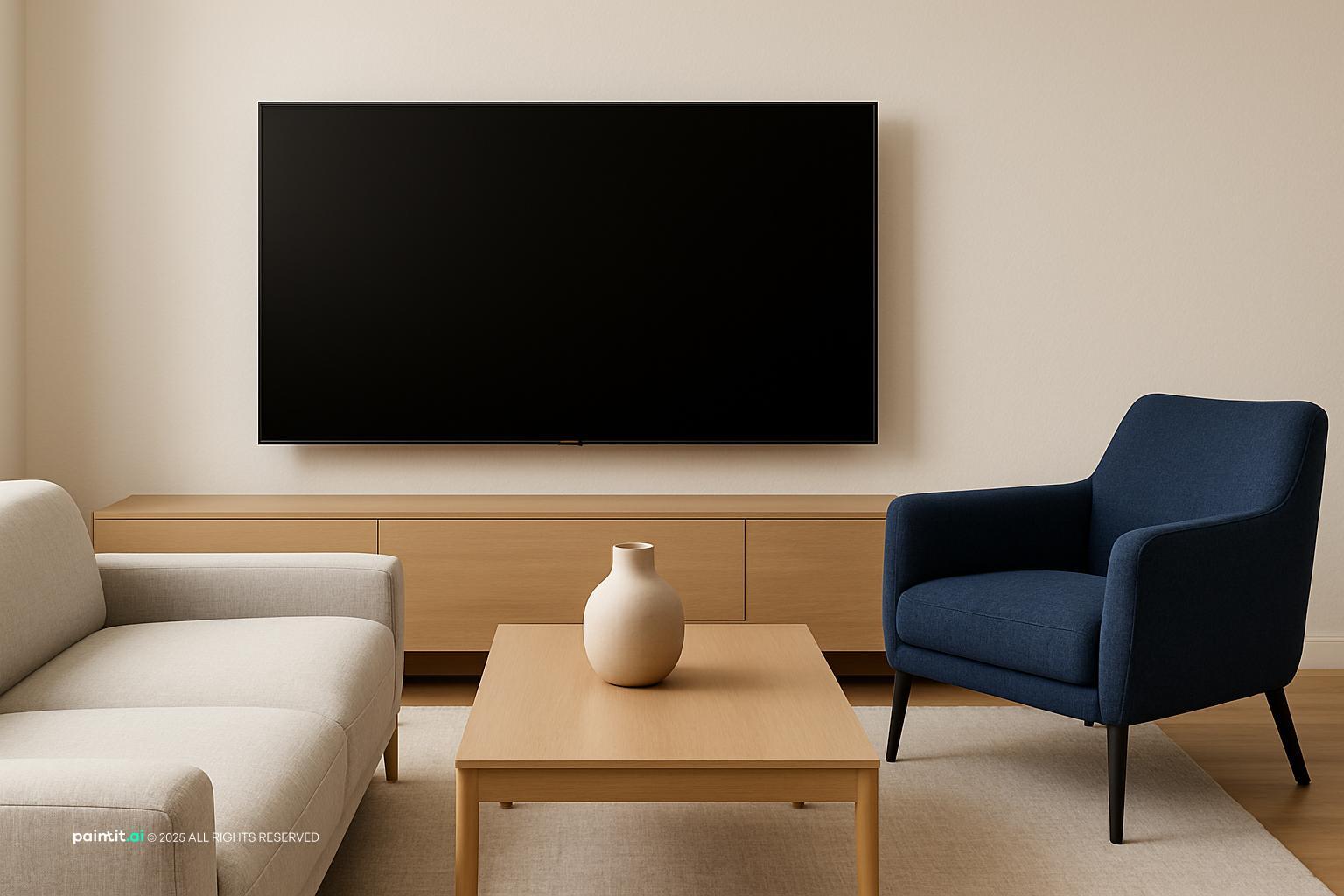
Even within a larger living room, carving out a dedicated, intimate space for relaxation is a wonderful idea. This concept focuses on creating a snug, inviting corner using the calming white, grey, and blue palette. It’s about personal comfort.
-
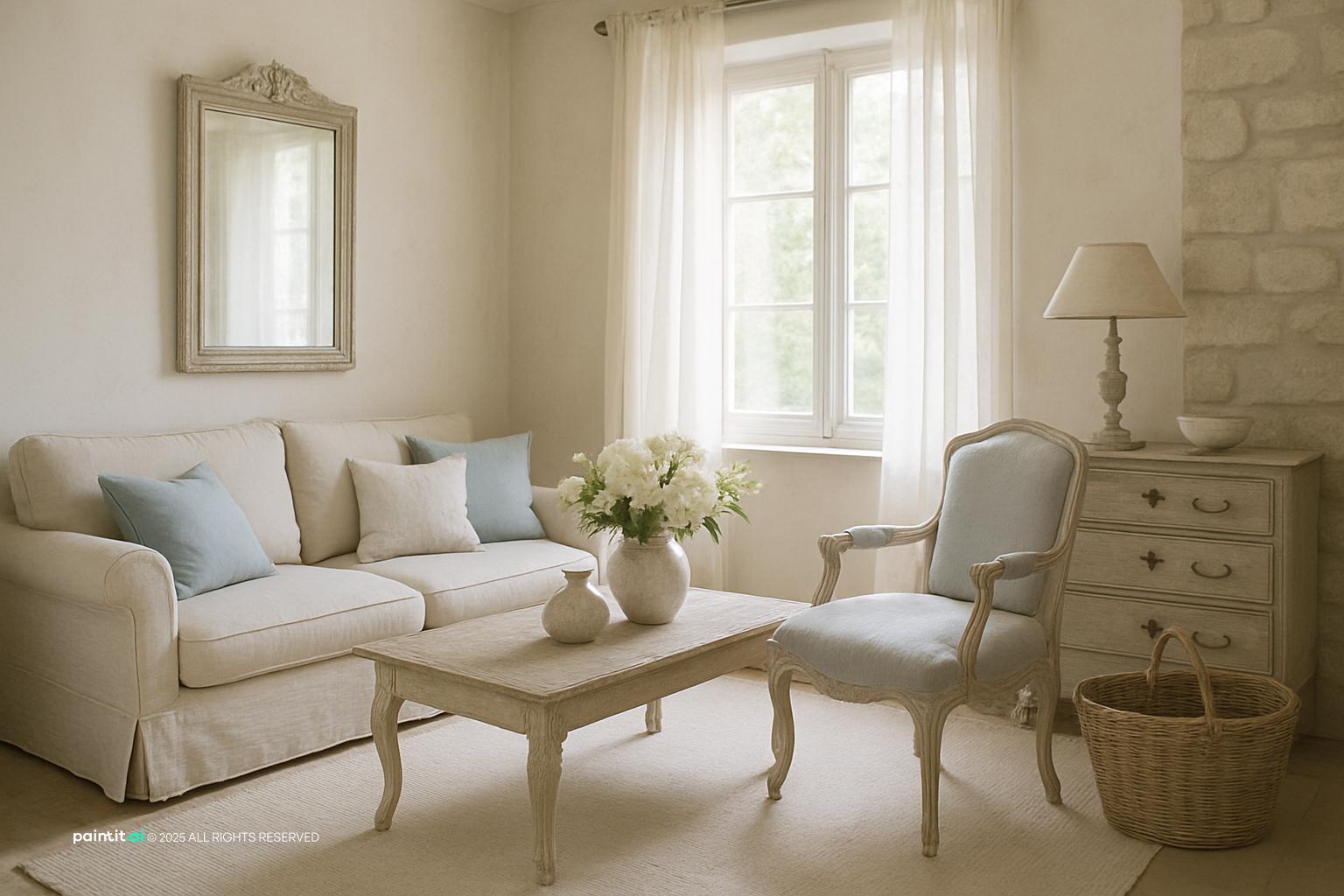
Paint the wall behind your reading chair a slightly darker shade of blue or a deep grey to create a sense of enclosure. A comfortable armchair in a contrasting white or light grey fabric becomes the focal point. Layer with soft blue and white throws and cushions. A good reading lamp is non-negotiable.
Crafting Serenity: Mastering the White, Grey, and Blue Palette to Life with Paintit.ai
-
Crafting Serenity: Mastering the White, Grey, and Blue Palette 1. Color palette Achieving the perfect white, grey, and blue living room begins with a thoughtful color strategy. Your base should be a crisp, clean white, perhaps a Benjamin Moore Chantilly Lace, applied to walls and ceilings to maximize natural light and create an expansive feel. This sets a pristine canvas. Introduce a soft, warm grey like Sherwin-Williams Agreeable Gray for larger elements such as your main sofa or a substantial area rug; this grounds the space without making it feel cold. For depth and sophistication, a deep navy blue, like Benjamin Moore Hale Navy, works beautifully as a secondary accent on throw pillows, an ottoman, or even a single accent wall. Finally, a lighter, ethereal sky blue or dusty blue, reminiscent of Valspar Sea Salt, can be woven in through smaller decorative items or artwork, adding a touch of gentle calm. The truth is, balancing these tones means allowing white to dominate, grey to provide a comforting middle ground, and blues to inject personality and tranquility. 2. Key materials & textures The tactile experience in a white, grey, and blue space is paramount. Introduce natural wood elements, specifically light oak or bleached ash, for coffee tables, side tables, or even a console. This brings an organic warmth that prevents the cool palette from feeling sterile. Soft textiles are non-negotiable. Think luxurious linen for drapes that filter light beautifully, a chunky wool rug underfoot for comfort, and velvet or cotton for cushions and throws. These materials add layers of plushness and visual interest. Brushed metals, like nickel or chrome, on lamp bases or hardware, provide a subtle modern gleam without overpowering the serene aesthetic. Most people forget that texture is as important as color; it’s what makes a room feel inviting and lived-in. 3. Furniture essentials Defining this look with furniture means choosing pieces that are both comfortable and visually light. A low-profile sofa with clean lines, upholstered in a light grey or off-white linen, serves as the anchor. It should invite relaxation without appearing bulky. An accent chair in a rich navy velvet or a lighter blue fabric introduces a distinct silhouette and a pop of color, offering an intimate seating option. For the center of the room, a simple coffee table, perhaps round and made of light wood or glass, keeps the space feeling open and airy. I’ve seen this work best in rooms where furniture feels grounded but not heavy. Here is what matters: scale is everything; oversized pieces can quickly diminish the serene, expansive effect you’re aiming for. 4. Lighting setup A well-executed lighting plan is crucial for enhancing the calming atmosphere. Begin with ambient lighting, utilizing recessed fixtures on dimmers or a central flush-mount ceiling light with a diffused shade to provide overall illumination. Task lighting is next; a stylish floor lamp beside the sofa for reading and elegant table lamps on side tables are essential for functionality and adding pools of light. Finally, accent lighting, such as picture lights above artwork or small wall sconces, highlights specific features and creates a layer of intimacy. It sounds simple, but the goal is soft, layered light, entirely avoiding harsh overhead glare. Stick to warmer temperature bulbs for a truly calming glow; mixing cool and warm temperatures can disrupt the palette’s harmony. 5. Decorative accents & the 3-5-7 rule Decorative accents are where the personality of your white, grey, and blue living room truly shines. Choose abstract artwork with subtle blue or grey tones, or serene landscape prints that echo the calming palette. Introduce life with plants; a tall fiddle leaf fig or a smaller snake plant in a white ceramic pot adds organic texture and freshness. Now, for the "3-5-7 rule": apply this principle to styling shelves, coffee tables, or console tables. Group items in odd numbers for visual balance and interest. For example, on a coffee table, a group of three might be a small stack of design books, a unique ceramic vase, and a decorative object. On a larger console, you could arrange five items: a framed photo, a small plant, a scented candle, a decorative bowl, and a sculptural piece. For a bookshelf, aim for seven, varying heights and textures with books, small sculptures, and perhaps a few small framed prints. It might seem odd at first, but odd numbers feel more natural and less "staged," creating a dynamic yet balanced display.
How Paintit.ai Eliminates Guesswork in Your White, Grey, and Blue Living Room Design Ideas
Achieving the perfect balance in a white, grey, and blue living room is often more challenging than it appears. Subtle shifts in cool silver-grey or vibrant cobalt dramatically alter the room's mood. I’ve seen this lead to costly mistakes. Visualizing these combinations before committing is crucial. Paintit.ai truly shines here. Our ai allows you to instantly swap out wall colors, furniture textiles, and accent pieces. See how a deep navy feature wall interacts with a light grey sectional and crisp white trim in your actual space. No more guesswork. Try it. See your vision come to life, ensuring every shade aligns perfectly.
FAQ
-
Overdoing one shade is a common pitfall. Balance is key. I’ve seen this work best by layering textures: a plush navy rug, a crisp white sofa, and a concrete grey accent wall. Introduce natural wood for warmth.
-
Wood elements are your friend. Think a light oak coffee table or walnut shelving. Brass or gold accents can also add a subtle glow. Textiles like chunky knit throws or velvet cushions bring softness.
-
Dusty blues, like a muted slate blue or a deep navy, offer sophistication. Avoid overly bright or primary blues. A soft periwinkle can also introduce a calming, almost ethereal quality.
-
Texture, texture, texture. Vary materials like linen, wool, velvet, and even a touch of leather. Plants bring life. Most people forget that lighting, especially warm-toned bulbs, makes a huge difference.
-
A touch of warm metallic, like brushed brass or antique gold, works beautifully. Soft blush pink or a deep forest green can provide a sophisticated contrast without overwhelming the primary palette.