
Designing a Small Zen Living - Room: Cultivating Calm in Compact Spaces
Dreaming of a serene escape, a place where calm instantly settles? A small zen living room offers just that - a compact sanctuary designed for peace. It’s about finding the perfect balance of minimalist aesthetics and profound tranquility, making every inch count for quiet reflection. How do you create such a harmonious haven in your own modest space?
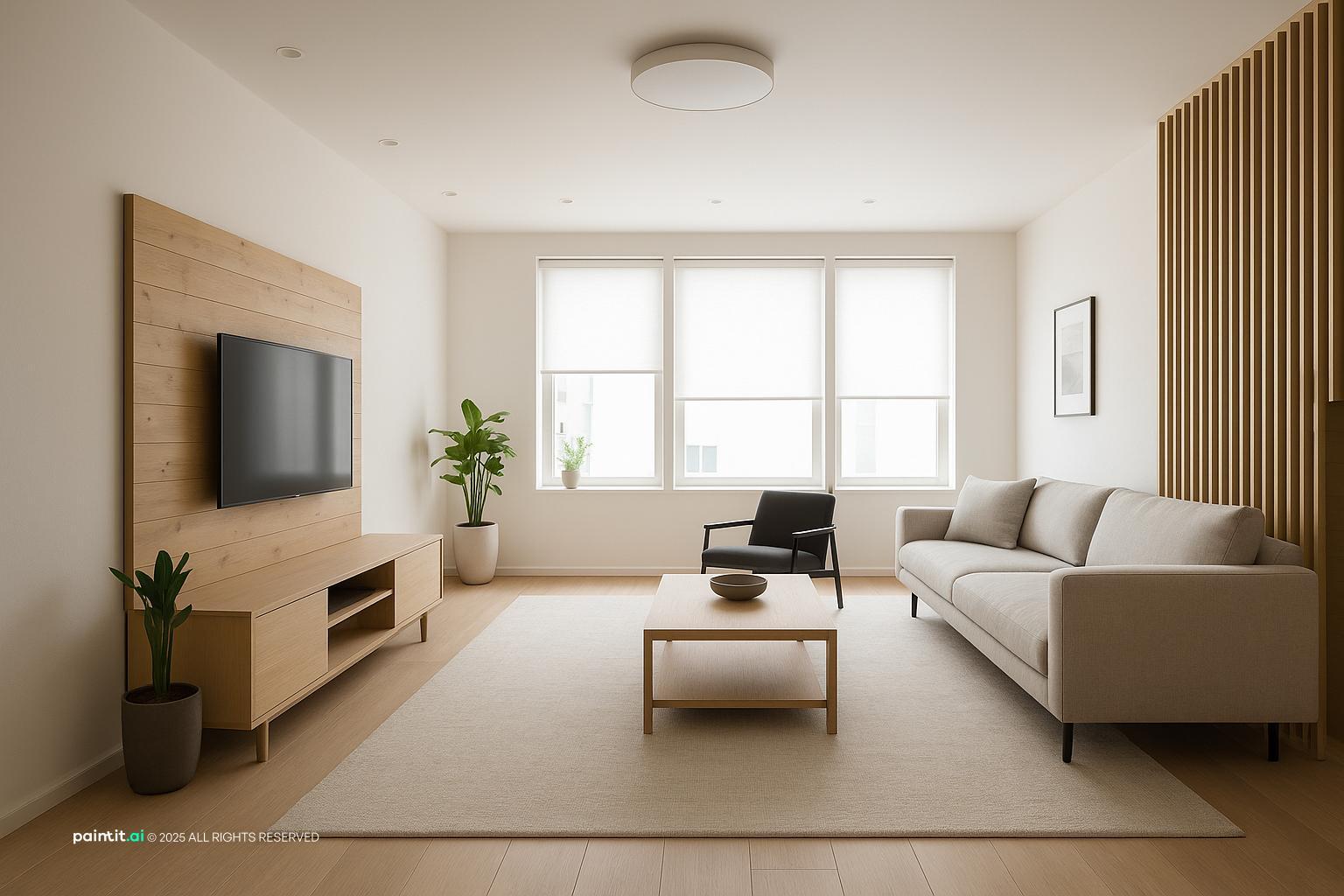
Essential Tips for The Art of the Small Zen Living Room: A CEO's Perspective
As an interior design editor, I’ve often observed a common misconception: true tranquility requires vast space. The truth is, cultivating a peaceful sanctuary is less about square footage and more about intentional design. A small zen living room, when approached with mindful design principles, becomes a powerful statement of calm. It’s about creating a serene atmosphere, a personal retreat where every element serves a purpose in fostering quiet reflection.
-
The Art of the Small Zen Living Room: A CEO's Perspective
As an interior design editor, I’ve often observed a common misconception: true tranquility requires vast space. The truth is, cultivating a peaceful sanctuary is less about square footage and more about intentional design. A small zen living room, when approached with mindful design principles, becomes a powerful statement of calm. It’s about creating a serene atmosphere, a personal retreat where every element serves a purpose in fostering quiet reflection.
Stunning Examples of 14 Serene Design Ideas for Your Small Zen Living Room
-
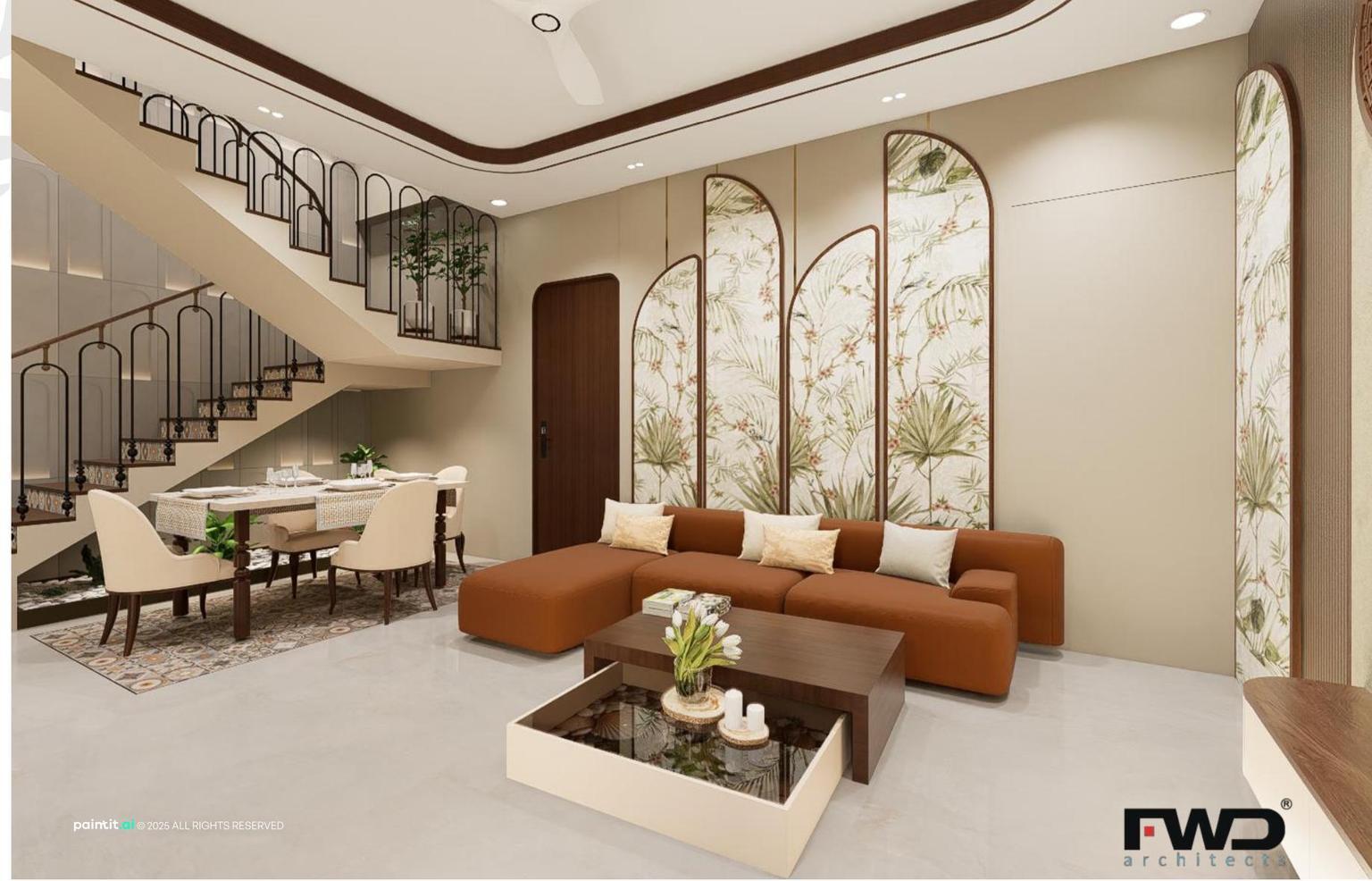
Crafting a truly tranquil space requires thoughtful consideration of every element, especially when square footage is at a premium. These ideas have been carefully curated to strike that delicate balance between aesthetic beauty and profound functionality, ensuring your compact sanctuary feels expansive in spirit.
-
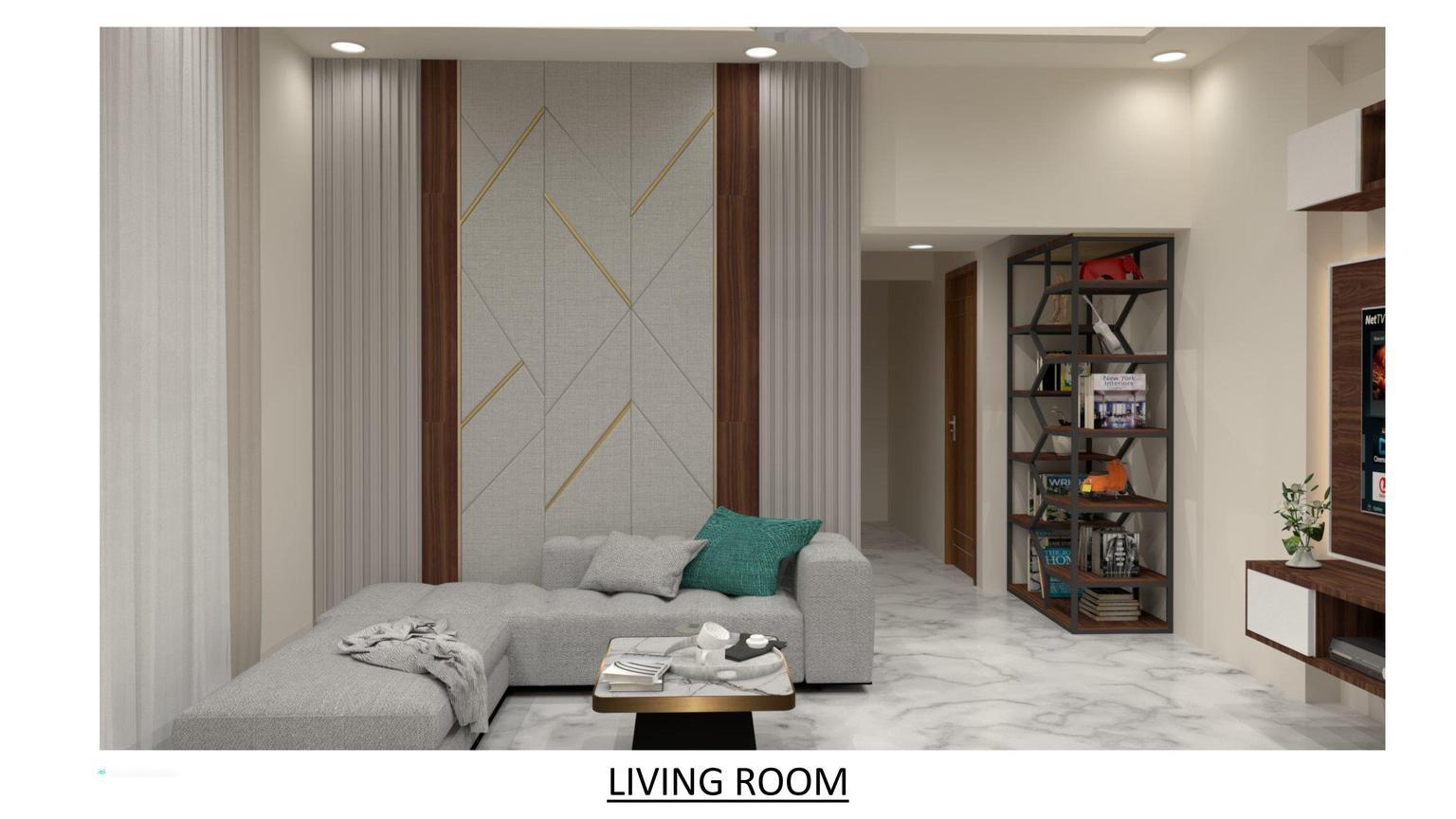
Here is what matters:
-
The truth is, a zen living space thrives on simplicity. Removing clutter isn't just about tidiness; it's about clearing mental space. Every item should serve a purpose or evoke a sense of peace. I’ve seen this work best in rooms where only essential furniture pieces remain, allowing the eye to rest and the mind to calm.
-
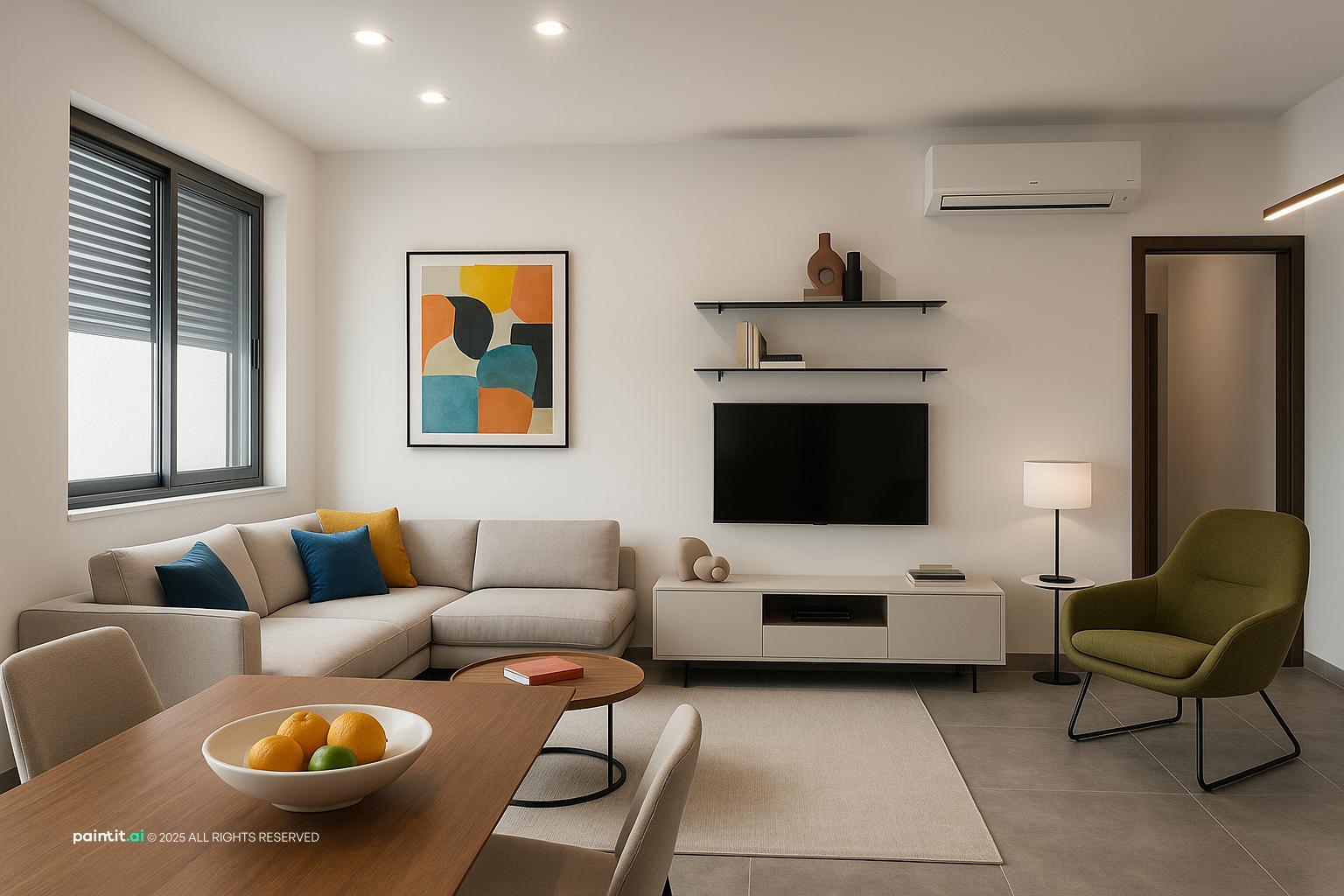
To implement this, start by decluttering ruthlessly. Opt for clean lines in your furniture choices. A low-profile sofa and a simple coffee table are often all you need. Think about the visual weight of each piece.
-
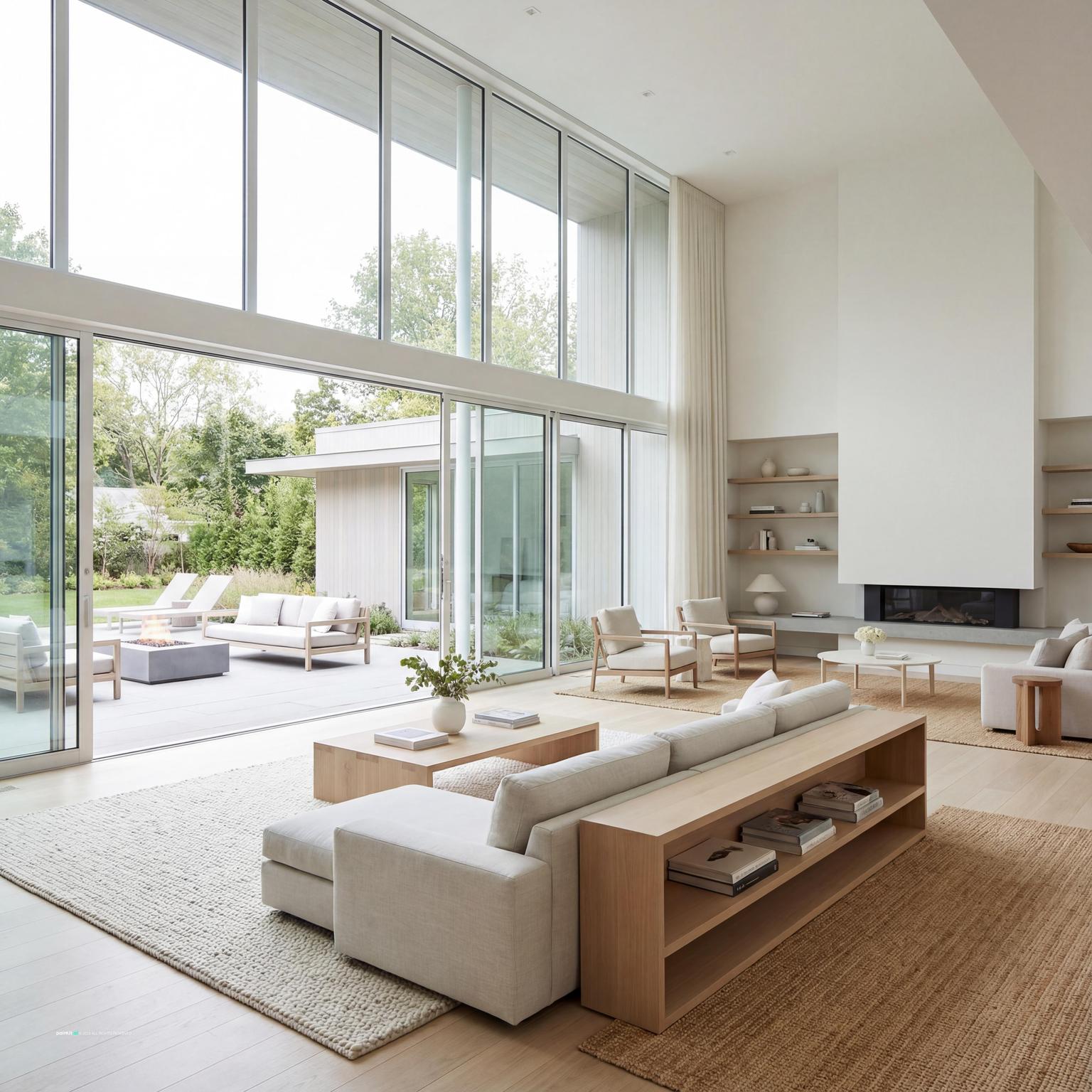
Pro Tip: To achieve this effect, try storing away anything not used daily, creating an immediate sense of spaciousness.
-
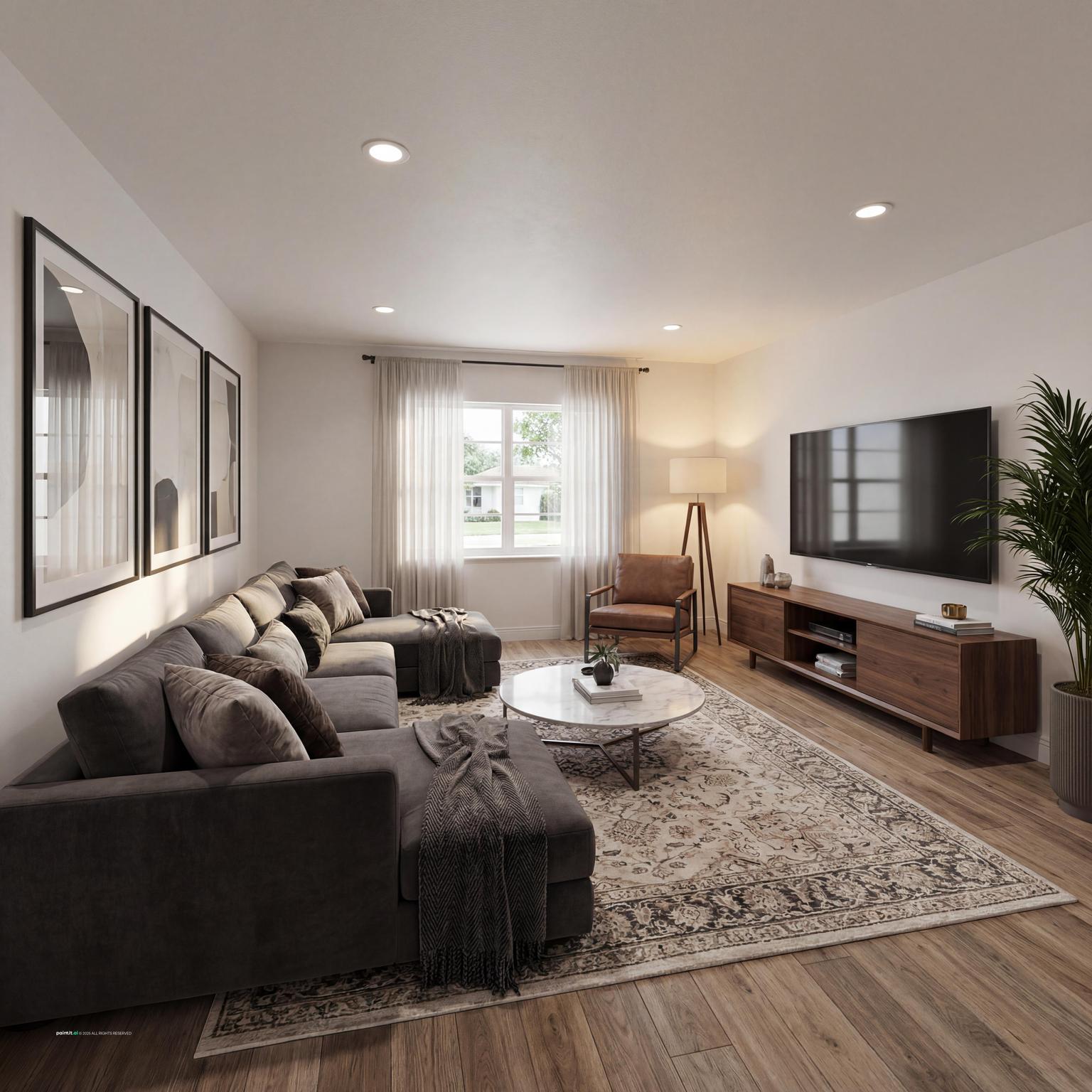
Connecting with nature is fundamental to zen design. Incorporating organic textures brings an immediate sense of grounding and warmth. It might seem odd at first, but the tactile experience of natural elements profoundly impacts our mood.
-
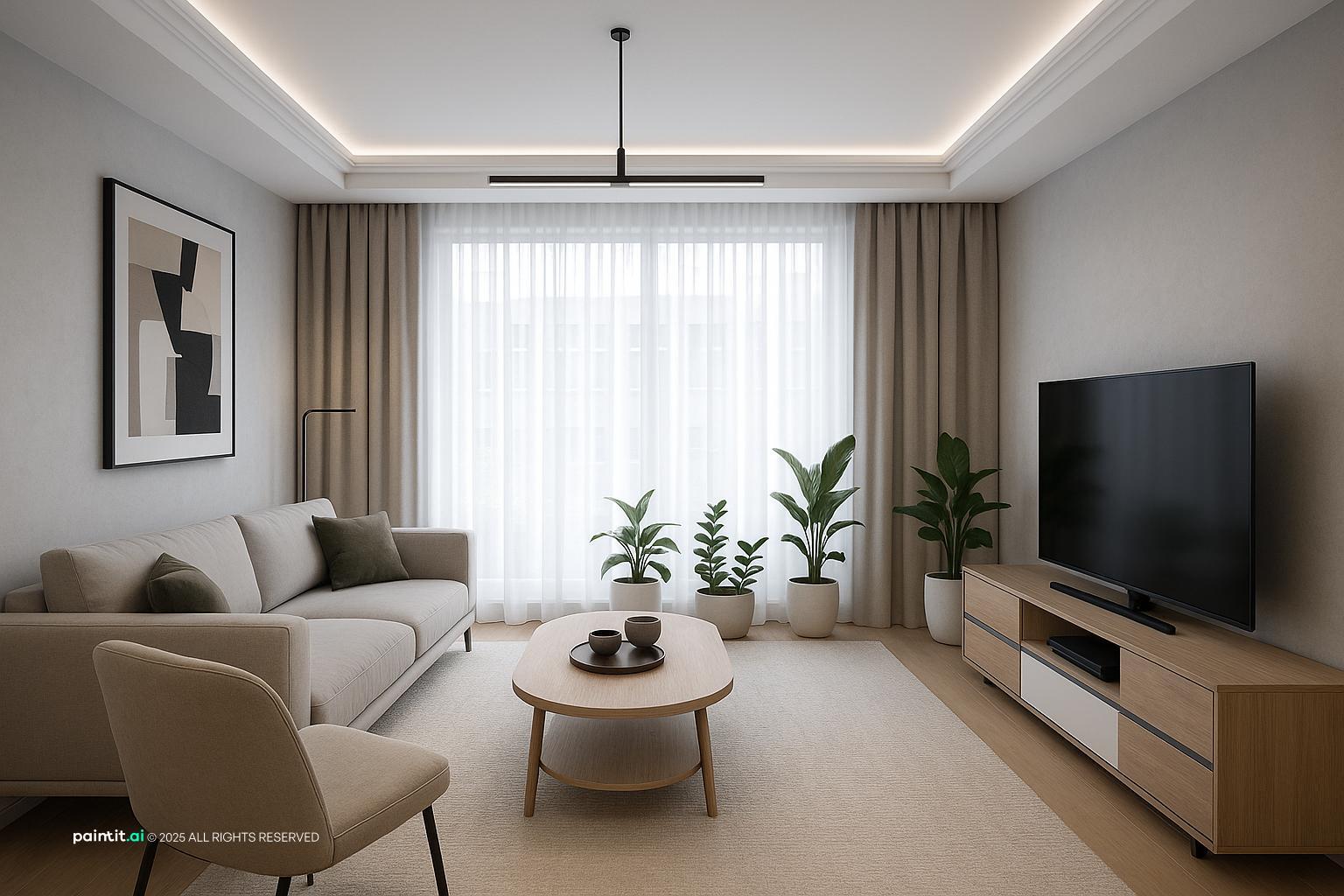
Look for furniture crafted from light-toned wood like birch or bamboo. Linen upholstery, wool rugs, and stone accents can introduce varied textures. Even a simple ceramic vase adds to this earthy feel.
-
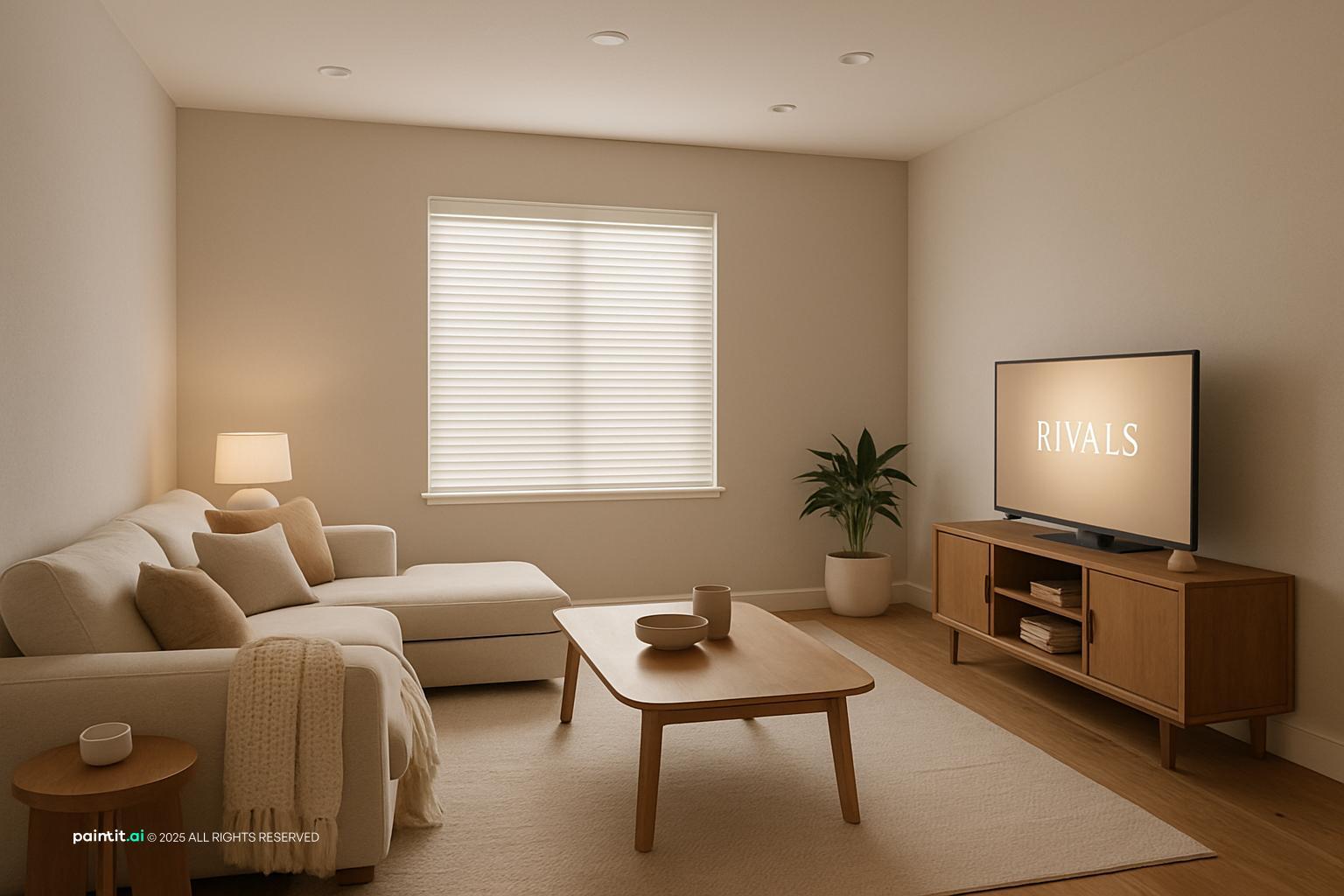
Pro Tip: To achieve this effect, try layering different natural textures, such as a jute rug under a linen sofa, for depth without visual clutter.
-
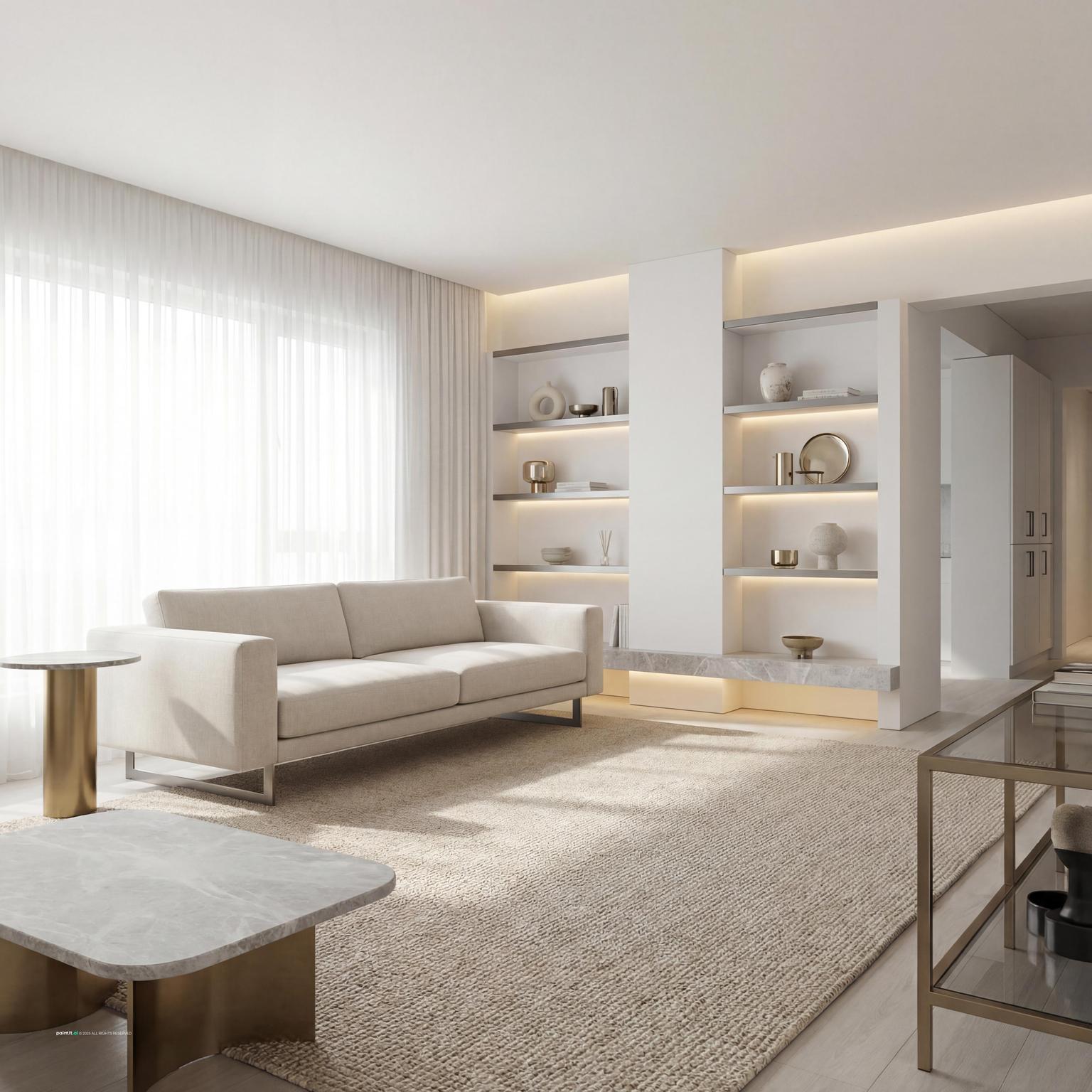
A serene color scheme is the bedrock of any calming environment. Soft, muted tones allow the mind to relax, preventing overstimulation. Most people forget that the absence of vibrant colors can be incredibly powerful.
-
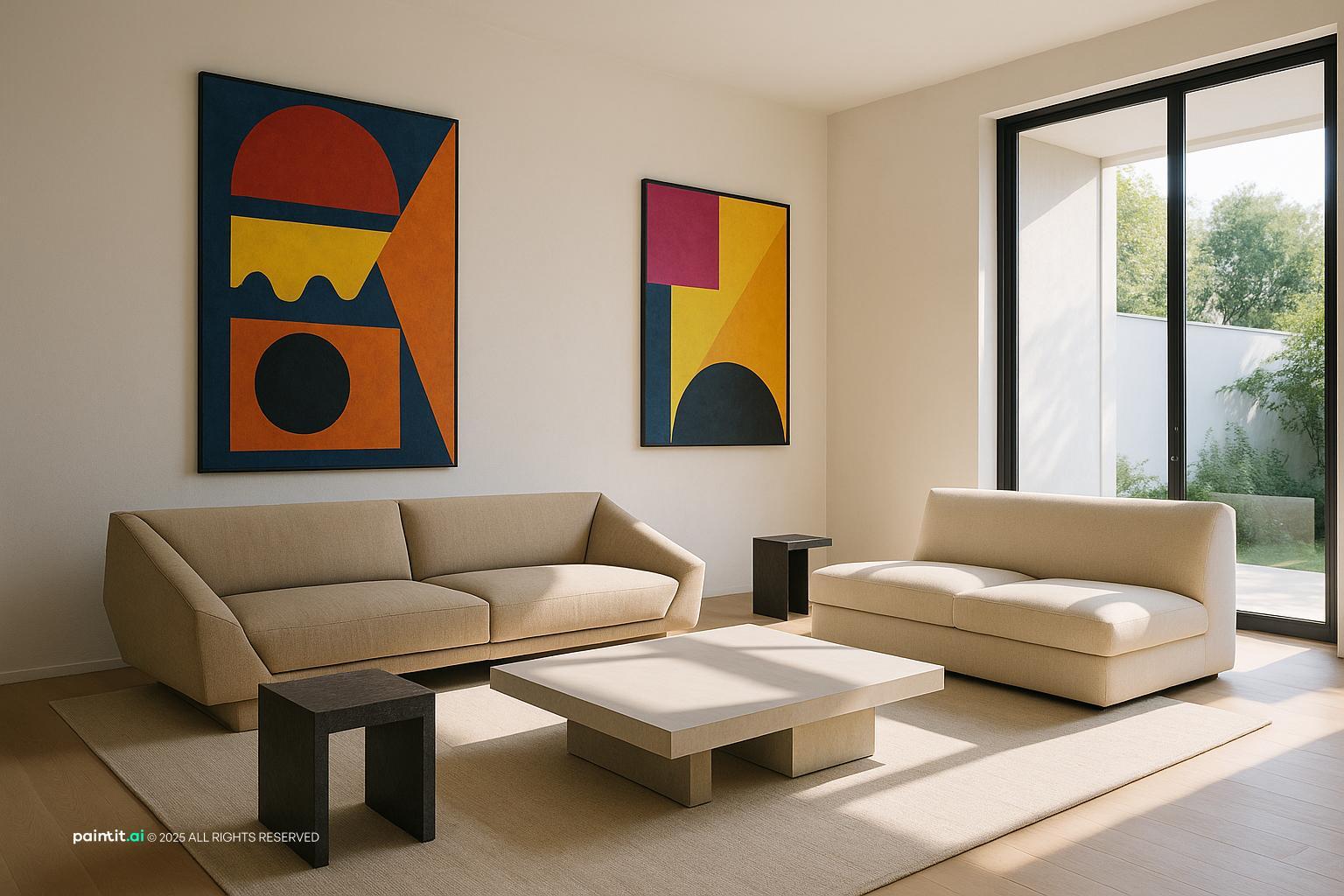
Stick to a palette of whites, creams, soft greys, and muted earth tones. You can introduce very subtle pops of color through natural elements like plants or a single piece of art. The goal is harmony, not contrast.
-
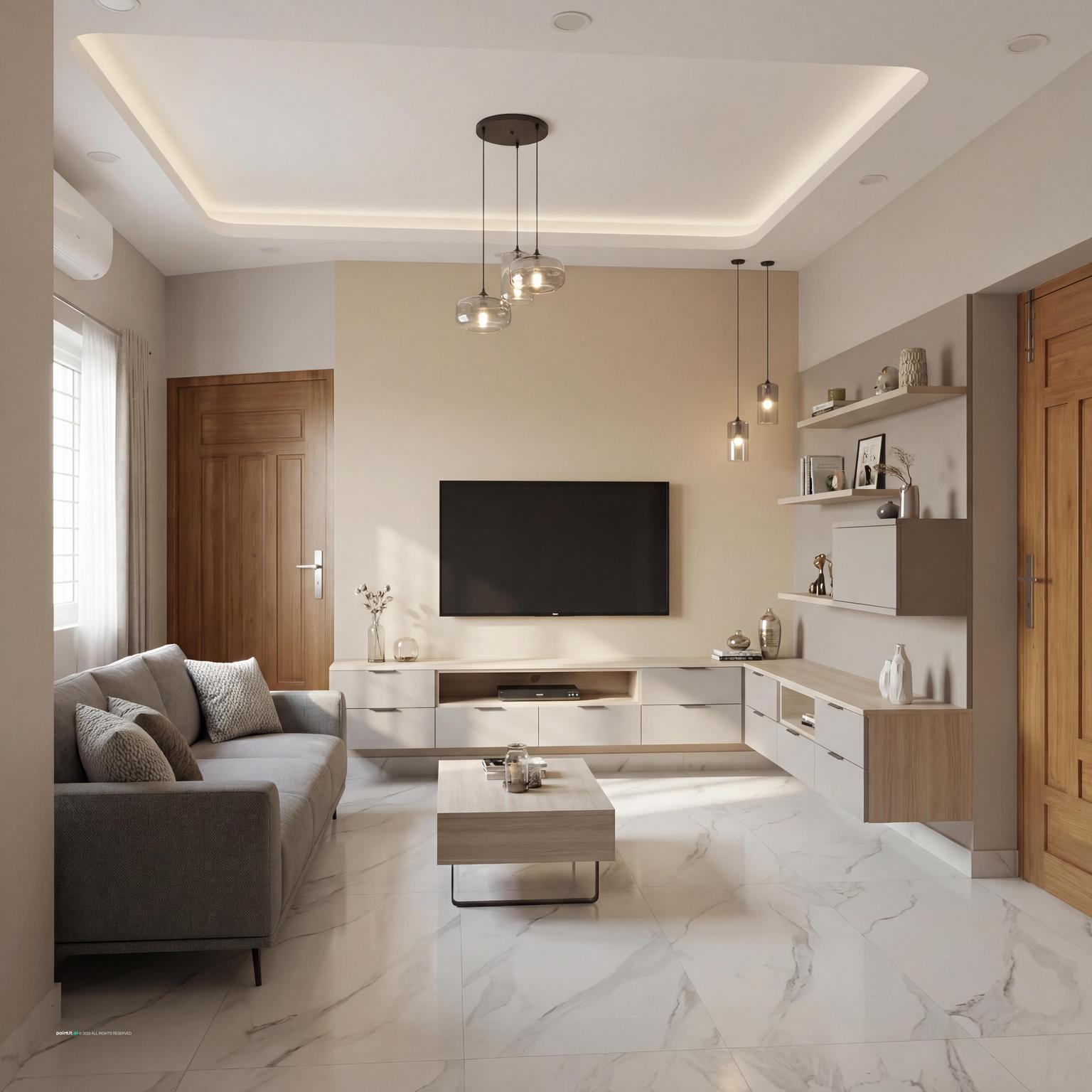
Pro Tip: To achieve this effect, try using different shades of the same neutral color to add subtle dimension without breaking the calm.
-
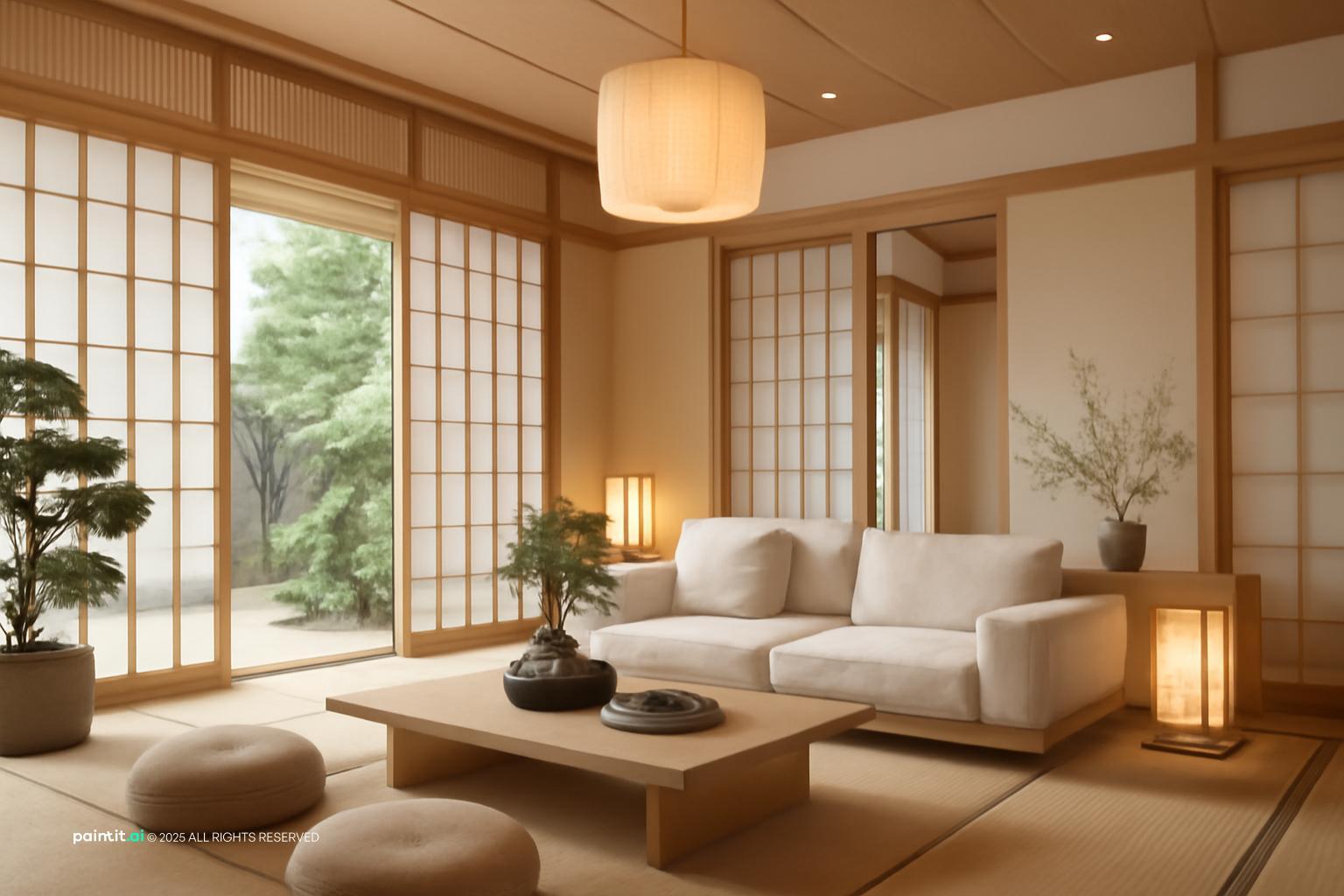
Light is life, and in a compact zen space, maximizing natural illumination is crucial. It brightens the room and connects you to the outside world, fostering a sense of openness. This is non-negotiable for true tranquility.
-
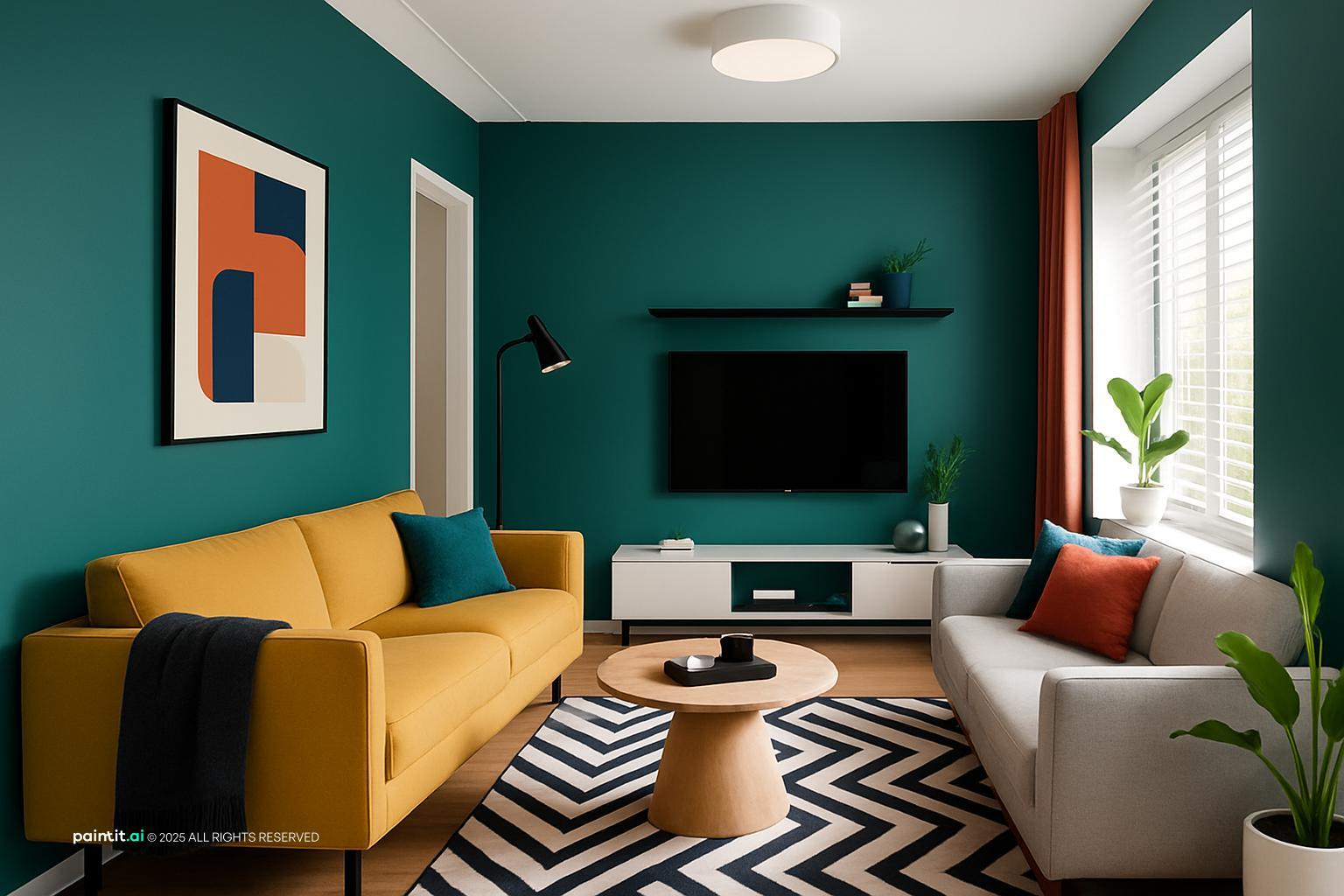
Keep windows unobstructed. Opt for sheer curtains or blinds that allow light to filter through while maintaining privacy. Position furniture to avoid blocking windows. Reflective surfaces, like a subtle mirror, can also amplify light.
-
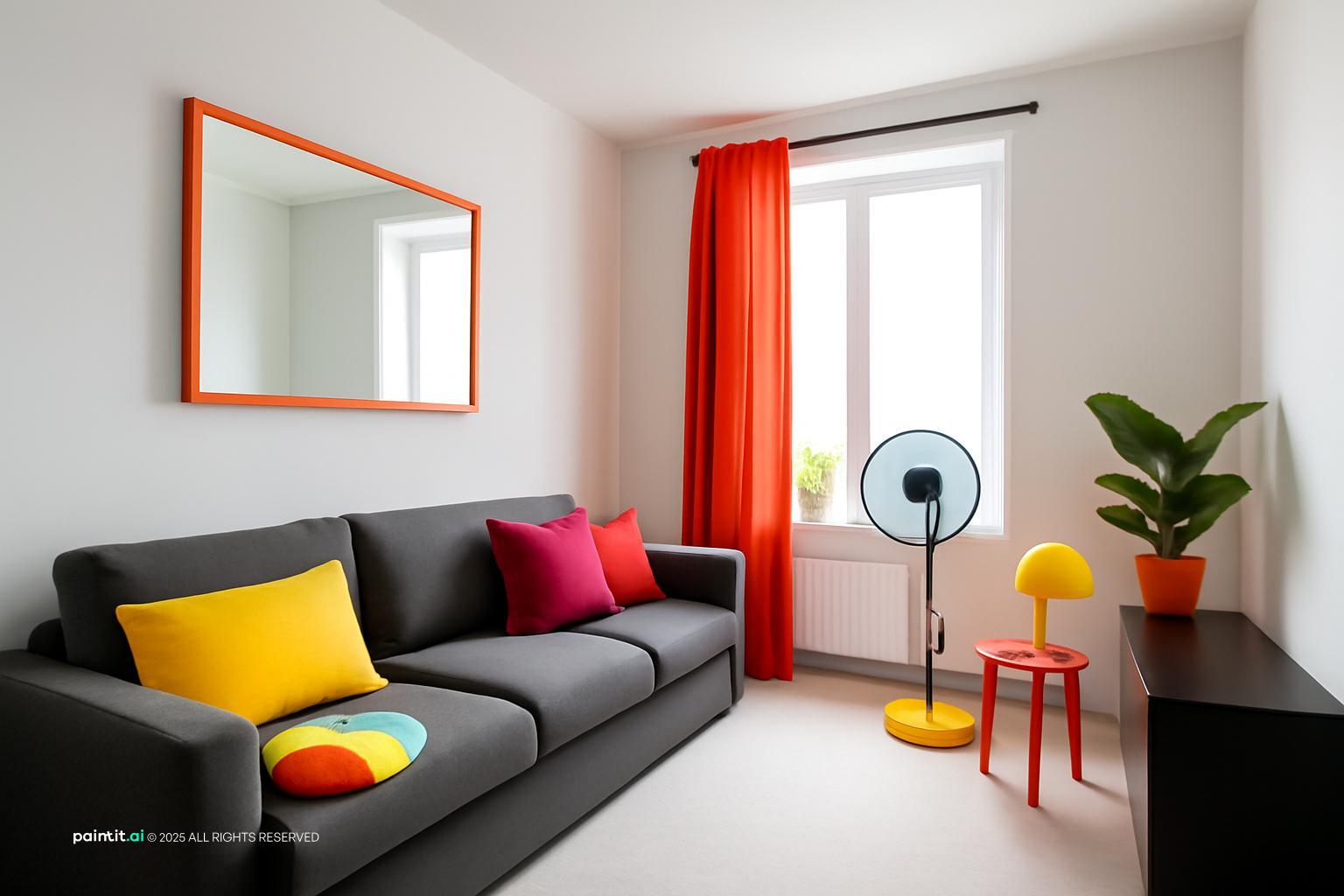
Pro Tip: To achieve this effect, try using lightweight, translucent linen curtains that diffuse sunlight beautifully.
-
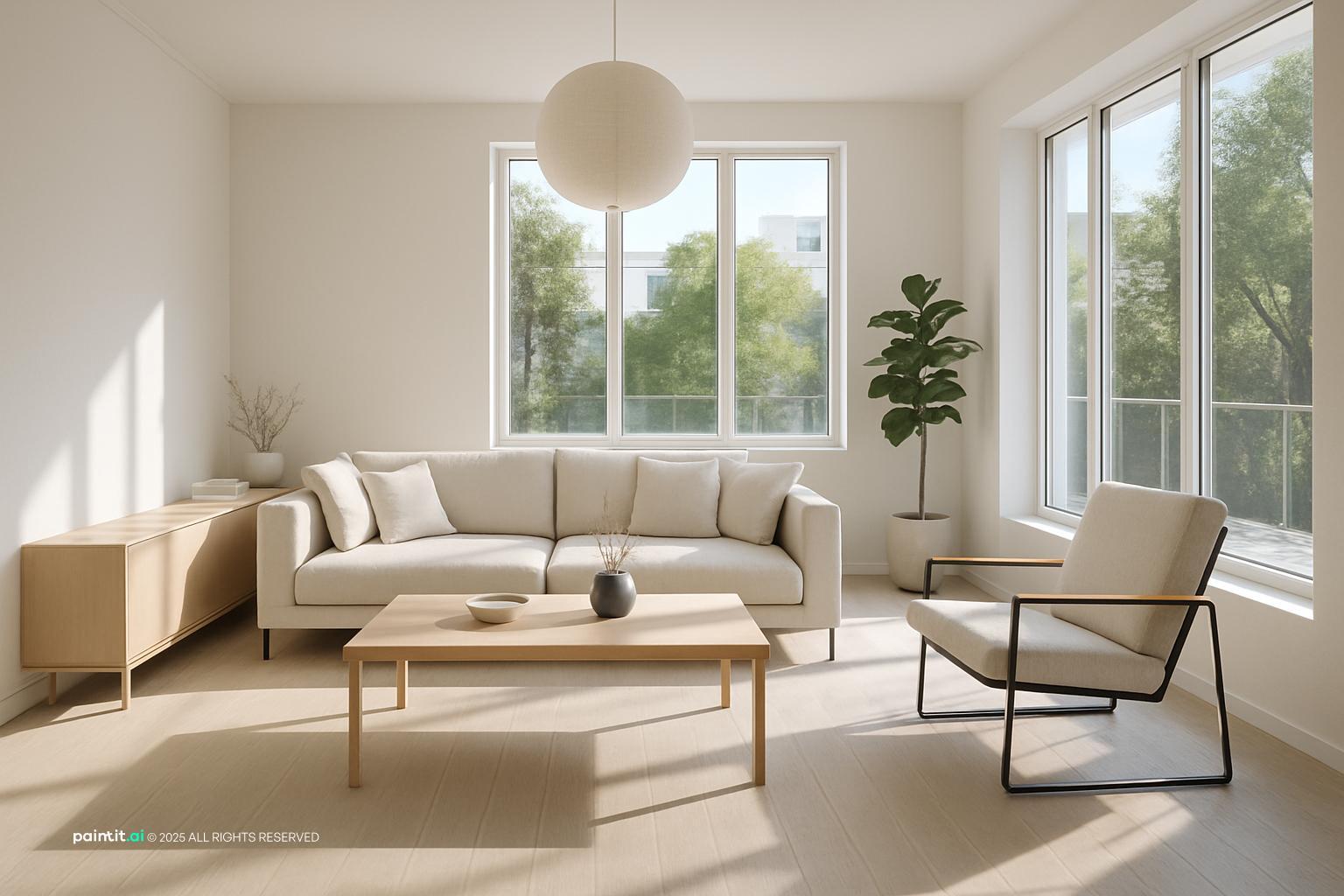
Bringing the outdoors in is a cornerstone of zen philosophy. A few carefully chosen plants can purify the air, add a touch of living color, and foster a deeper connection to nature. This isn't about creating a jungle; it's about mindful integration.
-
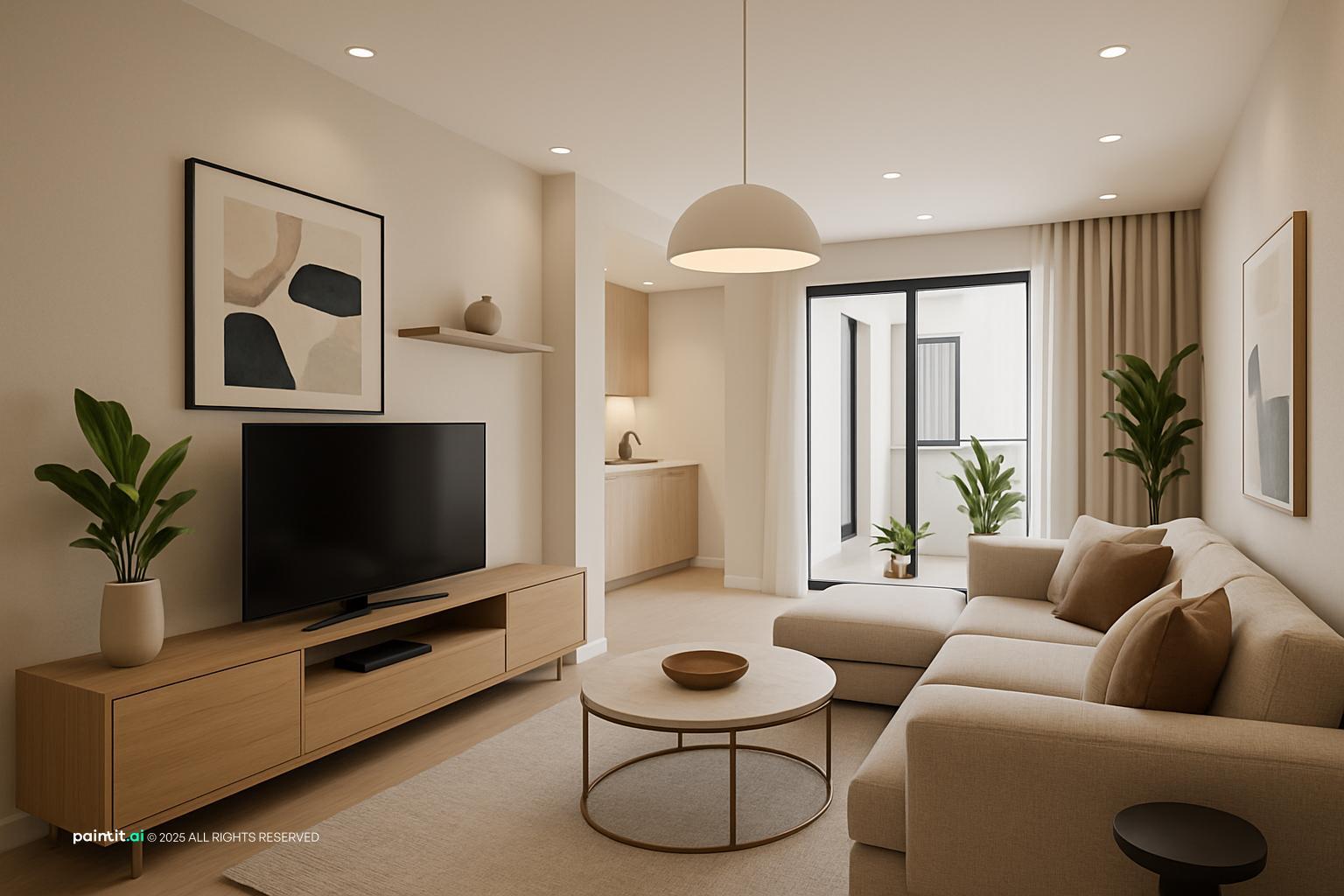
Select low-maintenance plants like snake plants, peace lilies, or a small bonsai. Place them in simple, ceramic pots. Avoid overcrowding; one or two well-placed plants are more impactful than many. A small water feature can also add a soothing sound.
-
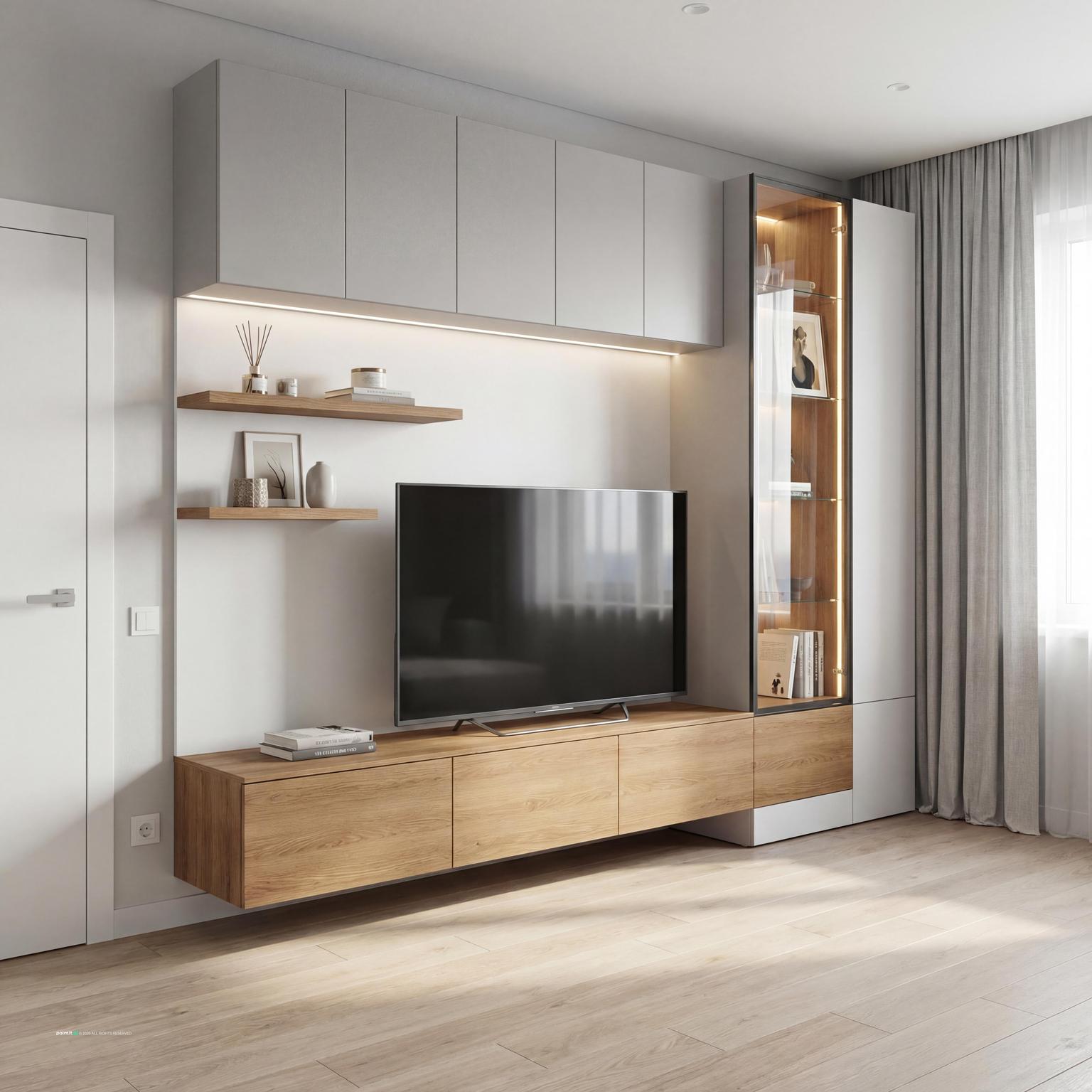
Pro Tip: To achieve this effect, try placing a single, elegant plant in a corner or on a low table to draw the eye and add a living focal point.
-
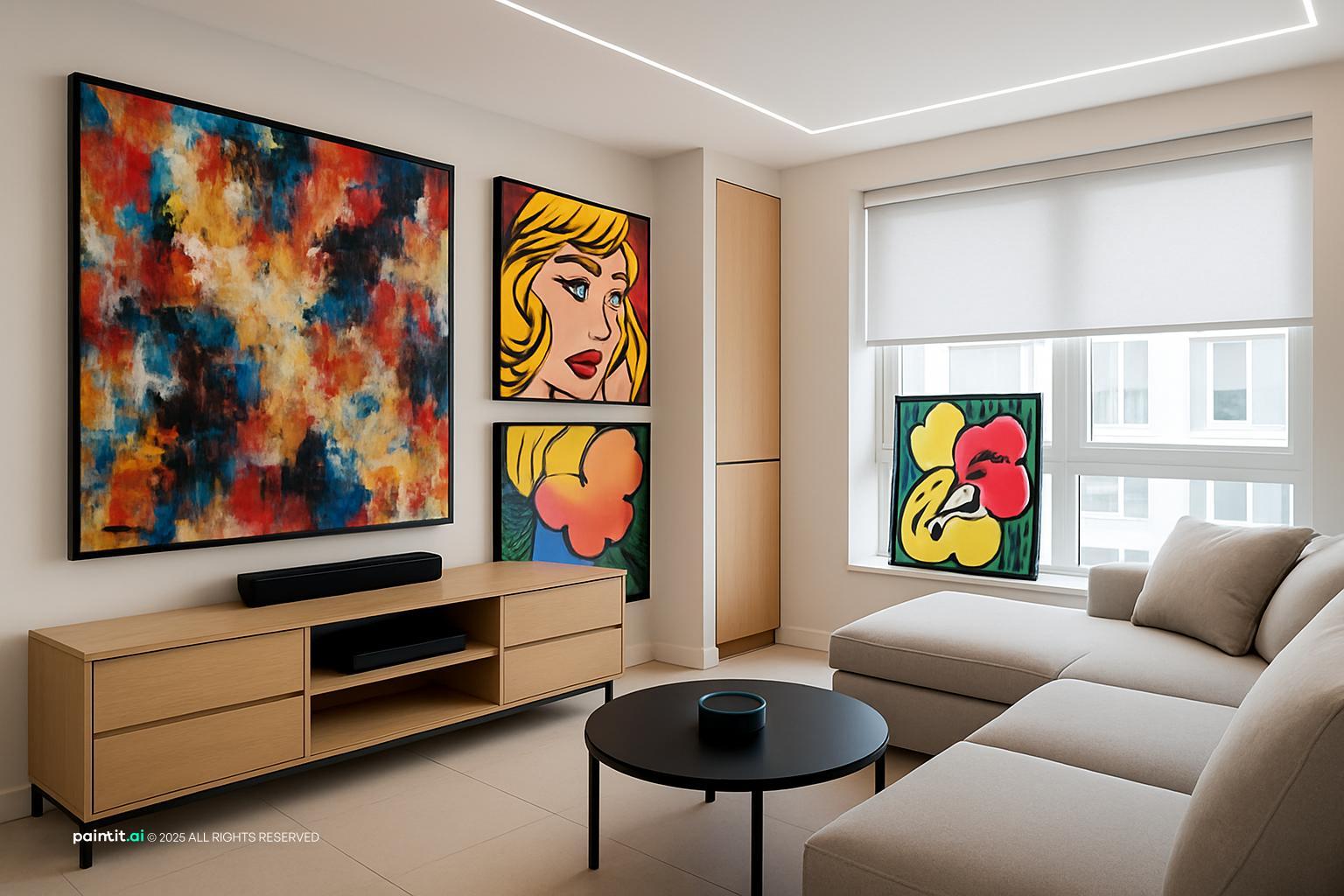
Visually expanding a small footprint often comes down to furniture height. Low-slung pieces create an illusion of more vertical space, making the ceiling feel higher and the room more open. It grounds the space, literally.
-
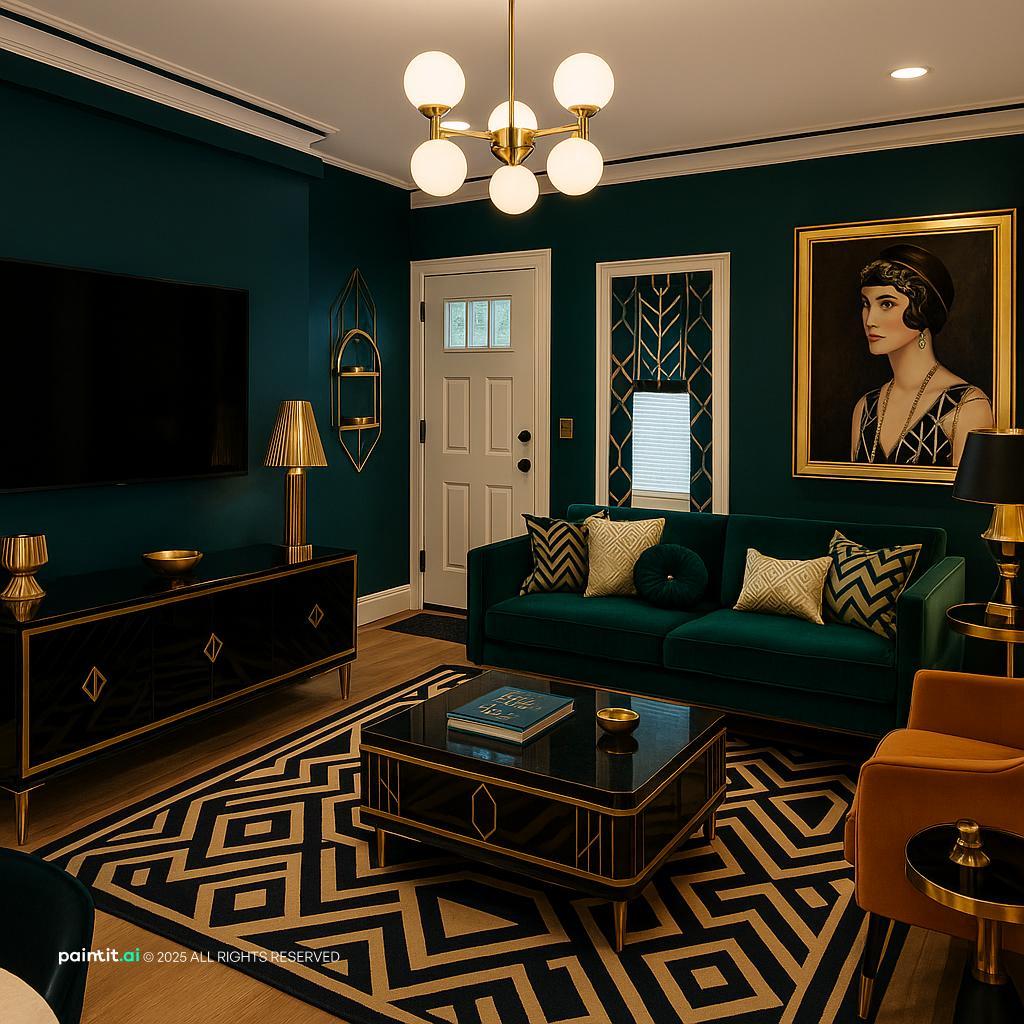
Consider a low sofa or floor cushions instead of a traditional tall couch. A platform bed, if this were a bedroom, would be ideal. Coffee tables should be close to the ground. This Japanese-inspired approach fosters a sense of being closer to the earth.
-
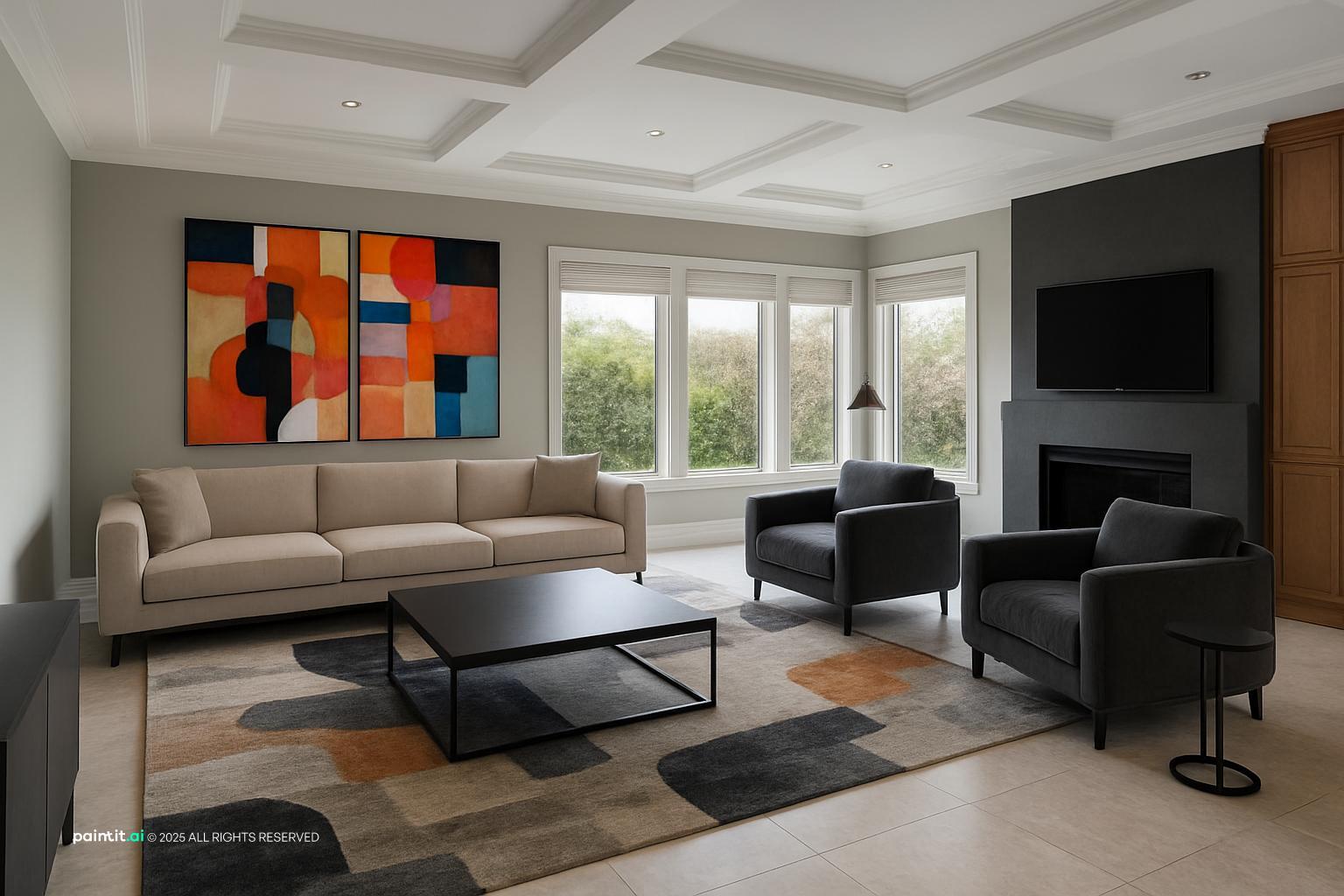
Pro Tip: To achieve this effect, try selecting a sofa with minimal legs or a floor-level design to maximize perceived ceiling height.
-
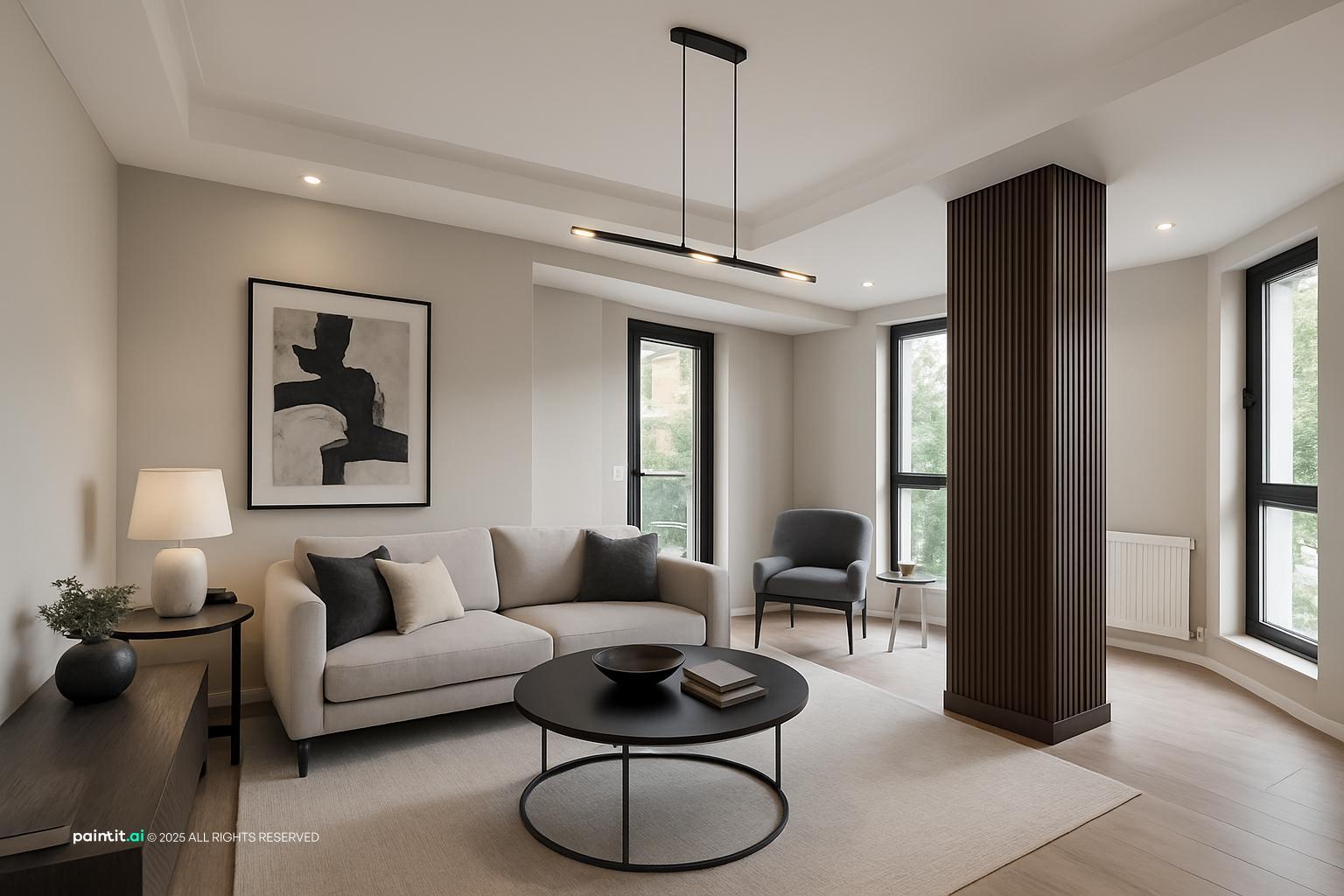
Clutter is the enemy of calm, especially in a small zen living room. Seamless, integrated storage solutions are vital for maintaining an uncluttered aesthetic. Everything should have its place, out of sight.
-
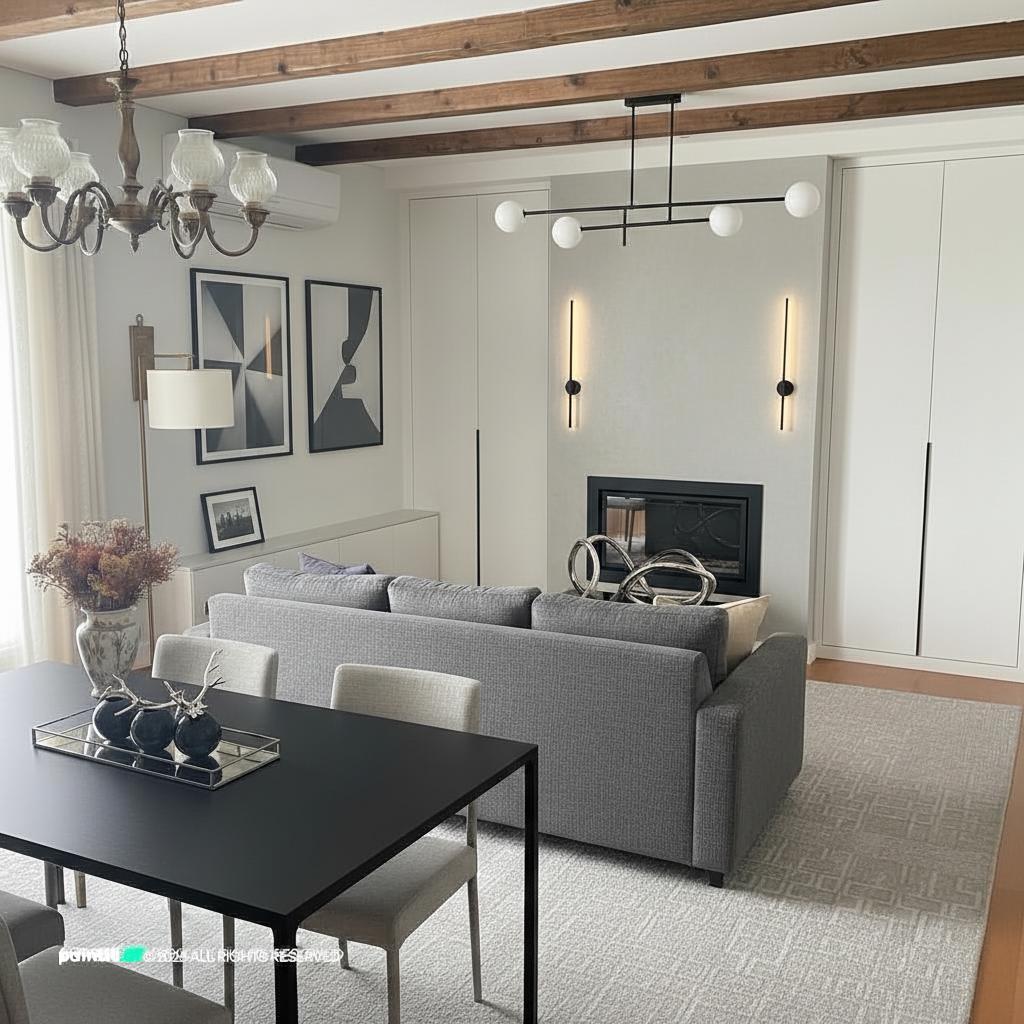
Look for furniture with built-in storage, like ottomans with lift-up tops or coffee tables with drawers. Floating shelves can be minimal yet functional. Custom built-ins that blend with the walls are ideal, creating a clean, unbroken line.
-
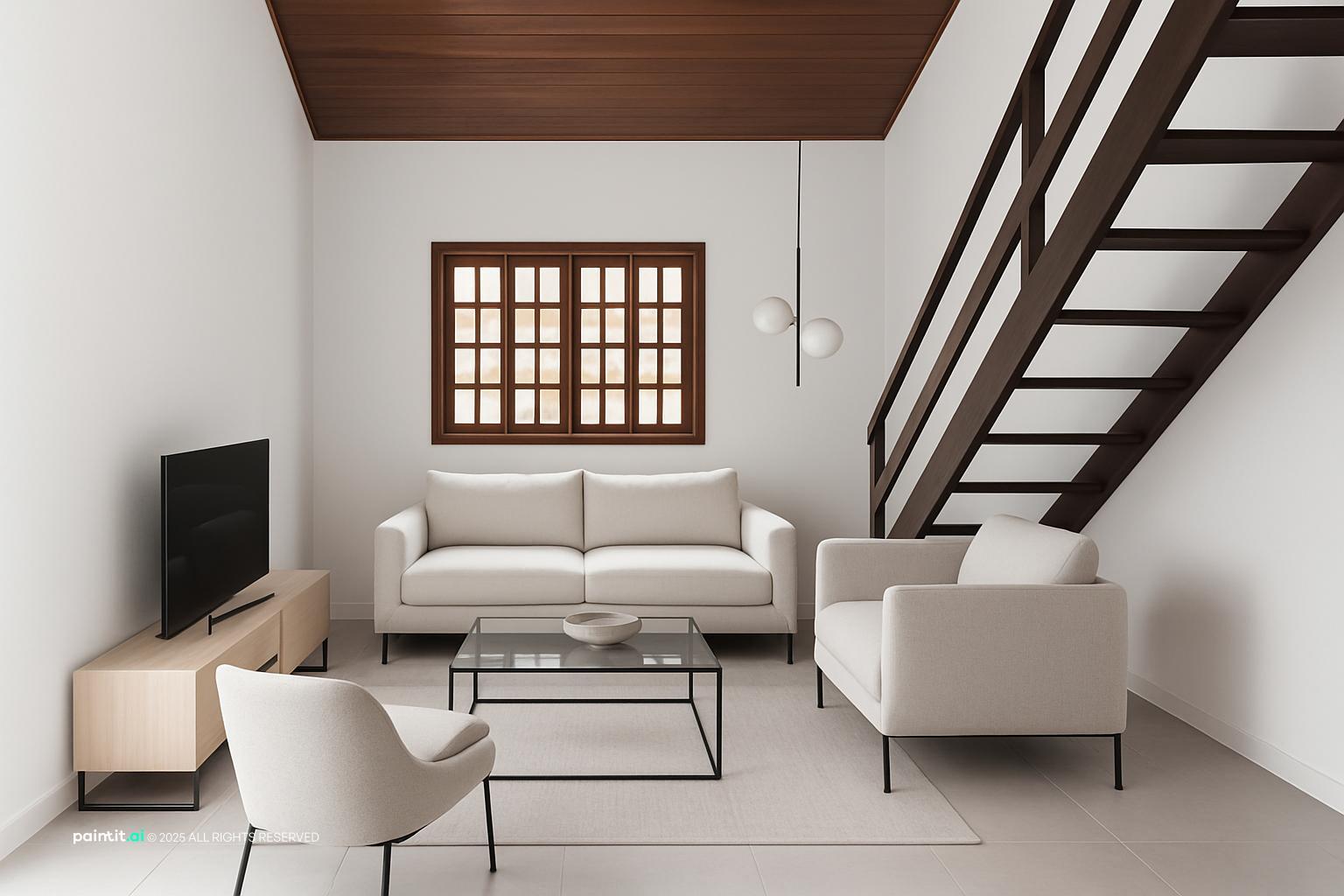
Pro Tip: To achieve this effect, try using modular storage units that can be configured to fit your space perfectly and blend into the background.
-
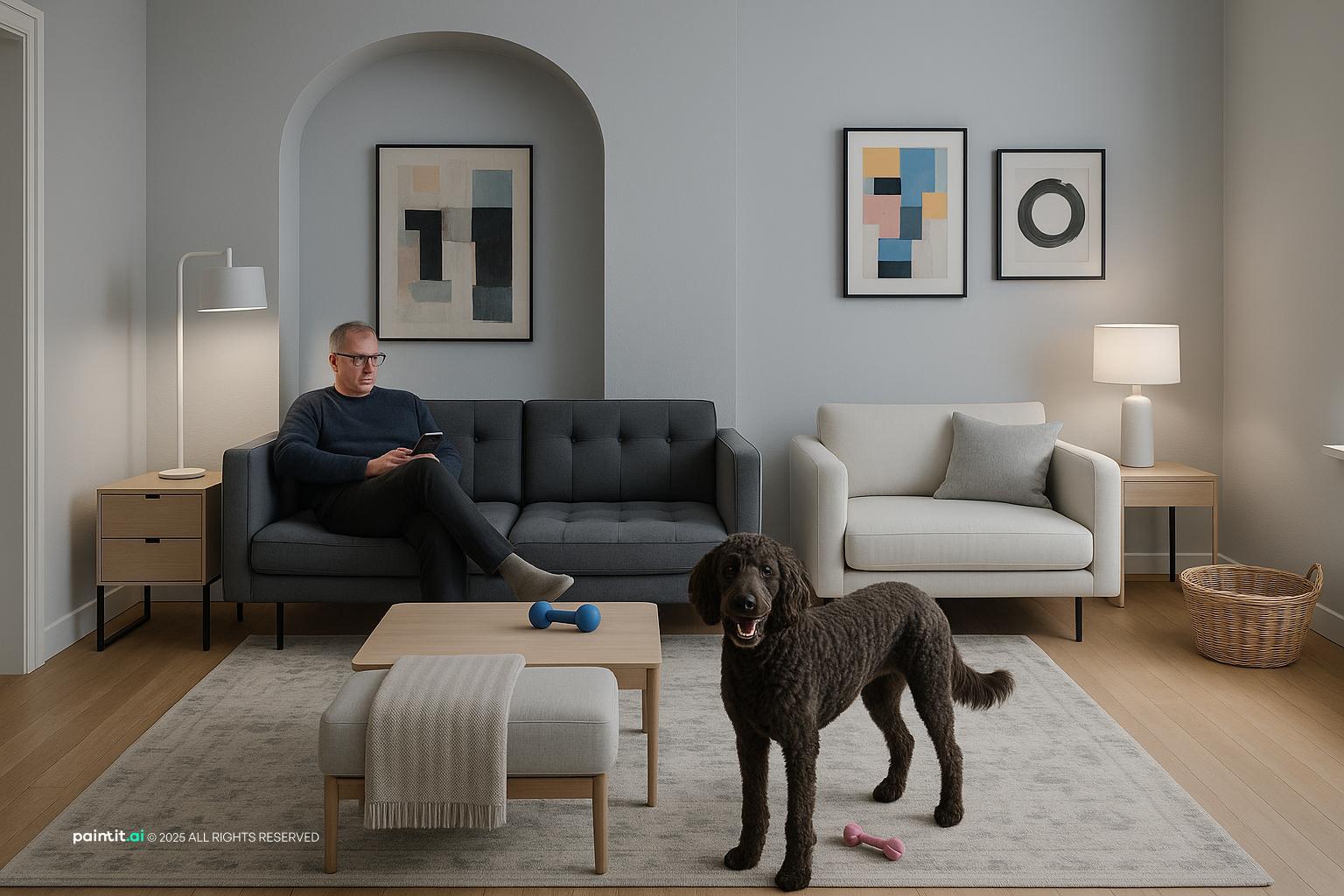
Every decorative item in a zen space should be chosen with intention. Less is truly more here. A single, meaningful piece of art can speak volumes without overwhelming the senses. It’s about quality over quantity.
-
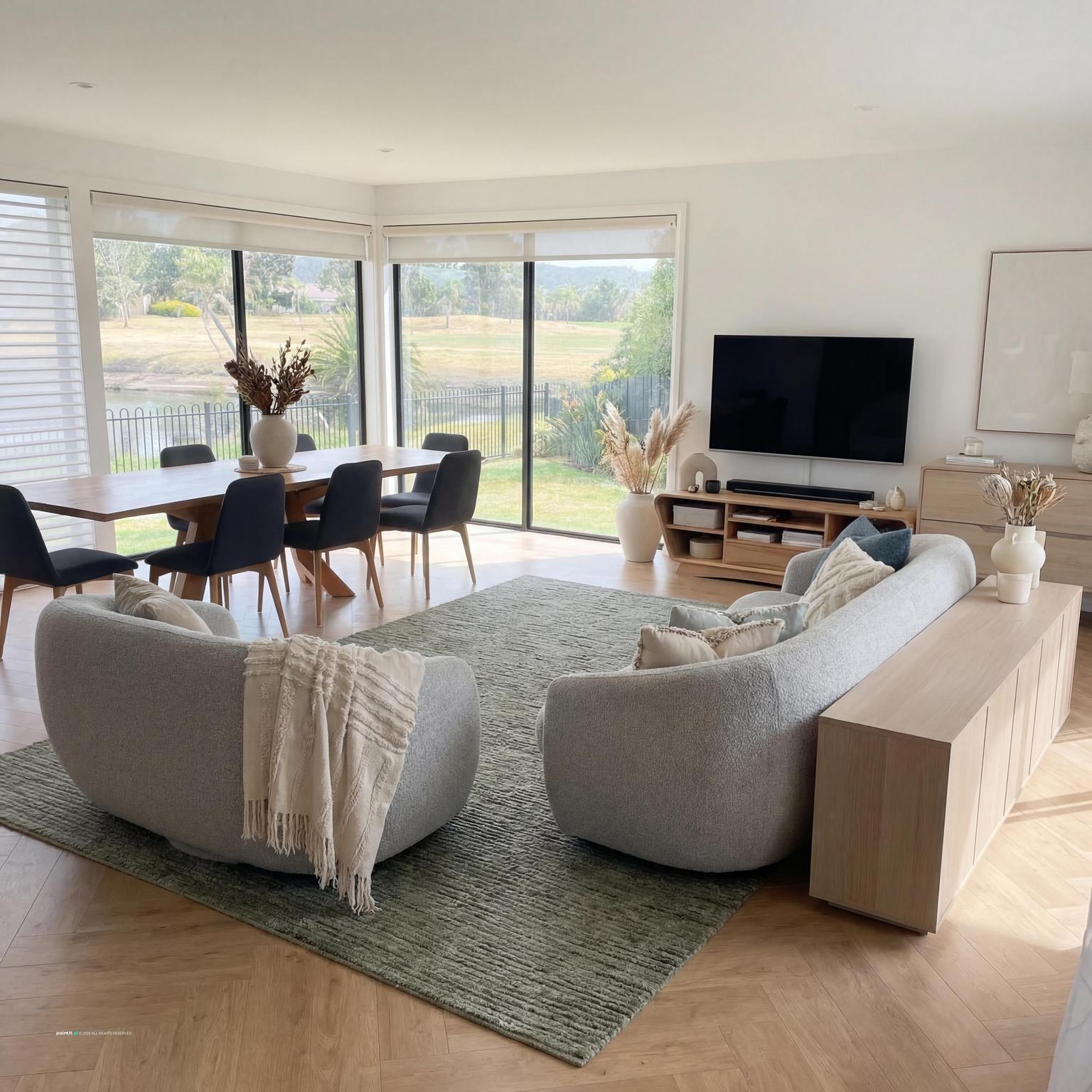
Select abstract art with soft colors or nature-inspired prints. Avoid busy patterns or overly complex imagery. A simple ceramic sculpture or a smooth river stone can also serve as a focal point. Let each piece breathe.
-
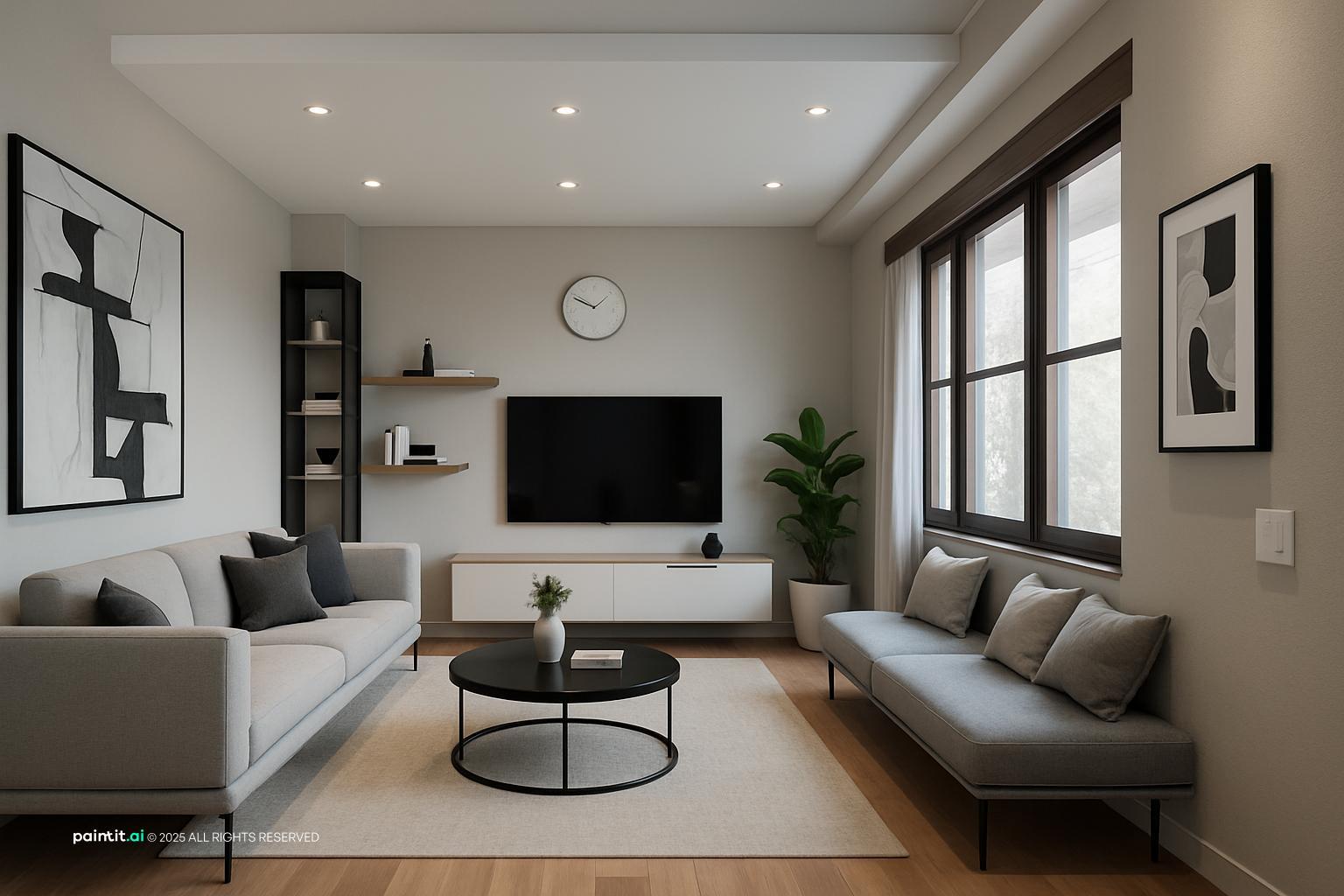
Pro Tip: To achieve this effect, try selecting one large, calming piece of art for a main wall rather than several smaller ones, to create a strong focal point.
-
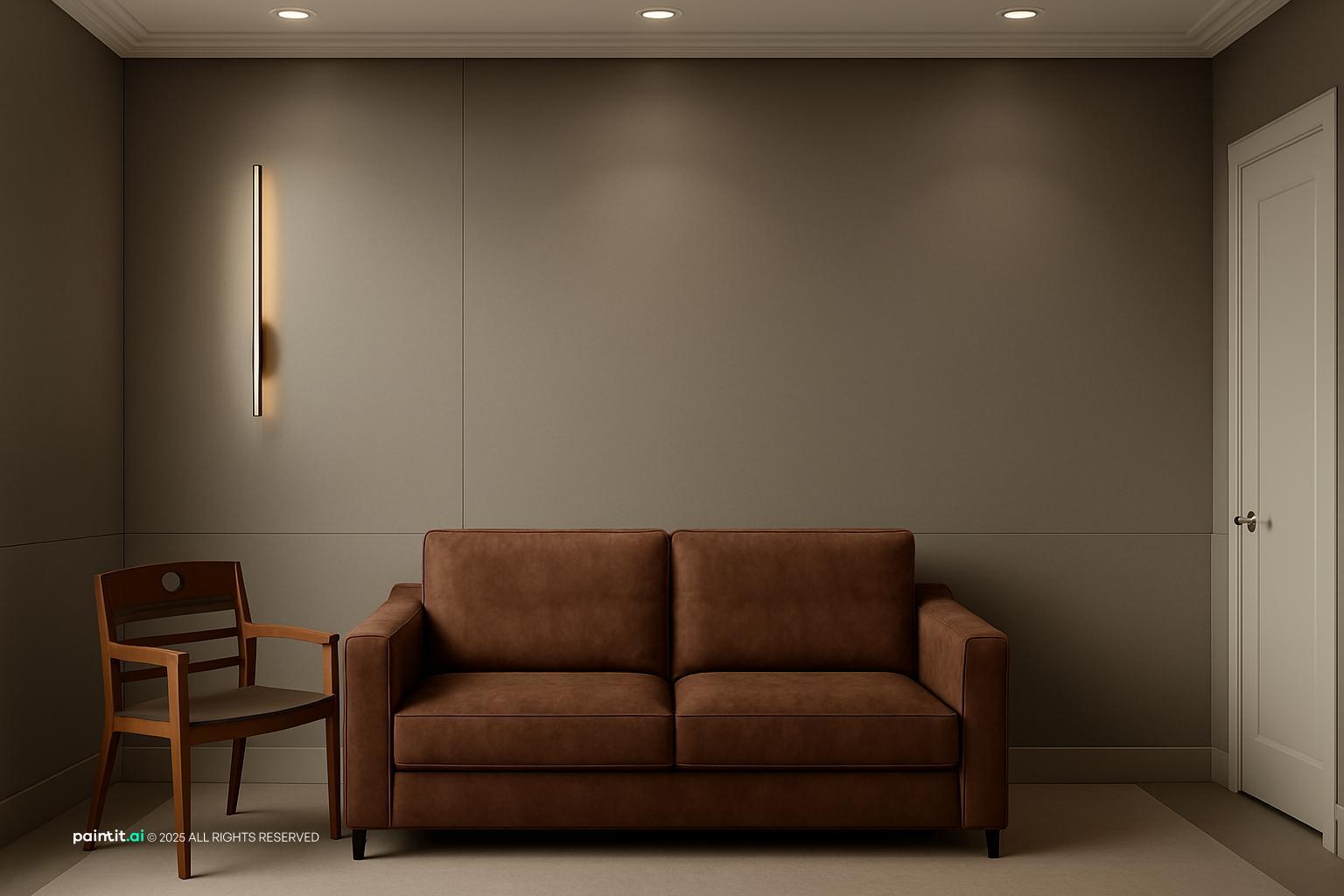
A sense of ease and unobstructed movement is crucial for energy flow, or "chi," in a zen-inspired space. Cramped pathways can create feelings of restriction and unease. This is about more than just walking around; it’s about mental freedom.
-
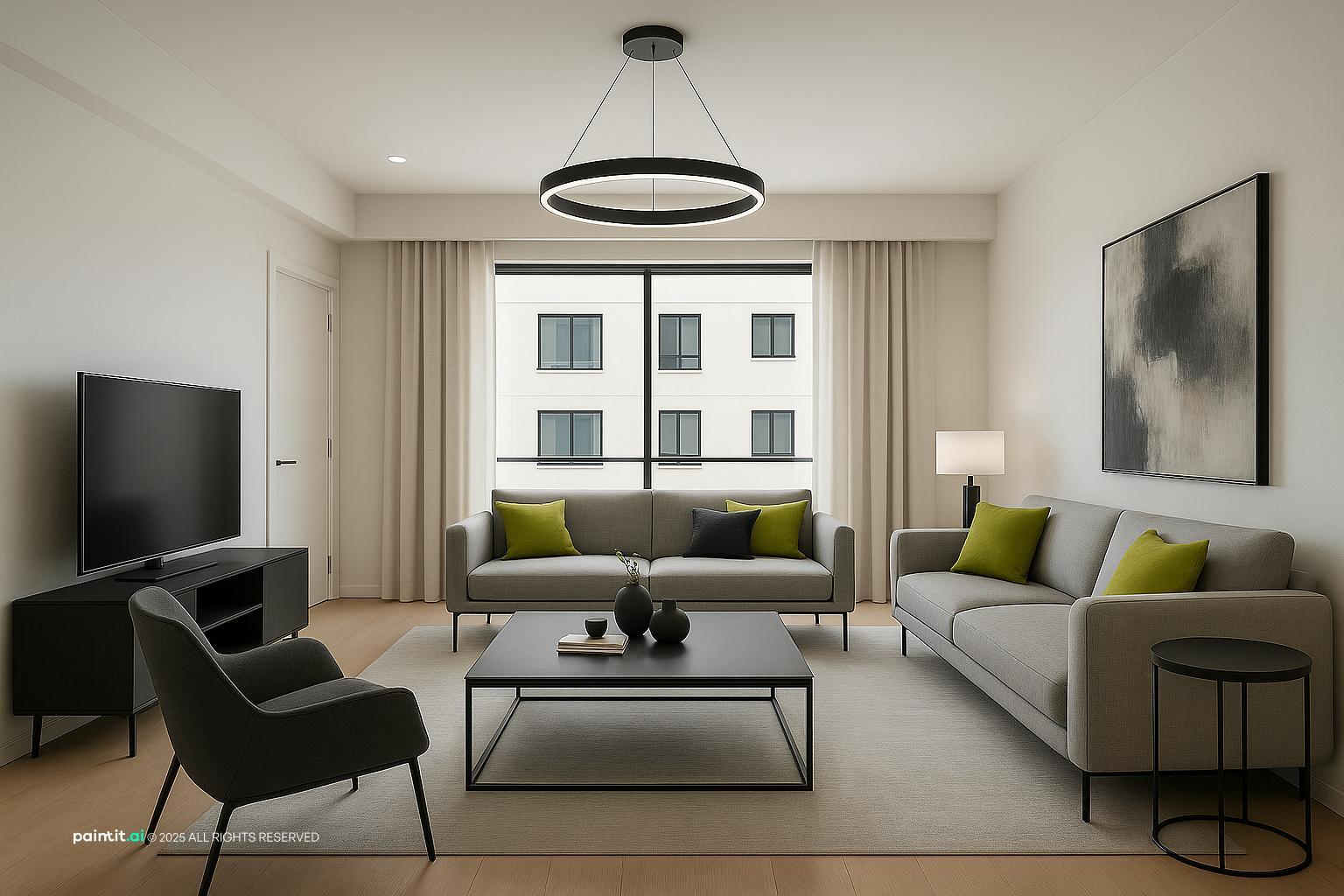
Arrange furniture to ensure clear lines of sight and easy access to all areas. Avoid placing large items directly in front of doorways or windows. Think about how you move through the room and optimize for that natural path.
-
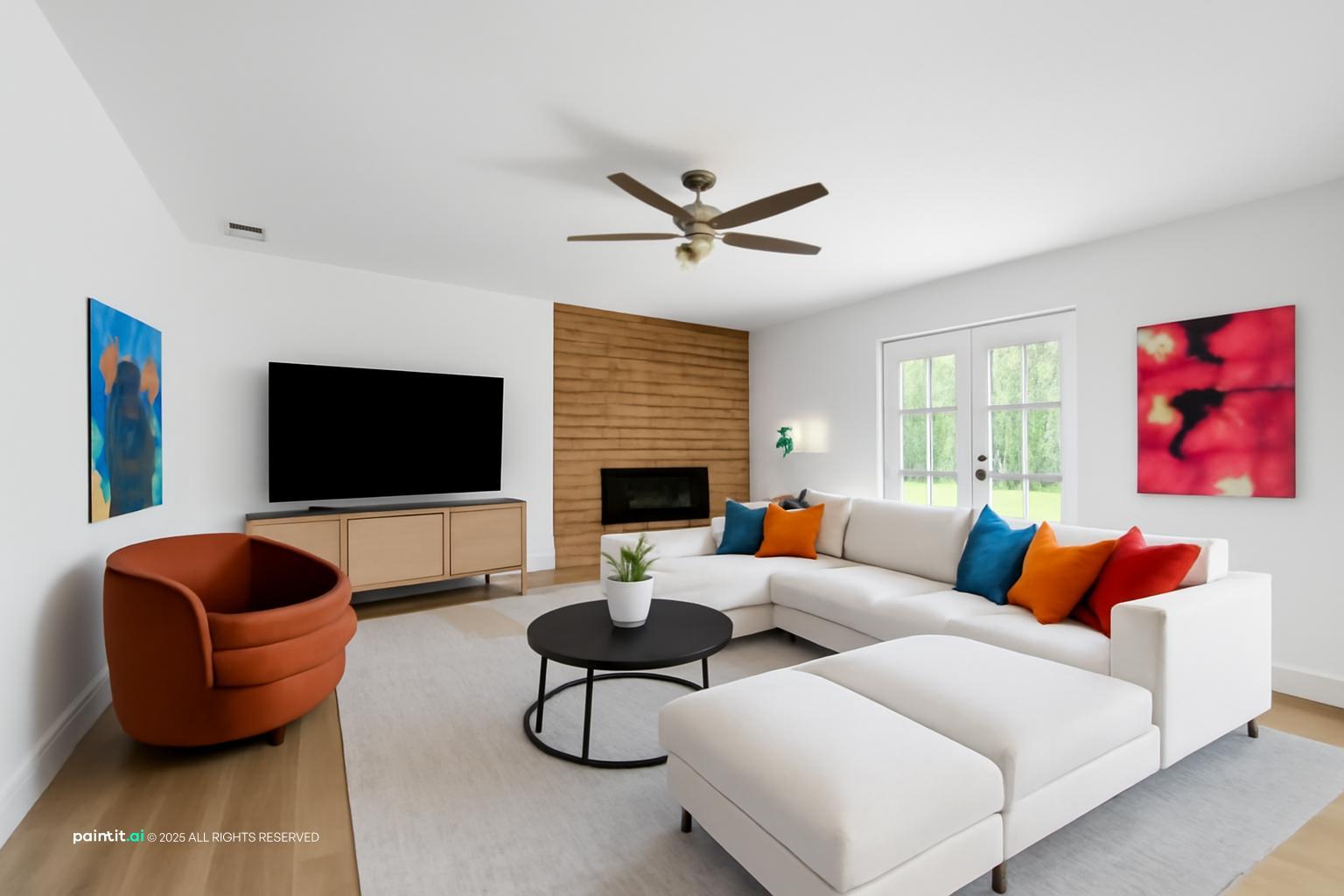
Pro Tip: To achieve this effect, try positioning your main seating parallel to the longest wall, leaving ample space in front for movement.
-
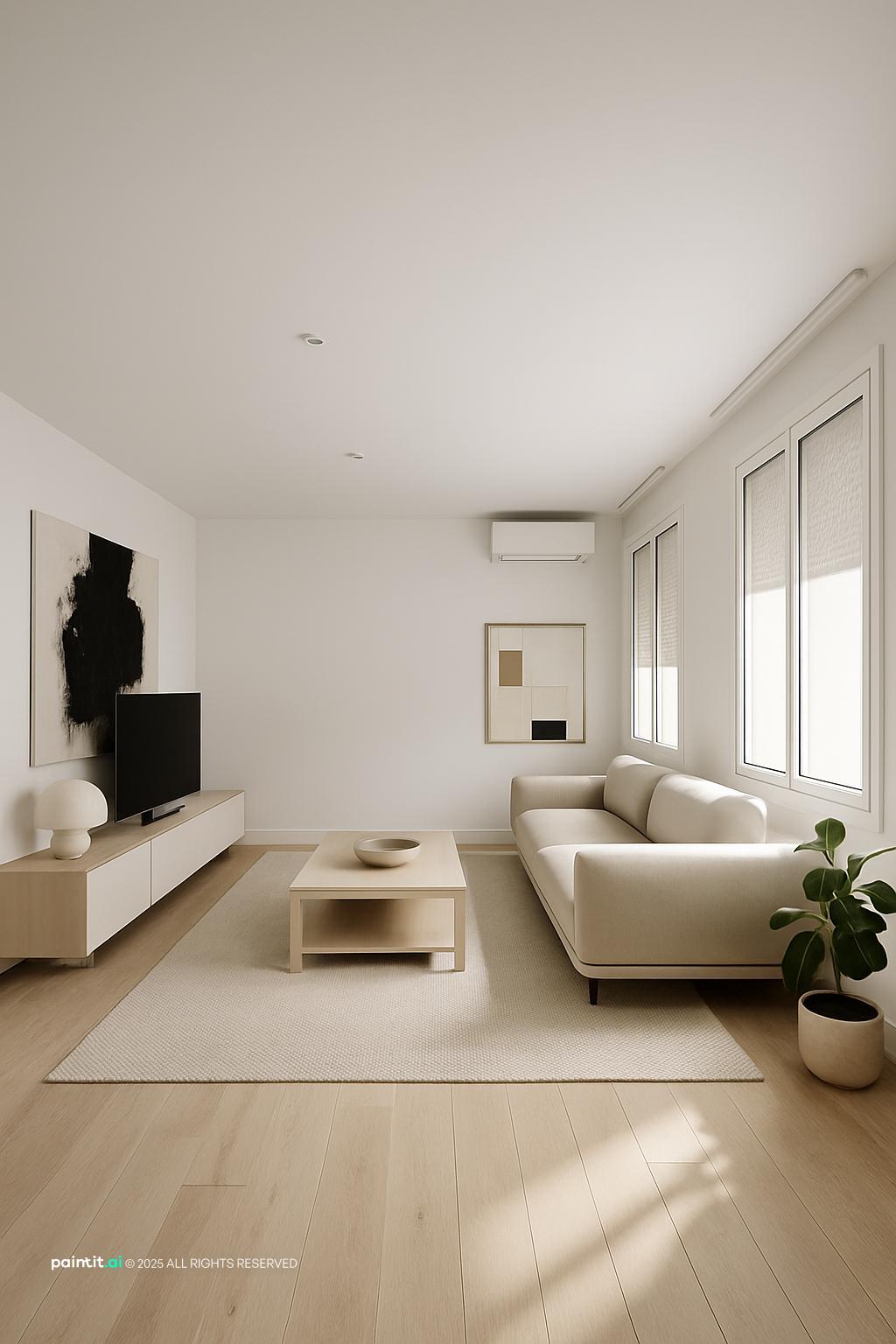
While minimalism is key, a zen living room should never feel stark or cold. Layering different soft textures adds warmth, comfort, and an inviting quality. It appeals to our sense of touch, which is often overlooked.
-
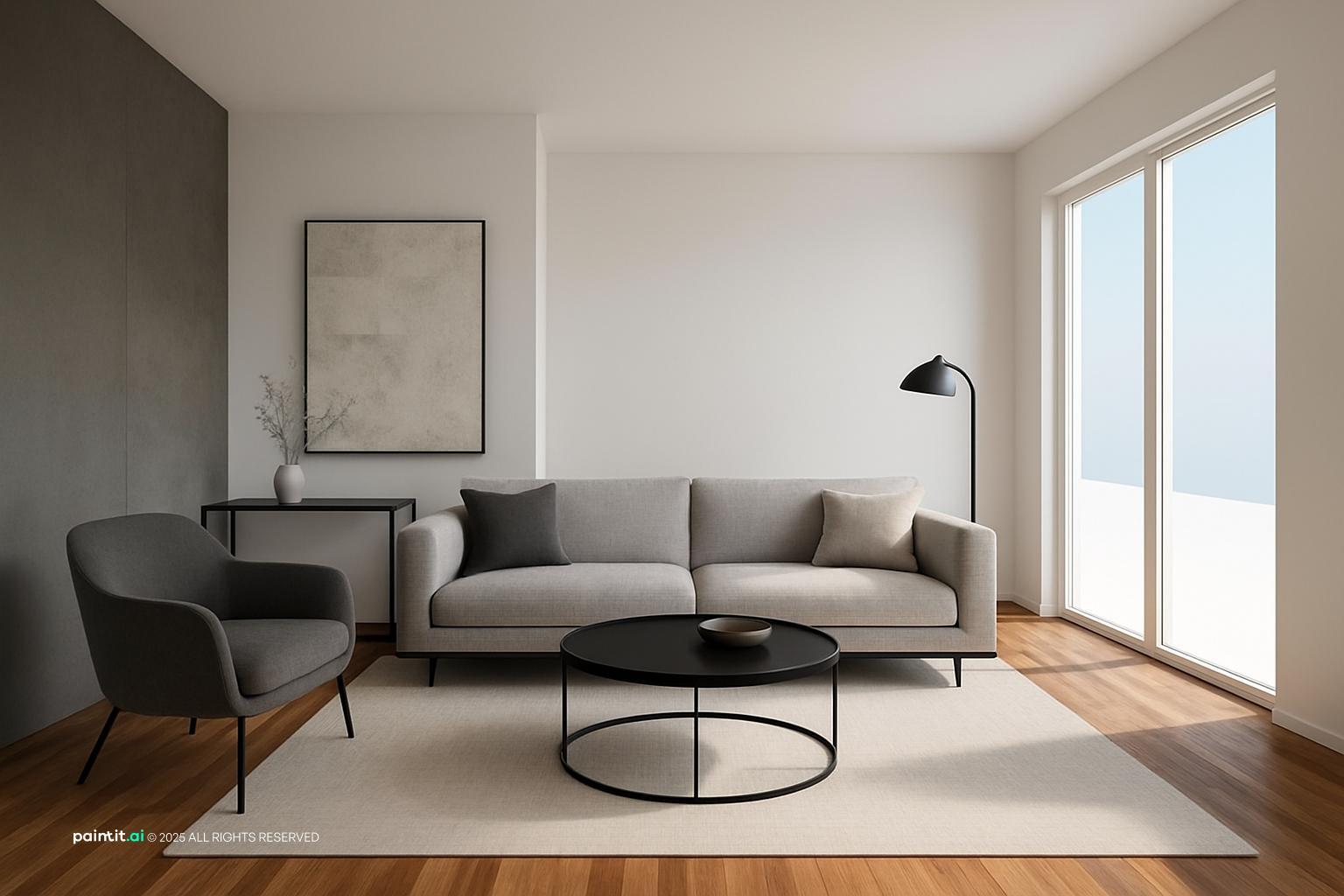
Incorporate a plush wool throw blanket over a linen sofa. Add a soft cotton cushion. A natural fiber rug, like jute or sisal, underfoot provides another layer of texture. These elements soften the hard lines of minimalist furniture.
-
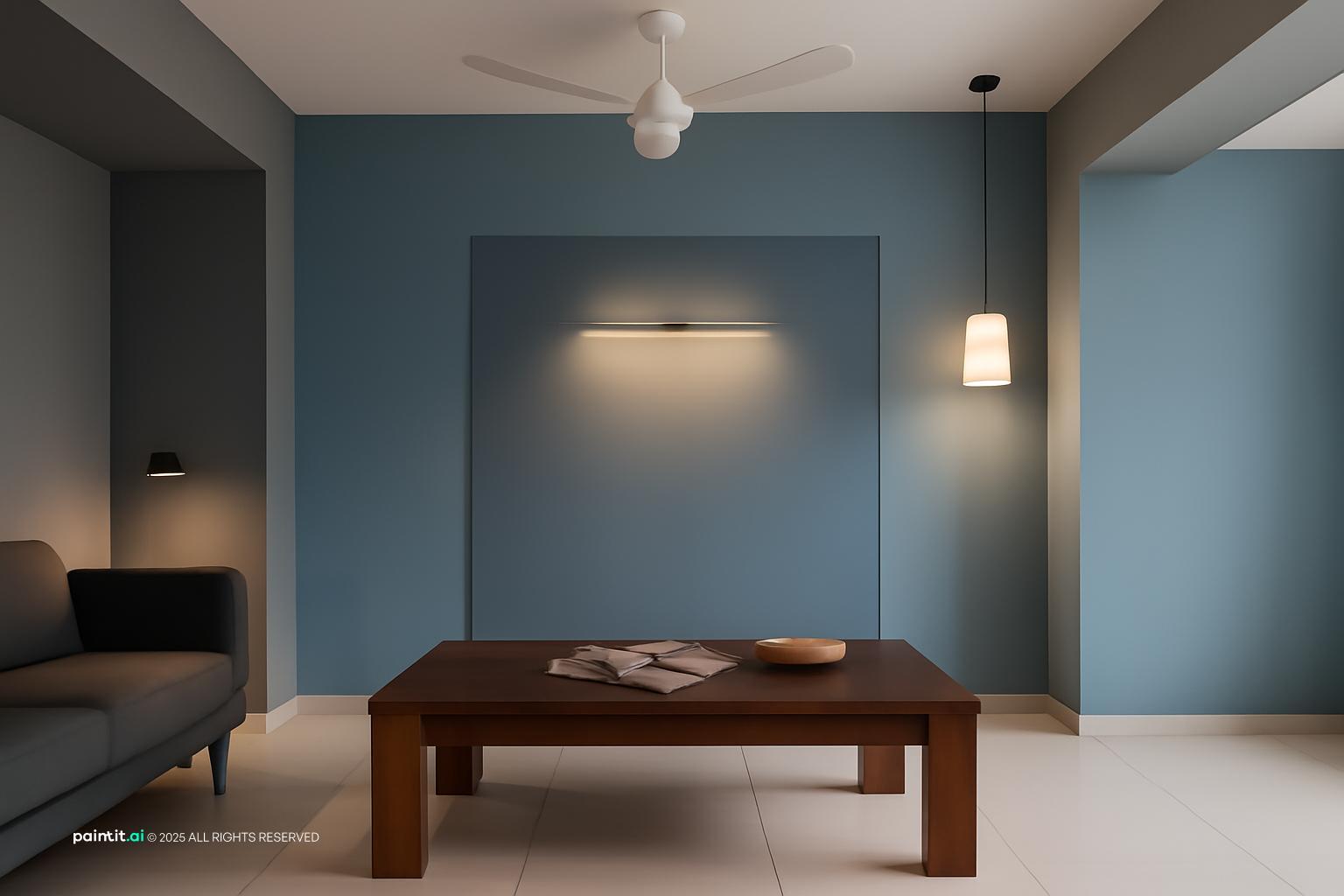
Pro Tip: To achieve this effect, try combining a chunky knit throw with smooth linen cushions for a rich, inviting tactile experience.
-
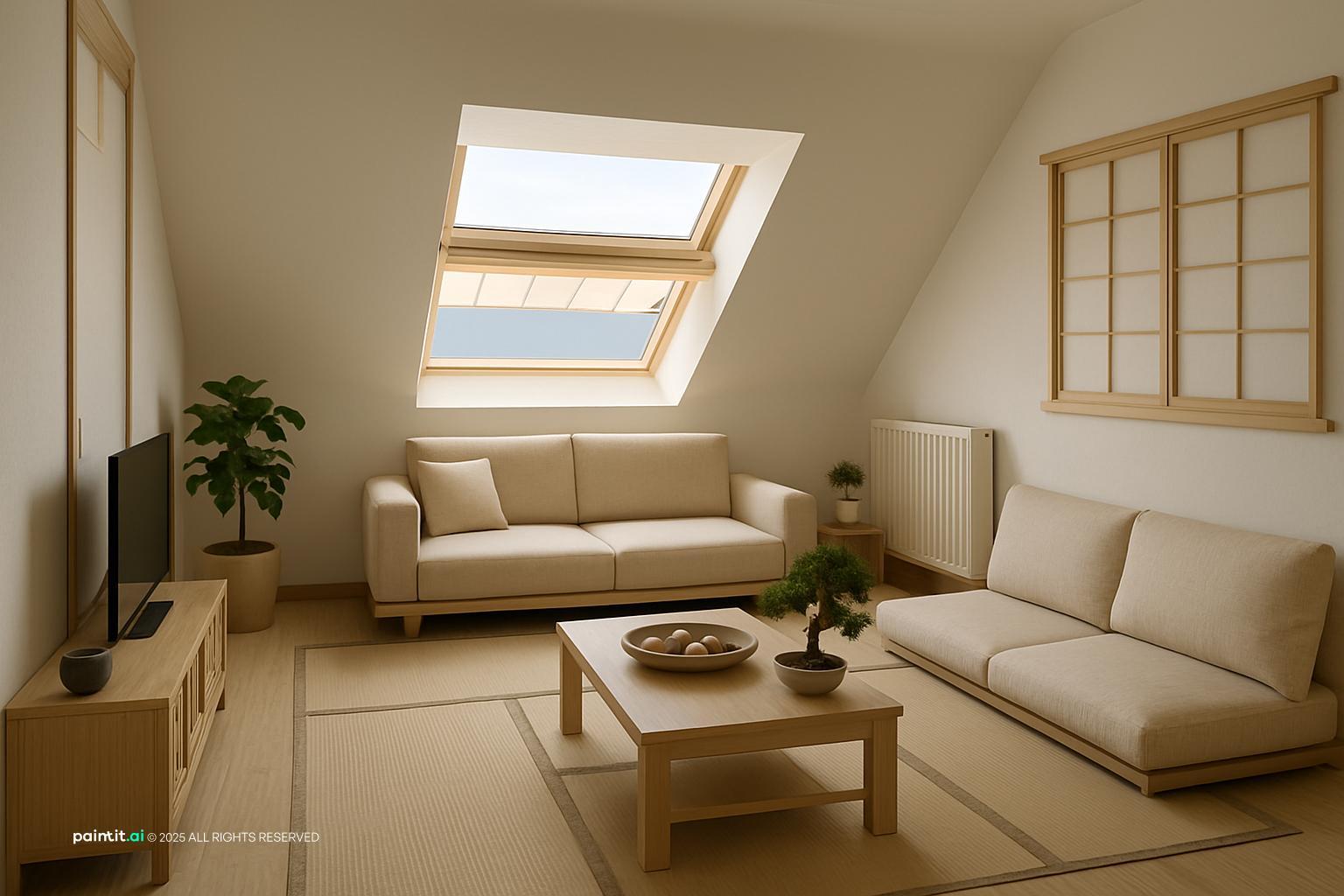
Even in the smallest living room, carving out a specific area for quiet contemplation can elevate its zen qualities. This doesn't require much space, just intention. It sounds simple, but having a designated spot encourages mindfulness.
-
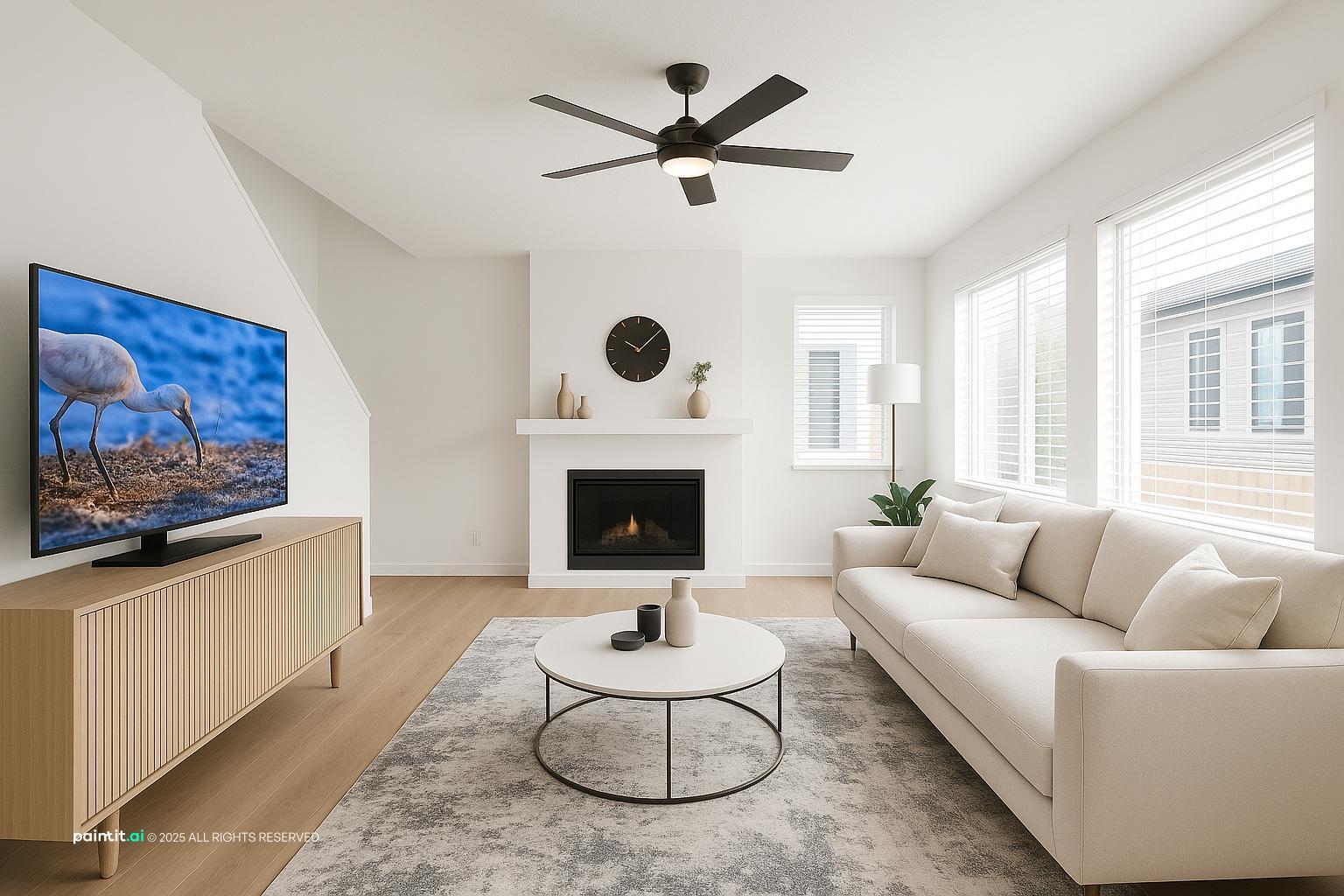
Place a comfortable floor cushion or a small, low stool in a quiet corner. Add a small plant, a smooth stone, or a single candle. The key is simplicity and focus. This small zone becomes a personal sanctuary within the larger room.
-
Pro Tip: To achieve this effect, try using a soft, natural fiber mat or a zabuton cushion to define the meditation area.
-
Mirrors are well-known for expanding a room visually, but in a zen context, they should be used with subtlety and purpose. A strategically placed mirror can bounce light and create depth without being overtly decorative. It's about illusion, not distraction.
-
Choose a mirror with a simple, unadorned frame or even a frameless design. Place it opposite a window to reflect natural light or on a wall that visually extends a pathway. Avoid ornate or overly large mirrors that dominate the space.
-
Pro Tip: To achieve this effect, try placing a round, frameless mirror above a low console table to add softness and light without sharp edges.
-
Zen is a full sensory experience. Beyond sight and touch, subtle scents and sounds can profoundly deepen the sense of calm. Most people forget that our other senses are just as important in design.
-
Use an essential oil diffuser with calming scents like lavender, sandalwood, or frankincense. Avoid strong, artificial fragrances. A small, unobtrusive water fountain can provide soothing background noise. Gentle chimes can also add to the ambiance.
-
Pro Tip: To achieve this effect, try using an ultrasonic diffuser with a timer, allowing subtle aromas to fill the space periodically without being overwhelming.
-
If your small living room has a window or a balcony, leverage it. The view, even if it's just a tree, becomes an extension of your indoor space, fostering a sense of expansiveness and connection to the larger world. This is about blurring boundaries.
-
Keep the window area clear of obstructions. If you have a balcony, consider placing a small, simple plant or a stone lantern there to extend the zen aesthetic. The goal is to make the transition between inside and outside feel seamless.
-
Pro Tip: To achieve this effect, try positioning your primary seating to face the window, making the outdoor view an integral part of your room's design.
Zen's Embrace: Designing Serenity in Compact Spaces to Life with Paintit.ai
-
Cultivating a small zen living room begins with a deliberate color story. I’ve found that an anchor of soft alabaster white or a muted oyster shell provides an immediate sense of spaciousness, crucial in compact areas. This serves as your primary canvas. Introduce a secondary layer with the grounding presence of a warm pebble grey or the subtle whisper of sage green, perhaps on a feature wall or through larger textile pieces. For accents, a touch of dusty terracotta in a ceramic vase or a deep charcoal throw can provide a quiet focal point without overwhelming the calm. The truth is, balance is everything; these tones must flow seamlessly, never competing, always inviting quiet contemplation.
-
The tactile experience in a zen space is paramount. Embrace the raw honesty of light-toned wood, like pale oak or bamboo, for low-slung furniture and shelving. Its natural grain brings an organic warmth. Pair this with the soft, breathable comfort of unbleached linen or organic cotton for upholstery and window treatments; these textiles drape beautifully and invite touch. Most people forget that the subtle texture of ceramic, whether in a hand-thrown planter or a simple tea set, adds an earthy, grounded feel. These materials aren't just decorative. They connect you to nature, fostering a psychological effect of peace and stability.
-
Choosing furniture for a small zen living room demands a thoughtful approach. A low-profile sofa or a daybed with clean, uncluttered lines is absolutely key; it keeps sightlines open, maintaining an airy feel. I’ve seen this work best when pieces sit close to the ground, emphasizing a connection to the earth. A minimalist coffee table, perhaps a simple wooden slab or a low-slung design, should offer functionality without visual bulk. Consider a single, sculptural armchair or a few floor cushions for flexible seating. The trick is to select pieces proportionate to the room's modest scale, avoiding anything oversized or ornate. Every item must earn its place, contributing to the overall sense of calm and spaciousness.
-
Lighting is the silent architect of atmosphere in a zen living room. You need layers, not just a single overhead blast. Start with soft, diffused ambient lighting from recessed fixtures or a paper lantern pendant, casting a gentle, even glow across the entire space. For task lighting, a subtle floor lamp with a linen shade next to your reading nook provides focused illumination without harshness. Accent lighting, often overlooked, is where you highlight specific elements. A small spotlight on a cherished piece of art or a well-placed up-light behind a tall plant can create depth and visual interest. The goal is a warm, inviting luminosity that mimics natural light, promoting relaxation and quiet contemplation.
-
Decorative accents in a zen space are about intentionality, not accumulation. Here is what matters: every object must serve a purpose, either aesthetic or functional, and contribute to tranquility. Think minimalist art – perhaps a simple abstract print or a framed botanical illustration – that evokes nature without being busy. Plants are vital; a single, elegant bonsai or a tall, slender snake plant introduces living energy. Now, for the 3-5-7 rule: it sounds simple, but it's about creating visual harmony with odd numbers. On a small side table, group 3 items: a smooth river stone, a tiny ceramic dish, and a delicate incense holder. For a slightly larger surface, like a low shelf, curate 5 elements: two carefully chosen books, a small, textured vase, a single candle, and a piece of driftwood. This rule, when applied with restraint, prevents clutter and guides the eye, ensuring each element is appreciated. It’s about creating moments of quiet beauty, not filling every void.
Paintit.ai Reveals the Secret to Harmonious Small Zen Living Room Spaces Design Ideas
Crafting a truly zen small living room often feels like a delicate dance. One wrong piece, one misplaced object, and the calm evaporates, replaced by clutter. It’s not just about minimalism; it’s about intentionality. Most people forget that scale and subtle texture are paramount in compact areas. I’ve seen this work best when every element contributes to serenity, not just fills a void. This is where paintit.ai becomes indispensable. You can instantly experiment with various furniture arrangements, test muted color palettes like a soft sage green or a warm sand tone, and even preview the impact of a single, carefully chosen ceramic vase. No more guessing if that low-profile sofa will overwhelm the space or if a particular shade of off-white will truly bring peace. See your vision come alive before you lift a brush or buy a single item. Try paintit.ai today.
FAQ
-
Most people forget that clutter kills calm. Over-decorating a compact area is a major misstep. I’ve seen this work best in spaces where every item serves a purpose or brings joy. Prioritize clear surfaces and thoughtful storage. Simplicity reigns.
-
Light, airy color palettes are crucial. Think off-white walls, pale wood floors. Low-profile furniture creates an open sightline. Mirrors strategically placed can truly expand the visual space. Vertical storage helps. Keep it simple, really.
-
Live plants, especially those with simple forms like a snake plant or a small bonsai, bring life. Natural materials are key: bamboo, linen, raw wood. Consider river stones in a decorative bowl. Soft, diffused light mimics nature. It sounds simple, but it works.
-
Stick to a base of soft neutrals—creamy whites, warm grays, muted beiges. A touch of dusty sage green or a whisper of pale blue can introduce subtle color without overwhelming. Avoid anything too vibrant. The truth is, restraint is your friend here.
-
Choose pieces with clean lines and a low profile. Multi-functional items, like an ottoman with storage, are brilliant. Avoid bulky sofas; opt for a streamlined loveseat or comfortable floor cushions. Light, natural wood frames often work well. Less is truly more.