
Creating a Serene Sage - Green and Blue Living Room
Imagine a space where the gentle calm of nature meets the expansive sky – that's the magic of a sage green and blue living room. It's about finding that perfect balance between refreshing and inviting, a sanctuary from the everyday. How do these shades truly come alive together, creating a home that feels both fresh and deeply comforting?
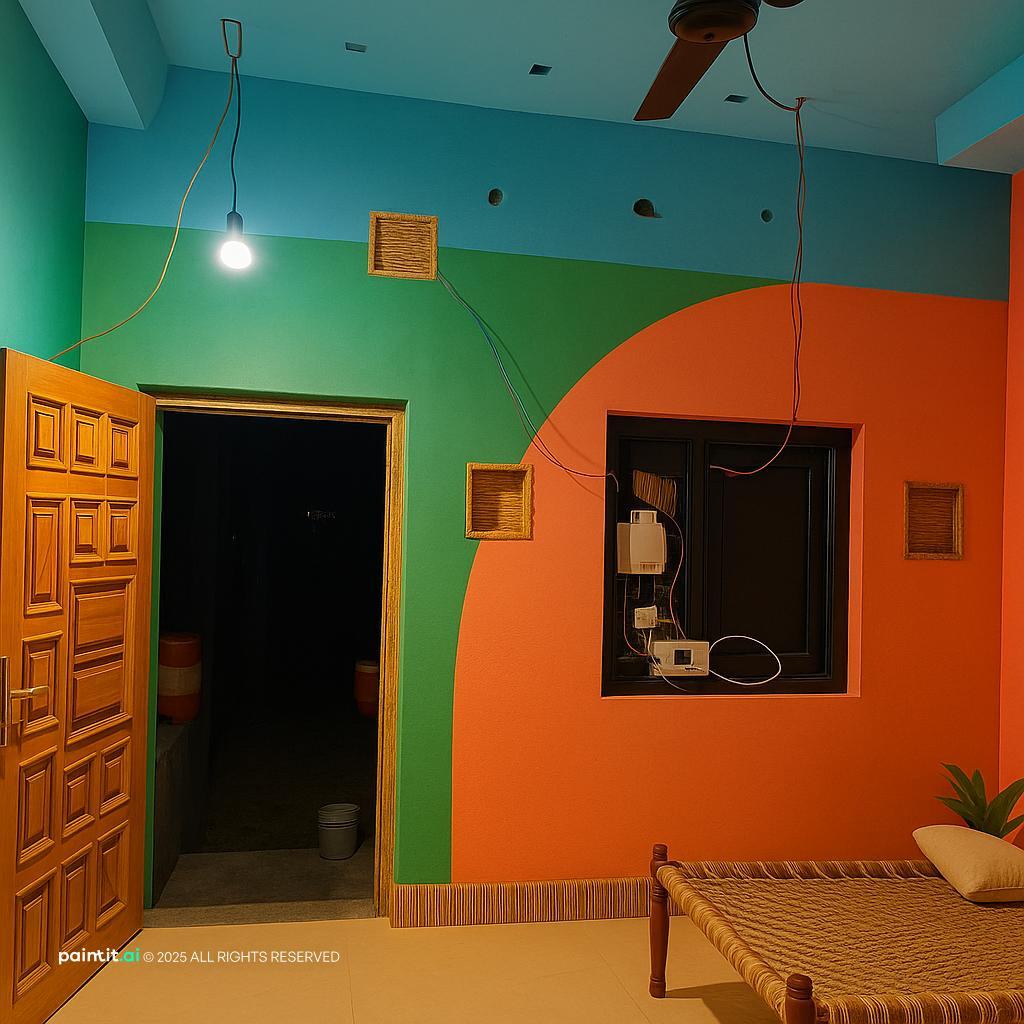
Essential Tips for The Allure of a Sage Green and Blue Living Room
Finding that sweet spot between vibrant and serene can feel like a puzzle, right? We’ve seen countless attempts to capture a truly tranquil color palette, often missing that deep, comforting resonance. This blend of nature-infused interiors offers something unique: an effortless calm that just *works*.
-
The Allure of a Sage Green and Blue Living Room
Finding that sweet spot between vibrant and serene can feel like a puzzle, right? We’ve seen countless attempts to capture a truly tranquil color palette, often missing that deep, comforting resonance. This blend of nature-infused interiors offers something unique: an effortless calm that just *works*.
Stunning Examples of 13 Ways to Craft a Serene Sage Green and Blue Living Room
-
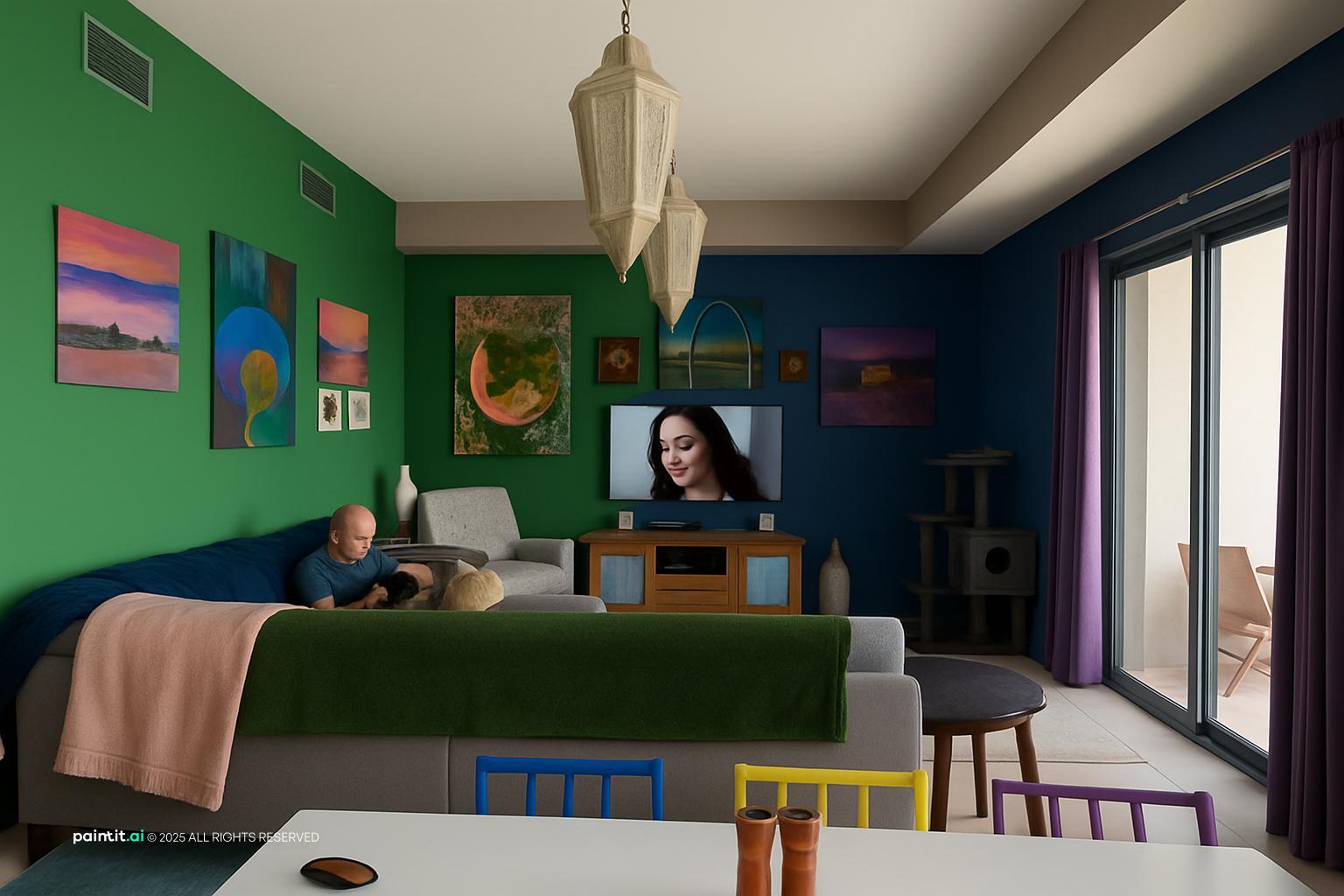
We've spent countless hours sifting through design concepts, looking for that sweet spot where aesthetics meet real-world living. These ideas for a sage green and blue living room aren't just pretty pictures; they're curated approaches designed to bring both visual harmony and genuine comfort into your home. It’s about creating spaces that feel inherently good, not just look good.
-
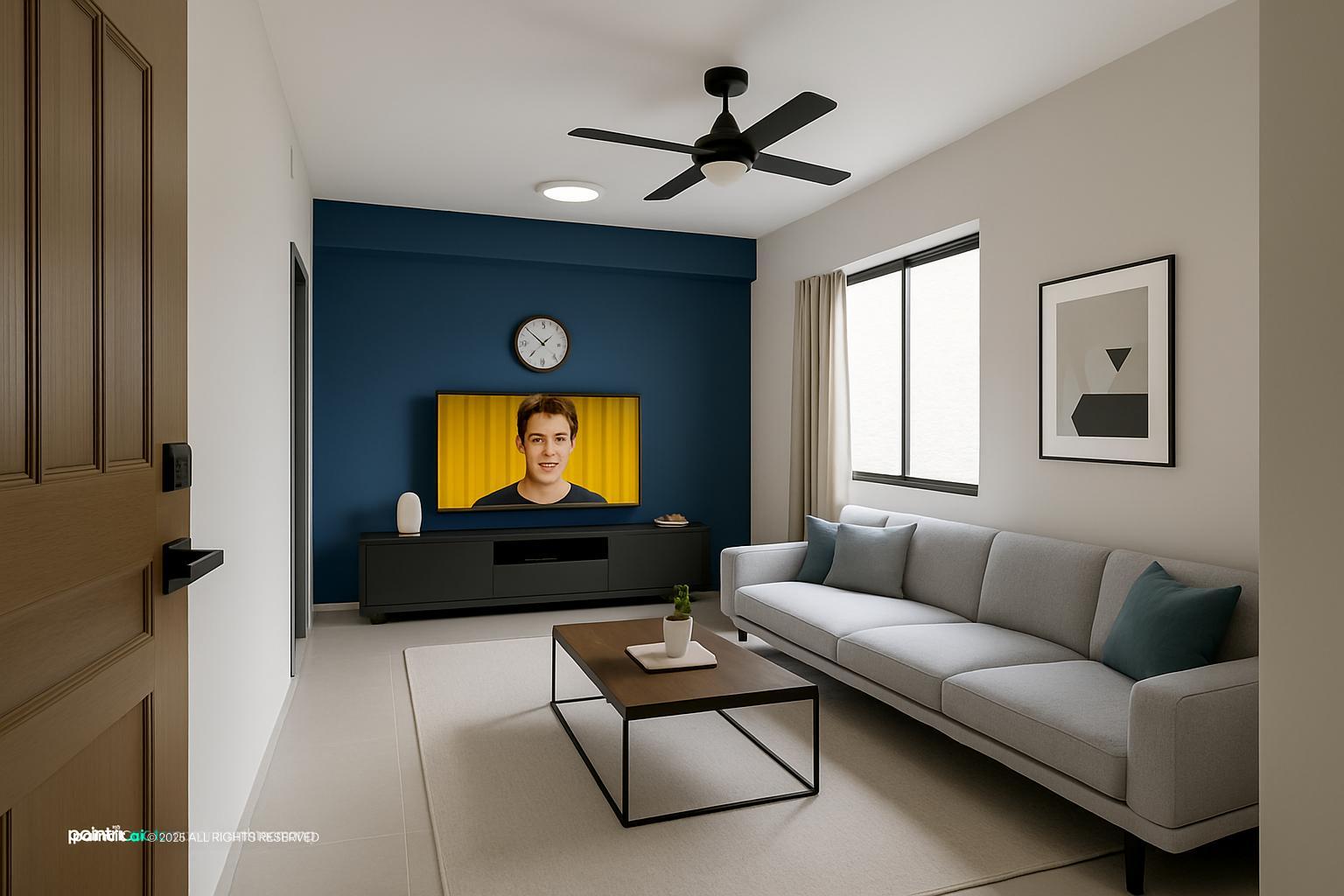
This concept hinges on restraint, allowing the colors to whisper rather than shout. It’s about building a foundation that feels inherently calm, almost like a soft morning fog. We’ve found this works beautifully in spaces where natural light is abundant, letting the subtle shifts in tone play with the sun.
-
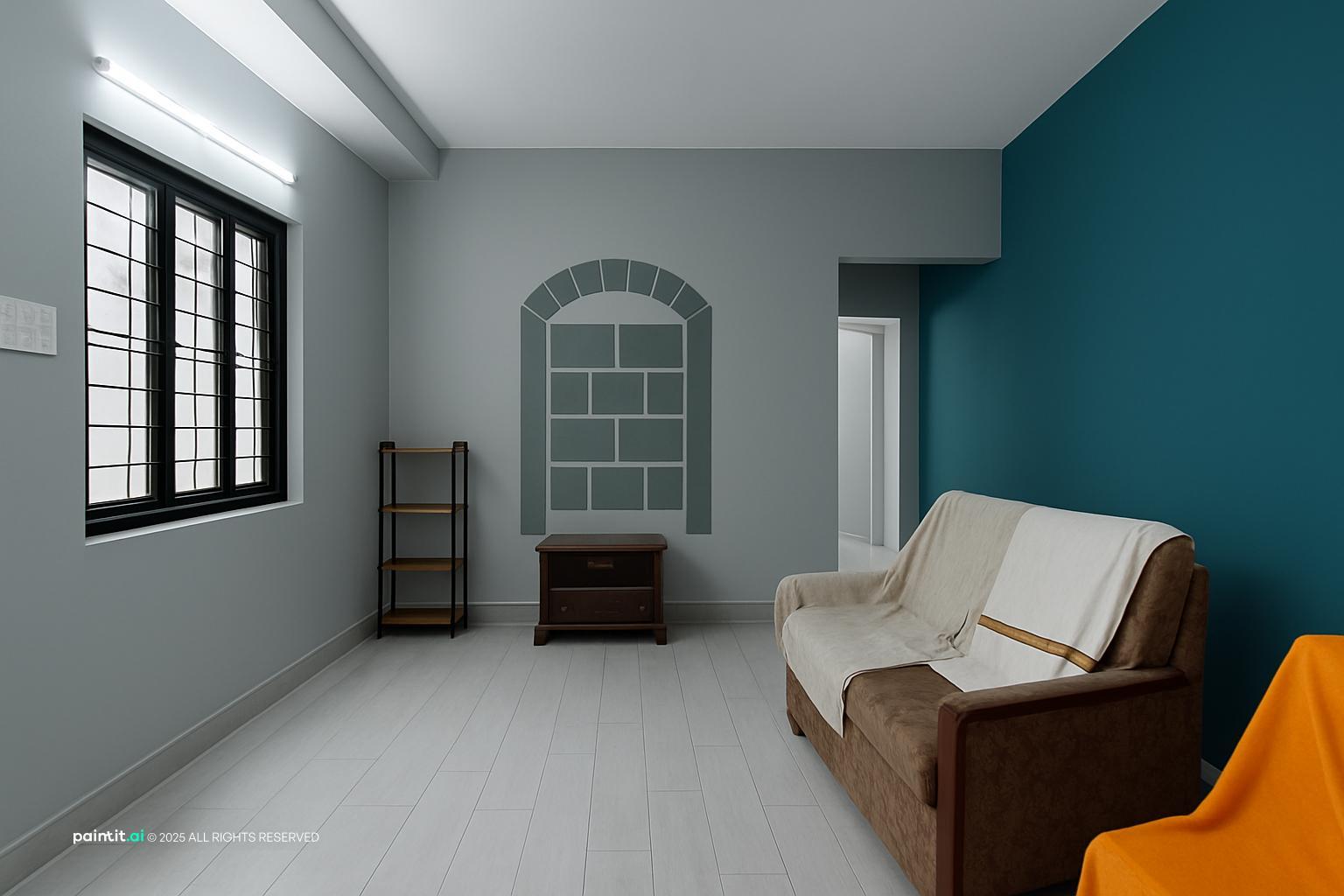
Start with walls painted in a barely-there sage, a shade so light it almost reads as a warm off-white. Introduce soft, washed linen upholstery in a dusty blue for the main seating. Think a low-slung sofa or a pair of inviting armchairs. Keep wood tones light—bleached oak or ash—to maintain that airy feel. The truth is, sometimes less truly is more, especially when dealing with such evocative colors.
-
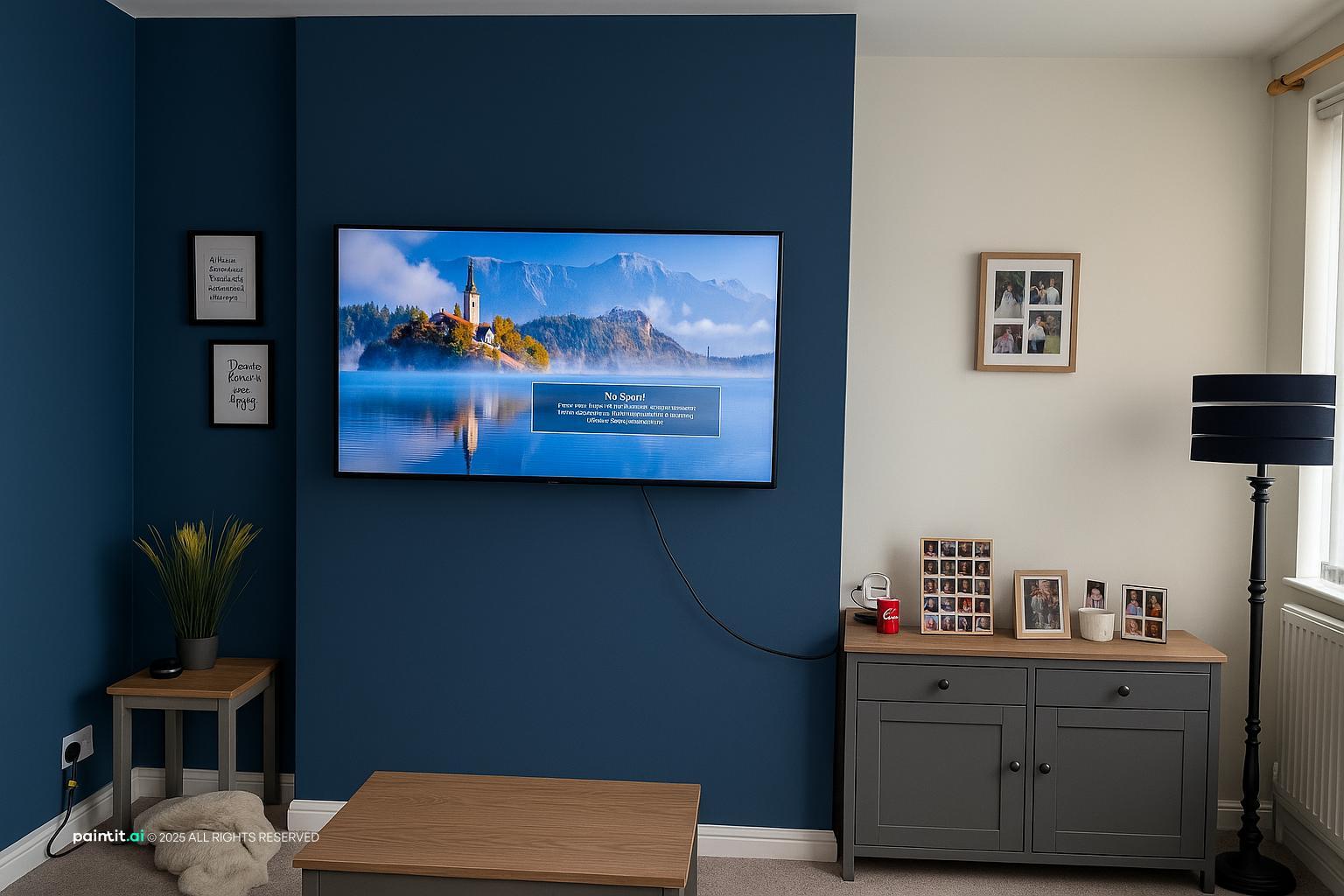
Pro Tip: To achieve this effect, try layering textures in similar muted tones, like a chunky knit throw over a smooth linen cushion.
-
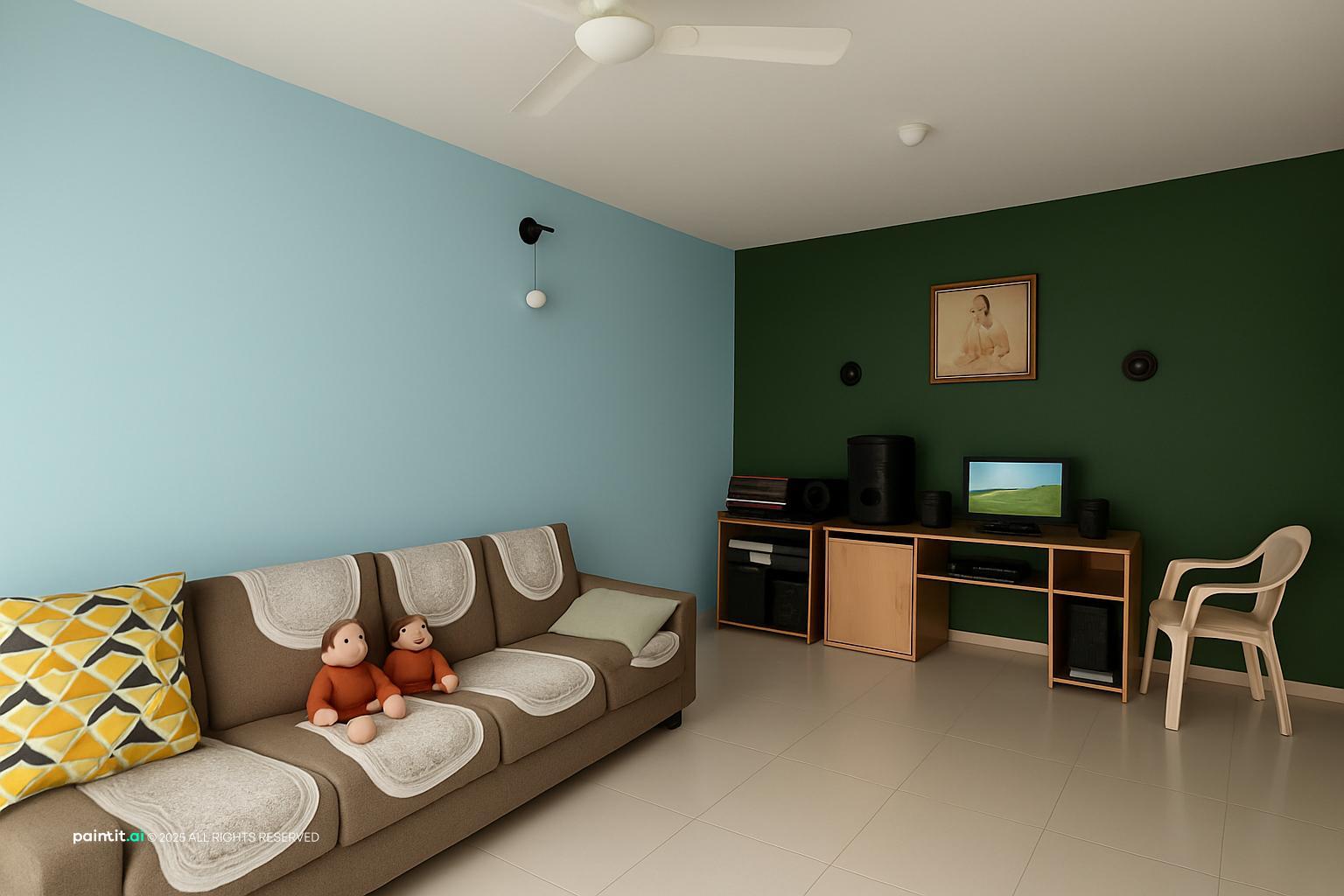
Sometimes, a room needs a grounding force. Here, a rich, deep blue takes center stage, providing a sophisticated anchor that instantly elevates the space. It’s a bold move, but when balanced with the right sage tones, it feels incredibly intentional, not overwhelming.
-
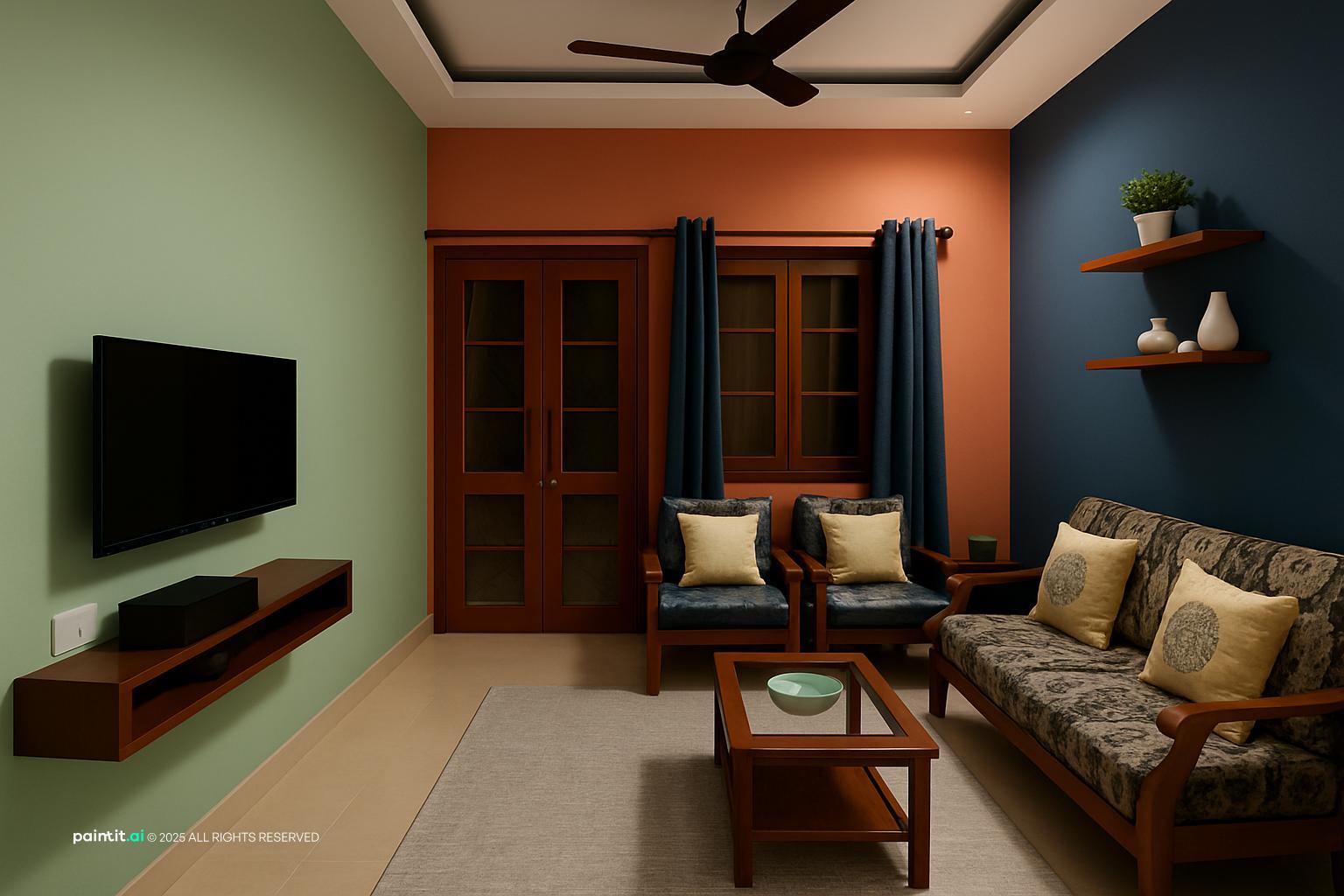
Imagine a substantial sofa upholstered in a luxurious navy blue velvet or a finely woven wool. This piece becomes the focal point. Introduce sage through smaller, softer elements: a pair of accent chairs in a sage green linen, perhaps, or a collection of ceramic vases in varying shades of the earthy hue. We’ve seen this combination create a truly inviting atmosphere, especially when paired with warm metals like aged brass. The contrast is just *chef's kiss*.
-
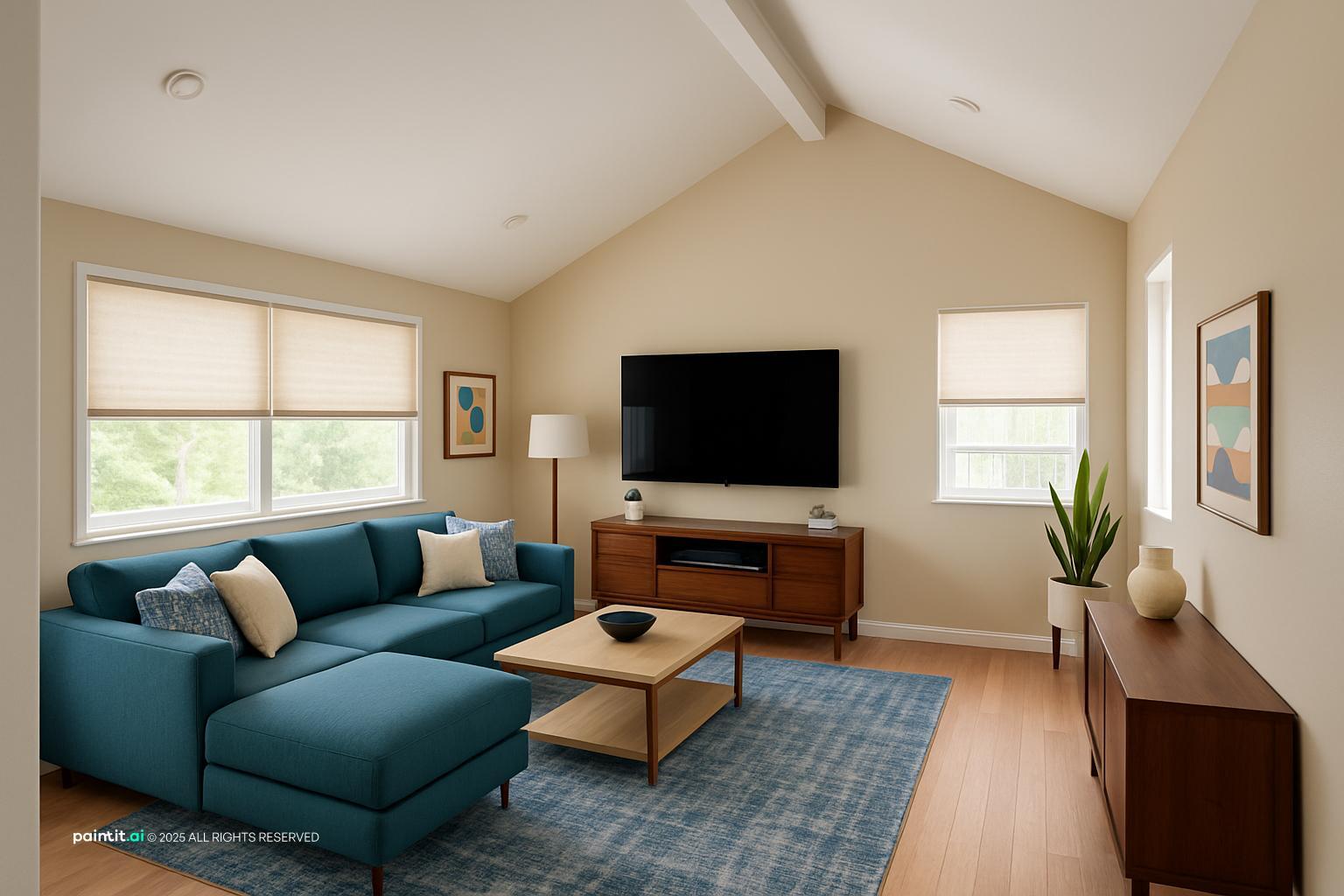
Pro Tip: To achieve this effect, try using a large navy rug to define the seating area, then scatter sage pillows generously.
-
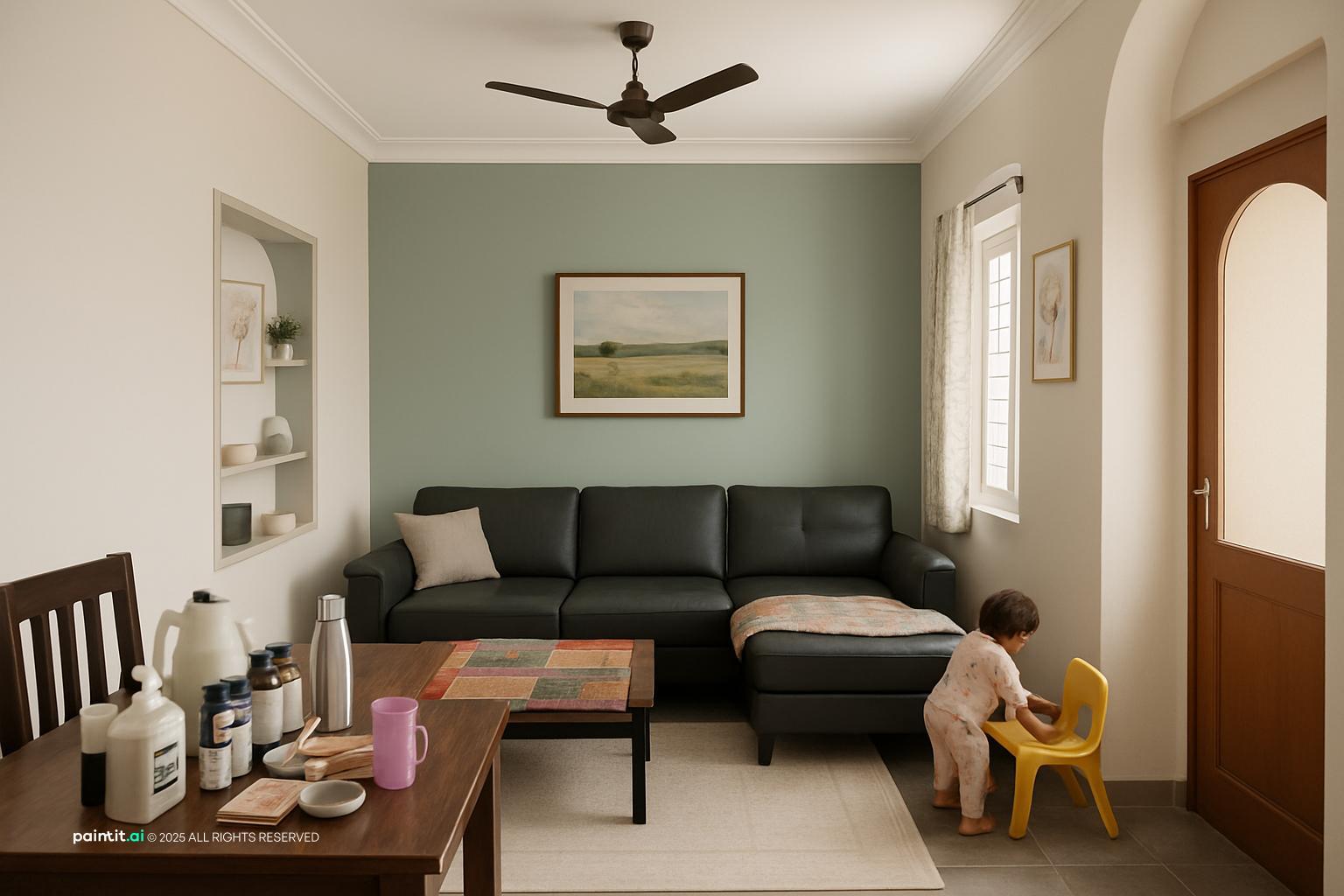
Forget the clichés of seashells and anchors. This take on coastal design is about the sophisticated serenity of the seaside, blending the expansive feel of the ocean with the quiet calm of dune grasses. It’s less about literal interpretation and more about capturing a feeling.
-
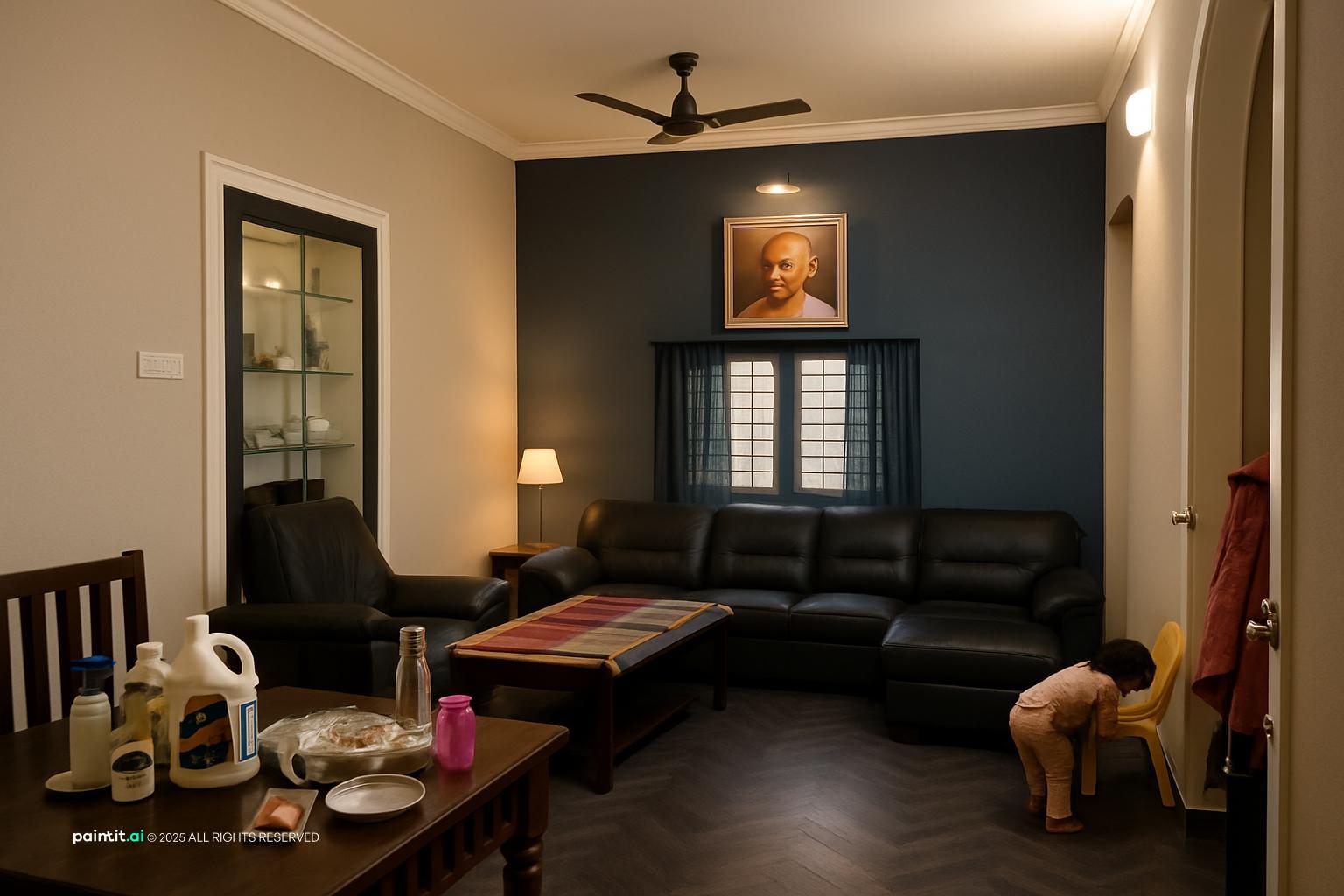
Opt for a sofa in a faded denim blue or a light, textured cotton. Pair this with a sage green area rug, perhaps one with a subtle geometric pattern, that mimics the natural landscape. Introduce natural elements like a reclaimed driftwood coffee table or woven rattan side chairs. The key is to keep everything feeling a bit sun-bleached and relaxed, as if it’s been gently weathered by the elements. It sounds simple, but most people forget to let the textures do the talking.
-
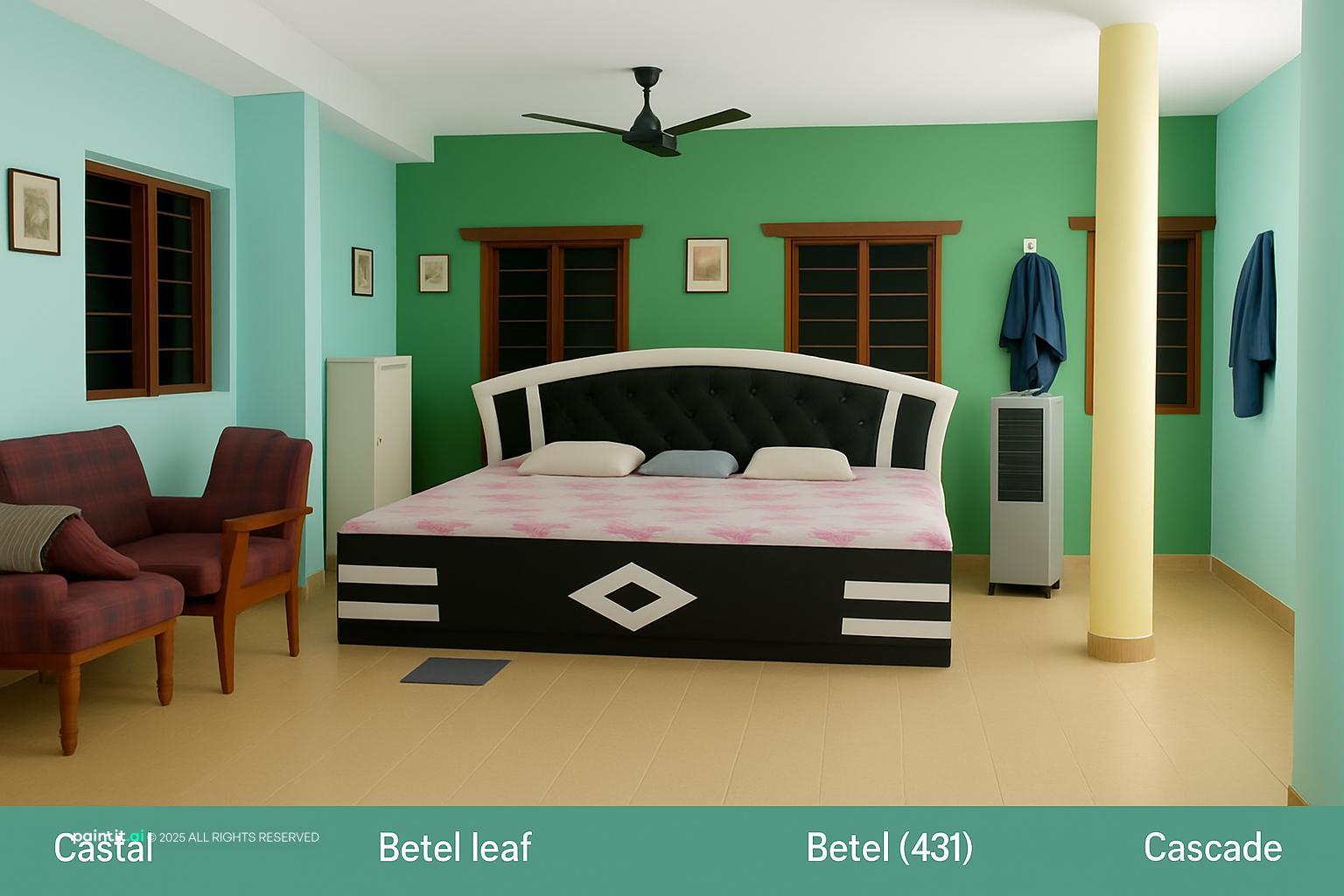
Pro Tip: To achieve this effect, try incorporating sheer linen curtains that billow gently, enhancing the breezy feel.
-
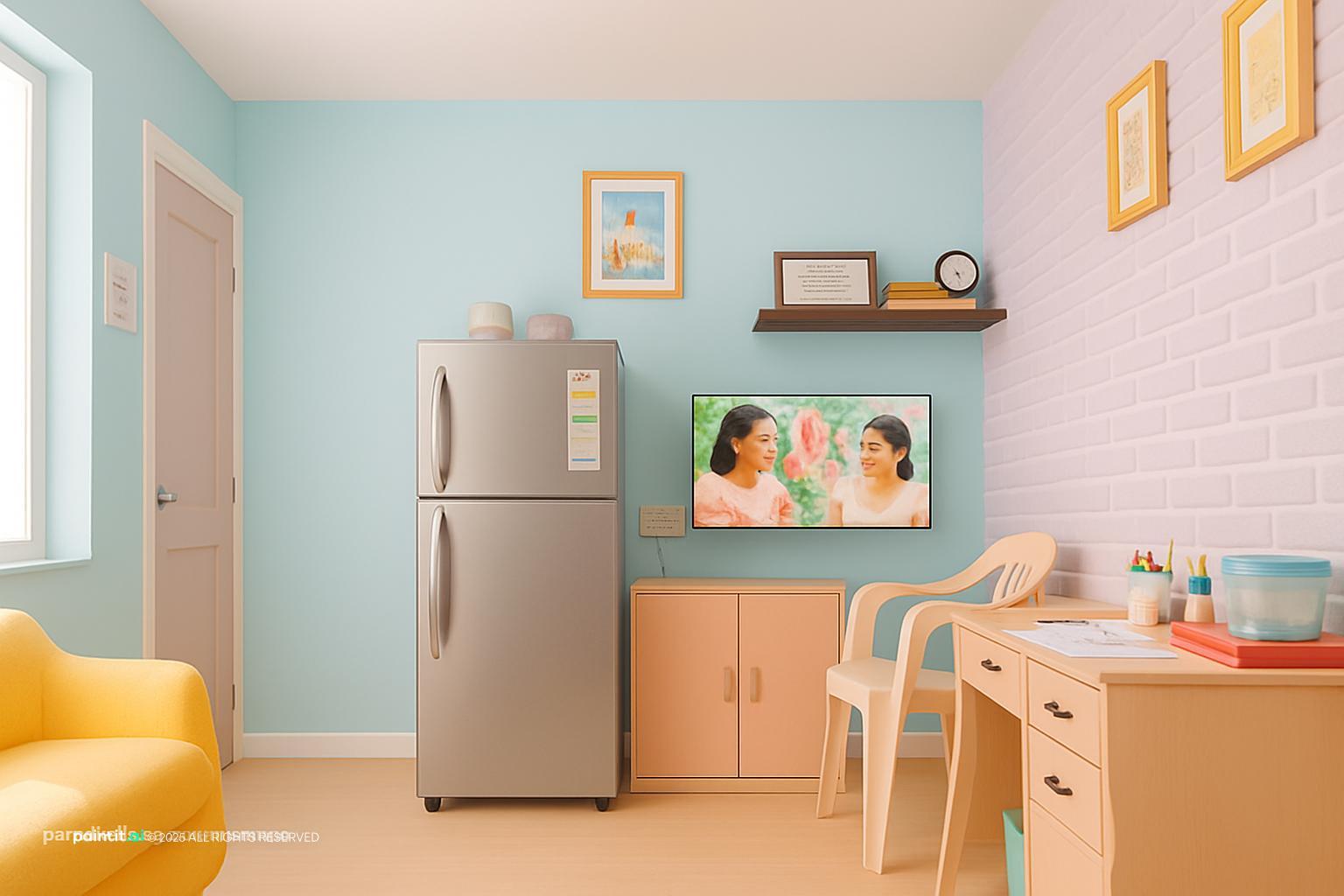
This approach leans into the grounding qualities of both sage and blue, creating a living room that feels like a warm, protective embrace. It’s about building a space where you can truly unwind, surrounded by colors that evoke nature’s quiet strength.
-
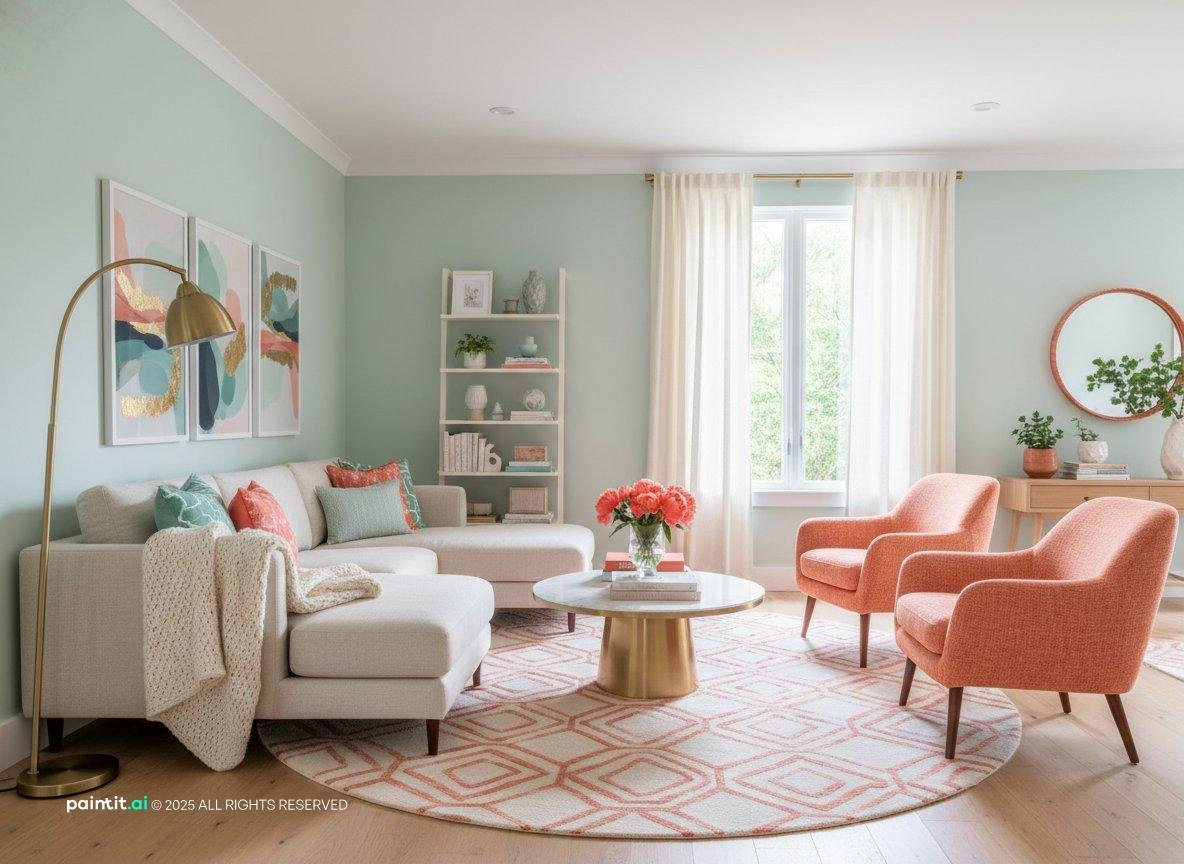
Consider painting one accent wall in a rich, deep sage green—a color that feels almost like forest moss. The remaining walls could be a muted, warm blue-grey. Furnish with pieces that have organic shapes and natural materials; a sofa in a robust, textured fabric like a performance velvet in a deep teal, perhaps. Introduce a substantial, live-edge wood coffee table and plenty of lush, green plants. This blend creates a sense of rootedness, a true escape.
-
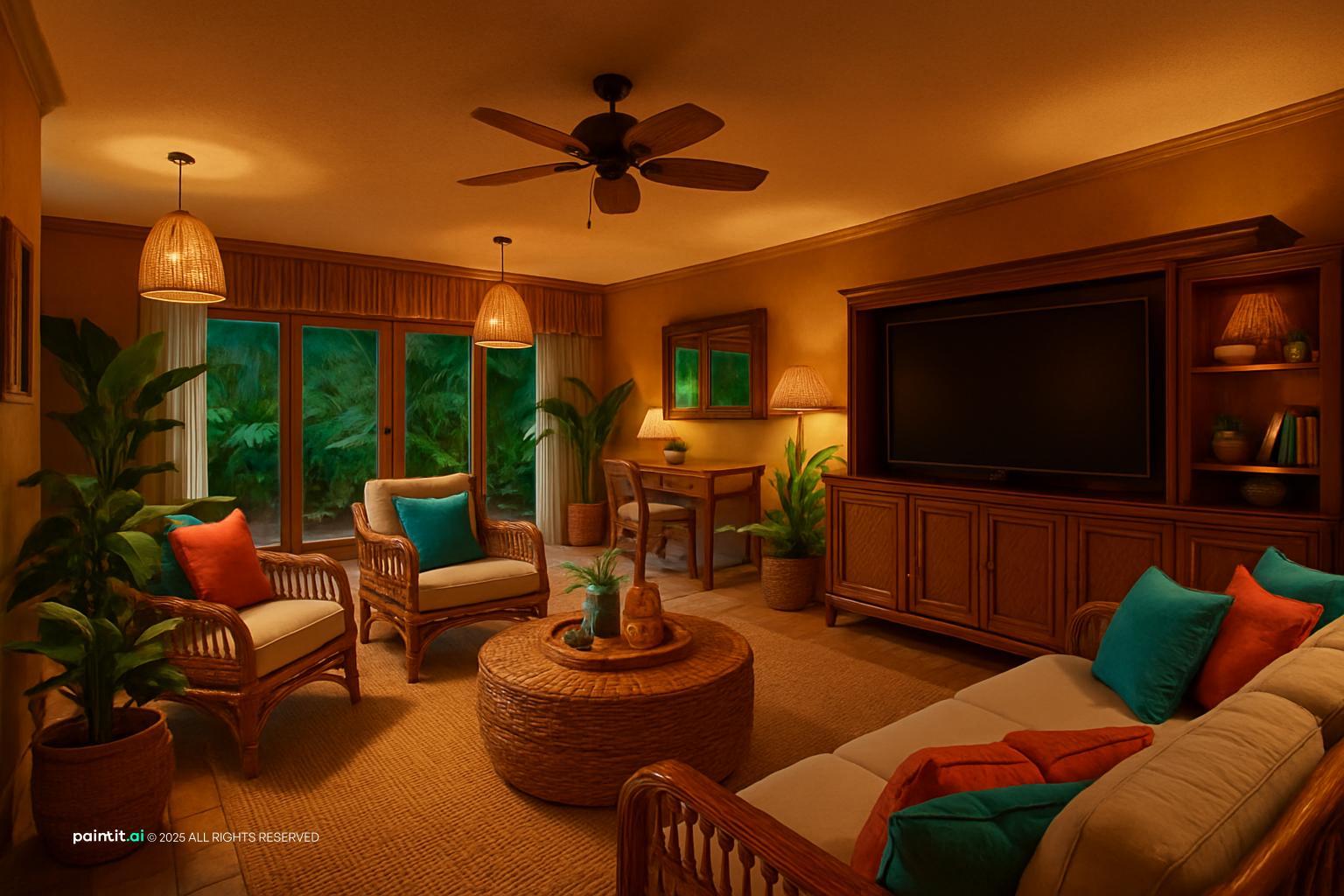
Pro Tip: To achieve this effect, try incorporating artisanal ceramics in earthy tones to add depth and character.
-
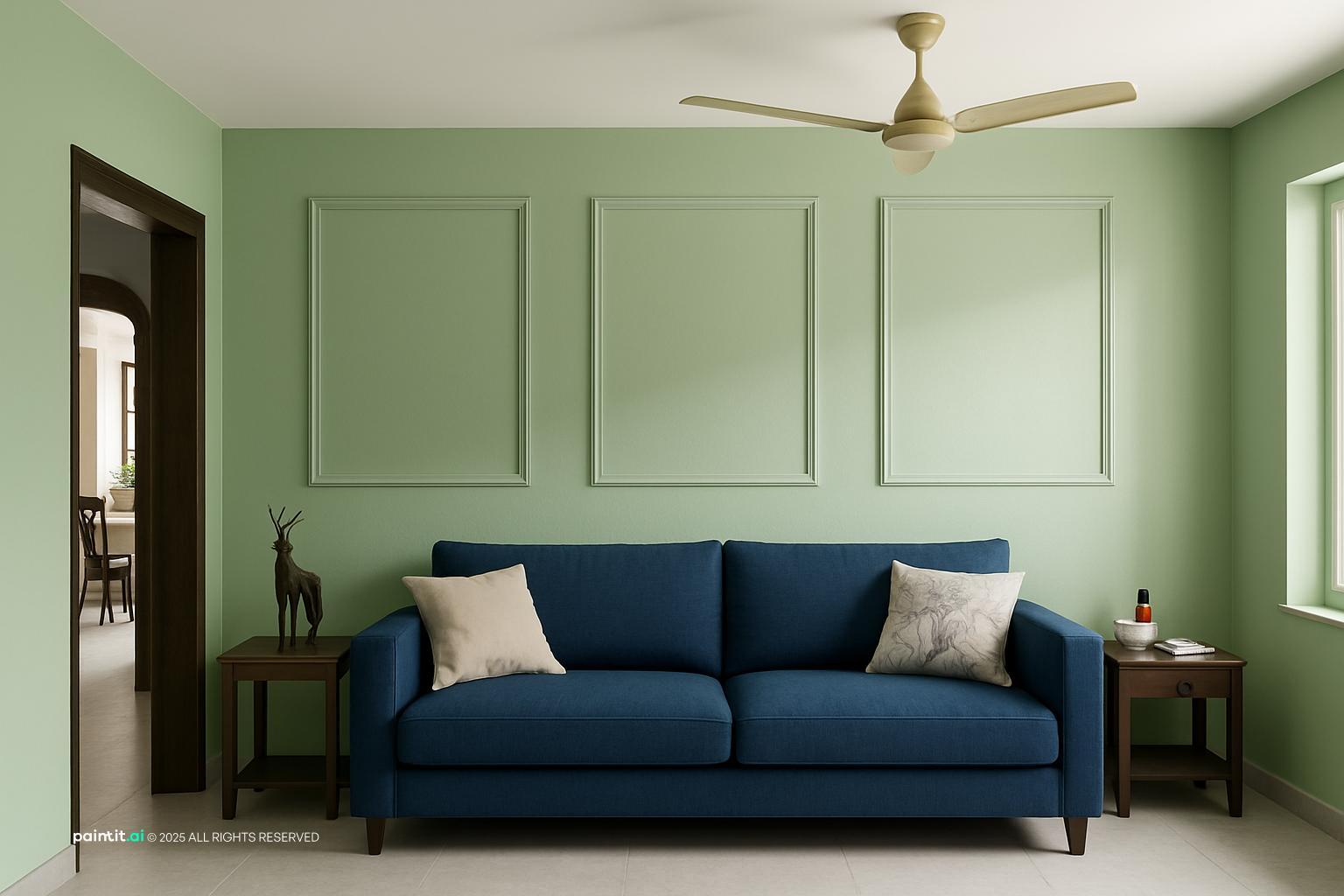
Marrying Japanese minimalism with Scandinavian warmth, this style is a natural fit for a sage and blue palette. It's all about clean lines, thoughtful simplicity, and a deep appreciation for natural materials and quiet moments.
-
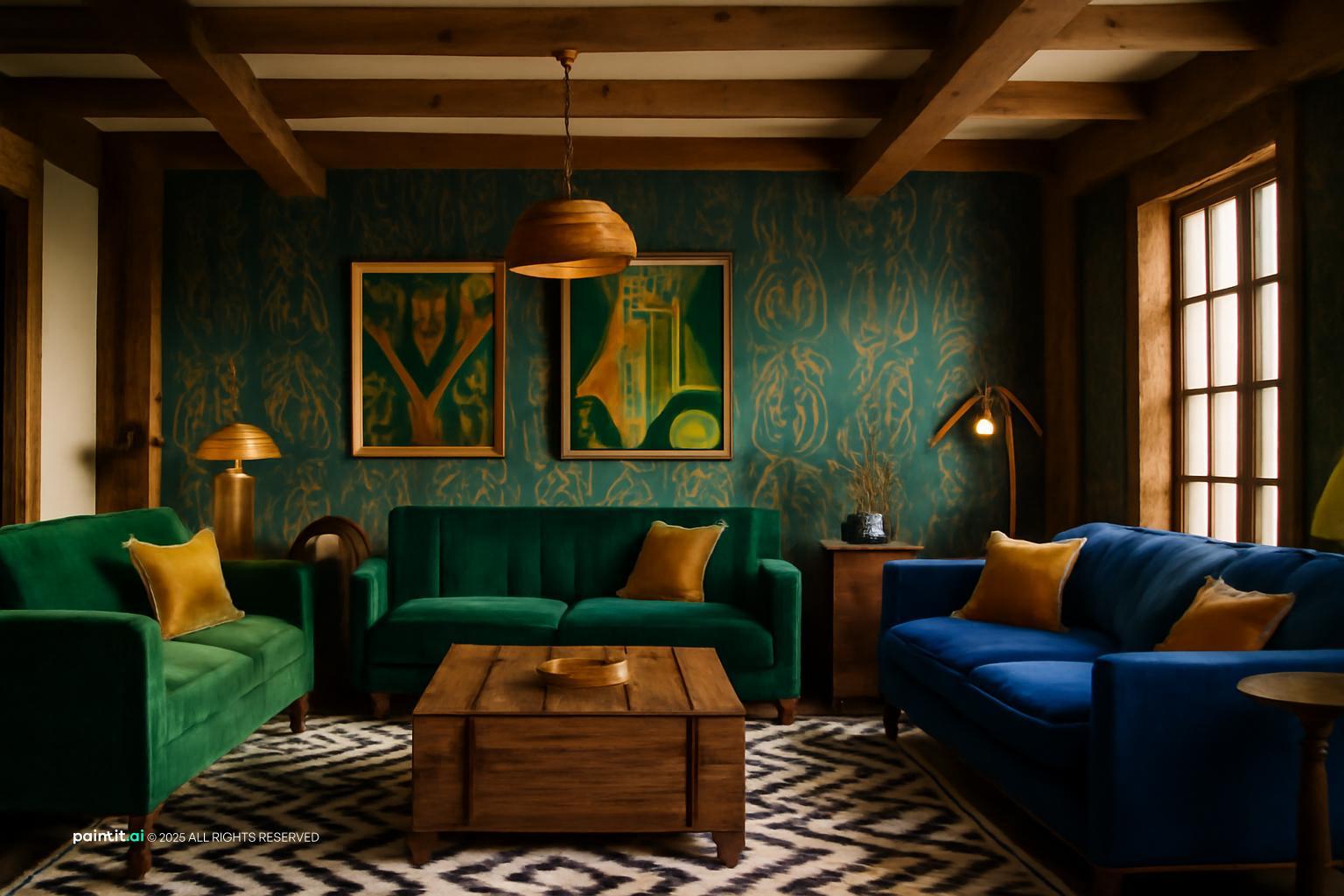
Select low-profile furniture with simple, elegant forms. A sofa in a light, almost grey-blue linen works beautifully. Pair it with a few carefully chosen sage green accents: a single, perfectly placed ceramic vase, a soft wool throw draped over an armchair, or a few art prints with subtle sage motifs. Wood tones should be light and natural—think blonde woods like birch or ash. The focus is on functionality and serene beauty, letting each element breathe. Here’s the kicker: every piece must earn its place.
-
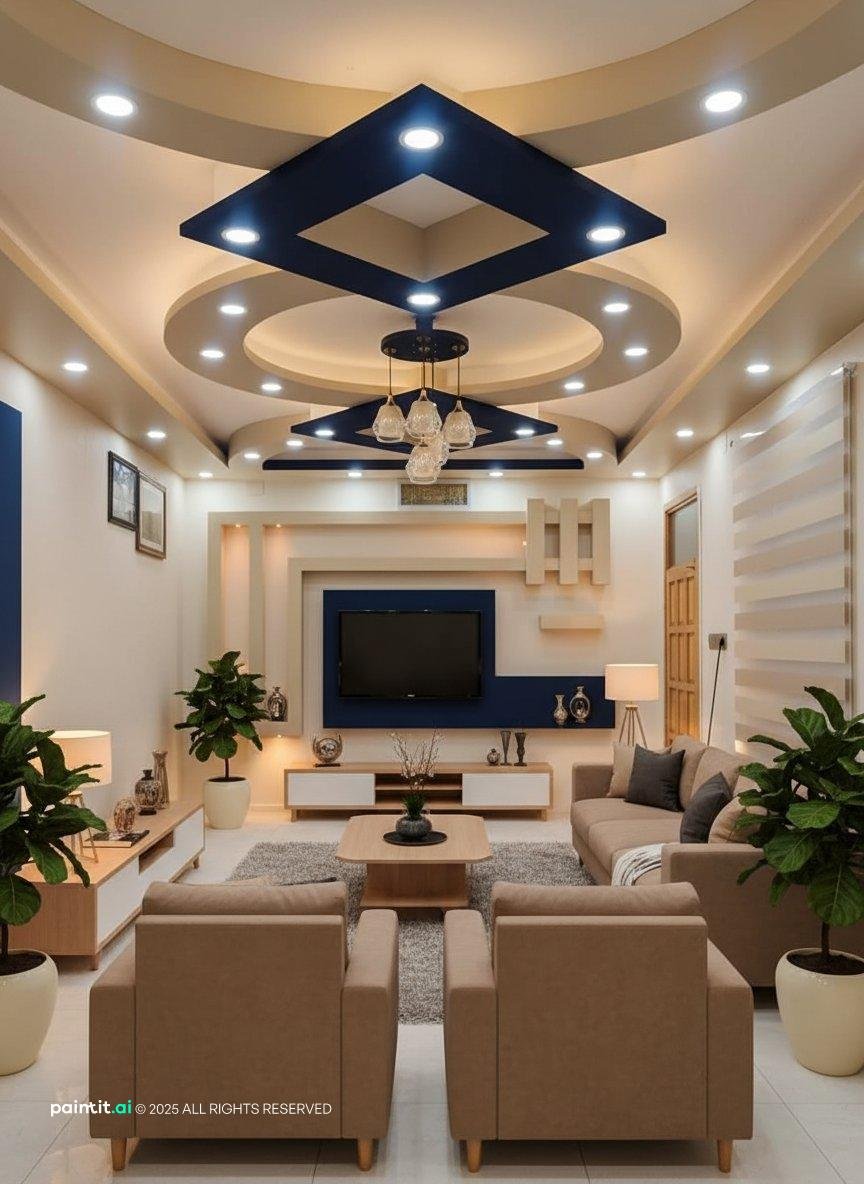
Pro Tip: To achieve this effect, try using shoji-inspired screens or minimalist shelving to define zones without clutter.
-
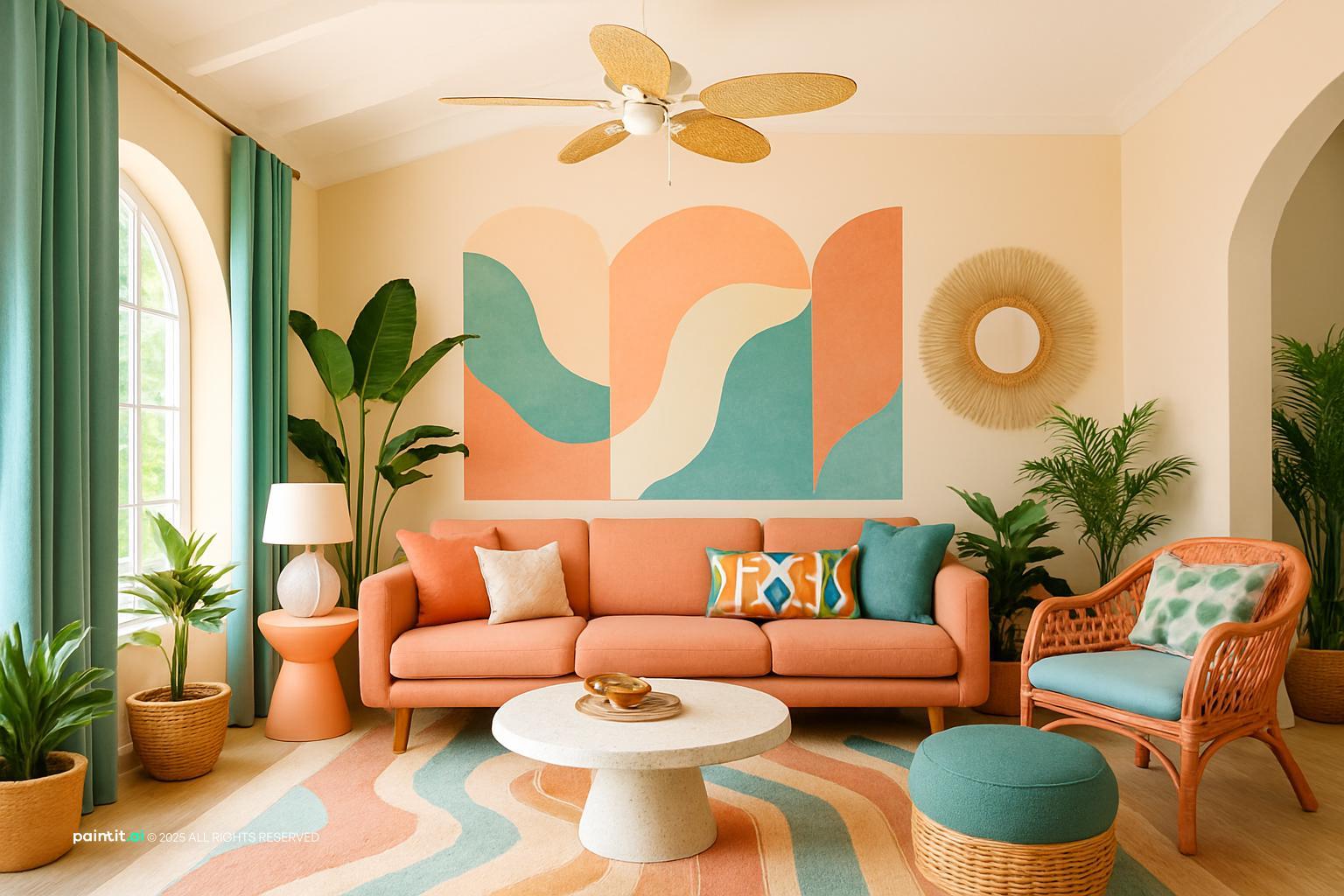
Bohemian style often conjures images of vibrant colors, but it can be beautifully expressed with a more subdued, earthy palette. Here, sage and blue provide a calming backdrop for eclectic textures and global influences.
-
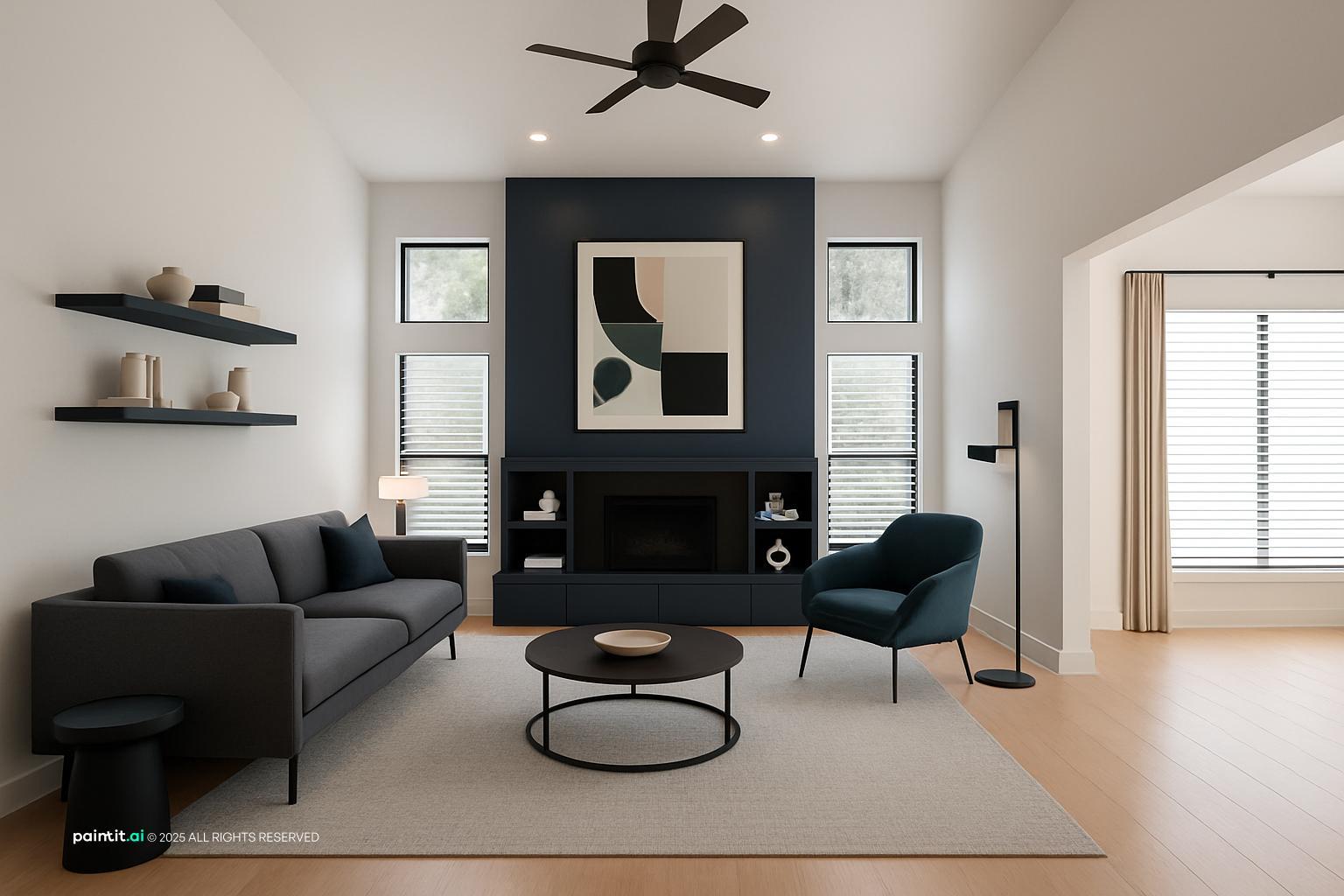
Start with a comfortable, oversized sofa in a medium sage green. Layer it with an array of throw pillows in various shades of blue—from indigo block prints to sky blue macrame textures. Introduce a large, hand-knotted jute rug. Incorporate elements like a rattan swing chair, a collection of vintage travel finds, and plenty of potted plants. The idea is to create a well-traveled, collected feel, but with a cohesive, calming color story. We’ve seen this work best when the patterns are varied but the colors remain within the chosen spectrum.
-
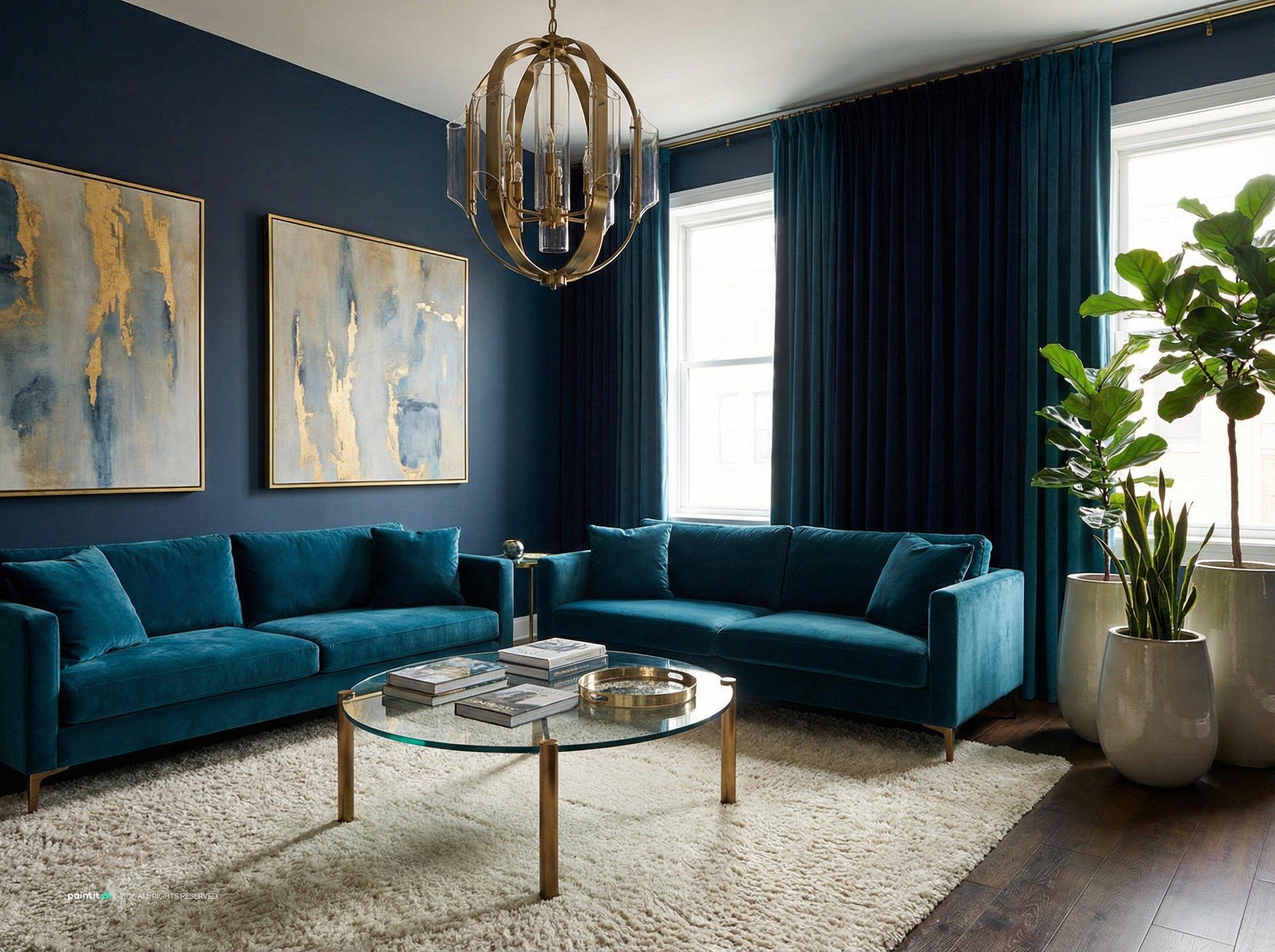
Pro Tip: To achieve this effect, try mixing patterns and textures in your textiles, ensuring they all share the sage and blue theme.
-
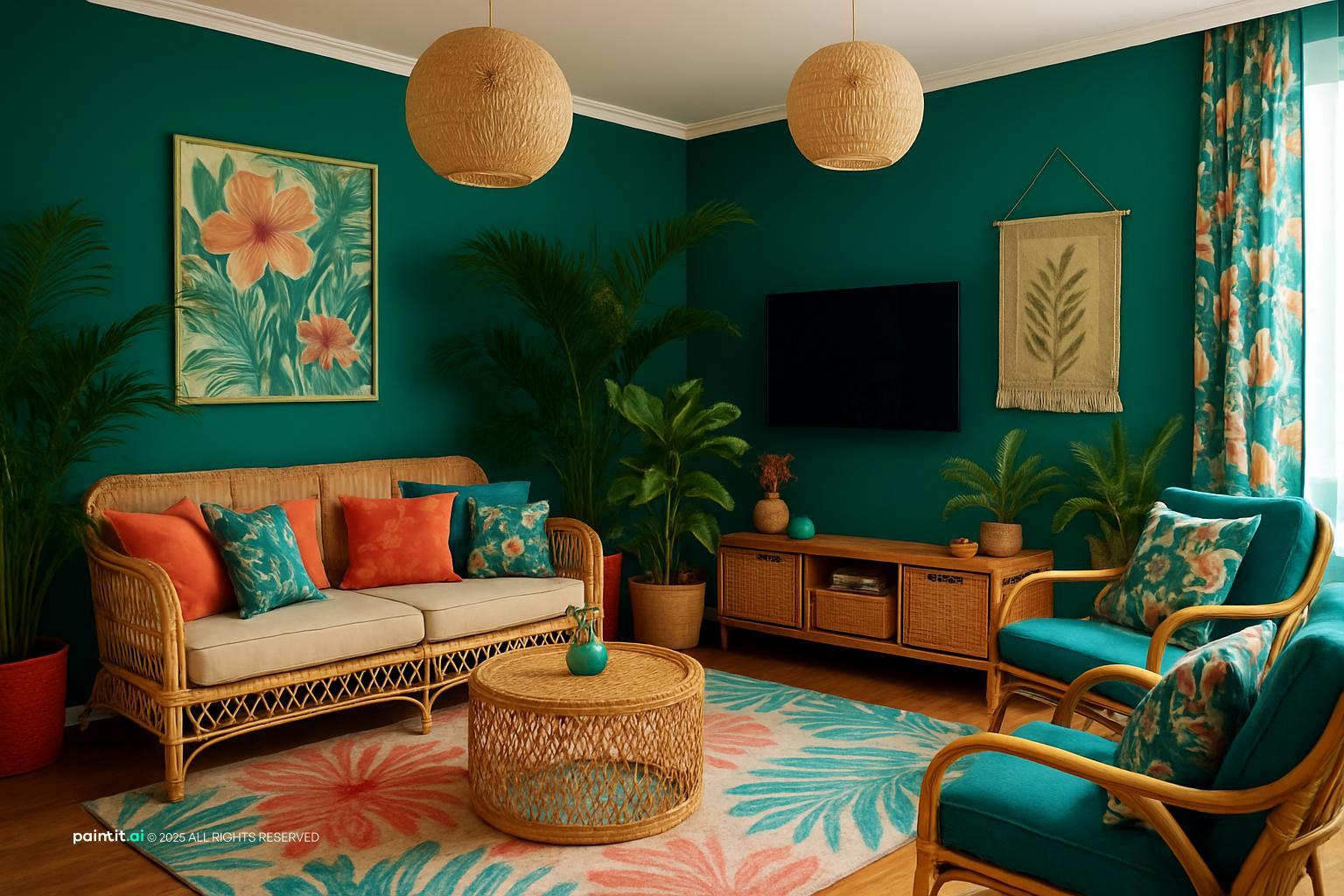
Sometimes, the magic lies in a single, impactful piece. This idea uses a bold accent color within the sage and blue framework to add a surprising twist and depth, preventing the palette from feeling too one-note.
-
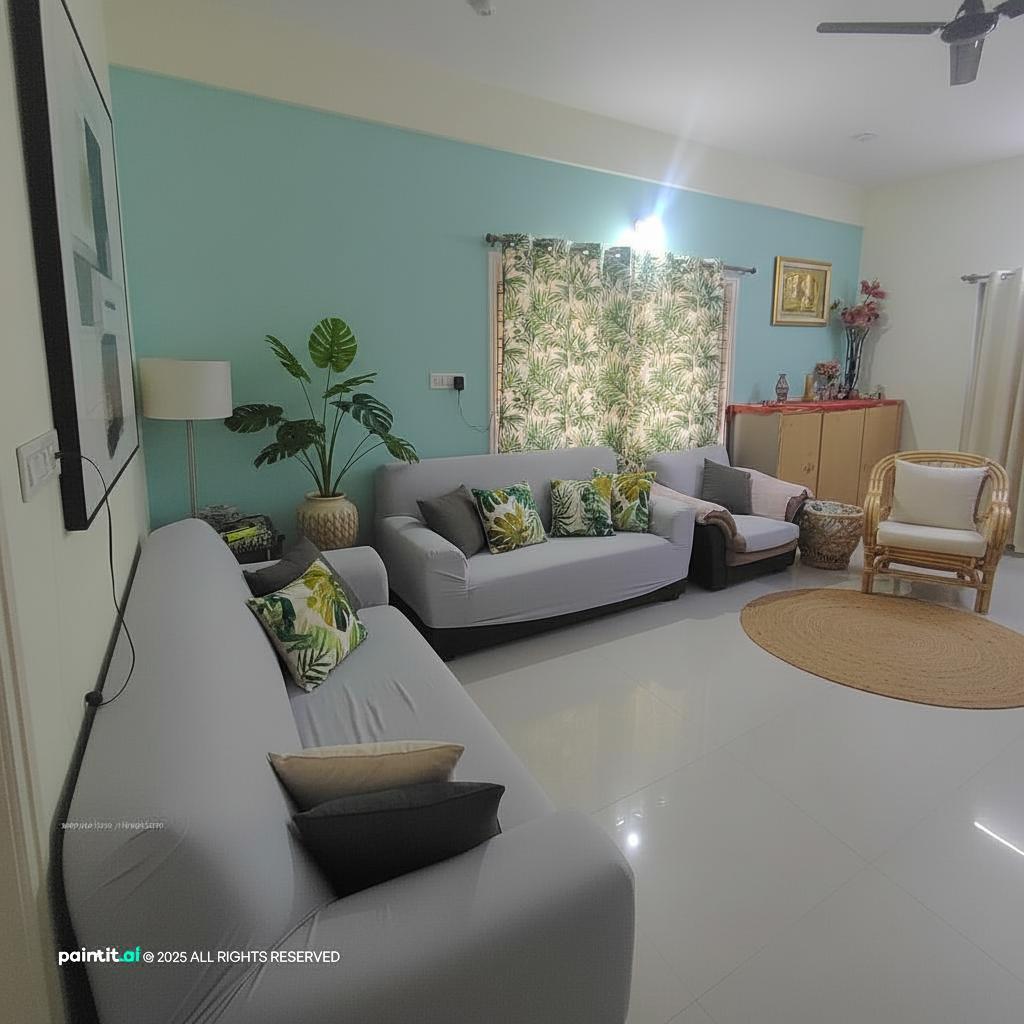
Imagine a living room predominantly in soft sage green walls and a comfortable, light blue sofa. Now, introduce a single, striking element in a contrasting hue—a terracotta-colored armchair, for instance, or a large piece of abstract art featuring a pop of blush pink. This third color should be used sparingly but intentionally, drawing the eye and adding a layer of sophisticated intrigue. It reminds me of old-world Italian villas, where a splash of unexpected color always felt right.
-
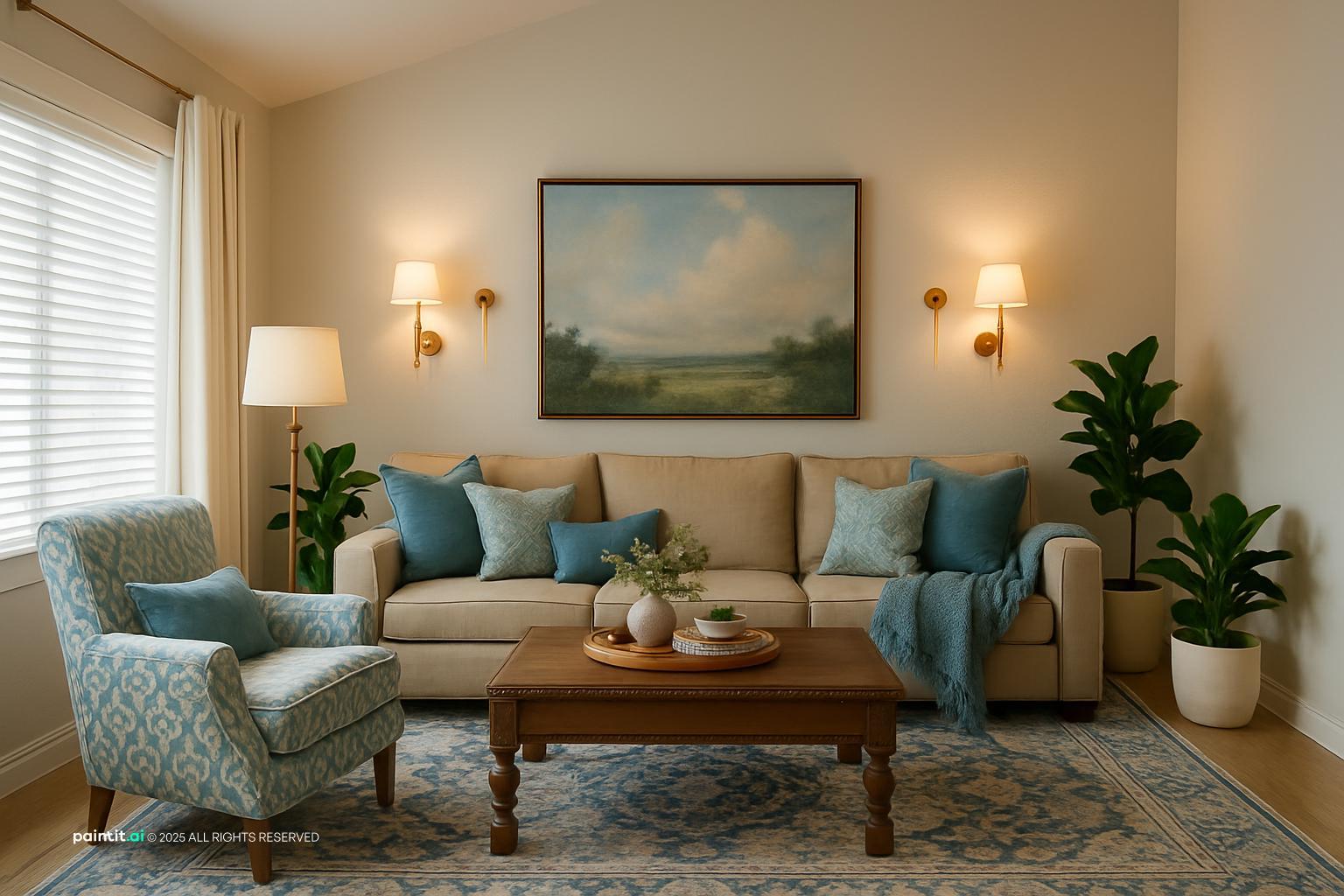
Pro Tip: To achieve this effect, try using a warm, earthy tone like terracotta or a muted mustard as your accent color sage green and navy blue living room.
-
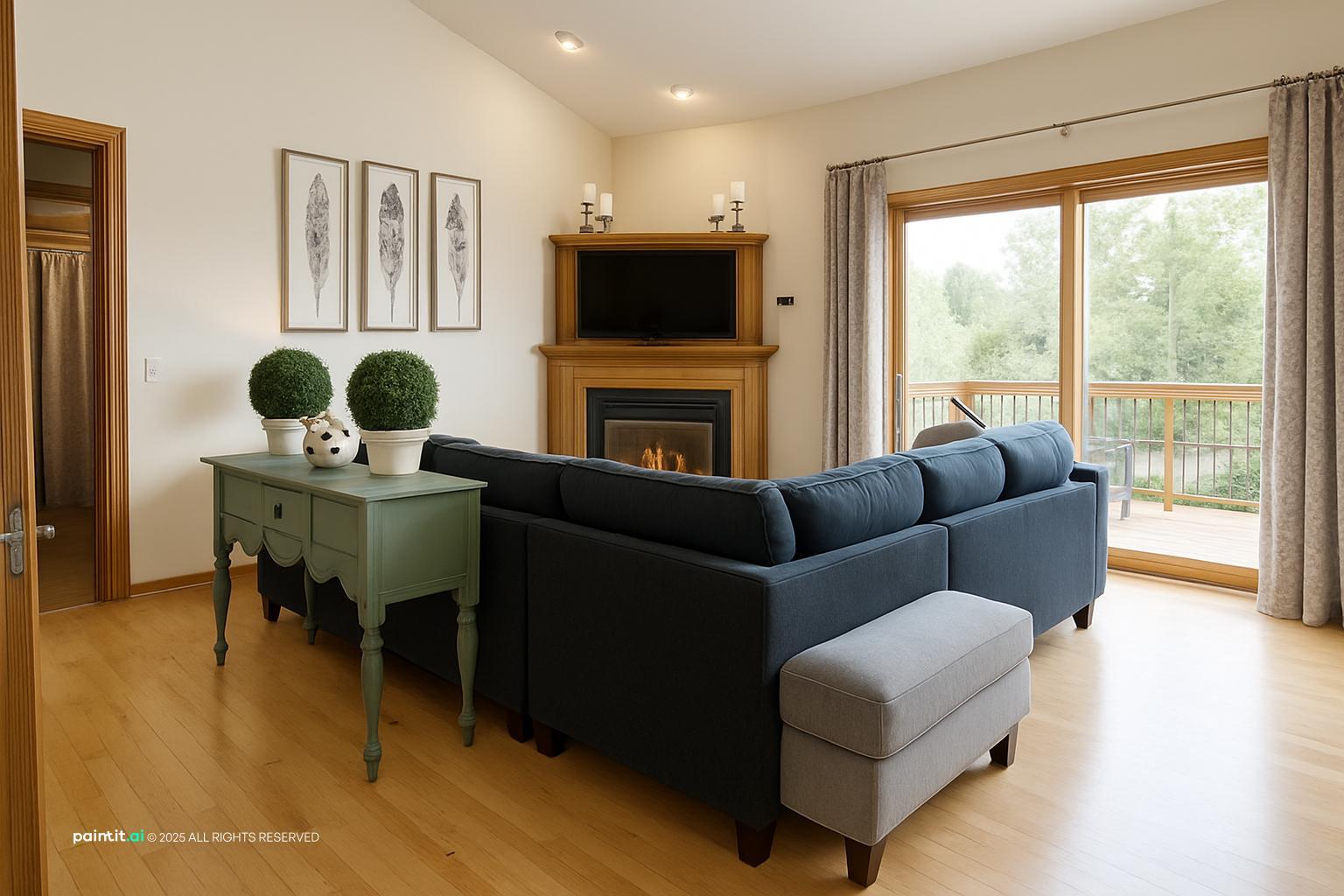
Let your art dictate the mood. This concept places a curated gallery wall at the heart of your living room, with the sage and blue palette serving as a supportive, harmonious backdrop.
-
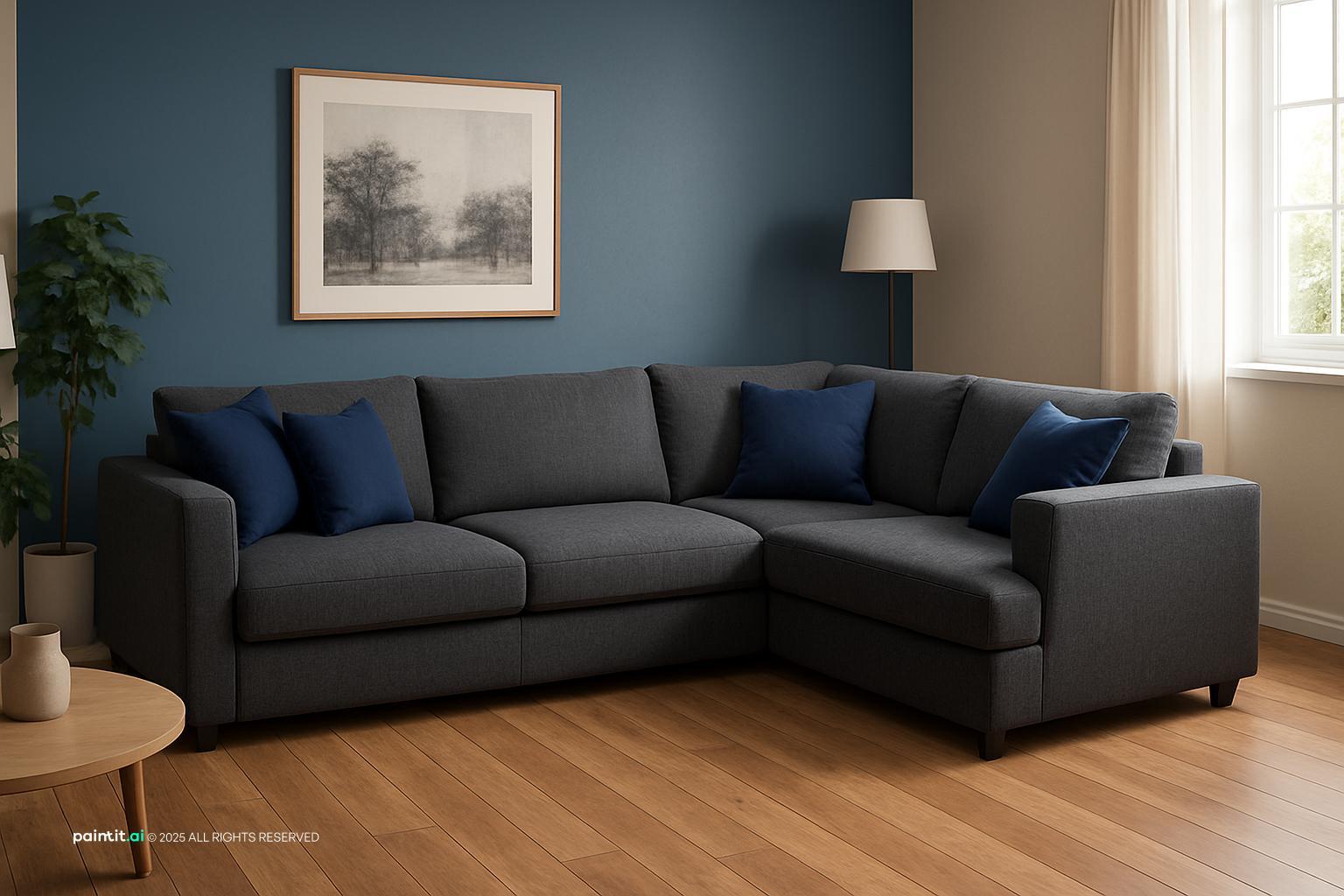
Paint your walls a neutral, warm white or a very pale sage. Choose a sofa in a versatile, mid-tone blue. The real star here is the gallery wall, featuring a mix of artwork that predominantly uses sage green and various shades of blue. Think abstract paintings, botanical prints, or even framed textiles. Vary frame styles and sizes for visual interest. This approach allows for incredible personalization and ensures the room feels deeply reflective of your taste. The truth is, a well-curated wall can tell a whole story.
-
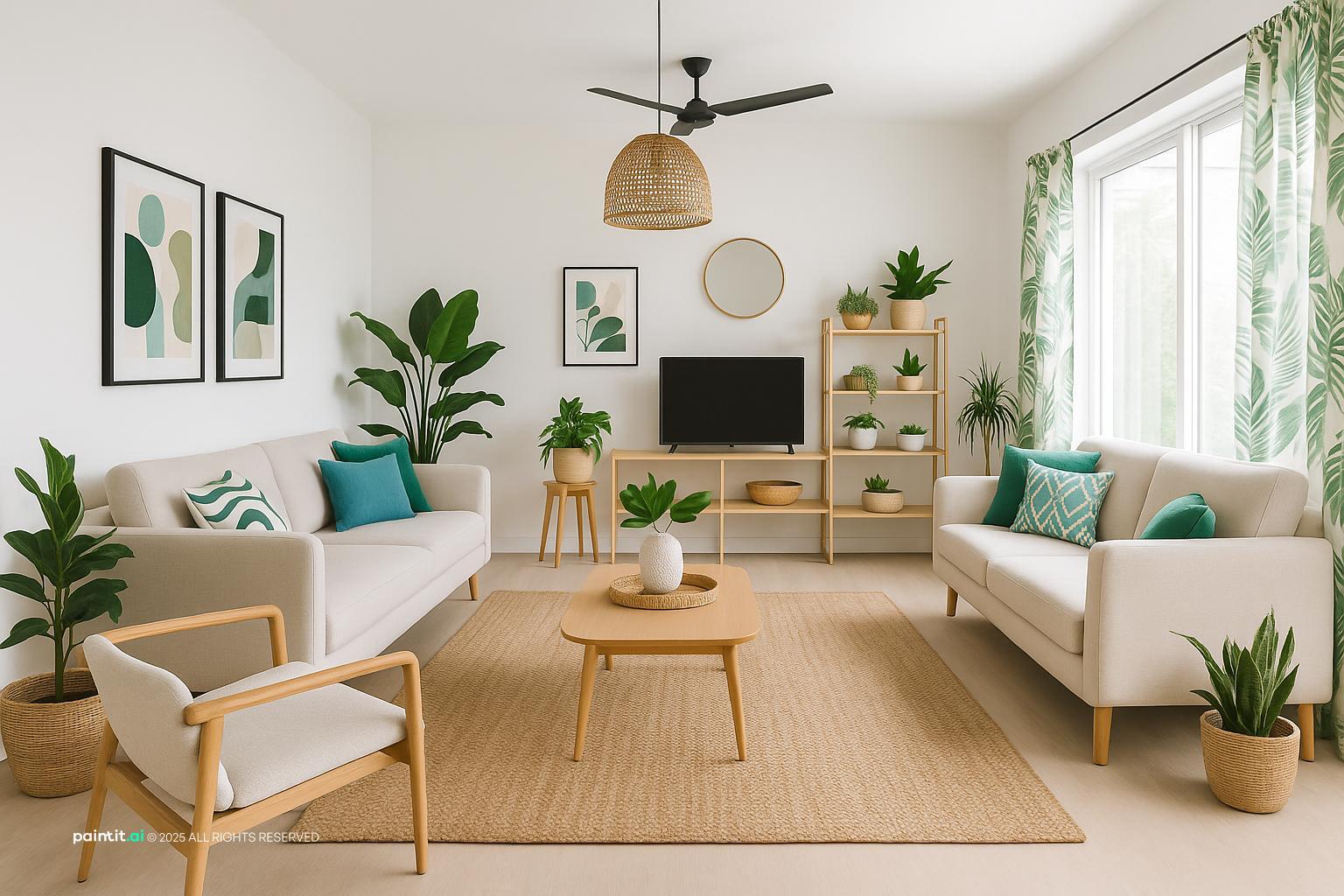
Pro Tip: To achieve this effect, try mixing different art mediums—photography, illustration, and even small mirrors—within your gallery wall.
-
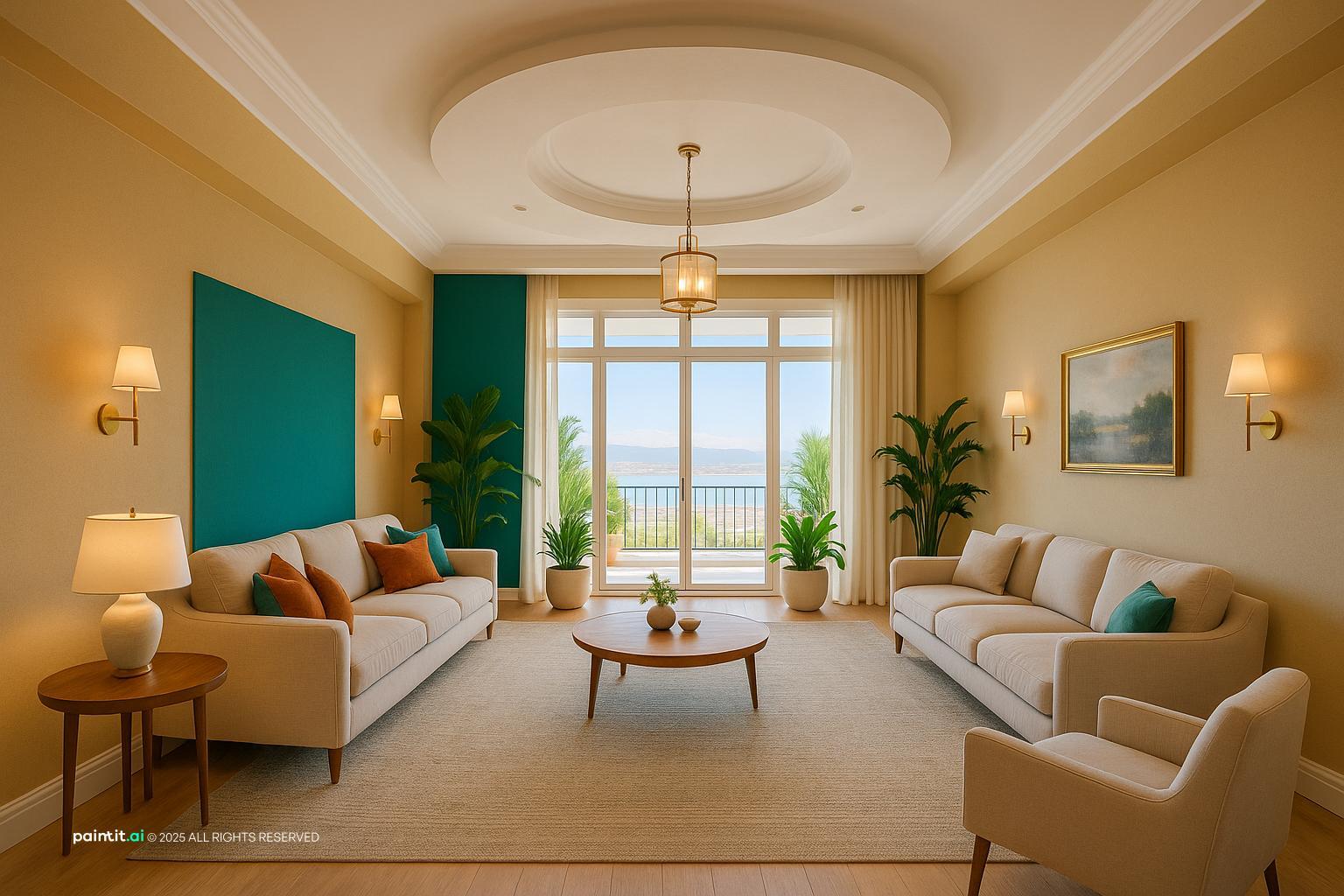
This idea focuses on how light interacts with materials, using sage and blue to enhance a sense of airiness and subtle luxury. It's about creating a living room that feels bright and expansive, even if the footprint is modest.
-
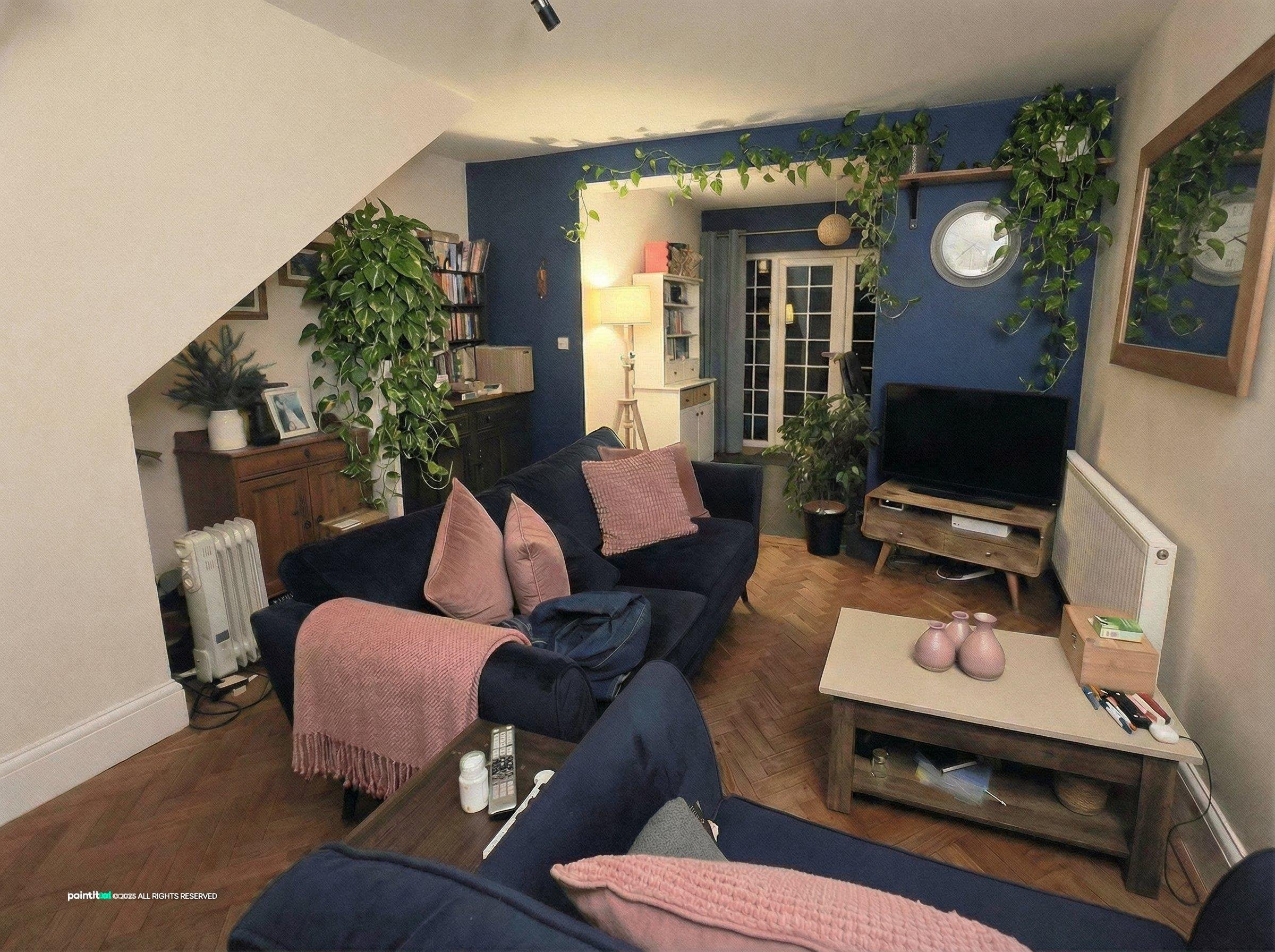
Incorporate furniture pieces with ribbed glass elements—perhaps a coffee table with a fluted glass top or a cabinet with reeded glass doors. These textures beautifully diffuse light. Pair them with a sofa in a soft, sky blue and accent pieces in a muted sage, like ceramic lamps or sheer curtains. Use polished chrome or brushed nickel hardware to complement the cool tones. The way light dances across these surfaces is just captivating, adding a quiet dynamism to the room.
-
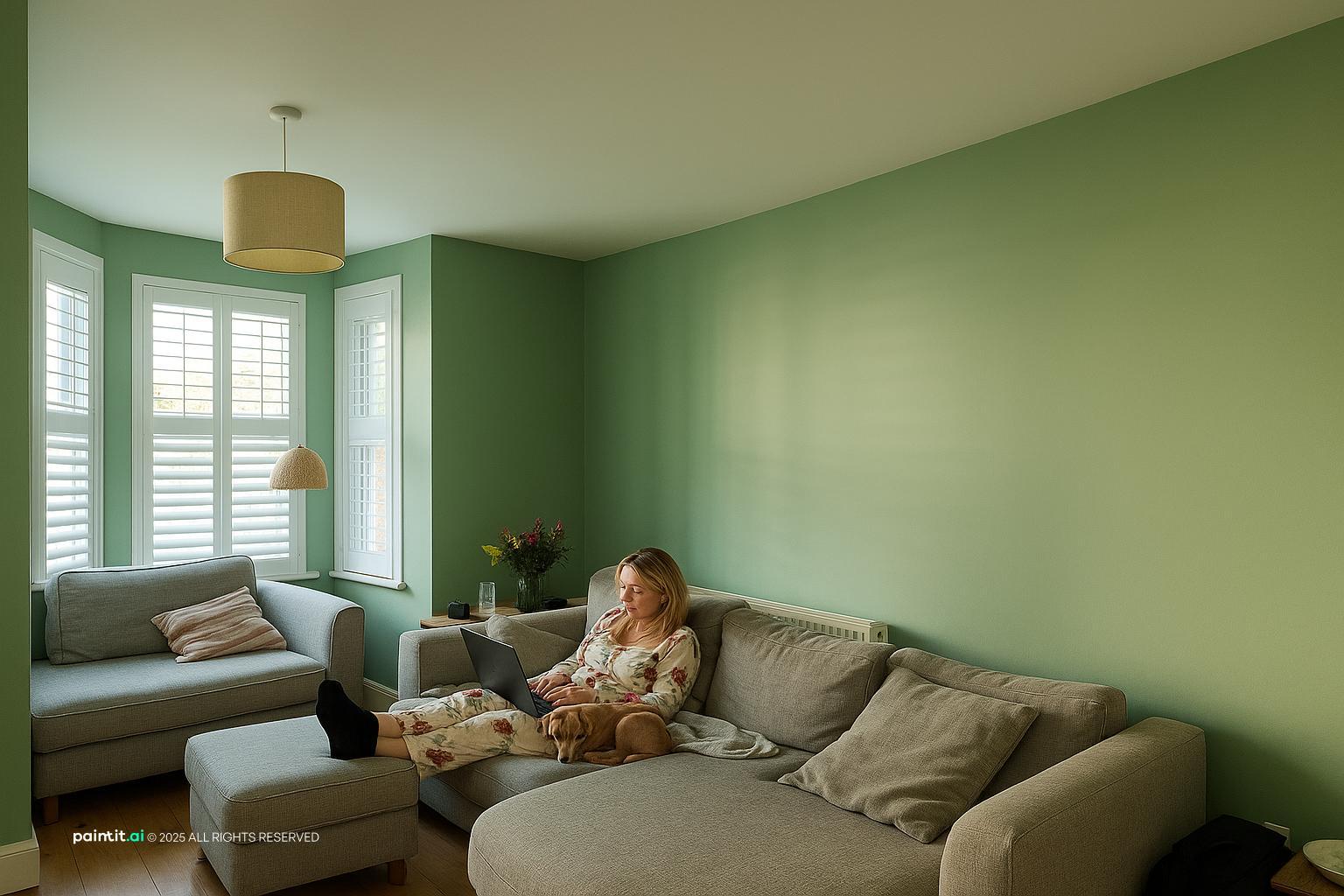
Pro Tip: To achieve this effect, try placing a large mirror opposite a window to amplify natural light and reflections.
-
For a living room that exudes luxury and comfort, velvet is your friend. This concept uses the rich texture of velvet to bring depth and opulence to the sage and blue palette, making the space feel incredibly inviting.
-
Invest in a statement sofa in a deep, moody navy blue velvet. This piece will instantly command attention. Complement it with throw pillows in a rich sage green velvet, or even an armchair upholstered in the same lush fabric. Keep other elements relatively simple—a honed travertine coffee table, perhaps, or a sleek, dark wood side table. The interplay of the soft, light-catching velvet with the more solid, natural materials creates a sophisticated contrast. It’s about preservation over imposition, letting the materials speak for themselves.
-
Pro Tip: To achieve this effect, try pairing the velvet with contrasting textures like raw silk or a chunky wool rug for added sensory appeal.
-
Bring the outdoors in, literally. This idea uses an abundance of live plants to enhance the natural harmony of a sage green and blue living room, creating a vibrant, breathable space.
-
Start with a base of soft sage green walls and a comfortable sofa in a calming blue. Then, fill the room with a diverse collection of houseplants. Think large fiddle leaf figs, cascading pothos, and delicate ferns. Use planters in varying materials—terracotta, glazed ceramic in blues and greens, woven baskets. The living greenery adds an unparalleled freshness and depth, making the room feel alive. We’ve found this approach incredibly therapeutic; it’s about creating a micro-ecosystem within your home.
-
Pro Tip: To achieve this effect, try grouping plants of different heights and leaf textures to create a lush, layered look.
-
The clean lines and organic forms of Mid-Century Modern design pair beautifully with the natural tones of sage and blue. It’s about creating a timeless living room that feels both retro and utterly current.
-
Select iconic pieces like a Danish modern credenza in warm teak wood. Upholster a classic armchair in a rich sage green fabric, perhaps a textured tweed or a durable wool. A sofa in a muted blue, with exposed wooden legs, would complete the main seating. Incorporate abstract artwork from the era, or ceramics in complementary blue and green glazes. The key is to balance the structured forms with the softness of the color palette. It’s about finding that perfect intersection of form and function.
-
Pro Tip: To achieve this effect, try sourcing vintage pieces or high-quality reproductions to maintain authenticity.
-
Don't shy away from patterns; use them strategically to add visual interest and depth to your sage and blue living room. The trick is to keep the patterns within the chosen color family, ensuring cohesion.
-
Consider a wallpaper with a subtle botanical print in sage green and off-white on one wall. Pair this with a sofa upholstered in a solid, deep navy blue. Introduce throw pillows with a delicate geometric pattern in lighter blues and sage, or even a classic stripe. A large area rug with an abstract design incorporating both colors can tie the whole room together. The truth is, patterns, when used thoughtfully, can make a space feel incredibly dynamic without being chaotic. It's about creating a visual rhythm.
-
Pro Tip: To achieve this effect, try varying the scale of your patterns—a large-scale wallpaper with small-scale cushion patterns.
The Quiet Art of Composing a Sage Green and Blue Living Room to Life with Paintit.ai
-
For a truly serene sage green and blue living room, we lean into a base of soft, almost ethereal sage green, letting it wash over the walls. We then introduce a secondary dusty blue or a muted sky blue for larger upholstery pieces, creating a gentle contrast. A deep navy blue often serves as our grounding anchor—adding sophistication without overwhelming the delicate balance. Sometimes a warm off-white or bleached oak provides a necessary breath.
-
We find that washed linen is non-negotiable for its relaxed drape and tactile quality; perfect for a sofa or curtains in a sage green and blue living room. Natural wood, like light oak or ash, brings warmth and an organic touch through coffee tables or shelving. Aged brass hardware or a slender floor lamp adds a subtle, sophisticated gleam, preventing the space from feeling too flat. These elements create an inviting, layered feel.
-
A low-slung, comfortable sofa in a muted blue is often the heart of our sage green and blue living room, inviting relaxation. We pair this with an organic-shaped coffee table, perhaps in a light wood, that feels both functional and sculptural. A single, well-proportioned accent armchair upholstered in a textured sage green fabric completes the seating, offering a cozy nook. The key is never to overcrowd; let each piece breathe.
-
Achieving the perfect glow in a sage green and blue living room means layering. Ambient light from a soft, linen drum pendant provides an overall warmth. Task lighting, like a slender brushed nickel floor lamp beside a reading chair, is essential for functionality. Finally, we sprinkle accent lighting with ceramic table lamps on side tables, creating pockets of inviting light. It’s about crafting a gentle, enveloping atmosphere.
-
When styling a sage green and blue living room, we love incorporating artisanal ceramics in varying shades of blue and sage, alongside botanical prints that echo nature’s calm. Lush, live green plants are a must, bringing life and vibrancy. The truth is, the "3-5-7 rule" works wonders here: group items in odd numbers for a more natural, less contrived look. We might arrange three unique vases on a console, five framed botanical sketches on a wall, and seven varied throw pillows on a sofa. This approach creates visual interest and a collected feel, especially when considering an accent color sage green and navy blue living room where a single terracotta pot could be the "one" in a group of three. It sounds simple, but most people forget the power of intentional grouping.
Paintit.ai reveals how to perfect your sage green and blue living room palette Design Ideas
The truth is, nailing the ideal balance in a sage green and blue living room, especially when you consider a deep navy and an accent color sage green and navy blue living room, can feel like a delicate dance. We’ve seen countless attempts fall short, but Paintit.ai lets you instantly visualize endless combinations—from a serene sage and navy living room to a vibrant navy and sage green living room—before you commit. It’s about seeing how every shade truly breathes together, saving you from costly design missteps. Try it; see your vision come to life.
FAQ
-
There's something inherently calming about a sage green and blue living room. It pulls from nature, doesn't it? Think of a misty morning by the sea, or a quiet forest after a rain shower. This palette offers a serene backdrop, a real sense of grounded tranquility. We find it incredibly versatile, adapting beautifully from a crisp, modern aesthetic to something far more traditional and layered. It’s about creating a space that breathes, a room where you can truly unwind.
-
Balancing sage green and navy blue in a living room is all about thoughtful distribution. We often suggest using navy as your anchor—perhaps a deep velvet sofa or a feature wall. Then, let sage green soften the edges. Think sage green cushions, a textured throw, or even a subtle rug. The trick for a sage green and navy blue living room is to avoid a 50/50 split. Lean into one, let the other support. For a truly sophisticated sage green and navy living room, consider painting built-in shelving in a muted sage, then introducing navy through artwork or a statement armchair. It creates depth without overwhelming the eye. A navy and sage green living room should feel balanced, not burdened.
-
When considering an accent color for a sage green and navy blue living room, we look for warmth and subtle contrast. A soft, muted ochre or a dusty rose can introduce a lovely, unexpected warmth. Imagine a few linen cushions in a sun-faded terracotta, or a ceramic vase in a blush tone on a console table. Even a crisp, creamy off-white can act as a brilliant accent, providing breathing room. We've seen brushed brass hardware or a vintage gold-framed mirror work wonders, adding a touch of quiet luxury without shouting. The goal is to enhance, not compete. For an accent color sage green and navy blue living room, think about what feels organic, what feels like it belongs in a curated, lived-in space.
-
Texture is everything in a sage and navy living room; it prevents the space from falling flat. We always gravitate towards natural, tactile materials. Think about a chunky knit wool throw draped over a sofa, or linen drapes that catch the light just so. For furniture, consider a reclaimed oak coffee table, its grain telling a story, or perhaps a sleek walnut sideboard. Velvet brings a luxurious depth to navy, while a more matte, perhaps even slightly slubby, fabric works beautifully for sage. Don't forget the subtle glint of brushed brass in light fixtures or the grounding presence of a hand-knotted rug. These elements don't just fill a space; they give it soul, make you want to reach out and touch things.
-
One common misstep we've observed is neglecting lighting. A sage green and blue living room, especially one with navy, needs layers of light—ambient, task, and accent—to truly shine. Without it, the space can feel flat, even a bit gloomy. Another pitfall? Forgetting the power of negative space. Not every surface needs a decorative object. Sometimes, a blank wall or an uncluttered corner allows the colors themselves to be the statement. And while we love a good theme, avoid making it too literal; no seashell motifs just because it reminds you of the ocean. The truth is, it’s about feeling, not overt representation. Keep it sophisticated, keep it nuanced. Let the colors do the talking, but give them room to breathe.