
Designing a Rustic - Burnt Orange Living Room
Ever walked into a space and felt an instant, cozy embrace? The warmth of a rustic burnt orange living room can do just that, bringing a touch of earthy comfort and vibrant energy. It's about finding that perfect balance between inviting warmth and natural texture. How do you create a room that feels both grounded and uniquely yours?
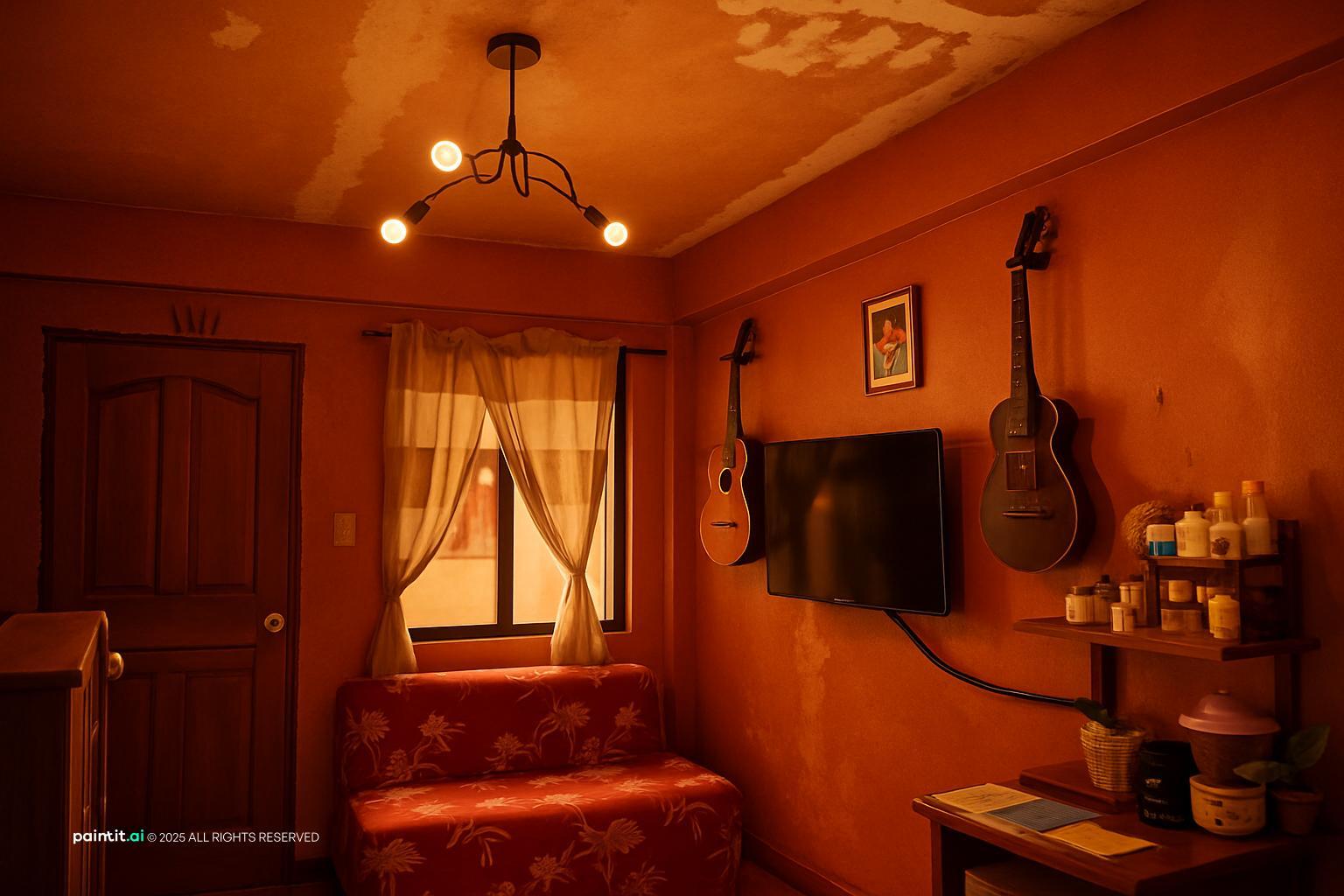
Essential Tips for Crafting a Rustic Burnt Orange Living Room
Stunning Examples of 14 Creative Ways to Craft a Rustic Burnt Orange Living Room
-
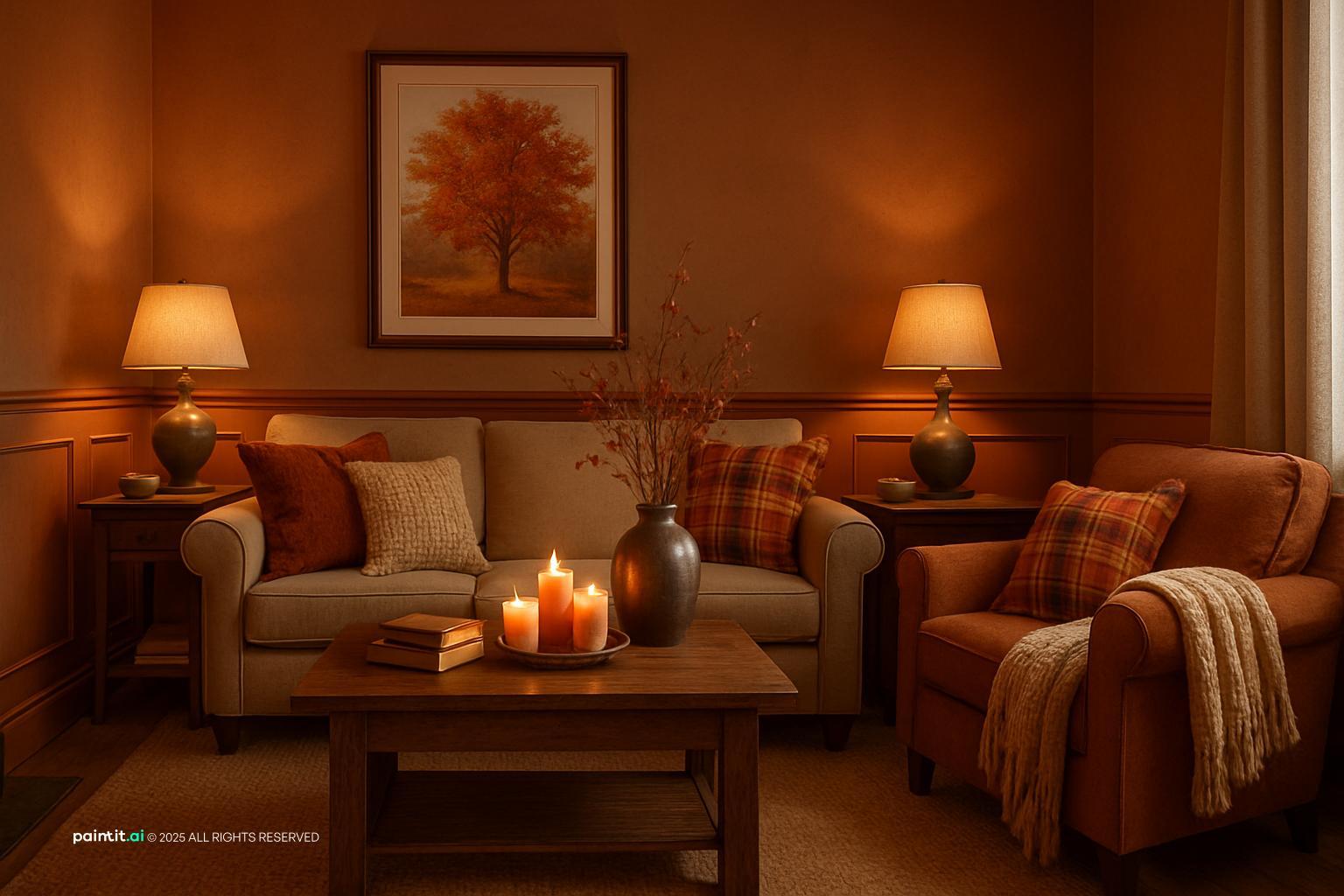
We’ve all been there: staring at a blank wall, wondering how to infuse a space with genuine character. The truth is, creating a truly inviting living room, especially one that leans into the warmth of a rustic burnt orange palette, isn't just about picking a paint chip. It's about layering, feeling, and a bit of intuition. These ideas? We curated them to balance that essential aesthetic appeal with real-world functionality, ensuring your space feels both lived-in and impeccably edited.
-
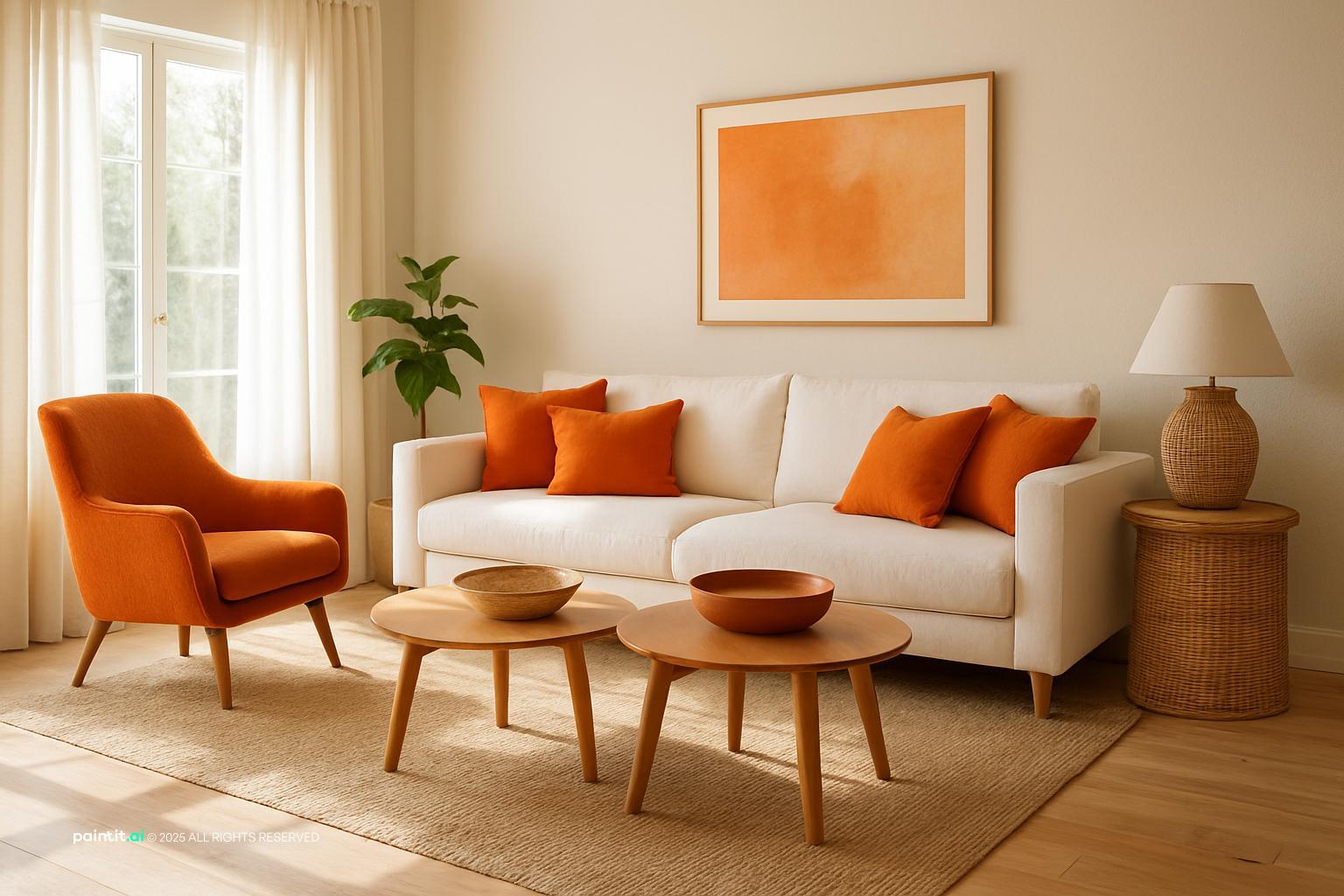
There’s something undeniably grounding about a fireplace, isn't there? When you make it the focal point, especially with a backdrop of exposed brick, you set the stage for that perfect rustic orange living room. It's an instant dose of history, a whisper of old-world charm that just feels right.
-
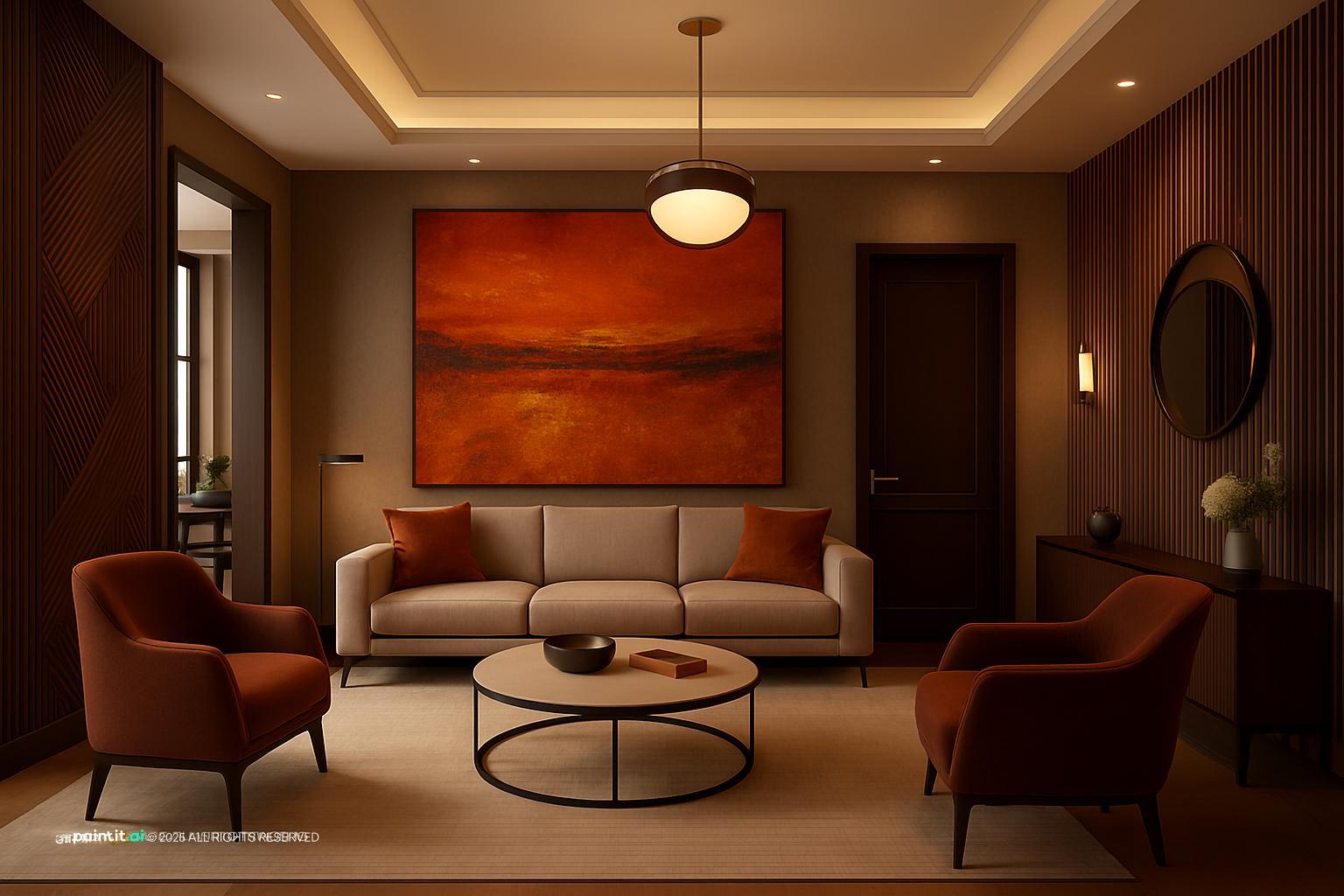
Consider painting the wall surrounding your fireplace in a deep, muted burnt orange. Then, flank it with chunky, low-slung armchairs upholstered in a natural linen or a distressed leather. A hand-knotted wool rug in complementary earth tones ties the whole arrangement together. Think about a reclaimed wood mantelpiece; it adds that crucial texture.
-
Pro Tip: To achieve this effect, try sourcing genuine reclaimed brick veneers for an authentic, time-worn look.
-
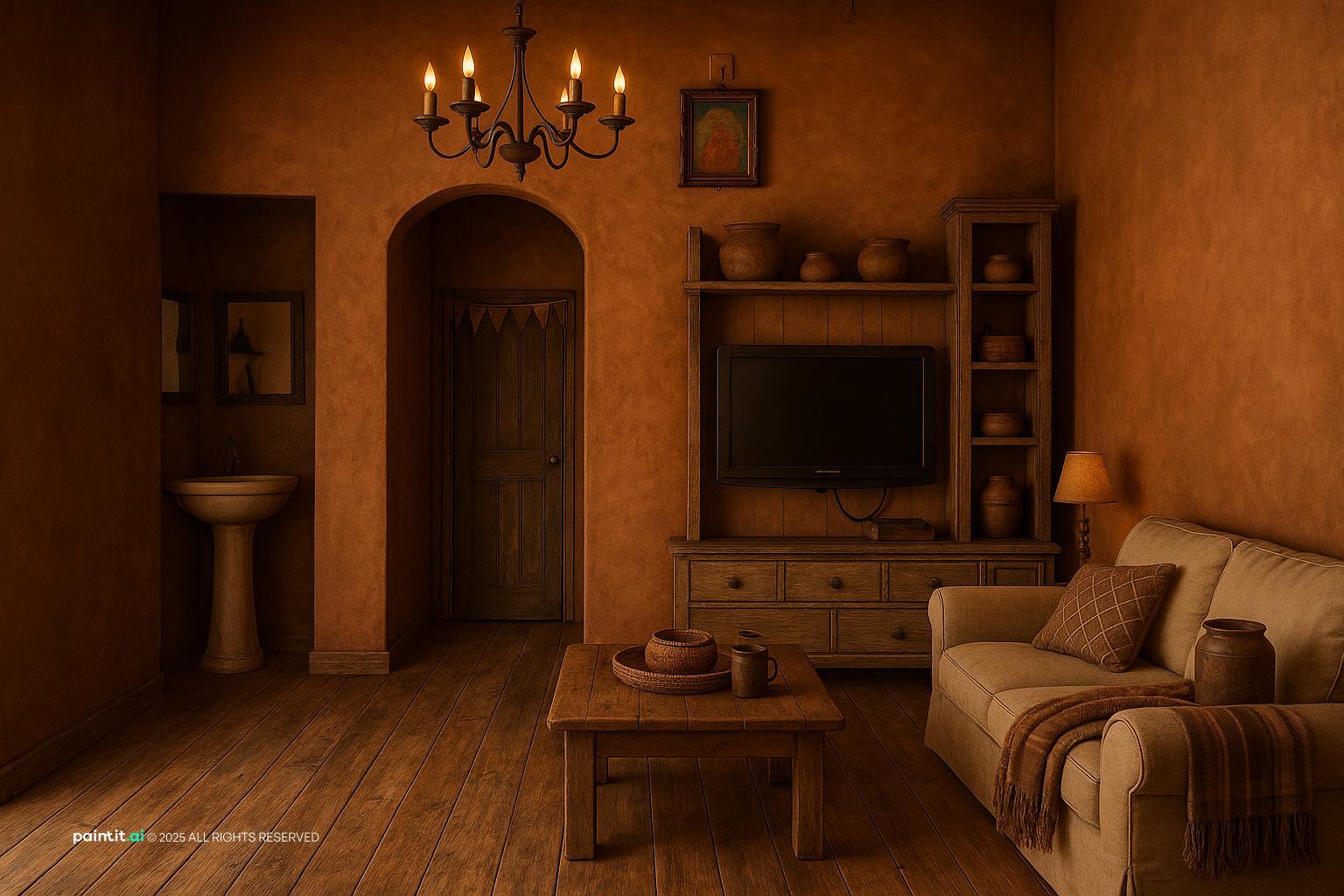
Texture is the unsung hero of any truly comfortable space. For a rustic burnt orange living room, it’s not just about what you see, but what you feel. This approach leans heavily into textiles, creating a tactile experience that begs you to settle in.
-
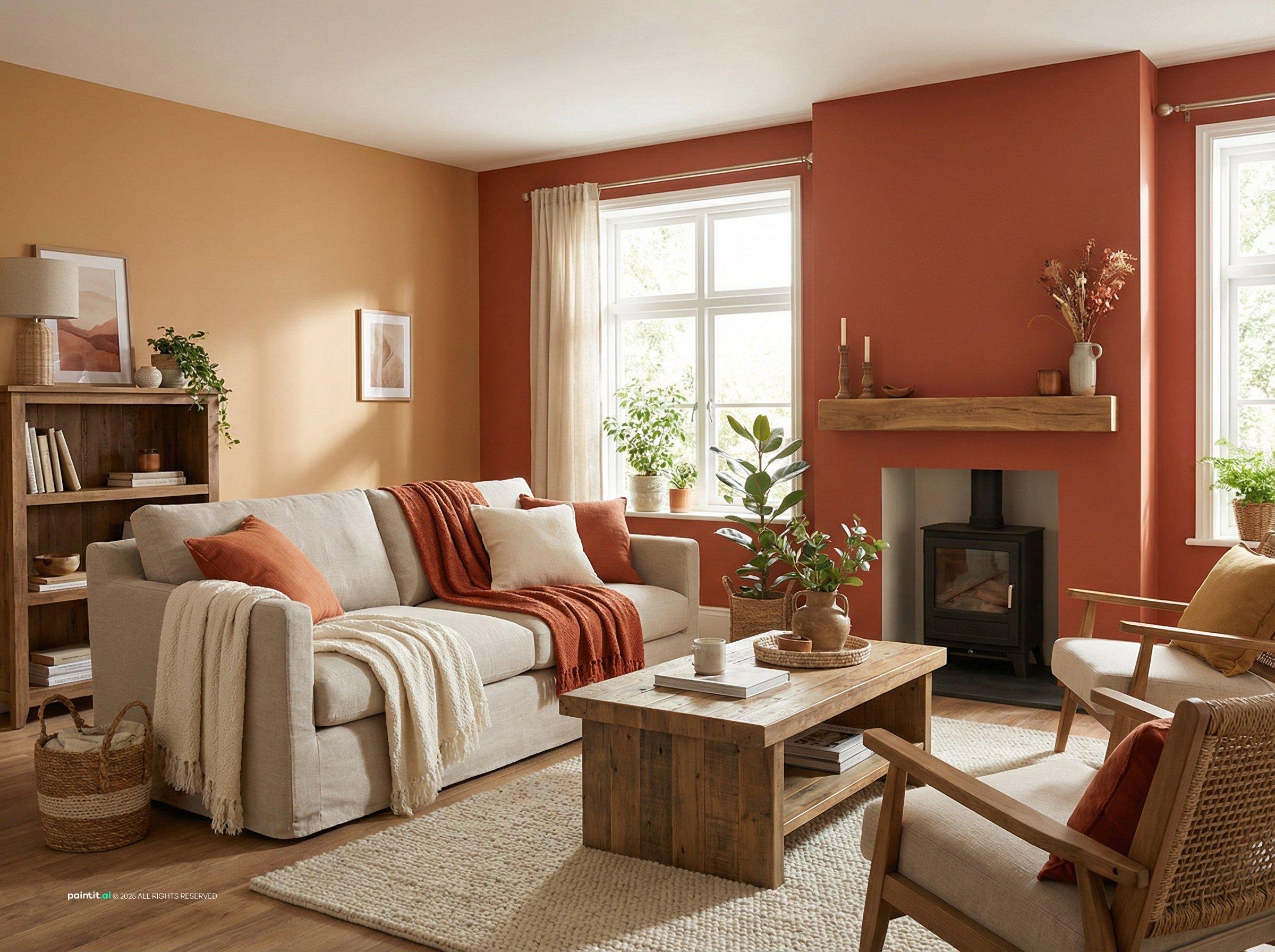
Start with a large, vintage Kilim rug featuring rich burnt orange and deep indigo patterns. Layer it with a smaller, plush sheepskin throw. Drape windows with raw linen drapes that let filtered light through. Add throw pillows in varying textures—think chunky knit wool, soft velvet in a muted paprika, and perhaps a hand-embroidered cotton. A woven jute pouf makes for effortless extra seating.
-
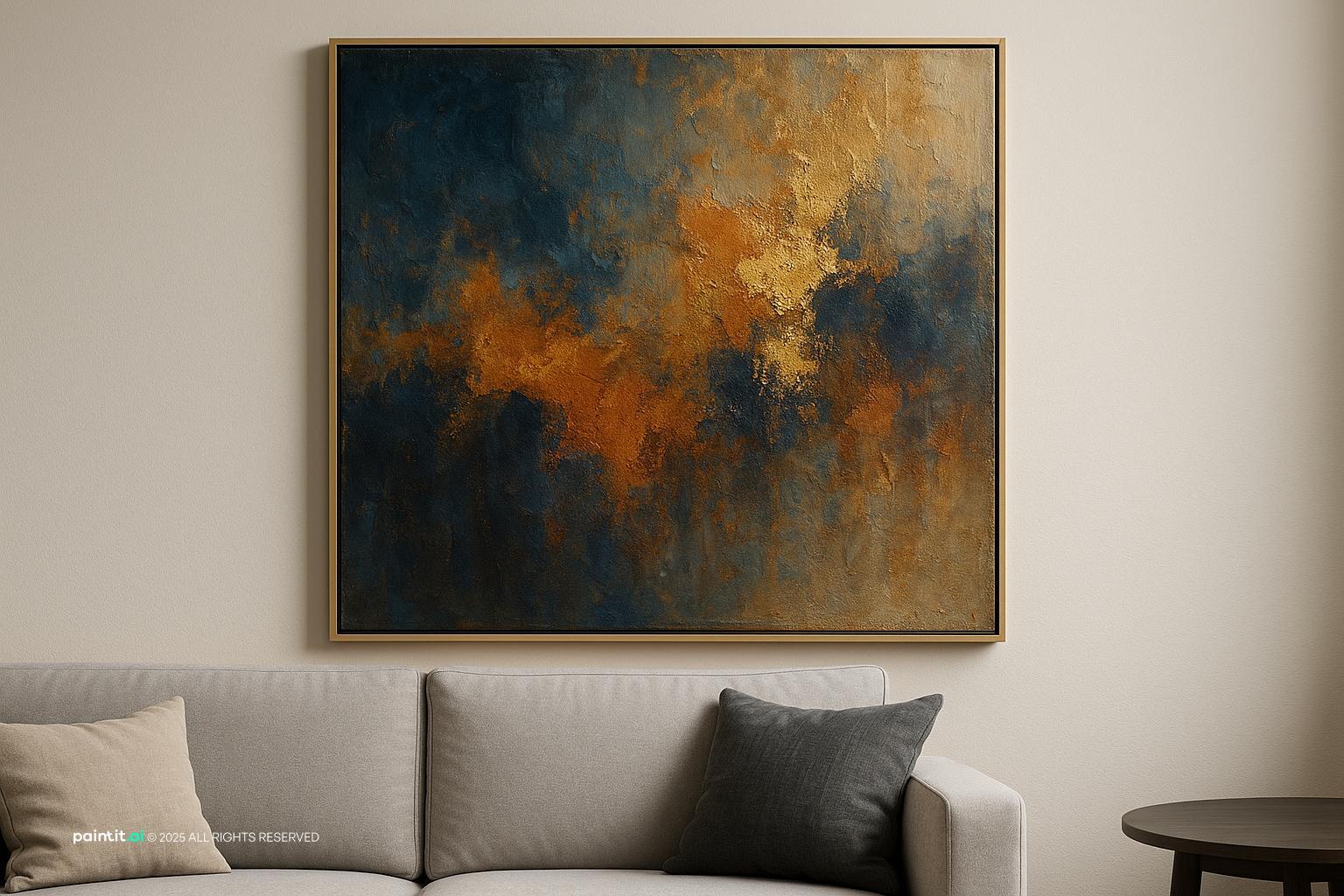
Pro Tip: To achieve this effect, try mixing at least three distinct natural textures in your textiles to create visual depth.
-
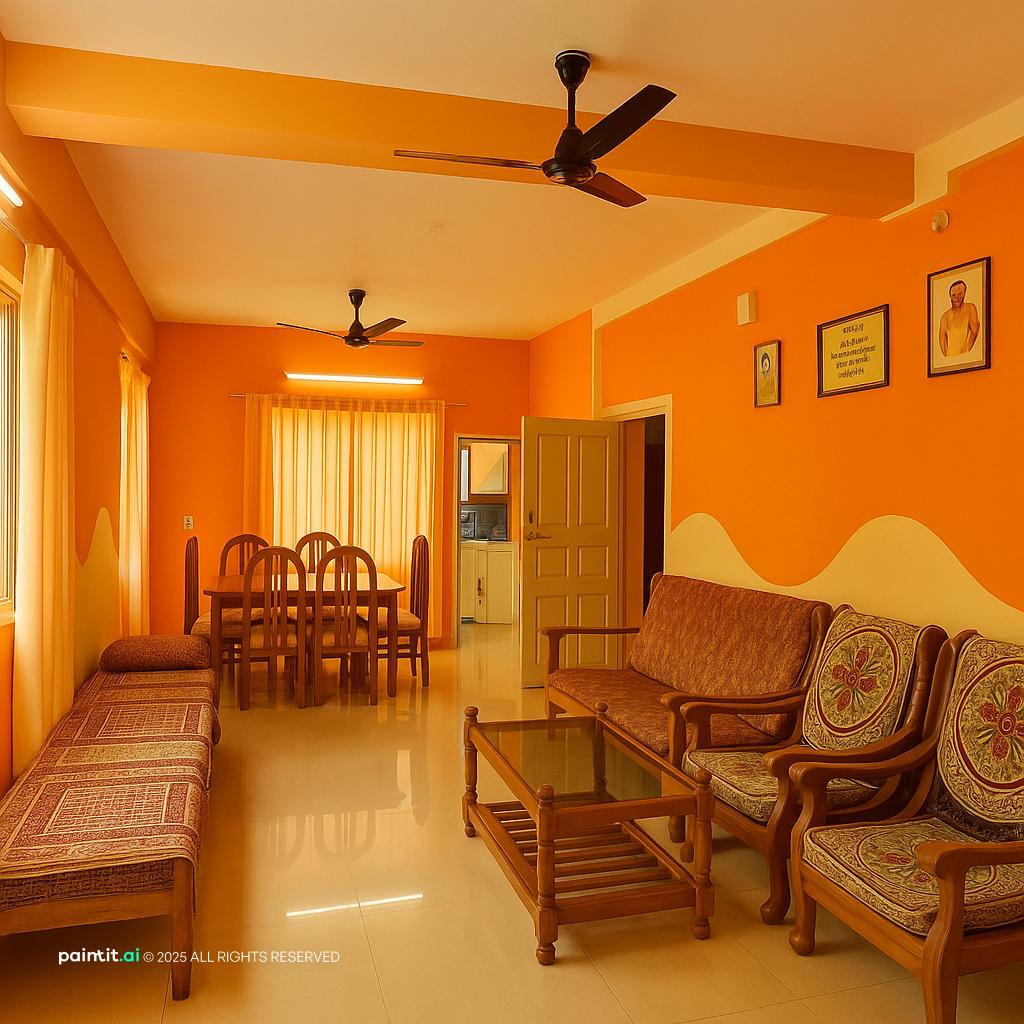
Some rooms just soak up the light, and when they do, you want to lean into that. This idea plays with lighter, sun-baked versions of burnt orange, letting natural light amplify their warmth. It feels airy, yet still deeply rooted.
-
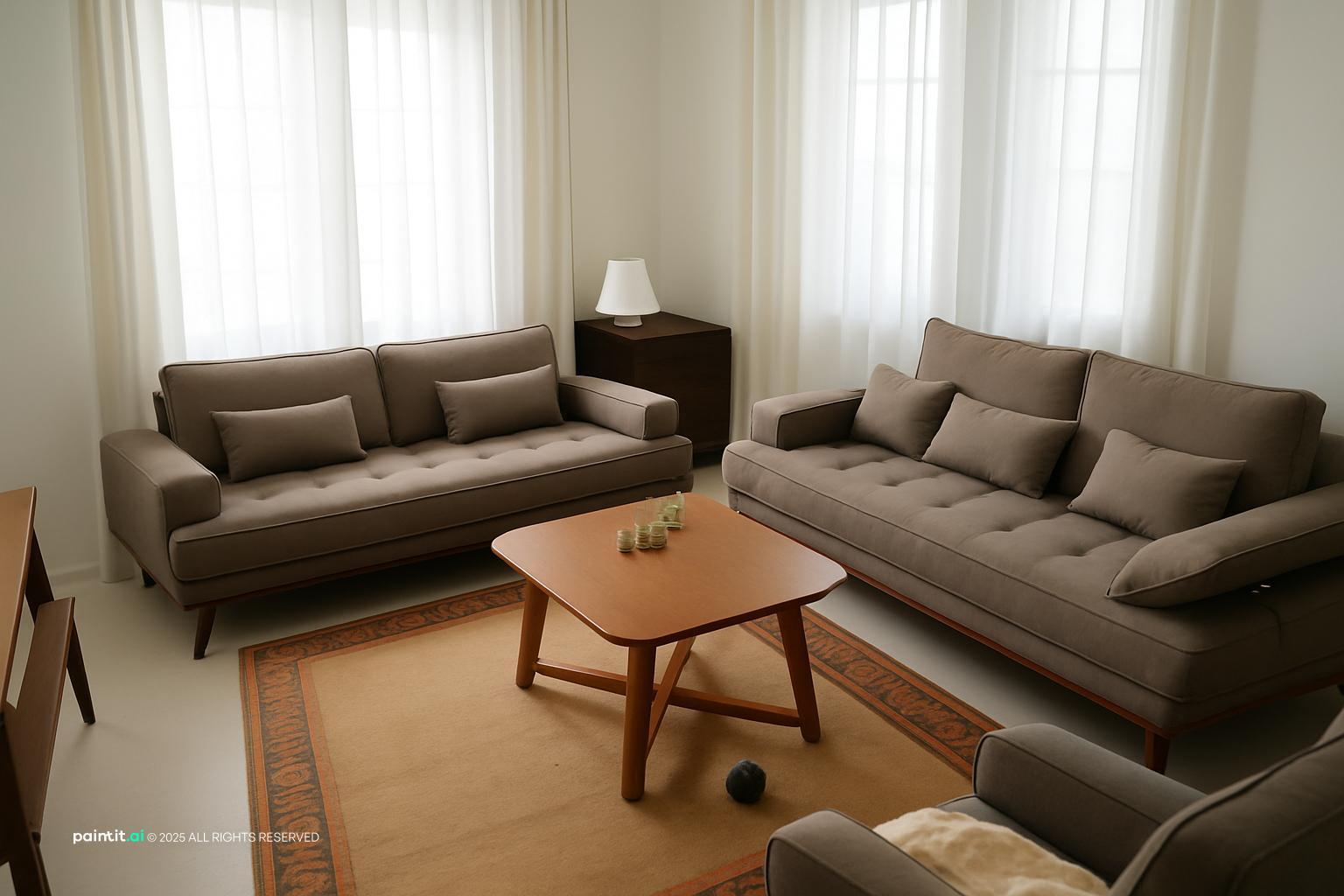
Opt for walls in a soft, sun-washed sienna or a creamy off-white. Introduce your rustic orange through a large, comfortable sofa in a linen blend. Pair it with a live-edge wooden coffee table and light-toned, natural wood shelving. Keep window treatments minimal—perhaps sheer cotton or unlined linen—to maximize that glorious light. Dried botanicals in ceramic vases complete the look.
-
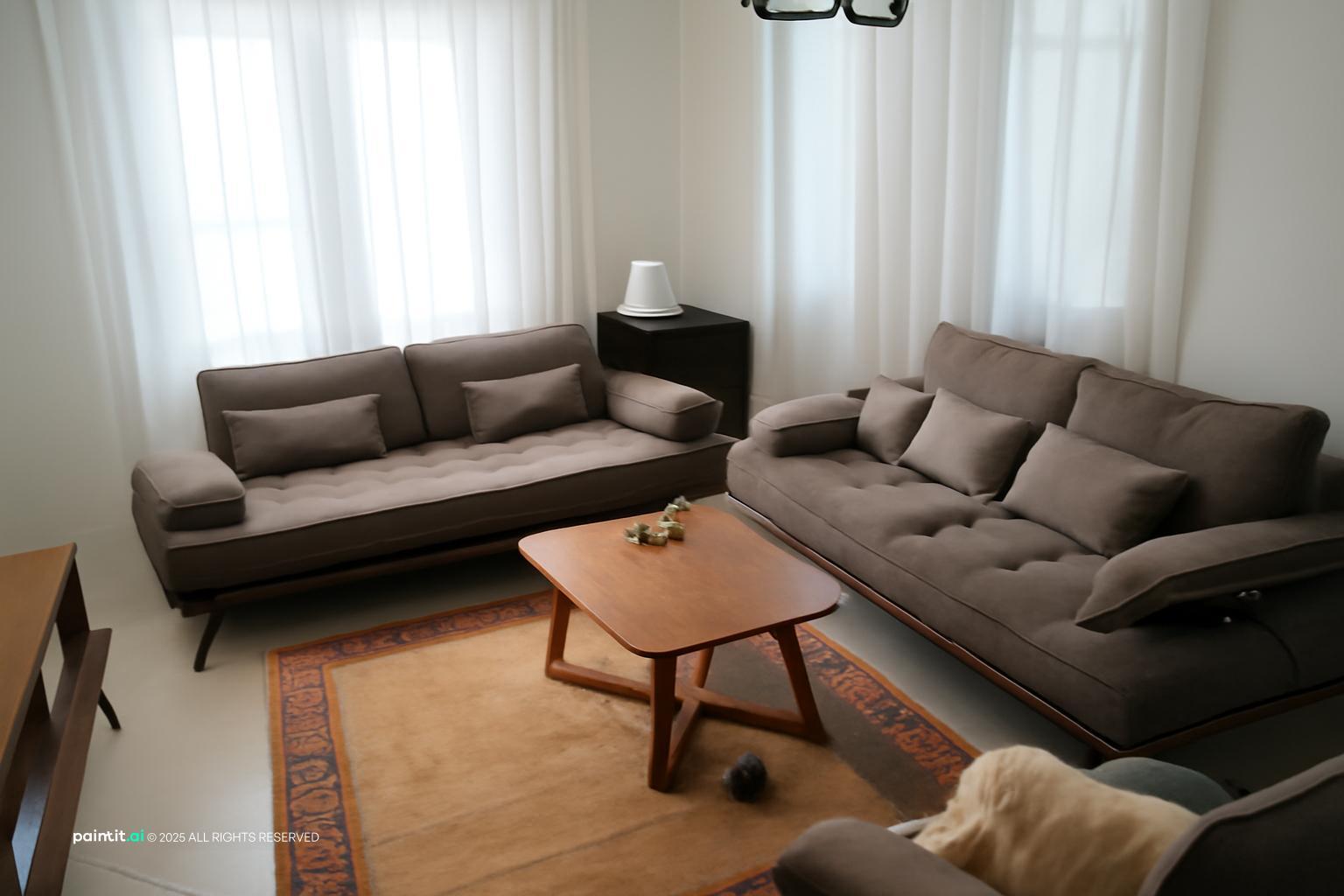
Pro Tip: To achieve this effect, try using mirrors strategically to bounce natural light deeper into the room.
-
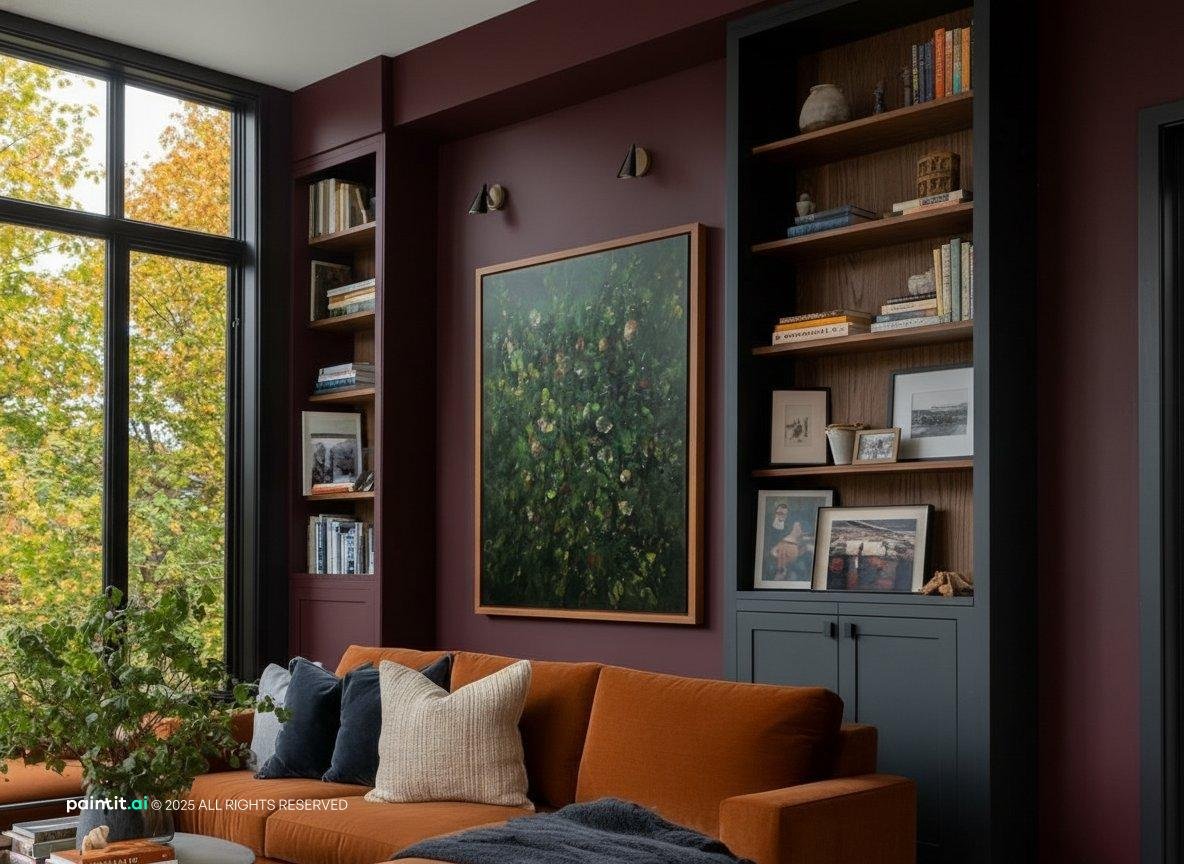
Sometimes, you just want a room to feel like a warm hug, a sanctuary from the outside world. This concept embraces deeper, richer tones and substantial elements, creating a truly grounded rustic orange living room.
-
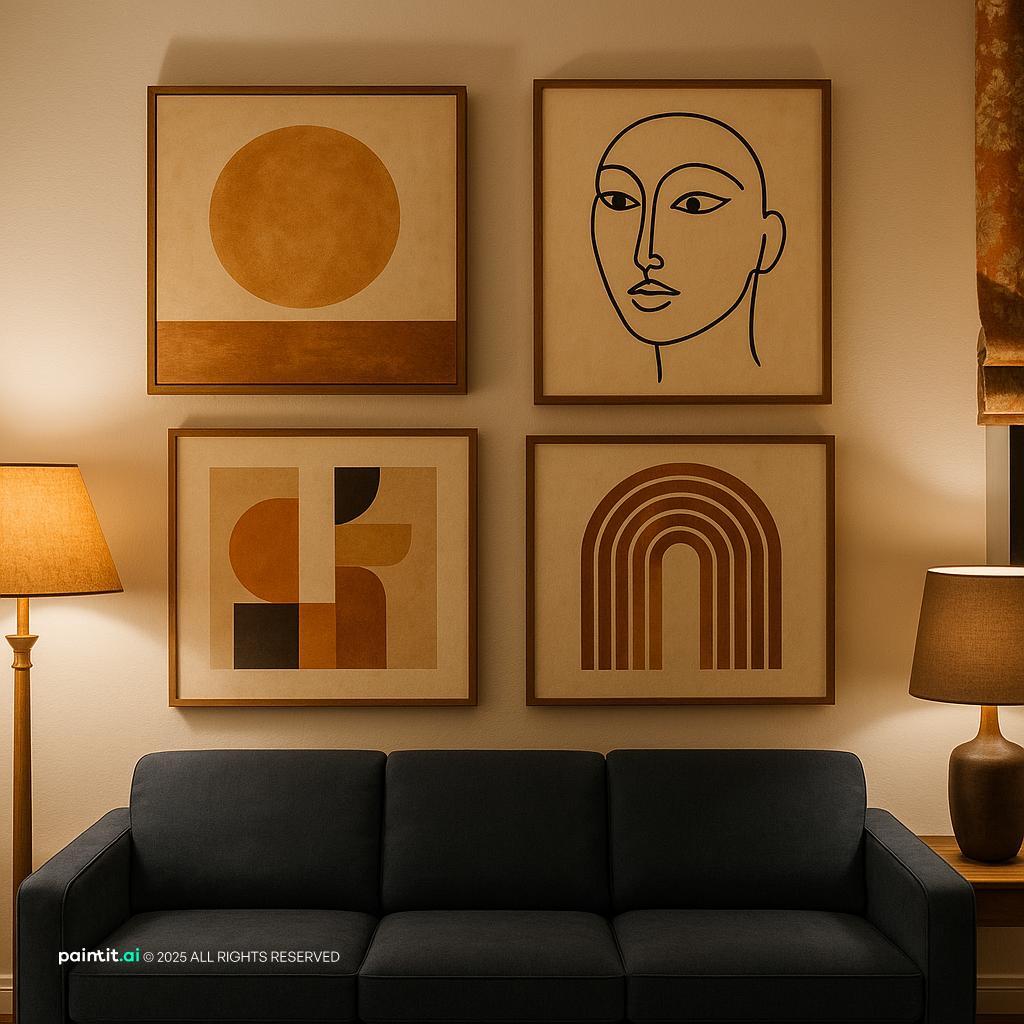
Consider walls in a deep, almost clay-like burnt orange, or even a rich olive green to complement it. Furnish with a substantial, low-slung sofa in a dark, textured fabric like a heavy tweed or a deep velvet. Introduce stone elements—perhaps a honed travertine coffee table or a collection of artisanal pottery. Dark, reclaimed wood beams on the ceiling, if possible, would be the ultimate touch. It’s about preservation over imposition.
-
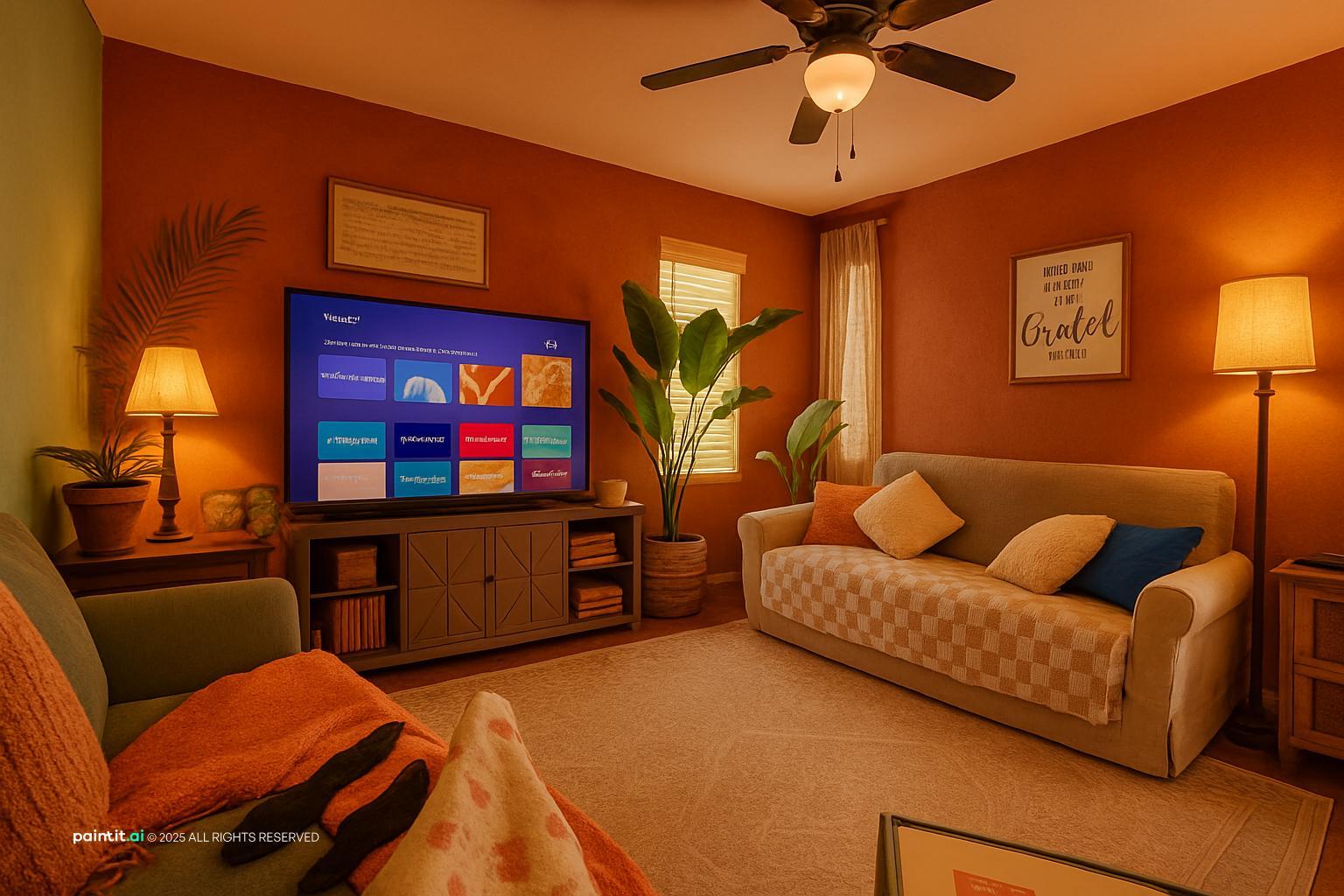
Pro Tip: To achieve this effect, try incorporating a few pieces of dark, hand-thrown pottery for an authentic, earthy touch.
-
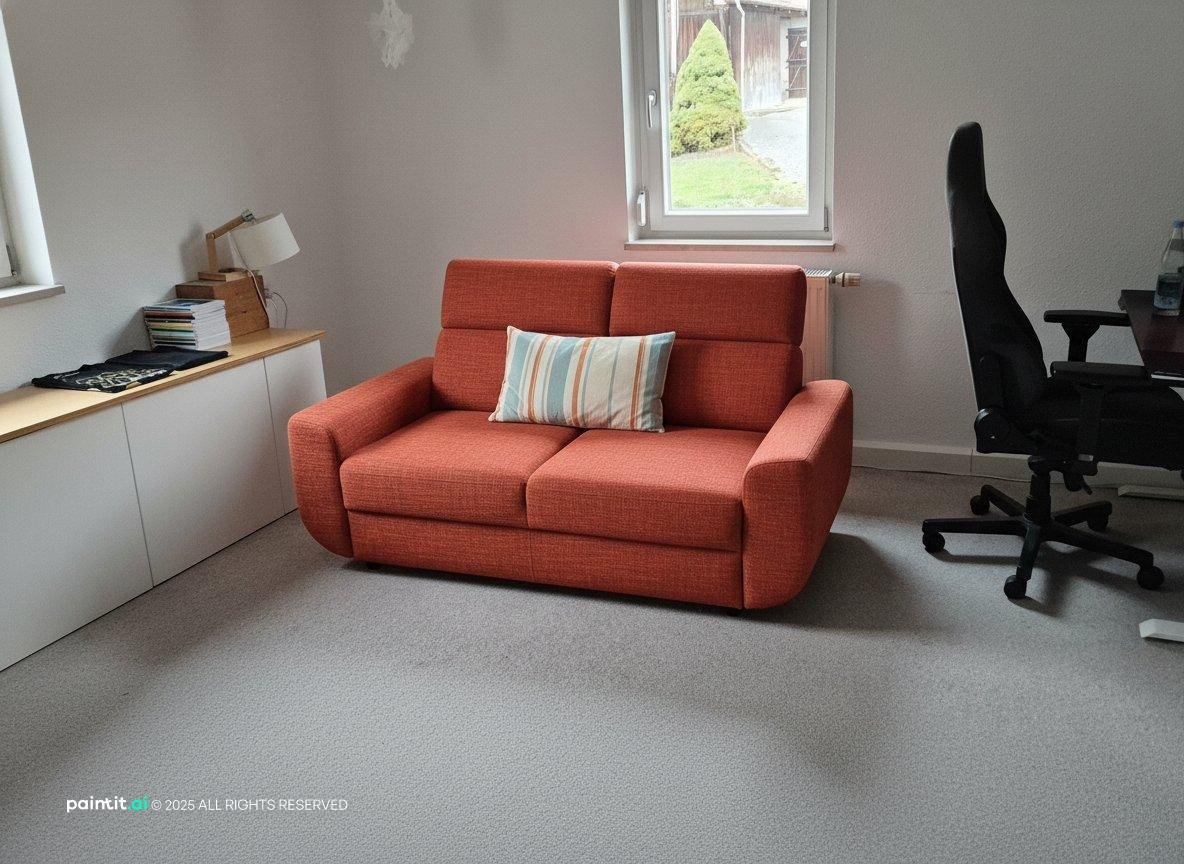
There’s a story in every scratch, a history in every faded detail. This idea celebrates the imperfect beauty of time, weaving vintage and antique pieces into your rustic burnt orange living room. It’s about creating a space that feels collected, not decorated.
-
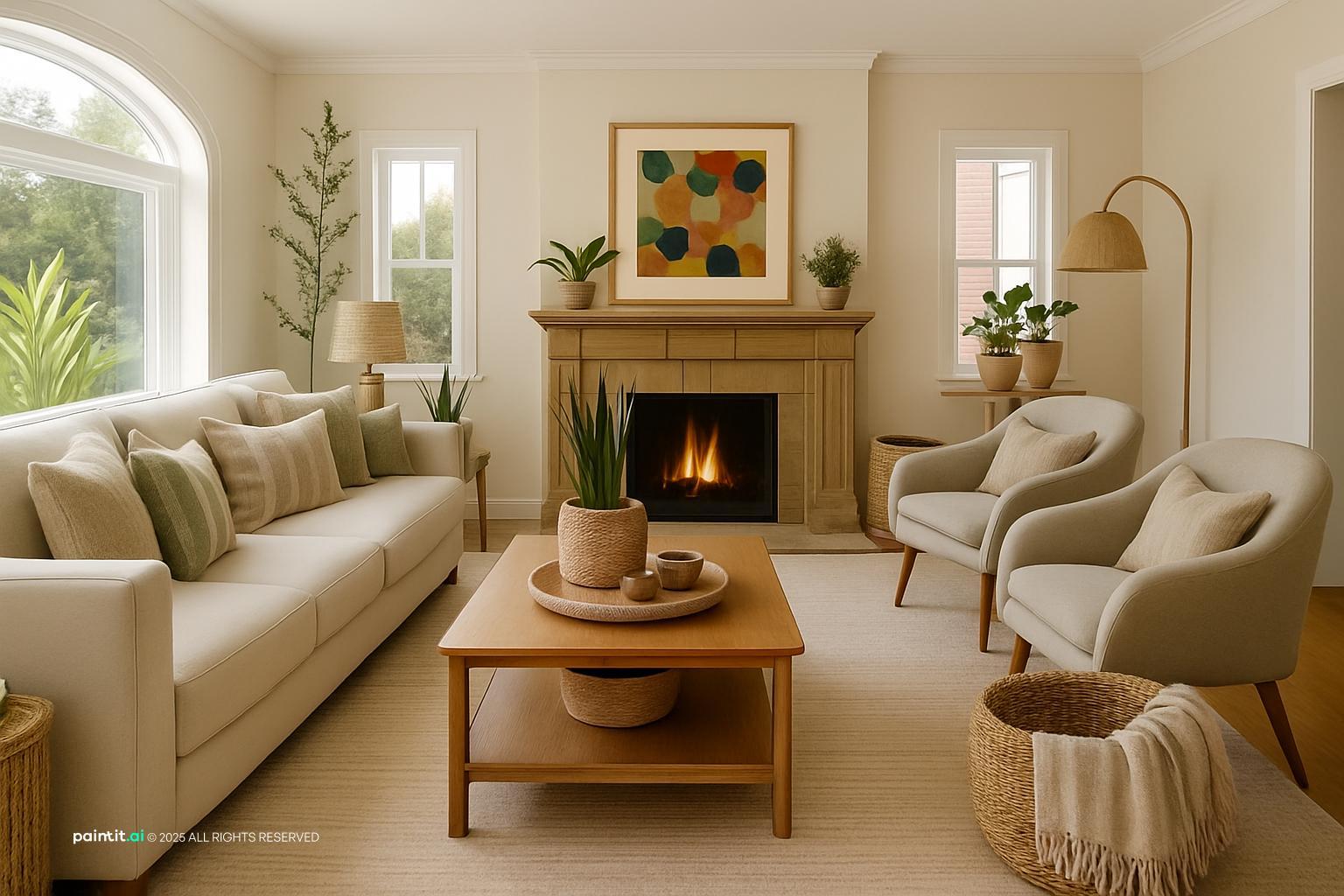
Hunt for a distressed leather armchair or a vintage wooden cabinet with a beautiful patina. Your burnt orange could come from a collection of old ceramic vases or a faded, hand-stitched quilt draped over a sofa. Mix in industrial-style lighting fixtures—perhaps a brushed brass floor lamp with an aged finish. The key here is authenticity; don't be afraid of a little wear and tear. It adds soul.
-
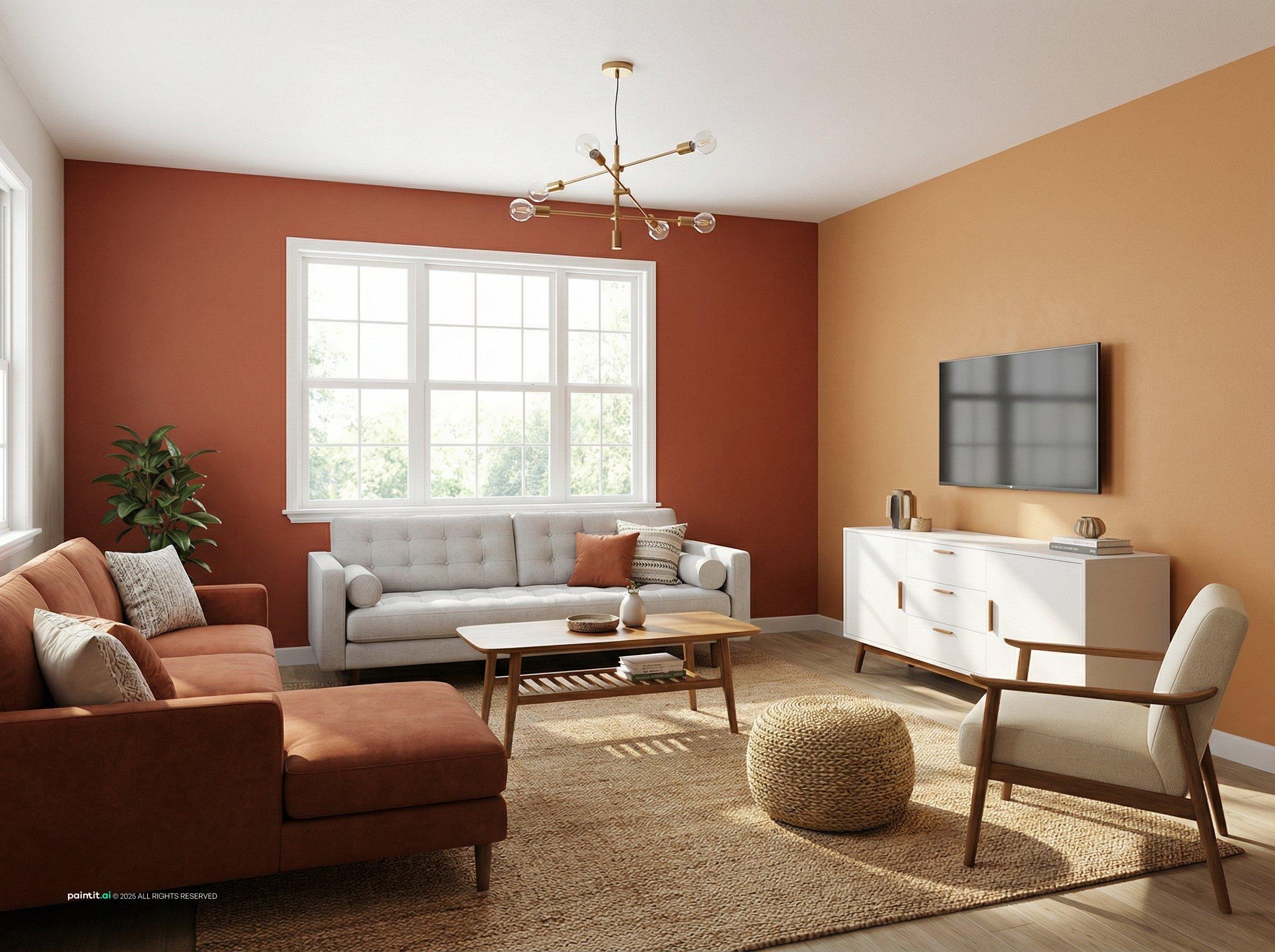
Pro Tip: To achieve this effect, try visiting local antique markets and flea fairs; you'll find unique pieces that tell a story.
-
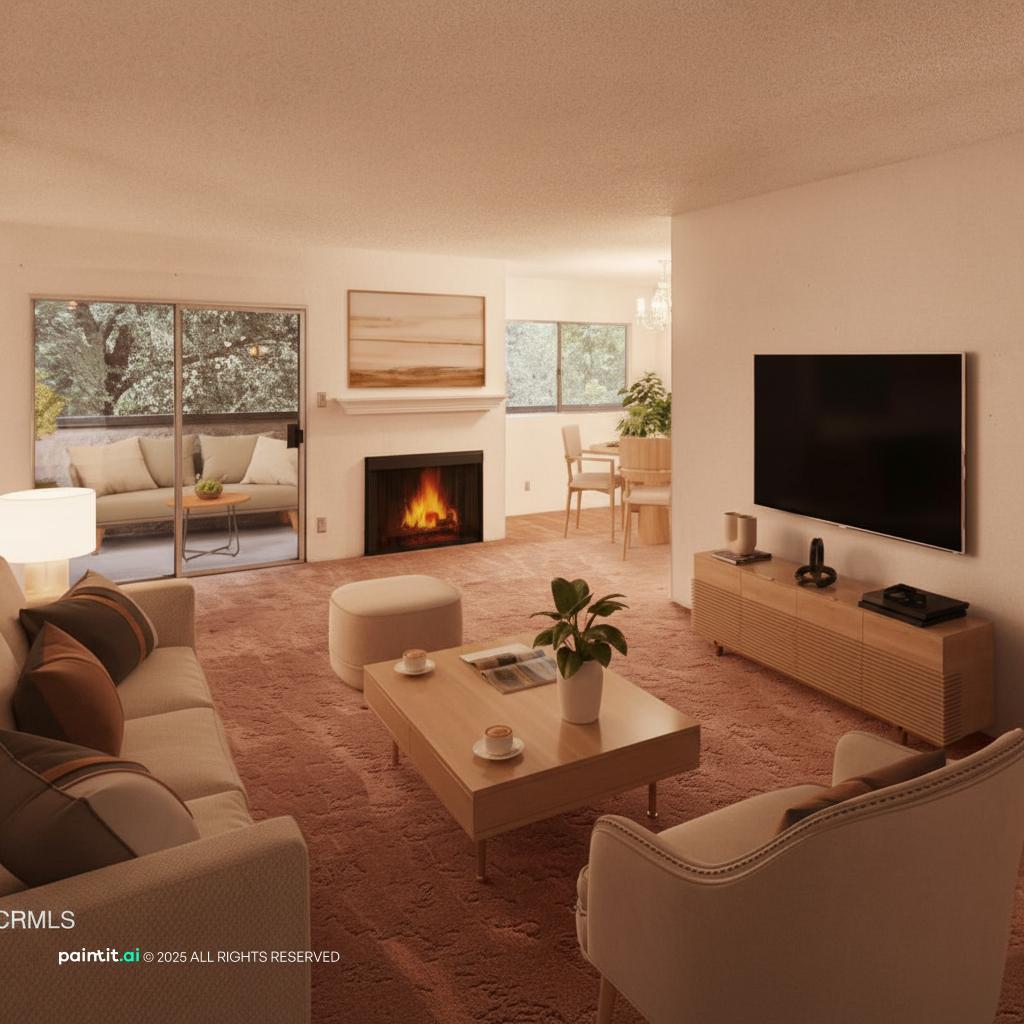
Imagine the vast, warm landscapes of the American Southwest, translated into a living space. This concept brings in muted oranges, sandy tones, and natural textures, creating a serene and subtly vibrant rustic orange living room.
-
Paint walls in a warm, sandy beige or a very pale terracotta. Introduce burnt orange through a large, geometric-patterned rug or a few accent pillows with Southwestern motifs. Furniture should be simple, sturdy wood—perhaps a console table made from reclaimed pine. Cacti and succulents in unglazed terracotta pots are essential. Think about a woven wall hanging or a piece of abstract art with earthy tones. It’s about a quiet strength.
-
Pro Tip: To achieve this effect, try incorporating natural elements like a small, sculptural cactus or a piece of driftwood.
-
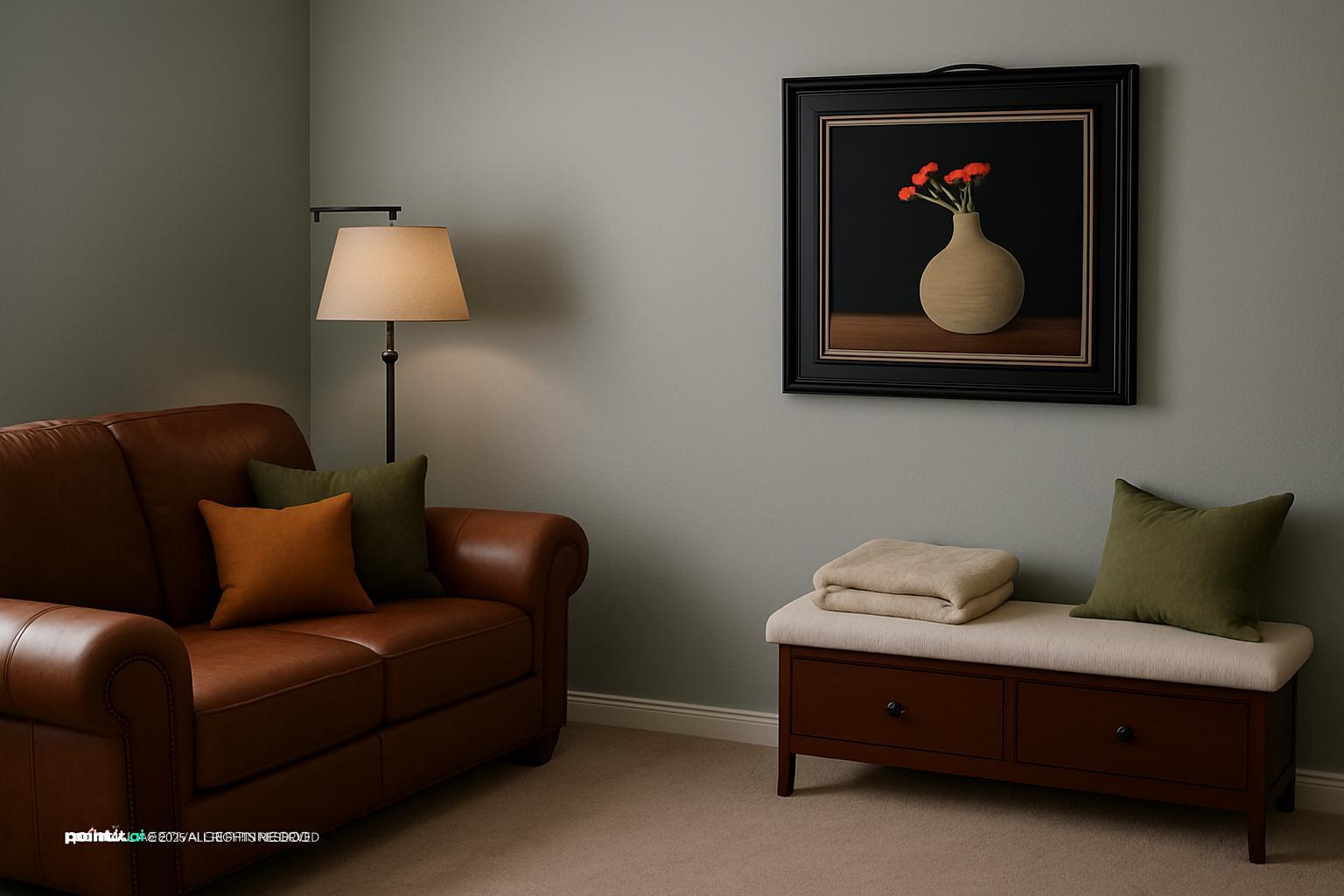
Who says industrial can't be cozy? This approach marries the raw, utilitarian aesthetic of industrial design with the inviting warmth of burnt orange, creating a dynamic and interesting rustic burnt orange living room. It's a balance of hard and soft.
-
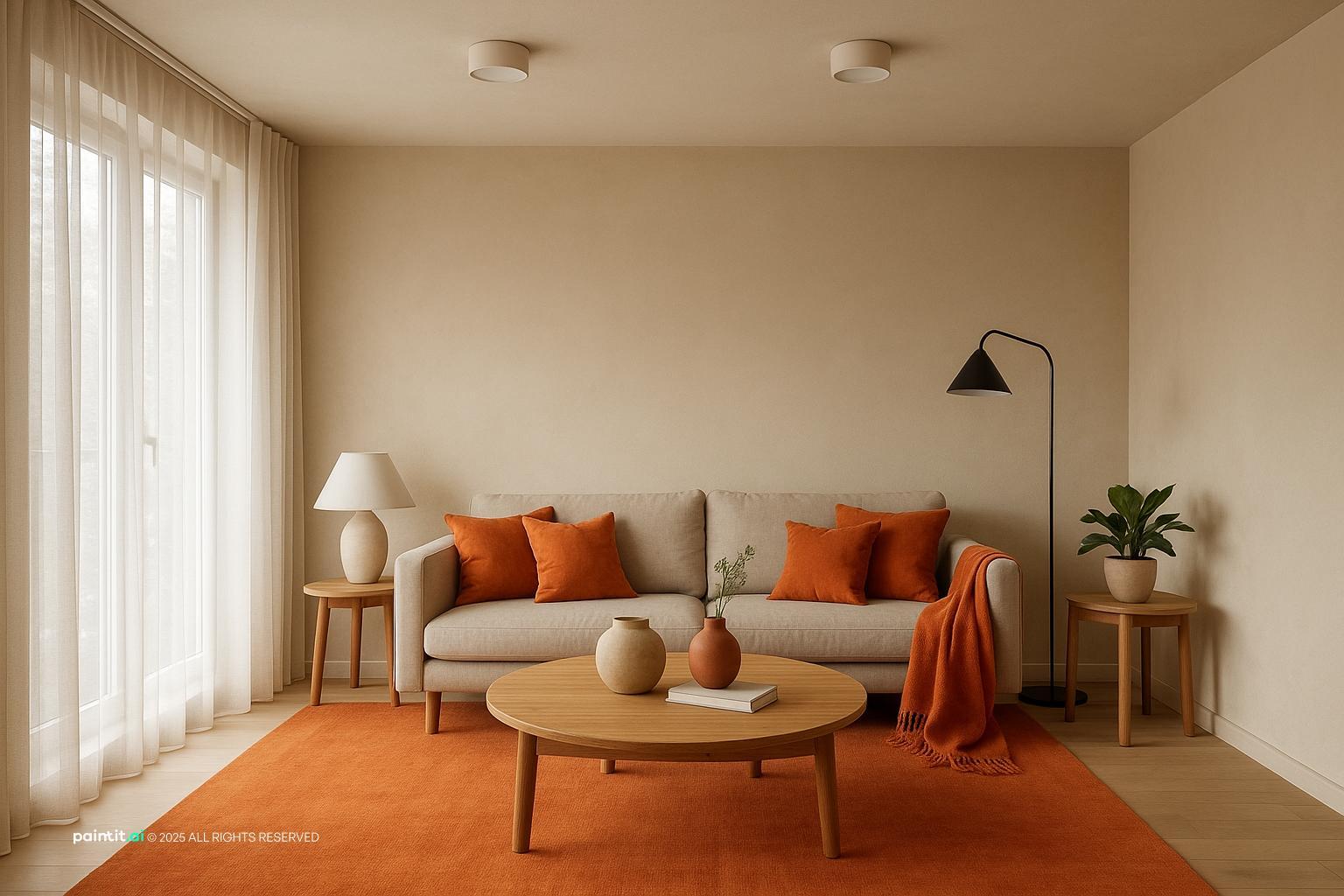
If you have exposed brick, let it shine. If not, consider a faux brick wall. Introduce metal accents—blackened steel shelving, a wrought iron coffee table, or industrial-style pendant lights. Your burnt orange comes in through a plush velvet sofa or a collection of vibrant ceramic planters. The contrast is what makes it sing. We’ve seen this work best in lofts or spaces with high ceilings.
-
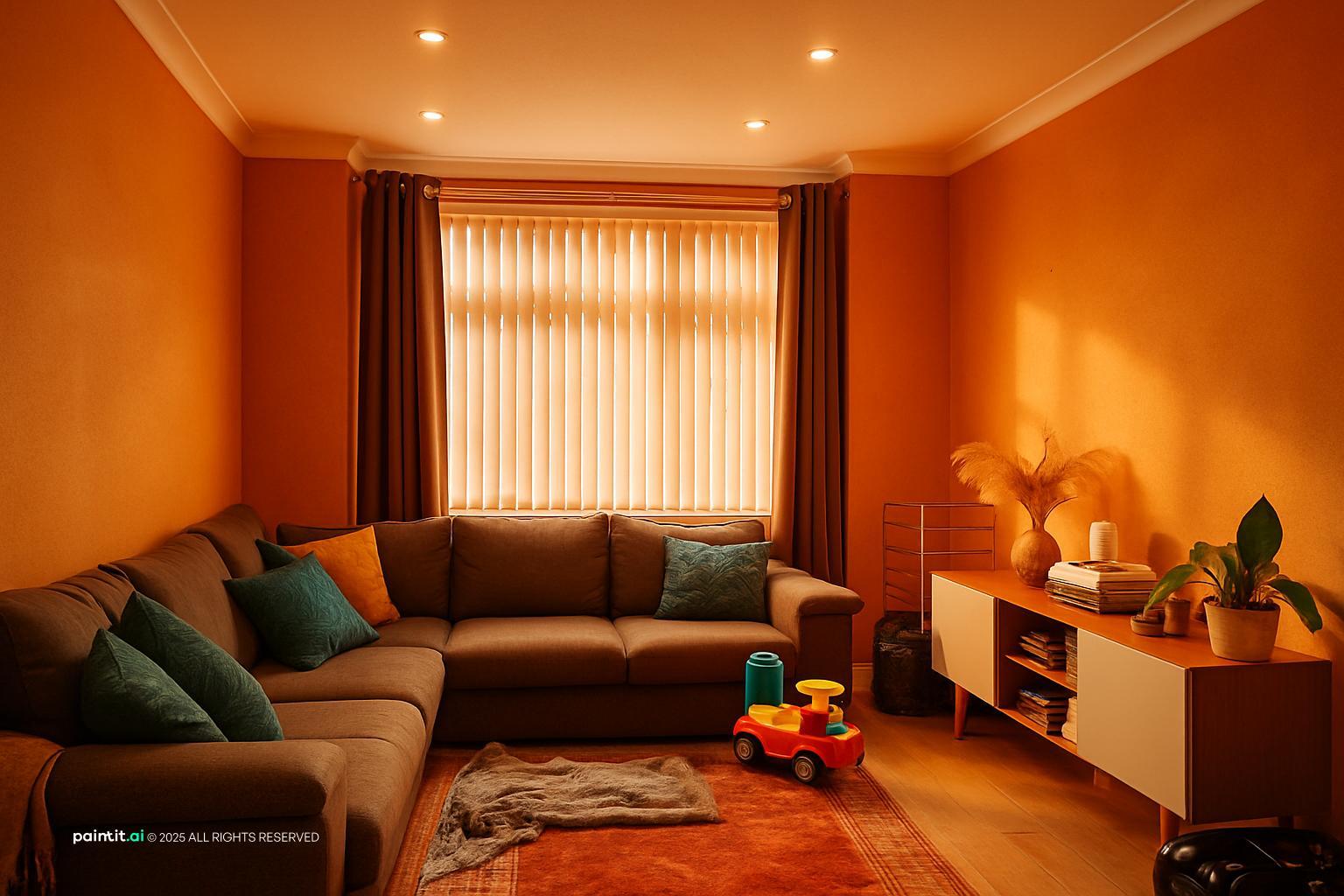
Pro Tip: To achieve this effect, try pairing a sleek, dark metal floor lamp with a soft, burnt orange throw blanket.
-
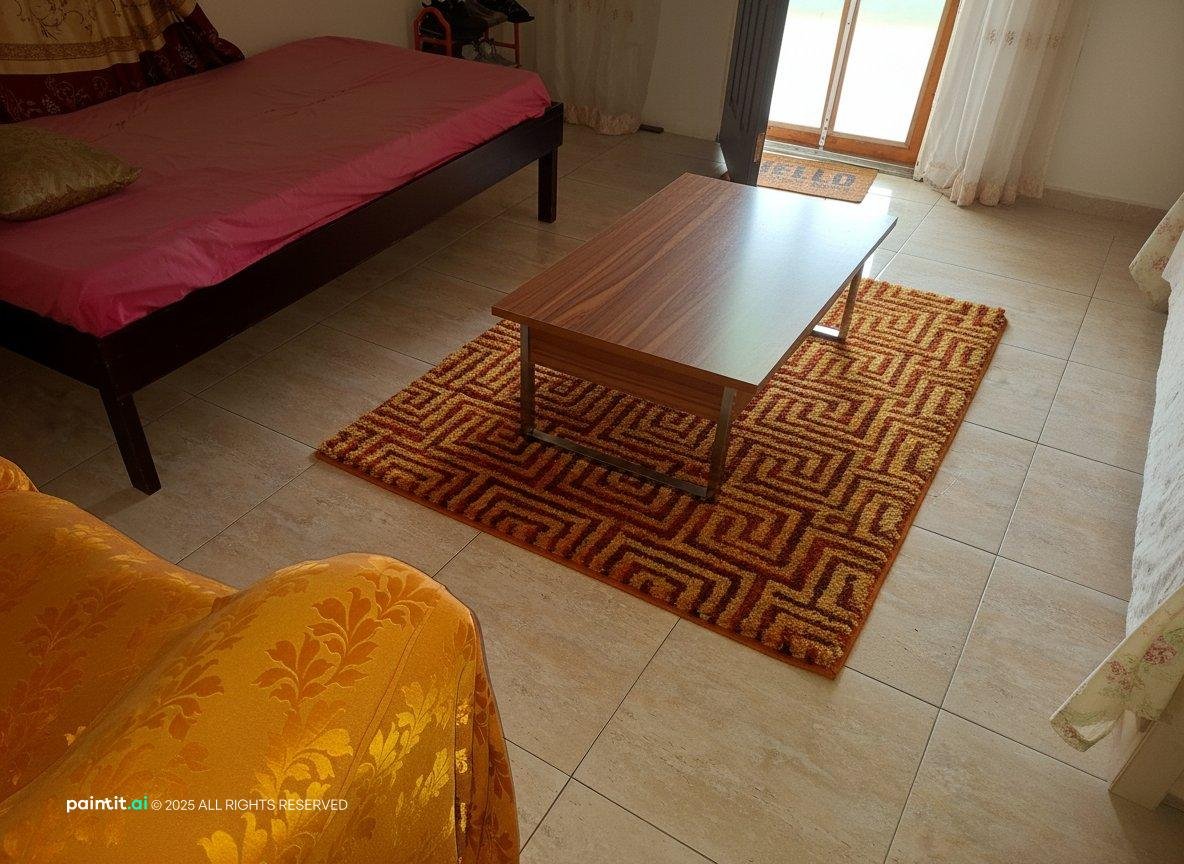
Picture a snug cabin nestled in the woods, a roaring fire, and deep comfort. This idea brings that feeling home, focusing on heavy textures, natural wood, and deep, enveloping shades of burnt orange. It’s about pure, unadulterated coziness.
-
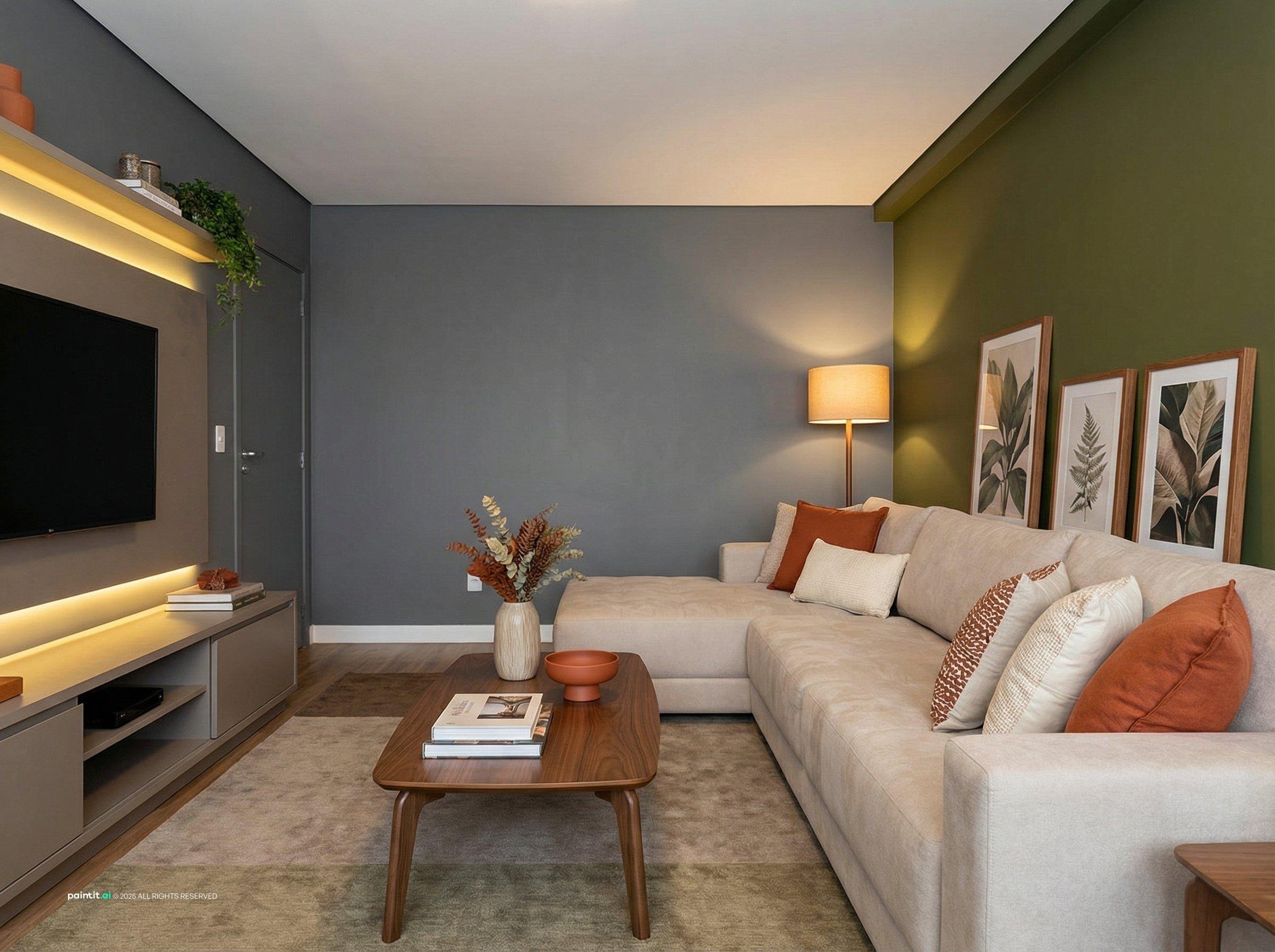
Start with a substantial, overstuffed sofa in a rich, deep burnt orange fabric—perhaps a corduroy or a thick chenille. Layer it with wool throws and faux fur blankets. Incorporate log furniture or pieces made from rough-hewn timber. A stone fireplace is a must, or at least a very convincing faux one. Dim, warm lighting from sconces and floor lamps creates that essential intimate glow. The result? Impeccable.
-
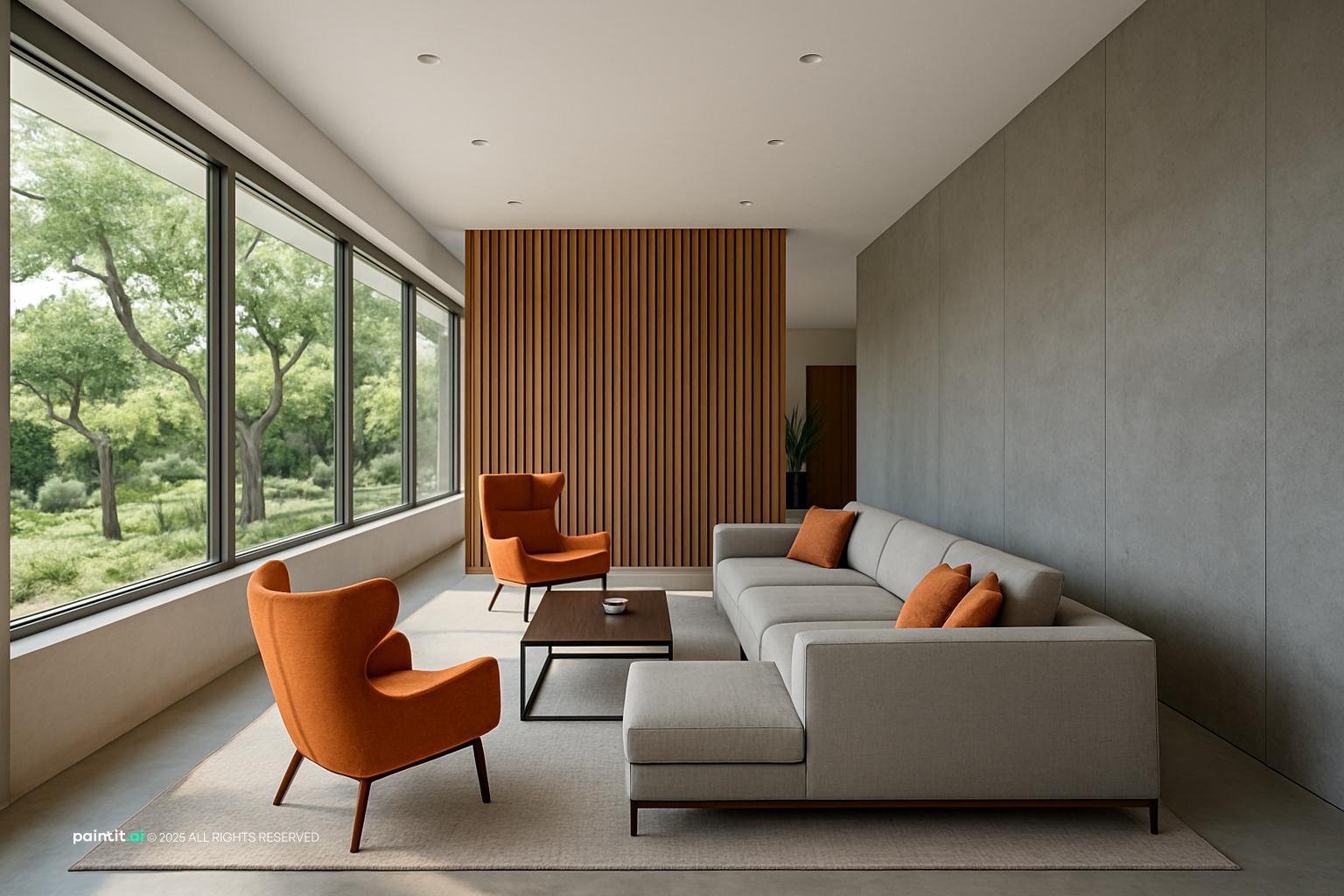
Pro Tip: To achieve this effect, try using warm-toned LED bulbs with a low color temperature (around 2700K) for ambient lighting.
-
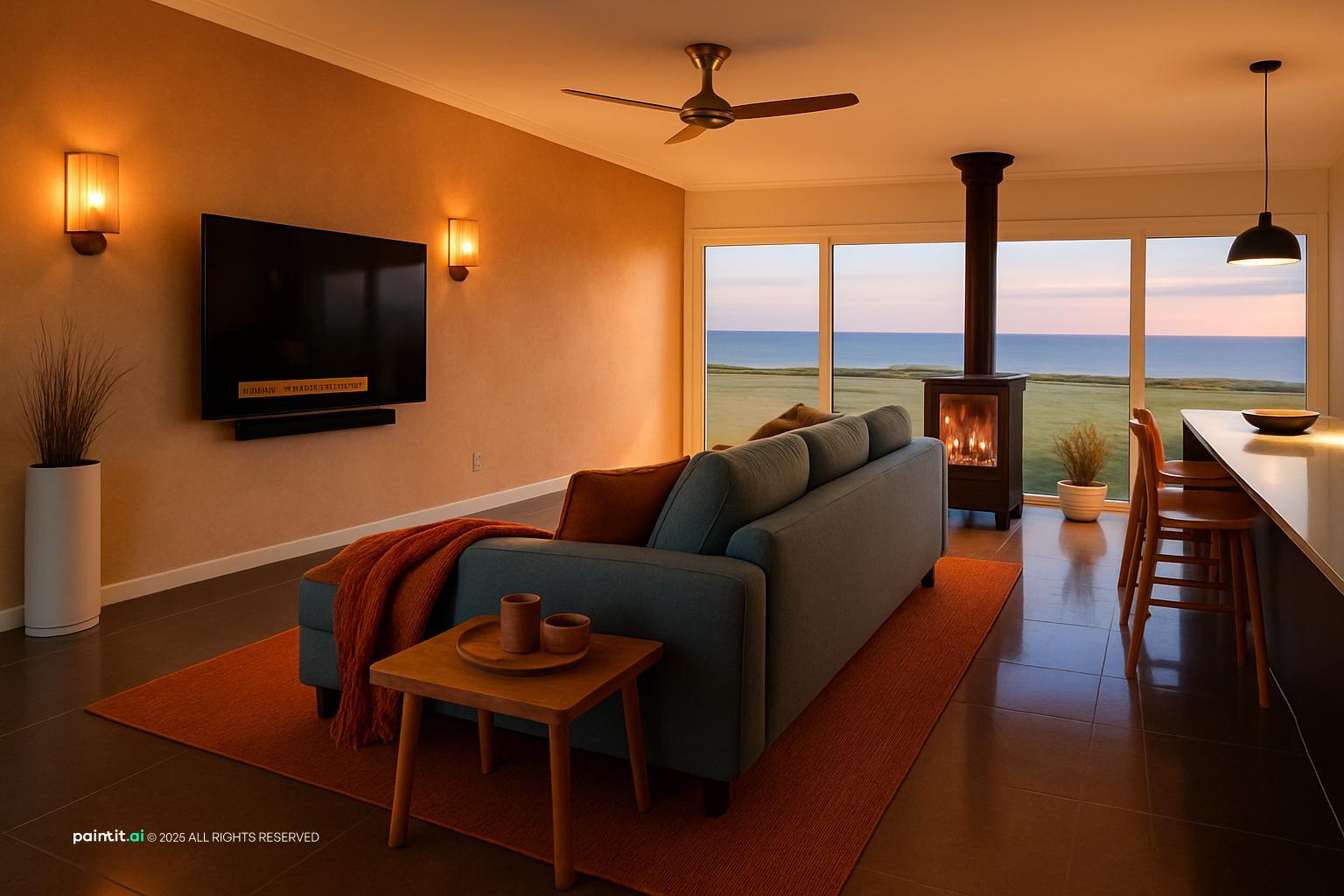
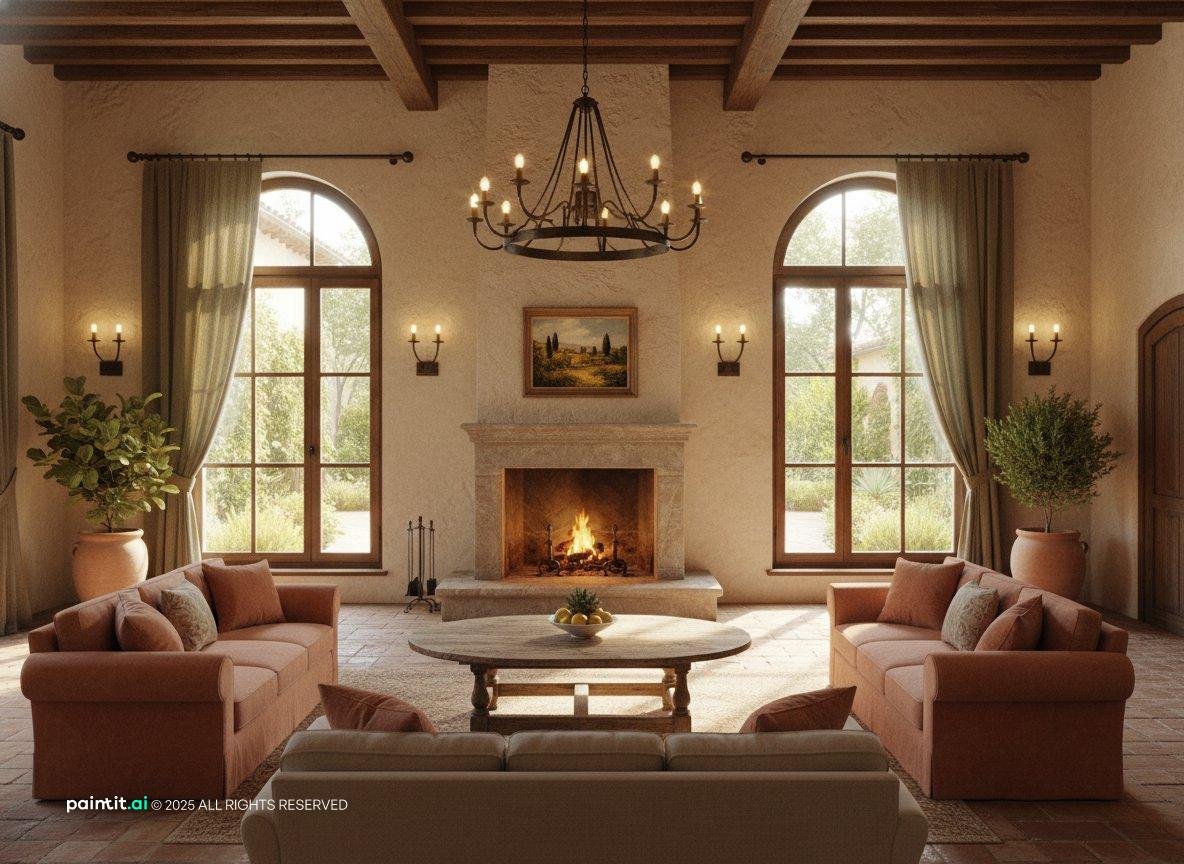
Think sun-drenched villas, whitewashed walls, and the vibrant hues of the Mediterranean landscape. This concept infuses your rustic orange living room with a light, airy feel, balanced by earthy accents. It reminds me of old-world Italian villas.
-
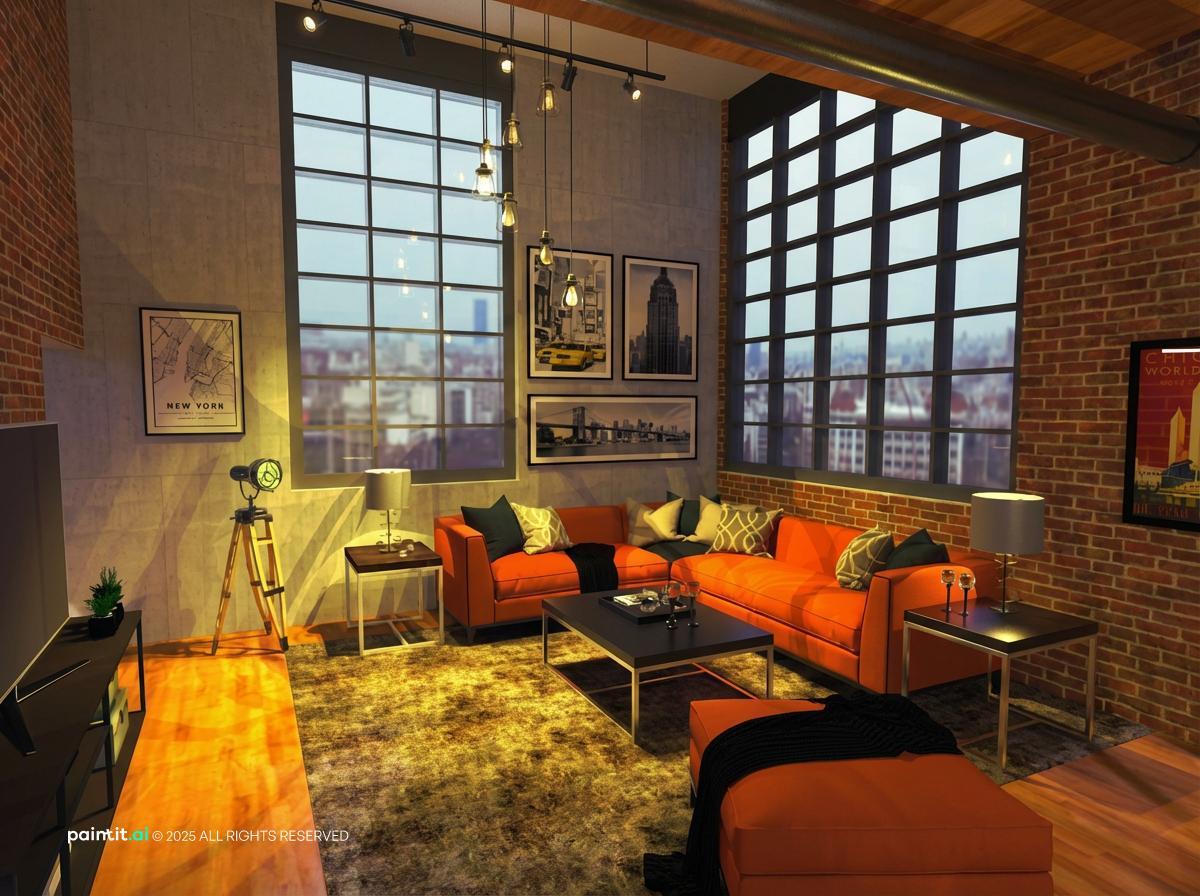
Paint walls in a crisp white or a very light cream. Introduce burnt orange through terra-cotta floor tiles or a large, patterned area rug. Furniture should be simple, perhaps wrought iron or light-toned wood. Ceramic pots filled with olive branches or citrus trees add a fresh, natural touch. Keep decor minimal, letting the textures and colors speak for themselves. It sounds simple, but most people forget that less is often more.
-
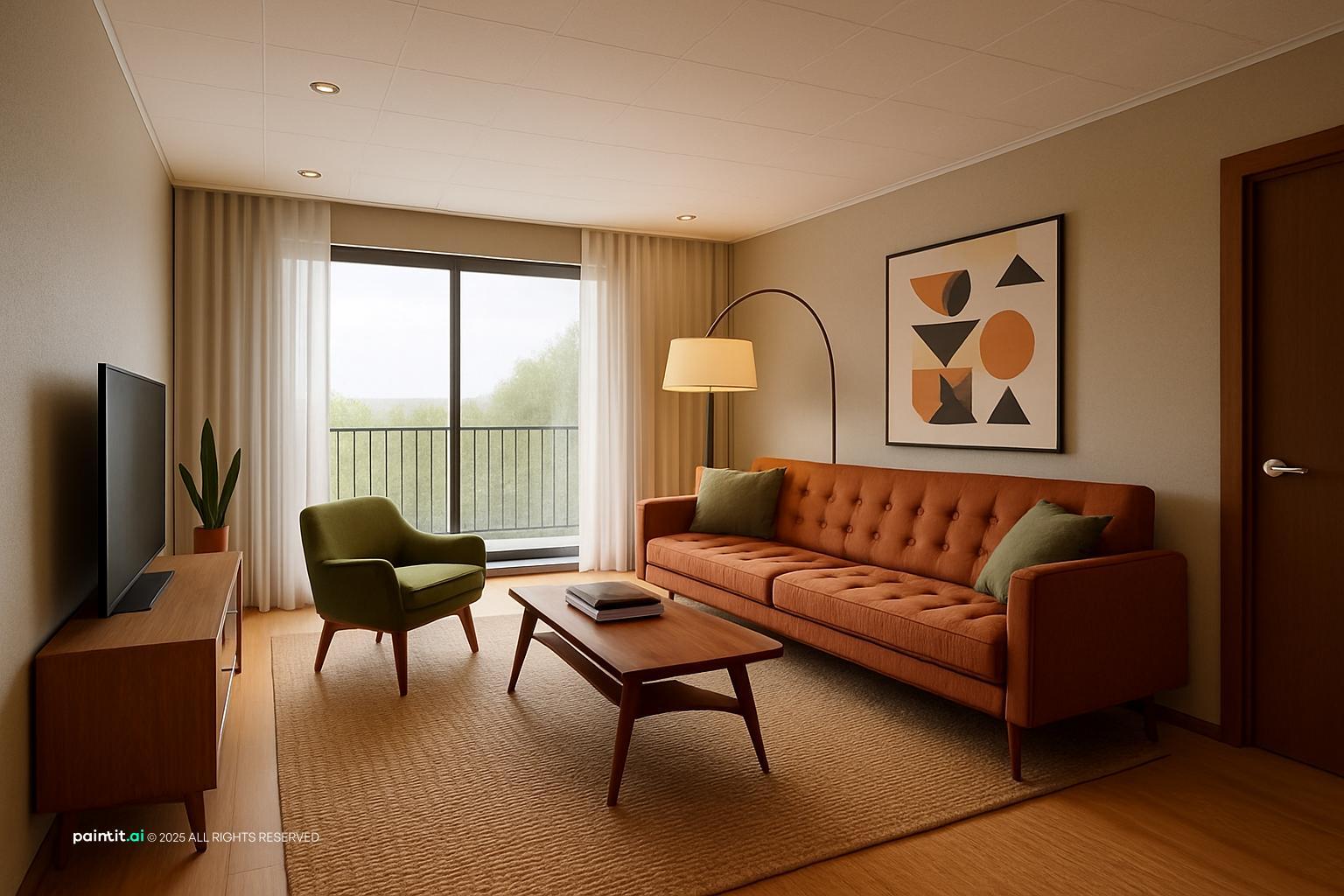
Pro Tip: To achieve this effect, try incorporating hand-painted ceramic tiles as a backsplash or a decorative accent.
-
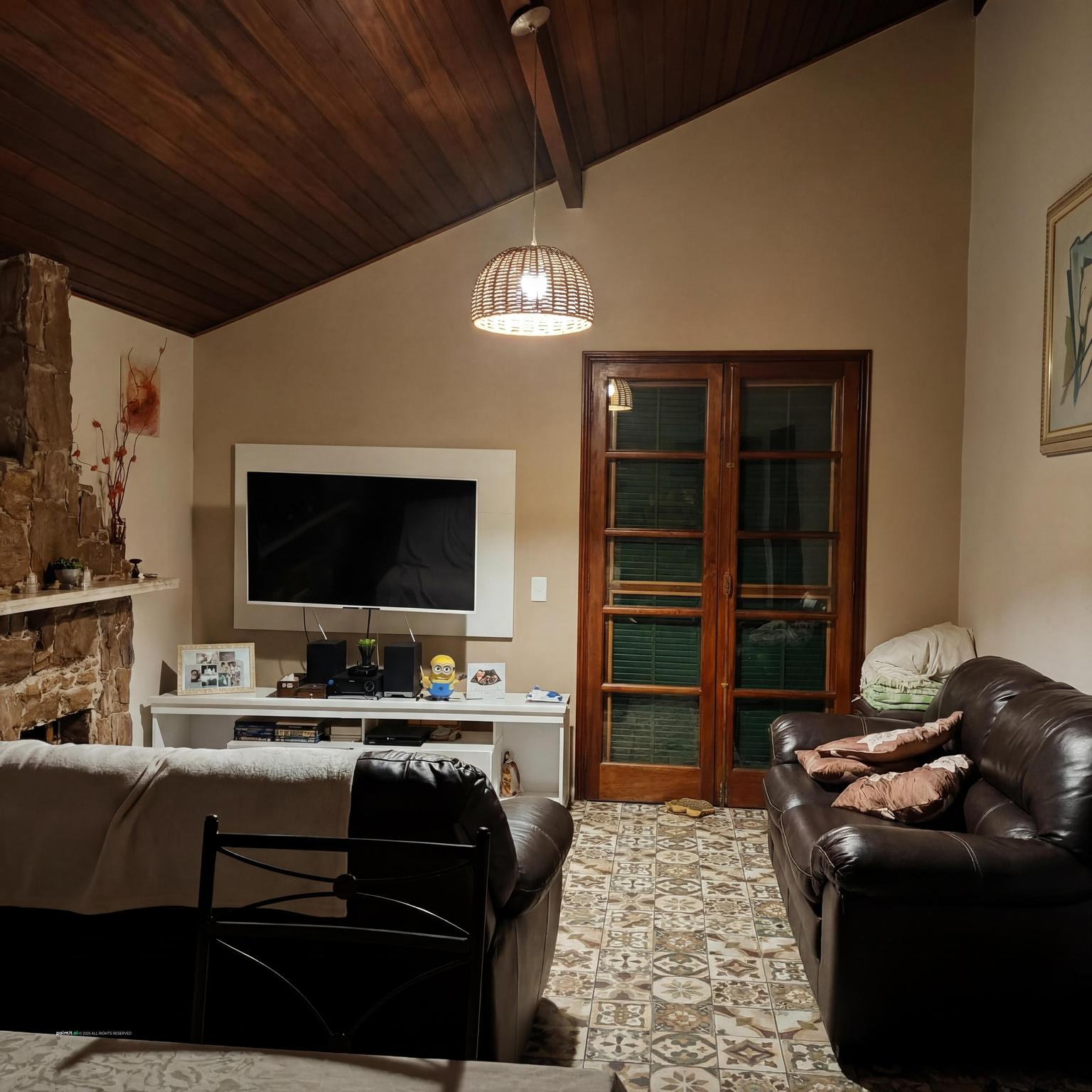
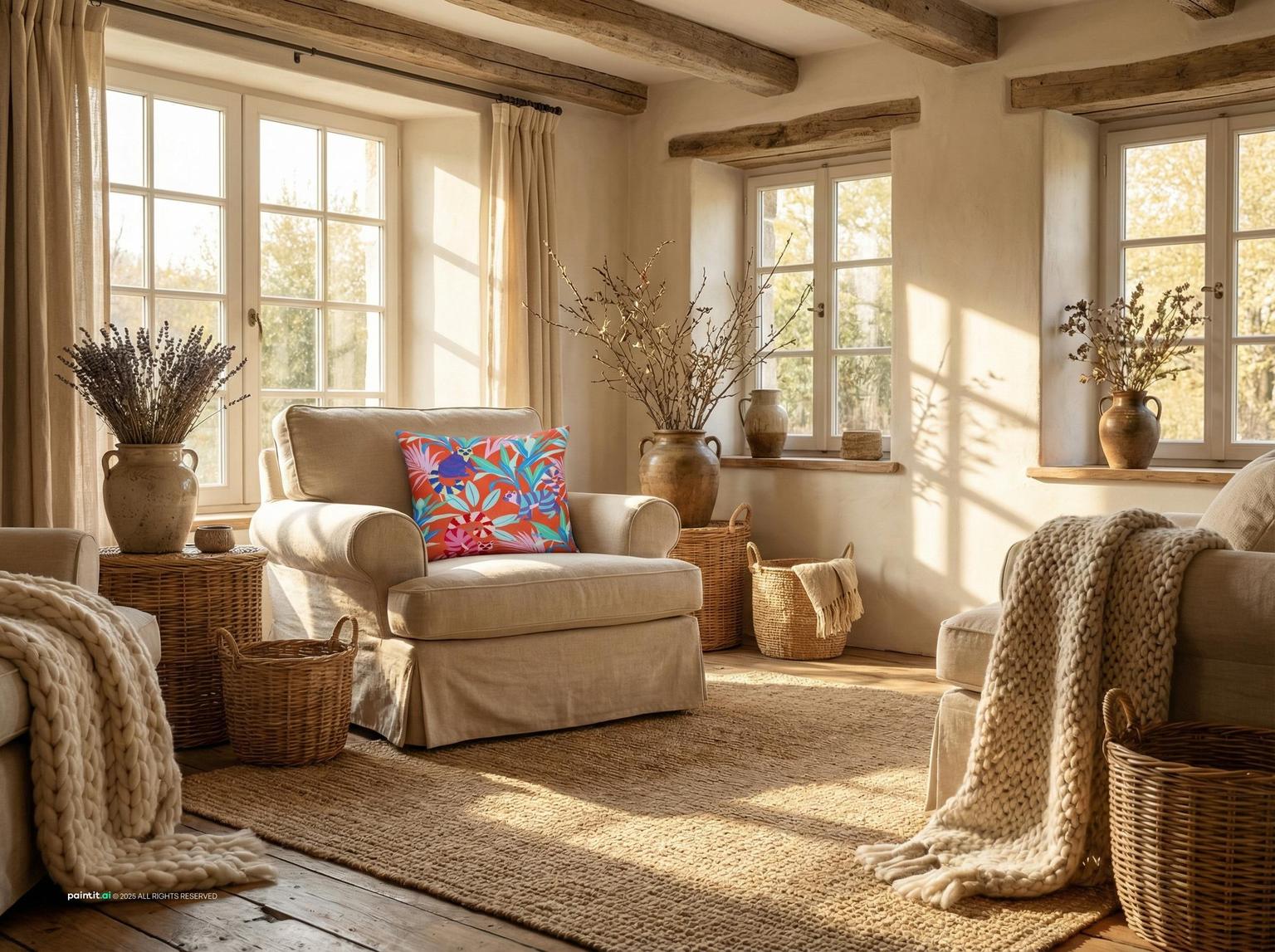
Bring the outdoors in, quite literally. This idea focuses on integrating natural elements—dried botanicals, lush greenery, and organic textures—with your rustic burnt orange palette. It feels alive, vibrant, and deeply connected to nature.
-
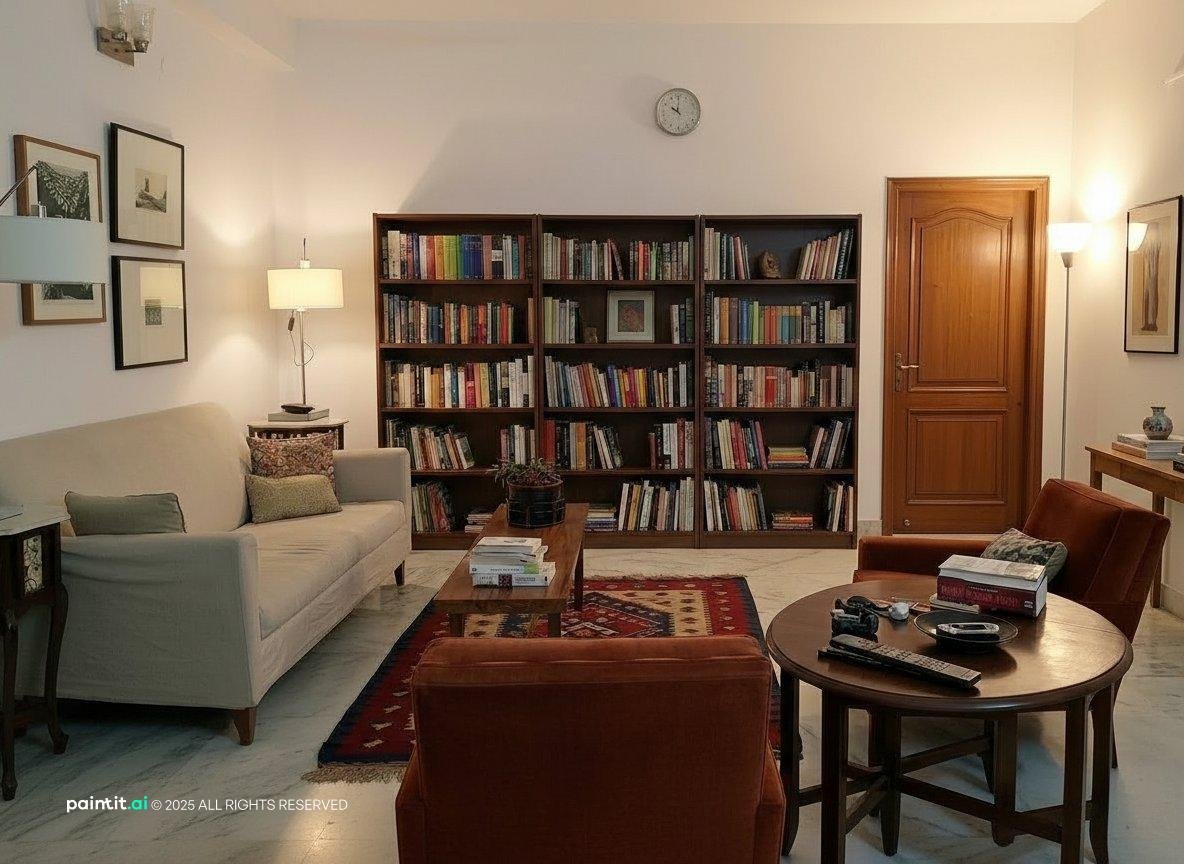
Use burnt orange as an accent color in your textiles—throw pillows, a soft blanket, or even a piece of abstract art. Surround it with an abundance of dried pampas grass, eucalyptus, or olive branches in tall, ceramic vases. Incorporate furniture made from rattan, wicker, or unfinished wood. A large, leafy houseplant in a terracotta pot adds a burst of life. It’s about preservation over imposition, really.
-
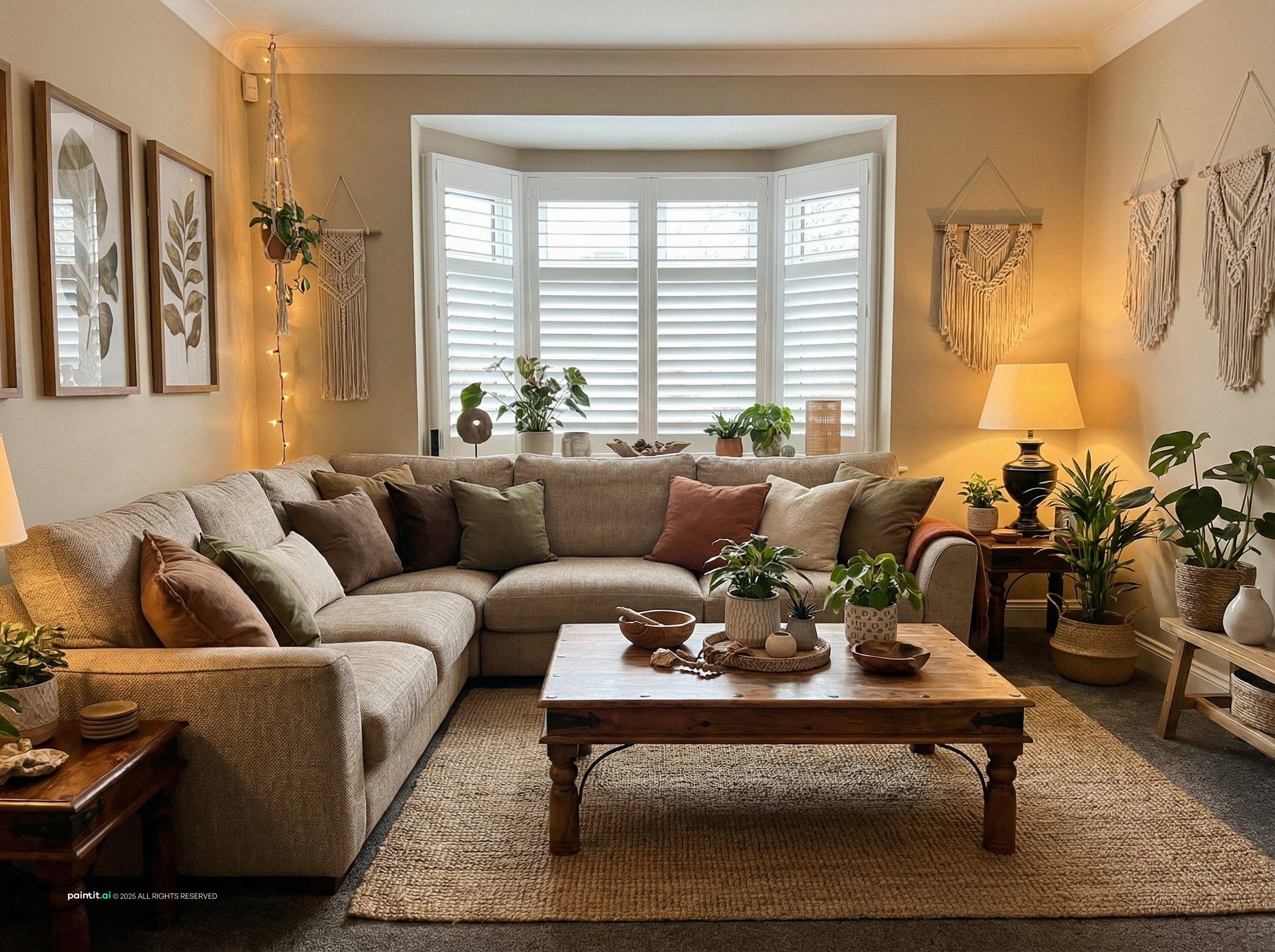
Pro Tip: To achieve this effect, try grouping various heights of dried botanicals in different textured vases for visual interest.
-
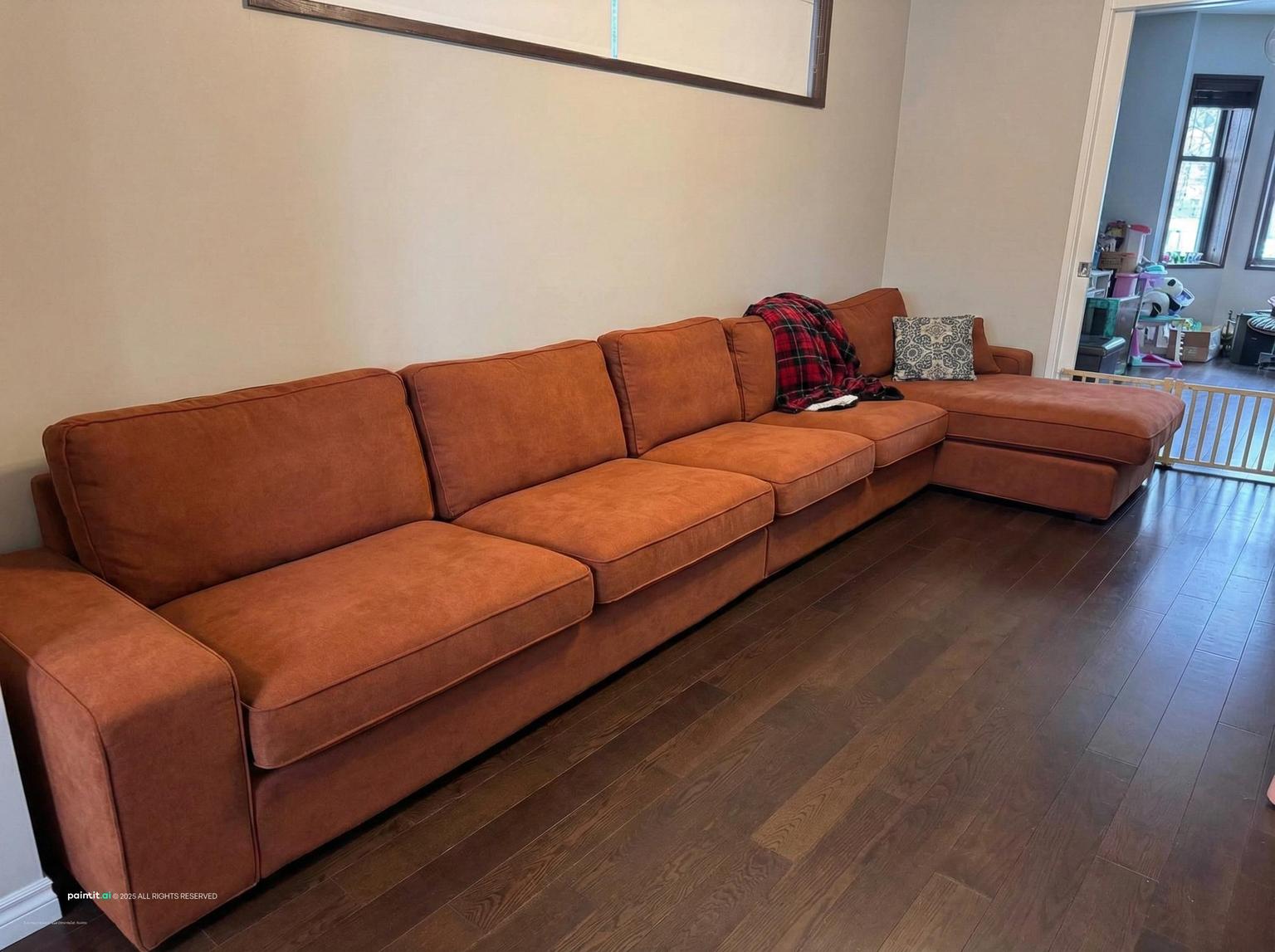
There’s a unique beauty in things made by hand, each piece telling its own story. This concept elevates your rustic orange living room by focusing on artisanal crafts, custom pieces, and unique, one-of-a-kind decor. It’s a celebration of skill and individuality.
-
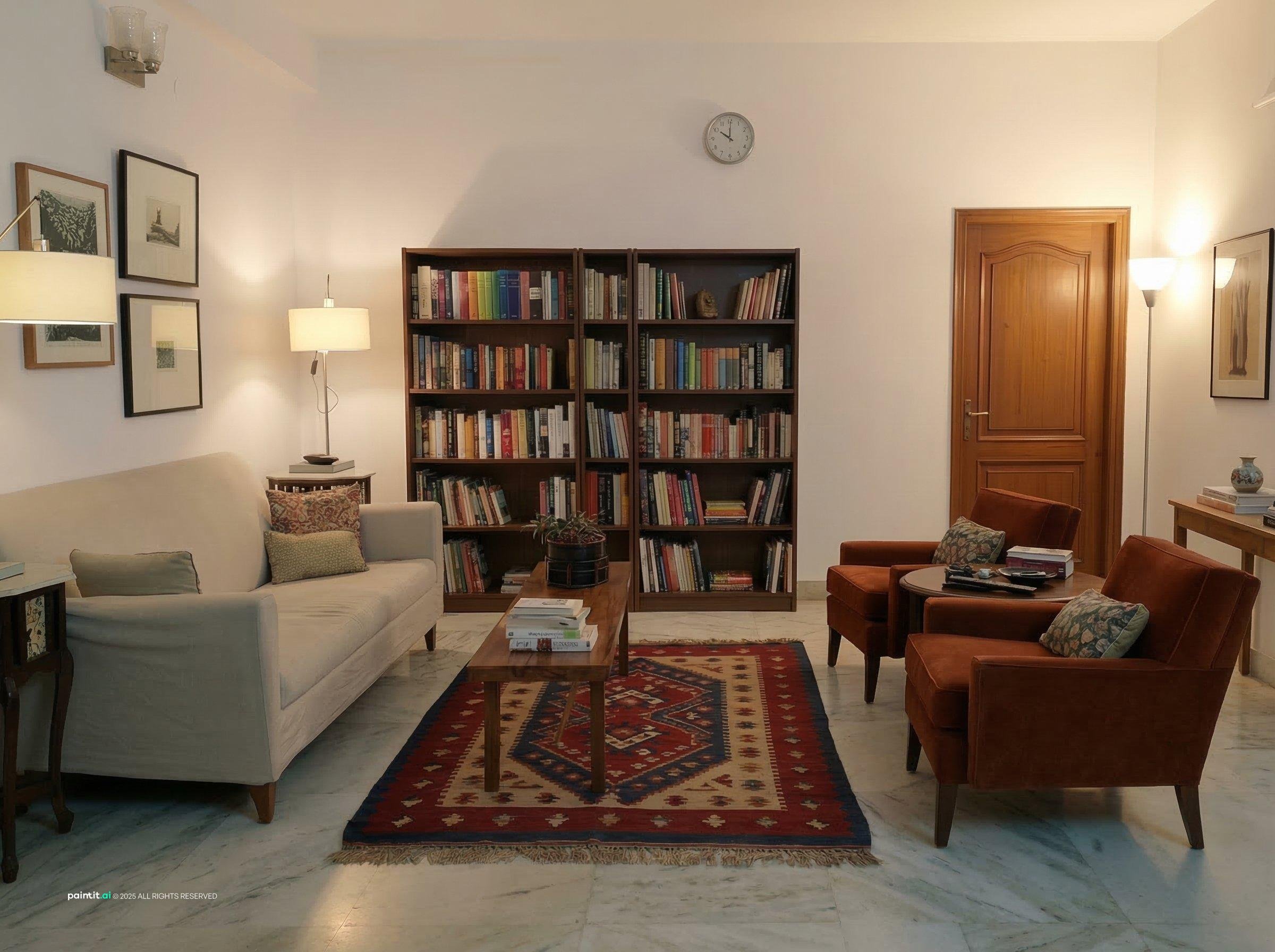
Invest in a few key handcrafted pieces: a custom-made wooden coffee table, a hand-woven tapestry, or a collection of unique, glazed pottery in shades of burnt orange and deep blues. Your main seating could be a simple, well-made sofa in a neutral tone, allowing the artisanal pieces to truly shine. Display open shelving filled with curated objects. The choice was risky, but it paid off.
-
Pro Tip: To achieve this effect, try commissioning a local artist for a unique piece of pottery or a textile art installation.
-
Comfort isn't just about soft surfaces; it's about the overall feeling a room evokes. This idea focuses on creating a deeply inviting rustic burnt orange living room through multiple layers of texture, varying shades of orange, and carefully curated lighting. It’s an immersive experience.
-
Start with a plush, deep-seated sofa in a muted burnt orange. Layer it with throws in different fabrics—a chunky knit, a soft velvet, a lightweight linen. Use multiple light sources: a warm overhead pendant, a few floor lamps with fabric shades, and perhaps some wall sconces. Varying the light levels creates depth and mood. Add a thick, shaggy rug underfoot. It’s about creating pockets of warmth.
-
Pro Tip: To achieve this effect, try using smart dimmer switches on all your lighting to fine-tune the ambiance.
-
Sometimes, burnt orange doesn't need to dominate; it can be the perfect accent, a dash of spice in a more subdued palette. This approach uses burnt orange sparingly, allowing it to pop against a backdrop of neutrals and deep greens. It’s effortlessly composed.
-
Paint walls in a soft, warm grey or a creamy off-white. Introduce burnt orange through smaller elements: a few throw pillows, a ceramic vase, or a piece of abstract art. Pair these with deep olive or forest green accents—perhaps a velvet armchair or a collection of large, leafy plants. The contrast is striking yet harmonious. The thing is, balance is everything.
-
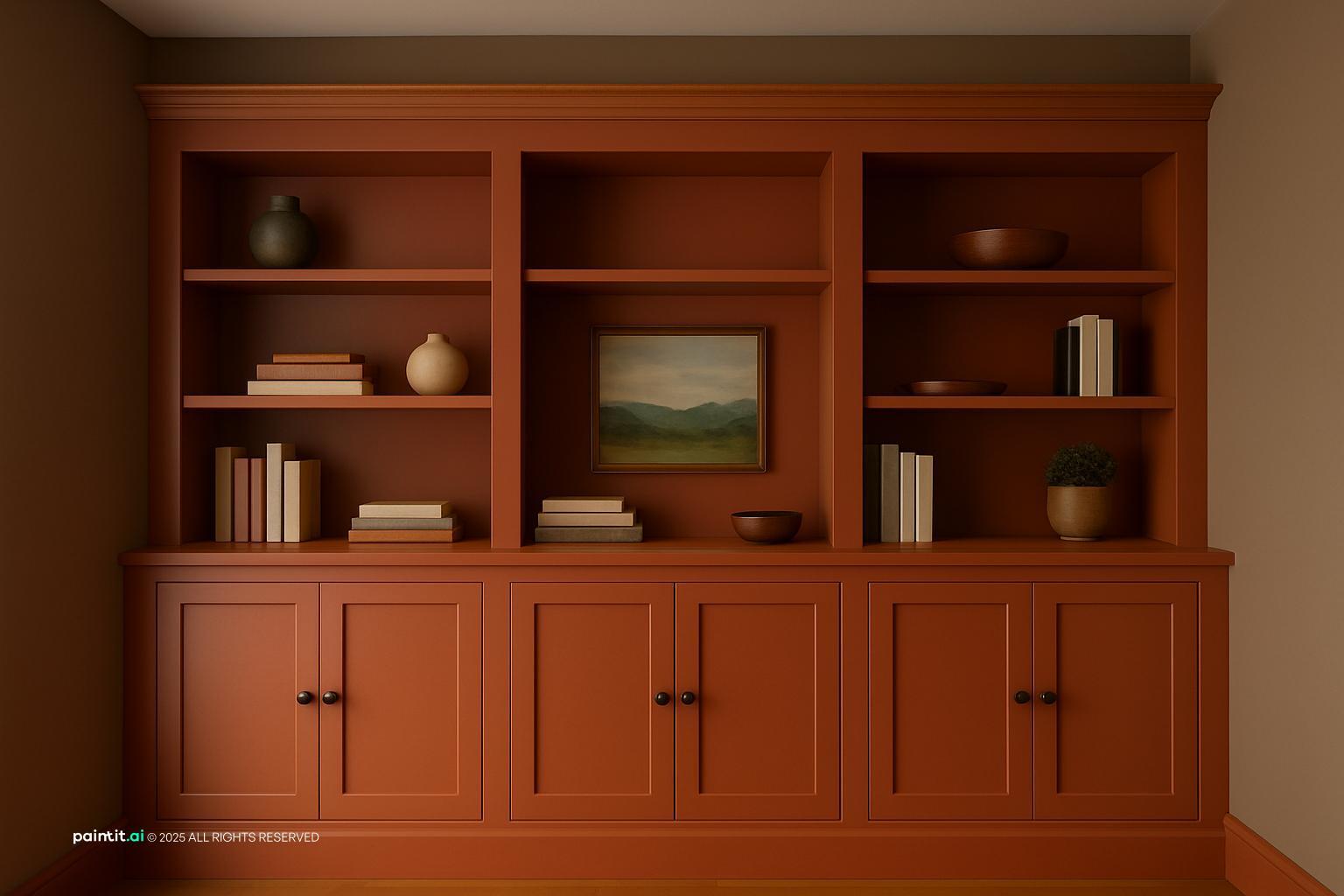
Pro Tip: To achieve this effect, try using burnt orange in unexpected places, like the inside of a bookshelf or a small decorative tray.
-
Wood, with its grain and imperfections, tells a story. This concept centers your rustic burnt orange living room around a magnificent piece of reclaimed wood furniture, letting its character define the space. It’s a nod to sustainability and timeless design.
-
Find a statement piece: a large coffee table made from a single slab of reclaimed wood, or a console table crafted from old barn planks. Complement this with a sofa upholstered in a rich, deep burnt orange fabric, perhaps a Dedar velvet for a touch of luxury. Keep other elements simple and natural—linen curtains, a sisal rug, and perhaps some wrought iron details. The wood is the star here; everything else supports its narrative.
-
Pro Tip: To achieve this effect, try pairing different types of wood finishes (e.g., rough-hewn and smoothly polished) for added visual interest.
Captivating the Soul of a Sun-Baked Hearth to Life with Paintit.ai
-
Creating a truly inviting rustic burnt orange living room isn't just about throwing a few warm colors together. It’s about weaving a narrative, building a space that feels both ancient and utterly current. We’ve found that the magic lies in understanding the core elements, letting them speak to each other in a symphony of texture and light. It’s a delicate dance, really, between the raw and the refined.
-
The heart of a rustic burnt orange living room begins with a deep, earthy burnt orange as its anchor, perhaps a rich terracotta or a sun-baked sienna. We balance this with creamy ivory or a sandy beige for expansive surfaces, keeping things light. Accents of deep olive green or charcoal provide sophisticated contrast, while a whisper of muted gold can add an unexpected shimmer. It’s about warmth without overwhelming the senses.
-
Reclaimed wood, with its inherent story, forms the backbone—think rough-hewn beams or a substantial coffee table. Natural linen and chunky wool textiles invite touch, creating an instant sense of comfort on sofas and rugs. Unglazed terracotta and natural stone elements, from planters to a fireplace surround, ground the space. These materials don’t just fill a room; they evoke a feeling of permanence, a quiet strength.
-
A substantial, low-slung sofa in a textured fabric anchors the rustic orange living room, inviting long conversations. Pair it with a live-edge wooden coffee table, its organic form a counterpoint to structured seating. A distressed leather armchair, perhaps a vintage find, adds character and a sense of history. We always advise choosing pieces with generous proportions; they make a room feel lived-in, not just decorated.
-
Layered lighting is non-negotiable for that perfect rustic orange living room atmosphere. Ambient light from a warm overhead pendant provides a general glow. Task lighting, like a floor lamp with a linen shade next to a reading nook, is practical. Accent lighting from wall sconces or small table lamps highlights art or architectural details, creating pockets of warmth. The goal is a soft, enveloping radiance, never harsh.
-
This is where the soul of the space truly emerges. Hand-thrown pottery, perhaps in shades of rust and cream, adds an artisanal touch. Woven baskets bring in natural texture, while dried botanicals—pampas grass or eucalyptus—offer an organic softness. Abstract art with earthy tones can provide a modern edge. We often apply the 3-5-7 rule here: group three large vases on a mantel, five smaller curated objects on a bookshelf, and seven varied cushions on a sofa. This creates visual interest and a collected feel, making your rustic burnt orange living room feel effortlessly composed.
Paintit.ai: Crafting Your Rustic Burnt Orange Living Room, Flawlessly Design Ideas
Finding the perfect rustic burnt orange living room shade for your space, not just online, is tricky. We know commitment is hard. Paintit.ai instantly visualizes countless burnt orange variations—from sun-baked sienna to deep terracotta—within your room's context. Experiment with textures and light, ensuring your rustic orange living room feels just right, avoiding costly mistakes. Try it.
FAQ
-
When we talk about a rustic burnt orange living room, we're really honing in on a specific feeling: warmth, earthiness, and a grounded sense of comfort. It’s not just about the color, though that rich, deep orange — reminiscent of terracotta, autumn leaves, or a desert sunset — is certainly the star. The "rustic" part brings in natural textures like raw wood, distressed leather, woven jute, and perhaps some wrought iron. We're looking for an inviting, lived-in space that feels both sophisticated and utterly unpretentious. Think less polished showroom, more sun-drenched Tuscan villa or a cozy cabin retreat.
-
The beauty of burnt orange is its versatility within an earthy palette. We've found it truly sings when paired with deep, muted greens — think olive, moss, or even a forest green for a dramatic touch. Creamy whites and warm beiges are absolute naturals; they provide a much-needed visual breath, letting the orange pop without overwhelming the senses. For a bit of unexpected depth, consider charcoal grays or even a soft, dusty blue. These complementary shades create a sophisticated contrast, preventing the space from feeling one-note. It’s all about building layers of natural tones.
-
To truly nail that rustic orange living room vibe, we lean into pieces with character and history. A substantial, perhaps distressed, reclaimed wood coffee table is almost non-negotiable. For seating, a deep-seated sofa upholstered in a rich, aged leather or a textured linen in a complementary neutral works wonders. We love hand-knotted wool rugs or flat-weave jute rugs underfoot; they add instant warmth and an organic feel. Think about ceramic pottery in earthy glazes, perhaps some hand-forged iron sconces, and plenty of natural light filtering through sheer linen curtains. It’s about curating objects that tell a story, not just fill a space.
-
This is a common concern, and a valid one. The key to avoiding a cave-like feel in any rustic orange living room is strategic balance. We always start with light. Maximize natural light with minimal window treatments. Introduce reflective surfaces, like a large, antique-style mirror or a brushed brass floor lamp, to bounce light around the room. Crucially, don't drench every surface in burnt orange. Use it as an accent color for a statement wall, a plush armchair, or a collection of throw pillows. Pair it with those lighter neutrals — creamy walls, a pale rug, or light-colored upholstery. Varied textures also play a huge role; a mix of smooth wood, soft textiles, and rough stone keeps the eye moving and adds visual interest without adding weight.
-
Absolutely. For smaller living rooms, the goal is to infuse that rustic burnt orange charm without sacrificing precious square footage or making the room feel cramped. Instead of a full burnt orange sofa, consider a single accent chair in the shade, or a collection of burnt orange cushions and throws on a neutral sofa. We often suggest using lighter shades of orange, leaning more towards a terracotta or a muted rust, which can feel less imposing. Opt for multi-functional furniture, like an ottoman that doubles as storage, and choose pieces with visible legs to create a sense of openness. Vertical elements, such as tall, narrow bookshelves or floor-to-ceiling curtains, can draw the eye upward, making the room feel taller. The trick is to be intentional with your rustic orange living room ideas, letting a few well-chosen pieces carry the theme rather than overwhelming the space.