
Designing Your Perfect - Retro Living Room
Remember that cozy, inviting feeling from your grandparents' house, filled with unique pieces and stories? Crafting a retro living room that feels genuinely lived-in, not just staged, can be a delightful challenge. How do you blend vintage charm with modern comfort without losing its authentic soul?
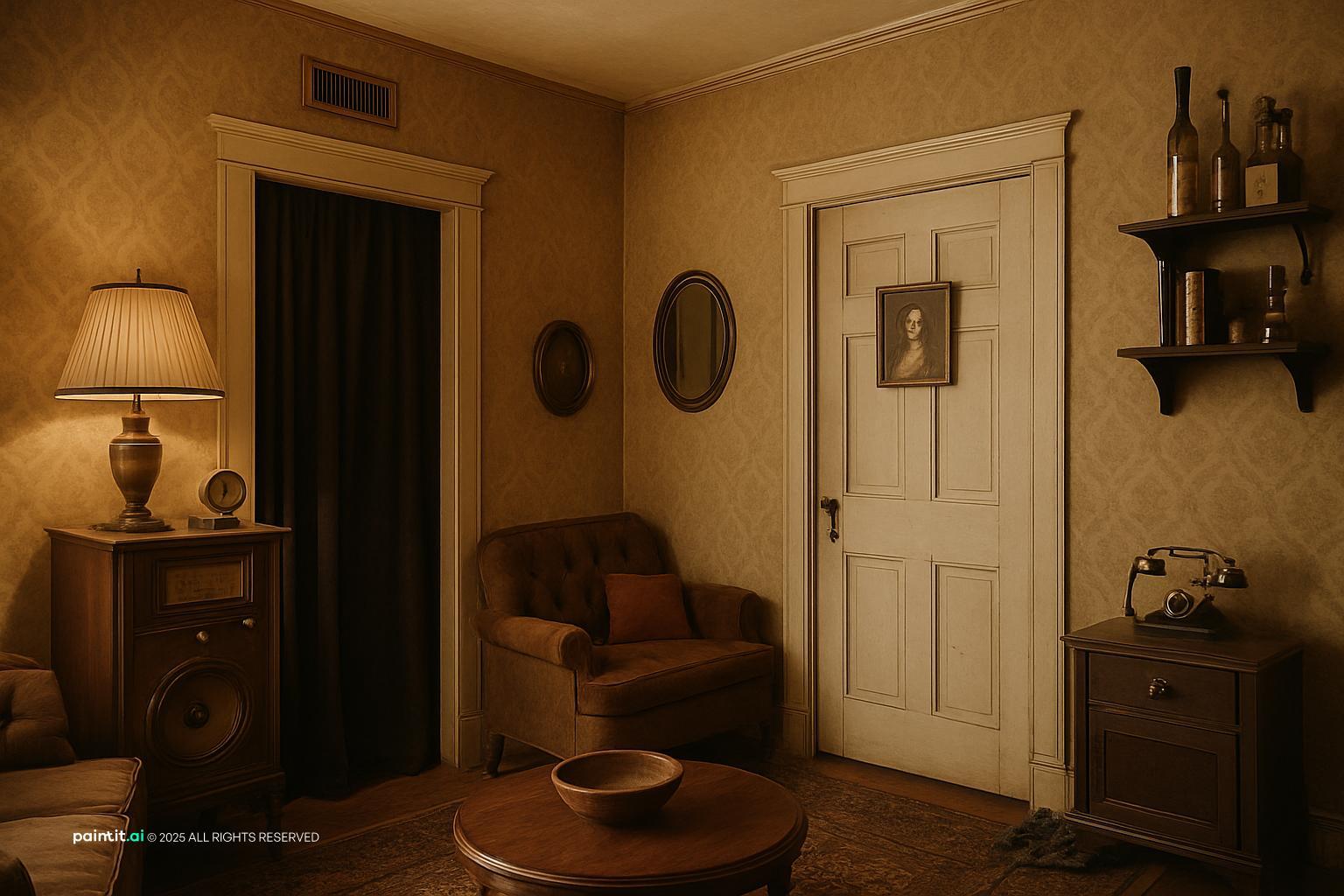
Essential Tips for Crafting Your Own Retro Living Room Vibe
Stunning Examples of 14 Inspired Ways to Design Your Dream Retro Living Room
-
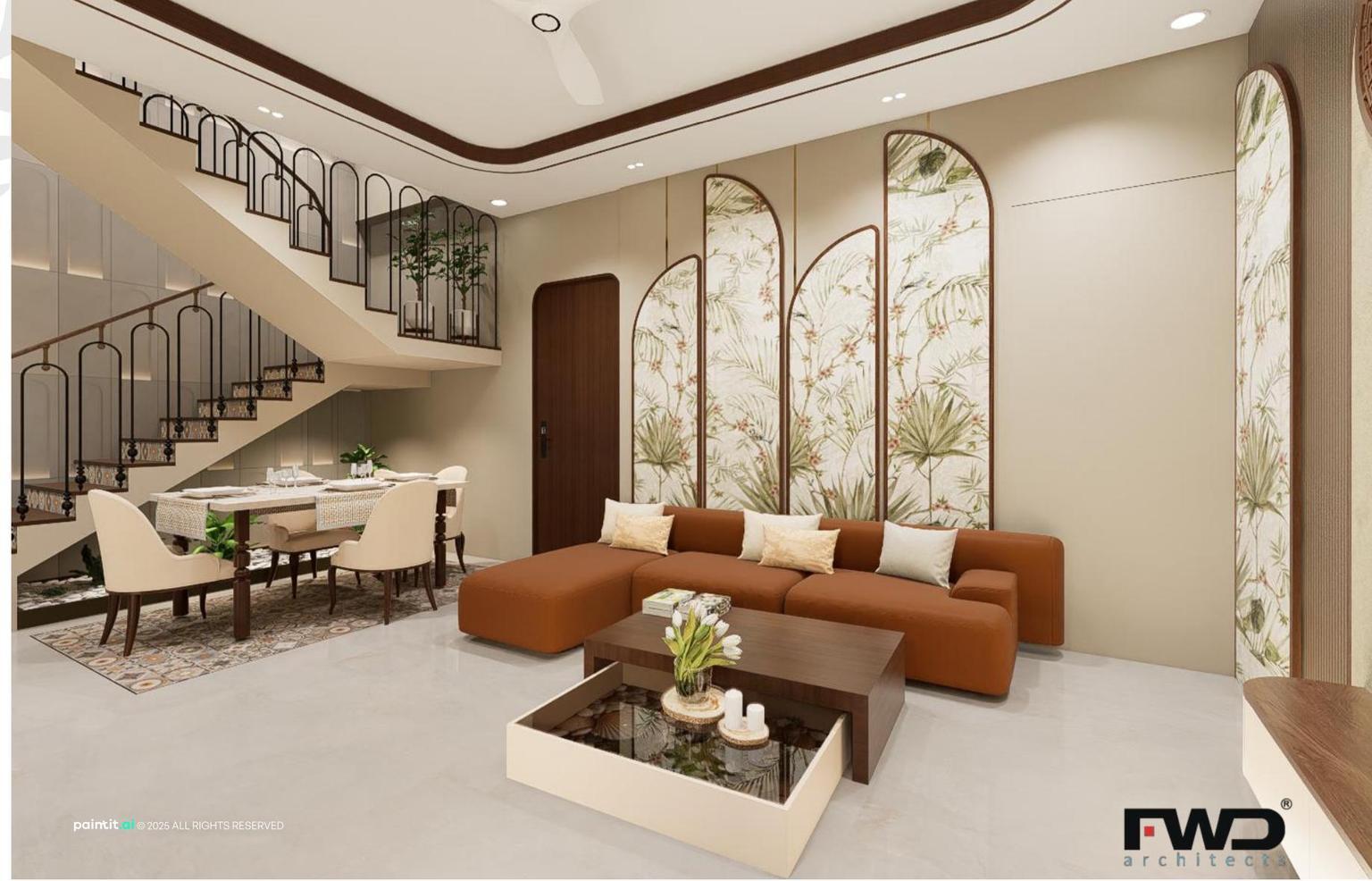
We've all been there, scrolling through endless feeds, trying to capture that elusive feeling of a space with soul. It's about more than just aesthetics; it's about functionality, comfort, and a story. We curated these ideas to help you strike that perfect balance, ensuring your vintage-inspired space feels genuinely lived-in, not just a set piece. This is your ultimate retro living room inspo, designed to spark genuine creativity.
-
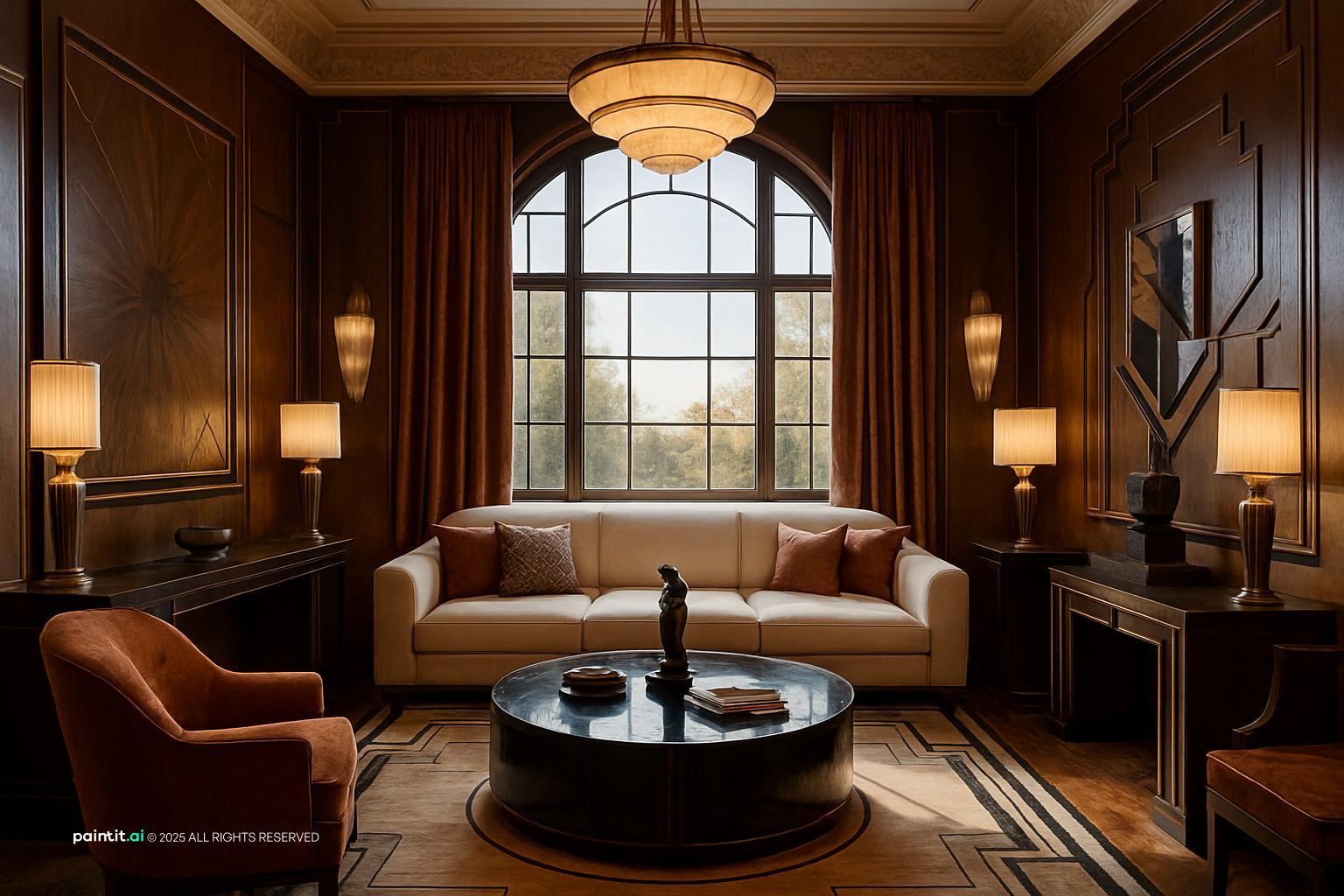
This approach celebrates the clean lines and organic forms of the 1950s and 60s. It’s about creating a calm, uncluttered space that still feels incredibly warm. The truth is, many people think "mid-century" means sterile, but it’s really about thoughtful design and natural materials working in harmony.
-
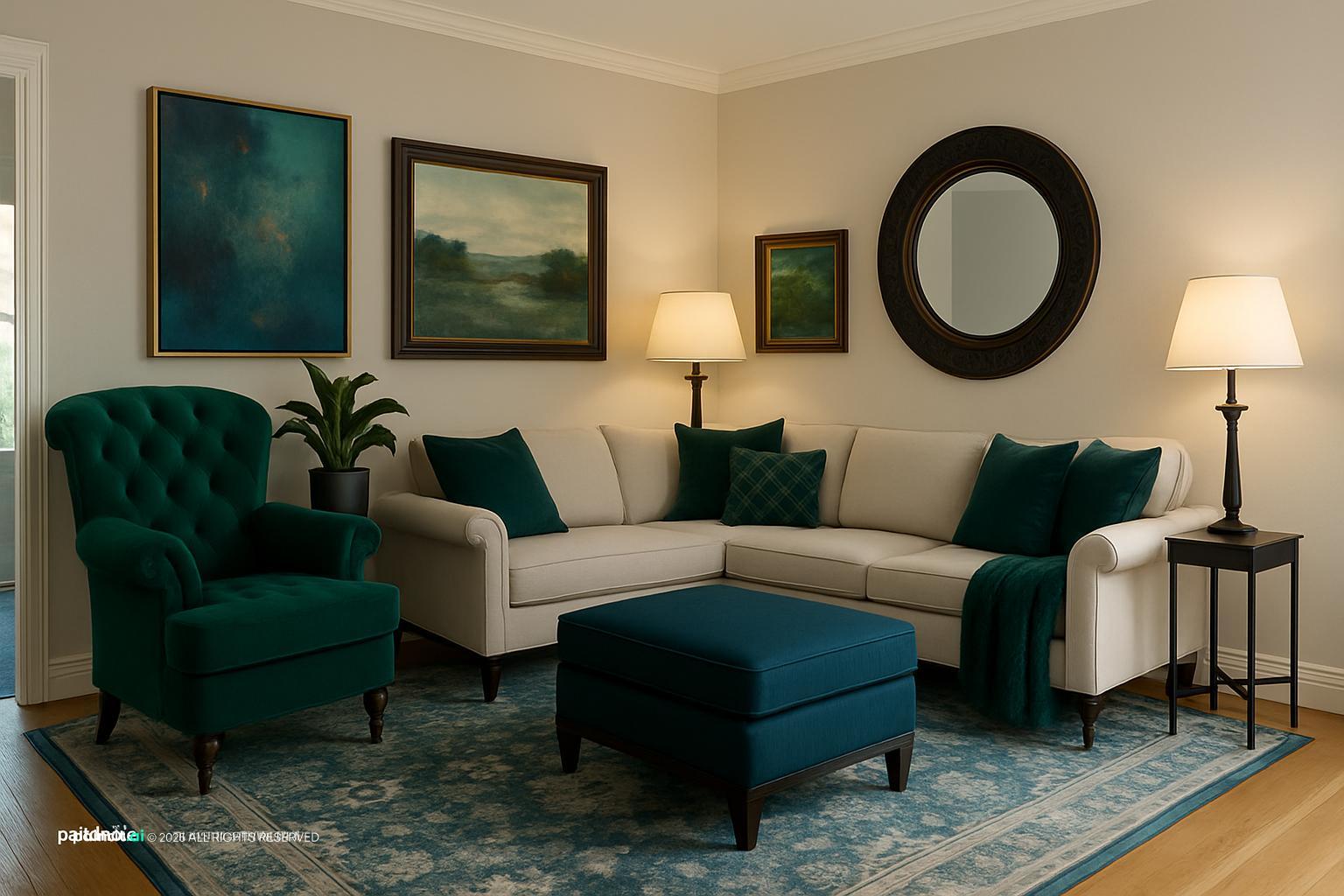
Implement this by focusing on iconic pieces: a low-slung Danish modern sofa in a muted wool, a G-Plan sideboard in rich teak, and perhaps a pair of Eames lounge chairs. Keep walls light to let the furniture speak. We’ve seen this work best in spaces with ample natural light, allowing the wood grains to truly glow.
-
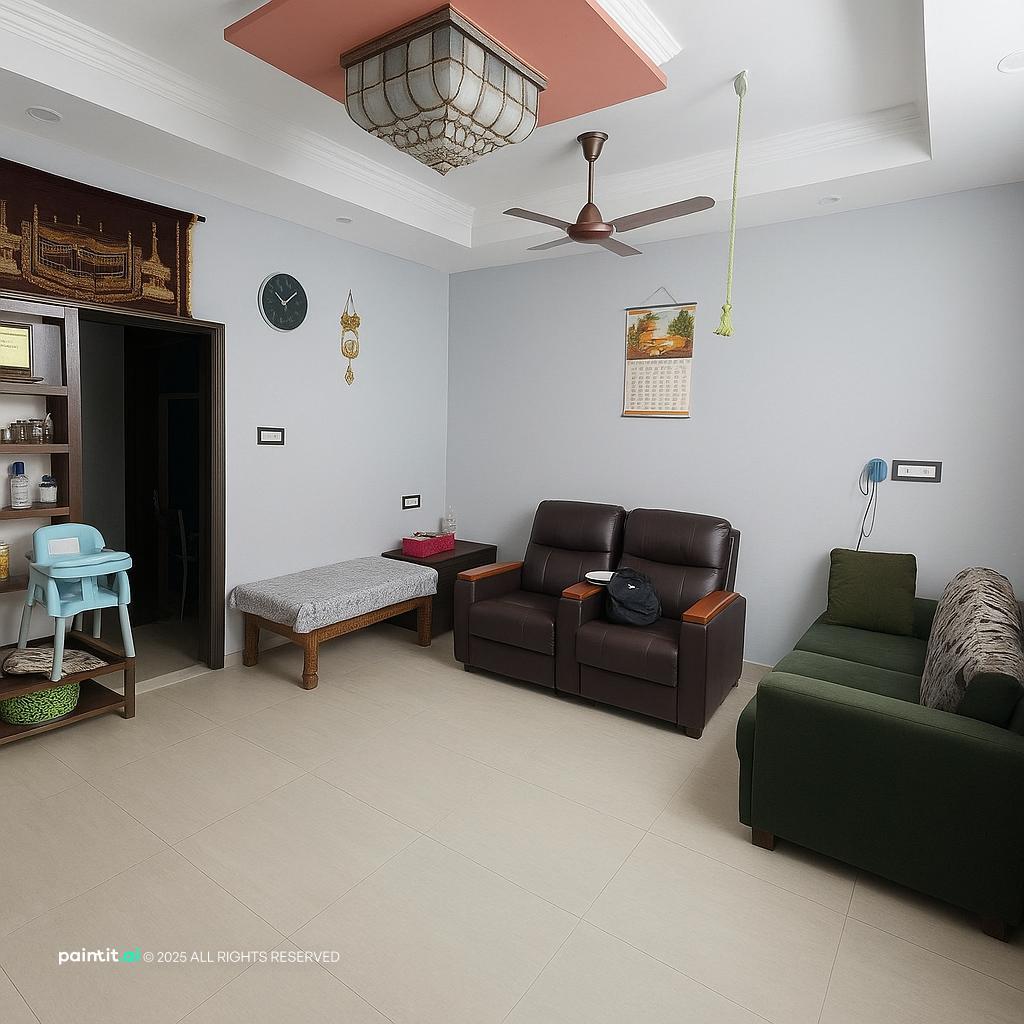
Think earthy tones, natural textures, and a relaxed, free-spirited vibe. This isn't just about shag carpets; it's about layering comfort and embracing a global aesthetic. It sounds simple, but most people forget to balance the "found" objects with intentional design choices.
-
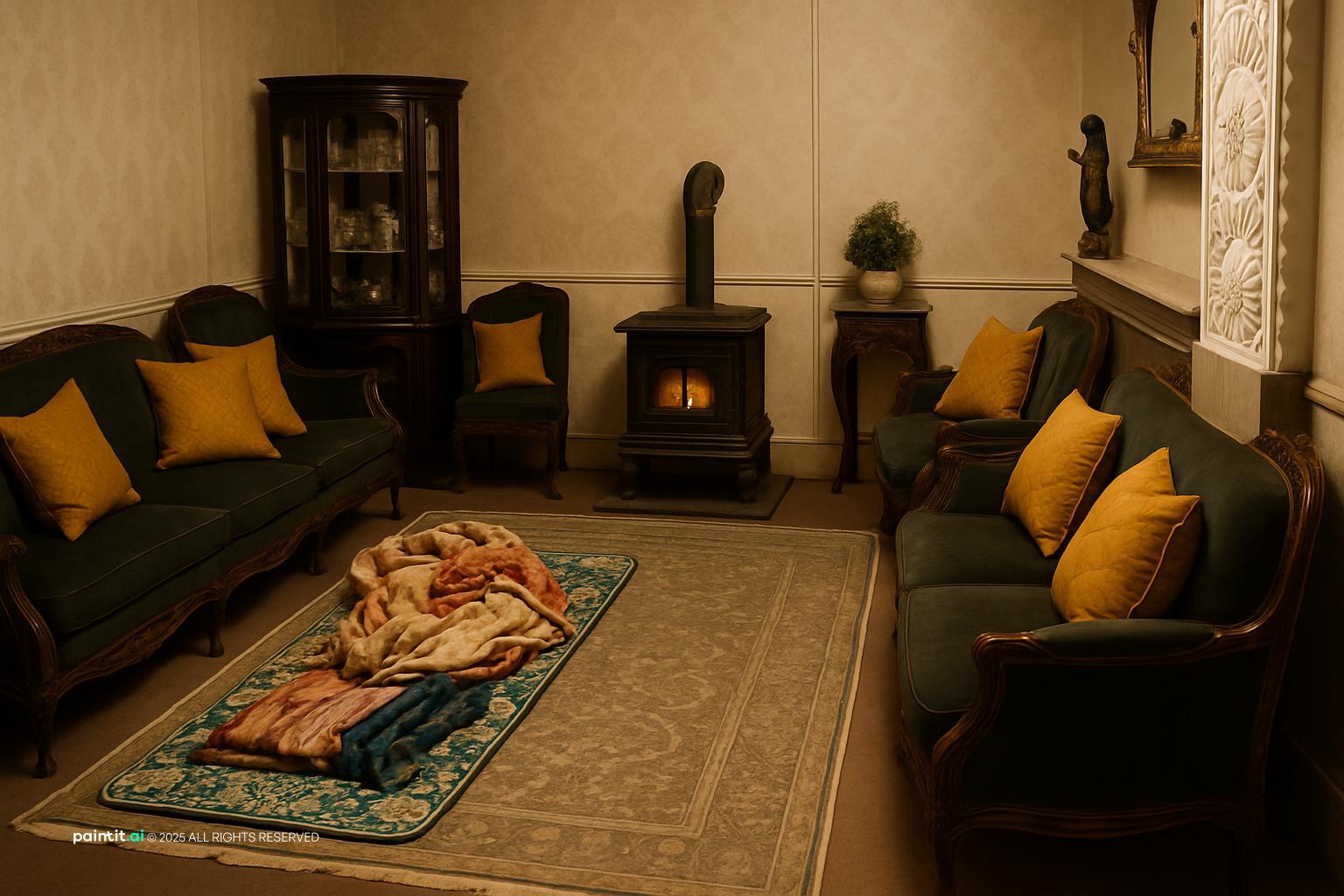
Start with a low-profile sectional upholstered in a burnt orange or avocado green velvet. Layer vintage Persian rugs over sisal, and introduce macrame wall hangings or rattan accent chairs. Add plenty of potted plants, especially a large Fiddle Leaf Fig or a cascading Pothos. The goal is a space that feels collected, not decorated.
-
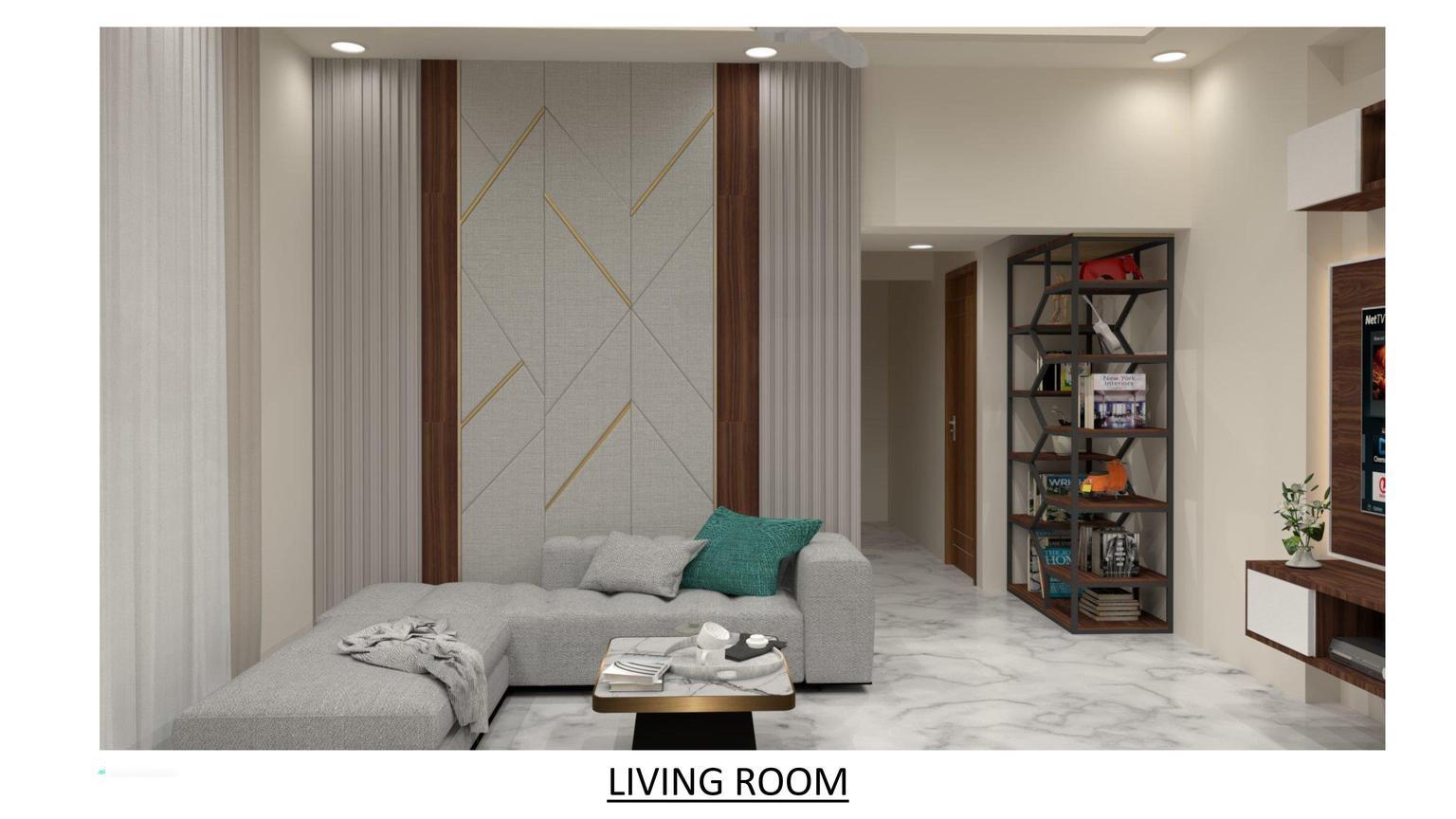
Step into the opulent world of the 1920s and 30s. This look is all about geometric precision, luxurious materials, and a sense of sophisticated drama. It’s a bold choice, and we often find people shy away from it, fearing it might feel too formal. But with the right balance, it’s incredibly inviting.
-
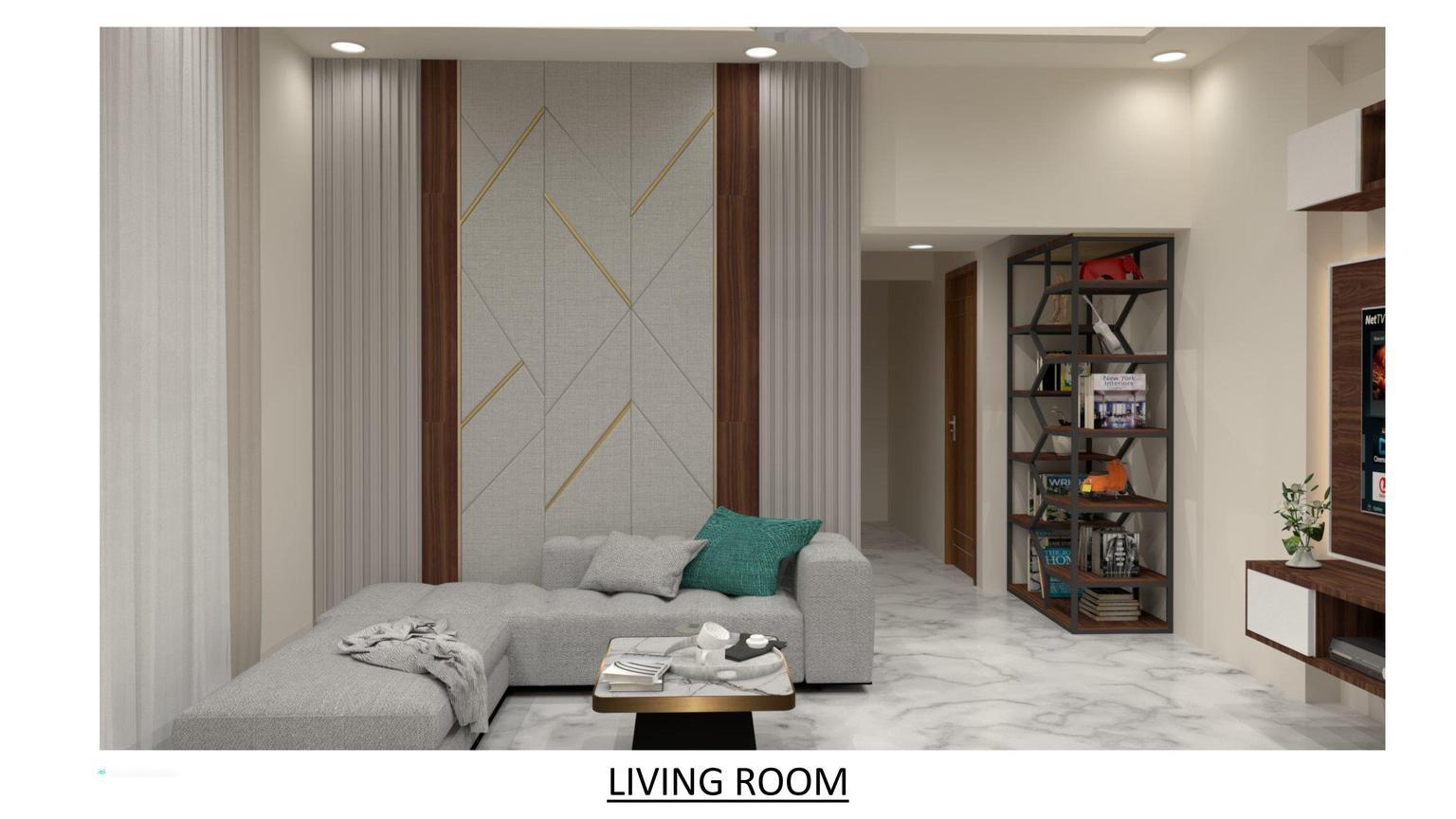
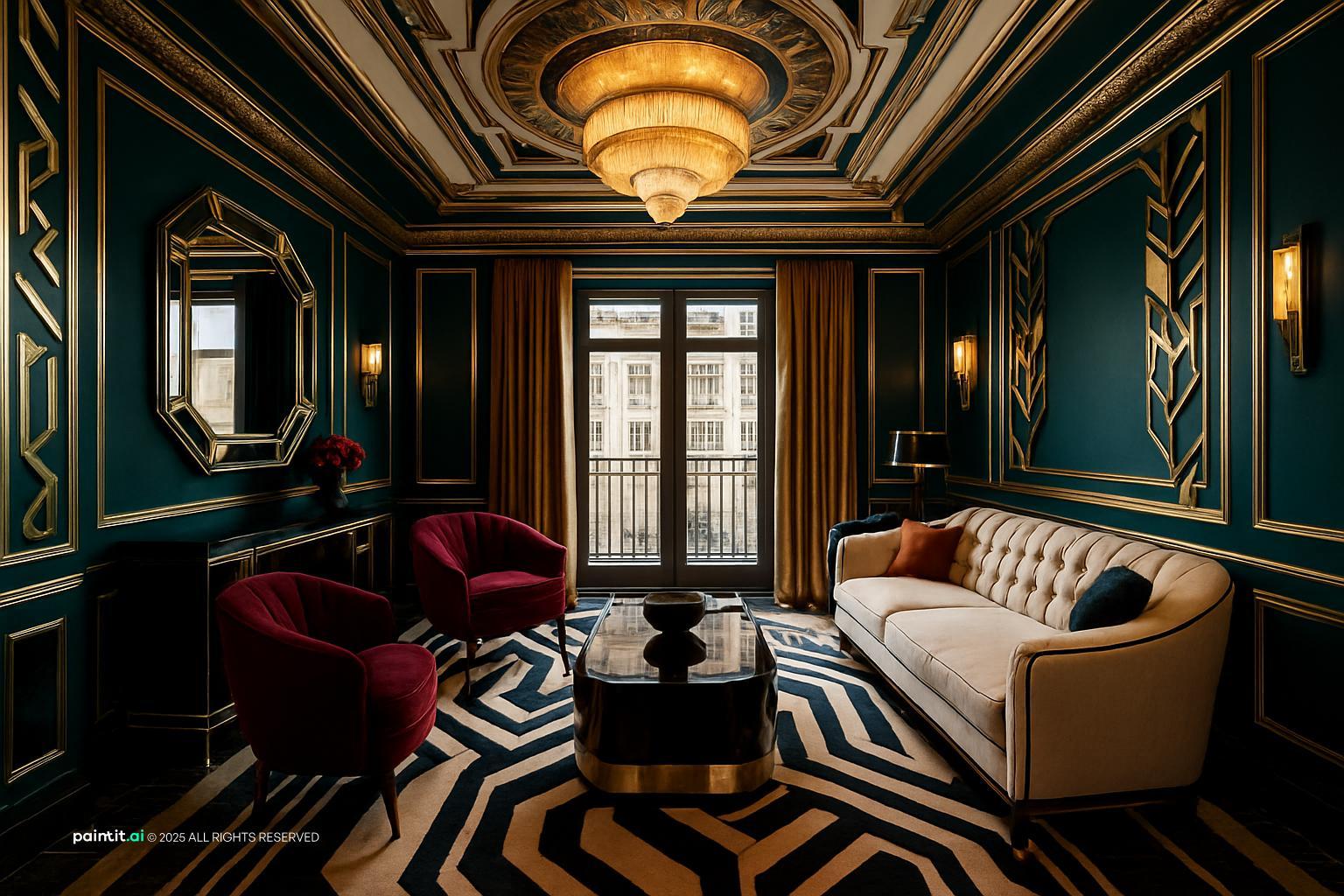
Incorporate a plush velvet sofa in an inky blue or emerald green, paired with polished chrome or brushed brass accents. Think mirrored side tables, a geometric patterned rug, and perhaps a Sputnik chandelier. Ribbed glass or fluted details on cabinetry add that quintessential Art Deco texture. The key is controlled extravagance.
-
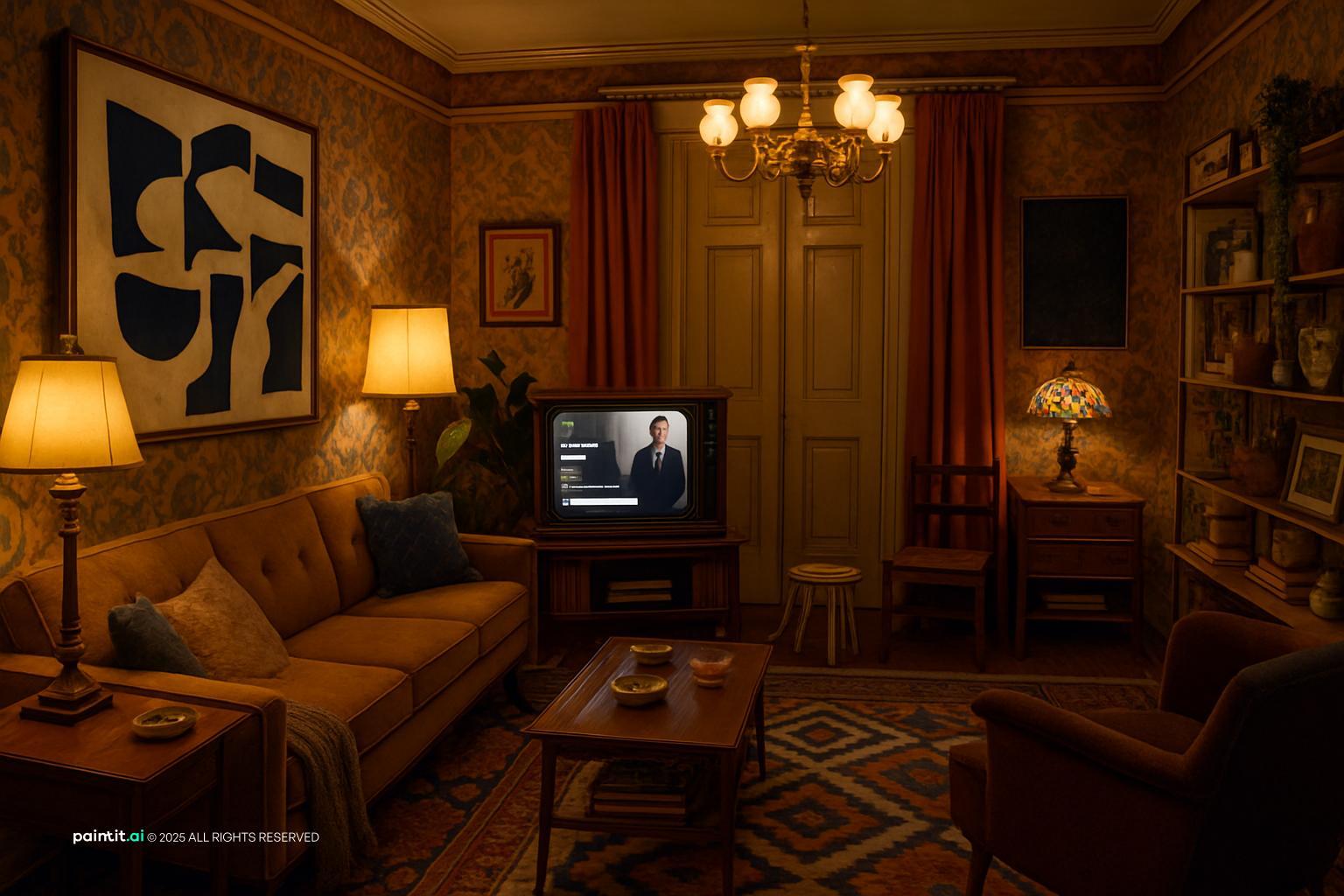
This style emphasizes functionality, simplicity, and natural beauty. It's less about making a statement and more about creating a serene, highly livable space. The truth is, sometimes less really is more, especially when every piece is chosen for its form and purpose.
-
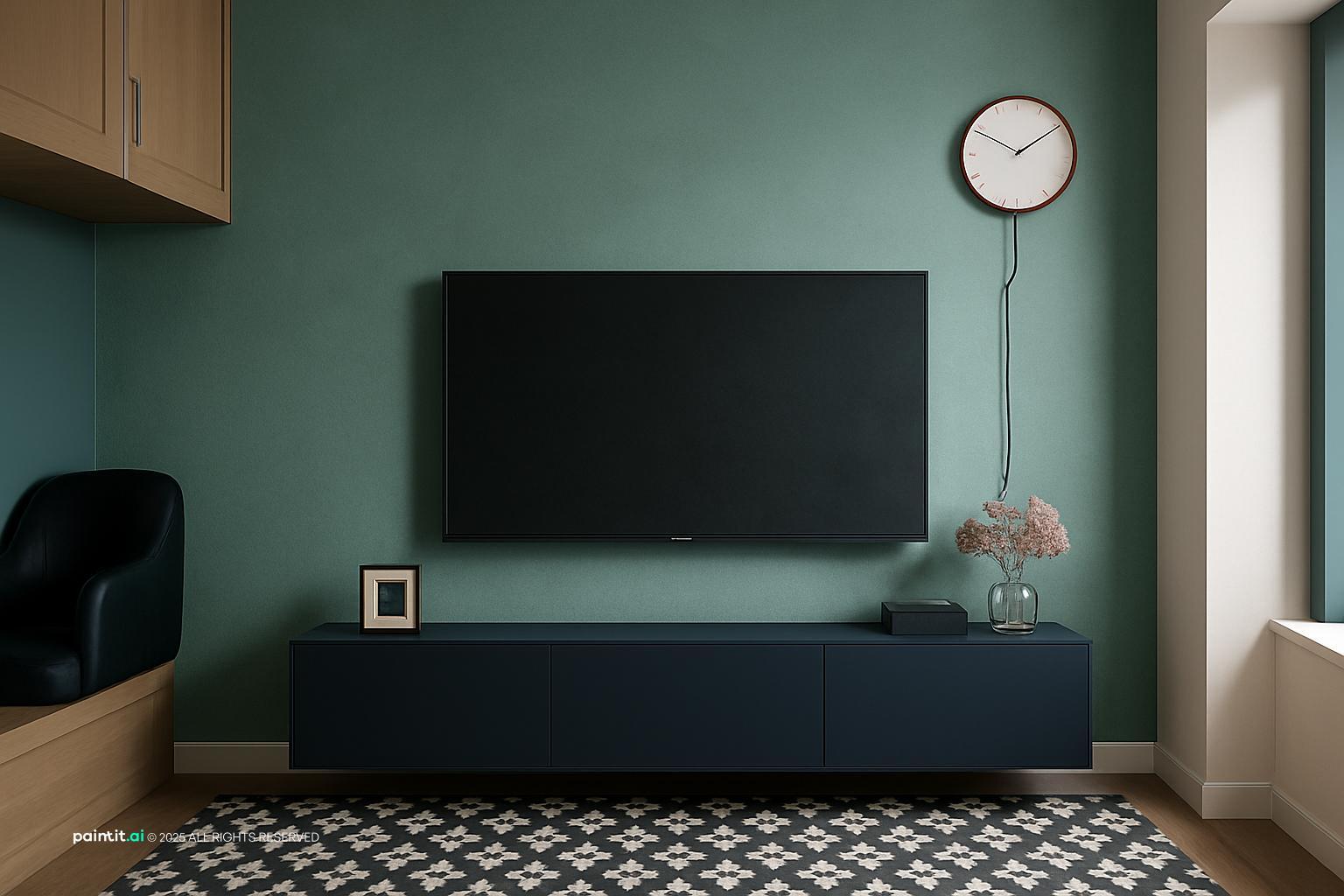
Focus on light-toned woods like birch or ash for shelving and coffee tables. Upholstery should be in natural fabrics like linen or wool, in muted grays, blues, or whites. A classic Wegner Wishbone chair or a simple, elegant sofa with exposed wood frames defines this look. Keep accessories minimal but meaningful; a single ceramic vase, a well-chosen art print.
-
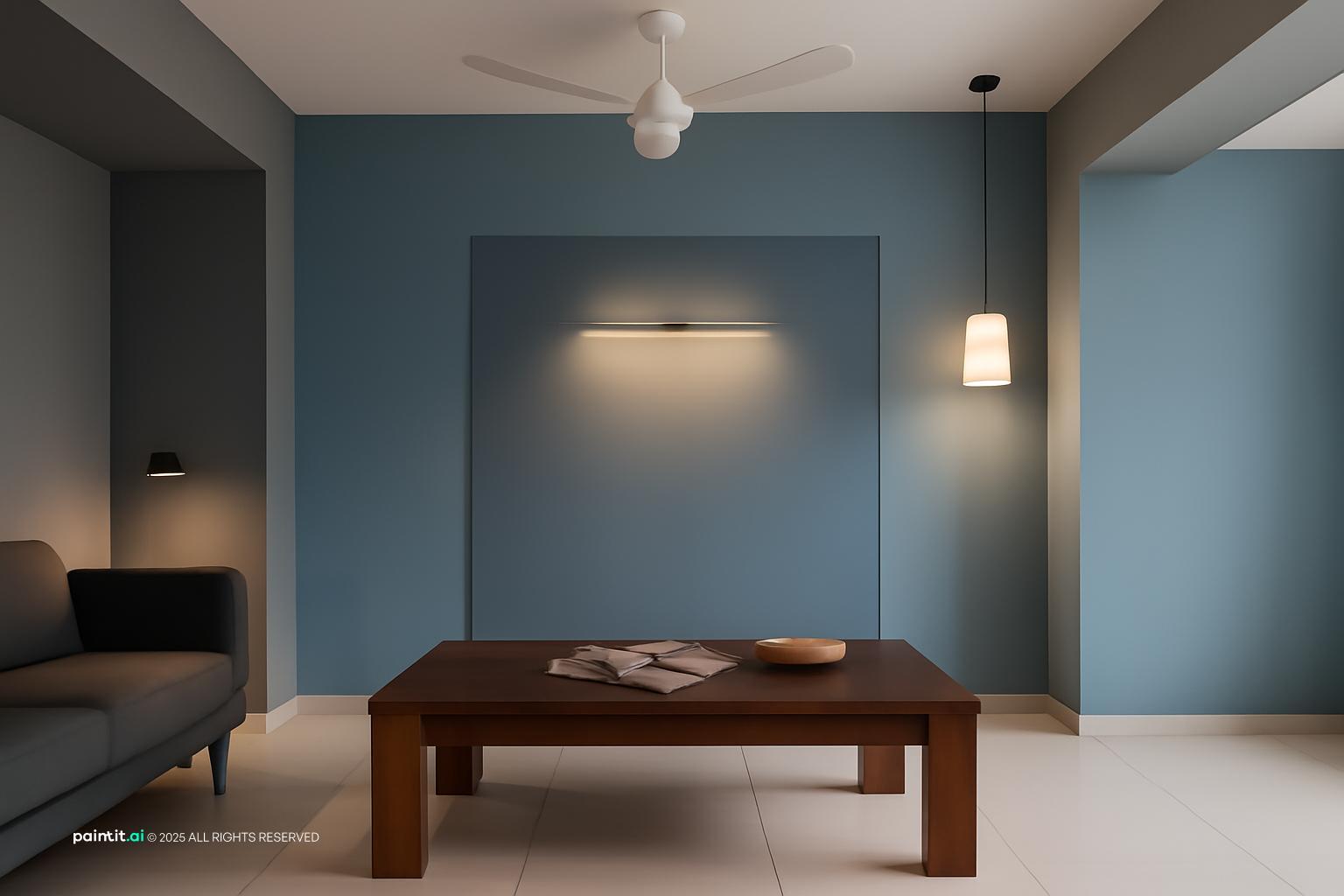
This might sound contradictory, but brutalism, with its raw concrete and exposed materials, can be incredibly grounding when softened. It’s about celebrating texture and form, then making it cozy. Here’s the kicker: it’s not about making your living room a bunker, but rather finding beauty in the unrefined.
-
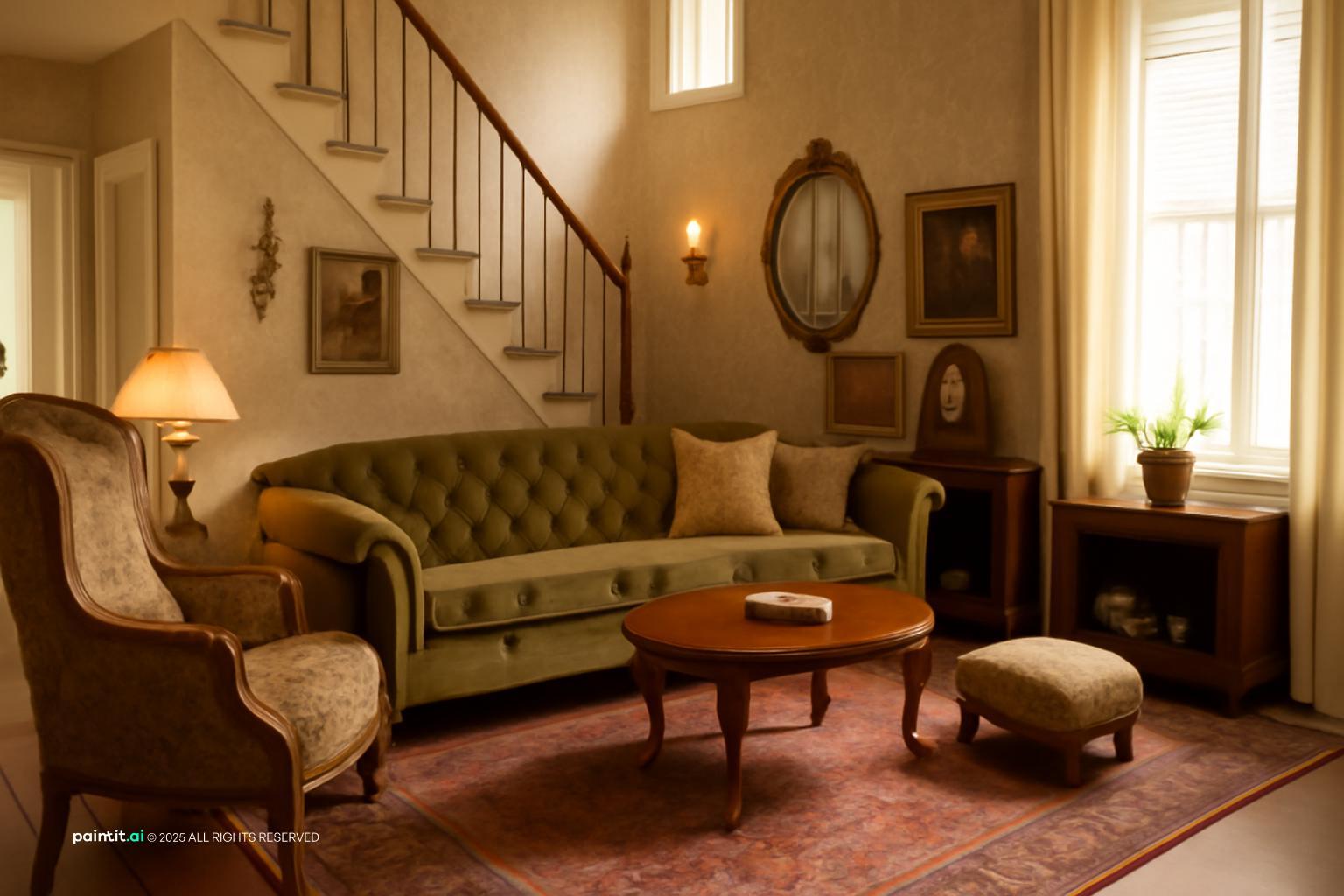
Think a polished concrete floor (or a rug mimicking its texture), a low-slung sofa in a nubby wool or bouclé fabric, and perhaps a coffee table made from honed travertine or rough-hewn wood. Introduce sculptural lighting and large, abstract art pieces. The contrast between the hard surfaces and soft textiles is what makes this retro living room so compelling.
-
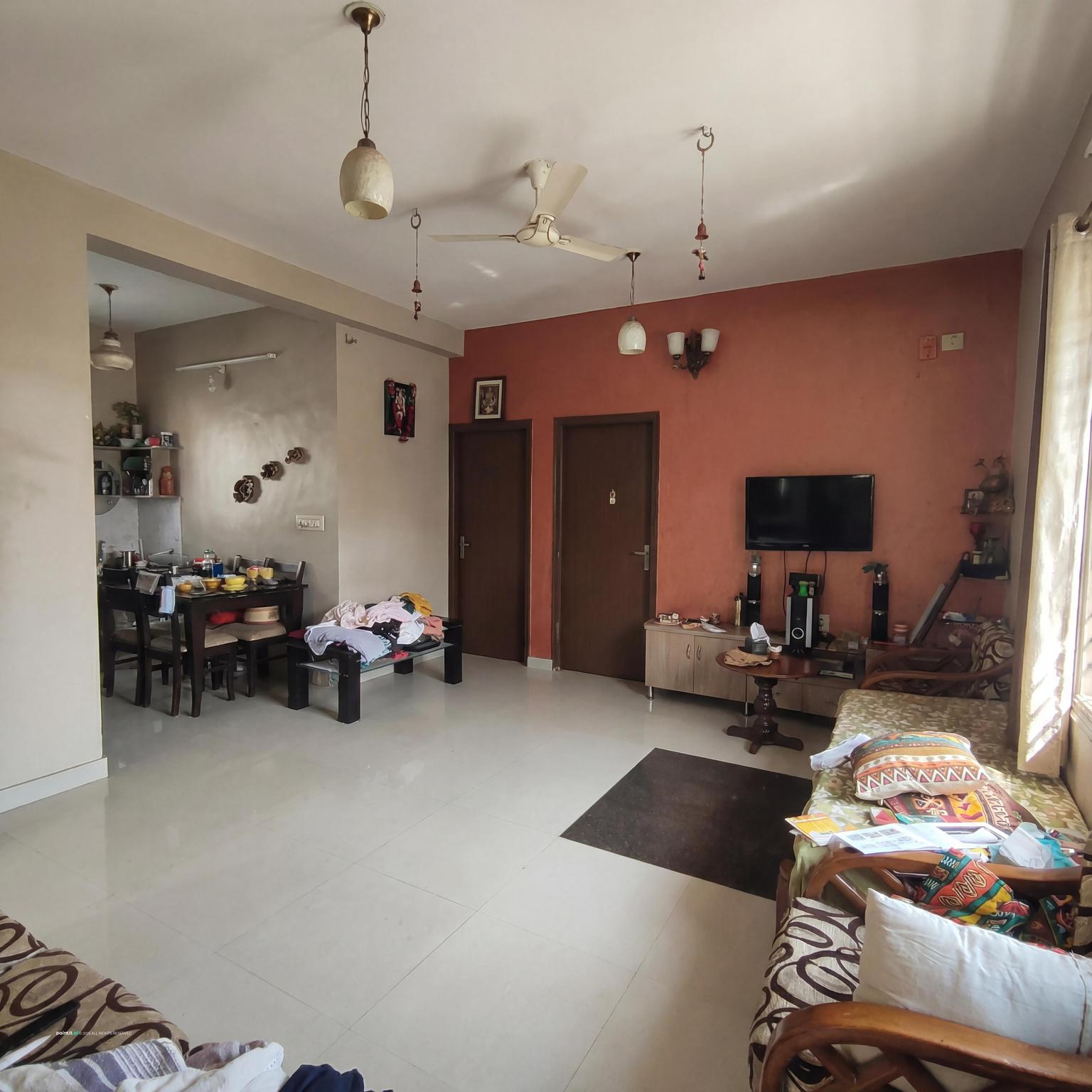
Inject a dose of vibrant energy and playful irreverence from the 1960s. This style is all about bold colors, graphic patterns, and a sense of fun. It’s a risky choice for some, but for those who embrace it, it creates an unforgettable space. We’ve seen this work best when you commit fully to the exuberance.
-
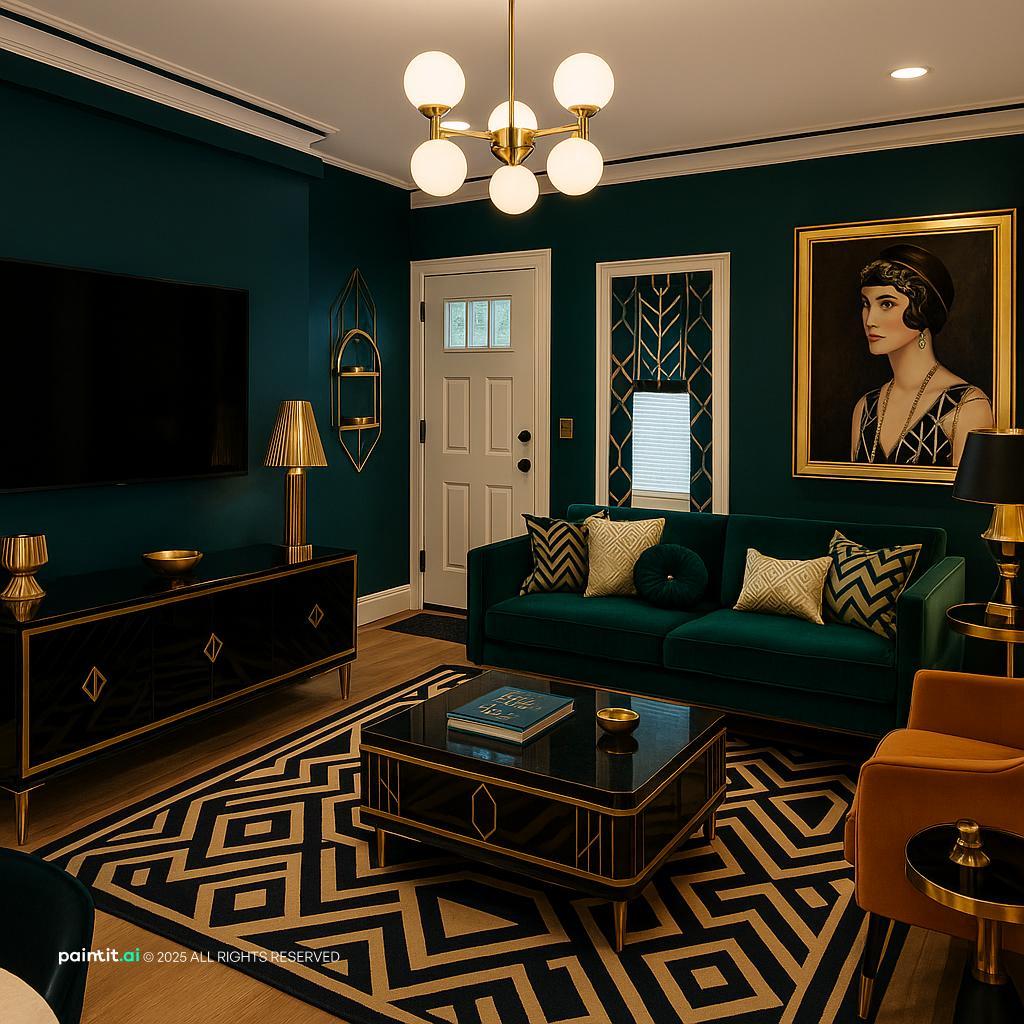
Choose a primary color palette—think bright reds, yellows, and blues—and apply them liberally. A modular sofa in a shocking pink, a coffee table in high-gloss white, and walls adorned with Lichtenstein-esque prints. Plastic furniture, like an Eero Aarnio Ball Chair, fits right in. Don’t be afraid of repeating geometric patterns or stripes. This is where your retro living room can truly pop.
-
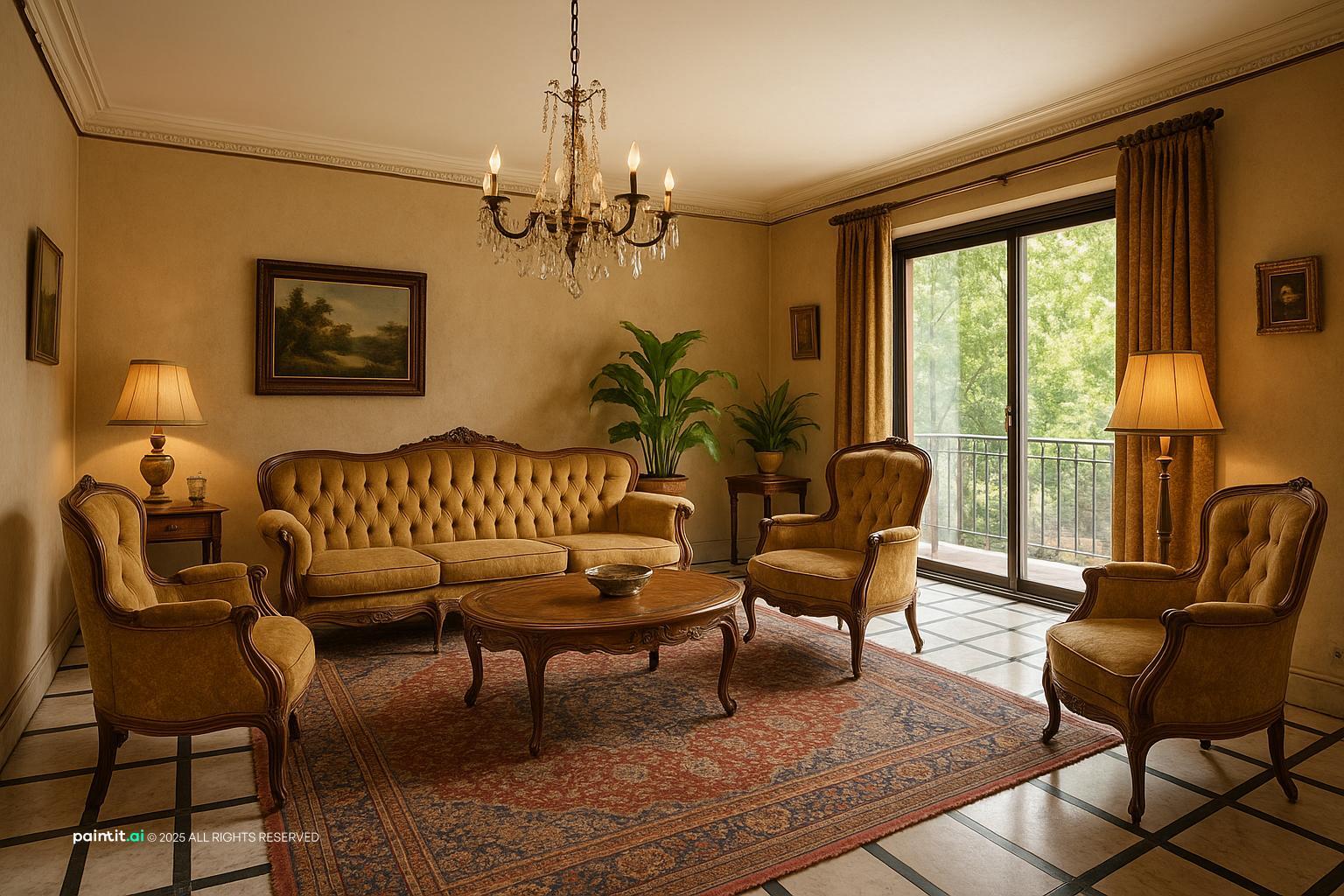
This approach mixes elements from different retro eras—a 50s credenza, a 70s sofa, 60s lighting—but ties them together with a cohesive color palette or a shared material. It’s about creating a space that feels genuinely collected over time, not bought all at once. The thing is, this takes a keen eye and a bit of patience.
-
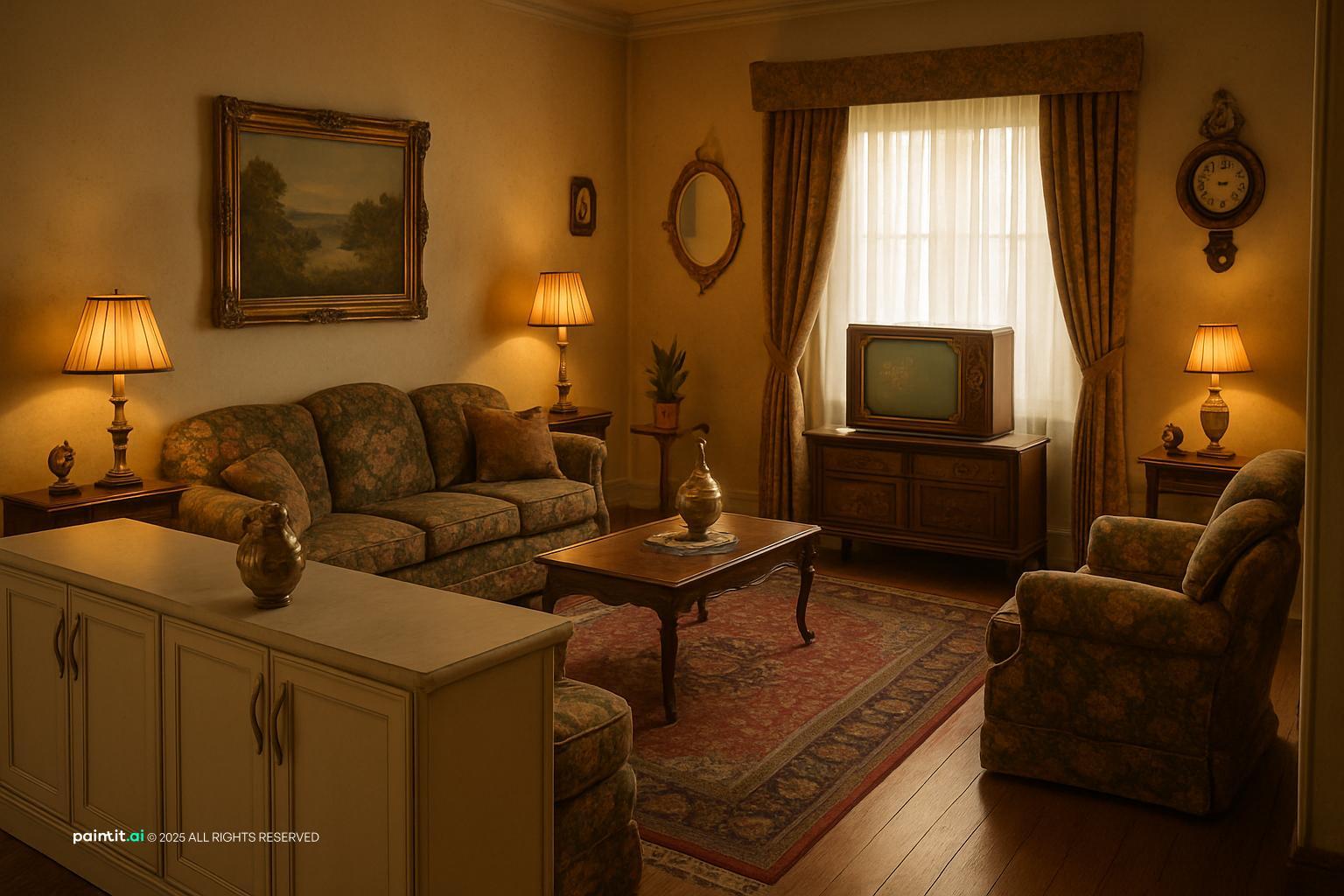
Start with a neutral base, then layer in pieces. A sleek mid-century walnut console can sit alongside a plush, curved sofa from the 70s. Add a vintage Moroccan rug and a few unique finds from flea markets. The secret is to find common threads, whether it’s warm wood tones, a particular shade of blue, or a recurring motif. This is excellent retro living room inspo for those who love the hunt.
-
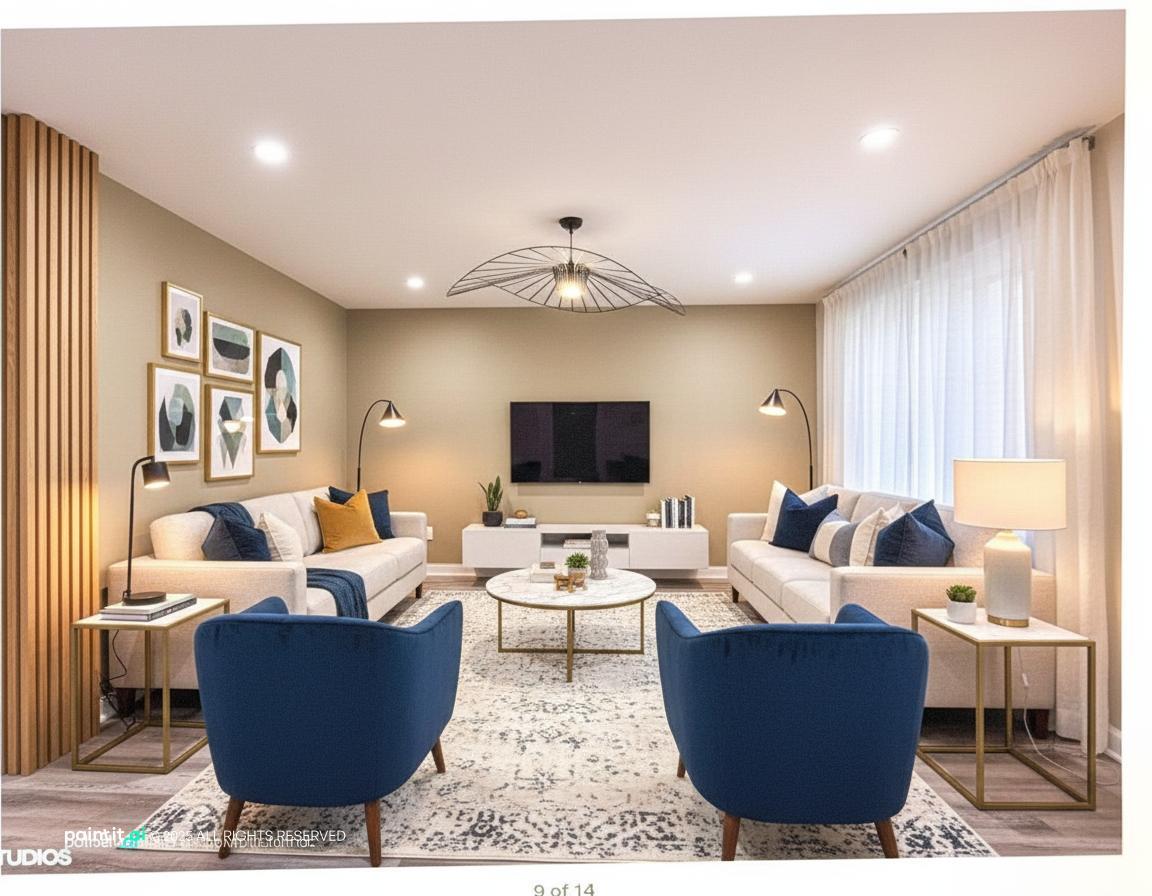
Bring back the ultimate in intimate, low-level seating from the 60s and 70s. While a true sunken pit might be a renovation project, you can recreate the feeling with clever furniture arrangements. It’s about fostering connection and a relaxed atmosphere. The choice was risky for many homeowners back then, but it’s making a comeback.
-
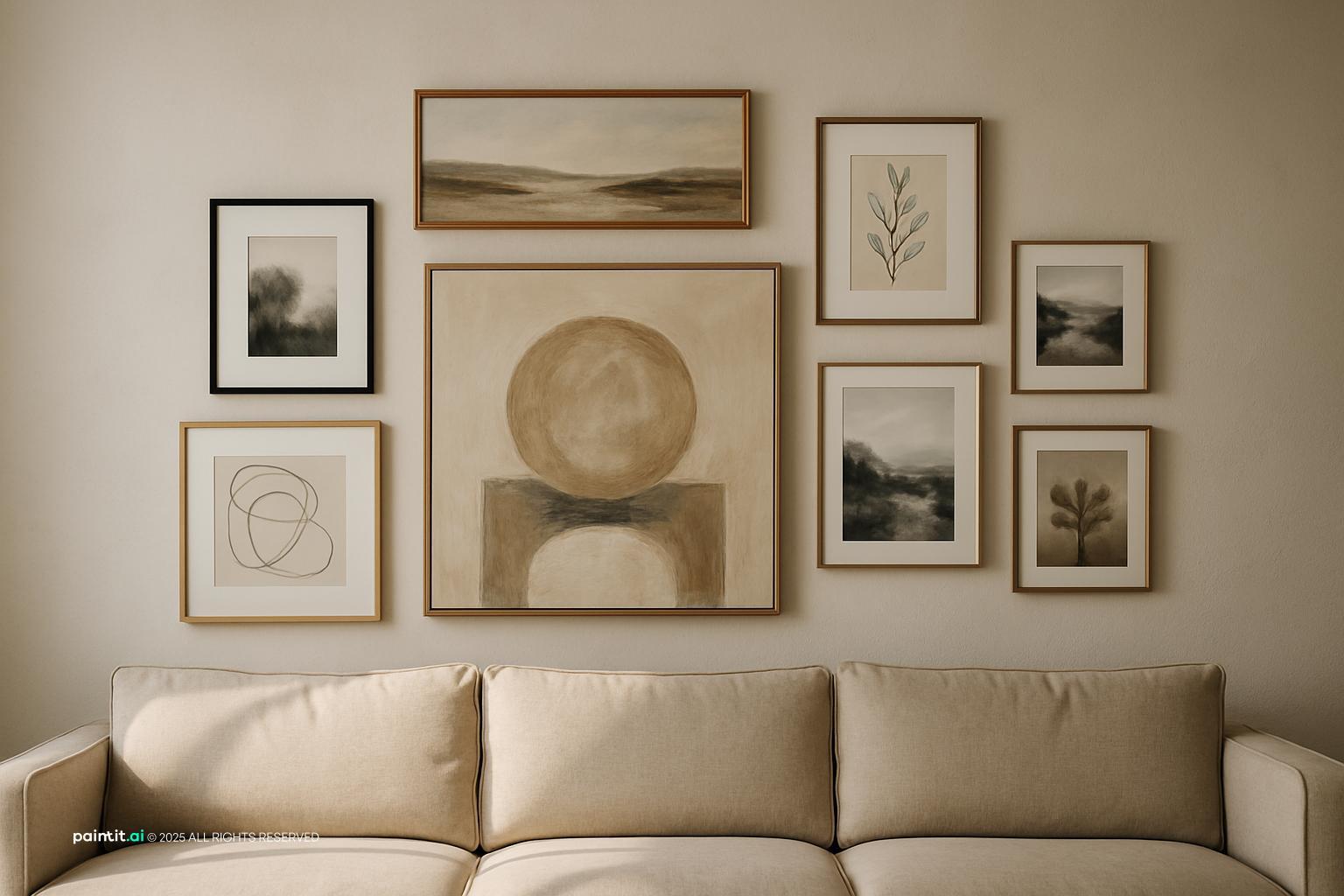
Use modular, low-slung sectional sofas arranged in a U-shape or around a central coffee table. Elevate the surrounding floor with a platform or use large, plush floor cushions to create varying levels. Keep lighting low and ambient, perhaps with a large, spherical pendant lamp. The goal is to create a cozy, enclosed feeling, perfect for deep conversations.
-
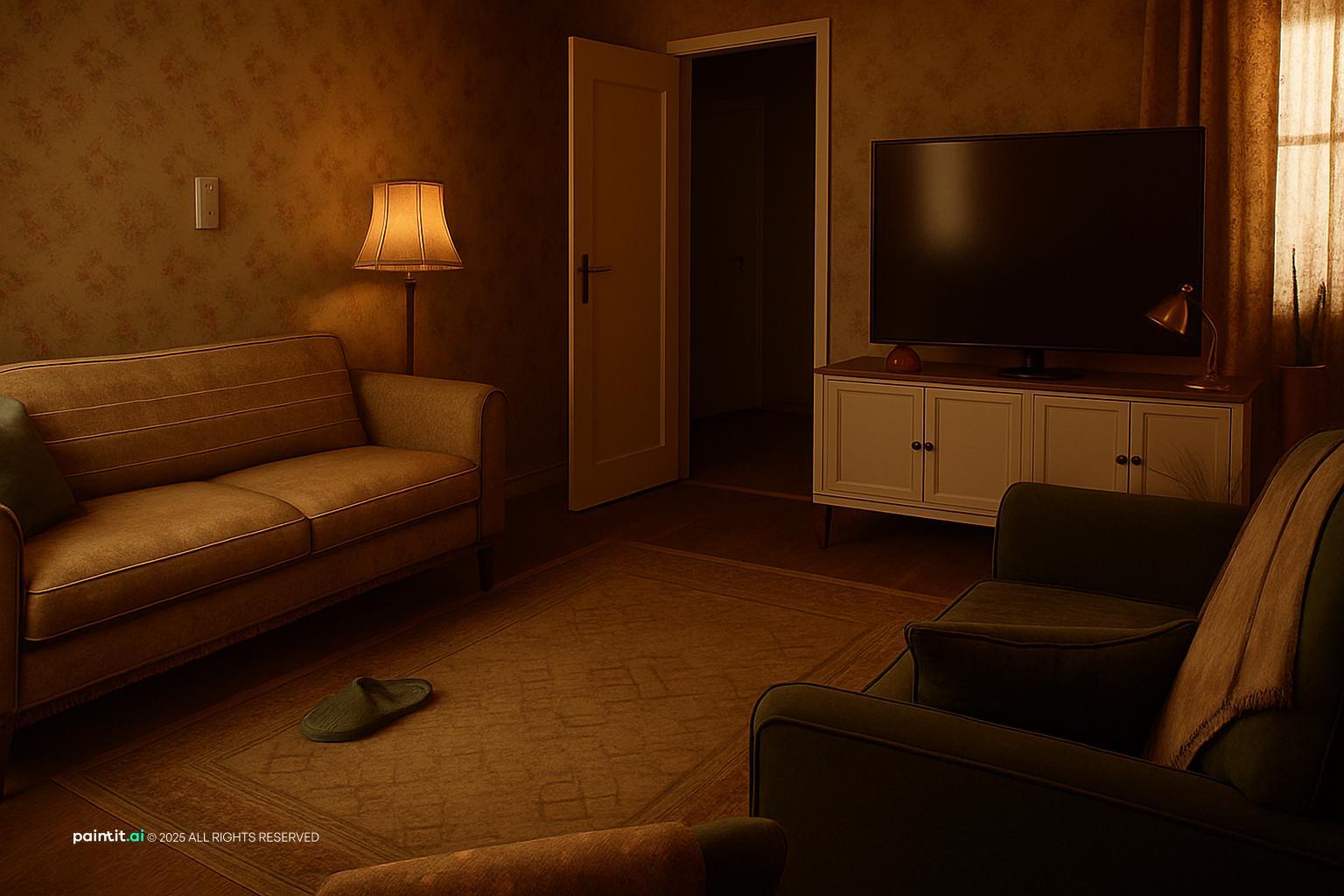
For the audiophile, this retro living room centers around a vintage sound system, making it both a functional space and a tribute to music. It’s about creating a dedicated zone for listening, where aesthetics meet passion. We often forget that hobbies can be the best design anchors.
-
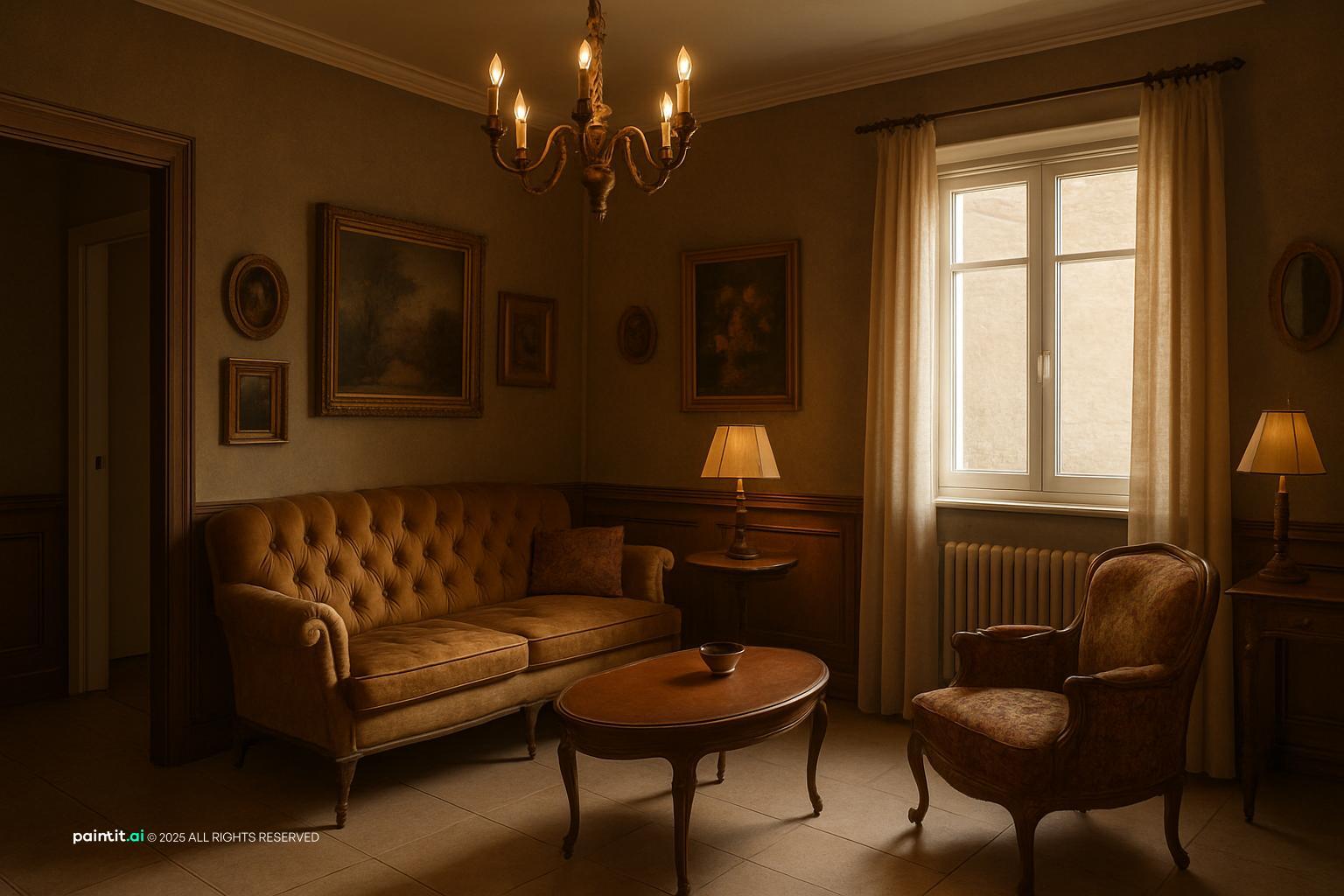
Invest in a quality vintage turntable and receiver, paired with a stylish record cabinet or credenza in teak or walnut. Arrange comfortable seating, like a classic armchair or a small sofa, directly facing the speakers for optimal sound. Display album art as part of your decor. The focus here is on comfort and acoustics, creating a true sanctuary.
-
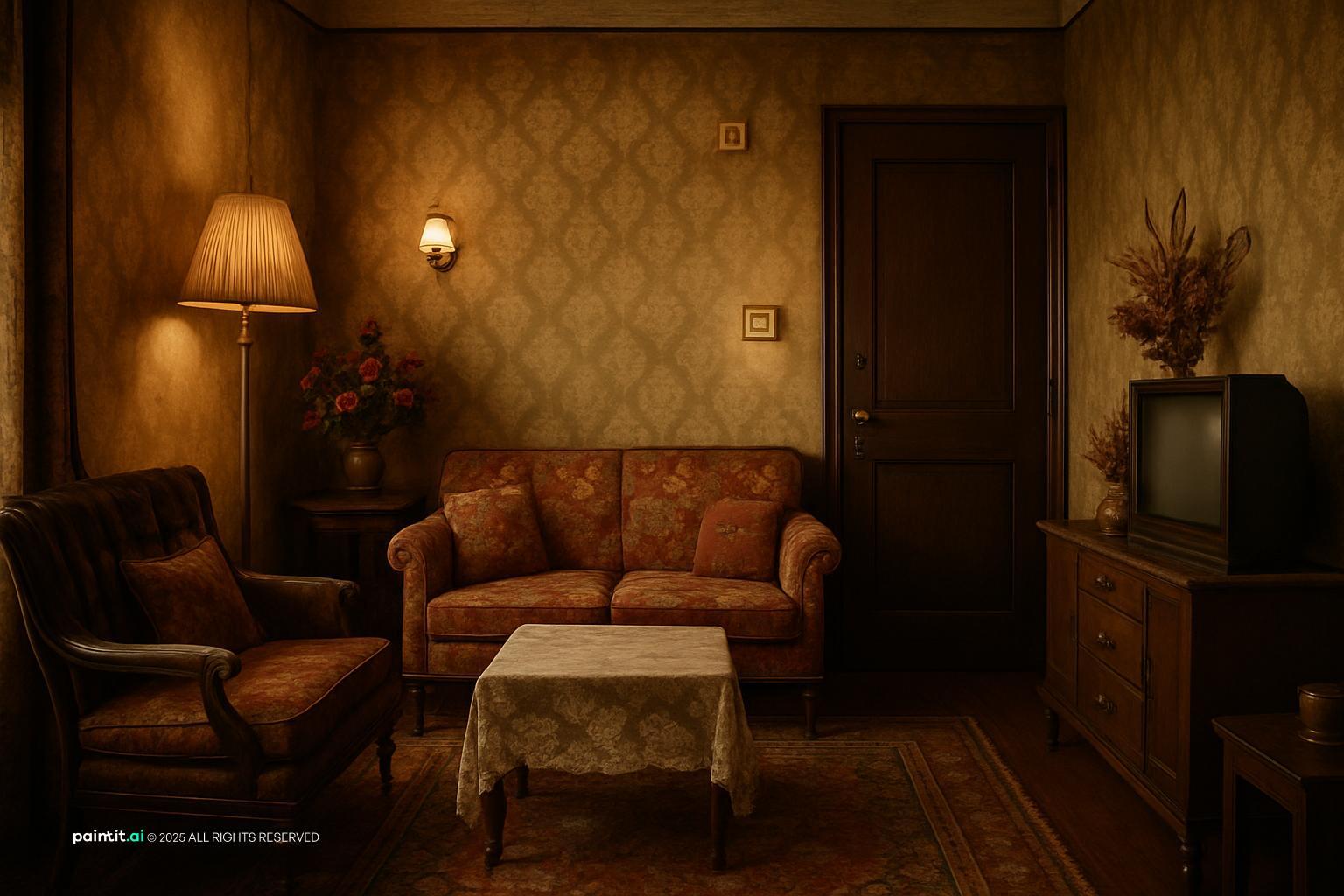
Layering is key here, using a variety of vintage fabrics and patterns to create warmth, depth, and visual interest. This is where your retro living room truly gets its soul, feeling lived-in and deeply personal. It’s about preservation over imposition, using textiles to tell stories.
-
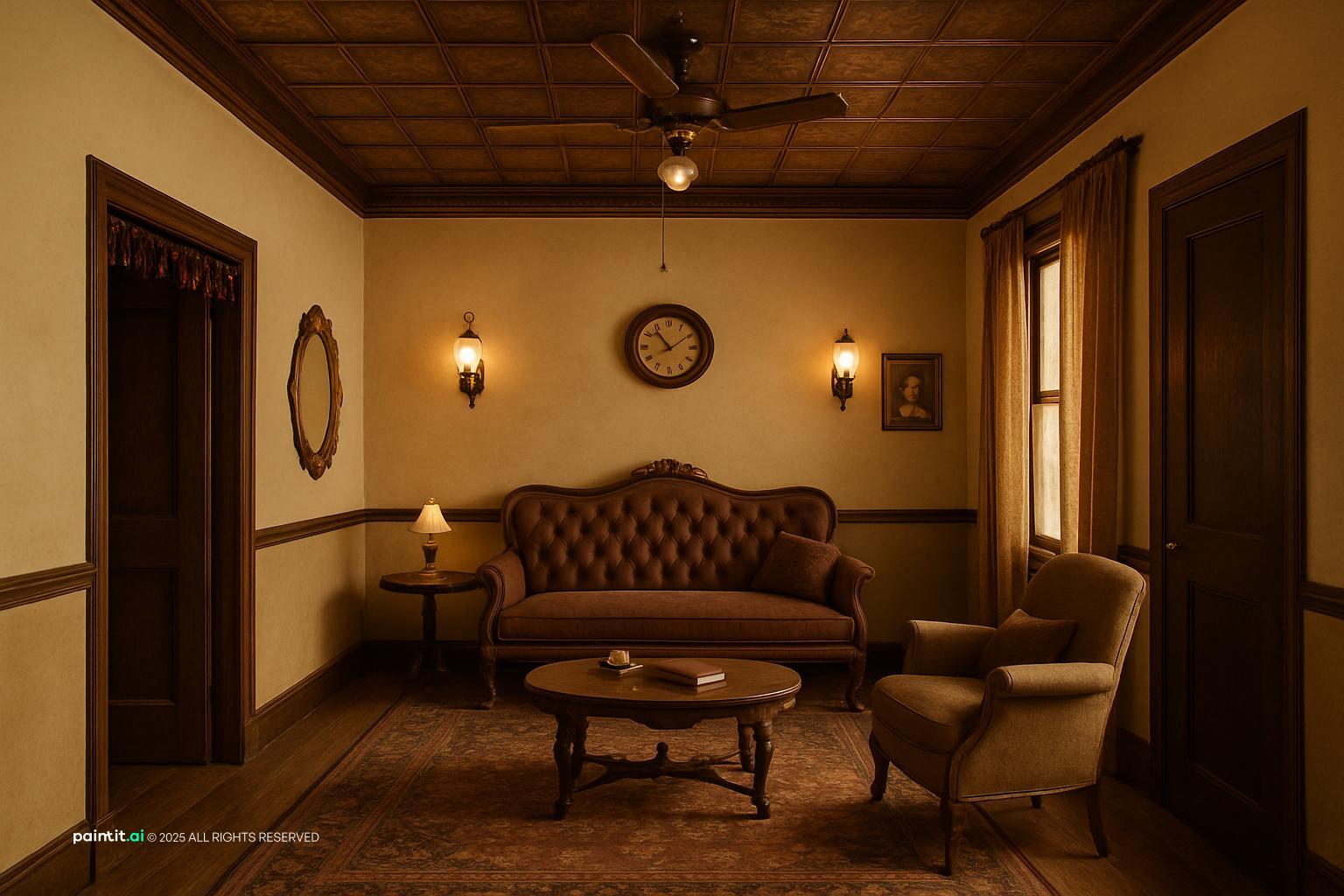
Start with a foundational rug—perhaps a large shag rug or a Kilim—then layer smaller, patterned rugs on top. Drape throws in different textures (velvet, chunky knit, faux fur) over sofas and chairs. Use patterned curtains in a bold floral or geometric print. Cushions in Dedar fabrics or vintage barkcloth add another layer of visual delight. Don’t be afraid to mix and match patterns, as long as the colors harmonize.
-
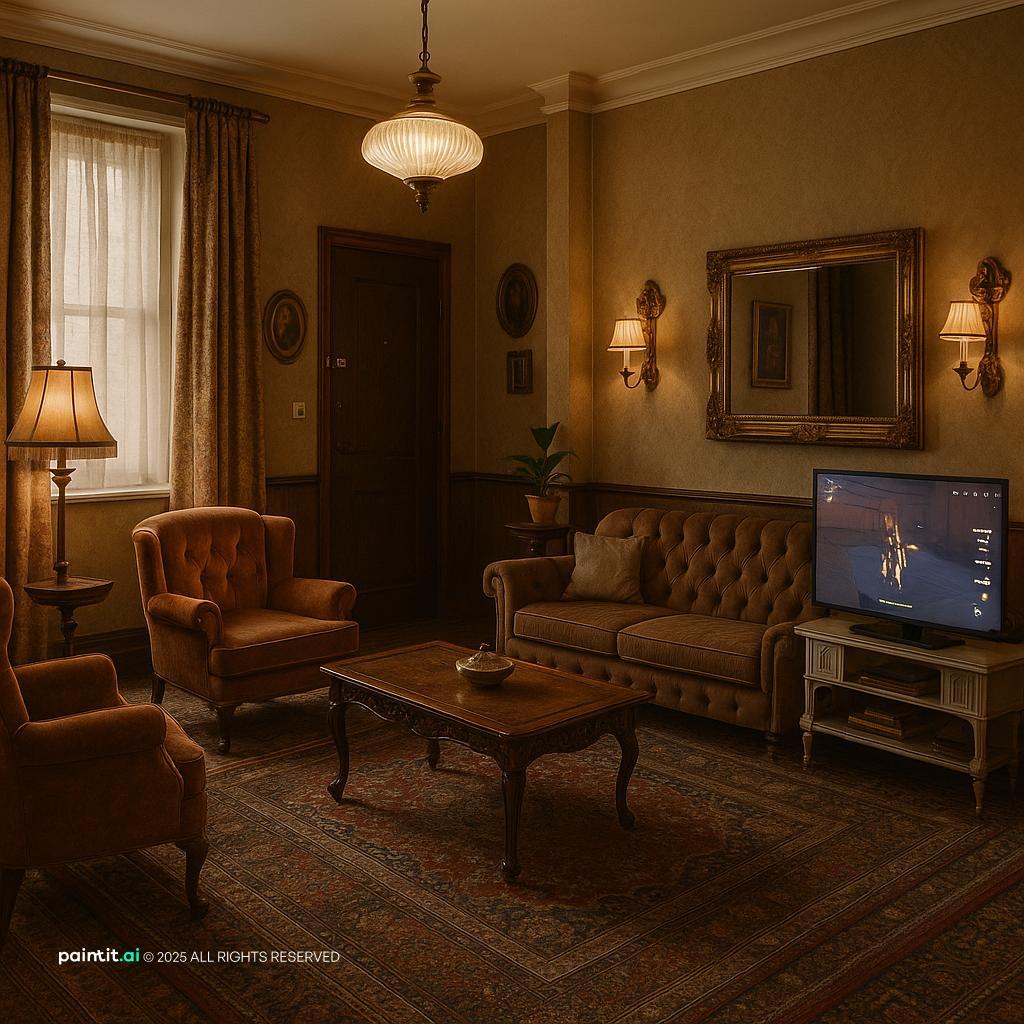
Embrace the optimistic, space-age aesthetic of the 1950s, characterized by Sputnik motifs, starbursts, and streamlined forms. It’s a playful yet sophisticated look that harks back to a time of innovation and wonder. The truth is, it’s a very specific vibe, but when done right, it's incredibly charming.
-
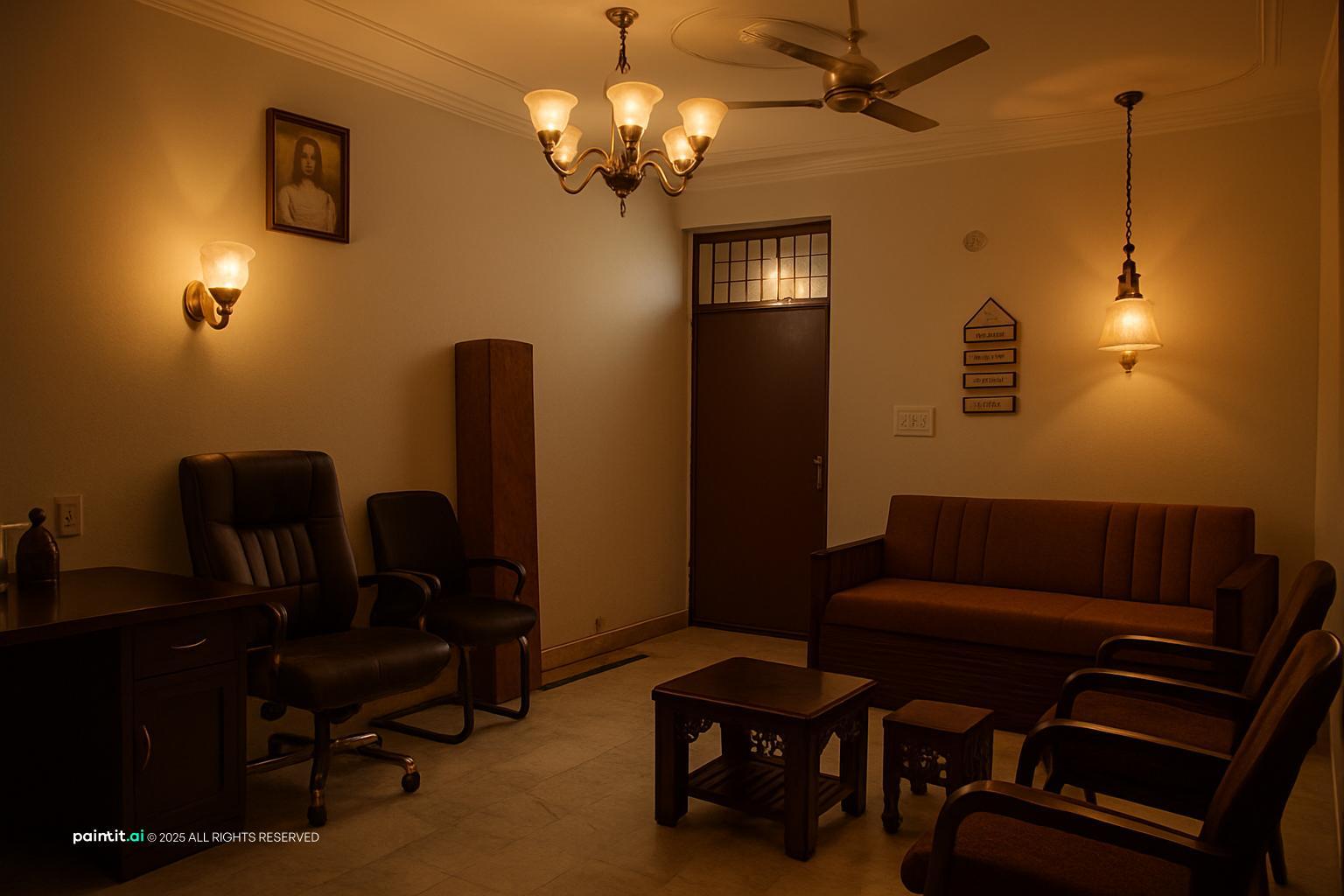
A Sputnik chandelier is almost mandatory. Look for furniture with tapered legs, curved backs, and perhaps some chrome accents. Starburst clocks, atomic-patterned wallpaper, and abstract art with geometric shapes fit perfectly. Keep the color palette bright but balanced, with pops of turquoise or coral against a neutral backdrop. This is truly unique retro living room inspo.
-
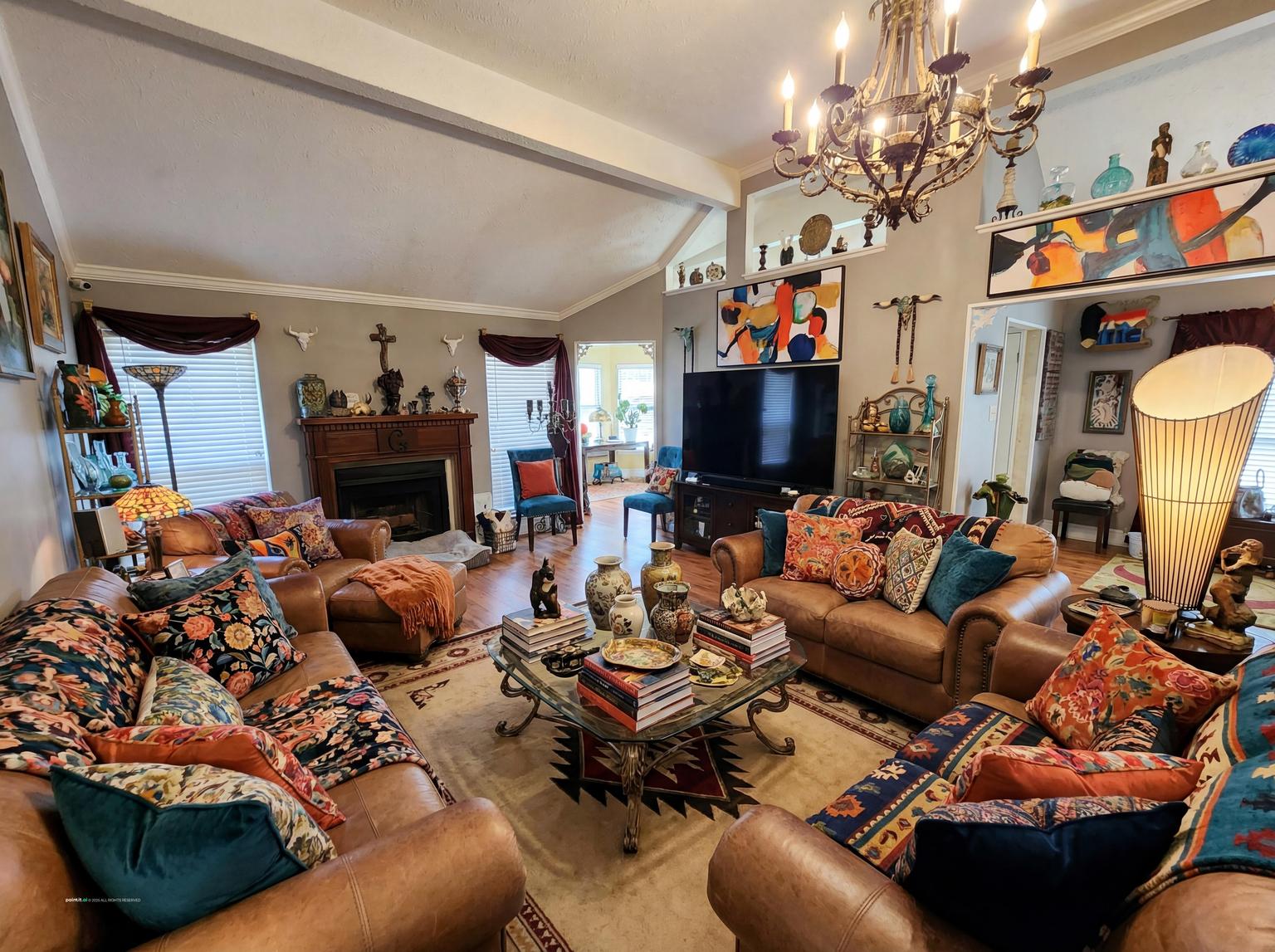
Dive into a moody, luxurious aesthetic inspired by the late 60s and early 70s rock scene. This is about creating a sophisticated, slightly dark, and incredibly inviting atmosphere. It’s a choice that’s risky, but the payoff is a space that feels deeply personal and atmospheric.
-
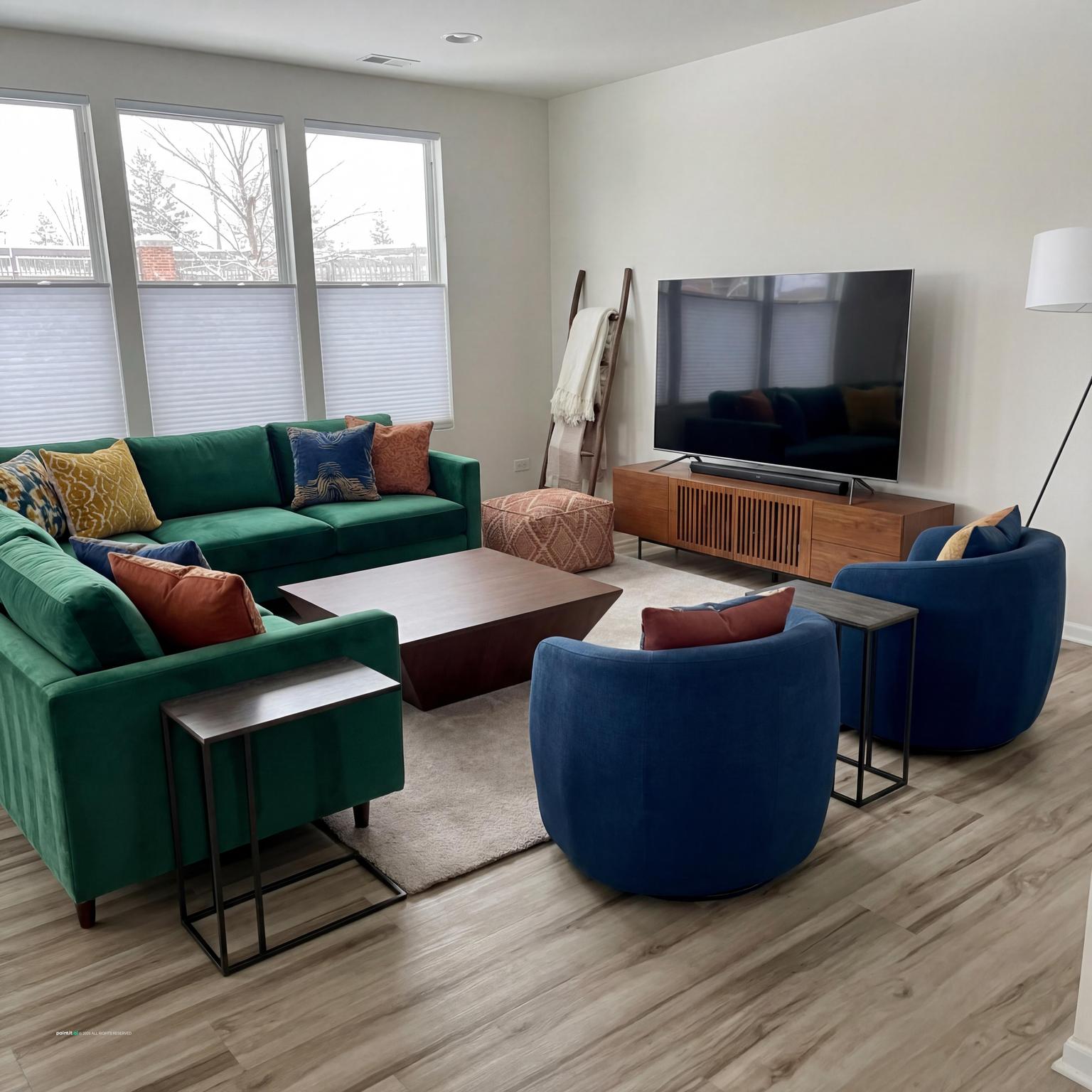
Opt for deep, saturated colors like plum, midnight blue, or forest green for walls or a large velvet sectional. Low, ambient lighting is crucial—think floor lamps with fabric shades and strategically placed table lamps. Add touches of smoked glass, dark wood, and perhaps some brass or gold accents. A vintage Persian rug in deep tones completes the look. It reminds me of old-world Italian villas, but with a modern edge.
-
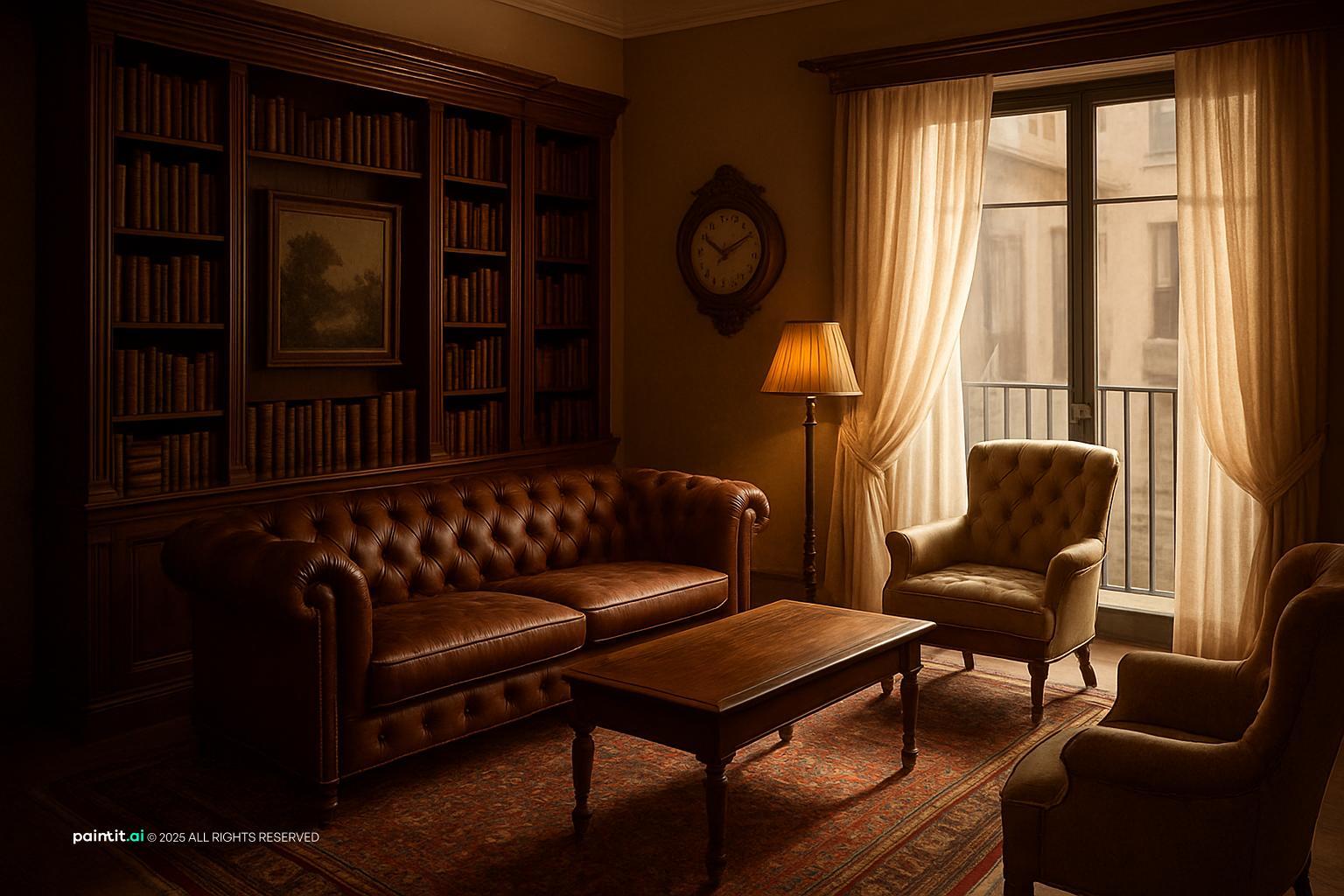
Bring the outdoors in with natural materials like rattan and cane, popular in the 60s and 70s for their light, airy feel. This style evokes a relaxed, tropical resort vibe, perfect for creating a serene escape. It sounds simple, but most people forget to balance the natural textures with soft elements.
-
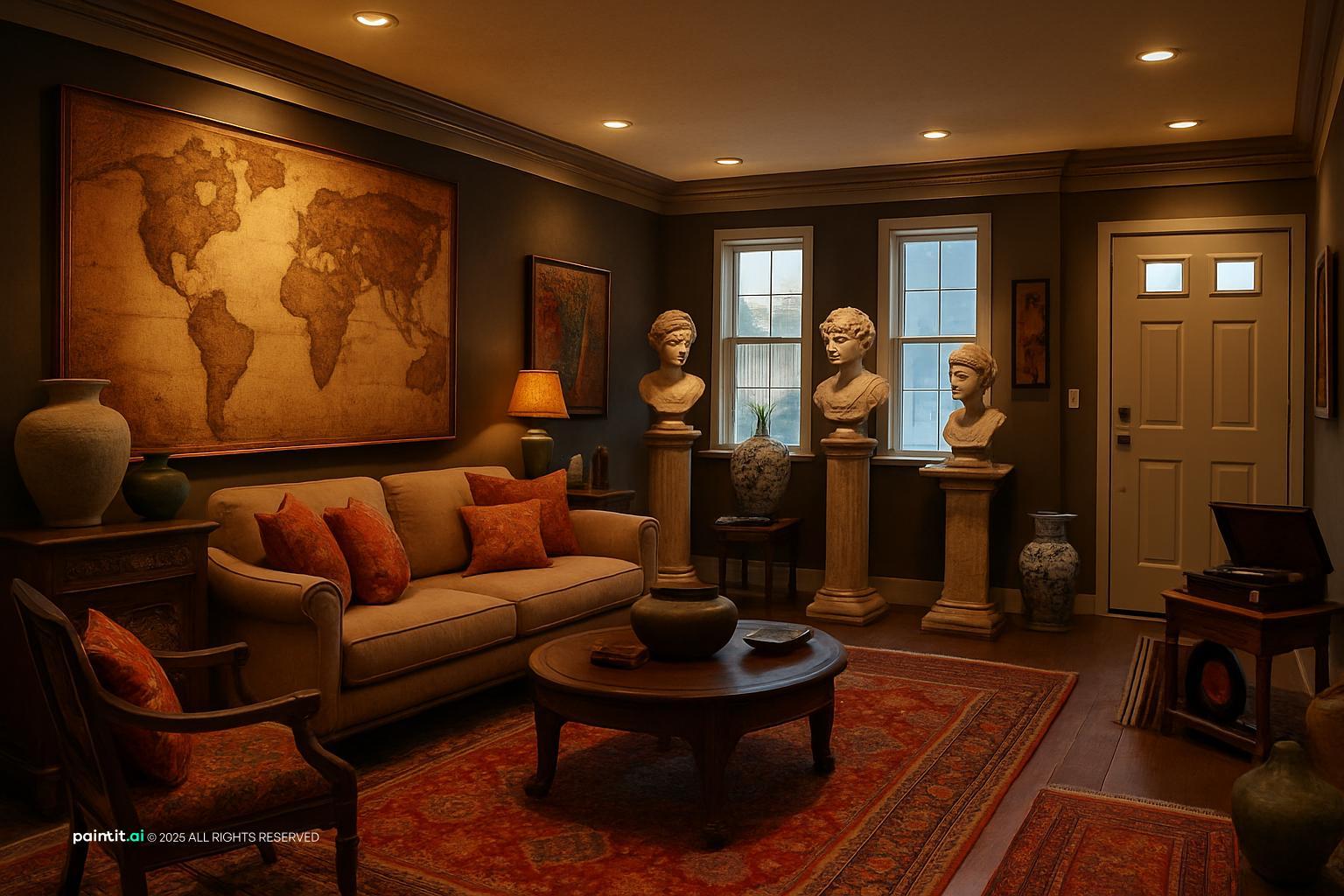
Incorporate a rattan sofa or armchairs, perhaps with plush linen cushions. A cane coffee table or side tables add to the texture. Pair these with plenty of lush, green plants—think large palms or ferns. Keep the color palette light and natural, with pops of green from the foliage. The result? Impeccable. This retro living room feels like a breath of fresh air.
-
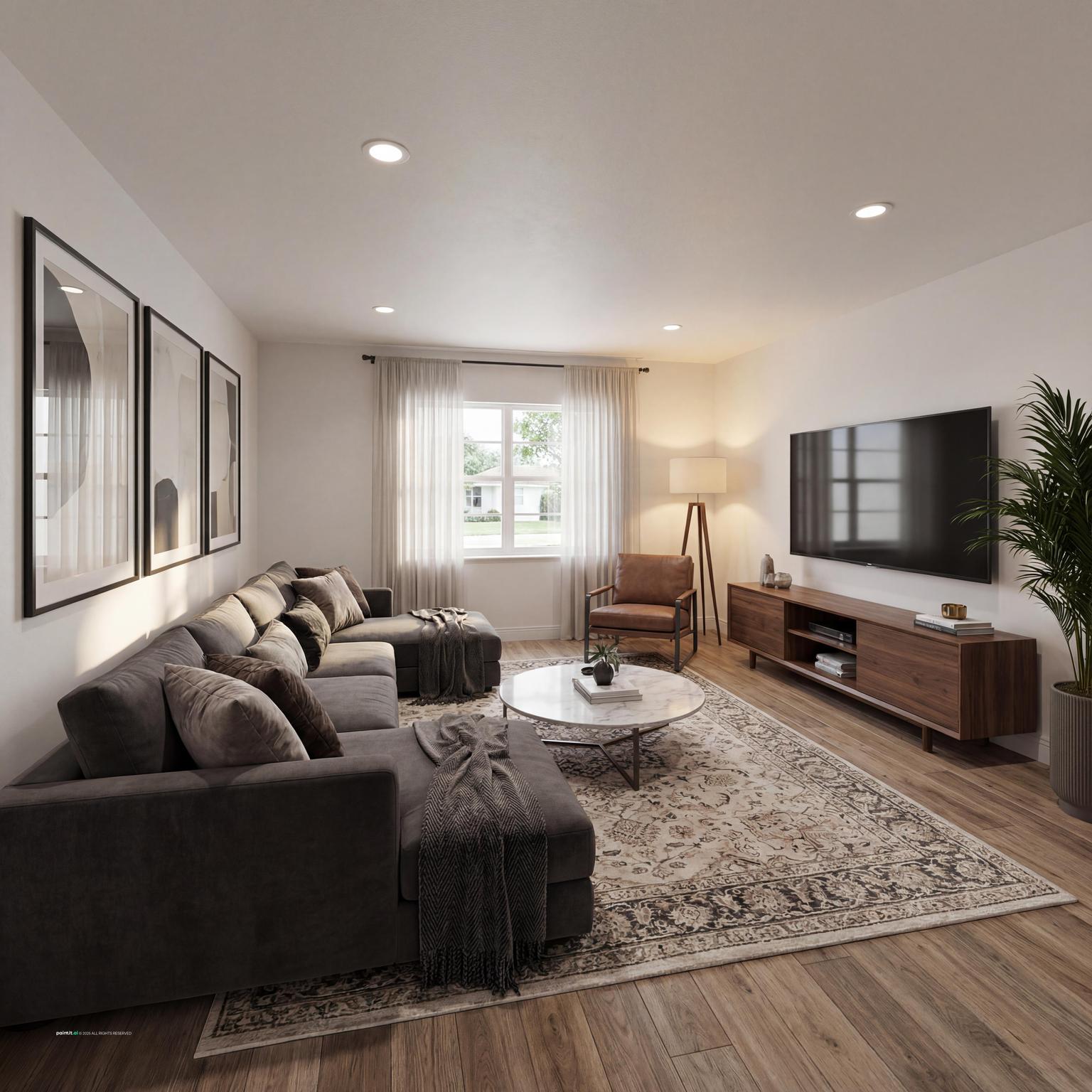
This isn't about recreating your grandmother's house exactly, but rather curating the best of her style—the charming kitsch, the floral patterns, the antique finds—and updating it for a modern sensibility. It’s about honoring the past while living in the present. The thing is, it requires a careful edit to avoid looking dated.
-
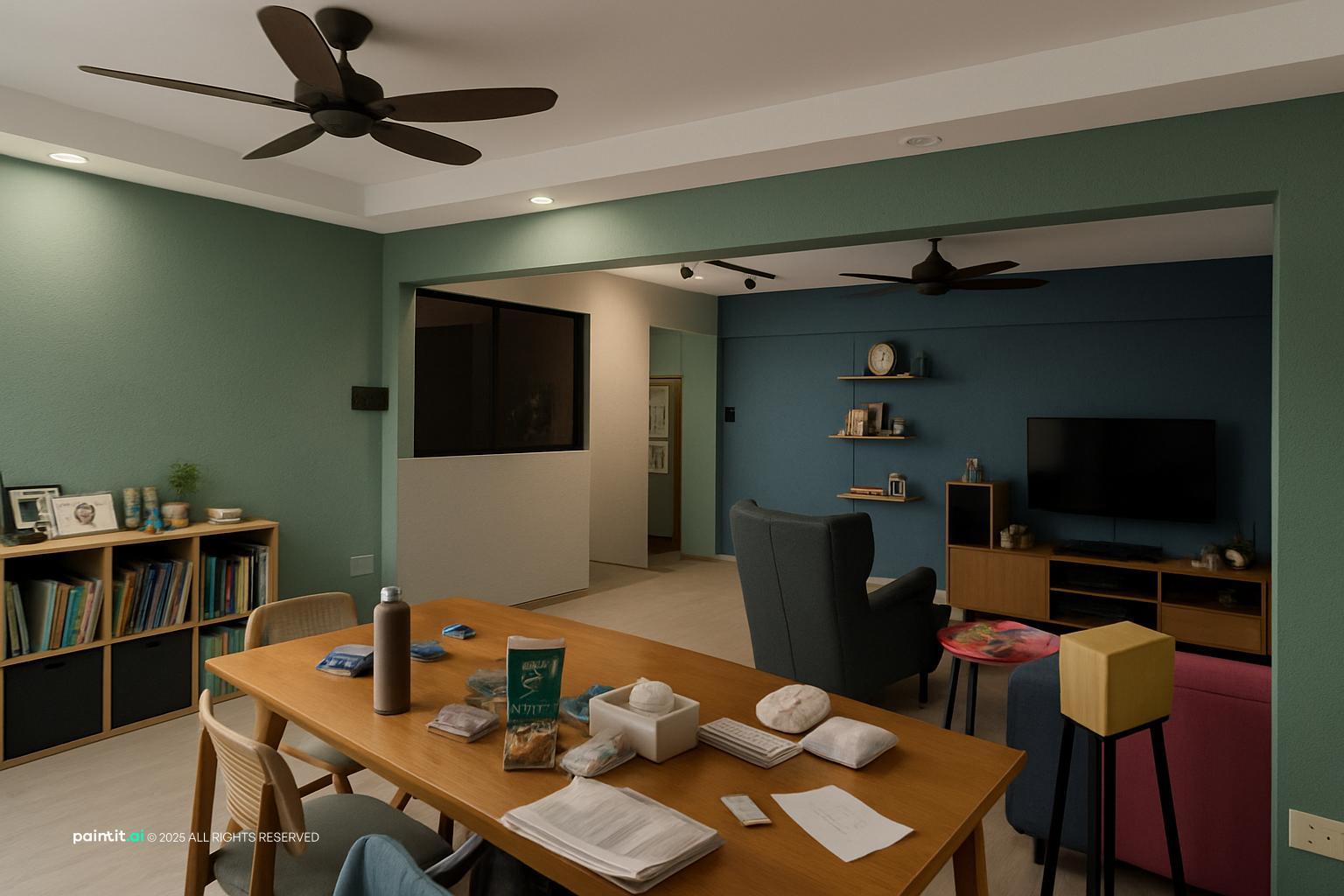
Start with a classic floral sofa or armchairs, but pair them with sleek, contemporary pieces like a minimalist coffee table. Display a collection of vintage ceramic figurines or framed needlepoint, but arrange them artfully. Mix antique wooden pieces with modern lighting. The key is to find that sweet spot between nostalgic comfort and fresh design, making it a truly unique retro living room.
Crafting a Soulful Retro Living Room: Beyond the Aesthetics to Life with Paintit.ai
-
We often gravitate towards a palette that feels both grounded and vibrant, like a muted olive green as your base, perhaps on an accent wall. Layer in warm cream for ceilings and trim, then introduce pops of burnt orange or a deep mustard yellow through textiles. A rich teak brown from your furniture will anchor the entire retro living room, creating an inviting, cohesive feel.
-
The truth is, materials are where a retro living room truly comes alive. We love the warmth of teak or walnut for credenzas and coffee tables; it grounds the space. Velvet upholstery on a sofa adds an instant touch of luxury and softness, inviting you to sink in. Don't forget the tactile appeal of rattan or cane in an accent chair, bringing in that light, airy, natural element that balances the heavier pieces.
-
For a truly authentic retro living room, start with a low-slung, perhaps modular, sofa in a rich, textured fabric. We’ve seen this work best when it encourages lounging. Pair it with a sleek, long credenza—a G-Plan piece in teak, for instance—that offers both storage and a display surface. An iconic accent chair, maybe a curved armchair with exposed wood, completes the seating arrangement, offering visual interest and another spot to relax.
-
Lighting is crucial for setting the mood in any retro living room. We always recommend layering. Start with soft, ambient light from a large, spherical pendant lamp or a floor lamp with a fabric shade, casting a warm glow. Add task lighting with a stylish table lamp on a side table, perfect for reading. Then, introduce accent lighting with a Sputnik-style chandelier or some wall sconces to highlight art or architectural features, creating that inviting, lived-in atmosphere.
-
This is where your retro living room gets its personality. We find that styling in odd numbers—the 3-5-7 rule—creates a more dynamic and less static display. On your credenza, group three vintage ceramic vases of varying heights. On a side table, arrange five curated items: a stack of vintage books, a small plant, a unique ashtray (even if you don't smoke!), and a couple of framed photos. For a larger wall, consider a gallery of seven art prints, mixing abstract pieces with travel posters from the era. Don’t forget a large, leafy plant like a Monstera to add organic softness; it’s a simple touch that makes a huge difference, making your retro living room inspo feel genuinely complete.
Paintit.ai Reveals the Secret to Perfect Retro Living Room Layouts Design Ideas
Blending different retro living room styles or bold patterns can feel like a gamble. We get it; will that '70s velvet sofa truly work with your mid-century credenza? Paintit.ai lets you instantly visualize countless retro living room inspo ideas in your actual space. See how every piece harmonizes, avoiding costly design regrets. Try it.
FAQ
-
For me, a truly compelling retro living room isn't just one thing; it's a curated echo of past decades, primarily from the 1950s through the late 1970s. Think clean lines of Mid-century Modern furniture, the bold, earthy palettes of the 70s—mustard yellows, avocado greens, burnt oranges—and a playful embrace of texture. It’s about teak credenzas, velvet upholstery, perhaps a Sputnik chandelier, and a certain warmth that feels lived-in, not sterile. The truth is, it’s less about strict historical accuracy and more about capturing an era's spirit, its optimism, its distinct design language.
-
You don't need a complete overhaul to get that retro living room vibe. Start small. I've seen this work best with accent pieces: a vintage ceramic lamp with a drum shade, a graphic throw pillow in a geometric 70s pattern, or even a single, well-chosen piece of art that evokes the era. Textiles are powerful; consider a shag rug in a muted tone or some corduroy cushions. Lighting is another easy win—a floor lamp with a mushroom-shaped shade can instantly shift the mood. For some immediate retro living room inspo, just swap out a few accessories. It’s about layering, not replacing everything.
-
The biggest pitfall? Turning your space into a theme park. It sounds simple, but most people forget that a retro living room should feel authentic to *you*, not like a museum exhibit. Another common misstep is mixing too many distinct retro eras without a unifying thread; a 50s diner aesthetic clashes wildly with a 70s disco vibe. Also, scale is crucial. Those chunky, low-slung sofas from the 70s can overwhelm a smaller room. And please, avoid cheap reproductions that lack the craftsmanship and soul of genuine vintage pieces. The choice was risky, but investing in quality always pays off.
-
To truly nail the retro living room aesthetic, certain elements are non-negotiable. A strong anchor piece like a Mid-century Modern credenza in teak or walnut is paramount. For seating, consider an iconic lounge chair—perhaps an Eames replica or a Saarinen Womb Chair. Upholstery in velvet, bouclé, or even a good quality tweed screams retro. Don't forget lighting; a Sputnik chandelier or a pair of arc lamps are fantastic. On the material front, terrazzo flooring, a plush shag rug, and accents of brushed brass or chrome can really elevate the space. It’s about preservation over imposition, finding pieces with history.
-
Here’s the kicker: the trick is to blend. A truly successful retro living room today isn't a time capsule; it's a conversation between eras. I always advise mixing genuine vintage finds with contemporary pieces that share similar clean lines or a complementary color palette. For instance, pair a classic 60s sofa with a minimalist coffee table. Use modern abstract art instead of only vintage posters. Keep your overall color scheme sophisticated and slightly muted, even if you're using retro colors. It’s about a thoughtful nod to the past, ensuring the space feels fresh, curated, and effortlessly composed, rather than stuck in time. The result? Impeccable.