
Designing an Old Money - Living Room: Timeless Elegance
Ever walked into a room where every piece feels perfectly placed, exuding a quiet confidence and history? That's the allure of an old money living room – a space where comfort meets understated luxury, without a hint of flashiness. It's about curated pieces, rich textures, and a sense of enduring style that feels both lived-in and refined. How do you achieve that effortless blend of heritage and comfort in your own home?
Essential Tips for Old Money Living Room
Stunning Examples of 12 Ways to Cultivate an Old Money Living Room Aesthetic
-
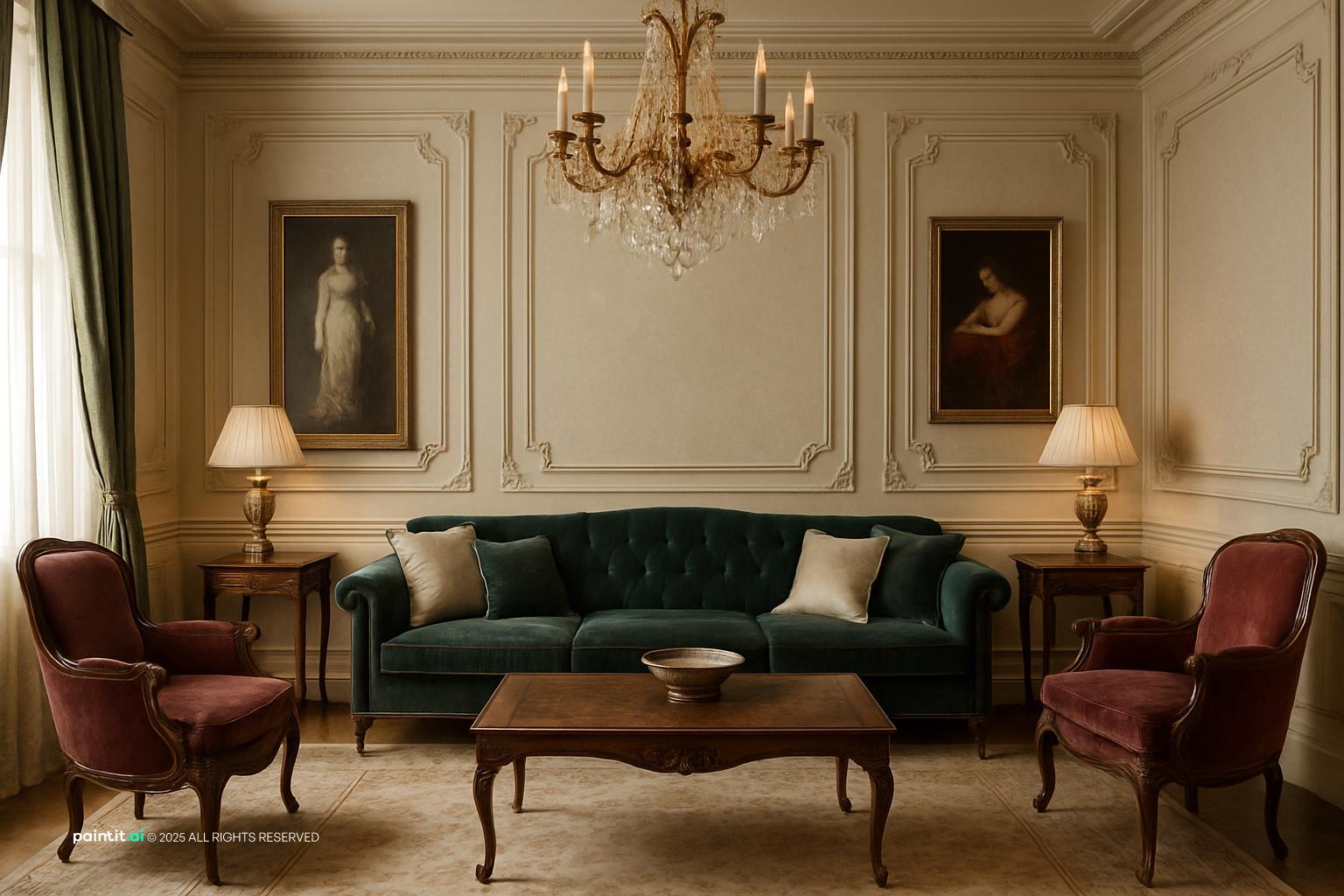
Creating a space that feels genuinely inherited, not just decorated, takes a certain touch. It’s about more than just expensive things; it’s about a feeling, a quiet confidence. We’ve curated these ideas to help you strike that perfect balance between timeless elegance and everyday comfort, ensuring each element feels both intentional and effortlessly placed.
-
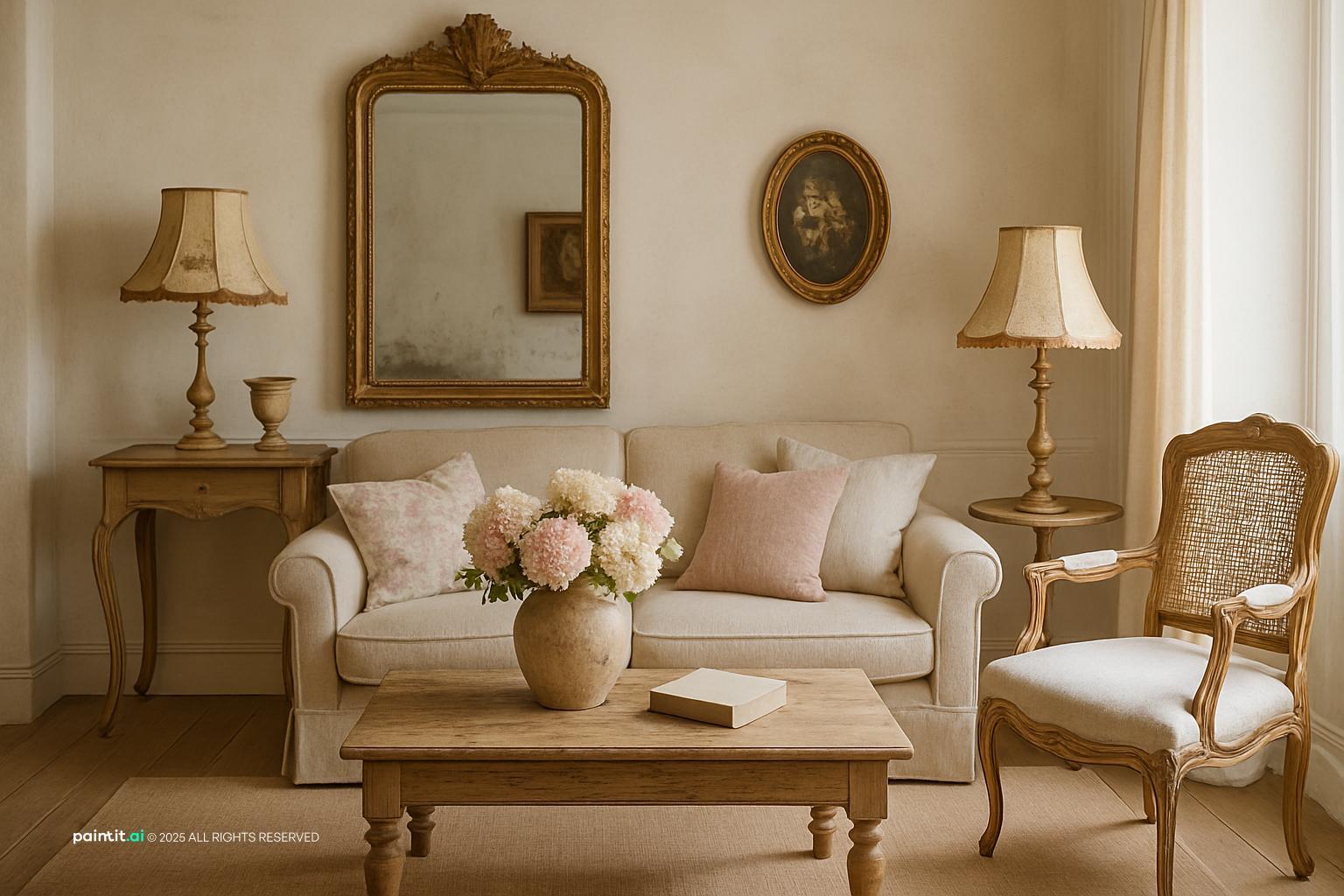
An old money living room often features a library, or at least a significant wall of books. This isn't just for show; it speaks to a love of learning and a life well-read. It grounds the room, giving it an intellectual depth that mass-produced decor simply can't replicate. I've seen this concept truly elevate a space, making it feel both grand and intimate.
-
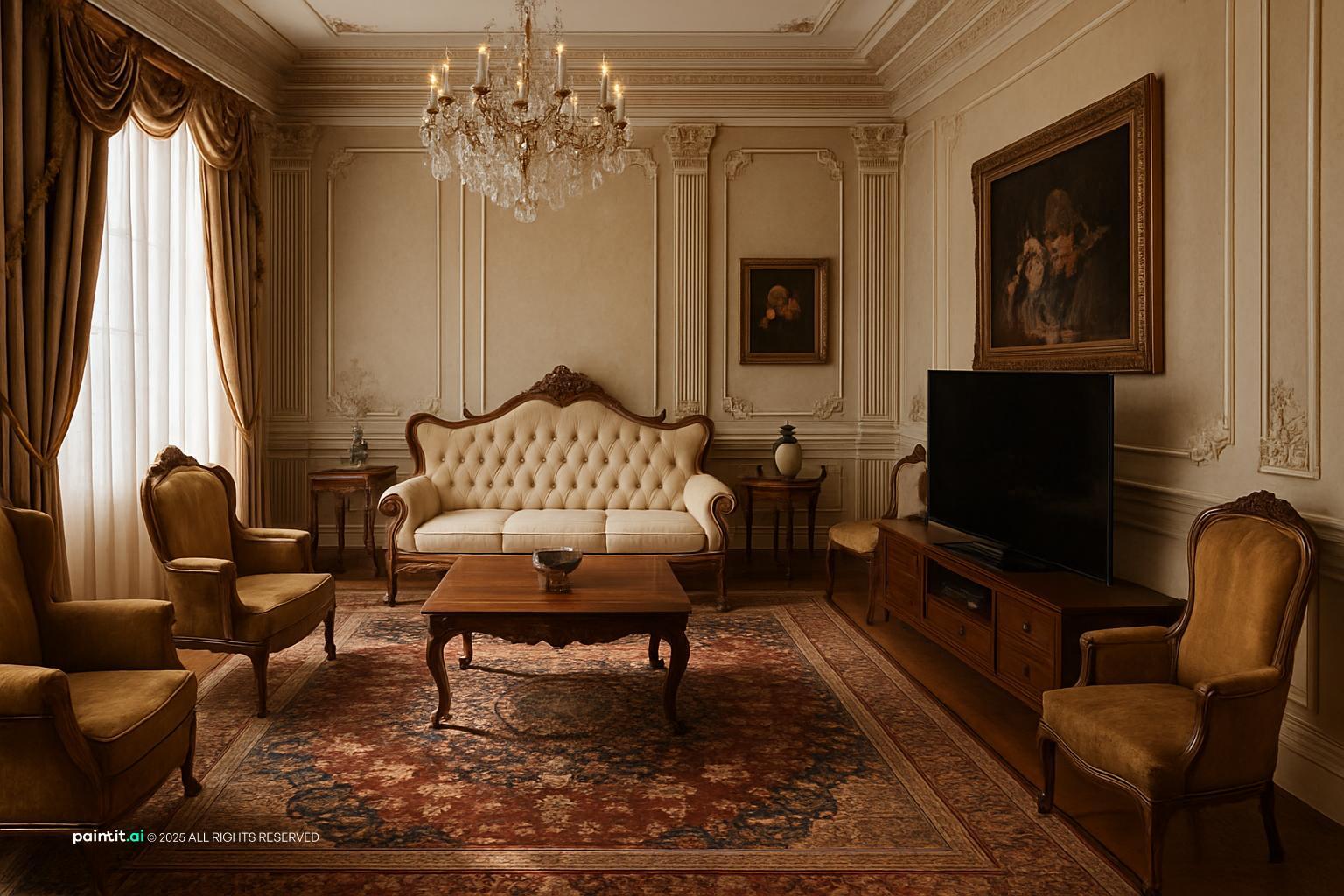
Opt for bespoke, built-in shelving in a rich, dark wood like walnut or mahogany. Fill it with leather-bound classics, antique globes, and perhaps a few cherished family photographs in simple silver frames. Avoid clutter; the goal is a sense of order and history.
-
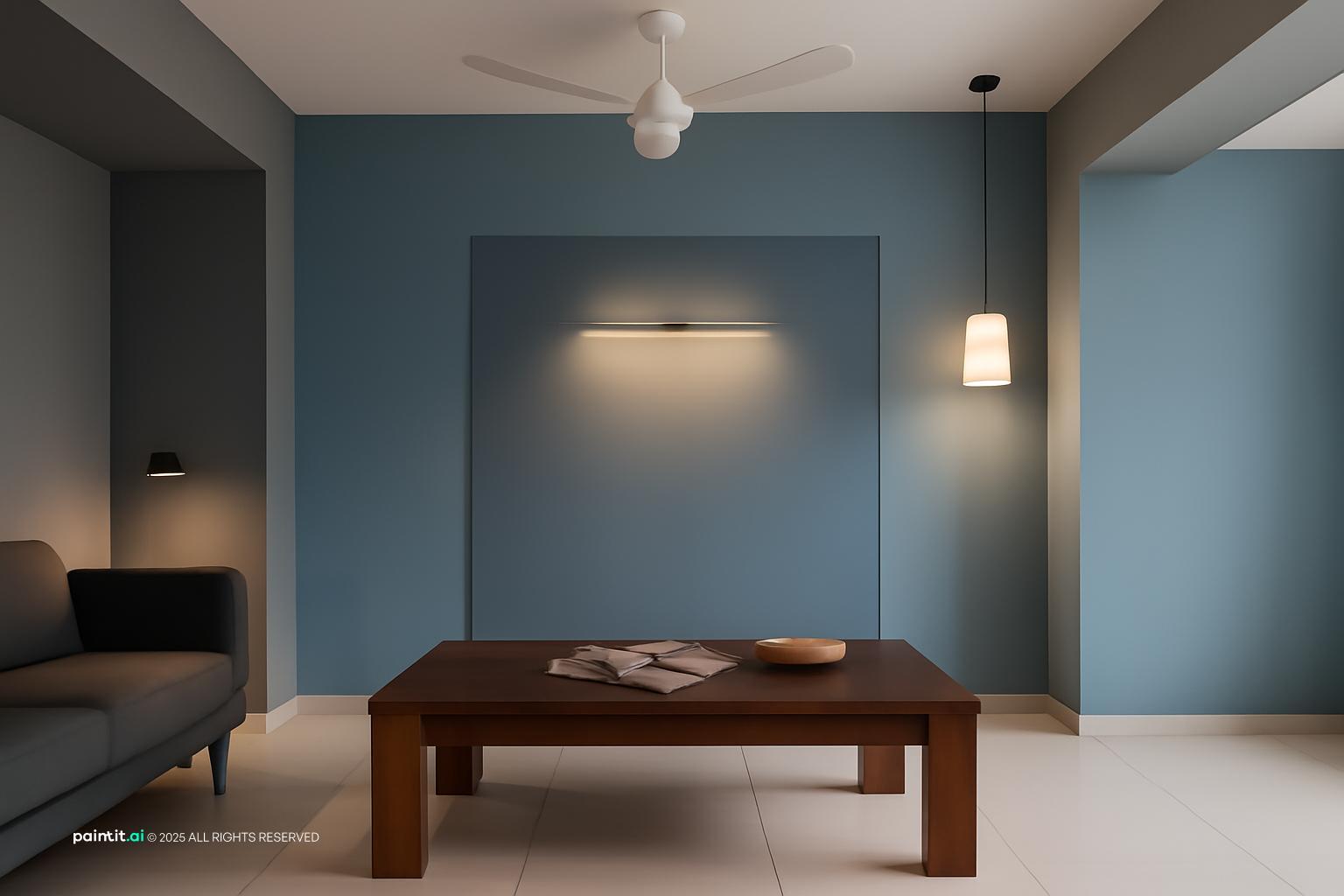
Comfort is paramount, but it's a quiet comfort. Think plush, deep-seated sofas and armchairs that invite long conversations, not just quick perches. The truth is, many people go for flashy modern pieces, but the old money style prioritizes enduring form and function.
-
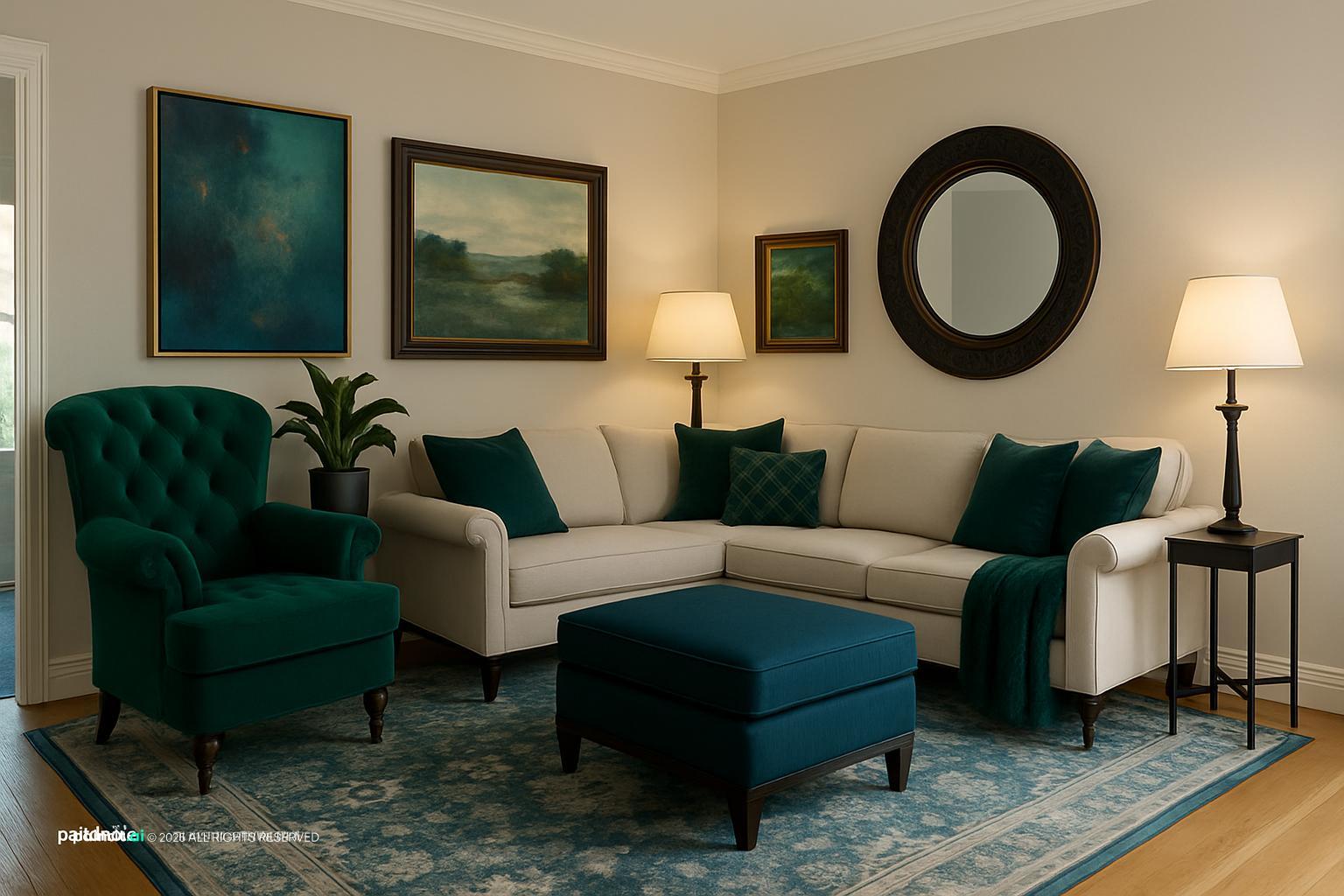
Select classic silhouettes—a Chesterfield sofa, perhaps, or a pair of elegant club chairs. Upholster them in natural, tactile fabrics like a heavy linen, a soft wool, or a luxurious Dedar velvet in a muted tone. Arrange them for conversation, perhaps around a substantial coffee table.
-
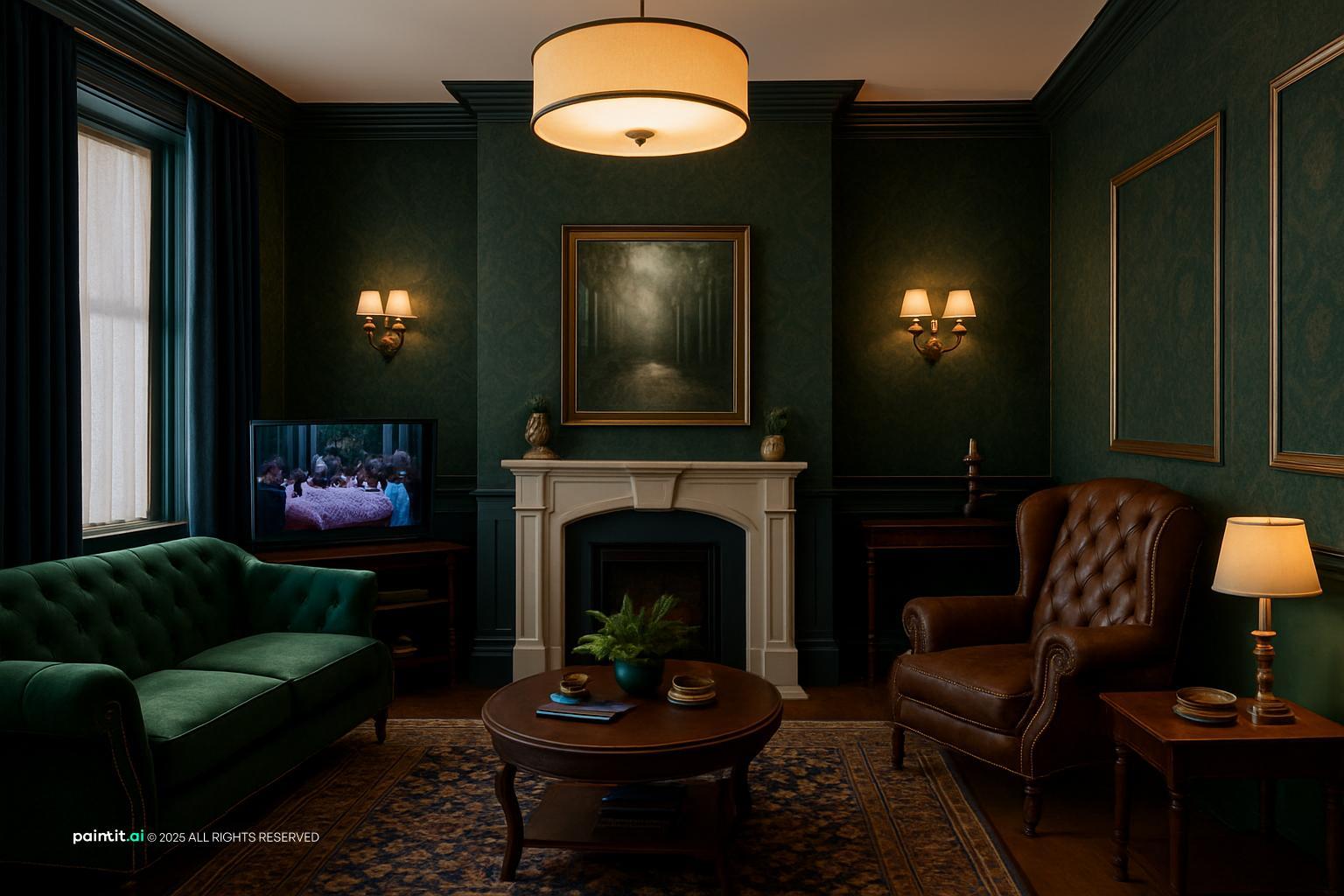
Nothing screams "new money" like brand-new, shiny furniture. The old money aesthetic embraces the beauty of age, the stories etched into a piece of wood. It’s about preservation over imposition, really.
-
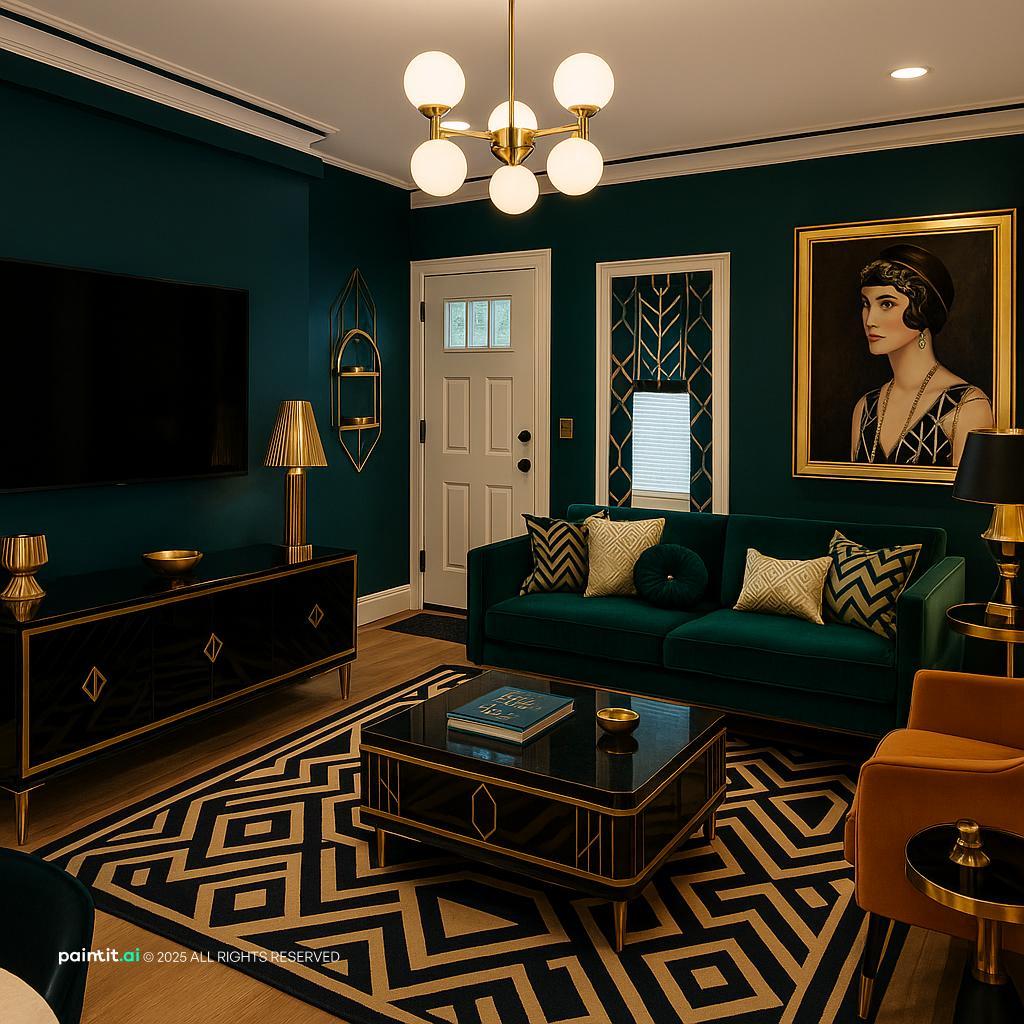
Incorporate antique chests, side tables, or a substantial console in dark, aged wood. Look for pieces with a visible patina—scratches, slight fading, the marks of time. A reclaimed oak coffee table, for instance, adds immediate character. These pieces should feel like they've been passed down through generations.
-
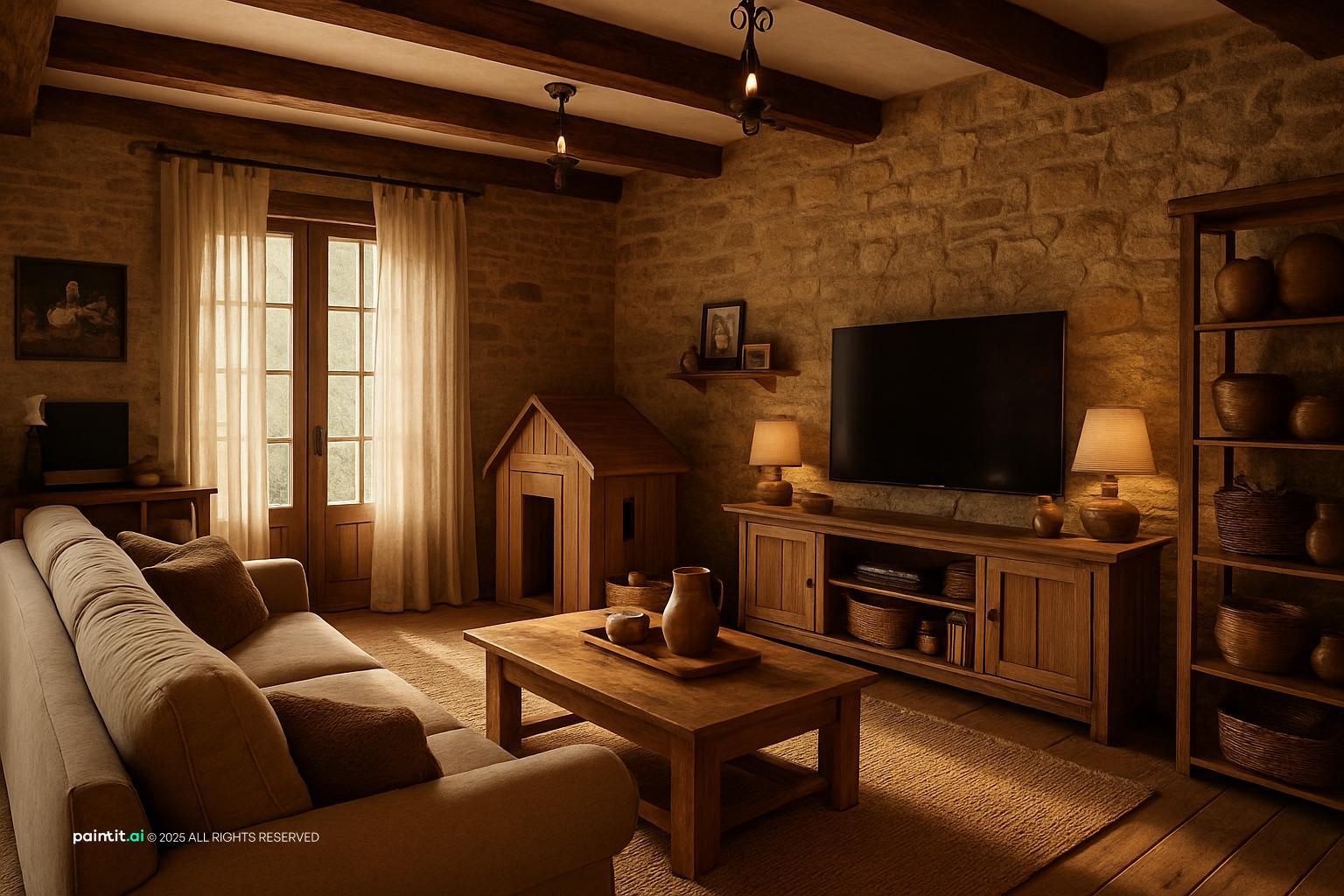
Art in an old money living room is never ostentatious. It's about appreciation, not display. We're looking for pieces that add depth and personal resonance, not just fill a wall.
-
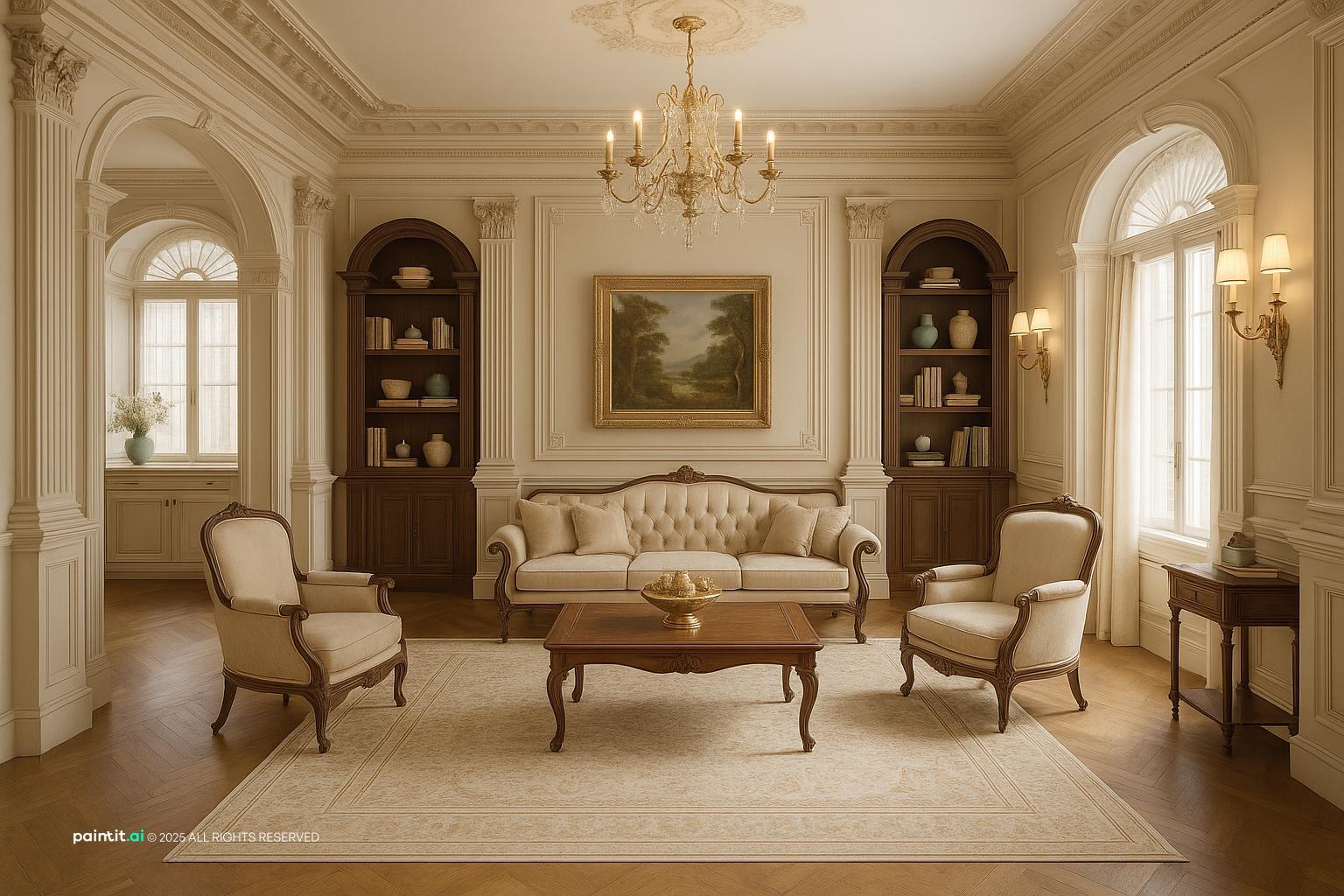
Choose framed landscapes, subtle abstract pieces, or even classical portraiture. The frames themselves should be substantial, perhaps antique gold or dark wood. A small, well-placed classical bust on a pedestal can also add an academic touch. Avoid overly modern or trendy pieces; stick to timeless subjects and styles.
-
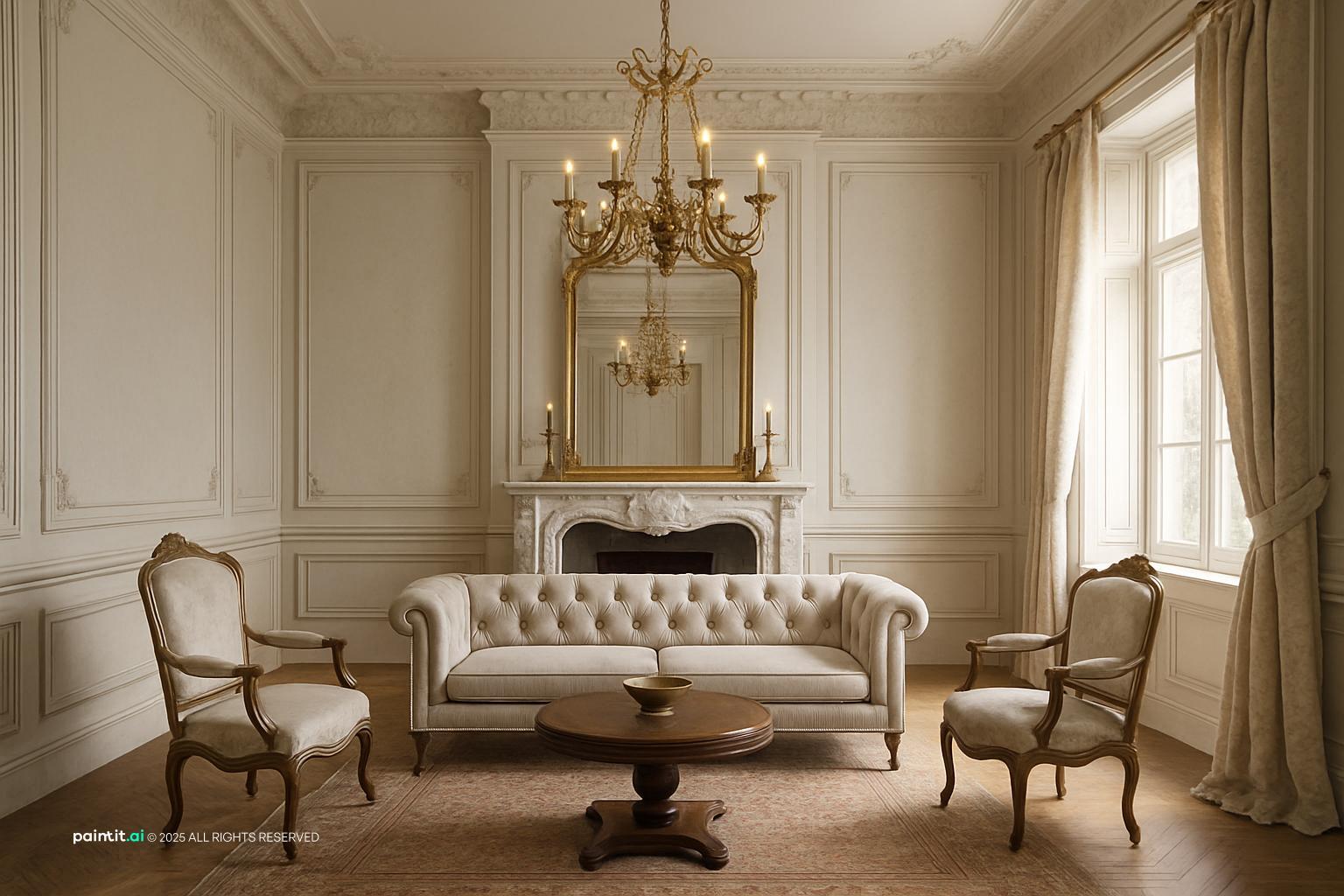
Texture is key to making a room feel rich and inviting without relying on bold patterns or bright colors. It’s a subtle luxury, a tactile experience. This is where the comfort truly comes in.
-
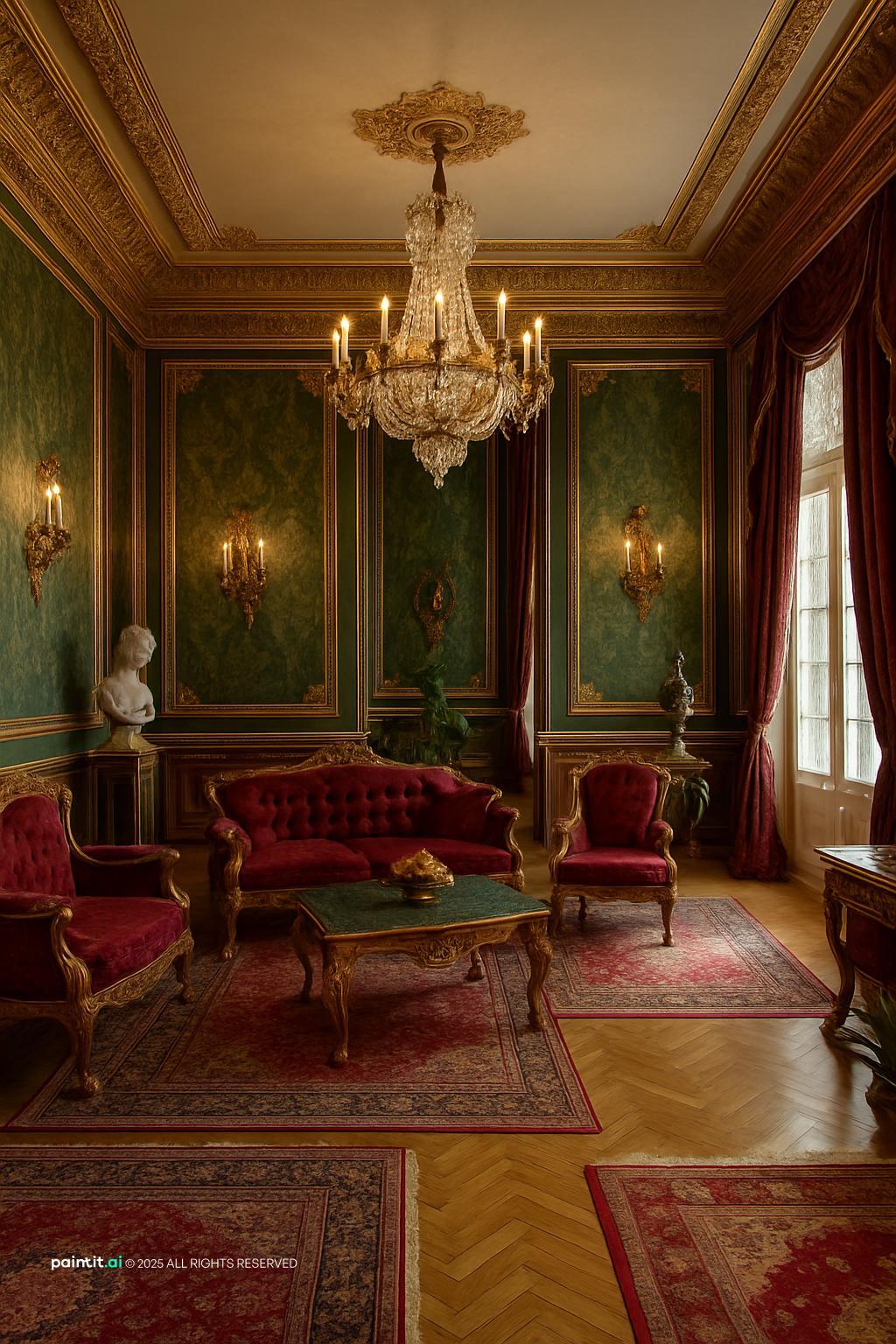
Start with a substantial wool or sisal rug. Layer in linen drapes that puddle slightly on the floor, velvet cushions in deep, jewel tones, and a cashmere throw draped casually over an armchair. Think about how each fabric feels to the touch; it’s all part of the experience.
-
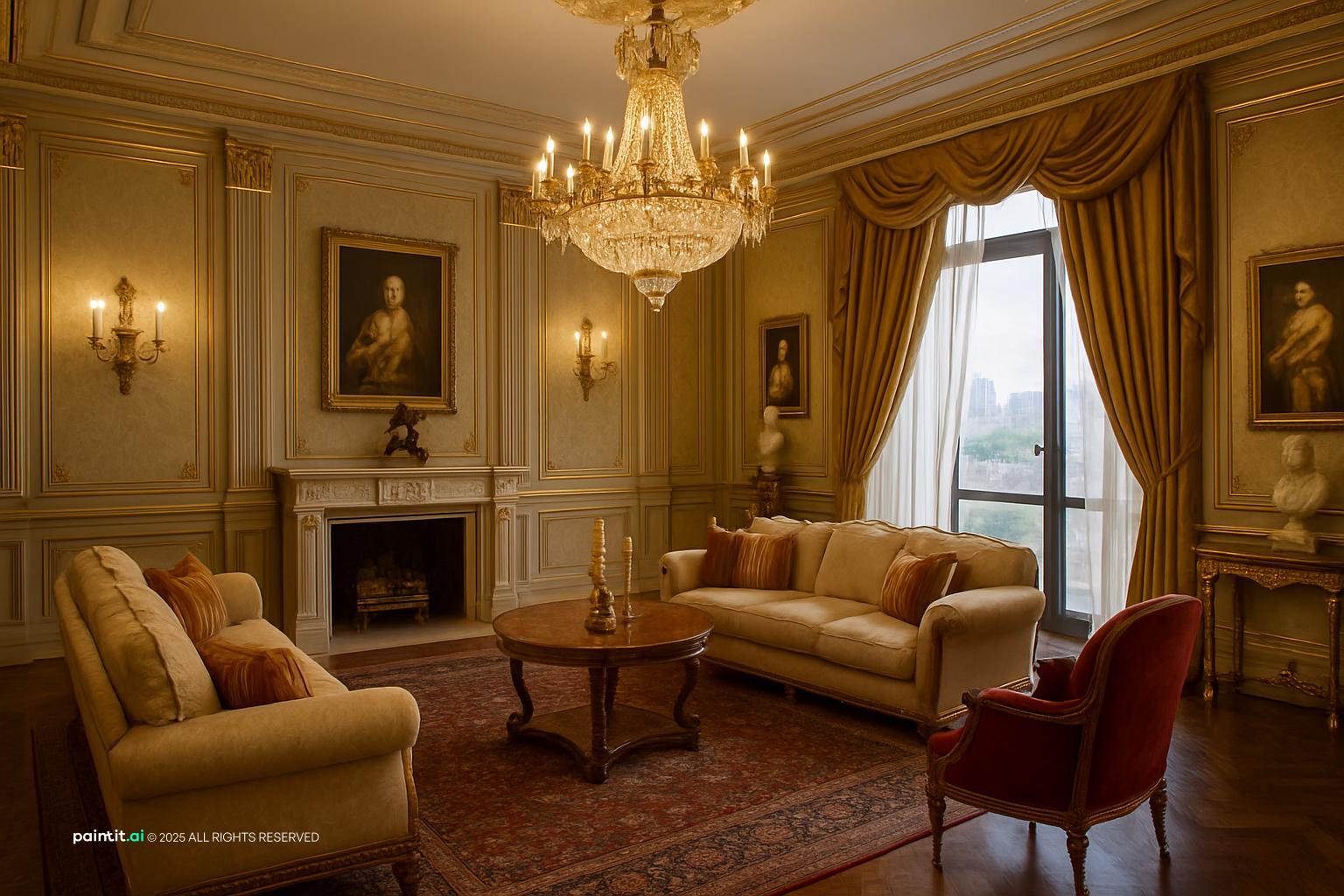
These are the bones of the room, the elements that give it an inherent sense of grandeur. If your home lacks these, adding them can make a world of difference. It sounds simple, but most people forget the power of good trim.
-
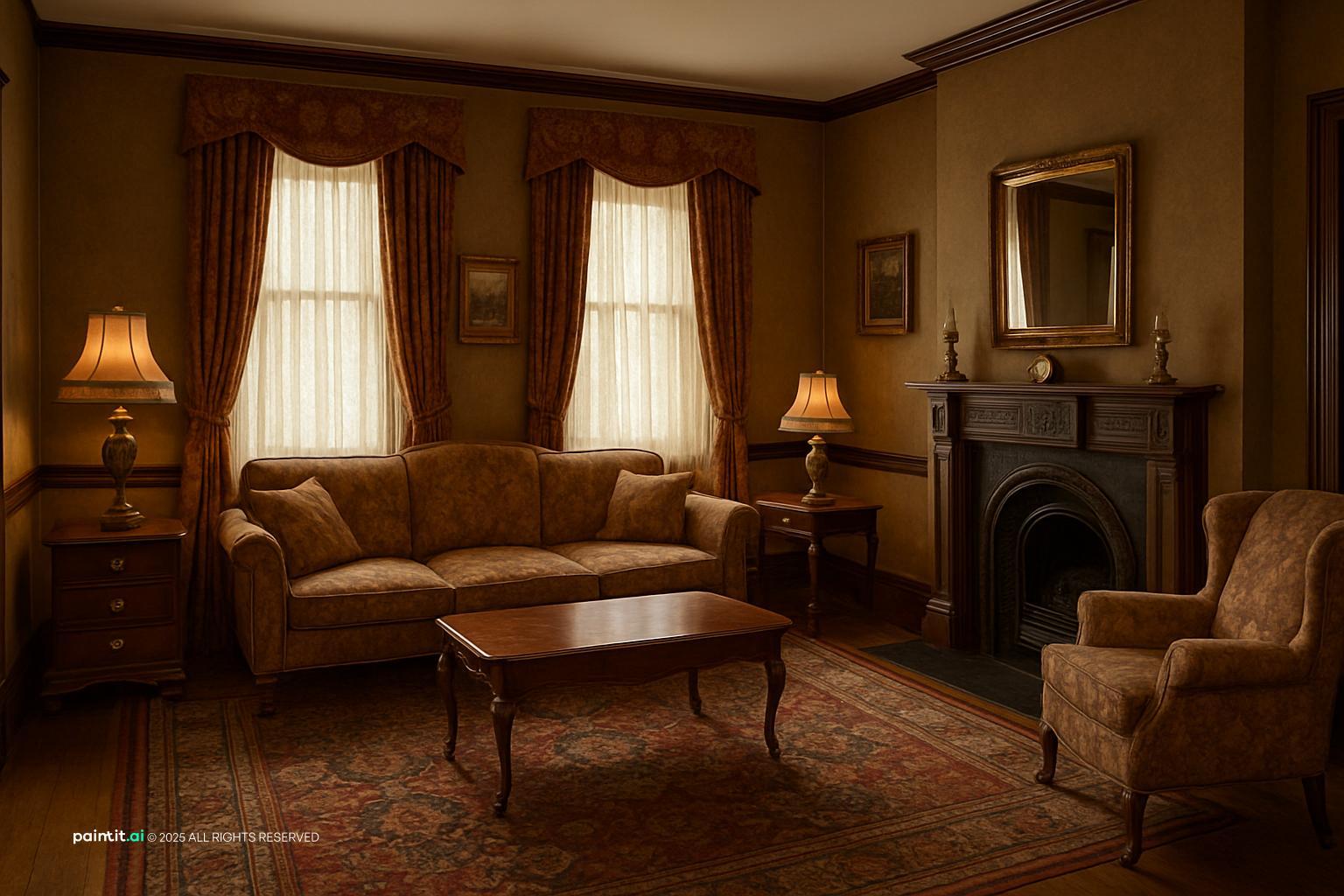
Install classic crown molding, wainscoting, or even ceiling medallions. A beautifully carved fireplace mantel is a must-have focal point. These details should feel substantial and well-crafted, not flimsy or tacked on. They provide a backdrop for everything else.
-
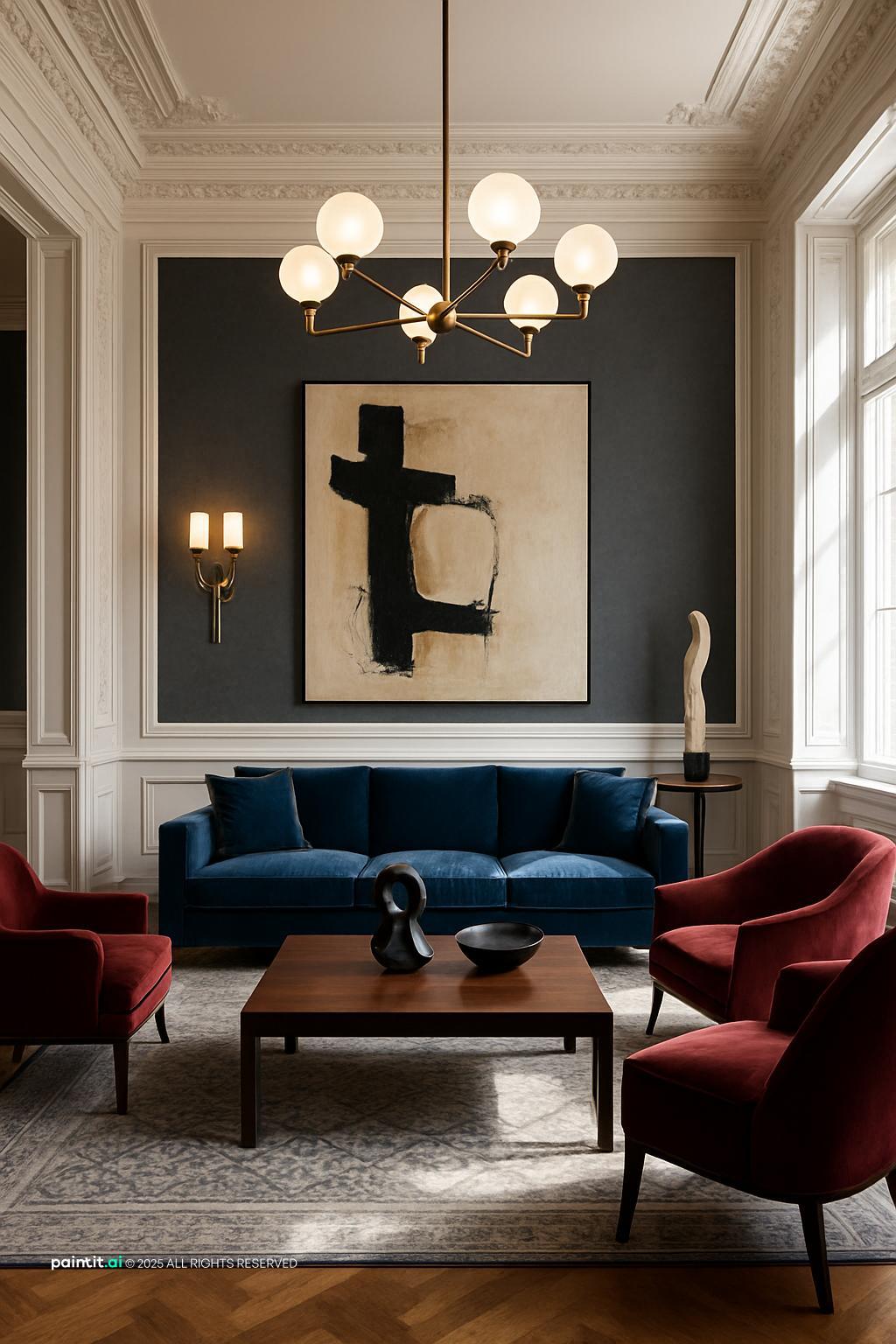
Harsh overhead lighting has no place here. The goal is a soft, inviting glow that creates intimacy and highlights specific areas. It’s about setting a mood, not just illuminating a space.
-
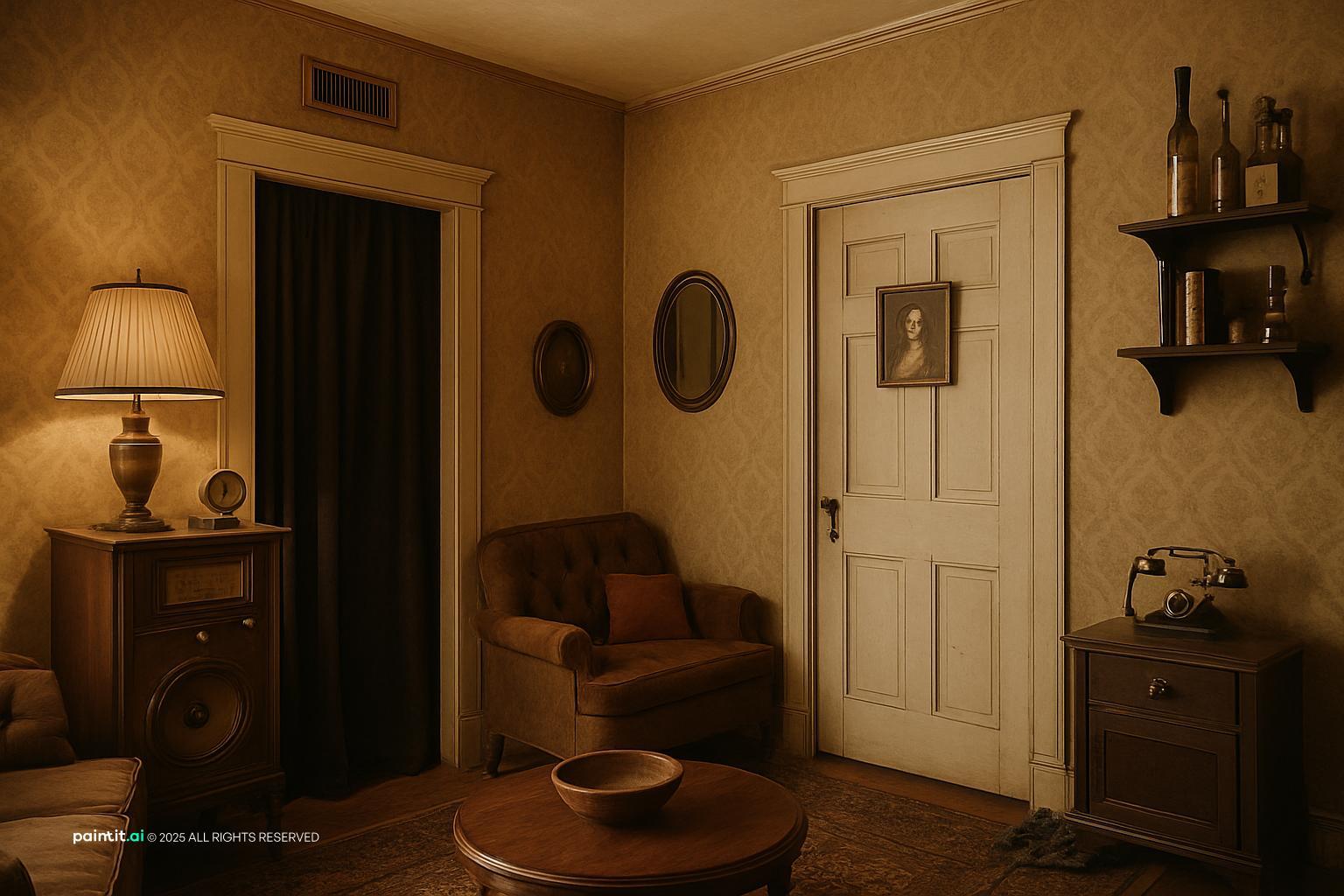
Rely on multiple sources: table lamps with fabric shades, elegant floor lamps, and perhaps a few wall sconces. All should be on dimmers. Look for fixtures in antique brass, bronze, or dark wood. The light should feel like candlelight, warm and enveloping.
-
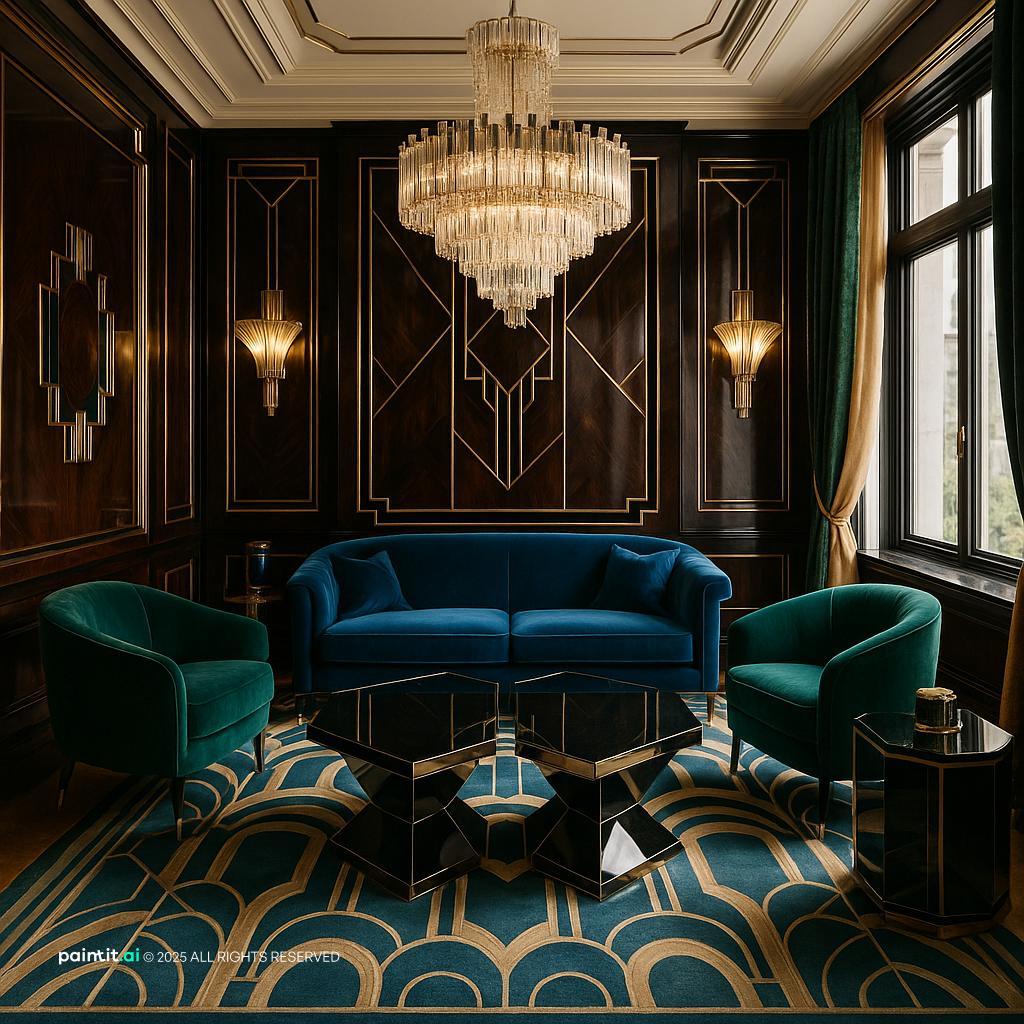
These are the small touches that tell a story, the pieces that suggest a life well-lived and well-traveled. They're not just decorative; they have a past.
-
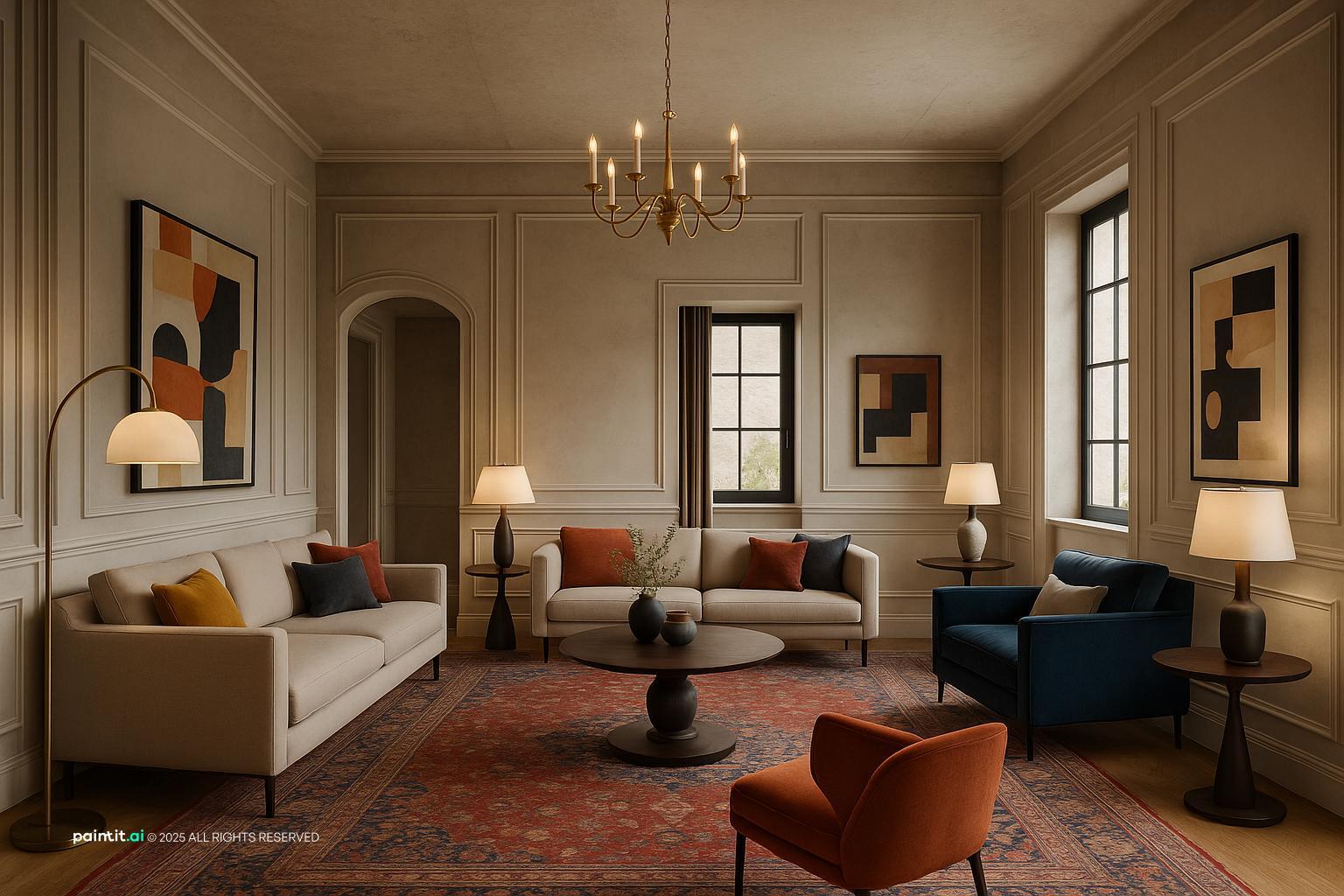
Display silver trays, porcelain vases, crystal decanters, or a collection of antique books. Family photographs in elegant frames are essential. Avoid anything mass-produced or overly trendy. Each item should feel like it has a history, a reason for being there.
-
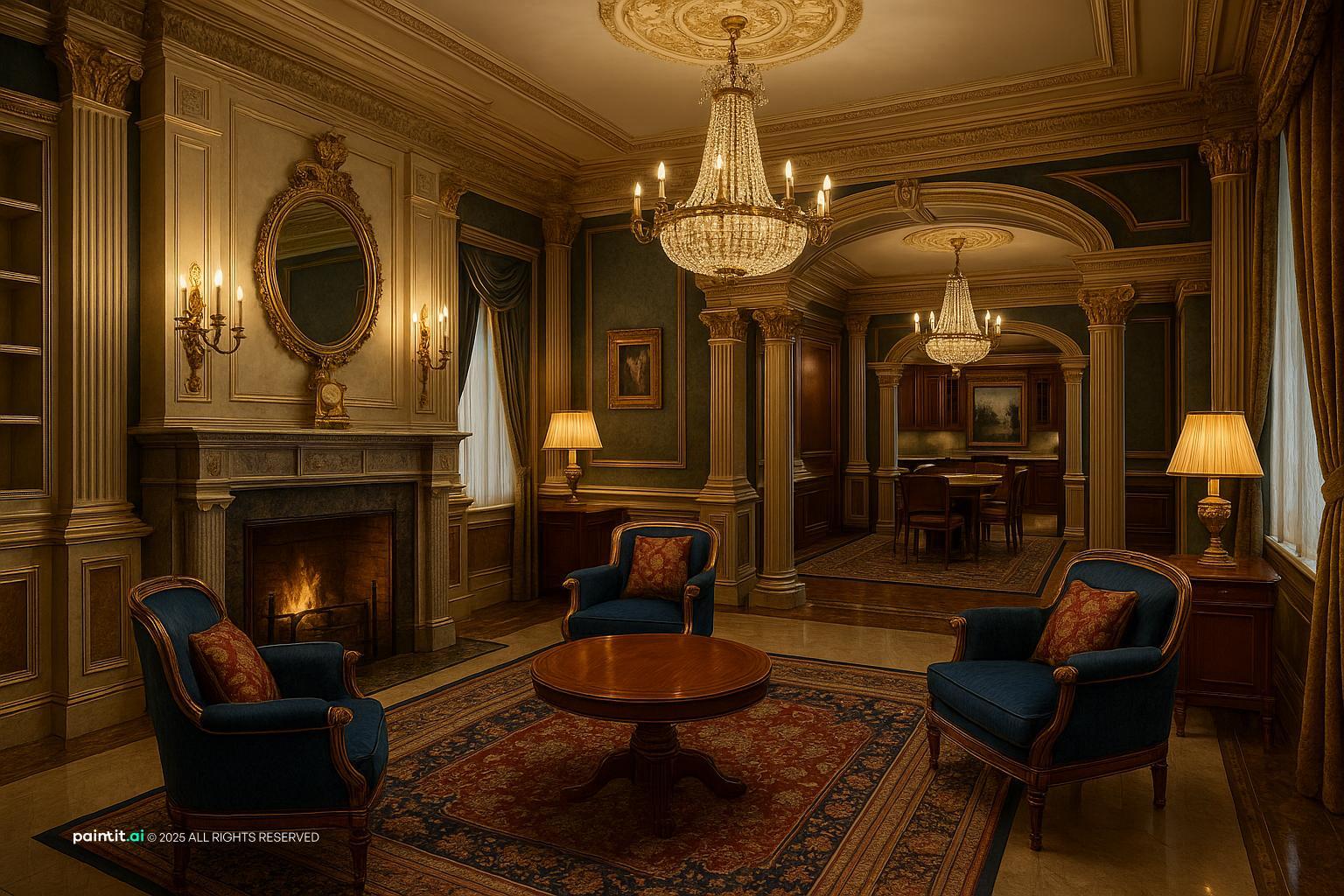
The old money aesthetic shies away from bright, bold colors. Instead, it embraces a sophisticated palette of muted, natural tones that feel calming and timeless. It’s a quiet confidence, remember?
-
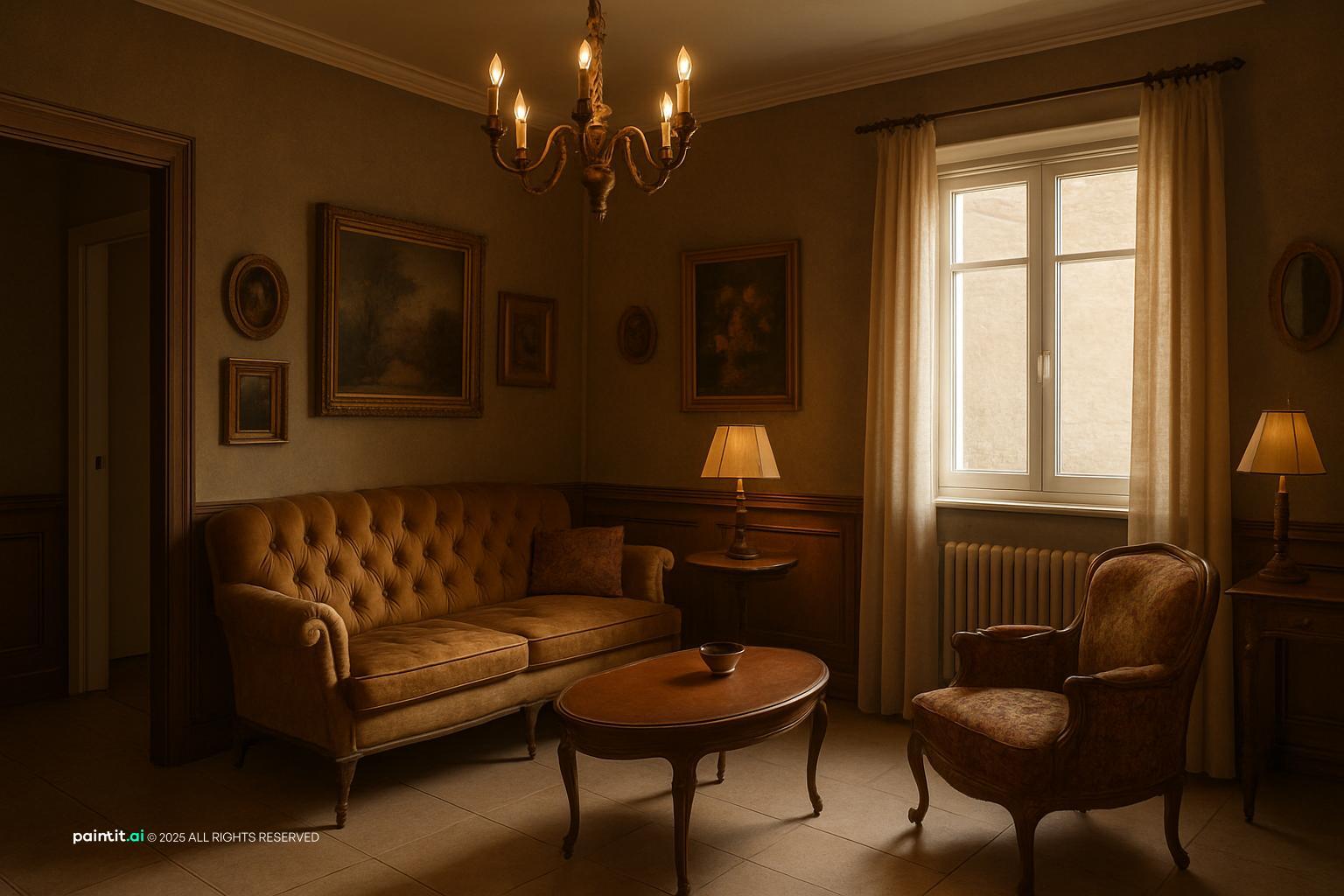
Think sage green, deep dusty blues, warm grays, creamy whites, and rich terracotta. These colors should feel like they've always been there, providing a serene backdrop for your curated pieces. The goal is harmony, not contrast.
-
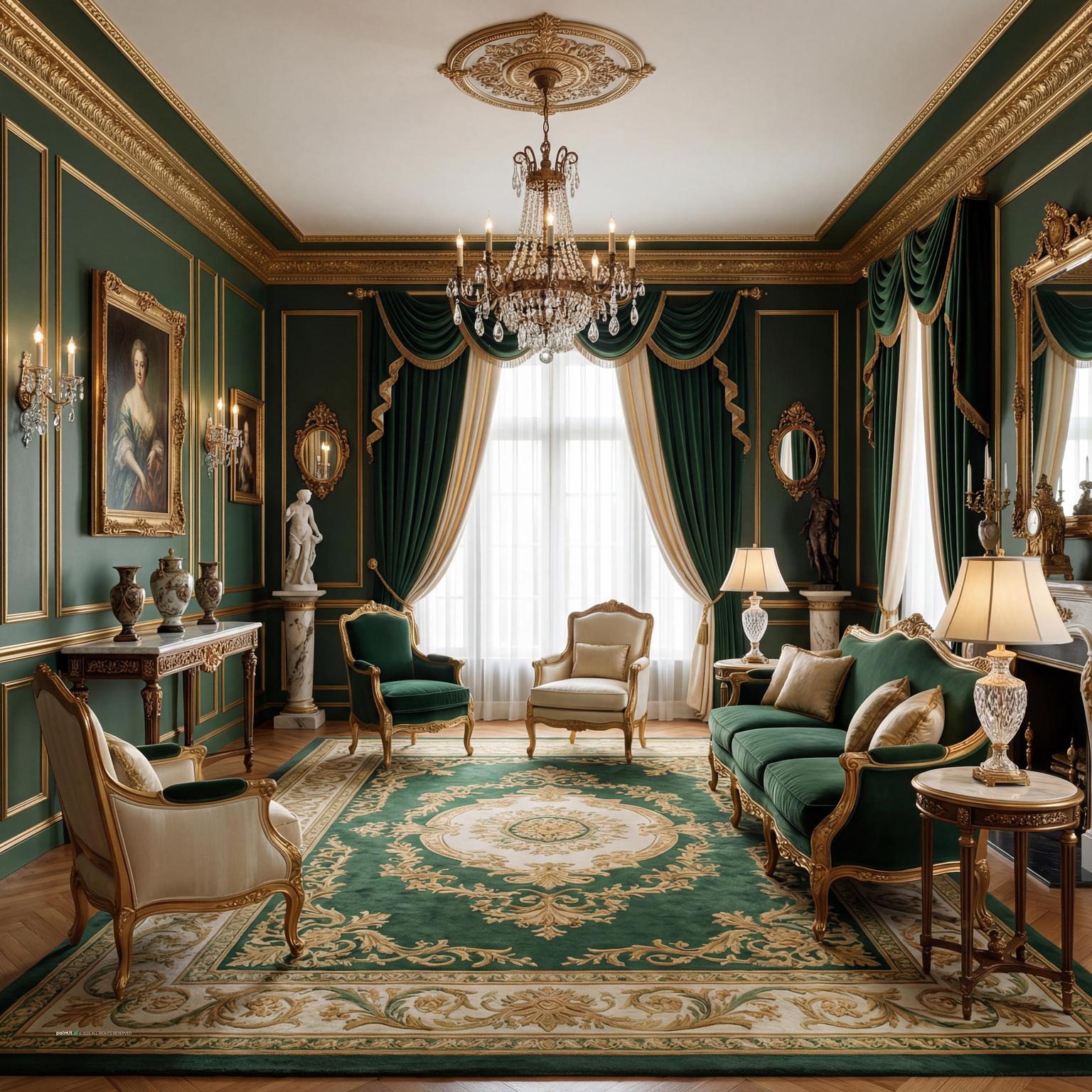
A fireplace isn't just for warmth; it's the heart of the living room, a natural gathering point. It draws the eye and anchors the space. I've seen countless rooms transformed by a well-designed hearth.
-
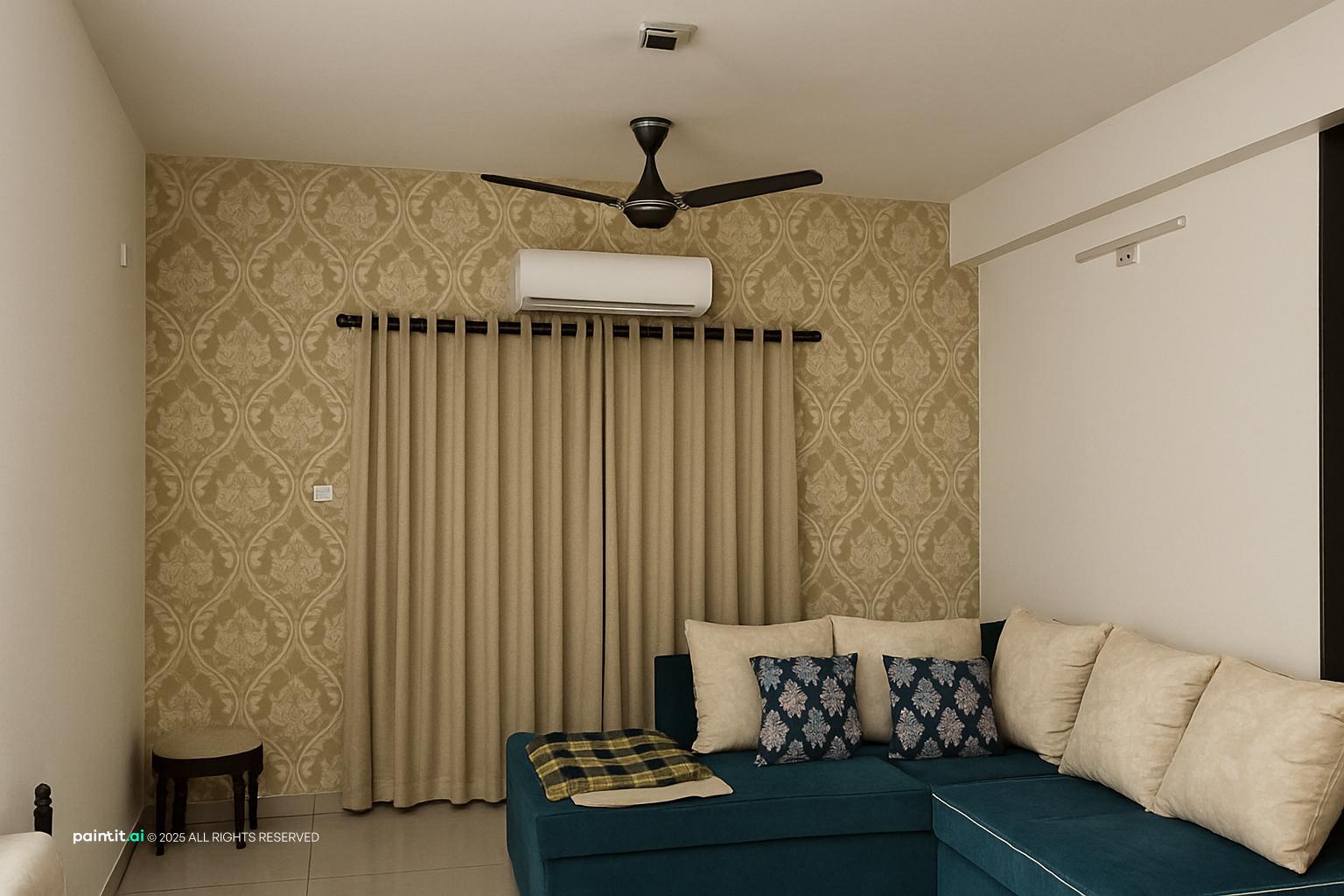
If you have one, enhance it with an ornate mantelpiece, perhaps in marble or carved wood. Adorn it with a large mirror or a significant piece of art. Antique fireplace tools and a substantial log holder complete the look. If you don't have one, consider adding an electric or ethanol fireplace with a beautiful surround.
-
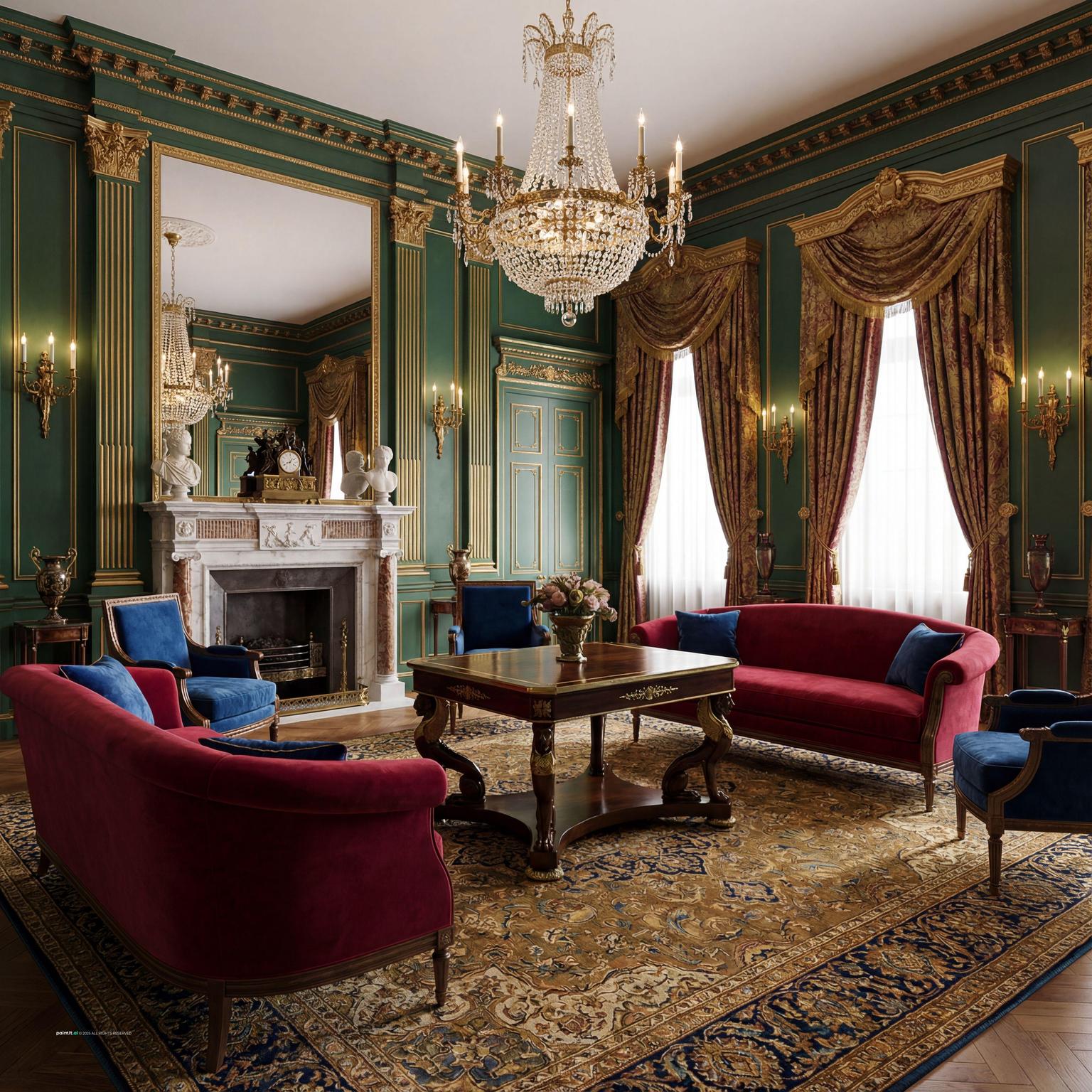
There's a classical order to old money design. It’s not rigid, but there’s an underlying sense of balance that feels inherently pleasing to the eye. This isn’t about being boring; it’s about creating visual calm.
-
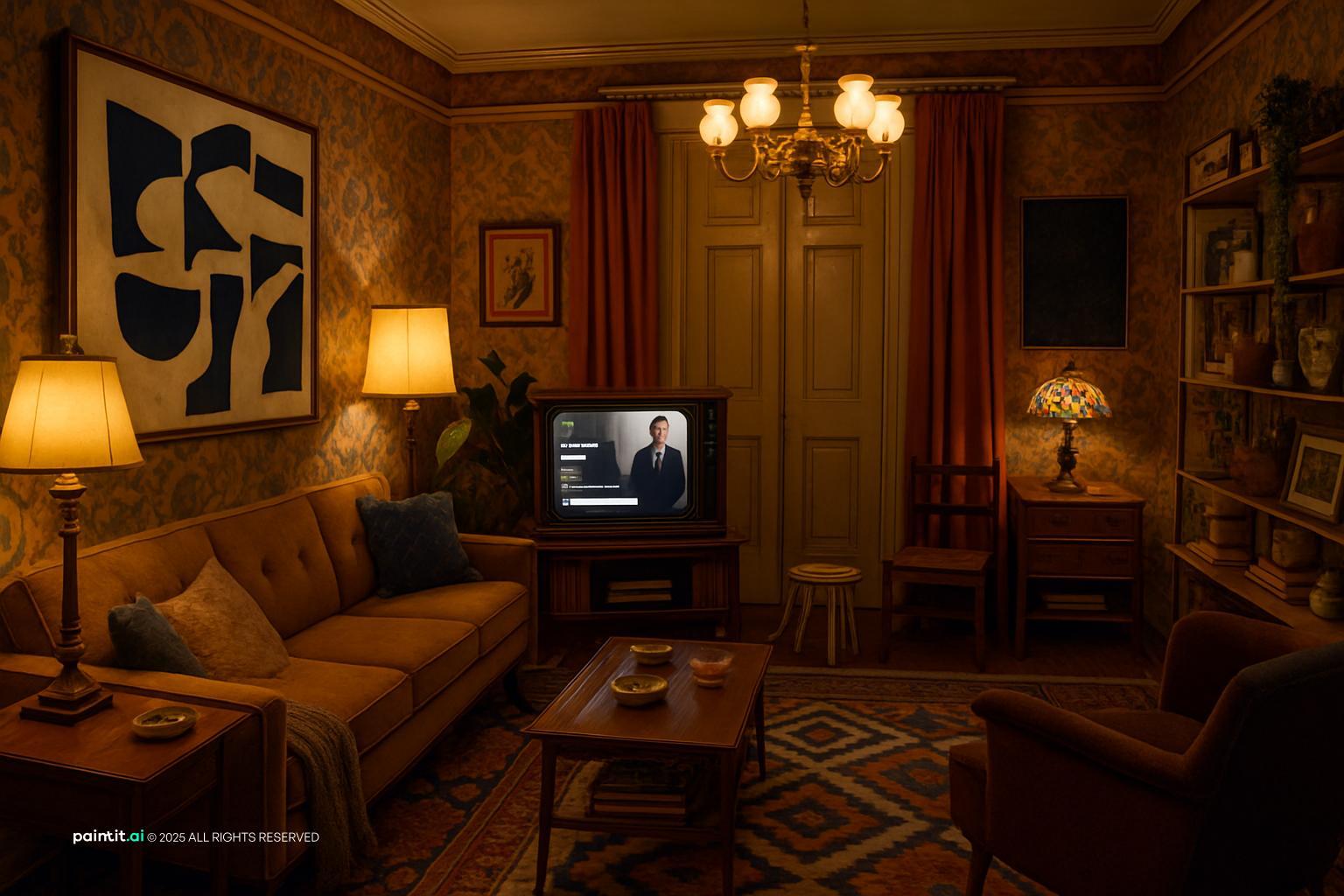
Pair identical armchairs, place matching lamps on either side of a sofa, or hang two complementary pieces of art. This creates a sense of equilibrium and formality without feeling stuffy. It’s a subtle nod to classical design principles.
-
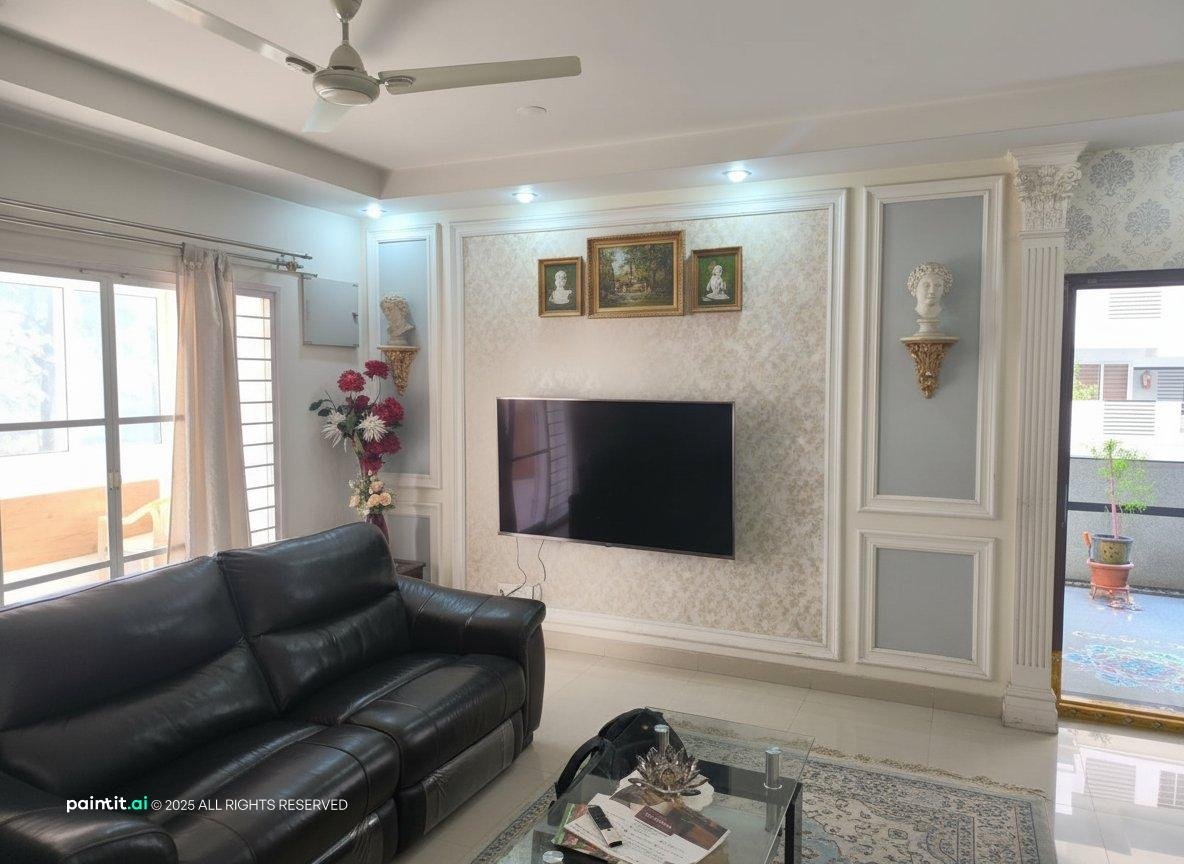
Bringing the outdoors in adds life and freshness, but it's done with restraint. No jungle vibes here. It's about a subtle connection to nature.
-
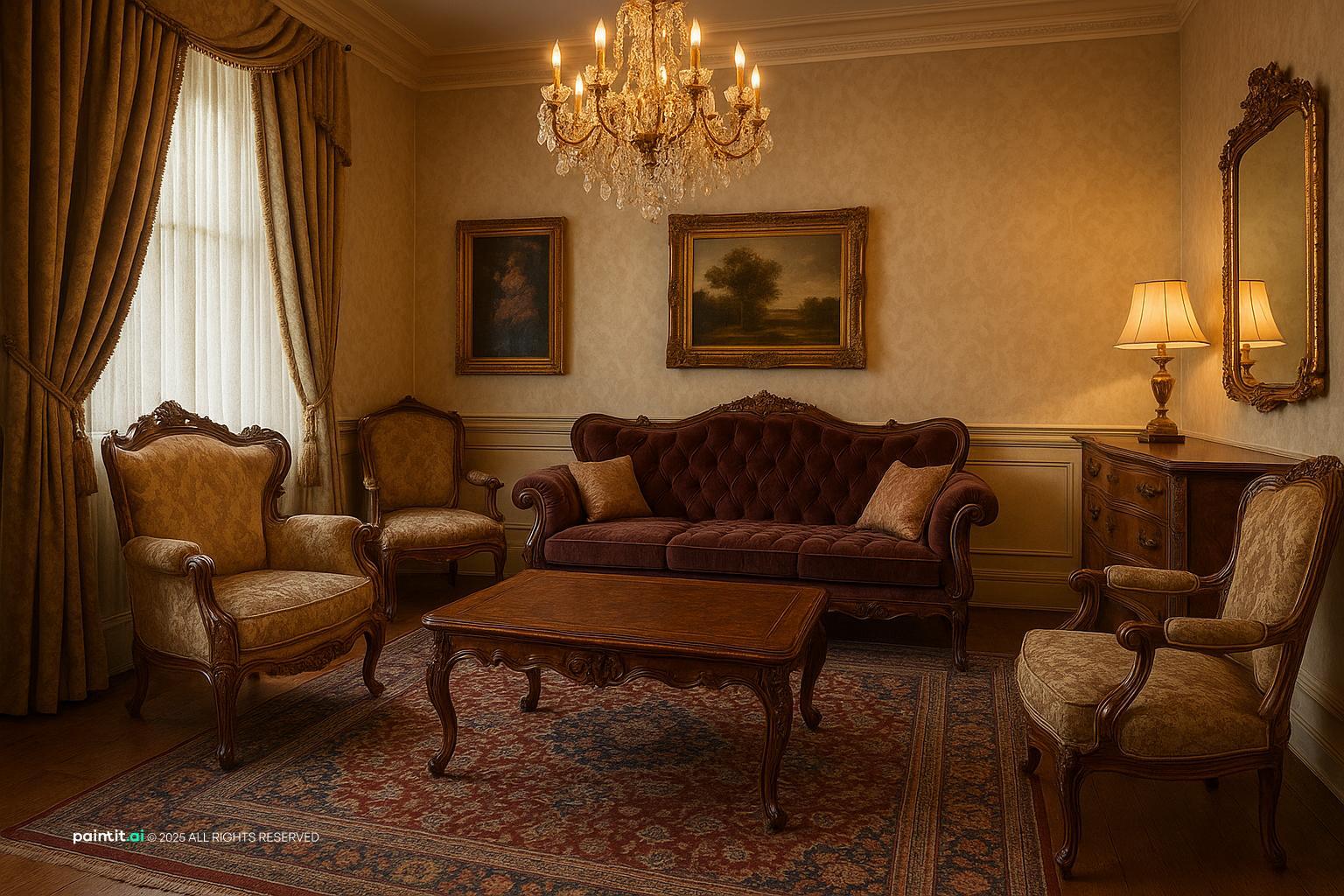
Choose a few large, elegant potted plants like a Fiddle Leaf Fig or a classic Kentia Palm in a beautiful ceramic or terracotta planter. Freshly cut flowers in a simple crystal or porcelain vase on a side table also work wonders. The key is quality over quantity, and placement that enhances, not overwhelms.
Crafting the Inherited Aesthetic: A Deep Dive into the Old Money Living Room to Life with Paintit.ai
-
Creating an old money living room isn't about following trends; it’s about cultivating a feeling, a quiet confidence that whispers history. We're talking about a space that feels effortlessly composed, like it’s been loved for generations. It’s a specific kind of understated luxury, really.
-
We lean into muted, earthy tones. Think sage green, warm grays, and creamy whites as your serene foundation. Then, introduce dusty blues or a deep forest green for depth, perhaps a rich terracotta for warmth. A touch of aged brass or deep ruby can serve as a subtle accent, creating harmony, not jarring contrast.
-
Aged wood, like a dark walnut or reclaimed oak, grounds the old money living room, telling stories with its patina. Natural textiles—heavy linen, soft wool, or a luxurious Dedar velvet—add comfort and tactile richness. Marble or antique brass accents provide subtle elegance. These materials create a sense of history and quiet refinement, inviting touch.
-
For the old money living room, choose deep-seated pieces. A classic Chesterfield sofa or a pair of elegant club chairs are non-negotiable. A substantial, perhaps antique, coffee table anchors the arrangement. Bespoke built-in shelving adds intellectual depth. Proportions are key; pieces should feel solid, inviting, and enduring, never flimsy or temporary.
-
Harsh overhead light simply won't do here. We layer ambient, task, and accent lighting to create intimacy. Soft glows from fabric-shaded table lamps, elegant floor lamps, and dimmable wall sconces are essential. Look for fixtures in antique brass or bronze. The goal is a warm, enveloping atmosphere, reminiscent of candlelight, not stark illumination.
-
Curated art, like framed landscapes or classical portraits, adds depth without shouting. Heirloom-quality accessories—silver trays, crystal decanters, a collection of antique books—tell a personal story. Thoughtfully placed greenery, perhaps a grand Kentia Palm, brings life. We often apply the 3-5-7 rule to vignettes: a group of three leather-bound books, five cherished framed photos, or seven small, collected objects on a mantelpiece or side table. This creates visual interest and balance, making the space feel collected and intentional, never cluttered. It’s about creating a narrative with objects, a quiet display of a life well-lived.
Paintit.ai Reveals the Secret to Cohesive Old Money Living Room Designs Design Ideas
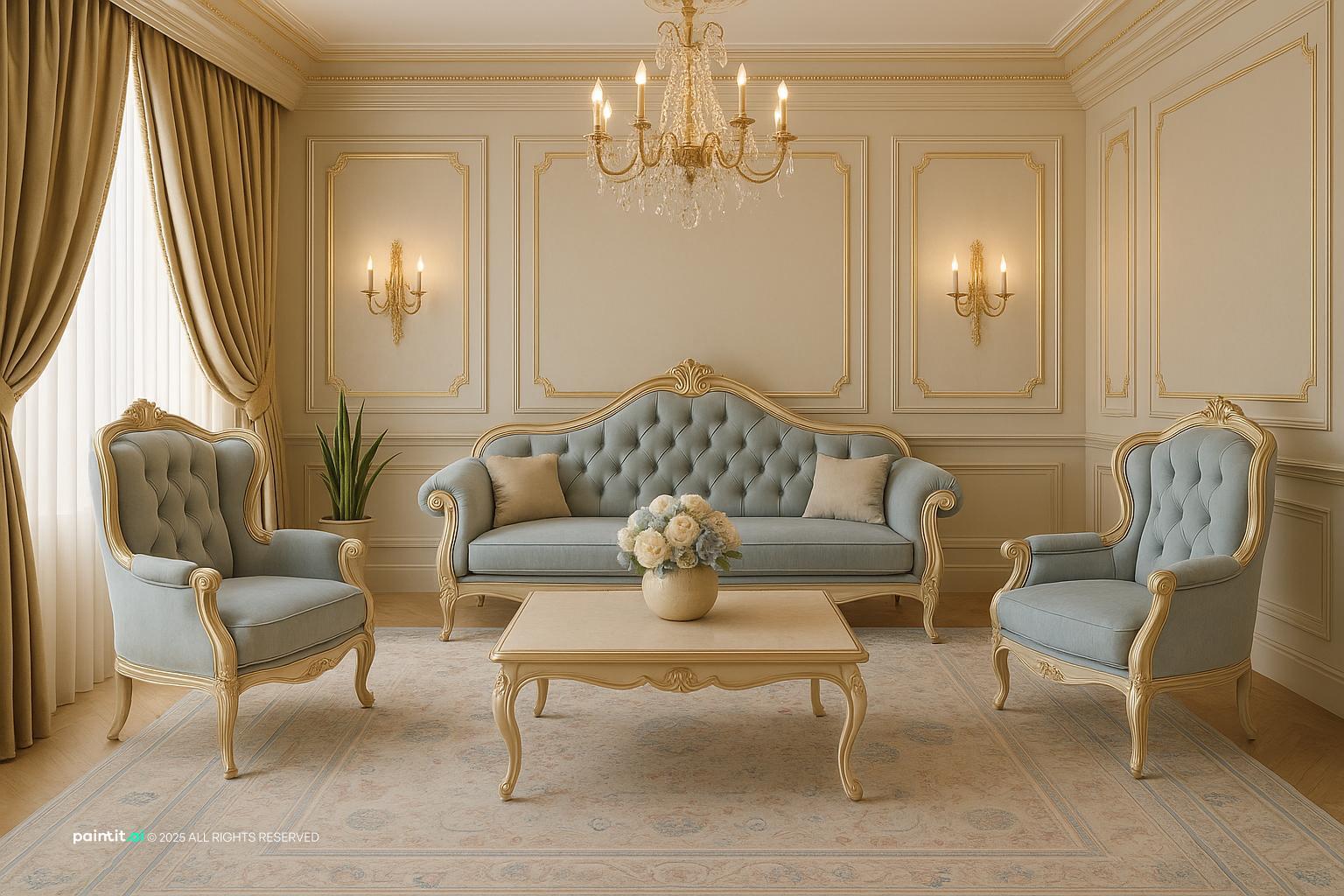
Crafting an authentic old money living room aesthetic, where every detail feels inherited, means navigating tricky design choices. It’s hard to predict how that antique console or rich tapestry will truly integrate into your old money style living room. Paintit.ai allows you to instantly visualize countless old money living room ideas, ensuring elements harmonize. See your refined vision before you invest.
FAQ
-
An old money living room isn't about flashy displays; it’s about an effortlessly composed elegance, a quiet confidence. We see it as a celebration of quality, comfort, and timelessness. Think natural materials—rich wools, crisp linens, buttery leathers, and deep, aged woods. The palette tends to be muted, almost whispered: creams, soft greys, deep greens, and blues. It’s a space that feels lived-in, collected over generations, not decorated overnight. The aesthetic old money living room whispers stories, doesn't shout them.
-
The truth is, you don't need to inherit a fortune. We’ve seen this work best by focusing on quality over quantity and embracing the hunt. Start with foundational pieces: a well-made sofa, even if it’s a thrift store find you plan to reupholster in a classic fabric like linen or velvet. Look for vintage lamps with a beautiful patina, perhaps brass or ceramic. Invest in good drapes—heavy, lined, and perfectly tailored. Paint can do wonders; a deep, moody green or a warm, creamy white sets the tone. A classic old money style living room is about curation, not consumption. It’s about patience.
-
For a living room old money vibe, certain pieces just sing. A substantial sofa is non-negotiable; perhaps a Chesterfield or a roll-arm style in a neutral tone. Pair it with a couple of comfortable armchairs—maybe wingbacks or club chairs in a contrasting texture. A sturdy, well-proportioned coffee table, often in mahogany or a dark wood, anchors the space. Built-in bookshelves, if possible, add instant gravitas and a sense of history. If not, a tall, elegant barrister bookcase works beautifully. It’s about creating a sense of permanence and comfort, pieces meant to last.
-
Here’s the kicker: the magic is in the details. Lighting is crucial; think aged brass sconces, classic table lamps with silk shades, and perhaps a stately chandelier, all on dimmers. Textiles bring warmth—a Persian or Oushak rug, cashmere throws draped over armchairs, velvet cushions. Art should feel personal, not generic; framed prints, oil paintings, or even a collection of antique maps. Fresh flowers, always. And architectural elements, even subtle ones like crown molding or a well-maintained fireplace, make a huge difference. These old money living room ideas are about layering texture and history.
-
Absolutely. One major pitfall is trying too hard, creating a space that feels like a museum rather than a home. Another common misstep is chasing trends; the old money aesthetic is inherently timeless, so avoid anything overly modern or fleeting. We often see people making the mistake of using too many synthetic materials; they just don’t offer the same depth or feel. And please, no "matchy-matchy" furniture sets. An authentic old money living room feels collected, not purchased all at once. It’s about subtle elegance, not ostentation. The choice was risky, but we learned that authenticity always wins.