
Designing a Modern Spanish Living Room: - A Guide to Warmth and Style
Imagine a space where sun-drenched walls meet rich textures, creating an inviting atmosphere that feels both timeless and fresh. Crafting a modern spanish living room means balancing rustic charm with sleek lines, often leaving us wondering how to achieve that perfect blend without it feeling dated or too stark. How do you infuse contemporary comfort while honoring the soulful spirit of Spanish design?
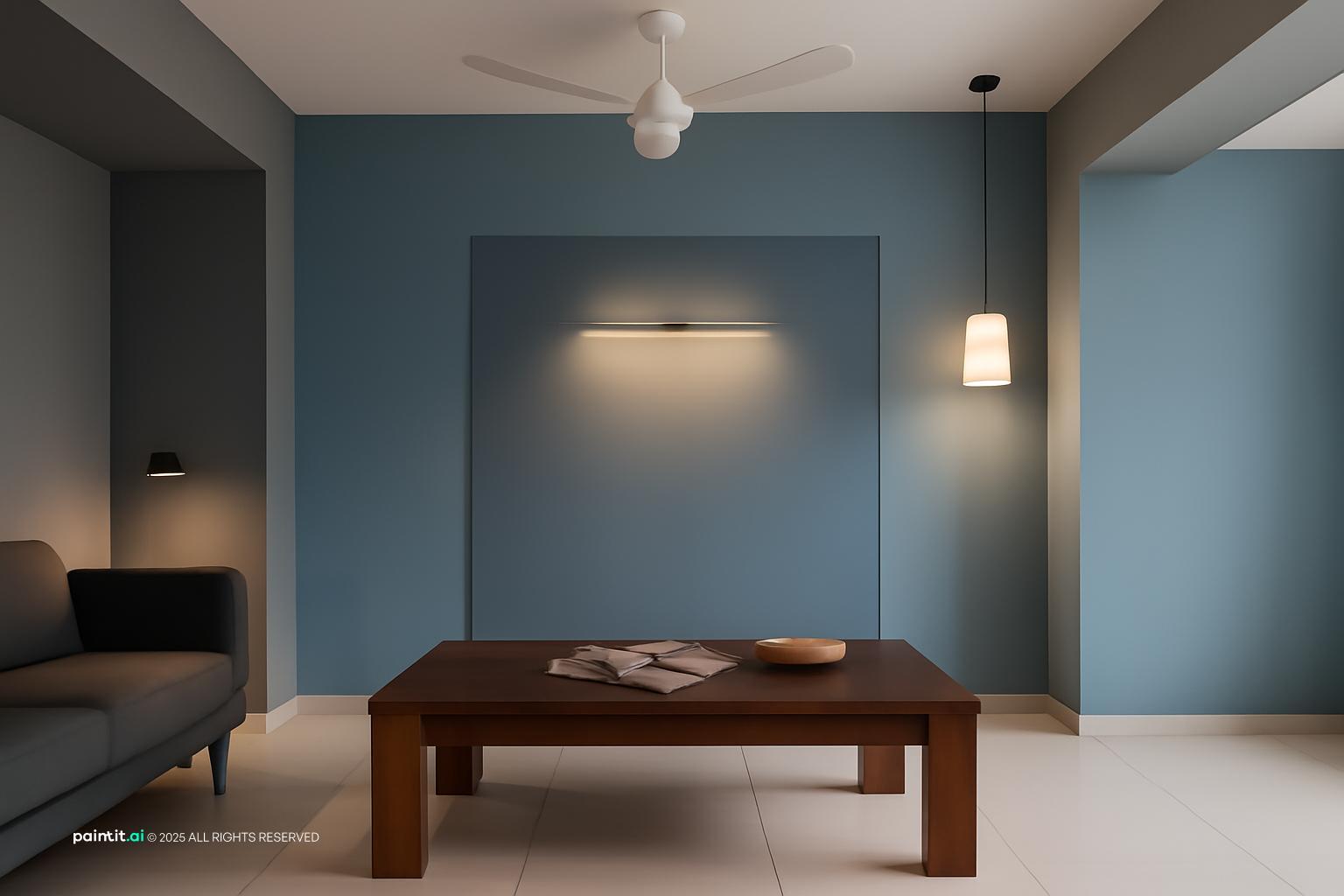
Essential Tips for Cracking the Code of a Modern Spanish Living Room
Stunning Examples of 14 Ways to Craft Your Dream Modern Spanish Living Room
-
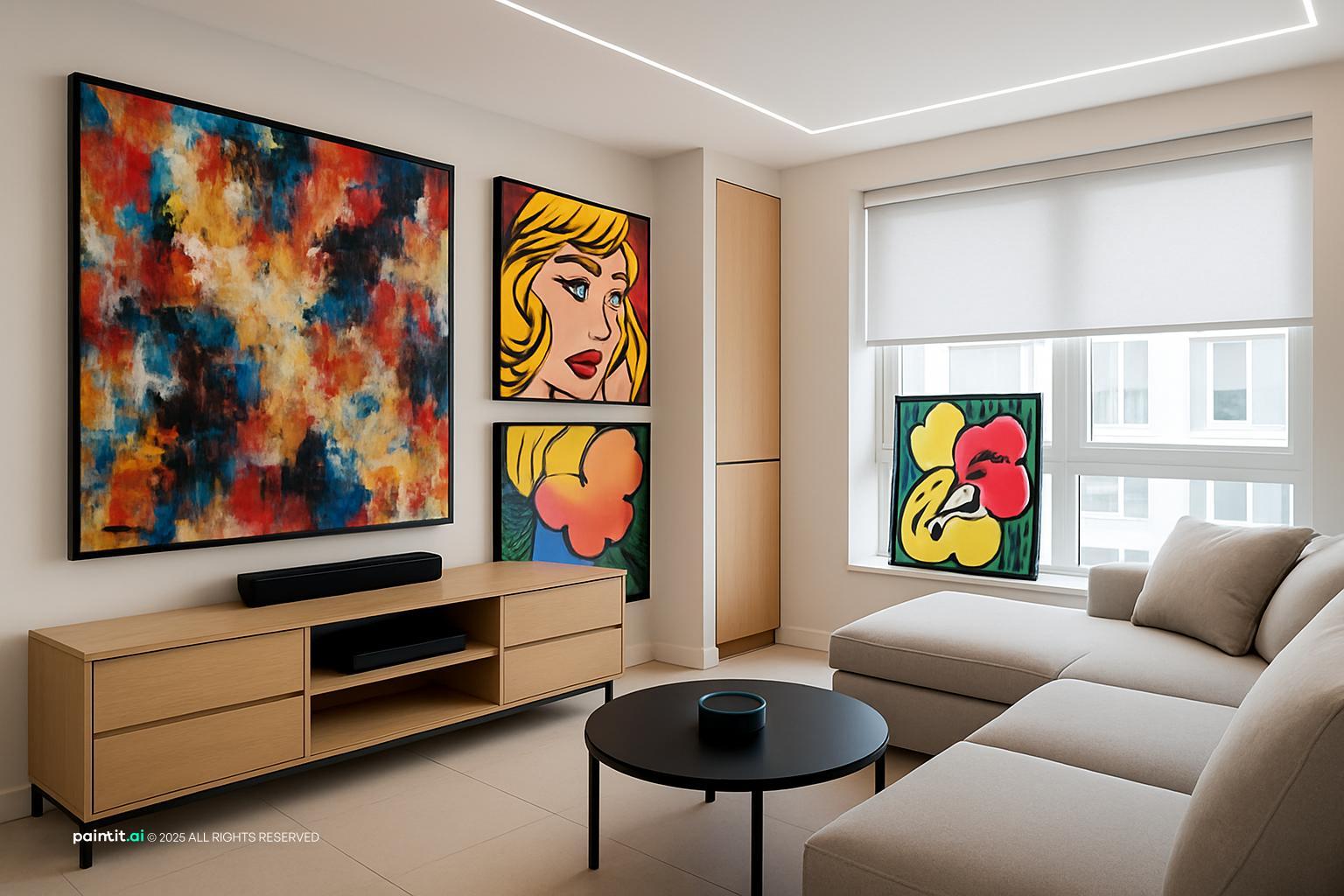
Curating a space that feels both deeply rooted in Spanish tradition and utterly contemporary? That's the sweet spot we're always chasing. We've pulled together these ideas, balancing the sun-kissed aesthetic with modern functionality, to help you visualize a living room that truly sings. It's about feeling, really—that inviting warmth, that sense of history meeting today.
-
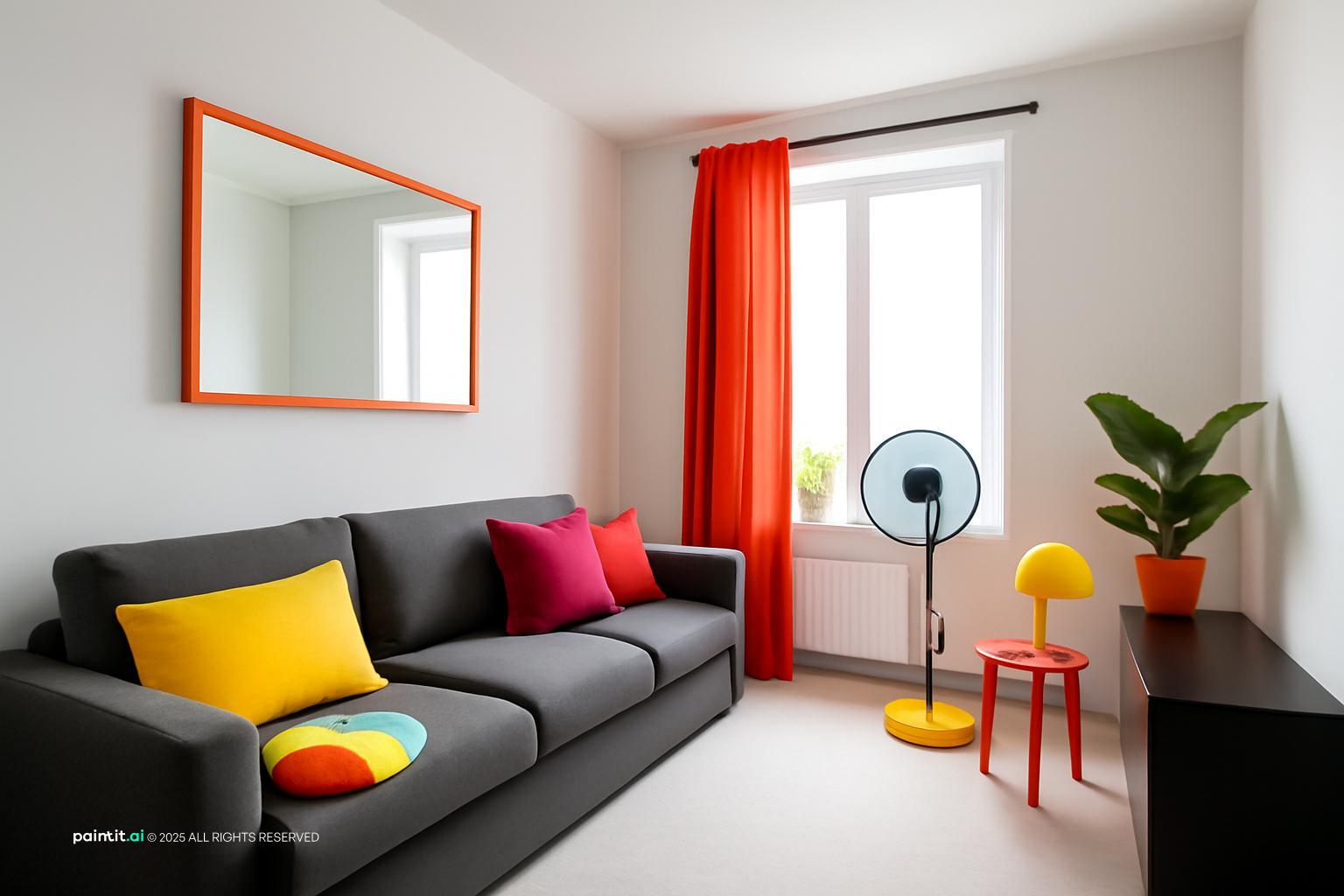
The truth is, nothing quite sets the stage for a modern Spanish living room like walls with character. Think limewash or Venetian plaster, giving depth that paint just can't touch. It softens the light, makes a room feel instantly older, in the best possible way. This isn't about perfection; it's about a subtle, lived-in texture that whispers stories.
-
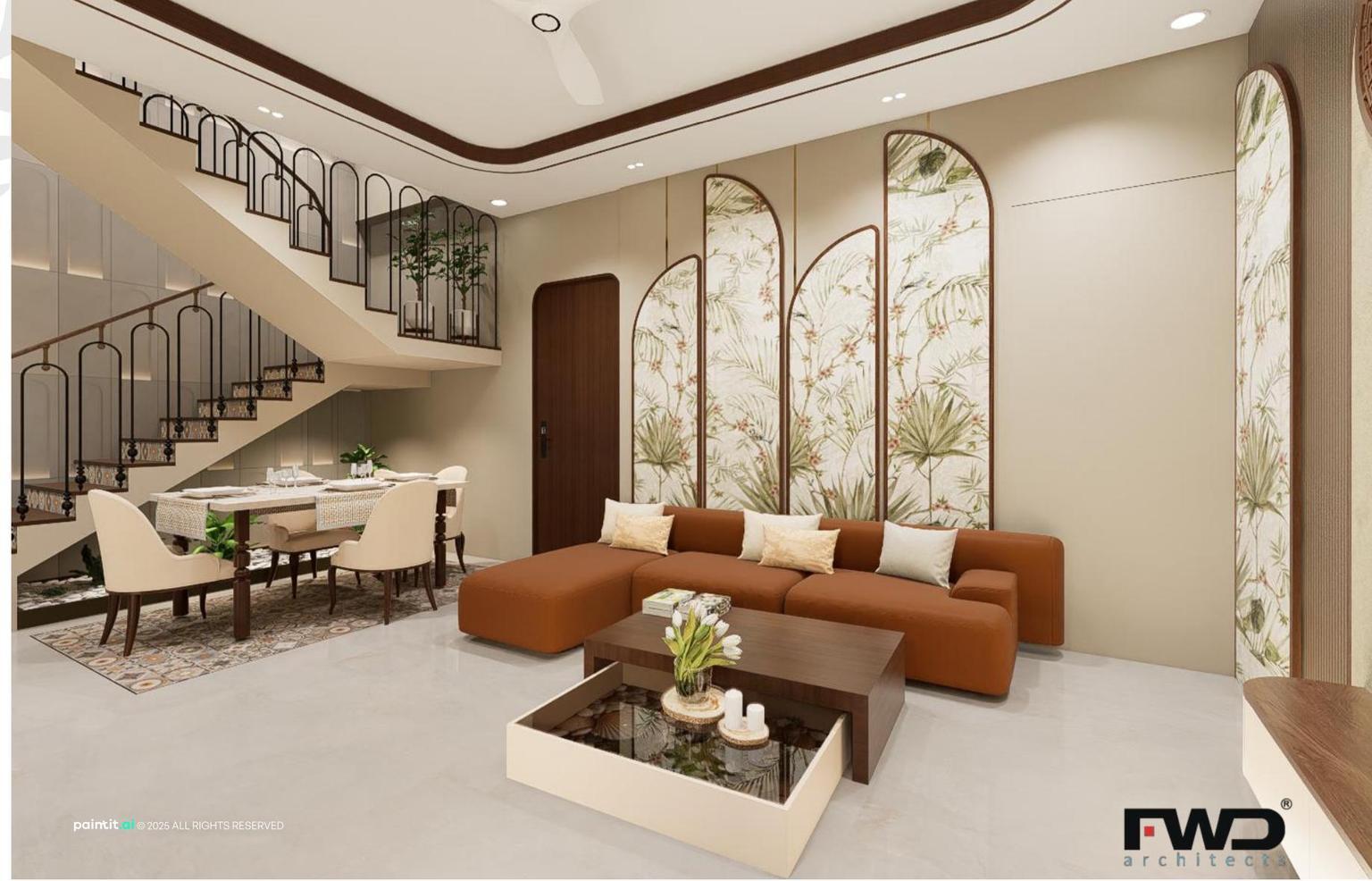
For implementation, consider a light, almost chalky white or a soft, sun-baked ochre. If you have the architectural bones, introducing an arched doorway or a recessed niche can dramatically enhance that old-world, yet utterly current, feel. It’s a trick I’ve seen work best in spaces that crave a little architectural drama.
-
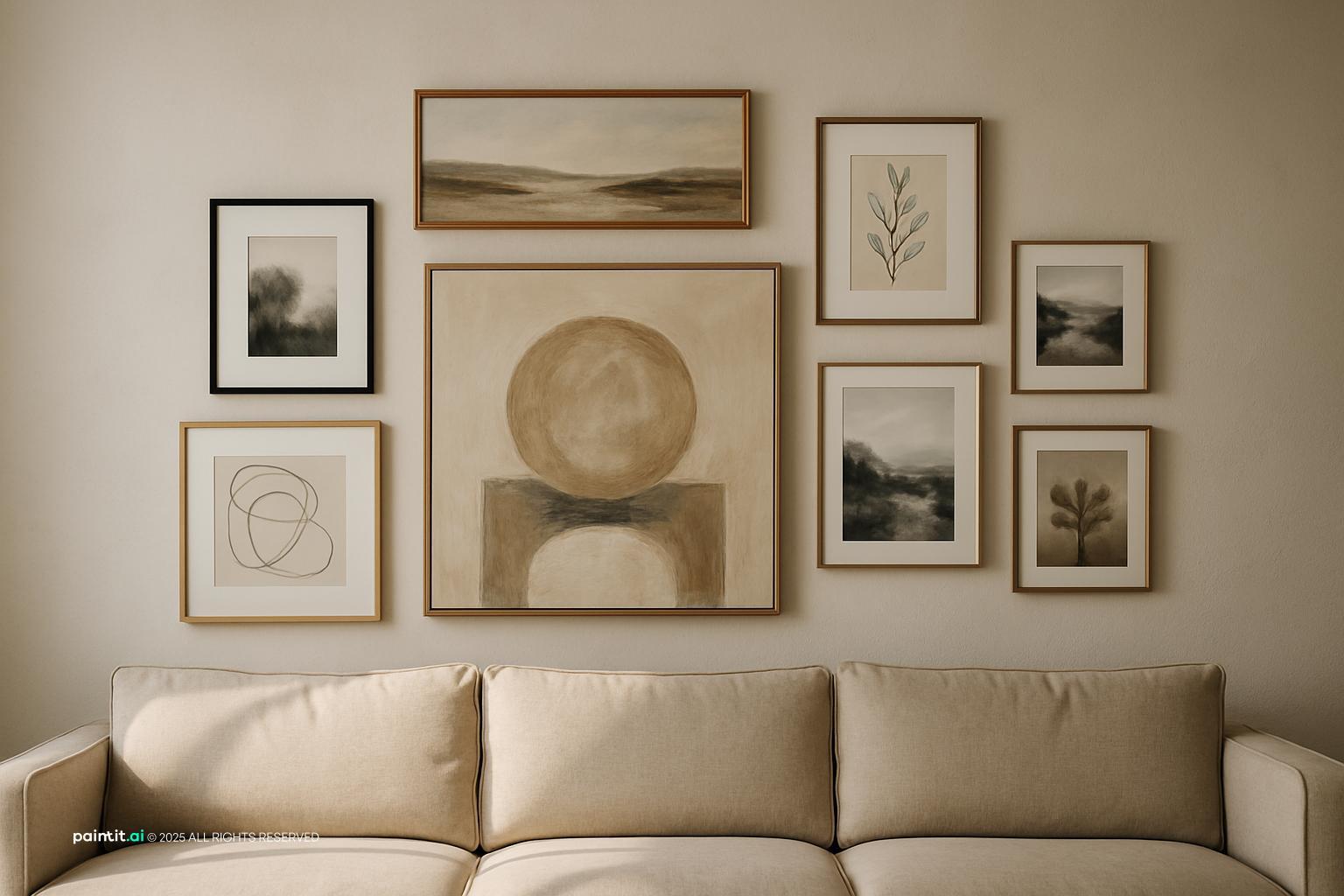
Grounding a space with authentic materials is key. Reclaimed terra-cotta tiles, with their inherent imperfections and varied tones, offer an unparalleled warmth. They feel ancient, yet when paired with sleek furniture, the contrast is simply stunning. This isn't a trend; it's a timeless foundation.
-
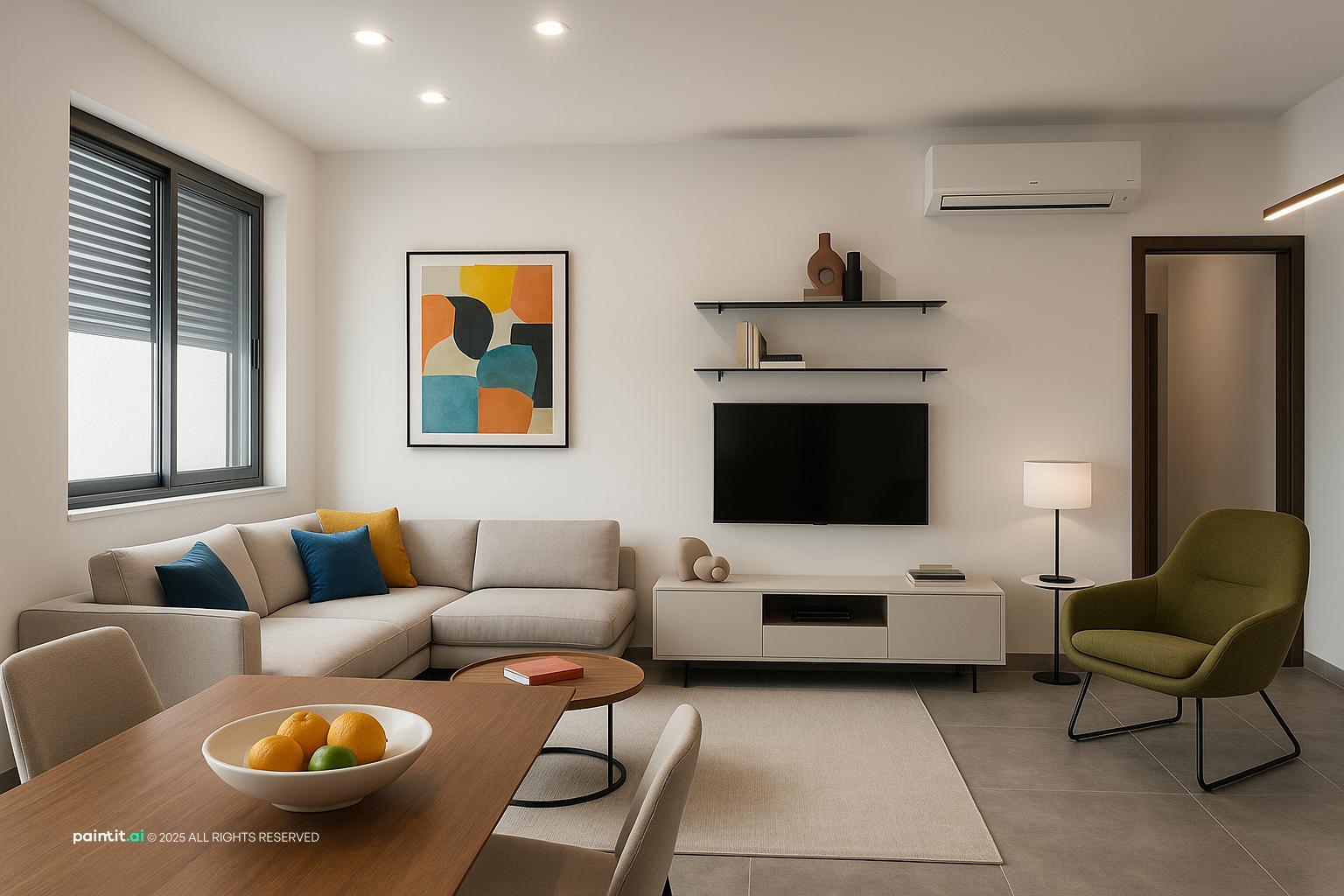
We often suggest a honed finish for a more refined, less rustic look, or even a subtle whitewash to lighten the traditional red-orange. Pair these floors with crisp white walls and low-slung sofas. The cool touch underfoot? Impeccable.
-
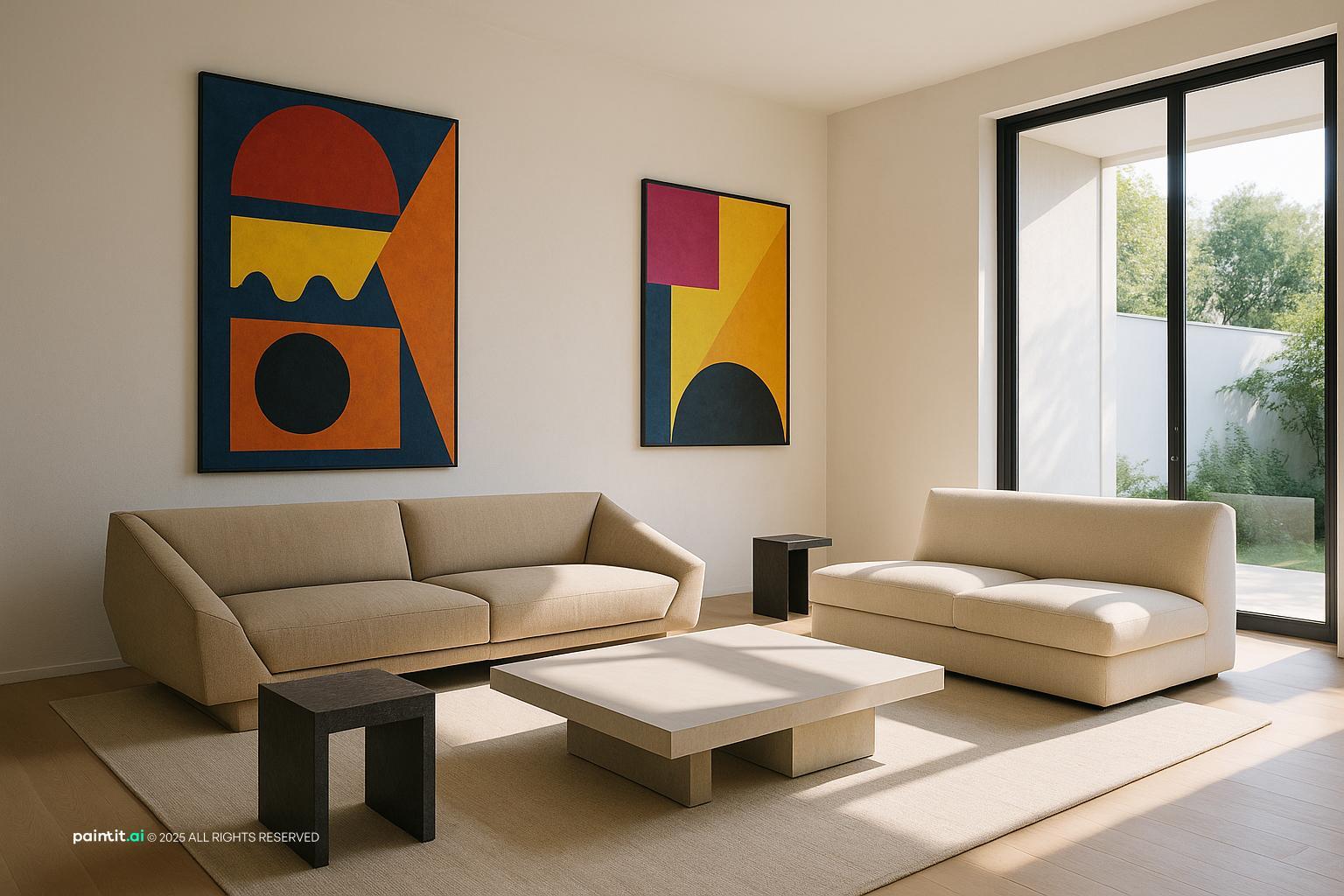
Comfort is paramount, but it doesn't mean sacrificing style. A modern Spanish living room embraces relaxed, inviting furniture. Think deep, low-profile sofas and armchairs upholstered in tactile, natural fabrics. Linen, organic cotton, or a raw silk blend—these materials breathe.
-
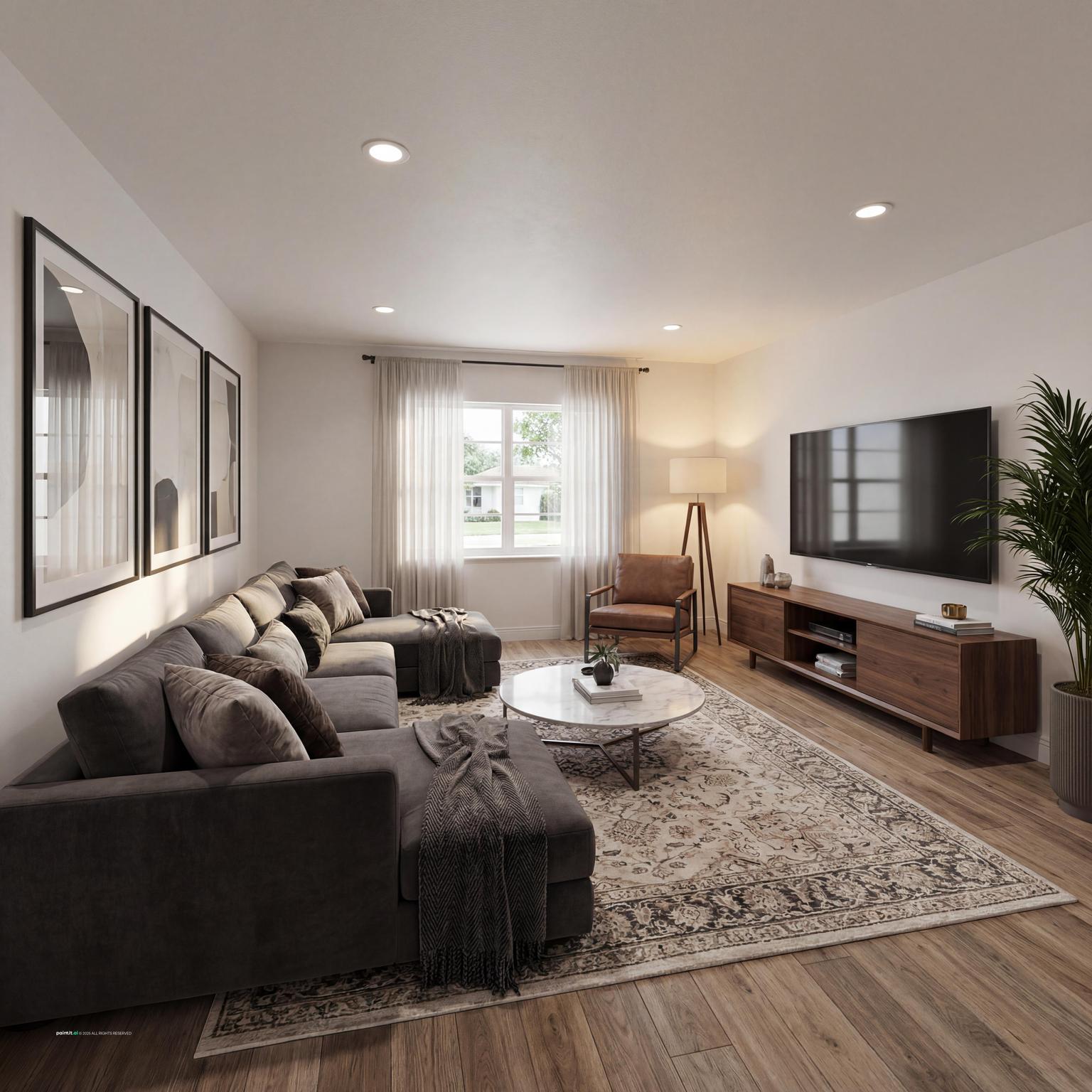
Opt for pieces with clean lines, perhaps a subtle nod to mid-century modern design, in shades of cream, olive, or a deep, inky blue. The contrast between the soft, inviting upholstery and the harder architectural elements creates a dynamic tension. It feels effortless, lived-in.
-
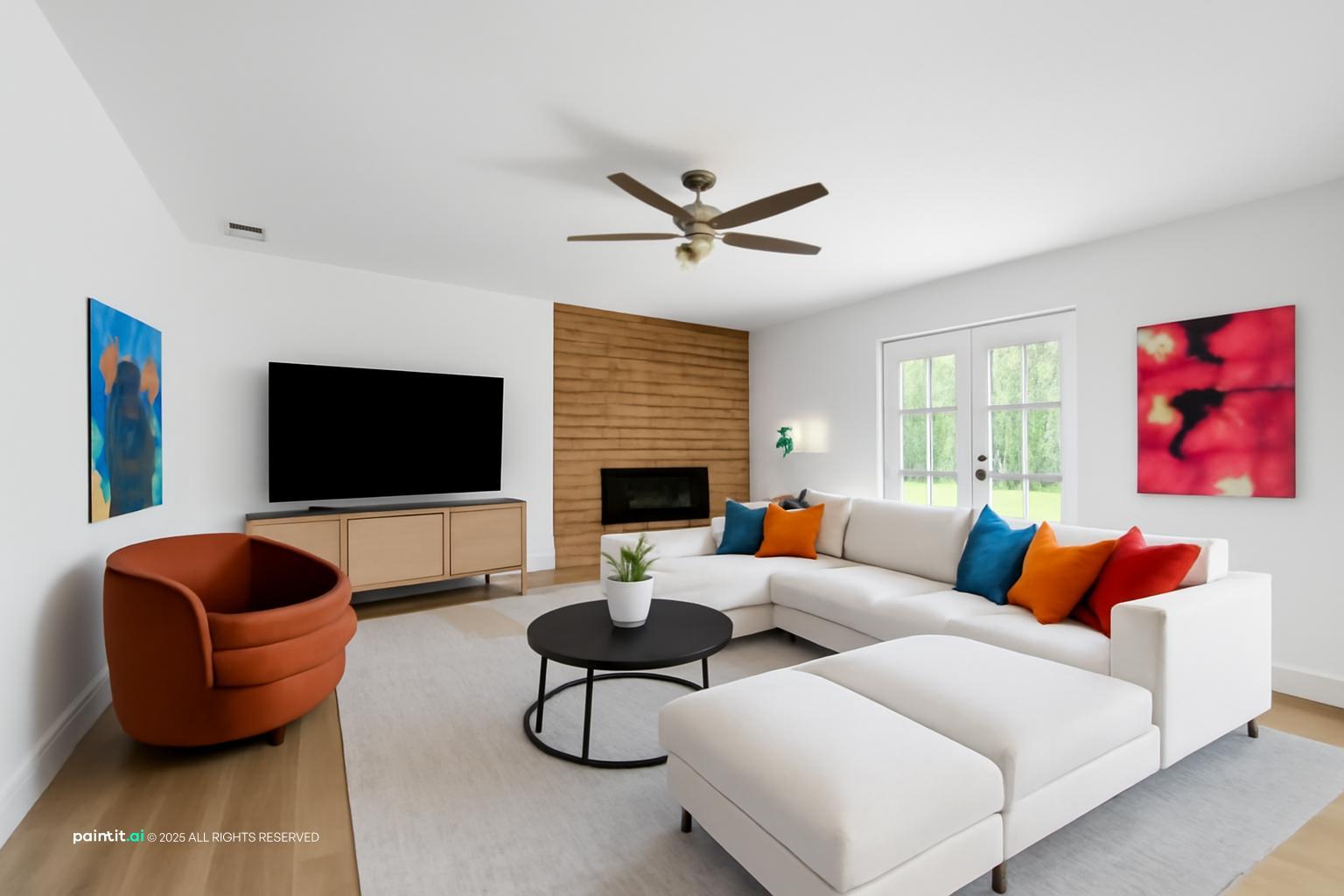
There’s an undeniable strength in wrought iron, a heritage material in Spanish design. But for a modern twist, we're thinking less ornate, more streamlined. Matte black finishes bring a contemporary edge, a quiet sophistication.
-
Introduce these elements through minimalist console tables, slender floor lamps, or even custom-fabricated shelving. A simple, unadorned wrought iron railing on an interior balcony? Pure magic. It grounds the space without overwhelming it, a subtle industrial whisper.
-
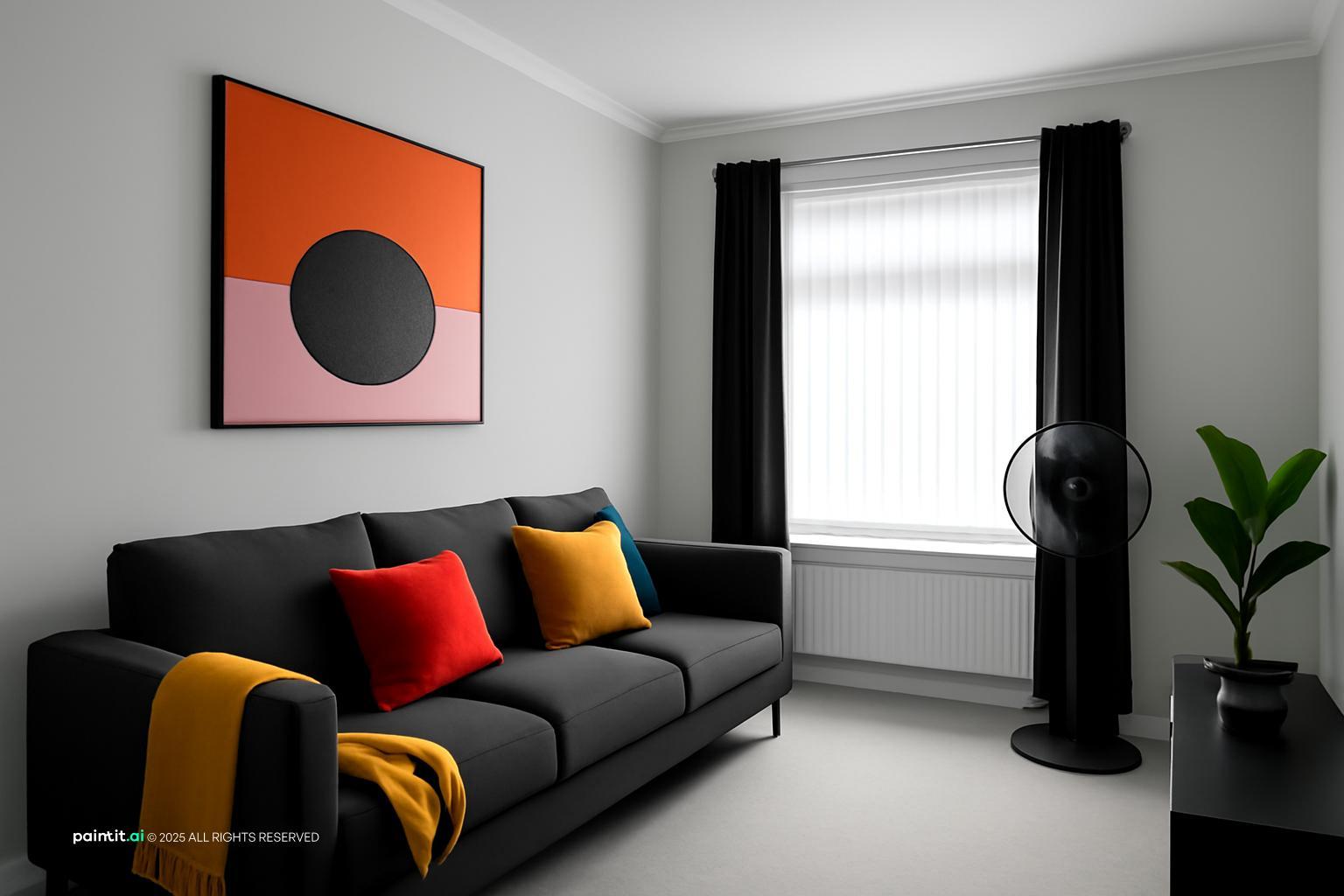
Lighting isn't just functional; it's art. In a modern Spanish living room, this means moving beyond generic fixtures. We're talking about pieces that feel handcrafted, sculptural, almost like found objects. A large, hand-forged iron chandelier, perhaps, or a series of oversized ceramic pendants.
-
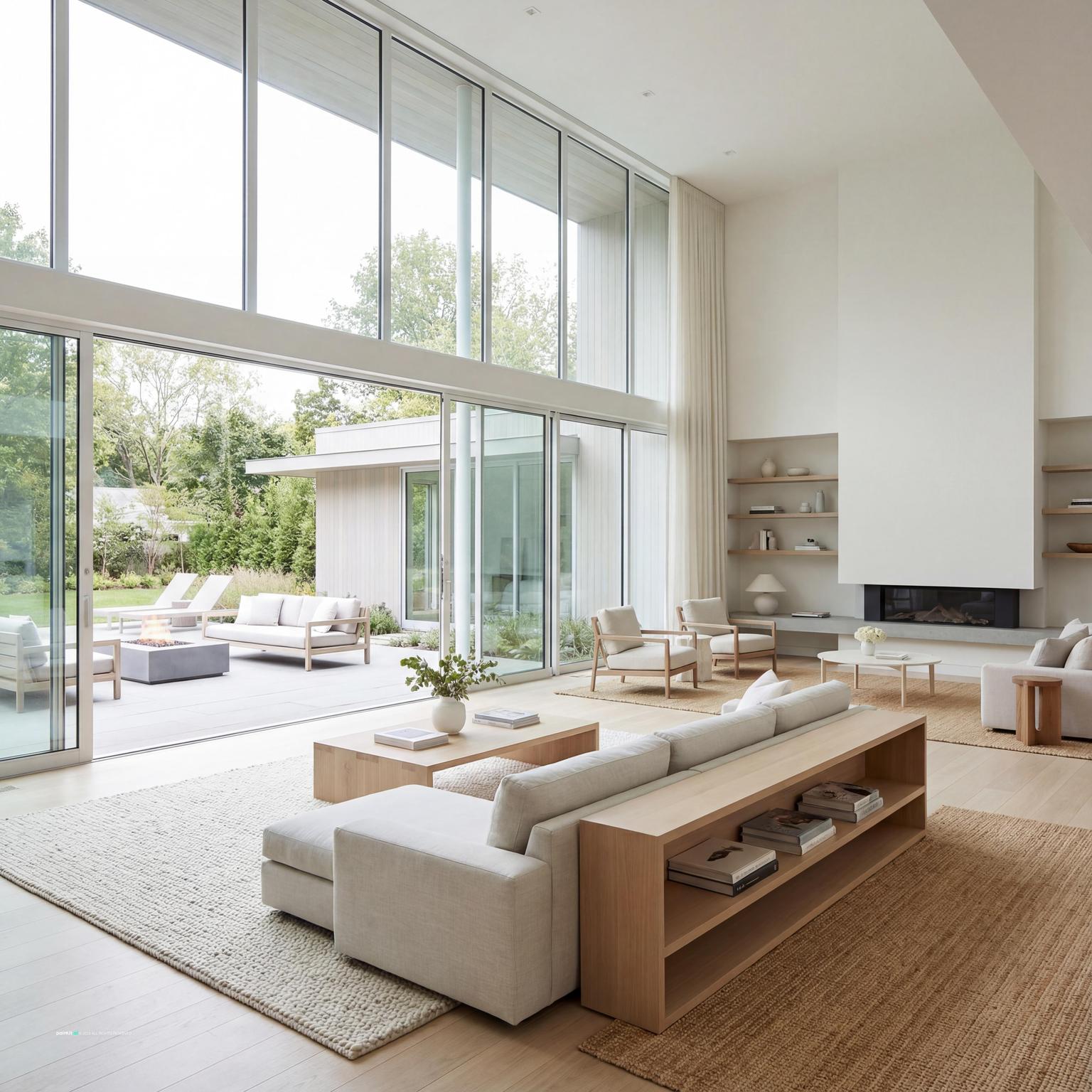
These fixtures become focal points, drawing the eye upwards. The light they cast is often softer, more atmospheric, enhancing the room's warmth. Consider a fixture with an aged brass or bronze finish for an extra layer of richness. It’s about creating mood, not just illumination.
-
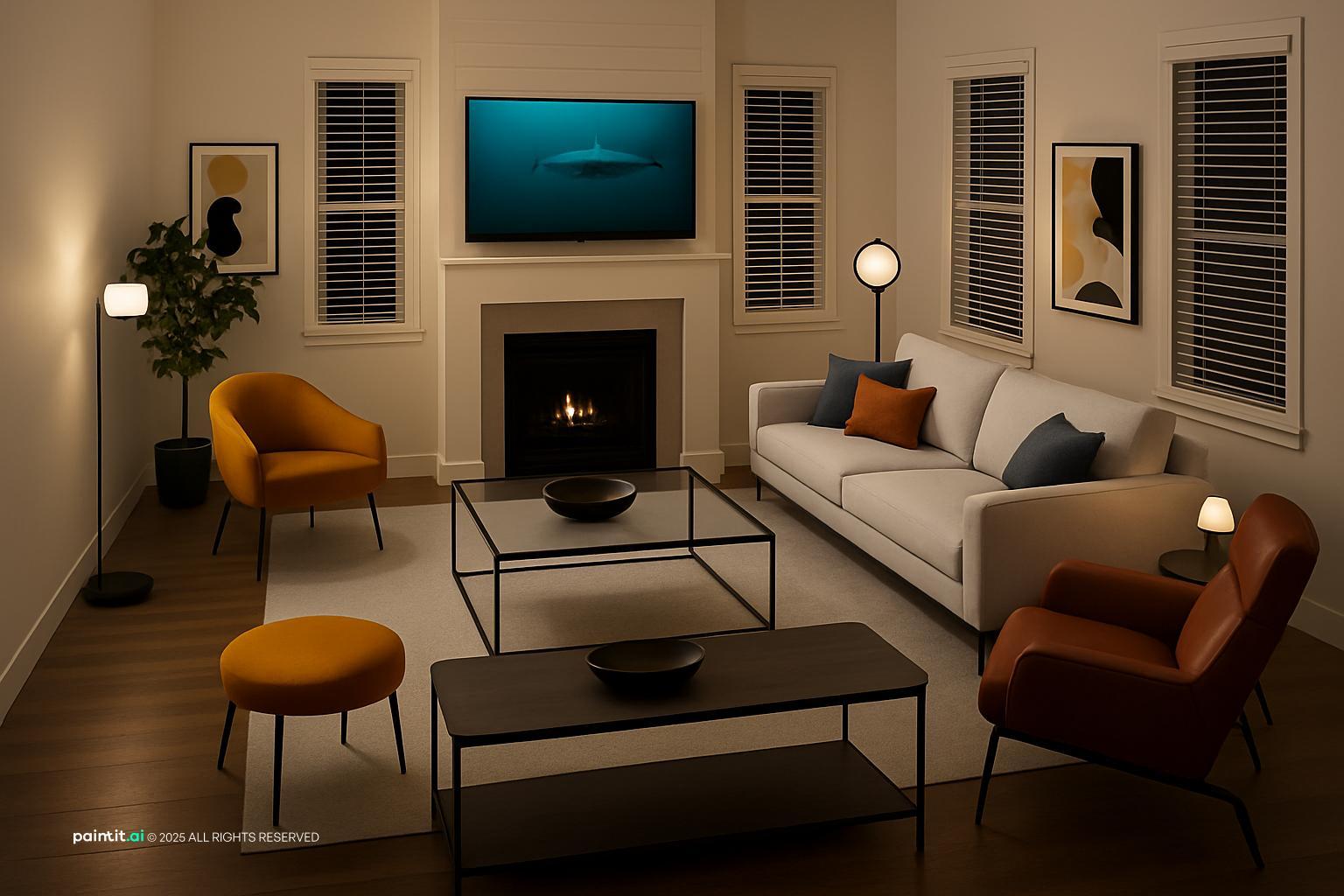
The Spanish climate naturally blurs the lines between inside and out. A modern Spanish living room embraces this connection. Large sliding glass doors or French doors that open onto a patio or courtyard are essential. It’s about bringing the outside in, literally.
-
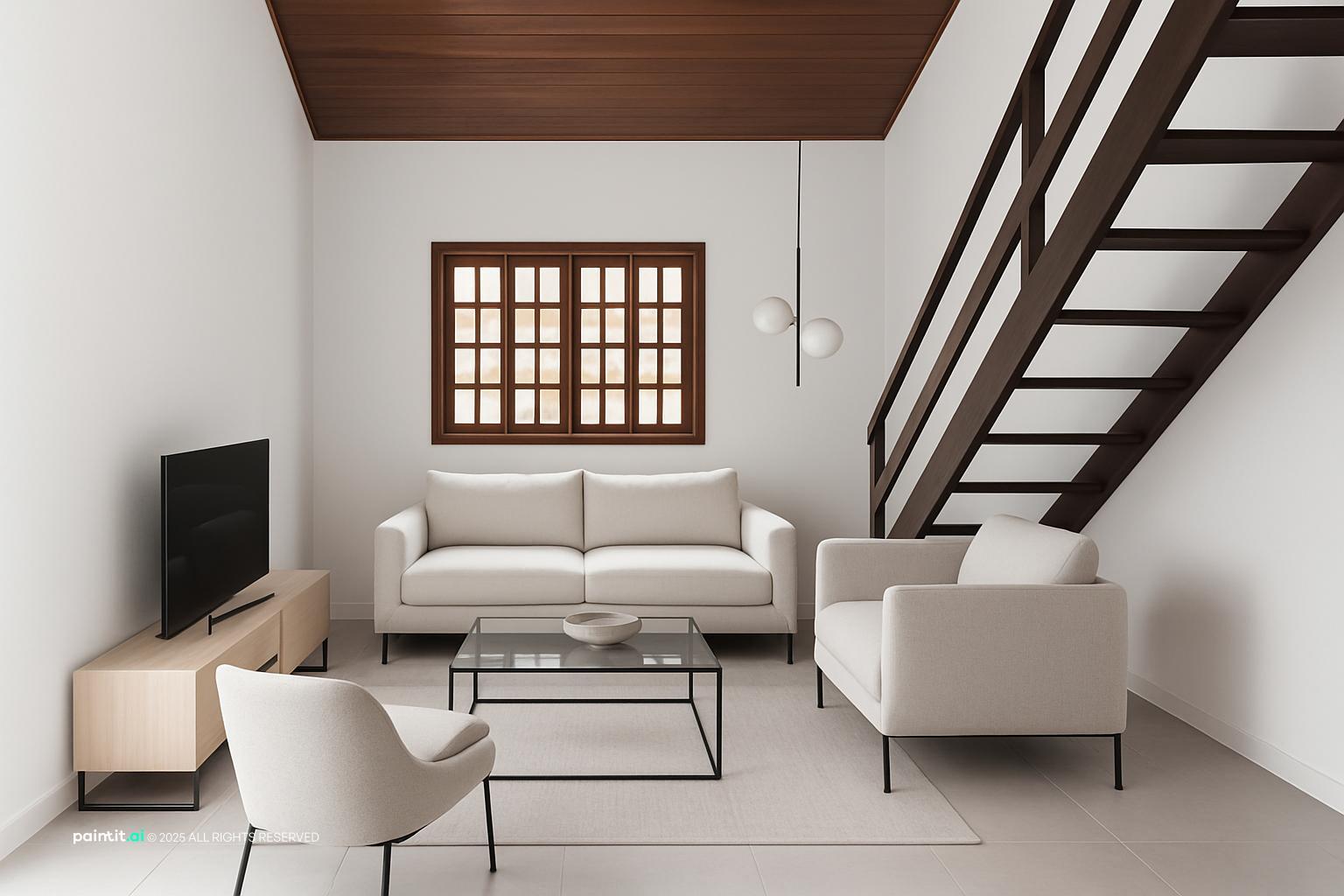
Extend your living room flooring materials—like those beautiful terra-cotta tiles—seamlessly onto an outdoor terrace. Use similar planting styles indoors and out, perhaps a potted olive tree or a large fig. This creates a sense of expansive living, a breath of fresh air. The feeling? Utterly serene.
-
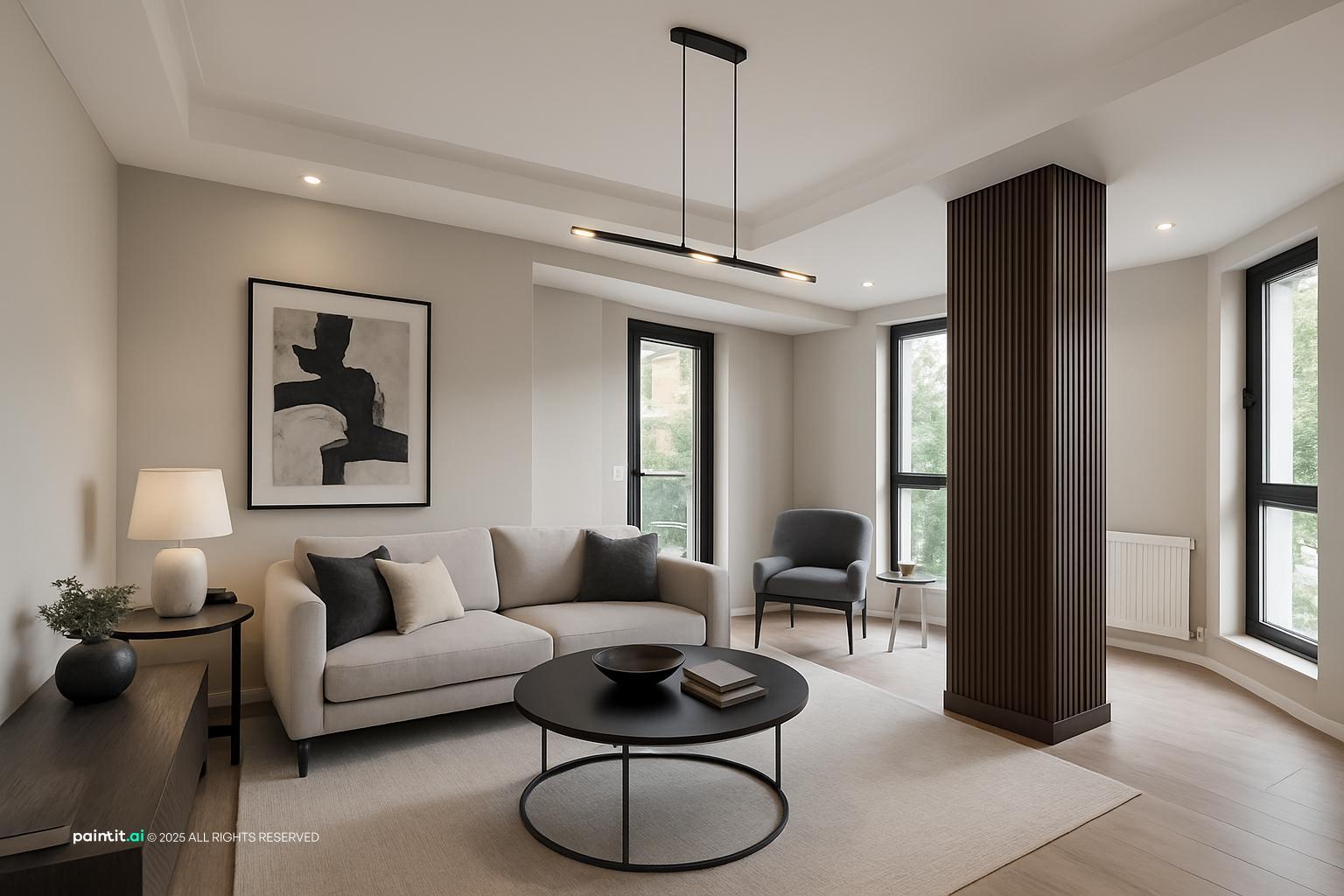
Forget bright, primary colors. A modern Spanish living room thrives on a sophisticated, muted palette inspired by the landscape itself. Think sun-baked earth, dusty greens of olive groves, and the deep blues of the Mediterranean sky. These colors feel organic, calming.
-
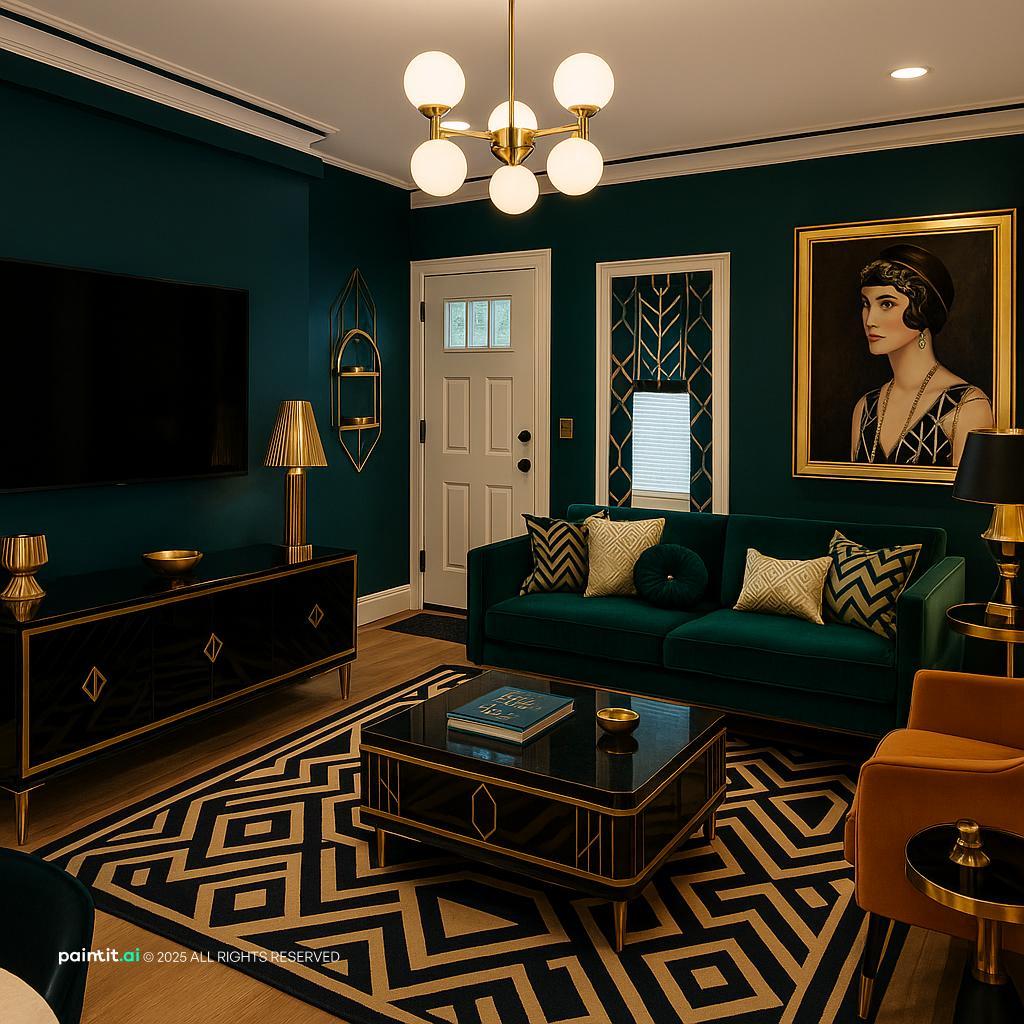
Layer these tones through textiles, subtle wall colors, and carefully chosen artwork. A sofa in a muted sage, throw pillows in a faded terracotta, and a large abstract painting featuring deep indigo. It’s about creating a harmonious, almost monochromatic, feel with subtle shifts in hue. The effect is enveloping.
-
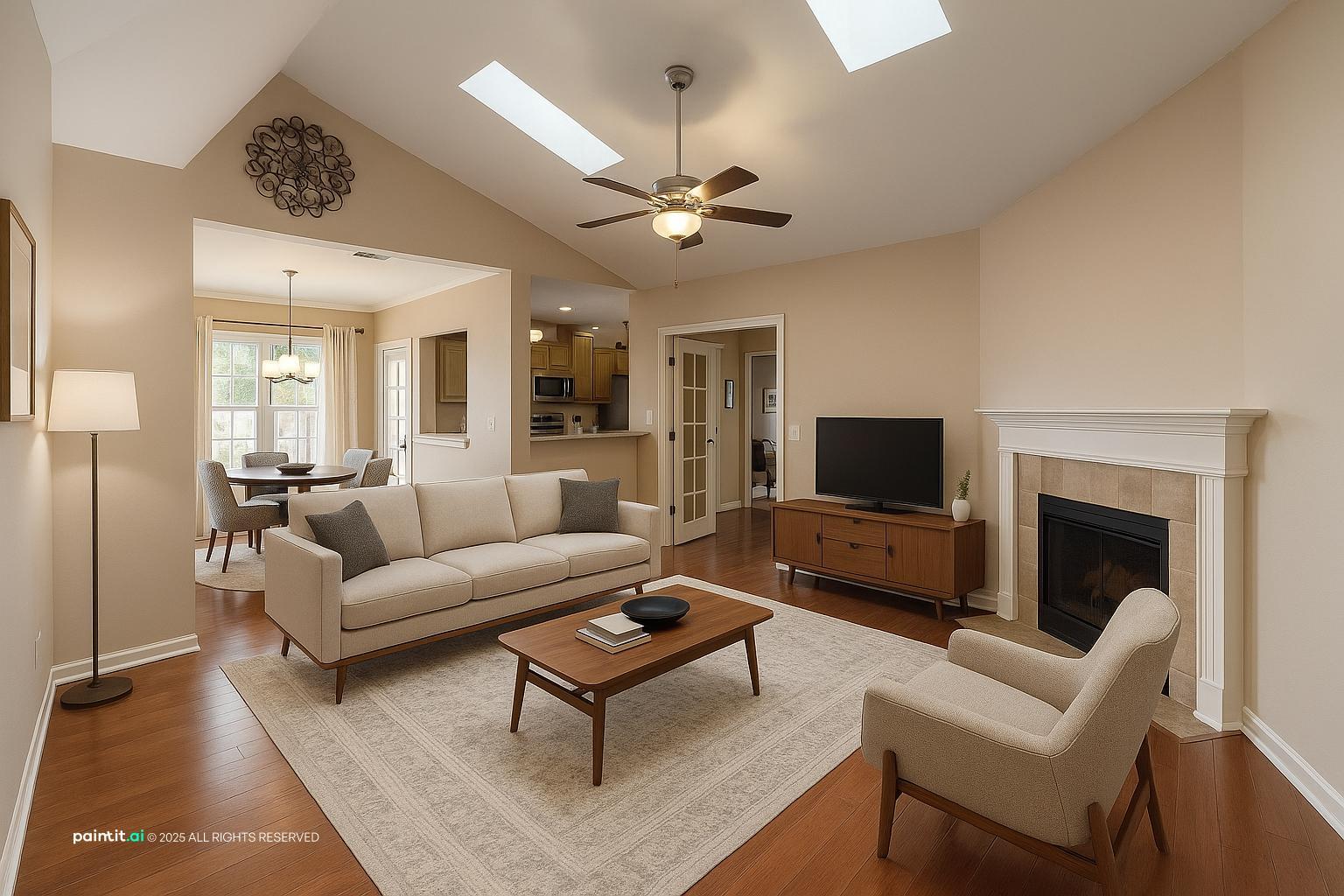
Hand-crafted objects bring soul to a space. In a modern Spanish living room, this means a curated collection of pottery, ceramics, and sculptural pieces. These aren't just decorative items; they're conversation starters, testaments to craftsmanship.
-
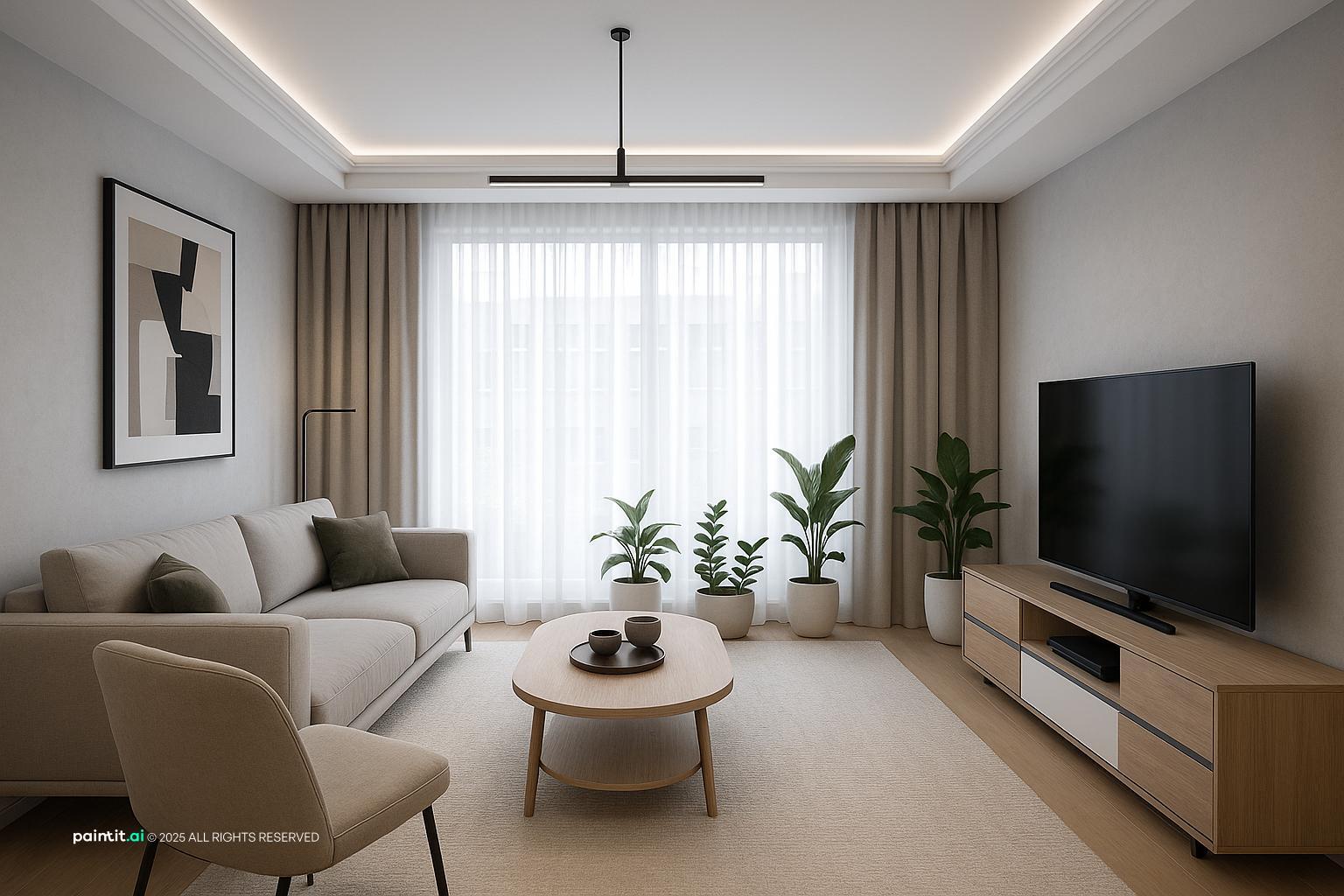
Look for oversized, unglazed earthenware vases, hand-thrown bowls, or abstract ceramic sculptures. Place them strategically on a console table, a built-in niche, or even directly on the floor. Their organic forms and tactile surfaces add texture and a sense of history. It feels authentic, not mass-produced.
-
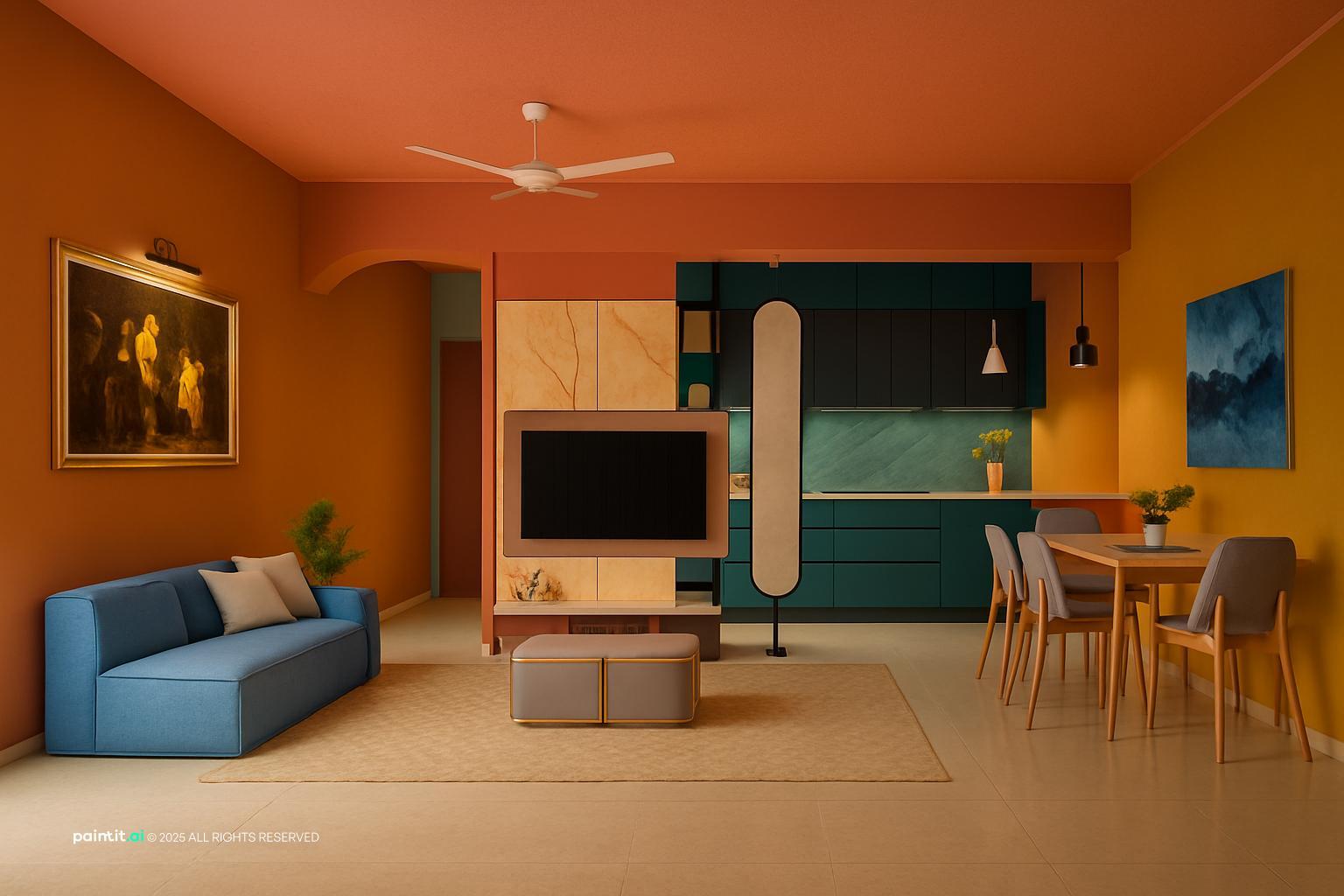
Exposed wooden beams are a hallmark of traditional Spanish architecture. For a modern take, we're not talking about heavy, dark beams everywhere. Instead, consider a few strategically placed, aged beams against a clean, minimalist ceiling. The contrast is striking.
-
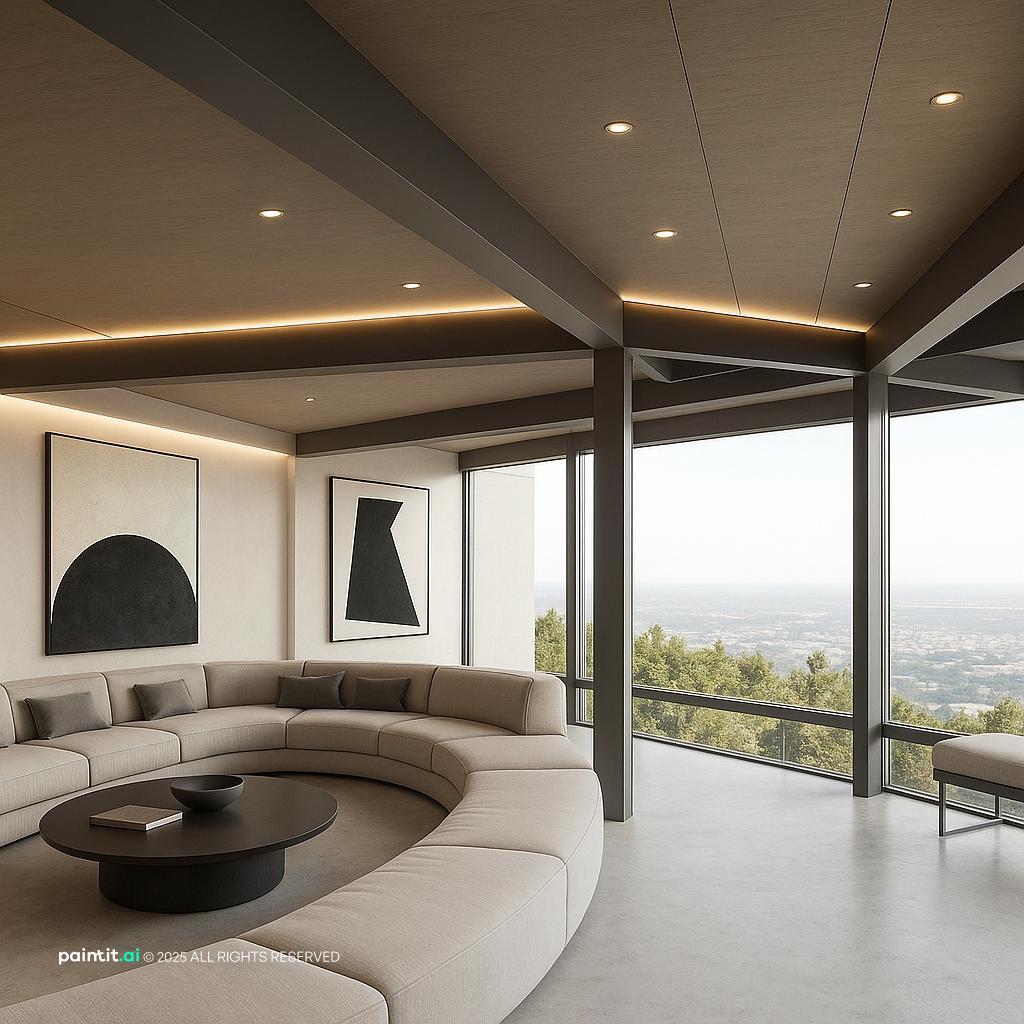
The beams should feel substantial, perhaps reclaimed oak or dark-stained pine, providing a rustic counterpoint to otherwise sleek finishes. This approach honors the past without making the room feel heavy or dated. It’s a touch of rustic charm, perfectly edited.
-
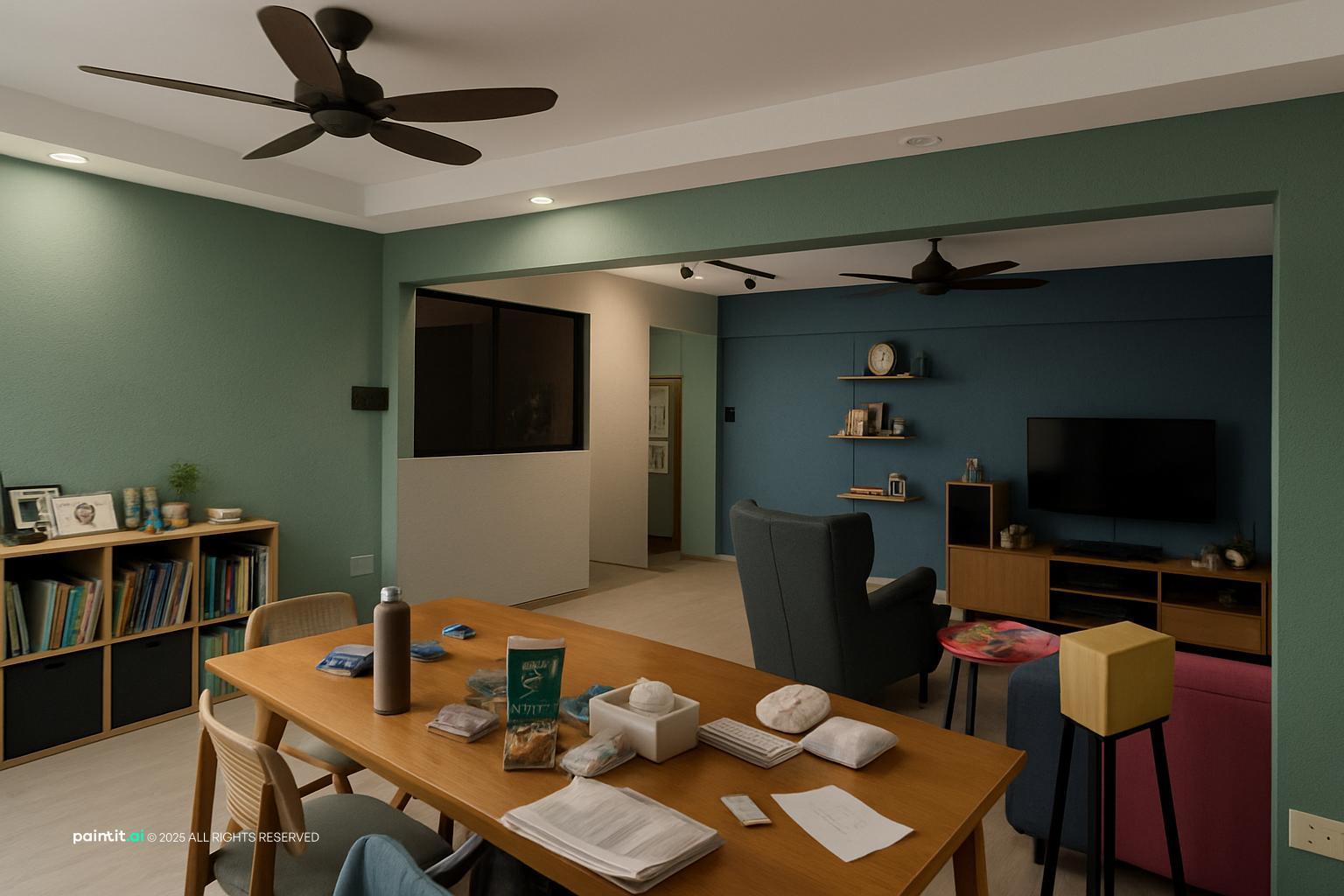
This is where the "modern" truly shines. The clean lines and functional beauty of mid-century modern furniture pair surprisingly well with Spanish textures and colors. It’s an unexpected fusion that works beautifully.
-
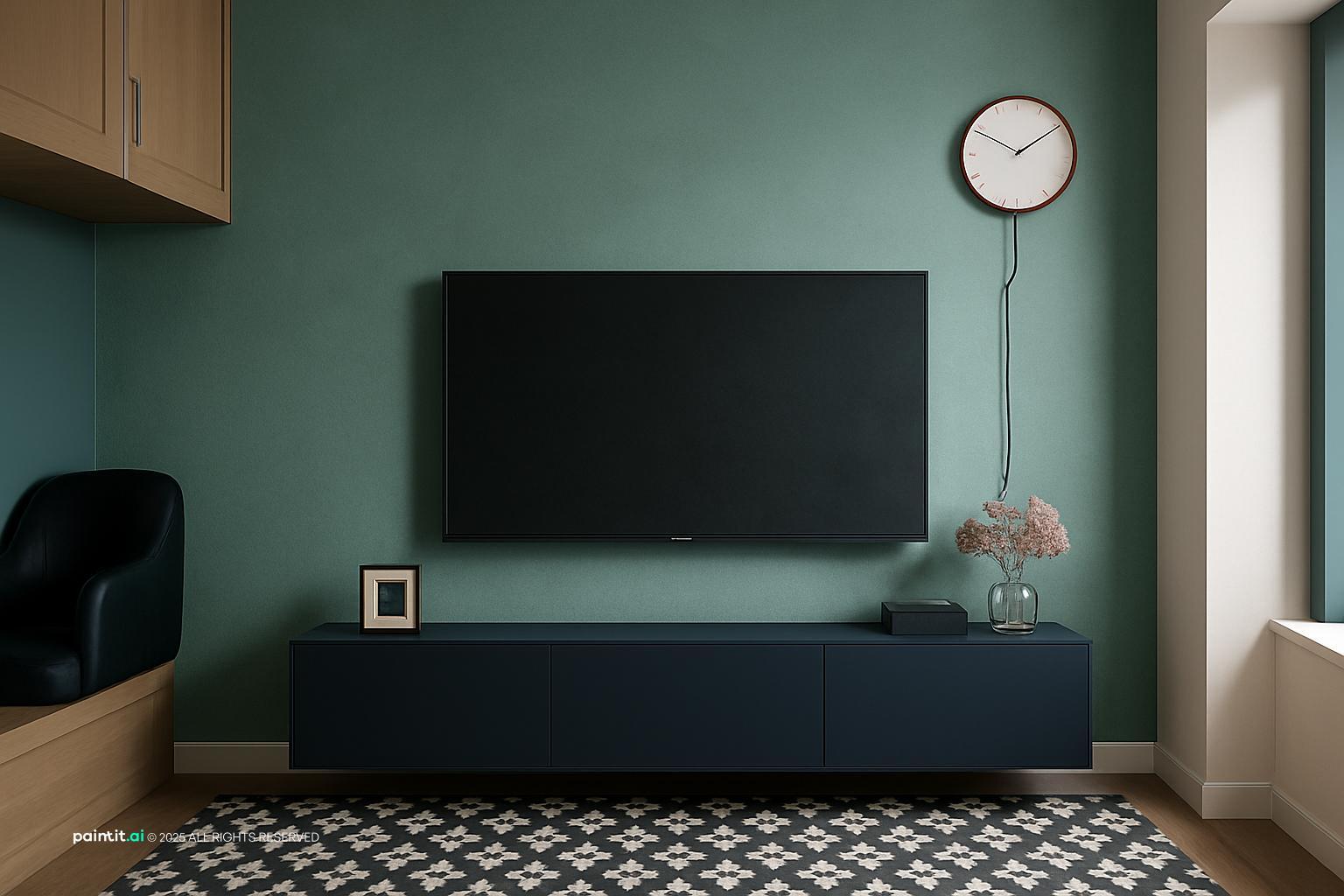
Imagine a sleek, low-slung credenza in walnut, or a pair of iconic Eames lounge chairs, set against those textured plaster walls. The warmth of the wood and leather complements the earthy tones. This blend feels sophisticated, a little unexpected, and utterly timeless. It’s about intelligent design, not just trends.
-
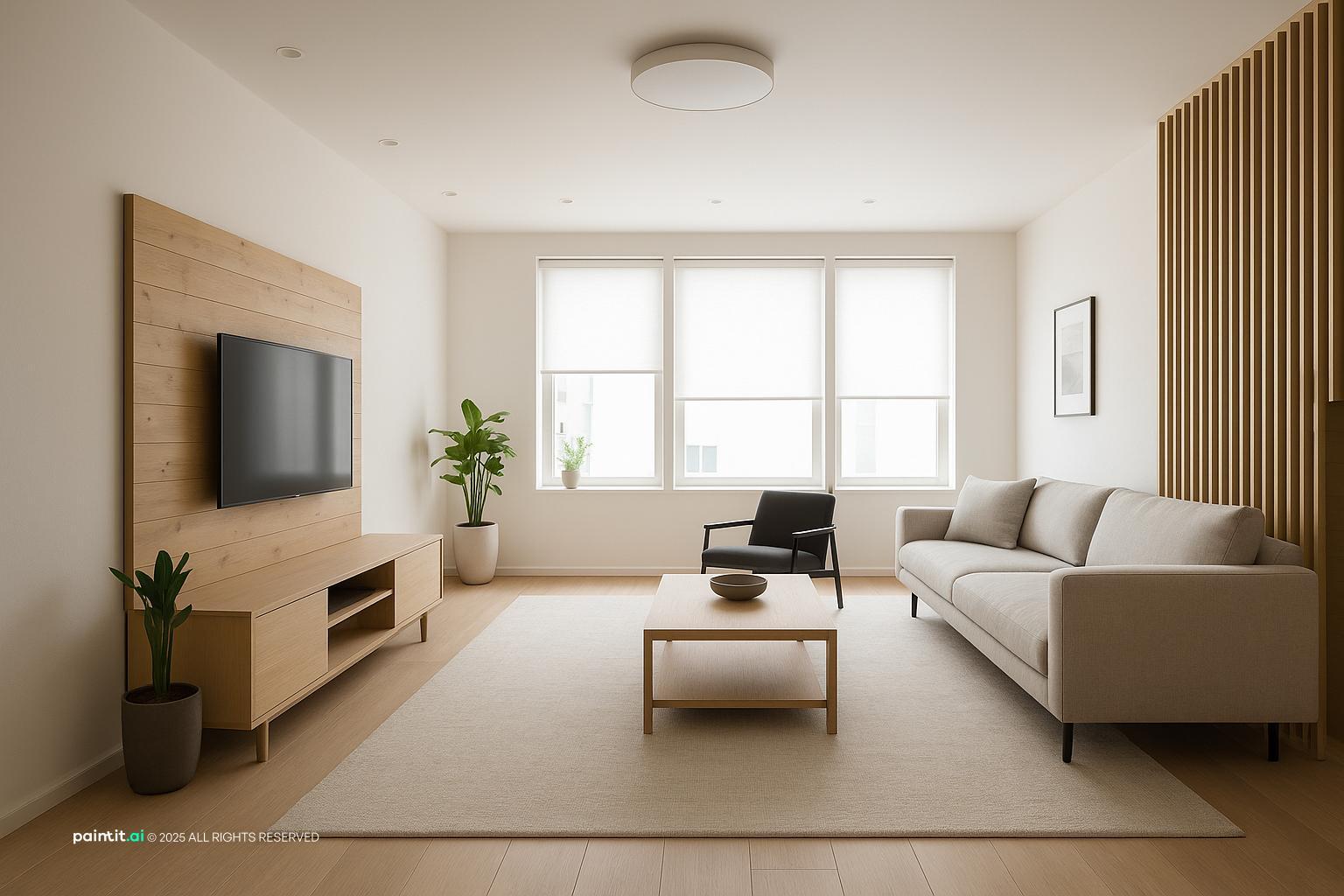
Texture is everything. A modern Spanish living room feels rich, inviting, and tactile. This comes from layering different natural fabrics. Think beyond just a rug and throw pillows; consider curtains, wall hangings, and even upholstered furniture.
-
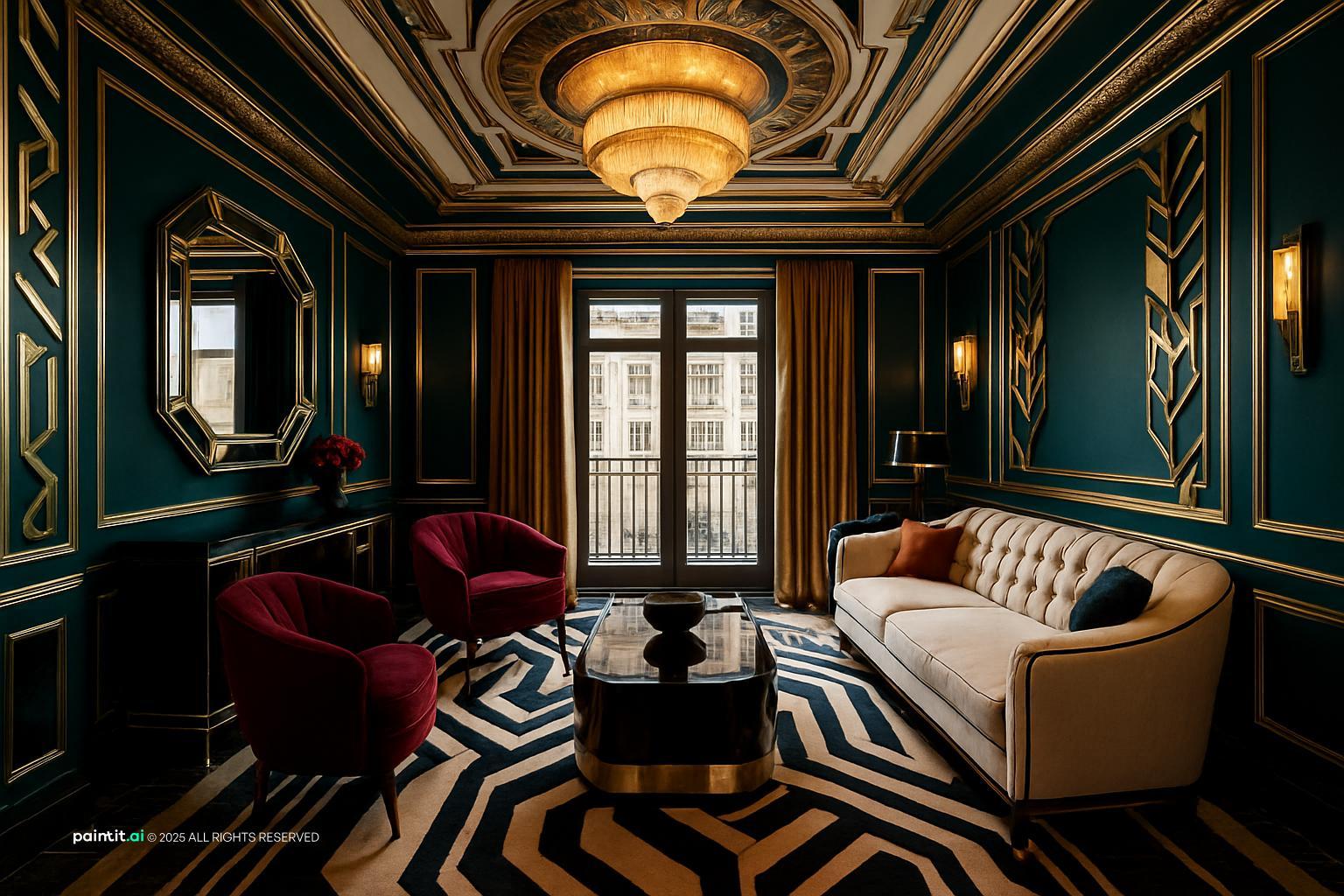
A large, hand-knotted jute rug provides an earthy base. Layered linen throw pillows in varying shades of cream and beige add softness. A chunky wool throw draped over a sofa invites you to curl up. These layers create depth and warmth, making the room feel incredibly cozy. It’s about sensory richness.
-
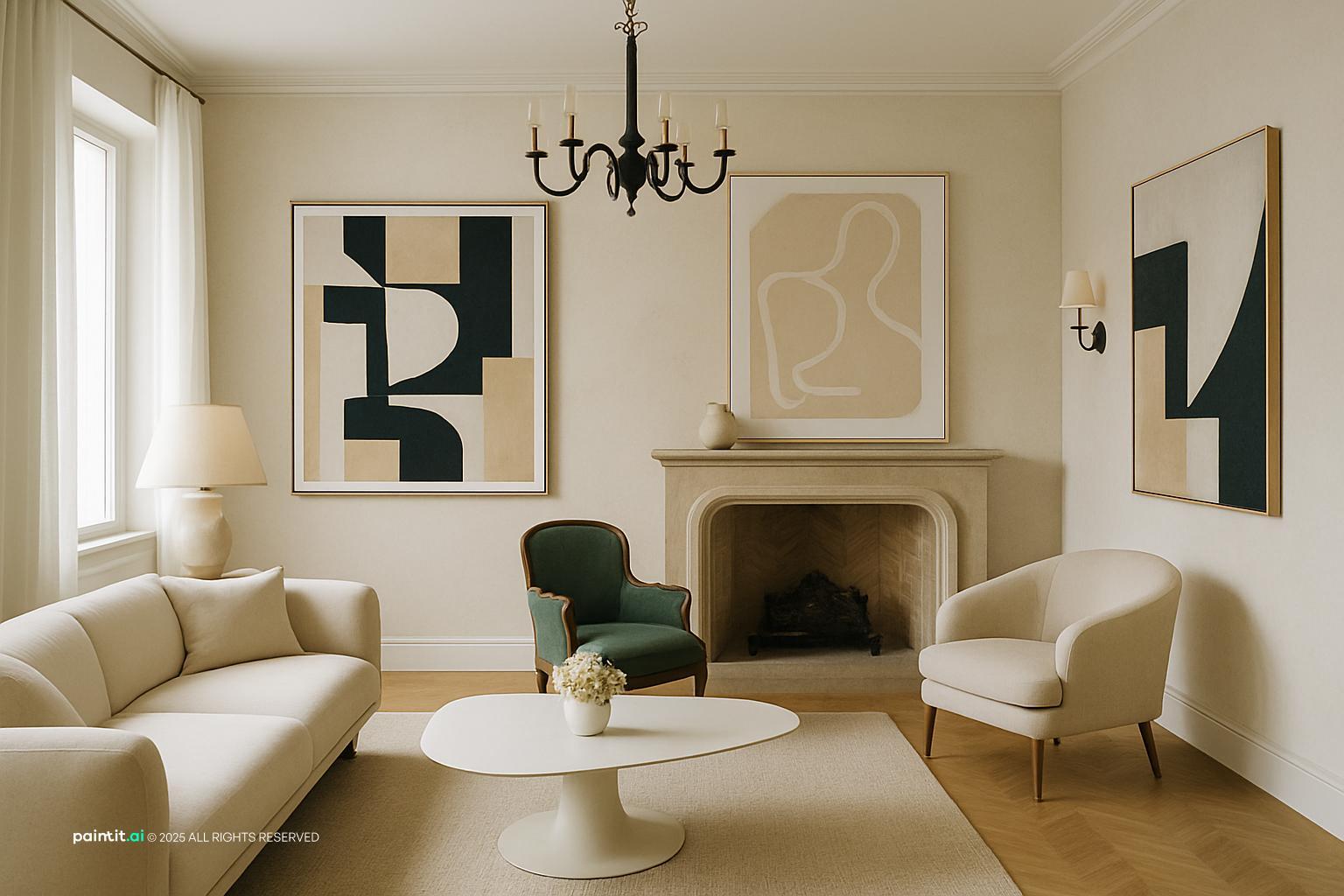
Spanish architecture often features integrated elements, and a modern living room can benefit from this. Built-in seating, a window bench, or recessed shelving offers both functionality and a sense of permanence. It feels bespoke, intentional.
-
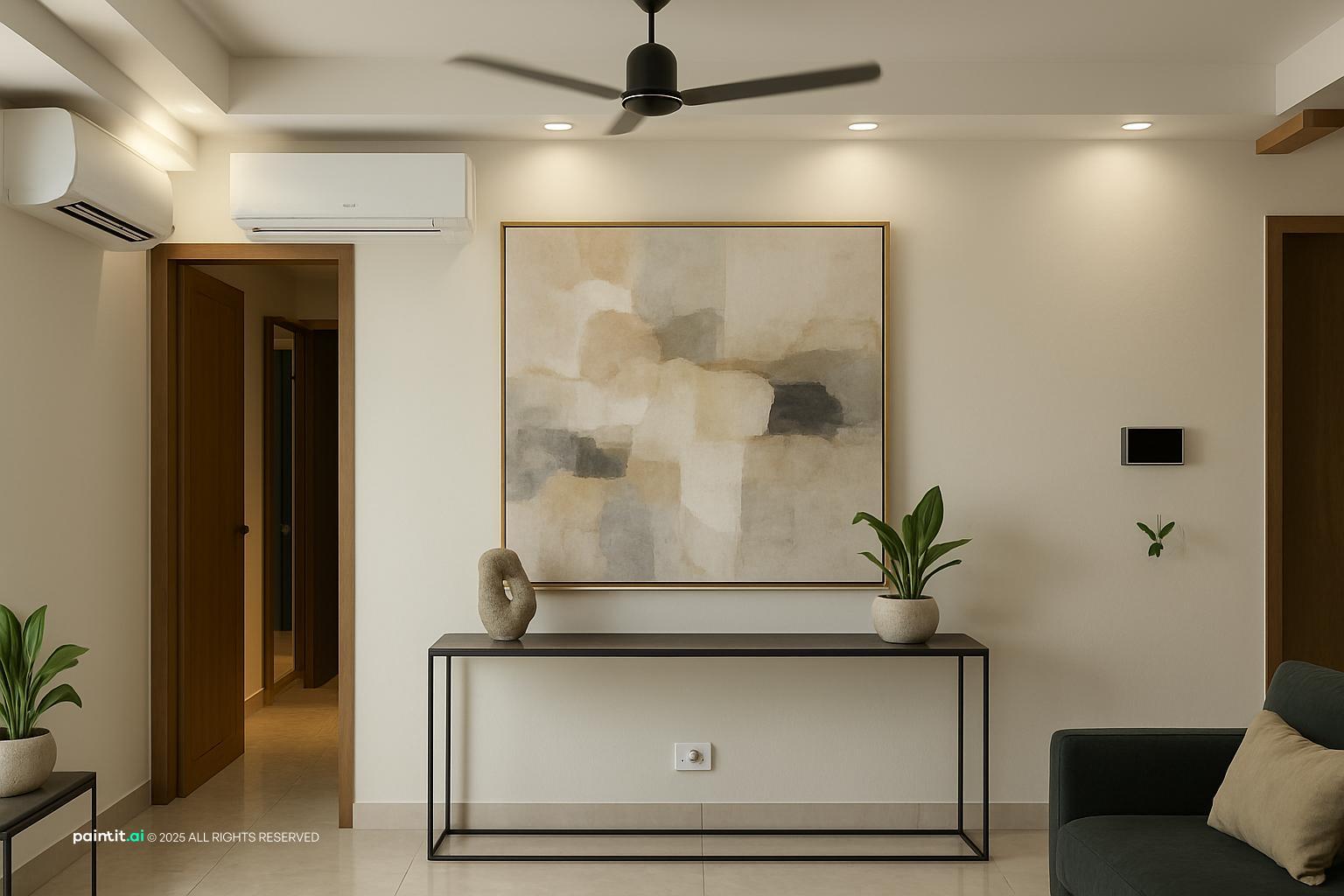
These elements can be plastered to match the walls, creating a seamless, sculptural look. Imagine a built-in sofa piled with cushions, or a series of arched niches displaying those artisanal pottery pieces. It maximizes space and adds architectural interest without clutter. The result? Impeccable.
-
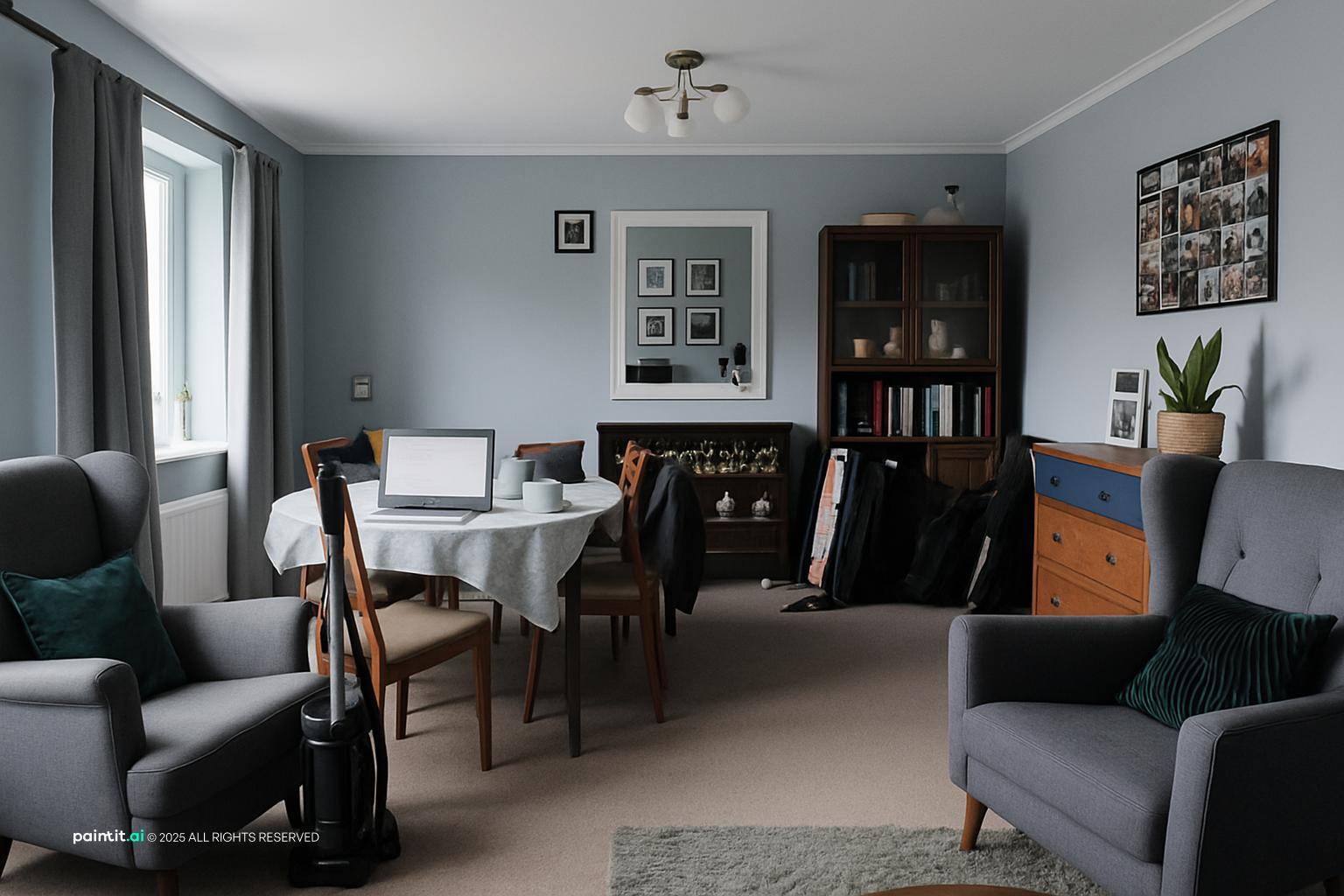
While the focus is Spanish, a touch of North African influence feels perfectly at home. Moroccan rugs, particularly those with minimalist patterns or solid textures, can add a layer of global sophistication without overwhelming the space. They bring warmth, history, and a touch of the exotic.
-
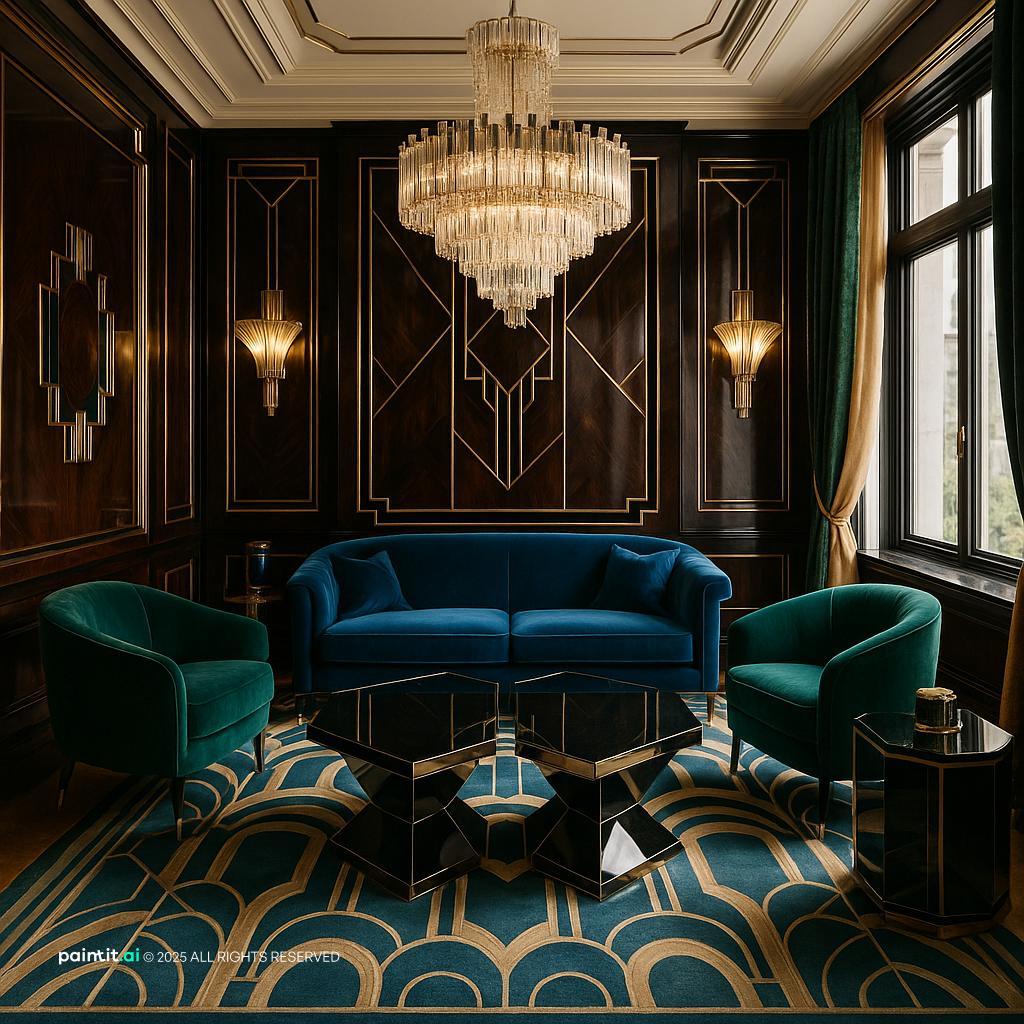
Look for a Beni Ourain rug with its creamy wool and simple geometric patterns, or a vintage Azilal with more abstract, colorful motifs. The key is subtlety; let the rug be a quiet anchor, not a shouting statement. It’s about cultural dialogue, not appropriation.
-
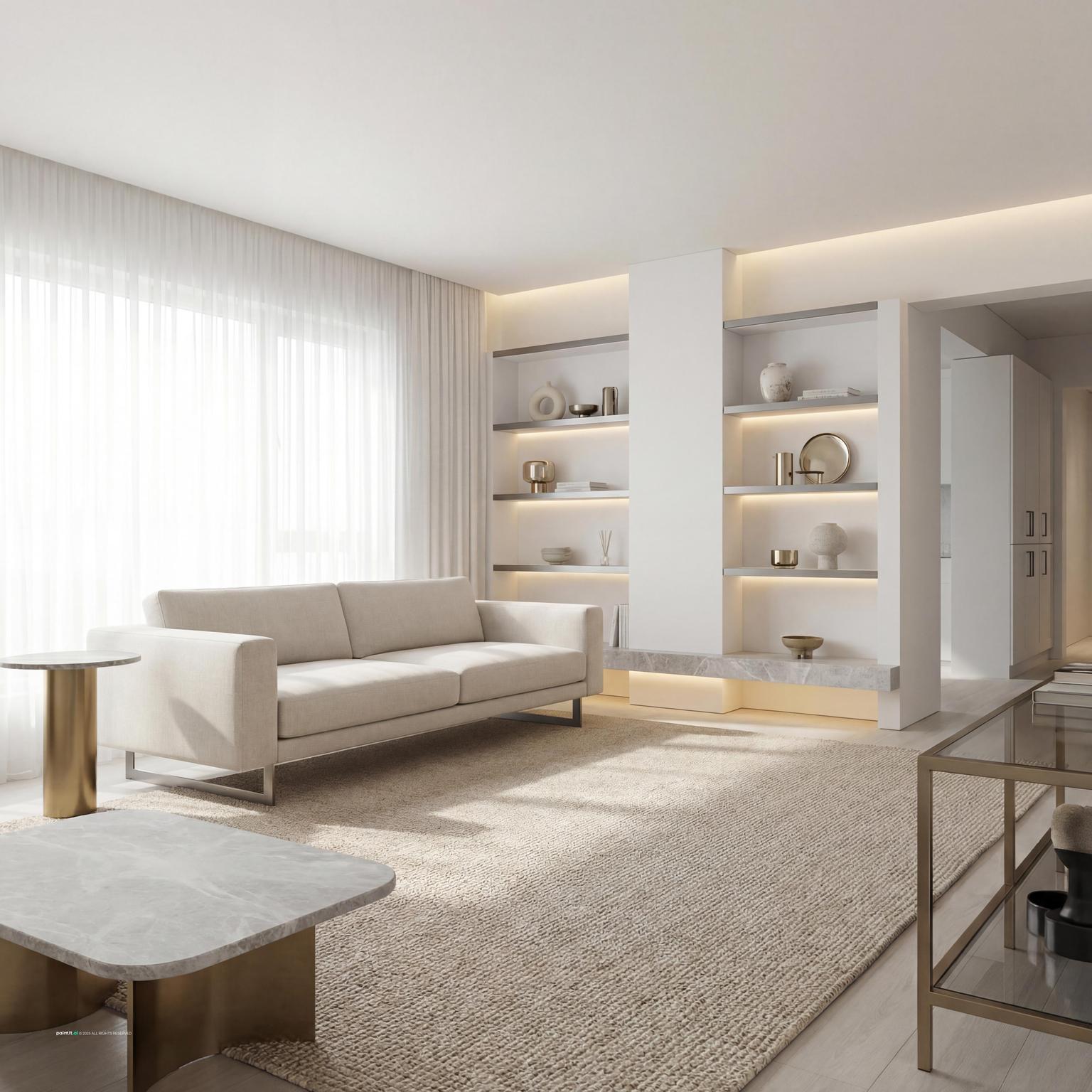
A little sparkle never hurt anyone, especially when it’s refined. Brushed brass or aged bronze accents can introduce a touch of understated luxury to a modern Spanish living room. It's about warmth, not glitz.
-
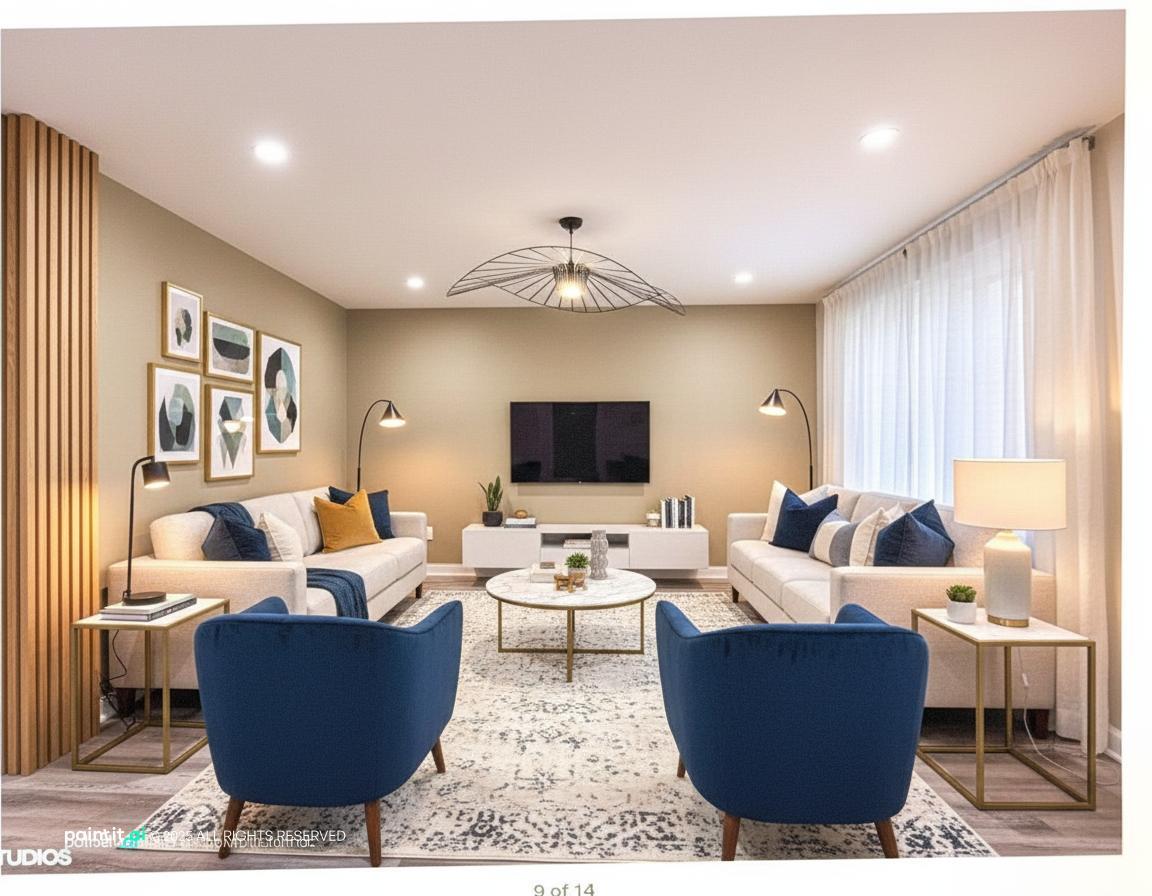
Think about hardware on a console, the base of a coffee table, or a delicate picture frame. These small touches catch the light, adding a subtle gleam that complements the earthy tones and natural textures. It feels considered, a quiet elegance. The thing is, these details often make all the difference.
The Art of Effortless Warmth: Deconstructing the Modern Spanish Living Room to Life with Paintit.ai
-
Crafting a truly authentic modern spanish living room means looking beyond the surface. It’s about understanding the very DNA of the style, how each element plays a part in creating that inviting, sun-drenched feeling. We've seen countless attempts to capture this vibe, but the real magic happens when you grasp the underlying principles. It’s not just about aesthetics; it’s about a feeling, a way of living.
-
Begin with a base of chalky white or a soft, sun-baked ochre on your walls, allowing light to truly breathe. Layer in secondary tones like muted terracotta blush or dusty sage, reminiscent of the landscape. For a sophisticated accent, a deep indigo or a rich charcoal can ground the space, adding unexpected depth to your modern spanish living room.
-
Textured plaster walls immediately create a sense of history and warmth, inviting touch. Reclaimed terra-cotta flooring grounds the room, offering an earthy foundation that feels both ancient and cool underfoot. Introduce natural linen or organic cotton for seating, providing soft, breathable comfort, while matte black wrought iron accents add a quiet, industrial strength that defines the spanish modern living room.
-
A deep, low-slung sofa in a natural fabric is non-negotiable, inviting relaxation and conversation. Pair this with a substantial, perhaps reclaimed, wooden coffee table that anchors the space and offers a tactile surface. Finally, a sleek, mid-century inspired armchair, perhaps in cognac leather, introduces a clean line and a touch of unexpected sophistication, balancing the rustic elements of a modern spanish style living room.
-
Ambient light should be soft and enveloping, achieved through a large, hand-forged iron chandelier or oversized ceramic pendants that cast a warm glow. Task lighting, like a slender floor lamp with an aged brass finish, provides focused illumination for reading. Accent lighting from subtle wall sconces or recessed niche lights highlights architectural features and artisanal decor, creating layers of inviting atmosphere.
-
Curated artisanal pottery, often unglazed and sculptural, brings soul and texture to a modern spanish living room. Consider a collection of three varying-sized ceramic vases on a console table, or five hand-thrown bowls artfully arranged on a built-in shelf. A large, framed abstract artwork with earthy tones can serve as a focal point, while a few well-placed, robust plants—like an olive tree or a large fig—introduce natural life. The thing is, grouping these elements in odd numbers—three, five, or seven—creates a dynamic, visually pleasing arrangement that feels effortlessly composed, not cluttered. It’s about creating moments of visual interest, not just filling space.
Paintit.ai: See Your Modern Spanish Living Room Come to Life, Instantly Design Ideas
The truth is, blending rustic charm with sleek lines in a modern spanish living room can feel like a gamble. We've seen how hard it is to visualize those terra-cotta floors with contemporary furniture. Paintit.ai lets you instantly see countless versions of your modern spanish style living room, ensuring every element harmonizes before you commit. Try it; avoid those costly design missteps.
FAQ
-
When we talk about a modern Spanish living room, we’re really looking at a thoughtful blend. It’s not about recreating a dusty hacienda, but rather distilling the essence of Spanish design—its warmth, its materiality, its connection to the earth—and filtering it through a contemporary lens. Think clean lines meeting rustic textures. It’s about sun-drenched spaces, yes, but with an edited, intentional feel. We're aiming for a sophisticated, relaxed atmosphere, where traditional elements like exposed wooden beams or arched doorways coexist beautifully with minimalist furniture and abstract art. This isn't your grandmother's villa; it's a fresh take, a truly modern Spanish style living room.
-
The truth is, materials are the soul of a Spanish modern living room. You absolutely need natural, tactile elements. Reclaimed terra-cotta tiles, perhaps in a subtle herringbone pattern, are a classic. Dark, rich woods—like walnut or aged oak—for ceiling beams, custom cabinetry, or even a substantial coffee table, ground the space. Wrought iron, used sparingly in a console table or a floor lamp, adds that unmistakable Spanish character without feeling heavy. Then there's plaster, often with a subtle texture, on the walls. And for textiles? Think natural linen, raw cotton, or even a touch of sheepskin for softness. We’ve seen this work best when these materials are allowed to breathe, not overwhelmed by clutter.
-
This is the kicker, isn't it? The art of a modern Spanish living room lies in that delicate dance. It sounds simple, but most people forget that less is often more. Start with a strong traditional anchor—maybe an architectural feature like an original fireplace or those beautiful arched windows. Then, introduce contemporary pieces that speak to simplicity and comfort. A sleek, low-slung sofa in a neutral tone, for instance, paired with a vintage Spanish rug. Or perhaps a collection of modern ceramics on a rustic, hand-carved console. The goal isn't to create a museum; it's to curate a space that feels lived-in, layered, and effortlessly composed. Avoid matching everything; instead, aim for harmonious contrast. We often advise clients to pick one or two "hero" traditional pieces and let modern design do the rest of the heavy lifting.
-
Forget the bright, primary colors often associated with some Spanish aesthetics. For a modern Spanish living room, we lean into a more muted, earthy palette. Think warm whites, creamy off-whites, and soft taupes for the main walls—these act as a perfect canvas for the natural light. Then, layer in deeper, richer tones through textiles and accents: terracotta reds, sun-baked oranges, deep olive greens, and even moody blues. Black, used sparingly in metalwork or a striking piece of art, provides essential contrast and a touch of drama. It’s about creating depth and warmth, not overwhelming the senses. We want the colors to feel organic, like they’ve been kissed by the Mediterranean sun, not painted on.
-
Absolutely. One common mistake we’ve seen is overdoing the "theme." A modern Spanish style living room isn't about filling every corner with clichés like bullfighting posters or flamenco dancers. Another pitfall is neglecting the light. Spanish homes are all about maximizing natural light, so heavy, dark window treatments can really kill the vibe. Instead, opt for sheer linen curtains or simple wooden shutters. Also, don't forget the importance of negative space. A truly modern aesthetic requires room to breathe; cramming too much furniture or too many decorative items makes the space feel heavy, not airy and inviting. It’s about preservation over imposition, letting the architectural bones and key pieces shine.