
Creating a Modern Organic Living - Room: Your Guide to Natural Serenity
Imagine stepping into a space where every texture feels right, where light softly filters through natural elements, and the air just breathes ease. Crafting a modern organic living room means blending comfort with nature's quiet beauty, often feeling like a puzzle to get just right. How do you achieve that perfect balance of warmth and contemporary style?
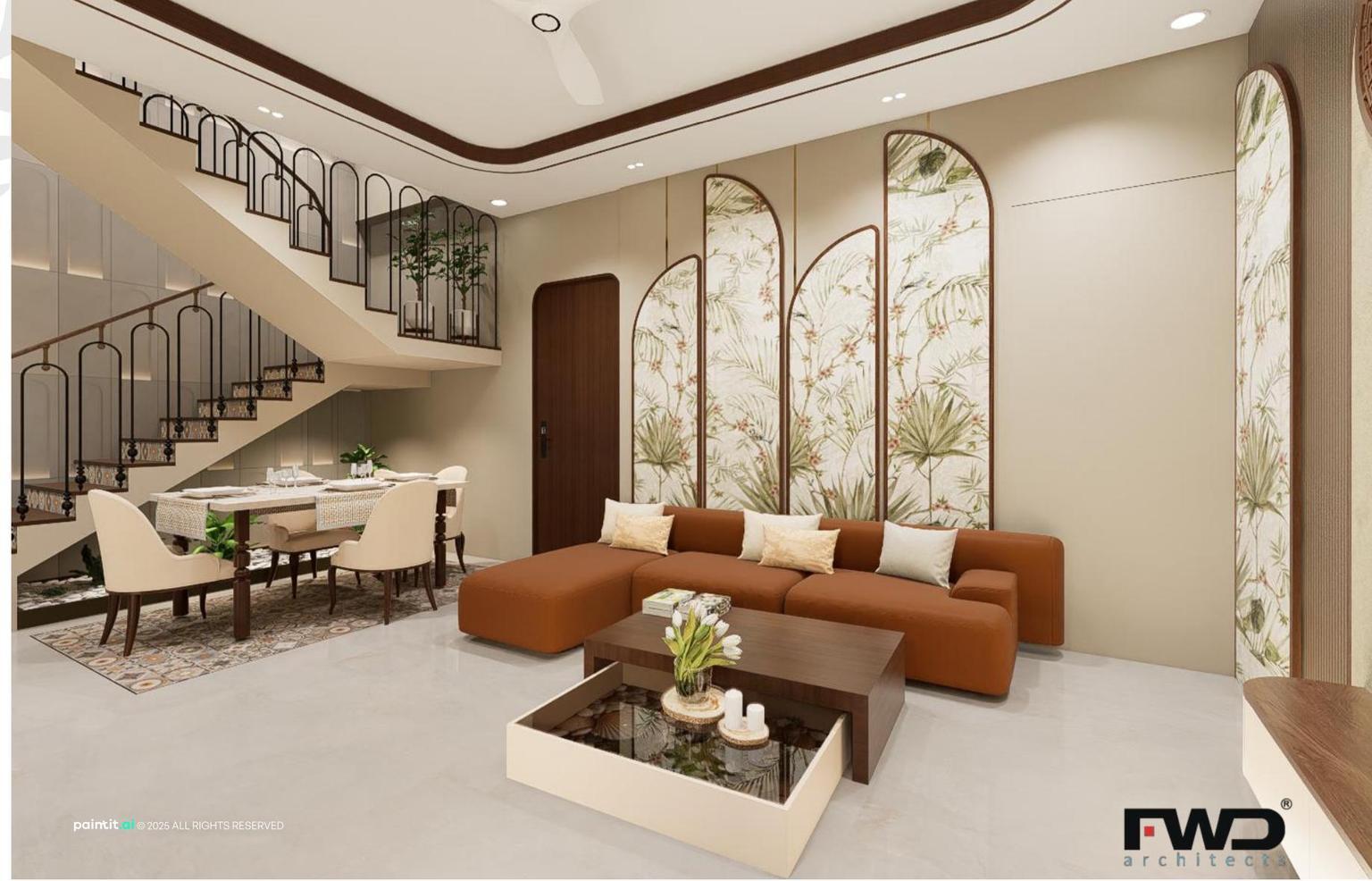
Essential Tips for Crafting Your Modern Organic Living Room: A Breath of Fresh Air
Stunning Examples of 13 Ways to Cultivate Your Modern Organic Living Room Sanctuary
-
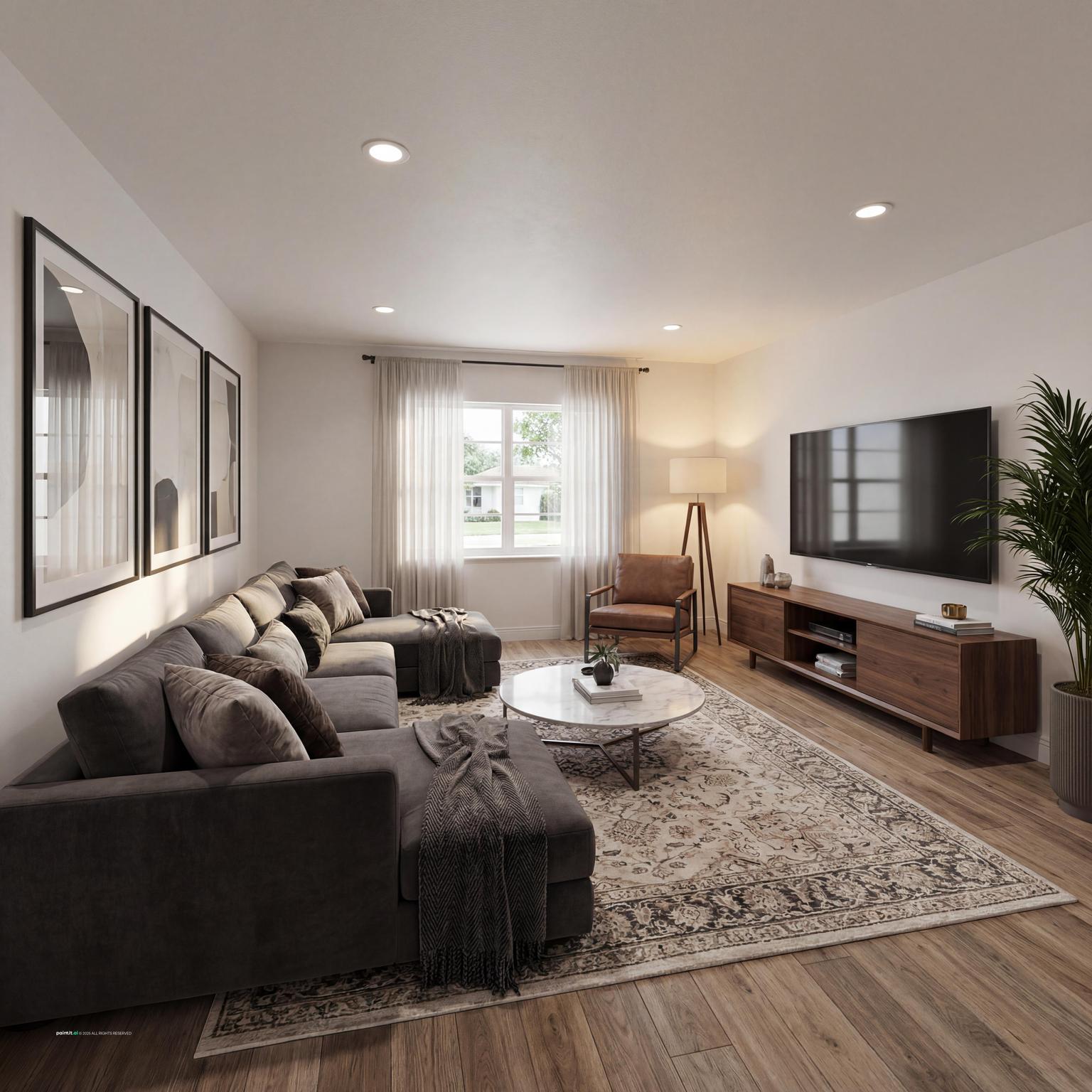
We’ve all felt that pull, haven't we? That deep desire for a space that feels both utterly current and deeply rooted in nature. Crafting an organic modern living room is less about following trends and more about tuning into a feeling—a quiet hum of comfort and authenticity. These ideas were curated to strike that perfect balance, blending thoughtful aesthetics with everyday functionality, ensuring your living room organic interior design truly breathes.
-
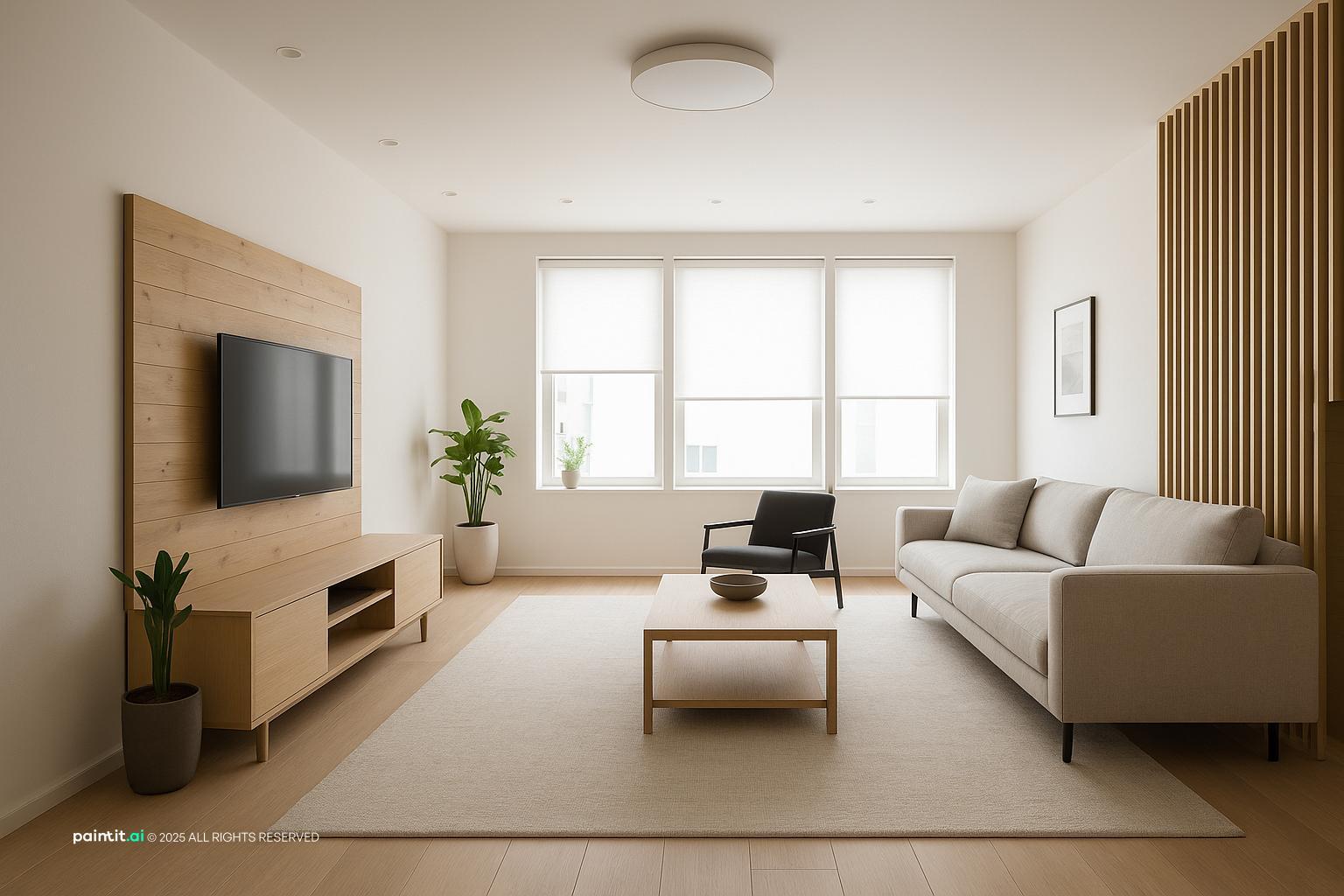
The truth is, a room’s soul often starts from the ground up. Embracing raw, natural materials for your flooring instantly sets the tone for a modern organic living room. Think wide-plank, untreated oak or even honed concrete; these choices bring an honesty that manufactured finishes just can’t replicate. It’s about preservation over imposition, letting the material speak for itself.
-
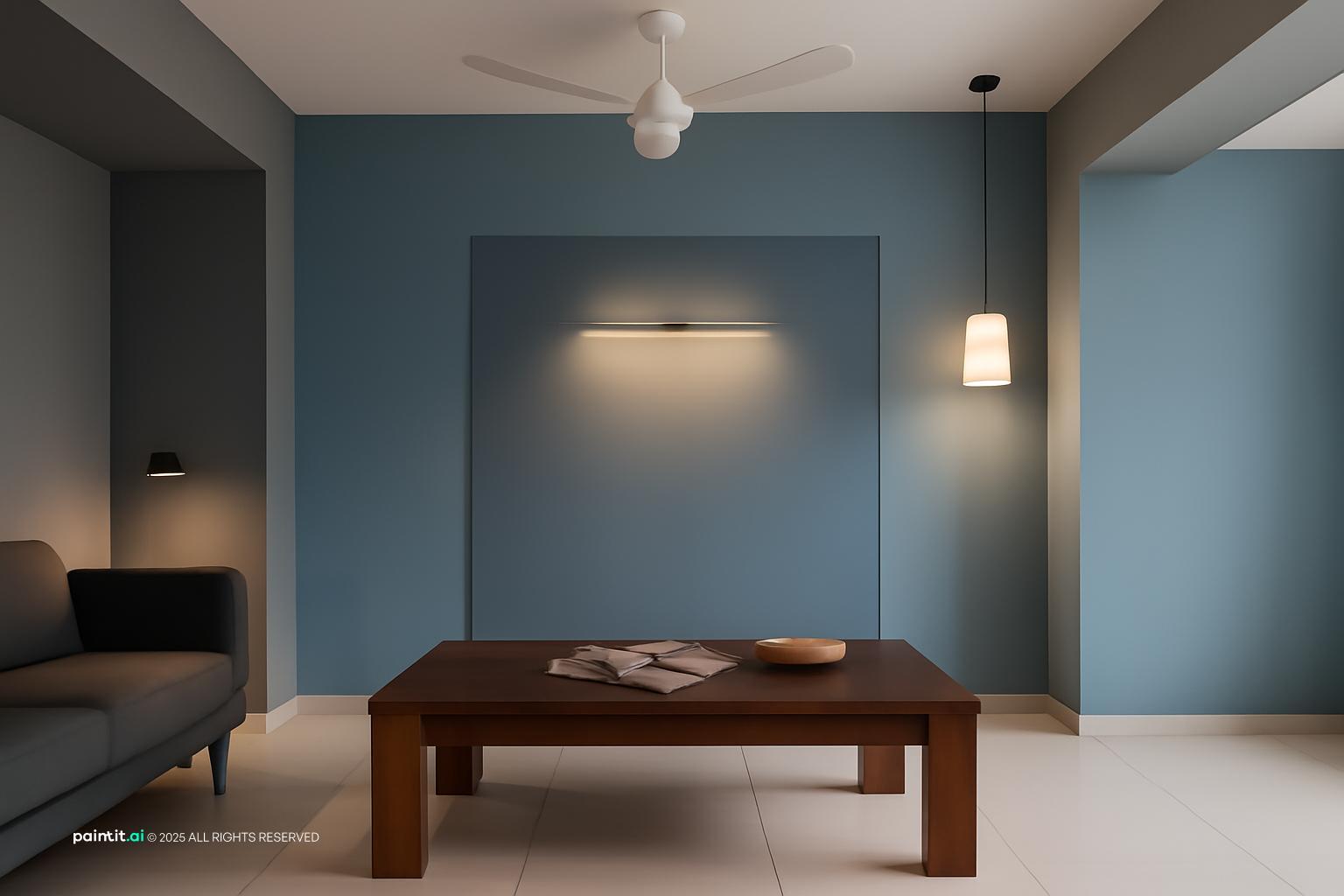
For implementation, consider large format limestone tiles with a matte finish, or perhaps a polished concrete floor that reflects natural light. Layering a hand-knotted wool rug in a neutral tone will add warmth and define zones without losing that essential connection to the earth.
-
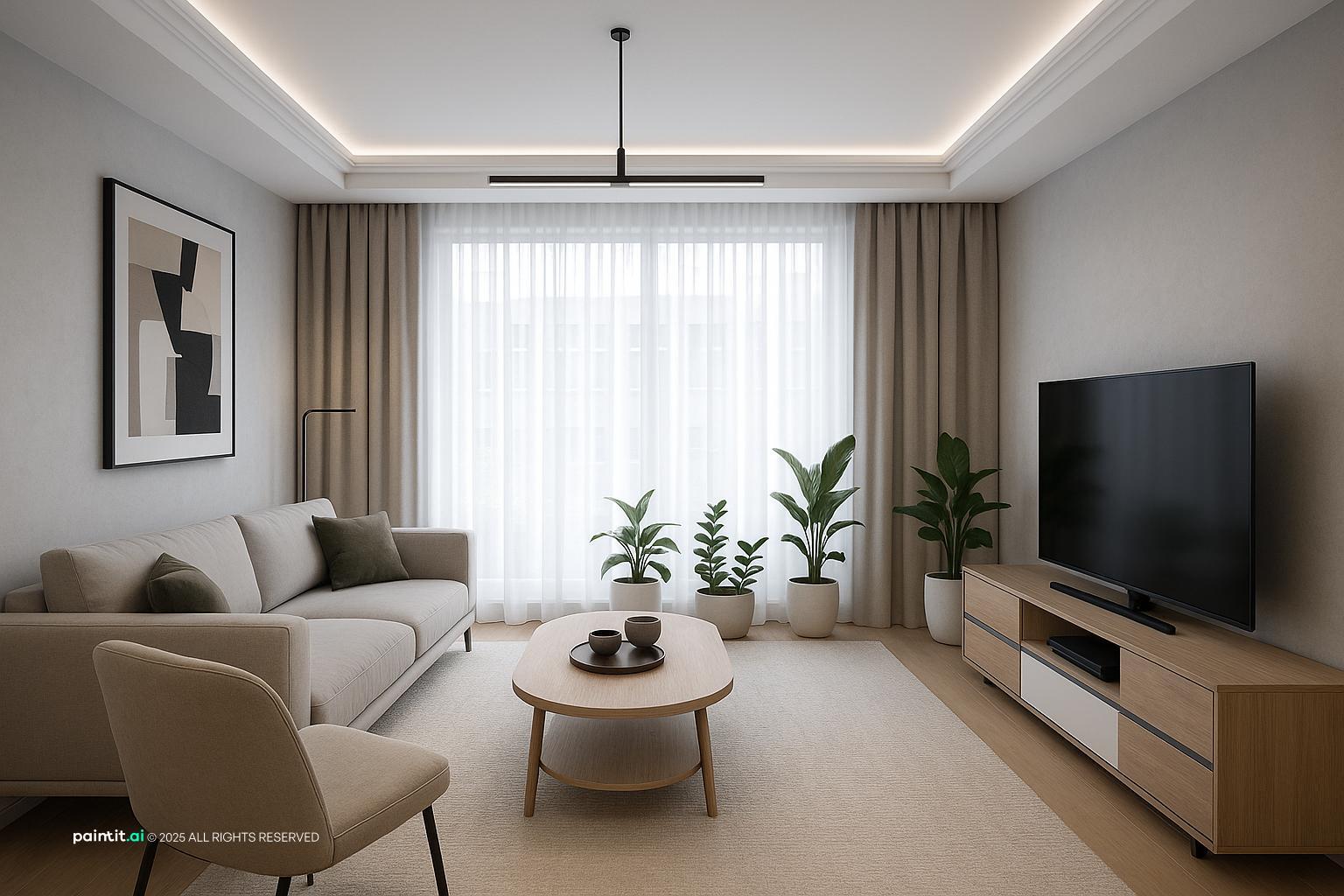
Pro Tip: To achieve this effect, try sourcing reclaimed wood planks for a floor with built-in character and history.
-
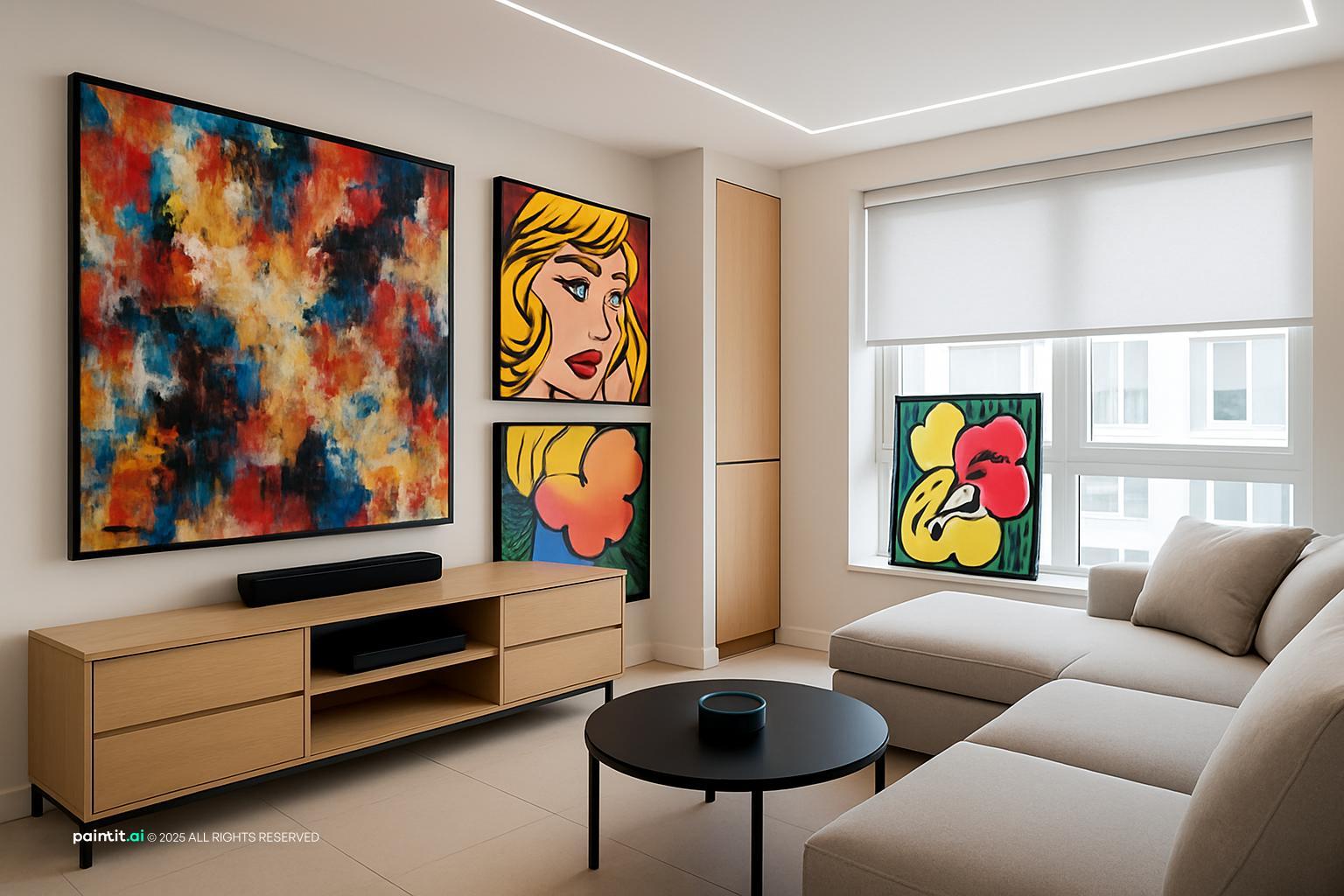
A truly inviting organic modern living room design thrives on tactile experiences. It’s not just about what you see, but what you feel—the rough weave of linen, the soft give of bouclé, the cool smoothness of ceramic. We’re talking about building depth through diverse, natural textures that beg to be touched.
-
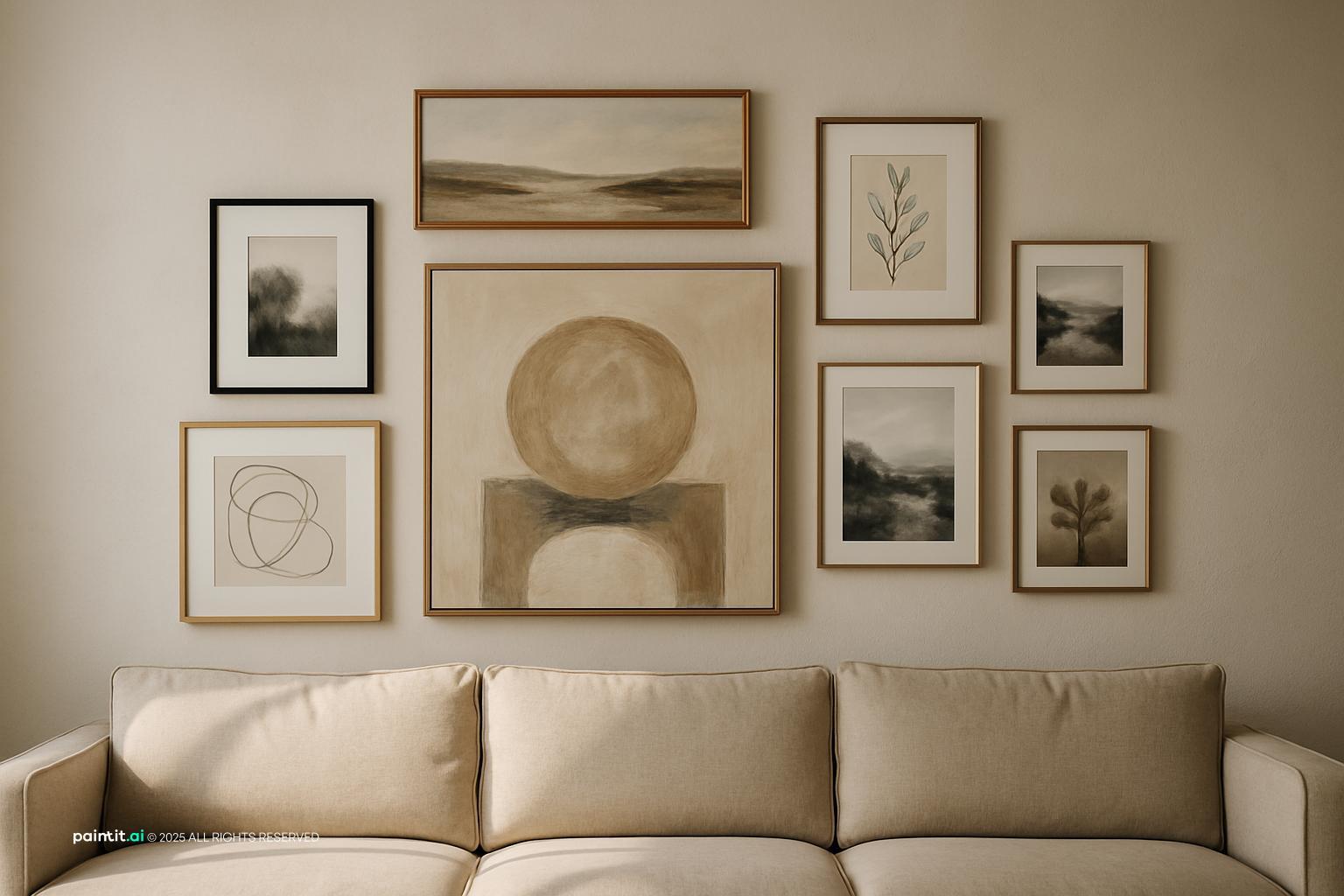
Begin with a substantial sofa upholstered in a natural linen or a chunky wool blend. Introduce throw pillows in varied textures like raw silk, organic cotton, or even a subtle ribbed velvet. Drape a hand-loomed throw over an armchair. The key is to keep colors muted, letting the textures do all the talking. Think Dedar fabrics or a simple, unbleached canvas.
-
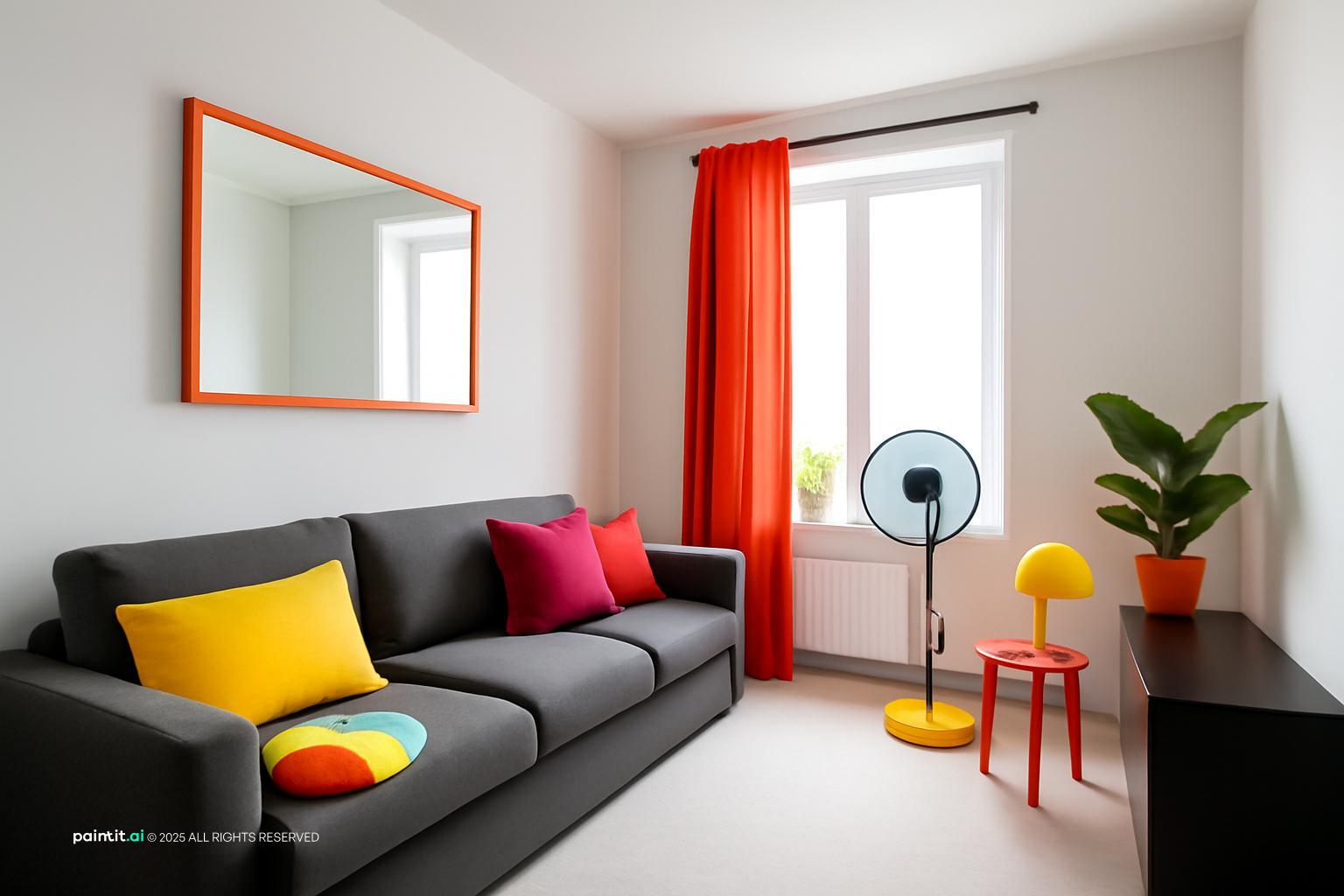
Pro Tip: To achieve this effect, mix at least three distinct natural fabric textures within arm's reach of your main seating area.
-
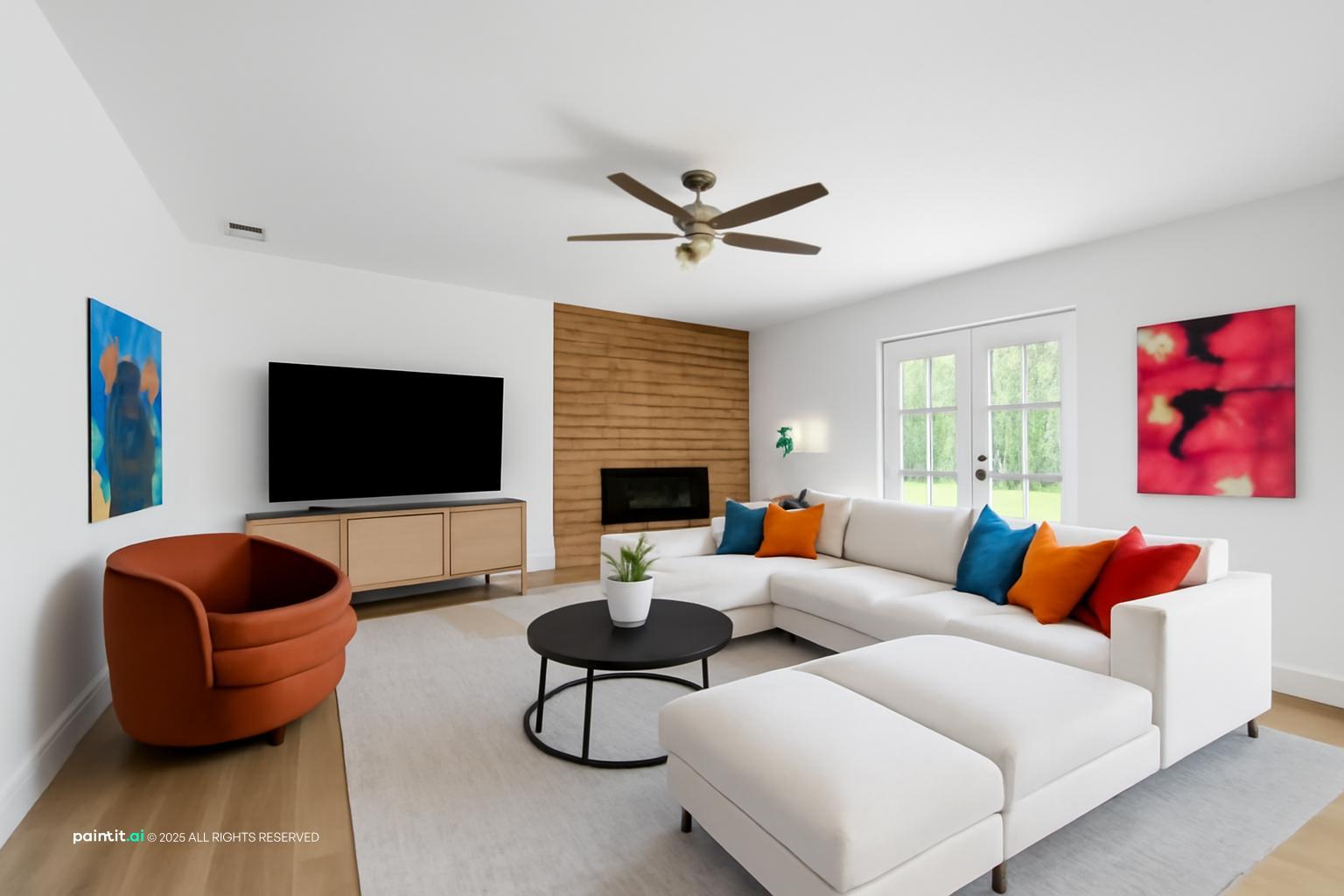
In a modern organic living room, furniture isn't just functional; it's an understated art form. We look for pieces with clean lines, gentle curves, and an inherent sense of calm. These are items that feel substantial without being bulky, often crafted from solid wood or natural stone, celebrating their inherent beauty.
-
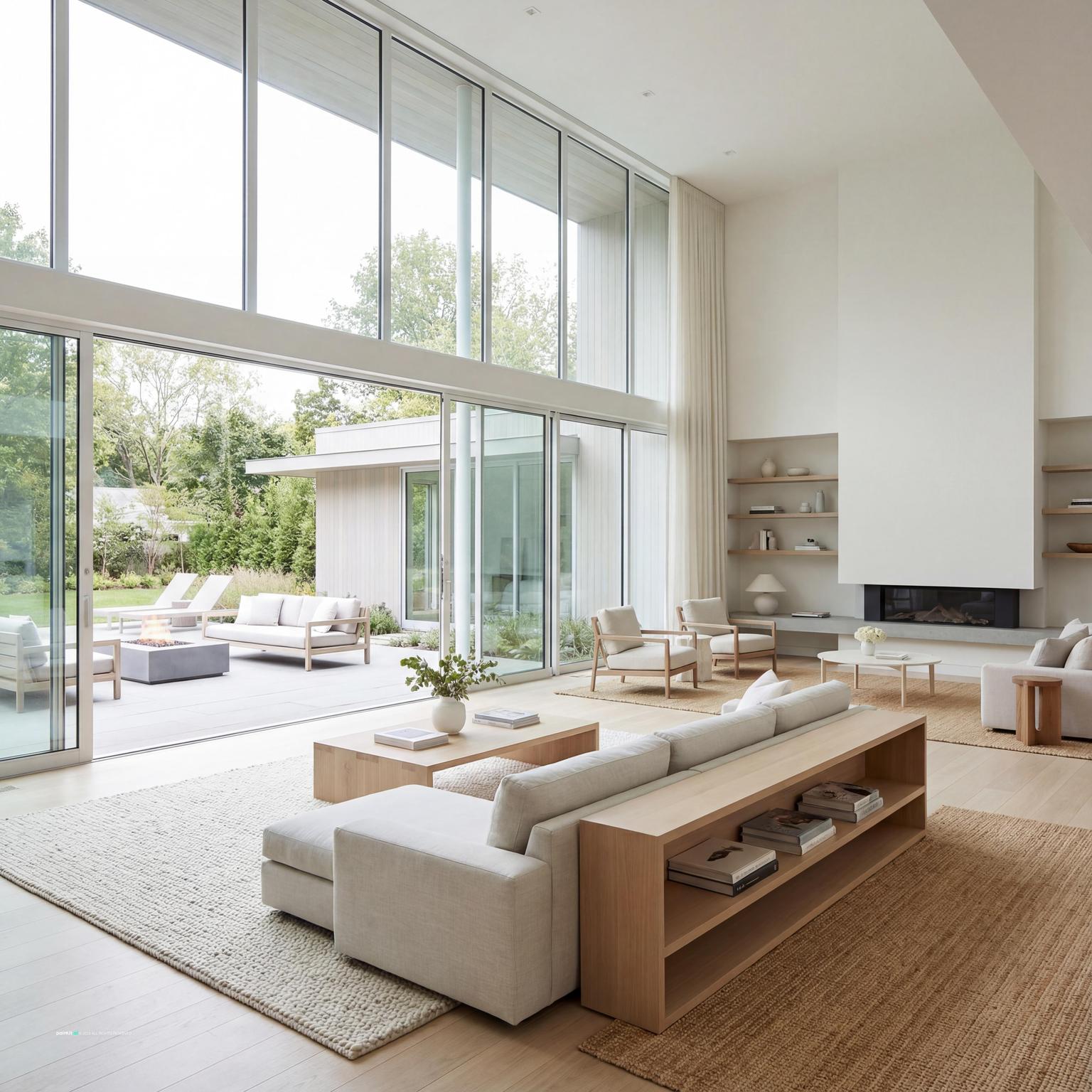
Opt for low-slung sofas with rounded edges, coffee tables carved from a single slab of travertine, or side tables with a fluted base. Think about a chaise lounge with an exposed wooden frame. The idea is to select fewer, better pieces that command attention through their form and material, not their ornamentation.
-
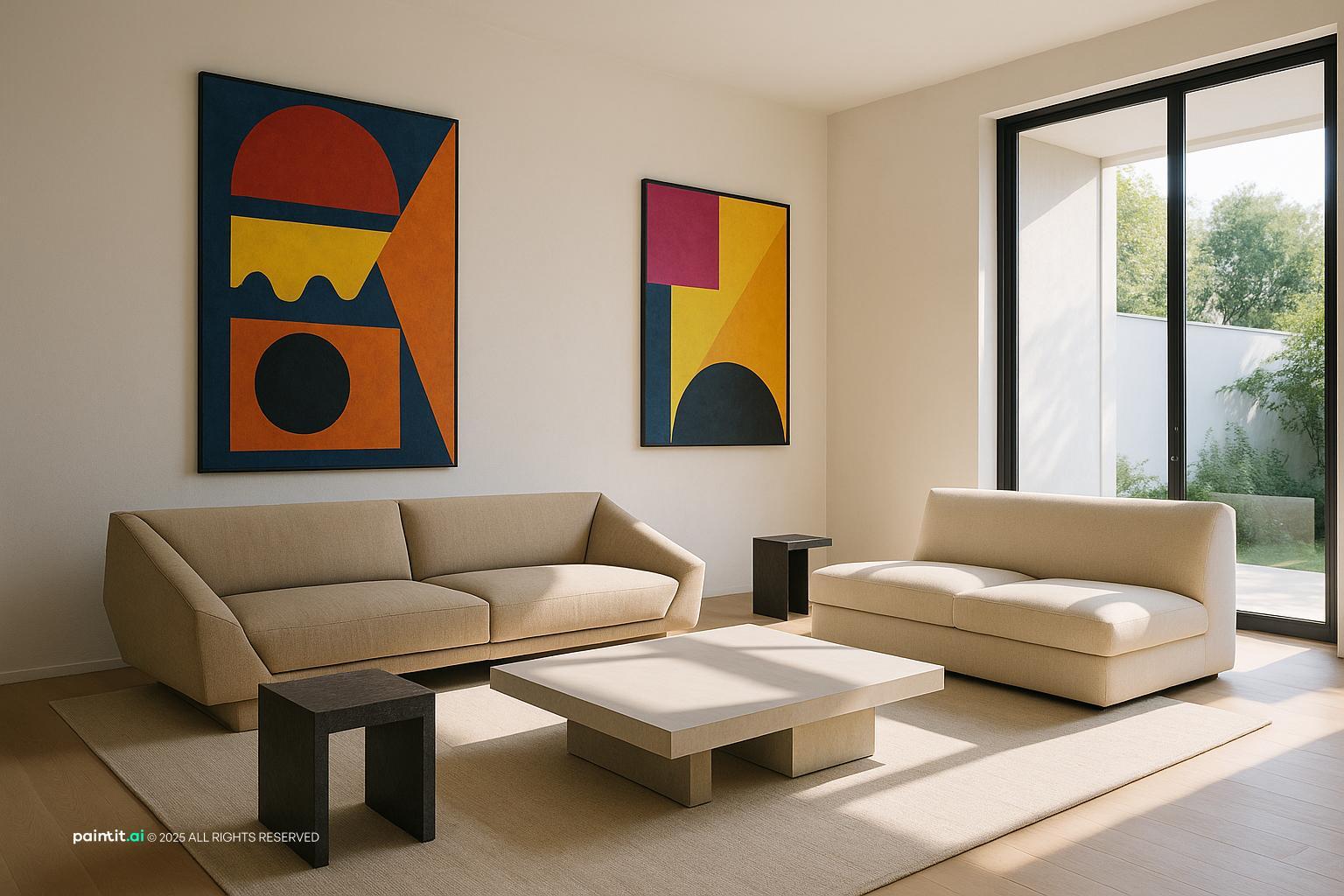
Pro Tip: To achieve this effect, choose one key furniture piece with an unexpected organic curve or a unique natural material as your room's focal point.
-
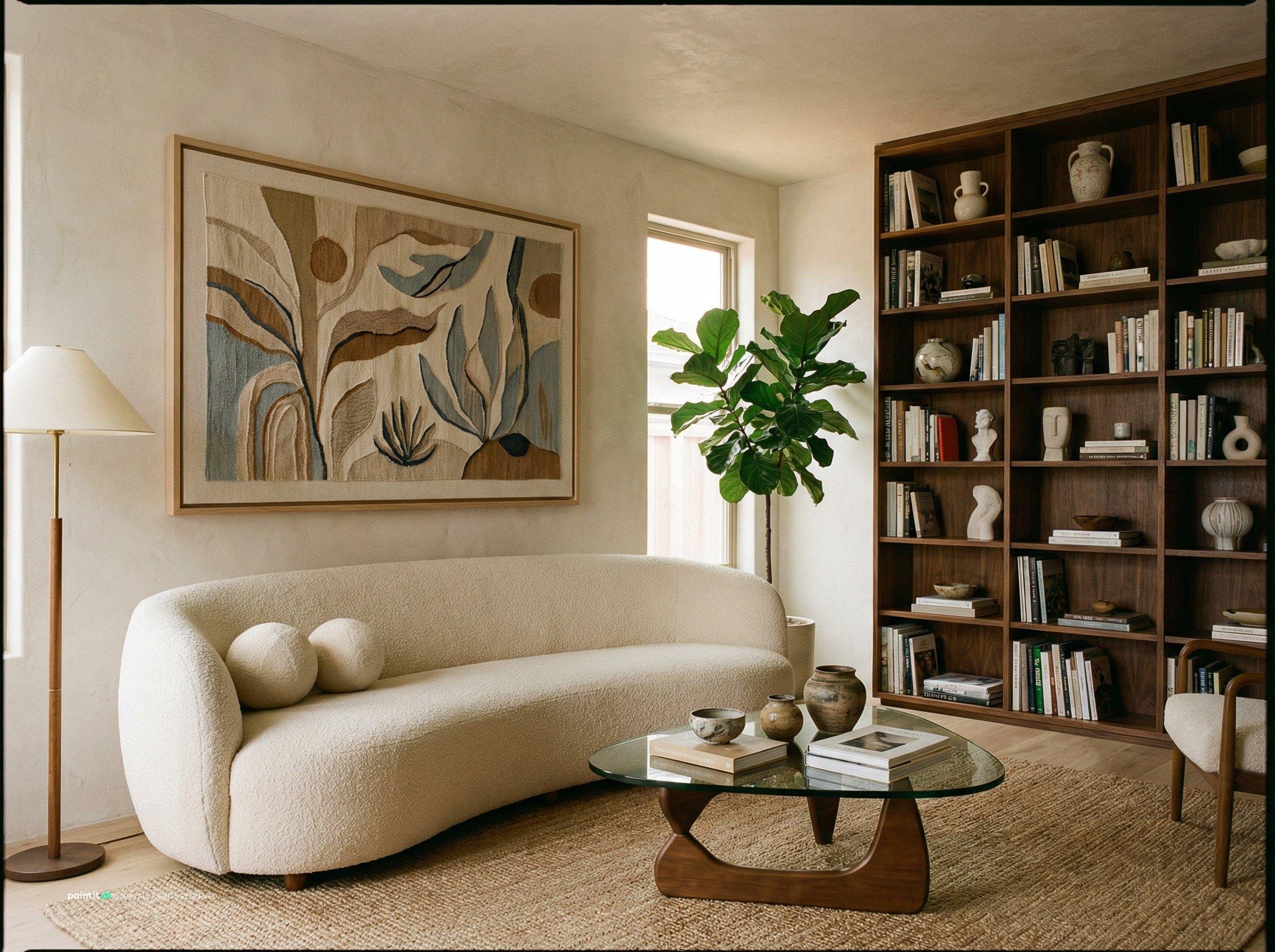
This is where the "organic" in modern organic living room truly shines. Integrating living plants isn't just decor; it's about fostering a connection to nature, improving air quality, and adding vibrant life. It’s a simple, yet profound way to soften contemporary edges.
-
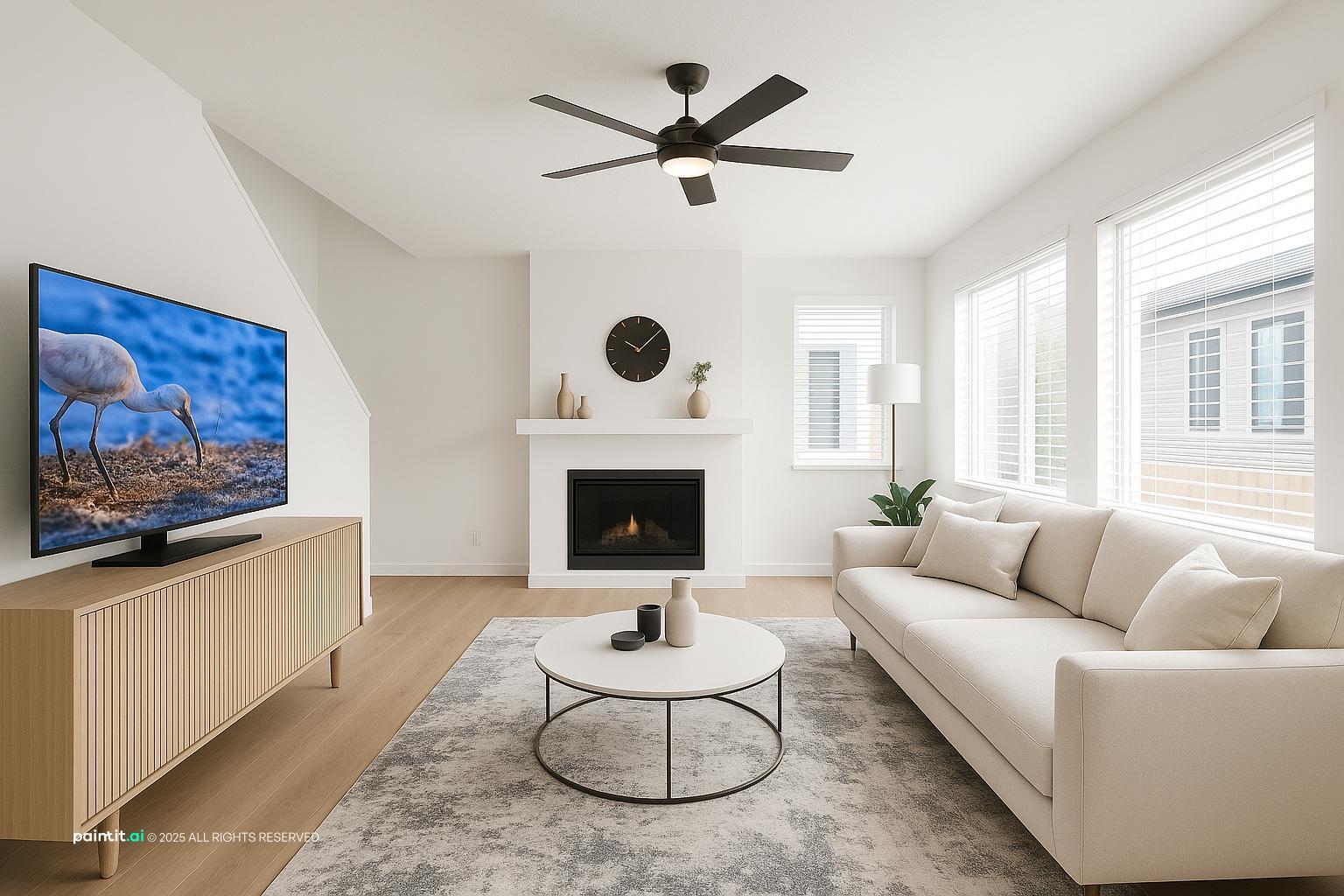
Place large, leafy plants like a Fiddle Leaf Fig or a Monstera Deliciosa in handcrafted ceramic planters. Group smaller plants with varied foliage on a low console. Consider a hanging planter with a trailing Pothos to draw the eye upwards. The greener, the better, but always with intention.
-
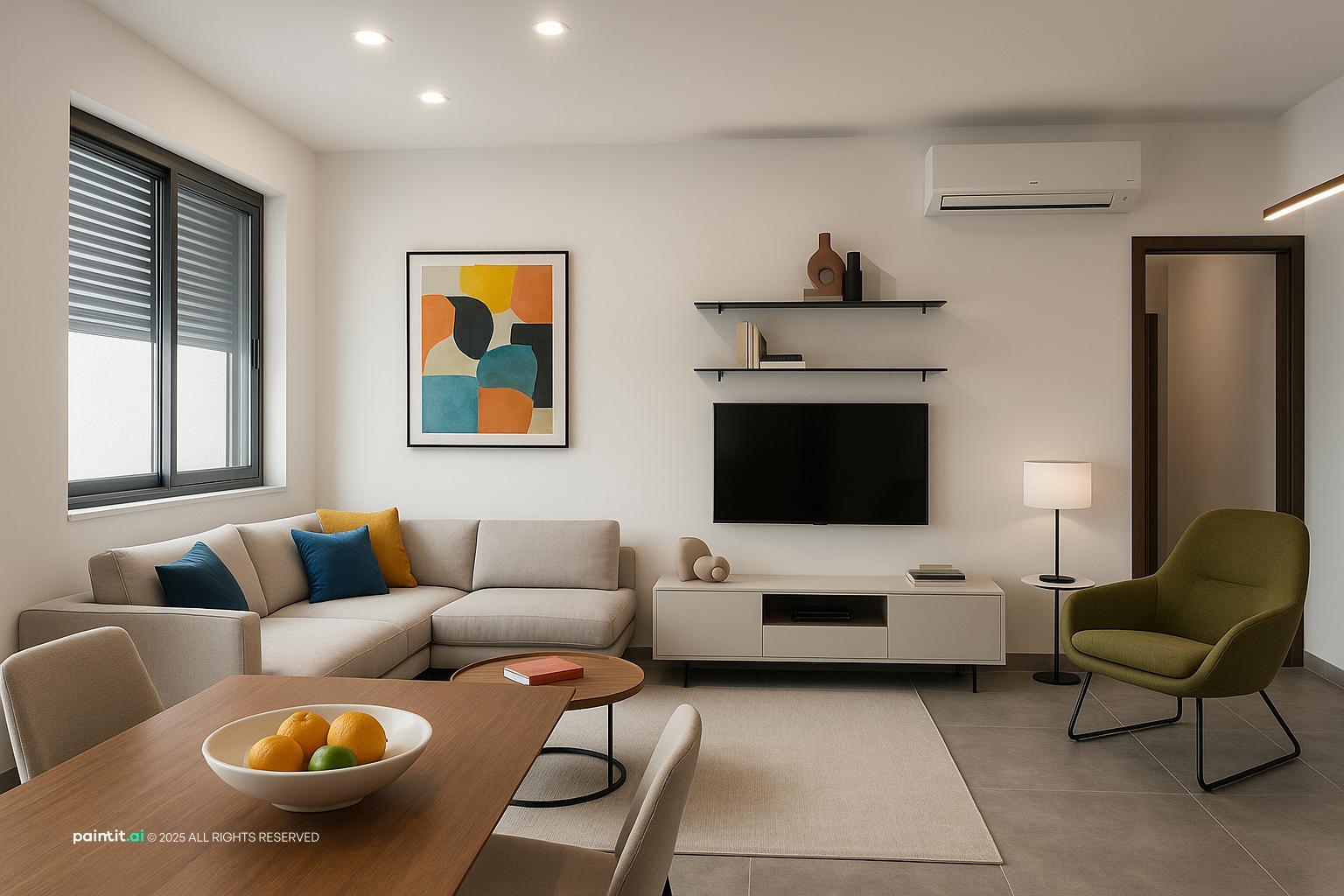
Pro Tip: To achieve this effect, select plants with different leaf shapes and heights to create visual interest and depth.
-
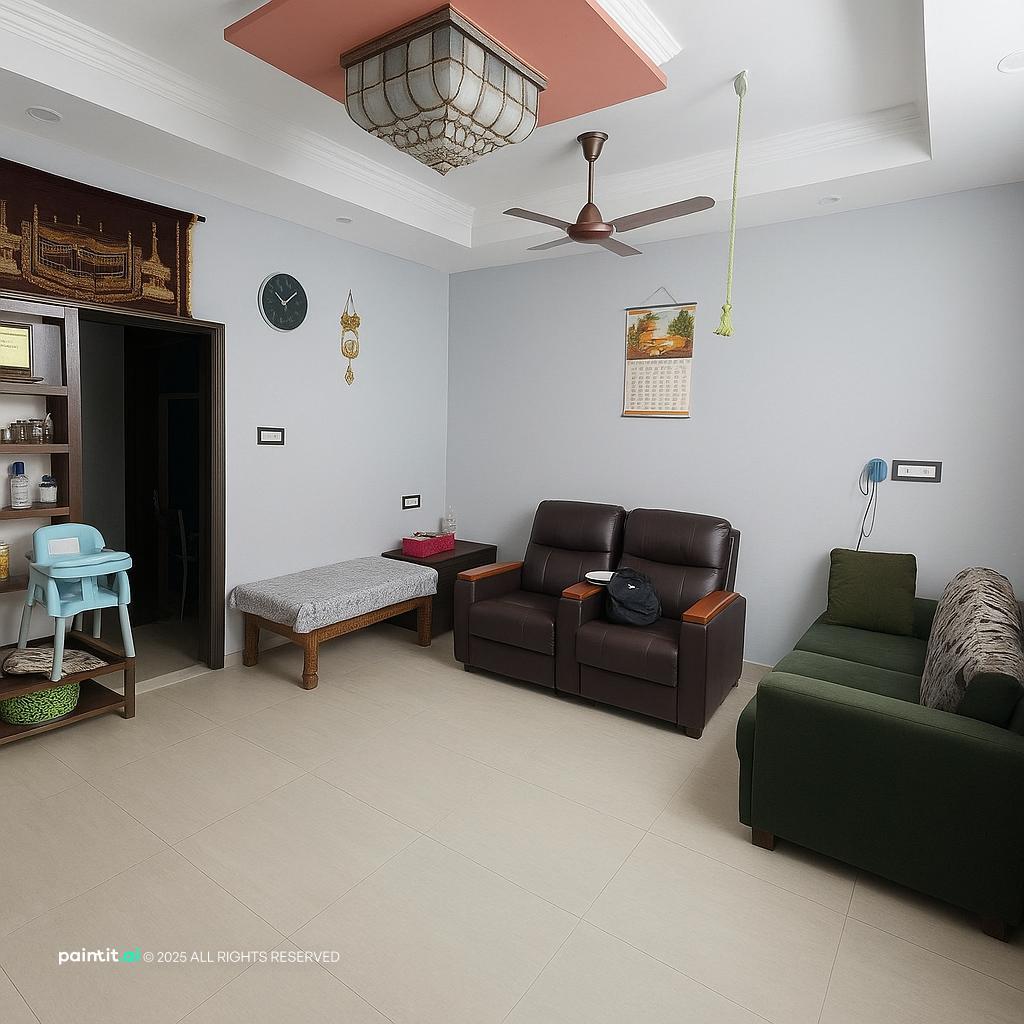
The palette for a living room organic interior design is often inspired directly by the natural world. We're talking about colors that feel soft, diffused, and utterly calming—the hues of sand, stone, clay, and muted foliage. It’s about creating a harmonious backdrop that allows textures and forms to stand out.
-
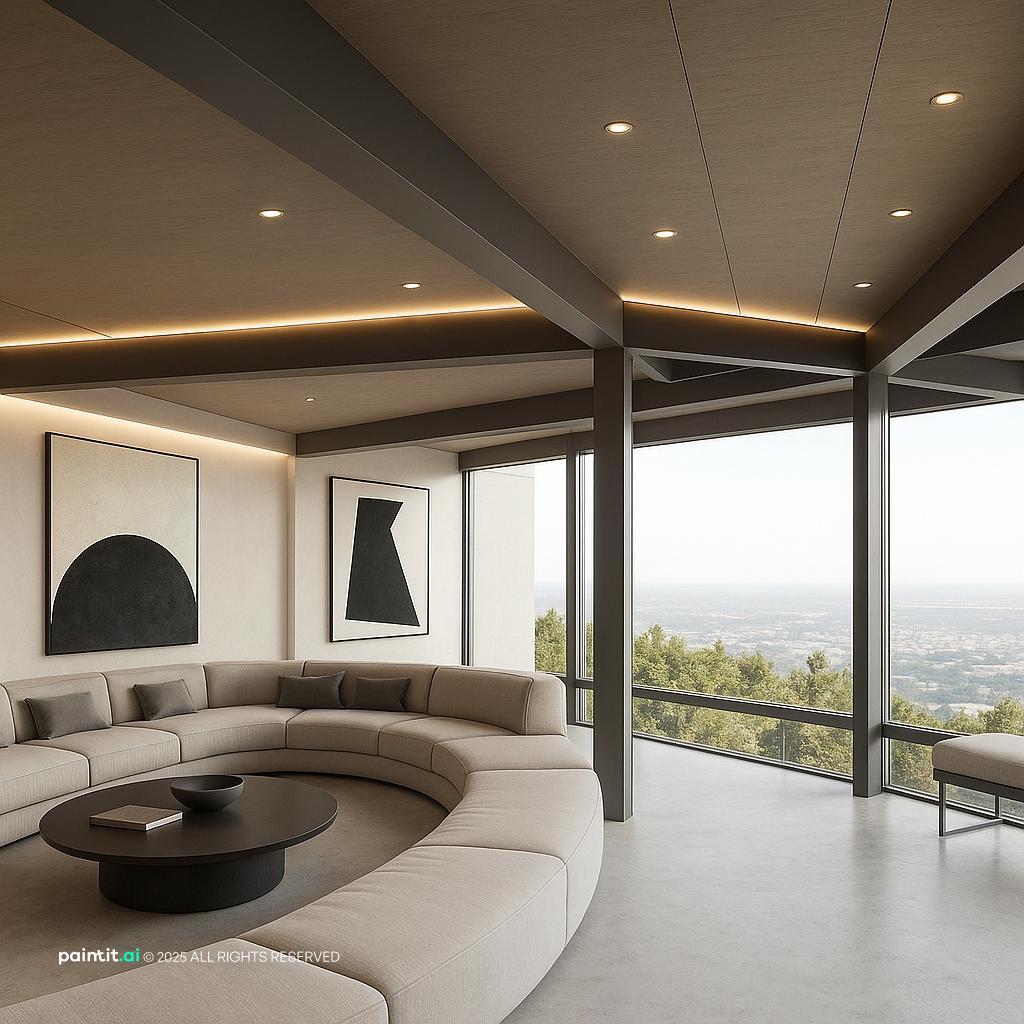
Start with warm whites or a soft greige for walls. Introduce deeper tones through textiles and larger furniture pieces: a sofa in a muted sage, throw pillows in a dusty rose, or an area rug in a deep charcoal. Avoid anything too saturated or stark; the goal is a gentle, enveloping feel. Think Farrow & Ball's "Skimming Stone" or "Elephant's Breath."
-
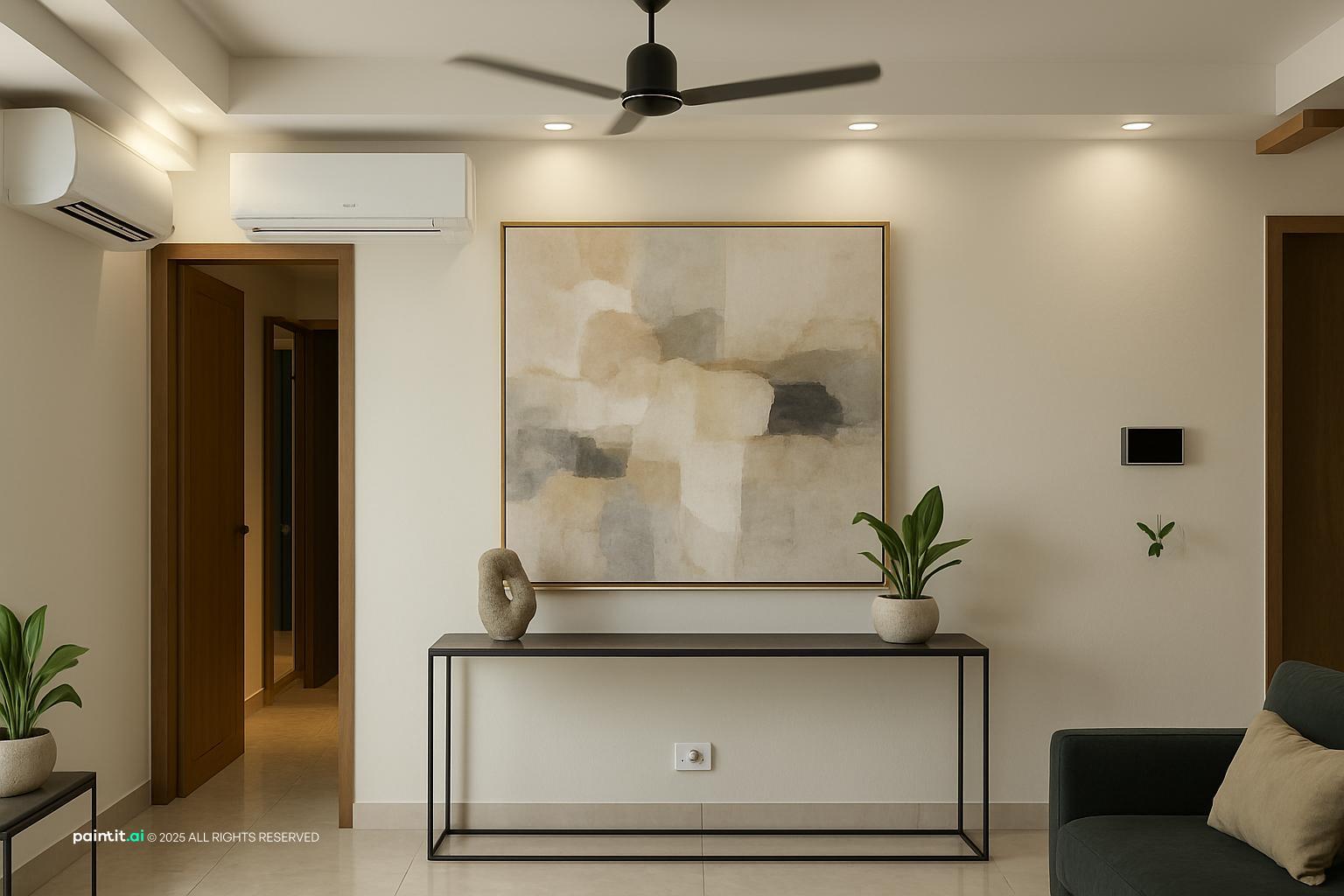
Pro Tip: To achieve this effect, pull your main color inspiration from a natural element you love, like a specific type of stone or a desert landscape.
-
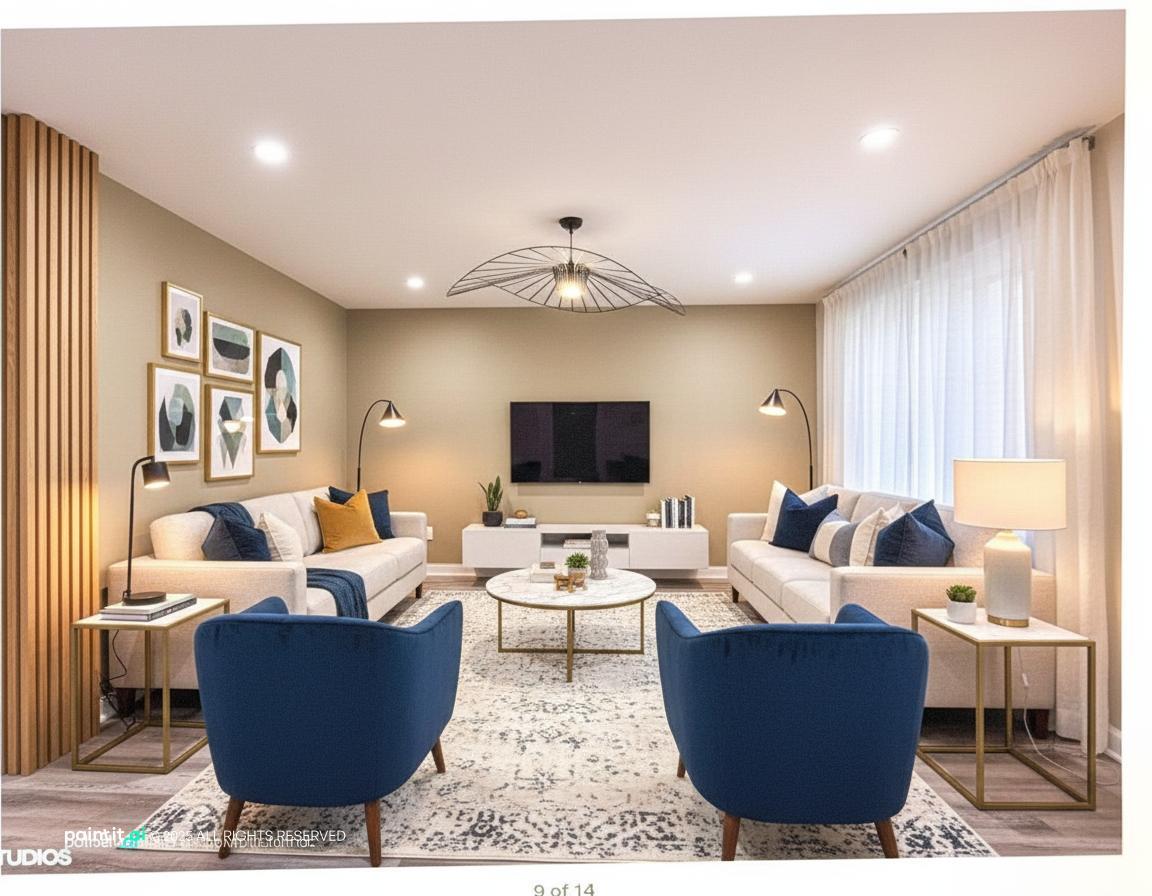
Nothing says "organic" quite like the touch of a human hand. Incorporating handcrafted objects brings a unique story and warmth to any modern organic living room. These are the pieces that feel collected over time, not simply purchased.
-
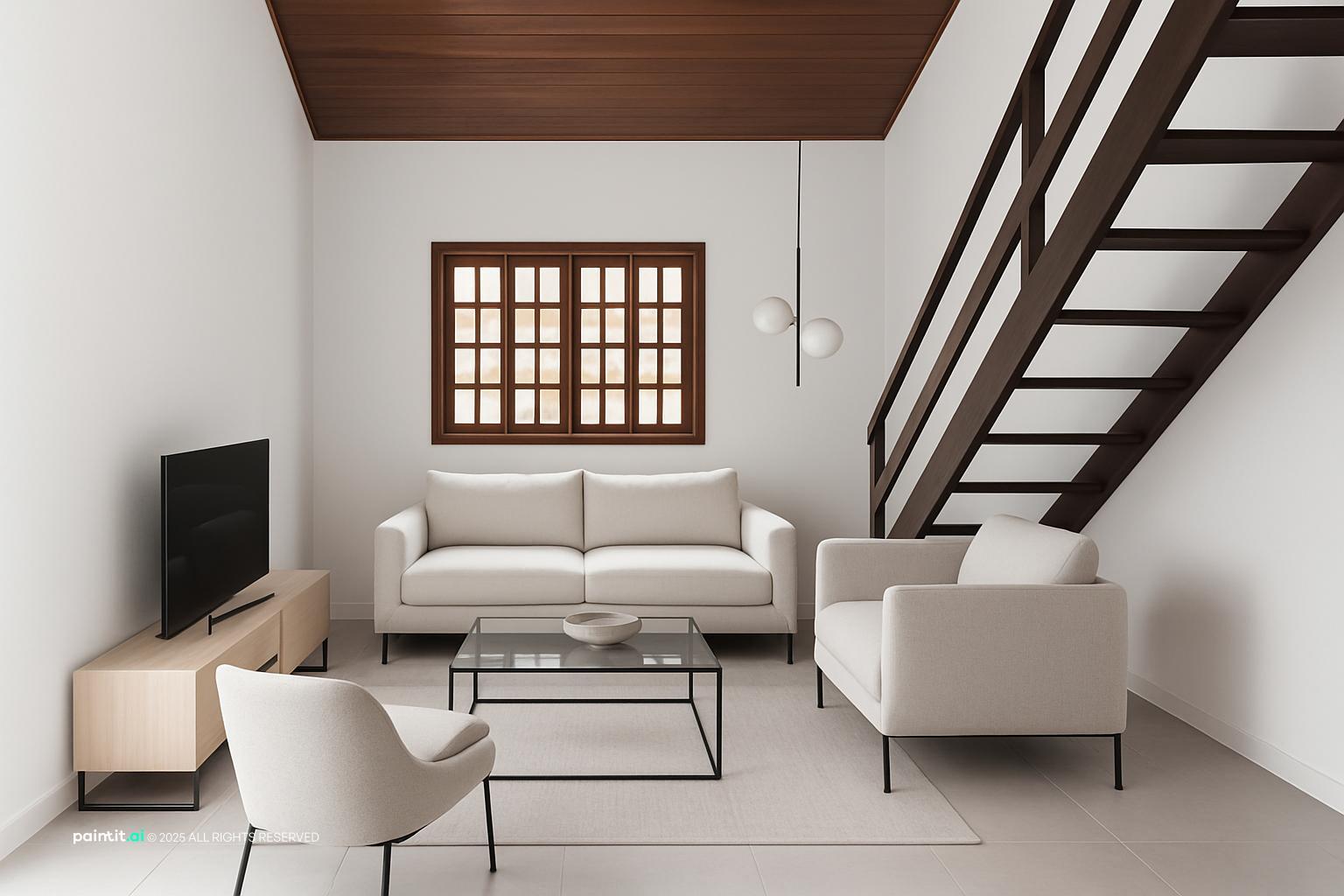
Seek out hand-thrown ceramic vases, woven baskets made from natural fibers like jute or rattan, and abstract sculptures crafted from wood or unglazed clay. A vintage wooden bowl on a coffee table, filled with found objects like smooth river stones, adds a personal touch. Each piece should feel like it has a history, a quiet narrative.
-
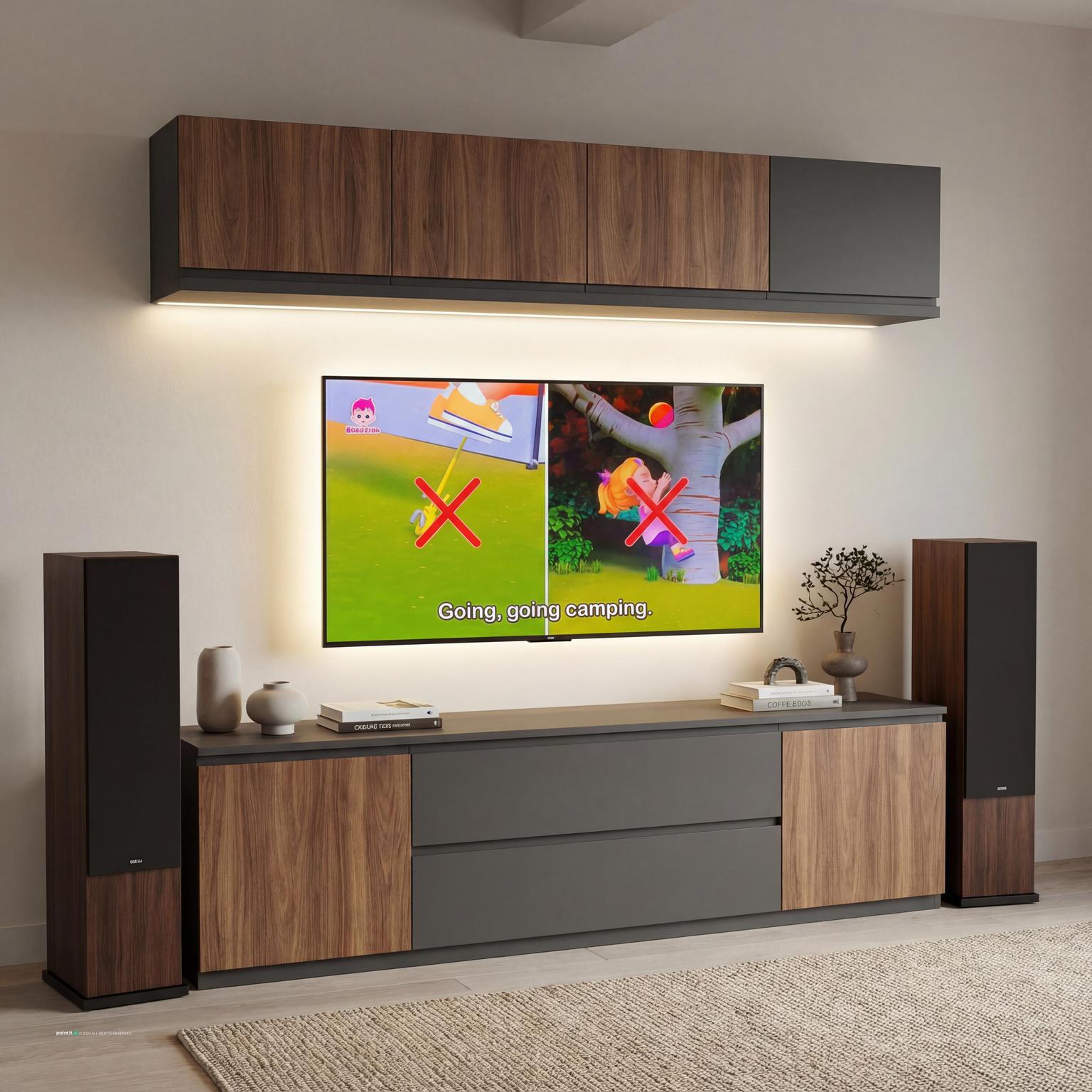
Pro Tip: To achieve this effect, visit local artisan markets or antique shops to find truly unique, one-of-a-kind pieces.
-
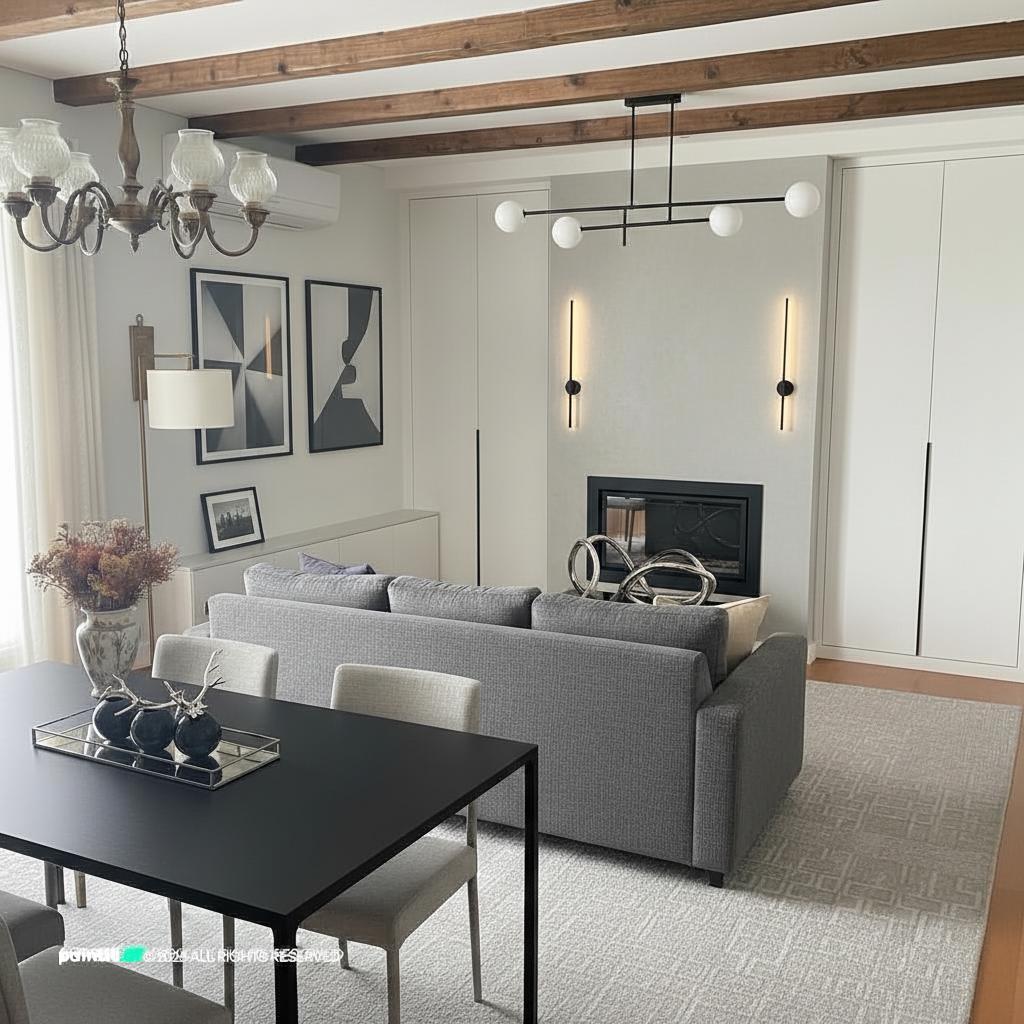
Harsh, overhead lighting can instantly kill the organic vibe. For a truly serene modern organic living room, we focus on creating layers of soft, diffused light that mimic the gentle glow of natural daylight or twilight. It's about ambiance, not illumination for illumination's sake.
-
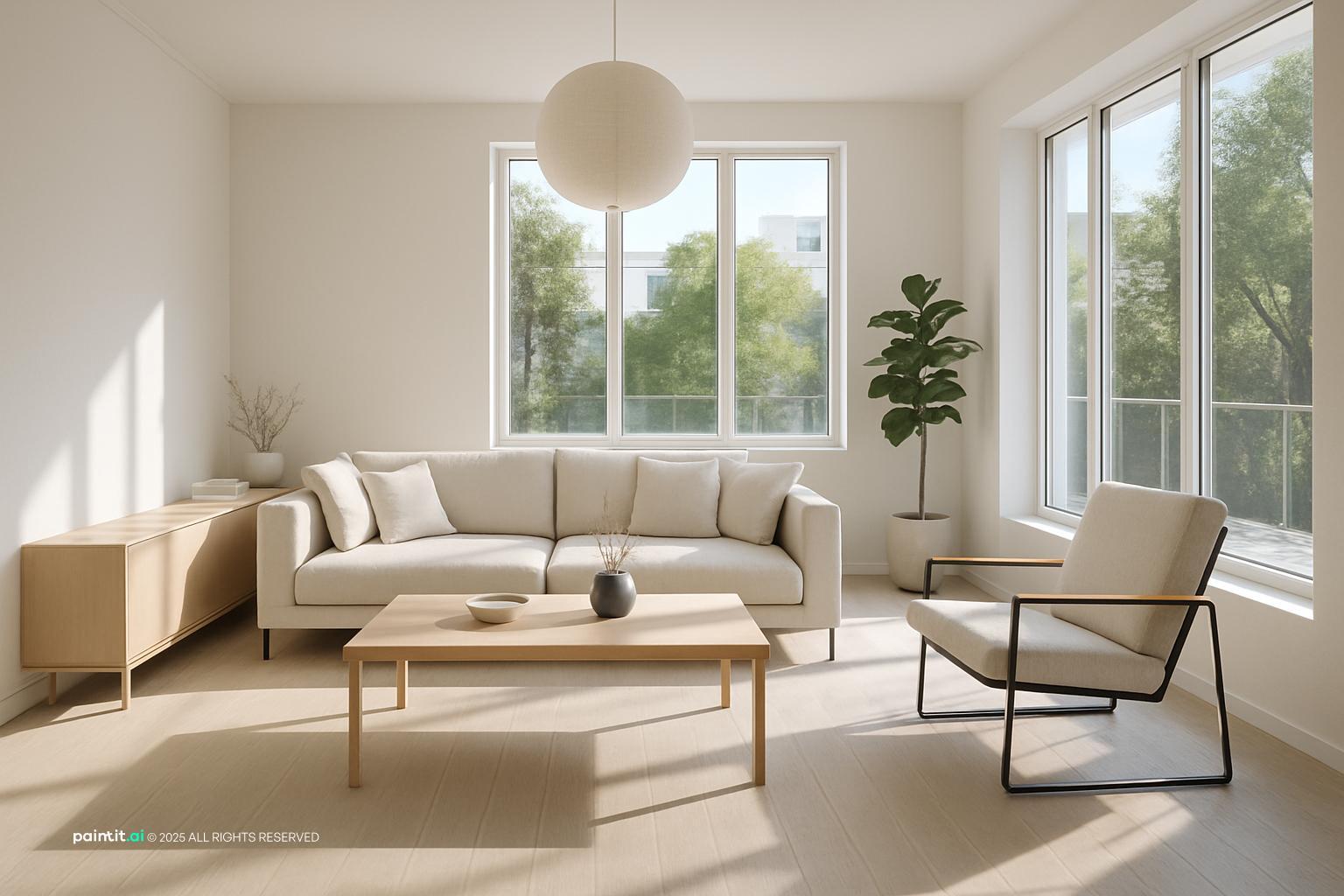
Incorporate floor lamps with linen shades, table lamps with ceramic bases and soft, warm bulbs, and perhaps a sculptural rice paper lantern. Use dimmers on all light sources. The goal is to eliminate shadows and create a warm, inviting glow that makes the space feel intimate and calm. Think about the soft light filtering through a forest canopy.
-
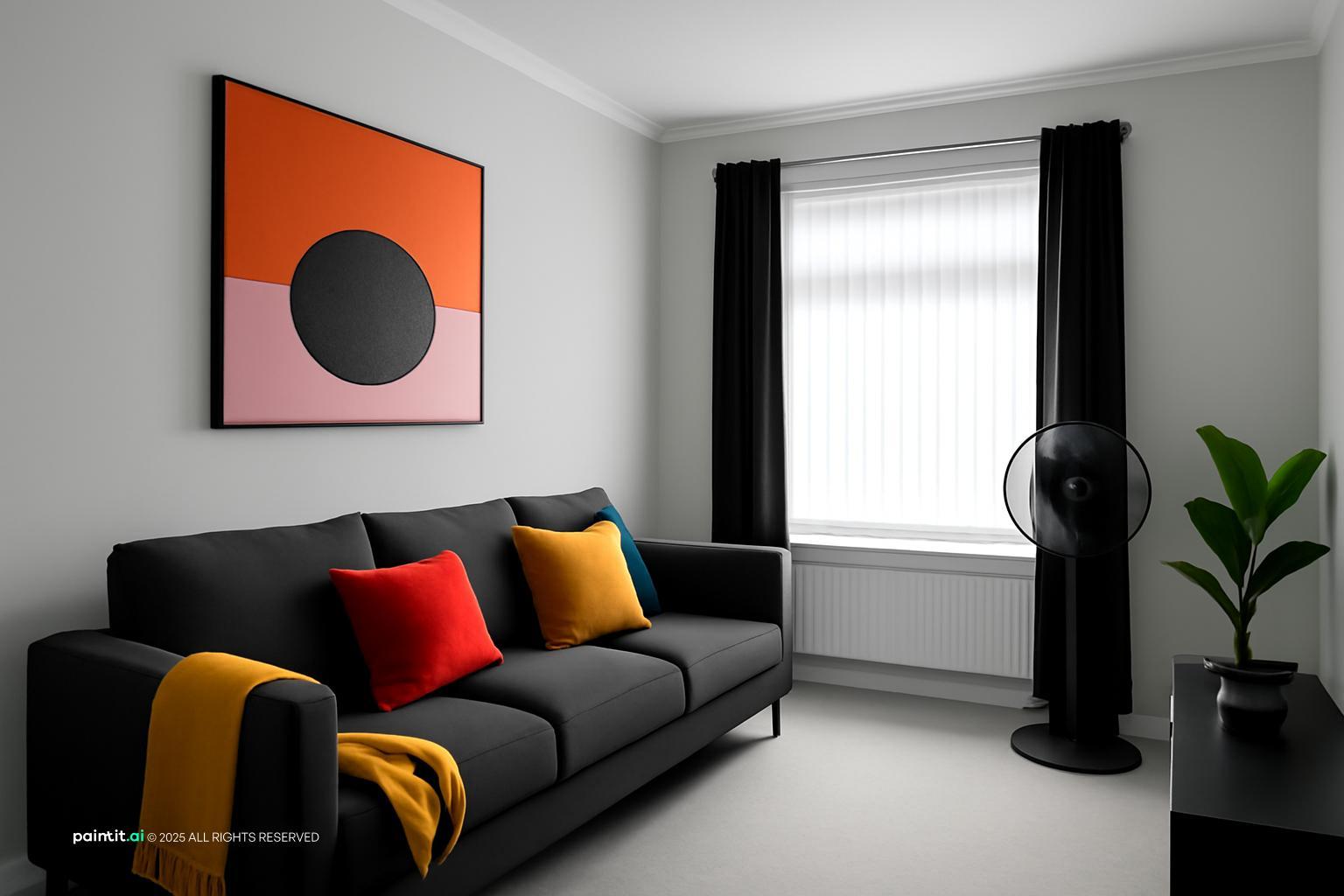
Pro Tip: To achieve this effect, use smart bulbs that allow you to adjust both brightness and color temperature to mimic natural light cycles.
-
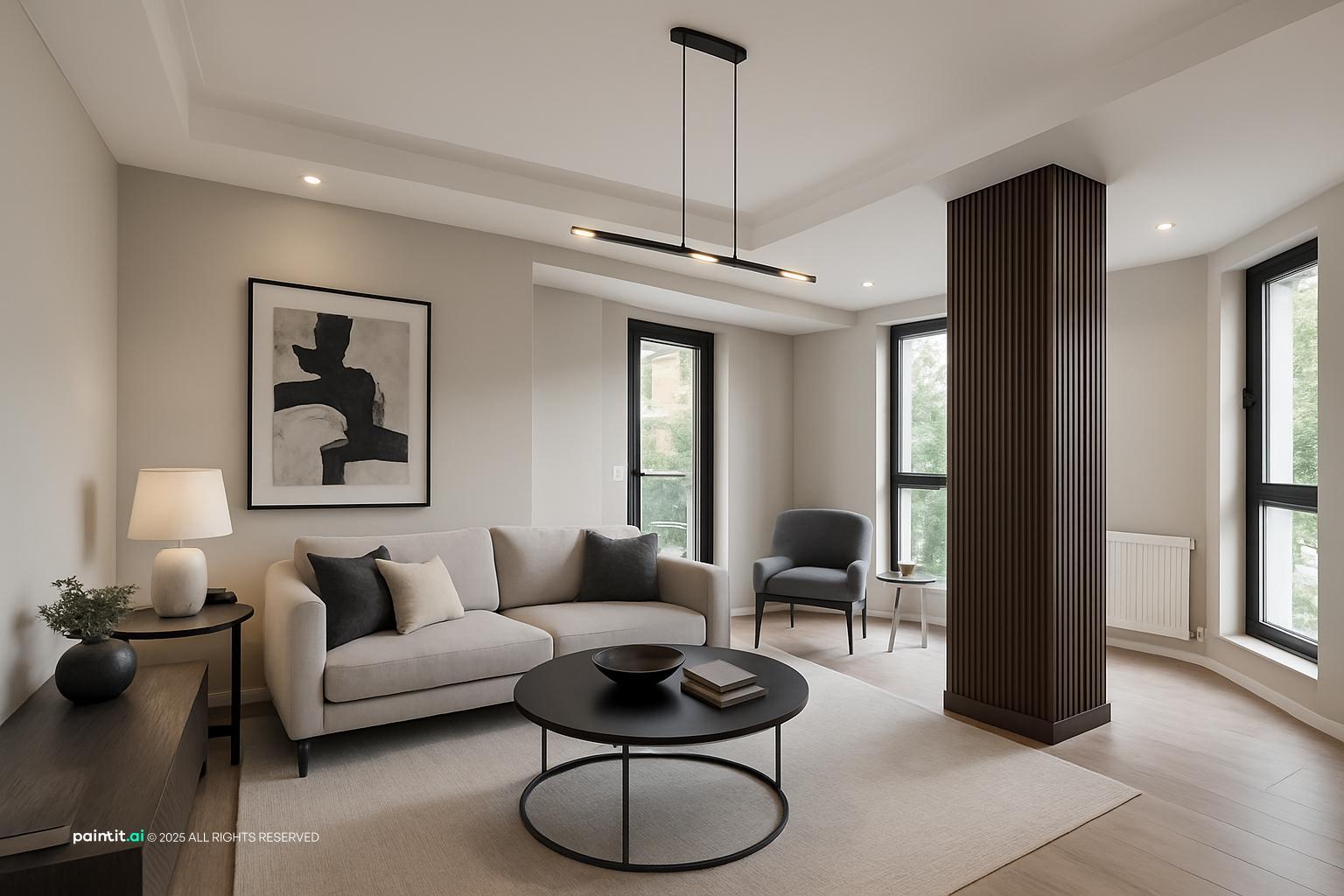
There’s an undeniable charm and history in reclaimed wood that perfectly aligns with a living room organic modern living room design. It speaks to sustainability, character, and a connection to the past. Each knot and grain tells a story, adding an irreplaceable warmth.
-
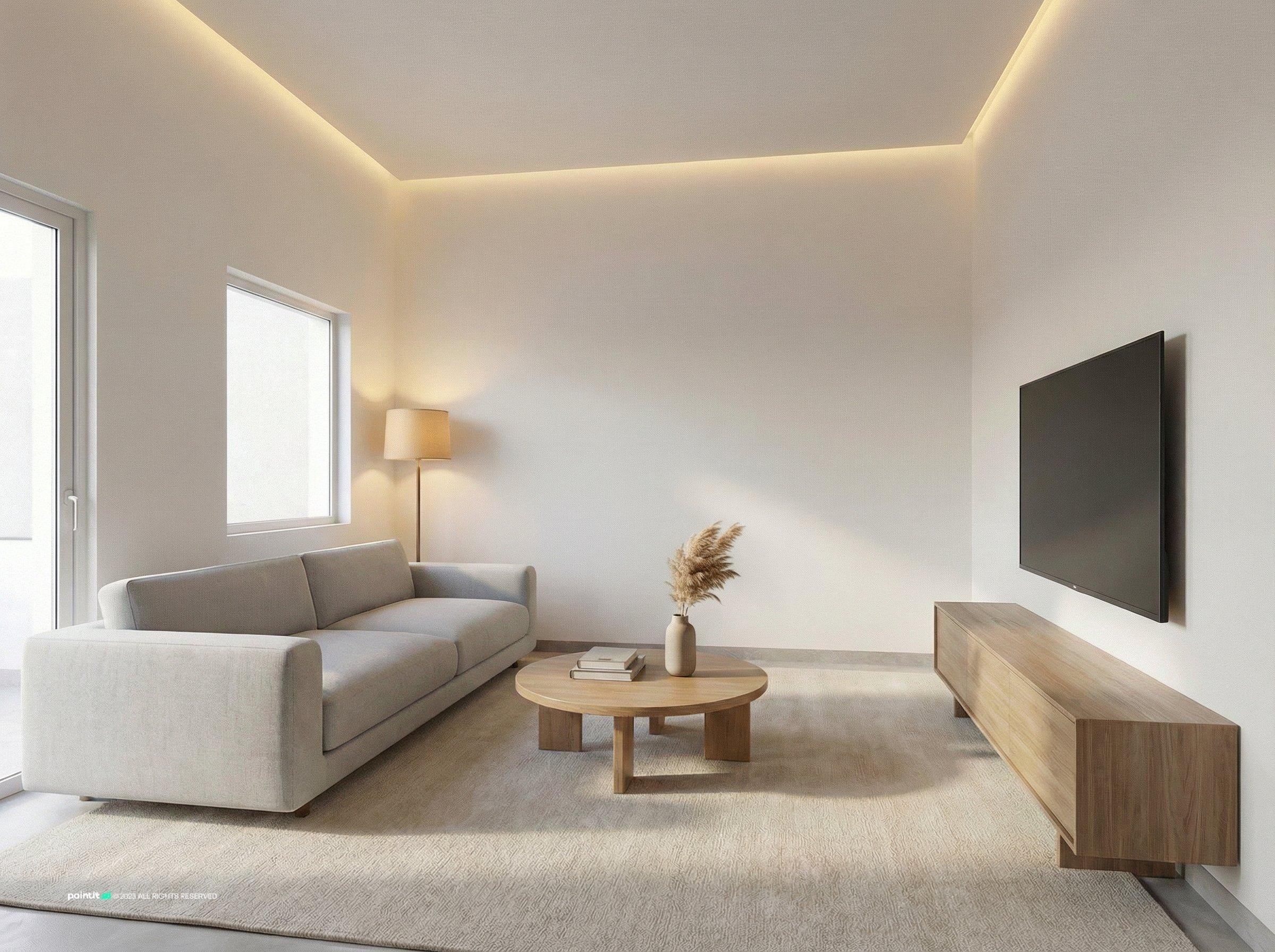
Consider a coffee table made from salvaged barn wood, a console table crafted from old railway sleepers, or even exposed ceiling beams. If large pieces aren't an option, incorporate smaller elements like a reclaimed wood picture frame or a set of decorative wooden bowls. The imperfections are the beauty here.
-
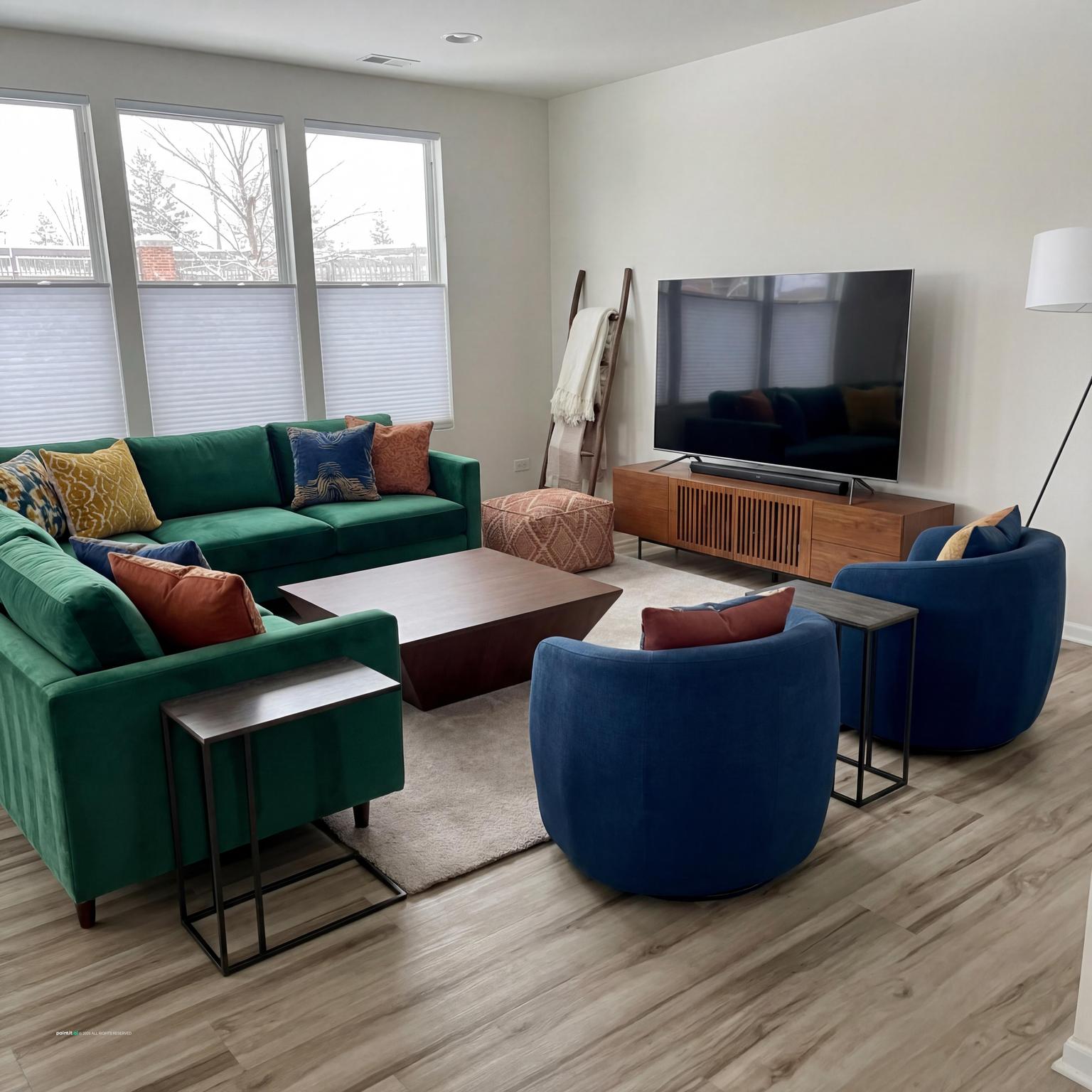
Pro Tip: To achieve this effect, look for pieces with visible signs of age—nail holes, saw marks, or natural distressing—that tell a story.
-
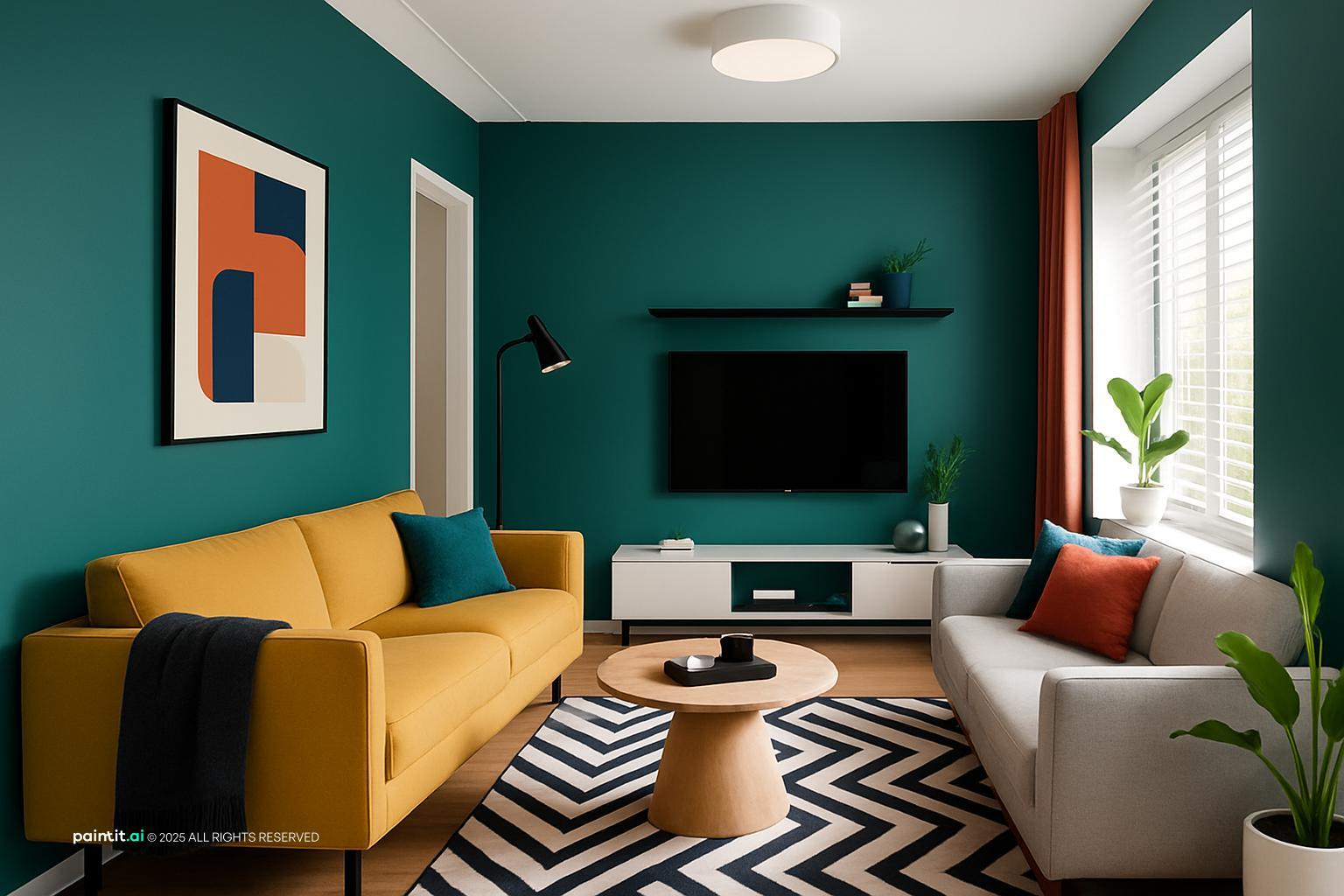
Incorporating hard, natural materials like stone and ceramic brings a grounding, almost ancient feel to a modern organic living room. These elements offer a cool counterpoint to softer textures, creating a balanced and sophisticated aesthetic. It’s about celebrating the earth’s raw beauty.
-
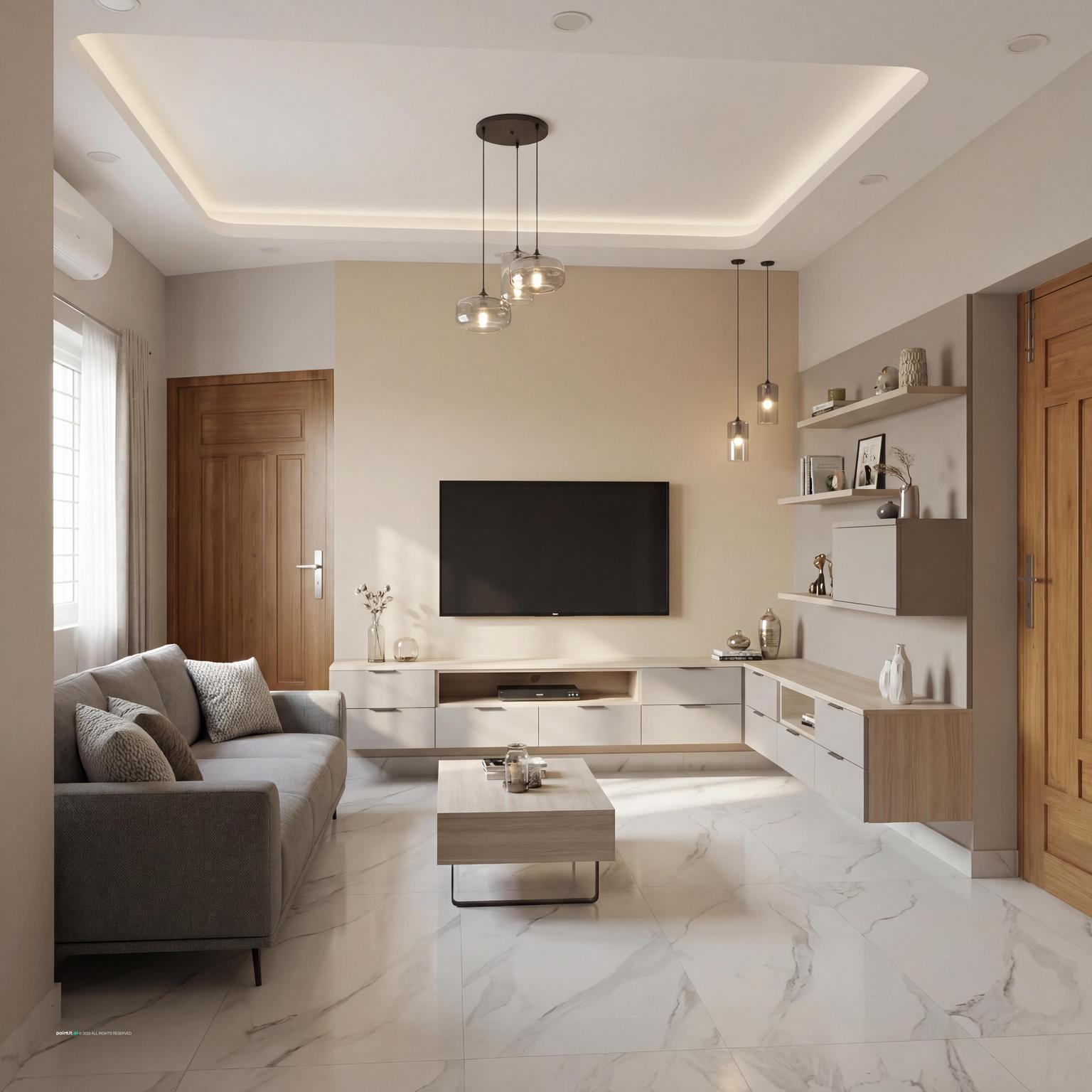
Think about a large, unglazed ceramic floor vase, a side table with a honed travertine top, or a fireplace surround clad in limestone. Even a collection of handmade ceramic plates displayed on a wall can make a statement. The subtle variations in color and texture within these materials are what make them so compelling.
-
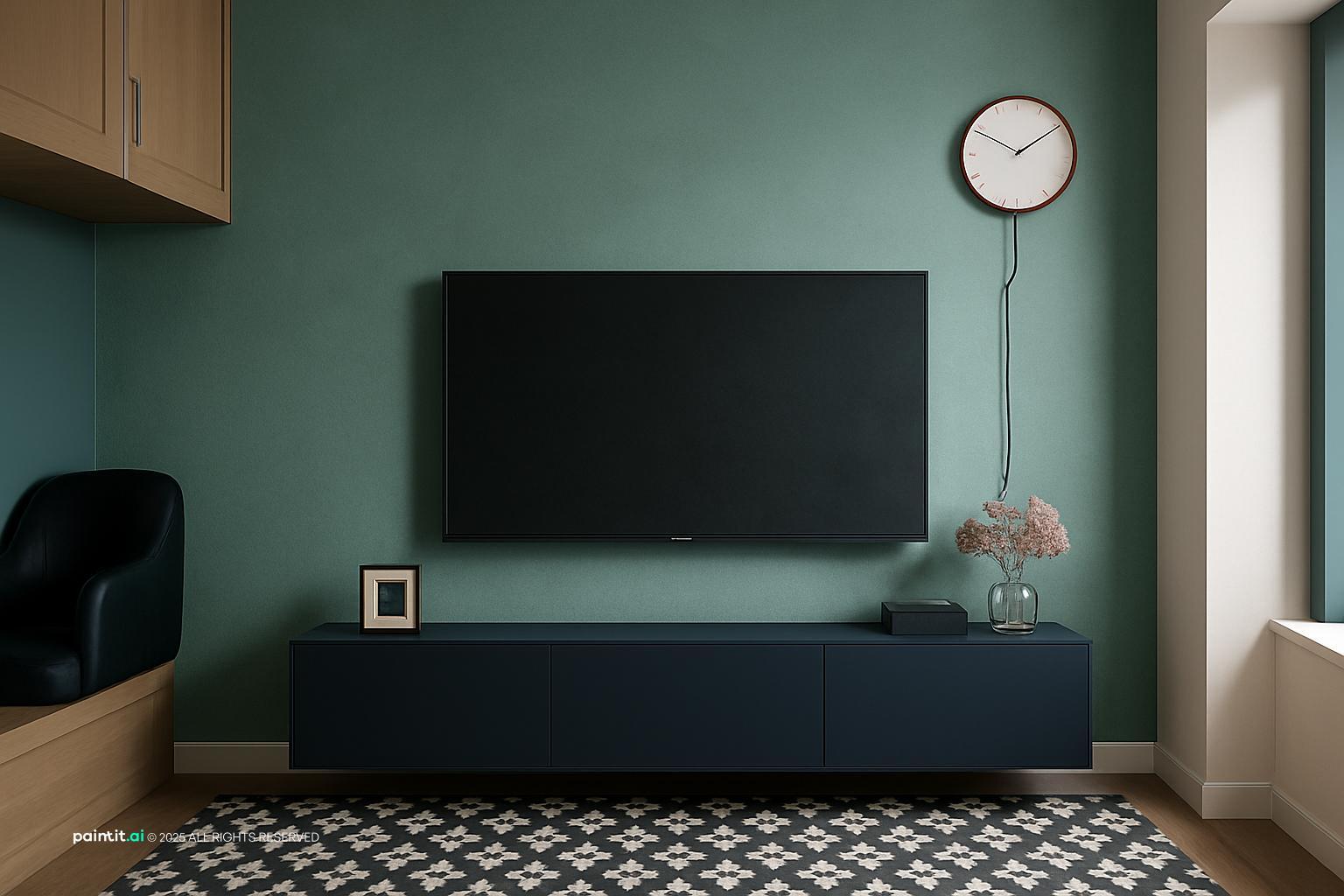
Pro Tip: To achieve this effect, pair a smooth, cool stone surface with a warm, textured textile to create a pleasing contrast.
-
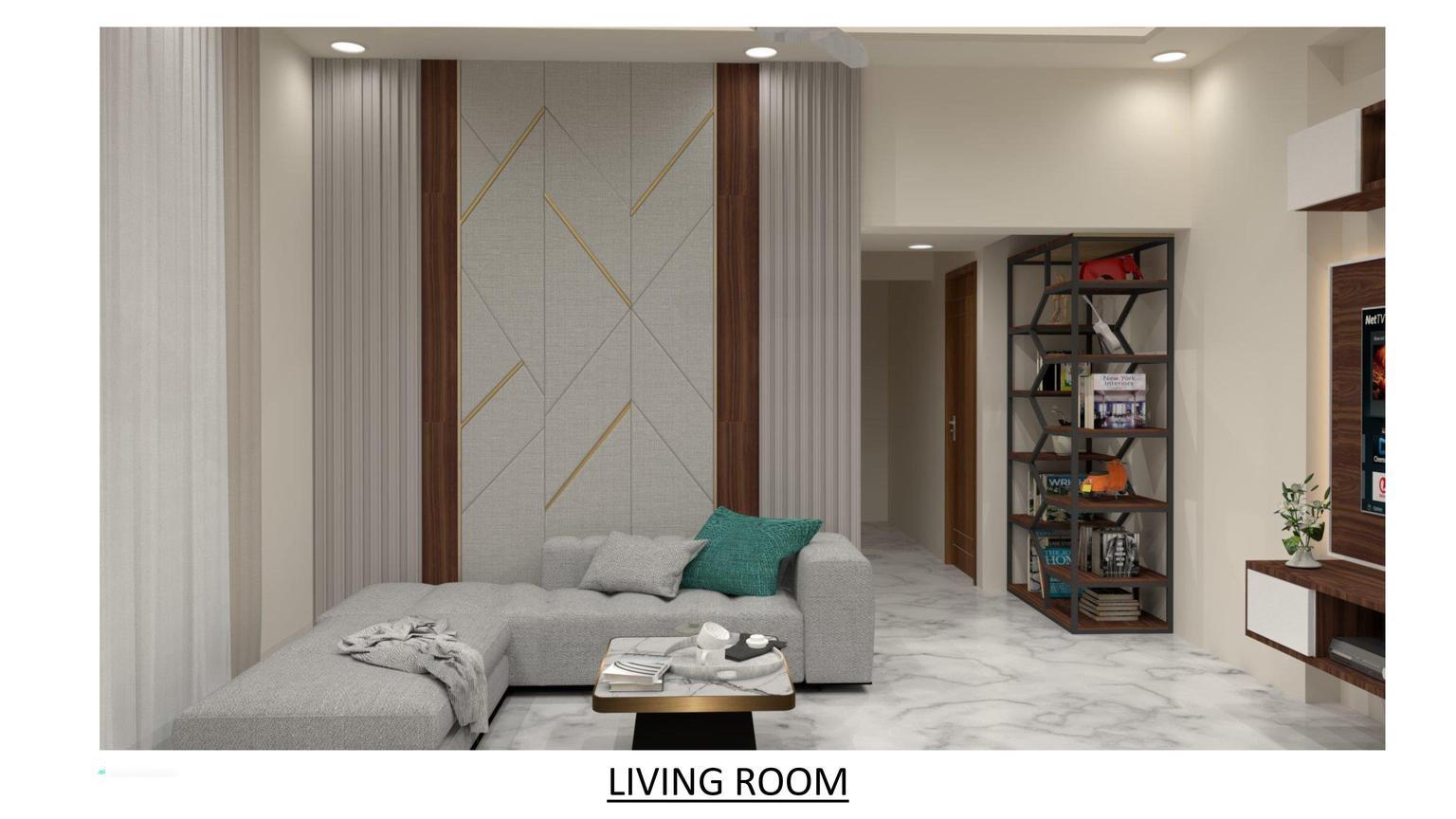
A truly organic modern living room design blurs the lines between inside and out. It’s about creating a visual and physical flow that makes your living space feel like an extension of nature, letting light and air move freely. This connection is vital for well-being.
-
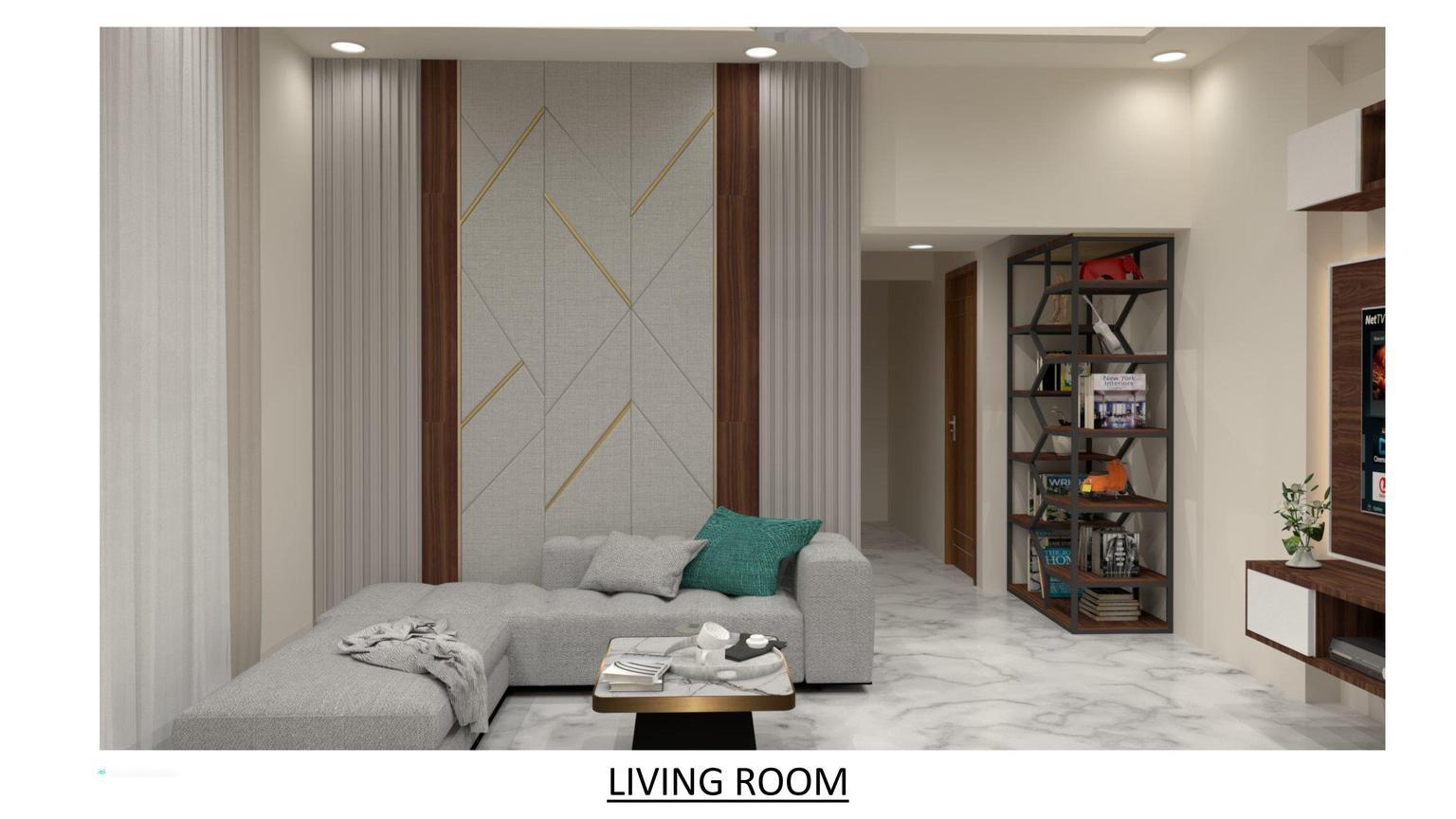
If you have large windows or sliding doors, keep them uncluttered with sheer linen curtains that allow light to filter through. Arrange furniture to face a beautiful outdoor view. Incorporate outdoor-friendly materials like teak or rattan indoors, or bring in potted plants that mimic your garden's foliage. The goal is to make the transition feel effortless.
-
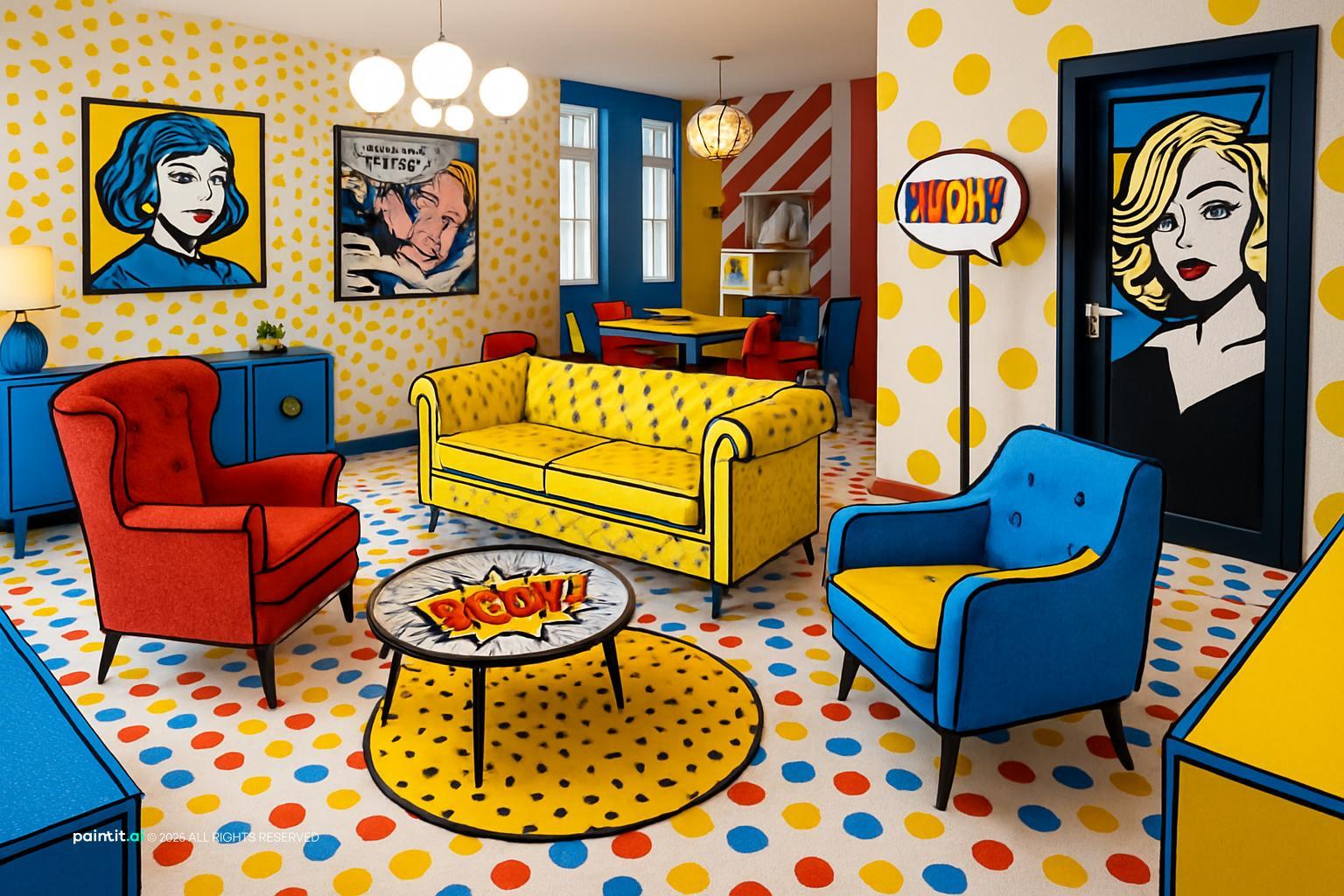
Pro Tip: To achieve this effect, use a consistent color palette for both your indoor living room and any adjacent outdoor space to visually link them.
-
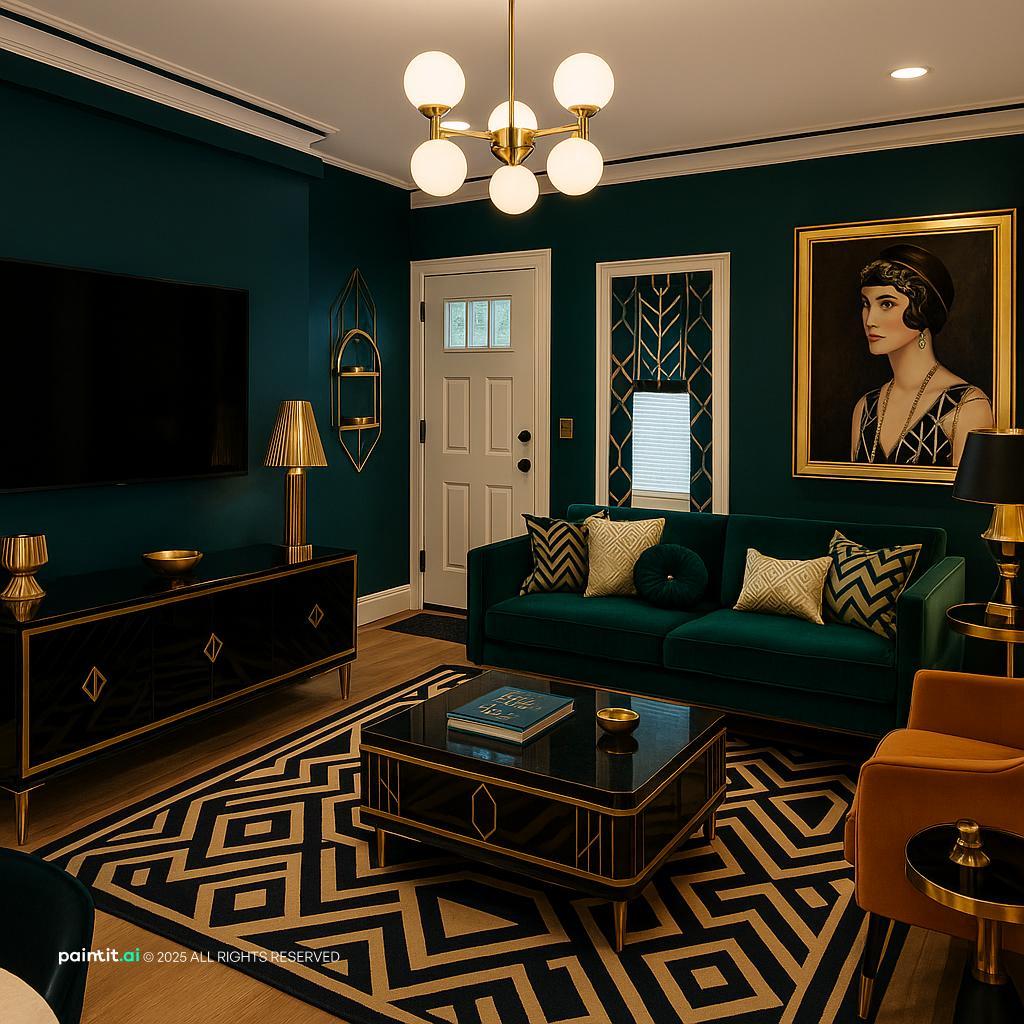
Blending old with new is a hallmark of sophisticated modern organic living room design. Vintage pieces, especially those made from natural materials, add depth, character, and a sense of history that new items often lack. It’s about finding treasures that tell a story.
-
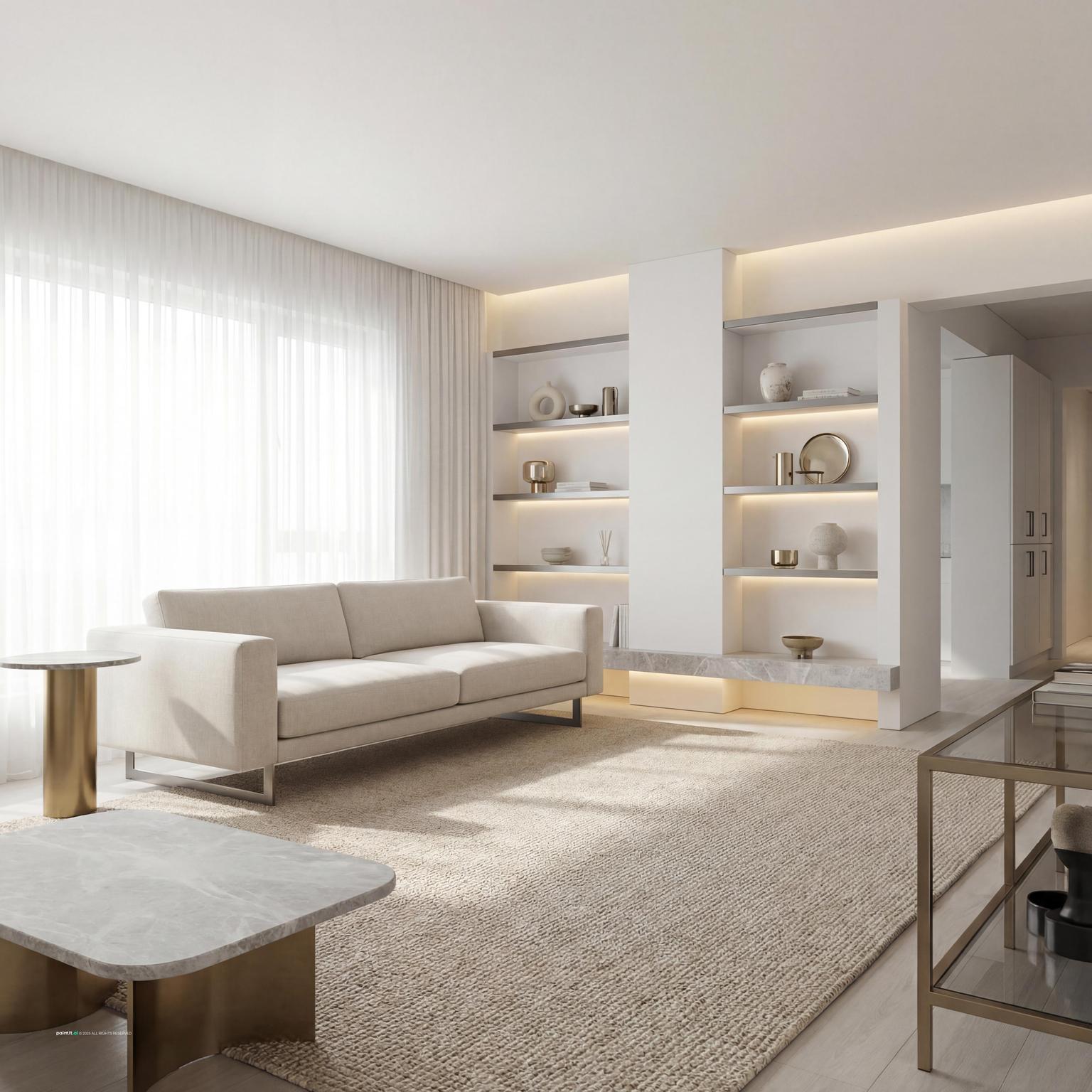
Look for a vintage credenza in a rich wood, a worn leather armchair, or a collection of antique pottery. A mid-century modern coffee table or a hand-knotted Persian rug can anchor a space beautifully. The key is to choose pieces that have a timeless quality and complement, rather than clash with, your modern aesthetic.
-
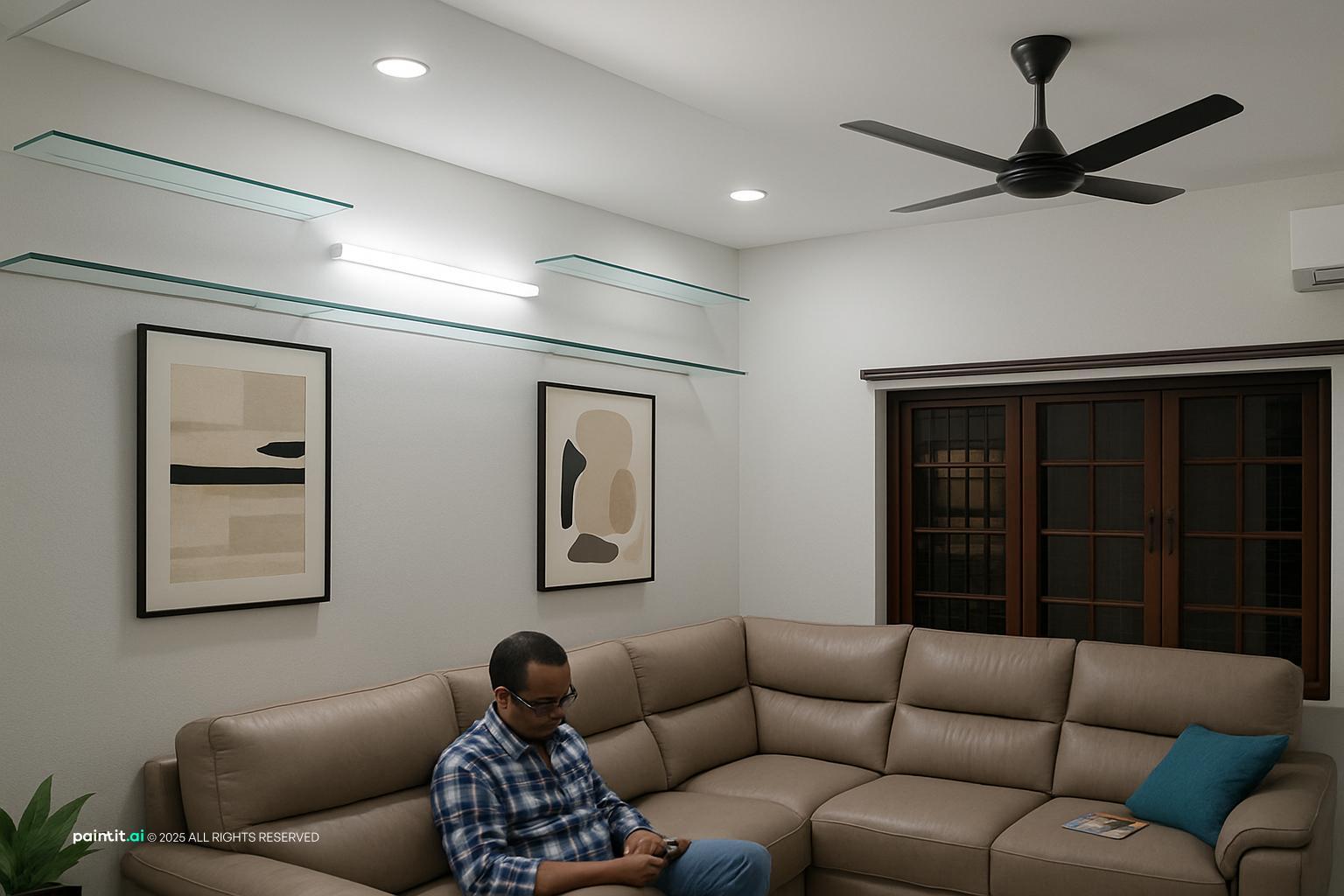
Pro Tip: To achieve this effect, select one or two vintage pieces that are made from natural materials and have a simple, sculptural form.
-
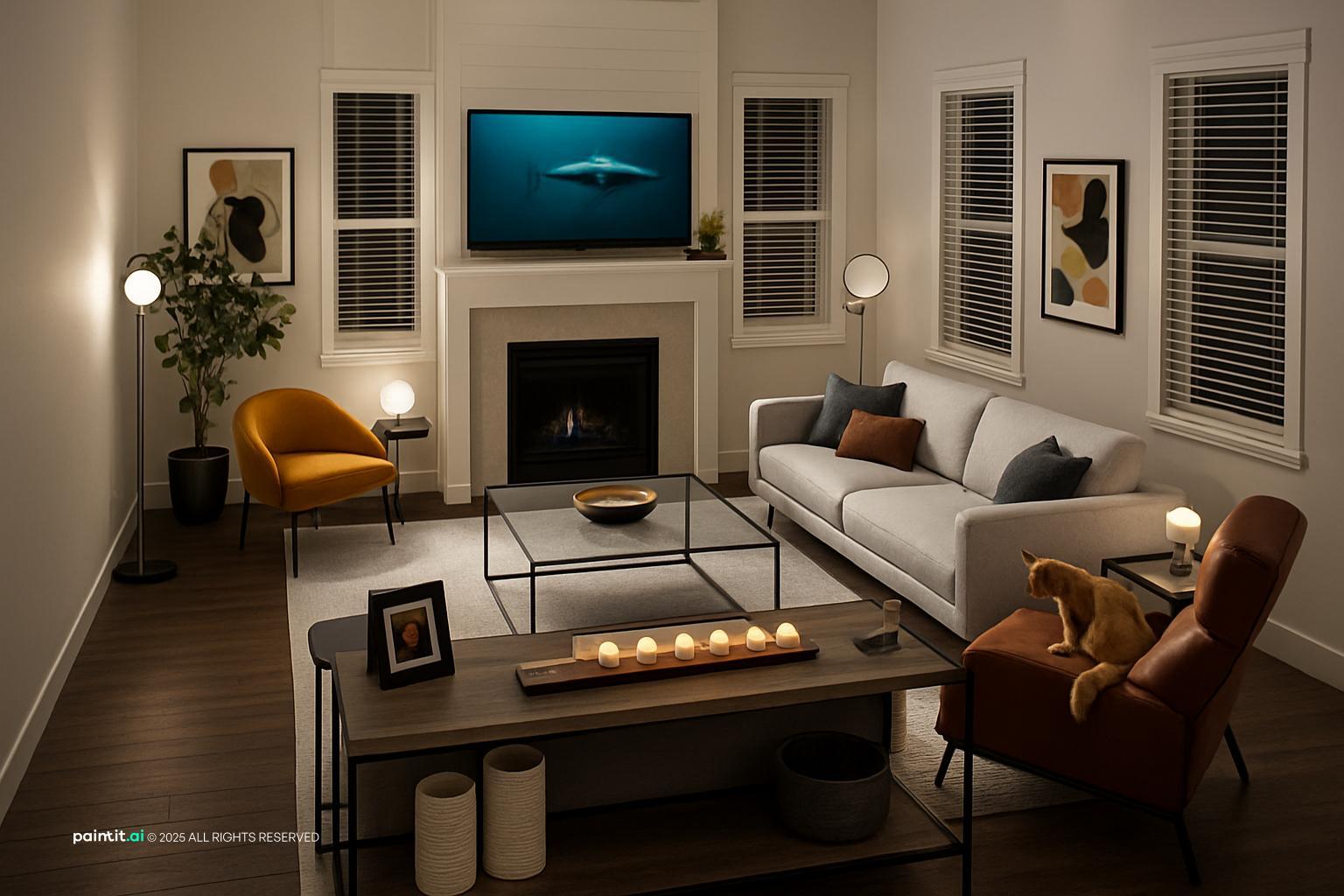
A monochromatic approach in a modern organic living room doesn't mean boring; it means incredibly sophisticated. By sticking to a single color family—often warm whites, soft grays, or muted beiges—and varying the shades and textures, you create a deeply calming and cohesive space. It’s about nuance and subtlety.
-
Paint walls in a soft, warm white. Choose a sofa in an off-white linen, layer with throw pillows in cream and ivory bouclé, and place a large, textured rug in a slightly darker beige. Introduce natural wood tones and a few green plants to break up the monochrome without disrupting the serene flow. The result? Impeccable.
-
Pro Tip: To achieve this effect, focus heavily on varying textures within your chosen monochromatic palette to prevent the room from feeling flat.
-
These natural fibers bring an undeniable lightness and organic texture to any living room organic interior design. They evoke a sense of craftsmanship and a relaxed, coastal-meets-bohemian vibe that fits perfectly within the modern organic aesthetic. They just feel right.
-
Incorporate a rattan armchair with a soft cushion, a jute area rug, or a coffee table with a cane inset. Woven pendant lights can add a beautiful, diffused glow. These materials are inherently airy and add a delicate, handcrafted touch without overwhelming the space. They’re about effortless charm.
-
Pro Tip: To achieve this effect, balance the lightness of woven pieces with more substantial, solid elements like a stone side table or a heavy linen sofa.
Unpacking the Soul of a Modern Organic Living Room to Life with Paintit.ai
-
There’s a quiet magic to a truly well-executed modern organic living room, isn't there? It’s more than just aesthetics; it’s a feeling, a deep exhale. We’ve found that getting this particular living room organic interior design just right means understanding its fundamental building blocks—the DNA, if you will—and then letting intuition guide the rest. It sounds simple, but most people forget the nuance.
-
We lean into nature’s own muted tones for a modern organic living room. Think warm off-whites, like a creamy plaster, as your base. Layer in soft sage greens, the color of sun-drenched eucalyptus, and grounding charcoal grays. A touch of dusty rose or a deep terracotta can act as a subtle accent, adding warmth without overwhelming the serene feel.
-
The truth is, a living room organic modern living room design thrives on touch. We gravitate towards raw, untreated woods—think wide-plank oak or a salvaged elm—for grounding elements. Soft, slubby linens and organic cottons drape beautifully, inviting you to sink in. Hand-thrown ceramics and honed stone bring a cool, earthy counterpoint, adding depth and a sense of permanence.
-
For this style, furniture isn't just functional; it's art. A low-slung, generously proportioned sofa upholstered in a natural linen is non-negotiable, offering an inviting anchor. Pair it with a sculptural coffee table, perhaps a single slab of travertine or a piece of reclaimed wood, its imperfections celebrated. An organic accent chair, maybe a rattan lounge or a bouclé swivel, completes the trio, creating visual interest and varied seating options.
-
Harsh overhead lights simply won't do here. We build layers of soft, diffused light, mimicking the gentle glow of a perpetual golden hour. Ambient light comes from a large, linen-shaded pendant, casting a warm wash. Task lighting, perhaps a ceramic-based table lamp with a natural fiber shade, offers focused illumination. Finally, a dimmable floor lamp with an amber bulb provides that crucial accent glow, making the modern organic living room feel utterly intimate.
-
This is where personality truly shines in a living room organic interior design. We love handcrafted pottery, perhaps a collection of unglazed ceramic vases in varying heights. Lush, leafy plants—a towering fiddle leaf fig or a cascading pothos—are vital, bringing vibrant life. When arranging, we often use the 3-5-7 rule: group items in odd numbers. On a coffee table, a cluster of three smooth river stones, a small wooden bowl, and a single sculptural plant creates a balanced vignette. On a bookshelf, five carefully chosen objects—a vintage book, a small ceramic sculpture, two found objects, and a trailing plant—feel effortlessly composed. It’s about creating moments, not just filling space.
Paintit.ai: Visualizing Your Modern Organic Living Room's Perfect Harmony Design Ideas
Achieving that effortless balance in a modern organic living room, where every raw material and soft texture feels just right, can be tricky. The truth is, visualizing your ideal living room organic interior design is key to avoiding costly mistakes. Paintit.ai instantly shows you countless versions of your living room organic modern living room design, ensuring perfect harmony. Try it.
FAQ
-
A modern organic living room is all about creating a serene, inviting space that feels deeply connected to nature, yet maintains a clean, contemporary edge. We're talking about a gentle balance: the raw beauty of natural materials meets refined, often minimalist forms. It’s not rustic, not starkly modern; it’s a harmonious blend. Think soft, earthy palettes, abundant natural light, and textures that beg to be touched—all arranged with an intentional, unforced ease. The goal is a tranquil retreat, a place where you can truly unwind.
-
The truth is, materials are the soul of any living room organic interior design. We always lean into natural, tactile elements. Consider reclaimed oak for a coffee table or perhaps a console, its imperfections telling a story. Limestone or travertine for a fireplace surround brings an undeniable grounding. For textiles, it’s all about linen, organic cotton, and wool—think chunky knit throws, softly draped curtains, or a hand-knotted rug. We’ve seen this work best when you mix textures generously; a smooth ceramic vase next to a rough-hewn wooden bowl, for instance. It’s about preservation over imposition, letting the inherent beauty of each material shine.
-
The kicker here is intentional layering and a thoughtful approach to negative space. For a living room organic modern living room design, it’s never about filling every corner. Instead, focus on a few impeccably chosen pieces: perhaps a low-slung sofa in a natural linen, paired with a couple of sculptural, mid-century inspired armchairs. Introduce organic shapes through pottery, a live edge side table, or even a statement floor lamp with a linen shade. The key is to let things breathe. We often suggest incorporating large, leafy plants—a Fiddle Leaf Fig or a Strelitzia—to bring that vital outdoor connection inside. It sounds simple, but most people forget the power of a well-placed void.
-
Absolutely. This is where the "modern" part truly comes into play. To avoid veering into a purely rustic aesthetic, we focus on clean lines and curated details. Think about a sleek, minimalist fireplace rather than a heavily stone-clad one. Incorporate subtle metallic accents—brushed brass in an aged finish on a lamp or a picture frame—to add a touch of understated glamour. Art plays a huge role; abstract pieces with muted tones or landscape photography can elevate the space without competing with the natural elements. It’s about an edited elegance, a quiet luxury that speaks through quality and form, not overt opulence.
-
One common mistake we’ve observed is going too monochromatic without enough textural variation; it can end up feeling flat. Another is mistaking "organic" for "messy"—this style thrives on a sense of calm order, even with its natural elements. And here’s a human struggle: sometimes people fall in love with a specific piece, say a massive, rough-hewn coffee table, only to realize it completely overwhelms their space or didn’t fit through the front door. Always measure, always consider scale. The goal is a cohesive narrative, not a collection of disparate "organic" items. Remember, it’s about balance, always.