
Exploring Living Room Hutch - Ideas for Stylish Storage
Considering living room hutch ideas can open up a world of possibilities for both storage and display. Perhaps you're looking to tidy away books and media, or maybe you want a dedicated spot to showcase treasured collections. It's about finding that ideal balance between utility and visual appeal in your main living area. What unique personality could a hutch bring to your home?
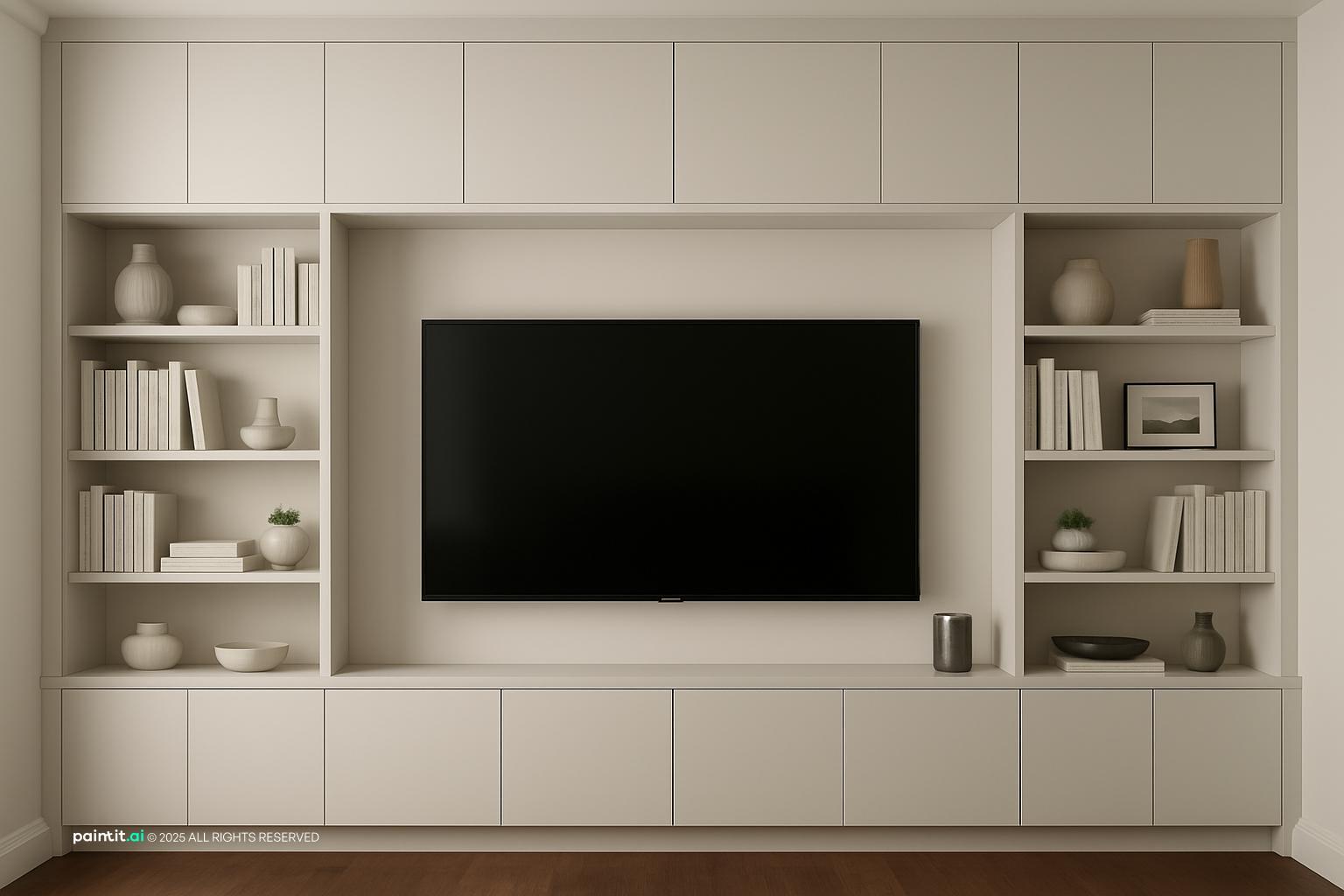
Essential Tips for Living Room Hutch Ideas
Stunning Examples of 14 Creative Living Room Hutch Ideas to Anchor Your Space
-
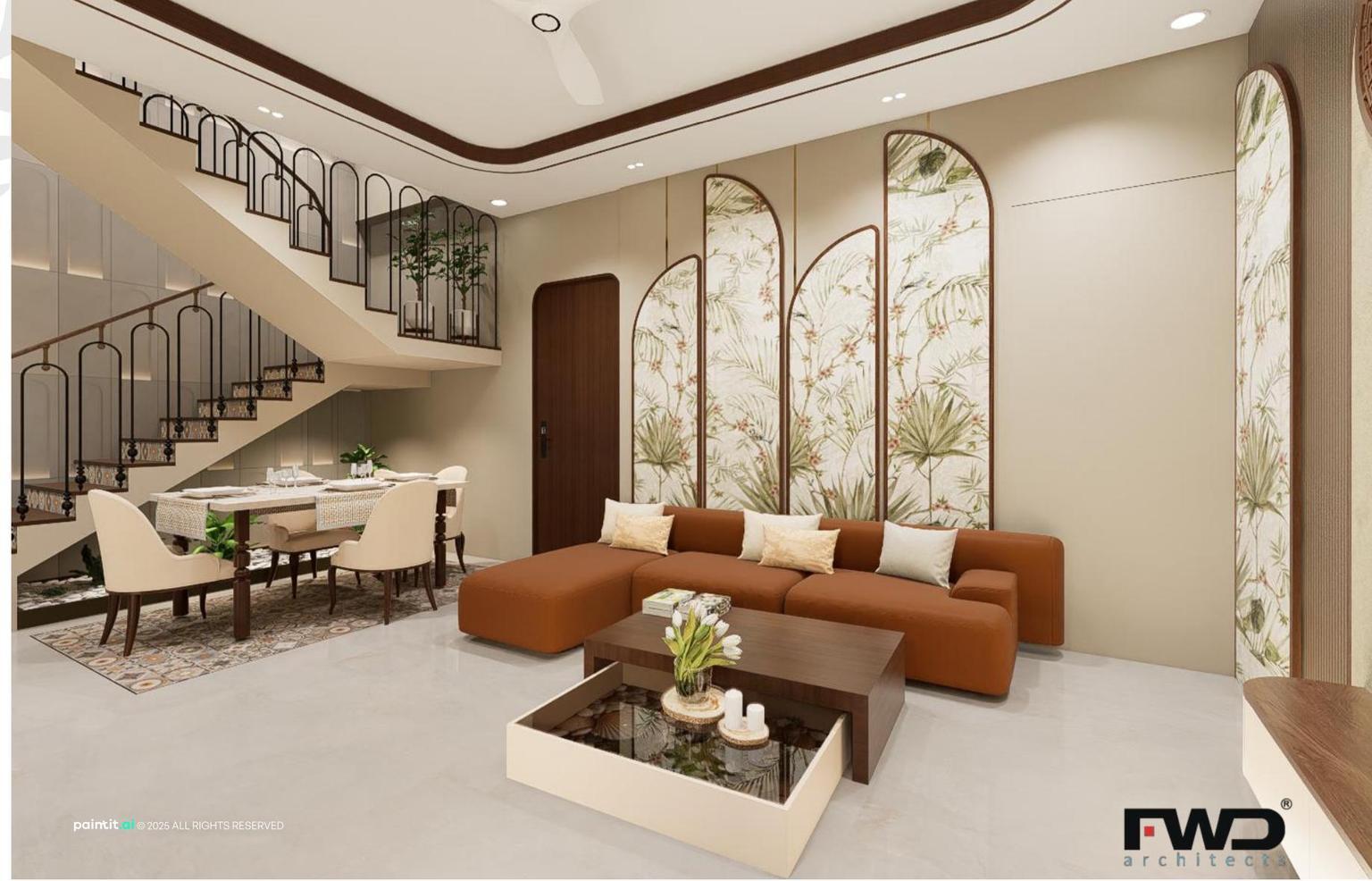
That one corner in your living room, always a puzzle? We get it. Finding the right spot for both treasured items and everyday clutter feels like a constant battle. But display cabinets are making a quiet comeback, not just for dining rooms. We're talking about how these versatile pieces—from vintage pine display cases to sleek Shaker-style cabinetry—can truly anchor a space, offering both visual interest and smart storage. The truth is, a well-chosen storage unit can redefine a room. And with Paintit.ai, seeing how a specific unit fits your room's dimensions and existing decor is just a few clicks away.
-
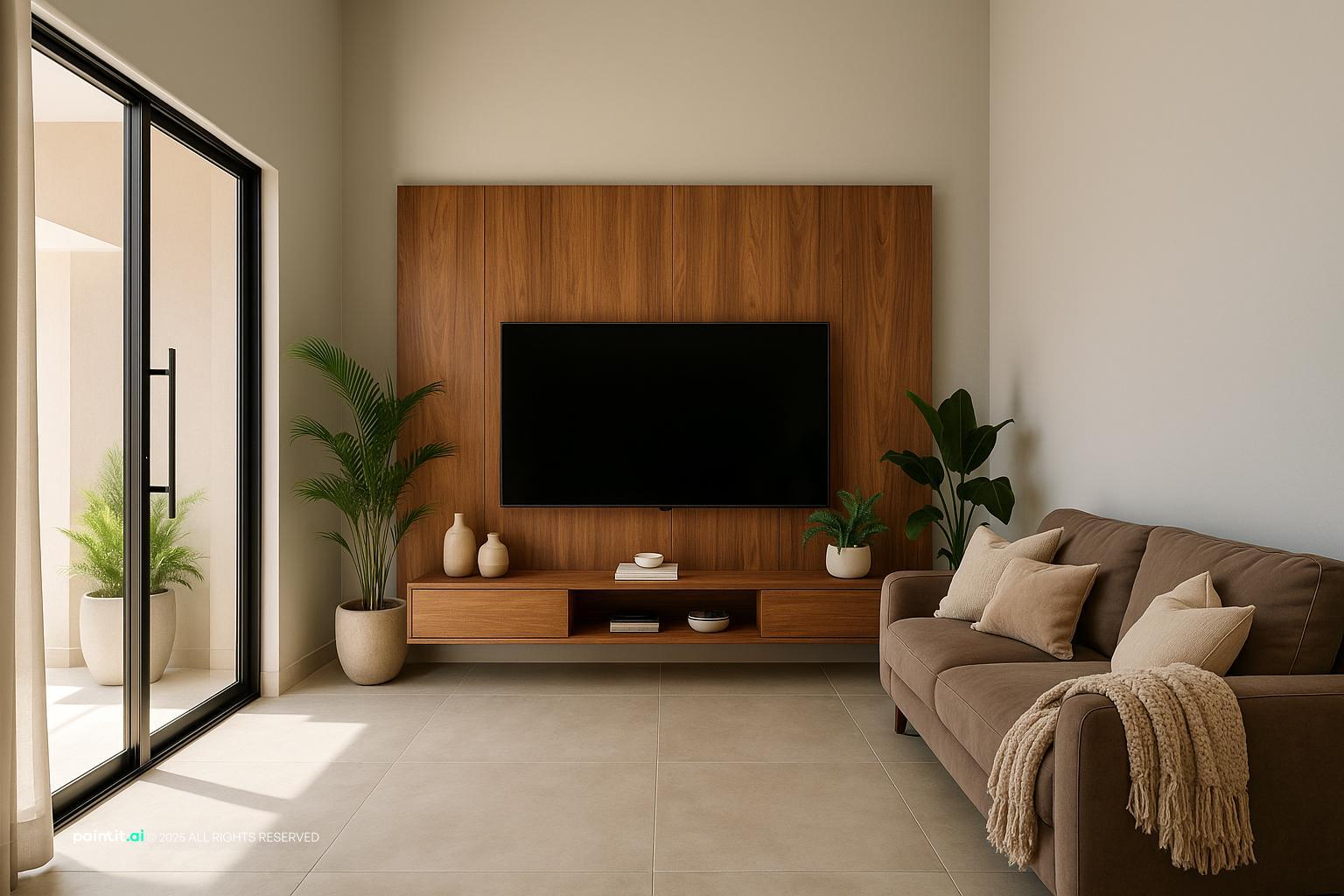
We've pulled together a collection of living room hutch ideas that strike a balance between looking utterly beautiful and working hard for your home. These aren't just about stashing things away; they're about creating moments, telling stories, and making your living area feel truly lived-in, but in the best possible way.
-
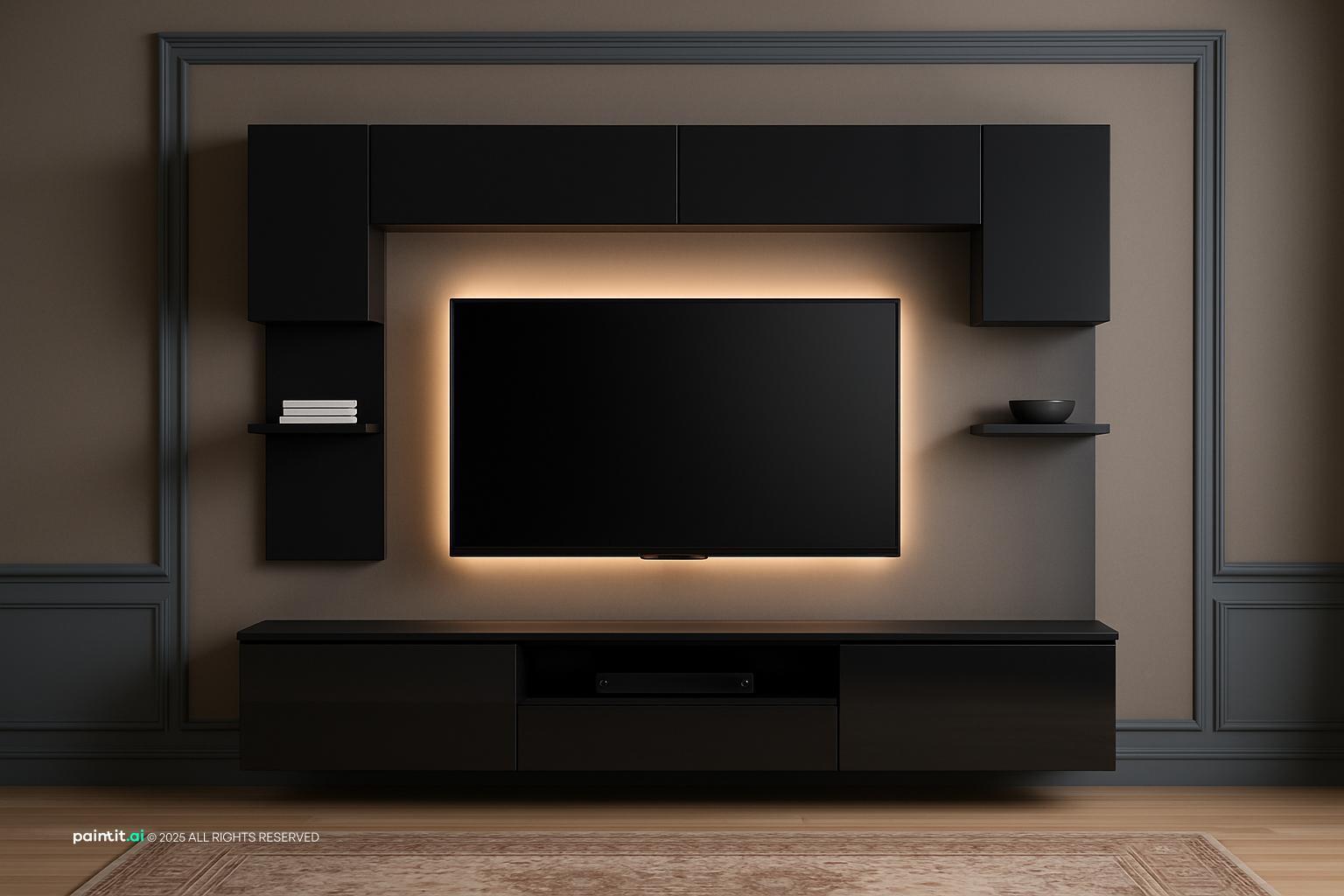
This idea transforms a hutch for living room into a personal gallery. Think of it as a stage for your most cherished objects—a collection of hand-blown glass, antique ceramics, or travel souvenirs. The beauty here lies in thoughtful arrangement, allowing each piece to breathe and tell its own story. It's about displaying what you love, not just filling space.
-
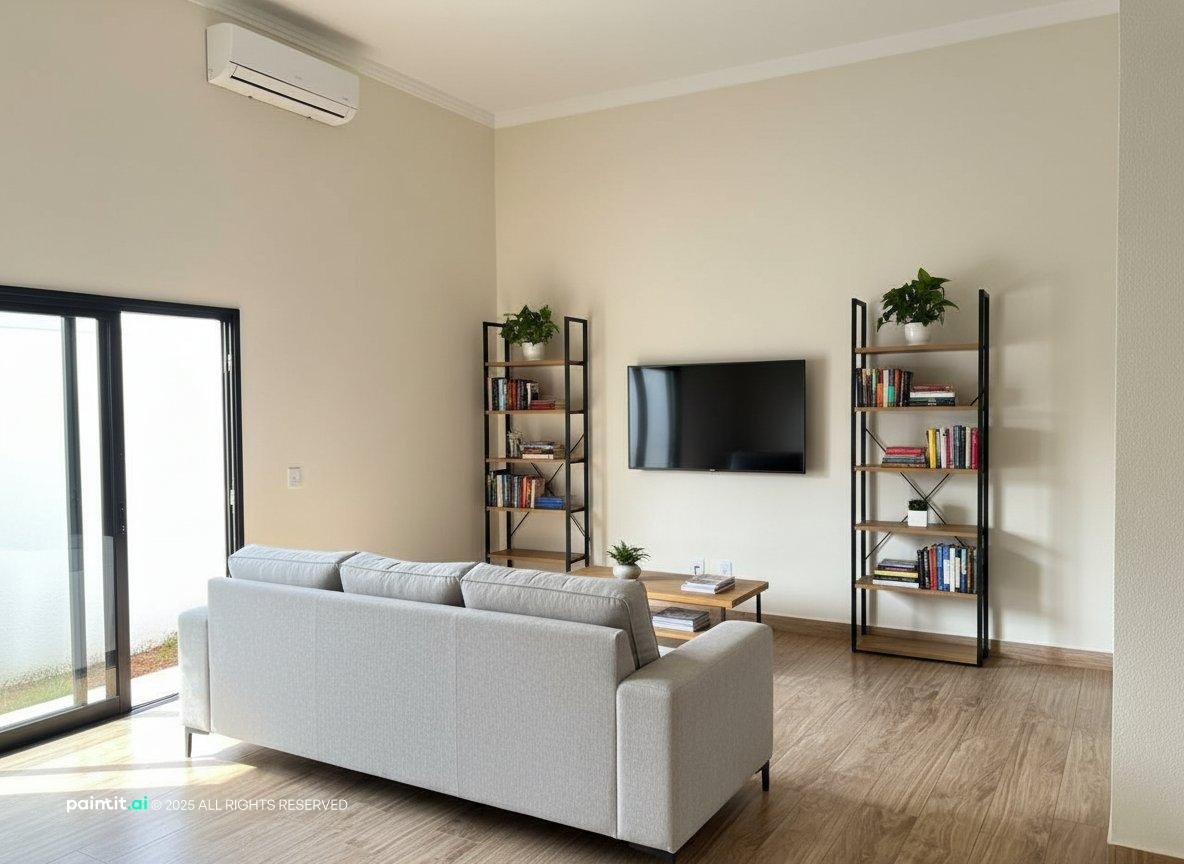
Choose a hutch with ample glass-front doors and perhaps an interior light. Style it with varying heights and textures; a stack of vintage books next to a sculptural vase, for instance. Consider a dark, moody paint color on the interior to make light-colored objects pop.
-
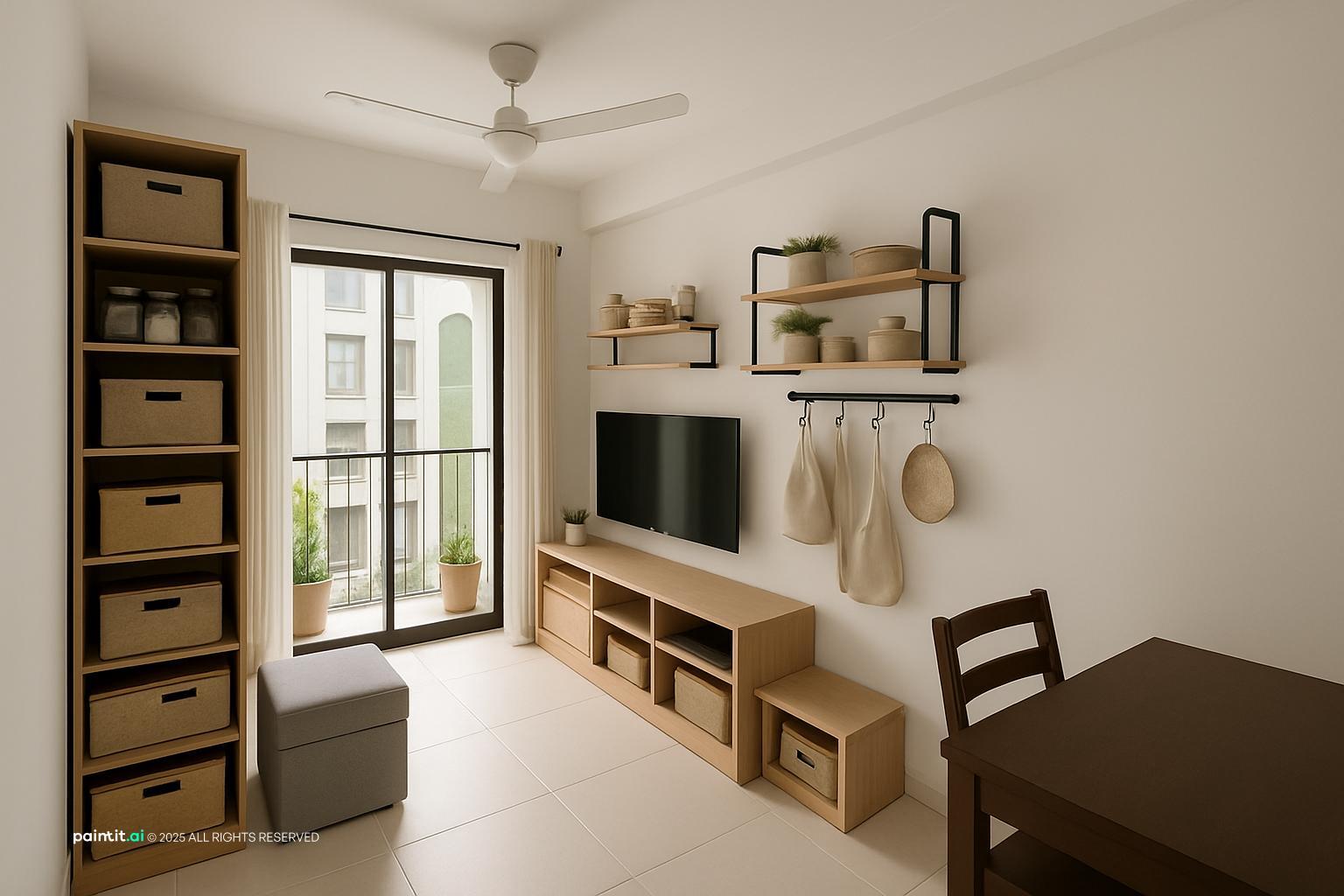
Pro Tip: To achieve this effect, try using small risers or clear acrylic stands to vary the height of your displayed items, creating visual depth.
-
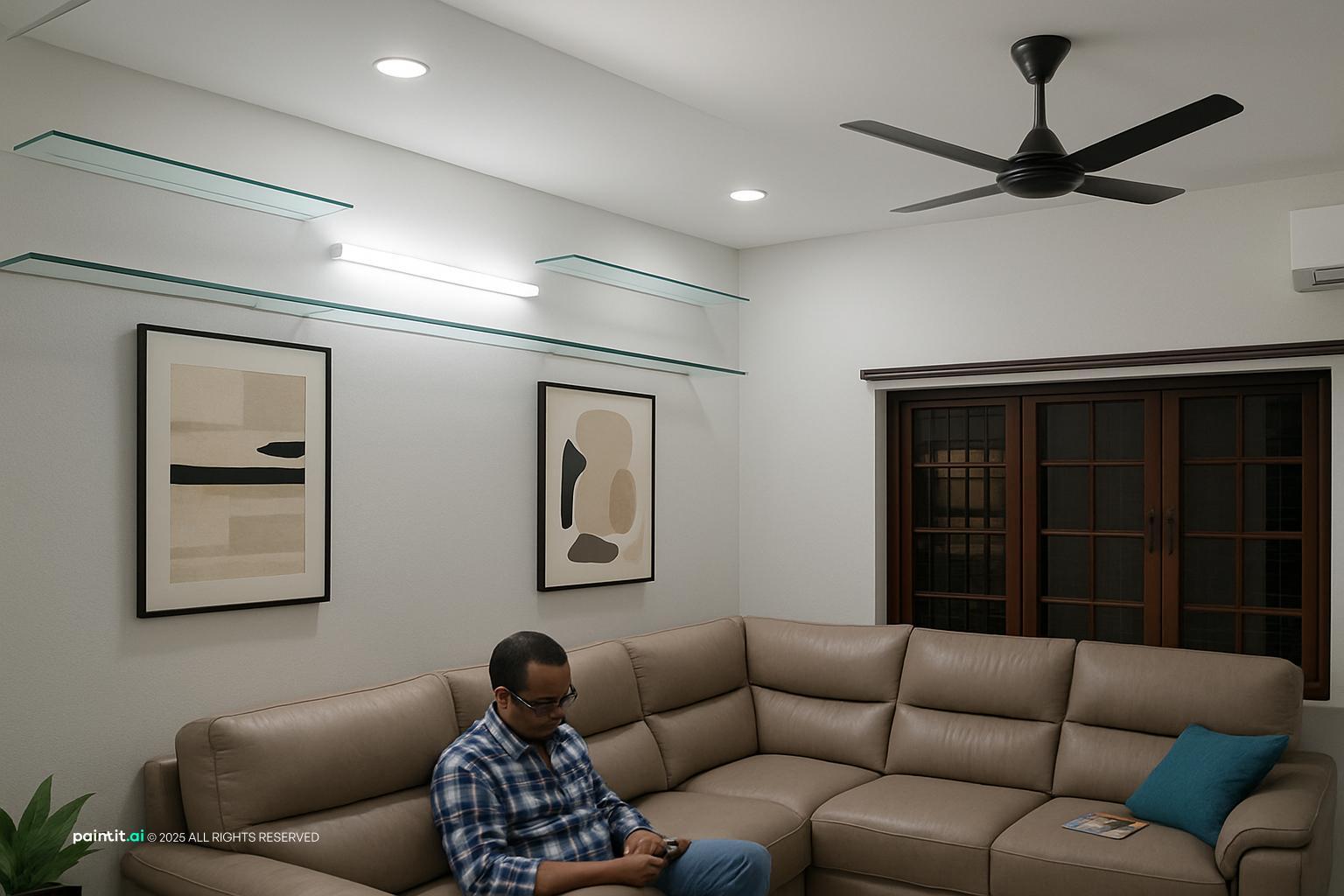
Let's be honest, electronics can be an eyesore. A living room storage hutch can cleverly conceal all the necessary tech—routers, gaming consoles, sound systems—without sacrificing style. It's about maintaining a serene aesthetic while keeping functionality close at hand. No more tangled wires everywhere.
-
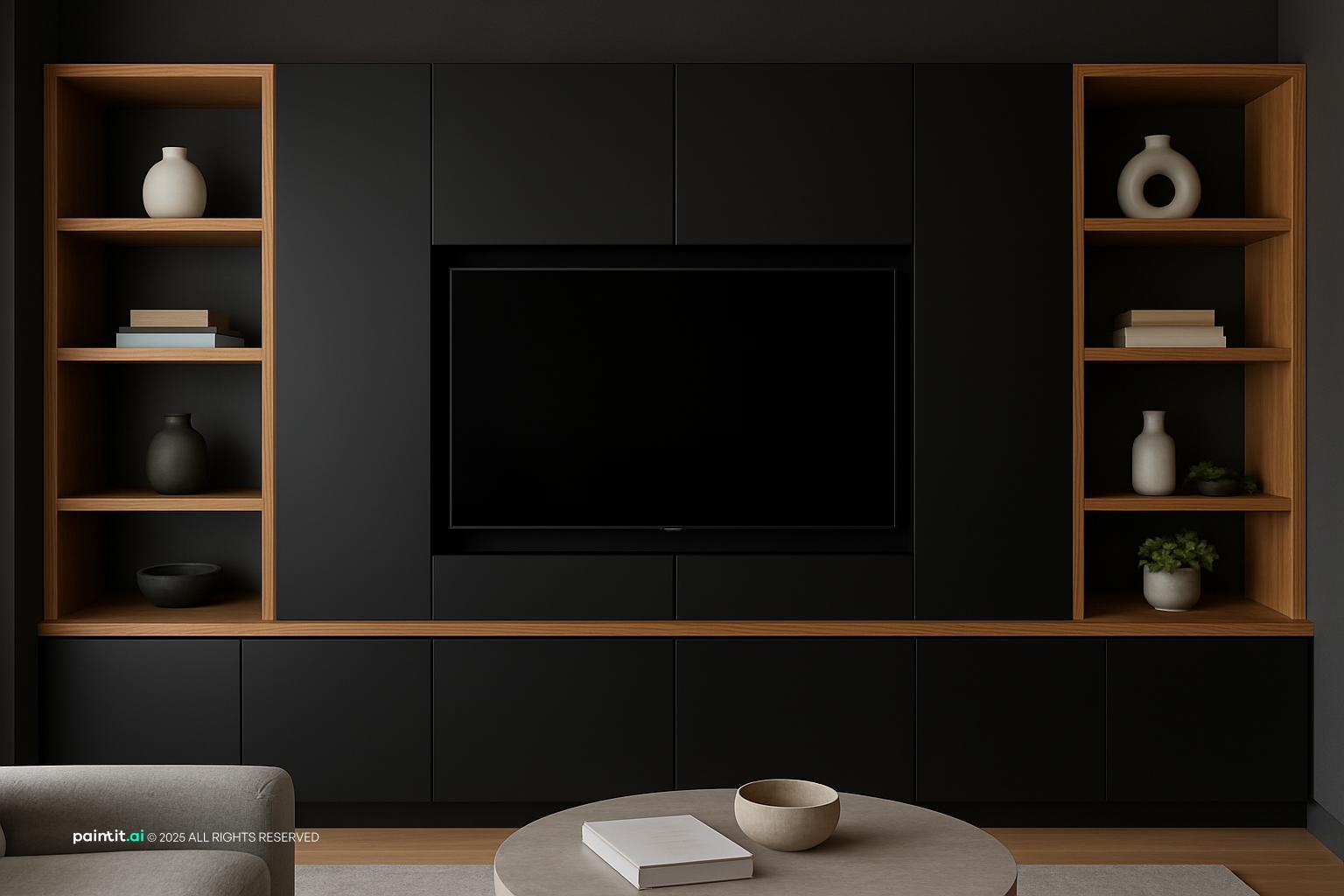
Look for a hutch with solid doors on the lower half and perhaps open shelving or glass doors on top for a few decorative items. Ensure there are cutouts for cable management at the back. A custom built-in look, painted to match your walls, can make it disappear entirely.
-
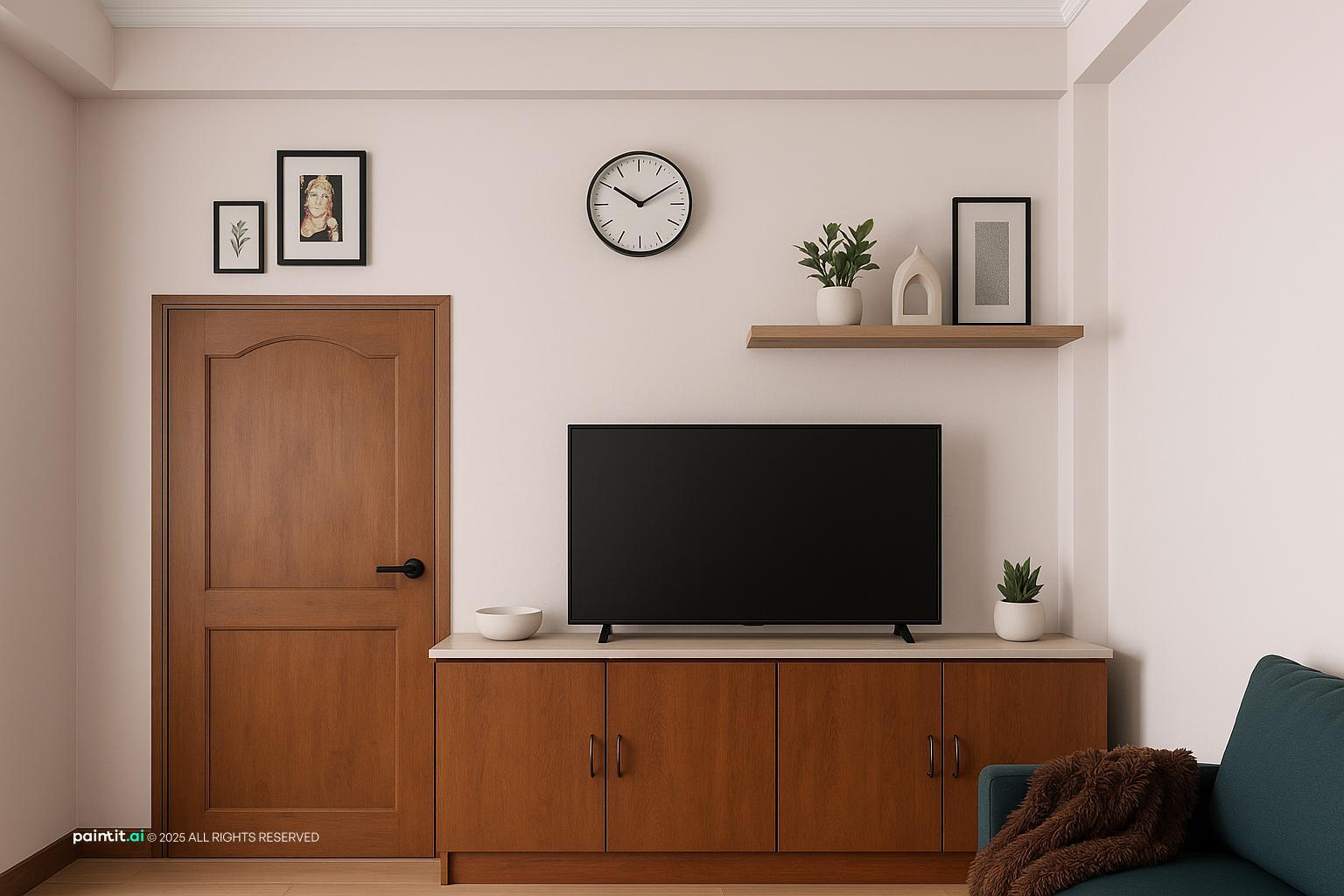
Pro Tip: To achieve this effect, measure your largest electronic component before buying to ensure it fits comfortably inside, allowing for proper ventilation.
-
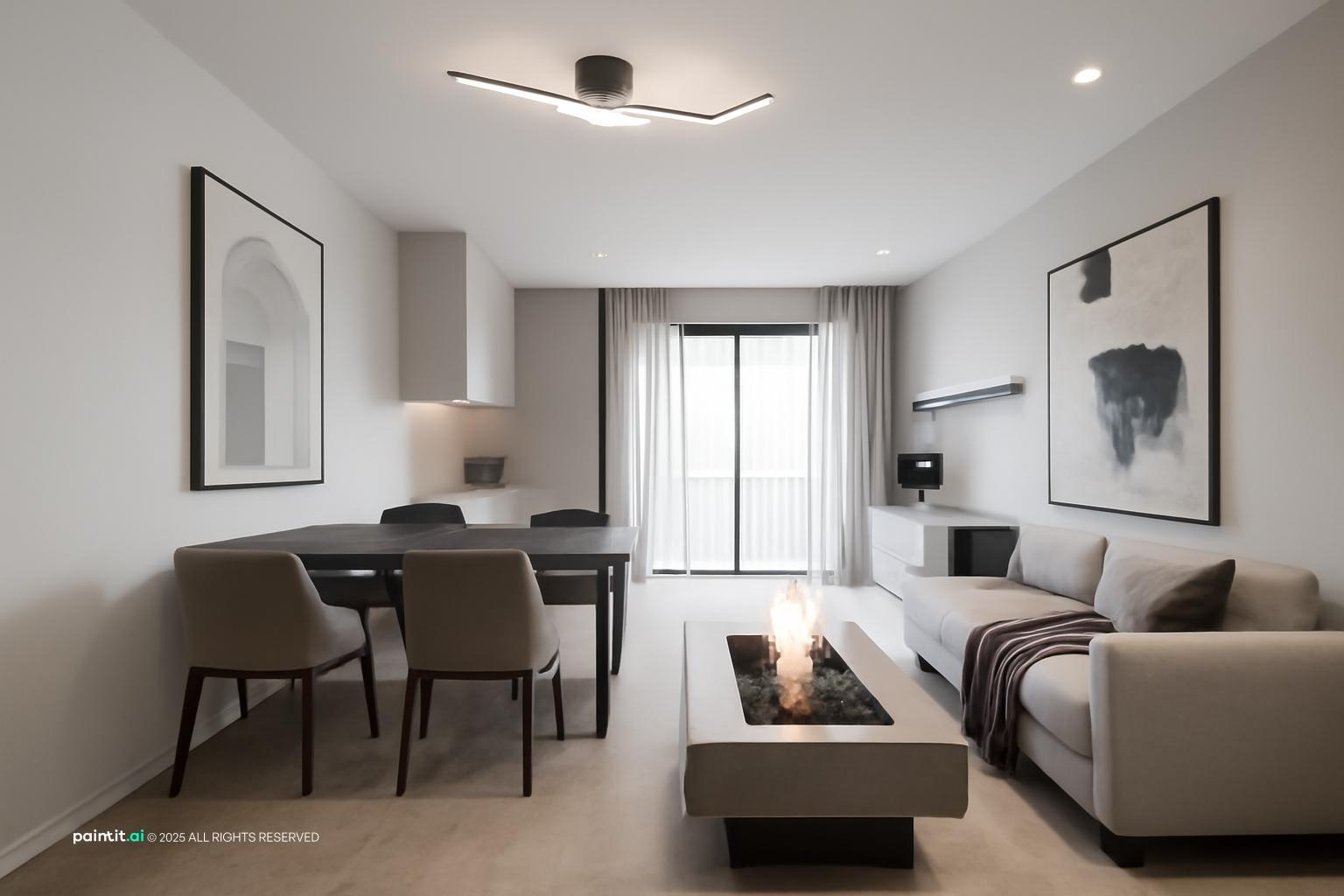
Who says a bar cart is the only option? A hutch in living room can become an elegant, fully stocked home bar. It’s perfect for entertaining, offering a dedicated spot for spirits, glassware, and cocktail tools. It feels a bit old-school glamour, doesn't it?
-
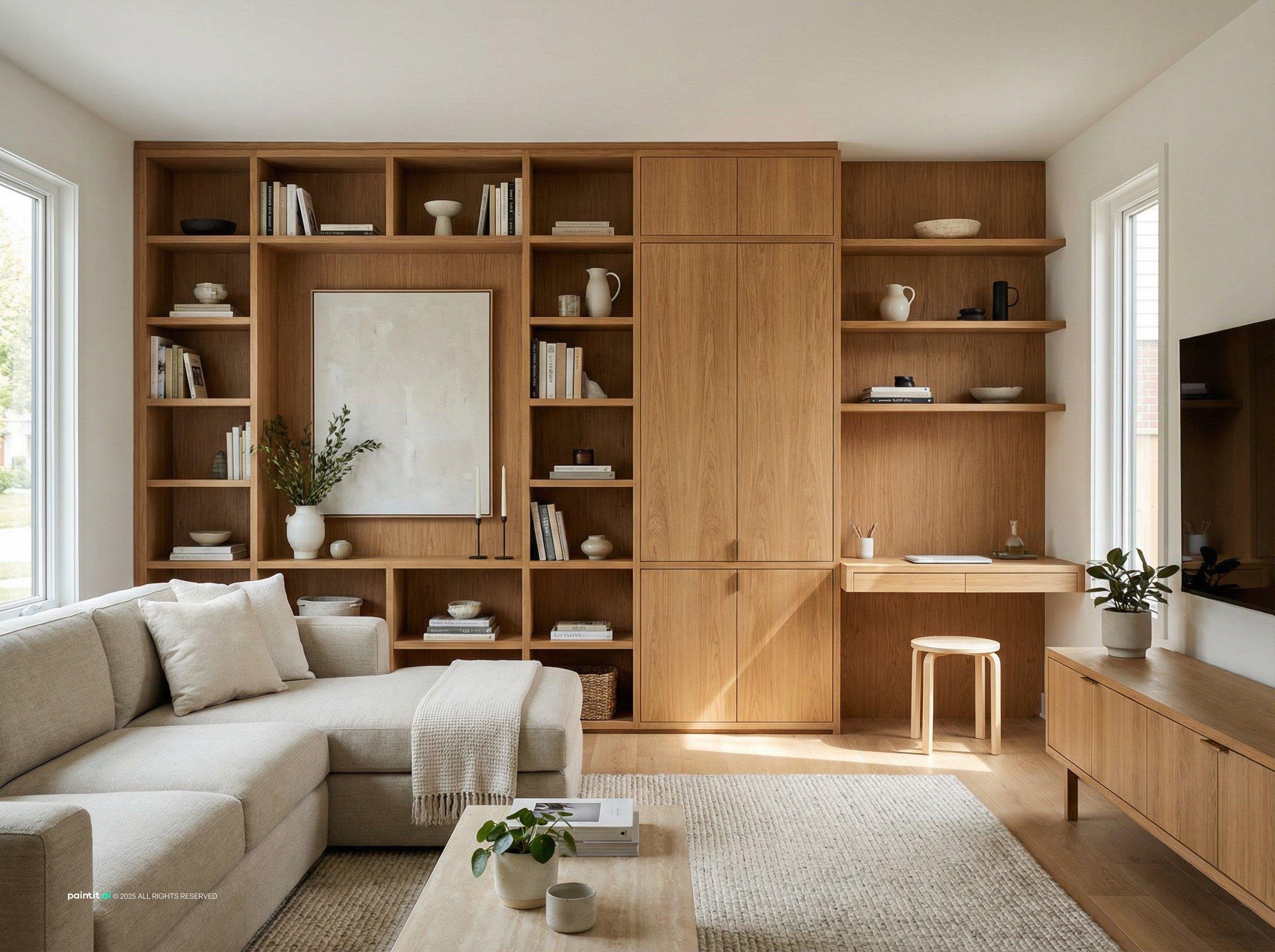
Seek out a hutch with a mirrored back panel to amplify light and display bottles beautifully. Adjustable shelves are a must for different bottle heights. Consider a pull-out shelf for mixing drinks. A vintage piece with intricate details works wonders here.
-
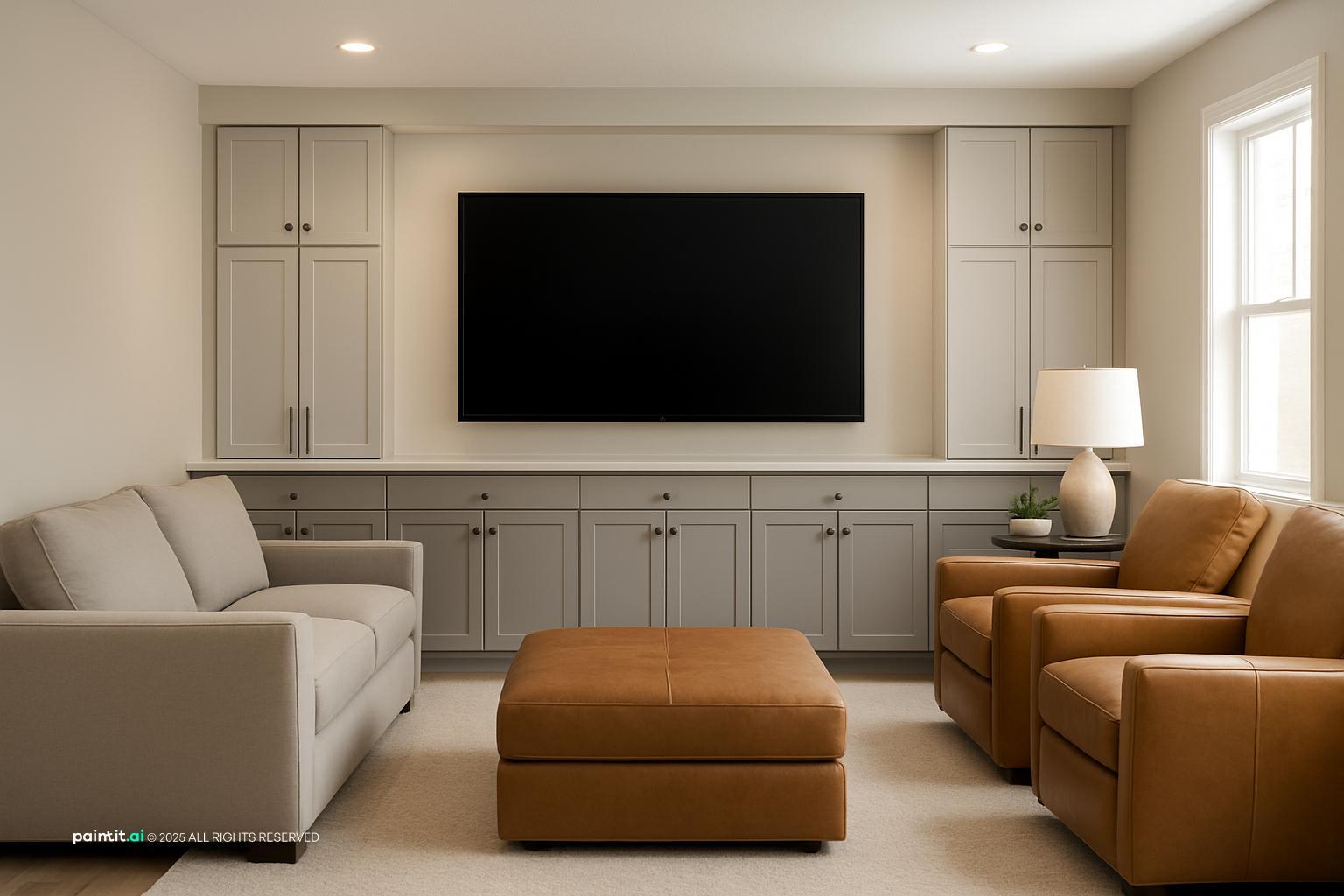
Pro Tip: To achieve this effect, line the back of the hutch with a peel-and-stick mirrored film if it doesn't already have one, instantly elevating the look.
-
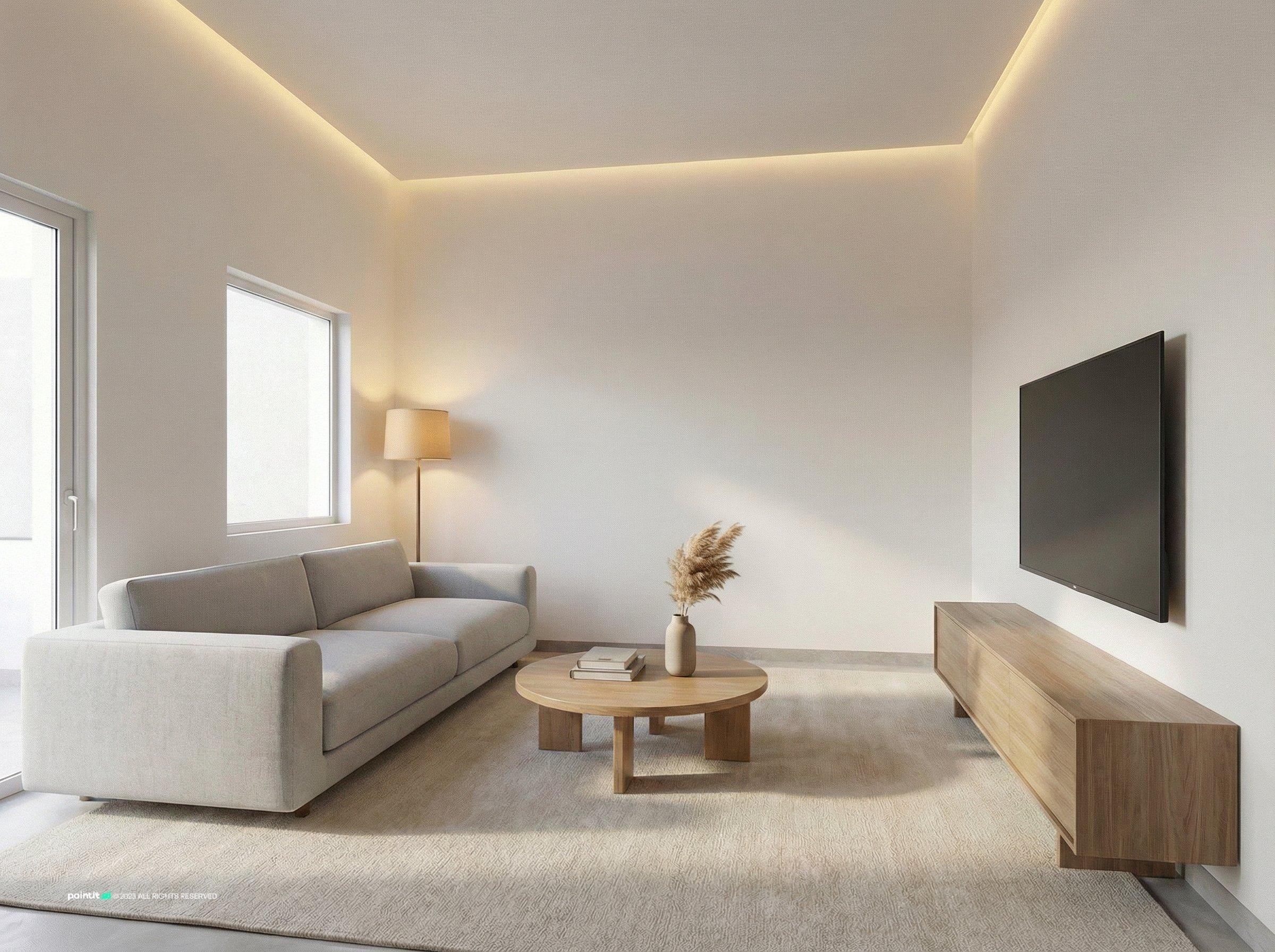
For the avid reader, a barrister-style hutch offers a charming way to display books while keeping them protected from dust. Each section typically has a glass front that lifts and slides back, a truly classic look. It reminds me of old-world studies.
-
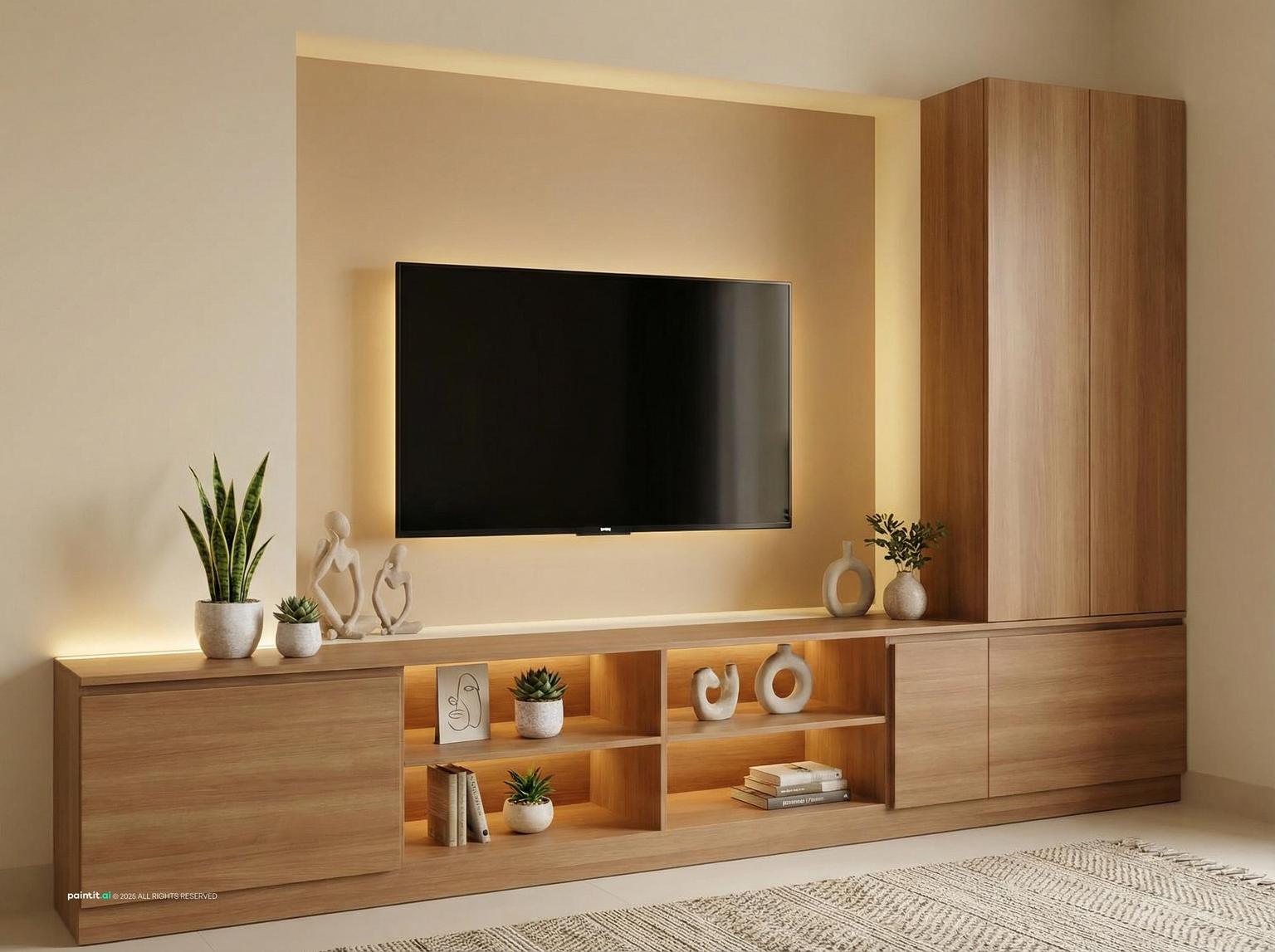
These are often modular, allowing you to stack units as your collection grows. Opt for rich wood tones like cherry or mahogany. Mix books with small decorative objects, perhaps a vintage globe or a brass magnifying glass, to break up the visual weight.
-
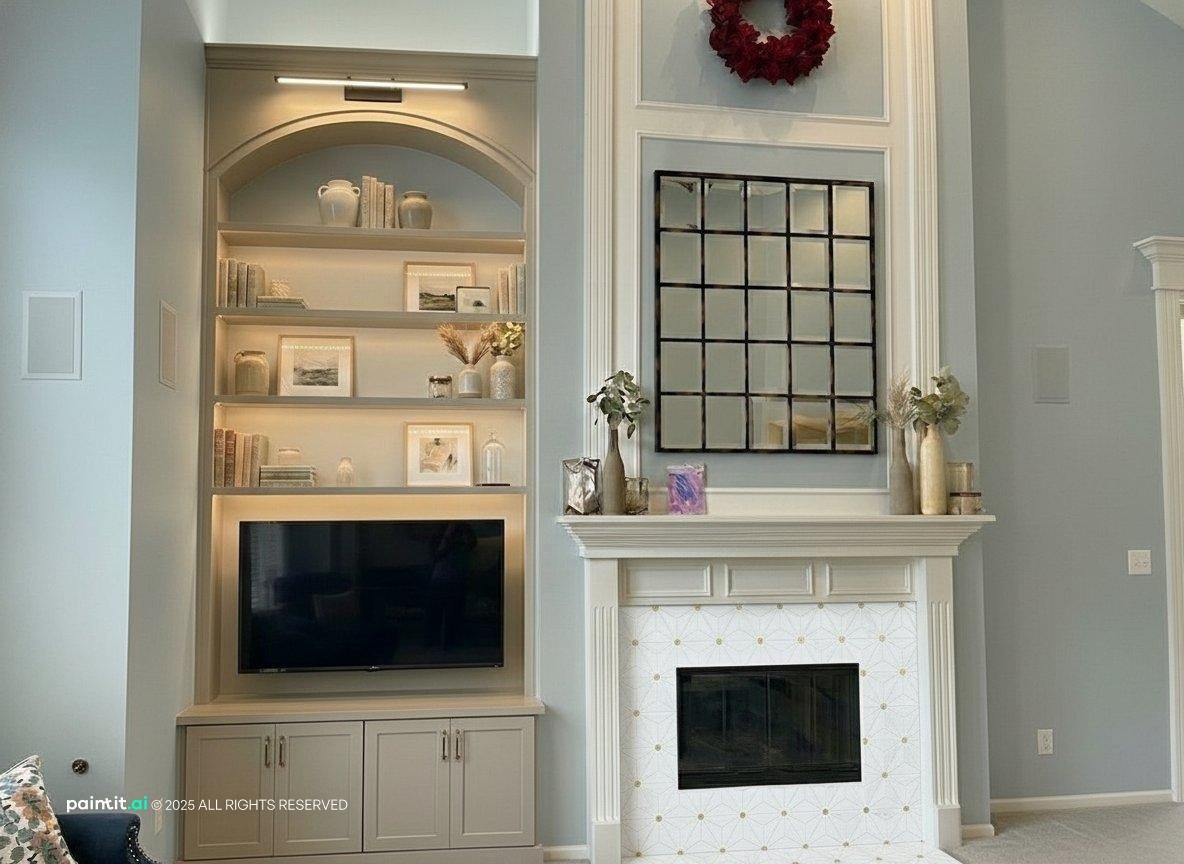
Pro Tip: To achieve this effect, arrange books by color or size for a cohesive look, rather than just cramming them in.
-
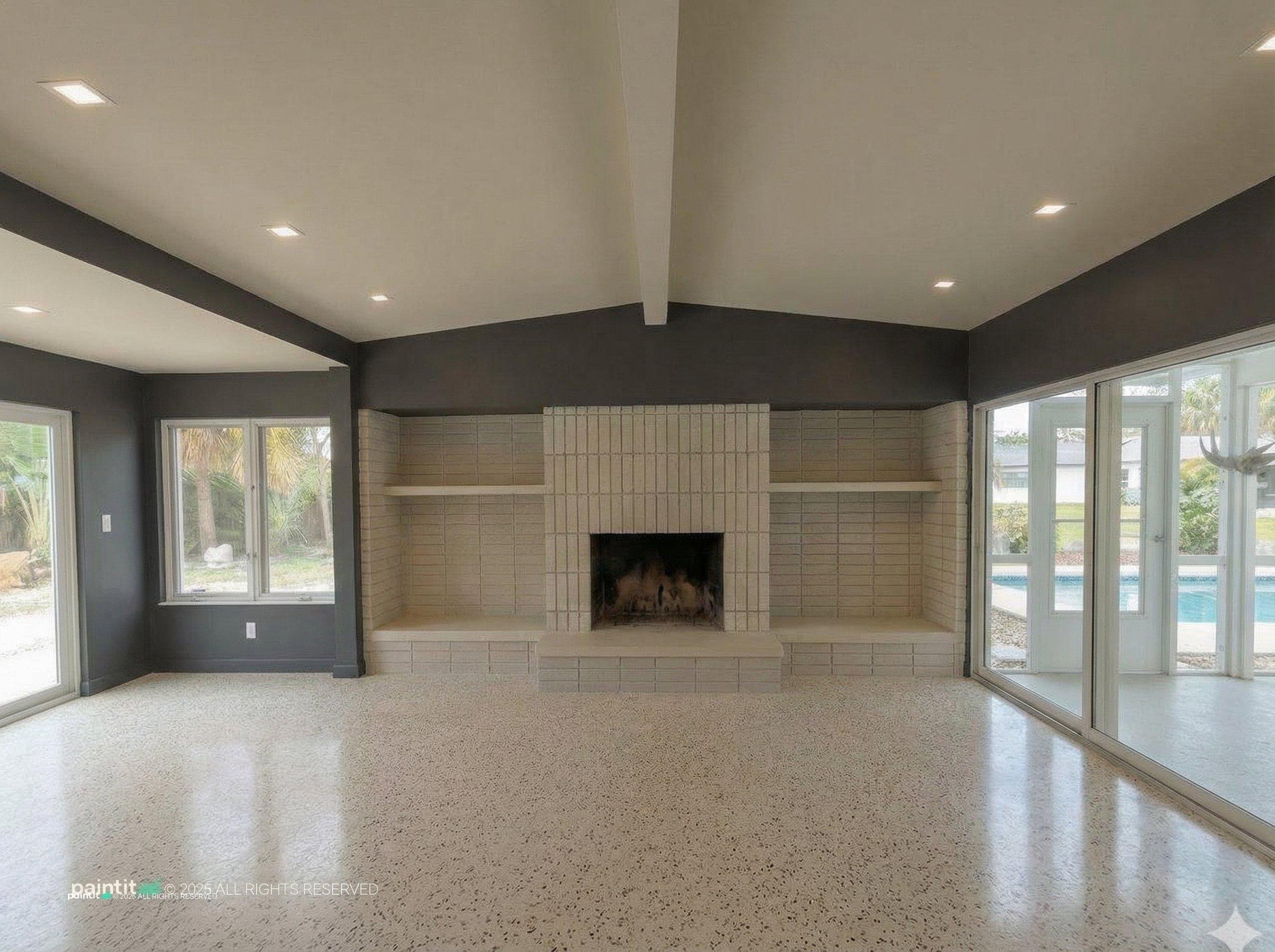
If your living room doubles as your creative zone, a storage hutch for living room can be an absolute lifesaver. It keeps all your supplies organized and out of sight when not in use. This is about making your hobbies accessible, but not messy.
-
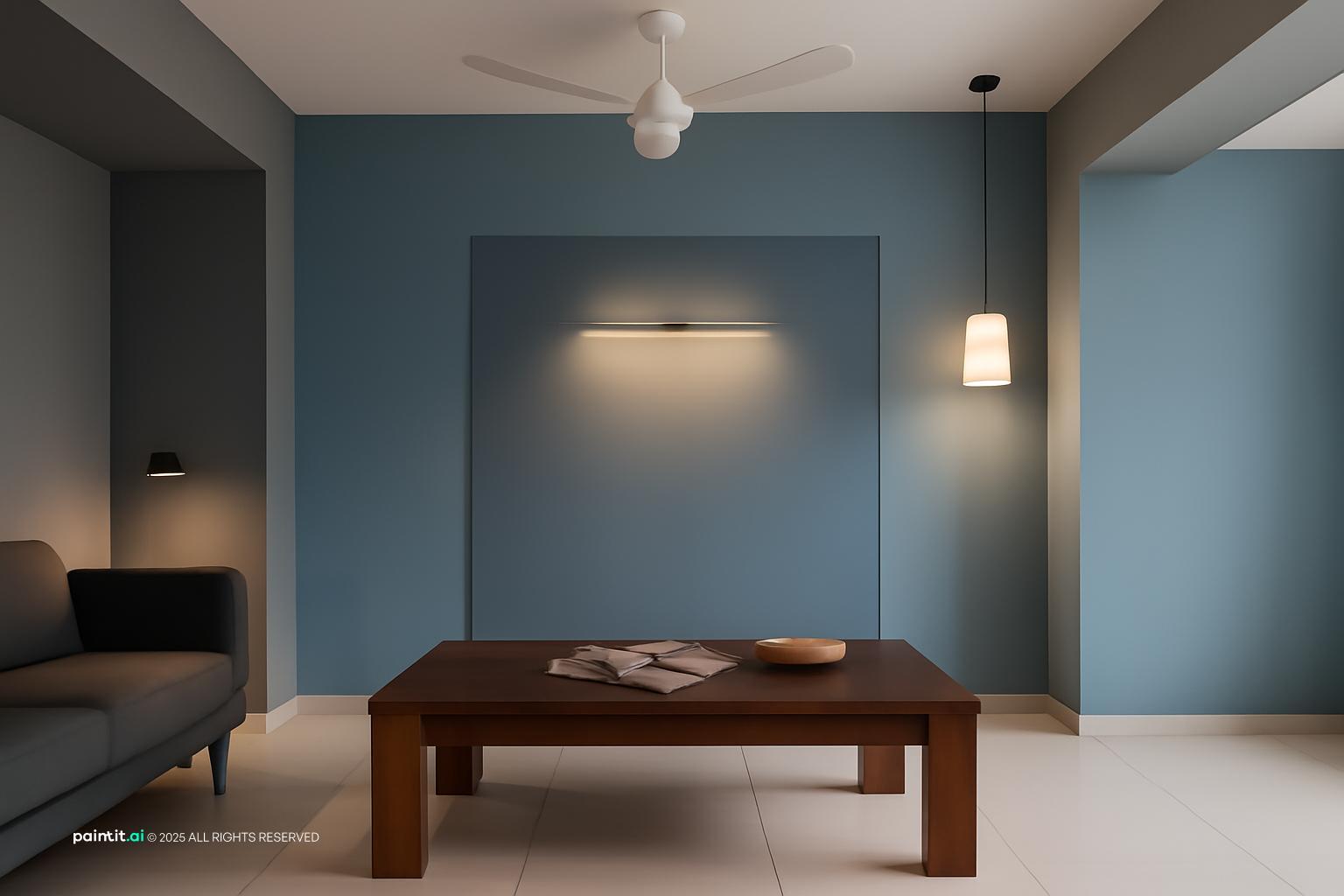
Look for a hutch with a mix of drawers, cubbies, and perhaps a pull-out surface for working. Solid doors are ideal for concealing colorful craft supplies. Consider a piece with a distressed finish that can withstand a bit of wear and tear.
-
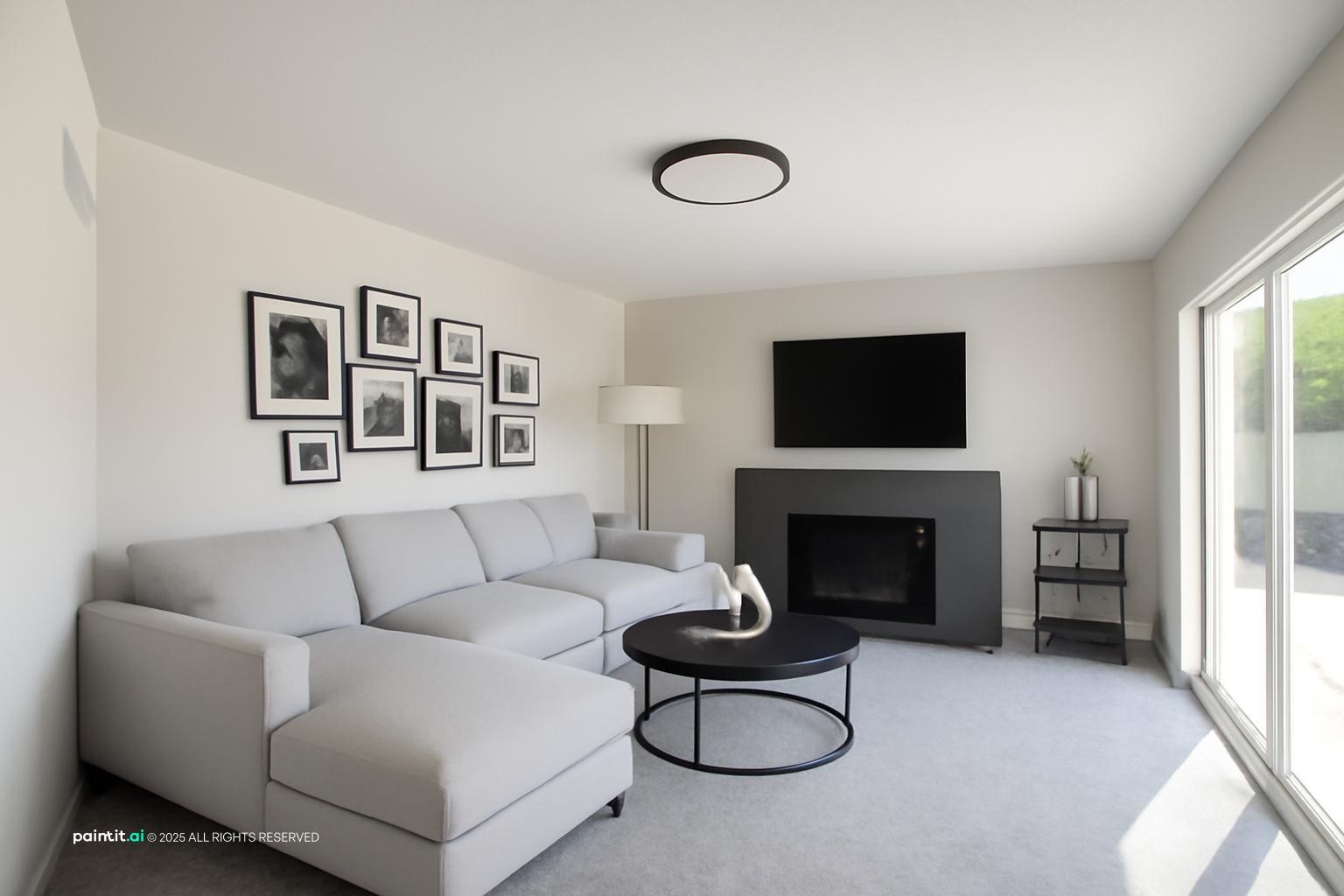
Pro Tip: To achieve this effect, use clear acrylic organizers within drawers to keep small items like beads, threads, or paint tubes neatly separated.
-
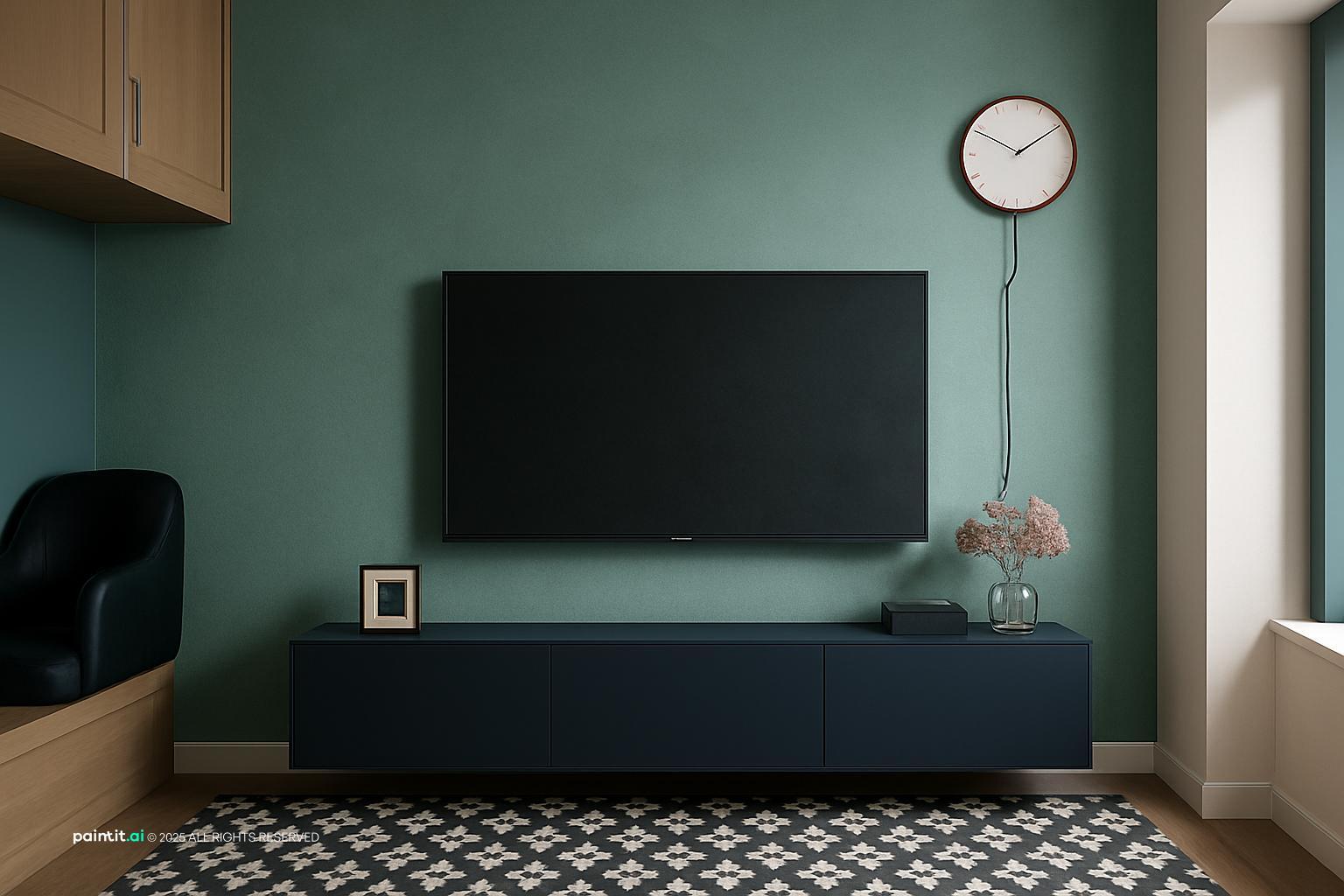
Bringing a touch of rustic charm, a farmhouse-style hutch can offer a beautiful blend of open and closed storage. It’s less formal, more inviting, and feels like it’s been part of the home for generations. It has that lovely, lived-in feel.
-
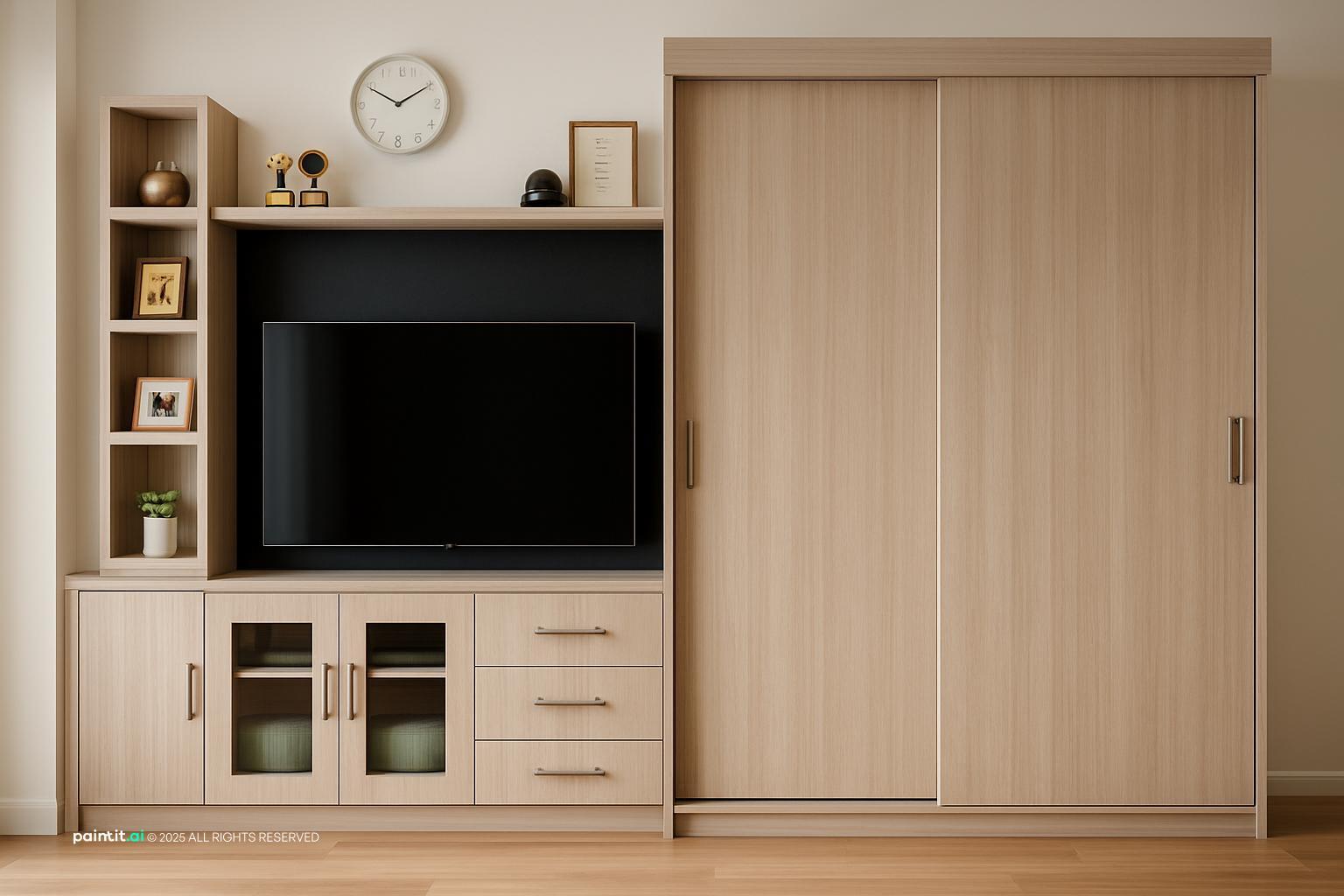
Typically, these feature open shelving on the top for displaying dishes or decorative baskets, and solid doors on the bottom for less attractive items. Distressed wood, often painted in a soft, muted color, is key. Style with stoneware, woven baskets, and perhaps some dried botanicals.
-
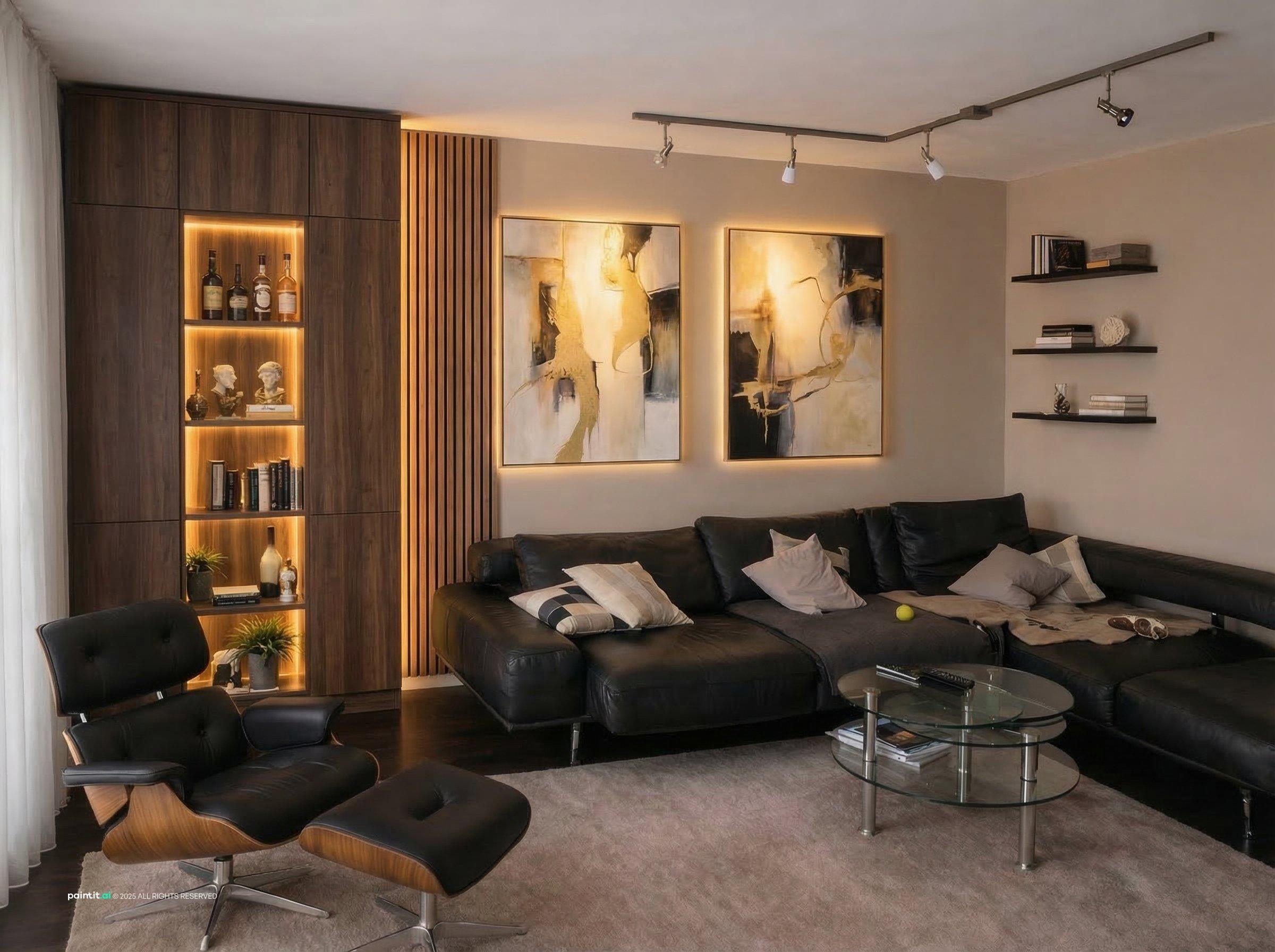
Pro Tip: To achieve this effect, use matching sets of everyday dishes or simple white ceramics on the open shelves for a cohesive, uncluttered look.
-
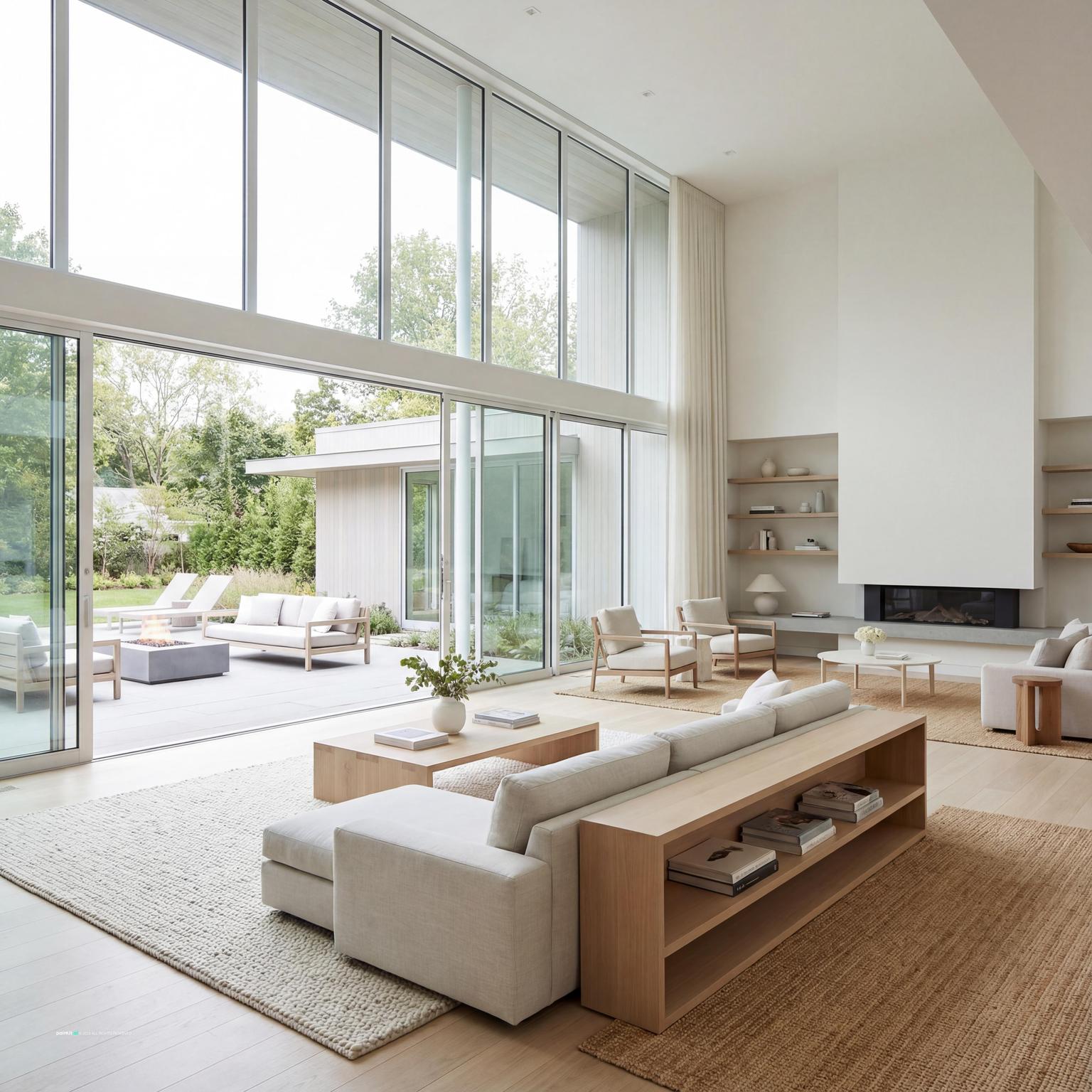
For those who love clean lines and warm wood tones, a mid-century modern hutch provides a sleek display and storage solution. It's about understated elegance and functional design, a hallmark of the era. These pieces just feel so effortlessly composed.
-
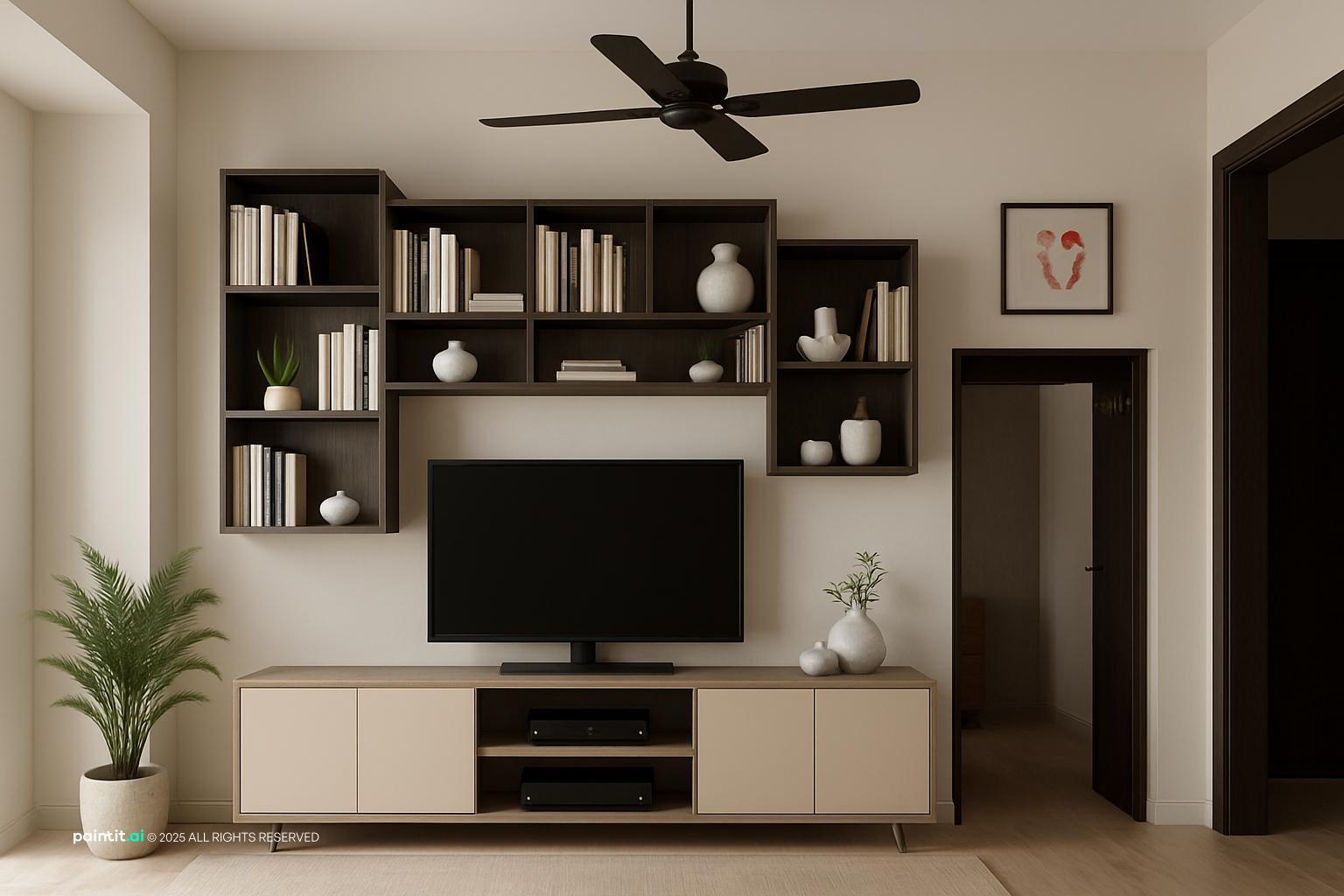
Look for pieces in walnut, teak, or rosewood with tapered legs and perhaps some sliding doors, often with a mix of solid and glass panels. Keep styling minimal—a few well-chosen ceramic pieces or a vintage lamp. The wood grain itself is often the star.
-
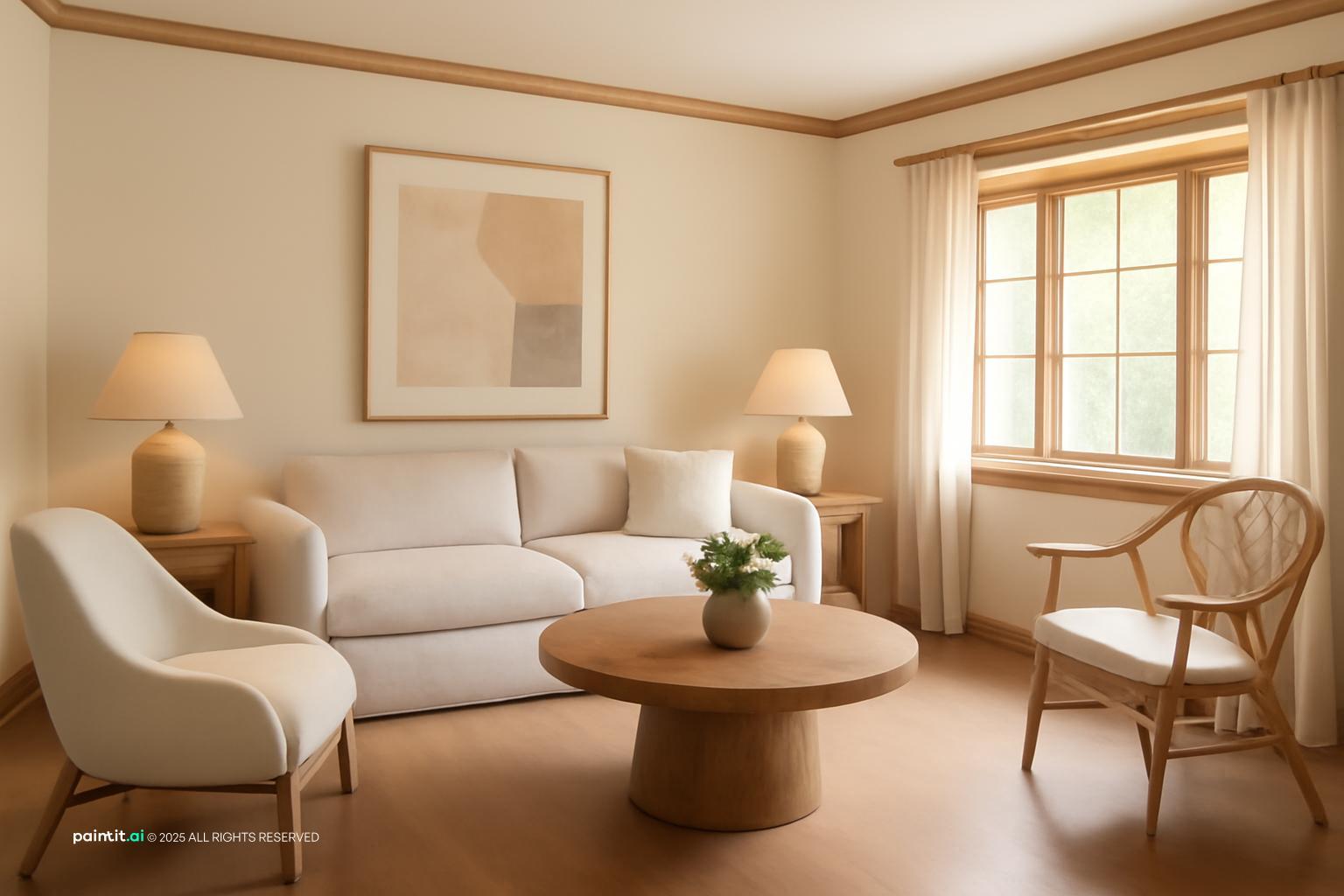
Pro Tip: To achieve this effect, pair your hutch with other mid-century elements like an Eames lounge chair or a Sputnik chandelier to reinforce the aesthetic.
-
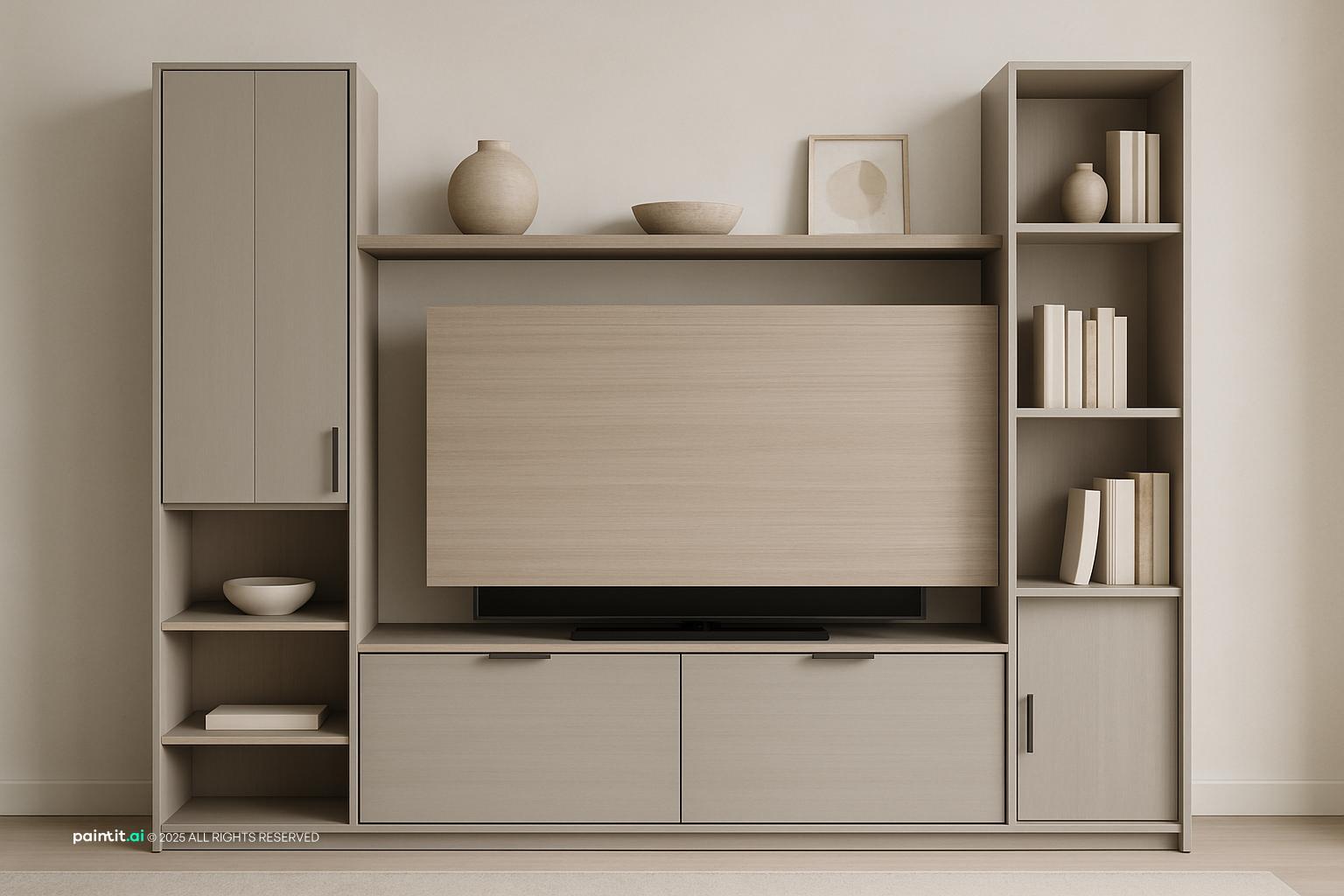
Sometimes, less truly is more. A tall, narrow, minimalist hutch for living room can provide significant storage without overwhelming a space. It’s about clean lines, understated presence, and a focus on function. It almost disappears into the background.
-
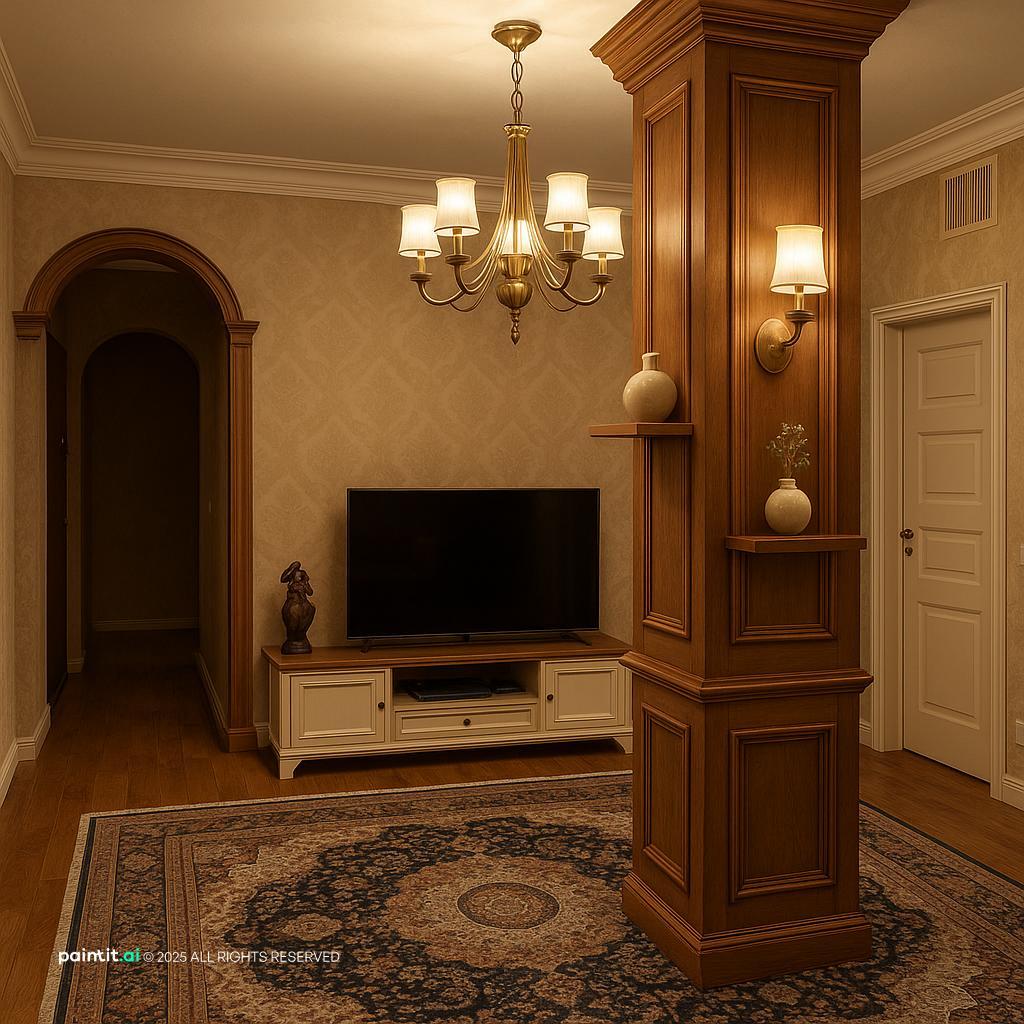
Opt for a hutch with solid, push-to-open doors and no visible hardware. Choose a finish that matches your walls or a simple, neutral tone like matte black or white. The idea is for it to blend in, offering quiet utility. Integrated LED strip lighting can add a subtle glow.
-
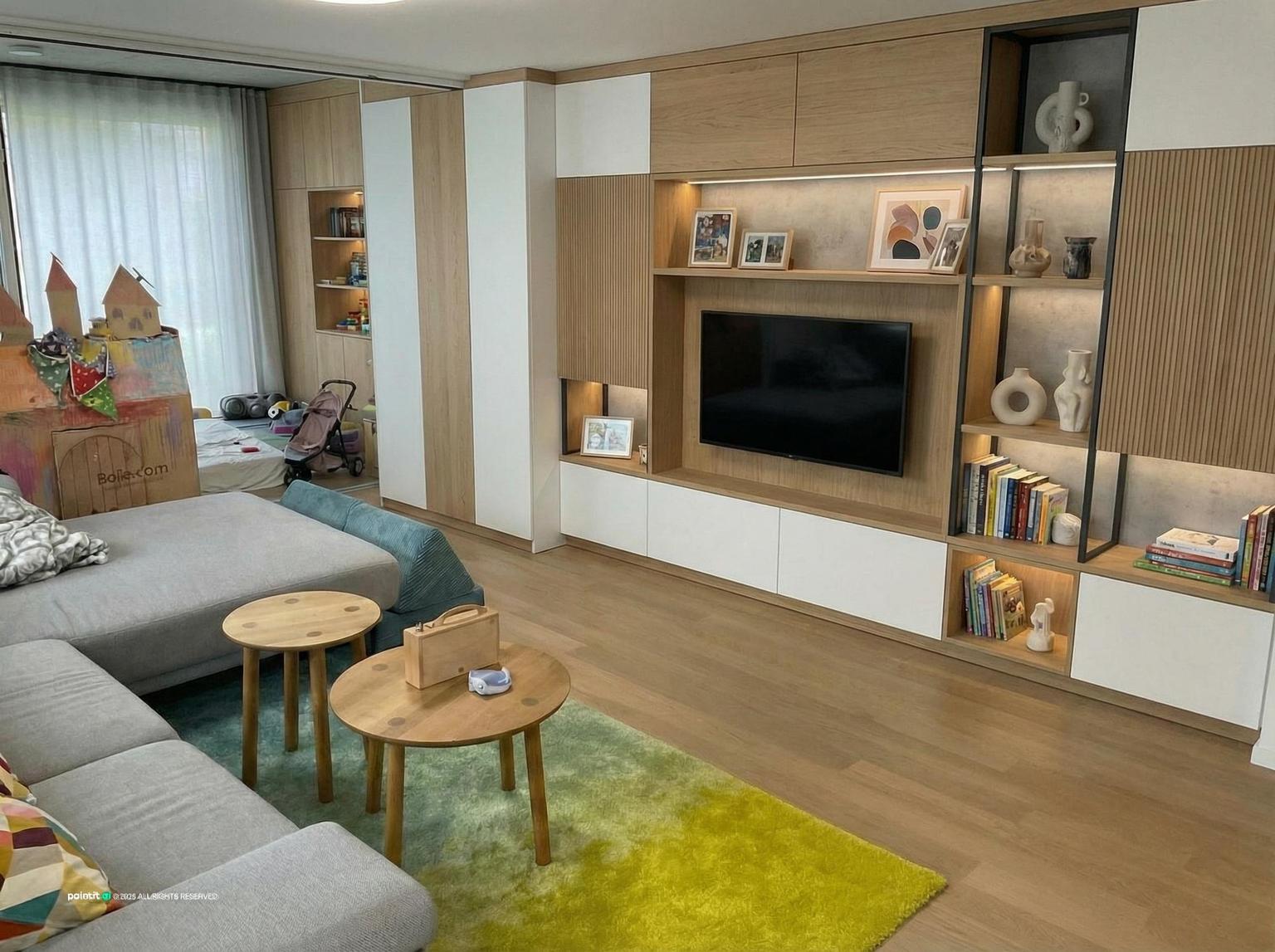
Pro Tip: To achieve this effect, avoid clutter on top or around the hutch; let its simple form speak for itself.
-
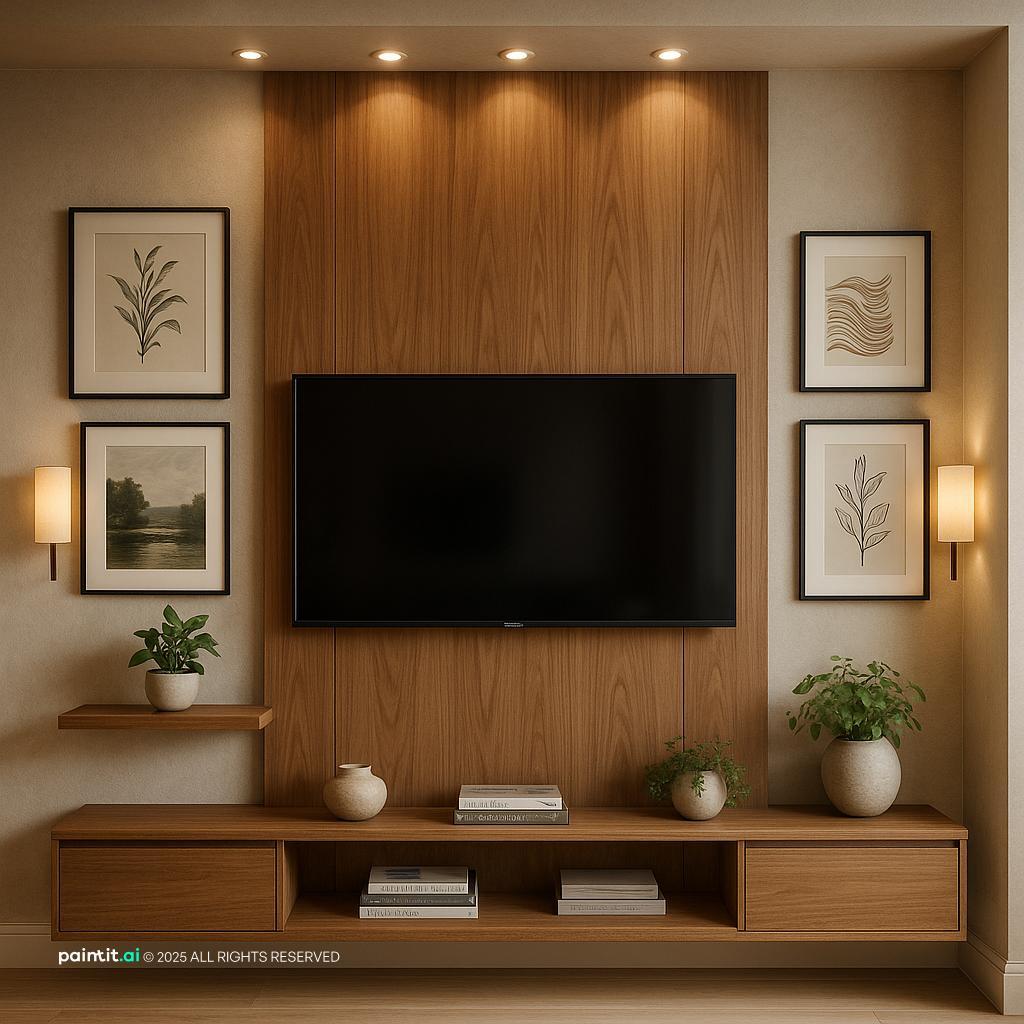
Don't be afraid to break the rules. An antique hutch in living room can look incredibly fresh when paired with modern art, contemporary furniture, or unexpected accessories. It’s about creating a dialogue between old and new, a truly personal statement.
-
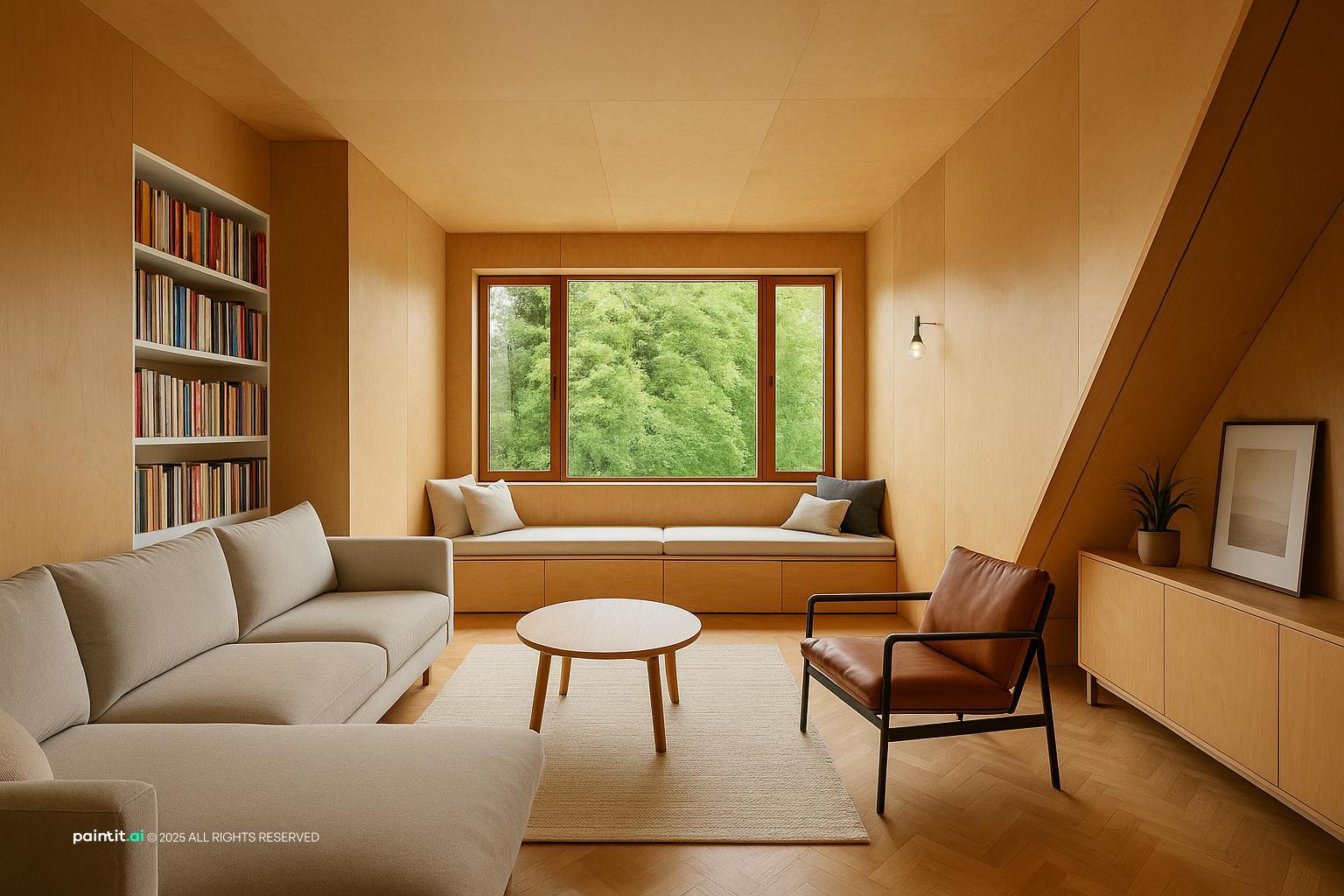
Find a vintage hutch with character—maybe a chippy paint finish or unique hardware. Then, style it with modern abstract sculptures, vibrant coffee table books, or even a neon sign inside. The contrast is what makes it interesting. This is where your personality shines.
-
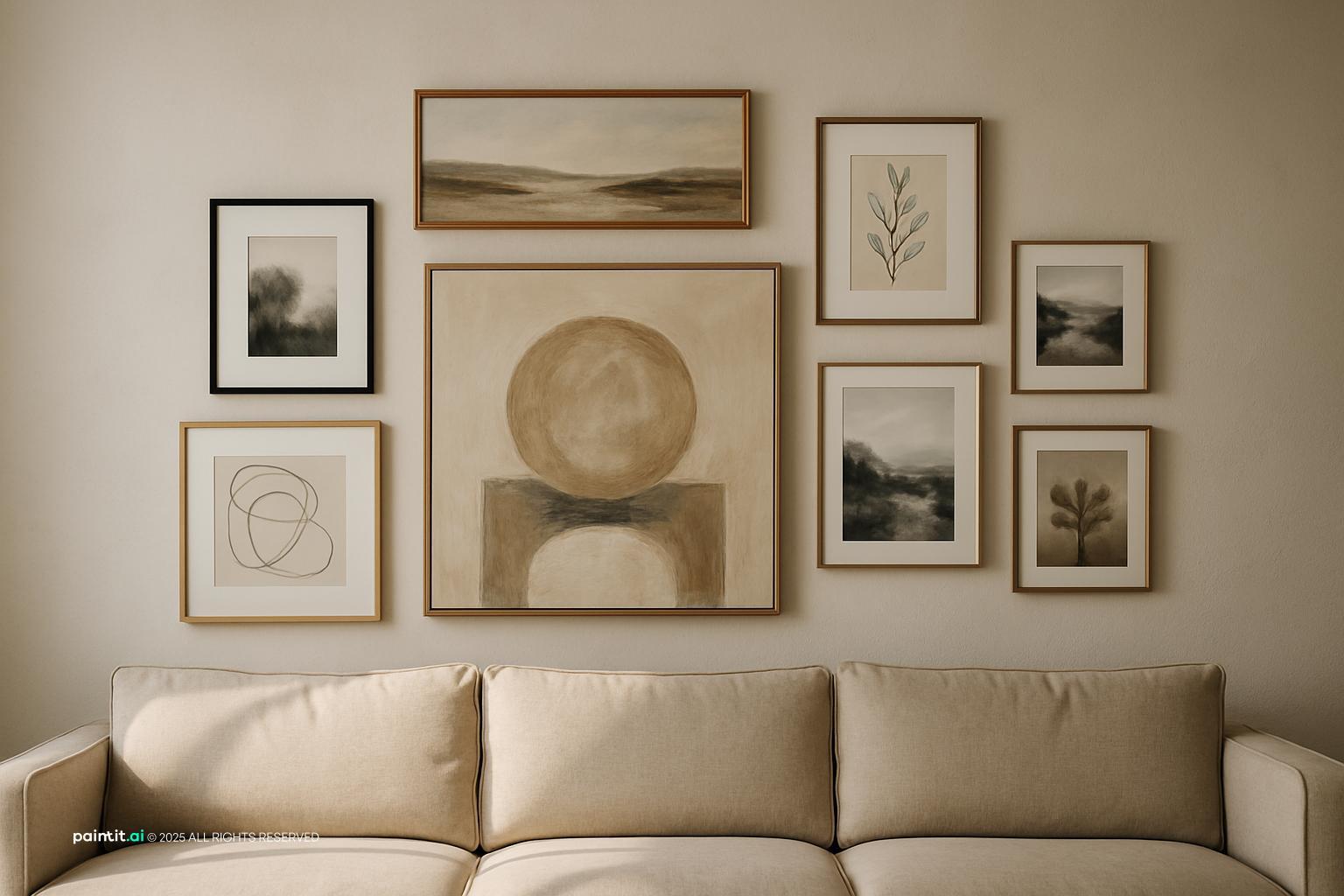
Pro Tip: To achieve this effect, ensure there's one unifying element, like a consistent color accent or a shared material (e.g., brass), to tie the disparate pieces together.
-
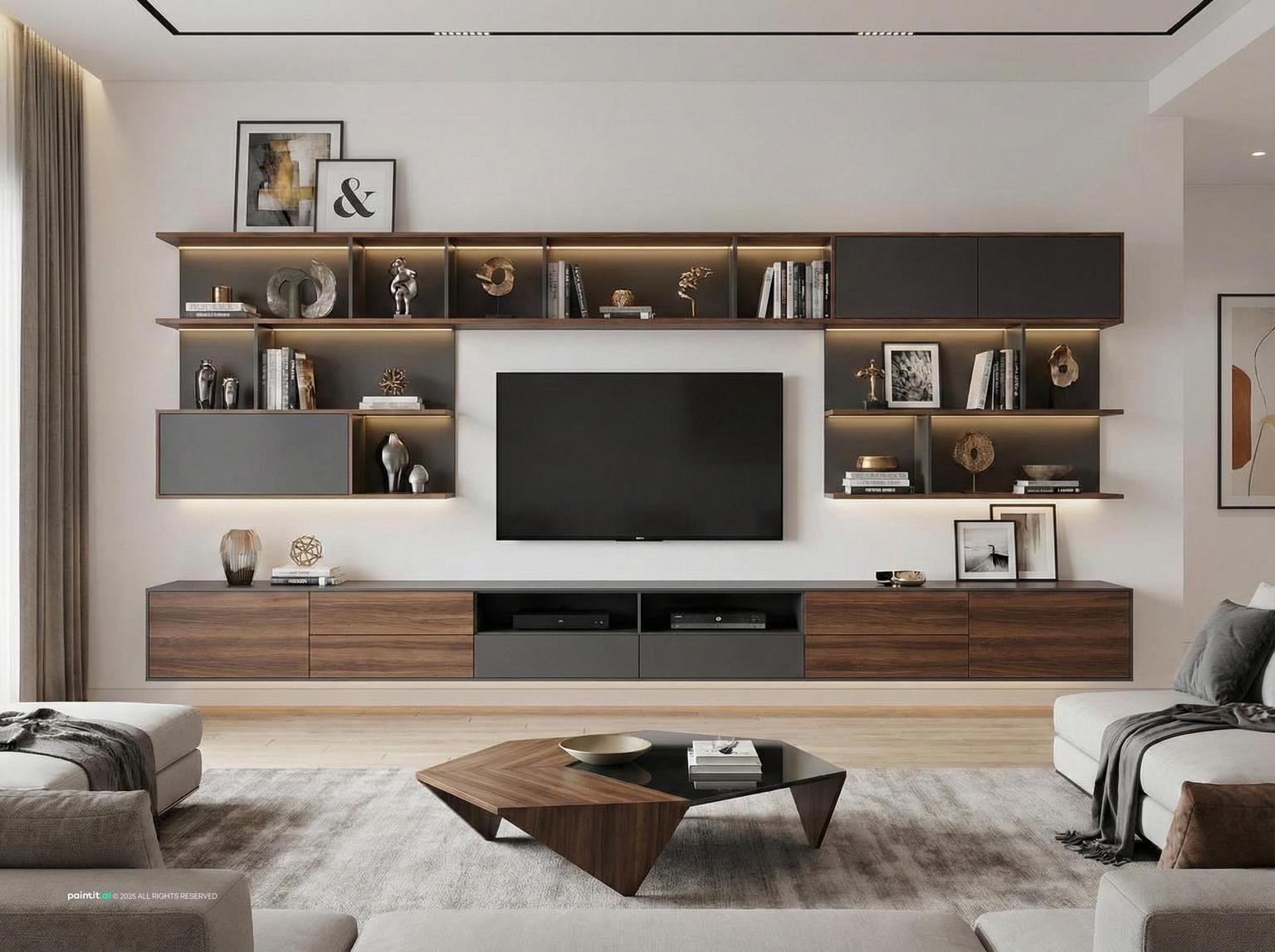
For a seamless, high-end look, consider a living room storage hutch that appears to be built directly into the wall. This can make a room feel larger and more custom, even if it's a freestanding piece cleverly integrated. It's a bit of a design magic trick.
-
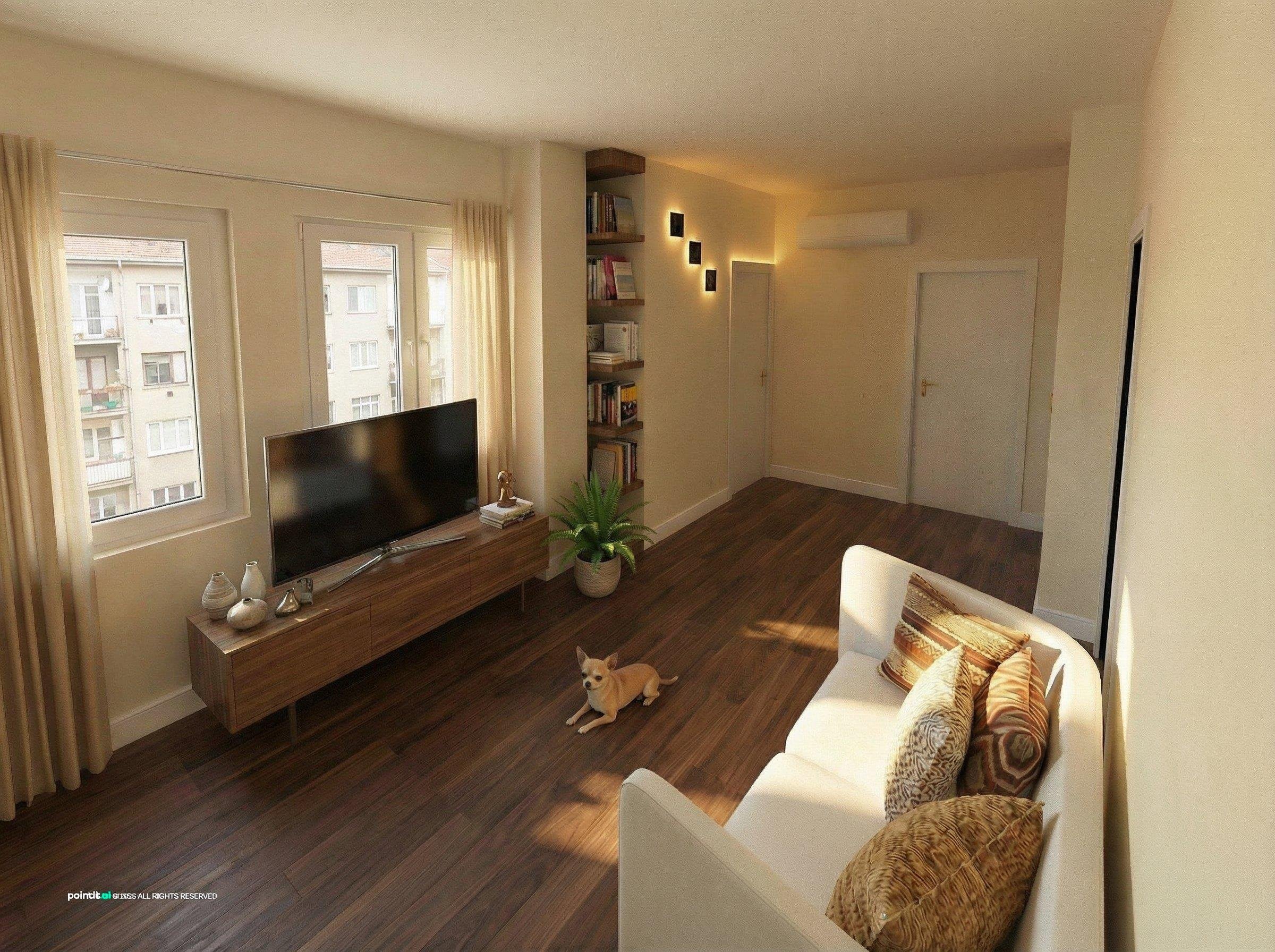
Choose a hutch that fits snugly into an alcove or against a wall. Paint it the exact same color as the surrounding walls and trim. Add crown molding or baseboards to connect it visually. The goal is for it to look like it was always there.
-
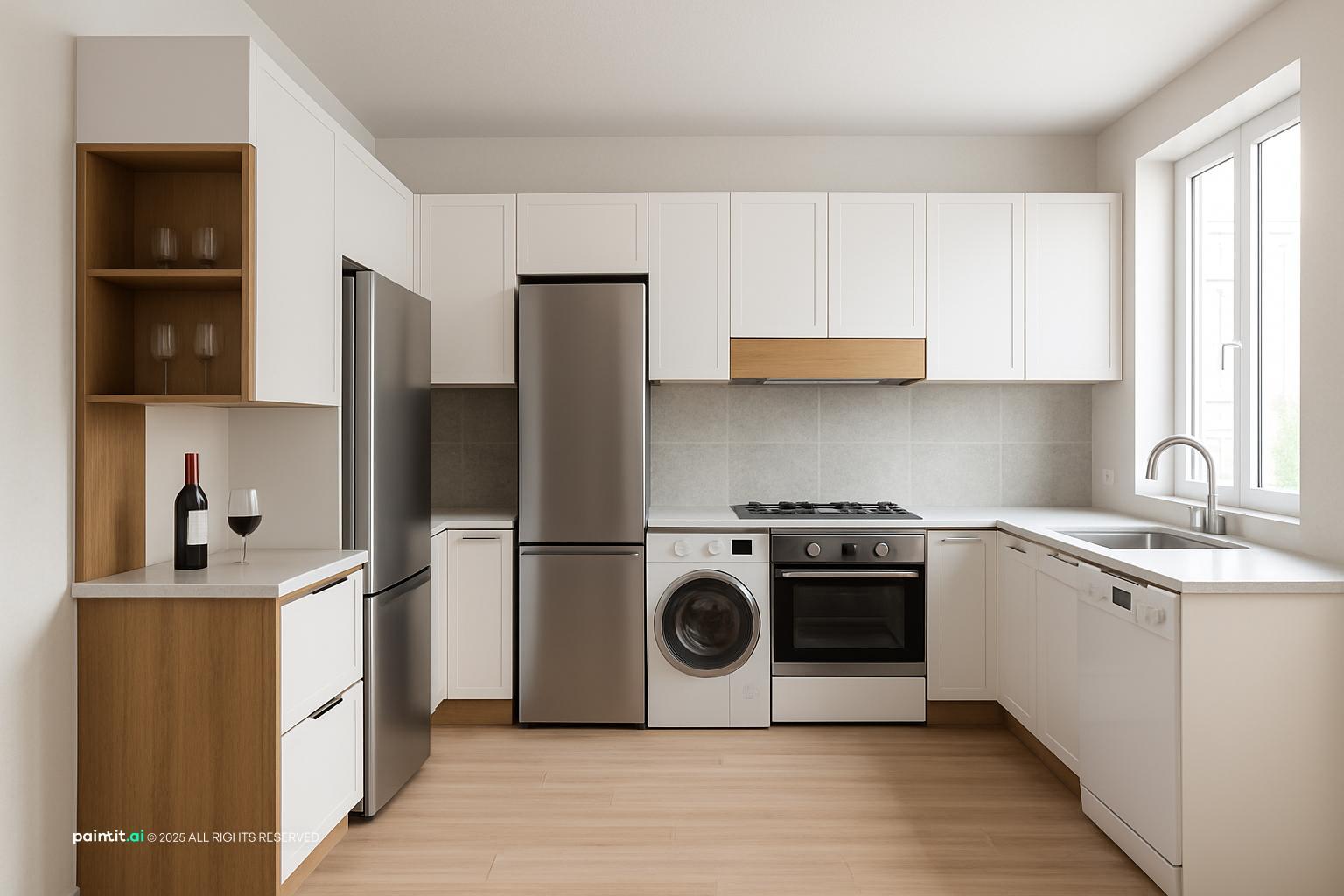
Pro Tip: To achieve this effect, use caulk to fill any small gaps between the hutch and the wall, then paint over for a truly integrated finish.
-
Even the tiniest living rooms can benefit from a hutch. A small hutch for living room can provide much-needed vertical storage without eating up precious floor space. It’s about smart solutions for compact living.
-
Look for narrow, tall hutches or corner units. A console hutch with a shallow depth can work wonders behind a sofa or against a wall. Opt for lighter colors or glass fronts to keep it from feeling too heavy. Think about what you *really* need to store.
-
Pro Tip: To achieve this effect, choose a hutch with legs rather than a solid base; the visible floor underneath creates an illusion of more space.
-
Sometimes, the hutch itself becomes a piece of art, or a frame for it. A large, imposing hutch can serve as a dramatic backdrop for a single, impactful piece of art, or a carefully curated collection of smaller works. It’s about creating a focal point that draws the eye.
-
Select a hutch with a distinctive shape, perhaps an arched top or intricate carvings. Place a striking painting or a series of framed prints directly inside or on top of the hutch. Use subtle lighting to highlight the art. The hutch becomes the pedestal.
-
Pro Tip: To achieve this effect, ensure the art piece is proportionate to the hutch; too small, and it gets lost; too large, and it overwhelms.
-
In open-plan living, defining zones can be tricky. A hutch can act as a subtle room divider, separating a living area from a dining space or entryway without building a full wall. It provides both visual separation and functional storage. It's a clever way to make a space work harder.
-
Choose a hutch with finished back panels, as it will be visible from both sides. Consider a piece with a mix of open and closed shelving to allow some light and sightlines through, preventing it from feeling too solid. Place it perpendicular to a wall.
-
Pro Tip: To achieve this effect, ensure the hutch is stable and heavy enough not to be easily tipped, especially if it's freestanding in the middle of a room.
-
That old family heirloom gathering dust in the garage? Give it a new lease on life! Repurposing an antique hutch is not only sustainable but also injects character and history into your living room. It's about preservation over imposition, really.
-
Sand down and repaint an old hutch in a fresh, modern color—think a vibrant cobalt blue or a sophisticated charcoal. Replace dated hardware with sleek brass pulls or vintage glass knobs. Line the back panel with a fun wallpaper or fabric. The transformation can be incredible.
-
Pro Tip: To achieve this effect, use a high-quality primer designed for furniture to ensure your new paint job adheres well and lasts for years.
The Art of the Living Room Hutch: Crafting a Curated Narrative to Life with Paintit.ai
-
We've talked a lot about the sheer versatility of a hutch in living room settings, but truly making one sing in your space involves a deeper understanding of design elements. It's not just about finding a beautiful piece; it’s about orchestrating a small, impactful moment within your home. The truth is, a well-executed living room hutch can become a focal point, a conversation starter, or even a quiet retreat for your most treasured items. It sounds simple, but most people forget the layers that go into making a storage hutch for living room feel truly integrated, not just placed.
-
For a hutch to truly anchor a space, consider a palette of deep forest green as your base, offering a sophisticated backdrop. Complement this with warm ivory for surrounding walls, bringing a soft contrast. Introduce brushed brass as a subtle accent, perhaps in hardware or small decorative items, and a touch of terracotta for an earthy, grounding element. This balance ensures the hutch feels both prominent and harmonious.
-
We often gravitate towards rich walnut or reclaimed oak for the hutch itself; the natural wood grain brings immediate warmth and history. Glass doors are essential for displaying collections, offering a delicate transparency. Introduce a touch of polished nickel or aged brass in hardware or a small lamp to add a refined gleam. Nearby, a linen throw draped over an armchair adds a soft, inviting texture, contrasting beautifully with the hutch's solidity.
-
The hutch for living room is, of course, the star. Choose one that fits your wall's scale; a towering piece in a small space can feel overwhelming, while a small hutch for living room might get lost in a grander setting. We've seen this work best when paired with a comfortable, low-slung armchair nearby, creating a cozy reading nook. A slender side table, just tall enough for a teacup, completes the vignette, ensuring everything feels within reach and perfectly proportioned.
-
Layered lighting is critical for any living room storage hutch. Start with ambient light from a nearby floor lamp, casting a soft glow over the area. For task lighting, consider a small, adjustable picture light mounted inside the hutch, highlighting specific displayed items. Finally, a tiny accent lamp on top of the hutch, perhaps with a warm, low-wattage bulb, adds a subtle sparkle and draws the eye upwards, creating depth.
-
This is where your personality truly shines. When styling your living room hutch ideas, think about the "3-5-7 rule" for visual interest. On each shelf, group items in odd numbers: three antique books, five varied ceramic pieces, or seven small, collected curios. Mix heights and textures; a tall vase next to a stack of art books, perhaps a small trailing plant spilling over the edge. The key is to create moments, not just fill space. A single, impactful piece of art hung above the hutch can also tie the entire composition together, making the hutch feel like a carefully considered gallery wall. It’s about preservation over imposition, really.
Paintit.ai: Visualizing Your Ideal Living Room Hutch, Instantly Design Ideas
Choosing the right hutch for living room often feels like a gamble; will it truly fit or overwhelm? We understand the challenge of visualizing living room hutch ideas in your actual space. Paintit.ai instantly renders countless storage hutch for living room options, from a grand hutch in living room to a small hutch for living room, directly into your room's photo. See it before you commit. Try it out.
FAQ
-
A hutch, at its core, is a piece of furniture with a base cabinet and an upper section, often featuring shelves or glass-fronted doors. We usually associate them with dining rooms, right? But the truth is, a hutch for living room use offers this incredible blend of concealed storage and open display. It's not just about tucking away remotes or board games; it’s about curating a story. Think about it: a place for your grandmother's antique teacups up top, and less-than-pretty media components hidden below. It brings a certain gravitas, a sense of history, even if it’s a brand-new piece.
-
Scale is everything. For a small hutch for living room, you absolutely must measure. Not just the wall space, but the visual weight it will carry. I’ve seen this work best when the piece doesn't overwhelm the room. A narrow, tall hutch with glass doors can draw the eye upward, making a room feel more expansive. Consider a hutch with a shallower depth, perhaps in a lighter wood like bleached oak or even a lacquered white finish. The goal isn't to fill every inch, but to add function without sacrificing precious floor space. Sometimes, a smaller, impeccably edited piece makes a bigger statement than a sprawling, ill-fitting one.
-
This is where the fun begins. Integrating a living room hutch means thinking beyond just "furniture." If your vibe is modern farmhouse, a reclaimed pine hutch with a distressed finish feels right. For a more mid-century aesthetic, look for pieces with clean lines, perhaps in walnut or teak, maybe even with a pop of color on the interior shelves. An eclectic space might welcome a vintage hutch painted a moody charcoal or an unexpected emerald green. The key is to consider its material — brushed brass hardware, reeded glass, or even a simple Shaker style — and how it speaks to the existing textures and finishes in your room. It’s about preservation over imposition, really.
-
A living room storage hutch isn't just a utilitarian item; it's an opportunity for intentional design. Think of it as a vertical canvas. We use them to anchor a wall, create a focal point, or even define a zone within an open-concept layout. Imagine a hutch filled with a carefully arranged collection of ceramic vases, a stack of art books, and a few framed photos. The back panel can even be wallpapered or painted a contrasting color for an extra layer of depth. It’s about telling a story, showcasing personality. It sounds simple, but most people forget the power of thoughtful display. It elevates the everyday.
-
Oh, absolutely. The biggest mistake I often see is overcrowding. A hutch isn't meant to be a junk drawer on display. Resist the urge to fill every single shelf. Give your items room to breathe. Another common misstep: ignoring the hutch's own character. If you have a beautiful antique hutch with intricate carvings, don't try to force it into a super minimalist space unless you're intentionally creating a high-contrast moment. And placement? That's crucial. Don't block natural light or create awkward traffic flow. Sometimes, the initial enthusiasm for a piece means we overlook these practical nuances. The result? A cluttered feeling, not an effortlessly composed one.