
Embracing Tranquility: Designing - Your Japanese Living Room
Ever wished your main living space felt less like a collection of things and more like a quiet retreat? A Japanese living room design often brings that very sense of calm and order, where every element serves a purpose and promotes peace. How can we truly bring that serene balance into our own homes, even when space is limited?
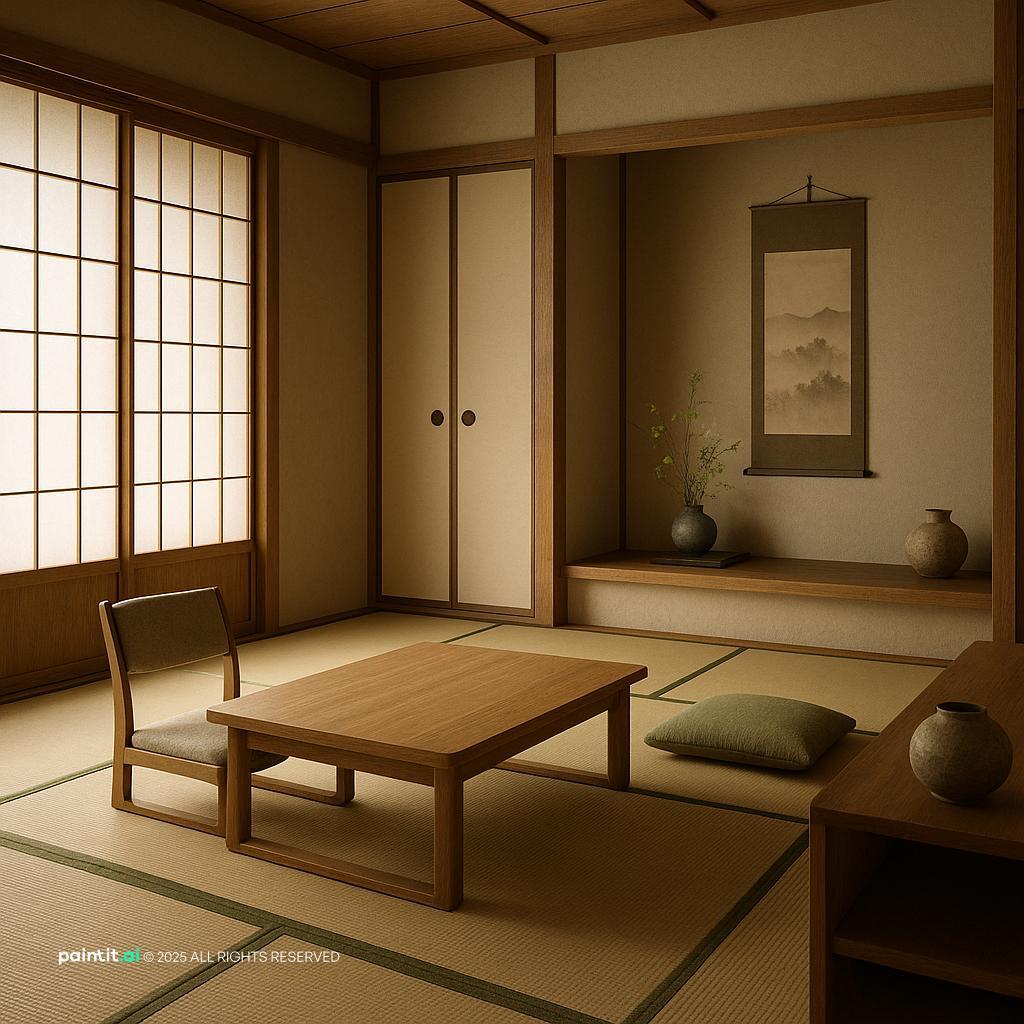
Essential Tips for Designing Your japanese living room: Beyond the Basics
Stunning Examples of 14 Inspiring Ideas for Your Japanese Living Room
-
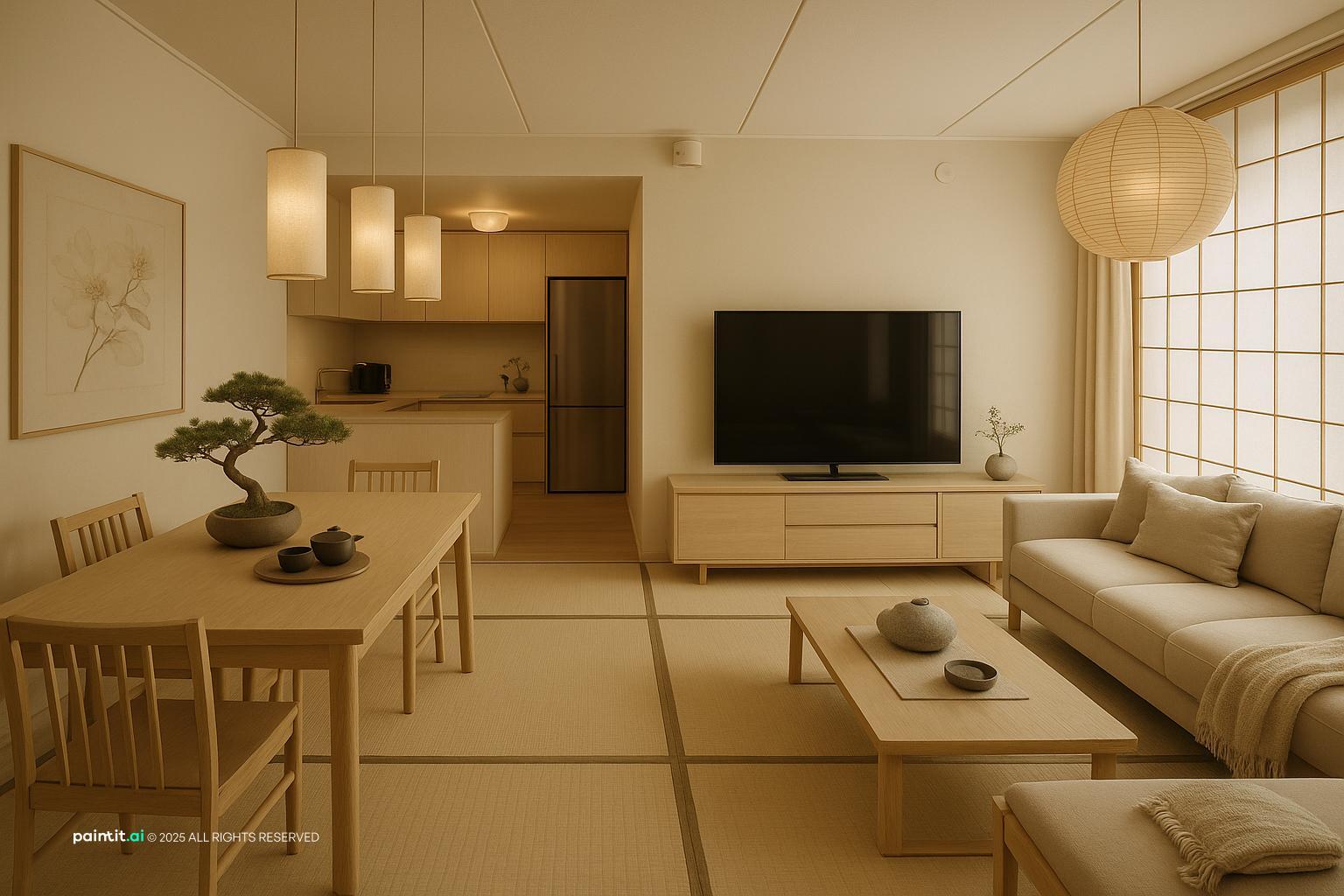
We’ve talked about the quiet magic a Japanese-inspired space can bring. It’s more than just aesthetics; it’s a whole philosophy of living. But how do you translate that feeling into tangible design choices for your own home? We’ve curated these ideas to strike that perfect balance between serene beauty and everyday function, making sure each concept feels both aspirational and entirely achievable.
-
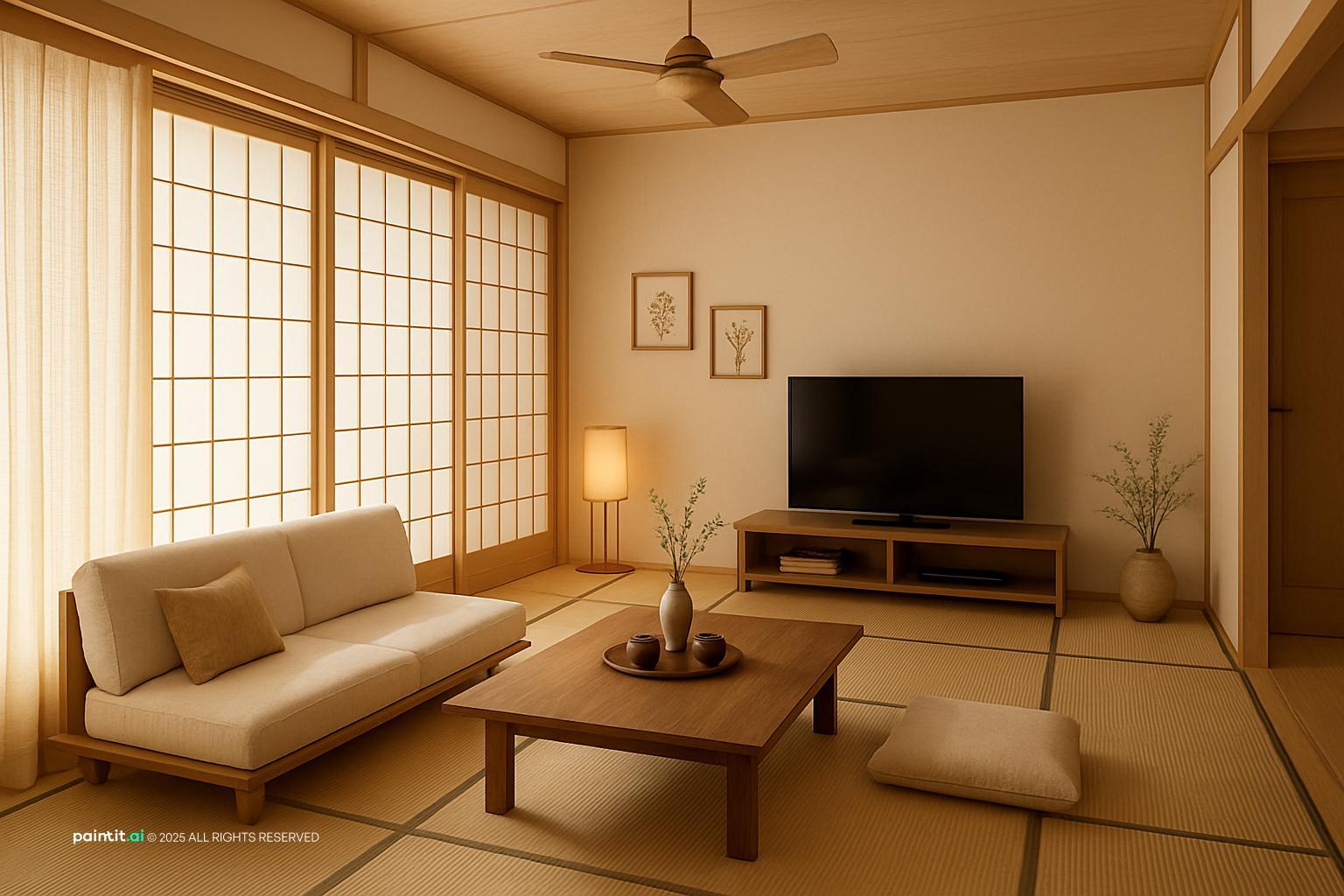
There’s something inherently grounding about furniture that sits close to the earth. It encourages a slower pace, a more intimate connection with your space. This approach to a Japanese style living room isn't just about looks; it's about shifting your perspective, quite literally, to a calmer plane. We’ve seen this work best in spaces where you truly want to unwind.
-
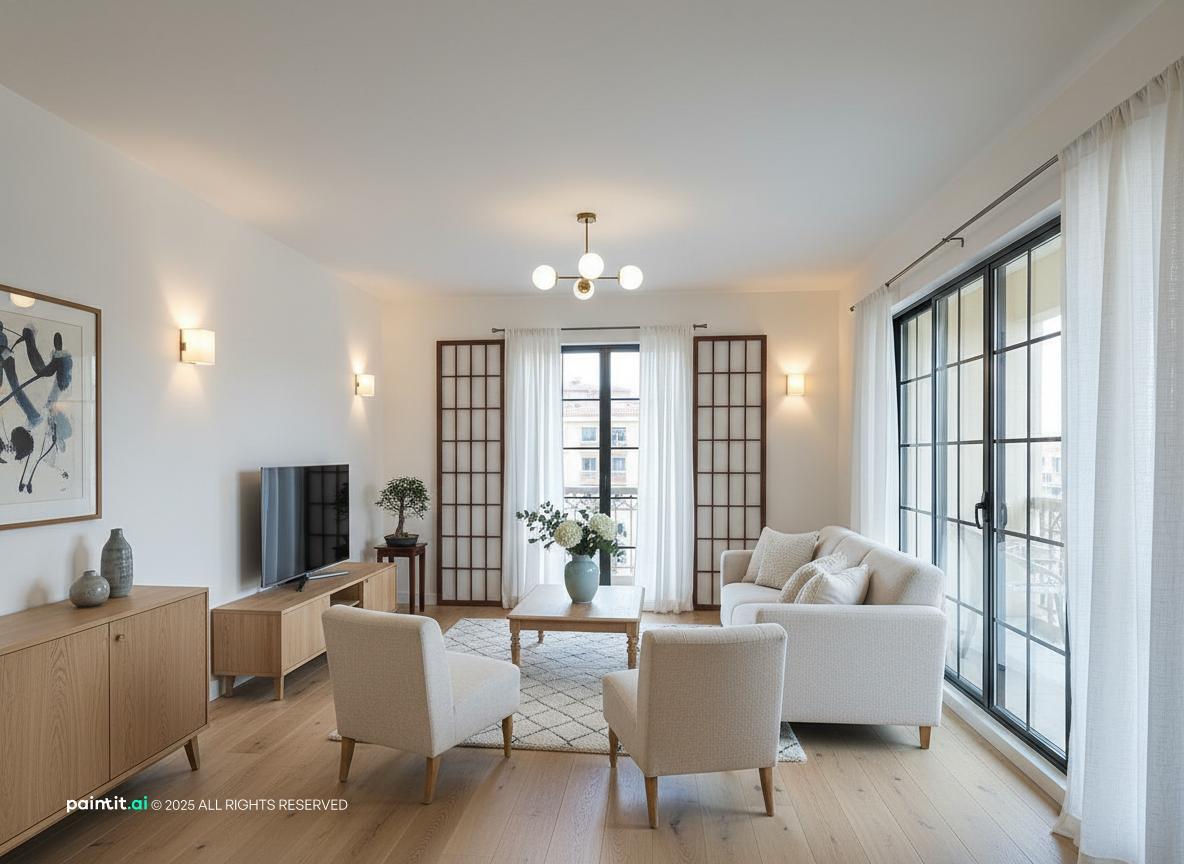
Think about a solid oak platform sofa, perhaps upholstered in a raw linen, paired with a low-profile coffee table. Consider a few zabuton cushions scattered on a tatami mat for extra seating. The truth is, it sounds simple, but most people forget the power of scale.
-
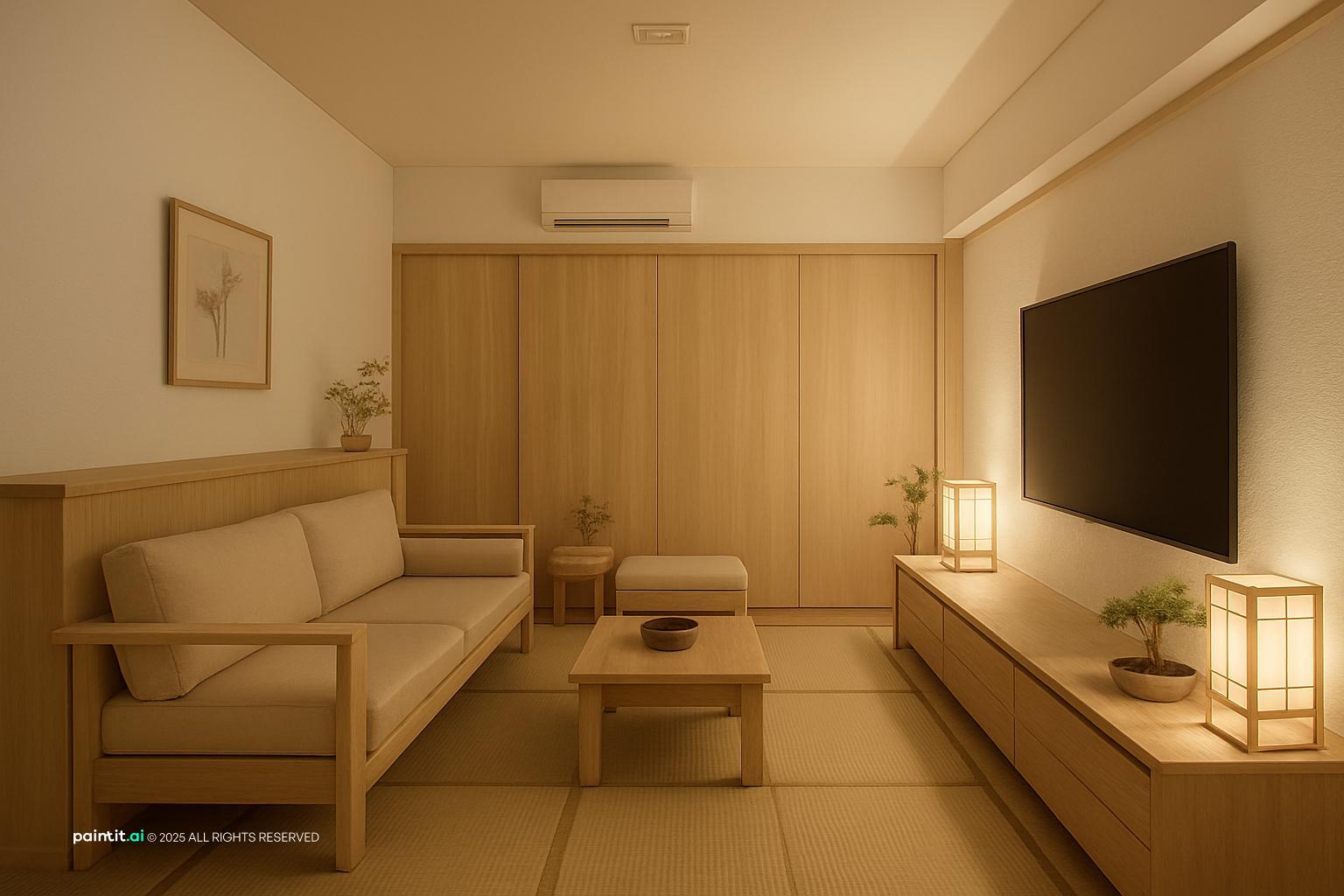
Pro Tip: To achieve this effect, try sourcing modular low seating that can be reconfigured easily.
-
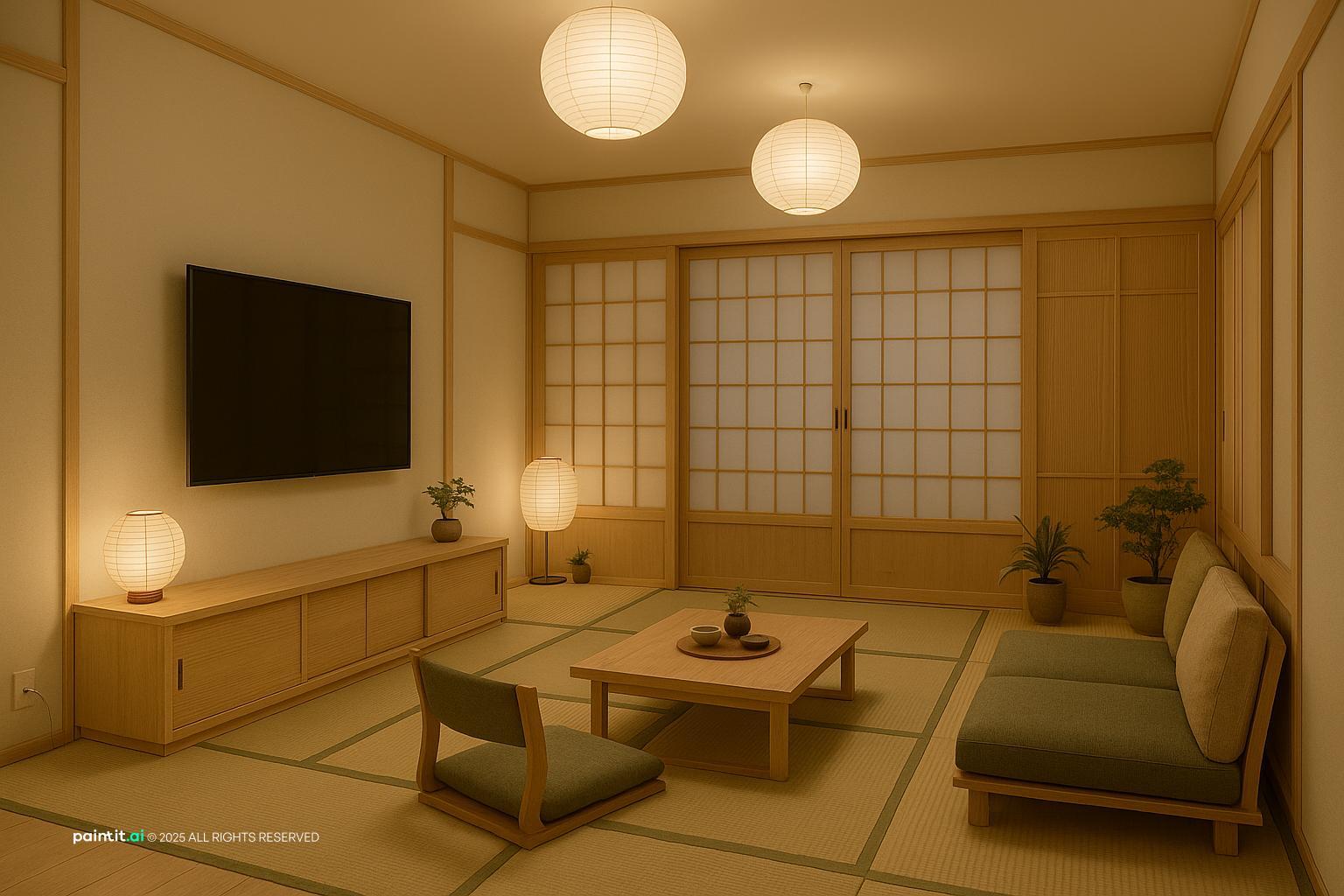
These aren't just room dividers; they’re filters for light, sound, and mood. A traditional Japanese living room often uses shoji screens to create fluid spaces, allowing you to open up or enclose areas as needed. It’s about flexibility, about adapting your environment to your moment.
-
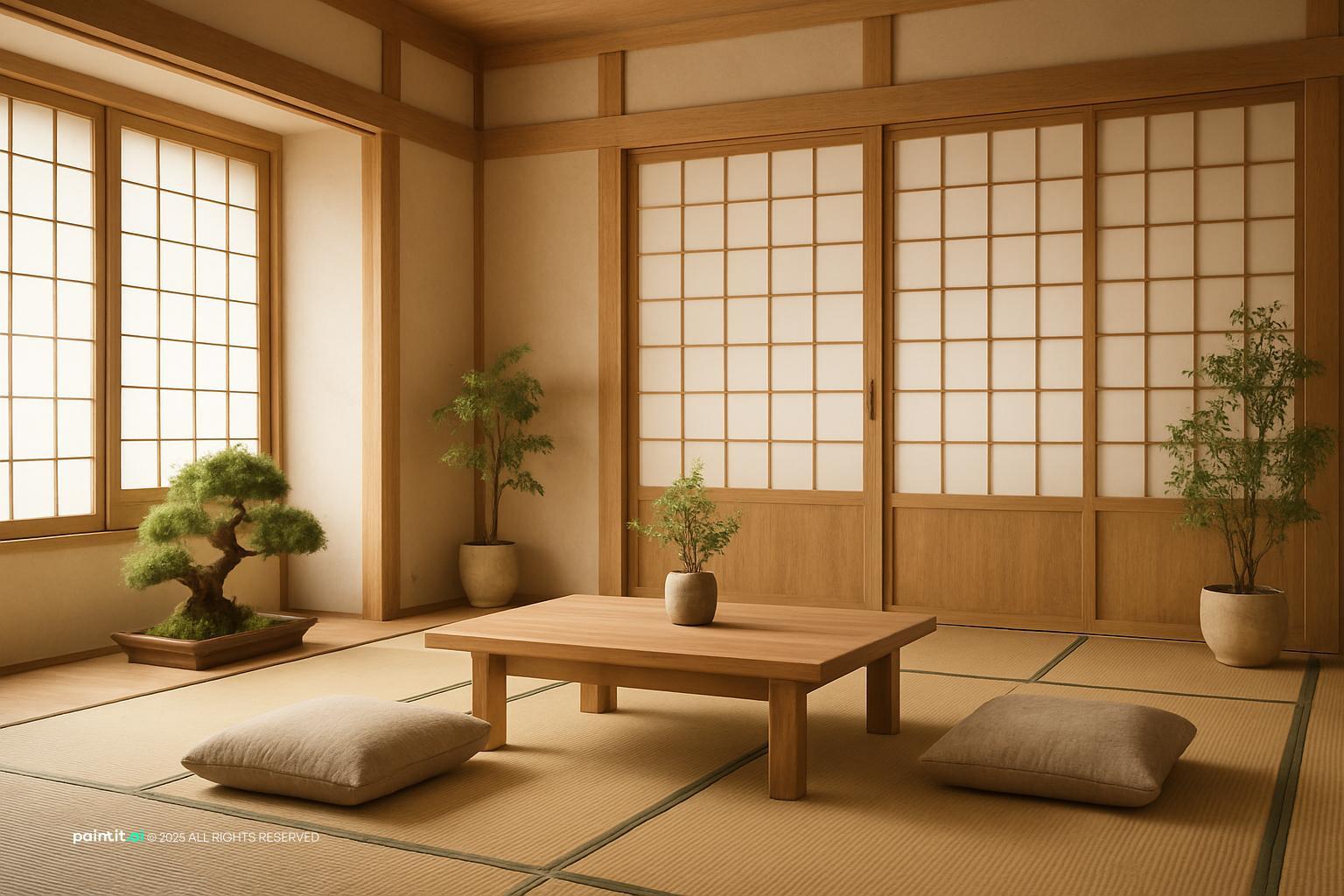
Install custom shoji screens crafted from hinoki wood and translucent washi paper. They diffuse natural light beautifully, casting a soft, ethereal glow. For a modern Japanese living room, consider a darker wood frame or even a frosted glass panel for a similar effect, offering privacy without sacrificing light.
-
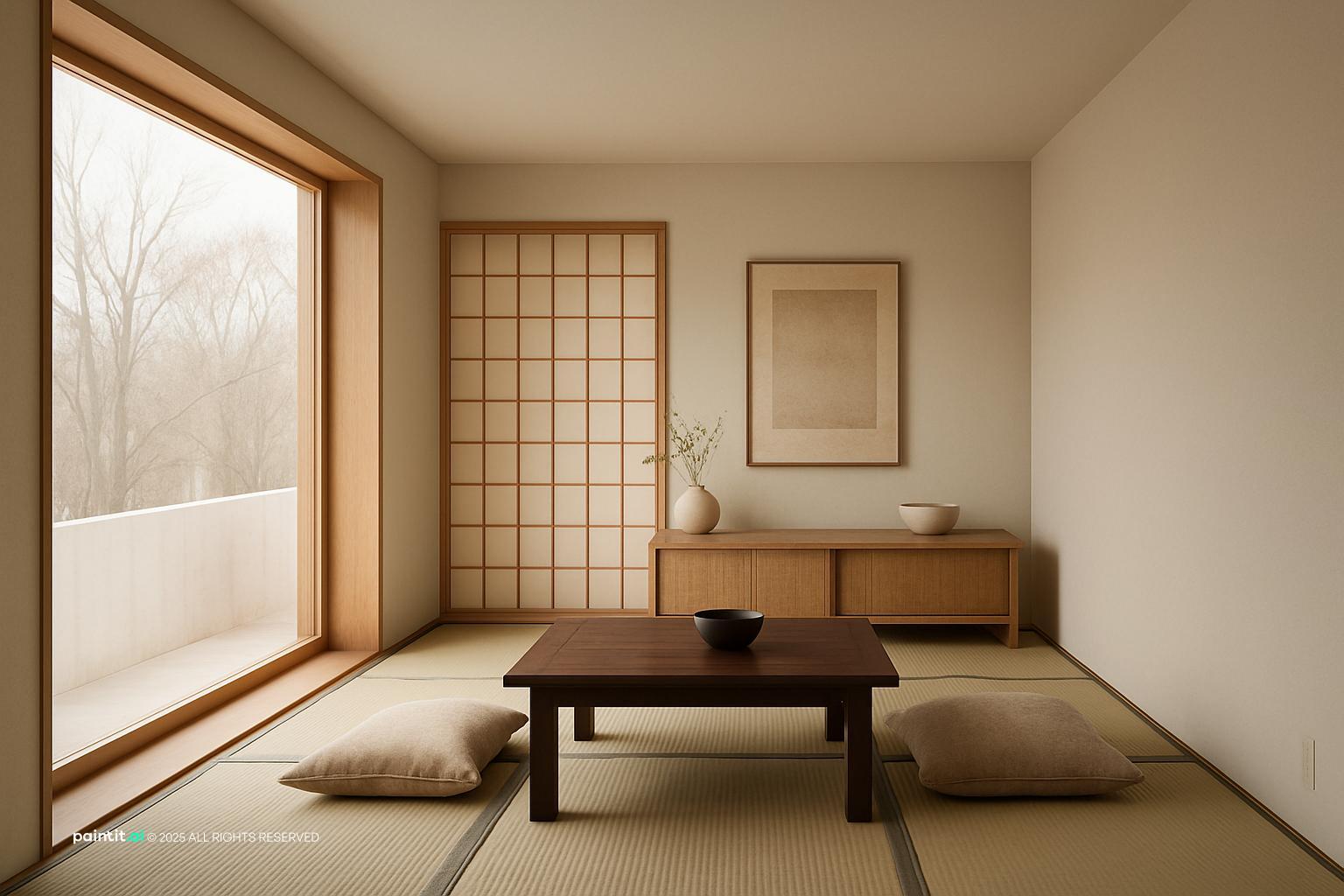
Pro Tip: To achieve this effect, try using shoji screens on a track system for effortless movement and spatial transformation.
-
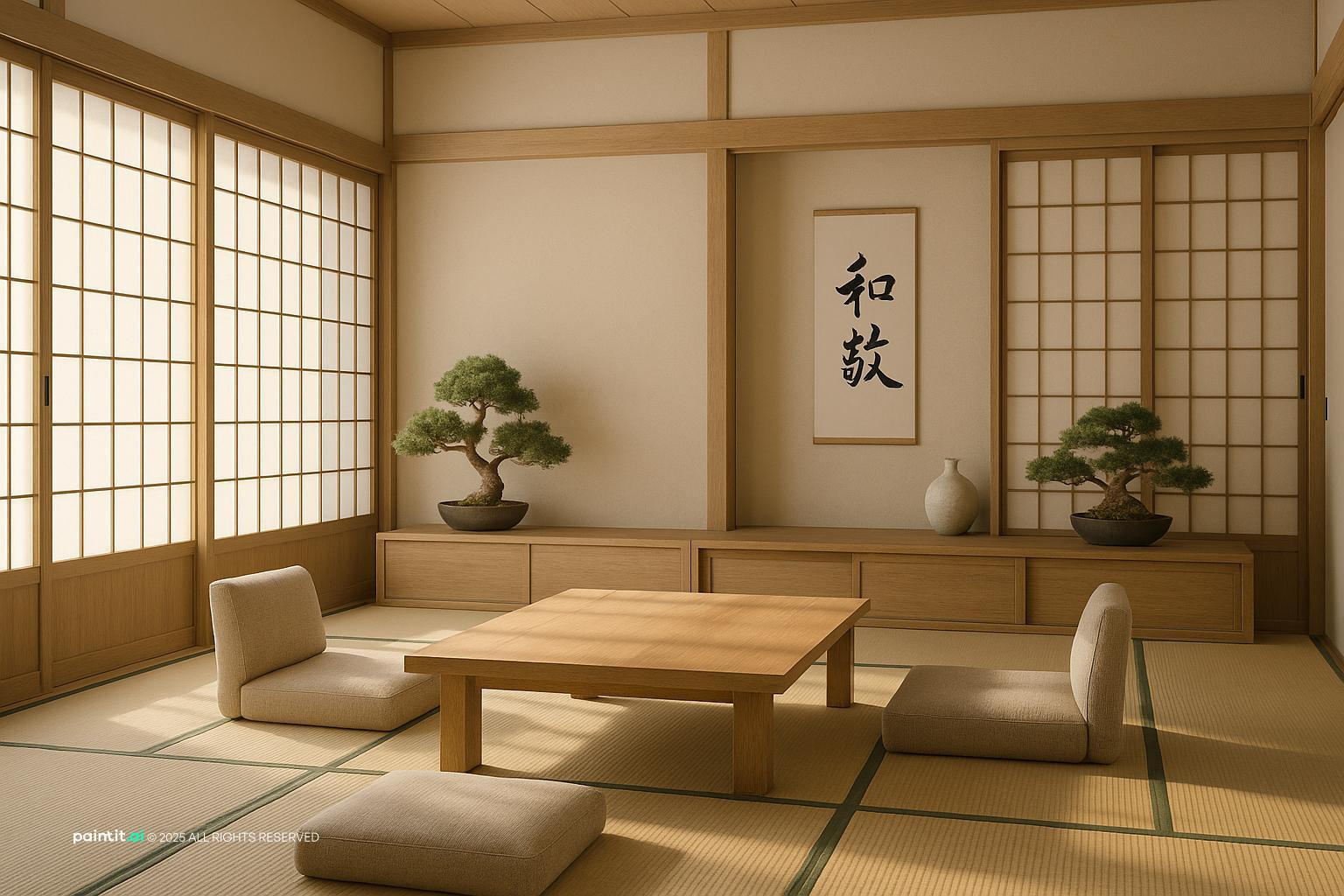
Stepping onto a tatami mat is an experience in itself. It’s soft, fragrant, and instantly signals a shift in energy. This isn't just a floor covering; it’s a central element of a Japanese style living room interior design, inviting you to sit, relax, and connect with the ground beneath you.
-
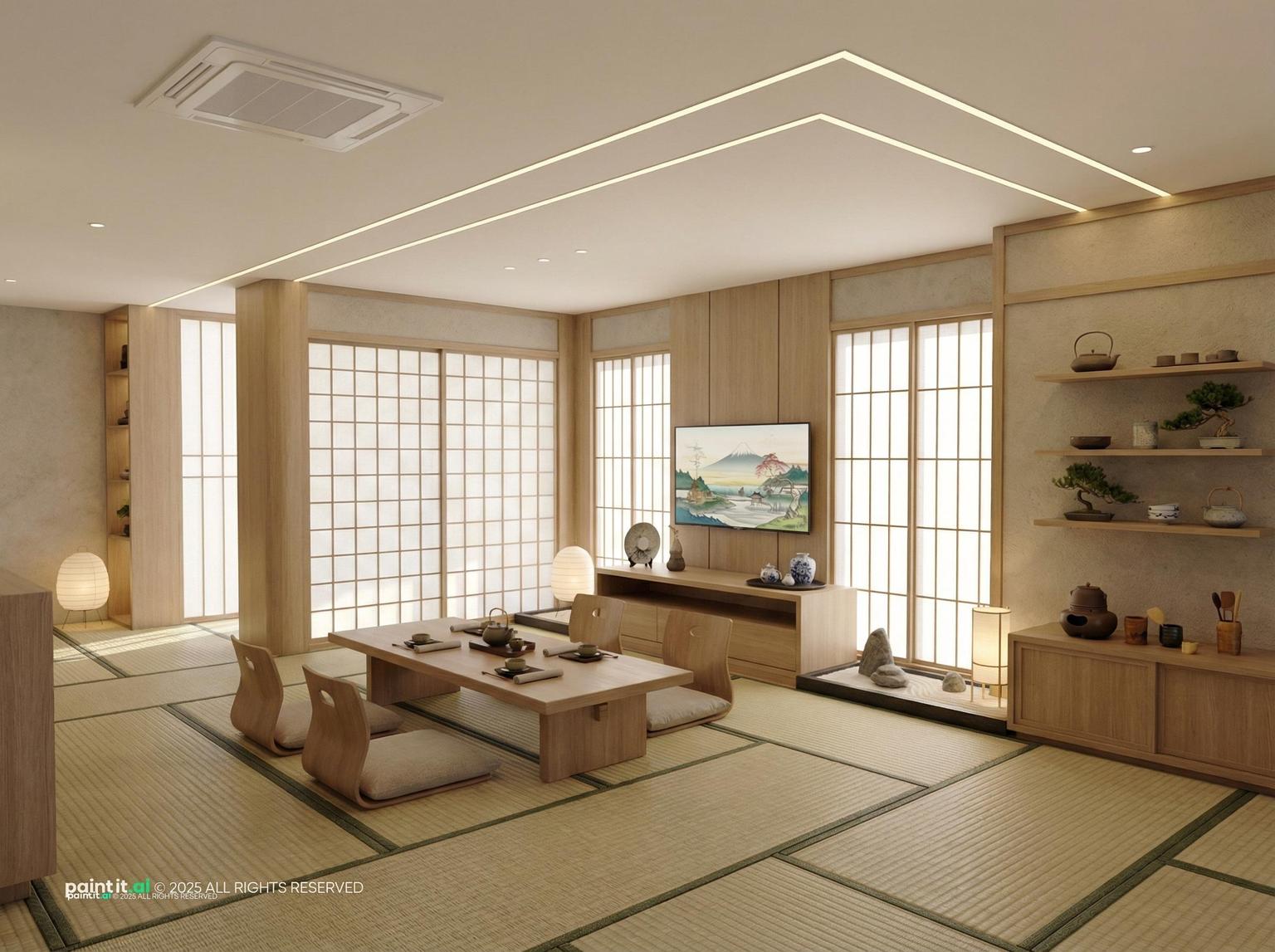
Authentic tatami mats, made from woven igusa rush and rice straw, offer a unique texture and subtle aroma. They’re perfect for a dedicated seating area or even covering the entire floor of a smaller living room. Just remember, they require a little care; no shoes allowed!
-
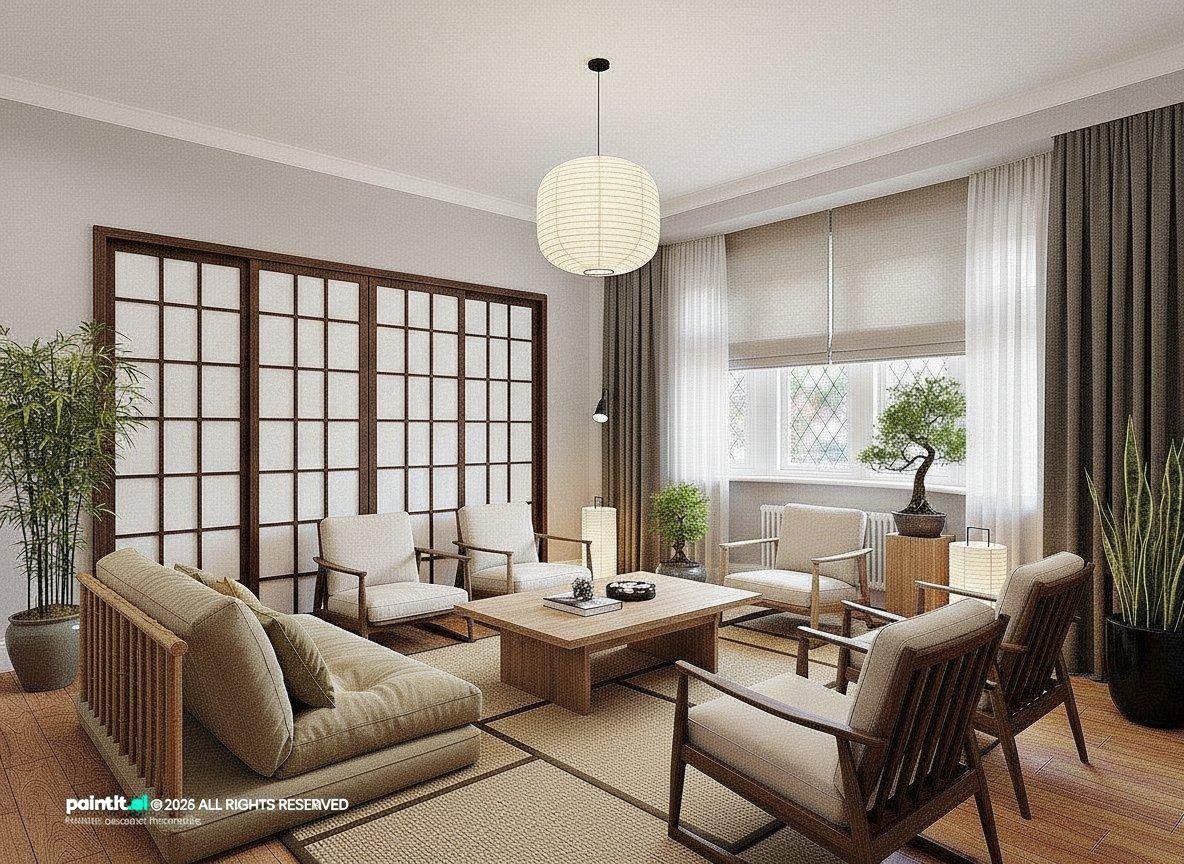
Pro Tip: To achieve this effect, try designating a specific area for tatami to create a distinct zone for relaxation or meditation.
-
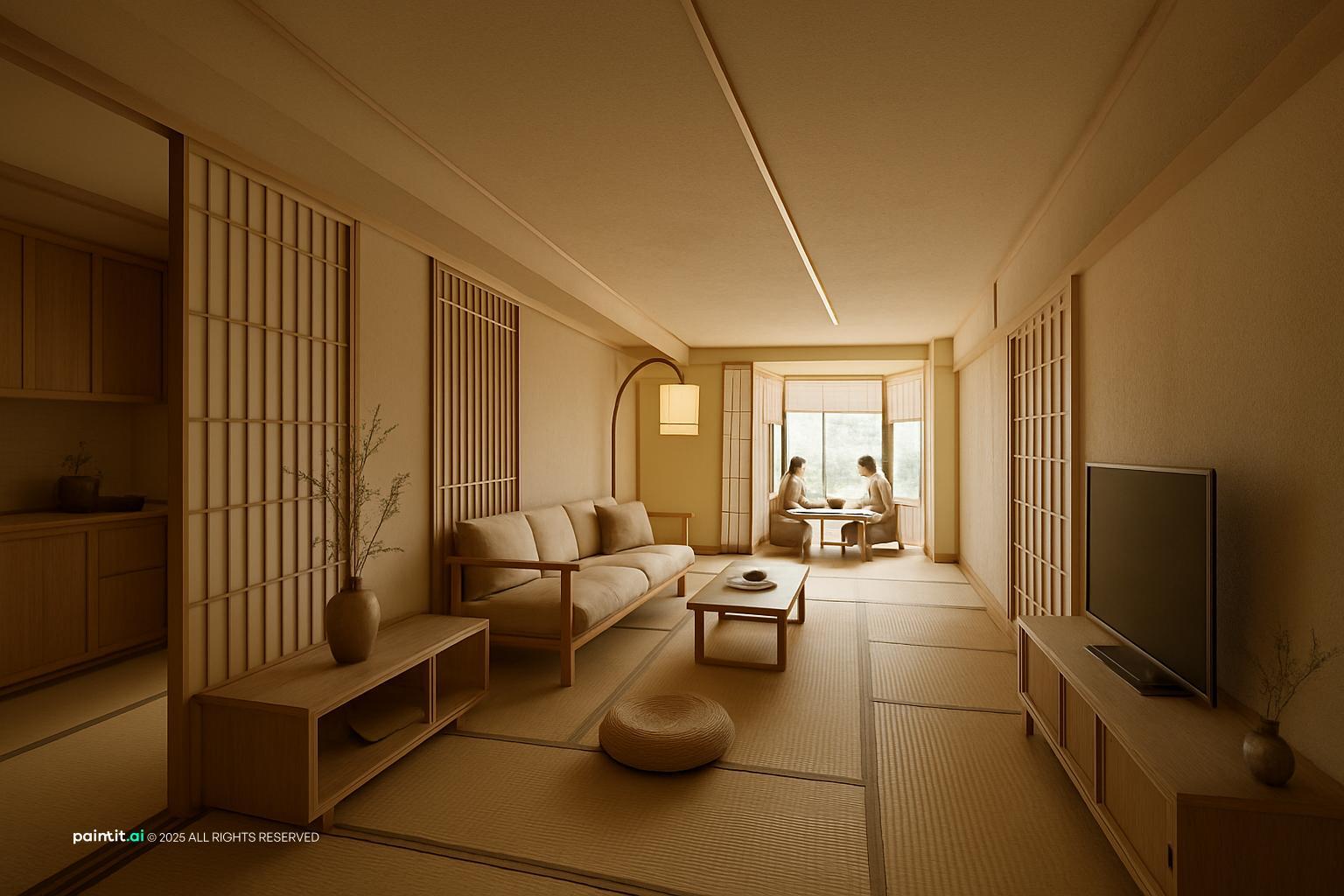
Harsh overhead lights have no place in a truly tranquil space. A Japanese design living room thrives on soft, diffused light that mimics natural twilight or moonlight. It’s about creating an atmosphere, not just illuminating a room.
-
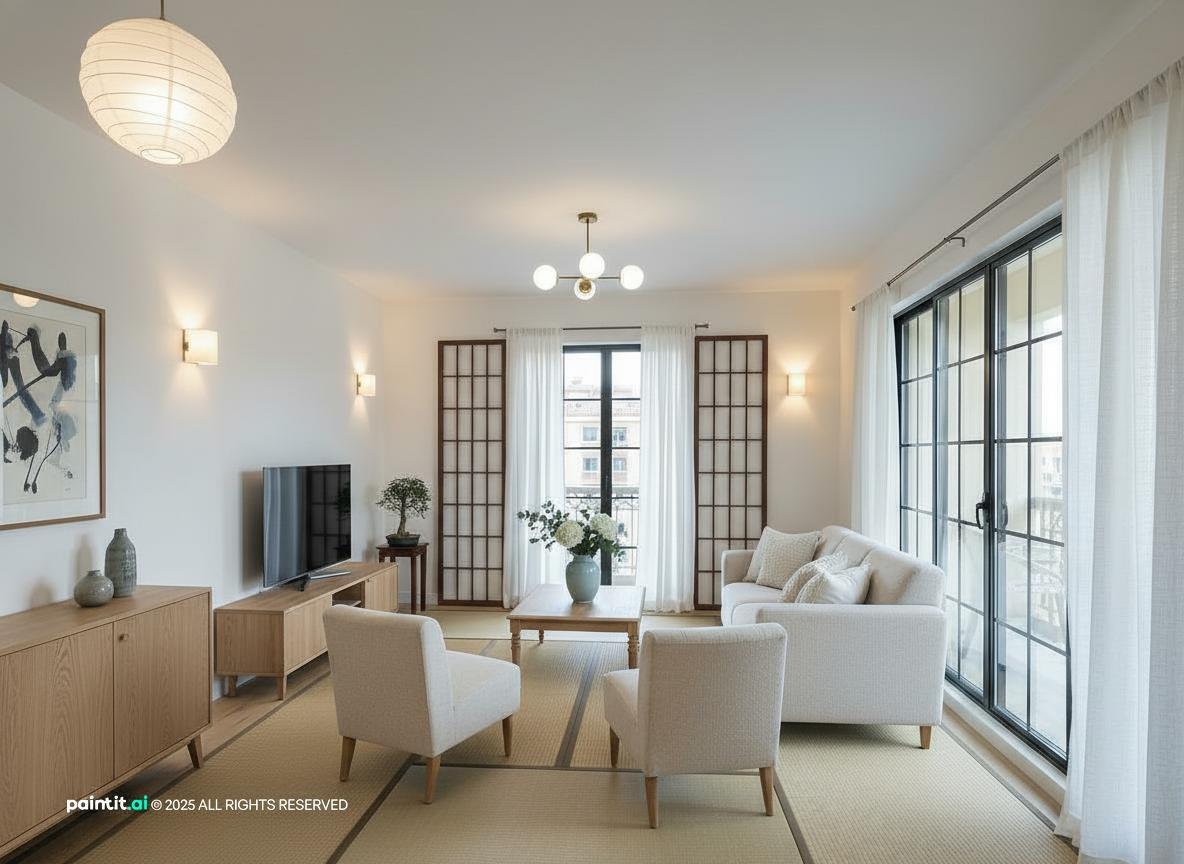
Incorporate washi paper lanterns, floor lamps with linen shades, and hidden LED strips that wash walls with a gentle glow. We often suggest positioning lights to bounce off ceilings or walls, eliminating direct glare. It’s about layers of light, creating depth and warmth.
-
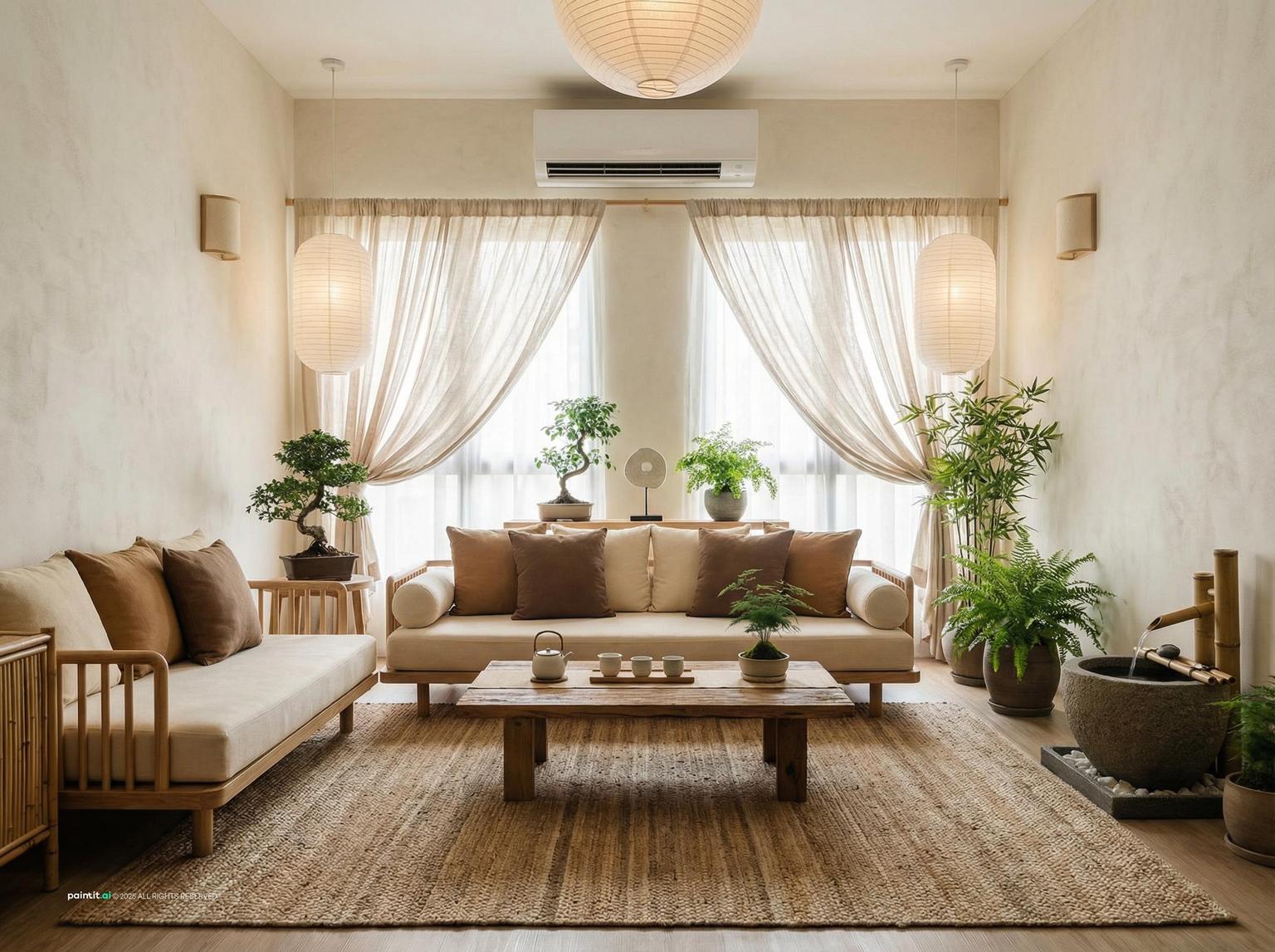
Pro Tip: To achieve this effect, try using dimmers on all light sources to fine-tune the ambiance throughout the day and evening.
-
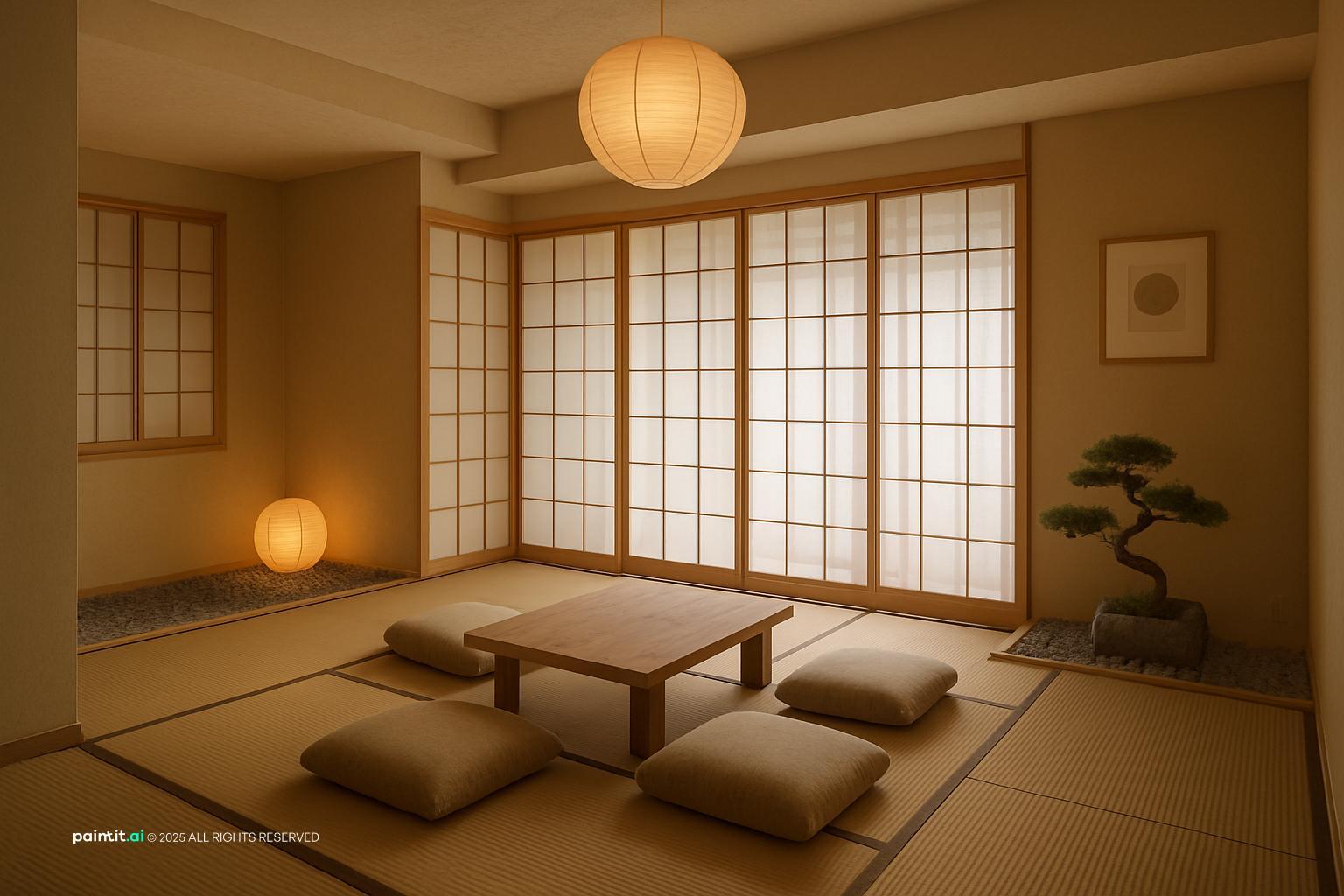
The beauty of a Japanese living room style lies in its restraint. Every object is chosen with intention, serving a purpose or evoking a feeling. This isn't about emptiness; it's about clarity, allowing each piece to truly shine.
-
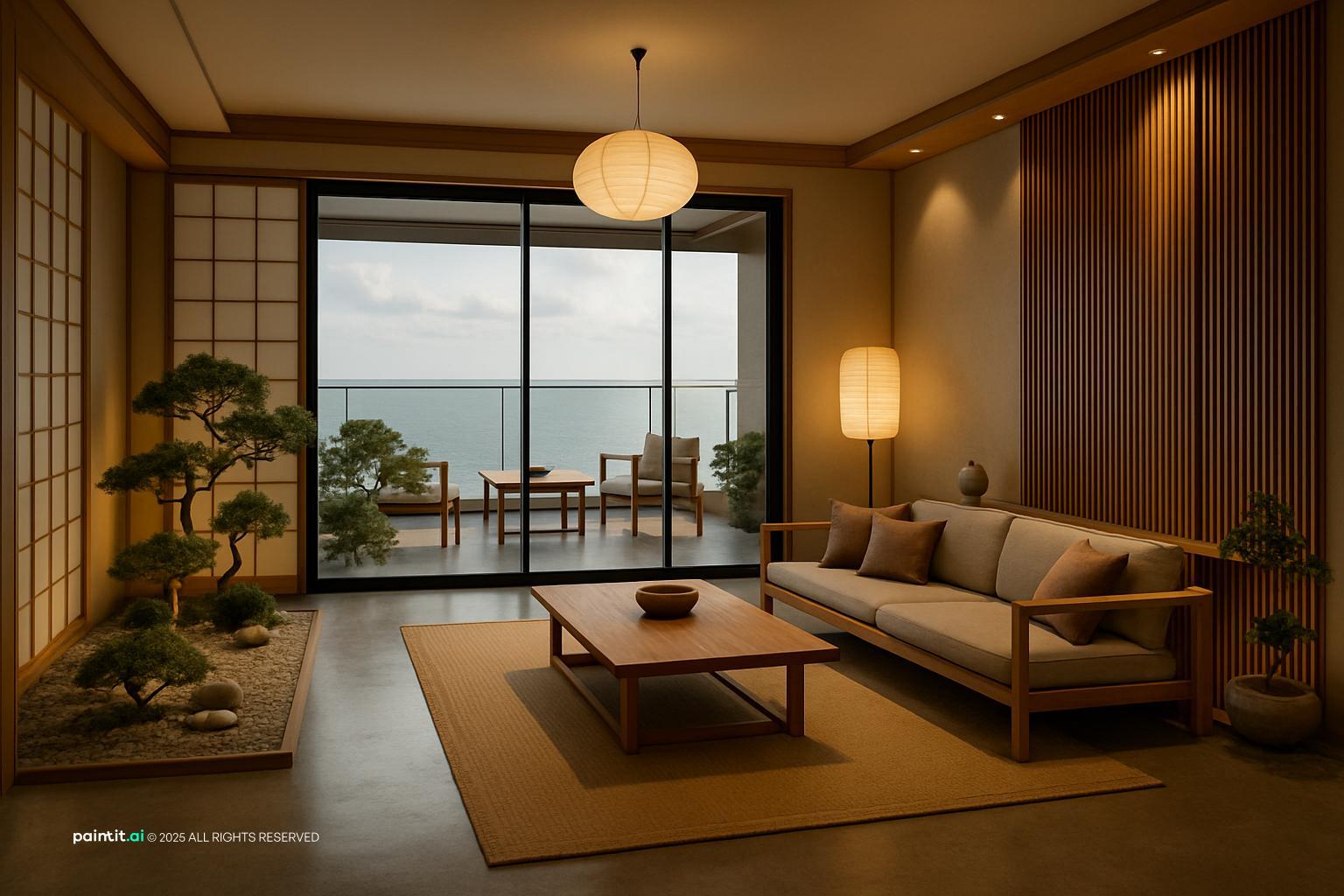
Select only a few, high-quality pieces: a single, artfully arranged ikebana, a hand-thrown ceramic vase, or a beautifully sculpted piece of wood. Avoid clutter at all costs. The goal is to create visual breathing room, allowing the eye to rest.
-
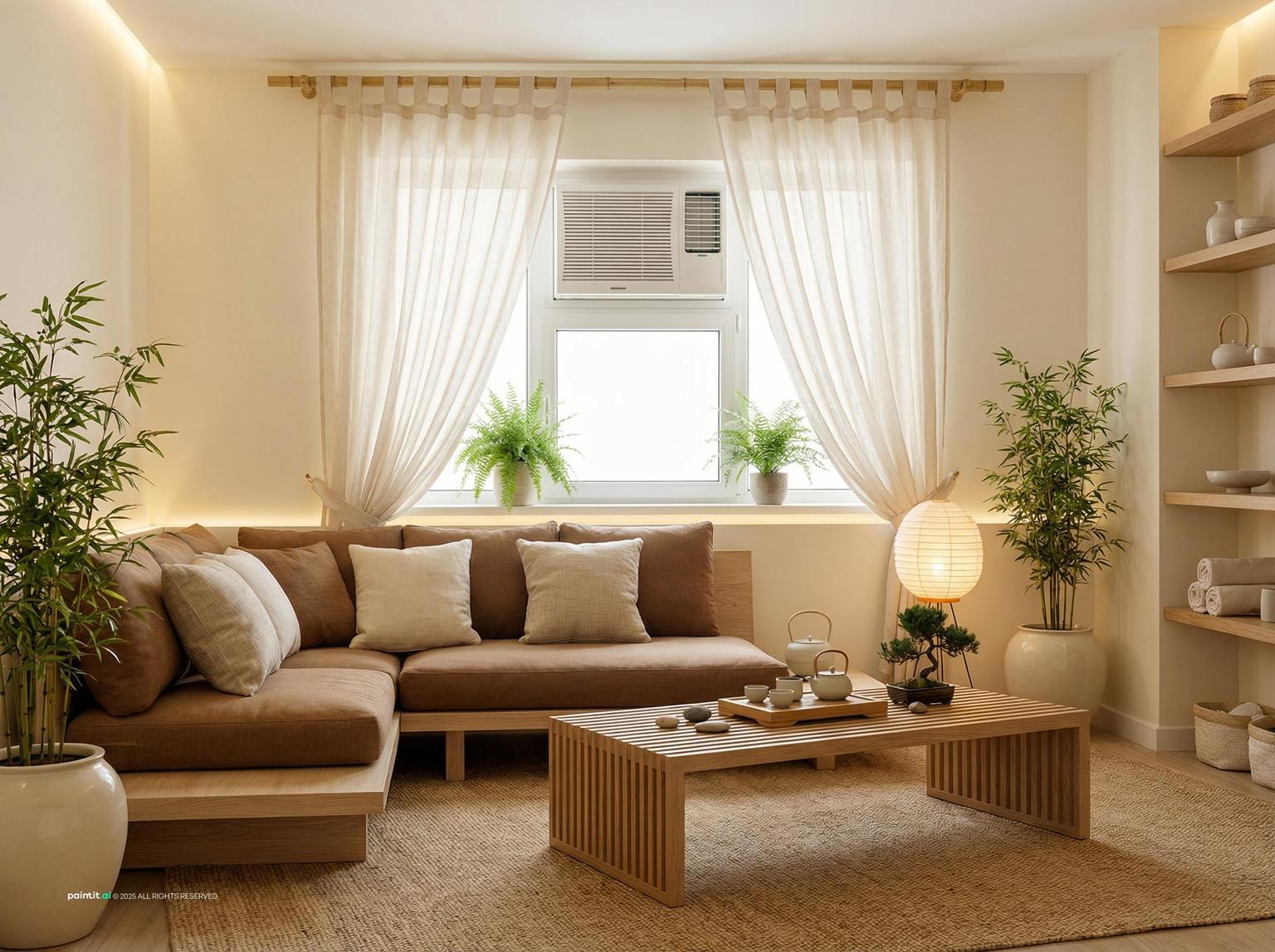
Pro Tip: To achieve this effect, try rotating your decorative items seasonally to keep the space fresh and prevent visual fatigue.
-
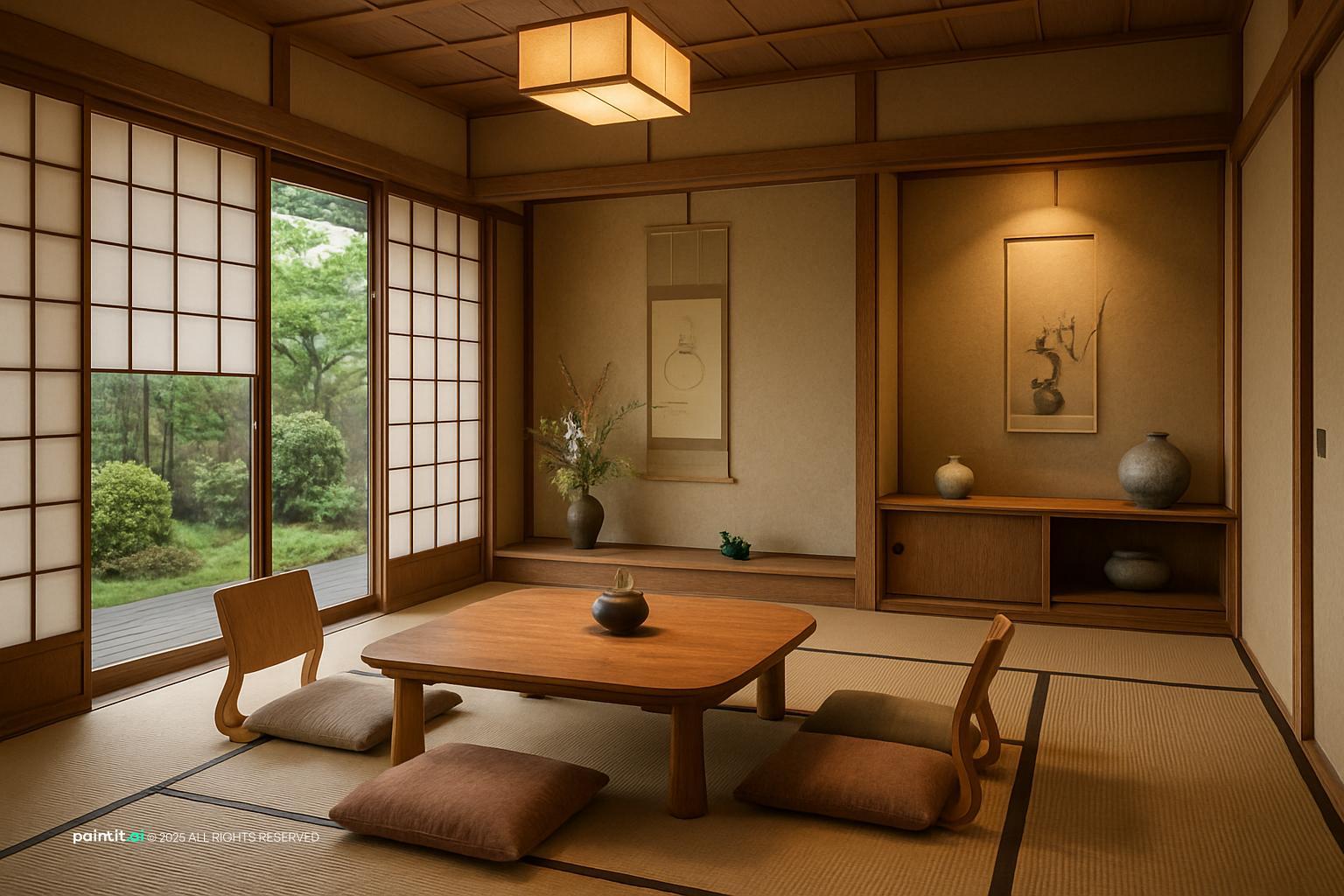
A deep connection to nature is fundamental to Japanese aesthetics. Incorporating plants isn't just about adding a splash of green; it’s about bringing life, growth, and a sense of the outdoors into your living room modern Japanese interior design.
-
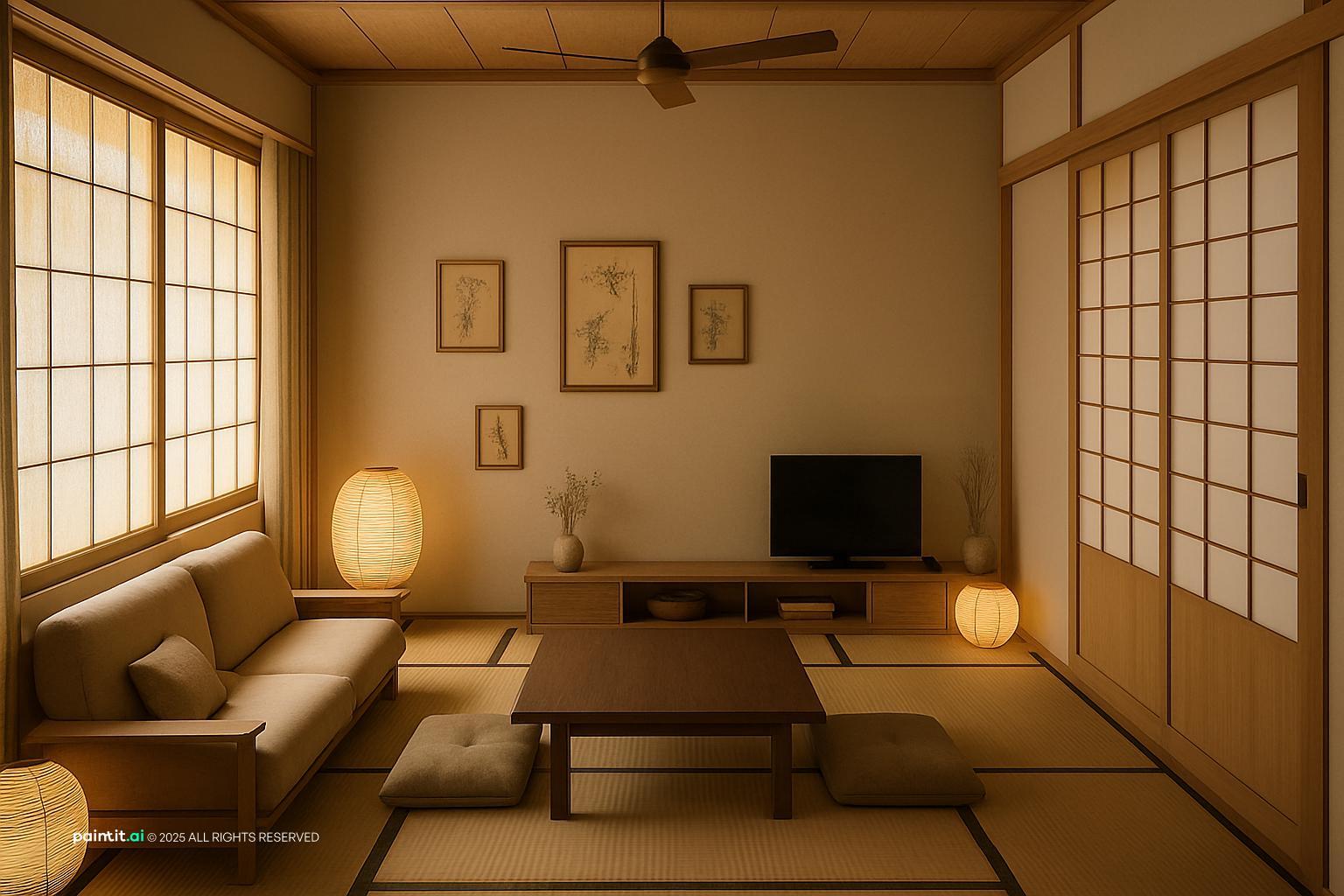
Place a carefully chosen bonsai on a low pedestal, or arrange a few kokedama (moss balls) on a simple wooden tray. Consider a tall, slender bamboo plant in a minimalist ceramic planter. The key is thoughtful placement, treating each plant as a living sculpture.
-
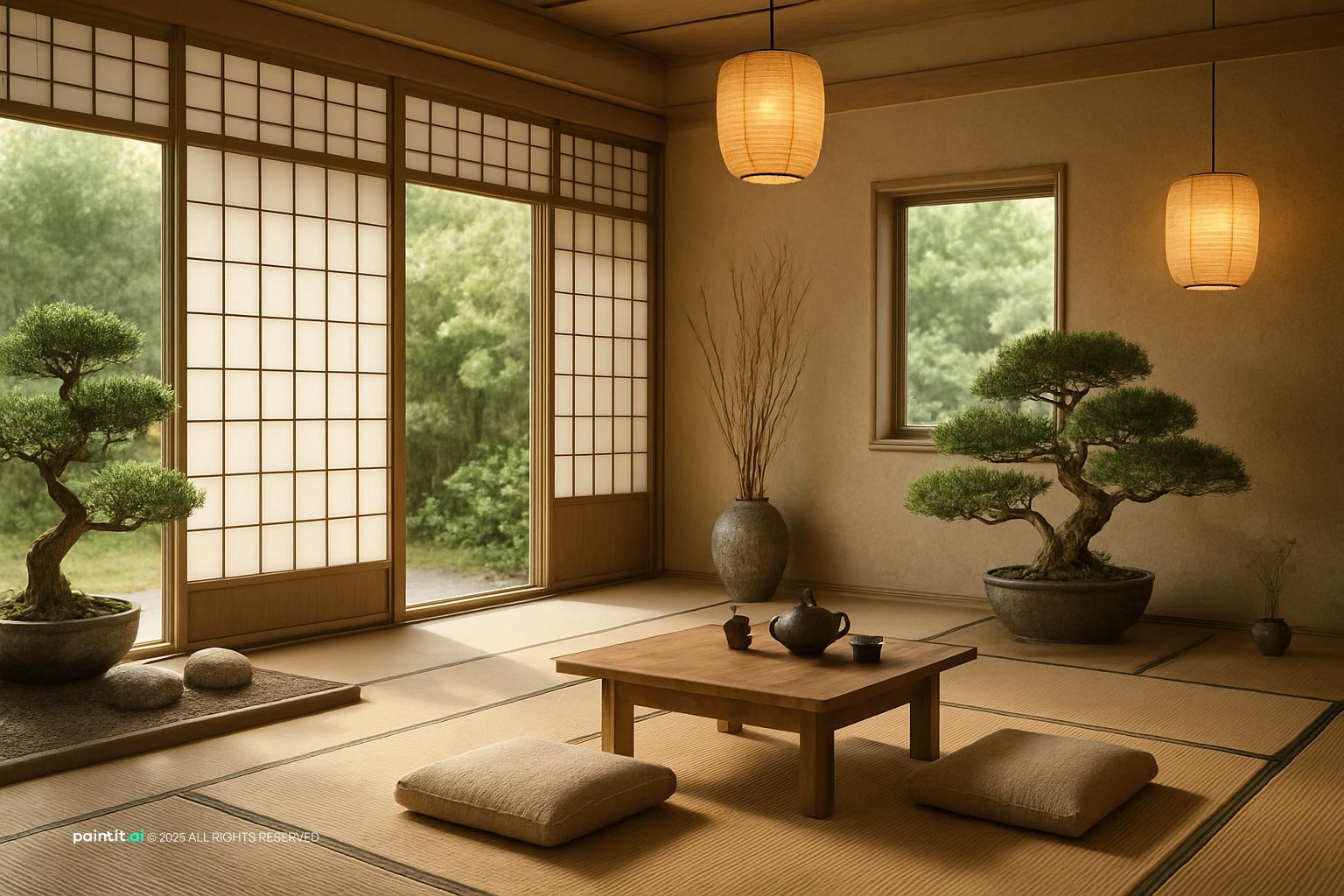
Pro Tip: To achieve this effect, try selecting plants with simple, elegant forms that complement the minimalist aesthetic, rather than overwhelming it.
-
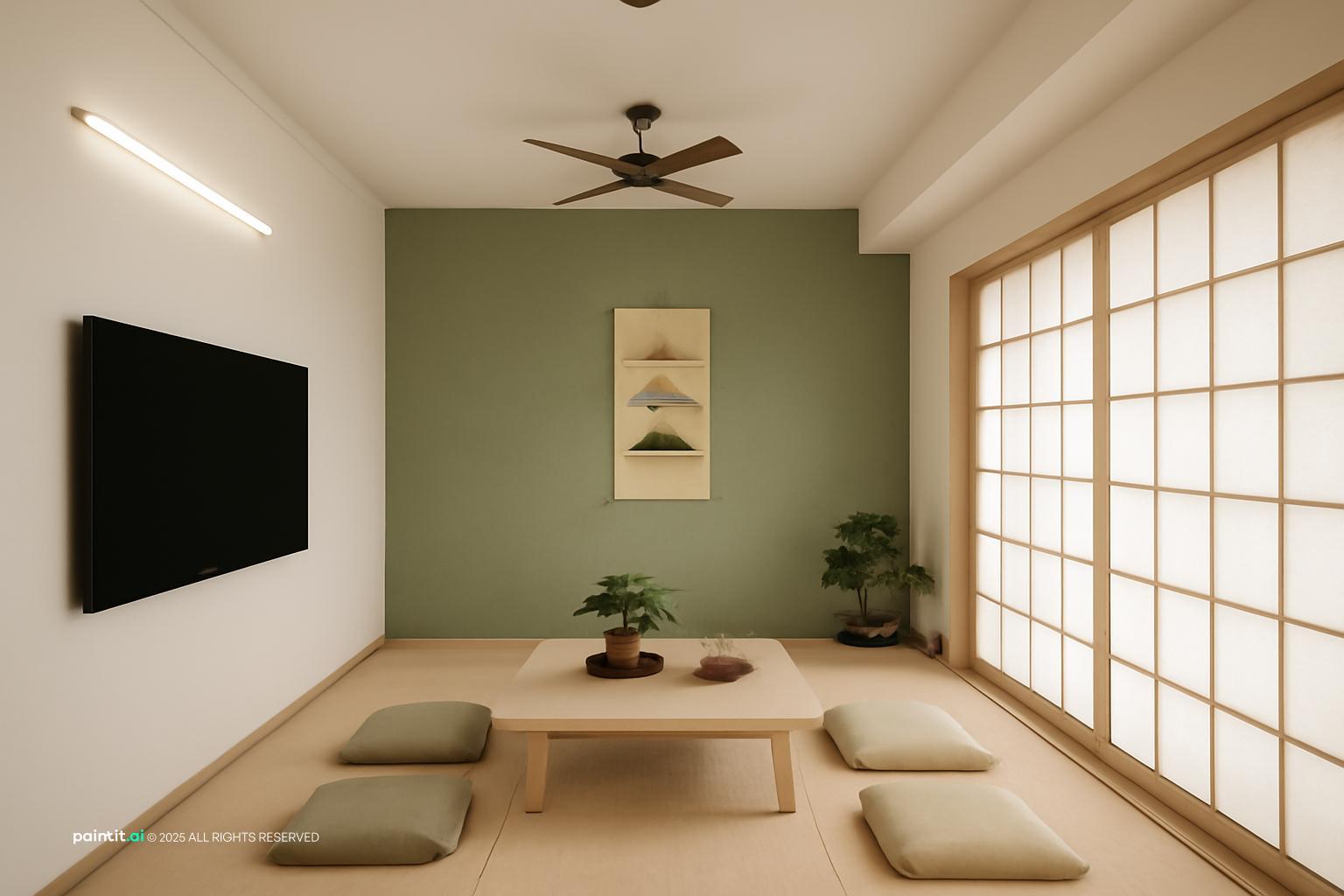
Beyond shoji, larger sliding doors (fusuma or even modern glass panels) can transform a space, connecting or separating rooms with ease. This concept, often seen in a Japanese inspired living room, creates a dynamic flow, adapting to your needs throughout the day.
-
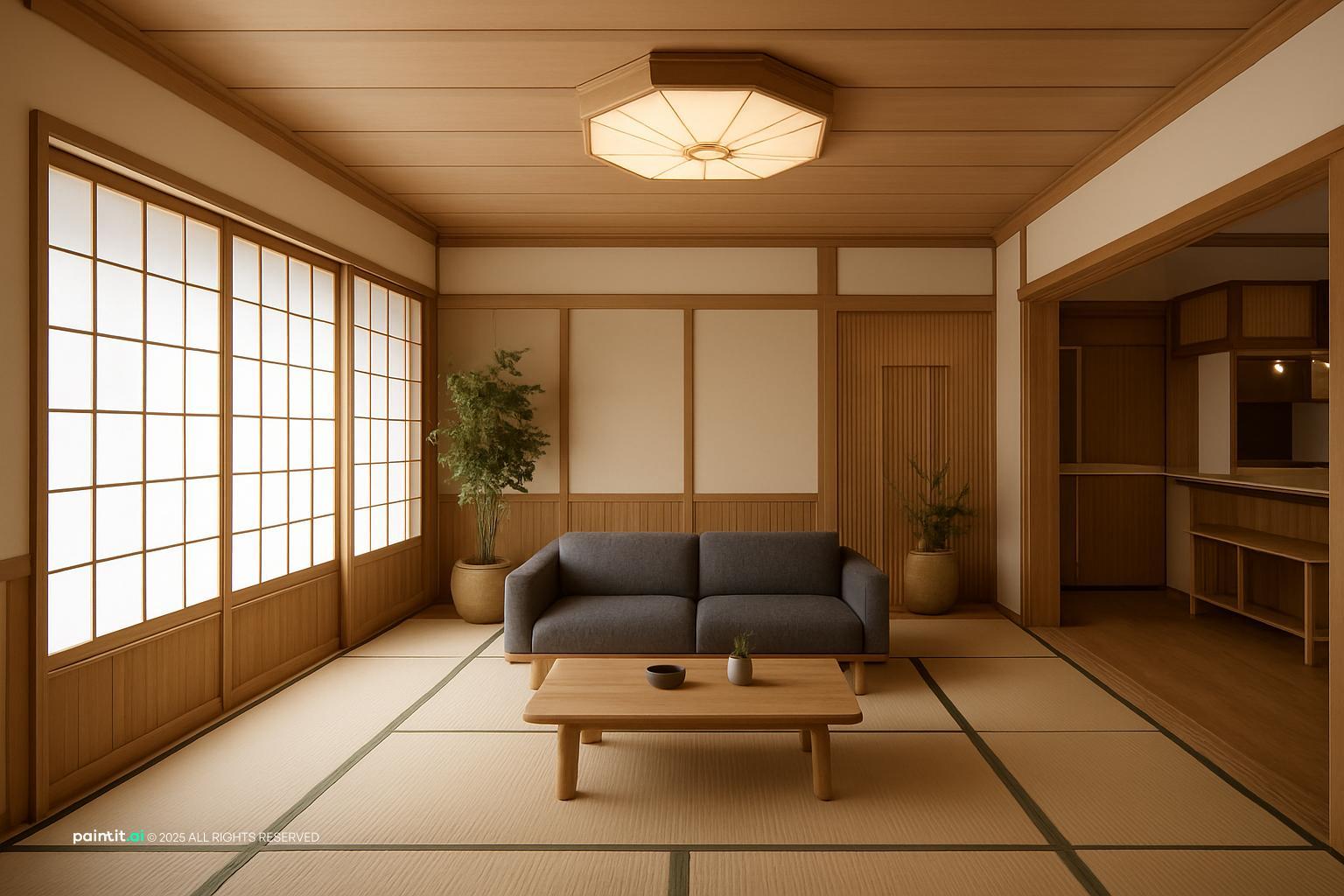
Consider large, dark wood framed sliding doors with frosted glass inserts to connect your living area to a dining room or a small garden. This allows for an open, airy feel when desired, or a more intimate setting when closed. It’s about creating a seamless transition.
-
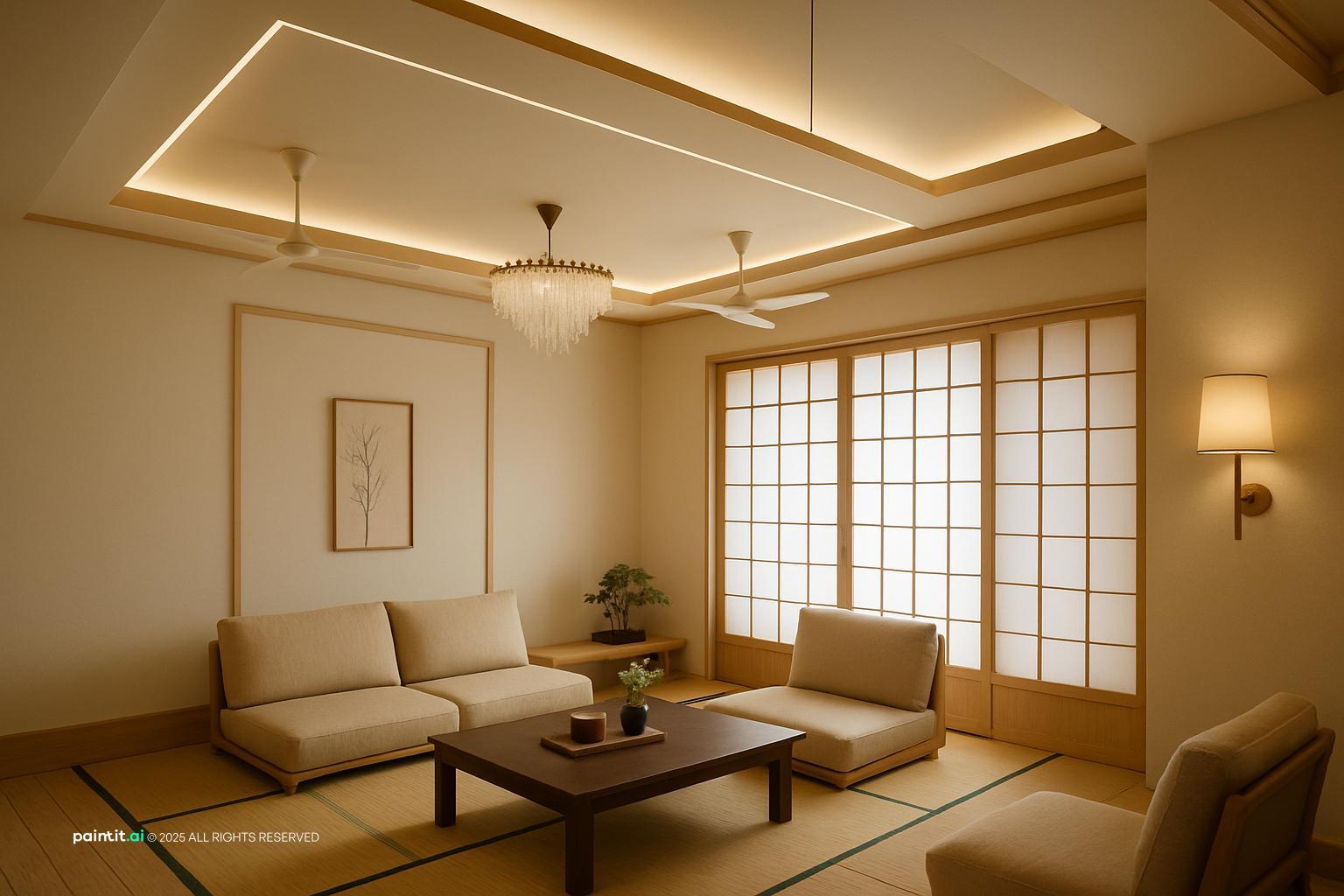
Pro Tip: To achieve this effect, try installing top-hung sliding doors for a cleaner look and easier operation.
-
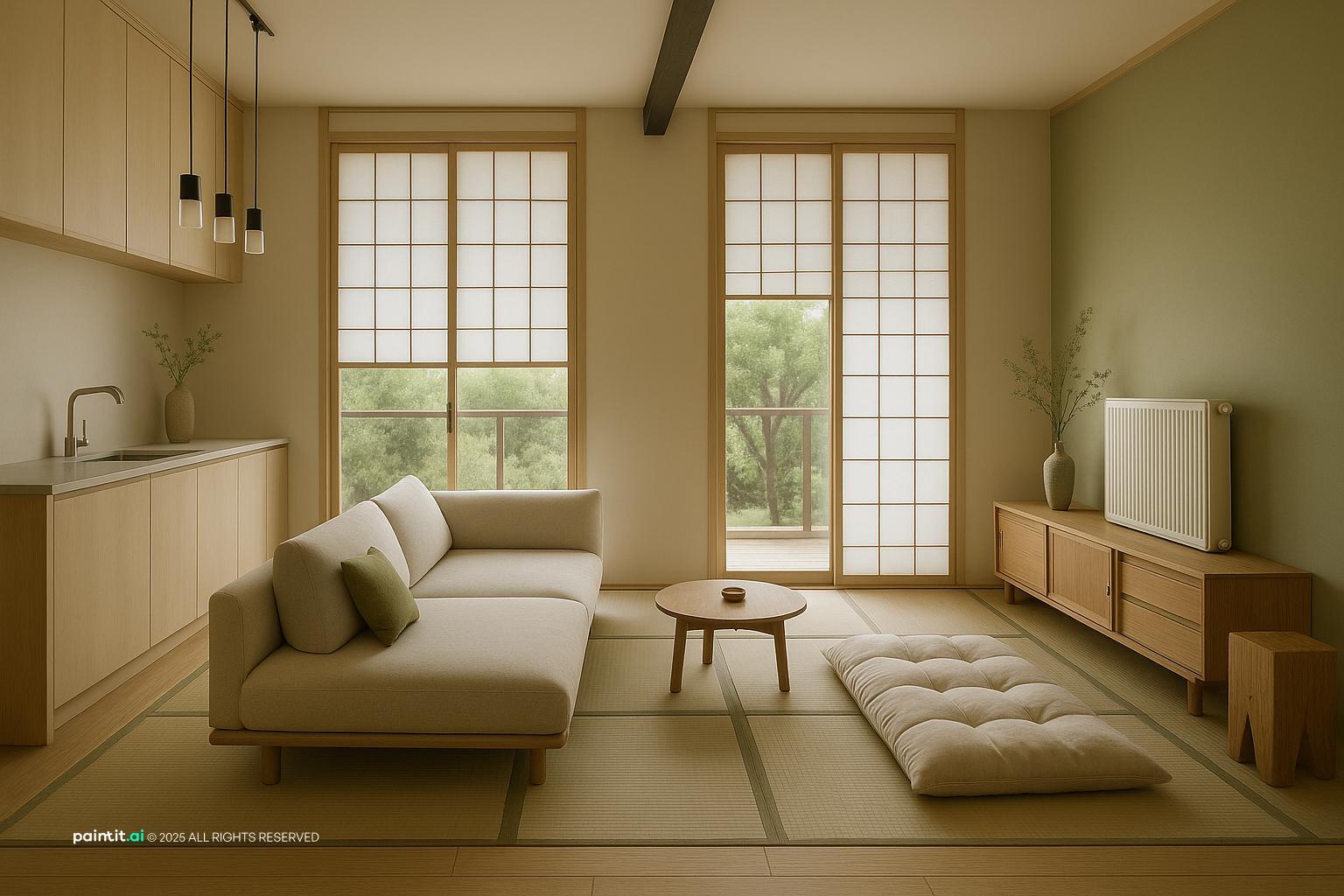
This philosophy embraces the beauty of imperfection, transience, and natural wear. It’s a powerful way to approach a Japanese themed living room ideas, moving away from pristine perfection towards something more authentic and soulful.
-
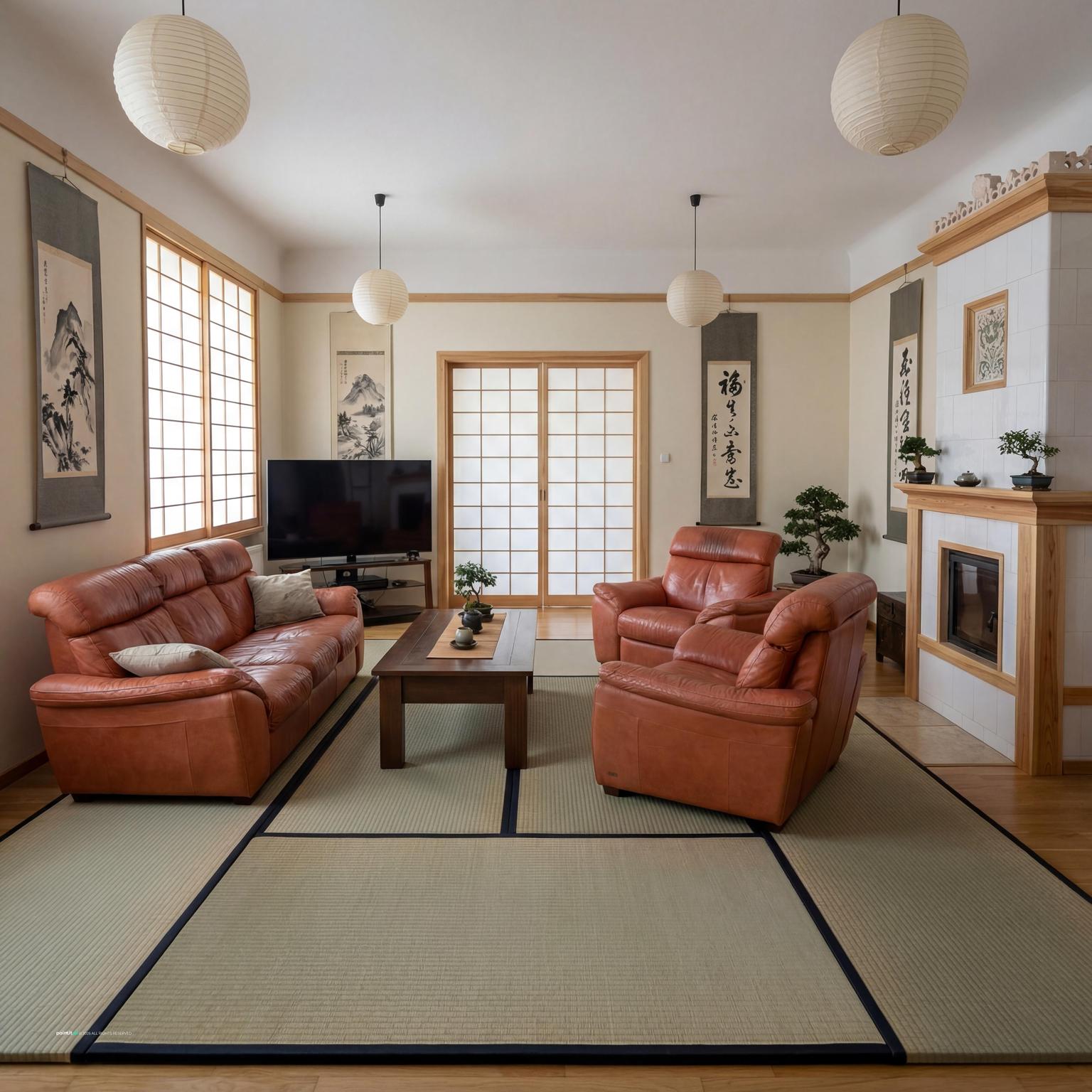
Incorporate elements like a hand-thrown ceramic bowl with a visible crack (kintsugi, if repaired with gold), a piece of reclaimed wood furniture with its natural grain and knots exposed, or aged linen textiles. These pieces tell a story, adding character and depth to your space.
-
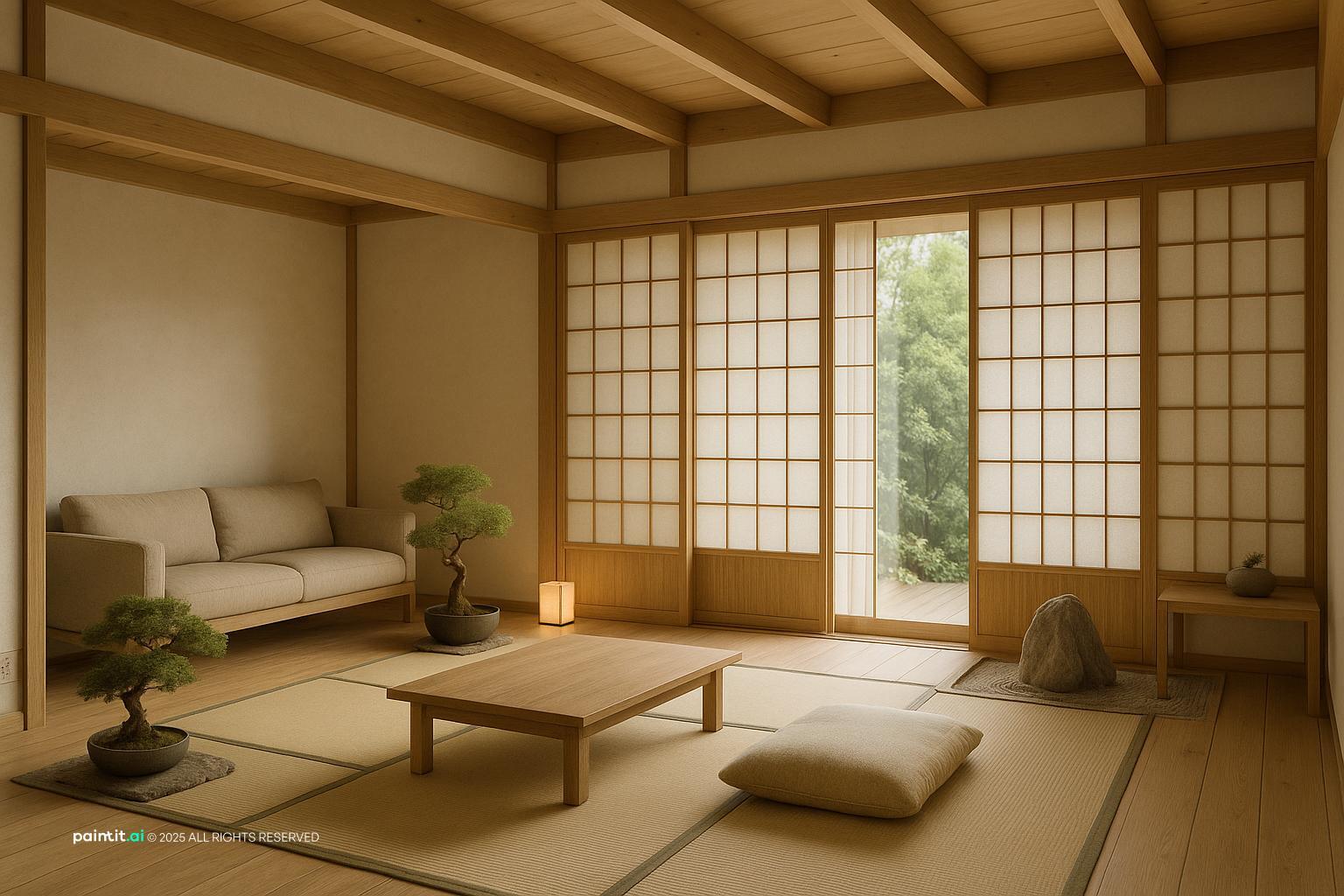
Pro Tip: To achieve this effect, try seeking out artisan-made objects with unique textures and slight irregularities, rather than mass-produced perfection.
-
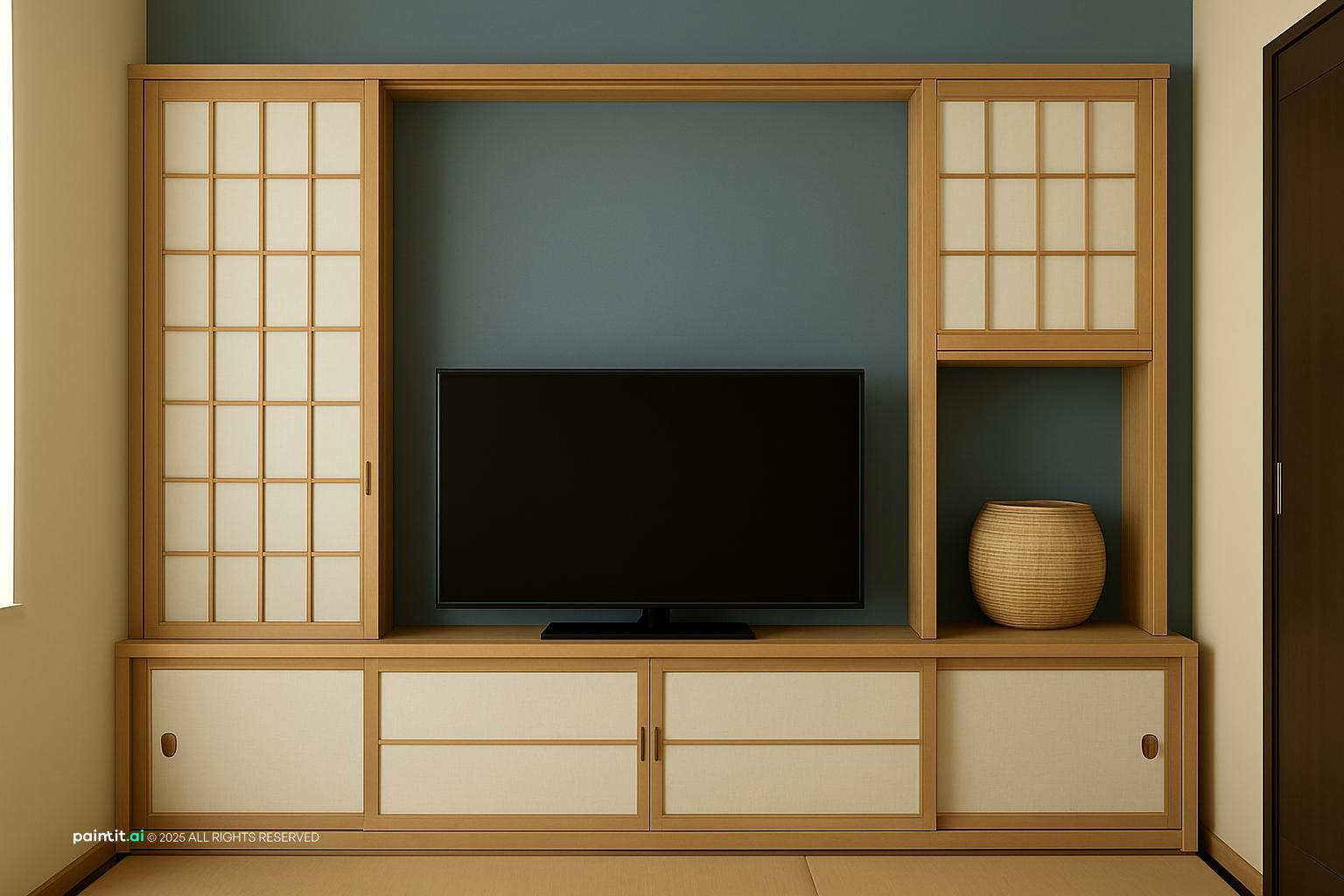
A truly serene Japanese living room design relies on an absence of visual noise. Clutter is the enemy of calm. Integrated storage solutions are key to maintaining that pristine, uncluttered look without sacrificing functionality.
-
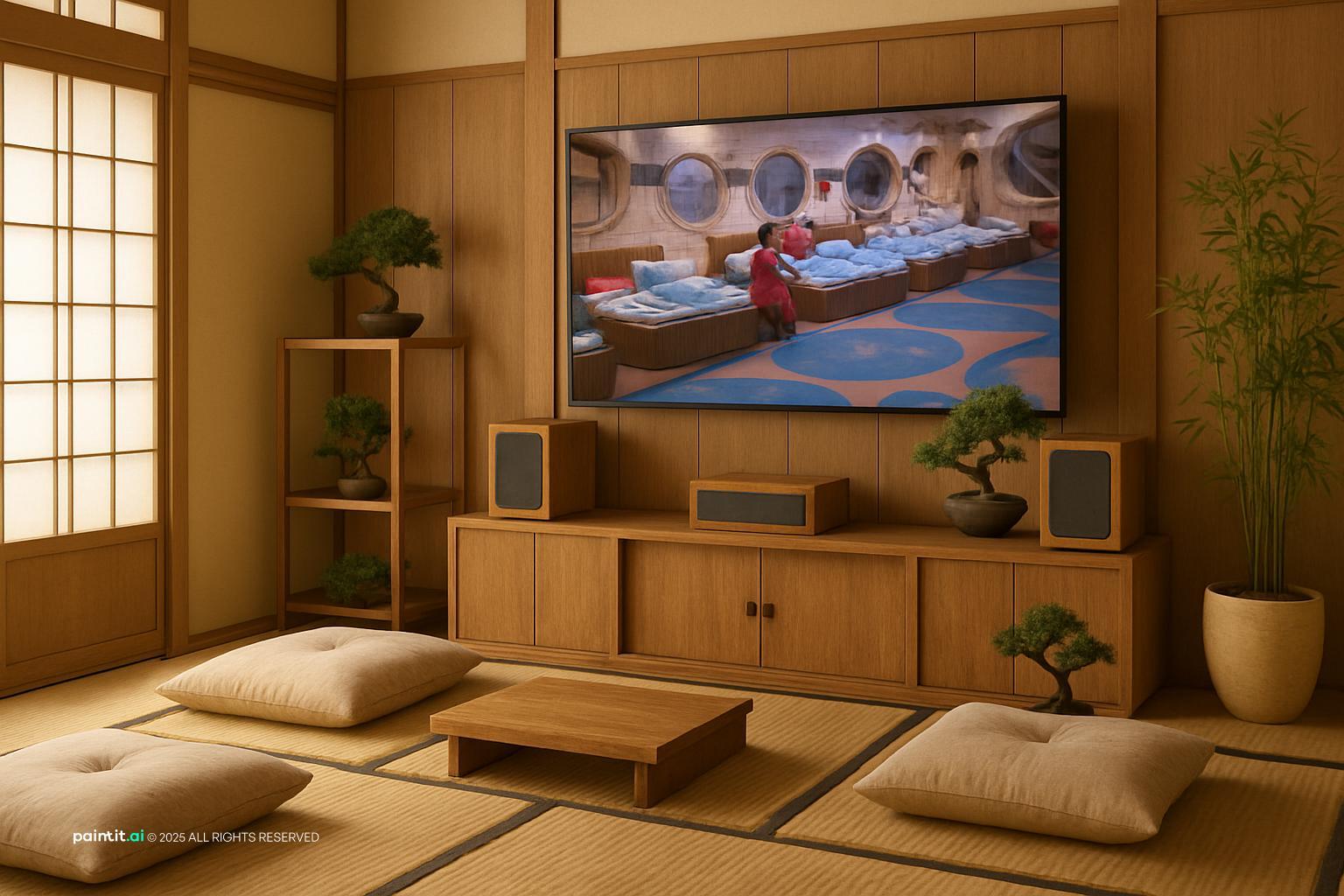
Design custom, flush-mounted cabinetry that blends seamlessly into the walls, perhaps in a matte wood veneer or painted to match the wall color. Think about clever niches for books or display items that can be closed off when not in use. It’s about thoughtful concealment.
-
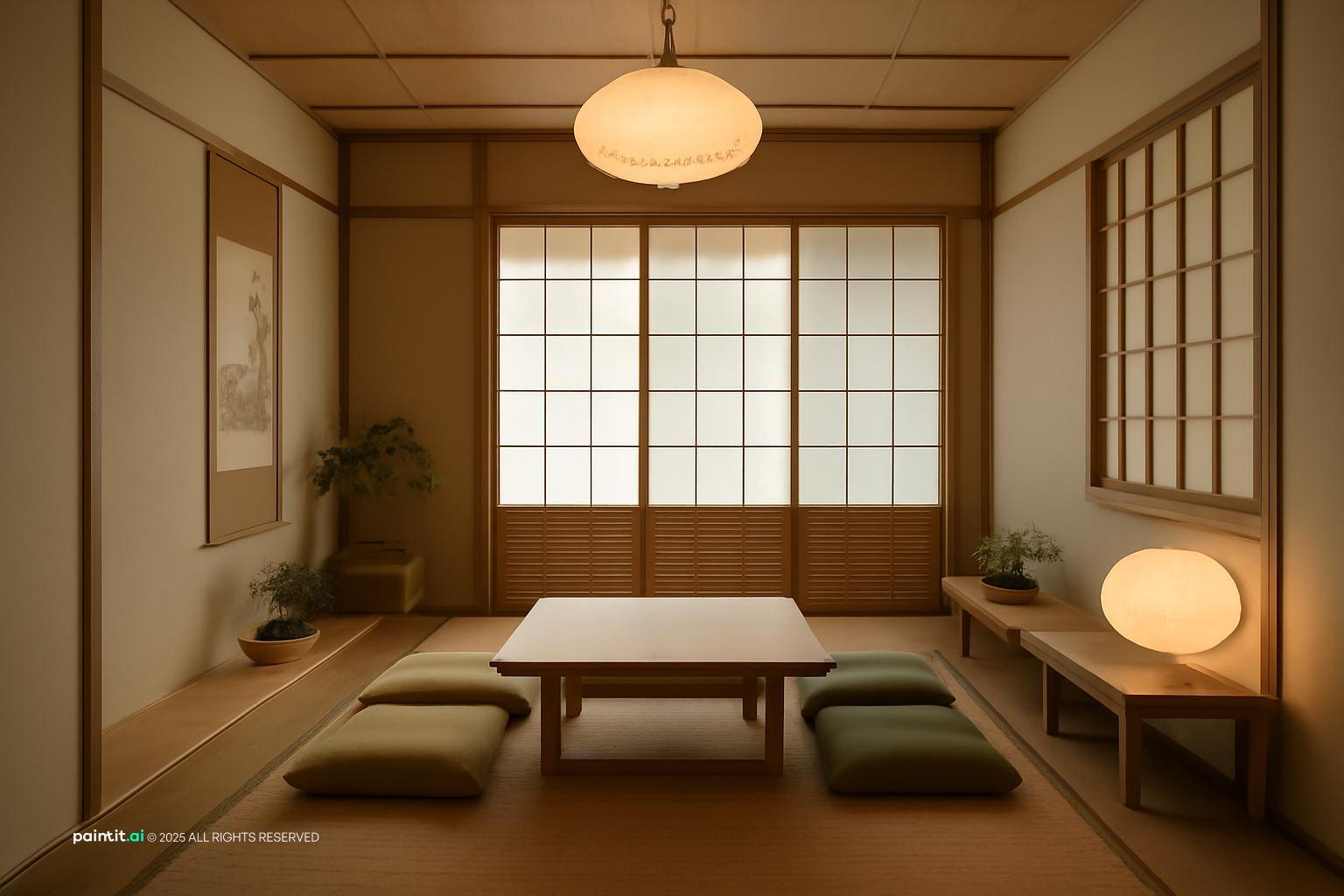
Pro Tip: To achieve this effect, try incorporating push-latch mechanisms on cabinet doors for a handle-free, minimalist appearance.
-
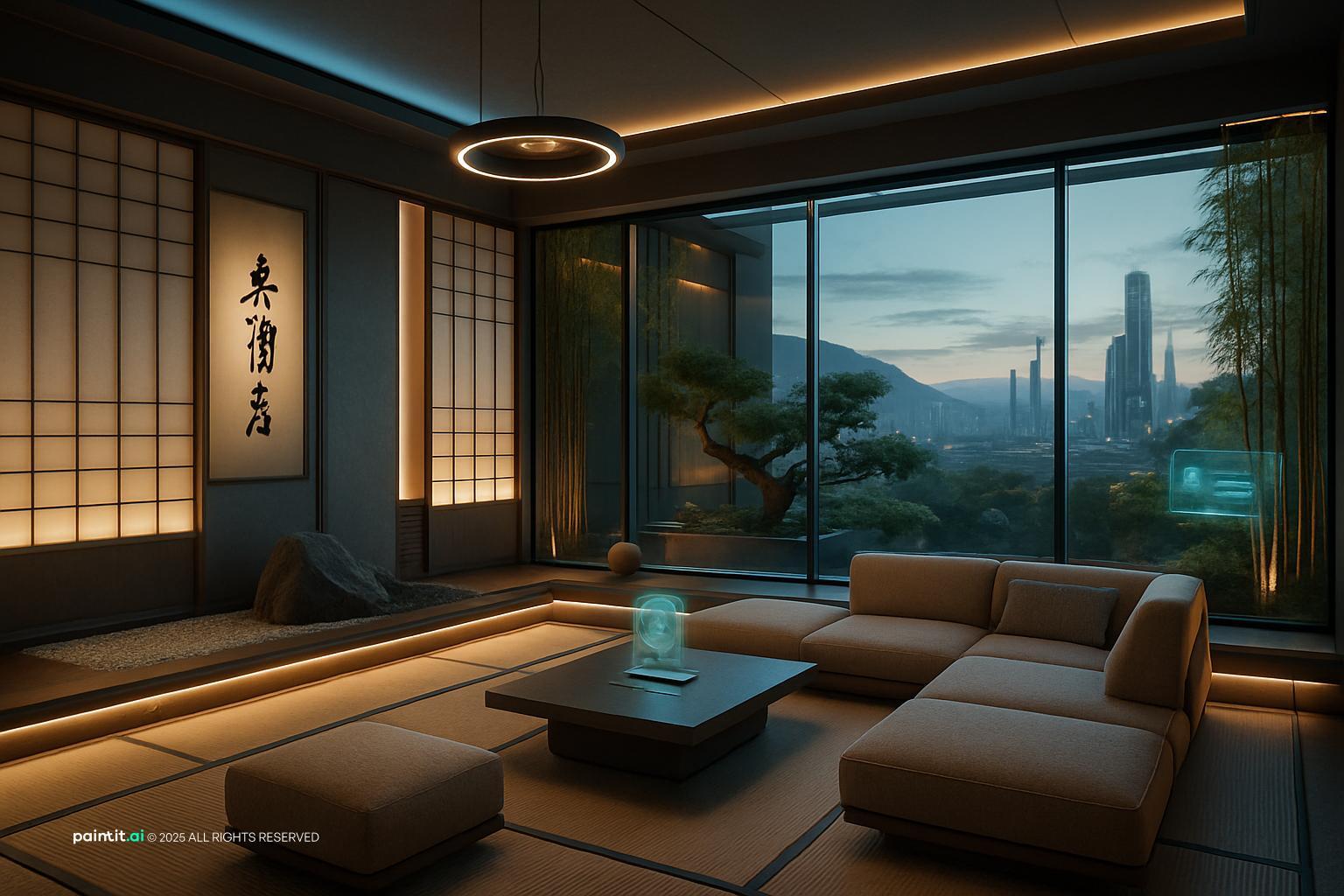
Embracing floor-level living is a hallmark of a traditional Japanese style decoration living room. It fosters a sense of intimacy and connection, encouraging a more relaxed posture. It’s a simple shift that profoundly impacts how you experience your space.
-
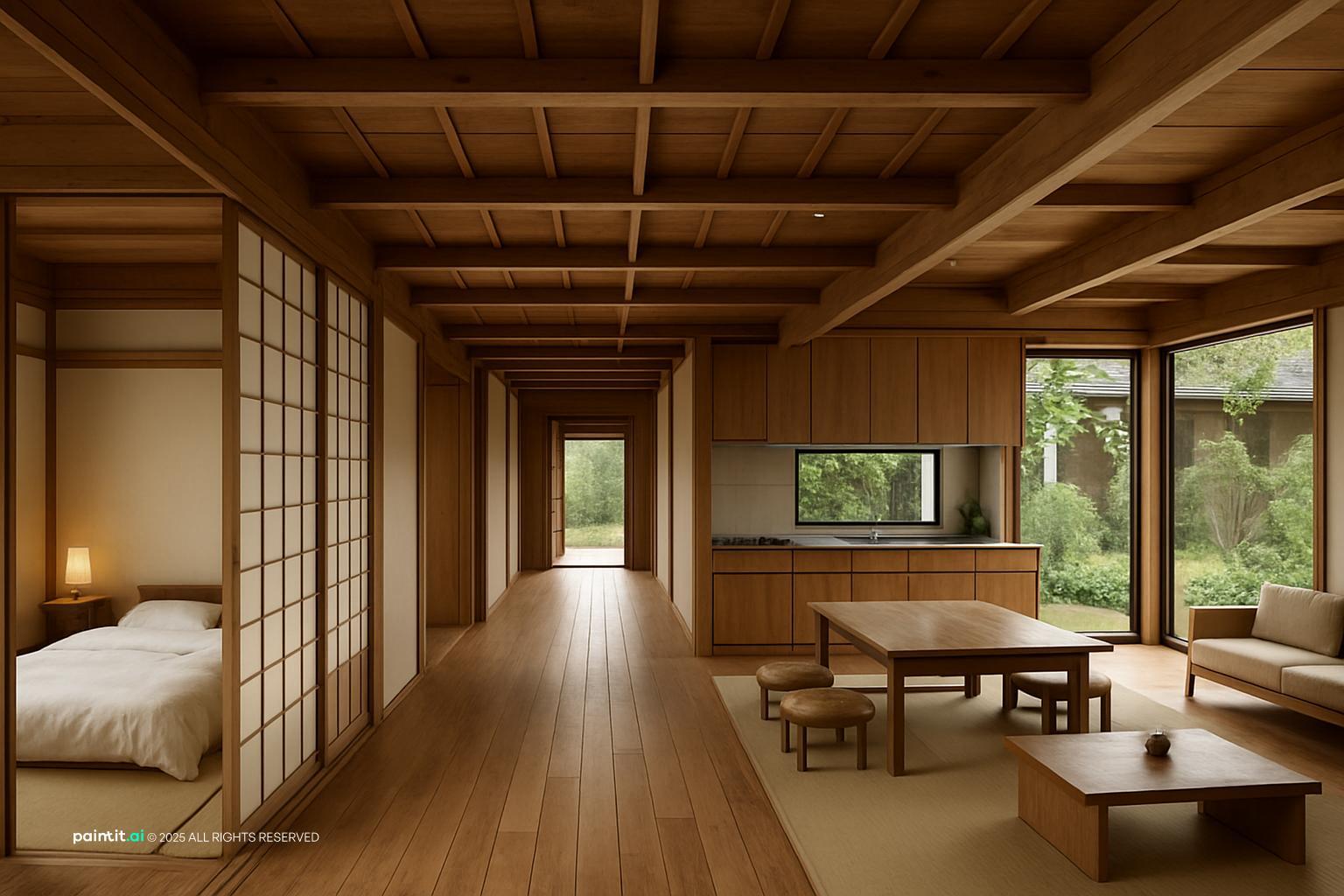
Layer plush zabuton cushions (floor pillows) on your tatami or a low rug. Pair them with zaisu chairs – legless chairs that offer back support while keeping you close to the floor. Choose natural fabrics like linen or cotton in muted tones for maximum comfort and aesthetic harmony.
-
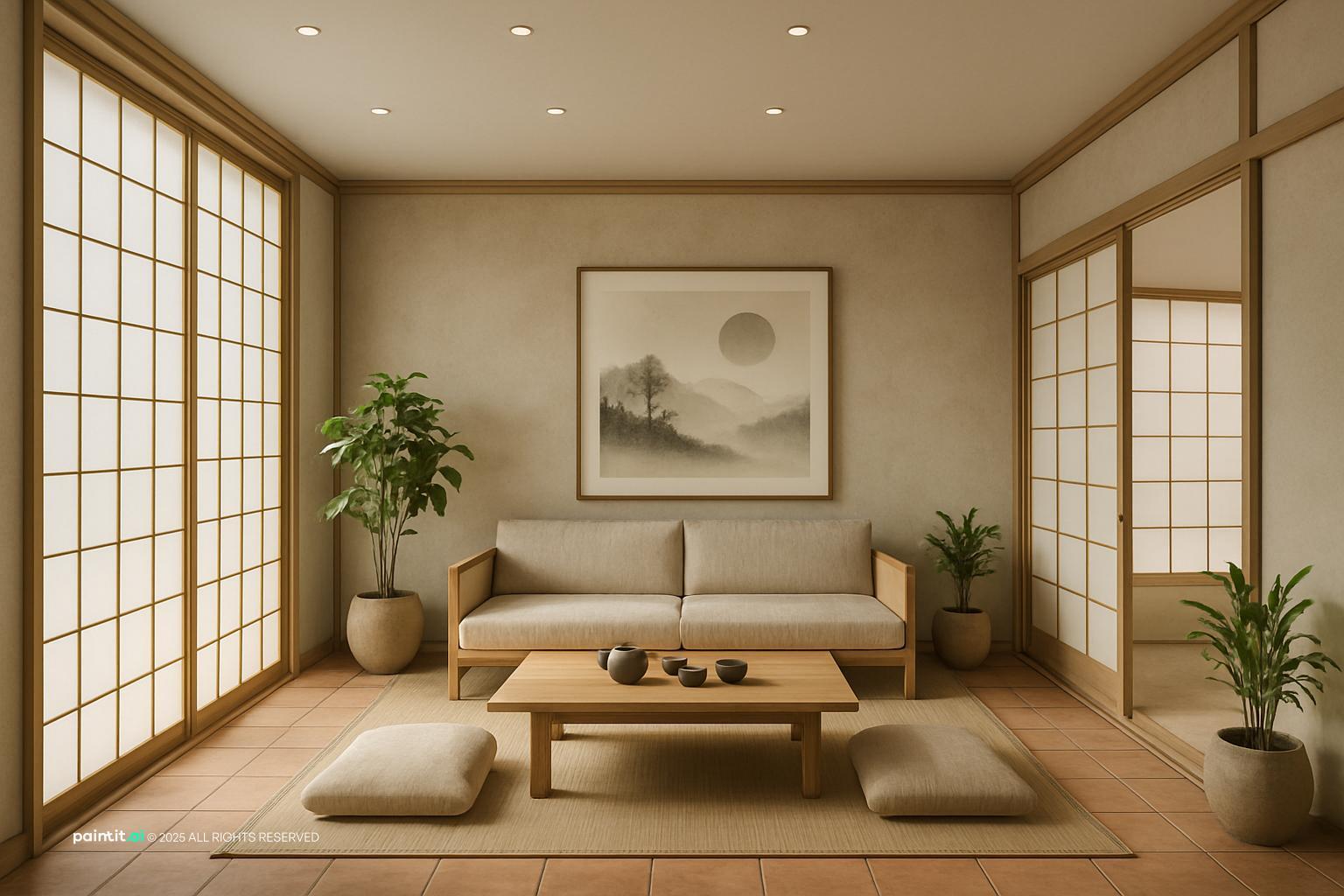
Pro Tip: To achieve this effect, try arranging zabuton and zaisu around a low chabudai table for an authentic, informal gathering spot.
-
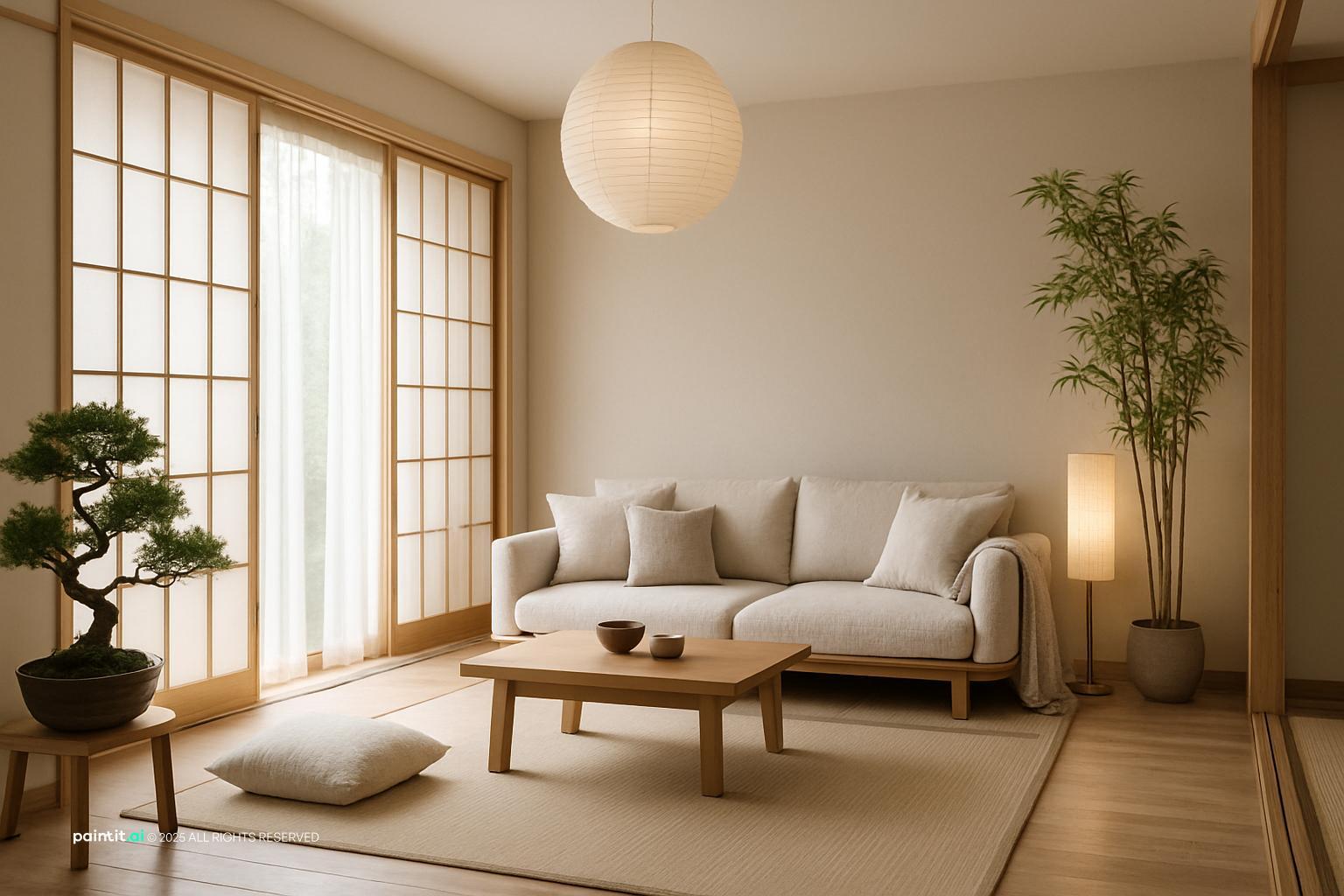
While tradition is beautiful, a modern Japanese living room can blend ancient principles with contemporary design. It’s about taking the essence of Japanese aesthetics – minimalism, natural materials, connection to nature – and expressing it through a current lens.
-
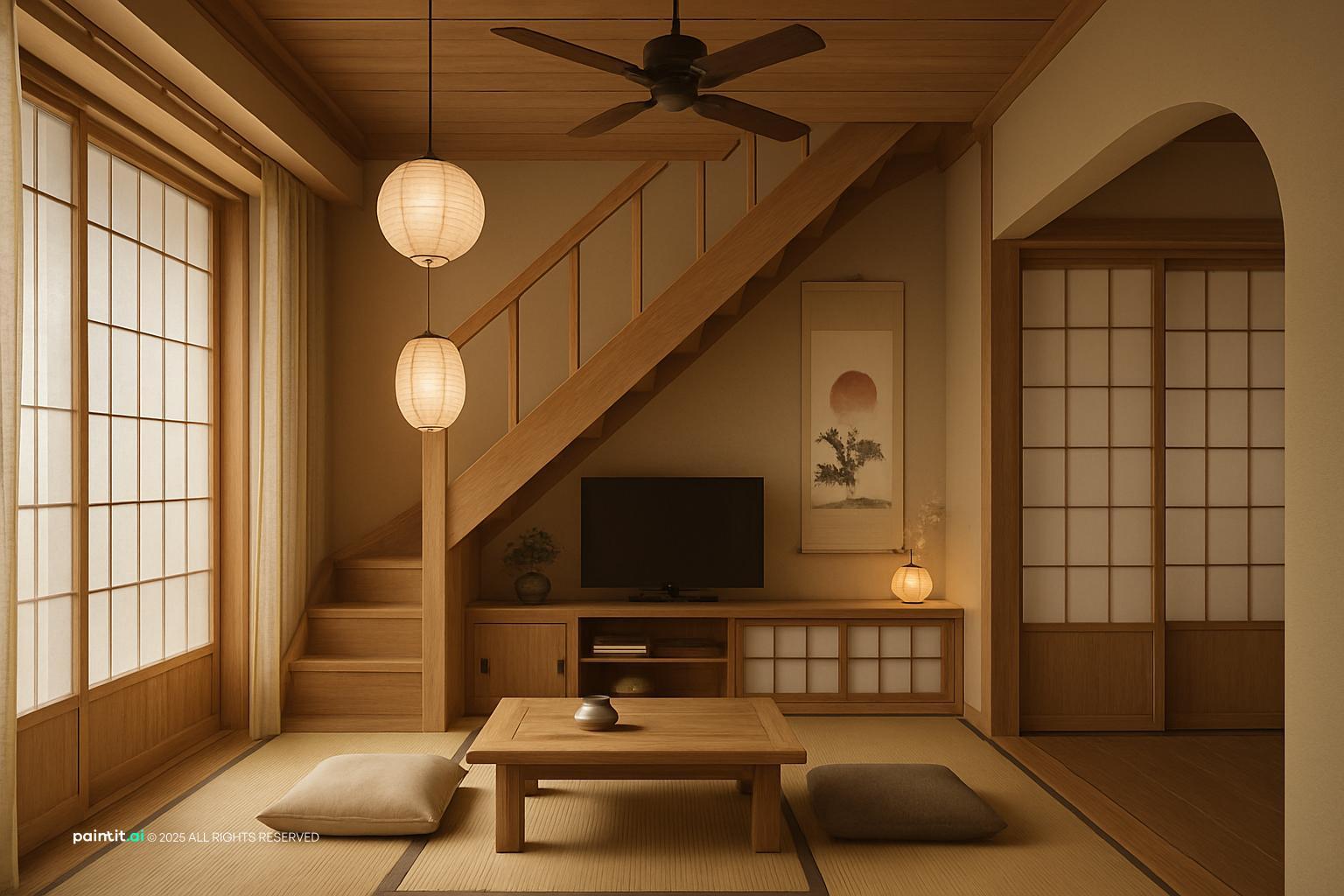
Combine sleek, clean lines with warm wood tones. Think concrete floors softened by a large, natural fiber rug, minimalist furniture in light oak, and expansive windows that frame a garden view. A touch of brushed steel or black metal can add a contemporary edge without feeling cold.
-
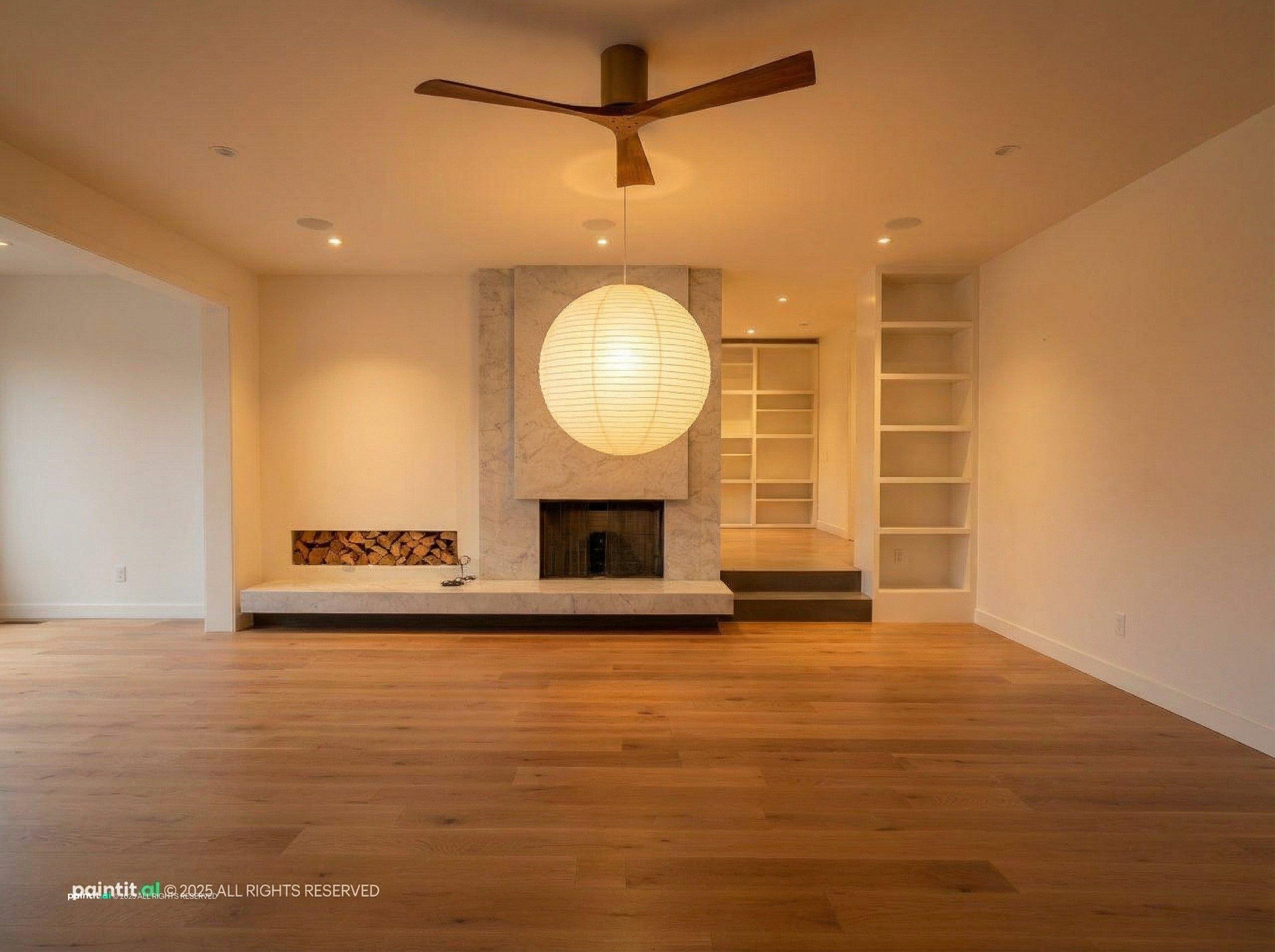
Pro Tip: To achieve this effect, try integrating smart home technology subtly, ensuring it enhances the tranquility rather than detracting from it.
-
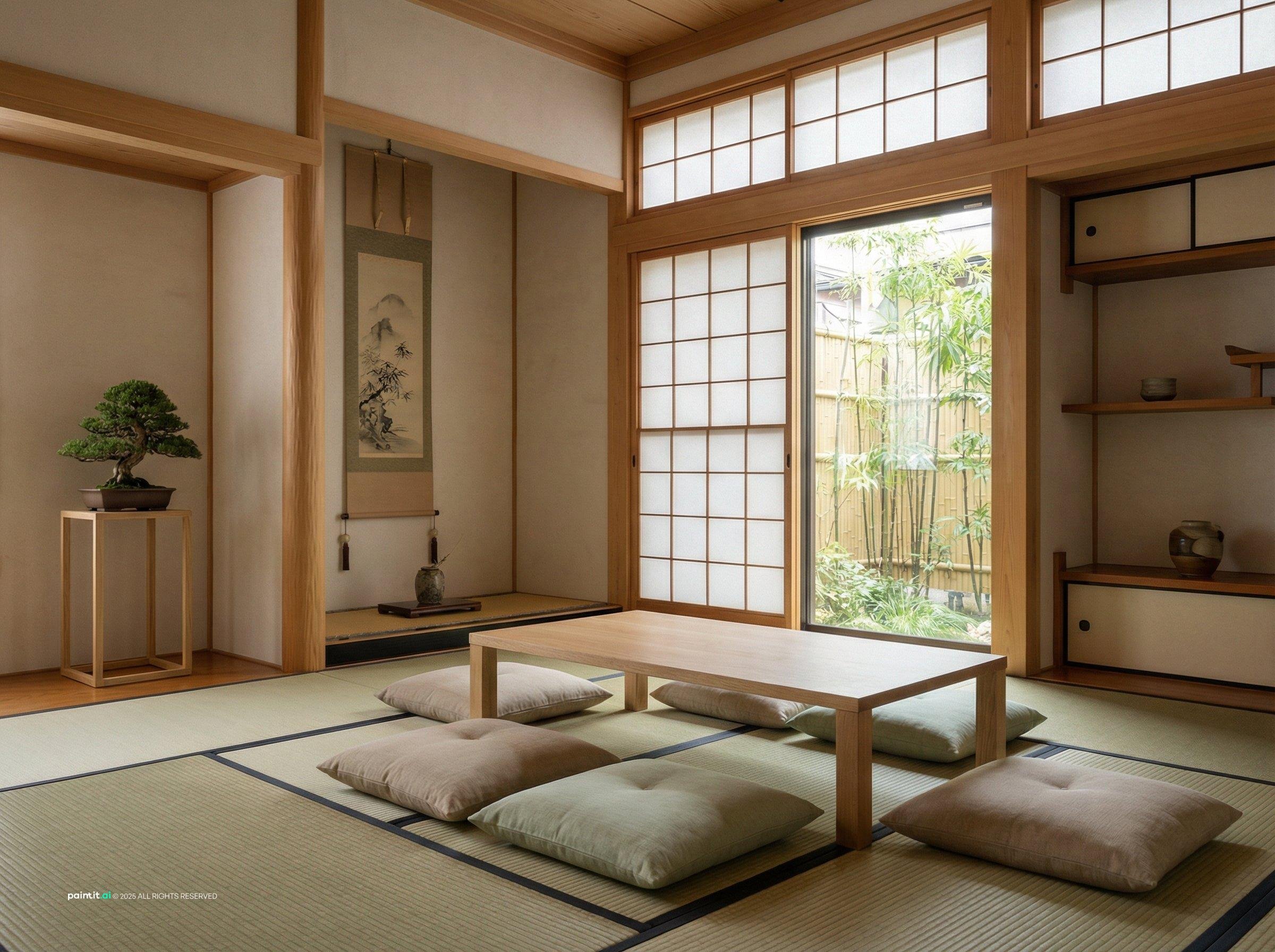
Creating a dedicated space for quiet contemplation, like a tea nook, embodies the spirit of a Japanese decor ideas living room. It’s a small, intentional corner designed for pause, reflection, and simple rituals.
-
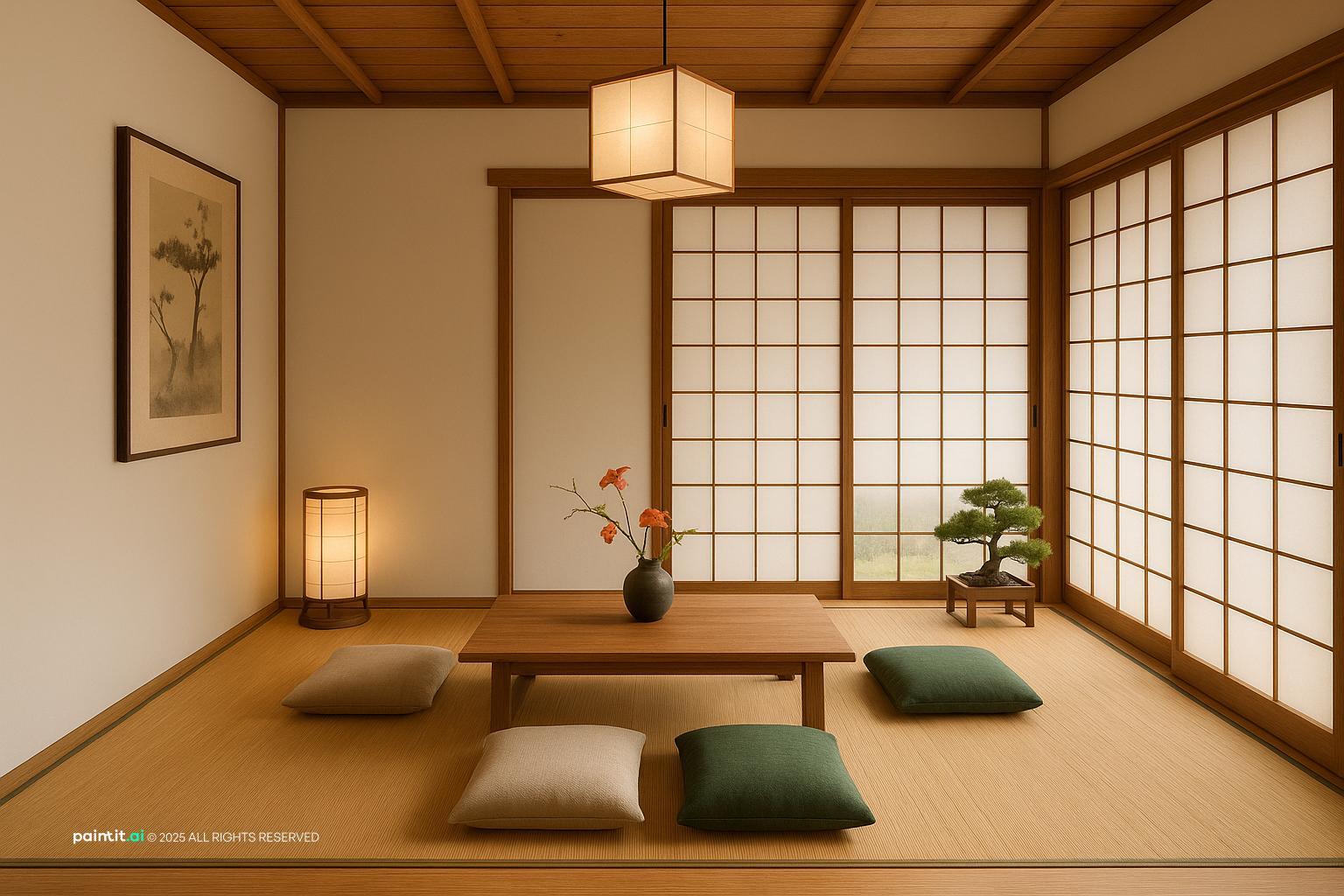
Set aside a corner of your living room with a small, low chabudai table, a single tatami mat, and perhaps a simple ceramic tea set. A single piece of art or a small bonsai can complete the scene. This space isn't about grand gestures; it’s about inviting moments of peace.
-
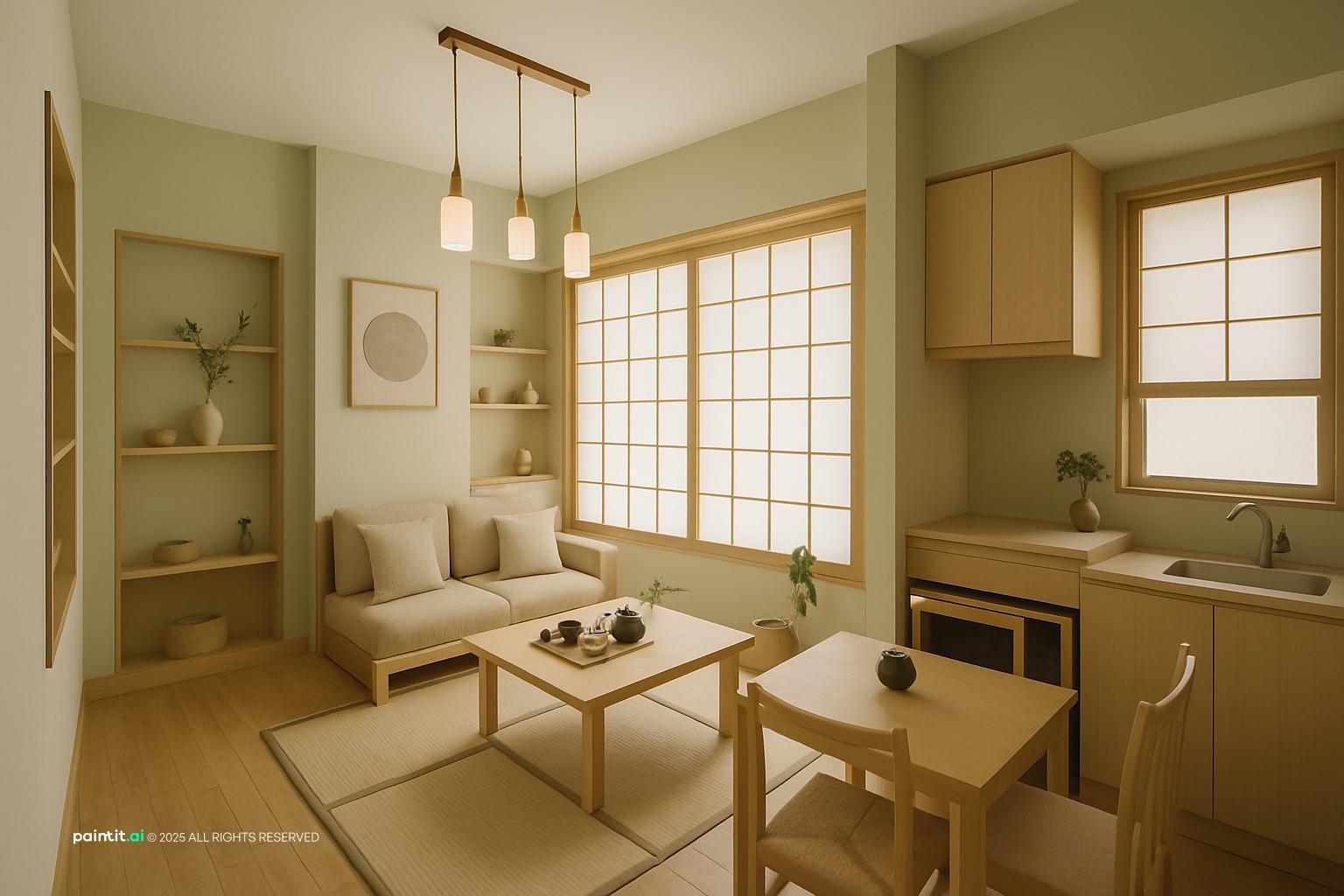
Pro Tip: To achieve this effect, try keeping the tea nook free from distractions, focusing solely on the ritual of tea or quiet reflection.
-
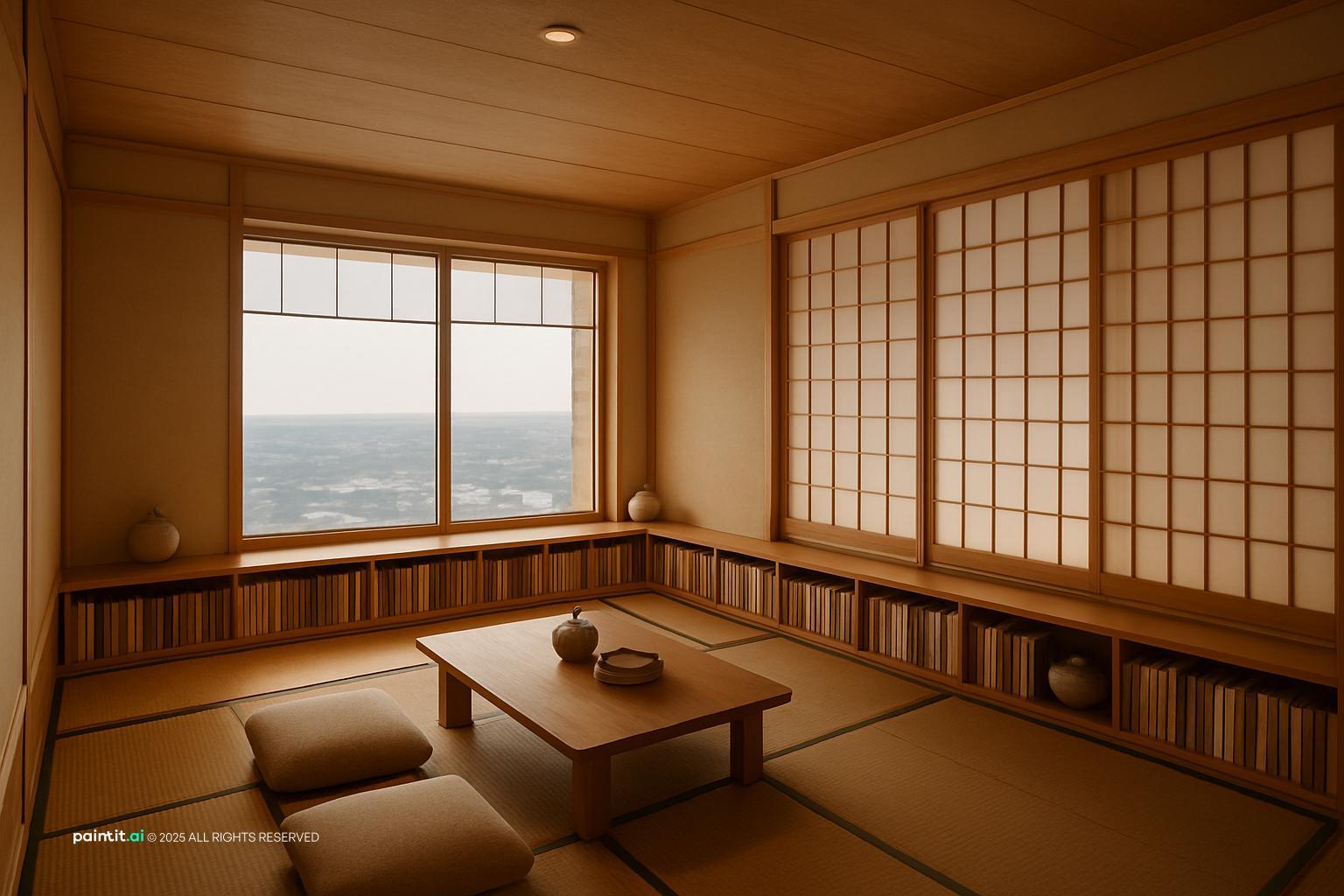
Wood is more than just a material in a Japanese living room; it’s a living element that brings warmth, texture, and a connection to the natural world. The choice of wood, its finish, and how it’s used profoundly impacts the room’s atmosphere.
-
Opt for light, natural woods like hinoki, cedar, or pale oak for flooring, furniture, and wall panels. The key is to let the wood's natural grain and color shine through, avoiding heavy stains or glossy finishes. A matte or oiled finish feels more authentic and inviting.
-
Pro Tip: To achieve this effect, try mixing different wood species with similar undertones to add subtle depth without creating visual chaos.
-
Perhaps the most profound concept in a Japanese inspired living room is ma – the appreciation of empty space. It’s not about what you put in a room, but what you leave out. This "negative space" allows objects to breathe and creates a sense of calm and visual clarity.
-
Resist the urge to fill every corner. Embrace bare walls, leaving ample space around furniture and decorative items. A single, well-chosen piece of art on an otherwise empty wall can have far more impact than a gallery of many. It’s about creating a sense of openness and tranquility.
-
Pro Tip: To achieve this effect, try regularly decluttering and removing anything that doesn't serve a clear purpose or bring you joy.
Cultivating Serenity: The Foundational Elements of a Japanese Living Room to Life with Paintit.ai
-
Stepping into a truly authentic japanese living room feels like a quiet sigh, a gentle release from the everyday hustle. It’s not just about aesthetics; it’s a philosophy, a way of living that prioritizes peace and connection. We’ve learned that achieving this balance in a modern japanese living room means understanding its core DNA, the subtle choices that make all the difference. It’s about creating a space that breathes, where every element serves a purpose without shouting for attention. The truth is, many people miss the nuance, thinking it's just about a few screens and a low table. It's so much more.
-
A japanese living room design embraces a serene color story. Think soft, muted tones: creamy off-whites, warm sandstone beiges, and the subtle, earthy greens of moss or sage. Natural wood tones, often light and untreated, form a vital secondary layer. For a modern japanese style living room, we might introduce a deep charcoal or a soft, faded indigo as a thoughtful accent, never overwhelming the calm.
-
The tactile experience in a japanese inspired living room is paramount. We gravitate towards natural, honest materials. Smooth, pale woods like hinoki or cedar bring warmth and structure. The unique, slightly yielding texture of tatami mats underfoot instantly grounds you, while translucent washi paper diffuses light with an ethereal glow. Soft, raw linens or cottons for cushions complete this sensory tapestry, inviting touch.
-
Defining a japanese style living room are pieces that sit low to the earth, encouraging a relaxed posture. A minimalist, low-profile platform sofa, perhaps in a natural fabric, forms the central anchor. We often pair this with a simple, solid wood chabudai table, perfect for tea or quiet contemplation. And for flexible seating, plush zabuton cushions are essential; they invite you to truly settle in, fostering intimacy.
-
Harsh overhead lighting simply doesn't belong in a japanese design living room. Instead, we layer soft, indirect illumination. Washi paper lanterns cast a warm, ambient glow, mimicking moonlight. Hidden LED strips can wash walls with a gentle light, creating depth without glare. For task lighting, a simple floor lamp with a linen shade provides a focused, yet soft, pool of light, ensuring the atmosphere remains impeccably serene.
-
In a japanese decor ideas living room, every decorative accent is chosen with purpose, never clutter. We apply the 3-5-7 rule with precision: perhaps a single, elegant bonsai on a low pedestal, or a grouping of three hand-thrown ceramic vessels. Maybe five smooth river stones are arranged thoughtfully on a tray, or seven delicate kokedama bring a touch of living art. This thoughtful restraint creates visual breathing room, allowing each piece to truly resonate within the japanese themed living room ideas.
Paintit.ai: Effortlessly Visualizing Your Japanese Living Room Design Design Ideas
Achieving the serene balance in a japanese living room often feels like a delicate dance between minimalism and functionality. It's tricky to get those low-profile pieces and spatial arrangements just right without seeing them in your own space, isn't it? Paintit.ai lets you instantly visualize endless japanese living room ideas. Experiment with layouts and textures, avoiding costly design missteps before you even begin.
FAQ
-
At its heart, a traditional japanese living room is a sanctuary, a space designed for tranquility and connection with nature. We see it as an exercise in intentional living. Think minimalism, but not starkness; it’s about carefully chosen elements that serve a purpose and evoke a sense of calm. The core of any authentic japanese living room design often revolves around natural materials—light woods, bamboo, rice paper shoji screens, and tatami mats. It’s a design philosophy that prioritizes open space, natural light, and a seamless flow between indoors and out. The truth is, it’s less about filling a room and more about curating an experience.
-
Creating a modern japanese living room means blending timeless principles with contemporary comfort. We’ve found the trick lies in simplification and thoughtful integration. Imagine clean lines, a muted color palette—think soft grays, whites, and natural wood tones—paired with low-profile furniture. A modern japanese style living room might incorporate sleek, minimalist sofas instead of traditional floor seating, but still maintain that uncluttered, airy feel. It’s about taking the essence of a japanese style living room and translating it into a functional, sophisticated space for today. We often suggest integrating smart storage solutions to keep clutter out of sight; that’s paramount for any living room modern japanese interior design.
-
For compact living, japanese living room ideas are incredibly adaptable. The inherent focus on efficiency and multi-functionality makes this style perfect for urban dwellings. We’ve seen this work best by embracing low-slung furniture—think platform sofas or floor cushions—which visually expands the room. Vertical space becomes your friend; consider wall-mounted shelving or built-in storage that disappears into the architecture. For japanese style decoration living room, less is always more. A single, striking piece of art or a carefully placed bonsai can make a powerful statement without overwhelming the area. It’s about creating breathing room, even when square footage is tight.
-
When curating a japanese inspired living room, focus on pieces that are both beautiful and functional, echoing the style's inherent pragmatism. Low-slung sofas, floor cushions, and minimalist coffee tables are excellent starting points. Materials matter: look for light-colored woods like maple or ash, natural fibers for textiles—linen, cotton, hemp. For japanese decor ideas living room, think subtle elegance. Ceramic vases with a single branch, carefully chosen artisanal pottery, or a simple scroll painting can add depth. Avoid anything overly ornate. The goal for a japanese themed living room ideas is to create a serene backdrop, not a cluttered display. It’s about quiet contemplation, not shouting for attention.
-
This is where the nuance truly comes in. To craft a japanese style living room interior design that feels authentic, you need to go beyond surface-level aesthetics. It’s not just about adding a shoji screen; it’s about understanding the principles behind it. We always advise focusing on balance, harmony, and a deep respect for natural elements. For a truly cohesive japanese design living room, consider the flow of light, the arrangement of furniture to encourage conversation and calm, and the deliberate absence of excess. It sounds simple, but most people forget the power of empty space. Authenticity comes from intention, from creating a space that feels calm and restorative, not just a collection of "Japanese-looking" items. It's about feeling, not just seeing.