
Japandi Living Room Design: - Blending Serenity and Simplicity
Ever walked into a room and felt an instant sense of calm, a quiet elegance that just works? Achieving that perfect balance can be tricky, especially when you're aiming for a cohesive japandi living room design that feels both minimal and inviting. How do you weave together the cozy warmth of Scandinavian hygge with the refined simplicity of Japanese wabi-sabi without losing either?
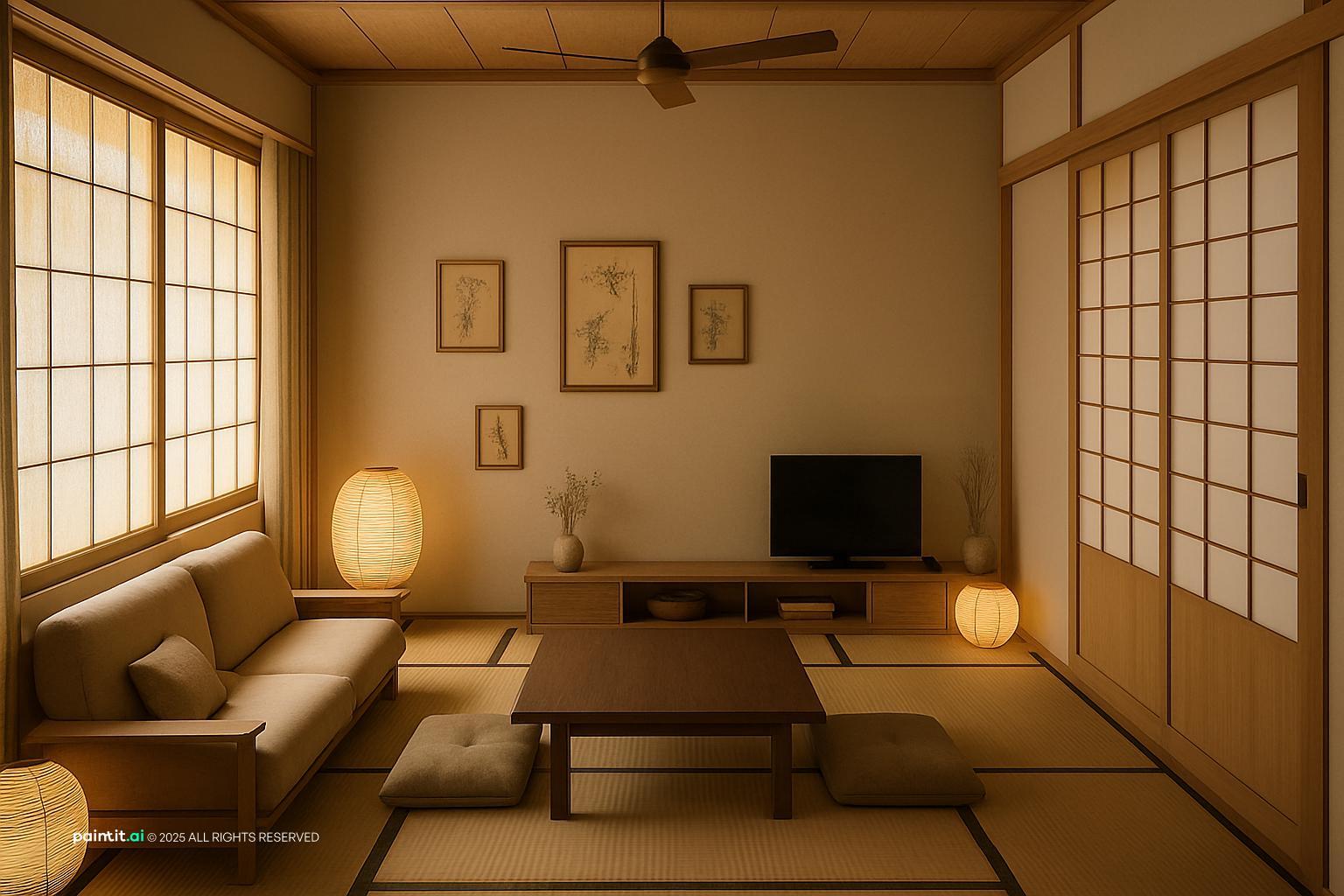
Essential Tips for Japandi Living Room Design
Stunning Examples of 12 Japandi Living Room Design Concepts for a Calming Home
-
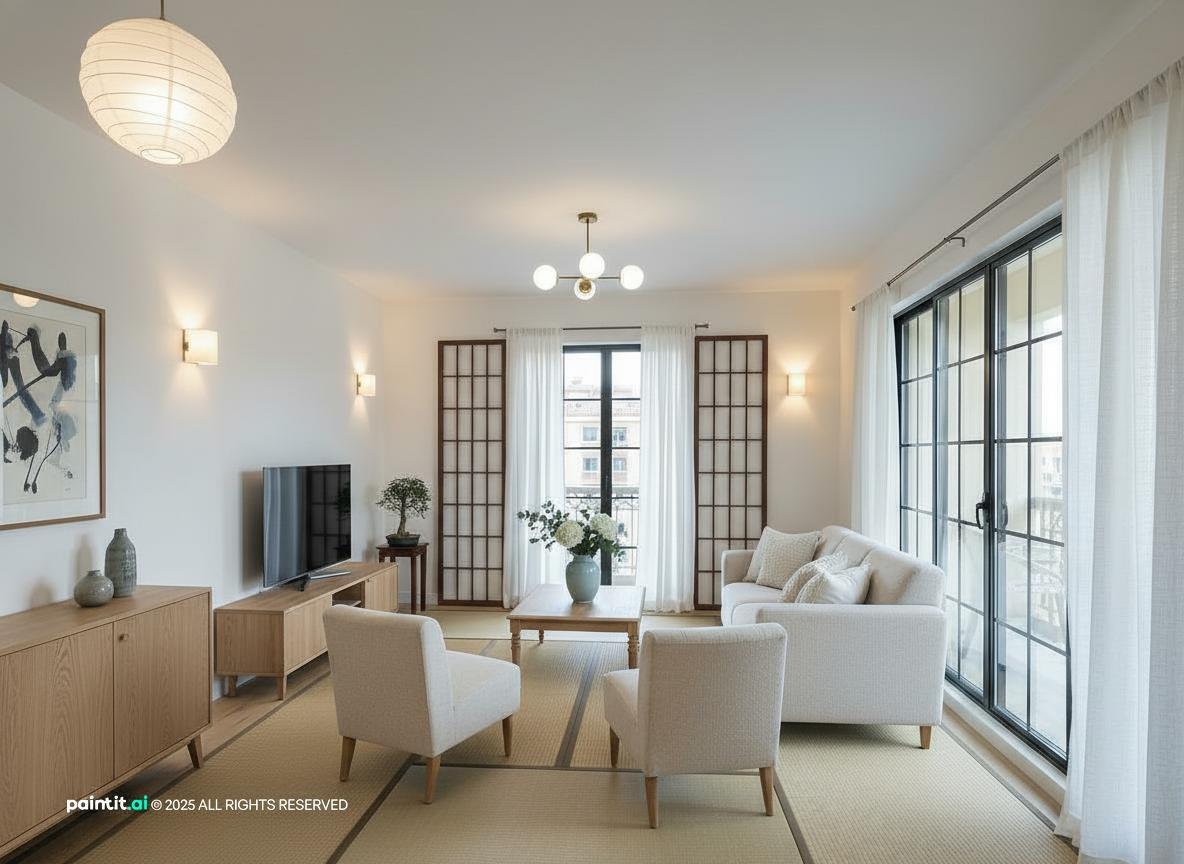
Crafting a living room that feels both utterly serene and genuinely lived-in? It's a delicate dance, isn't it? We've curated these ideas to strike that perfect balance, ensuring each concept marries the refined simplicity of Japanese aesthetics with the cozy warmth of Scandinavian design. These aren't just pretty pictures; they're practical blueprints for a truly harmonious space.
-
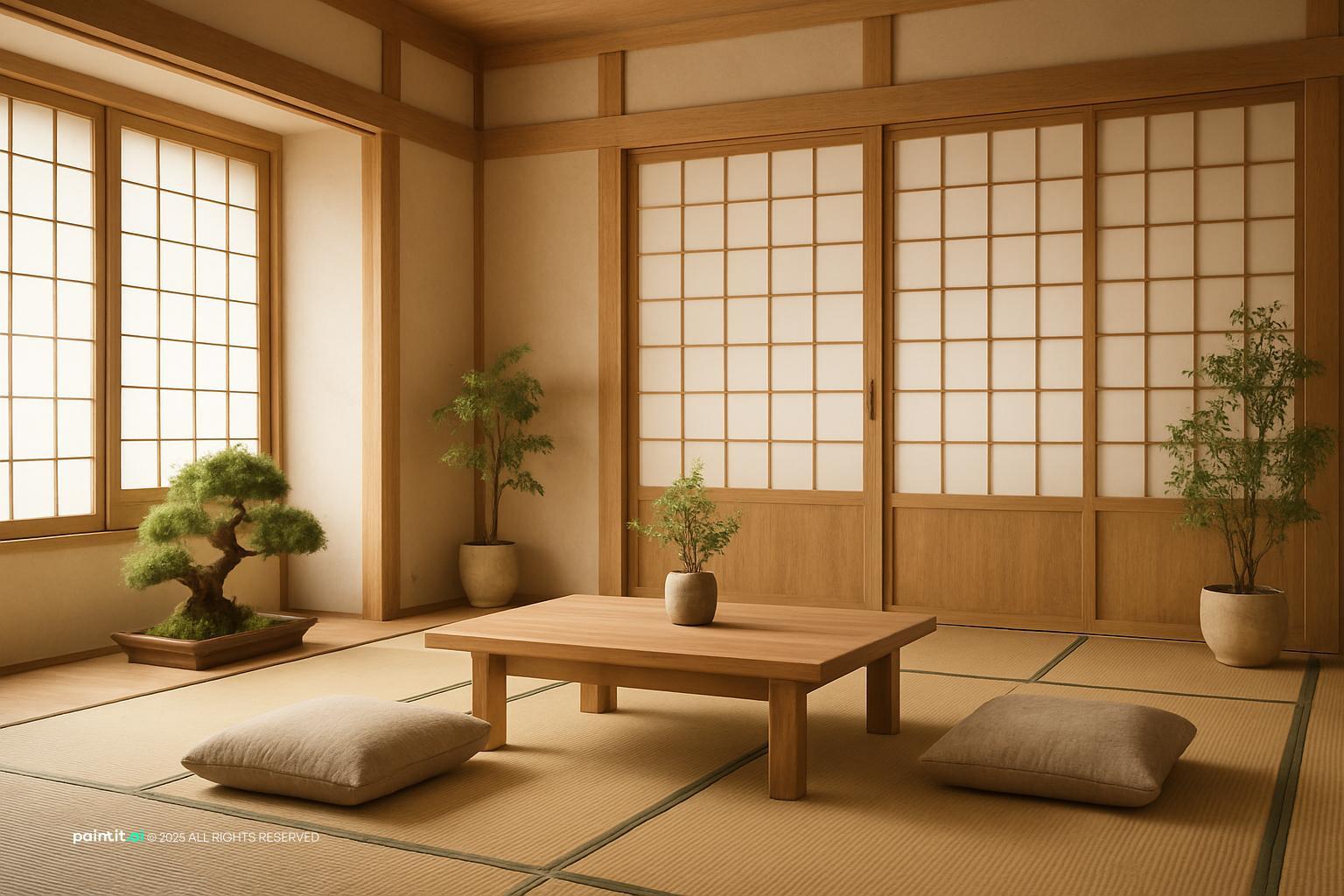
This approach centers on a single, soft color family, building depth through varied textures rather than stark contrasts. It creates an enveloping sense of calm, a quiet backdrop for daily life. We've seen this work best in spaces where visual clutter needs to be minimized, allowing the eye to rest.
-
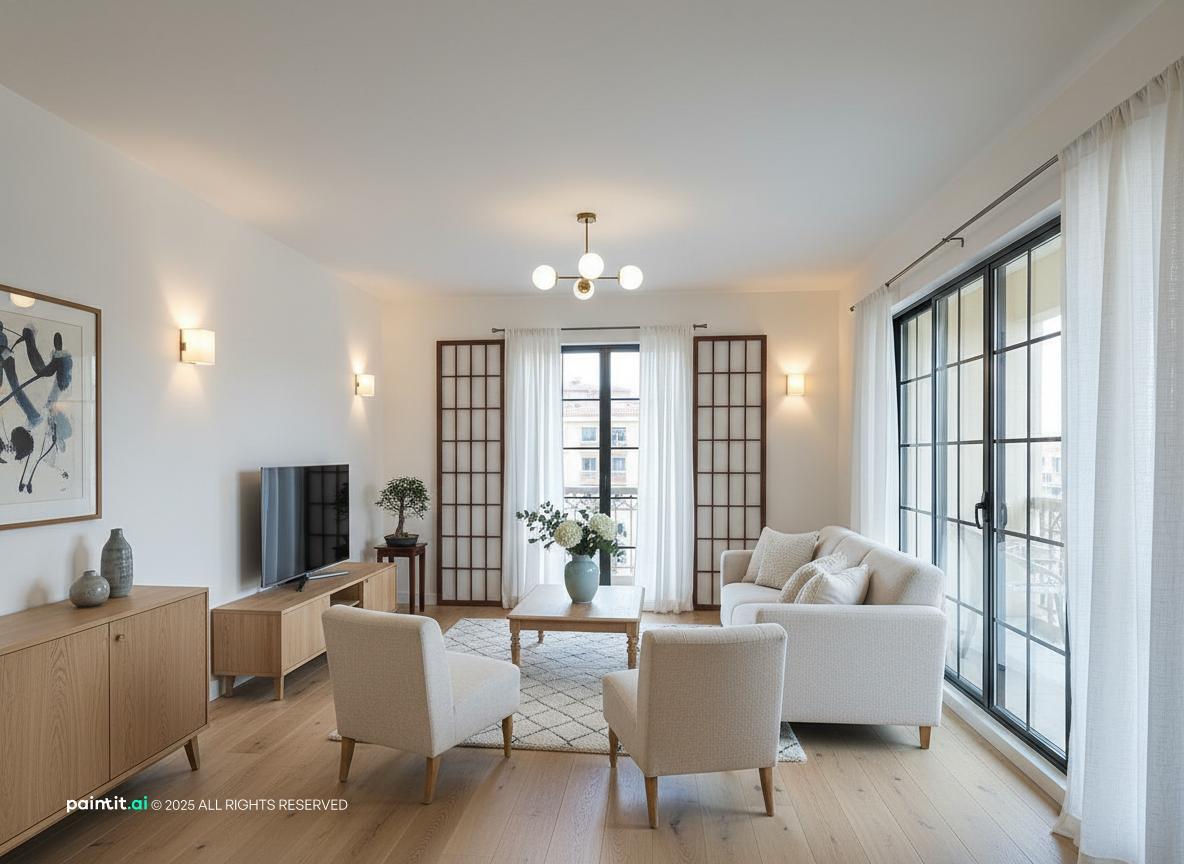
Think layers of undyed linen, brushed wool throws, and subtly ribbed ceramics. Incorporate light ash wood furniture with clean lines and perhaps a single, sculptural paper lantern. The key is subtlety, letting natural light play across the surfaces.
-
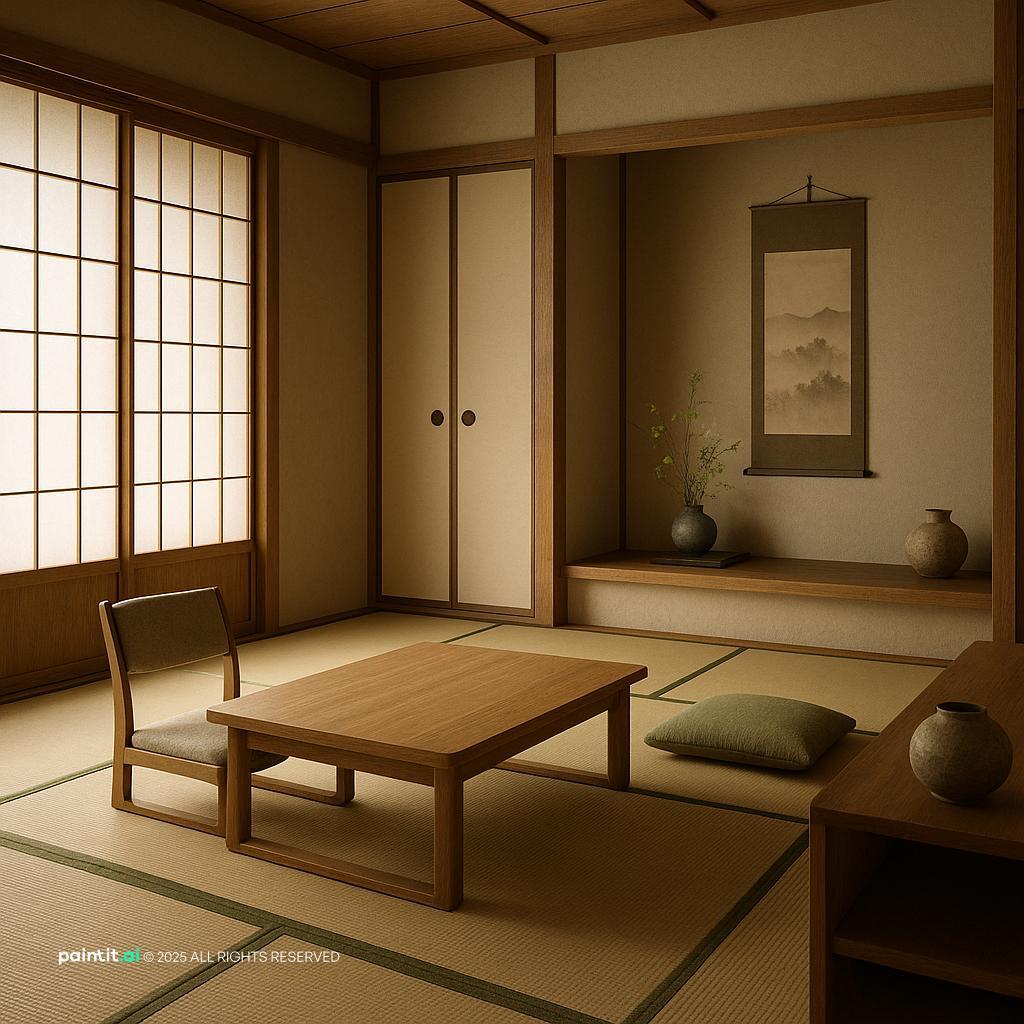
Pro Tip: To achieve this effect, try painting walls in a very pale greige and then introducing off-white and cream textiles.
-
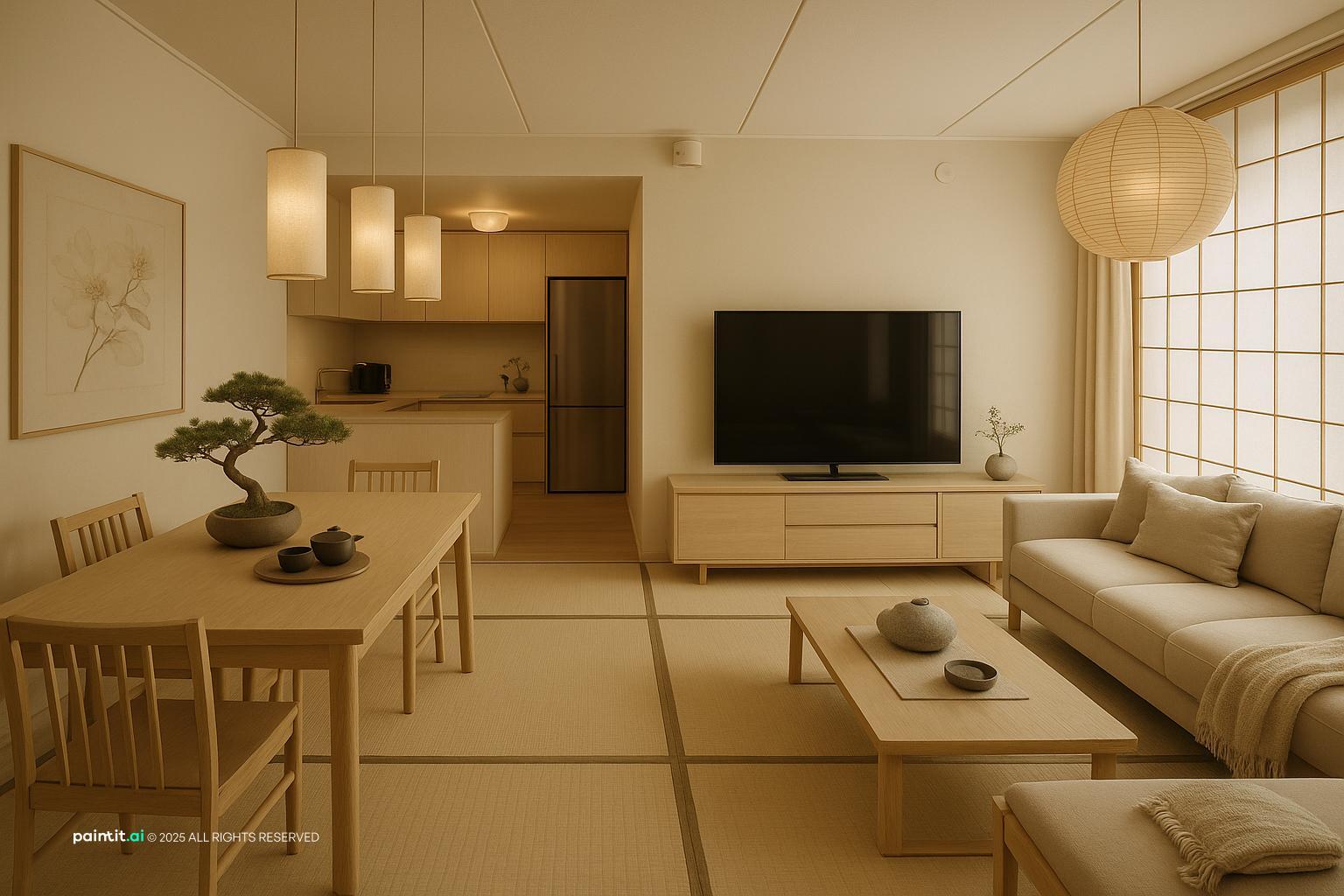
Here, we celebrate the beauty of imperfection and the tactile richness of raw materials. It's about letting materials speak for themselves, embracing their natural character and slight irregularities. This concept grounds a space, making it feel authentic and lived-in, not sterile.
-
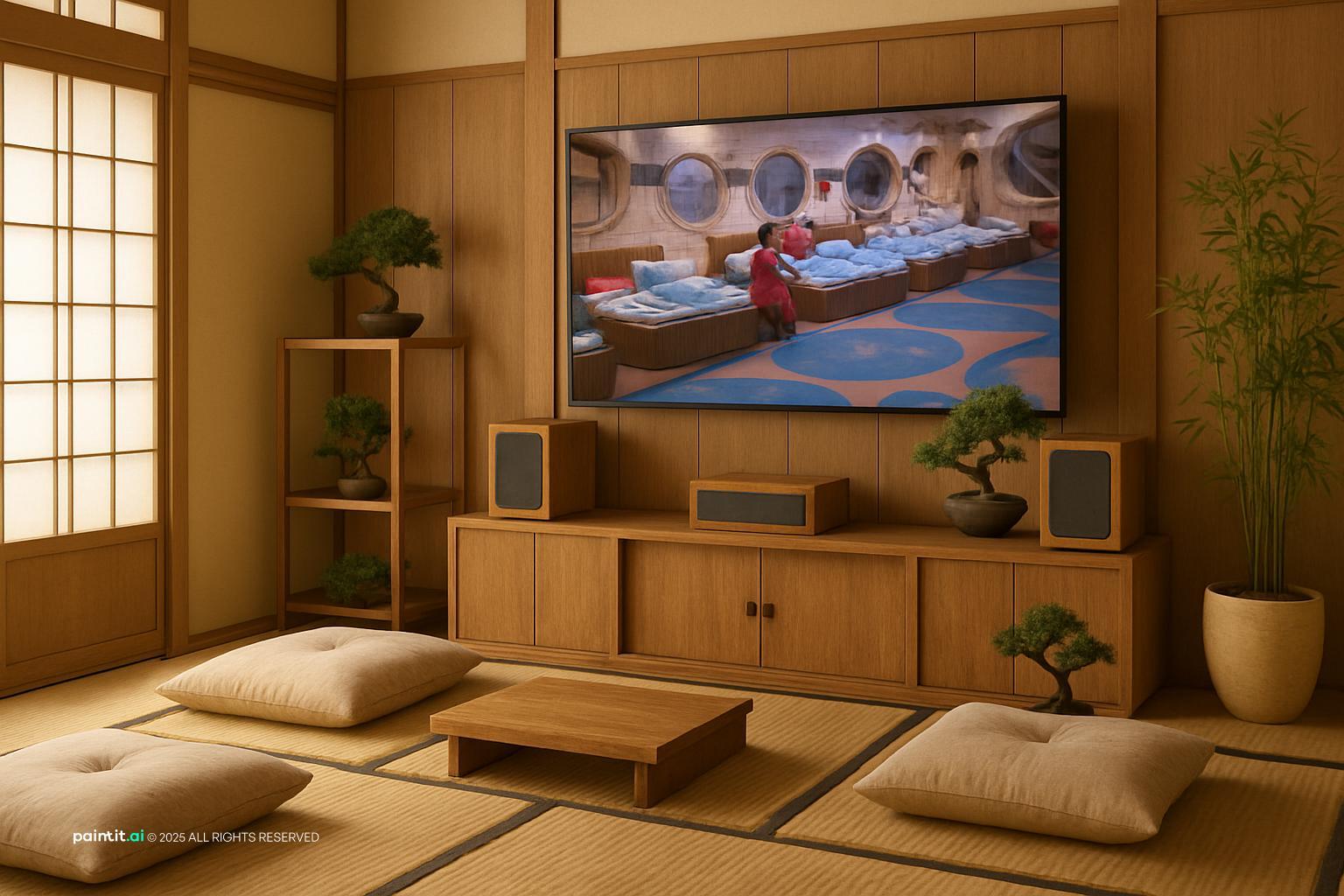
Consider a low-slung sofa upholstered in a coarse, natural linen, paired with a coffee table made from a single slab of unfinished elm. Hand-thrown pottery, a woven jute rug, and perhaps a wall with a subtle limewash finish complete the picture. It's about feeling, not just seeing.
-
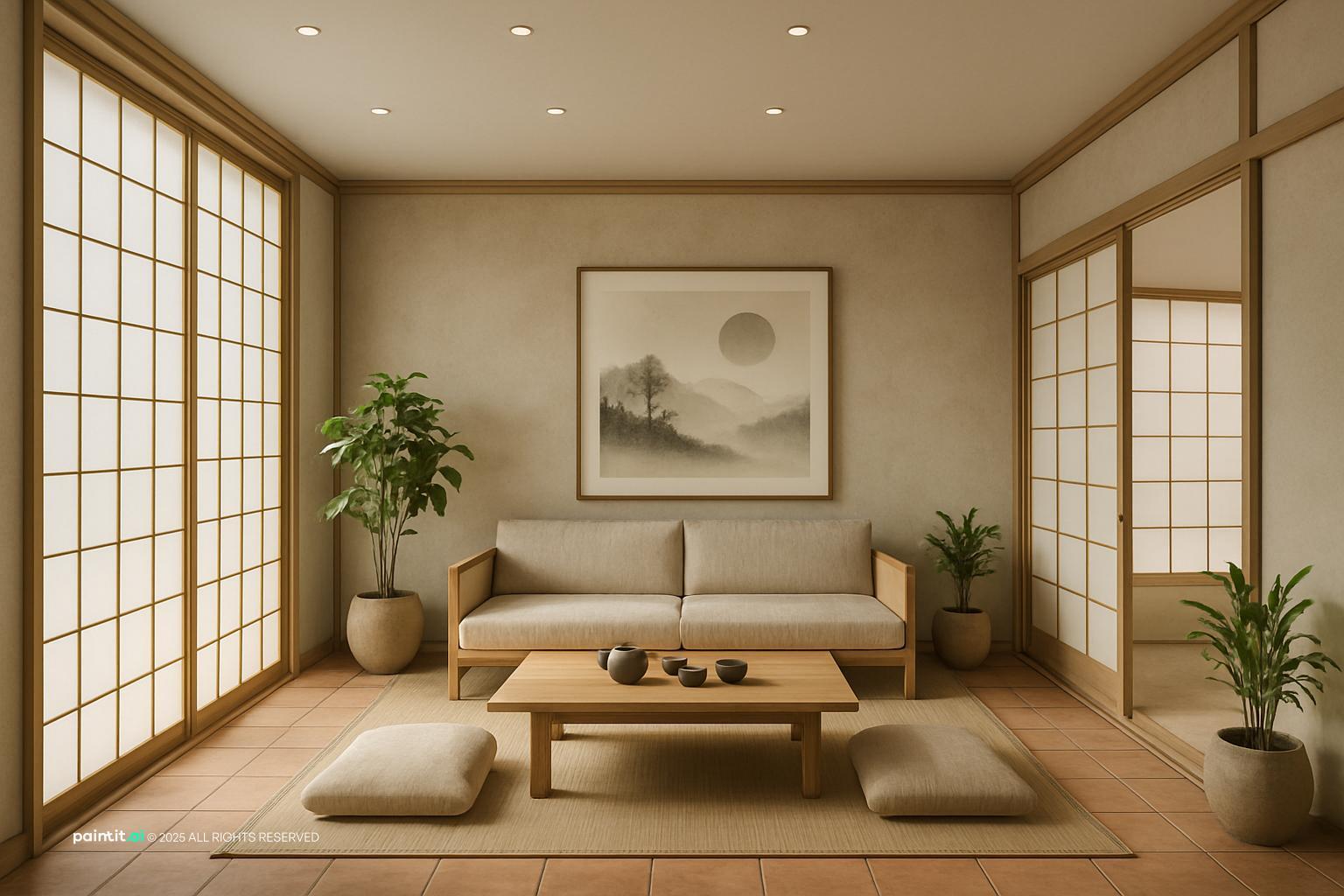
Pro Tip: To achieve this effect, look for furniture with visible wood grain and ceramics with a slightly irregular, handmade feel.
-
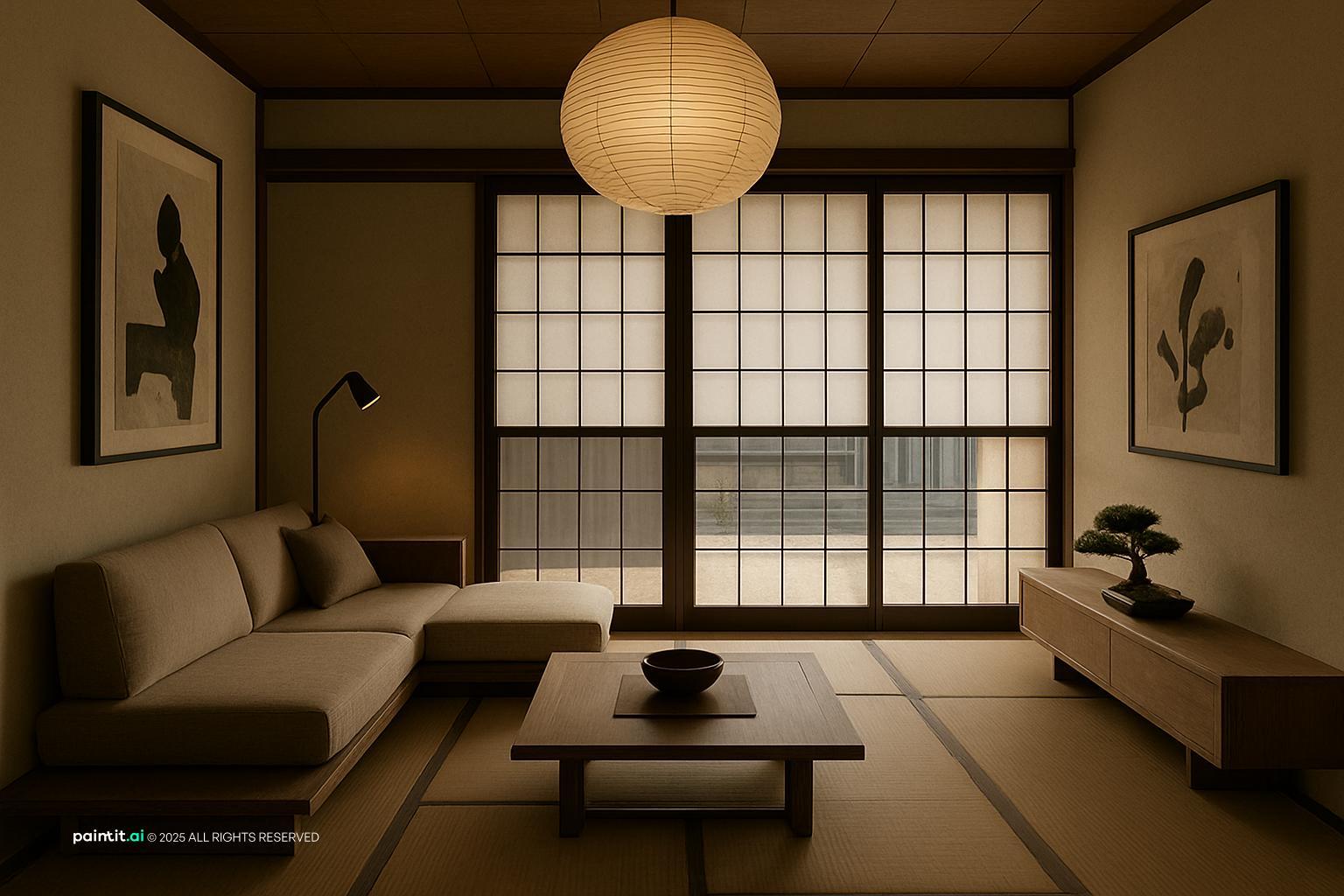
This design prioritizes clear sightlines and ample negative space, fostering a sense of flow and spaciousness. It’s about creating breathing room, allowing the eye to move effortlessly through the living room japandi interior design. The truth is, an uncluttered space often translates to an uncluttered mind.
-
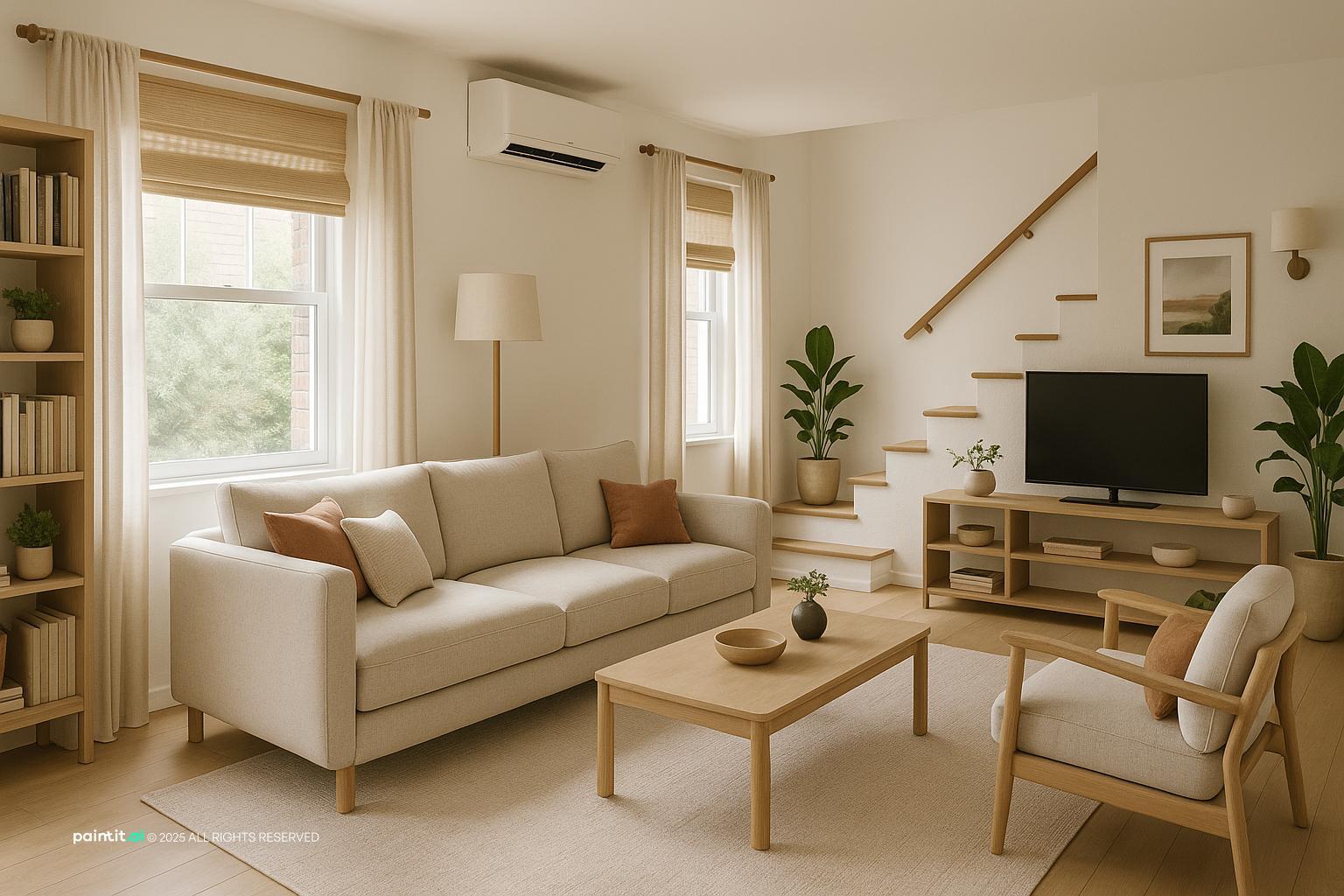
Opt for low-profile furniture—a platform sofa, perhaps some floor cushions, and a minimalist console. Keep decor sparse and intentional. A single, well-placed indoor plant or a piece of abstract art can anchor the space without overwhelming it. Consider sliding shoji-style screens for adaptable privacy.
-
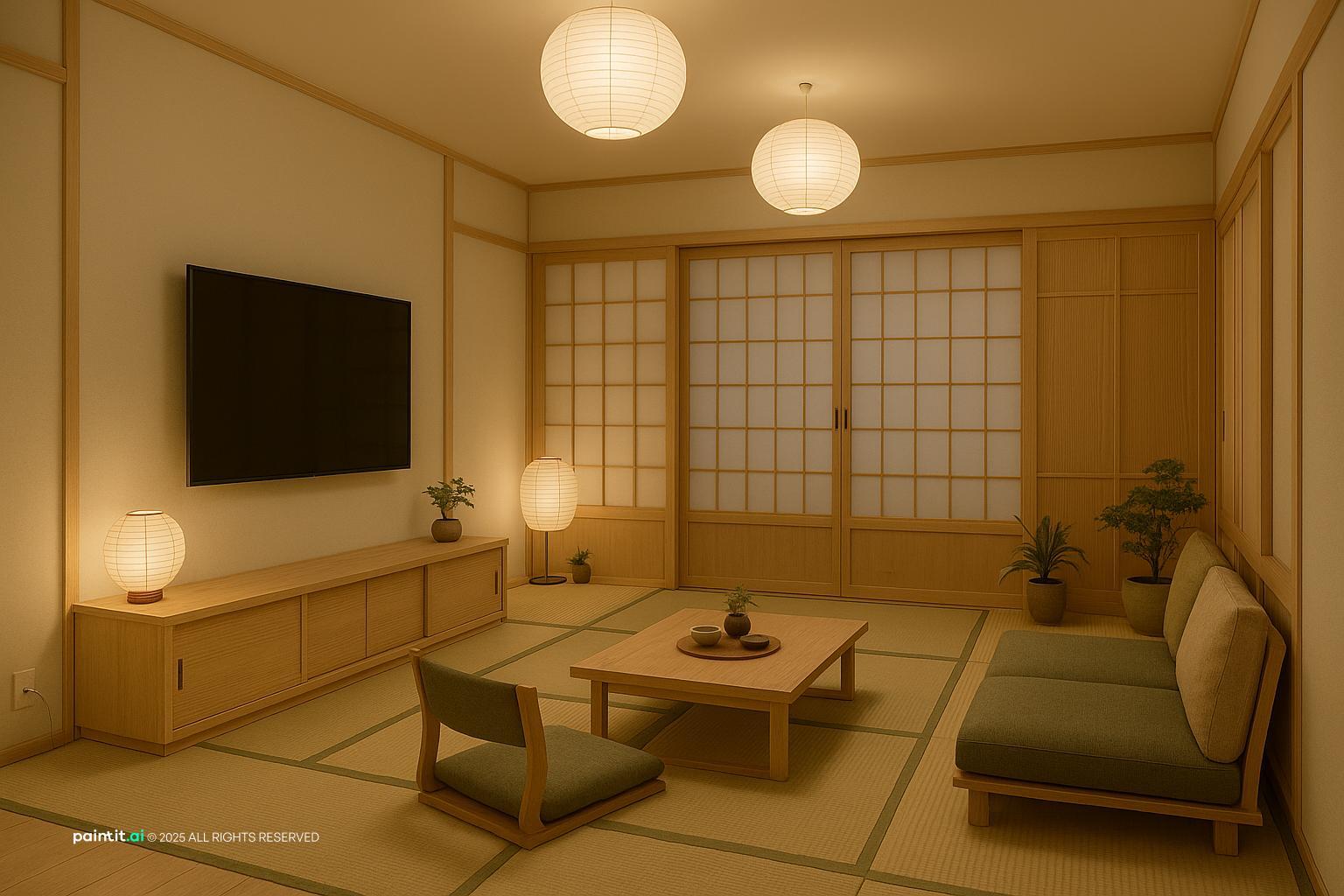
Pro Tip: To achieve this effect, ensure all furniture pieces are visually light and keep pathways clear and unobstructed.
-
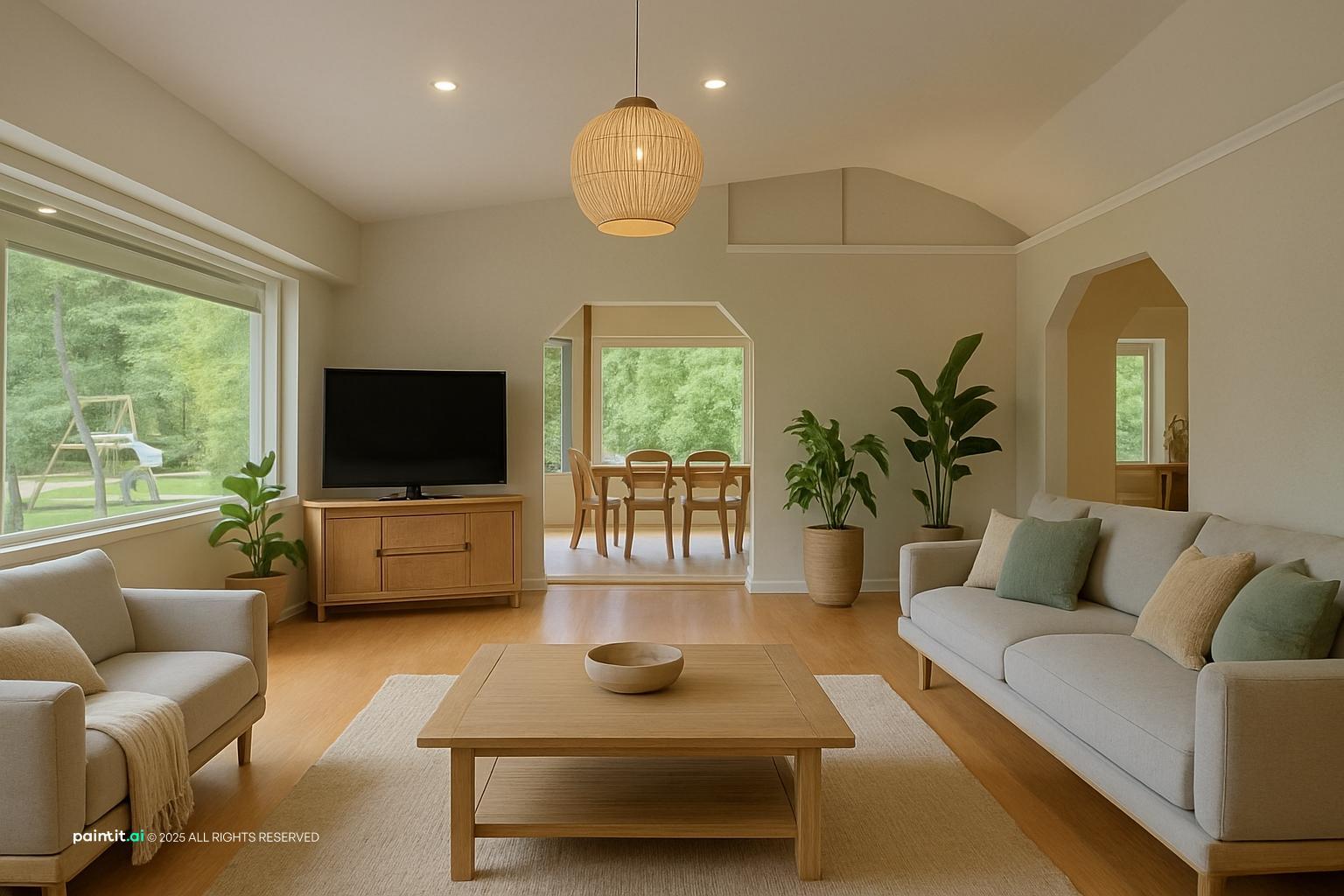
Bringing the outside in is central to this japandi living room design. It’s about integrating natural elements—plants, natural light, and organic forms—to create a calming, restorative environment. We find that a connection to nature always enhances well-being.
-
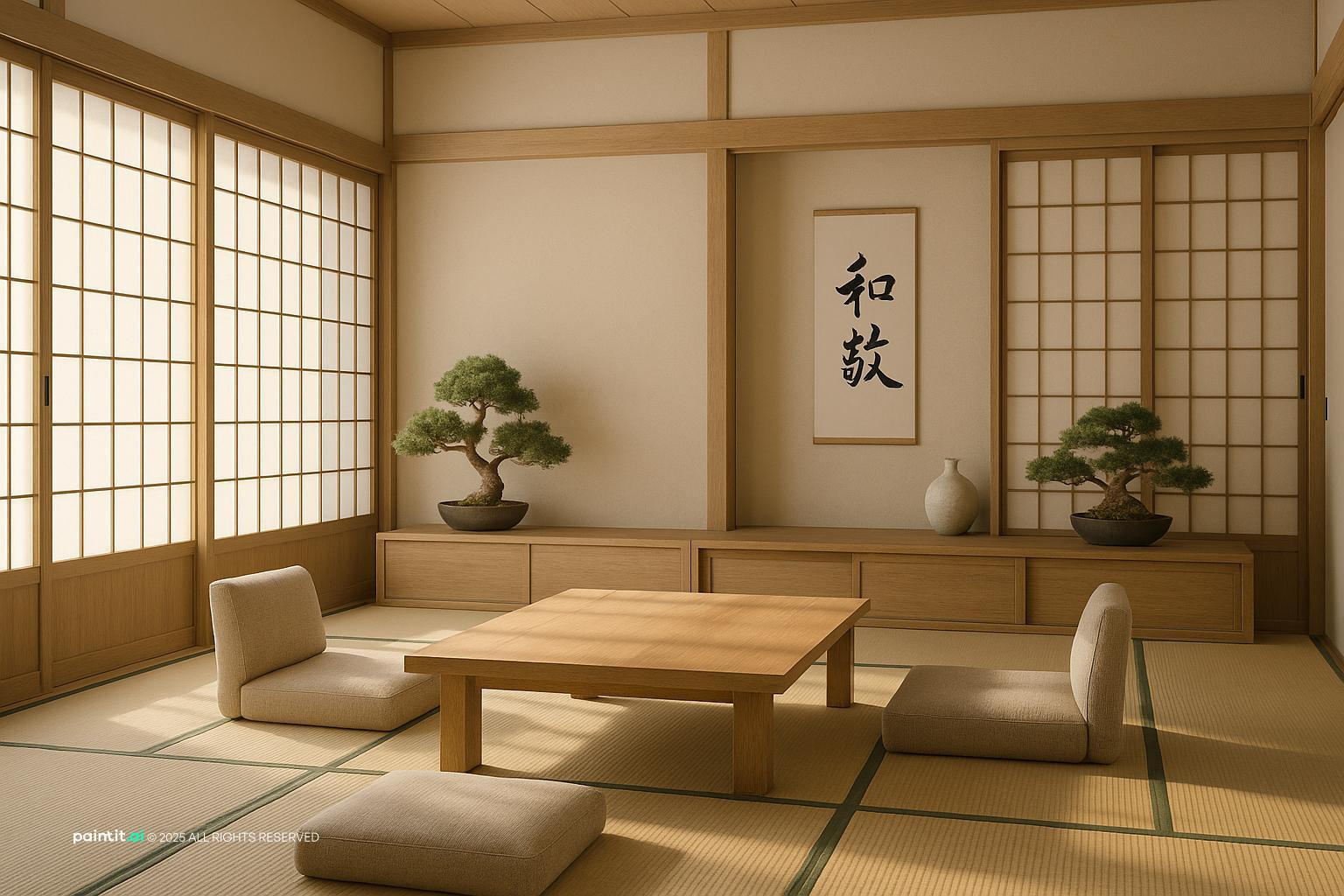
Place a large, sculptural Fiddle Leaf Fig or a delicate bamboo plant in a handmade ceramic pot. Maximize natural light with sheer linen curtains or no window treatments at all. Incorporate elements like river stones in a decorative bowl or a small, subtle water feature. Materials like honed travertine or light oak flooring reinforce this connection.
-
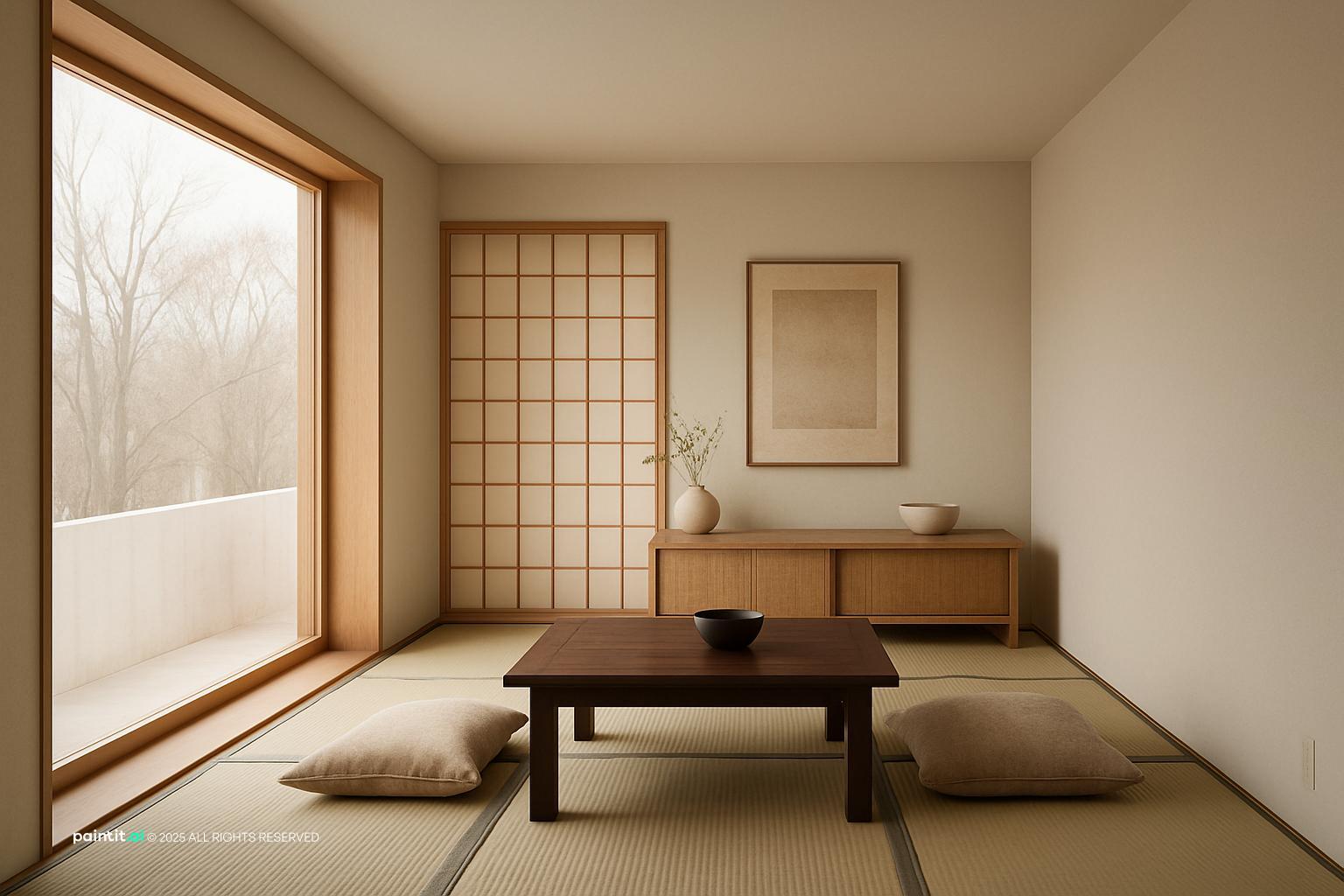
Pro Tip: To achieve this effect, choose plants with interesting leaf shapes and vary their heights to create visual interest.
-
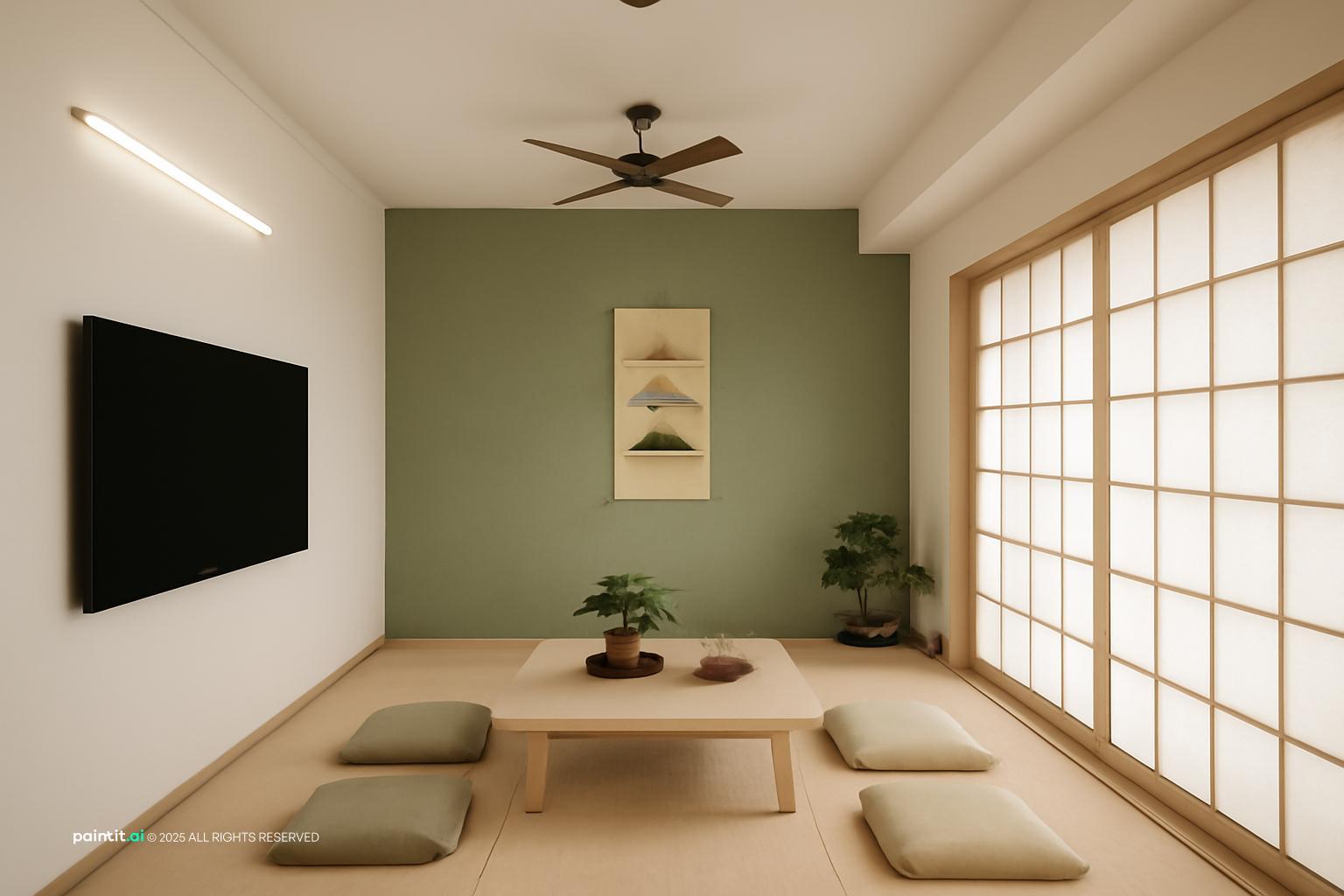
Lighting isn't just functional; it's an art form in a japandi living room. This concept focuses on creating mood and highlighting architectural features through diffused, warm light. Harsh overhead lighting can ruin the entire vibe, we’ve learned.
-
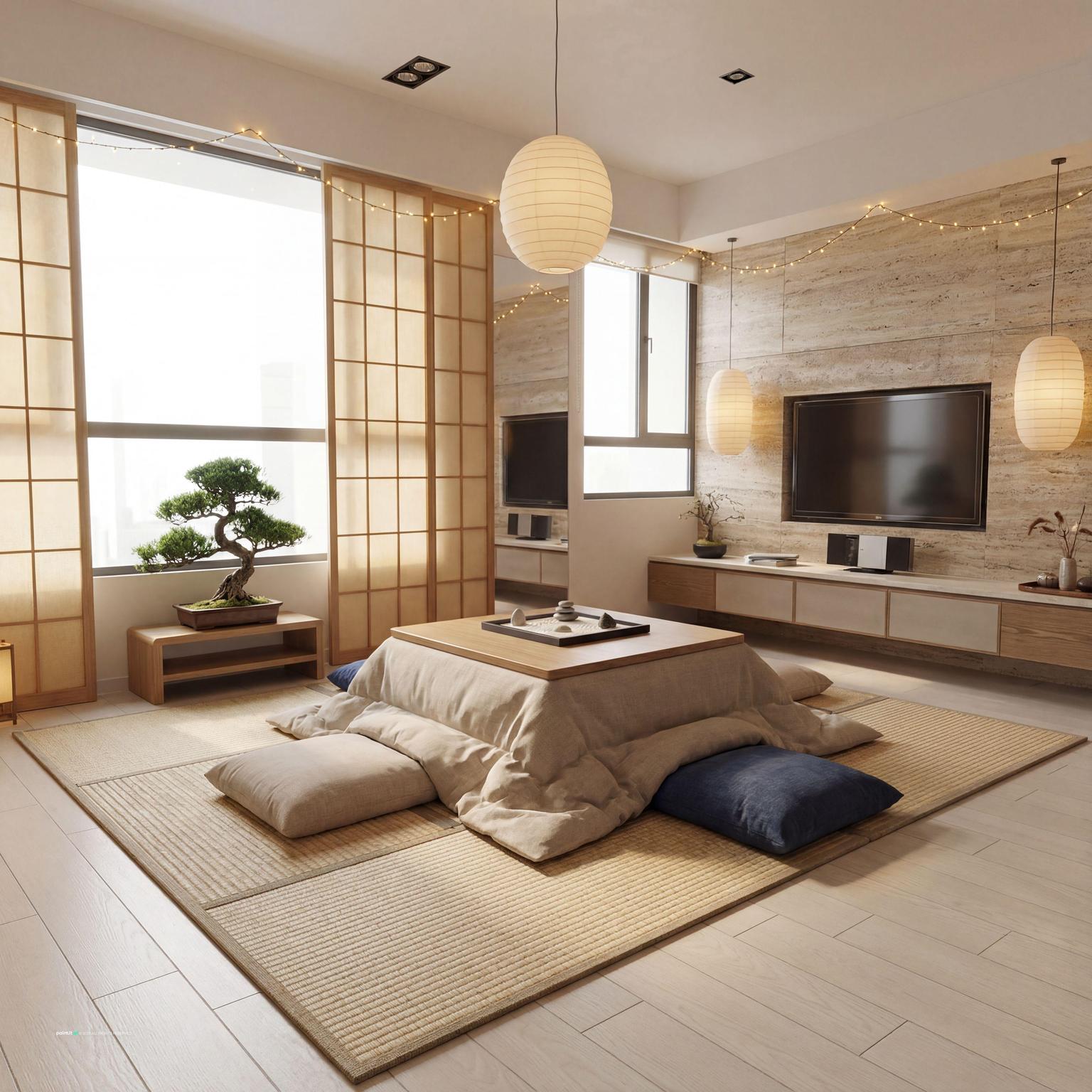
Layer your lighting with a mix of floor lamps featuring rice paper shades, subtle wall sconces, and perhaps a sculptural pendant light over a coffee table. Use warm-toned bulbs (2700K) to cast a soft glow. Indirect lighting, bouncing off walls or ceilings, can make a space feel larger and more inviting.
-
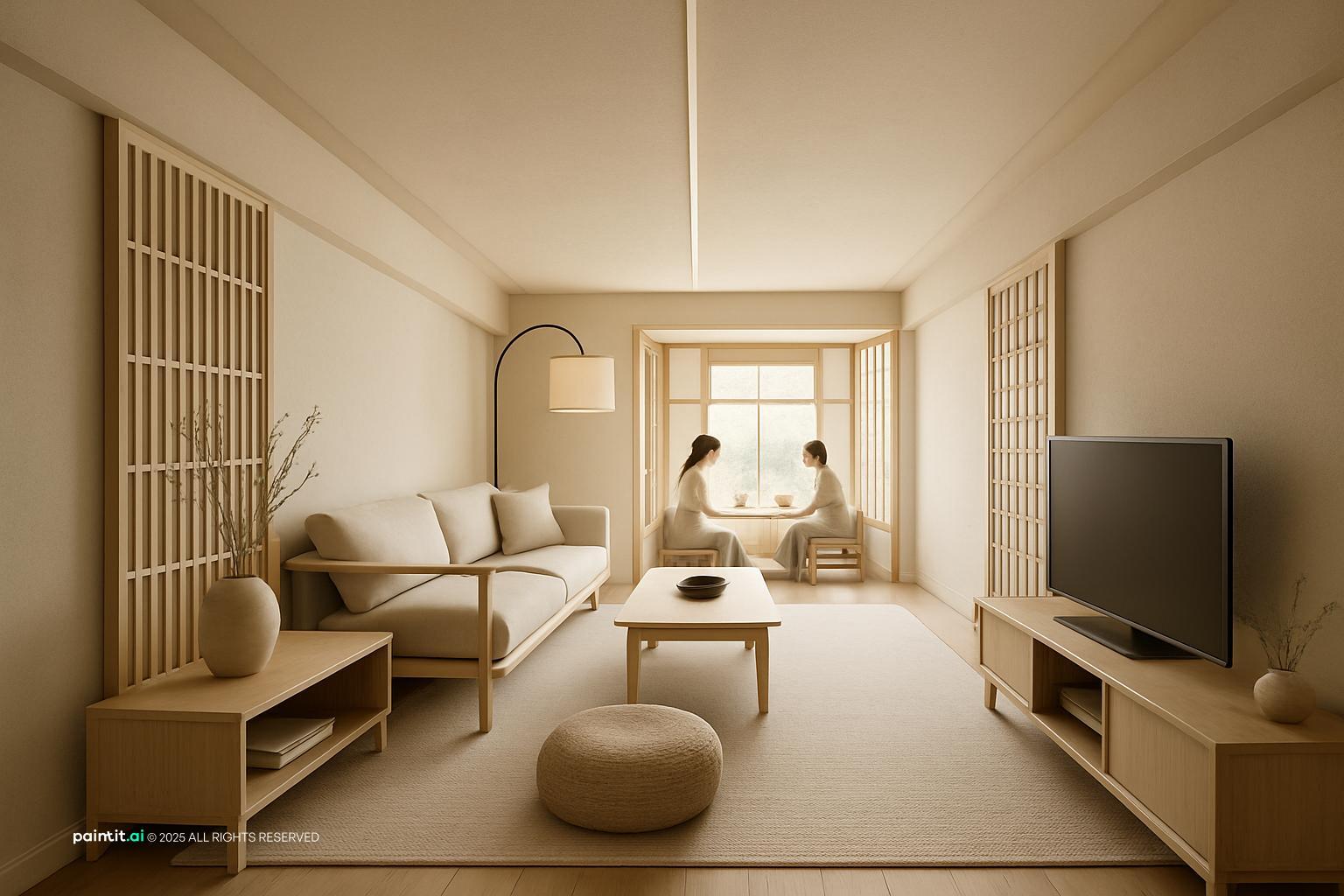
Pro Tip: To achieve this effect, use dimmers on all light sources to control the ambiance throughout the day.
-
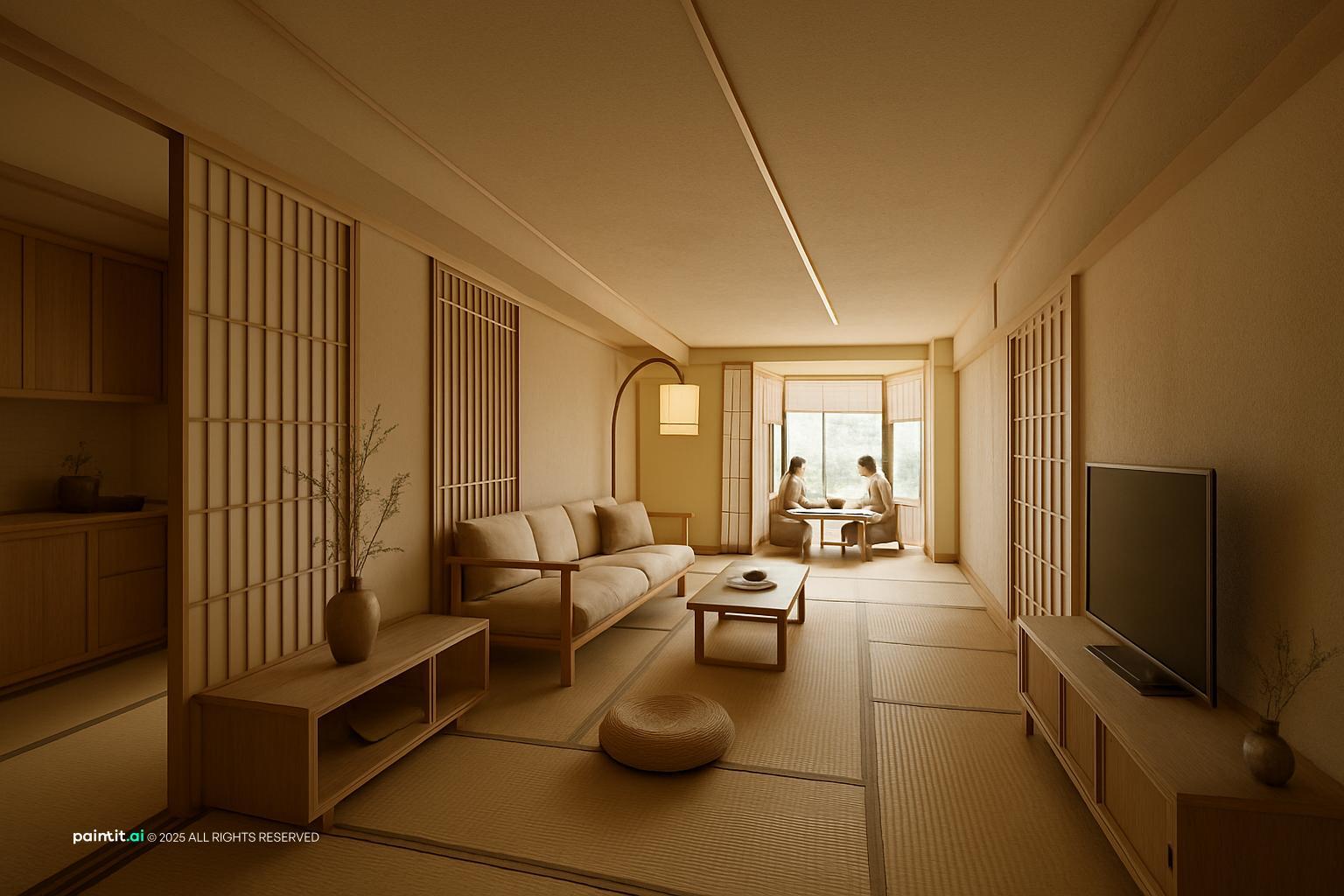
This idea emphasizes the beauty of artisanal pieces and handmade objects, bringing a sense of history and human touch to your cozy japandi living room. It’s about appreciating the skill and story behind each item, making a space feel truly personal.
-
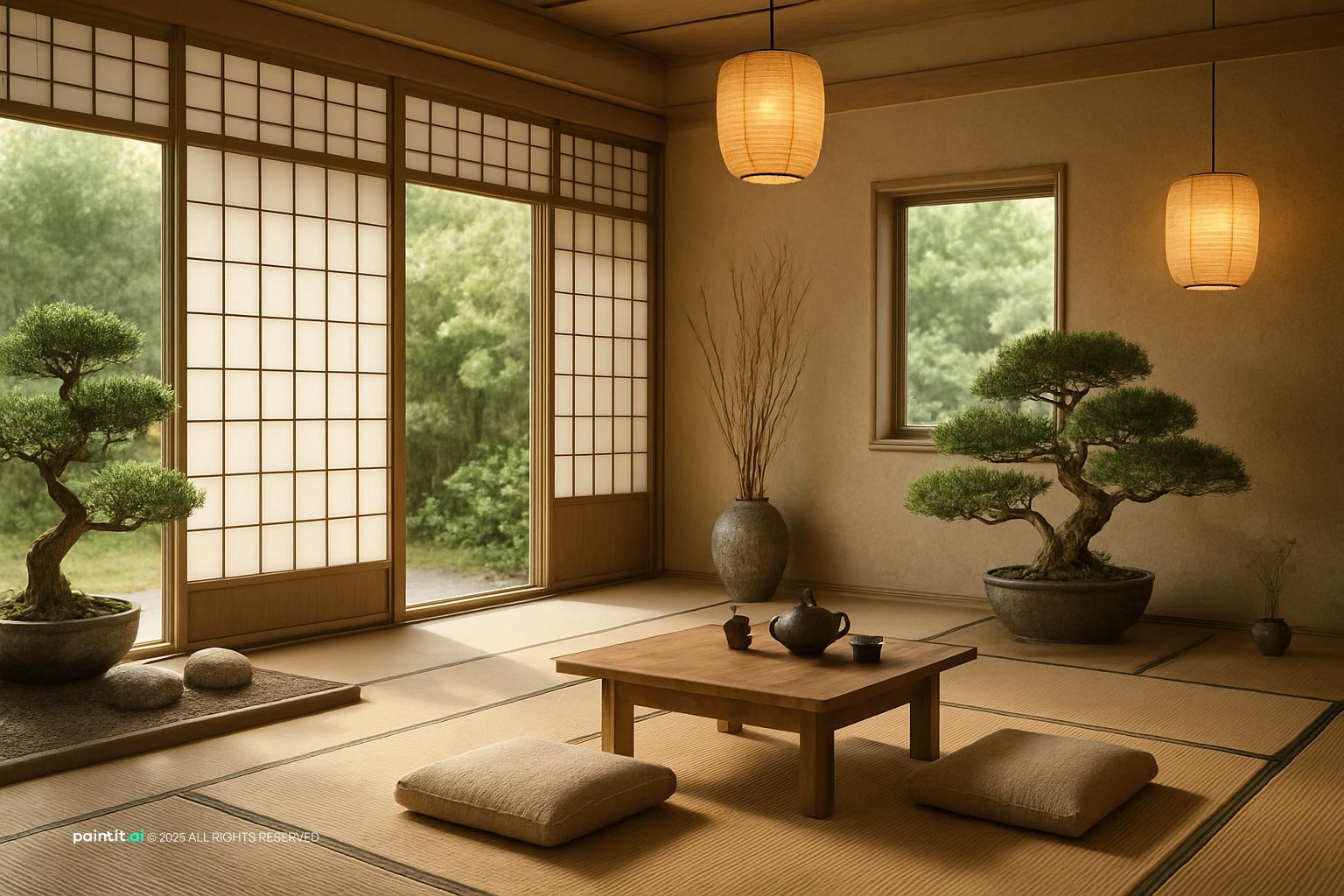
Seek out a hand-woven rug, a collection of unique pottery, or a custom-made wooden bench with traditional joinery. A sofa upholstered in a luxurious Dedar fabric or a chair with a hand-carved frame can become focal points. These pieces add character without clutter.
-
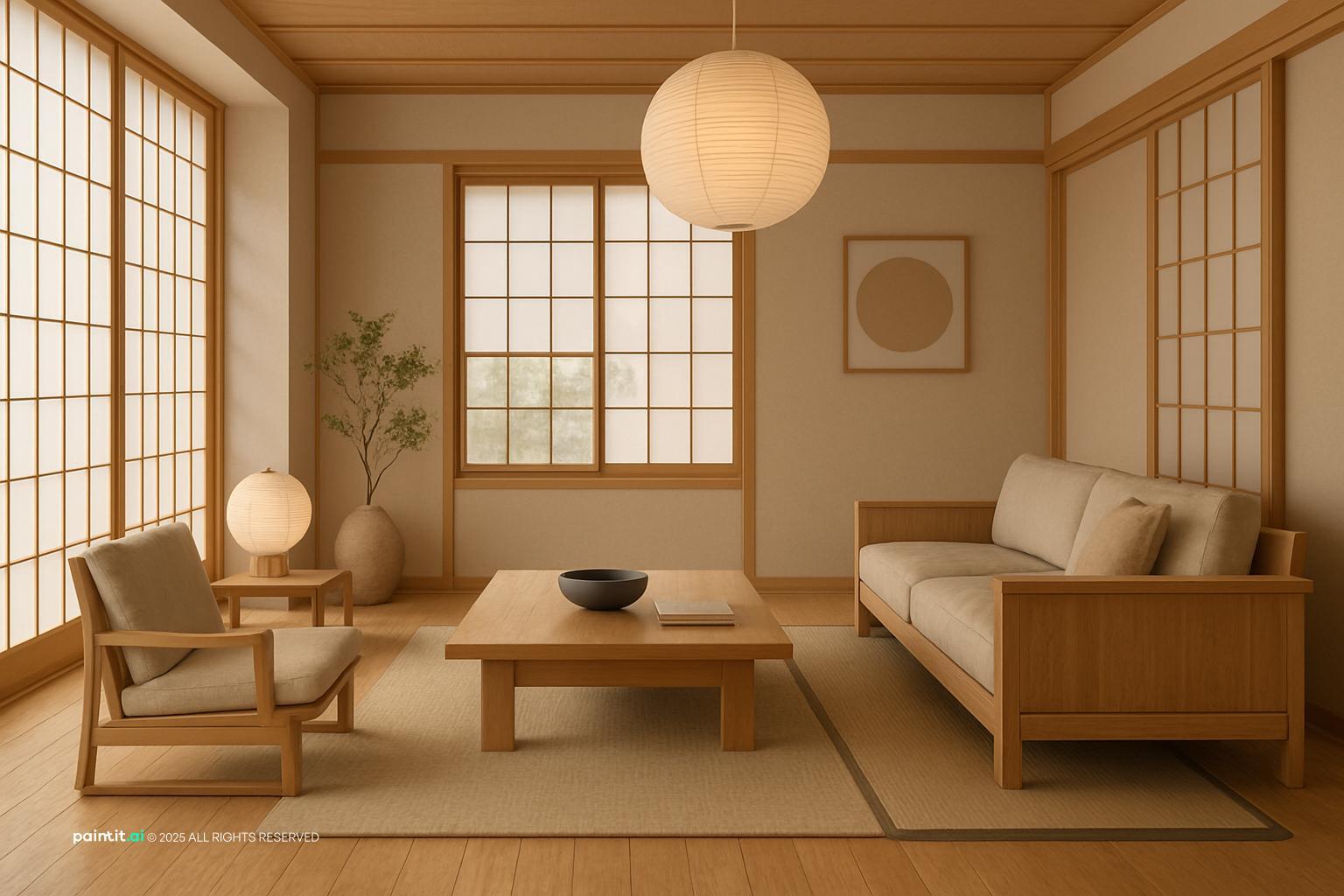
Pro Tip: To achieve this effect, visit local artisan markets or small independent shops for truly unique finds.
-
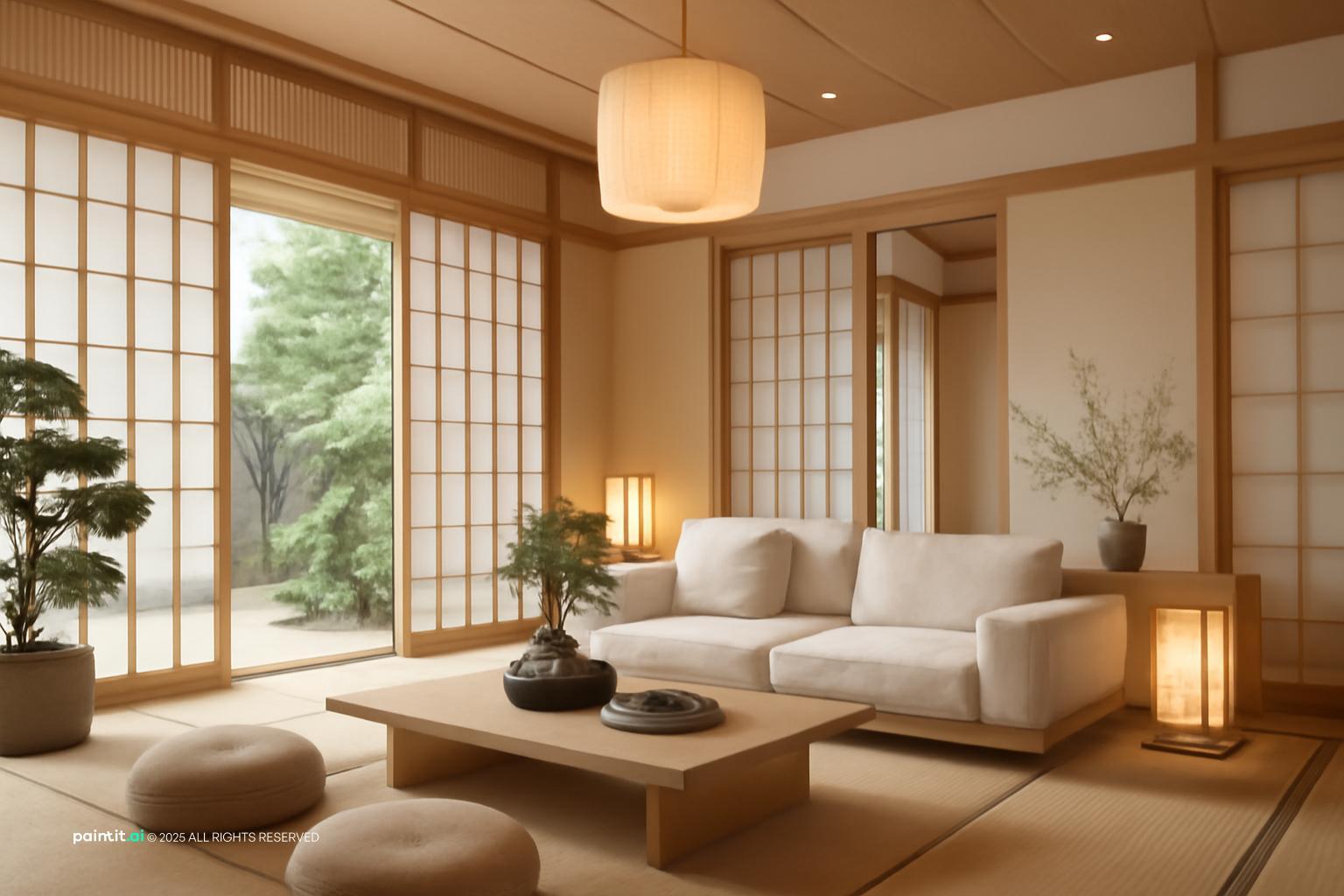
A grounded color scheme forms the backbone of this japandi living room design. It’s about using colors found in nature—deep greens, soft browns, muted grays—to create a soothing and cohesive environment. These colors inherently feel comforting.
-
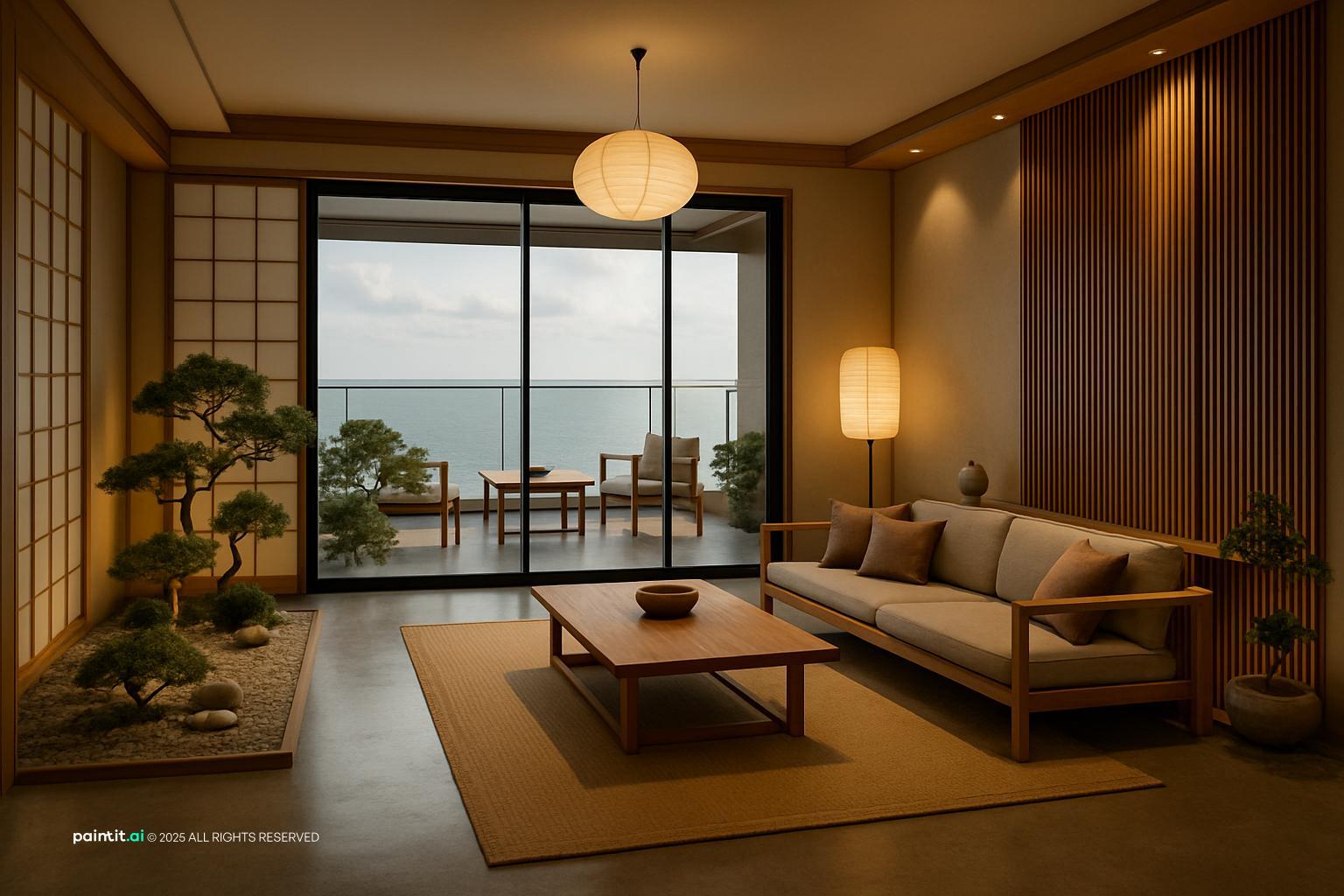
Start with a base of warm off-white or a light clay color on the walls. Introduce furniture in natural oak or walnut. Accent with cushions in sage green or a deep ochre, and a rug in a charcoal or sand tone. The goal is a seamless transition between elements.
-
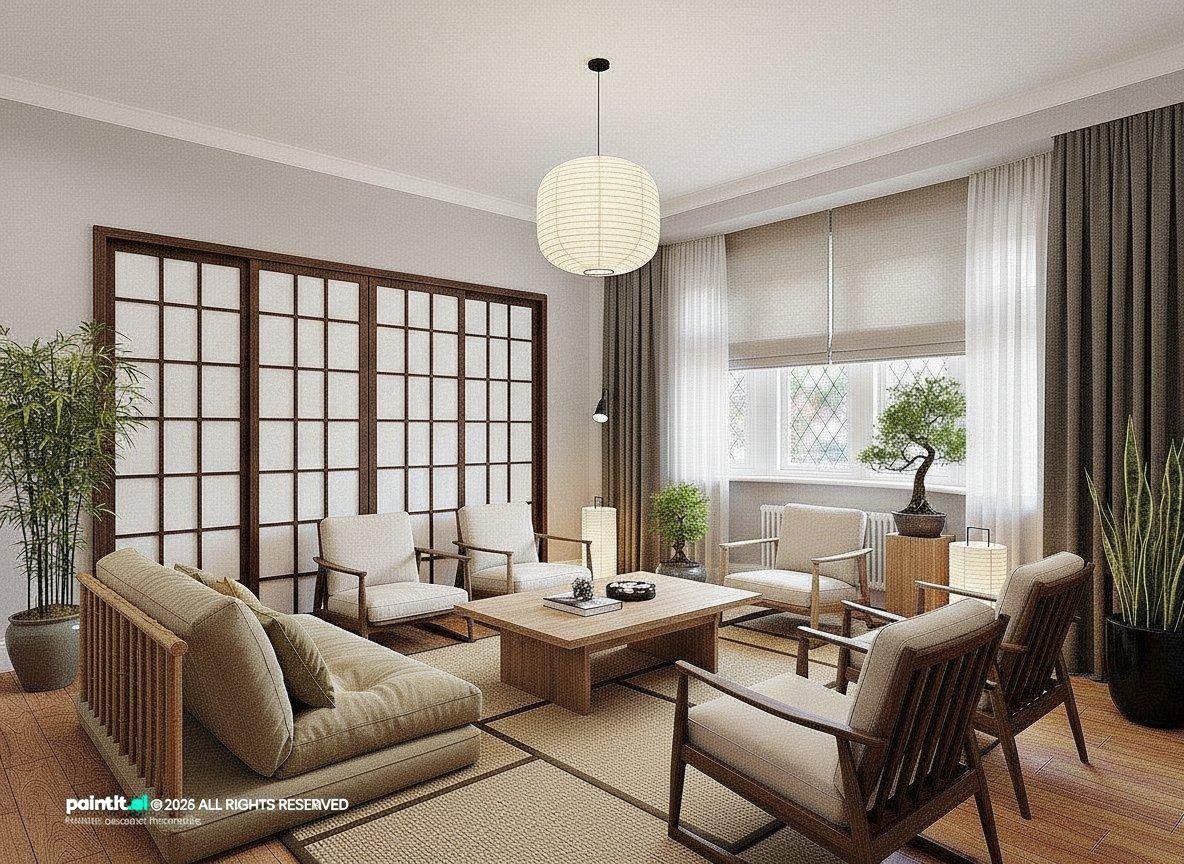
Pro Tip: To achieve this effect, use paint swatches to test how colors look in your specific lighting conditions throughout the day.
-
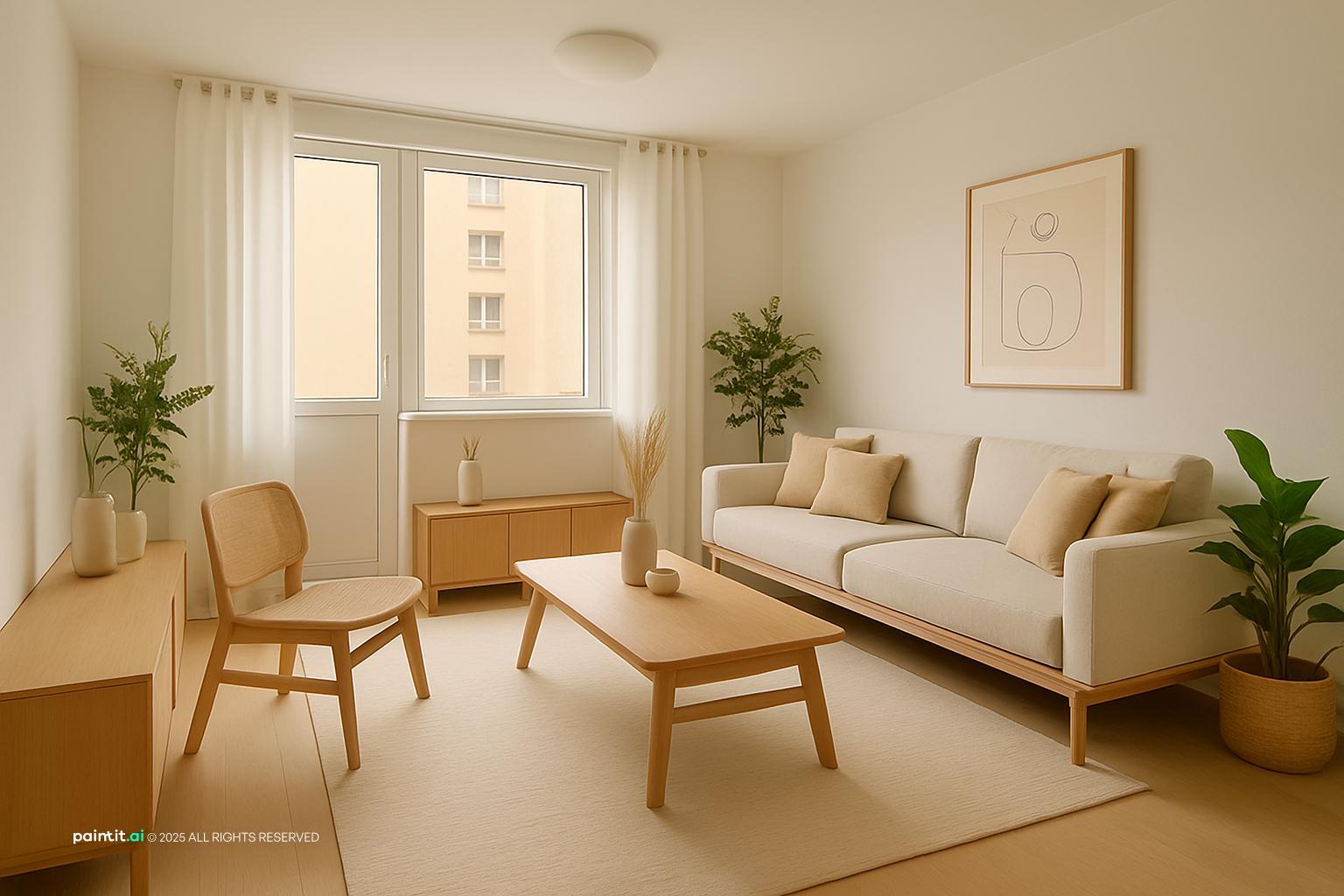
A truly serene living room japandi interior design requires a commitment to tidiness, but that doesn't mean sacrificing functionality. This concept integrates clever storage solutions to keep clutter out of sight, maintaining visual calm. The messy reality of daily life needs a place to hide.
-
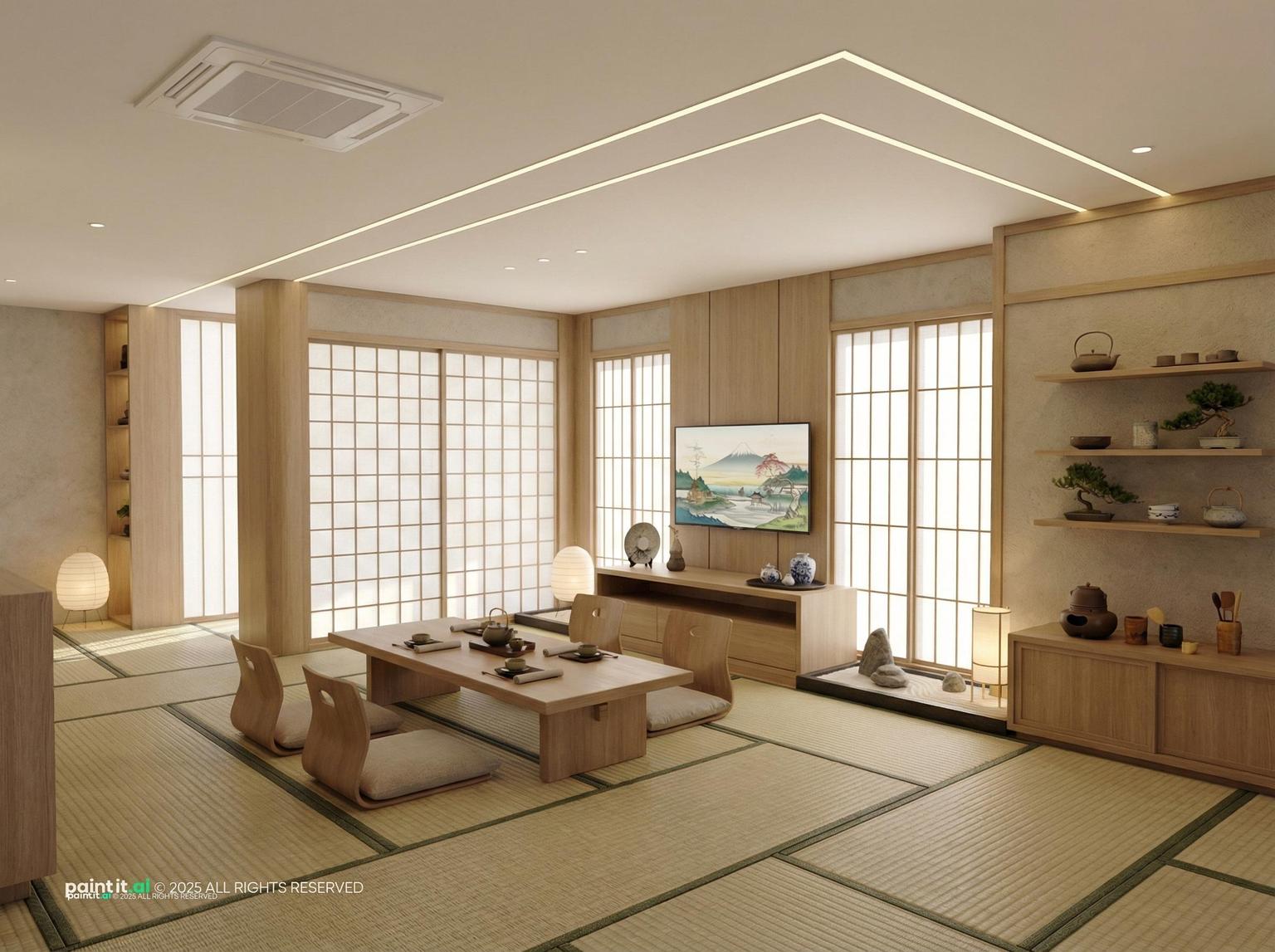
Consider built-in cabinetry that blends seamlessly with the walls, low-profile media consoles with hidden compartments, or minimalist shelving for only a few curated items. Woven baskets can conceal blankets or magazines. Every item should have a home, making tidying effortless.
-
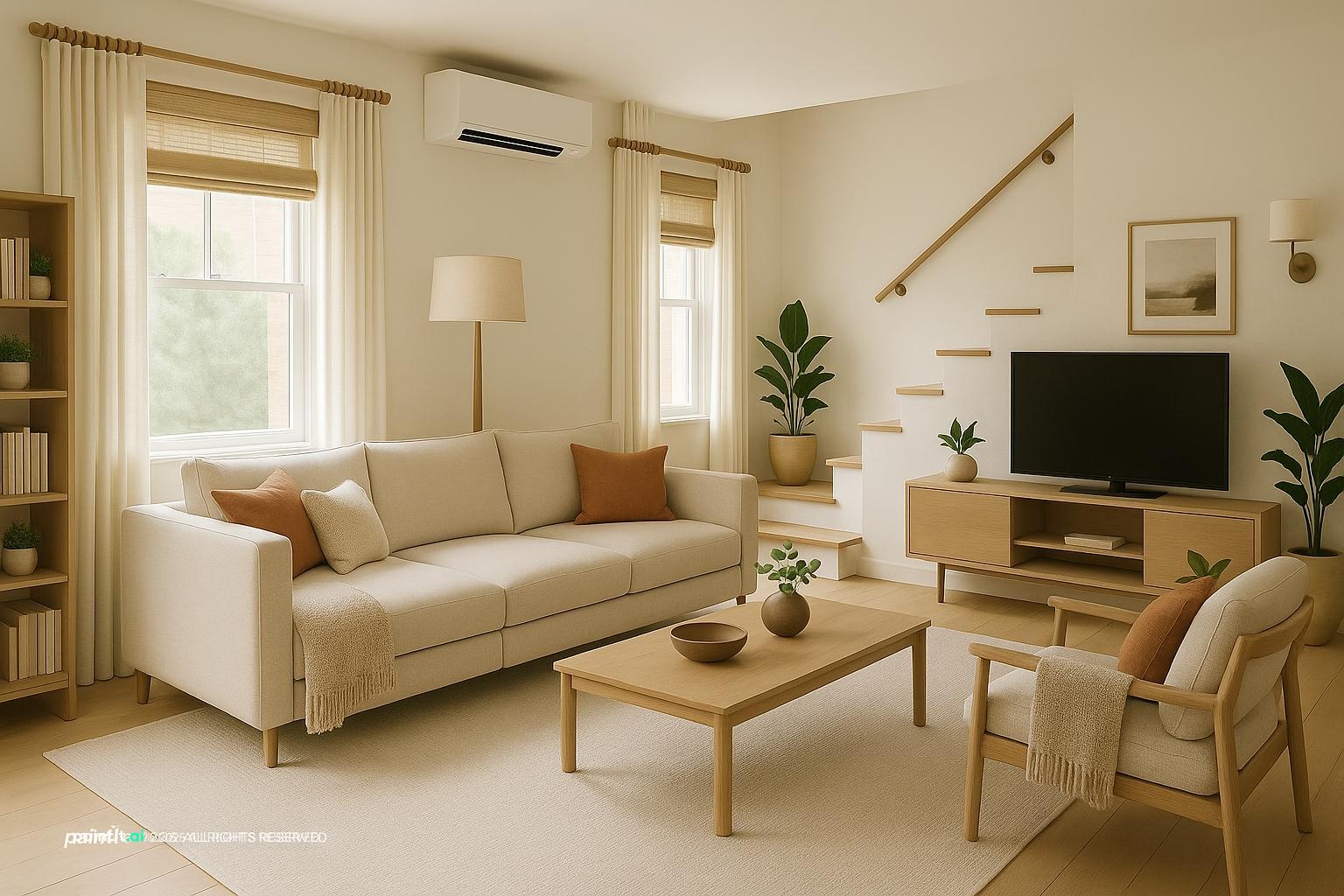
Pro Tip: To achieve this effect, invest in multi-functional furniture, like an ottoman with internal storage.
-
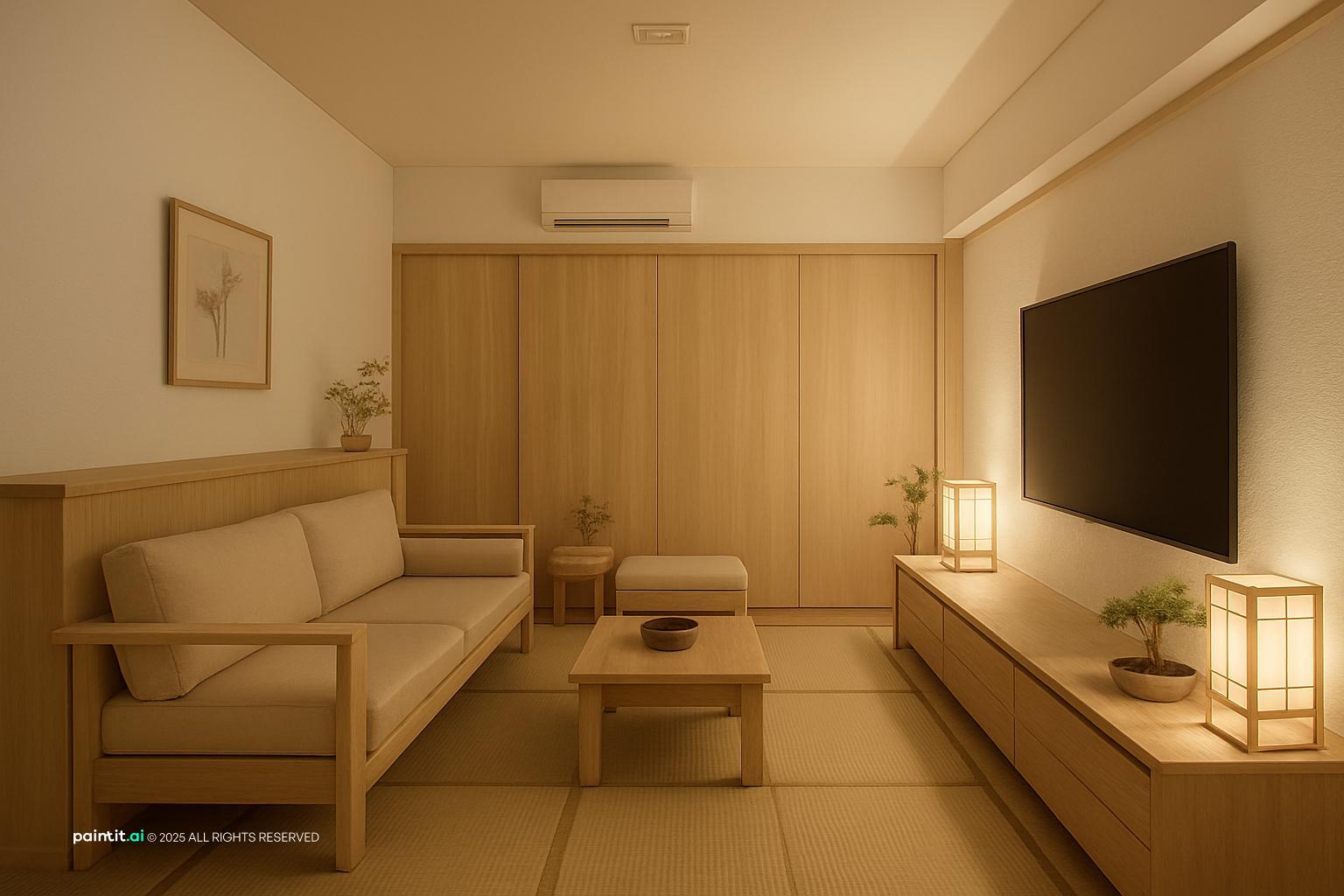
Embracing furniture that sits closer to the ground fosters a sense of intimacy and connection to the earth, a hallmark of japandi living room design. It encourages a more relaxed posture, inviting you to truly unwind. There’s something inherently calming about being grounded.
-
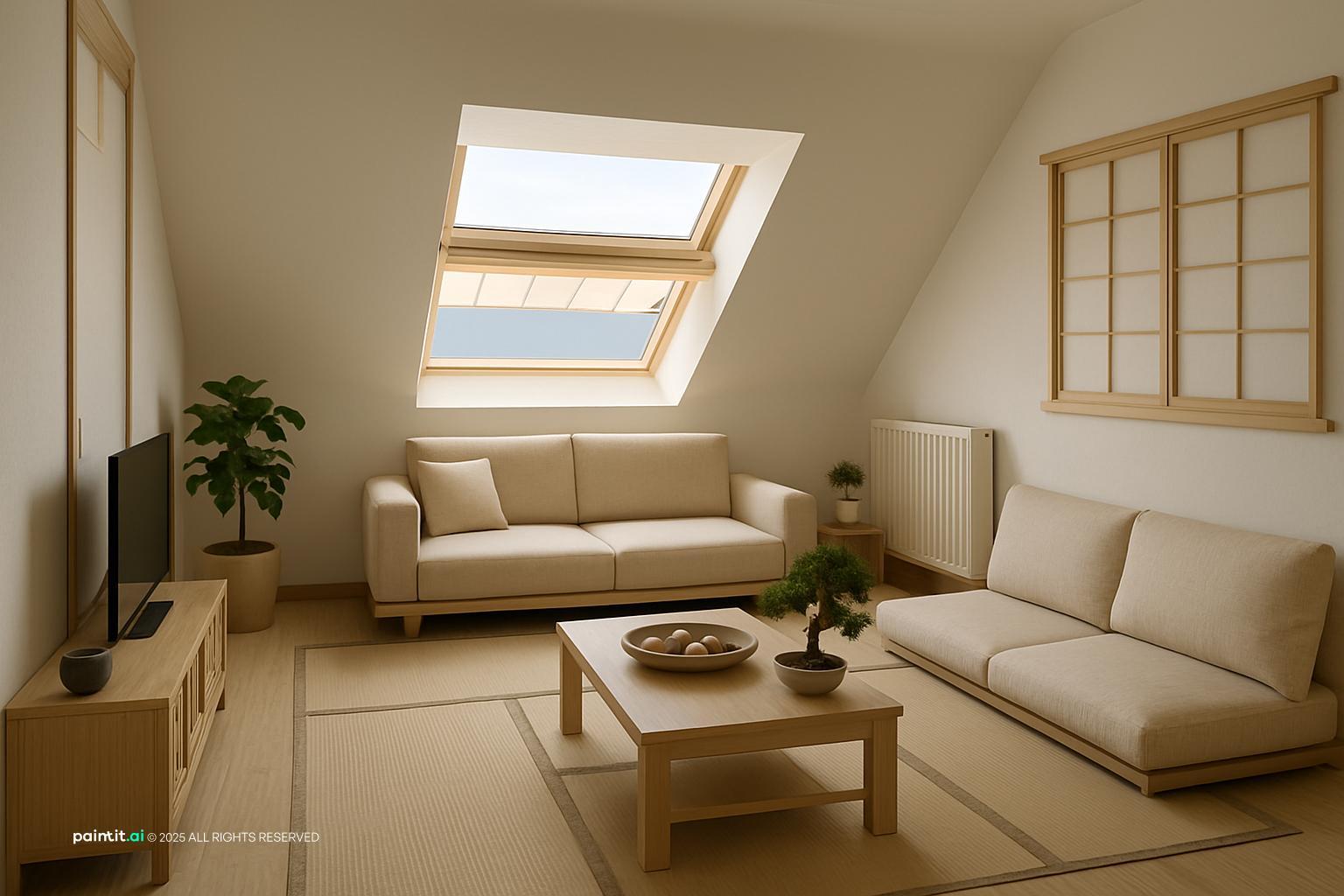
Look for platform sofas, floor cushions, and low coffee tables. A daybed can serve as both seating and a place for quiet contemplation. This style often makes ceilings feel higher and rooms feel more expansive, despite the lower furniture profiles.
-
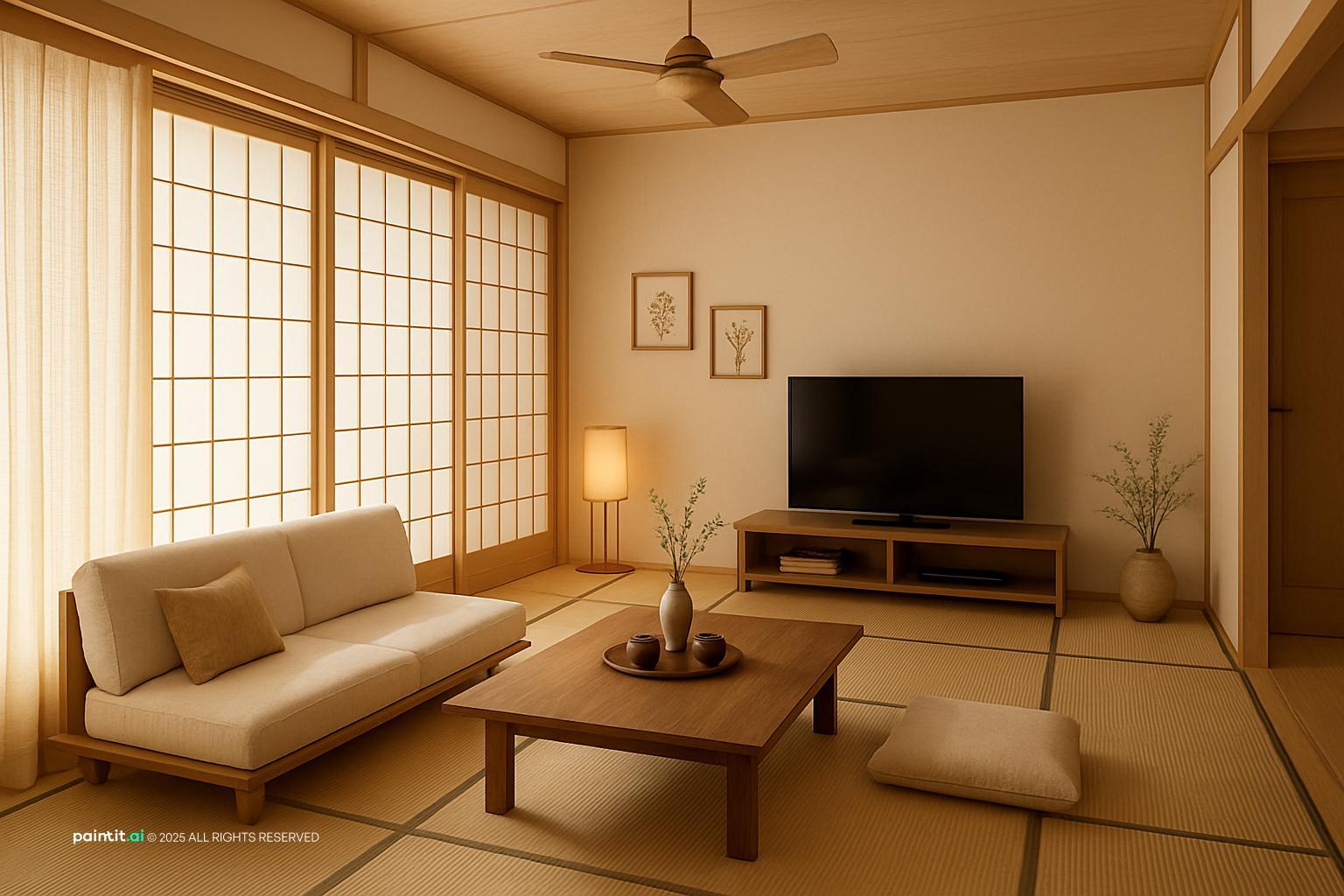
Pro Tip: To achieve this effect, ensure your chosen furniture pieces have clean lines and avoid overly bulky designs.
-
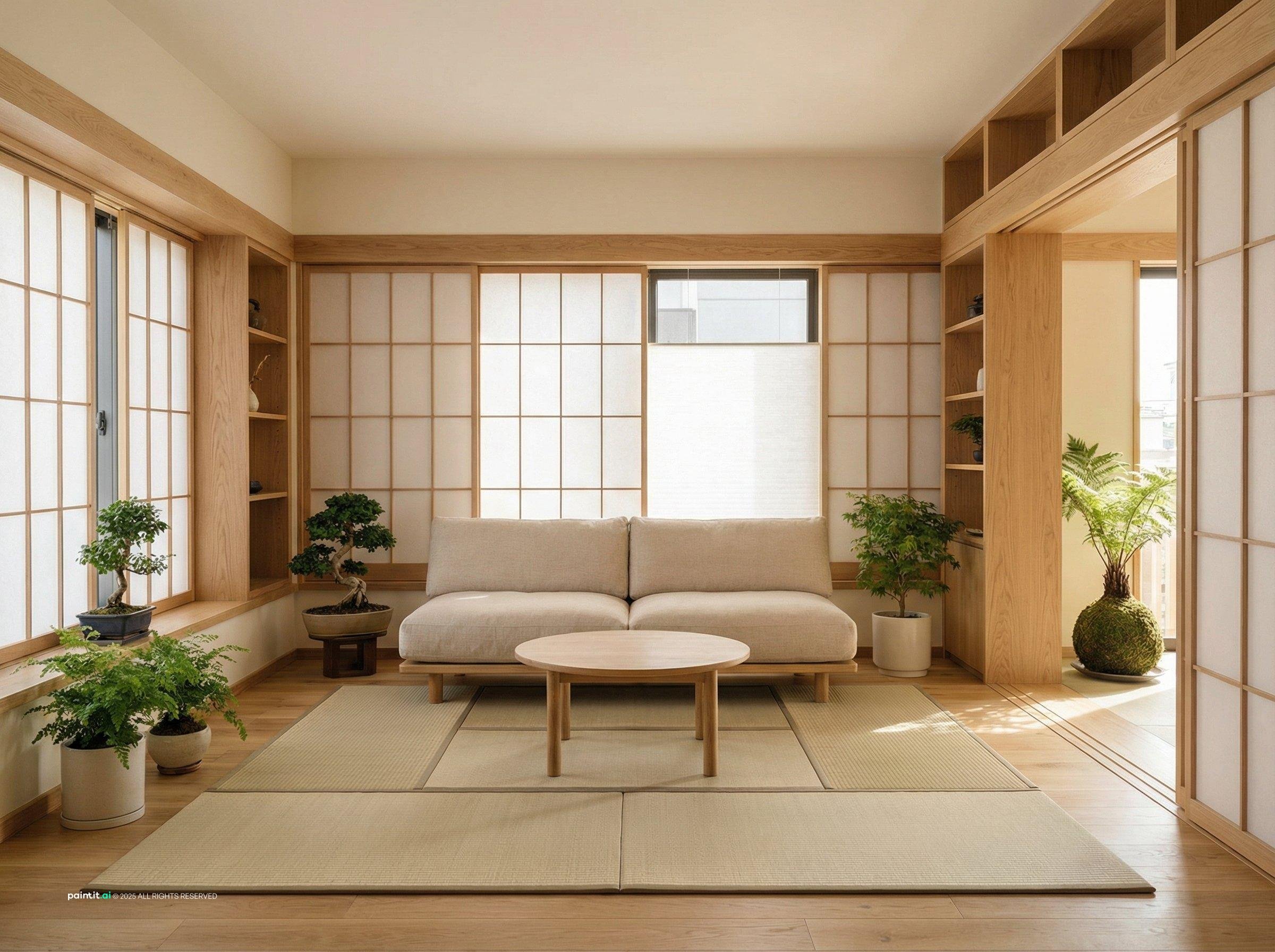
While Japandi often leans light, introducing strategic dark accents can add depth and drama without sacrificing serenity. This interplay creates visual interest, preventing a space from feeling too bland. It’s about balance, not stark opposition.
-
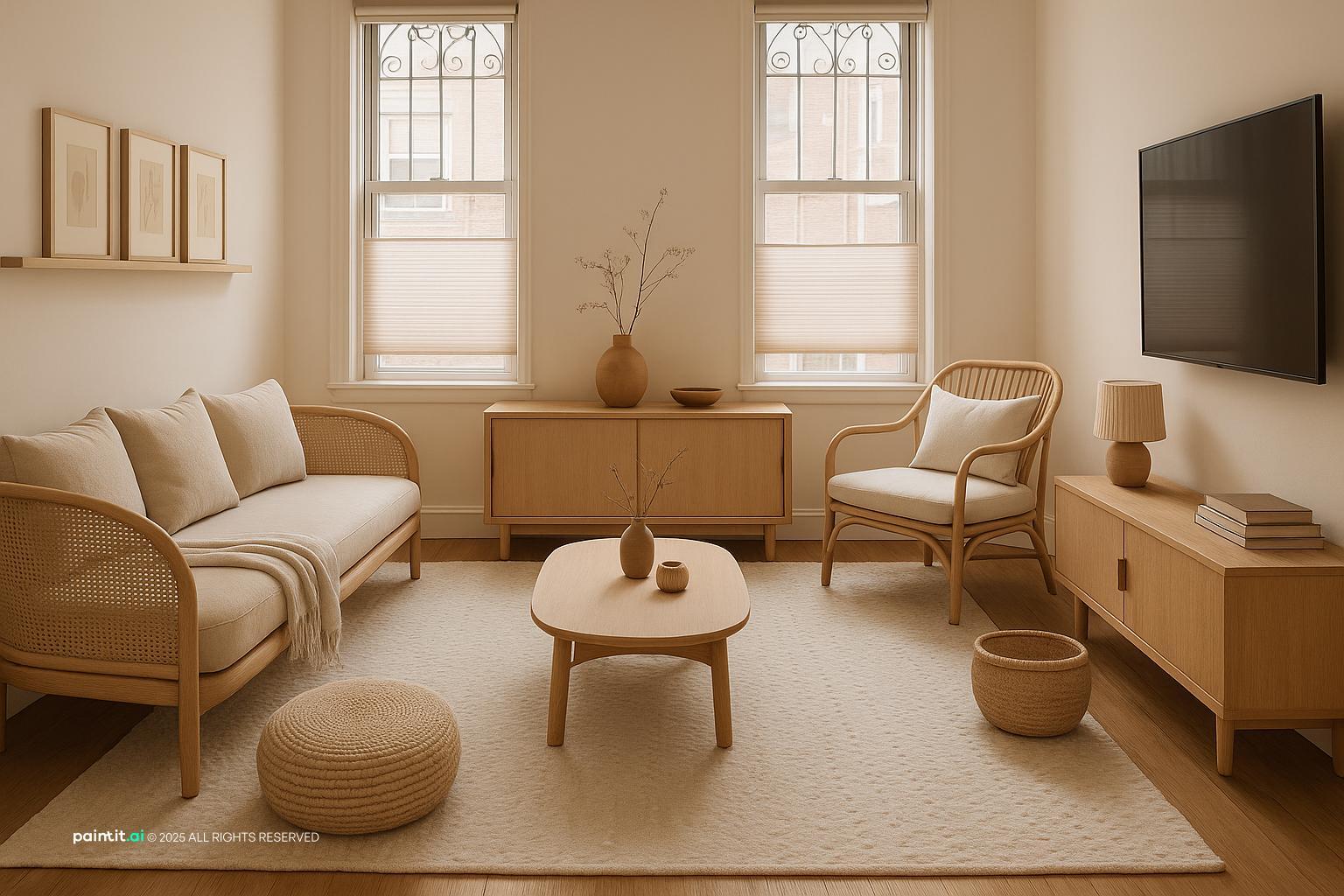
Pair pale white oak flooring and walls with a striking black console table or a dark, almost inky, linen sofa. Introduce blackened steel details in lighting or furniture legs. A dark, textural throw can ground a lighter seating area. The contrast makes each element pop.
-
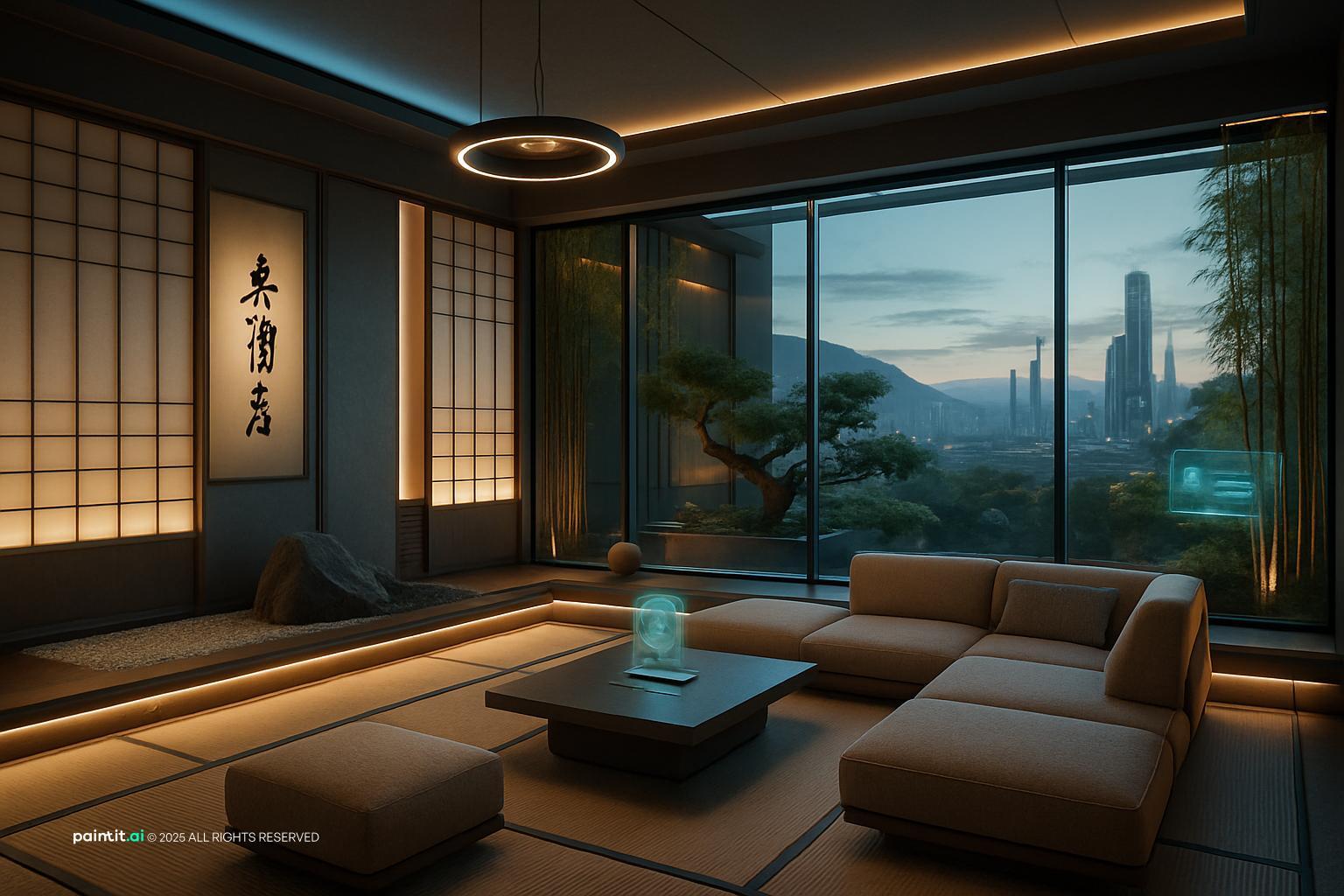
Pro Tip: To achieve this effect, use dark elements sparingly as focal points, allowing them to anchor the lighter surroundings.
-
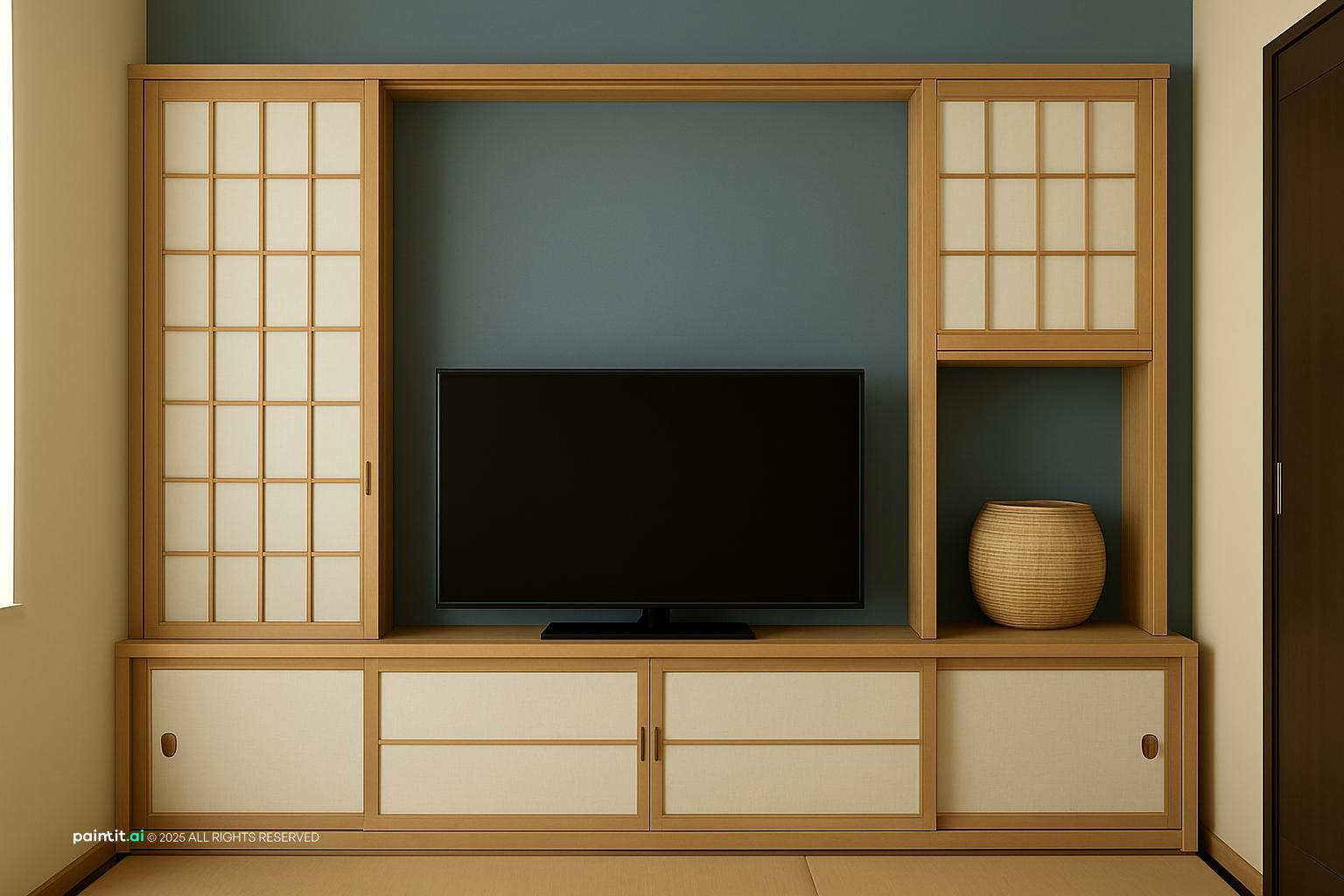
The beauty of a cozy japandi living room lies in the interplay of diverse textures. Combining soft, inviting fabrics with hard, natural materials creates a rich sensory experience. It’s about creating a tactile landscape that invites touch and exploration.
-
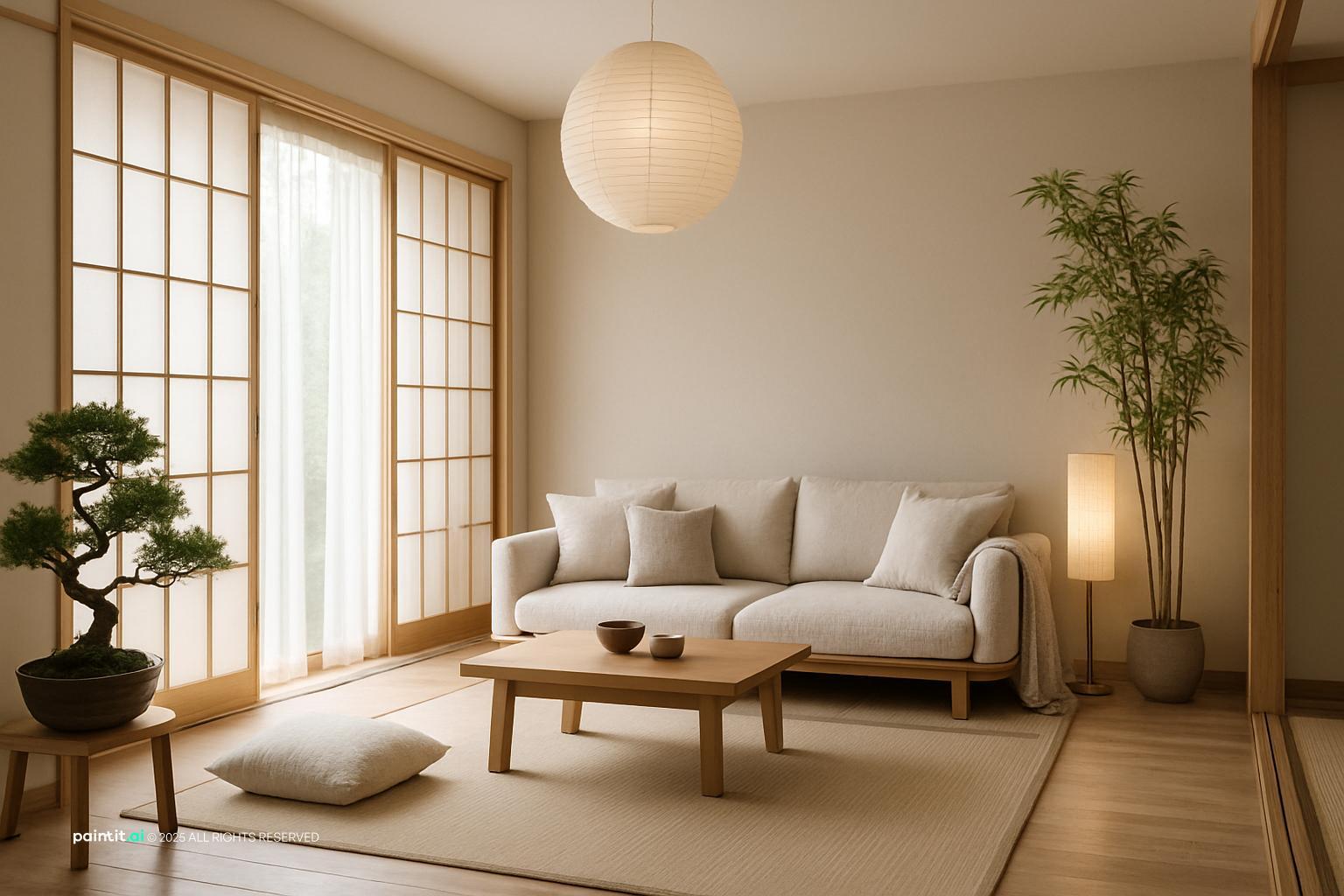
Imagine a plush boucle armchair next to a polished concrete side table. Drape a raw silk throw over a minimalist wooden bench. Use ribbed glass in a vase or a lamp base to add subtle visual texture. The contrast between smooth and rough, soft and firm, is key.
-
Pro Tip: To achieve this effect, select materials that offer distinct tactile experiences, like a rough ceramic pot next to a smooth, lacquered tray.
-
This concept is a direct nod to wabi-sabi, celebrating the natural wear, unique characteristics, and slight flaws that give objects character. It’s about finding beauty in the authentic, the aged, and the unpolished. Perfection is overrated, we think.
-
Look for furniture with visible wood grain, perhaps a vintage piece with a slight patina. Hand-glazed tiles on a fireplace surround, or a piece of art that embraces abstract forms and natural pigments, fit perfectly. It’s about preservation over imposition, letting things age gracefully.
-
Pro Tip: To achieve this effect, incorporate vintage or antique pieces that show signs of their past life, adding soul to the space.
The Quiet Art of Japandi: Deconstructing a Serene Living Space to Life with Paintit.ai
-
A japandi living room design often begins with a whisper of color, a palette rooted in nature’s quiet tones. We typically lean into muted greige or a soft, creamy off-white as the foundational canvas. Then, we layer in warm sand or a pale sage green for a gentle secondary note. For a touch of grounded sophistication, a deep charcoal or a subtle, earthy terracotta provides that necessary accent, ensuring the space feels balanced and never stark.
-
The tactile experience is paramount in a cozy japandi living room. We find that light, unfinished woods like ash or birch form the backbone of the furniture, bringing an organic warmth. Natural textiles—think raw linen, brushed wool, or soft cotton—drape over seating, inviting touch and adding a crucial layer of comfort. Hand-thrown ceramics with their imperfect, matte finishes introduce an authentic, grounding element, making the space feel genuinely lived-in.
-
Defining a living room japandi interior design means choosing pieces that speak to both comfort and clean lines. A low-slung platform sofa, often upholstered in a natural fabric, is non-negotiable; it encourages a relaxed, grounded posture. Pair that with a minimalist coffee table, perhaps a solid slab of reclaimed elm, its simplicity allowing other elements to shine. And for that touch of sculptural elegance, a single, thoughtfully chosen armchair—maybe a simplified mid-century silhouette—completes the arrangement. The truth is, proportions matter immensely here; avoid anything overly bulky.
-
Lighting isn't just about seeing; it’s about feeling in a japandi living room. We layer it carefully, starting with a diffused ambient light from a large, rice paper pendant that casts a soft, even glow. For task lighting, a slender floor lamp beside your favorite reading nook offers a warm, focused beam. Then, subtle accent lighting—a small table lamp on a console or a discreet wall sconce—highlights a piece of art or a textured wall. Dimmers on every source are key; they allow you to sculpt the atmosphere throughout the day, from bright morning to cozy evening.
-
When it comes to decorative accents for a living room japandi interior design, less truly is more, but each piece must carry weight. We often gravitate towards abstract art with natural pigments or simple line drawings that don’t overwhelm the eye. A single, sculptural indoor plant—a Fiddle Leaf Fig or a delicate bamboo—in a handmade ceramic pot brings life without clutter. Here’s where the 3-5-7 rule shines: on a coffee table, group three items like a unique ceramic vase, a stack of art books, and a small, smooth river stone. On a console, perhaps five elements: a plant, two varying sizes of hand-thrown bowls, a small framed print, and a slender candle. For a larger shelf, seven items could include an assortment of pottery, a small wooden sculpture, a dried botanical arrangement, and a couple of curated books. It’s about creating visual interest and balance, making each vignette feel intentional and effortlessly composed.
Paintit.ai Reveals the Secret to Effortless Japandi Living Room Design Design Ideas
Achieving that perfect japandi living room design balance, where minimalist lines meet cozy japandi living room warmth, often feels like a leap of faith. We've seen how hard it is to truly picture a living room japandi interior design before you commit. Paintit.ai lets you instantly visualize countless variations, ensuring every texture and layout feels right. See your serene space come to life; give it a try.
FAQ
-
Japandi living room design is this beautiful, quiet conversation between Japanese minimalism and Scandinavian functionality. It's not just a trend; it’s a whole philosophy about living simply, thoughtfully. We see it as a deliberate fusion, focusing on clean lines, natural materials, and a deep sense of calm. Think less clutter, more intention. It’s about creating spaces that feel both refined and incredibly livable, a true sanctuary.
-
Ah, the "cozy" part is key, isn't it? The truth is, a cozy japandi living room isn't about piling on blankets. It's about texture and light. We often suggest layering natural textiles—think chunky wool throws draped over a low-slung sofa, linen cushions, or a hand-knotted jute rug underfoot. Soft, diffused lighting from rice paper lanterns or ceramic table lamps makes a huge difference. And plants, always plants; a tall fiddle-leaf fig or a few delicate ferns bring life without overwhelming the space. It’s about warmth through organic elements, not excess.
-
When we talk materials for a living room japandi interior design, we're looking at the raw and the real. Expect a lot of natural wood—light ash, white oak, or even darker reclaimed elm for contrast. Ceramics are essential, whether it’s a perfectly imperfect vase or a set of stoneware mugs. Rattan, bamboo, and linen bring texture. For colors, it’s all about muted, earthy tones: soft greys, off-whites, dusty blues, sage greens, and charcoal. We love seeing subtle pops of terracotta or a deep, inky indigo to ground the space. The goal is a serene backdrop that highlights the craftsmanship of each piece.
-
Absolutely. One of the biggest pitfalls we've seen is going too stark. People sometimes strip away so much that the room feels cold, not calm. Remember, it’s a blend; it needs warmth from the Scandinavian side. Another common misstep? Forgetting the "lived-in" aspect. Japandi isn't about showroom perfection; it’s about a functional, comfortable space. And here’s the kicker: don't just buy "minimalist" pieces. Look for items with character, handmade touches, or a story. Generic furniture misses the point entirely. The marble stained instantly, or the sofa didn't fit through the front door—these are the real-world snags we try to help clients avoid.
-
That's a great question, and it's where the nuance of living room japandi interior design truly shines. Pure Scandinavian design, while minimalist, often leans heavily into "hygge"—a very specific kind of cozy, sometimes with brighter colors and more playful elements. Japanese design, on the other hand, can be incredibly stark, almost ascetic, with a strong emphasis on tradition and ritual. Japandi takes the best of both: the natural materials and functionality from Scandinavia, but with the refined elegance, clean lines, and Wabi-sabi appreciation for imperfection from Japan. It’s less about bright pops of color and more about subtle textures, a slightly moodier palette, and a deep appreciation for craftsmanship over mass production. It’s a thoughtful balance, not just a simple mash-up.