
Creating a Serene - French Country Living Room
Ever walked into a room and felt an immediate sense of calm, like a gentle breeze on a warm day? If you're envisioning a french country living room, you're likely drawn to that blend of rustic comfort and understated sophistication, but perhaps the idea of bringing it all together feels a bit daunting. How do you curate a space that truly embodies that relaxed, lived-in elegance?
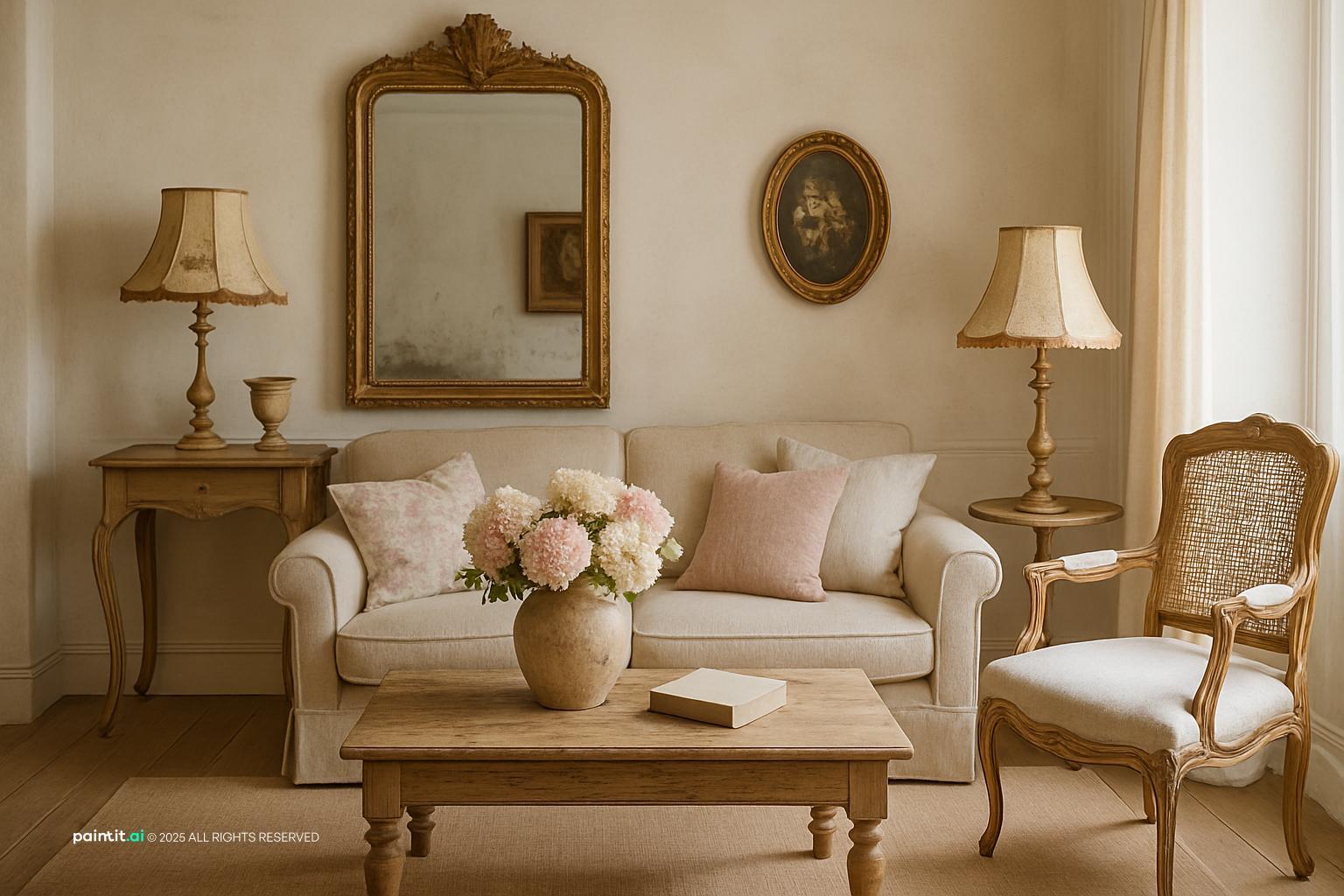
Essential Tips for Designing a French Country Living Room
Stunning Examples of 14 Ways to Infuse French Country Living Room Charm
-
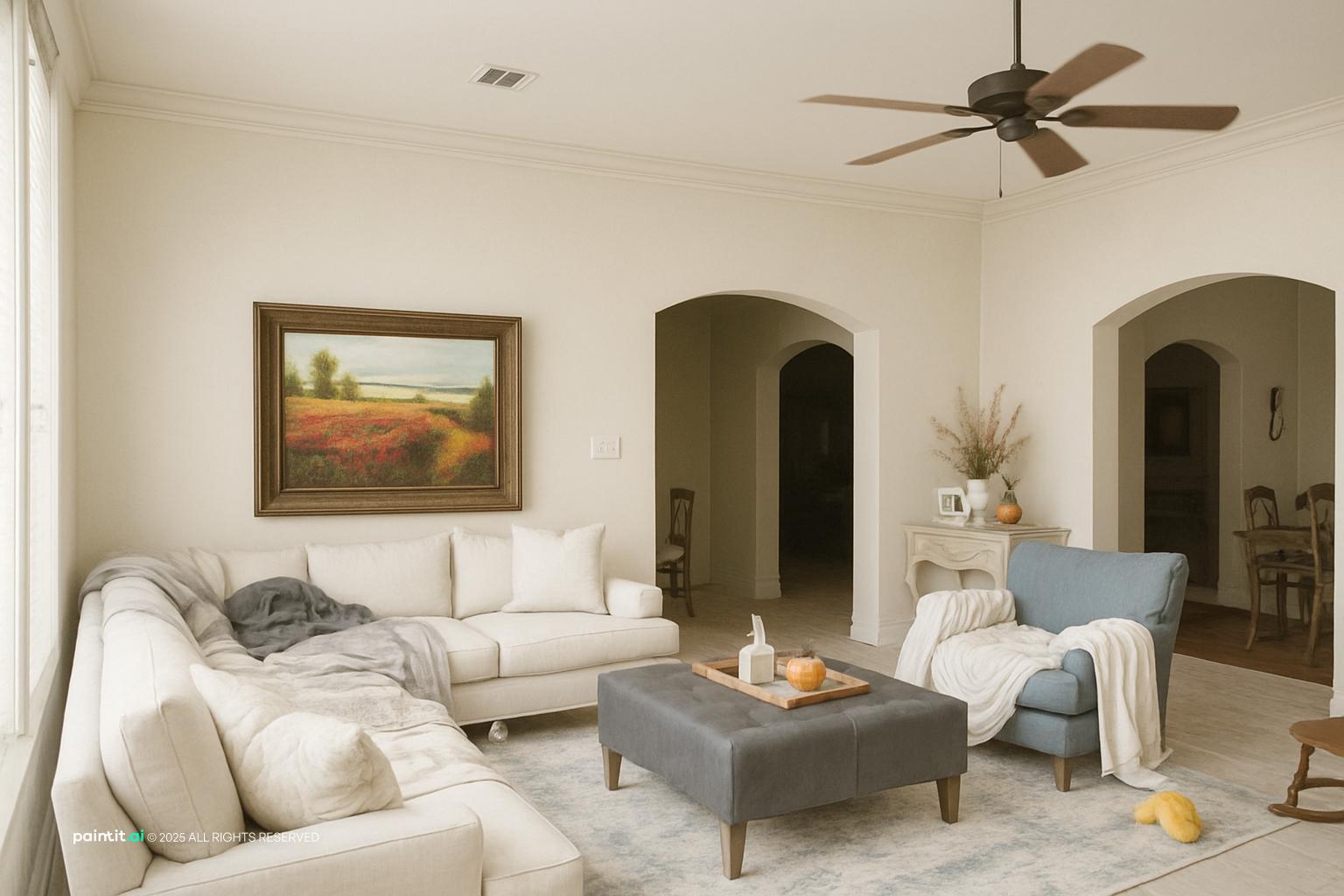
We've curated these ideas to help you strike that perfect balance between inviting comfort and understated elegance. It's about creating a space that feels both thoughtfully designed and effortlessly lived-in, where every detail contributes to a serene, provincial atmosphere.
-
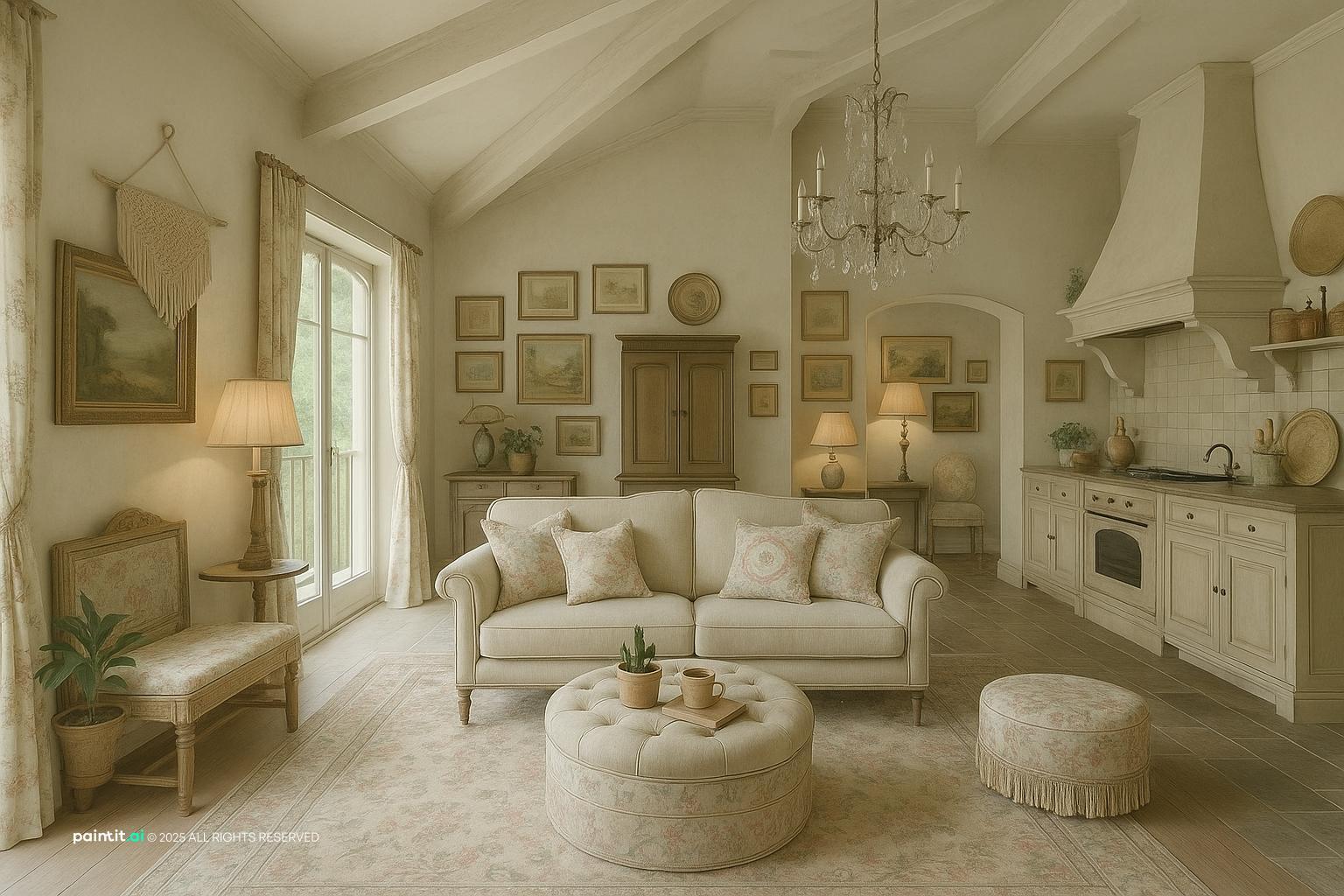
There's something inherently relaxed about a sofa draped in natural, washed linen. It instantly conjures images of sun-drenched farmhouses, where comfort is paramount and formality takes a backseat. This isn't about perfection; it's about a welcoming, slightly rumpled elegance that invites you to sink in.
-
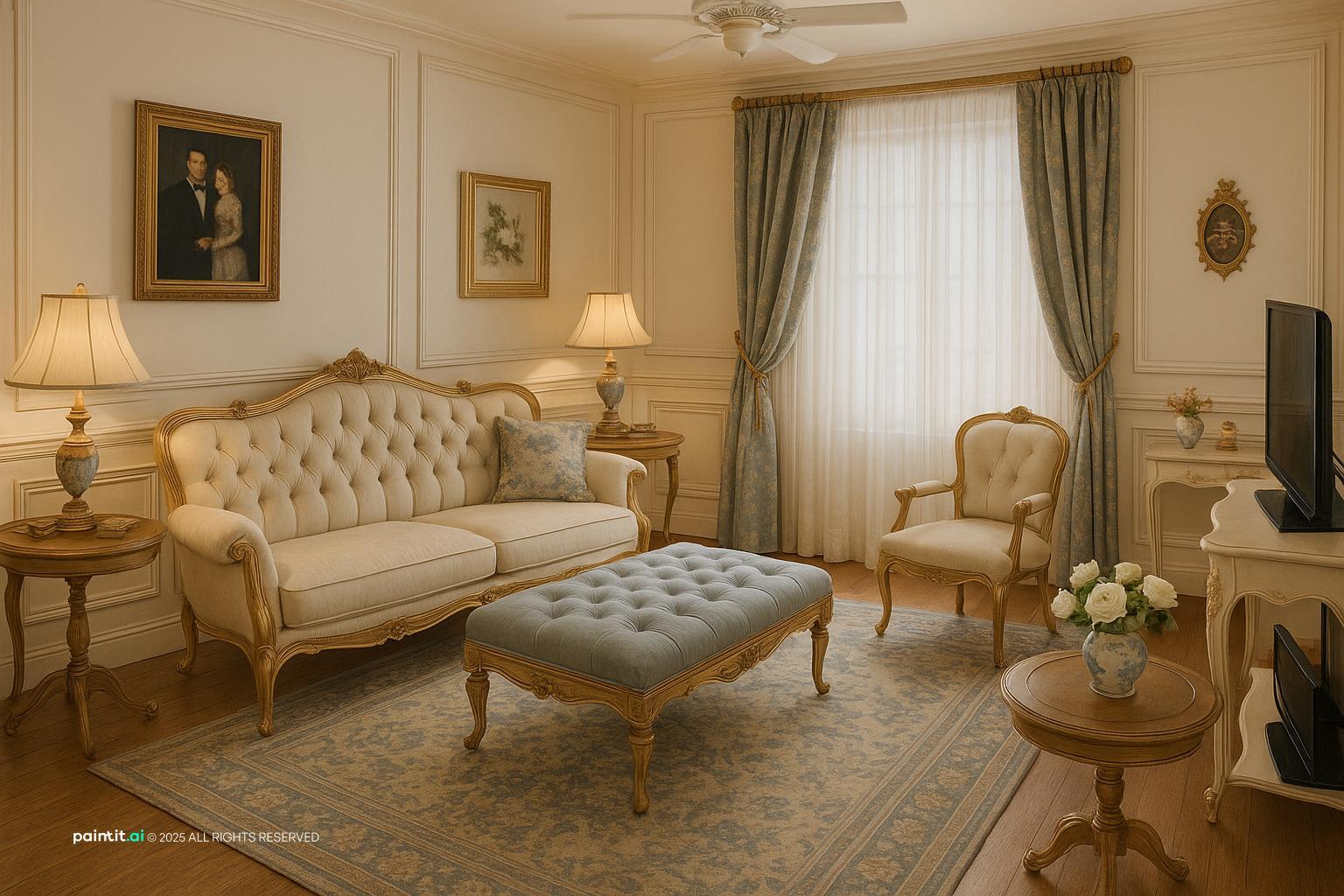
To implement this, look for generously proportioned sofas with deep seats. Opt for a heavy-weight Belgian linen or a durable cotton blend in a muted hue. The beauty lies in its forgiving nature—spills are less of a crisis, and the fabric only gets softer with time. We've seen this work best in homes where daily life happens in the living space.
-
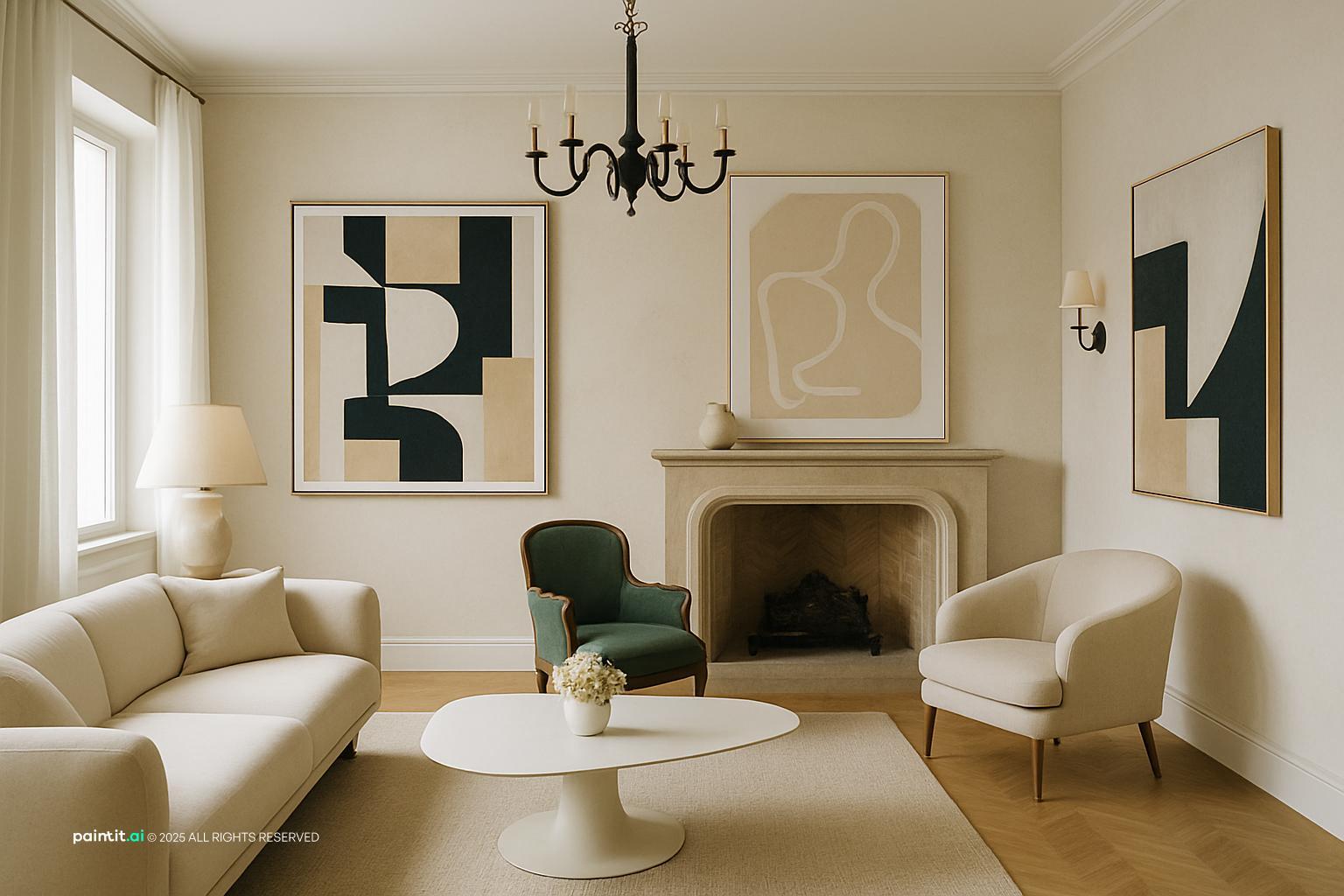
Pro Tip: To achieve this effect, try sourcing a sofa with removable, machine-washable slipcovers for easy care.
-
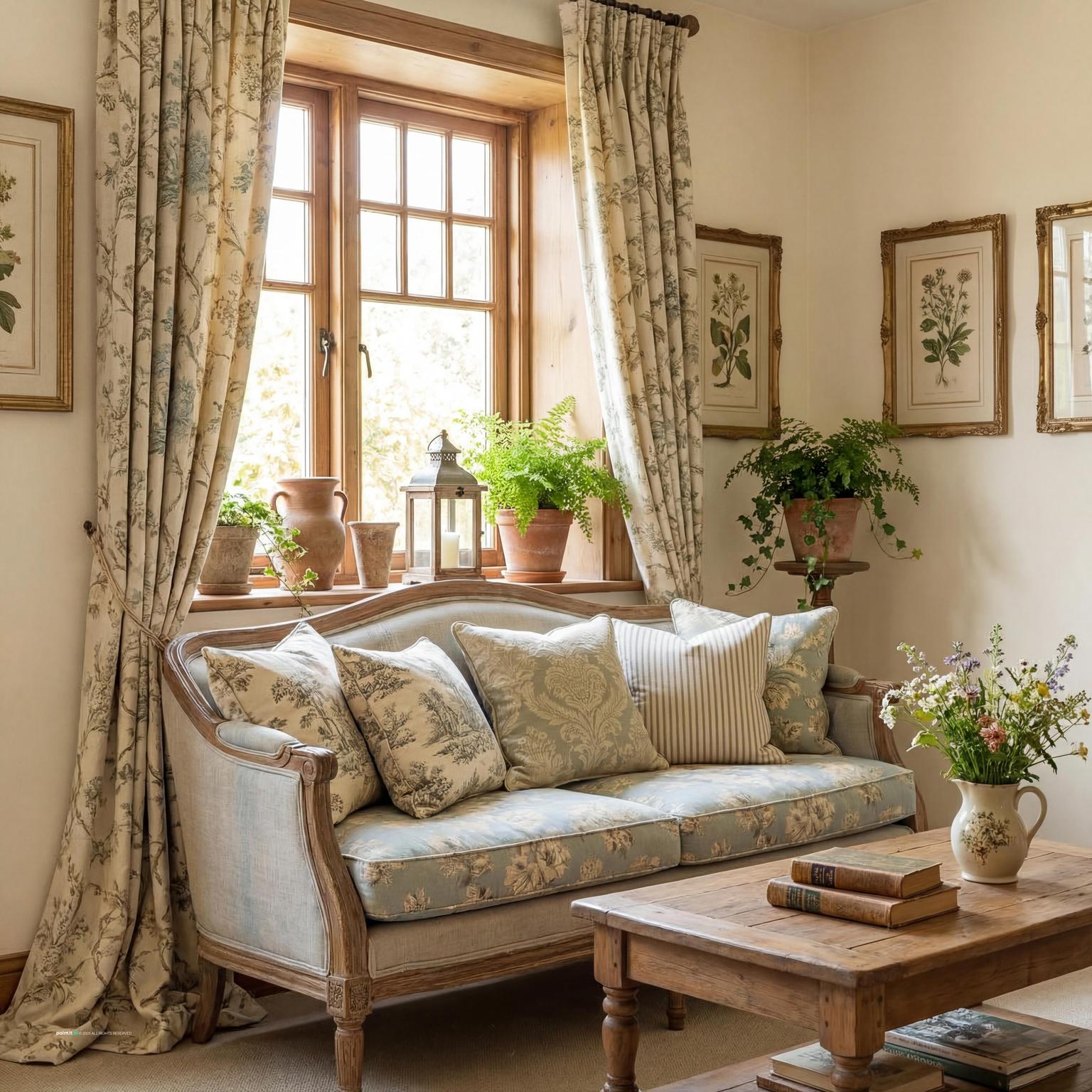
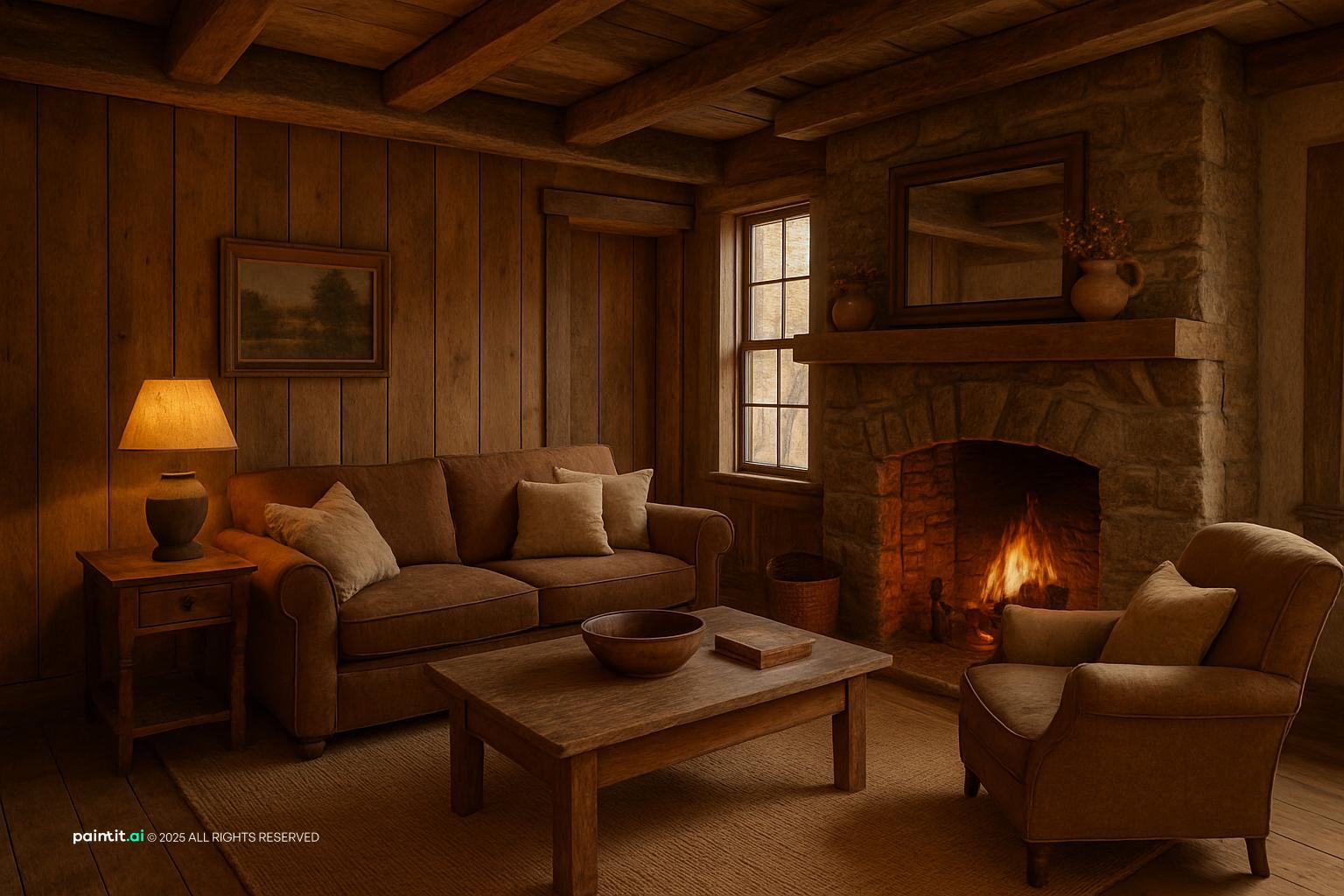
A substantial fireplace, especially one with a reclaimed wood mantel and a natural stone surround, anchors the entire room. It speaks to history, to warmth, and to gathering. The truth is, a well-designed hearth becomes the heart of any provincial-inspired lounge.
-
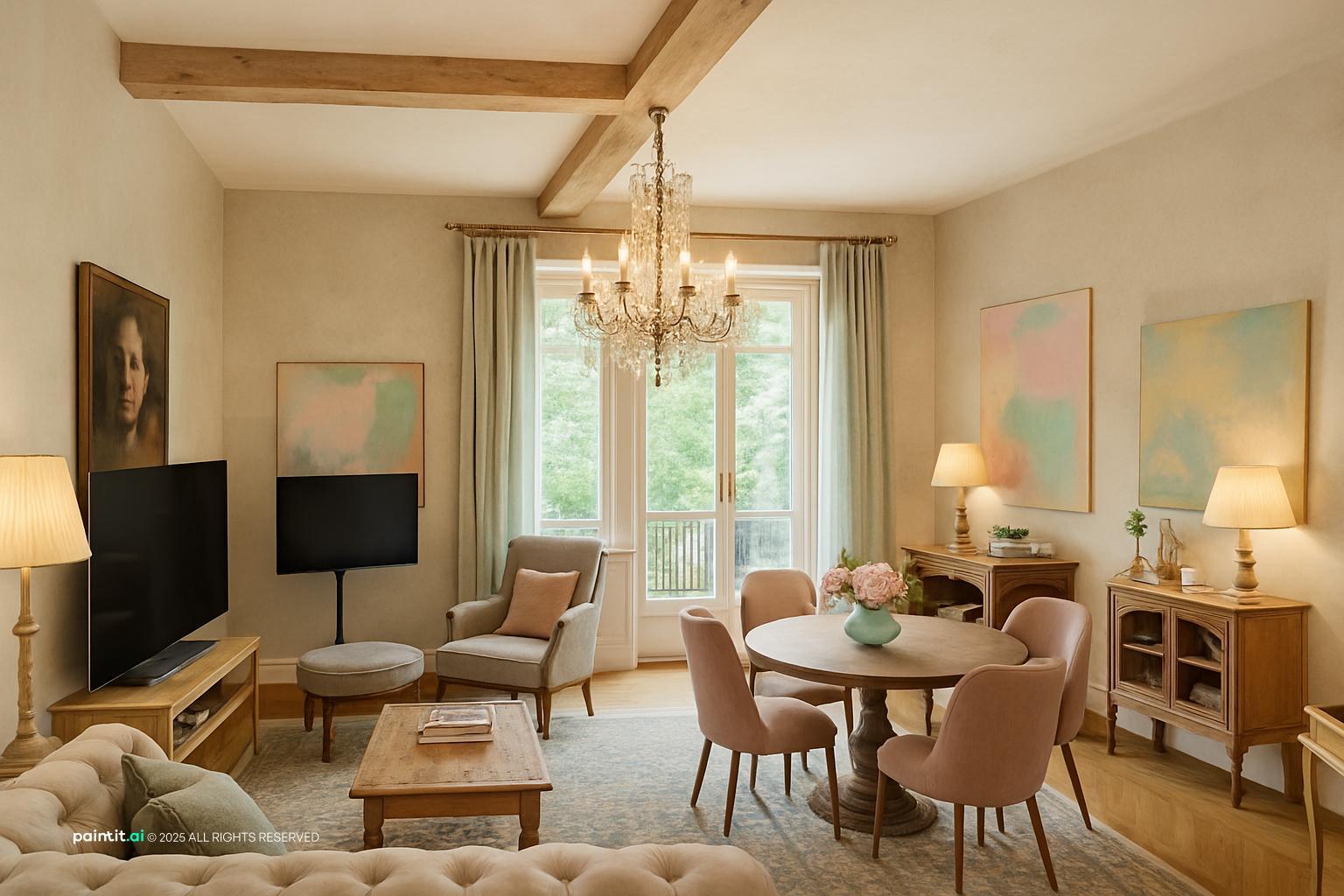
Consider local fieldstone or river rock for the surround, or even a honed limestone. For the mantel, a thick slab of distressed oak or a salvaged beam from an old barn adds an irreplaceable character. Accessorize simply with a vintage iron grate or a few ceramic pitchers. It’s about preservation over imposition.
-
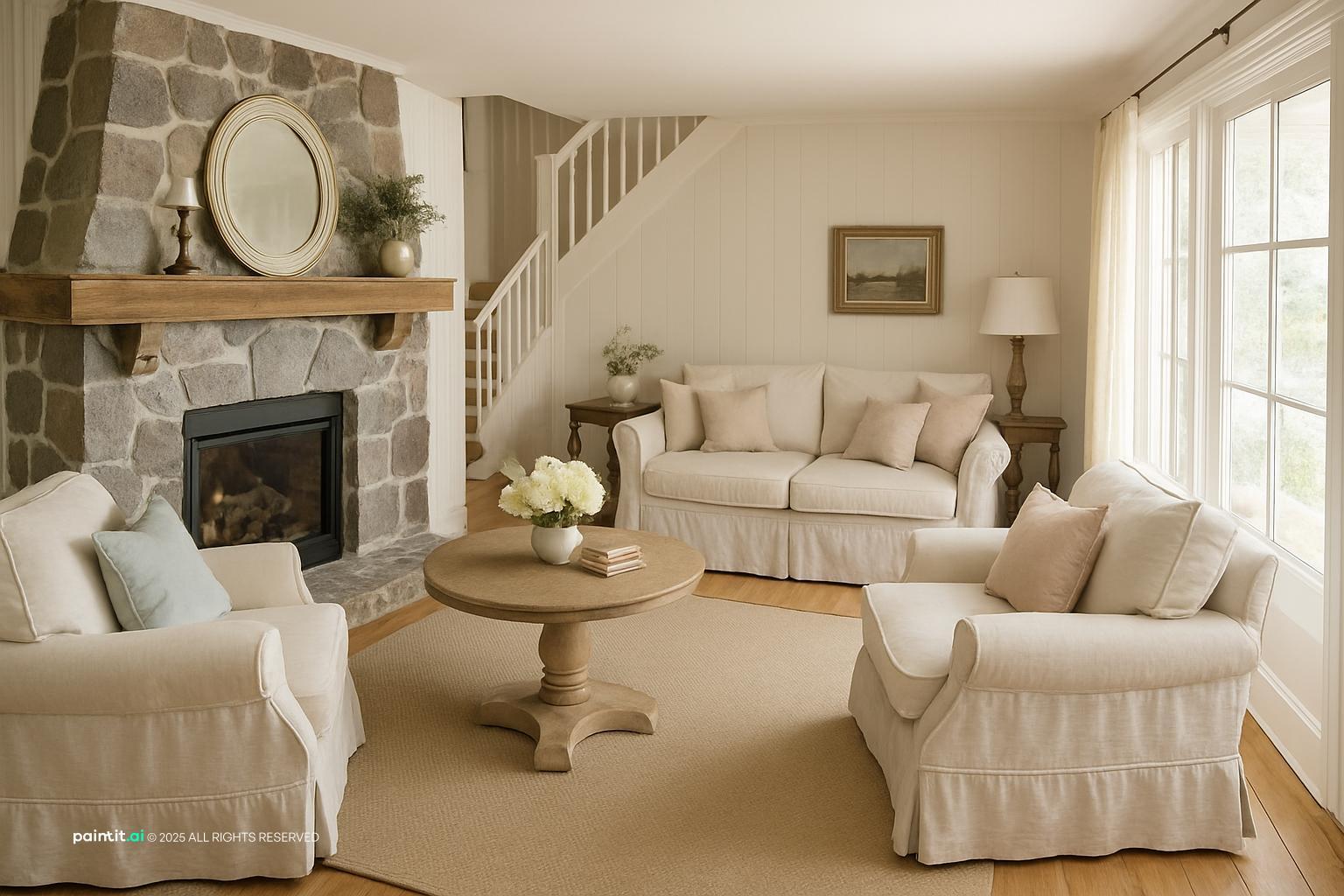
Pro Tip: To achieve this effect, try integrating a custom-built mantel that extends slightly beyond the fireplace opening.
-
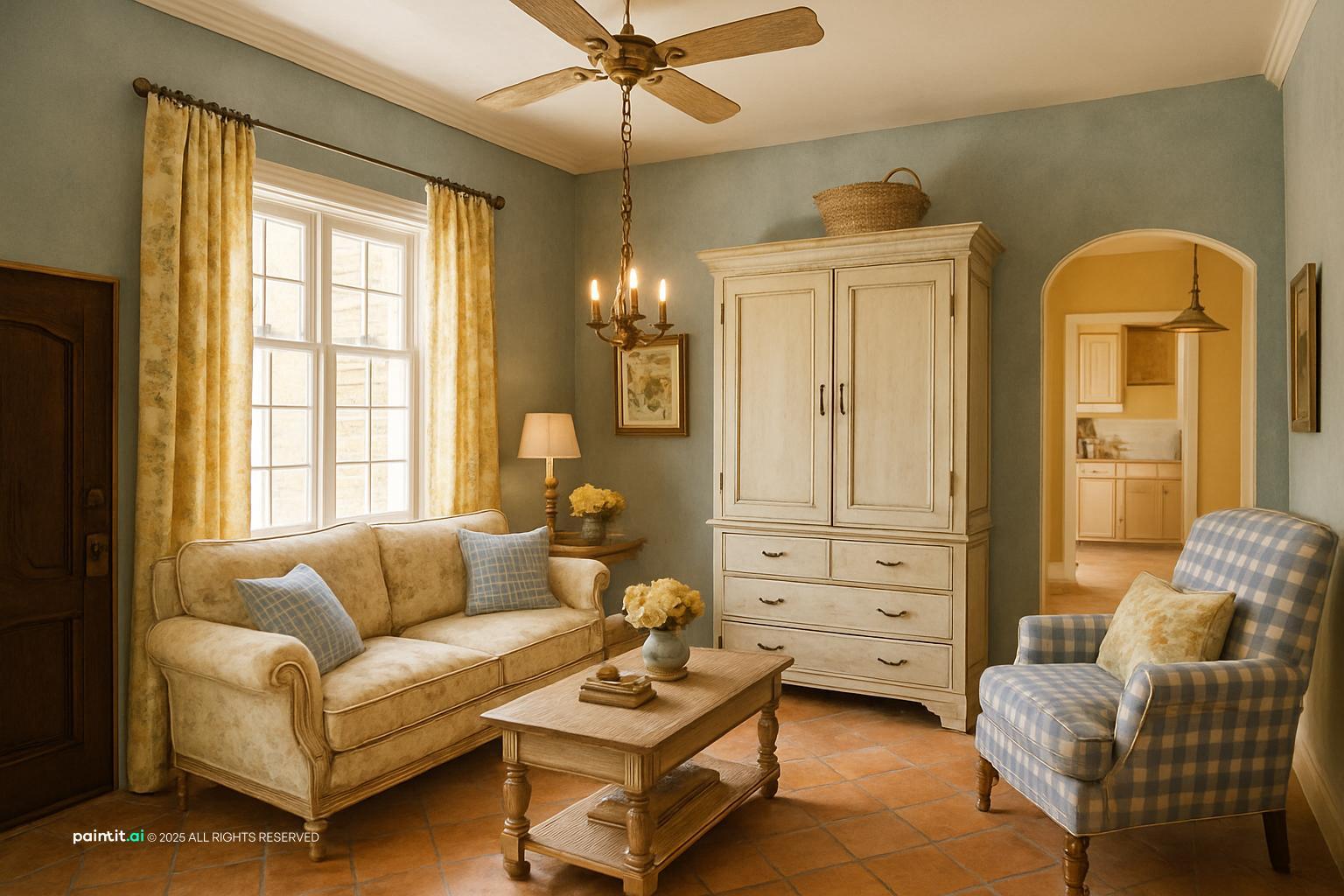
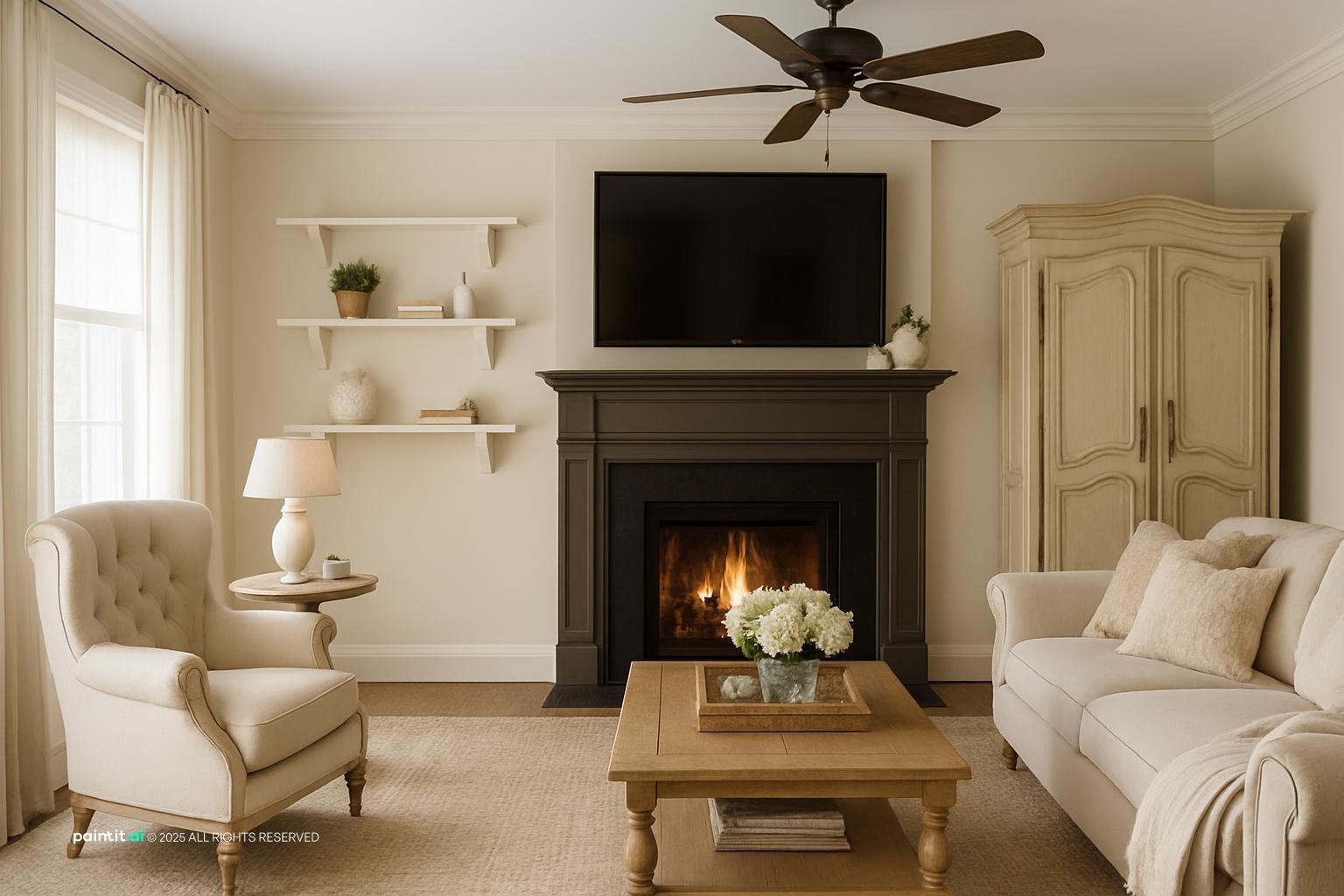
An antique armoire, with its beautifully aged finish and intricate details, brings a sense of permanence and history. It’s not just storage; it’s a piece of art, a conversation starter. Most people forget the power of a single, well-chosen antique.
-
Search for pieces crafted from solid oak or walnut, perhaps with original hardware or a subtle hand-painted motif. Place it against a simple wall to let its character shine. It can cleverly hide a television or store blankets and books, blending functionality with old-world charm.
-
Pro Tip: To achieve this effect, try looking for an armoire with a slightly distressed or waxed finish rather than a heavily painted one.
-
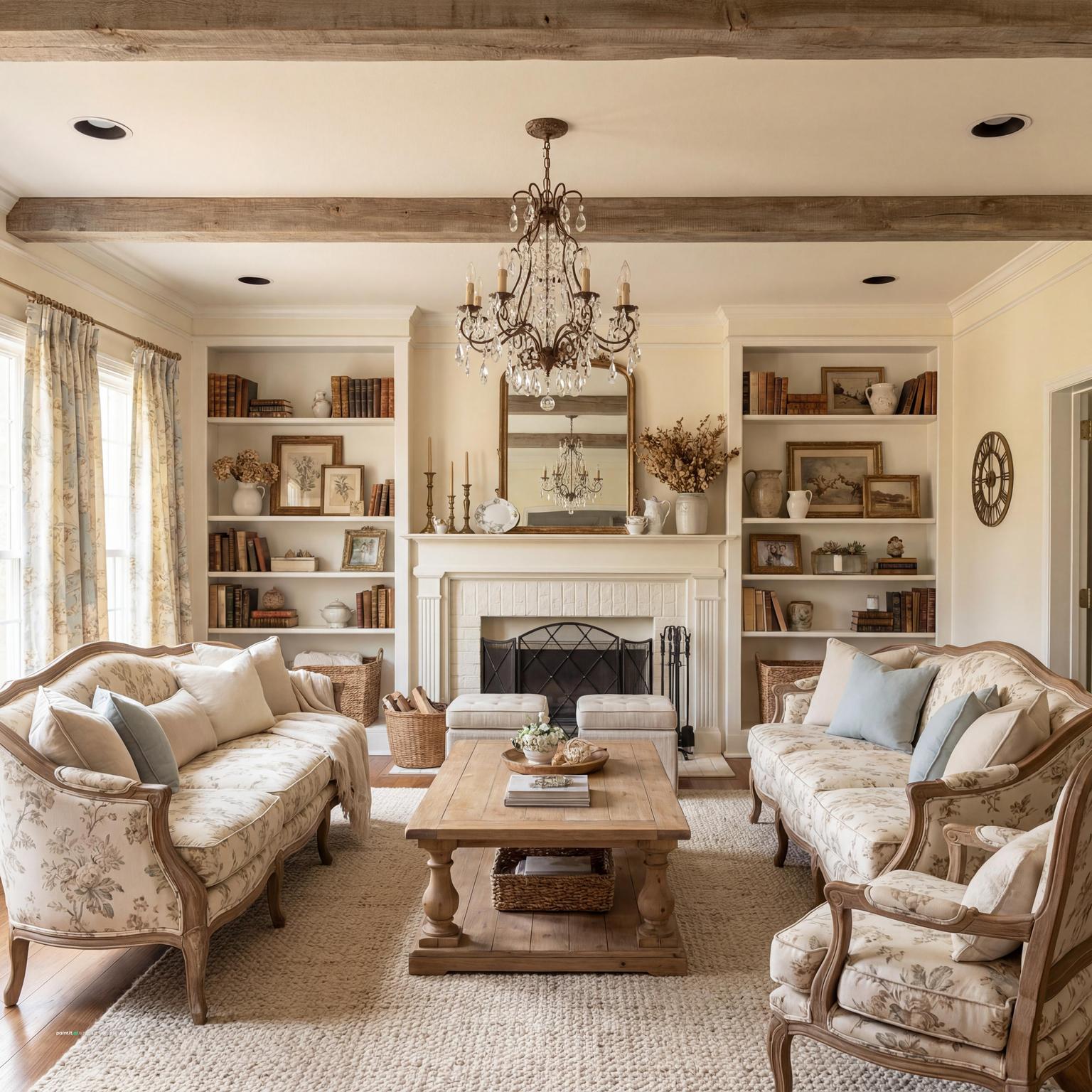
Toile de Jouy is a quintessential pattern, telling pastoral stories in a monochromatic palette. It’s delicate, romantic, and instantly recognizable as a hallmark of Gallic comfort. It sounds simple, but most people forget how impactful a classic print can be.
-
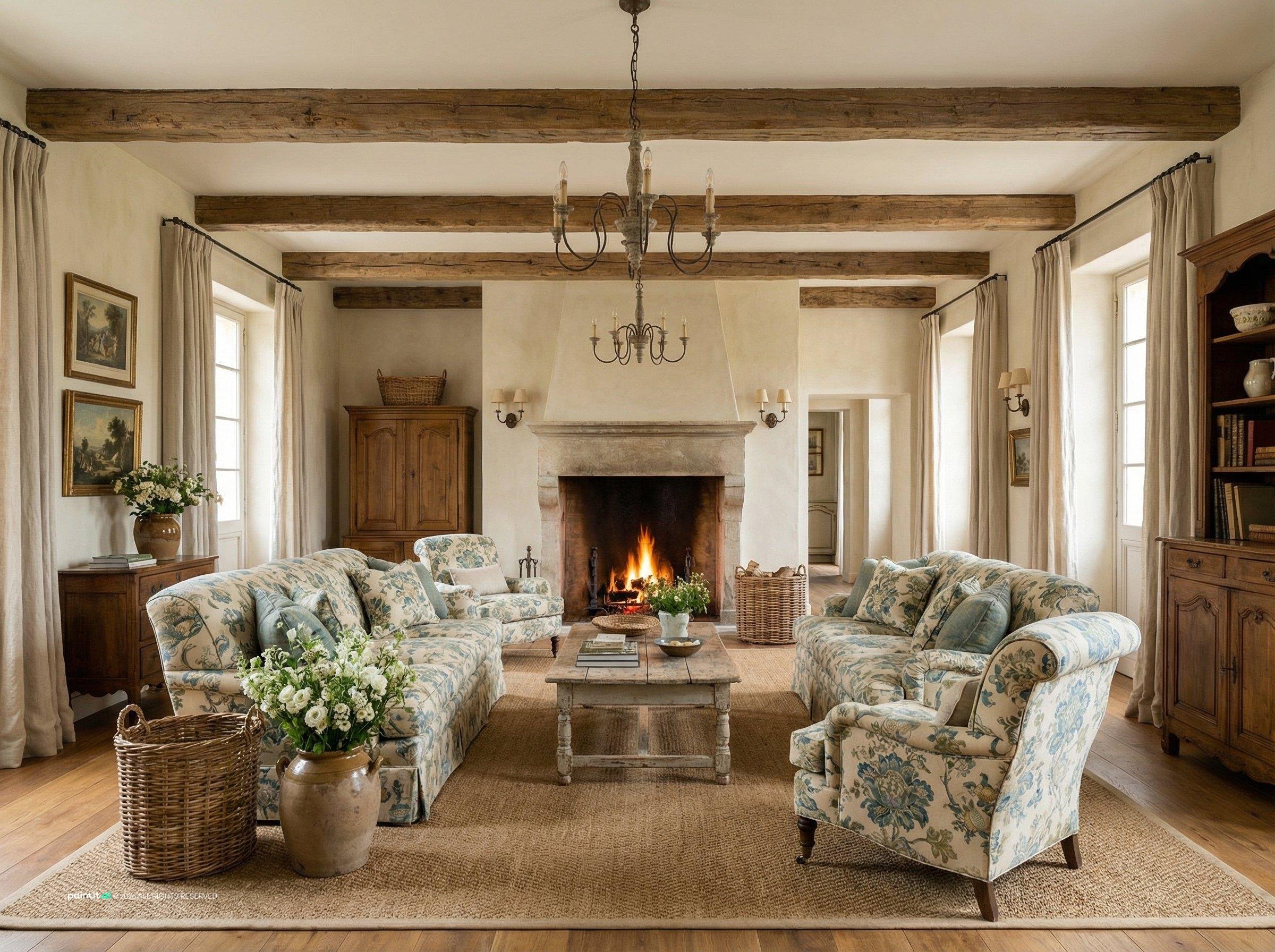
Introduce toile through throw pillows, a single armchair upholstery, or even a framed fabric panel. Stick to traditional blues, reds, or greens on an off-white background. The key is to use it sparingly, allowing its intricate details to be appreciated without overwhelming the space.
-
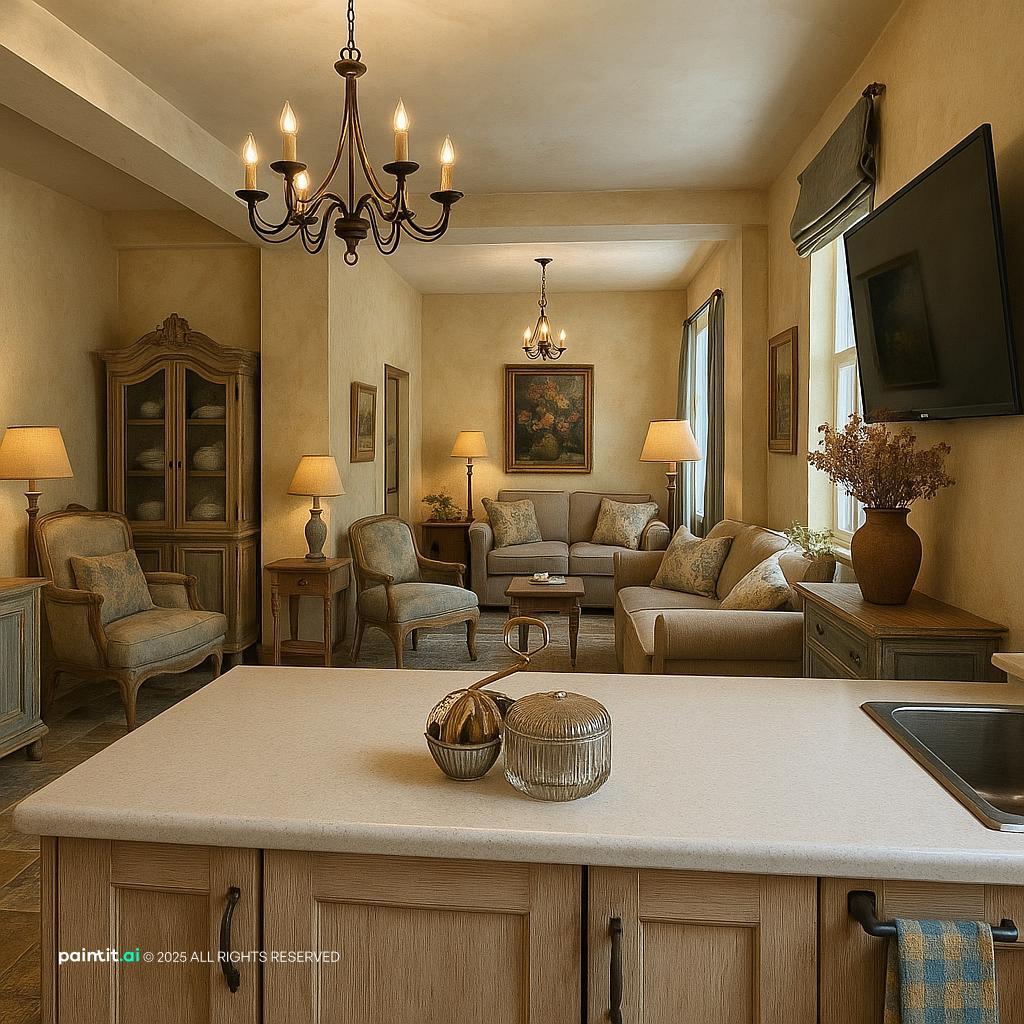
Pro Tip: To achieve this effect, try pairing toile with solid, natural linen fabrics to prevent visual clutter.
-
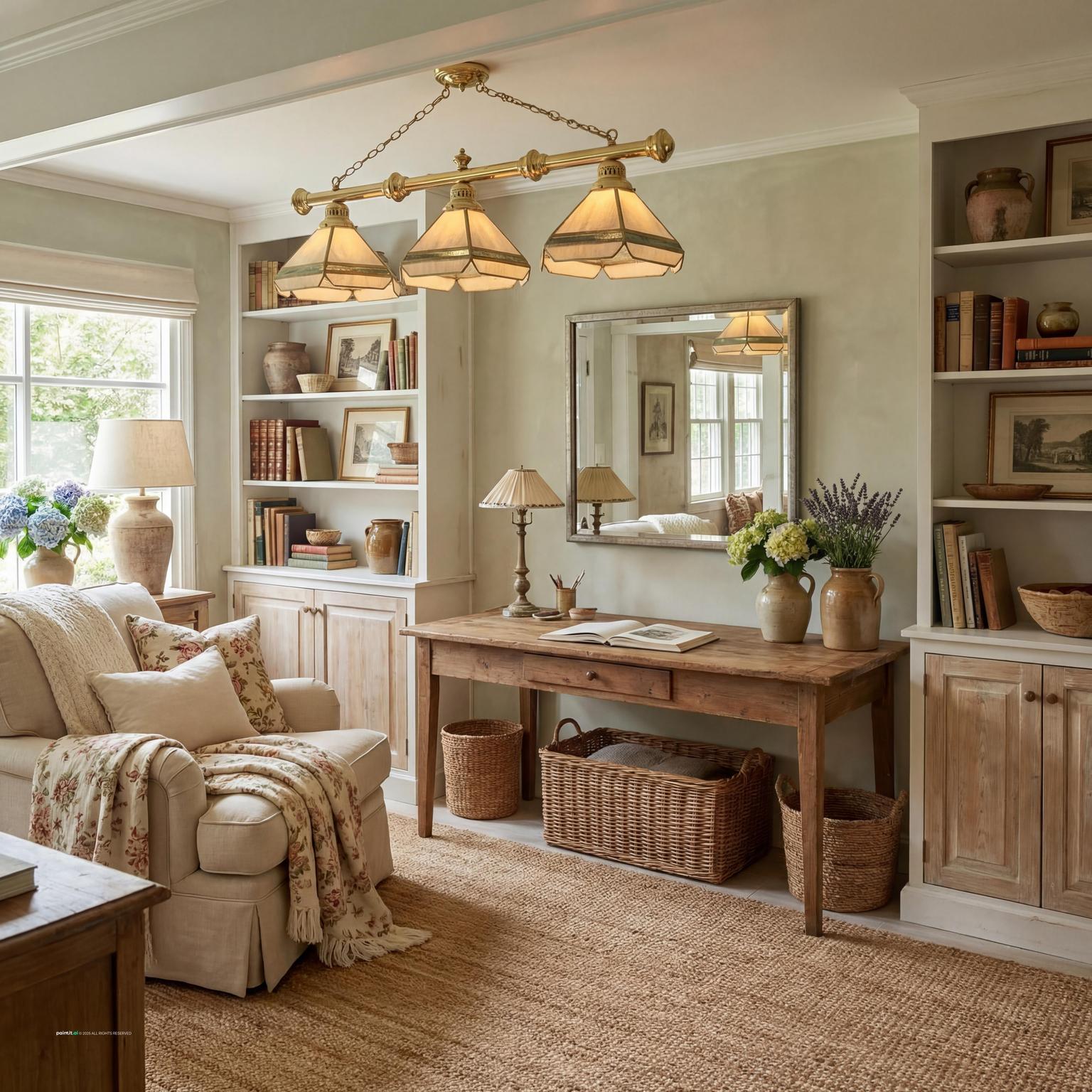
Delicate yet sturdy, wrought iron lighting fixtures add an authentic touch of artisan craftsmanship. They provide ambient light while contributing to the room’s rustic elegance. Here’s the kicker: good lighting is functional art.
-
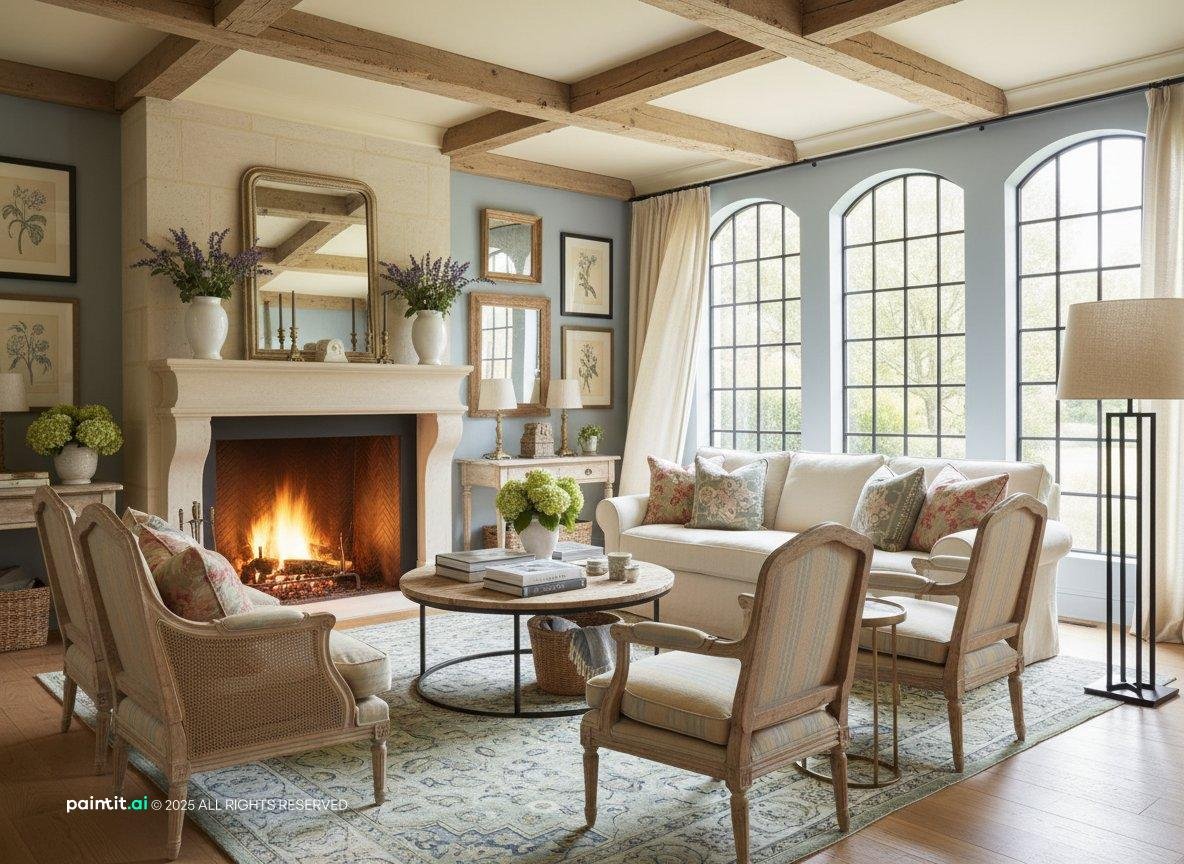
Choose a chandelier with graceful curves and perhaps a few faux candle sleeves. Complement it with matching wall sconces for layered lighting. The dark, matte finish of the iron contrasts beautifully with lighter walls and natural textiles, creating visual depth. Avoid anything too ornate; simplicity is key.
-
Pro Tip: To achieve this effect, try installing a dimmer switch to control the ambiance of your wrought iron fixtures.
-
Maximizing natural light is crucial for that airy, provincial feel. Sheer, unlined curtains allow sunlight to flood the room, creating a bright and inviting atmosphere. It reminds me of old-world Italian villas, where light was a design element.
-
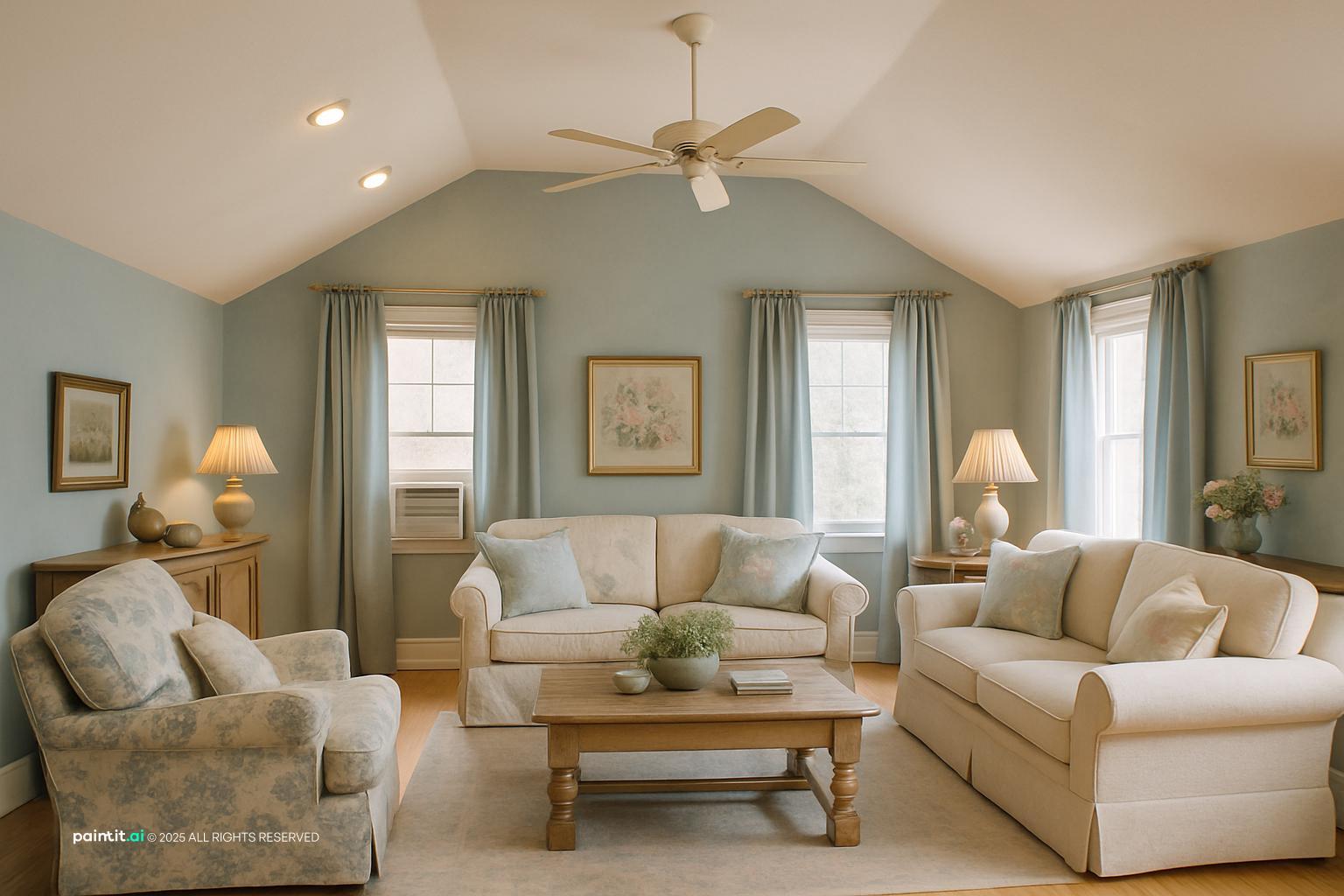
Opt for floor-length panels in a light-filtering linen or cotton voile. Hang them high and wide to make windows appear larger and to allow the fabric to drape generously. This softens the edges of the room and provides a gentle diffusion of light, avoiding harsh glares.
-
Pro Tip: To achieve this effect, try using a double curtain rod to layer sheers with heavier drapes for privacy when needed.
-
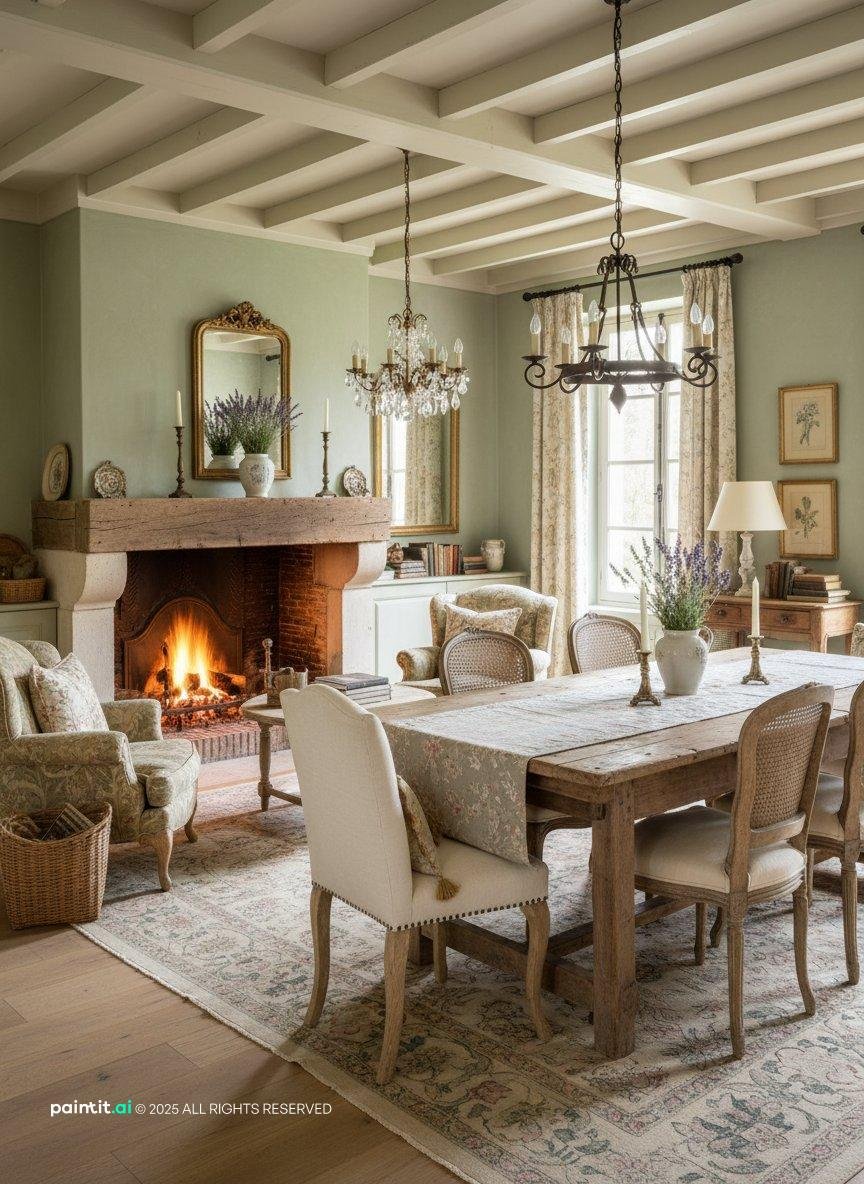
Bringing in elements of the earth grounds the space and connects it to the natural world. Terracotta pots, glazed ceramic bowls, and rustic pottery add warmth and texture. The thing is, these small details make a big difference.
-
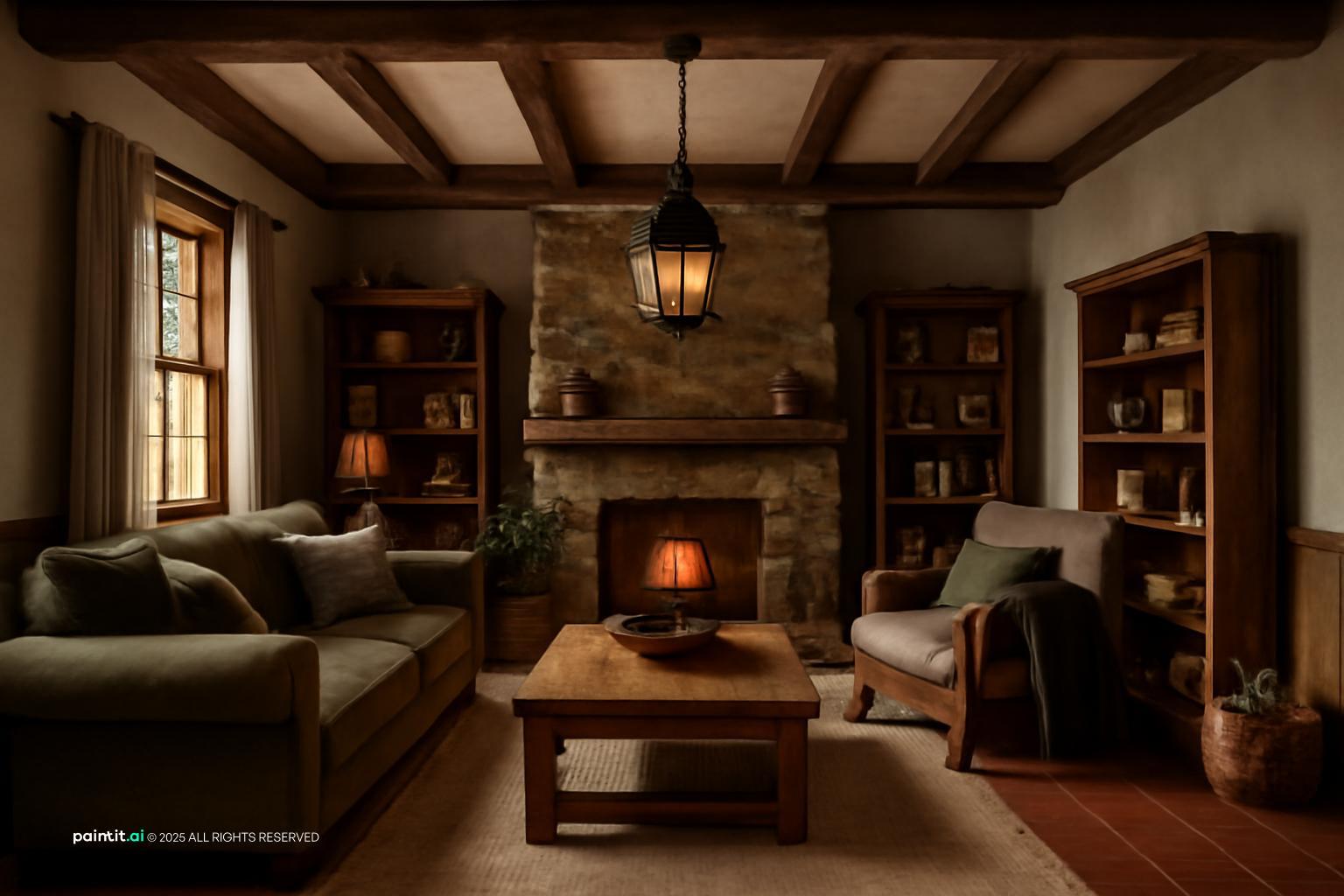
Display a collection of hand-thrown pottery on open shelves or a console table. Use large terracotta planters for indoor olive trees or lavender. The warm, earthy tones of these materials complement the muted palette of a country-inspired lounge, adding an organic touch.
-
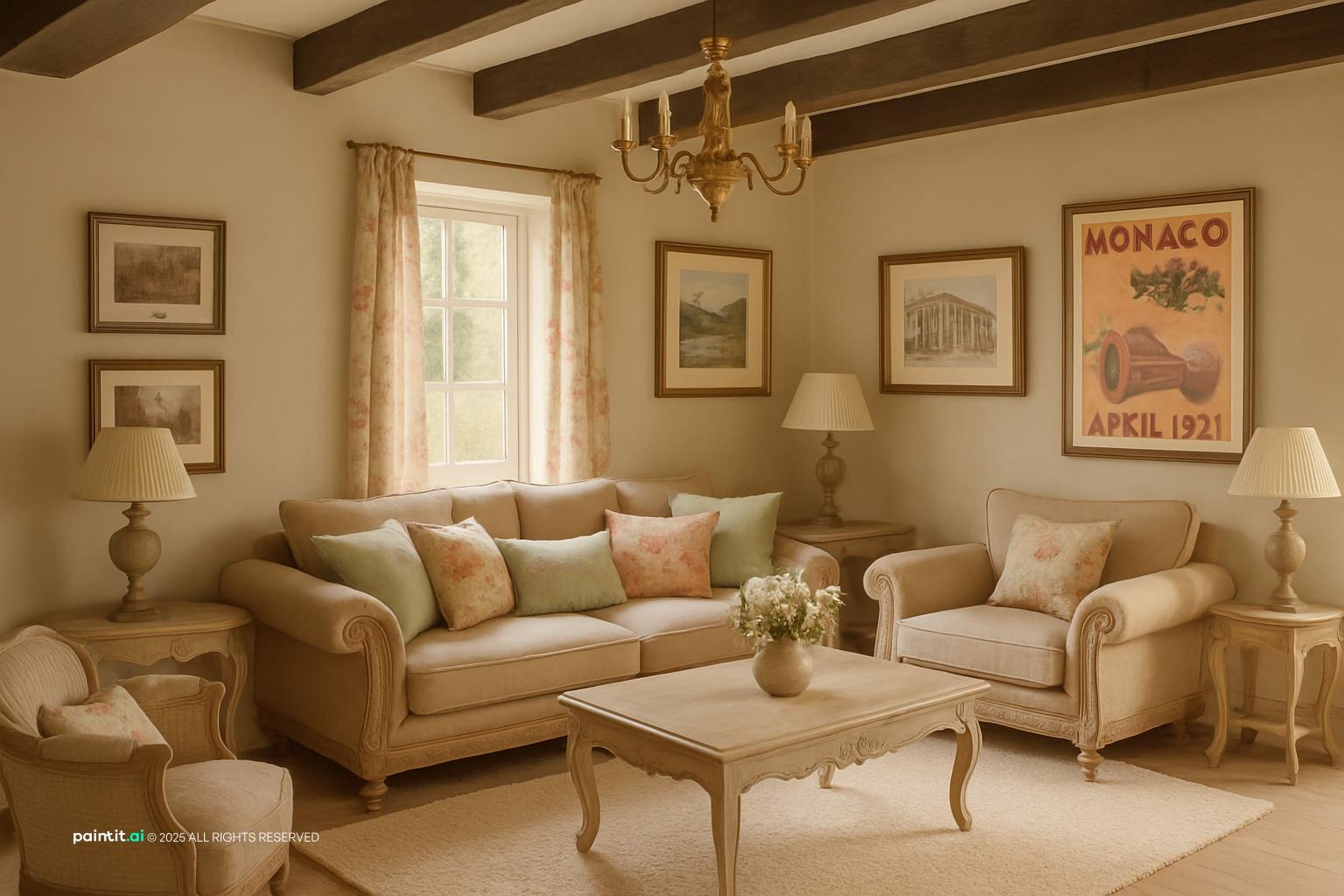
Pro Tip: To achieve this effect, try grouping ceramics of varying heights and textures for an artful, curated display.
-
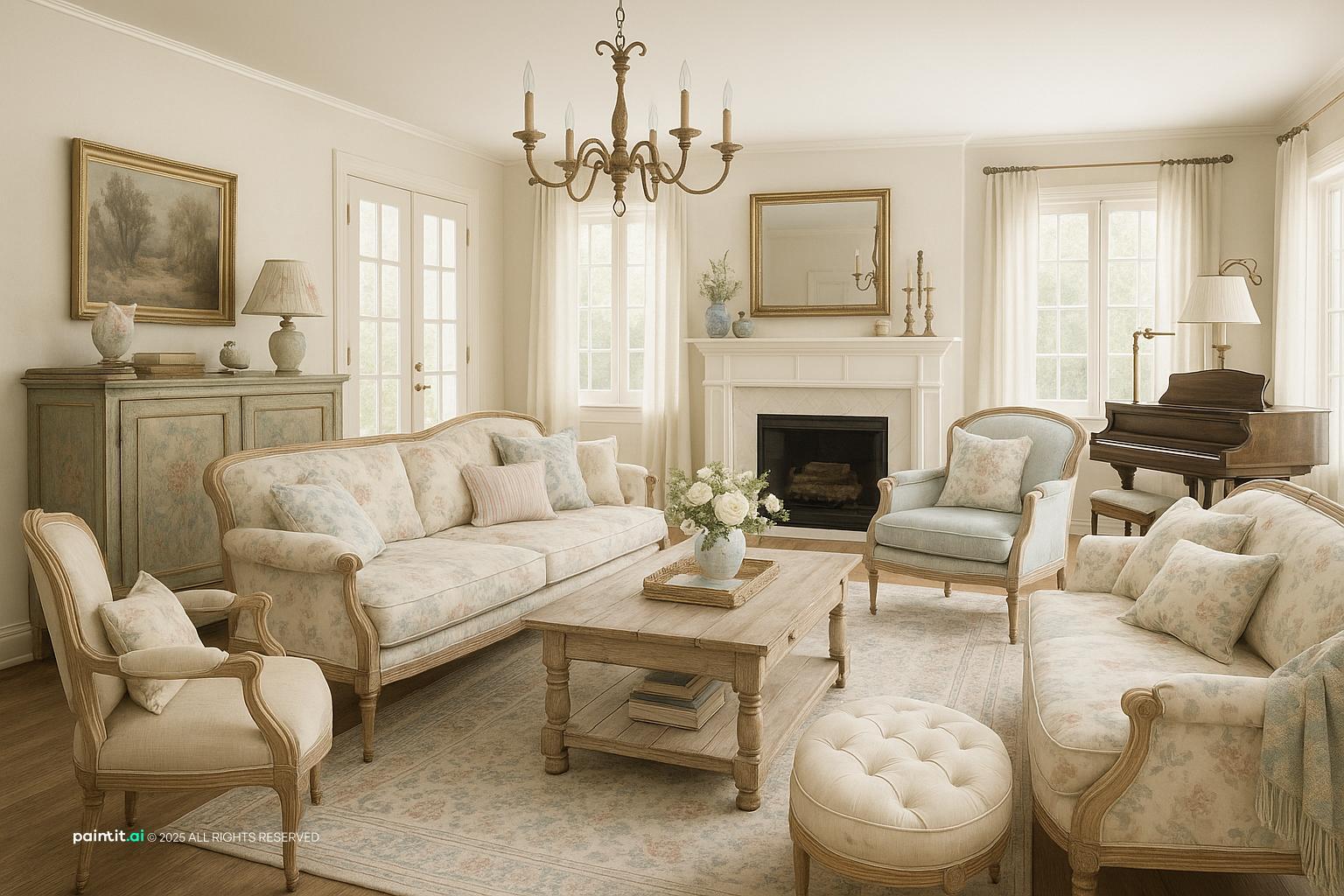
A truly inviting living room prioritizes comfort above all else. Deep sofas and armchairs with plush, down-filled cushions are essential for creating a space where everyone feels at ease. I’ve seen this work best in homes where relaxation is key.
-
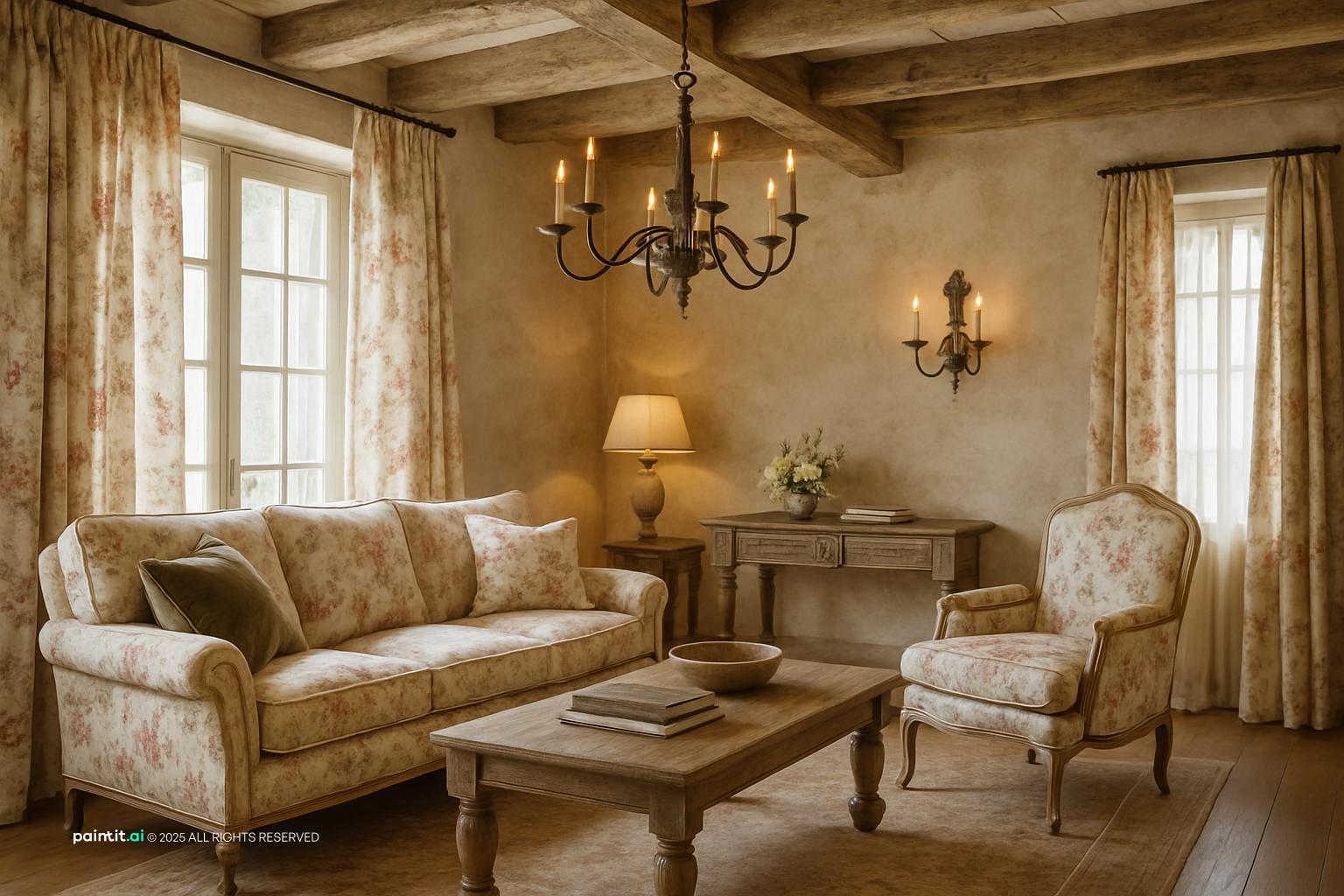
Look for furniture with generous proportions and soft, natural upholstery like linen or cotton velvet. The goal is a relaxed, sink-in feel, not stiff formality. Add an abundance of throw pillows in complementary textures and patterns for extra coziness. The result? Impeccable comfort.
-
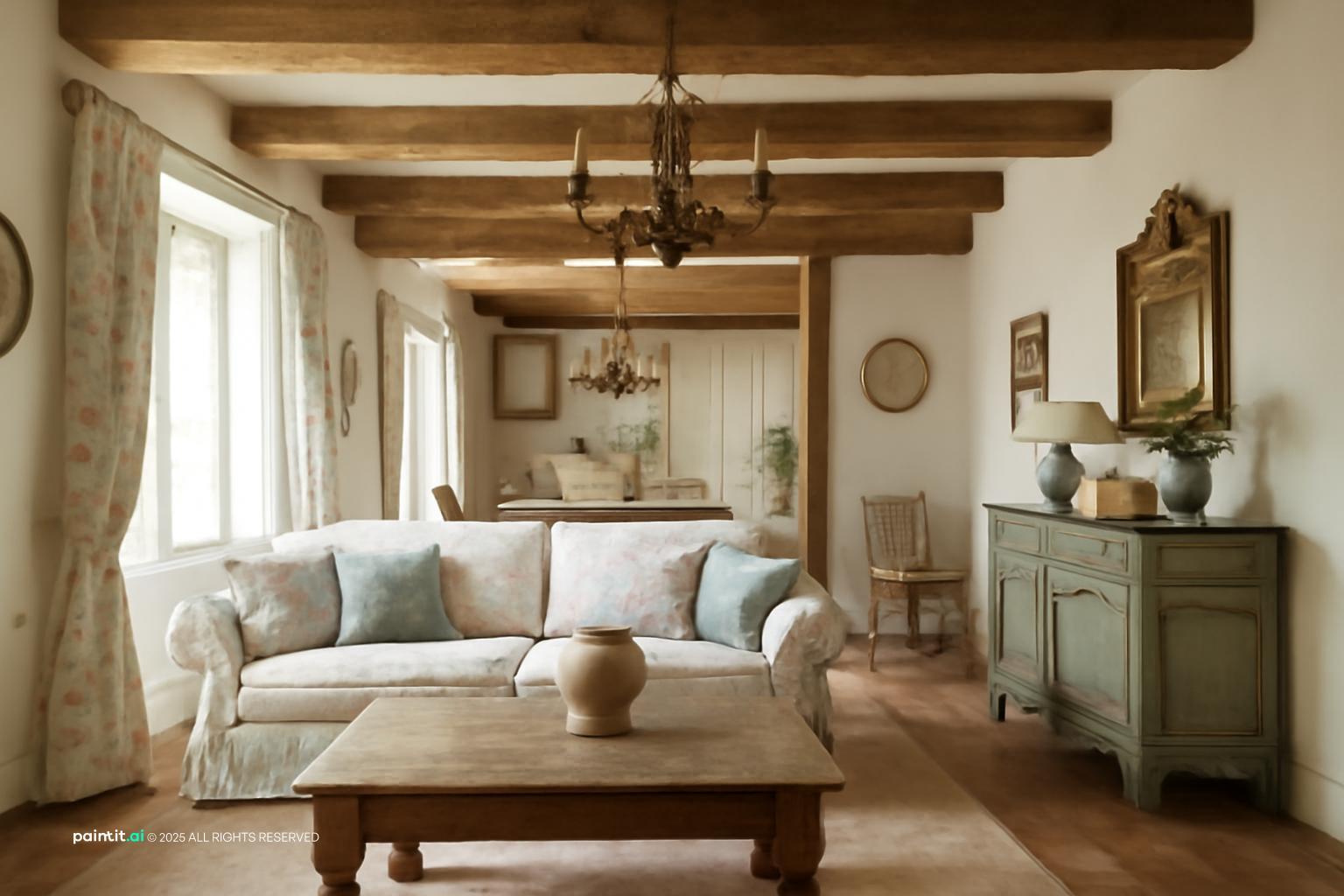
Pro Tip: To achieve this effect, try choosing sofas with removable cushion covers for easier cleaning and maintenance.
-
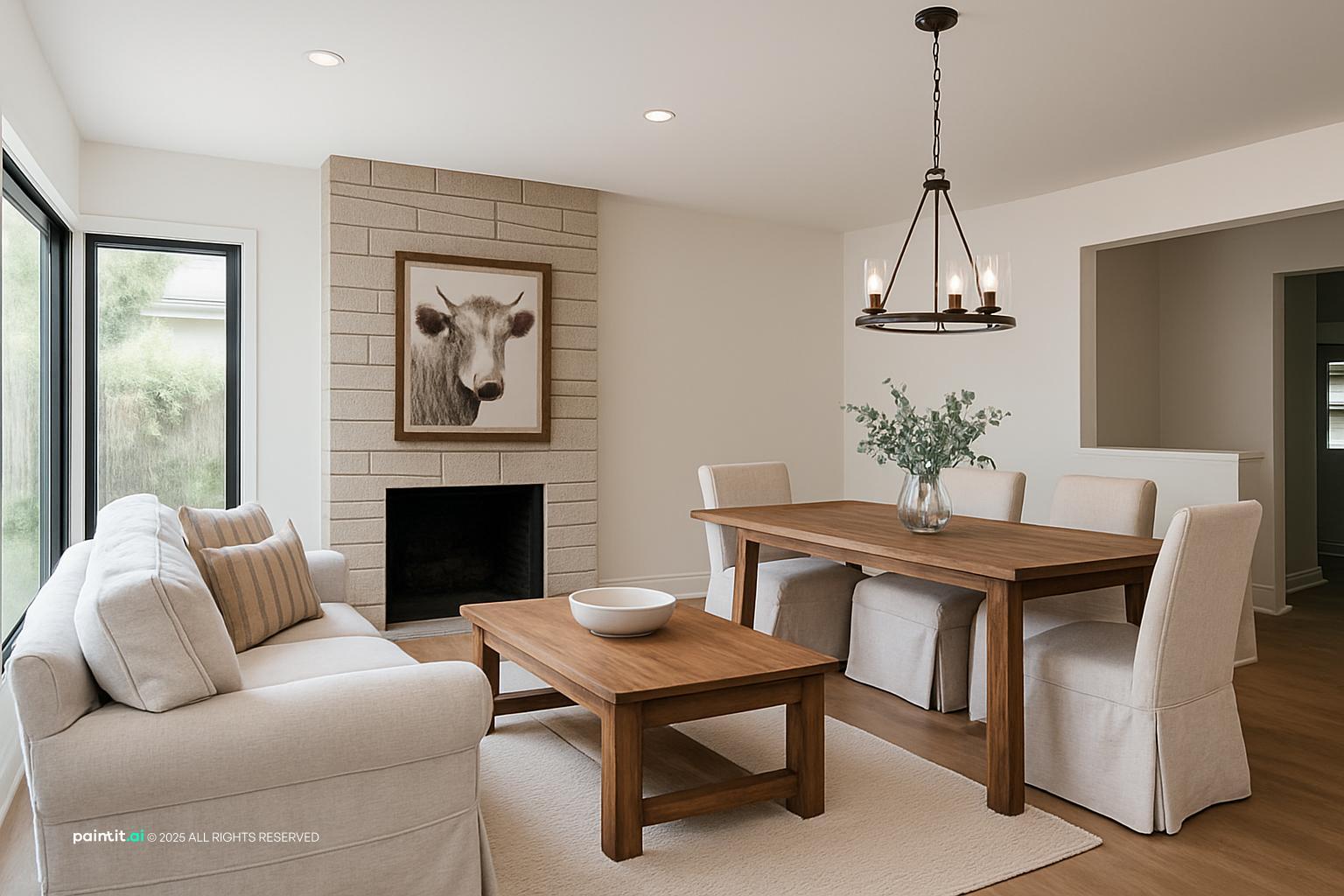
Open shelving allows you to display cherished objects, vintage books, and collected ceramics, telling a story about the inhabitants. It's an opportunity for personal expression, making the space uniquely yours. The choice was risky, but it paid off.
-
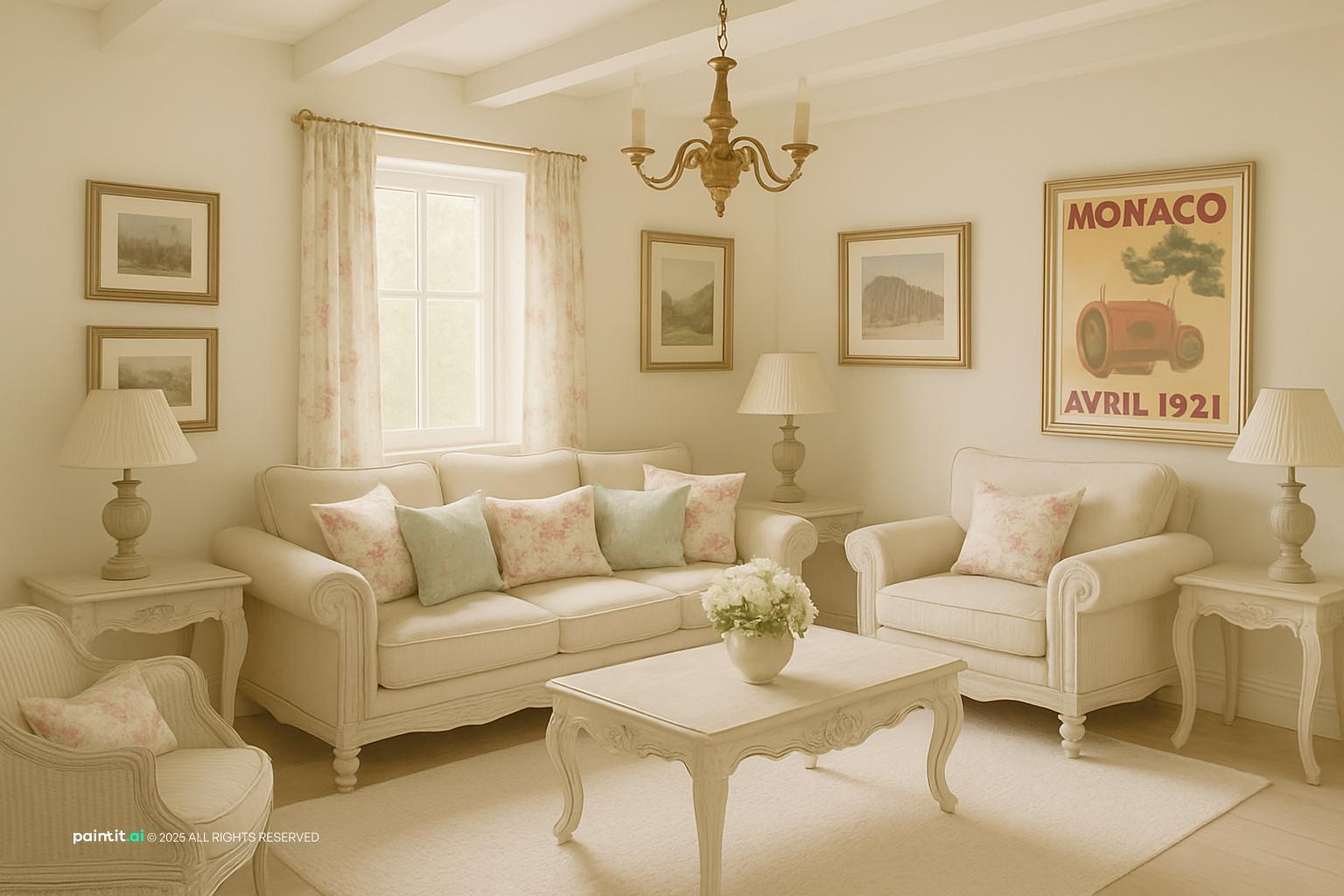
Install simple, sturdy wooden shelves, perhaps in a distressed finish. Arrange items thoughtfully, mixing heights and textures. Think antique apothecary jars, stacks of well-loved novels, and small botanical prints. It’s about creating vignettes that feel authentic and collected over time.
-
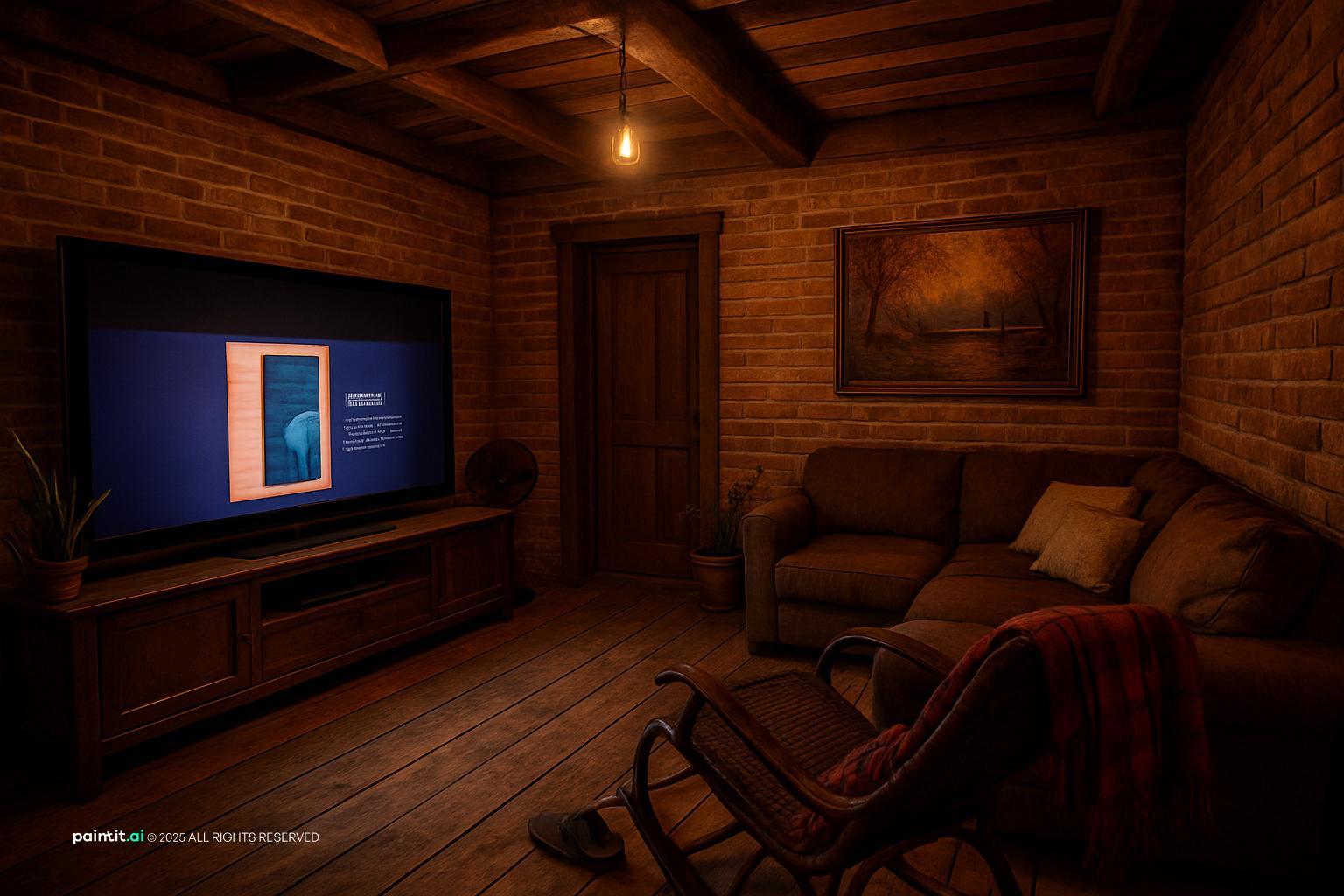
Pro Tip: To achieve this effect, try leaving some negative space on your shelves to prevent them from looking cluttered.
-
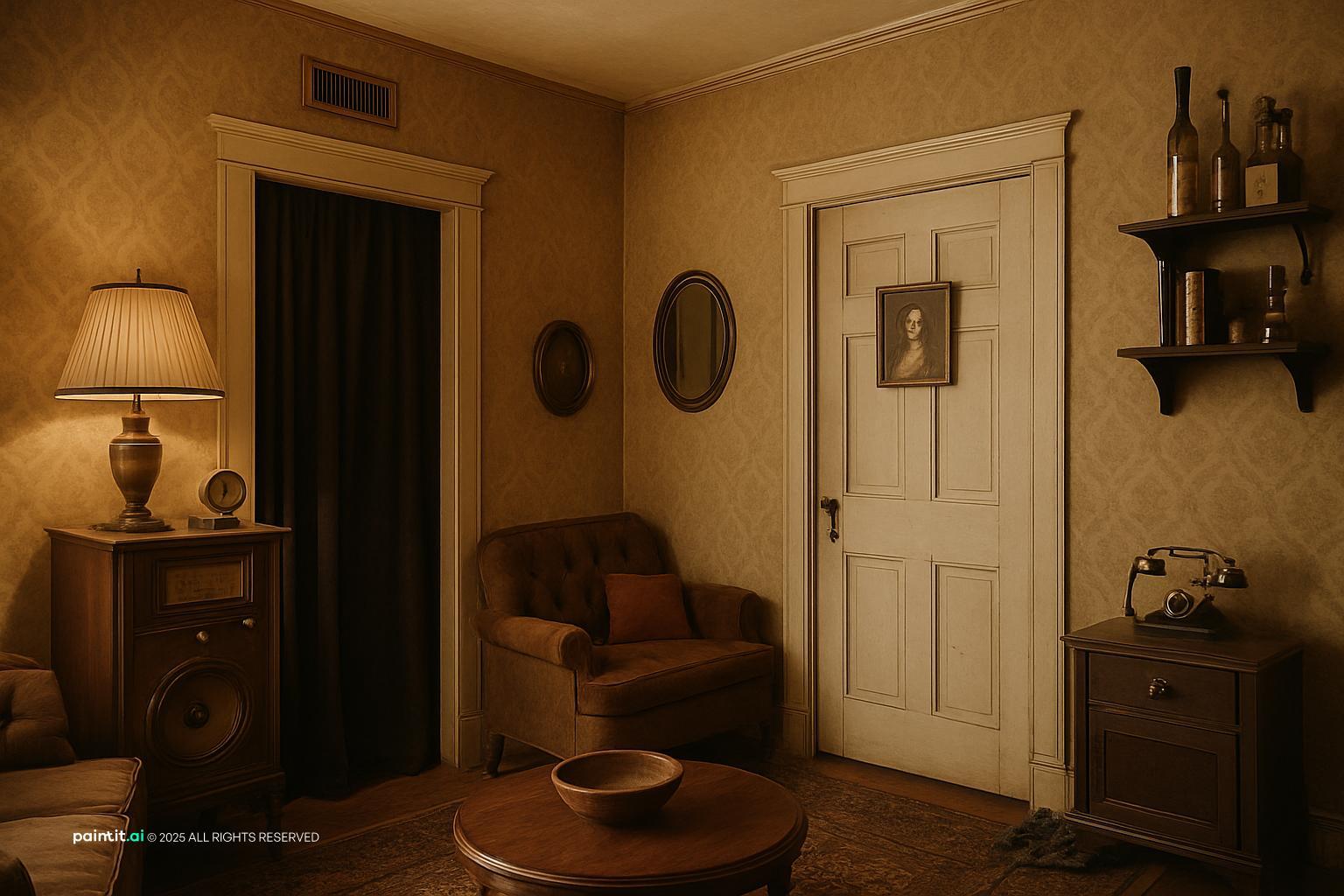
Adding texture underfoot brings warmth and defines seating areas. Layering natural fiber rugs, like sisal or jute, creates depth and a tactile experience. It’s about building layers, just like a well-dressed outfit.
-
Start with a large, neutral sisal or jute rug as a base, then layer a smaller, softer wool or cotton rug on top, perhaps with a subtle pattern. This adds visual interest and a cozy feel. It also helps to delineate different zones within an open-plan space.
-
Pro Tip: To achieve this effect, try using rug pads under both layers to prevent slipping and add extra cushioning.
-
These colors are synonymous with the Provençal landscape, bringing a sense of calm and natural beauty indoors. They’re muted, sophisticated, and never overwhelming. The thing is, these colors evoke a feeling, not just a look.
-
Incorporate these shades through textiles—throw blankets, accent pillows, or even a subtle stripe in an upholstery fabric. A few sprigs of dried lavender in a vase or an indoor olive tree can also bring these colors to life. Keep the overall palette soft to maintain serenity.
-
Pro Tip: To achieve this effect, try using these colors as accents against a backdrop of soft whites and creams.
-
An antique mirror, especially one with a beautifully aged, ornate frame, adds a touch of grandeur and reflects light, making the room feel larger and brighter. It’s a classic trick that never fails. The marble stained instantly, but the mirror was perfect.
-
Look for mirrors with distressed gold leaf, aged silver, or even a painted wooden frame. Place it opposite a window to maximize light reflection, or above a console table as a decorative focal point. The imperfections in the glass or frame only add to its charm.
-
Pro Tip: To achieve this effect, try leaning a large, ornate mirror against a wall for a more relaxed, less formal presentation.
-
If you’re fortunate enough to have exposed wooden beams, highlight them. They add incredible architectural interest and a strong sense of rustic authenticity. They tell a story of the home's structure, its bones.
-
Clean and restore existing beams, or consider adding faux beams if your ceiling height allows. The dark wood of the beams contrasts beautifully with lighter ceilings and walls, drawing the eye upward and adding a sense of grandeur. This detail immediately grounds the space in history.
-
Pro Tip: To achieve this effect, try painting the ceiling between the beams a soft, light color to make the beams stand out more.
-
A solid, substantial coffee table made from reclaimed wood or a sturdy timber is a practical and beautiful centerpiece. It grounds the seating area and provides a functional surface for everyday living. It didn’t fit through the front door easily, but it was worth it.
-
Choose a piece with a slightly distressed finish or visible wood grain. Its robust presence contrasts nicely with softer upholstery. Style it simply with a few antique books, a ceramic bowl, or a small vase of wildflowers. It’s about creating a gathering point that feels both durable and inviting.
-
Pro Tip: To achieve this effect, try selecting a coffee table with a lower shelf for additional storage of magazines or blankets.
The Art of Effortless Charm: A French Country Living Room Deep Dive to Life with Paintit.ai
-
The heart of a french country living room lies in its soft, sun-bleached hues. We gravitate towards creamy whites and gentle greys as our foundational tones, allowing a peaceful backdrop. Then, we introduce secondary shades like faded French blue, dusty olive, or a whisper of pale lavender. A touch of muted terracotta or a soft, aged red can act as a subtle accent, grounding the entire scheme.
-
Texture is everything here. We often lean into the warmth of distressed oak or reclaimed pine for furniture, bringing a sense of history. Natural, washed linen drapes beautifully, adding an inviting, tactile softness to any french country living room. Wrought iron fixtures provide a delicate yet sturdy contrast, while elements like natural stone or earthy terracotta pottery connect the space to the earth, creating a grounded, lived-in feel.
-
For the quintessential french country living room, we always start with a generously proportioned, deep-seated slipcover sofa, inviting you to sink right in. A substantial, patinaed armoire becomes a statement piece, offering both storage and old-world character. And a sturdy farmhouse coffee table, perhaps with visible wood grain, anchors the seating area, providing a functional, unpretentious gathering point. Proportions should feel comfortable, never stiff.
-
Lighting in a french country living room is about creating a warm, layered glow. An elegant wrought iron chandelier provides ambient light, casting a soft, overall illumination. We then add task lighting with charming wall sconces or table lamps featuring linen shades, perfect for reading. The goal is to avoid harsh glares, instead cultivating an intimate, welcoming atmosphere that feels like a gentle evening breeze.
-
Styling a french country living room means curating moments, not clutter. We love to display cherished objects like antique books, hand-thrown ceramic pitchers, or delicate botanical prints. The truth is, these small details tell a story. When arranging, we often apply the 3-5-7 rule: group items in odd numbers for visual balance. A trio of varying height vases on a mantel, for instance, feels more dynamic than two. On a console, perhaps five collected items—a small plant, a vintage clock, a stack of novels, a ceramic bowl, and a framed sketch—create an effortlessly composed vignette. This approach ensures each piece has room to breathe, contributing to that serene, collected provincial atmosphere without feeling overwhelming. It’s about creating vignettes that feel authentic and gathered over time.
How Paintit.ai Perfects Your French Country Living Room Vision Design Ideas
Achieving that effortless balance in a french country living room—rustic yet refined—can feel like a guessing game. Will that vintage armoire truly blend with your linen sofa, or will the space feel off? Paintit.ai lets you instantly visualize countless combinations of furniture, textures, and layouts, seeing how every detail harmonizes. Avoid costly mistakes; try Paintit.ai today.
FAQ
-
At its heart, a french country living room is about effortless comfort and a certain rustic elegance. We’re talking about a space that feels lived-in, welcoming, almost sun-drenched, without being overly formal or fussy. Think natural materials — reclaimed oak beams, linen upholstery, aged terra-cotta tiles underfoot, or perhaps a wide-plank wood floor with a gentle patina. It’s a style that whispers of Provence, not Parisian grandeur. The truth is, it’s less about strict rules and more about a feeling: relaxed, authentic, and deeply inviting. It reminds me of those old-world French farmhouses where life unfolded slowly, beautifully.
-
Forget anything too stark or saturated. For a truly authentic french country living room, we lean into soft, muted tones. Creams, warm whites, gentle grays, and pale blues are your foundational friends. We often introduce subtle hints of sage green, lavender, or a dusty rose — colors pulled directly from the Provençal landscape. The key here is a washed-out, almost faded quality, as if sun and time have softened every hue. It sounds simple, but most people forget to consider the natural light in the room; that’s the kicker. A north-facing room might need warmer whites, while a south-facing one can handle cooler grays.
-
Comfort is non-negotiable. We’re talking about generously proportioned sofas and armchairs, often upholstered in natural fabrics like linen or cotton, perhaps with a subtle slipcover. Distressed wood pieces are essential — a sturdy farm table as a coffee table, or an antique armoire for storage. Look for pieces with graceful, curved lines but nothing overly ornate. We often mix in wrought iron accents, maybe a console table or a floor lamp. The goal isn’t a matching set; it’s an impeccably edited collection of pieces that tell a story, some new, some with a past. I’ve seen this work best when you prioritize comfort and durability above all else.
-
Ah, the art of controlled imperfection. This is where the magic happens in a french country living room. It’s about layering textures: a chunky knit throw over a linen sofa, a faded floral rug grounding the space, a collection of mismatched ceramic pots on a mantel. We embrace natural wear and tear; a little chip on a painted dresser or a slight imperfection in a hand-blown glass vase adds character. The thing is, it’s not about clutter. It’s about thoughtful curation. We ensure every item has a purpose or brings joy. It’s about preservation over imposition, allowing the space to breathe and feel genuinely authentic, not staged.
-
One of the biggest pitfalls we see is overdoing the "shabby chic" — it can quickly tip into looking dated or overly themed. Another mistake? Ignoring the quality of foundational pieces. A cheap sofa, no matter how many throws you add, won't deliver that lasting comfort. We also advise against too many overtly "French" accessories like rooster motifs everywhere; a subtle nod is far more sophisticated. And here’s a practical one: neglecting proper lighting. A french country living room thrives on soft, ambient light, so avoid harsh overhead fixtures. The choice was risky for some clients, but investing in dimmer switches and multiple light sources always pays off.