
Designing a Serene Farmhouse - Sage Green Living Room
Imagine stepping into a space where every detail whispers comfort and calm, a room that feels both fresh and deeply rooted. A farmhouse sage green living room offers just that - a gentle embrace of nature's tranquility blended with rustic charm. How do you bring this specific, inviting feeling home?
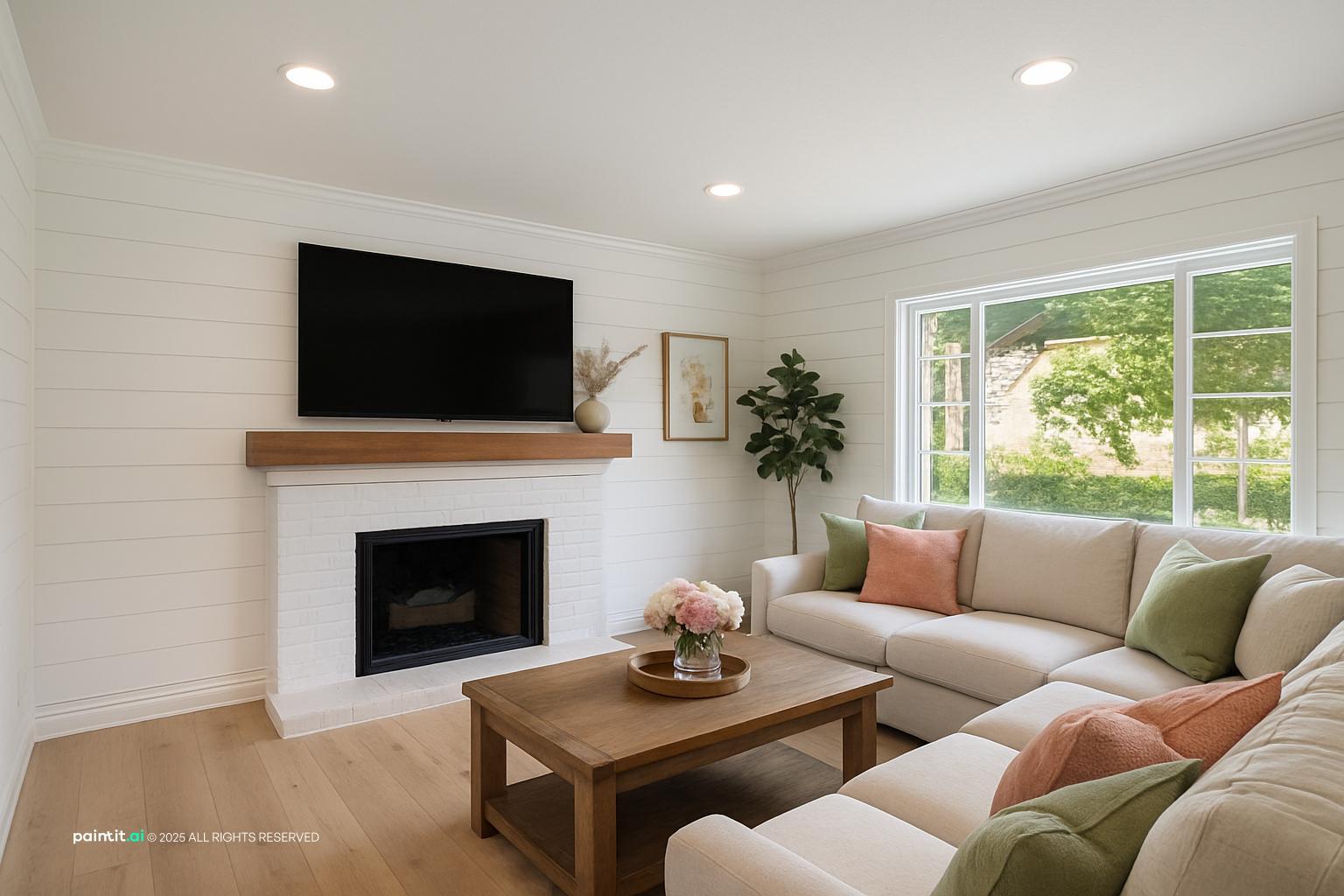
Essential Tips for The Allure of a Farmhouse Sage Green Living Room
Stunning Examples of 12 Inviting Ideas for Your Farmhouse Sage Green Living Room
-
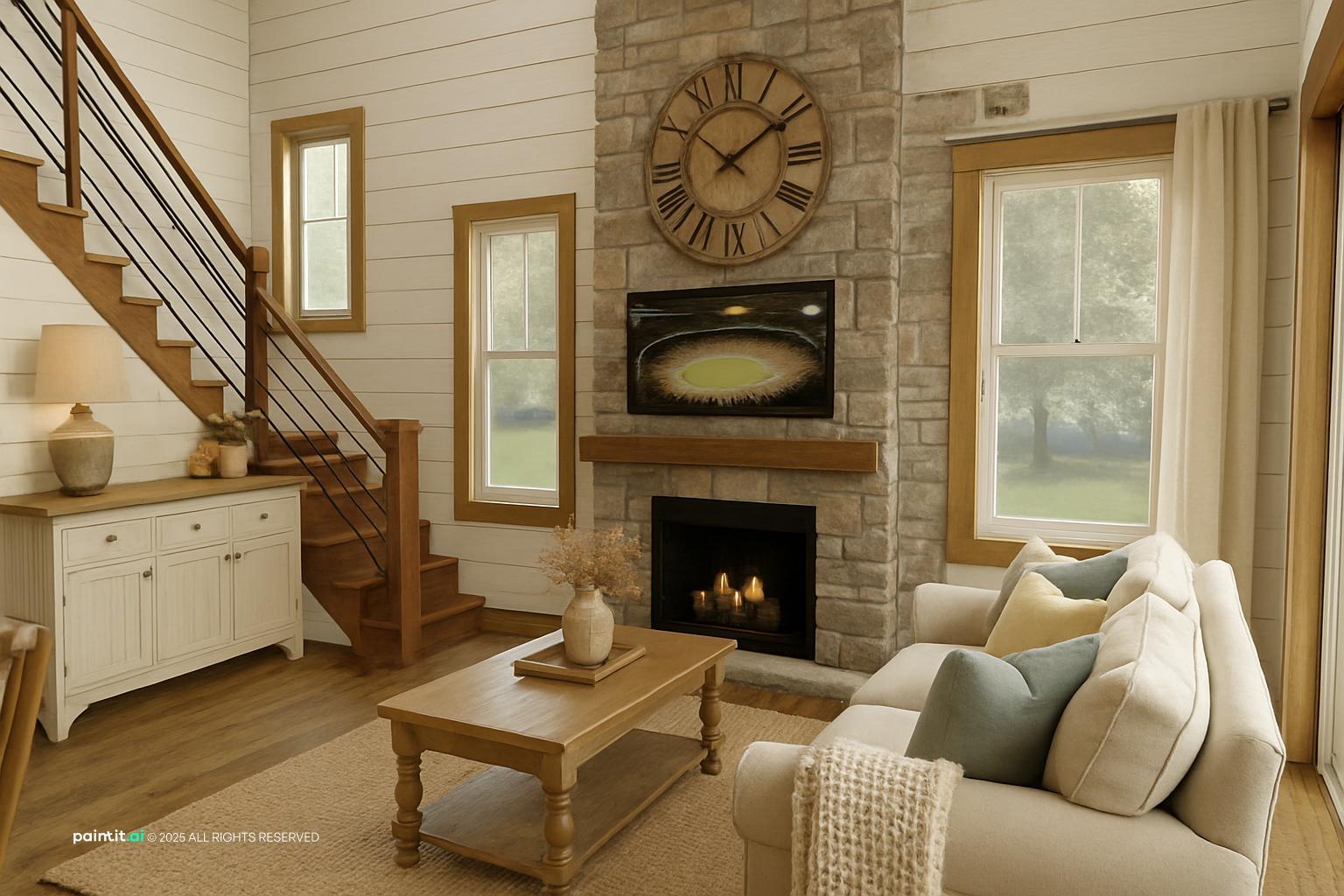
Stepping into a space that truly feels like home — that's the dream, isn't it? We've curated a collection of design ideas for a farmhouse sage green living room that strike a beautiful balance between aesthetics and everyday functionality. These aren't just pretty pictures; they're thoughtful approaches to creating a calm, cohesive gathering spot.
-
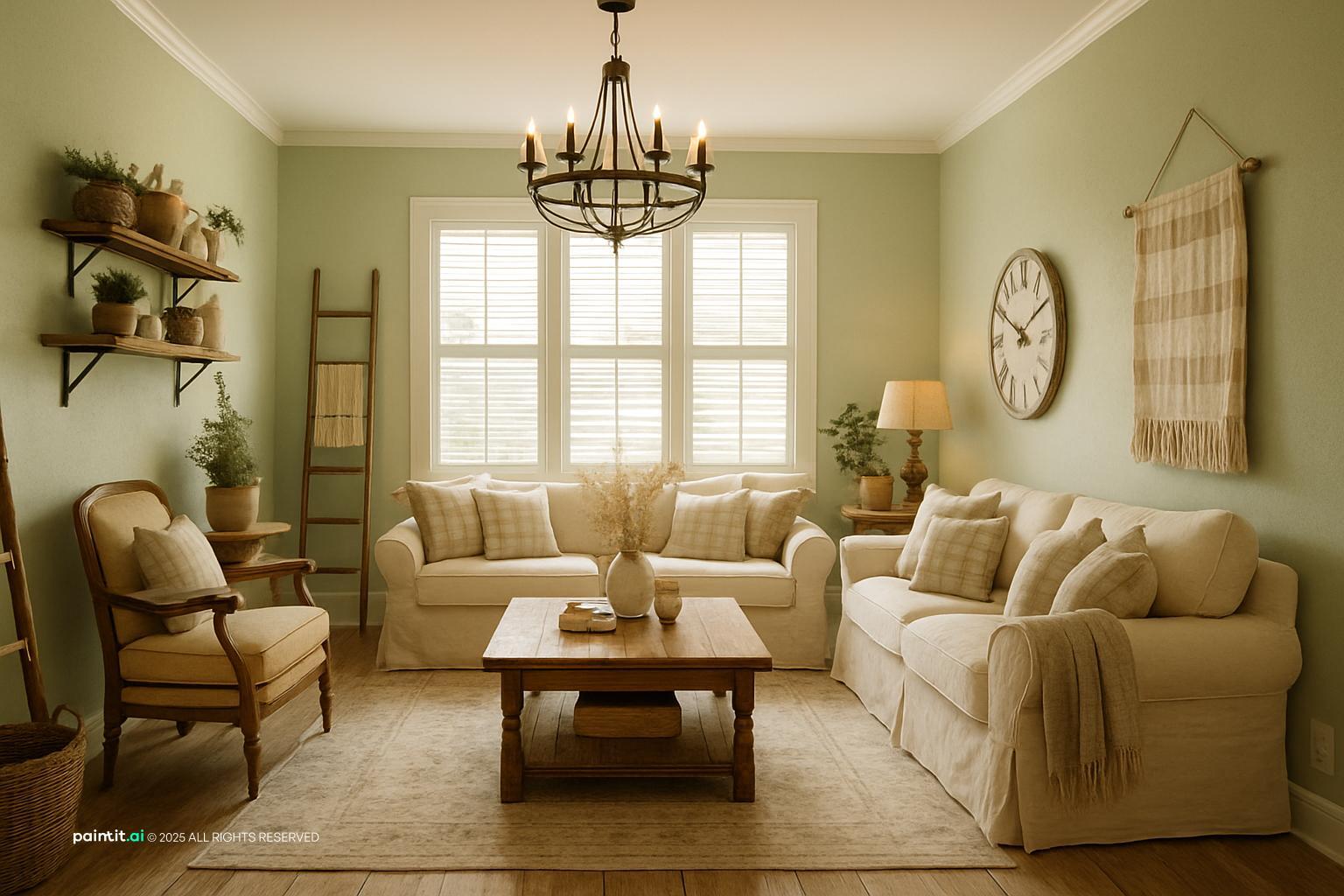
There's a quiet power in committing to a single hue, especially one as soothing as sage. This concept leans into the full spectrum of sage green, using varying shades and textures to build depth without overwhelming the eye. It feels enveloping, like a gentle hug from nature itself. The truth is, many shy away from this, fearing it might look flat. But when done right, it's anything but.
-
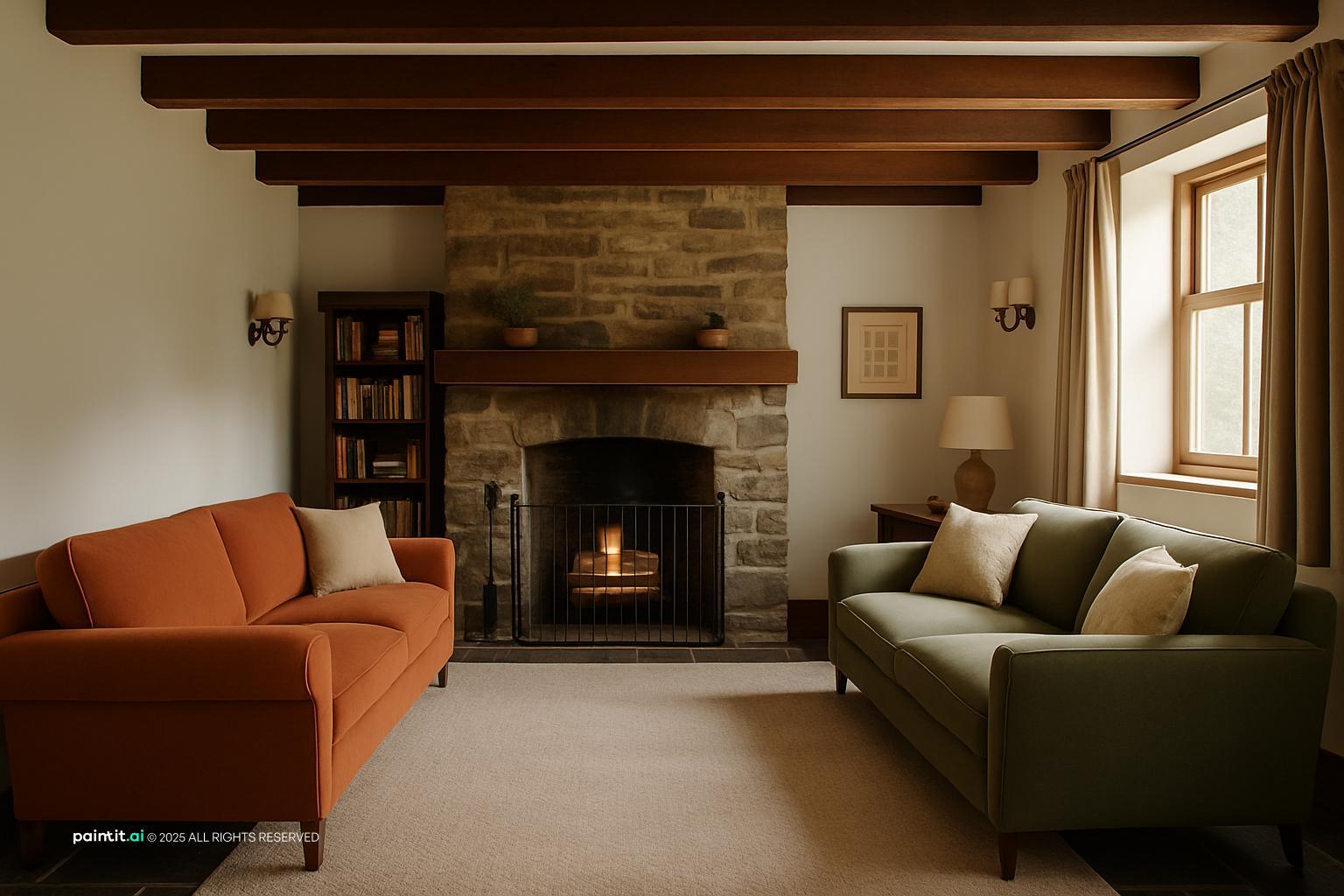
To pull this off, think about painting walls in a soft, muted sage, then introducing a slipcovered sofa in a slightly deeper olive green linen. Layer in throw pillows in a lighter, almost silvery sage, perhaps with a subtle herringbone weave. Consider a large, hand-knotted wool rug with a faint sage pattern to anchor the space. We've seen this work best in rooms with ample natural light.
-
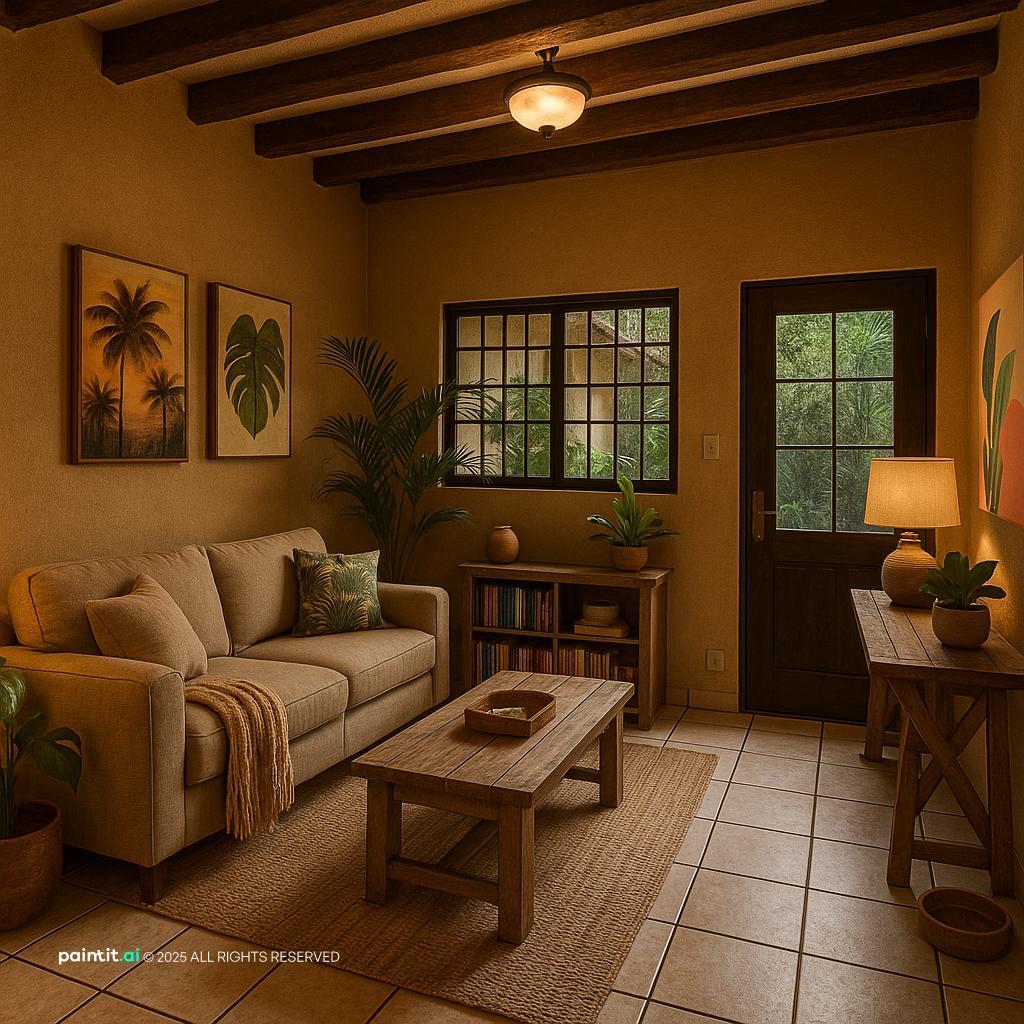
Pro Tip: To achieve this effect, try mixing matte and subtly lustrous finishes within your chosen color family.
-
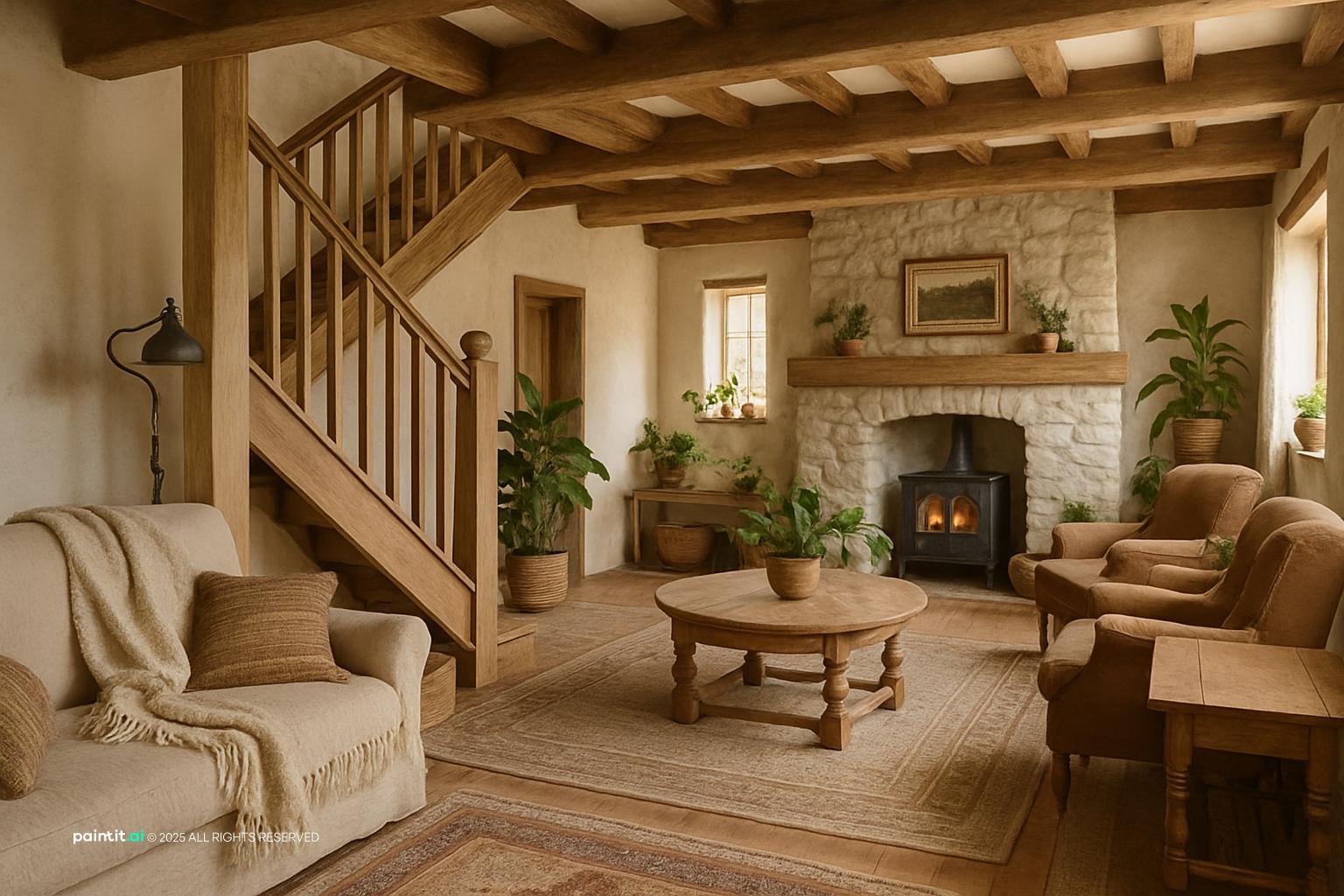
This idea celebrates the raw beauty of aged timber against the fresh calm of sage. It's about grounding the space with substantial, character-rich pieces. The contrast between the cool green and the warm, often dark, wood tones creates an immediate sense of history and comfort. It's a classic farmhouse move, but with a refined edge.
-
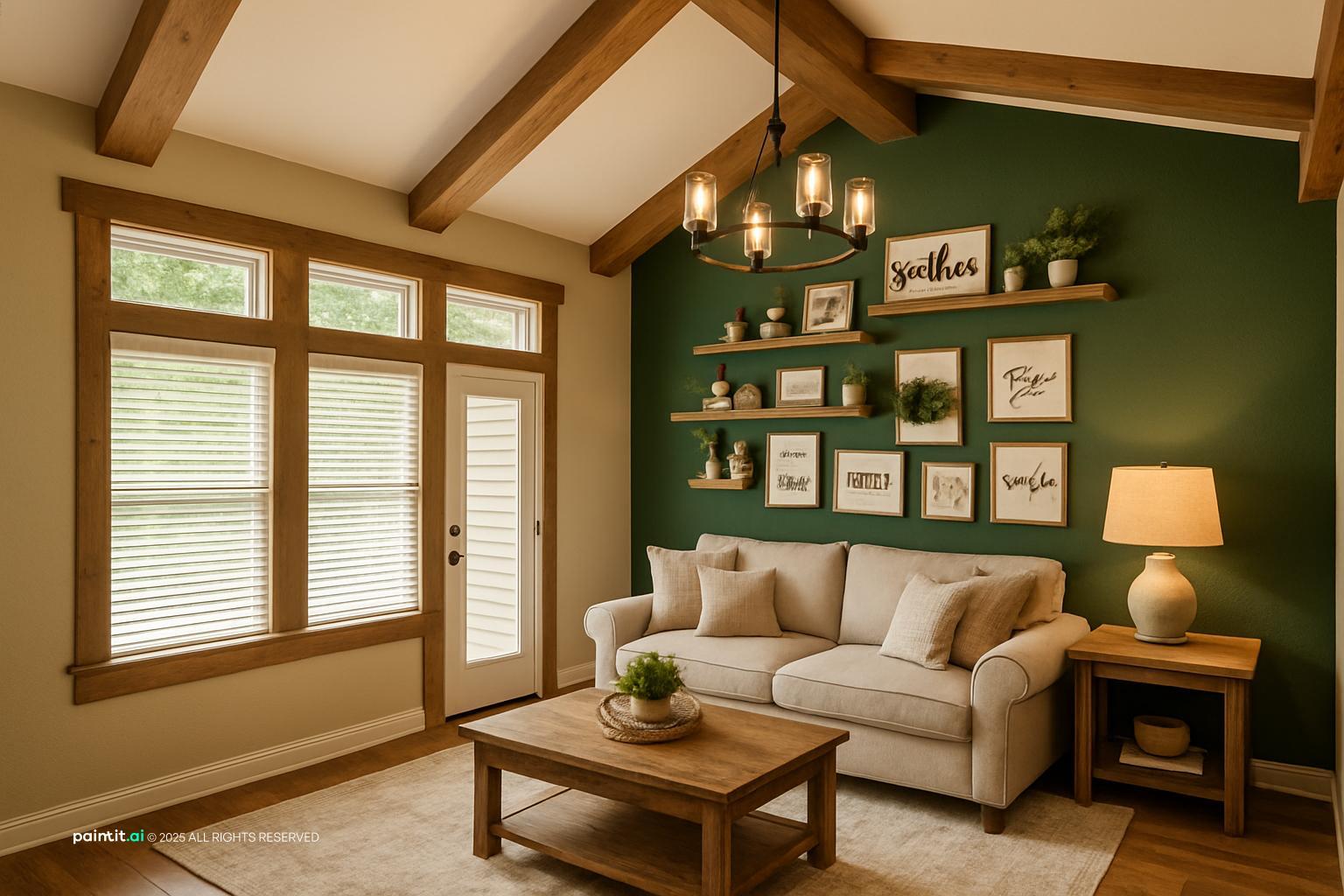
Imagine a substantial coffee table crafted from reclaimed barn wood, its imperfections telling a story. Pair this with a soft sage green sofa. Open shelving made from distressed oak can display white ceramic pottery and vintage books. For flooring, wide-plank engineered wood in a medium-brown tone would complement the scheme beautifully. This look is about preservation over imposition.
-
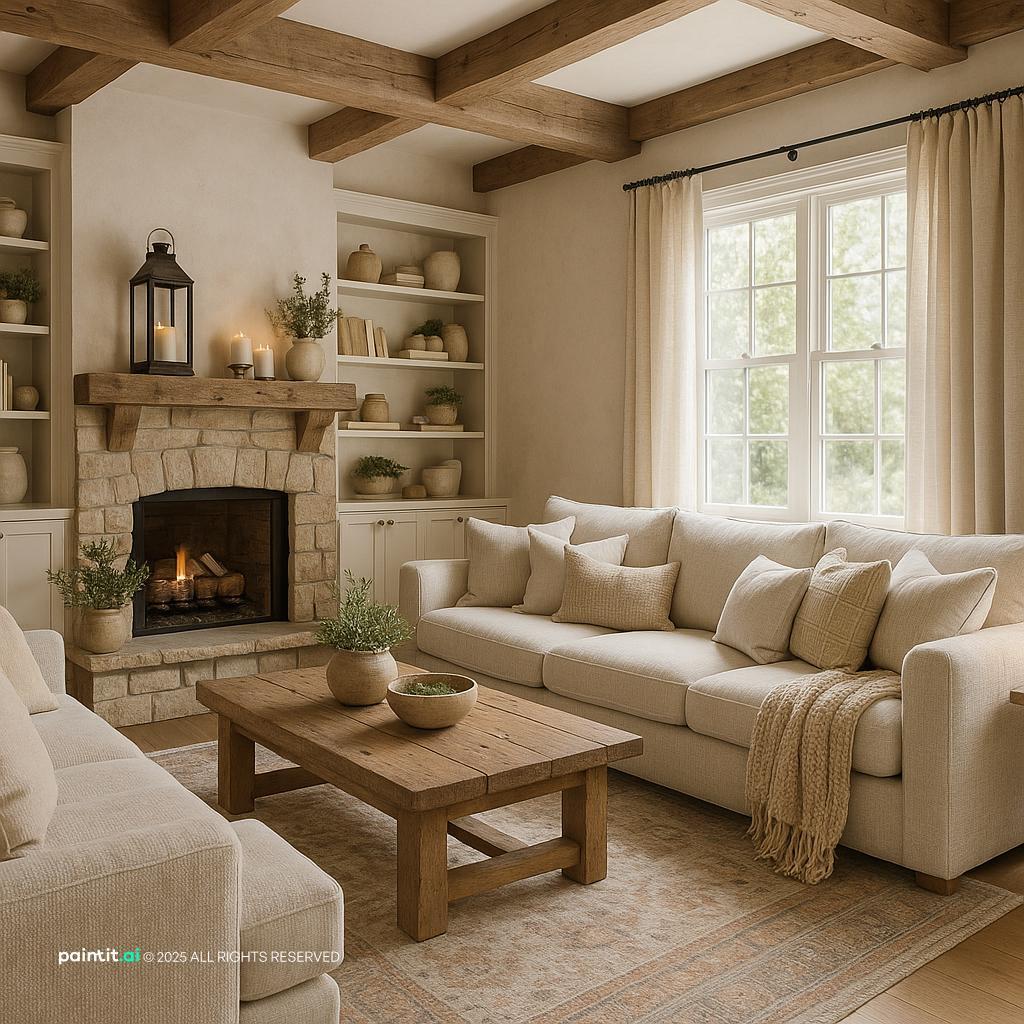
Pro Tip: To achieve this effect, look for furniture with visible grain and natural wear, not just a painted "distressed" finish.
-
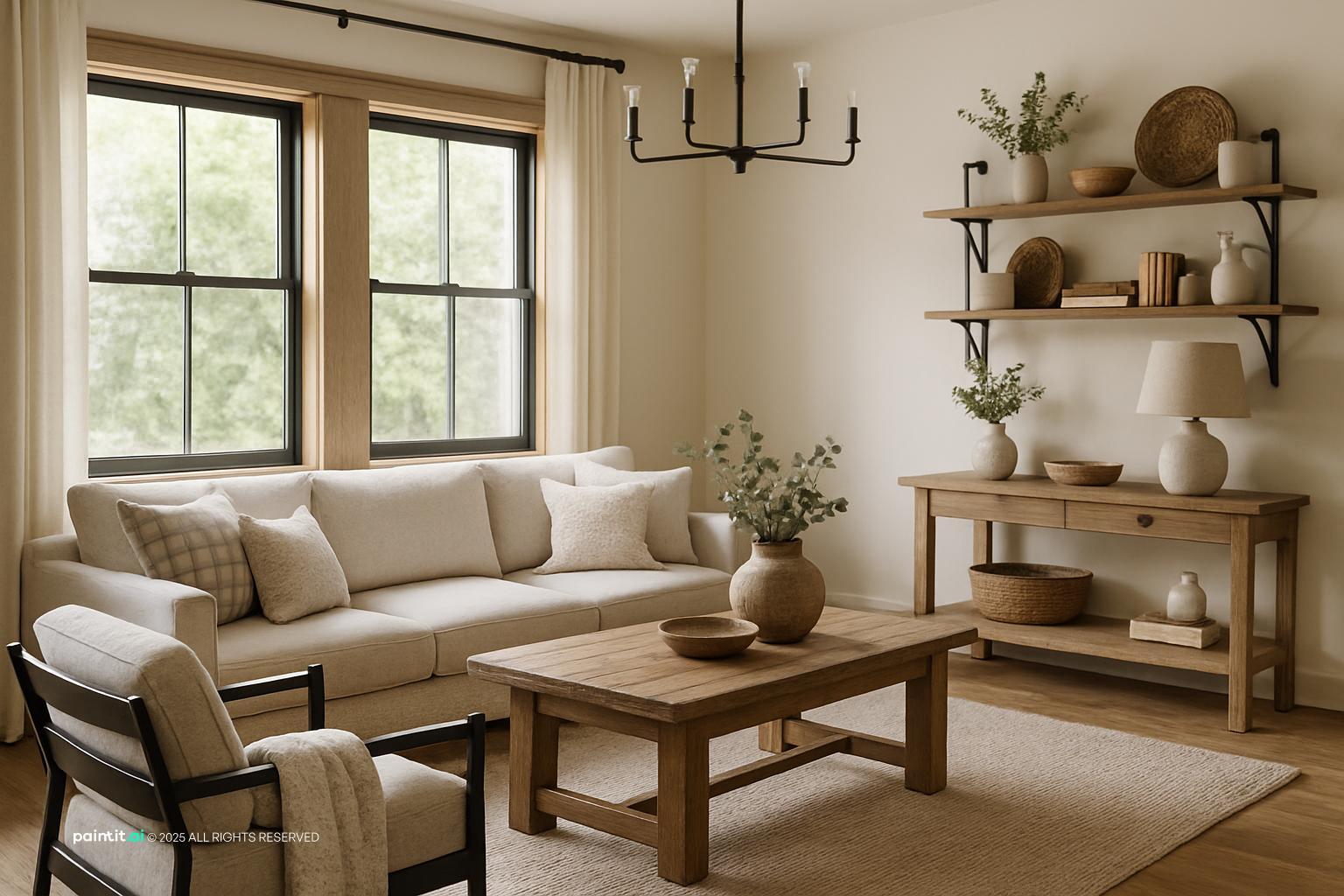
Nothing says "relax" quite like linen. This design focuses on creating an inviting, touchable space using natural fibers and the gentle palette of a farmhouse sage green living room. It’s about creating a haven where you can truly unwind, free from stiff formality.
-
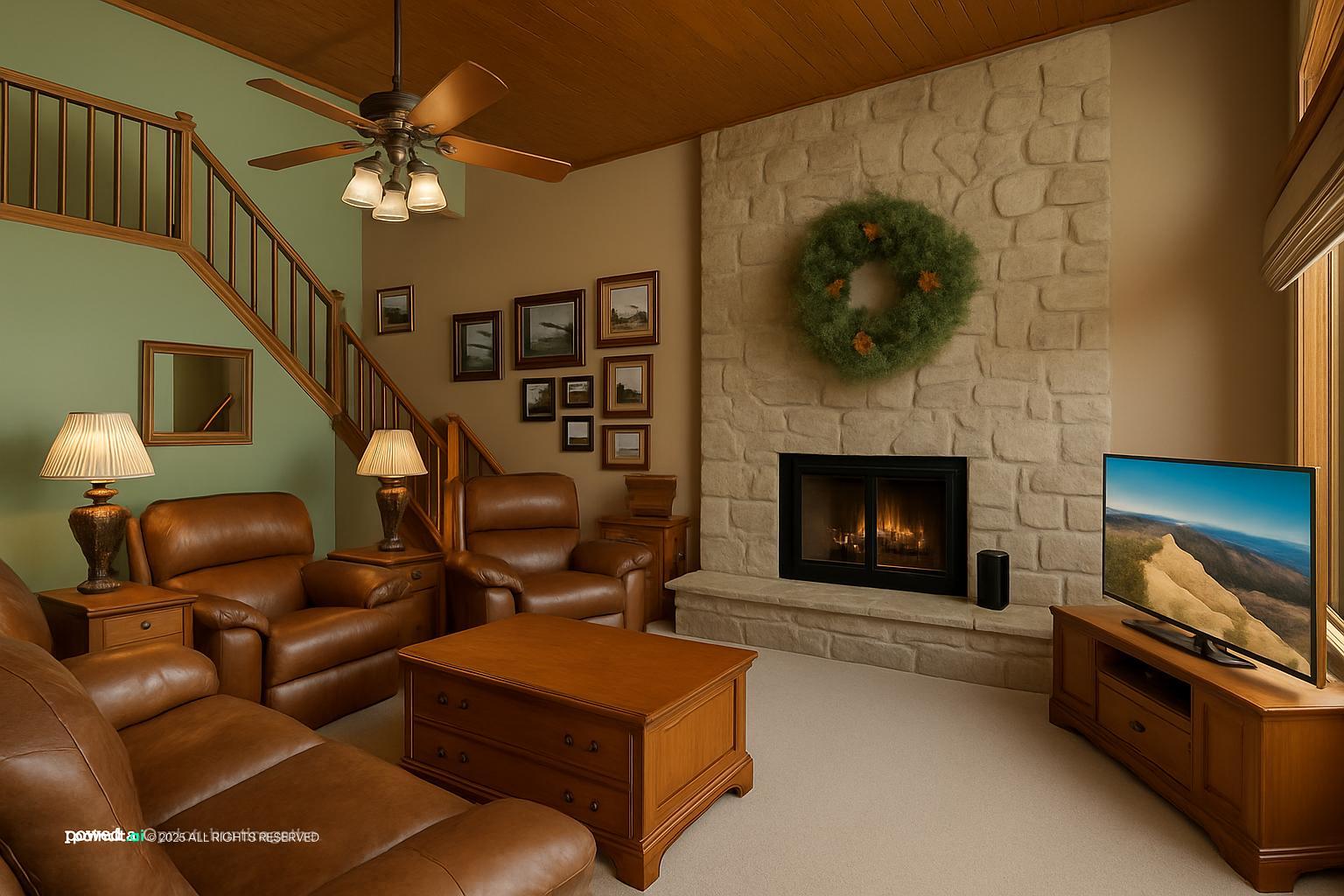
Start with a generously proportioned, slipcovered sofa in a natural flax or creamy off-white linen. Introduce sage through plush throw blankets in a chunky knit or delicate linen curtains that filter the light. An upholstered ottoman in a subtle sage pattern can serve as a soft coffee table. The key here is layering soft textures. We often suggest Dedar fabrics for their exquisite drape and feel.
-
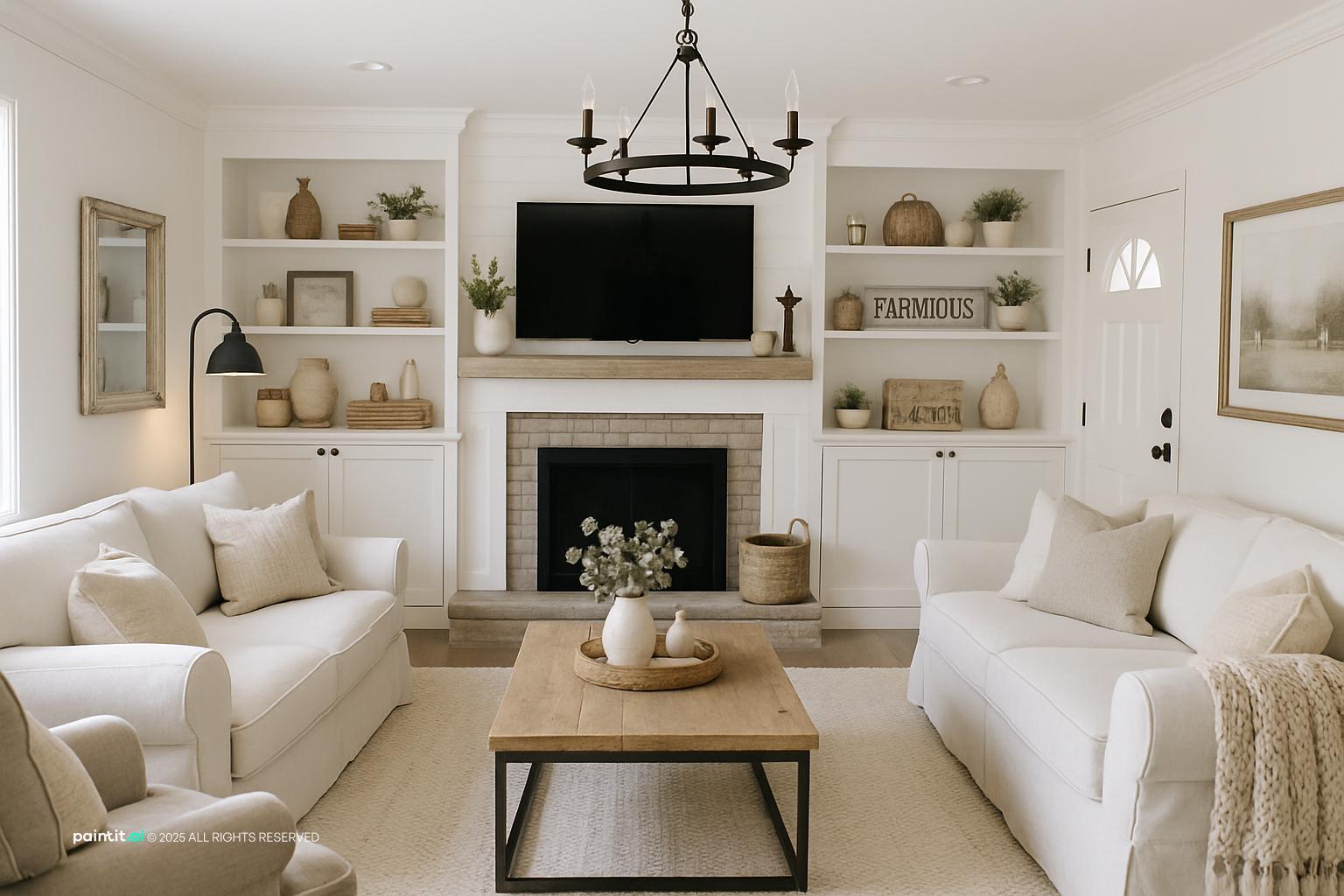
Pro Tip: To achieve this effect, prioritize comfort and tactile appeal in every fabric choice.
-
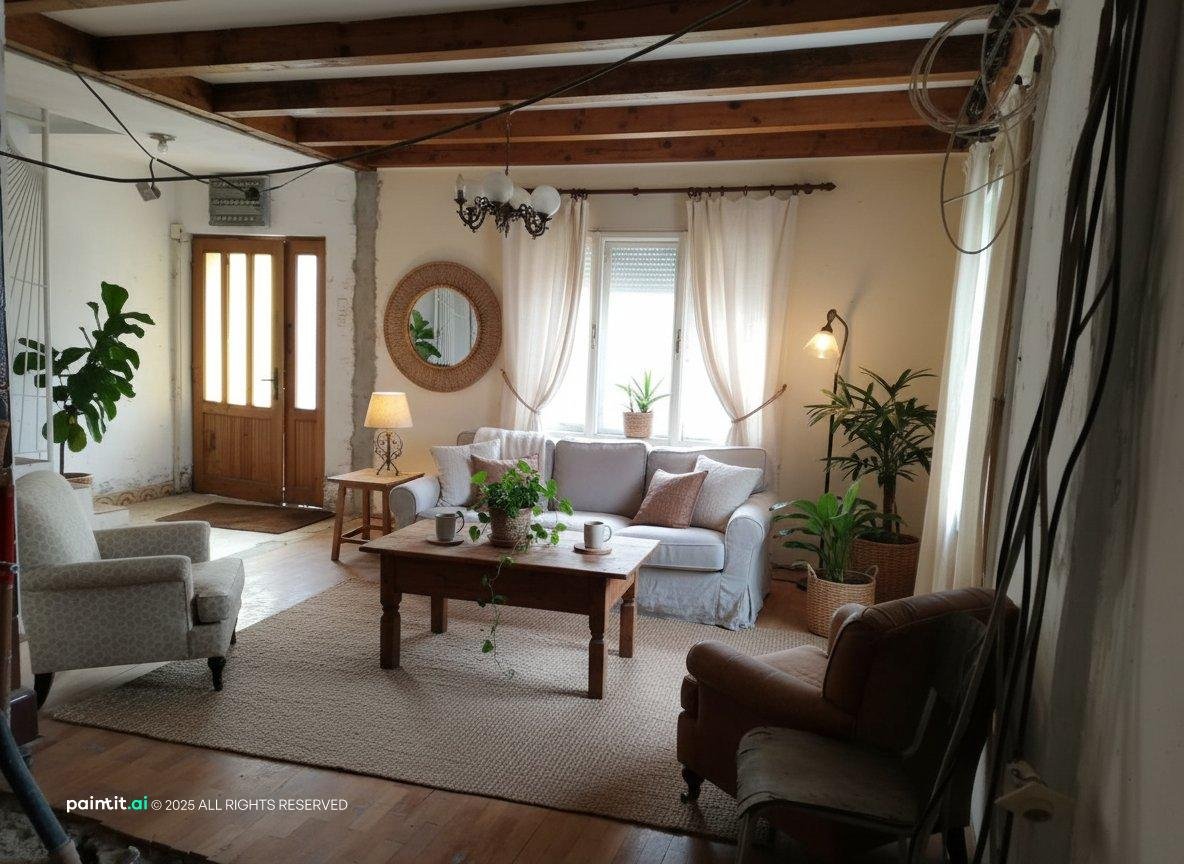
Who says farmhouse can't have a bit of grit? This concept marries the softness of sage with the utilitarian appeal of industrial elements. It's an unexpected pairing that results in a dynamic, modern farmhouse sage green living room. The tension between the two styles is what makes it sing.
-
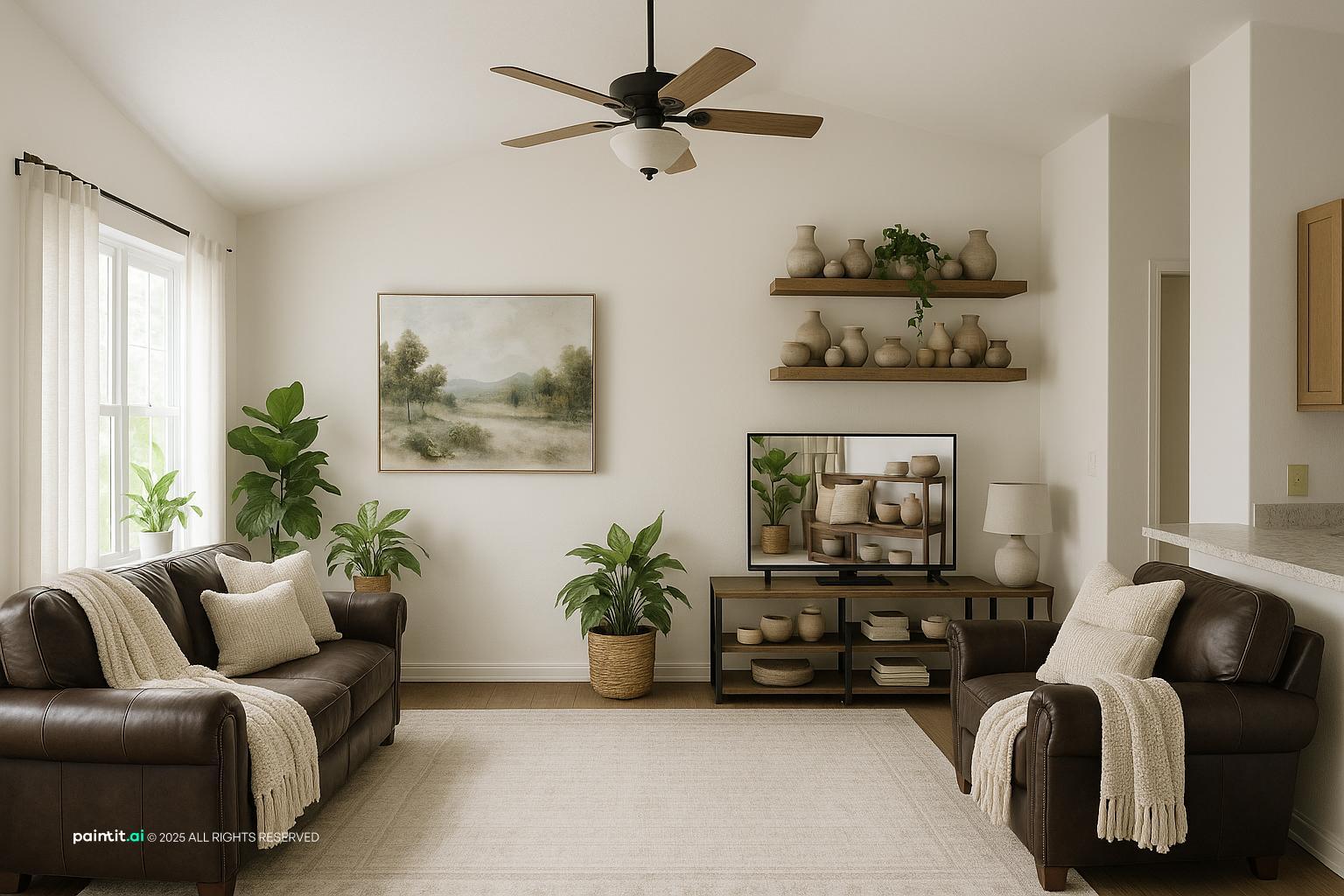
Think matte black metal-framed windows or a large, raw concrete fireplace surround. Introduce sage green through a feature wall or a pair of vintage-inspired armchairs with exposed metal frames. Lighting can be industrial pendants with Edison bulbs. A large, abstract piece of art with sage and charcoal tones would tie it all together. It sounds simple, but most people forget to balance the hard with the soft.
-
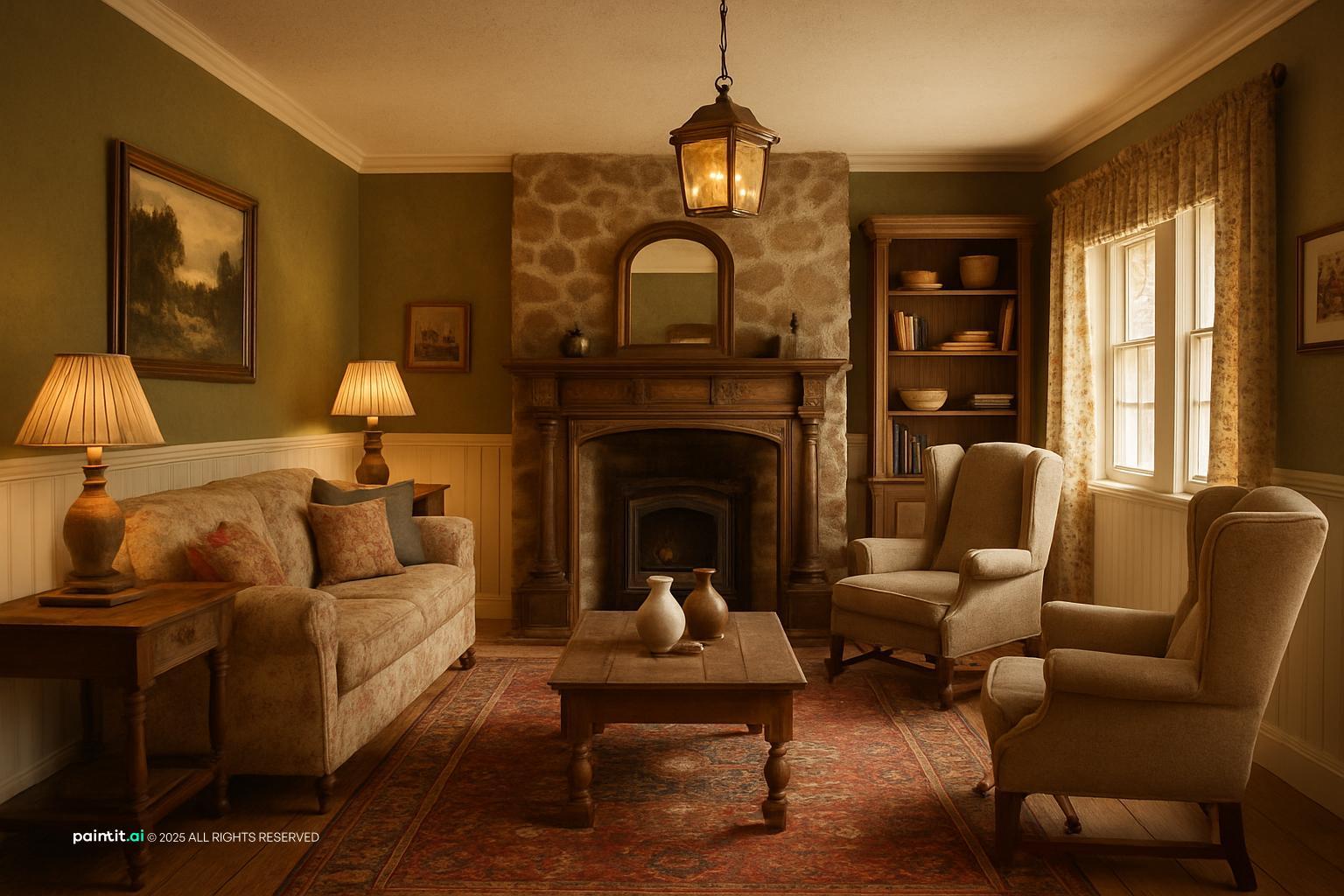
Pro Tip: To achieve this effect, use industrial elements sparingly as accents, not as the dominant theme.
-
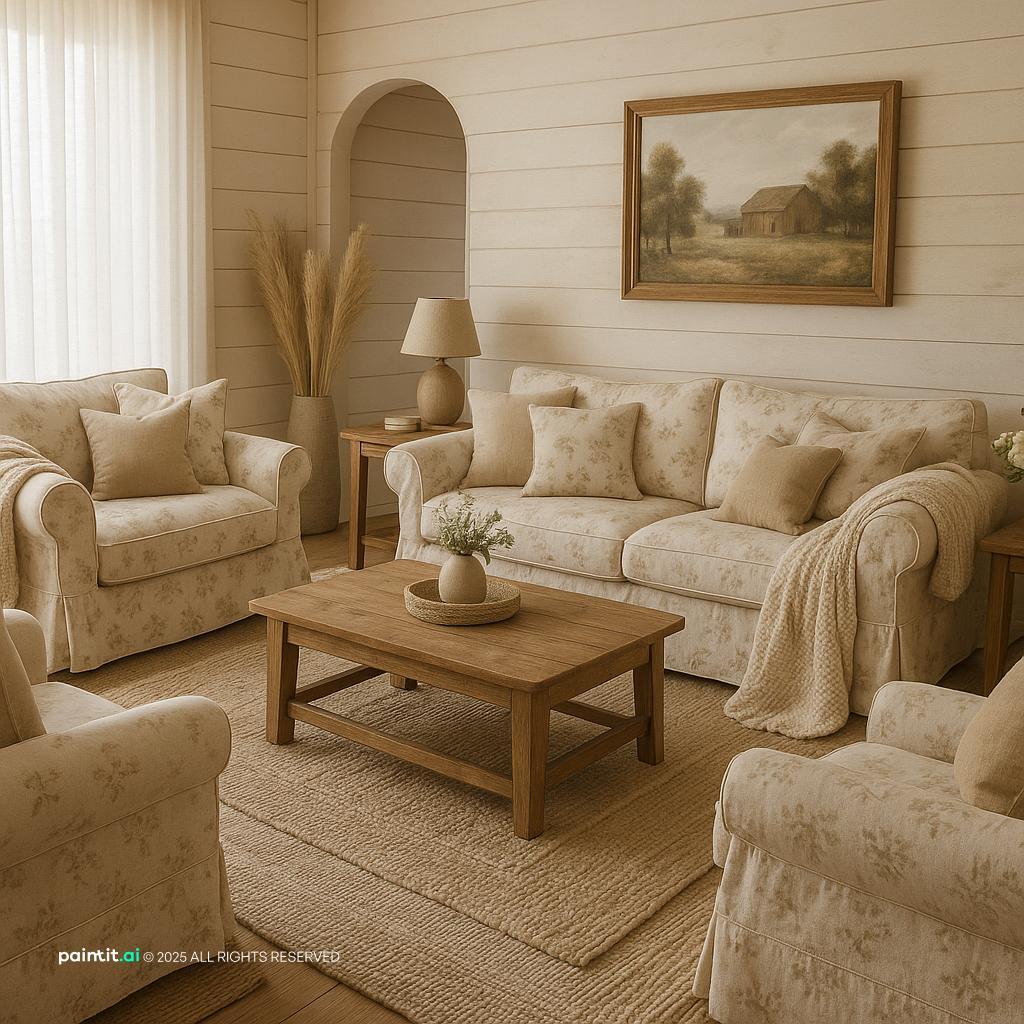
Bring the outdoors in, literally. This idea emphasizes lush greenery and botanical motifs, making the farmhouse sage green living room feel like a verdant escape. It’s about creating a living, breathing space that connects you directly to nature.
-
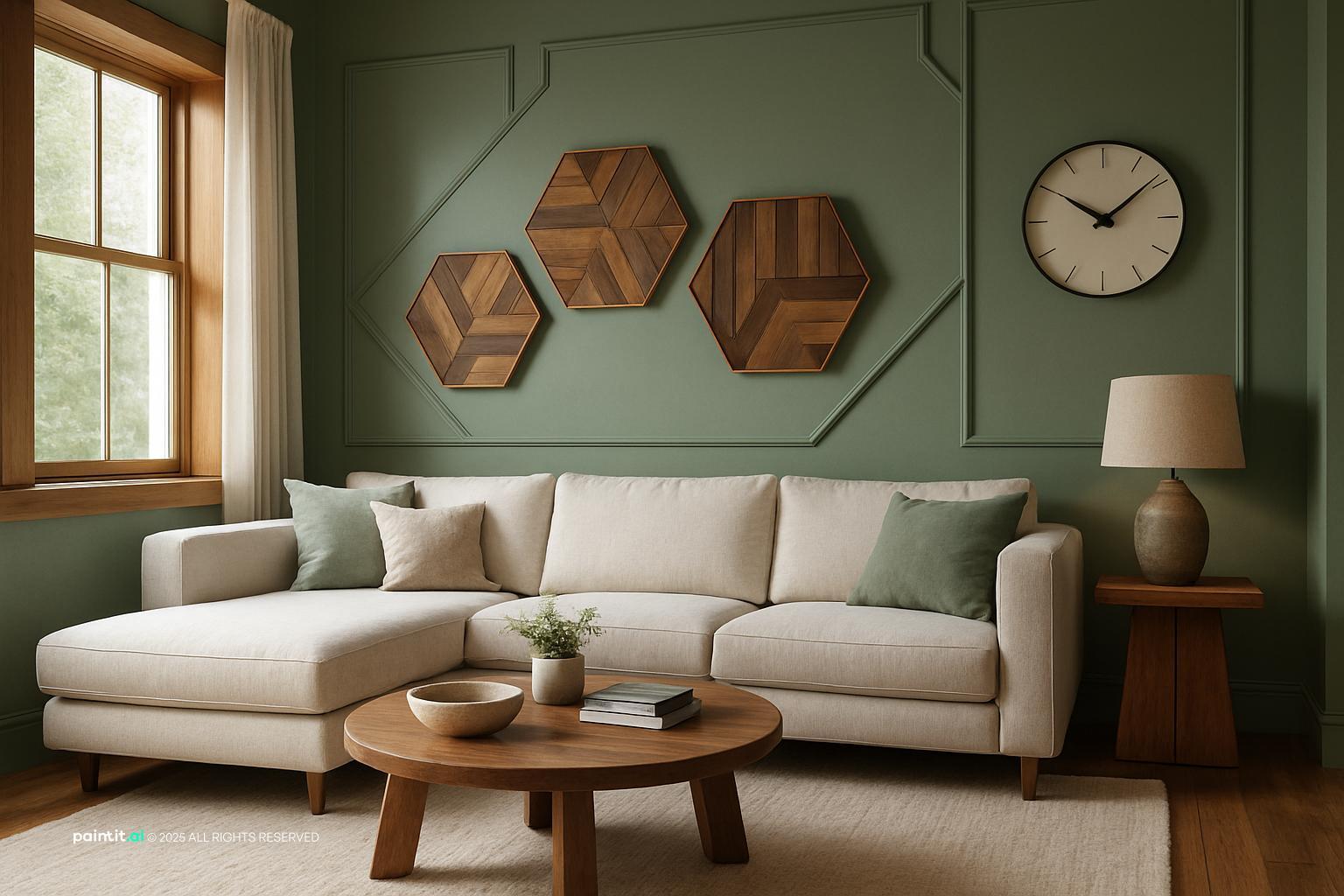
Paint walls in a light, airy sage. Fill the room with an abundance of live plants – large fiddle-leaf figs, trailing Pothos, or delicate ferns in terracotta pots. Incorporate botanical prints or framed pressed leaves on the walls. A jute rug adds an earthy texture underfoot. Even a small water feature can enhance the tranquil atmosphere. Here’s the kicker: good natural light is non-negotiable for happy plants.
-
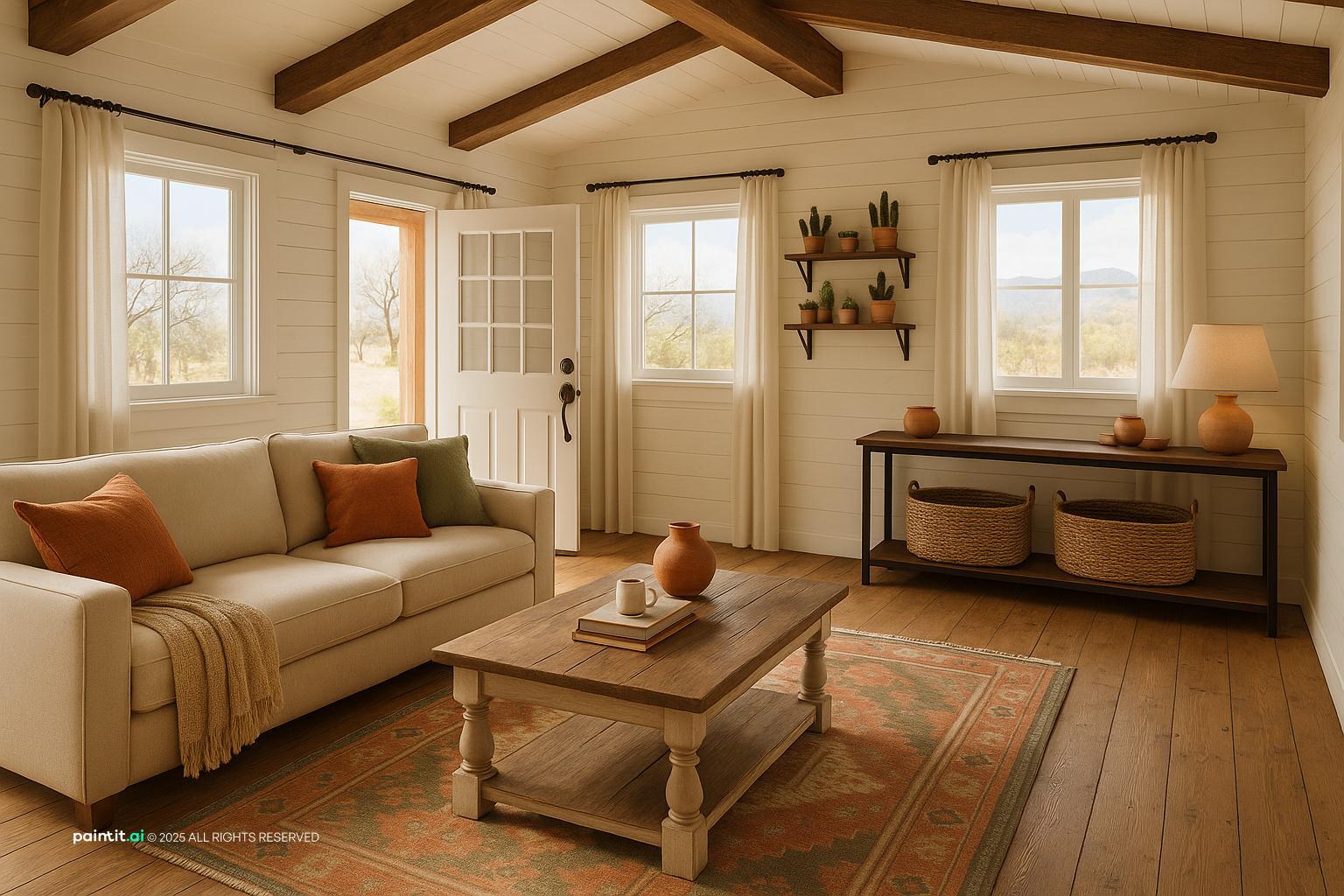
Pro Tip: To achieve this effect, vary the height and texture of your plants for a more natural, layered look.
-
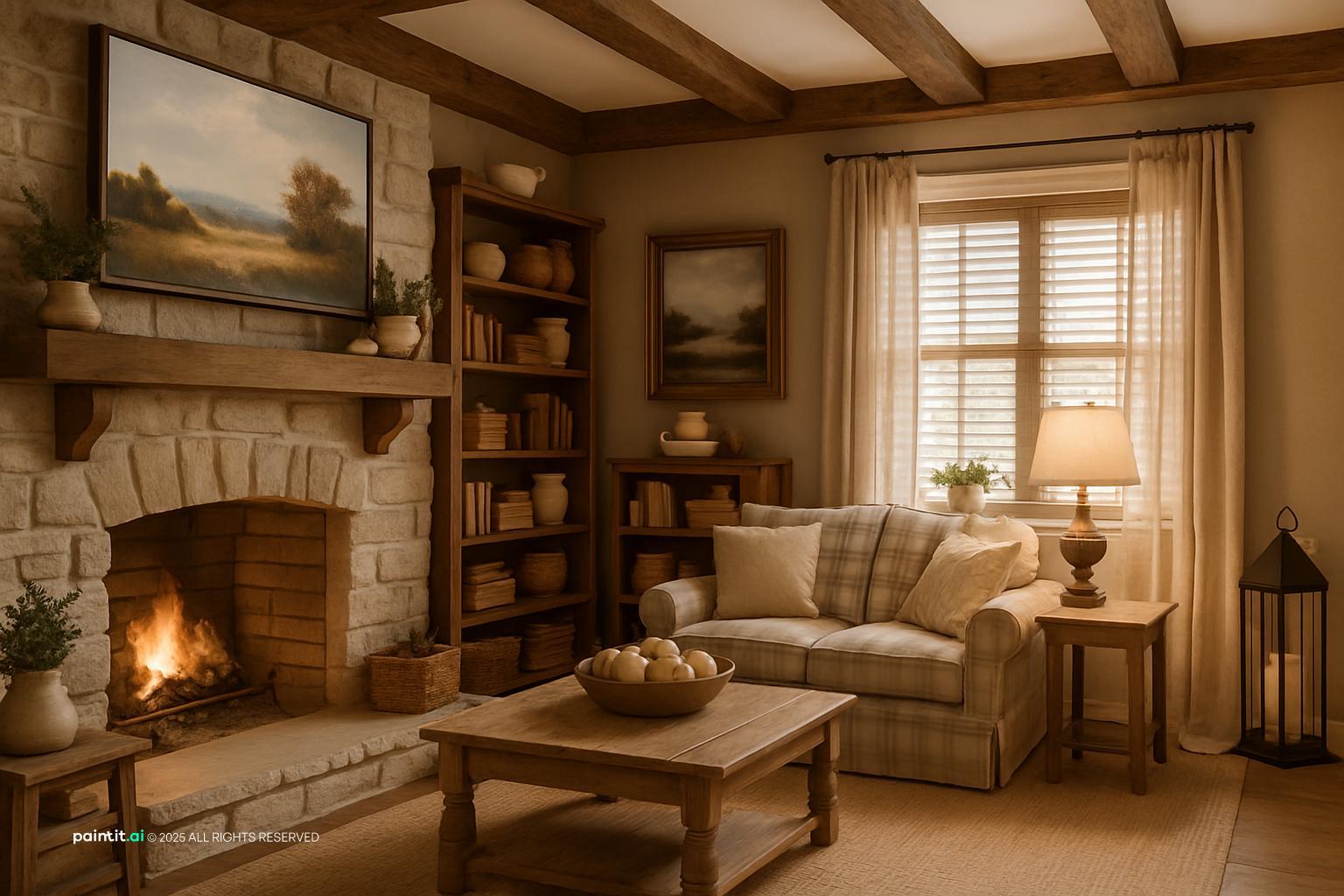
Curated antiques and flea market treasures find their perfect home against a sage backdrop. This approach tells a story, giving your farmhouse sage green living room a sense of timelessness and personality. Each piece has a past, and sage allows it to shine.
-
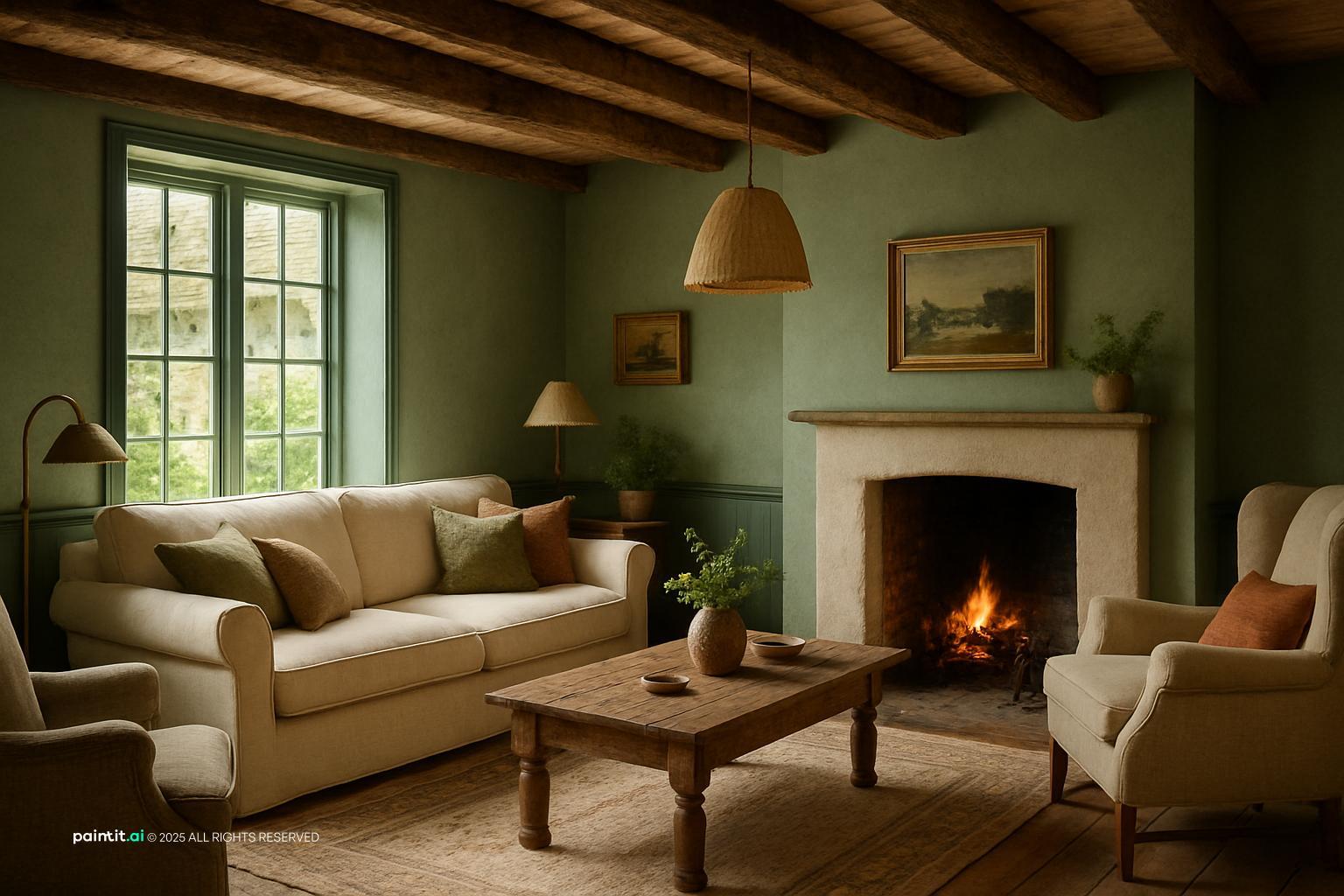
Seek out a distressed wooden console table, perhaps an old apothecary cabinet, to serve as a media unit. A vintage Persian rug with faded sage and dusty rose tones can anchor the seating area. Display collections of antique stoneware or glass bottles on open shelves. A pair of mismatched armchairs, reupholstered in a subtle sage fabric, would add charm. The choice was risky, but the character it brings is unmatched.
-
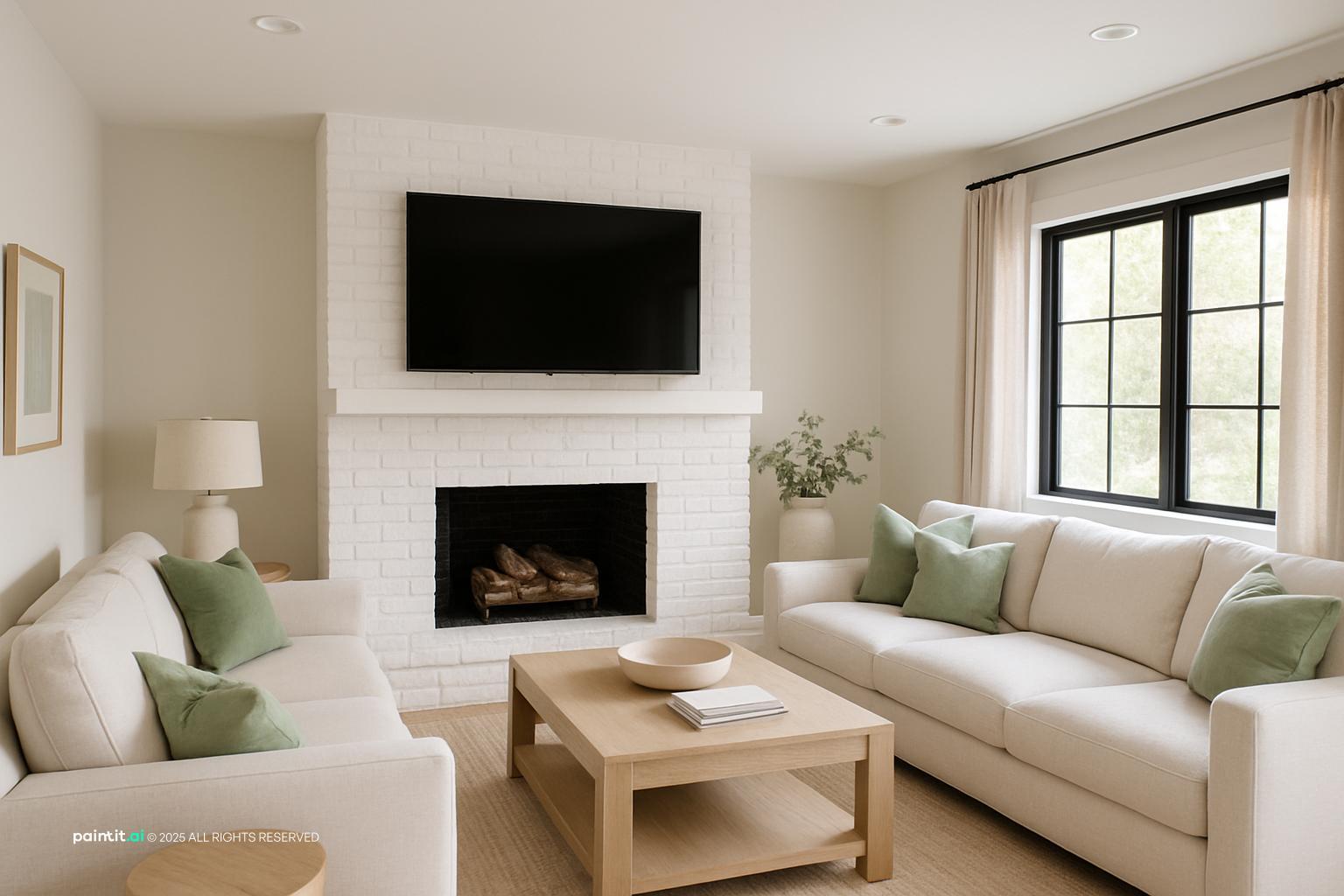
Pro Tip: To achieve this effect, mix pieces from different eras and styles for an eclectic, collected feel.
-
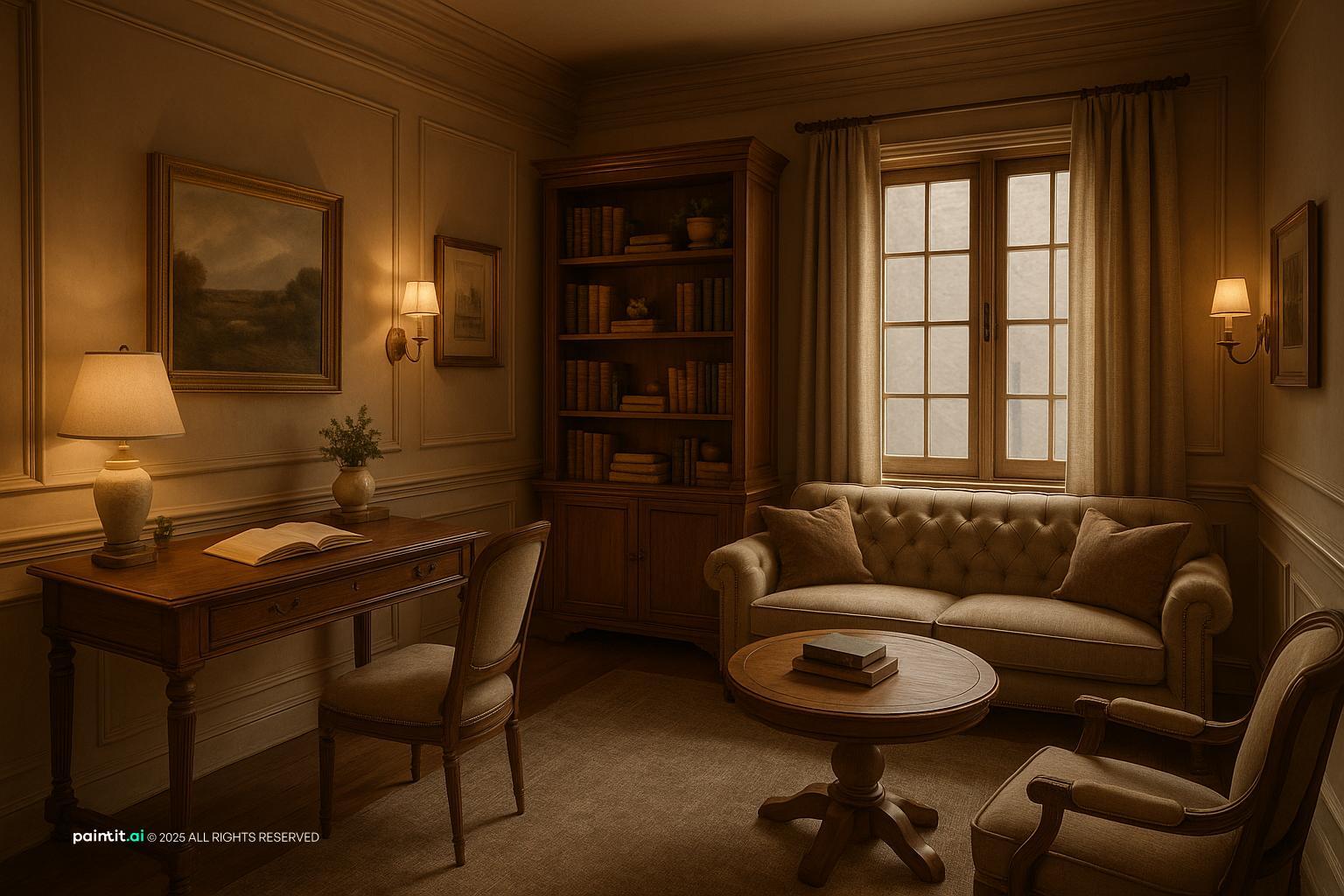
Shiplap is a farmhouse staple, and when paired with sage, it creates an effortlessly composed, serene atmosphere. This look is clean, crisp, and undeniably charming. It’s a classic for a reason.
-
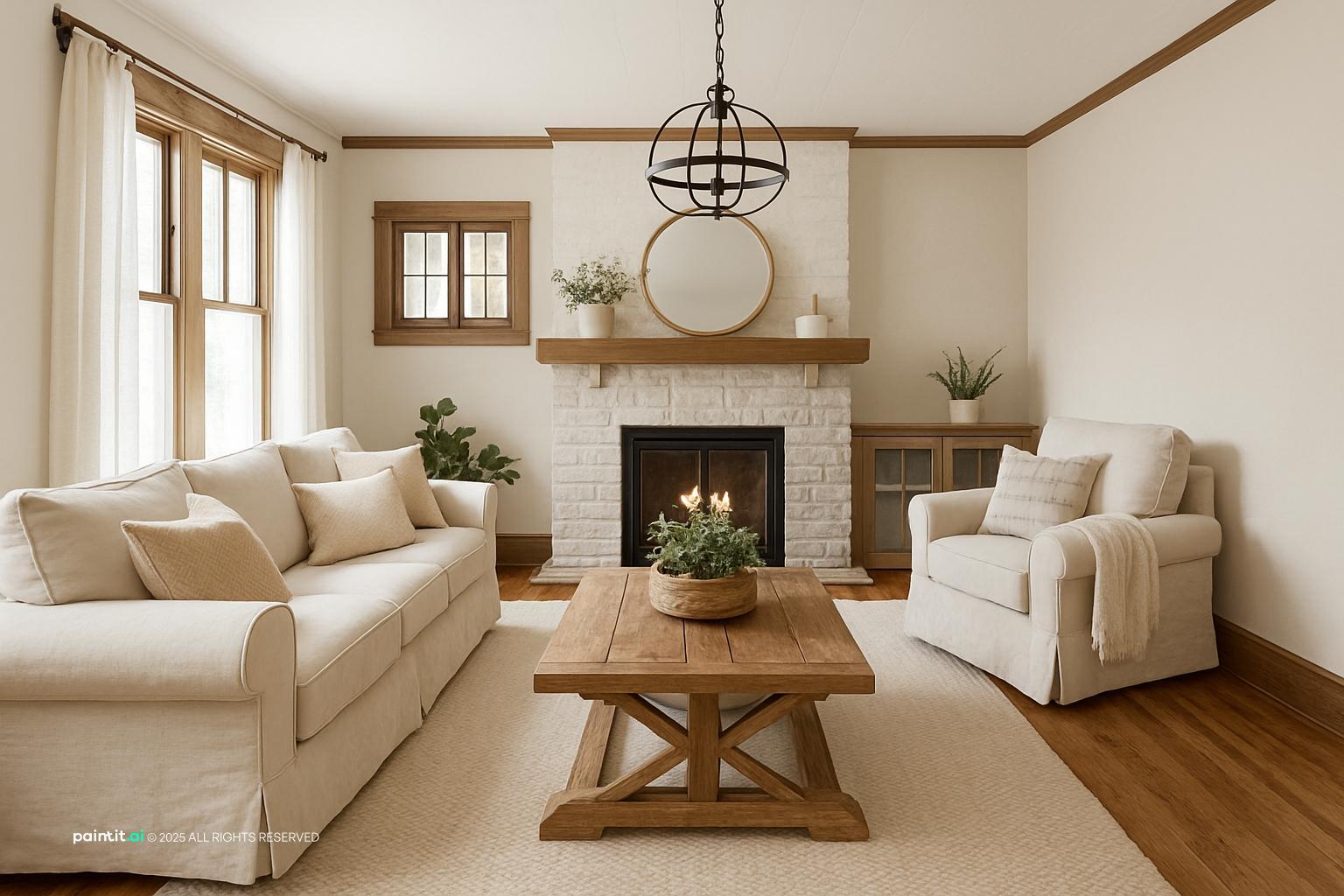
Consider a shiplap accent wall painted in a soft sage green, or keep the shiplap white and introduce sage through a large, comfortable sofa. Exposed wooden beams overhead would enhance the rustic feel. A simple, large woven rug in a natural fiber like sisal would complement the clean lines. This combination feels fresh and airy, a perfect backdrop for family life.
-
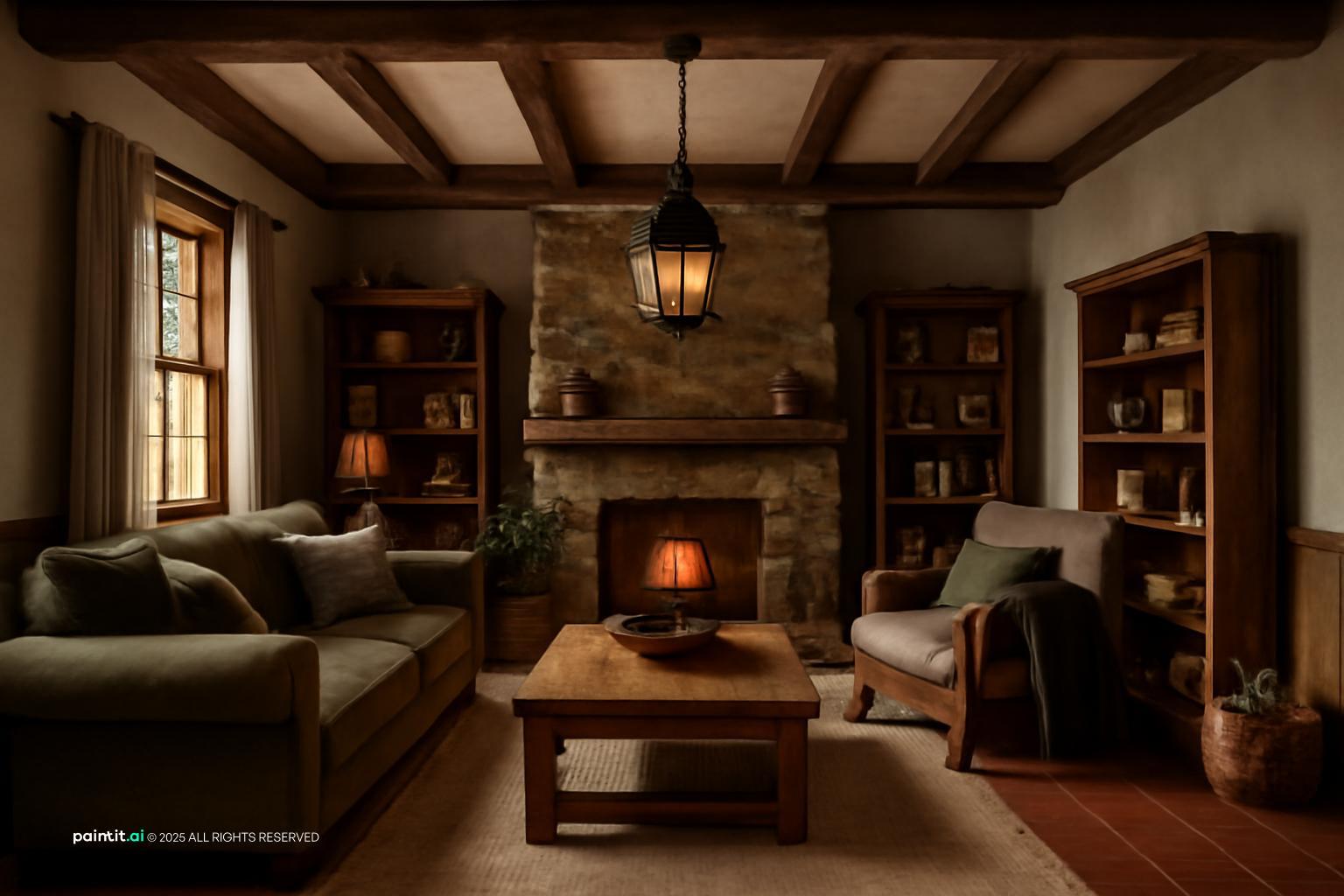
Pro Tip: To achieve this effect, ensure your shiplap is installed horizontally for that authentic farmhouse look.
-
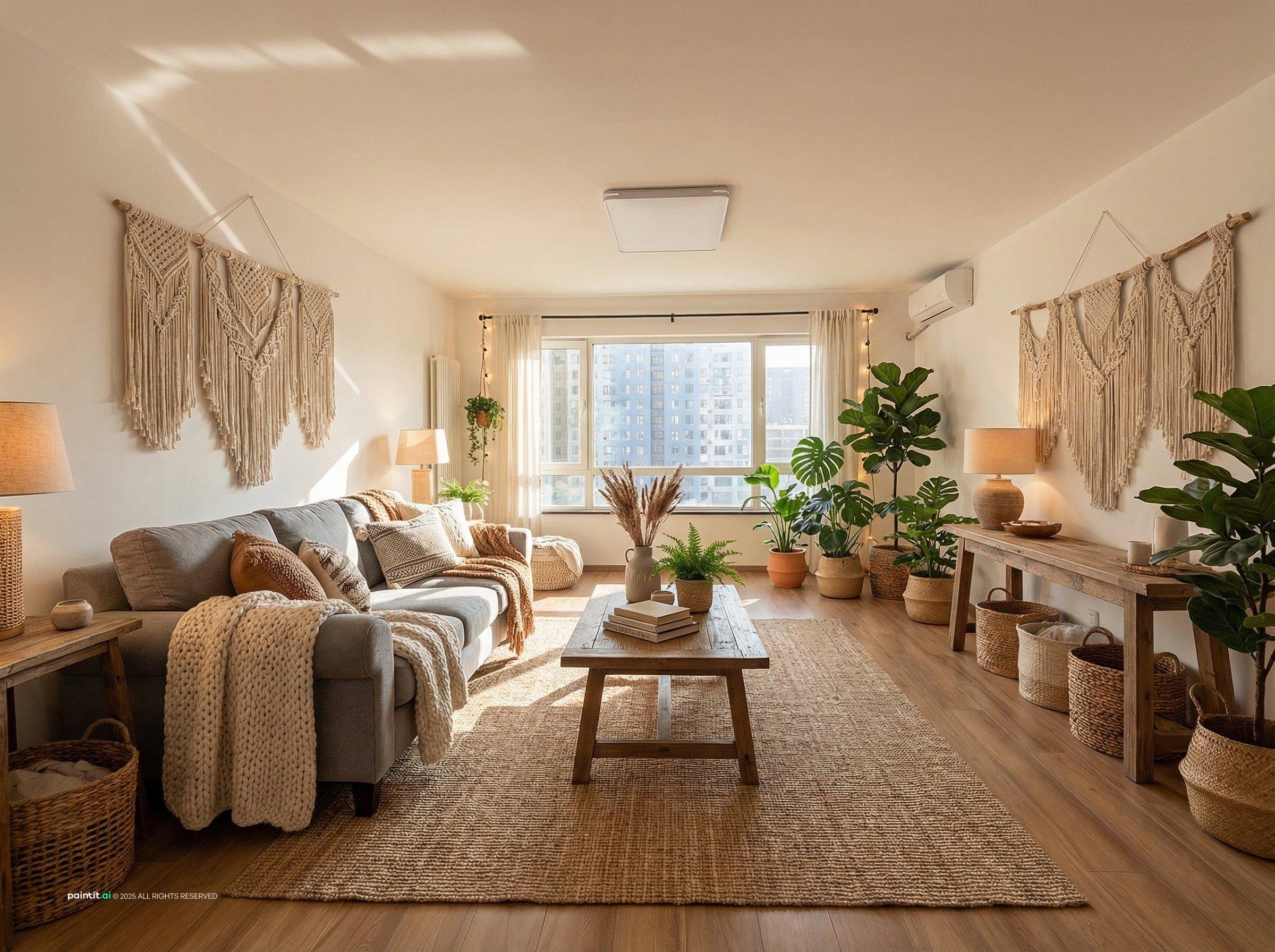
Introduce an unexpected warmth with terracotta accents. The earthy, sun-baked tones of terracotta beautifully complement the cool, calming nature of sage, creating a balanced and inviting farmhouse sage green living room. It's a Mediterranean whisper in a rustic setting.
-
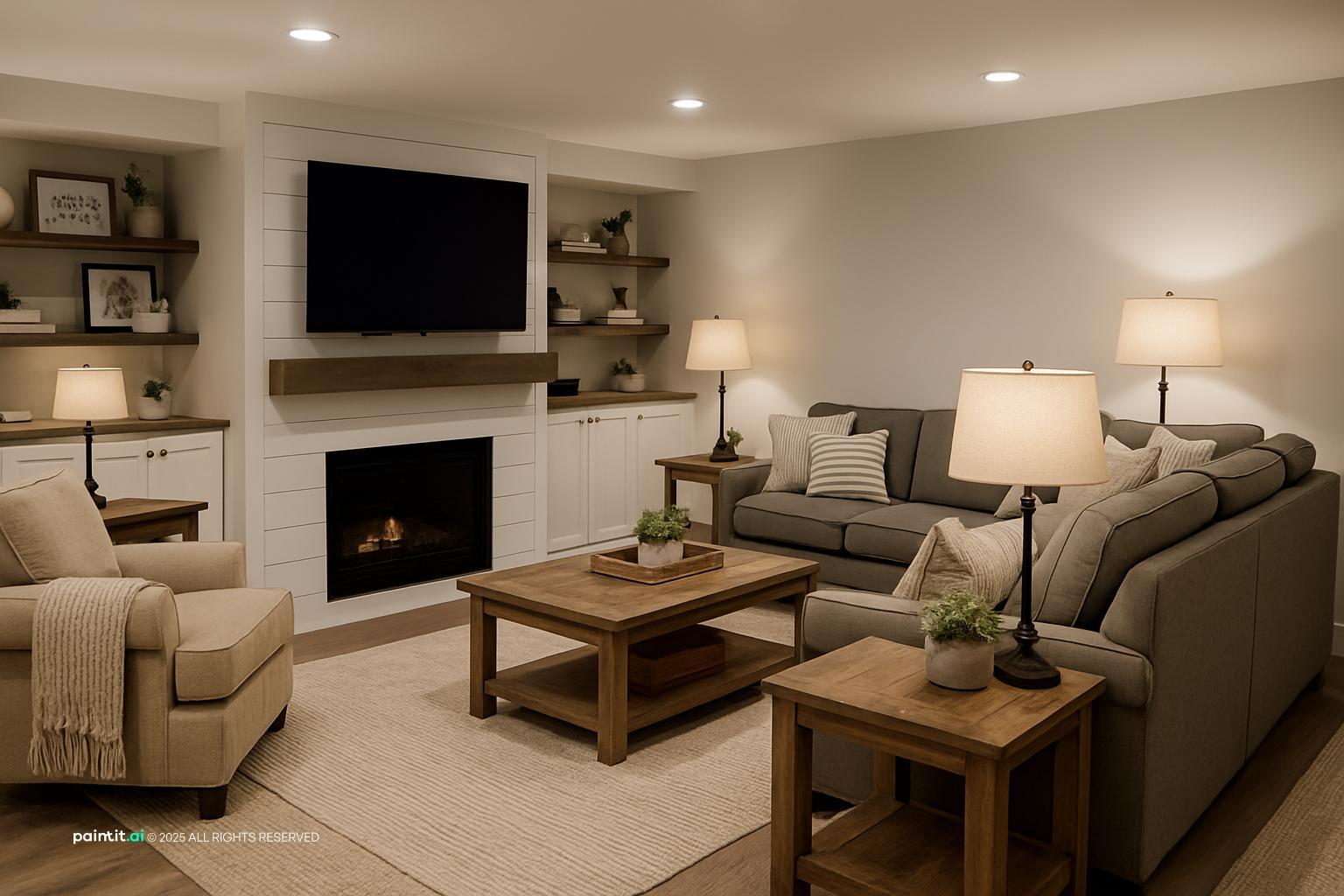
Think terracotta floor tiles in a sunroom extension, or simply incorporate large terracotta pots for plants. A throw blanket in a rich, burnt orange or a few decorative pillows with terracotta patterns can add pops of color. Walls in a light sage green provide the perfect canvas. I’ve seen this work best in spaces that crave a bit more vibrancy without losing their calm.
-
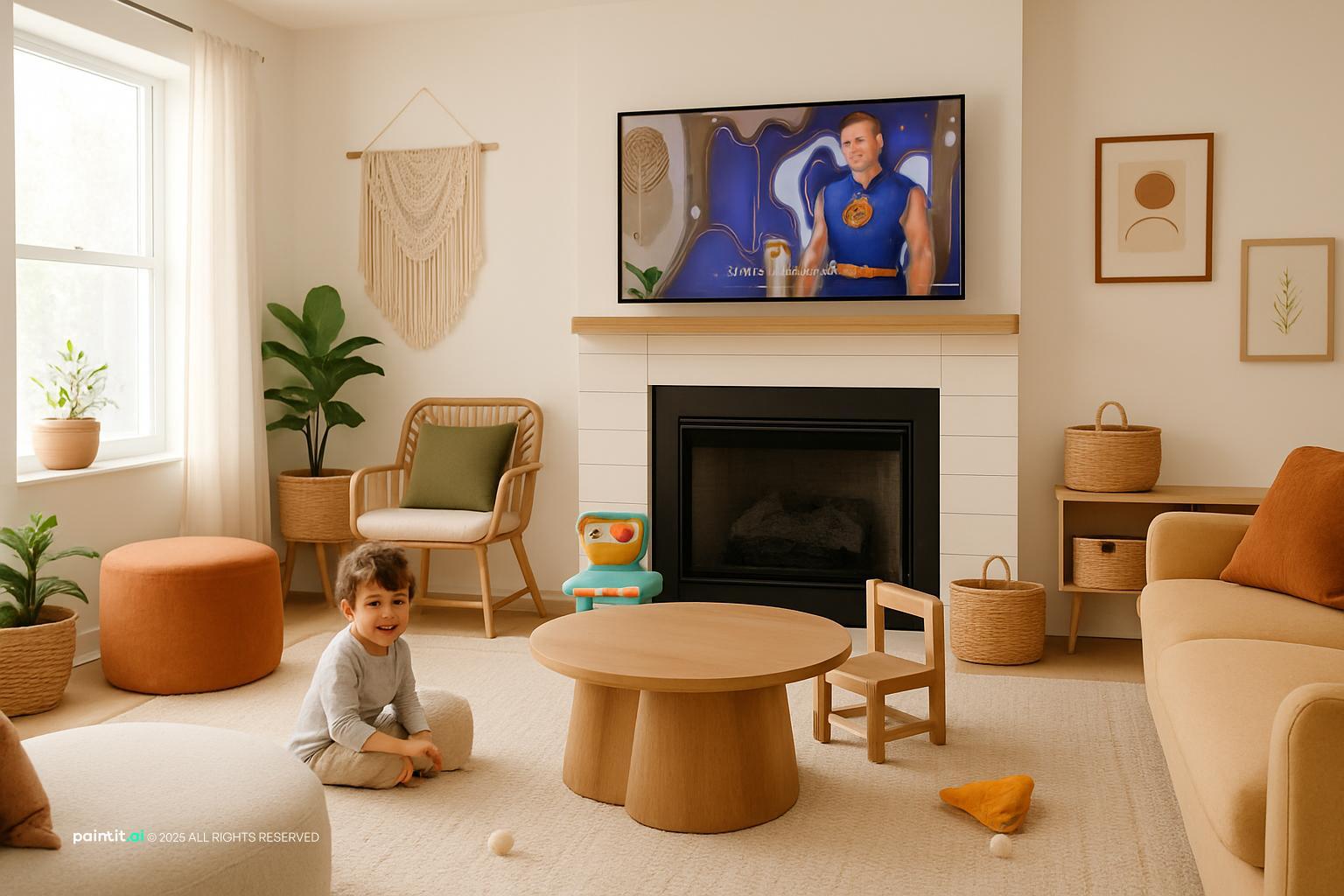
Pro Tip: To achieve this effect, use terracotta in natural, unglazed forms for an authentic, earthy feel.
-
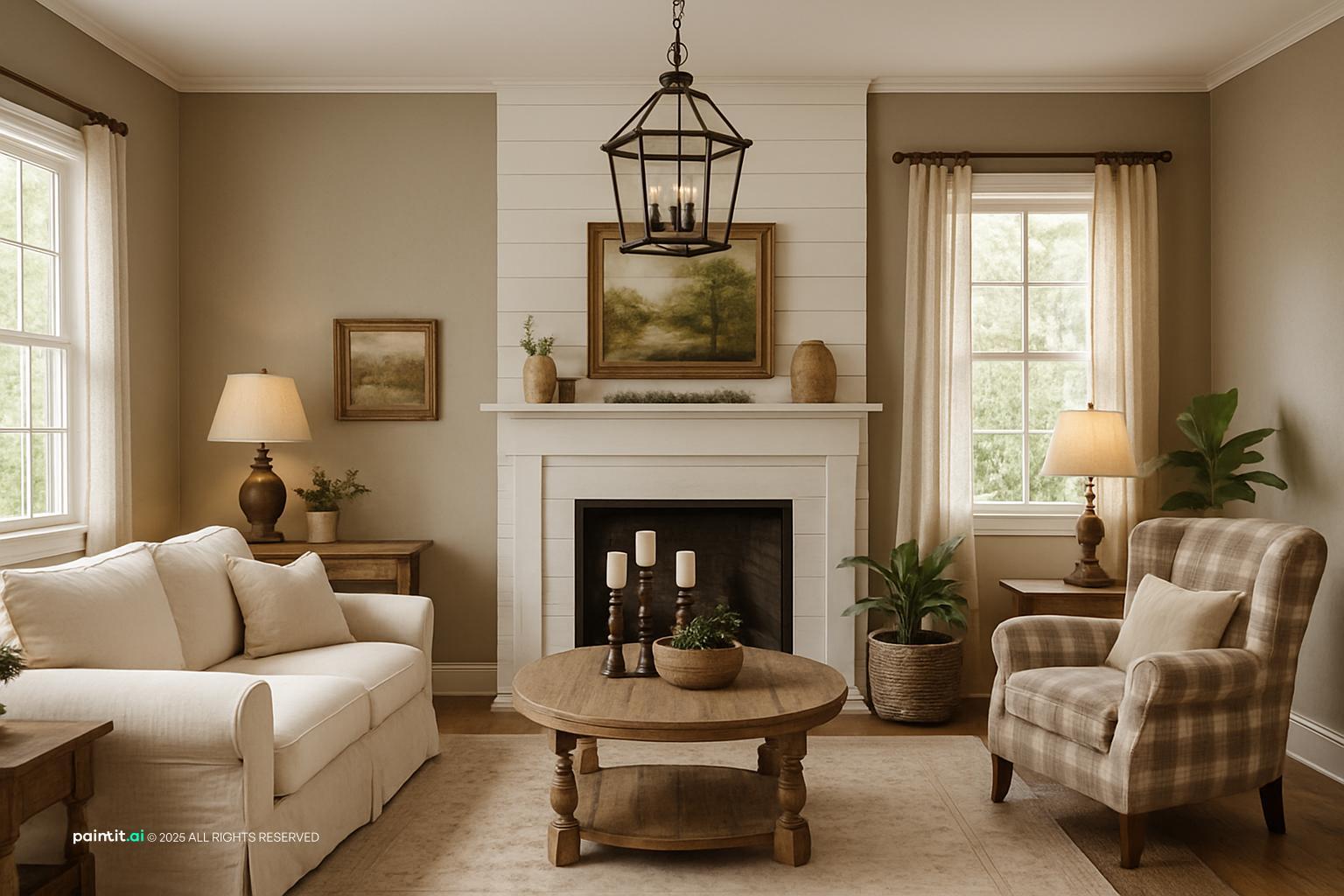
Less is often more, even in a farmhouse setting. This approach strips away the excess, focusing on quality materials, clean lines, and the calming presence of sage. It’s about intentionality and breathing room. The result? Impeccable.
-
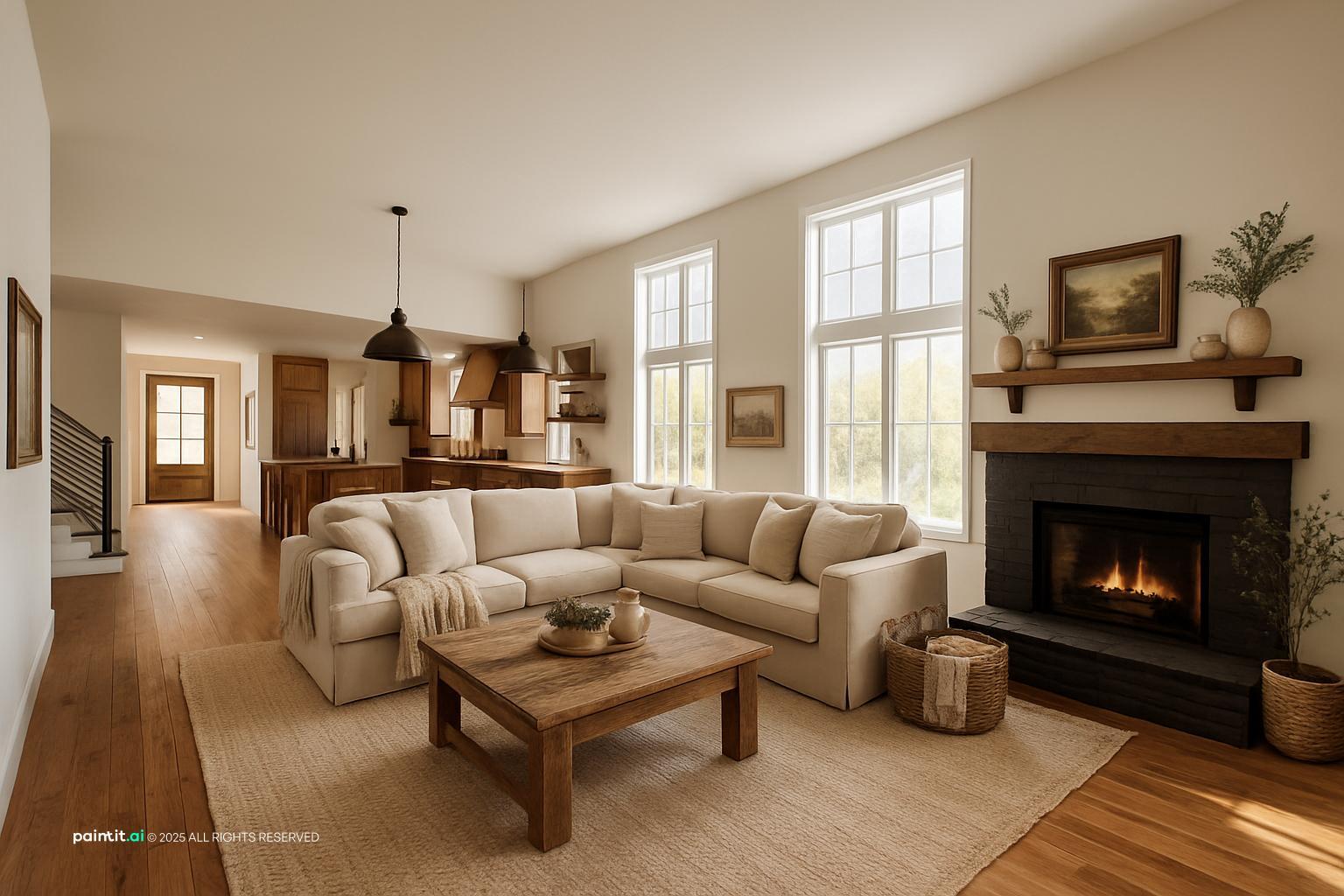
Choose a streamlined, low-profile sofa in a muted sage green. Opt for simple, functional furniture pieces in light wood tones, like a solid oak coffee table with clean edges. Keep decor minimal – perhaps a single large piece of abstract art, a few carefully chosen ceramic vases, and a simple, textured rug. No clutter, just calm. The truth is, it's harder to achieve than it looks.
-
Pro Tip: To achieve this effect, invest in high-quality, well-crafted pieces that stand on their own.
-
Rugs do more than just cover floors; they define zones, add texture, and bring warmth. Layering them, especially in natural fibers, can create a deeply grounded and inviting farmhouse sage green living room. It adds a softness that hard floors sometimes lack.
-
Start with a large, neutral jute or sisal rug as your base. On top, layer a smaller, softer rug – perhaps a vintage kilim with hints of sage and cream, or a plush sheepskin for added luxury. This technique works beautifully to delineate a seating area within an open-concept space. The interplay of textures is key here. It reminds me of old-world Italian villas, where every layer tells a story.
-
Pro Tip: To achieve this effect, ensure the larger rug extends under the front legs of your main seating pieces.
-
A fireplace is often the heart of a living room. By making it a focal point with sage green, you create an anchor that draws the eye and exudes comfort. It becomes a natural gathering spot, especially in a farmhouse rustic sage green living room.
-
Consider painting the fireplace mantel and surround in a deep, moody sage green. Or, if you have a brick fireplace, flank it with custom built-in bookshelves painted in sage. A large piece of art or an antique mirror above the mantel would complete the look. This creates a strong visual statement and a cozy nook. The thing is, it needs to be balanced with lighter elements elsewhere.
-
Pro Tip: To achieve this effect, use a slightly darker shade of sage on the fireplace to make it truly stand out.
-
Sometimes, a whisper is more powerful than a shout. If you're hesitant to commit to a full sage green scheme, introduce it through carefully chosen accents. This allows you to enjoy the calming effect without a complete overhaul. It's a gentle nod to the farmhouse sage green living room aesthetic.
-
Keep your main furniture pieces and walls in neutral tones like creamy white or warm beige. Then, bring in sage through smaller elements: a collection of matte sage ceramic vases on a shelf, a few throw pillows in varying sage patterns, or a large piece of abstract art featuring sage and other natural hues. Even a small side table painted in a soft sage can make an impact. It's about thoughtful placement.
-
Pro Tip: To achieve this effect, group sage accents together to create intentional moments of color.
Unpacking the Soul of a Farmhouse Sage Green Living Room to Life with Paintit.ai
-
Creating a truly inviting space means understanding its very DNA. A farmhouse sage green living room isn't just about color; it's a feeling, a carefully composed symphony of elements that speak to comfort and grounded elegance. We've spent years refining these principles, and here’s how we see it all come together.
-
The core here is a muted sage green, acting as a calming base. We layer in creamy off-whites or natural linen tones for softness, then introduce warm, medium-toned woods like oak or pine. A subtle hint of dusty rose or a deep charcoal can provide an anchor, keeping the palette effortlessly composed and never flat.
-
Reclaimed wood, with its visible grain and history, grounds the space, often appearing in coffee tables or exposed beams. Soft, breathable linen textiles on sofas and curtains invite touch and relaxation. Matte black metal accents, perhaps in lighting fixtures or hardware, add a touch of modern grit. Natural fibers like jute or sisal rugs bring an earthy, tactile layer underfoot, connecting us back to nature.
-
A generously proportioned, slipcovered sofa in a natural fabric is non-negotiable; it’s the heart of the farmhouse sage green living room. Pair it with a substantial, perhaps reclaimed wood, coffee table that feels lived-in. An antique-inspired armchair, maybe reupholstered in a subtle sage pattern, adds character and an extra spot for quiet moments. Proportion is key here; nothing should feel too delicate or too imposing.
-
Layered lighting is crucial for that warm, inviting glow. Ambient light comes from dimmable overhead fixtures, perhaps a simple chandelier with an aged finish. Task lighting, like ceramic table lamps or floor lamps with linen shades, offers focused illumination for reading. Accent lighting, such as picture lights over art or even a few well-placed candles, creates intimate pockets of warmth. It’s about creating mood, not just brightness.
-
This is where personality shines. We often suggest grouping items in odd numbers, following the 3-5-7 rule, for a naturally balanced look. On a mantelpiece, for instance, you might arrange three varying-height ceramic vases in muted tones, perhaps with a single trailing plant. For a bookshelf, consider five items: a stack of vintage books, a small framed botanical print, a piece of stoneware, and two different-sized plants. Live plants, especially ferns or fiddle-leaf figs, bring essential life and a biophilic connection. The truth is, it’s about creating visual stories, not just filling space.
How Paintit.ai Perfects Your Farmhouse Sage Green Living Room Design Design Ideas
Visualizing the perfect shade of sage green for your farmhouse living room, especially how it interacts with natural light and existing textures, can be surprisingly difficult. Paintit.ai instantly renders countless variations of your farmhouse sage green living room, showing exactly how different hues and materials harmonize without costly guesswork. Try it.
FAQ
-
When we talk about a farmhouse sage green living room, we're really blending two distinct, yet incredibly harmonious, aesthetics. It’s not just about slapping some sage paint on the walls and calling it a day. The farmhouse element brings in that sense of history, of comfort, of things built to last—think reclaimed wood beams, wide-plank pine floors, perhaps a substantial stone fireplace. Then, sage green enters the picture, grounding everything with its earthy, muted calm. It’s a color that feels like it’s always been there, pulled straight from a quiet meadow. The truth is, it’s about creating a space that feels both lived-in and refreshingly serene, a place where you can genuinely unwind. We've seen this combination work best when the rustic textures are balanced by the soft, almost ethereal quality of the sage.
-
The trick to a dynamic farmhouse sage green living room lies in layering, not just with textiles, but with varied textures and complementary tones. Sage, while beautiful, can indeed fall flat if it’s the only green in the room. We suggest introducing deeper forest greens through plants—a large fiddle-leaf fig or a sprawling fern in a terracotta pot—or even a subtle olive in throw pillows. Contrast is key. Pair that soft sage with the warmth of natural oak or a rich walnut, maybe a distressed leather armchair. Think about the tactile experience: chunky knit wool blankets, crisp Belgian linen drapes, a hand-knotted jute rug. These elements add visual weight and depth, preventing the sage from becoming monotonous. It sounds simple, but most people forget to play with the actual feel of a room.
-
For a truly authentic farmhouse rustic sage green living room, the furniture should feel substantial, inviting, and a little bit unpretentious. We lean towards pieces with clean lines but a comfortable presence. A large, slipcovered sofa in an off-white or cream cotton is almost a non-negotiable; it invites lounging. For accent chairs, consider something in a natural rattan or a classic Windsor style in a dark, aged wood. A solid pine coffee table, perhaps with visible saw marks or a slightly distressed finish, grounds the space. We often look for pieces that tell a story, or at least look like they could—antique chests repurposed as side tables, a vintage hutch displaying collected ceramics. Avoid anything too sleek or overly ornate; the beauty here is in the honest materials and the craftsmanship.
-
Lighting in a farmhouse sage green living room should be warm and functional, never harsh. We typically recommend fixtures in aged metals—think brushed bronze, matte black wrought iron, or even a subtle antique brass. A large, perhaps industrial-inspired pendant light over a central seating area can make a statement, while smaller task lamps with linen shades provide a cozy glow. Accessories are where the "farmhouse" really shines. We're talking about ceramic pitchers filled with wildflowers, stacks of old books, woven baskets for throws, and perhaps some framed botanical prints. The goal isn't clutter, but a curated collection that feels personal and gathered over time. Here’s the kicker: don’t forget the natural elements. A simple branch in a stoneware vase, a bowl of fresh fruit on the coffee table—these small touches make a huge difference.
-
Absolutely. One common mistake we see is going too literal with the "farmhouse" theme, ending up with something that feels more like a themed restaurant than a home. Avoid overly cutesy signage or an abundance of rooster motifs. Another pitfall is ignoring the natural light; sage green can look quite different under various lighting conditions, so always test swatches on different walls throughout the day. The choice was risky for one client who painted their entire north-facing living room sage without considering how dim it would appear. Also, don't forget about scale. A small room can feel overwhelmed by massive, heavy farmhouse furniture. Conversely, a large space needs substantial pieces to feel grounded. It’s about balance, always. We advocate for a thoughtful approach, where every element feels intentional, not just a trend.