
Designing a Colonial Living Room: - A Guide to Timeless Comfort
Imagine a space where every piece feels thoughtfully chosen, creating a sense of history and enduring style. A colonial living room offers that unique blend of comfort and refined elegance, often with rich woods and natural textures that invite you to settle in. How do you bring this classic, lived-in warmth into your own home without it feeling dated?
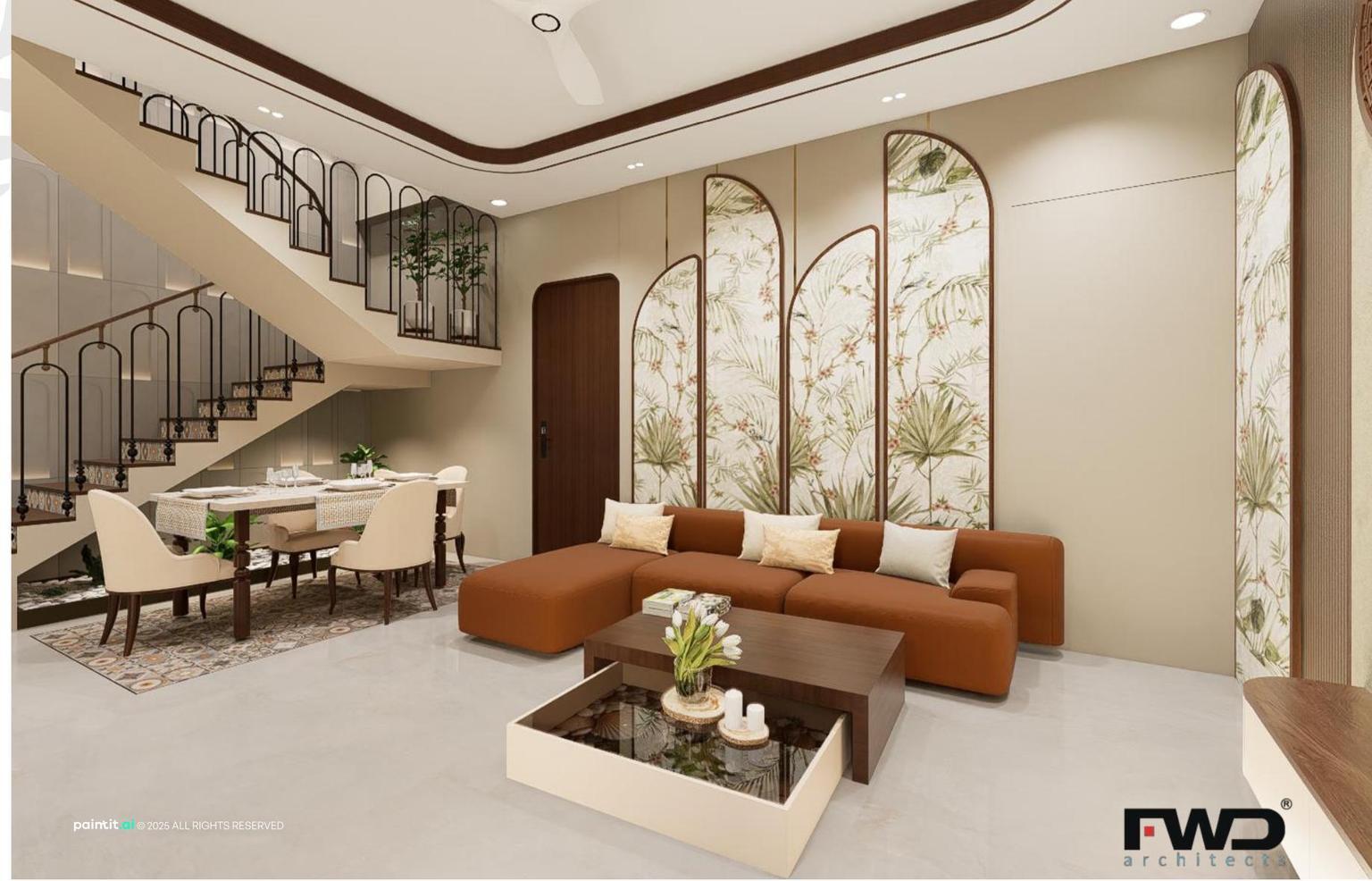
Essential Tips for Designing a Colonial Living Room
Ever feel like creating a truly inviting space, one that whispers stories of comfort and enduring style, is a puzzle? The truth is, achieving that perfectly balanced, lived-in warmth of a well-appointed colonial-inspired room doesn't have to be daunting. We've seen this work best when focusing on deep-toned timber furniture, crisp natural linens, and thoughtful symmetry.
-
Designing a Colonial Living Room
Ever feel like creating a truly inviting space, one that whispers stories of comfort and enduring style, is a puzzle? The truth is, achieving that perfectly balanced, lived-in warmth of a well-appointed colonial-inspired room doesn't have to be daunting. We've seen this work best when focusing on deep-toned timber furniture, crisp natural linens, and thoughtful symmetry.
Stunning Examples of 12 Ways to Craft a Timeless Colonial Living Room Interior
-
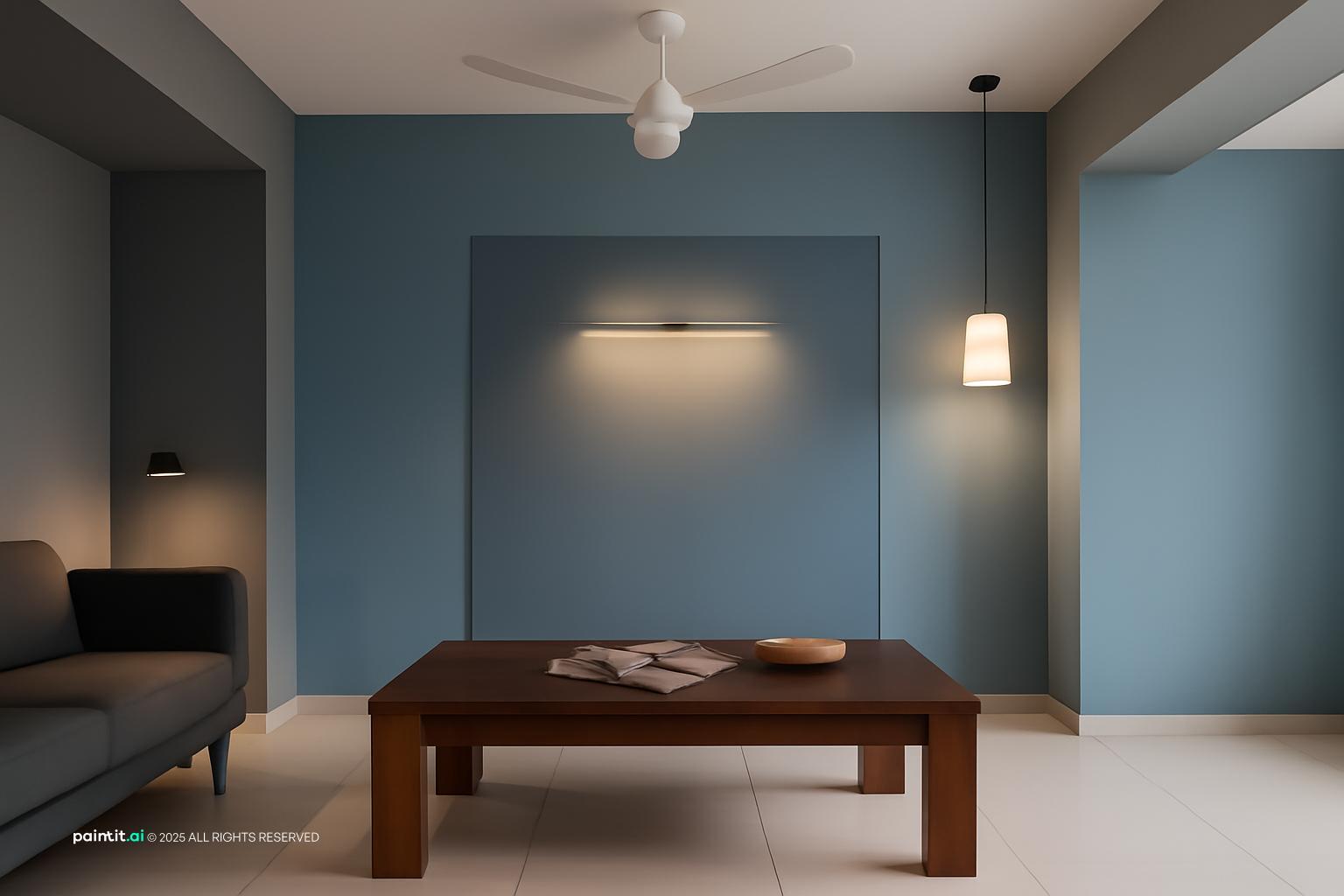
There's a certain magic in a space that feels lived-in, yet utterly composed. We've found that the art of designing a truly inviting colonial living room isn't about rigid rules, but about understanding the spirit of the style. These ideas, curated to balance enduring aesthetics with everyday functionality, aim to guide you in creating a room that tells its own story.
-
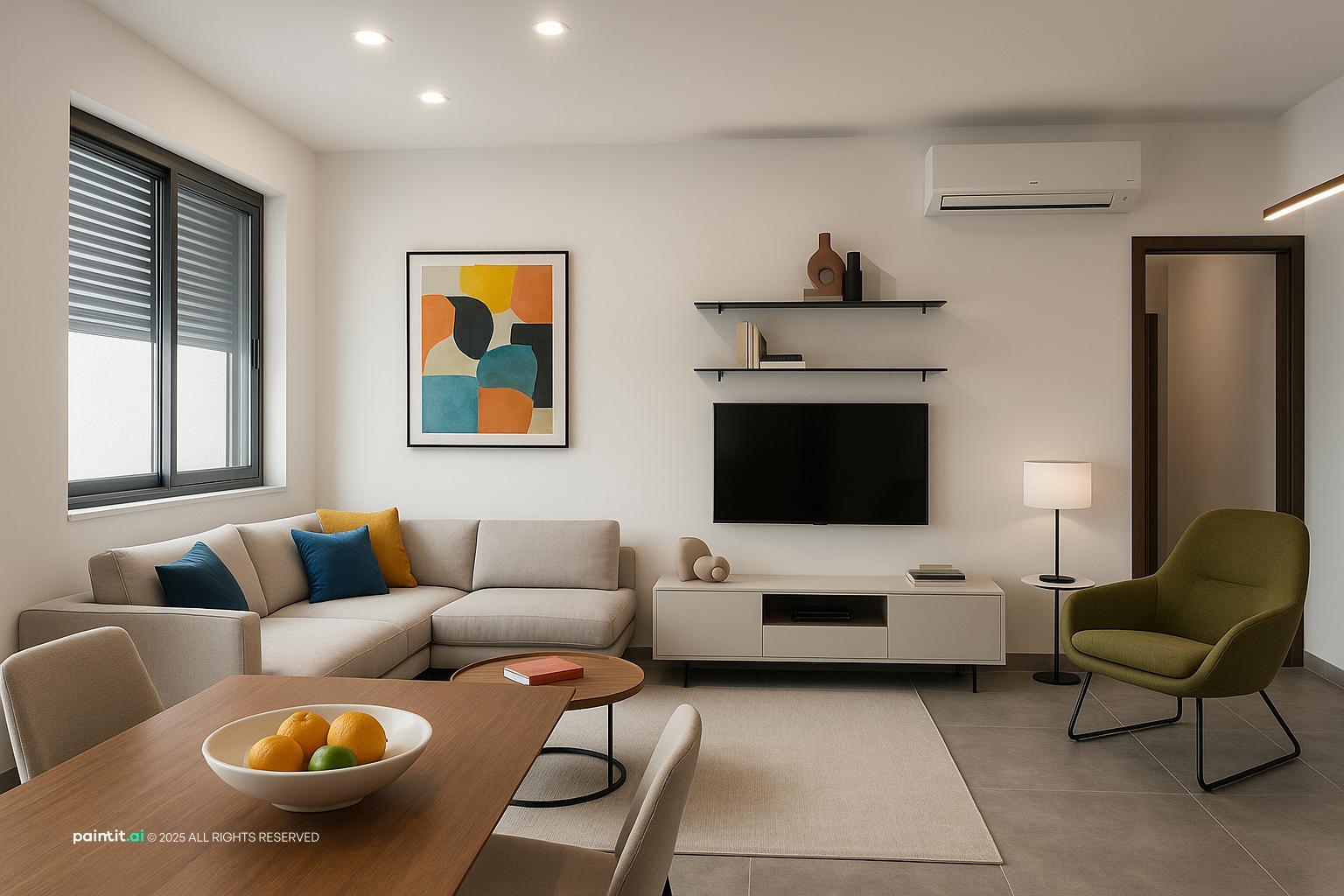
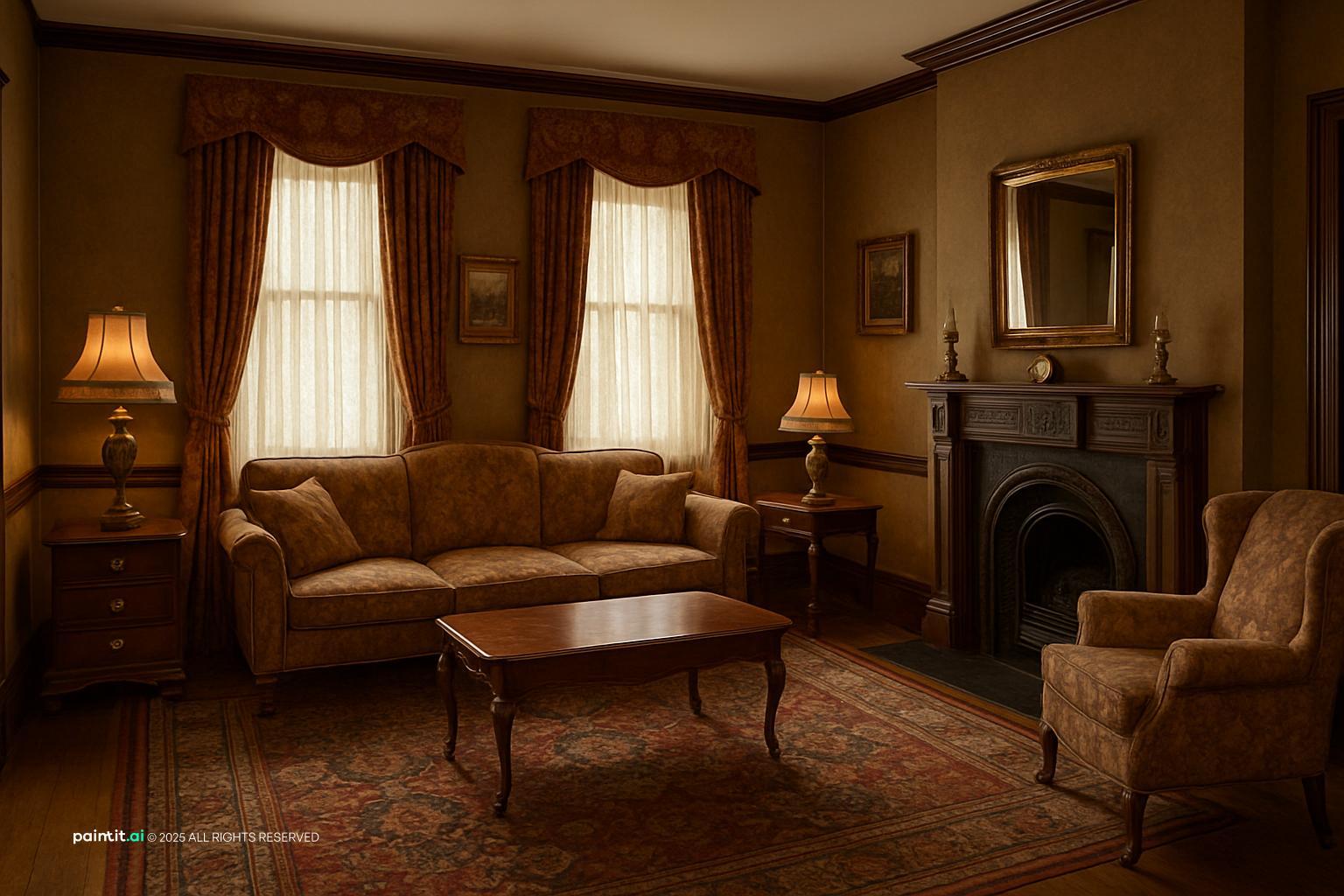
The foundation of any compelling living room colonial style often starts with its timber. Think beyond just furniture; we're talking about the very bones of the room. Dark, lustrous woods like mahogany or cherry bring an inherent gravitas, a sense of history that feels instantly comforting.
-
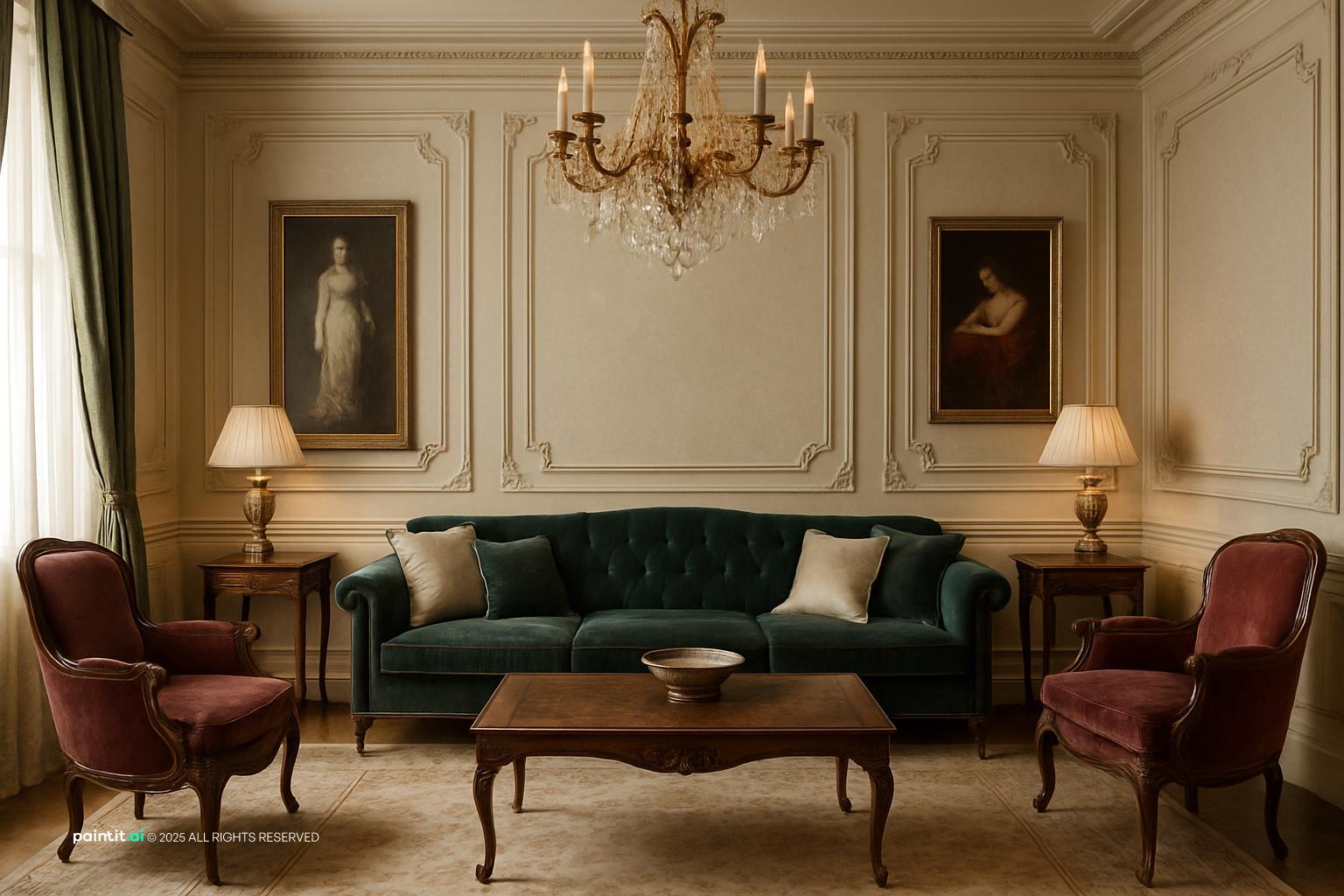
Consider a substantial console table in a deep walnut finish, or perhaps a pair of Chippendale-style armchairs. The grain itself becomes a textural element, a quiet nod to craftsmanship. Pair these with lighter walls to keep the room from feeling too heavy.
-
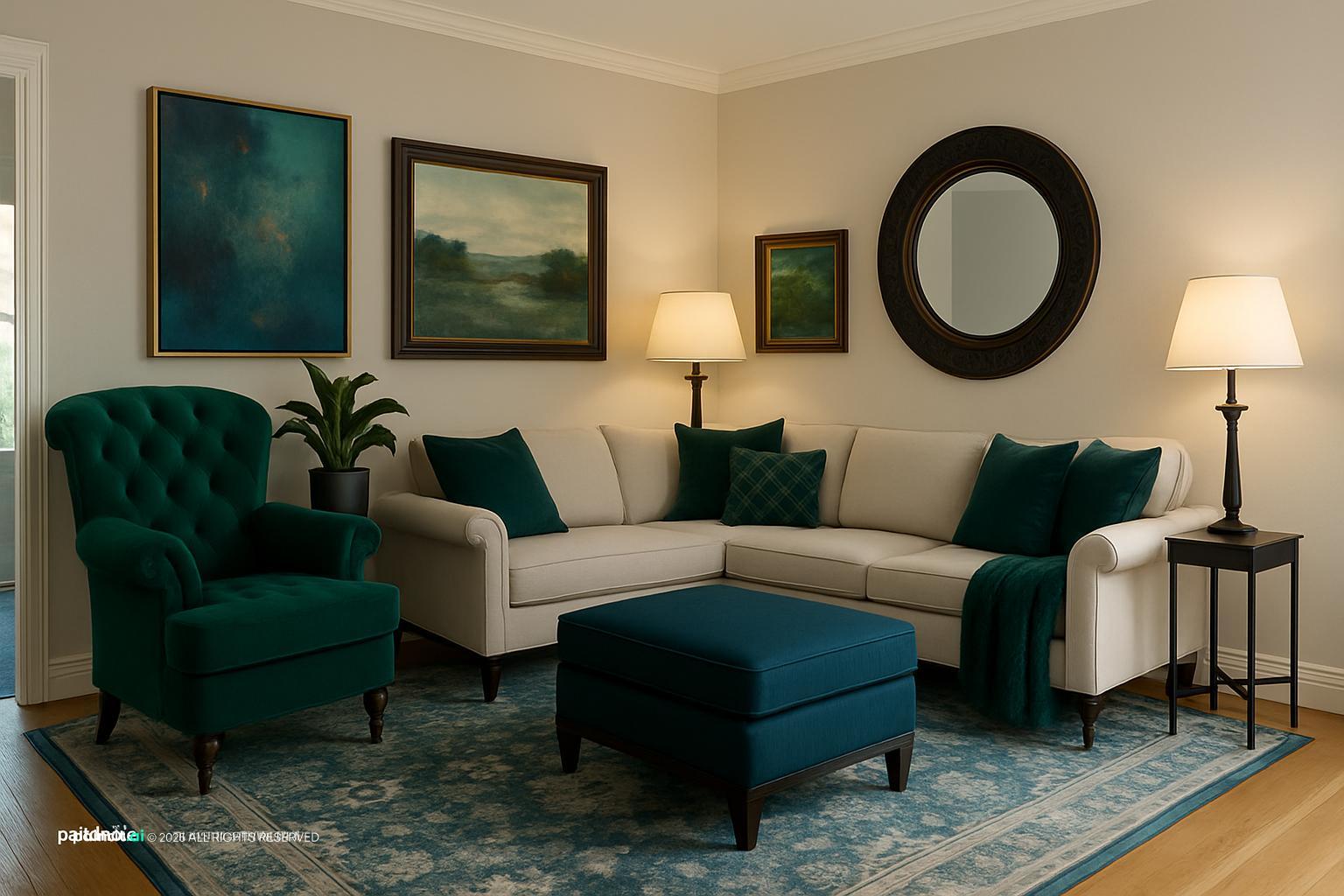
Pro Tip: To achieve this effect, try incorporating one significant piece of dark wood furniture as your anchor.
-
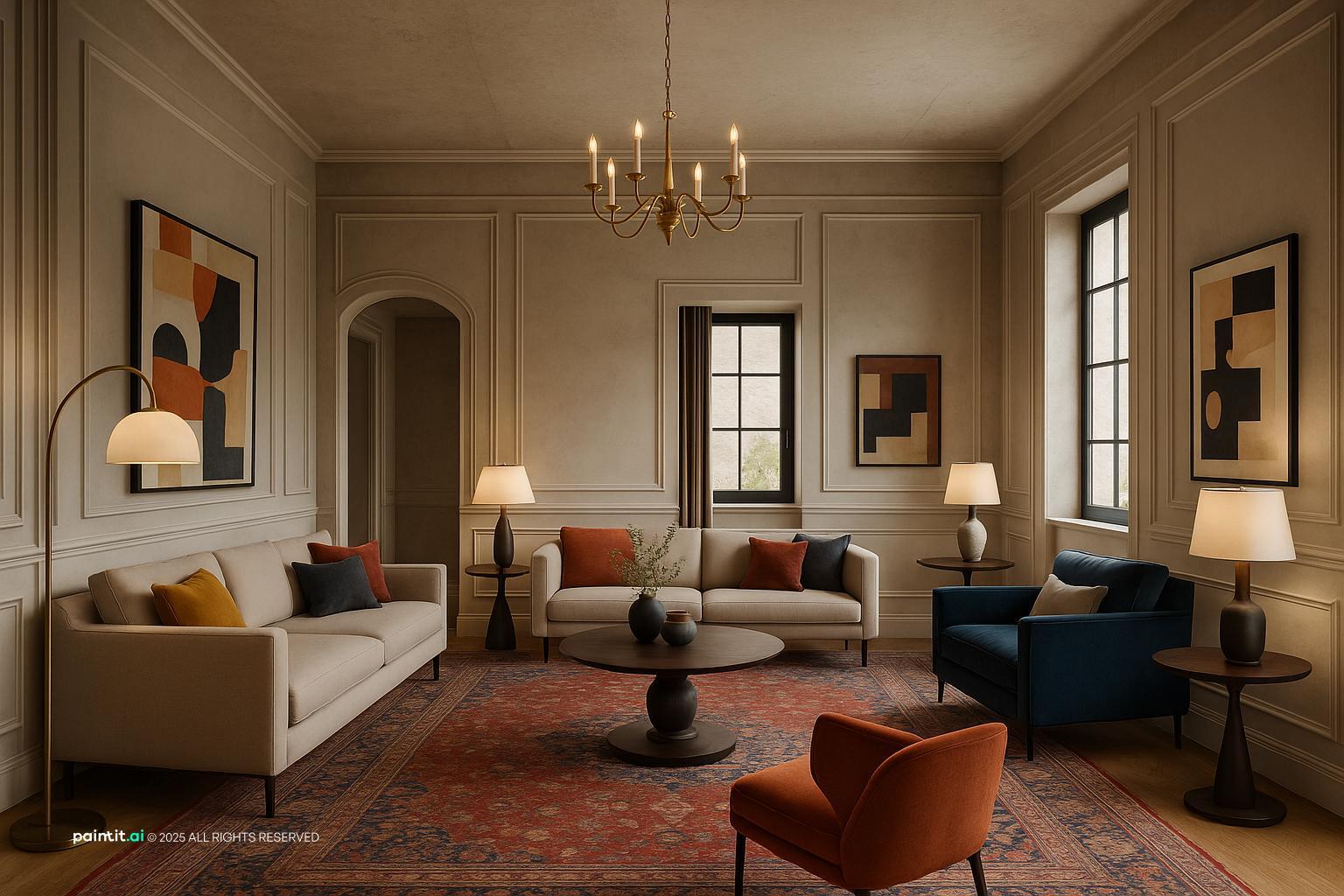
A hallmark of the traditional colonial living room is its inherent sense of order. Symmetry isn't just about balance; it creates a calm, predictable visual rhythm that feels incredibly sophisticated. It's a simple trick, but it works wonders.
-
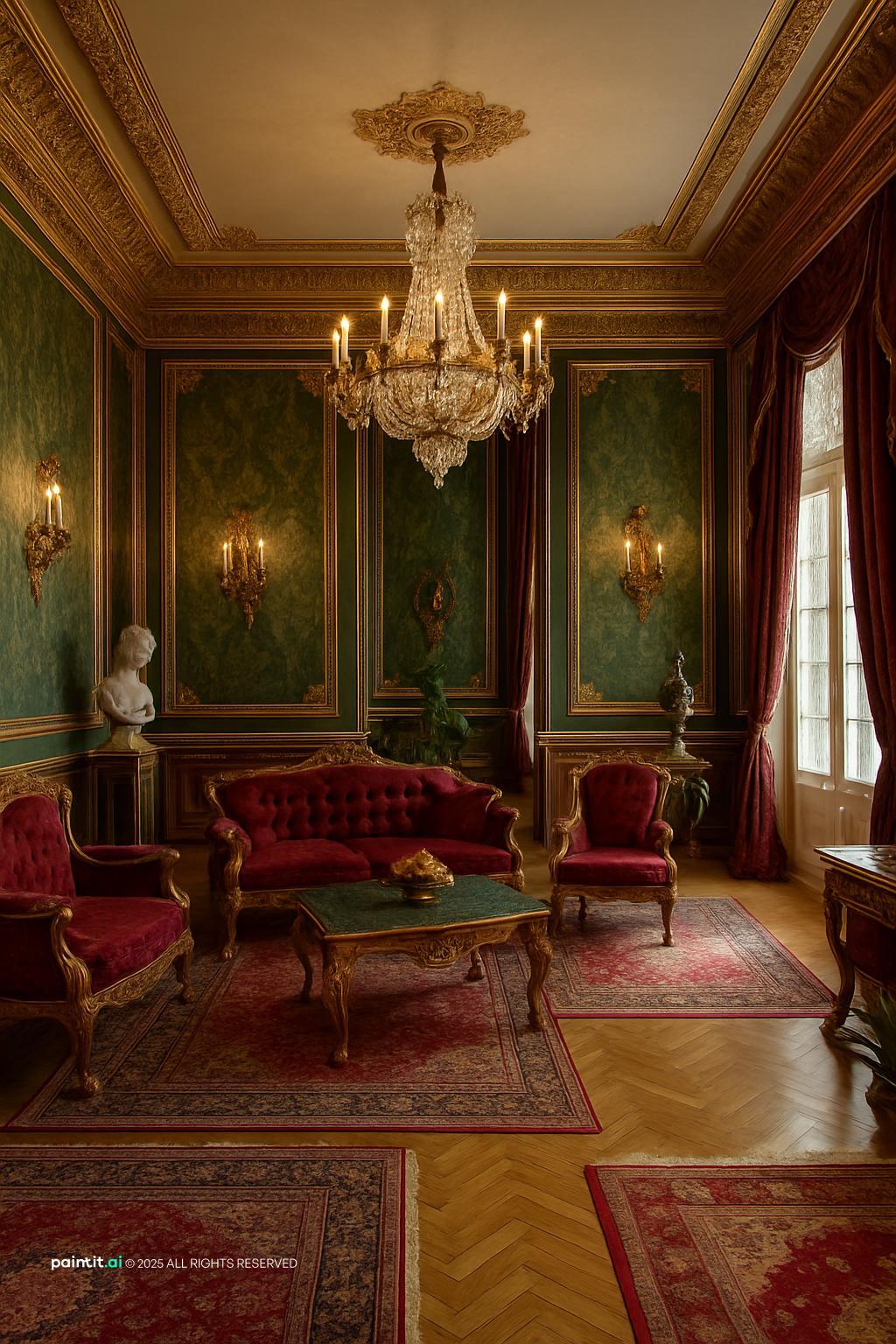
Picture two identical sofas facing each other, or a pair of wingback chairs flanking a fireplace. This approach grounds the room, making it feel intentional and well-thought-out. It’s about creating visual pairs that speak to each other.
-
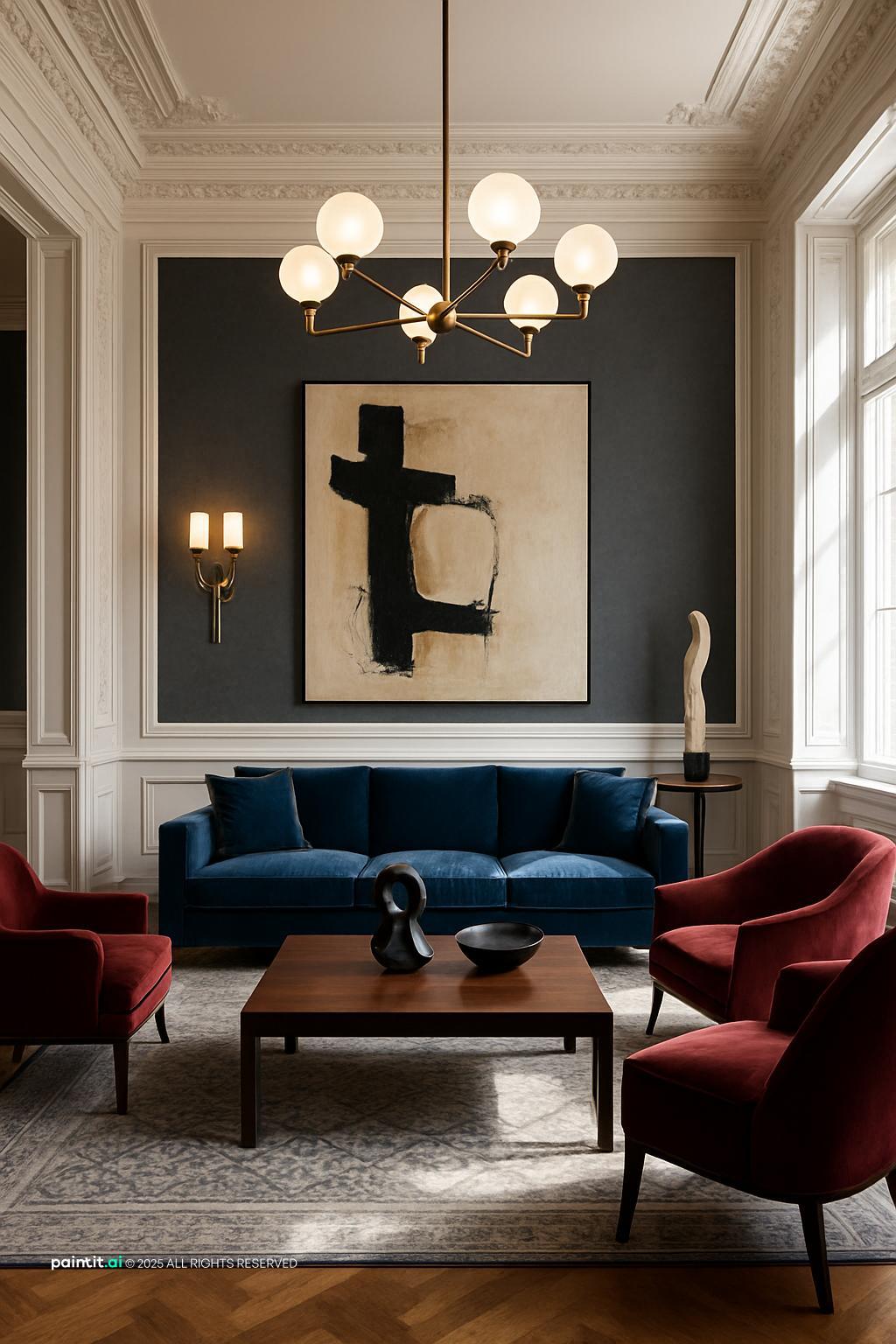
Pro Tip: To achieve this effect, place identical lamps on either side of a sofa or console table.
-
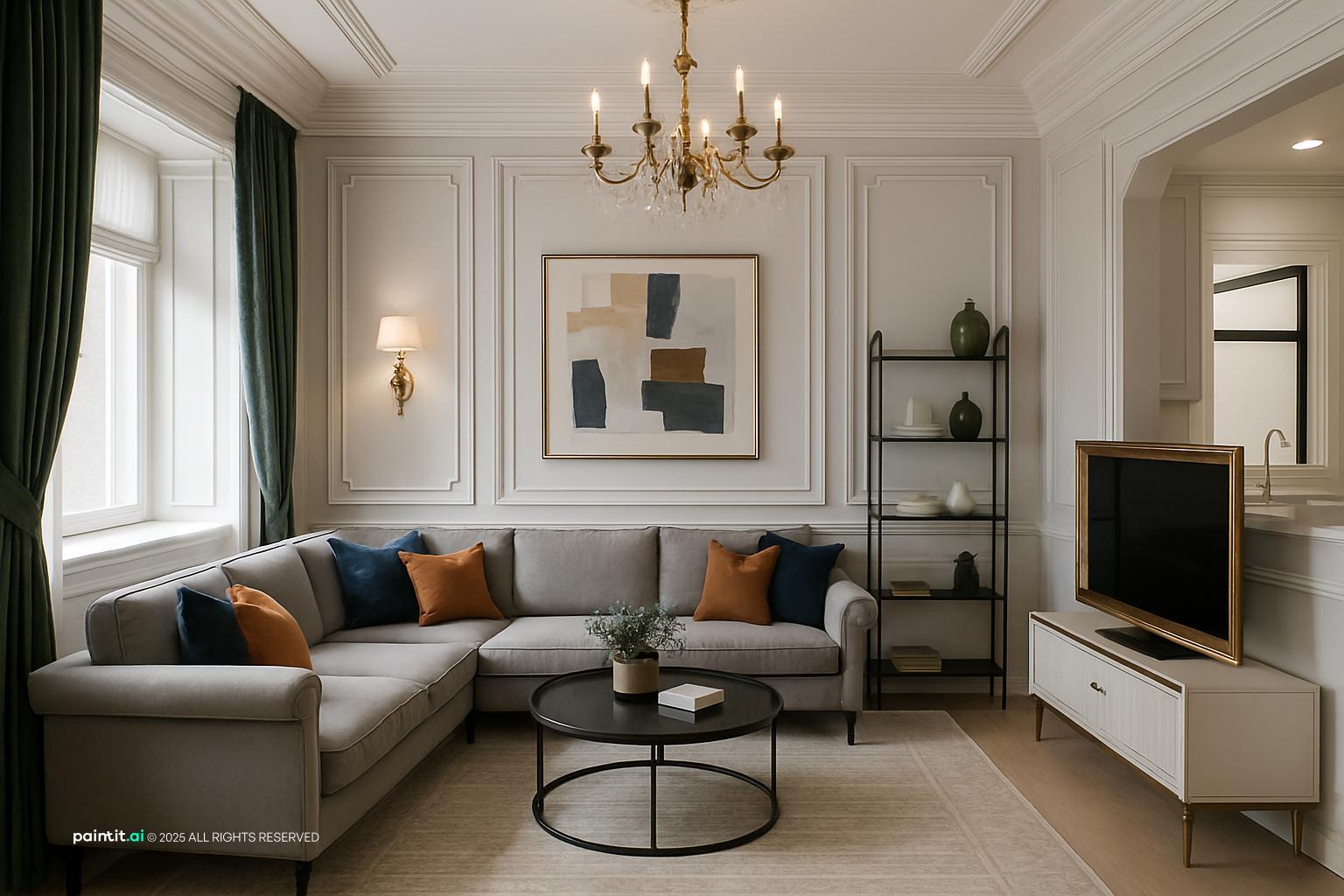
While colonial design often conjures images of formality, the truth is, it thrives on comfort. We've seen this work best when you bring in a variety of natural textures. This isn't about clutter; it's about depth.
-
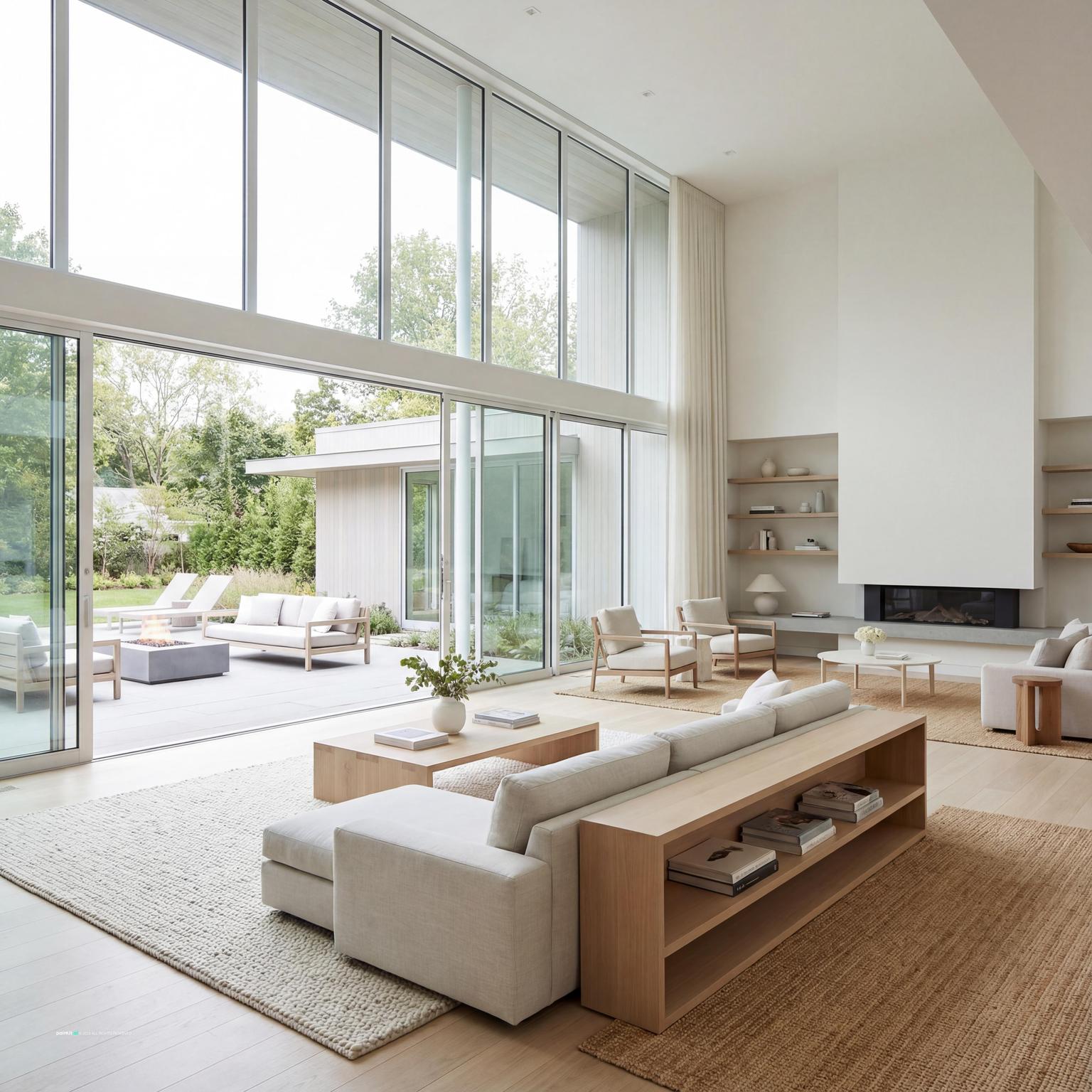
Imagine a sisal rug underfoot, linen slipcovers on a sofa, and perhaps a woven rattan side table. These elements add an organic, tactile quality that softens the more structured pieces. It makes the space feel approachable, lived-in.
-
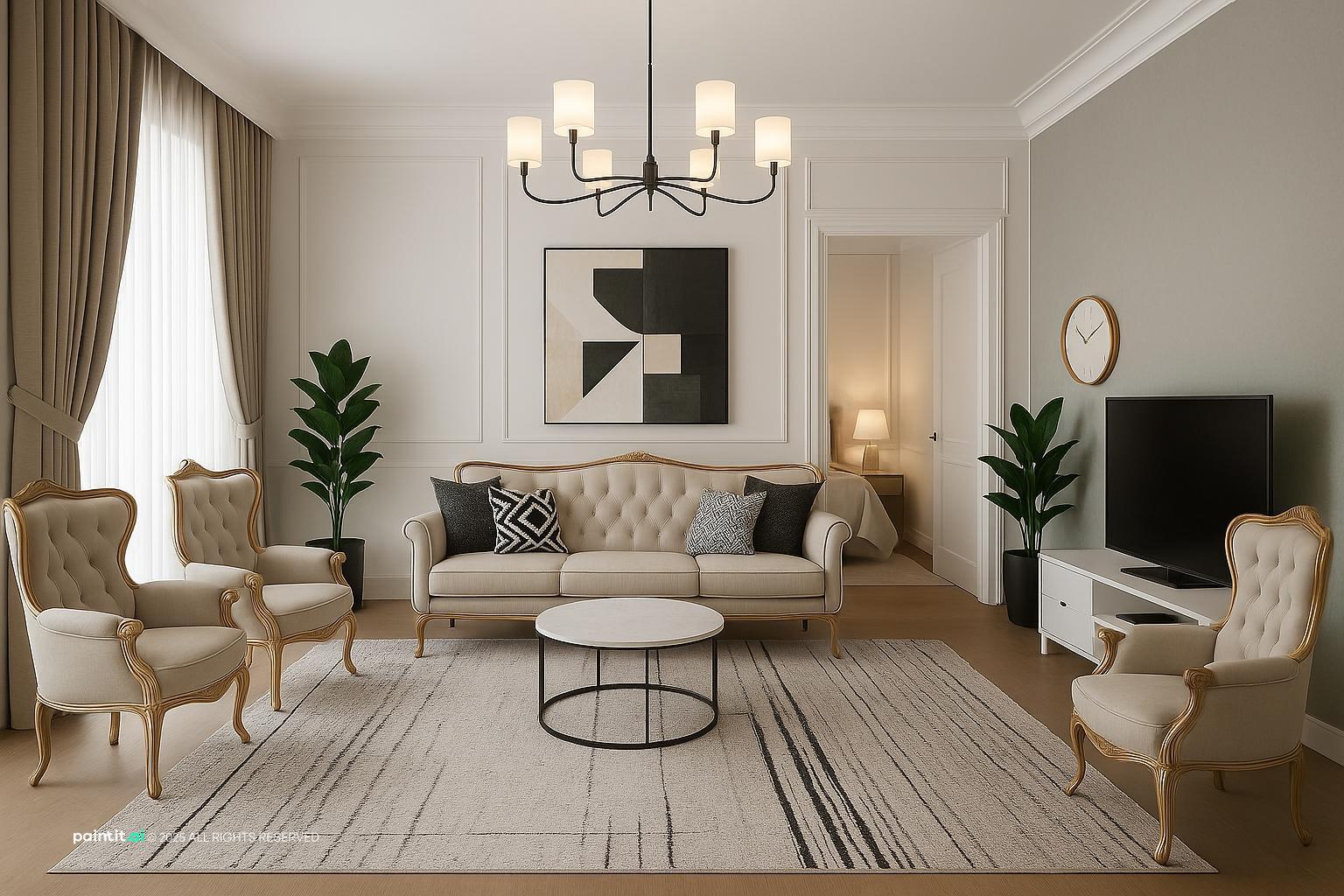
Pro Tip: To achieve this effect, combine at least three different natural materials in one seating area.
-
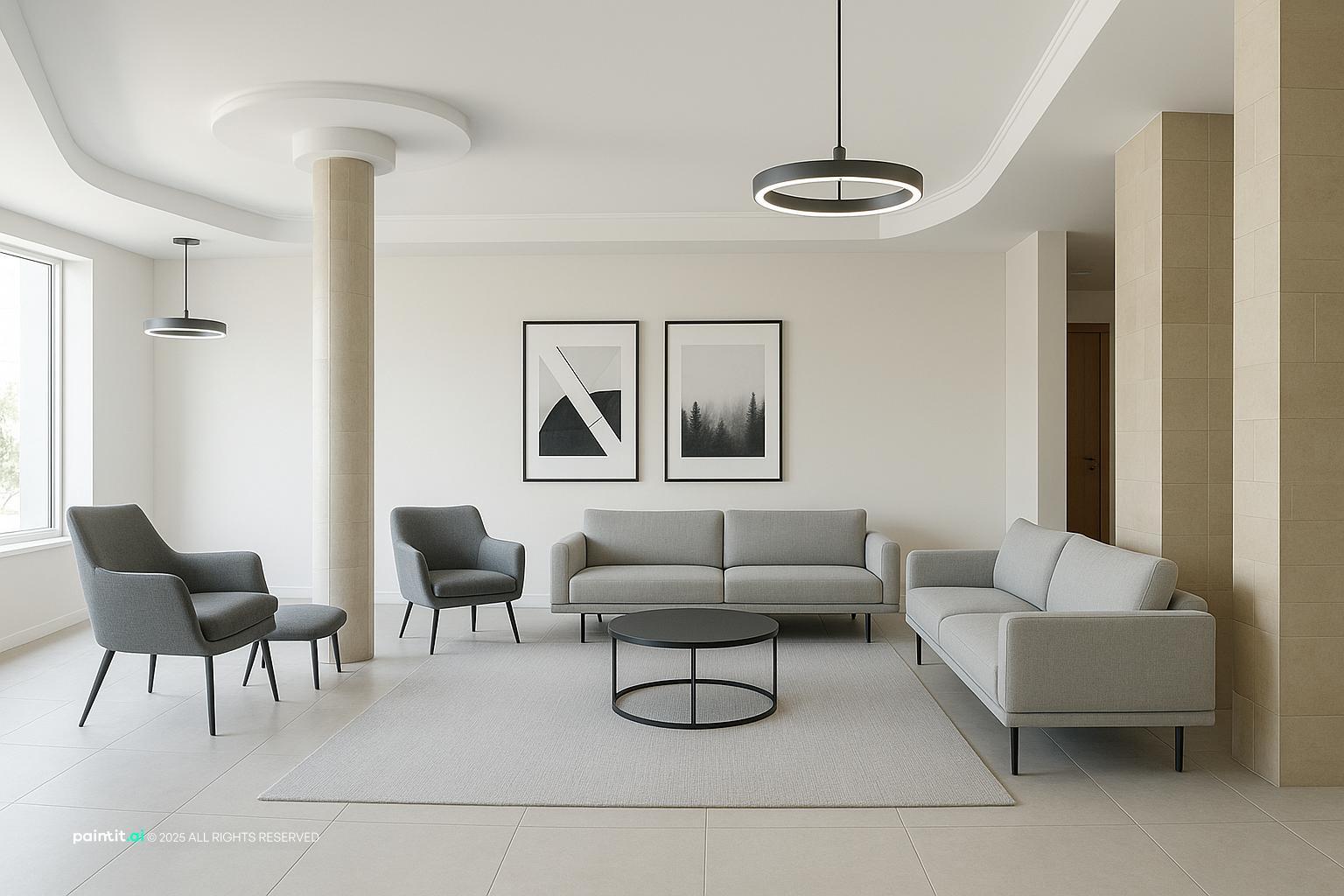
For a truly authentic colonial home living room, consider the windows. Plantation shutters aren't just practical for light control and privacy; they instantly evoke a sense of classic elegance. They frame the view beautifully.
-
Their clean lines and adjustable louvers offer a crisp, architectural detail that feels both historic and fresh. They work particularly well in spaces where you want to maintain an uncluttered aesthetic while still adding character.
-
Pro Tip: To achieve this effect, opt for shutters in a crisp white or a shade that matches your trim for a seamless look.
-
A colonial living room interior often feels like a well-traveled space, even if you've never left home. This comes from the thoughtful display of objects. Think globes, antique maps, framed botanical prints, or porcelain ginger jars.
-
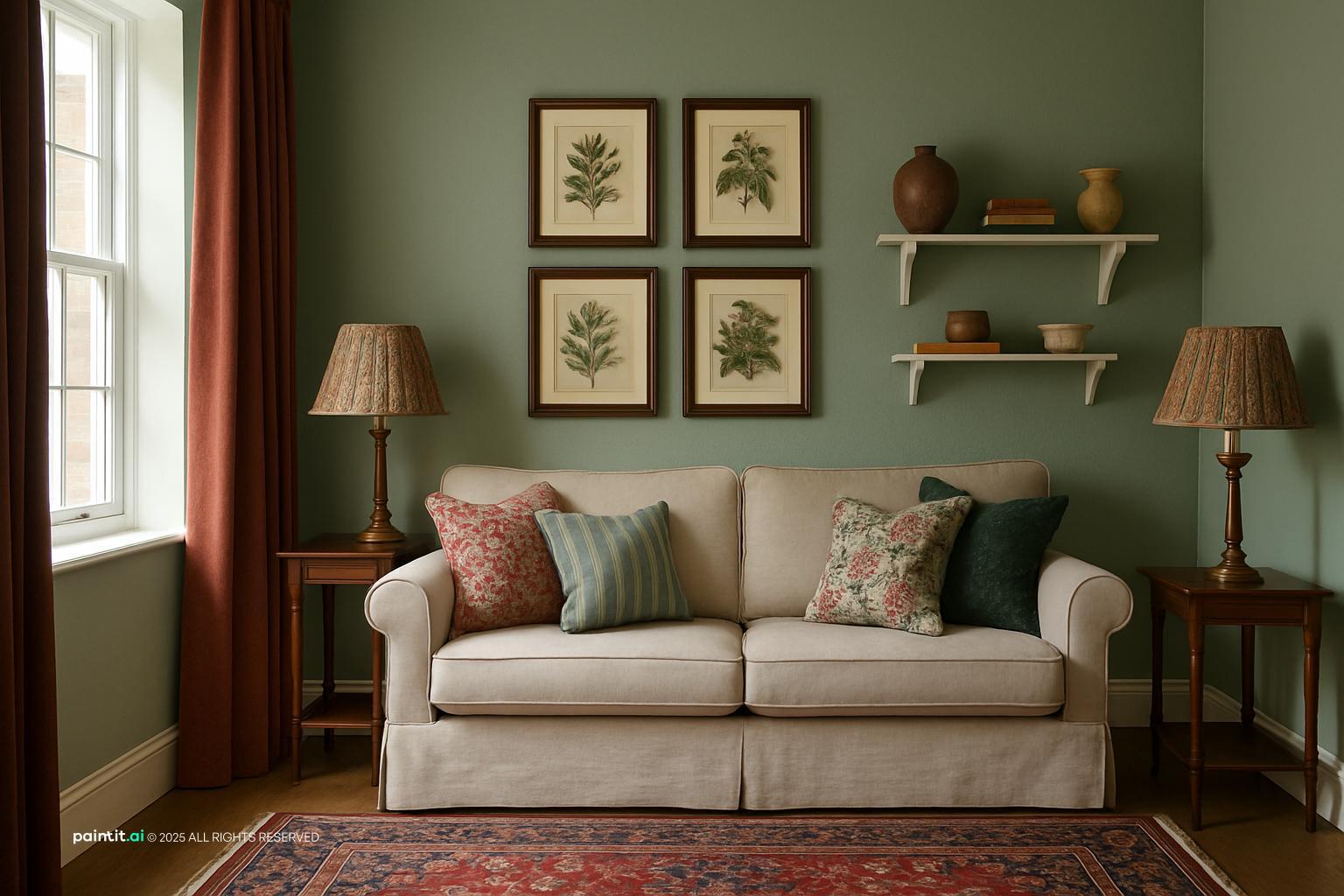
These aren't just decorations; they're conversation starters, pieces that hint at a story. The trick is to curate, not accumulate. A few meaningful items displayed on a barrister bookcase or a console table can speak volumes.
-
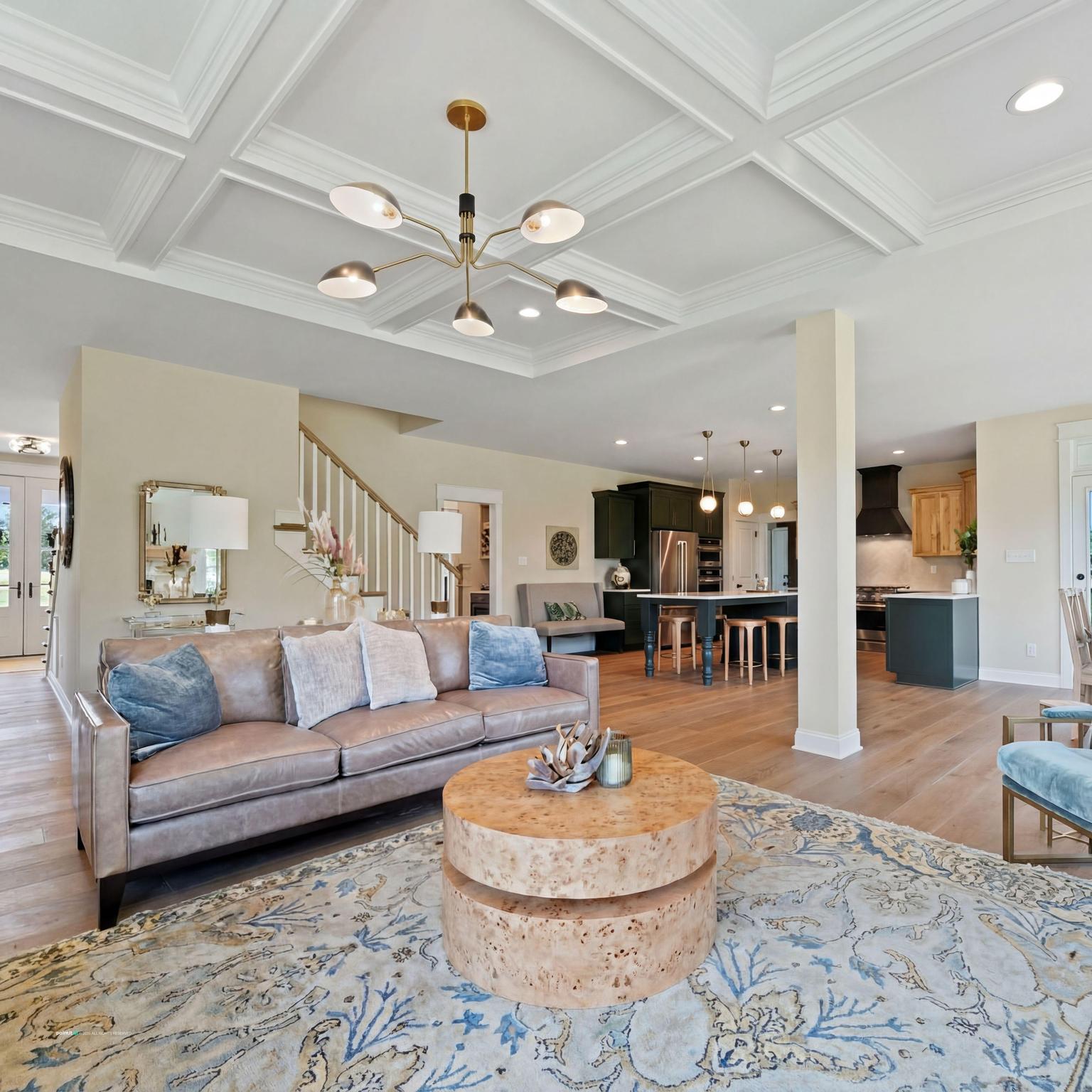
Pro Tip: To achieve this effect, group items by theme or color on a tray or within a cabinet to create a vignette.
-
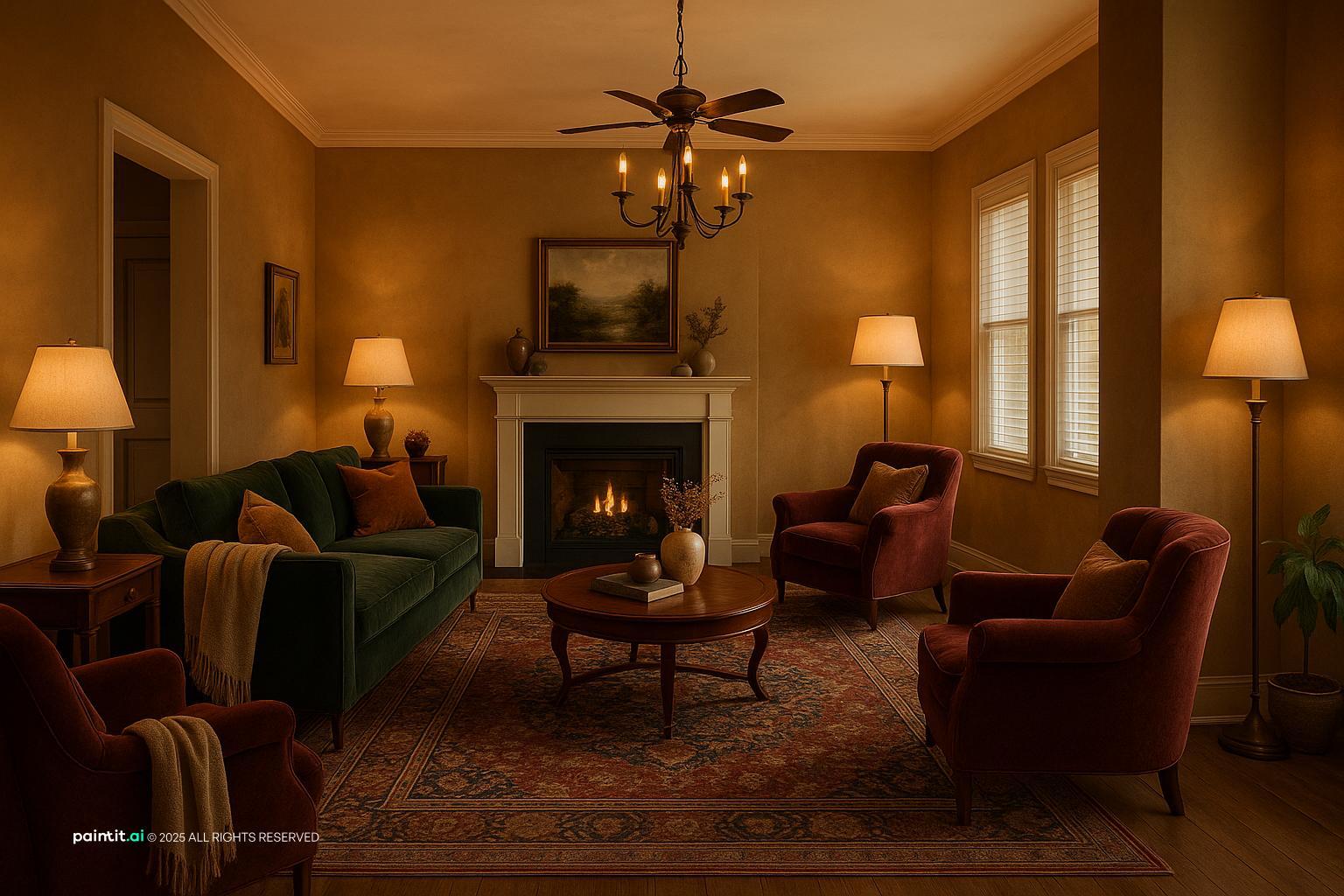
Who says colonial can't be current? We've seen a beautiful evolution where the core principles of colonial design meet contemporary sensibilities. It's about stripping back the ornate, focusing on form and function.
-
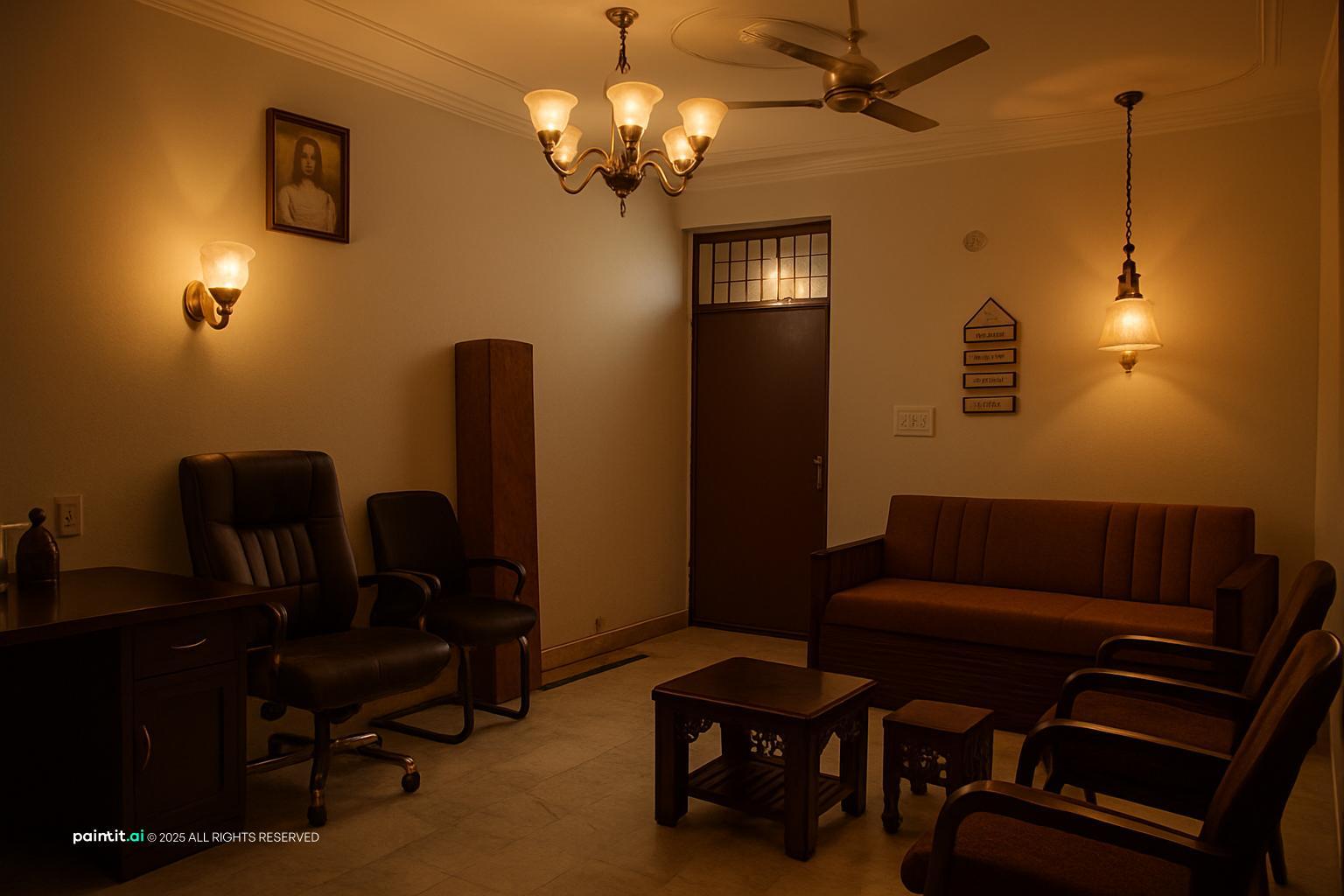
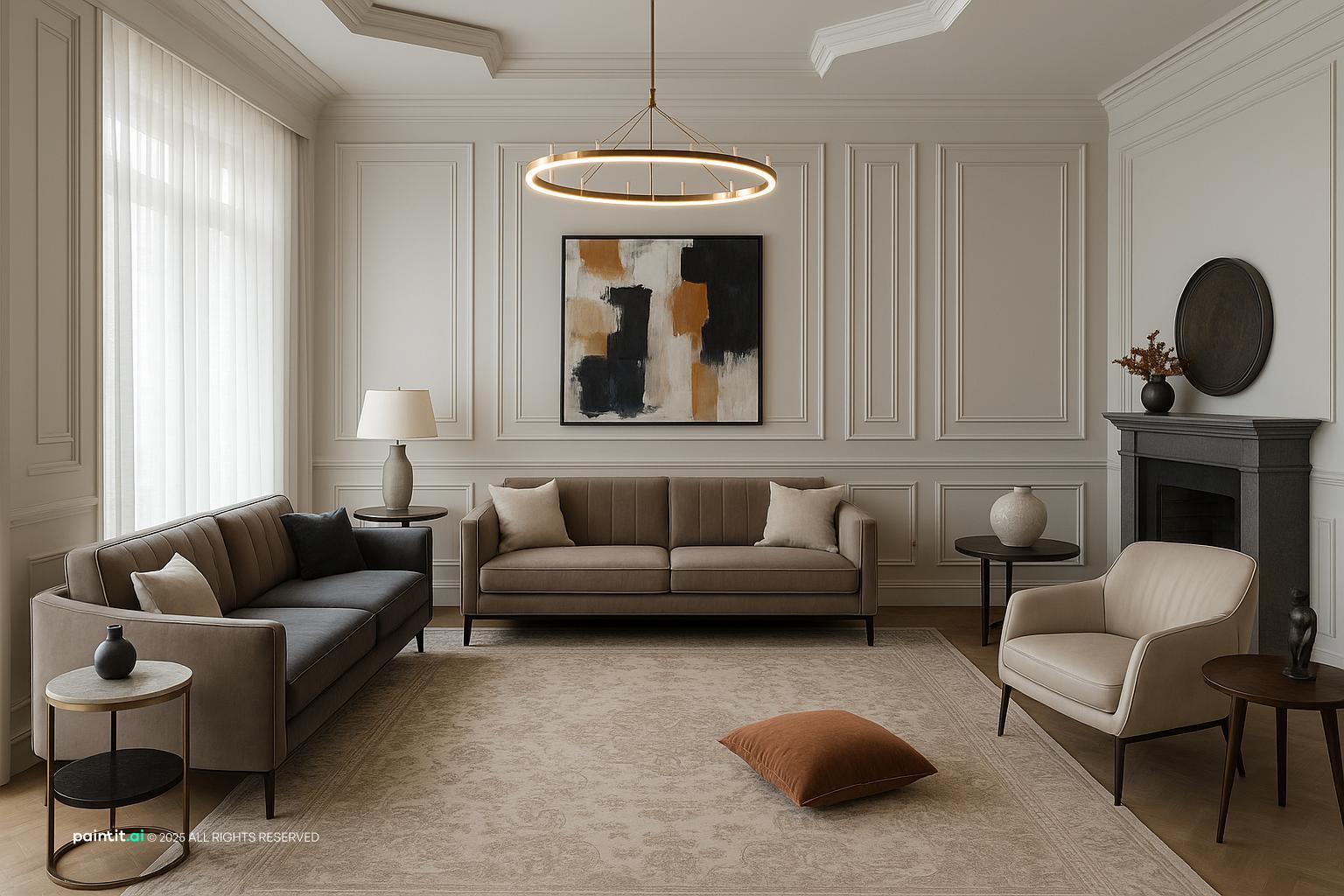
Imagine a classic roll-arm sofa upholstered in a sophisticated performance fabric, paired with a sleek, dark wood coffee table with clean lines. The essence remains, but the execution feels distinctly now. It's less fussy, more refined.
-
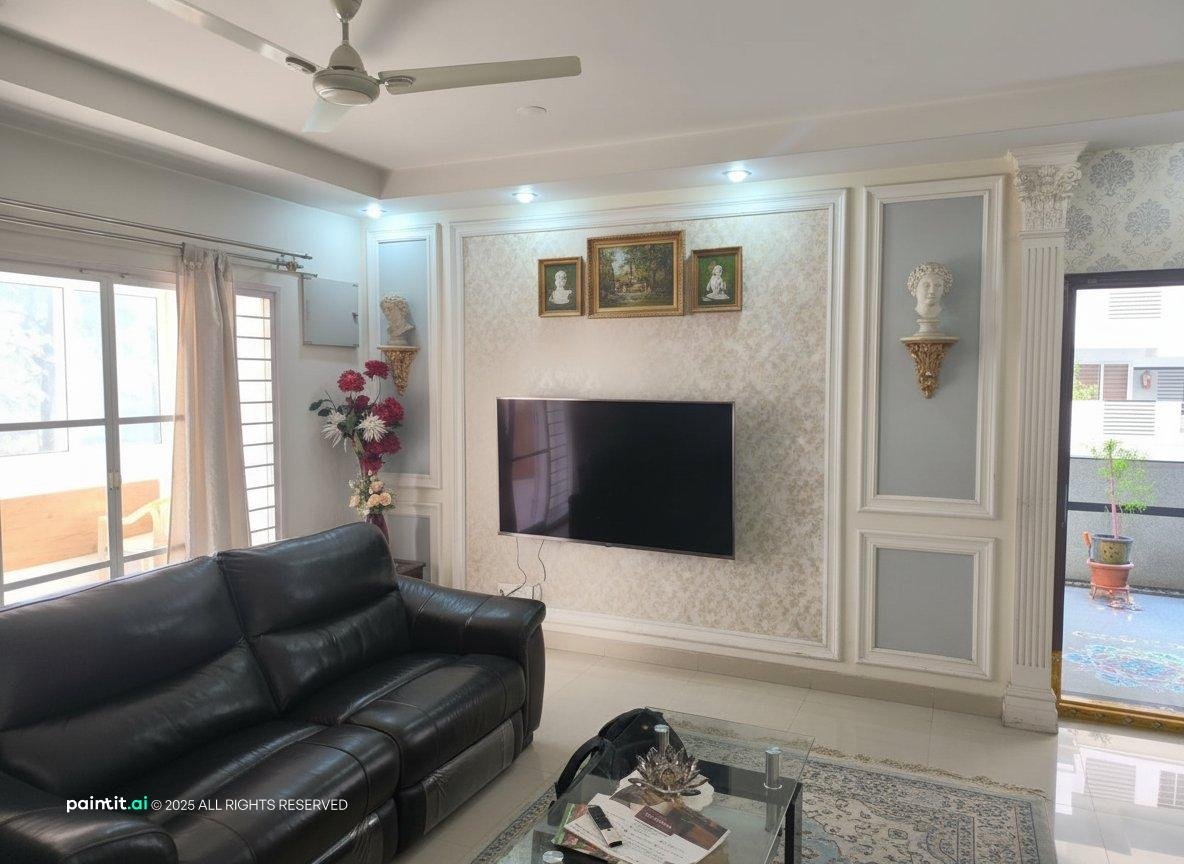
Pro Tip: To achieve this effect, choose furniture with traditional silhouettes but updated, minimalist upholstery.
-
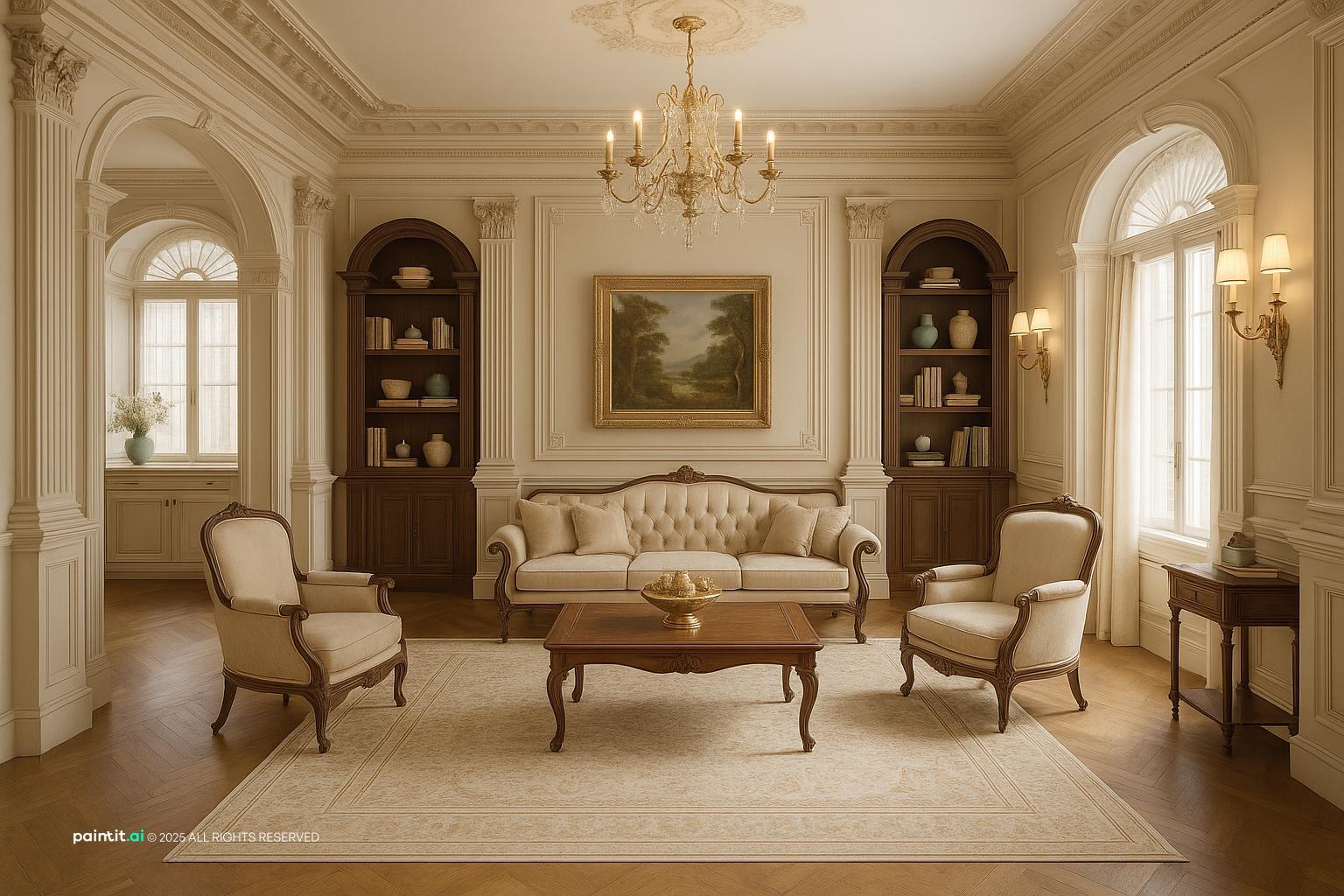
Nothing grounds a colonial living room quite like a beautifully patterned rug. These aren't just floor coverings; they're works of art that introduce color, pattern, and a sense of history to the space.
-
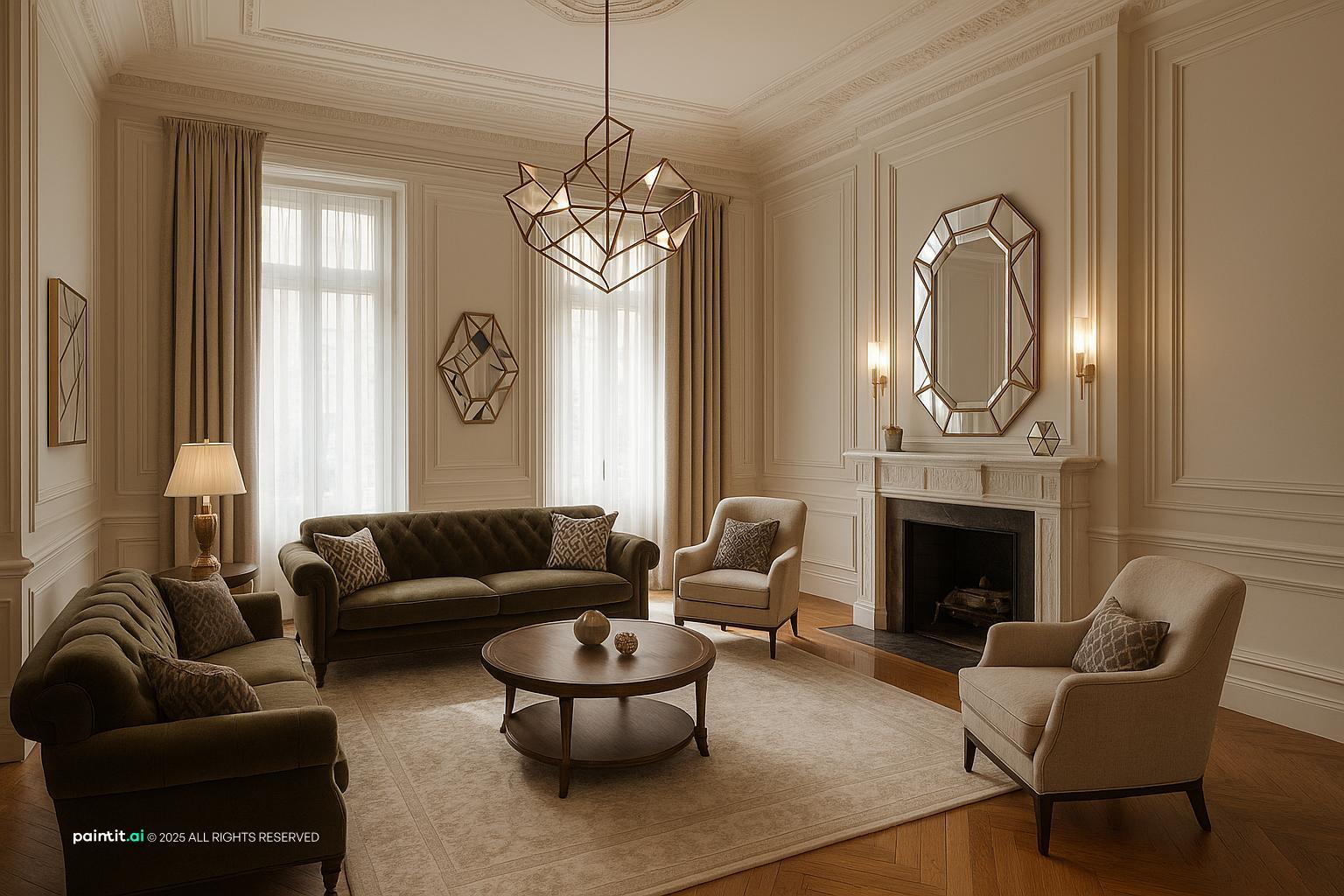
A rich Persian or Oriental rug can define a seating area, add warmth, and introduce a complex color palette that you can then pull from for other accents. It’s a foundational element that ties everything together, often with a whisper of exotic lands.
-
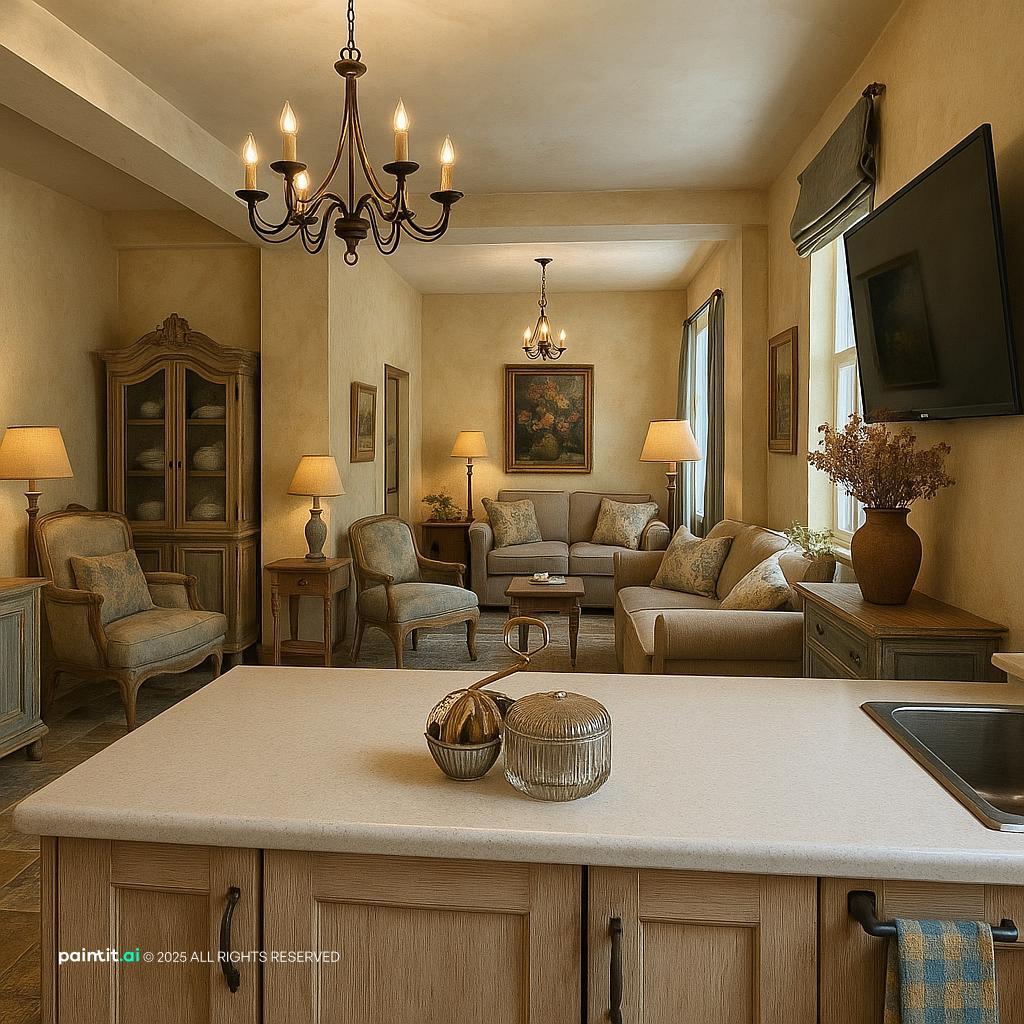
Pro Tip: To achieve this effect, select a rug large enough to comfortably fit the front legs of all main seating pieces.
-
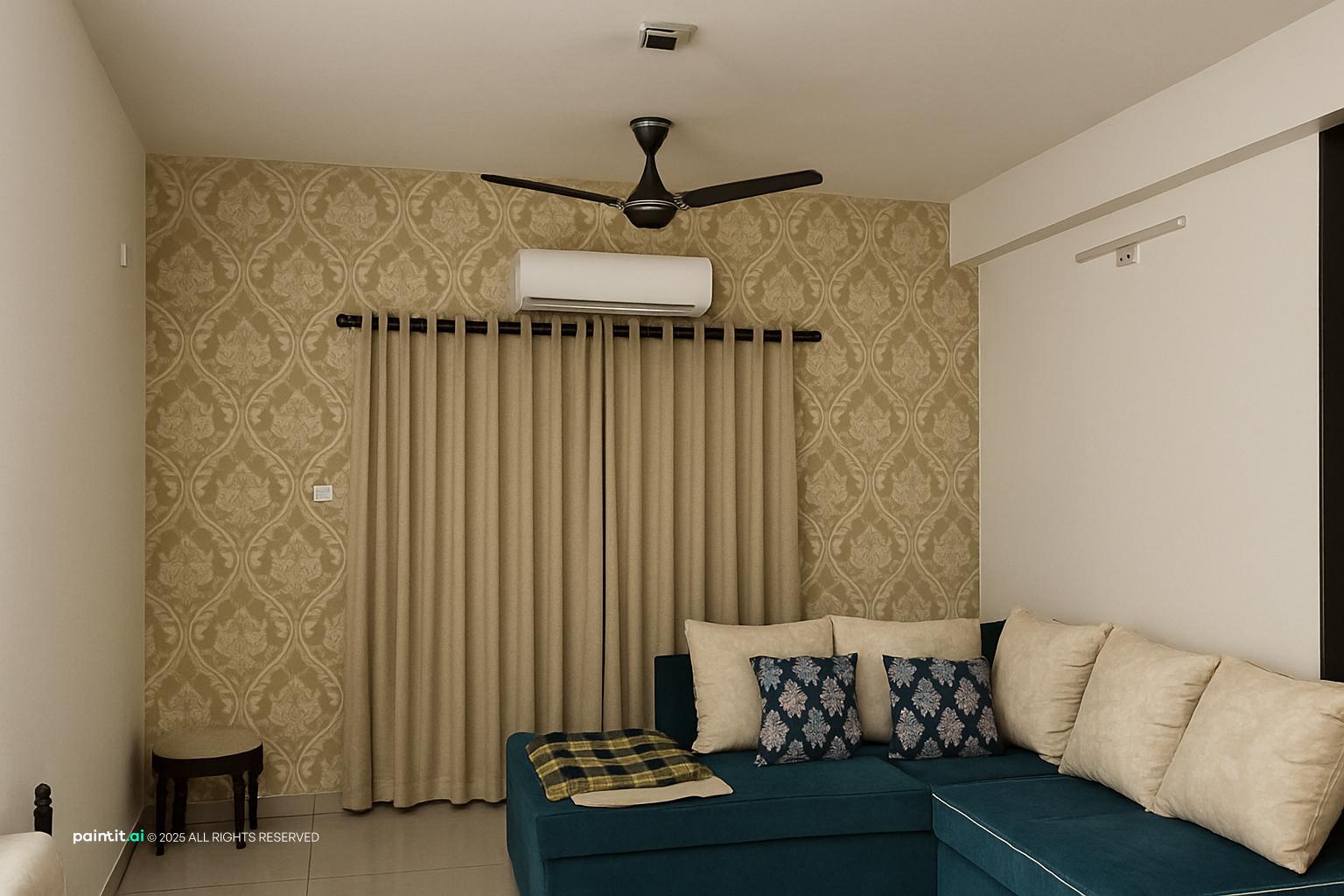
Lighting in a colonial chic living room isn't just about illumination; it's about setting a mood. Brass, with its warm, aged patina, feels inherently colonial. It's a subtle touch that elevates the entire room.
-
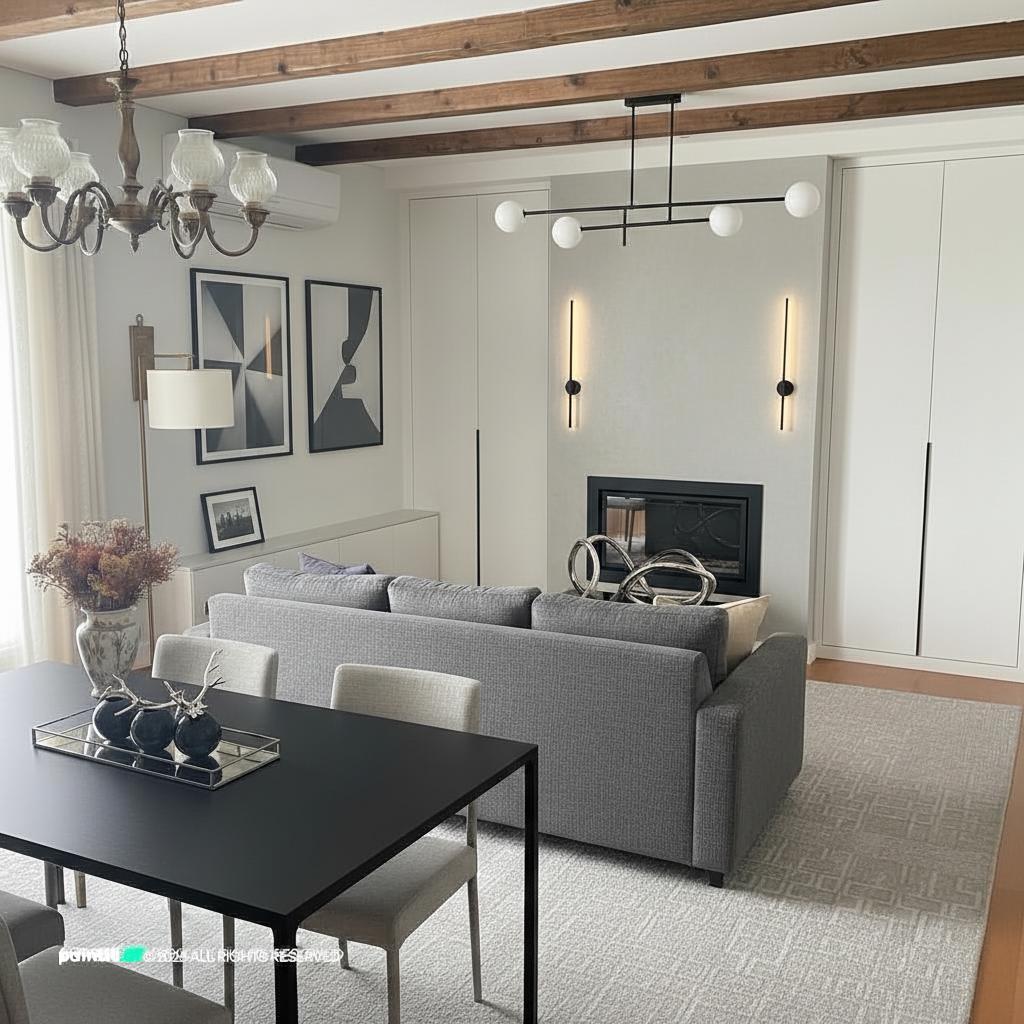
Consider a classic brass chandelier as a central focal point, or perhaps a pair of candlestick lamps on side tables. The soft glow from these fixtures adds an inviting ambiance, a gentle light that feels utterly timeless. It’s about creating layers of light.
-
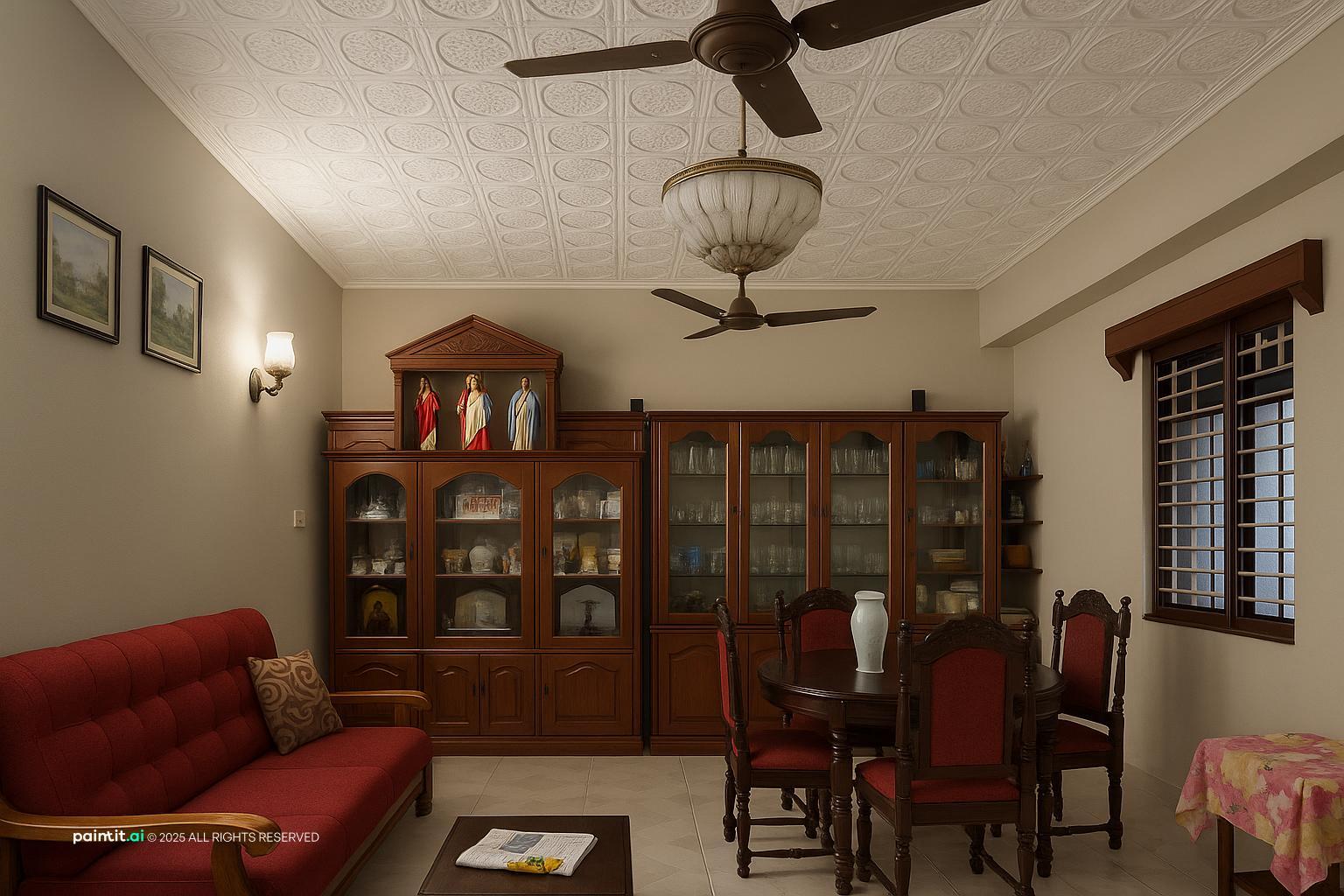
Pro Tip: To achieve this effect, mix overhead lighting with task and accent lighting, all featuring brass elements.
-
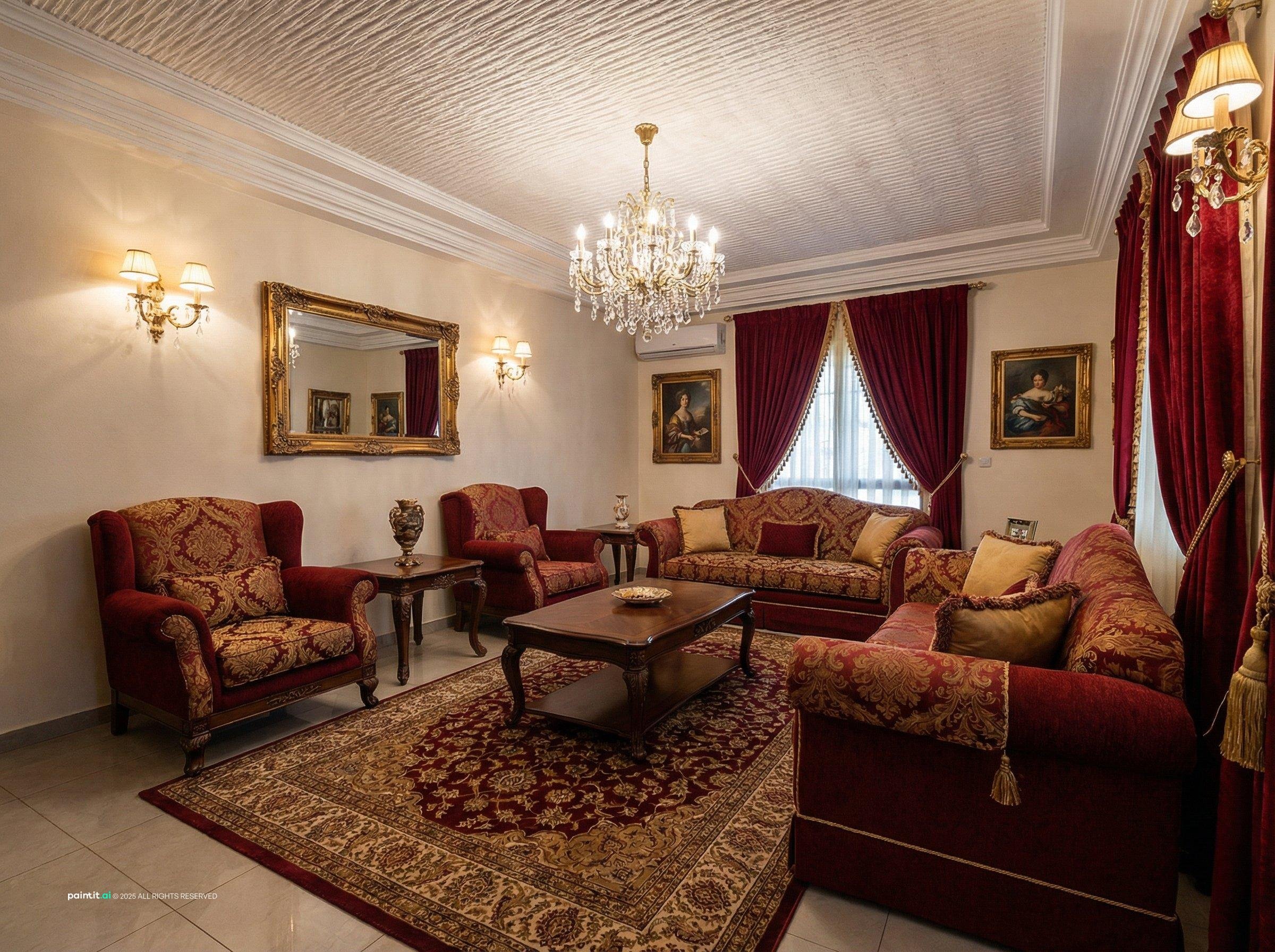
For a touch of classic pattern, look no further than toile or chintz. These fabrics, with their intricate scenes or vibrant floral motifs, instantly inject a sense of historical charm into any living room colonial style.
-
Use them sparingly—perhaps on a pair of throw pillows, a single accent chair, or as drapery panels. The key is to let the pattern breathe, allowing it to be a focal point without overwhelming the space. It’s a romantic, nostalgic choice.
-
Pro Tip: To achieve this effect, use a toile or chintz fabric on an unexpected piece, like the back of a bookshelf.
-
A fireplace often serves as the natural heart of a colonial living room. It’s a focal point that draws the eye and invites gathering. Even if it’s purely decorative, its presence is powerful.
-
Dress the mantel with a symmetrical arrangement of candlesticks, a classic mirror, or a collection of framed art. A substantial mantelpiece in a dark wood or classic white can anchor the entire room, providing a sense of permanence and warmth.
-
Pro Tip: To achieve this effect, ensure your mantel decor is balanced but not perfectly mirrored for a more natural feel.
-
While light neutrals provide a wonderful backdrop, a colonial home living room truly comes alive with a thoughtful application of deep, muted colors. These aren't bright, jarring hues, but rather sophisticated, earthy tones.
-
Think a rich forest green on an accent wall, a deep navy velvet on an armchair, or even a subtle cranberry in throw pillows. These colors add depth and a sense of old-world grandeur without feeling overwhelming. They feel grounded, historic.
-
Pro Tip: To achieve this effect, pick one deep, muted color and repeat it in at least three different elements across the room.
-
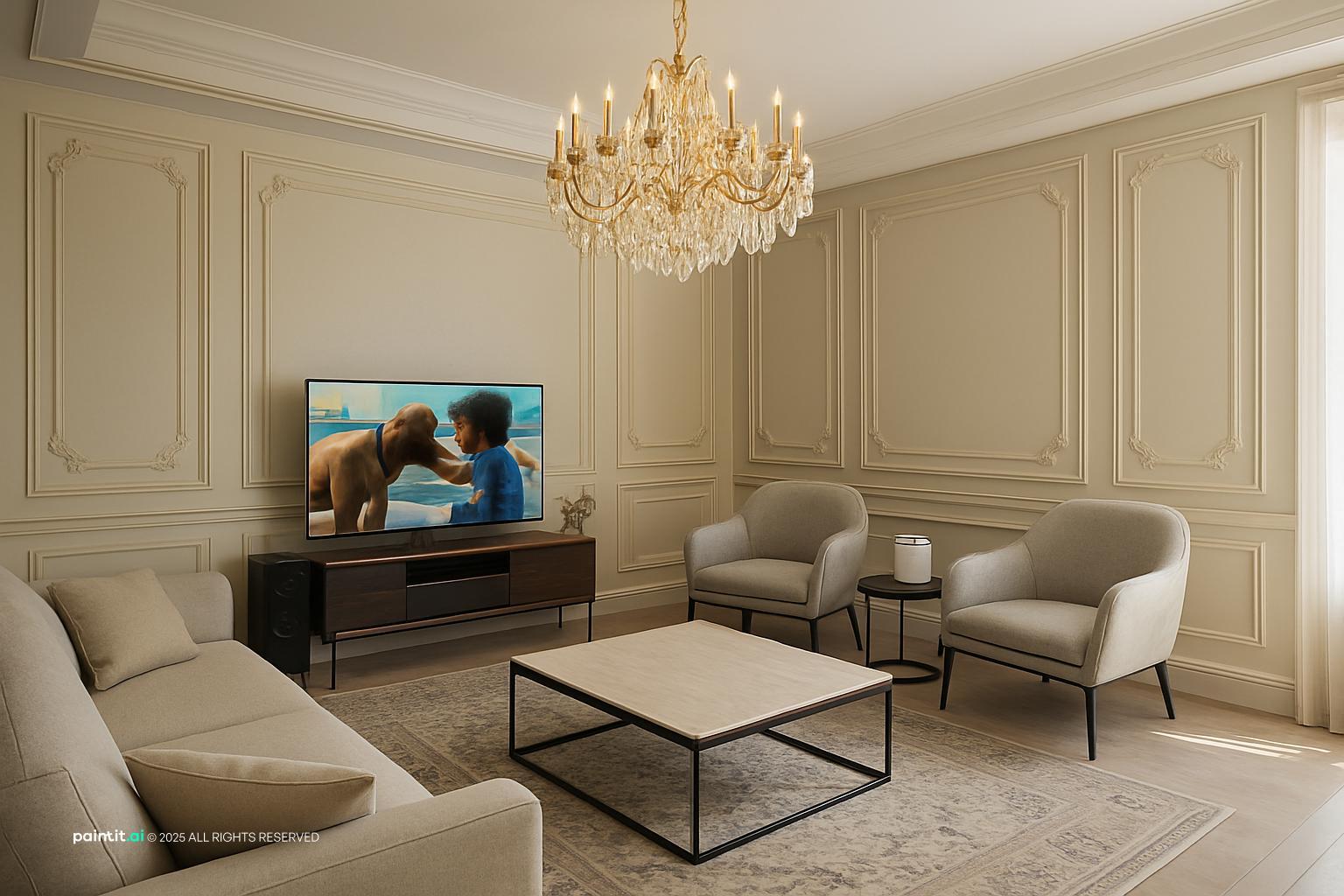
Architectural details truly elevate a colonial living room interior. Paneling or wainscoting adds instant character and a sense of bespoke craftsmanship. It’s a detail that speaks volumes about the quality of the space.
-
Whether it's a full wall of raised panels or a simple dado rail with wainscoting below, these elements create visual interest and a layered look. They provide a beautiful backdrop for furniture and art, making the room feel more substantial and historically accurate.
-
Pro Tip: To achieve this effect, paint wainscoting in a slightly different shade than the wall above for subtle contrast.
Unpacking the Enduring Allure of a Colonial Living Room to Life with Paintit.ai
-
There's a quiet confidence to a well-designed colonial living room, a feeling that it has always been there, welcoming and composed. We find that its true magic lies in a thoughtful balance of history and comfort, creating a space that feels both grand and utterly livable. It’s about understanding the core elements that make a colonial home living room sing, not just copying a look.
-
For a truly authentic colonial living room interior, we lean into a palette of deep, muted tones like rich mahogany or forest green, balanced by crisp off-whites and warm creams. A touch of muted gold or brass can add a subtle gleam, creating a sense of understated elegance without feeling ostentatious. It's about grounding the space with colors that feel naturally aged.
-
The texture in a traditional colonial living room is paramount. We often start with the warmth of dark, polished woods—think cherry or walnut—for substantial furniture pieces, which instantly convey permanence. Layering in natural fibers like linen for upholstery or wool for a rug softens these strong lines, inviting touch. Brass or aged bronze accents on lighting or hardware introduce a subtle metallic glint, adding depth and a touch of refinement. It’s a sensory experience.
-
Defining a living room colonial style often comes down to a few key pieces. A classic roll-arm sofa, perhaps in a deep velvet or sturdy linen, provides an anchor for comfort and conversation. We then add a pair of wingback chairs, perfectly proportioned to flank a fireplace or a large window, offering both visual balance and cozy seating. A substantial dark wood coffee table, often with turned legs or a simple, elegant silhouette, ties the seating arrangement together. These aren't just pieces; they're foundational elements.
-
Lighting in a colonial chic living room is about creating mood, not just brightness. We always start with ambient light from a central chandelier or sconces, casting a soft, overall glow. Task lighting comes from elegant table lamps with warm-toned shades, perfect for reading, while accent lighting—perhaps a picture light over a framed botanical print—highlights specific features. The goal is a gentle, inviting radiance that makes the room feel lived-in and welcoming, especially when featuring brass elements.
-
Decorative accents are where a modern colonial interior design living room truly comes alive, telling its unique story. We love applying the 3-5-7 rule to create visually appealing groupings on mantels, console tables, or barrister bookcases. Imagine three antique books stacked with a small brass clock on top, flanked by five framed botanical prints, and then seven varying-height candlesticks on the other side of the mantel. This creates an effortlessly composed look, avoiding clutter while adding personality. It’s about thoughtful arrangement, not just filling space, making each colonial living room feel deeply personal.
Paintit.ai: Crafting Your Perfect Colonial Living Room Vision Design Ideas
Designing a colonial living room, with its deep woods and natural textures, can feel like a big commitment without seeing the full picture. We get it. Paintit.ai lets you instantly visualize countless arrangements and color palettes for your colonial living room interior, helping you refine your vision and avoid costly missteps. See your perfect space before you even lift a brush.
FAQ
-
At its heart, a colonial living room embodies a sense of enduring craftsmanship and understated elegance, drawing heavily from 17th and 18th-century American and European influences. We often see sturdy, well-proportioned furniture—think Queen Anne or Chippendale styles—crafted from dark woods like mahogany, cherry, or walnut. It’s about a grounded, comfortable feel, not fussy or overly ornate. The palette tends to be rich but muted: deep blues, forest greens, cranberry reds, and earthy ochres, often balanced by crisp whites or creams on trim and ceilings. It’s a space that feels lived-in, thoughtfully curated, and built to last, a true testament to the traditional colonial living room.
-
The trick to a fresh traditional colonial living room lies in balance and careful editing. We’ve seen this work best by pairing those classic, dark wood pieces—a stately secretary desk or a robust coffee table—with lighter, more contemporary textiles. Imagine linen slipcovers on an armchair, or a hand-knotted rug with a subtle geometric pattern instead of a heavy Persian. Introduce modern art with clean lines or a sculptural lamp. The truth is, a colonial home living room doesn't demand a museum-like adherence to period pieces. It’s about honoring the spirit of the style while allowing for personal expression. A little bit of mixing keeps things from feeling stagnant; it’s about preservation over imposition.
-
For a truly authentic living room colonial style, start with foundational pieces that speak to its heritage. A solid wood hutch or a tall secretary desk provides both storage and visual weight. Comfortable, upholstered seating is a must—perhaps a camelback sofa or wingback chairs in a durable fabric like linen, wool, or even a subtle plaid. We often recommend a substantial coffee table, maybe a trunk-style piece or one with turned legs, and a few side tables for lamps and drinks. Don’t forget a fireplace, if possible; it’s the natural focal point of any colonial home living room, anchoring the entire space. It sounds simple, but most people forget the importance of scale here; these rooms demand pieces with presence.
-
Absolutely, and it’s a design challenge we adore! A modern colonial interior design living room embraces the clean lines and functionality of contemporary aesthetics while retaining the warmth and historical gravitas of colonial design. Think of it as colonial chic living room. We might see whitewashed walls, allowing the architectural details—like crown molding or wainscoting—to truly pop. Furniture can be a mix: a classic Windsor chair alongside a sleek, low-profile sofa. Brushed brass or matte black hardware can update traditional cabinetry. The key is to strip away excess ornamentation and focus on quality materials, natural light, and a curated selection of pieces. It’s about creating a dialogue between eras, not a strict recreation.
-
For a colonial living room interior, think layers of texture and meaningful objects. We lean towards natural materials: wool throws, cotton cushions, and perhaps a sisal rug to ground the space. Lighting is crucial; traditional sconces, floor lamps with linen shades, or a classic chandelier can cast a warm, inviting glow. Artwork often features landscapes, portraits, or botanical prints, framed in dark wood or simple gold leaf. Here’s the kicker: avoid clutter. A few well-chosen ceramic pieces, a collection of antique books, or a single, striking mirror can speak volumes. It’s about creating a sense of history and comfort, not filling every surface. Every piece should feel like it has a story, contributing to an effortlessly composed space.