
Designing with Built in - Living Room Storage Solutions
Do you ever find yourself tidying the same items daily, wishing for a seamless way to keep your living room both beautiful and functional? The right built in living room storage can make a significant difference, turning everyday chaos into quiet order. How can these integrated solutions truly enhance the way you live and relax in your home?
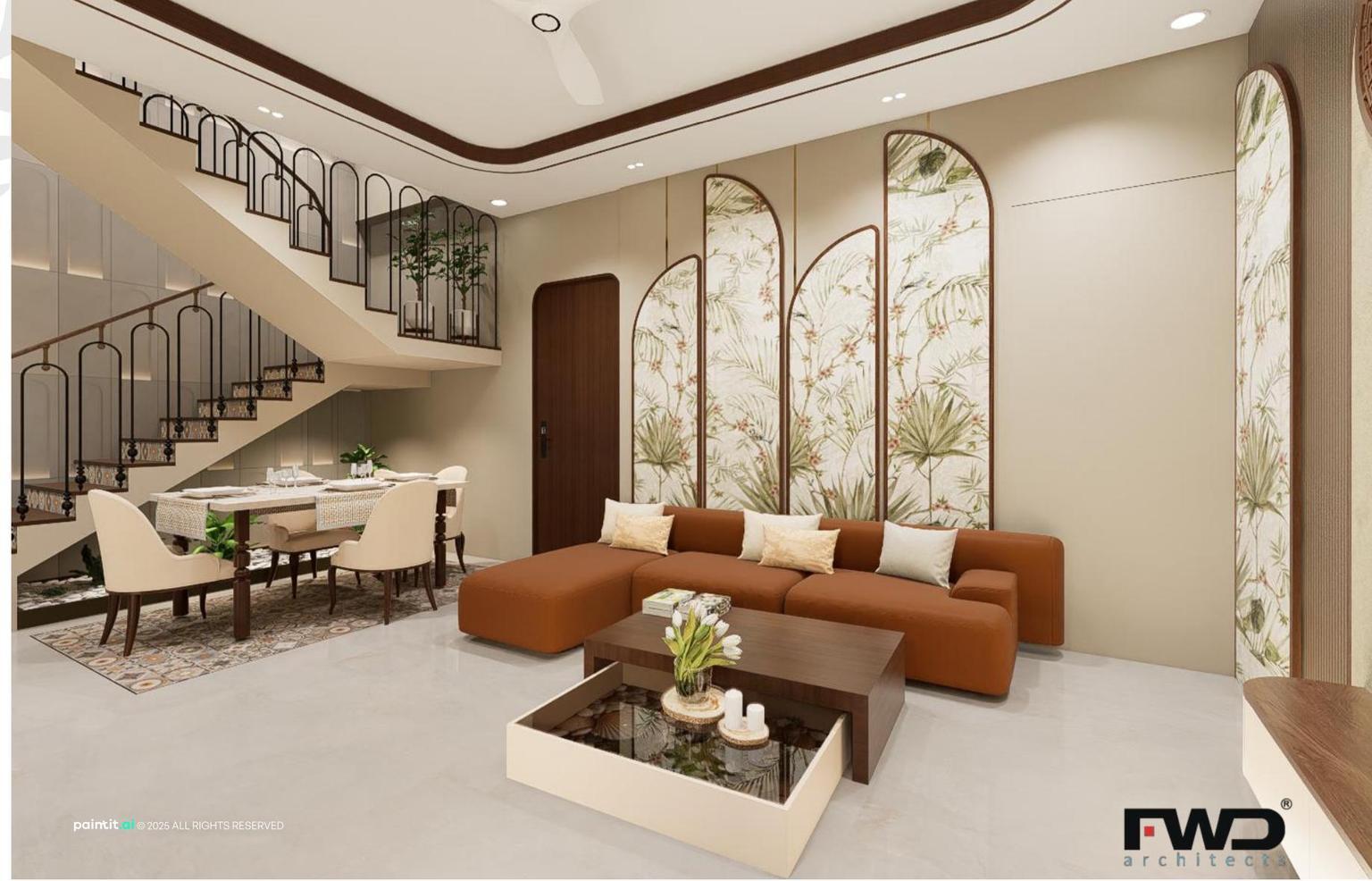
Essential Tips for The Art of Built In Living Room Storage
Ever feel like your living room is constantly battling clutter? That endless loop of tidying, only for things to reappear. Truly integrated shelving and custom cabinetry aren't just about hiding things; they’re about creating a calm, effortlessly composed space. Most people forget the power of bespoke joinery.
-
The Art of Built In Living Room Storage
Ever feel like your living room is constantly battling clutter? That endless loop of tidying, only for things to reappear. Truly integrated shelving and custom cabinetry aren't just about hiding things; they’re about creating a calm, effortlessly composed space. Most people forget the power of bespoke joinery.
Stunning Examples of 12 Ingenious Ways to Design Built In Living Room Storage
-
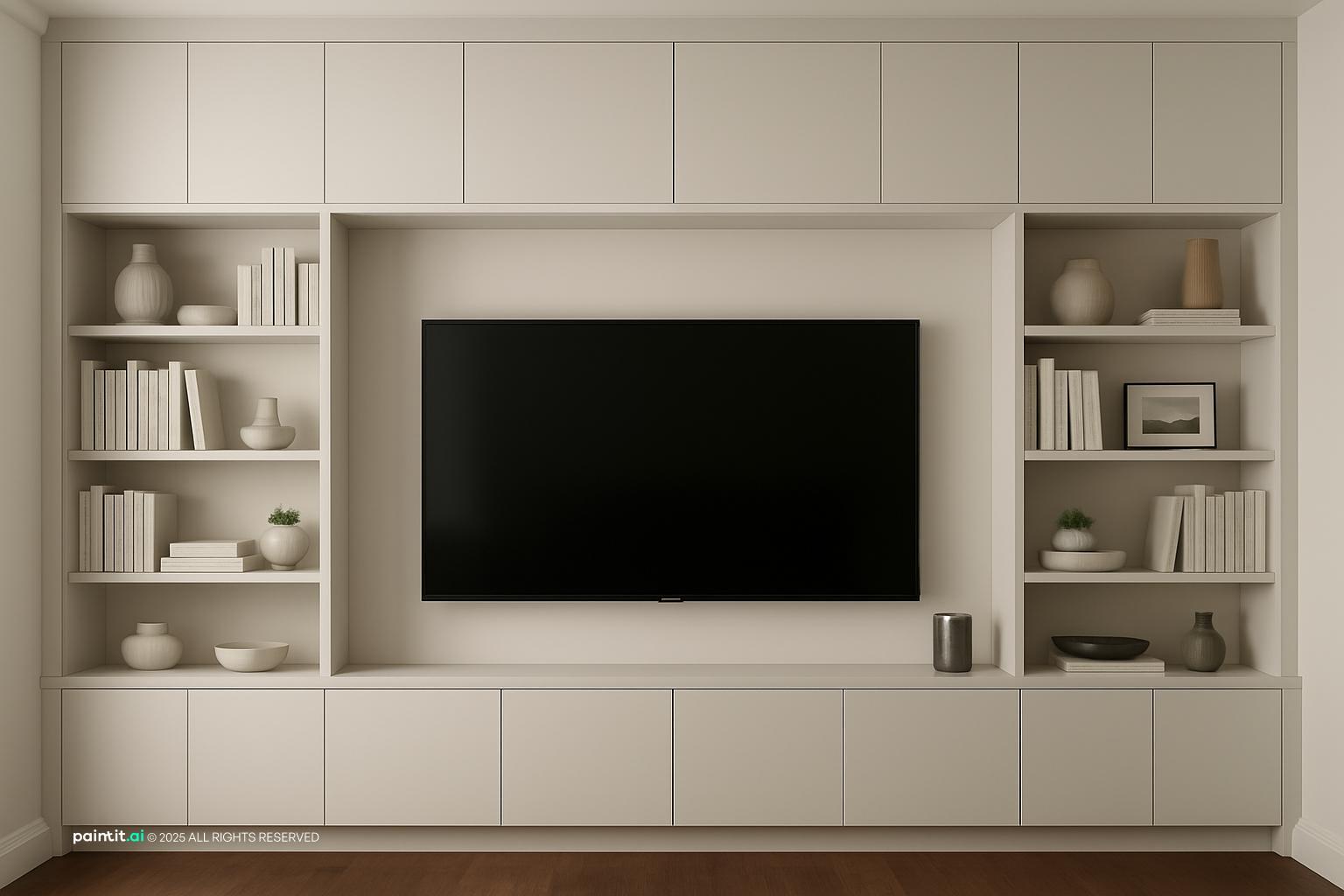
We've all been there: a living room that just doesn't quite "work" when it comes to keeping things tidy. It's a constant battle, isn't it? These ideas for integrated storage aren't just about hiding clutter; they're about crafting spaces that feel inherently calm and effortlessly composed. We curated these concepts to strike that perfect balance between stunning aesthetics and everyday functionality.
-
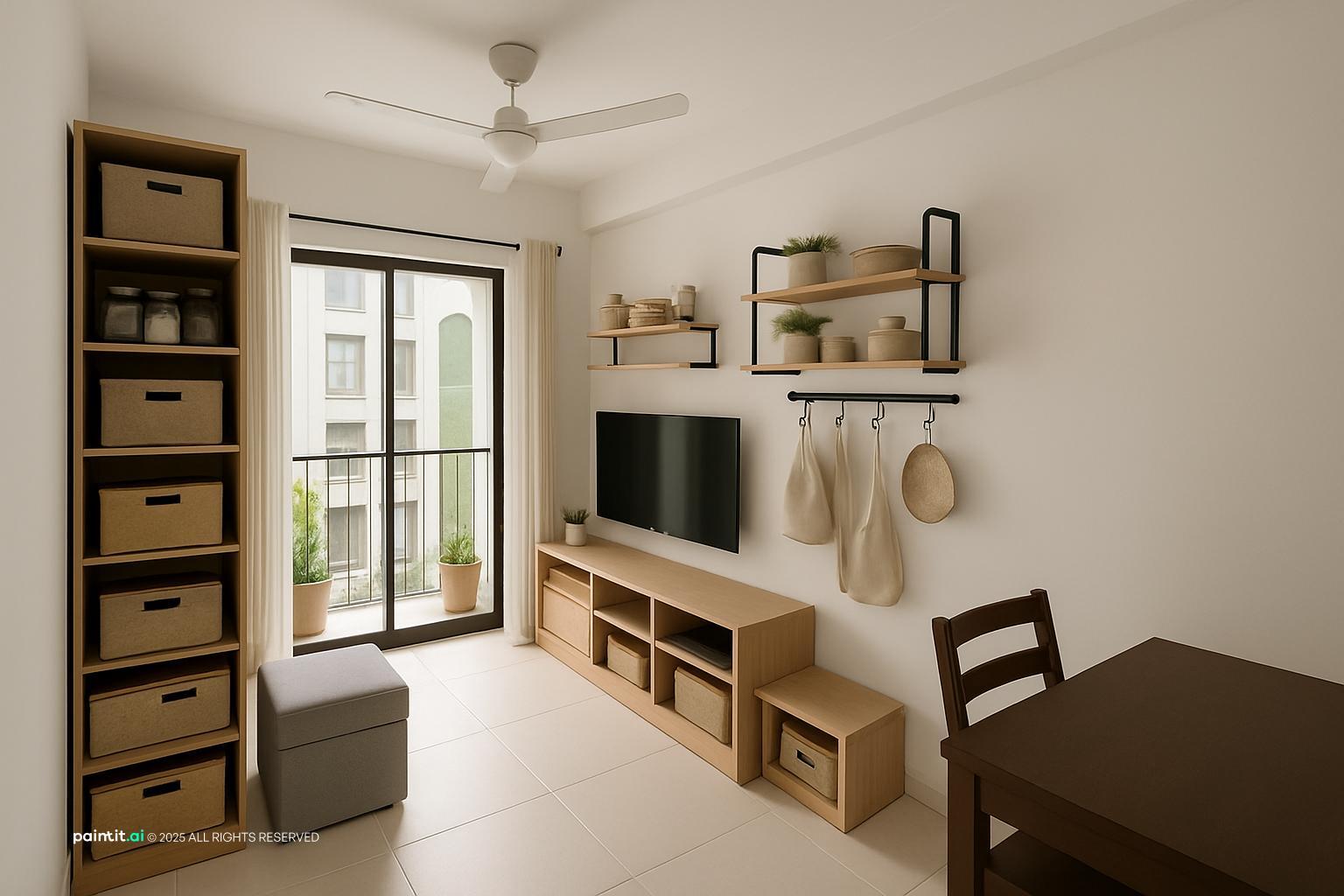
This concept takes your television and all its accompanying gadgets and tucks them away beautifully. Imagine a wall unit where the screen is flush, and speakers disappear behind fabric-covered panels. It's about creating a focal point that serves its purpose without screaming "electronics." The truth is, most people underestimate how much visual noise a media setup creates.
-
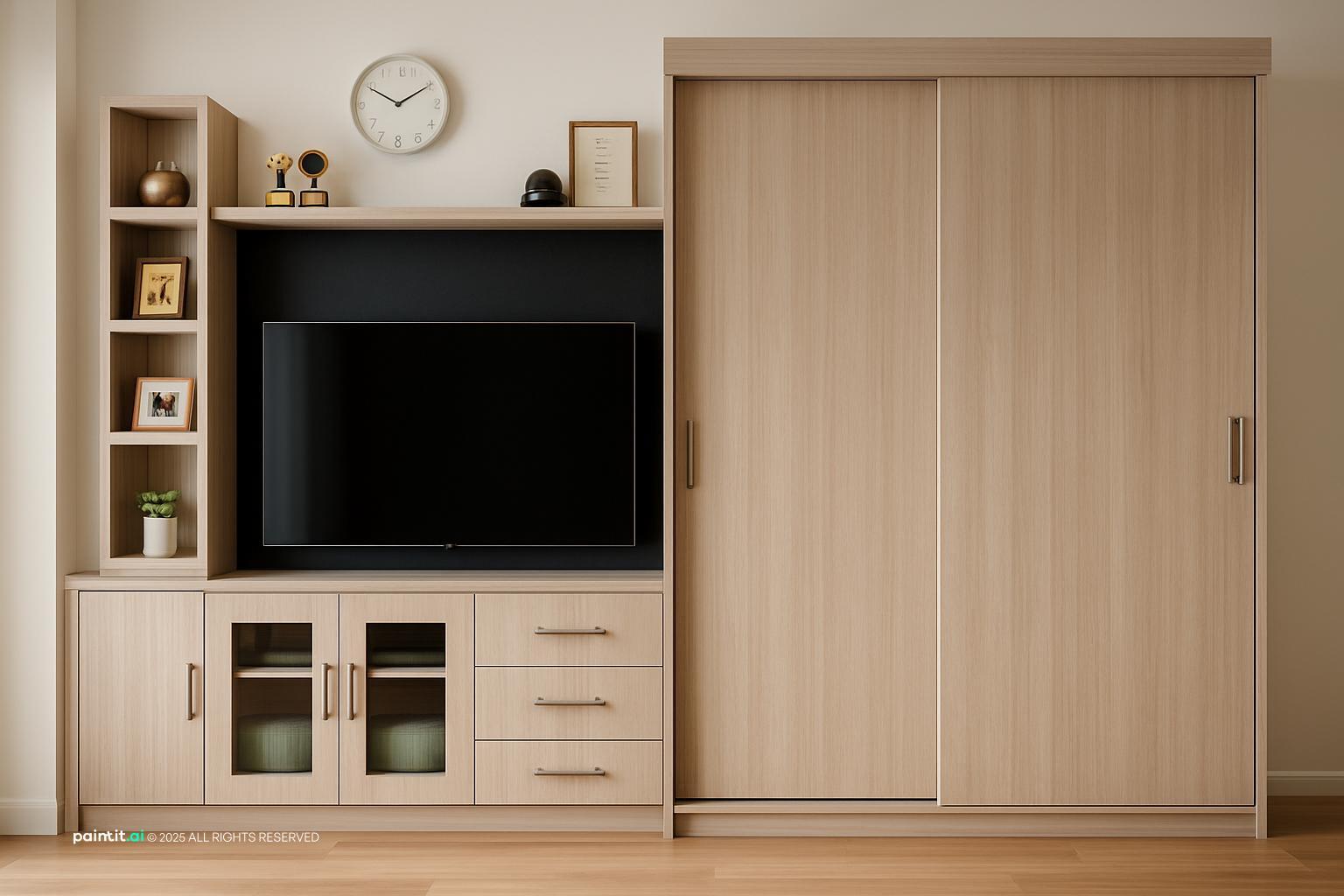
For implementation, consider a dark, moody limewash finish on the cabinetry, perhaps a deep charcoal or an inky blue. Integrate recessed LED strip lighting along the top or bottom to cast a soft glow. Think fluted walnut panels for texture, with push-to-open doors for a handle-less, sleek look. We've seen this work best in contemporary settings.
-
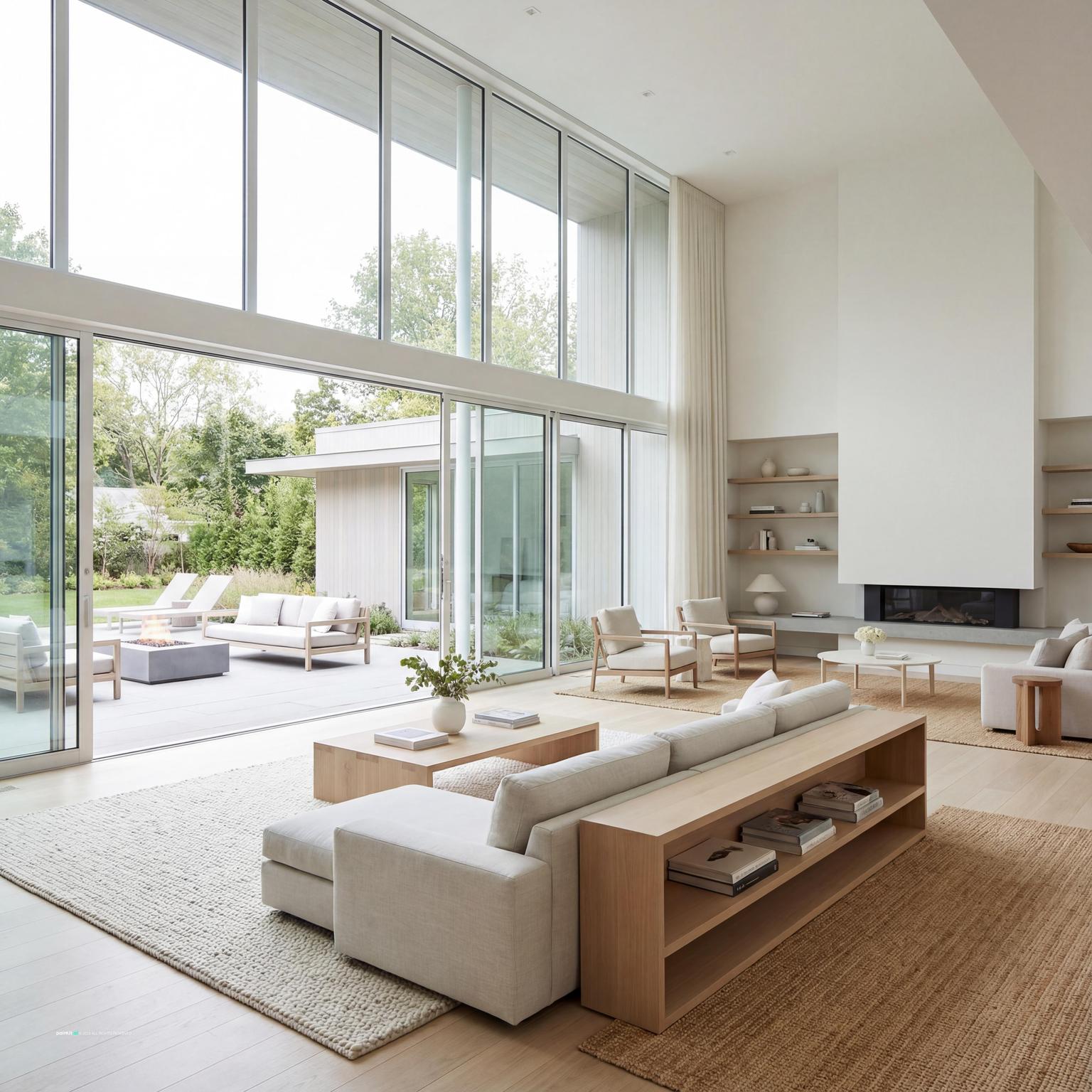
Pro Tip: To achieve this effect, try integrating a soundbar behind a perforated metal or acoustic fabric panel for an invisible audio solution.
-
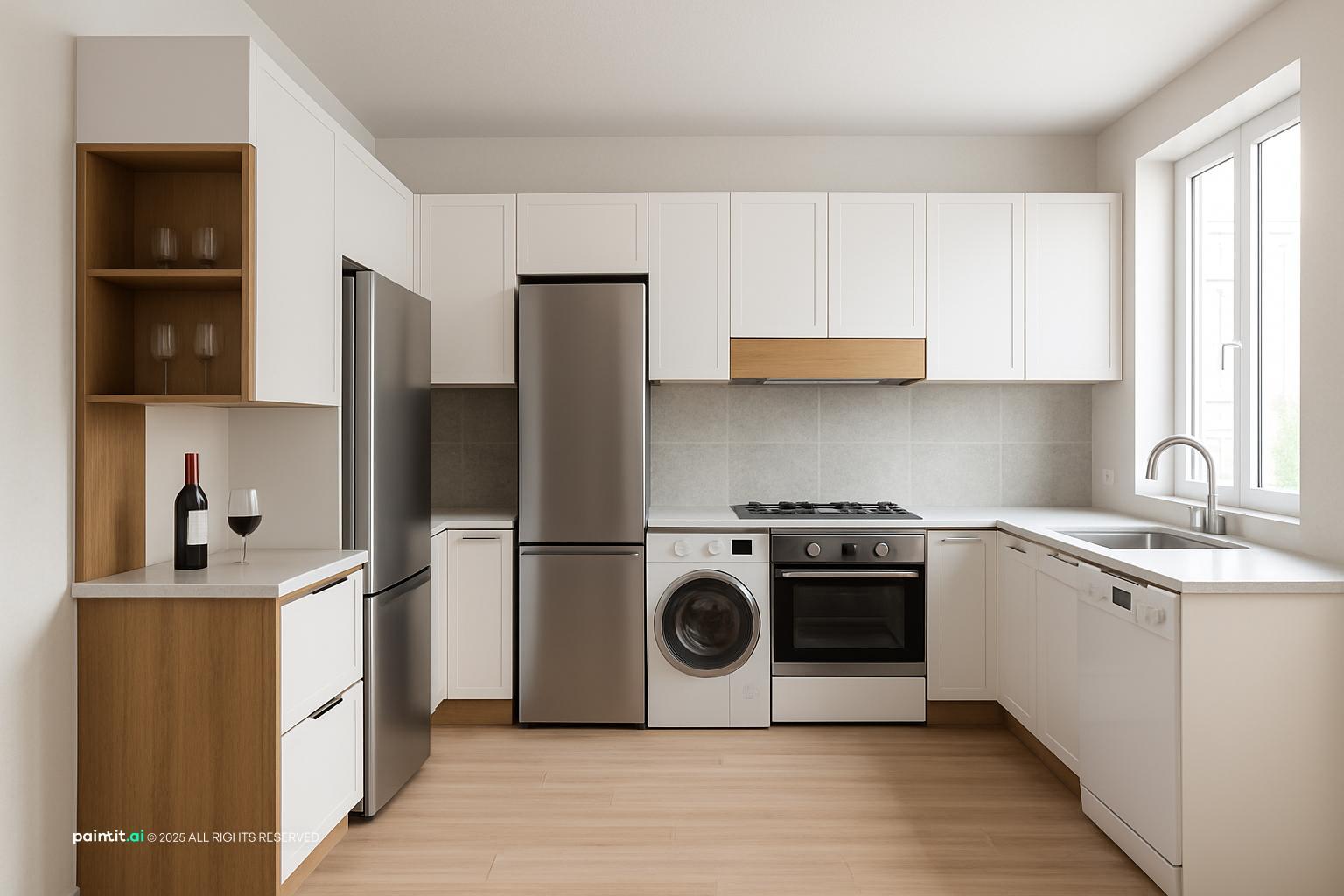
A true showstopper, this design transforms an entire wall into a sanctuary for books and cherished objects. It’s not just about storage; it's about celebrating your passions. The sheer scale of a full-height library adds an incredible sense of grandeur and intellectual depth to a room.
-
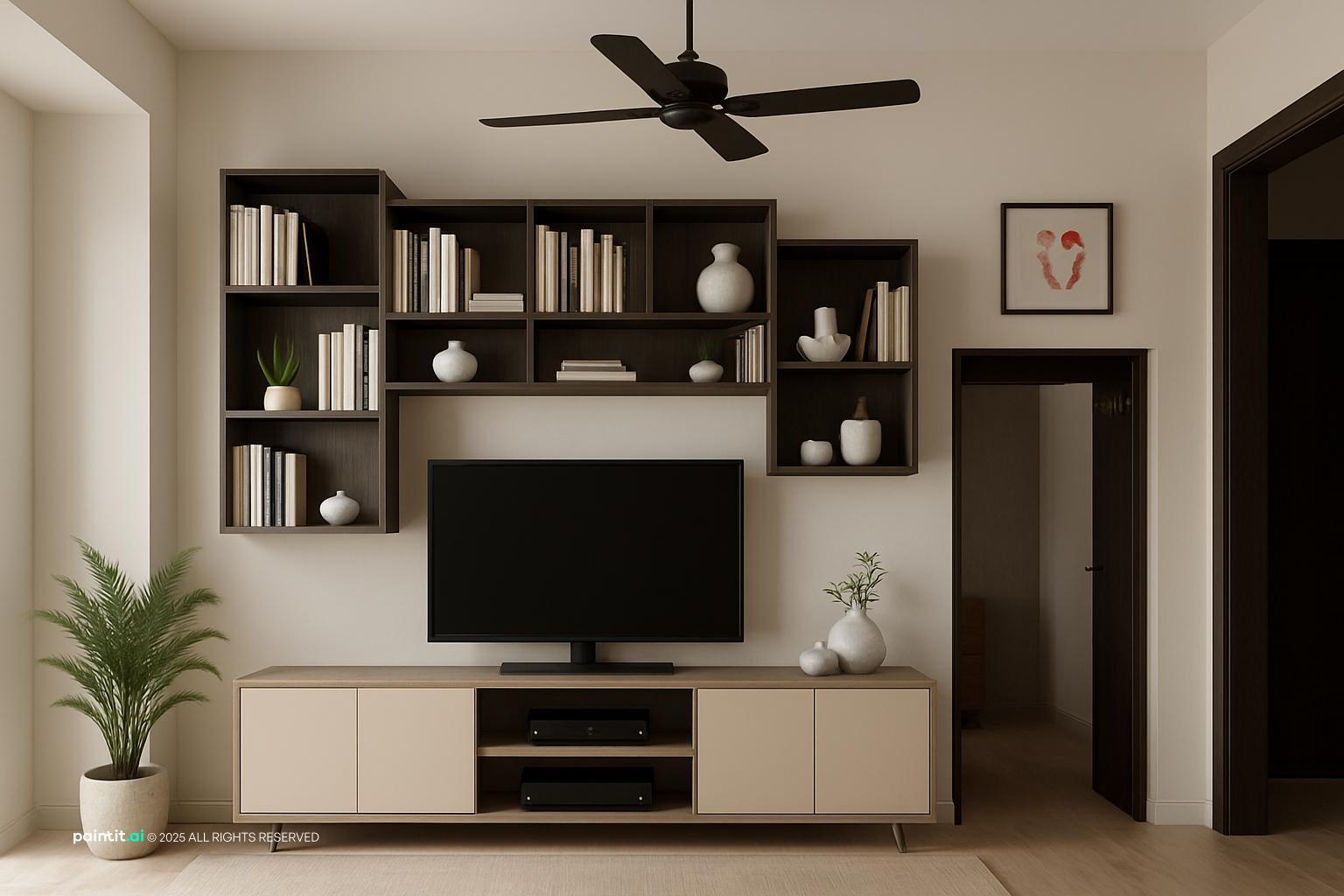
Picture bespoke joinery crafted from white oak, perhaps with a natural, matte finish. Mix open shelving for books and art with closed cabinets below for less attractive items. A rolling ladder, if space allows, adds a touch of old-world charm. We often suggest a picture light above each section to highlight your collection.
-
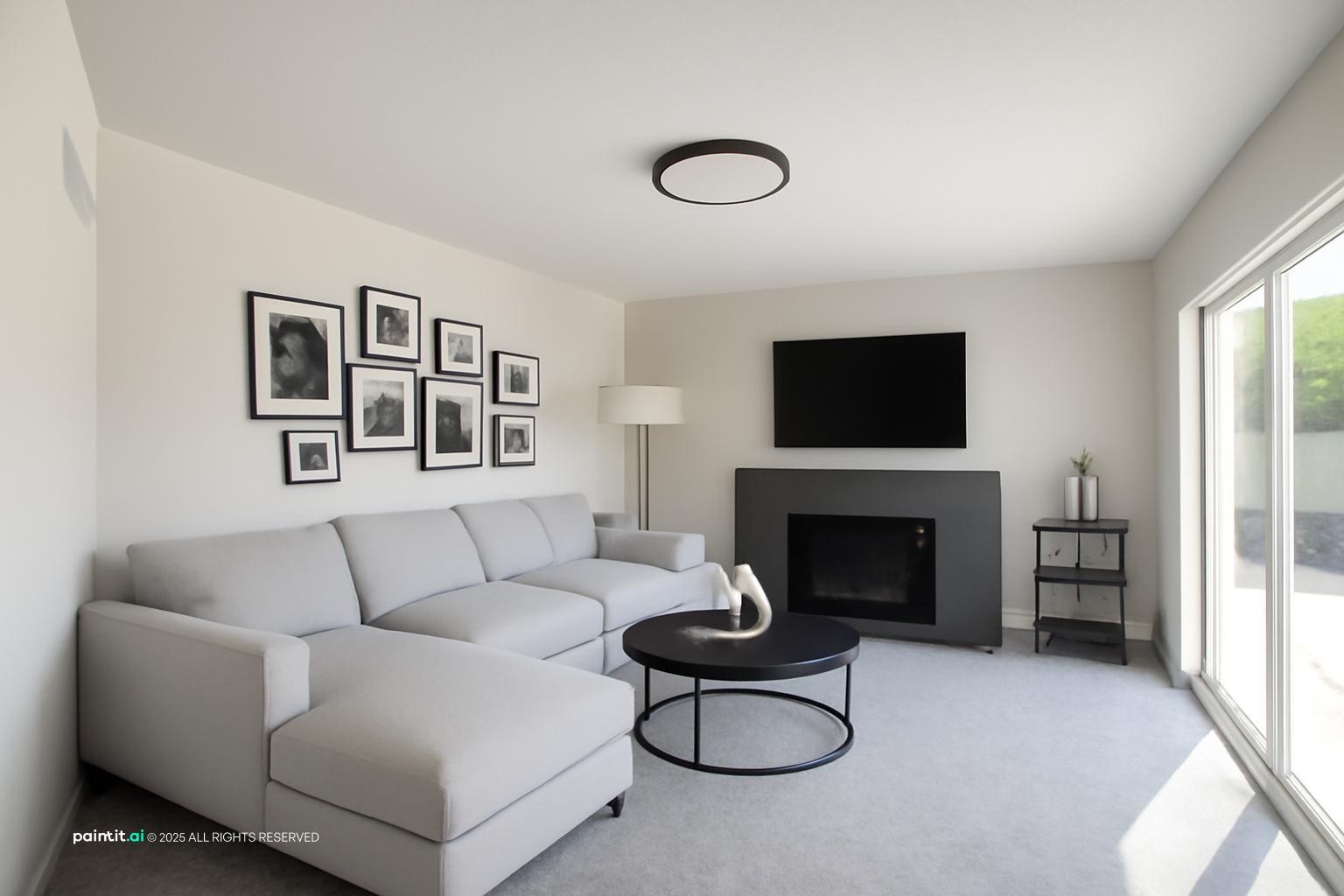
Pro Tip: To achieve this effect, try varying the depth of some shelves to create visual interest and accommodate different-sized items.
-
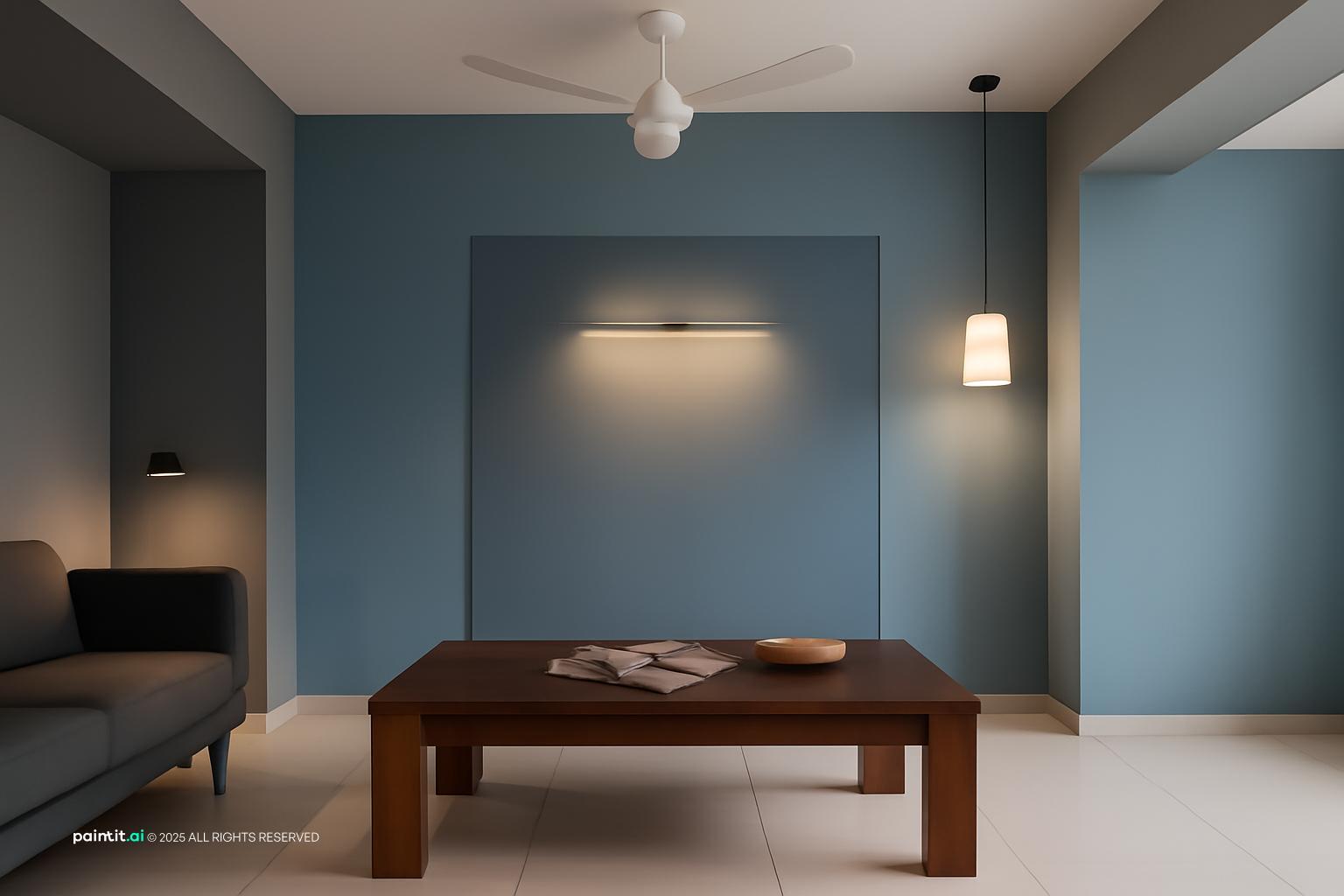
Who doesn't love a cozy window seat? When you build in storage underneath, it becomes a dual-purpose marvel. It’s a perfect spot for reading or enjoying the view, and a clever way to stash blankets, board games, or seasonal decor. It sounds simple, but most people forget how much space is wasted under windows.
-
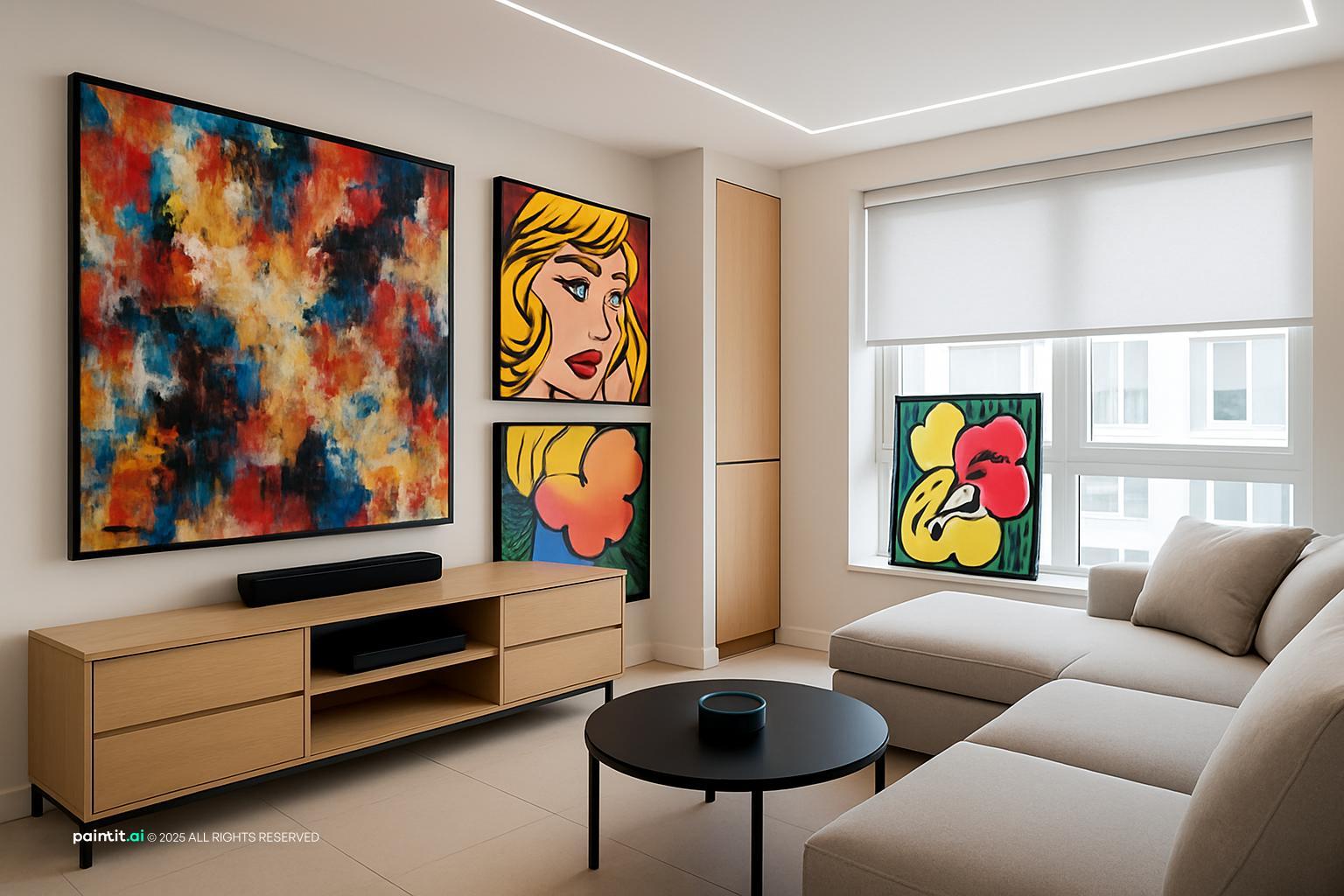
Design this with upholstered cushions in a durable linen or boucle fabric. The base can be painted to match your trim or paneled in a light wood. Incorporate deep drawers or lift-top compartments for easy access. This solution feels incredibly inviting, almost like a secret hideaway.
-
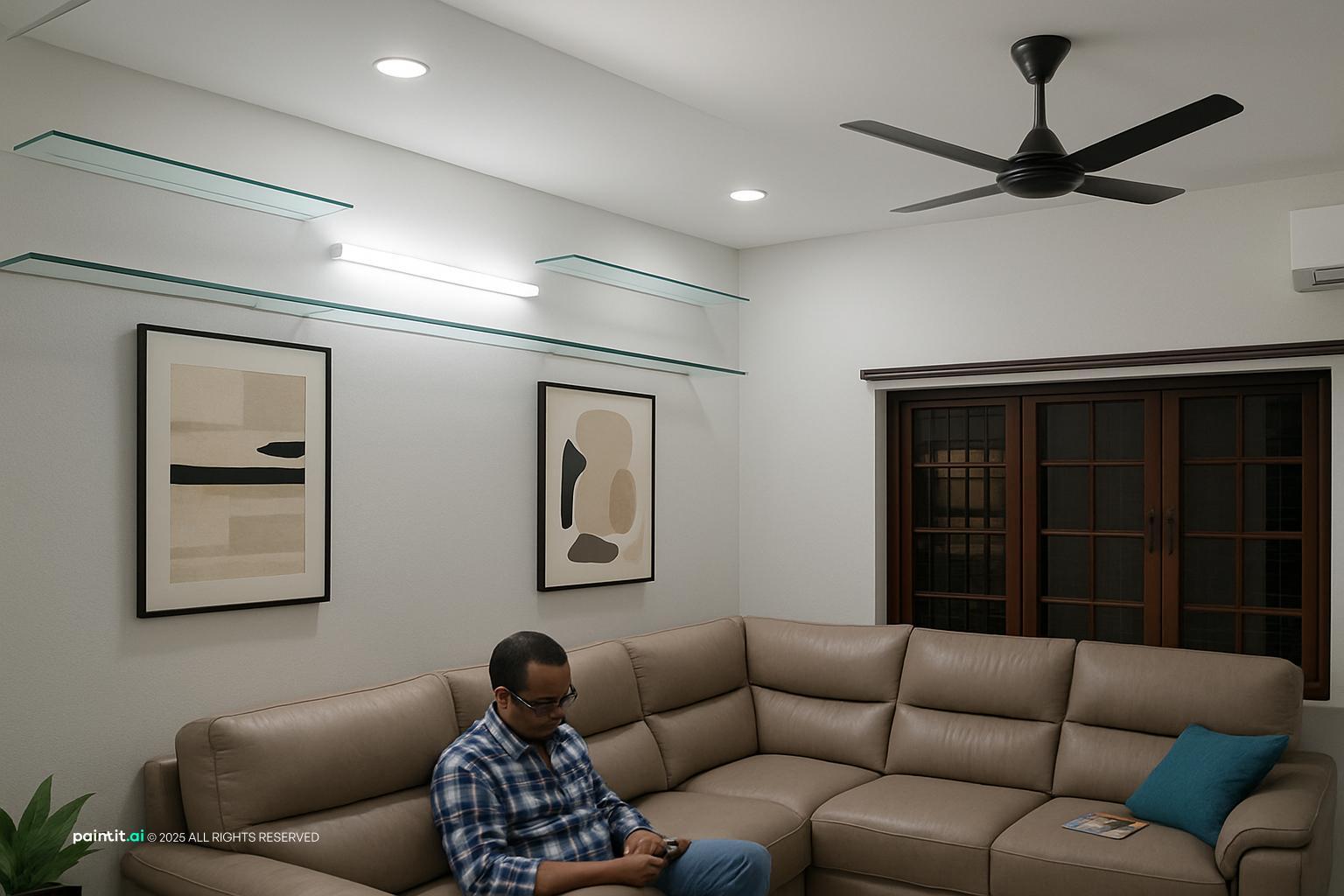
Pro Tip: To achieve this effect, try adding a small, integrated bookshelf at one end of the window seat for current reads.
-
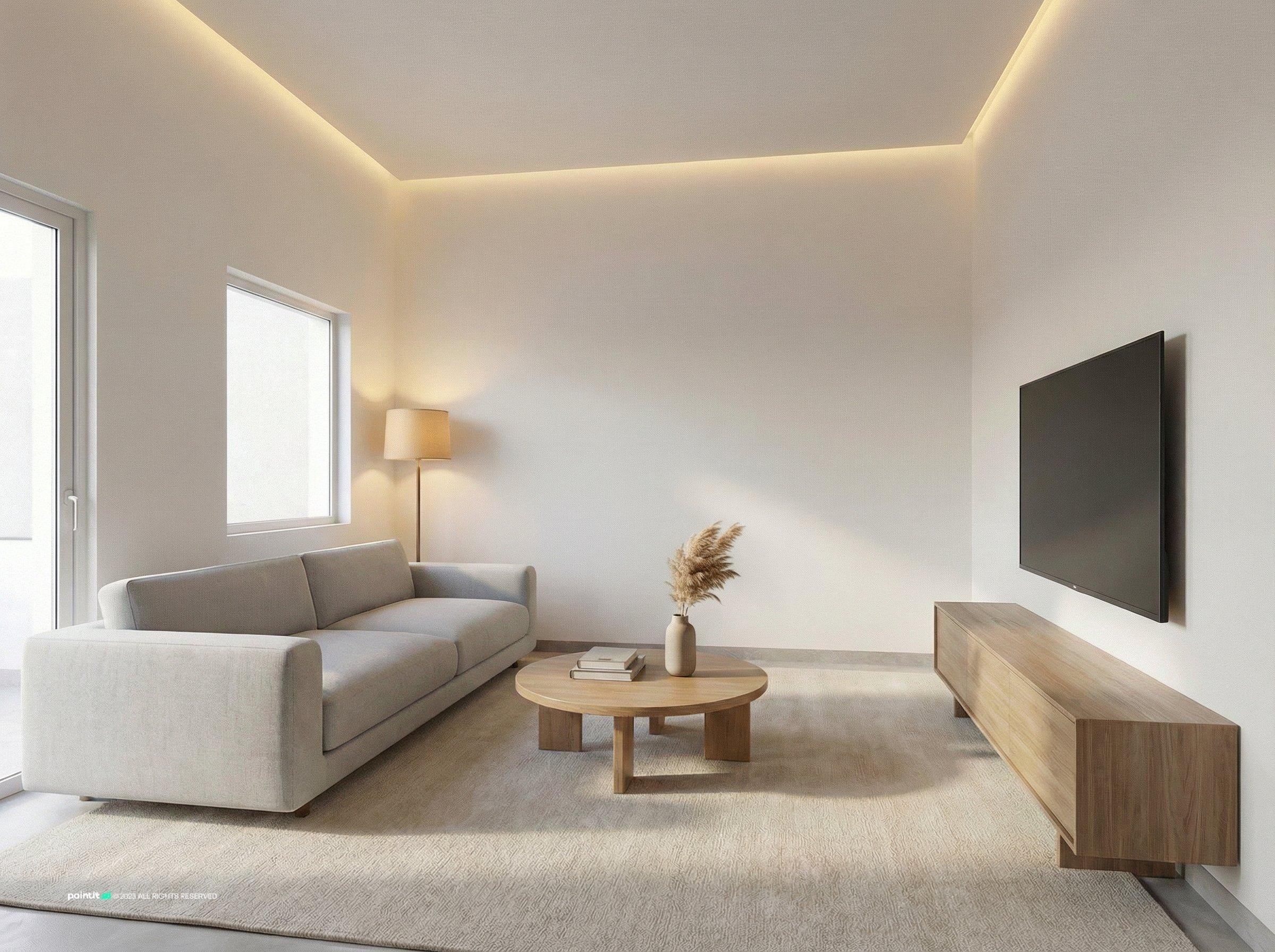
The fireplace is often the heart of the living room, but the space around it can be tricky. Built-in units on either side create symmetry, balance, and much-needed storage. It grounds the room and elevates the fireplace into a more significant architectural feature.
-
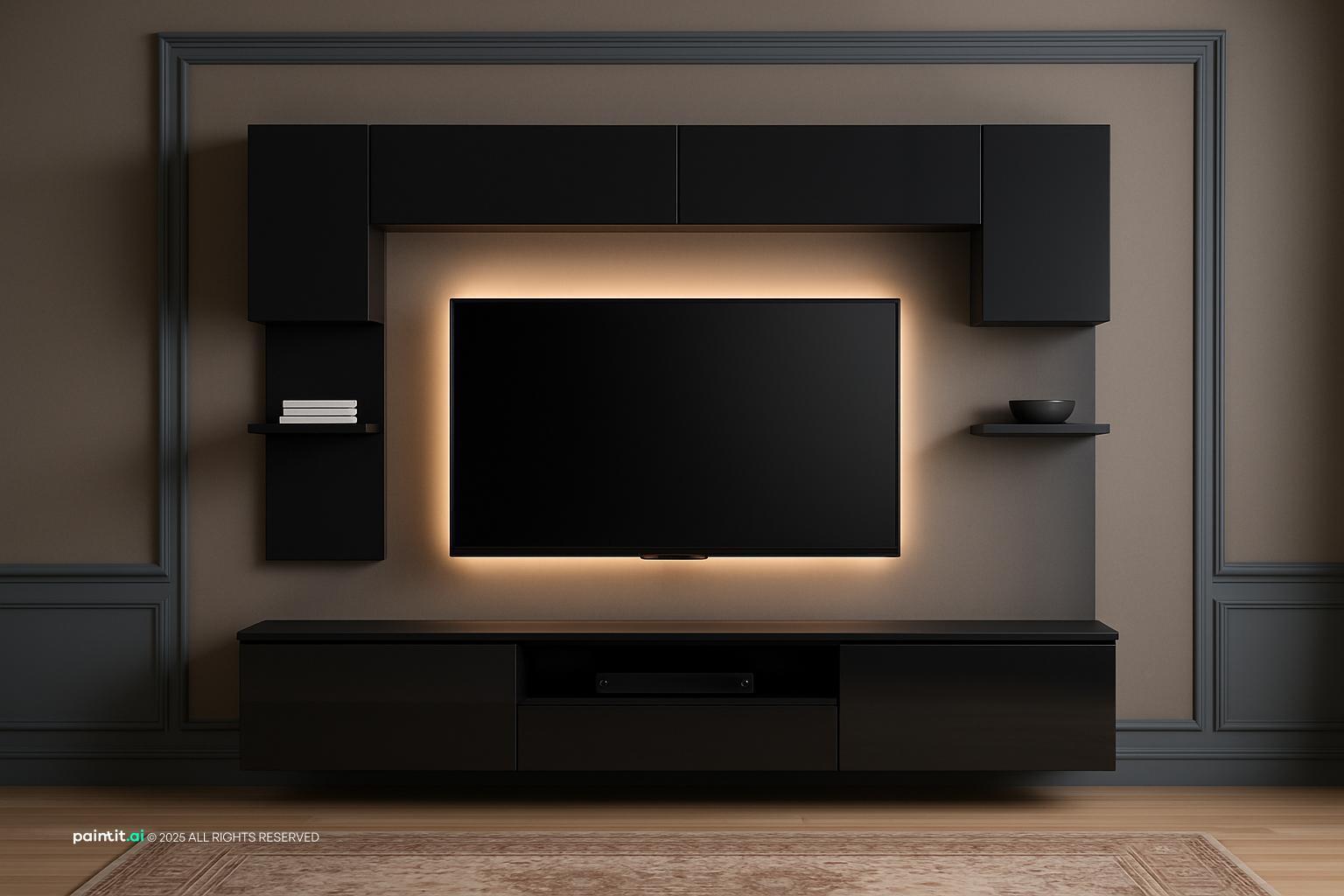
Consider custom cabinets that extend from the floor up to a height that aligns with the mantelpiece or even higher. Use a material that complements your fireplace surround – perhaps a honed marble top if your fireplace is stone, or painted wood if it's a classic mantel. Open shelving above closed cabinets works beautifully for displaying curated items. A brushed brass hardware detail can really make it sing.
-
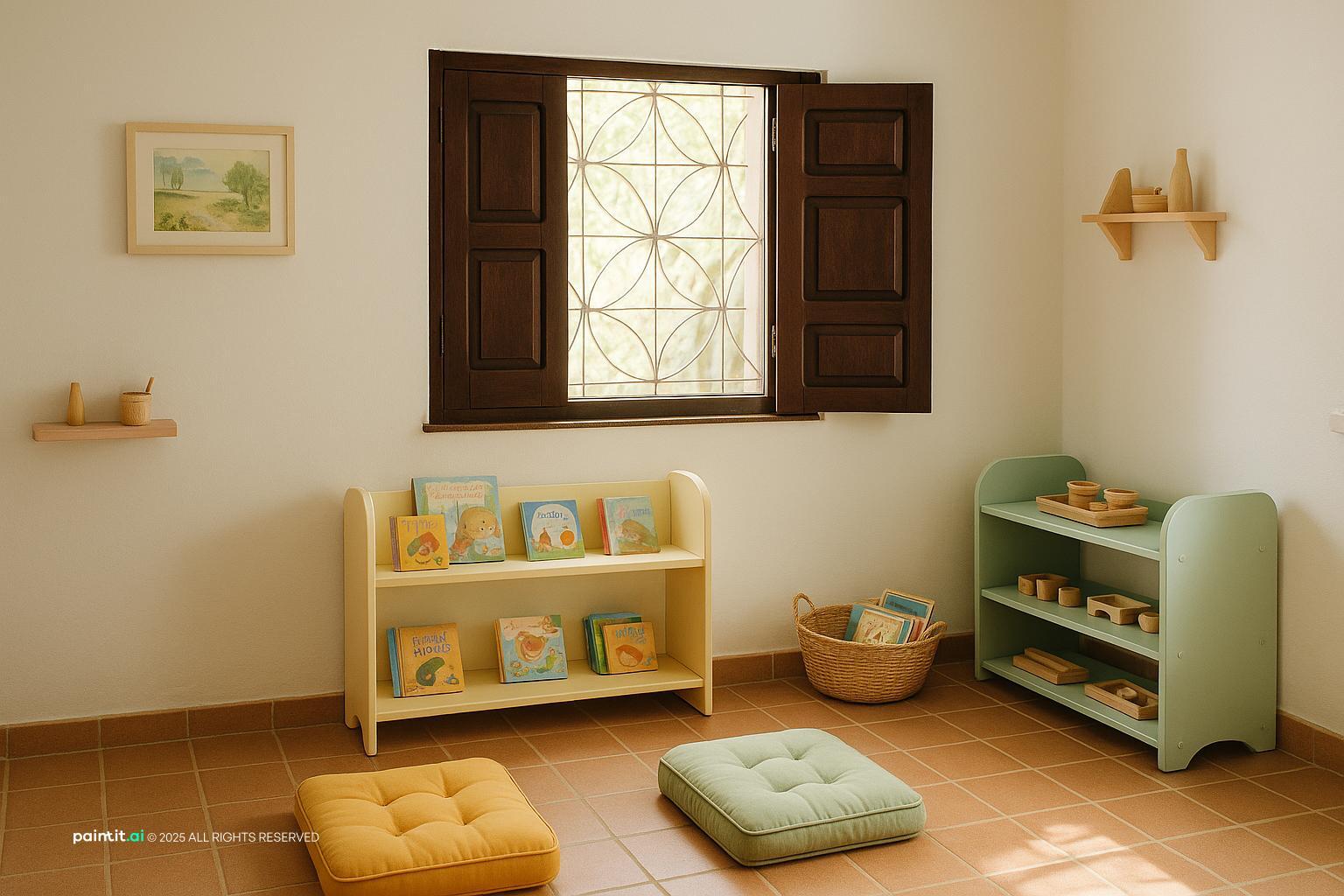
Pro Tip: To achieve this effect, try integrating a small wine fridge or a hidden charging station within one of the lower cabinets.
-
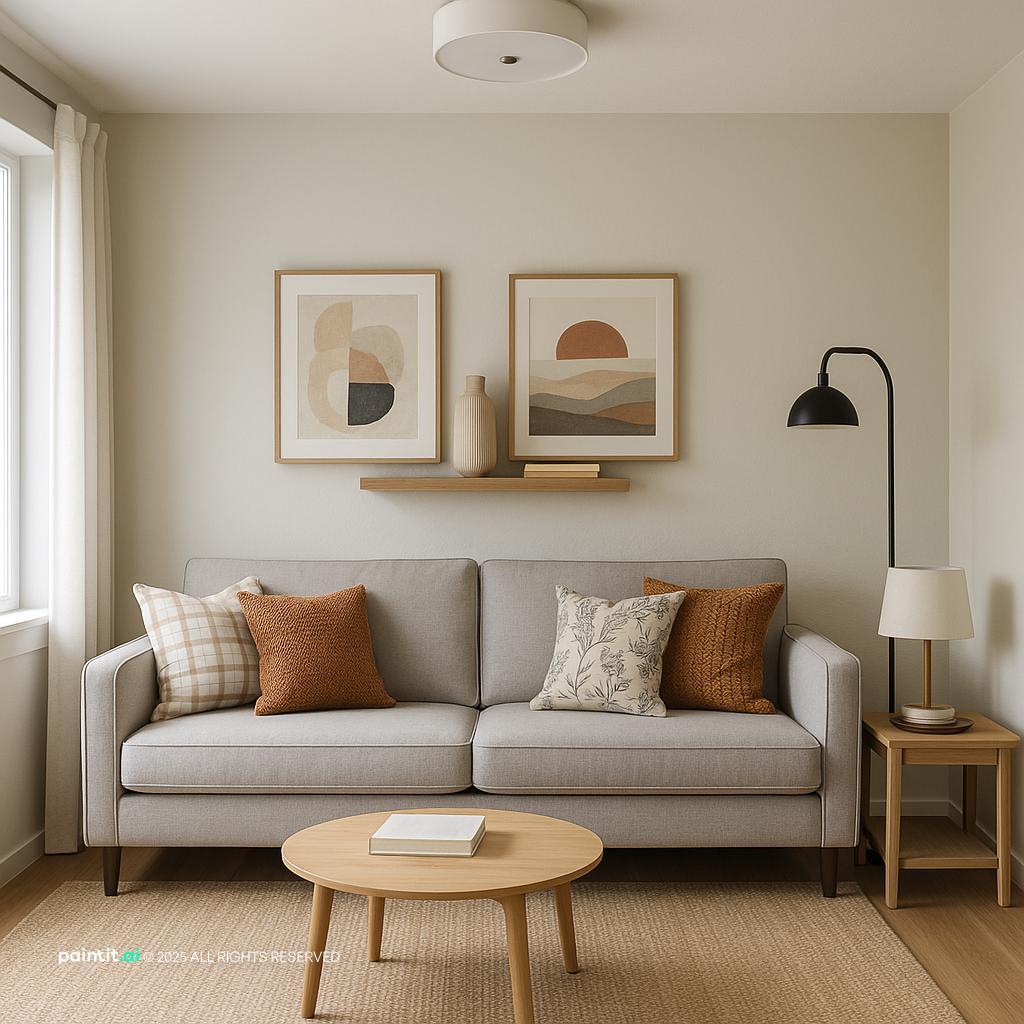
This design offers the best of both worlds: the airiness of floating shelves for display and the solid practicality of closed cabinets for concealment. It creates a dynamic visual interest that feels both light and substantial. Here's the kicker: it keeps the floor clear, making the room feel larger.
-
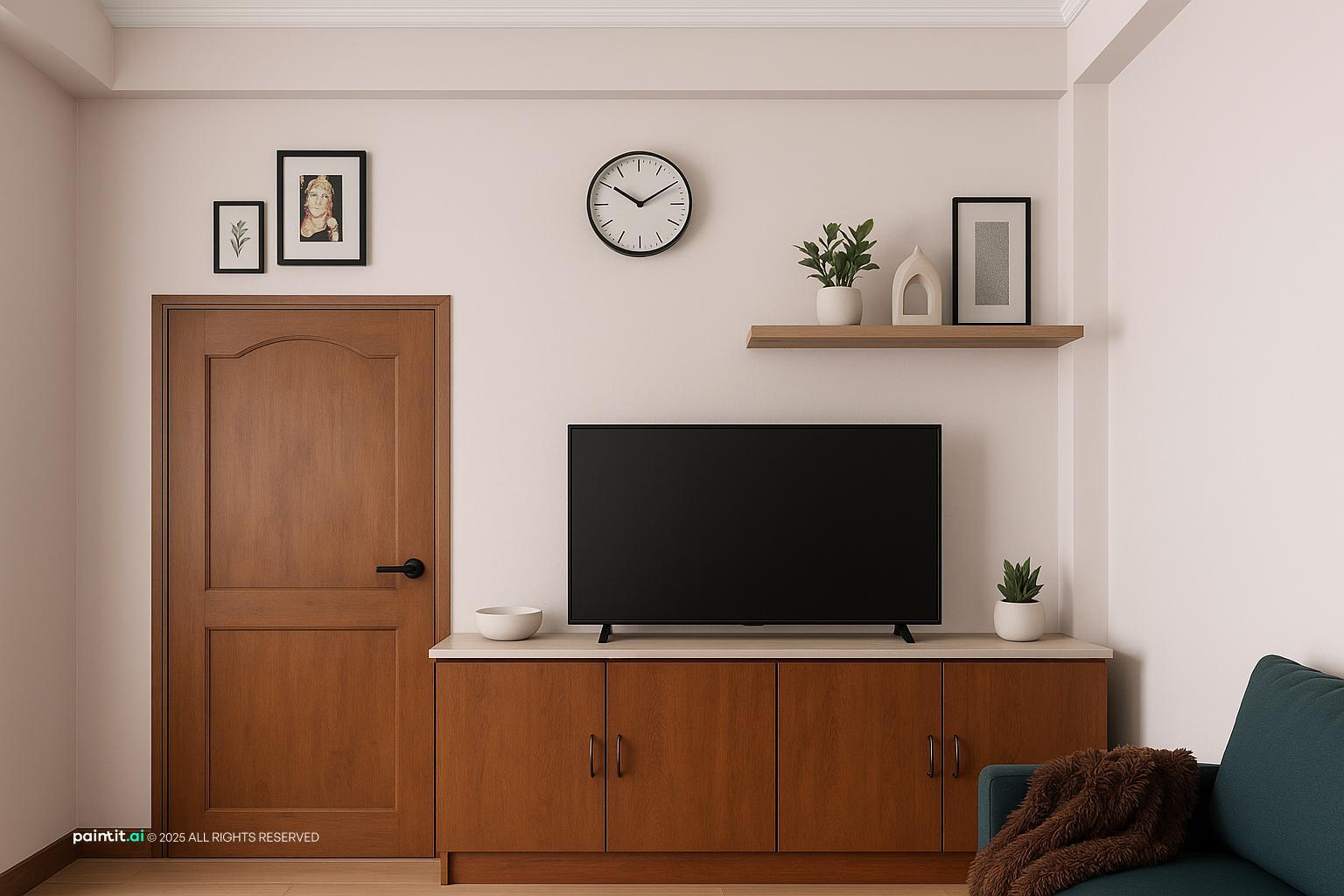
Install sleek, thick floating shelves in a material like solid walnut or a painted finish. Below, mount a series of low-profile cabinets, perhaps with reeded glass fronts to add texture while still obscuring contents. The gap between the shelves and cabinets can be a perfect spot for a piece of art or a subtle wall sconce. We often suggest a matte black finish for a modern edge.
-
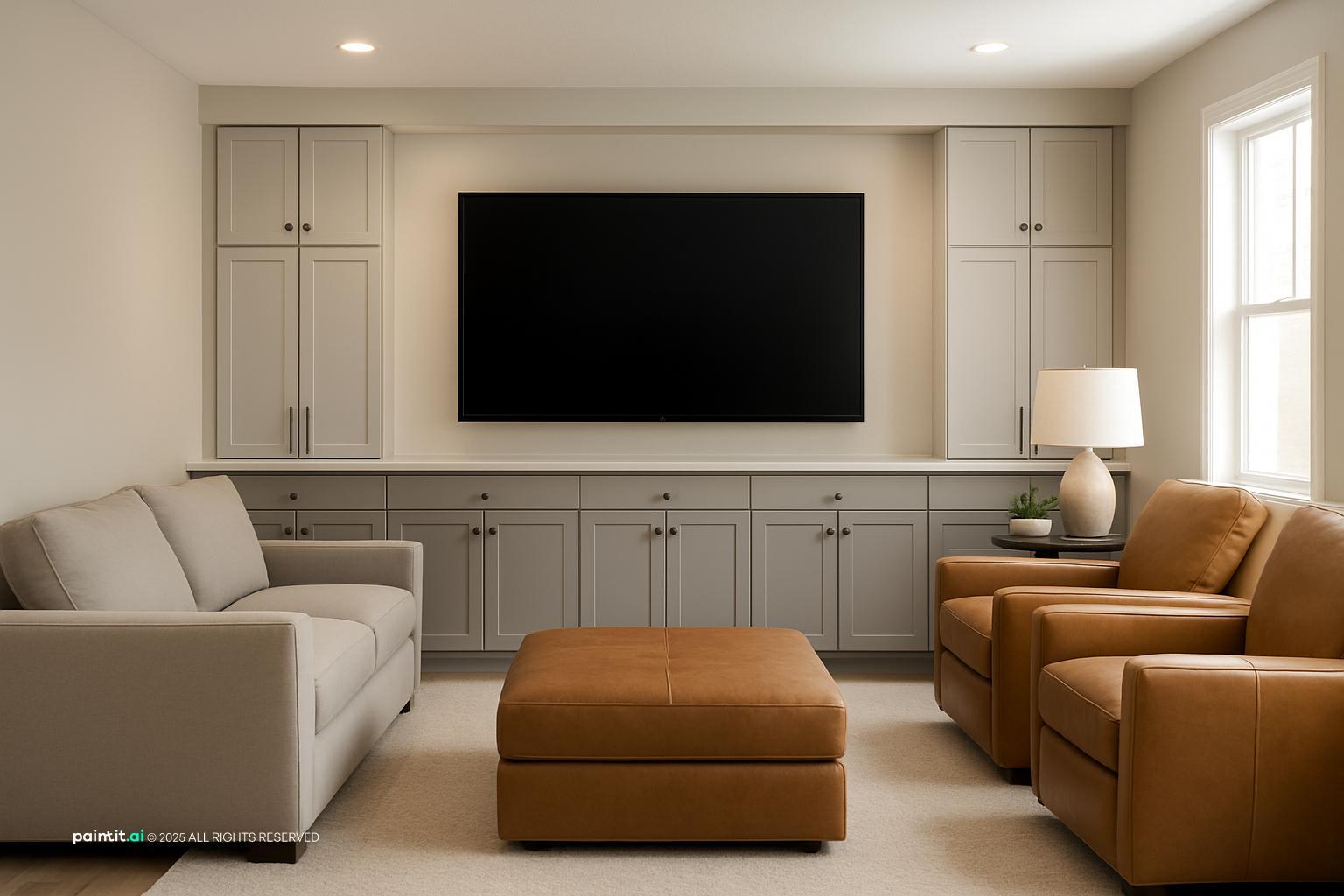
Pro Tip: To achieve this effect, try using a single, continuous floating shelf that spans the entire wall for a cohesive look.
-
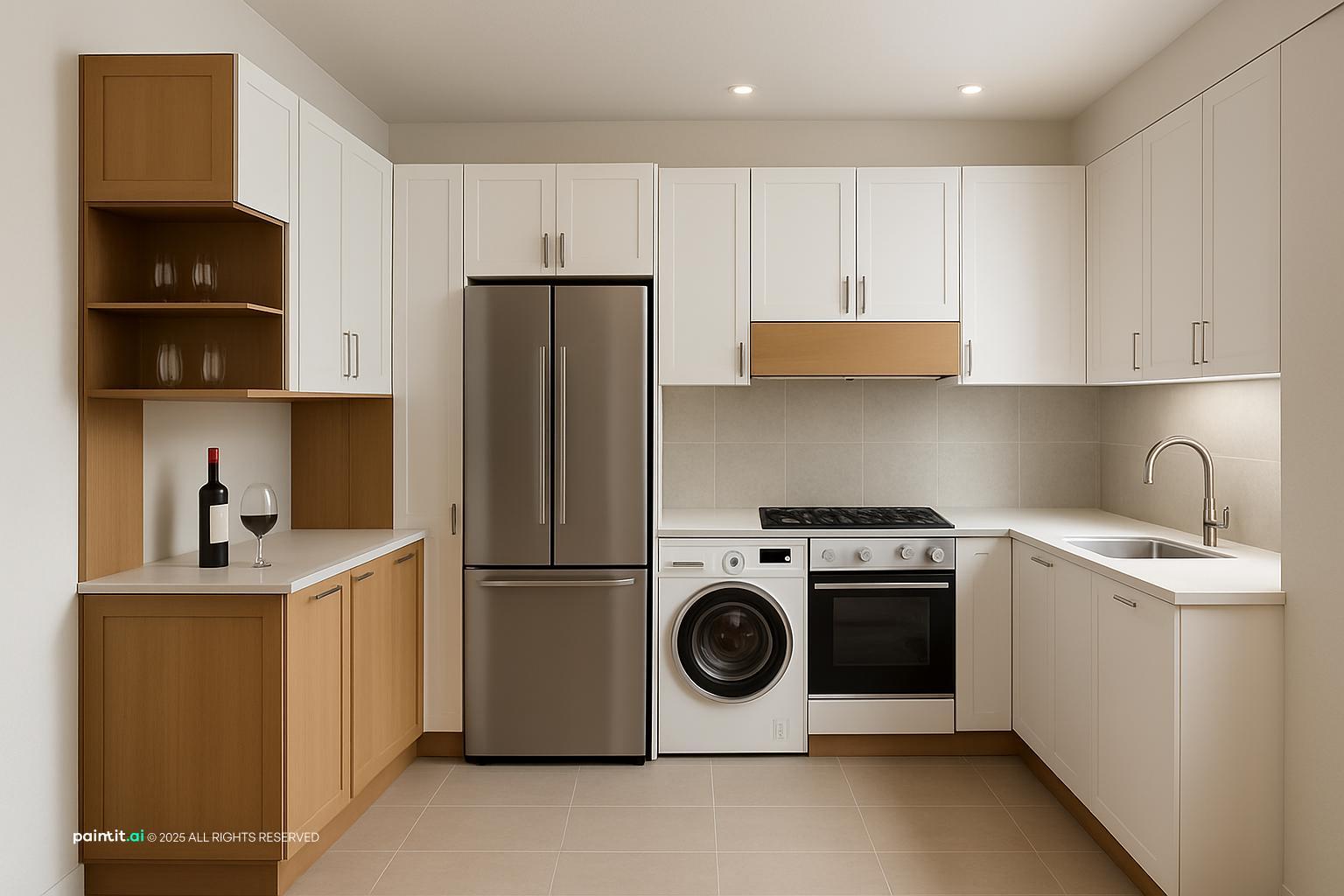
Imagine entertaining guests and, with a flourish, opening a set of doors to reveal a fully stocked bar or a charming coffee station. When closed, it simply looks like a beautiful piece of cabinetry. It's about discreet luxury and thoughtful functionality.
-
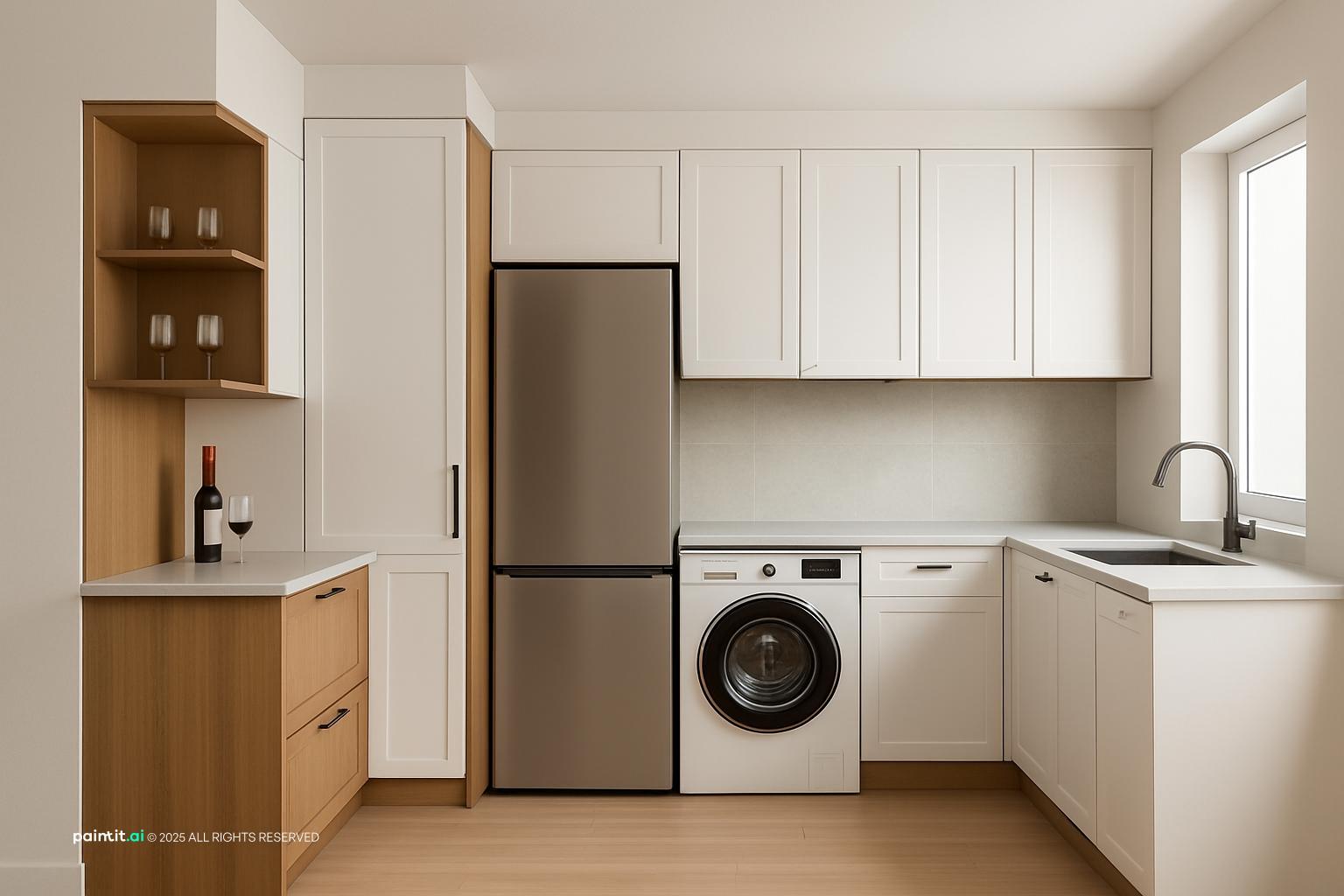
This built-in storage living room solution often features bi-fold or pocket doors that slide away. Inside, incorporate mirrored backs, integrated lighting, and custom shelving for bottles, glassware, or coffee essentials. A small, pull-out counter surface can be incredibly useful. A dark, lacquered finish or a rich, stained wood like cherry can add to the sophisticated reveal.
-
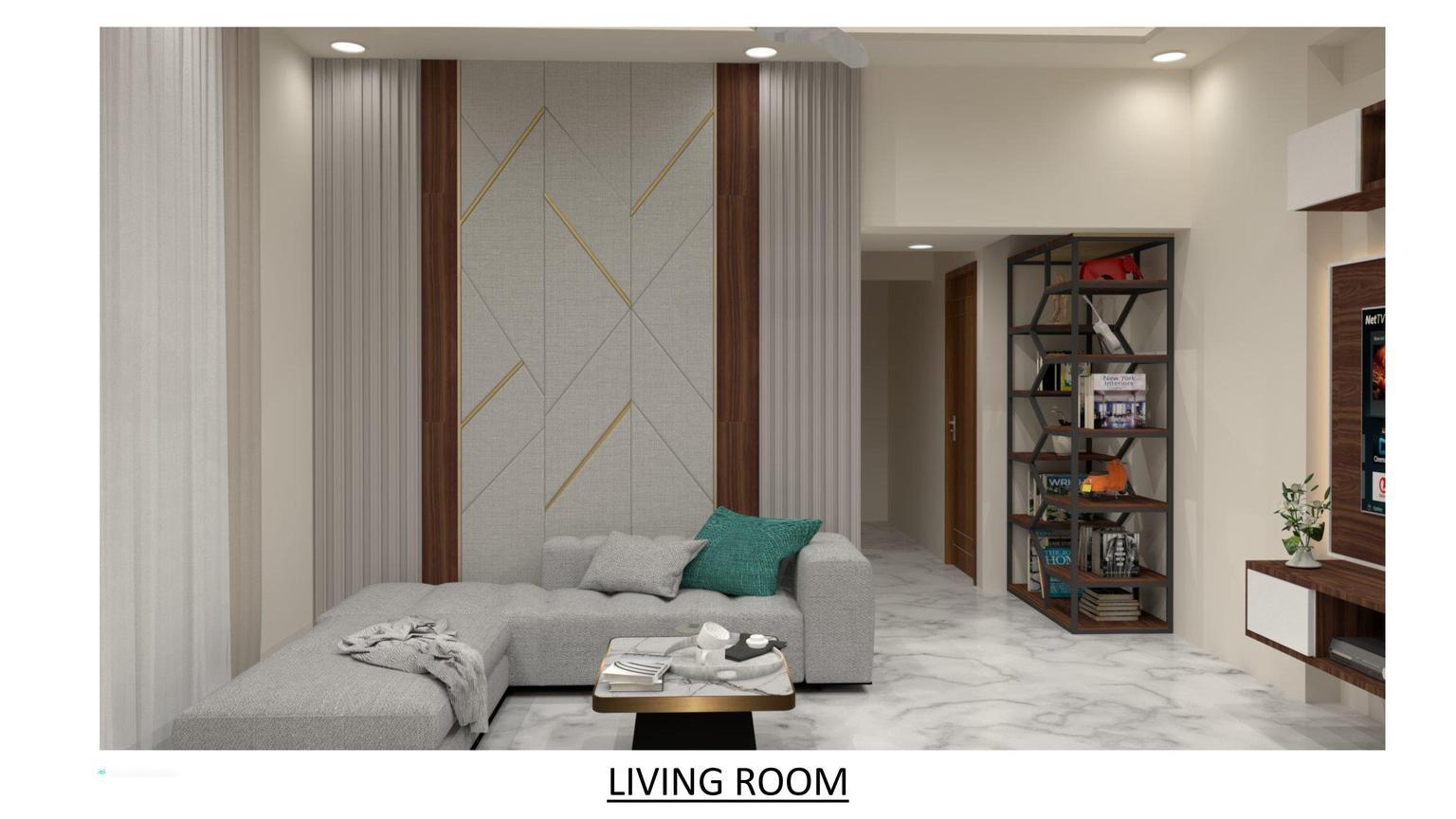
Pro Tip: To achieve this effect, try installing a small, dedicated water line and drain for a truly functional bar sink.
-
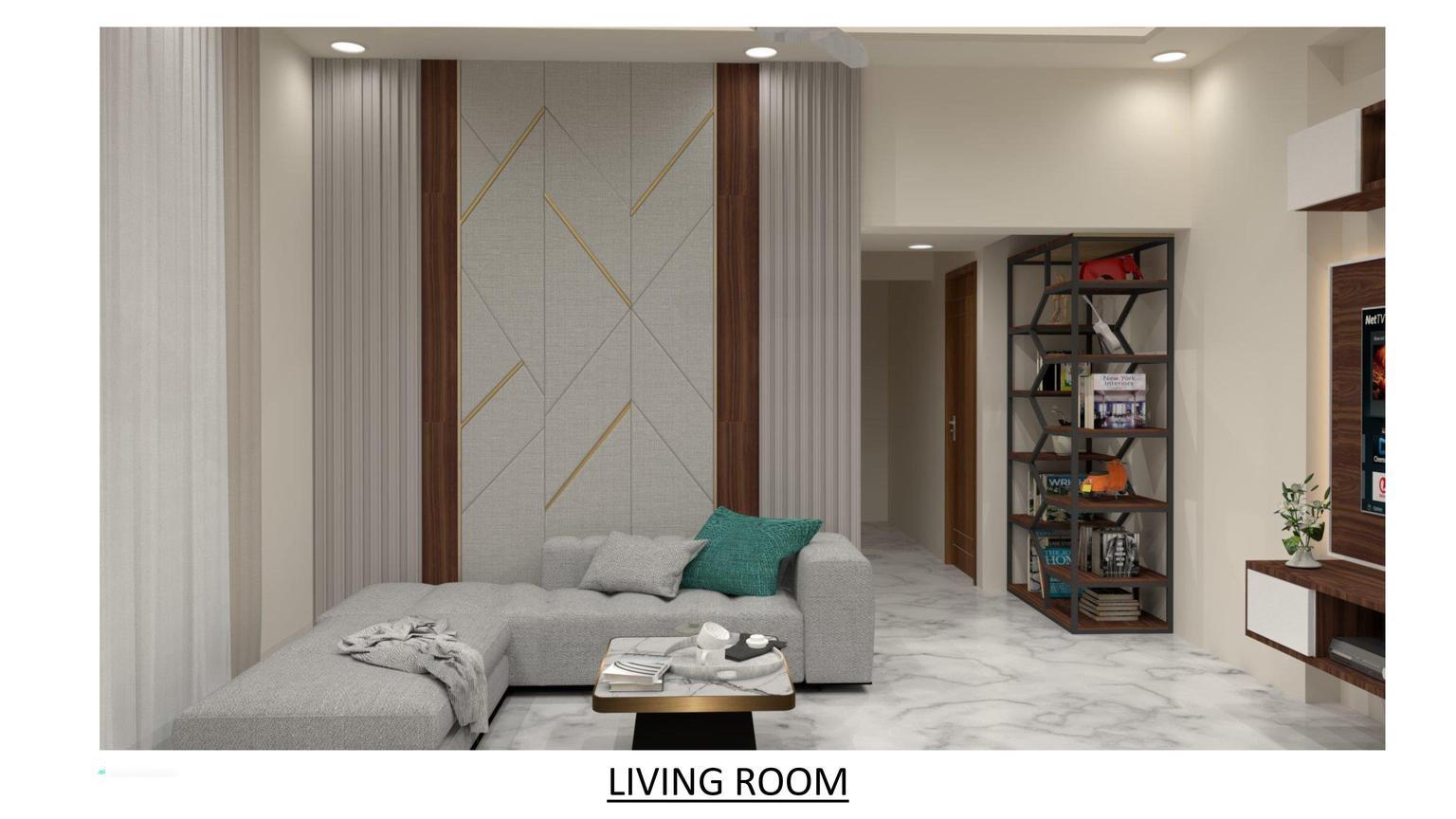
With more of us working from home, a dedicated, yet discreet, workspace within the living room has become invaluable. A built-in desk nook offers a place to focus without dominating the entire room. It’s about smart space utilization, not imposition.
-
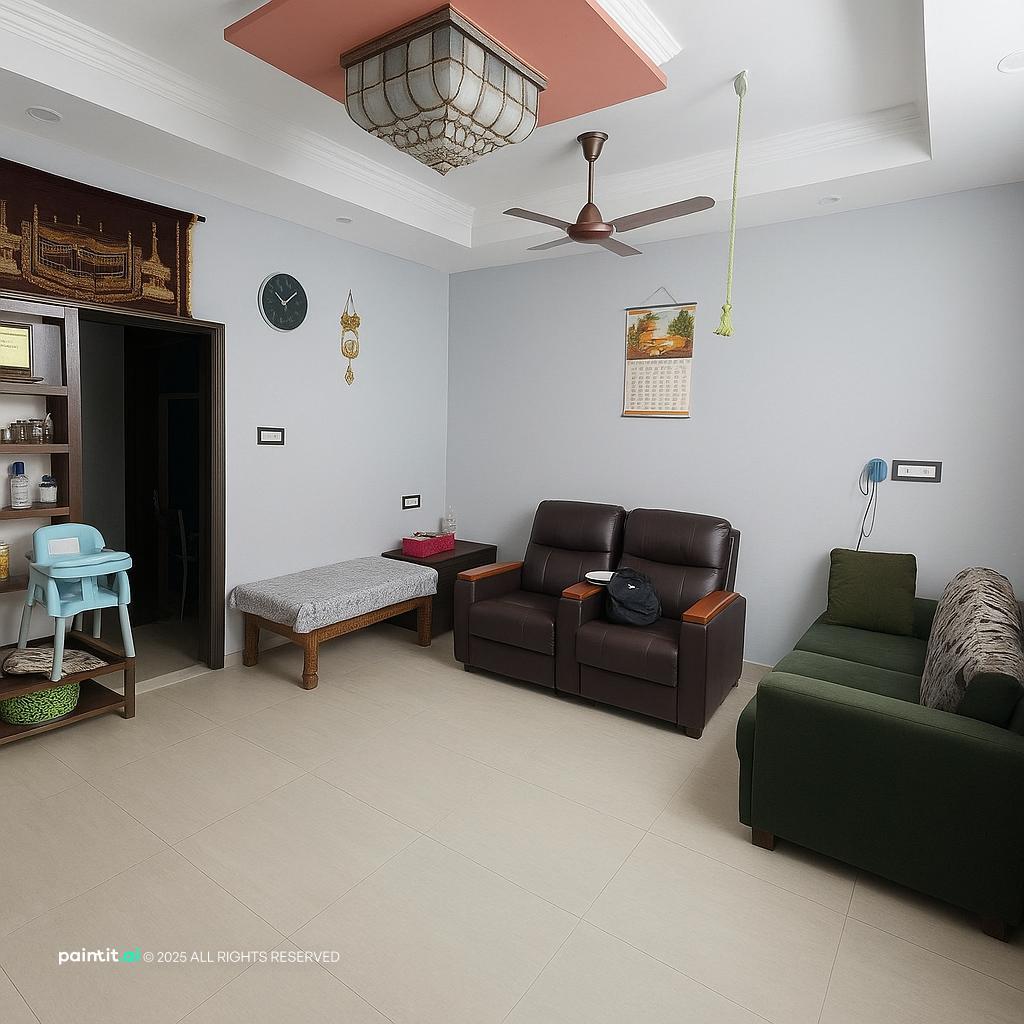
Design a compact desk surface that can be pulled out or is permanently integrated into a wall unit. Flank it with shelving for books and files, and closed cabinets for office supplies. A clever trick is to use a contrasting material for the desk surface, like a honed travertine, to define the workspace. Ensure there's integrated power and USB ports. We often recommend a comfortable, ergonomic chair that can be easily tucked away.
-
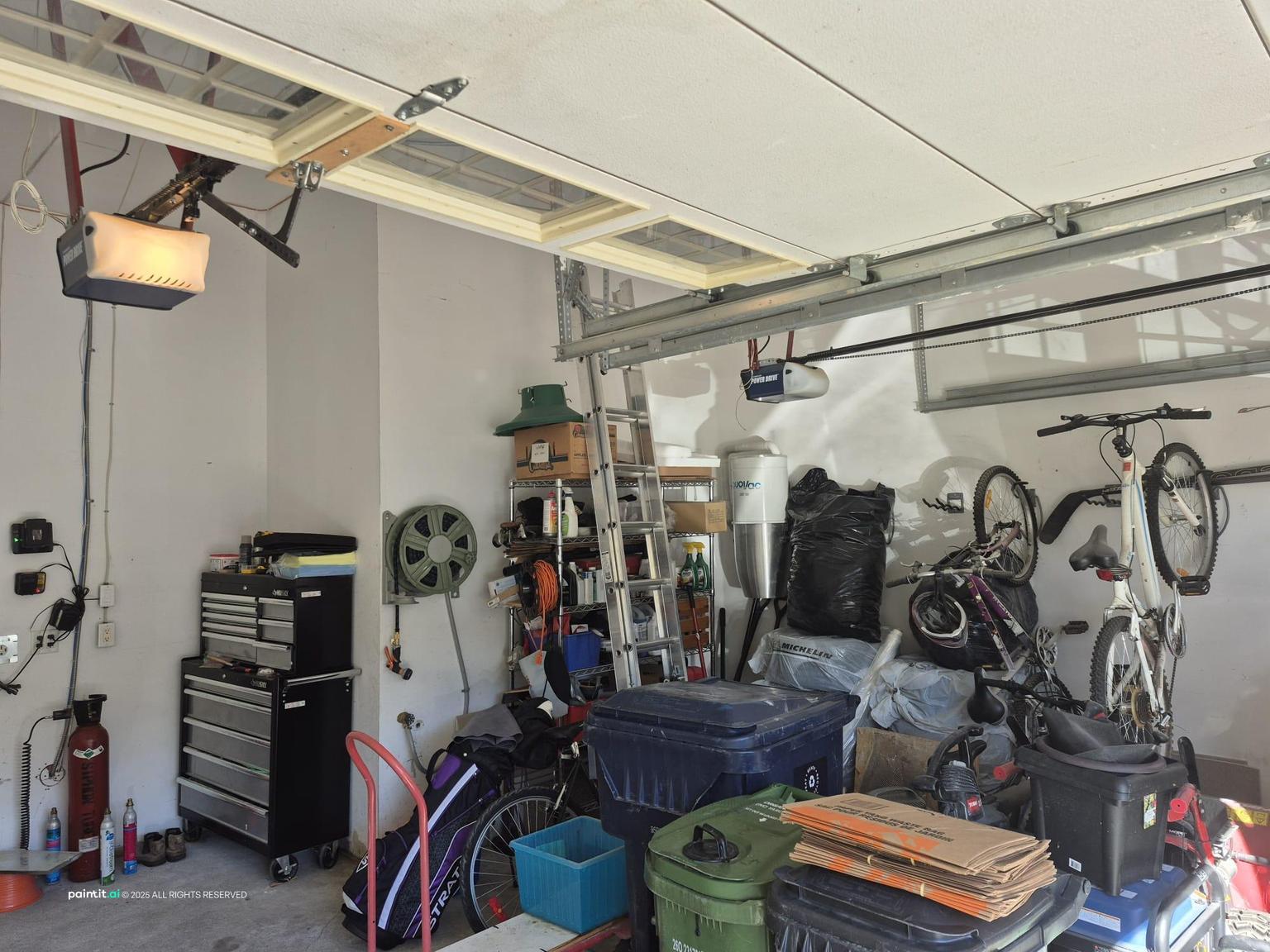
Pro Tip: To achieve this effect, try using a vertical slat wall behind the desk for a visually interesting and acoustically dampening backdrop.
-
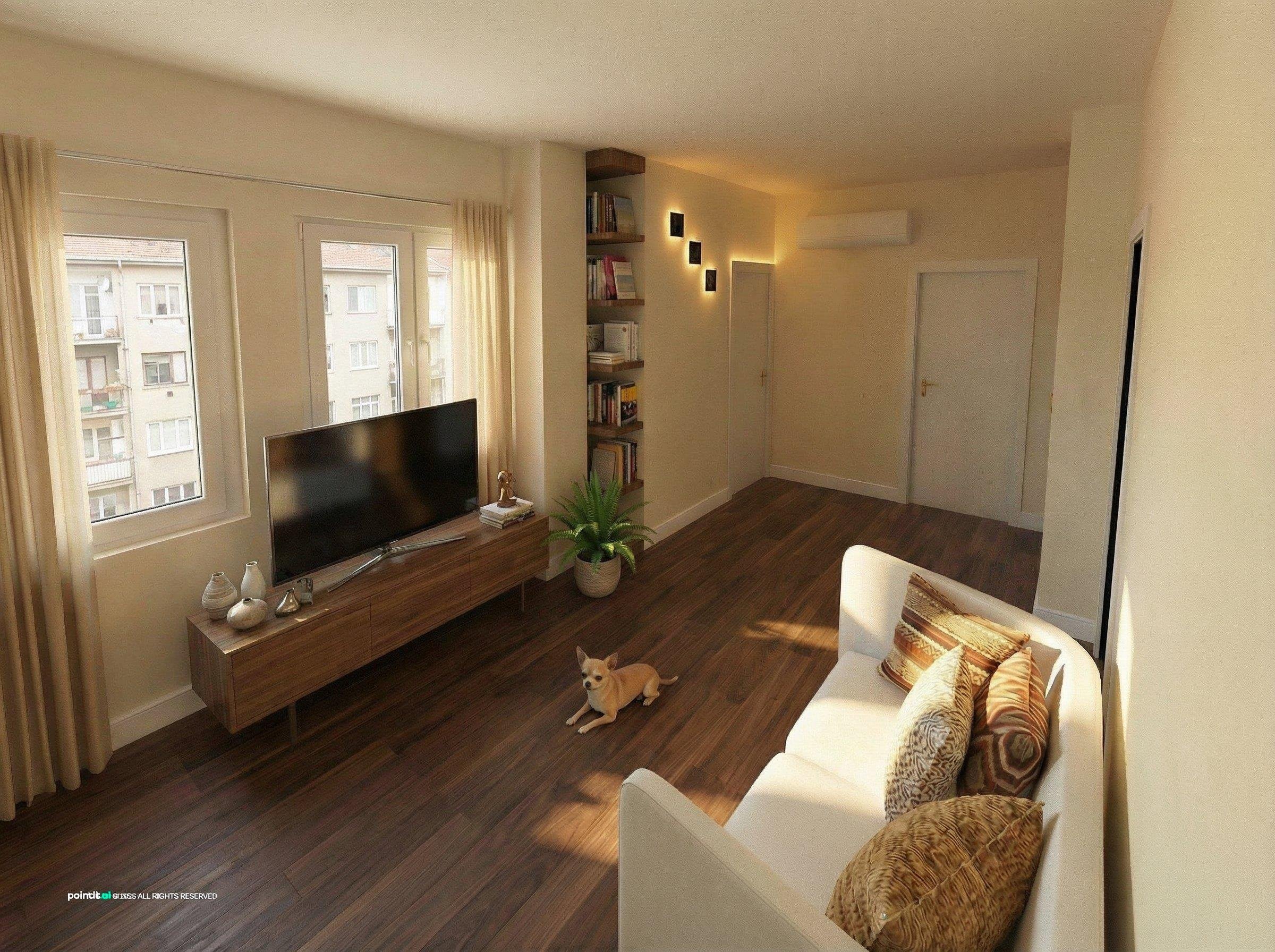
Many homes have awkward alcoves or recessed areas that often go unused or become clutter magnets. Turning these into bespoke built-in living room storage is a stroke of genius. It respects the existing architecture while adding immense value.
-
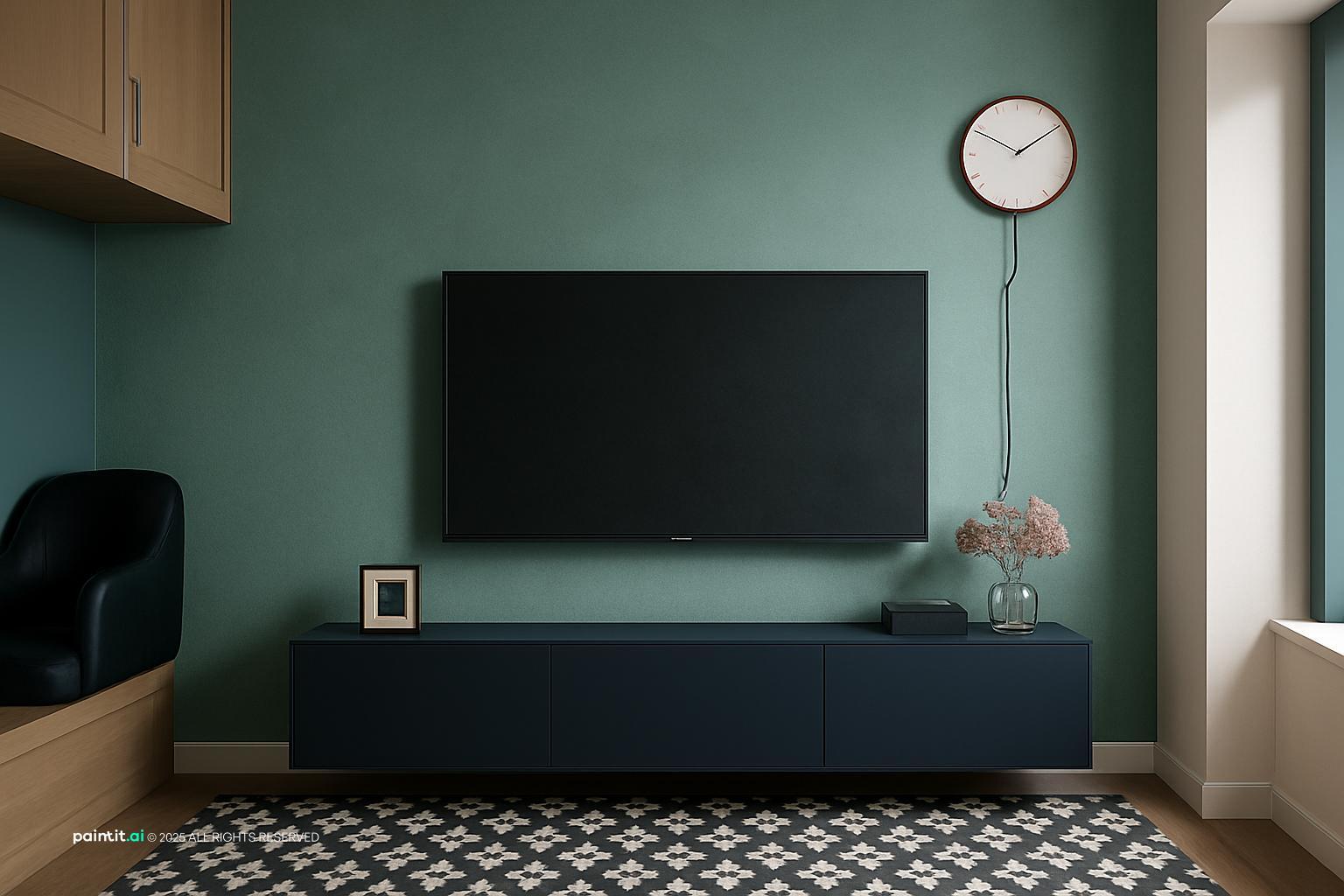
Fit custom shelving and cabinetry precisely into these nooks. Paint them the same color as the surrounding walls for a seamless, almost invisible look, or choose a contrasting color to make them pop. Use adjustable shelves for flexibility. This approach makes the room feel intentional and custom-designed, rather than an afterthought. The result? Impeccable.
-
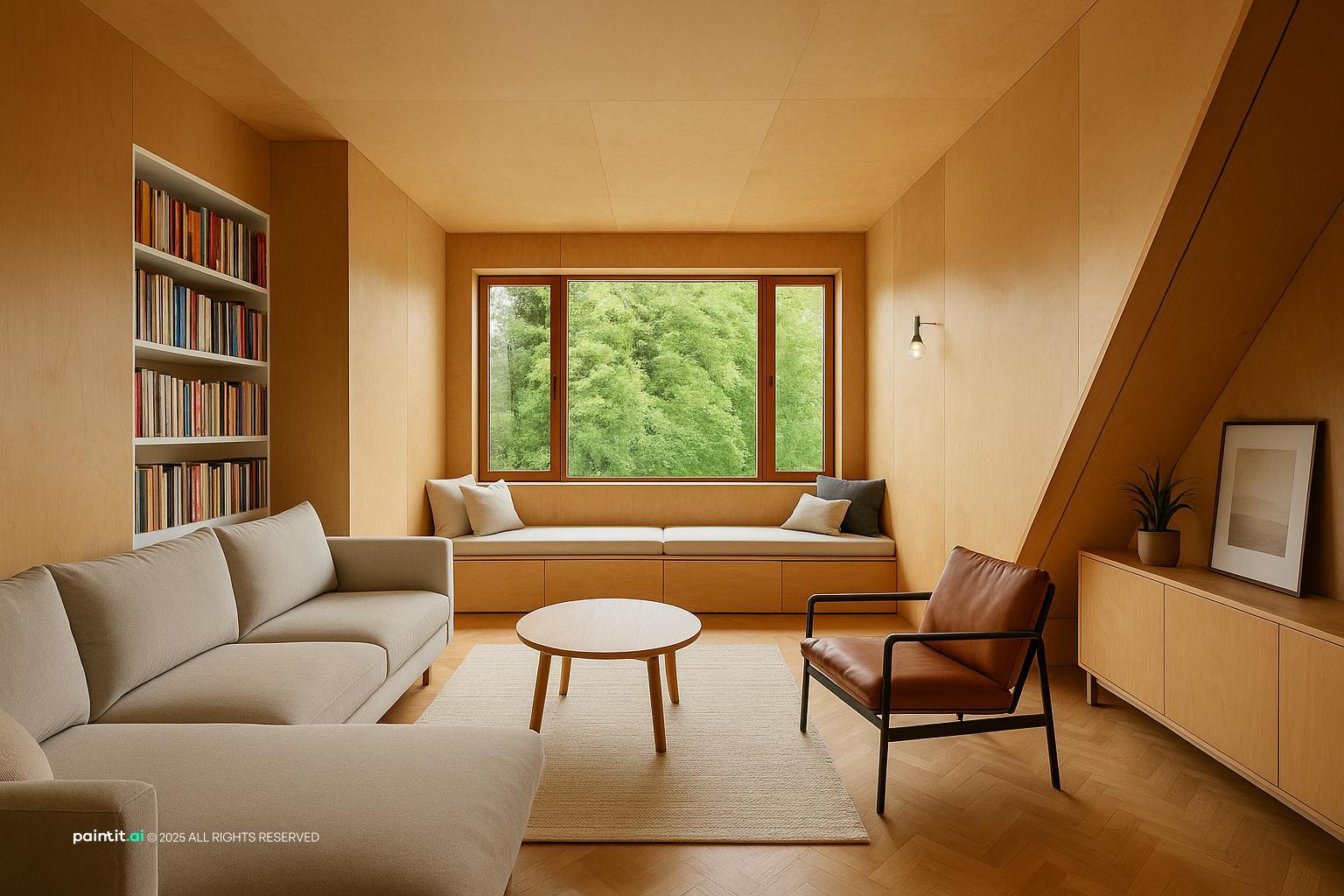
Pro Tip: To achieve this effect, try adding a mirror to the back of a shallow alcove to create an illusion of depth.
-
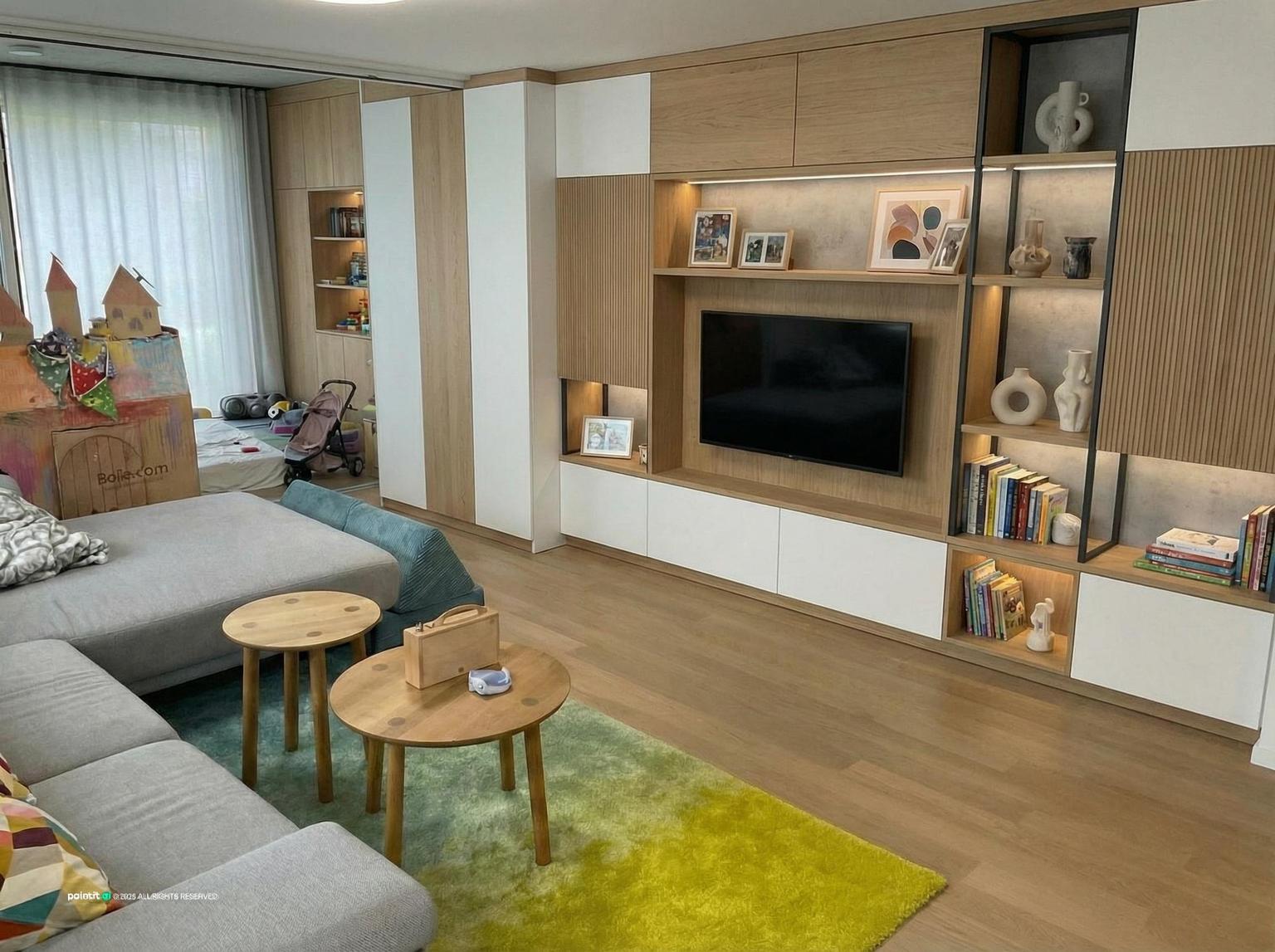
For those who crave clean lines and an uncluttered aesthetic, handle-less built-in storage living room solutions are the answer. The push-to-open mechanism means no hardware, just smooth, uninterrupted surfaces. It's the ultimate expression of "out of sight, out of mind."
-
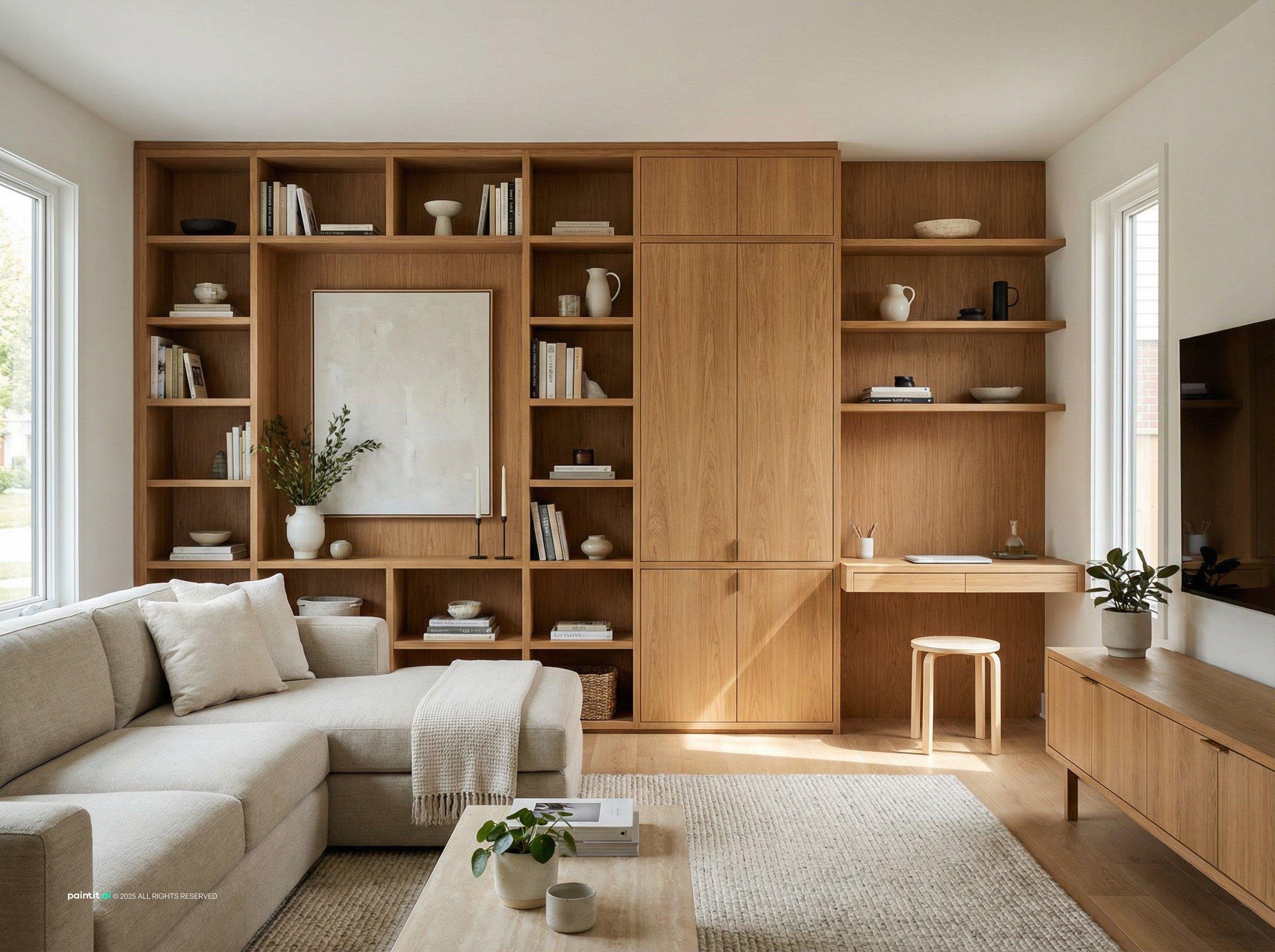
Design floor-to-ceiling or low-slung cabinets with a matte finish – perhaps a plaster effect or a smooth, painted MDF. The beauty here is in the simplicity. Every panel aligns perfectly, creating a monolithic structure that almost disappears into the wall. This works wonderfully for hiding everything from children's toys to extensive media collections. We've seen this look particularly striking in a cool grey or a warm off-white.
-
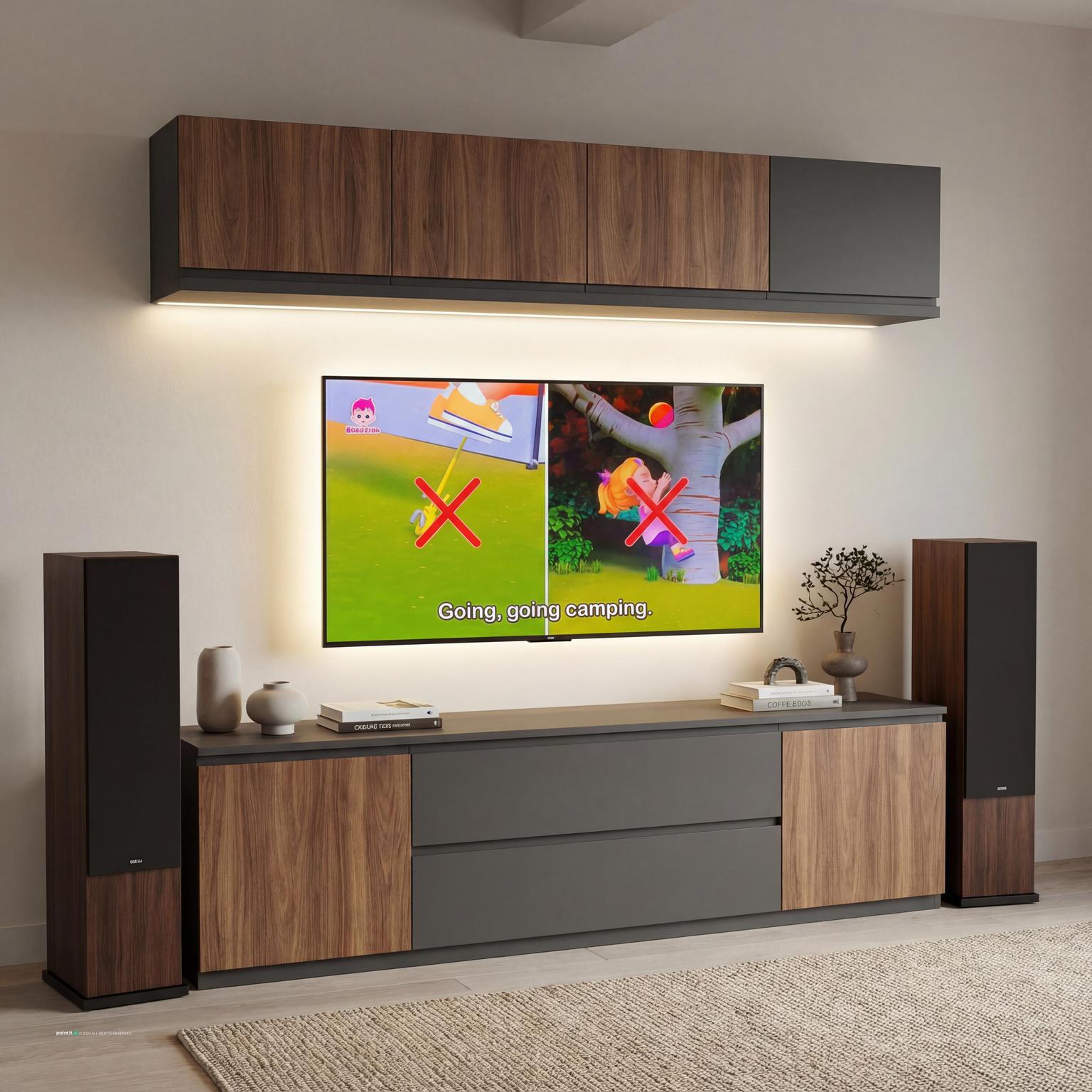
Pro Tip: To achieve this effect, try using a slightly textured finish, like a fine-grain wood veneer, to add subtle interest without breaking the minimalist aesthetic.
-
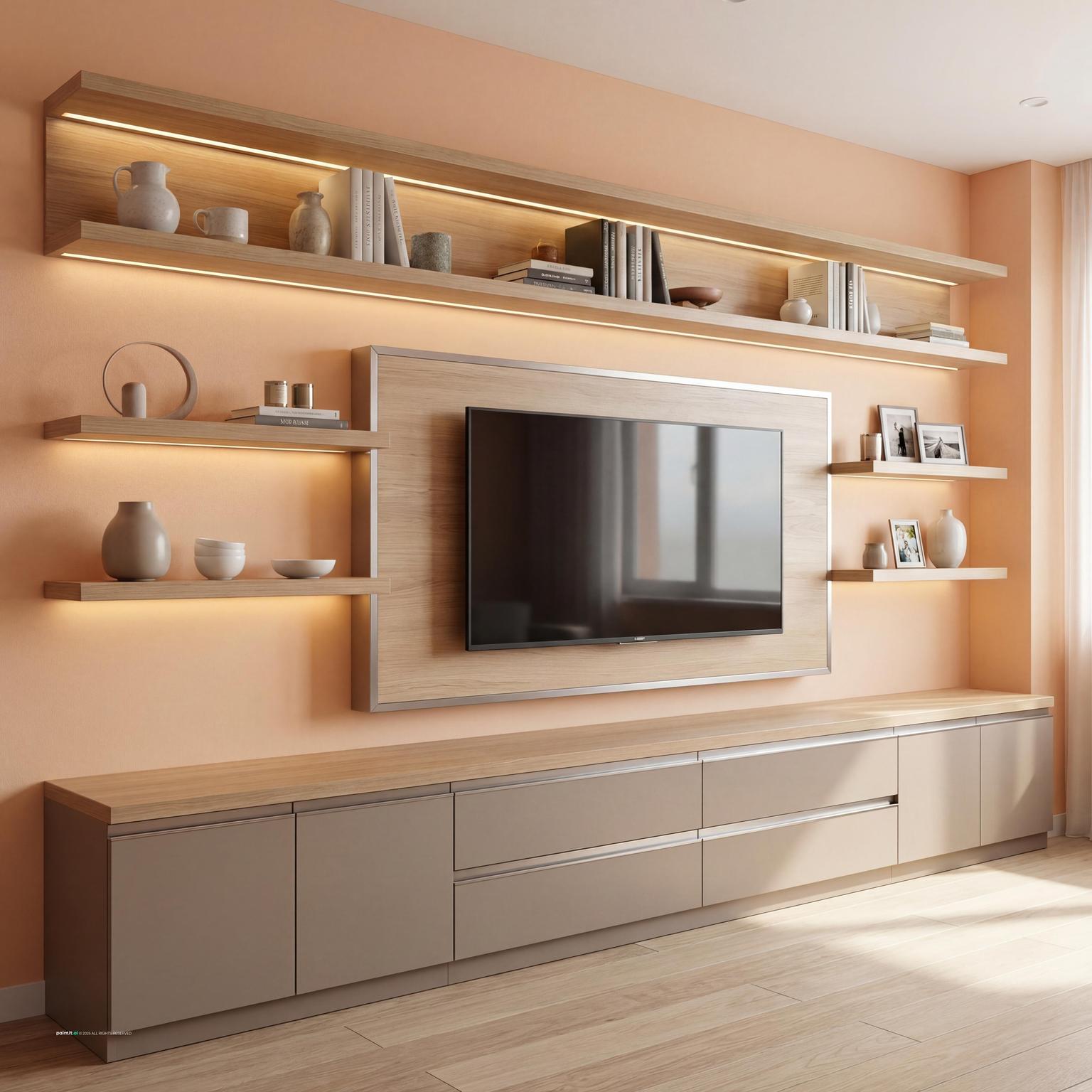
Corners are often neglected, becoming dead space or awkward spots for random items. A custom built-in corner unit maximizes this often-underestimated real estate, turning a challenge into an opportunity for clever storage. It’s about making every inch count.
-
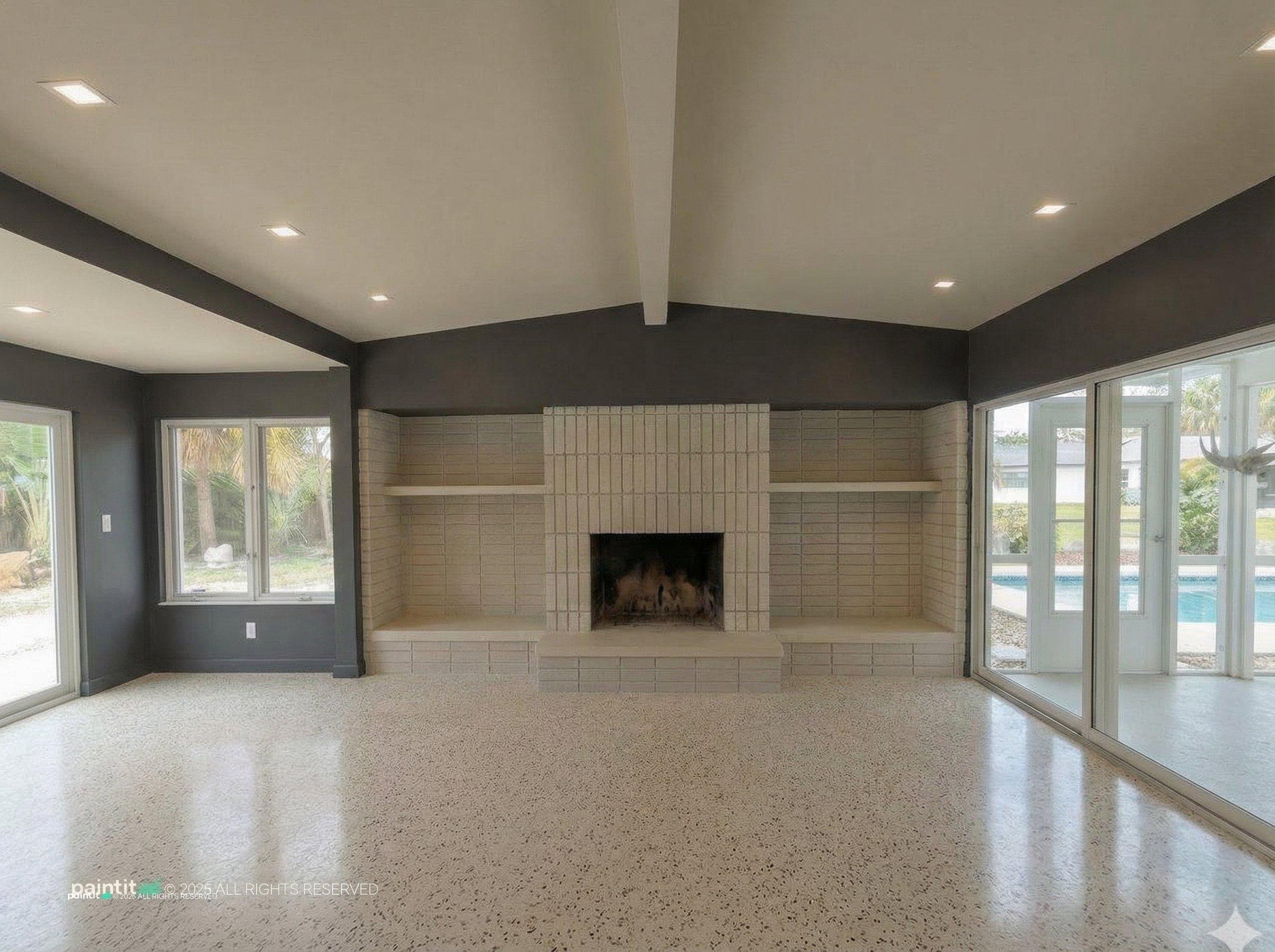
This can range from a tall, narrow cabinet with a curved front to a multi-tiered shelving unit that wraps around. Consider using a material that blends with the surrounding walls, or a contrasting wood to make it a feature. A display niche with integrated lighting can be particularly effective in a corner, drawing the eye and highlighting a special object. The thing is, a well-designed corner unit can feel incredibly bespoke.
-
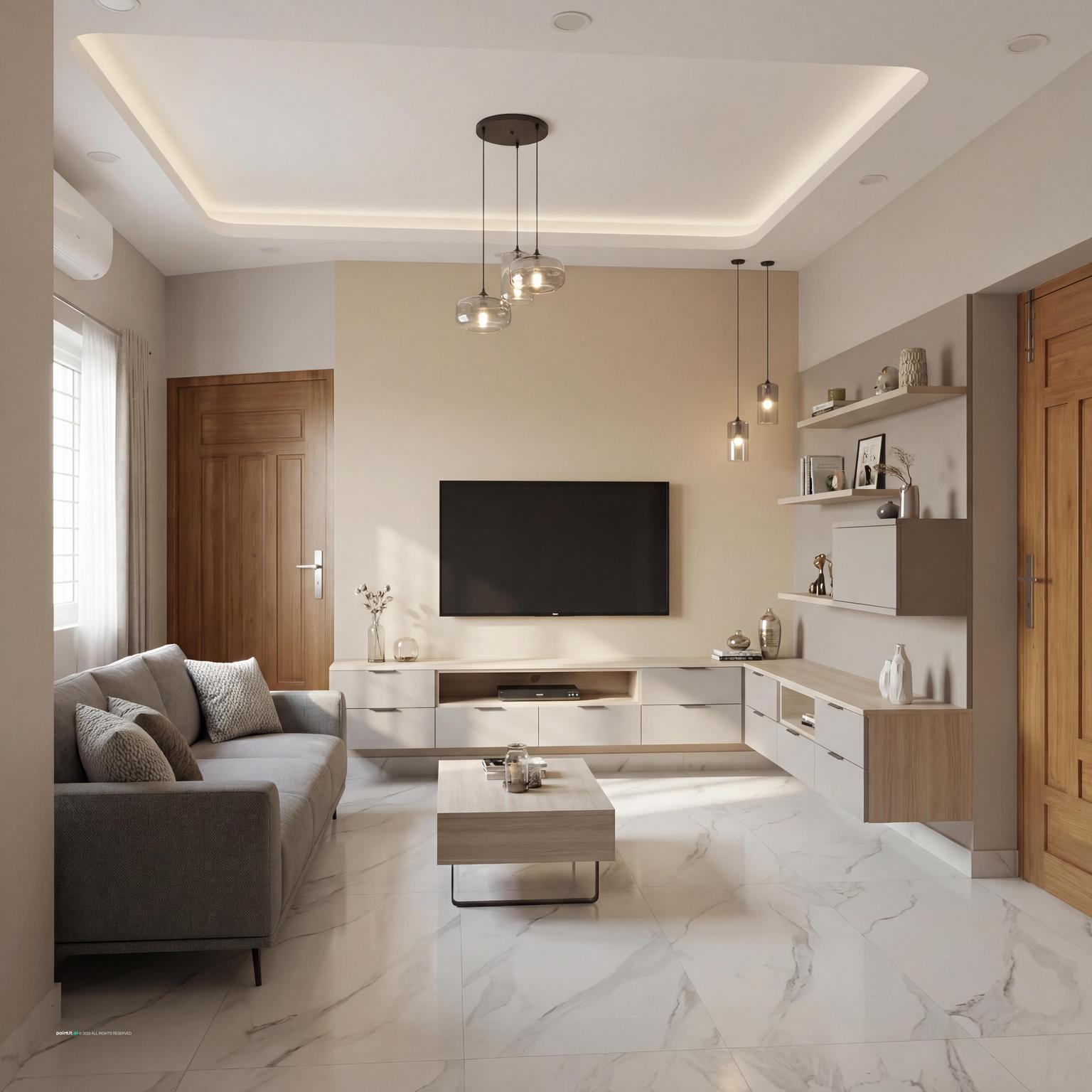
Pro Tip: To achieve this effect, try incorporating a lazy Susan mechanism inside a corner cabinet for easy access to stored items.
-
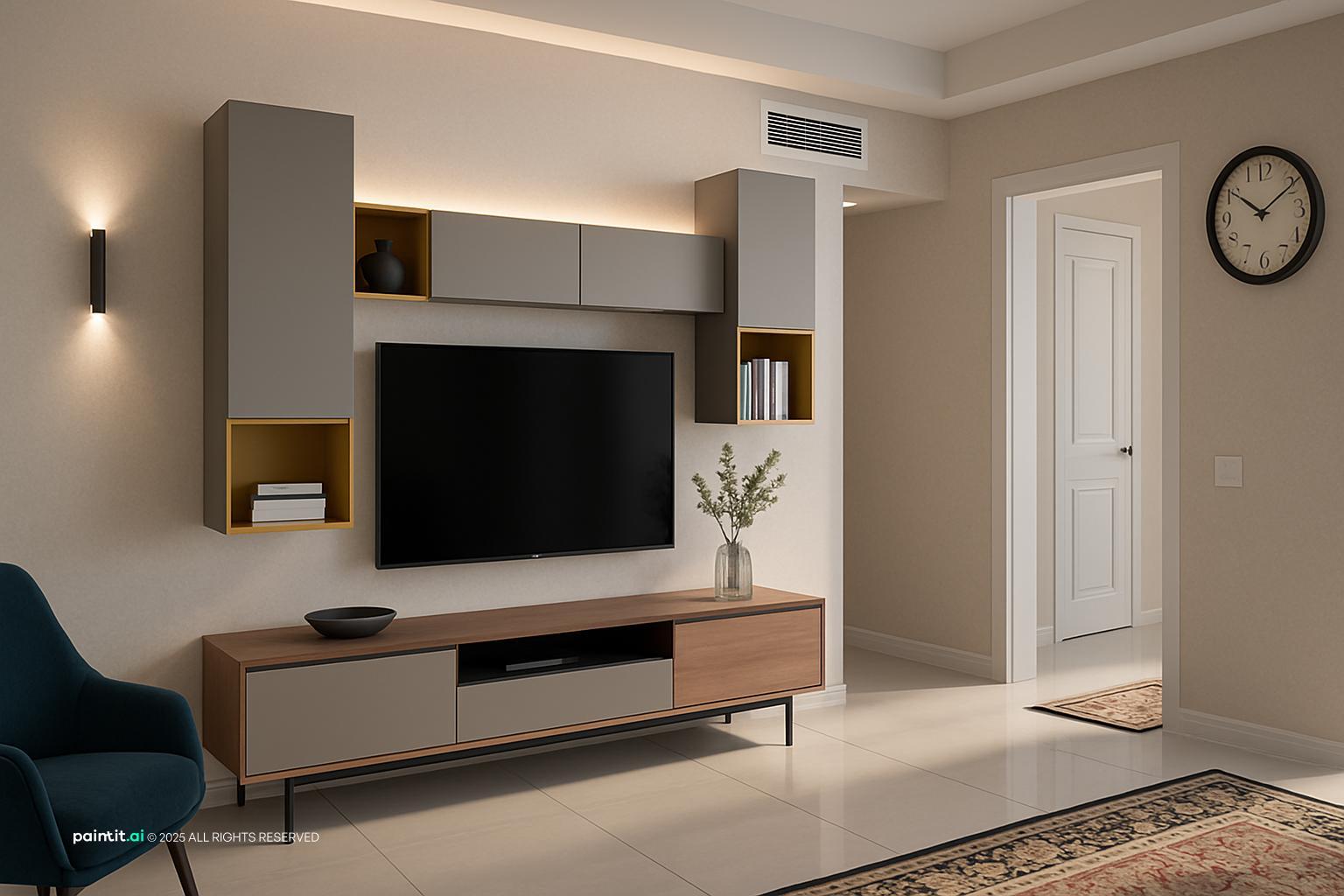
Sometimes, built in living room storage isn't just about hiding; it's about showcasing. A well-designed display niche, especially with thoughtful lighting, elevates a few chosen objects into works of art. It creates moments of visual pause and personality.
-
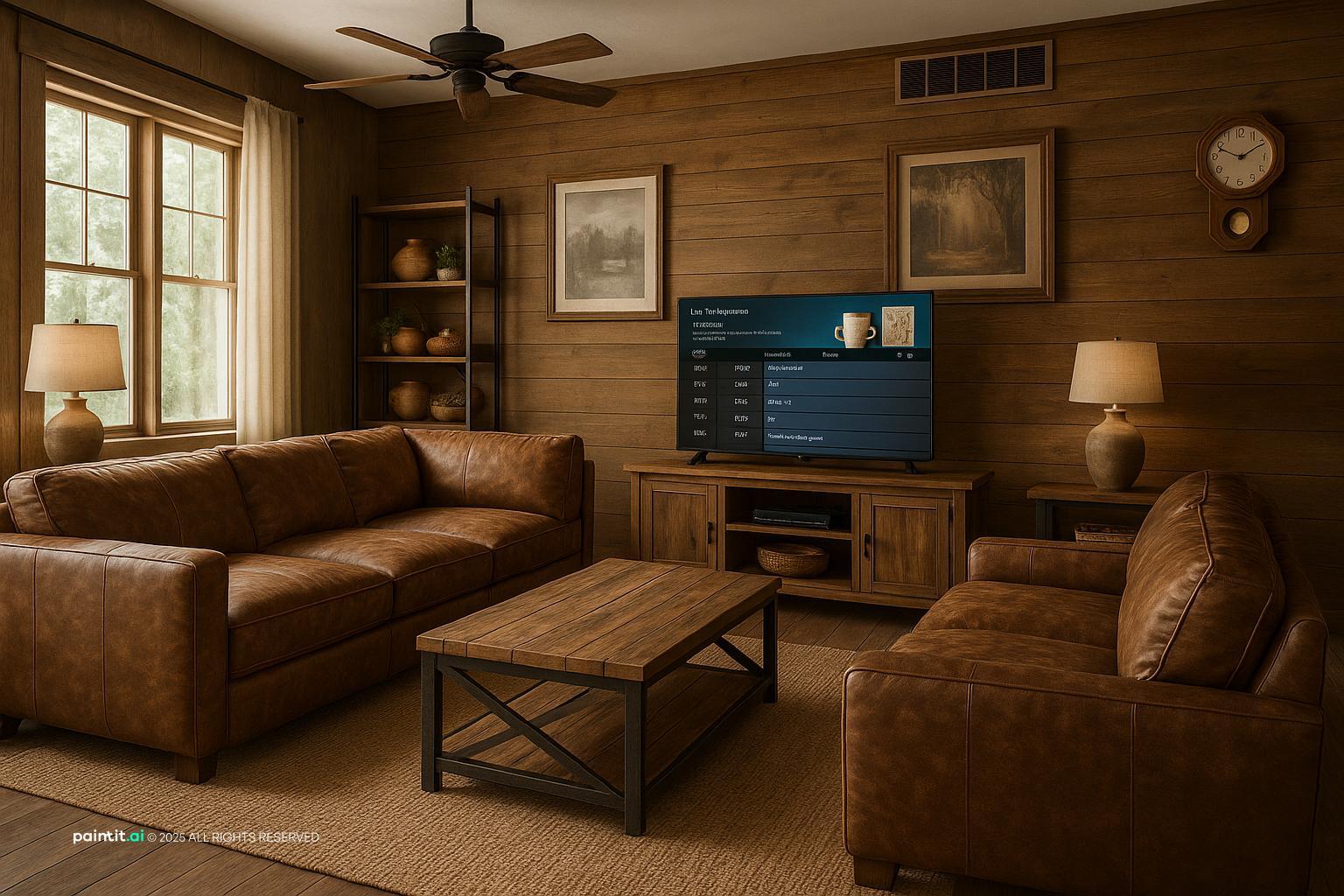
Carve out recessed niches within a larger wall unit or even a standalone wall. Line the back with a contrasting material – perhaps a textured wallpaper, a mirror, or a dark wood veneer. Install discreet LED puck lights or strip lighting at the top to illuminate the contents. This is where your curated collection truly shines, whether it's pottery, sculptures, or family heirlooms. It reminds me of old-world Italian villas, where every object had its place.
-
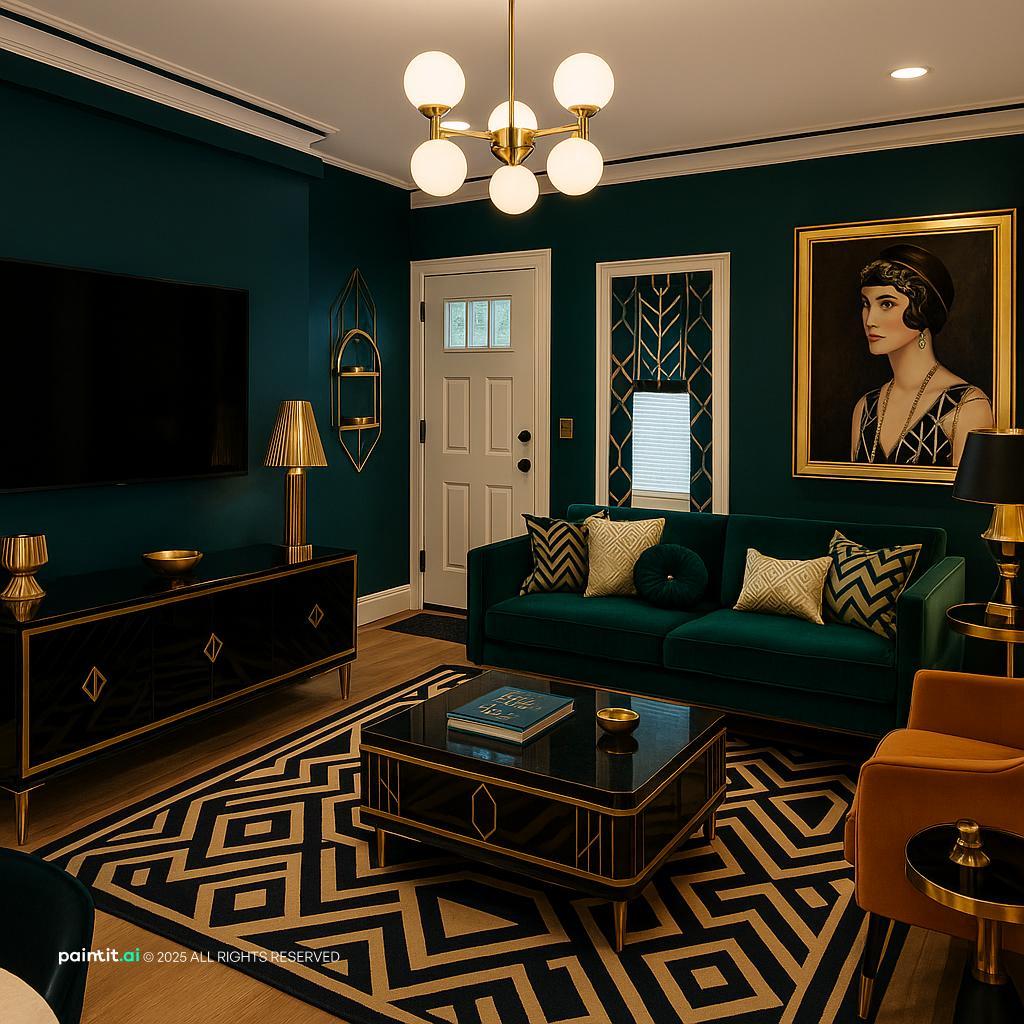
Pro Tip: To achieve this effect, try painting the inside of the niche a darker, moodier color than the surrounding wall to make the displayed items pop.
-
Beyond window seats, a built-in bench along a wall can offer both extra seating and substantial storage. It’s a smart solution for smaller living rooms or open-plan spaces where flexible seating is a must. This isn't just about utility; it's about creating a convivial atmosphere.
-
Design a sturdy bench with lift-top access or pull-out drawers underneath. Upholster it with comfortable cushions in a durable fabric like velvet or a textured cotton. Above the bench, you could integrate floating shelves or a gallery wall to complete the look. This type of built-in storage living room solution is perfect for informal gatherings or simply lounging. The choice was risky, but it paid off in our own home.
-
Pro Tip: To achieve this effect, try extending the bench to wrap around a corner, creating a cozy L-shaped seating area.
The Quiet Art of Integrated Living: Crafting Seamless Built-In Storage to Life with Paintit.ai
-
When we talk about built in living room storage, it’s not just about tucking things away; it’s about creating an atmosphere. We often find that the most impactful built-ins lean into a quiet, modern minimalist aesthetic. This approach isn't about starkness; it’s about intentionality, letting every element breathe and contribute to a sense of calm. It’s a design philosophy that truly elevates the functionality of built-in storage living room solutions.
-
We gravitate towards a serene palette, starting with warm off-whites or soft greys as the base, like a whisper on the walls. Think Farrow & Ball's "Skimming Stone" for that gentle embrace. Muted natural wood tones, perhaps a light oak or bleached maple, introduce a grounded warmth. For a subtle accent, a deep charcoal, an inky blue, or a soft sage green can provide just enough depth without overwhelming the space. The balance here is key, allowing textures to emerge as the true stars.
-
For built in living room storage, we often turn to light, matte-finished wood veneers—oak or walnut—to infuse warmth and organic texture into cabinetry. Brushed brass or matte black metals appear subtly in hardware or slim framing, adding a sophisticated, almost understated edge. Textiles like boucle, linen, or wool in upholstery bring a crucial softness, a tactile comfort that invites touch. This combination creates a sense of calm, an understated luxury, and a genuine connection to natural elements.
-
A low-slung sofa with clean lines and deep seats, perhaps a modular design for ultimate flexibility, anchors the room. Floating shelves, thick and solid, whether wood or painted, offer curated display opportunities. Integrated cabinetry, handle-less and push-to-open, blends seamlessly into the walls, practically disappearing. The truth is, most people underestimate how much visual noise traditional furniture creates. We always advise keeping pieces visually light, often off the floor, to maintain an airy, expansive feel.
-
Layered lighting is non-negotiable for built in living room storage. Ambient light comes from recessed LED downlights on dimmers, providing a soft, overall glow. For task lighting, integrated LED strips within shelves or under cabinets offer functional illumination exactly where it’s needed. Accent lighting, perhaps a sculptural floor lamp or a simple wall sconce, highlights art or a cozy reading nook. This thoughtful layering creates depth, warmth, and allows for complete mood adjustments throughout the day or evening.
-
For decorative accents, we lean into quality over quantity. Large, abstract art pieces with muted tones or a simple gallery wall of framed prints work beautifully. Architectural plants, like a Fiddle Leaf Fig or a sleek Snake Plant in understated ceramic pots, introduce life without clutter. When styling built in storage living room elements, the "3-5-7 rule" is our secret weapon. On a single floating shelf, group three items: a ceramic vase, a stack of books, and a small sculpture. For a larger cabinet top, try five: a larger plant, a decorative bowl, two framed photos, and a candle. Within an open niche of a built-in unit, you might curate seven: a mix of books, small art objects, a unique stone, a small plant, and a decorative box. This approach ensures each object breathes, creating moments of visual pause and personality.
Paintit.ai Reveals the Secret to Perfect Built In Living Room Storage Layouts Design Ideas
Choosing the right built in living room storage can feel like a huge commitment, often leaving us guessing how a design will truly integrate. Paintit.ai instantly generates realistic visualizations of various built in storage living room solutions, from sleek media walls to cozy window seats, directly within your actual space. See how different styles and finishes transform your living room before any costly decisions are made. Try it now.
FAQ
-
Think of built in living room storage as custom-tailored solutions that become part of your home’s architecture, not just furniture sitting against a wall. It’s about creating seamless, integrated units—shelves, cabinets, media centers—that fit your space perfectly, often from floor to ceiling or wall to wall. We’ve found it’s the ultimate way to declutter and organize without adding visual bulk. It makes a room feel larger, more considered, more… finished. The truth is, freestanding pieces rarely offer that kind of bespoke elegance or efficiency.
-
It’s a game-changer for the aesthetic, truly. When you integrate built in storage living room elements, you’re essentially extending the room’s architecture. This creates a sense of calm and order. We often see it providing a strong focal point, drawing the eye to a beautifully curated display or a cozy reading nook. It can make a modest room feel grander, or a sprawling one feel more intimate. The key is in the finish—a crisp matte white lacquer, perhaps, or a rich, dark walnut veneer—that complements the existing design language. It’s about harmony, not imposition.
-
Oh, the materials! This is where the magic happens. For a classic, enduring look, we often lean towards painted MDF or plywood for the structure, allowing for any color imaginable—a moody charcoal, a sun-drenched cream. For fronts and shelving, solid wood like white oak or walnut brings warmth and texture. I’ve seen this work best when you mix materials; perhaps a brushed brass detail on cabinet pulls, or a reclaimed terra-cotta tile backsplash within a niche. The trick is durability and how it plays with light. A high-gloss finish can bounce light beautifully, making a small space feel expansive, while a textured wood grain adds depth and an effortlessly composed vibe.
-
Absolutely. The biggest mistake we see? Underestimating what you actually need to store. People often forget the sheer volume of books, media, or even those sentimental trinkets. Another common misstep is neglecting the flow of the room. A built in living room unit shouldn't block pathways or overwhelm a window. We also urge clients to think about future needs; what if your tech changes? Will that media cabinet still work? It sounds simple, but most people forget the importance of proper ventilation for electronics. And here’s the kicker: don’t skimp on hardware. Flimsy drawer slides or hinges will haunt you.
-
They can, and frankly, they often work *best* in smaller spaces. That’s where every inch counts, right? Built in living room storage in a compact apartment isn't just about aesthetics; it's about survival. Think vertical. Floor-to-ceiling shelving draws the eye up, making the room feel taller. We’ve designed units that hide a pull-down desk, a discreet bar, or even a slim pantry. It's about maximizing utility without sacrificing style. A well-designed built in living room solution in a small space isn't just storage; it’s a clever illusion, making your home feel expansive and impeccably edited, even when it’s packed with life.