
Designing a Biophilic Living - Room: Bringing Nature Indoors
Ever feel a deep longing for more nature in your daily life? A biophilic living room offers just that - a space designed to soothe your senses and connect you to the natural world. It’s about thoughtful integration, from sunlight to organic textures, not just a few potted plants. How can you create such a restorative haven in your own home?
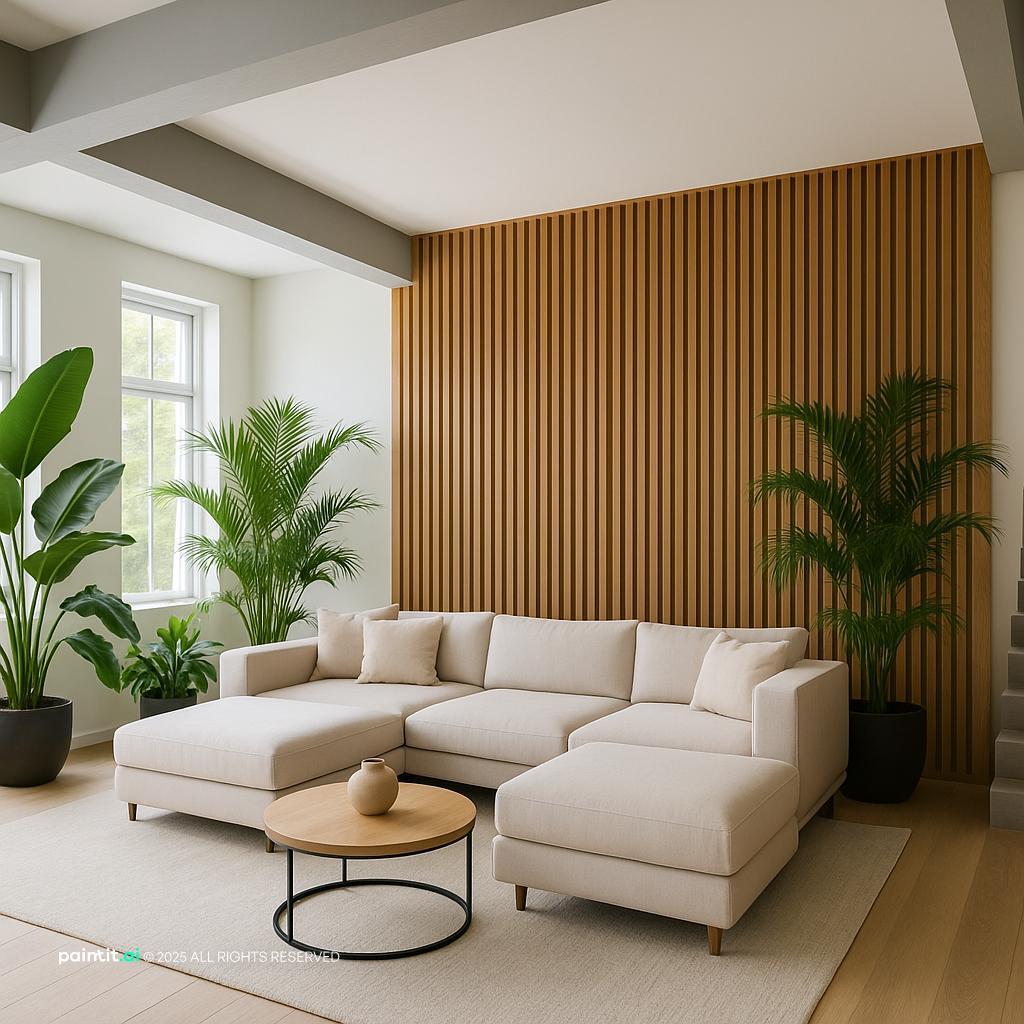
Essential Tips for Crafting Your Own Biophilic Living Room
Stunning Examples of 14 Thoughtful Ideas for Your Biophilic Living Room Design
-
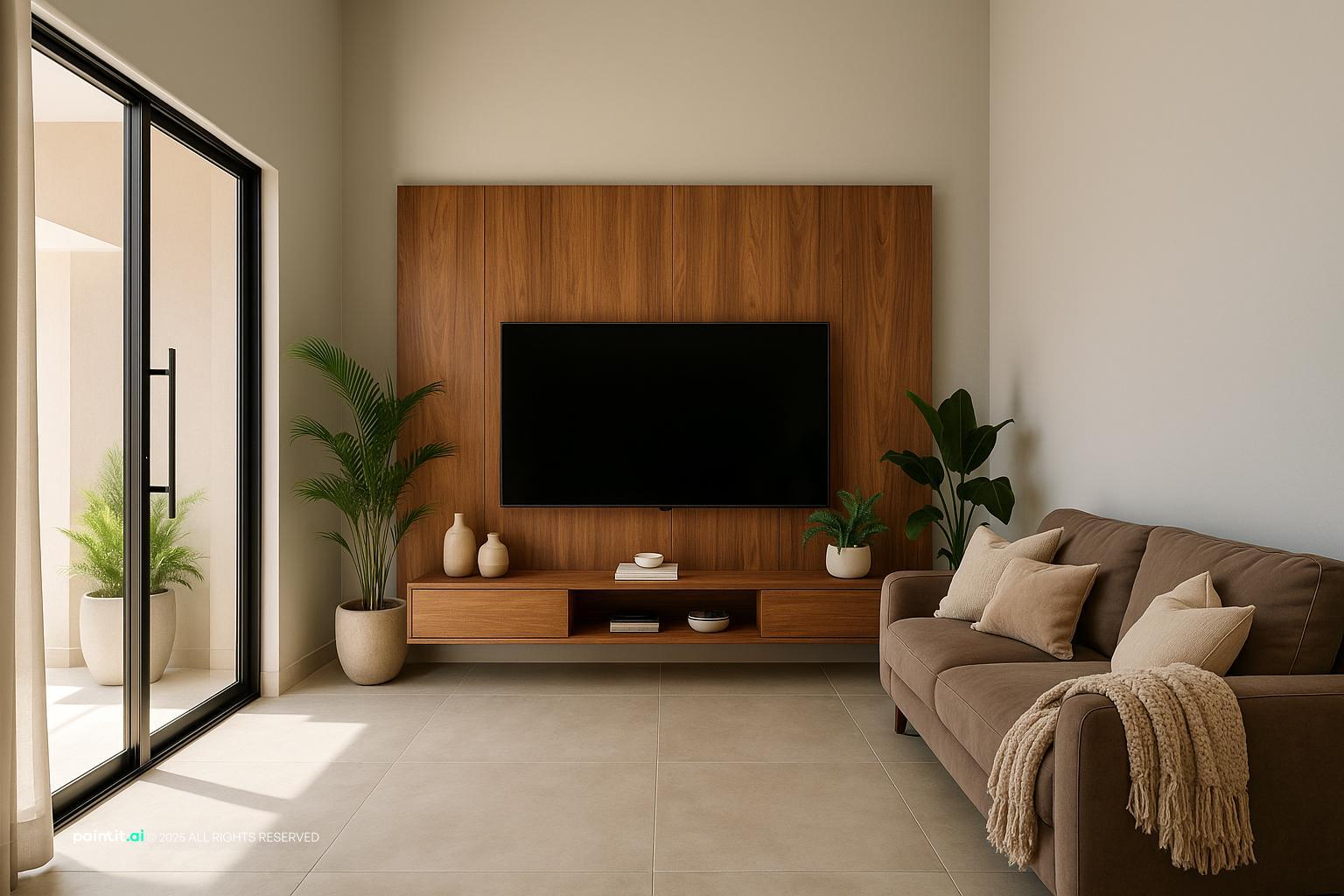
We’ve talked about the profound comfort a biophilic living room brings, a space that truly breathes with you. Now, let's get into the specifics, the tangible elements that transform a room from merely decorated to deeply restorative. These ideas balance aesthetics with functionality, curated to help you craft a haven that feels both effortlessly composed and intrinsically connected to the natural world.
-
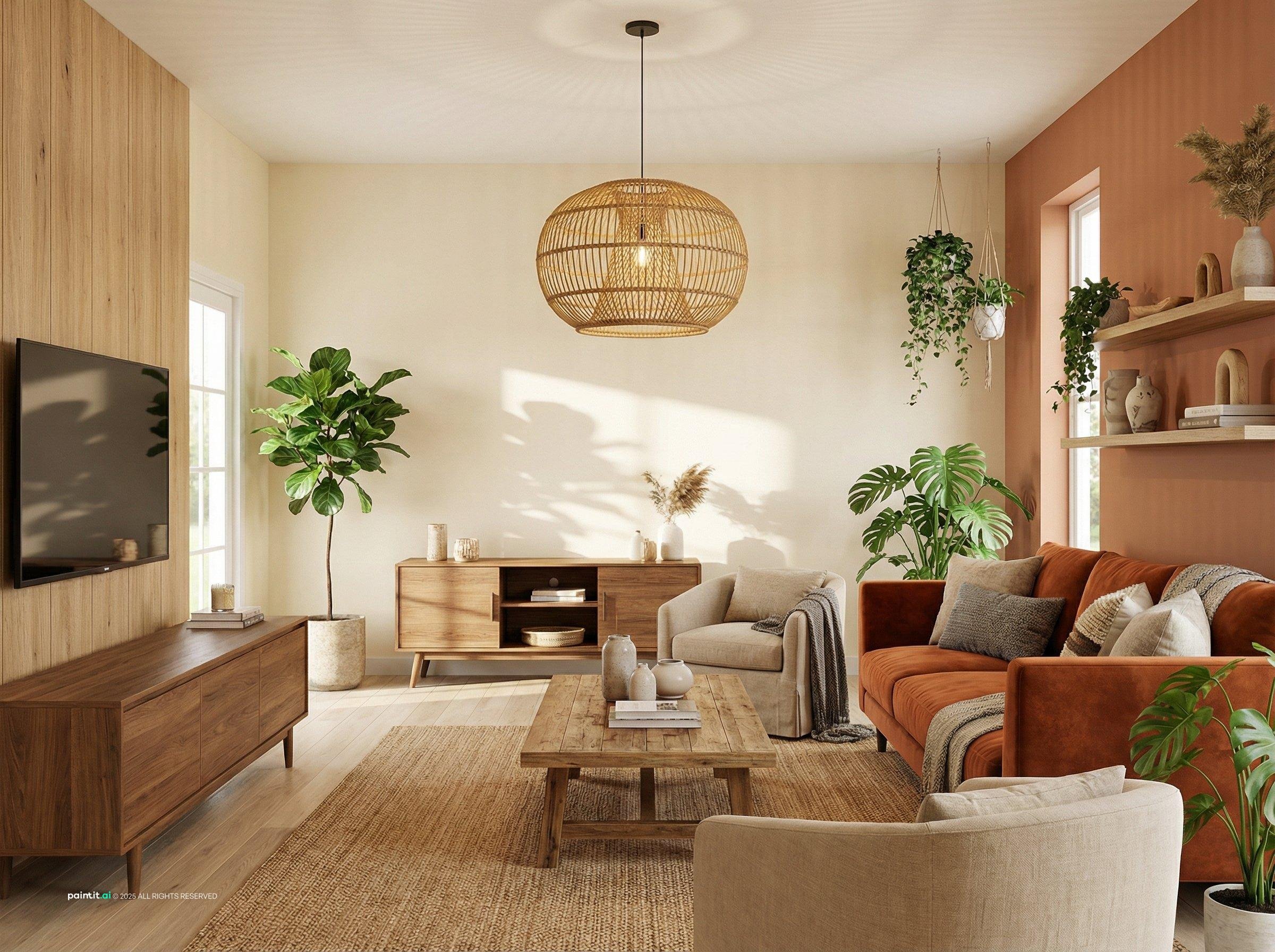
The truth is, nothing beats the sun. It's the most fundamental biophilic element, influencing our mood and circadian rhythms more than we often realize. A living room bathed in natural light just feels different, doesn't it? It feels alive, expansive.
-
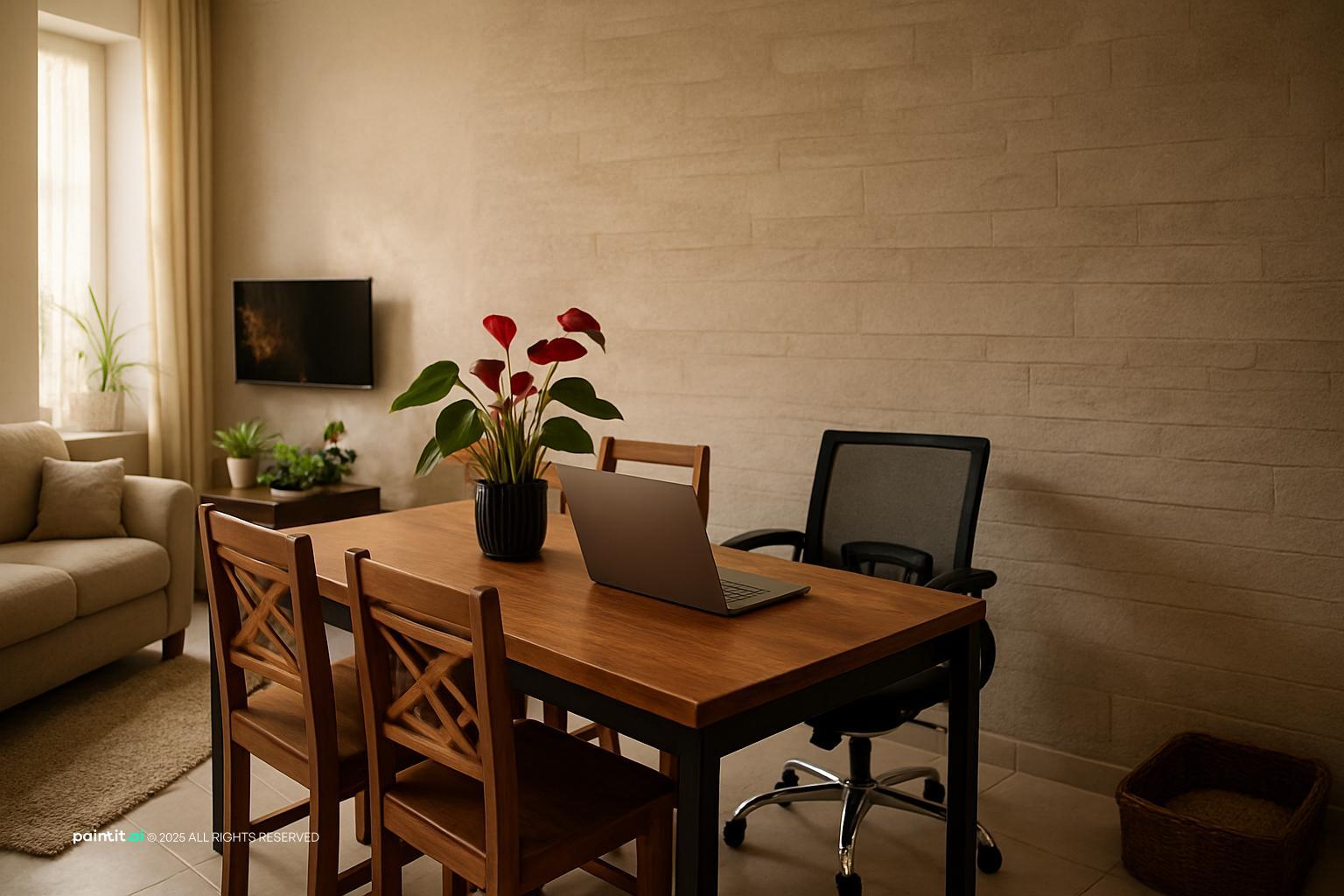
Consider replacing heavy drapes with linen sheers or even going bare on windows where privacy isn't an issue. Think about how light moves through the space throughout the day. Sometimes, a well-placed mirror can bounce light into a darker corner, creating an illusion of more windows. It's about letting the outside in, unfiltered.
-
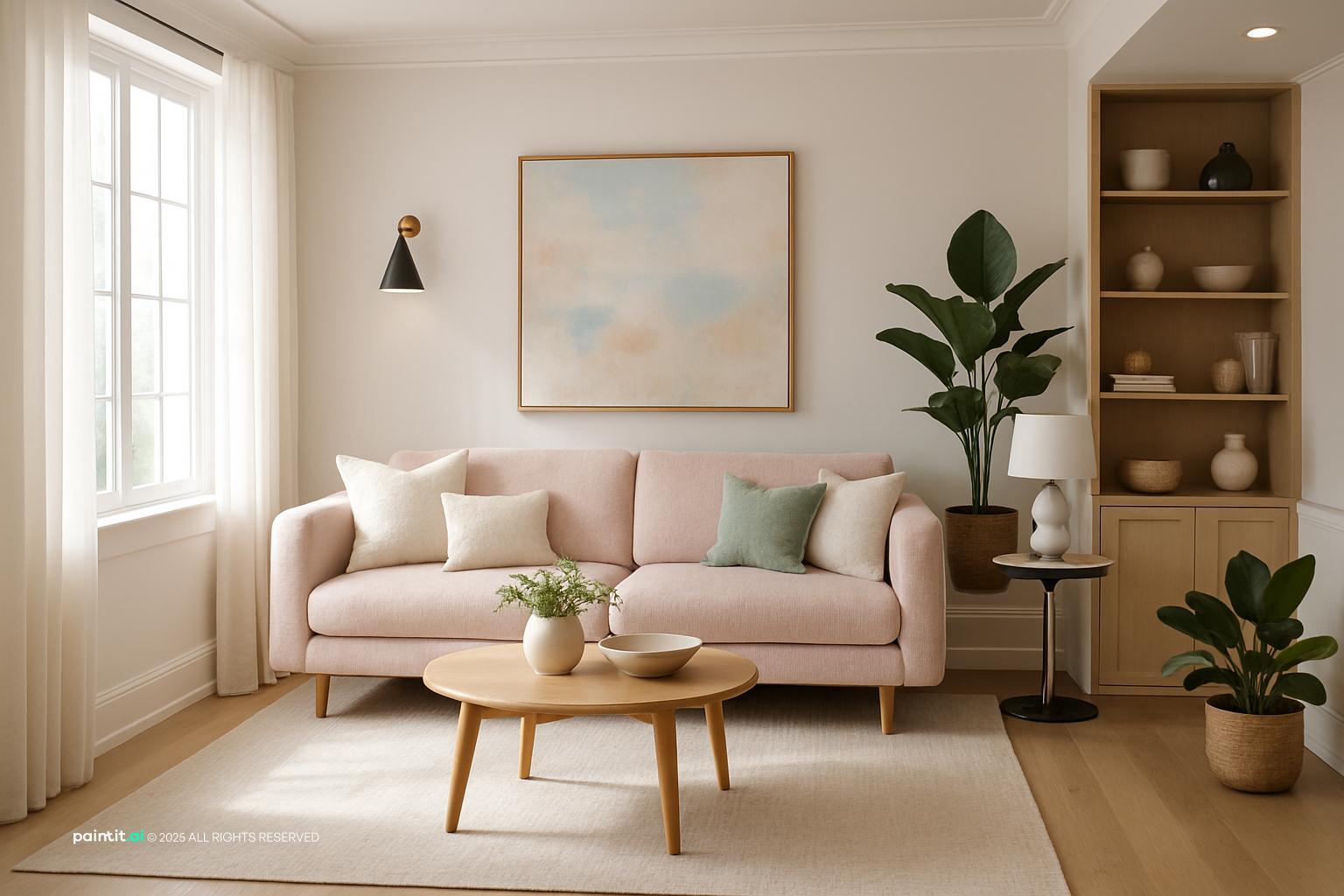
Pro Tip: To achieve this effect, try installing light shelves near windows to direct sunlight deeper into the room.
-
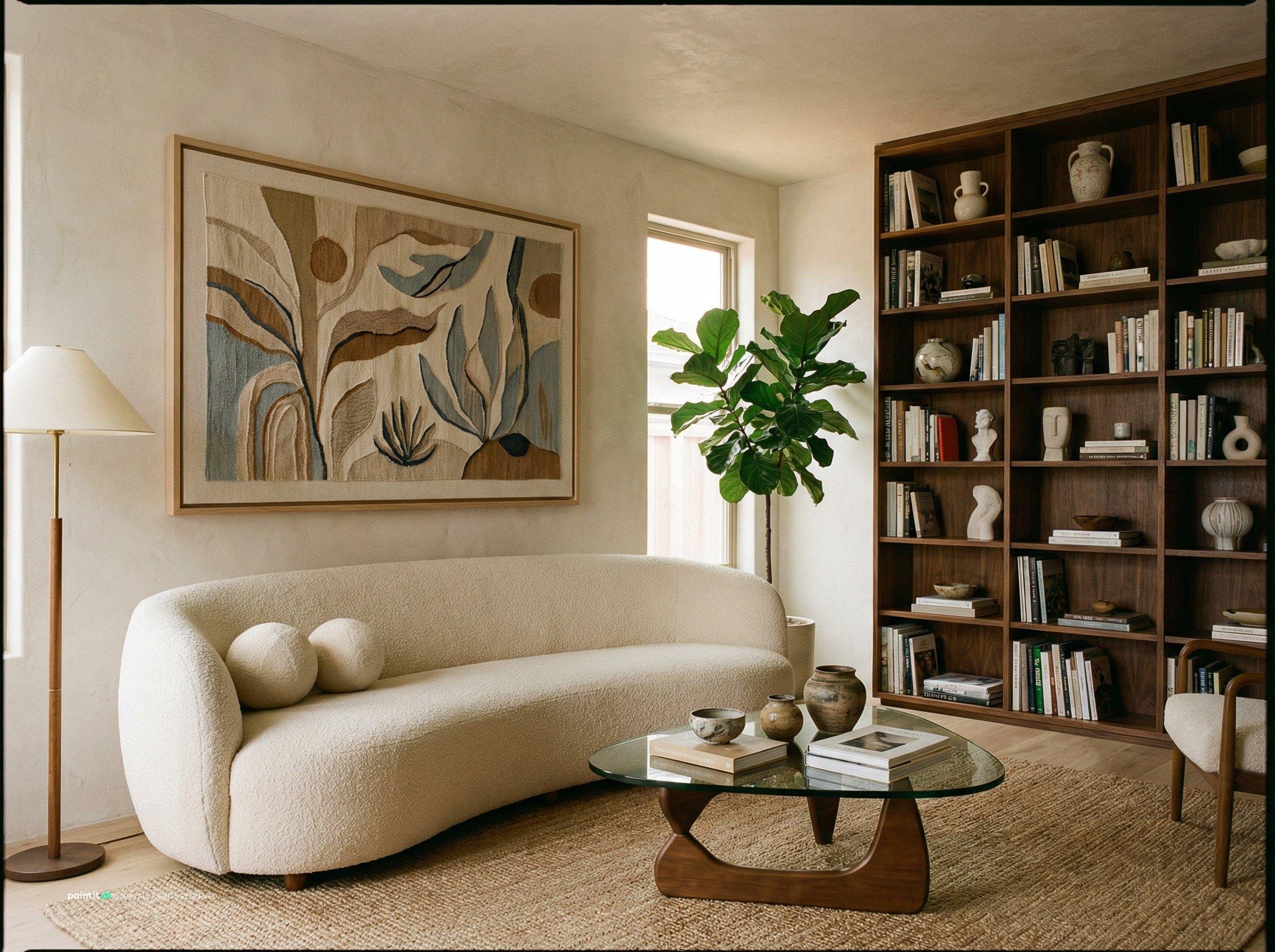
This goes beyond a single potted plant in the corner. We're talking about a diverse collection, a small ecosystem. Plants clean the air, yes, but their visual presence, the varying shades of green, the organic forms—they soothe something primal within us. I’ve seen this work best in spaces where plants are treated as architectural elements.
-
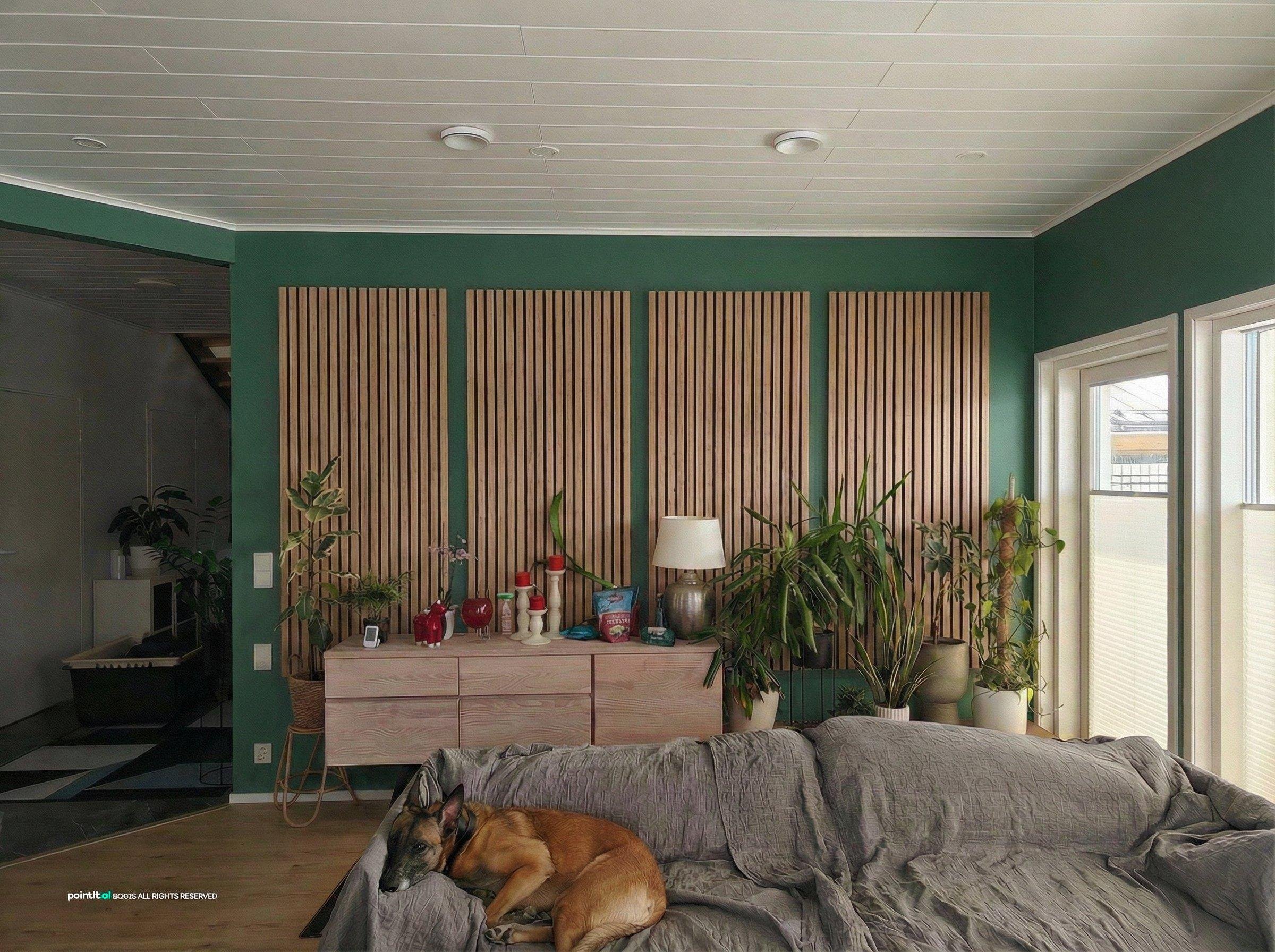
Mix tall, sculptural plants like a Ficus lyrata with trailing varieties such as a Pothos, and smaller, textural ones like a Maidenhair fern. Consider a living wall for a dramatic statement, or group plants on a tiered stand. Use planters made from terracotta, unglazed ceramic, or woven seagrass for added texture.
-
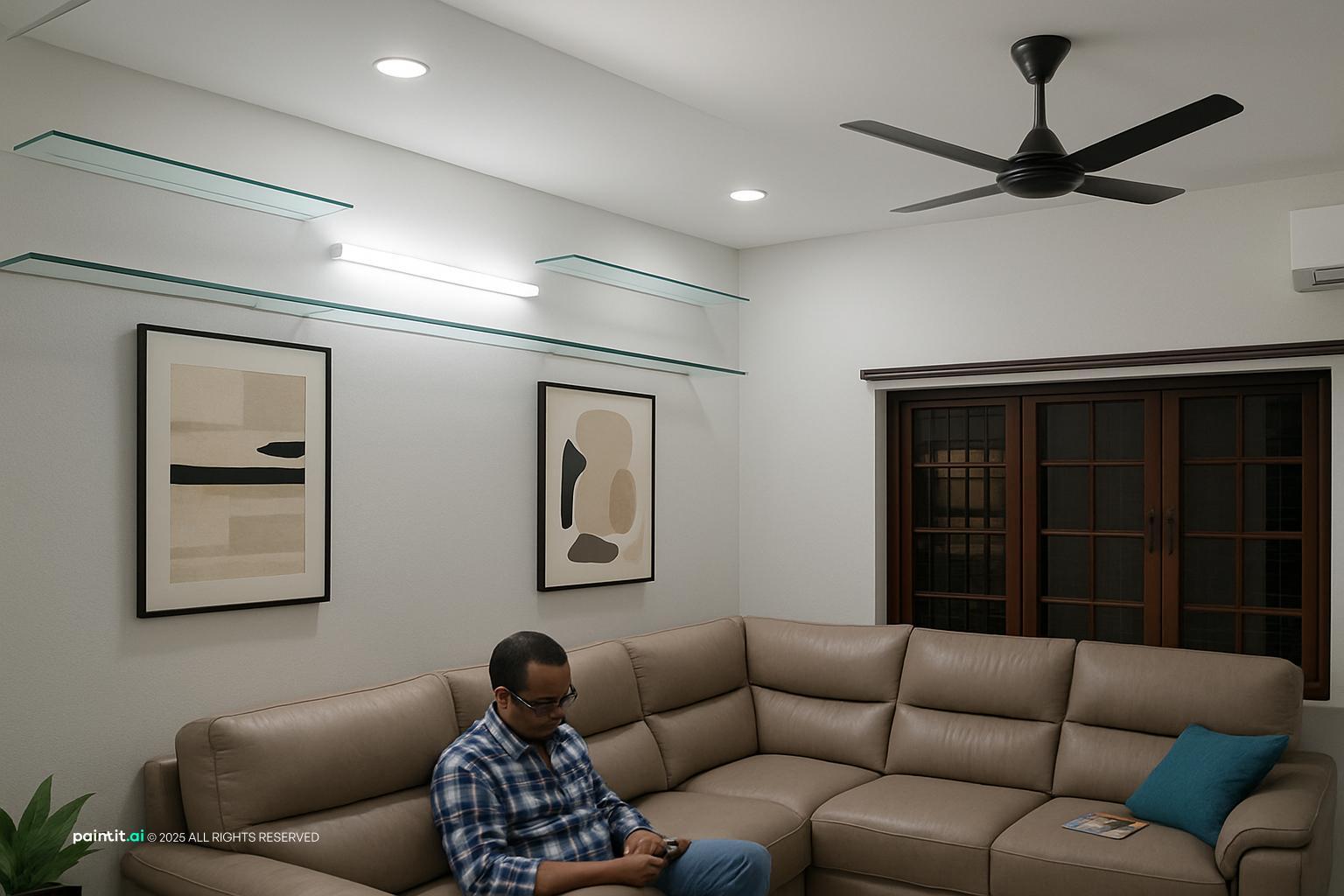
Pro Tip: To achieve this effect, try creating a "plant corner" with varying heights and leaf textures to mimic a natural undergrowth.
-
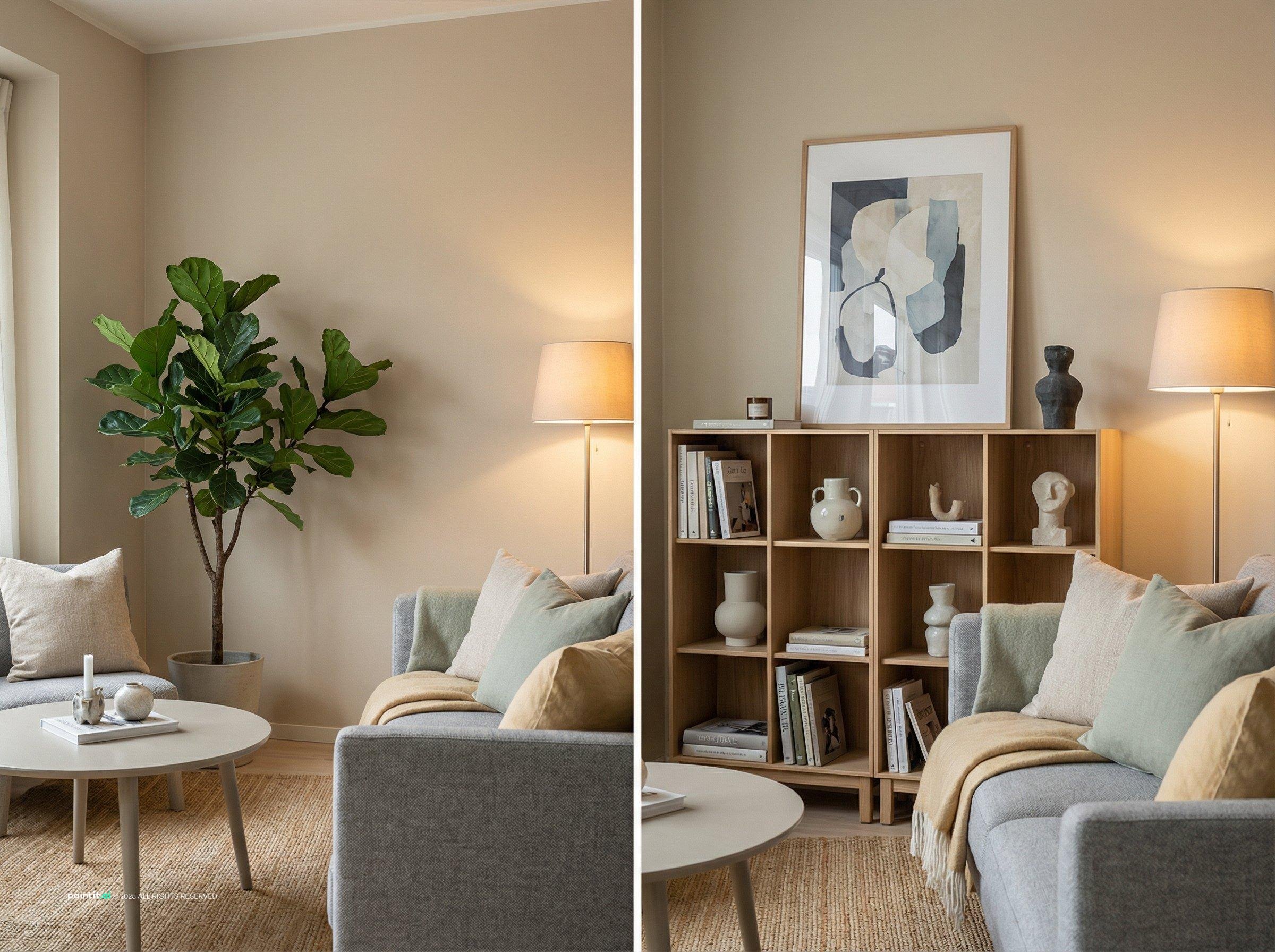
Our hands crave connection, too. The feel of raw wood, cool stone, or soft wool underfoot grounds us. It’s a quiet rebellion against the synthetic, a return to what feels authentic. The choice was risky for one client, using unsealed wood, but the patina it developed was simply beautiful.
-
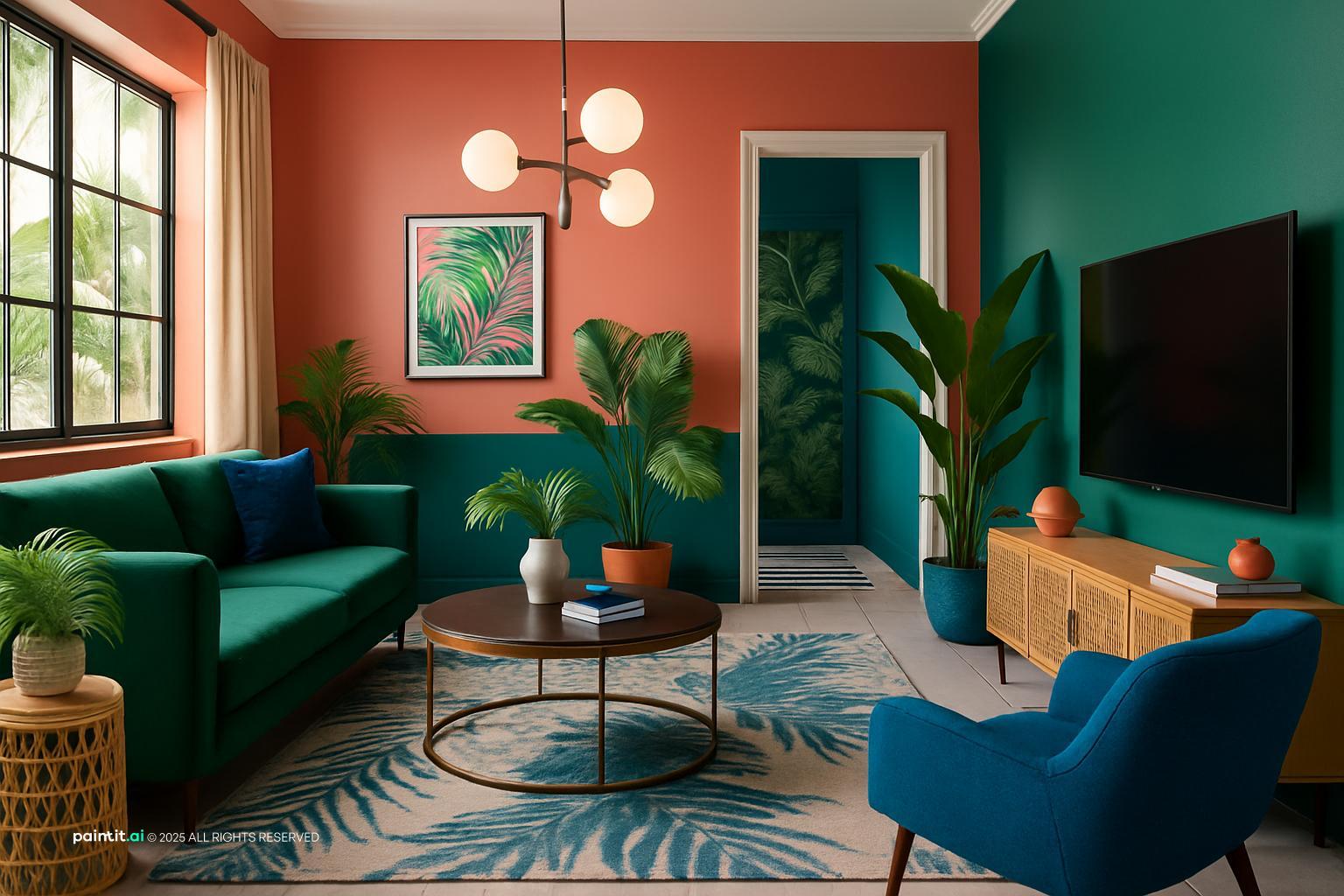
Layer materials like a reclaimed teak coffee table, a hand-knotted undyed wool rug, and a sofa upholstered in a slubby linen or boucle. Introduce elements of honed travertine or river stone in accessories. Think about the tactile experience of every surface; it makes a difference.
-
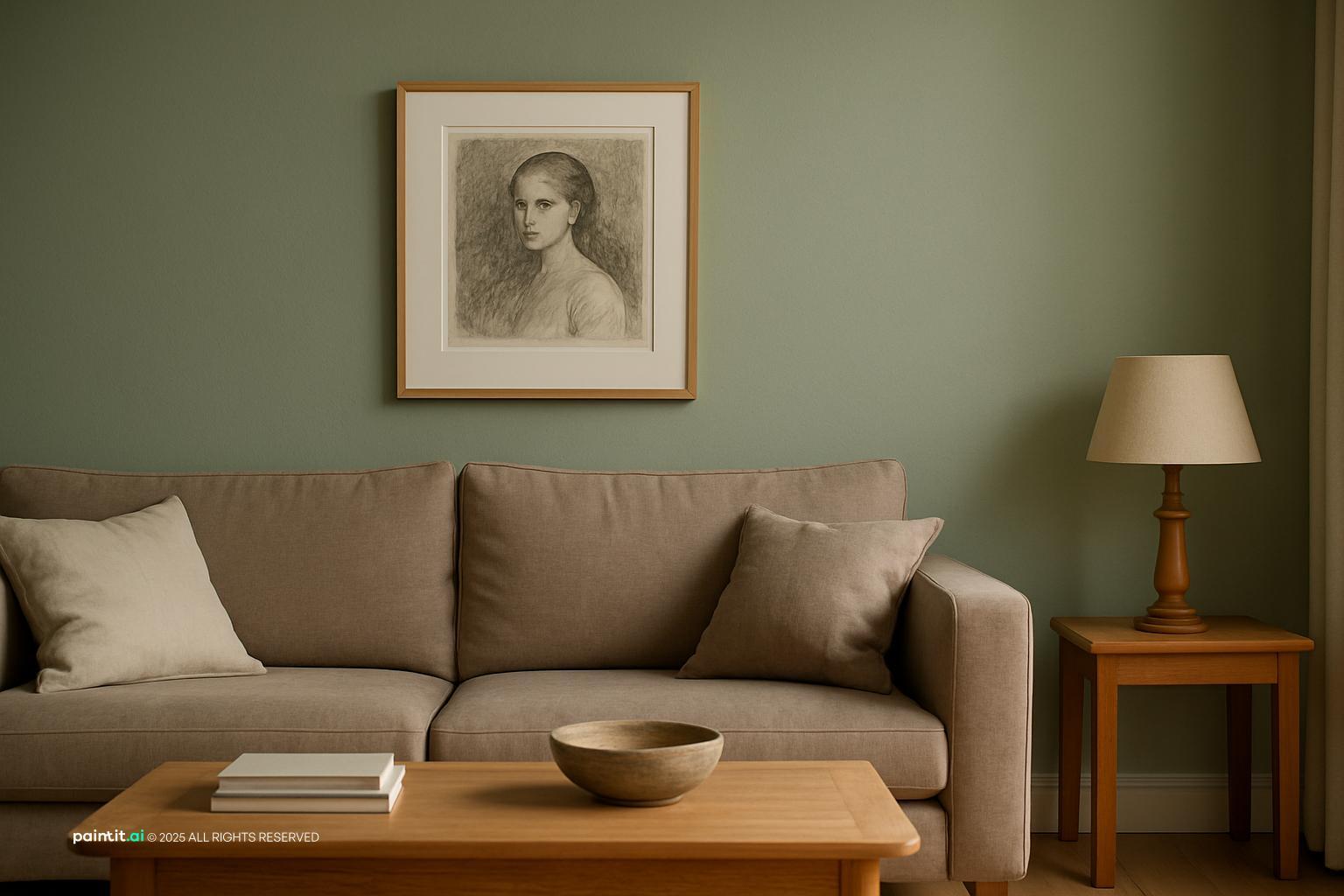
Pro Tip: To achieve this effect, try incorporating a large, woven jute rug to anchor the seating area.
-
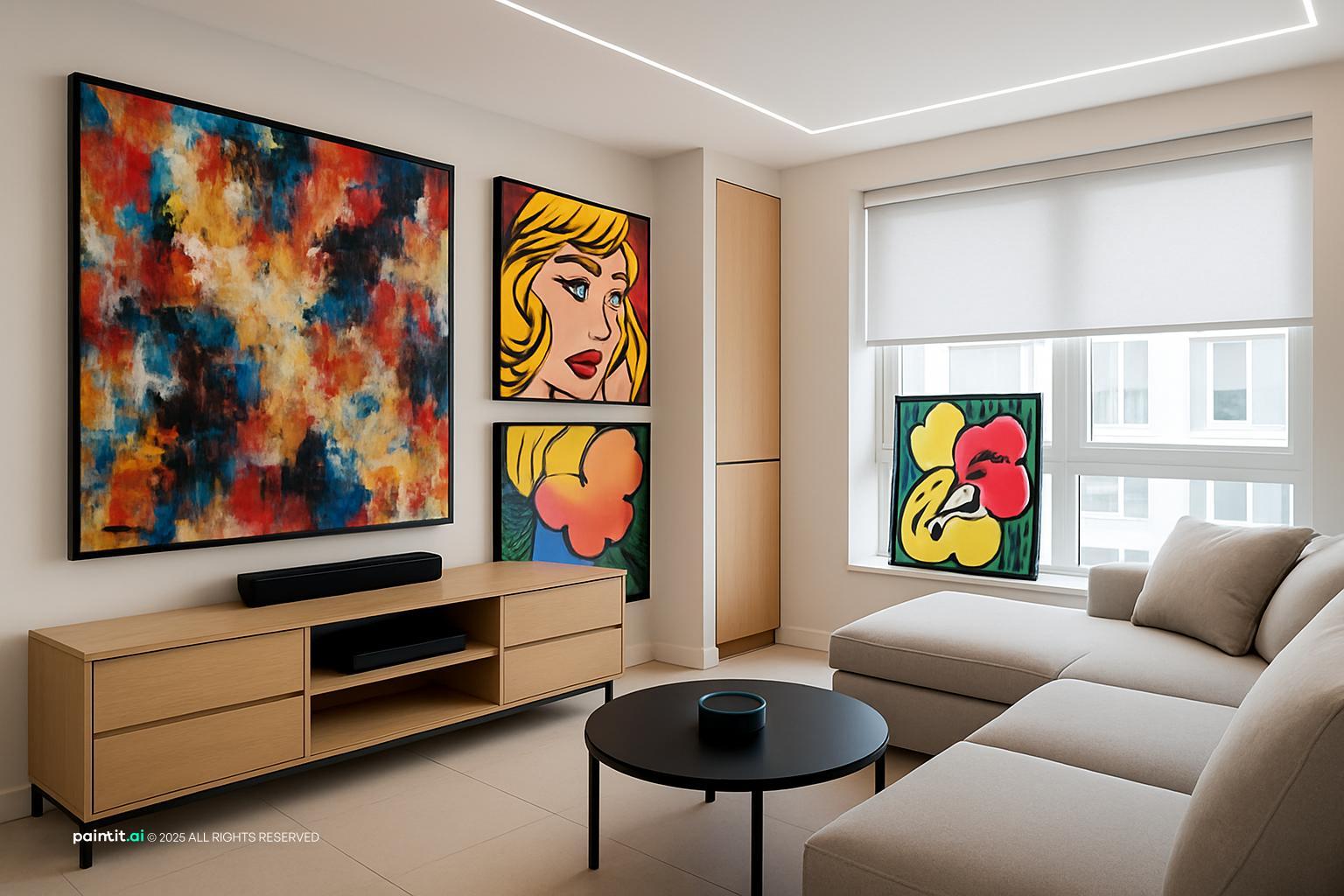
The gentle trickle of water is inherently calming, a sound that transports us to a stream or a quiet pond. It's about creating an auditory comfort, a soft backdrop to daily life. It sounds simple, but most people forget the power of sound in design.
-
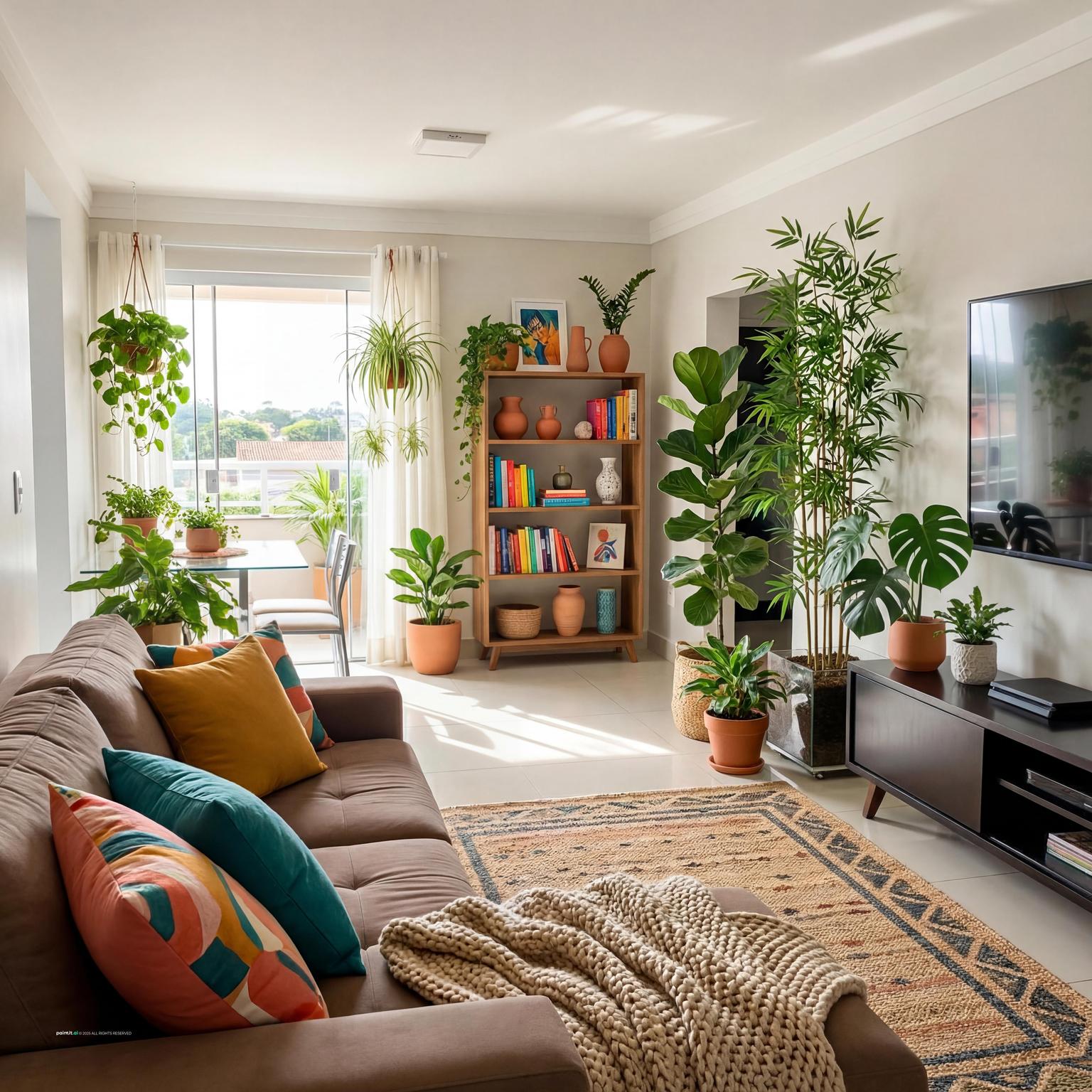
A small, self-contained tabletop fountain can work wonders, especially if placed near a window where light can catch the moving water. A minimalist aquarium with a few peaceful fish also brings a dynamic, living element. Ensure the sound is a soft murmur, not a distracting gush.
-
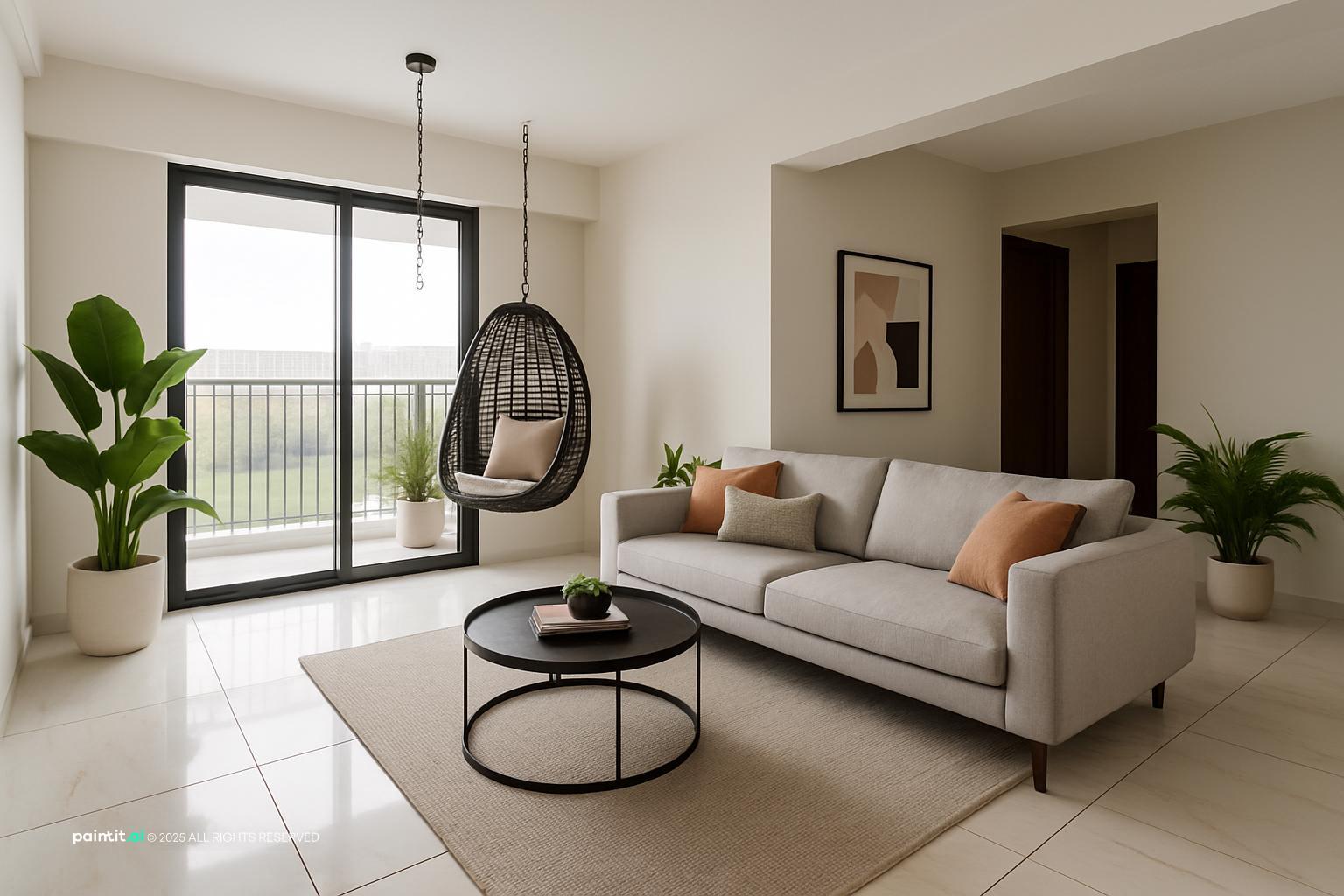
Pro Tip: To achieve this effect, try selecting a fountain with a low-flow pump for a gentle, consistent sound.
-
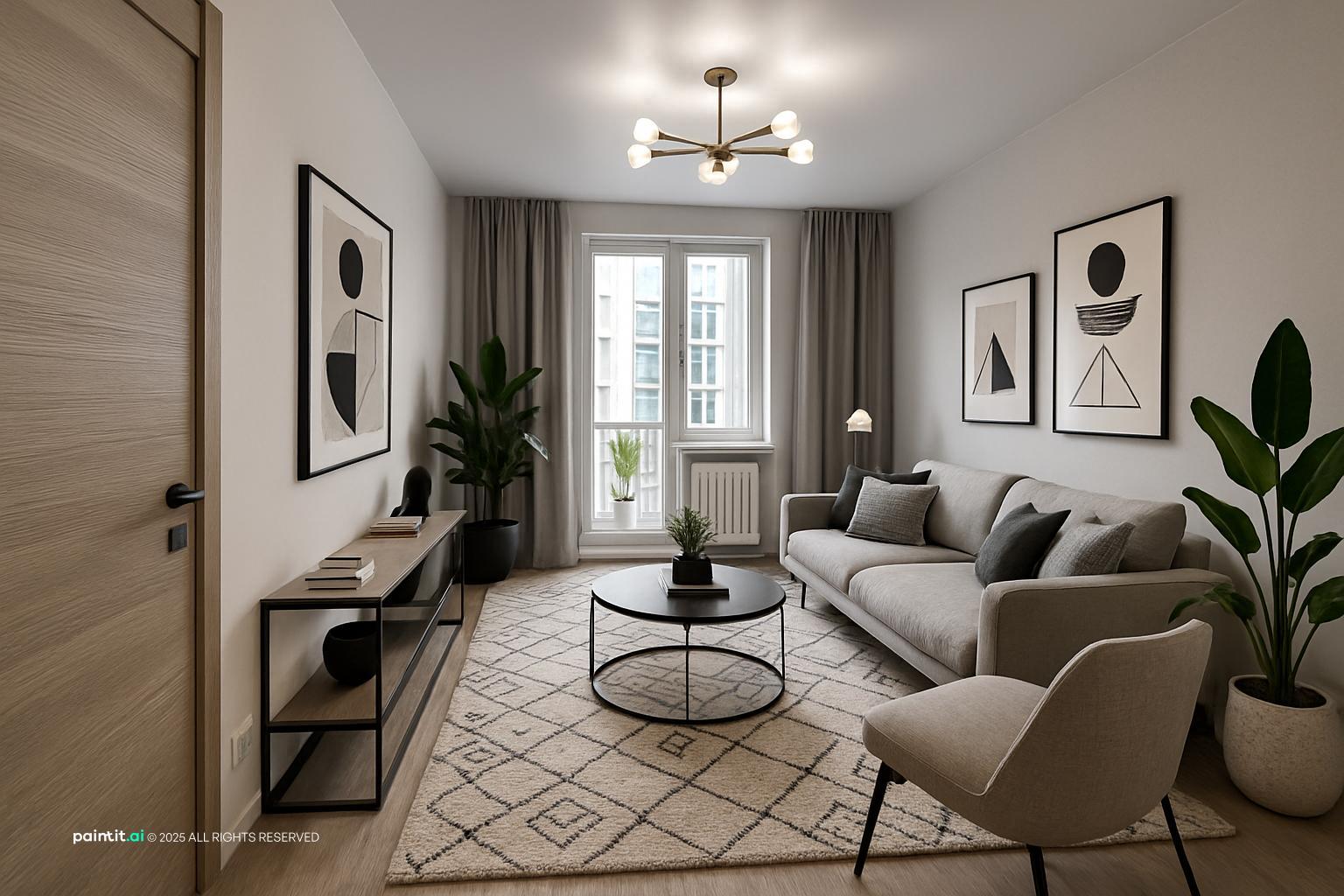
Nature rarely works in straight lines. Think about the organic curves of a river, the fractal patterns of a fern, or the irregular shapes of pebbles. Bringing these forms into your living room feels instinctively right. It reminds me of old-world Italian villas, where everything felt sculpted by hand.
-
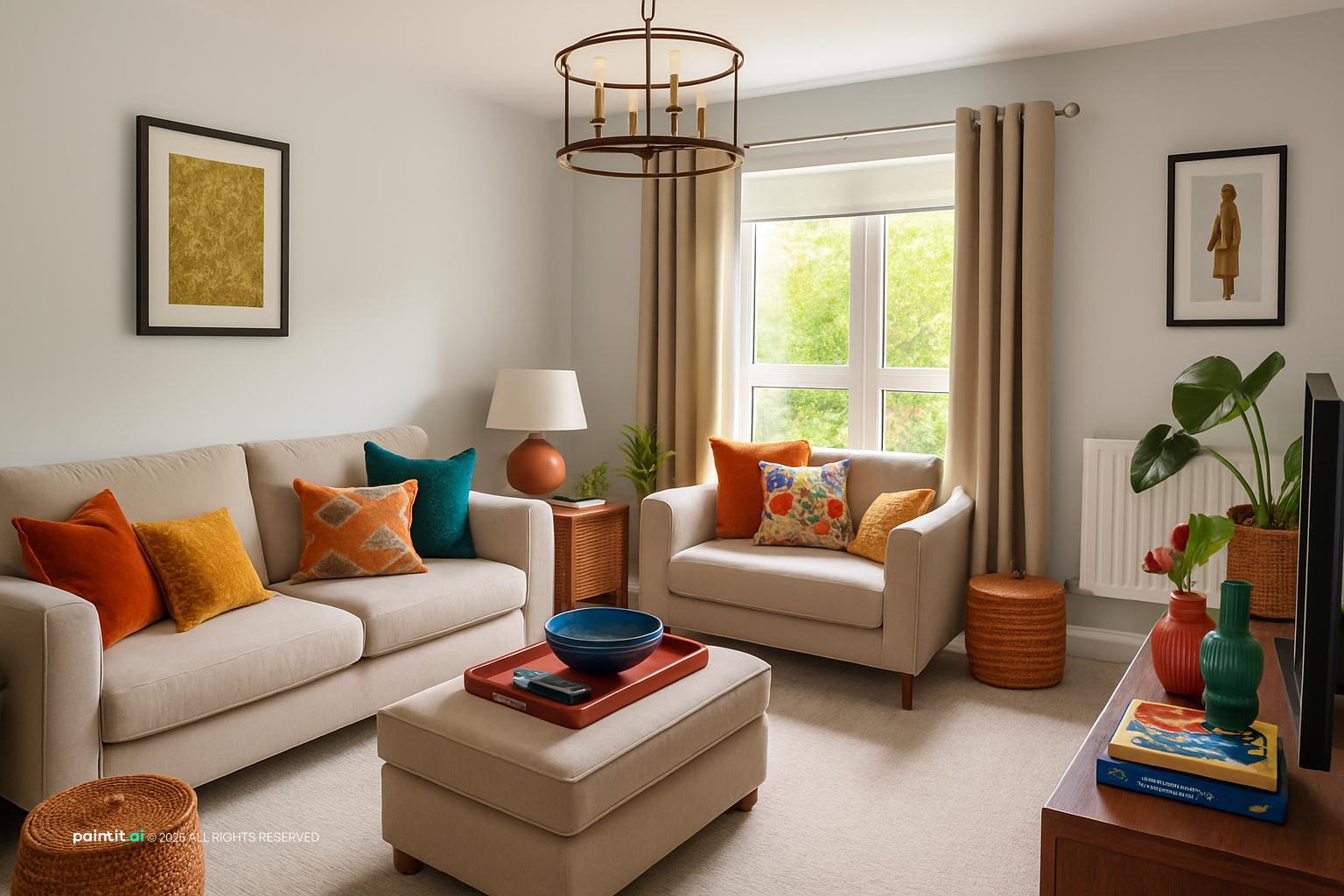
Look for furniture with soft, rounded edges—a Gubi Beetle chair, perhaps, or a sofa with gentle curves. Artwork can feature abstract botanical prints or patterns inspired by geological formations. Even a sculptural vase or a mirror with an irregular frame can make a huge impact.
-
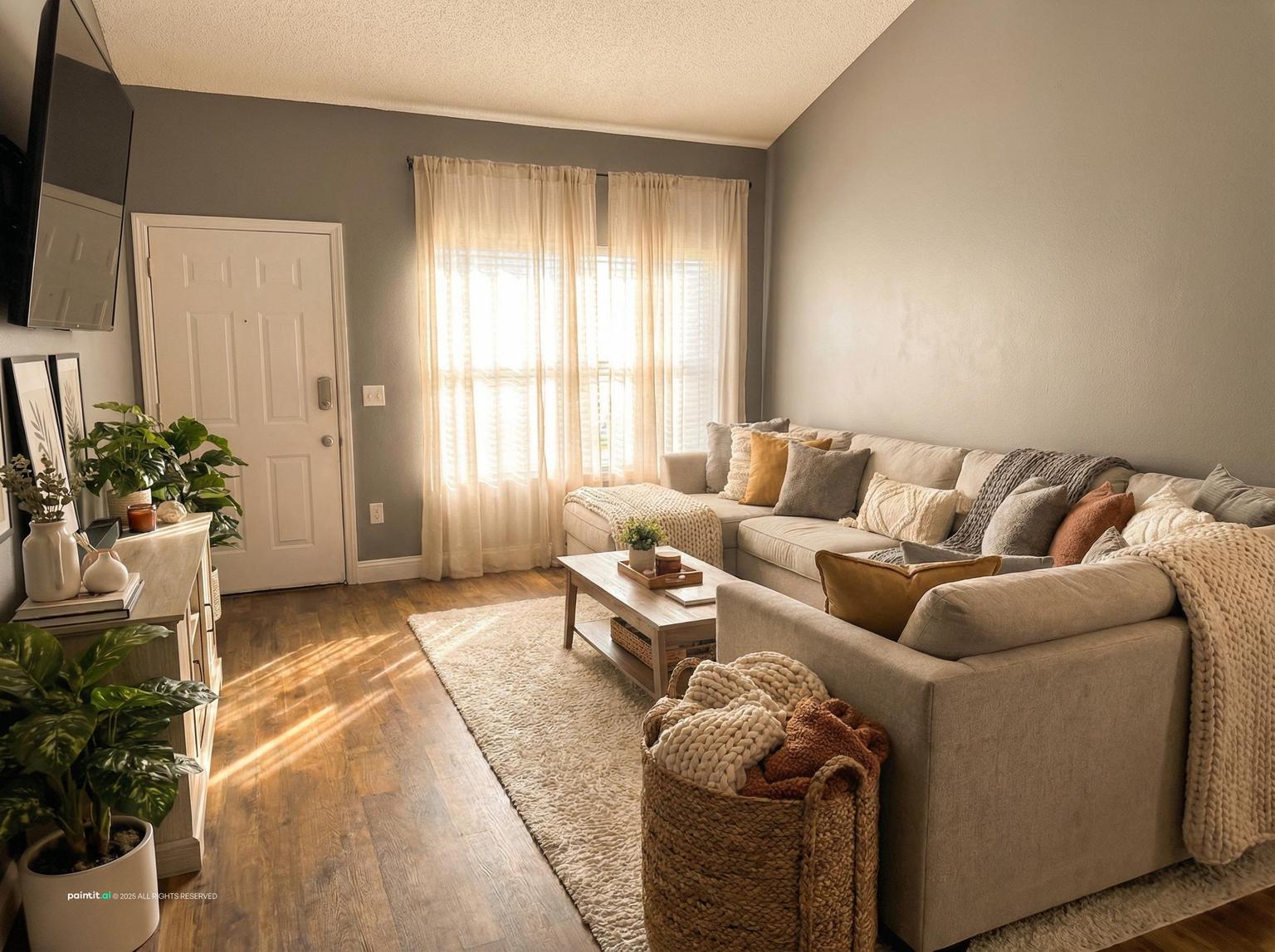
Pro Tip: To achieve this effect, try using a large, abstract rug with an organic, free-form shape.
-
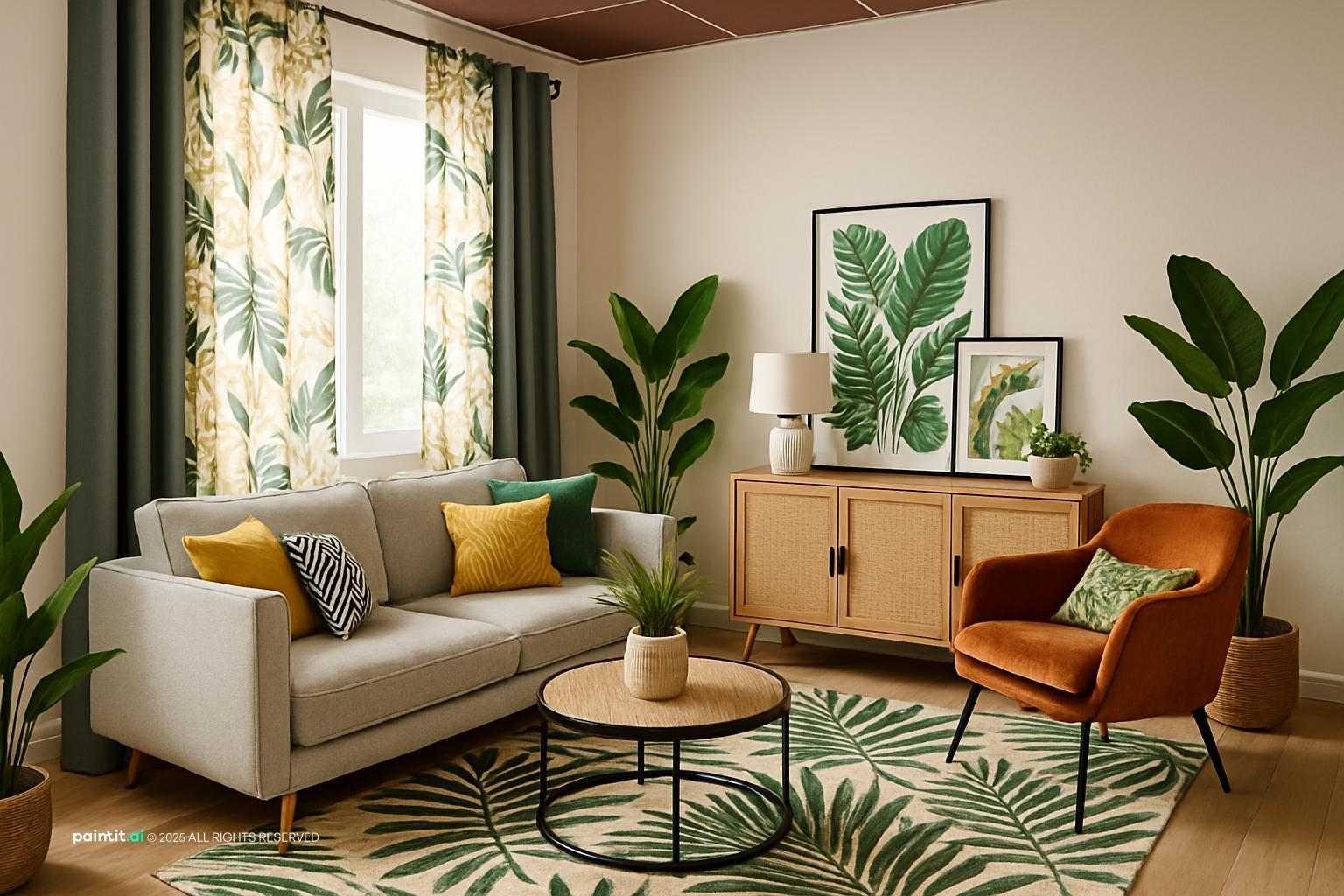
If you're lucky enough to have a beautiful outdoor view, make it the star. This is prospect and refuge in action—the ability to survey your surroundings from a safe, comfortable spot. It’s about preservation over imposition, really.
-
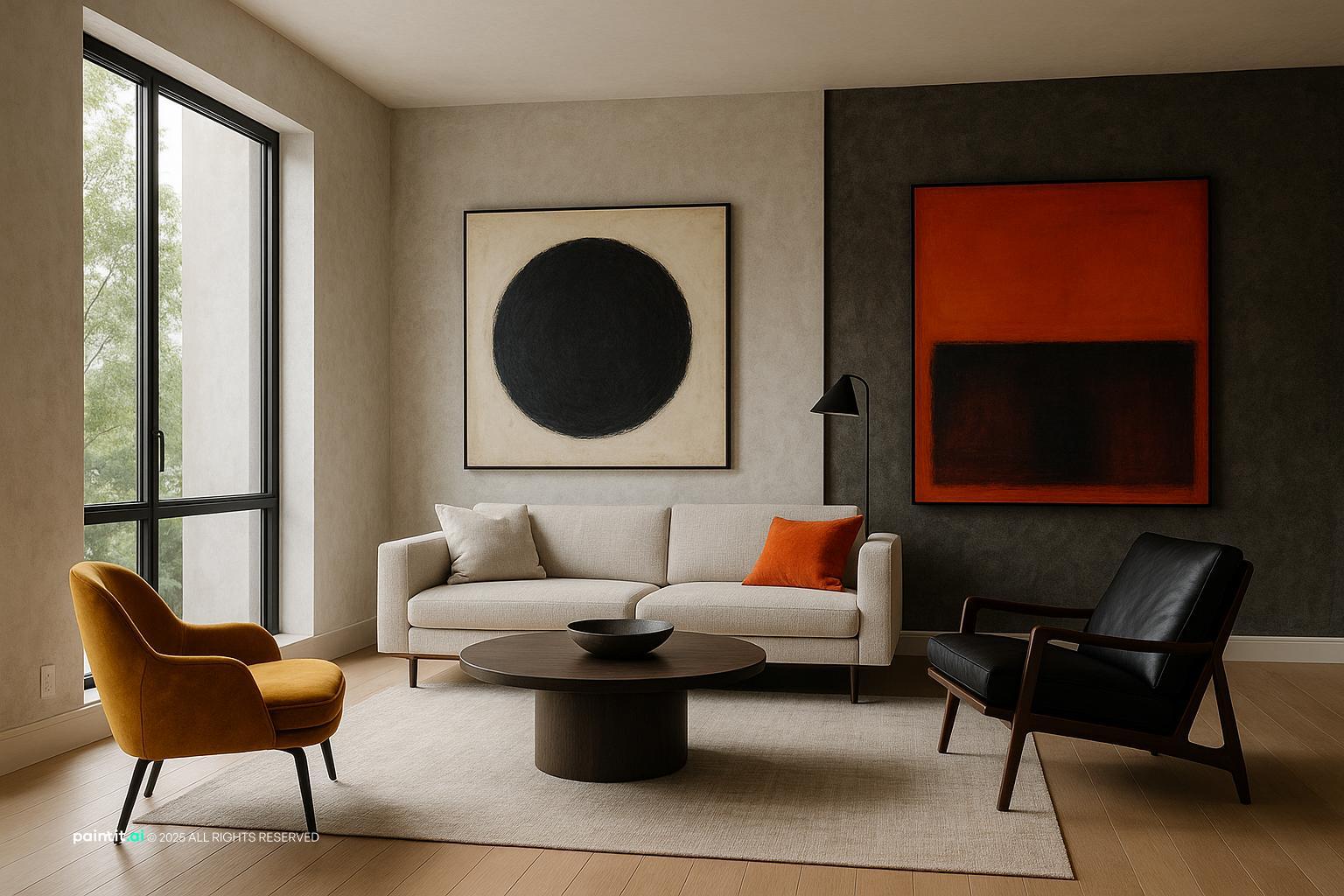
Arrange your furniture to face the most appealing window. Keep window treatments minimal to avoid obstructing the view. If your view isn't spectacular, consider creating a small, curated outdoor space just outside the window—a balcony garden, a bird feeder, or even a single, striking tree in a pot.
-
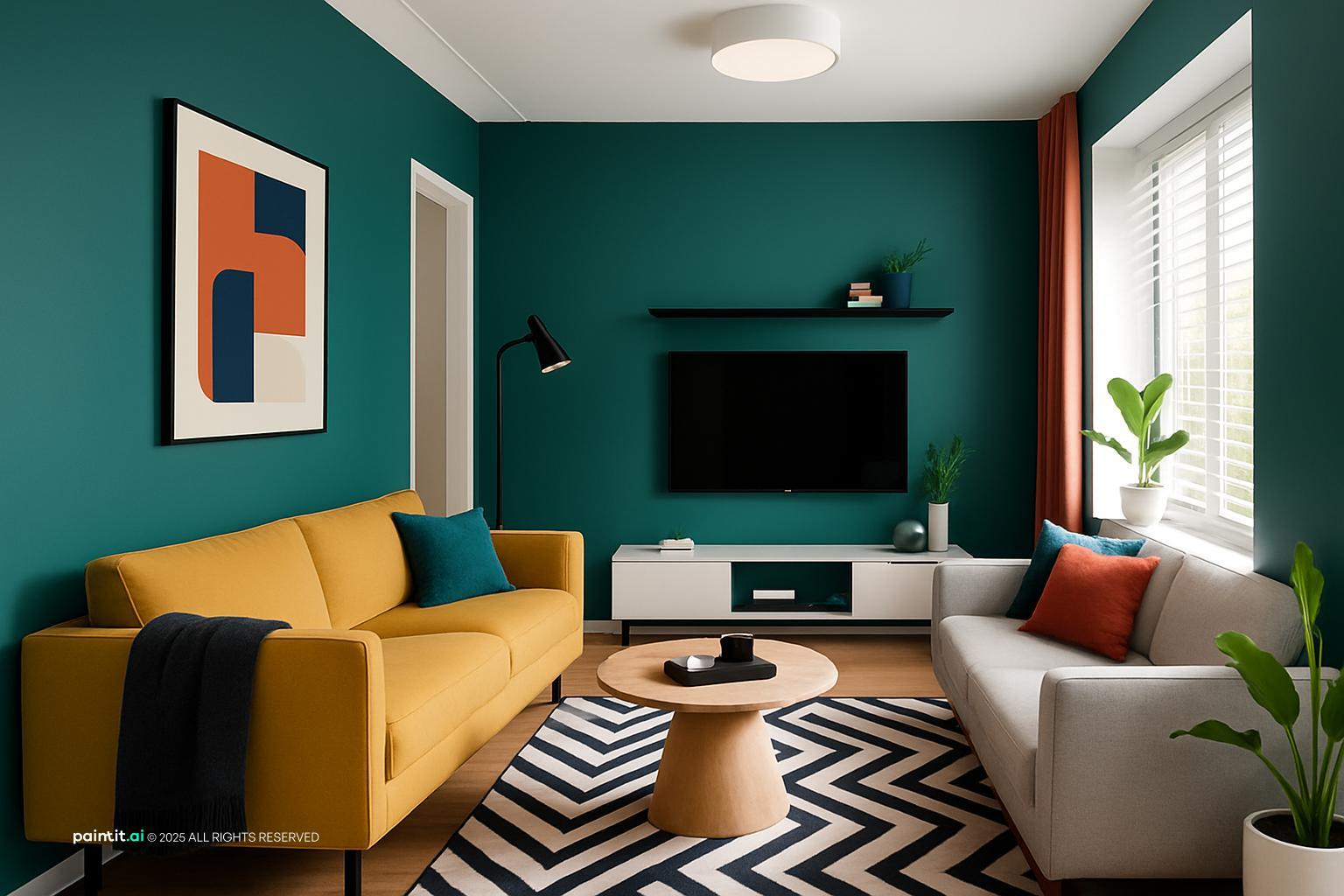
Pro Tip: To achieve this effect, try positioning your primary seating to directly overlook the most appealing outdoor element.
-
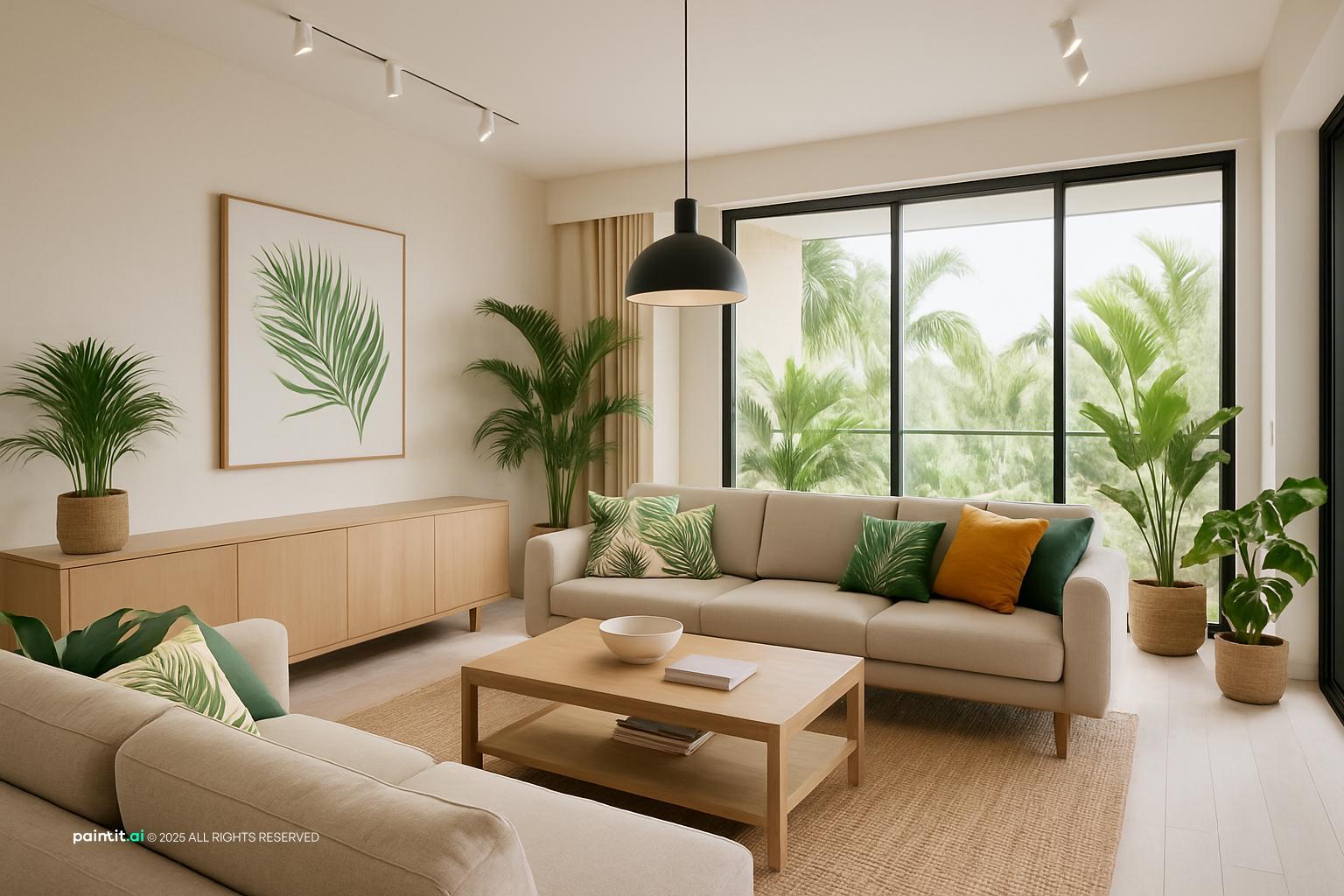
Draw your inspiration directly from the earth, the sky, the sea. These are colors that inherently calm us, colors we've evolved with. There’s a reason Farrow & Ball's "Pigeon" feels so comforting; it’s a direct echo of nature.
-
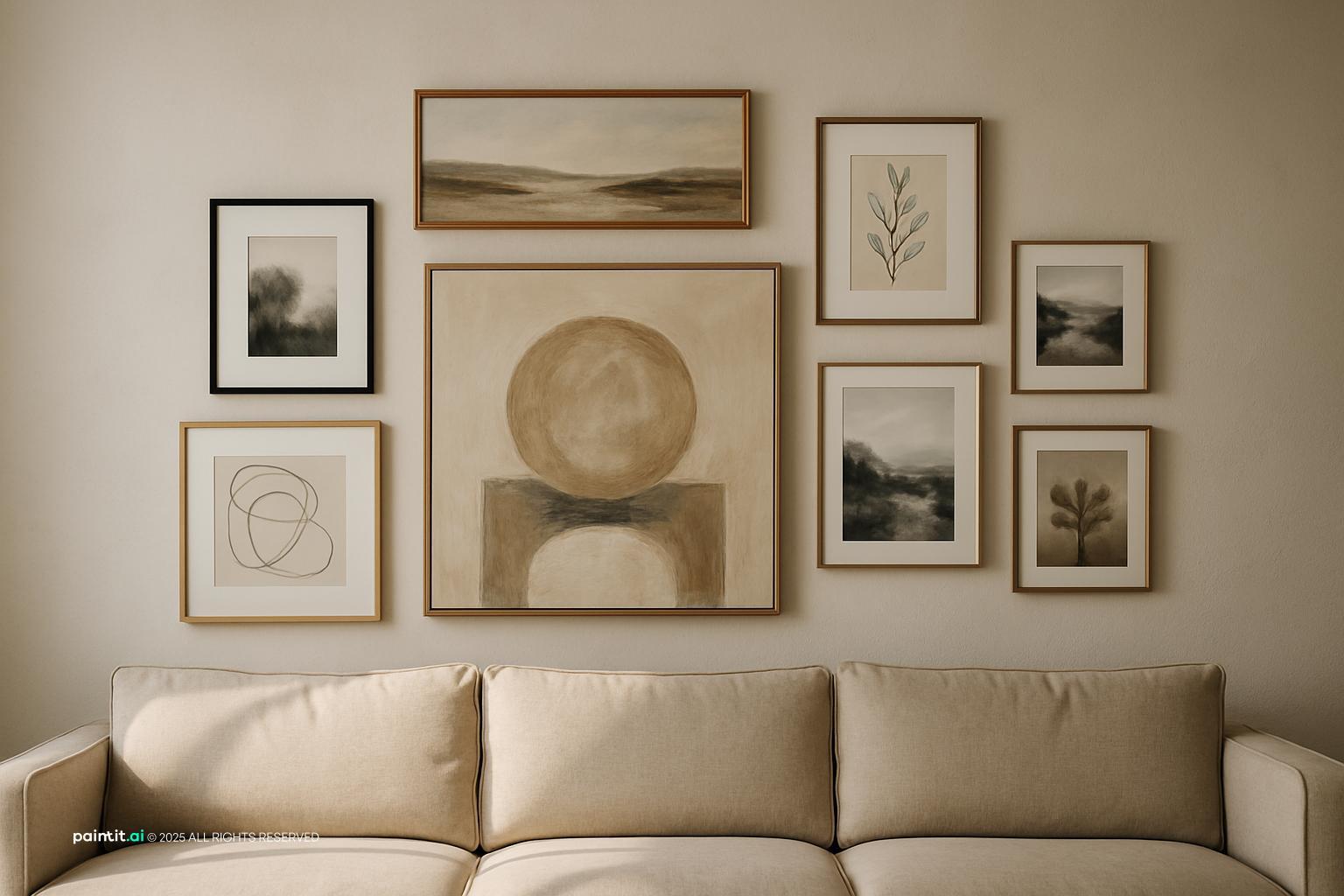
Think muted greens, soft blues, warm terracotta, sandy beiges, and creamy whites. Use these as your base, then add deeper tones like a rich moss green or a deep ocean blue as accents. Avoid overly saturated or artificial colors; the goal is serenity, not stimulation.
-
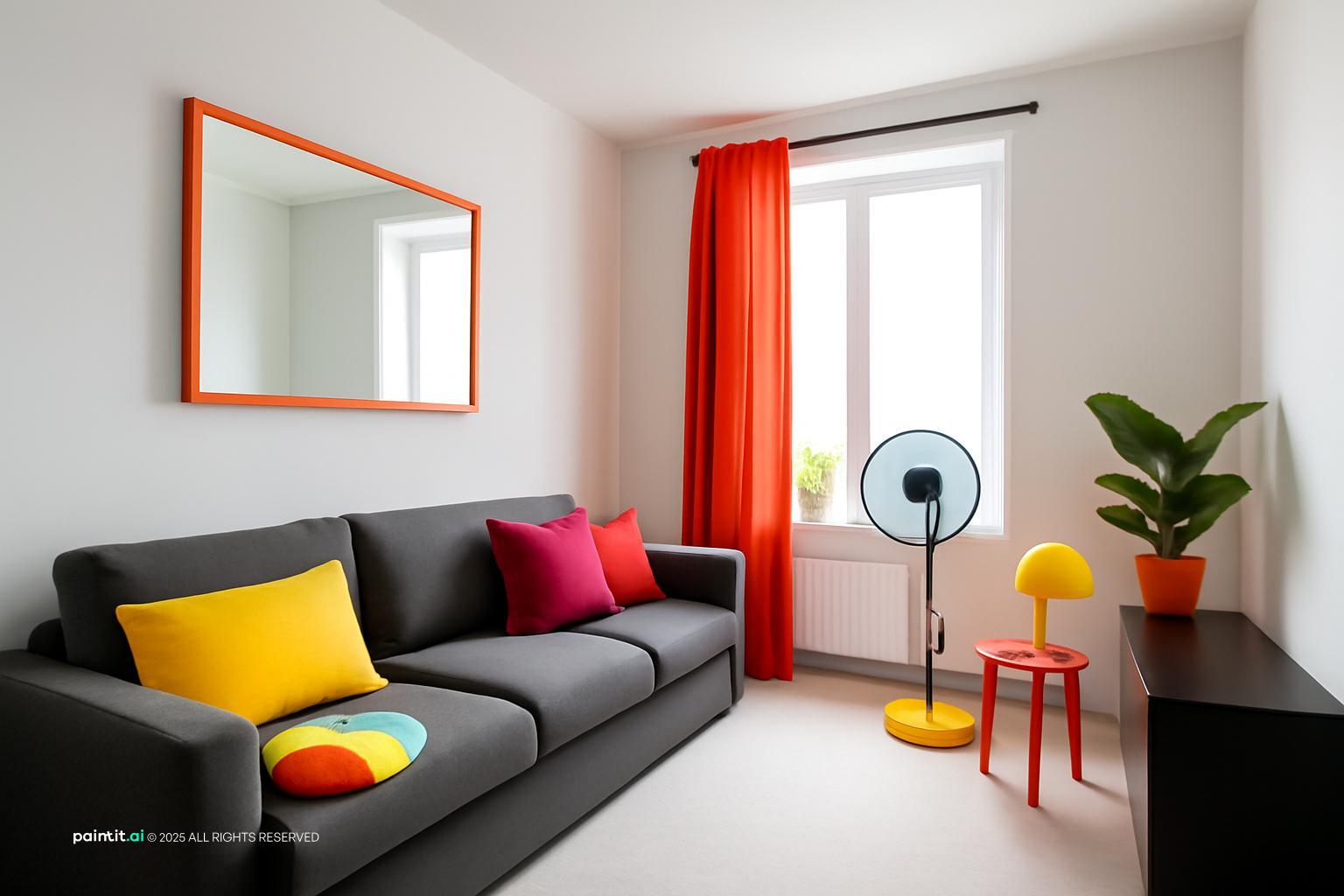
Pro Tip: To achieve this effect, try painting your walls in a soft, muted green or a warm off-white to create a tranquil backdrop.
-
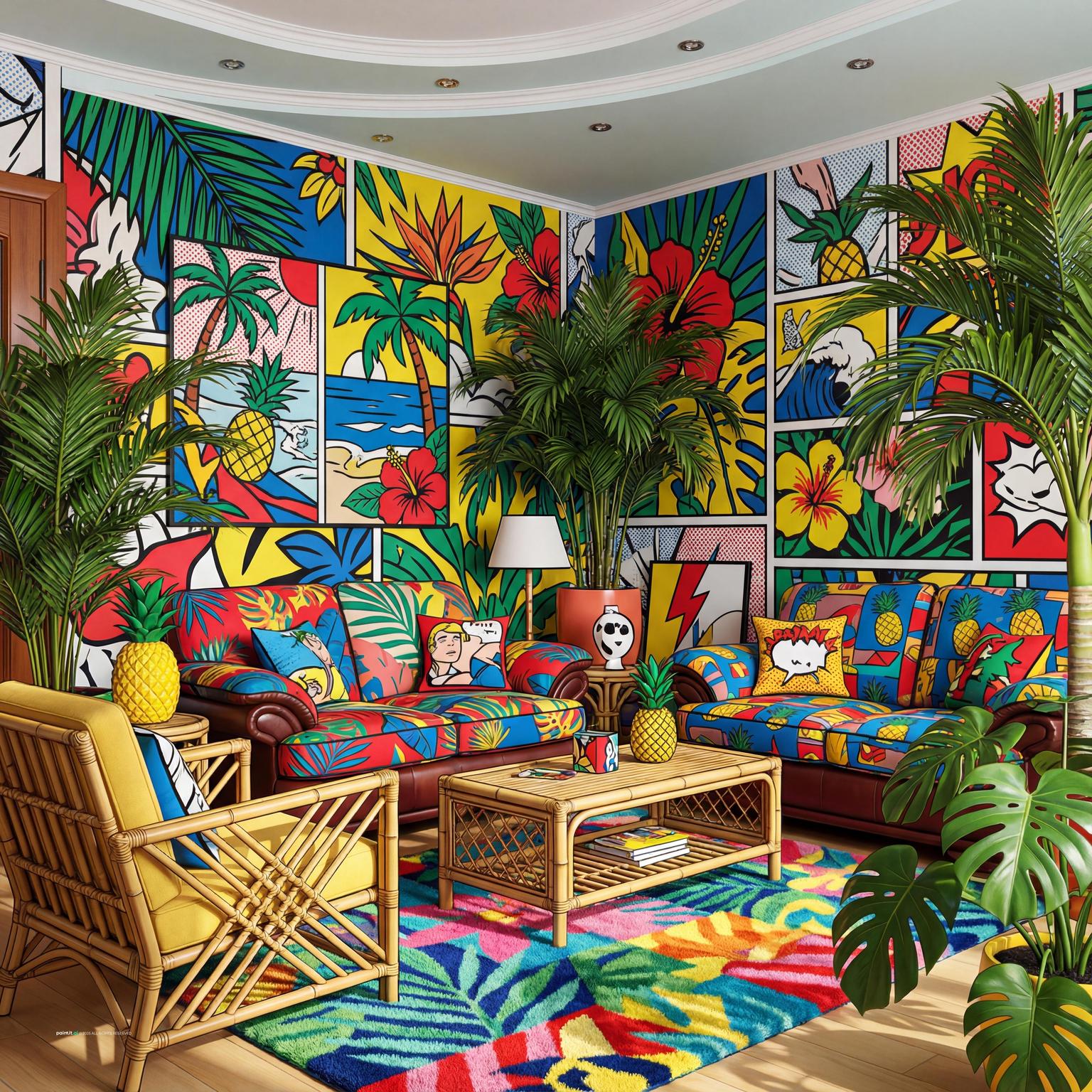
Our olfactory sense is powerfully linked to memory and emotion. The scent of pine, fresh rain, or damp earth can instantly transport us. It’s a subtle layer of design that often gets overlooked, but it’s incredibly impactful.
-
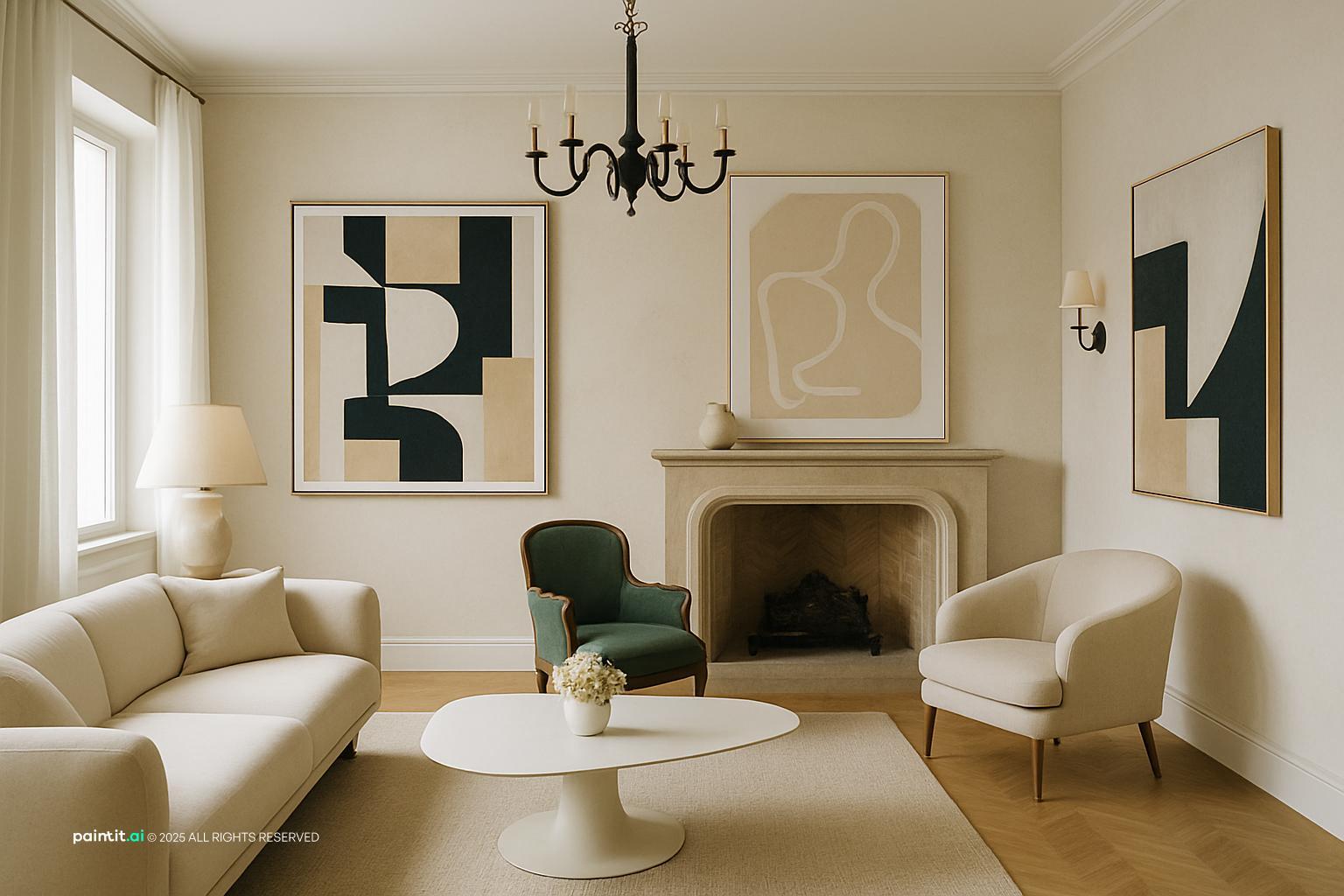
Use diffusers with natural essential oils like cedarwood, sandalwood, or a blend reminiscent of a forest. Bring in fresh flowers or branches of eucalyptus. Even a subtle beeswax candle can add a warm, natural aroma. Avoid artificial air fresheners; they often disrupt the natural harmony.
-
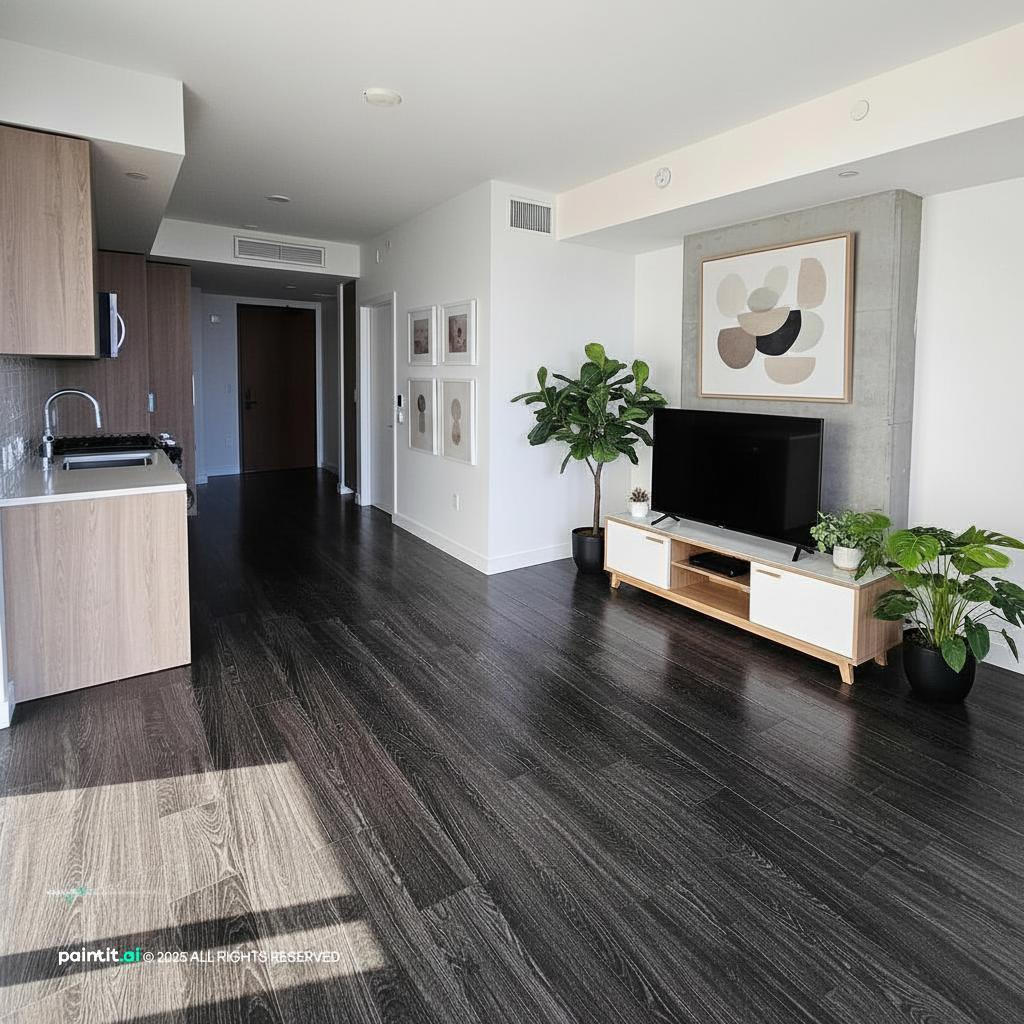
Pro Tip: To achieve this effect, try placing a small diffuser with a subtle, woody essential oil blend in a discreet corner.
-
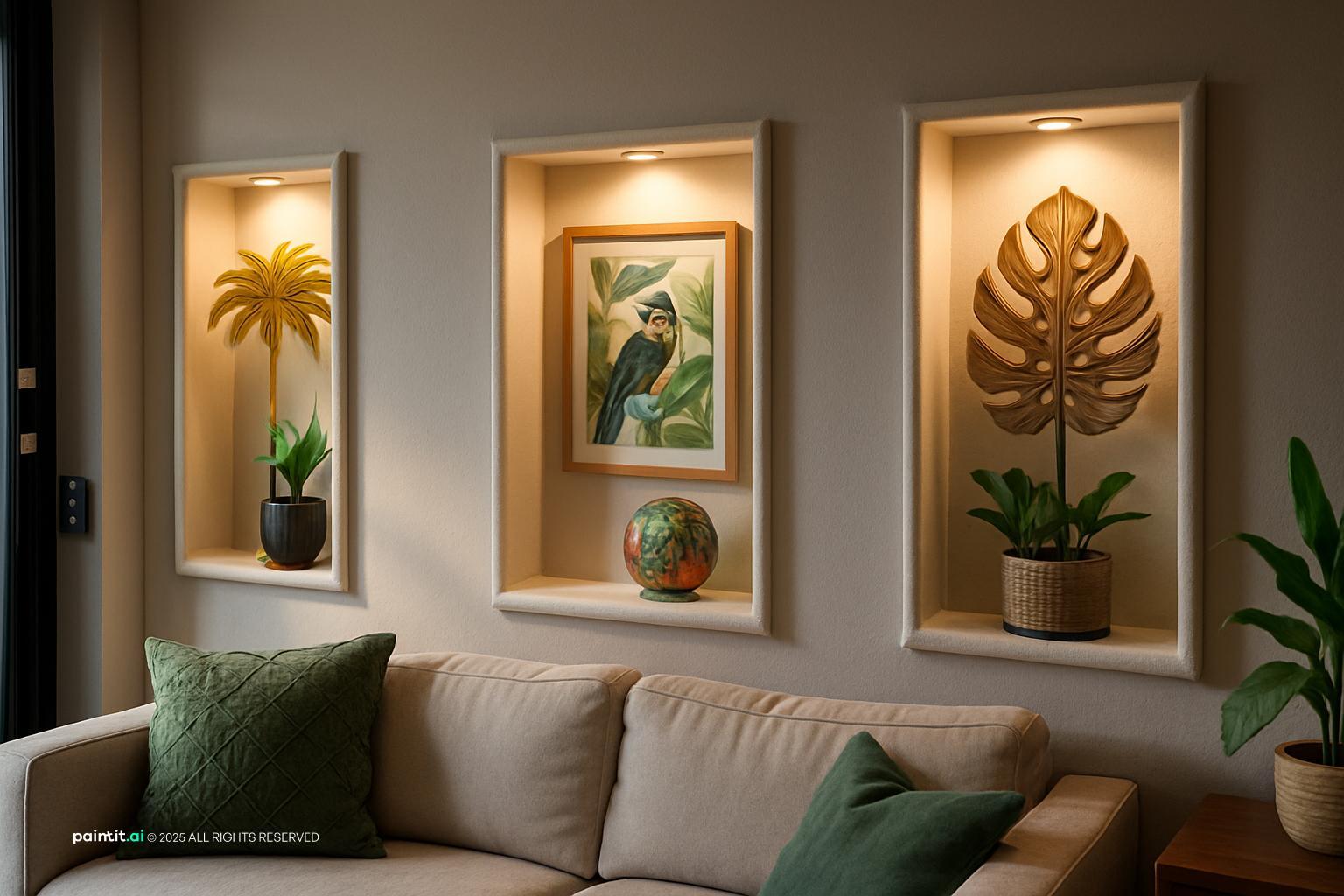
Even if you don't have a direct view of nature, you can bring its essence indoors through carefully chosen pieces. These visual cues can be just as powerful in fostering a connection. Here’s the kicker: it’s not about literal landscapes, necessarily.
-
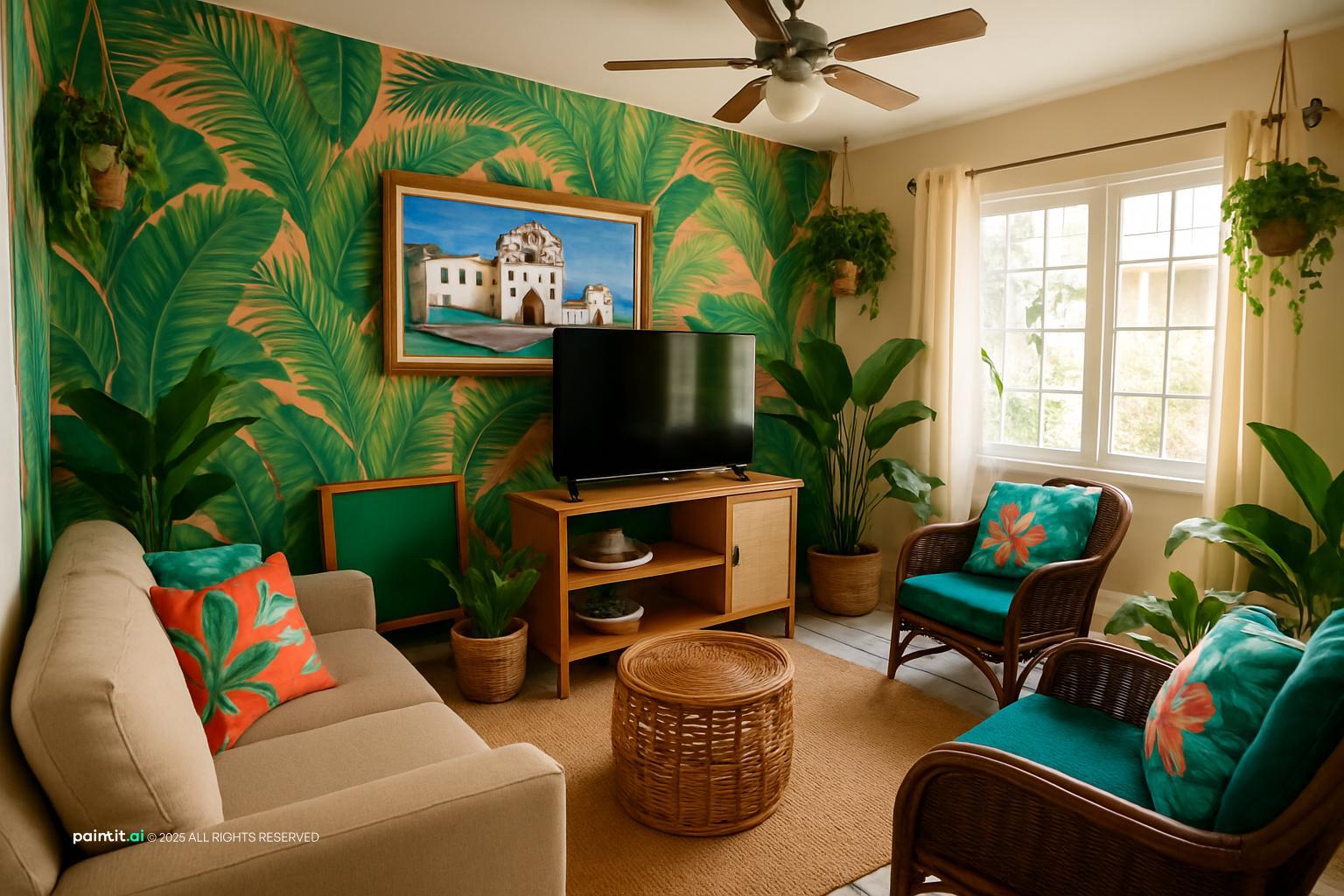
Look for abstract art that evokes natural forms or textures. Pressed botanical art, intricate illustrations of insects or birds, or sculptures made from driftwood or stone can all work beautifully. Avoid anything overly graphic or industrial; the aim is organic beauty.
-
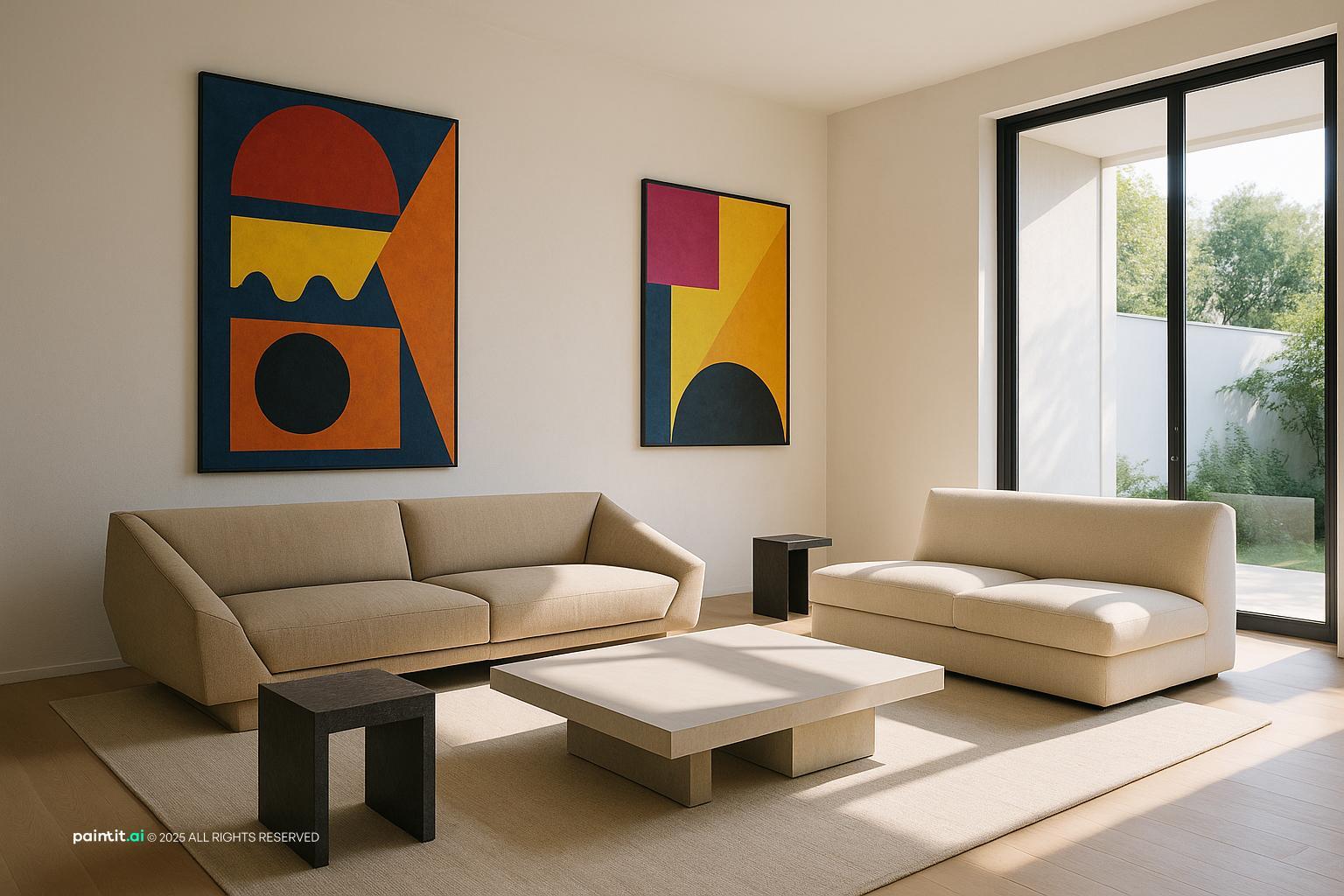
Pro Tip: To achieve this effect, try creating a gallery wall with framed botanical prints and nature-inspired photography.
-
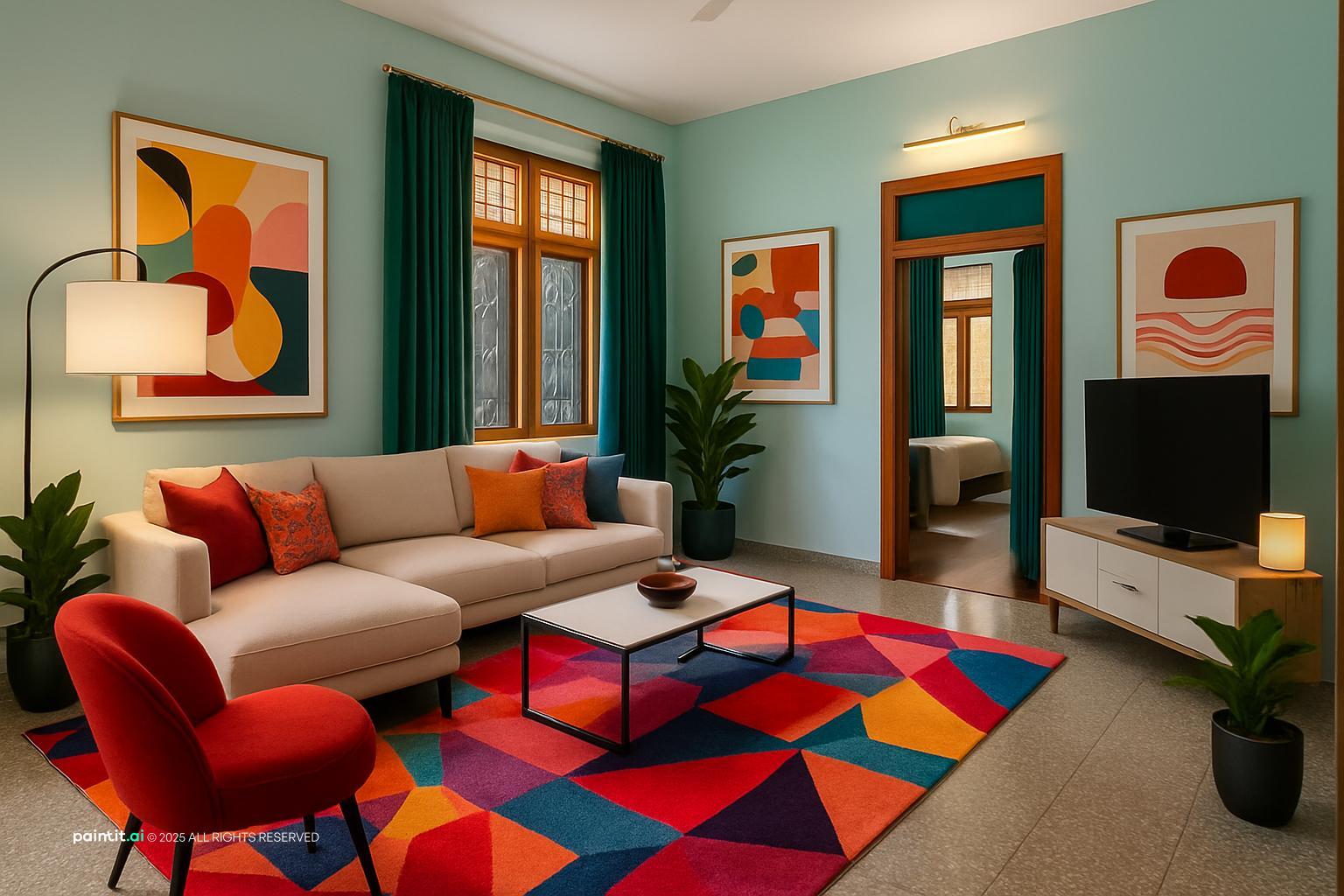
Our bodies are wired to the sun's cycle. Modern indoor lighting often disrupts this. Thoughtful lighting design can support our natural rhythms, making a room feel more aligned with the outside world. This is where AI visualization from Paintit.ai really shines, letting you test schemes.
-
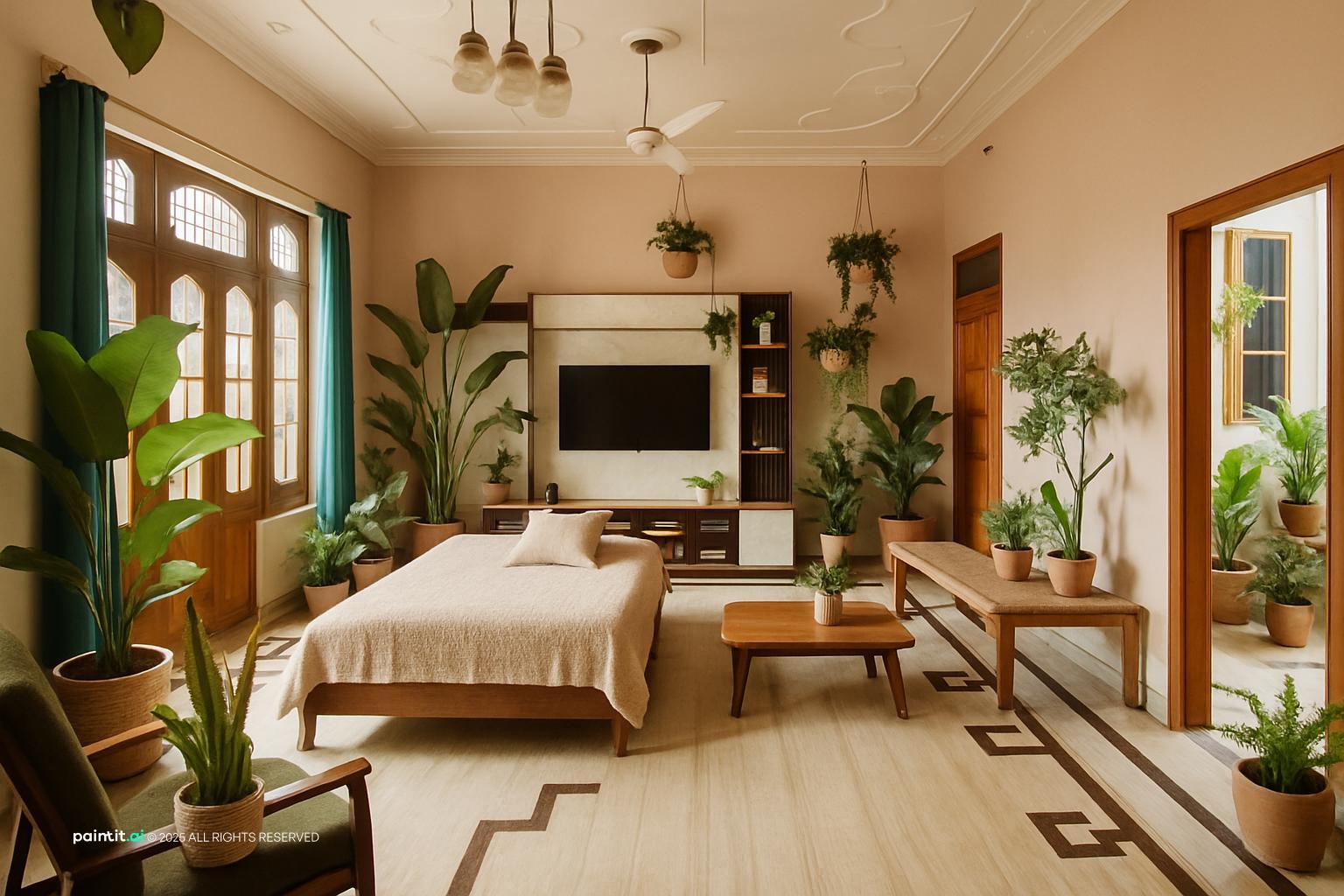
Use tunable white lighting that can shift from cool, energizing light in the morning to warm, soft light in the evening. Dimmers are essential. Layer your lighting with ambient, task, and accent lights, all with warm color temperatures (2700K-3000K) for evening hours. The result? Impeccable.
-
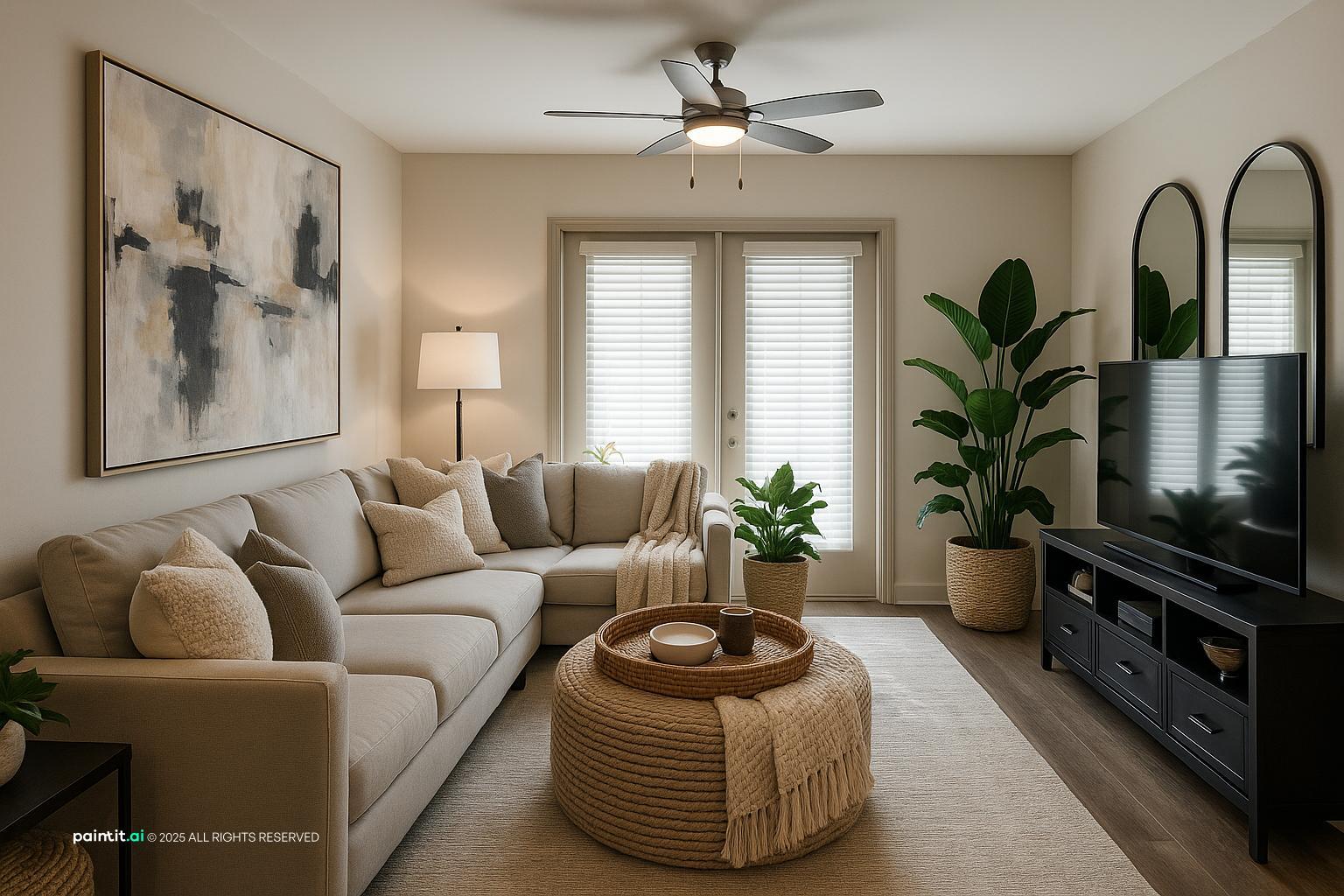
Pro Tip: To achieve this effect, try installing smart bulbs that automatically adjust their color temperature throughout the day.
-
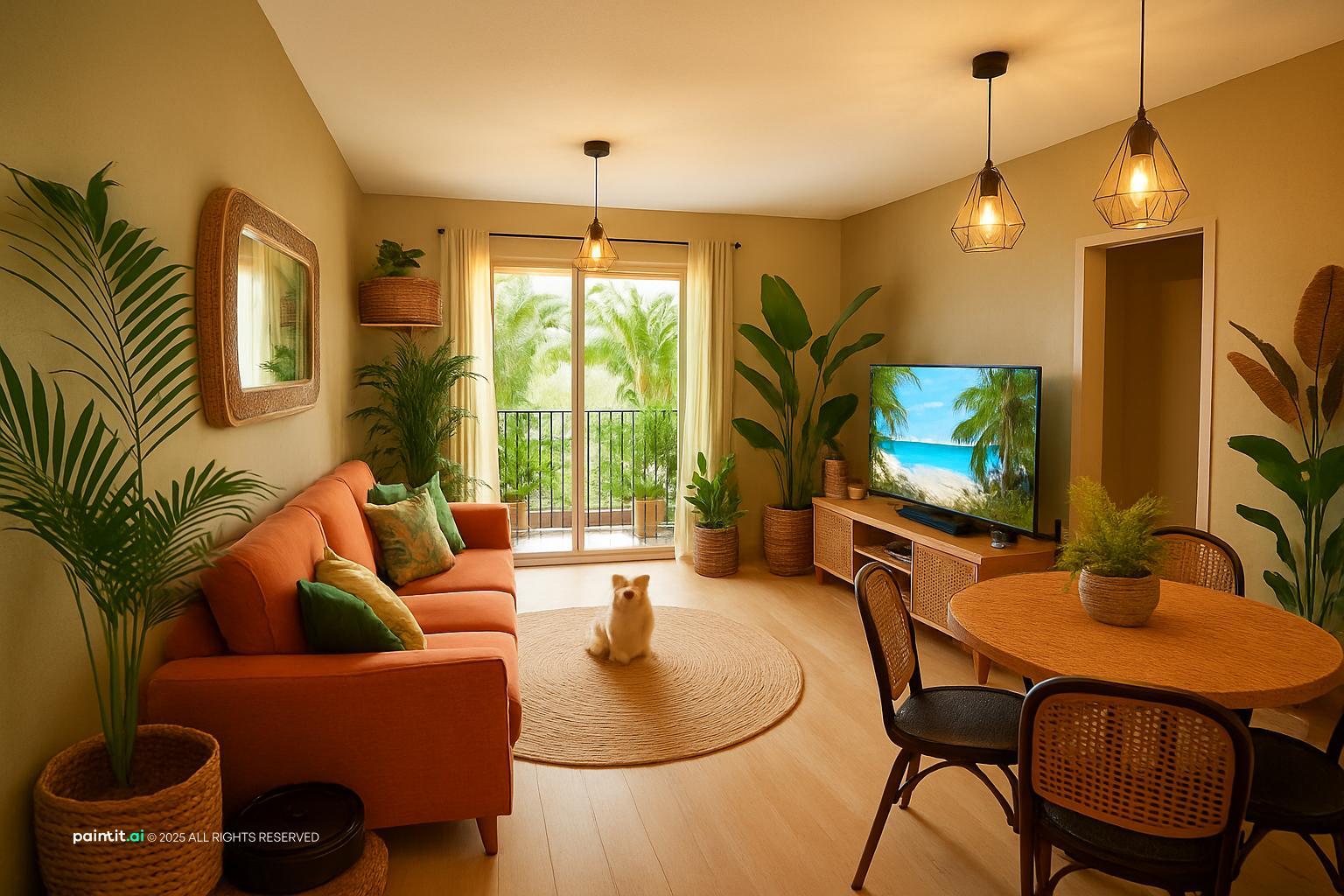
A sense of spaciousness and unobstructed movement mimics the freedom of being outdoors. It's about creating a visual and physical ease within the room. A cluttered space, conversely, feels restrictive, almost suffocating.
-
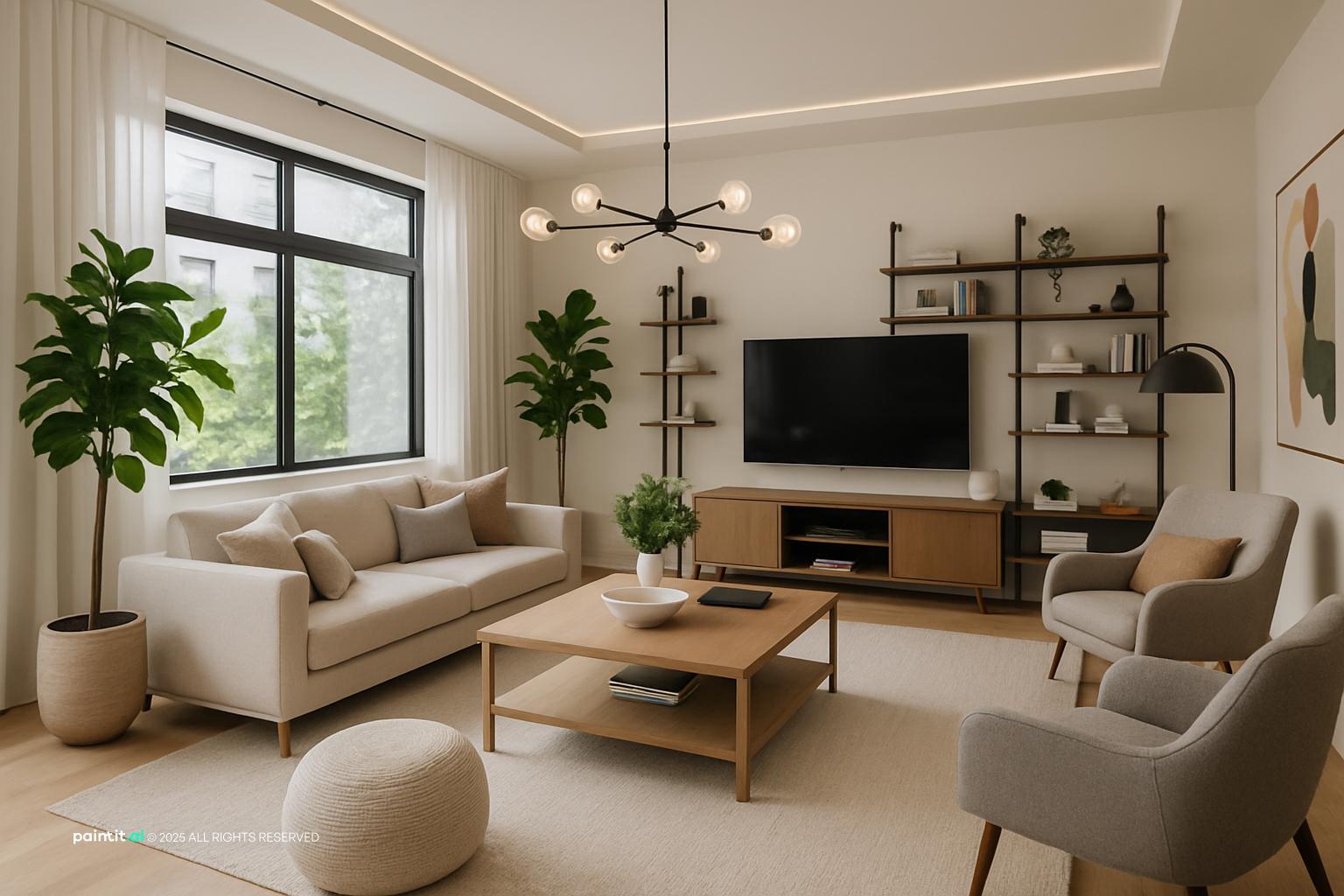
Opt for a more open-plan layout if possible, or at least ensure pathways are clear and furniture isn't blocking natural light or views. Low-profile furniture can enhance this feeling of openness. Think about how air circulates; good ventilation is key to a fresh, natural feel.
-
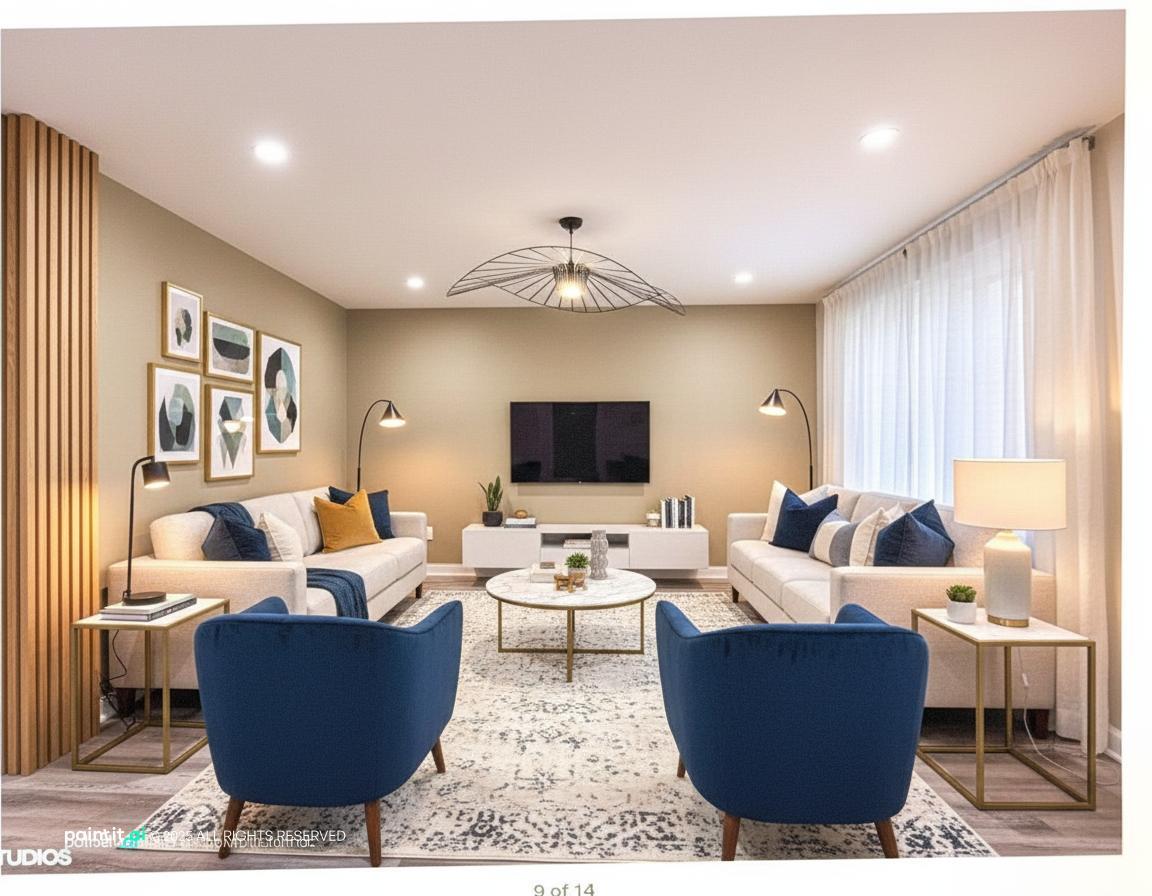
Pro Tip: To achieve this effect, try arranging furniture to create clear sightlines to windows and other natural elements.
-
A true connection to nature extends to how we source our belongings. Choosing items that are kind to the planet and its people aligns with the core principles of biophilia. It’s about conscious consumption, a quiet integrity.
-
Look for furniture made from sustainably harvested wood, recycled materials, or upcycled pieces. Prioritize natural fibers like organic cotton, linen, and wool that are GOTS-certified. Support local artisans who use traditional, eco-friendly methods. Sometimes, the marble stained instantly, but knowing it was locally sourced made it less of a struggle.
-
Pro Tip: To achieve this effect, try sourcing vintage or antique pieces to reduce your environmental footprint.
-
Beyond the gentle trickle of water, think about the broader auditory environment. Silence, or the soft hum of nature, is a luxury in our noisy world. It’s about creating a quiet refuge where you can truly unwind.
-
Consider acoustic panels made from felt or cork to absorb harsh echoes, especially in open-plan spaces. Thick wool rugs and heavy drapes also help dampen sound. If outdoor noise is an issue, a subtle white noise machine playing nature sounds—like distant waves or soft rain—can be incredibly effective.
-
Pro Tip: To achieve this effect, try adding a plush, high-pile rug to absorb ambient noise and enhance acoustic comfort.
-
This is about grounding your biophilic living room in its specific place. It fosters a deeper sense of belonging and appreciation for your immediate environment. It’s a subtle nod to the genius loci, the spirit of the place.
-
Use plants native to your region, if suitable for indoor conditions. Incorporate materials like local stone or wood. Display art or crafts from local artisans that reflect the natural landscape or cultural heritage of your area. This creates a unique narrative for your space, a story only your home can tell.
-
Pro Tip: To achieve this effect, try commissioning a piece of art from a local artist inspired by your region's natural beauty.
Crafting a Biophilic Living Room: A Deep Dive into Natural Harmony to Life with Paintit.ai
-
We lean into nature's own muted masterpieces. Imagine a base of warm, creamy off-white or a soft, sandy beige, like sun-bleached dunes. Introduce secondary tones of sage green or a dusty blue, reminiscent of a calm sky. Then, a touch of deep moss or a rich terracotta can act as a grounding accent, bringing the warmth of earth into your biophilic living room.
-
Our hands crave authenticity, don't they? We find ourselves drawn to the raw honesty of materials. Think about a reclaimed oak coffee table, its grain telling a story, or the cool, smooth feel of honed river stone in a decorative bowl. Layer in textiles like a chunky, undyed wool rug and slubby linen upholstery; they invite touch, creating a profound sense of grounded comfort in your biophilic design living room.
-
For a truly biophilic living room design, we seek pieces that feel sculpted by nature itself. A low-slung sofa with gentle, organic curves becomes an inviting refuge. Pair it with a substantial, solid wood coffee table, perhaps one with a live edge, anchoring the space. A sculptural, rattan lounge chair adds another layer of natural texture and an unexpected, yet harmonious, silhouette.
-
The perfect biophilic living room breathes with the day's rhythm. We start with soft, ambient light from dimmable ceiling fixtures, mimicking the broad glow of the sky. Then, task lighting, like a reading lamp with a natural linen shade, provides focused warmth. Accent lighting, perhaps a small spotlight on a beloved plant or a piece of nature-inspired art, creates depth and highlights the organic beauty within your biophilic living room.
-
This is where the magic happens, the subtle details that truly connect us. We often use the 3-5-7 rule for a natural, effortless look. For instance, group three varied potted plants on a side table—a tall snake plant, a trailing pothos, and a small fern. On a larger surface, like a console, arrange five items: a sculptural ceramic vase, a stack of nature-themed books, a smooth river stone, a small wooden box, and a single, dried botanical specimen. This creates visual interest without feeling cluttered. For art, consider a gallery wall with seven pieces: a mix of botanical prints, abstract landscapes, and perhaps a framed pressed leaf. These thoughtful arrangements, combined with found objects like driftwood or interesting pebbles, bring the outdoors in, making your biophilic living room design feel genuinely alive and deeply personal.
Paintit.ai: Visualize Your Biophilic Living Room, Flawlessly. Design Ideas
Harmonizing a biophilic living room—integrating varied greenery, organic textures, and natural light—can feel overwhelming, risking disjointed results. With Paintit.ai, you instantly visualize countless design iterations, ensuring every element works together beautifully. See your perfect, cohesive biophilic space before any commitment; try it and design with confidence.
FAQ
-
At its heart, a biophilic living room is a space designed to reconnect us with nature. It’s not just about throwing a few plants in a corner; it’s a thoughtful integration of natural elements, patterns, and processes into our indoor environments. Think about how you feel when you step into an old-growth forest or sit by a calm lake—that sense of peace, clarity, and rejuvenation. That’s the feeling we aim to bring indoors. A true biophilic living room design isn't just aesthetic; it's about creating a tangible sense of well-being, reducing stress, and boosting creativity. It’s about making your home feel like a natural extension of the world outside, not a stark separation from it.
-
The trick isn't to overdo it. Start small, but be intentional. I’ve seen this work best by focusing on three key areas: views, materials, and light. First, maximize natural light and, if possible, frame views of greenery outside. If you don't have a great view, consider a living wall or a strategically placed large-leafed plant like a Fiddle Leaf Fig or a Monstera Deliciosa. For materials, swap out synthetic fabrics for linen, wool, or cotton. Introduce natural wood tones—maybe a live-edge coffee table or a set of reclaimed oak shelves. The truth is, many people forget about sound and scent; a small water feature can add a calming trickle, and essential oils diffused with scents like cedarwood or pine can subtly enhance the biophilic living room experience. It sounds simple, but most people forget the power of subtle sensory cues.
-
Oh, this is where the fun begins! Forget anything too polished or artificial. We’re talking about materials that tell a story. Think about a rough-hewn stone fireplace, or perhaps a wall clad in cork panels for both texture and acoustic dampening. Reclaimed terra-cotta tiles underfoot can bring an earthy warmth, reminiscent of old-world Italian villas. For textiles, consider chunky knit throws made from undyed wool, or cushions in organic cotton with subtle, irregular patterns. I’m a big fan of brushed brass in an aged finish for hardware or light fixtures; it offers a metallic gleam but still feels grounded, not sterile. And don't shy away from incorporating elements like river stones in a decorative bowl or a sculptural piece of driftwood. It’s about preservation over imposition, really.
-
Absolutely, and this is a common misconception. A biophilic living room doesn't have to be rustic or bohemian. In fact, some of the most stunning biophilic design living room spaces I’ve encountered are incredibly modern and minimalist. The key is restraint and quality. Instead of many small plants, opt for one or two large, architectural plants that make a statement. Choose furniture with clean lines crafted from natural materials like solid walnut or light ash. A minimalist palette of muted greens, soft grays, and warm whites can create a serene backdrop, allowing the natural textures and forms to truly shine. It’s about simplifying the visual noise to let nature’s inherent beauty take center stage. The result? Impeccable. It’s about creating a sense of calm, not clutter.
-
Here’s the kicker: it’s the connection to the sky and the passage of time. Most people focus on horizontal elements—plants, furniture, floor. But the vertical dimension, especially the ceiling and how light interacts with it, is crucial. Think about how light filters through a canopy of trees. In a biophilic living room, this translates to thoughtful window treatments that allow dappled light, or even a skylight if your space allows. If not, consider lighting fixtures that mimic natural light cycles, gradually shifting in warmth and intensity throughout the day. It’s about creating dynamic light and shadow play, not just static illumination. This subtle, ever-changing quality is what truly brings a space to life, making it feel alive and responsive, just like nature itself. It’s a nuanced detail, but it makes all the difference.