
Designing Your Dream - Beach House Living Room
Imagine the gentle hum of the ocean just beyond your windows, a soft breeze carrying the scent of salt and sunshine. Crafting that perfect beach house living room isn't just about decor; it's about capturing a feeling, a relaxed elegance that invites bare feet and long conversations. How do you translate that serene coastal dream into a space that truly feels like home?
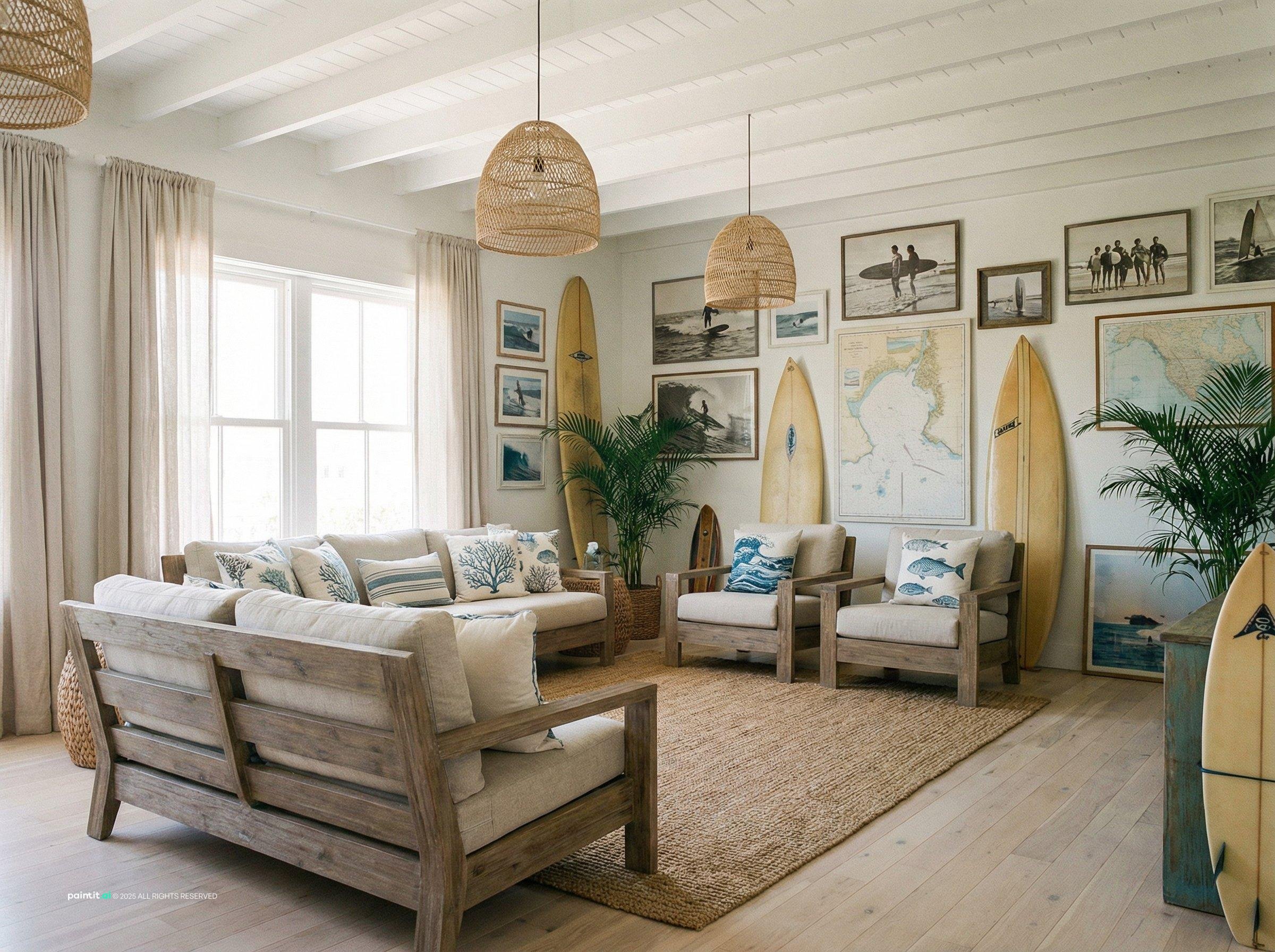
Essential Tips for Crafting Your Dream Beach House Living Room
Stunning Examples of 13 Thoughtful Ideas for Your Beach House Living Room
-
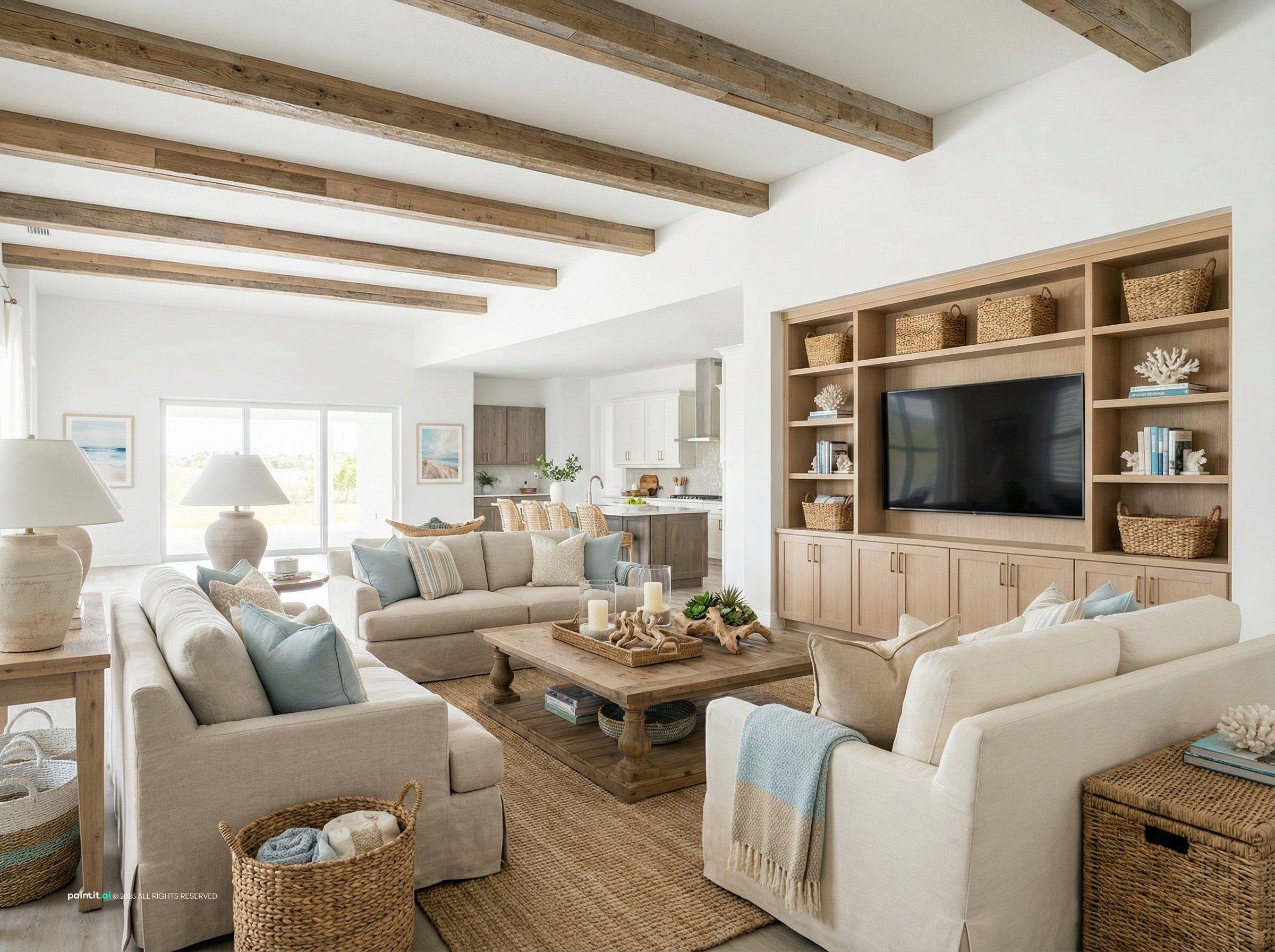
Curating a coastal living space that feels both effortlessly chic and genuinely lived-in? It's a delicate balance. We've pulled together these ideas, focusing on how to blend serene aesthetics with real-world functionality, ensuring your seaside lounge is a true sanctuary, not just a pretty picture.
-
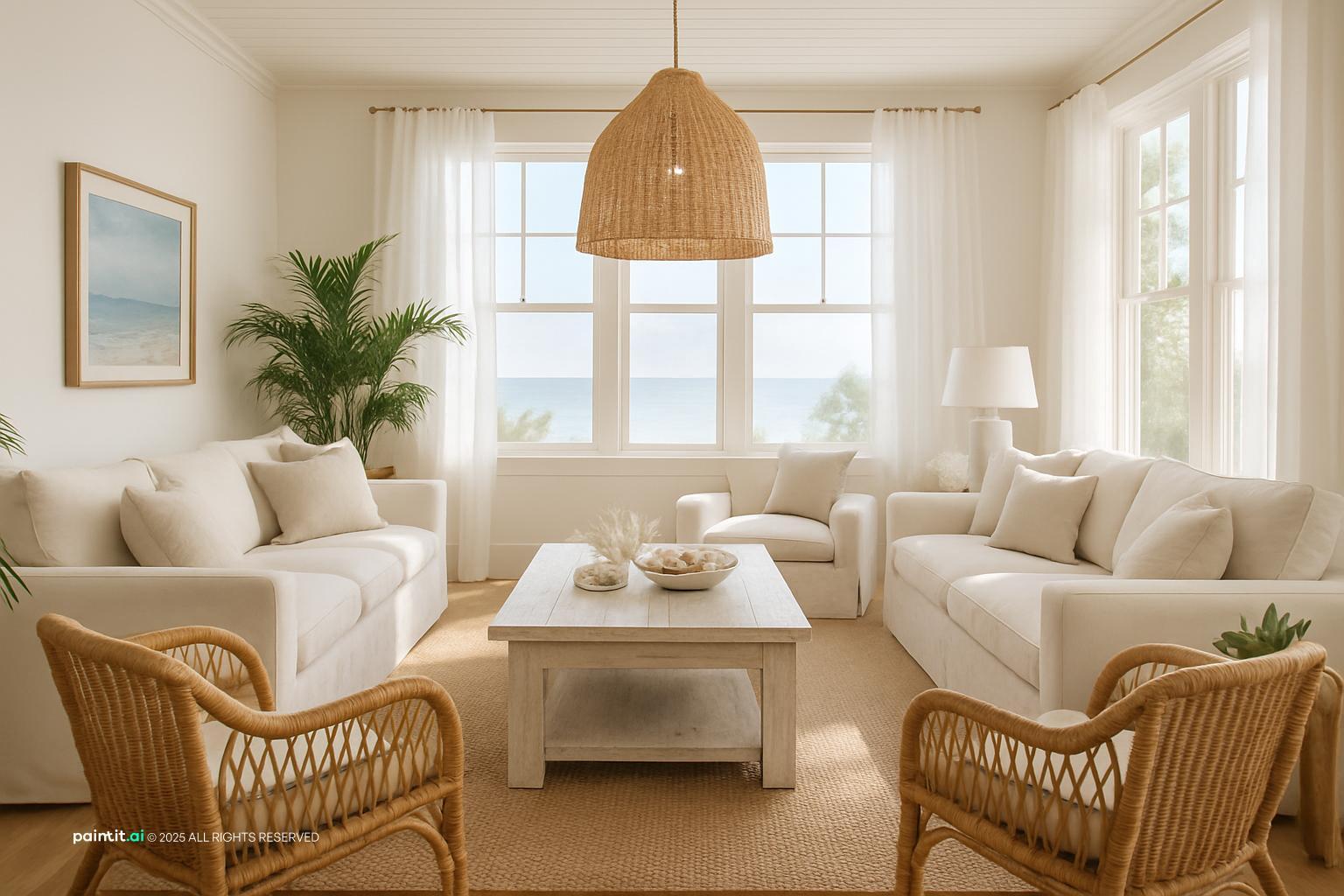
The essence of a great beach house living room often lies in its ability to breathe. An open-concept layout isn't just about square footage; it's about fostering an uninterrupted connection between your interior and the expansive views outside. I've seen this work best when the main living area flows seamlessly into the dining space, perhaps even onto a deck or patio. It makes the whole home feel lighter, more expansive.
-
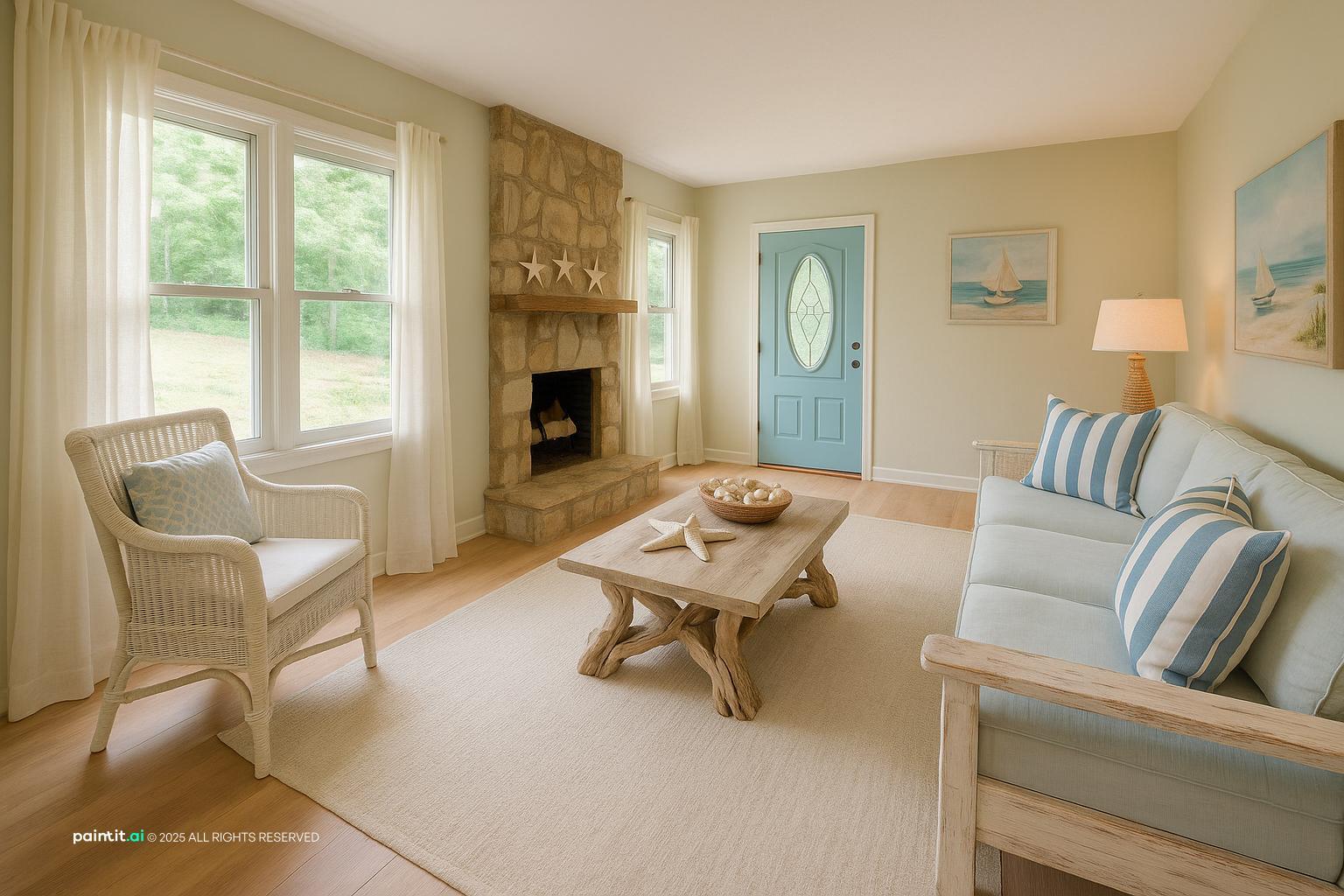
To achieve this, consider removing non-load-bearing walls or using consistent flooring throughout. Think large sliding glass doors that disappear into pockets, blurring the line between inside and out. Furnishings should be low-profile, not obstructing sightlines. Imagine a large sectional sofa facing the ocean, inviting everyone to gather.
-
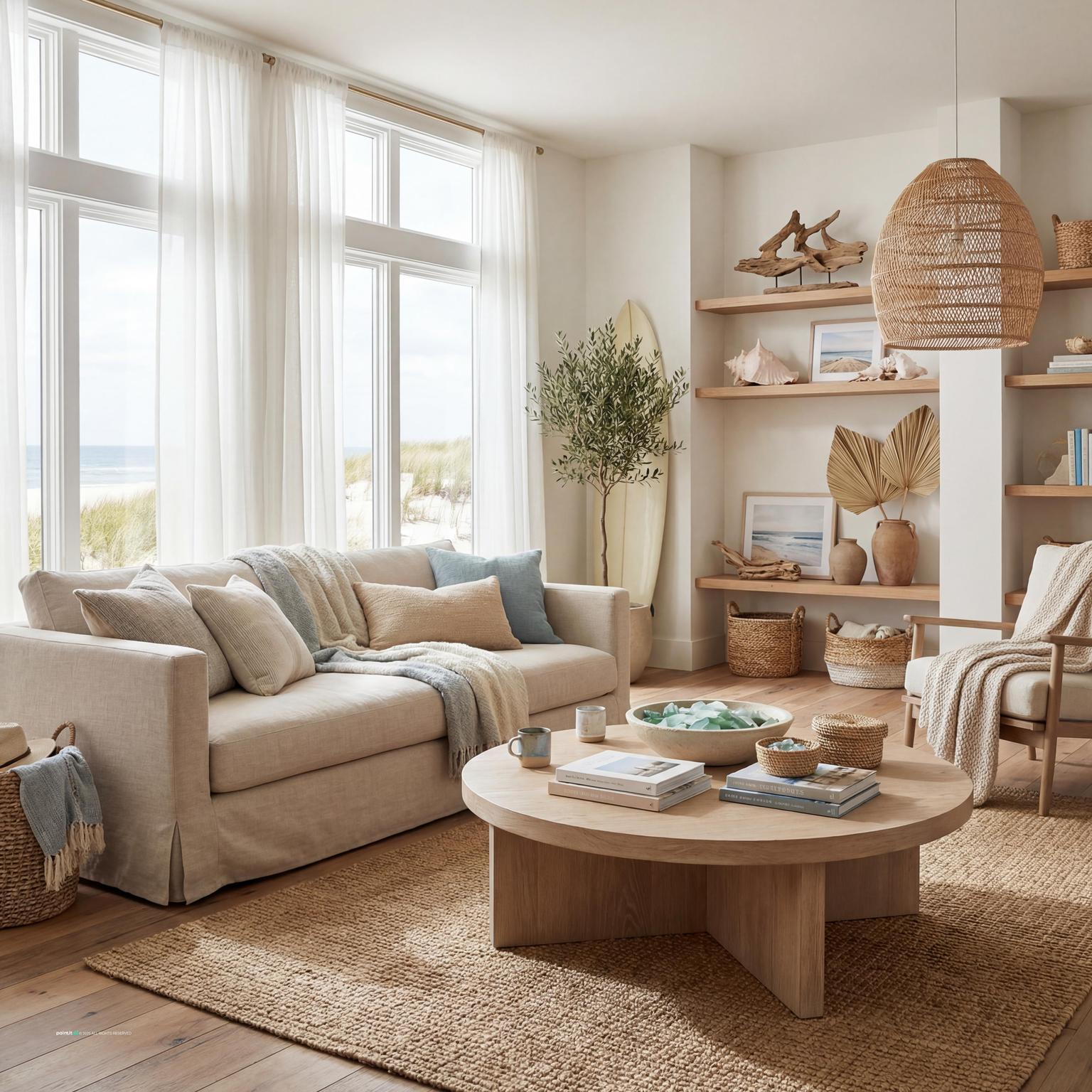
Pro Tip: To achieve this effect, try using a single type of wide-plank, bleached oak flooring across all connected spaces.
-
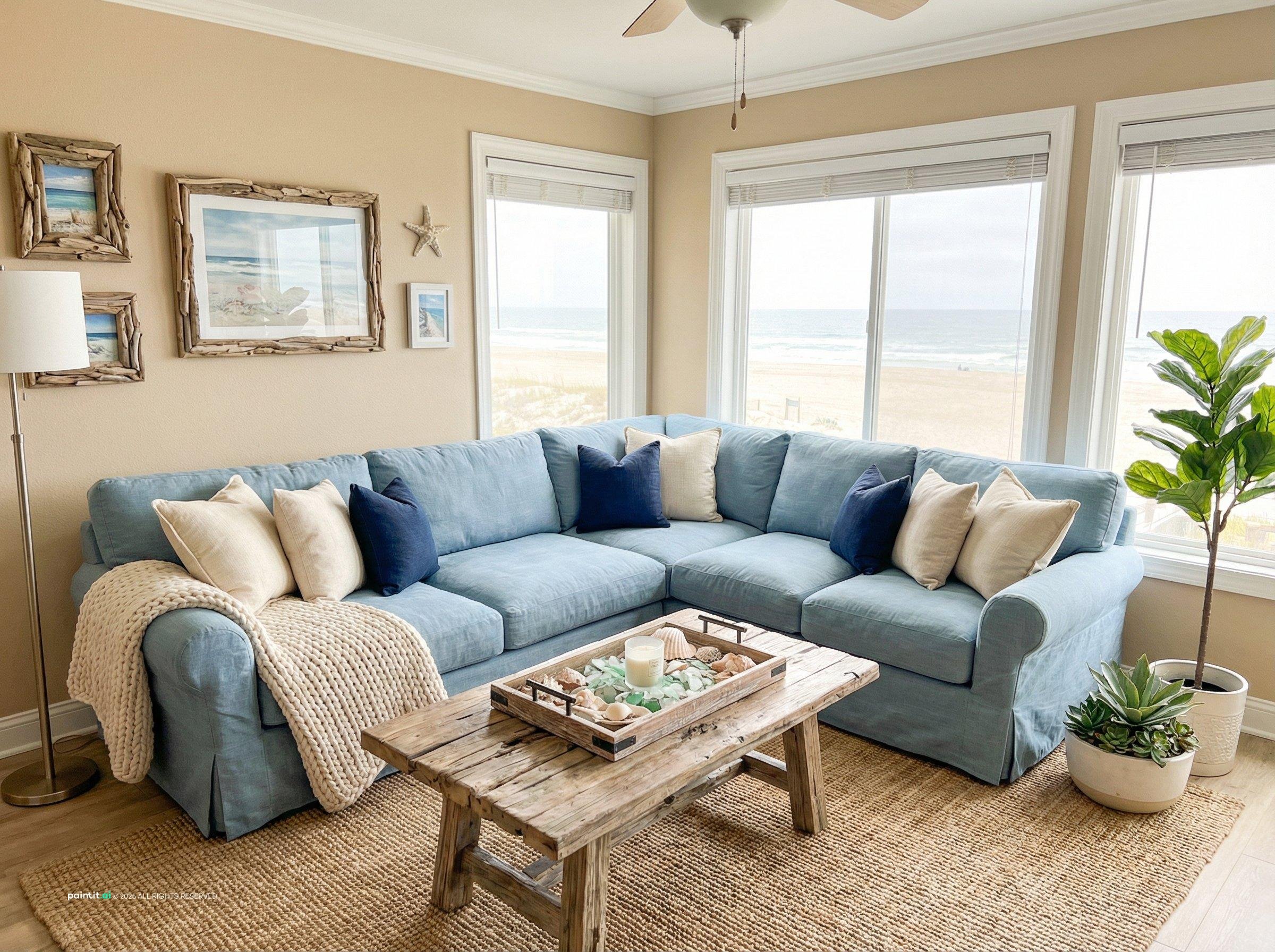
Natural light is a non-negotiable in any beach house living room. It’s the ultimate design element, shifting the mood from morning to evening. The truth is, many people underestimate the power of thoughtful window treatments—or the lack thereof. We want light, not glare.
-
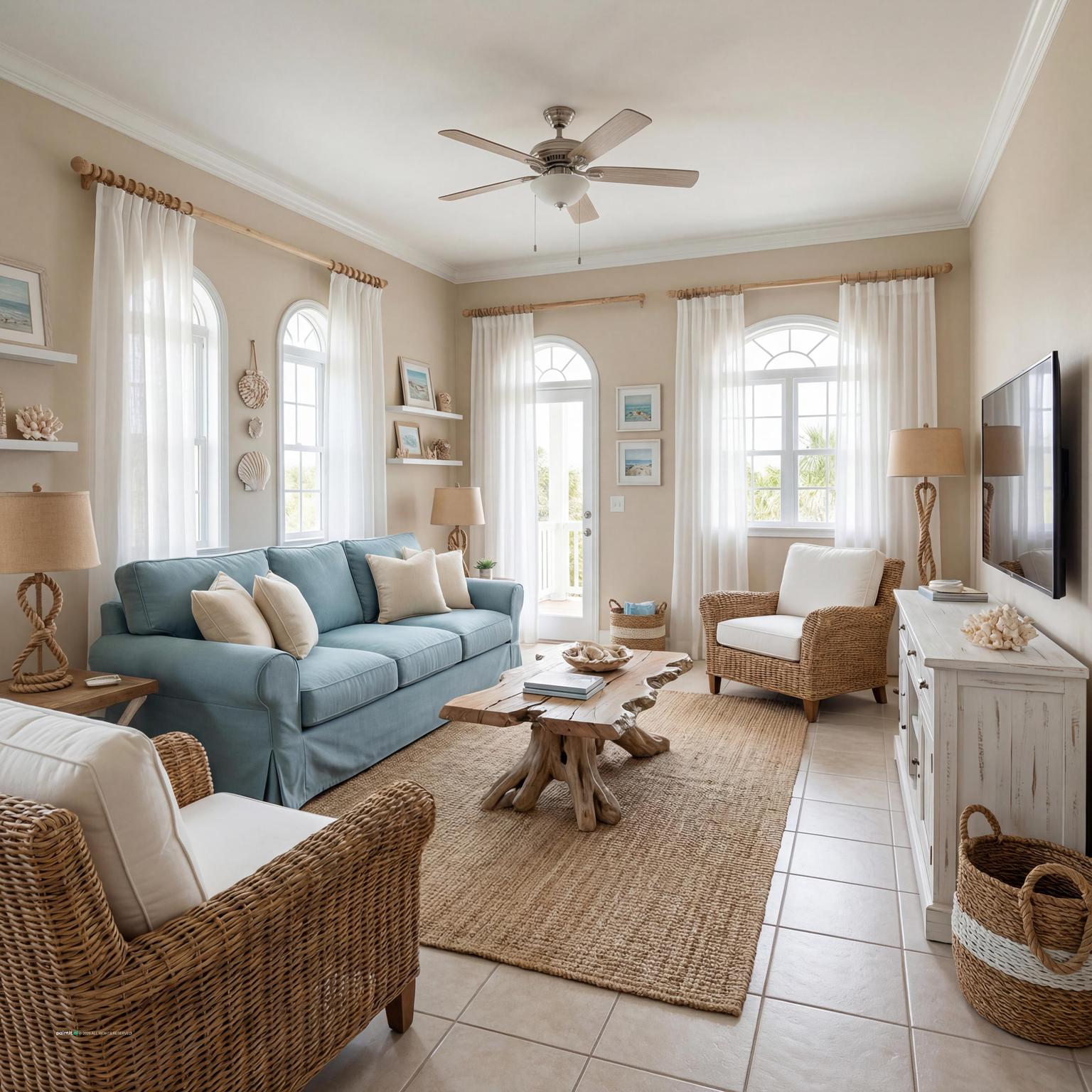
Maximize every ray with oversized windows, skylights, or even a strategically placed transom window. For privacy without sacrificing light, opt for sheer linen drapes that filter the sun gently, or perhaps no drapes at all if your view is private enough. Reflective surfaces, like a polished nickel lamp or a mirror opposite a window, can bounce light deeper into the room. It sounds simple, but most people forget the impact of a well-placed mirror.
-
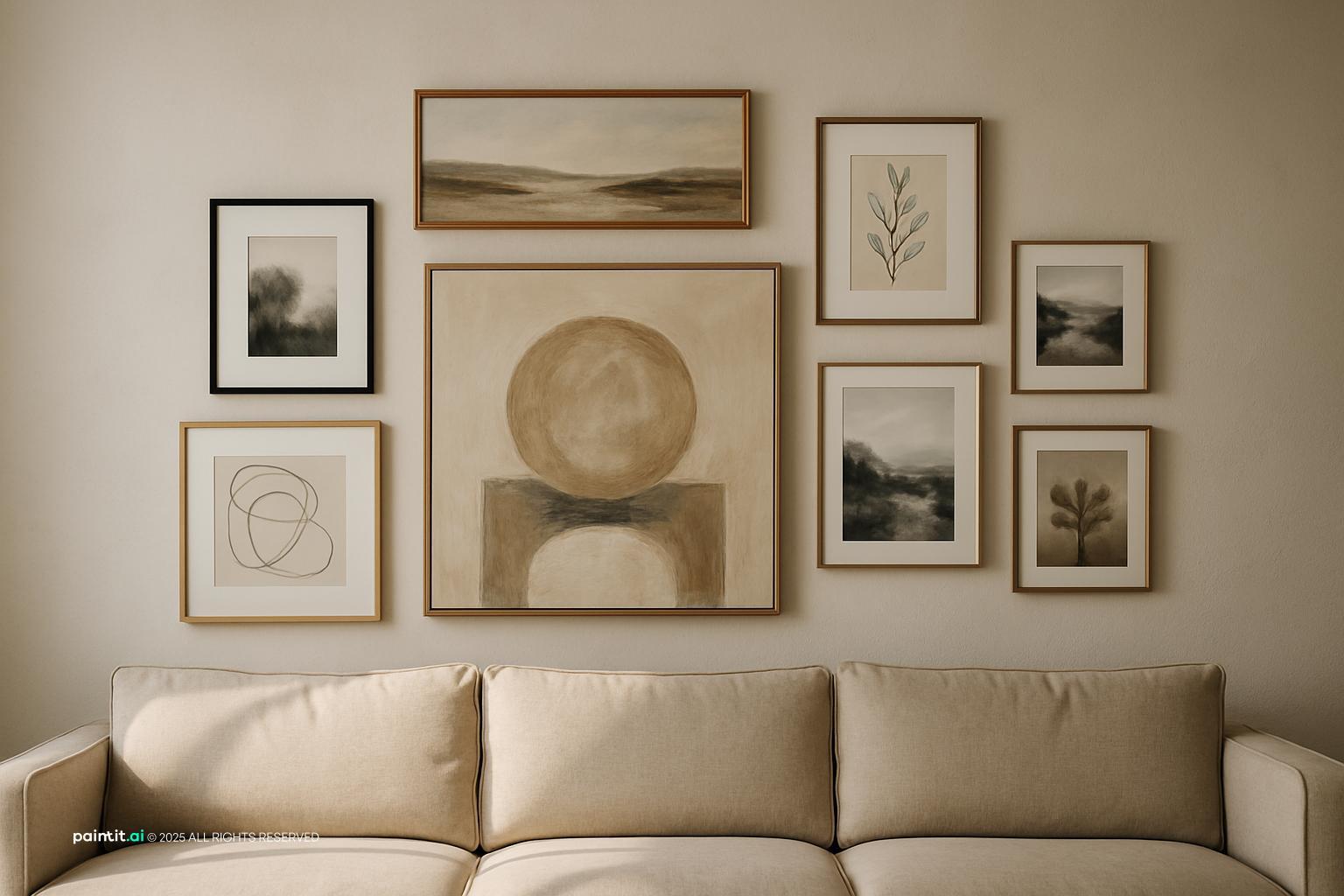
Pro Tip: To achieve this effect, try installing floor-to-ceiling sheer voile curtains in a natural flax tone.
-
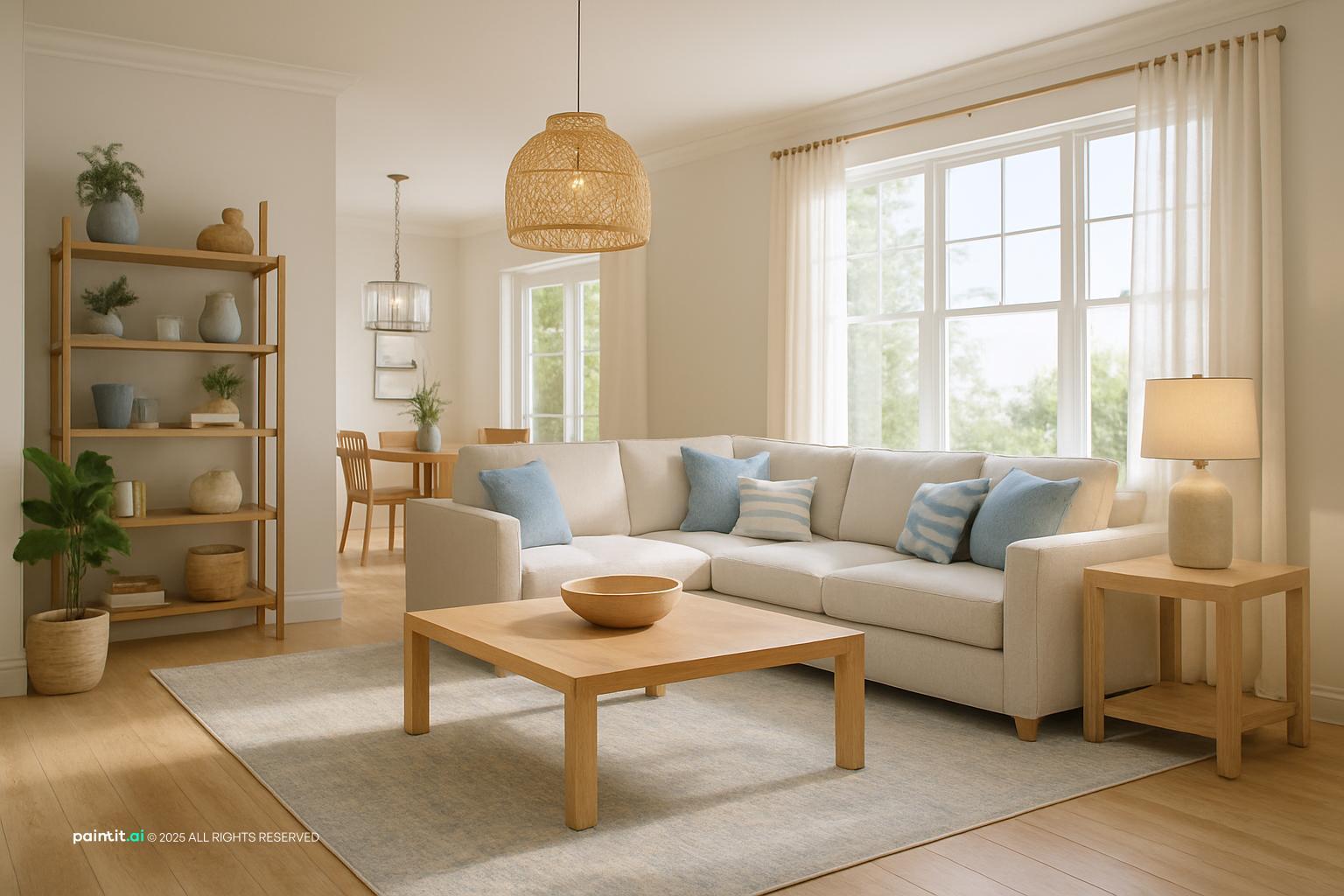
A beach house living room should feel tactile, inviting you to touch and relax. This means leaning heavily into organic materials. We’re talking about the raw beauty of wood, the softness of natural fibers, the cool touch of stone.
-
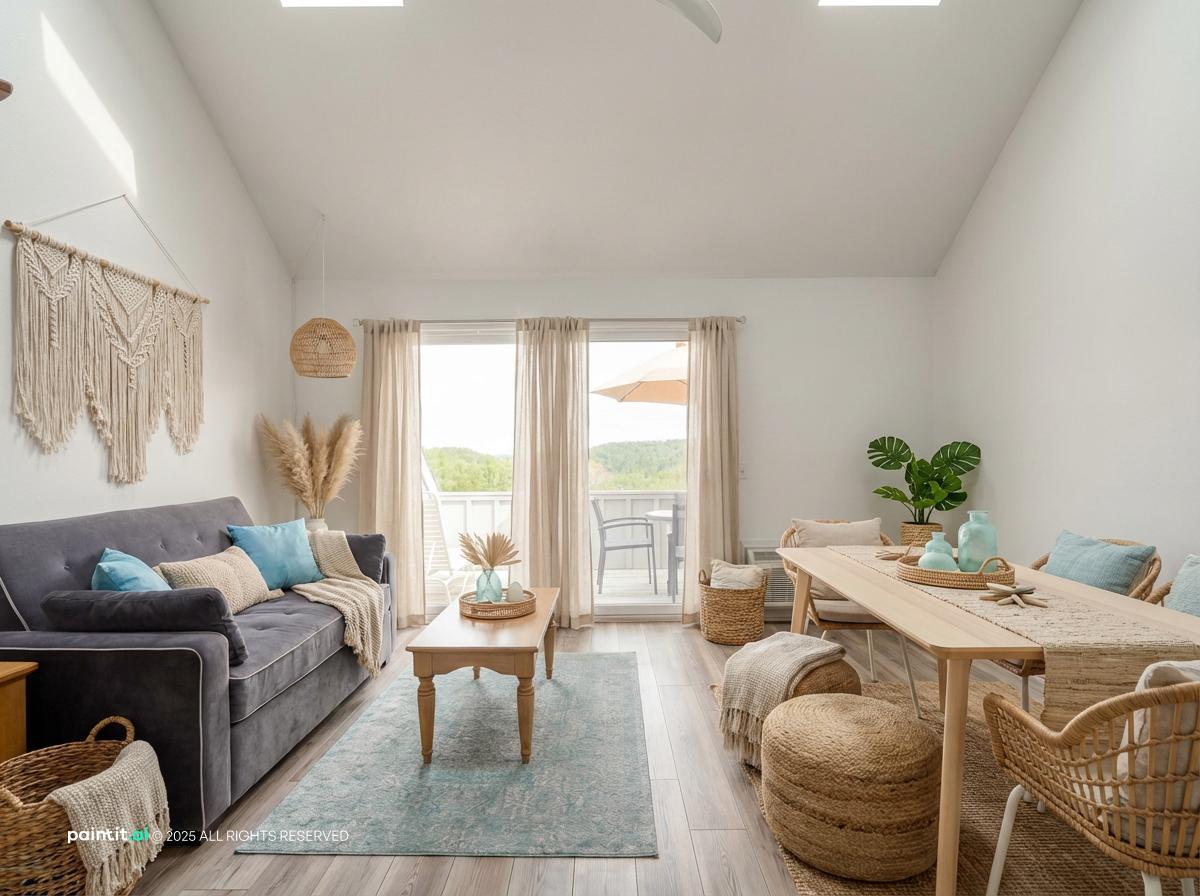
Introduce elements like a reclaimed teak coffee table, a jute area rug, or a woven rattan armchair. Linen upholstery on sofas and cushions provides that perfectly rumpled, lived-in look. For walls, consider shiplap or beadboard in a soft white or a muted grey-green. These textures add depth without overwhelming the senses, creating a calm, layered environment. It’s about preservation over imposition, letting the materials speak for themselves.
-
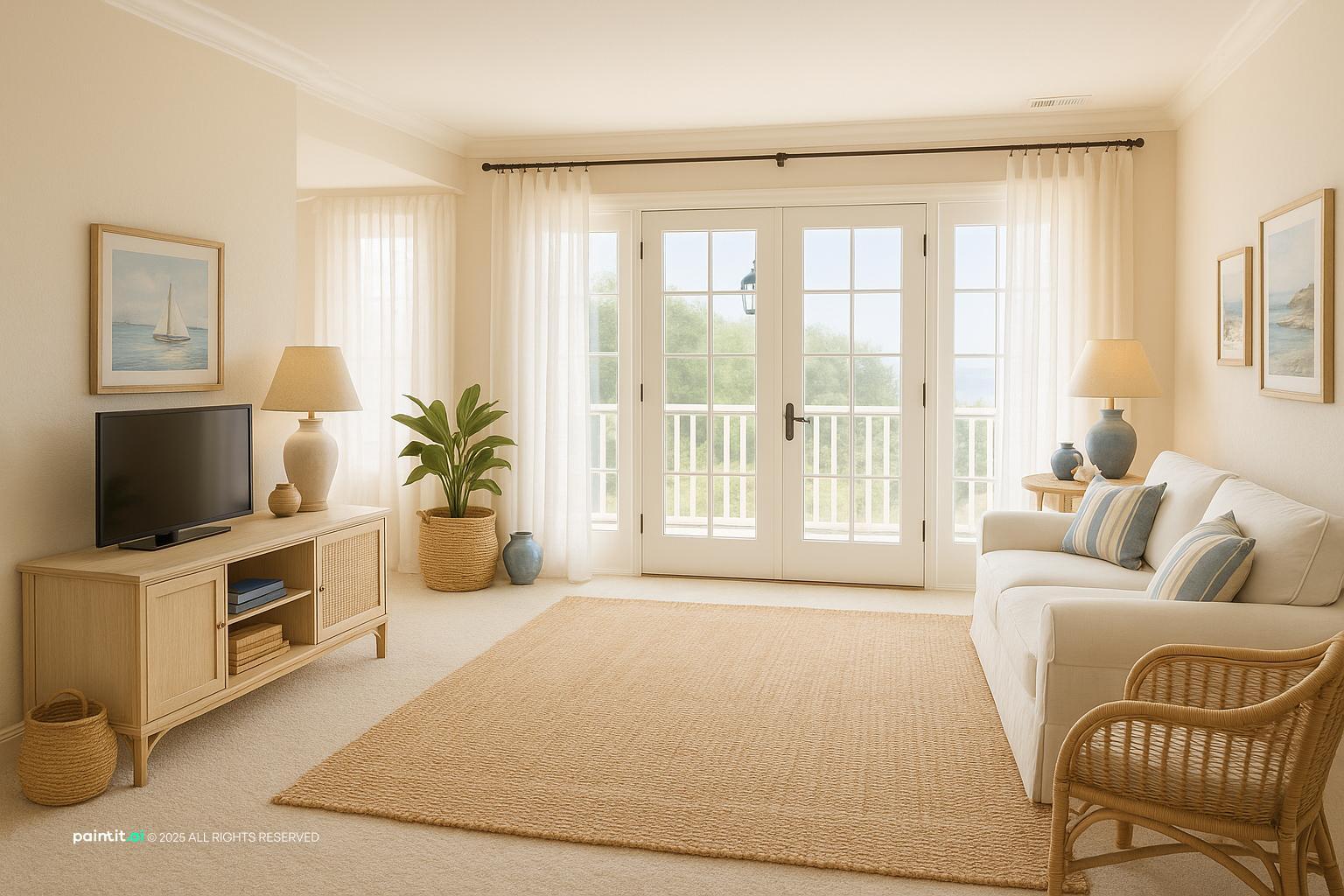
Pro Tip: To achieve this effect, try mixing different natural textures like a chunky knit throw, a seagrass basket, and a linen-blend sofa.
-
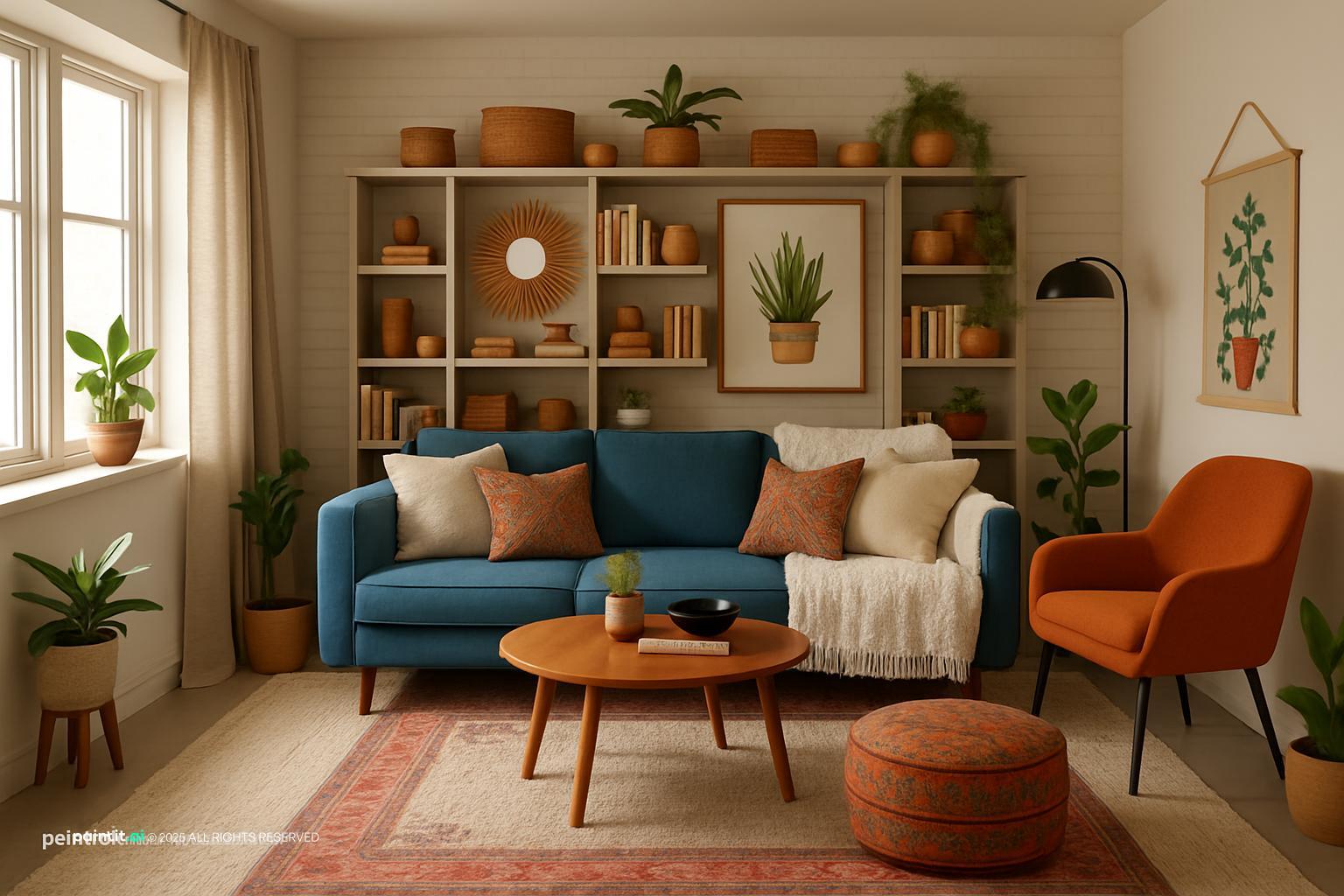
Practicality meets relaxed elegance with slipcovered furniture. In a beach house living room, things get sandy, things get wet, things get lived on. The choice was risky for some, but it pays off.
-
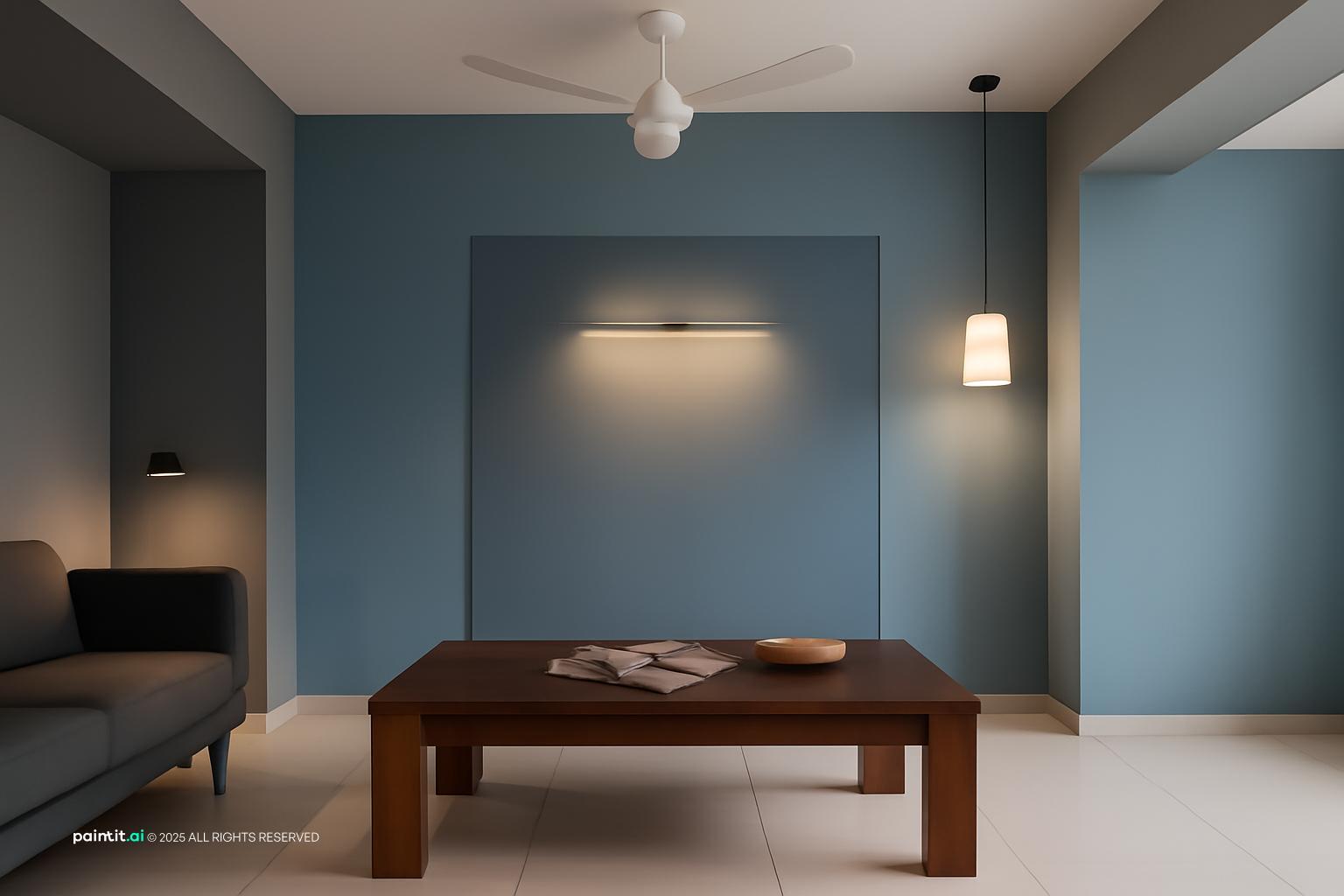
Opt for sofas and armchairs with removable, washable slipcovers in durable fabrics like pre-shrunk linen or a heavy cotton duck. Whites and light neutrals are classic, but a soft blue or a muted stripe can also work beautifully. This approach allows for easy maintenance and a perpetually fresh look, even after a day of sandy feet and salty air. It’s the ultimate low-stress solution for high-traffic areas.
-
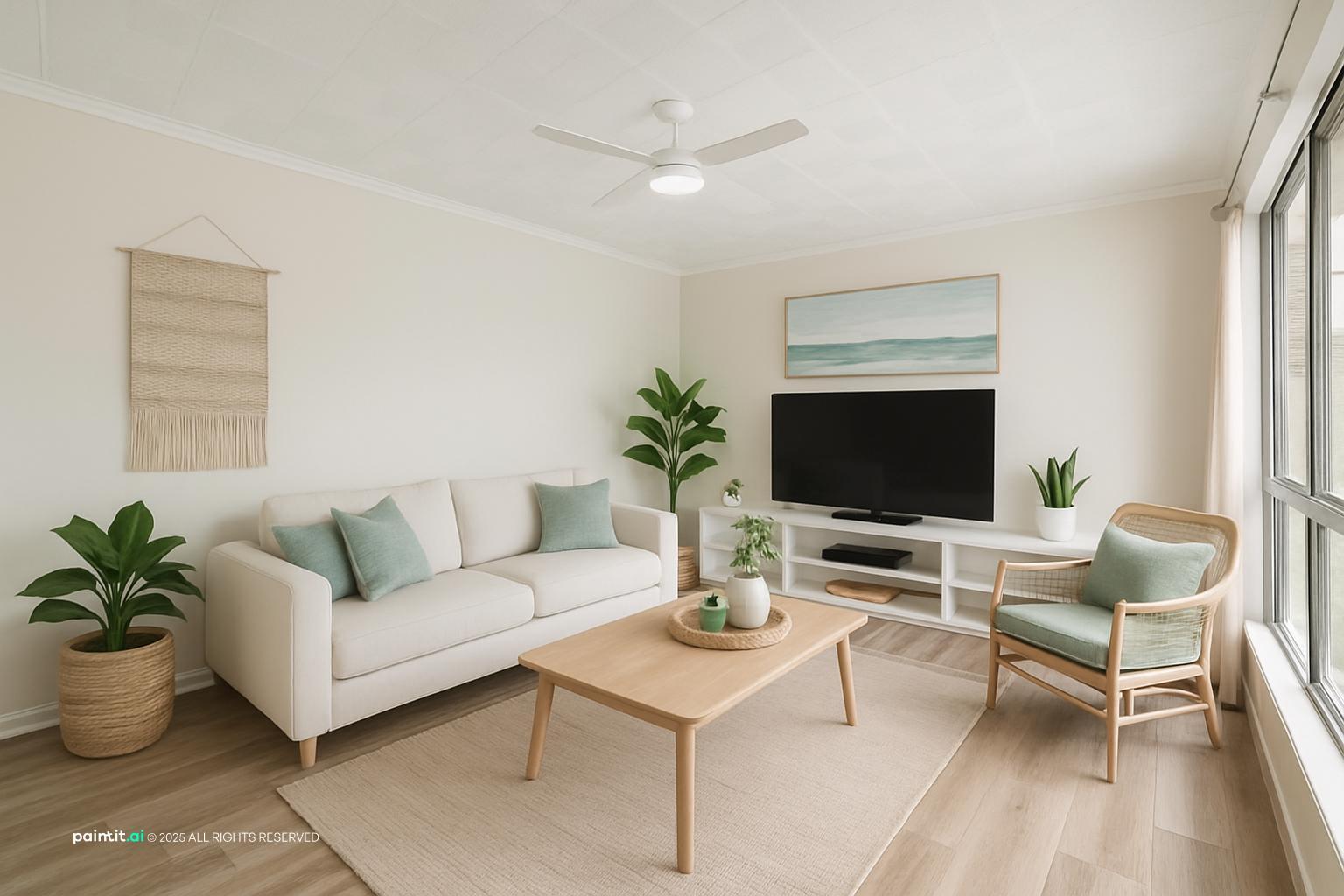
Pro Tip: To achieve this effect, try investing in a high-quality, enzyme-washed linen slipcover for your main sofa.
-
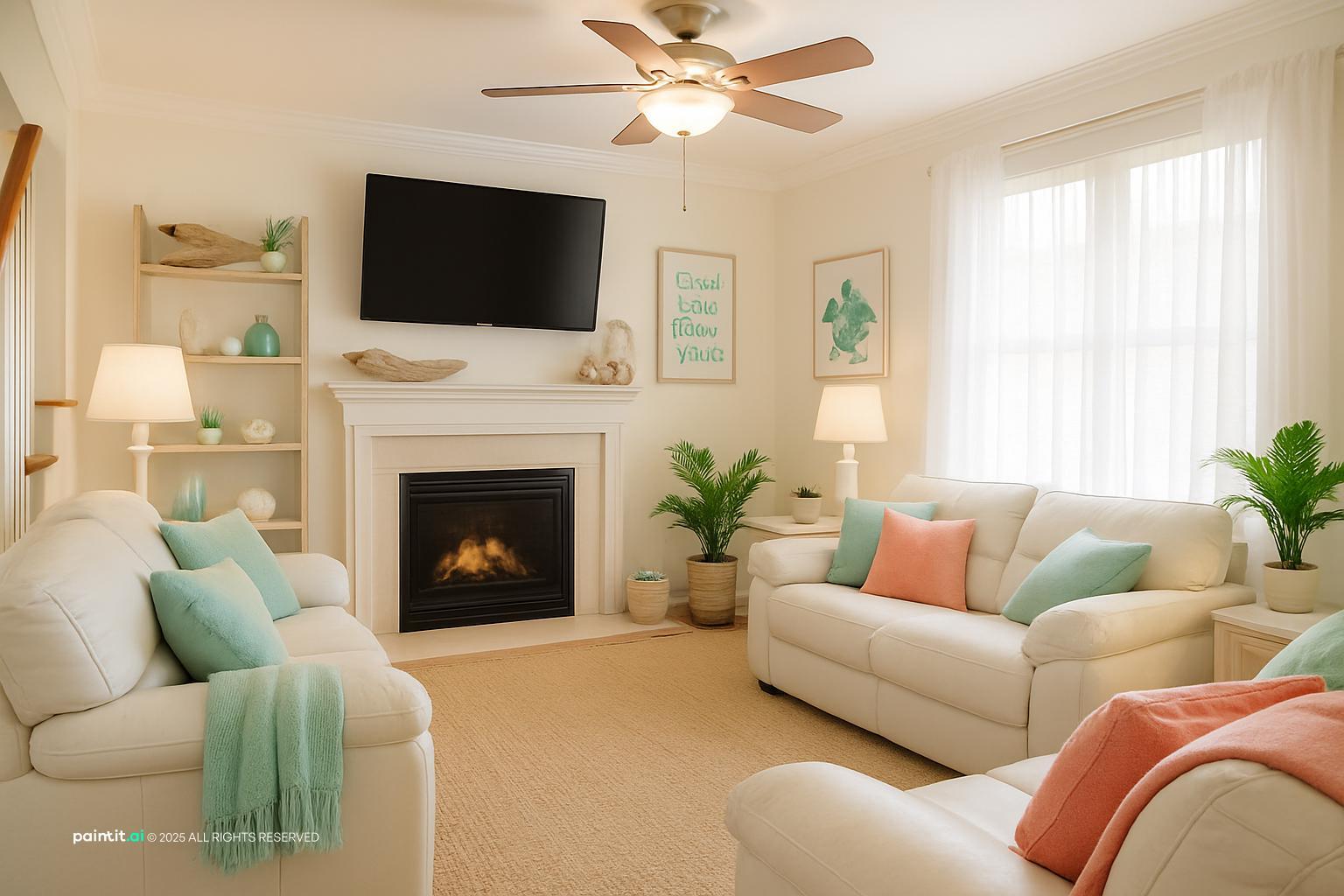
Authenticity is key. A beach house living room should tell a story, not just display generic coastal decor. Incorporating elements found from nature adds a unique, personal touch.
-
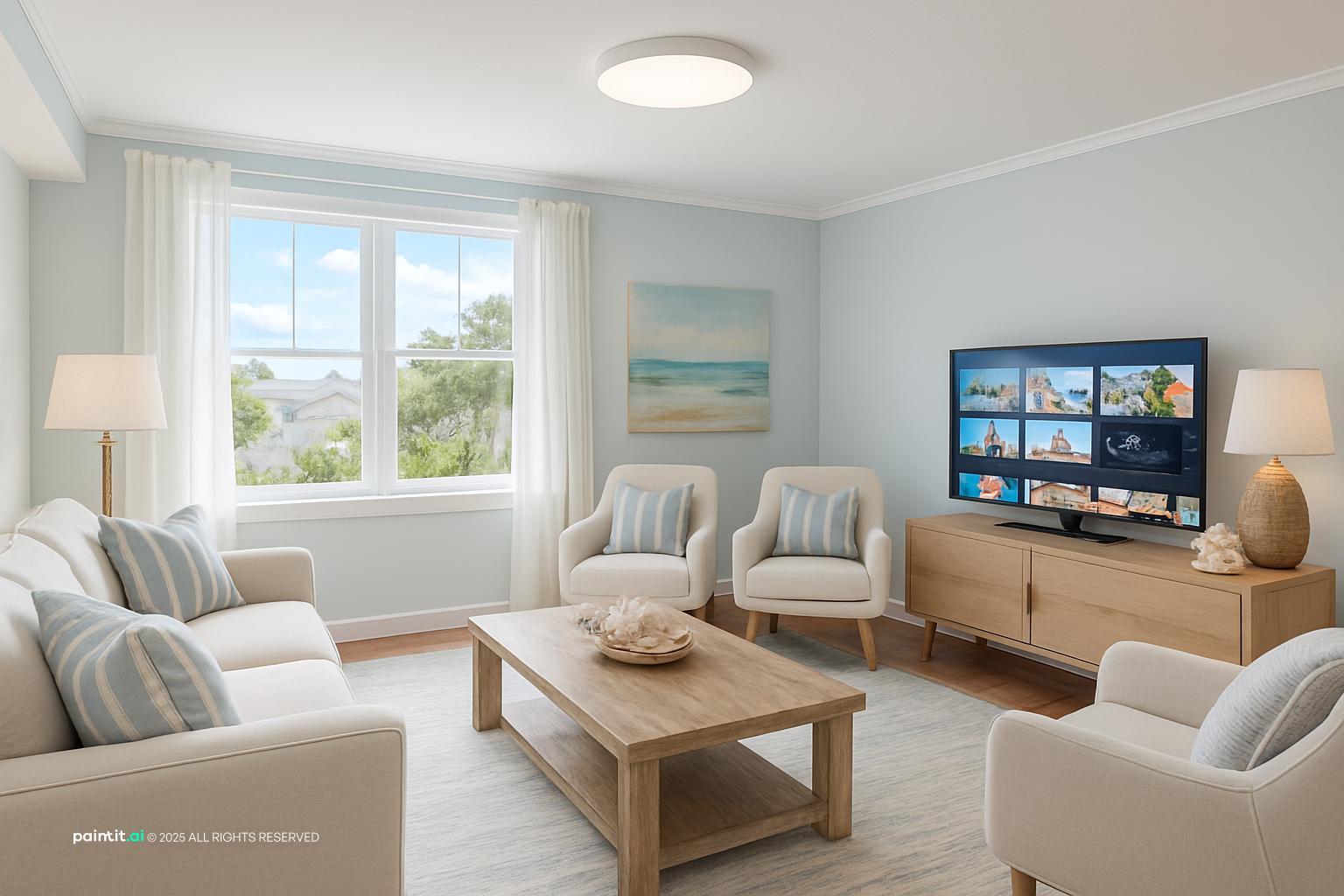
Think about a sculptural piece of driftwood as a centerpiece on a coffee table, or a collection of sea glass arranged in a ribbed glass bowl. Large, smooth river stones can be grouped on a console. These aren't just decorations; they're conversation starters, each with its own history. Just be mindful not to overdo it; a few carefully selected pieces have more impact than a cluttered display. Here’s the kicker: less is often more when it comes to natural treasures.
-
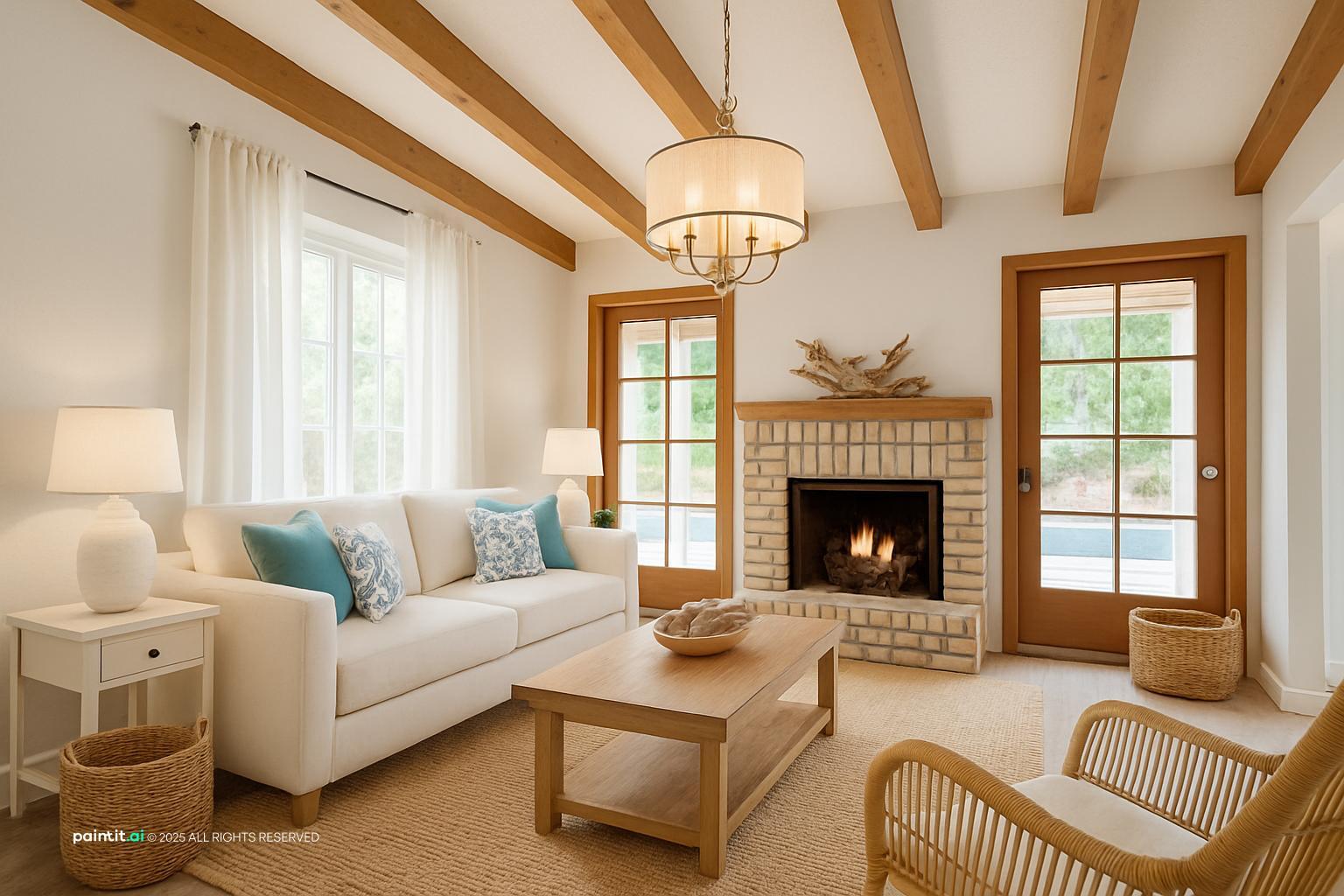
Pro Tip: To achieve this effect, try displaying a single, striking piece of bleached driftwood on a minimalist plinth.
-
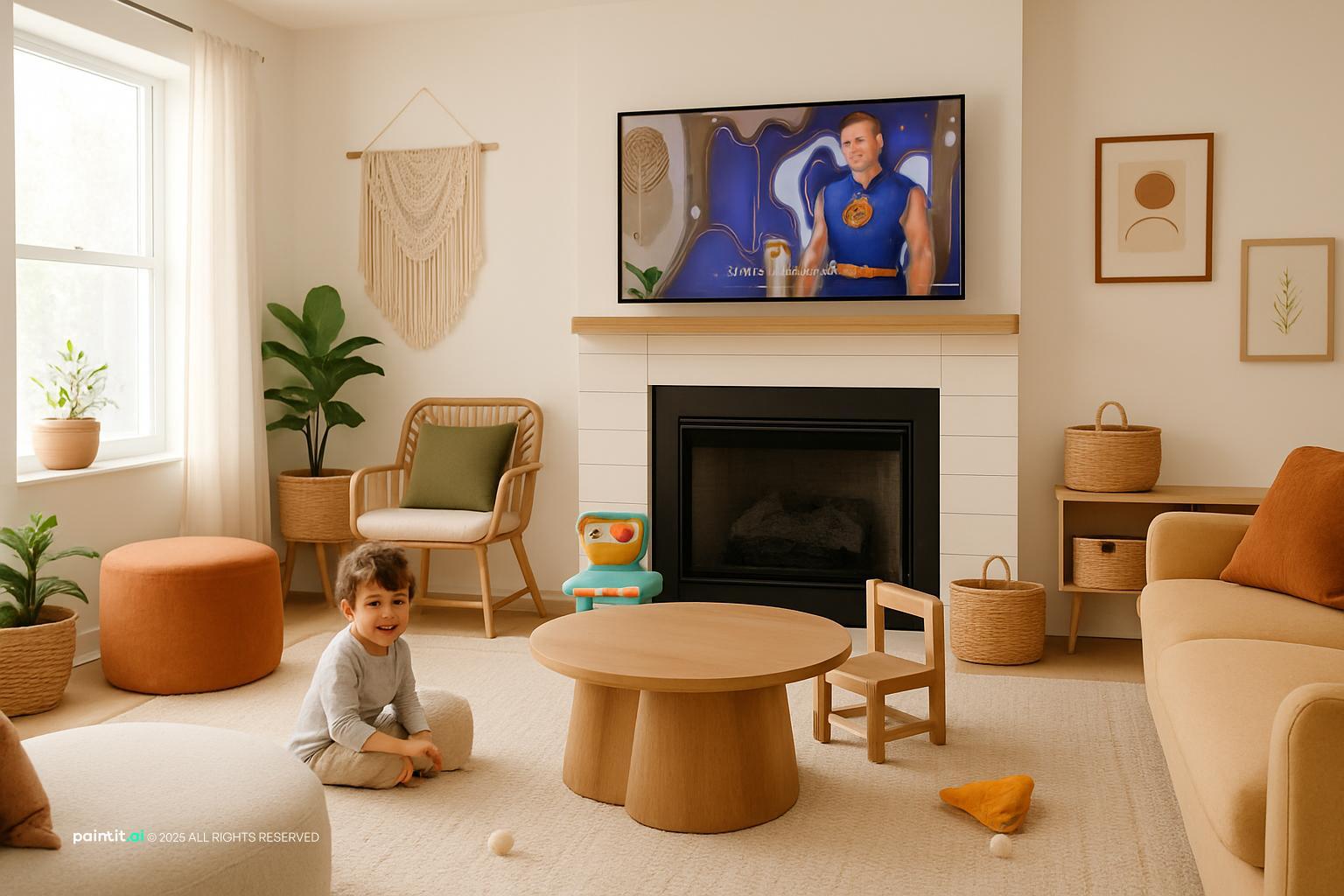
We want to evoke the sea, not a theme park. A truly sophisticated beach house living room avoids overt clichés like anchors and steering wheels. Instead, it whispers of the ocean.
-
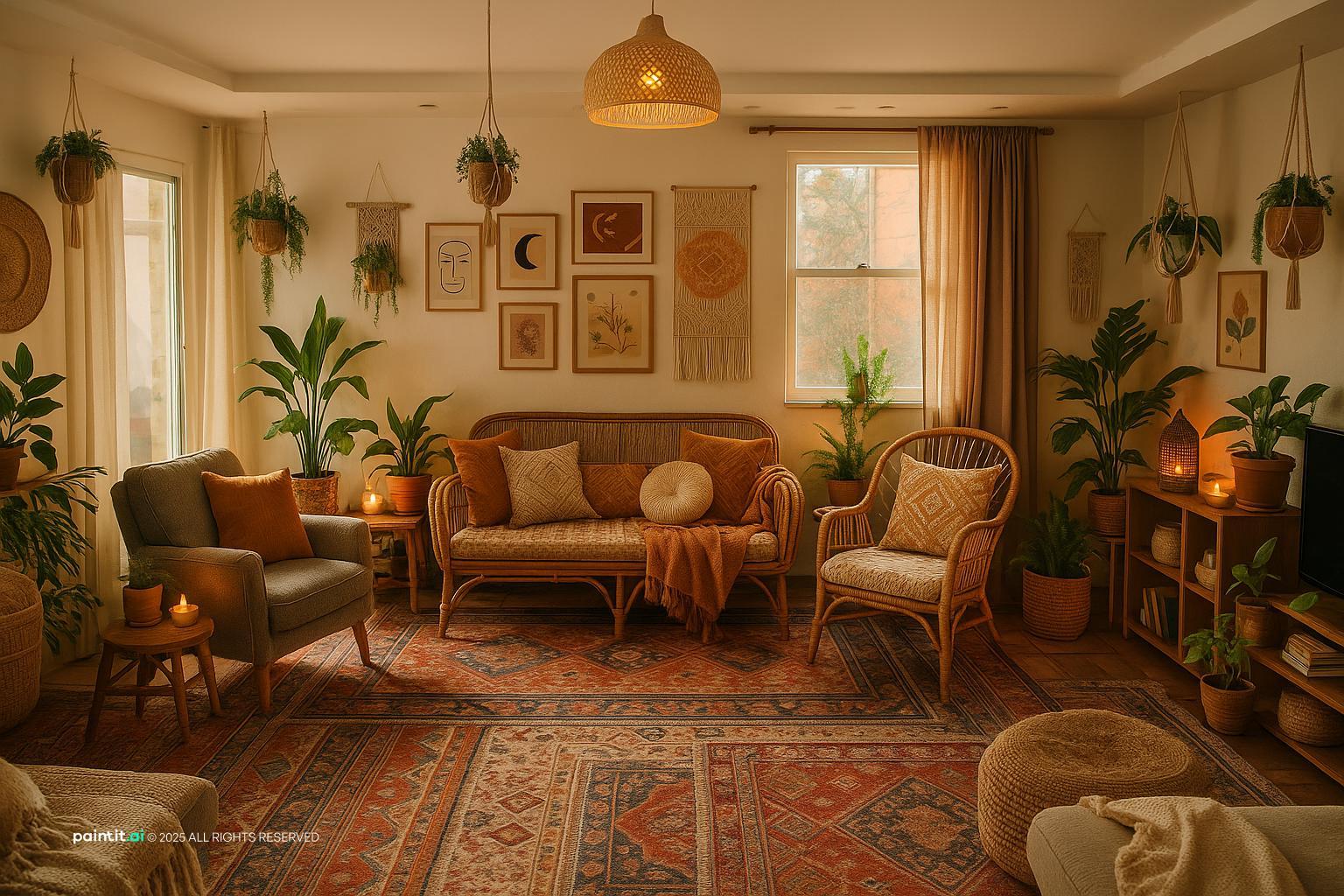
Consider a deep indigo accent wall that mimics the evening sea, or a collection of antique brass ship's bells (if they fit the scale) on a bookshelf. Striped patterns in muted tones—think thin pinstripes or wide cabana stripes—can suggest a maritime feel without being literal. Even a vintage map of local waters, framed simply, can be a beautiful, understated tribute. It’s about creating an atmosphere, not a costume.
-
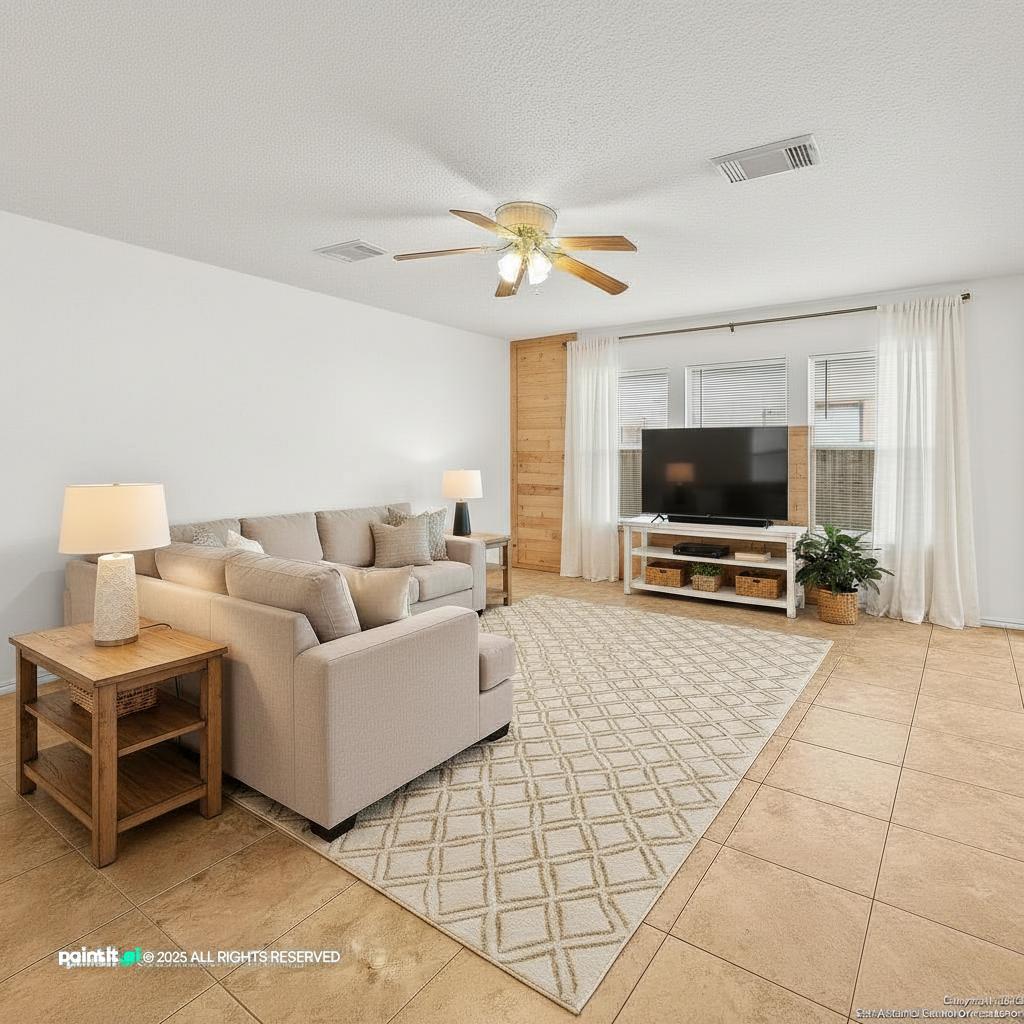
Pro Tip: To achieve this effect, try incorporating a few throw pillows in a classic navy and white ticking stripe pattern.
-
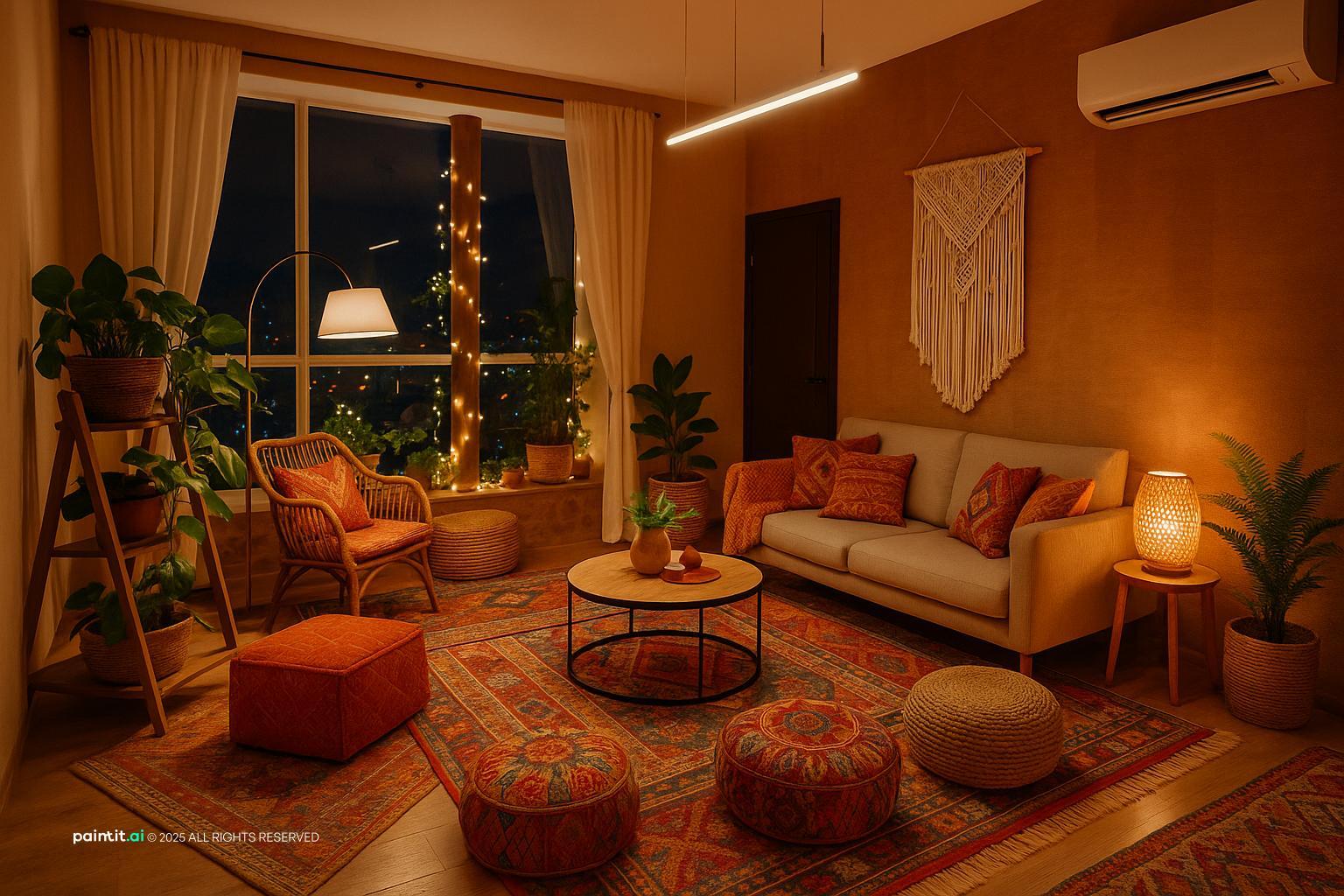
The messy reality of beach living means sand and moisture. An indoor-outdoor rug in your beach house living room isn't just practical; it's a design statement that bridges the interior with its natural surroundings.
-
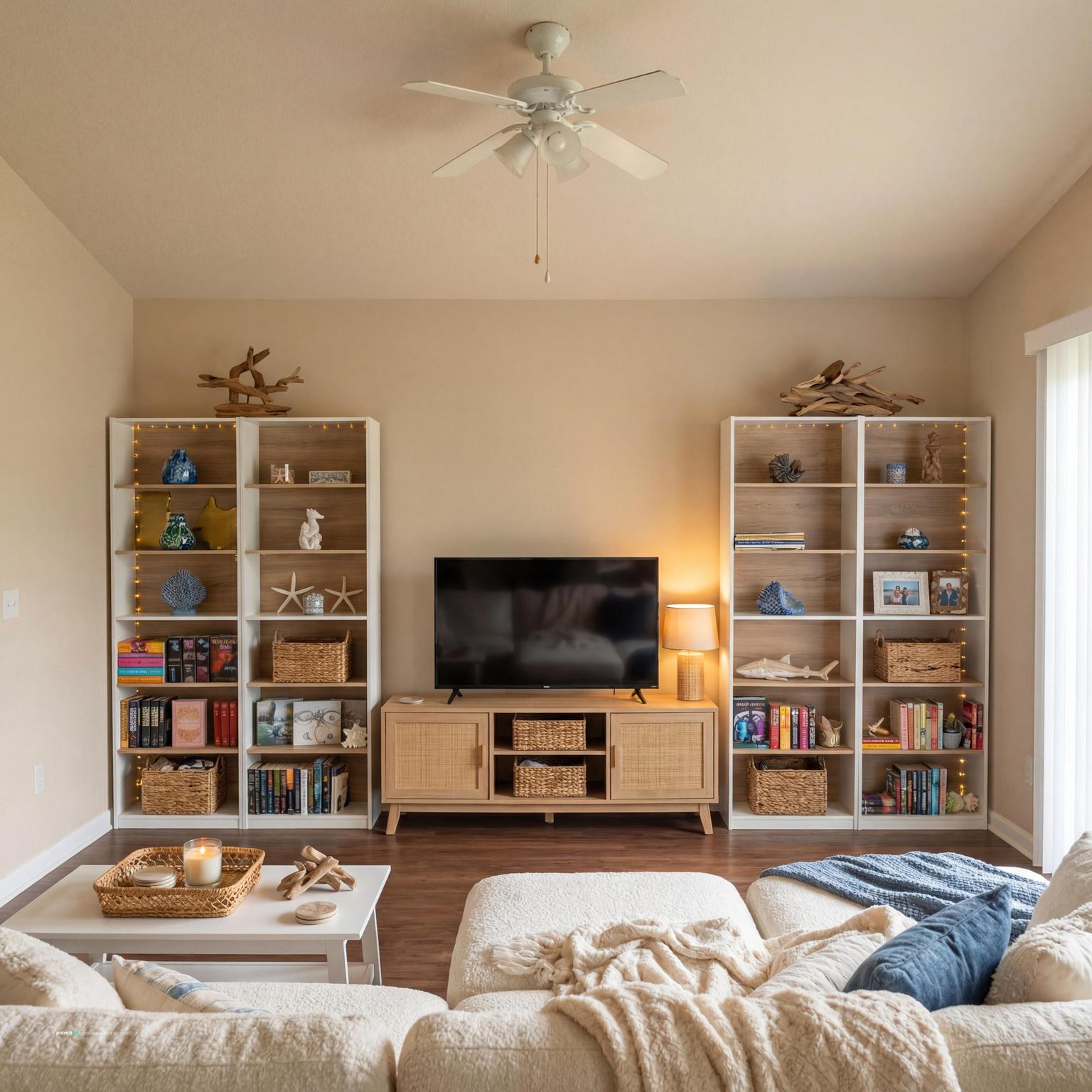
Look for rugs made from polypropylene, jute blends, or sisal that are designed to withstand the elements. They're incredibly durable, easy to clean, and come in a vast array of patterns and textures. A large, flat-weave rug in a neutral tone can define the living area while standing up to sandy feet. It didn't fit through the front door easily, but it was worth the effort. They’re surprisingly soft underfoot, too.
-
Pro Tip: To achieve this effect, try a large, natural fiber indoor-outdoor rug in a subtle geometric pattern.
-
Architectural elements can dramatically enhance the feeling of space and airiness in a beach house living room. Vaulted ceilings, especially with exposed wooden beams, draw the eye upward and create a sense of grandeur and openness.
-
These features not only add visual interest but also contribute to better air circulation, a welcome benefit in warmer climates. Paint the beams in a contrasting shade to the ceiling for a dramatic effect, or keep them natural for a more rustic feel. This design choice instantly elevates the room, making it feel more expansive and connected to the vastness of the sky outside. It reminds me of old-world Italian villas, but with a coastal twist.
-
Pro Tip: To achieve this effect, try painting the ceiling a soft, pale blue to mimic the sky, with natural wood beams.
-
A single overhead light just won't cut it. A well-designed beach house living room needs a thoughtful lighting plan that allows for different moods and functions throughout the day and evening.
-
Combine ambient lighting (recessed lights, a statement chandelier made of capiz shells or woven rattan) with task lighting (reading lamps beside a sofa) and accent lighting (table lamps, picture lights). Dimmers are your best friend, allowing you to adjust the intensity. The goal is to create warm, inviting pools of light, not a brightly lit operating room. It's about crafting an atmosphere after the sun goes down.
-
Pro Tip: To achieve this effect, try incorporating a mix of a woven pendant light, a floor lamp with a linen shade, and a few small table lamps.
-
Maximizing space and maintaining clean lines is crucial, especially in a beach house living room where every square foot counts. Built-ins offer both functionality and a custom aesthetic.
-
Consider a window seat with integrated storage underneath, perfect for stashing blankets or beach towels. Low bookshelves flanking a fireplace can house your favorite reads and decorative objects. These elements provide seamless storage solutions, reduce clutter, and create a sense of permanence and bespoke design. Plus, they offer extra seating when guests arrive. The truth is, clutter can kill a serene vibe faster than anything.
-
Pro Tip: To achieve this effect, try designing a window bench with deep drawers, painted to match the wall trim.
-
Elevate your beach house living room beyond mass-produced items by incorporating pieces with a story. Artisan craftsmanship adds soul and uniqueness.
-
Look for hand-thrown ceramic vases, a hand-carved wooden bowl, or a unique piece of abstract art by a local artist. A beautifully woven throw from a small studio, or a custom-made coffee table from a skilled carpenter, can become the focal point of the room. These items bring character and a sense of history, making the space feel curated and personal. It’s about investing in quality and artistry.
-
Pro Tip: To achieve this effect, try sourcing a unique, large-scale piece of pottery or a hand-knotted wool rug.
-
Bringing the outside in isn't just about the view; it's about incorporating living elements. A beach house living room benefits immensely from a thoughtful selection of indoor plants.
-
Choose plants that thrive in bright, indirect light and can handle a bit of humidity, like a large fiddle-leaf fig, a sculptural bird of paradise, or a trailing pothos. Place them in simple, organic pots made of terracotta or unglazed ceramic. Greenery adds a vibrant pop of color, purifies the air, and connects the interior to the lush coastal landscape outside. It makes the room feel alive.
-
Pro Tip: To achieve this effect, try placing a tall, leafy plant in a corner to add vertical interest and a touch of nature.
-
Sometimes, the best art in a beach house living room is the view itself. Treat your windows not just as openings, but as frames for the ever-changing masterpiece outside.
-
Design the room's layout to orient seating towards the most compelling view. Keep window treatments minimal or non-existent to avoid obstructing the vista. Consider framing the windows with simple, clean architectural trim that draws the eye outward. The idea is to make the ocean, the dunes, or the sunset the undisputed focal point. Everything else in the room should support, not compete with, that breathtaking natural display. It’s about letting nature do the talking.
-
Pro Tip: To achieve this effect, try arranging your main seating to directly face the most expansive or beautiful outdoor view.
Unpacking the Effortless Charm of a Beach House Living Room to Life with Paintit.ai
-
Creating a truly captivating beach house living room isn't about following a rigid formula; it’s about distilling the very essence of coastal serenity into a functional, beautiful space. We often see people trying too hard, forgetting that the best designs feel like they simply *are*, not like they were meticulously planned. The truth is, it’s a delicate dance between casual comfort and understated sophistication, a place where the outside world feels welcome, yet the inside remains a sanctuary.
-
For a beach house living room, we lean into a palette that mirrors nature’s own. Think crisp white as your base, like sun-bleached shells. Layer in sandy beige and soft seafoam green for secondary tones, evoking dunes and shallow waters. A muted coral or a deep, watery blue can serve as a subtle accent, a splash of the unexpected.
-
Natural materials are non-negotiable here. Bleached oak flooring grounds the beach house living room, offering a sense of enduring calm. Soft, pre-shrunk linen on upholstery invites touch, creating that perfectly rumpled, lived-in feel. Woven rattan or seagrass elements, perhaps in a side table or a basket, add organic texture and warmth, connecting the interior to the wildness outside. It's about preservation over imposition.
-
A generously proportioned, slipcovered sofa is the heart of any beach house living room; we’ve found it’s the ultimate low-stress solution for high-traffic areas. Pair it with a low-slung, reclaimed wood coffee table that feels grounded and unpretentious. An occasional armchair, perhaps a classic woven rattan piece, offers an inviting spot for quiet contemplation. Proportions should feel expansive, never cramped, encouraging relaxation.
-
Beyond maximizing natural light, a beach house living room demands layered illumination. Ambient light from recessed fixtures or a statement woven pendant provides a general glow. Task lighting, like a simple floor lamp beside a reading nook, is crucial. Then, accent lighting from small table lamps with linen shades creates warm, inviting pools of light as evening descends. Dimmers are your best friend here, allowing you to adjust the mood effortlessly.
-
In a beach house living room, decorative accents should feel collected, not purchased. Think a sculptural piece of bleached driftwood on a coffee table, perhaps grouped with three smooth, grey river stones and a single, ribbed glass vase holding a few sprigs of eucalyptus. On a console, try five antique glass floats nestled beside a large, leafy fiddle-leaf fig plant. For a larger wall, consider seven framed pieces of abstract art in muted tones, or a collection of vintage maps. This "3-5-7 rule" helps create visual interest and balance without clutter, ensuring each piece tells its own quiet story.
More Ideas
Error: Exception: Bandwidth quota exceeded: https://generativelanguage.googleapis.com/v1beta/models/gemini-2.5-flash:generateContent?key=AIzaSyDKb_0f-tA7LXeF_Ln76y887EsUeEM-XCI. Try reducing the rate of data transfer.
FAQ
-
It’s about that effortless, sun-drenched feeling, isn't it? A true beach house living room whispers relaxation, never shouts. We often see a blend of natural textures—think bleached oak floors, perhaps some rattan or woven seagrass. The palette usually leans into soft, muted tones, reflecting the sand, sky, and sea. It’s a space designed for lingering, for salty air and bare feet. The truth is, it’s less about a strict formula and more about capturing an atmosphere.
-
When we talk materials for a beach house living room, durability and natural origins are key. We're looking at things like linen slipcovers on sofas—they age beautifully, wrinkles and all—and reclaimed wood for coffee tables or shelving. Sisal or jute rugs add incredible texture underfoot, grounding the space without feeling heavy. For window treatments, sheer linen or even simple bamboo blinds let the light filter in without blocking the view. It sounds simple, but most people forget how much the tactile experience contributes.
-
The trick to an authentic beach house living room color palette is to look beyond the obvious "nautical" blues and whites. We encourage clients to draw inspiration directly from the specific coastline. Is it a rocky, grey-toned beach or one with golden sands and turquoise waters? Soft, sandy beiges, muted greens, pale blues, and even subtle coral or blush tones can create a sophisticated, lived-in feel. The goal isn't a theme park; it's a serene extension of the natural world outside. Here’s the kicker: layering these subtle shades creates depth, preventing the space from feeling flat.
-
For a beach house living room, comfort and practicality are paramount. We lean towards pieces that are inviting, durable, and easy to maintain. Think generously proportioned sofas with washable slipcovers—life happens, right? Low-slung armchairs, perhaps in a natural rattan or a light wood, encourage lounging. Built-in shelving can be incredibly useful, offering storage without cluttering the visual space. The choice was risky for one client who insisted on velvet, but it stained instantly. Stick to materials that forgive.
-
Accessories in a beach house living room should feel curated, not collected. We often suggest bringing in elements from nature itself: a large piece of driftwood, a collection of unique shells, or even a simple glass vase filled with local greenery. For lighting, it's about creating warmth and functionality. Overhead fixtures might be woven pendants—think raffia or wicker—while table lamps with ceramic bases or linen shades provide softer, ambient light. It’s about preservation over imposition; let the natural light do most of the work during the day, then layer in subtle glows for the evening.