
Rediscovering the Charm of - a 90's Living Room
Remember the distinct, cozy vibe of a 90's living room - where VHS tapes lined the shelves and a chunky TV was the centerpiece? Many of us recall that authentic comfort and vibrant patterns with a certain nostalgia. You might be wondering how to bring that unpretentious warmth into your current space, blending past and present without creating a time capsule. How can you capture that unique spirit in a way that feels fresh and relevant today?
Essential Tips for The 90's living room: More Than Just Nostalgia
Stunning Examples of 12 Ways to Recreate That Unmistakable 90's Living Room Vibe
-
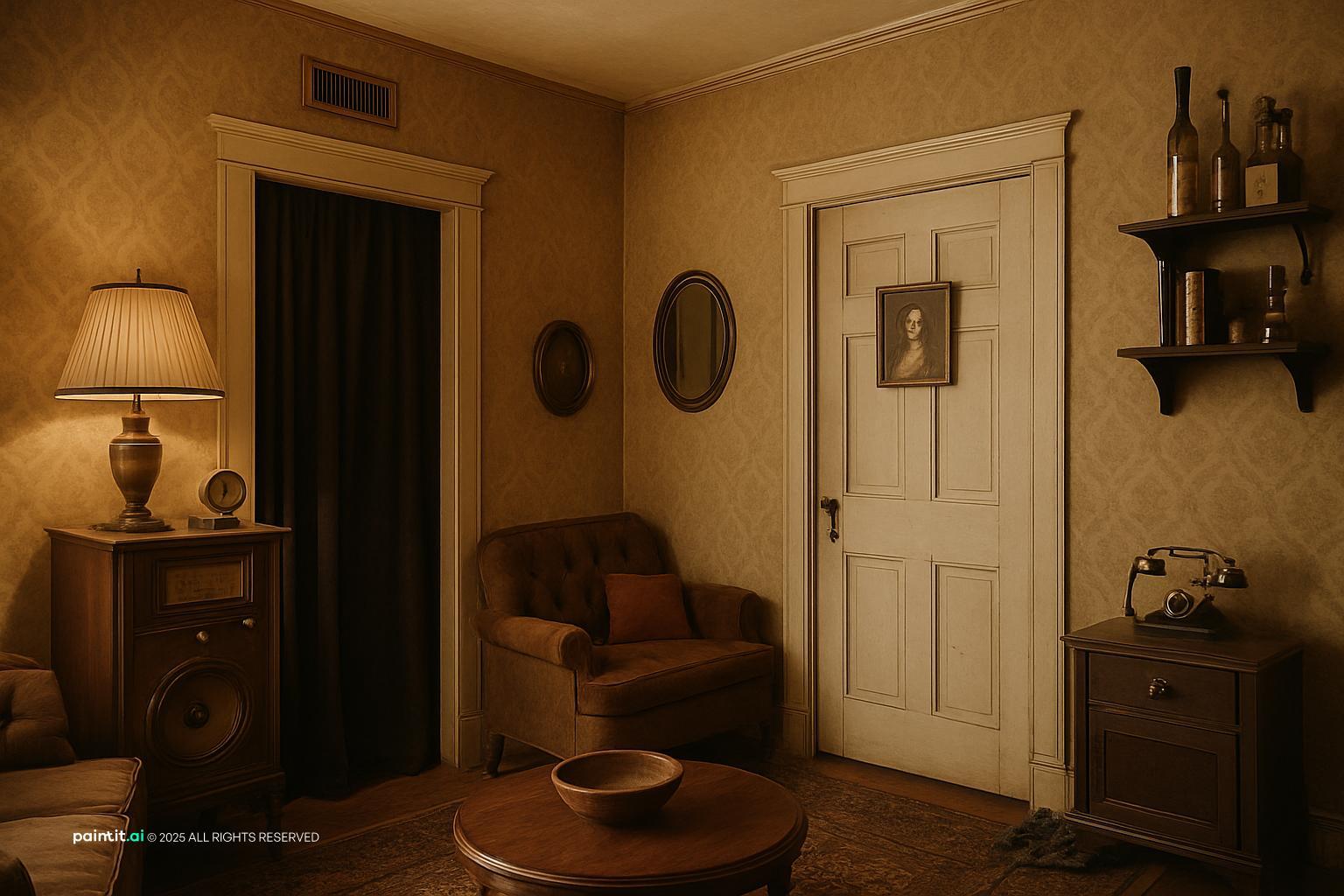
We've curated these ideas to help you navigate the fine line between a nostalgic nod and a full-blown time warp. It’s about capturing the soul of the era—that lived-in, unpretentious comfort—while making it feel genuinely fresh for today. These aren't just design concepts; they're invitations to remember a simpler time, balanced with practical steps for your space.
-
The living room in the 90s often revolved around entertainment. A bulky CRT television, VCR, and stereo system weren't hidden; they were the main event. It created a communal focal point, drawing everyone together for movie nights or gaming sessions. We’ve noticed this kind of intentional gathering space is something people genuinely miss.
-
Think about a substantial entertainment unit, perhaps in a warm oak or cherry finish, designed to house a modern TV but with ample shelving for media collections—maybe even a few vintage VHS tapes or a CD tower for display. Consider a classic console table in a dark wood to ground the space.
-
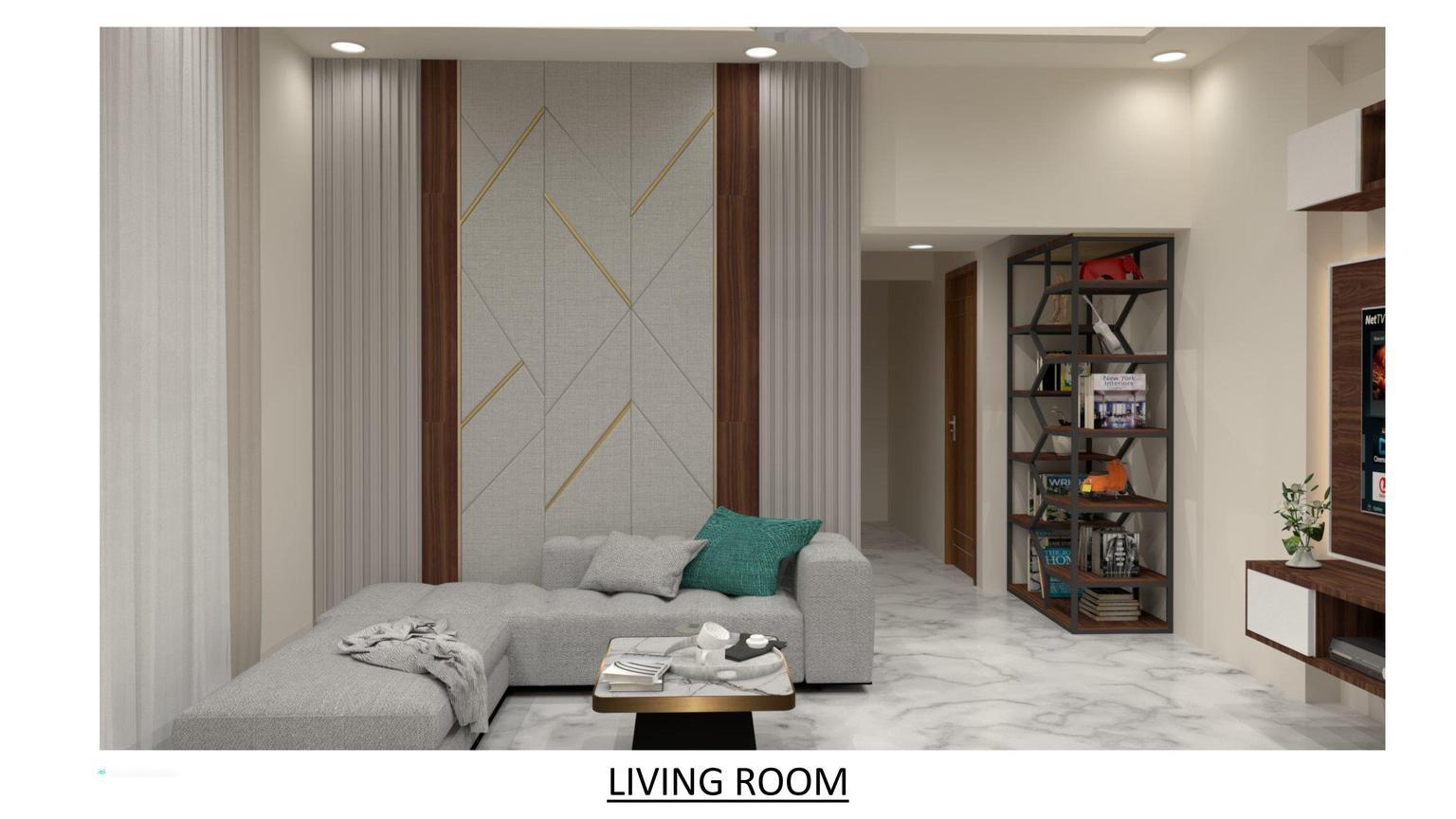
Pro Tip: To achieve this effect, try integrating a modern smart TV into a vintage-style media cabinet, allowing it to blend rather than dominate.
-
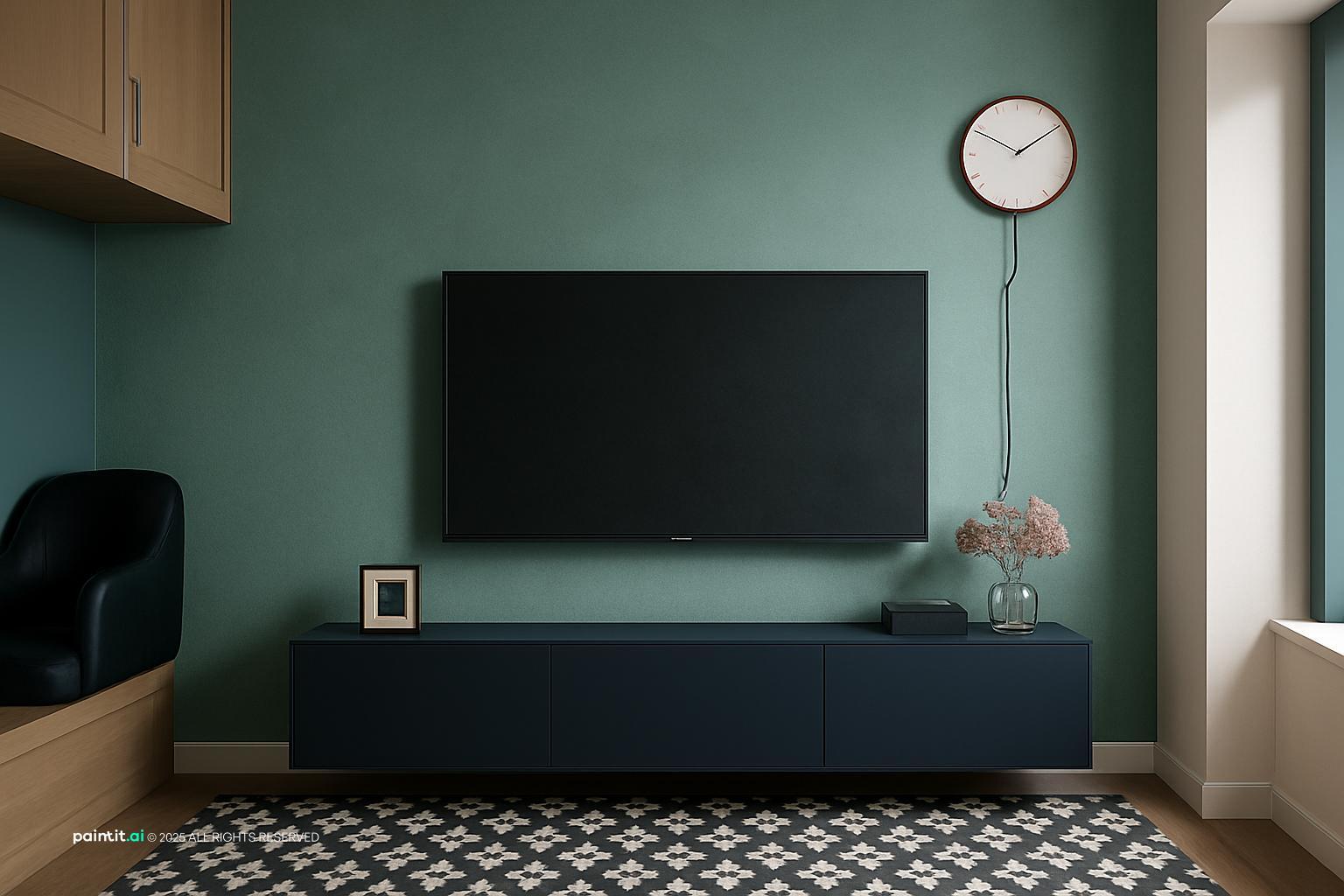
Forget minimalism; the 1990s living room decor loved patterns—florals, geometrics, plaids. Sofas and armchairs weren't afraid to make a statement. It was about comfort and visual interest, a departure from the sleek, often sterile designs that followed. The truth is, a well-chosen pattern can add incredible depth and personality.
-
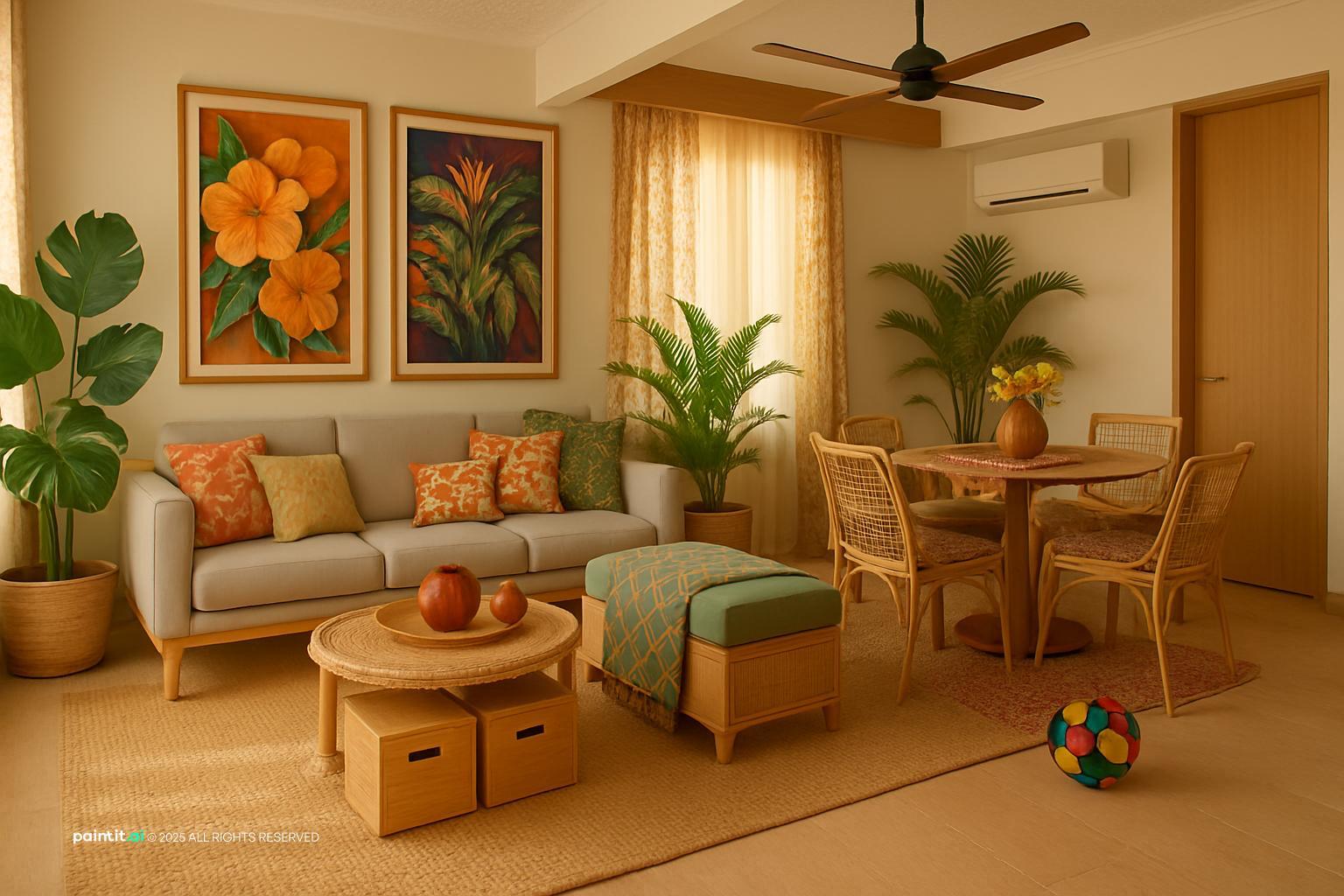
Look for a sofa or accent chair upholstered in a rich chintz, a subtle jacquard, or even a classic plaid. Don't shy away from mixing patterns, but keep a consistent color family to tie things together. Think robust, family-friendly fabrics like corduroy or a durable cotton blend.
-
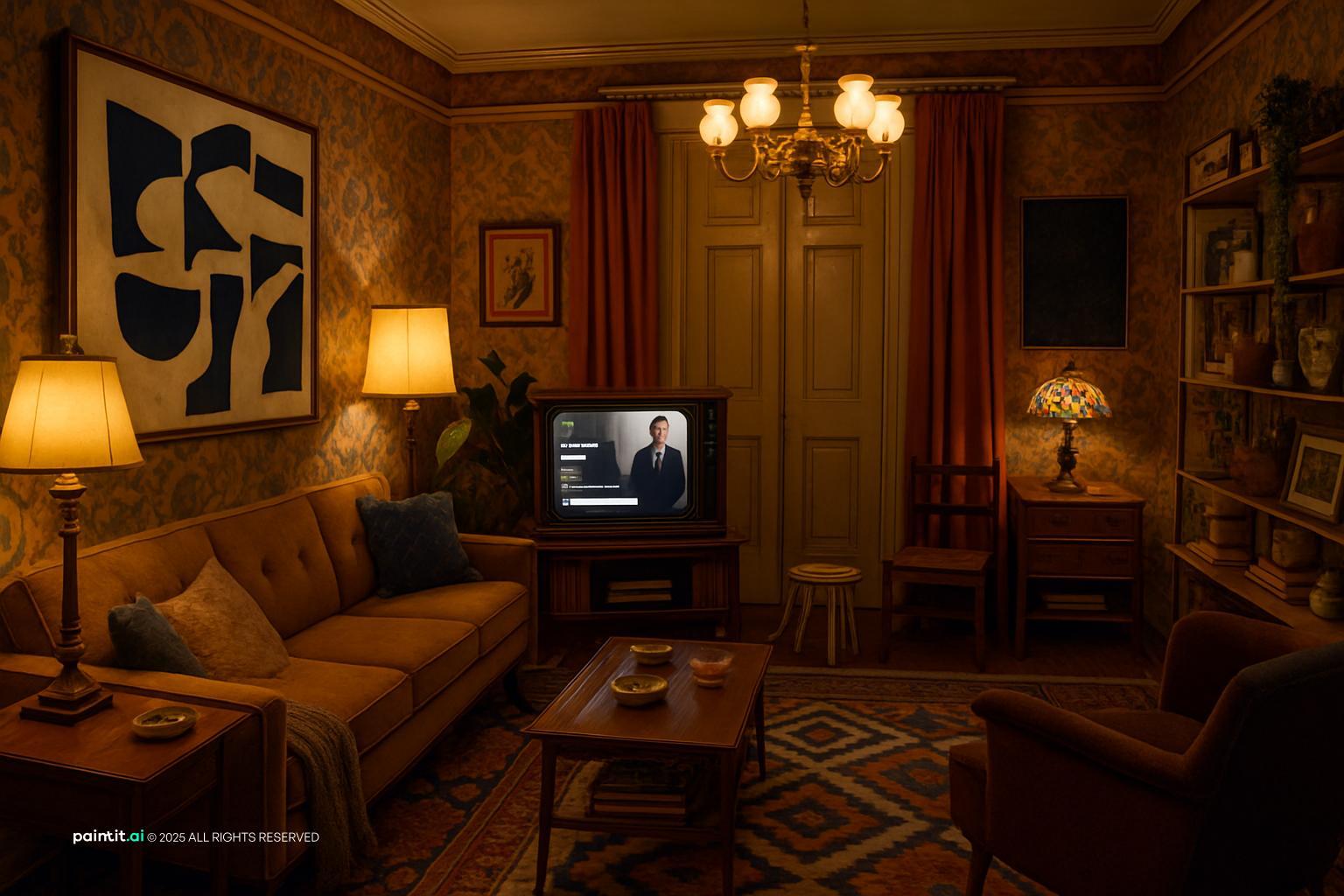
Pro Tip: To achieve this effect, try a single patterned armchair as a focal point, paired with more neutral surrounding elements.
-
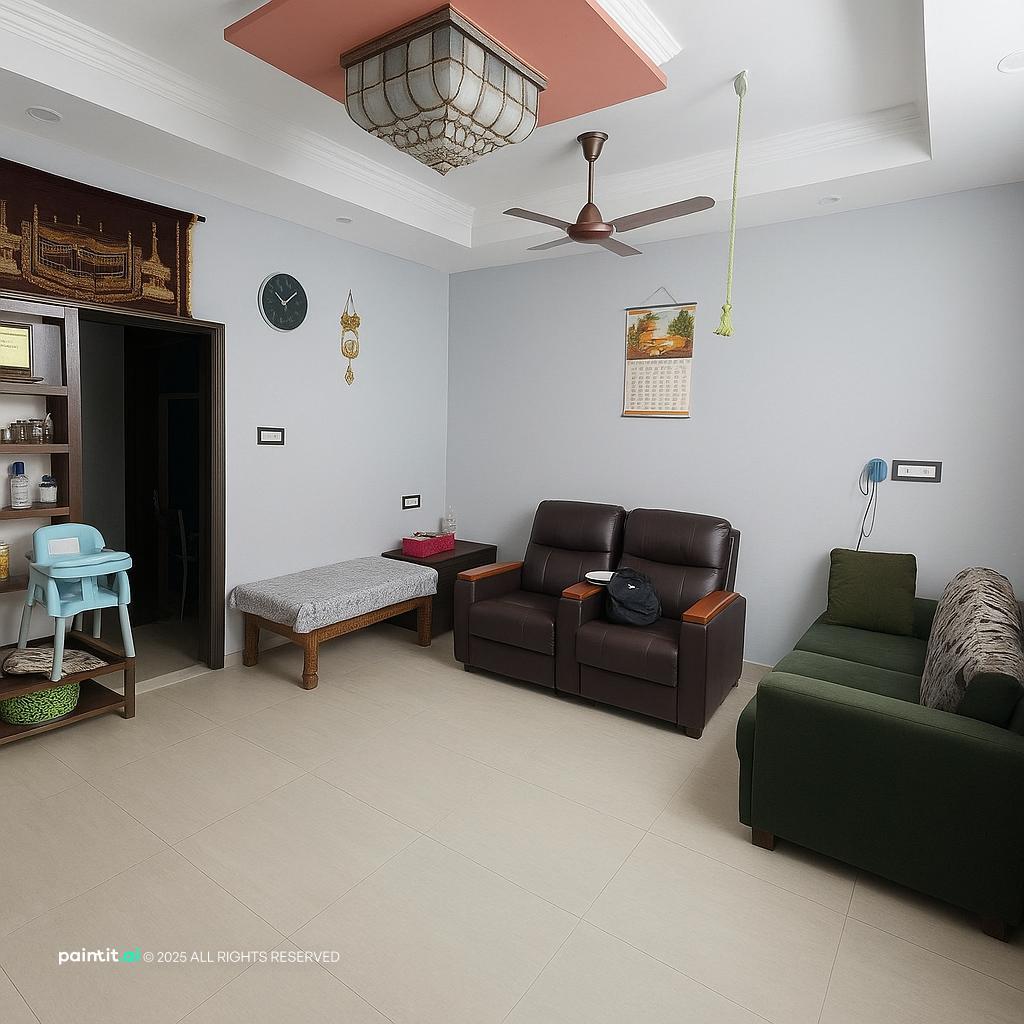
Comfort was king. 90s living room designs featured deep, inviting sofas that practically swallowed you whole. These weren't just for sitting; they were for sprawling, napping, and gathering. It’s about creating an undeniable sense of ease, a space where everyone feels truly at home.
-
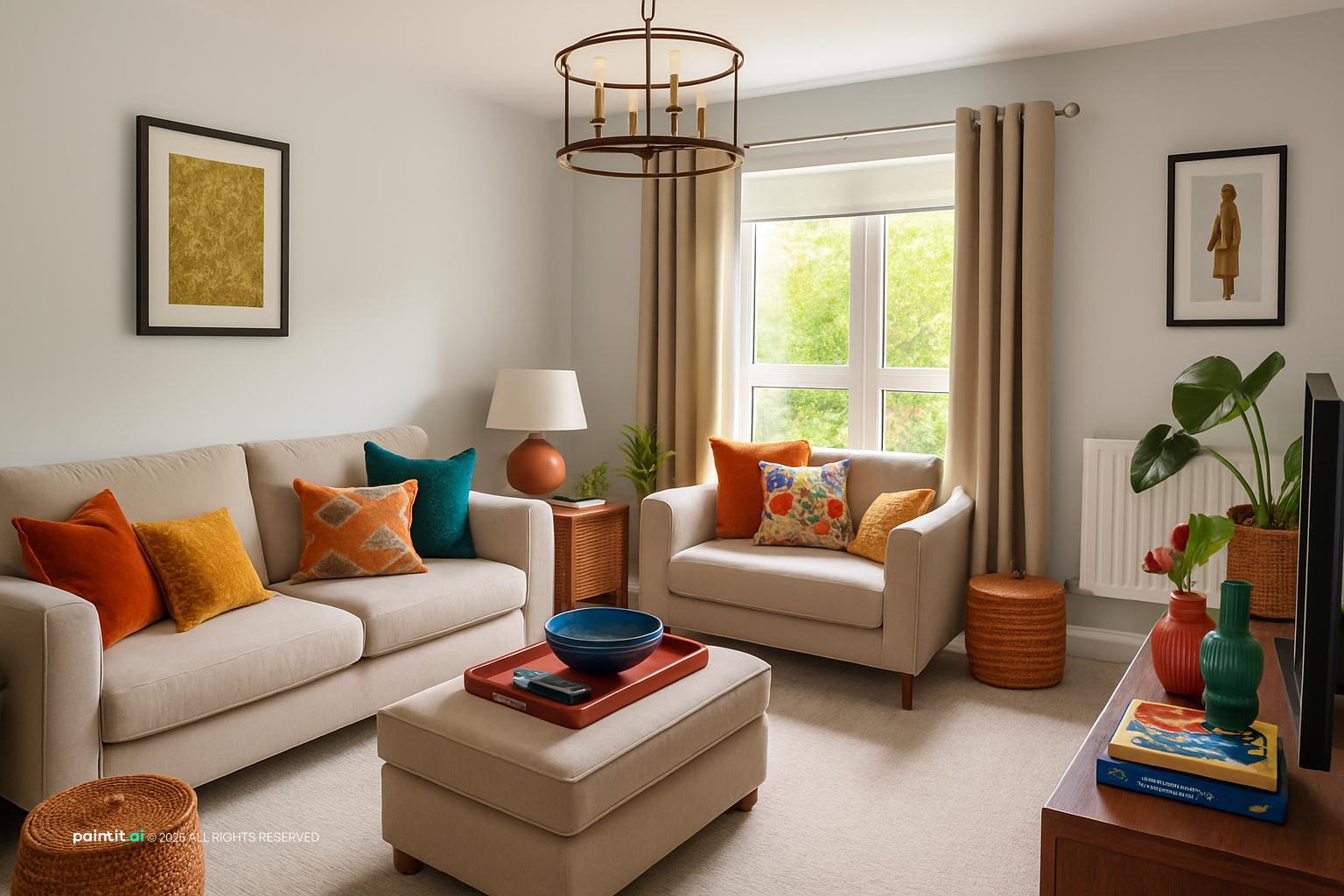
Seek out a sectional or a three-seater sofa with generous proportions and soft, sink-in cushions. Fabrics like brushed cotton, a soft chenille, or even a durable micro-suede in a muted tone would be perfect. Add a few throw pillows in complementary patterns or solid colors.
-
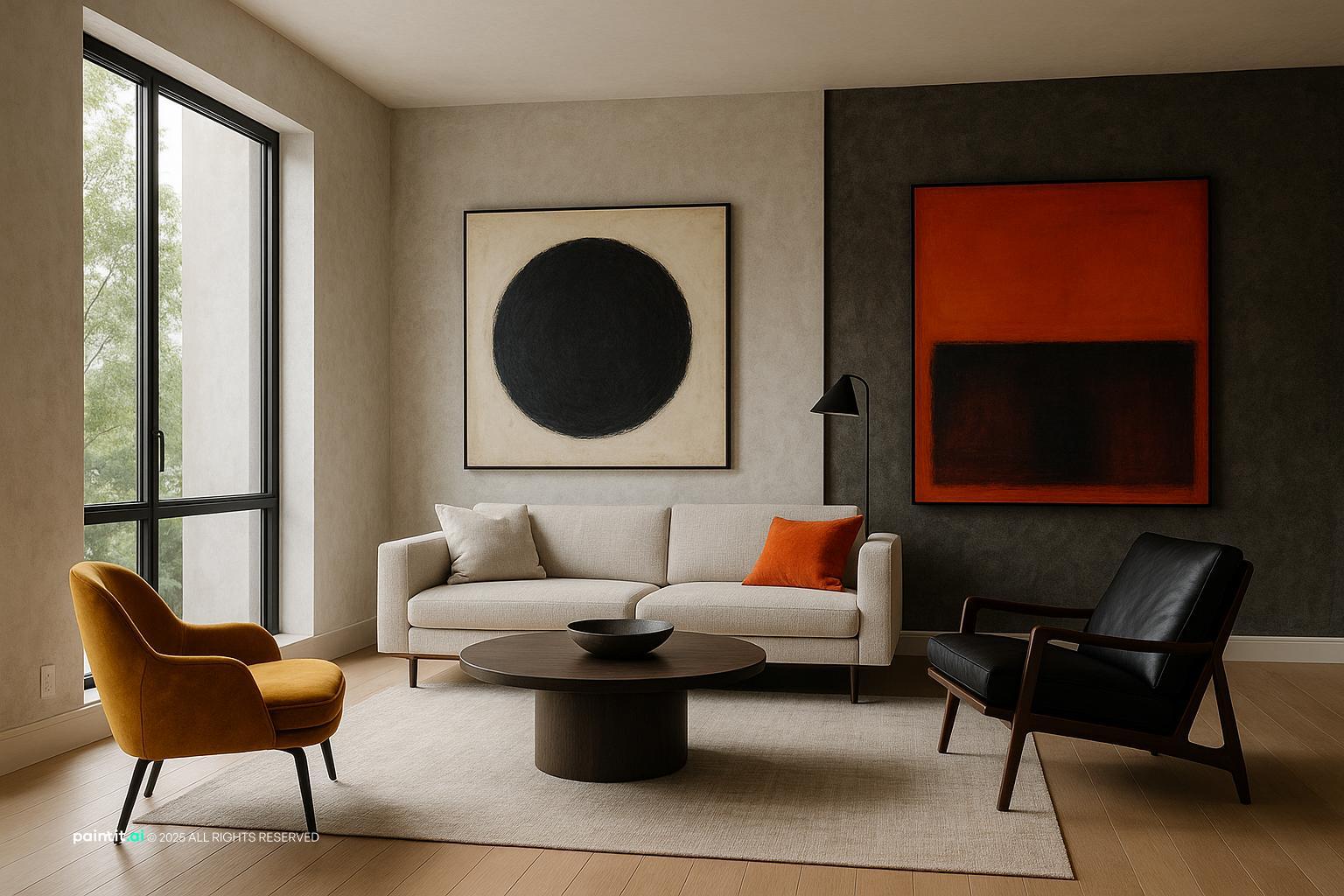
Pro Tip: To achieve this effect, try a sofa with rolled arms and a skirted base for that classic, relaxed silhouette.
-
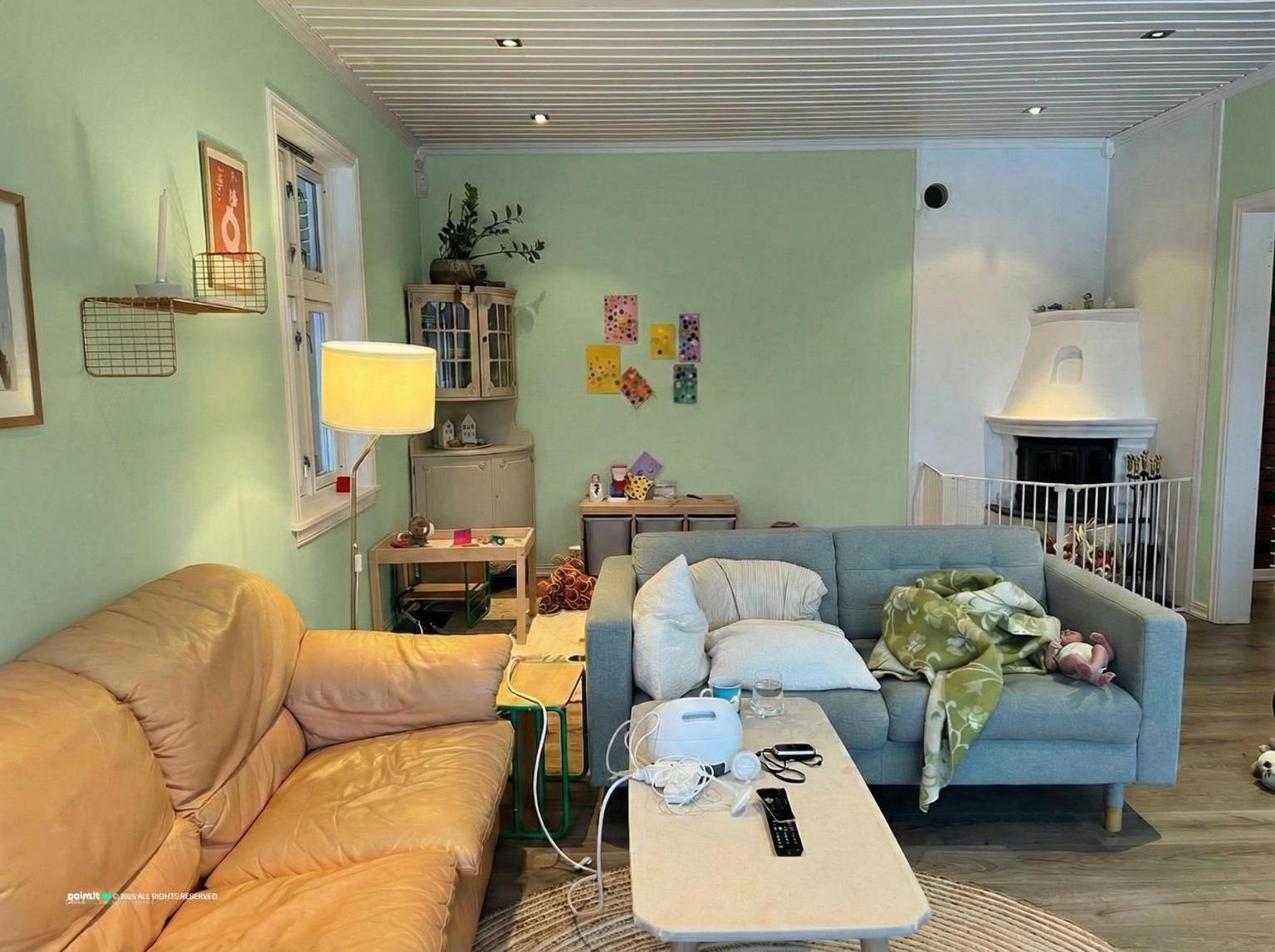
From coffee tables to shelving units, warm wood was a staple in a typical 90s living room. Oak, pine, and cherry finishes dominated, bringing a grounded, natural feel to the space. It wasn't about high-gloss perfection but about sturdy, functional pieces that felt built to last. This aesthetic brings an inherent warmth that’s hard to replicate with cooler palettes.
-
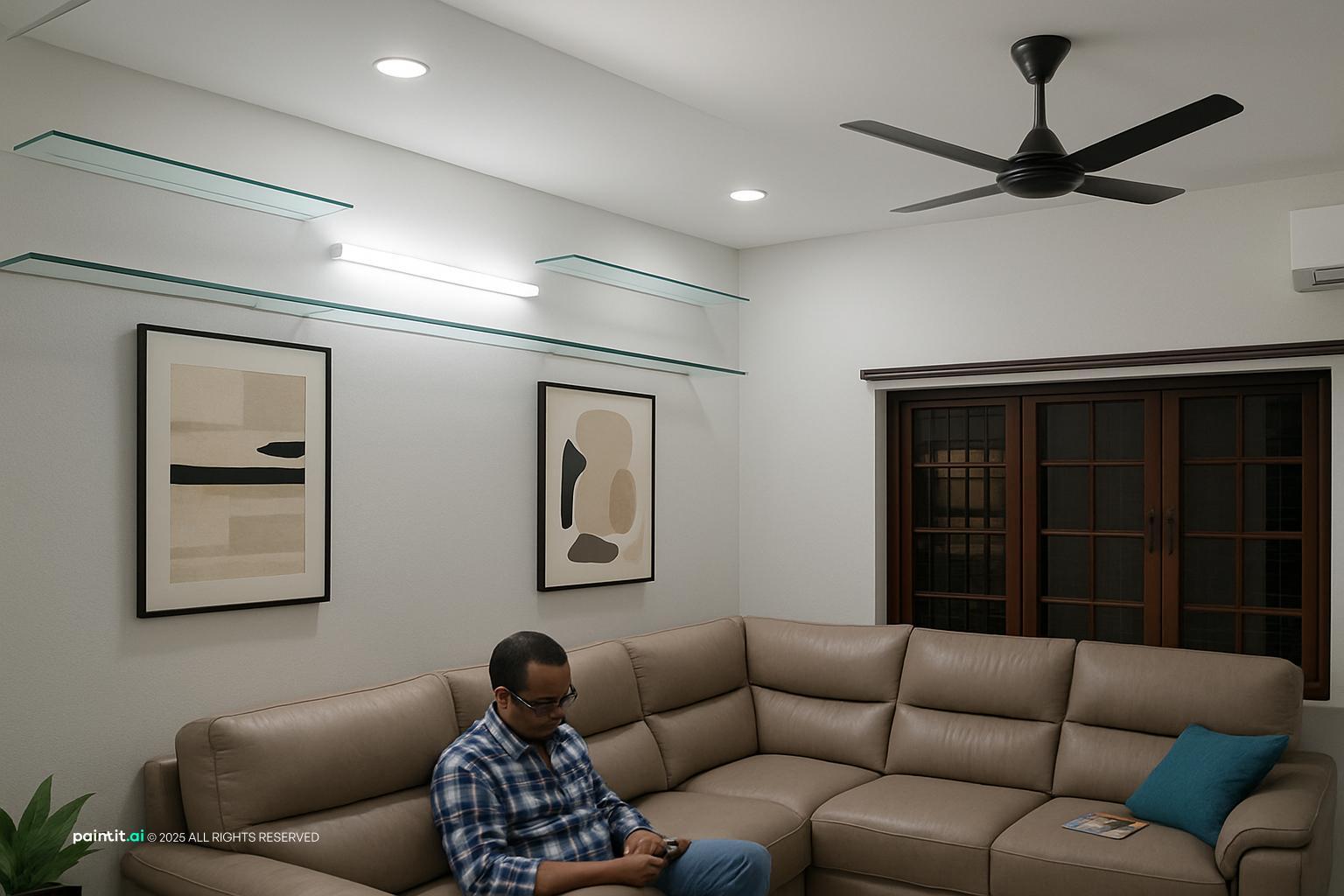
Incorporate a substantial coffee table, end tables, or a display cabinet in a medium to dark wood finish. Don't be afraid to mix different wood types, but ensure they share a similar undertone. Consider a classic pine hutch or an oak console.
-
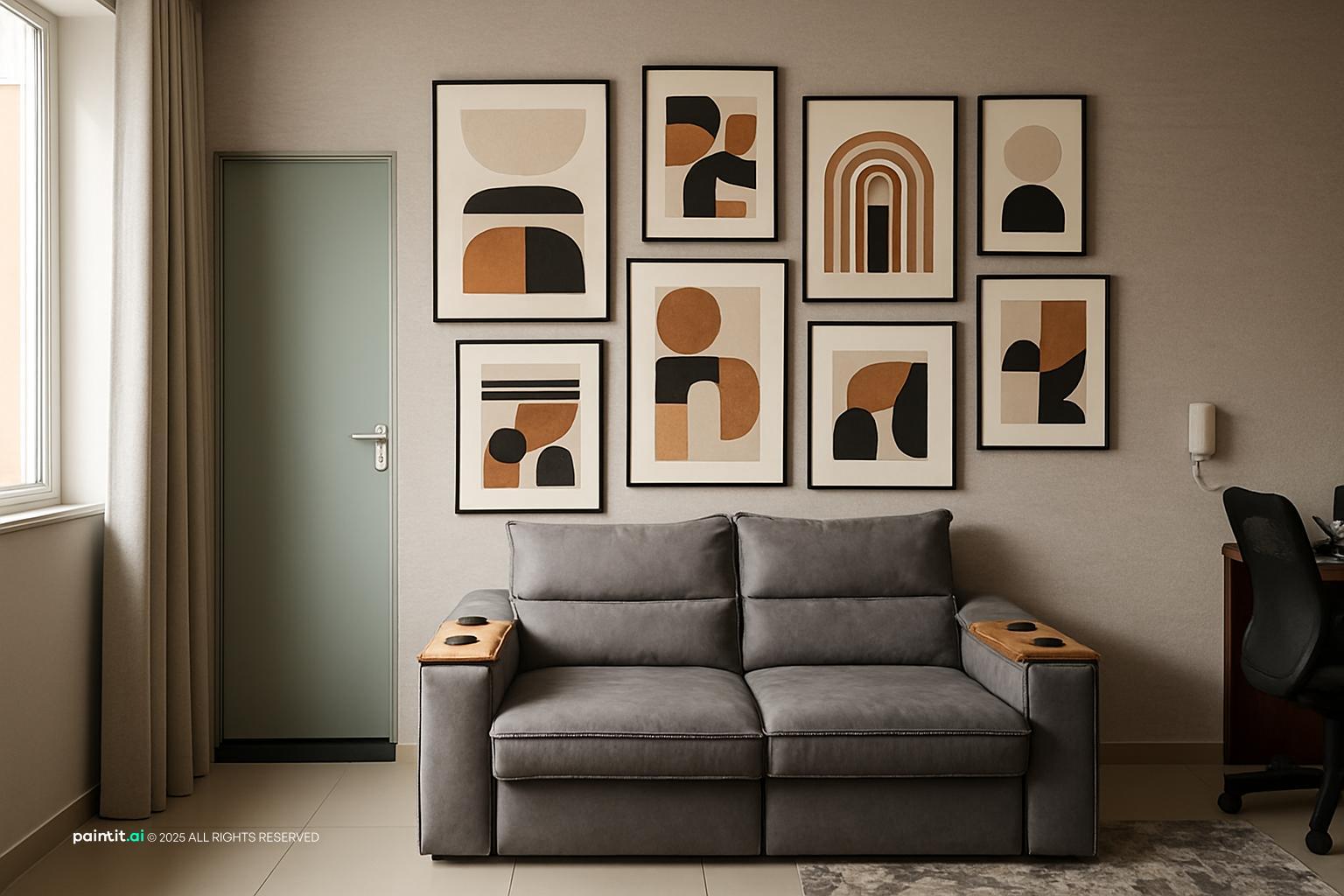
Pro Tip: To achieve this effect, try sourcing vintage solid wood pieces from local thrift stores or estate sales for authentic character.
-
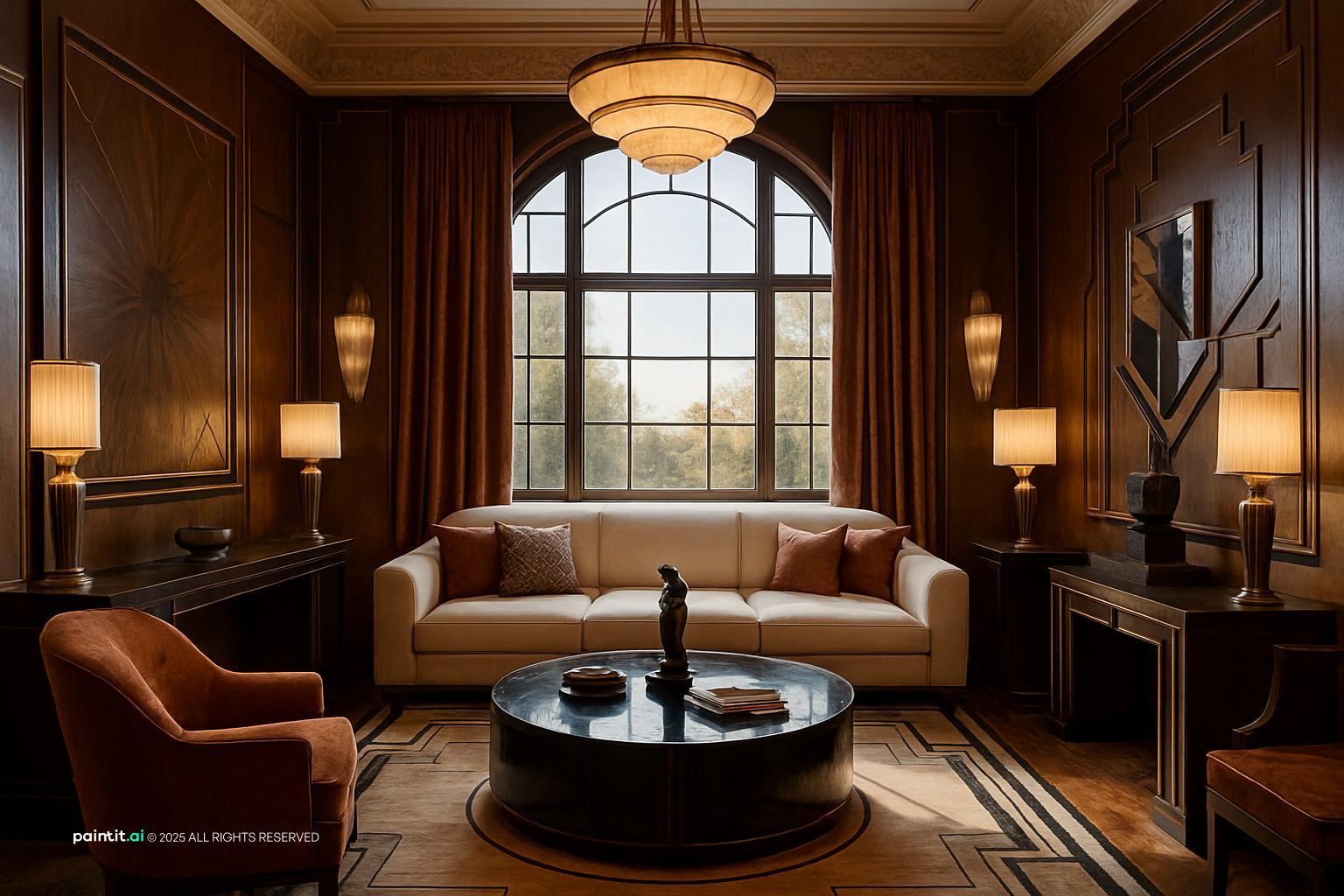
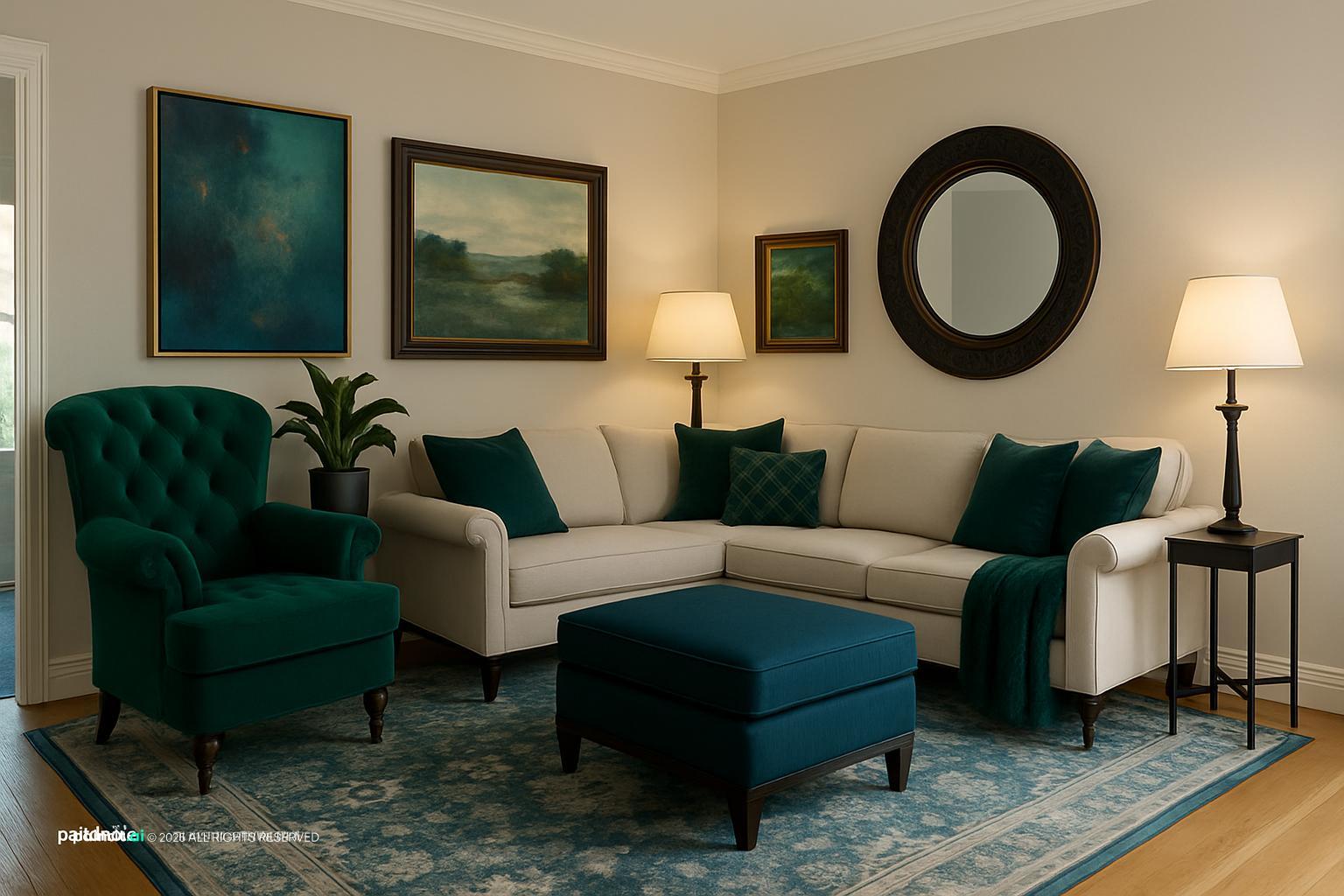
Harsh overhead lighting was out; soft, ambient light was in. Floor lamps with fabric shades, table lamps, and even track lighting created a cozy, inviting glow. It’s about setting a mood, making a room feel intimate and lived-in, rather than brightly illuminated for every task.
-
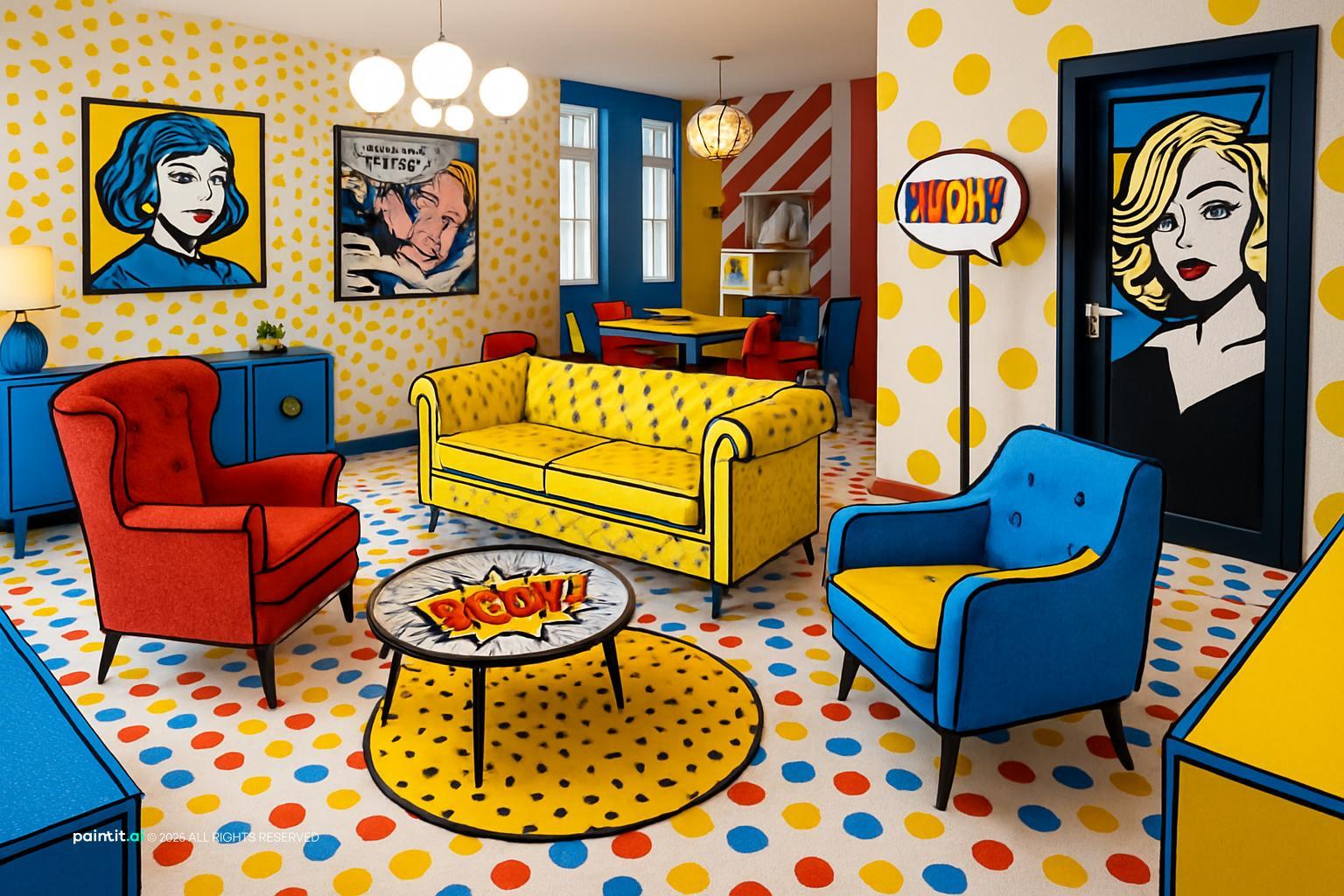
Place a tall floor lamp with an empire or drum shade next to a sofa. Add a pair of table lamps with ceramic bases and pleated fabric shades on end tables. Consider a brass-accented lamp for a subtle nod to the era.
-
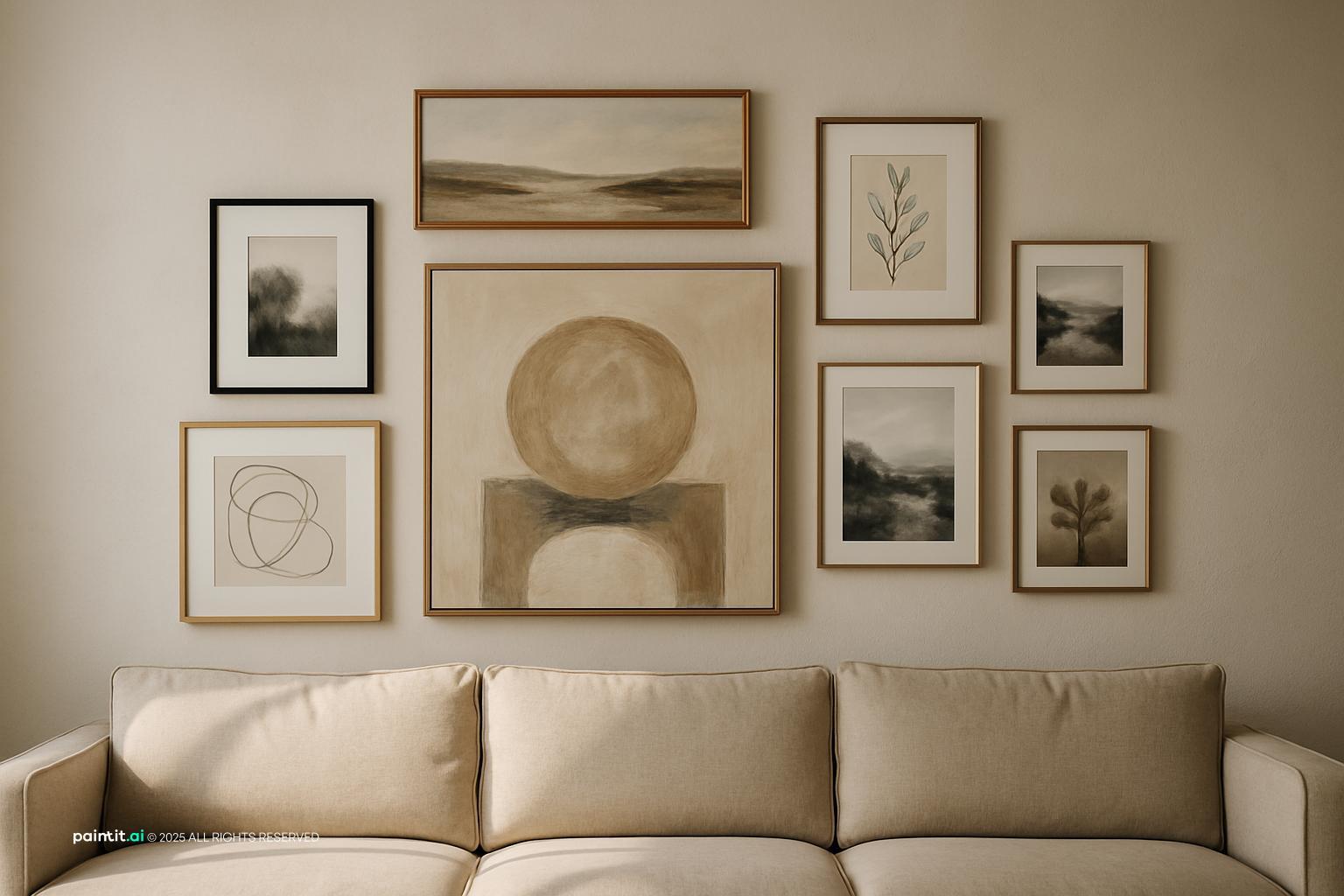
Pro Tip: To achieve this effect, try using warm-toned LED bulbs (2700K) in all your lamps for that soft, inviting glow.
-
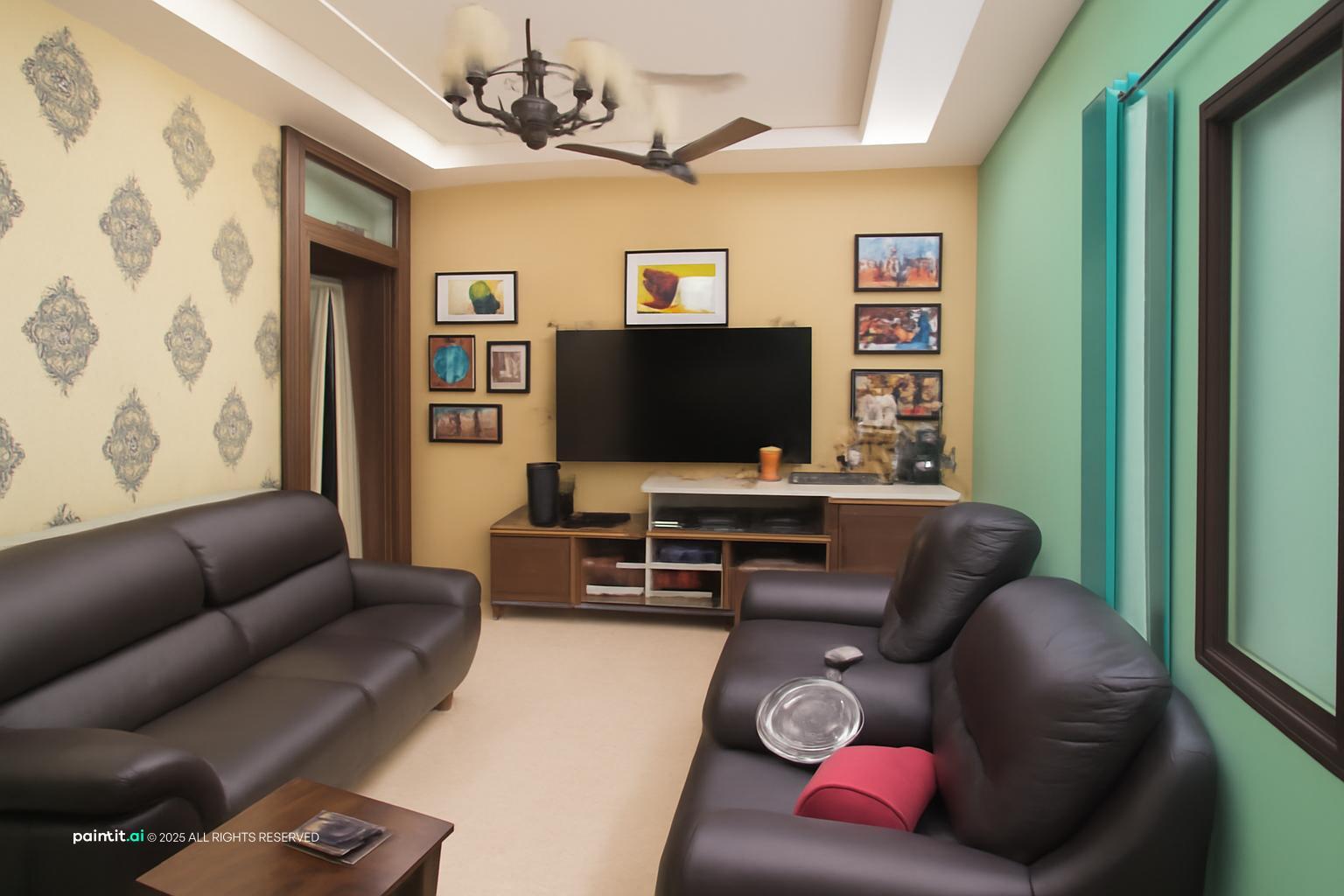
A 90s themed living room was rarely sterile. They were filled with personal touches—travel souvenirs, framed photos, collections of CDs or books. It reflected a life lived, a space that evolved with its inhabitants. This approach makes a room feel genuinely authentic, not just decorated.
-
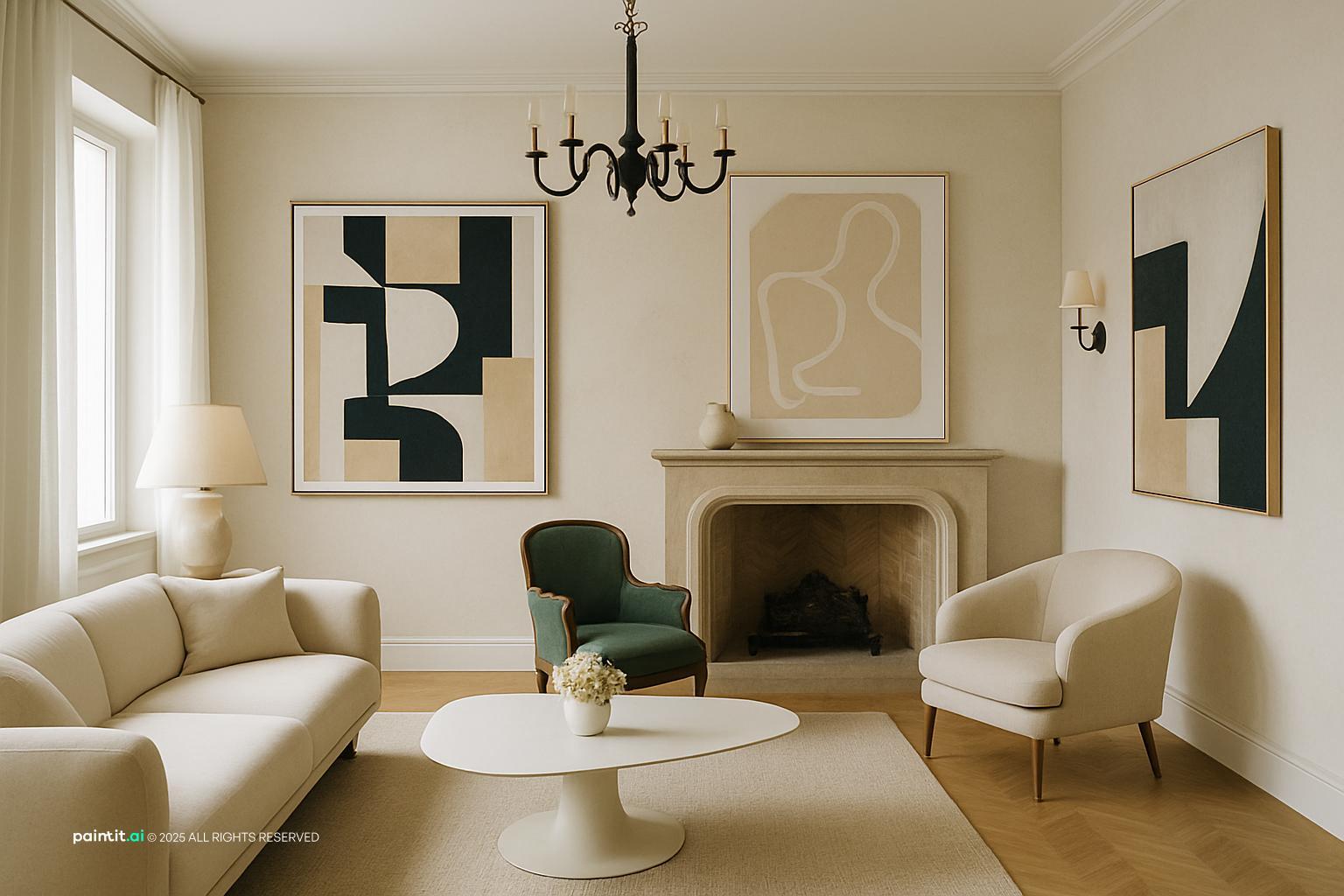
Dedicate open shelving or a glass-front cabinet to displaying cherished items. Mix in family photos in simple frames, a collection of vintage CDs, or a few well-loved books. Avoid over-curating; a slightly "messy" collection feels more genuine.
-
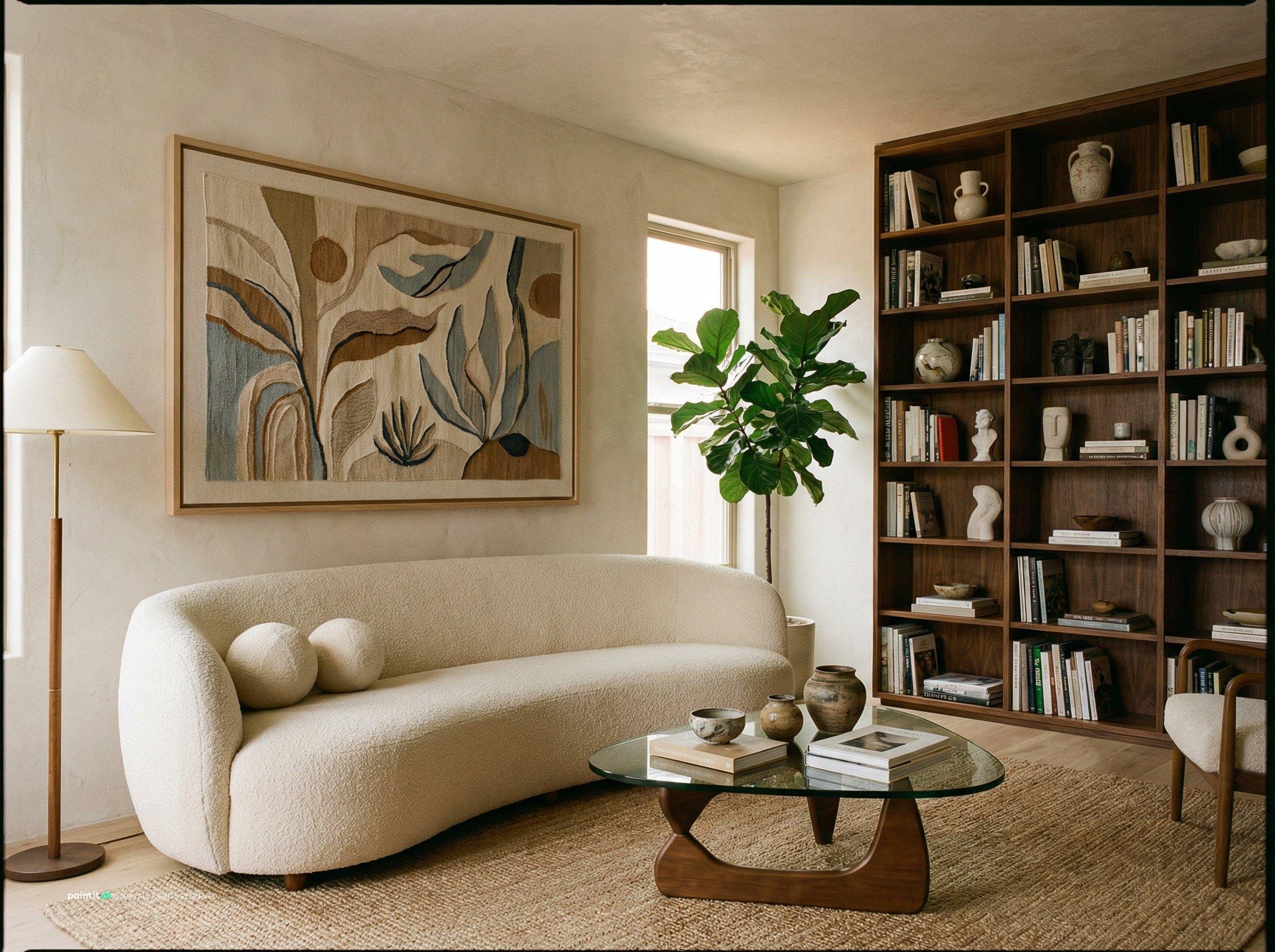
Pro Tip: To achieve this effect, try grouping items by color or theme on shelves, but allow for some asymmetry and imperfection.
-
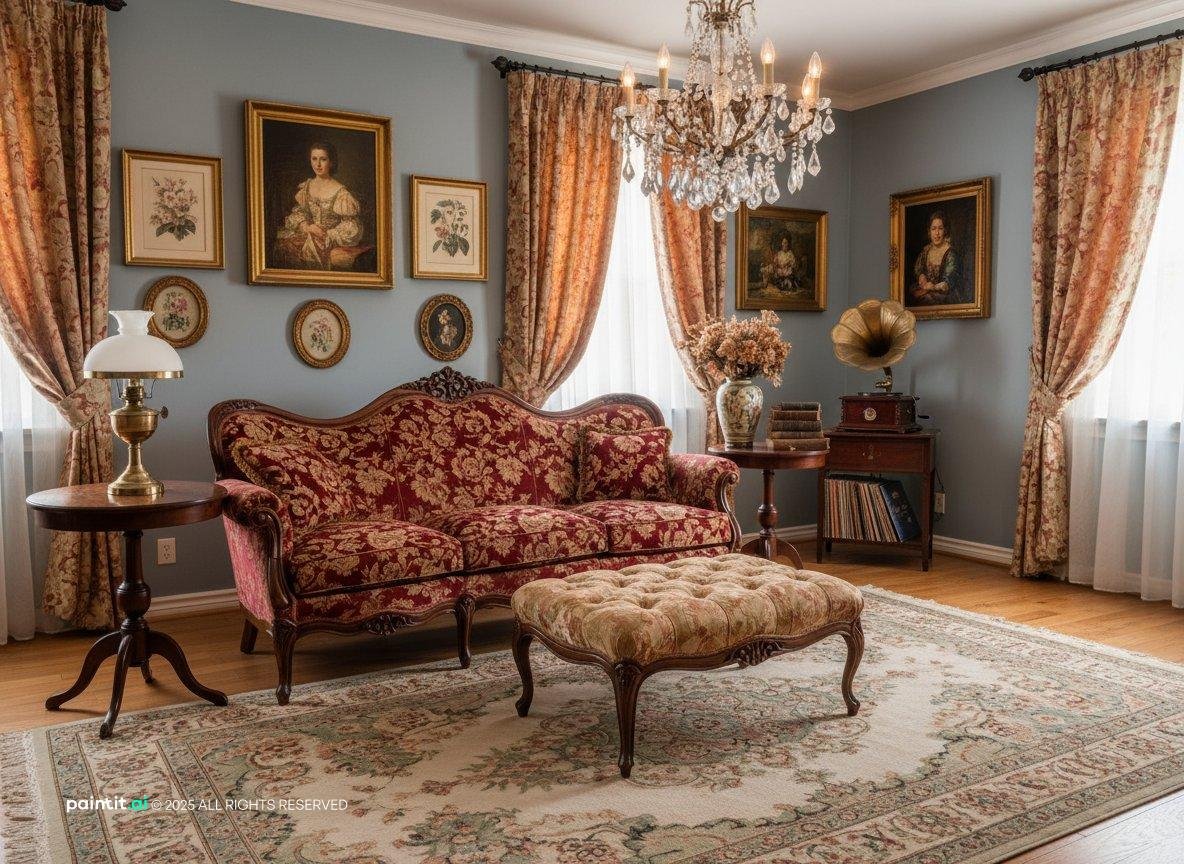
The tactile comfort of carpet underfoot was a hallmark. Whether wall-to-wall or a substantial area rug, it added warmth, absorbed sound, and often introduced pattern. It’s a design choice that speaks to comfort and practicality, making a room feel instantly cozier. This is a key part of the aesthetic 90s living room.
-
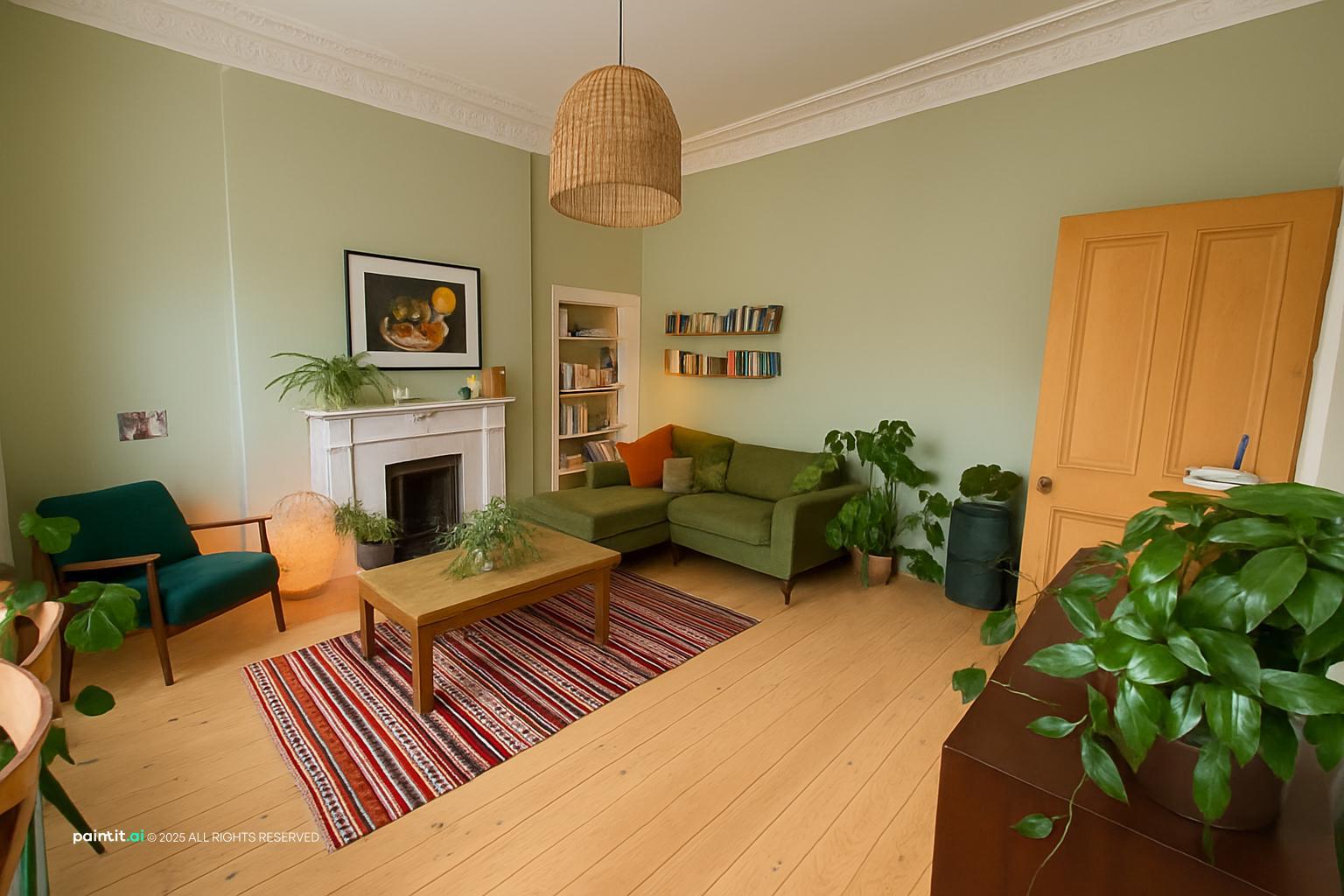
If wall-to-wall isn't an option, select a large area rug that defines the living space. Look for geometric patterns, subtle florals, or even a classic Persian-inspired design in muted tones. Think durable, low-pile options for easy maintenance.
-
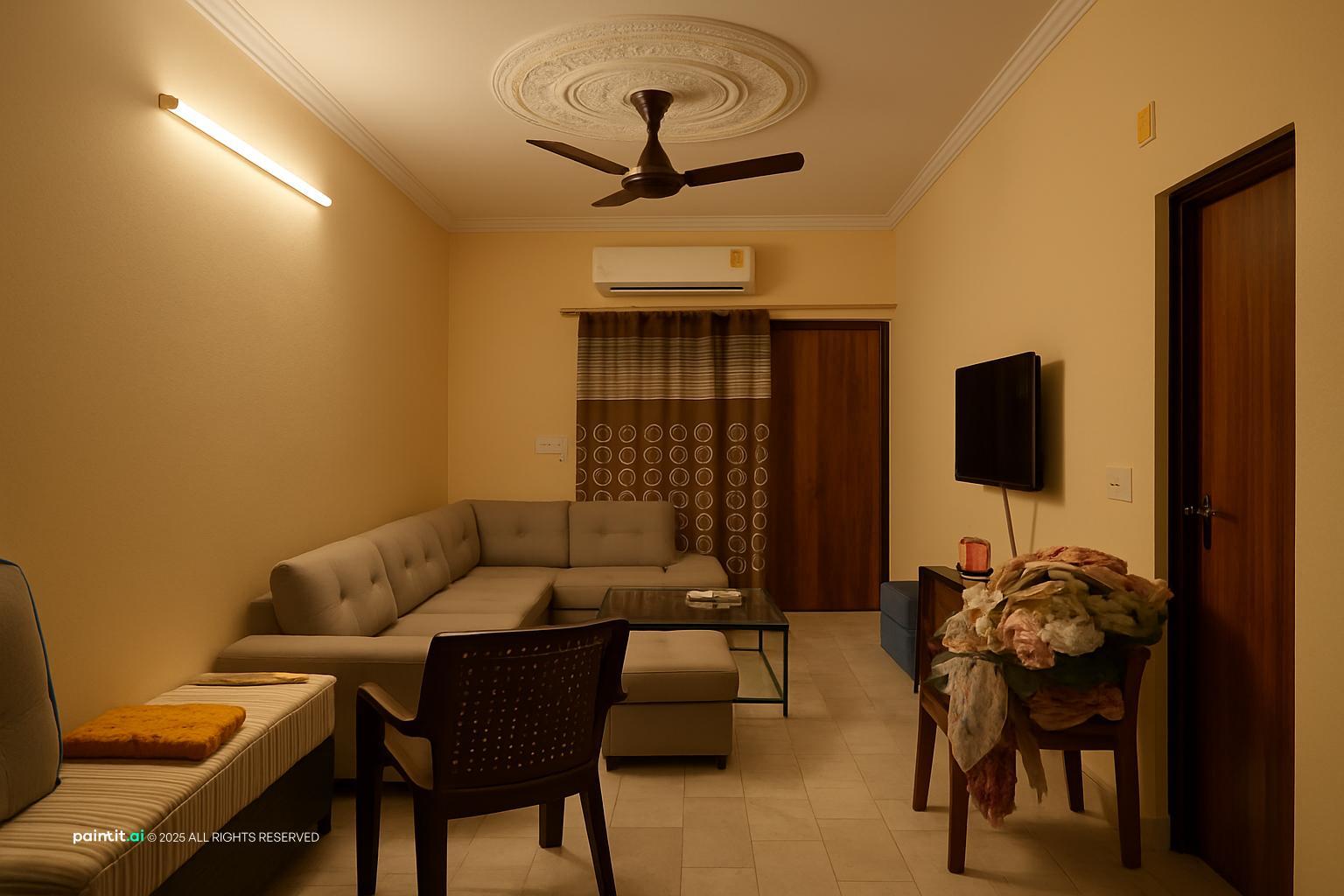
Pro Tip: To achieve this effect, try a rug that extends under the front legs of all main seating pieces to visually anchor the room.
Unpacking the Soul of the 90s Living Room: A Deep Dive into its Enduring Charm to Life with Paintit.ai
-
Unpacking the Soul of the 90s Living Room: A Deep Dive into its Enduring Charm 1. Color palette The aesthetic 90s living room embraced a comforting palette. We often saw muted earth tones like sage green, dusty rose, and a warm beige forming the foundation. Deeper jewel tones—think rich burgundy or a forest green—provided pops of color, often in upholstery. Creamy off-whites and soft tans balanced these, ensuring the space felt inviting, never overwhelming. 2. Key materials & textures Warm wood was king in the living room 1990s. Oak, cherry, and pine brought a sturdy, grounded feel to coffee tables and entertainment units. For textiles, plush chenille, durable corduroy, and even chintz with subtle patterns created an inviting, tactile experience. These materials weren't just functional; they wrapped the room in unpretentious warmth, a hallmark of 90s living room decor. 3. Furniture essentials Defining a typical 90s living room meant starting with the oversized sofa. We’re talking deep, sink-in cushions, often with rolled arms and a skirted base, inviting you to truly relax. A substantial entertainment unit, usually in a warm wood, was crucial, housing the era's media. A sturdy, central coffee table completed the trio, ready for board games or movie snacks. It’s about generous proportions, not sleek lines. 4. Lighting setup The late 90s living room understood layered lighting. Harsh overhead fixtures were out; soft, ambient light was in. Floor lamps with fabric empire shades provided a gentle glow, while table lamps with ceramic bases and pleated shades offered task lighting for reading. We’ve seen this work best with warm-toned LED bulbs, creating an intimate, cozy atmosphere that truly defines the living room in the 90s. 5. Decorative accents & the 3-5-7 rule A 90s themed living room thrived on personal touches, not sterile perfection. We’d see framed family photos, travel souvenirs, and collections of CDs or books openly displayed. For decorative accents, we often apply the 3-5-7 rule: group three varied items on a coffee table—a stack of books, a small plant, and a ceramic coaster. On a bookshelf, five framed photos mixed with a couple of small sculptures creates visual interest. For wall art, a large central piece flanked by two smaller ones, or a gallery of seven smaller prints, captures that collected, lived-in feel. This approach fosters a genuine sense of nostalgia 90s living room charm, making the space feel authentically yours. It sounds simple, but most people forget the power of odd numbers in creating visual harmony.
Paintit.ai: Visualizing Your Perfect 90s Living Room Vibe Design Ideas
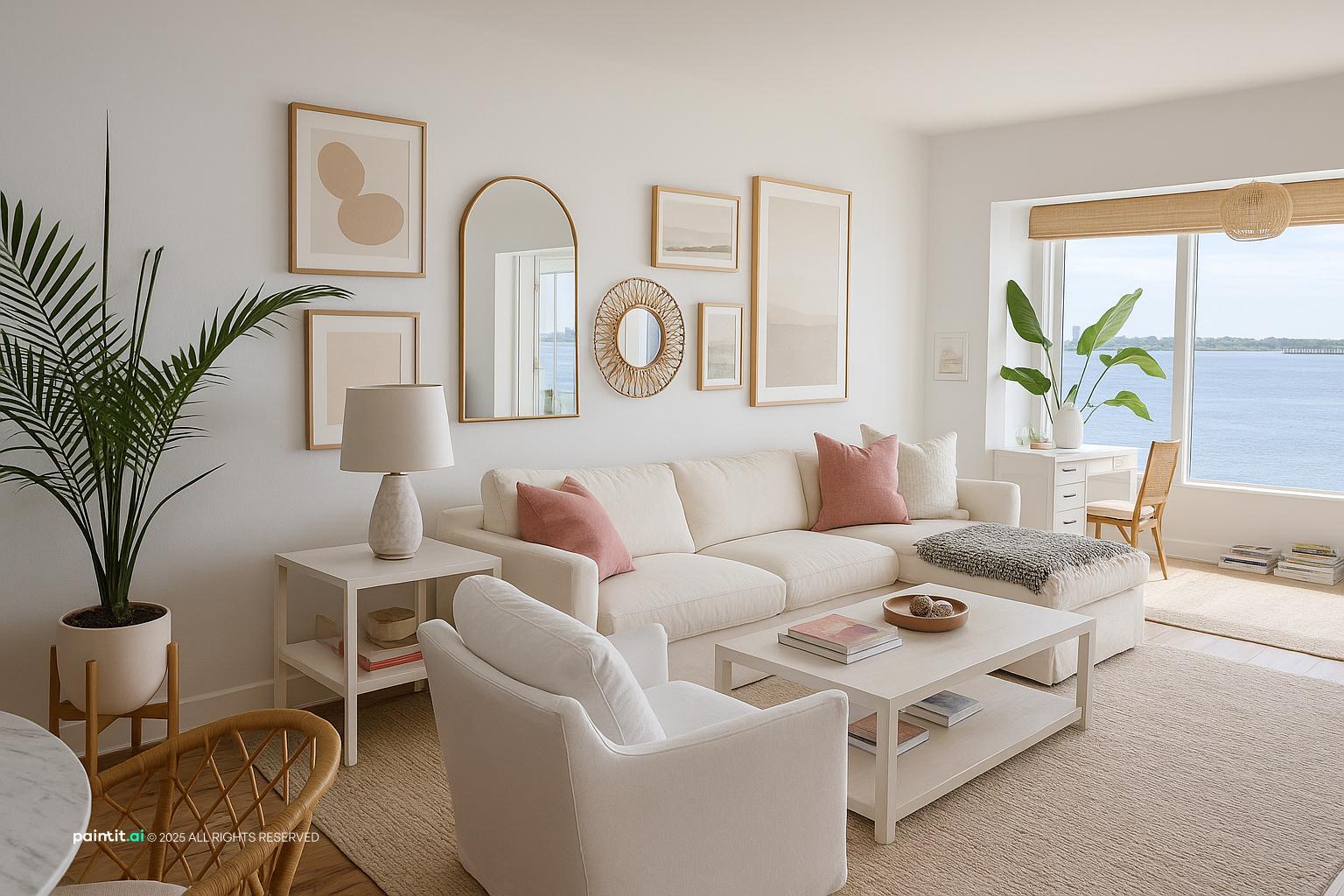
Bringing back that authentic 90s living room feel often means balancing bold patterns and warm woods without going overboard. We know it’s tricky. Paintit.ai lets you instantly visualize how a chintz sofa or an oak entertainment unit will look in your space, helping you nail that nostalgia 90s living room charm without costly guesswork. Try it out.
FAQ
-
FAQ about the 90's Living Room What truly defined a typical 90s living room? Ah, the 90s living room. It’s more than just a decade; it’s a feeling. We often think of comfort and a certain unpretentious ease. A typical 90s living room embraced plush, overstuffed sofas—often in muted tones like sage green, burgundy, or beige—paired with chunky wooden coffee tables, sometimes with glass inserts. Think floral patterns, plaid, or even a touch of Southwestern influence. Entertainment centers were paramount, housing VCRs and massive CRT televisions. It wasn't about minimalism; it was about lived-in warmth, a space for family movie nights and board games. The aesthetic 90s living room was less about grand statements and more about creating a cozy, functional hub. How can we recreate a 90s themed living room today without it feeling dated? That's the trick, isn't it? The key to a successful 90s themed living room in our current era lies in selective curation. Instead of replicating everything, we pull the best elements. Consider a modern take on the classic overstuffed sofa, perhaps in a rich velvet or a textured linen, rather than a chintzy floral. We've seen this work best when you mix a few authentic 1990s living room decor pieces—like a vintage console table or a specific lamp—with contemporary, clean-lined furniture. It’s about nodding to the era, not living entirely in it. Think warm wood tones, perhaps a subtle plaid throw, and definitely some vintage tech accents, but integrated thoughtfully. The result? Impeccable. What are some essential decor items for 1990s living room decor? When we talk about 1990s living room decor, a few items immediately spring to mind. First, the entertainment center was king; a large, often oak or cherry wood unit designed to hold a television and media. Then there were the ubiquitous floral or plaid throw pillows, perhaps a fringed blanket draped over the sofa. Lamps often featured brass accents or stained glass. We also saw a lot of framed art prints—think landscapes, still life, or even abstract geometrics—and plenty of potted plants, especially ferns or ficus trees. Don't forget the chunky, often ceramic, decorative vases. It’s all about layering textures and familiar, comforting objects that evoke that specific living room 1990s vibe. Was there a noticeable difference between early and late 90s living room aesthetics? Absolutely, the decade wasn't a monolith. The early 90s living room often carried over some of the maximalist tendencies from the late 80s, featuring heavier fabrics, more ornate details, and a slightly more formal feel. Think deep jewel tones, chintz, and perhaps some country-chic elements. As we moved into the late 90s living room, there was a subtle shift towards a slightly cleaner, more relaxed aesthetic. Colors became a bit softer—more sage, beige, and muted blues. We started seeing the rise of more minimalist furniture lines, even if still plush, and a greater emphasis on natural materials like lighter woods and iron. It was a slow evolution, a gradual shedding of excess in favor of a more casual, yet still comfortable, atmosphere. Why is there such a strong nostalgia 90s living room trend right now? The truth is, nostalgia 90s living room trends resonate deeply because the 90s represent a perceived simpler time for many. Before the widespread internet, before smartphones, the living room in the 90s was truly the central hub for shared experiences—watching movies, playing video games, listening to CDs. It evokes a sense of comfort, familiarity, and a certain innocence. For many, it's a return to a time when home felt less connected to the outside world and more focused on internal connections. We’re seeing a yearning for that tangible, cozy, and slightly imperfect aesthetic, a counterpoint to today’s sleek, digital-first environments. It’s about preserving a feeling, really.