
Creating an 80s Inspired Living - Room That Feels Fresh Today
Remember the bold colors and geometric patterns of the 80s? You might love the idea of an 80s inspired living room, but bringing that vibrant energy into your modern home without it feeling like a costume party can be tricky. How do you blend nostalgia with contemporary comfort to create a space that truly reflects your style?
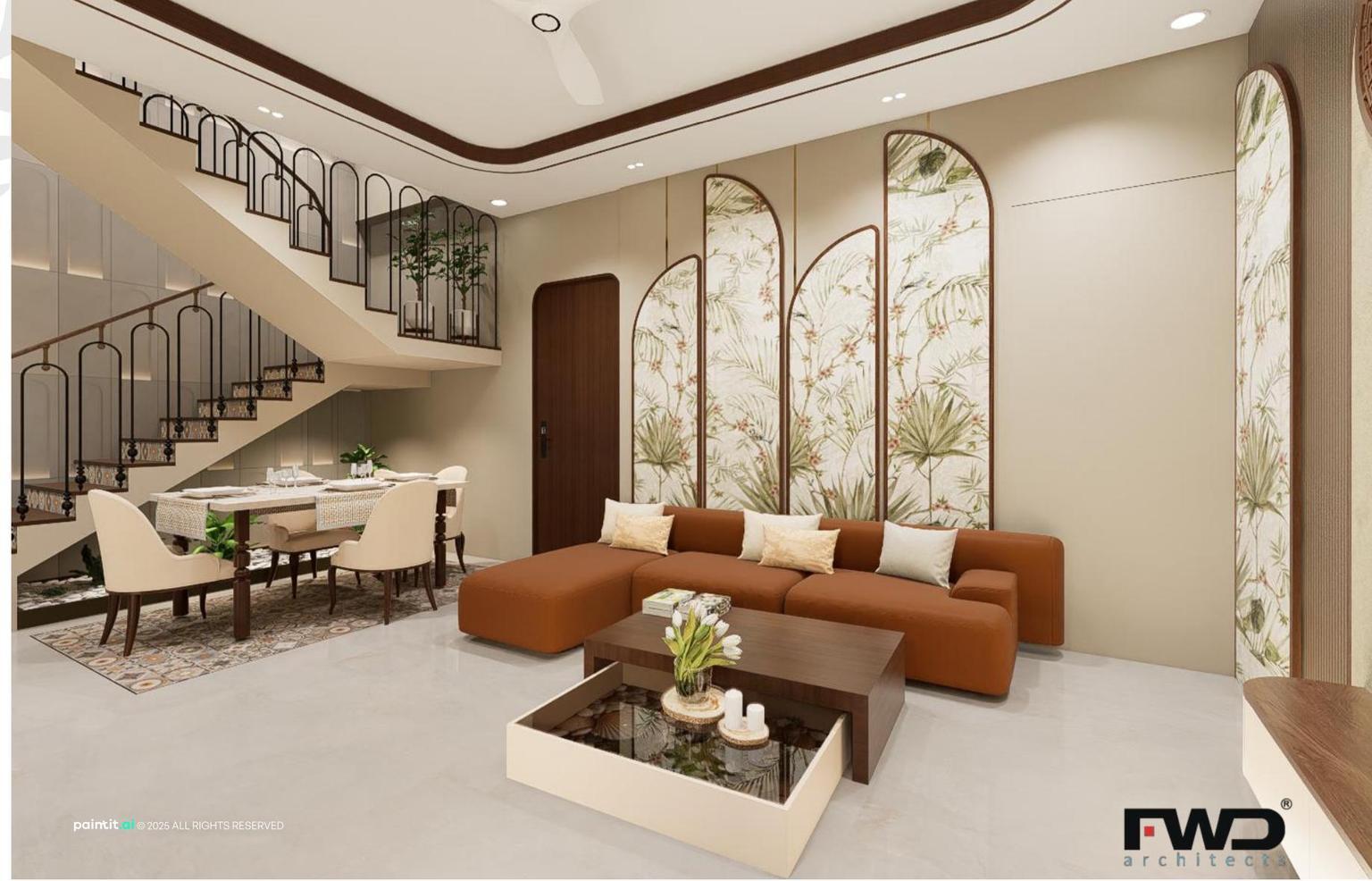
Essential Tips for 80s inspired living room
As an editor deeply immersed in design trends, I’ve observed a common misstep: the desire for an 80s inspired living room often veers into caricature. The truth is, crafting a space that truly captures the decade's vibrant energy without feeling dated requires a nuanced approach. We aim for a sophisticated nod, not a time capsule. Most people forget that the true genius of 80s retro interior design lay in its bold experimentation with geometric furniture, lacquered surfaces, and unexpected neon accents.
-
80s inspired living room
As an editor deeply immersed in design trends, I’ve observed a common misstep: the desire for an 80s inspired living room often veers into caricature. The truth is, crafting a space that truly captures the decade's vibrant energy without feeling dated requires a nuanced approach. We aim for a sophisticated nod, not a time capsule. Most people forget that the true genius of 80s retro interior design lay in its bold experimentation with geometric furniture, lacquered surfaces, and unexpected neon accents.
Stunning Examples of 13 Fresh Ways to Design an 80s Inspired Living Room
-
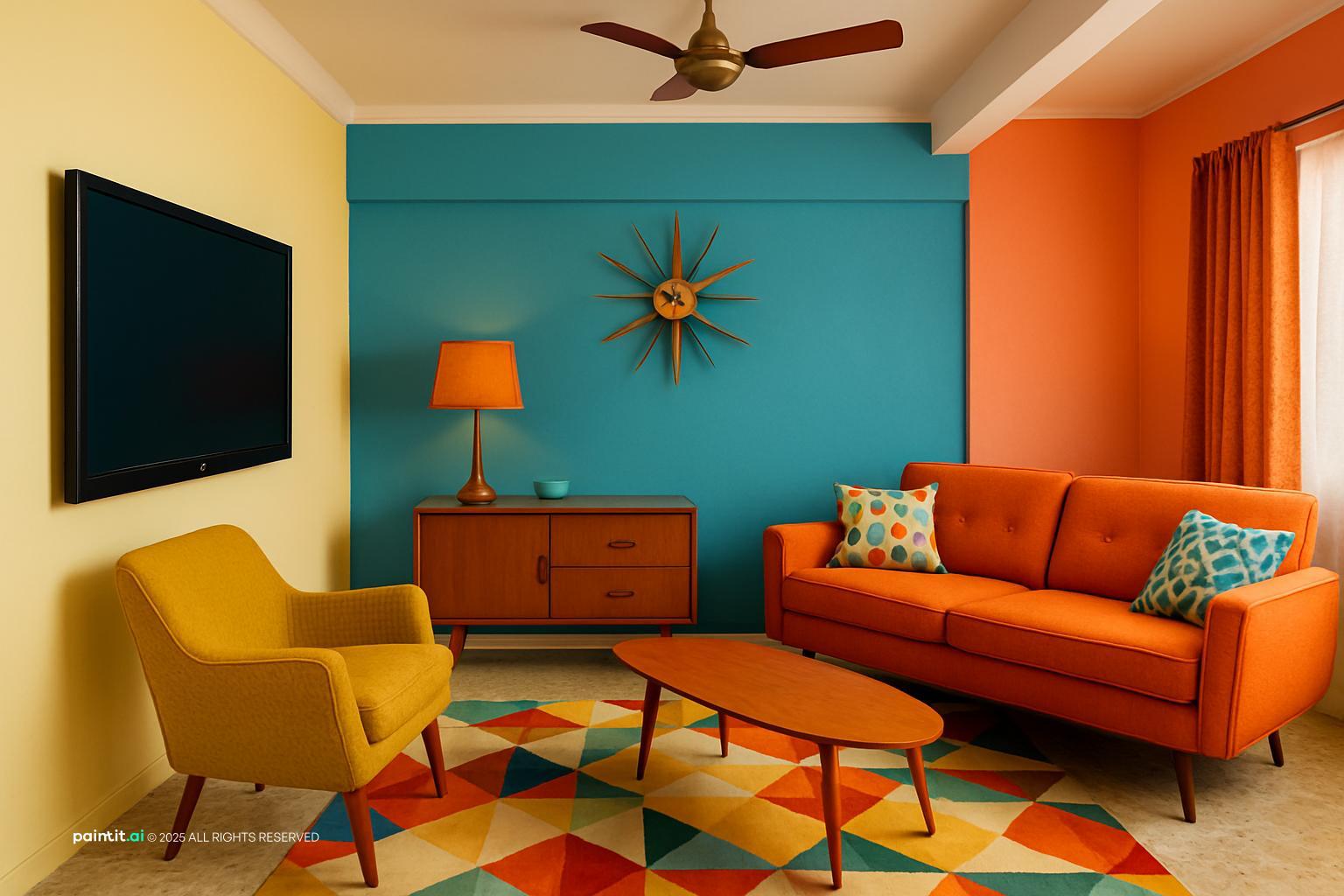
Bringing the vibrant spirit of the 1980s into your home requires a careful balance. These curated ideas merge the era's iconic aesthetics with modern functionality, ensuring your space feels both nostalgic and utterly current. We’ve focused on elements that truly define the decade, offering practical applications for today’s interiors.
-
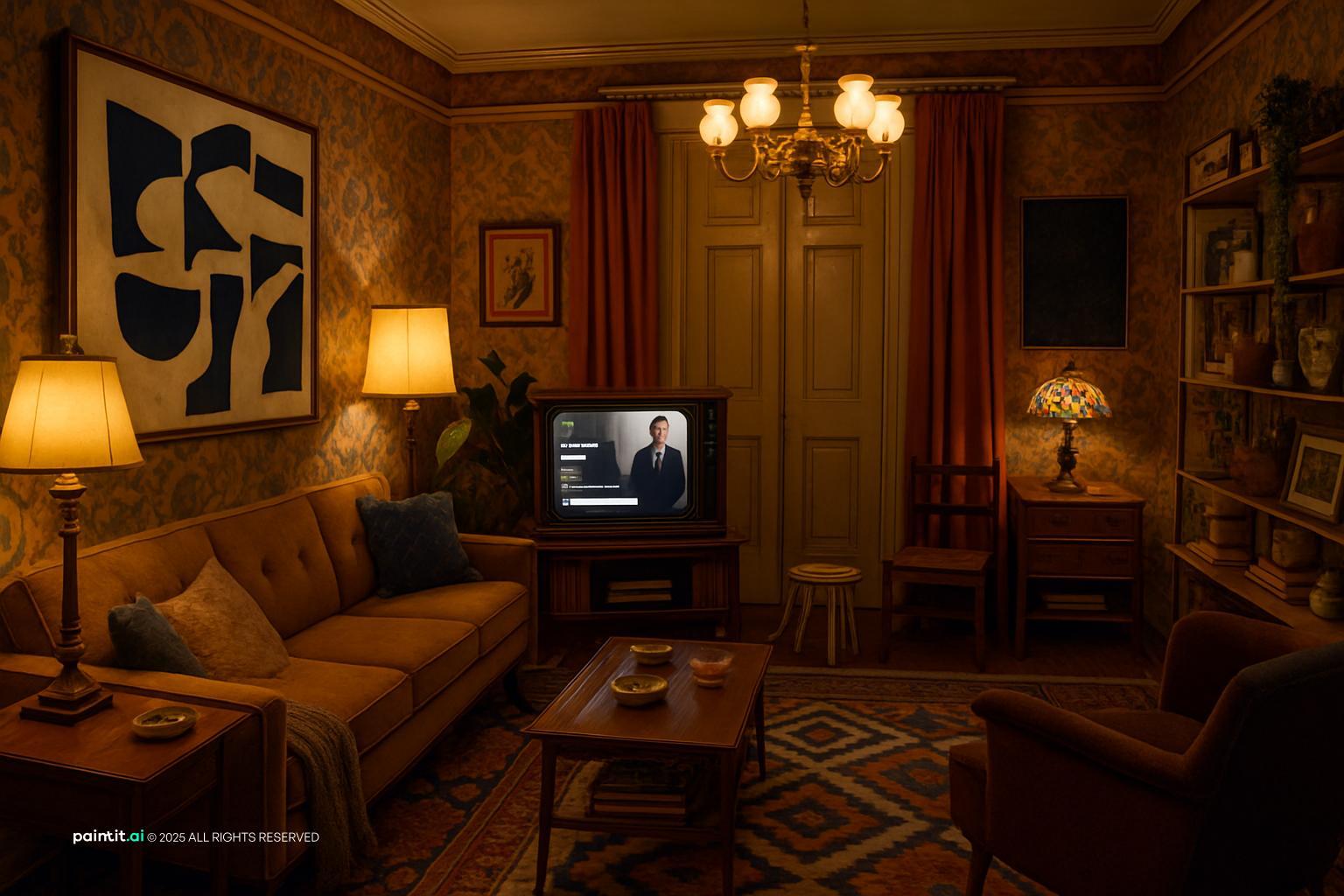
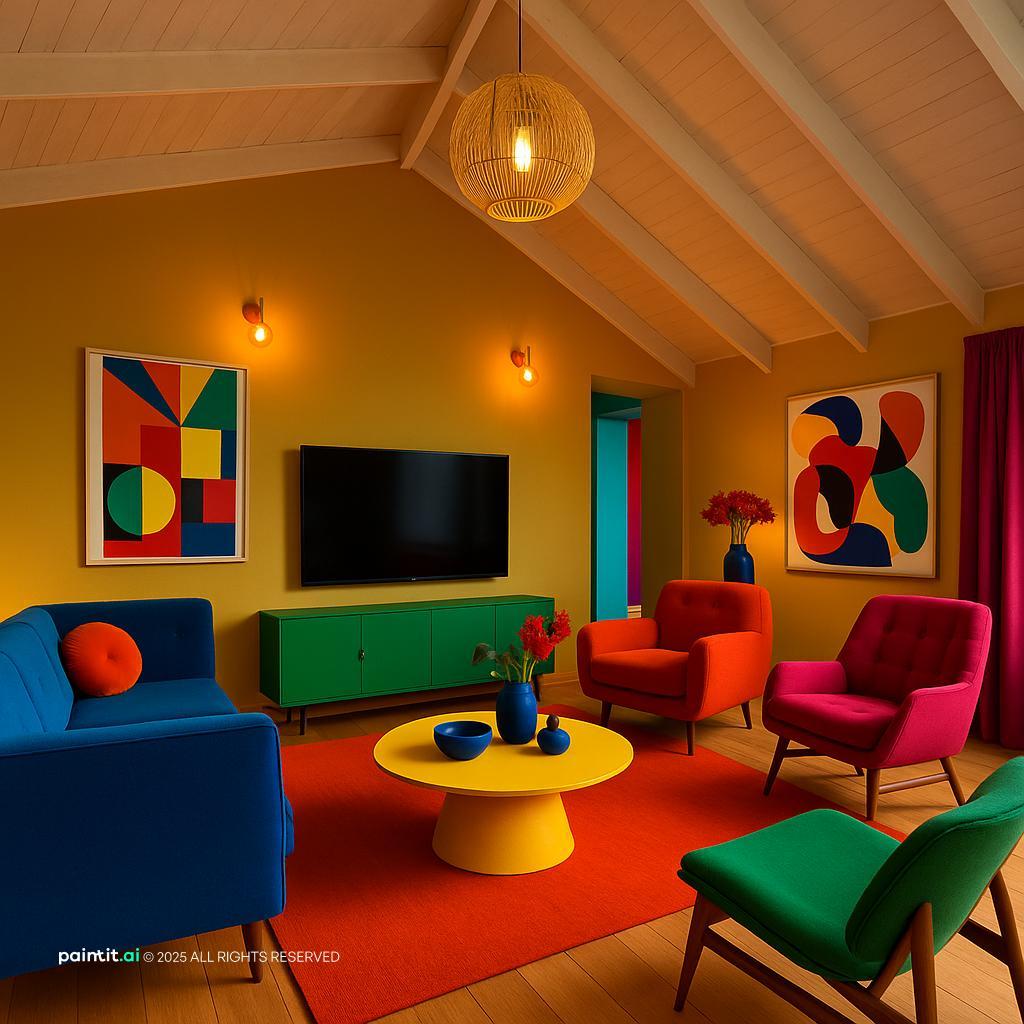
The Memphis Group redefined design in the 80s, embracing playful, abstract shapes and bold color combinations. It’s a direct nod to Ettore Sottsass's vision, injecting instant personality into any space. This style works because it challenges traditional notions of form and function, inviting a sense of artistic freedom.
-
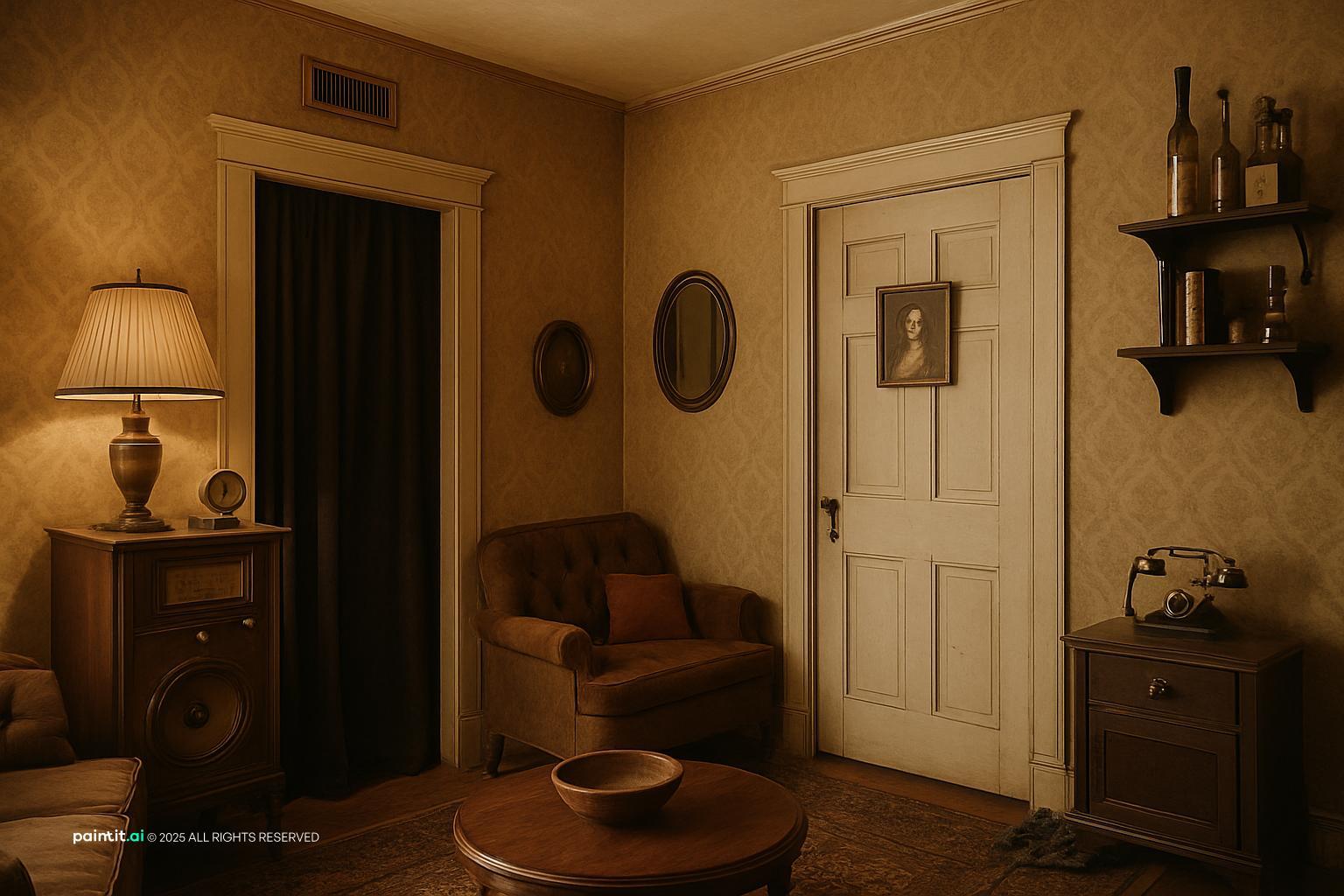
Feature a console table with asymmetric legs or a rug adorned with abstract shapes. Think about primary colors mixed with softer pastels for a balanced yet striking effect. A single, well-chosen piece can transform a room without overwhelming it.
-
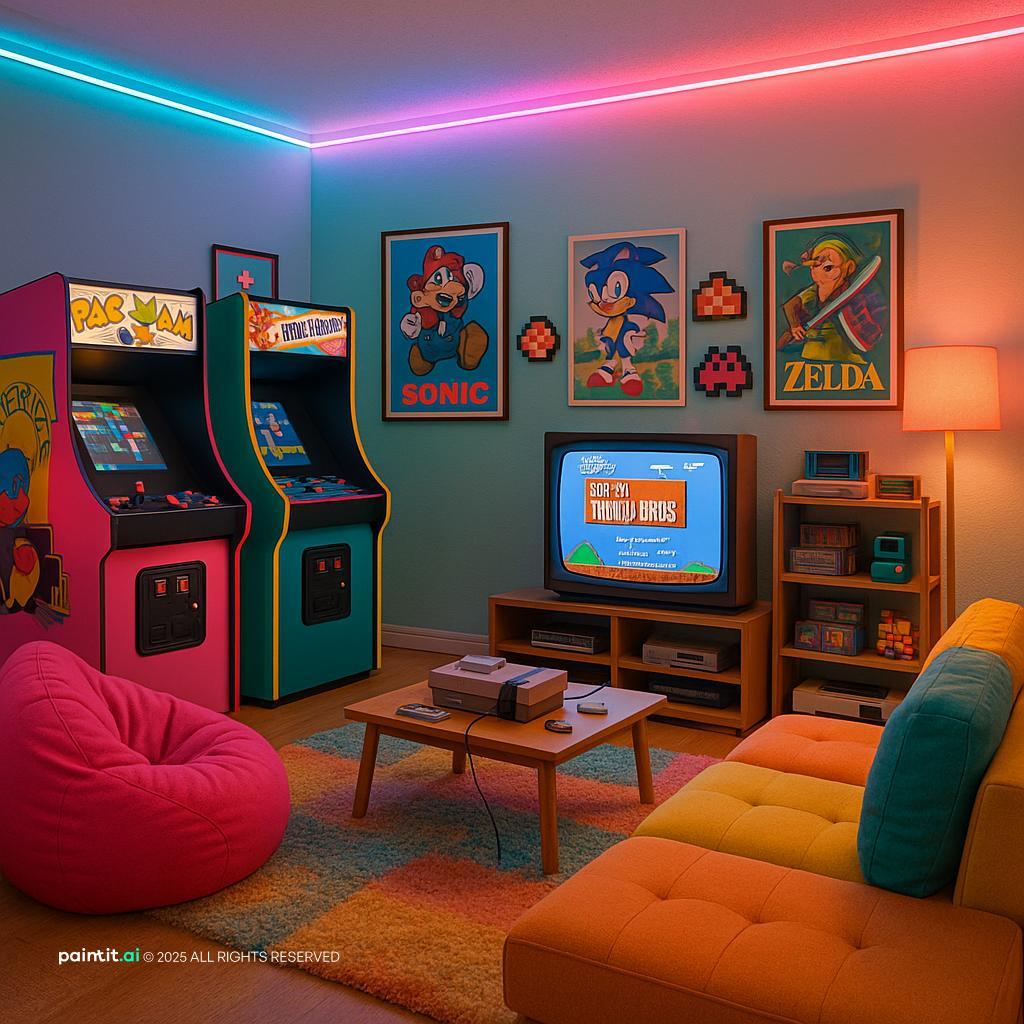
Pro Tip: To achieve this effect, try incorporating one statement piece rather than overwhelming the room with too many patterns.
-
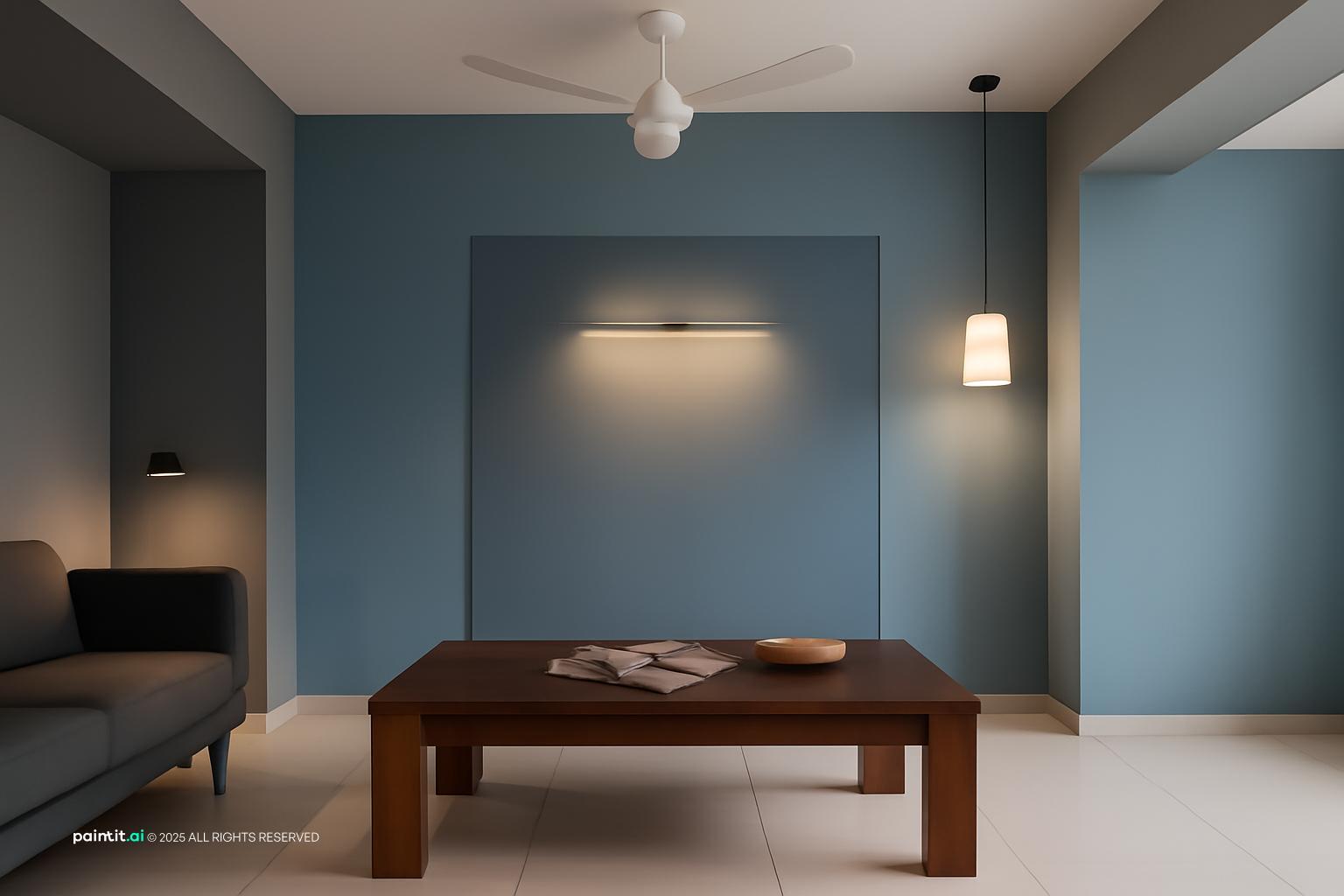
The 80s absolutely loved artificial light, especially neon. It creates a vibrant, almost futuristic ambiance that feels both exciting and a little rebellious. I’ve seen this work best in entertainment zones or areas where you want to set a specific mood.
-
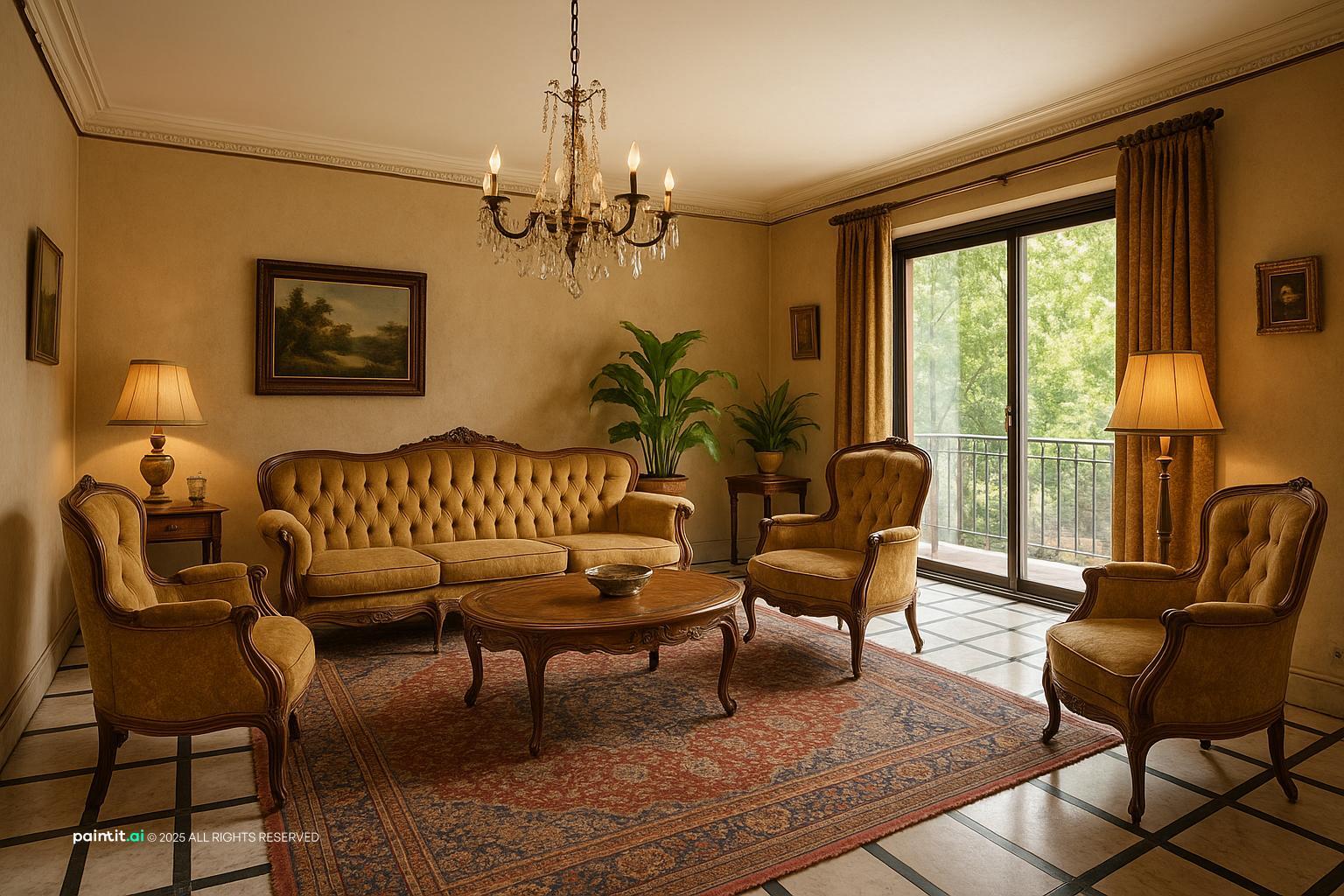
Install LED strip lights discreetly behind shelving units or under a sofa for an ambient glow. A small, custom neon sign featuring a retro phrase or graphic can be a fun, personal touch. Remember, subtlety is key to making this feel fresh, not dated.
-
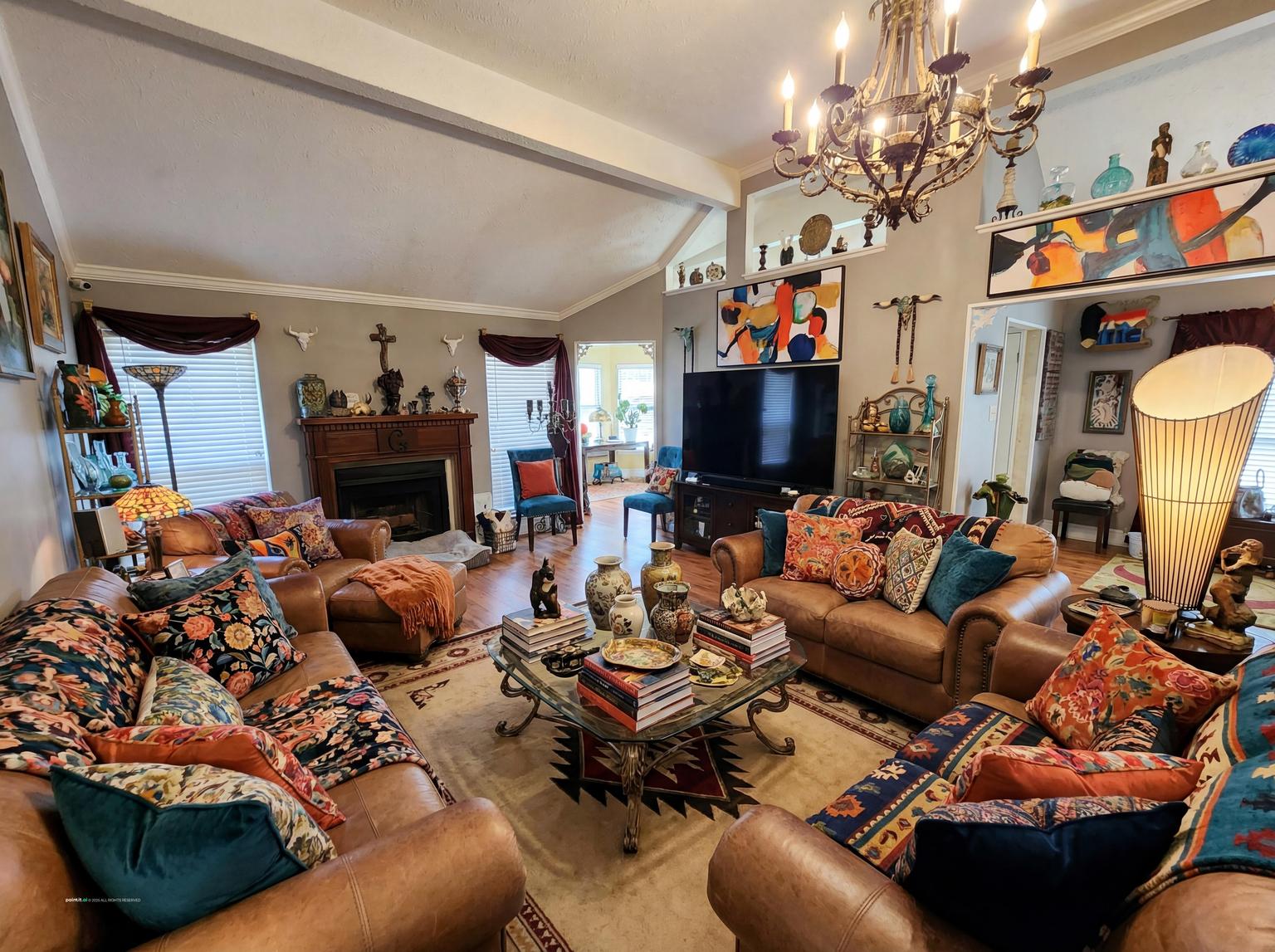
Pro Tip: To achieve this effect, try using warm white LEDs for general lighting and colored LEDs for accent to avoid a harsh look.
-
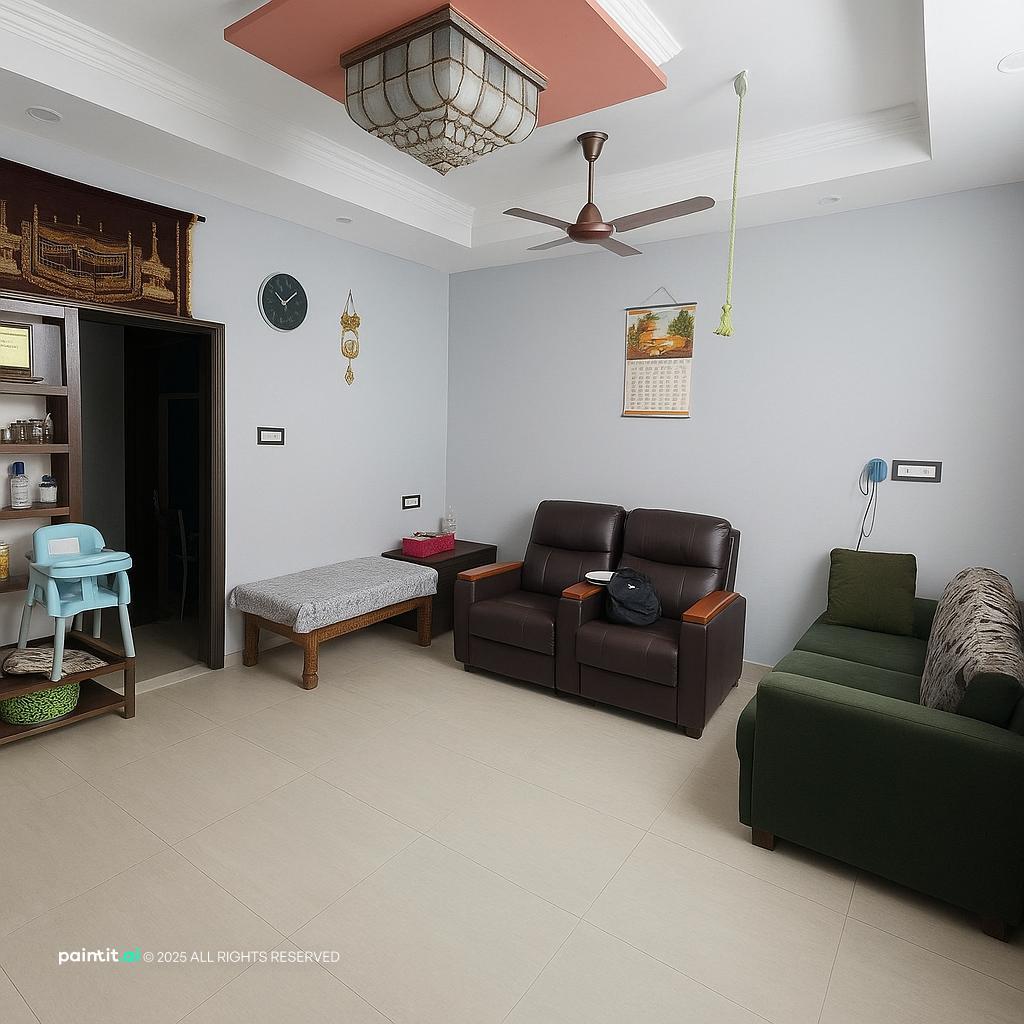
Reflective surfaces were a hallmark of the decade, signifying modernity and luxury. Chrome and glass furniture pieces add a sense of lightness and sophisticated sheen, even in a contemporary setting. It might seem odd at first, but it truly opens up a space, making it feel larger and brighter.
-
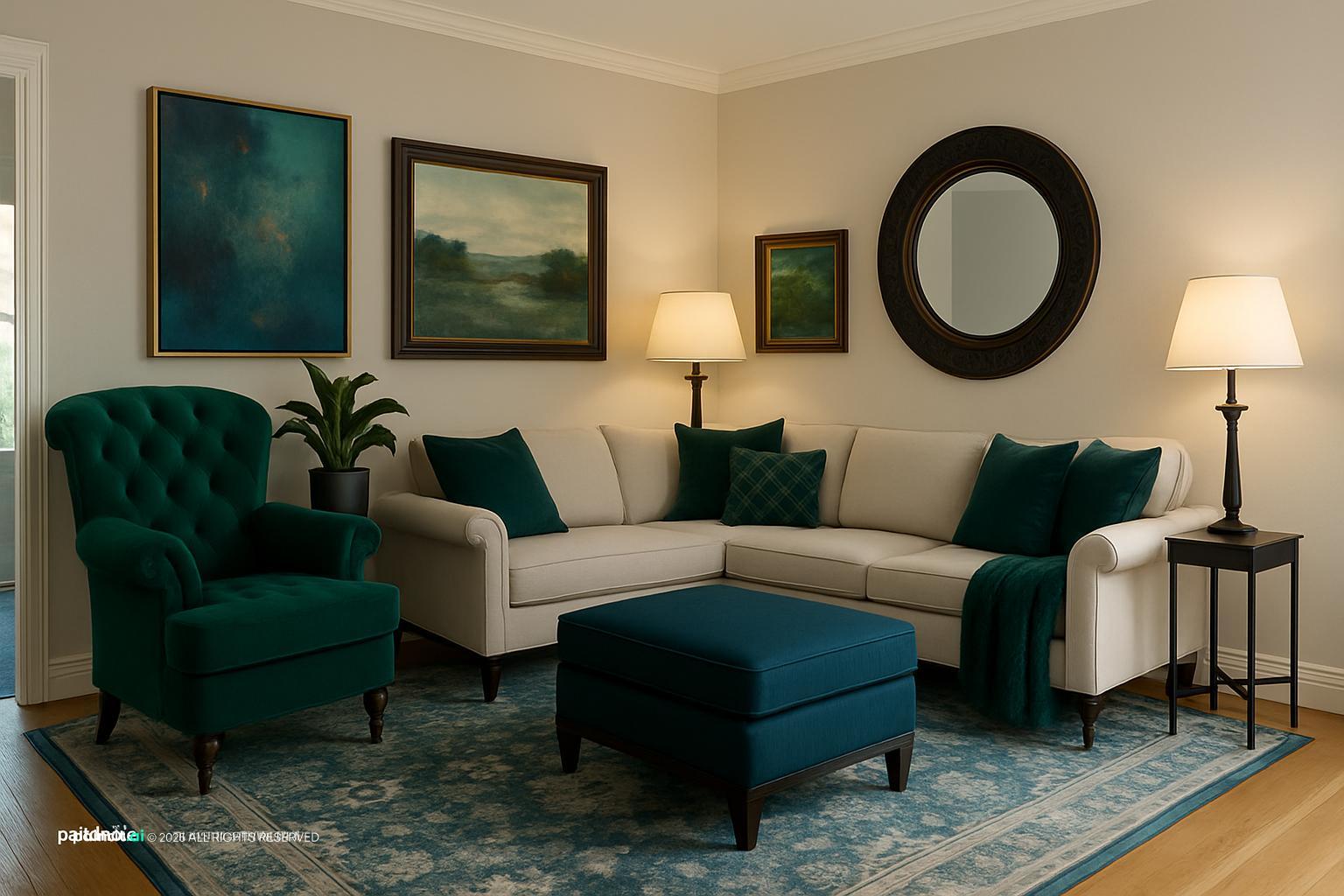
Consider a glass coffee table with a polished chrome base or an etagere with glass shelves to display your favorite objects. Keep other elements soft, like plush rugs or upholstered seating, to balance the hard lines and prevent the room from feeling cold.
-
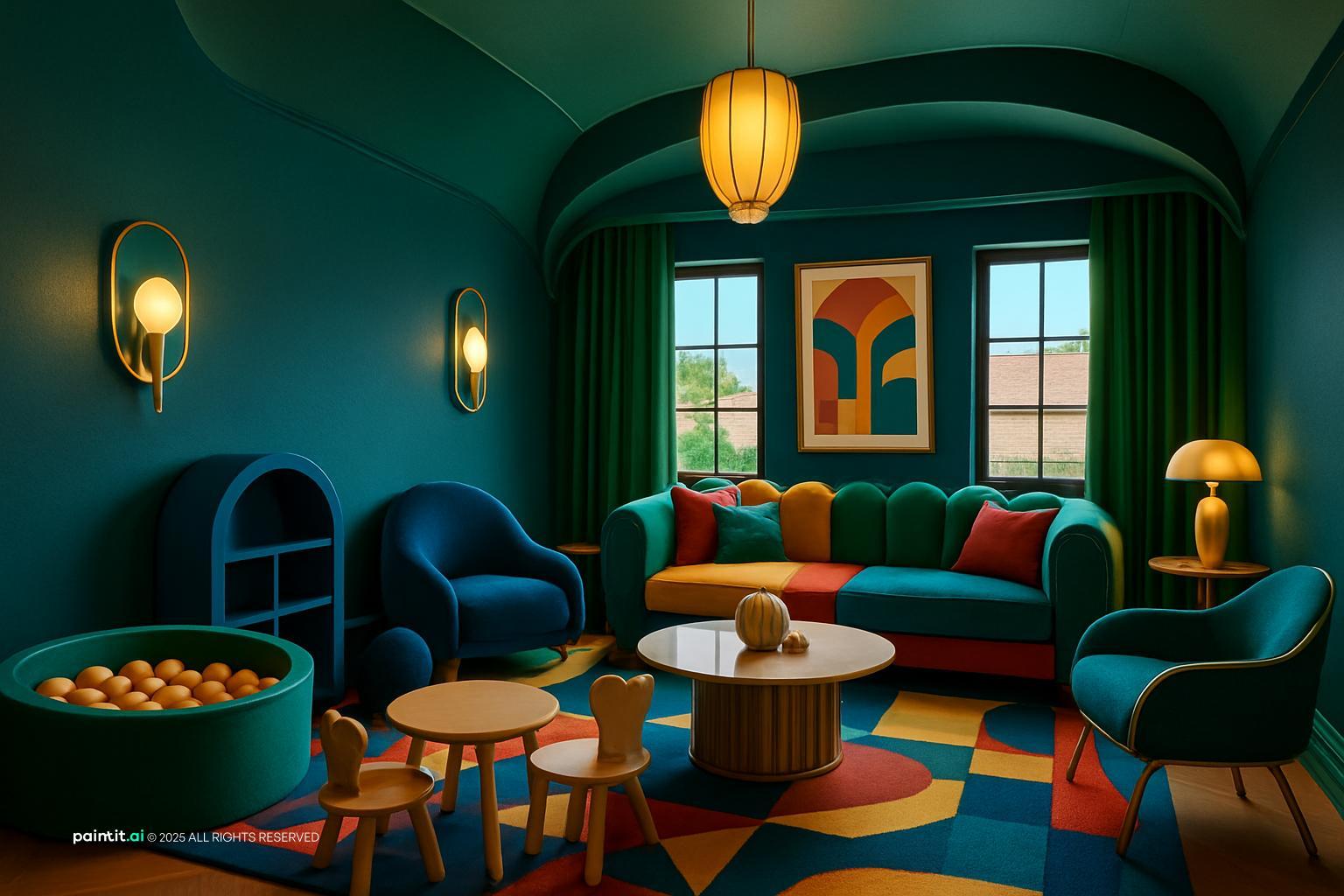
Pro Tip: To achieve this effect, try pairing these pieces with plush textiles to avoid a cold, sterile feel.
-
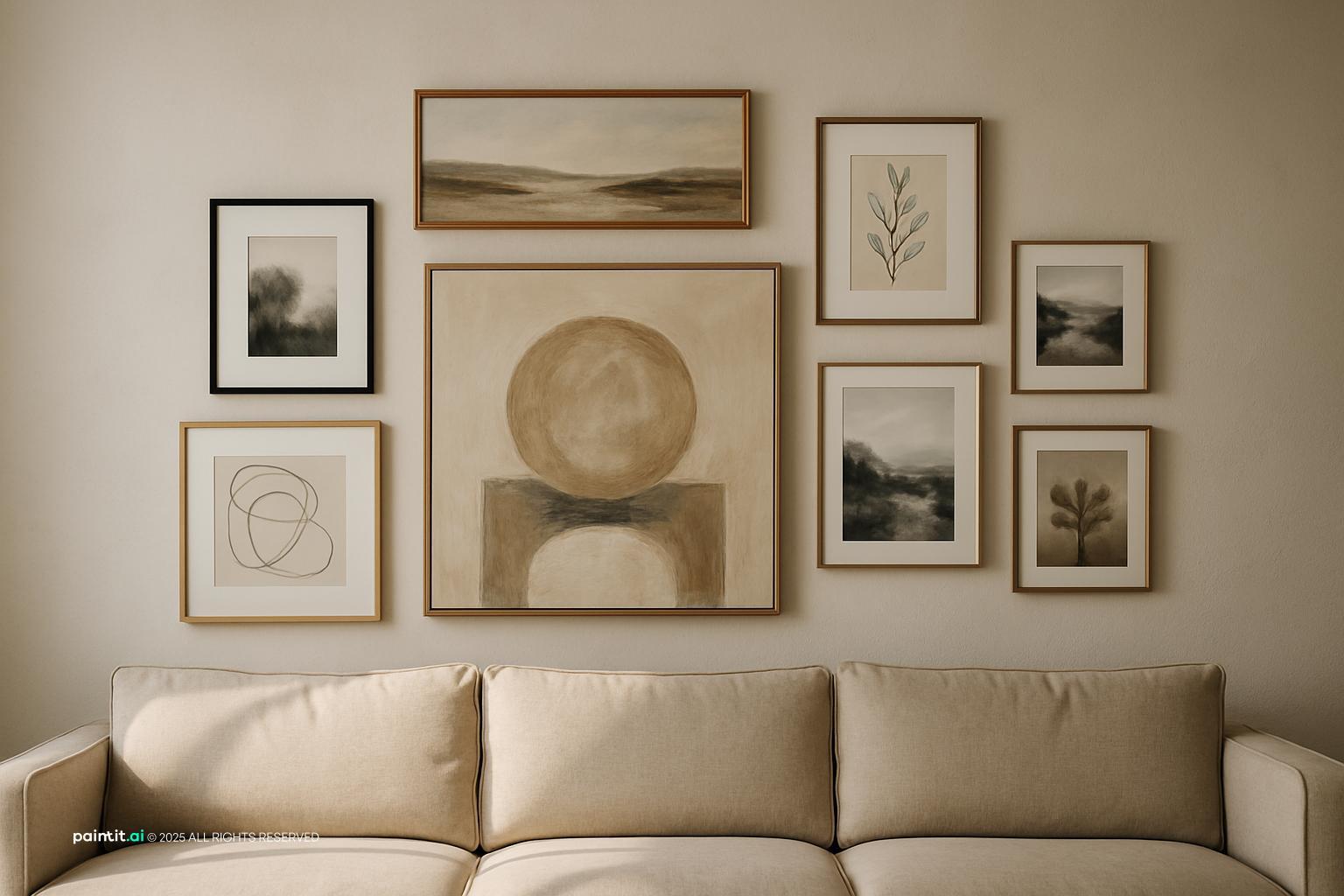
Forget subtle gradients or muted tones. The 80s embraced distinct, confident blocks of color. This approach creates immediate visual interest and can effectively define zones within an open-plan living area. It’s about making a statement without apology.
-
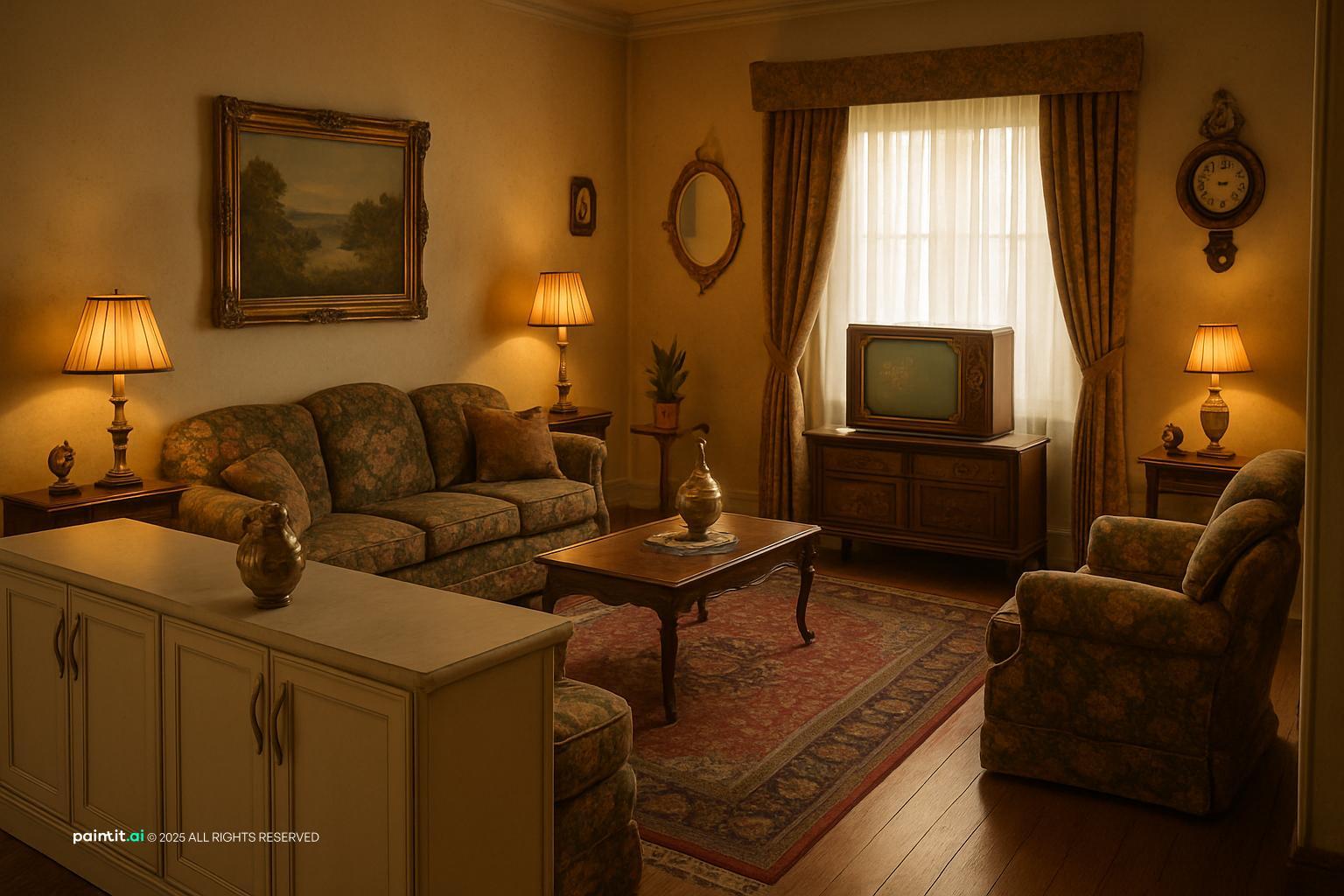
Paint one wall a vibrant, saturated hue, then use a contrasting, yet complementary, color on an adjacent wall or a large piece of furniture. Think about strong, confident pairings like teal and coral, or deep purple and lime green. The truth is, sometimes more is more.
-
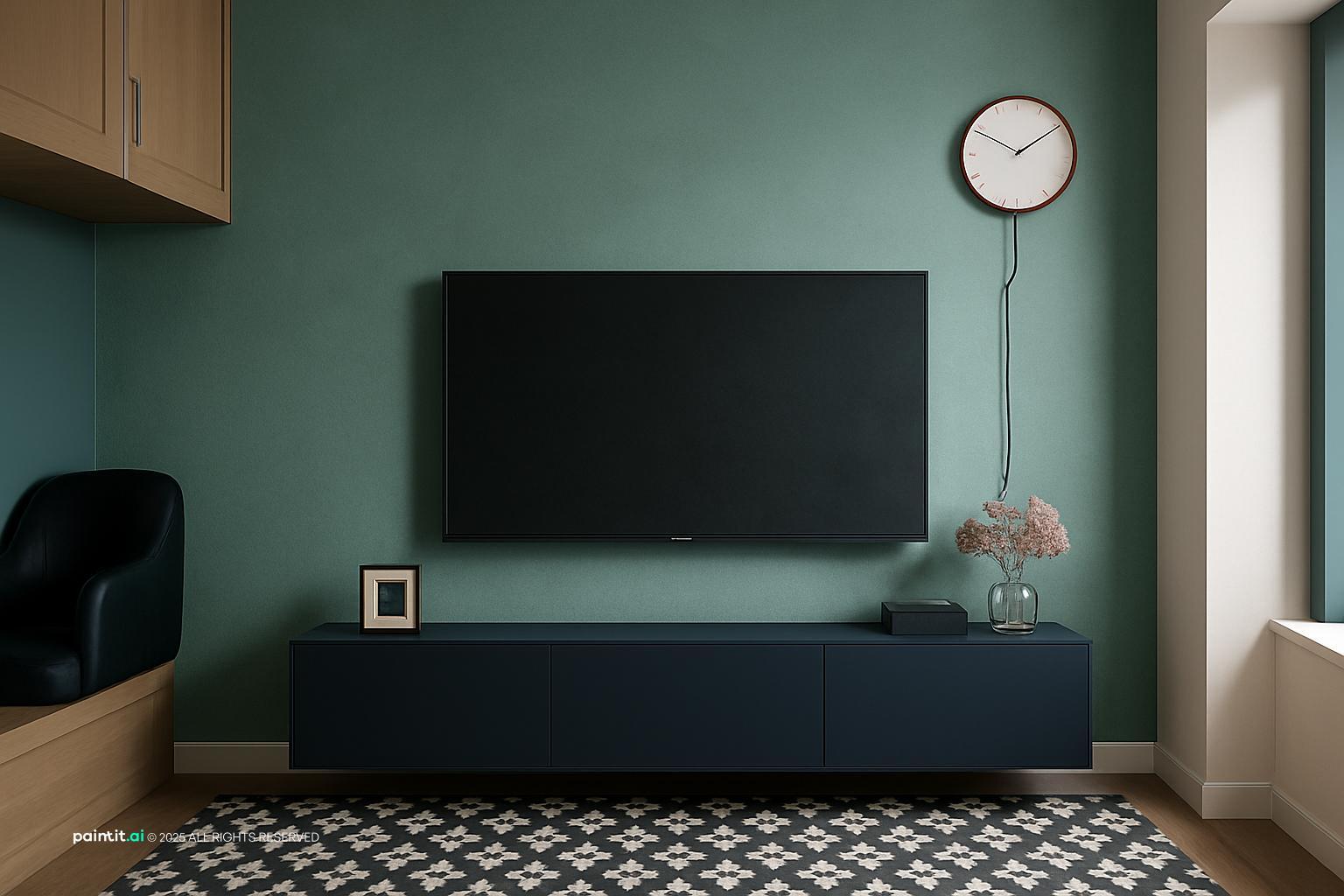
Pro Tip: To achieve this effect, try using a color wheel to find complementary or analogous bold shades that truly pop.
-
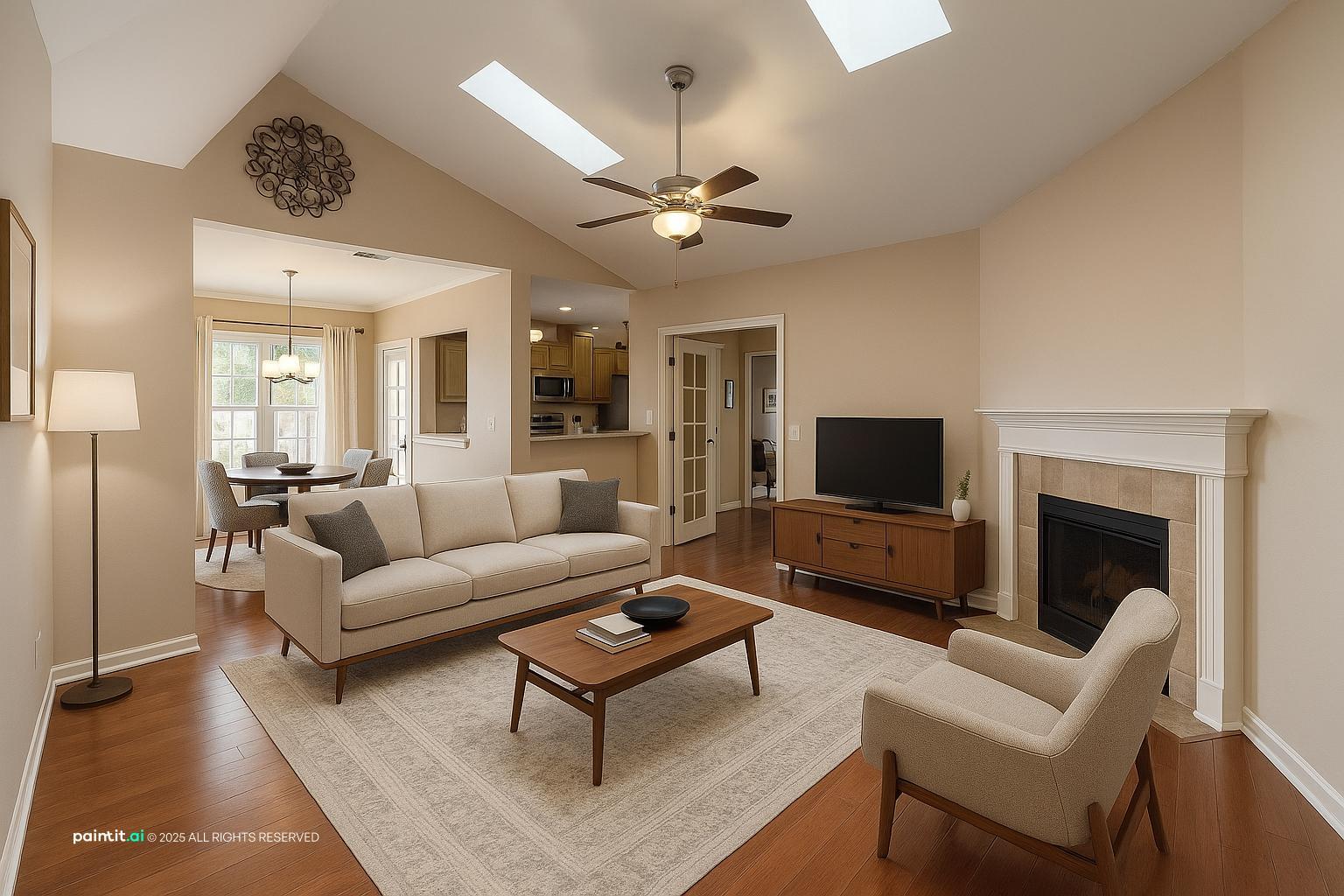
Mirrors in the 80s weren't just for checking your outfit; they were decorative elements, strategically placed to expand space and reflect light. Most people forget that a well-placed mirror can be as impactful as a window.
-
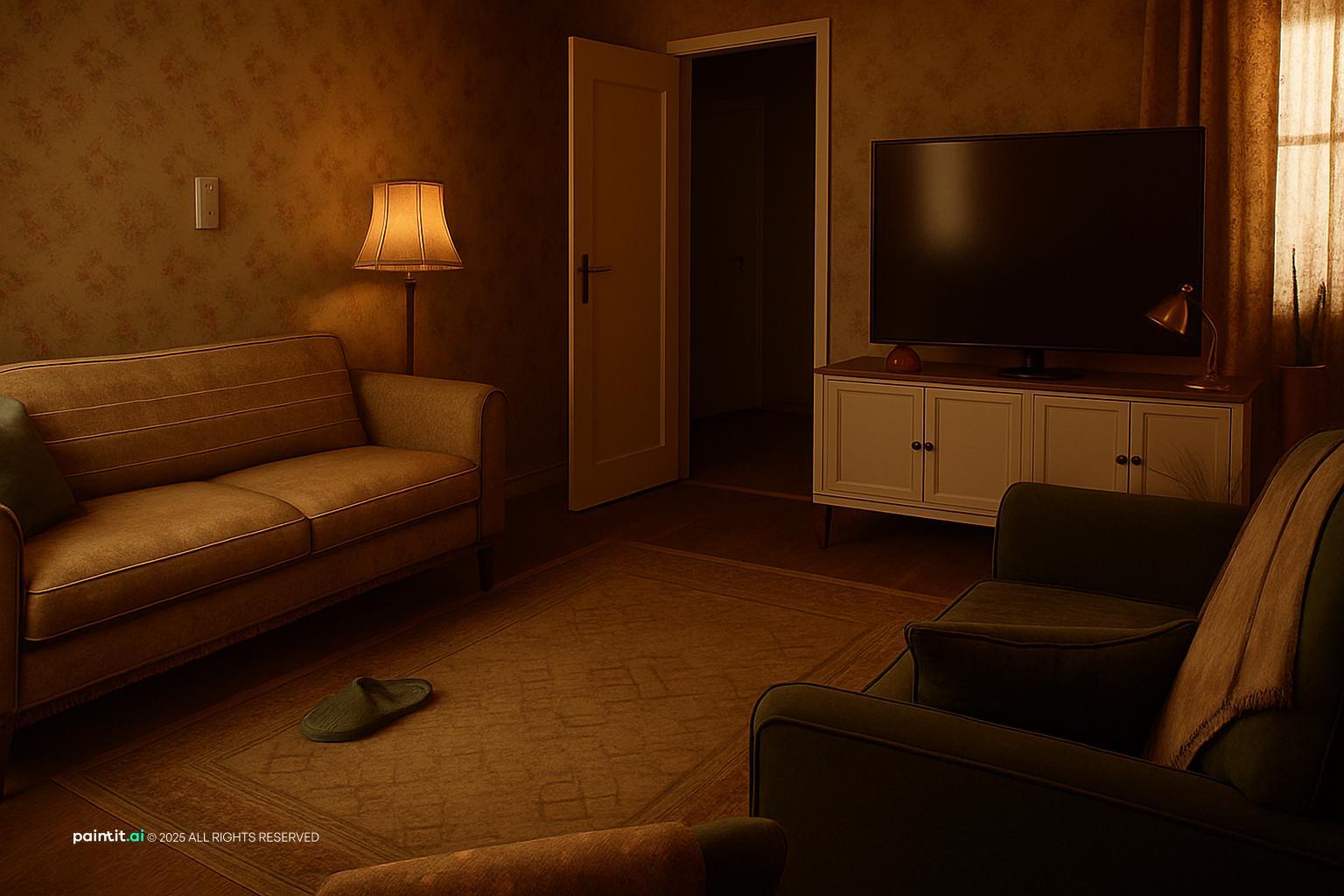
Introduce a large wall mirror with an ornate or geometric frame as a focal point. Alternatively, consider mirrored tiles on a small accent wall or a mirrored console table to bounce light around the room. This adds instant glamour and depth.
-
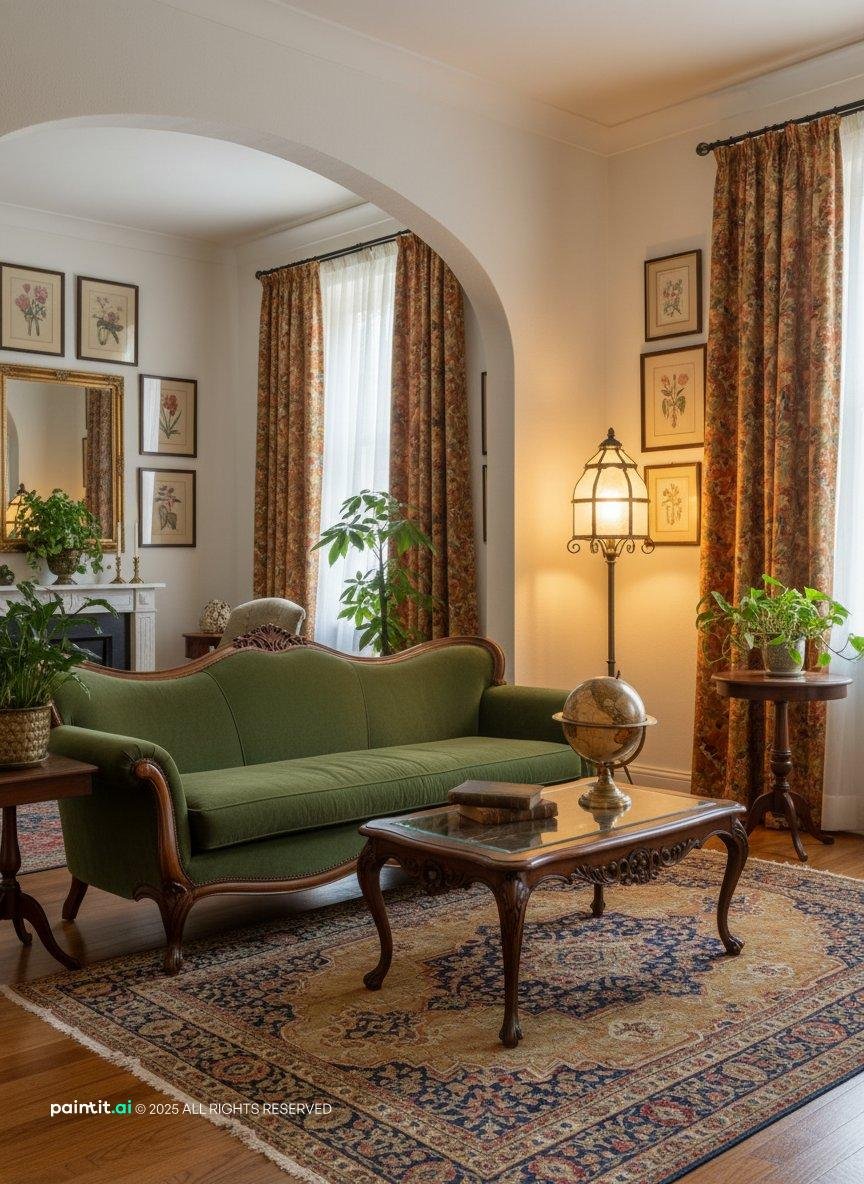
Pro Tip: To achieve this effect, try positioning mirrors opposite windows to maximize natural light and create an illusion of space.
-
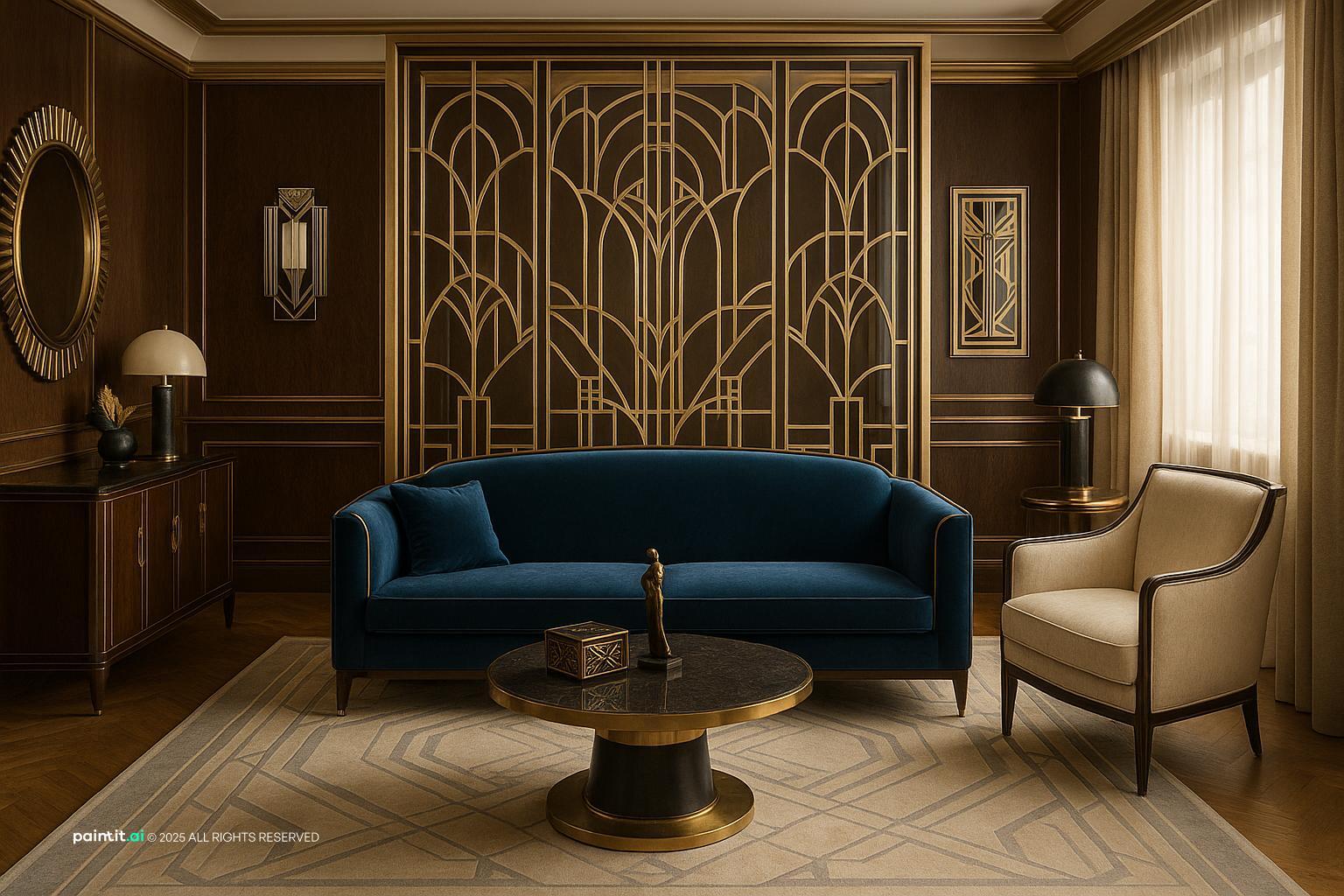
Luxury and comfort were paramount in 80s interiors. Deeply tufted sofas in rich velvets or chenille fabrics were a staple, offering both visual opulence and inviting softness. This brings a tactile richness that feels incredibly indulgent.
-
Invest in a deep-buttoned velvet sofa or a pair of tufted armchairs in a jewel tone like emerald green or sapphire blue. Alternatively, softer pastels can offer a more subdued yet equally luxurious feel. The texture alone speaks volumes.
-
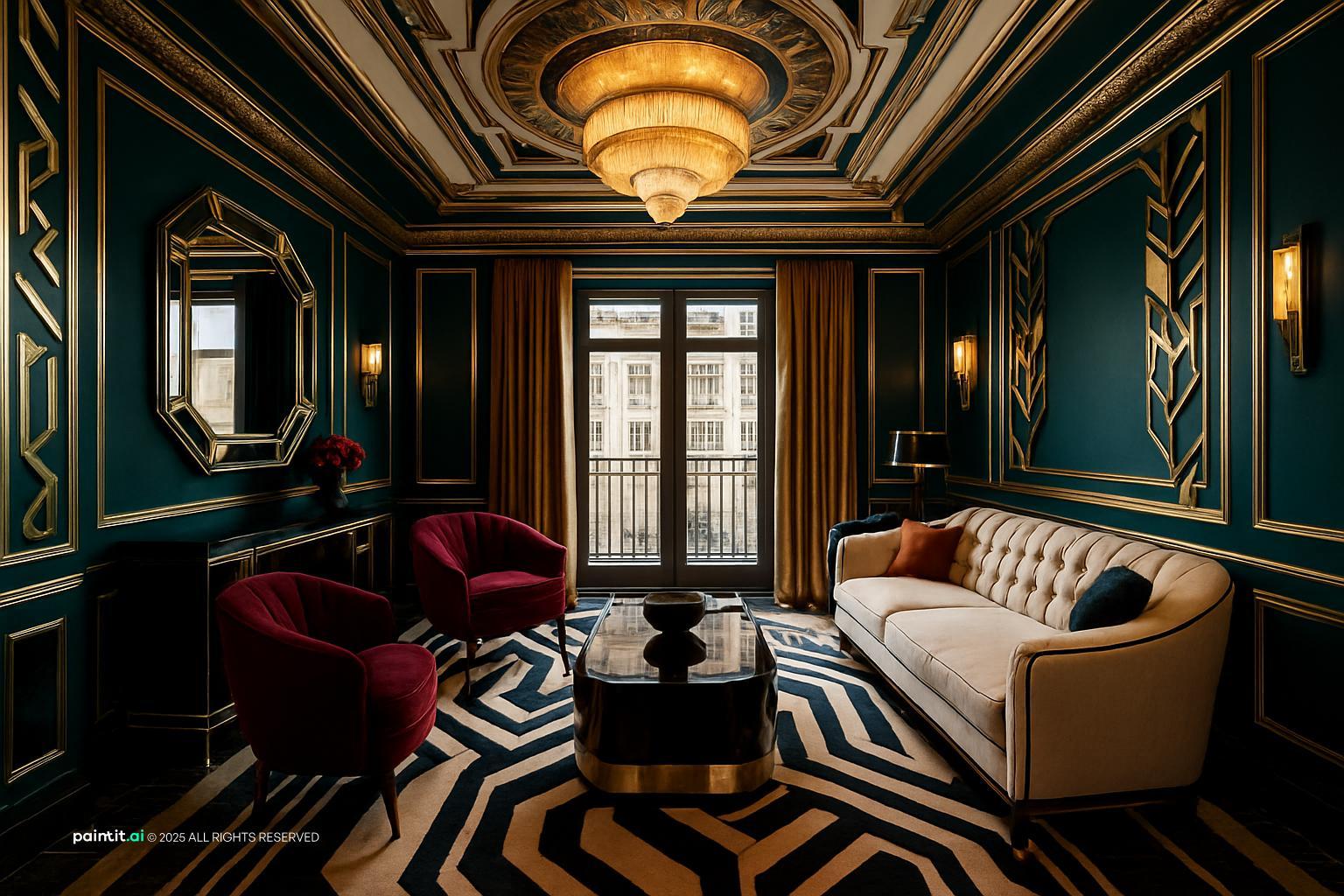
Pro Tip: To achieve this effect, try mixing velvet with other textures like silk or faux fur for added opulence and sensory appeal.
-
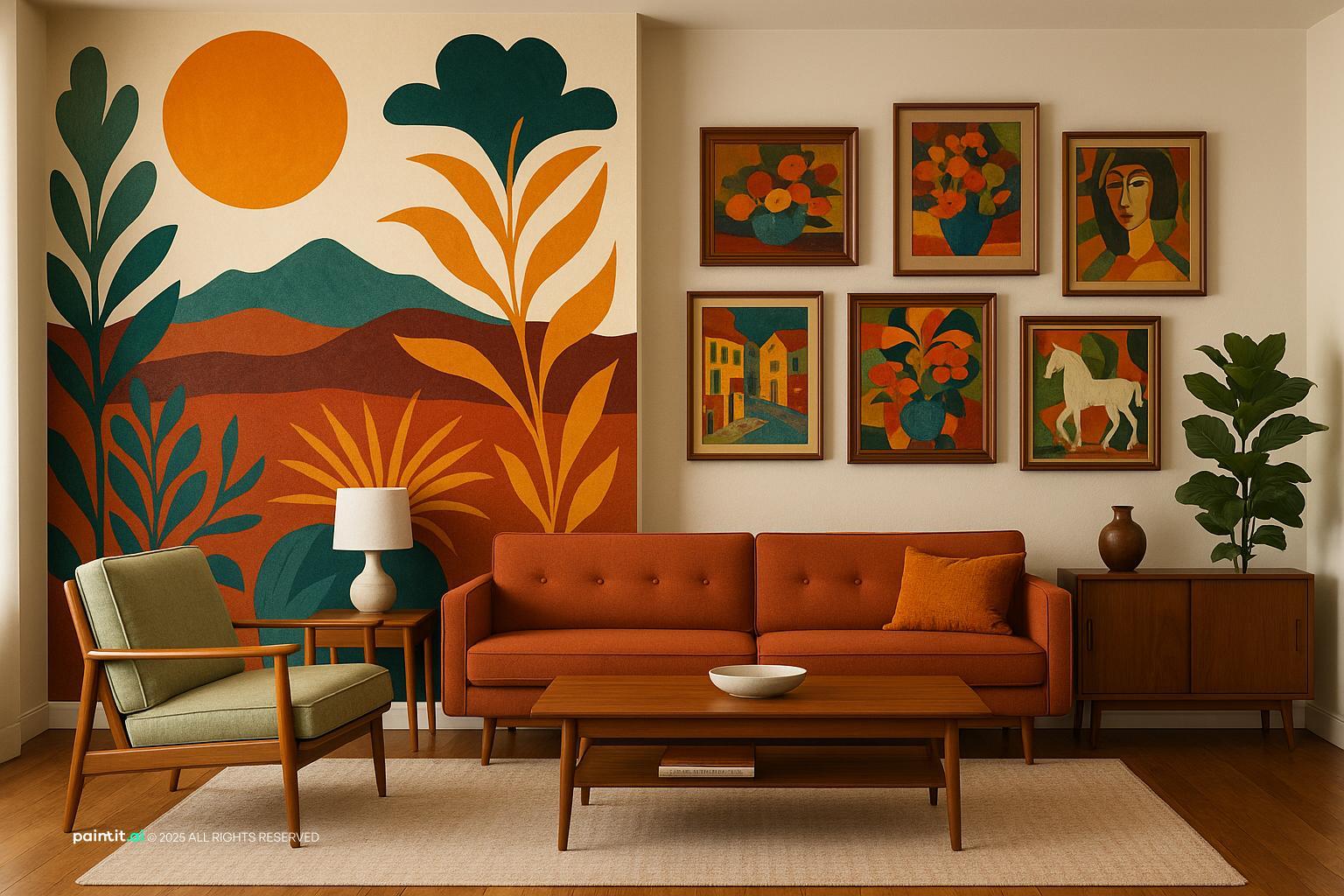
Lighting in the 80s was often sculptural and highly functional. Arc lamps provided dramatic overhead light without the need for permanent ceiling fixtures, while track lighting offered unparalleled flexibility in illuminating specific areas or artworks. It sounds simple, but good lighting changes everything.
-
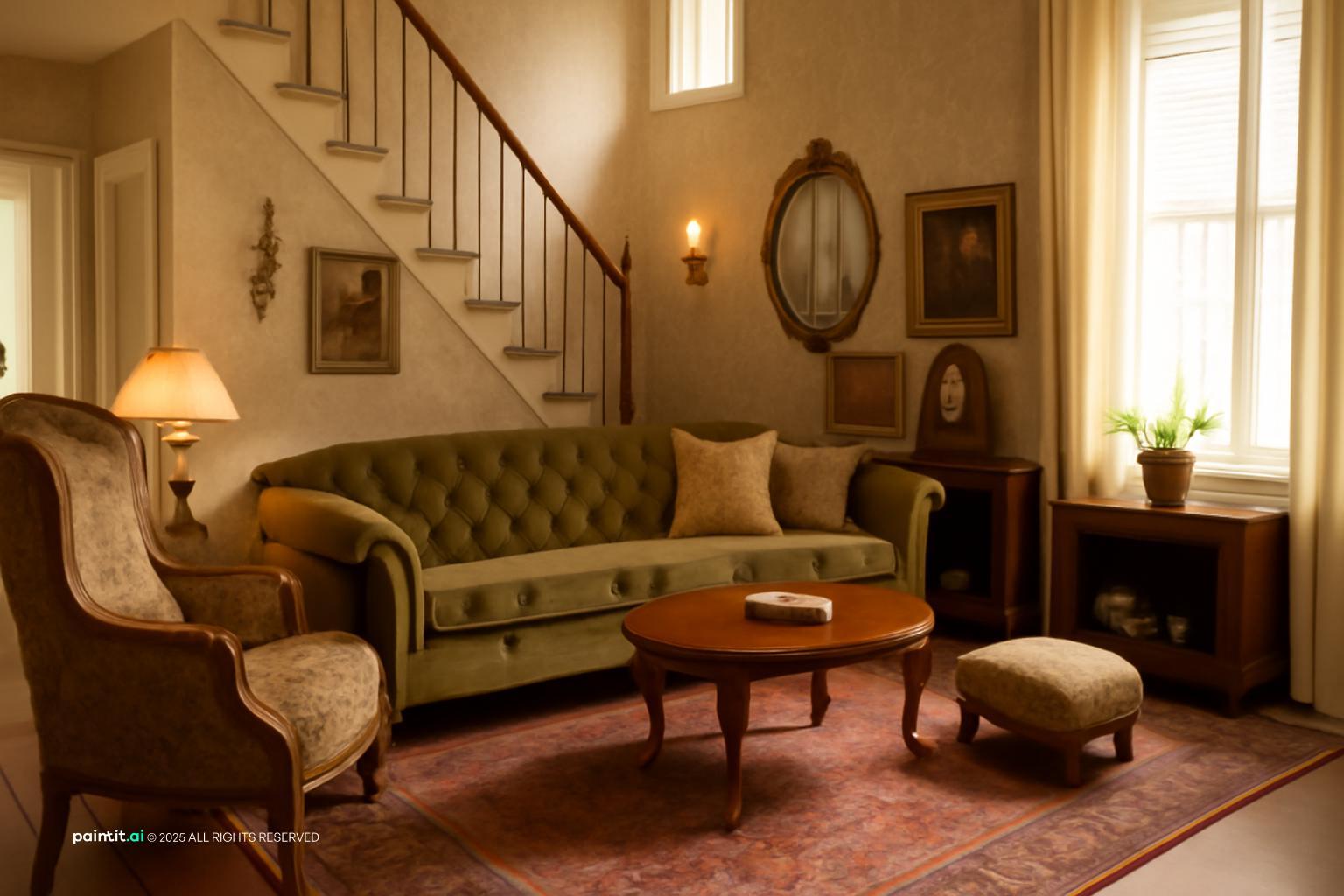
Place a large, freestanding arc lamp over a seating area to create a cozy conversation zone. For a more industrial edge, install a simple track light system with adjustable heads to highlight artwork or architectural features. Warm-toned bulbs are crucial here.
-
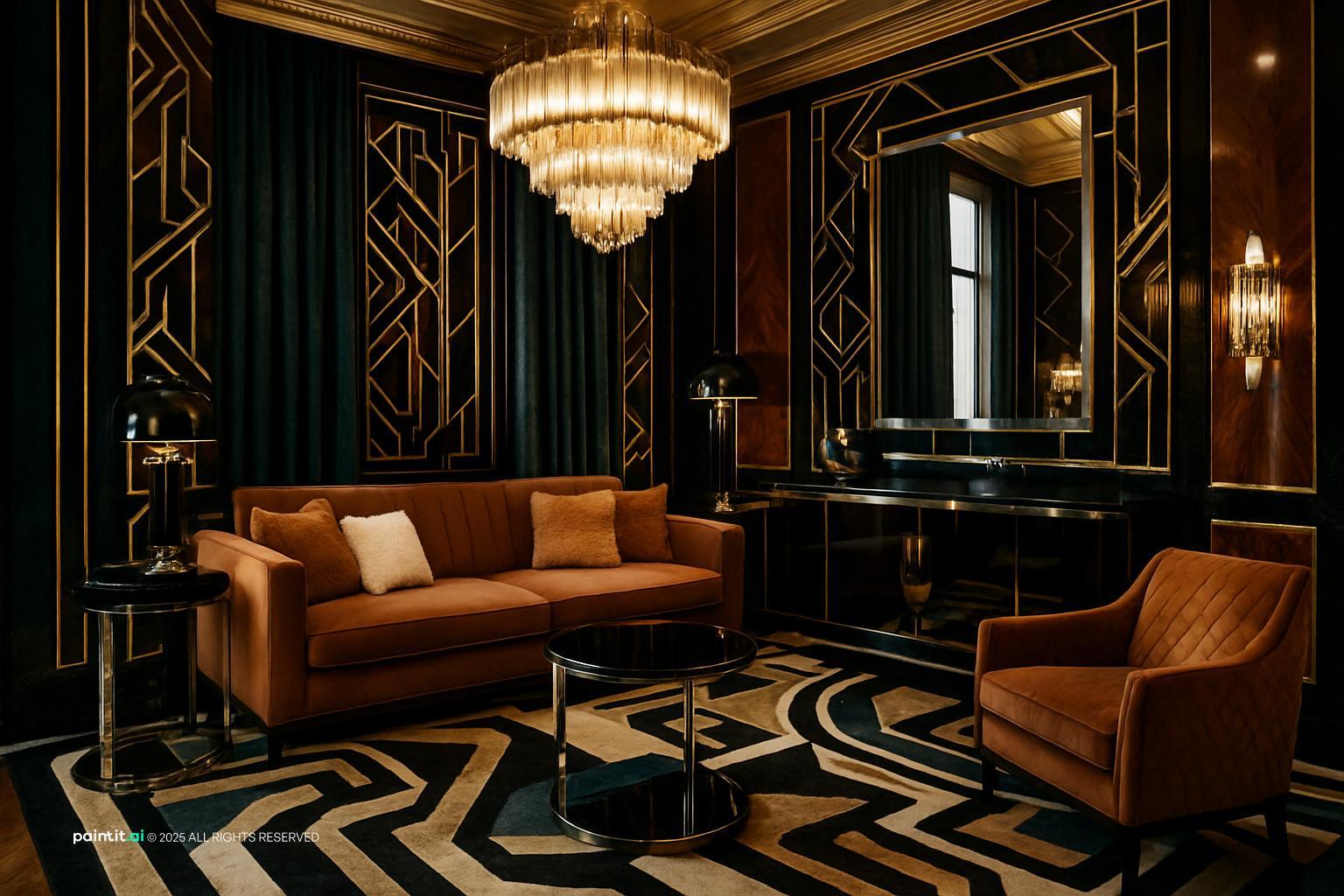
Pro Tip: To achieve this effect, try using warm-toned bulbs to soften the potentially industrial feel of track lighting, creating a more inviting atmosphere.
-
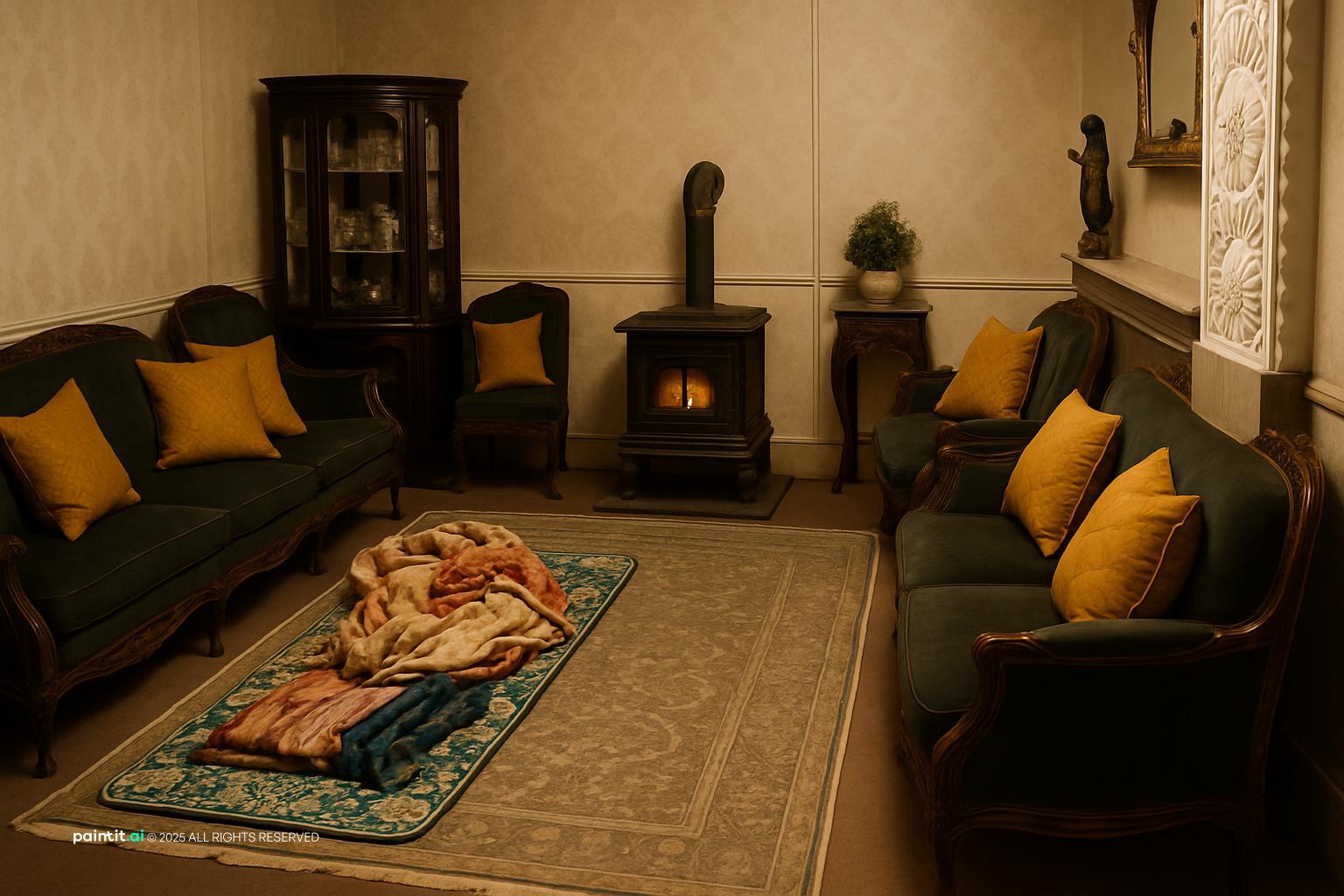
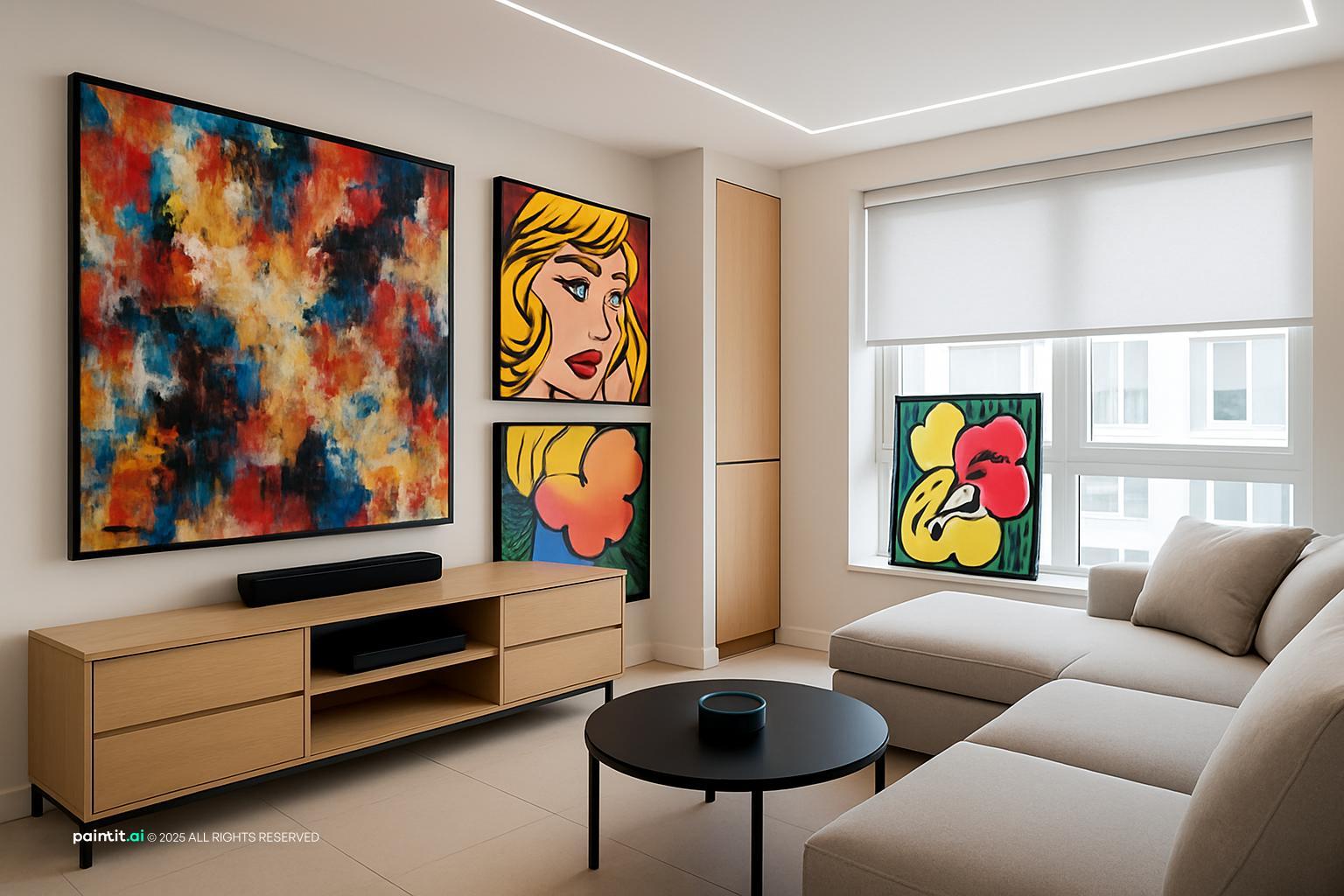
The 80s celebrated bold, graphic art and iconic pop culture references. Incorporating these elements adds personality and a sense of playful nostalgia to your living space. It’s about expressing yourself through visual storytelling.
-
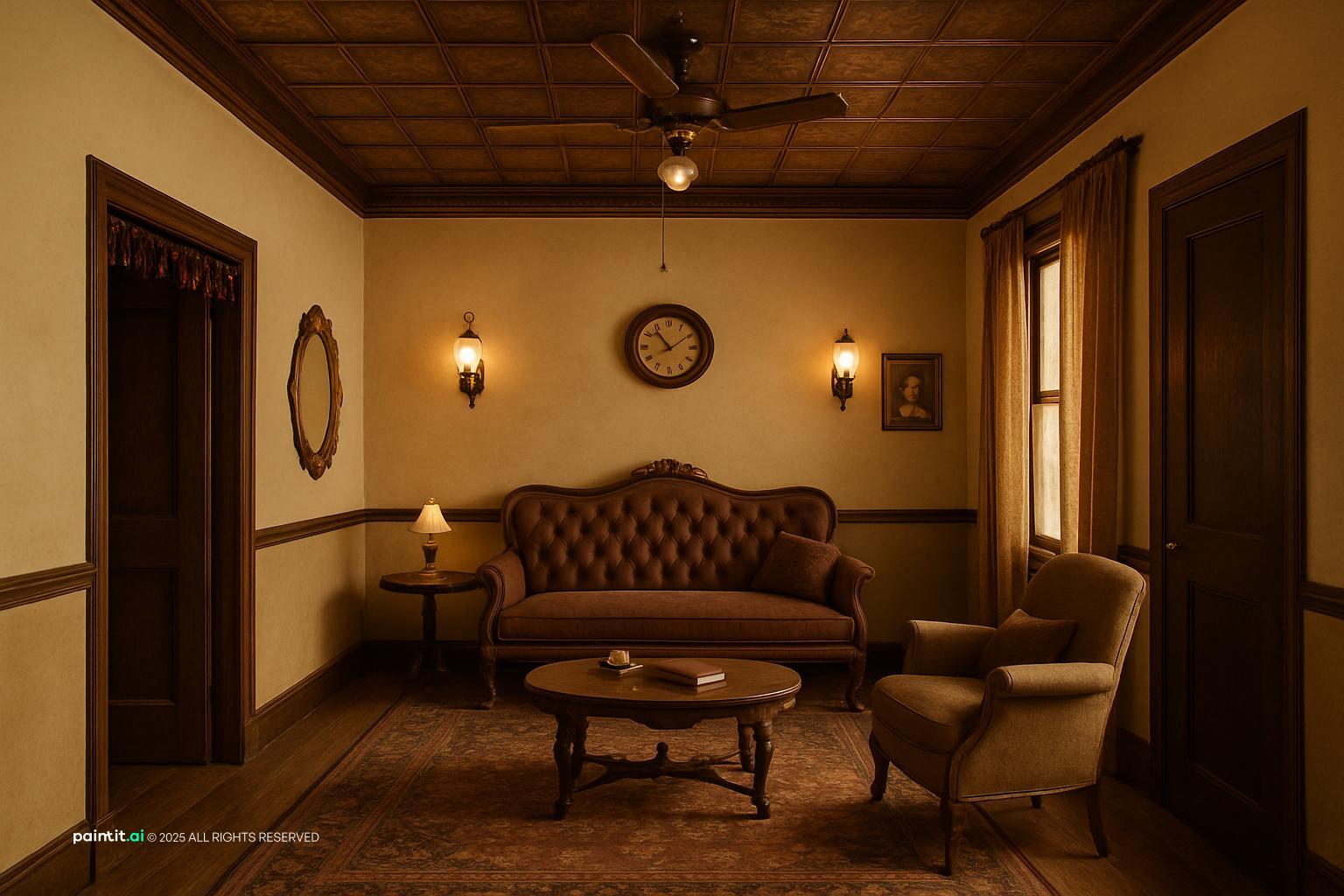
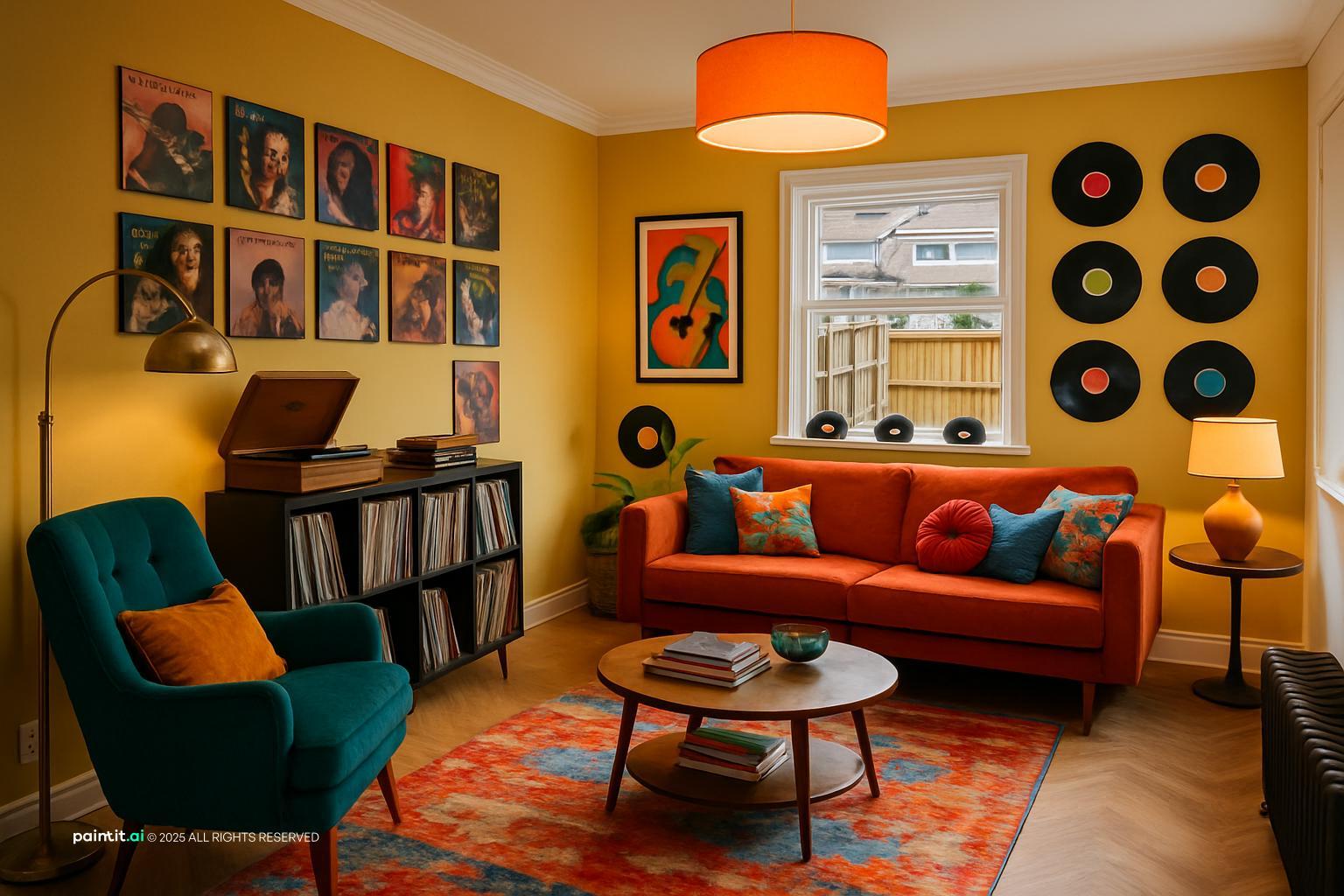
Hang a large abstract canvas featuring vibrant colors and dynamic shapes. Create a gallery wall with vintage record covers, movie posters from the era, or even display retro tech like a classic boombox or early gaming console as decorative objects. Curate pieces that resonate with you.
-
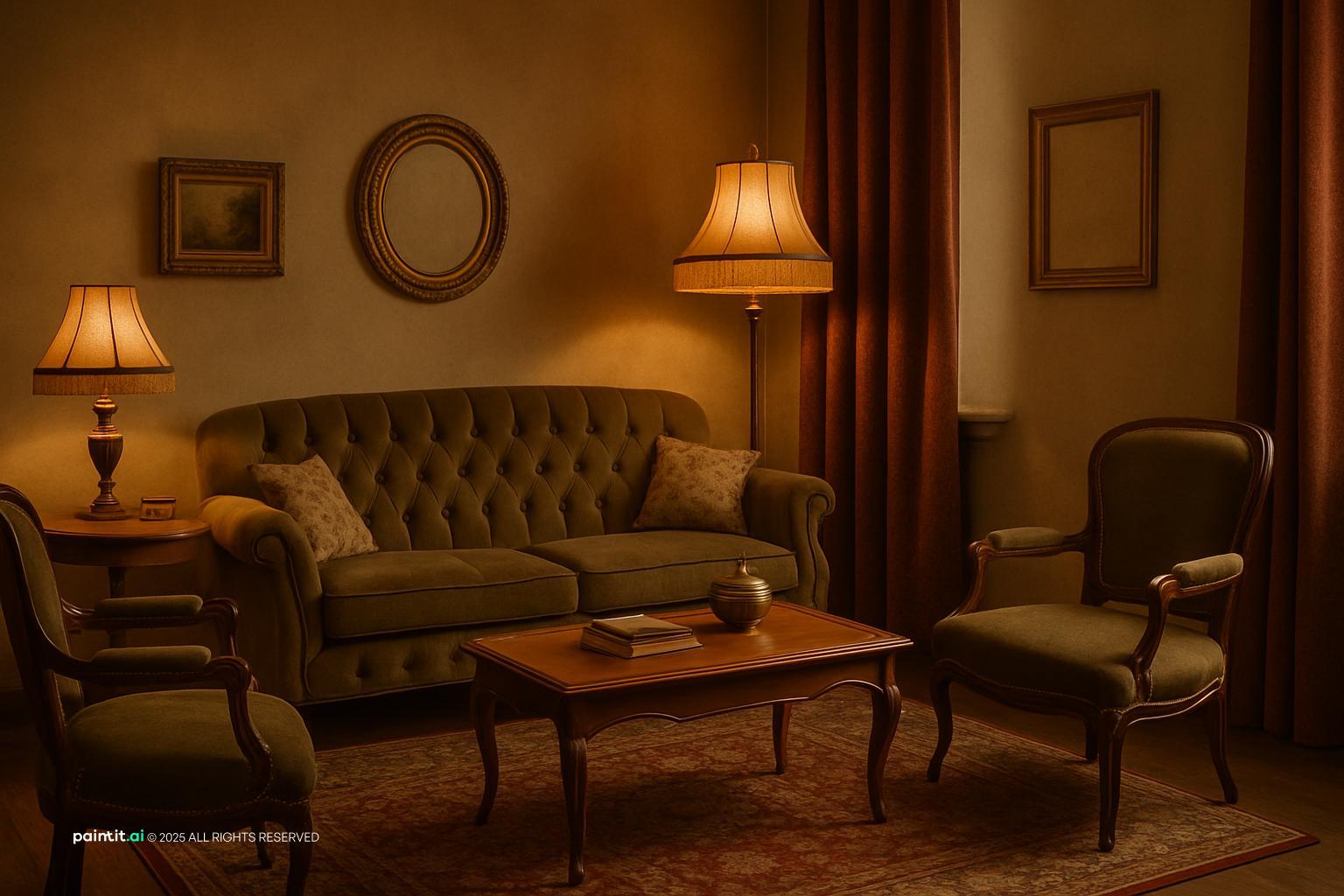
Pro Tip: To achieve this effect, try curating a gallery wall that tells a story of your personal 80s influences, making it truly unique.
-
Glass blocks were a popular architectural feature, offering privacy while allowing light to filter through. They create a distinct visual texture and a sense of retro-modern sophistication. This element adds a unique architectural flair that feels surprisingly current.
-
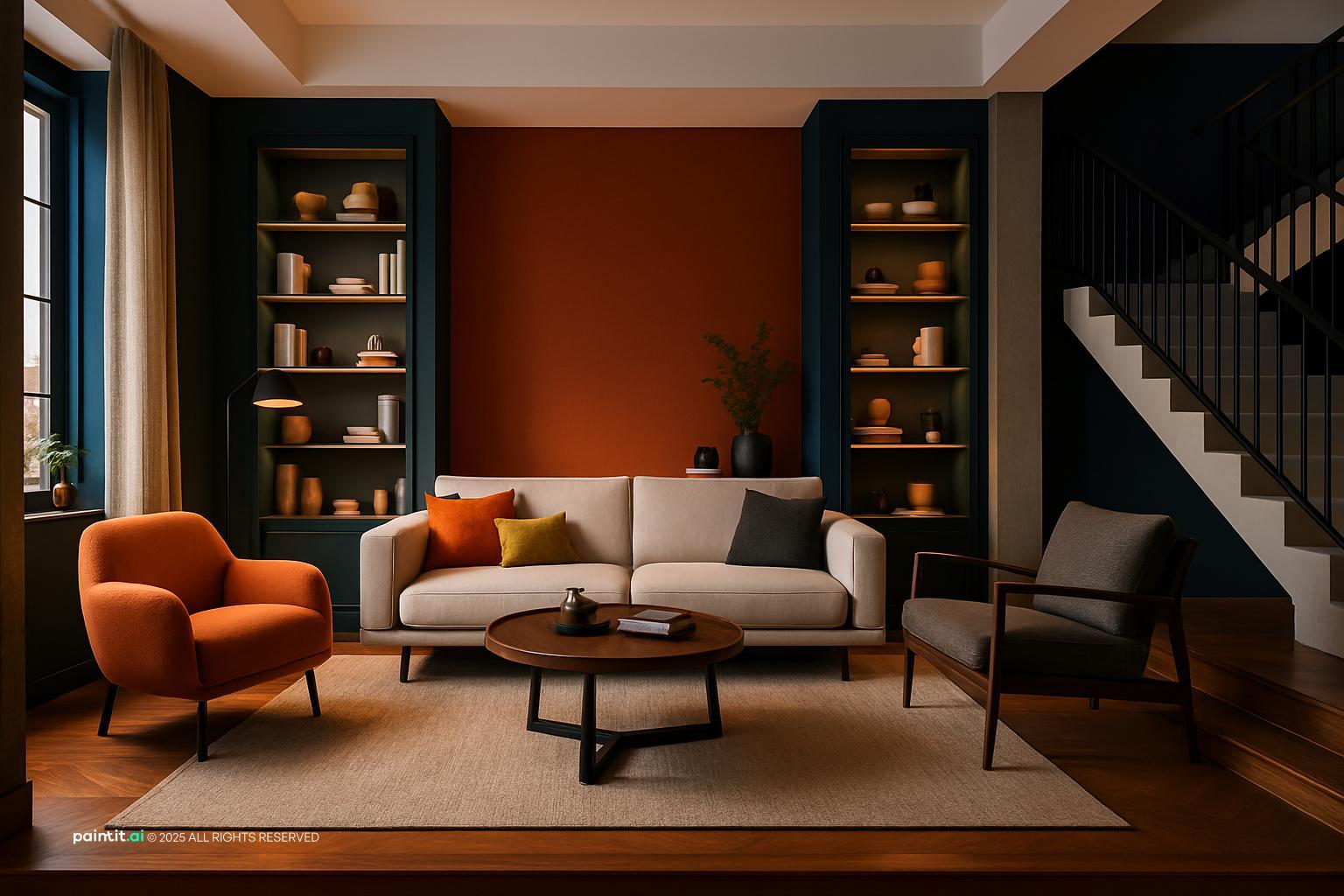
Consider a non-load-bearing internal partition made of glass blocks to subtly divide an open-plan living room from a dining area or entryway. For a smaller commitment, a decorative panel or even a glass block planter can evoke the same feeling. Clear blocks maximize light, frosted ones offer more privacy.
-
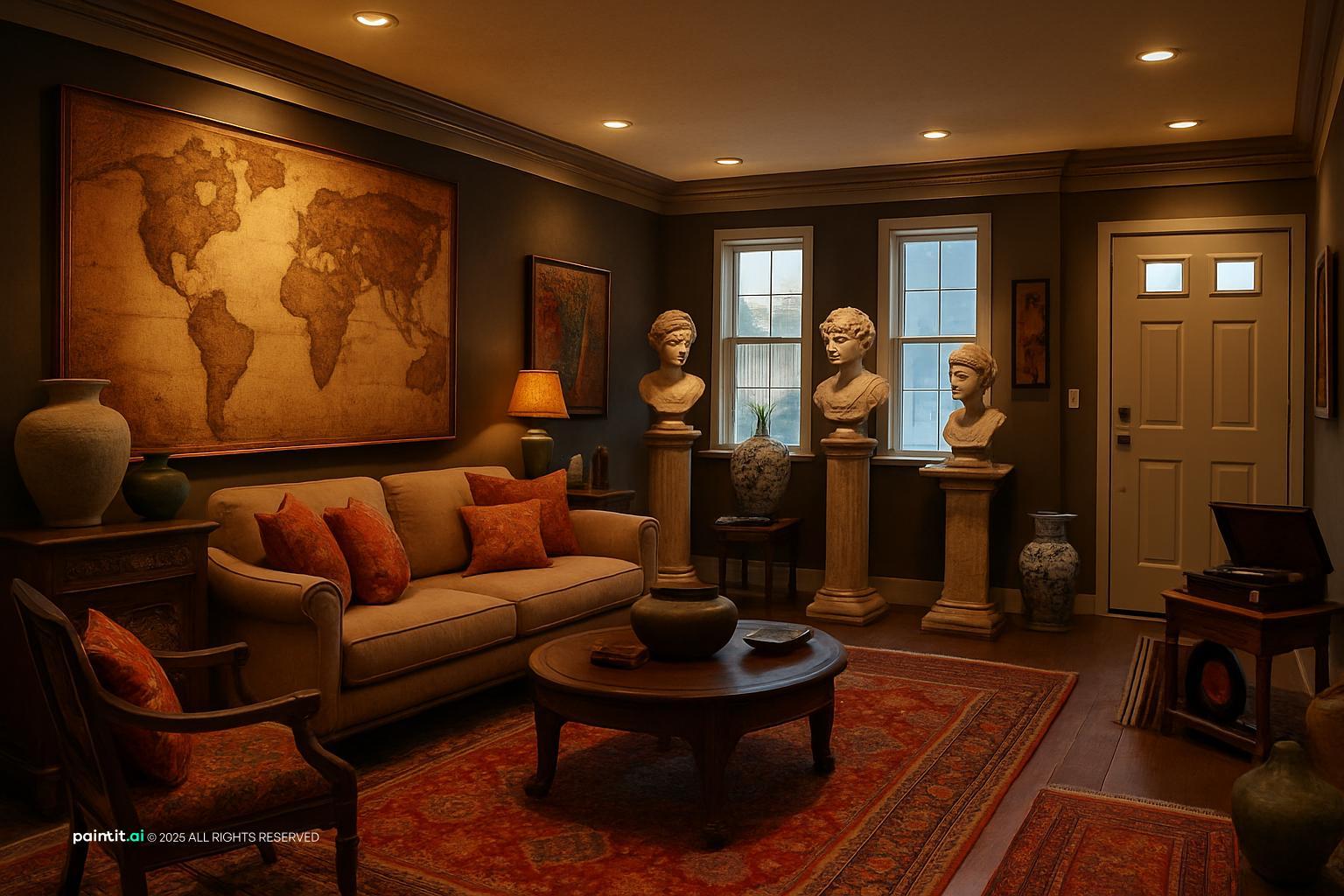
Pro Tip: To achieve this effect, try using clear glass blocks for maximum light transmission or frosted ones for increased privacy and diffused light.
-
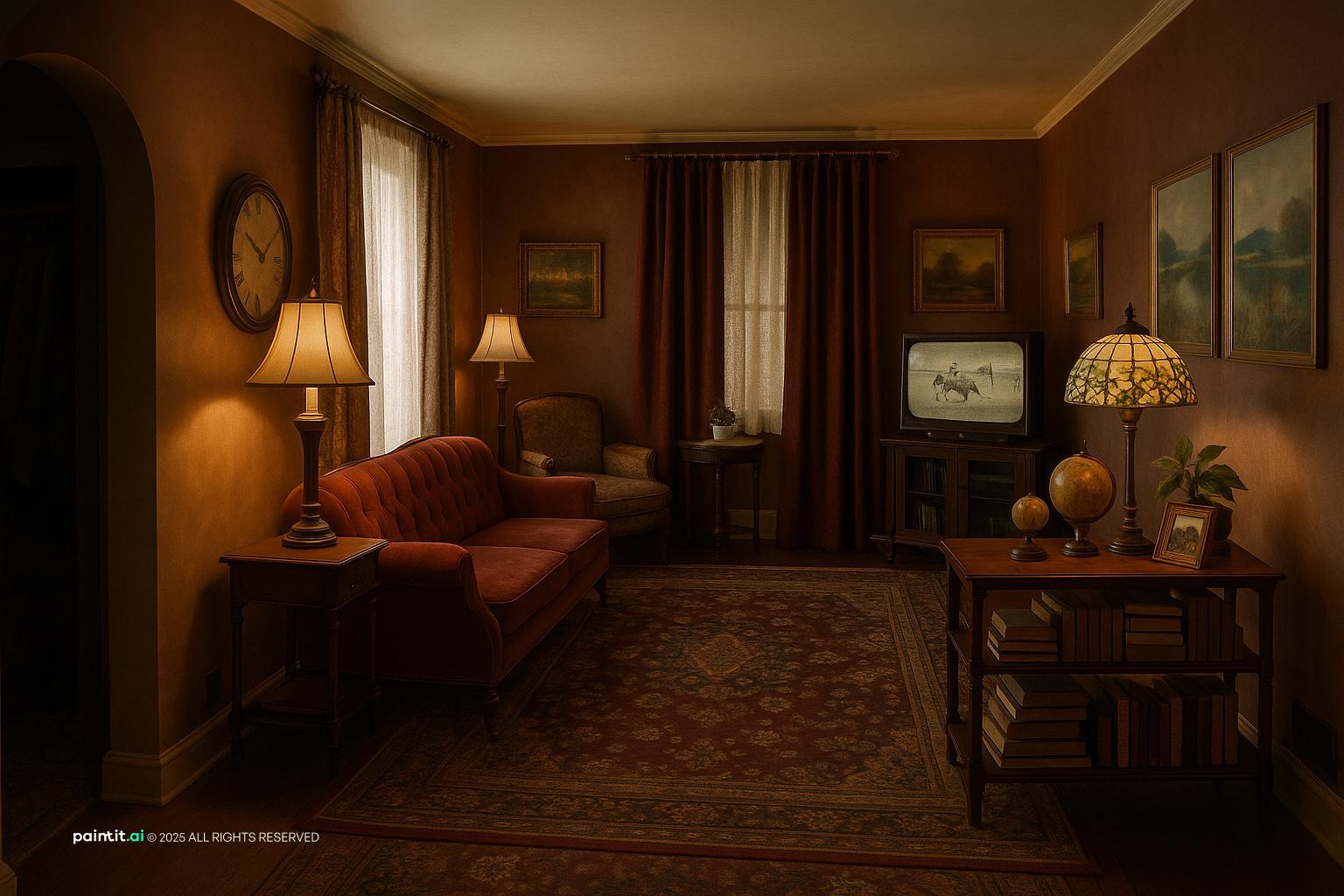
Shiny, lacquered furniture was a hallmark of 80s luxury and sophistication. It reflects light beautifully, adding a polished, almost futuristic look to any room. This finish instantly elevates a piece, making it feel expensive and intentional.
-
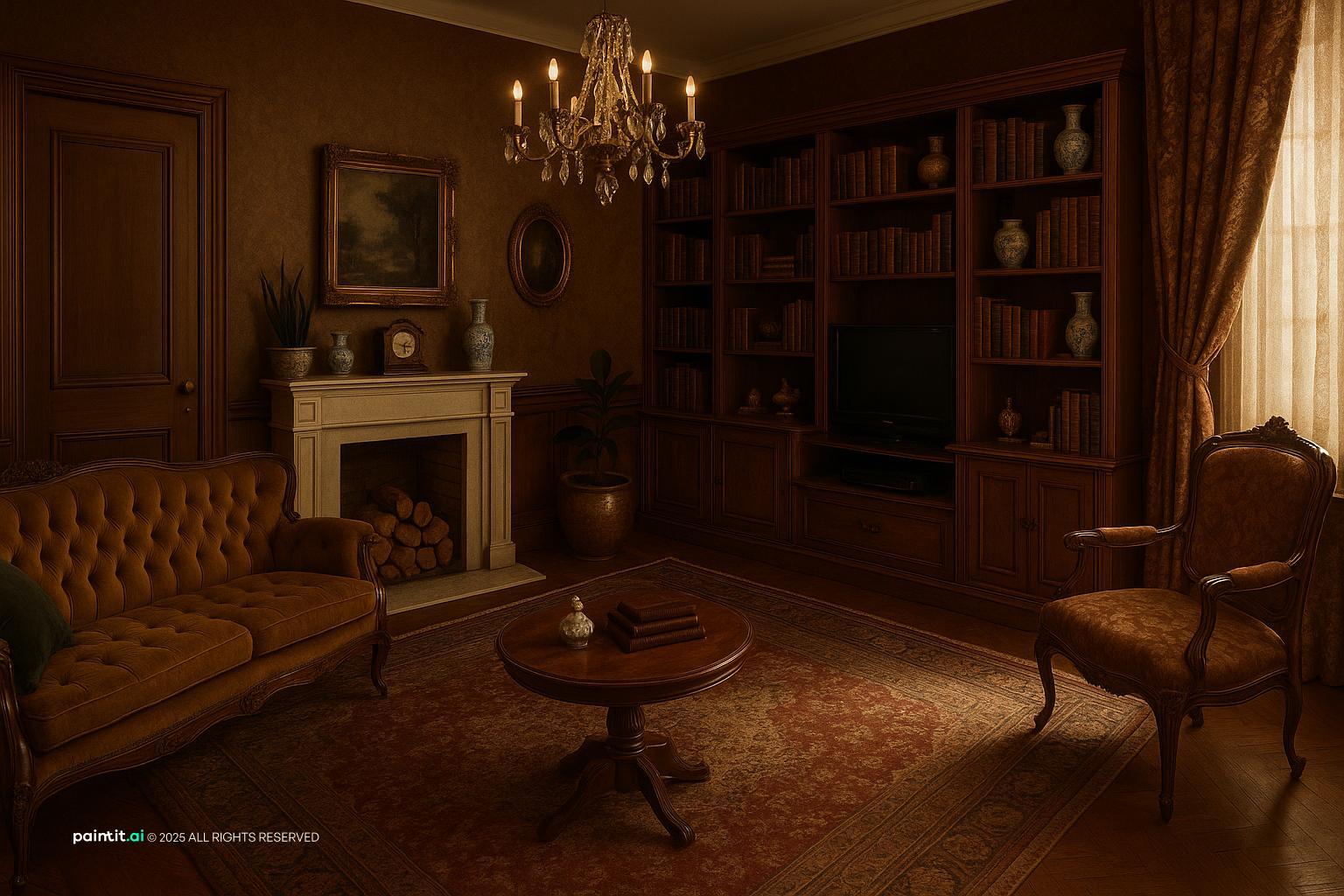
Introduce a lacquered console table, a sleek coffee table, or even a bookshelf in a high-gloss finish. Choose classic black or white for timeless appeal, or opt for a bold color like deep red or electric blue to make a stronger statement. Balance is key here.
-
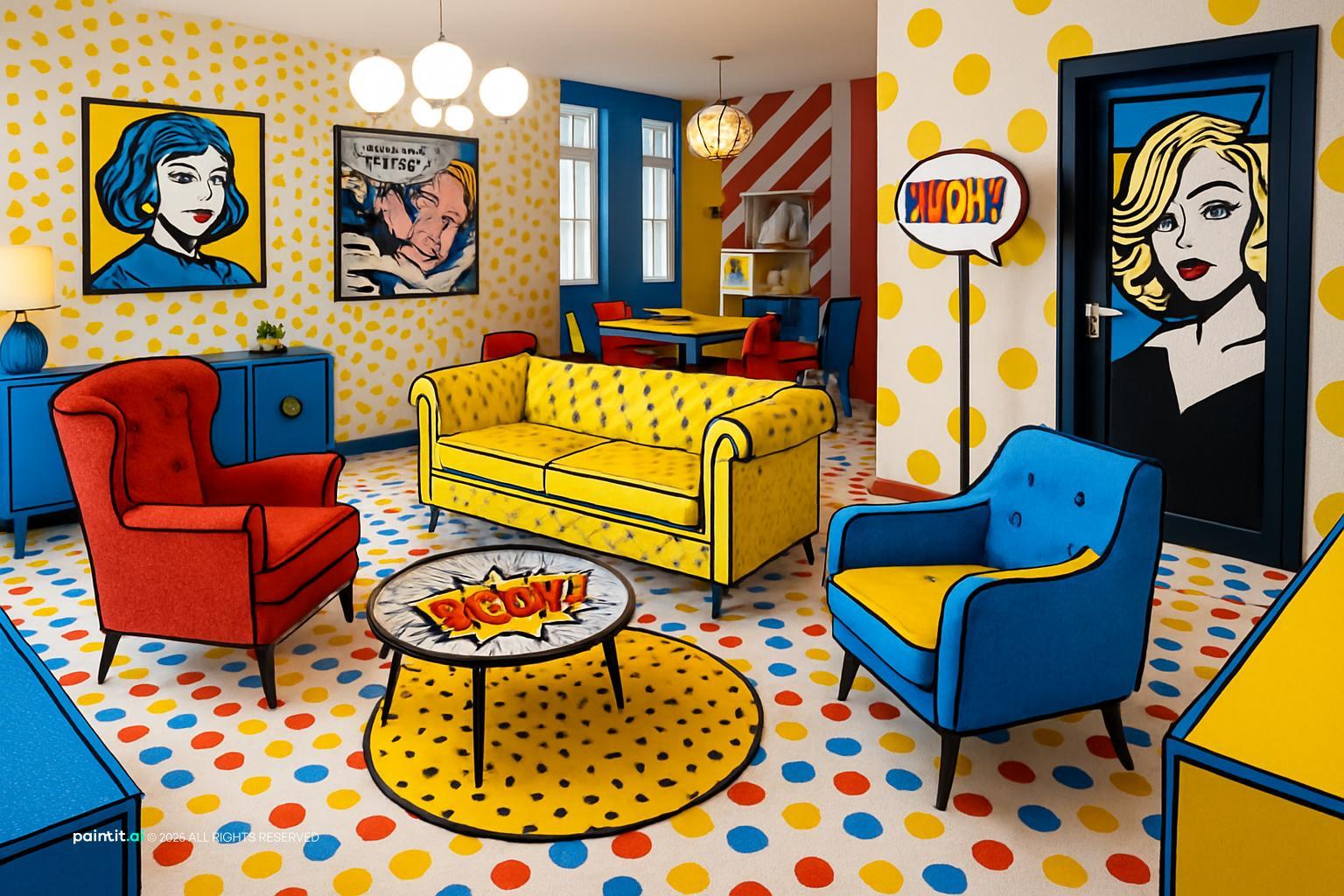
Pro Tip: To achieve this effect, try balancing the high-gloss with matte textures elsewhere in the room to prevent it from feeling too overwhelming or cold.
-
The influence of shows like Miami Vice brought a distinct tropical, pastel-infused aesthetic into homes. It's a relaxed yet stylish look that evokes sunny days and effortless cool. This vibe is perfect for creating an escape within your own home.
-
Incorporate upholstery with palm leaf patterns, throw pillows featuring flamingo motifs, or a large botanical print on the wall. Pair these vibrant prints with crisp white furniture and pastel accents for an authentic, yet fresh, interpretation. It’s about bringing the outside in.
-
Pro Tip: To achieve this effect, try pairing these prints with crisp white and pastel furniture for an authentic, yet refined, tropical feel.
-
Not all 80s interiors were about neon intensity. A softer side embraced delicate pastels, often paired with crisp white or black for contrast. This offers a more subtle, sophisticated way to evoke the era without going full retro. It’s surprisingly versatile.
-
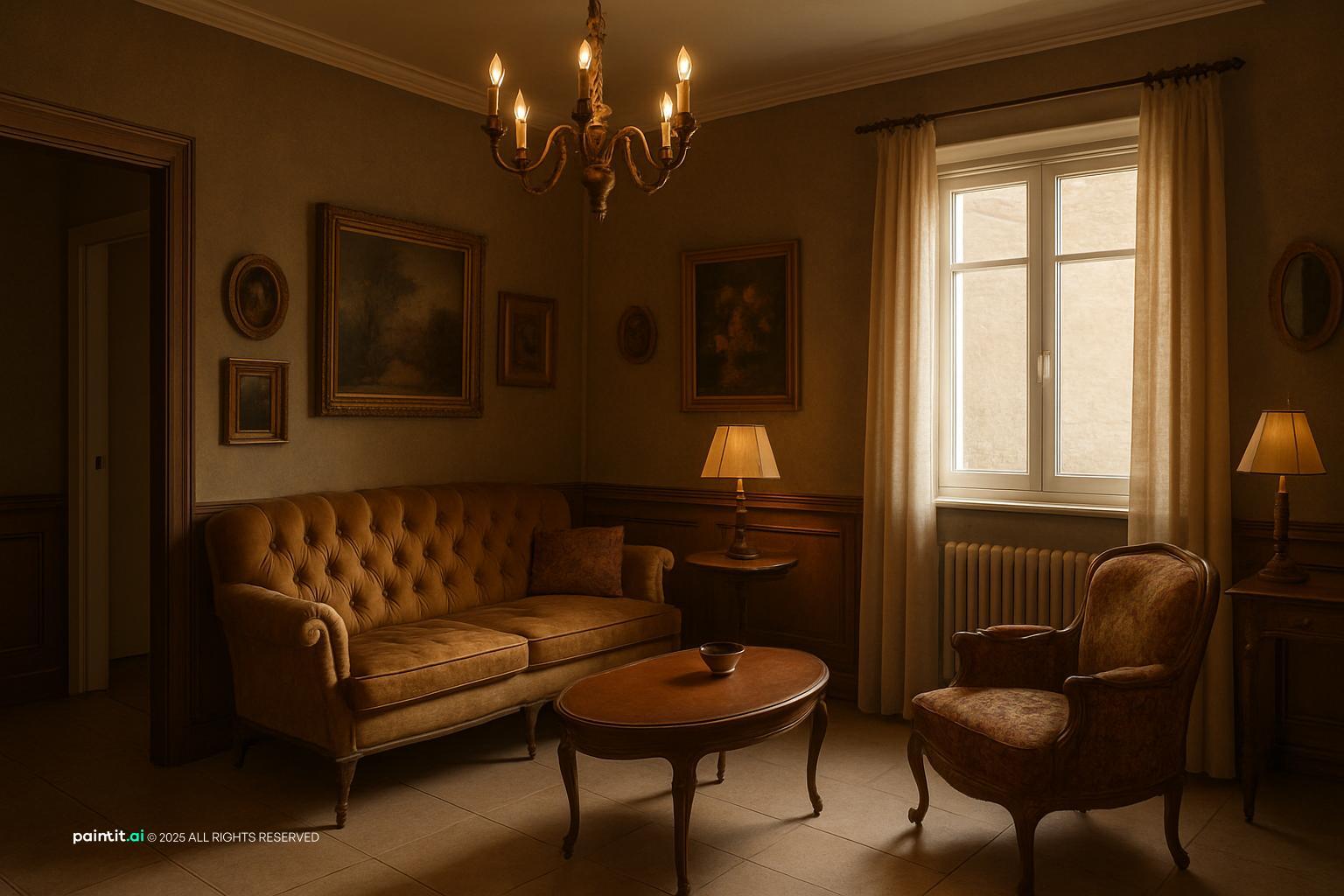
Consider walls in a soft peach or mint green. Furniture in muted lavender or baby blue can add a gentle touch of color. Integrate geometric patterns in these softer tones through textiles or smaller decorative items. Grounding these pastels with touches of black or dark grey provides a contemporary edge.
-
Pro Tip: To achieve this effect, try grounding the pastels with touches of black or dark grey for a contemporary contrast that prevents it from looking too saccharine.
-
The 80s marked the dawn of personal technology, and incorporating vintage electronics as decorative elements can be a unique way to celebrate the era. It’s about acknowledging the past while living in the present, creating conversation starters.
Beyond Neon: Deconstructing the 80s Aesthetic for Modern Living to Life with Paintit.ai
-
The 80s palette is anything but shy; it demands attention. Think electric blue as your primary accent, perhaps on a statement armchair or a bold piece of art. Balance this with a secondary tone like fuchsia or a vibrant lime green, used sparingly on throw pillows or a small decorative object. For a base, I’ve seen this work best with crisp white walls or even a soft, dusty grey to let the bolder hues truly pop. Most people forget that black is crucial here, providing sharp contrast and grounding the otherwise playful scheme. A touch of mint green can soften the edges, offering a pastel counterpoint to the more intense colors.
-
Texture and material choices define the decade’s sleek, futuristic edge. Lacquer is non-negotiable; its high-gloss finish on a console table or a cabinet reflects light, adding instant drama and a sense of luxury. Chrome, with its cool, metallic sheen, appears on lamp bases, coffee table legs, or an étagère, injecting industrial sophistication. Glass is another cornerstone, particularly in chunky, geometric forms for coffee tables or side tables, creating an open, airy feel while maintaining visual weight. For textiles, consider plush velvet on an accent cushion or a geometric pattern on a rug; these add a tactile softness that prevents the space from feeling too cold or sterile, creating a dynamic interplay of hard and soft.
-
An oversized modular sofa anchors the entire room, its low-slung profile and generous proportions inviting relaxation. Look for pieces with rounded edges or a slightly deconstructed shape; this isn't about rigid lines. A glass coffee table, often with a chrome or black lacquer base, sits centrally, its transparency maintaining an open feel. It might seem odd at first, but a chrome étagère or a display cabinet is absolutely vital. This piece provides vertical interest and a place to showcase your carefully curated decorative items, embodying that quintessential 80s blend of function and display. Choosing the right scale for these pieces is paramount; they should feel substantial without overwhelming the space.
-
Achieving the perfect 80s atmosphere relies on layered lighting. Ambient light can come from recessed track lighting with halogen bulbs, casting a clean, bright glow. For task lighting, geometric table lamps with opaque shades or even glass block lamps provide focused illumination and a distinct period touch. Most people forget that accent lighting truly brings the drama. Consider uplighters placed behind plants or furniture to create intriguing shadows, or a small, tasteful neon sign for a pop of unexpected color and personality. The truth is, it’s about creating contrasts and highlighting specific architectural features or art pieces, not just flooding the room with light.
-
Styling accents in an 80s living room is where personality truly shines. Think abstract art with bold brushstrokes or graphic prints, perhaps framed in chrome. Potted plants like a snake plant or a large fern in a geometric planter add life and a touch of organic contrast to the hard lines. Now, for the 3-5-7 rule: this is your secret weapon for creating visually pleasing arrangements. On a coffee table, group three items of varying heights – perhaps a lacquered tray, a small abstract sculpture, and a stack of art books. On a bookshelf, arrange five objects: two books, a chrome vase, a small bust, and a vibrant paperweight. For a larger display, like a mantelpiece, seven items can create a rich, layered look, incorporating framed photos, candles, and a small plant. This rule ensures balance and prevents clutter, even with bold choices.
Paintit.ai Unlocks the Perfect 80s Living Room Balance Design Ideas
The truth is, crafting an 80s inspired living room without it feeling like a time capsule requires a delicate touch. Bold geometric patterns, unexpected color combinations, and specific furniture silhouettes are iconic, yes. But how do you integrate a dusty rose sofa or a glass block partition into a contemporary setting? It might seem odd at first, but visualizing these elements together is crucial. Paintit.ai allows you to instantly experiment with these audacious design choices. See that Memphis Group-inspired lamp next to a pastel accent wall. Does it clash? Or does it sing? You can iterate through countless options in moments, avoiding expensive redecorating mistakes. Discover your perfect 80s fusion; try paintit.ai now.
FAQ
-
Focus on balance. Don't overdo neon or geometric patterns. A single statement piece, like a Memphis Group side table, speaks volumes. Avoid clutter; clean lines are key.
-
Think pastels with a punch. Dusty rose, mint green, and lavender paired with electric blue or chrome accents. I’ve seen this work best when grounded by a neutral, like a soft gray or cream wall.
-
Lacquered finishes, glass, and chrome are non-negotiable. Look for chunky, rounded sofas, perhaps in leather or a textured fabric. Plexiglass coffee tables add that perfect futuristic touch. It might seem odd at first, but it works.
-
Neon signs are iconic. Track lighting or uplighters create drama. Accessorize with abstract art, geometric vases, and maybe a vintage boombox. Most people forget that less is often more with these bold elements.
-
Absolutely. Select a few key elements, like a single arcade-inspired art piece or a pastel accent wall. Pair them with minimalist modern furniture. The truth is, a subtle homage is often more impactful than a full immersion.